In the North Bay































































































Monday 8am-2pm (summer)
Thursday & Friday 7am-3pm
Saturday & Sunday 8am-4pm
PUBLISHER
Rosemary Olson
EDITOR
Daedalus Howell
COPY EDITOR
Suzanne Michel
CONTRIBUTORS
Bill Forman
Mindi Levine
Nikki Silverstein
Roderick Simpson
CREATIVE SERVICES
PRODUCTION MANAGER
Deb Fisher
PRODUCTION OPERATIONS MANAGER
Zk Bradley
ASSISTANT EDITORIAL
PRODUCTION MANAGER
Haley Tweedell
GRAPHIC DESIGNERS
Jennifer Meyer
Jackie Mujica
Elena Razganov
Rowdy Tomkins
EDITORIAL GRAPHIC
DESIGNER
Dina Kuhar
ADVERTISING DIRECTOR
Lisa Marie Santos
ADVERTISING ACCOUNT MANAGERS
Danielle McCoy
Dianna Stone
CEO/EXECUTIVE
Dan Pulcrano
DIRECTOR
Cindy Couling

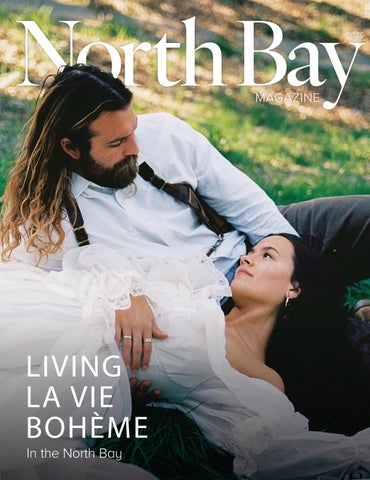
La vie bohème is in the air—again. Or perhaps it’s merely the preponderance of bohemian-themed (or at least branded) events of late.
From the elite bacchanal of power and privilege that annually takes over Bohemian Grove to the bawdy revue, Raw Bohème, courtesy of Stage Left Theatre’s Forbidden Kiss series, the pungent embrace of Boho ballyhoo is real. Well, I’m involved with two out of three if one counts the alt-weekly, the Bohemian, which I also edit.
All of my bohemianoid lifestyle choices share one thing: They keep me on the razor’s edge of art and commerce, which many readers will know is a close shave. I’ve been attempting to define “bohemian” for most of my professional life, and much of life prior—particularly the ’80s, when, as the motion picture of
my early years might be titled, I Was a Teenage Beatnik.
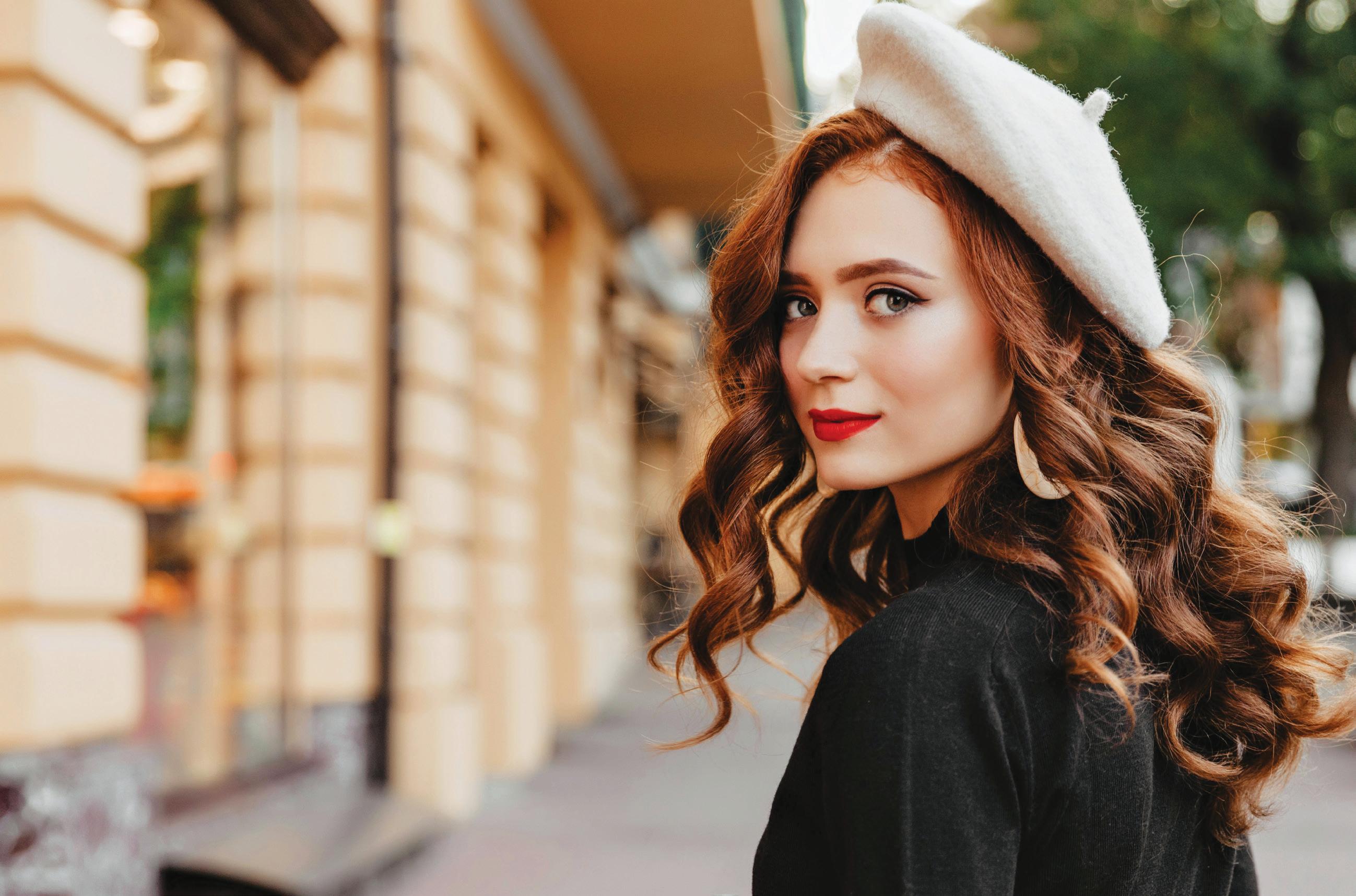
Inasmuch as I was enamored with the Beat Generation writers, it was admittedly the aesthetic of the acolyte class—the turtlenecked, beret-wearing nonconformists—that caught my eye. But their strange spur of mid-century modernism with its minimalist leanings and leotards eventually gave way to the maximalist Boho Chic that later captured the popular design imagination.
Drawing from 19th-century Francophilic origins, ’60s and ’70s counterculture and the early aughts, Boho Chic became an orange-wine spritzer of eclectic bohemian elements paired with luxury. This was when your friends’ living rooms looked as though they’d pitched a Bedouin tent at Coachella and decorated the interior with Roche Bobois and Goodwill. More was “more,” and yet so much less convenient when vacuuming.
But true bohemianism is not a decorating scheme, a dress code or a reliable business model. It is a state of mind—and probably a state of undress. It’s the impulse to live by imagination rather than instruction, to exalt experience over convention and to keep making the work even when the work refuses to make money.
In this special Bohème edition of North Bay Magazine , we try to capture that spirit: from the secretive rituals of Bohemian Grove to the playful transgressions of Raw Bohème, and the artists, outsiders, makers and magnificent oddballs who continue to make the North Bay feel less like a market and more like the scene we’ve always desired.
Or, as the man sang in “Bohemian Rhapsody,” “Is this the real life? Is this just fantasy?”
— Daedalus Howell, editor
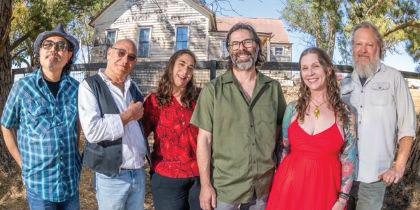
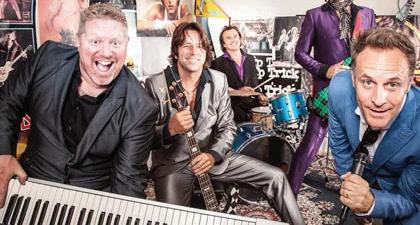
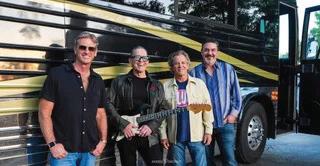
SOUL
SUN AUG
JERRY’S MIDDLE FINGER
SUN SEPT 6
WONDER BREAD 5
MON SEPT 7
SONS OF CHAMPLIN
SUN

TASTY TOME Restaurateur Charlie Palmer is the author of several books, including his latest, ‘Wineland: Celebrating the Heart of Sonoma.’
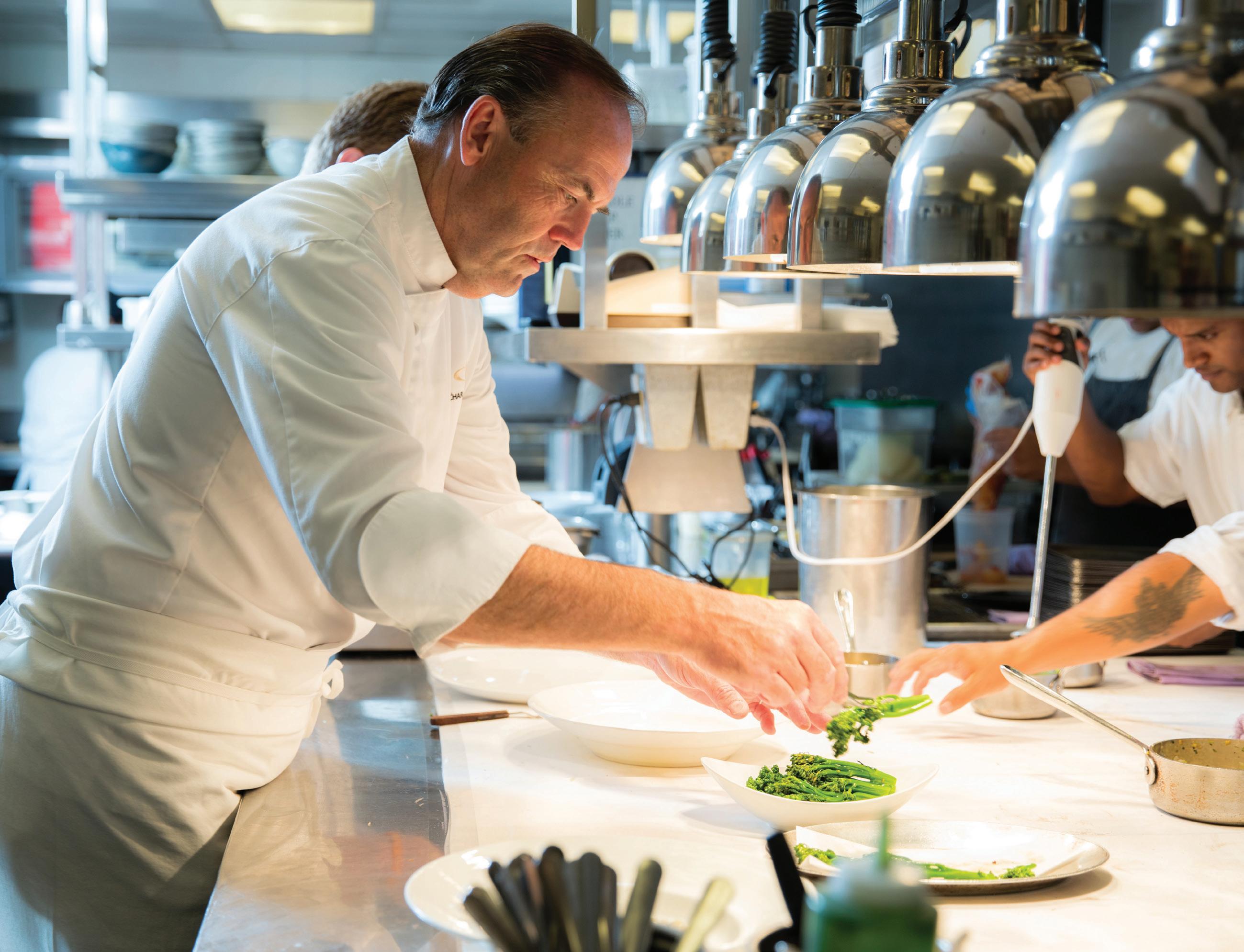
With his new book, ‘Wineland: Celebrating the Heart of Sonoma,’ the chef, vintner and hotelier turns Sonoma County into a love letter of recipes and photographs.
Charlie Palmer has built restaurants from New York to Napa, earned James Beard honors, helped define regional American cooking and made Dry Creek Kitchen in Healdsburg a Sonoma County institution.
But his new book, Wineland: Celebrating the Heart of Sonoma, is not simply another chef’s tribute to food and wine. It is a
portrait of a place, and of the people who make that place taste, feel and live the way it does.
Through transportive photography, recipes and 20 profiles of vintners, chefs, farmers and craftspeople, Wineland explores the Sonoma County community Palmer has called home for more than 20 years. Its cast includes SingleThread’s Kyle and Katina Connaughton, baker Melissa Yanc, vintner Amelia Ceja and many
BY MINDI LEVINE
others whose work reflects the region’s deep connection to land, season and craft. Palmer spoke with Mindi Levine on Get Lit, The Krush 95.9’s weekly book chat, about leaving New York for Sonoma, why the county feels “genuine” and why Wineland means much more than wine.
Mindi Levine: Let’s start at the beginning. What is your book, Wineland, about?
Charlie Palmer: Wineland is really about the soul of Sonoma County, and my 20-plus years here, and moving here from New York 25 years ago.
»»
You’re actually in New York right now, right?
I’m actually in New York right now, so I’m on the reverse coast. The other coast, they say.
So what makes Sonoma County the subject of a whole book for you?
It’s a really comprehensive kind of love letter to Sonoma, and it encompasses all the things that make what I call Wineland phenomenal. And really when I say that, when I think of it as Wineland, it’s really much more about not just the wine. Obviously, that’s a huge part of where we live and thrive and breathe, but really about the lifestyle, the culture that is Sonoma County, and all the great things about it. All the growers, all the craftspeople, all the people that make it special. And in a lot of cases, the personalities of those people, and the drive and what makes what they do really special, and then collectively what that does to us or what that does for us in the kitchen especially, but what ends up in the glass.
So the book is not just about wine but about a whole Sonoma way of living?
And really what I think about when I think about what makes it special for us to be in a beautiful place like Sonoma County. Healdsburg specifically. We’re very blessed. It’s not just the weather, the views, the nature and everything that’s growing around you. But it’s the way that people act when they’re here—in Sonoma County.
You had a thriving career in New York. What drew you to Sonoma County more than 20 years ago?
Well, my wife and I, Lisa and I, decided that we wanted to live somewhere else and raise our four sons in a different place. Not because we didn’t love New York... We have a home in New York and always will. And New York is the greatest city in the world, honestly. And just to experience something different.
I grew up in a small farming town in upstate New York. Very different from Sonoma County, but, in a lot of ways, the same kind of cultural ideas in a small town ... where everyone kind of knows each other. Everybody ... kind of helps each other. And that’s another thing that makes it special.
As a wine-growing region, what distinguishes Sonoma County from other places?
In a simple word, it’s genuine. Everybody talks about wineries, for example… A lot of wineries come from … people loving the world of wine and wanting to be involved in it and making wine... But you see a lot more in Sonoma County where it’s, at least in my opinion, all the greatest wineries and winemakers were really grape growers to begin with.
They’re farmers. They were farmers and then became winemakers or vintners.
You have a great phrase in there—the idea of growing wine, not just grapes. So some people say that they don’t really get it when people say, ‘We don’t grow grapes; we grow wine.’
But when you really think about it, that’s what’s happening here in Sonoma. And so they’re growing. They’re wine growers. They’re not grape growers. …They’re growing the grapes that become wine, right?
What about Sonoma County do you think would surprise people who don’t live here?
I think the biggest surprise would be, or the unknown, is the depth of what we have in Sonoma County. The extent of people growing and craftspeople making everything imaginable.
And not just food, but I’m talking about the crafting of everything... Whether it’s just ceramics or … there’s so many bee farms—there’s so much bee action and honey action going on now—right ... in Sonoma County.
I just think that’s so amazing, and people don’t realize that till they really dig into it or understand it.
And that depth is what the book is trying to capture?
And that’s really what this book is about … letting people really know and surprising people in some ways of the depth of what’s happening in Sonoma County. And it’s just the beginning, and it’s just a small sampling of it too.
This is a pretty large book, but it’s just kind of handpicked a few of the great things that are going on. A few of the chefs. There’s hundreds of chefs ... making things happen here. There’s dozens and hundreds of winemakers that are doing incredibly special things, and the growers and the people that are raising everything from poultry, to what’s happening in Sonoma, where Petaluma was at one point the poultry capital of California.
But still is, in a lot of ways, very much so. But also doing it in a very responsible and the right way ... which is a big thing, obviously, for all of us.
Charlie Palmer is the author of ‘Wineland: Celebrating the Heart of Sonoma.’ A chef, vintner, hotelier and longtime champion of regional American cooking, Palmer first gained national recognition with Aureole in New York and now oversees restaurants and hospitality properties across the country, including Dry Creek Kitchen at Hotel Healdsburg. His latest book celebrates Sonoma County through photography, recipes and profiles of the people who grow, cook, craft and pour its sense of place. Edited for length and clarity.

Hired by the King to drama tize a suspicious 1605 ter rorist plot, William Shakespeare uncovers a bizar re tr uth tha t forces his troupe into a deadly dilemma This high- stakes alter na te histor y blends humor and drama as the actors must choose between risking their necks or fabrica ting a lie

The moving, tr ue stor y of WWI soldiers who spontaneously laid down ar ms and together celebra ted a warfront holiday of peace Told in the words and songs of the men who lived it

This 2017 musical follows an invisible 17year-old who gains the chance to reinvent himself after a community tragedy thr usts him into a major controversy However, as his well-intentioned lies begin to unravel, he must face the steep price of finally belonging.
When a practical daughter brings her wealthy, strait-laced fiancé's family to meet her delight- fully eccentric household, their wildly dif ferent worlds collide A disastrously timed dinner par ty forces ever yone to question wha t tr uly ma tters in life A classic American comedy!
When Emer y’s botanical research videos accidentally ignite a cult around her treehouse, her life and those around her are plunged into chaos This sa tirical, sweet comedy follows three women forced to find their bliss amid the sudden madness

When newly crowned Queen Elsa accidentally freezes her kingdom, her fearless sister Anna embarks on an epic jour ney to save her Together with a r ugged iceman and a goofy snowman, they must find Elsa and break the icy spell with love.

SEE This fruitful moment for bride
is
of
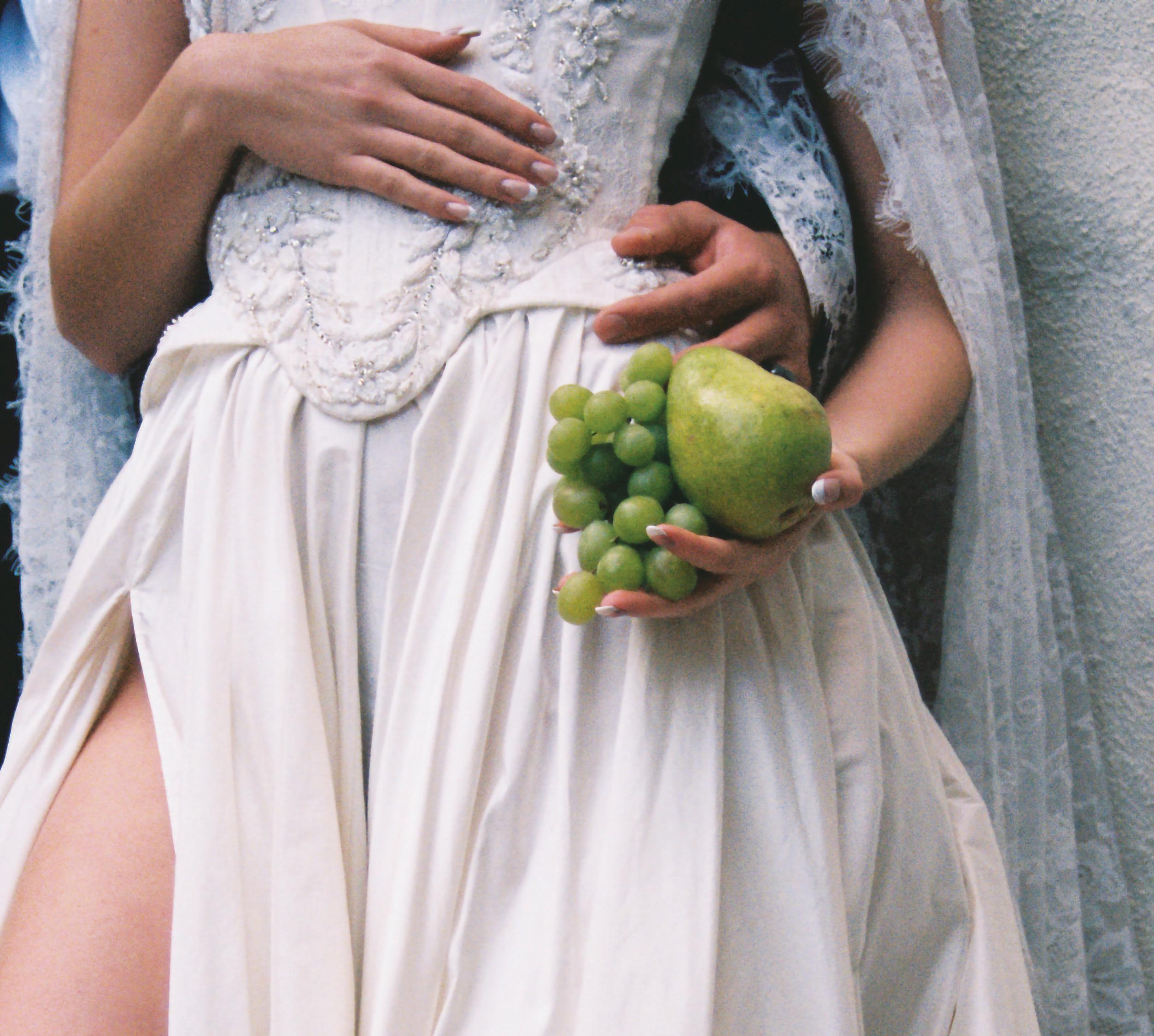
Katelin Corrine reframes the possibilities of wedding photography
Sonoma County-based photographer Katelin Corrine approaches wedding photography as memory-making over mere documentation. »»


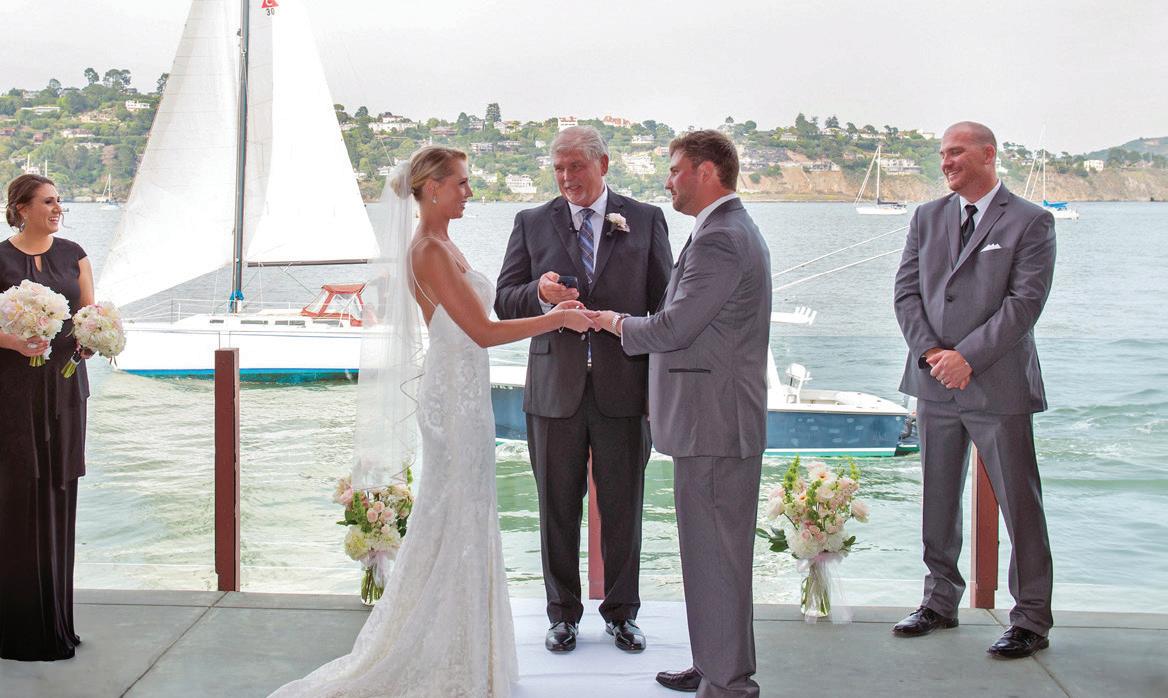

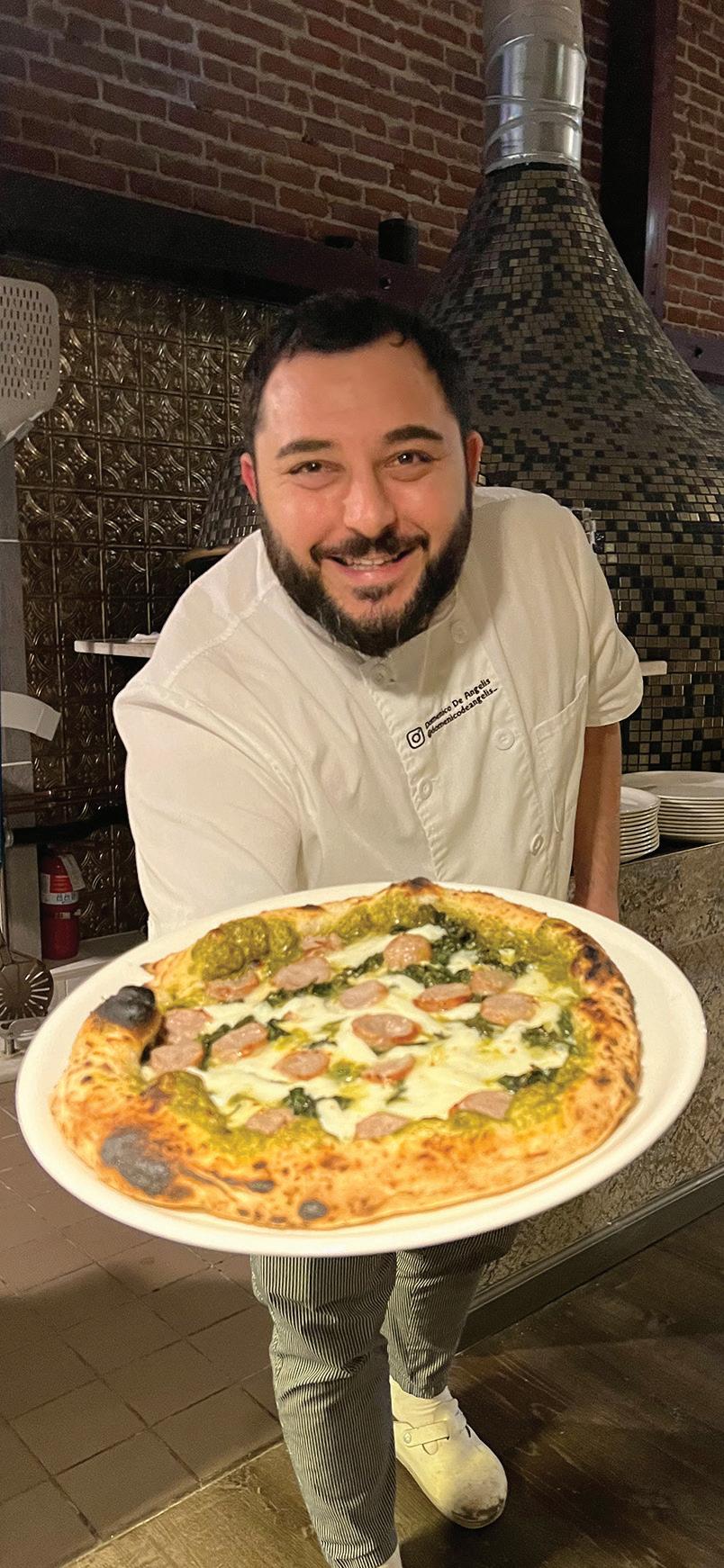
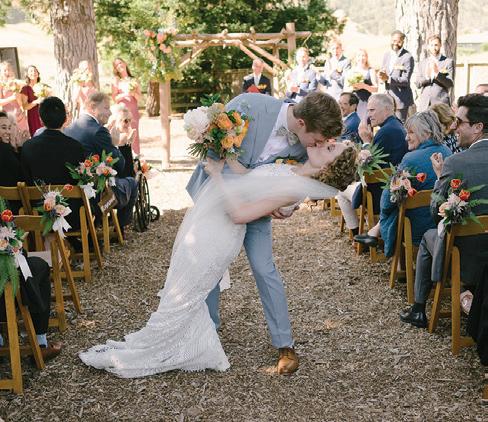
MOVE ‘I observe everything through my lens to capture those authentic moments that they can look back on and feel that memory and nostalgia,’ says photographer Katelin Corrine.
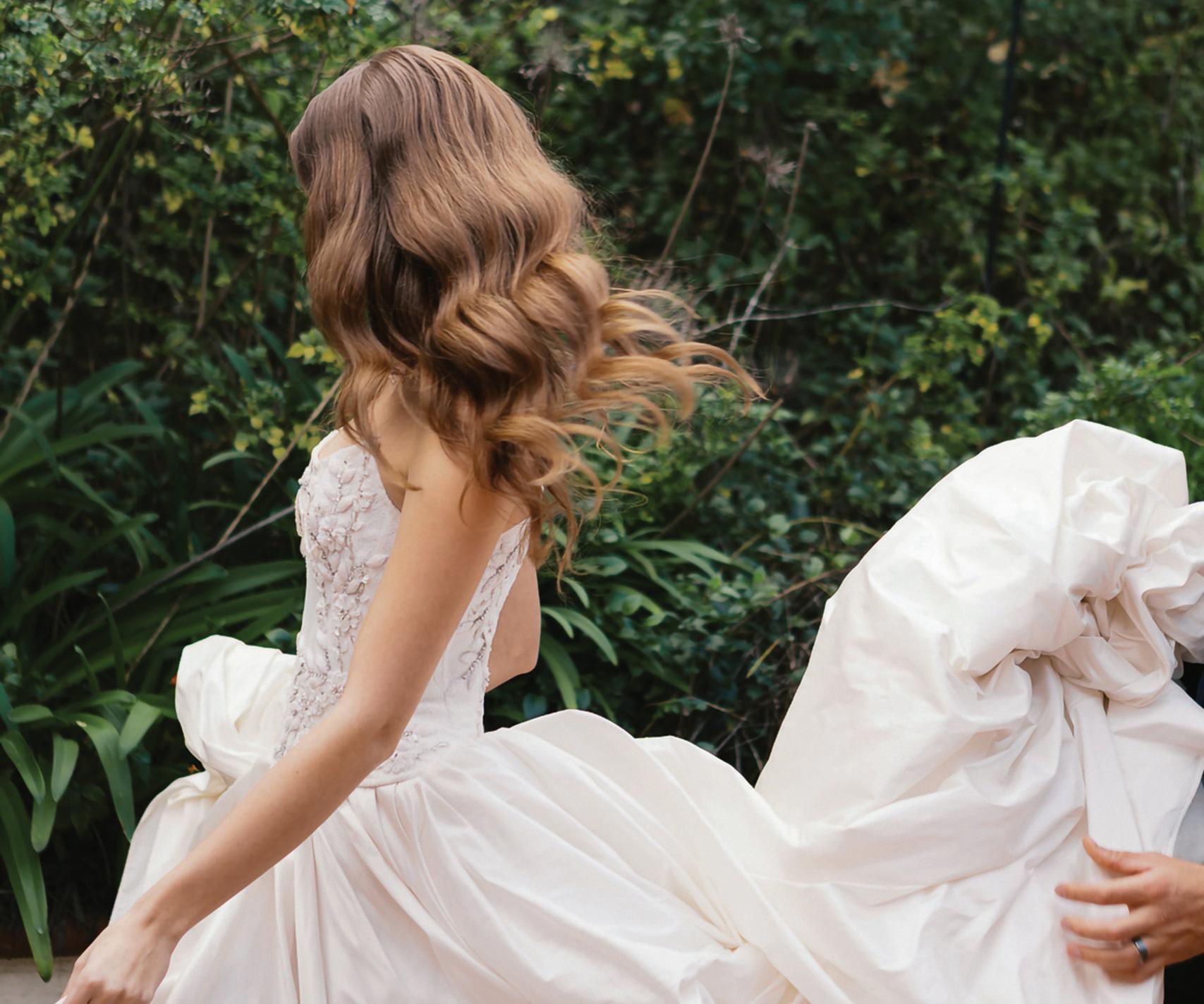
Drawing on her background in theater, dance and graphic design, she combines cinematic composition with candid observation, using playful prompts instead of rigid poses. The result is intimate, nostalgic imagery that captures not only how a wedding looked, but how it felt.
North Bay Magazine: Your work is described as ‘imagery that feels like a memory.’ That's a fascinating distinction from simply documenting an event. What has to happen—emotionally or creatively—for a photograph to transcend documentation and become a memory?
Katelin Corrine: There’s a lot of debate in the photography world about whether
anything is truly ‘timeless,’ but for me, I’m not chasing timelessness; I’m chasing nostalgia. I want to put myself in my couples’ shoes and really capture the moments that are meaningful to them. Whether they are shedding the first tear during their vows, feeling that breath of fresh air during their first looks, laughing with their friends on the dance floor or any moment in between, I observe everything through my lens to capture those authentic moments that they can look back on and feel that memory and nostalgia.
I also shoot film, which is incredibly intentional. With only 36 frames per roll, I want to make each moment count. There is such a distinct feeling that comes from a
photo shot on film. It is a physical memory frozen in time, and I absolutely love it.
You say you prefer prompting over posing. Can you walk me through what that looks like in practice? What’s an example of a prompt that consistently reveals something genuine about a couple that a traditional pose never could?
First and foremost, I always want my couples to feel comfortable in front of the camera. Therefore, I try to not put them in any poses that would feel unnatural to their relationship or personalities. Instead, I like using open-ended prompts.
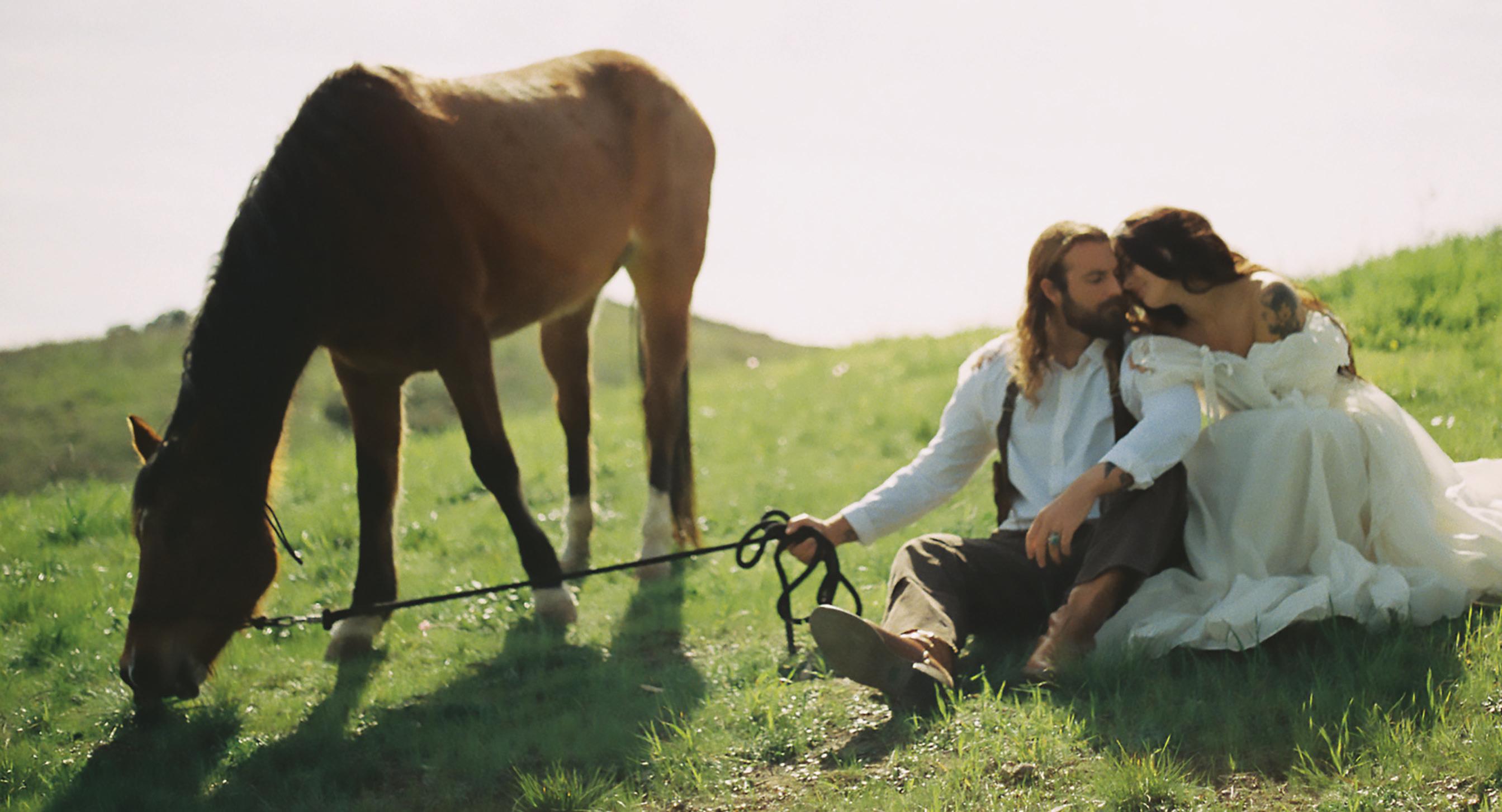
One example that almost always gets a different result is, ‘Trust-fall into


your partner, and then spin around together.’ Some couples trust-fall forward, some backward; then the spin is always different. It also gets a good laugh out of the couple. Getting the body moving and shaking out those jitters always helps. Every couple is different and moves and interacts in their unique way, and it is really special to document their love in a way that is true to them.
Your background spans theater, dance, graphic design, photography and videography. When you’re photographing a wedding, do those earlier artistic disciplines still show up in the way you compose a frame or anticipate a moment?
Absolutely. I take so much inspiration from how to compose a shot and how I’ll prompt and from theater and dance, and my graphic design degree is truly used in every aspect of my job. For theater and dance, not only has that given me the confidence to direct and project my voice when necessary, such as during family photos, but I also draw from how directors block a performance when I’m behind the camera. I love photos with movement and that use the space and environment just like a stage production would.
As for graphic design, a phrase that was mentioned a lot in school was, ‘Design is art with constraints.’ Which essentially boils down to using your
creativity to create a finished product. This helps me so much while editing. My editing style when shooting digitally, for the most part, is very clean and true to tone. I never want to overdo edits. And while the photos are edited, the changes are never obvious. I learned the importance of color theory, color matching and important design principles that show up in my editing and shooting. Speaking of editing, my graphic design degree taught me Photoshop and Lightroom, which I use every single day.
Wedding photographers often become part artist, part therapist, part film director. How do you read a couple’s personalities so you know when to step in with guidance and when to disappear into the background and simply observe? There is definitely a lot that goes into being a wedding photographer, outside of just taking photos. I honestly have been so fortunate to get along so well with all of my couples. I think a big part of gaining that understanding comes from the prep before the wedding day itself.
We typically meet in person for the first time during their engagement session and really get to know each other then. In my opinion, this is a very important part of the process. A mutual trust and respect is crucial. Then when the wedding day comes, we already have an established rapport. It’s funny; I’ve actually had a relative at every
wedding I’ve worked ask me, ‘How long have you and the bride been friends?’ or something along those lines.
Wedding days are filled with a lot of emotion, and the couple is always at the center of everyone’s attention, of course. So one thing I always made sure to do is ask, ‘How are you feeling?’ before jumping into anything. This is their day. The most important thing for me is that they have the best day possible, and I am there to help in any way that I can.
You draw inspiration from old films and fairy tales, yet your work also feels very grounded and documentary. How do you balance creating something cinematic without ever making the couple feel like they’re performing instead of living their day?
This is such a good question, because it is something I am constantly thinking about while capturing weddings. The answer is actually strangely simple: Weddings are a personal fairy tale. Letting the day naturally unfold and capturing the curated details and genuine moments that celebrate each couple’s love in their own authentic way is truly just like watching a romantic movie. When you romanticize everything, nothing feels performative; it feels nostalgic.
— North Bay Magazine Staff Learn more at katelincorrinephoto.com.



Another Shade of
BY BILL FORMAN
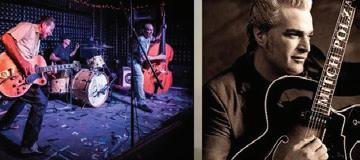
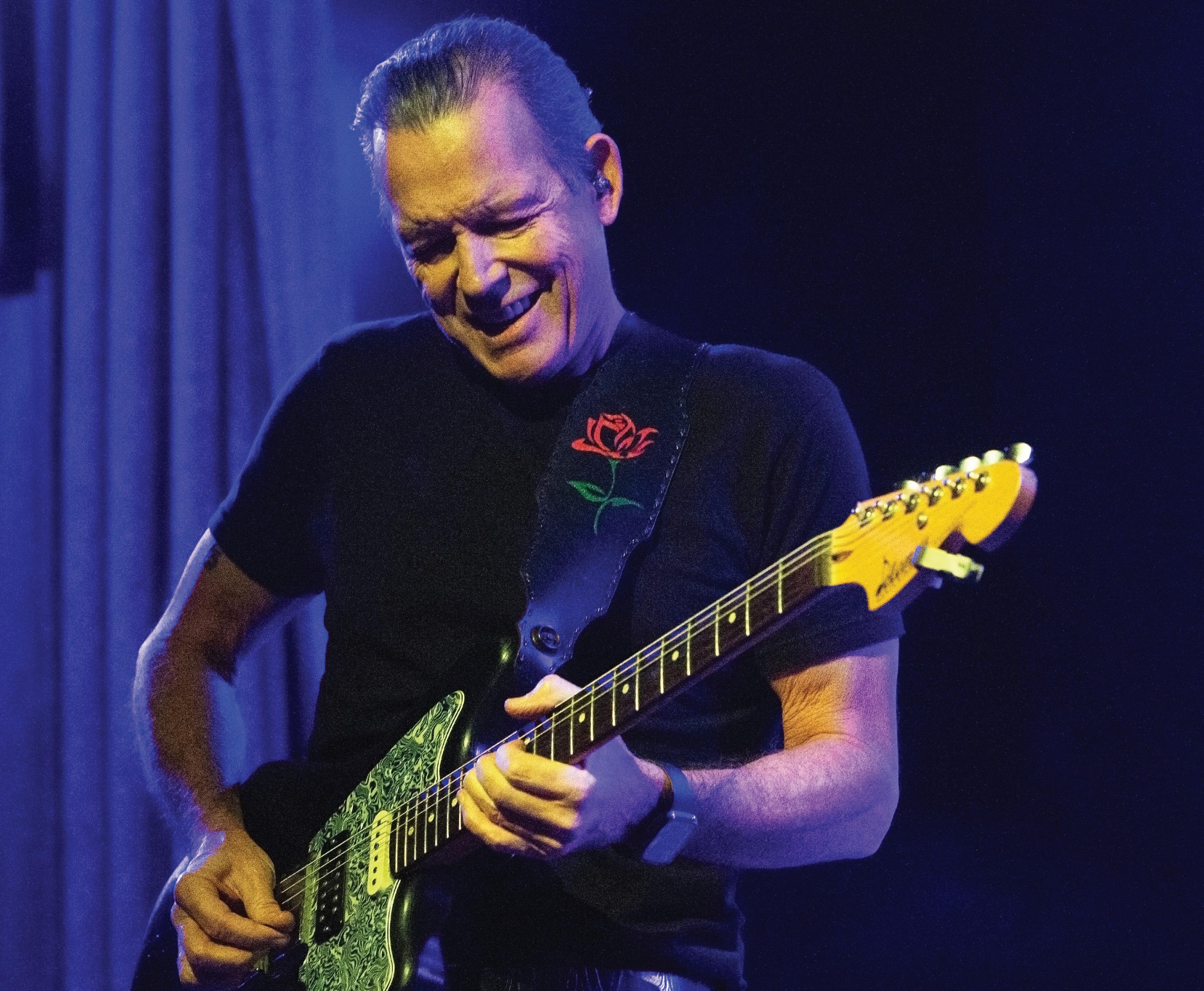
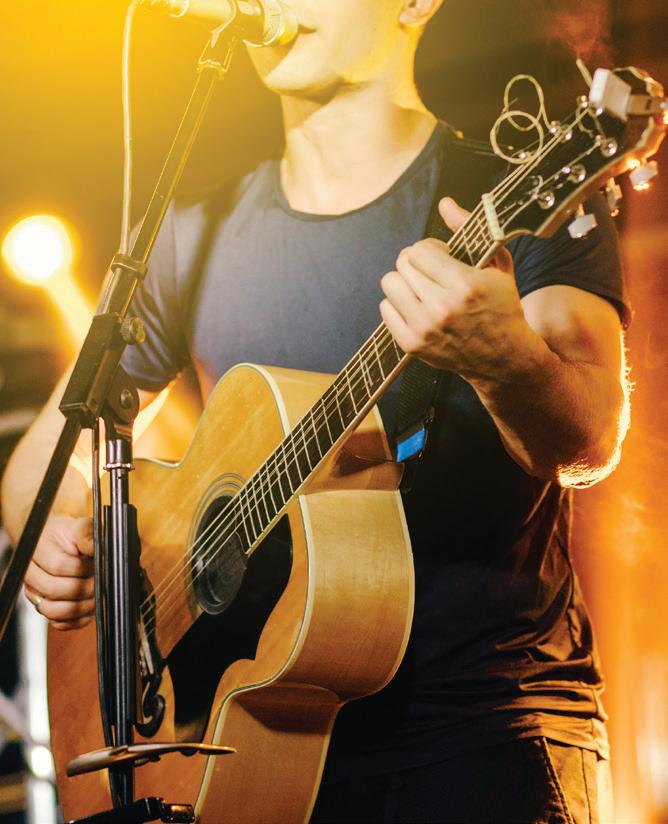
Tommy Castro has spent most of his four-decade career balancing the contemporary and traditional sides of the blues with equal reverence. The Bay Area mainstay will perform two North Bay gigs—one in Napa, one in Nicasio—this September as he supports Closer to the Bone, an album he released last year.




The 14-song collection digs into his roots with covers of classic artists like Wynonie Harris and Jimmy Nolen, alongside blues musicians like Johnny Nitro and Ron Thompson, with whom Castro grew up in the Bay Area.
This album was recorded with producer Kid Andersen at San Jose’s Greaseland—“just a guy’s house,” as Castro put it, that has been converted into a recording space. The band cut everything live in the studio, aiming for the sound of blues legends Elmore James and Buddy Guy. Their goal was to record “one-take wonders,” where the right feel took precedence over minor imperfections.
Castro embraces the blues genre’s evolution, pointing to Christone “Kingfish” Ingram’s integration of hip-hop and soul alongside artists like Jontavious Willis, who maintains the early acoustic tradition.
“A lot of these younger artists are inspired by guys like Joe Bonamassa and Eric Gales and a more modern version of the blues, which is fantastic,” Castro said in a recent interview. “The blues is a living thing. It doesn’t have to stay the same. I’m also really excited about the fact that there are some young guys out there that want to continue to keep the traditional stuff alive."
The learning never stops, added Castro, noting that at a certain point the borrowed pieces stop feeling borrowed.
“There’s a long list of people that I’ve watched and borrowed from,” he stated. “And now, all these years later, whatever it is that I’m doing—wherever I draw from,
‘We don’t want our show to be a concert as much as we want it to be a house party.’
— TOMMY CASTRO

however I was inspired—I feel like it’s all become my own now. I do what I do, and I’m comfortable with that. I’m not trying to be the latest trend. I’m not trying to play like this guy or that guy. I’ve found my groove a while ago, and I’m at my best when I’m being authentic and just being me. And lucky for me, I’ve got a pretty good satchel of tunes to draw from.”
That’s to say the least. Since launching his solo career in 1991, Castro has released more than a dozen studio albums, the six most recent of which have been on Alligator Records, which he joined in 2009.
That authenticity he’s brought to his music extends to the stage, where Castro wants to turn every concert into a house party. He reads the room, and when an audience goes passive, he takes action.
“Once in a while, I’m looking at the audience, and maybe it’s a place where we haven’t been very much, there are a lot of new people in there, and we’re playing our songs and they’re looking at us like they’re watching a movie. (I think) I need to break this. This needs to become a party,” he said. “We don’t want our show to be a concert as much as we want it to be a house party.”
Castro’s instinct is to bring things back to earth, no matter how formal the room.
“We play various kinds of venues, and sometimes it’s a theater—a very proper, squeaky clean, beautiful, state-of-theart theater—and we just want to go in there and mess it up a little bit, just bring it down to earth,” he explained. “And
sometimes, if I’m not connecting with the audience from the stage for whatever reason, I will go out there and sit on a chair and play right at them.”
Castro performs alongside bassist Randy McDonald, and the two occasionally break into what Castro calls “soul steps,” synchronized footwork they’ve carried over from their days in the Bay Area soul band The Dynatones.
“The only thing that’s different is I can’t dance like I used to,” Castro said with a laugh. “When we go into certain kinds of songs, certain kinds of grooves, like when the keyboard player’s taking a solo, Randy and I throw in a couple of what we call soul steps. They’re not dance moves. It’s not choreography. None of those words are allowed. It’s stepping. That’s what it is.”
The steps have gotten harder—his legs remind him of that afterward—but Castro maintains an exercise routine, often including a pre-soundcheck bike ride, so the tradition can continue. As a lifelong road warrior, it’s well worth it.
“When you’re a kid and you’re listening to blues music, there are people who really listen to the old blues guys,” Castro noted. “I listened a lot to the old blues guys. And now I am one, and it’s pretty cool. I didn’t expect to last this long.”
Tommy Castro performs 8pm, Sept. 5, Uptown Theatre, Napa, and 4pm, Sept. 13, as part of ‘BBQs on the Lawn’ at Rancho Nicasio. For more information, visit tommycastro.com.





BY RODERICK SIMPSON
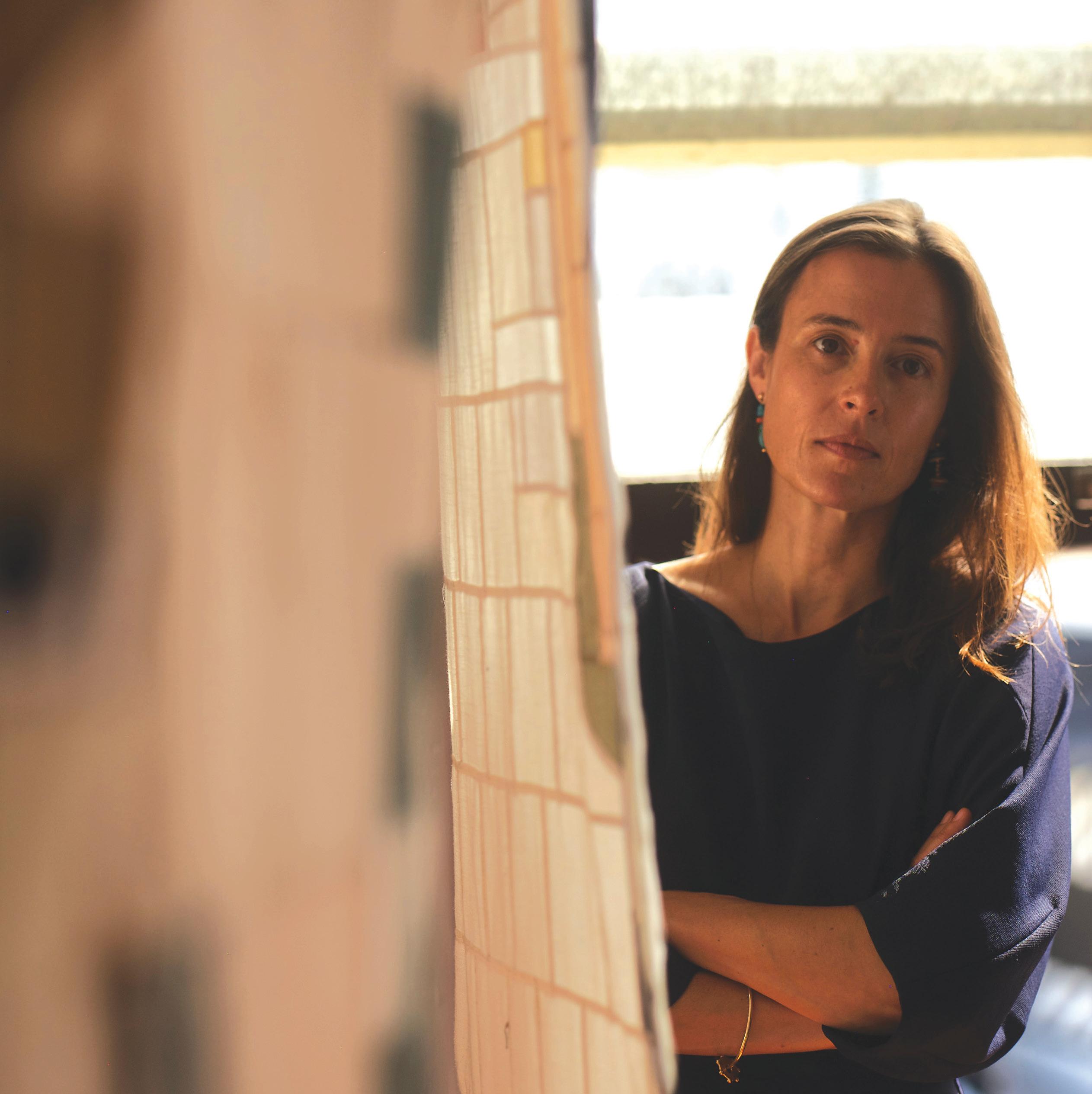
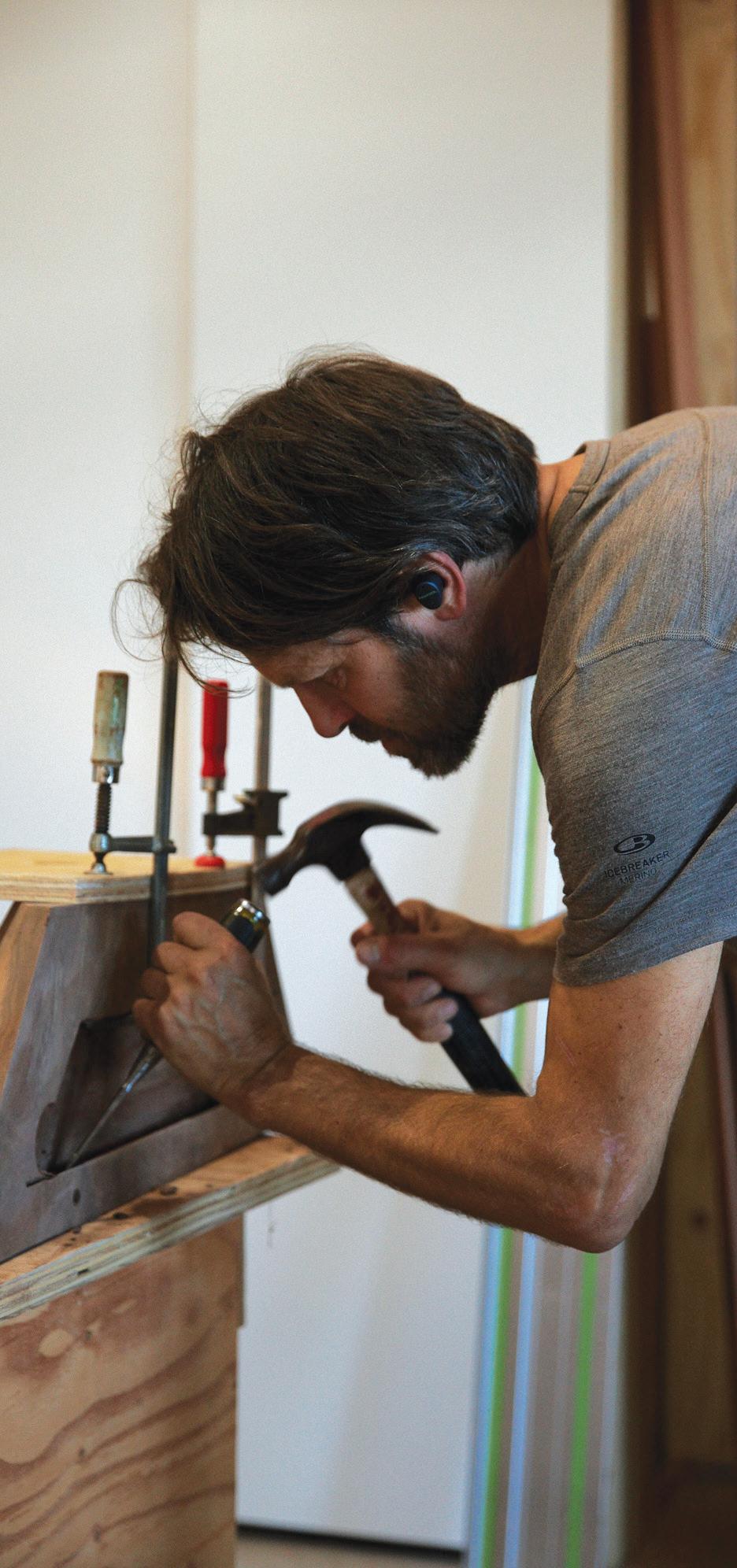
Secluded in the Inverness woods, Mariah Nielson’s childhood home was a veritable salon of emerging California artistic talent in the 1980s. »»
BY


«« The roster of painters, sculptors and craftspeople included the likes of Gordon Onslow Ford, John Anderson, Jack and Patty Wright, Fritz Rauh, Richard Bowman and Lee Mullican. Together, they comprised an informal “lost school” that shared Zen Buddhist principles and emphasized functional art, contrasting with the mid-20th century zeitgeist of abstract expressionism and pop art. Understandably, they greatly influenced Nielsen.
Since then, she has arranged her life around art, particularly the work of her father, the late JB Blunk, and those working in adjacent or intersecting spaces. Nielson, a curator, design historian and artist, is the founder and director of Blunk Space—perhaps the most vital of North Bay galleries. Those fortunate enough to visit her gallery in Point Reyes Station will find she has a knack for holding the past and present of art and design simultaneously.
The titular gallery aspires to showcase the art of those, both historical and contemporary—woodworkers, ceramicists, metalworkers, fiber artists—who could be said to be in conversation with her father and his oeuvre. It’s a tribute to Nielson’s vision and sensibilities that, amongst the (both literal and figurative) heft of Blunk’s output, the space is so potently alive to challenging, current works.
Among the contemporary artists and industrial designers who’ve been featured at Blunk Space are Martino Gamper, Ruby Neri, Adam Pogue, Fabien Cappello, Max Lamb, Jasper Morrison and Bethan Laura Wood—pioneering artists hailing from London to Guadalajara and Tokyo who not only share Blunk’s resonant connection to materials, nature and local craftsmanship, but also, like Blunk, elevate functionality in their approach, disrupting the binary of fine art vs. craft.
The story of JB Blunk as artist, primarily known as a wood sculptor whose interdisciplinary interests extended to ceramics, furniture, jewelry, painting and other forms, dates to a chance run-in with legendary Japanese sculptor Isamu Noguchi, which Blunk parlayed into »»

apprenticeships with master ceramicists Kitaōji Rosanjin and Kaneshige Toyo. From Rosanjin and Toyo, Blunk took away a deep regard for asymmetry, natural imperfections and an indeterminate boundary between art and functional craft.
Blunk gravitated toward found, organic materials, such as wood, stone and clay, making from them sculptures, benches and ceramic plates. His masterwork, however, is undoubtedly the Blunk House in Inverness, which he built and outfitted in its entirety by hand between 1959 and 1962. From the structure itself to the totality of its furniture, housewares and lamp pulls, Blunk brought to it not only his handcrafted sensibility, but one enriched by his salvaging the materials from the surrounding landscape—its forests and beaches—and the region’s scrapyards.
If Henry Moore’s sculptural oeuvre, with its uncanny references to the human form, is forever threaded to the English countryside, Blunk’s giant sculptures—some of which can be found at the Oakland Museum of California and LACMA (including The Planet, a twoton redwood seating sculpture, and also works that echo Moore’s semi-figurative styles and those of other modernists like Barbara Hepworth)—are to West Marin and the Northern Californian coast, crafted as they are from the area’s cypress and redwood, some left behind by loggers.
A giant, wishbone-shaped, slightly Dalí-esque arch, carved from a single redwood trunk, marks the threshold to the garden (Nielson’s brother, Bruno Blunk, later crafted a companion arch made of bronze as a tribute to his father) where JB Blunk and his first wife, Nancy Waite, grew vegetables and fruit trees and raised chickens.
On their one acre plot along the Inverness Ridge, Blunk and Waite (and, later, Christine Nielson, Blunk’s second wife and Mariah Nielson’s mother) endeavored to be self-reliant in a kind of ’60s utopian, hippie-informed way. One can’t help but think of his house, with its woodworking studio and kilns, its treebranch door handles and windows pulled from bent over barns, conceptually and practically, as a counterpoint to another architectural monument down the coast.
But whereas Hearst Castle represents sharply imported luxury and extravagance straddling William Randolph Hearst’s San Francisco media »»

««
empire and Hollywood aspirations, Blunk House feels like Northern California’s long-lost countercultural lodestar, accented with handmade, naturally-dyed wool cushions and gracefully aging, blanketed by the Tomales Bay fog.
An artist herself—she playfully called her 2025 joint show with her mother, showcasing her stone furniture and Christine Nielson’s handwoven cushions, Soft Rock—Mariah Nielson crafts pieces that are studies in creative influence, which, for her, cuts both ways, and uncommonly so.
A former architect and curator at the Museum of Craft & Design in San Francisco, she deftly balances her role as director of her father’s estate. This includes related research into his work, publishing efforts and overseeing the reproduction
of select ceramics, jewelry and more (all of which are featured in Blunk Space) with ongoing gallery curation, connecting dynamic, working artists from California and beyond with Blunk’s expanding sphere and Bay Area audiences.
She produced and published the first monograph about her father, JB Blunk, now in its fourth edition, and has ventured into reissuing out-of-print art books like Leonard Koren’s Undesigning the Bath, a text that sprung out of the cultish, avant garde WET: The Magazine of Gourmet Bathing and is constructed around the idea that design is antithetical to the bathing experience.
Nielson’s efforts to deepen the artistic world’s understanding of Blunk’s collective works, along with the creative milieu he operated in and inspired, and her growing impact on the contemporary art scene are increasingly gaining recognition. She was recently named to the Wallpaper* US400, a list of tastemakers shaping the country’s creative landscape.
Many Blunk Space shows feature a duo of artists, pairing prints with tin tabletop lamps, textiles with paintings, rugs with furniture and bowls. There’s a kind of reverberation of Nielson’s connection, both personal and professional, with Blunk in these shows—the 1:1 connection and conversation, the complementary and distinguishable methods and aesthetics.
One such pairing earlier this year, between John Anderson, an OG member of the Blunk coterie, and Carolina Jiménez, a contemporary, California-born artist based in Brooklyn, captures the kind of reach-across-thedivide connections Nielson is going for, separately and together “facing one of the most profound human experiences across form, medium and generations,” the exhibition notes read, “forming a meditation on creation in its dual sense: the making of art and the making of a family.” A theme—for the artists and for Nielson—both intimate and expansive. For more, visit blunkspace.com.


Pay: $20.00 – $25.00 per hour, Full-time, Part-time Join
Job description: Amada Senior Care is a non-medical, In Home Senior Care Agency that services Sonoma County, Marin County, and Napa County with an office located in Santa Rosa.
Exceptional Pay: Competitive pay with opportunities for pay raises over time.
Flexible Hours: Choose from A.M., P.M., and NOC shifts, full-time or part-time, weekdays or weekends - we accommodate your schedule.
Comprehensive Benefits: Enjoy medical and vision coverage, mileage reimbursement, cell phone reimbursement, and more.
Continuous Growth: Access FREE training programs to enhance your skills and pave the way for future success.
Recognition and Support: Experience the satisfaction of being valued and celebrated for your hard work & dedication.
(CNAs recognized and compensated)
Community Impact: Make a difference in the lives of individuals and families in Sonoma County, Marin County, and Napa County.
Job Duties: Companionship • Transportation (errands, Dr. appointments, etc.) • Meal Prep • Incontinence Care / Toileting • Light Housekeeping • Bathing & Hygiene
• Transferring & Ambulation
Qualified Candidates will have: Must pass background check • Driver’s license • Car Insurance / own vehicle • Clearly read, write, speak, and understand English
• At least 18 years old
Amada Senior Care is an equal opportunity employer and values diversity. All employment is decided on the basis of qualifications, merit, and business needs.
Benefits: 401(k) • Flexible schedule • Health insurance
• Mileage reimbursement • Paid orientation • Paid sick time
• Paid time off • Paid training • Referral program • Vision insurance • License/Certification
Required: Driver’s License • Car Insurance, must pass background check • Ability to Commute • Ability to Relocate
Preferred: Relocate before starting work
Work Location: On the road
$300 SIGN ON BONUS
Conditions apply **$300 will be fully paid out after 400 hours worked**
Scan QR Code to visit our website

A cat village?
I conjured up pictures of a secret feline wonderland beside a creek, a little community of shelters beneath the trees where cats lived peacefully together.
They would stroll out to greet me. One might decide I was worthy of attention. If I were purr-suasive enough, perhaps I’d go home with a new cat friend.
“I’ll be there tomorrow after work,” I texted Rhonda.
Admittedly, dogs are more my style. I’ve almost always had one, two, sometimes three. I foster pups through local rescues, bringing them into my family until the perfect adopter comes along.
Cats, well, I had limited experience. My aunt and uncle fed a stray cat named Puss, mostly to keep rodents away from their fruit trees. Puss, a black-and-white beauty, had another agenda. She wanted companionship. During a visit, I let her sit on my lap while I read outside in the sun.
I came home with ringworm.
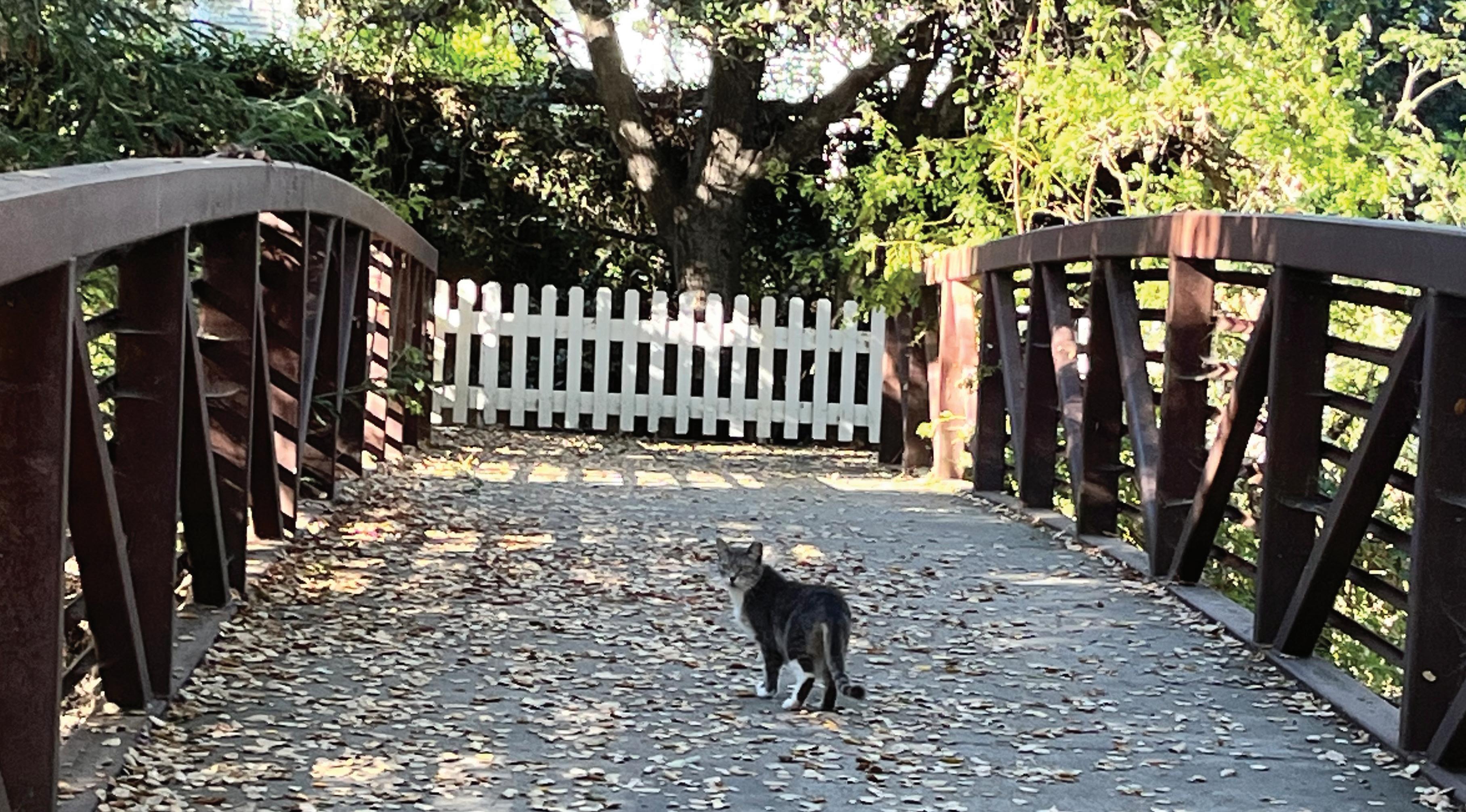
That didn’t cure my curiosity about cats. The next day, I pulled up to Rhonda’s house in Napa. From there, we drove a few blocks to trails around Salvador Creek, the location of the kitty kingdom she had named “Cat Village.”
Eagerly, I walked onto the trail,
expecting to see cats napping in the shade to escape the 95-degree heat. Nothing stirred.
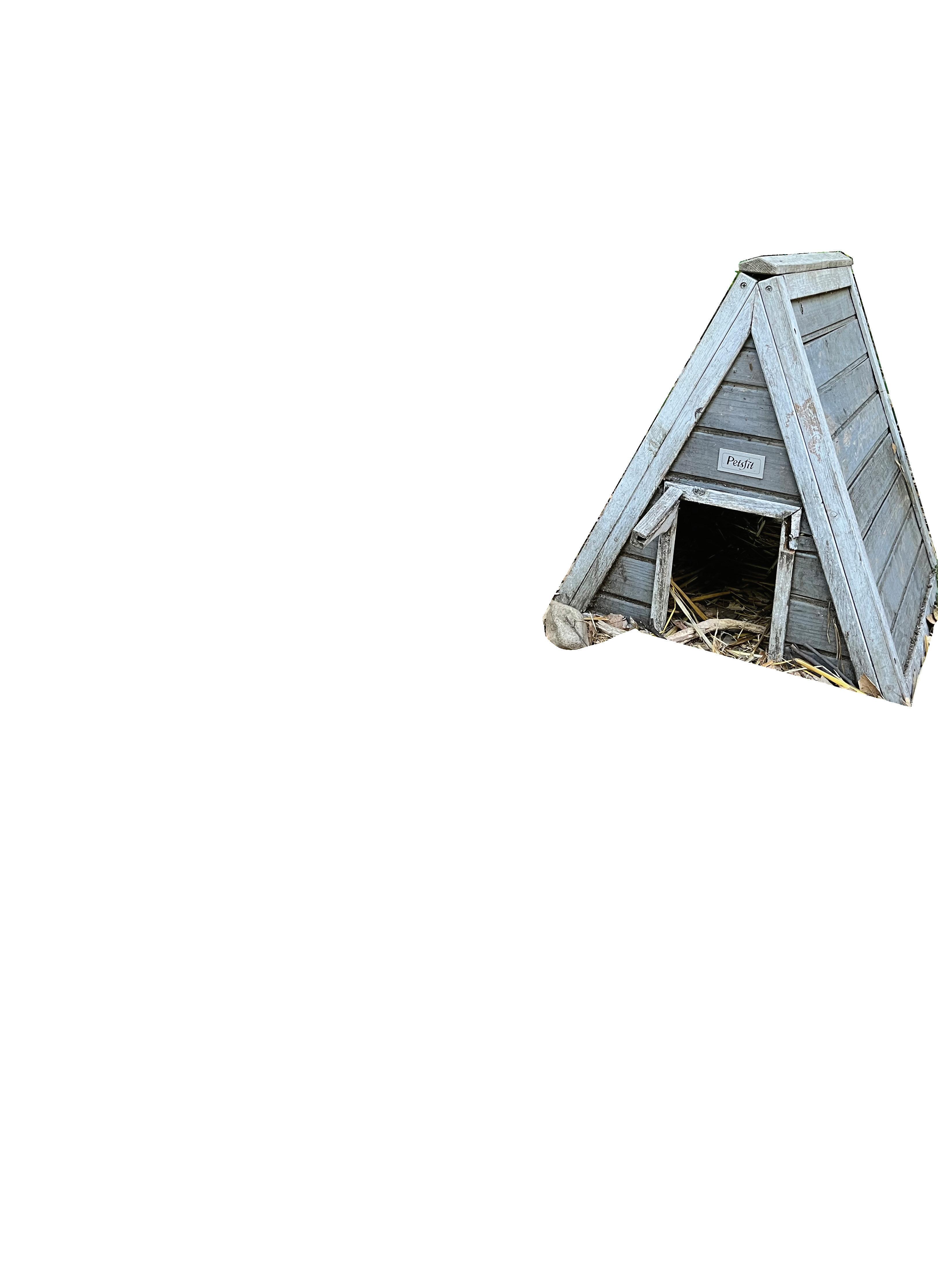
Rhonda showed me cat houses. They were empty, some entrances covered with cobwebs. In the dry Napa summer, the cats had likely abandoned the A-frame, the shingled-roof cottage and the makeshift duct-tape structure.
This was beginning to feel like a bust. Rhonda knew better. “It’s like Where’s Waldo?” she said.
Then the bushes moved.
“There’s one.” Rhonda pointed.
I spotted the first cat and a second not far behind. Soon we were surrounded by watchful eyes.
Black, gray, striped and orange cats crouched, tails twitching. They weren’t the bedraggled strays I anticipated.
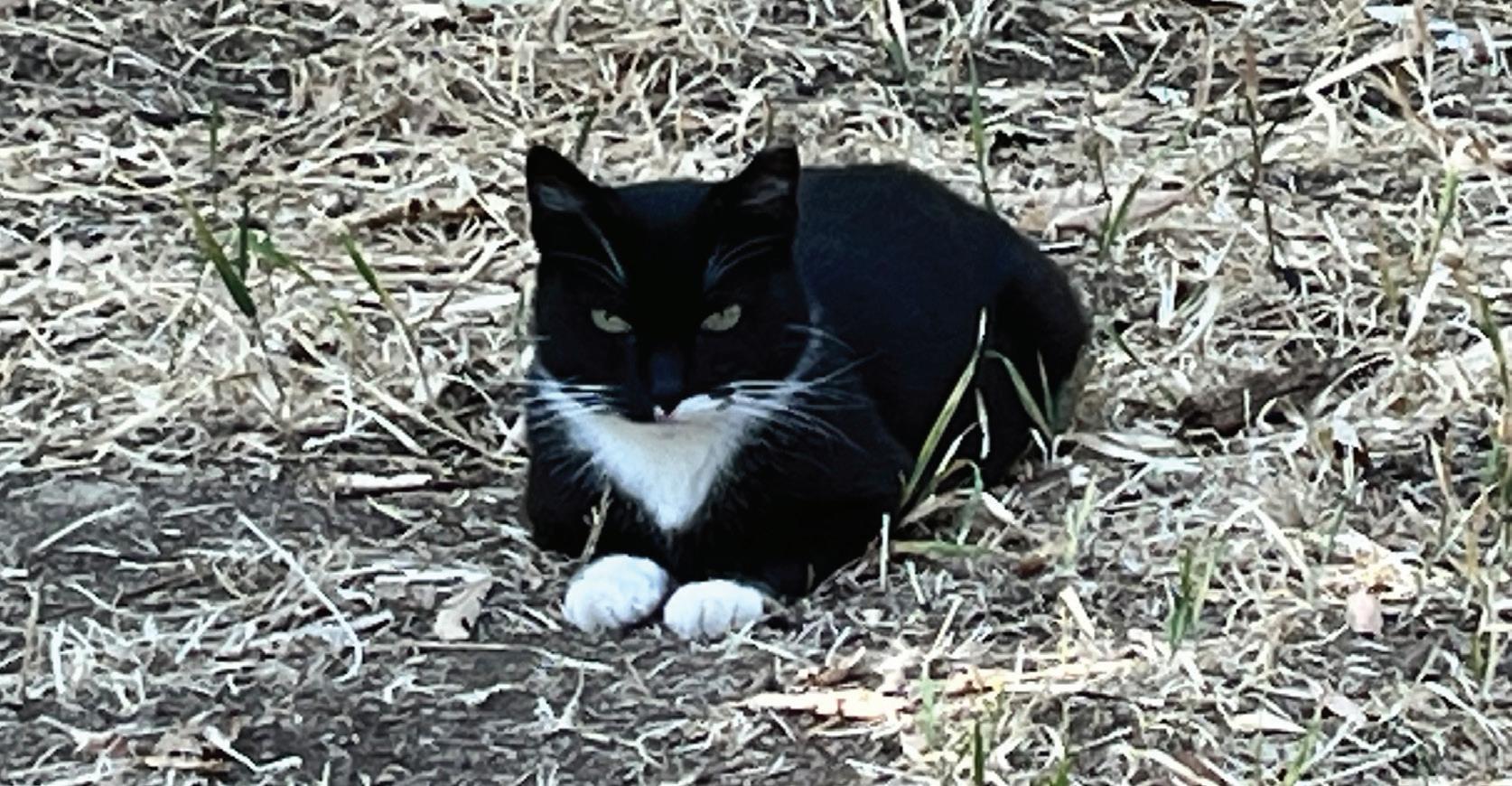
At first, the cats edged closer. I got excited until they stopped short. Except for one tuxedo cat who pattered forward, just yards away.
“That’s Sylvester,” Rhonda said.
For a moment, I wondered if Sylvester would be the cat to break the pattern. I wanted to earn his trust. Maybe this time, a cat would come all the way.
Did we have food? No. They skittered backward, even Sylvester, eyes fixed on us.
My afternoon offered only a glimpse of “Cat Village.” When Rhonda visits in the cool mornings, the cats are everywhere, congregating out in the open. She recently counted a group of 30.
“It almost feels like a safari; maybe that’s a stretch, but you’re in a different world,” she said. “I’m an observer in their habitat.”
Rhonda enjoys sharing the cats with anyone who visits her Napa home. “Do you want to go see ‘Cat Village?’” she asks. Their presence is enough for Rhonda. It took me longer to appreciate that gift.
As the cats retreated, I realized I had misunderstood “Cat Village.” Unlike my dogs, these cats didn’t crave human attention, and that stung. This was their territory. We were interlopers.
I had hoped for something else from the encounter. What I wanted was for one of the cats to choose me, step out of the brush and let me scratch him behind the ears.
In my fantasy version of the day, a particularly bold cat, the tuxedo one, would follow me to the car and convince me that my household needed another animal.
Of course, that didn’t happen.
It wasn’t the kitty wonderland I’d imagined.
But I fell in love, just a bit, anyway.
Wine may be Sonoma County’s calling card, but if one knows where to look, they can see that another emerald-hued spirit has quietly taken root.
Long associated with Parisian cafés, fin-de-siècle artists and enough myths to fuel a century of psychedelic associations, absinthe has found unlikely champions in Wine Country. Here, distillers are trading mass production for meticulous botanicals, traditional methods and a healthy respect for the Green Fairy.
Three producers, in particular, have made Sonoma County an unexpected destination for absinthe devotees.
Downtown Petaluma’s Barber Lee Spirits has become one of California’s standard-bearers for traditional absinthe. Family-owned and grain-to-glass, the distillery crafts its absinthe from locally grown organic herbs using classic techniques rather than gimmicks. The result has earned serious accolades, including “Best Absinthe in the World” honors at the San Francisco World Spirits Competition for its Absinthe Blanche. The tasting room pairs flights and cocktails with an approachable education in a spirit that’s too often misunderstood.
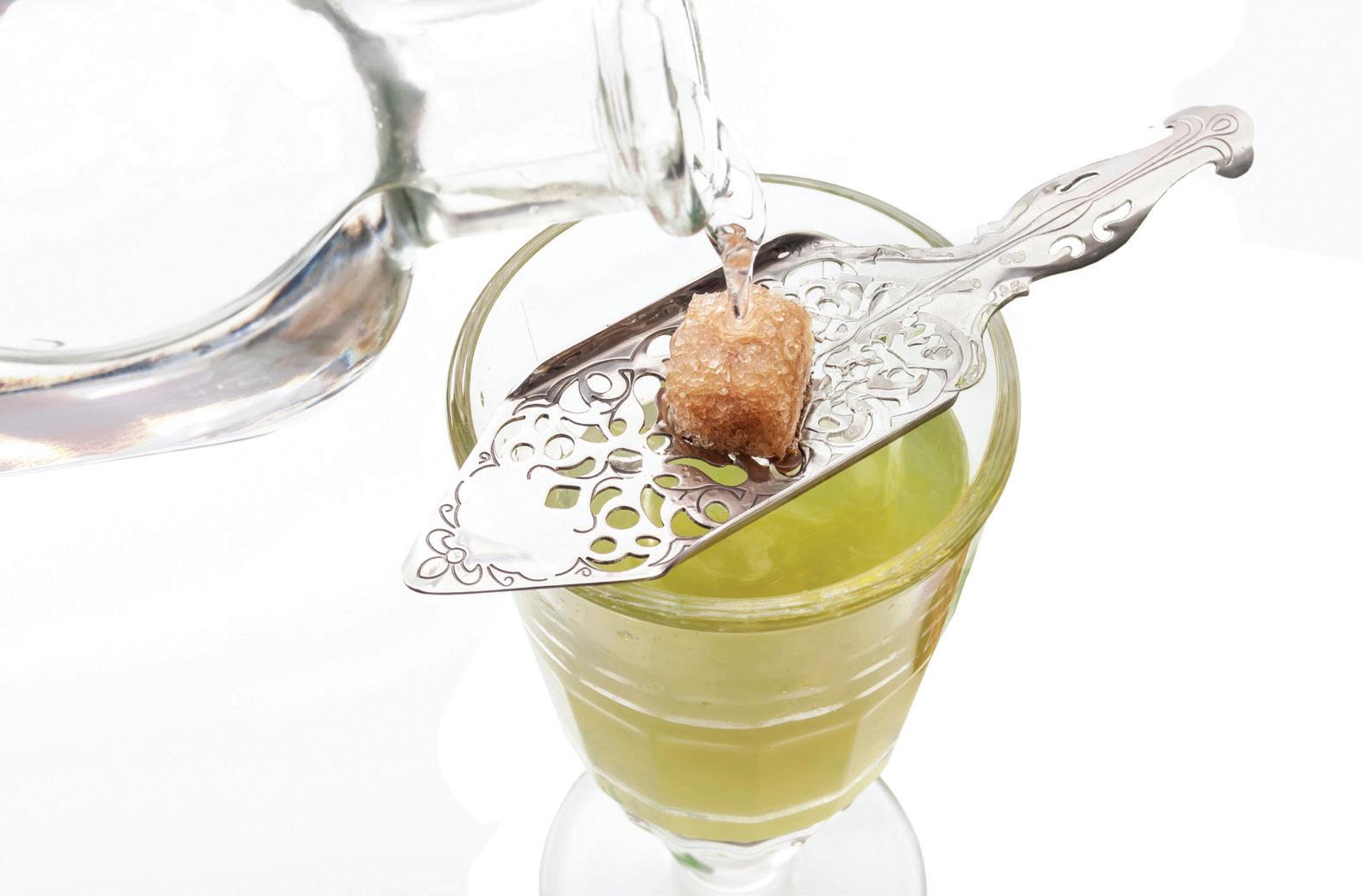
The Petaluma distillery leans into absinthe’s theatrical side without turning it into cosplay. One may order a traditional drip, settle into the barrel room and discover why this once-forbidden spirit is prized less for hallucinations than for its layered aromas of wormwood, anise and fennel. If whiskey steals most of the headlines here, absinthe remains Barber Lee’s secret weapon. barberleespirits.com
A half-hour north, Young & Yonder Spirits in Healdsburg gives absinthe a distinctly local twist with Fellows & Foragers, an award-winning expression made from 75 pounds of gathered botanicals. Its 11-herb recipe begins with the traditional trio of wormwood, anise and fennel, then layers in peppermint, tarragon and ginger. The result is aromatic and full-bodied, balancing classic absinthe character with a subtle sweetness and a smooth, warming finish.
Young & Yonder has built its reputation on experimentation across whiskey, gin, amaro and vodka, making its absinthe a natural extension of Northern California’s agricultural abundance. They only make 50 gallons in a batch, so here’s to hoping fans of the Green Fairy catch it in their rotation. youngandyonder.com
Then there’s Prohibition Spirits Distillery on Sonoma Plaza, where
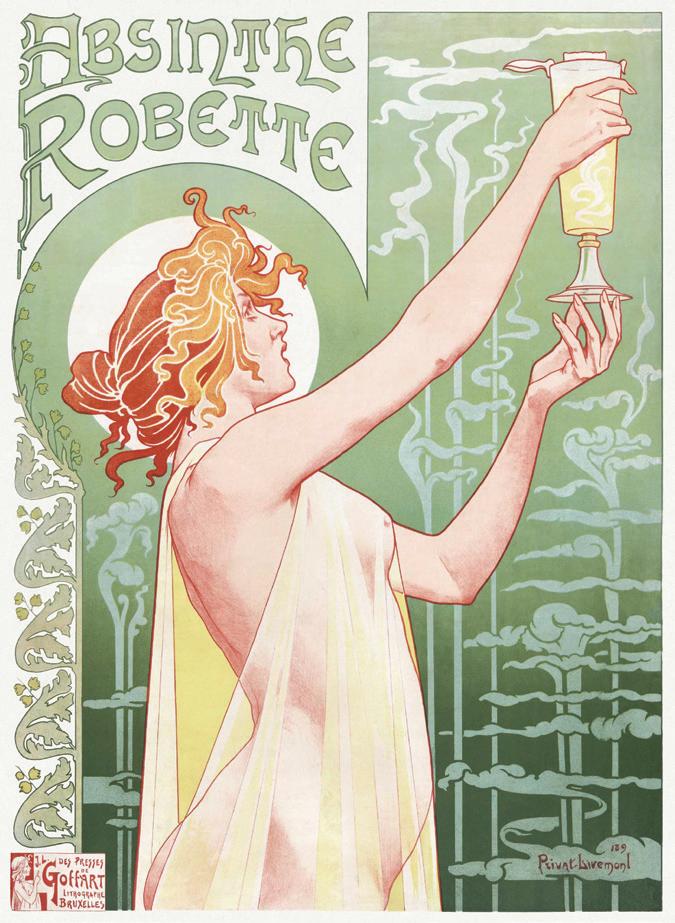
SIP This chromolithograph advertisement for Absinthe Robette, painted by Belgian artist Henri Privat-Livemont circa 1896, depicts a typical—if romanticized— preparation of absinthe.
drinking absinthe becomes something closer to immersive theater. Rather than simply pouring a glass, the distillery offers an “Absinthe Experience” inspired by 1890s Paris and boasting “real wormwood, wild fennel.” Per their site, guests learn the history of the spirit while sampling traditionally prepared pours in surroundings that evoke the Belle Époque, when artists and writers embraced absinthe as both muse and ritual.
The experience fits neatly within Prohibition Spirits’ broader mission of celebrating cocktail history and classic spirits. Between its guided tastings, historic storytelling and extensive lineup of handcrafted liqueurs and brandies, it’s an ideal stop for visitors looking to diversify an otherwise wine-heavy Sonoma itinerary. prohibition-spirits.com
SPOON An absinthe spoon, slotted or perforated, sits atop the glass and allows water to drip over a sugar cube when poured in a common preparation.
Perhaps that’s the biggest surprise. Sonoma County’s absinthe revival isn’t trying to out-French France. Instead, these distillers are giving one of the world’s most romantic spirits a distinctly local identity. For decades, visitors have crossed Sonoma County chasing cabernet, pinot noir and chardonnay. Increasingly, however, a small but passionate group is following a greener path. The Green Fairy, it turns out, feels right at home among the vineyards.
— North Bay Magazine Staff






azeaway
ur cuisine heat, sweet travel combining with fresh,
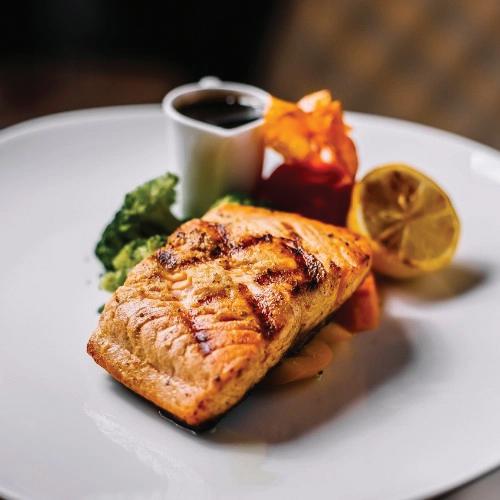
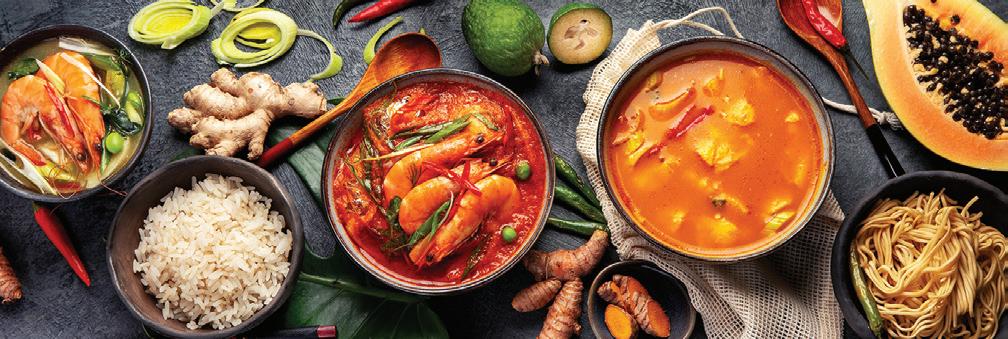
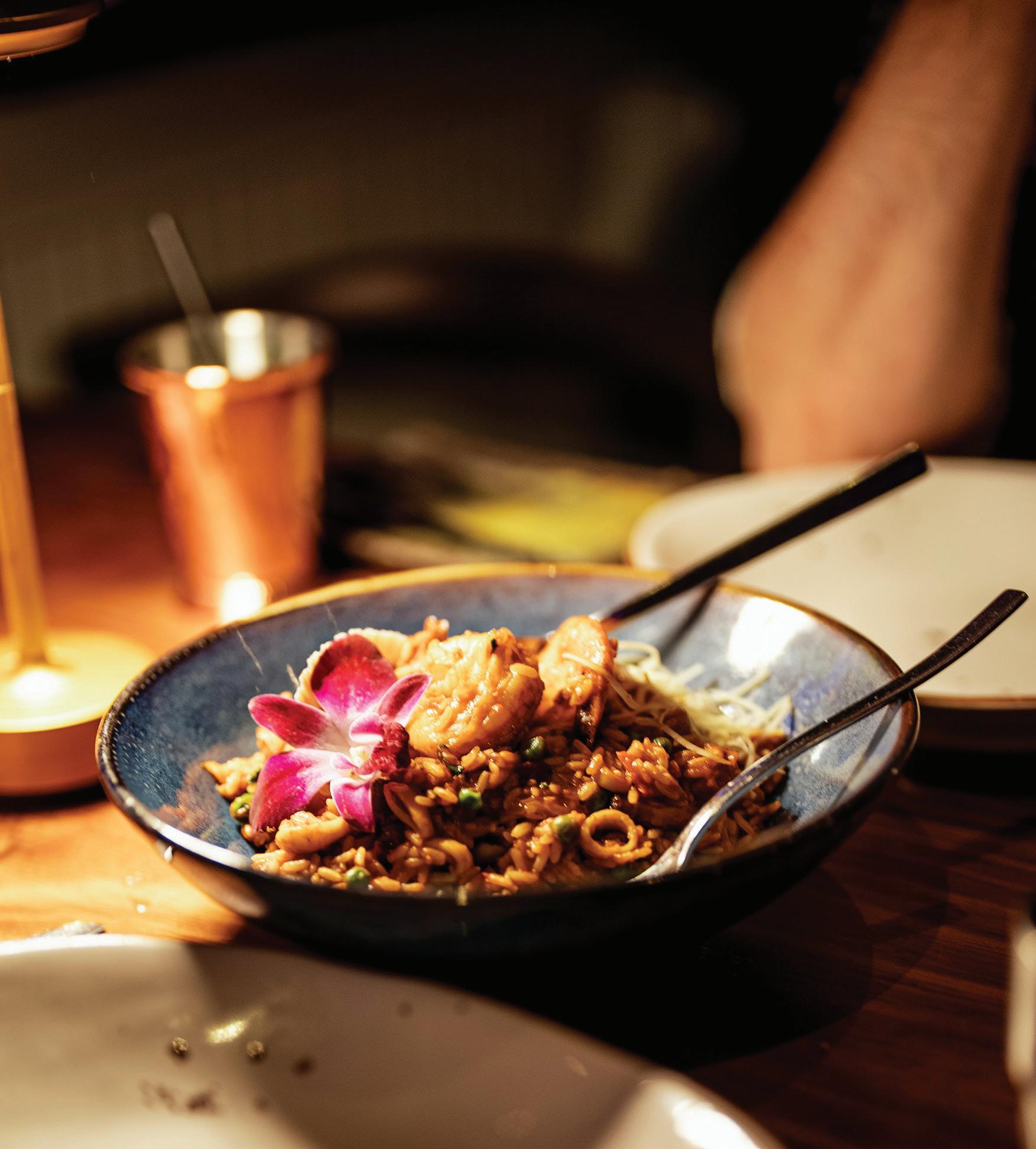
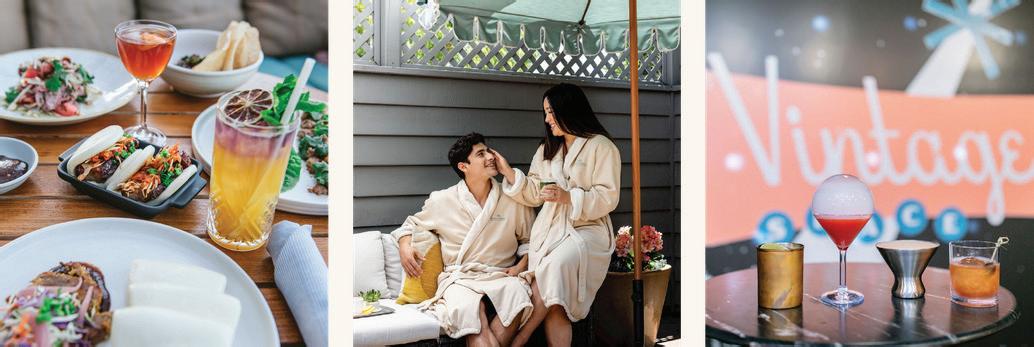
Our Cal-Pacific cuisine taps the spices, heat, sweet and savory of far-flung travel destinations, combining them with the best fresh, local ingredients.
Enjoy a day of wellness, from pampering massages and body experienies, to a full-service gym, tennis & pickleball courts, a 25-meter lap pool, group exercises classes, and on-site personal trainers.
njoy p mper ng bod e perienies, full-servic g m, tenn s 2 -meter grou e ercises on-sit trainers. ur
Our retro-futuristic music lounge hosting a cosmic array of live music, stand-up comedy, dancing, DJ's, karaoke, trivia nights, and more.
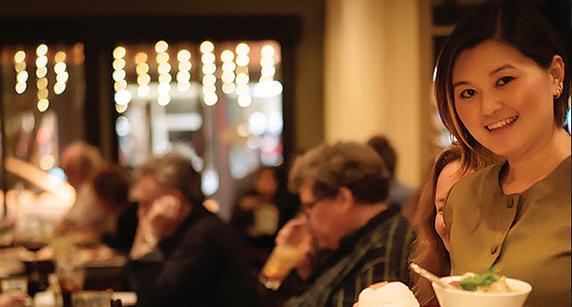
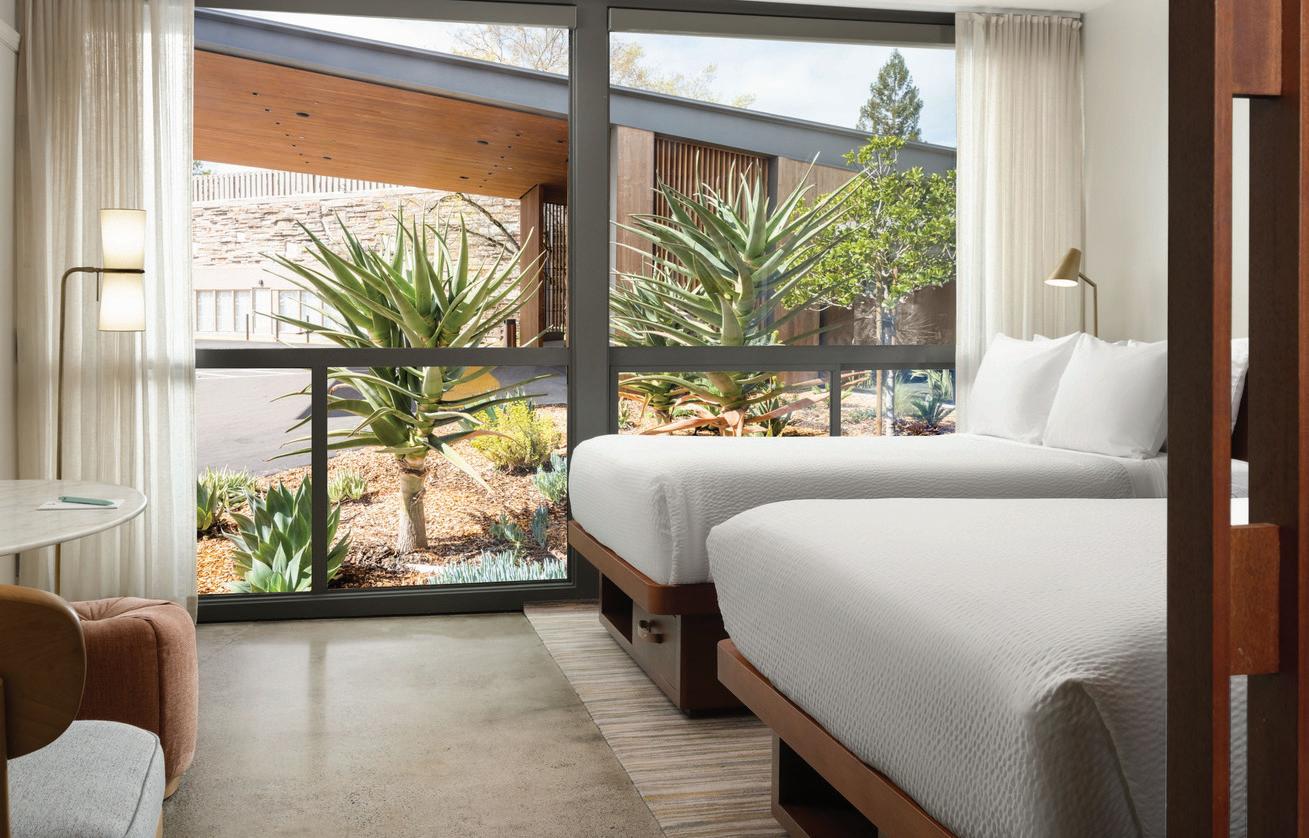
Welcome to the Flamingo Resort & Spa – an iconic resort in the heart of Sonoma Wine Country We are honored to have won Best Resort & Spa, Best Staycation and Best Pickleball Courts in the Bohemian Best of the North Bay 2026 Reader’s Poll! As a special ‘Thank You’, we are excited to present an exclusive 20% off for North Bay residents to unlock a world of relaxation, entertainment, and indulgence. Use promo code “FLOCK” to book your next staycation today!