Why Closures and Seals Are Central to Sustainable Packaging
When discussing sustainable packaging, most conversations focus on bottles, containers, or outer materials However, closures and seals play an equally important role
These small components directly impact:
● Product safety and shelf life
● Leakage prevention and waste reduction
● Material recyclability
● Overall packaging footprint
A poorly designed closure can lead to product spoilage, contamination, or leakage-all of which contribute to environmental waste On the other hand, well-engineered sealing solutions can significantly extend product life and reduce unnecessary consumption
Key Sustainability Trends Shaping Closures and Seals in 2026
1. Shift Toward Recyclable and Mono Material Designs
One of the biggest changes in 2026 is the move toward mono material packaging, where closures and containers are made from compatible materials
This ensures:
● Easier recycling processes
● Reduced need for material separation
● Higher recovery rates
For instance, brands are increasingly choosing closures that match the base material of the container, eliminating recycling complications.
2. Rise of Lightweight Metal and Hybrid Closures
Metal closures are making a strong comeback, but with a sustainable twist. Modern designs focus on:
● Reduced material usage
● Improved durability
● Higher recyclability rates
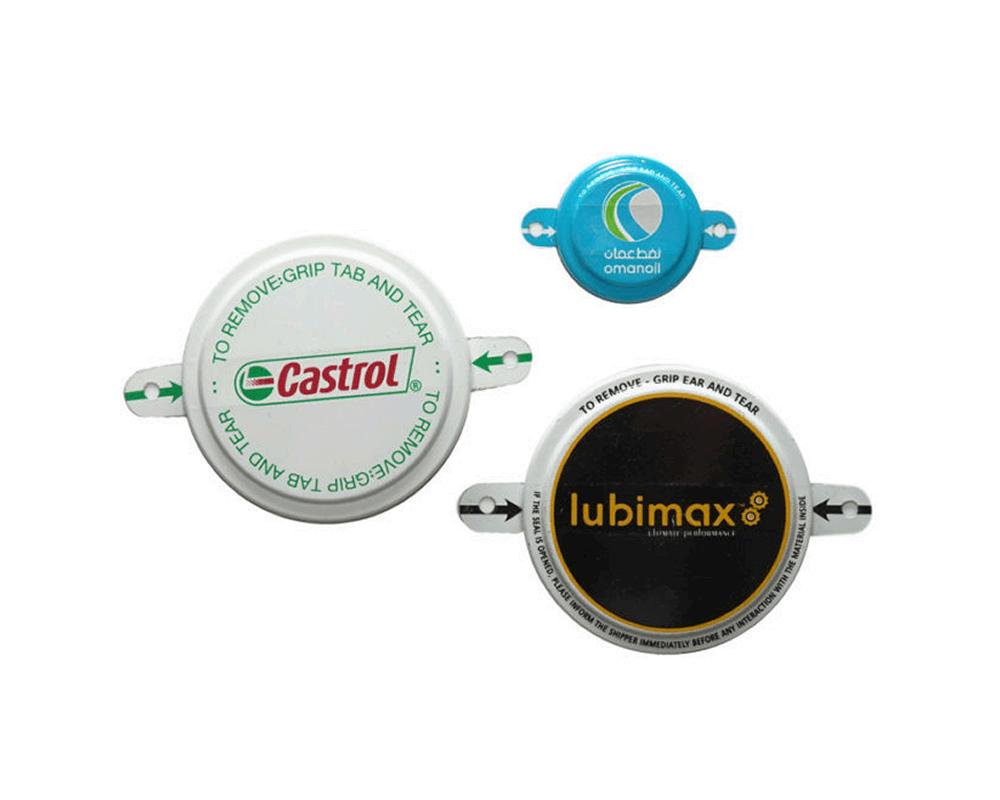
Working with a reliable Metal closures supplier ensures access to advanced solutions that balance strength with sustainability. Unlike traditional bulky designs, newer metal closures are engineered to use less material while maintaining performance.
3. Advanced Sealing Technologies to Prevent Waste
Leakage is one of the most overlooked contributors to product waste In industries like lubricants, chemicals, and food, even minor leaks can lead to significant losses
Innovations in sealing technology now include:
● Induction seals with higher integrity
● Multi-layer liners for better protection
● Tamper-evident solutions
These advancements help brands reduce product loss during transportation and storage, directly contributing to sustainability goals.
4. Reusable and Refillable Packaging Systems
Refill culture is gaining momentum across industries from personal care to household products
Closures are evolving to support:
● Multiple opening and closing cycles
● Consistent sealing performance over time
● Compatibility with refill systems
This shift not only reduces single-use packaging but also encourages long-term consumer engagement with eco-friendly brands
5. Smart Closures for Better Resource Management
Technology is also entering the closure space Smart closures equipped with tracking or dispensing control mechanisms are helping brands:
● Minimize overuse of products
● Monitor supply chains
● Improve inventory efficiency
While still emerging, these innovations align with the broader goal of reducing waste across the product lifecycle.
How Eco-Friendly Brands Are Rethinking Their Packaging Strategy
Sustainability in 2026 is no longer about isolated changes it requires a holistic packaging approach Brands are now evaluating closures and seals as part of the entire system
Key considerations include:
● Material compatibility
● Lifecycle impact
● Supply chain efficiency
● Regulatory compliance
Collaborating with an experienced Metal closures supplier allows brands to integrate sustainable practices without compromising on quality or functionality.
The Role of Compliance and Global Standards
Governments and regulatory bodies worldwide are introducing stricter guidelines around packaging sustainability
Closures and seals must now meet:
● Recycling standards
● Food-grade and safety certifications
● Environmental compliance norms
Failing to meet these requirements can result in penalties, product recalls, or brand reputation damage As a result, businesses are prioritizing suppliers who understand both local and international compliance frameworks.
Challenges in Adopting Sustainable Closures
Despite the progress, transitioning to eco-friendly closures comes with its own set of challenges:
1. Cost Implications
Sustainable materials and technologies can initially be more expensive.
2. Supply Chain Adjustments
Switching to new materials or suppliers may require operational changes
3. Performance Trade offs
Ensuring durability and safety while reducing material usage can be complex
However, these challenges are gradually being addressed through innovation, economies of scale, and better manufacturing processes.
What the Future Holds
Looking ahead, closures and seals will continue to evolve in response to:
● Consumer demand for transparency
● Circular economy models
● Technological advancements
We can expect to see:
● Fully recyclable multi-component closures
● Increased use of bio-based materials
● Greater integration of smart packaging technologies
Brands that adapt early will not only reduce their environmental impact but also gain a competitive edge in the market
FAQs: Sustainable Closures and Seals in 2026
1. What makes a closure sustainable?
A sustainable closure is designed to minimize environmental impact through recyclable materials, reduced material usage, and compatibility with eco-friendly packaging systems. It also helps prevent product waste through effective sealing
2. Are metal closures more sustainable than plastic ones?
Metal closures can be more sustainable due to their high recyclability and durability However, the overall sustainability depends on design, usage, and lifecycle management Partnering with the right Metal closures supplier
ensures optimal material selection and efficiency.
3. How do seals contribute to sustainability?
Seals play a crucial role in preventing leakage, contamination, and spoilage By extending product shelf life and reducing waste, they directly support sustainability goals
4. What industries benefit the most from sustainable closures?
Industries such as food & beverage, chemicals, lubricants, cosmetics, and pharmaceuticals benefit significantly, as they rely heavily on secure and efficient packaging.
5. Is switching to sustainable closures expensive?
Initially, it may involve higher costs due to material and technology upgrades. However, in the long run, it can lead to savings through reduced waste, improved efficiency, and better brand positioning