

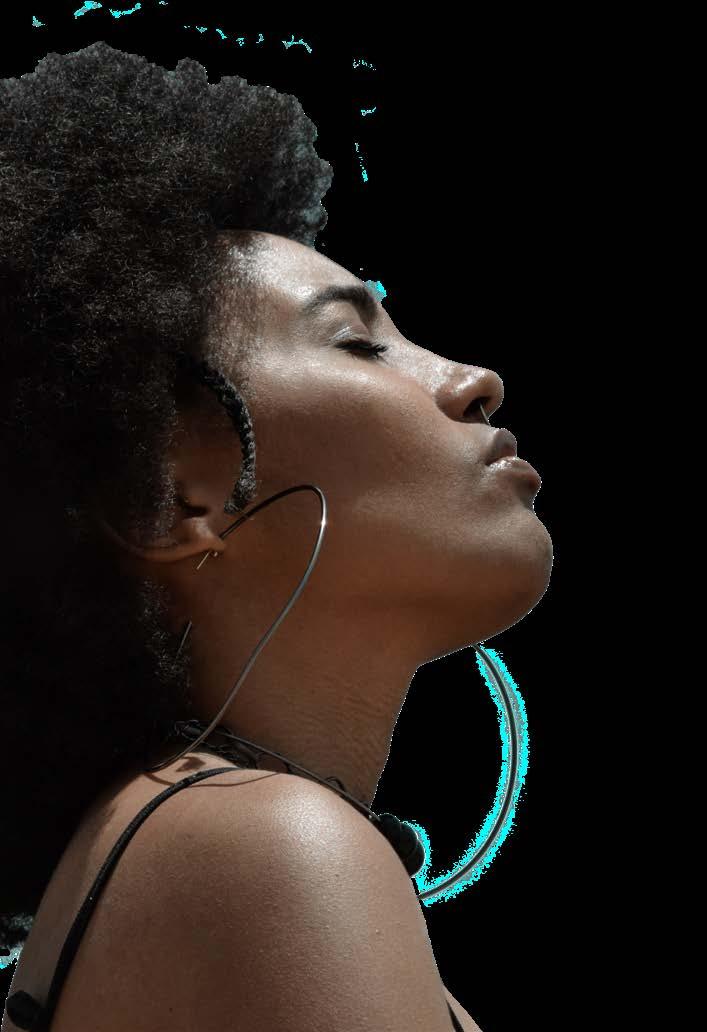

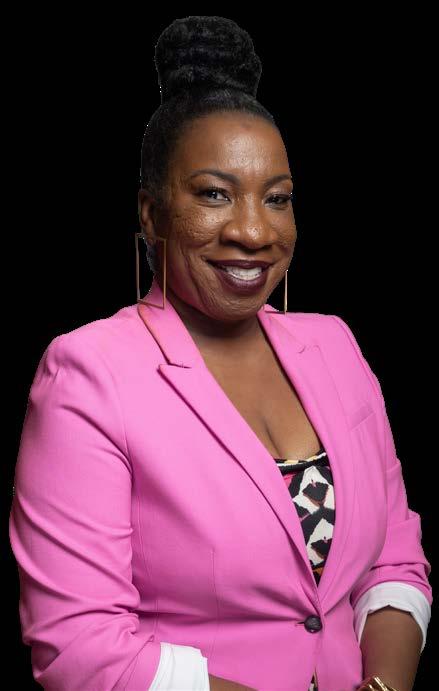
TARANA BURKE co-founder, chief vision officer
DANIELLE AYERS co-founder, chief executive officer
AROUND THE WORLD, survivors and those who stand with them face intensifying political shifts, mounting threats to bodily autonomy, and escalating risks for advocates and communities. The start of 2025 brought a new Presidential administration, and the consequences were immediate and severe. Sweeping cuts to vital survivor support programs devastated many of our sister organizations, with far too many forced to close their doors entirely.
Nearly every rape crisis center in the United States relies on federal funding streams authorized through the Violence Against Women Act, and administered in part by the Office on Violence Against Women and the United States Department of Justice. With those funds slashed, survivor services across the country face uncertainty.
Even amid constraint and backlash, survivors continue to organize, dream, and build toward conditions where harm is prevented. This work reflects our commitment to building a Solvability Framework and to the belief that lasting change is possible when survivors are resourced and protected. By combining digital direct service with guided, community-based experiences, we work to make healing more equitable and accessible, particularly for those most often pushed to the margins.
Partnerships expanded the reach of this work. Trauma-informed care collaborations and public installations broadened how and where healing could take place. Globally, we remained committed to community-rooted organizing, including support for the Black Women’s March in Brazil and global convenings that elevated mass movements for justice and liberation.

As political repression, conflict, and displacement have increasingly threatened survivor services and human rights defenders, we launched a Resistance Strategies Fund for our Global Network. In its first year, the Fund provided rapid, flexible support to organizations facing urgent risk and helped ensure that survivors were not left without care or resources in moments of crisis.
Shifting political landscapes continue to shape how survivors seek justice and safety. Attacks on bodily autonomy, the criminalization of marginalized communities, and the erosion of social protections carry profound consequences, particularly for Black women, people of color generally, migrants, LGBTQ+ people, those with disabilities, and young people. Through coalition work, narrative intervention, and survivor-led advocacy, we remain committed to naming these realities and advancing a vision of justice that is expansive, inclusive, and grounded in lived experience.
The launch of the Disruptors Council brought together influential voices across sectors to challenge the normalization of sexual violence and to underscore that addressing it is a shared responsibility. Public dialogue, media engagement, and creative campaigns such as What Do We Owe Black Children, continued to shift harmful narratives and elevate survivor-led analysis.
In a climate shaped by fear and political retaliation, many funders have frozen grants or withdrawn support for women and girls, who already receive less than 2% of philanthropic funding worldwide. The effects of these decisions will be felt for decades, weakening the very infrastructure survivors rely on for safety. In the face of this instability, we are especially grateful for our core funders who have remained steadfast in their support.
It has been nearly a decade since #MeToo went viral, and it’s clear that our collective power has never lived in a single moment, but in the ongoing practice of care, organizing, and accountability. As the global container of the movement, me too. International holds space for survivors to heal, organize, and build together.
Looking ahead, we do so with clarity and resolve. We will continue to invest in healing as foundational, strengthen and protect survivor-led movements, and confront the political and cultural conditions that allow sexual violence to persist.
In solidarity,
Tarana Burke, Co-founder and Chief Vision Officer
Danielle Ayers, Co-founder and Chief Executive Officer





At the heart of our work is cultivating spaces where survivors can center their healing, be in community, and access tools that support their emotional, mental, and physical well-being.
In 2025, ‘me too.’ deepened our commitment to survivor-led healing through expanded programs, free and accessible resources, and intentional partnerships that amplify care, connection, and resilience across communities.

Survivor’s Sanctuary continues to be a cornerstone of our healing-centered approach. This year, we remained consistent in our offerings on the platform, continuing to provide 36 interactive lessons with guided pathways for reflection and restoration to over 12,000 survivors. We enhanced each lesson with an audio and/or video element, placing a stronger emphasis on accessibility, varying learning styles, and expanding the ways survivors can engage with the content.
Complementing the Survivor’s Sanctuary platform, the Healing Journey, a bimonthly interactive workshop series, invites participants to move through curated lessons in community, prioritize their well-being, and engage in collective growth and transformation.
More than a workshop or lesson, the Healing Journey fosters meaningful connection, self-discovery, and support among survivors navigating their healing.
Within the Healing Resource Library, we added over 200 new resources in 2025 to provide access to more than 1,000 survivor-centered facilities and professional services designed to support holistic well-being.
By combining digital resources with guided experiences, we give survivors the flexibility to access support in ways that meet their individual needs and life circumstances.
Our programs are strengthened through intentional collaborations with organizations that share a commitment to survivor-centered care. Through these partnerships, we expand access to healing opportunities that are inclusive, trauma-informed, and responsive to diverse survivor needs.
These offerings include therapy vouchers in partnership with BetterHelp, trauma-informed yoga practices developed by Exhale to Inhale, and practical toolkits co-created with the Breathe Network, all available through the Survivor’s Sanctuary platform.
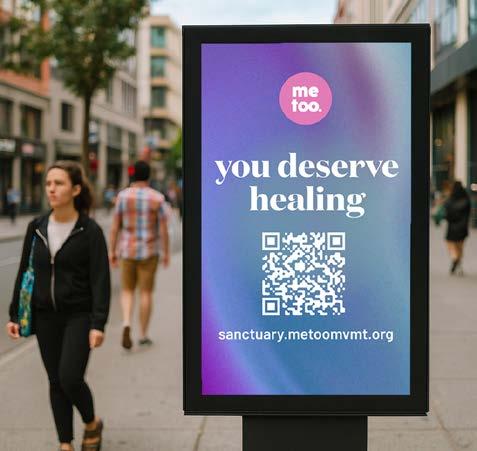
In 2025, we expanded this approach into public space through visual installations on over 15 kiosks across Philadelphia, Pennsylvania, and Atlanta, Georgia to create moments for communities to pause, reflect, and engage with the movement beyond digital and programmatic settings. This work was made possible through a strategic partnership with Orange Barrel Media, allowing us to connect with broader audiences in innovative and meaningful ways.
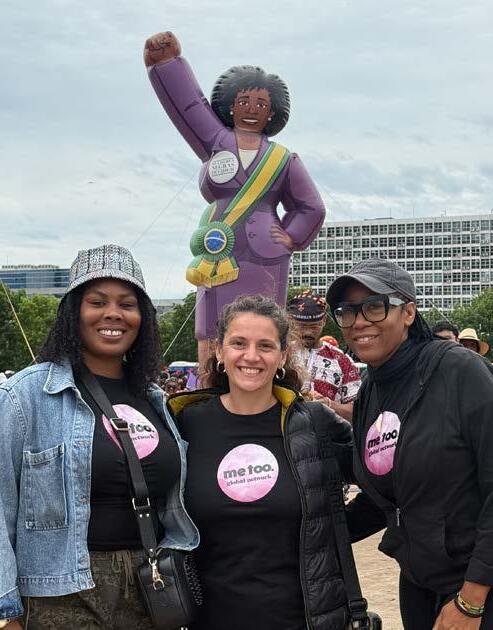
In Brazil, ‘me too.’ continued to center survivorled, community-rooted organizing by supporting the Black Women’s March in Brasília . As part of this mobilization, we hosted Building Together: Black Survivor-Led Spaces, a dedicated gathering that brought together Black women survivor leaders, organizers, and advocates to share strategies, heighten networks of support, and reinforce survivor leadership within broader movement spaces.
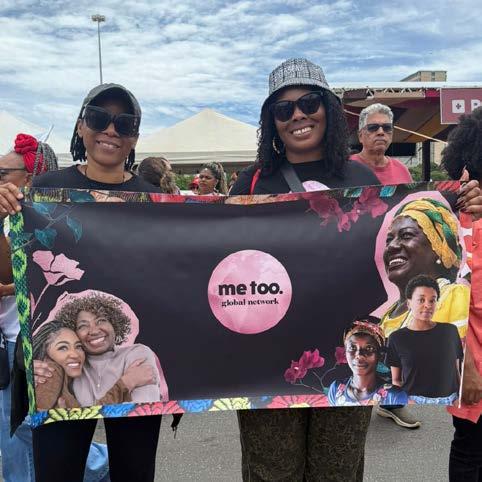
The convening took place alongside the Black Women’s March, which drew an estimated 300,000 participants from across the globe, underscoring the power and scale of Black feminist organizing worldwide. By grounding our engagement in survivor-led discourse and connection, we reinforced our commitment to amplifying the voices of Black women and ensuring that survivor leadership remains central within mass movements for justice and liberation.
As a founding partner and one of three anchor organizations in the Survivor Justice Network, formerly the Survivors’ Agenda, we have continued to work in coalition to elevate survivor leadership within national conversations on sexual violence and accountability.
Over the past year, the network has responded to coordinated attacks on survivors that threaten decades of progress, including attempts to dismantle core infrastructure, cut funding for prevention and community-based programs, and narrow the definition of survivor-centered justice. Meeting these challenges requires organizing and public awareness that makes certain the voices of survivors are heard, acknowledged, and acted upon.
Since its launch in 2020, the network has convened and aligned a growing ecosystem of survivor justice organizations with thoughtfulness and care. We have connected organizations previously operating in silos, advanced the understanding that survivors are experts in their own needs and solutions, and demonstrated survivors’ power as a civic and political force.
Looking ahead, survivors will continue to guide the priorities of our collective work. Through conversations, workshops, and national engagement, we will update the Survivors’ Agenda to reflect immediate needs and long-term systemic reforms. This next iteration will capture the diverse experiences of survivors and allies across the country, making certain the movement remains grounded in survivor leadership while advancing change. We will deepen civic participation through Survivors Vote, a campaign designed to activate and mobilize at the ballot box during the 2026 midterm election season.


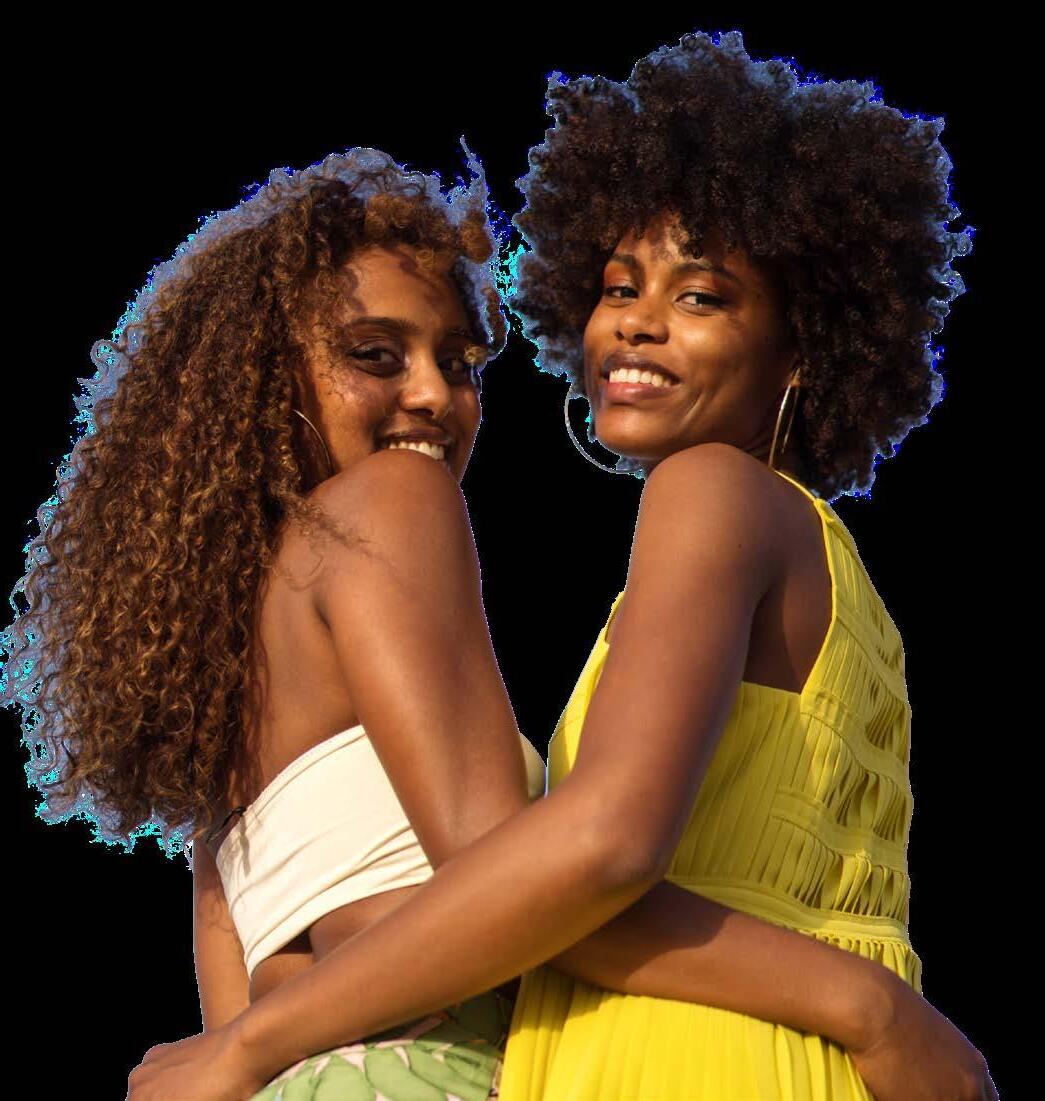

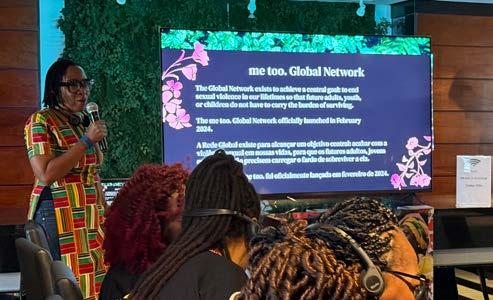
Grounded in the belief that power grows through shared struggle, the ‘me too.’ Global Network deepened its commitment to building power in 2025 through connection and mutual care across regions and languages.
Throughout the year, we strengthened collaboration across our Pan-African and Latin American and Caribbean hubs, creating spaces where leaders could come together to strategize, heal, and advance justice. These moments reinforced our shared values and affirmed that collective care is integral to sustainable movement-building.
Our network expanded thoughtfully over the past year, welcoming 20 new member organizations across our regional hubs.
This growth reflects a deliberate strategy to strengthen regional diversity and uplift organizations operating in underrepresented and high-risk contexts, while prioritizing strong relational foundations and alignment with our core values.
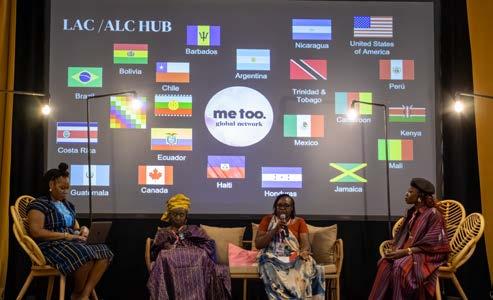
The Pan-African Hub grew by nine organizations representing five countries, while the Latin American and Caribbean Hub welcomed 11 new organizations from five countries.
With this expansion, the ‘me too.’ Global Network now includes 97 organizations. Of these, 51 are based in Africa, 45 are based in Latin America and the Caribbean, and two are At-Large members based in the Netherlands and the United Kingdom.
Together, members work across a wide range of issue areas, including health and wellness, labor rights, migration, child sexual abuse prevention, rape response, anti-trafficking efforts, and human rights. This breadth of expertise and geography strengthens the network’s ability to respond to complex realities while remaining grounded in shared principles.
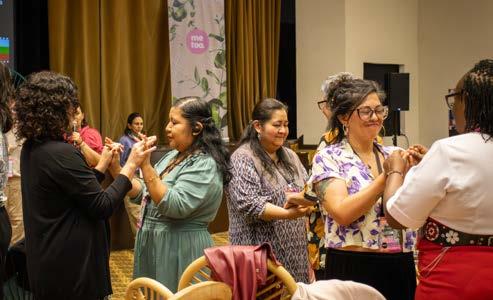
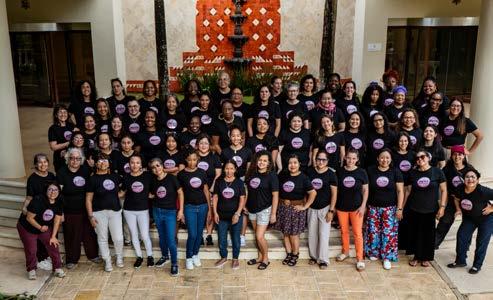
This year marked a significant milestone in our in-person engagement, with two hub gatherings creating meaningful spaces for trust-building and strategic planning across the Network.
We got outside!
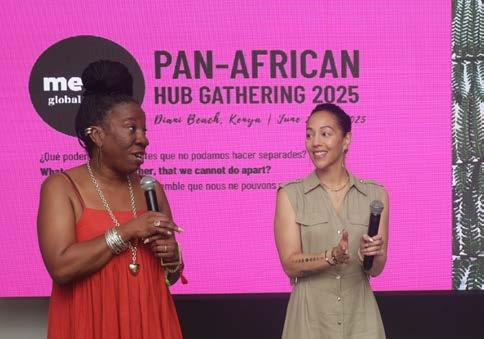
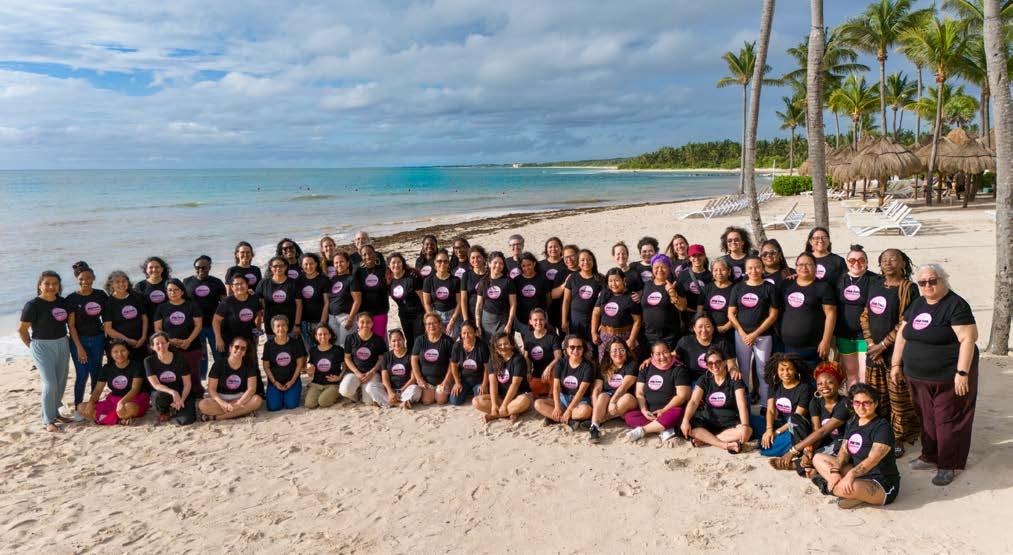
The Pan-African Hub Gathering , held in June 2025 in Diani Beach, Kenya, convened 48 people from 34 organizations from 14 countries. The Latin American and Caribbean Hub Gathering , held in November 2025 in Tulum, Mexico, brought together 56 people from 34 organizations, including 31 member organizations of the ‘me too.’ Global Network, representing 12 countries across the region.
Both gatherings included cross-hub delegations to strengthen intercontinental exchange and learning. The Pan-African gathering in Kenya welcomed three members from the Latin American and Caribbean hub, while three PanAfrican members traveled to Tulum, building deeper connections between organizers engaged in the Pan-African Hub and their counterparts in Latin America and the Caribbean.
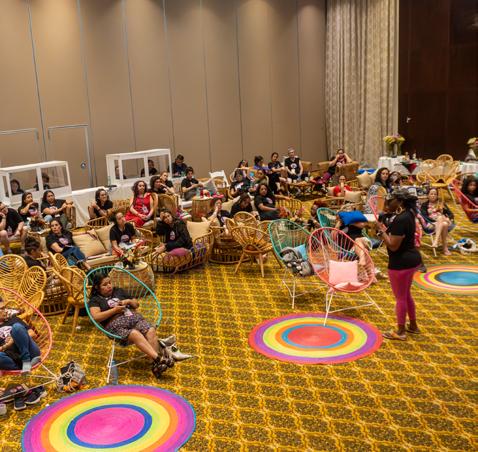

We sponsored travel for all 68 organizations and provided lodging and meals for all participants. Each gathering featured a wellness day, during which members were given complimentary massages, reinforcing our commitment to care and restoration.
As one participant reflected:
“L’accueil était très bien organisé et ce rassemblement nous a permis d’échanger et comprendre nos valeurs partagées à travers le continent.”
“The welcome was very well organized and this gathering allowed us to exchange and understand our shared values across the continent.”
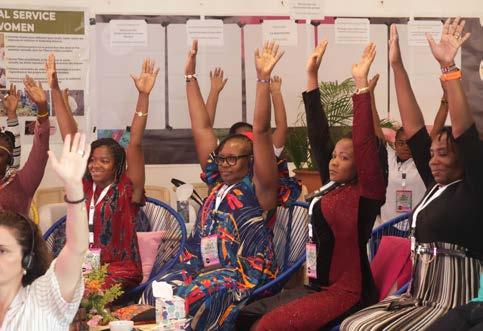
Each day, we had live translation in our meeting spaces to ensure open communication and exchange. Together, these convenings brought a rich diversity of perspectives, experiences, and contexts. They served as incubators for solidarity, where members exchanged lessons, grew their understanding of regional realities, and nourished relationships that will carry the work through the most challenging circumstances.
Learning, training, and exchange remained at the heart of the network’s efforts as members gathered virtually to share tools and strategies for sustaining survivor-led movements. All learning and training circles are offered in three languages—
Spanish, French, and English—with real-time translation provided. These sessions reinforced trauma-informed and feminist approaches and became crucial spaces for reflection, mutual support, and honest engagement.
In 2025, we successfully convened the first and second Learning and Training Circles, comprising a total of six sessions. The first focused on security and protection strategies in the face of the global rise of fundamentalisms and far-right movements, equipping members with tools to navigate increasingly hostile environments. The second centered on comprehensive support for survivors of sexual violence, with a special focus on high-risk contexts, deepening collective understanding of survivor-centered and contextresponsive approaches.
These virtual gatherings solidified the Learning and Training Circles as a cornerstone of our shared work, offering dedicated spaces for peer-to-peer learning and strategic reflection across regions.
Responding to escalating crises affecting our members, we launched and operationalized the Resistance Strategies Fund in its inaugural year. The fund provided rapid, flexible support to 12 organizations—seven in the Pan-African Hub and five in Latin America and the Caribbean—facing threats such as political persecution, conflict and displacement, natural disasters damaging critical infrastructure, and urgent risks to the safety of women human rights defenders and the continuity of survivor services.
Through this support, members were able to rebuild workspaces, restore psychosocial services, provide emergency assistance to
women human rights defenders, and stabilize essential gender-based violence response programs, so that survivors were not abandoned during moments of crisis.
This work was anchored in strong governance and coordination.
In 2025, we convened a Full Body Meeting of the entire network, held four informational sessions on strategic expansion and Resistance Strategies Fund priorities, and facilitated five Pan-African Hub meetings alongside four Latin American and Caribbean Hub meetings. These spaces strengthened decision-making, strategy, and alignment across regions, while cultivating coordination and democratic engagement at all levels.
Committed to shared leadership and long-term sustainability, we launched a call for Regional Leaders, initiating a democratic voting process to name leadership and allocate funding to their organizations in recognition of their time and labor. This approach clarifies roles, strengthens regional stewardship, and positions the governance structure to meet the network’s evolving needs, supporting continued growth in 2026 and beyond.
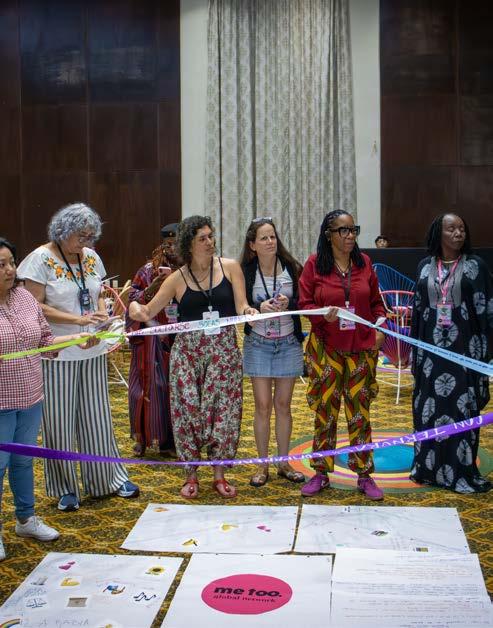








Narrative and public engagement remain central to our movement-building. Across platforms and convenings, we center survivors as experts, honor intergenerational wisdom, and expand cross-movement collaboration to shift how sexual violence is understood and addressed globally.
‘me too.’ brought its work and perspectives to global stages, including the Skoll World Forum and the United Nations Commission on the Status of Women (CSW69). We built meaningful connections across organizations and communities, amplified our approach to addressing sexual violence, and created opportunities to influence cultural and systemic change beyond our immediate networks.
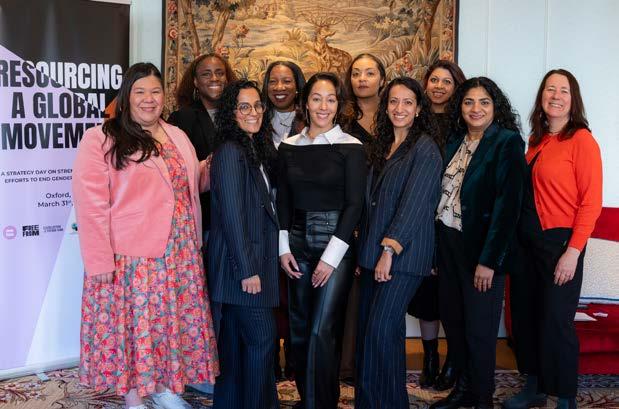
In 2025, me too. International, FreeFrom, and Justice for Migrant Women partnered to produce a one-day conference in Oxford, England, just prior to the Skoll World Forum.
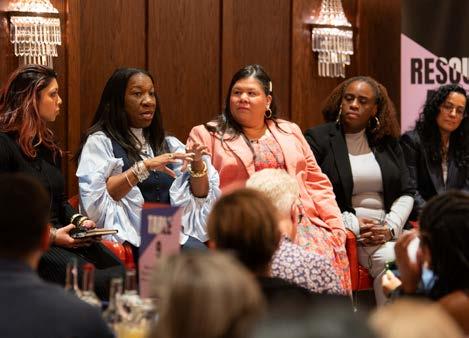
Resourcing a Global Movement: A Strategy Day to End Gender-Based Violence brought together over 200 activists, advocates, funders, and Skoll delegates from around the world. The event focused on resourcing and expanding the global movement and demonstrated a shared commitment to move beyond isolated efforts and toward collaborative, sustainable impact.
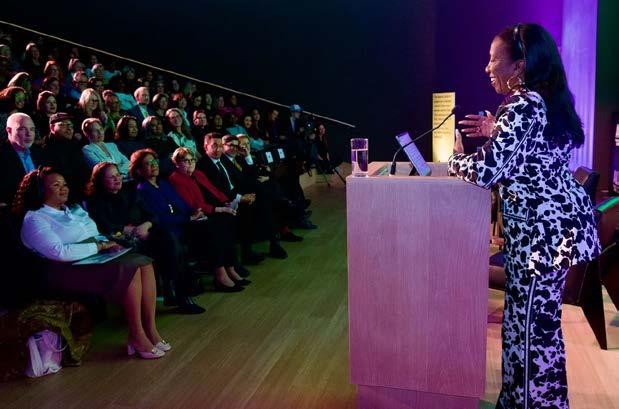
Separately, ahead of the launch of ALL IN: Global Leaders for Ending Gender-Based Violence, ‘me too.’ Co-founder and Chief Vision Officer, Tarana Burke, spoke alongside global leaders
about the initiative’s goal to accelerate political action and sustained investment in preventing violence against women and girls. Co-led by the Ford Foundation, Wellspring Philanthropic Fund, and the UK Foreign, Commonwealth and Development Office, with the Equality Institute serving as secretariat, ALL IN convened international leaders, experts, and influencers to tackle gender-based violence worldwide.
In addition, Tarana served on the Steering Committee of the UN ACT to End Violence against Women Programme—a collaboration between UN Women, the European Commission, and the UN Trust Fund to End Violence against Women—which strengthens and connects women’s rights movements across Africa and Latin America to combat violence.
Through our convening work, ‘me too.’ plays a pivotal role in uniting the global movement to end sexual and gender-based violence. By bringing together activists, funders, and leaders worldwide, we ensure survivor-led insights shape the conversation, strengthen connections across communities, and drive coordinated action. These collaborations underscore our role in linking networks, sharing strategies, and advancing efforts to eradicate sexual and gender-based violence.
In 2025, ‘me too.’ launched the Disruptors Council, a collective of influential voices committed to challenging entrenched norms and advancing cultural transformation.
The council brings together leaders across arts, sports, media, and civic engagement, including Viola Davis, Gabrielle Union, Bevy Smith, Breanna
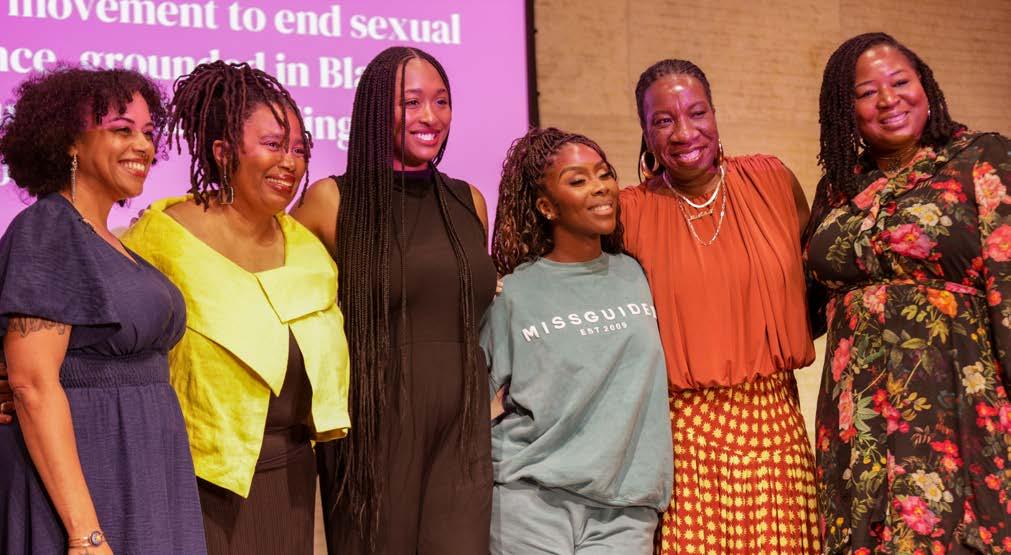
Stewart, Cliff Albright, and others, to confront the reality that sexual violence impacts more than 40 million survivors in the United States alone and continues to be sidelined as a women’s issue.
Rooted in Black feminist principles and survivorled solutions, the Disruptors Council opened new pathways for collaboration and amplified the urgency of ending sexual violence as a shared societal responsibility. Through this initiative, we are able to advance opportunities to shift public discourse, disrupt harmful norms, and challenge the belief that sexual violence is natural or unavoidable.
Throughout the year, we expanded public dialogue by engaging diverse audiences and platforms. We amplified survivor-led analysis through media, including a Teen Vogue op-ed
examining the adultification of Black girls, and participated in key movement spaces such as SXSW, Black Feminist Future in New Orleans, Louisiana, and the Movement for Black Lives convening in Cleveland, Ohio.
We also tabled at Justice for Black Girls through participation in their annual conference, providing resources and tools to support Black girls and young people navigating safety, healing, and leadership.
At SXSW 2025, ‘me too.’ convened a powerful panel of visionary leaders to explore the intersections of technology, healing justice, and survivor advocacy. Framed around the question “How can we use technology to support healing rather than enable harm?” The conversation addressed the evolving landscape of technology-facilitated genderbased violence, from online harassment to surveillance tools, and offered strategies for shifting digital culture toward care, community, and consent.
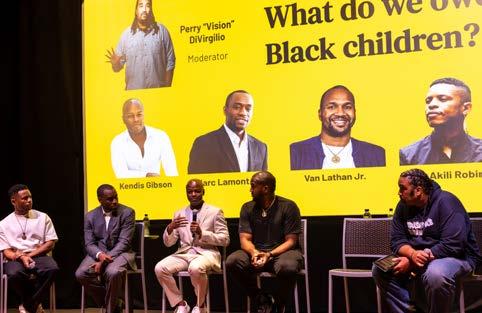
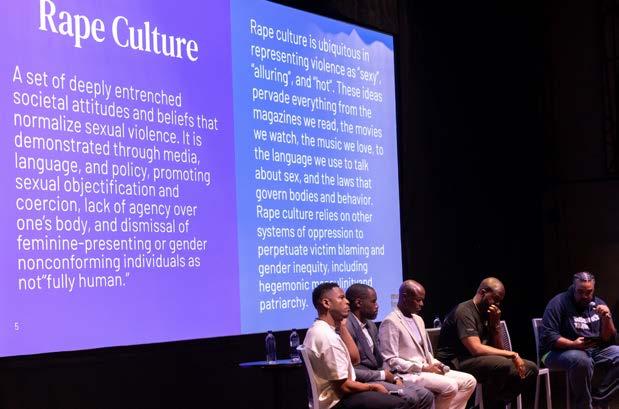
In partnership with Versus TV, ‘me too.’ released groundbreaking public service announcements, The Rules and The Barbershop, as part of our What Do We Owe Black Children campaign reaching over 20,000 viewers across live and virtual audiences. These pieces confronted the adultification of Black children, challenged harmful cultural narratives, and called audiences to take responsibility for safety and care. To further the conversation, we held two in-person panels featuring thought leaders including Jessie Woo, Chanel Dupree, Marc Lamont Hill and Van Lathan, creating spaces for reflection, conversation, and engagement alongside the PSAs.
Across the world, young women and girls who have survived violence are not waiting for permission to lead. They are organizing, innovating, and reshaping the systems that enable harm.
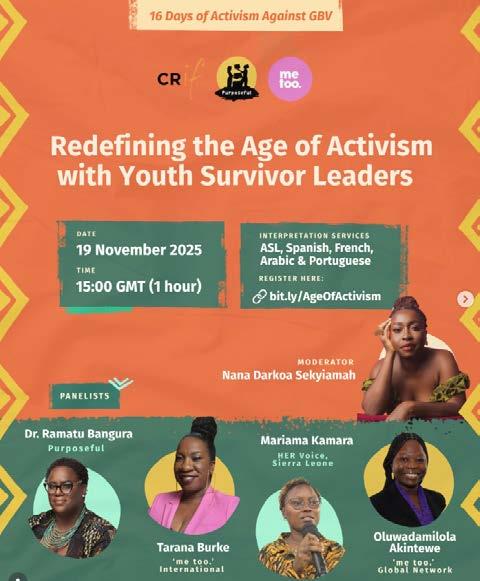
In partnership with Purposeful, we co-hosted a webinar that reached more than 100 participants and featured multilingual interpretation to support accessibility across regions. The conversation brought together ‘me too.’ Co-founder and Chief Vision Officer Tarana Burke; Oluwadamilola Akintewe, a visionary leader and member of the
‘me too.’ Global Network; Dr. Ramatu Bangura of Purposeful; and survivor leader Mariama Kamara.
The conversation underscored a shared commitment to survivor-led solutions and to centering young leaders in shaping the future of the movement, inviting reflection on what the movement to end sexual and gender-based violence looks like when it transcends politics and paternalism and centers the voices of those who have lived it.
This intergenerational dialogue reinforced the importance of bridging wisdom across generations as collaboration deepens and the movement continues to grow.










This chart shows how our financial resources were distributed to advance survivor-centered programs, sustain our operations, and support the infrastructure needed to grow the movement.

The financials are from FY25, the period of July 1, 2024 through June 30, 2025.
The League of Disruptors is a community of committed supporters who empower me too. International through recurring monthly donations. This ongoing support is essential to our ability to advance survivor justice and create lasting systemic change.
Monthly contributions from league members provide critical stability, allowing us to plan, respond, and invest in long-term strategies that support survivors and challenge the systems that enable sexual violence. Beyond financial support, the League of Disruptors represents a community actively engaged in disrupting harm and advancing healing-centered approaches.
Our work is made possible through the collective generosity of our recurring supporters, individual contributors, and institutional funders who remain deeply committed to advancing survivor-centered change. In an abundance of caution, we are choosing not to publish our list of individual donors, prioritizing the safety and privacy of those who stand with this work.