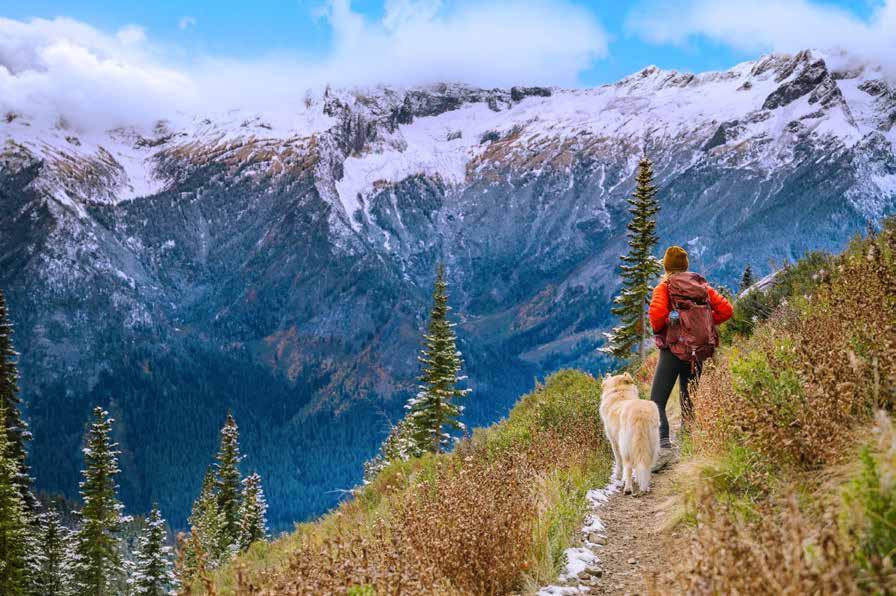
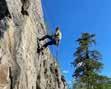
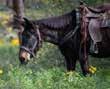
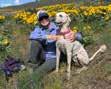
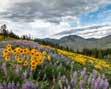
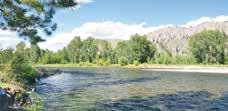
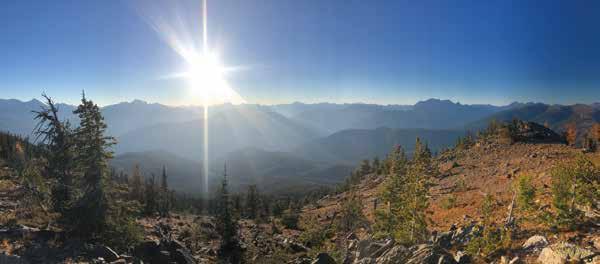
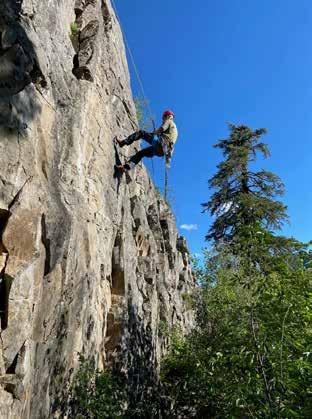
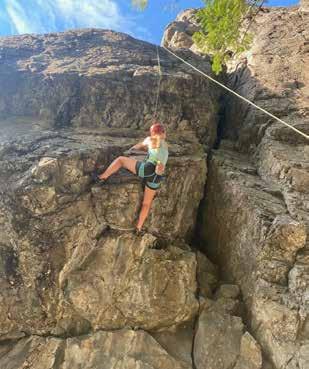
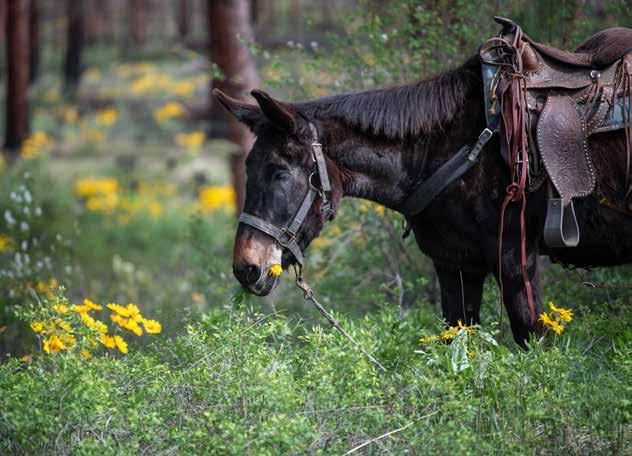
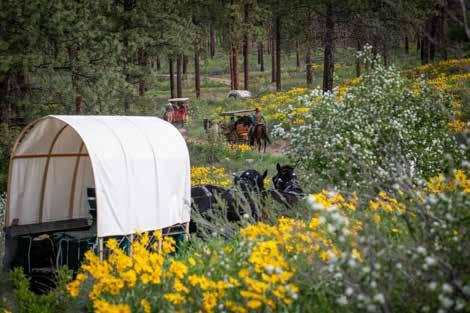
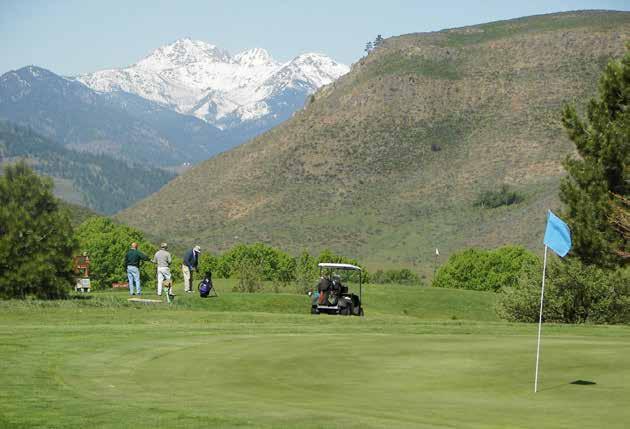
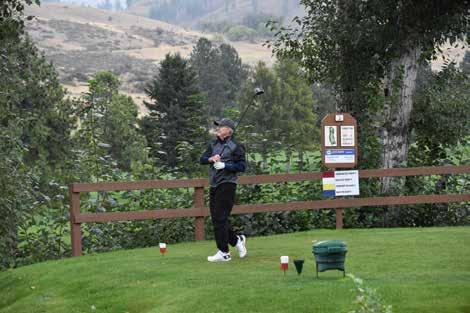
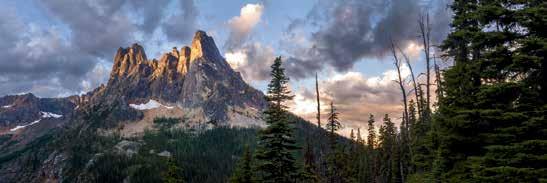
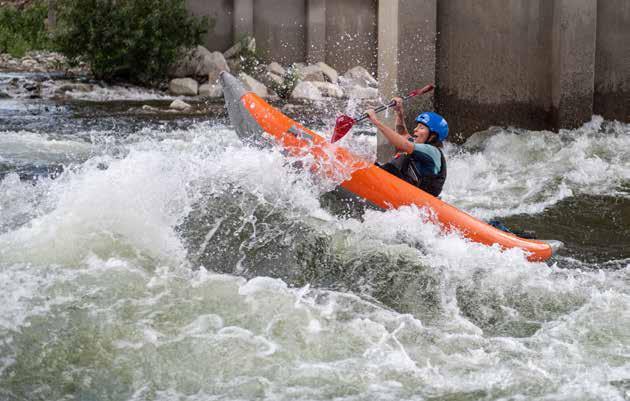
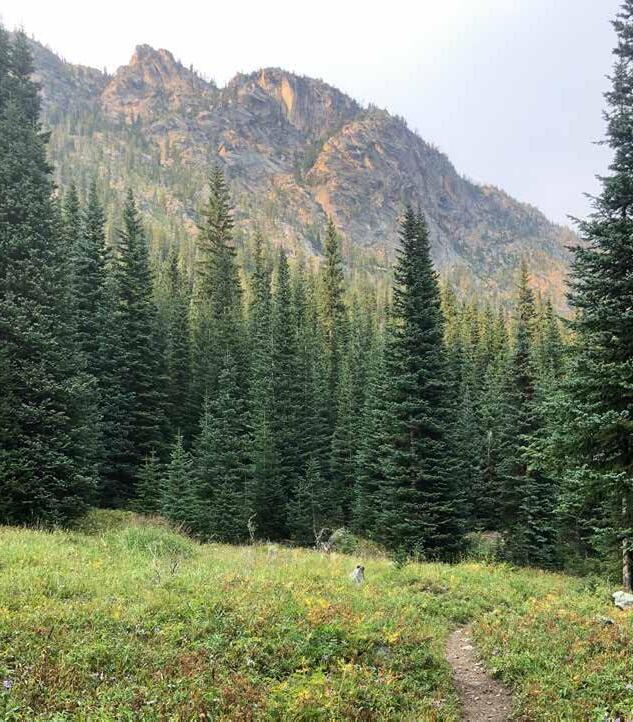
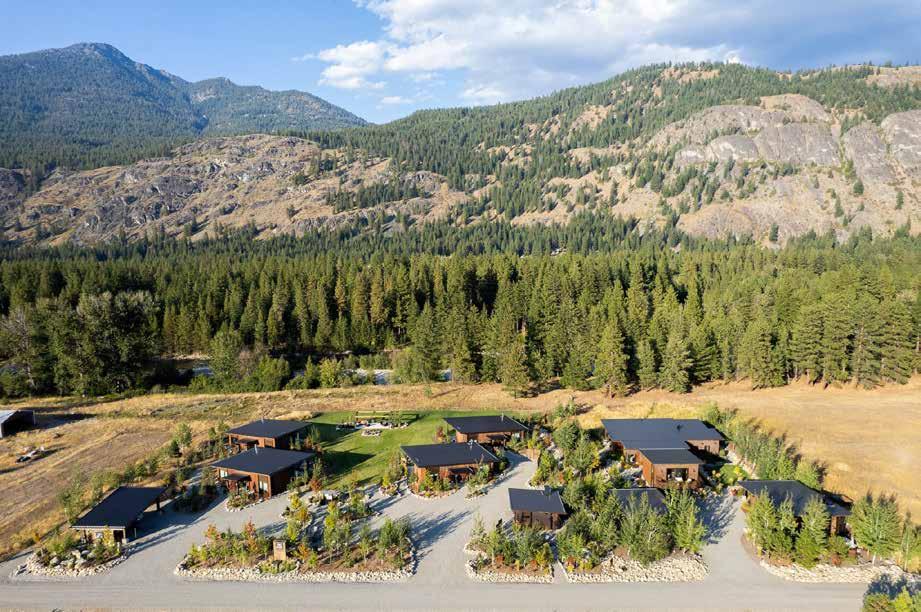
Step out our doors into half a million acres of breathtaking mountain terrain on your bike, skis, horse, or in your hiking boots.
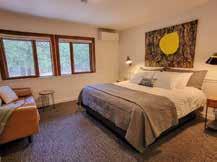
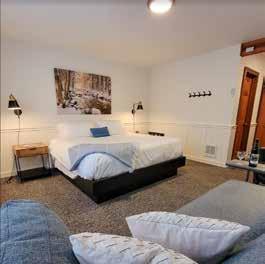
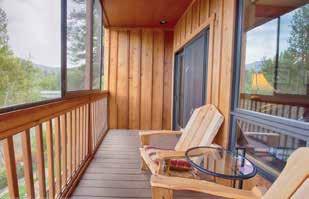
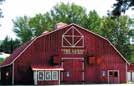
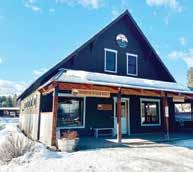
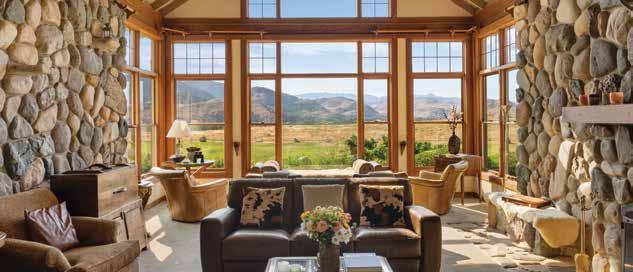
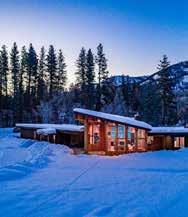
Our inviting mountain Inn sits at the heart of Mazama, steps from the trails, store and pub.
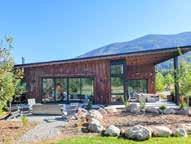
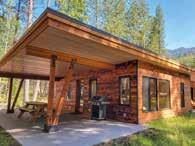
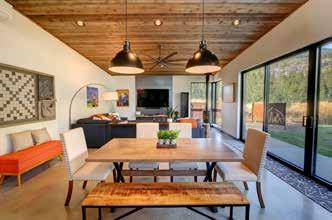
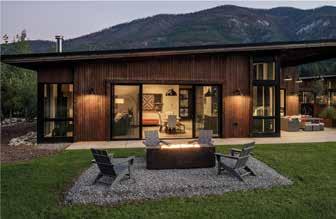
If a private cabin is more your style, no problem. We’ve been managing nightly rental cabins in the Methow’s best places for 40 years. Visit www.innmazama.com or call 509-996-2681 to learn more and make your reservation today.
trails
WAnticipating the season
e begin working on this magazine in the waning days of winter so it will be ready for delivery in early May — weeks before it is officially summer in the valley. That’s when visitors start finding their way to the valley, by way of the North Cascades Highway if it’s open, or the longer way around if not.
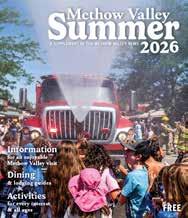
We want to be ready for you — and Methow Valley Summer 2026 is intended to help you be ready for us. This publication will help you maximize your stay in the Methow Valley and take advantage of everything that is offered by our retailers (buy local!), hospitality providers, restaurants and parks.
The things that always make the Methow Valley a vacation wonderland never change: the mountains, cliffs, forests, fields, lakes, rivers, streams,
shrub steppe expanses, flora and fauna, multi-purpose trails, camping, clear skies, friendly people and laid-back Western ambience all draw thousands of visitors each year.
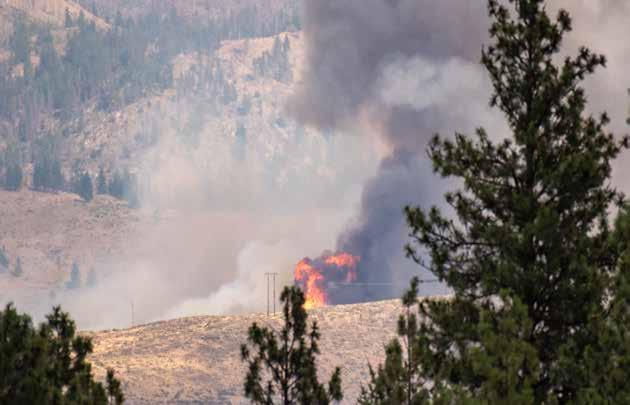
The things that can make summer a bit unpredictable are also worth acknowledging, most notably the long fire-and-smoke season. We never know what’s going to happen, and annually hope for the best while preparing for any eventuality.
We have loaded Methow Valley Summer 2026 with basic information you need to have for a fully engaged recreational experience, from the intensity of rock climbing to the relaxed state of stargazing. There is no better one-stop source for Methow Valley information. Please take note of our advertisers, whose support makes this magazine possible, and whose businesses help make the Methow a special place.
Don Nelson Publisher/Editor
Photo by Steve Mitchell
Summer Methow Valley
6 Mecca for mountain bikes
The valley’s trail system is still expanding
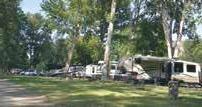
11 Comprehensive camping
We’ve got options for your tents, RVs and campers
12 Access points
The valley offers a variety of barrier-free trails
13 Trail mix
Find a wide range of hiking and backpacking challenges
16 Stellar nights
Summer is the best time for stargazing
17 When you wish upon a star
… it makes a difference where you are
19 Summer is fire season
… but you can take precautions
23 Face to face
Get up close and personal with our rock climbing options
25 Hoofing it
Equine adventures range from day rides to back country
29 Bring your ‘best friend’
You and your dog(s) are welcome
33 Pass protection
Be aware of recreational passes, fees, permits and licenses
Photo by Steve Mitchell.
The
Don Nelson is publisher and editor of the Methow Valley News.
Ralph Schwartz is a Methow Valley News reporter.
Marcy Stamper is a Methow Valley News reporter.
Ashley Lodato is a Methow Valley News columnist.
Shelley Smith Jones is a Methow Valley News columnist.
Joanna Bastian is a Methow Valley News columnist.
Ann McCreary is a freelance writer for the Methow Valley News.
Sandra Strieby is a freelance writer for the Methow Valley News.
Rick Lewis is a freelance writer for the Methow Valley News.
David Ward is a Methow Valley News columnist.
Steve Mitchell is a Methow Valley News contributor.
Mecca for mountain bikes
THE VALLEY’S TRAIL SYSTEM IS STILL EXPANDING
TBY ANN MCCREARY
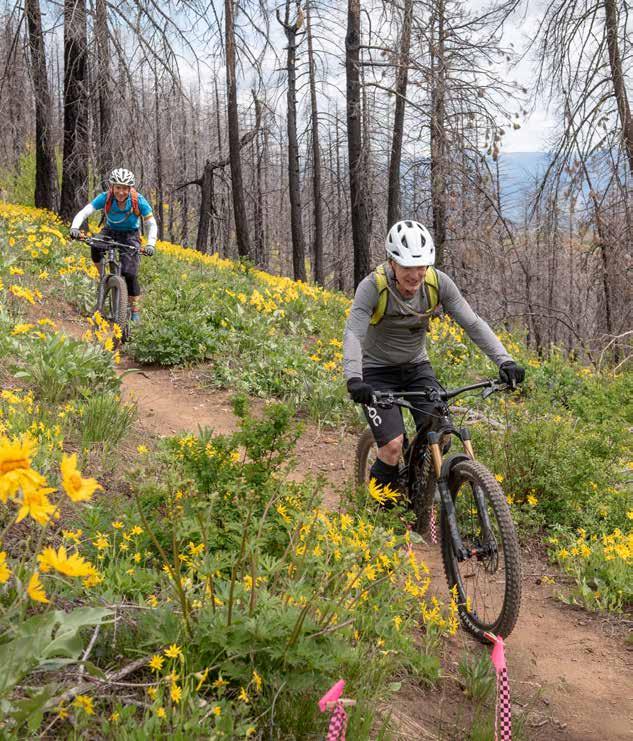
he Methow Valley and its environs offer some of the most diverse and extensive mountain biking and multiuse trails in Washington. From rugged alpine singletrack to modern flow trails, the trail systems in and around the Methow Valley just keep getting bigger and better, largely due to the hard work of the Methow chapter of Evergreen Mountain Bike Alliance (EMBA).
The local chapter’s professional trail staff and dedicated volunteers have put in thousands of hours to expand the trail system, and to maintain existing trails and rehabilitate the area’s extensive backcountry networks.
In the past two years, the Methow EMBA chapter has completed more than 20 miles of improvements on the Sun Mountain trail system, and developed more than 16 miles of new mountain bike and multi-use trails near the Loup Loup Ski Bowl.
The growing network at the Loup spans Little Buck Mountain and
Bear Mountain. By the beginning of 2026, the Methow EMBA chapter had developed 3 miles of beginner trails, 9 miles of intermediate trails, and 4 miles of advanced terrain, serving a wide range of users and skill levels.
This year, the chapter plans to add another 4.5 miles to the Loup system, including a new beginner-oriented trail from the summit of Bear Mountain to the base of the ski area, significantly improving access for new riders and families, said Josh Gewirtz, trails lead for the Methow chapter.
By 2027, additional connector
trails are planned to link existing backcountry routes — including the Middle Fork of Beaver Creek and Bear Mountain — into a cohesive network of more than 40 miles of contiguous singletrack directly connected to the ski area, Gewirtz said.
■ LARGER VISION
The trail work is creating awesome riding opportunities for mountain bikers and designing a system to minimize conflicts with other trail users in the Loup Loup area, including horsemen and hikers. But the project has an even larger
Photos by Steve Mitchell
vision — developing year-round recreation to ensure the financial future of the Loup Loup ski area, Gewirtz said.
“As an organization, we are intentionally working to position the Loup Loup Ski Bowl as a year-round recreational hub and economic driver,” he said.
“By expanding summer trail opportunities, we aim to increase visitation during non-winter months, support local businesses, and strengthen the ski area’s longterm financial sustainability. This approach reflects a broader shift toward diversified, four-season recreation models in rural communities,” Gewirtz said.
The impact of the investment is already visible, he said. “With the addition of new trails, the ski area successfully hosted the Washington State Student Cycling League championships this past October.”
The Liberty Bell High School cycling team helped lead the event that brought athletes, families and spectators to the area, “demonstrating the site’s potential as a destination for youth cycling and outdoor recreation events,” Gewirtz said. He is hoping the event will return again this fall.
EMBA Methow and Loup Loup Ski Bowl are exploring ways mountain biking can further contribute to the ski area’s financial resilience, Gewirtz said. Possibilities include activities like summer mountain bike camps and youth programs to help generate seasonal revenue.
“These efforts are not only about recreation — they are a proactive response to a changing climate,” Gewirtz added.
“The ski area was unable to operate this past winter due to lack of
snow, underscoring the vulnerability of winter-dependent recreation models. Expanding year-round trail infrastructure is a critical strategy to ensure continued community access, economic stability, and longterm viability. By investing now, we are helping to future-proof a vital community asset and preserve its role as a gathering place, economic contributor, and outdoor recreation hub for Okanogan County,” Gewirtz said.
■ VOLUNTEERS AND BEER
The Methow EMBA chapter has accomplished much of its work with federal and state grants, allowing it to support a team of four professional trail builders.
The chapter has also received a grant from the Community Foundation of North Central Washington for a youth-led trail building project at Loup Loup, guided by the chapter’s professional trail builders. Gewirtz said the project will involve middle school and high school students in the Methow and Okanogan valleys.
The chapter also relies on dedicated volunteers to build and maintain trails, and collaborates on trail project with other trails-oriented organizations, including Methow Trails, the Methow Valley Trails Collaborative, and the U.S. Forest Service.
All those groups have been involved in work at Sun Mountain to log out and repair multi-use trails that were damaged in the 2021 Cedar Creek Fire, Gewirtz said.
The Methow EMBA chapter hosts regular volunteer “dig days” spring through fall. The schedule, and other chapter events, are listed on the chapter website,
The local chapter has also teamed up with Old Schoolhouse Brewery to release a beer called Oso Peligroso (named after a new trail at Loup Loup), with $1 from the sale of each beer supporting trail maintenance.
In addition to the new and improved mountain biking trails at Loup Loup and Sun Mountain, cyclists of all kinds have plenty of terrain to pick from in and around the Methow Valley.
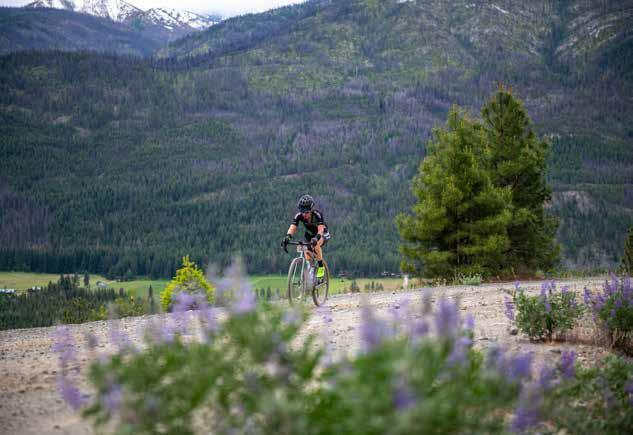
Gravel and road bike riders will find hundreds of miles of gravel and paved roads easily accessible from the towns of Winthrop, Mazama and Twisp.
For gravel bike riders, the
valley’s all-road biking options are plentiful, with hundreds of miles of unpaved county and Forest Service roads that carry riders to the far reaches of the valley, and beyond. Road riders will find plenty of pavement without a lot of vehicle traffic.
There are many opportunities for cyclists to join others for group rides, lessons and races supported by various biking organizations.
Methow Cycle & Sport’s website, methowcyclesprt.com, is a good place to check for upcoming events. Cyclists can get maps, trail guides and gear at many locations in the valley, and find refreshment before, during or after a ride at restaurants, pubs and bakeries from Mazama to Methow.
Information from Methow Cycle & Sport (methowcyclesport.com); Evergreen Mountain Bike Alliance (evergreenmtb.org); and MTB Project (mtbproject.com). Maps of many rides are available at methowcyclesport.com.
■ MOUNTAIN BIKE RIDES
“Bears” at the Loup
For a challenging ride, climb the new climbing trail “Bear with Me” and then take the access road to the start of Telemark. Descend Telemark and link with Ursus to descend all the way to the base area or traverse Bongo’s Tightrope and connect with Oso Peligroso for a ripping 3-mile descent back to the base. If you’re looking for an even spicier descent, try Fozzie Bear Inventions and link this with the Bear Mountain Trail. Rated difficult.
Lightning Creek
This singletrack covers 6 miles and 2,400 feet elevation change. Combine with Middle Fork Beaver or Bear Mountain for more distance and fun. Use caution — a portion of the trail was burned in 2014 Carlton Complex fire. As a result, standing dead trees line the burned section and may fall suddenly and unexpectedly. No pass required for parking or riding. Rated moderate.
Methow Valley Community Trail Ride through meadows and forests and along the Methow River between Wolf Creek Road/Brown’s Farm trailhead and Mazama, 6 miles each way. Additional trails available from the Mazama Corral trailhead to add miles or create a lollipop loop. Good
A ride sampler
trail for beginners and families. Note that the Community Trail is not open from the Brown’s Farm trailhead south to Winthrop in the summer months. No pass required for parking or riding. Rated easy.
■ ROAD RIDES
Sun Mountain
A nice climbing ride to add to longer loops or do on its own. From town, a quick 3-mile jaunt up Twin Lakes Road to Patterson Lake Road. From there, about 6 miles uphill gets you to the lodge and views. Winthrop South to Twisp & Carlton
Enjoy some lightly traveled side roads that parallel Highway 20 south for about 20 miles to Carlton. Take Twisp-Winthrop Eastside County Road south of Winthrop 9 miles to Twisp. Take the Twisp-Carlton Road 10 miles further south to Carlton.
Andrew’s Creek
If you want a quiet road, beautiful scenery and lots of miles, try this option. On the West Chewuch Road, for a longer option which follows the river further up, continue past the bridge on Road 151 to Andrew’s Creek for a 50 mile round trip.
■ GRAVEL RIDES
Bear Creek Road & Pearrygin Loop
A good beginner 12-mile loop with 900 feet of elevation gain, about half pavement and half gravel, passing by Bear Creek Golf Course and Pearrygin Lake State Park.
Wolf Creek to Mazama Lollipop
Information on riding
• Winthrop’s website, winthropwashington.com, has information on mountain and road bike riding.
• The Methow Trails office in downtown Winthrop has information on mountain bike and road rides, and on its website: methowtrails.org.
• Methow Cycle & Sport’s website, methowcyclesport.com, provides trail descriptions, maps and a calendar of events.
• Stop by local Methow Valley sports shops in person for current trail conditions and maps.
• Evergreen Mountain Bike Alliance’s website, evergreenmtb.org, has a blog, information on classes and camps, trails, chapters and work parties, including lots of opportunities to help on trails in the Methow Valley.
• Trailforks.com, a mountain biking database, has up-to-date maps and trail information.
• MTBproject.com, affiliated with the REI outdoor store, offers a comprehensive guide for mountain biking trail maps and information.
This 33.4-mile valley floor route from Winthrop to Mazama and back again is a great spring and fall ride. Follow Wolf Creek Road up from Winthrop, then cross over to Goat Creek Road up to Mazama. Retrace yours steps, or ride the highway back down to Wolf Creek. Elevation gain of 1,484 feet.
Winthrop to Carlton + Beaver Creek + Balky Hill
For a mix of pavement and gravel, take the East and West county side roads to Carlton but add some distance and elevation by returning via Beaver Creek Road then down Balky Hill for a more challenging ride.
■ E-BIKE OPTIONS
Boulder Creek Loop
A 21.6-mile ride with 3,000 feet up and down. Great local gravel loop. Beautiful climb on quiet Forest Service roads accessed from Winthrop
via the East Chewuch Road. Wonderful views and fun descent.
Rex Derr trails
At Pearrygin Lake State Park, beginner to intermediate rolling hills on single and double track trails with a beautiful lake and mountain vistas. Start at the Lake Creek trailhead or other multiple access points and create your own ride. Do a loop or out-and-back, add the Bear Creek Road, make it long, make it short, it’s up to you.
Winthrop Valley Loop
A challenging ride with lots of elevation gain in the first half giving you sweeping view of Mt. Gardner and the valley, followed by quiet forested roads on the return. From Winthrop, take West Chewuch to Rendezvous/Gunn Ranch Road through the Rendezvous Basin, and then back on Wolf Creek Road to Winthrop.
Campgrounds at a glance
Up Valley (Cascades to Mazama)
Klipchuck Campground
Early Winters Campground
Rendezvous Huts private Rendezvous Basin, Cougar & Grizzly Mountain area
Pine Near RV Park and Campground private 2 blocks from downtown Winthrop yes
Winthrop KOA private 1/2 mile east of Winthrop yes
Pearrygin Lake State Park WA State Parks 3 miles from Winthrop yes
Big Twin Lake Campground private 3 miles south of Winthrop yes
Silverline Resort private 1.5 miles from Winthrop yes
Riverbend RV Park private 2 miles west of Twisp yes
$160+/night rustic hut accommodations with propane stove and cooking/eating dishes, bunks with mattresses, no running water
Mid Valley (Mazama to Twisp)
$30/tents; $65-$75 RV sites; $60 tipi; $79$250 cabins/ houses full hookups, EV charging station, laundry, wifi, showers; mining shacks, tipis, cabins full restroom, showers
509-996-4000, fs.usda.gov
509-996-4000, fs.usda.gov
509-996-8100, rendezvoushuts. com
Carlton RV Park private Carlton yes
pets, across street from historic Shafer Museum, Speakeasy Pavillion for covered gatherings
$43+/site full hookups, laundry, TV reception, wifi, snack bar, showers full restroom, showers pets, riverside, heated pool with 30 x 30 jump pad, cabins, playground, bicycle rentals, pavillion, camping kitchen
$25-$60+/ site; $90+ cabins full hookups, showers, cabins, vacation house, group campsites full restroom, showers lakeside, swimming, boating, hiking trails, fishing
$35-$105/ site camping cabins, full hookups, toilets, showers, wifi full restroom, showers boating & boat rentals, stocked lake fishing, close to trails & rodeo grounds, paddleboats, stand up paddleboards
$35-$375/ site/house full hookups, toilets, showers, convenience store, breakfast kitchen full restroom, showers lakeside, swimming, boating, hiking trails, fishing, mini-golf
$29-$66/ site full hookups, toilets, showers, dog park, wifi, convenience store, laundry full restroom, showers riverside, boating, fishing, gift shop horseshoes, basketball
Down Valley (Twisp to Pateros)
$15-$50/ site tents, full hookups, showers, convenience store, laundry bathhouse swimming, beach, free hot breakfast on Sundays
Loup Loup Campground US Forest Service 12 miles east of Twisp First Come First Served $15/site; $5 add’l vehicle potable water pump, no sewer or electric hook up wheelchair accessible vault toilet creekside, mountain biking, hiking, Western Larch
Alta Lake State Park WA State Parks 2 miles southwest of Pateros yes
$25-$50+/ site full hookups, showers, wifi, group campsites full restroom, showers lakeside, boating, hiking, birding, golf
Camping is not for everyone, and many people shudder at the thought of sleeping on an air mattress on the ground.
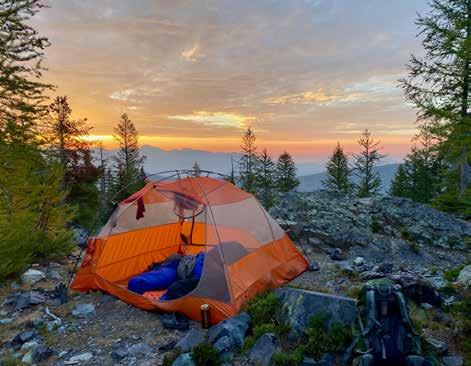
But you’re not one of those people. Give you a starry night sky, the rustle of wind in the pine trees, and the orange glow of sunrise filtering through your tent walls and you’re happier than you’d be just about anywhere else.
You want to pitch a tent or pull up a camper? The Methow Valley has you covered, depending on whether you’re seeking a tranquil, solitary experience, or a bustling hub of recreation. So throw up that tent, park that camper, or string up that hammock and simply surrender to the outside world as it unfolds around you.
At press time, efforts were underway to further reorganize the U.S. Forest Service, on top of sweeping staffing cuts and office closures and consolidations. The Forest Service manages and maintains hundreds of campsites in the Methow Valley and is integral to the camping experience of residents and visitors alike. Staffing shortages and office closures may affect the camping experience. Check listings for campground closures before you travel and please be patient with federal employees (as well as fellow campers) onsite. Pick up your trash, follow the rules, and enjoy the beauty of our public lands.
■ UP-VALLEY (CASCADES TO WINTHROP)
These campgrounds are all located right off Highway 20 in the mountains between Winthrop and Washington Pass. Ballard, Road’s End, Meadows and Harts Pass campgrounds are situated on Lost River Road and in the Harts Pass area. For a complete listing of U.S. Forest Service campgrounds
in this area, visit www.fs.usda. gov/activity/okawen/recreation/ camping-cabins.
■ MID-VALLEY
(WINTHROP TO TWISP)
These campgrounds are all located on or near Highway 20 between Winthrop and Twisp. There are no U.S. Forest Service campgrounds located immediately off Highway 20 in the Winthrop-toTwisp area; however, numerous Forest Service campgrounds like 8-Mile, Falls Creek, and Chewuch are just a few miles outside Winthrop along the Chewuch River, while others like South Creek and War Creek are easily accessible up Twisp River Road. For a complete listing of Forest Service campgrounds in the mid-valley area, visit www.fs.usda.gov/
activity/okawen/recreation/ camping-cabins.
■ DOWN-VALLEY (TWISP TO PATEROS)
These campgrounds are all located on or near Highway 20 and Highway 153 between Twisp and Pateros. There are no U.S. Forest Service campgrounds located immediately off Highway 153 in the Twisp-to-Pateros area; however, numerous Forest Service campgrounds like Black Pine Lake can be found just a few miles from the highways. For a complete listing of US Forest Service campgrounds in the down-valley area, visit www. fs.usda.gov/activity/okawen/ recreation/camping-cabins.
■ HIPCAMP
Several online resources for
connecting campers with campsites have quite a few Methow Valley listings.
For updated information on Washington State Parks campgrounds, visit: https://parks. wa.gov/find-activity/activity-search/camping. For updated information on U.S. Forest Service campgrounds, visit www.fs.usda. gov/activity/okawen/recreation/ camping-cabins. Many popular trailheads (such as Early Winters in Mazama and Chickadee at Sun Mountain) are day-use only and are never open for camping or overnight parking, even for self-contained vehicles; please observe restrictions posted onsite.
Photo by Ashley Lodato
Access points
THE VALLEY OFFERS A VARIETY OF BARRIER-FREE TRAILS
TBY MARCY STAMPER
ake in spectacular mountain scenery, cascading waterfalls and placid lakes from a selection of barrier-free trails accessible to people who use wheelchairs or other mobility aids, or who are out with young kids or anyone who prefers an easy stroll.
From downtown Winthrop, check out the Susie Stephens Trail, which offers a spectacular view of the Chewuch and Methow rivers from the Spring Creek Bridge before winding through pastures and meadows for about a mile to the shopping district outside of town on Highway 20. The striking bridge is a peaceful spot for watching wildlife and rafters.
Just off the trail, people can visit the award-winning Winthrop library, which was recently featured on the TV show America By Design. Both the interior and exterior of the library showcase elements of the Methow Valley’s natural environment. Outside, there’s a rock split by the heat of a wildfire and fire-resistant landscaping with educational information about the plantings.
Inside the library, you’ll find “Solace,” which local artist Tori Karpenko created from a cedar tree — itself marked by weather and wildfire — to complement the rock just outside.
Karpenko also created “Books into Birds,” a sculpture of suspended books in flight.
Methow Valley artist Hannah Viano made the barn doors that honor library donors, along with nature panels inspired by local flora and fauna. Also on display is Viano’s art book of sketches and landscapes. The library also features rotating art exhibits. In addition to browsing books and periodicals or searching online, people can play games, do art projects, and even use sewing machines or soldering irons at the library.
Preschool kids can join in story time every Friday at 11 a.m. throughout the summer.
Adults 60 and older will enjoy Tech Tuesdays, where Methow At Home volunteers provide free lessons and help people brush up on their digital skills or present educational lectures every Tuesday from 1 to 3 p.m.
A wide, mostly level packed-gravel trail leads along the Methow River from the Suspension Bridge parking area on Goat Creek Road near Mazama for about a mile to the Tawlks-Foster Suspension Bridge, which offers expansive vistas up and down the valley. There’s a picnic area near the bridge and access to
the cooling river.
Head west on Highway 20 from Winthrop (toward Mazama). In about 8 miles, go right on Goat Creek Road. The parking area is on the left in about 2 3/4 miles.
Further from town, check out Blackpine Lake, a serene mountain lake with a paved lakeshore trail that leads to an overlook of Hoodoo Peak and Raven Ridge. People can swim and boat from a wheelchair-accessible dock reached by the trail, or fish for trout from the dock or lakeshore. The trail has interpretive signs and benches for wildlife viewing.
From Twisp, drive west on Twisp River Road for about 11 miles. Turn left onto West Buttermilk Creek Road, cross the Buttermilk Bridge over the Twisp River, and turn right to continue on Forest Road 43 for about 8 miles to the Blackpine Lake campground. The trail begins at the day-use area.
Cool off with the refreshing spray of Falls Creek Falls, reached via an accessible trail in the Chewuch River drainage. The mostly level, 1/4-mile paved trail leads through the forest to the dramatic waterfall, which spills more than 80 feet in two tiers.
Head west on Highway 20 from Winthrop (toward Mazama) and take the first right on West Chewuch Road. Follow that road 7 miles to a stop sign. Go straight another 5 miles to the falls, on the left. The scenic road continues another 15 miles to Thirtymile, where there is a moving memorial to the firefighters who perished in the 2001 Thirtymile Fire. Other panels along the road highlight fire ecology.
The road is paved, except for the last 4 to 5 miles. With relatively low traffic, the road is also popular with cyclists and folks who do handcycling or ride a tandem bicycle with a buddy.
Seeking expansive mountain vistas? On the North Cascades Highway, 30 miles west of Winthrop, a short, paved trail takes you to a spectacular overlook at Washington Pass, with views of Liberty Bell Mountain, Early Winters Spires and Kangaroo Ridge, as well as interpretive information.
Five miles west of Washington Pass, a fully accessible, paved 1-mile trail through the cool, fragrant forest leads to Rainy Lake, which is ringed by craggy peaks and fed by several waterfalls. There’s a picnic spot on the lake and fishing for cutthroat trout. A new barrier at the lake, thanks to the hard work of the Methow Valley Trails Collaborative, keeps visitors safe while affording a closer look at the water.
Interpretive signs describe vegetation and natural features along the trail. Access is 35 miles west of Winthrop on the North Cascades Highway to the Rainy Pass parking area, on the left.
Some folks enjoy mountain boarding. It’s kind of like snowboarding — it uses a long board with big wheels, with the seat or bucket used for paraskiing mounted on the board. Boarders typically propel themselves with ski poles. Mountain boarding is done on grass, gravel or pavement. Check out the wide, fairly level sections of the Methow Community Trail. Popular routes go from Mazama toward the suspension bridge or Early Winters.
Photo courtesy of Methow Valley Trails Collaborative I Many of the valley’s trails are accessible and scenic.
Trail mix
FIND A WIDE RANGE OF HIKING AND BACKPACKING CHALLENGES
BY ASHLEY LODATO
Whether you crave solitude or adventure, contemplation or conquest, the mountains can be the backdrop for reflection or the source of inspiration. Until you’ve spent time in the mountains their distant peaks and valleys can seem mysterious or foreboding, but once you’ve learned to live in harmony with the rhythms of the mountains they really
do begin to feel like a second home.
Surrounding the Methow Valley the jagged peaks of the North Cascades stand sentinel, calling out to those who long for the wildness of deep gorges, thick forests, rocky promontories, and alpine lakes. The lower trails and lakes in the North Cascades are often snow-free by June, but the snow in the higher country doesn’t melt until July most years, depending on the snowpack. Plan your trip accordingly, or you’ll find yourself undertaking some pretty rugged travel on trails that may be difficult to locate. Make sure you have proper permits, passes,
and parking, information for your desired destination as well (see pages 33-37).
With increased use of trails and recreation sites, getting away from it all grows increasingly difficult, especially on some of the most popular trails near Washington Pass, where you’ll find parking lots full and cars lining both sides of the North Cascades Highway for a mile or more on either side of the trailheads. Try scheduling your trip for mid-week, if possible. And if you get to a trailhead and the parking lot is full, go elsewhere.
There are numerous U.S. Forest Service roads available for woodland walking, some with some quite
stunning and surprising view spots. You might not get the dramatic sweep of the North Cascades, but you also won’t be hiking in a Conga line of hundreds of other people. With sweeping staffing cuts at federal land management agencies, maintenance of roads, trails, trailheads, and campgrounds is likely to suffer. Additionally, torrential rains in December 2025 caused many trees to fall in the forest. Perhaps no one heard them, but hikers will definitely see them in places. Please do your part to keep trails clean by packing out your trash and disposing of human waste properly. And above all, give Forest Service and National Park Service staff
Photo by Steve Mitchell
some grace if you encounter them; those who are still employed to care for our public lands are going to be working harder than usual for the second summer in a row.
■ HUMAN WASTE
It’s irresponsible to dispose of human waste improperly, especially as recreational use of popular areas increases, as it has been steadily doing for decades. And yet nary a popular hike exists without at least one visible stash of unburied human waste and/ or toilet paper.
At trailheads, use the outhouse, even if you have to wait for it. Given recent cuts to Forest Service staffing and budgets, it’s probably a good idea to bring your own toilet paper.
At backcountry campsites, you may find a modern, clean, regularly maintained outhouse, a ramshackle privy, or a “wet willy,” which is basically a box-like platform with a seat over a hole. In sites equipped with facilities — no matter how rustic — you need to use the established hole. Stand up if you must.
If you don’t find an established toilet, you’ll need to dig a cat hole. Follow Leave No Trace regulations:
6-8 inches deep and 4-6 inches in diameter (using the U-Dig-It or other sturdy trowel you had the foresight to pack, because it’s virtually impossible to get down 6-8 inches using only a sharp stick or the heel of your boot, especially when you’re in a rush).
■ NEED GEAR?
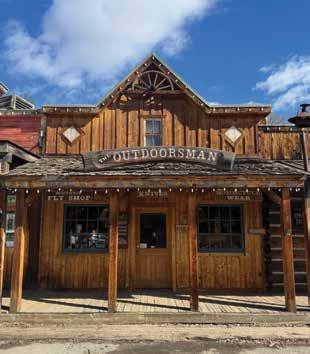
In the Methow Valley, you can find a wide variety of outdoor gear at Goat’s Beard Mountain Supplies in Mazama, and Winthrop Mountain Sports, Cascades Outdoor Store, and The Outdoorsman in Winthrop. The Do It Center in Twisp and Ace Hardware in Winthrop also stock some camping gear.
■ DAY HIKES (ONE-WAY MILES FROM SHORTEST TO LONGEST)
• Slate Peak: The ¼ -mile hike to Slate Peak gets you up to 7,400 feet elevation and provides a glimpse into the rich mining history of the area around the turn of the 20th century. The historic fire lookout collapsed this past winter; efforts to salvage the structure are being considered. The Hart’s Pass access road can be rough; check conditions online.
• Susie Stephens Trail: This roughly ¾-mile trail that leads from downtown Winthrop, past the Winthrop Rink and the Winthrop Library, with spurs to the grocery store and to the Methow Trails campus isn’t a “hike,” per se, but it’s a lovely in-town walk that allows you to get some exercise and see some of Winthrop, including crossing the Spring Creek Bridge.
• Twisp Ponds: A 1-mile loop winds through restored riparian areas, native vegetation, interpretive signage, and several significant public art pieces. Very kid-friendly. Early season.
• Rainy Lake: Hiking doesn’t get any easier than the 1-mile walk on a paved, level path with interpretive signs and resting benches, ending at a sparkling alpine lake. Very kid-friendly. If the parking lot is full — and it often will be on weekends — go elsewhere.
• Tawlks-Foster Suspension Bridge: The flat 1-mile trail to the Suspension Bridge brings you to a picnic shelter and some interpretive signs by the river. Very kid-friendly.
• Meadowlark Natural Area:
Situated on a bench overlooking Winthrop, the Meadowlark Natural Area features 2.5 miles of trail through shrub-steppe terrain and provides critical mule deer winter range as well as important habitat for songbirds, small mammals, and raptors. Dogs on leash only. Very kid-friendly. Early season.
• Patterson Mountain: The 3-mile loop around Patterson Mountain is one of the first snow-free hikes in the valley and is lush with wildflowers in the late spring. An artistic surprise awaits you on top. Early season.
• Lake Ann: Lake Ann is just 1.9 miles from the parking area, but it gets you into what feels like the heart of the mountains — a sparkling lake in a granite cirque. Very kid-friendly. If the parking lot is full — and it often will be on weekends — go elsewhere.
• Leecher Mountain: Leecher Mountain south of Twisp is one of the easiest hikes up to a historic fire tower, which may or may not be staffed. Most of the elevation gain on this 2.4-mile roundtrip hike is done on the drive up; the trail itself
is moderate and wide — an easy family outing.
• Lookout Mountain: Lookout Mountain in Twisp loses its snow early, making it a favorite spring hike. Panoramic views and historic wildfire lookout make this 2.6-mile roundtrip hike friendly for all ages.
• Blue Lake: The 2.2-mile hike into Blue Lake has some elevation gain but rewards the hiker with the opportunity to dip in its turquoise waters. If the parking lot is full — and it often will be on weekends — go elsewhere.
• Goat Peak: Goat Peak is popular for its panoramic views of the North Cascades but also for its fire tower on the summit. The 2.5-mile hike is strenuous and is dry in the late summer.
• Maple Pass: The 7-mile Maple Pass loop is probably the most popular day hike in the area, and for good reason, but it has been severely over-crowded in recent summers, with thousands of hikers making the trek around the loop each day.
• Easy Pass: The 3.5-mile hike up Easy Pass is anything but, as you climb up 3,000 feet fairly relentlessly. Emerge into the talus above
treeline and the views are breathtaking, as the trail crisscrosses an avalanche fan under the soaring peaks of Ragged Ridge before entering the larch-covered lush Easy Pass saddle. Like Blue Lake and Maple Pass, Easy Pass is another trail that can be a Conga line of hikers, especially on weekends.
■ OVERNIGHT TRIPS (ONE-WAY MILES FROM SHORTEST TO LONGEST)
• Cutthroat Lake: The 2-mile trail into the lake is moderate, with views of the cirque surrounding the lake. You must camp at least ¼ mile away from the lake. Very kid-friendly.
• Windy Pass: The 3.5-mile hike along the Pacific Crest Trail to Windy Pass lacks significant elevation gain or loss, so you can travel through meadows and larch stands at a brisk clip before reaching your camping destination at the pass. Very kid-friendly. Check Harts Pass Road conditions before you venture up.
• Black Lake: Hiking into Black Lake with a backpack is appealing due to its limited elevation gain and loss. The 4.5-mile trail is brushy but
in August it is lined with raspberries and blueberries as well. There are campsites on both ends of the lake. Long but still kid-friendly.
• Stehekin: You can hike from the Methow Valley to this tiny boat-andplane-access-only community at the end of Lake Chelan. The hike starts at Bridge Creek and drops you gradually into the confluence with the
Stehekin River 18 miles later. From there you can take a National Park Service shuttle into Stehekin and either boat out to Chelan the next day if you’ve arranged a pickup, or turn around and hike back to your car at Bridge Creek via McAlester Pass. Two reservable campsites along the PCT provide the opportunity to break the 18-miles up into two days.
The Ten Essentials
Developed in the 1930s by The Mountaineers as a checklist for backcountry emergency preparedness, the Ten Essentials were 10 individual items that few experienced wilderness travelers would consider leaving out of their backpacks. The jury is still out on the Ten Essentials regarding day hikes, especially those on familiar or well-marked trails in good weather.
While most hikers agree that sunscreen is worth the weight, those trotting around Maple Pass in 3 hours would probably consider it overkill to carry a space blanket and a water filter (however, given the number of people populating that loop, there’s a good chance you’ll stumble upon a fellow hiker in need at some point).
When packing, you’ll need to make the decision for yourself, but consider the basic premise behind the Ten Essentials: You probably won’t use most of this stuff, but as soon as you need it, you’ll be glad you brought it.
• Navigation: Learn how to read a topographic map before you hit the trail. Seriously. Ditto for your compass. Plus, a lot of compasses have mirrors in the lids, which you can use to admire your grubby face. GPS units and altimeters can also help you pinpoint your location — but only if they work and you know how to use them. Many hikers and backpackers will choose to carry a personal locator beacon (PLB) and/or satellite communications.
• Sun protection: Sunscreen, sunglasses, sun hat — wear them every day.
• Insulation: Bring more warm clothes than you think you’ll need; it’s colder in the mountains. Even on a sunny day hike it’s often nice to have a hat and
puffy jacket for lunch on the summit.
• Illumination: Even in the summer with 16 hours of daylight, you never know when you might have to hike out in the dark. Pack a headlamp or flashlight and make sure your batteries are new.
• First aid kit: Outdoor stores sell well-stocked commercial kits, or visit REI’s website for an inventory list that will guide you through assembling your own.
• Firestarter and matches. If for some reason you are spiraling toward hypothermia, and there are no other options for getting warm, you’ll have to light a fire. This should only be a last resort if there are no established fire rings. Heed all fire bans!
• Repair kit and tools, including a small knife: Sometimes the ability to fix your stove or your pack makes the difference between comfort and misery.
• Water and purification system. All water pulled from streams, rivers, and lakes should be treated.
• Extra food. Bring something high calorie, non-perishable and unappealing, like stale energy bars in an unpopular flavor or energy gels. You’ll have them if you need them, but you won’t be tempted to break them out for dessert one night.
• Emergency shelter. If all goes well and you’re lucky, you won’t need your rain gear or space blanket, but better safe than sorry.
Visit The Mountaineers website for rationale behind this list (mountaineers.org/blog/whatare-the-ten-essentials) as well as a more in-depth discussion of the benefits and limitations of PLBs and satellite communications.
BY DAVID WARD
Summer. It has got to be the best time of year for stargazing. Meteors are flying overhead. Of course, mosquitoes are too, but you are not freezing cold. All the equipment you need is a lounge chair, a blanket and a pair of binoculars if you have one.
First, a few dates to put on your calendar:
• June 8, June 9 and 10. Venus, the goddess of love and beauty and Jupiter, king of the gods, are set to tango in the western sky just after sunset. Watch all three nights if you can. the pair will be at their closest on the evening of June 9. Astrologically it is a very auspicious occurrence signifying big life changes and lots of money. Astronomically it will be a beautiful sight in the twilight sky.
• Aug. 12 and 13. It is predicted that the annual Perseid meteor shower will peak this night. Best time to watch will be midnight to dawn. You should be able to see lots of meteors the night before and after. The moon and its glaring light will not be an issue so it will be a great showing for the meteors. If you will happen to be in Greenland, you will get a total solar eclipse thrown in for free for free!
• Every new moon this summer. With Venus in the west just after sunset, that means a thin crescent moon will dance with Venus one night a month a day or two after the new moon. Watch for some beautiful pairings in the evening twilight sky.
■ CREATIVE CONSTELLATIONS
So what else is up there? There are some beautiful constellations, and some of them are rather
Stellar nights
SUMMER IS THE BEST TIME FOR STARGAZING
strange.
• Cygnus the swan. Look high overhead for cross-shaped grouping of stars. We know this constellation as the Northern Cross as well as Cygnus. Rumored to be Queen Cassiopeia’s pet, it is swimming down a river of stars. That river is the Milky Way. We will get to that in a bit. Be careful around that swan. It is at least twice the size of the Queen, and I hear it has a nasty temper.
• Scorpius, the scorpion. Look far south for one of the coolest constellations up there, and it actually looks like what it is supposed to. It has a stinger, claws and a red heart. This was the scorpion that stung and killed the mighty hunter Orion. He had boasted he could kill any animal on Earth. Now the gods had a low tolerance for boastful mortals so Hera, queen of the gods, sent a tiny scorpion to kill the mighty hunter. You do not have to worry about stepping on this
scorpion, but do not let him step on you. He is huge! Much bigger than Orion.
■ GALLIVANTING IN THE GALAXY
Summer is a great time to explore our own local galaxy. Look for a hazy glow stretching across the sky from north to south. That glow is the light of billions of stars of which our sun is just one insignificant member. Imagine a giant pinwheel-shaped conglomeration of stars. There is a central bulge with four spiral arms radiating out of it. Also, the whole thing is spinning. Where are we in all of that? We are in between two of those spiral arms in a smaller substructure of stars known as the Orion Spur. It is a good place to be cosmically speaking. In fact, many astronomers believe we would not be able to live on our little planet if we were in one of the more crowded regions of the galaxy.
We are cruising along at about 500,000 miles per hour along with the sun and the other planets headed towards the constellation Hercules. Look it up on a star chart. It is our destiny. Even at that dizzying speed it will still take us 250,000,000 years to make one spin around the galaxy.
Look towards the south again where Sagittarius is hanging out. That is the center of our galaxy, which we orbit just like the Earth orbits the sun. It is the greatest concentration of stars anywhere nearby. Lurking there at the center of it all is a super massive black hole, one of the strangest inhabitants of the universe.
Scientists tell us that if we fell into a black hole, the Earth would get squeezed down to the size of a pea because of all the gravity. But don’t worry too much about that black hole consuming us before the summer wanes. It is a long, long ways away.
Photo by Steve Mitchell
When you wish upon a star
… IT MAKES A DIFFERENCE WHERE YOU ARE
ABY JOANNA BASTIAN
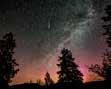
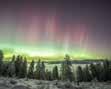
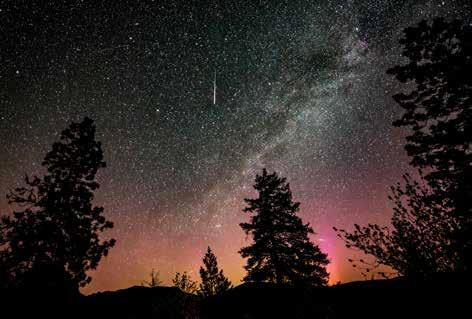
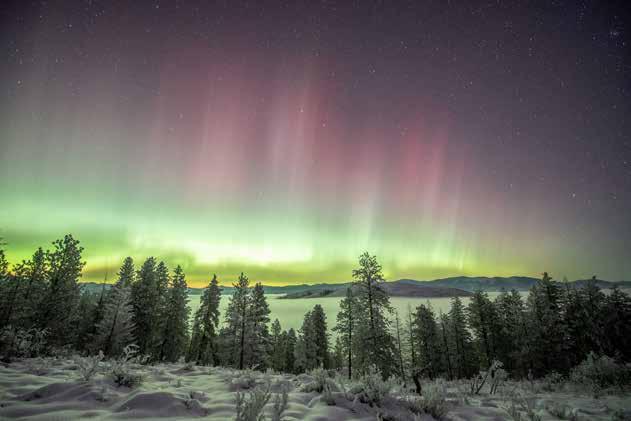
ir pollution and city glow can be a real drag to one of summer time’s time-honored activities: stargazing. Luckily for us, Washington state is home to some of the nation’s darkest skies. In one magical night, nocturnal views in the Methow Valley may include the northern lights and falling stars, with a backdrop of the celestial Milky Way.
The Pasayten Wilderness Area and North Cascades National Park rate a Class 2 on the Bortle scale — a truly dark site rating. Nestled in this dark pocket under a brilliant night sky lies the Methow Valley. To plan a night of star gazing, visit the Methow Dark Sky Coalition at methowdarksky.org for local tips where to go for the best views.
■ STARGAZING TIPS
Mark your calendar, the best time to view the stars among us are between the third quarter and first quarter moon, during a new moon phase. The Weather Underground
phone app provides moon phases, hourly darkness ratings, and a useful weather forecast for planning a night under the stars.
Download an astronomical application on a mobile phone for an interpretive guide to the night sky. Methow Dark Sky Coalition recommends “Sky Tonight” and “Star Walk,” two applications to identify constellations and planets.
Be prepared to linger, and opt to spend the whole night under the stars by packing sleeping bags and blankets to keep warm. Methow Valley’s position in the northern latitudes delays a truly dark night until close to midnight. Bring binoculars and a friend with a
telescope.
Be a good neighbor. Observe the viewing site before dark to become familiar with the area. As darkness falls, be mindful of any light that could disturb fellow night sky enthusiasts. Turn your phone to the lowest brightness setting. If opting for headlamps and flashlights, use the red light setting. Better yet, let your eyes adjust to the darkness without depending on a light source. You’ll be surprised at how much you can see after twenty minutes of letting your eyes adjust.
■ WHERE TO GO
Find the best night sky viewing
Photo by Steve Mitchell
just outside of Winthrop, has star-friendly skies and camping accommodations. When weather and staffing permits, the park rangers hold Saturday night star tours in late summer.
• Sweet Grass Butte, a former fire lookout east of Winthrop, offers the best views of a clear night sky in all directions. To get there, travel along the West Chewuch Road to Cub Creek Road NF 5200 and follow the spur roads to Sweet Grass Butte, a large open meadow at the summit. Take a map, as some road signs are unclear.
• Harts Pass/Slate Peak, the crown jewel of Methow Valley stargazing, lies 14 miles north of Mazama. NF 5400 is the highest elevation road in Washington state and is hazardous in places. For this reason, no trailers are allowed. Always check the road conditions before traveling on forest service
Plan an overnight stay at the Meadows Campground. Close to the campground is a flat astronomy pad for telescopes. Continue up the road to a small parking area and enjoy a short hike to the summit of
■ EVENTS
Throughout the month of May, the annual Eta Aquarids meteor showers are best observed early morning before dawn. In the Northern hemisphere, these meteors left over from Halley’s Comet travel along the horizon.
The Washington State Star Party will be held at Jameson Lake in the Moses Coulee July 14-18. Registration and details at tmspa.com. A Discover Pass is required.
In mid-August, the Perseid meteor showers returns, with up to 100 meteors viewed per hour. Look to the north after 10 p.m. towards the constellation Perseus. The greatest number of meteors can be seen during the early morning hours. Look to the methowdarksky.org website for summer presentations, Star Parties, and the Milky Way social club gatherings. Methow Dark Sky website also provides links to a light pollution map and NASA Skywatching tips.
Follow Methow Dark Sky on Facebook and Instagram to see amazing local photos and to hear first about upcoming events.
Summer is fire season
… BUT YOU CAN TAKE PRECAUTIONS
FBY SANDRA STRIEBY
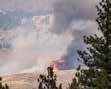
ire-wise, the Methow Valley fared well last summer. The Stud Horse Fire was the biggest of 2025, scorching just over 500 acres. Air response was fast, and no houses were lost, in spite of high winds on the day the fire started.
Although we don’t yet know what 2026 will hold, the potential for significant wildland fire is above-average in eastern Washington, according to maps issued by National Interagency Fire Center on April 1.
Here’s how you can prepare to look out for yourself and your loved ones.
■ ALERTS AND EVACUATION LEVELS
The Okanogan County Alert System sends information about fires and other hazards by phone, text, and email. Find information and sign up at https://www.okanogancounty.gov/405/Okanogan-County-Alerts. You will need to enter an Okanogan County street address. To receive alerts about a city/town in Okanogan County, text the ZIP code to 888777; for county-wide alerts, text 888777.
You can also view current notifications at https://member.everbridge.
net/453003085612200/notif; the page includes a drop-down menu that will allow you to select a language other than English.
Okanogan County uses a system of three evacuation notification levels to keep residents and visitors informed about fire hazards. Alerts include information about the current evacuation level for the location you used in your alert registration. If you choose county-wide alerts, you’ll get a single alert telling you there is a fire.
• Level 1: Alert — residents are warned that current or projected threats from hazards associated with the approaching fire(s) are present. Emergency managers may still be gathering information about the fire.
• Level 2: Be ready — conditions indicate a good possibility that hazards associated with the approaching fire(s) will severely limit Okanogan County’s ability to provide emergency service protection. You must be prepared to leave at a moment’s notice. This may be the only notice you receive. Be aware of your surroundings and take appropriate actions.
• Level 3: Immediate evacuation — current conditions present specific and immediate threat(s) to the life and safety of persons within the area. Conditions indicate that the hazards associated with the incident will severely limit Okanogan County’s ability to provide
Photo by Steve Mitchell
emergency service protection.
At Level 1, it’s smart to prepare to evacuate. With others in your family or group, make a plan, including identifying your escape route. Be sure your gas tank is full, and park vehicles facing out of the driveway. Be sure your driveway remains clear. Pack one or more go-bags or totes, and be ready to move out with the “6 Ps”:
• People, pets, and livestock. Be sure to include car seats, diapers, and any other special needs, and animals’ leads, crates, and carriers. Be prepared to restrain pets and stock — don’t risk losing a panicked or disoriented animal in a crisis.
• Plastic and paper money. ATMs and payment terminals may not be working; have some cash on hand to meet immediate needs.
• Papers and documents. Have your driver license, passport, and any other critical documents ready to go. For residents, that may include things like birth certificates, Social Security cards, insurance policies, wills, and financial records. Also include essential phone numbers and account numbers that aren’t in your phone.
• Personal items that would be difficult to replace, such as prescriptions, eyeglasses, hearing aids, and medical devices.
• Phones and other devices, with their cords, chargers, accessories, and any external storage or backup drives.
• Photos and other items that are too valuable to lose.
At Level 2, load your vehicle and review your exit strategy. It’s easy to become disoriented in an unfamiliar area. Experienced residents and emergency service personnel may not be available to provide direction. Be prepared to navigate on your own; carry a paper map in case communications systems are out of order. If you are traveling with small children, large animals, or anyone with medical or mobility challenges, NOW is the time to evacuate.
At Level 3, leave, even if you don’t think conditions warrant it. You may endanger yourself and others, and hinder firefighters, if you ignore evacuation orders. Need help coordinating or managing evacuation? Room One may be able to offer support in a community emergency; call (509) 997-2050.
■ BASIC FIRE PRECAUTIONS
• With the exception of some authorized displays, summer fireworks are illegal on public and private land in the Methow Valley.
• Be aware of current fire danger and outdoor burning restrictions (find information at https://fortress. wa.gov/dnr/protection/firedanger/ and www.okanogancounty. gov/406/Burn-Ban-Information), and use good fire safety practices.
• All intentional fires must be tended at all times. Don’t leave a campfire or burn pile before it’s dead out — that means cool to the touch. Put out matches and smoking materials on rocks or bare ground, never where there is any combustible material. Park away from dry grass that could be ignited by a hot vehicle.
• Smoke is a health hazard and can also impair visibility.
• Embers can travel long distances and start new fires.
• Drones can endanger aircraft and firefighters. The FAA may implement Temporary Flight Restrictions (TFRs) during a fire. Drones are prohibited from flying in restricted areas, and it’s a federal crime to interfere with firefighting
aircraft whether restrictions are in place or not. You can find a list of TFRs at https://tfr.faa.gov/ tfr3/?page=list.
• Obey any area closures.
• Be aware, think ahead about situations that may arise, and take responsibility for yourself.
If you’re staying in a cabin or other isolated lodging:
• Know your way around the neighborhood, and be able to find exit routes even when visibility is low.
• Be ready to deal with smoky conditions. Have N95 masks on hand, and a plan for children and any other vulnerable members of your party. You can find more tips at www.cleanairmethow.org/ smoke-ready-checklist.
• Have a plan for staying in touch and meeting up with other members of your party if you are separated. Realize that cell phones may not work during a fire emergency.
■ HIKING, PACKING OR CAMPING:
The Methow Valley Ranger District expects to have more trail crew and more wilderness rangers this year than last — “good news
for trail clearing and education and safety efforts,” according to Acting District Ranger Rosemary Seifried. That said, visitors still need to be prepared to self-evacuate in the event of a wildfire.
“It is critical folks maintain situational awareness during fire season and take the necessary precautions to keep themselves safe,” said Seifried. The tips that follow will help you plan and prepare for outdoor adventure.
• Check fire potential for the week ahead at https://gacc.nifc. gov/nwcc/content/products/fwx/ guidance/DL.pdf. For longer-range planning, visit www.nifc.gov/nicc/ predictive-services/outlooks.
• Know and understand current fire restrictions in the area where you’ll be; find information at www.fs.usda.gov/r06/okanogan-wenatchee/conditions — click “Alerts and fire danger status.”
• Let someone know where you’ll be and when you expect to return. Leave information about your planned route and any camp sites.
• Carry physical maps. A full-size map that lets you see the area surrounding your camp site or trail can help you understand the terrain and
Recreating in burned areas
Most roads, trails, and campgrounds that were closed due to recent major fires are now accessible to most users. A few trails deep in the Pasayten Wilderness remain difficult for hikers and potentially impassable to stock. Acting Methow Valley District Ranger Rosemary Seifried recommends that anyone travelling in fire-affected areas watch for:
• Downed trees, which may make trails impassable to stock or bikes, and difficult for hikers.
• Crumbling or unstable trail tread and holes in the trail where roots have burned, especially in recently burned areas, such as those affected by the 2022 Pasayten fires and the 2024 Pioneer Fire. Trails west of the Pasayten airport are still in rough shape.
• Potential for debris flows in creeks or drainages within or just below a burned area. According to
find escape routes if the road or trail you came in on is blocked.
• Consider carrying an emergency locator beacon or satellite device. Cell phones may not work.
• Be aware of your surroundings. Know the terrain and your options for leaving the area. Be prepared to navigate after dark and in thick smoke.
• Have a plan for leaving the area and meeting up if members of your
Seifried, “We just witnessed this with the December [2025] floods that caused pretty significant floods coming from areas that burned in the Cedar or Cub Creek 2 fires of 2021.” Seifried cited reports of “excessive downfall and many sections of trail that may have washouts or debris flows.” Crews are also surveying trail bridges for loss or damage, she said, noting that “it will probably take all summer for us to find all the damage.”
• Post-fire brush, which can be extremely dense in older burned areas.
For information on road, trail, and campground conditions, visit www.fs.usda.gov/r06/okanogan-wenatchee/conditions, where you’ll find a link to an Emergency Closures map, a table describing known road conditions, and links to several sources of trail information.
party are separated.
• Carry the 10 essentials, including a light source, even on long sunny summer days when you expect to be home before dark.
• Sign in at the trailhead register if there is one. Rangers may seek hikers in case of emergency if it’s safe and personnel are available, but don’t count on being rescued. Aircraft pilots may be able to see
you and send help, but that’s not a given, either.
• Wear and carry bright-colored clothes and gear. High-visibility colors like blaze orange or fluorescent green may help you be seen from the air or in dark or smoky conditions. Spreading out a bright or reflective ground cloth (like a Mylar space blanket) may also help pilots spot you.
Valley Hospitality Resources Inc.
Face to face
GET UP CLOSE AND PERSONAL WITH OUR ROCK CLIMBING OPTIONS
BY ASHLEY LODATO
It’s easy to see why the Methow Valley has long been a sport climber destination — the easily accessible variety of rock faces and scenic views from ground to summit are one of the valley’s biggest lures. More routes are added each year, and trails to popular areas are improved for accessibility and to protect sensitive areas.
Rock climbing is most decidedly not a sport for everyone. Acrophobia — a debilitating fear of heights — holds many back from ever attempting to climb. After all, nearly all rock climbing involves ascending to the top of something high up.
Others simply can’t wrap their heads around the idea of trusting one’s life to a 10mm rope and another human on the ground holding the other end of it.
But those who love to climb are almost universal in how they articulate its appeal. Unlocking the series of moves that allows one to ascend a route. The laser focused required by a particularly scary sequence. Balancing delicately on tiny crystals, fingers crimping mere suggestions of hand holds. Topping out a granite slab, hands gritty, heart pumping, the world spread below and beyond you.
■ WHAT TO KNOW
The Methow Valley’s climbing popularity is showing itself in impact to natural areas. Increased use is causing damage to sensitive environments, especially in the Washington Pass area. A series of improved trails and signage is an attempt to mitigate human impact in this fragile area.
Always stay on the trail and leave no trace. Only park and camp in approved areas. Plan several options for outings, and if the parking lot at
Plan A is full, proceed to Plan B. North Cascades Mountain Guides offers low-ratio climbing trips with world-class, certified guides. Want a family day at the crags? Or maybe you’re interested in experiencing multi-pitch climbing. NCMG has you covered. NCMG guides have decades of experience, trained and certified by the American Mountain Guides Association.
NCMG maintains a low ratio of clients to guides to ensure a high margin of safety and a quality experience with individual attention. They also offer an armchair preview of the Methow Valley peak experience through videos on their
blog. Visit ncmountainguides.com, (509) 996-3194, 48 Lost River Road, Mazama
Books written by local and world-renowned climbers provide readers with climbing routes, tips, and stories of life on the eastern slopes of the North Cascades.
“Mazama Rock: a Climbing Guidebook for the Methow Valley,” which can be purchased at Goat’s Beard, rolled off the presses in 2024, making it the most up-to-date guidebook to climbing in the Mazama area.
North Cascades climbing pioneer Fred Beckey meticulously documented his Cascade ascents in three volumes of the “Cascade Alpine
Guide” series.
The recently updated “Cascades Rock,” by Blake Herrington, covers a broad swath of the North Cascades, including Washington Pass. The guide includes detailed route descriptions, topographic maps, and color photos.
“Stone Palaces,” by local author and climber Geof Childs, received the American Alpine Club H. Adams Carter Literary Award for providing readers with “a vision of the climbing life that is insightful, true, and beautiful.” The book published 25 years ago but the insights are timeless.
All these books and more can be found at the Trail’s End Bookstore in Winthrop, or at Goat’s Beard Mountain Supplies in Mazama, but you might want to call ahead, since many of them are difficult for stores to keep in stock.
■ MULTIDAY TRIPS
Soaring summits and miles of views are the draw to the backcountry peaks surrounding the Methow Valley.
The Methow Valley Ranger station, located at 24 W. Chewuch Road in Winthrop, (509) 996-4000, can provide permits and up-to-date trail conditions for destination peaks in the Sawtooth Wilderness, Pasayten Wilderness and Washington Pass areas. Funding and staffing cuts to the US Forest Service will likely affect hours and services.
PeakBagger.com has information on the top peaks in the area, including the towering classics of Mt. Gardner, Black Peak, and Silver Star.
■ REWARDING DAY TRIPS
Short or long, there are many options in the Methow Valley for climbers of all levels of experience and skill.
• Fun Rock: Located 1.4 miles northwest of the Mazama Store, the Fun Rock crags along Lost River Road are easily accessed from the parking area. Signs point all the way to crags. Over 50 routes ranging
Photos by Ashley Lodato
5.5-5.13b are noted in the Fun Rock guidebook — available at Goat’s Beard.
• Liberty Bell and Early Winters Spires: The climbs in the Liberty Bell/Early Winters Spires area are some of the best in Washington state, with solid rough granite and climbs ranging from moderate to difficult. This area is popular for good reason, but decades of popularity have resulted in considerable impact to the surrounding area, including human waste disposal issues, erosion and trail proliferation.
Recent staffing cuts at federal agencies will likely have a noticeable impact on the Liberty Bell/Early Winters Spires area. Please carry out your trash, respect signs, and follow use guidelines.
• Goat Wall: The iconic Goat Wall towers 1,500 feet over the valley floor. The parking lot and trail access is located 3 miles northwest of the Mazama Store on Lost River Road. The face of Goat Wall is over a mile wide and consists of meta-pyroclastic rock. Irregular cracks and jagged holds provide texture to smooth glacier polish. Long sport multi-pitches and natural lines provide varied options to enjoy classic climbs.
• Europa: Europa is west of Goat
Wall crag with routes ranging from 5.6-5.12.
• The Matrix: Located 1.6 miles south of Mazama and accessible from the Goat Creek Sno-Park, the 60-plus routes at The Matrix are mostly sport routes with a few traditional lines as well. It gets hot and snaky here in the summer.
• West Chewuch/Falls Creek: Methow Valley climber Tom Kimbrell and an old climbing buddy from Portland, Mike Craig, developed the Chewuch crags and other crags in that area in the late 1980s. They called the lower crags the “Cherocks” and the upper slab “Falls Creek Slab.”
Another crag to the south was dubbed “Mike Crag.” Kimbrell and Craig used gear whenever possible, bolting only where it was necessary. As a result, “there were some pretty spicy routes,” Kimbrell says. Over the years, several other climbers bolted and then re-bolted Kimbrell’s and Craig’s routes. Little is written about this site; experienced climbers just head to the crags and get on the climbs. Eventually, mountainproject.com may have some information about this area.
• Washington Pass Crags: Beat the summer heat at the crags just above the hairpin turn at Washington Pass. As with The Matrix area, these are mostly single-pitch bolted routes. This area gives you the feeling of climbing in the mountains yet is reachable by just a 5-minute walk from the road.
■ TIPS AND GEAR
Climbing equipment, outdoor gear, guidebooks, maps, and local climbing advice are available at several locations throughout the Methow Valley:
• Goat’s Beard Mountain
Supplies in Mazama has the largest selection of climbing gear found in the valley. www.goatsbeardmountainsupplies.com
44 Lost River Road, Mazama (509) 996-2515
• Winthrop Mountain Sports www.winthropmountainsports. com
257 Riverside Ave., Winthrop (509) 996-2886
• Cascades Outdoor Store www.cascadesoutdoorstore.com
222 Riverside Ave., Winthrop
(509) 996-3480
Always practice accepted climbing etiquette and take fundamental safety precautions (publications. americanalpineclub.org/articles/12199007600/Climbing-Ethics). There’s an entire book published every year (Accidents in North American Mountaineering) detailing accidents, near-misses, and fatalities in mountaineering and rock climbing, and unfortunately, a number of these deaths have occurred in and around Mazama in the past decade, mostly during rappels.
Brian Colin, Owner
Micki Thomas Susie Gardner
CB Thomas Chris Rogers Rachelle Weymuller
Carol K. Johnson
Clark, Owner
Burrington
Hoofing it
EQUINE ADVENTURES RANGE FROM DAY RIDES TO BACK COUNTRY
BY SHELLEY SMITH JONES
Winston Churchill once said, “No hour of life is wasted that is spent in the saddle.”
Here in the Methow Valley, the world is your oyster on the back of a horse to experience the fulfillment Churchill described. From the flatlands to the mountain peaks, from greenhorn to experienced rider, there are limitless opportunities to explore the natural
beauty of forests, shrub steppe, lakes, rivers, and meadows in the saddle.
If you are a novice and a little trepidatious, but always wanted to try horseback riding, there are several places that offer a trusty horse to provide a positive first encounter with such a large animal. To have the best inaugural ride, most wranglers recommend a shorter time in the saddle — such as 1 to 1-1/2 hours. Many folks who take that first step are captivated by the experience and are up for a longer two-hour, half-day, or
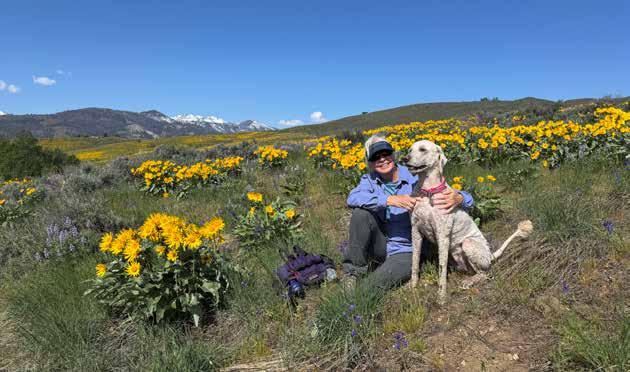
full-day ride on the next endeavor. Once settled into the saddle and the rhythm of the ride, a look around the countryside is a wild sensory experience. In the late spring, the wildflowers carpet the landscape in a colorful array — from bright yellow balsamroot to purple lupine to the tiniest of violet shooting stars. Summertime rides often glide through waving green grasses and along tumbling, clear rivers. It is often such an explosive experience of beauty that it is hard to assimilate it all at once.
“It’s so beautiful!” are words
frequently heard while traveling through the wonderland atop a gracious animal.
If your first ride leaves you wanting for more, there are lesson options from seasoned trainers to give you confidence to become a more proficient rider. One such trainer describes the takeaway from riding lessons as “adding tools to your toolkit” that then enhance the riding experience. Soon, a multi-day pack trip will be on your bucket list.
Riding to an alpine basecamp while mules haul your duffle bag
Photos by Steve Mitchell
(fishing pole, too, if desired) on a horse handpicked for your ability and stature is a trip of a lifetime. Most multi-day rides include mouth-watering meals prepared by experienced outdoor cooks, including fresh pan-fried cutthroat or rainbow trout that you just caught. Evenings are filled with campfire entertainment or quiet time under the dark, star-covered sky.
Horse owners from outside the valley will find it well worth trailering them to the Methow. Once the snow is gone, the 120 miles of cross-country ski trails offer a wide variety of terrain for horseback riding.
For a flat two-hour ride through the trees and along the river, try the Big Valley loop just west of Winthrop. Check the signage as a portion of the trail is frequently closed while a sand hill crane couple raise their offspring — appropriately called colts.
Numerous trails out of Chickadee Trailhead near Sun Mountain Lodge meander through blankets of wildflowers. Jack’s Trail west of Mazama, a 2-plus hour loop, winds through the trees for a cooler ride on a hot day. More uphill rides can be found out of the two horse camps described below.
Check the Methow Trails Summer Trails map for the horse symbol to see which trails are open to horseback riding. Also, take note
of the proper trail etiquette that requires bicyclists and hikers/ walkers to yield to horses. However, horseback riders may find that,
at times, it is easier for them to step off the trail to let the other trail users pass. That choice should be communicated politely to those you encounter.
■ BE AWARE
Many trails are also occupied by wildlife including bear, moose, deer, coyote, even, wolves, so a rider must always be aware of the surroundings. A game bird can fly up unexpectedly and even a “bombproof” horse will sometimes spook.
Keep an eye out for yellowjacket ground nests. A horse stepping on one can cause a disaster. When the season is still damp, rides along rivers or wetlands may be a walk into mosquito haven — neither horse nor rider love that experience.
Two horse camps are available for overnight camping with plenty of trails out your camper door. U.S. Forest Service Twisp River Horse Camp is located 22 miles up Twisp River and is intended for stock users only. U.S. Forest Service North Summit Horse Camp located on Loup Loup Pass (same
METHOW TRAILS GUIDELINES
STAY SAFE
Plan ahead. Control your dog. Be aware of others and ride in control.
BE KIND
Be courteous. Yield to others. Everyone deserves a great experience.
TREAD LIGHTLY
Pick up after your dog. Follow posted use guidelines. Respect private property. Stay on the trail.
turnoff as Loup Loup Ski Area) also allows only stock camping. Check U. S. Forest Service website below for more details.
Another option for those bringing their own steed(s), Mazama Ranch House is known as the “best little horse hotel in Washington State” with free corral space and easy trail access while horse owners enjoy the lovely accommodations of the facility. The Goat Creek loop ride or a ride across Tawlks Foster Suspension Bridge to Wesola Polana or further on the Methow Community Trail are
Complimentary limited horse boarding while staying at the ranch.
U.S. Forest Service Horse Camps
www.fs.usda.gov
Information and current conditions regarding Twisp River Horse Camp and North Summit Horse Camp.
both great choices right outside the door.
Spring Creek Ranch on the edge of Winthrop also has free horse boarding in their Powder River Gate Corrals with four separate spaces for horses. The ranch provides fresh water while owners bring their own feed. Prior permission to use the corrals is requested. Spring Creek Ranch also has easy access to the Methow Community Trail.
For those who want a horse experience, but maybe not on its back, wagon rides are available
in the summer with lively Deb Schrock driving her big draft horses. It is even possible to incorporate an entrance for your wedding in a buggy or wagon.
Casia Lodge & Ranch also offers an opportunity to learn about equine behavior, grooming, and the emotional connections between horse and human by spending guided time with their resident herd.
With all the ways to enjoy the summer with an Equus, you can see why the Methow Valley is horse heaven.
Bring your ‘best friend’
YOU AND YOUR DOG(S) ARE WELCOME
BY SHELLEY SMITH JONES
Because of the dog’s joyfulness, our own is increased. It is no small gift.” So says Mary Oliver, whose book of poems titled “Dog Songs” is on the bookshelf of many a dog owner. That joyful, loyal canine friend — who is considered a member of the family — often accompanies his humans to visit the Methow Valley in the summertime.
Dog owners who travel with Luna, Max, Bella or Hank look for dog-friendly places to stay and activities that humans and their
companions can both enjoy. Fortunately, the Methow Valley is welcoming of dogs, offering an extensive menu of summer options for well-behaved, non-aggressive canines and their responsible owners.
“Bring Fido,” a leading web resource for traveling pet owners, lists 80plus pet friendly hotels and vacation rentals where dogs are welcome in Mazama, Winthrop, and Twisp. The site indicates whether there is a pet fee, and how many and what sized dogs are allowed. If your desired lodging is not listed, it is worth a call to your choice to find out its pet policy.
Methow Trails welcomes dogs on 90% of its summer trails from Mazama to Sun Mountain to the Rendezvous. The Summer Trails map indicates which trails are dog-friendly by a “paw” symbol. Dogs are allowed to be off leash on many trails with the
caveat that the dog must be “voice controlled.” Methow Trails reminds dog owners that the trails are multiuse and requests “respect for other trail users, seasonal closures, and private land.”
■ SOME OPTIONS
A trail recommended by Methow Trails for a hot summer day is the Radar Creek/Patterson Lake 4.5mile loop which parallels the creek and allows occasional access to the shores of Patterson Lake. Also recommended is the Rex Derr Trail at Pearrygin Lake State Park which offers two options — an outand-back horseshoe-shaped trail (3.1 miles) along the eastern shore of the lake, or a 6.5-mile loop (which requires a mile on the road back to the trailhead). Both options offer beautiful valley and lake views. The
hike is best done early in the day in the summer heat. A jump into Pearrygin Lake outside of the designated swim area will give pooch a rapid cooldown.
Check the Summer Trails map for trailheads and parking information — Pearrygin Lake State Park requires a Discover Pass as does the Riser Lake 3.75-mile loop which is prolific with wildflowers in springtime. (Summertime can be hot.)
For the energetic dog and human, there are many more difficult and longer trails, including Spokane Gulch, Lewis Butte, Patterson Mountain, and Buck Mountain (Cub Creek). Cutthroat Lake and Cedar Creek Falls trails are challenging for both pet and human.
Trails out of Loup Loup Ski Area can take you up in elevation for extraordinary views. Some
Photo courtesy of Heidi Weston
well-behaved, hardy dogs even go along on trail rides with their owner on horseback.
At times, a sign will be posted by either Methow Trails, Washington Department of Fish and Wildlife, or U.S. Forest Service at a trailhead if a dog must be leashed. For example, a popular 5.5-mile mostly shaded, flat dog-walking trail at Big Valley often has a leash requirement to protect a pair of sandhill cranes who have chosen the area to raise their “colts.” Dog approved Sun Mountain trails require the dog to be on a leash.
Easy in-town trails such as Susie Stephens, Sa Teekh Aa, and Fish Hatchery in Winthrop give pup and owner a short mile or two of exercise. The loop around the Methow Trails office on Horizon Flat Road is an option for a quick walk and maybe throw a ball or frisbee with a dog water and litter station available by the restroom.
Without a designated off-leash dog park in the valley, grassy areas at Mack Lloyd Park and Heckendorn Park in Winthrop and Twisp Park are good spots to play fetch with a welltrained, non-aggressive dog that responds to voice commands. As always, never leave doggy-doo in the park. Litter stations are readily available. Twisp Ponds, a short distance west of town on Twisp River Road, was purchased by Methow Salmon Recovery Foundation in the early 2000s and is open to the public and their dogs. The site is a complex of streams, rearing ponds, meandering trails, public art, and interpretive stations intended to educate visitors about and to provide support for populations of steelhead trout, spring Chinook salmon, and coho salmon. You will see unique pieces of art including Steve Love’s cast aluminum “Twisp” with an explanation of the origin of the name of the town.
■ AND MORE …
Another active recovery site trail that is a part of the Methow Salmon Recovery Foundation restoration project is Washington Department of Fish and Wildlife’s Cottonwood Trail located at the north end of the Old Twisp Highway between Twisp and Winthrop. Again, numerous interpretive signs make the trek more than a dog walk. A picnic on the sandy beaches of the Methow River make for an opportunity to dip toes and paws in the cool water. (Note: Do not
allow your dog to eat any fish guts or carcasses to prevent deadly salmon poisoning disease caused by harmful bacteria in contaminated fish.)
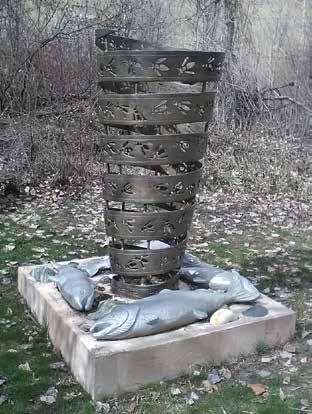
Just downstream from Winthrop, Homestream Park — dedicated to the rivers and fish of the Methow Valley — also offers a short dog walk on leash with interpretive signs, fascinating sculptures, and picnic area.
The Meadowlark Natural Area on the east side of Winthrop (next to the Sullivan Cemetery) is a protected natural habitat owned by the Methow Conservancy. Its 2.5-mile trail system offers breathtaking views of the surrounding mountains and is especially spectacular during wildflower season. Dogs are allowed on leash for protection of the wildlife inhabitants and for dog safety during periods when deer can be aggressive. This trail is best hiked early in the season or early in the day due to heat and lack of shade.
Most U.S. Forest Service trails and campsites allow dogs, but they must be leashed on certain trails and always must be under control. Check signage at trailheads and campgrounds for specific restrictions. Some trails are known to also be occupied by rattlesnakes such as Pipestone Canyon and Cub Creek. Rattlesnake avoidance training classes are held in Wenatchee and Winthrop. Check rattlesnakedog. com website for details and contact information. Avoidance training allows the dog to make the proper association of the danger involved with the rattlesnakes in a non-threatening or intimidating introduction to the process.
■ BEING AWARE
A caution for any outdoor dog activity in the Methow Valley with its wide variety of wildlife is to always be aware of your surroundings and your dog’s activity. The Washington Department of Fish & Wildlife recommends keeping dogs on leashes, supervising them, and avoiding dusk-to-dawn walks to protect pets from cougars, particularly in rural or forested areas.
Methow Valley summers are usually hot and dry (and every year, hopefully, without wildfire and smoke.) For swimming dogs, several lakes around Winthrop are the perfect place for them to cool off and exercise, including Pearrygin (outside the designated swim area), Patterson,
Twin Lakes, and Davis Lake. River access at Mack Lloyd Park in Winthrop and Twisp Park allows Fido to get a drink and get paws wet. Big Valley Trail leads to river’s edge as does Methow Community Trail in several places.
After a fun-filled day of activity and recreating, where to find a cold beverage and maybe lunch or dinner might be the next question. Eating out with the pup gets a whole lot easier in the Methow Valley in the summertime.
Numerous restaurants with outdoor seating welcome dogs, usually providing a water bowl and a special treat. To name a few — in Winthrop, Methow Valley Ciderhouse (front deck and back patio when open), Lost River Winery (patio), Meza (back deck), East 20 Pizza (decks), Jupiter (deck); in Mazama, Lucky Grouse at Wesola Polana (courtyard), Mazama Store (courtyard), Mazama Public House (deck and courtyard), Jack’s Hut (picnic tables); in Twisp, La Fonda Lopez (patio), Glover Street Market (outside tables), Cinnamon Twisp (outside tables), OSB Taproom (patio), and Lonchera Yucatan (picnic tables).
If you would like an evening without your buddy to take in dinner at one of the many indoor restaurants
and/or a movie at Barnyard Cinema, check out Rover.com for some locals who offer pet sitting services. Online Methow Bulletin Board or physical bulletin boards around the valley also have flyers advertising pet services.
Leashed dogs are welcome at many annual events in the Methow Valley, including Winthrop’s Methow Valley Rodeos and ’49er Days and Twisp’s Fourth of July Parade. Be aware that the parades at times include loud noises that can frighten a dog.
The Methow Valley Community Center Farmers Market in Twisp allows dogs but does have specific guidelines for what dogs are allowed; that is, leashed, well-behaved, and non-aggressive and no tinkling on produce boxes! It is a crowded place in the summer with many families shopping. Dog owners need to be respectful of the vendors and customers.
In every instance where a well-behaved dog accompanies its owners, the owners are also expected to be well-behaved and pick up after their pet. Pet litter stations with doggy-do bags are provided in many places but always carry your own and dispose of the bag properly.
Photo by Wyatt Lodato-Albright
Pass protection
BE AWARE OF RECREATIONAL PASSES, FEES, PERMITS AND LICENSES
Want to get out on the trail, try out your paddleboard, or launch your boat?
Although there are lots of free areas in and around the Methow, most hiking trails and boat launches require a pass for parking. But the Methow is blessed with thousands of acres of state and federal land, so it can be confusing to know which pass you need.
If you’re a big hiker or you spend a lot of time on the water, it’s worth investing in a Northwest Forest Pass for trails in the National Forest (like Blue Lake or Maple Pass), plus a Discover Pass, which provides access to all state parks, lakes (including
Pearrygin and Patterson, and wildlife areas. The season passes will save you money, and you’ll always be ready for adventure.
If you don’t expect to visit other national parks in the state (like Mt. Rainier or Olympic National Park) a Northwest Forest Pass is the best option, since it gives you access to a vast range of hiking trails near the Methow and, at $30 for the season, is a big savings over the $5 day passes. Most trails along the North Cascades Highway start on U.S. Forest Service land and even trails that enter North Cascades National Park don’t have a separate entry fee. The Northwest Forest Pass also covers trailheads in the Chewuch and near Gold Creek, where you can head to the Pasayten or Lake
Chelan–Sawtooth wilderness, and in Oregon.
Some popular areas are still free (see list below). And, if you arrive on foot, bicycle or horse, you generally don’t need a pass.
A basic guide to passes:
■ FEDERAL
The Northwest Forest pass will get you into trails on U.S. Forest Service land (Okanogan-Wenatchee National Forest/Methow Valley Ranger District).
The Forest Service is now using its free recreation.gov app to streamline payments. People can buy a season trail pass through the app (and keep a digital version on their
phone). The app is necessary to buy a day hiking pass at a trailhead and to pay for campgrounds.
There is a catch: since most trailheads don’t have cell service, you need to download the app ahead of time. When you get to the trailhead or campground, use the scan tab on the app to scan the QR code. The payment will go through when you’re back in an area with cell service.
People can still buy a day or season pass at the Methow Valley Ranger District, at several local retail outlets, or online.
Needed at:
• Most trails along the North Cascades Highway, including Blue Lake, Cutthroat Lake, and Heather/
Photos by Steve Mitchell
SUMMER TRAILS
Maple Pass
• Lookout Mountain
• Twisp River trails
• Chewuch-area trails
• Also good at national forests in Oregon
The annual passes can be used by all members of a household.
Pass options:
• Northwest Forest Pass, $30, annual.
• National Forest Recreation Day Pass, $5, day. Purchase at Methow Valley Ranger District, online, or at trailheads using app.
• National Forest Recreation Day ePass, $5, day; (buy online for a specific date and print at home).
■ STATE
Many of the lower-elevation areas in the valley are state lands and require a Discover Pass (other passes are available for specific activities like boating).
These include Pearrygin Lake and Alta Lake state parks, the Methow Wildlife Area – eight units managed by the Washington Department of Fish and Wildlife (WDFW), and areas managed by the Department of Natural Resources (DNR) (most are in the lower valley or on the Loup)
Needed at:
• Carlton Swimming Hole
• Lewis Butte
• Patterson Mountain/Patterson Lake
• Pearrygin Lake and Alta Lake state parks (unless you’re camping there)
• Leader Lake (Loup Highway)
Parking on state land requires a Discover Pass (unless you can park safely on a state or county road). The campsite fee at a state park covers your daytime activities there (including boat launch), but camping on other state lands generally requires a Discover Pass. The pass provides access to hundreds of parks, wildlife areas, water-access sites and primitive campgrounds. The pass can be transferred between two vehicles.
If you buy a day pass, you can upgrade to an annual pass by paying the additional $35 fee. Pass options:
Discover Pass, $45, annual ($5 service fee if purchased online)
Day Pass, $10, day ($1.50 service fee if purchased online)
0
The Vehicle Access Pass is free to people who buy hunting and fishing licenses. It provides access to WDFW lands (such as the Methow Wildlife Area), boat launches and other water access sites, but not other state lands like state parks. The pass can be transferred between two vehicles.
If you do a lot of boating, the $120 annual Natural Investment Permit provides access to state watercraft launches, as well as day access to state parks, for a year. The pass can be transferred between vehicles. The Natural Investment Permit is good only at state parks and doesn’t
cover wildlife lands or state forests, so you still need a Discover Pass to visit those areas. You can buy a single-day permit to launch a boat for $7, but you’ll also need a $10 day pass if you don’t have a Discover Pass. You can launch a boat for free if you’re camping at a state park like Pearrygin or Alta Lake.
Washington provides free lifetime passes to disabled veterans for camping, boat launches and moorage, and entry to state parks. The free Disability Pass, for disabled Washingtonians, provides free entry to state parks and boat launches and a discount on camping. The Foster Family Pass provides free entry and camping for registered foster families at state parks. People with these passes still need a Discover Pass for state wildlife areas or areas managed by DNR. Some people 62 and older can qualify for the free Senior Citizen Limited Income Pass, which provides free entry to state parks, free boat launch, and a 50% discount on camping. The pass is not valid at state wildlife areas nor DNR areas. Apply online or call (360) 902-8844. Call (360) 902-8844 for general information or an application for discounted passes.
■ PICKING THE RIGHT PASS FOR FEDERAL LANDS
In addition to the main passes — day or annual versions of the Northwest Forest Pass — there’s a variety of other passes, depending on your interests, age, and how much you use public lands. America the Beautiful Pass: $80 for a year. Useful if you want to visit national parks and other federal lands outside the northwest. Admits pass holder and traveling companions. Interagency Senior Pass: If you’re 62 or over, you can get a lifetime pass for $80 or an annual pass for $20. Buy in person (at the Methow Valley Ranger District or another federal site). Some online sites allow you to order the pass and verify age eligibility. There is an additional fee.
Both the America the Beautiful Pass and the Senior Pass are good at national parks, U.S. Forest Service lands (most trails along the North Cascades Highway), and other natural areas run by the U.S. Fish & Wildlife Service, Bureau of Land Management, Bureau of Reclamation, and Army Corps of Engineers. They also provide free entrance for your traveling companions and a discount on camping, boat launches and guided tours. Some areas charge by vehicle and some per person.
A pass providing lifetime entry to all federal lands (the Interagency Access Pass) is available for free to those with a disability and their traveling companions.
The Interagency Annual Military Pass is free for active-duty military and traveling companions. There is also a free lifetime pass for military veterans and Gold Star Families (next of kin to a member of the U.S. Armed Forces who lost his or her life while serving). The access pass and military pass can be purchased online with appropriate documentation. There is a $10
processing fee.
The Interagency 4th Grade Pass/ Every Kid Outdoors program provides a free pass to all fourth-graders and their families from September through August. Also free for homeschooled children. The pass must be printed and then displayed at parks and other sites. Check out everykidoutdoors.gov.
This year, there are also resident and nonresident annual interagency passes. To buy a resident pass, you need proof of citizenship or residency. Nonresident passes cost $250 and are necessary at the 11 most popular national parks, but none of those are in Washington state.
■ MORE INFO
There’s detailed information about the different types of passes, where you need them — and what the agencies use the fees for — on the Washington Trails Association website at https://www. wta.org/go-outside/passes, plus a handy guide called “Which Pass Do I Need Q&A.” The page also has information about sites that require backcountry permits (typically for camping in popular areas).
U.S. Forest Service: https:// www.fs.usda.gov/r06/okanogan-wenatchee/passes. See the info under Recreation Passes & Permits. The recreation.gov app has links to websites where you can purchase season or lifetime passes, plus information about trails, campgrounds and places to explore.
The U.S. Geological Survey store at store.usgs.gov offers the “Pass Wizard” (look for the box on the home page and click on “Determine Which Pass Is For You”).
More FAQs and a quick guide to choosing a pass are at Discover Your Northwest, https://www. discovernw.org under the “Rec Passes” tab.
Outdoor Recreation Information Center: https://www.discovernw.org/ranger-station-rei-seattle. html, 206-470-4060, provides detailed information about passes.
Free trails
• Meadowlark Natural Area, Winthrop
• Big Valley, between Winthrop and Mazama
• Copper Glance, Chewuch
• Harts Pass area
Where to buy rec passes
Knowing what pass you need and where you need can be complicated, but at least there are lots of options for buying one, in person or online.
The U.S. Forest Service is using a new way to pay at all trailheads and campgrounds with the recreation.gov app. You’ll need to download the recreation.gov app ahead of time, while you still have cell service. Then scan the QR code at the trailhead or campground — the payment will be processed when you’re back in cell range.
FEDERAL PASSES
• Northwest Forest Pass (annual), $30
• National Forest Recreation Day Pass or Day ePass, $5
• Interagency passes including America the Beautiful ($80), and senior ($80, lifetime; $20, annual) and military and access passes.
Where to buy
All passes
Methow Valley Ranger District, Winthrop: Sells all federal passes including Northwest Forest Pass (annual and day) and interagency passes. Monday to Friday, 8 a.m.–4 p.m. (closed for lunch from 12:30 to 1:30). (509) 996-4003.
National Forest Recreation Day Pass
Buy at the ranger district. Or buy
Day ePass online, print at home, and validate for desired date.
Pay with app: Download recreation.gov app before you go and scan QR code at trailhead.
■ ANNUAL OR DAY FEDERAL PASS
Local vendors:
• Cascades Outdoor Store, Winthrop, (509) 996-3480, annual and day
• Goat’s Beard Mountain Supplies, Mazama, (509) 996-2515, annual only
• Methow Cycle & Sport, Winthrop, (509) 996-3645, annual and day
• Valley Hardware Do it Center, Twisp, (509) 997-3355, annual and day
• Winthrop Mountain Sports, Winthrop, (509) 996-2886, annual and day
Online:
• Discover Your Northwest, www.discovernw.org (click on the “Rec Passes” tab).
• U.S. Geological Survey store at http://store.usgs.gov, (888) 2758747 (plus $5 or $10 processing fee, depending on the pass).
You can find general info and a link to buy a pass at https://www. fs.usda.gov/r06/passes.
If you buy online, there is a $7.50 shipping fee to get a physical pass
mailed to you. If you want a pass in a digital format to store on your mobile device, you have to buy it through recreation.gov. Scroll down to box that says “Passes” (not “Activity Passes”) for information and ways to purchase different types of passes.
To purchase the app, go to recreation.gov and scroll down to box that says “Adventure is at Your Fingertips,” or download it through the Google Play Store or App Store. Interagency 4th Grade Pass (free annual pass)
A pass for all fourth-graders that’s good for free admission to national parks, national forests, and other federal recreation areas for the child and their family. Valid September through August. Check out everykidoutdoors.gov for instructions for kids, parents and teachers to get the pass.
STATE
Discover Pass (annual), $45 Day Pass, $10
■ WHERE TO BUY STATE PASSES
Park rangers: State Park ranger at Pearrygin Lake State Park, Winthrop, or Alta Lake State Park, Pateros. Rangers sell annual or day Discover Pass with no transaction fees.
For general info about the pass, call (360) 902-8844 or visit www.
discoverpass.wa.gov, discoverpass. wa.gov/get-your-pass/other-waysbuy, or https://parks.wa.gov/ passes-permits.
Online or by phone
Discover Pass: discoverpass. wa.gov or (866) 320-9933
All state passes: https://parks. wa.gov/passes-permits/get-parkpass (transaction fees: $5, annual; $1.50, day)
Discover Pass (annual only)
When renewing vehicle license tabs:
• In person at Methow Valley Licensing & Services, Twisp, (509) 997-9009. Purchase annual pass with vehicle-registration renewal; pass is sent from Olympia, so it takes about 10 days (no transaction fees).
• By mail with tab-renewal form
• Online at www.dol.wa.gov
Local vendors (all sell annual and day state passes)
Pardners Mini Market, Winthrop, (509) 996-2005 Valley Hardware Do it Center, Twisp, (509) 997-3355
Winthrop Ace Hardware, Winthrop, (509) 996-2150
Transaction fees may vary depending on the retailer.
NCW Libraries (borrow a free pass)
Check out a free Discover Pass for up to two weeks from the library. Check your local branch or reserve one at www.ncwlibraries.org.
ONE-STOP SHOPPING FOR FEDERAL AND STATE PASSES
Online:
• Washington Trails Association: www.wta.org/go-outside/ passes
summer trails SUN MOUNTAIN
• Outdoor Recreation Information Center: www.discovernw.org/ ranger-station-rei-seattle.html, (206) 470-4060
• Discover Your Northwest, www.discovernw.org (under “Rec Passes”)
Online orders can take up to two weeks to ship, so plan ahead or use another method if you’re traveling soon.
Make the rounds
THE VALLEY’S BEAR CREEK GOLF COURSE IS CHALLENGING AND BEAUTIFUL
BY RICK LEWIS
Mark Twain once described the game of golf as “a good walk spoiled.” Twain never had the chance to walk the terrain graced by Bear Creek Golf Course near Winthrop, though.
Described by some as “a little bit of golfing heaven, right here on Earth,” the nine-hole layout with two distinctive sets of tees offers both a challenging for the seasoned, yet forgiving for the novice, experience that adds up to a pleasurable
round in a highly aesthetic surrounding.
Nestled in the valley floor known as the Bear Creek Corridor between Pearrygin and Davis lakes, Bear Creek Golf Course offers splendid views of the mountains of the Pasayten and Chelan Sawtooth Wilderness areas, Blue Buck Ridge and the close-in Studhorse Mountain. The area also is teeming with wildlife from the waterfowl and amphibians of the pond on Hole No. 2 to the upland reptiles, birds and mammals of the drier uplands of the shrub-steppe ecosystem. It’s not unusual for the golfer to have to hold on hitting for whitetail and/or
mule deer does and their fawns to safely cross the fairway or exit the green before attempting a shot.
A special treat in the spring and early summer is to see the hillsides littered with the yellow hue of the early arrowleaf balsamroot and later wild sunflower blooms. In September and October, golfers can watch the greens of the lowland deciduous cottonwoods, quaking aspen and other trees transform into their red, orange and golden plumages of autumn, accentuated by the blond grasses of the neighboring hillsides.
But, enough about those pleasurable things and let’s get to the game
of golf.
Bear Creek features four sets of tees on each hole, providing golfers with options for play to suit one’s ability. The white and red tees are set for the front nine, the blue and yellow tees are set for the back nine. On most holes the back nine tee settings offer a unique hole from the first time around where yardages are different, and the angle of attack to both the fairway and hole are completely different.
Par for the 18-hole course using the back tees (white and blue) is 72, for the forward tees red and yellow is 73, the red tees carry a 37 listing. The course is rated by the Pacific
Photo courtesy of Bear Creek Golf Course
Northwest Golf Association according to each tee setting, men’s rating (white/blue tees) 69.9 with a slope 124 and women’s (red/yellow) rating is 75.7 with a slope 135.
■ STILL EVOLVING
Originally owned by Herm and Marian Court, the course began life as a cow pasture. Court carved out three holes in the late 1950s. The course evolved into five, and then six, and eventually the nine-hole course as it exists today. Court’s son Ash took over operation of the course from his father and has overseen several improvements to the layout and landscape through the years to its current configuration. The younger Court retired from the operation several years, and a couple of leaseholders, ago. He is fully retired, but can be found at Bear Creek helping out with projects and occasionally consulting with the current managerial staff. If you’re really lucky, you might bump into him at the clubhouse or out on the course enjoying the day and playing some golf. That is, if at the age of 80, he isn’t out in the hills somewhere backpacking, camping and fishing some high mountain
lake.
Manager Angie Andrew and Golf Course Superintendent Kellen Northcott are in their third year of operation and working on their
a.m. until 6 p.m. during the early season. Summer hours from Memorial Day through Labor Day weekends are 7 a.m.-7 p.m. Tee time reservations are required on the
Day Weekend, give or take a week or two. The pathway bridge shouldn’t affect traffic significantly, but the work at the No. 2 green may close that hole for an as yet unknown amount of time. The front apron of the green and the left several feet along the green fringe are in need of a complete overhaul. Andrew hopes that work to be complete before Memorial Day.
■ HOURS AND SUCH
The clubhouse is staffed from 8
course is not closed for the event, be prepared to see an invasion for golfers that are well-behaved, good and polite about working around visitors.
Guests are always welcome to join the antics on Wednesday nights. Besides the normal green fees and rentals, there is a $5 entry fee for the club activity on any particular Men’s Club night, and the game theme varies from week to week.
There is also a Women’s League which traditionally tees off on
Thursday mornings at 9 a.m., although their schedule had not been set for 2026 when this issue went to press. The Men’s and Women’s clubs get together several times a season for Wednesday evening mixers and can be seen at various times during the summer working on special projects.
Friday at 4 p.m. during the summer months is the weekly Scramble, totally open to the public. Skill levels, handicaps, and all that formal stuff are thrown out the window in favor of a get to know ya, social mixer where the common thread is the fun of golf in a mostly non-competitive nature. There is a $5 per person entry fee for the Friday Scramble.
Locals day is Tuesday all day. Residents of the Methow Valley can golf nine holes after 1 p.m. for $30 with cart,18 holes will cost $48. Bear Creek offers a four-day junior golf day camp, this year from June 29 through July 2. Youth ages 5-17 are welcome regardless of ability. There are three sessions each day ranging from beginner through intermediate to advanced. Cost is very affordable, $100 for the beginner sessions, $125 for intermediate and advanced golfers. Contact Bear Creek Golf Course for more information.
Photo by Rick lewis
Enjoy a high-quality Friday night dinner during the summer months, available for non-golfers and golfers. The menu and chef vary weekly, and reservations are required. Call the golf course for updated information, weekly menu options, prices and dinner reservations.
Checking in at the clubhouse, the golfer will find apparel and gear that includes Bear Creek souvenir shirts, sweaters, hats and hoodies, insulated mugs, water bottles and standard golf faire like high-quality and budget golf balls, gloves, tees and repair tools.
Fresh made sandwiches, hot dogs and a variety of beverages including soft drinks, water and a selection of beers, wine coolers, and hard lemonades/ciders are available at the counter.
■ LOCAL MINI-GOLF
If playing on a big course isn’t your thing, but miniature golf is, Sheri’s Sweet Shoppe in downtown Winthrop has an 18-hole putt-putt course that is great family fun. Full of the obstacles and unreasonable hole placements that characterize
the game of miniature golf, this course seems to make pros of children and whimpering whiners of the most skilled big course low handicapper.
Of course, Sheri’s famous ice cream or beverage from the coffee stand make for an excellent nineteenth hole celebration for the winner or consolation for the loser.
■ RESORT GOLF
There are several upscale golf courses, also known as “golf resorts” within a 60- to 90 -minute drive from Winthrop, all highly rated by the Pacific Northwest Golf Association, and significantly more expensive than the local course. Each of the following courses have websites, reservations are required, and there is a dress code for most courses.
• Alta Lake Golf Course is about a 45-minute drive down the Methow River near the town of Pateros. The course is 18 holes, the front nine more of a links style course common to the British game, the back nine more closely resembles the desert course experience. Summer daytime
rates for 18 holes at Alta Lake are $65.50 with discounts for twilight, youth and seniors, and cart rentals are available.
• Bear Mountain Golf Course, just south of Lake Chelan on State Highway 97A and Desert Canyon near Orondo on the east side of the Columbia River is higher in cost, around $80-$100 for summer daytime rates, with required cart and provide a more resort style experience, championship style courses.
• Gamble Sands, east of Brewster, is as close to the type of course one might experience on the pro tours, and the fees reflect it. Go there with a local friend who has a “buddy card” to save significantly. You are still likely to spend around $110, or more, on the budget plan, but it is a magnificent course and a whole different feeling than most other courses open to the public.
A brand new course on the Gamble Sands property is called Scarecrow. Both courses qualify as resort style courses, both are cut out of the desert with stunning views of the Columbia River and marshlands of the confluence of the Okanogan
River, with the northern Cascade Mountains as the backdrop on the western horizon.
The fairways are tightly cut, nearly puttable from anywhere, with similarly trimmed first cut of rough. The actual rough and waste areas, mostly fine desert sand, serve as significant punishment for the wayward golf ball. The greens are fast and true, and if one can stay in play, a decent score can be carded here.
Gamble Sands is expensive, $275 for an 18-hole round (including power cart) May through September, with “local” discounts and discounts for guests of season card holders. In April and October that drops to only $200 per round. There are multiple tees so one can adjust to the ability of the golfer. Be selective and gear your tee selection to your honest ability to keep play moving.
Gamble Sands has a “short nine” that actually offers 14 par-3 holes. The cost per round is $75. More information is on their extensive, tee time bookings and on-line shopping are available on their website at gamblesands.com.
Dive into the Methow
THE VALLEY’S RIVERS AND LAKES DRAW WATER LOVERS
BY RALPH SCHWARTZ
Whether you want to retreat to a mountain lake, dip into a popular swimming hole or ride the rapids, the Methow Valley offers plenty of fun in the water. There’s no better way to beat the summer heat!
Early summer is high season for whitewater rafting. Plan a trip with professional guides who will help you navigate the thrilling spray of the Methow River’s rushing snowmelt.
Later in the season, as the river gets slower and warmer,
water-lovers grab their tubes to enjoy a relaxing float downstream. Have your own boat or personal watercraft? Try sailing or jet-skiing on Pearrygin Lake or Alta Lake. Or take a canoe to explore Blackpine Lake — a quiet, high-altitude spot with shimmering blue-green water.
Swimmers and waders will want to check out Pearrygin Lake or Patterson Lake for a refreshing dip or languid float on a raft.
Paddleboards and kayaks are a familiar sight on lakes and rivers. Wind sailing is popular at Patterson Lake when there’s a good breeze.
Visitors can also find a number of swimming holes up and down the Methow, Chewuch and Twisp rivers. If you ask a local nicely, maybe they’ll share one of their favorite spots!
■ SWIMMING
• Alta Lake State Park: clear mountain lake and day-use area with picnic tables and shade trees. 1B Otto Road, Pateros; access 2 miles north of Pateros on Highway 153.
• Twisp Park: splash and wade among river rocks where the Methow and Twisp rivers converge. Lots of options for sunbathing. In Twisp, at the north end of Lincoln Street.
• Patterson Lake: swim in a cool freshwater lake surrounded by picturesque hills. Numerous informal beaches along the shore. From Highway 20 in Winthrop, take Twin Lakes Road to Patterson Lake Road.
• Pearrygin Lake: swim in a large, roped-off area or explore other areas of this spring-fed lake ringed by mountain scenery. Access
from East Chewuch Road and Bear Creek Road east of Winthrop. U.S. Forest Service spots:
• Blackpine Lake: Check road conditions if you plan to swim in this crystal-clear, high-mountain lake with two floating docks. Storms during the 2025–26 winter damaged roads and campsites in this area. From Twisp, Take Twisp River Road about 10 miles west to West Buttermilk Creek Road/FS Road 43. Stay to the left and drive another 8 miles to the campground on the north end of the lake.
• Chewuch Campground: 15 miles north of Winthrop on the West Chewuch Road.
• Falls Creek Campground: Take West Chewuch Road, then paved FS Road 51 for 11 miles.
Photo by Steve Mitchell
■ BOATING
• Pearrygin Lake State Park: Bring your own rowboat, kayak, canoe, paddleboard or motorboat and explore this lake’s many inlets. Waterskiing and personal watercraft are also allowed. Boat launch, 60 feet of dock, canoe and kayak access. Access from East Chewuch Road and Bear Creek Road east of Winthrop.
• Alta Lake State Park: Bring your own rowboat, canoe, paddleboard, kayak or windsurfing gear. Popular for sailboarding; also a draw for motorboats and personal watercraft. Waterskiing is welcome but limited, due to the lake’s size. Use of personal watercraft and water skis is limited to 9 a.m. to 6 p.m. Rent kayaks and stand-up paddleboards from concessions. Rentals open seven days a week, Memorial Day through Labor Day (weekends only before Memorial Day). Hours are 8 a.m. to 7 p.m. Monday through Thursday; 8 a.m. to 8 p.m. Friday to Sunday. Two boat ramps, 60 feet of dock. 1B Otto Road, Pateros; access 2 miles north of Pateros on Highway 153.
• Patterson Lake: Launch your boat or paddleboard on this
beautiful lake, ringed by eye-catching hills, from the state boat launch off Patterson Lake Road. There is an 8 mph speed limit for motorized boats.
• Blackpine Lake: Check road conditions before heading to this lake, as the Twisp River drainage suffered damage from winter storms. Non-motorized boats only. Gravel boat ramp. From Twisp, Take Twisp River Road about 10 miles west to West Buttermilk Creek Road/FS Road 43. Stay to the left and drive another 8 miles to the campground on the north end of the lake.
■ RAFT TRIPS AND BOAT RENTALS
Motels and outfitters in the Methow Valley are equipped to take you on guided whitewater rafting trips. They also rent boats, paddleboards and inner tubes so you can explore on your own.
• Methow Rafting leads scenic trips on the Methow River. Choose from guided raft trips — family-friendly floats or whitewater — that leave from the town of Methow. The roughest rapids are Class III or IV. Methow Rafting recommends those
Be safe out there
Okanogan County Search and Rescue offers some safety tips:
• Don’t drink and boat.
• Wear a personal flotation device that fits you, and buckle it properly.
• Wear protective clothing and footwear. The Methow River is rocky, and foot injuries are common.
• Never boat or float alone.
• Never run a rapid unless you can see a clear path through it. Obstructions can pin a kayaker or rafter, and capsize them: “When in doubt, stop and scout.”
• Know your own cold-water tolerance and swimming ability.
• Carry a first aid kit.
• Call 911 for emergencies.
trips for ages 10 and older.
They’ll also launch you on a “Winthrop Scenic” run on rafts or inflatable kayaks from the Winthrop Barn, where you navigate fun, splashy rapids interspersed with calm, deep pools on a float to Old Twisp Highway. They’ll pick you up when you’re done.
Enjoy swimming, wildlife watching and sightseeing on your river trip. Most rafts accommodate six people and a guide, but Methow Rafting can accommodate larger groups.
THE OUTDOORSMAN
Methow Rafting also rents inflatable kayaks, rafts and tubes to experienced boaters who want to explore on their own and have their own transportation.
Full- and half-day trips typically run into August. Check out their website at www.methowrafting. com or call (509) 866-6775 for reservations.
• Winthrop Tubing rents tubes and life jackets for a gentle, beginner-level float down the river. You can rent tubes at the AbbyCreek Inn south of Winthrop, get dropped off at the Winthrop Barn, and float back to the inn — a trip of 25 to 45 minutes, depending on the season. People can also call from the barn and have the tube delivered for the same trip. Season is typically June to mid-September (depends on river flow), 10 a.m. to 5 p.m. Walk-ins welcome. Check details at www.WinthropTubing.com or (509) 996-3153.
• The Silverline Lakeside Resort, 677 Bear Creek Road on Pearrygin Lake, rents pedal boats, paddleboards, kayaks, aqua cycles (big, wheeled tricycles), personal watercraft and motor boats, for water skiing or fishing. Rental season in 2026 runs through late October. Half-day and full-day rentals are available on a first-come, first-served basis. Check out www.silverlineresort.com or call (509) 724-9924.
• Methow Cycle & Sport in Winthrop rents inflatable stand-up paddleboards and inner tubes for exploring local lakes and rivers. Discounts for multi-day rentals or rentals of several boards or tubes. Get recommendations about current conditions and where to go. Call (509) 996-3645 or check out www. methowcyclesport.com.
Go fish
FROM LAKES TO STREAMS, WE’VE GOT ANGLING AT ITS BEST
BY RICK LEWIS
The ancient Greek philosopher Heraclitus once said (translated into English), “No man ever steps into the same river twice, for it is not the same river and he is not the same man.”
A more modern-day thinker, Henry David Thoreau, advised humankind that, “Many men go fishing all of their lives without knowing it is not the fish they are after.” Latter-day philosopher and humorist Patrick McManus reminded us of
two thoughts: “The two best times to go fishing are when it’s raining and when it ain’t.”
There is a thread that runs through all that nearly 2,500 years of fishing philosophy that ties to humankind’s desire to pull sustenance from the waters that give life in so many ways, but very little of it has anything to do with eating and a lot to do with the spirit of the inner being. It might be a conquest of nature thing, but more likely it has to do with our relationship to the mother earth.
Whatever, there appears to be as many reasons for exercising the activity of fishing as there are people who fish. Which makes the Methow
Valley one of those unique places where any reason for fishing can probably be accommodated.
From the peaceful serenity of a high mountain lake in the North Cascades, the babbling of a brook in the Okanogan-Wenatchee National Forest or the more intensely popular Pearrygin Lake, one can find most anything to suit their personal tastes.
Take the time, though, to be familiar and knowledgeable of local rules and regulations, lest ye incur the wrath of patrolling Washington Department of Wildlife (WDFW) agents. There are myriad diverse rules pertaining to all of the fishable waters of the region, including basic statewide rules and catch
limits to selective ear, catch-andrelease only, whether motors are allowed on boats, how many fish may be taken and possessed, and who may possess them after they are caught.
All of that information is presented in the 2026 WDFW’s Fishing Regulations, available at both Ace hardware in Winthrop and the Valley Do It Center in Twisp. It can also be readily accessible online at the WDFW website, https://fishhunt. dfw.wa.gov, and on the WDFW app.
■ WHERE TO GO
Here are a few local popular fishing holes to try, some rather busy and, at times, frenetic with activity,
Photos by Steve Mitchell
others offer solitude and peace. Most will provide the novice or expert angler the satisfaction of the experience, as well as a chance to connect with different species and varieties of freshwater fish.
Our first recommendation is to attend the Winthrop National Fish Hatchery’s Kids Fishing Day on Saturday, June 13. The hatchery opens its gates to the public and access to the fishing pond, teeming with lunker rainbow and hybrid trout on that day, and they even provide equipment and bait on loan for kids that don’t bring their own. There are numerous fun and educational booths where kids get a passport stamp and a cleaning station where community volunteers will clean the catch before they leave the event. The annual event runs from 10 a.m.-2 p.m.
• Pearrygin Lake: Open the fourth Saturday in April through Oct. 31 each year, statewide catch and size limits, mostly hatchery raised rainbow trout with some German browns and hybrid triploids for some added excitement. The quality of the experience at Pearrygin Lake has been compromised by the invasion of freshwater perch, which have taken over the piscatorial population, most likely human introduced by someone practicing the art of illegal planting of fish species, which carries a huge fine and can make one liable for the cost of rehabilitating the fishery.
Waterskiing and operation of personal watercraft are permitted on Pearrygin, so there is some sharing of the lake surface during the busy summer months. However, by Okanogan County ordinance, hours of such operation are limited during the months of July and August to 9 a.m.-6 p.m. daily, extended to 8 p.m. on Tuesday, Wednesday and Thursday to permit several evenings of use by the ski boat set.
There are two points of entry for recreational boaters to access Pearrygin. Most popular is the state park, which offers a paved road, large parking area and public restroom facilities. A Discover Pass is required, and the park also charges an additional daily watercraft launch fee of $7 for putting a boat in the water. Washington State Parks had scheduled the installation of new fishing docks at the East Boat Launch in late April, another benefit paid for, in part, by the purchase
of Discover Passes.
WDFW manages a more rustic boat launch at its access area just west of the state park. Display of either the annual WDFW Stewardship Pass or Discover Pass is required on all vehicles at this site, but there is no daily launch fee if one is a pass holder and has it displayed. Parking, though, is very limited, disorganized and the area can get very congested in a short time by non-launchers looking to avoid the Discover Pass requirement. An aromatic vault toilet is at this site. Fair warning: The area is checked frequently by WDFW agents.
• Patterson Lake: A low spot sandwiched between Patterson Mountain on the east, Thompson Ridge on the west and Sun Mountain Lodge to the north, Patterson is the second-largest local lake easily accessible for general fishing without special regulations. One can find several species of trout, including rainbow and tiger, as well as some yellow perch. Patterson is a winter ice fishing favorite. There is one WDFW access point toward the north end of the lake along Patterson Lake Road. Once again, a Discover Pass or WDFW Stewardship Pass is required for parking at the developed, as-of-yet unpaved lot and launch (WDFW plans are to eventually pave the lot for better access). There is a less aromatic, CXT style vented vault toilet available at the site. Patterson does have a “no wake,” 8 mph speed limit in force at all times, making fishing experience certainly smoother than a midday summer troll attempt across the valley at Pearrygin.
• Big and Little Twin Lakes: Located southwest of Winthrop on Twin Lakes Road, Big and Little Twin are landlocked seep lakes that have no visible source of incoming water. Both are “Selective Gear Only” and do not permit the use of combustion motors. There are some lunker rainbow trout in both lakes, and each has a single WDFW access point. Minimum size limit for both lakes is 18 inches and only one fish per person may be taken out daily. There are no trees along either lake, and most of the shoreline around both lakes is privately owned, hence no privacy. The eyes of an entire neighborhood are upon you, so be respectful of the landowner’s wishes and use only the
• Buck Lake: Located north of Winthrop 8 miles on the West Chewuch Road, turn left up the hill at Eight Mile Ranch onto Eight Mile Road along Eight Mile Creek. About ½ mile up, turn left again and continue a short distance to Buck Lake. Statewide rules apply at Buck Lake with no special limits or restrictions. Rainbow trout are the common thread here, too.
• Davis, Campbell and Cougar Lakes: Davis is off Bear Creek Road on Davis Lake Road a half mile beyond the Bear Creek Golf Course entrance. To get to Campbell, go a few feet farther on Bear Creek Road, turning right, up Lester Road and follow the map from there toward Pipestone Canyon. For Cougar Lake, head up Bear Creek Road to the WDFW Methow Wildlife Area
headquarters, then bear to the right and keep going up, through the Cougar Flats burn scar until you get there.
All three lakes are open yearround, selective gear only, no combustion engines permitted, minimum size 14 inches and two fish daily. Reports are always of a fun experience at both, although one is inclined to encounter the western pacific rattlesnake occasionally in the Campbell Lake area, just so one is aware.
• Creeks, streams and small rivers: There are a number of very aesthetic flowing water opportunities in the near vicinity of the Upper Methow Valley. Some are wide open for all kinds of gear, some are closed permanently to protect endangered and threatened species, and to protect critical and sensitive habitat.
public facilities provided.
Some are open here and not over there, and some are open for certain species and closed for others.
It is the angler’s responsibility to know and abide by those specific, and sometimes confusing rules, especially knowing one species of trout from another. In the streams, it is quite possible to locate rainbow, cutthroat, eastern brook and bull (Dolly Varden) trout. There are different limits on eastern brookies than with rainbow and cutthroat, and catching/ keeping Dolly Varden is unlawful, so beware.
• Easy hikeable or vehicle accessible: Tiffany, Cutthroat, Rainy, Lake Ann and Blackpine Lakes are all basic statewide rules and seasons, again confirm all information by carrying and referring to the 2023-24 WDFW rules pamphlet. Ann, Cutthroat and Tiffany are favorites for relatively short hikes that offer a real alpine flavor to the day with clear, deep blue waters, lingering snow fields dotting the slopes into late summer, and the possibility of stumbling on wildlife not normally seen along the highway or on the valley floor.
• More difficulty, bigger fish: Backpacking into some higher mountain lakes provides an opportunity to discover lesser visited waters, and therefore larger, more ornery fish. Gleaning information from locals on the best secrets is akin to coaxing fellow morel hunters on their favorite mushrooming spots, but some of the local outfitters and fishing guide people, who love to talk their passion by nature, will give you some excellent tips and ideas on where to go and how to hook some of the more picayune piscatorial species.
More information is available online, on the radio and word of mouth on a visit to the Methow Valley. A search for Methow Valley fishing will link you up with local enthusiast Greg Knaub and his You Tube videos fly fishing in the area, Leaf Seaburg’s weekly fishing updates on local radio station KTRT (The Root) heard on the FM dial at 97.5, and conversations with Lance Rider at the Outdoorsman, in Winthrop. The Outdoorsman also carries a fishing map produced by the Methow Valley Fly Fishers Club, and is located right next to Three Fingered Jack’s, where many post trip fish stories have likely been spun.
Methow Valley Rivers & Streams
2026 Regulations & Information
Catch & Release / Selective Gear Rules Apply to the Methow, Twisp & Chewuch Rivers
CLOSEDWATERS
Additional Regulations for Methow Valley Rivers and Streams
NOTE: Additional Regulations May Apply
Consult the Washington Sport Fishing Rules pamphlet, download the “Fish Washington” app, or check the WDFW website for more details:
https://wdfw.wa.gov/fishing/regulations
METHOW STEELHEAD REGULATIONS: Opening and closure determined by WDFW. Check emergency rule changes on WDFW website for details.
WINTER WHITEFISH REGULATIONS: Consult the Washington Sport Fish pamphlet for details.
All threatened or endangered species - including Summer Steelhead, Spring Chinook Salmon, and Bull Trout - must not be completely removed from the water, unless retention is allowed under special state rules.
•Report violations to the WDFW WILD COMM 360-902-2936 Option 1
This map was created by Greg Knab and Ben Dennis and updated by Methow Valley Fly Fishers (MVFF) and Methow Fishing Adventures. Questions? Contact MVFF by email to methowvalleyflyfishers@gmail.com
• Use only artificial lure/fly with single barbless hook.
• BAIT IS PROHIBITED
• DO NOT play fish to exhaustion.
• Minimize handling by leaving the fish in the water.
• Use rubberized or knot-less landing net.
• Grasp fish by its back and head, gently but firmly, turn fish belly up while removing hook.
• If fish swallows hook, cut leader.
Following the flight paths
THE VALLEY IS A TREASURE TROVE FOR BIRDERS
ABY JOANNA BASTIAN
recent study in the Journal of Neuroscience provides evidence that birdwatching beneficially rewires our brains.
Research shows that engaging in cognitively enriching activities strengthens the neuropathways, improving brain health. Birdwatching in the great outdoors, breathing in the fresh air and taking quiet moments in nature helps the body destress and relax, with the reward of communing with our feathered friends.
As the poet Robert Lynd once wrote, “In order to see birds it is necessary to become a part of the silence.”
The Methow Valley is surrounded by North Cascades ridgelines and fed by pristine waterways. Protected wildlife areas and trail systems provide public access to thousands of acres of bird habitats in a wide range of ecosystems. Many species of birds can be found in wetlands, riparian deciduous, Ponderosa pine woodlands, shrub-steppe, and open water habitats during spring, early summer, and fall migrations.
■ BIRDS OF A FEATHER FLOCK TOGETHER
For anyone new to birding, or experienced birders looking for social events and field trips, the Methow Valley has several organizations that work to provide educational events and promote conservation of bird habitat.
The North Central Washington (NCW) Audubon Society is a local chapter of the National Audubon Society. Their outreach area encompasses 12,200 square miles of Chelan, Douglas, Okanogan, and Ferry counties.
The NCW Audubon Society works to enhance, protect, and restore healthy natural ecosystems and native biodiversity using science, advocacy, education, and on-theground conservation to promote the welfare of birds in North Central Washington. To learn more and subscribe to their newsletter, visit https://ncwaudubon.org/.
The Methow Conservancy works to inspire people to care for the land of the Methow Valley. The Conservancy works with property owners to protect wildlife habitat, varied
landscapes, and prime agricultural land from Lost River to Pateros.
The Conservancy provides educational classes, social gatherings, and volunteer opportunities, to reinforce a resilient community through caring for the land. To view events and subscribe to their newsletter, visit https://methowconservancy.org/.
The Methow Valley Interpretive Center was formed to foster cultural awareness and understanding of Indigenous peoples and the natural history of the Methow Valley and Upper Columbia region through education, interpretation, creative expression and cross-cultural connections. To view events and subscribe to their newsletter, visit www. methowvalleyinterpretivecenter.org/.
Photo by Marcy Stamper
■
WHERE TO GO
• Sun Mountain: Shrub-steppe, open water, wetlands, and riparian deciduous are accessible by trail and rowboat. Best areas for birdwatching are Patterson Lake, Patterson Mountain, and the Beaver Pond.
• Pearrygin Lake State Park: The gentle hillsides around Pearrygin Lake are home to several ponds, riparian corridors, ponderosa pine forest, and extensive shrub-steppe flats with an accessible trail system. The Methow Wildlife Area is located just east of the park along Bear Creek Road.
• Methow Community Trail: This 18-mile trail follows the Methow River valley between Mazama and Winthrop, and connects to the Sun Mountain trail system. The trail traverses through wetlands, riparian deciduous, and woodland areas.
■
LOCAL FIELD GUIDES
• “Peterson Field Guide to North American Bird Nests” by Casey McFarland, Matthew Monjello, and David Moskowitz with contributions by Emily Gibson. Published in 2021 by Mariner Books, retail $24.99. This astounding collection features over 700 color photographs and comprehensive descriptions of nest design — in addition to the usual information of a field guide.
• The “Methow Valley Field Guide” is produced by the Methow Conservancy. It is a waterproof, fold out guide with full color illustrations of flora and fauna found in the valley. The pocket guide features 124 plant and animal species depicted in full color images with both common and scientific names. A simple map on the back highlights a few public trails to view wildflowers and wildlife. The guide is available for $7 at the Methow Conservancy office and throughout the Valley.
• “I Am the Land, These Are My People” is a naturalist coloring book created by author Rosalee de la Forêt, naturalist Xavier de la Forêt, illustrator Caitlin Cordell, and nsəlxcin language instructor Elaine Timentwa Emerson. This coloring book features a naturalist storyline and illustrations identified by common, taxonomic, and the Methow indigenous language. The book is a naturalist love letter to the Methow Valley: inspired by familiar landscapes, nsəlxcin language, and locally published by Methow Press.
Join a field trip
• When: May 25, 7:3-10:30 a.m. Where: River Run Trail, Mazama. Meet at Jack’s Trailhead on Highway 20 Reservations: Limited to 10 participants. Email Dj Jones at djtrillium.birder@gmail.com
Join NCW Audubon Society field guide Dj Jones and naturalist Torre Stockard for a morning of birding on the River Run Trail near Mazama. Possible species in the area include Downy, Hairy, Pileated, and Red-naped Sapsucker woodpeckers; Purple, Cassin’s, Pine Siskin, and Red Crossbill finches; Western Warbling and Red-eyed vireos; Swainson’s and Veery thrushes; Yellow-rumped and Townsend’s warblers; Rufous and Calliope hummingbirds; Hammond’s Flycatcher, Western Tanager, Chipping Sparrow, chickadees, and nuthatches. Bring binoculars, water and snacks and plan to walk on a mostly level
trail for two to three hours.
• When: June 14, 8-11 a.m.
Where: Beaver Pond at Sun Mountain, Winthrop. Meet at the Chickadee Trailhead parking lot.
Reservations: Limited to 10 participants. Email Dj Jones at djtrillium.birder@gmail.com
Join NCW Audubon Society field guide Dj Jones and veteran birder Jen Fisher for a morning walk through the riparian habitat surrounding the Beaver Pond. Bring binoculars, water and snacks and plan to walk on a mostly level trail for two to three hours.
• When: June 20, 7:30-10:30 a.m.
Where: Big Valley Trail, Winthrop
Reservations: Limited to 10 participants. Email Pat Leigh at leighpatricia1@gmail.com.
A Discover Pass is required for this morning of birding on the Big Valley Trail. Possible species
include a variety of woodpeckers, finches, vireos, thrushes, warblers, and hummingbirds. Please note, there is a seasonal closure on a portion of the trail from April through September to protect nesting sandhill cranes. These birds are listed on the state endangered species list, and are extremely rare in the Methow Valley. The Big Valley hosts the only nesting pair ever documented.
“Juncos”
BY WILLIAM STAFFORD
They operate from elsewhere, some hall in the mountains — quick visit, gone. Specialists on branch ends, craft union. I like their clean little coveralls.
Photo by Ralph Schwartz
The local touch
FIND OUR UNIQUE LOCAL PRODUCTS THROUGHOUT THE VALLEY
The Methow Valley is more than a beautiful place to visit and recreate. It’s a working community, full of imaginative, energetic people who make their livelihoods growing, creating or producing things that are entirely portable, enjoyable and durable.
Make your Methow Valley memories tangible by taking home, or ordering online, something from the attractive array of locally made, manufactured, grown or created goods — including beer, wine, coffee, cider, gin, bourbon, rye, grains, meats, fruits and vegetables, jams and jellies, hot sauce, honey, baked goods, cheese, soaps, lotions, arts, crafts, carpentry, photography, plants, jewelry, durable bags, knives, locally authored books and more.
Many Methow Valley businesses are represented in the Methow Made program sponsored by TwispWorks. For information, visit https://twispworks.org/methow-made/.
Several valley retailers carry selections of Methow-made products, as do local galleries.
Don’t miss either the Farmers Market at the Methow Valley Community Center in Twisp, on Saturdays from 9 a.m.-noon through Nov. 1; or the Winthrop Market at Mack Lloyd Park (near the Winthrop Barn) from 10 a.m.-2 p.m. on Sundays from Memorial Day to Labor Day.
Photo by Steve Mitchell
You might be surprised by the number of locally made goods the valley offers.
The Methow’s outdoor art gallery
SCULPTURES, MOSAICS, MURALS AND MORE ENLIVEN PUBLIC SPACES
BY SANDRA STRIEBY
In town and in the woods, along rivers and highways, art is on public display throughout the Methow Valley — provoking thought, chronicling local history, and delighting the eye. Some noteworthy installations are showcased here. You can find more online at www. methowarts.org/, hover over “Public Arts” and click on “Public Arts & Maker Map.”
■ TWISP AND LOWER VALLEY
• Memorial to the Methow. Steel sculptures and replicas of petroglyphs set into walkways help tell the story of the Methow people in a setting that encourages reflection on the role of the land and, in particular, the Columbia River, in Native life. Listen to teaching artist Roxanne Best talk about the artwork and how it reflects traditional culture at https://www.youtube. com/watch?v=D7i_VZT97l0. The memorial is just past the Super Stop and Howard’s on the River in Pateros.
• Methow Fishing. The Native people of the Methow Valley sustained themselves in part by spear fishing in local rivers. Steve Love’s sculpture commemorates the people and the practice. The statue stands next to Highway 20 in front of the Twisp Self Storage complex east of town. Lawrence Therriault, who watched Methow Natives spearfishing in the river when he was a growing up in the valley, commissioned the piece.
• Mountain Home. The gateway sculptures at each end of Twisp are intended to give residents and visitors “a sense of arrival and a sense of place,” said artist Perri Howard, who created the monuments with
her husband Craig. Designed to evoke the mountains that surround the valley, the pierced metal panels flank Highway 20 west of Ayers Road near the south end of Twisp, and just past the side channel that runs under the highway north of town.
• “Beeest.” An enormous metal yellowjacket commands the airspace above the Twisp Commons Park, just north of the Methow Valley Community Center — a reminder of the outsized impact the wasps have on outdoor life in the summer.
Decades ago, car bodies were used as rip-rap to protect the banks of the Methow River from erosion. When the old cars were removed, welder Barry Stromberger used parts of the junkers to fashion the Beeest.
• “Grandsons Carrying Water.”
In a farther corner of the Twisp Commons Park, five children walk side by side, carrying a bucket of water on an early-morning foray to the garden. They were created
by Rich Beyer, best known for his Fremont sculpture “People Waiting for the Interurban” in Seattle. Beyer made the cast-aluminum sculpture to honor his beloved grandchildren.
Local sculptor Bruce Morrison talks about the piece and its creation in a video at https://www.youtube.com/ watch?v=esQA4kr8bPU.
• Twisp Creative District.
Twisp’s downtown core has been designated as a Creative District by Washington state’s arts commission, ArtsWA, recognizing the community’s burgeoning arts scene.
The designation recognizes Twisp as a hub for arts of all kinds.
As we go to press, the Twisp Creative District is seeking proposals for a mural to be painted on the Methow Arts building in downtown Twisp this summer. Local students will be involved in designing the mural, and the project will include at least one community paint day when youth and residents will be invited to wield brushes. The Creative
District is also seeking an artist to create animal track designs that will be stamped in new sidewalks to be built on Glover Street starting in June.
Several other public installations enliven the area within the creative district’s boundary. They include:
• Community Connection Panels. Mounted on buildings within the boundaries of Twisp’s Creative District, steel panels with bright enamel backgrounds highlight local history, community, and culture with scenes of a lookout tower, natural and agricultural landscapes, and the Methow Valley Community Center. Created by artist Hannah Viano, who’s based in the Methow Valley and Norway, the panels can be seen facing Highway 20 on the sides of the Methow Valley Senior Center and the Twisp Feed store, and on Glover Street at The Cove and Methow Arts. Small silhouettes of all four designs have been applied to the walls of the bus kiosk
Photo by Steve Mitchell
• Entro. Canadian metal sculptor and longtime Methow Valley resident Bernard Hosey created dozens of massive metal spheres. Several have appeared in Twisp’s downtown over the years. Thanks to the Moccasin Lake Foundation, Entro, an eight-and-a-half-foot diameter creation of surprising delicacy and intricate detail, has found a permanent home on the TwispWorks campus at the south end of Glover Street. On the other side of Glover Street, a monument crafted by Hosey marks the entry to downtown Twisp and the Creative District.
• TwispWorks mural. Facing Highway 20, Bellingham artist Gretchen Leggitt’s mural adorns one wall of the TwispWorks South Shed. The work uses Methow-inspired hues and sweeping shapes to depict the contours of the valley’s rivers and slopes and the connection between the local landscape and the creative response it evokes.
• Merc Playhouse mural. Images of horses and riders fill the north wall of The Merc Playhouse with a scene intended to spark curiosity while connecting people with place.
Joshua Martel of Coeur D’Alene, Idaho painted the mural from a design created in collaboration with local muralist Jess Newlin.
• Twisp seasonal banners. Seasonal art by the winners of a Creative District design contest brings color and continuity to Twisp’s main street and the highway north of the Twisp River bridge. With backgrounds painted by local artists, the four sets of banners reflect the four seasons.
• Twisp Civic Center art panels. Metal panels mounted on Twisp’s Civic Center greet passersby with scenes abstracted from the natural landscape. Designed and fabricated by local welder Barry Stromberger and his daughter Kat Stromberger Perez and hung last year, the panels depict seasonal contrasts. They also give a subtle nod to local residents’ many backgrounds and interests.
■ WINTHROP AND ENVIRONS
• “Cowboy Draggin’ His Saddle.” Like the Methow Fishing sculpture east of Twisp, “Cowboy Draggin’ His Saddle” was commissioned by Lawrence Therriault. It’s a collaborative creation of Rich Beyer,
who had a foundry in Pateros, and Steve Love. The sculpture is outside the Winthrop Self Storage complex, on Highway 20 near the southern outskirts of Winthrop. The whereabouts of the cowboy’s horse is unknown.
• Homestream Park. Homestream Park honors the return of native salmon to their home stream. Sculptures by the late Virgil “Smoker” Marchand convey the essence of the relationships between the fish and the native people of the Methow Valley. The importance of other wildlife to the riparian and aquatic ecosystems is represented as well, with sculptures by Dan Brown and Bruce Morrison.
• “Solace,” “Red Alder” and “Douglas Fir.” “Solace” brings the natural world into Winthrop’s library (across the road from the Spring Creek Ranch Trailhead parking lot). Made from a fire-hollowed red-cedar trunk and big enough to stand in, it’s a reminder of the wildfires that are integral to local ecosystems. Described by architect Margo Peterson-Aspholm as the “beating heart of the library,” it’s become the regular gathering place for storytime as well as inspiring awe among grownups.
Last year, “Solace” was joined by two linen tapestries. On loan to the library, “Red Alder” and “Douglas Fir” were woven by Portland artist Judith Poxson Fawkes. Beautifully depicting northwest native trees using subtle colors and luminous fiber, the hangings bring a powerful presence to the library’s main space, and are fitting companions for readers and for “Solace.”
• Winthrop signs and murals. Hand-painted signs and murals are part of the magic that brings the can-do pioneer spirit to life in
downtown Winthrop. A couple of years ago, the 1970s originals were refreshed by a team of volunteers. Look for the Pratt’s Healing Ointment ad on the south side of Three-Fingered Jack’s, and a map of the territory at the Winthrop Emporium. On buildings throughout Winthrop’s downtown, smaller signs capture the essence of early life in the valley.
• Methow Valley Firefighters Memorial. In Winthrop’s Mack Lloyd Park, the stark silhouette of a wildland firefighter at work marks the Methow Valley Firefighters Memorial. Barry Stromberger created the memorial, which honors the four firefighters who died in the 2001 Thirtymile Fire, the three who perished in the 2015 Twisp River Fire, and others who have given their lives fighting forest fires in and around the valley. On the hill across the highway, a hand-forged copper eagle presides over a reflection site, paying tribute to the men who lost their lives in the Twisp River Fire.
• Mosaics. Two mosaics by Laura Ruud grace the warming hut at the Chickadee Trailhead. In one, installed several years ago, a skier glides past a pond set among winter-bare aspens. A new panel depicts hikers in the woods with summer flowers gracing the foreground. Both are mounted on the hut’s front wall, under the porch overhang.
Mosaics are also on display on the front wall of the Winthrop post office and at the Methow Valley Community Center — a “flower of life” created by ILC students outside the doors on the east side, a floral panel over the lower stairs, and a frieze of flowers in the ladies’ washroom.
Landscapes and legacies
DEEPENING OUR UNDERSTANDING OF PLACE
EBY SANDRA STRIEBY
very part of the Methow Valley has a story to tell, and parks, trails, and museums bring those stories to life. Here’s a guide to sites where signs, exhibits, and artwork interpret the natural and cultural communities in which we live and travel.
• Monument to the Methow and Pateros Museum, Pateros. Honoring the Methow People, the Monument to the Methow is located near the southwest end of Memorial Park in Pateros. Signs, sculpture, and images of Methow pictographs convey the history and culture of the valley’s First People. A stone salmon-bake oven is used for an annual celebration of the Methow Tribe and Native American culture, scheduled for June 19-20 this year. Landscaping includes native plants that were significant to the Methow people.
A paved trail leads to the Pateros Museum; signs along the way and exhibits inside chronicle various phases of the city’s history. For more information and photos both recent and historical, visit https://pateros. com/business_detail_T2_R34.php and https://pateros.com/recreation/ pateros_museum.php.
• Methow Valley Interpretive Center, Twisp. Natural-history and native-culture exhibits, including Seasons of the People, River of Life, Emergence of the Methow (geology), and Methow Artifacts. Monthly last-Sunday presentations. Native plant garden with over 150 species; signs in English and n̓səlxcin, the language of the Methow people; Native pithouse and lookout cabin replicas. Accessible restroom; accessible parking and entry on the north. Located on the northwest corner of the TwispWorks Campus at 210 Fifth Ave., Twisp. Admission is by donation. The garden is always open; for center hours and other
• Twisp Ponds Discovery Center, ½ mile west of Twisp. The focus is on fish at this site, where a series of linked ponds provides habitat for salmon, steelhead, and other species. An osprey sculpture marks the entrance; signs, more sculptures, and colorful nest boxes all contribute to the experience. Numbered markers are tucked among native plants along the trail. Dogs must be leashed in this sensitive wildlife area. Learn more at www.
methowsalmon.org/get-involved/explore-habitat-project (click the “trail guide” link for a map).
• Cottonwood Trail, between Twisp and Winthrop on the Old Twisp Highway. The loop trail traverses a former agricultural field and skirts the Methow River, showcasing land and river restoration activities. Signs and a trailhead kiosk focus on natural and cultural history and the restoration project. Watch for nestboxes sized to fit species that frequent the site; you may also see birds, fish, and other wildlife. Stumps, logs, and
trees show where beavers have been at work. Open year-round; parking lot is not plowed in winter. Discover Pass required. Visit www. methowsalmon.org/get-involved/ explore-habitat-project and scroll down to learn more.
• Whitefish Island restoration site, between Twisp and Winthrop on Witte Road. Close to the southern intersection of Highway 20 and Witte Road, the site includes an informational kiosk, Methow river access, and up-close viewing of side-channel restoration designed to improve fish habitat. Learn more at www.methowsalmon.org/ habitat-restoration/whitefish-island-project and http://methowconservancy.blogspot.com/2013/09/ whitefish-island-fish-restoration. html.
• Interpretive Loop, Sun Mountain Lodge. Signs along the one-mile loop trail explain features of plant and animal life and the Methow Valley’s glacier-sculpted terrain. Park at the lodge — the trailhead is near the tennis courts — or make your way up from the Chickadee Trailhead off Thompson Ridge Road. The loop comprises sections of the Kraule and View Ridge trails. For a trail map, go to https:// methowtrails.org/apps-and-maps and click on the “Sun Mountain” link under “Summer Maps.”
• Homestream Park, Winthrop. Enjoy art, picnic facilities, a riverside trail, and signs celebrating the Methow’s rivers, fish, and, especially, Native people. The two-acre park, currently under the stewardship of the Methow Valley Interpretive Center, is protected as a home for the spirits of the valley’s First People with a unique spirit easement. ADA parking is on site; other users park at the Spring Creek Ranch Trailhead on the north side of Twin Lakes Road/White Avenue. Follow the paved path to the Methow River Lodge and Cabins, then walk around the end of the lodge closest to Highway 20, where a trail leads under the highway and into the park. Learn more at www.
Photo by Sandra Strieby
You’ll find a distinctive Steve Love sculpture at the Twisp Ponds Discovery Center.
homestreampark.org/ and www.methowvalleyinterpretivecenter.org/homestream-park.
• Winthrop Library grounds. Fire-resilient landscaping graces the grounds of Winthrop’s 2022 library, and a gravel path arcing through the garden just outside the building’s main door invites visitors to take a closer look. Along the path, a series of colorful signs describes the ways in which home landscapes and the community can resist wildfire while honoring the larger landscape and the role fire plays in keeping it healthy
• Shafer Historical Museum, Winthrop. Dedicated to preserving and sharing local history, culture, and sense of place. Indoor and outdoor exhibits feature the Methow Valley’s settlement and homesteading period. Open weekends only from May 9-24; daily from May 30-Sept. 13, circumstances permitting. Explore the grounds and outdoor displays during daylight hours year-round. Gravel paths; most buildings have access ramps. Admission is by donation — $10 per adult suggested; active-duty military and their families, free. Located at 285 Castle Ave. Free parking on Castle Avenue, or climb the steps from Riverside Avenue. For more information: (509) 380-9911; www.shafermuseum.org/.
• Sa Teekh Wa Trail, Winthrop. Wide, mostly level, and under half a mile each way, the trail follows the Chewuch River. Interpretive signs chronicle local history, including Tribal use of the site, power and irrigation projects, and restoration to support salmon recovery. Reach the site from 110 Bluff St. in Winthrop, just past the north end of Riverside Avenue — cross the footbridge between the River Pines Inn and the Chewuch Professional Building and turn right. For more information: www.wta.org/go-hiking/hikes/sa-teekh-wa-trail and www.methowsalmon.org/get-involved/explore-habitat-project (scroll down).
Accessible Interpretive Trails
The U.S. Forest Service maintains several accessible interpretive trails in and near the Methow Valley. For more information about current conditions, call the Methow Valley Ranger District at (509) 996-4000.
• Blackpine Lake Campground is located about 20 miles west of Twisp off the Buttermilk Creek Road. Trailhead pass (purchase on site), Northwest Forest Pass, or Interagency Pass required to park at the day-use area. A paved trail follows the shore of Black Pine Lake; signs describe aspects of the site’s natural history. There are some frost heaves in the asphalt trail. From the viewpoint at the end, look deep into the Lake Chelan-Sawtooth Wilderness; a peak finder identifies the high points. Other features include benches, accessible vault toilets, and accessible fishing access. For more information, visit https://www.wta.org/ go-hiking/hikes/black-pine-lake.
• Washington Pass Overlook, 30 miles west of Winthrop, offers stunning views of Liberty Bell Mountain, the Early Winters Spires, and more. In the fall, larches brighten the slopes. There’s a paved, accessible trail; accessible
Outdoor Displays
Open Daily During Daylight Hours
Indoor Displays
Open Daily 10am - 5pm Starting May 23
Enjoy a beautiful park-like setting, historical cabins and artifacts from the 1880s-1940s
restrooms; and signs covering the history of the North Cascades Highway and more. Two of William Stafford’s Methow River Poems are posted at the site. Learn more at www.wta.org/go-hiking/hikes/ washington-pass-overlook.
• Rainy Lake, 35 miles west of Winthrop, is reached by a paved trail, with information about forest ecology along the way. Northwest Forest Pass or Interagency Pass required, or buy a pass at the trailhead. Fishing allowed with a license. Picnic tables, accessible toilets, and drinking water available. The site has become extremely popular; expect the parking lot to be crowded or full. For more information about the sites above, take a look at the Forest Service’s “Over the Top” Accessible Adventures video at www.youtube.com/ watch?v=uIlTgs1MDCg. The video is a decade old; be sure to check current conditions before you go. The Lone Fir trail featured in the video has been inaccessible for several years, but is considered a “top contender” for repair this summer; for current info, call the ranger district or visit https://trailscollaborative.org/ conditions-blog.
Mix it up with local salad fixings
WE’VE GOT THE INGREDIENTS YOU NEED
TBY JOANNA BASTIAN
he Methow Valley is a verdant garden full of delicious options: local farmers and producers keep valley markets stocked with ingredients for cool and delicious meals made with little effort.
Locally made products featured in the salads below can be found at our best known Methow Valley locales: the Mazama Store, Glover Street Market, the Methow Store, and the Methow Valley Farmers Market.
Fuel your Methow Valley summer adventures with this selection of salads and dressings made with local ingredients.
■ PACIFIC NORTHWEST SALAD NICOISE
Salade Niçoise traditionally features tomatoes, hard-boiled eggs, olives, and anchovies or tuna, dressed with olive oil served “composed” with the ingredients arranged.
This version features Misty Fjord smoked salmon from Captain Fran, Gabe Garms’ Creative Koji handcrafted Cannellini Bean Miso, Bee Light honey from Susie Kowalczyk and Kay Lee, and pickled asparagus from Bonny Stephens Pioneer Pickles, always found at the Methow Valley Farmers Market.
To assemble this Methow version of Salad Nicoise, you will need: Misty Fjord Smoked Salmon
Pickled asparagus
Pickled red onion
Baby gold potatoes — halved and boiled in salt water
Olives
Hard boiled eggs — marinated in soy dressing and halved
Kale — torn and rubbed with miso dressing
To make the miso dressing, blend the following ingredients: 1/3 cup apple cider vinegar
1/3 cup extra-virgin olive oil
2 tablespoons Creative Koji Cannellini Bean Miso
2 tablespoons local honey
1 clove garlic, minced
Salt and pepper to taste
To make the soy marinated eggs, you will need:
5 garlic cloves, peeled
1 tsp. crushed red pepper flakes
¾ cup soy sauce
3 Tbsp. mirin
2 Tbsp. unseasoned rice vinegar
1 cup water
Gently place 6 large eggs into a pan of water over high heat. When water reaches a gentle boil, reduce heat and cook eggs for seven minutes. Transfer eggs to an ice bath and let cool before
peeling eggs. Mix soy marinade in a quart jar and heat in microwave for one minute. Add peeled eggs to warmed soy mixture and marinate at room temperature for one hour.
■ EMMER FARRO GRAIN SALAD
This local favorite is reminiscent of a tabouleh salad, with a Methow Valley icon: Bluebird Grain Farms emmer farro.
1 cup Blue Bird Grains Emmer Farro
1 cup small tomatoes, halved
1 small fennel bulb with frond Chopped parsley, mint, and chives
Sunny Pine Farm Parsely Chive Chevre
Lemon mustard vinaigrette
To make the lemon mustard vinaigrette, you will need:
1 tablespoon apple cider vinegar
1 1/2 teaspoon fresh lemon juice
1 clove garlic, minced
1 1/2 teaspoon Dijon mustard
1 teaspoon local honey
1/4 cup extra virgin olive oil
Salt and pepper to taste
Bring 4 cups of water to a boil and add 1 cup of emmer farro. Boil for 5 minutes, cover, and simmer for one hour, until the grain is chewy. Drain and rinse the emmer farro under cold water.
To prepare the lemon mustard vinaigrette, in a small bowl whisk together all ingredients and season with salt and pepper.
To serve the salad, toss the farro with the vinaigrette. Finely chop the fennel fronds, parsley, mint, and chives. Stir the herbs into the farro. Stir in the chopped tomato and fennel. Dress with Sunny Pine Farm Parsely and Chive Chevre.
■ BLUEBERRY WALNUT SALAD WITH MAPLE VINAIGRETTE
Add a touch of sweetness to a meal with a mixed salad of Northwest favorites: blueberries and apples.
1 cup blueberries
1 chopped apple
½ cup chopped walnuts
Sunny Pine Farm Honey Lavendar Chevre
Maple vinaigrette
To make the maple vinaigrette, you will need:
¼ cup balsamic vinegar
⅛ cup maple syrup
1 teaspoon Dijon mustard
Salt and pepper to taste
½ cup extra-virgin olive oil
Place vinegar, maple syrup, mustard, salt, and pepper into a blender. While mixture is blending, pour in olive oil in a slow, steady stream and blend until salad dressing is smooth and emulsified.
Toss greens with maple vinaigrette. Top with blueberries, apple, walnuts, and chevre.
Photo by Joanna Bastian
Filling your days
THE VALLEY OFFERS ACTIVITIES FOR EVERY AGE AND INTEREST
BY ASHLEY LODATO
What do we do in the Methow Valley? The question really is what do we not do in the Methow Valley?
This valley is renowned as a place of summer outdoor recreation, with numerous options for climbing, backpacking, day hiking, river rafting and tubing, paddleboarding, swimming, water skiing, mountain biking, and fishing.
But it’s also a place where you
can master a new skill, participate in the arts, compete in an athletic event, immerse yourself in the community, and learn something new. And it’s a place where you can read a book by the side of the river, wander a dusty road for hours, or host your own roller-skating party. When you don’t limit your options, the options are limitless.
ACTIVE & OUTSIDE
■ STARSTRUCK
The Methow Valley’s dark skies will show you the constellations like you’ve never seen them before. Check out Dave Ward’s article
about summer stargazing on page 16, and read his Naked Eye column in the Methow Valley News for current happenings in galaxies near and far, far away. For prime viewing spots, see Joanna Bastian’s article on page 17.
The Methow Conservancy offers an evening under the stars every summer with astronomers and physicists. The Methow Valley Dark Sky Coalition is working to create a dark sky community for the Methow Valley and surrounding areas, which means better stargazing for all. They welcome involvement from residents and visitors (methowdarksky.org).
■ CROSS THAT BRIDGE
The Methow Valley’s three most prominent pedestrian-only bridges are gorgeous examples of cable bridge architecture and engineering. The Tawlks-Foster Suspension Bridge in Mazama is a traditional suspension bridge over the Methow River, with a nearby picnic shelter, interpretive signage, and a William Stafford poem plaque. Downvalley, the Sa Teekh Wa Bridge over the Chewuch River at the north end of downtown Winthrop and the Spring Creek Bridge over the Methow River are cable-stay bridges with easy access to the amenities of town. The Sa Teekh Wa Bridge connects
Photos by Steve Mitchell
to a riverside interpretive trail, while the Spring Creek Bridge delivers you to the Winthrop Rink, with roller skating and pickleball sessions, and the Susie Stephens Trail, which takes you to the Winthrop Library, the grocery store, and the Methow Trails campus on Horizon Flats.
■ GET PICKLED
A few years ago the Methow Valley went crazy for pickleball and the passion hasn’t waned. Twisp and Winthrop both offer pickleball sessions, at the Methow Valley Community Center (methowcommunity.org/gym-use-and-rental), at town courts behind the Visitors Information Center in Winthrop (www.methowvalleypickleball. com/), and the Winthrop Rink (winthroprink.org/summer/schedule). There is also a communal pickleball court near the Mazama Community Club.
■
CLUBBING
The Methow Valley offers two mini-golf options. Ice cream and miniature golf go hand-in-hand (cone in one hand, club in the other) in downtown Winthrop at Sheri’s Sweet Shoppe (sherissweetshoppe.com/mini-golf). After a round or two of mini golf at the Silverline Lakeside Resort, you can take a dip in nearby Pearrygin Lake (silverlineresort.com).
TAKE THE KIDS
■ METHOW VALLEY INTERPRETIVE CENTER
When you’re in the Methow Valley you’re in the homeland of the Methow People. Methow Descendants have lived in and cared for the Methow Valley since time immemorial, despite many of their tribe being forcibly moved out of the valley against their will in the late 1800s. The Methow Valley Interpretive Center on the TwispWorks campus offers exhibits, events, and classes that foster cultural awareness and understanding of Indigenous peoples and the natural history of the Methow Valley. A native plants garden, a fire lookout replica, and a traditional pit house provide delightful and educational exploration (methowvalleyinterpretivecenter.com). Learn more about the Methow People and their descendants at methowdescendants.org.
■ PIONEER HISTORY
The Shafer Historical Museum in Winthrop preserves and shares the history, culture and sense of place in the Methow Valley to inspire human connection and learning. With its mining and pioneer history, replicas of homesteader cabins, turn-of-the-20th-century dental office, store, school, and assay office, it’s fascinating to adults and kids alike. Its location within walking distance of downtown Winthrop makes it even more appealing (shafermuseum.org/visit).
■
HOMESTREAM PARK
Located an easy walk from downtown Winthrop via the Spring Creek Bridge, Homestream Park is dedicated to the rivers and fish of the Methow Valley, and to the Indigenous people, past and present, who have lived in and cared for the valley for thousands of years. Interpretive installations, a miniature fire lookout replica, and an astounding collection of artwork by the late Smoker Marchand make this tiny gem of a park a magical place to visit. From the Winthrop Rink area, look for salmon signs guiding you under the bridge to the park on foot. The park has one disabled parking spot; permit required (homestreampark.org).
■ GLASSWORKS
Stand outside the Glassworks of Winthrop studio in downtown Winthrop and watch glassblower Garth Mudge create lamps, glassware, and sculptures from molten glass, all while entertaining you with stories and some of the history of glassblowing.
■
LET THE GOOD TIMES ROLL
Wheels on your heels is so retro that it’s modern. Rent the Methow Valley Community Center (methowcommunity.org/ gym-rental) or the Winthrop Rink (winthroprink.org/summer/parties-private-facility-rentals) for roller skating.
DISCOVER ART
■ CLASSICAL MUSIC
The Methow Valley Music Festival promotes appreciation of chamber music. Their annual program brings in top-quality musicians worldwide to produce six summertime Centerstage concerts, which will be held at the Methow Valley Community Center in Twisp. June 18, 20, 25, and 27 (methowmusicfestival.org). There are also free rehearsals and performances throughout the valley.
■ RHYTHM & BLUES
Held at the Blues Ranch on the Methow River from July 17-19, the Winthrop Rhythm & Blues Festival is packed full of exciting national and regional entertainment for all ages. With on-site camping, food and craft vendors, portable showers, and a beer garden, the Blues Ranch is the perfect setting for one of Washington’s finest music festivals (winthropbluesfestival. com).
■ FOLK & ROOTS
The Winthrop Folk and Roots Festival brings country, bluegrass, old-time, and American roots bands to the Winthrop Barn on Oct. 3-4. Jams and practice sessions throughout the weekend give musicians and attendees numerous opportunities to listen and participate (winthropwa.wixsite. com/Winthrop).
■ ALL THAT JAZZ
The Methow Valley Jazz Festival will be held Aug 25-30 at various places throughout the valley, featuring top musicians from New York, Seattle and elsewhere. Detailed info and schedule at www.methowmusicmonthly.com/ jazz-week-2026.
■ ONSTAGE
Restaurants and bars in Twisp, Winthrop and Mazama feature
evening entertainment like live music, open mic sessions, trivia nights, and other activities. You can also watch plays, concerts, poetry slams and other literary readings, and informal jam sessions at summer performances at The Merc Playhouse, Old Schoolhouse Brewery, Old Schoolhouse Brewery Taproom at TwispWorks, Methow Valley Ciderhouse, the Branding Iron, The Barnyard Cinema, Methow Arts, the Methow Valley Community Center, Winthrop Barn, Sun Mountain Lodge, TwispWorks, and Trail’s End Bookstore. Check the weekly listings in the Methow Valley News (methowvalleynews. com/calendar-of-events).
■ ART IN ACTION
Find topnotch art at The Confluence: Art in Twisp and at the Winthrop Gallery on Riverside Avenue; both feature works by Methow Valley artists. Some artists and craftspeople have open studio hours on the TwispWorks campus, where you can watch the artists at work. Some valley shops also display local art. Look for unique items at other boutiques
and stores.
■ ARTS FEST
A longtime tradition in the Methow Valley, Arts Fest is a celebration of visual, performing, and theater arts. Music, dance, hands-on art-making booths, food, costumes, contests, and more. It’s held at TwispWorks on the Fourth of July, right after the parade through downtown Twisp (methowarts.org/artsfest).
■ PUBLIC ART
The Methow Valley boasts a range of public art, stretching from the upper reaches of the valley down into the confluence with the Columbia River at Pateros. Visit methowarts.org for a map and brief description of the art and artists. Both Winthrop and Twisp have numerous outdoor murals. See related article, page 51.
■ SUMMER READING
Browse for leisure-time reading material at Winthrop’s impressively stocked Trail’s End Bookstore on Riverside Avenue. Check out the children’s section at the back of the store, with big picture windows overlooking the river. Our
two libraries, in Winthrop and Twisp, welcome visitors to browse the stacks in limited numbers, and both offer free Wi-Fi: ncwlibraries. org/locations. Free books can be found at one of the valley’s free little libraries, located in the Mazama Store courtyard and outside the Twisp Post Office. Take a book or leave a book.
■ SILVER SCREEN
The Barnyard Cinema opened in 2017 and has since become a place to experience the thrill of the silver screen and connect with other moviegoers. Through screenings of blockbusters, documentaries, animated, and independent films, Barnyard Cinema offers audiences the chance to be entertained, provoked, frightened, and stirred by characters and concepts (thebarnyardcinema.com).
■ TO MARKET, TO MARKET
Dedicated to connecting Methow Valley growers and producers with consumers, the Methow Valley Farmers Market runs Saturday 9 a.m.-noon, from mid-April through late October at the Methow Valley Community Center parking lot in Twisp
(methowvalleyfarmersmarket. com).
A Sunday market running 10 a.m.-2 p.m. from Memorial Day to Labor Day, the Winthrop Market in Mack Lloyd Park features artisan goods and other locally-made products (winthropwashington. com/events).
TAKE CARE OF YOURSELF
■
PERSONAL CARE
Get a massage, facial, manicure, pedicure or other personal pampering. Try the Nectar Skin Bar and Boutique or the Sunflower Massage & Spa in Winthrop, the TwiSpa in Twisp, or head up to Sun Mountain Lodge for special treatment in their hilltop spa.
■
WORK OUT
Looking for indoor exercise? Get a day pass at Winthrop Physical Therapy & Fitness and take advantage of a wide range of modern workout equipment in a pleasant environment, or take one of their regular fitness classes. Rebel Movement Project is a Pilates and fitness boutique studio and Methow Combat Club offers martial arts and strength training.
Both are in Twisp. Most of the lo
cal yoga studios offer drop-in rates and a welcoming atmosphere.
■
WINTHROP PARKRUN
Parkrun is an international series of free community events where you can walk, job, run, volunteer, or spectate. The length of each parkrun is 5-kilometer and takes place on Saturday mornings. Winthrop parkrun meets at Methow Trails on Horizon Flats at 8 a.m. May-September and 9 a.m. in the darker months. (parkrun. us/winthroptrailhead).
■
RETAIL THERAPY
Mazama, Winthrop, Twisp, Carlton, Methow and Pateros all have retail shopping options, in quantities proportional to the size of the towns. Whether you’re looking for something specific, opening your mind to impulse buying, window-shopping, or just wandering the shops to see what grabs you, you’ll enjoy exploring stores in all five towns, each with their own unique characteristics.
■ GRAB A CUP
Savor locally roasted coffee at Blue Star Coffee Roasters, The Little Dipper, Rocking Horse
Bakery, the Mazama Store, Oliver’s Artisan Kitchen, Jupiter, or the deli at Rosauer’s in Twisp. You’ll be served blends from
WHERE WAVES AND SMILES COLLIDE
one or the other of the Methow Valley’s specialty coffee companies: Blue Star Coffee Roasters in Twisp and Lariat Coffee Roasters in Winthrop. On the move? Cruise through Michael’s coffee kiosk on Highway 20 in Twisp as you roll out of town, or Pony Espresso on Highway 20 in Winthrop.
■ FILL UP
Visit our dining guide on pages 64 and 65 for information about the valley’s eateries, offering dining from casual to fine. There are many new restaurants in the Methow Valley, in addition to your old favorites.
■ GET STIMULATED
This valley is full of interesting people who love to share their knowledge, experiences, poetic talents, and images with others. Talks ranging from natural history to travel to poetry are offered in both live and virtual formats (methowvalleynews.com/ calendar-of-events).
■ CLASSES
You want to learn how to do something? There’s probably someone in the Methow Valley who can teach you. Think of it as summer school. (Try methowarts. org/communityevents and twispworks.org/events).
IMMERSE IN THE COMMUNITY
■ GET A JOB
Meet people, support the local economy, and make some money. Plenty of businesses need part-time and seasonal help over the summer. It’s a great way to find your niche in the valley (methowvalleynews.com/classifieds).
■ MAKE A DIFFERENCE
One of the best ways to become a part of a community is to plug into some of the organizations that help define it. The Methow Valley is home to a host of non-profit and community organizations with missions ranging from conservation to arts education to recreation to social services (methowvalleynews.com/ business-directory/cat/government-and-community-services/ non-profits).
■
SUPPORT REAL NEWS
Keep up with local goings-on with a subscription to the Methow Valley News, delivered to you once a week with fresh stories and tons of useful information. Call (509) 997-7011, email frontdesk@ methowvalleynews.com, visit our website, www.methowvalleynews. com, or find us on Facebook for daily news and updates.
Visitor Information
HELP WHEN YOU NEED IT
INFORMATION CENTERS
TWISP: 997-2926; 201 Methow Valley Highway (Methow Valley Community Center)
WINTHROP: 996-2125; 49 Highway 20
NEED A PLACE TO STAY?
METHOW RESERVATIONS: 996-2148 or (800) 422-3048; www. methowreservations.com; info@ methowreservations.com
OPEN LATE
ROSAUERS MINI MARKET: 410 E. Methow Valley Highway, Twisp; 997-4332; until 10 p.m. every day; 24-hour fueling
MAZAMA STORE: 50 Lost River Road, Mazama; 996-2855; 24-hour fueling
PARDNERS MINI MARKET: 900 Highway 20, Winthrop; 996-2005; until midnight every day; 24-hour fueling
TWISP CHEVRON: 126 N. Methow Valley Highway; 997-3181; until 10 p.m. weekdays and Sunday, 11 p.m. on Friday and Saturday; 24-hour fueling
AIRPORTS
TWISP MUNICIPAL AIRPORT: 40 Wagner Road, Twisp; 997-2311
METHOW VALLEY STATE AIRPORT: Twisp-Winthrop Eastside Road; (360) 618-2477
NEED A TOW?
CLASSIC TOWING, TWISP: 997-2333
POST OFFICES
CARLTON: 997-6091; 2274 Highway 153
METHOW: (509) 923-2759; 34 Main St.
TWISP: 997-3777; 205 Glover St. WINTHROP: 996-2282; 1110 Highway 20
CONFLUENCE HEALTH METHOW VALLEY CLINIC, WINTHROP: 996-8180
FAMILY HEALTH CENTERS MEDICAL CLINIC, TWISP: 997-2011
BREWSTER CLINIC: (509) 826-1800
SAWTOOTH DENTAL CARE, TWISP: 997-7533
ULRICH’S PHARMACY, TWISP: 997-2191
METHOW VALLEY WELLNESS CENTER, WINTHROP: 996-3971; www. methowvalleywellnesscenter.com
NORTH GLOVER HEALING CENTER, TWISP: www.northgloverhealing.com
HIGHWAY
INFORMATION
WASHINGTON STATE DEPARTMENT OF TRANSPORTATION: www.wsdot.wa.gov
INFORMATION & MEDIA
METHOW VALLEY NEWS: 9977011; 502 S. Glover St., Twisp; www. methowvalleynews.com; frontdesk@methowvalleynews.com
WWW.METHOWNET.COM
WWW.METHOW.COM
KTRT, 97.5 FM
KCSY, 106.3FM
KOZI, 93.5FM
KTWP (PUBLIC RADIO), 91.1FM
KOMW, 95.1
All 996 and 997 prefixes are in the 509 area code.
Anne Eckmann Leverett Hubbard Heather Marrone
Brooke Bourn Callie Fink
Sherry Malotte Crescent Rudholm
Featured Lodging
Base Camp 49 is Mazama’s luxury micro-resort with five twobedroom casitas and a stunning 3-bedroom lodge. Each property features private covered patios, propane fire pits, courtyards, and stunning views in all directions. Enjoy recreation right at your door. Available for groups, weddings, and events.
Cabins of The Methow have been managing vacation cabins and homes in the Methow Valley’s best places for over 40 years. Choose from cute get-aways to modern architect-designed retreats, all with full kitchens. From studio cabins to 5-bedroom homes. Gather with family and friends for trails and good company. Let us help you book your next stay.
The Inn at Mazama is your adventure basecamp, located at the heart of Mazama, steps from the trails, store and pub. Ski, hike or bike from your back door. Available for weddings, yoga retreats & group events. 18 relaxing rooms with kitchenettes, and 3 nightly rental cabins on-site. Pool, hot tub, tennis and pickleball, yoga studio, private offices, meeting rooms. Pet-friendly units available.
Located directly on the bank of the Methow River, Riverbend RV Park is central to all the adventures the Methow Valley offers including fishing, floating, hiking, biking, horseback riding and more. Or, just sit back and relax at the riverside. We offer everything from tent sites to full hookups.
Find your summer home at The Virginian All Seasons Resort in Winthrop, WA. Cabins and rooms with mountain and river views, best rates in town starting at $89, and steps from the Winthrop Rink, trails, and great eats. Experience all-season charm and genuine Methow warmth in the heart of the valley.
7-11 Patterson Rd, Mazama
cabinsofthemethow.com 996-2681
Multiple Locations
innmazama.com
996-2681
15 Country Rd., Mazama
riverbendrv.com 997-3500
19961 Hwy 20, Twisp basecamp49.com 996-2681
thevirginianresort.com 996-2535
808 Hwy 20, Winthrop
Phone numbers with 996 and 997 prefixes have a 509 area code. The expanded listings above are paid for by our advertisers to give you a better idea of what they offer. Establishments featured above are also listed in the complete dining guide to the right.
Wolf Creek Cabins & Lodging | 1 Wolf Ridge Lane, Winthrop | 996-2148 | wolfcreek-lodging.com
Featured Eateries
LaFonda Lopez Restaurant is family-friendly and offers a variety of foods: Mexican, pasta dishes, curries, burgers, vegetarian and daily specials. We serve an array of margaritas and cocktails. Summer hours 12-8, Monday through Saturday
Welcome to Three Fingered Jack’s, Washington state’s oldest legal saloon. Come in to watch a game or play a game of pool! We offer fun, family-friendly dining and a full bar 7 days a week, 11am-9pm with dinner specials 5pm-9pm and breakfast 7am-10:30am Fri-Sun only. See you soon!
The Winthrop Store is not just your local gas station! Stop by for a delicious made to order sandwich from our Deli. We offer espresso, gourmet chocolates, wine and cigars, craft beer and ciders. At the pumps we feature non-ethanol supreme. Be sure to check out our gifts and souvenirs!
facebook.com/lafondalopeztwisp 997-0247
102 Methow Valley Hwy, Twisp
3fingeredjacks.com 996-2411
176 Riverside Ave, Winthrop
facebook.com/winthropstore 509-881-5751
228 Riverside Ave, Winthrop
Phone numbers with 996 and 997 prefixes have a 509 area code. The expanded listings above are paid for by our advertisers to give you a better idea of what they offer. Establishments featured above are also listed in the complete dining guide to the right.
Dining Guide
BJ’s Branding Iron | 123 N. Glover St., Twisp | 997-0040 | facebook.com/TwispBrandingIron
Blue Star Coffee Roasters | 1240 E Methow Valley Hwy, Twisp | 997-2583 | bluestarcoffeeroasters.com