STEEL INDUSTRY

Metalock Engineering
Our engineers and technicians have all the experience and specialist knowledge needed to get your operation back in action as fast as possible. If anyone can save you time and money and protect your hard-earned reputation, they can.
Metalock Engineering are global leaders in our very niche area of expertise. Our focus is on specialised, complicated and technically demanding mechanical engineering and mechanical repair projects for all types of industries.
Metrology in Steel Production
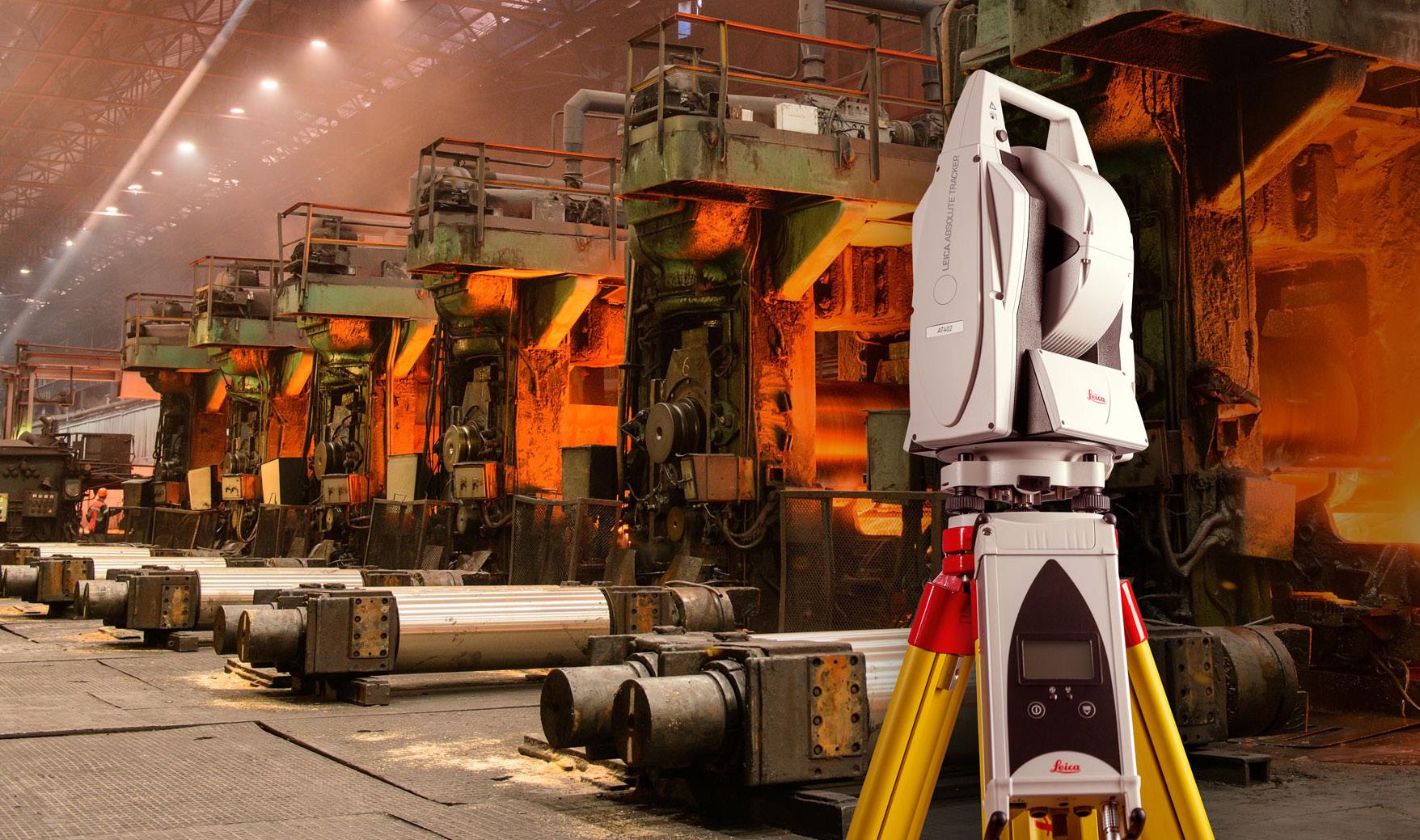
To create and leave a permanent metrology network reference systems that will allow the laser tracker to position its self in the same place, time after time. Creating permanent reference points to work from, months or even years into the future. This enables the mill engineers to collect measurement data at regular intervals that will monitor the level of wear, movement or deterioration of all types of plant and equipment.
Our Metrology team can produce a detailed analysis of your current mill alignment. Finding the long-lost datum’s of even the most dated mills.
Permanent Reference Networks
(Mill Datum References)
From a long-term perspective, reference networks offer many benefits. They make it easier to initiate the measurement process for future tasks i.e periodic checks of critical alignments relating to plant equipment life span. Chronological inspection reports tracing alignment drift over time and root cause analysis studies.
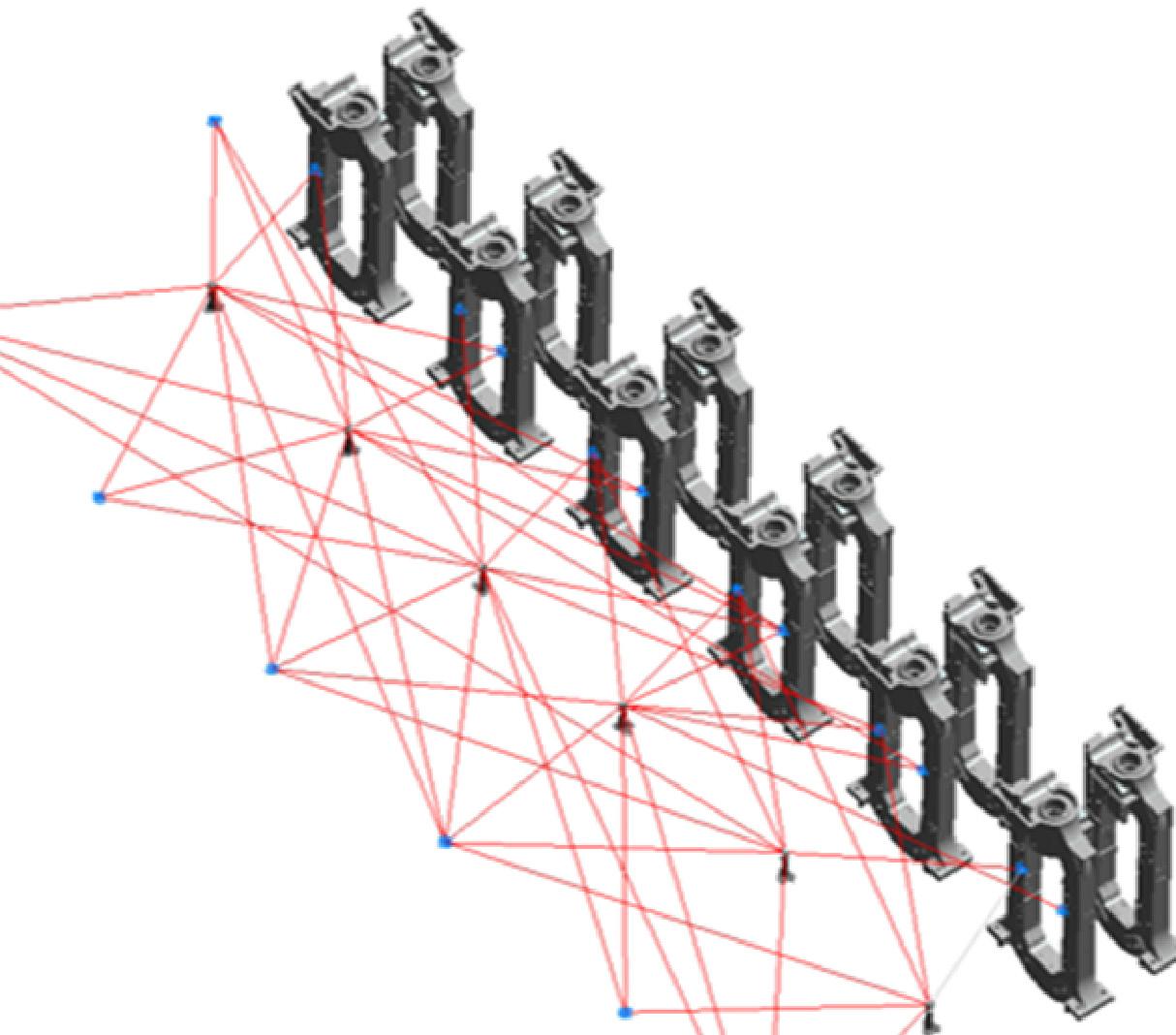
True Mill Conditions
A Metrology survey job which shows the range of measurements that can be taken on a conventional steel rolling mill consisting of 6 finishing stands.
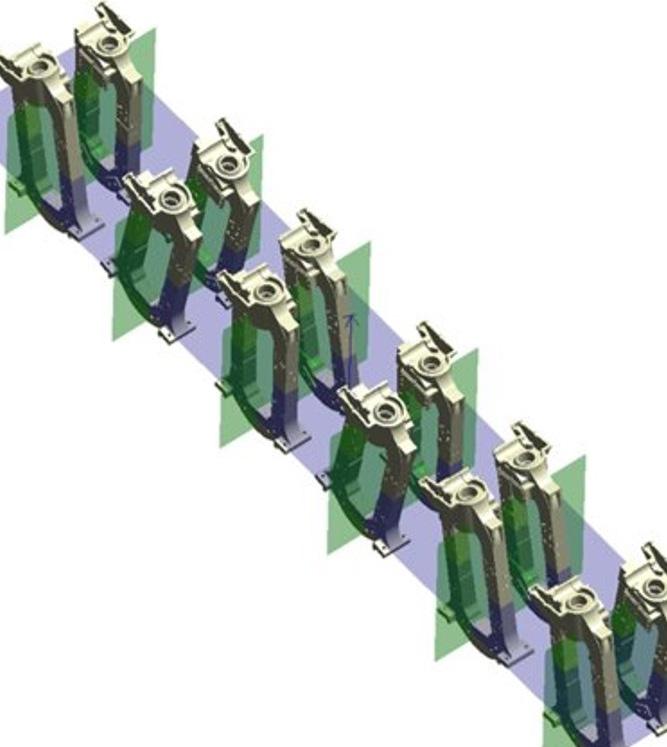
Using our laser tracker measurement to establish true mill conditions and comprehensive reports.
Reports that are complied using the data taken by our Laser Tracker measuring system.
Metrology Benefits Modern Steel Production
ACCURATE MEASUREMENTS IN ALL ENVIRONMENTS
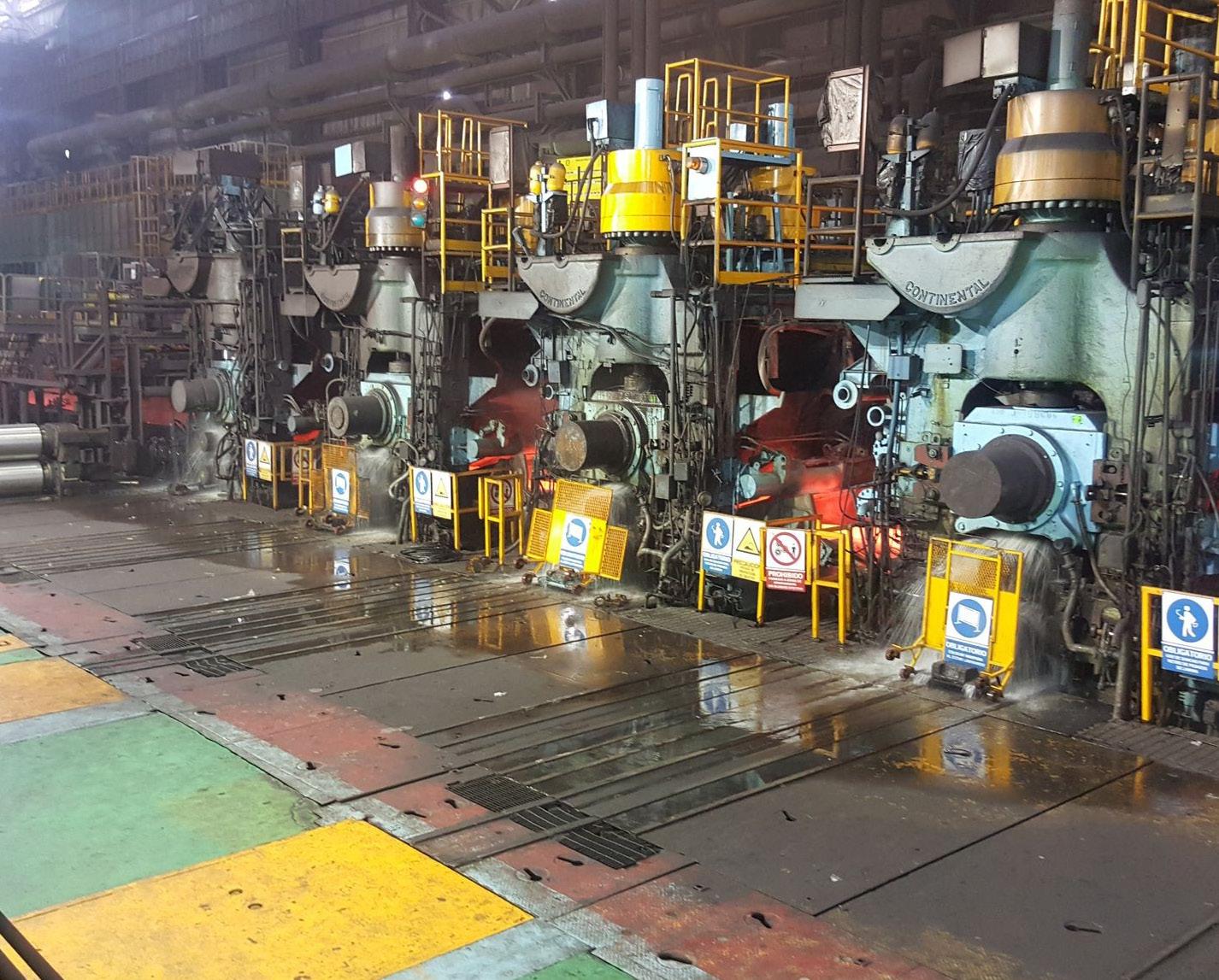
To create and leave a permanent metrology network reference systems that will allow the laser tracker to position its self in the same place, time after time. Creating permanent reference points to work from, months or even years into the future. This enables the mill engineers to collect measurement data at regular intervals that will monitor the level of wear, movement or deterioration of all types of plant and equipment.
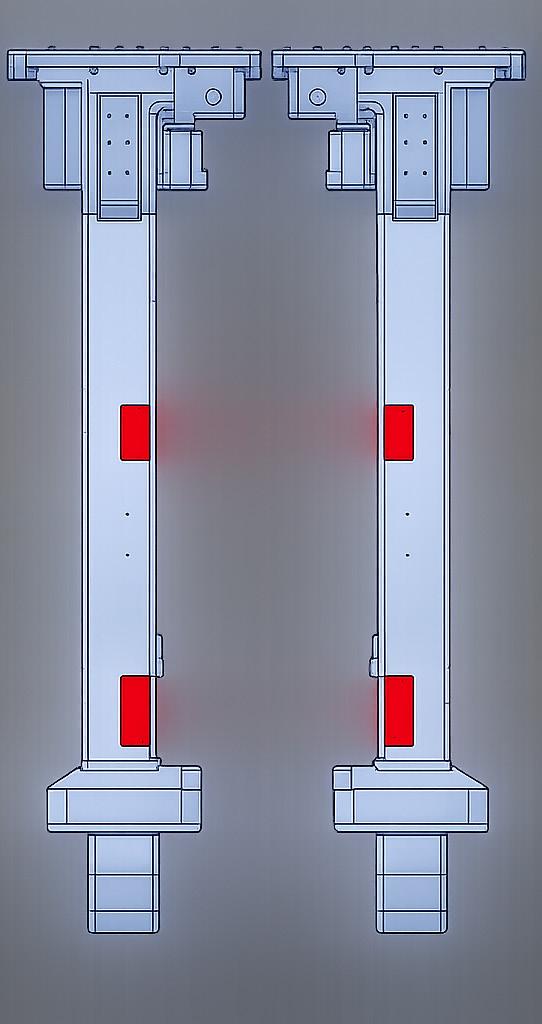
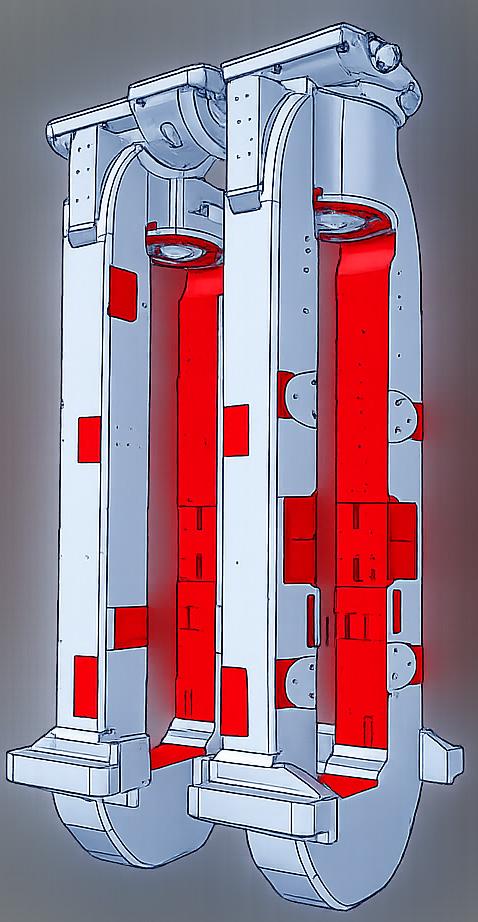
Typical Areas That Can Be Machined
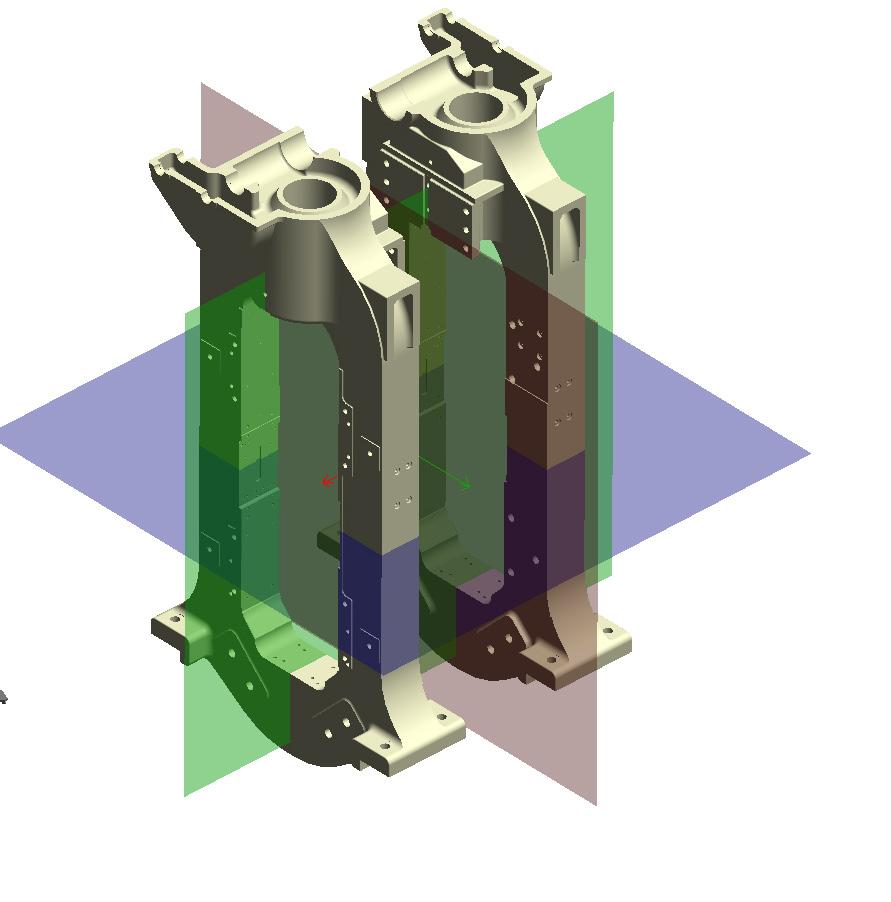
Installed using laser tracker then fully machined using portable in situ machining equipment. Commonly machined areas highlighted in red.
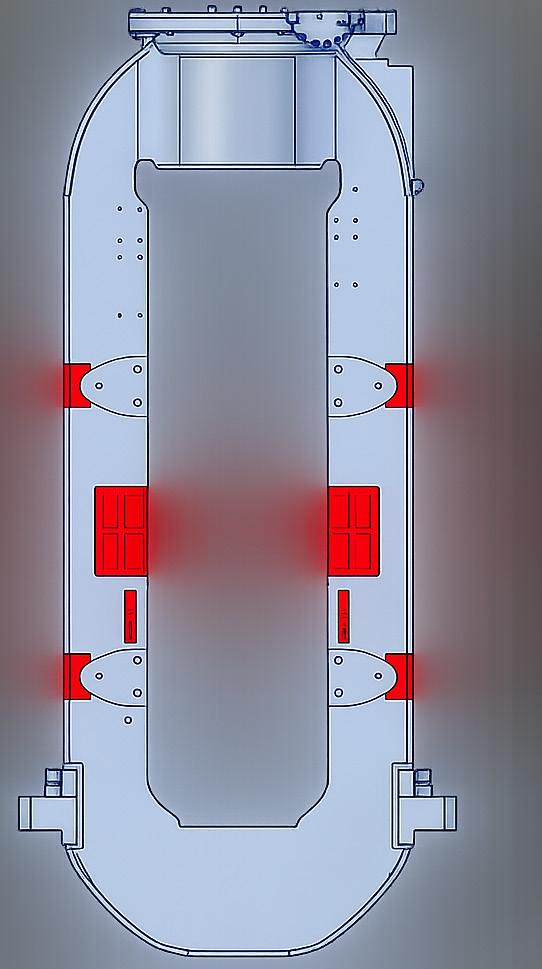
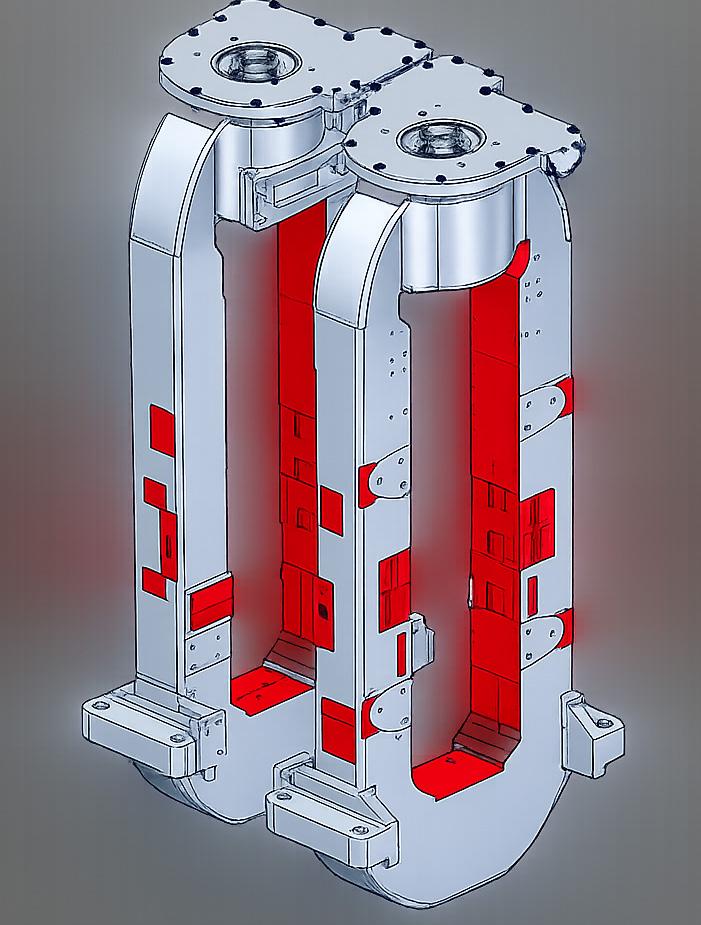
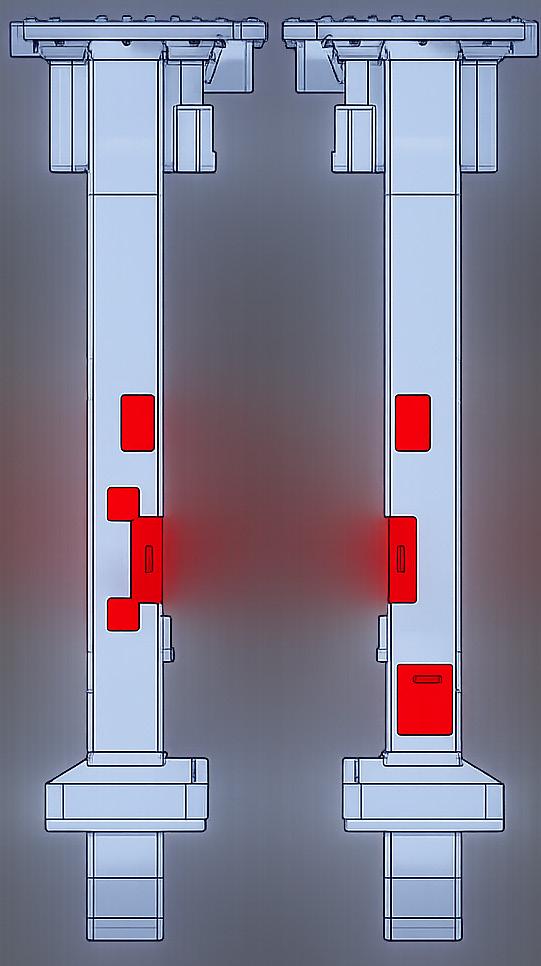
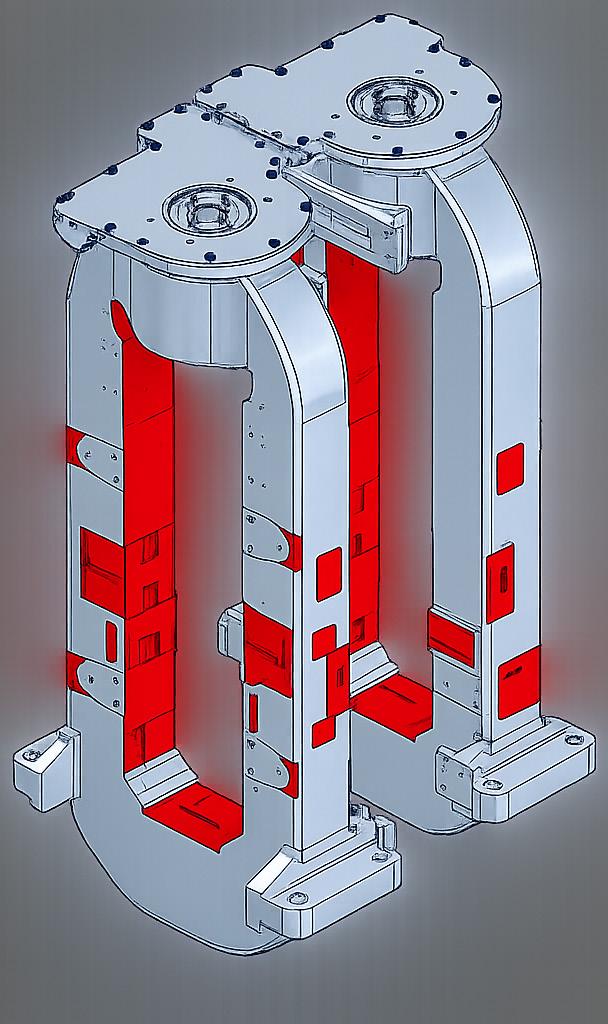
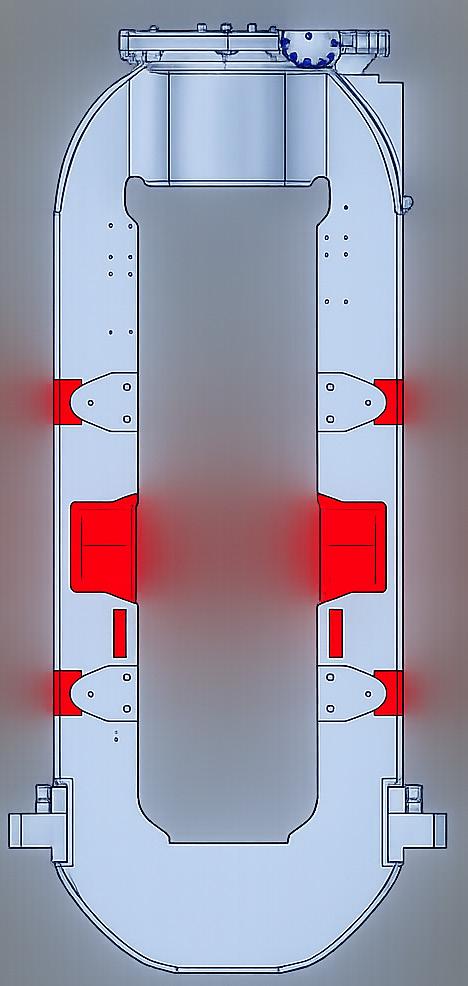
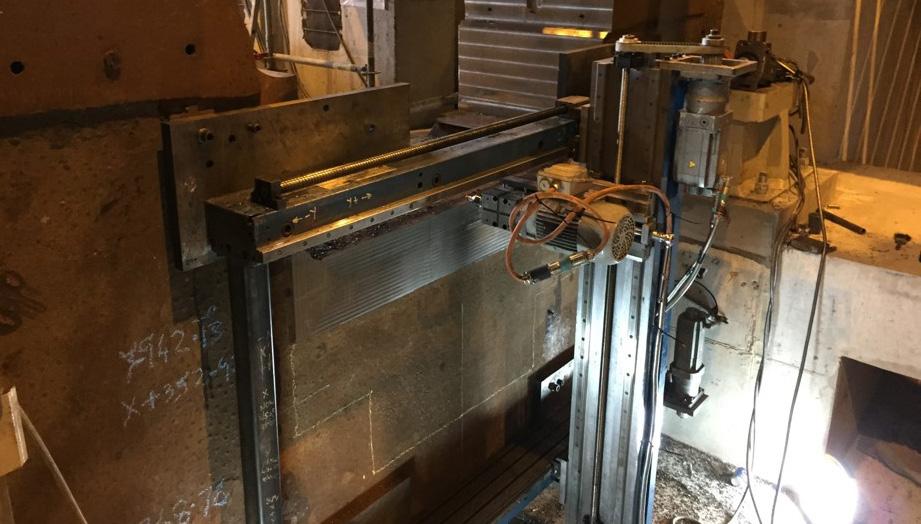
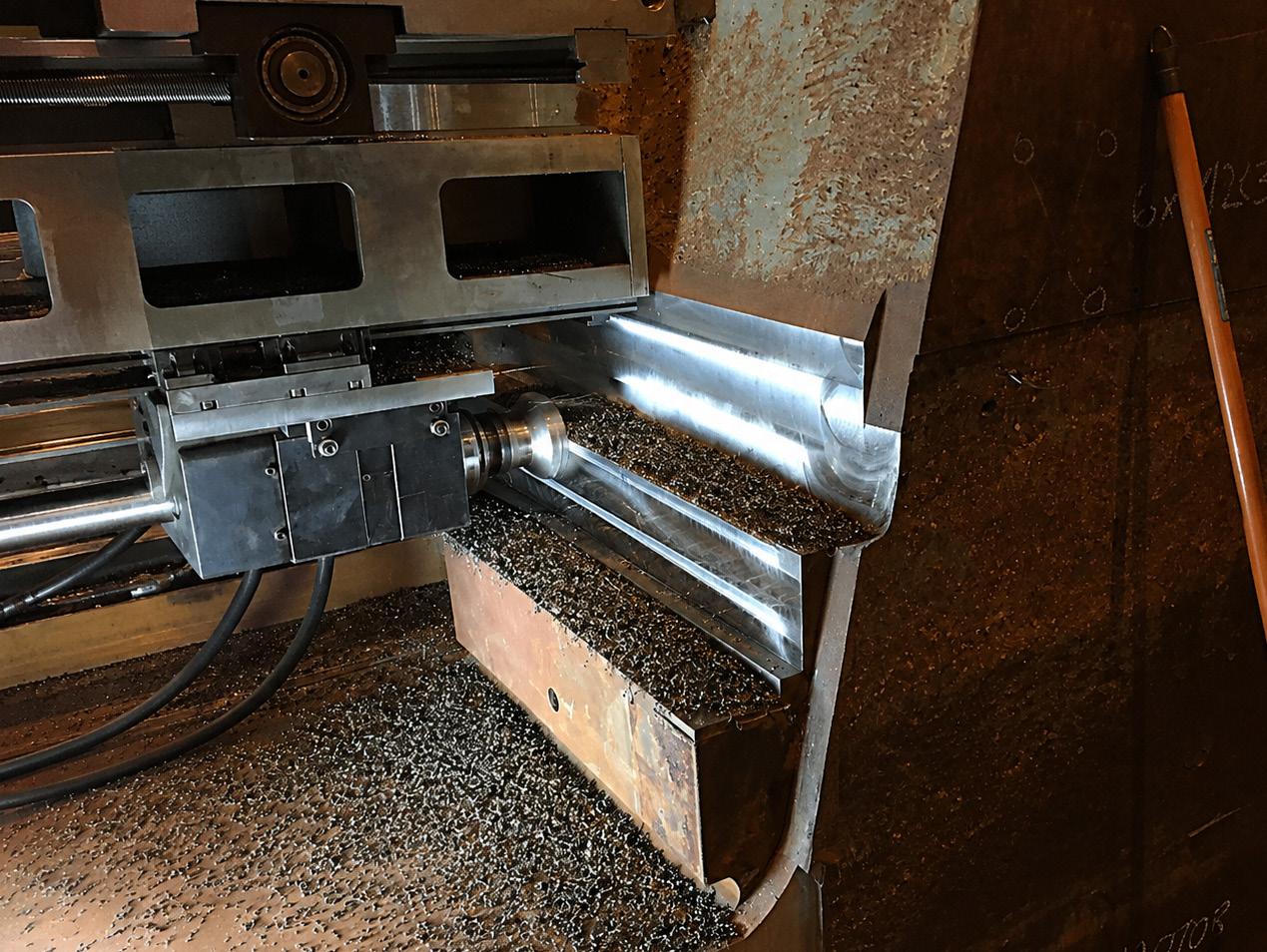
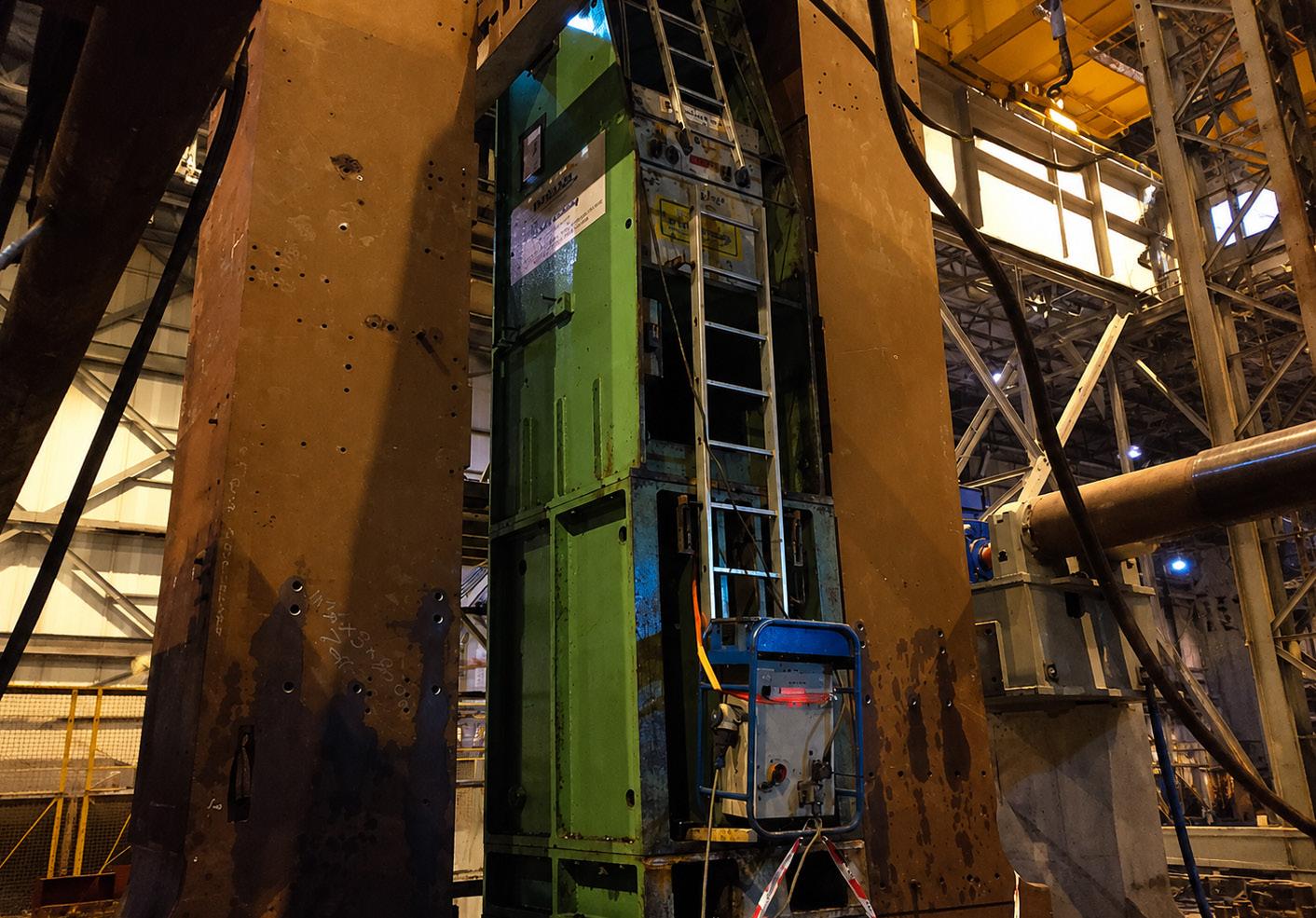
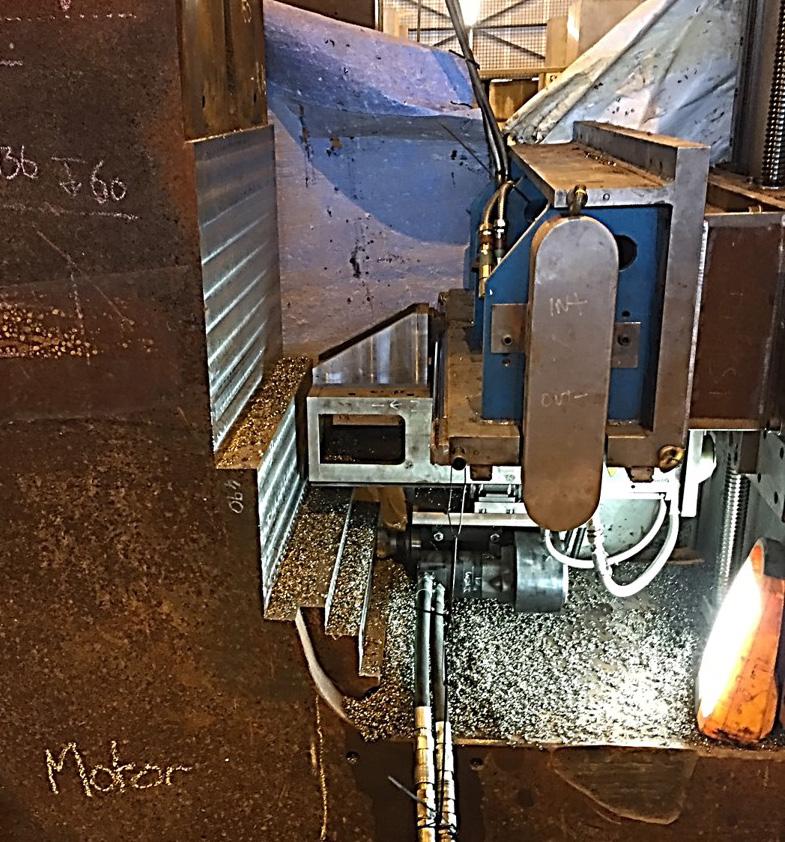
Typical Mill Stand Machining
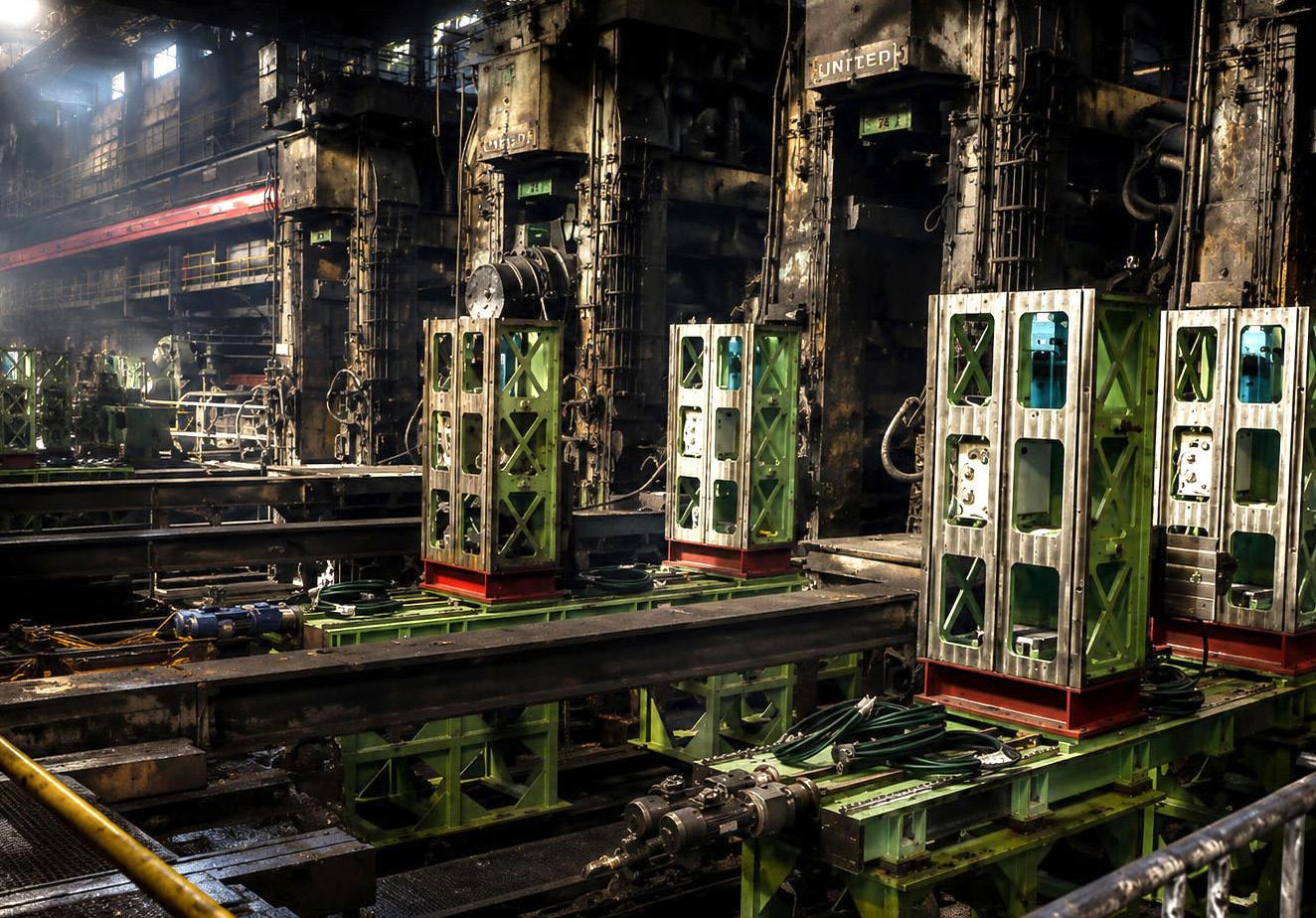
Steel Industry Revamp Projects On
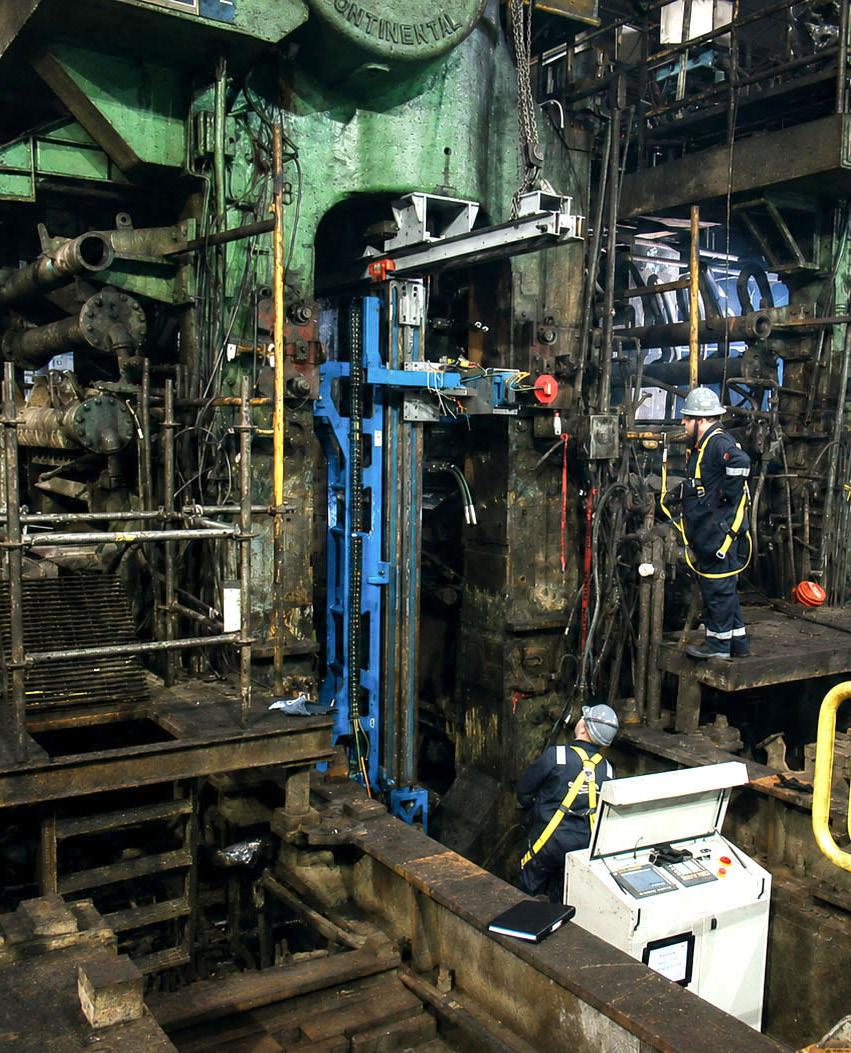
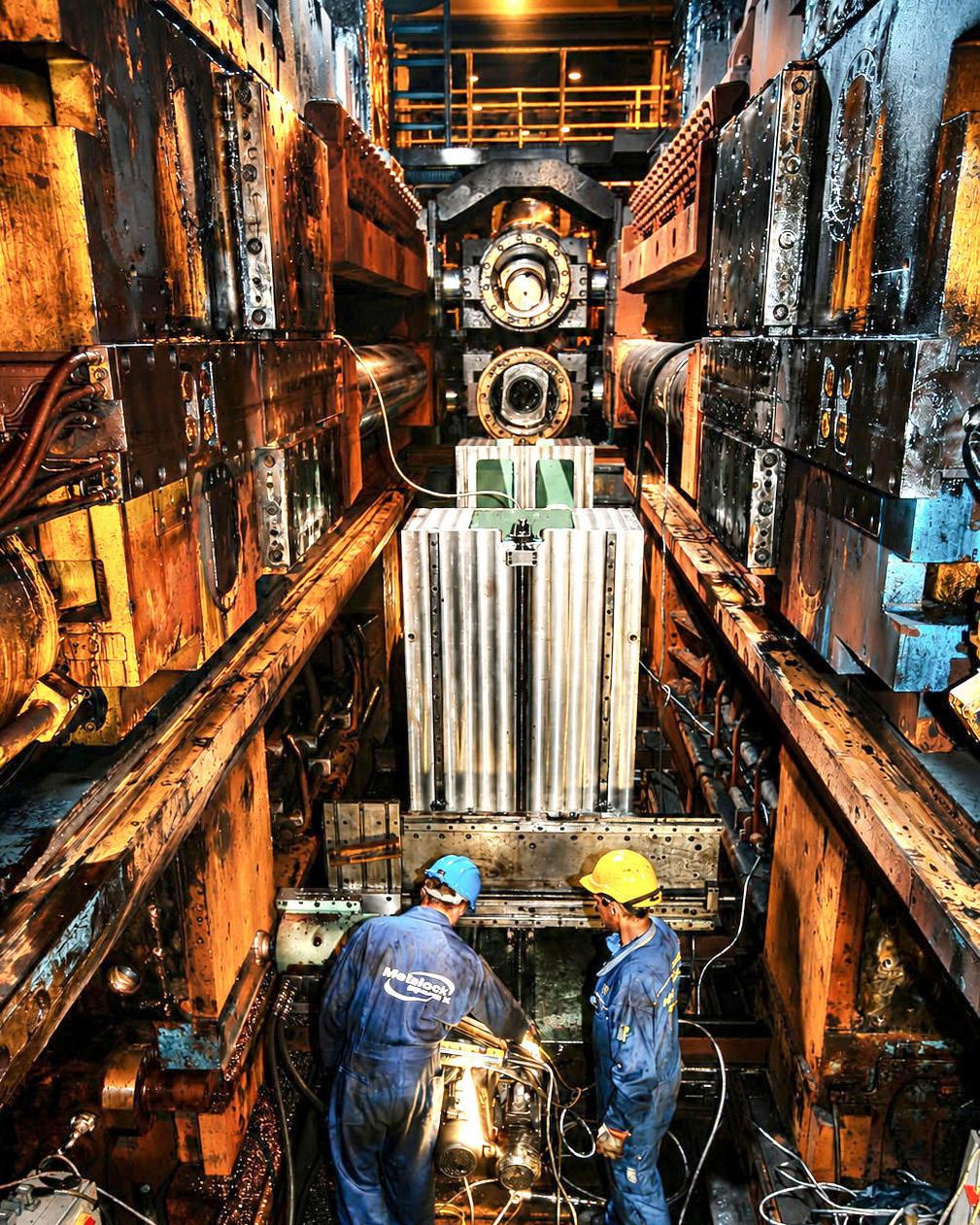
Both mill stands were as cast. All the machining work measurements for the installation, and machining of the tracker.
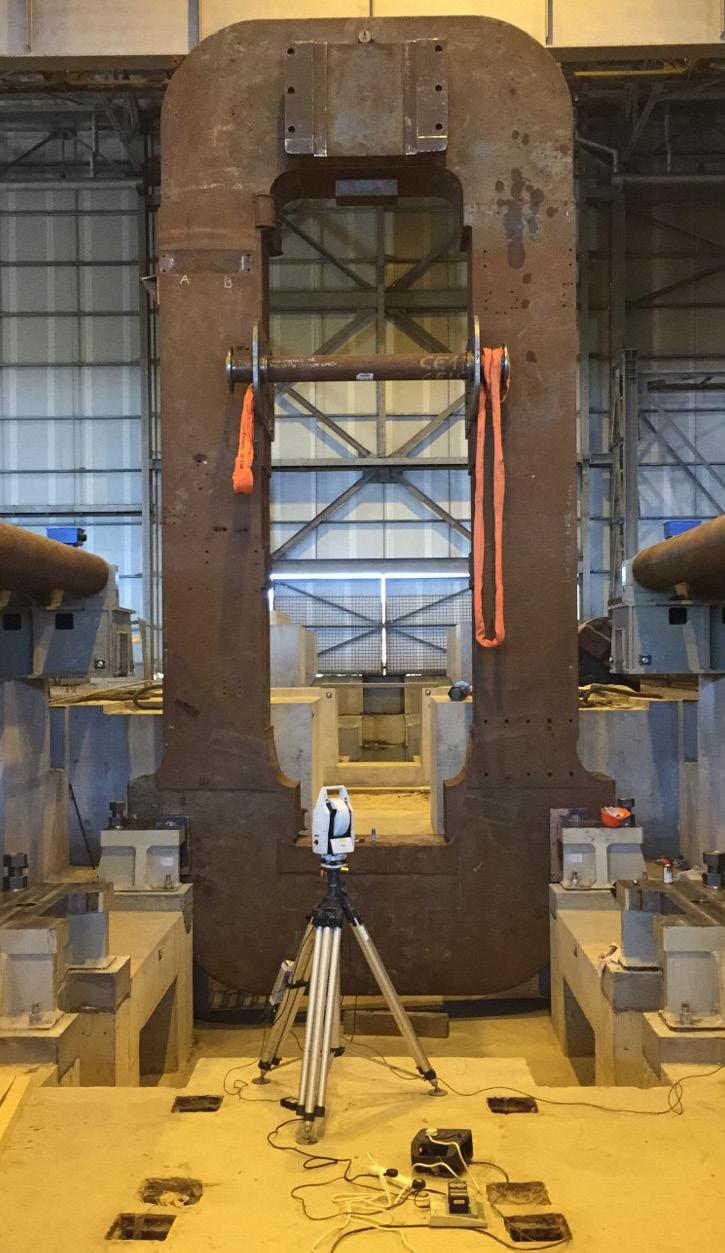
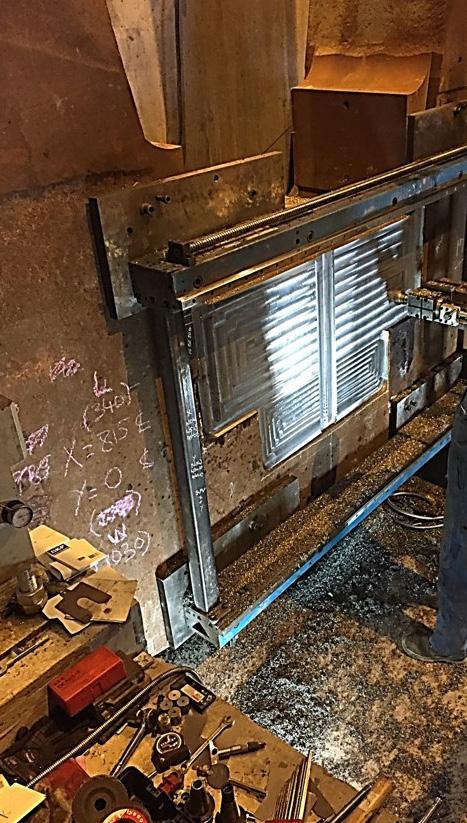
Milling, drilling, boring. Bases, columns, wrap arounds, latch faces, keyways, bores.
On Site CNC Machining
was completed on site within the mill. All accurate the mill stands were controlled by our on site laser

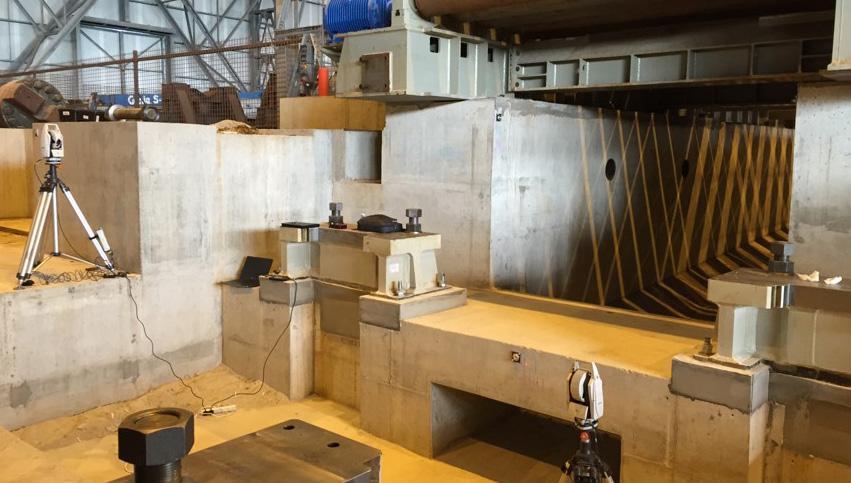
faces,
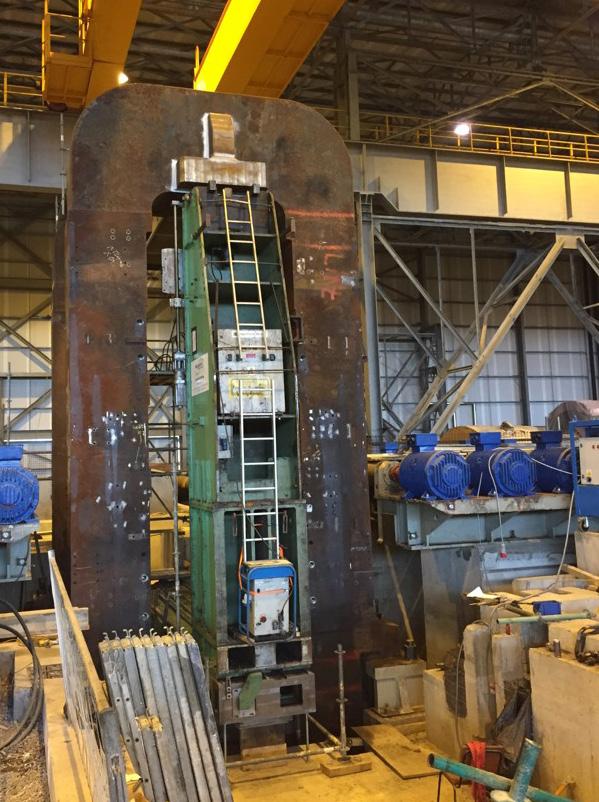
Milling, drilling, boring. Bases, columns, wrap arounds, latch faces, keyways, bores.
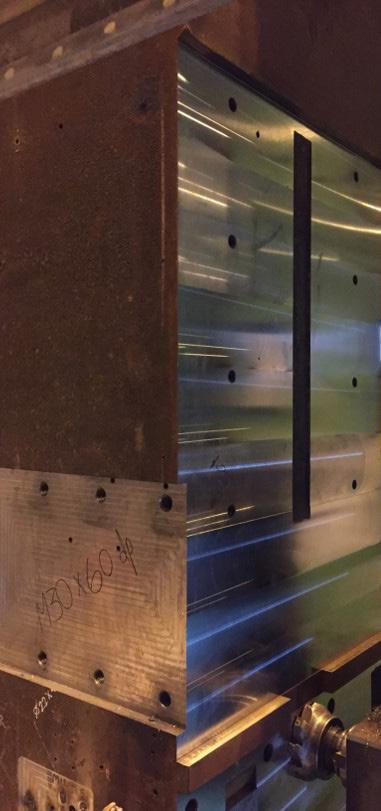
BOS Plant Converter
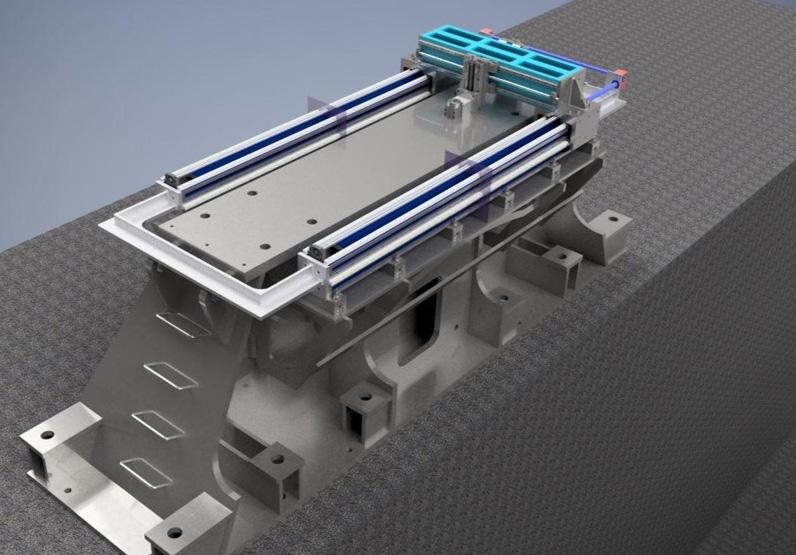
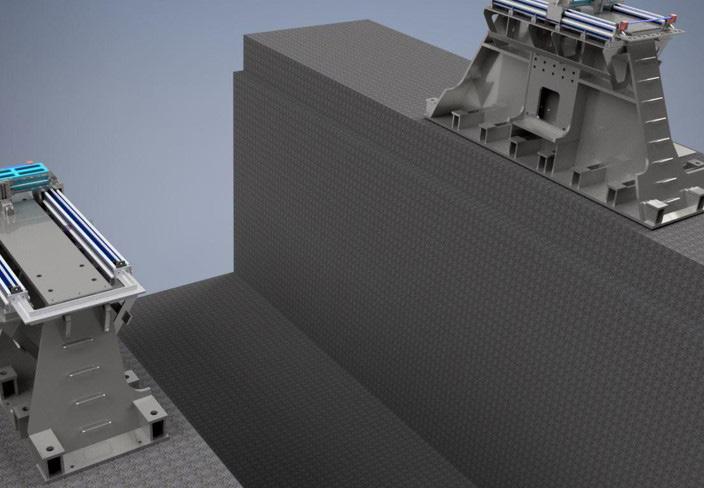
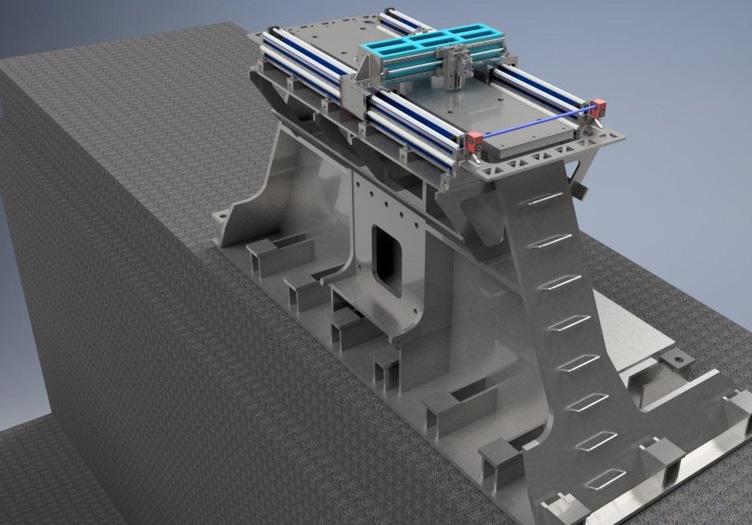
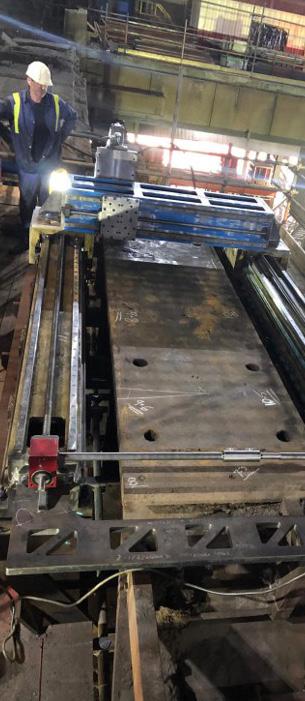
2 Main Drive Pedestal Machining
Milling the faces of a Converter Support Plinths flat and level at different elevations to within 0.1.mm.
Orbital Machining
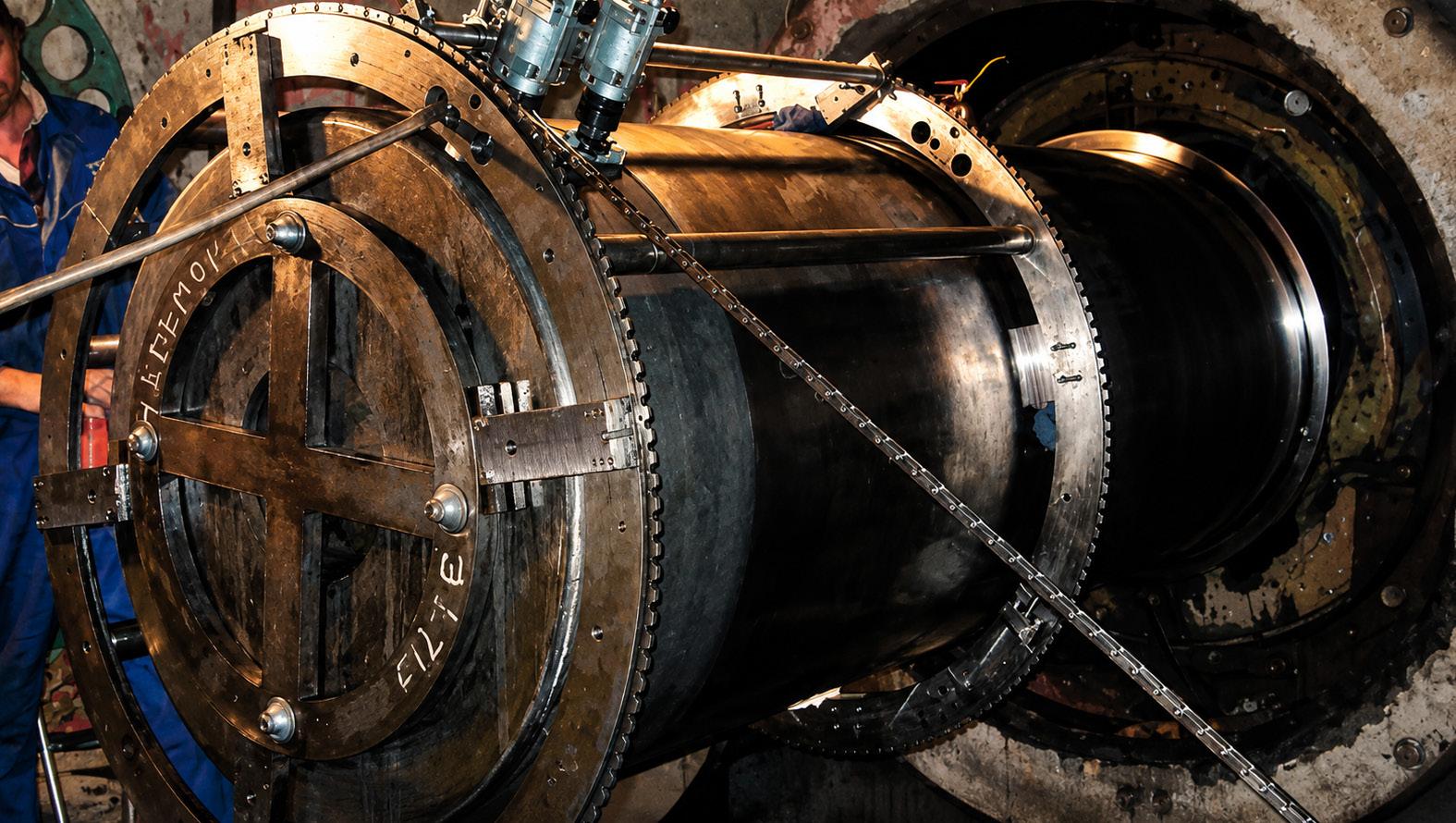
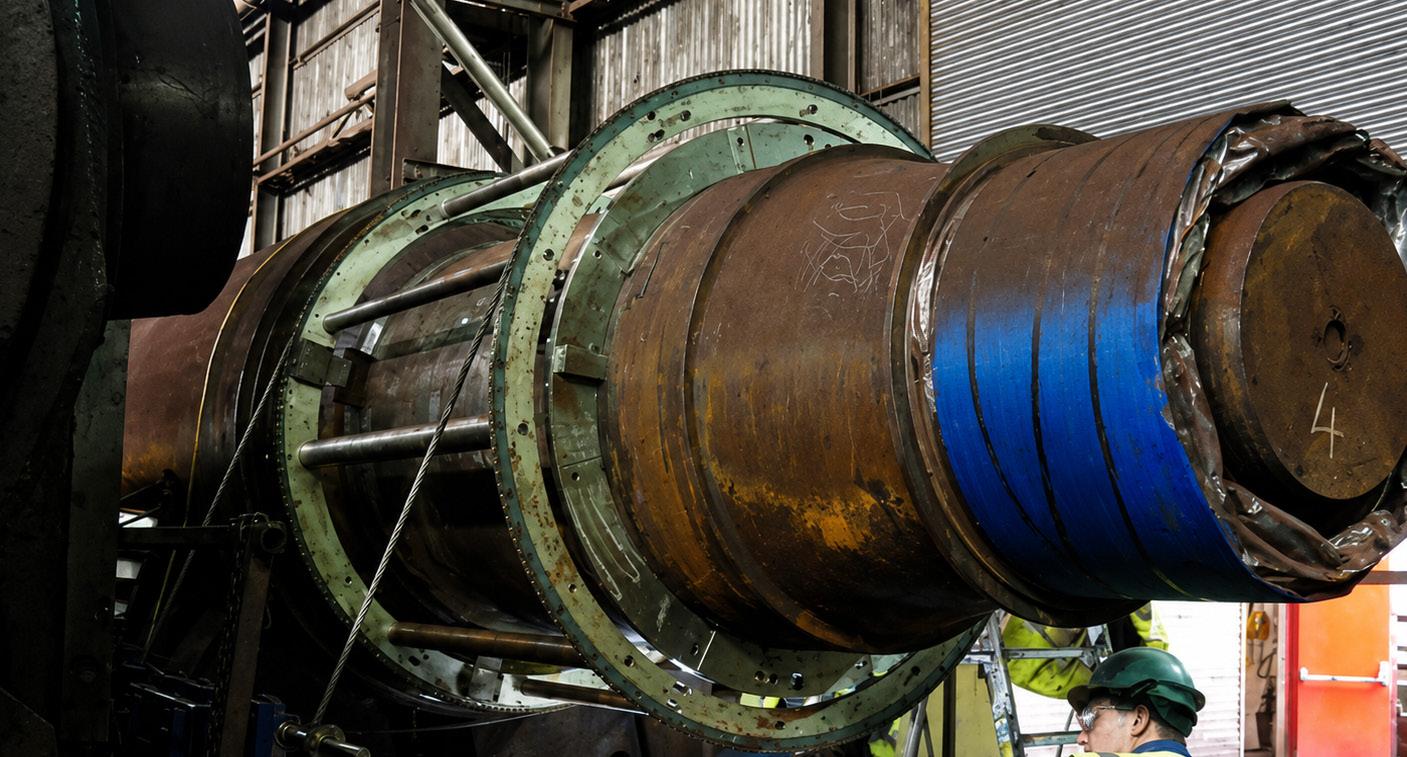
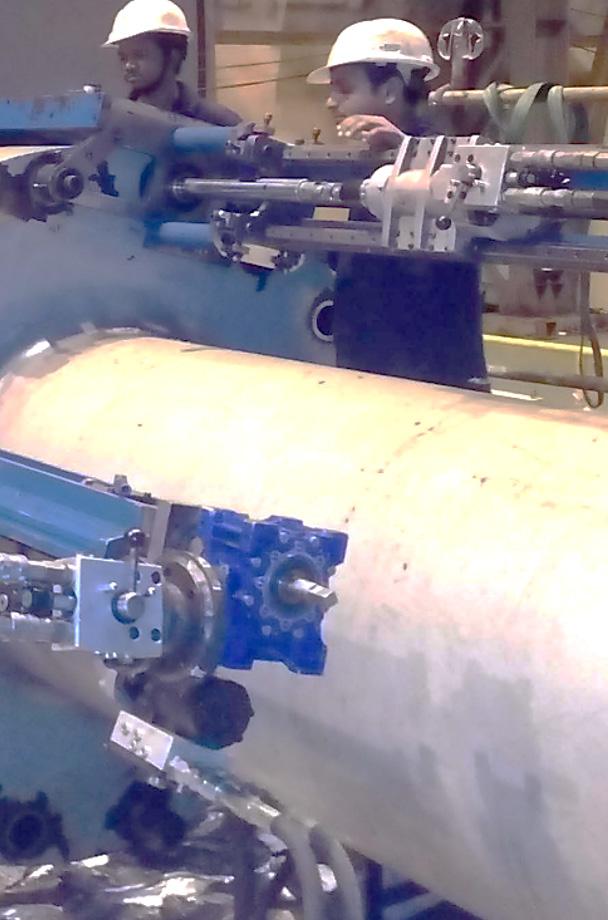
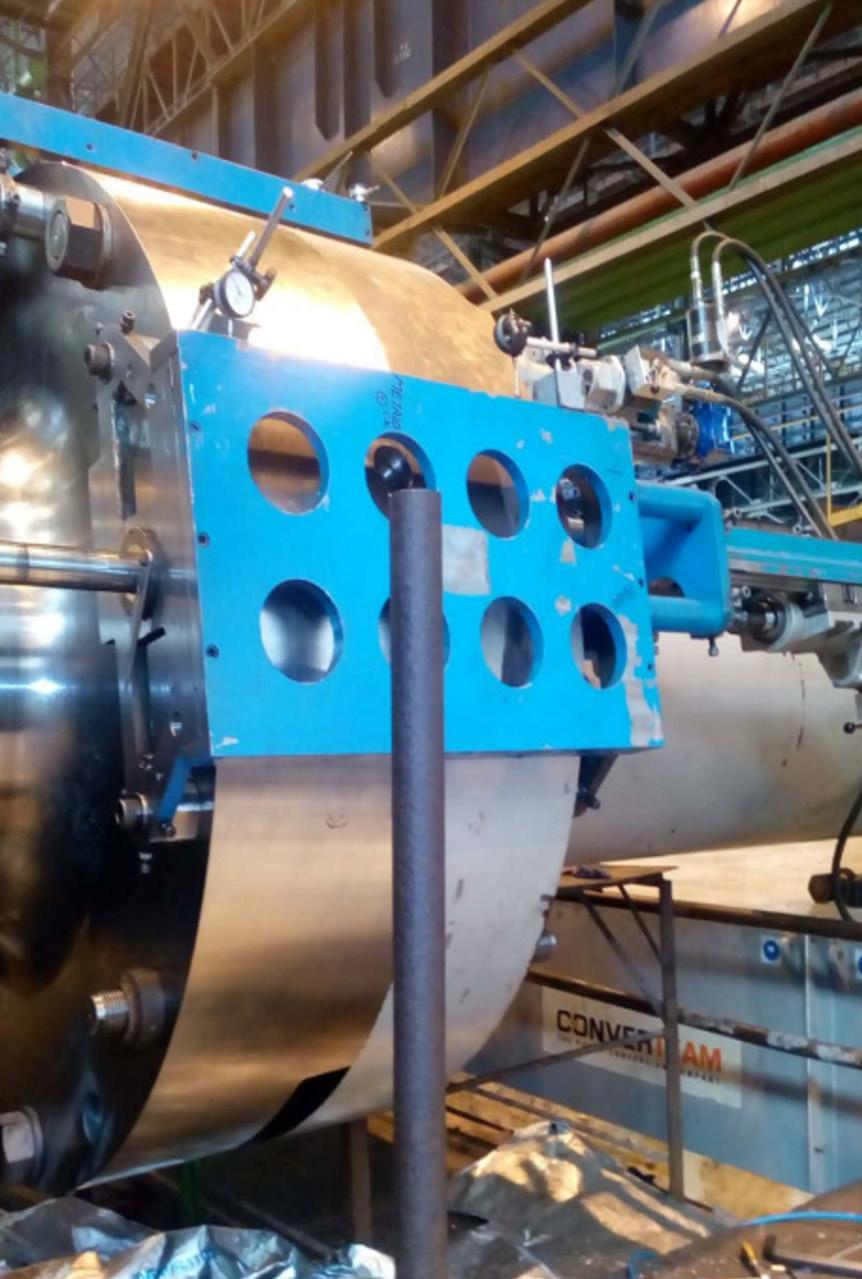
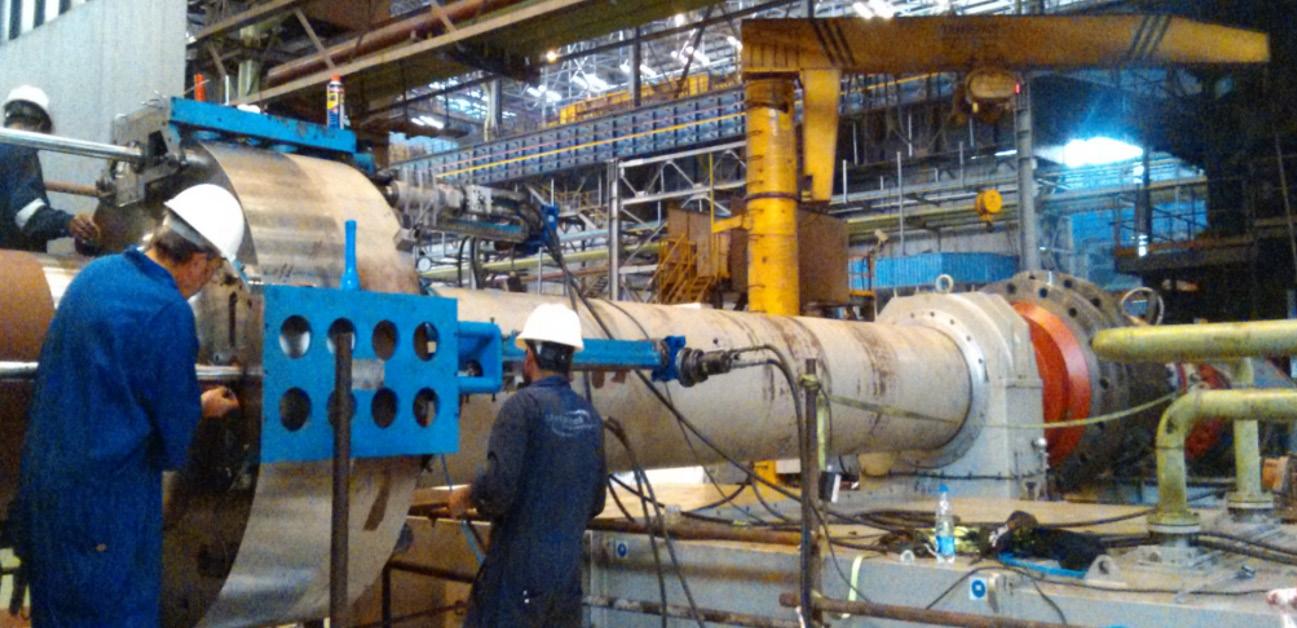
Orbital machining on Back Up Roll (BUR) bearing journal diameter.
Large Coupling Bolthole Machining
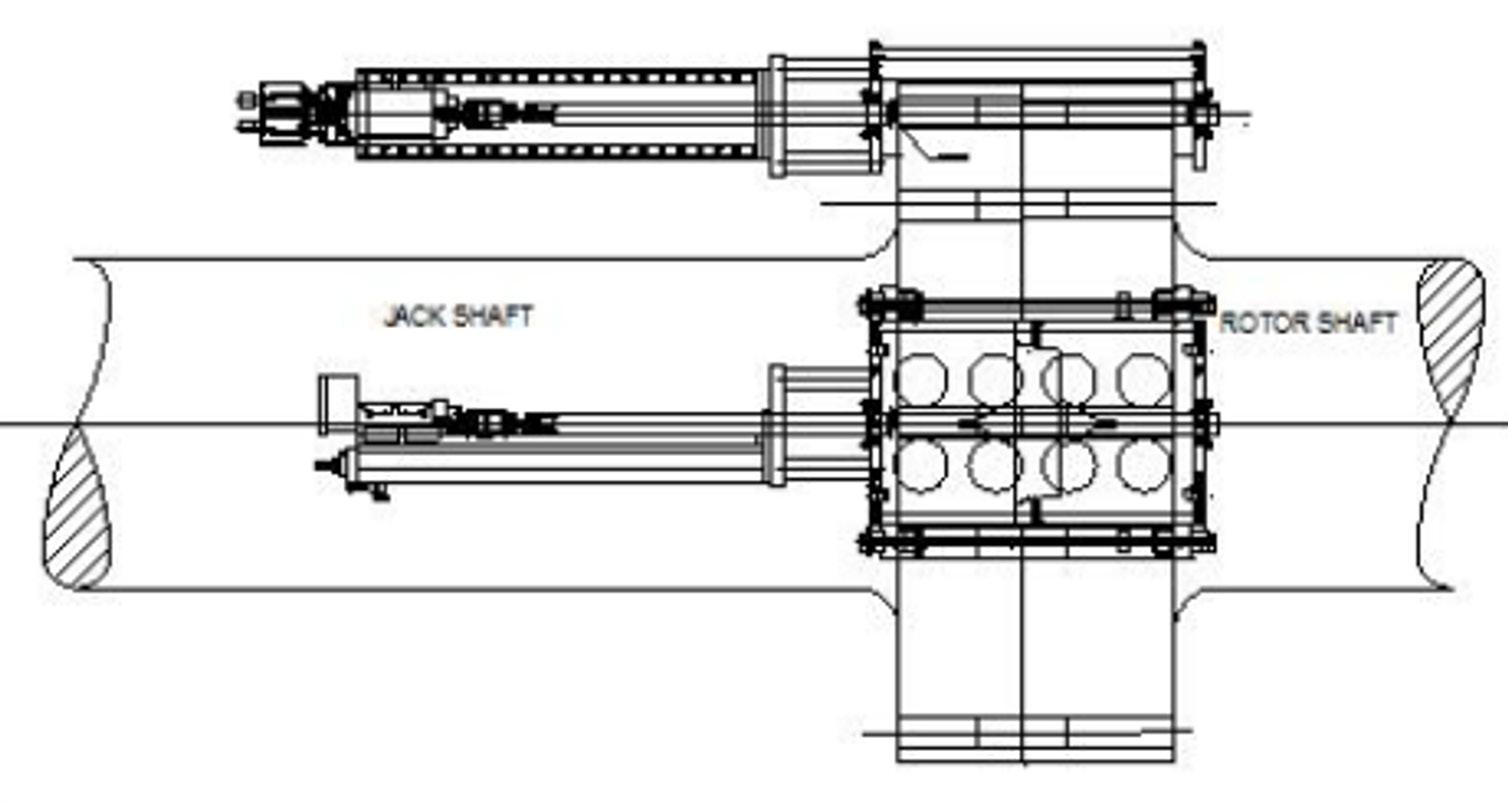
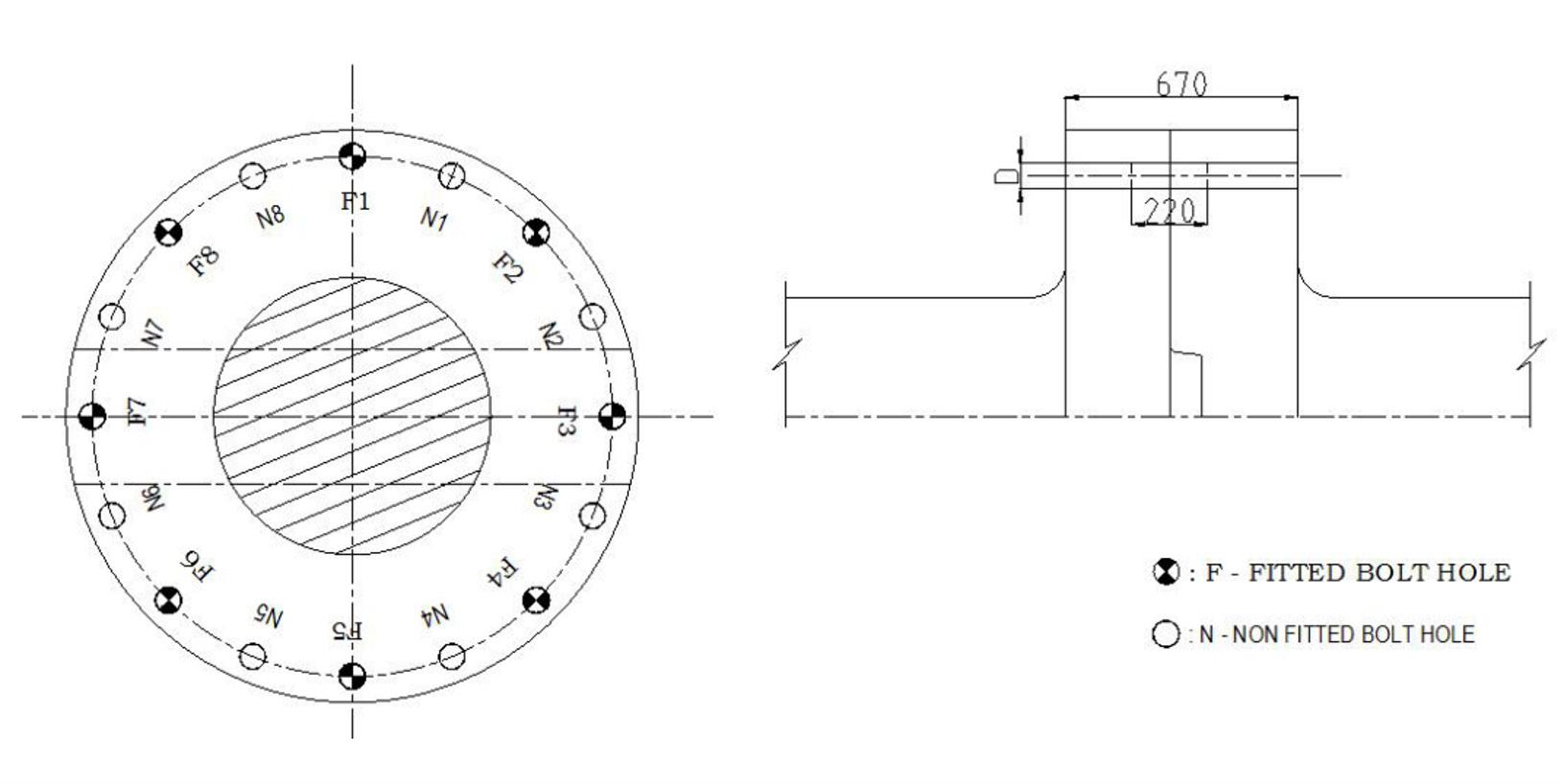
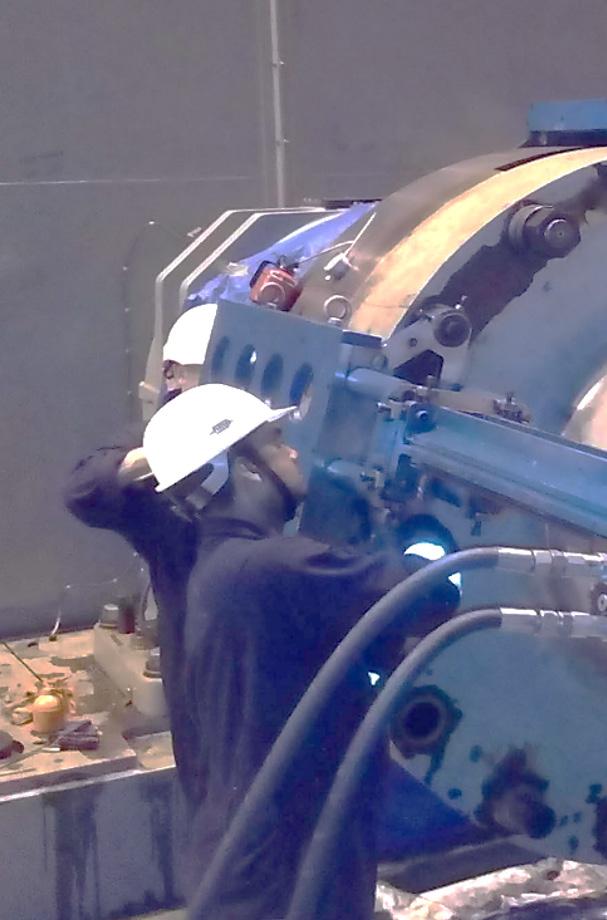
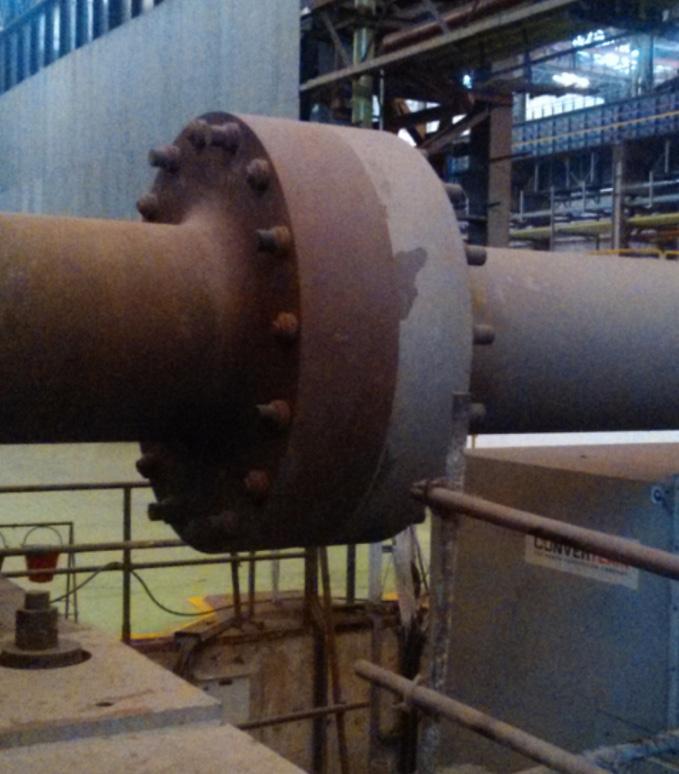
Following the installation of a replacement rotor shaft match non-fitted bolt holes has been carried out to achieve the following
8 Fitted bolts x 76.5mm diameter
H7 - through 670mm long
8 Non fitted x 76.0 mm diameter
(+ 0.1) through 670mm long
Machining In India
match boring of all fitted & following dimensions:

Rolling Mill Drive
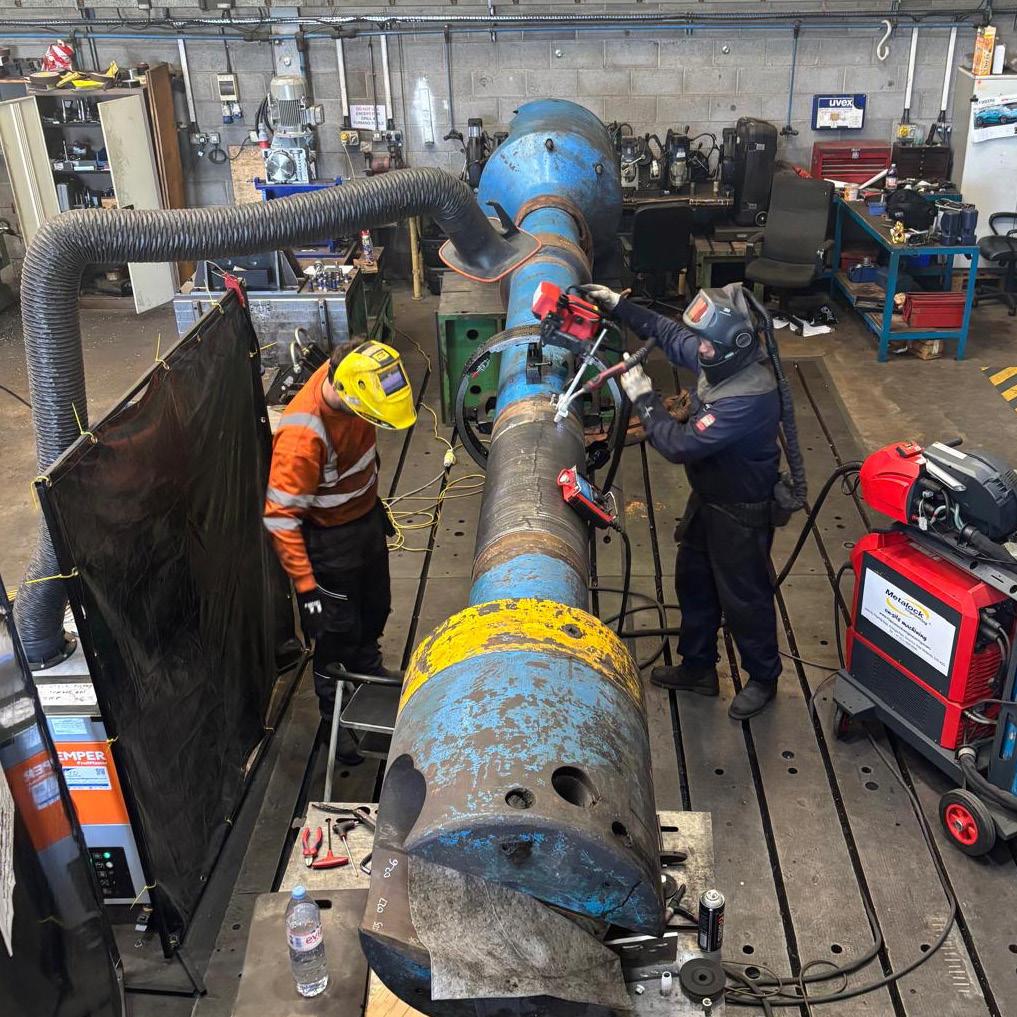
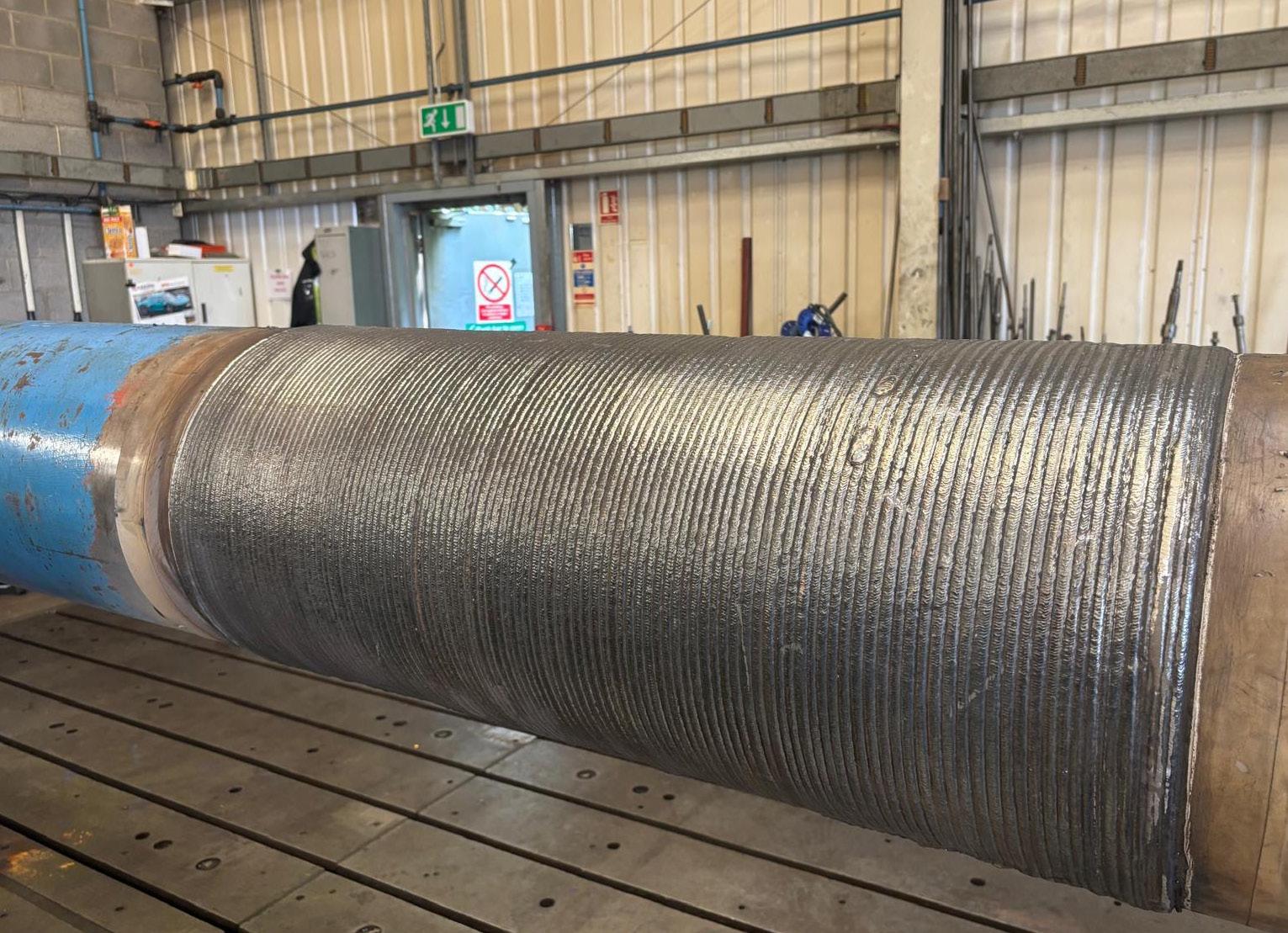
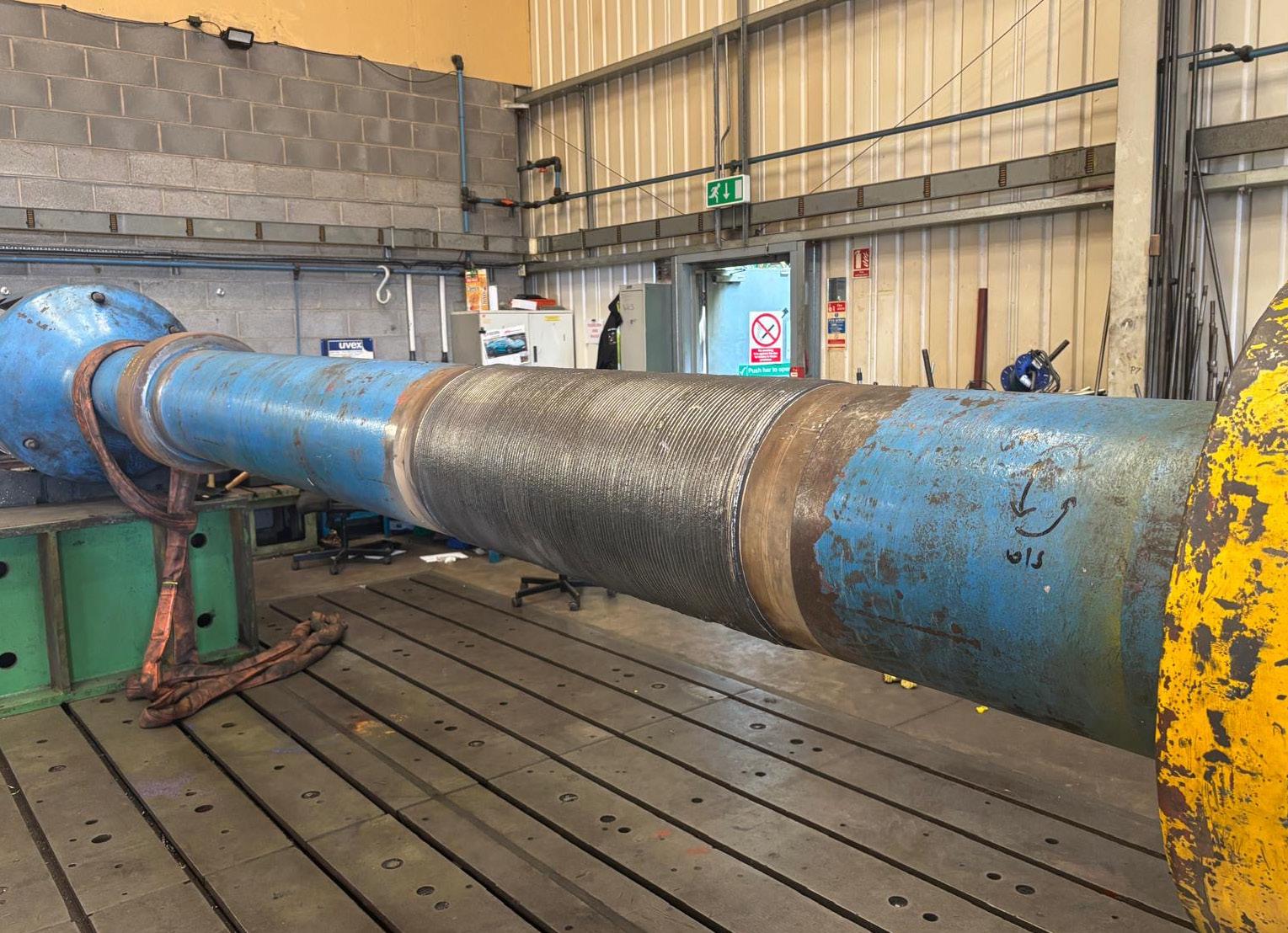
Spindle bearing diameter recovery using orbital welding and machining techniques.
Reboring For Screw-Down Modifications To
Metalock Engineering bores for rolling mill-stand screw
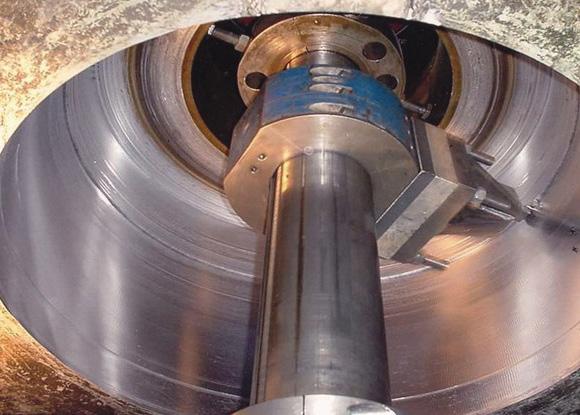
Fitting new hydraulic screw-down capsules on 4 Blaw-Knox tandem intermediate/finishing mill-stands has enabled the steel producer to improve product quality and thickness tolerance. To achieve the 8 new load cells could be fitted within the short shutdown period Metalock used four boring machines simultaneously to complete the boring task in 9 days, working 24 hours a day with a 14-man team, over 11 tonnes of metal was removed.
To Improve Steel Quality Of Steel Strip
down modifications to improve steel quality.
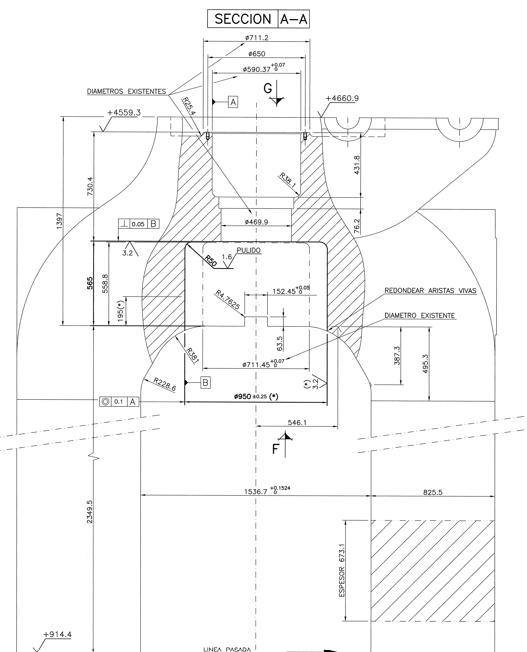
Enlarging the eight bores on the four Blaw-Knox mill housings to accept the new capsules from 711 mm x 558 mm deep to 950 mm diameter and 565 mm deep with a 50mm radius at the top of each bore. This tandem mill can be used as an intermediate mill or a finishing mill depending upon production schedules. The new screw-down system will enable tight tolerance parameters to be constantly achieved.
Blast Furnace Rebuild Re-Boring 15
Tapered Tuyere Cooler Holder Bores
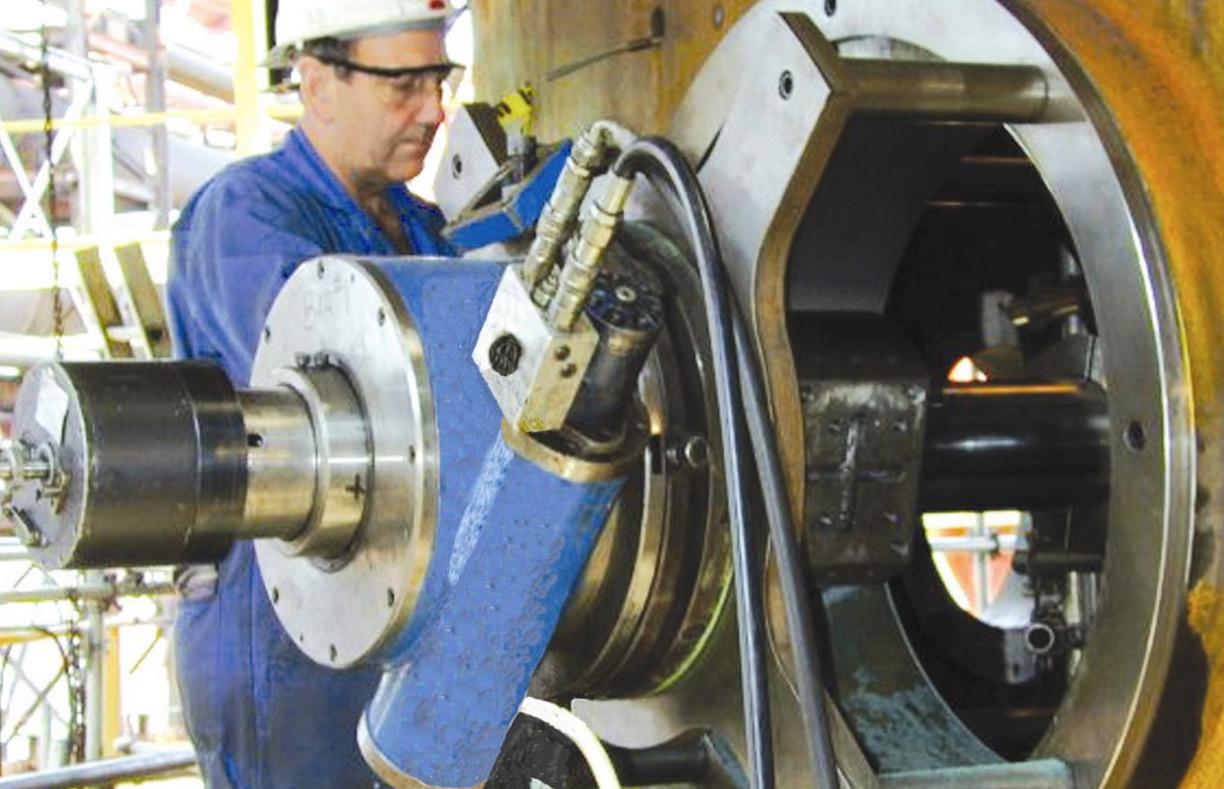
Metalock re-machined 15 hearth shell bores to accommodate tapered tuyere cooler holders. The bores were equi-spaced around the shell circumference at 24-degree intervals, the tuyeres were not diametrically opposite each other.
To taper-bore out the shell bosses to accept the tapered tuyere cooler housings which hold the cooler’s. The copper tuyeres are used to inject hot blast air at over 2000ºC into the furnace just above the hearth area.
The first operation for the Metalock team was to assemble a drill jig on the inside and outside faces of No 1 tuyere holder to drill and tap four equi-spaced holes 0.625 inch diameter x 1 inch deep on a 38.5 inch PCD These holes were used to mount a boring bar assembly, with inner and outer bearing supports.
Each boring bar had a telescope fitted to the outer end and the bar aligned visually with the furnace central datum and a datum point on the opposite inner shell through a central hole through the boring bar.
Machining Blast Furnace Top
Flange
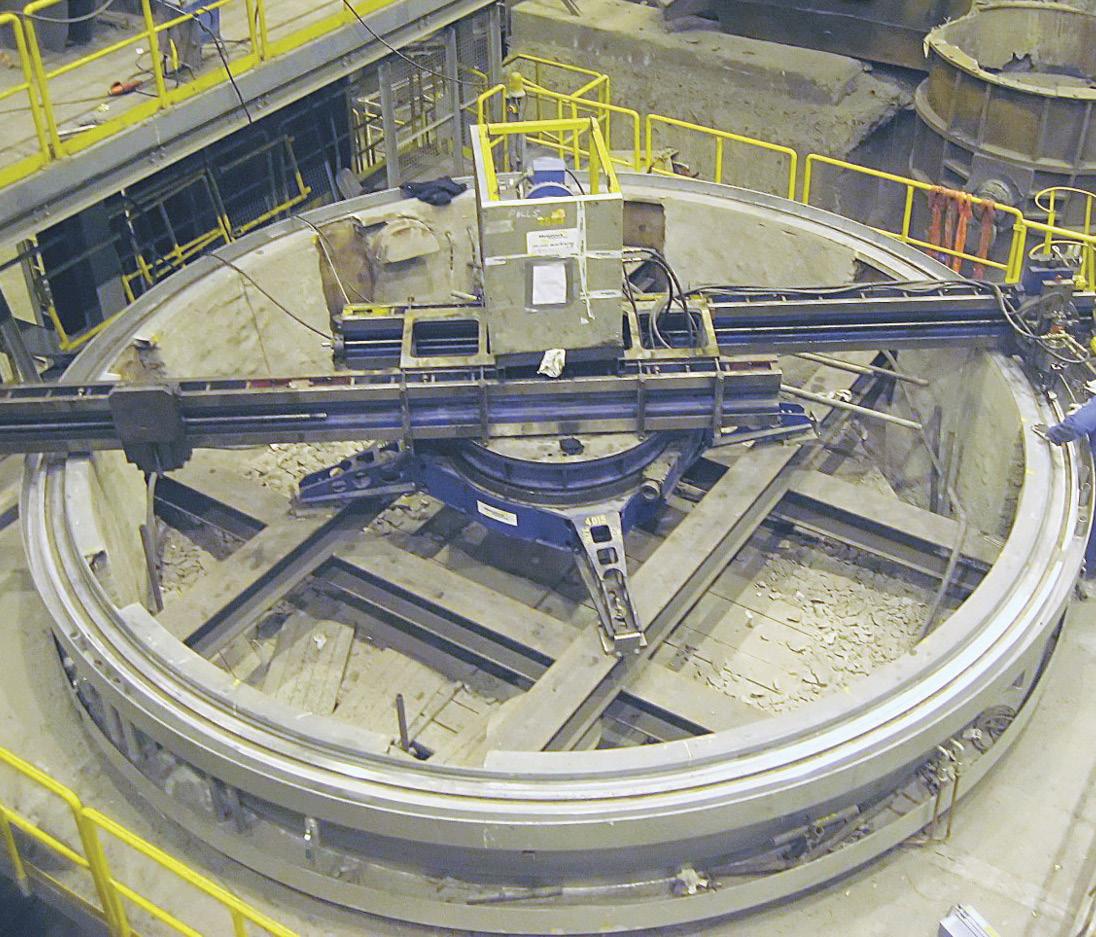
Re-machining the top flange face of a blast furnace. Large flange facing at 5 Meters diameter. Metalock Engineering can machine very large diameter flanges measuring up to and beyond 20M+
Tilting Ladle Repairs
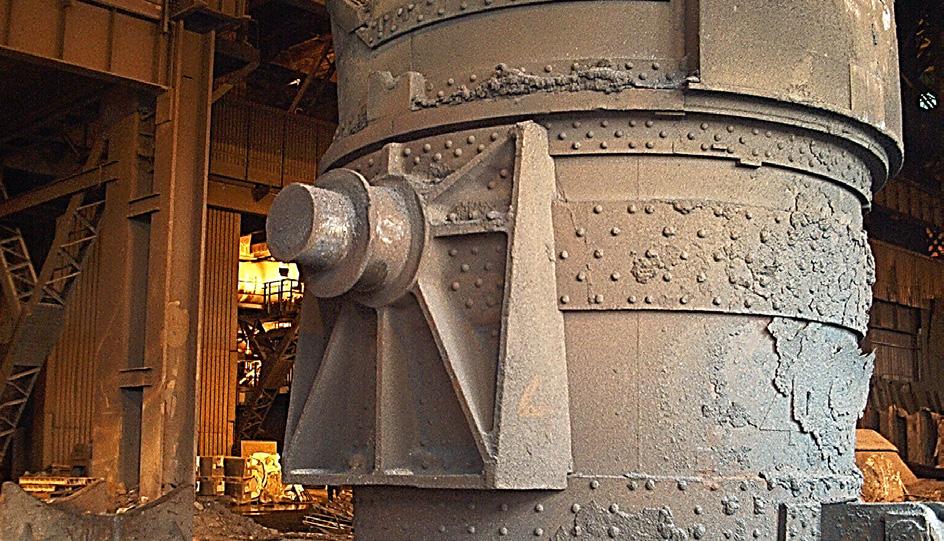
Tilting a teeming ladle fully laden with 300 tonnes of molten steel casting machine needs to be finely controlled to ensure an even supported framework by trunnions on either side of the vessel.
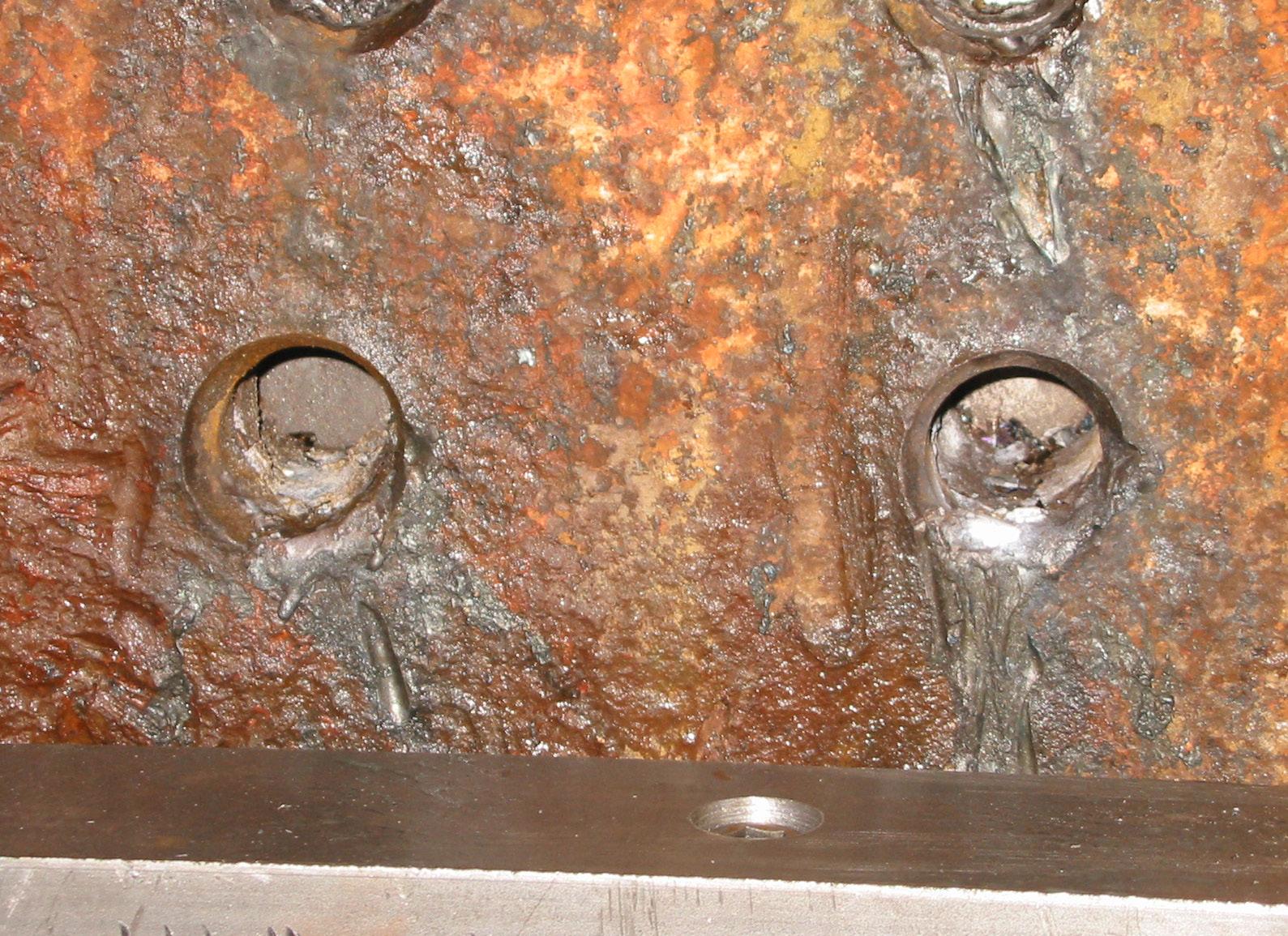
Over years of operation in this harsh environment these trunnions become severely worn and uneven on the underside half of their diameters leading to difficulties in achieving a smooth pour. Metalock Engineering based in Coventry have now repaired many teeming ladles resulting in the ladle downtime being minimized because the repairs were scheduled to coincide with ladle refractory lining maintenance.

steel from a BOS plant to a continuous even pour. The ladles are suspended on a crane The tilting is done by an auxiliary hoist.
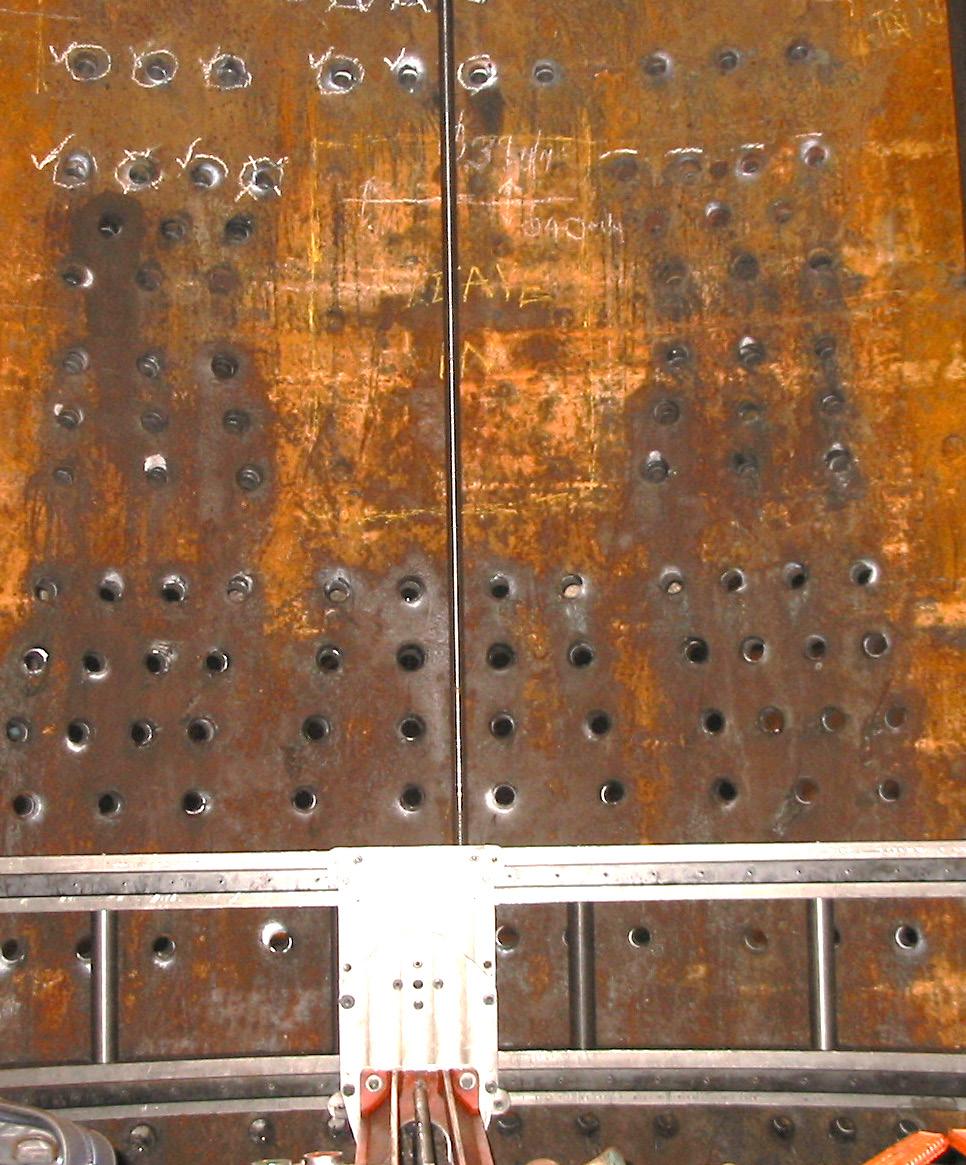
There are 2 methods of repair.
Option 1: Replace the cast steel trunnions
Option 2: Recover the old worn trunnions diameters returning them to the original diameters using in-situ machining and sleeving techniques.
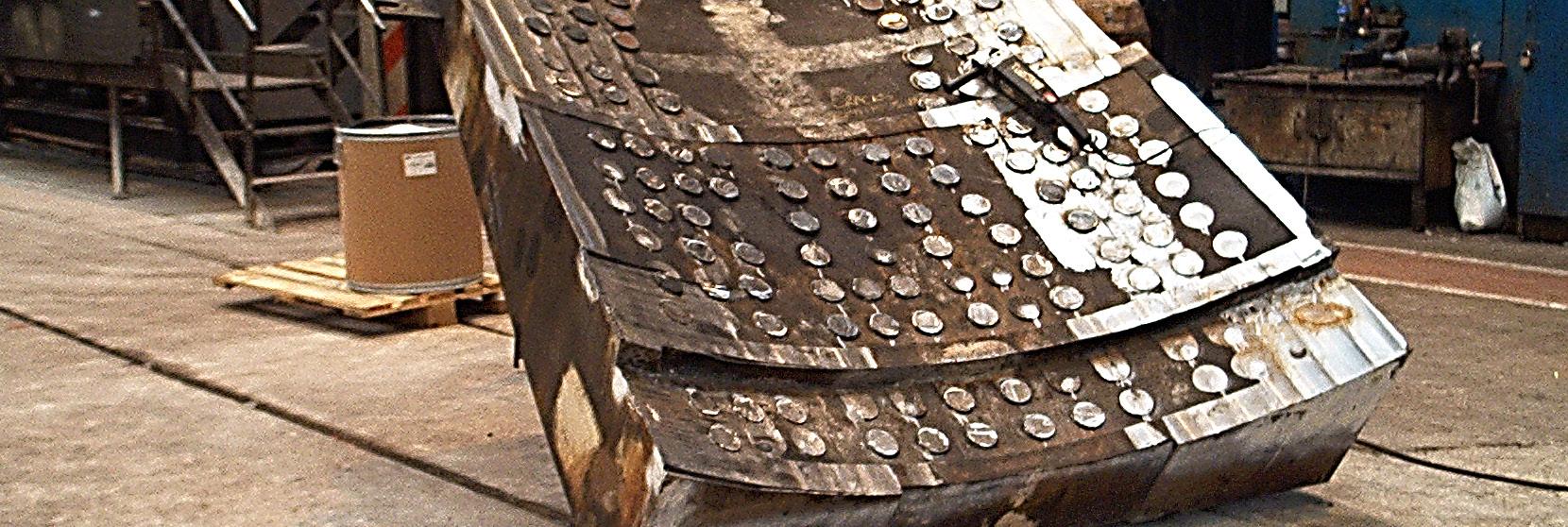
Tilting Ladle Repairs Option 1
Remove old worn trunnions by drilling out old 250 existing rivetts measuring 38mm diameter x 300mm long that secure each trunnion to the ladle.
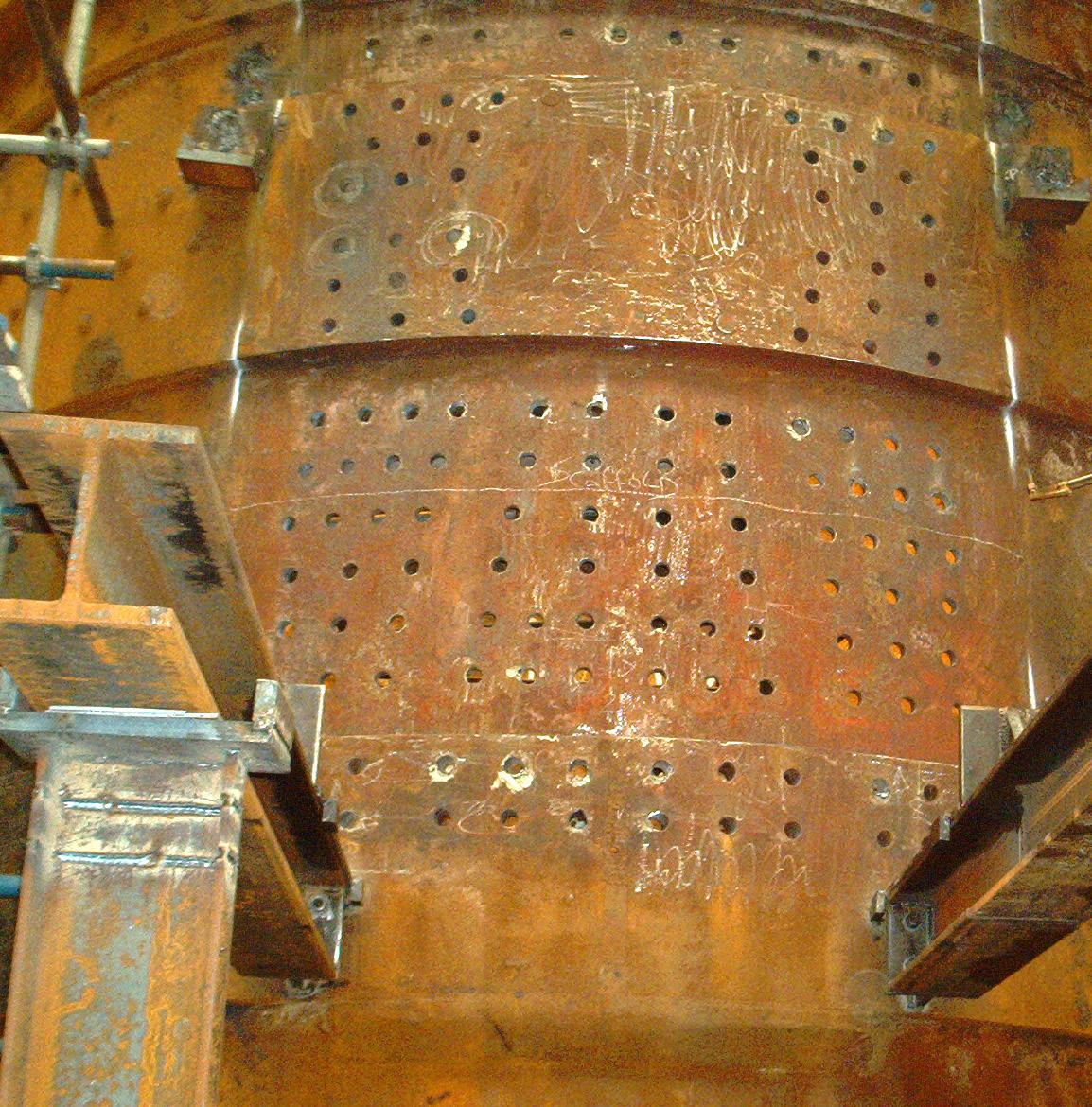
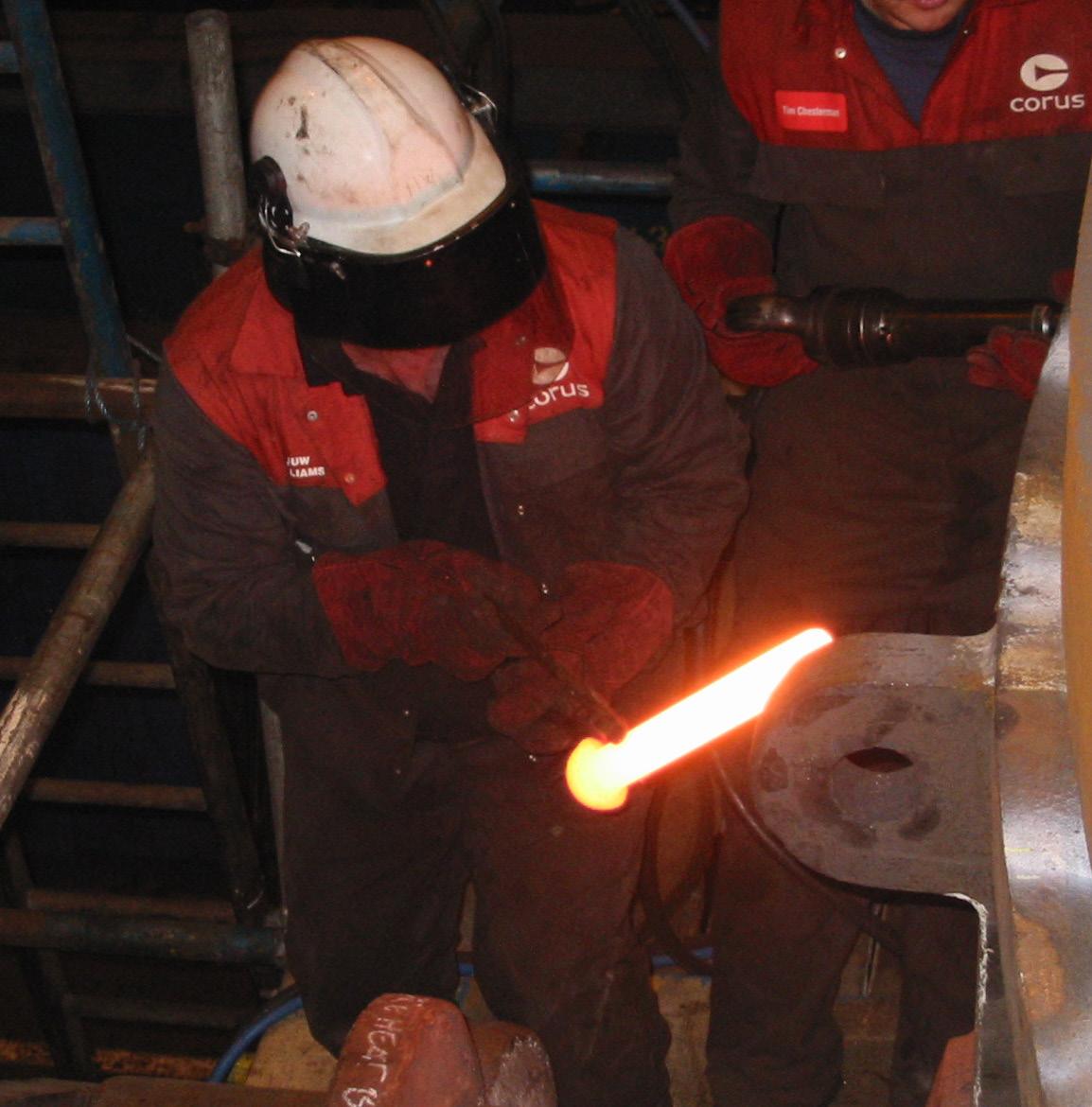
Then fit a new replacement trunnions and match bore the 250 rivet/ trunnion holes to 40mm diameter x 300mm long that will secure each new trunnion to the ladle.
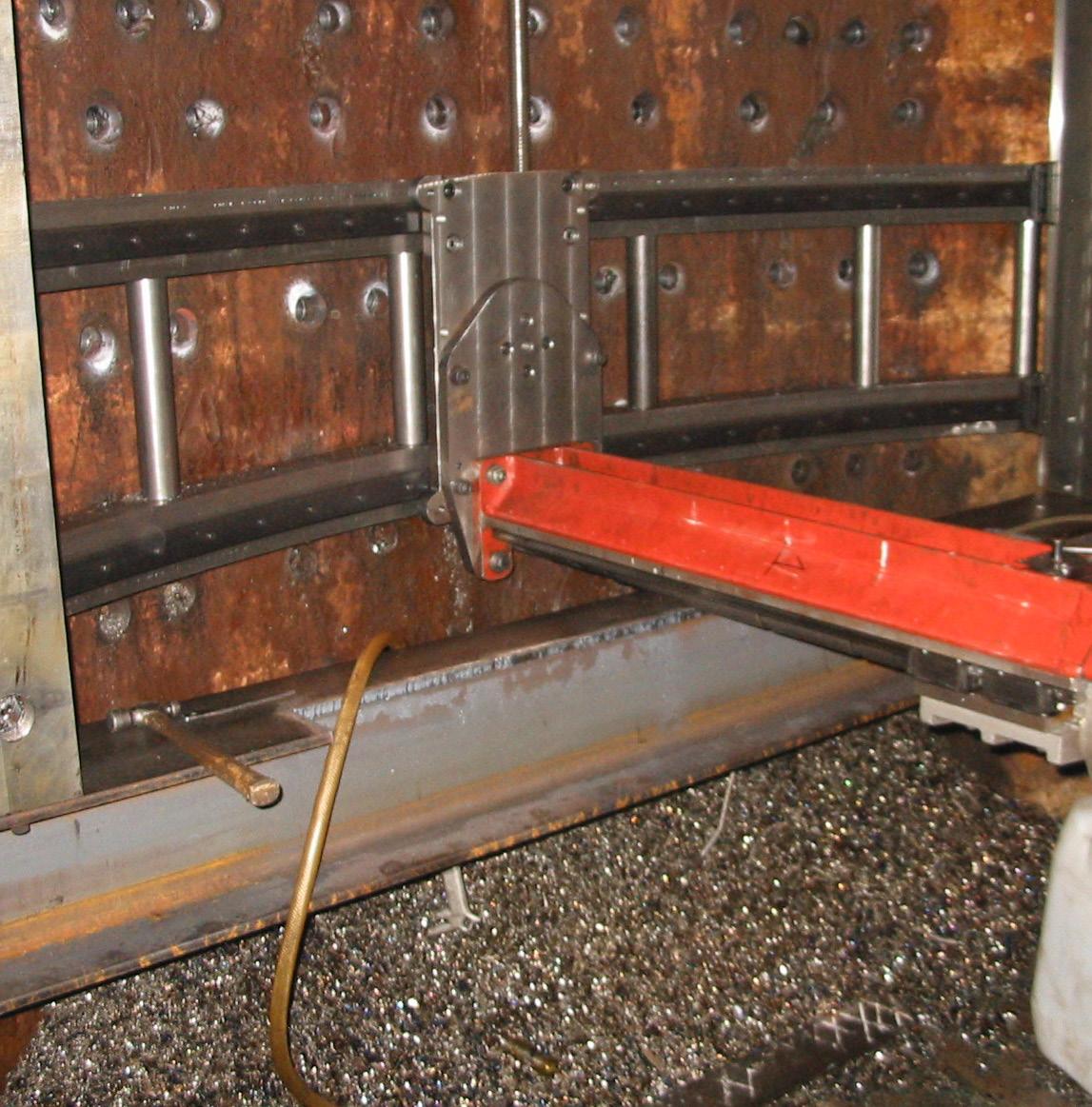
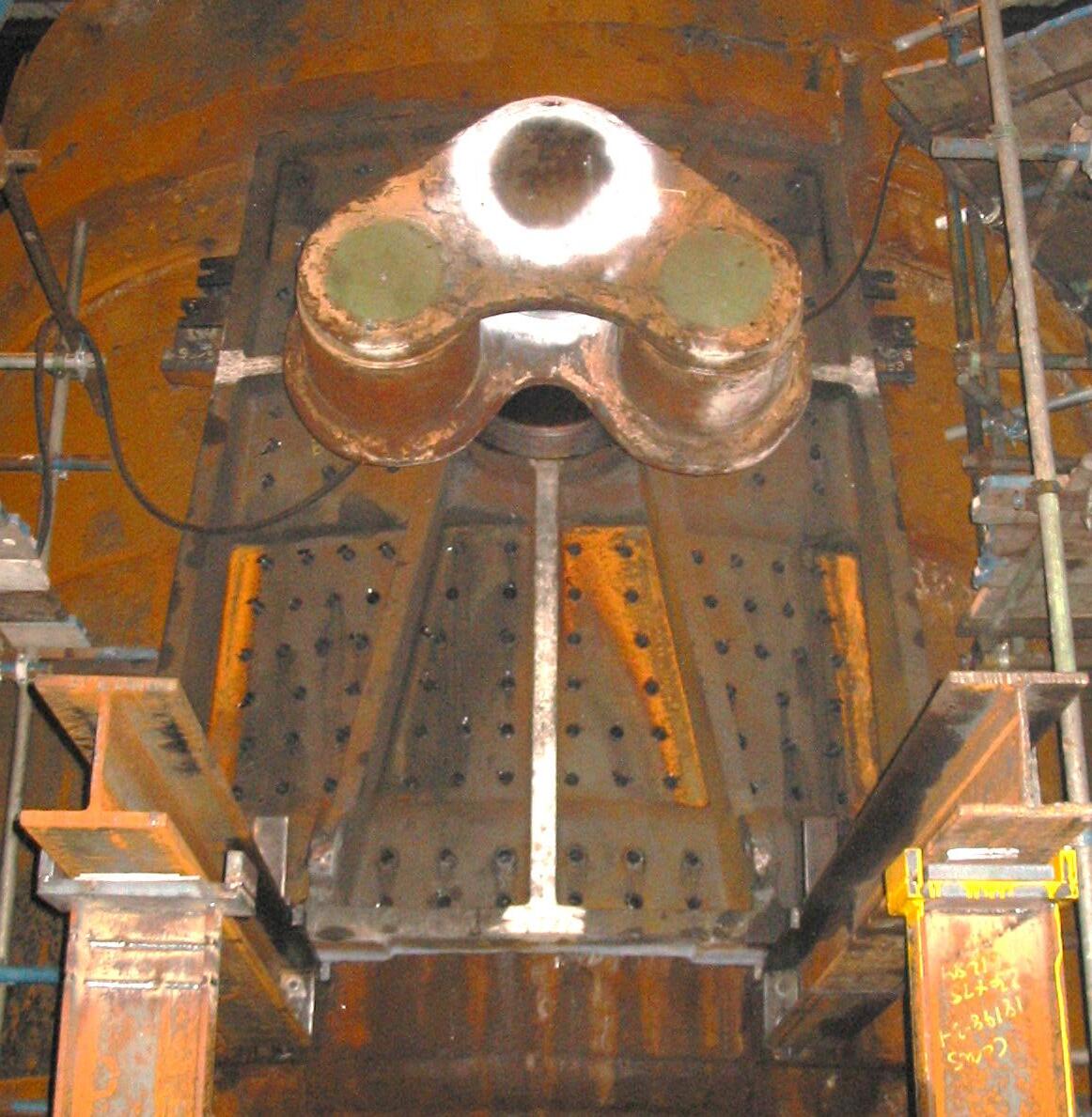
Tilting Ladle Repairs Option 2
Metalock’s sequence of operations begins by flame cutting the front plate holding the two auxiliary trunnions and air arcing away the welding from both plates. This leaves the 560mm diameter main trunnion and its 406mm diameter spigot clear for machining. A specially designed orbital milling machine is then attached via a fixture to the spigot, and the trunnion is milled to 510mm diameter for its full 356mm length leaving a 22mm radius at the inner corner.
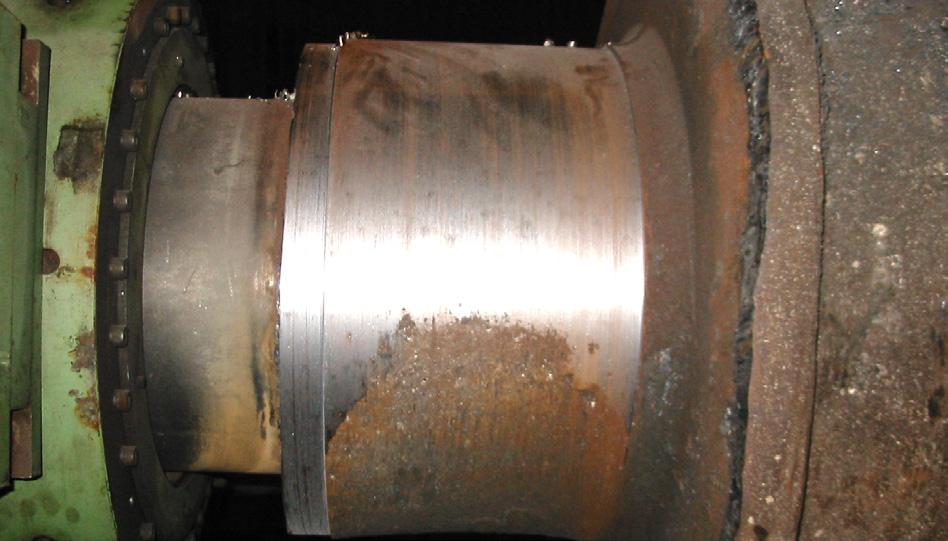
The orbital milling machine is replaced with an orbital turning tool and the trunnion diameter is finish machined to 500mm diameter. Then a EN14A ring is shrink fitted on to the 500mm diameter stub and finish turned to 560mm diameter. The fixture is then reversed to locate on the newly machined trunnion to clean up the spigot diameter by turning, reducing it from 406mm diameter down to 400mm. It is then ready to accept new end plates and auxiliary trunnions.