





I’m excited to share an exclusive first look at our 2027 Prestige Club adventures! Mark your calendars these unforgettable trips are already creating buzz.
NEW ORLEANS & SOUTHERN SOUNDS
April 4–11, 2027
Highlights Graceland Beale Street
Steamboat NATCHEZ French Quarter AND MORE!
$3,695/pp dbl
Final Payment Due - Dec 28, 2026

SCAN FOR DETAILS
July 8- 19, 2027
Highlights 4 day land tour & 7-nights aboard Norwegian Jade Deluxe dome railcar Tundra wilderness tour in Denali National Park MUCH MUCH MORE!

Price star ts a t $6,720/pp dbl
Final Payment Due - Mar 1,2027
50595 515-832-4350 ext 023




By KOLLEEN
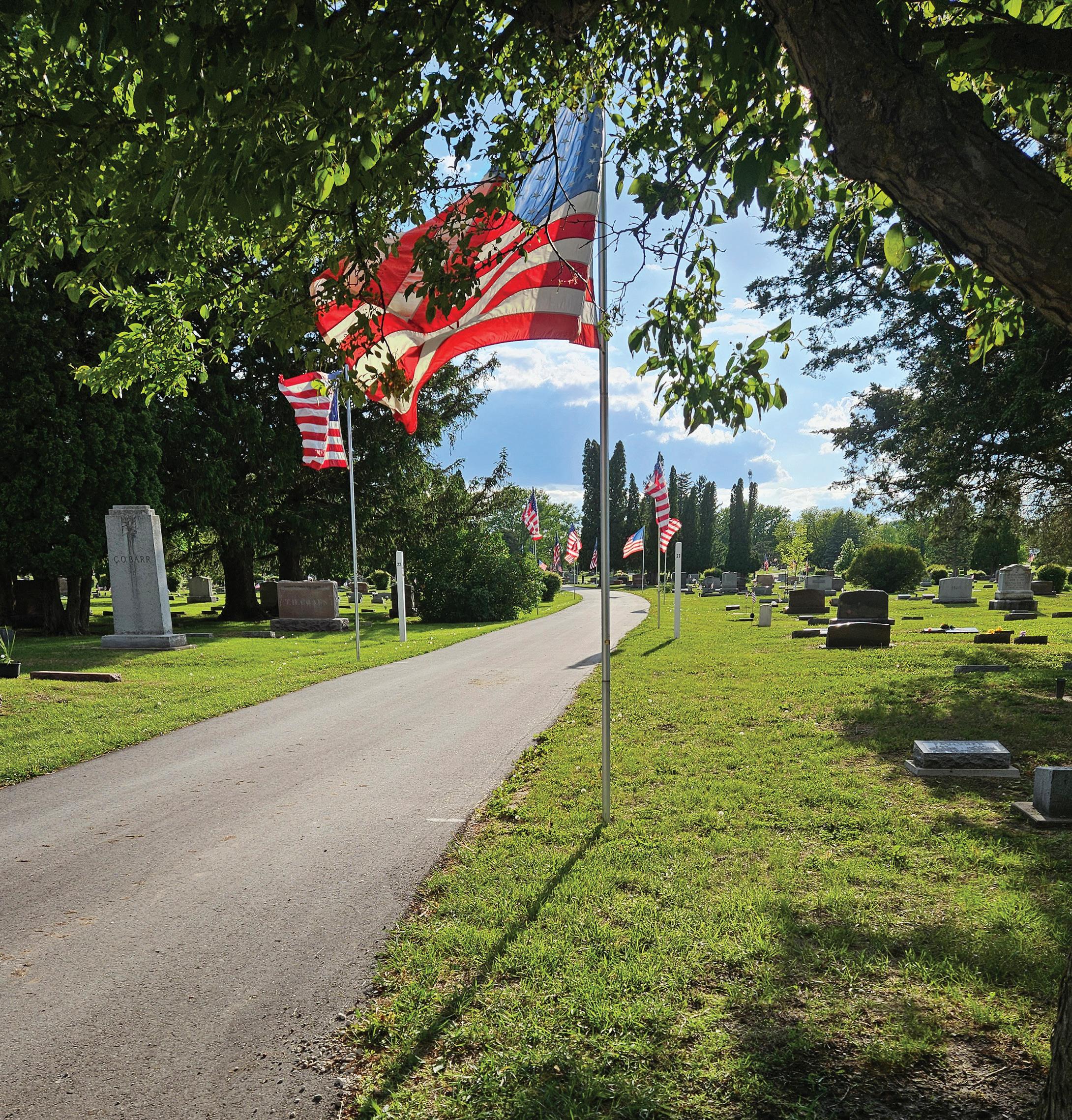
Tens of thousands of school children passed the boulevard on Des Moines street over the years, marveling at the flowers, the unusual fact that the streets were split there, and that there was a grassy area between them.
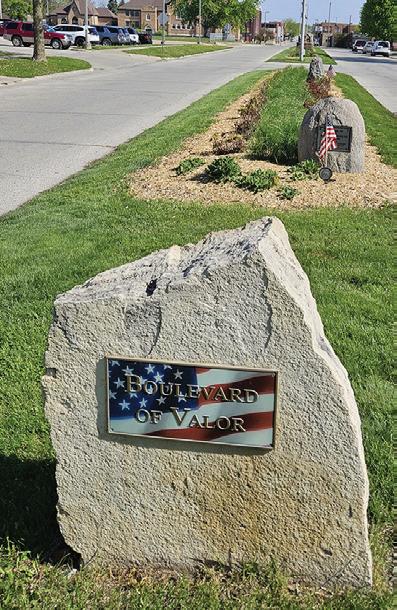
Today it is known as the Boulevard of Valor
As locals or visitors drive down Des Moines Street between the Catholic church and middle school, it may be a surprise that this is the only boulevard in Webster City. It is 99 feet wide, more than one-third wider than other streets in town.
There is speculation for its original purpose.
When the second Hamilton County Courthouse was built in 1876, this was likely created to be a wider area to allow additional parking for courthouse services. Paving with brick occurred in 1909 after petitions were submitted from the residents requesting that the streets surrounding the schools and courthouse be paved. Plantings occurred in 1912, and members of the Six O’clock Club planted shrubbery and flowering plants. Originally donations of iris and peony plants were given to decorate the boulevard.
At this time, it was just a wide street with bushes and flowers. Now it has a name.
The American Legion Post 191 can take credit for its placards reminding us of the wars over the years.
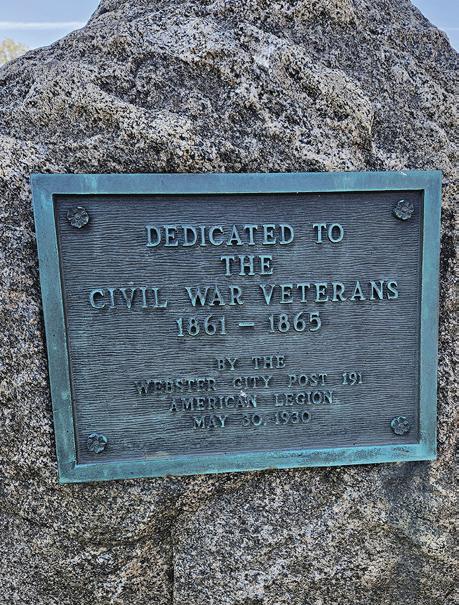
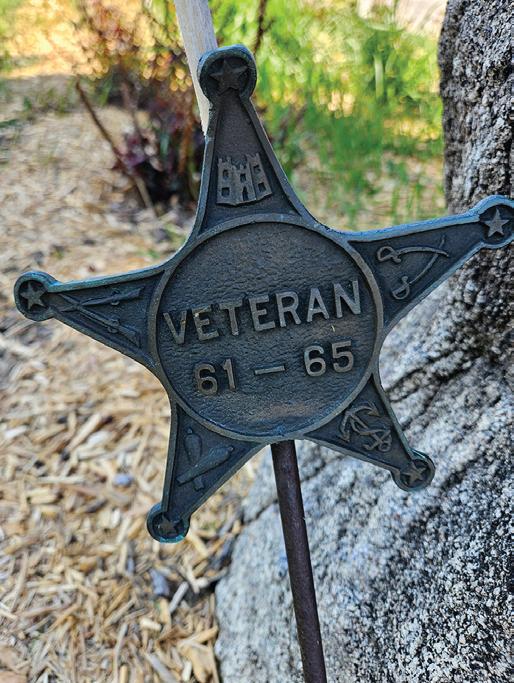
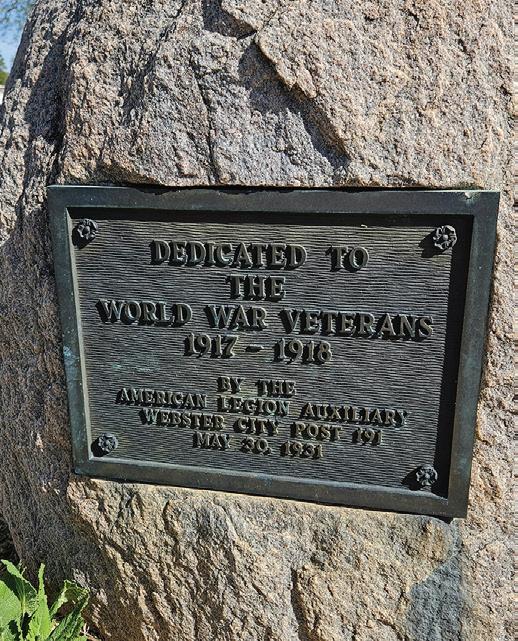
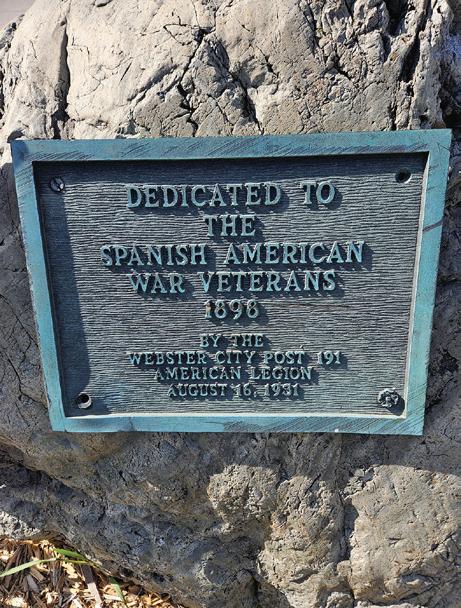
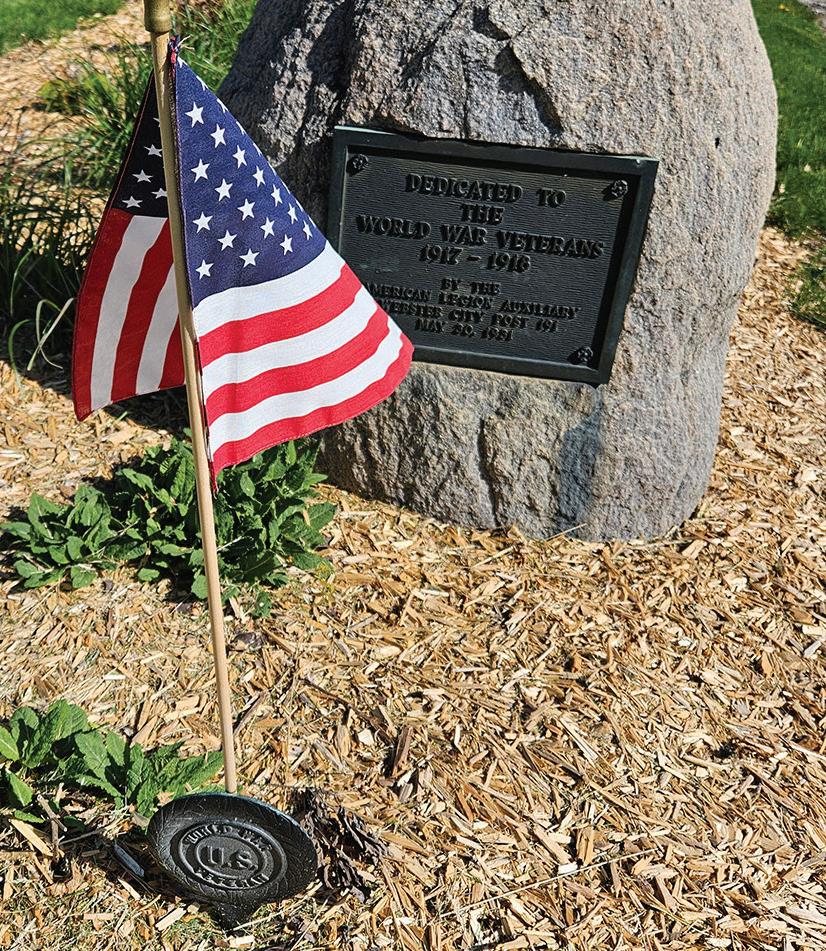
The first memorial boulder was placed in honor of the Civil War veterans during Memorial Day services in 1930. In 1931, they erected two more memorial boulders, one in honor of the Spanish American War veterans and one in honor of the World War I veterans.
Starting In 1935, the American Legion began holding Armistice Day services on the Des Moines Street boulevard. Previously they had gathered at the corner of Willson and Second Streets for the memorial before heading to the local schools to help educate the students about the sacrifices made during those wars.
They didn’t want to put out more memorials. The first World War memorial didn’t need to have a number at that time. But later it did.
By the mid 1940’s another world war was inflaming the world. Once again, the members of the American Legion Post 191 were called to recognize those who fought in that war.
The World War II memorial was dedicated on Armistice Day in 1948.
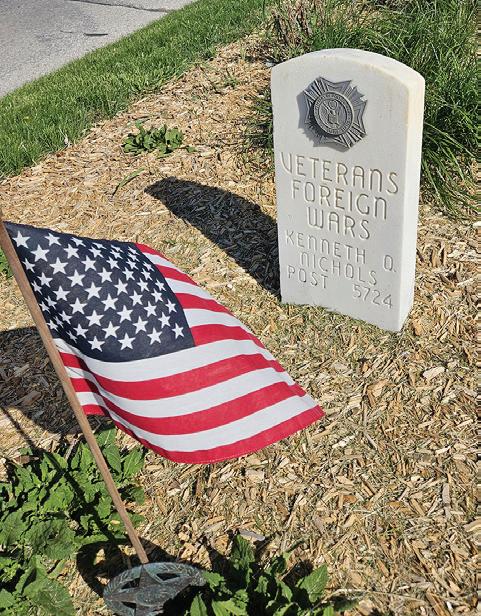
In November 1976, a Veterans of Foreign Wars marker and flag was commemorated by the VFW, a different organization from the American Legion. It still is a memorial honoring the men and women who served the country, and is seated among those on the Boulevard.
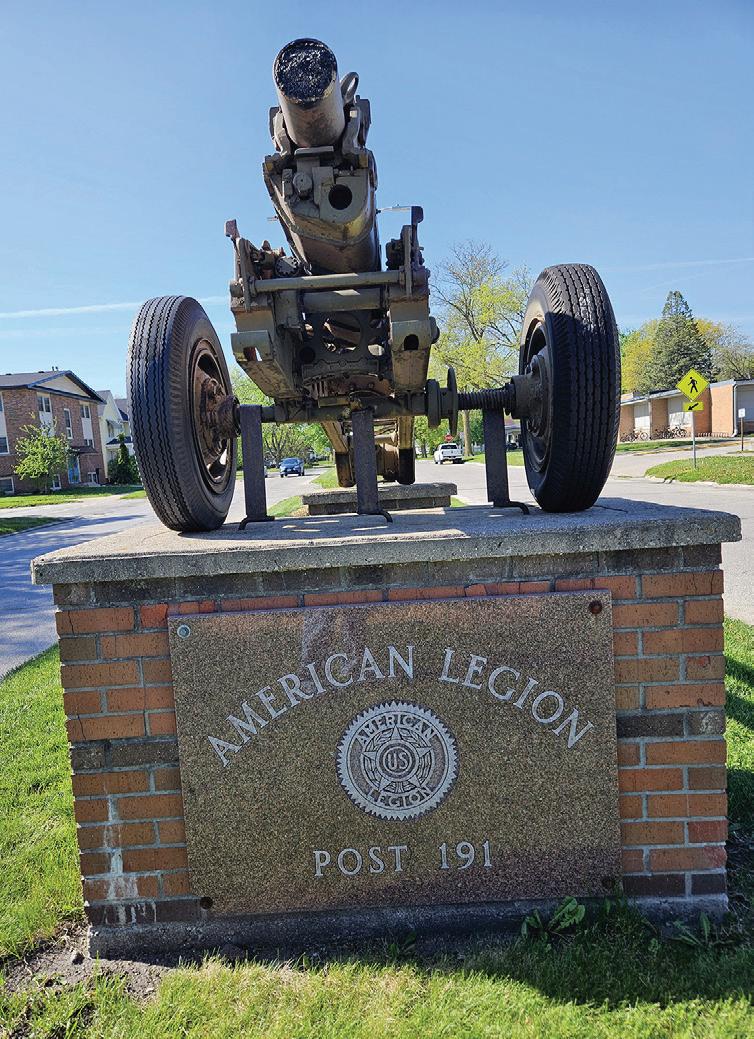
During the Veteran’s Day ceremonies in 1976, the American Legion also recognized the newly refurbished and remounted 75mm pack Howitzer. The American legion had received the artillery piece from the Rock Island Arsenal.
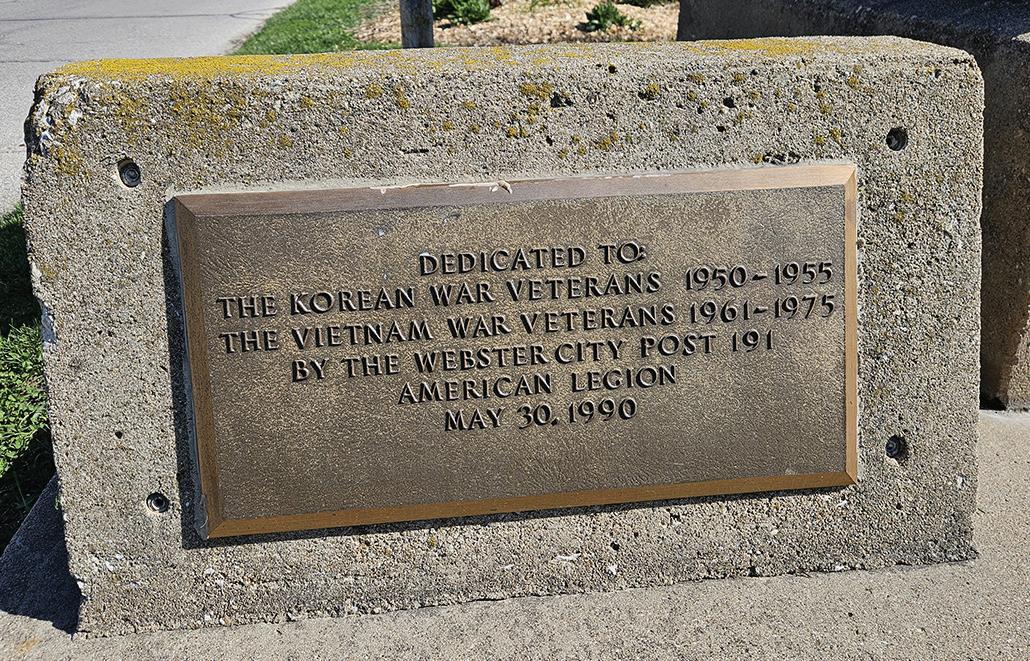
In 1989 a granite boulder was mounted to two concrete bases for a memorial plaque for veterans of the Korean and Vietnam wars.
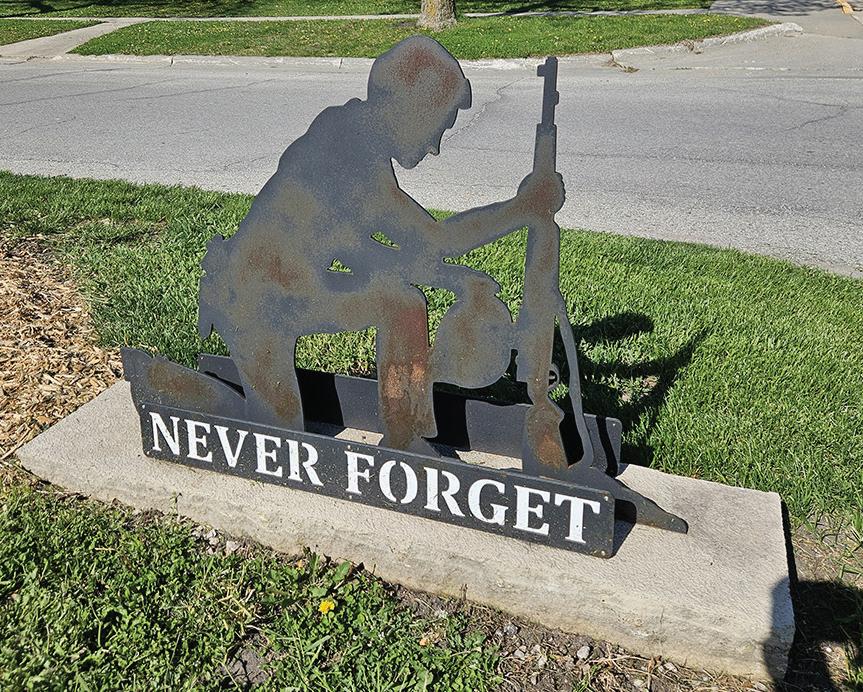
The boulevard now was dominated by flags and memorial placards to honor those who served from this area.
In early February 1990, the Webster City American Legion Poast #191 requested the city council to formally name the Des Moines Street boulevard island as the “Boulevard of Valor.” A joint dedication of the newly named boulevard, and the KoreanVietnam memorial boulder was held during Memorial Day in 1990.
In 2007, the Take Pride in Webster City committee received permission to refurbish the boulevard. Since then, the members have held fund-raising events to pay for new landscaping plants. They also volunteer their time through the year to water and maintain the plantings.
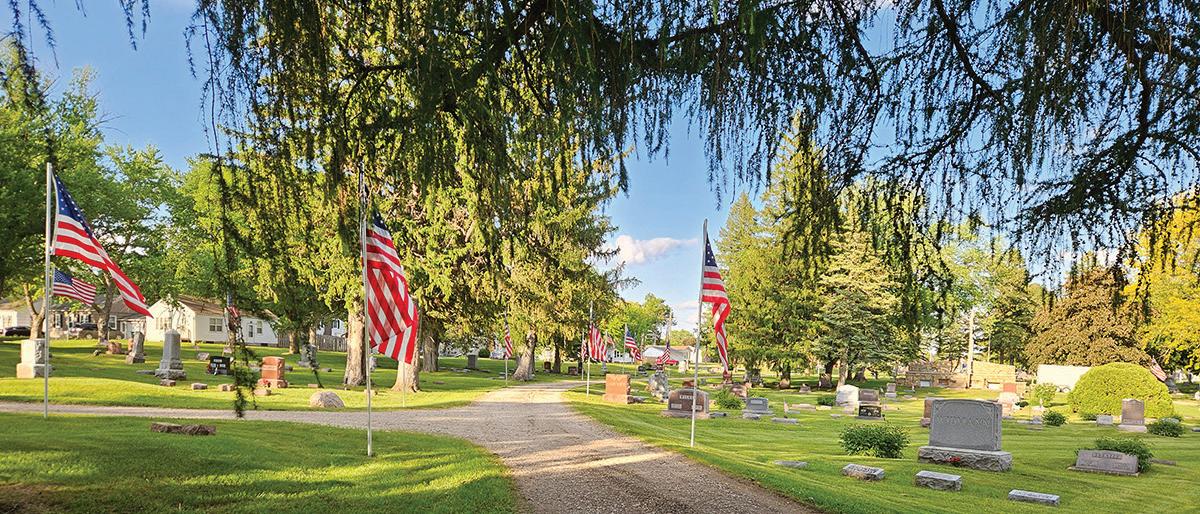
Flags are put into their holders for each of the military holidays, Memorial Day, Fourth of July, Veterans Day each year by members and volunteers of the American Legion Post 191.
In March 1919, the very first American Legion post was founded in Paris, France.
The local chapter The American Legion Post 191 was organized on September 13, 1919. By November 11, 200 members were signed up, with George Alexander appointed finance officer and the Rev. Harry S. Shook, chaplain.
Originally named Hamilton County Post 191, it was changed to Webster City Post 191 in 1922. Meetings were held in rooms over a store. Edward P. Prince was elected post commander, Guyon Whitley was post adjutant and Frank J. Lund, Vice commander.
The American Legion post also aided in the formation of the new national guard company, Co,. E, 133rd Infantry, 34th division unit.
In 1924, a drum and bugle corps was organized here, with W.C. Fastenow the drum major. The corps attended the national convention in 1926 in Omaha, and the following year in Philadelphia. In 1927, the corps won the state title in Des Moines. The corps was disbanded in 1930 after winning the state championships and being a runner-up in the national. It was reorganized with W.C. Fastenow as field manager.
By KOLLEEN TAYLOR
The auxiliary was organized in 1920, with 23 charter members. To join the auxiliary, women usually had a connection and was composed of mothers, sisters, wives or daughters of members of the legion or of men and women who were in the army or navy service in 1917 or 1918.
The first officers of the auxiliary were Mrs. A.N. Boeye; vice president Mrs. Oscar Hall; secretary Mrs. W.E. Staly and treasurer, Mrs. George Worthington
Members of the legion marched in their first memorial day parade in 1920 aiding in services honoring the G.A.R.
Since 1922, various efforts were made to have a building of their own. They met in various places throughout the city for years. In 1938 a lot was purchased , however they were unable to continue forward with construction due to insufficient funds. On April 15, 1941 ground was broken for a new building and cornerstones were laid.. On July 8, their first meeting was held there.
Early activities of the Legion and Auxiliary included a basketball team, football team, sponsored dances, produced an annual play, handled the 4th of July program.
Members of the legion were generous, providing financial support for The Poor Fund, Red Cross room, swimming pool project, gathered clothing for the needy, gave milk to the school, and sent hay to drought stricken areas of South Dakota and northern Iowa.
The Legion sponsored an ice skating rink across from Masonic temple. They offered support to needy veterans, financially and those who had health concerns.
After the new building was dedicated, and a celebration was held in November of 1941, sons and daughters would be called to fight...it was World War II. This prompted members and the auxiliary to run various drives for scrap records, funds and worked with the home guard. It arranged for military funerals of its members and those who had died in service. It solicited gifts for vets of WWII in hospitals.
In 1946 the membership rolls soared to 669 members with 244 in WWI and 425 in WWII. With the new members, the building was not large enough. Funds were raised for a new building by sponsoring a junior legion baseball club and other community projects. In 1954 the memorial building was dedicated on the north side on White Fox Road.
After the second building was completed, the post contributed annually to the Community Chest, sponsored the annual polio toll road, developed a scholarship foundation, sponsored bowling teams, trap shoots, dances and cribbage tournaments.
In 1963, a new ball field was opened on the legion grounds, in 1965, a monument was installed at the entrance.
Today the American Legion 191 and the Auxiliary continue to support various projects. The Auxiliary supports all the projects of the Legion members, with special meals, flag repair and installation, scholarships, scouts, and other projects as they arise. The American Legion Post 191 has 167 members today.
The Women’s Auxiliary has 87 members. In addition to supporting the full legion projects they promote the Poppy sales, and the collection donations of materials for the Iowa Veteran Administration homes. The home in Marshalltown is where their focus lies. Their newest project, the Freedom Quilts are given to veteran members of the Legion.They also send support materials to active duty military.
“We could use a little more information about active duty military with local connections to Hamilton County, ” said Luann Jackson, President of the Women’s Auxiliary.
Both Stratford and Jewell auxiliary groups disbanded; like many organizations, there were not enough members to complete the officers. One new member came from Jewell, four came from Stratford.
“Membership is open to anyone who has served in any branch of armed service, including the National Guard,” said Jackson.
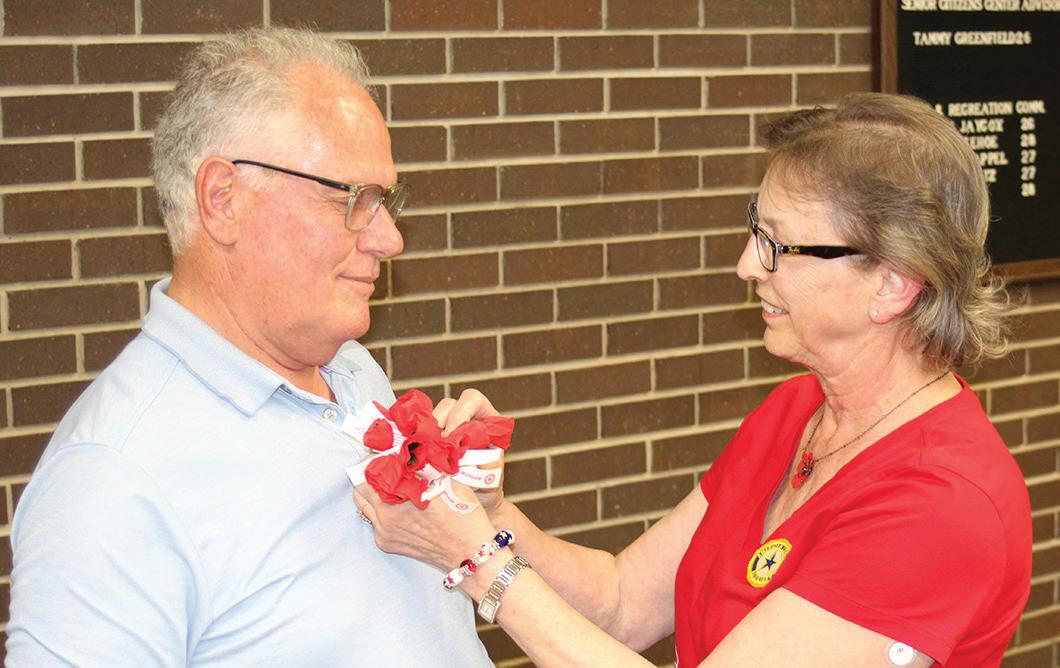
Luann Jackson, president of the American Legion Auxiliary places a poppy on Mayor John Hawkins shirt after he signs a proclamation in honor of Poppy Days which will be on Friday May 22 from 9 a.m. to 3 p.m. and Saturday, May 23 from 9 a.m. to noon. Poppies will be available for a free will donation at more than a dozen businesses throughout the county.
One of the projects conducted by the American Legion Auxiliary is the annual poppy sales which will begin on March 21 and continue on the 22. The first poppy sales began in the early 1920’s and has been a tradition that continues today.
According to Auxiliary President LuAnn Jackson, the first five years of the campaign between 3,000 and 4,000 poppies were ordered.
“This year we ordered 400, “ said Jackson. There are also larger poppy bouquets which are requested and ordered for buisnesses.
“The poppies come through headquarters in Des Moines, “ Jackson said. “Disabled veterans and spouses make them.”
The sale of handmade red poppies began when the American Legion Auxiliary adopted the poppy as its official memorial flower at the Kansas City convention held in October 1921. They continue to be made individually by disabled veterans and spouses, according to Jackson.
Poppies have been sold by children, by neighbors, by veterans, by housewives over the 105 years of their existence. The first poppy sales in Webster City appear to be held in 1925, just over 100 years ago.
Today the poppies will be distributed to the following locations, and given out as thanks for a free will donation.
Osweilers, Salon Oasis, Hamilton County Auditor’s office, Webster City Utility office, Salon 707, Polly’s Garden Center in Stanhope, Jewell Farm Store in Jewell and at the Ellsworth Co-op.
In Stratford they will be sold at the Security Savings Bank, Perks Energy Gas Station, and Bakin’ Diner.
Poppies will be sold from Friday May 22 from 9 a.m. to 3 p.m. and on Saturday, May 23 from 9 a.m. to noon.
by Lori Berglund
‘Team
A sweeping look at the nation’s 16th president
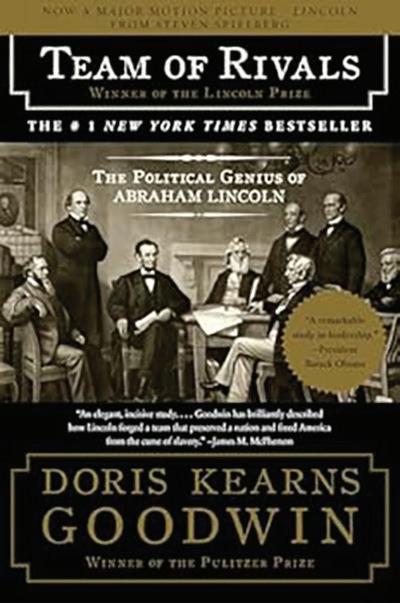
I must confess, it’s been about a year since I read Doris Kearns Goodwin’s stunning work, “Team of Rivals: The Political Genius of Abraham Lincoln”. But as I focus on American history during this year of the nation’s 250th birthday, it’s a volume I could never leave out of my monthly book reviews.
Goodwin has long been one of my favorite writers and historians. She’s often a talking head on the news shows, and I appreciate her wise counsel and a perspective that takes a rational, long view on how our past can shape our future for the better.
Steven Spielberg’s epic movie, Lincoln, frequently gets air time around Memorial Day. I happened upon the movie about a year ago, and that’s what drew me to the book. I have to say, they don’t have a lot in common — except being wonderful. Really, I loved the book and movie both, but the movie focuses on a tiny, very important span of time as Lincoln worked to secure passage of the 13th Amendment. The book takes a long view at, not only the life of Lincoln, but of his ‘team of rivals’ in his Cabinet.
The movie is long, at 2 hours, 30 minutes. The book is more than 900 pages, including notes and index, and worth every paragraph.
Reviewing a book a year after reading it may have some advantages. What do I still remember? What made a lasting impression?
The friendship Lincoln made with Joshua Speed when he arrived in Springfield, IL, with nothing more than a satchel with some tattered clothes comes to mind. Speed offered him a room with a shared bed, dormitory style, with as many as four at a time in the one room above a store. Lincoln was tickled silly to have a roof over his head. Speed remained a lifelong friend and confidant.
The brilliance of Secretary of State William H. Seward has also stayed with me. I don’t know if Lincoln could have been the same president without Seward, or without his entire team of rivals.
Few today realize that the assassination of Lincoln was part of a larger conspiracy. At the same time that Lincoln was shot at Ford’s Theater, Seward was brutally attacked at his home. He survived, barely, and continued to serve the nation.
I also came to appreciate Ulysses S. Grant. “There’s a man in it now,” Lincoln said of Grant when the young general was put in charge. Grant was not bellicose, not a bragger, but he was a man who would not give up. And he was a man who treated his rival, General Robert E. Lee, with dignity and respect at the final surrender at Appomattox.
In terms of military rank, Grant’s only equals are General George Washington and General John (Black Jack) Pershing. Pershing, WWI, is the only one of the
three to have been given the rank while he was still alive. I don’t think it mattered to any of them. They were not in it for medals and saw far too much sorrow from war to celebrate it or count their stars.
Back to our book. Goodwin knew she had to find a different way of telling the story of a man whose story had already been told thousands of times. She did so by making it a relationship-based story. She showed how these men of Lincoln’s Cabinet worked together, and sometimes how they did not, but how Lincoln drew the best out of each one of them toward the common goals of saving the Union and ending slavery.
One of the fun things Goodwin did in this book, as well as her book on Franklin Roosevelt, is to include diagrams of both the White House and Washington, D.C., during the respective time periods. You hear a lot about the Lincoln Bedroom yet today, well this book shows you just where that bedroom was.
I believe the point of these diagrams is to show us where things happened, so that we can make connections to the relationships. Seward lived very close to the White House. Other Cabinet members farther away, and even that was sometimes an issue to those farther away. No one is immune to jealousy. We think of Lincoln as a great moral leader, and rightly so. But Goodwin, right from the subtitle of the book, ‘The Political Genius of Abraham Lincoln,’ shows us that he was not, as many thought from his sometimes rough appearance, just a hick from the backwoods. He was a self-educated, astute politician who knew how to motivate people, how to create consensus, and how to move issues forward in ways that mattered.
If you have any doubt about what the Civil War was about, please read Lincoln’s Second Inaugural. I think it’s shorter than this column, so it won’t take long, but you can ponder its wisdom for hours.
I cannot close without discussing the Emancipation Proclamation and the 13th Amendment.
The Emancipation Proclamation has to be the most famous and celebrated of all Executive Orders by any president. But if it were issued today, CNN would call it woefully inadequate. And, in many ways, it was, but it was a skillful political beginning. Those who demand all or nothing, usually end up with nothing. Lincoln was patient to achieve his goals.
The Emancipation Proclamation applied only to those states “in a state of rebellion against the United States,” those that called themselves the Confederate States of America. But the United States never recognized the Confederate States as a sovereign nation, hence why Lincoln always referred to them as the states “now in rebellion.”
Had the Union lost the Civil War, the Emancipation Proclamation would have been meaningless, because a president of the United States cannot issue proclamations for a foreign nation.
Furthermore, border states that remained with the Union, and which continued to allow slavery, were specifically excluded from the Emancipation Proclamation.
See what I mean, it’s not what it’s cracked up to be. And Lincoln knew that better than anyone. He was, in Goodwin’s words, a “political genius.” The Emancipation Proclamation was a meaningful tool that recruited formerly-enslaved people of the rebel states to fight for the Union, and to move the nation toward a higher moral ground.
This is why Lincoln pushed so fervently in the last weeks of his life to secure passage of the 13th Amendment. It was as if he knew he had to get the real work done because his time was running short. Please don’t misunderstand. I’m a huge fan of the Emancipation Proclamation. But I’m a far bigger fan of the 13th Amendment. Presidents should learn something from this. You can only govern for a short time as a one-man operation issuing Executive Orders. To build a nation, to move it forward, you have to work hard, work together, and build true consensus that will stand the test of time.
Congress approved the 13th Amendment on Jan. 31, 1965. It was sent to the states and ratified by voters on Dec. 6, 1865, a rapid pace for a frontier nation. But the price had been paid with the blood of soldiers, even the blood of Lincoln, and, lest we forget, the “blood drawn with the lash” (second inaugural).


What do you say, when you have to tell your parents that they need to move out of the house they’ve built and lived in for over 56 years? What do you say to let them know you’re not being cold, and you’re trying to take the very best care of them? What do you say, when you know they’re not eating the best, they can’t take care of the house and yard any longer; when you want them to be as independent as possible? What do you say?
You know hearts are broken, feelings are hurt, feelings of independence and self worth seem to be fading away. Things that are familiar can’t be in their lives anymore. Their privacy changes. The world seems like a cruel place and trusting your children all of a sudden doesn’t seem like the right thing to do.
The flower garden you worked hard to make it flourish, the cat who was your loyal companion, the gourd garden you made so many crafts from and all the bird feeders you so enjoyed watching as birds flocked to them. All these things you are leaving, all the things you love and enjoy. Your lives are changing and not the way you want them to.
The husband you so dearly love is changing and needs more help than you can give him. Now you are becoming more dependent on others to help you out, when all you want is your own life and independence. What is happening to us?
I struggle as your daughter, as I can’t take care of you, like you need. How do I explain that I will still try to be there for you. Then taking care of your medications isn’t enough, Dad needs more care than you can give Mom. Nursing home wasn’t in our vocabulary and all of a sudden, it is. Then we begin to lose you. You dwelled so much on Dad and his care, for better or for worse, and now you need someone to take care of you. It just all came too fast.
One thing that didn’t change, that even got better was my love for you. No one can take that away from me. Our times together: our picnics in the pick-up, our walks outside on the trails and later in your wheelchair. Our picnics then had to change to indoor picnics, no longer pick-up rides and picnics at the parks. So hard. Simple things in life we so enjoy and do still, but I miss kidnapping you and enjoying the great outdoors.
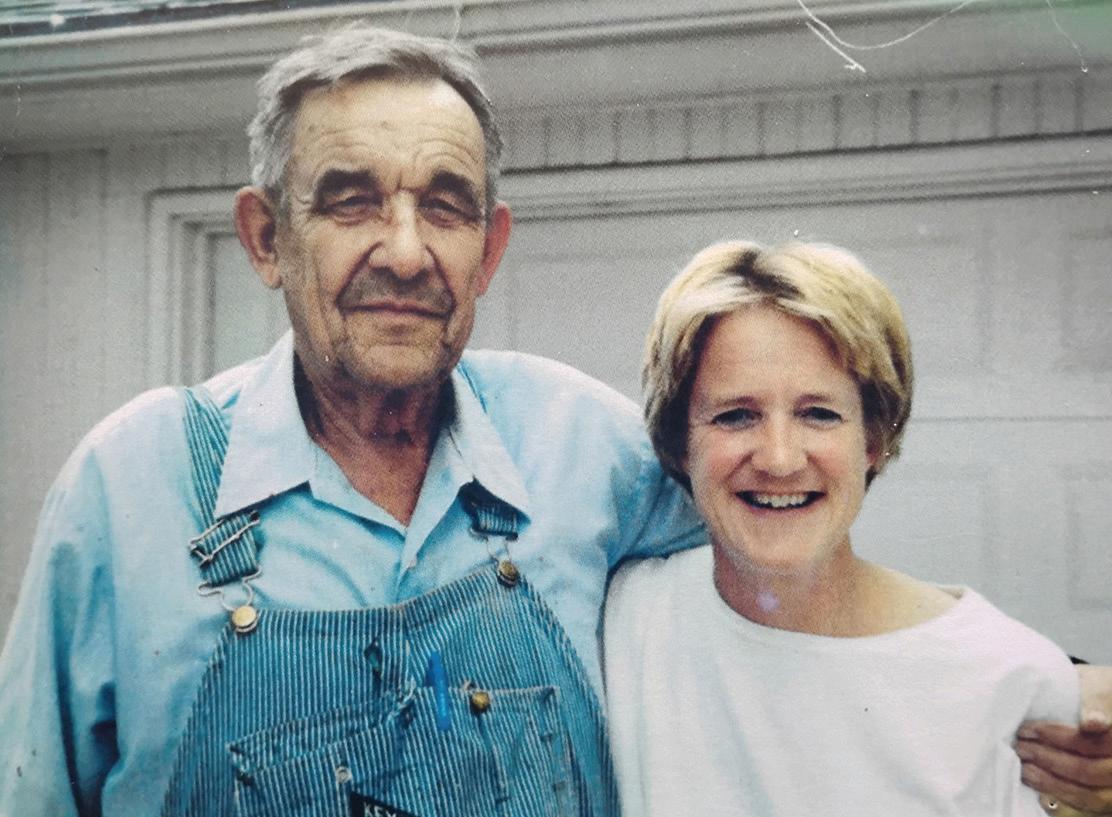
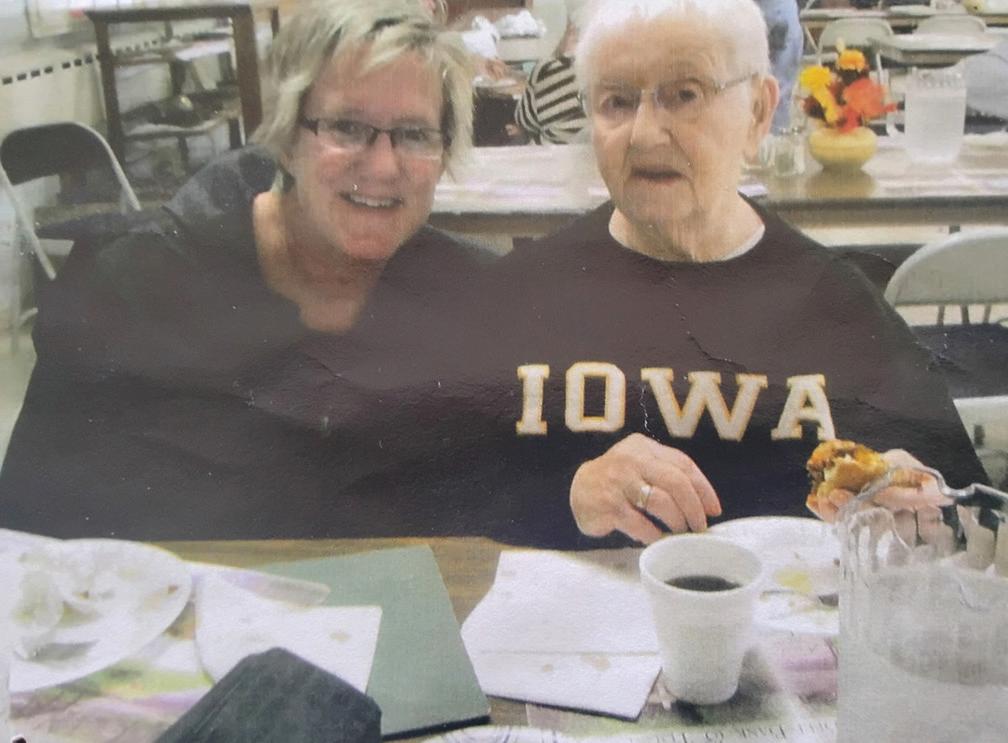
Now I feed you as you fed me. I love taking care of you and still wish I could do more. Your smile, crinkle of your nose and brief talks, your wave goodbyes, telling you love me and to drive carefully, mean the world to me. You are a great Mom, don’t ever doubt that. You have been my best friend, Mom and cheerleader for 60 years! I cherish every moment with you. Like I said before, no one can take them away from me.I am so deeply blessed with you Mom [ and Dad] I love you from the bottom of my heart forever and always.
--- Annie
Ann Kness is a retired teacher from the Webster City school system. Her father, Warren Kness died in November 2013, her mother Bettty Kness in March of 2019.







and community fun. Best of all, admission is free, making it the perfect outing for families friends.

To help ensure a safe and enjoyable experience for all guests, please keep the following rules in mind:
• No glass items (including goggles or bottles) are allowed in the pool or on the pool
• Children 6 and under must be accompanied by an adult while at the facility
• Deep water bracelets are required for deep -end access; Individual must retest each
• Babies are not permitted in deep water, even with a parent
From structured programs to open swim and special events, the Webster City Outdoor the place to be this summer. Dive in, stay active, and make lasting memories all season and community fun. Best of all, admission friends.
The pool offers a variety of swim times to fit every schedule:
• 10:00–11:30 a.m. – Private Swim Lessons & AquaZumba
• 11:30 a.m.–1:00 p.m. – Adult Lap Swim
• 1:00–7:00 p.m. – Open Swim (June & July)
• 1:00–5:00 p.m. – Open Swim (August hours)
Whether you’re looking to get in a morning workout, swim laps, or spend a relaxing afternoon with family, the pool provides flexible options all summer long.
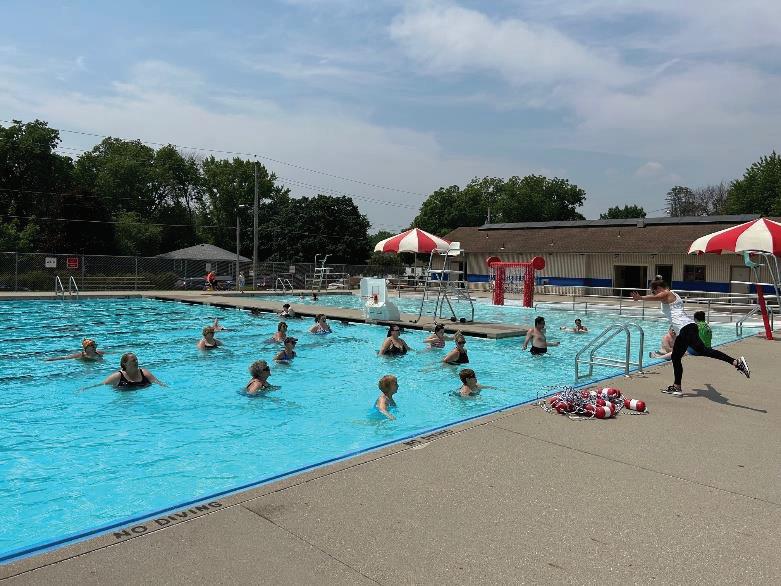
Add some energy to your mornings with AquaZumba, held every Monday, Tuesday, and Thursday from 10:30–11:15 a.m. This upbeat, water-based workout combines music and movement for a fun, low-impact fitness experience that’s perfect for all ability levels. Class begins June 1st!
Aquatots is a wonderful introduction to the water for children ages 6 months to 2 years. Beginning June 9, classes meet every Tuesday and Thursday for three weeks from 5:00–5:30 p.m. Caregivers join their little ones in the water for guided activities that build comfort, confidence, and early water skills.
Designed for children ages 3 and 4, Preschool Aquatics provides a safe, fun, and supportive environment for young swimmers. Class will be held July 13th, 15th, 17th, 20th, 22nd, and 24th from 10:30–11:15 a.m. Through engaging, age-appropriate activities, participants develop water confidence, comfort, and basic skills.
To help ensure a safe and enjoyable rules in mind:
• No glass items (including goggles
• Children 6 and under must be accompanied
• Deep water bracelets are required
• Babies are not permitted in deep
From structured programs to open swim the place to be this summer. Dive in, stay

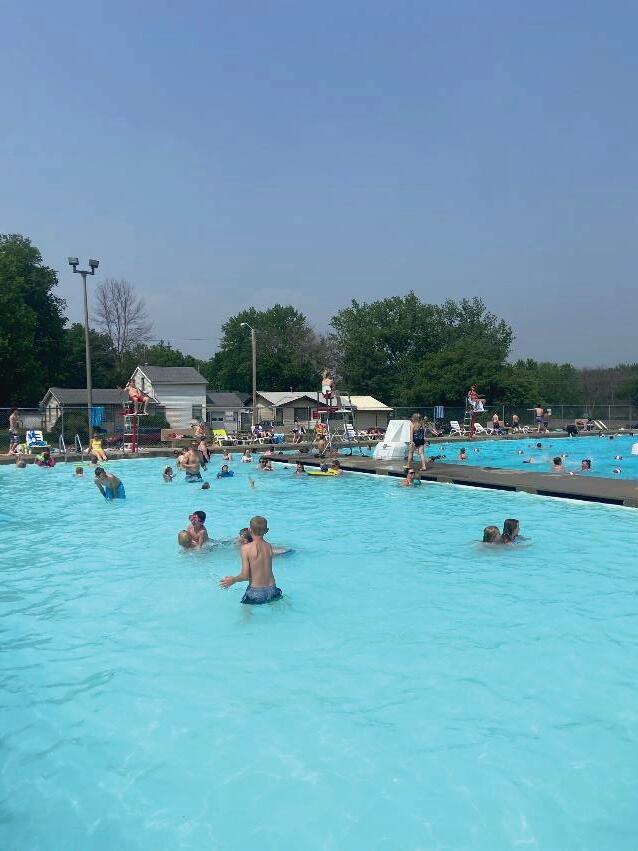
following pool deck each season
The Outdoor Pool is proud to offer American Red Cross Swimming Lessons from June 8th–19th, with instruction available for Levels 1–6. These lessons focus on water safety, stroke development, and building strong swimming foundations for participants of all skill levels.
Don’t miss one of the highlights of the season, Hawaiian Night at the Outdoor Pool! Join us on Friday, June 19th from 5:00–8:00 p.m. for a tropical-themed evening of music, swimming, and community fun. Best of all, admission is free, making it the perfect outing for families and friends.
Outdoor Pool is long! admission is free, making it the perfect outing for families and enjoyable experience for all guests, please keep the following goggles or bottles) are allowed in the pool or on the pool deck accompanied by an adult while at the facility required for deep -end access; Individual must retest each season deep water, even with a parent
To help ensure a safe and enjoyable experience for all guests, please keep the following rules in mind:
• No glass items (including goggles or bottles) are allowed in the pool or on the pool deck
• Children 6 and under must be accompanied by an adult while at the facility
• Deep water bracelets are required for deepend access; Individual must retest each season
• Babies are not permitted in deep water, even with a parent
swim and special events, the Webster City Outdoor Pool is stay active, and make lasting memories all season long!
From structured programs to open swim and


Desserts are a welcome treat after a delicious main course. Homemade desserts can be particularly flavorful, and that freshness can make the final course something to really look forward to.
Those tasked with prepared a homemade dessert have plenty of options to consider, including this recipe for “Strawberry and Vanilla Cheesecakes With a Ginger Cookie Base” from Lines+Angles.
4 1⁄2 ounces ginger cookies, crushed
2 tablespoons unsalted butter, melted
3 tablespoons caster sugar, divided
11 ounces Greek vanilla yogurt
3 1⁄2 ounces cream cheese, softened
1 teaspoon vanilla extract
8 ounces strawberries, hulled and diced
1 tablespoon lemon juice
1 handful small mint leaves, to garnish
1. Stir together crushed cookies, melted butter, and 1 tablespoon sugar in a mixing bowl until cookie crumbs are moist. Divide between 6 serving glasses and chill until needed.
2. Combine Greek yogurt, cream cheese and vanilla extract with remaining caster sugar in a mixing bowl, beating until sugar has dissolved, about 2 minutes.
3. Divide mixture between glasses, spooning on top of cookie base. Cover and chill for 1 hour.
4. When ready to serve, purée half the strawberries with lemon juice in a food processor.
5. Spoon on top of cheesecakes and garnish with remaining strawberries and mint leaves.

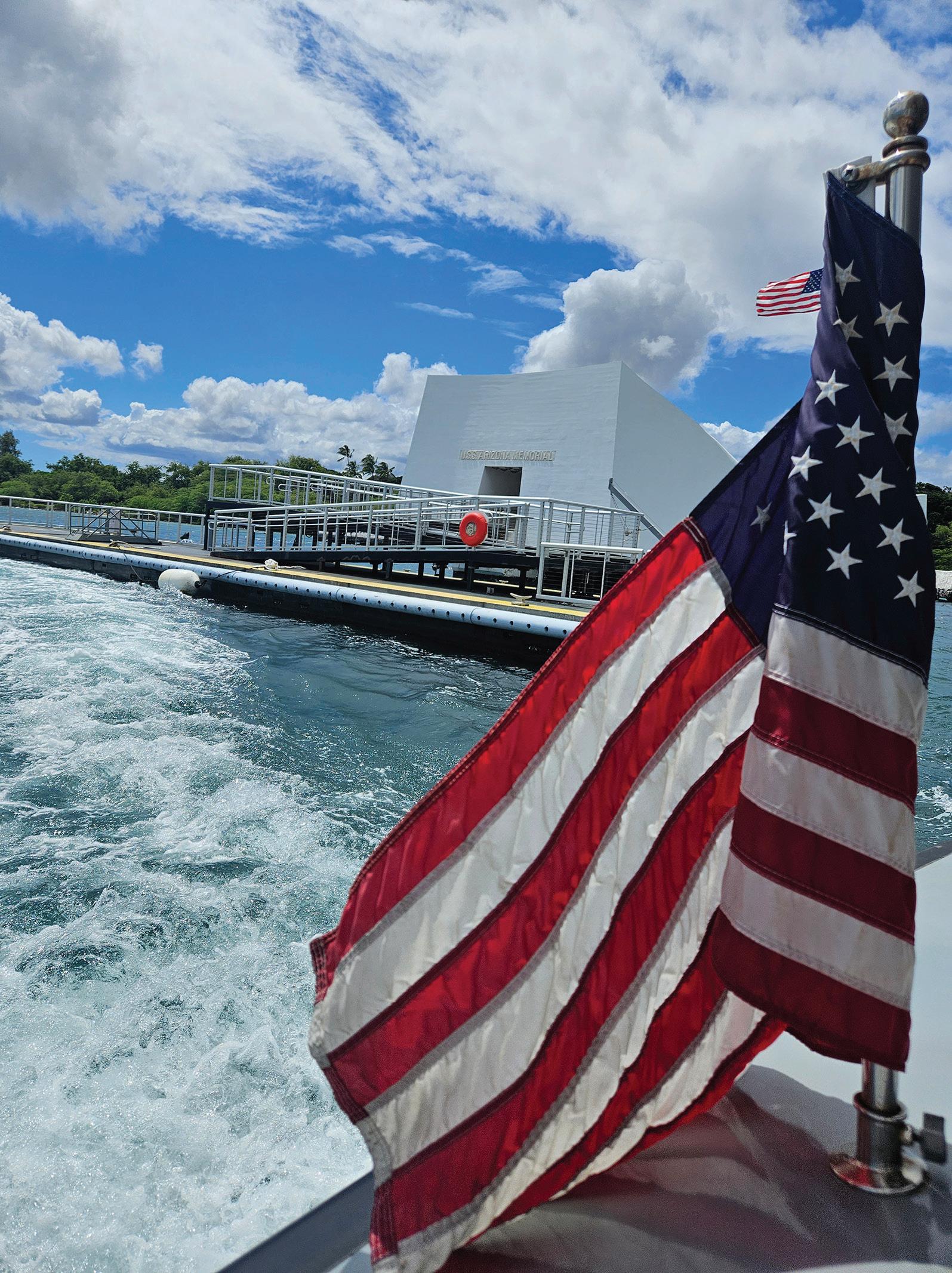
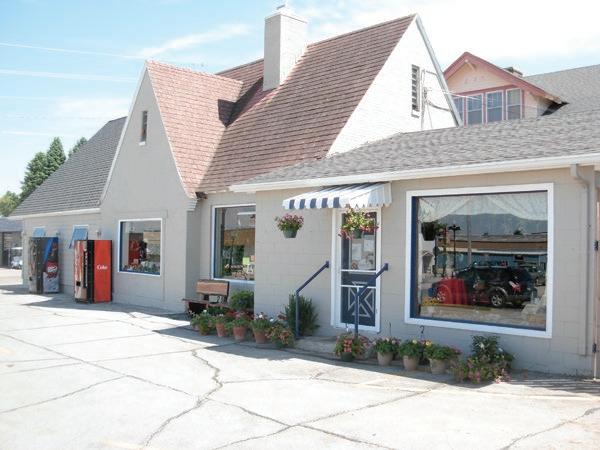
Look at these photos and see if you can identify these local landmarks.

APRIL ANSWERS:
#1 Cross located by Mornin’ Glory
#2 Metal Sculpture at District School administration building
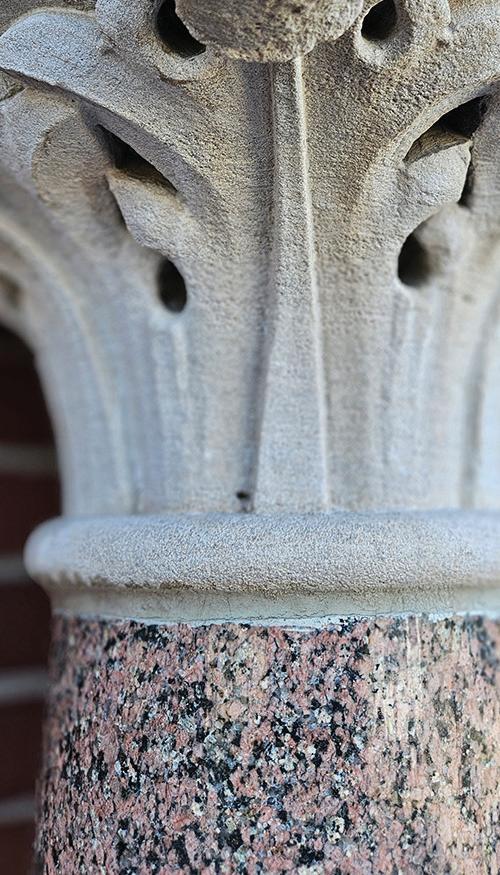
Please include the name of the building icon on which the Landmark is located, your name & phone number. Submit your entry ktaylor@freemanjournal.net or deliver to The Daily Freeman-Journal at 720 Second St., Webster City, IA
Correct answers will be entered into a drawing for 2






























































































by Jim Miller
Dear Savvy Senior , I want to leave something meaningful for my children and grandchildren, beyond just money or property. I’ve heard about “legacy letters,” but I don’t really know what they are or how to start one. Can you help?
Dear Seeker,
You’re asking a wonderful question. A legacy letter, sometimes called an ethical will, is a personal note to your loved ones where you can share your values, life lessons, cherished memories, hopes, and guidance. Unlike a traditional will, which focuses on legal matters, a legacy letter comes straight from the heart.
Many people think a legacy is just money or property. But often, it’s your words, values, and life lessons that leave the deepest mark. A legacy letter gives your family something to hold onto – your stories, your traditions, and the experiences that shaped who you are. Children and grandchildren often return to these letters for comfort, guidance, or inspiration long after you’re gone. In many ways, it becomes an emotional last will and testament, answering some of the most important questions about your life.
A legacy letter can also help explain the “why” behind your estate plan in a personal, thoughtful way. While a will handles the legal and financial details, a legacy letter adds context – why you made certain decisions or what you hope your loved ones will do with what you leave behind. That added perspective can ease misunderstandings, strengthen family connections, and leave a lasting sense of closeness.
Take a moment to reflect on what matters most to you. Consider asking yourself:
• What values or principles have guided my life?
• What moments or experiences am I most grateful for?
• What mistakes or regrets taught me the most?
• How do I hope to be remembered by my loved ones?
• What lessons, advice, or guidance do I want to leave for my family?
• Which family traditions, stories, or dreams do I want future generations to carry forward?
Keep it personal and sincere. You can write one letter or several for different family members. Most letters run one to three pages, though there’s no strict rule. If you’d like a little guidance as you get started, Trust & Will has a free legacy letter writing guide with stepby-step prompts to help you organize your thoughts and begin writing. You can find it at trustandwill.com/ learn/legacy-letter-writing-guide.
If writing isn’t your thing, consider creating a legacy video. Speak directly to your loved ones, sharing stories, guidance, and heartfelt reflections. Most smartphones now record high-quality video and sound, making it easy to create, store, and share. A video captures your voice, expressions, and surroundings in a way that a letter simply can’t.
Keep letters or videos in a safe, easy-to-find spot. Physical letters can go in a secure file, safe, or with your attorney, while digital files can be backed up to the cloud or an external drive. You can share them now or wait until later, after you’re gone. Be sure to include instructions in your will so family members know where to find them.
When it comes down to it, a legacy letter or video is truly the heart behind your will. It gives you the chance to share your values, tell your stories, and even explain the intentions behind your estate plan, leaving your loved ones with words that will matter long after you are gone. Written with generosity, empathy, and positivity, a few thoughtful pages or a short video can create an emotional imprint that money alone cannot provide.