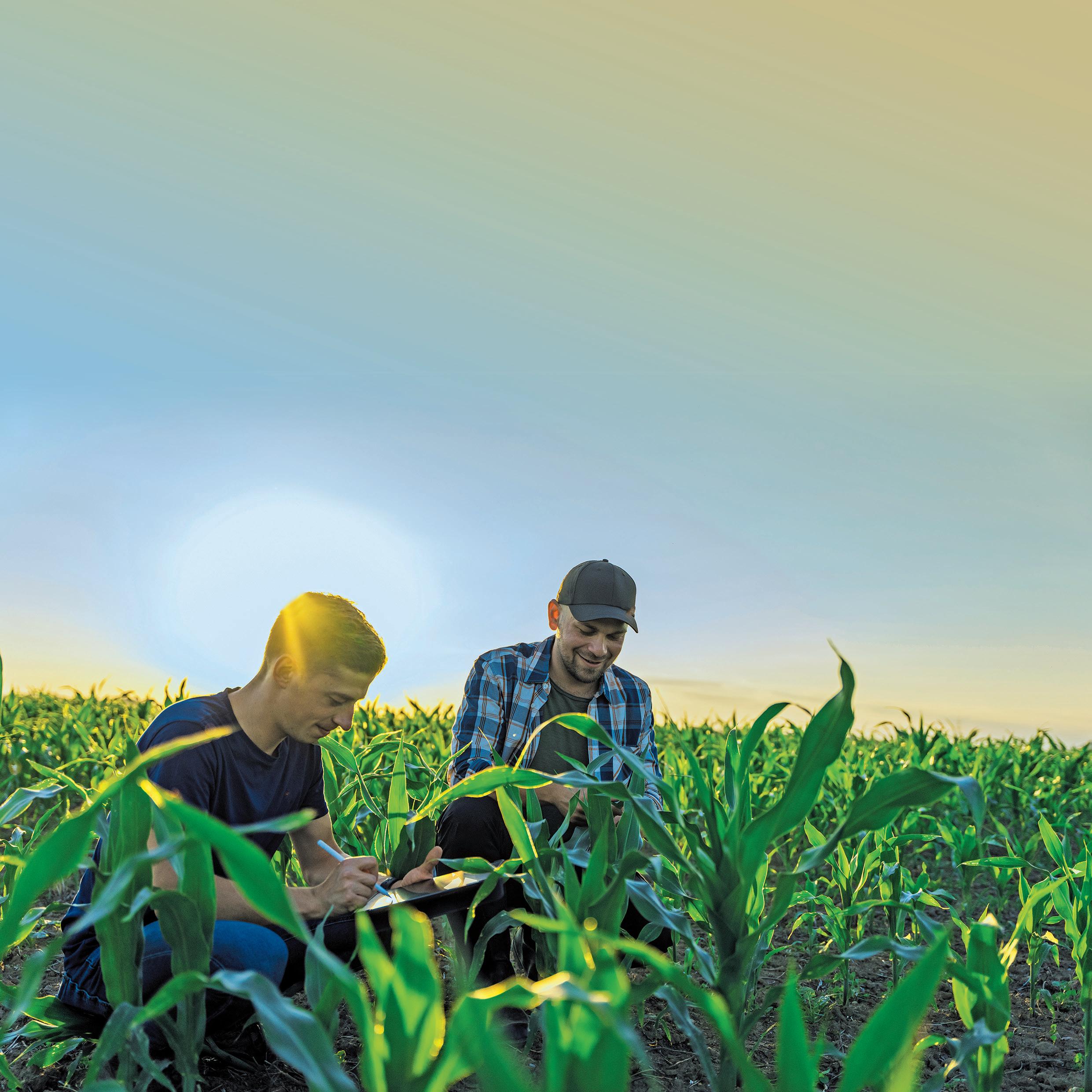








The agricultural sector is built on plants and animal life, but the industry can still affect the environment in ways that contribute to the ill effects of climate change. According to data published in a 2022 report from McKinsey & Company, agriculture accounts for nearly one-quarter of global emissions, and was identified as the industry that contributes the most to exceeding planetary boundaries. Sustainable farming practices can help reduce that impact. Even though there is growing consumer demand for more environmentally friendly products, farmers in the United States are lagging behind when it comes to adopting sustainable practices, even though they are aware of them. McKinsey reports that 90 percent of U.S. farmers have an understanding of sustainable farming, but adoption of these practices remains low. Here’s a look at some of the sustainable farming practices and what the agricultural sector can do to foster a better planet.
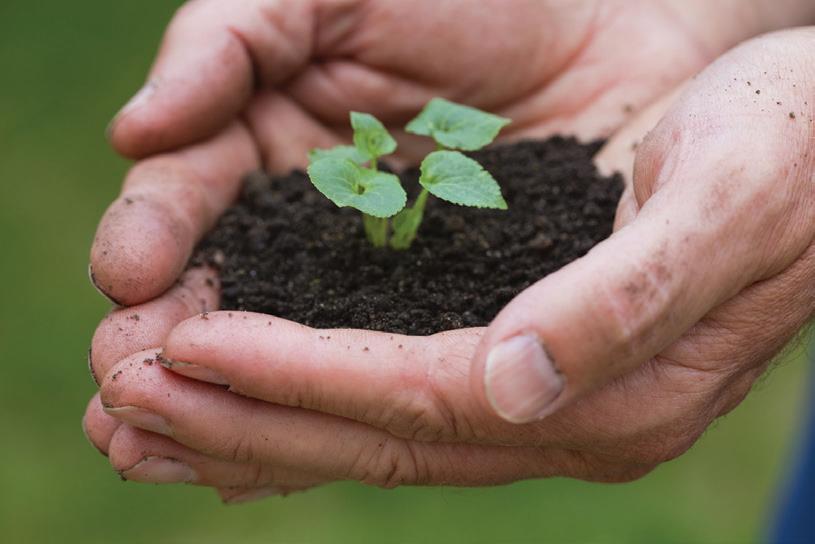
Healthy soil often equates to a healthy planet. The cornerstone of sustainability lies in the soil. The soil serves as a carbon sink and a water filtration system. By avoiding traditional “tilling” farming, farmers can maintain the soil structure. This will reduce erosion and keep carbon sequestered in the ground. Farmers can plant cover crops like rye or clover in the offseason to prevent soil erosion, suppress weeds and increase the organic matter of the soil. Diversifying species planted in fields will break pest cycles and naturally replenish soil nutrients over time. This can reduce the need for chemical fertilizers and pesticides.
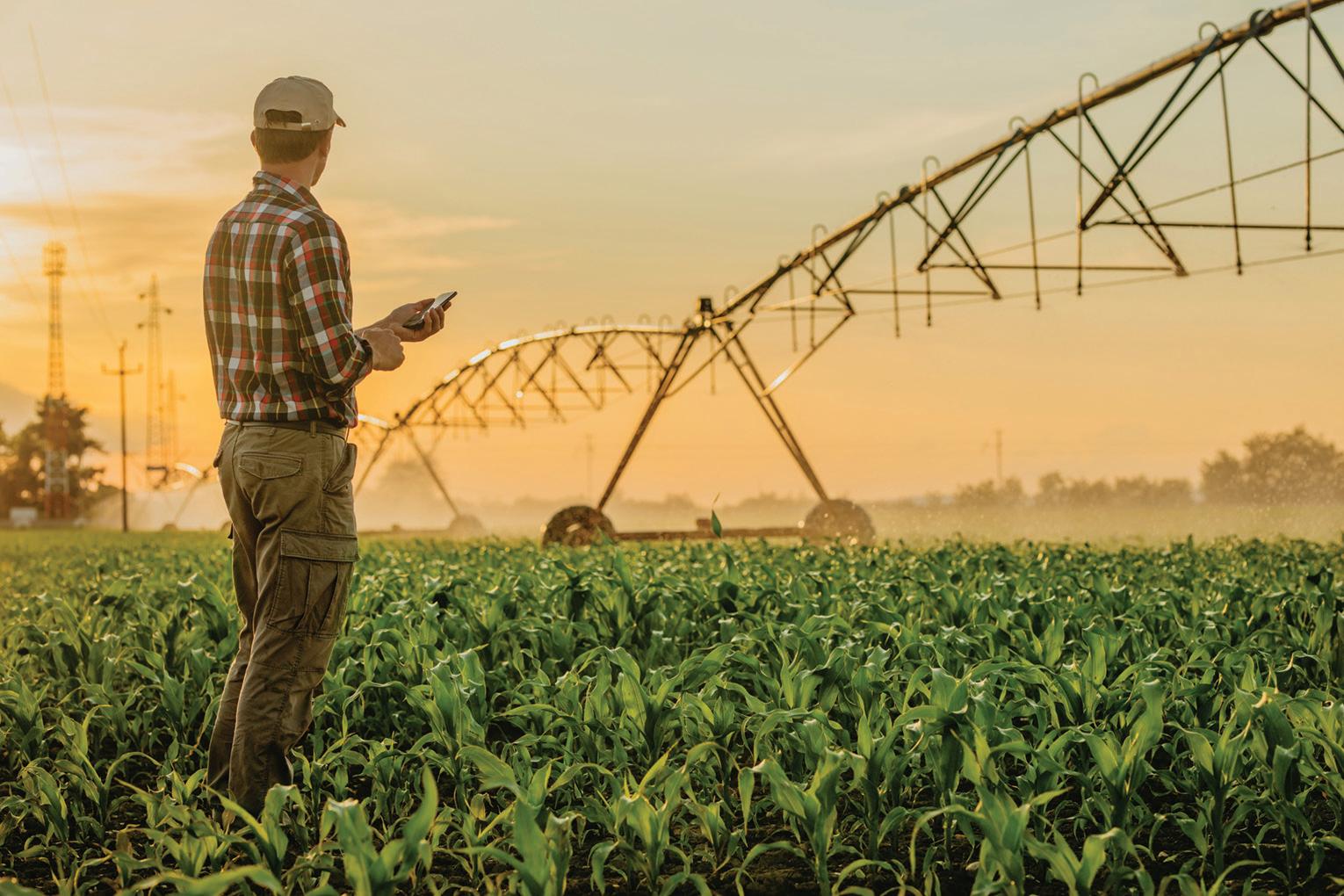
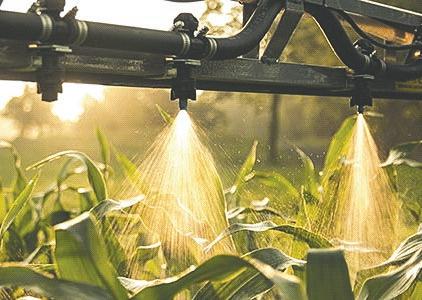
Global water scarcity continues to be a concern, and sustainable farms will prioritize water stewardship. In utilizing drip irrigation, which delivers
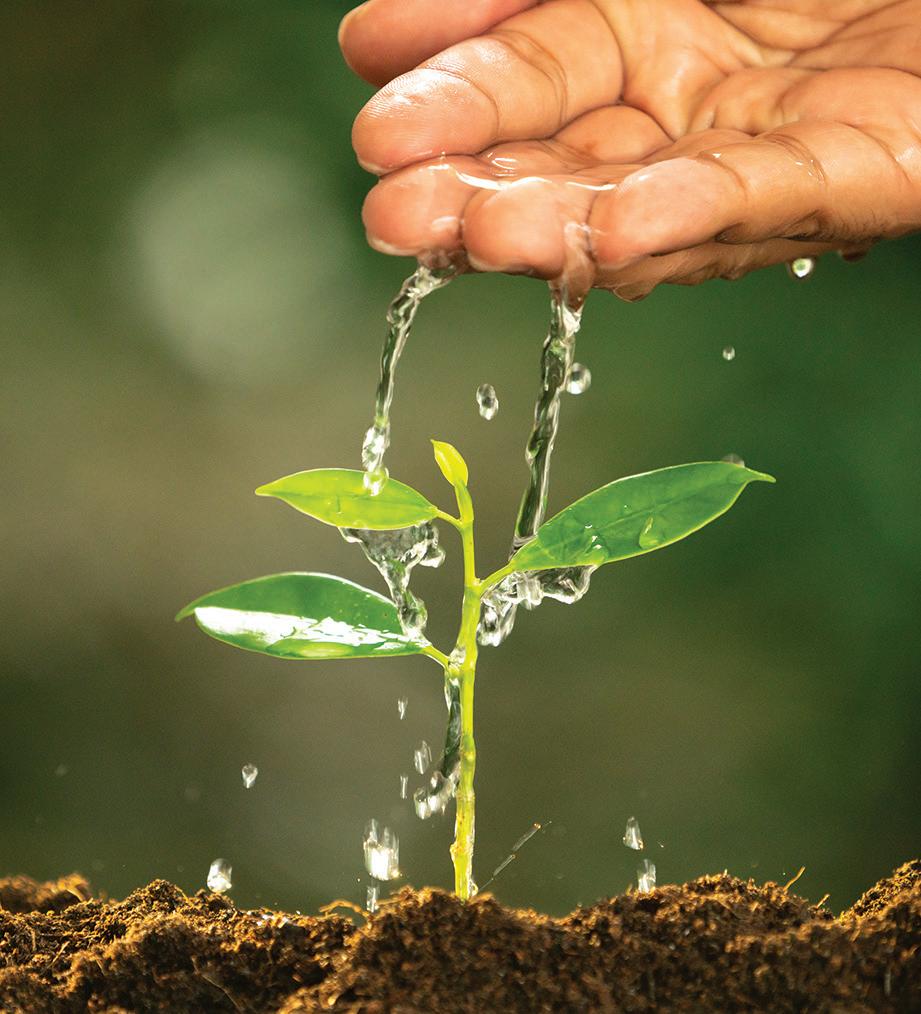
water directly to a plant’s roots, farmers can reduce evaporation and runoff when compared to overhead sprinklers. Collecting and storing rainwater runoff for use during drought can minimize the strain on local aquifers.
Farmers can rely on the use of integrated pest management strategies to offset chemical pesticide use. By introducing natural predators, farmers can control certain pest populations. For example, ladybugs can reduce aphids on plants. Relying on traps to collect pests also can slow pest outbreaks and reduce reliance on chemicals.
Farmers can use the waste produced on their farms by turning it into valuable fertilizer. According to the USDA, biochar is a black carbon produced from biomass sources like wood chips, plant residues, manure, and other agricultural waste in a lowoxygen environment through a process known was pyrolysis. This material can be used as a soil amendment to improve water retention, nutrient uptake and fertility. Chicken litter, bone meal, blood meal, and compost tea are examples of farm wastederived products that can be used as fertilizers. Sustainable farming is a step toward the future that protects the land without compromising output.
Farmers have been pressured to increase production to meet the demand of a growing population. This may require employing more efficient measures to ensure maximum output. Unfortunately, efficiency doesn’t always mesh with sustainability, so commercial operations have had to make some modifications to find a balance between serving the public and protecting the planet. Green farming utilizes different technology and practices in order to decrease detrimental impact on the environment. According to the farming resource NuFarming, agricultural operations have a significant impact on climate change. Simply adopting some new practices can lessen that impact.
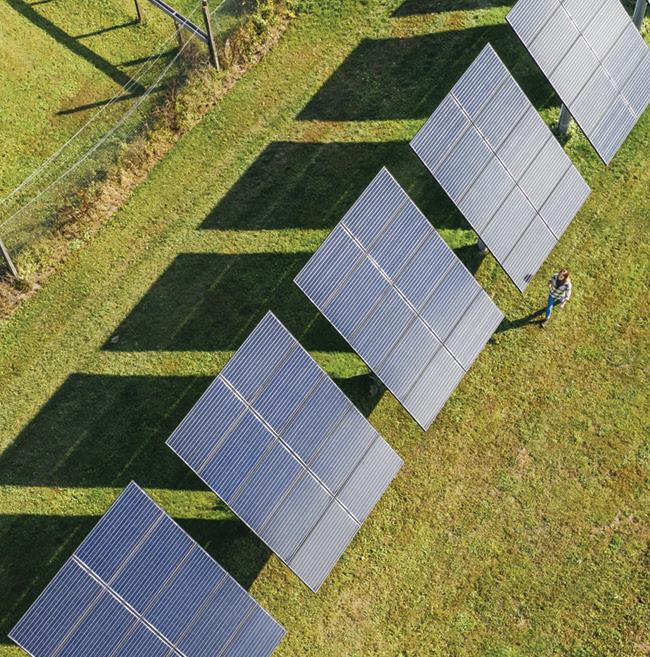
Growing plants are not the only thing on a farm that can benefit from the sun. Farmers can convert a portion or all of their power needs to solar. According to the U.S. Department of Energy, there are benefits when solar companies and farmers work together. Solar developers reduce installation costs and upfront risk by placing solar modules on previously tilled agricultural land. Vegetation under modules also can contribute to lower soil temperatures and increased solar performance. Agricultural land managers can reduce energy costs and diversify their revenue streams with solar. Plus, they can market products to sustainability-minded customers. Solar is not the only renewable energy option. Farmers can incorporate wind and hydroelectric power as well.
This farming technique has been used for thousands of years and involves growing different crops in different seasons over a period of time. Farmers reduce the chances for pests and diseases becoming problems in the soil because frequent crop changes prevent invaders from gaining a foothold. Farmers use fewer fertilizers and pesticides as a result.
Farmers can improve productivity while also reducing environmental impact with these two growing methods. NuEnergy states that hydroponic systems grow
plants in mineral solutions or in materials like perlite or gravel. Aquaponics involves raising aquatic animals in addition to growing crops. The waste from the fish and other marine life is used to offer nutrients to the plants by growing them in this nutrient-rich water. Both methods remove the need for soil.
Drip irrigation methods deliver water to the roots of plants through a series of pipes or tubes. Because water is not being sprayed into the air through sprinklers and other methods, less is lost to evaporation, and less water overall may be needed to provide for crops.
Plastic seems like it may not have a purpose on the farm, but recycled plastic, which is used in plastic mulch, can help produce plentiful crops with less water. Plastic mulches raise soil temperatures and insulate against evaporation so plants can grow faster and mature sooner. Invasive weeds also may be less likely to take root in plastic mulch or when crops are grown on black plastic.
Farmers can introduce plants that pests tend not to like to reduce reliance on chemical pesticides. For example, interspersing crops with natural bug repellants, such as basil, lavender and lemongrass, may keep insects at bay. Alliums, chrysanthemums, marigolds, and other flowers planted nearby also may deter bugs.
Green farming is something more agricultural operations may want to adopt.


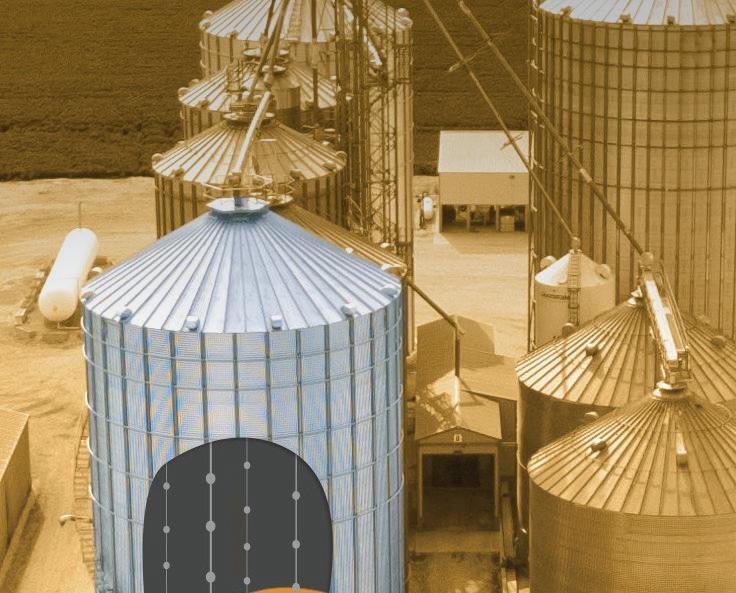
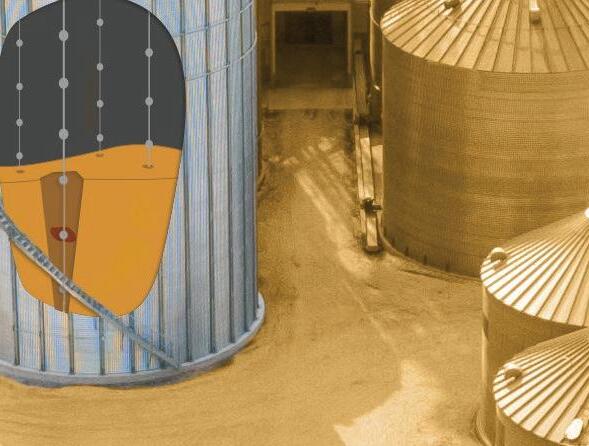


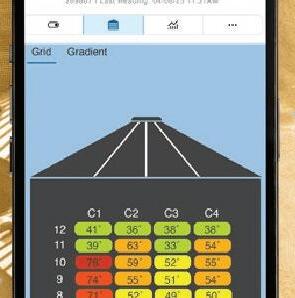



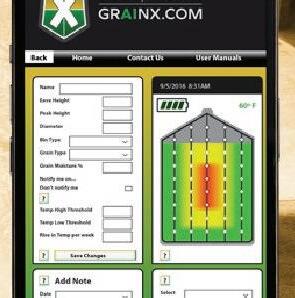













Tar Gard 1-0-5 Foliar Applied contains biologically derived extracts, enzymes, vitamins, minerals, natural growth regulators and stimulators, amino acids and bases and more. See Photos Below
Ingrained Foliar Applied is uniquely designed to provide bioavailable nutrients directly to your crops. This foliar applied product is stable and electronegativity neutral so as to be nonreactive.
MicroBoost is a unique blend of sugars, proteins, and natural acids. It is designed to enhance photosynthesis, overall plant growth, and microbial activity in the soil. It can be used throughout the season and in various applications
Defender T is uniquely designed to provide bio-available nutrients directly to your crops. This foliar applied product is stable and electronegativity neutral so as to
be nonreactive .
Yield and Shield or Paleopower a proprietary, patented blend of bacterial strain, some of which are of ancient orgins, speci cally selected based on their ability to be sustainable, promote plant growth, restore microbial diversity, and decontaminate soil from glyphosate and other harmful herbicides that might be present in the soil.
Weed Terminator 20 and Boost from Contact Organics Combining cuttingedge technology and scienti c research with soil friendly ingredients. It delivers a breakthrough with consistently e ective, environmentally friendly weed control. Weed Terminator 20 is a non-selective bioherbicide using acetic acid as the active ingredient for the control of annual and perennial species.
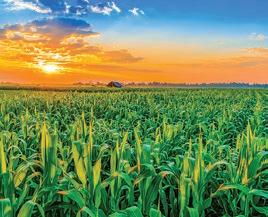
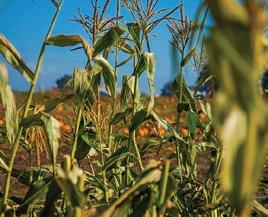
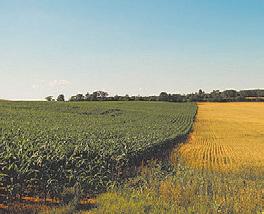
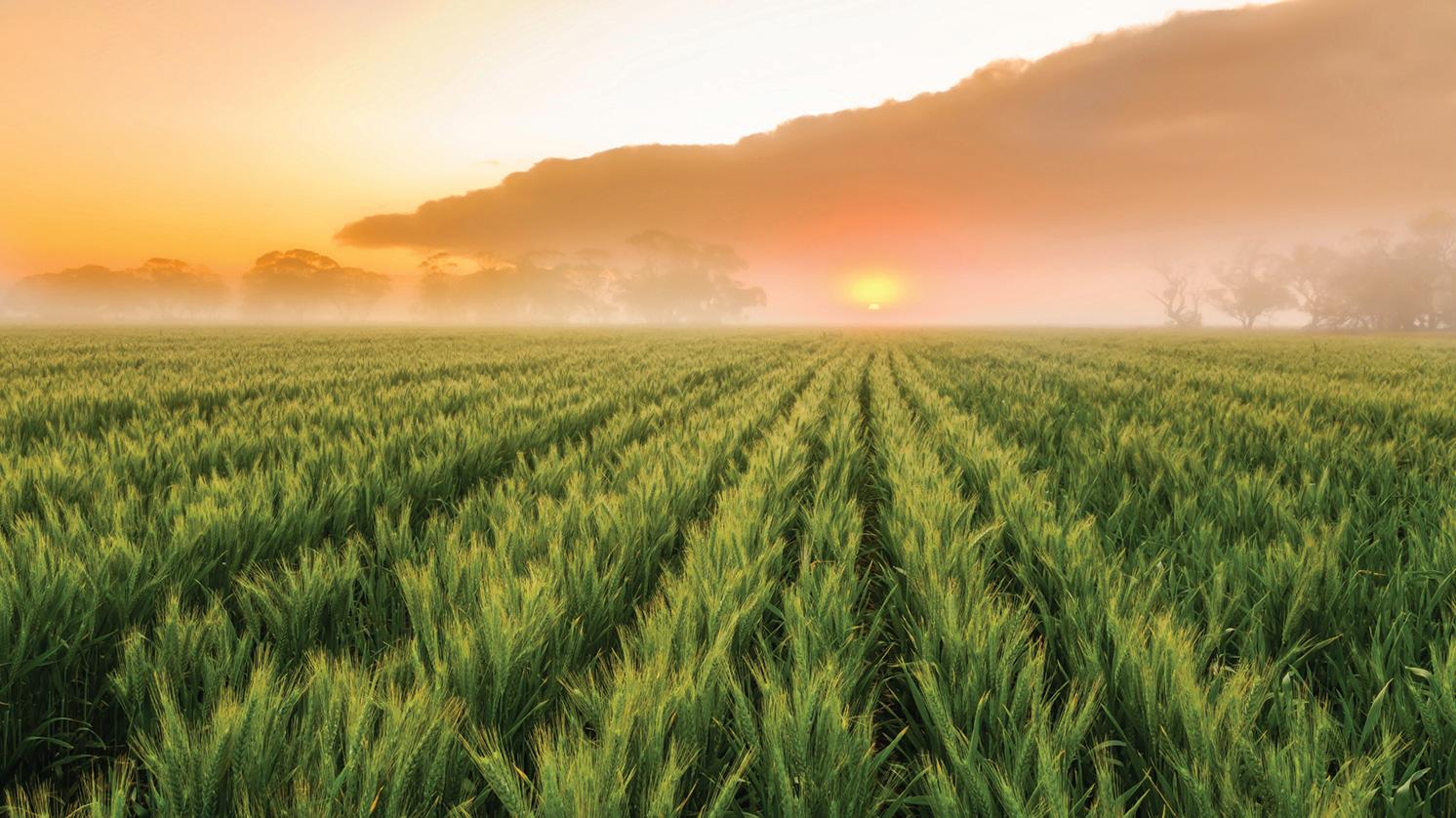
Climate change poses a threat to various industries, not the least of which is the agricultural sector. Agricultural industry insiders recognize that the changing climate has been forcing farmers and agricultural organizations to adapt and adjust for decades, and that need to be flexible won’t change in the years to come.
One of the changes many farmers may consider in coming years, if they haven’t already, is a pivot to regenerative agriculture practices. Regenerative agriculture could have a profound impact on the world over the next half century, so now may be a great time to gain an understanding of the practice.
What is regenerative agriculture?
Regenerative agriculture is a production system that focuses on reducing water usage and other inputs as part of a larger attempt to prevent land degradation and deforestation. According to the organization Green America®, regenerative agriculture is designed to harness the power
of photosynthesis in plants to sequester carbon in the soil. The ability to do that can improve soil health, crop yields, water resilience, and nutrient density.
Why should people be interested in regenerative agriculture?
GreenAmerica® notes that regenerative agriculture draws down atmospheric carbon dioxide. That’s a significant benefit, as Climate.gov, which is a product of various departments within the National Ocean and Atmospheric Administration, reports that adding more carbon dioxide to the environment is causing global temperatures to rise. In fact, observations from the NOAA Global Monitoring Lab in 2021 revealed that carbon dioxide alone was responsible for about two-thirds of the total heating influence of all human-produced greenhouse gases. GreenAmerica® reports that, at scale, regenerative agriculture could help to reverse the climate crisis by drawing down atmospheric carbon dioxide.
Another reason to consider regenerative agriculture is its connection to topsoil. GreenAmerica® reports that the world is on the cusp of running out of topsoil, which is vital to growing food.
Regenerative agriculture rebuilds topsoil, which can lead to greater food security across the globe.
What are some regenerative agriculture practices?
Regenerative agriculture practices include the usage of cover crops, a reduction in tilling, crop rotation, and spreading compost. GreenAmerica® notes that regenerative agriculture practitioners also avoid the use of synthetic fertilizers, pesticides, herbicides, and factory farming. As the climate crisis continues to challenge the agricultural sector, regenerative agriculture could help farmers and the larger industry successfully confront those issues.
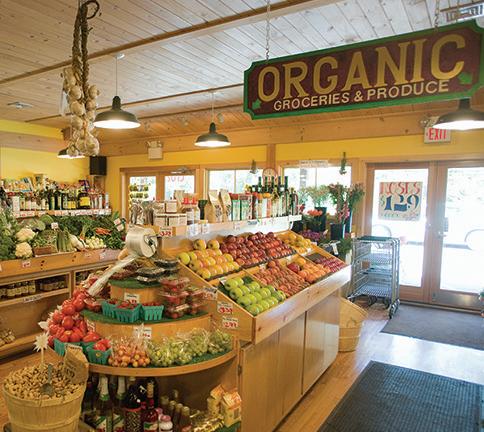
The popularity of organic foods is undeniable. According to a 2021 survey from the Organic Trade Association, total sales of organic foods topped more than $60 billion in 2020. Data from Mercaris, which provides market insight and analysis on organics and non-GMO foods, supports that finding and indicates that organic food sales grew by 9 percent between 2009 and 2019. During that same time period, conventional food sales grew only 3 percent, which illustrates just how popular organics have become over the last decade and a half. And despite being a year marked by a pandemic and the considerable economic uncertainty it unleashed, 2020 proved to be an especially good year for organics. Mercaris reports that organic food sales increased by 13 percent in 2020, which serves as another indicator that consumers are increasingly demanding organics over conventional foods.
























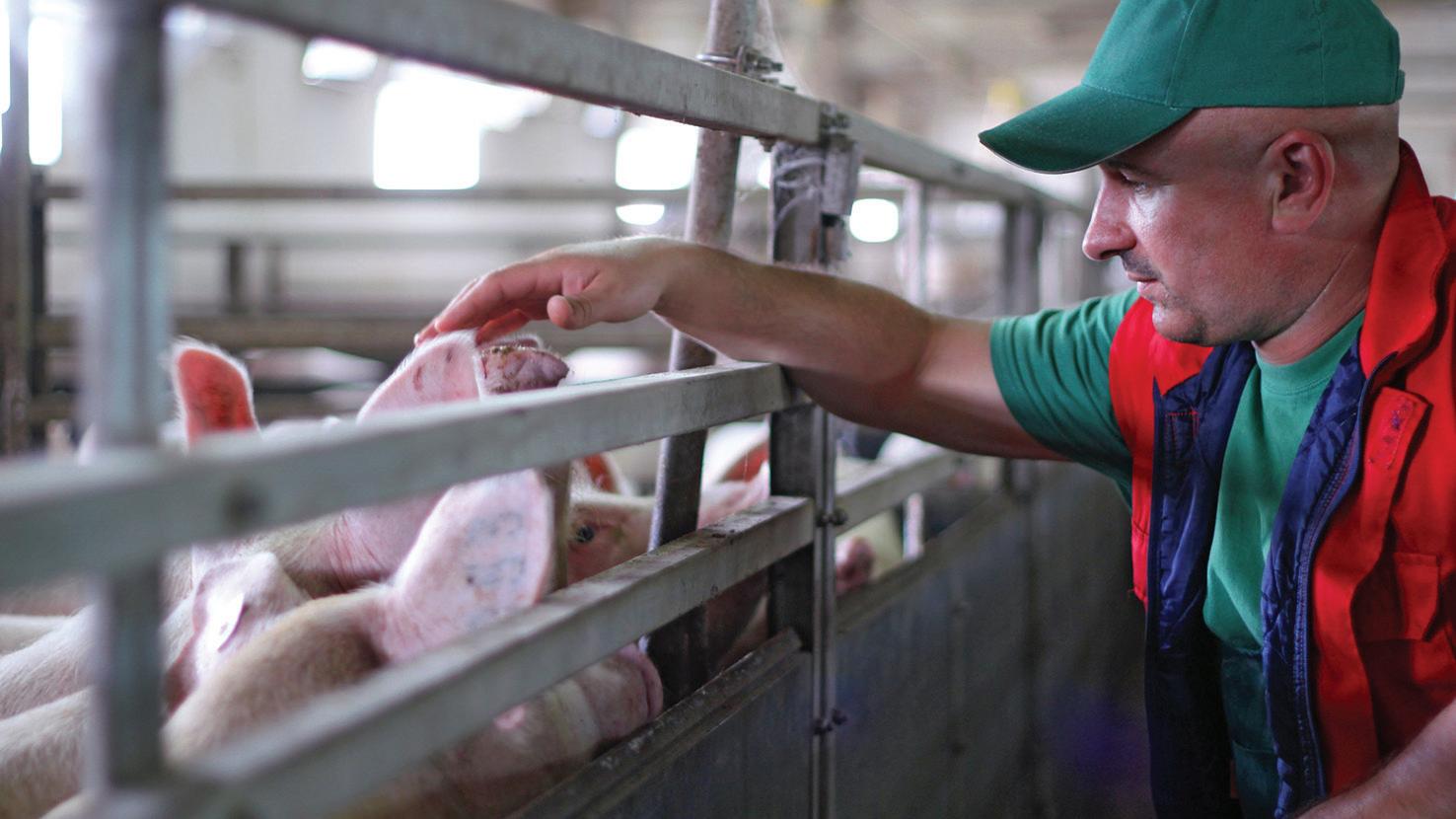
The demand for food is directly related to population growth. By 2050, food needs are expected to double, according to a study published in the journal Agricultural Economics. That puts increasing pressure on the agricultural sector to meet growing demand. However, many experts think the industry will fall short.
In addition to increased food demand, consumer habits, technology, and policies continue to force the agricultural industry to evolve. Indeed, the agricultural sector may look very different in the future.
Social media has transformed many industries, and it can do the same for agriculture. Farming supply chains can communicate with one another by getting feedback from customers in real time through social media. However, agricultural operations will have to devote teams to manage social media presence, especially since misinformation is so widespread on social media.
Apart from social media, local farmers may increase their efforts to utilize mobile apps and direct-toconsumer purchasing options. The global pandemic helped businesses reimagine takeout and curbside shopping. Local farms may want to market to the home-shopping community, providing ways to deliver produce, fresh meat and poultry and other items direct to customers’ homes.
The future may feature a significant shift in the way
Social media has transformed many industries, and it can do the same for agriculture. Farming supply chains can communicate with one another by getting feedback from customers in real time through social media.
farms source their ingredients. Regeneration
International says that regenerative agriculture can be the future. This describes farming and grazing practices that may help reverse climate change by rebuilding soil organic matter and restoring degraded soil biodiversity. Some insist that farmers who utilize regenerative agriculture produce food that is more sustainable and healthy. This is something eco- and health-conscious consumers can stand behind.
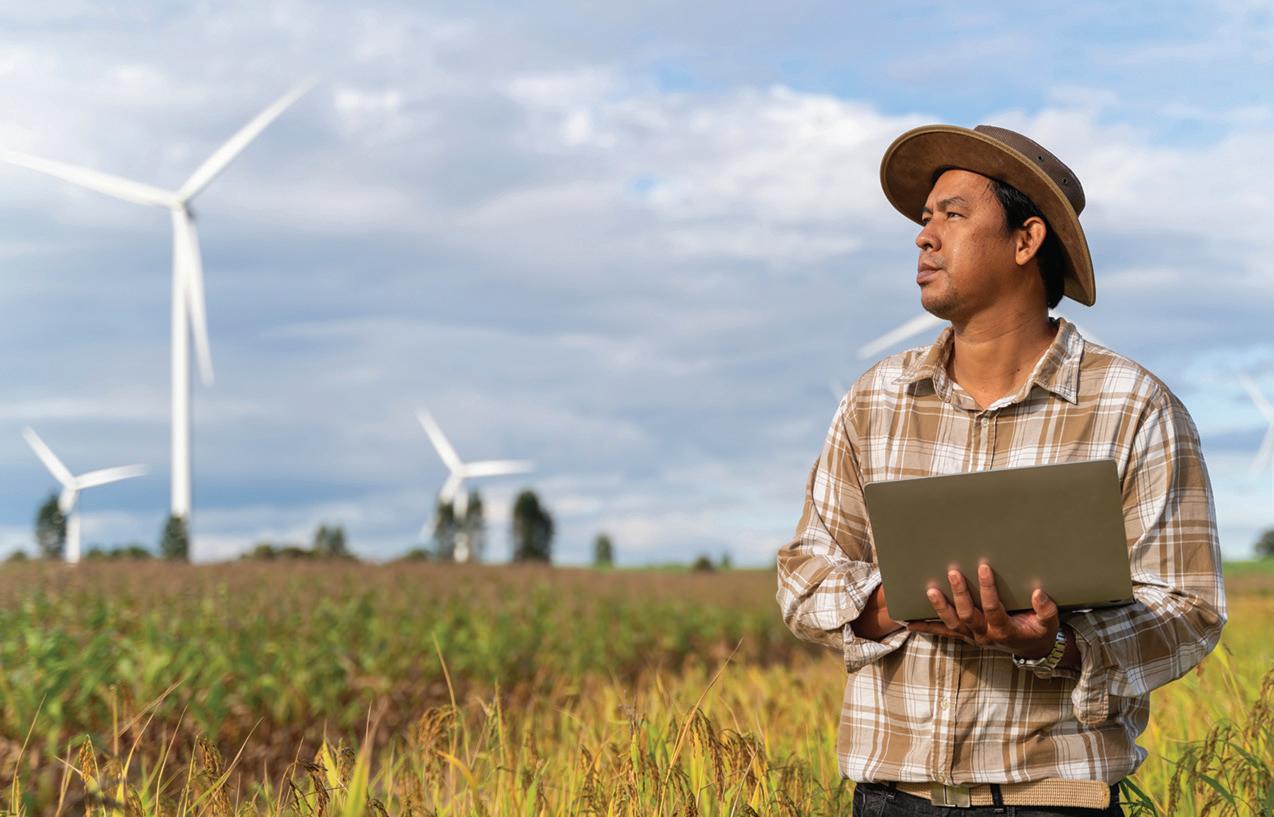
There’s a good chance that technology will continue to play important and growing roles in farming operations. New agricultural technologies can collect data on soil and plant health and produce results in real time. Precision farming technology can be developed to deliver integrated solutions no matter the size of the operation.
Farmers may give more thought to sustainable products. Crops like hemp and cannabis are being utilized in new and innovative ways, and they’re only the start as consumers have expanded their views on plant-based foods and products. While there’s no way to see into the future, individuals can anticipate changes that could be in store for the agricultural sector in the decades ahead.
Shifting consumer demands pose a challenge for any industry, including the agricultural sector. Farmers who want to ensure they’re in the best position to meet consumer demands in the coming decades may be happy to learn that an aging population figures to work in the agricultural sector’s favor. The Economic Research Service with the U.S. Department of Agriculture notes that individuals over age 65 are expected to make up a greater percentage of the overall population in the years to come. That should, the ERS notes, benefit farmers, as older individuals tend to be more healthconscious with their eating habits than younger generations. The same trend will likely play out in Canada, where Statistics Canada estimates the percentage of individuals age 65 and older will increase to 22.5 by 2030, marking a nearly 10 percent increase since 2010, when just 14.1 percent of Canadians were 65 or older.
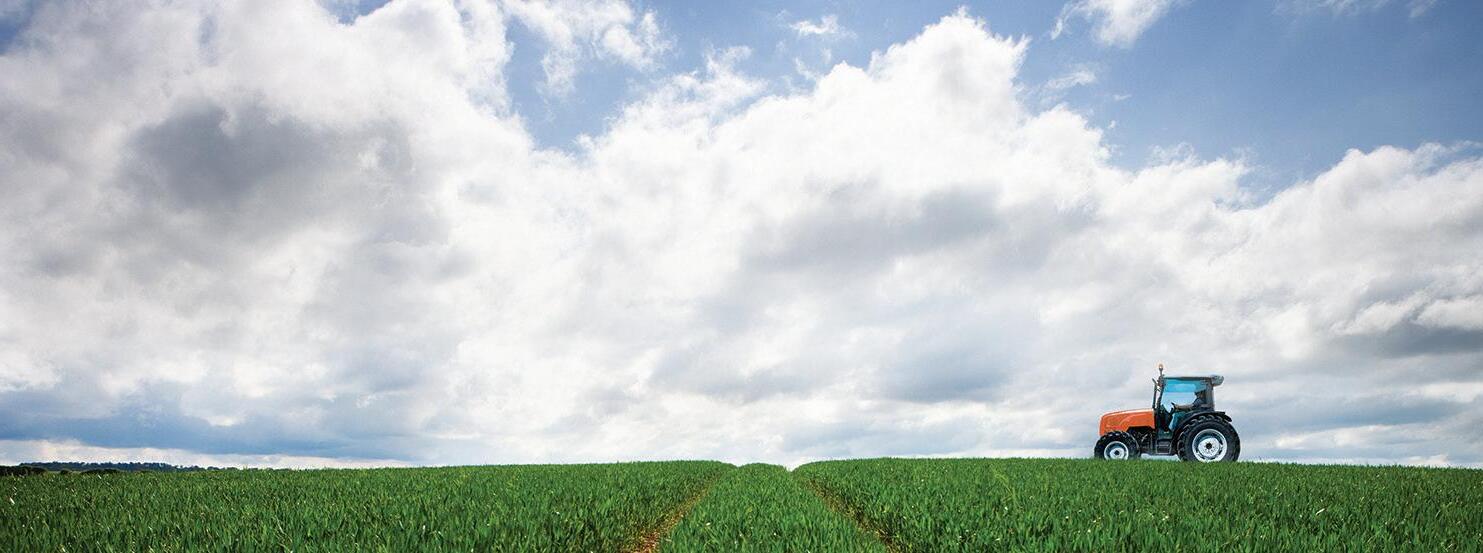
Technology has revolutionized global agriculture. Automation has changed the agricultural sector, and those changes might have arrived in the nick of time. The global population is projected to reach nearly 10 billion by 2050, and the Food and Agriculture Organization of the United Nations estimates that food production has to increase by at least 70 percent to keep up with demand. In order to address the deficit without exhausting the Earth’s finite resources, many farmers are seeking help from artificial intelligence (AI). AI offers farmers additional perks as well.
Precision is a notable benefit of utilizing AI within the agricultural sector. By using AI-powered sensors and satellite imagery, farmers can monitor crop health by looking at each and every plant instead of inspecting by the acre. According to a report by MarketsandMarkets, a revenue impact and marketing consulting firm, the market for AI in agriculture is expected to grow from $1.7 billion (the figure in 2023) to $4.7 billion by 2028. Precision helps to keep plants strong and weed-free. AI-driven “see-andspray” technology utilizes computers to identify weeds among crops and apply herbicides only to those weeds. This reduces blanket-spraying an entire field, which is a waste of resources. Research published in the Journal of Agriculture and Food Chemistry indicates that this AI-guided tool can reduce herbicide use by up to 90 percent. This reduces costs to farmers and benefits local ecosystems.
Weather across the planet has featured an uptick in volatile, unanticipated conditions. This can make planting even more challenging for farmers. AI models can process decades of historical weather data, soil conditions and atmospheric changes to offer predictive analytics that help the agriculture industry. By using predictive AI tools, farmers can determine optimal planting windows to maximize yield, according to the International Food Policy Research Institute. In addition, AI algorithms can predict outbreaks of pests and diseases before farmers notice them on their own. Multispectral imagery from drones can detect crop stress caused by nutritional deficiencies or fungus days before a human might recognize such indicators. By catching things early, farmers can reduce risk of a poor crop and financial losses.
Agricultural labor shortages are forcing farming operations to seek alternatives to get the job done. The American Farm Bureau Federation notes that farm labor has become more expensive and it’s harder to find workers who want to do the arduous tasks often required of them. AI-driven robotics and autonomous tractors guided by GPS can help fill the void. These devices can work through the night, preparing soil, harvesting crops and performing other vital tasks.
AI continues to be integrated into the agricultural sector. In order to maintain food security and mitigate labor shortages, farming operations are using technological tools to bridge gaps and improve efficiency.





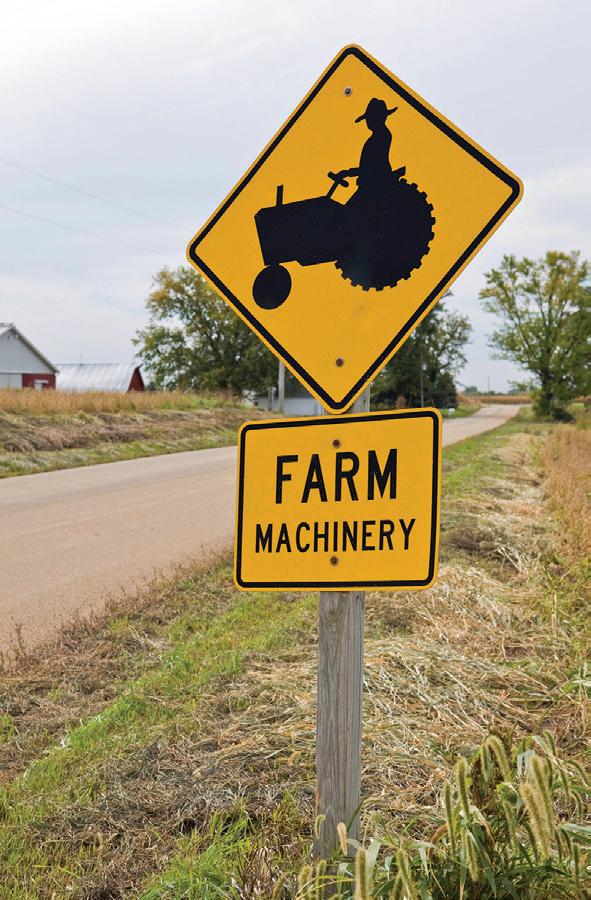
Agriculture is routinely ranked among the most dangerous professions around the world. Both the National Safety Council and the National Institute for Occupational Safety and Health say agriculture is one of the most hazardous industries in the United States. Farming operations continue to push forward with more mechanized and high-tech equipment that requires routine reviews of safety protocols. According to the Bureau of Labor Statistics and NIOSH, the agricultural sector recorded a fatal injury rate of approximately 18.6 deaths per 100,000 workers in 2023. Transportation incidents, notably tractor rollovers, remain the leading cause of death. Furthermore, recent reports from the National Children’s Center for Rural and Agricultural Health and Safety indicate that a child dies in an agriculturerelated incident in the United States approximately every three days, which underscores the need to prioritize farm safety across all age groups. Ensuring safe working conditions is vital within the agricultural sector. These guidelines can set the course for safer farming work.















• Rollover Protective Structure (ROPS): The most effective lifesaver on a farm is ROPS. When combined with seatbelt use, ROPS is 99 percent effective in preventing death during a tractor overturn. ROPS are roll bars or roll cages fitted for wheel- and track-type tractors, says Penn State Extension. Modern guidelines indicate that all machinery should be fitted with updated guarding to prevent entanglement accidents, which are often caused by Power Take-Off shafts.
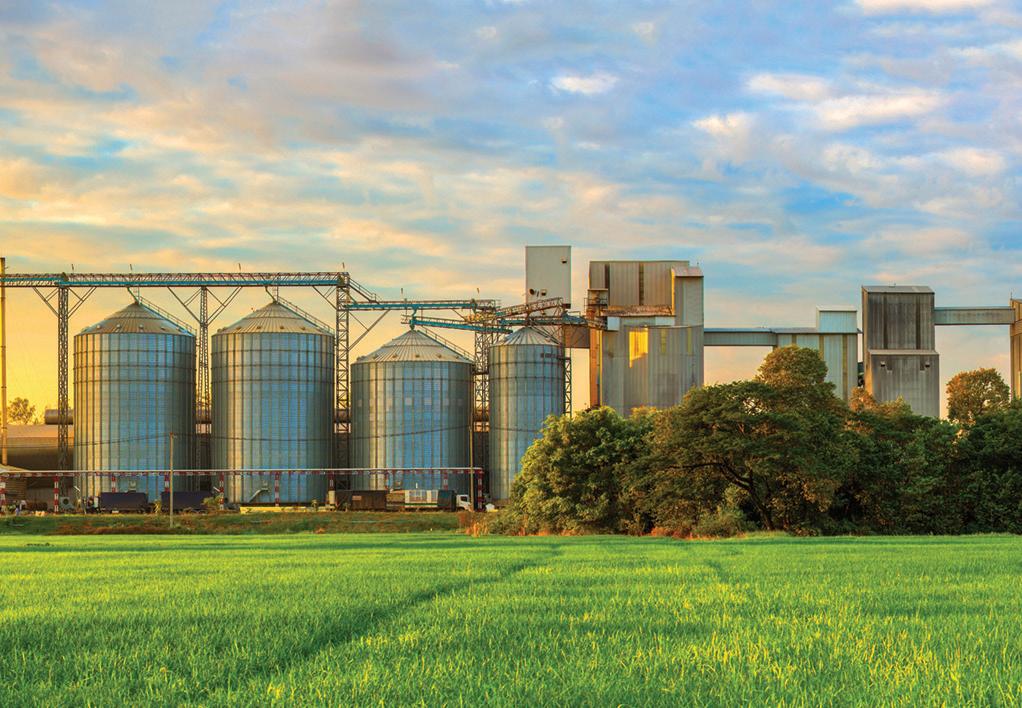
• Respiratory protection: Grain bins and silos can pose significant risks on a farm. This includes toxic air exposure as well as the risk for engulfment. High-profile incidents in 2023 illustrated the threat that oxygen-limiting silos can pose after deadly carbon dioxide concentrations form. Risk of suffocation also is great in a grain bin if a person is engulfed by grain. Workers should never work in a bin alone and should utilize a lockout/tagout system to ensure that all augers are off before entry.
• Chemicals and biological hazards: Highpotency pesticides and fertilizers create their own hazards on the farm. Personal protective














equipment (PPE) is a must when working with chemicals. Most modern standards require proper ventilation, chemical-resistant gloves and dedicated eye protection to prevent acute poisoning and long-term health issues.
• Hearing protection: Exposure to the sounds of farm machinery and other equipment can result in tinnitus (ringing in the ears) and eventual hearing loss unless hearing protection is worn regularly.
• Fatigue and mental health: Mental and physical fatigue of farm workers can result in injury as well. A critical trend uncovered in recent agricultural safety research ultimately led researchers to conclude that “fatigue management” needs to be prioritized, according to the United States Department of Agriculture. Tired operators can be vulnerable to lapse-of-attention errors, so farmers are encouraged to implement scheduled breaks. The Rural Health Information Hub says that stress also is a big factor for farmers. Environmental factors such as drought, floods, wildfires, pests, and diseases, as well as long hours and financial concerns, can result in feelings of isolation and frustration. Stress is a known precursor to physical accidents on the farm.
These are just some of the risk factors on farms that can lead to accident or injury. Falls from ladders, injuries from livestock, exposure to UV rays, and exposure to high levels of dust, mold and bacteria also can affect modern farmers. Agricultural safety needs to evolve as quickly as the changing operations on farms.
For example, one assessment conducted under the World Climate Research Programme and published in 2020 in the Reviews of Geophysics concluded that the warming range of the planet will be between 2.6°C and 3.9°C.
Climate change is a challenge the world must confront together. Though people from all walks of life and in all corners of the world will be affected by rising global temperatures and the ripple effects of such increases, the impact of climate change on the agricultural sector figures to be especially significant. Farmers have been on the front lines in the fight against climate change for decades. When storms strike and climate patterns shift, farmers must find ways to adapt or potentially lose their livelihoods. Experts warn that the planet is warming at a pace that could prove devastating. For example, one assessment conducted under the World Climate Research Programme and published in 2020 in the Reviews of Geophysics concluded that the warming range of the planet will be between 2.6°C and 3.9°C. Everyone must do their part in an effort to avoid the more drastic outcomes associated with climate change. Farmers can explore these ways to combat climate change as they look to protect their personal and financial futures.
• Curtail methane emissions. The European Environment Agency notes that capturing methane from manure is one way for farmers to reduce agriculturerelated greenhouse gas emissions. The California Climate & Agriculture Networks notes that more than half of the state’s agricultural emissions come from livestock in the form of methane.

The nonprofit organization Foodwise reports that holistic, pasture-based livestock management utilizing practices like rotational grazing can help mitigate methane emissions from livestock.
• Emphasize efficient use of fertilizers. The EEA recommends efficient use of fertilizers as another means to reduce agricultural greenhouse gas emissions.
The National Institute of Food and Agriculture at the U.S. Department of Agriculture notes that the greatest efficiency typically comes from the first increment of added fertilizer/nutrients, with each additional increment thereafter resulting in lower efficiency. Making every effort to make the most of initial applications can save farmers money and reduce the impact on the environment.
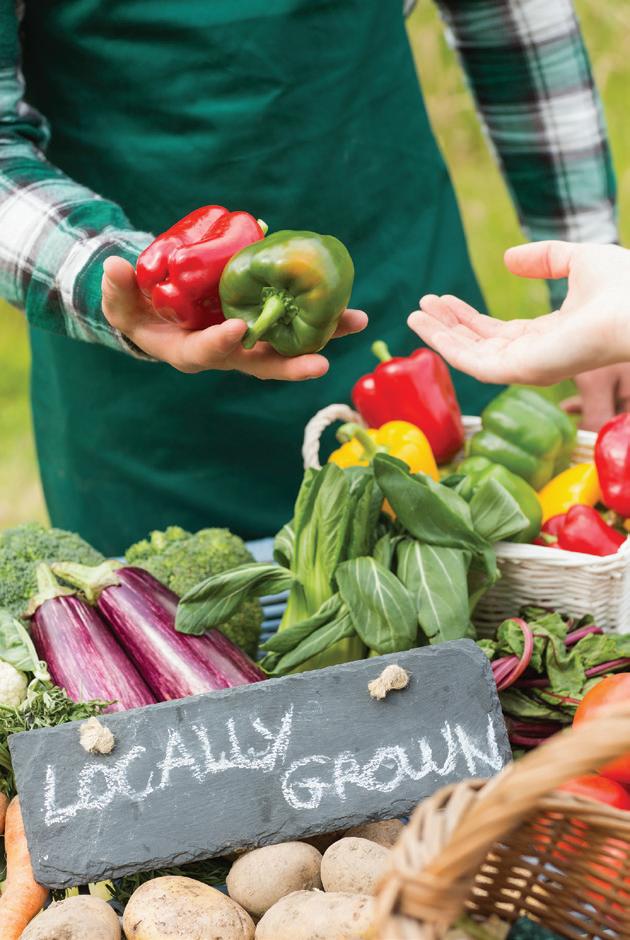
• Participate in and help promote local farmers markets. Foodwise notes that food in the United States travels an average of 1,500 miles before it ends up on consumers’ plates. Transporting foods that far contributes to more greenhouse gas emissions. Farmers who can sell to local farmers markets can help reduce such emissions. Promoting those efforts via social media pages or other public platforms can increase consumer awareness of the availability of fresh, locally grown foods.
The challenges posed by climate change are not going away. Farmers can take various steps to overcome those challenges.

Great on Quick Tach Equipment
Tired of adjusting your tractor’s 3rd link? Now you can do it from the seat of your tractor with the GNUSE POWERLINK
❏ 1 1/2 to 3 yard bucket
❏ Choose from 90” to 144” widths
❏ Adjust equipment on the go
❏ Heavy-Duty. Years of field-proven service
❏ Affordable price
❏ Rear mounting gives maximum traction
❏ Full 3 pt. mounted
❏ Silage
❏ Good for snow, better than snow blower

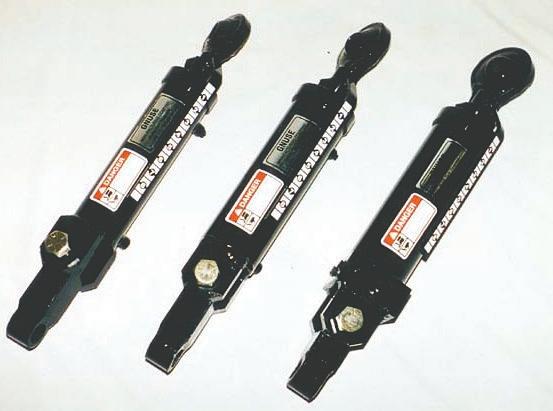
Box 189 Arlington, NE 68002 (402) 478-4433 www.gnusemfg.com



Small farms are the lifeblood of rural communities. According to the Farm Bureau, 97 percent of American farms are owned by families. Small family farms make up the majority of farms nationwide and operate a higher share of acres altogether than any other farm size. It’s important to note that the distinction “family farm” does not necessarily always mean a small-scale operation. Ten percent of farms owned by families generate more than $350,000 in annual revenue.

Despite this, small-scale farms are mired in a long-term decline, according to recent U.S. Department of Agriculture reports. Driven by economic pressures, government policies generally are favoring large operations, consolidation and tighter competition.
• Painted Steel Posts For Door Guards
• Steel Beams For Buildings
• Angles For Brick Lintels
• Great Prices On Rebar
• Floor Grating For Drains
• Highway Guard Rail For Cattle Fences
• Cold Rolled Flats & Rounds
• Aluminum & Stainless Steel
• Surplus Pipe
• Over 500 Shapes & Sizes In Inventory
• Cut To Size & Delivery Available
• Gutter Covers (Cut To Size)
• Round Bales Stabbers
• Square & Rectangular Tubing
• Flats
• Channel • Pipe
Shafting
• Angle
• I-Beam
• Plate

• Bucket Edge www.facebook.com/SteelMartDBQ





Farming and ranching may be the first roles people think of when they envision jobs in agriculture. But the modern agricultural sector offers a much wider range of career paths as well. As technology, sustainability and consumer demand impacts the industry, a greater number of unique and innovative career paths have emerged and opened doors for people with a wide range of skills.
According to the United States government and industry projections, the agricultural and food sectors supported about 22.1 million jobs in 2022, and growth is expected. Those exploring agriculture as a possible career field can look to these unique roles.
A precision agriculture specialist is an emerging and dynamic role in the field. These professionals apply data analytics, GPS, sensor technology, and drone usage to optimize crop yields and input use. According to data reported by Zipdo, use of digital devices, AI and other tools in farming has surged. Digital tool use has risen by roughly 50 percent in the last five years, and drone technology adoption grew by 48 percent between 2019 and 2023. Estimates suggest that precision agriculture will expand robustly through the latter half of the decade, and individuals guiding this expansion will be in demand.
Agriculture sustainability consultants also are important to modern farming. These professionals are responsible for advising farms and agribusinesses on eco-friendly practices. These may include soil conservation, water management, carbon sequestration, and regenerative agriculture. In addition, animal welfare and livestock technology specialists improve animal health and support ethical and sustainable farming practices. The Bureau of Labor Statistics says agriculture and food scientists working in science and sustainability are projected to see employment opportunities grow by about 6 percent between 2024 and 2034, which is faster than the average for all U.S. occupations
Careers in digital marketing and agricultural communications also are gaining traction, with consumers increasingly being interested in where their food comes from. Agricultural businesses need storytellers, social media managers and content creators to share engaging and transparent narratives about the innovative efforts taking place on their farms.
Careers in digital marketing and agricultural communications also are gaining traction, with consumers increasingly being interested in where their food comes from. Agricultural businesses need storytellers, social media managers and content creators to share engaging and transparent narratives about the innovative efforts taking place on their farms.
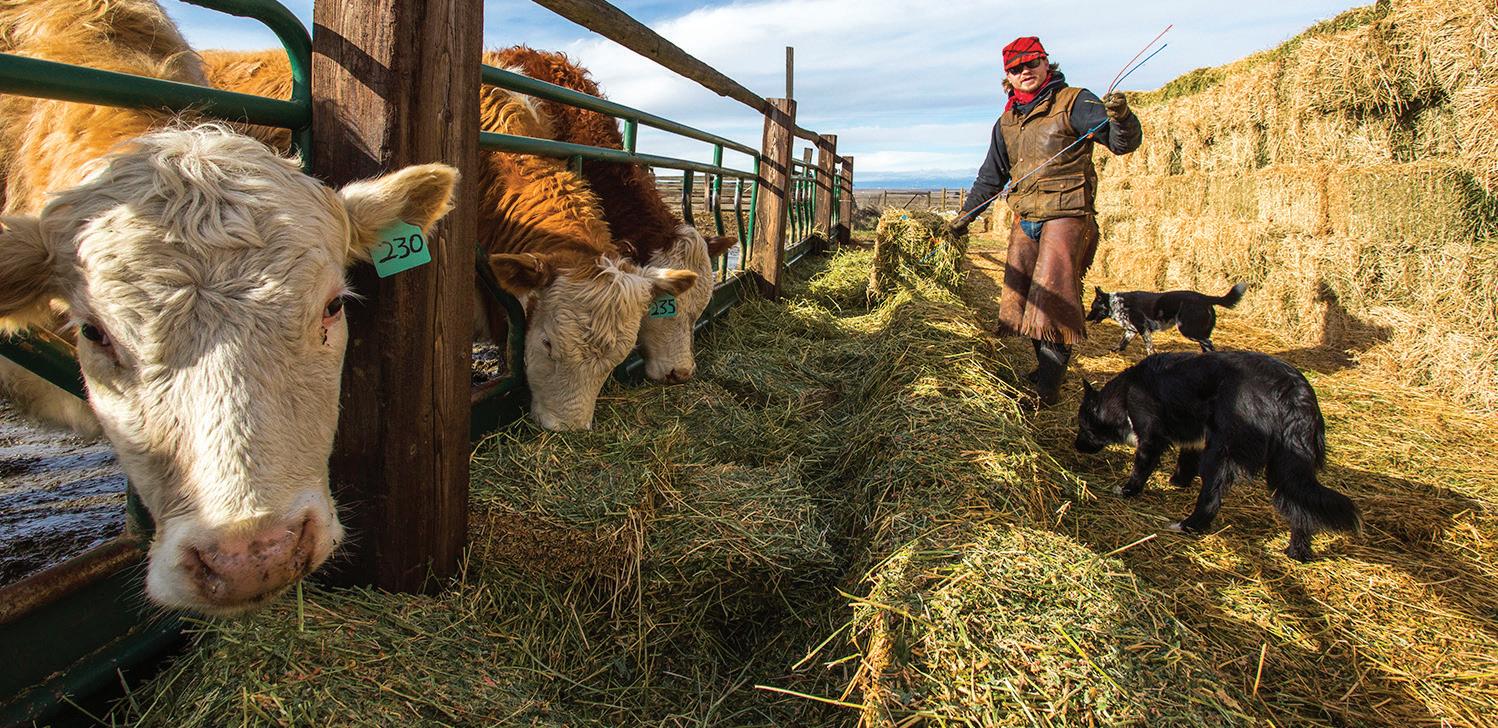
Farming has never been a vocation for individuals looking for easy work. Farmers typically work long hours, braving the elements regardless of how unpleasant the weather may be.
All that hard work ensures individuals who live in rural, urban and suburban communities have constant, readily available access to healthy foods. Such devotion merits support, and thankfully there are many things consumers can do to show their appreciation for local farmers.
• Buy fresh foods at your local farmers market. Farmers markets are many foodies’ favorite places, but they aren’t exclusive to individuals with a passion for food. Everyone needs to eat, so why not eat foods grown locally, which are generally more fresh and appetizing than imported fruits and vegetables sold at chain grocery stores? Even individuals who don’t typically eat fresh fruit and vegetables can find something delectable at a local farmers market, where anything from homemade tomato sauces to locally raised fresh beef and pork might be on sale.
• Order directly from local farms. Some farmers have embraced the e-commerce revolution and begun selling the foods they grow to consumers via their own websites. Research local farms and
determine if it’s possible to buy directly from them. Farms may offer delivery or pick-up, and consumers can enjoy fresh foods even more knowing that they helped farmers earn higher profits by buying directly from them.
• Check labels before buying in local grocery stores. Packaging labels will indicate where fruits and vegetables came from. When possible, choose items produced by local farmers. This may include fruits, vegetables, meat, pork, or even desserts like pies. Locally produced foods often taste more fresh than items sent from overseas or distant farms, and consumers will feel better knowing they helped to support local farmers.
• Spread the word. Get the word out after a satisfying experience with local farms and farmers. Whether it’s buying food from farms or taking advantage of family days that let kids enjoy a day on the farm, sharing positive experiences via social media or word-of-mouth can be a great way to inspire your neighbors to support local farmers as well. Consumers can do much to support hardworking local farmers. In addition to feeling good about supporting their rural neighbors, consumers also might feel good when they sit down and enjoy a meal featuring locally grown, fresh foods.
Consumers familiar with the disparity in price between organic fruits and vegetables and conventional alternatives may be curious if that difference in price pays off with healthier foods. According to a 2014 study published in the British Journal of Nutrition, it does. Researchers behind the study concluded that the antioxidant compounds in organic fruits and vegetables deliver between 20 and 40 percent higher antioxidant activity. That’s a significant benefit, as the Harvard T.H. Chan School of Public Health notes that antioxidant-rich fruits, vegetables and legumes are associated with a lower risk of various diseases, including cardiovascular diseases and cancer, and deaths from all causes. In addition, the Mayo Clinic notes that organically grown produce has traditionally had lower levels of pesticide residue than conventionally grown alternatives, though safety measures governing conventional produce and residue levels have changed in recent years and reduced that gap.