DESIGN an ad




























































Brooklyn R. Plagge




The benefits of unstructured outdoor play
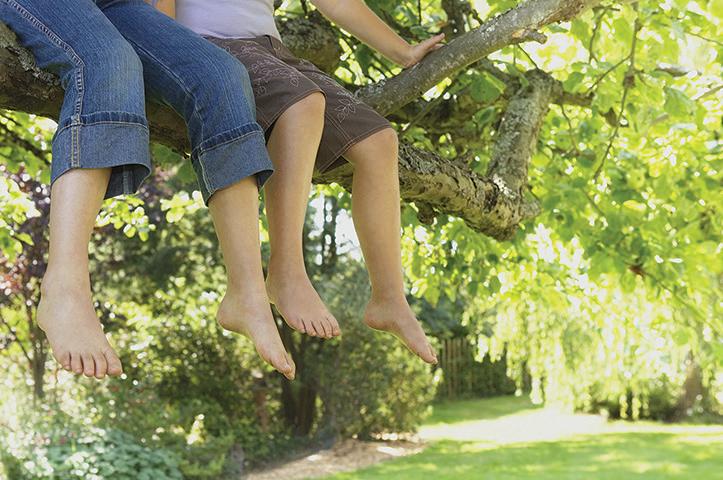
Gone are the days when most parents would send their children outdoors and tell them to be back when the streetlights came on. Kids from generations past went to “call for” friends, see who was available to ride bikes for hours and steal sips of water from neighbors’ garden hoses. Today, kids seem more likely to text their friends or socialize over gaming systems without even stepping outside. Regardless of what’s driving the shift toward more controlled parenting, children seem to have less freedom to roam their neighborhoods unsupervised than the youngsters of yesteryear. Parents can now identify where their children are at any given time, and panic ensues if they cannot contact their kids immediately.
Name: Ella Erb
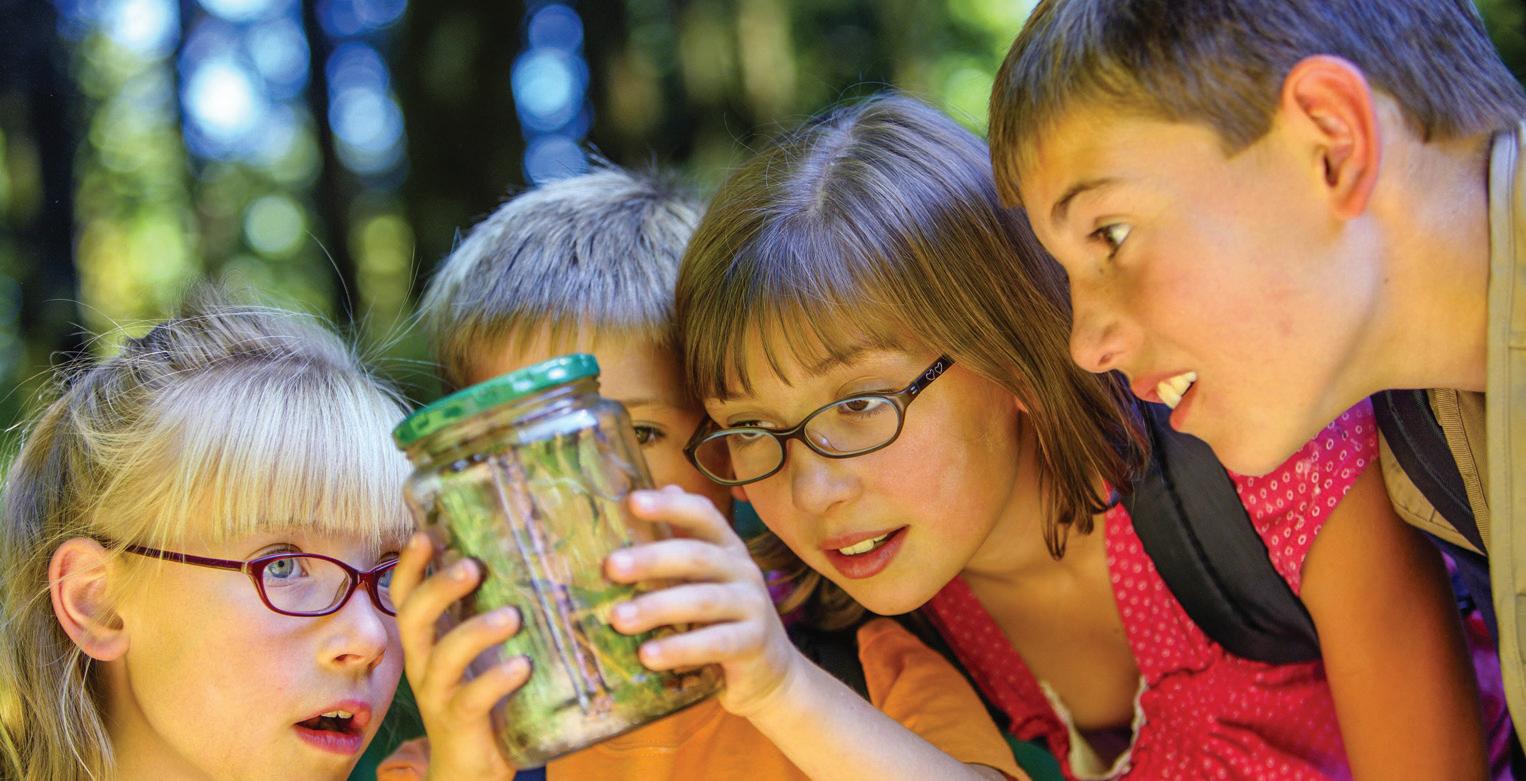
A study from researchers at the University of Essex published in the journal Sociology of Health & Illness found that parental pressures and an “intensification of parenting” have led to more structured activities and less organic play among children. This reduces creativity and eliminates opportunities for them to independently learn dangers on their own. The study found that “more opportunities for unplanned physical activities would allow children to develop stronger awareness of dangers and limitations while providing an outlet for creativity.”
Parents hesitant to let their kids out on their own can keep these tips in mind.
• Unstructured play encourages kids to invent games, solve conflicts and find creative solutions to challenges. Kids sometimes need to work out their own issues and play is a great way to do that.
• Creating a buddy system enables kids to enjoy responsibility independent of their parents without removing the safety net entirely. Friends can pair up to go on walks or ride bikes. Should something happen to one child, the other can return home to seek help.
• It’s possible to give children freedom with boundaries. Offering a set time of unstructured, unsupervised play with the expectation to check in at a specific point is a good idea. The amount of unsupervised time can be extended as children prove they can be trusted.
• Visit areas that allow for space to roam without the need for parents to hover. For example, kids can play softball at a nearby park while adults walk the adjacent trails.
• Parents can talk things over with their children and hear their concerns about having more freedom. Compromises often can be reached on both ends.
• Kids can be encouraged to walk home from school if it is a reasonable distance away. Not only will children get exercise, they’ll have a measure of independence and an opportunity to socialize with others heading the same way. Plus, there typically are crossing guards and other adults around who can watch out for kids more so than during non-peak hours.
Children can benefit from unstructured, unsupervised socialization. Parents may need to step back and retrain themselves to give kids the benefit of the doubt.
Bridging the activity gap until summer camp
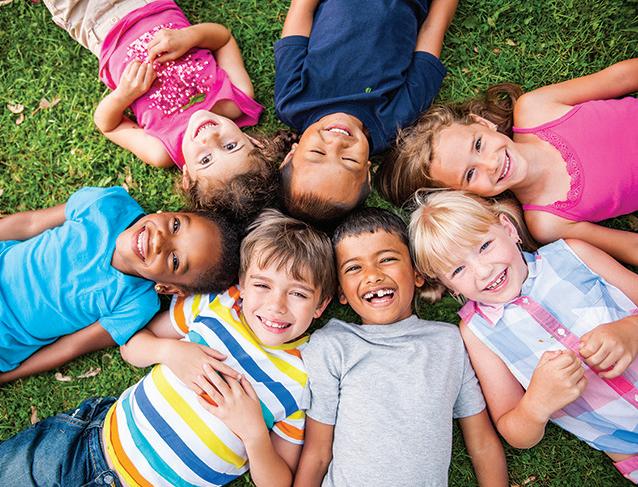
Keeping children occupied during the summer is no small feat. Many families look to summer camp, which can be a fun experience for kids that they will remember into adulthood.
Many summer camps do not begin right at the end of school, meaning there may be a lull when kids are at home uttering the dreaded words, “I’m bored.” Parents can bridge the gap between the end of he school year and the start of summer camp in numerous ways.
• Neighborhood fun: Rotate hosting duties with other parents, and organize scavenger hunts, bicycle rides, lemonade stands, or backyard pool gatherings.
• At-home projects: Use this gap time for hands-on projects like painting canvases, trying new hobbies, learning how to play an instrument, or catching up on chores.
• Volunteer: Kids can do community service or participate with a faith-based charity.
• Short-term camps: Recreational departments in many towns and cities offer short-term specialized day camps that can help fill some days until other camps begin. These may be specialized toward sports, arts, STEM, or dance. Some run just a week or two.
• Library events: The library can be a great source of inspiration and engaging activities for kids. Plus, libraries often have available free passes for museums, parks and tours.
• Online platforms: Children can brush up on some of their school lessons by looking into online classes. Outschool, for example, is an educational platform that offers online classes for kids and teens ages one to 18. Khan Academy is a free educational app with games, books, lessons and more.
Parents looking to fill the time between the end of school and the start of summer camp have various options at their disposal.