Nursing is a popular career choice. With strong job security and the potential for growth, it is no wonder nursing draws such interest. In 2021, the U.S. Bureau of Labor Statistics estimated there would be about 203,200 openings for registered nurses each year for the next decade. And employment of registered nurses is expected to grow by 6 percent between 2021 and 2031. A strong job outlook and competitive pay (nurses earn median salaries of $77,600 as of May 2021) appeals to any aspiring professional, but a career in nursing is about more than opportunity and compensation. Individuals considering nursing need to determine if the field might be the right fit for them. It’s not always glamourous being a nurse. In fact, it can be quite challenging and often stressful. However, the rewards tend to outshine the trials and tribulations. The following are some components of nursing that can help individuals determine if the field is right for them.
Training time constraints
There are different levels of nursing, each of which requires a different amount of training and certification, according to Nurse Money Talk. A certified nursing assistant must complete a program at a specific CNA vocational school, and such programs run between four and 10 months, on average. Licenced vocational nurses can expect to study for 12 to 18 months, and must pass the NCLEX-PN licensing exam. Registered nurses will need two to four years of schooling and are expected to earn an associate’s degree or bachelor’s degree. Aspiring RNs also will need a passing grade on the NCLEXRN licensing exam. Most nurses will have to complete clinicals to showcase skills in real life situations.
Flexibility
Nurses need to be adaptable and flexible. Shifts may not be consistent and the demands of the job may differ from day to day, even though there may be some overlap. If challenging new experiences come easy to you or if you have the flexibility to work different shifts rather than a set schedule, then nursing could be a good option.
Problem-solver and critical thinker
Although nurses are part of a larger health care team and may need to leave certain decisions to physicians, there are plenty of critical decisions and think-on-your-feet actions that may need to be taken to ensure patient health. It is essential for nurses to keep their emotions in check so they can think clearly in stressful situations.
Good communicator
Nurses must be able to speak and interact with doctors and others in a clinical setting, but also communicate effectively with patients who may not fully understand all of the medical jargon nor what is happening to them. Nursing requires social skills and an ability to pivot between many different roles — all the while adjusting communication tactics depending on the audience.
Organized and diligent
There isn’t too much room for mistakes in health care, which means nurses will need to maintain their attention to detail; otherwise, they could subject patients to injury or even death.
In addition to these traits, good nurses should have compassion for patients. A desire to help others during difficult times compels many people to become a nurse.
Tips to choose the right nursing specialty
Opportunities abound within the nursing profession. Nursing shortages have stretched the profession thin in both the United States and Canada. For example, a report in fall of 2022 indicated a nursing shortage was directly responsible for the closure of 16 emergency departments in Ontario, Canada’s largest province. Warnings regarding a potential nursing shortfall have been sounded for years in the United States as well, with estimates from the country’s Bureau of Labor and Statistics projecting more than 200,000 job openings per year over a decade-long period beginning in 2021 and ending in 2031.
Though the Ontario closures illustrate how nursing shortages pose a public health problem, those shortages also present opportunities for individuals considering a career in nursing. Nursing is essentially an umbrella term for a career path includes an array of specialties, and aspiring nurses may need a little help choosing the right path within the field.
• Consider your potential schedule. The pandemic highlighted just how essential nurses are to public health, and many specialities within the field do not have a down season. If routine is something you aspire to in order to create work-life balance, then certain specialties within nursing may be more appealing than others. For example, school nurses and nurses who work in doctor’s offices generally work 9-to-5 shifts, which can afford such professionals the same work-life balance as other professions. If you thrive on a fastpaced environment where routine is less important, then a career as an emergency room nurse might merit consideration.
• Identify why you want to be a nurse. Opportunity for career growth and earning potential are good reasons to pursue any career, but those are not the factors that compel many people to initially consider a career in nursing. Many nurses were first inspired by a personal experience, such as helping an elderly relative. Others may have been inspired by a love of children and a desire to help kids recover from illnesses. When faced with the decision of which path to specialize in, aspiring nurses can benefit from identifying what compelled them to pursue nursing in the first place and then look for an opportunity that aligns with that inspiration.
• Determine the educational requirements. Education requirements vary widely within the field of nursing. Some specialties require a two-year associate’s degree while others may require considerably more formal education. For example, the American Association of Nurse Practitioners indicates a nurse practitioner must complete a master’s or doctoral degree program and have advanced clinical training beyond their initial professional registered nurse preparation. Aspiring nurses can identify the educational requirements of various nursing specialties to help them decide how big a commitment they’re willing to make.
• Recognize you can pivot. Aspiring nurses also should recognize they can pivot to a new speciality if they have a hard time identifying a career path when they begin their formal schooling. In fact, many nurses find that on-the-job experience is the best way to identify which specialties appeal to them and which don’t.
Nursing is a vast field loaded with opportunities. Aspiring nurses can consider a host of factors as they try to identify which career path to take.
The stress associated with the nursing profession has been well documented. A 2022 study published in the journal BMC Nursing found that job stress not only has an adverse effect on nurses’ health, but also may reduce performance and quality of care, potentially affecting the outcome of patients.
There’s no denying nurses have a lot of weight on their shoulders. That reality underscores the importance of letting nurses know how much they’re appreciated. Community leaders can consider these ideas as they look for ways to honor local nurses.
• Recognize nurses at public events. Parades, high school sporting events, holiday tree lighting ceremonies, and other community-centric events draw large crowds. That makes these events the perfect time to honor local nurses and emphasize all the work they do to help their neighbors. Ask a local nurse or two to serve as grand marshal(s) in a holiday parade and/or let local nurses flip the switch at a tree lighting ceremony. Community dignitaries like a mayor or local police chief can explain who the honoree is once the crowd gathers.
• Support a nursing charity. A community-wide campaign to support a charity that benefits nurses or causes important to nurses can be a great way to thank them for all they do. Various domestic and international organizations
are linked to the nursing profession. Prior to introducing a campaign, community leaders can speak with local nurses to see if there is any specific charity or cause important to them. Some charities may provide job training in communities where nursing shortages have made it hard for locals to access quality health care, while others may finance health care operations, including staffing of nurses, in underprivileged countries.
• Publicize and support efforts to improve on-the-job safety for nurses. The American Nurses Association noted that nurses were forced to reuse masks or purchase their own safety equipment during the peak of the COVID-19 pandemic. Communities that want to express their appreciation for nurses can support efforts to ensure working conditions are safe for nurses and that nurses don’t need to reach into their own pockets in an effort to avoid illness.
• Embrace public health efforts. One of the most effective ways to honor local nurses is to take a little off their professional plate. Community leaders can urge residents to get their annual flu shots and update other vaccinations in an effort to keep hospital admissions low, which in turn makes nurses’ jobs easier.
Nurses are worthy of praise. Communities can do much to show these invaluable health care professionals how much their efforts and sacrifices are appreciated.
How communities can honor local nurses
What is a nurse practitioner?
Annual wellness visits have long been considered a vital component of preventive health care. That hasn’t changed, though the dynamic between patient and health care professional during those visits has changed considerably for many people.
Once a realm exclusive to patients and their physicians, annual wellness exams now often involve patients and nurse practitioners. In fact, the American Association of Nurse Practitioners notes that NPs have become the preferred health partner of choice for millions of people, which makes it worthwhile to explore just what NPs do.
What is a nurse practitioner?
The AANP notes that NPs are highly educated clinicians who blend clinical experience in diagnosing and treating health conditions with an added emphasis on disease prevention and health management. All NPs must complete a master’s or doctoral degree program and have advanced clinical training beyond their initial professional registered nurse preparation. The education and training required of NPs prepares them to practice in various health care settings, including primary care, acute care and long-term care.
Which services can NPs provide?
Some people may not even realize that the NP they speak with during an annual wellness exam isn’t a physician. That’s because NPs can perform a host of services people often associate with physicians. The U.S. National Library of Medicine notes that NPs are allowed to provide a broad range of services, including:
• Perform a physical exam
• Order laboratory tests and procedures
• Diagnose, treat and manage diseases
• Prescribe medications and write prescriptions
• Coordinate referrals
• Provide information regarding preventive care and healthy lifestyles
• Perform certain medical procedures
What are the qualifications to be an NP?
The AANP notes that NPs undergo rigorous certification, periodic peer review and clinical outcome evaluations. NPs also must adhere to ethical codes. In addition, due to the fluid nature of health care, NPs must selfdirect their continued learning and development to ensure they maintain their clinical competency.
Why do I see an NP and not a physician?
The AANP notes that NPs help to address a shortage of primary care physicians. With their expertise and accepted range of responsibilities, NPs are helping to ensure patients receive timely and accurate medical advice. Without NPs, patients may have to wait especially long periods of time to see their physicians, which could have dramatic and adverse longterm effects on their overall health.
Nurse practitioners play a vital role in modern health care settings. These versatile, talented professionals routinely apply their rigorous training and extensive education in ways that benefit their patients every day.
The various educational paths to follow in pursuit of different careers in nursing
The field of nursing is vast. While providing medical assistance and support to patients is at the heart of any nursing career, the road to becoming a nurse varies.
There are many pathways to becoming a nurse, and each requires a specific amount of education, training and testing. Here’s a deep dive into the various professional degrees associated with nursing, courtesy of NurseJournal.org and Nurse.org.
Certified Nursing Assistant
A certified nursing assistant is how many people first enter the field of nursing. CNAs are not nurses, but they help nurses provide medical care. Becoming a CNA requires completion of a program that can last 12 weeks, a CNA certification exam and state (provincial) licensing.
Licensed Vocational or Practical Nurse
To become an LVN or LPN, individuals must finish a one-year program to receive a diploma, and pass the NCLEX-PN licensing exam. State or provincial licensing also is required.
Registered Nurse
Prospective registered nurses can take two different paths. They can opt to get an associate’s degree in nursing (ADN), which involves a two- to three-year program. After completion of that program, candidates must pass the NCLEX-RN exam. Aspiring RNs also can pursue four-year degrees and earn a bachelor’s of science in nursing
A(BSN). They must then pass the NCLEXRN exam. Those enrolled in associate’s or bachelor’s programs can expect to take an array of classes, some of which may include Nursing Care for Elder Adults and Mental and Behavioral Health Nursing. There is evidence that patient outcomes may be improved under the care of BSNprepared nurses, according to the American Association of Colleges and Nurses. As a result, many hospitals prefer BSNprepared applicants. Those with a BSN also may be able to advance to leadership and administrative roles more easily.
Advanced Practice Registered Nurse
Prospective APRNs will need a master’s of science in nursing to pursue this career path. This involves a post-graduate program that will require in-person clinical hours and a passing grade in a certification exam in the area of specialization. Others go further to obtain a doctorate of nursing practice degree, which is a bit more involved. APRNs can enjoy careers as Nurse Practitioners, Clinical Nurse Leaders, Clinical Nurse Specialists, Certified Registered Nurse Anesthetists, or Certified Nurse Midwives, with salaries averaging around $115,000. Those with MSN or DNP degrees also may take nonclinical routes, becoming administrators, informaticists, educators, or researchers. Individuals thinking about nursing careers can do their research to learn which level of schooling best aligns with their interests. More information is available at Nurse.org.
nursing shortage in the United States is expected to intensify in the coming years as the aging population grows and the need for health care increases as well. Projections from the U.S. Bureau of Labor Statistics suggest there will be more than 203,000 openings for registered nurses each year between 2021 and 2031. And it’s not just a shortage of RNs that the health care industry will be forced to confront. The BLS’ Occupation Outlook Handbook also projects a growing demand for advanced practice registered nurses (APRNs), with estimates suggesting as many as 30,200 APRN openings each year between now and 2031. Qualifications to become an APRN typically include completion of a master’s or even doctoral program, while RNs typically must complete a four-year bachelor’s or two-year associate’s program.
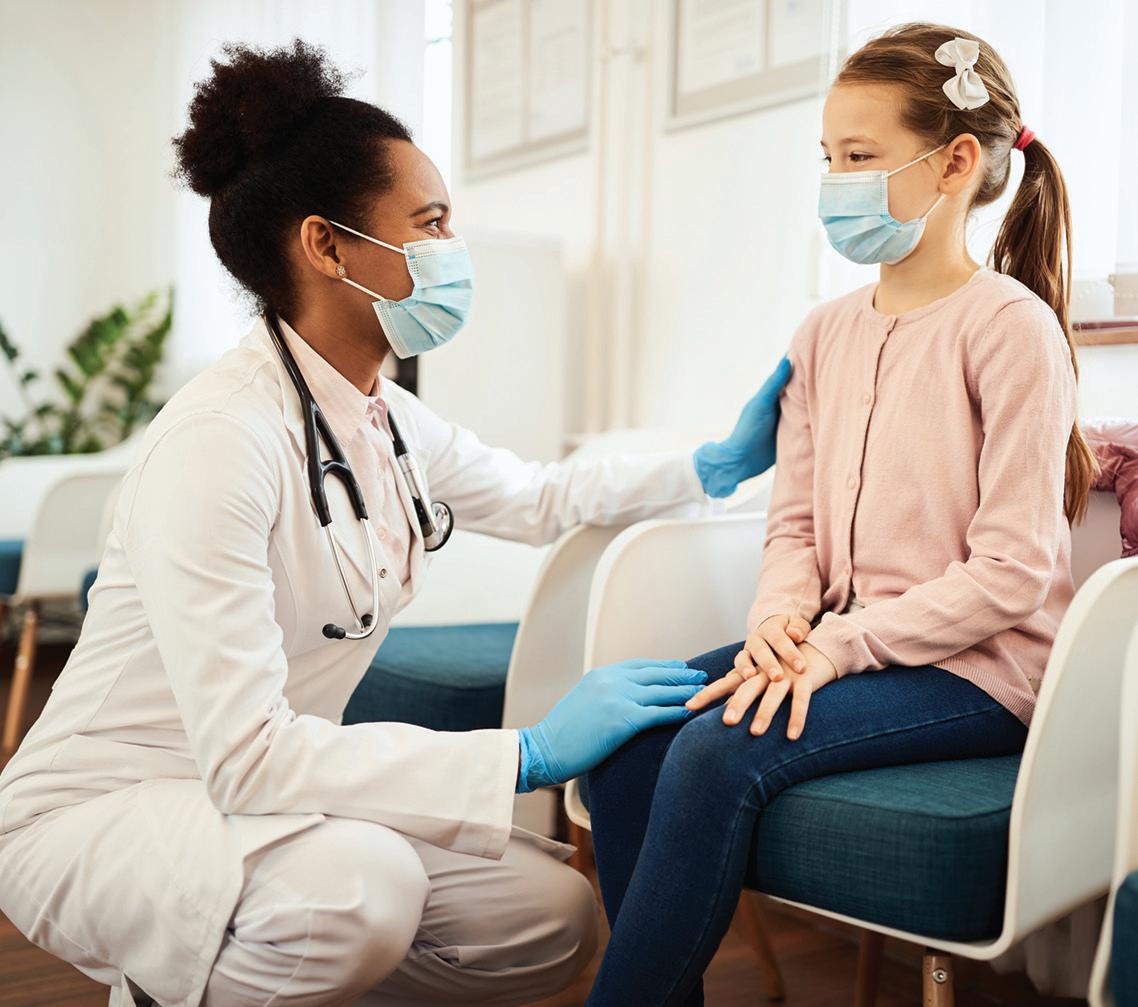
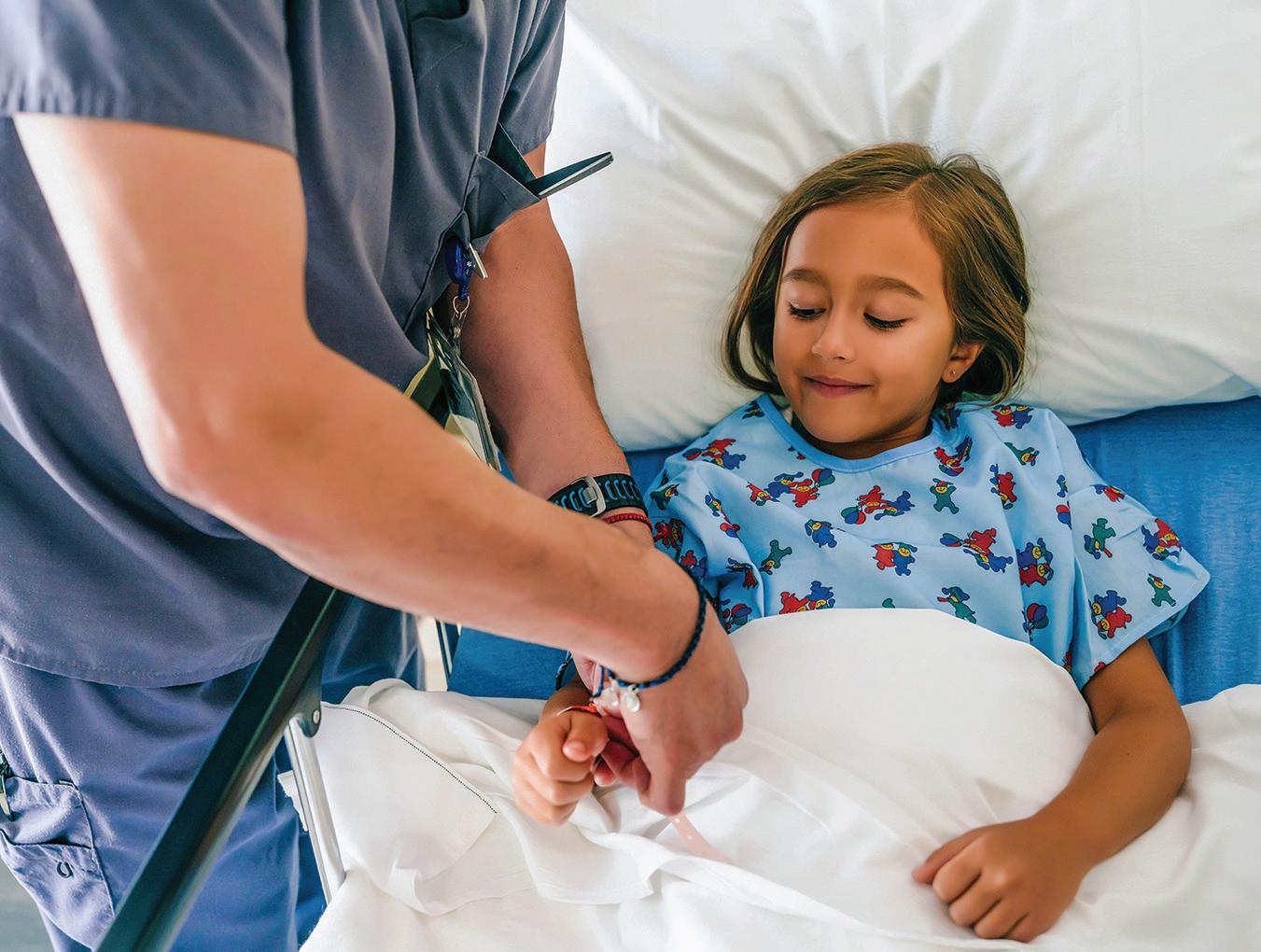
Individuals get involved in nursing for many different reasons. Many pursue a career in nursing to help people who are sick. Others might have been compelled to pursue nursing after overcoming their own illness with the help of nurses. Many people become nurses to help children, and such individuals will find that there’s no shortage of opportunities to help kids in a health care setting.
School nurse
Perhaps no role within the nursing profession is more synonymous with helping kids than a school nurse. School nurses perform a range of tasks, from administering medication to students during the school day to managing injuries or illness that arise while kids are on school grounds. Since they work outside of a health care facility, school nurses typically work alone in an environment that tends to be less stressful than many settings. According to the nursing and health care education resource NursingProcess.org, school nurses typically must be a registered
nurse (RN) and receive their education from a four-year bachelor’s degree program or a two-year associate’s program.
Pediatrician’s office
Many nurses work in the office of a pediatrician. Nurses working in such settings may administer vaccines and assist in routine wellness visits. A pediatrician’s office may be the ideal setting for aspiring nurses who want to work with children of all ages, as many kids see their pediatricians into their teenage years. NursingProcess.org notes that nurses in a pediatrician’s office must be an RN and receive their education from a four-year bachelor’s degree program or a two-year associate’s program.
Pediatric intensive care unit
Nurses who work in a PICU work with children ranging in age from infants to teenagers. Patients in a PICU need round-theclock monitoring, so this can be an intense setting for nurses. Though the requirements to be a PICU nurse are similar to school
Different types of nurses who work with children
nurse and a nurse in a pediatrician’s office, the field is competitive, so it’s unlikely new graduates will find a job in a PICU right away. Experience gained outside of a PICU also can prepare nurses for the stress that comes with working in such a facility.
Pediatric emergency department
Another potentially stressful position for nurses who hope to work with children is a job within a pediatric emergency department. NursingProcess.org notes that patients in pediatric emergency departments typically have suffered trauma or injury, so this environment can be fast-paced and keep nurses on their toes. In addition to being an RN and earning a degree from a four-year bachelor’s degree program or a two-year associate’s program, pediatric emergency department nurses may need to become a certified pediatric emergency nurse (CPEN).
Labor and delivery nurse
Labor and delivery nurses work alongside mothers before, during and after the labor process. NursingProcess.org notes that labor and delivery nurses monitor the vital signs of both the mom and baby and provide care for the baby immediately after birth. Labor and delivery nurses must be an RN and earn a degree from a four-year bachelor’s degree program or a two-year associate’s program.
These are just a handful of the many professions within the field of nursing in which nurses work with children. More information is available at NursingProcess. org.
The nursing profession is vast and attracts an array o talented people. A career as a nursing assistant can be a rewarding path for those who want to get into the profession.
According to the U.S. Bureau of Labor Statistics, health care jobs are expected to grow by 13 percent between 2021 and 2031, making a nursing career an attractive option.
What is a nursing assistant?
According to Premier Nursing Academy, a certified nursing assistant is an entry-level step into the medical field. A CNA is not a nurse, but these individuals will work very closely under the supervision of licensed nursing staff, physicians and other health care providers.
Why become a CNA?
Many people are drawn to becoming a CNA because the job presents a start in a career in health care. While some are content to remain CNAs for the duration of their careers, other CNAs use the position as a way to get on-the-job experience that can help them decide if they want to go further in the field of nursing. CNA certification does not require extensive education. On average, it takes between four to 10 weeks to complete the necessary coursework to become a certified nursing assistant.
The role of certified nursing assistants
Average day for a CNA
According to Indeed, a CNA can expect to perform these tasks on any given day.
• Administer medications to patients.
• Assist patients with activities of daily living.
• Bathe and dress patients.
• Check vital signs.
• Serve meals and help patients eat.
• Watch for changes in patients’ behaviors or worsening conditions.
• Reposition bedridden patients.
CNAs work in many different settings, including at hospitals or in residential nursing homes.
Salary and outlook
The BLS estimates that demand for certified nursing assistants will increase by 5 percent by 2031.
Interested parties can expect to earn a median annual wage of $30,290. Should one want to go on to becoming a registered nurse, he or she can expect a salary of $77,600.
Certified nursing assistants play important roles in the medical field. CNAs hone their skills in facilities and can choose to stay put or go on to more advanced nursing careers.