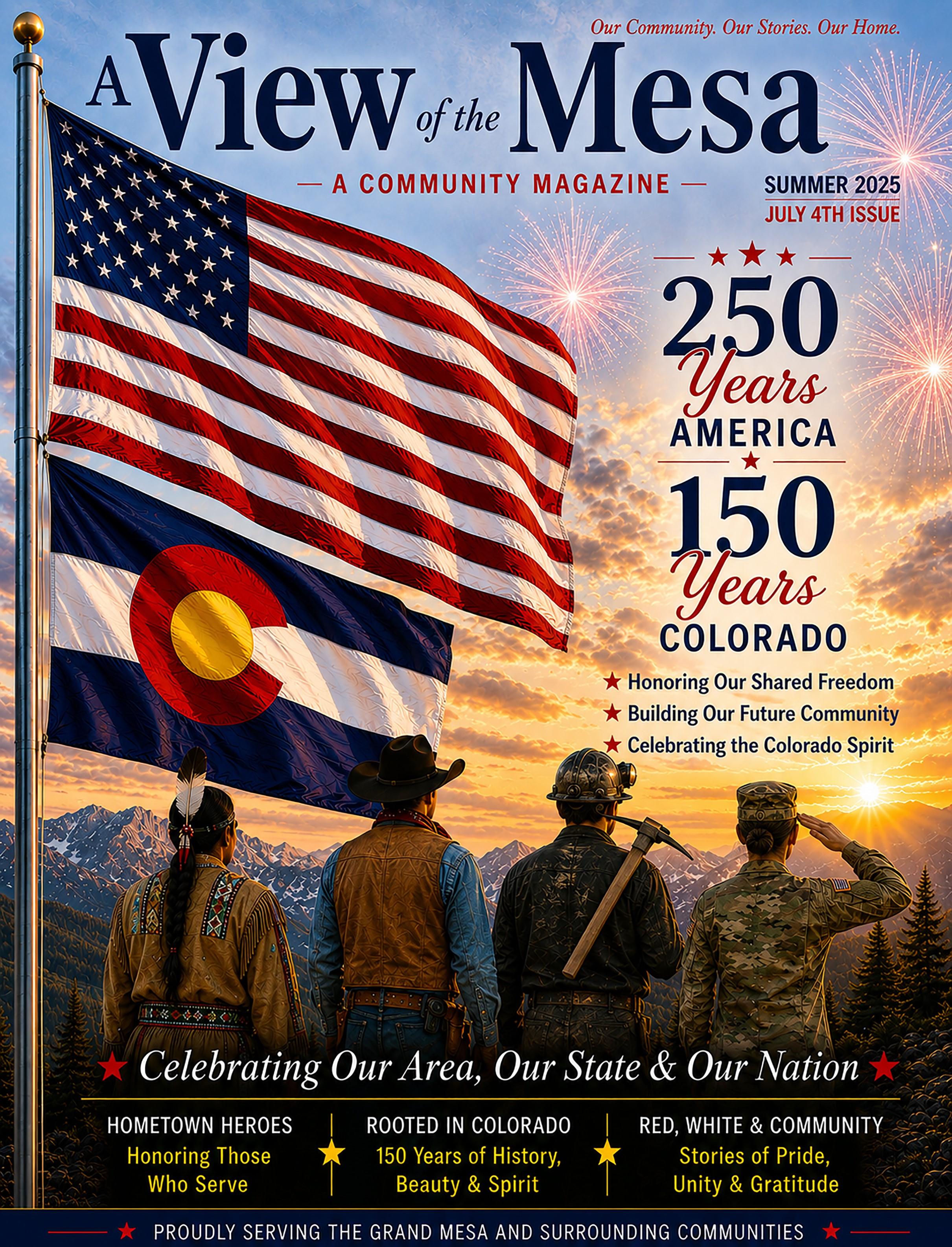

It is hard to believe that we are already halfway through 2026. I find myself marking the passing years by the issues of this publication and that is a rather strange thing to consider!
This issue is especially near and dear to my heart. The stories and articles, the research and the fiction, the photographs, and even the advertisements all focus on one theme: the incredible freedom we enjoy in this country.
These are freedoms we often take for granted until we turn on the morning news. Freedom gives us the ability to worship, to protest, to earn a living, to travel from state to state, to be ourselves (whoever that happens to be), and to enjoy our lives doing whatever it is that brings us joy.
This issue has been written with passion and conviction. My writers and yes, I do consider them “mine” have invested an immense amount of time and careful thought into every word they have contributed. They wanted this issue to be the very best we have produced so far.
As we take time to reflect on the 250th birthday of a nation built by people from many backgrounds
refugees and indigenous peoples, individuals of different cultures, beliefs, colors, and creeds we are reminded that our strength comes from that diversity. It is the blending of many stories into one nation that has made America resilient, innovative, and strong. But perhaps most important is what each of us contributes to the lives of those around us. If it is sharing a kind word or a cup of coffee, a smile or a wave, an idea or an invention, each of us changes the world simply by being ourselves.
Here on the Western Slope, we wave, smile, and even say hello to strangers. Let us never take those small gestures for granted, nor allow them to disappear from our lives.
These are just a few of the things that make our community such a wonderful place to live.
Thank you for being part of it.
We are Digital too-share it with your friends and family! www.View-Mesa.com
Your comments are always welcome! For advertising opportunities or content suggestions, contact me at pat@writewordsmedia.com or call me at 513-910-0510
Patricia Stirnkorb, Editor

911 Fire and Life Squad
800-222-1222
970-856-4301
Cedaredge Police

970-856-3123
City of Cedaredge
970-835-3337 City of Ekert
970-856-3885
970-856-3118
970-856-6882
Cedaredge Elementary
Cedaredge Middle School
Cedaredge High School
970-856-1125
970-856-5012
970-856-7199
970-856-6690
877-687-3532
Cedaredge Food Bank
Cedaredge Public Works
Coalby
Delta Montrose Electric

290 SW 2nd Avenue
Cedaredge, CO 81413
970.856.6863
First Baptist Church
370 Main Street
Cedaredge, CO 81413
970.856.3830
Grand Mesa Baptist Church
110 SE Jay Avenue
Cedaredge, CO 81413
970.856.3455
New Hope EV Free Church
17464 Surface Creek Road
Cedaredge, CO 81413
970.856.4458
Church is an important part of our community. If you are looking for a place to worship, why not visit one of these?
True Life Church of Cedaredge 1507 SW 9th Street
Cedaredge, CO 81413
970.856.3586
St. Philps Catholic Church
290 NW Cedar Ave
Cedaredge, CO 81413
970.856.6495
Cedaredge Community United Methodist Church
210 NW 3rd Street
Cedaredge, CO 81413
970.856.3696
The Church of Jesus Christ of Latter-day Saints 1395 SW 9th Street
Cedaredge, CO 8413

907.787.2773 Are you an aspiring writer? Join us!
The writers of this magazine meet twice a month to learn, discuss, plan this publication, laugh, encourage each other and more! Our meetings are on scheduled Saturday mornings at 10 a.m. at New Hope EV Free Church on Surface Creek Road. We would LOVE to meet you! For more information, and our current schedule, contact me Pat@writewordsmedia.com
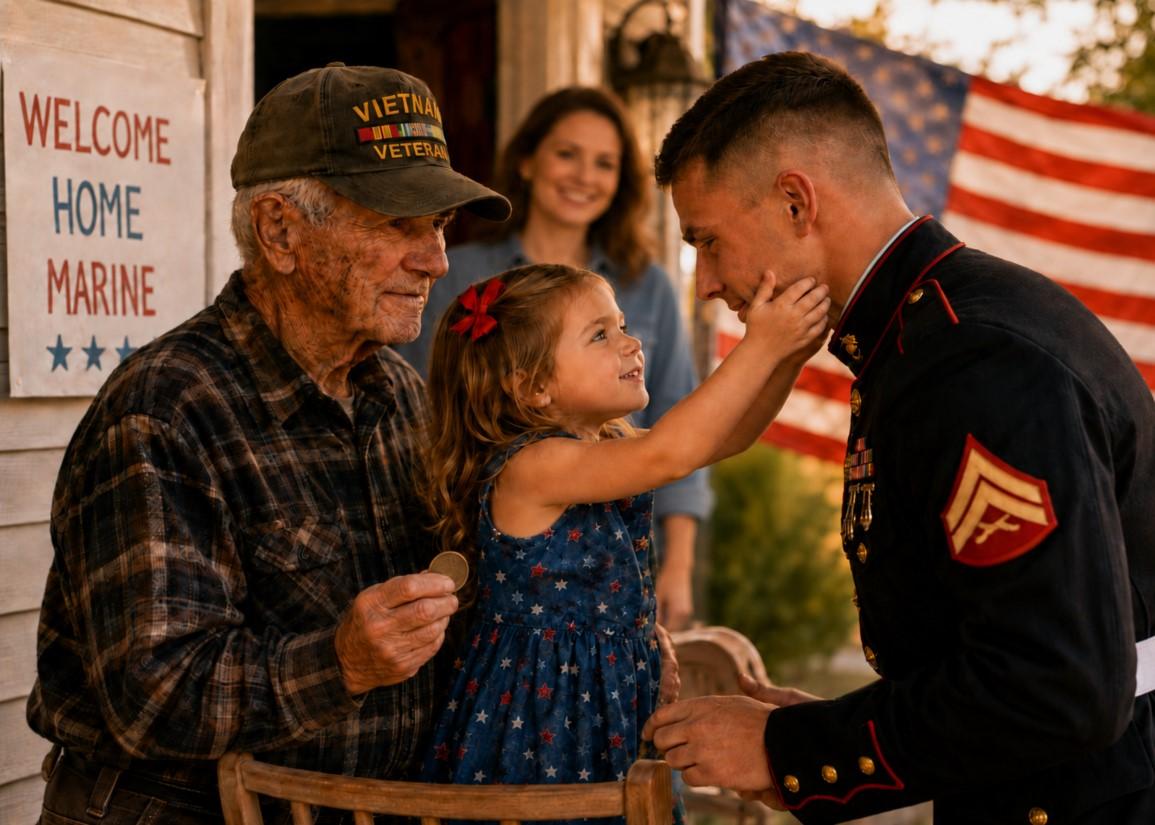
I did not expect to be reminded who I was at the city dump.
I was unloading trash when a woman who worked there asked me the usual questions.
“Do you have any tires, TVs, or refrigerators?”
It was an ordinary question in an ordinary place. I was just there to get rid of things I no longer needed.
Somehow, in the short conversation that followed, she discovered I was a United States Marine.
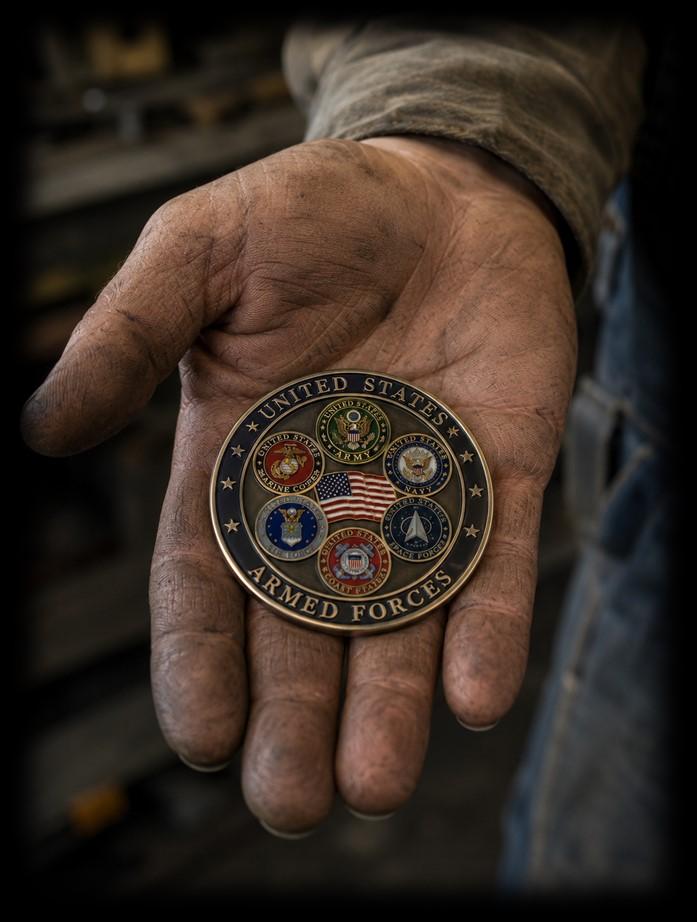
After I finished unloading, she came over to me with a medallion in her hand. It had the emblems of the Army, Air Force, Navy, and Marine Corps on it. Then she called to me by a name I had not expected to hear in that place.
“Marine.
I looked at her, surprised.
By William French
keep walking, keep working, keep showing up, and still lose sight of who he is beneath the weight of what he carries.
Years later, I met another Marine who needed that reminder more than I did.
He was a fellow war veteran having a hard time adjusting to civilian life. Some wars end on paper long before they end in a man. His dreams, his nerves, and his mind would not let go of conflicts most people around him could not see.
But I could see enough to know he was struggling.
He was also a Christian man. A good man. A man who had served his country above and beyond the call of duty.
So I handed him the medallion. There was no show in the moment. No big speech. Not even a thank-you.
But there was understanding.
The kind that passes between two men when words are almost too much.
“How did you know I was a Marine?”
She said, “I have five older brothers who earned the title United States Marine.”
Then she placed the medallion in my hand and said words I have never forgotten.
“Remember who you are.”
She did not give a speech. She did not ask for my story. She simply recognized something in me and honored it.
In a place built for discarding things, a stranger handed me a reminder that I was not one of them.
I was a Marine.
I was still a man with a name, a story, and a purpose.
Remember who you are.
I carried that medallion in my pocket for years. Not because the metal itself had power, but because the words did.
A person can forget himself. Life can do that. Pain, failure, weariness, and time can do that. A man can
I repeated what the woman at the dump had said to me years earlier.
“Remember who you are.”
He understood.
Before either of us lost our composure, we shook hands and went back to work.
A medallion that had once been placed in my hand had now been placed in his.
A reminder had moved on.
As America approaches its 250th anniversary, I find myself thinking about that medallion again.
I think about the woman at the dump, her five Marine brothers, and the honor she gave to a stranger.
I think about the fellow Marine at work, carrying battles most people could not see.
And I think about those words.
Remember who you are.
Those words were never meant to stop with one Marine.
(Remember who you are...continued)
They belong to a nation as well.
America will soon celebrate 250 years since the Declaration of Independence. And that is worth honoring with flags, fireworks, ceremonies, songs, speeches, and memories of men and women who gave much, so freedom could endure.
Those things matter.
But an anniversary is not only about what others gave. It is also a time to ask what we are becoming.
Freedom is a beautiful gift, but it is not selfsustaining.
It requires honesty when dishonesty would be easier.
Courage when silence would be safer.
Humility when pride feels natural.
Responsibility when blame would be more convenient.
It requires people who can be trusted with what others sacrificed to give them.
This country has never been perfect. No nation made of human beings ever could be. Our history contains courage and contradiction, sacrifice and failure, nobility and sin.
But honest remembrance does not require pretense.
It requires the courage to hold gratitude and responsibility in the same hand.
It can say, “We have been blessed.”
It can say, “We have fallen short.”
It can say, “We must do better.”
And it can still say, “There is something here worth carrying forward.”
That is why “Remember who you are” feels like something America needs to hear.
Not as a scolding.
As a reminder.
A nation remembers who it is when its people remember who they are.
The medallion taught me that reminders move.
From one hand to another.
From one heart to another.
From one generation to another.
I no longer carry that medallion in my pocket.
But I still carry the words.
In this 250th year of America’s story, I offer them again:
Remember
Then live worthy of it.



By Laura McCrackin
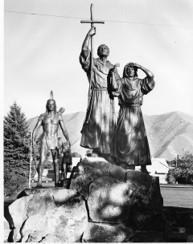
When the United States declared independence in 1776, there were no counties, towns, or congressional districts in what would become Western Colorado. Spanish priests Francisco Atanasio Domínguez and Silvestre Vélez de Escalante, accompanied by Ute guides were traveling through the valleys and plateaus west of the Continental Divide. The Eastern plains were largely buffalo country, while the mountains and canyon lands Native peoples who had occupied the region for centuries.
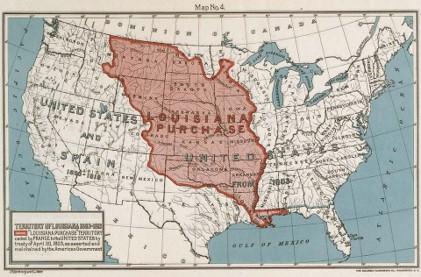
The Louisiana Purchase of 1803 added approximately 828,000 square miles to the United States, including the land east of the Continental Divide in present-day Colorado. The western portion of Colorado remained part of Spain’s northern frontier and later Mexico’s.
Spanish influence in the region began after Hernán Cortés arrived in Mexico in 1519.
Over the following centuries, Spanish explorers and settlers moved northward. After Mexico gained independence from Spain in 1821, trade expanded along the Santa Fe Trail, linking Mexico to the US. Yet much of present-day Colorado remained under Indigenous control. The Mexican-American War changed that situation.
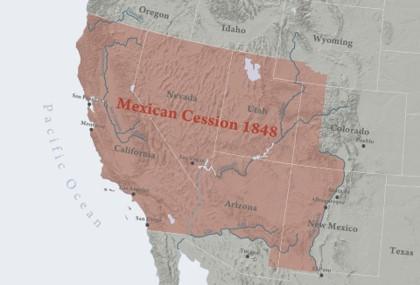
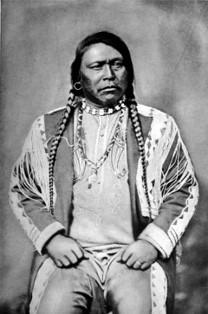
The 1848 Treaty of Guadalupe Hidalgo transferred a vast territory from Mexico to the United States, including western and southern Colorado. At the time, the Utes remained the dominant power across much of the Western Slope. Long before western Colorado had elected representatives in Denver or Washington, its most influential political leader was Chief Ouray. Ouray negotiated directly with federal officials and presidents on behalf of his people.
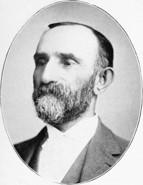
Among the earliest non-Native leaders to shape southern Colorado was Lafayette Head. Born in Missouri, Head moved to New Mexico and later settled in the San Luis Valley. He helped establish agricultural communities and irrigation systems. He brought Hispano families north from Abiquiú to settle Conejos. Head was not only a sheep rancher, but also an astute businessman and a Federal Indian Agent. He spoke Spanish and worked with Chief Ouray. Head accompanied Ute delegations to Washington. He was one of the most influential territorial leaders in southern Colorado.
Formal government arrived with the creation of the Colorado Territory in 1861. President Lincoln appointed William Gilpin the first territorial governor and territorial legislators were elected locally. Federal authority remained extensive in land surveys, mining laws, military posts, Native affairs and the postal system.
Lafayette Head was a key figure in this developing government serving in the territorial legislature and as a delegate to the 1875 constitutional convention that drafted Colorado’s state constitution. Head played an important role in shaping provisions related to agriculture, irrigation and water rights. When Colorado became a state in 1876, Head was elected the first lieutenant governor.
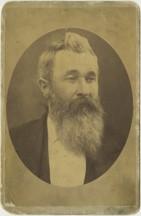
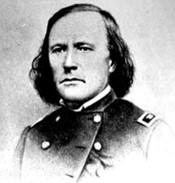
While territorial institutions were taking shape, another force was transforming Western Colorado from the ground up. Trappers, explorers, merchants, ranchers and miners were moving into the mountains and valleys. Among the best known was Kit Carson, a scout, guide trapper and soldier whose travels helped map the Southwest for American expansion. His legacy remains controversial because of his role in military campaigns against Native peoples. While Carson explored, another man, Otto Mears began to create infrastructure.
Mears immigrated from Latvia as a teen working hard labor, farming, and prospecting where he recognized transportation was an obstacle to progress in the San Juan Mountains. Mears built roads across some of the most rugged terrain in Colorado, eventually constructing more than 450 miles of roads through high mountain passes. He was nicknamed “Pathfinder of the San Juans”. He later turned to railroad construction building narrow gauge lines linking communities and growing economies. Otto Mears spoke Ute and served as an interpreter during negotiations surrounding the 1873 Brunot Agreement. Under that agreement, the Utes ceded nearly four million acres in the San Juan Mountains to the United States. The pressure on the tribal leaders was immense. Miners had already entered the region illegally, and many believed federal authorities would ultimately open the area regardless of tribal objections. Chief Ouray supported the agreement in hopes of preserving peace and securing compensation for his people. The peace would not last.
In 1879, tensions erupted at the White River Agency. Federal Indian agent Nathan Meeker sought to force changes in traditional Ute life, including restrictions on horse racing and pressure to adopt farming practices. Many Utes viewed these actions as violations of their agreements and an attack on their culture. Violence followed. Ute warriors attacked the agency , killing Meeker and several employees. US troops under Major Thomas Thornburgh were moving toward the reservation when fighting broke out near Milk Creek. Chief Ouray had not supported the uprising and worked tirelessly to negotiate peace.
Nevertheless, the incident became a turning point. Public outrage led to federal action that removed most Utes from western Colorado. Today, Colorado is home to two federally recognized Ute tribes: the Southern Ute Indian Tribe, headquartered in Ignacio, and the Ute Mountain Indian Tribe, Headquartered in Towaoc. (continued…)
Leadership (continued)
Both tribes remain sovereign nations with their own elected governments. They work directly with state and federal officials on issues to including water rights, transportation, education, public lands, and cultural preservation. Although they hold no dedicated seats in Congress they continue to influence policy through government to government consultation and political advocacy. Tribe members are US citizens and vote in local, state and federal elections.
As settlement expanded and political institutions matured, leadership increasingly shifted from tribal diplomacy and territorial administration to elected representation. Before Colorado achieved statehood, the territory was represented in Congress by non-voting delegates.
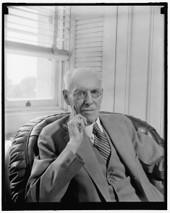
Among the most notable was Thomas M. Patterson who later served as both a US Representative and a US Senator from Colorado. As Colorado’s population grew, Western Colorado gradually gained a stronger voice in Washington. Colorado gained a second congressional seat in 1893, and in 1908 Edward T. Taylor of Glenwood Springs was elected to US Congress.
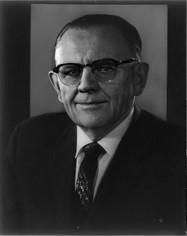
Congressional districts evolved repeatedly through reapportionment and redistricting during the twentieth century. Over time, these changes produced today’s Third Congressional District which encompasses most of the Western Slope and much of southern Colorado. The history of Western Colorado leadership would be incomplete without the story of Wayne Aspinall.
A Palisade fruit grower, teacher, lawyer, state legislator and congressman. He was one of the most influential Coloradans of the twentieth century. He often described how political power seemed increasingly distant as he advanced in public life: Palisade was controlled by Grand Junction, Grand Junction by Denver and Denver by National interests. That perspective shaped much of his career and his determination to ensure Western Colorado retained influence over decisions affecting its land and water. As chairman of the House Interior and Insular Affairs Committee, Aspinall wielded extraordinary influence over public lands, dams, water projects, mineral development and federal land policy. Few elected officials from Colorado have ever exercised comparable authority over issues so important to the West. To supporters, he was a defender of rural communities and local control of western water rights.
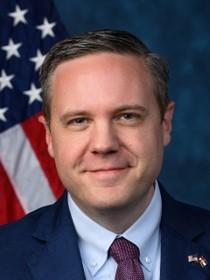
Today, roughly 85 percent of Colorado’s population lives east of the Continental Divide. Yet Western Slope leaders continue to work together on issues that transcend party and geography: Colorado River management, agriculture, ranching, public lands, rural healthcare, energy development and wildfire mitigation. Although Colorado’s US Senators, Michael Bennet and John Hickenlooper are not from the western slope, both have partnered with US Congressman, Jeff Hurd on issues affecting tribal communities and rural Colorado. Among those efforts are support for tribal water infrastructure and advocacy for federal commitments to the Ute tribes.
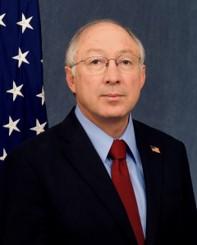
Modern Colorado leadership also reflects the enduring influence of the state’s Hispano communities. San Luis Valley native Ken Salazar, whose family traces its roots to early New Mexican settlers, served as Colorado attorney general, US senator, secretary of the interior and ambassador to Mexico, carrying a tradition of public service that stretches back to the earliest Hispano settlements in southern Colorado. (continued…)
Leadership (continued)
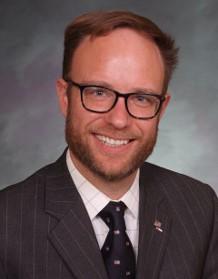
As Colorado’s sesquicentennial era unfolds, leadership continues to reflect values that shaped the region from the beginning. Representative Matt Soper, who concluded his service in Colorado House District 54 in 2026 after reaching term limits traces his family’s roots in Delta county.
According to his legislative biography his great-great grandparents settled there in 1887 and farmed the valley. Raised in Delta and shaped by the agricultural traditions of the area, Soper carried those local ties to Denver. In addition to his work on water and agriculture, he became a leading advocate for reforms to Colorado’s funeral industry and played a prominent role in debates over Gray Wolf reintroduction. He consistently pressed for the voices of ranchers and landowners to be included in state policy.
From Chief Ouray and Lafayette Head to Otto Mears, Edward Taylor, Wayne Aspinall and today’s elected officials, the story of Western Colorado leadership has been shaped by geography as much as politics. Water, transportation, public lands, agriculture, and tribal relations have defined the region’s priorities for centuries. Though political power remains concentrated along the Front Range, Western Slope leaders continue to influence decisions that shape the future of our side of the Divide.
The Government of Colorado is organized into three branches executive, legislative, and judicial operating under the Colorado Constitution with elected officials, state departments, and local governments providing services to residents. For more information visit Colorado.gov




By Jerry McHugh
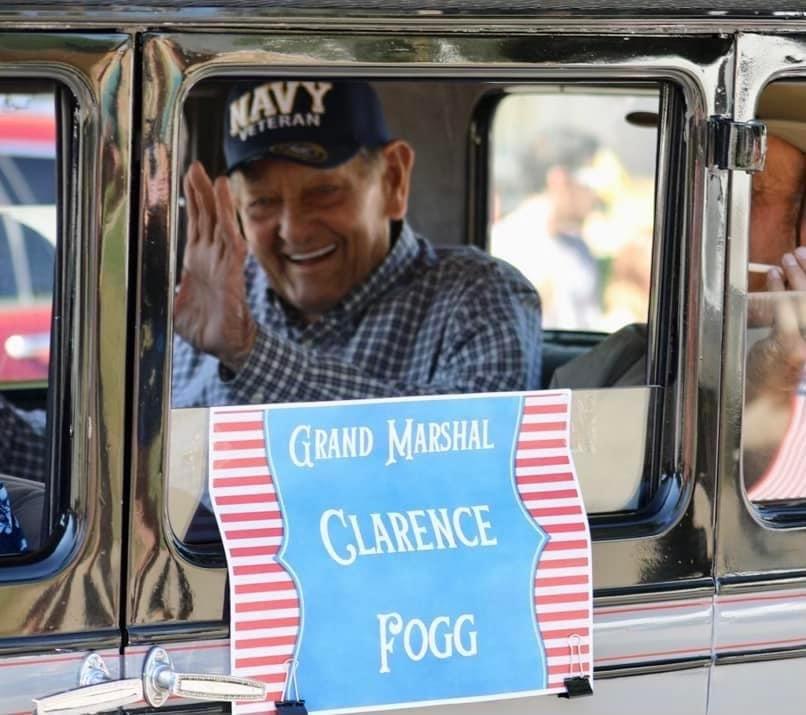
Next month, Clarence Fogg will turn 99 years old. And while there may be folks here with a few more miles behind them, none can claim what Clarence can he has lived nearly his entire life right here in Cedaredge.
Clarence didn't’t just graduate from Cedaredge Consolidated School he did it twice.
He was a member of both the Class of 1945 and the Class of 1947. That’s not a typo that’s history. He attended reunions for both classes, and his photo appears in both senior class composites.
Like many young men of his generation, Clarence along with Gail Brooks, Bill Fisher, and Gene Bruton made the bold decision to leave school before graduation to serve during World War II. When he returned home, he went back to finish what he had started, earning his diploma in 1947.
But Clarence’s story stretches much further back than his own lifetime.
His 8th great-grandfather, Samuel Fogg, arrived in the colonies around 1640 from England.
Clarence’s family was also among the earliest to settle here in the Forked Tongue Creek Valley, arriving on November 1, 1882. They found land west of Eckert along Ward Creek, back when this area was still part of Gunnison County. These early arrivals included his great-grandparents George and Helen Fogg; his grandfather, Noble Fogg; his great uncles Hilbert and Fred; and Fred’s bride, Anne.
George was a carpenter by trade, and might have been a bit of a firecracker in his youth after all, he was born on July 4, 1834.
Those early years along Tongue Creek were built on hard work and determination. Besides building houses, fences, and ditches and clearing land for farming the Fogg brothers Fred, Noble, and Bert worked the ranch and learned the trade of blacksmithing, shaping both iron and community in those early days.
If you’re not familiar with Cedaredge Consolidated School, it’s the yellow brick building now more than 100 years old that still stands today as part of Cedaredge Elementary School. Many people call it the “old high school,” but it was never just a high school. For years, it served as the only school in the upper valley, housing students from first grade through twelfth under one roof until a separate elementary school was built, and later, a new high school was added.
Clarence’s father, Bert Fogg (son of Noble), married Lucille Taylor in Cedaredge in 1924. Lucille had come to the area as a young girl from Paonia, where her family were among the early pioneers of the fruit industry. They later planted orchards in the Cedaredge area as well, helping shape the agricultural roots that still define the region today and perhaps where Clarence first found his passion for fruit farming.
When you meet Clarence Fogg, you’re not just meeting a man you’re meeting generations of local history. In that same year he officially graduated 1947 Clarence married Joyce McGlothlin. Together, they built a life filled with laughter, stories, and an open door. Their home became a gathering place, where friends stopped by daily for coffee and if they were lucky, a plate of Joyce’s famous sourdough pancakes.
(continued…)
Clarence Fogg (continued)
Clarence and Joyce raised three sons Scott, Bruce, and Chan, the youngest, who carries on the tradition today by running the Fogg orchards.
Joyce had her own story of determination. Though she wasn’t able to graduate with her class, she later returned to school alongside her eldest son and earned her diploma, a quiet but powerful testament to her resolve.
Neighbor Bob Morris, who grew up on the ranch next to the Foggs, remembered watching Clarence at work. One day, as Clarence loaded a flatbed trailer with bushel boxes full of apples, Bob stood in amazement. Gripping two boxes through the handle holes with each hand Clarence lifted all four heavy crates at once and gently set them onto the trailer.
Today, Clarence is a great-great-grandfather.
His is a life measured not just in years, but in roots, relationships, and stories shared across kitchen tables.
And today, at nearly 99, Clarence Fogg remains very much a part of the story of Cedaredge
Husband and father
Fruit farmer
Volunteer Firefighter
Grandfather
Friend
Happy Birthday, Clarence and thank you for being part of the story of Cedaredge.


By Terry Jarbo
Little bits of knowledge, gathered from snippets of words
Carrying truths that are beyond space and time to a heart full of life
Grand and pure to the hearts and minds of people
Compounding truths, revealing The Person full of truth and grace.
Carrying the message designed to awaken those who contemplate God’s Gospel weaved through words reflecting His gracious heart, Divinely delivered, timely presented, and expressed with love
Erases all valid rejection to submission to God’s eternal plan
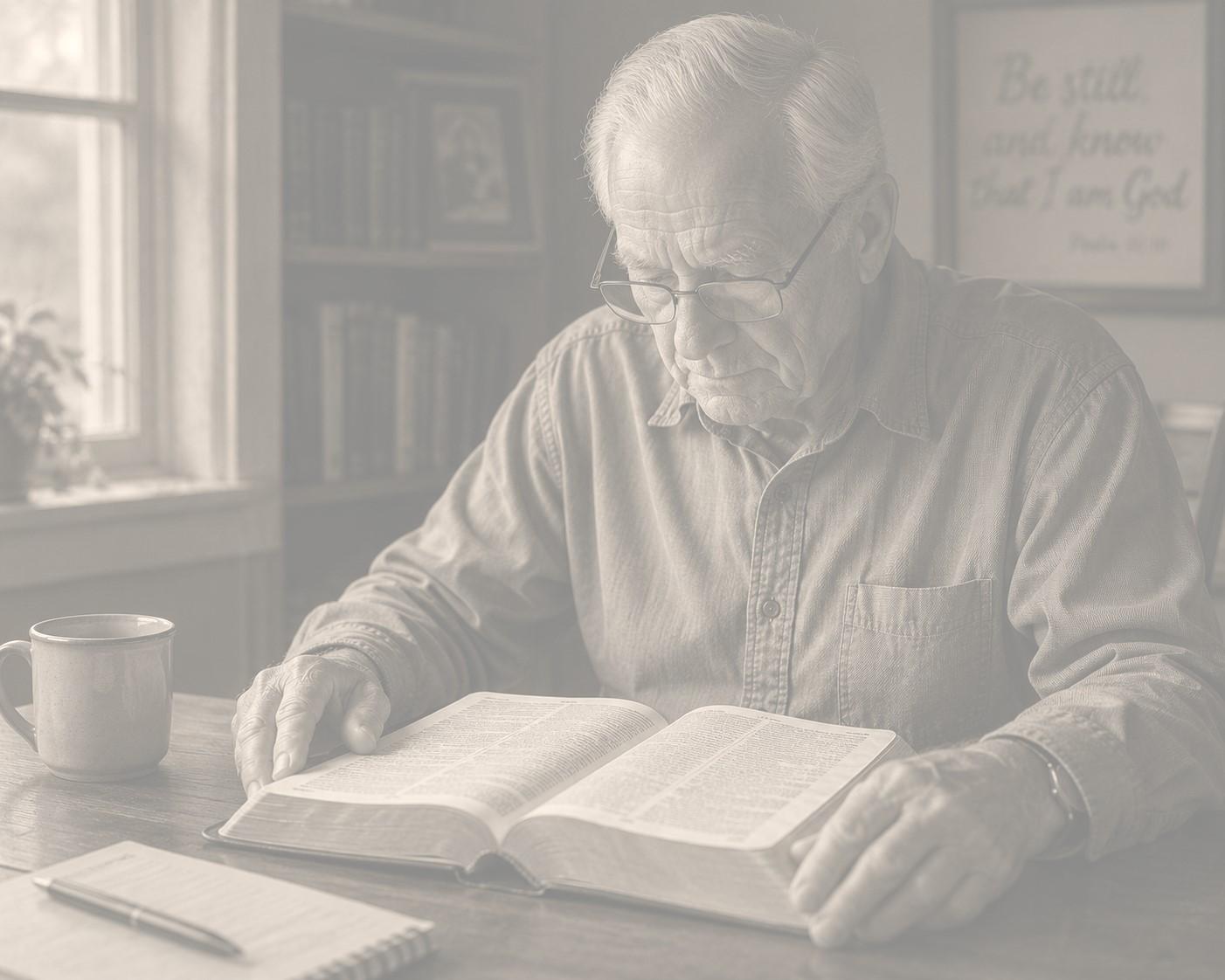
t.L. jarbeaux

By Kathy Sparacino
A patriot loves, supports and defends our country, while patriotism demonstrates devotion to our country and military and veterans.
In grade school during the early 60’s we were subtly taught patriotism, reciting the Pledge of Allegiance and learning our nation’s songs in music class. We also learned about the Declaration of Independence in history. And my family always took me to see the fireworks on the 4th of July.
By junior high, it seemed patriotism had been forgotten. Unlike WWII where the whole country banded together in a united effort of patriotism, the Viet Nam War during the 60’s and early 70’s was very unpopular. Soldiers were often criticized for participating even though they had been drafted and didn’t want to go in the first place. Those who came back weren’t honored as Veterans of Foreign Wars (VFW) until years later.
going to be drafted they should at least have the choice of who sends them overseas. Eventually, the voting age was changed to 18 in 1971.
In my heart I’ve always respected our veterans and loved all the songs that seemed to be sung only once or twice a year. After I married, my husband and I performed these songs for senior citizens in our small hometown of Kremmling. I would share some readings on the history of the flag, and read prayers written by former Presidents. We would bring a flag and lead the pledge, and close the program with the national anthem. Those who could, would stand and salute. It really touched our hearts.
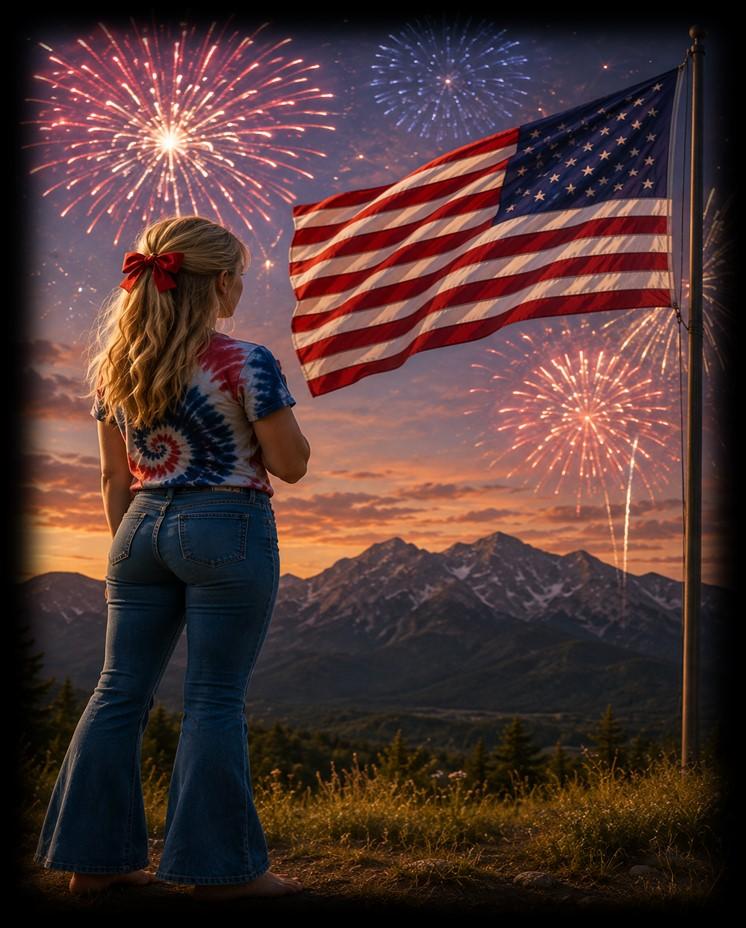
I was 13 in 1969, too young to go to Woodstock, but I rallied behind the youth of our country protesting the war. It seemed very strange to me that 18
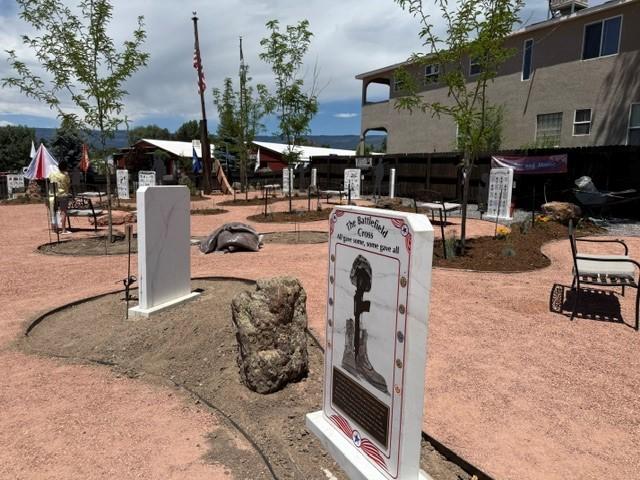
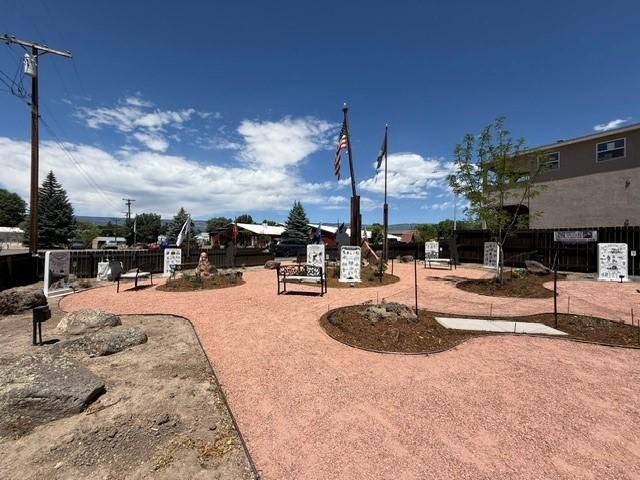
I’m proud to live in an area where there is such a grand display of patriotism. The new Veterans’ Memorial Park is amazing. I’m glad we have a country where this can be expressed instead of suppressed.
The Cedaredge Veterans’ Memorial Park is located at the corner of Highway 65 and
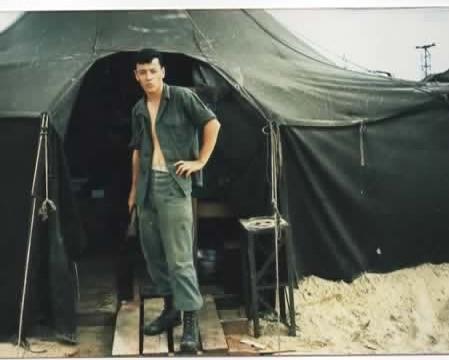
My parents both served in the United States Marine Corps. That’s where they met, while stationed in California at Camp Pendleton. My dad, being one of the few Marines on base with a car, was always being hit up for rides when on liberty. The women Marines at that time were strictly regulated, and they were required to have chaperones when off base. My mom and dad’s mutual friends, who were dating at the time, begged them to come along with them one evening so they could double date. Neither my mom (who was under the hair dryer that night) nor my dad, wanted to go out, but obliged them anyway. The rest, as they say, is history. My parents were married in 1965, and shortly after, my dad received his orders to ship off to Vietnam.
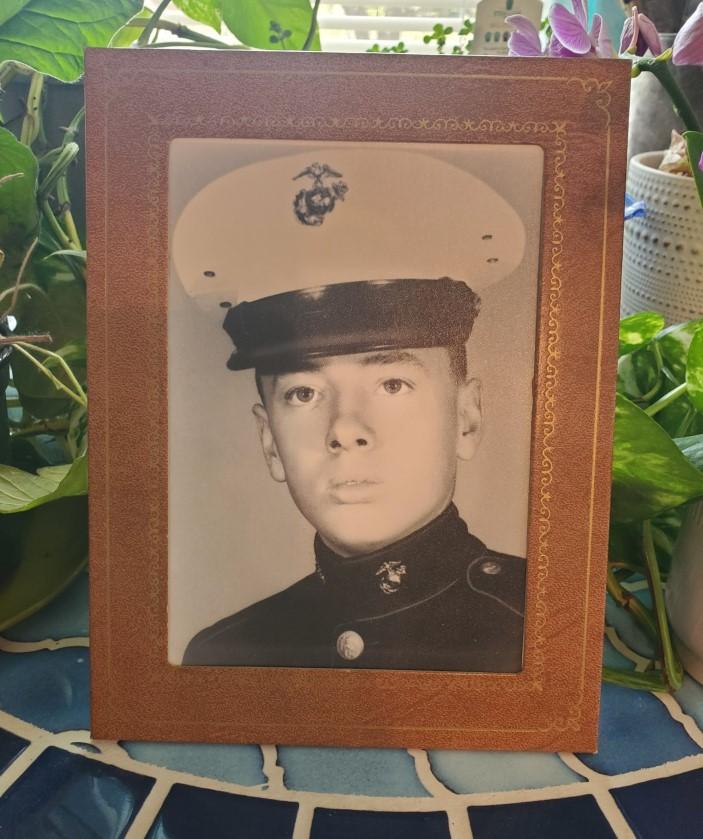
My dad returned safely to my mom’s arms after his tour, and they moved here to Colorado not long after that to raise their family. He was always proud of his time in the Marines, and credited it often for being instrumental in shaping him as a man. It positively affected everything from his self-confidence to his work ethic. His time in the service, he said, taught him that we have more in common with others than we do differences. He tried to model that belief for his children in his actions.
Being raised by two Marine veterans of course, had a strong impact on me as a young girl. Consequently, their values of integrity, accountability, unwavering strength in the face of adversity, and a strong work ethic were cultivated within me as I grew up. My dad and I would talk often about his time in the service, usually while our heads were bowed under the hood and over the latest mechanical issue one of
By Leanne Wells
our cars was having, and I remember once asking him about how he felt about flag-burning. The discussion was prompted by the story hitting the evening news about the Dallas protest in 1984, where a protestor burned an American flag.
He said, “You know, I served to protect the life and liberties of those Americans who are protesting. Protesting is an expression of freedom of speech, and that expression includes flag burning. If they want to do that, so be it. As long as they don’t do it in my presence, we don’t have a problem.” He was willing to offer up his very life for what the flag represented to him when he volunteered for service, and was not personally a fan of the act, especially from those who never put on a uniform. He also respected that others felt differently. And so, the daughter of that Marine learned a valuable ‘both/and’ lesson. You can respect and defend a protestor’s rights, even if you might not like what they do, and also defend and respect the flag.
This was just one of his many heart-lessons that I took with me on my journey in life. Those lessons are still there, sidling up to me, side-eying me or elbowing me in the ribs, offering guidance when faced with challenges and, most importantly, whenever I’m at the crossroads. There were situations in which his life lessons applied to me in a very different way, with a very different outcome than what he agreed with, but foundationally we were always on the same wavelength.
After getting pneumonia post open-heart surgery last year, everything that seemingly could go wrong with my dad’s body, did. He was quickly ventilated and put on dialysis. My mom, after 60 years of marriage and ever the Marine, wouldn't leave a man behind, and the family couldn't get her to leave ICU except for meals on the first floor of St. Mary’s. Being the daughter of those Marines, staying by their side was a non-negotiable for me, and I hopped on the first flight I could from my home in North Carolina.
I remained with them there for over 20 days while my dad fought his battle. Anyone who has been in ICU for an extended time can recall the noises, sounds and smells particularly unique to that lifedeath environment. Props to the folks who work in it day in and day out. It was traumatizing to us both. I promised my dad in March, pre-surgery while he was cognizant, and then again in the hospital when he maybe wasn't, that I would come stay with my mom if needed so that she wouldn't have to leave their home of 45 years. She doesn’t drive and isn’t able to live alone, and he knew that she would have to leave if something happened to him. True to form, he was worried first and foremost about her. That something happened on May 21st, 2025. And so, here I am, keeping that promise, reflecting his value of service to others. I’m sitting in my old bedroom, sans angsty teenage girl posters, working remotely and being a full-time caregiver, far from my dear old friends and my four beloved, now grown children, making it work somehow, just like he always did. Sometimes things are held together with nuts and bolts, sometimes they are held together with 100 mph tape, and other times they are held together by love and bull-headed stubbornness (the apple doesn’t fall far from the tree), but they are holding fast nonetheless.
I admit that it's hard going into my Daddy's work-
October, 1943– May, 2025
“Courage is contagious. When a brave man takes a stand, the spines of others are often stiffened.”
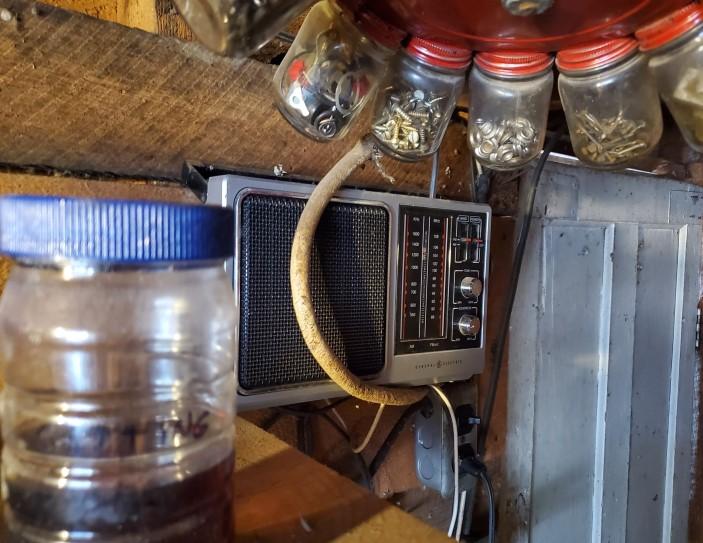
shops, it's like a time capsule and everything is just waiting for him to open the door and finish what he started. Eyeglasses lying on a notebook with a ground down #2 pencil and precise math and measurements listed out, and a layer of sawdust, a greasy old t-shirt with his little buck knife unfolded and ready for whatever action he had in store for it (cutting open a tube of silicone or slicing an apple...same buck knife, after getting cleaned on his blue jeans with two quick swipes). I haven't been able to bring myself to touch or move anything unless absolutely necessary.
I feel like a rude and ungainly intruder right now. I’m still waiting to hear his whistle and his footfalls, anticipating his listening ear and golden nuggets of advice that I would often ask for, just to hear his opinion on the matter, even if I wasn’t going to agree with it. They won’t come, but I wait all the same.
-Billy Graham

By Ronn Brewer
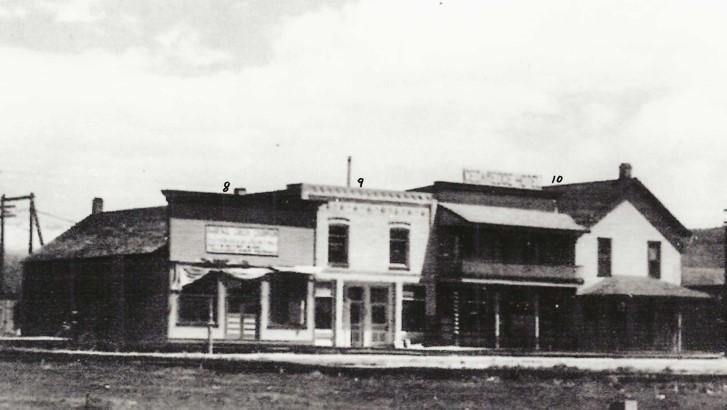
Here it is, 2026, and we are celebrating the 250th Semiquincentennial year of the beginning of the United States of America and the 150th Sequicentennial year of the beginning of the State of Colorado. At the same time, we are sharing the history of a small town in Western Colorado whose name is Cedaredge.
Cedaredge was incorporated on March 25, 1907, and celebrated its 100th Centennial Year in 2007. All three the United States, Colorado, and Cedaredge have much to be proud of.
Thanks to the Founding Fathers who built this great nation upon Godly principles and set forth the United
"We hold these truths to be self-evident, that all men are created equal; that they are endowed by their Creator with certain unalienable Rights; that among these are Life, Liberty and the pursuit of Happiness."
In our last issue, we followed the story of how a cattle ranch became a small settlement, much the same way many towns across America began more than 250 years ago. Now we continue with the beginning of a true town, built by humble, hardworking people seeking a new life, liberty, and the pursuit of happiness in the Surface Creek Valley.
The Birth of a Town
Notice was given that an election would be held on February 12, 1907, at the Independent Lumber Yard in Cedaredge on the question of incorporating the Town of Cedaredge.
The election results showed 78 votes cast 62 in favor of incorporation and 16 against. The results were submitted to the Delta County Clerk, verified, and on March 25, 1907, the Town of Cedaredge was officially incorporated with approximately 440 acres according to the survey.
On April 16, 1907, the town held its first election to choose a mayor and six trustees. C. S. Blanchard was elected mayor. Trustees included W. B. Smethurst, Sam Lovett, L. E. Dolph, E. S. Corbin, and L. C. Bolton. The biggest question on the ballot was whether the town would be "wet" or "dry".
The Wet-or-Dry Debate
Of the votes cast, 55 opposed saloons and 23 supported them. Cedaredge would remain dry for the next 26 years.
That does not mean there were not a few bootleggers and illegal stills scattered around the valley from time to time, but officially the town remained dry.
Another important matter of business was public safety. Clarence King was appointed Town Marshal, and plans were made for a town jail, which today can be seen in Pioneer Town.
These early leaders faced many challenges as they worked to guide a young community and build a strong foundation for the future.
(Continued
The town continued to grow as residents selected a new location for the cemetery. The original cemetery had been located about a quarter mile north of town.
In July 1907, the Seaton Drug Company sold its business to John H. Davis. During the same year, a large bell was installed at the school to signal when children should be in class, to alert residents to fires and important meetings, and even to help people set their watches.
By August, the Post Office had been moved to the rear of the new bank building and updated with new fixtures.
The businesses established in 1906 were now filling their shelves with merchandise, and sales continued to increase as new settlers arrived and established homes throughout the area.
J. L. Sherd moved into the east side of the new bank building and operated the Economy Cash Store. Blanchard and Stockham moved into their new building west of the bank and stocked hardware and dry goods. The Cedaredge Bank continued to grow and helped the community grow as well.
The hotel remained busy, and many other small businesses prospered as the town expanded. Every new family, business, and farm represented faith in the future of Cedaredge and the Surface Creek Valley.
By September it was time to celebrate.
The town hosted parades, bands, races, ball games, pony races, community dinners, and dances. Residents enjoyed a full day of festivities and fellowship. In October, the Annual Harvest Home Festival brought another successful weekend of celebration. These events were important because they brought neighbors together and showcased the accomplishments of the growing community.
At the same time, the town was building new wooden sidewalks along Cedar Mesa Street. Numerous complaints had been made about the mud in town, and the mud was proving bad for business.
Although 1907 was not a major year for new business construction, many lots were sold for future homes, and additional farm ground was being settled throughout the valley. The Surface Creek Valley as a whole from Austin and Cory to Eckert and Cedaredge was growing substantially.
In 1907, Dr. L. C. Bolton began building his home just west of the First Baptist Church property. He hauled brick from Delta to build his house and later hauled the first bricks used in the construction of the church.
In January 1908, the First Baptist Church awarded a contract to Ed Henson to build the new church. Constructed of Delta brick, the building measured 59 by 37 feet and included a sloping floor, baptistry, and coalfired furnace in the basement.
The church was completed and dedicated on October 31, 1909.
Years later, in June 1974, the First Baptist Church purchased the Bolton home for use as a parsonage. Education was equally important. In 1909, Cedaredge completed a new high school, demonstrating the community's commitment to future generations.
(continued)
By July 1908, a survey documenting the cultivation and resources of the area had been completed, showing what had been accomplished during the previous 26 years in the Surface Creek Valley.
The figures included: Alfalfa: 6,500 acres; Beet land: 4,200 acres; Grain: 3,100 acres; Peaches: 1,140 acres; Apples: 2,425 acres; Other fruits: 140 acres.
These numbers tell an important story. They represent thousands of acres cleared of sagebrush, cedar trees, and rocks by hardworking families and teams working together to build a better future. The valley's prosperity was not accidental it was earned through determination, sacrifice, and years of labor.
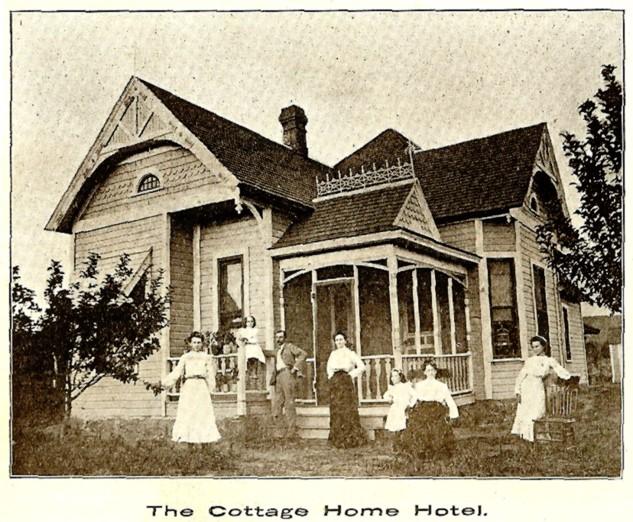
In 1908, a second hotel was built by W. G. Little. Known as the Cottage Home Hotel, it offered good meals and lodging and was located south of the IOOF Hall on Main Street.
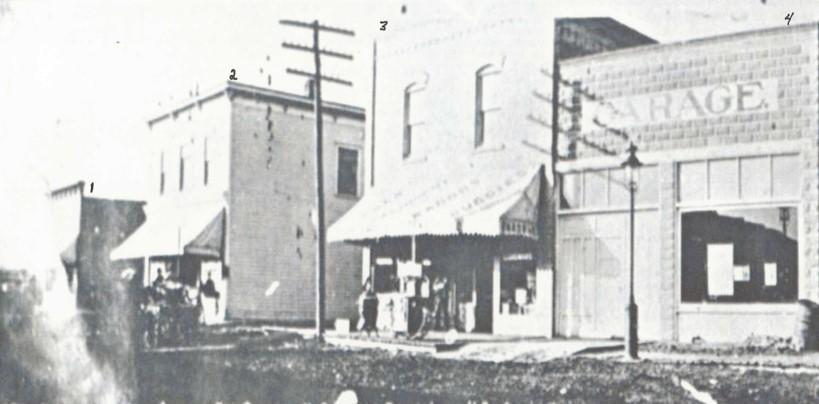
In 1909, there was not a great deal of new business construction, but many lots were being sold in preparation for future growth.
The Co-Op Telephone Company built a new building on South Second Street, and in 1910 Bell Telephone lines were connected to the system. The original telephone system had been installed in 1906. A new switchboard was added, and many local women became telephone operators.
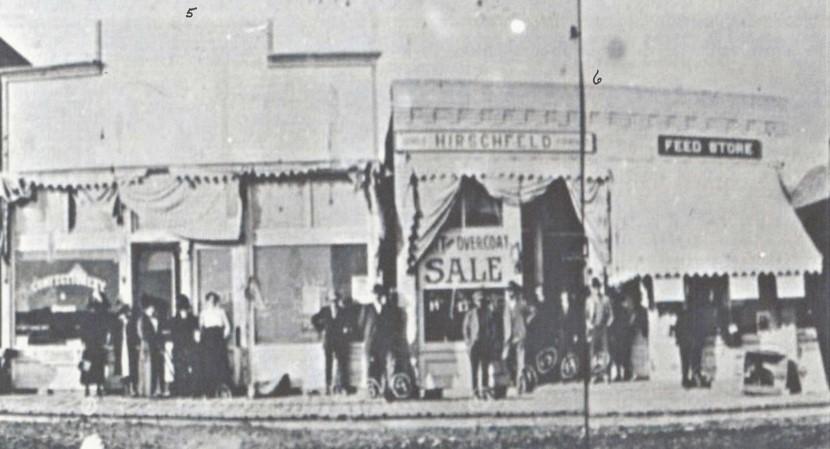
The main construction boom in town began in 1910 along Cedar Mesa Street, now North Main Street.
Buildings along the street included grocery stores, hardware stores, offices, hotels, and service businesses that helped establish Cedaredge as the commercial center of the Surface Creek Valley.
Each of these buildings has its own unique history and story. Many may be featured in future articles.
Cedaredge continued to grow, and many changes were still to come.
Additional churches would be established. The south end of Cedar Mesa Street would develop. Water lines, fire hydrants, a fire department, electrical power, and expanded telephone service would all become part of community life.
The foundations had been laid.
Through hard work, vision, faith, and perseverance, the people of Cedaredge transformed a small settlement into a thriving town.
Their story is an important part of the history of the Surface Creek Valley, and the story continues.
(To be continued…)
*** Editors Note: Each issue, Ronn Brewer painstakingly puts together the history of our fledgling city and what it has become. As a resident historian, his knowledge of our area is unsurpassed. I hope you are enjoying the articles and learning from his knowledge.
By William French
As the United States marks 250 years since its founding, it is right to remember the public moments that gave the nation its shape: Declarations signed, battles fought, constitutions framed, sacrifices made in full view of history.
But history is not changed only in public halls or on battlefields.
Sometimes it changes when one person quietly says yes to truth, to conscience, to God and that faithfulness reaches farther than anyone in that moment can see.
That is where the deepest kind of heroism lives.
At 250 years, America should do more than celebrate itself. It should reflect on the kind of people required to build a nation, preserve it, and call it back when it loses its way. A nation may be born through remarkable events, but it is sustained through character.
That is why the heroes worth remembering are not merely those who gained power or secured a place in history. They are those whose lives were governed by something higher than ambition. They feared God more than man. They treated freedom as a responsibility, not a possession. They were willing to bear the cost of conviction.
When I think about the men who helped shape this country, I think of those who understood that liberty could not survive without moral seriousness. However imperfect they were, many of the founders recognized that freedom required discipline, restraint, and accountability to truths greater than personal desire.
And yet America has never been shaped only by founders, legislators, and soldiers.
It has also been shaped by those who stood outside office and still altered the nation through moral and spiritual force men who did not draft constitutions, but awakened consciences.
For me, Billy Graham stands among those figures.
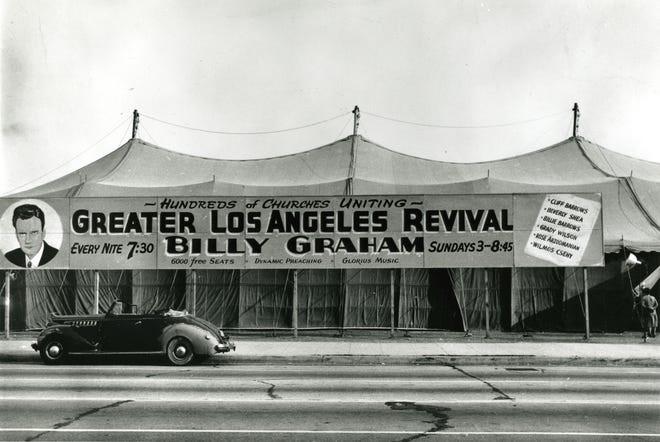
He did not shape the country through office or spectacle, but through a message so simple that millions could hear it and so serious that they could not hear it lightly. He spoke as a man convinced that truth mattered, that the soul mattered, and that obedience to God was no small thing.
But for me, Billy Graham is not only a national figure. He is part of a more intimate inheritance.
My father once chose to attend a Billy Graham tent meeting. At the time, it may have seemed like one decision among many: one evening, one gathering, one act of willingness. Nothing about such a moment would have announced itself as history. Yet that choice became part of the story that shaped my family, and eventually shaped me.
(continued…)
The Kind of a Hero (continued)
That is one of the deepest truths I know about history: Some of its most important times do not look like history when they happen.
They look ordinary.
They look small.
They look like one person showing up.
One person listening.
One person yielding.
One person saying yes.
Only later do we see how far the ripple traveled.
That is why, when I think of the hero America needs at 250, I do not think only of a statesman or a preacher. I think of a certain kind of soul: a man under God. A man formed by reverence rather than vanity. A man who can tell the truth without cruelty, carry conviction without pride, and accept sacrifice without self-pity. A man who does not ask first how to be remembered, but how to be faithful.
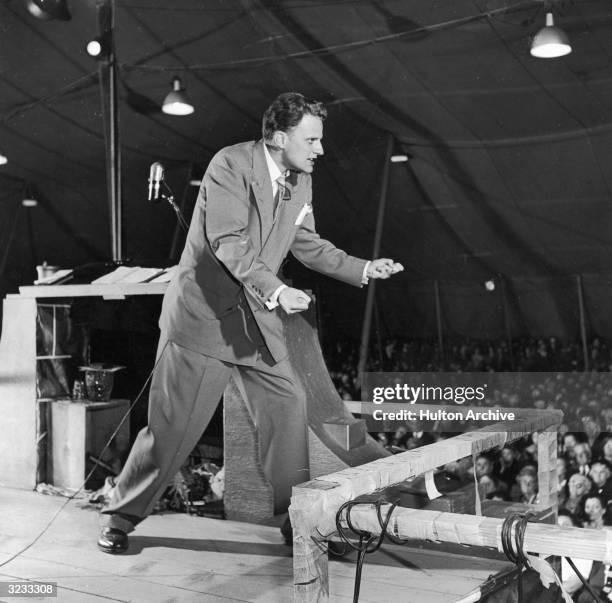
Such a man may never think of himself as heroic. He may simply do what conscience requires and leave the results in God’s hands. Yet such lives often steady nations, reshape families, and help generations recover what is worth honoring.
This is what I hope we do not lose in remembering America’s story: the understanding that the life of a nation is upheld not by achievement alone, but by inheritance by what one generation hands down to the next in the form of character, sacrifice, moral clarity, and faith.
Inheritance is always personal before it becomes cultural.
Before a nation remembers its heroes, a child watches a parent. Before history records a turning point, someone makes a choice. Before a culture is renewed, a conscience is awakened. Before a people stand firm, someone first kneels.
Perhaps that is the kind of hero America has always needed most.
Not simply the man who can seize a moment, but the one who can live before God in such a way that others are strengthened by his life. Not simply the man who leaves behind a name, but the one who leaves behind an inheritance.
As America turns 250, I find myself grateful for the public courage of those who helped found this nation, and just as grateful for the quieter faithfulness of those who helped call lives and consciences toward what is right. I think of the men who built structures, and the men who awakened souls. I think of the visible moments that shaped a country, and the hidden moments that shaped a family.
My father walked into a tent.
A preacher spoke. A life was altered.
In that quiet chain of grace is a truth America would do well to remember at 250: History is still changed by those who quietly say yes to what is true, what is right, and what God asks of them, never fully seeing how far that faithfulness will reach.


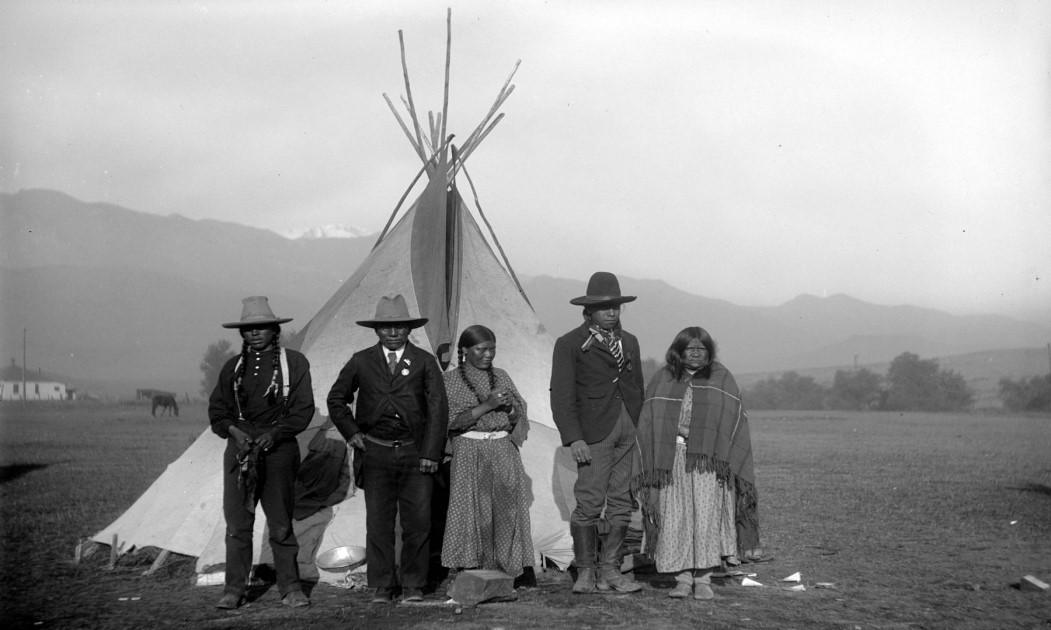
In the Land of the Blue Sky People, Indians and buffalo lived together in harmony, until the white man came. The deep blue skies, decorative clouds, persistent sunshine, brilliant night stars and moderate temperatures drew explorers, trail blazers and mountain men who were the first to meet Colorado’s three unique landforms: plains, plateaus and mountains. The flat grazing lands of the plains became perfect for agriculture, farming, and ranching while the plateaus offered oil shale deposits and other mineral resources where settlements came into being. Waterways and rivers provided irrigation and transportation into the mountains where fifty-four peaks over 14,000’ divide the state into east and west.
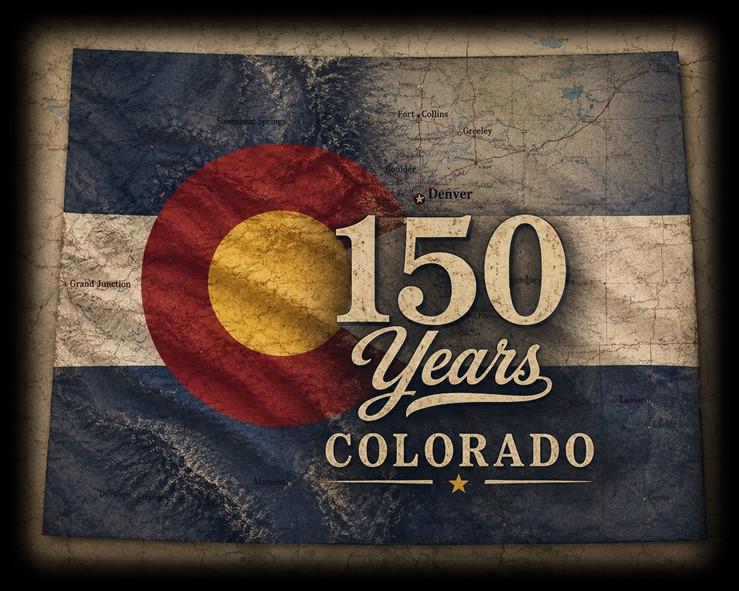
Many of the new settlements were fraught with perils, and few survived until gold was discovered on the South Platte River in 1858 where Colorado City became the first territorial capital. But because of the Civil War, Indian troubles and a mining slump, achieving statehood was challenging for Coloradoans in the centennial year of the United States. Yet with the coming of the railroad and rise in agriculture, increase in population and business development, August 1, 1876 Colorado was finally admitted to the union with Denver becoming the permanent capital.
The Indians gave up their rights to the western slope as miners crowded into the San Juan country. Towns sprang up in the beautiful mountain valleys and were connected by stagecoaches and telegraph lines. Grand Junction was founded in 1861 and many came to the area with the Homestead Act of 1862.
Now real progress moved forward with the industrial revolution in full swing. Business and commerce flooded the cities along with culture and recreation,
By Kathy Sparacino
and counties were given “Home Rule” authority. Yet the beginning of the 20th century faced war and depression creating a climate of unusual cooperation and willing sacrifice.
Surviving the depression with various government agencies and the ill-effects of wars, Colorado realized a business boom and expansion of cities and suburbs. Conservation issues challenged needless waste and the protection of our natural resources. Transportation and communication developed with new inventions and soared into the space age in just 100 years.
Without these roots, we lose our connection to the past and identity of the future. A great future is assured to Colorado by striving for solutions to problems, maintaining high ideals, having concern for the welfare of man, and a willingness to give time and effort to these goals.






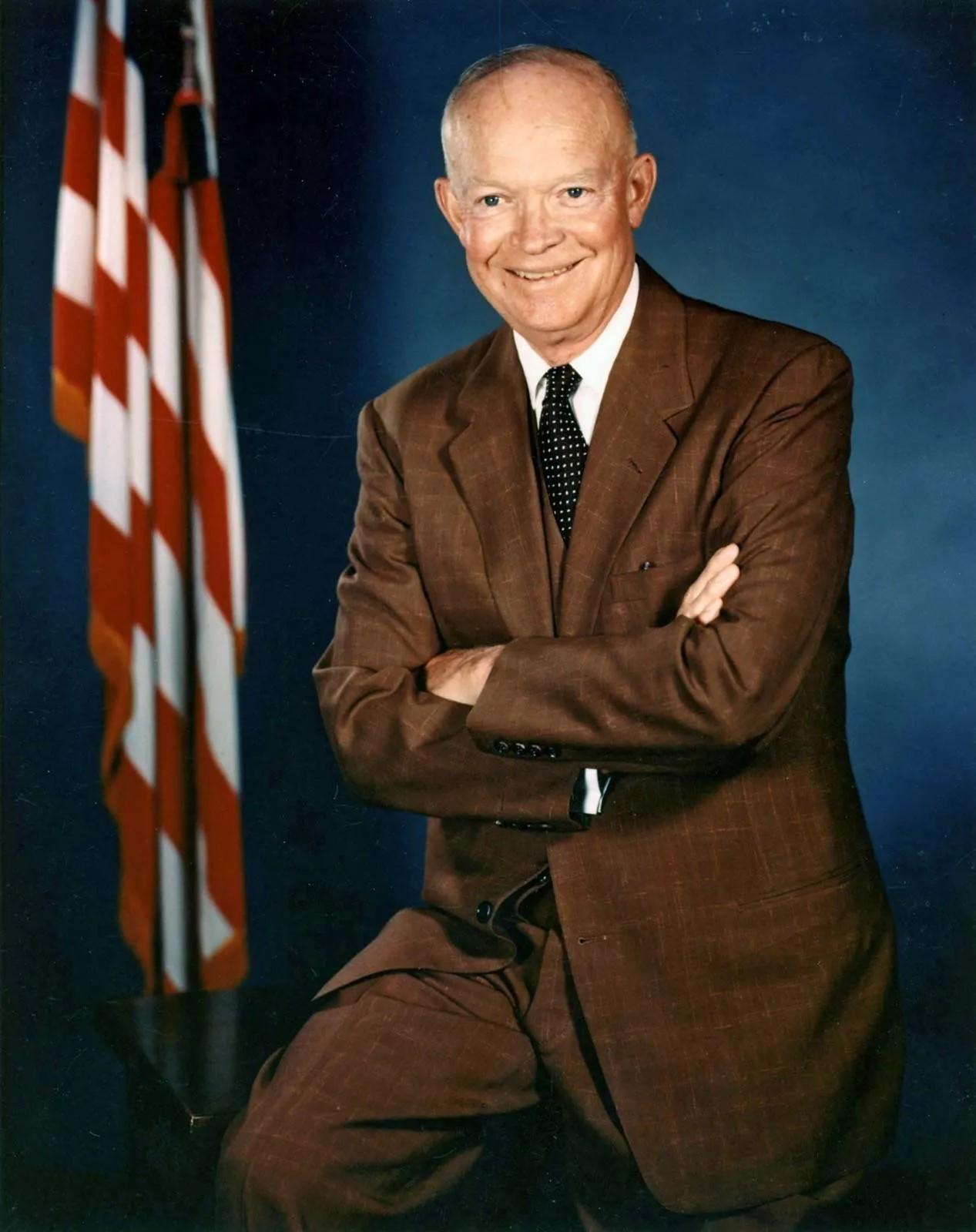
Dwight D. Eisenhower
You can’t explain free government in any other terms than religious. The Founding Fathers had to refer to the Creator in order to make their revolutionary experiment make sense; it was because “all men are endowed by their Creator with certain inalienable rights that men could dare to be free. They wrote their religious faith into our founding documents, stamped their trust in God on the faces of their coins and currency and put it boldly at the base of our institutions And when they drew up their bold Bill of Rights, where did they put Freedom of Worship? First, in the cornerstone position. That was no accident.
Our forefathers proved that only a people strong in godliness is a people strong enough to overcome tyranny and make themselves and others free. Today, it is ours to prove that our own faith, perpetual renewed, is equal to the challenge of today’s tyrants.
Prayer today is necessity. It gives you the courage to make the decisions you must make in a crisis and then the confidence to leave the result to a Higher Power.

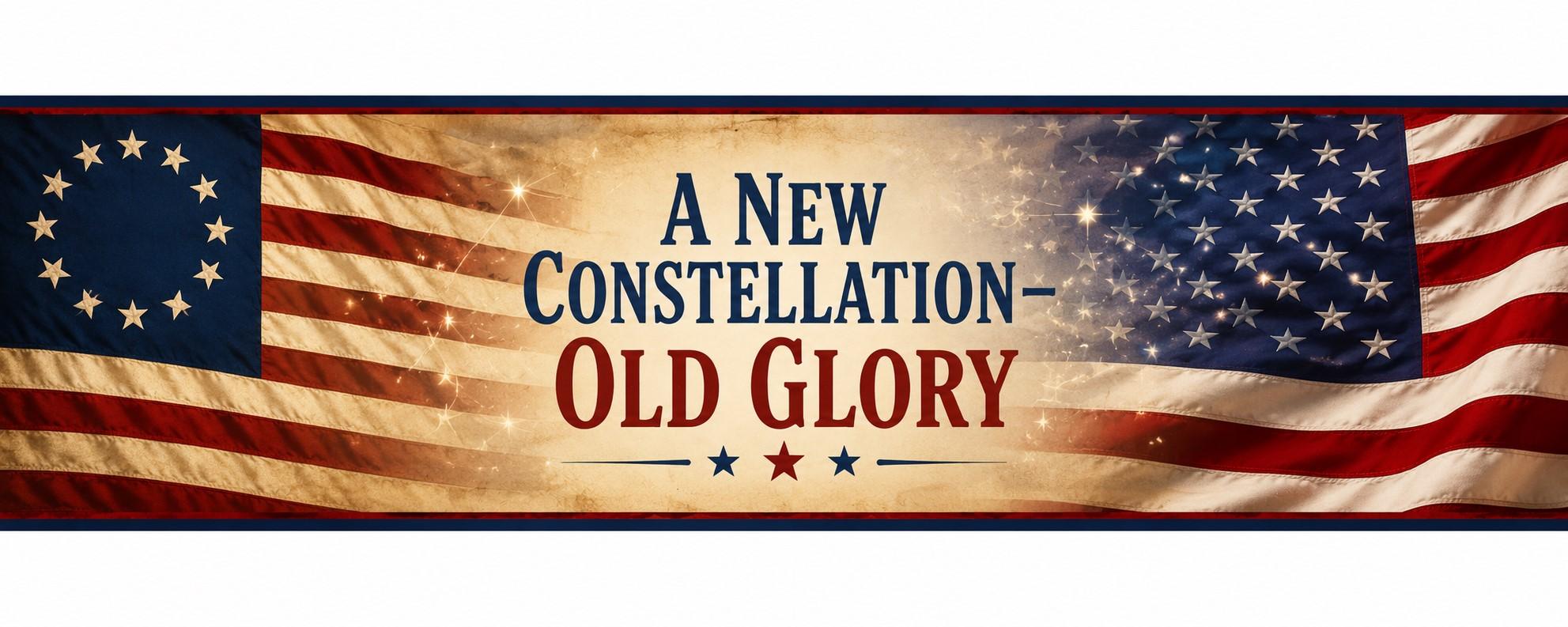
Few symbols are as instantly recognizable or as deeply woven into the American story as the flag of the United States. For nearly two and a half centuries, it has served as a marker of national identity, bearing witness to moments of triumph and tragedy, celebration and conflict. More than simply a collection of stars and stripes, the flag reflects the evolving history of the nation and the broad tapestry of people who call it home. Since its adoption during the Revolutionary War, it has remained a powerful symbol, inspiring pride, provoking debate, and reminding Americans of their shared responsibility toward their nation and each other.
On June 14, 1777, the Second Continental Congress passed an act establishing an official flag for the nascent nation, a vital representation of a new national identity while the brutal Revolutionary War raged on, threatening the nation’s very existence. The resolution read: “Resolved, that the flag of the United States be thirteen stripes, alternate red and white; that the union be thirteen stars, white in a blue field, representing a new constellation.”
It went through a few design changes in the years after that day-26 to be exact-until the final iteration was formally adopted on July 4, 1960. The last star added to the American flag represents Hawaii, which officially became the 50th state on August 21, 1959.
That Grand Old Flag has watched over our country for its last 249 years with a steadfast gaze. It has been witness to countless transformations, unfolding layer after layer, as the landscape of the United States has morphed geographically and politically.
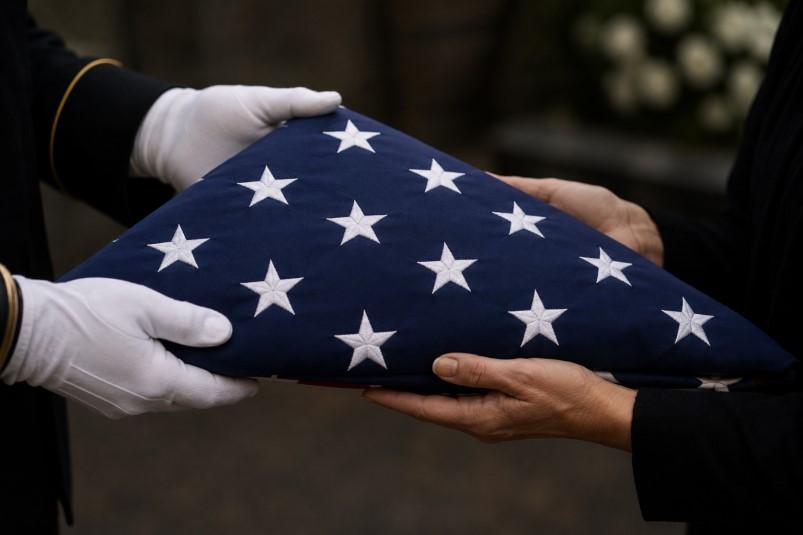
Suspended on the walls in the humblest of places, from a small one-room pioneer school in the early 1900s, to the most elevated, such as the Hall of the House of Representatives in the U.S. Capitol Building, the flag has been an observer daily as citizens of all ages, hands on their hearts, mark their allegiance to the republic that it represents. The flag has also been an active participant in our nation’s history, drawn into celebrations, ceremonies and volatile political movements. It has been wrapped around the shoulders of Olympic Gold medalists and used to physically attack its own citizens, as seen in the 1976 Pulitzer Prize-winning photograph, “The Soiling of Old Glory.” Integral to the identity of the United States of America, woven into its very fabric, the flag is a symbol that evokes strong feelings as diverse as the citizens it watches over. It’s been revered, defaced, held up as a symbol of hope after a disaster or a deadly battle, burned in protest, and encouraged feelings of kinship, or a sense of alienation. It’s also been a symbol of grief. After being meticulously folded into the traditional triangle, that flag was gathered into my mom’s arms at my dad’s service before he was laid to rest in the VA Memorial Gardens in 2025.
“A new constellation” was the way the Continental Congress described what the flag of the United States was representing. A constellation is a pattern of stars that, while they look close together from Earth, are in reality vast distances apart. If we keep this image in mind as we have discourse around the table as a nation, understanding that we have more in common than we do differences, than that same flag will continue to fly faithfully over a nation that truly is unified and indivisible.


By Terry Jarbo
The balance of nature declares a Creation, The intricacy of the human body, Trumpets a Designer
Humanity will never be able to disprove the two.
Only humanity, made anew, can change their View

By Sally Carter
This is a true story about a Boston Terrier named Phoebe. We are just a couple of avid hikers that enjoy testing our wilderness survival skills. However, there were times when we were threatened by wild animals, but Phoebe always seemed to know when trouble was coming.
My camping companions consisted of my husband, Zane, two boxers, Kiowa and Keota, and Phoebe. Phoebe is a compact, muscular, 12-pound black and white Boston Terrier with ears like a bat. Hence the nickname, “Radar O’Reilly.”
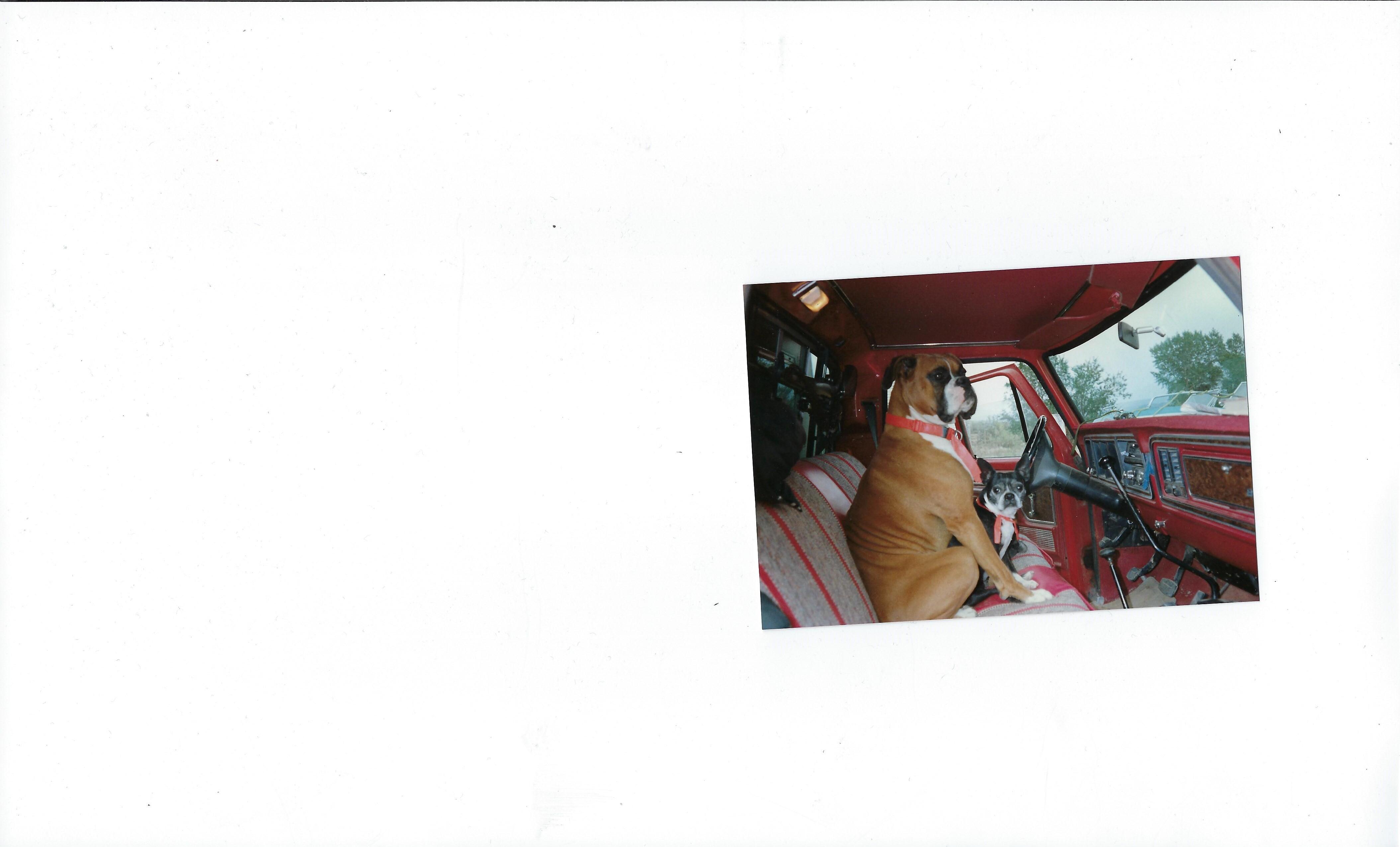
Phoebe jumped up on the top of the rock and disappeared in the brush. I climbed up and stuck my head into the brush where she had disappeared. Sure enough there was a tunnel though the brush. We lifted the boxers up and crawled through behind them, coming back out on the trail.
Thanks to Phoebe and her dogged determination, we found the spring.
Perhaps the most remarkable, and certainly memorable, “Follow Phoebe” adventure was the time that she actually saved our lives. Again, we were in Utah, backpacking and camping. We decided to head back towards Colorado and camp along the way, closer to home.
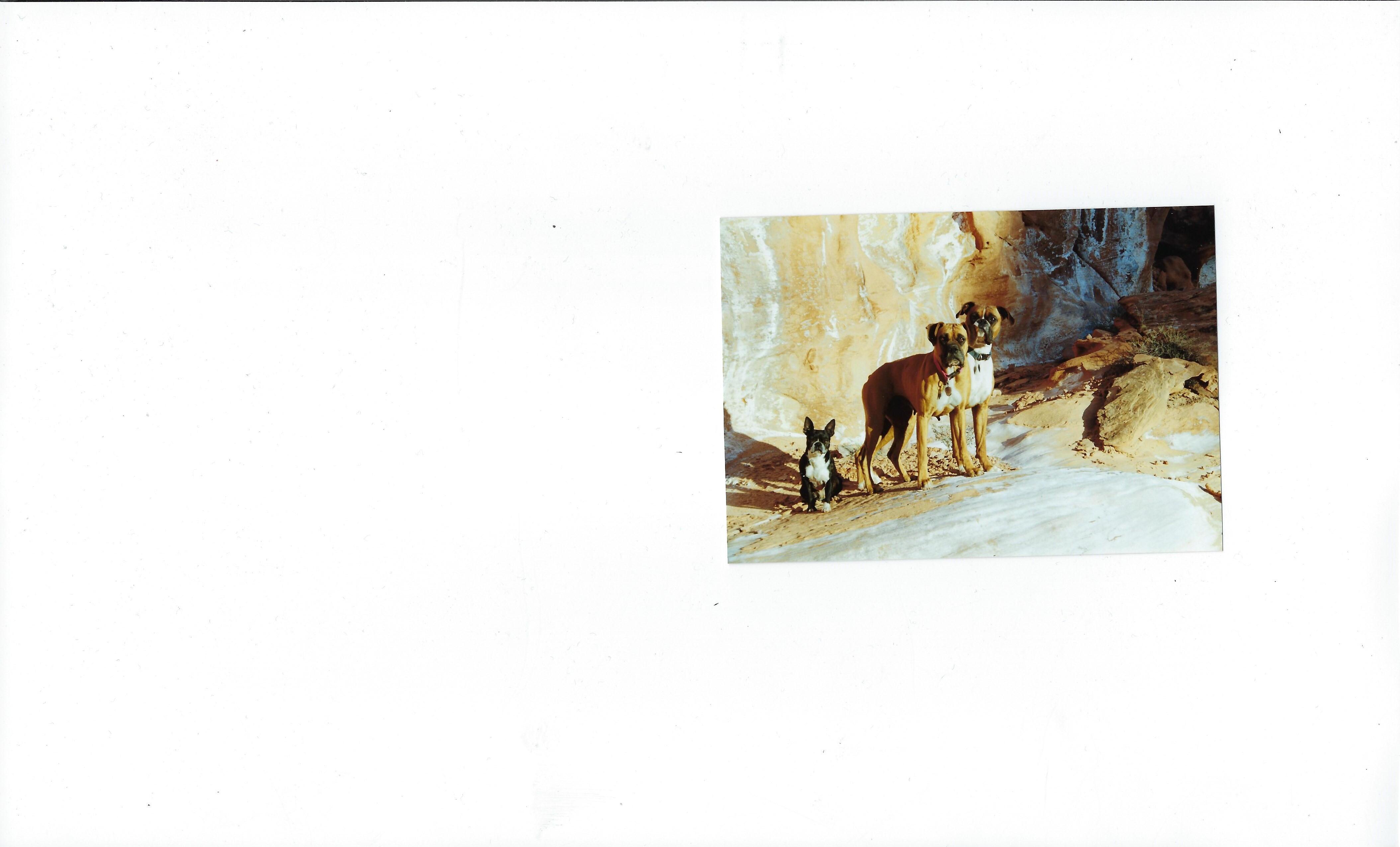
We pulled off the road in one tuck and loaded up the back packs and hiked up a steep trail to a huge rock out
We approached the rock, which was the size of a building two stories high. There were logs of dense bushes on one side and we slipped in behind them to a cave, hollowed out in the rock. It was the size of a room! We were protected from the wind, and we set up the tent, made a fire ring and gathered some wood for a fire.
Phoebe disappeared. I spotted her back down by the truck. So hiked back down and carried her up. It was about a 15-minute walk up the steep trail. We started making supper in a skillet on the campfire. The boxers were sleeping in the tent.
Phoebe disappeared.Again, she had gone back to the truck. I climbed down again and brought her back. The wind was howling and sand started swirling in the cave. Phoebe ran out and back down the trail to the truck.
(for chasing her down the trail to the truck) and packed up the tent and our gear. We put out the fire and put on our packs, returning to the trail in the blasting wind.
We heard a noise and looked back at our cave, just in time to see a huge slab, the size of a garage door, falling from the ceiling of the cave and landing right were our tent had been moments – minutes earlier! We
By Sally Carter
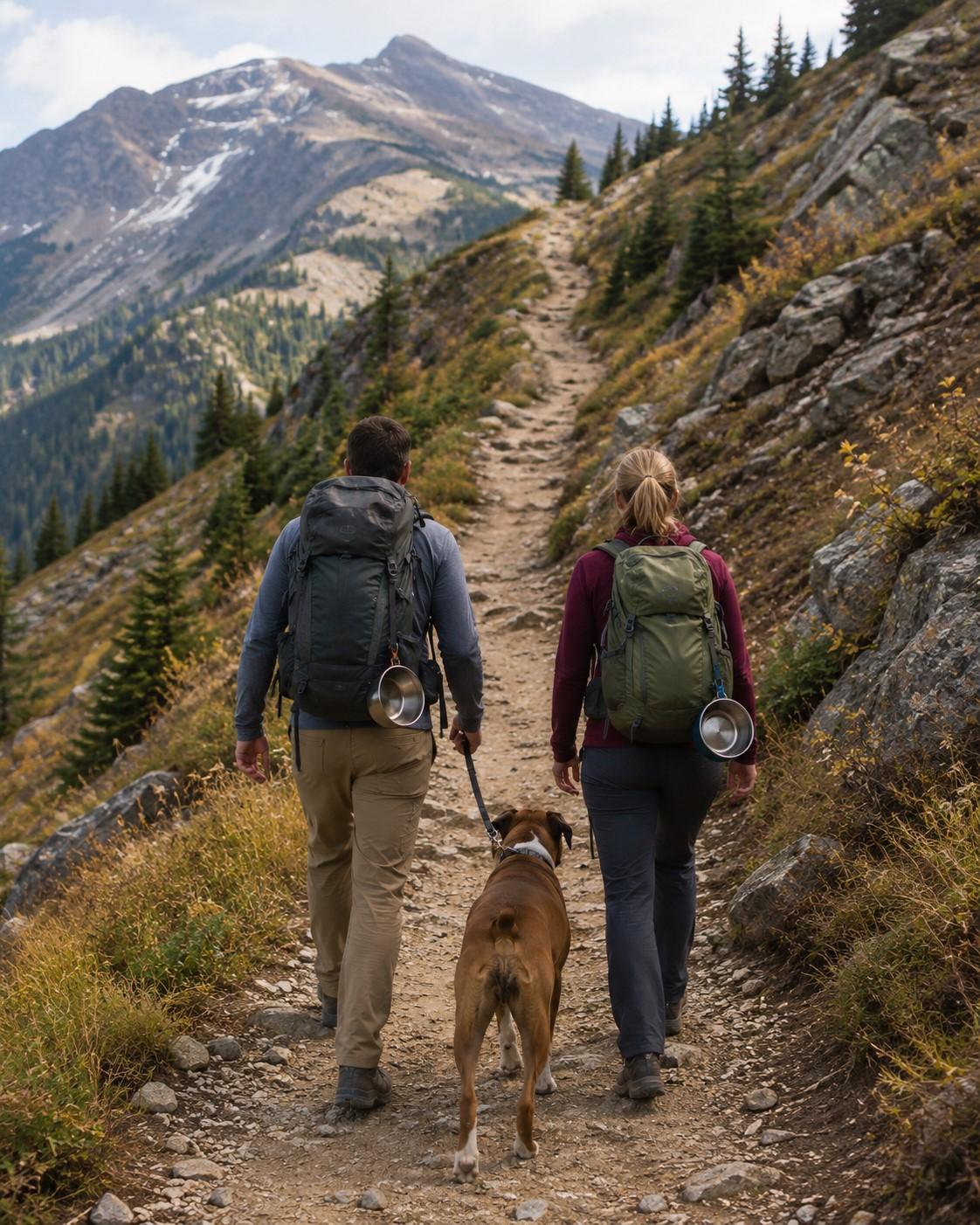
If you are thinking of taking your beloved pets on back country hike during this extreme fire season, here are a few tips you should consider.
• Always check on an escape route before you go.
• When hiking with dogs, check for water sources before heading out. If none is available, pack water for the dogs, remember, they can’t sweat.
• Excessive panting is a sign of distress.
• Keep them on a leash if they do not respond to verbal commands and you must maintain visual contact.
• Not all dogs on the trail are friendly.
• Harassing or chasing wildlife is illegal.
• Everyone out there has a camera, behave accordingly.
By Patricia Stirnkorb (a true story slightly changed…)
I grew up in a time when hankies were common. I could always find one in my mom or grandma’s purse, pocket or glove box in their cars. Men carried them and offered them to ladies when needed and didn’t expect to get them back. Hankies were symbolic of a time when tears were acceptable and hearts were tender and people were gracious. How I wish for a time like that again!
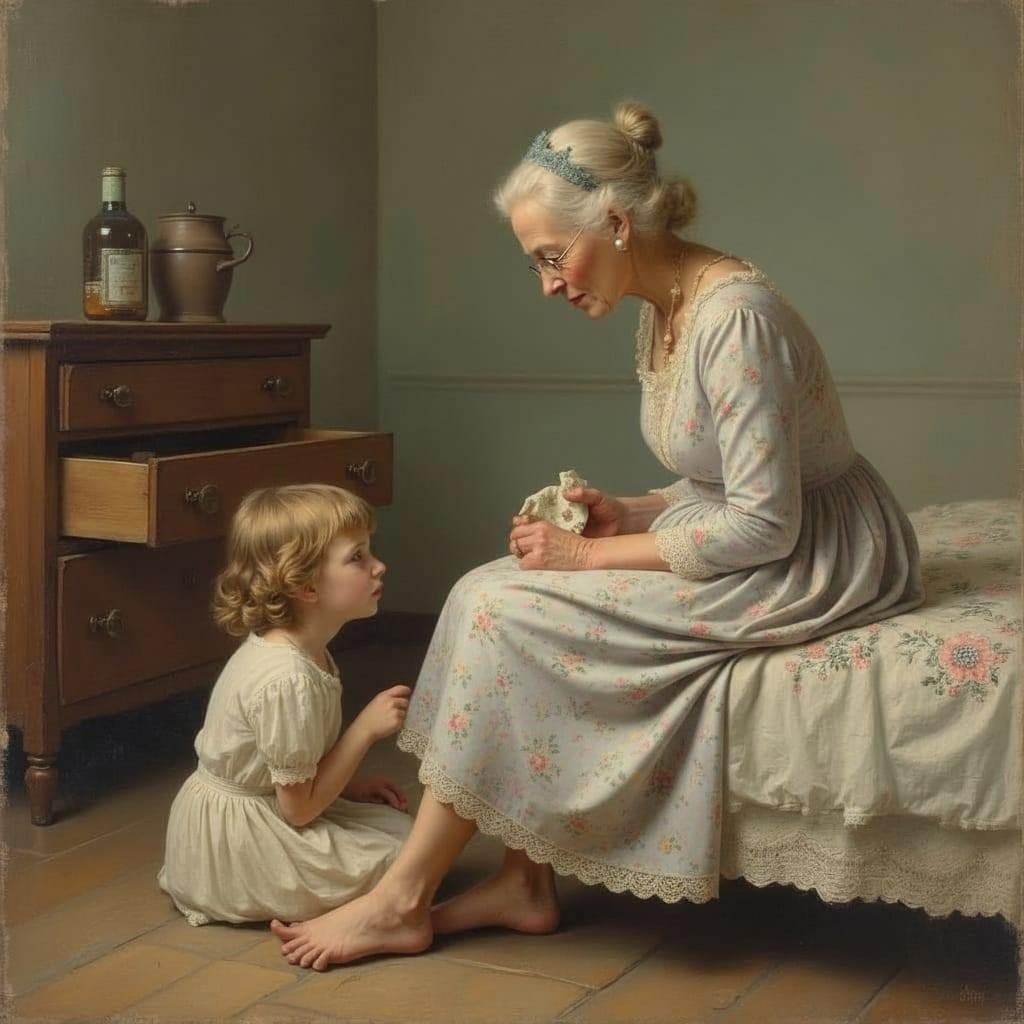
There was a handkerchief tucked in the bottom drawer of a tall oak dresser soft with age, edges scalloped, a single embroidered “L” in the corner. No one remembered exactly when it first appeared, only that it had always been there, like the quiet presence of something important.
When I was little, I wasn’t allowed to play in that drawer.
“Those are special things,” my grandma would say, gently closing it with a smile that felt like both an invitation and a boundary.
But children are curious, and one rainy afternoon, while the house hummed with the sound of simmering soup and ticking clocks, I slipped it open. Inside were letters tied with ribbon, a brooch that caught the light just so, and the handkerchief.
I lifted it carefully. It didn’t feel like just cloth. It felt like something that had lived a life.
“Ah,” came my grandma’s voice from the doorway not scolding, just soft. “You found it.”
I froze, unsure if I had done something wrong.
“Come here,” my grandma said, sitting down beside her on the bed. “Let me tell you about that one.”
She explained how it had once belonged to her own mother how it had been carried to church, to weddings, to hospital rooms. It had caught tears of joy when babies were born, and tears of sorrow when goodbyes were said. It had been folded and unfolded through decades of living.
“It’s seen a lot,” my grandma said, smoothing it across her lap. “More than most people realize.”
I traced the embroidered “L” with my finger. “Why do you keep it?”
My grandma smiled, but there was something deeper in her eyes now. “Because it reminds me of love that lasted. Of moments that mattered. Of people who didn’t always have the words but showed up anyway.”
Years passed, as they always do.
I grew up. Life has filled my hands work, responsibilities, laughter, heartbreak. There were seasons when I forgot about the oak dresser, about the quiet drawer, about the handkerchief that had once felt so sacred.
Until one day, I found myself back in that same room.
The house was quieter now. The clocks still ticked, but the voice that once filled the space was gone. I opened the drawer. And there it was. Still soft. Still waiting.
I picked it up, and this time, I understood.
It wasn’t just about where it had been. It was about what it had held.
Tears, yes but not only sorrow. Tears of relief. Tears of gratitude. Tears that came when words fell short and the heart overflowed.
I pressed it gently to my face, and for a moment, it felt like being held again.
That’s when it struck me how something so small could carry so much.
(The Handkerchief continued)
And maybe that’s why it mattered. Because life is like that, isn’t it?
We gather moments we can’t always explain. We carry stories that don’t always get told. We hold love in quiet ways in gestures, in presence, in the things we pass down without even realizing it.
I folded the handkerchief carefully, just as my grandma had done. But before placing it back, I paused.
There was another story it reminded me of one even older. Of a Savior who didn’t stand distant from human sorrow, but stepped into it. Who wept openly. Who understood grief, loss, longing who held the weight of it all and didn’t turn away. Tears, it seemed, were never wasted. Not then. Not now.
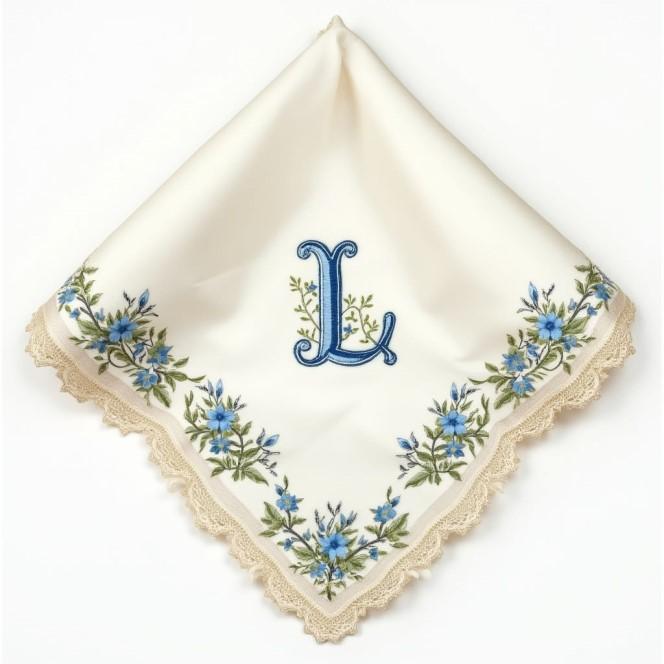
I slipped the handkerchief into my purse that day. Not to keep it hidden away but to carry it forward. Because some things aren’t meant to stay in drawers. They’re meant to be held. Shared. Remembered. And maybe, just maybe, passed into another set of hands when the time is right.
“Jesus wept.” John 11:35
Summers are crazy! BUT — Church still happens!
If you are looking for a “happening” place to worship, check out these fun activities at our local churches (directory on page 5.)
July 26 1 p.m.– 3:30 p.m.
Food, games, prizes, lots of FREE school supplies
Hot Dogs and snacks, Face Painting, Temporary Tattoos, Free Haircut Coupons (provided by Divine Experience Salon) Everything is FREE!
When summer is over, the kids are back in school and it’s time to get back into the groove of CHURCH! Every year there is a national Back to Church Sunday in the United States typically it is the 3rd Sunday of September, but the dates at each church varies. It’s a special day to redirect your thoughts and focus. Visit our church directory and check out their upcoming activities and celebrations.