INSIGHTS FROM IMPLEMENTATION AT THE CULINARY INSTITUTE OF AMERICA
INTRODUCTION AND DEFINITIONS / page 4
EXECUTIVE SUMMARY / page 6
PROBLEM STATEMENT / page 8
EVIDENCE & RESEARCH / page 10
LEVERAGE POINTS / page 19
RECOMMENDATIONS & NEXT STEPS / page 25
APPENDIX / page 28
RECIPES / page 32
REFERENCES / page 34
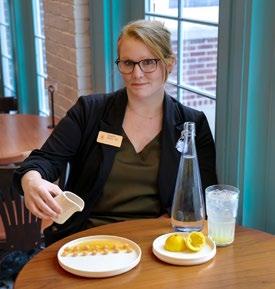
Early in my teaching career, I learned how closely students observe everything we do—not just what we teach as faculty, but what we model, such as how we decide to discard something, what we pause over, and what we ignore all register. Students quickly understand that if an instructor treats something as acceptable, it becomes acceptable for them, as well.
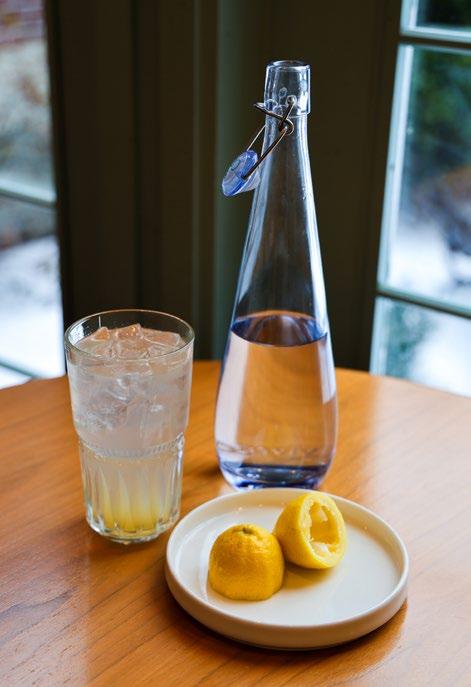
One morning, after juicing lemons for lemonade, we threw away two full cases of lemon rinds. A student stopped, looked at me with genuine confusion, and asked why we were not doing more with the waste. In that moment, the question was not really about lemons; it was about responsibility. If sustainability mattered in our classrooms, why did it disappear at the service counter?
That question stayed with me. It became the starting point for rethinking how front-of-house beverage programs could function not only as points of service, but as visible, teachable systems where waste, creativity, and decision-making intersect in real time. That moment also clarified for me that front-of-house education is not neutral; every visible choice teaches students how systems work, or how they fail.
Caitlin Bolin, ’10/’24
Lecturing Instructor—Hospitality and Service Management
DEFINITIONS
• APBC: Apple Pie Bakery Café at the Culinary Institute of America. This is a high-volume café, the busiest restaurant on the Hyde Park campus where all AOS baking and pastry students have their restaurant education class.
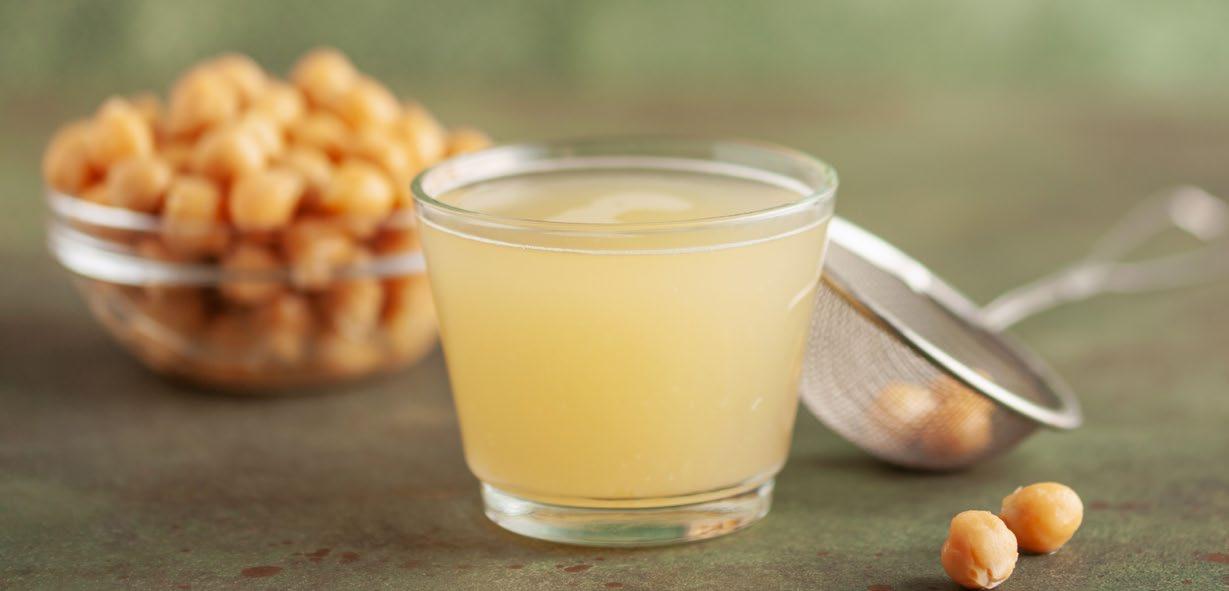
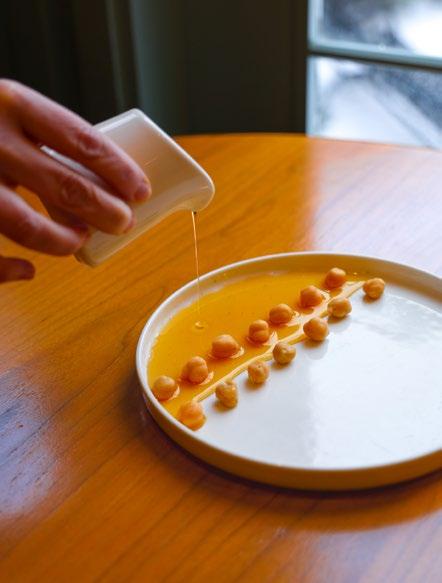
• Aquafaba: Liquid brine found in canned chickpeas (garbanzo beans) or leftovers from cooking legumes.
• Avero: The sales system the Culinary Institute of America uses within the restaurants.
• BOH: Back of House
• CIA: Culinary Institute of America, the world’s premier culinary college.
• Circular Systems Thinking: A system where front-of-house and back-of-house work together to create a seamless system between both entities.
• FOH: Front of House
• Food Waste: Safe, edible food that is discarded instead of consumed.
• Leverage Point: Specific areas within a complex system where small, well-focused action can produce significant improvements.
• Node: A unit or point of connection within a larger structure, network, or graph.
• Seltzer: A carbonated beverage.
• Upcycled Beverages: Drinks created from ingredients that would otherwise go to waste.
EXECUTIVE SUMMARY
Food-waste reduction is widely taught in culinary education, particularly in back-of-house (BOH) production environments. However, these principles often fade when students transition into front-of-house (FOH) roles, especially within beverage programs. This disconnect represents a missed opportunity: beverages are highvisibility, high-volume products that strongly influence guest choice, revenue, and sustainability outcomes.
This white paper examines how upcycled beverages can serve as a practical bridge between BOH sustainability practices, FOH education, and revenue-generating beverage programs that influence realtime guest-purchasing behavior. Drawing on real-time operational and sales data from the Apple Pie Bakery Café (APBC) at the Culinary Institute of America (CIA), this white paper presents a case study of an FOH-led circular beverage system that transforms food waste into revenue-generating, student-designed products.
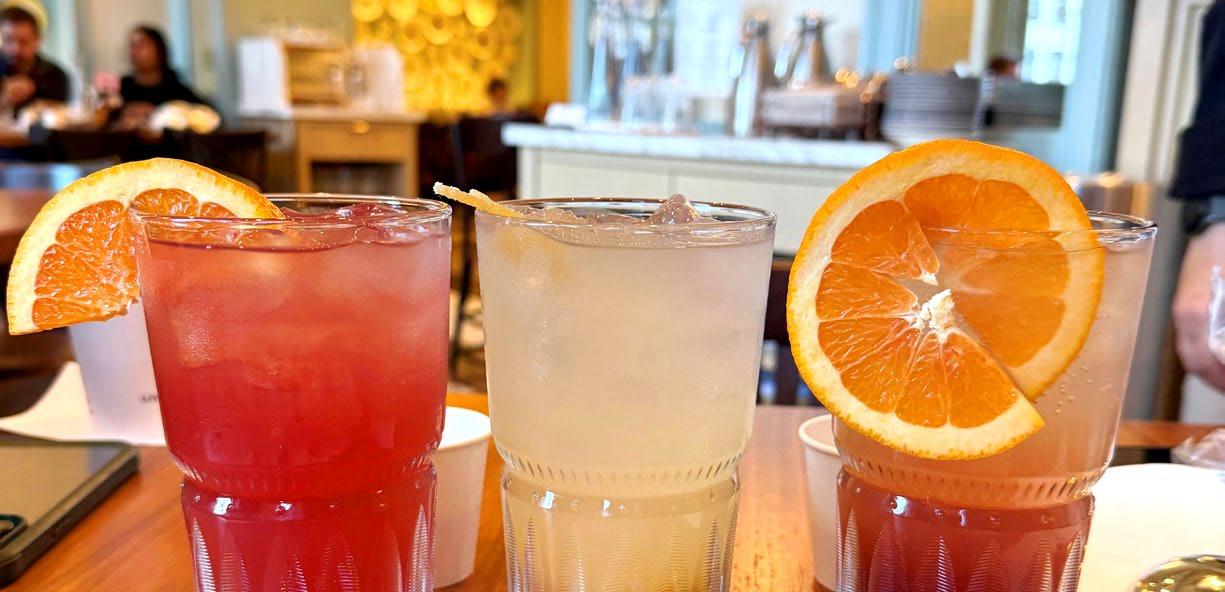
Through initiatives such as lemon rind seltzer, student-developed house seltzers, and aquafaba-based syrups, FOH students actively engaged in identifying waste streams, developing recipes, and bringing sustainable beverages to market. In 2025, the café sold 2,987 house-made seltzers, generating $15,183 in revenue while reducing reliance on commercially bottled sodas. Conservative modeling estimates that these initiatives diverted over 150 pounds of food-waste into productive use prior to disposal. This supported measurable reductions in landfill-related emissions through reuse and beverage substitution (see Table C1).
Beyond environmental impact, FOH education on upcycled beverages functions as living laboratories for systems-based thinking. Students observed firsthand how sustainability decisions influence flavor development, guest behavior, operational feasibility, and financial performance. Beverage programs became a site for cross-departmental collaboration, connecting BOH production with FOH creativity and reinforcing circular thinking as a core professional skill.
Upcycled beverages create an opportunity for consumers to engage with food-waste reduction through everyday purchasing decisions. Research from the Upcycled Food Association indicates that while 60% of consumers express interest in purchasing upcycled products, 95% of consumers report wanting to contribute to reducing food waste (Upcycled Food Association, 2023).
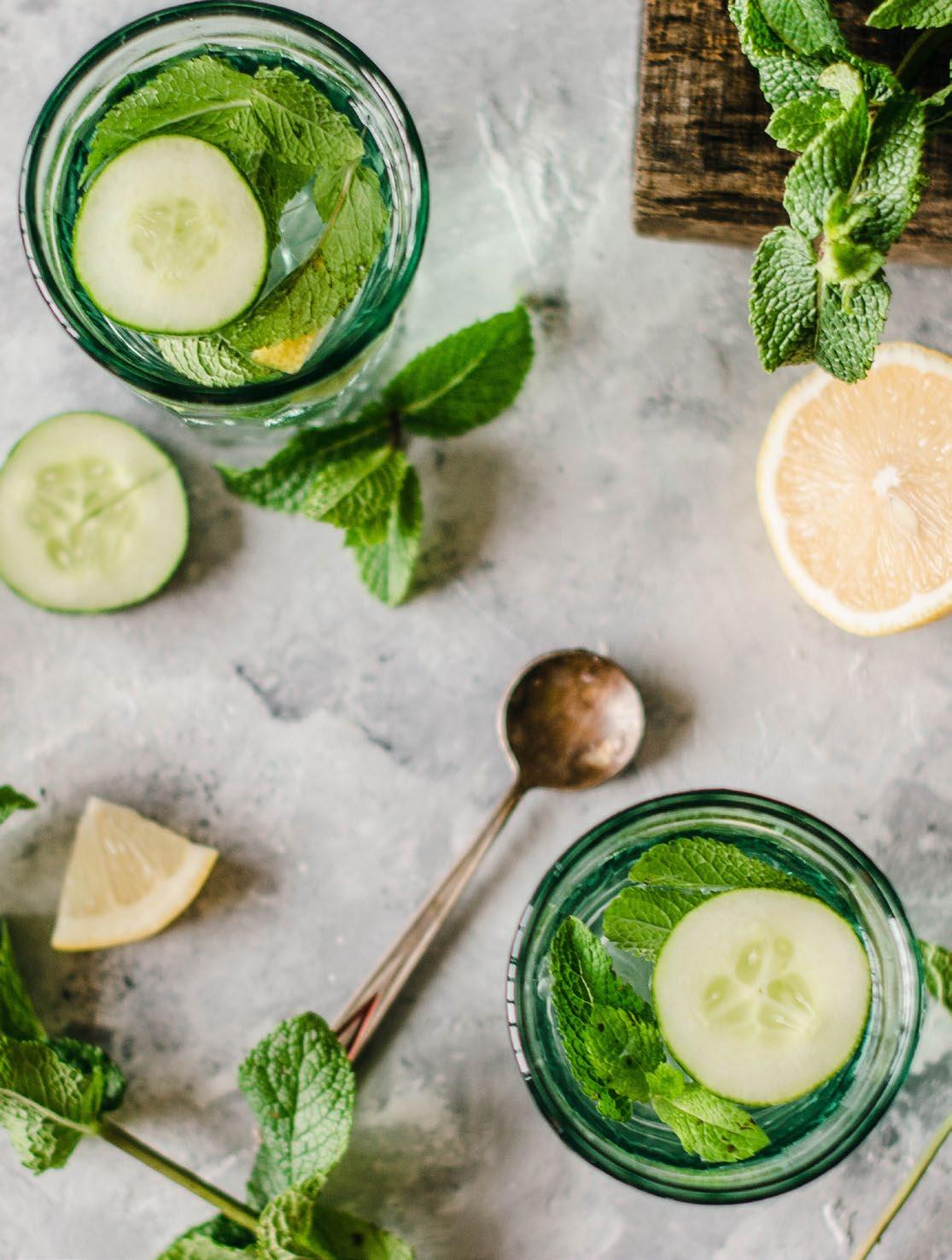
At the Apple Pie Bakery Café, students observe how guest interest in upcycled beverages creates a visible connection between sustainability concepts, consumer choice, and real-world engagement at the point of sale. One of the reasons the seltzer program proved so effective is that the beverages themselves are intentionally simple to produce. Most of the seltzers are built on a basic structure of fruit puree and simple syrup combined with carbonated water. For example, the student-created seltzer, “The Buzz,” is made using a mango puree and a simple syrup in a 1:1 ratio. The syrup itself follows a standard preparation of equal parts water and sugar, though students frequently experiment with substitutions such as honey or agave. What makes the system circular is how the ingredients are sourced. In many cases, the fruit puree is created from mango scraps generated in the kitchen or from leftover puree used in pastry production, such as truffle fillings. This flexible formula allows students to adapt recipes using whatever ingredients might otherwise be discarded, transforming kitchen scraps into marketable beverages. Because the process requires minimal equipment and relies on ingredients already present in most kitchens, similar seltzer programs can be implemented easily in culinary schools, restaurants, cafés, or even home kitchens. The approach demonstrates how food waste can become a creative input instead of a disposal problem.
This white paper argues that formalizing upcycled beverage projects within FOH curriculum represents a scalable, low-barrier opportunity for culinary institutions to advance sustainability education by embedding systems thinking directly into guest-facing operations where waste is treated not as an endpoint, but as a design input.
While this case study is grounded in an academic training environment, the underlying approach is treating waste as a design input and embedding circular systems into guest-facing operations that extends beyond the classroom. This framework is directly applicable to staff training in cafés, restaurants, and retail foodservice settings, where beverage programs are high-volume, high-visibility touchpoints. By integrating upcycled beverage development into daily operations, food businesses of all sizes can train staff to think systemically about waste, creativity, and profitability. In this way, the Apple Pie Bakery Café serves as a case study model for broader industry applications, demonstrating that sustainability-driven beverage programs can support operational goals while fostering meaningful culture change.
PROBLEM STATEMENT
Food-waste reduction is a central pillar of sustainability education within culinary programs. Students are trained to value ingredients, minimize waste, and approach production with creativity and intention. However, sustainability learning is often siloed within BOH production instead of being embedded across the full operational system, including FOH operations.
This disconnect represents a structural gap in culinary education. FOH operations are highly visible, revenuedriving, and guest-facing, yet they are rarely positioned as sites of sustainability practice. As a result, students miss the opportunity to apply a circularity to systems thinking in a context where purchasing behavior, menu design, and storytelling directly influence environmental outcomes. Without intentional FOH integration, beverage programs default to externally produced, packaged products that reinforce linear consumption patterns and limit student engagement. This not only weakens sustainability outcomes but also constrains learning: students are trained to execute service instead of designing systems, testing ideas, or evaluating trade-offs between waste reduction, flavor, cost, and guest acceptance.
Addressing this gap requires reimagining front-of-house beverage programs as active sites of systems design, as opposed to extensions of back-of-house practices. By integrating upcycled beverages into FOH curriculum, institutions can intentionally connect BOH waste streams with FOH innovation, allowing students to design circular systems that link production, service, purchasing behavior, and guest engagement. In this model, FOH is not simply executing sustainability practices developed elsewhere, but actively shaping how circular thinking operates in real time at the point of sale.
EVIDENCE & RESEARCH
DEMONSTRATING FOH BEVERAGE PROGRAMS AS CIRCULAR SYSTEMS IN PRACTICE
Existing food-waste reduction efforts at the Apple Pie Bakery Café demonstrate that upcycling can be operationally feasible, educationally valuable, and financially viable.
FOH APPLICATION OF CIRCULAR SYSTEMS - LEMON RIND SELTZER:
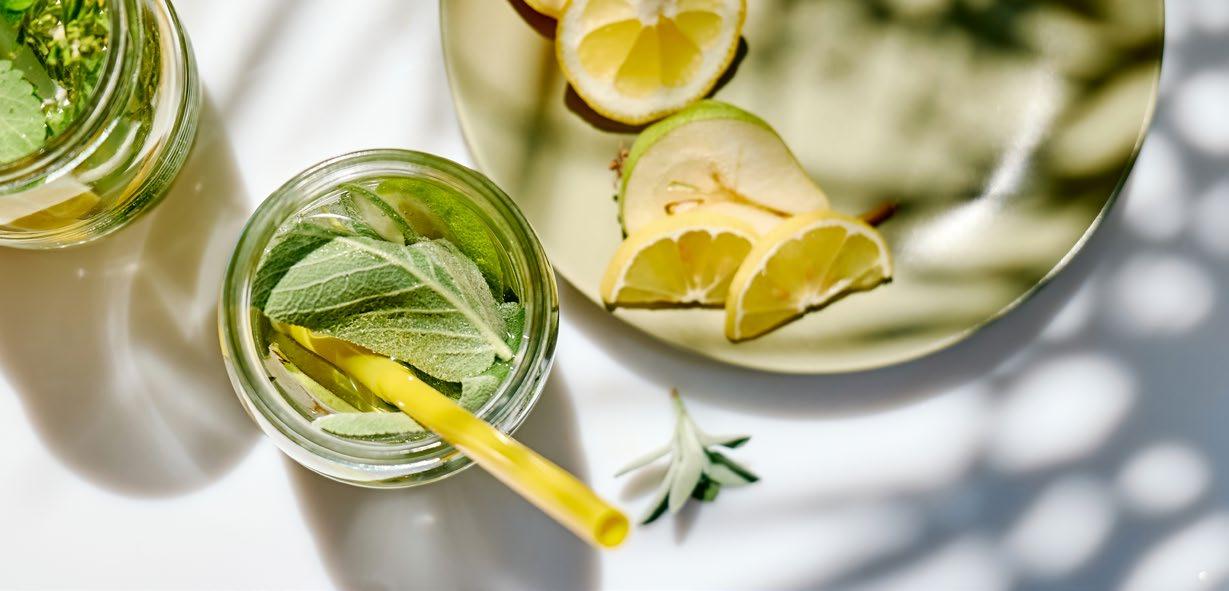
The lemon rind seltzer emerged as a response to a persistent waste stream: three to five cases of lemon rinds discarded weekly after juicing fresh lemons for lemonade service. Despite multiple reuse attempts, including preserved lemons, citrus sugars, syrups, and brewing collaborations, these strategies failed to meaningfully reduce overall waste volume.
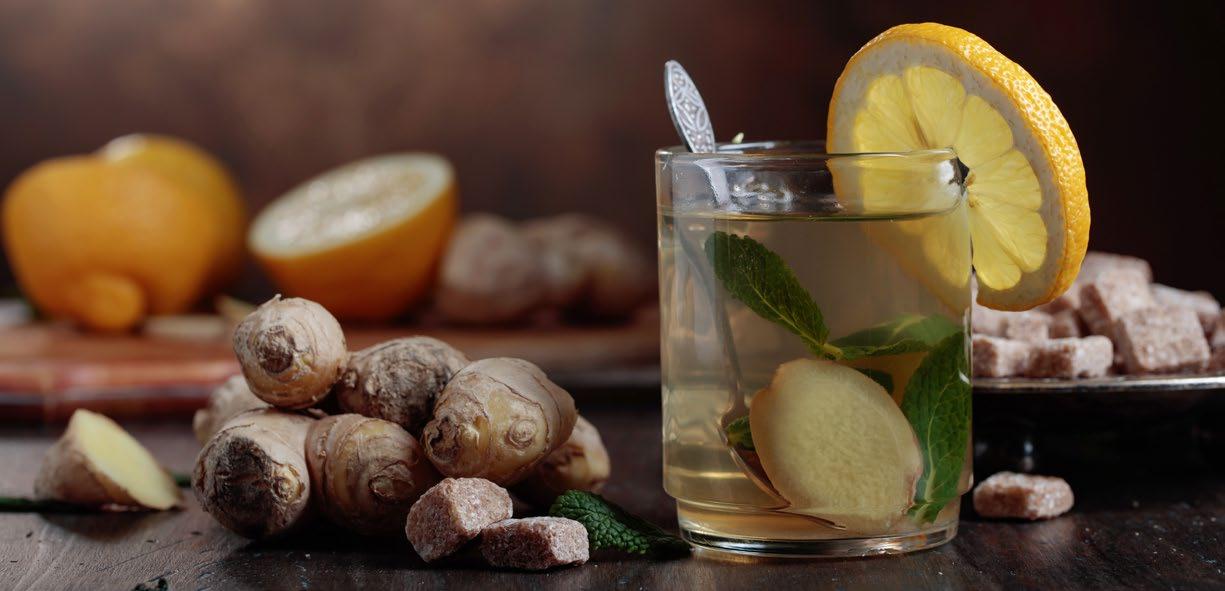
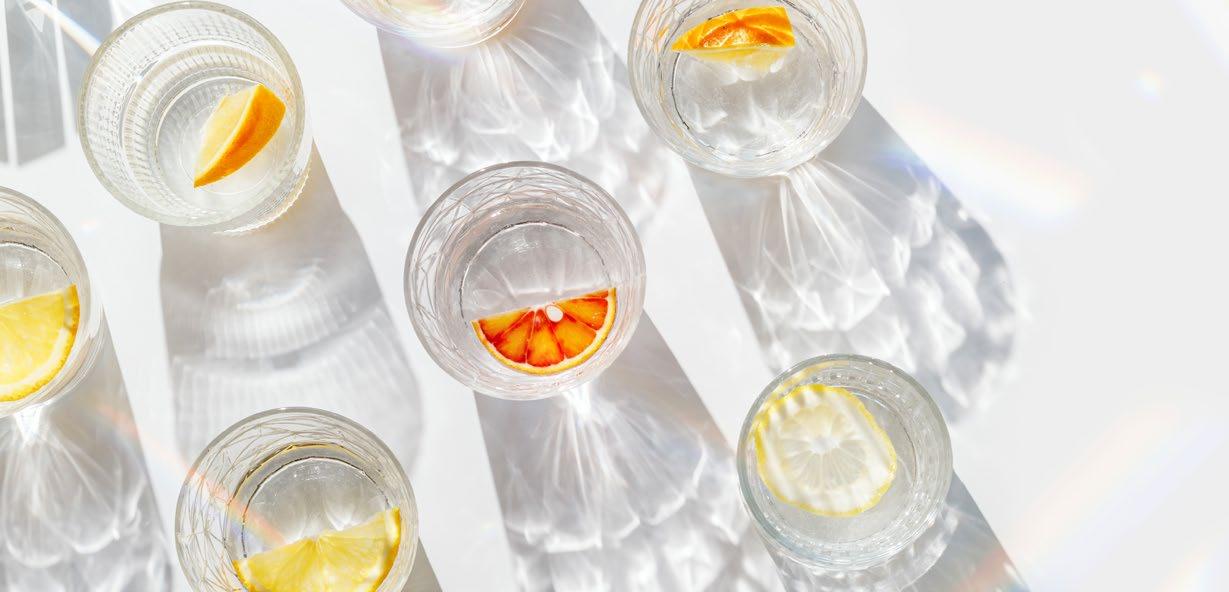
Building on an existing house-made seltzer program, the FOH team collaborated with the BOH team to pilot a lemon rind–based carbonated beverage. Chef Noah Carroll ‘06/’23 had the idea to take the rinds and turn into a seltzer base using seasonal herbs, sugar, salt and citric acid. The recipe was refined through iterative testing: added sugar was reduced by approximately 60%, partially replaced with honey, and flavor profiles were adapted seasonally using herbs grown on campus. While spent rinds remain after extraction, the process captures value prior to disposal and significantly reduces the volume and weight of material discarded.
Sales data indicate that the lemon rind seltzer captured value of sales and reduced waste from a consistently high-volume citrus waste stream, redirecting a substantial portion of lemon rinds into productive use before final disposal or composting.
In 2025, 755 lemon rind seltzers were sold, producing approximately 178 liters of beverage and repurposing an estimated 94.8 kg (≈209 lbs.) of lemon rinds prior to final disposal or composting. Detailed conversion assumptions and calculations are provided in Appendix A
FOH AS A LIVING SYSTEMS LAB: STUDENT BEVERAGE PROJECTS:
Beyond a sole product, FOH beverage education at APBC functions as a living laboratory for circular systems thinking. Through structured drink projects, students are tasked with developing original beverages that balance flavor, cost, sustainability, and guest appeal while utilizing house-made components.
BOH FOUNDATION: PROVEN WASTE REDUCTION IN PRACTICE
Within APBC, BOH operations already provide a strong precedent for wasteconscious production. In 2025, Head Baker David DiMattia ‘03/’05 diverted approximately 678.67 pounds of food waste from landfill by transforming trims, byproducts, and unsold items into new menu offerings (see 2025 Food Waste – APBC chart). This work demonstrates that intentional reuse can generate revenue while reinforcing sustainability values among students. Importantly, it establishes a proof point: food waste, when treated as an input instead of an endpoint, can be operationalized within a high-volume, student-run environment.
Across six student-developed seltzer flavors: hibiscus, tangerine, ginger, cranberry, pomegranate, and
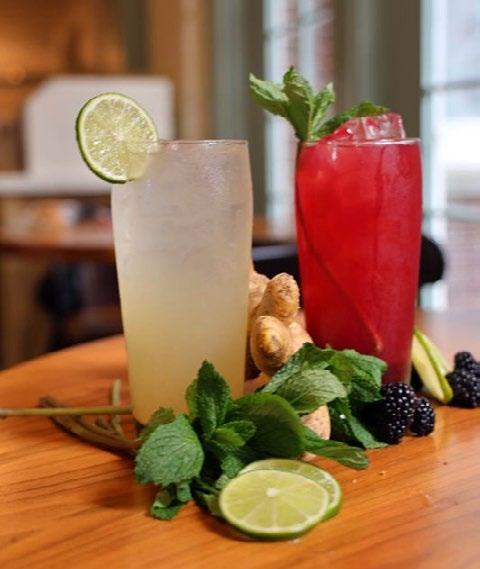
blackberry, the café sold 1,525 units, generating $7,625 in revenue. Because ingredient-specific waste tracking varies by flavor, a conservative assumption that 20% of inputs were derived from repurposed or upcycled ingredients was applied (see Appendix A: Calculation Methodology). Under this assumption, approximately 72 liters of beverage output are linked to recovered materials. Using the lemon rind conversion rate as a proxy, this corresponds to an estimated 38 kg (≈85 lbs.) of waste-equivalent material diverted.
Even under conservative assumptions, student-developed seltzers demonstrate that FOH beverage projects can meaningfully integrate recovered ingredients at scale.
The student-designed signature seltzers, “Buzz, Spritz, and Quencher,” further demonstrate the scalability of FOH-led innovation, translating student creativity into commercially successful, sustainability-aligned beverages. The student-created beverages sold 707 units, generating $3,748 in revenue. Supporting estimates are provided in Appendix A
The expansion of house-made and upcycled seltzers coincided with a measurable shift in consumer purchasing behavior. In 2024, APBC sold 7,474 bottled sodas, generating $26,159 in revenue. In 2025, following the introduction and expansion of the house seltzer program, bottled soda sales declined to 6,671 units, with revenue decreasing to $23,348.50.
While bottled soda revenue declined, this change reflects a positive substitution effect rather than a loss in beverage demand. During the same period, sales of house-made seltzers and student-designed beverages increased, contributing $15,183 in new beverage revenue. Overall beverage revenue increased as guests shifted away from commercially produced, packaged sodas toward house-made, sustainability-aligned options.
This pattern suggests that consumer preferences changed in response to expanded availability of fresh, house-produced beverages. Instead of reducing beverage sales overall, the FOH beverage program redirected demand toward products with lower packaging impact, higher educational value, and stronger alignment with sustainability goals. In this way, reduced bottled soda sales function as an indicator of successful behavior change and system redesign, not diminished performance.
ADDITIONAL FOH UPCYCLING PILOTS
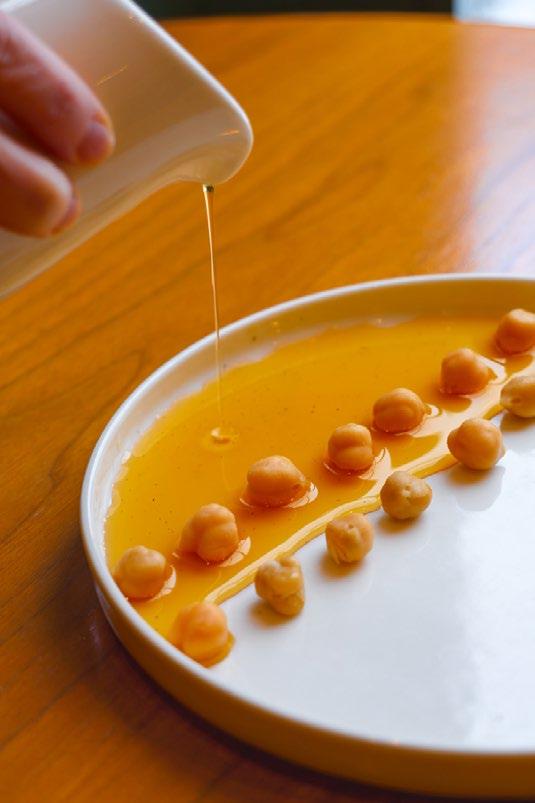
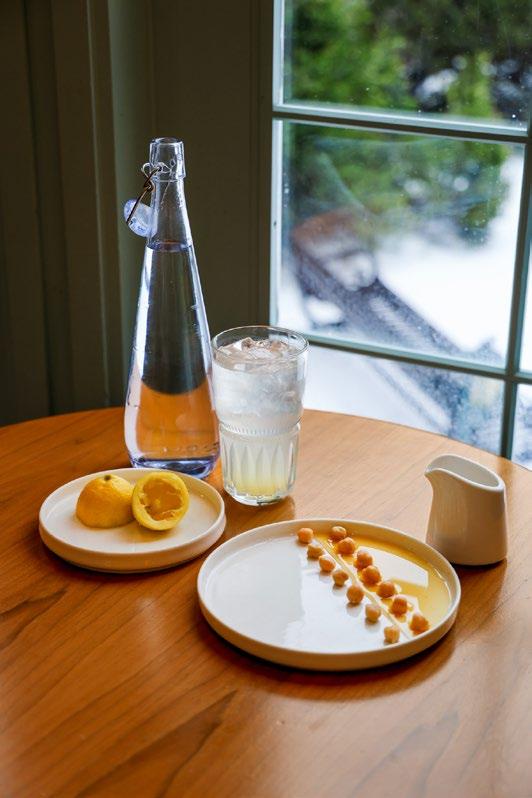
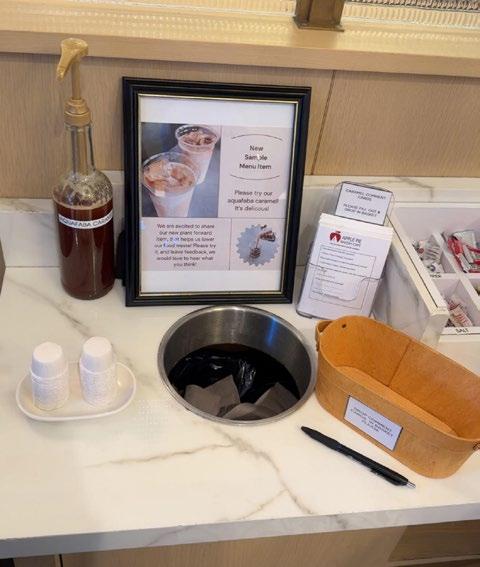
Smaller-scale pilots further reinforce the educational value of FOH-led waste recovery. Aquafaba caramel, produced by replacing water in caramel syrup with chickpea brine, was sold in 35 servings using a 2 oz portion per drink, diverting approximately 2.07 liters (≈2.07 kg / 4.6 lbs.) of aquafaba from disposal while generating revenue. Although modest in volume, this pilot challenged consumer perceptions, generated student-led feedback, and reinforced plant-based, waste-conscious thinking in a guest-facing context.
CASE STUDY SUMMARY
Collectively, these initiatives demonstrate that FOH beverage programs can function as effective circular systems. They allow students to test ideas, measure outcomes, respond to guest behavior, and connect
sustainability principles to real operational decisions. The evidence shows that upcycled beverages are not only feasible but scalable within a student-run café, offering measurable waste reduction, revenue generation, and educational impact.
NUTRITION CONSIDERATIONS: HEALTH, EDUCATION, AND ACCESSIBILITY
While the primary focus of this white paper is food-waste reduction and systems integration, nutrition emerges as a meaningful secondary outcome of FOH-led beverage innovation. The upcycled beverages developed at the Apple Pie Bakery Café prioritize lower added sugars, minimal processing, and the use of whole or plant-based ingredients, offering a clear alternative to conventional bottled sodas and artificially flavored drinks. This approach aligns with the Culinary Institute of America’s Menus of Change principles, which emphasize health-forward, plant-forward choices that support both human and planetary well-being.
From an educational perspective, these beverages function as applied nutrition lessons embedded within daily FOH operations. Students actively experiment with sweetness, bitterness, acidity, and mouthfeel while learning how ingredient choices affect both flavor and nutritional quality. For example, reducing added sugar by approximately 60% in the lemon rind seltzer, and partially replacing it with honey requires students to balance guest acceptance with health considerations in real time, mirroring the decisions they will face in professional foodservice settings.
Equally important, placing these beverages on a public-facing menu reinforces accessibility and transparency. Guests encounter nutrition-forward, house-made options in a retail context, demonstrating that healthier beverages do not require specialized equipment or costly ingredients. In this way, nutrition becomes part of a broader systems lesson, connecting education, sustainability, and everyday consumer choice.
LEVERAGE POINTS
IMPACT AREAS: WHERE SMALL CHANGES CREATE SYSTEM-WIDE IMPACT
Leverage points identify places within a system where relatively small interventions can produce disproportionate change. In the context of FOH beverage programs at the Culinary Institute of America, two leverage points emerge as especially impactful: (1) formalizing FOH–BOH collaboration through curriculum, and (2) using student-developed beverages to shift consumer behavior away from packaged drinks.
LEVERAGE POINT 1 (L1): FORMALIZE FOH–BOH COLLABORATION THROUGH UPCYCLED BEVERAGE CURRICULUM
Description
The most significant leverage point in this system is the intentional integration of FOH and BOH practices through a formal upcycled beverage curriculum. While BOH operations already demonstrate strong foodwaste reduction practices, these efforts are not consistently connected to FOH learning environments. As a result, valuable materials, knowledge, and sustainability practices remain siloed.
By establishing clear pathways for BOH trim and byproducts such as citrus rinds, coffee grounds, and aquafaba to flow into FOH beverage development, the system shifts from isolated successes to a coordinated circular model. This change does not require new infrastructure; it requires alignment, shared intent, and curricular structure.
Causal Statement
If FOH coursework formally incorporates BOH waste streams into beverage development and service, then landfill disposal of usable food waste will decrease while educational value and revenue opportunities increase.
Reasoning and Evidence
Data from the Apple Pie Bakery Café show that even informal FOH upcycling efforts have already diverted measurable quantities of food waste and generated revenue through lemon rind seltzer, student-developed seltzers, and aquafaba-based syrups. Increasing collection and upcycling rates from 60% to 90% could reduce disposal-related emissions. Formalizing FOH–BOH collaboration would scale impacts that are currently occurring organically and inconsistently.
This leverage point is highly feasible within the CIA context because it builds on sustainability practices already embedded in back-of-house operations while extending them into front-of-house education. By aligning FOH-led upcycled beverage initiatives with established campus food-waste reduction efforts outlined in the MCURC Circular Food Systems for Campus Dining report (MCURC, 2021), this approach ensures that labor considerations, equity, and educational access remain central to implementation. Instead of introducing new systems, this model formalizes existing practices and connects them across departments, strengthening institutional coherence while simultaneously expanding student learning opportunities.
Leverage Point One: Increase Collection Upcycling Rate
• Causal Statement: If we can increase the collection rate of food waste that can be turned into upcycled beverages from 60% to 90%, the landfill disposal emissions will decrease by 75% (a reduction of 12.48 kg CO2e/month). We can do this by continuing to use lemon rinds, aquafaba and other food waste in beverages. Working with the BOH to use their food scraps in the FOH will also help reach higher collection rate percentages.
• Calculation:
◊ Currently, 40% of 80kg/month (based off Ingredient Disposal Baseline) is landfilled → 32 kg landfilled.
• Emissions now: 32 kg × 0.52 = 16.64 kg CO₂e.
◊ If 90% is collected, only 10% (8 kg) is landfilled.
• Emissions then: 8 kg × 0.52 = 4.16 kg CO₂e.
◊ Reduction = 16.64 − 4.16 = 12.48 kg CO₂e/month (= 75% lower than current disposal emissions). (S&A Line 1 for EF; Line 5 for collection improvement).
• Feasibility Note: This improvement would be achieved with more faculty education that translates into student education and better waste-sorting signage, while further encouraging alignment with MCURC’s food waste reduction strategies (MCURC, 2021).
LEVERAGE POINT 2 (L2): USE STUDENT BEVERAGE PROJECTS TO SHIFT
CONSUMER BEHAVIOR AND REDUCE PACKAGED BEVERAGE DEPENDENCE
Description
A second high-impact leverage point lies in leveraging student-developed beverage projects to influence consumer choice. Beverages are among the most frequently purchased items in FOH operations and are highly visible to guests. This makes them a powerful tool for shifting purchasing behavior toward more
2,987
HOUSE-MADE SELTZERS SOLD
9 FLAVORS OFFERED
BOTTLED SODA SALES DECLINED COMPARED TO 2024
Feasibility Reflection
This leverage point requires minimal structural change. Student beverage projects already exist within FOH coursework; the primary shift involves intentional promotion, clearer sustainability messaging, and continued support for transitioning successful student concepts onto the café menu. Industry research indicates that customer education increases acceptance of sustainable foodservice practices (Sodexo, 2022), reinforcing the viability of this approach.
Leverage Point Two: By prioritizing student-created, house-made beverages, especially those incorporating upcycled ingredients, FOH programs can reduce dependence on externally produced, packaged drinks while reinforcing sustainability narratives through storytelling and transparency.
• Causal Statement: If we implement a marketing campaign that highlights the importance of upcycled drinks, beverage sales can ideally increase by 20% while reducing waste and unsold products by 30%. This can be supported through social media posts promoting sustainability initiatives, student-made posters for beverages and email blasts to the CIA community.
• Calculation:
◊ Assuming 7.5 kg/month of unsold beverage waste from a 150 L production batch, a 30% reduction would avoid 2.25 kg of waste (see Table 1). Using the EPA WARM landfill emission factor of 0.52 kg CO₂e per kg of food waste, this equals approximately 1.17 kg CO₂e avoided per month.
◊ 30% reduction in unsold mass → 7.5 × 0.30 = 2.25 kg avoided (see Table 1).
◊ Avoided disposal emissions = 2.25 kg × 0.52 = 1.17 kg CO₂e/month.
◊ (Context: current unsold disposal emissions = 7.5 × 0.52 = 3.9 kg CO₂e; after reduction = 5.25 × 0.52 = 2.73 kg CO₂e; reduction = 1.17 kg CO₂e.) (S&A Line 4 for 30% reduction; Line 1 for EF)
Industry & Curriculum Relevance
Evidence from large-scale foodservice operations suggests that customer-facing sustainability messaging can positively influence purchasing behavior while reinforcing organizational climate goals. For example, Sodexo’s sustainability campaigns demonstrate that guest education around food systems and environmental impact can increase sales of lower-impact menu items while supporting broader climatejustice commitments (Sodexo, 2022).
Within a culinary education context, this case study illustrates how similar principles can be embedded directly into curriculum. By integrating upcycled beverage development into FOH coursework, students learn to treat waste as a design input, connect sustainability concepts to consumer behavior, and evaluate tradeoffs between flavor, cost, and impact at the point of sale. This approach positions FOH beverage programs not only as operational spaces, but as applied learning environments that prepare students for industry roles where sustainability literacy and systems thinking are increasingly expected.
LEVERAGE POINT 3 (L3): NUTRITION AS A DRIVER OF ADOPTION AND LEARNING: NUTRITION AS A DESIGN CONSTRAINT, NOT AN AFTERTHOUGHT
While climate impact and food-waste reduction motivated the initial development of upcycled beverages at the Apple Pie Bakery Café, nutritional quality emerged as a critical factor influencing guest acceptance, student learning, and the feasibility of scaling front-of-house (FOH) beverage innovation. The beverages developed through this program prioritize lower added sugars, plant-based ingredients, and minimal processing, positioning them as health-forward alternatives to conventional bottled sodas. This approach aligns with Menus of Change (M.O.C.OC) Principles, a framework designed by the Culinary Institute of America and the Harvard T.H. Chan School of Public Health, Department of Nutrition to provide nutrition
and environmental science-informed guidance for the foodservice industry. The MOC principles emphasize whole ingredients, reduced added sugars, and culinary strategies that support personal and planetary health.
Rather than relying on artificial syrups or flavorings, lemon rind seltzer and house-made seltzers are designed to deliver flavor through whole ingredients. Iterative recipe development reduced added sugar by approximately 60%, partially replacing refined sugar with honey to maintain balance while lowering overall sugar content. Lemon rinds contribute vitamin C and antioxidants, while the beverages provide hydration with minimal calories, supporting Dietary Guidelines for Americans recommendations to reduce added sugar intake from beverages (U.S. Department of Health and Human Services & U.S. Department of Agriculture, 2020). Representative recipes and formulation methods are provided in Appendix A
Aquafaba caramel further expanded nutritional learning within FOH education by reframing a discarded byproduct as a functional ingredient. By replacing water in caramel syrup with chickpea brine, students created a plant-based syrup with a richer mouthfeel that mimics dairy-based textures without the use of cream or butter. While aquafaba contributes only small amounts of plant protein and minerals, its primary educational value lies in demonstrating how waste streams can enhance functionality while supporting vegan and plant-forward beverage development.
From an instructional standpoint, nutrition is treated not as an abstract guideline but as a direct design constraint. Students learn to balance sweetness, acidity, bitterness, and texture while considering health impacts alongside cost, waste reduction, and guest perception. This applied approach encourages systems thinking, requiring students to evaluate nutritional trade-offs within real operational conditions, as opposed to defaulting to pre-made products.
Placing these beverages on a public-facing café menu further reinforces nutrition as a driver of adoption. Guests encounter student-made, house-produced beverages that demonstrate healthier options are accessible, affordable, and achievable within everyday foodservice operations. In this way, nutrition functions as a reinforcing layer within the circular system supporting consumer trust, increasing guest willingness to purchase unfamiliar products, and strengthening the overall feasibility of FOH-led sustainability initiatives.
Leverage Point Summary
Together, these leverage points demonstrate that FOH beverage programs can serve as strategic intervention sites within larger institutional food systems. By connecting BOH waste streams to FOH curriculum and using student innovation to influence guest behavior, the CIA can amplify environmental impact while strengthening experiential education. These leverage points do not rely on large-scale operational change; instead, they formalize practices already proving effective and scale them through structure, intention, and learning design. This structure can easily be incorporated into any food business that serves beverages.
Methods & Tools
This white paper draws on a combination of first-hand operational data, sales reports, and reflective teaching practices within the Apple Pie Bakery Café at the Culinary Institute of America. The café functions as a live, student-run learning environment, allowing sustainability concepts to be tested, measured, and observed in real time.
Quantitative data was collected from café sales systems (Avero), internal production records, and publicly available sustainability benchmarks. These data were used to evaluate beverage sales performance, waste diversion, and substitution effects related to house-made and upcycled beverages. Where direct measurement was not feasible, conservative modeling assumptions were applied and are stated explicitly.
To support clarity and readability, detailed calculations, conversion factors, and emissions assumptions are documented in the Source & Assumptions Tables and Appendices. The main body of the paper focuses on interpretation and implications rather than technical methodology.
The case study analysis is organized around three applied examples:
• CASE STUDY 1: LEMON RIND SELTZER, examining waste diversion, climate impact, and sales performance.
• CASE STUDY 2: STUDENT-DEVELOPED HOUSE SELTZERS, evaluating scalability, consumer substitution, and revenue outcomes.
• CASE STUDY 3: AQUAFABA-BASED SYRUPS, highlighting nutritional learning and functional reuse of byproducts.
Digital tools including spreadsheet software and generative AI (ChatGPT) were used to support formatting, organization, and language refinement. All system designs, data interpretations, and conclusions are grounded in the author’s professional practice and institutional experience as a CIA faculty member.
Unless otherwise noted, all tables and figures reference primary operational data collected at the Apple Pie Bakery Café during 2025. Supplemental methods, recipes, and extended calculations are provided in the appendices for transparency and replicability.
Before presenting quantified climate impacts, it is necessary to clarify the system boundaries, data sources, and assumptions that inform the analysis. The table below outlines the factors used to model emissions and resource use associated with upcycling lemon rinds into house-made seltzer, ensuring transparency and consistency across calculations.
U.S. Environmental Protection Agency (EPA). (2023). Waste Reduction Model (WARM), Version 15. Used as proxy for landfill disposal emissions since site-specific data unavailable.
on institutional pilot
(e.g., Compass Group, 2021). Represents portion of waste converted into beverage products used at APBC.
(2019). Aqueduct Food Tool.
(EIA, 2022).
for beverage manufacturing water intensity.
Table 1
*Used as a conservative proxy to estimate relative water intensity for in-house, small-batch beverage production. Actual café-scale water use is lower than industrial bottled beverage manufacturing; this metric provides an upper-bound reference for comparative analysis.
Quantification Table
To understand the climate implications of the lemon rind seltzer initiative, the system was first translated into a simplified quantification model. This step moves from qualitative systems mapping into reasoned estimates that illustrate how food-waste diversion affects greenhouse gas emissions, water use, and energy consumption.
The quantification begins by establishing a baseline scenario, where all lemon rinds are disposed of through landfill, and then compares it to a post-upcycling scenario, where a portion of that waste is diverted into beverage production. This side-by-side framing allows the reader to see how small operational shifts in waste handling leads to measurable environmental differences across the system.
Quantification Table (For Lemon Rind Seltzer)
This quantification table summarizes these impacts by node, showing baseline disposal emissions, emissions after upcycling, avoided landfill emissions at Leverage Point 1 (L1), and the additional water and energy inputs required for beverage processing.
Baseline emissions if all 80 kg waste go to landfill.
Line 7 Represents 25% GHG reduction from upcycling waste.
Water and electricity are used for beverage production.
Current system impact after implementing upcycling.
(Explanation: 16.64 kg CO₂e represents the current monthly greenhouse gas emissions from food waste being landfilled (when only 60% of usable waste is recovered).
4.16 kg CO₂e represents the emissions after improvement (when 90% of usable waste is recovered and only 10% goes to landfill). The difference between those two numbers (12.48 kg CO₂e) is the amount of emissions avoided. Dividing that reduction by the original emissions and multiplying by 100 converts it into a percentage. Increasing the upcycling rate from 60% to 90% reduces landfill-related emissions by approximately 75%.
Taken together, the quantification table shows how diverting just 25% of lemon rind waste into beverage production reduces landfill-related emissions while introducing modest processing inputs. Although water and energy are required to produce the upcycled seltzer, the net system impact reflects a meaningful reduction in greenhouse gas emissions compared to full disposal.
This quantified comparison establishes the foundation for the leverage point analysis that follows. By modeling how changes in collection and upcycling rates alter emissions outcomes, the table directly informs Leverage Point 1, which explores how increasing diversion rates can amplify climate benefits without requiring major infrastructure changes.
LEVERAGE POINT #2
Reduce Unsold/Wasted Beverage Product through Upcycling
CLIMATE IMPACT & LEVERAGE POINTS
WASTED INGREDIENT STOCK
(Lemon rinds, co ee grounds, aquafaba)
COLLECTION RATE (to Upcycling)
UPCYCLING / PRODUCTION (recipe R&D, prep, systemizing)
DISPOSAL RATE to land ll/compost
LEVERAGE POINT #1
Increase Collection Upcycling Rate
CONSUMER CONSUMPTION revenue, feedback SALES RATE to guests
FEEDBACK: Sales Data & Customer Feedback
UPCYCLING YIELD
(quarts of lemon rind base / drinks, cold brew concentrate / drink, aquafaba caramel / bump per drink)
Mustafa, R., & Reaney, M. J. T. (2023). Composition and functional properties of aquafaba: An upcycled food ingredient. Food Chemistry, 401, 134117. https://doi. org/10.1016/j.foodchem.2022.134117
U.S. Department of Agriculture. (2024). FoodData Central: Citric acid, pure. https://fdc.nal.usda.gov
Estimated by using weighted average of inputs
While climate impact and waste reduction motivated the initial development of upcycled beverages at the Apple Pie Bakery Café, nutritional quality played an important role in guest acceptance and student learning. Each beverage was designed not only to reduce waste, but also to offer a healthier alternative to conventional bottled sodas and artificially-flavored drinks.
The lemon rind seltzer was intentionally developed as a plant-based beverage made from whole ingredients rather than artificial syrups. Recipe iterations reduced added sugar by approximately 60%, partially replacing refined sugar with honey to maintain balance while lowering total sugar content.
Lemon peel naturally contains vitamin C and antioxidants, and the finished beverage provides hydration with minimal calories. By prioritizing lower added sugar and minimal processing, the seltzer aligns with the Dietary Guidelines for Americans recommendation to reduce added sugar from beverages (U.S. Department of Health and Human Services & U.S. Department of Agriculture, 2020).
For students, this became an applied nutrition lesson. Instead of defaulting to pre-made syrups, they actively tested sweetness levels, acidity, and bitterness while evaluating health implications alongside cost and waste reduction.
Aquafaba caramel introduced a different dimension of nutritional learning. By replacing water in simple syrup with chickpea brine, students created a plant-based caramel with a rich mouthfeel without using cream or butter. While aquafaba contributes only modest amounts of plant protein and minerals, the exercise demonstrated how byproducts can enhance functionality while supporting vegan and plant-forward beverage development.
More importantly, the project challenged assumptions. Many guests were initially hesitant about the word “aquafaba,” but sampling and education shifted perceptions. This reinforced a key lesson for students: nutrition, sustainability, and guest communication must work together.
Why This Matters for Education
In this program, nutrition is not treated as an abstract guideline but as a design constraint. Students learn to balance sweetness, texture, cost, sustainability, and guest perception simultaneously. Producing beverages themselves, rather than relying on commercially-manufactured products, gives students direct experience evaluating ingredient trade-offs in real time.
Placing these beverages on a public-facing café menu demonstrates that healthier, lower-impact drinks are achievable within everyday foodservice operations. Nutrition, in this model, strengthens adoption and reinforces the feasibility of FOH-led sustainability innovation.
Moderate logistics footprint; reliant on chickpea processing plants and domestic supply stability.
Minimal risk; consistent availability from regional food-grade chemical suppliers.
(MATERIALS)
Table 4
System Limitations Identified
This pilot surfaced several limitations relevant to scaling upcycled beverage programs across FOH operations, particularly related to nutrition formulation, cultural acceptance, and ingredient sourcing.
Nutritional formulation constraints emerged as a primary consideration. While both lemon rind seltzer and aquafaba caramel are designed to reduce waste and reliance on artificial additives, they still require added sugars to balance bitterness and achieve functional texture. Excess added sugar may conflict with Dietary Guidelines for Americans (2020–2025), which recommend limiting added sugars to less than 10% of daily caloric intake. Ongoing formulation work is needed to further reduce refined sugar content while maintaining flavor, using partial replacements such as honey or agave.
Cultural acceptance and consumer understanding also present limitations. Ingredients such as aquafaba are unfamiliar to many guests, and the concept of liquid food waste is not immediately intuitive. While tasting feedback was positive, initial hesitation indicates that guest education and storytelling are essential components of successful adoption, particularly in high-traffic service environments where staff time for explanation is limited.
Sourcing variability represents an additional constraint. Seasonal shifts in lemon quality such as seed content, juice yield, and flavor intensity affect product consistency and require adaptive recipe management. These fluctuations highlight the need for flexible formulations and contingency planning when scaling wastebased beverage systems.
To address these limitations and strengthen the evidence base for FOH-led upcycled beverage systems, the following next-iteration research and testing steps are proposed. These actions focus on improving nutritional outcomes, measuring guest response more systematically, and refining operational feasibility.
Table 5
SOURCE & ASSUMPTION EXTENSION:
Table 6
RECOMMENDATIONS & NEXT STEPS
RECOMMENDATIONS
For the lemon rind seltzer, longitudinal sales tracking through the Avero system will allow for evaluation of demand stability across an academic term. Parallel recipe testing will focus on reducing refined sugar content while preserving sensory balance.
For aquafaba-based syrups, future iterations will incorporate extended guest sampling periods and structured feedback collection to better assess acceptance, flavor perception, and naming conventions. Integrating these products into student drink projects will allow multiple formulations to be tested simultaneously, generating comparative data while reinforcing experiential learning.
Collectively, these steps shift the project from pilot experimentation toward a more robust, researchinformed model capable of supporting broader implementation.
From Pilot to Scalable Practice
Building on the demonstrated success of upcycled beverages at the Apple Pie Bakery Café, the following recommendations outline practical, low-barrier steps for scaling impact while preserving educational integrity. These actions focus on formalizing what is already working, strengthening cross-department collaboration, and improving measurement without adding unnecessary operational burden.
RECOMMENDATION 1: FORMALIZE UPCYCLED BEVERAGE DEVELOPMENT WITHIN FOH CURRICULUM
Action
Integrate upcycled beverage development as a required component of FOH coursework, ensuring that all students gain hands-on experience with waste reduction, recipe development, cost analysis, and menu placement.
Rationale
This step embeds circular systems thinking directly into FOH education instead of treating sustainability as an optional or extracurricular topic. Formalizing the practice ensures consistency across cohorts and reinforces the CIA’s role as a leader in applied sustainability education.
RECOMMENDATION 2: ESTABLISH CLEAR FOH–BOH MATERIAL FLOW PATHWAYS
Action
Create a simple, repeatable process for identifying and transferring BOH trim and byproducts suitable for beverage applications (e.g., citrus rinds, fruit waste, coffee grounds, aquafaba) to FOH teams.
Rationale
Clear material flow prevents usable ingredients from being discarded prematurely and strengthens collaboration between departments. This recommendation builds on existing BOH waste-reduction practices and extends their value into guest-facing applications.
RECOMMENDATION 3: STANDARDIZE LIGHTWEIGHT DATA COLLECTION FOR FOH SUSTAINABILITY
Action
Implement basic tracking for upcycled ingredients used in FOH beverages (volume or weight reused, units sold), using existing systems where possible.
Rationale
Simple, standardized data collection improves the ability to evaluate impact over time, supports transparency, and strengthens the case for broader institutional adoption without overburdening students or staff.
RECOMMENDATION 4: USE STUDENT BEVERAGE PROJECTS AS A SCALING MECHANISM
Action
Continue to position student beverage projects as a testing ground for new upcycled concepts, with a clear pathway for successful beverages to transition from classroom development to café menus.
Rationale
This approach reinforces experiential learning while allowing innovation to scale organically. Students see a direct connection between coursework, sustainability outcomes, and real-world impact, increasing engagement and ownership.
RECOMMENDATION 5: STRENGTHEN GUEST EDUCATION THROUGH MENU LANGUAGE AND VISUAL CUES
Action
Use concise menu descriptions, signage, and student storytelling to explain the purpose and impact of upcycled beverages.
Rationale
Clear communication increases guest willingness to try unfamiliar products and reinforces the CIA’s leadership role in sustainability education. Framing beverages around purpose and process, rather than novelty, supports behavior change without compromising guest experience.
These recommendations require minimal new infrastructure and build on practices already in place at the Apple Pie Bakery Café. More importantly, they demonstrate how small, intentional shifts in front-ofhouse education can lead to meaningful change. By formalizing curriculum, strengthening FOH–BOH collaboration, and improving measurement, the CIA can move from isolated pilots to a cohesive model that aligns sustainability, education, and operational excellence. What began as a response to everyday waste has become a scalable approach to teaching systems thinking, one that shows students, in real time, that creativity, responsibility, and profitability can coexist.
While this work is grounded in an educational setting, the approach itself is not limited to schools. The same principles, treating waste as a design input, fostering cross-functional collaboration, and embedding sustainability into daily operations, can be applied in any restaurant, café, or foodservice business seeking to build more circular, resilient systems.
Table A1 documents the conversion of lemon rinds, previously discarded after lemonade production, into a marketable FOH beverage. In 2025, the sale of 755 lemon rind seltzers generated $3,775 in revenue while repurposing an estimated 94.8 kg (209 lbs.) of citrus waste prior to final disposal or composting. Although spent rinds remain after extraction, the process captures functional and economic value before disposal and reduces waste volume and mass. This initiative demonstrates how FOH beverage programs can directly intercept BOH waste streams and convert them into visible, guest-facing sustainability outcomes.
Table A1
APPENDIX B:
BOH FOOD WASTE DIVERSION THROUGH UPCYCLING (APBC, 2025)
This table quantifies the volume of food waste diverted through back-of-house upcycling practices at the Apple Pie Bakery Café in 2025. Across five bakery products, approximately 678.67 pounds of food waste were recovered and transformed into revenue-generating menu items, resulting in $13,888.75 in sales. These figures demonstrate that BOH waste streams, such as dough trim, unsold pastries, and nut byproducts, can be operationalized as productive inputs instead of disposal endpoints. This established BOH foundation provides the baseline from which FOH-led beverage upcycling initiatives were later developed and scaled.
Table B1 / Source: Sales data extracted from Avero POS system.
Table C1 summarizes student-developed FOH beverage projects using a conservative modeling approach to estimate waste recovery. Because ingredient-level tracking varies by flavor, a 20% upcycled input assumption was applied to total beverage output. Under this assumption, student-created seltzers represent approximately 105 liters of beverage output linked to recovered materials, corresponding to an estimated 56 kg (125 lbs.) of waste-equivalent diversion. Beyond environmental impact, these beverages generated $11,373 in revenue, reinforcing the role of FOH coursework as both a learning platform and a viable site for circular food-system innovation.
Table C1
Estimated values based on a conservative assumption that 20% of beverage inputs were derived from repurposed or upcycled ingredients. This proxy is used for illustrative modeling purposes pending ingredient-specific tracking. Waste-equivalent calculated using lemon-rind conversion proxy (0.533 kg/L).
CHICKPEA CARAMEL SYRUP
Yield: 2 quarts
Ingredients
• 533 g Aquafaba
• 533 g Granulated Sugar
• 500 g Granulated Sugar (dry caramel)
• 1 TBSP Vanilla Bean Paste
Preparation
1. Make simple syrup using Aquafaba & first granulated sugar portion
2. Heat up aquafaba and dissolve first half of sugar into liquid – whisk until dissolved
3. Make dry caramel with second granulated sugar portion
4. Deglaze caramel with Aquafaba simple syrup
5. Add Vanilla Paste
LEMON RIND SELTZER BASE
Yield: 12 quarts
Ingredients
• 3121 g Lemon Rind
• 6243 g Water
• 738 g Sugar
• 1135 g Honey
Preparation
• 40 g Citric Acid
• 45 g Fresh Herb
• 738 g Sugar
• 34 g Salt
1. Heat lemon rinds in water with sugar and honey in a large pot
2. Bring to a strong simmer for 5 minutes
3. Turn heat off and add citric acid, fresh herbs, and salt
4. Steep for 15 minutes
5. Strain through fine mesh strainer into a 12qt cambro
6. Cool in ice bath
7. For service – the ratio is 40% lemon rind base to 60% seltzer or sparkling water by volume in your cup of choice
8. Serve over ice, garnish with lemon wheel and/or fresh herbs
Compass Group. (2022). Sustainability and LCA Benchmarks Report https://www.compass-group.com/en/index.html
Environmental Protection Agency (EPA). (2023). Waste Reduction Model (WARM) Version 15 https://www.epa.gov/warm
Environmental Protection Agency (EPA). (2023). Greenhouse Has Equivalencies Calculator https://www.epa.gov/energy/greenhouse-gas-equivalencies-calculator
Healthline. (23, Feb. 2023) 10 Science-Backed Benefits of Chickpeas. https://www.healthline.com/nutrition/chickpeas-nutrition-benefits
MCURC. (2021). Circular food systems for campus dining. Menus of Change University Research Collaborative https://www.menuschallenge.org
Mustafa, R., & Reaney, M. J. T. (2023). Composition and functional properties of aquafaba: An upcycled food ingredient. Food Chemistry, 401, 134117. https://doi.org/10.1016/j.foodchem.2022.134117
ScienceDirect. (January 2024). Upcycled food: How does it support the three pillars of sustainability https://www.sciencedirect.com/science/article/pii/S0924224423003849
Sodexo. (2022). Sustainability in Foodservice Annual Report https://www.sodexo.com/
U.S. Department of Agriculture. (2024). FoodData Central: Lemon peel, raw https://fdc.nal.usda.gov
U.S. Environmental Protection Agency. (2023). Waste Reduction Model (WARM). https://www.epa.gov/waste-reduction-model
About the Author
Caitlin Bolin is a faculty member at the Culinary Institute of America, where she teaches front-of-house beverage education, hospitality operations, and service focused curriculum at the Apple Pie Bakery Café, one of the CIA’s flagship teaching restaurants. Her work centers on circular food systems, upcycled beverage innovation, and connecting back-of-house and front-of-house food waste reduction with guest-facing operations through experiential learning and systems thinking. Drawing on industry experience across fine dining restaurants, wineries, bars, and luxury hospitality in California and New York, she develops studentled beverage programs that integrate sustainability, nutrition, and operational performance in real-world foodservice environments. Caitlin holds an AOS in Culinary Arts and a BBA in Food Business Leadership from the CIA and is currently completing her MPS in Food Business. She is also a Certified Higher Education Professional (CHEP), Certified Coffee Specialist (CCS), and recently earned her Level 1 Sommelier certification through the Court of Master Sommeliers.