





the magazine of the Memphis Bar Association
Memphis Bar Association
Publications Committee
Audrey Calkins, Chair
Terre Fratesi, Vice Chair
Nicole M. Grida
Maureen Holland
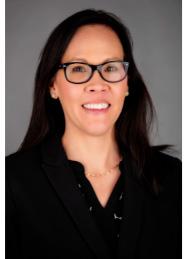
Marlinee Iverson
County
The Memphis Lawyer is a quarterly publication of the Memphis Bar Association, Inc. with a circulation of 2,000. If you are interested in submitting an article for publication or advertising in an upcoming issue, contact info@memphisbar.org. The MBA reserves the right to reject any advertisement or article submitted for publication.

Anna Vescovo The Memphis Bar Association 145 Court Ave.
(901) 527-3573 www.memphisbar.org
Donald Babineaux
Taylor Bachelor
Hallie Flanagan
Malcolm Futhey, III
William Gibbons, Jr.
Jack Heflin
L. Jehl
Geoffrey Lewis
Joseph McKinney
Charles Mitchell
Jerrick Murrell
Danielle Rassoul
Margaret Roney
Abigail Sala
Amber Shaw
Megan Smith
Marguerite Stringer
Van Turner
Emmett Whitwell
Kristina Woo
Section Representatives
Anne Davis
Toni Parker
Ruchee Patel

AWA
YLD

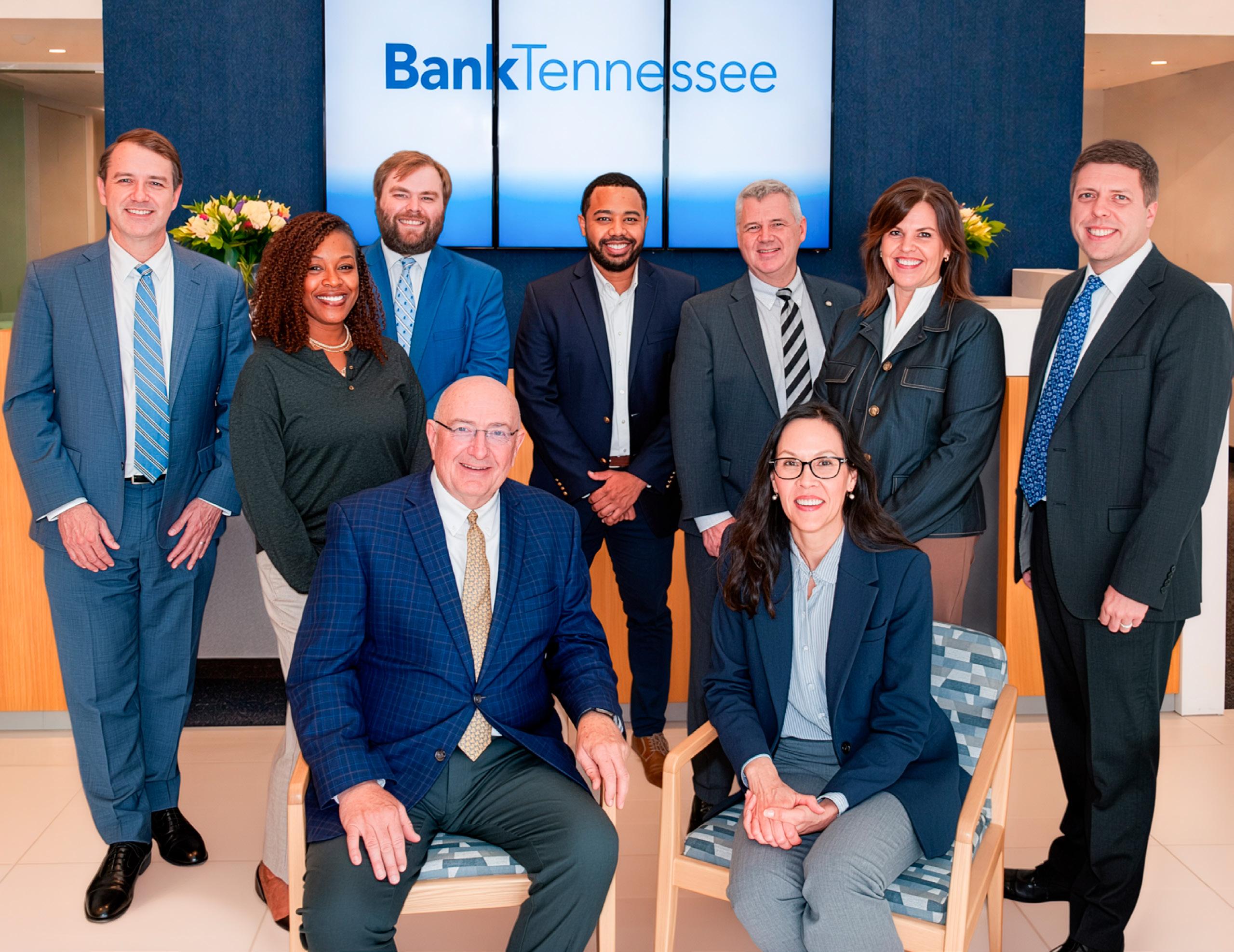
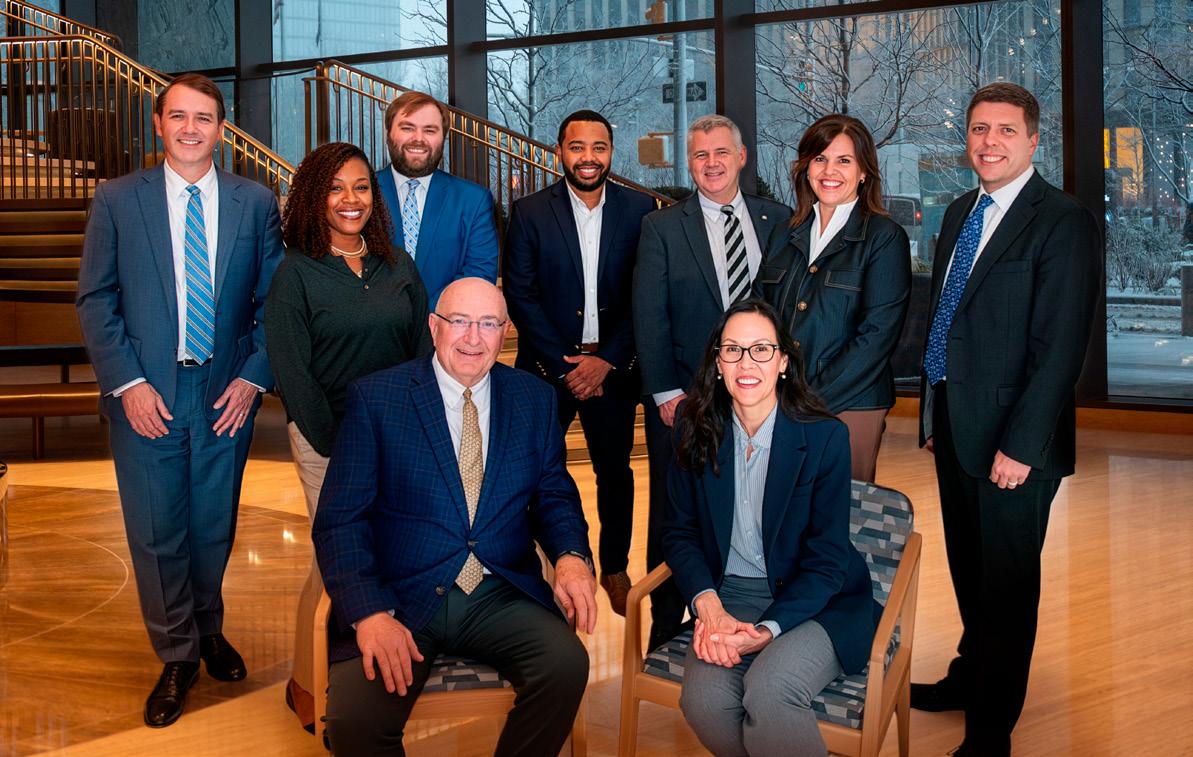
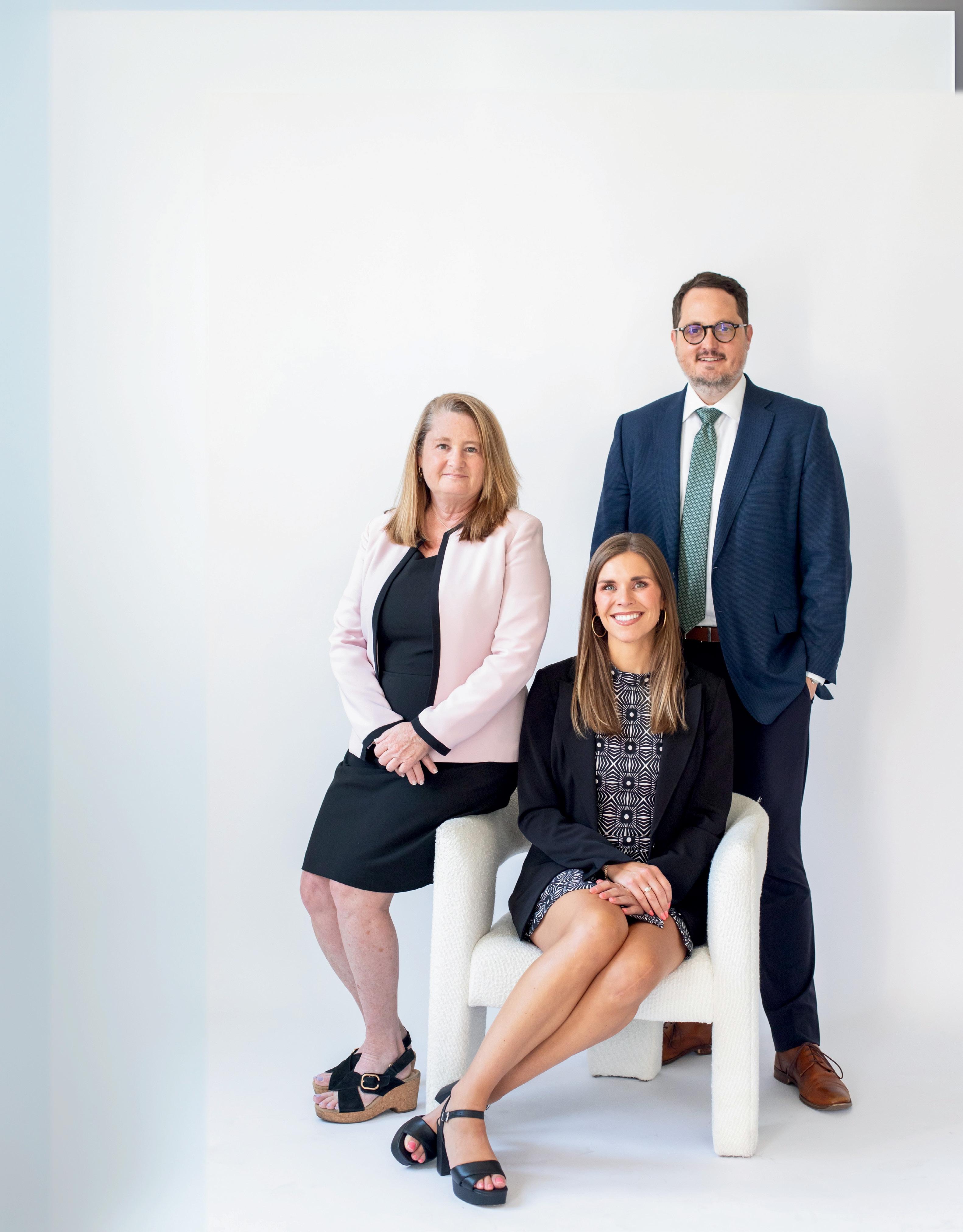
The Memphis Bar Association’s partnership with BankTennessee as its title sponsor reflects a shared commitment to strengthening the legal community and supporting the professionals who serve it. BankTennessee’s long standing dedication to integrity, service, and local investment aligns naturally with the MBA’s mission to elevate the practice of law and foster meaningful connections across the profession. Together, we create opportunities that enrich members and enhance the broader Memphis legal landscape.
Seated left to right: Wright Cox, President & CEO, BankTennessee; Marlinee Iverson, President, MBA; Standing left to right: Justin Joy, Secretary/Treasurer, MBA; Christi Adams, Sales Manager, Downtown Location, BankTennessee; Blake Meeks, Sales Manager, East Location, BankTennessee; Jeremy Maclin, Executive Banking Associate with BankTennessee's Professional & Executive Banking; Brian Lowery, Senior Vice President with BankTennessee's Professional & Executive Banking; Mary Ann Upchurch, Executive Director, MBA; Matt May, Vice President, MBA
BY MARLINEE IVERSON, MBA 2026 PRESIDENT
Our 152nd year for the Memphis Bar Association is well underway due to your support and to everyone who has committed to serving in vital roles on committees, sections, and more. At the Annual Meeting in December, we heard the names of many of our attorneys who have agreed to give their time and effort, some of whom may reach out to you. Please consider joining our efforts to advance any one or more of the MBA’s exciting initiatives this year.
Speaking of initiatives, at our December meeting, I mentioned a new committee: the Committee on Increasing Access to Legal Representation. The Tennessee Supreme Court has been soliciting feedback on this important issue. Many people with low incomes often face challenging legal circumstances related to family law, housing and foreclosure, consumer-related concerns, employment and income maintenance problems, military family and veteran needs, and natural disaster assistance. It’s a daunting issue replete with systemic roadblocks.
My first introduction to issues around legal aid was just after I graduated from Rhodes College and began working for CASA. In some cases, I provided assistance to attorneys who represented children as guardians ad litem, many of whom did not charge for their services. This was in 1993. Fast forward to today. The need for assistance in that area remains. Although I have supported pro bono legal aid services in various ways over the years, admittedly, I remain unaware of the full breadth of the issue.
There is a 100-year-long history of a need for legal services that remains unfulfilled. In 1911, the National Alliance of Legal Aid Societies was formed followed by the ABA’s creation of a standing committee on legal aid in 1921. Fifty years later, a “War on Poverty” was initiated with federal funding for legal services. Legal Services Corporation (LSC)—still in existence—was established in 1974. The IOLTA program that Tennessee and other states began in the 1990s allowed firms to use interest on small and/or briefly held client funds to support legal aid costs for those who cannot afford their own attorney.
Attorneys are encouraged to do at least 100 hours of pro bono service each year. Yet, the problem persists.
I am heartened by the Supreme Court’s Order to nonetheless try for a better solution than what we have today. I became more optimistic when I asked my colleagues in the MBA to look into this and provide us feedback on where we are. We may learn how other legal communities are addressing these issues and choose to recommend them to the Supreme Court. As professionals dedicated to the work of advocacy, we are well-situated to advance good recommendations.
In closing, I would like to acknowledge each member of the new committee for saying “yes” to my request that they serve and facing this challenge of responding to us—and potentially the Supreme Court—with viable suggestions. Members of the Committee on Increasing Access to Legal Representation are: Suzanne Brown, Lara Butler, David Wade, Geoffrey Lewis, Geoffrey Morris, Brian Mounce, Austin Rainey, Debra Sanders, Gail Sevier, Past President Lauran Stimac, Alicia Walton, and Lee Whitwell.

BY BRIAN LOWERY, SR. VP, PROFESSIONAL & EXECUTIVE BANKING, BANKTENNESSEE
Every law firm needs a trusted bank partner, regardless of practice area. In a market with no shortage of options, it can be tempting to choose the most convenient location or the quickest account opening process. But for legal professionals, banking is rarely that simple.
Different practices bring different challenges. A real estate closing firm operates very differently from a criminal defense practice. Personal injury firms, probate attorneys, and estate planners all have distinct cash flow patterns, compliance requirements, and risk considerations.
Choosing the right banking partner requires alignment. A bank that truly serves legal professionals understands not just banking products, but how law firms operate day to day. The right partner brings insight, stability, and practical solutions that allow attorneys to focus on their clients, their cases, and their growth.
Here are four considerations that can help guide that decision.
1. Who do your peers trust—and why?
One of the most reliable ways to evaluate a bank is to ask fellow attorneys about their experiences. Why
did they choose their current bank? What made them stay? How has their banker supported the firm through growth, change, or unexpected challenges?
Peer insight often reveals what marketing materials do not: responsiveness, consistency, and whether a bank truly understands the legal profession. Bar associations and professional networks can also be valuable resources, offering perspective shaped by real-world experience rather than promises.
2. What kind of relationship do you want with your bank?
Some firms want a bank that efficiently handles basic transactions. Others value a more consultative relationship with one that evolves as the firm grows.
Early in a firm’s life, needs may be straightforward: deposits, operating accounts, and online access. Over
After 20 years of partnership with the Memphis Bar Association, BankTennessee has gained a close view of the realities facing attorneys and other professionals—long hours, complex financial needs, and little time for unnecessary friction.
That perspective recently led to the creation of Professional & Executive Banking, a dedicated division led by Brian Lowery, Senior Vice President. The group serves professionals who value direct access and informed guidance while offering a level of personal service.
The emphasis is simple: responsive relationships, practical solutions, and an understanding that “Your Time Matters.”
time, those needs often expand to include lines of credit, office financing, and sophisticated cash management tools. A banker who understands your practice can anticipate these changes and help you evaluate options you may not know are available that can even possibly save you money and time.
Continuity matters here. A long-term banking relationship provides institutional knowledge and an understanding of how your firm operates, not just how your accounts function.
3. When something goes wrong, who do you call?
In today’s environment, speed and accountability are critical. Fraud attempts, wire requests, and time-sensitive transactions require immediate attention and clear communication.
When questions arise, you should know exactly who to contact and trust that person understands both the urgency and the context of your business. A responsive banker who knows your firm can resolve issues more quickly and help prevent problems before they escalate.
In a profession where time truly is money, access to informed, reliable support is a necessity.
4. Does your bank understand the legal profession today?
Legal practices face unique banking requirements, from IOLTA accounts to fiduciary and estate-related services. A knowledgeable banking partner understands these complexities and stays current with evolving regulations and risk considerations.
Beyond compliance, today’s law firms also need secure, efficient technology. Services such as online and mobile banking, remote deposit capture, ACH and wire services, positive pay, and fraud monitoring should be thoughtfully implemented while balancing convenience with protection for both the firm and its clients.
Choosing a banking partner is a strategic decision that can impact a firm’s efficiency, risk exposure, and ability to grow. The most effective banking relationships are built over time, grounded in trust, understanding, and shared commitment.
For law firms, the right bank is not simply a service provider, but a partner that understands the profession, respects its responsibilities, and supports its future.

Brian Lowery is Senior Vice President of the new Professional & Executive Banking division at BankTennessee. He previously served as the bank’s Chief Credit Officer, overseeing credit administration and risk management. With more than 25 years of banking experience, Brian works closely with professionals across the legal and business communities, bringing a strong understanding of trust and operating accounts, cash flow, and the financial complexities executives face today.
DAVID K. TAYLOR
With every commercial case going to non-binding mediation, whether by agreement or court order, mediation advocacy is vital. This tongue-in-cheek article lists ten of the most horrible, terrible, no good, “bang your head against the door” mistakes lawyers (both in-house and outside counsel) make before, during, and after mediations in commercial cases.
You get a deal done after an exhaustive day when your client is still upset that he made the eighth counteroffer. The mediator announces the deal. I have had parties pack up and walk out with this comment: “We will take a shot at a draft settlement agreement and send it to the other side this week.” NO! Especially in emotionally charged mediations where both sides are very unhappy, clients can change their minds after they leave mediation. Second guessing can occur. The failure to write down even the basic terms can also increase the likelihood of later disputes (whether in good faith or not) about key clauses like indemnification, scope of the release, who is released, confidentiality, and non-disparagement. So take the time and start working on a fully executed settlement agreement while everyone is still at the mediation. Maybe even send a draft with the mediator at the start of mediation if your client will not budge on certain terms. If you cannot execute a full settlement agreement at mediation, at least draft a limited “Term Sheet” that lays out the basic parameters of the deal and is conditioned on counsel working together to get to a more formal settlement agreement.
Not all disputes get to a “global” settlement. If your mediation “fails,” however, do not throw your documents into your briefcase and complain that the other side did not act in “good faith.” Stop. Think. Evaluate carefully what you learned. You just spent an entire day reviewing
and discussing the pros and cons of your case and the other side’s positions. Can you reach any non-global agreements that will lead to a better chance at a later settlement and/or save legal fees? Do you need formal or informal discovery on key issues that could lead to a non-global deal? What about partial settlement of some of the disputed issues? Put on your thinking hat before you walk out the mediation door.
Last-minute issues that you could or should have identified early in the day can scuttle a long day of mediation. If money will change hands, when and how? What about indemnification, non-disparagement, or confidentiality clauses? Last-minute pleas of financial instability? Withdrawal of a social media post? Allowing such issues to fester until late in the mediation can be a real deal breaker. A good mediator and counsel will think through these issues well before the day of mediation.
Lawyers (and the clients) frequently fail to listen to what the mediator has to say. What is the temperature in the other room? Is the client in that room listening to her lawyer and the mediator? Is it really all about money? What are the obstacles to a true global resolution? The only way to vet those issues is to listen and communicate with the mediator. By listening and asking questions, you can learn more about the strengths and weaknesses of your case. You can walk out, even if no deal is done, armed with information that may help with your case. All the great mediation advocacy in the world in a caucus room is useless without shutting up and listening.
Most mediators want to hear and talk directly with the decisionmaker, not the attorney. Counsel jettisons your ego. These direct conversations with the client are immensely helpful for the mediator to determine the key factors to get to a deal. Remember these are settlement discussions, and “what happens in mediation ... stays in mediation.” The mediator needs to know the temperatures in all caucus rooms, and many times, “nonlegal” factors that are not admissible in court determine if a deal can be done. A mediator must establish a position of trust and confidence (and frankly likability) with the key client decisionmakers so that, when it is time to “fish or cut bait,” the client will listen to what the mediator has to say. That cannot happen when the lawyer does all the talking.
All mediators know there is a game to be played if a settlement is to be reached. Clients are paying their lawyers to be tough, hard-nosed bulldogs fighting to bat down any arguments. But that combativeness is often incompatible with meaningful settlement discussions, which require a realistic assessment of the issues both by lawyers and clients. Mediators expect good, tough representation, but do not insult their intelligence and knowledge about the subject matter of the dispute and the law. Beyond the initial presentation of your client’s position, mediators want frank and candid discussion of the strengths and weaknesses of the case. Good lawyers want straight talk from the mediator, even in front of their client. No matter how many times a lawyer may have told a client about the weaknesses in a case, having an experienced mediator explain to the client, face to face, the same things and that all the great lawyering in the world cannot change a set of facts or the law can help the client understand. Your job as counsel is to see how to reach your client’s goal of getting the case resolved as efficiently as possible.
You must know your case in and out to represent a client properly in a mediation. How else can you effectively manage your client and discuss the issues with the mediator? You may not be able to look under every
single rock that can derail a mediation (or even know how many rocks are out there), but you better have identified in advance the key factors that will impact settlement. This homework must include a frank evaluation of future legal fees and costs. To help you think through those rocks, let your draft mediation statement guide you, even if you carve off some parts before you send it to the mediator. Does the company really want its key employees spending hundreds of hours with the lawyers, trying to sort through project documents, and dealing with e-discovery production?
How experienced is your client representative? She must not only have the authority to settle but also must fully understand the dispute and the issues. If this is a “bet the business” case, counsel MUST spend time (in person, not just email or calls) to explain the process and to try to manage the client’s expectations. The definition of “settlement:” no one is happy. The real world applies. I have yet to walk into a party’s room after a few sessions and have the client say, “I now realize I was wrong; here’s a check; you are the greatest mediator in the world.” The goal of any mediation is not to “win” but to resolve the dispute. What can your client “live with?” Talk with the client before the mediation about all outcomes. Have a plan going into a mediation, but anticipate the need for some flexibility in case something new is revealed, such as the client telling the lawyer at the mediation, “By the way, I forgot to tell you that I fired our primary fact witness last week for theft, and she hates our guts.”
You have a mediator and an agreed date for mediation. Do you then just send in the confidential mediation statement and show up on the date? No.
Set up a call with the mediator (many good mediators insist on this) and opposing counsel and talk through the many issues that can derail a mediation. It can infuriate mediators when, in the middle of a mediation, they hear one side use an excuse that it does not have some information (or a document) necessary to decide and the other side does not have immediate access to such documents. What do both sides need from the other to be able to make a business decision to settle? That also means finding out who will be the party representatives.
Do they hate each other, or you know that the other representative is not the decisionmaker and may be covering himself because he screwed up the deal? Where will the money be coming from? If insurance is involved, will the insurance adjuster be present or “available by phone three time zones away?”
No. 10: Mediating Too Early or Too Late
There are no firm rules when to consider mediation. If the parties have a history and the legal fees and expenses will be substantial, it may make sense to try to set up an “early” mediation, even before filing the lawsuit. Sometimes the contract’s ADR clause requires mediation before litigation or arbitration. The issue is always whether the parties and counsel have enough information about the dispute to make good business decisions about settlement. Early mediation is more likely to work if there is a good working relationship between the lawyers who, collaborating with an experienced mediator, can help manage the entire process to try to get an acceptable settlement early in the dispute.
What about “late” mediations just before trial?
Will the parties agree to postpone a trial or to stop the preparation process for a late mediation? Late mediations present practical issues such as finding a capable mediator at the last second and setting aside a full day (or longer) for mediation with trial counsel who have been furiously prepping for trial and who believe that the request is a stall tactic.
By keeping these “no-nos” in mind, you could avoid some pitfalls in commercial mediations going forward. I hope your next mediation is successful!

David Taylor is now a full-time arbitrator and mediator after recently retiring as a partner from the Bradley Arant law firm’s Nashville office, where he chaired the firm’s ADR and construction groups for more than 25 years. You can reach him at dktadr@gmail.com.


BY RACHEL CLIFF
Finding the right law firm is one of the most important decisions a new associate attorney will make. My first position in the legal field was as a legal secretary in the law office of my mentor, Chris Bryant. He not only inspired me to become an attorney, but he also showed me the impact that a well-run, supportive law firm can have on those who work in it. During my final year of law school, I had the honor of clerking for former Shelby County Circuit Court Judge Robert S. Weiss. Through this clerkship, I observed a wide range of attorneys in the courtroom and gained exposure to multiple practice areas.
As I became increasingly interested in family law, I began paying closer attention to the attorneys appearing before the Court and learning more about their respective law firms. I landed an interview with Butler, Sevier, Hinsley & Reid, PLLC, a firm that was consistently spoken highly of by my mentors and peers even before I applied. My first interview was with attorney, and now partner, Elizabeth “Libba” W. Fyke, and it was notably open and informative. Rather than feeling transactional, the conversation focused on mutual expectations, the firm’s values, and the role the firm was seeking to fill. My second interview, conducted with the firm’s partners, was similarly distinct from other interviews I had experienced. The questions centered on my goals, interests, and long-term ambitions, and it felt more like a thoughtful dialogue.
Following that process, I felt confident that Butler, Sevier, Hinsley & Reid, PLLC would support my professional development and that I would be able to meaningfully contribute in return. After accepting an associate position, that confidence was quickly validated. Throughout my first year of practice, I received consistent guidance, constructive feedback, and, most importantly, grace as I learned the realities of family law practice. I was not “thrown to the wolves.” Instead, I was given opportunities to grow through hands-on experience, such as sitting second seat with Anne Johnson at trials, participating in mediations for Susan Hinsley, and arguing motions for Libba Fyke—all with appropriate supervision and support.
The firm also encouraged and supported my interest in expanding my practice area beyond family law, including estate planning and probate, and it stood behind me as
I pursued my licensure in Arkansas. These were goals I had openly discussed in my interview process and that the firm helped me accomplish. Working with multiple partners, each with their own distinct style and approach, allows me to develop a broad skill set and, ultimately, shapes my own professional identity. Equally valuable has been having other associate attorneys with whom to bond and exchange ideas.
The concept of the “right fit” will necessarily vary from attorney to attorney. For me, it meant finding a firm that allowed me to develop at a reasonable pace, maintain professionalism, and build a reputation consistent with the firm’s standards, while also providing meaningful mentorship. It also meant finding a firm where the partners trusted me and valued my work. I’m approaching my fifth year with Butler, Sevier, Hinsley & Reid, PLLC, and I can openly walk into any partner’s office and ask for their advice, both professional and personal. The right firm should challenge you, support you, and still make you glad you chose the profession in the first place. There is never a dull day at Butler, Sevier, Hinsley & Reid, PLLC, and that is what makes practice rewarding.
For associate attorneys entering the profession, I would encourage intentional reflection on your goals and ambitions before beginning the interview process. I would also encourage them to seek out firms and seasoned attorneys that are genuinely invested in supporting their associates. For firms and seasoned attorneys, it is worth remembering that associates are watching, learning, and modeling their careers after you—often far beyond their first year of practice.
Rachel Cliff graduated from the University of Memphis Cecil C. Humphreys School of Law in 2021 and is licensed to practice law in Tennessee and Arkansas. As an Arkansas native, Rachel obtained her undergraduate degree in Business Administration at Arkansas State University in 2018 and is a former chapter president and alumna of the Alpha Omicron Pi Women’s Fraternity. Rachel focuses her practice in the areas of family law, probate, and estate planning. She served as the Memphis Bar Association’s Family Law Section Leader in 2025 and currently serves on the MBA’s CLE committee. Rachel served as a Board Member for the Association for Women Attorneys and as Co-Chair of the AWA’s Annual Golf Tournament. She has also served as a Board Member for Hannah’s Hope. Rachel participated in the MBA’s 2025-2026 Leadership Forum.

BY GARTH CARSON
Often it feels like the practice of law leaves little room for kindness. From the first days of law school, law students are taught to be vigilant, analytical, and prepared to defend our positions. We learn to anticipate, and perhaps even crave, conflict. In that environment, we aggressively argue and defend, but we are not taught courtesy, patience, or understanding. At the onset of a legal career, kindness can feel like something nice to have, but not something the profession truly values.
Yet as I have continued to practice, I have come to believe my assumption that kindness is secondary to our practice is wrong. Genuine and consistent kindness can be the foundation of a strong legal career. Kindness in the law is not a retreat from vigorous advocacy. It is a way of practicing intentionality, grounded in the understanding that case files represent our clients, colleagues, opposing counsel, and ourselves.
When I speak of kindness, I do not mean clenchedteeth civility or hollow politeness. I mean making more meaningful choices: listening without interrupting, responding rather than reacting, treating opposing counsel and the courts with understanding, and recognizing the consequences that our work can have on others. These choices need not be dramatic, but when thoughtfully employed, they can shape a healthy and rewarding professional life.
Genuine kindness in practice is a conscious decision. It asks us to pause when impatience would be easier, and to lead with understanding rather than ego. In a profession defined by pressure and results, a meaningful kindness practice can take years to develop. Over time, however, kindness can enhance an attorney’s effectiveness. It builds trust, preserves credibility, and creates space for better judgment. It reminds us why we entered this profession in the first place: to serve our clients with vigor and integrity.
But do not conflate kindness with weakness. The legal profession is adversarial by design. A call for kindness is not a call for acquiescence. As attorneys, we have a duty to zealously advocate, but that duty does not require
hostility. An attorney who listens carefully, acknowledges the other side’s concerns, and communicates with clarity and respect creates an environment conducive to resolution. Kindness lowers defenses. It invites candor. It allows us to identify the real problem instead of posturing. Kindness can help us to get to the real issue and then present grounded arguments. Judges notice. So do juries. So do clients.
A consistently courteous, prepared, and fair attorney earns credibility that cannot be manufactured by bluster. When the attorney with a kind reputation draws a hard line, his or her strict stand carries weight and demands attention.
We rarely talk about how expensive unkindness is. It shows up in needless motion practice. It appears in scorched-earth discovery that drains client resources without advancing outcomes. It rears its head in burnout, outbursts, and a lack of professional satisfaction. Many of us entered the law to solve problems, protect people, or build something meaningful. Chronic unkindness pulls us further from that purpose. Over time, it narrows our thinking and clouds our judgment.
Also, there is a reputational cost for unkindness. Our legal community is smaller than we sometimes realize. Demeaning, unreliable, or cruel attorneys may win the occasional battle, but they build reputations that eventually limit compromise, professional opportunities, and others’ respect. Doors close quietly. Calls stop coming. Grace is not extended.
Kindness toward our clients is non-negotiable in my practice. Clients do not experience their legal problems as abstract puzzles; they experience them as fear, grief, anger, and uncertainty. The technical skills we develop are essential to our practice, but they remain incomplete without empathy for those we serve. With clients, simple acts of kindness matter: for example, returning a call when you said you would, explaining your strategy without condescension, or being honest about risks instead of overselling outcomes. Clients who feel respected are more likely to trust advice, follow counsel, and maintain
realistic expectations. Interestingly, these acts of kindness are also acts of professional competence. How many of our Rules of Professional Conduct simply mirror basic principles of respect?
Kindness within your organization is paramount. New attorneys learn our profession’s values by observing how senior attorneys behave. If we normalize cruelty, humiliation, or indifference, we should not be surprised when those behaviors persist. Supervising attorneys who take time to explain, correct without shaming, and advocate for growth develop better attorneys. That kindness to new attorneys builds loyalty and respect within organizations. But giving grace does not mean lowering standards. Kindness is fully compatible with rigor. In fact, kindness often demands more clarity, patience, intention, and courage than casual harshness ever does.
Perhaps our hardest application of kindness in law is toward ourselves. We work in a profession that rewards over-extension and treats exhaustion as a badge of honor. Many attorneys speak to themselves in ways they would never tolerate from opposing counsel.
Self-kindness recognizes that sustained excellence requires rest, perspective, and boundaries; it is not an indulgence. Attorneys who are kind to themselves make fewer mistakes, think more creatively, and serve clients more effectively over the long term. Is self-kindness hard? Yes. I struggle with self-kindness every day. I remember every mistake I have made and forget most of my
successes. My internal voice can be toxic. Still, I continue to try to treat myself with respect and kindness. I offer myself understanding and notice that internal kindness makes me kinder to clients and colleagues.
Kindness will not always be rewarded immediately. It does not guarantee victory—but neither do aggression, brilliance, or experience. What kindness offers is a quiet advantage: trust, credibility, patience, and influence. The law will always demand toughness. But toughness without kindness is brittle. Kindness, paired with skill and judgment, is one of the most powerful tools we have. And unlike many advantages in our profession, it is available to all of us, every day, by choice.
Licensed since 2018, Mr. Carson brought a wealth of experience to WTLS from his law school externship with U.S. District Judge John T. Fowlkes, law school clerkship with Judge Karen Webster, and private practice. Garth Carson has worked at WTLS since 2020, when WTLS hired him to represent lowincome clients with civil legal problems, including housing issues, causally connected to the pandemic. Post-pandemic, Mr. Carson transitioned into serving clients with housing and consumer issues and became a certified Housing Counselor in 2021. Mr. Carson has served as the Fair Housing Project Director with WTLS since 2024.
BY DESHUN HARRIS
Most lawyers remember preparing for and taking the bar exam after graduating from law school. The experience included essays, multiple-choice questions, and for some, a performance test or two. It was a somewhat universal experience apart from having to know state-specific law for some exams. However, for decades, many lawyers, judges, professors, and law students thought the exam, which was intended to test one’s competency for practicing law, did not mimic the practice of law. Rather, many in the profession thought the bar exam simply measured a proficiency for test-taking and memorization.
To evaluate this and other concerns, the National Conference of Bar Examiners (NCBE)1 undertook a three-year study to determine what skills and competencies young lawyers should have during their first years of practice and, as a corollary, what should be tested on the bar exam. In this study, the NCBE conducted listening sessions, surveyed thousands in the profession, and formed critical committees. At the end of this study, the NCBE recommended a reformation of the bar exam. Specifically, the NCBE recommended that a new bar exam be created with fewer subjects tested (and less memorization) and a greater emphasis placed on lawyering skills. The NCBE spent several years developing and testing the new bar exam, which is now called the NextGen Uniform Bar Exam (NextGen UBE).
Although administering the NextGen UBE is not compulsory for any jurisdiction, each jurisdiction may choose one of three pathways to licensure: (1) adopt the NextGen UBE for administration sometime between July 2026 and July 2028, (2) create their own bar exam, and/ or (3) develop and adopt alternative pathways to licensure
that do not include taking a bar exam. An overwhelming majority of jurisdictions, including Tennessee, have decided to adopt the NextGen UBE for administration between July 2026 and July 2028. Tennessee elected to keep the current UBE for 2026 and February 2027, and it will first administer the NextGen UBE in July 2027.2 What follows are answers to frequently asked questions about the NextGen UBE.
The NextGen UBE will test Business Associations & Relationships, Civil Procedure, Constitutional Law, Contract Law, Criminal Law and Constitutional Protections of Accused Persons, Evidence, Real Property, and Torts. Family Law was omitted at first, but it will now be tested on the exam beginning in July 2028. It is important to note that the exam does not test any state-specific law, so Tennessee law is not tested on this exam. In addition to the substantive law, the exam will test the following lawyering skills: Legal Research, Legal Writing, Issue Spotting and Analysis, Investigation and
1 The NCBE is a not-for-profit corporation whose function is to develop exams for licensure and conduct character and fitness investigations; additionally, it aids jurisdictions with their licensure process and provides information and services to bar applicants. It is a significant entity when it comes to bar exams and licensure in the United States.
2 Jurisdictions administering the NextGen UBE in July 2026 include Connecticut, Guam, Idaho, Maryland, Missouri, Northern Mariana Islands, Oregon, Palau, Virgin Islands, and Washington. Jurisdictions administering the NextGen UBE in July 2027, along with Tennessee, are Arizona, Iowa, Kentucky, Minnesota, Nebraska, New Mexico, North Dakota, Oklahoma, South Dakota, Vermont, West Virginia, and Wyoming. Those administering the exam in February 2028 are Delaware, District of Columbia, and Illinois. And those who will administer the exam in July 2028 are Alabama, Alaska, Colorado, Florida, Georgia, Hawaii, Indiana, Kansas, Maine, Massachusetts, Michigan, New Hampshire, New Jersey, New York, North Carolina, Ohio, Pennsylvania, Rhode Island, Texas, Utah, and Virginia. Mississippi has adopted the NextGen UBE, but it has not announced when the exam will first be administered.
Evaluation, Client Counseling and Advising, Negotiation and Dispute Resolution, and Client Relationship and Management.
Like previous bar exams, the exam will continue to be administered twice a year, at the end of February and July. Like the original exam, the NextGen UBE will be tested over two days. However, the exam will be shorter. Instead of the traditional twelve-hour exam split into four 3-hour testing blocks, the NextGen UBE will be a 9-hour exam split into three 3-hour testing blocks. Testtakers will continue to test at a facility designated by the bar examiners, like a convention center.
The exam will differ in its delivery. Most lawyers remember having paper exam packets and either handwriting or typing their responses. The NextGen UBE will not use paper exams. Instead, test-takers will arrive at the testing facility with their laptops; the entire exam and the test-taker’s response will be delivered on an electronic platform. In the platform, they will have access to different annotation tools, such as the ability to highlight or underline text electronically.
To understand the question types that will appear on the NextGen UBE, it helps to know what the existing UBE looks like. The current UBE includes three question types: (1) the multistate bar exam (MBE), which consists of 200 multiple-choice questions; (2) the multistate performance test (MPT), which consists of two questions each requiring the examinee to complete a lawyering task; and (3) the multistate essay examination (MEE), which consists of six essays. The current UBE also administers the testing types separately in each of the four 3-hour blocks. The MPT is typically given on Tuesday morning (the first 3-hour block) and the MEE is given on Tuesday afternoon (the second 3-hour block). The MBE is tested on Wednesday; it is divided into two halves with 100 questions being administered in the morning and 100 questions in the afternoon.
The NextGen UBE will also have three question types: (1) multiple-choice questions, (2) performance tasks, and (3) integrated set test questions. But rather than giving each question type together during their own 3-hour block, the NextGen UBE will mix the question
types in each of the 3-hour blocks. Additionally, the traditional essay questions (MEEs) will not be used on this new exam.
There will be 120 multiple-choice questions on the NextGen UBE. The format will include the traditional one-correct-answer question, but it will also include questions that have two correct answers. Each 3-hour block will include 40 multiple-choice questions. Some of the questions will continue to follow the format of the current MBE.
The integrated question sets are the newest question type. There will be six integrated question sets with two sets in each of the 3-hour blocks. The integrated question sets have two formats: counseling sets (which include multiple-choice and short-answer questions) and drafting sets (medium-answer questions). The integrated question sets present the test-taker with information about a fictional client (e.g., notes from a mock interview), provide legal sources that apply to the client’s issue, and then ask the test-taker to respond to a series of follow-up questions or directives, which will result in evaluating a client issue or drafting a document. For example, the testtaker may be asked to evaluate how a legal source (e.g., a statute) applies to their hypothetical client’s facts. Another question related to the same facts might ask the test-taker to focus on a specific provision of law and ask what client facts support a successful outcome. Or it might provide the test-taker with an email from the client and ask the test-taker to explain how a statute results in an opposing party taking actions that are adverse to the client’s goals. The integrated question sets can also include multiple areas of law in addition to testing various lawyering skills.
The performance task will be 60 minutes (in contrast to the traditional MPT, which is 90 minutes). Similar to the MPT, this portion of the exam provides the test-taker with all the information needed to complete a lawyering task, like drafting a memo or interrogatories. There will be three performance tests, one for each 3-hour block. The performance tasks have two formats: the standard performance task (a long writing task) and the legal research task (a multiple-choice, short-answer, and a medium-length writing task).
The exam will be scored by the NCBE and the administering jurisdictions. The NCBE will score the multiple-choice questions. Individual jurisdictions will score written responses. The NCBE will scale and
equate scores and calculate a test-taker’s final score. The testing components compose 100% of the score: 49% multiple-choice, 21% integrated question sets, and 30% performance tests. The exam also includes pre-test questions that are not scored. The overall passing score will be set by jurisdictions on a scale of 500-750.
One of the key benefits of the NextGen UBE is that it maintains the ability to transfer a passing score into different jurisdictions that also administer the NextGen UBE without the need to take another bar exam. As of this writing, forty-seven jurisdictions (states and territories) will administer the NextGen UBE between 2026-2028. Some questions about portability remain open, however, because each jurisdiction will set the parameters around how scores can be transferred between other NextGen UBE jurisdictions (as well as those who sit for the current UBE).
The NextGen UBE will usher in significant changes beyond changing the bar exam. In response to a changing bar exam, law schools are reevaluating their curriculums and reconsidering what skills graduates will most need to perform well on the new bar exam while also being prepared for the demands of practice. While Tennessee has adopted the NextGen UBE, it and other states are considering additional or alternative pathways to licensure, such as permitting licensure via a supervised practice or via an apprenticeship model. The NextGen UBE was created with the idea that it would better
measure whether aspiring lawyers have the necessary competencies to succeed in the profession, and time will tell if it meets that goal. Yet, it has already succeeded in bringing forward a new age bar exam.
Overview of Recommendations for the Next Generation of the Bar Exam, https://nextgenbarexam. ncbex.org/overview-of-recommendations/ Final Report of the Testing Task Force, https:// nextgenbarexam.ncbex.org/reports/final-report-of-thettf/
Sample NextGen UBE Integrated Question
Sets, https://www.ncbex.org/exams/nextgen/samplequestions/integrated-question-sets
Official Examinees’ Guide to the NextGen UBE July 2026–February 2027, https://www.ncbex.org/ sites/default/files/2025-07/NCBE-NextGen-UBEExaminees-Guide%20J26-F27.pdf
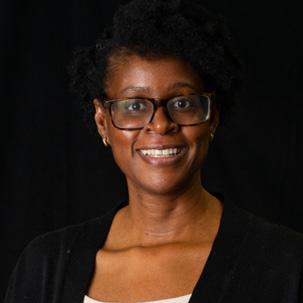
DeShun Harris is an Assistant Professor of Teaching and the Director of Bar Preparation at The University of Memphis Cecil C. Humphreys School of Law. As Director of Bar Preparation, she develops programs and teaches classes designed to enhance the analytical skills required for success on the bar exam and in the practice of law. Professor Harris earned her LL.M. in Law and Government from American University Washington College of Law; her J.D. from Texas Tech University School of Law (summa cum laude); and her B.A. in Political Science from Baylor University.

JUDGE FRULLA COURTEOUSLY AGREED TO ANSWER A FEW QUESTIONS SO THAT MEMPHIS LAWYER READERS CAN GET TO KNOW HIM BETTER.
When did you decide to go to law school? Why?
After college, I worked in the private sector archaeology field for two years. I decided that while I really enjoyed archaeology, I wanted to take a different path for my career that allowed me help others and make a positive change in my community. My father has practiced law since 1971, and I have always looked up to him and admired his respect for the profession. So, in 2008, I decided to go to law school, and I found a job working as a legal assistant at a law firm. I studied for the LSAT at nights after work and on the weekends. I ultimately decided to attend law school at the University of Memphis.
When did you first think about becoming a judge? What made you want to become a judge?
I have always been a litigator, so I have spent the entirety of my legal career in the courtroom. Over the years, I developed a deep respect for the judges and the role they play in the justice system. As I continued to practice law and serve my clients, I felt a desire to serve the community as a whole, as opposed to just my individual clients. My wife and I are both native Memphians, and we are raising two young children here. My children motivate me to do everything I can to help improve the local justice system and serve the citizens of Shelby County. These feelings led me to decide to try to become a judge.
What skills that you developed during your career prepared you for your role as a judge? How has your professional experience tailored your approach to the bench?
As a judge, being patient and a good listener are two very important characteristics. Additionally, being able to analyze a fact pattern objectively while considering both sides of an argument is an essential skill. I developed these skills during my private practice while I was meeting with clients, arguing
motions, taking depositions, and trying jury trials. I have been able to bring these skills with me to the bench, and these skills assist me in acting as a fair and impartial judge.
What has surprised you most about your time on the bench so far?
I knew I would enjoy being a judge, but I have been surprised by just how truly rewarding it is to serve the citizens of Shelby County. I see some people on the best days of their lives and others on the worst days of their lives. I cannot make everyone happy all the time, but I work as hard as possible to give parties a fair and objective ruling on their case. In the evenings, when I walk out of court, I feel like I have positively impacted someone’s life, and that feeling is very important to me. I truly enjoy going to work everyday and interacting with all the litigants and attorneys.
What is the most important lesson you’ve learned practicing law that you will take with you to the bench?
There are always two sides to every story, and the truth usually rests somewhere between those two sides. You cannot become predisposed to reach a certain outcome until you hear all of the facts.
What advice would you give to a law student or young lawyer who aspires to become a judge?
I would advise anyone aspiring to be a judge to get as much courtroom experience as possible. There is a big learning curve on this side of the bench, but the more time you have spent in court litigating, the easier it is to make the transition to the bench. Also, I would recommend that you read the daily opinions published by the appellate courts to familiarize yourself with all areas of the law.
If you weren’t an attorney, what job would you see yourself doing?
Over the years, I have really enjoyed speaking at
CLEs and educational events. I have had the opportunity to do that as a judge as well. I could see myself being an educator if I was not an attorney. I really enjoy teaching people about subjects that I am passionate about. I think it is that same appreciation for service that led me to the bench.
What do you like to do when you’re not working?
What are your hobbies?
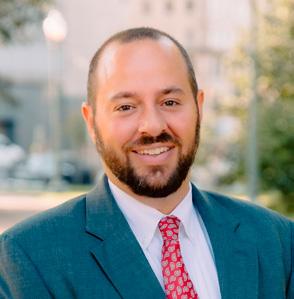
When I am not working, my favorite thing to do is to spend time with my wife and two young children. I also enjoy spending time outdoors, attending local sporting events, fishing, cooking, and competing in barbecue contests. I am a member of a competition BBQ team, and we try to compete in multiple competitions each year. A couple of years ago, my team won third place in Ribs at Memphis in May.
Judge Chris Frulla is a native Memphian. He attended Grahamwood Elementary and White Station Middle and High School. After high school, he attended College of Charleston in South Carolina, where he majored in archaeology and minored in geology. After college, he worked as an archaeological field technician for a private archaeology firm for two years. He then went back to school for his law degree at University of Memphis Cecil C. Humphreys School of Law.
While in law school, he served on law review and as the Vice President of the Student Bar Association, completed an externship with Magistrate Judge Diane Vescovo, and earned various awards for academic achievement. He graduated cum laude. After law school, Judge Frulla worked for Rainey, Kizer, Reviere & Bell, PLC, where he practiced for almost fourteen years and was a partner. He litigated close to 1,000 cases in Shelby County Circuit Court. His practice consisted of civil defense work, including personal injury, premises liability, insurance coverage, insurance fraud, and professional negligence. Judge Frulla also served as the President-Elect of the Tennessee Defense Lawyers Association and was voted Tennessee Defense Lawyer of the Year in 2022.
In 2025, when Judge Valerie Smith was appointed to the Tennessee Court of Appeals, Governor Bill Lee appointed Judge Frulla to fill her vacancy and serve as the judge in Shelby County Circuit Court, Div. 3. He has been the judge in Div. 3 since September 2025.
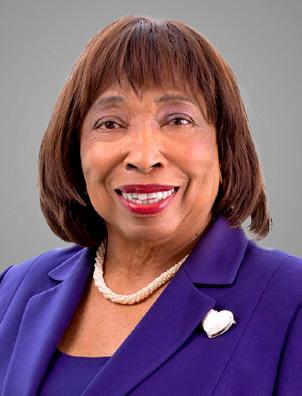
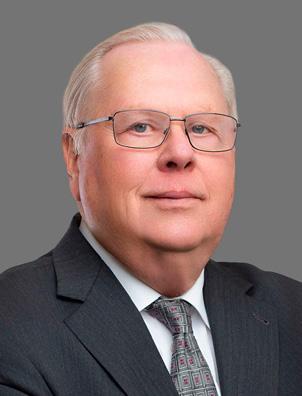
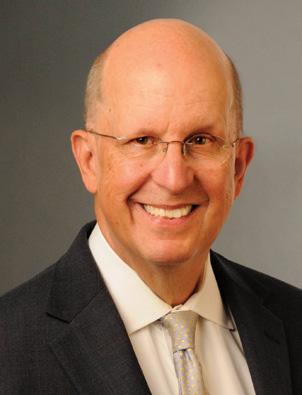
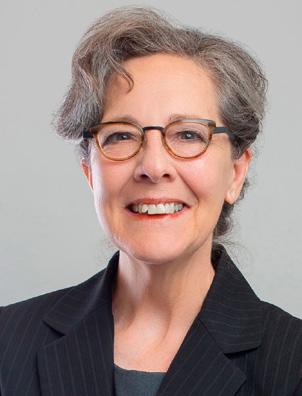

Dear Colleagues and Community,
I hope you are finding steadiness and connection amid the difficult headlines that have become all too common in our community and across the country. As an immigration lawyer, I have felt firsthand how rapidly the landscape has shifted over the past year and how deeply national tensions are felt here in Memphis—in our courtrooms, in our neighborhoods, and in the lives of the families we serve. Yet, this is Memphis, and even in the midst of uncertainty, I continue to see the resilience, grit, and shared purpose that remind me of what is possible when we show up for one another.
In times like these, we must stay in conversation with one another and remain focused on our shared goal: ensuring that justice is accessible and responsive to the needs of our community. At the Community Legal Center, we work toward that goal every day as we provide high-quality, affordable legal services and education to people who would otherwise face the system alone.
For thirty years, the Community Legal Center has adapted and innovated so that people with legal needs can access effective support in an increasingly complex environment. We are able to do this because the legal community in Memphis is strong, diverse, and deeply committed to fairness and service. With your partnership, we continue to expand access to justice and strengthen the systems that serve our neighbors.
We also must be candid about the realities before us. Legal needs in Shelby County continue to grow, while public and private funding remains constrained and operational costs rise. Demand for our services has increased sharply, particularly among immigrant families, seniors, and parents navigating family court
without representation. Sustaining the depth, quality, and accessibility of this work requires ongoing investment and collaboration across the legal profession.
As we look to the future, I invite you to consider how we, as a legal community, can deepen our collective commitment to equal justice. Your time commitment can be as little as one hour working at one of our estate planning clinics. Whether through pro bono service, CLE collaboration, partnerships, or financial support, your engagement helps ensure that individuals and families in Memphis are not navigating the legal system alone.
Community Legal Center actively partners with attorneys and firms who want to make a meaningful impact. If you are interested in learning more about our work, exploring pro bono opportunities, or discussing ways your practice or organization might collaborate with us, I welcome you to reach out to me at betsyp@clcmemphis.org.
Thank you for the work you do every day to uphold the rule of law and to serve the people of Memphis with integrity and compassion. Our community is stronger when we stand together, and I am grateful to be in this work alongside so many dedicated colleagues. I look forward to continuing our shared efforts to expand access to justice and ensure that every person in our city can be heard, supported, and treated with dignity, regardless of income.
Warmly,

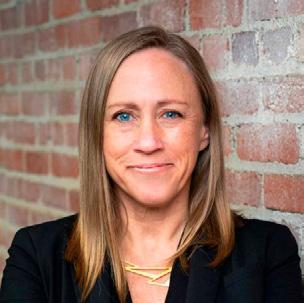
Betsy Prendergast, Executive Director
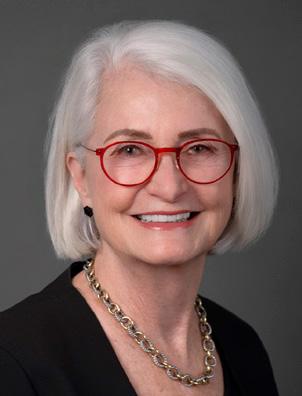
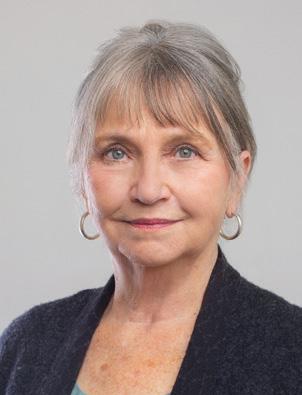
Betsy Prendergast serves as the Executive Director of the CLC. With a strong commitment to social justice, Betsy has dedicated much of her career to ensuring equal access to justice for vulnerable and marginalized populations. She worked for many years in private practice and served in a managing role with Memphis Area Legal Services before joining the CLC in 2023 as an attorney in the Immigrant Justice Program.
Betsy’s involvement with the CLC spans over twenty years, during which she has tirelessly advocated for the organization and the communities it serves through her volunteer work and serving on the CLC board of directors. Betsy has consistently championed CLC’s mission, and today, her passion for social justice continues to drive her work as she leads the Community Legal Center in its mission to provide legal services to those of limited means and at-risk individuals.




BY JUSTICE ROGER A. PAGE
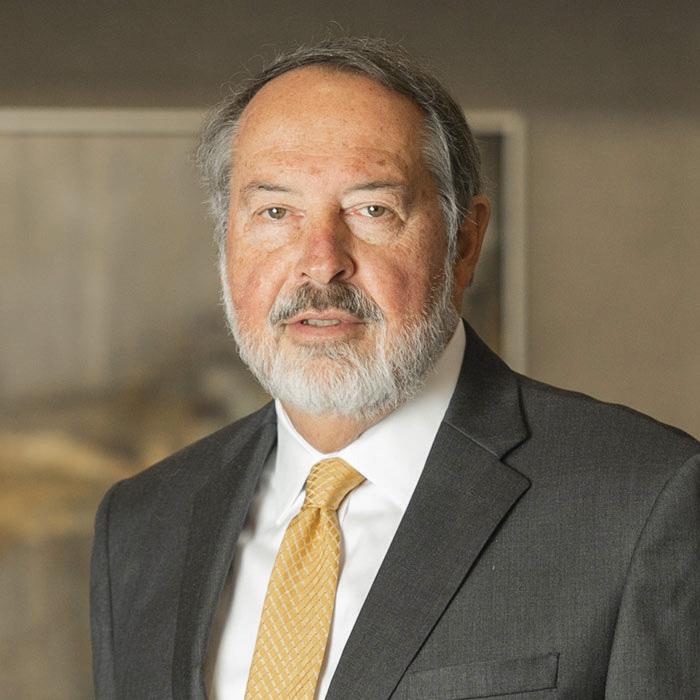
WhenI retired from the Tennessee Supreme Court in September 2024, I had been a member of the judiciary for 26 years and had attended approximately 80 judicial conferences. I started as a trial judge in a multi-county district, riding the circuit in three different courthouses and enjoying every minute of it, especially watching ordinary citizens doing remarkably good jobs as jurors. I served over 13 years as a circuit judge and just under 13 years as an appellate judge, including two years as chief justice. I am one of the few judges in Tennessee who has served at the trial level, intermediate level, and on the Tennessee Supreme Court. Since May 2025, I have been an arbitrator and mediator at Miles Mediation & Arbitration.
And I’m not alone—it seems like every attorney in the United States has decided to try mediation and arbitration. It is even more likely that a former judge will try his or her hand at some form of alternative dispute resolution (ADR) practice. Retired judges do have a few advantages when it comes to ADR: we have tried hundreds of cases, including jury and non-jury trials, and understand how a judge or jury might value a case at trial.
In Tennessee, our Supreme Court Rule 31A allows and even encourages sitting judges to handle judicial settlement conferences. Some judges take on judicial settlement conferences (which are essentially mediations handled by a judge instead of a mediator), so they may already have some mediation experience before they launch ADR careers. I have experienced joy in helping litigants and attorneys reach a negotiated settlement that is satisfactory to everyone, but conducting a mediation is different from presiding over a judicial settlement conference.
I admit that as a trial judge, I had mixed feelings about ADR. As a trial judge, I tried approximately 200 jury trials from a different vantage point on the bench. But I realize that while some cases need to be tried, settling a case through mediation saves money, eliminates
stress, and can achieve a better outcome for the litigants.
Many attorneys may prefer to hire former judges as mediators for a variety of reasons. An experienced judge can evaluate facts and understand the legal issues quickly, assess the credibility of numerous parties and their witnesses quickly based on his or her past experience, understand a lawyer’s role as an advocate, and work to resolve the issues by minimizing conflicts. A skilled mediator who is a former judge most likely understands the difference I noted above—the retired judge is NOT in charge but will work to help the parties and their attorneys reach an outcome satisfactory to all parties.
Most judges have seen unpredictable trial outcomes that may result in time-consuming appeals, reversals, or a new trial. Retired judges who serve as mediators know that Tennessee Supreme Rule 31 precludes a mediator from giving legal advice. But many attorneys in a mediation want and expect the former judge/nowmediator to point out the potential pitfalls in a case and pose questions that aid discussions about potential outcomes. In my opinion, this approach is proper and entirely appropriate.
Since launching my full-time mediation career, I have embraced some mediation strategies that help me facilitate the process for the attorneys and their clients.
These strategies include:
1. At the beginning of a mediation, be very clear about the rules. Some attorneys, and likely all their clients, may be new to the process. As a judge, I told lawyers that they should read the rules before every trial or appellate argument; the same is true for ADR. In Tennessee, always read Rule 31 before you start a new mediation.
2. Try to meet with everyone as a group at the beginning of the mediation if possible; this usually works well with personal injury and health care liability cases. (In some cases, however, the parties are so estranged that they cannot be in the same room together.) At these meetings, opening statements from the lawyers are usually not helpful and can sometimes impede settlement progress—although they can be useful on rare occasions with the right case and the right attorneys.
3. Rule 31 directs a mediator to disclose any relationships that might lead to questions about impartiality.
4. The mediator should discuss his or her qualifications and experience with the parties. This disclosure gives the mediator an opportunity to put the participants at ease, establish rapport, and set the tone for a successful outcome.
5. The first few hours of mediation should consist of simply listening to the parties and letting them share their positions, their grievances, and their expectations with the mediator. This is a very important part of the process. Often mediations do not really get started until late in the afternoon; mediators spend the first few hours listening, expressing empathy, and gaining clarification about the facts and the various viewpoints that are important to the participants.
6. Consider what the parties will do when the mediator is not present. Typically, a mediator spends time going from room to room discussing and listening to every side, which can leave one or more sides feeling like forward progress has stalled. This lag can be more pronounced when you have more than two parties at the mediation. Before going to the next room, the mediator should consider giving each party an “assignment” to help the process become more productive and involve the parties in crafting a potential resolution, even in the absence of the mediator.
Finally, judges and attorneys who want to become mediators should consider attending more than the required continuing education, both at the beginning and throughout their mediation careers. For example, I attended a seminar on ADR taught by Professor Steve Shields of Memphis before I started mediating full-time. His seminar and my experience on the bench established a strong base upon which to engage in mediation and give each participant an opportunity to excel. Each of us can learn new procedures, methods, and insights and become better mediators by listening to others and adopting their successful strategies and advice.
Many judges launch successful ADR careers after they leave the bench. “I, too, have discovered that dispute resolution as a mediator uses my years of experience, knowledge, and skills to benefit my former colleagues at the bar—and their respective clients—to satisfactorily resolve their lawsuits without a trial.”
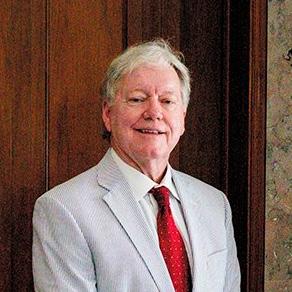
Roger A. Page, a former Tennessee Supreme Court Justice, mediates and arbitrates cases all across Tennessee through Miles Mediation & Arbitration.
BY CLAUDIA S. HALTOM AND TERRE J. FRATESI
Claudia S. Haltom and Terre J. Fratesi are both retired Juvenile Court Magistrates. Their friendship began in 1993 at Juvenile Court and continues to this day.
Fratesi: You have been a mentor to me for many years. You have always encouraged me to stay a step ahead and always have a “Plan B.”
One of my proudest moments as an attorney was in 2018, when you asked that I introduce you when the AWA awarded you the Marion Griffin-Frances Loring Award for your outstanding contributions to the legal community. I had been a Juvenile Court Magistrate for a couple of years at that point, and your “Plan B,” A Step Ahead Foundation, was in full swing.
For the readers who may not know your background, would you share a little bit of your story with us?
Haltom: Well, I’m a small-town girl. I grew up in South Pittsburg, Tennessee, where my father was a lawyer, and my mother was a lawyer. I went to the public schools there until I was in the ninth grade, when I began attending an all-girl school in Chattanooga. After graduation, I went to the University of Tennessee, as did both my parents, and my brother, my sister-in-law, all my aunts, my niece and my nephew, and of course my husband–we all went to the University of Tennessee.
Fratesi: This explains so much . . .
Haltom: It does! I went to law school at the University of Tennessee. I had been a public relations major, and I really loved UT and did not want to leave. I had good grades, so I was able to get in to law school there and I stayed another three years.
Fratesi: What happened when you graduated law school?
Haltom: It was a challenge. It was 1980. Law firms were not hiring women. Getting a job was not easy. I got a clerkship with the Tennessee Court of Appeals, Judge Charles Nearn, and that was a great experience. Bill Haltom and I decided to get married and that kept
me in Memphis. I got a job in the County Attorney’s Office. George Lewis hired me. I was the youngest, the newest, and I was the only female in the office. They gave me all the clients nobody else wanted. Those clients were the Health Department, the Shelby County Juvenile Court, and the Shelby County Schools. I was the only lawyer for the Shelby County Schools at that time, and when I look back on it, that was pretty amazing. It was a great 12 years in the County Attorney’s Office.
Fratesi: Any stories from that time you’d like to share?
Haltom: They were fun cases. Once I prosecuted Prince Mongo, and he came to court in a chicken suit. Literally a big yellow, feather outfit. Another case involved a piano falling on a student; the student was stunned but fine. Also, I had a case go to the United States Supreme Court, which was a great moment in my career. The County Attorney’s office had wonderful people, and they were great to me. This is also when I had my boys, and the office allowed me to work part-time so that I could be more involved with them.
Fratesi: Describe your transition from the County Attorney’s Office to becoming a Magistrate in Juvenile Court.
Haltom: Juvenile Court had been my client; I represented them in federal court and had gotten to know Judge Kenneth Turner during that time. In 1993, Judge Turner appointed me to serve as a Juvenile Court Magistrate. It was such an honor and an humbling experience to seeing my previous work involving children, school law, and public health come to fruition at Juvenile Court. It all came together hearing those cases and seeing, day after day, the connecting pieces of how families ended up at Juvenile Court, and what

had happened in their lives that caused them to be in the social services network. That’s when I saw again and again the limitations placed on girls and young women having babies too early or too often. They could not finish school, and they couldn’t take care of their children. Often they didn’t have financial support from the father or the family support to help with the children. I saw so many young women’s options in life become limited. I could see that dilemma being the keystone of everything, and I recognized the need for young women to have the ability to choose to postpone having children until they could achieve some success in their lives first. If you can achieve success, then you have high expectations for yourself and for your children.
Fratesi: Connect the dots between these experiences at Juvenile Court and the idea for a Step Ahead Foundation.
Haltom: I had seen that if the mothers struggled and had limited options, housing stability would collapse. This meant children had to change schools frequently. The percentage of children changing schools every year, even multiple times each year, is staggering. The family relationships are fractious and brittle at best, and a war zone at worst. Domestic violence is common in these situations, adversely affecting the children’s well-being and educational success, and this is how the cycles continue. Boys who grow up watching their mother being abused grow up angry and frustrated. Girls grow up accepting abuse, and the cycle continues. Based
on what I was seeing every day in my cases, I came to believe that women could break this cycle by waiting to have babies and completing their education first.
Fratesi: When was this?
Haltom: About four years before I retired from Juvenile Court, I began formulating in my mind, “What can I do next? What will be my next chapter?
What will I do the last third of my life?” I knew that I wanted it to do something that would make a difference, and I wanted it to make a permanent difference. I considered transitioning my career to mediation, and I went through training in Los Angeles and prepared to do that. Then someone approached me and asked me, based on my experiences, what did I think would make a permanent difference in Memphis. I said I believed having access to the most successful, highly effective, long-term, reversible birth control would make a huge difference. The person said, “Would you put together a plan?” When you are putting together a plan, you have to look at who is already doing this, why does it need to be done differently, and why should I do it. So, with the help of Howard Robertson, we developed a plan to help young women get “a step ahead,” and we became the “free birth control” people. We did not get involved in any controversial areas such as abortion, we didn’t get involved in people’s childcare, we didn’t get involved in their spiritual life. We began looking at a non-profit that would offer, at no cost to the woman, the most effective birth control available. We wanted the contraception to be long acting, but reversible. We put together a model that involved partnerships with clinics, and in Memphis there are 22 clinic partners who help provide the full medical examination, treat medical needs, and offer free long-acting, reversible birth control.
Fratesi: What were your next steps?
Haltom: Well, the next step was, “How do you tell women about this in a way that helps them remember it?” We knew we needed to educate the community about the services we were offering, we had to raise the money to provide the free birth control services and free transportation services to a clinic to receive the services, and we had to be able to market it. We also needed a board of very credible people, such as OBGYN physicians, who believed in the cause. This is where my public relations background came into play. I knew we needed to find a way to talk about birth
control without it being scary. And it can be scary. Even though these methods are reversible and can be removed at any time requested, the procedure does involve inserting something into the body, and that can be a scary conversation. Looking back, it’s amazing how well received A Step Ahead Foundation was from the very beginning. Young women want to plan their lives and plan when they will have or expand their family.
Fratesi: I know there were many supporters of the foundation early on. Does anything or anyone come to mind?
Haltom: Karen Moore and Howard Robertson, with Trust Marketing, were just the best. When I talked with Howard about helping me with the message, the logo, and the name, he was the one who said, “What about A Step Ahead?” Howard said. “That’s what you are trying to do is help women get a step ahead.”
Fratesi: Tell us about the scholarships offered by A Step Ahead Foundation?
Haltom: In Memphis, we provide college and “post” high school scholarships. We will provide a scholarship to cosmetology school for example, which allows someone to build their own business and support themselves and their family. We have a great relationship with the University of Memphis College of Nursing. To date, A Step Ahead Foundation has awarded 818 scholarships, totaling $2.1 million dollars. Anyone age 35 or under is eligible to apply for the scholarship. Scholarship application process opened on February 2, 2026, and will close on April 3, 2026. Step Ahead Scholars are expected to share the importance of access to long-acting reversible contraception (LARC) and advocate for reproductive health education in their communities. Scholarship recipients play a crucial role in helping others understand and access these vital resources. If you or anyone you know is interested, visit: https://www.astepaheadfoundation.org/the-step-aheadscholarship
Fratesi: Does A Step Ahead Foundation have a presence outside of Memphis and Shelby County?
Haltom: Yes, there are services in 85 out of 95 counties in Tennessee as well as a presence in Alabama and Georgia. Everyone in the state can reach our services. 2026 marks the fifteenth (15) anniversary of A Step Ahead. There are six affiliates beginning with Memphis, then A Step Ahead of West Tennessee, Middle Tennessee, Chattanooga, East Tennessee, and the Tri-Cities.
Fratesi: What advice would you give lawyers who may want to transition from law practice to non-profit work or take their legal career in a new direction?
Haltom: I would first be a volunteer as close to that network as possible. Find something you are passionate about and interested in and go do volunteer work there first. There is always a bigger picture, and you must know what that bigger picture is. You will have to get funding and need to know who your supporters might be.
Fratesi: You now have “stepped away” from your original role at A Step Ahead Foundation and are no longer the executive director. Talk about succession planning.
Haltom: In the beginning, you don’t really think about getting older. I was effective when this started, but I realized as I got older that there would come a point when no amount of Muddy’s cupcakes would make college students listen to me. Recruiting a younger, vibrant successor who believed in the cause as much as I did would be critical to the foundation’s long-term success. You need to have someone in mind who you have watched do the work. I think that is key: you must love it with your entire heart and soul, then be willing to step away when the right time comes. Nikki Gibbs is now the Executor Director, and she is doing a fantastic job. Suzanne Feinstone is our development director, and Amy Mulroy is over the scholarship program and runs the business in the office. There are others involved in social media and community education. I know A Step Ahead is in good hands.

Doni Mills | Account Executive
Email: dmills@veritext.com
Direct: (901) 521-3864
Cell: (662) 689-1102
EXHIBIT CAPTURE
See your testimony in action. Capture compelling content by displaying electronic documents to a witness and recording computer interaction in realtime.
EXHIBIT SHARE
Introduce and share electronic exhibits with all local and remote participants through the use of your laptop or iPad. No need to print and ship multiple copies of documents.
Ongoing hyperlinked and searchable PDF exhibit list updated after each deposition. No Wi-Fi necessary.
VERITEXT VIRTUAL
Depose witnesses remotely and share exhibits in realtime with many participants. Easily connect with any webcam-equipped device, speakerphone and the internet.
VIDEO TECHNOLOGIES
Employ broadcast-quality legal videography, videostreaming, video synchronization and videoconferencing to enhance testimony.
MYVERITEXT.COM
Schedule depositions and access transcripts and exhibits online from anywhere, anytime for free.
BY CHUCK WEIRICH
It is easy to get stuck in a rut in our chosen profession and slip into a dull daily routine. Wake up. Get ready. Drive to the office or court. Work for 8+ hours. Eat dinner. Spend a little time with spouse/family/pets. Watch some TV or scroll on your phone. Go to bed. Repeat.
Too many days like that can take their toll on your well-being. It is valuable to have something that lets you step outside your ordinary self. I found a way to do that about 13 years into my career: I began playing and composing music once or twice a week.
When I was in eighth grade, my parents bought me an electric bass for Christmas. By junior year of high school, I was the bass player and lead singer in a band that played once or twice per month throughout the rest of high school. It was a blast, but high school graduation put an end to my rock and roll. I still played around with the bass from time to time and eventually learned to play guitar, but my music-making was infrequent.
Then, my friend (and fellow lawyer Greg Voehringer) bought a drum kit and asked me to “jam” some time. I started getting together with him once or twice a week. These sessions quickly became my therapy. It was cathartic to sing and play. We eventually invited others to join us,

and a series of bands emerged from our sessions. We met on Wednesday or Thursday nights to play and sample craft beers. Our wives jokingly referred to our band rehearsals as “bunco nights.” Initially we played cover songs. Then we all started writing tunes. We would arrive each week at band rehearsal with an idea or sometimes a full song. The composition and collaboration eventually became a focus of our weekly gatherings.
For me, it provided a means of written expression outside the rigid confines of legal writing. Legal writing, which is a big part of what I do, often requires me to use very specific language. I repeat words or phrases multiple times in a brief or agreement because synonyms or colloquialisms do not suffice. But when I write music, I have the freedom to use similes, metaphors, allegories, hyperboles, and other rhetorical devices. Matching colorful lyrics with a musical hook is extremely gratifying. The process takes me outside my day-to-day self, and it feels wonderful. It allows me to follow my bliss. I am still at it today (practicing law and composing and playing music).
If you want to hear an original that came out of my “musical therapy,” search for Groovehaven “Things That You Don’t Need” on Spotify, Apple Music, and most other streaming platforms. Oh, and let me know if you want to jam sometime.

Chuck Weirich manages the Memphis office of Ortale Kelley Law Firm, where he practices civil litigation and handles a wide range of matters from personal injury cases to HOA law.
BY JANA DAVIS LAMANNA
This article—the first in a three-part series examining assisted reproduction law in Tennessee—addresses how gestational surrogacy arrangements are structured, how to establish parentage, and where legal risk most commonly arises.
Gestational surrogacy remains a specialized area of Tennessee practice, and only a few attorneys regularly structure these arrangements. Even so, assisted reproductive technology increasingly intersects with divorce, estate planning, insurance coverage, and parentage disputes. Practitioners outside the field benefit from understanding how to build these arrangements so that courts will more likely approve them. Although Tennessee has not enacted a comprehensive surrogacy statute, properly structured gestational carrier arrangements have nonetheless developed into a stable and judicially accepted framework.
The central legal issue in any gestational surrogacy arrangement is parentage. Tennessee statutes do not expressly authorize pre-birth parentage orders in the assisted reproduction context. Nevertheless, Tennessee courts have routinely exercised equitable authority to enter such orders when presented with a properly structured record.
A typical pre-birth parentage order declares the intended parent or parents to be the sole legal parents at birth, directs the delivering hospital to release the child to them, and instructs the Tennessee Office of Vital Records to name the intended parents on the original birth certificate when it issues. In cases involving donor egg or donor sperm arrangements, a non-genetic intended parent must complete a stepparent or confirmatory adoption to secure parental rights due to a series of Tennessee decisions demonstrating that adoption is the
only recognized pathway for a non-genetic intended parent to obtain legal parentage in Tennessee. In re C.K.G., 173 S.W. 3d 714 (Tenn. 2005); In re Adoption of a Male Child, A.F.C., 491 S.W.3d 316 (Tenn. Ct. App. 2014); In re Amadi A., No. W2014-01281-COA-R3-JV, 2015 Tenn. App. LEXIS 251, 2015 WL 1956247 (Tenn. Ct. App. Apr. 24, 2015).
Although Tennessee lacks a surrogacy-specific statute, courts derive authority from general parentage principles and their broad equitable jurisdiction. Tenn. Code Ann. §§ 29-14-101 et seq., 36-2-301 et seq., 68-3-101 et seq
The enforceability of a gestational surrogacy arrangement in Tennessee hinges upon a comprehensive Gestational Carrier Agreement (“GCA”) executed before the initiation of any medical intervention, including medication commencement or embryo transfer. In practice, fertility clinics operating in Tennessee will not initiate embryo transfer unless both the intended parents and the gestational carrier are represented by independent legal counsel and have a fully executed GCA. These clinical requirements safeguard and reinforce the integrity of the arrangement. A properly drafted GCA addresses the parties’ clear intent regarding parentage, the carrier’s acknowledgment that she has no parental claim to the child, allocation of medical decisionmaking authority, financial responsibility and insurance obligations, confidentiality protections, contingencies such as miscarriage or pregnancy complications, and dispute resolution procedures.
Execution of the GCA alone is not sufficient to proceed medically. Fertility clinics will not initiate embryo
transfer until they receive formal written confirmation from counsel for both parties that the agreement has been reviewed and executed and that it complies with applicable legal and ethical standards. This confirmation is commonly referred to as the “legal clearance letter.”
The legal clearance letter confirms that both the intended parents and the gestational carrier were represented by independent counsel, which ensures informed consent and minimizes the risk of later claims of coercion or misunderstanding. It also verifies that the agreement was fully executed before initiating any medical intervention, including starting fertility or IVF medication.
The letter further assures the clinic in writing that the compensation structure complies with ethical guidance issued by the American Society for Reproductive Medicine (“ASRM”). Clinics rely on legal clearance as a risk-management safeguard, which reduces the risk of them becoming entangled in parentage disputes or contract litigation. In practice, embryo transfer will not proceed until both attorneys have issued clearance. This requirement is foundational to maintaining the legal integrity of the arrangement.
Tennessee does not prohibit surrogacy. See In re Baby, 447 S.E.2d 807, 822-23 (Tenn. 2014). Any disbursements and reimbursements to the gestational carrier, however, must be structured as payment for services, time, inconvenience, and medical risk—not consideration for a child. Tenn. Code Ann. §§ 36-1-121, 39-15-402.
A well-structured compensation framework typically includes base disbursements paid in installments
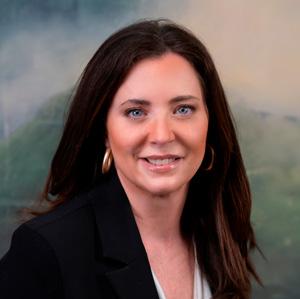
throughout the pregnancy; monthly allowances to cover routine pregnancy-related expenses; reimbursement for lost wages due to medical appointments, bed rest, or recovery; childcare expenses incurred during appointments or medically ordered bed rest; travel reimbursement for clinic visits and delivery; confirmation of adequate health insurance coverage; procurement of life insurance for the duration of pregnancy; additional compensation for invasive procedures; and the use of a neutral escrow agent to administer funds.
ASRM guidance emphasizes that compensation should reflect the time, inconvenience, discomfort, and medical risk that the gestational carrier assumes. Structuring payments as compensation for gestational services and pregnancy-related burdens—rather than for parental rights—aligns the agreement with these professional standards. See American Society for Reproductive Medicine, Ethics Committee Opinion, Financial Compensation of Gestational Carriers, available at https://www.asrm.org/globalassets/_asrm/ practice-guidance/ethics-opinions/pdf/consideration_ of_the_gestational_carrier-pdfmembers.pdf.
Although Tennessee lacks a comprehensive statutory framework governing gestational surrogacy, the practice has developed into a stable and judicially supported structure when properly implemented. Courts have consistently enforced arrangements that demonstrate clear intent, execution before medical intervention, independent legal representation, appropriately structured compensation, and adherence to professional standards.
The next article in this series will examine embryo disputes and assisted reproduction in litigation.
Jana Davis Lamanna is a shareholder at Black McLaren Jones Ryland & Griffee, P.C. in Memphis and has practiced law for over twenty years. She devotes a significant portion of her practice to assisted reproductive technology law in Tennessee. She represents both intended parents from across the country who use a gestational carrier in Tennessee and gestational carriers located in Tennessee. Her work includes drafting and negotiating GCAs, embryo disposition agreements, and egg and sperm donor agreements; securing parentage orders in Tennessee courts; and preparing the related powers of attorney and advance directives that accompany assisted reproduction arrangements. She regularly works with fertility clinics, surrogacy agencies, escrow administrators, and insurance providers throughout the process.
In addition to her assisted reproductive technology practice, Ms. Lamanna represents clients in probate and estate matters, guardianship and conservatorship proceedings, and family law cases, including divorce, custody matters, and stepparent and relative adoptions.
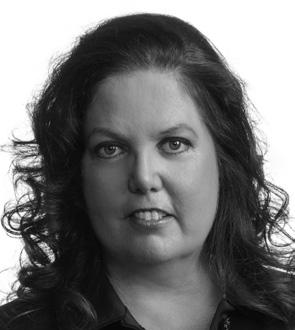


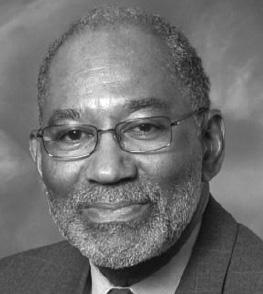
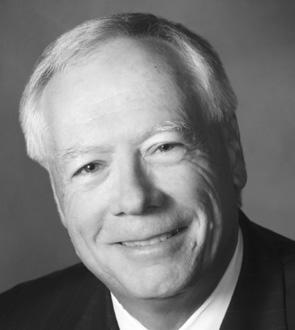
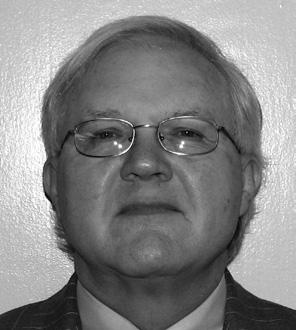
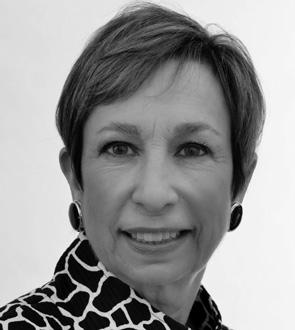

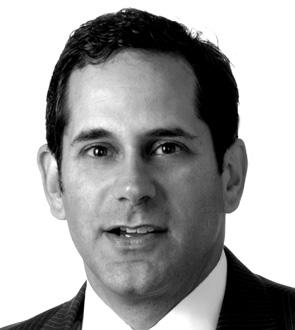
JUDGE INGRAM GRACIOUSLY ANSWERED A FEW QUESTIONS FOR MEMPHIS LAWYER SO THAT OUR READERS COULD GET TO KNOW HER BETTER.
What or who made you want to become an attorney?
Watching Perry Mason and characters like Claire Huxtable with my grandmother while I was growing up motivated me to declare in my high school yearbook that I wanted to be an attorney when I grew up.
Who was your mentor(s) when you began your legal career?
Brian Kuhn, who was the County Attorney, offered me my first position as an attorney. Both he and Dell Stiner guided me through my initial years in the profession.
What advice do you have for young lawyers?
Keep your options open regarding legal fields and remember that a law degree can lead to diverse careers. For instance, I know several attorneys who serve as both General Counsel and Human Resources Director within their companies.
At the end of a case, what do you hope for most?
My greatest hope is that litigants leave my court feeling listened to, treated fairly, having experienced justice, and being well-informed about the civil court justice system and their next steps after judgment.
What is the most important lesson you’ve learned?
As Johnnie Cochran emphasized, “preparation, preparation, preparation.” It is crucial for success both in and out of the courtroom.
What do you like to do when you’re not working?
I devote my time to nurturing, supporting, and guiding my son. We both enjoy spending time outdoors, as he is quite the nature enthusiast. Reading and traveling are also among my favorite pursuits.
What do you hope to accomplish in the next 5 years?
I’ve launched an educational podcast on YouTube focusing on the civil court justice system, and I aim to grow this program to reach a broader audience.
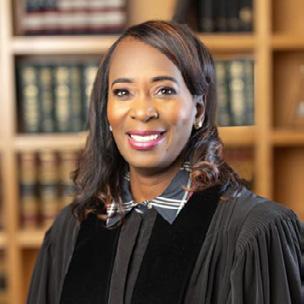
Judge Marcy Ingram is a native Memphian currently serving as the General Sessions Civil Court Judge in Division 2. She has practiced law in Shelby County, Tennessee since 2004. Before being appointed to the bench in 2025, Judge Ingram served in the County Attorney’s Office for more than 15 years and advised the County Commission and other elected officials on a wide range of legal and legislative issues. She also specialized in employment law and worked for Ford Harrison, LLP. In addition to her law license, Judge Ingram holds an Ed.D., M.Ed., and MBA in Human Resources. She has one son and was a foster mom for over 7 years, welcoming over 30 children aged 2 weeks to 17 years into her home. Judge Ingram is active with her sorority, Alpha Kappa Alpha Sorority, Incorporated, and enjoys reading, working out, and traveling.
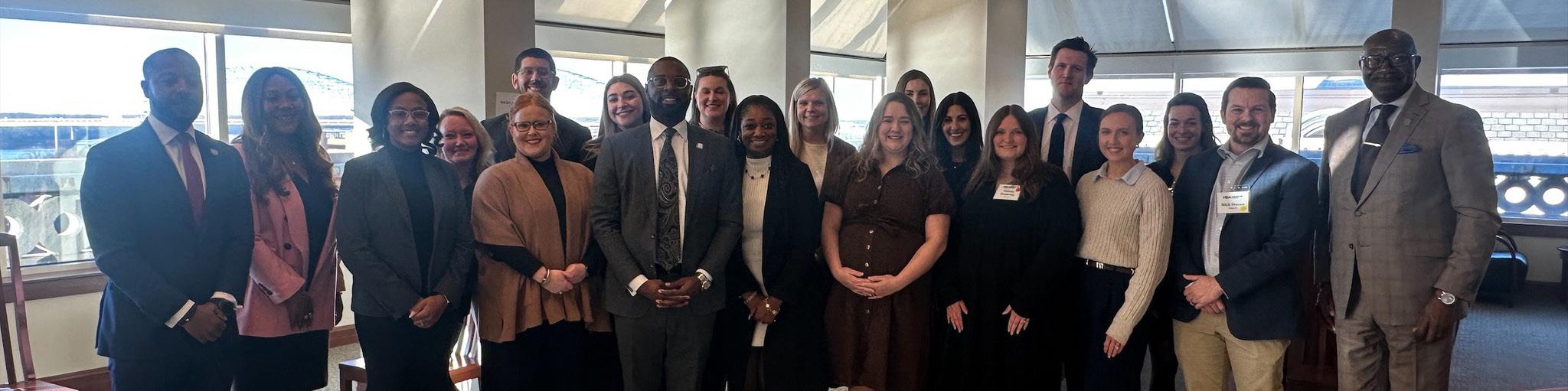
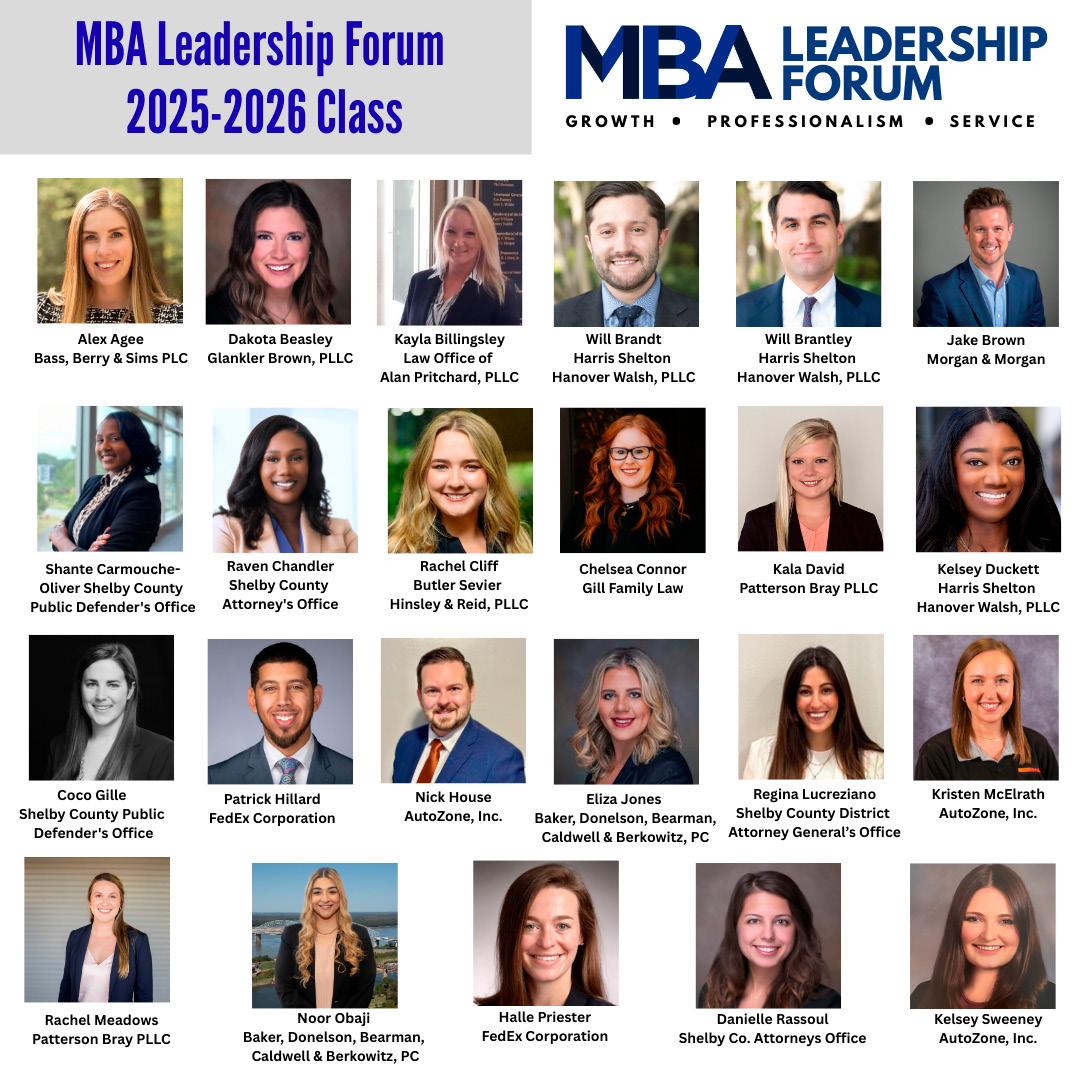
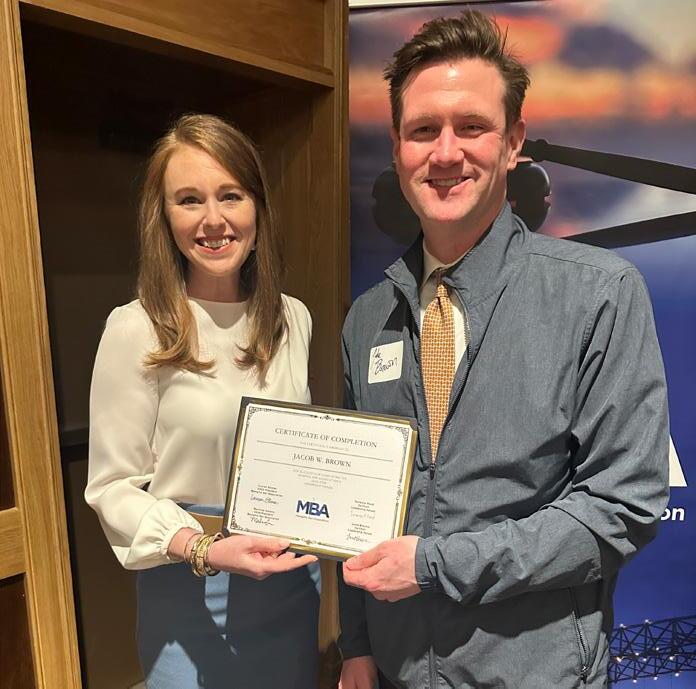
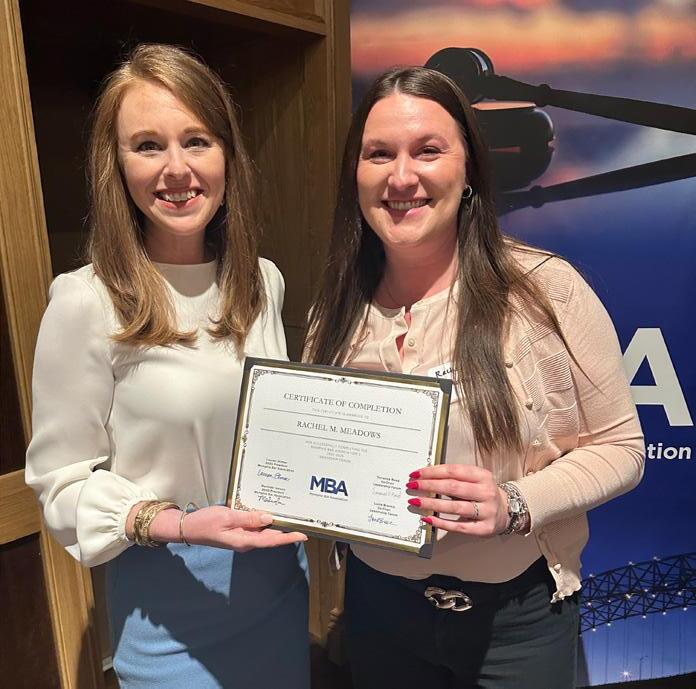
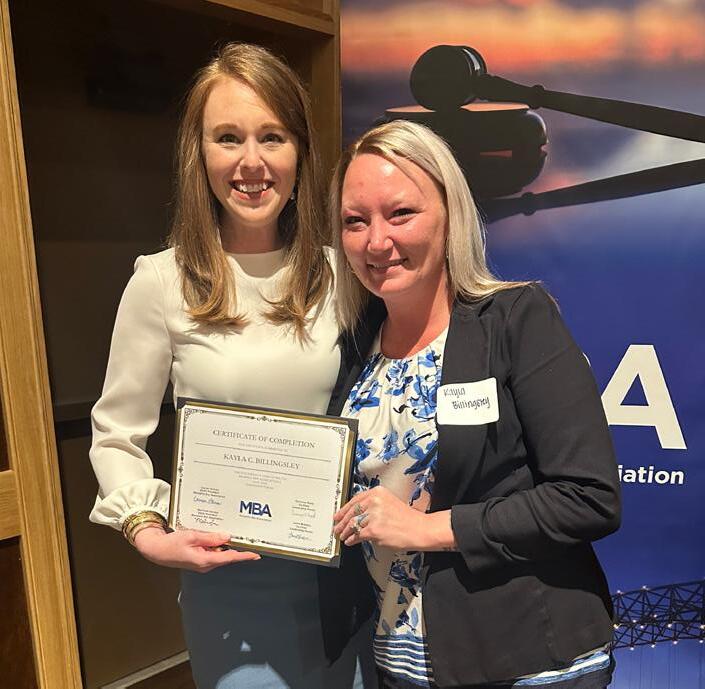

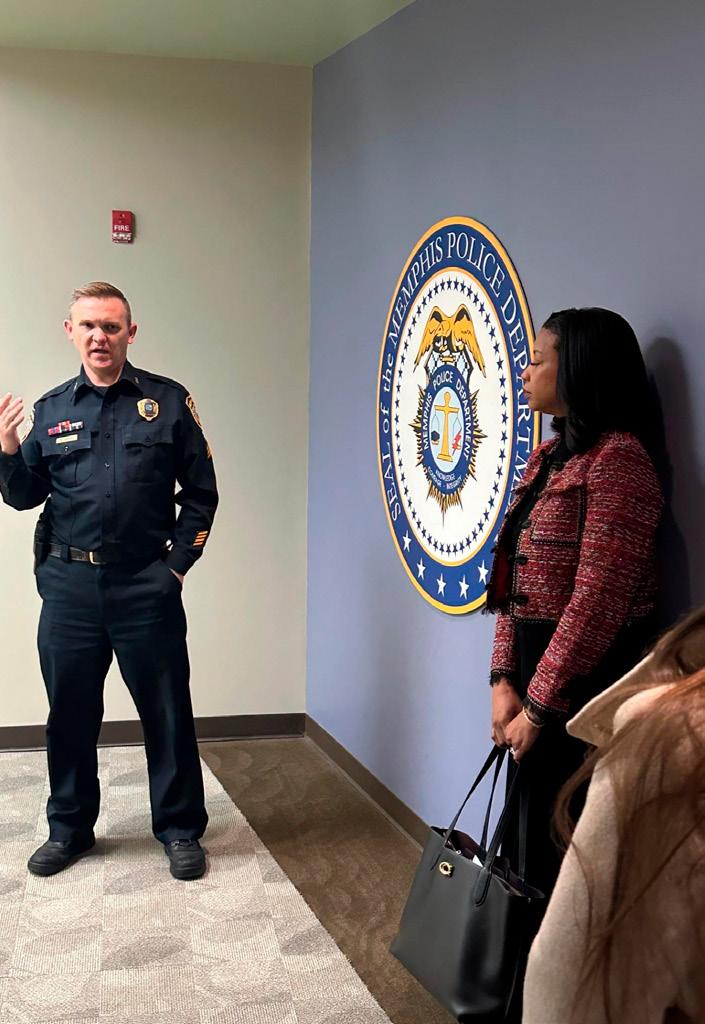
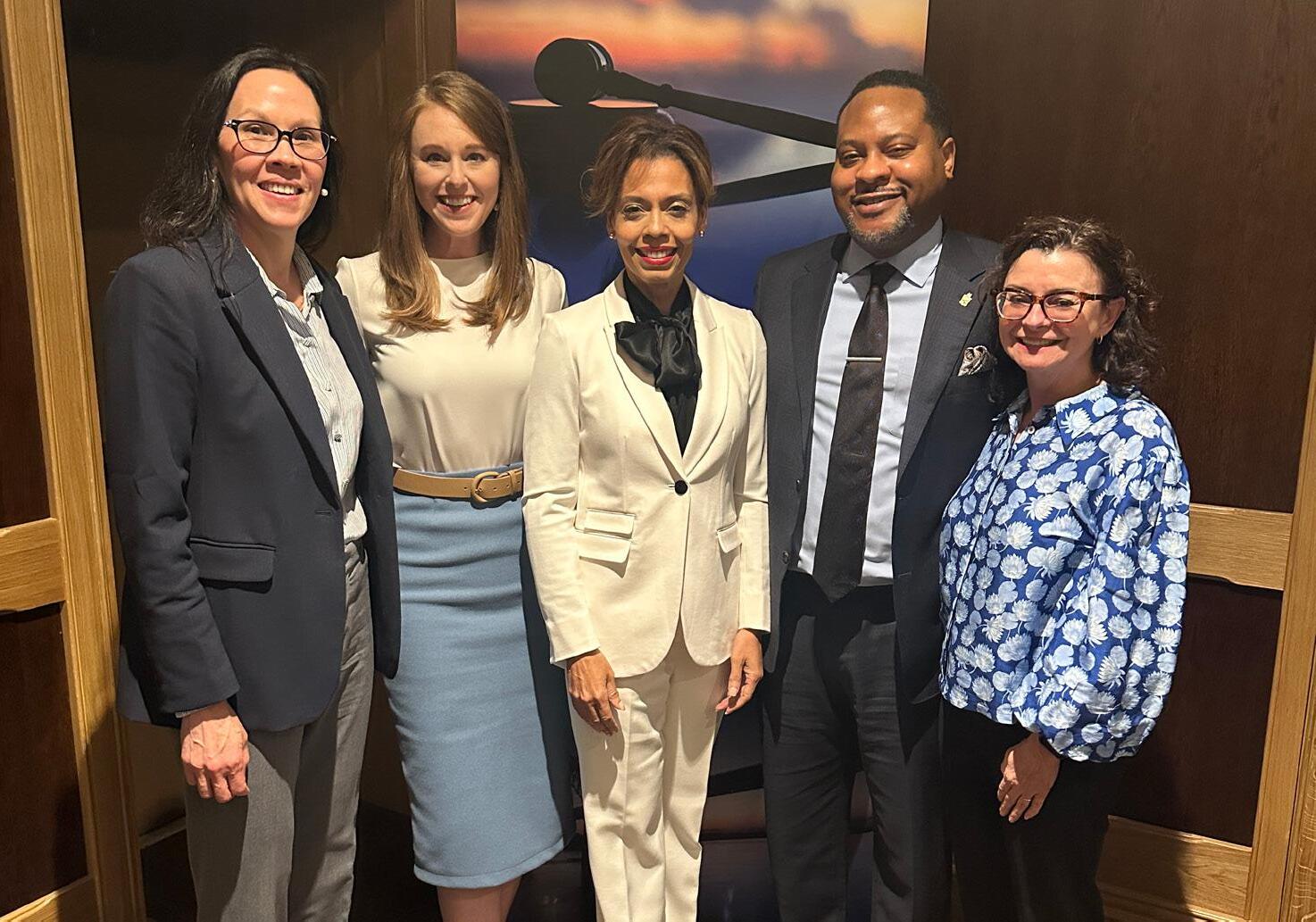
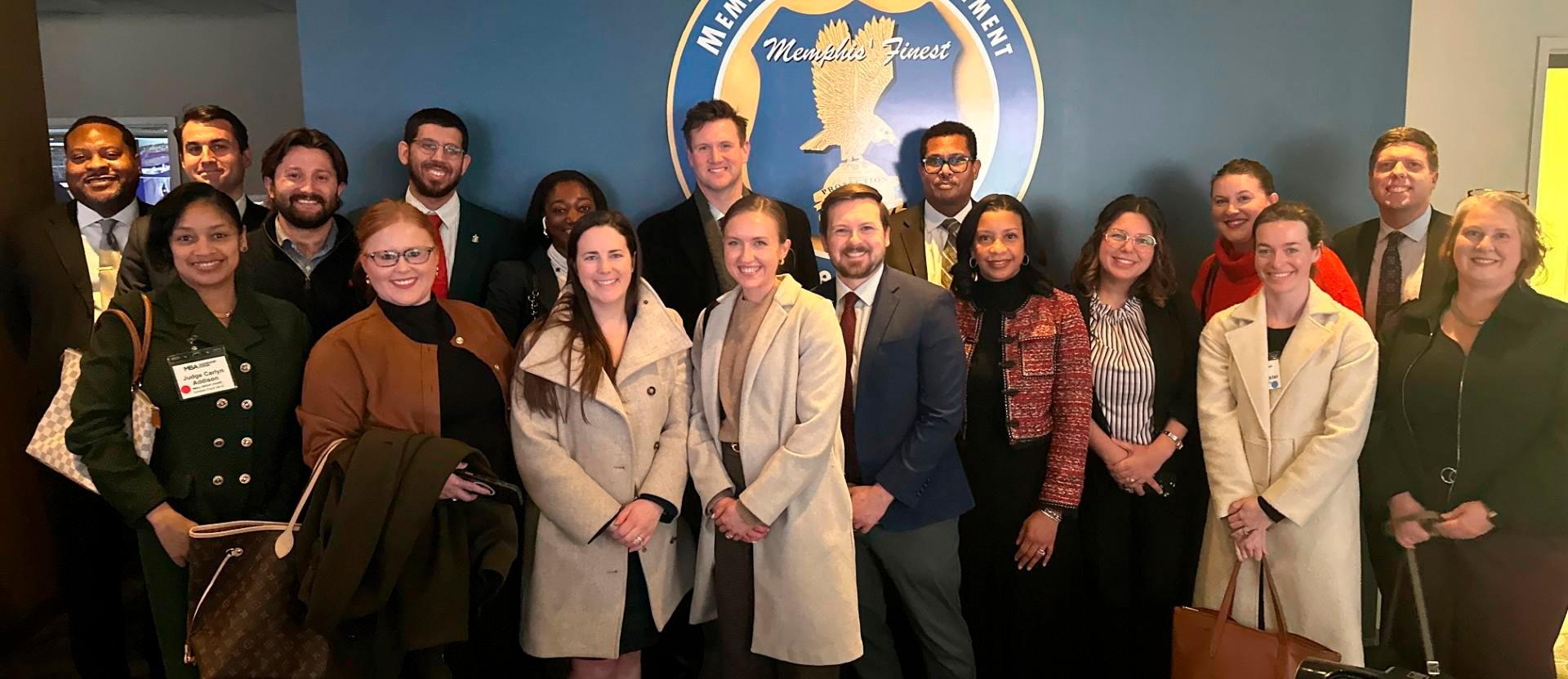
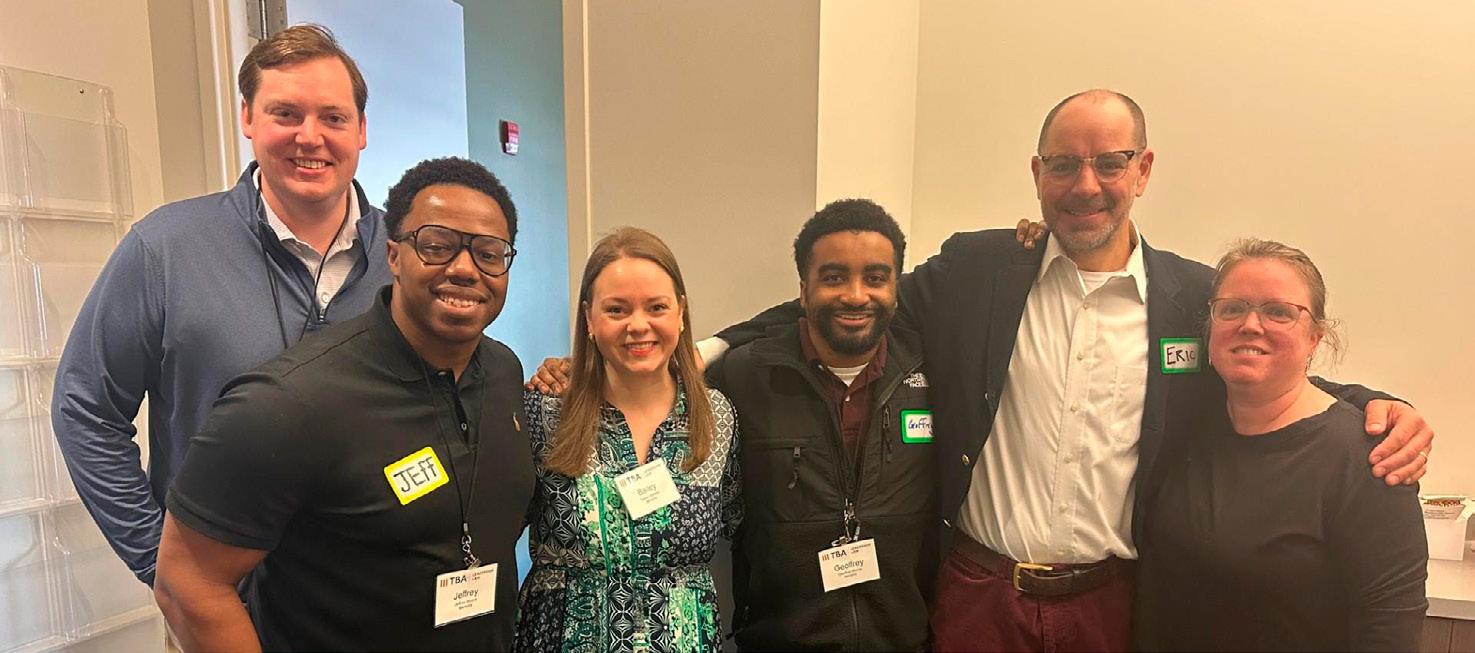
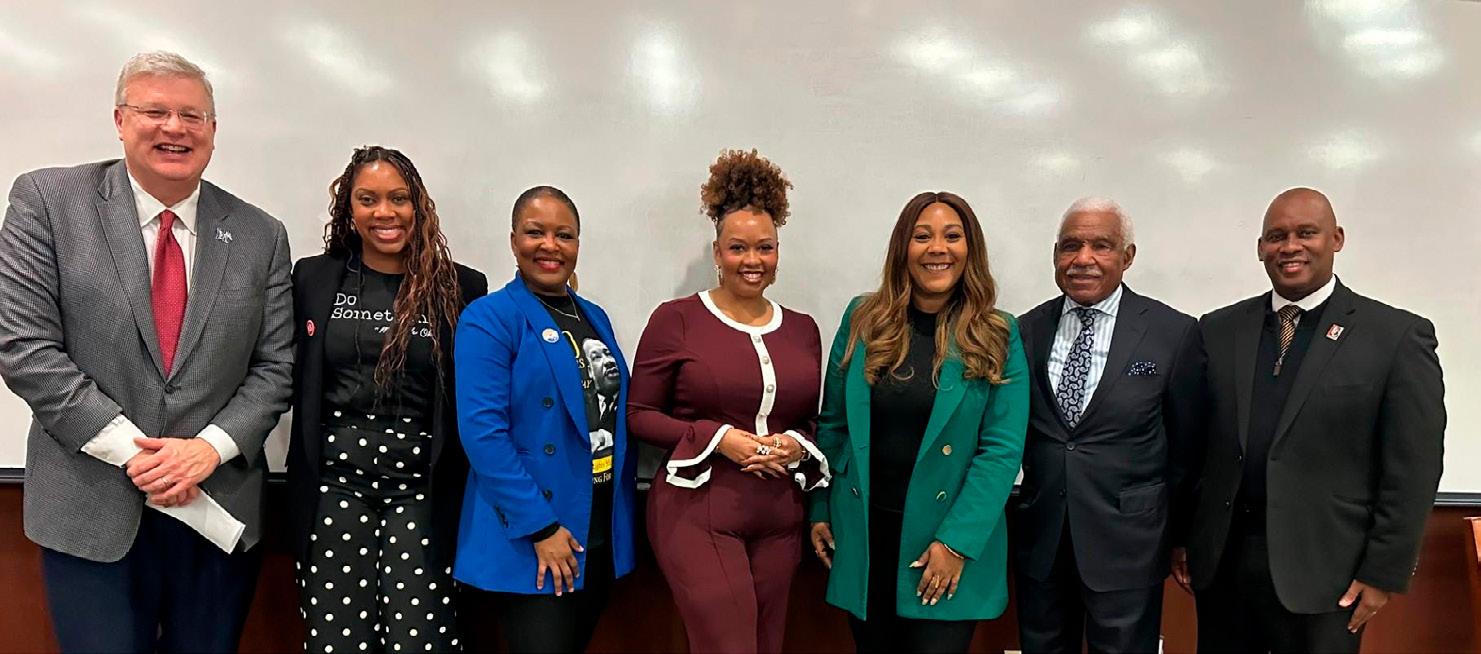
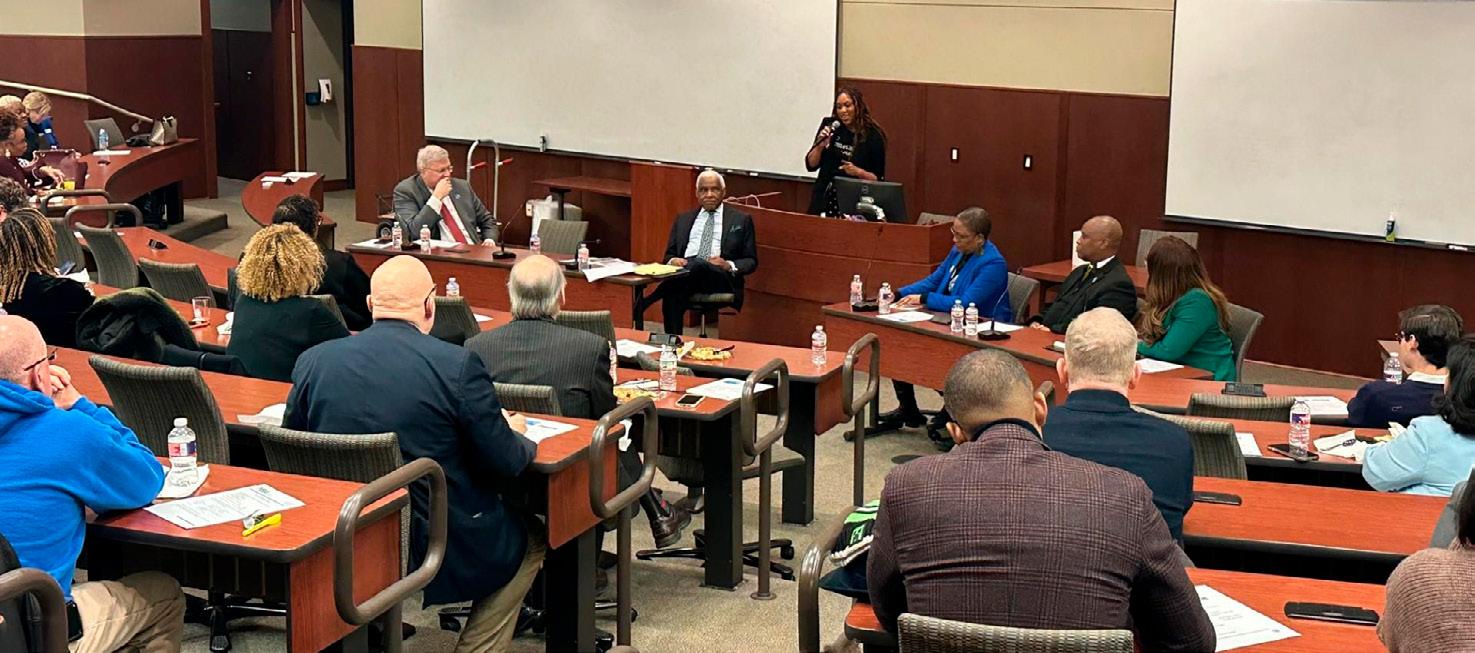
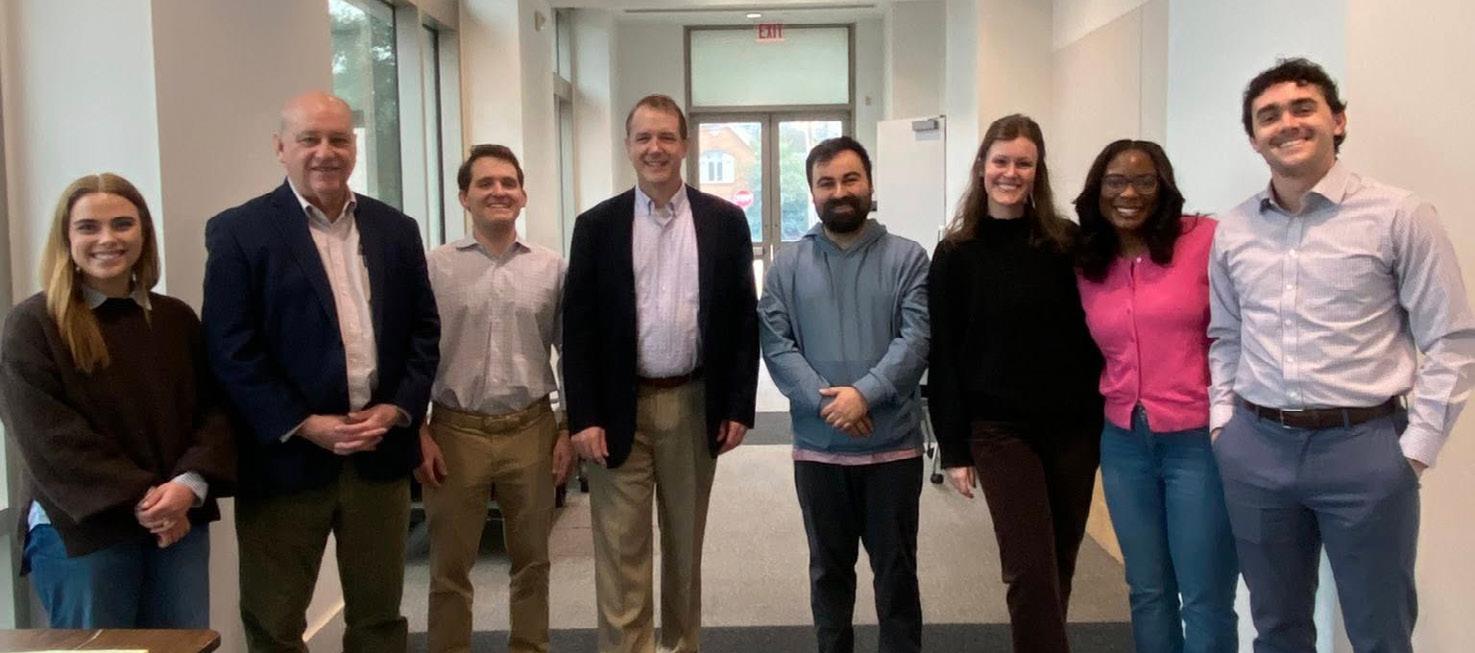

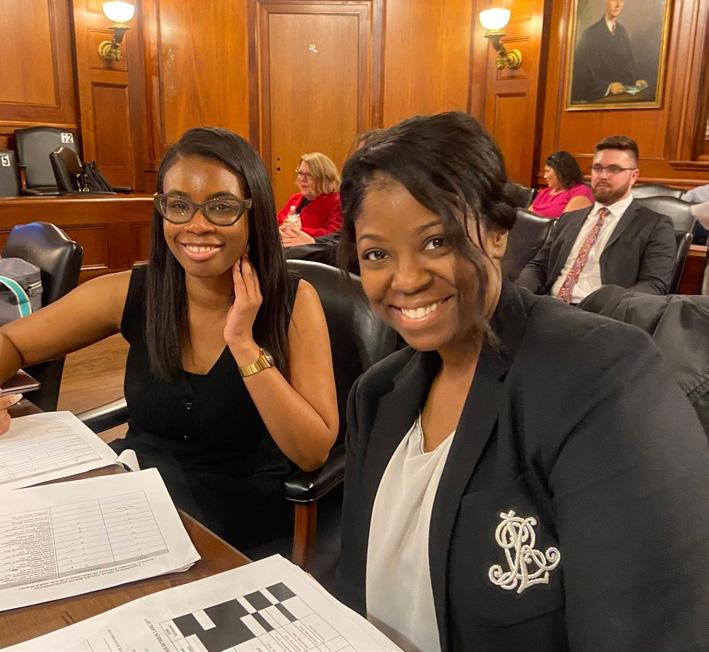
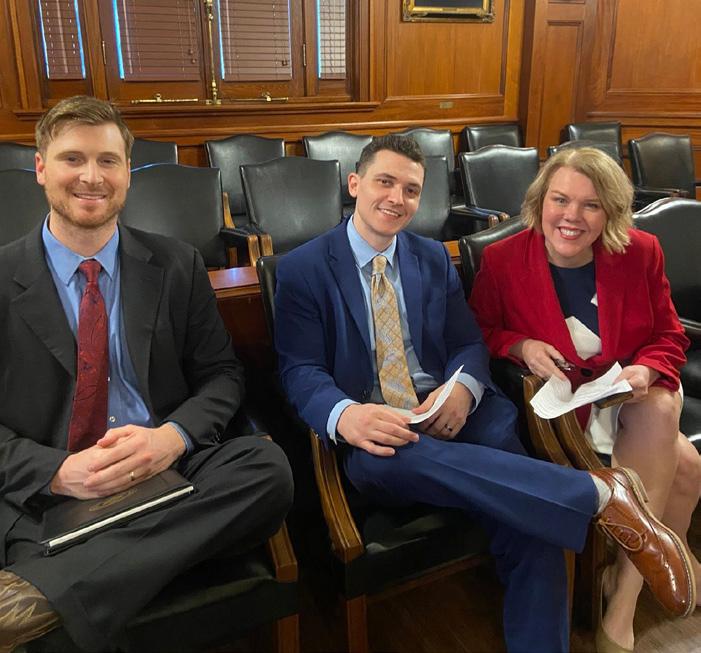
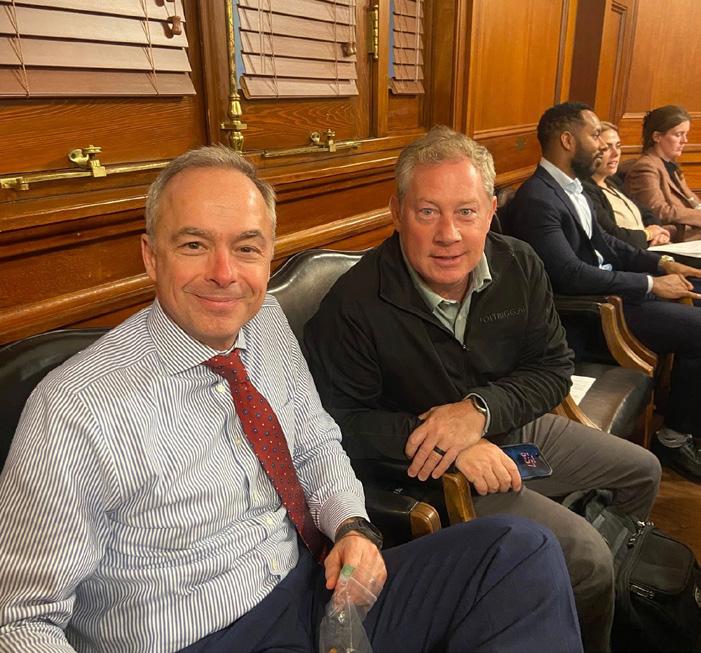
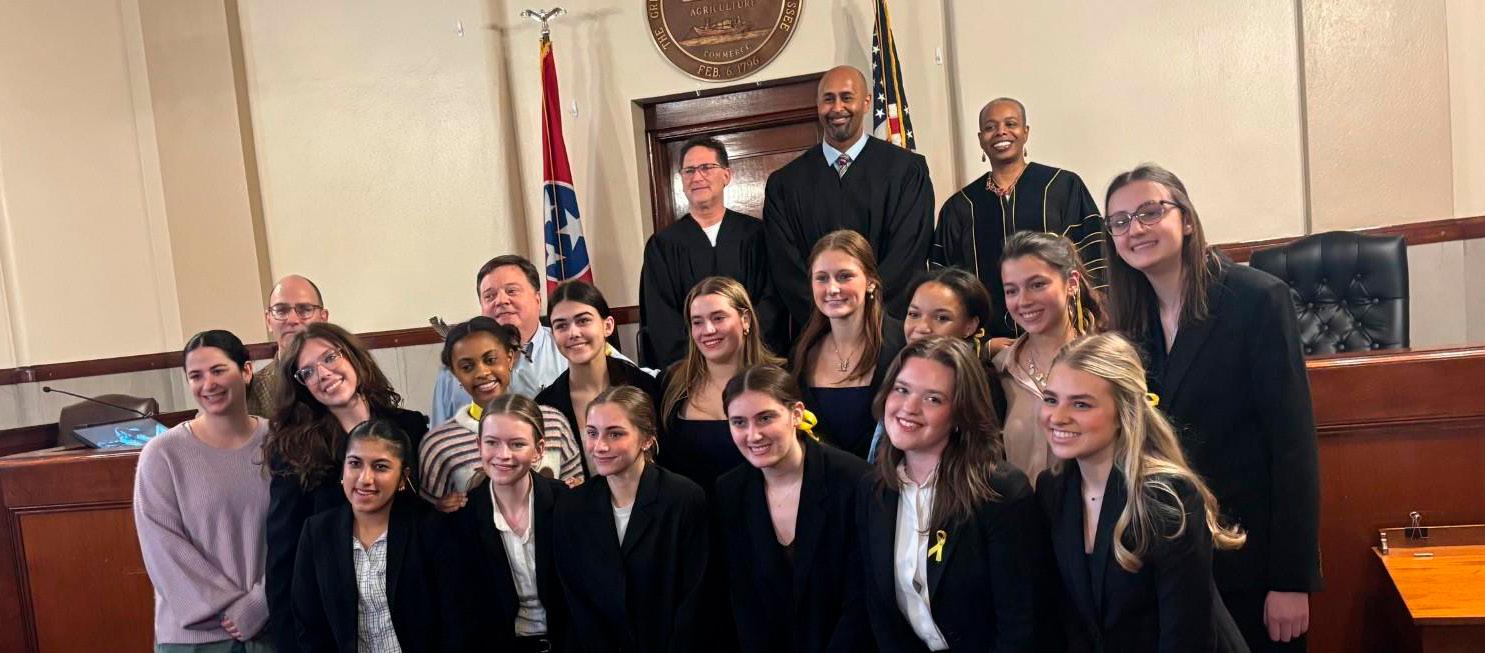
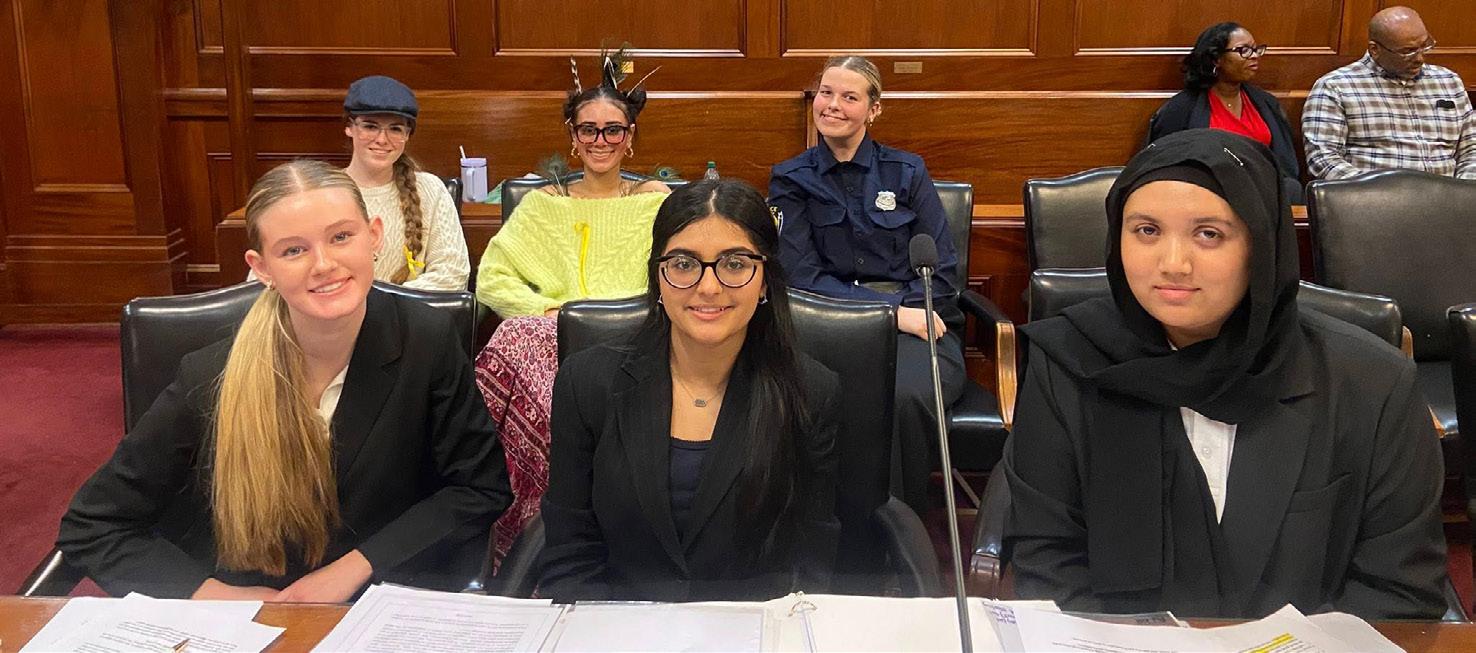
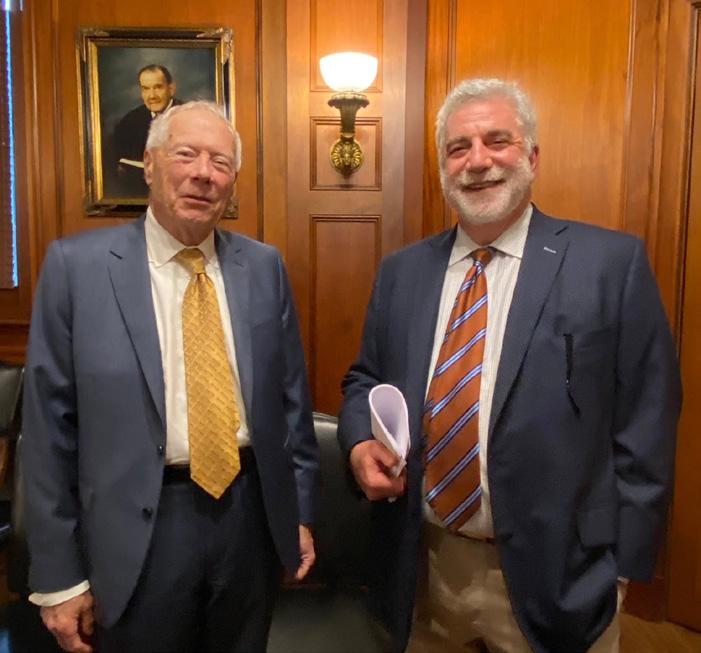
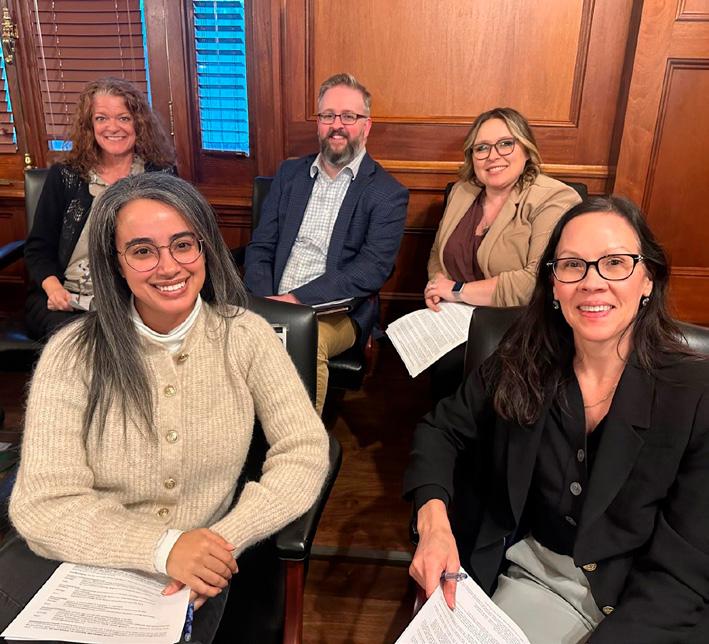
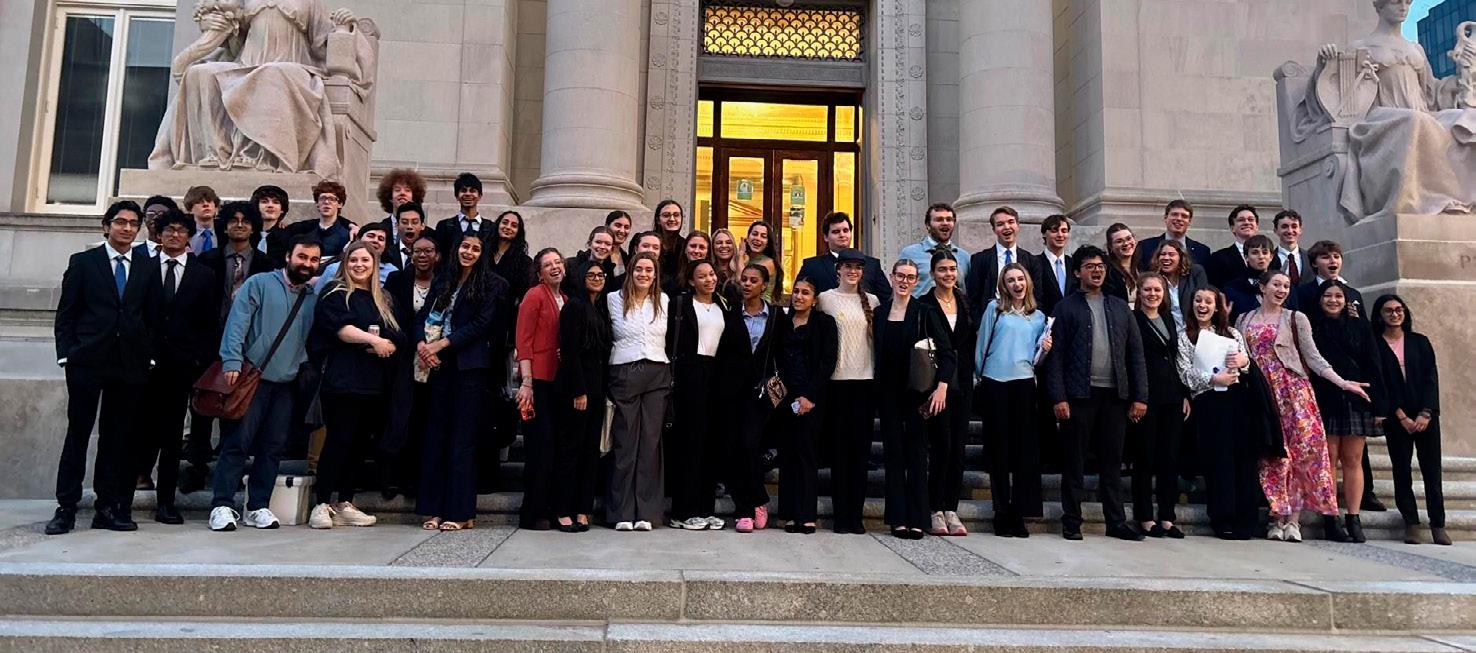
jury trials from June 2025 – December 2025
Easley Contractors, Inc. v. Latasha Hannah and Tabatha Wallace, No. CT-0660-24
Bench trial on February 3, 2025
Plaintiff’s attorney: John R. “Rick” McCabe
Defense attorney: Darrell J. O’Neal
Claims in complaint: Breach of contract.
• Verdict: The court found for Plaintiff and against Latasha Hannah and awarded $74,202.62 in damages.
Matthew Plass v. John Kinsey and Jacklyn Goodwin, No. CT-4825-22
Trial on June 4, 2025
Plaintiff’s attorney: David A. Siegel
Defense attorney: Dawn Davis Carson
Claim in complaint, Negligence – car accident.
• Verdict: The jury found for Plaintiff and awarded $25,000.00 for past pain and suffering, $25,000.00 for future pain and suffering, $42,239.66 for past medical expenses, $25,000.00 for future medical expenses, and $24,000.00 for past loss of earnings, for a total of $191,239.66 in damages.
Irish Massey v. Collierville Flooring Solutions and CFS General Contractors, LLC, No. CT-0565-24
Trial on August 19, 2025
Plaintiff’s attorney: Terrell Tooten
Defense attorney: Joe Barton (withdrew before trial)
Claim in complaint: Breach of contract.
• Verdict: The jury found for Plaintiff and awarded $7,000.00 in compensatory damages, $68,000.00 in incidental damages, $13,500.00 in consequential damages, and $100,000.00 in punitive damages, for a total of $188,500.00 in damages.
Lakita Towner and Jeremy Towner v. Shannorah Smith, No. CT-0586-20 / CT-0587-20
Bench trial on June 23, 2025
Plaintiffs’ attorney: W. David Cheek
Defense attorney: Defendant proceeded pro se.
Claim in complaint: Negligence – car accident.
• Verdict: The court found for Plaintiffs and awarded $37,342.43 in damages to Lakita Towner and $161,383.65 in damages Jeremy Towner.
Green Site Landscaping, LLC v. Fasil Kebede and Beruk Construction, Inc., No. CT-5234-23
Bench trial on August 25, 2025
Plaintiff’s attorney: James Stephen King
Defense attorney: Mark Grai
Claim in complaint: Breach of sales contract.
• Verdict: The court found for Plaintiff and awarded $11,714.00 in damages.
Cole Pain Therapy Group v. Wanda Walker, No. CT-0611-24
Bench trial on December 5, 2025
Plaintiff’s attorney: Amber Griffin Shaw
Defense attorney: Defendant proceeded pro se.
Claim in complaint: Breach of contract.
• Verdict: The court found for Plaintiff and awarded $4,486.00 in damages.
Christina Gardner v. City of Memphis, No. CT-417021
Bench trial on October 30, 2025
Plaintiff’s attorney: Mohammed Farraj
Defense attorney: Prince Chambliss
Claim in complaint: Premise liability under the GTLA.
• Verdict: The court found for Plaintiff and initially awarded $54,583.16 in medical expenses, $55,000.00 for pain and suffering, $11,400.00 for loss of earning capacity, and $5,000.00 for permanent disfigurement, for a total of $125,983.16 in damages. After finding 40% comparative fault, the net damages were $75,589.89.
No trials.
Davartia Vadil Miller and Jalisa Maze Miller v. Pediatric Emergency Specialists Professional Corporation, No. CT-4916-24
Trial on December 8, 2025
Plaintiffs’ attorneys: Les Jones and Matthew Jehl
Defense attorneys: Samantha Bennett and Joseph M. Clark
Claim in complaint: Healthcare liability (wrongful death).
• Verdict: The jury found for Plaintiffs and initially awarded $2,002,426.56 in economic damages and $180,000,000.00 in non-economic damages. The non-economic damages were reduced by statute to $750,000.00, so the net judgment was $2,752,426.56.
Mame M. Mboup v. Gwendolyn T. Shipley, No. CT-0181-23
Trial on August 22, 2025
Plaintiff’s attorneys: James R. Davis, Jr. and Eric Mogy
Defense attorney: Ashleigh C. Kiss
Claim in complaint: Negligence – car accident.
• Verdict: The jury found for Plaintiff and awarded $10,961.00. The trial was on damages only.
Dimitri Kravchuck v. Krispy Kreme Doughnut Corporation and Invest-N-Transport, Inc., No. CT000669-15
Trial on September 12, 2025
Plaintiff’s attorney: John A. Irvine, Jr.
Defense attorney: Carrie L. Christie
Claim in complaint: Negligence – premises liability.
• Verdict: The jury found for Plaintiff and initially awarded $230,694.59 in economic damages and $752,059.00 in non-economic damages, for an initial total of $982,753.59. The non-economic damages were reduced to $750,000.00. After finding 45% comparative fault, the net judgment was $539,382.02, with $147,104.19 against Invest-N-Transport, Inc. and $392,277.84 against Krispy Kreme Doughnut Corp.
Debra K. Dalhoff v. City of Memphis, No. CT-0814-21
Bench trial on September 17, 2025
Plaintiff’s attorneys: Thomas Greer and Noorhan (Nora) Taube
Defense attorney: Frank B. Thacher
Claim in complaint: Negligence – car accident.
• Verdict: The court found for Plaintiff and awarded $73,201.00 in medical expenses, $80,000.00 for pain and suffering, and $68,000.00 for permanent impairment, for a total of $221,201.00. The trial was on damages only.
Glenda Glinsey v. Kenneth Blades, No. CT-0207-20
Trial on August 12, 2025
Plaintiff’s attorney: Robert A. Pope
Defense attorneys: Dawn Davis Carson and Abigail Gray Brigance
Claim in complaint: Negligence – car accident.
• Verdict: The jury found for Plaintiff and awarded $6,365.99 for loss of earning capacity, $1,536.90 for past medical costs, and $6,365.99 for pain and suffering, for a total of $14,268.88. The trial was on damages only.
Nyawech Tel a/k/a Nyawech Tut Tual a/k/a Barbara Moore v. Angela Henley, No. CT-3392-23
Bench trial on July 21, 2025
Plaintiff’s attorney: Plaintiff proceeded pro se.
Defense attorney: Janika White
Claim in complaint: Breach of contract (real property).
• Verdict: The court found for plaintiff and awarded $180.64 in damages.
Tracey Jones and Douglass Jones on behalf of Grace Jones, Deceased v. Mid-South Maternal Fetal Medicine, P.C., No. CT-000101-17
Trial on September 11, 2025
Plaintiffs’ attorneys: Chad D. Graddy and W. Bryan Smith
Defense attorneys: Darrell E. Baker, Jr. and Deborah Whitt
Claim in complaint: Health care liability
• Verdict: The jury found for Plaintiffs and awarded $4,000,000.00 for Grace Jones’ loss of earning capacity.
Covers jury trials from July 1, 2025 – December 31, 2025
CRIMINAL COURT DIVISION I -
JUDGE RAY LEPONE
State of Tennessee v. Raechuhl Peterson, No. BC1023
Trial from November 17-20, 2025
Assistant District Attorney Generals: Cody Tolbert and Matthew Blissitt
Defense: Carlissa Shaw
Charges in Indictment: 3 counts of aggravated assault and one count of theft of property valued between $2,500-$10,000.
• Verdict: The jury found the defendant not guilty.
CRIMINAL COURT DIVISION II -
State of Tennessee v. Adarious Williams, No. BB5336
Trial from August 4-8, 2025
Assistant District Attorney Generals: Dru Carpenter and Venecia Patterson
Defense: Lauren Palsey
Charges in Indictment: One count of aggravated child abuse and one count of aggravated child neglect.
• Verdict: The jury found the defendant guilty of child neglect (a lesser-included offense).
• Sentencing: Three years local confinement.
State of Tennessee v. Anthony Green, No. BB6729
Trial from September 22-24, 2025
Assistant District Attorney Generals: Kevin McAlpin
Defense: Brandon Hall
Charges in Indictment: One count of first-degree murder, two counts of criminal attempt – first-degree murder, and two counts of employing a firearm during a felony.
• Verdict: The jury found the defendant guilty on all counts in the indictment.
• Sentencing: The defendant was mistakenly released from custody after the guilty verdict; there is currently a warrant for the defendant.
State of Tennessee v. Latoshia Daniels, No. BA6506
Trial from November 3-7, 2025
Assistant District Attorney Generals: Kevin McAlpin and Irris Williams
Defense: Bill Massey
Charges in Indictment: One count of first-degree murder, one count of criminal attempt – first-degree murder, and one
count of employing a firearm during a dangerous felony.
• Verdict: The jury found the defendant found guilty of second-degree murder and reckless endangerment, both lesser-included offenses.
• Sentencing: Defendant will serve 20 years for seconddegree murder and 11 months and 29 days for reckless endangerment. The court ordered the sentences to run concurrently. A motion for new trial is set April 7, 2026.
CRIMINAL COURT DIVISION IIIJUDGE JAMES JONES JR.
State of Tennessee v. Merrion Morris, No. BD0829
Trial from September 29-30, 2025
Assistant District Attorney Generals: Matthew Blissitt and Venecia Patterson
Defense: Jason Ballenger
Charges in Indictment: One count of statutory rape by an authority figure and two counts of rape.
• Verdict: The jury found the defendant not guilty on all counts.
CRIMINAL COURT DIVISION IVJUDGE CAROLYN WADE BLACKETT
State of Tennessee v. Gaudencio Cruz Lopez, No. BC4520
Trial from August 19-20, 2025
Assistant District Attorney Generals: Rob Steele
Defense: Joe McClusky
Charges in Indictment: One count of rape of a child and two counts of aggravated sexual battery.
• Verdict: The jury found the defendant guilty on all counts.
• Sentencing: Set April 14, 2026.
State of Tennessee v. Joseph Smith, No. BD3466
Trial from September 22-26, 2025
Assistant District Attorney Generals: Carrie Bush and J.D. Hamblen
Defense: Andy Reid
Charges in Indictment: One count of second-degree murder and one count of tampering with evidence.
• Verdict: The jury found the defendant guilty on all counts.
• Sentencing: Defendant will serve 25 years at 100%.
State of Tennessee v. Jason Cooper, No. BD7981
Trial from September 29-30, 2025
Assistant District Attorney Generals: Carrie Bush and J.D. Hamblen
Defense: Alex Jones
Charges in Indictment: One count of aggravated burglary.
• Verdict: The jury found the defendant guilty on all counts.
• Sentencing: Defendant will serve 15 years at 100%. A motion for new trial is set March 30, 2026.
State of Tennessee v. Robert Collins III, No. BC3946
Trial from October 27-November 1, 2025
Assistant District Attorney Generals: Carrie Bush and Susan Taylor
Defense: Phil Harvey
Charges in Indictment: One count of first-degree murder and one count of being a convicted felon in possession of a firearm.
• Verdict: The jury found the defendant guilty on all counts.
• Sentencing: A motion for new trial is set March 11, 2026.
State of Tennessee v. Roy Jones, No. BC4753
Trial from July 14-17, 2025
Assistant District Attorney Generals: Alyssa Hennig and Monica Timmerman
Defense: Mark Renken
Charges in Indictment: One count of first-degree murder.
• Verdict: The jury found the defendant guilty of seconddegree murder.
• Sentencing: Defendant will serve 25 years at TDOC for second-degree murder. The Court denied a motion for new trial denied. Appeal pending.
State of Tennessee v. Tony McClain, No. BD6441
Trial from July 28-30, 2025
Assistant District Attorney Generals: Regina Lucreziano and Alicia Walton
Defense: John Dolan
Charges in Indictment: One count of aggravated abuse of a vulnerable adult, one count of aggravated assault, and one count of domestic assault – bodily harm.
• Verdict: The jury found the defendant guilty of abuse of vulnerable adult (a lesser-included offense), aggravated assault, and domestic assault – bodily harm.
• Sentencing: Defendant will serve 6 years for abuse of a vulnerable adult, 6 years for aggravated assault, and 11 months and 29 days for domestic assault – bodily harm. These sentences are to be served concurrently. The Court denied a motion for new trial. Appeal pending.
State of Tennessee v. Earl Ramcharan, No. BD6432
Trial from September 15-16, 2025
Assistant District Attorney Generals: Alicia Walton
Defense: Addie Burks
Charges in Indictment: One count of domestic assault –bodily harm.
• Verdict: The jury found the defendant guilty on all counts.
• Sentencing: Sentencing deferred. Defendant placed on supervised probation until November 19, 2026.
State of Tennessee v. Brandon Isabelle, No. BC4367
Trial from September 22-30, 2025
Assistant District Attorney Generals: Eric Christensen and Dru Carpenter
Defense: Lauren Fuchs
Charges in Indictment: Three counts of first-degree murder, one count of aggravated child abuse – child under 6 years old, and one count of especially aggravated kidnapping.
• Verdict: The jury found the defendant guilty on all counts.
• Sentencing: Defendant will serve life with parole for two counts of first-degree murder. The third count of first-degree murder will merge with count two. Defendant will serve 22 years and 6 months for aggravated child abuse and especially aggravated kidnapping. This sentence will run consecutive with the murder sentences. The motion for new trial is set for March 12, 2026.
State of Tennessee v. Antonio Young, No. BC7641
Trial from October 20-24, 2025
Assistant District Attorney Generals: William Wetter and Fredricka Brown
Defense: Terrell Tooten
Charges in Indictment: Two counts of aggravated child abuse – child under 6 years old.
• Verdict: The jury found the defendant not guilty of aggravated child abuse and guilty of reckless endangerment, a lesser-included offense.
• Sentencing: 30 days time served.
State of Tennessee v. Leondre Clark, No. BD4723
Trial from November 3-7, 2025
Assistant District Attorney Generals: Lessie Rainey and Monica Timmerman
Defense: Shannon Jones
Charges in Indictment: One count of first-degree murder and one count of being a convicted felon in possession of a firearm.
• Verdict: The jury found the defendant guilty on all counts.
• Sentencing: Defendant will serve life with parole for firstdegree murder and 12 years for being a convicted felon in possession of a firearm. The Court ordered the sentences to run consecutively and denied the motion for new trial.
State of Tennessee v. Christopher Reed, No. BD9688
Trial from October 27-29, 2025
Assistant District Attorney Generals: Caleb Sanders and Tyler Schembri
Defense: James Davis
Charges in Indictment: Three counts of tampering with
evidence and one count of conspiracy to commit - tampering with evidence.
• Verdict: The jury found the defendant guilty of two counts of tampering with evidence and conspiracy to committampering with evidence and not guilty on the third count of tampering with evidence.
• Sentencing: For the two counts of tampering with evidence: 10 years at 35% at the Tennessee Department of Corrections to serve concurrently; for the conspiracy to commit - tampering with evidence: 4 years run concurrently.
State of Tennessee v. Dontel Morgan, No. AY2537
Trial from July 22-25, 2025
Assistant District Attorney Generals: Dru Carpenter and Nicole Germain
Defense: Juni Ganguli
Charges in Indictment: Two counts of aggravated rape and two counts of aggravated kidnapping.
• Verdict: The jury found the defendant guilty on all counts.
• Sentencing: Defendant will serve 25 years for two counts of aggravated rape and 12 years for two counts of aggravated kidnapping, with the sentences served consecutively. The court denied the motion for new trial denied. Appeal pending.
State of Tennessee v. Dairrius Sorrell, No. BD6303
Trial from November 19-22, 2025
Assistant District Attorney Generals: Regina Lucreziano and Tanisha Evans
Defense: Charlesa Stoglin
Charges in Indictment: One count of aggravated rape, one count of aggravated kidnapping, one count of aggravated assault, and one count of domestic assault-bodily harm.
• Verdict: The jury found the defendant guilty of assault (a lesser-included offense) and domestic assault.
• Sentencing: Defendant will serve 3 years for aggravated rape and two sentences of 11 months and 29 days for assault and domestic assault – bodily harm. All sentences will run concurrently.
State of Tennessee v. Eric Goolsby, No. AZ6593A
Trial from July 29-August 1, 2025
Assistant District Attorney Generals: Dru Carpenter and Nicole Germain
Defense: William Young
Charges in Indictment: Two counts of rape of a child, one count of aggravated sexual battery, and one count of tampering with evidence.
• Verdict: The jury found the defendant guilty on all counts.
• Sentencing: Motion for New Trial pending.
VIIIJUDGE CHRISTOPHER CRAFT
State of Tennessee v. Michael Ayala, No. BC9057A
Trial from: September 1-6, 2025
Assistant District Attorney Generals: Monica Timmerman and Regina Lucreziano
Defense: Seth Seagraves
Charges in Indictment: One count of aggravated rape and one count of aggravated burglary.
• Verdict: The jury found the defendant not guilty.
State of Tennessee v. Darieus Ice, No. AZ7386A
Trial from: September 15-19, 2025
Assistant District Attorney Generals: Lessie Rainey and Devon Dennis
Defense: John Dolan
Charges in Indictment: One count of rape of a child, one count of aggravated kidnapping, and one count of especially aggravated sexual exploitation of a minor.
• Verdict: The jury found the defendant guilty on all counts.
• Sentencing: Set for March 12, 2026.
State of Tennessee v. Torshanaey Smith, No. BD5762
Trial from December 8-11, 2025
Assistant District Attorney Generals: Annika Rush and Lessie Rainey
Defense: Ralph Gibson
Charges in Indictment: One count of aggravated burglary and three counts of aggravated assault.
• Verdict: The jury found the defendant guilty on all counts.
• Sentencing: Count 1 – 3 years at 100% at Workhouse; Counts 2-4 – 30 days at Workhouse per count; all counts concurrent.
CRIMINAL COURT DIVISION XJUDGE JENNIFER MITCHELL
State of Tennessee v. Hernandez Govan, No. BC2452B
Trial from August 14-21, 2025
Assistant District Attorney Generals: Carla Taylor and Irris Williams
Defense: Handel Durham
Charges in Indictment: One count of first-degree murder and one count of conspiracy – first-degree murder.
• Verdict: The jury found the defendant not guilty.




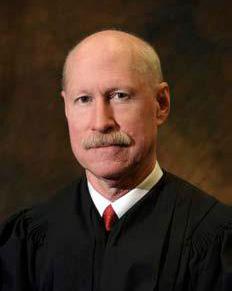
U.S. District Court Judge Jon Phipps McCalla retired from the bench in August 2025. Judge McCalla began his federal judicial service for the Western District of Tennessee in 1992 after President George H.W. Bush nominated him. He served as Chief Judge from 2008 to 2013 before assuming senior status in August 2013. Judge McCalla earned his J.D. from Vanderbilt University Law School and clerked for U.S. District Court Judge Bailey Brown.

Judge John T. Fowlkes, Jr. retired from the U.S. District Court for the Western District of Tennessee in January 2026. Judge Fowlkes was nominated in 2011 to the seat vacated by Judge Bernice Donald after she was elevated to the Sixth Circuit Court of Appeals. Before taking the federal bench, Judge Fowlkes served as a Tennessee criminal court judge for the Thirtieth Judicial District here in Memphis. Judge Fowlkes began his legal career as a law clerk for Memphis Area Legal Services in 1977. He went on to serve as an assistant public defender, assistant attorney general, and First Assistant U.S. Attorney for the Western District of Tennessee, among other roles.






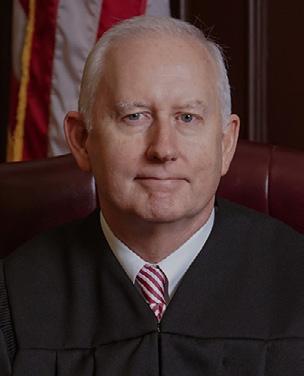
Governor Lee appointed Judge Steven W. Maroney to the Western Section of the Tennessee Court of Appeals to fill the vacancy created by Judge Kenny Armstrong’s retirement. Judge Maroney served as the Chancellor for the 26th Judicial District before his appointment. He earned his bachelor’s degree at Union University and his J.D. at the University of Memphis Cecil C. Humphreys School of Law.
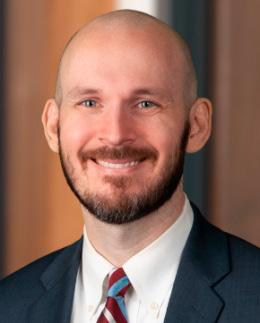
On February 5, 2026, the U.S. Senate approved the nomination of Judge Brian Charles Lea as the newest federal district court judge for the Western District of Tennessee. Judge Lea received his commission on March 2, 2026. He will take the seat vacated by Judge Fowlkes’ assumption of senior status and subsequent retirement. Judge Lea studied at Christian Brothers University before earning his B.A. from Union University in 2006. He earned his J.D. from the University of Georgia in 2009. Judge Lea has been a deputy associate attorney general with the Department of Justice and a partner at Jones Day, and he clerked for U.S. Supreme Court Justice Clarence Thomas.
If you are an MBA member in good standing and you’ve moved, been promoted, hired an associate, taken on a partner, or received an award, we’d like to hear from you. We will not print notices of honors determined by other publications (e.g., Super Lawyers, Best Lawyers). Notices are limited to 100 words; they are printed at no cost to members and are subject to editing. E-mail your notice and hi-resolution photo (300 dpi) to kswan@memphisbar.org.