The Memoria Muse
SPRING 2026


By Gianna Nero
In a world where sports and general education often take the spotlight, Dr Reynolds works to revive another subject that is just as important: artistic literacy As she explains, “Artistic literacy is critical” She has traveled far and wide, explaining this concept to diverse audiences, and now she hopes to establish a love of art and music in the younger generation with the new Discovering Art and Music course
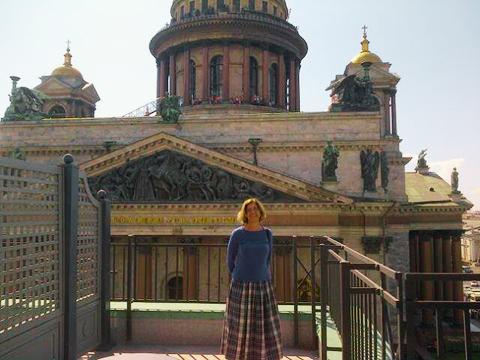
Fully equipped to teach her students about art and music, Dr Reynolds is a musicologist and former music history professor at Southern Methodist University She works with symphony and orchestra organizations, plays the piano and organ, and specializes in European cultural history One of her most interesting careers was serving as a Smithsonian tour lecturer, where she had the opportunity to travel around Europe, acting as a teacher, lecturer, and cultural guide all at once
“I NEVER IMAGINED I’D GET ANYWHERE CLEARLY, I HAVE ”
The class is intended to be interactive and flexible, and Dr Reynolds plans to present music demos and display visual examples “You’re going to learn what makes music work [And] you’re going to find out what artists do and why Essentially, those are the goals to hear and to see more” Students will not just listen to music; they will learn how it functions They will not merely look at art, but understand the artistic process and inspiration behind it
Turn to the new Culinary Creations section to embark on a mouthwatering journey through culinary history and tradition. Discover the story of how a humble Tuscan soup made its way across the Atlantic Ocean and transformed into an American favorite, gracing dinner tables and menus from coast to coast You'll also uncover the secrets behind French crepes and learn why these delicate, paper-thin masterpieces are much easier to create than they seem perfect even for novice home cooks!

“SPACE DEFINES SOUNDS SPACE DEFINES WHAT WE LOOK AT VISUALLY”
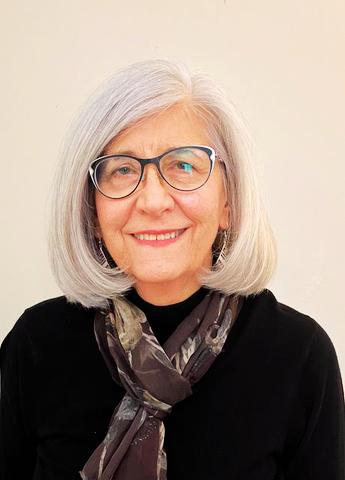
Dr. Reynolds has designed the Discovering Art & Music course with 3rd–5th graders in mind and tailored it to appeal to children through creativity, exploration, and engagement She emphasizes the blend of fun and meaningful learning that the class will provide “We’re going to do a lot of different kinds of activities and make some sounds and jump around a little bit,” she said enthusiastically, adding, “I don’t think it’ll be boring”
The students will be equipped to observe art’s colors, perspective, and artistic choices Through music, they will discover differences among instruments, the mathematical rhythms behind every piece, and sharpen their listening skills Students will learn how interwoven music and art are through shared scientific and mathematical foundations, as well as the concept of “color”
The Discovering Art & Music course philosophy emphasizes exploration over pressure and exposure to new ideas at a young age Building curiosity in young kids is the pathway to creativity, which they can continue to pursue if it interests them Artistic literacy, often undervalued in modern education, enables individuals to express complex ideas through creative mediums At its core, art is a divine gift God has given us; He made us intentionally to be sub-creators, producing works of art rooted in truth, beauty, and goodness Through this course, students will gain a solid foundation in the fine arts that encourages both appreciation and a lifelong engagement with creativity
Is your bookshelf needing another story added to the trove? Get your blood rushing with a thrilling tale about a man who raced around the world with everything to lose and only 80 days to complete his mission! Or would you rather sip your cup of tea and sob as you learn about your beloved character Anne of Green Gables’ early childhood in a prequel to the original novel? If these stories spark your interest, find out more about them in the Book Recommendations section on page 7!



By Gianna Nero and Theo Emmert
During his classes, Mr Christianson doesn’t just teach Latin he performs it Incorporating the enthusiasm of a stage actor with the expertise of a scholar, Mr Christianson turns his Latin classes into something dynamic One moment, he is gesturing and acting, the next, he is ardently delivering Latin lines
Formerly a teacher at Highlands Latin School, Mr Christianson is now a Latin director for Memoria Press, the theater director at Highlands Latin School, and a Latin teacher at Memoria Academy His academic path began with theater and acting, before drifting to the film industry and eventually astronomy But after exploring these fields, none of them quite fit he realized he viewed himself primarily as a Tolkien-type scholar. For practical reasons, however, he decided to settle for teaching Latin, which he quickly perceived as his vocation
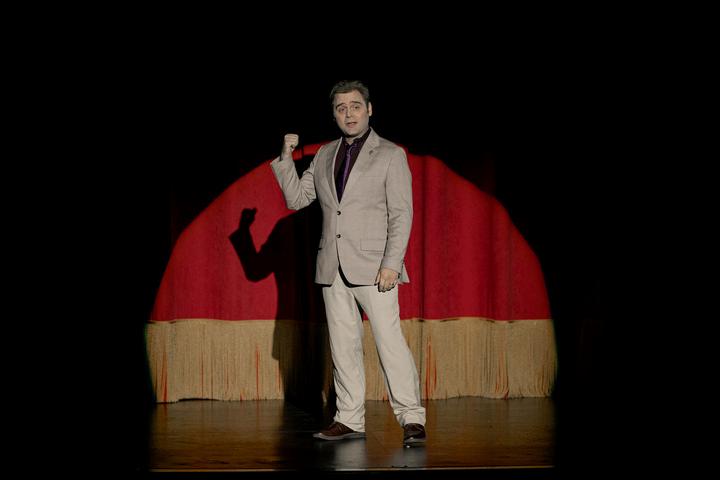
Mr Christianson opening a debut show
When it comes to ancient figures, Mr Christianson loves Sophocles, who was not simply an exceptional playwright but a bridge between the old and the new Greek worlds His writing contained a unique optimism, but also fragility, as represented in his works Mr Christianson’s meme answer concerning ancient figures would be Diogenes He was a blend between a cynical philosopher and a street performer, socially unconventional and philosophically provocative at the same time His method of presenting himself to the Athenian world was in itself deeply critical, clever, and often crass, but ultimately, his well-meaning attempts were to rectify society The Diogenean ethos raises the question of the essential vs non-essential aspects of religion and life Like Diogenes, Mr Christianson explains in the context of Christianity about drawing the line between Christian traditions– the core, indispensable fundamentals, and the parts that are good and valuable but can be dispensed with or relinquished if push comes to shove
Cicero is Mr Christianson’s favorite Latin author Cicero, he said, “ is basically playing with his speech The way that he speaks is so clever and complicated, but complicated in an intellectually fascinating way” He admires the approach of Cicero’s language, which balances a quick-witted yet playful undertone He compares the subject of Cicero’s writing, Caesar, to the author himself, saying, “I think the reason I like Cicero in particular is because Caesar was not an artful speaker He was a warrior, he was a soldier and a politician, but not an especially elegant one”


Because his desire to perform for an audience remained with him, his theater background carried into teaching The main goal of an actor is to entertain the audience But as a teacher, Mr Christianson finds that he can continue to perform yet still leave them with something of lasting value To Mr Christianson, teaching is performing with purpose He enjoys watching students grow, discover a passion for a certain course of study, and stay motivated throughout their studies “I’m just really excited when young people are interested and motivated by something,” he said, eyes twinkling as if the idea itself energized him The most rewarding moments of teaching are when his ideas continue in students’ lives, when they become part of their future paths
Mr Christianson first fell in love with the Latin language at the age of 13 Surprisingly, he struggled to understand it, needing three attempts to master it However, this initial rough start did not deter him from mastering the ancient language “I was a failure my first time through, and now I’m the Latin director,” Mr Christianson admitted modestly His core belief regarding learning any language is that language is more than communication Latin, in particular, is logically structured and has a hierarchy of thought It teaches someone how to smoothly communicate thoughts from one mind to another by clearly expressing ideas
“THERE IS SORT OF A DROUGHT IN JUST PURE ABILITY TO COMMUNICATE IDEAS FROM PERSON A TO PERSON B, AND IT ALMOST SEEMS TO ESCAPE PEOPLE, BUT THE REASON IS BECAUSE THEY DON’T HAVE AN ADEQUATE GRASP OF THE LANGUAGE ”
“LATIN FORCES THE SPEAKER TO EXPRESS THEMSELVES IN A LOGICALLY COHERENT AND ARTISTICALLY VIBRANT WAY ”
As someone who specializes in Greek tragedy, Mr Christianson explains how the “Big Three” shaped them Aeschylus, the lawmaker, defined the form of traditional tragedy Sophocles, the law-mender, perfected the form And Euripides, the lawbreaker, broke the conventional rules of tragedy, but for good reason “If you are going to break your rules, you need to know what they are in the first place,” said Mr Christianson Likewise, Euripides’ philosophy is to understand that before breaking the rules the traditional understanding of Athenian plays one must understand why they were set in the first place
From Latin to etymology, from performance to proficiency, Mr Christianson’s students don’t just leave the classroom well-versed in word origins or entertained by an engaging class He shows them that language is not something they simply study but something that can shape their thinking, train them to express precise ideas, and bring learning itself to life
Along with Latin, etymology has caught Mr Christianson’s interest Etymology, the study of word origins, focuses on word formation, viewing language as a living system that is constantly growing and shifting in its vocabulary and communication He believes that creatively reflecting an evolving language is much more active and interesting than simply concluding the word is not in a dictionary This is what makes a language alive in a way that many students miss
“LET
Mr Christianson's favorite play, written by Sophocles, is Oedipus Rex It is highly structured and predominantly focuses on knowledge over action Akin to Pride and Prejudice by Jane Austen, the plot advances not through actions or even conversation, but from ignorance to knowledge Mr Christianson says, “The point A and point B of those stories is going from ignorance to knowledge, not from the Shire to Mordor It’s really delightfully delicate in the way that the actual plot is waged entirely in Oedipus’s head It’s a level of a kind of precision that you don’t expect outside of the modern period” The emphasis is not on the external journey, but the internal realization
By Josh Kim and Malia Scheiderer
Mrs Bunce is a teacher who has found her way into the hearts of several students through her interactive teaching The upbeat mood in the classroom is sure to plant a seed of curiosity and joy for writing She balances this passion for teaching with the challenges of being a wife and mother to her young children
More than a mere teacher, Mrs Bunce enjoys making memes, creating paper cranes, traveling, and reading classic books such as The Chronicles of Narnia and The Lord of the Rings
“THE BEAUTY, THE GENIUS, IS NOT TO WRITE A FIVE-CENT IDEA IN A TEN-DOLLAR SENTENCE. IT’S TO PUT A TEN-DOLLAR IDEA IN A FIVE-CENT SENTENCE.” – CLARENCE THOMAS
Her love for paper crafts and jokes does not, however, overshadow her love of writing This passion for writing was not something she expected early on She was often bogged down by
the diagrams her mother would give her and never dreamed of becoming a writing teacher. This struggle continued until a special teacher, Mr Ledbetter, encouraged and helped her write Ever since, writing has become an uphill battle, but rather than one she dreaded, a battle she faced head-on What was once something that filled her with apprehension has quickly become one of the most important parts of her life Mrs Bunce now seeks to bring the joy of writing into all her students’ lives For students who struggle with writing, she says, “Persistence through difficulty is part of virtue formation, and learning not to give up is valuable, even if writing is tedious”
Firmly holding to the idea that writing is a meaningful gift, it is her core belief that “Words matter, and so does truth Our words can share truth and influence others profoundly, and that’s why writing is important.” She also explains that through good composition, the Gospel can reach people all over the world Mrs Bunce believes that artificial intelligence cannot fully replicate the art of writing because meaningful communication comes from human experience
“A I CAN ONLY SAY WHAT IT KNOWS YET WE AS PEOPLE ARE DISCERNING THINKERS ”
Becoming a teacher has enabled her to see the fruit of her labors in many ways, including meeting a student in person, where she could fully see the student's character growth Through everything, Mrs Bunce deeply desires all her students to remember that she cared about each one of them deeply and not merely their grades She continues to encourage
By Zoe Bobrowicz
Deeply committed to advancing God’s mission and teaching students, Ms Jones intends to captivate her students and inspire passion in their arguments A newly featured course taught by Ms Jones, Senior Thesis is an excellent addition to the academy
Ms Jones finds her inspiration in the pages of the classics, especially Homer's Iliad When not immersed in the pages of The Iliad, Ms Jones shares her love of literature and composition at Memoria Academy She hopes to equip her students with meaningful academic skills and strives to make the classroom a place of profound reflection Senior Thesis, a successor to Essay Intensive, follows a book written by a theological researcher Students are not limited to strictly theological topics and can also choose a wide variety of subjects, ranging from science to law to health
The course is centered around an in-depth capstone project developed throughout the semester “Everything you do throughout the semester is the building block for creating that one very lengthy, well-researched, and thoroughly documented paper,” Ms Jones explained She spends several weeks at the beginning of the class helping students research various topics to ensure they are passionate about it

Class time is largely devoted to guided writing and individual feedback She keeps each class small, roughly ten students, to guarantee each student receives the proper amount of help With approximately two pages written per week, Ms Jones also checks in weekly and leads guided research in class Despite its intimidating reputation, Ms Jones reassures students that they will find the paper both approachable and engaging One advantage of taking a senior thesis course in high school is that students are equipped with universal writing skills and the ability to research and argue competently when they begin college
“EVERYTHING YOU DO THROUGHOUT THE SEMESTER IS THE BUILDING BLOCK FOR CREATING THAT ONE VERY LENGTHY, WELL-RESEARCHED, AND THOROUGHLY DOCUMENTED PAPER ”
Although the course focuses heavily on
students that “ the end goal [is] beyond just grades; it’s about becoming virtuous and growing into a person who can do wonderful things” By mastering the art of writing, she hopes her students will learn to use clarity and precision in their words, which will help shape them into better people

education was never meant to be sharply divided from current technology and education Using research tools as a lens for examining morality is a beneficial way to explore contemporary topics from a Christian perspective This class is a wonderful addition to Memoria Academy, showing students how to apply this mindset to our modern world
will also have gained the vital skill of defending their beliefs in college and beyond
“THIS
By Michael Wright
Matteo Nero, a student in his 3rd year with Memoria, is a writer whose seemingly simple class assignment took an unexpected turn Initially presented as an exegesis for Mrs Abigail Johnson’s section of the Divine Comedy course, the assignment involved a close reading of Dante’s Purgatorio and the Dream of Sirena in Canto 19
People who know Matteo personally will not be surprised that his analysis can sound almost like a sermon not for the theatrics, but rather because he takes moral clarity seriously This reverence has been instilled in him by teachers who push precision and persuasion: Mrs Johnson, who refined his writing toward sharper control, and Mr Wolfe, whose work in logic and rhetoric trained him to build arguments that are valid and supported by true premises
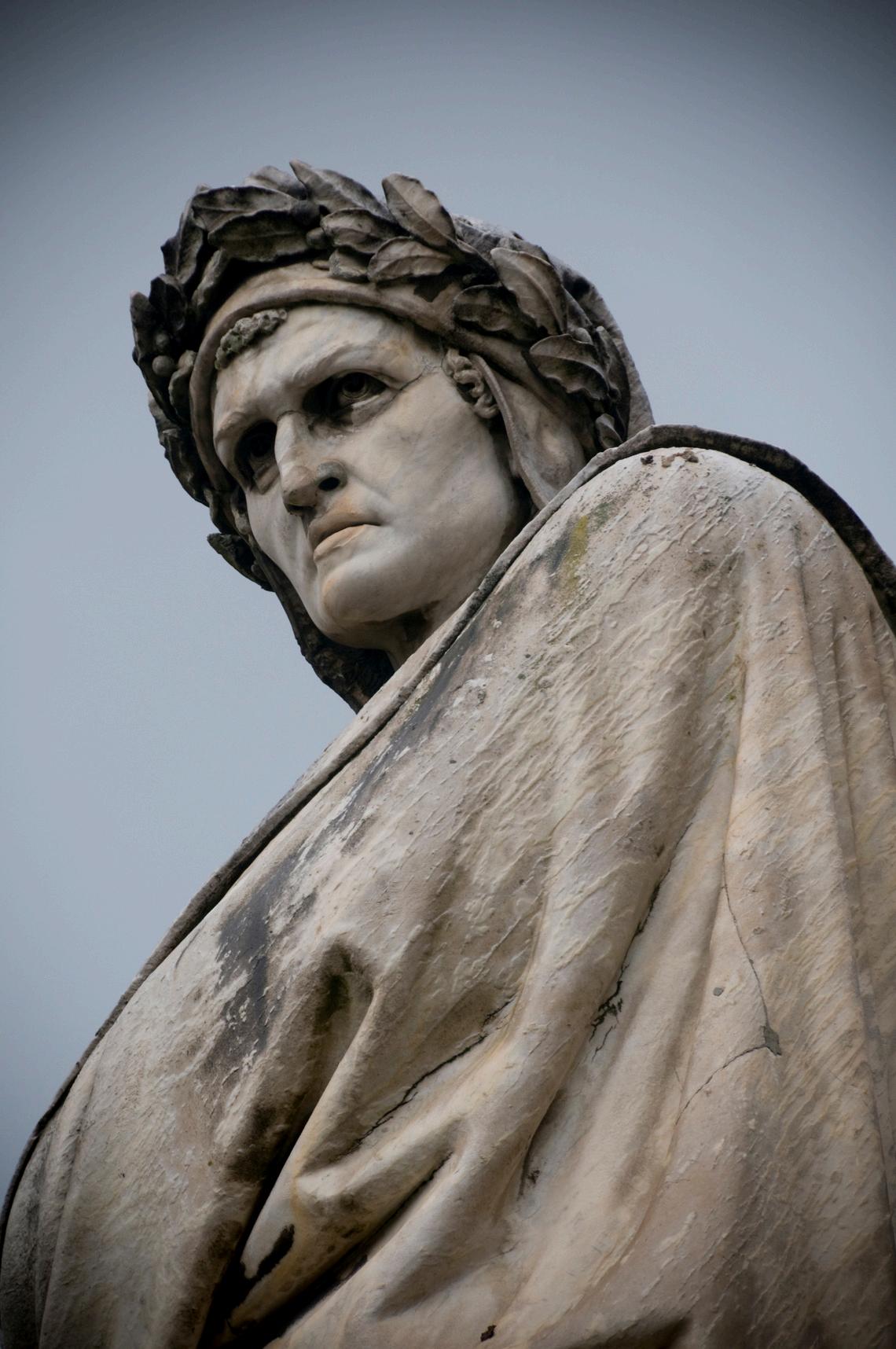
Photos)
One of Matteo’s favorite subjects is math, but he doesn’t treat that as separate from writing he uses it as training He sees both disciplines as creative while governed by rules as both require structure, and can fall apart if the steps don’t follow logically
Matteo, following in both of these Memoria teachers’ footsteps, believes young writers should learn from ancient models especially the structured patterns of Aphthonius and keep track of their mistakes so they don’t repeat them His approach reveals a combination of humility and rigor: direct and purposeful, aimed at more than just explaining the text
“BY READING THE PURGATORIO, I REALIZED THAT LIGHT NOT ONLY SHOWS YOU THE PATH TO TAKE BUT ALSO GIVES YOU THE DESIRE TO WALK UPON IT.”
In his view, strong transitions and clinchers function like the arrows between equations in a solution: they show exactly how one line leads to the next That mindset helps explain why Matteo’s paragraphs connect so tightly

For Matteo, the final question he faces in his work isn’t only literary it’s personal, and it connects to how he thinks about learning in general He’s drawn to math because of its objectivity, calling it a “pristine wellspring” in a world of shifting opinions, but he doesn’t treat that love of certainty as an excuse to avoid the humanities; instead, he brings the same demand for clarity into reading and writing He describes growth as gradual: just as Dante must slowly become accustomed to light, a student grows into truth over time through steady habits preparing well, taking notes, collecting
quotations, and using tools like mnemonics to retain what matters. And when he advises younger writers, he doesn’t point them toward shortcuts; he points them toward formation learning from ancient models, tracking recurring mistakes, and building arguments that actually hold In such a sense, this essay’s closing challenge reflects the writer behind it: a young individual convinced that real change intellectual and spiritual happens when you face what’s before you, identify it accurately, and then do the disciplined work of uprooting it
This exploration of Dante’s imagery and arguments evolved into one of the most impactful essays a classical student could ever encounter Mrs Johnson, after receiving Matteo’s profound analysis, expressed her great admiration for Matteo’s presentation, calling it “one of the best in over a decade” She praised his analytical prowess along with the overall “tone and style” of the piece
Encouraged, Matteo transformed his presentation into a paper for publication This routine assignment led to the creation of a meticulously composed essay titled “The Second Sun: How Temptation’s Face Blooms” Matteo’s essay entices readers to revisit Dante’s work with heightened attention and profound comprehension, transforming our perception of it altogether
Matteo Nero
Is temptation something to be avoided or is it something that must be ripped from your soul? Dante’s Purgatorio shows us that sin is a weed that seeks to kill the soul In Canto 19, Dante’s dream of Sirena shows that temptation can appear beautiful and enticing, yet putrid on the inside We will explore how temptation seduces the soul and how Human Reason and divine guidance can conquer it
Dante’s dream occurs in twilight before the dawn, a time requiring spiritual vigilance In the night, temptation attacks the soul’s weaknesses The heat of the day, symbolizing the soul’s love for God, is overcome by the cold of the moon, and secret sins like pornography become strongest It is in this vulnerable hour, before the darkness is drowned in the light of truth, that the “stuttering crone” comes to Dante in his dream (Dante Purg 19 7)
The Siren’s defects represent spiritual failure Squinted eyes strain spiritual vision and blind the soul to sight of God Clubfeet symbolize inability to walk along the straight path Stuttering shows how virtuous communication with God is interrupted by evil thoughts Deformed hands represent spiritual paralysis the inability to perform good deeds Her “whitewashed stone” face recalls the Pharisees: beautiful on the outside; full of dead bones inside (Dante Purg. 19.9).
Dante’s gaze gives Satan a foothold, and sin controls his vision His look breathes life into her limbs; her deformities straighten, and her face blooms with false love A false “new sun” has appeared; it symbolizes a new, perverted source of light that makes cold desires alive and warm, imbuing limbs with sinful strength (Dante Purg 19 9) Just as Earth cannot survive having a second sun in its solar system, so Dante must conquer this new sun before it destroys his soul Looking at sin lets it tempt you with its tongue, just as Eve was tempted by the Serpent
Sirena’s song offers Dante sweet enticements that make resistance painful Her soliciting takes advantage of the soul’s base desires and compounds its spiritual debt, much like a usurer Like a panderer, she promises to give you a reward in exchange for spiritual surrender While her voice is as sweet as honey, a soul with rightly ordered loves recognizes that God’s Word is sweeter than honey The sailors who listen to the Siren are drawn far out to sea, away from wisdom and the Word of God, until their spiritual vision dies Few who taste her honey turn back; they only gorge themselves with poison
The intervention begins when a saintly lady appears, “poised and eager” to expose the Siren’s pride (Dante Purg 19 26) She hates the sin and urges Virgil Human Reason to act Virgil’s eyes do “not once leave that soul of bliss” (Dante Purg 19 30), showing that Human Reason must remain focused on God’s grace while subduing temptation “With one rip” (Dante Purg 19 31) Virgil lays bare all of her front, loins, and foul belly, showing that temptation must be obliterated once and for all; if it is not, it springs back up like a Canadian thistle and chokes the seeds of virtue Complete exposure of sin is necessary, or else, some part of it may lurk behind the shadows, waiting to attack your soul Her naked loins reveal sin's true hideousness; giving into sin is as repulsive as fornicating with a hag Her “foul belly” symbolizes abandonment to physical appetite (Dante Purg 19 32) Finally, Dante wakes up “sick with the stench that rose from there” (Dante Purg 19 33), recognizing that spiritual poison nauseates the soul Ultimately, it took “great pain” for Dante to wake up and continue along the straight path (Dante Purg 19 17)
Since temptation is always competing with the Word of God for our ears, we must actively resist temptation by tuning in to Human Reason and divine guidance This lets us order our loves and sail virtuously, orienting our ships towards God. We should not passively try to avoid temptation by filling our ears with beeswax like Ulysses’ men; instead, we should fill our ears with God’s voice, which overcomes all false voices
Temptation is always present, a thorn fed by our gaze By relying on Human Reason and divine guidance, we can uproot it and plant seeds of virtue in the gardens of our souls Dante’s vision teaches us to forsake worldliness and its deceitfulness and turn to the true and loving King Dante’s vision leaves us with an unavoidable question: What weeds does Human Reason need to tear out of your soul?
By Gabby Benavidez
While many of us treat our classical language studies as a hurdle to be jumped over, for Kayla Bee, it’s a lifestyle, one that spans nearly a decade of dedication Kayla is a veteran of the classical world, having studied Latin since the second grade and Greek since the seventh To save you the math, that’s nine years of Latin and five of Greek But for her, it’s more than just checking off boxes

“I like Greek because it sounds beautiful,” Kayla says “I like being able to read the author's work in the original language because I know what they mean” Interestingly, she credits these ancient languages for her mastery of modern ones, noting that she learned grammar better through Latin than any English curriculum. “It’s hard, it’s challenging, but it also teaches me so much about English grammar”
This disciplined approach to academics likely stems from her life outside the classroom Growing up on a farm, Kayla has learned that responsibility isn’t just a vocabulary word; it’s a daily practice “Living on a farm, taking care of all the animals, it’s taught me a responsibility of how to do things even when it’s not the most fun,” she explains Whether it’s a clear spring day or a total blizzard, the animals still need to be fed Kayla translates this farm-first work ethic directly into her studies: “Even if I don’t really feel like doing school right now, I have to because it’s my job”
"EVEN IF IT'S BLIZZARDING, YOU STILL NEED TO FEED THE ANIMALS AND EVEN IF I DON'T FEEL LIKE DOING SCHOOL RIGHT NOW, I HAVE TO BECAUSE IT'S MY JOB, IT'S MY RESPONSIBILITY "
Her inspiration for this career path started right here at Memoria Academy After taking an eighth-grade Latin class, her perspective shifted entirely “Before that, Latin wasn’t my favorite,” she admits, “but Mrs Simonds’ love of Latin and her excitement kind of rubed off on me That was when I knew I wanted to teach it someday.”

Looking ahead, Kayla’s goals are centered on passing down the knowledge she’s worked so hard to gain She is currently weighing her options between teaching elementary school where she could indulge in her love for literature and “teach a little of everything,” or high school, where she could dive into in-depth conversations about the subjects she loves
Recipe by Imogen Coppin
Description by Theo Emmert
This delicious recipe will have your mouth watering long before it is ready Thick with gnocchi and sausage, it will make your mouth pop For a spicy twist you can add red pepper flakes or chipotle powder to enhance the flavor The Gnocchi Zuppa Toscana will make you want to eat it until you explode with flavor!
1 lb Brown Sausage
1 Diced White Onion
1 Tbsp Minced Garlic
4 C Chicken Broth
2 C Water (bottled)
1 lb Potato Gnocchi
2 C Chopped Kale
1 C Heavy Cream
Salt Pepper Red Pepper Parmesan
Utensils:
Dutch Oven (or large pot)
Mezzaluna blade (optional for chopping kale)
1 In a large pot or Dutch oven, cook 1 lb of Italian sausage over medium-high heat, breaking it up until browned Season with salt and pepper before serving
2 Add 1 diced white onion to the pot Sauté for 3-5 minutes until softened Add 1 tbsp minced garlic and cook for 1 more minute
3 Add 4 cups of chicken broth (and 2 cups water if desired for more volume) to the pot Bring to a boil
4 Add 1 lb of potato gnocchi Boil for 3–5 minutes, or until the gnocchi floats to the top stirring occasionally
5 Reduce heat to low Stir in 2 cups chopped kale and 1 cup heavy cream (or half-and-half) Simmer for 1-2 minutes until the kale is wilted
6 Season with salt, pepper, and red pepper flakes to taste Serve with grated Parmesan cheese Serving size six
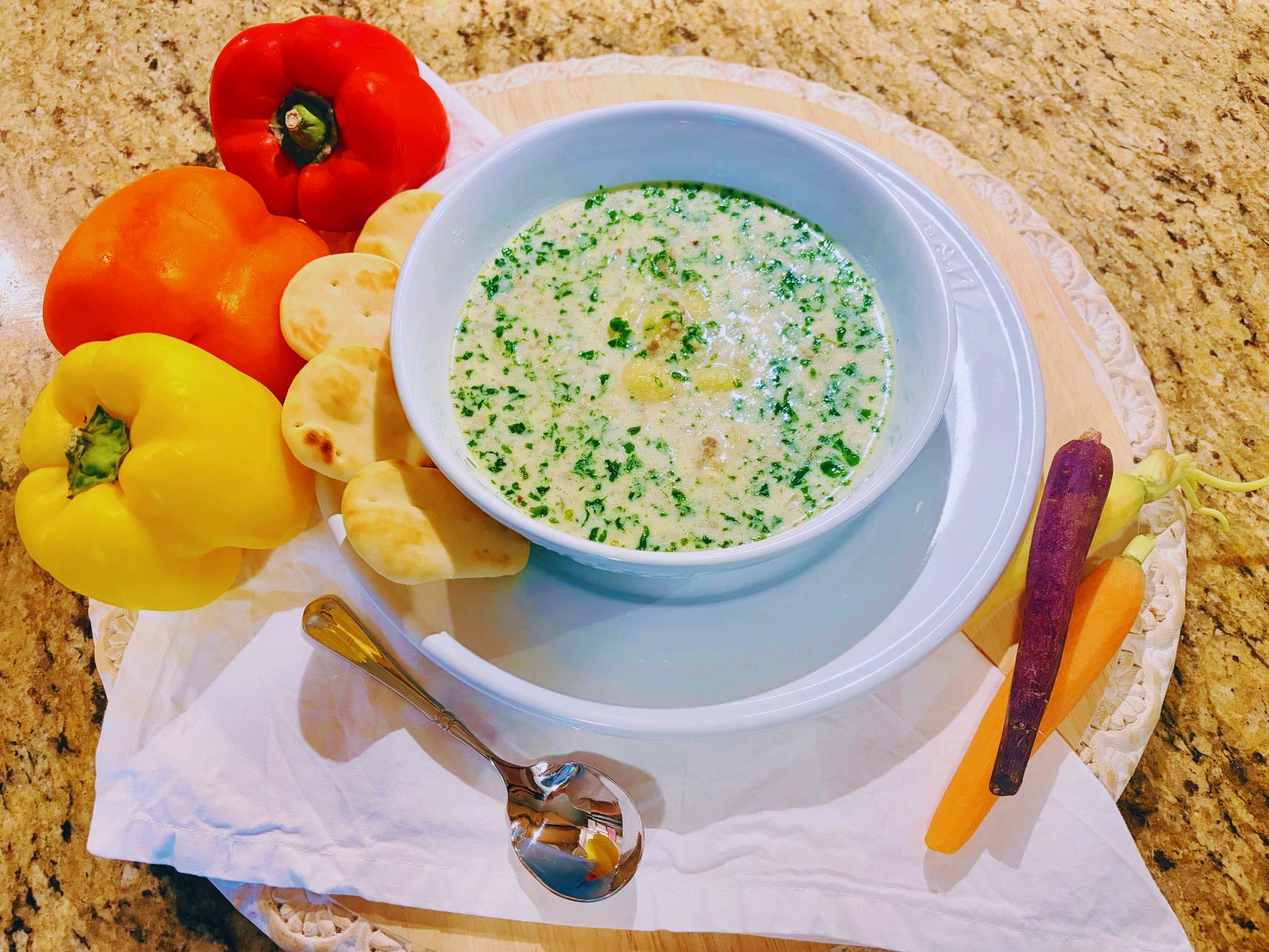
Recipe by Isabella Ellers
Description by Yousif Obaieda

Have you ever wanted a scrumptious chocolate treat, but you’re sick of cookies? No need to fret! French Crepes are a semi-sweet thin pastry that can be filled with practically anything! Depending on the filling, crepes can be sweet, savory, and everything between! Pair crepes up with almost anything, and you will always enjoy this magical treat!
1 In a large bowl, whisk together the eggs and milk until fully combined
2 Add in the flour and salt, and whisk until the batter is smooth and free of any lumps
3 Whisk in the oil, making sure to scrape down the sides so everything gets thoroughly mixed
4 Chill the batter in the refrigerator for 10 - 15 minutes
5 Heat a large nonstick frying pan on medium heat and lightly grease it with butter or oil
6 Pour a thin layer, or about a ¼ cup, of your chilled batter into the pan, swirling the pan to evenly coat the surface and ensure an even bake
7 Cook for about 1 minute, then flip with a silicone spatula and cook for an additional 30 seconds
8 Serve warm with sugar, chocolate spread, or other desired topping and enjoy! Makes eight crepes
By Joseph Anthony Fulton
Nowadays, it is often difficult to stand firm in our Christian Faith Christianity can seem embarrassing, childish, or oldfashioned Our present culture shuns religion and tradition and tries to eliminate both in all ways possible
However, we must remember the words of St Paul: "So then, brothers, stand firm and hold to the traditions that you were taught by us, either by our spoken word or by our letter" (2 Thessalonians 2:15) St Paul himself was tortured and abused for his Faith, yet he stood firm This shows us that we too must stand firm, even in ridicule or embarrassment
The early Christians upheld their Apostolic Faith admirably; as St Luke writes in Acts 2:42, "they devoted themselves to the apostles’ teaching and the fellowship, to the breaking of bread and the prayers " We see this fiery devotion and zeal in many of the early Church martyrs
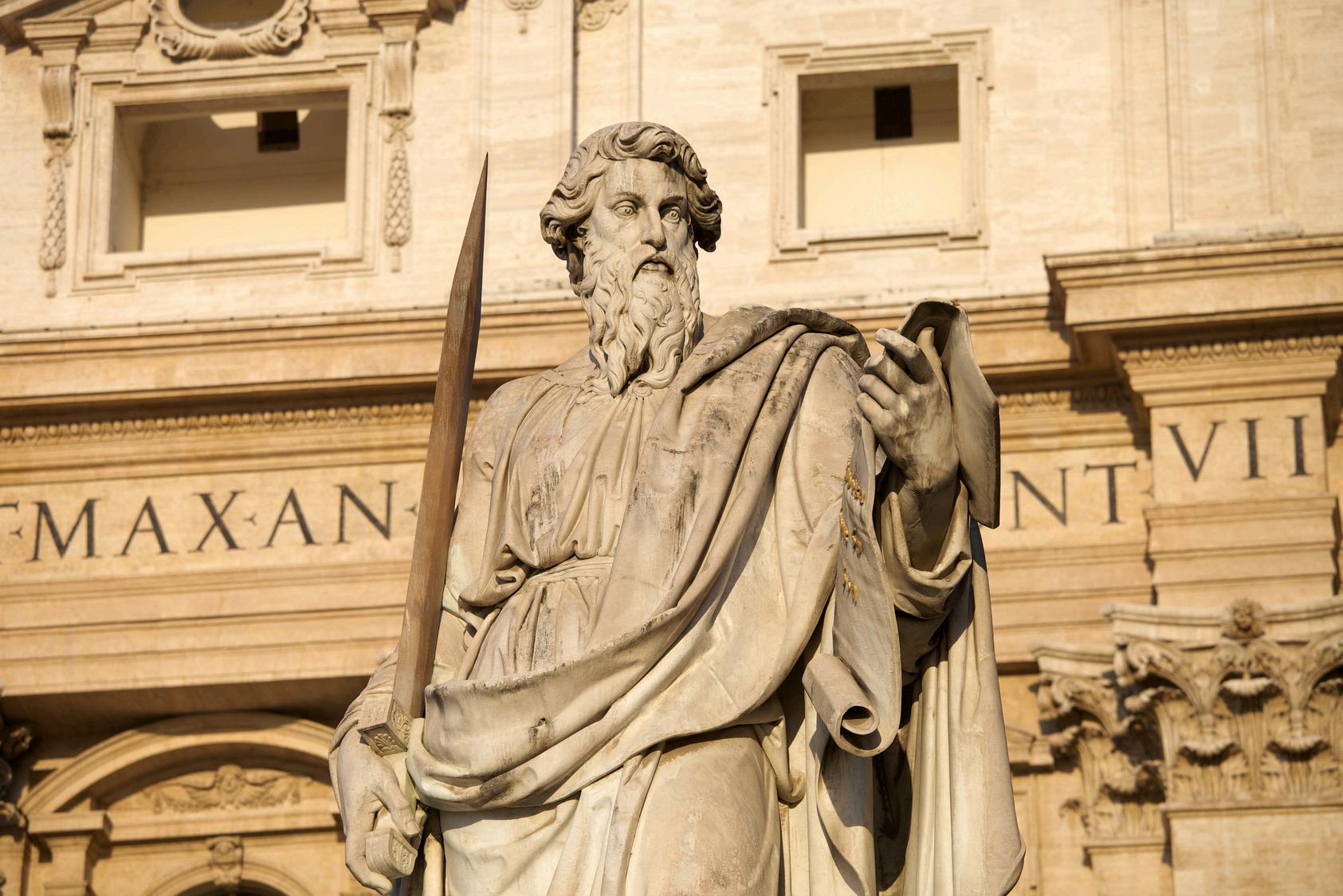
MEMORIA ACADEMY SEEKS TO EMPOWER THE YOUNGER GENERATION TO UPHOLD ITS FAITH THROUGH A CHRISTIAN, CLASSICAL CURRICULUM AND TEACHERS WHO INSTILL A DEEP LOVE OF TRADITION
It is necessary that we should at least try to imitate this zeal for the Faith of our Fathers, and fight against the devil in our own
lives, for our “adversary the devil prowls around like a roaring lion Resist him, firm in your faith ” (1 Peter 5:8-9)
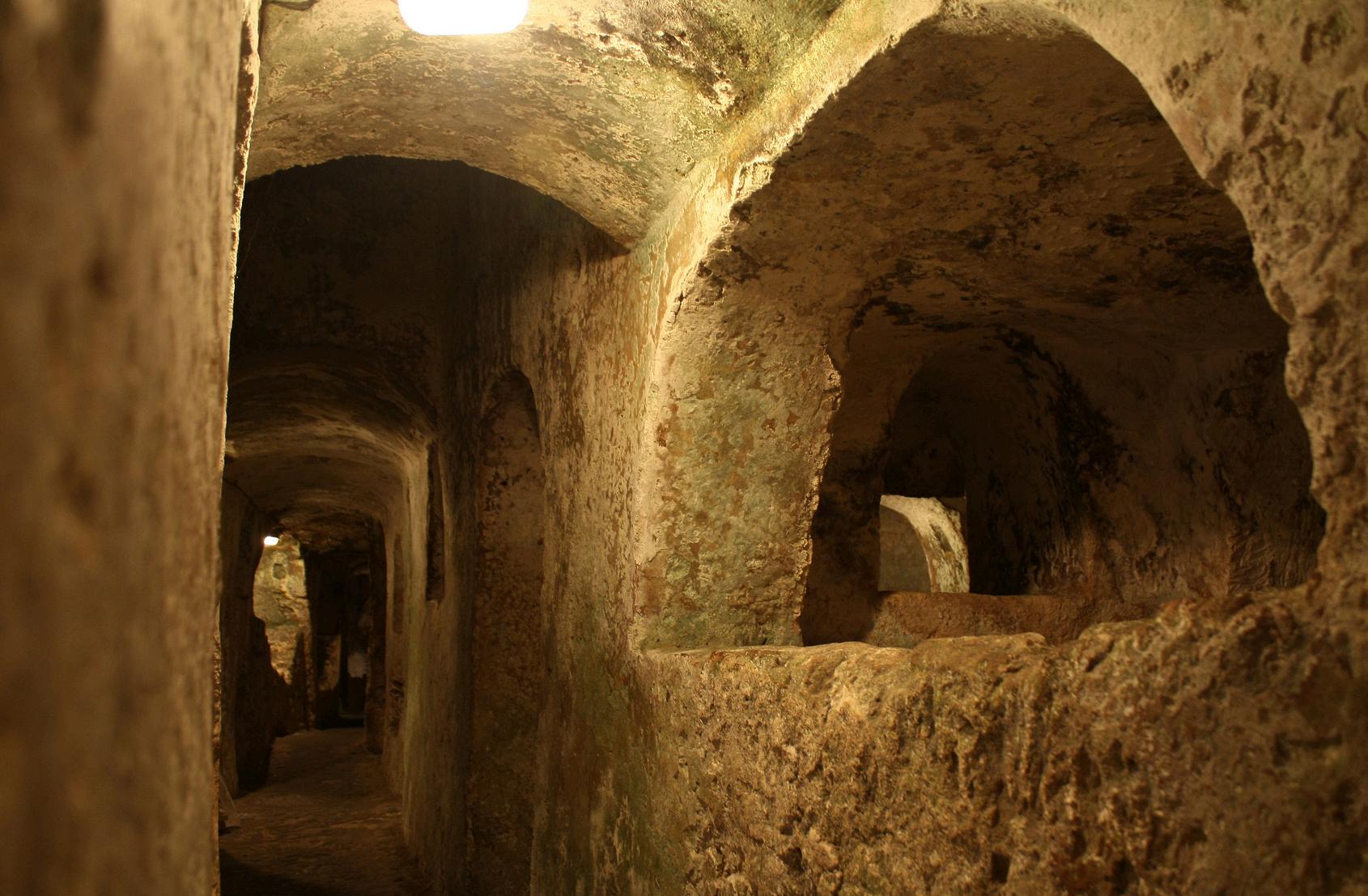
One beautiful example of this zeal is St Tarcius, a mere boy who bravely volunteered to carry a Consecrated Host to some prisoners He was cruelly mocked and martyred by his pagan friends on the way Even when dying, Tarcius clenched to the little pyx containing the Host, and did not let his tormentors snatch and defile the Body of Christ
In the ancient world, power was a visible commodity You could tell who was important by the cleanliness of their hands and their distance from the squalor of the city It was a simple, societal pyramid: the few at the top were served by the many at the bottom Then came Jesus with a statement that shook His disciples: “But it shall not be so among you” (Mark 10:43)
Jesus was not just offering a tip on being kind; He was sparking a revolutionary idea He took the pyramid of human value--where we rank people by their followers, wealth, or background--and flipped it He redefined glory, replacing the golden throne with a basin and towel This was never more evident than on the night before His death While His disciples were arguing about which of them were the greatest, Jesus got up from the table, grabbed a towel and basin, and began washing their feet In that culture, foot-washing was a menial task reserved for the lowliest servants
By doing this, the King of the Universe showed that human value is not based on how many people you control, but how many you serve and protect and empower
“FOR
EVERYONE WHO EXALTS HIMSELF WILL BE HUMBLED, AND HE WHO HUMBLES HIMSELF WILL BE EXALTED” (LUKE 14:11)
"THE BLOOD OF THE MARTYRS IS THE SEED OF THE CHURCH " – TERTULLIAN
We were created to be His soldiers, but it is not enough just to wear his armor – we must overcome suffering and tribulation and conquer the devil in our own lives, thereby fighting against evil We cannot call ourselves Christians if we do not follow the principles of Christianity, for Christianity is not a faith of slumber, but a faith of bitter fighting and an ultimate reward or punishment. We must “...be faithful unto death, and [ ] [God] will give you the crown of life" (Revelation 2:10)
“TRADITION IS THE EXTENSION OF DEMOCRACY THROUGH TIME ” – G K CHESTERTON
"NO ONE CAN RULE WELL UNLESS HE HAS FIRST LEARNED TO OBEY.” – ST. GREGORY THE GREAT

"DO NOT BE DESIROUS OF APPEARING GREAT; SEEK GREATNESS BY SERVING " – ST. POLYCARP OF SMYRNA
Our culture still loves the
We are taught to climb and hustle, sometimes stepping on others to get a better view, convinced that the ultimate prize is an elite status that separates us from the struggle below But Jesus taught that true greatness moves top to bottom
There is a fundamental difference between being a doormat and being a foundation While a doormat is passive and driven by fear, a foundation is active-- choosing the bottom to support the growth of everything above it Our teachers are the living foundations of our classrooms They use their words to build us up and their actions to hold us up We often forget that our teachers are the ultimate examples of this leadership
They pour their knowledge into us, using their words to advocate for our success even when we doubt it ourselves To our teachers: thank you for picking up the towel in true humility every day and giving up the stepping stones for our futures
When we serve with humility, we stop asking, “Who is working for me?” and start asking, “Who can I work for?” The world remembers the ones who are placed on a pedestal, but it is changed by the people who, like Jesus, pick up the towel of a servant
At the heart of this flipped leadership is humility A common mistake is thinking humility means pretending you are not talented In reality, true humility is not about thinking less of yourself; it is about thinking of yourself less In our own lives, it is easy to get caught up in the ego game of who is the smartest, the fastest, or the most popular Humility is the quiet confidence that allows you to step back so someone else can climb a little higher

Article written by: Margaret Reeves
Book written by: Budge Wilson
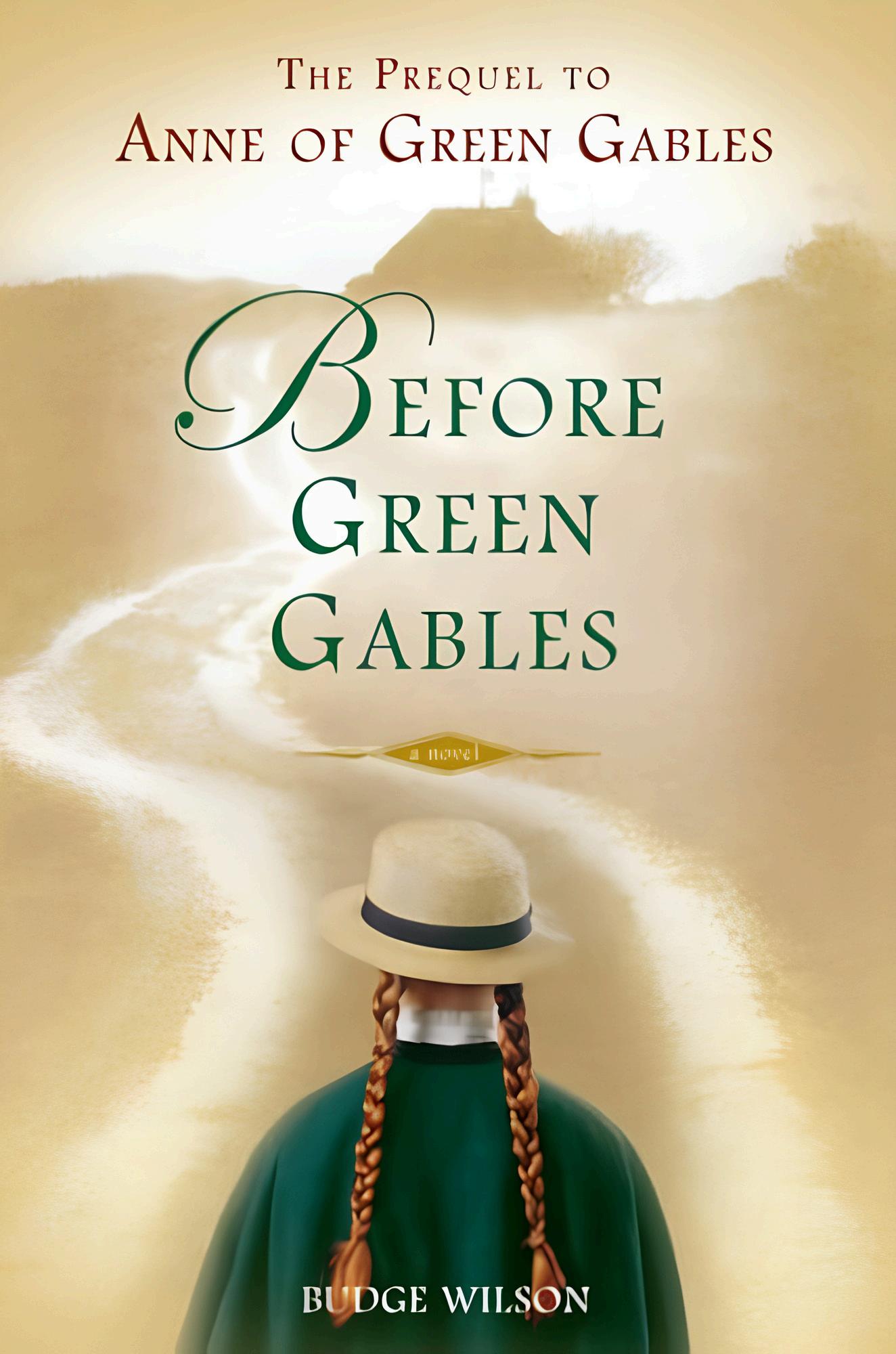
Have you ever wondered what happened to Anne Shirley before she arrived at Green Gables in Avonlea? We know that Anne, as an orphan, lived in many different homes, but she only ever shared hints of what she experienced What was her early childhood really like, and how did she become the enchanting individual readers around the globe came to know and love?
Before Green Gables is an authorized prequel to L M Montgomery’s famous tale, Anne of Green Gables, written in honor of the original story’s 100 year anniversary Its tone is tender, nostalgic, and illuminating as it explores Anne’s earliest years, offering new emotional depth to a character already beloved by generations Before Green Gables is not only the perfect read for the long-time acquaintances of Anne who are curious about her past, but it is also a wonderful introduction for those who are first meeting her Heavy themes make it a bit more mature than the first book, perhaps more suitable for readers 10 and up
The story tells of Anne’s first eleven years of life–years filled with loneliness, instability, and fleeting kindness Readers follow Anne across a series of homes and communities throughout northern Canada, each one presenting a unique set of challenges For example, in one household, she becomes the primary caretaker, responsible for cooking, cleaning, and tending to babies long before she was ready for such mature responsibilities. In another, she is expected to manage three sets of twins for a ditzy, overwhelmed mother Yet even in these
Article written by: Charlotte Leys
Book written by: Jules Verne
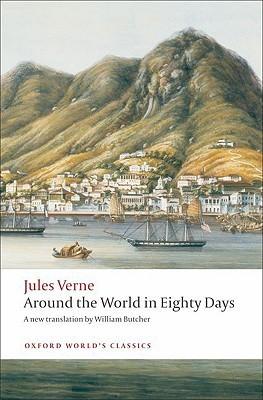
In the modern era, this title may seem foolish as advanced technology allows one to travel around the world in a single day However, in the Victorian era, in which this tale is set, the idea of such extensive travel in so little time was absurd even preposterous
And so at the start of this book when a newspaper declares it possible to travel around the world in just eighty days, the gentlemen of the Reform Club in London declare the article nonsense That is, all except for the enigmatic, mechanically precise Phileas Fogg who wagers half his large
fortune, £20,000, that he could do it he could travel around the world in just eighty days Together with his French servant, Passepartout, Phileas Fogg begins his wild race around the world
The schedule is rigid, allowing for no errors or misfortunes
The slightest delay would prove ruinous At every ill turn, Phileas Fogg remains composed or, as some would say, passive and apathetic Yet during this story, the travelers attempt a death-defying rescue of a widowed Indian princess Fogg shows true English respect and deference to this woman, Mrs. Aouda, as they travel, showing he is not the cold-hearted “machine” he is thought to be Violence and danger make this most suitable for readers 13+

bleak, unfair circumstances, Anne's trademark inner light begins to shine: she names the surrounding trees, invents stories and imaginary friends to comfort herself, and finds beauty in even the smallest glimmers of kindness
The true genius of this novel lies in how Wilson is able to prefix Anne’s original story in a way that allows the reader to experience her early life with both immediacy and a reflective understanding of what lies ahead She perfectly captures Montgomery’s spirit without attempting to imitate it Wilson’s vivid word choice and eloquent writing style beautifully depict a childhood shaped by both hardship and wonder, making Anne’s small breakthroughs feel both fragile and triumphant
Every character and challenge in this enchanting novel plays a crucial role in shaping the Anne who eventually arrives at Green Gables Many moments subtly foreshadow the joys and adventures awaiting her in the original novels, such as the aching hope she carries for a loving home of her own
Before Green Gables is a heartfelt companion to Montgomery’s classic, deepening our understanding of Anne’s resilience and reminding us that even in the darkest seasons, imagination can be a saving grace
“SHE WAS CERTAIN THAT ANNE WAS GOING TO BE ABLE TO STAND UP TO WHATEVER LIFE THREW AT HER. SHE WAS CERTAIN THAT THIS LITTLE PERSON, THIS FUNNY-LOOKING LITTLE CHILD, WAS GOING TO PREVAIL.” – BEFORE GREEN GABLES, CHAPTER 2
But every adventure, as one can imagine, has its complications
As a young detective enters the scene, he’s convinced that Phileas Fogg is actaully an elusive thief on his audacious escape route Detective Fix will stop at no end to thwart Fogg and bring him to justice
Time and time again, the travelers lose ground against the deadline, and all seems to be on the brink of disaster, culminating in one of the greatest plot twists in all of literature
Around the World in Eighty Days is a classic adventure tale, but it brings much more to the table than mere entertainment It is a commentary on honor, love, and self-sacrifice amidst Verne’s backdrop of a ticking timer
Although Phileas’s story is unfortunately fictional, over at the Global Travel section there are two girls living novel-worthy world travel tales in real life! Hear about Alexandra Bartholomew’s life changing mission work in Togo and Clare Stack’s recent scholastic travels to the beautiful city of Rome! Go to Page 10 to hear their stories! Want to hear more about people traveling the world?
Phileas Fogg could quit at any point on the journey and suffer the loss to avoid an exacerbation of his self-imposed financial crisis, but he strives to maintain his English dignity in all trials and even when it may cost him everything to return home He lovingly and sacrificially gives of his time and money to aid those who need him, despite the peril it poses to himself and his schedule A clever plot with no moral value might be called a good story, but a clever plot with deep and meaningful themes such as those seen in Around the World in Eighty Days ought to be called a truly excellent book
By Joseph Anthony Fulton and Josh Kim
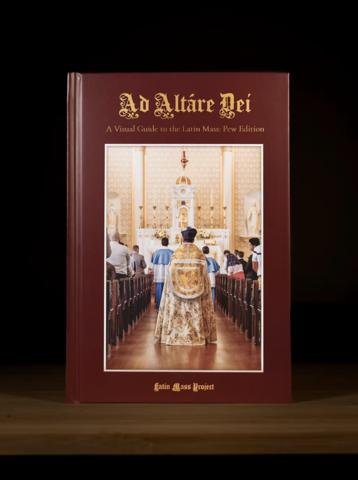
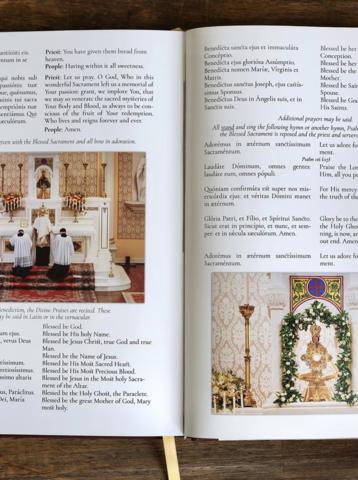
Deeply rooted in Tradition, Trini Crocker is the foundress of the Latin Mass Project The Project has currently published one Latin Mass Missal (a book containing directions and responses for the congregation at a Catholic Mass) with another forthcoming Her passion for Tradition and beauty is truly inspiring
Previously a student here at Memoria, Trini Crocker now serves at the Latin Mass Project, which she founded in order to "present Catholic Tradition in a way that is beautiful, approachable, and as free of personal opinion as possible " One of the things Trini loves about the Latin Mass is its consistency and stability She holds the traditional Latin Mass in high regards because of how “there is no slew of options or room for personal opinions to change the order of things” She shares her love of the uniformity of Traditional Catholic rites by reflecting on the fact that no matter where you are on earth, “The Mass is the Mass is the Mass”
By Michael Wright and Malia Scheiderer
“BEAUTY DRAWS PEOPLE IN, AND THEY ARE FORMED AND INSTRUCTED THROUGH THE SYMBOLISM FOUND IN EVERY ELEMENT OF THE MASS ”
Concerning Latin, Trini states, "Latin, seen by many as a 'dead' language, doesn't change; after all, dead things remain as they are It doesn't belong to a nation, empire, or period of time, but to the Universal Church as she passes from age to age " Latin is a firm ground to stand on for her amongst the present tumultuous times Latin is unchanging, and, while the languages of today bend with the trends, Latin stands tall and proud
Trini recalls the impact that Classical Education has had on her life and mission. Logic class taught her how to reason, and it has proved invaluable in her work at the Latin Mass Project As advice to current students, Trini states: "Don't expect to appreciate everything you've learned right away, and don't expect all of it to be applicable right away " For instance, Trini did not enjoy the Great Books program as a child, but now realizes how much it has affected her world view
Trini also realizes that many of the younger generation, even non-Catholics, flock to the traditional, timeless Latin Mass to find stability in a broken world She says, "many young people find solace in the Latin Mass because they are so 'in the trenches' of society, where everything is so often the anthesis of everything God is” This is the evidence that the youth of
RJack Buss, a junior at Furman University in Greenville, South Carolina, finds himself experiencing his most defining year yet: studying Politics and Economics in Rome, the capital of the ancient world
Jack’s motivation to pursue politics is primarily rooted in interests that have been fostered since birth and a growing sense of responsibility Academically, he is studying Politics and Economics with a minor in Ancient Greek and Roman Studies This combination clearly reflects his love of classics since his Memoria Press years and his desire to understand how societies work in practice Jack describes politics as a "stepping stone" toward law school, but also as training that will shape him into a
"CURIOSITY AND HUMILITY ARE KEY TO UNDERSTANDING AND RESPECTING OTHER CULTURES "
our civilization are attempting to turn their back on modern faithlessness and to return to the Classical Tradition of our forefathers
Trini Crocker and the Latin Mass Project are great examples of how Tradition and Faith can make an impact even in our modern, secularized age
She works hard to make true, age-old Tradition accessible to one and all – for, as she beautifully puts it, “the Good, True, and Beautiful should be promoted because they are essential to the formation and edification of the Christian soul” Trini continues sharing the timeless beauty of Tradition and Faith through the Latin Mass Project


“ONE OF THE FOUNDATIONAL ELEMENTS OF CLASSICAL EDUCATION IS TO TEACH HOW TO THINK, NOT WHAT TO THINK.”
better citizen Economics, he explains, adds another lens, putting "numbers in perspective" and helping him evaluate public policy not only by its intentions, but by whether it will truly benefit people
Jack has always found politics and world issues fascinating, crediting much of that early interest to his family, especially his mother's work as a lawyer and the current-events conversations that often unfolded around the dinner table But this interest became much more defined during the COVID-19 pandemic While under lockdown, he was given time to reflect and pay closer attention to what was going on in the world He explains this season in his life by saying it “made me [Jack] really think about why everything that's happening matters, and how I could help make society better "
In Rome, Jack's sense of motivation and purpose is solidified in his daily life Classes such as Politics of the Middle East and Philosophical and Religious Ethics challenge him to understand conflict, morality, and difficult choices These skills come in useful as he interns at a public policy think tank There, he researches assigned topics, helps write articles and papers, and learns how ideas move from theory into real decisions that impact the world Jack also takes a course that turns the city itself into a classroom, spending hours each week walking through Rome's monuments and layers of history, seeing firsthand how the ancient city sits quite literally beneath the modern one
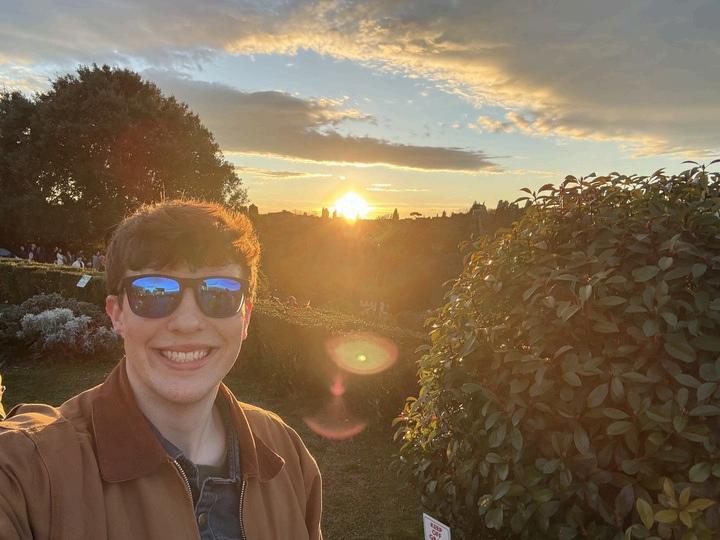
As Jack explores Rome, he has been struck by the political choices people have made to survive He spoke of Rome as a city "built on blood" that required the intervention of emperors to finally stabilize While living in Rome, he has learned an important lesson about good politics: "If you're doing it for yourself, you're doing it for the wrong reason If you're doing it for everybody, there's a much greater chance that you're doing it for the right reason."
These lessons have forever shaped what he believes good leadership should be aiming for One principle he returns to is simple but demanding: "Try to help as many people as you can, and not just the people that you care about "

Jack hopes to carry this selfless truth into his future in law and public policy working not only for the people he naturally cares about, but for those he might not, because he believes that is how good societies are built
"SEEING PHYSICAL HISTORY FROM A LONGER LENS GIVES PERSPECTIVE ON THE CHOICES YOU MAKE "
By Arabella King
Julie Kieffer, a talented young artist, has been with MA since third grade She is inspired and supported by her studies One of Julie’s previous works is a colored pencil bumblebee She takes her inspiration for her creations from her studies at MA This beautiful representation of an often-overlooked creature reveals Julie’s gift for representing even the smallest, seemingly insignificant aspects of nature It also shows how even the most unartistic subjects, such as 7th grade life science, have inspired this young artist in her creations

"A PAINTING IS POETRY THAT IS SEEN RATHER THAN FELT." – LEONARDO DA VINCI
By Imogen Coppin and Michael Wright
At age 13, Zoe Krintea has already made an indelible mark on the artistic milieu Amidst her rigorous schoolwork, formal art training, and her unwavering passion for horse riding, she continues to excel in her artistic endeavors
For the past five years, Zoe has been a dedicated student at Memoria Academy in Romania, where her artistic journey has evolved from childhood doodles into something truly extraordinary While she's been drawing since she could hold a pencil, filling countless notebooks with sketches of everything from fantastical creatures to everyday observations, it wasn't until two years ago that she began formal art classes a decision that has transformed her raw talent into breathtaking skill
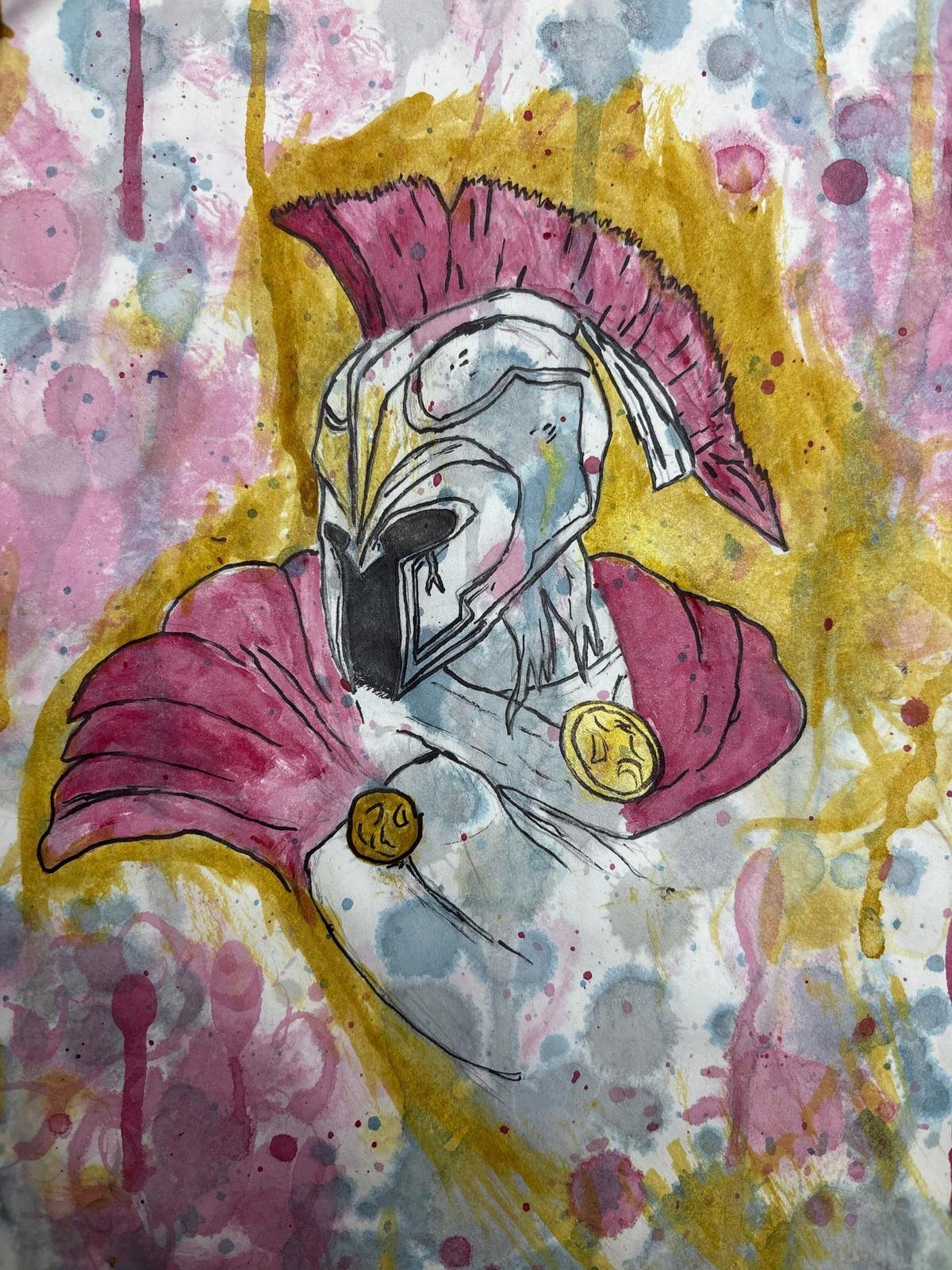
One of her more recent masterpieces is a watercolor soldier The project took Julie about three hours, showing her to be a very patient artist “When I was thinking about what to draw,” Julie explained, “I was mostly going for a soldier in a majestic stance, looking like he was in the glow of the battle, and the climax was starting to fade” Julie also discussed in great detail the process of creating the picture “The painting process was probably what took the longest We did not have any grey water color, and I felt like the black would be too much I wanted a background with a bluish hue, so I had to mix some acrylic paints with water When I did that, I took a pipette and dripped some everywhere, and then I would drop another drop of water on top, so it would spread out ”
Julie is drawn to realistic art because she feels that a bold outline and a lot of texture makes a picture really stand out She certainly knows how to make art appealing to the eye! “The yellow around the warrior could have turned out better,” she admitted, “but what I was going for was something glowing, something that would pop”
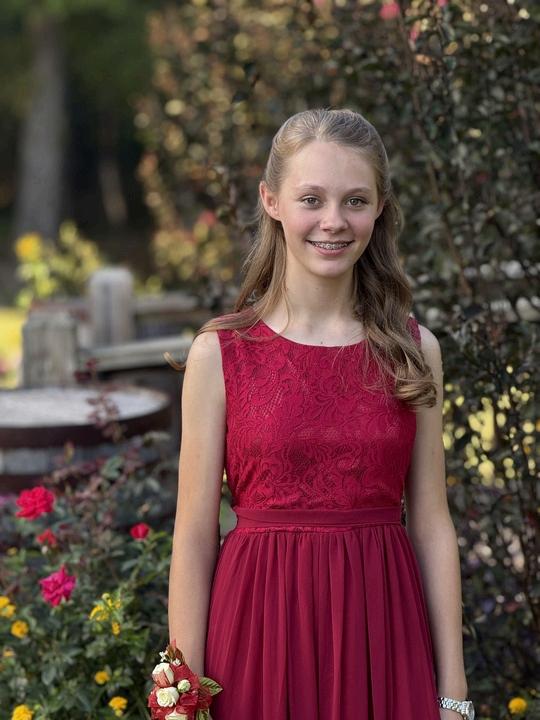
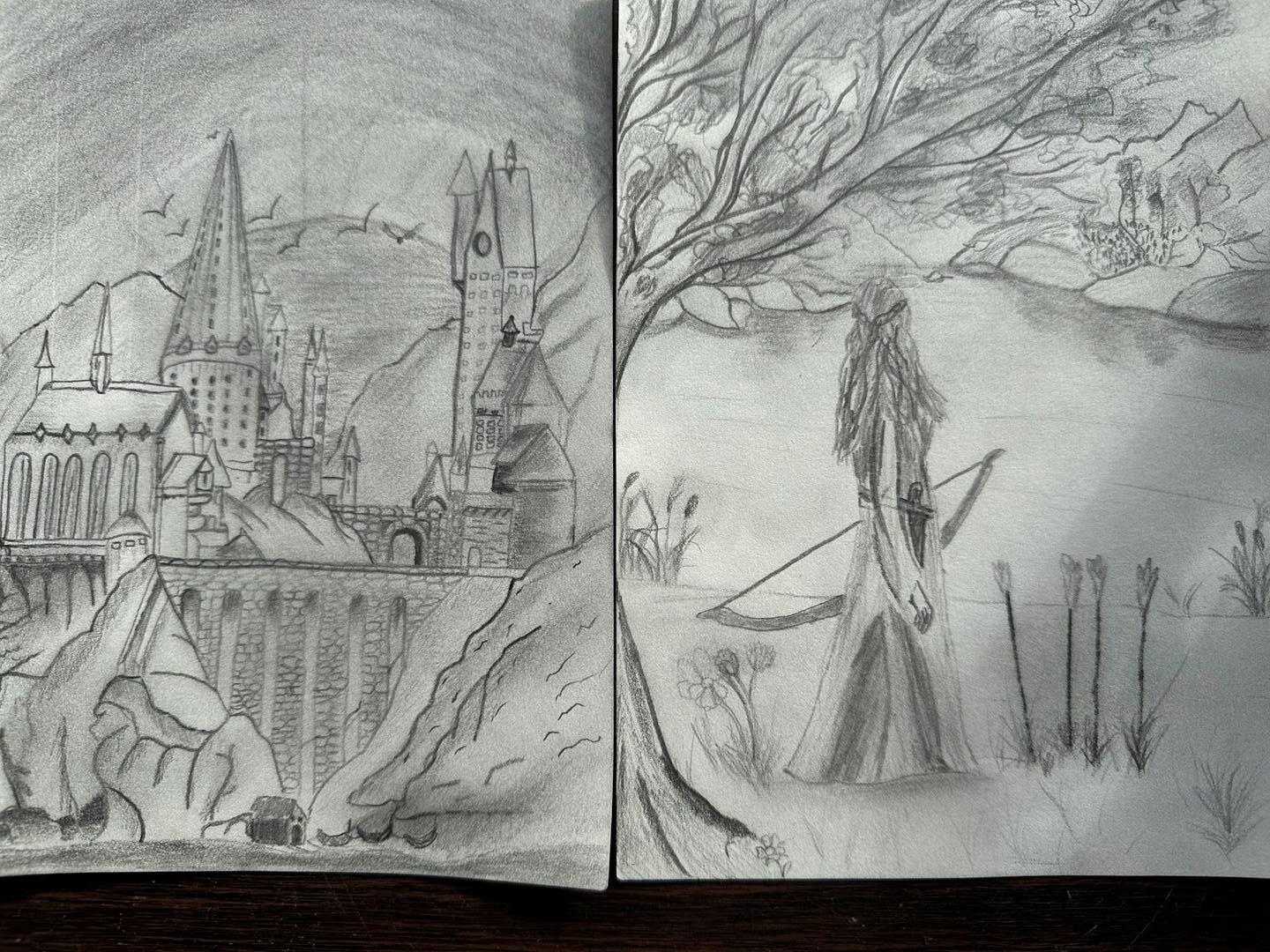
Her philosophy on art is refreshingly wise for someone so young "I would say even though it doesn't seem that it's perfect, I would say go on and wait, wait until you finish, and then judge it," Zoe explains with the confidence of an artist who has learned to trust the creative process This patient approach shines through in every piece she creates, revealing layers of depth and intention that only emerge with time One of her most captivating works features a Narnia-esque archer, bow drawn and gaze fixed on distant mountains, frozen in a moment of quiet determination The sketch is so richly detailed and atmospheric from the intricate folds of the archer's cloak to the misty peaks in the background that viewers can't help but feel transported into the enchanted realm of Narnia itself

Julie’s art has helped her develop into a patient, persevering individual, capable of overcoming great adversity From a young age, she has been laboring to develop her sketching skills She said, “When I was around seven or eight, I began drawing dinosaurs, which evolved into more realistic things, like animals and bugs” In spite of the hours she spends on art, it is not her only hobby She enjoys wood burning beautiful designs into spoons and coasters, and she also keeps around forty chickens
Julie Kieffer is an impressive young woman and wonderful member of MA A splendid example of where hard work and patience can take you

Herootalent-filled craftsmanship has not gone unnoticed beyond the walls of her studio though as Zoe has already sold several pieces to Acton Academy The academyorecognized her unique artistic voice and distinctive style Zoe is actively building a portfolio for future sales and commissions
When inspiration strikes, you'll find Zoe in her favorite creative spaces: nestled somewhere warm and cozy with natural light streaming in, or outside on a blanket under the open sky, letting the world around her fuel her imagination For this young artist, the best canvas starts with the perfect setting and the patience to see it through to the very end
By Imogen Coppin and Michael Wright
At just 15 years old, Alexandra Bartholomew has built deep cross-cultural connections that extend far beyond that of typical travel The ninth-grade Memoria Academy student splits her time between her studies in the United States and missionary work in Togo, Africa, where her family has been serving for the past 5 years

"We started going to Togo maybe five years ago," Alexandra explains "We stayed there for two years, then came back home so I could do school here Now, we go for two months at a time and then come back "
One of the most striking lessons Alexandra has learned is how faith transcends language barriers
By Gabby Benavidez
Her family holds simple home church services using basic hand signs to communicate with locals
"We do home church like in Africa, simple singing without technology
We've continued that in the U S , " she says In Togo, where power outages and water shortages are routine occurrences, Alexandra has witnessed a community that depends deeply on their faith "People there aren't into big things or technology. Life is simple. They focus on cultivating friendships and relationships They also rely more on God," she observed
Alexandra's parents, both doctors, lead medical missions that provide crucial healthcare to communities in need
While her parents handle the more complex medical procedures, Alexandra has found her own calling caring for young children and occasionally assisting with smaller operations The experience has profoundly shaped her worldview "Everyday living is harder there People grow their own food and work in the fields all day It makes me
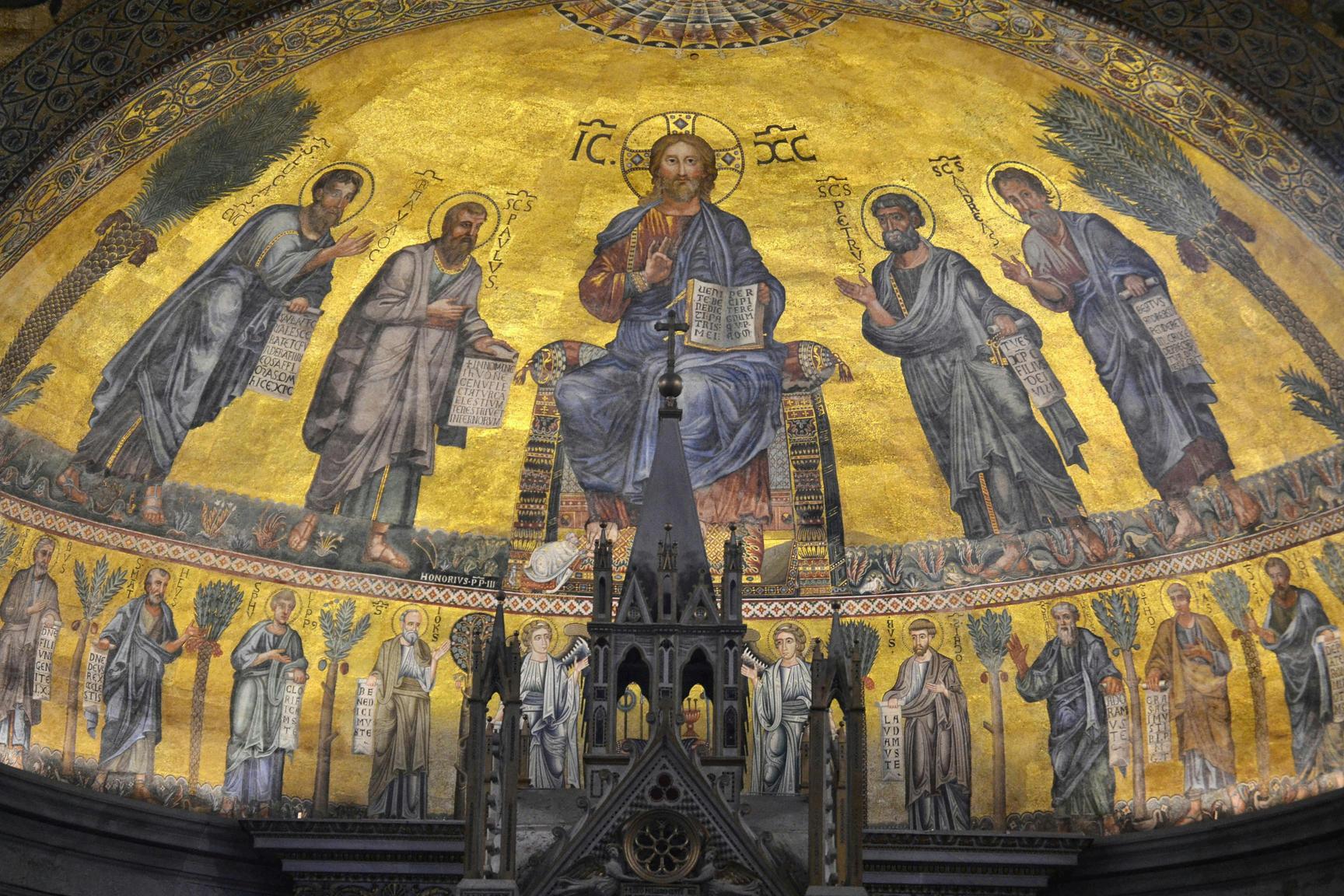
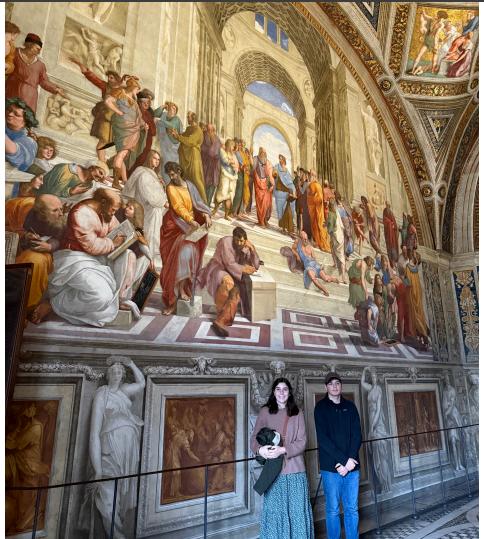
For many of us at Memoria Academy, history is something found in the pages of a textbook or taught from a lectern. But for sixteen-year-old Clare Stack, history stopped being a subject and started being a place Her recent trip to Rome, Italy, opened a door that turned her classical education into a lived-in reality
“The cities here are just so plain and lifeless,” Clare admitted, comparing her upstate surroundings to the vibrant streets of Rome “In Rome, all the buildings are colorful there's stone, and it’s not just glass window after glass window”
appreciate how easy life is here," she reflects In Togo, children grow up without the constant presence of smartphones and social media that dominates teenage life in the United States "Life in Togo is simpler Kids don't have phones or computers It's easier to make friends because there's less judgment and social media pressure," Alexandra notes Instead of pursuing possessions, people in Togo prioritize cultivating meaningful relationships with one another This shift in values left a lasting impression on Alexandra, who has learned to see beyond the material comforts of American life that we so often take for granted
“IN AFRICA, DEATH IS A BIG PART OF LIFE IT'S NOT A SHOCK ANYMORE, BUT IT'S STILL HARD TO TAKE IN ALL YOU CAN DO IS TALK TO THEM ABOUT GOD AND GIVE HOPE.”
When she's not in Togo, Alexandra maintains a full life in the United States She's been playing violin for 10 years and enjoys reading and drawing in her spare time. Her family's commitment to service extends beyond Africa as they also travel to Europe and Asia, broadening Alexandra's global perspective even further "I definitely don't take things for granted now Seeing how people live in Africa makes you want to help them as much as you can," she says
While acknowledging that working in more challenging countries naturally presents greater difficulties, Alexandra remains committed to the mission
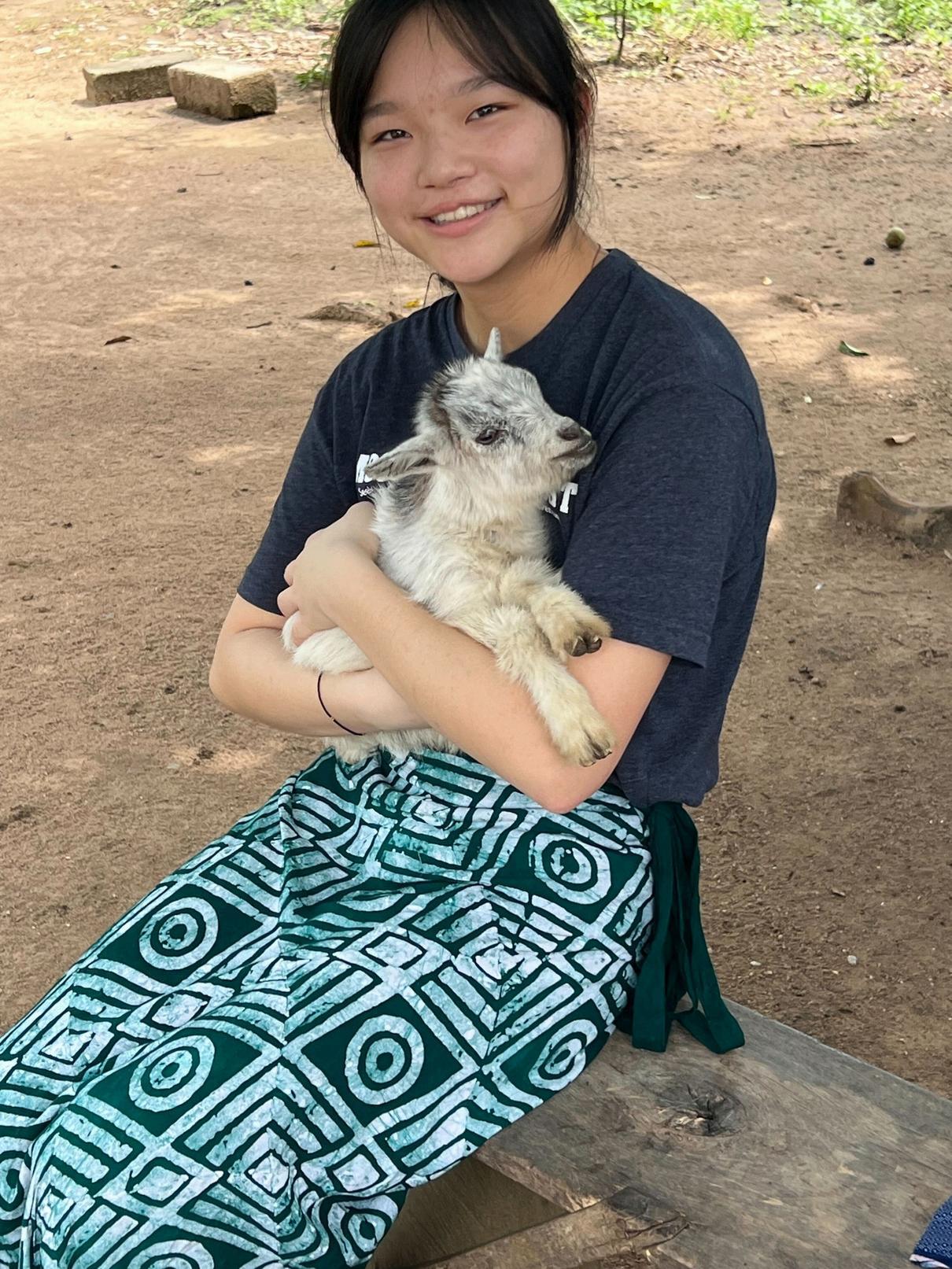

Her unwavering faith has remained steadfast throughout her life At the tender age of 15, she is already on a mission, dedicating herself to providing for those who lack the means to support themselves Her faith has only grown stronger with each passing day, surpassing even the faith of many adults Alexandra Bartholemew serves as an inspiring example to us all As she continues her education at Memoria Academy, she carries with her the invaluable lessons she has learned in Togo: gratitude, faith, and the profound power of human connection that can transcend every barrier
Beyond the history, the trip offered a moment of spiritual reflection At Monte Cassino, the world's largest Benedictine monastery, the silent joy of the monks struck a chord “I have a bad habit of complaining,” she reflected “Seeing how they worked, what I had learned and what I had believed all sort of fit together beautifully”
“HAVING LATIN IT’S LIKE A WHOLE OTHER DOOR IS OPEN AND YOU SUDDENLY SEE WHERE HALF OF ENGLISH COMES FROM ”
But it wasn’t just the architecture that caught her eye; it was the lifestyle Clare observed a culture of connection that feels far removed from the American bubble She recalls the nightly passeggiata, where hundreds of Romans stroll through the streets simply to be together “The Romans and the Italians, they were just more outgoing,” she noted “They were more willing to talk to strangers”
The highlight of the trip was seeing the sites she had spent years studying Whether it was catching a glimpse of the Circus Maximus from a taxi window or standing in the Forum, the presence of history was almost tangible Clare described the “bizarre” feeling of standing near the Rostra, realizing she was in the same spot where Cicero’s head was once displayed “You couldn’t really even grasp it,” she said
Clare credited her time at Memoria Academy for making these moments land with such impact Unlike previous courses that had focused on rote memorization, she feels MA provided the “why” behind the “what ”
“They just gave you dates, where Memoria gave you meaning,” Clare explained Even her Latin studies paid off, as she found herself able to translate inscriptions in the churches and understand the roots of the Romance languages around her “It felt as though another door had opened,” she stated
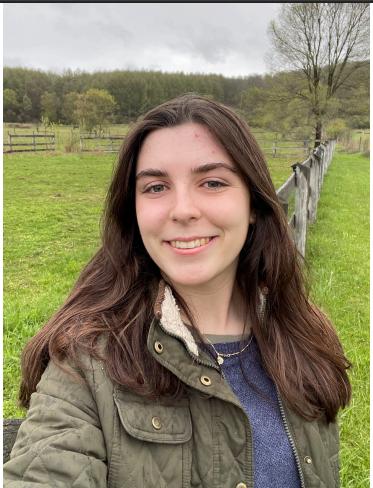
As Clare settles back into the rhythm of New York, the “lifeless” glass buildings might still feel a bit gray, but the world she carries inside is now colored by Rome She’s no longer just a student of the past; she’s a witness to it Whether she’s translating a stray line of Latin or choosing to be a little more “outgoing” like the people she met on the passeggiata, Clare’s journey proves that a classical education isn’t about staying buried in books, it’s about having the keys to unlock the world once you finally step outside For this Memoria student, the door isn’t just open; she’s already halfway through it
By Arabella Kling
There



There
There was a small pine tree that danced, So loudly it had to be lanced It was closing on death, It said with its last breath, “How uncommonly well I have pranced!”
Did you know the entire Bible has been translated into
Did you know that in the Bible dogs are mentioned 41 times but cats are never mentioned?
By Theo Emmert
By Josh Kim
The author of Hebrews said, “Let us run with endurance the race that is set before us, looking to Jesus, the founder and perfecter of our faith” So with the ending of the school year, keep persevering instead of growing tired and weary of school Remember that God has kept us going the whole year, and He will still keep helping us, no matter what happens
Now as summer comes, our lovely break, we should not forget anything that He’s done, but keep praising Him! And may we be filled with joy during the coming weeks of freedom!
"I have fought the good fight, I have finished the race, I have kept the faith Henceforth there is laid up for me the crown of righteousness " As we rest and recharge, may we reflect on God's goodness and grace Let us thank Him for His guidance and strength during this year and trust that His plans for us are good May our hearts stay full of thanks and joy as we step into this new season of rest and renewal