PARAMORE’S EARLIER ERA STILL INFLUENCES A GENERATION OF STARS
EXTENDS LIVE SHOW RUN WITH FALL 2025
DATES 14 FALL OUT BOY’S “FROM UNDER THE CORK TREE” TURNS 20
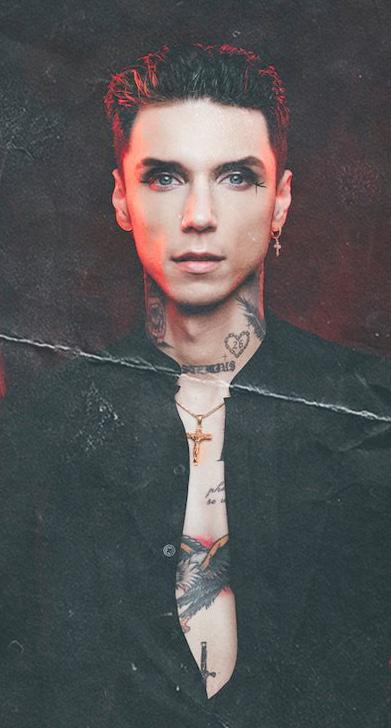
18 ANDY BLACK SHARES HIS NEW NOVELLA "THE FIRST VAMPIRE"

https://xdinaryheroes.jype.com/



PARAMORE’S EARLIER ERA STILL INFLUENCES A GENERATION OF STARS
EXTENDS LIVE SHOW RUN WITH FALL 2025
DATES 14 FALL OUT BOY’S “FROM UNDER THE CORK TREE” TURNS 20
18 ANDY BLACK SHARES HIS NEW NOVELLA "THE FIRST VAMPIRE"
https://xdinaryheroes.jype.com/
On "This Is Why", Paramore is trying to grow up and move on. But it's the teen-age angst of the band's early work that still inspires.
BY CARRIE BATTAN
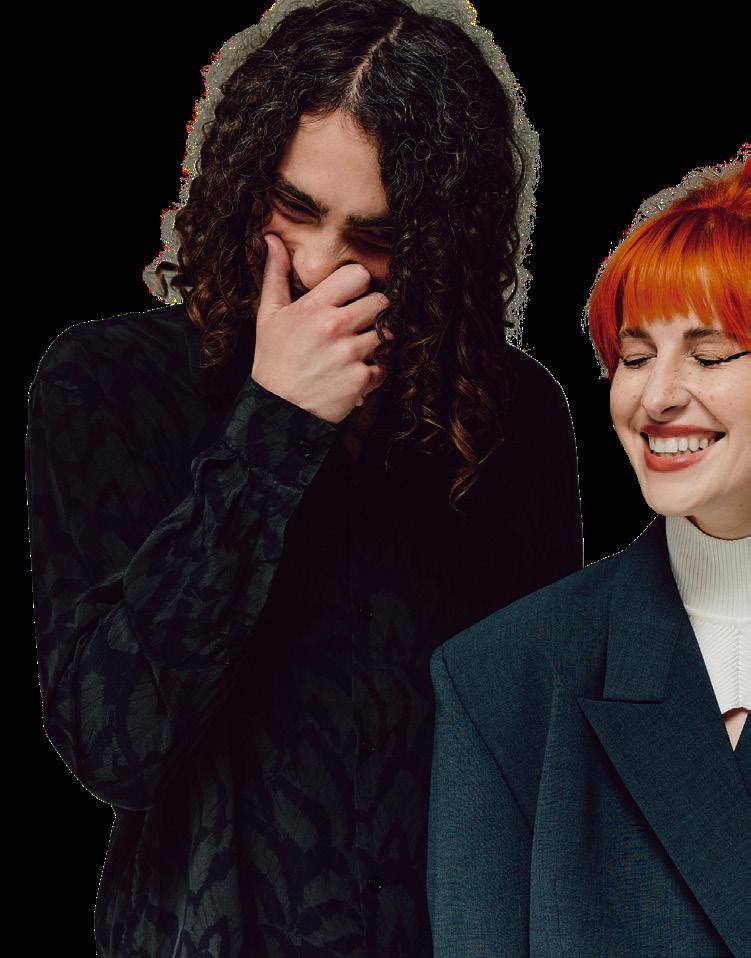
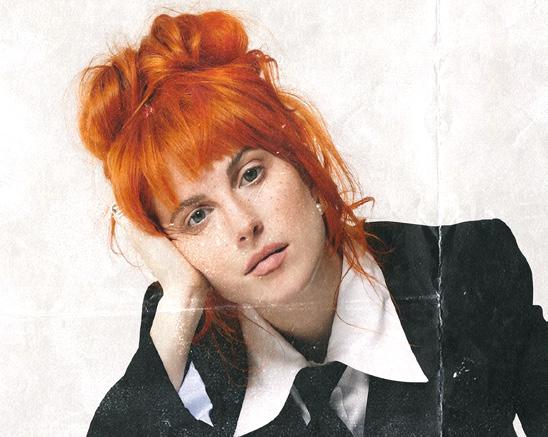
The tides of influence in music history move in unexpected ways. There are very few towering rock legends or chart-dominating contemporary rappers, for instance, who’ve enjoyed the sprawling and intensifying authority of the pop-punk band Paramore. The band, which was formed in the mid-two-thousands by a group of Christian teen-agers from the outskirts of Nashville, rose to prominence as emo and pop punk were being commercialized for mainstream audiences. Paramore—fronted by Hayley Williams, a vocal powerhouse with neonmarigold hair and a high degree of emotional athleticism—was a small-town Myspace act that hit it big. By the band’s third album, “Brand New Eyes,” from 2009, it had been nominated for a Grammy and included on the “Twilight” soundtrack. The following year, departing bandmates condemned it for being a “manufactured product of a major label.” No band had ever put the “pop” in “pop punk” more effectively than Paramore.
These days, the members of Paramore are in their early thirties, and are more interested in the eclectic sounds of art rock. But the emotional and stylistic influence of their earlier era still has a hold on a new generation of stars.
A current wave of young, brooding rappers who incorporate emo and punk into their sounds frequently express reverence for Paramore. In 2021, the Brooklyn rapper Bizzy Banks combined a Paramore hit from 2013 called “Still Into You” with a quintessentially brutal drill beat. In between rap verses detailing violent rivalries, he sang Williams’s hook, “I’m iiiiiiinnnntttooo you.”
There are now YouTube explainers and think pieces dedicated to the topic of Paramore’s Black fandom. “Liking Paramore is one of the Blackest things you can do right now,” a vlogger named Madisyn Brown recently said.
Williams also looms large among this decade’s young, female indie-rock and anti-pop stars, including Billie Eilish, Soccer Mommy, and Olivia Rodrigo. There is so much of Paramore’s DNA in Rodrigo’s plucky poprock sound that, in 2021, she had to add a songwriting credit for the band to her single “Good 4 U,” because it was similar to an early Paramore song called “Misery Business.” When Paramore was starting out, Williams was virtually the only prominent woman in the commercial pop-punk scene, but today— in an alt-pop scene largely led by young women—her status has made her an object of idol worship.
Pop punk, much like disco, was maligned during its infancy but is now a subject of affectionate nostalgia. Many of its most commercially successful stars from the two-thousands are currently in a neverending state of reboot or reunion. When the genre’s cornerstone live event, Warped Tour, shuttered, in 2019, other big-budget platforms swooped in to take its place, including Live Nation’s annual When We Were Young Festival. This event leans enthusiastically into nostalgia: last year’s festival, which was sold out, booked bands like My Chemical Romance, Jimmy Eat World, and Paramore, and charged two hundred and fifty dollars a head. The festival’s first day was cancelled owing to weather, leaving fans with a sense of petty cosmic injustice that would probably make
good fodder for an anguished emo-pop song.
With the nostalgic impulses around them growing stronger, the members of Paramore have found themselves caught between their past and their future. Many of their fans cling to the band’s formative era, but the group also seems eager to prove that it has evolved beyond angsty juvenilia. In 2013, Paramore released a self-titled record that was expansive and polished, with plenty of arena-ready hooks and ambitious stylistic experiments. It débuted at No. 1 on the Billboard album chart. One of its singles, “Ain’t It Fun,” won a Grammy, and rightfully so. It’s a cheerful pop-rock song that incorporates elements of soul and R. & B. In one of its later choruses, Williams is joined by a gospel choir.
Since then, the band has continued to make dramatic strides away from its origins. Not all have been as convincing as “Ain’t It Fun.” On “After Laughter,” from 2017, the band experimented with nostalgia for a different era, trying its hand at eighties synth pop and art rock. Williams, who was twenty-eight at the time, abandoned her signature vocal style, giving smoother performances that verged on cutesy. It was ostensibly a step outside the band’s comfort zone, but there was something cloistered about its vague indie-pop ambitions.
Stylistically, Paramore is now grazing on sounds from the eighties. Instrumental flourishes, funky arrangements, and theatrical vocal lines recall the art-house innovations of the Talking Heads or the absurdist approach of the B-52s. Yet the record is firmly rooted in the topical concerns of the present, and Williams often meditates on worries that might sound dated in a few years. Her songs vibrate with the anxieties of late-pandemic, tech-addled millennials sliding toward middle age and antisocial tendencies. of modern life— which are accurate,
P a ar m o r e h a v e fo