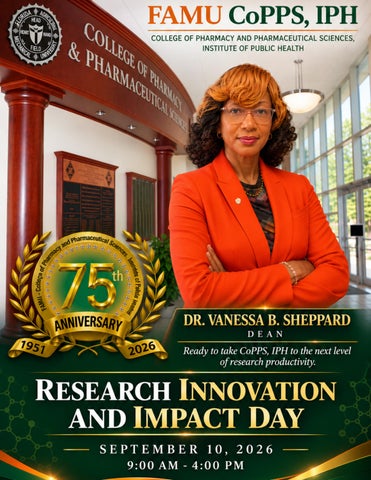
Vanessa B. Sheppard, PhD
Dean, College of Pharmacy and Pharmaceutical Sciences, Institute of Public Health Assistant Vice President of Health Sciences Enterprise and Research Innovation
Dr. Vanessa B. Sheppard is a nationally recognized leader in cancer care delivery, community-engaged research and health equity. She is delighted to now serve as the Dean of FAMU’s College of Pharmacy and Pharmaceutical Sciences, Institute of Public Health and as Assistant Vice President of Health Sciences Enterprise and Research Innovation. As a tenured professor and the Theresa A. Thomas Memorial Chair in Cancer Prevention and Control at Virginia Commonwealth University, she has spent her career bridging research, practice, and community impact. Dr. Sheppard served as the founding dean of VCU's School of Public Health where she led the institution from conception to implementation and initial CEPH acceptance in two less years—a testament to her strategic vision and ability to build high-impact programs. Throughout her career, Dr. Sheppard has championed bi-directional community engagement, ensuring that research addresses real-world needs while empowering communities as active partners. Her signature "Sisters Informing Sisters" intervention and subsequent strategy has reached over 1,000 individuals across diverse communities, demonstrating her commitment to scaling evidence-based programs for maximum impact. As the inaugural associate director for community outreach and engagement at VCU Massey Comprehensive Cancer Center, she developed innovative shared resources that enhanced clinical trial participation and fostered translational research partnerships with African American, African immigrant, Latine, urban, and rural populations. Dr. Sheppard's leadership extends across multiple domains: she has secured over $30 million in competitive funding from the NIH, American Cancer Society, and other organizations; published high impact manuscripts and reports; and mentored numerous doctoral and postdoctoral trainees. She has been honored as the American Cancer Society Researcher of the Year, recognizing her innovative approach to addressing cancer disparities. She has also received the Dr. Herbert W. Nickens Award from the Association of American Medical Colleges and the Torch Bearer Award from the African Women's Cancer Awareness Association. Before joining VCU in 2016, Dr. Sheppard was a tenured associate professor and assistant director of health disparities research at Georgetown University Lombardi Comprehensive Cancer Center, where she established the foundation for her cancer care delivery and community-engaged clinical research portfolio. Dr. Sheppard earned her undergraduate degree from James Madison University, her graduate degree from Norfolk State University, and her doctorate in health services research from Old Dominion University. She completed postdoctoral fellowships at Eastern Virginia Medical School and through the Association of American Medical Schools, funded by the Agency for Healthcare Research and Policy. Her training continued through the Moffitt Cancer Center and her leadership training includes programs through the Association of American Medical Colleges, the Health Education Resources Services Institute (HERS), and Yale School of Management, preparing her to lead complex academic health initiatives. Dr. Sheppard's work exemplifies the integration of research excellence with meaningful community partnership—translating scientific discoveries into tangible improvements in cancer care and outcomes for underserved populations. Her greatest joy is found in her faith and family.
75th Anniversary
Research Innovation and Impact Day PRESENTERS #
First Name
Last Name
Division
Presenter Category
Presentation Type
1
Ahmed
Alshehri
ESAP
Graduate Student
Poster
2
Artaveya
Ingram
Public Health
Graduate Student
Poster
3
Arvind
Bagde
Pharmaceutical Sciences
Post Doc
Poster
4
Bipika
Banjara
Pharmaceutical Sciences
Graduate Student
Poster
5
Breana
Boirie
Pharmaceutical Sciences
Graduate Student
Poster
6
Britney
Clark
Public Health
Faculty
Poster
7
Desmond
Kwakye
Pharmaceutical Sciences
Graduate Student
Poster
8
Edith
Kuudaar
Pharmaceutical Sciences
Graduate Student
Poster
9
Eljaye
Tellis
Pharmaceutical Sciences
Graduate Student
Poster
10
Fidara
Fidudusola
Pharmaceutical Sciences
Graduate Student
Poster
11
Hannah
Burton
Pharmaceutical Sciences
BSPS Student
Poster
12
Ismail
Jones
Pharmaceutical Sciences
Graduate Student
Poster
13
Jahnissi
Odoom
Pharmaceutical Sciences
Graduate Student
Poster
14
Javonteʼ
Blackmon
Pharmaceutical Sciences
PharmD Student
Poster
15
JerMeny
Israel
Pharmaceutical Sciences
Undergraduate Student
Poster
16
Jocelyn
Spates
Clinical Pharmacy
Faculty
Poster
17
Johnnie
Early
Pharmaceutical Sciences
Faculty
Poster
18
Joshua
Ablordeppey
Pharmaceutical Sciences
Graduate Student
Poster
19
Kamryn A.
Jackson
Pharmaceutical Sciences
Graduate Student
Poster
20
Karam
Soliman
Pharmaceutical Sciences
Faculty
Oral
Florida A&M University College of Pharmacy and Pharmaceutical Sciences, Institute of Public Health | Page 1 of 2
75th Anniversary
Research Innovation and Impact Day PRESENTERS #
First Name
Last Name
Division
Presenter Category
Presentation Type
21
Kweku
Ofosu-Asante
Pharmaceutical Sciences
Post Doc
Poster
22
LeKeisha
Jakson
Pharmaceutical Sciences
Faculty
Poster
23
Manasa
Kotina
Pharmaceutical Sciences
Graduate Student
Poster
24
Marlee
Avril
Pharmaceutical Sciences
Graduate Student
Poster
25
Matilda
Adzimah
Pharmaceutical Sciences
Graduate Student
Poster
26
Mounika
Pamukuntla
Pharmaceutical Sciences
Graduate Student
Poster
27
Natnael
Daniel
Pharmaceutical Sciences
PharmD Student
Poster
28
Nazarius
Lamango
Pharmaceutical Sciences
Faculty
Oral
29
Nisma
Pokhrel
Pharmaceutical Sciences
Graduate Student
Poster
30
OʼTisha
Jones
Pharmaceutical Sciences
Undergraduate Student
Poster
31
Sandeep
Padakanti
Pharmaceutical Sciences
Post Doc
Poster
32
Sarah
Reed
Pharmaceutical Sciences
Graduate Student
Poster
33
Sasha
Blackshear
Clinical Pharmacy
PharmD Student
Poster
34
Shayla
Knighton-Black
Public Health
Graduate Student
Poster
35
Shubham
Mishra
Pharmaceutical Sciences
Graduate Student
Poster
36
Sukhmandeep
Kaur
Pharmaceutical Sciences
Graduate Student
Poster
37
Sydnee
Crawford
Pharmaceutical Sciences
Graduate Student
Poster
38
T'Onj
McGriff
Pharmaceutical Sciences
Graduate Student
Poster
39
Warren
Pierre
Pharmaceutical Sciences
PharmD Student
Poster
Florida A&M University College of Pharmacy and Pharmaceutical Sciences, Institute of Public Health | Page 2 of 2
1 Healthcare Expenditures Among Metformin Users With Type 2 Diabetes: Treatment Intensity and Cardiometabolic Multimorbidity Ahmed A. Alshehri: Askal A. Ali: Fatimah Sherbeny: Sandra Suther: Rima H. Tawk College of Pharmacy and Pharmaceutical Sciences, Institute of Public Health, Florida Agricultural and Mechanical University ahmed1.alshehri@famu.edu
Diabetes accounts for a rising share of United States healthcare spending, yet among metformin users the joint relationship of treatment intensity and cardiometabolic multimorbidity with expenditure remains poorly characterized. This study examined their independent and interactive associations with annual expenditures. This observational, retrospective, cross-sectional analysis pooled Medical Expenditure Panel Survey data from 2018–2023 for metformin-treated adults. Treatment intensity was classified into three categories: metformin alone, metformin plus other non-insulin therapy, or metformin plus insulin. Cardiometabolic multimorbidity comprised hypertension, dyslipidemia, and cardiovascular disease. Inflation-adjusted all-payer annual expenditures were modeled with a survey-weighted Gamma generalized linear model and logarithmic link; this primary model included treatment intensity, cardiometabolic multimorbidity, their interaction, sociodemographic characteristics, insurance, and survey year. Sensitivity models additionally adjusted for other chronic conditions. Both unadjusted and adjusted expenditures increased across levels of treatment intensity and cardiometabolic burden, rising most steeply at the heaviest burden. The two intensified regimens were associated with higher expenditures than metformin alone. The interaction was statistically significant in the primary model, indicating that relative expenditure differences for intensification diminished as cardiometabolic burden increased, although absolute expenditures never declined. Adjusted predicted expenditures peaked among insulin-treated adults with the greatest cardiometabolic burden. The interaction weakened below conventional significance after adjustment for other chronic conditions. Treatment intensity and cardiometabolic multimorbidity were each strongly associated with expenditure, whereas evidence for effect modification remains suggestive rather than robust. Together they identify clinically complex, high-expenditure subgroups relevant to risk stratification and value-based care.
2 Exploring the Impact of the Strong Black Woman Schema on Mental Health Help-Seeking Intention Among Black Women in the United States Artaveya Ingram, MPH Florida Agricultural and Mechanical University College of Pharmacy and Pharmaceutical Sciences, Institute of Public Health
Black women in the United States experience persistent disparities in mental health service utilization despite substantial exposure to psychological distress, racial discrimination, caregiving demands, socioeconomic pressures, and other intersecting stressors. Cultural expectations surrounding strength, independence, emotional restraint, and caretaking may influence how Black women interpret emotional distress and whether they consider seeking professional mental health care. These expectations are reflected in the Strong Black Woman (SBW) schema, which emphasizes self-reliance, emotional suppression, and caretaking. This study will examine how internalized SBW schema traits, Health Belief Model (HBM) cognitive appraisals, lived experiences, and social and structural influences shape Black women’s intentions to seek professional mental health care. An exploratory sequential mixed methods design will be used. The study will begin with a pilot focus group to refine the qualitative interview guide, followed by semi-structured interviews with approximately 20–25 Black women aged 18 years and older who reside in the United States. Interview data will be transcribed verbatim and analyzed thematically using MAXQDA. Qualitative findings will inform the development and refinement of an online survey administered through Qualtrics to approximately 200–300 Black women nationwide. The survey will assess SBW-related traits, HBM constructs, help-seeking intention, family and community influences, spirituality, racial discrimination, medical mistrust, and barriers to care. Quantitative data will be analyzed using SAS 9.4 through descriptive, bivariate, and multiple linear regression analyses. Qualitative and quantitative findings will be integrated through joint displays and narrative weaving. Findings may inform culturally responsive mental health education, outreach, and intervention strategies that support professional mental health help-seeking among Black women.
3 A Modified Rotating Bioreactor Platform for Enhanced Exosome Production Under Simulated Microgravity Arvind Bagde, Mandip Sachdeva* College of Pharmacy and Pharmaceutical Sciences, Institute of Public Health, Florida A&M University [Correspondence: mandip.sachdeva@gmail.com]
Simulated microgravity has emerged as a valuable platform for growing cells in three dimensions, yet its use for large-scale production of exosomes, small vesicles released by cells that carry valuable therapeutic cargo, remains largely unexplored, and methods to further boost their output have not been systematically studied. To address this gap, we modified a commercially available rotary cell culture vessel (RCCS) and paired it with an electrical stimulation device to encourage three-dimensional spheroid formation and stimulate exosome production within a gentle, lowshear environment mimicking key features of spaceflight, including simulated microgravity and reduced oxygen availability. Using this modified vessel, we cultured engineered kidney-derived cells and natural killer immune cells, optimizing seeding density, rotation speed, and microcarrier concentration to maximize spheroid growth and vesicle yield. We further examined how a hypoxia-mimicking compound interacted with the intensity, duration, and frequency of electrical stimulation using a structured experimental design to identify conditions yielding the greatest exosome output. Cells grown in the modified vessel formed stable spheroids within one day and produced markedly higher exosome yields than cells grown in a conventional bioreactor culture platform. Using the optimized stimulation intensity substantially boosted exosome output, and this effect was amplified further when paired with hypoxia-mimicking conditioning, revealing a strong synergy between electrical and chemical stimulation that held true across multiple cell types. Together, these findings position this modified vessel as a highly promising, scalable platform for manufacturing abundant, functionally potent exosomes, with implications for regenerative medicine and for understanding how cells adapt under spaceflight-relevant conditions.
4 Midasin Inhibition Disrupts the Sumoylation Axis to Impair Mammosphere Stability Through Alteration of Tanscriptional Network Bipika Banjara1, Mounika Pamukuntla1, Manasa Kotina1, Afia Ohemeng1, Alicia Hudson1, Selina D. Reed1, Jillian L. Pope2, Michael A. Davidson1 and Syreeta L. Tilghman1 1
Division of Basic Pharmaceutical Sciences, College of Pharmacy and Pharmaceutical Sciences, Institute of Public Health, 2Department of Biological Sciences, College of Science and Technology, Florida A&M University, Tallahassee, FL. bipika1.banjara@famu.edu
Endocrine resistance remains a major challenge in estrogen receptor-positive (ER+) breast cancer and is associated with cancer stem cell (CSC) enrichment, invasiveness, and recurrence. Midasin (MDN1), a regulator of ribosome biogenesis, has been implicated in aggressive tumor phenotypes, but its role in aromatase inhibitor (AI)-resistant breast cancer remains unclear. We investigated the effects of MDN1 inhibition on stemness, spheroid integrity, invasion, and SUMOylationassociated pathways in AI-sensitive AC-1 and AI-resistant LTLT-Ca cells. Cells were cultured under 2D and 3D spheroid/mammosphere conditions and treated with the MDN1 inhibitor Rbin-2 (18 µM). Protein expression, spheroid morphology, invasion, and viability were evaluated. MDN1 was enriched in LTLT-Ca mammosphere, suggesting an association with the resistant, stem-like phenotype. Rbin-2 reduced MDN1 expression by 30–48% and disrupted spheroid architecture in both models. AC-1 spheroids exhibited reduced size, whereas LTLT-Ca spheroids became fragmented and structurally unstable. Rbin-2 also reduced matrix invasion in both models. OCT4 and SOX2 expression in LTLT-Ca mammosphere decreased by 49% and 45%, respectively, following MDN1 inhibition. Resistant cells exhibited higher basal SUMO2/3 and SENP3 expression; Rbin-2 further increased SUMO2/3 while decreasing SENP3 and ALDH1A1, consistent with disrupted SUMOylation homeostasis and attenuation of CSC-associated properties. Collectively, these findings support an MDN1-associated SUMO2/3–SENP3 regulatory network that contributes to stemness and invasiveness in AI-resistant breast cancer. Targeting MDN1 disrupts CSC-associated programs, compromises 3D tumor integrity, and reduces invasive potential, highlighting MDN1 as a potential therapeutic vulnerability in endocrine-resistant breast cancer.
5 Cannabigerol Potentiates Chemotherapy Through Synergistic Suppression of Tumor-Promoting Signaling in Pancreatic Cancer Breana Boirie, Mounika Aare, Sandeep Chary, Mandip Sachdeva Florida A&M University, College of Pharmacy, Tallahassee, FL.32311, USA Breana1.boirie@famu.edu Pancreatic ductal adenocarcinoma (PDAC) is a highly aggressive malignancy with poor survival and limited therapeutic options. Although gemcitabine (GEM) and nab-paclitaxel (NAB-PTX) are standard therapies, treatment efficacy remains limited due to chemoresistance. Cannabigerol (CBG), a non-intoxicating cannabinoid, has demonstrated antitumor and chemosensitizing properties; however, its potential in combination with standard PDAC therapies remains unclear. This study evaluated the anticancer efficacy of CBG alone and in combination with GEM and NAB-PTX and investigated the cellular and molecular mechanisms underlying CBG-mediated therapeutic enhancement in pancreatic cancer models. CBG, GEM, and NAB-PTX were evaluated in MIAPaCa-2 and PANC-1 cells utilizing 2D/3D cytotoxicity assays, combination index analysis, and assessments of apoptosis, migration, and cell cycle progression. Mitochondrial function, oxidative stress, and signaling alterations were assessed, and in vivo efficacy was evaluated using a PANC-1 xenograft model. Cytotoxicity studies demonstrated that the triple combination produced enhanced cytotoxicity, reducing IC₅₀ values to 6.53 ± 0.0072 nM in MIAPaCa-2 cells and 427 ± 0.07 nM in PANC-1 cells. Combination index analysis confirmed synergistic interactions between CBG, GEM, and NAB-PTX, with CI values ranging from 0.10–0.35 and 0.40–0.73, respectively. Cell cycle analysis revealed that CBG enhanced chemotherapy-mediated cell cycle disruption by potentiating GEM-induced S-phase arrest and NAB-PTX-induced G2/M arrest. The triple combination significantly reduced migratory capacity compared with CBG+GEM and CBG+NAB-PTX (p < 0.0001). Additionally, the triple combination induced mitochondrial dysfunction and oxidative stress (p < 0.0001), characterized by mitochondrial depolarization and increased reactive oxygen species generation. Western blot analysis demonstrated reduced KRAS expression (p < 0.0001) and suppression of MAPK and PI3K/AKT signaling across CBG-based treatments. The triple combination further downregulated vimentin, p-NF-κB, 5-HT1B, and 5-HT1D (p < 0.0001). In vivo, the triple combination of CBG (100 mg/kg), GEM (12.5 mg/kg), and NAB-PTX (5 mg/kg) significantly delayed tumor progression, maintaining tumor suppression for up to 52 days compared with CBG+GEM (51 days), CBG+NAB-PTX (18 days), GEM (35 days), CBG (21 days), and NAB-PTX (11 days). In vivo western blot analysis demonstrated significant downregulation of KRAS, VEGF-A, and p-NF-κB following triple-combination treatment (p < 0.0001). CBG+GEM reduced KRAS, GPX4, p-NFκB, and 5-HT1D expression, while CBG+NAB-PTX decreased KRAS and p-NF-κB expression (p < 0.0001). CBG enhances the antitumor activity of conventional PDAC chemotherapy through synergistic cytotoxicity, mitochondrial dysfunction, oxidative stress, and suppression of tumorpromoting signaling pathways. These findings support CBG-based combination therapy as a promising strategy to overcome chemoresistance in PDAC.
6 Oral Healthcare Matters: A Community-Based Education Program to Improve Community Health Outcomes Britney A. Clark: Sabrina R. Hayes: Crystalgale A. Hunter: Donna P. Arnold College of Agriculture and Food Sciences Cooperative Extension, Florida Agricultural and Mechanical University britney.clark@famu.edu
The Oral Healthcare Matters program is a community-based initiative aimed at enhancing oral health and overall well-being in underserved and rural populations. Recognizing that financial, geographic, and systemic barriers often limit access to dental care, the program emphasizes prevention, education, and affordable treatment options. Through workshops, informational materials, and partnerships with local clinics, the initiative educates individuals and families about the importance of proper oral hygiene, the benefits of regular dental visits, and the connection between oral health and broader systemic conditions, including diabetes, cardiovascular disease, stroke, substance abuse, and mental health. By engaging community leaders, dental professionals, and health organizations, the program develops collaborations and raises awareness of available low-cost care resources. These efforts have led to increased participation in preventive practices, a stronger understanding of the connection between oral and overall health, and improved confidence in managing personal and family care. The program’s outcomes demonstrate meaningful progress toward reducing oral health disparities and advancing health equity. Participants report greater awareness, more proactive engagement in oral care, and a stronger sense of community interest in maintaining lifelong oral health. Continued partnerships and investment in community-driven education are recommended to expand the program’s reach and sustain its long-term impact on public health.
7 Polyisoprenylated Cysteinyl Amide Inhibitors Suppress Cell Growth, Induce Cytoskeletal and Transcriptomic Remodeling in Multiple KRASMutated Lung Cancer Cells Desmond Kwakye1; Chase Lilly1; Kweku-Ofosu Asante1; Jahnissi Odoom1; Joshua K. Ablordeppey1; Bianca Dal Bó2; Chunli Yan2; Matthew A. Gladstone,2; Kyle R. Phillips3; Benjamin J. Ryder3; Yong Huang3; Ite A. Offringa2; Nazarius S. Lamango1 1
Florida Agricultural and Mechanical University, College of Pharmacy & Pharmaceutical Sciences Institute of Public Health, Tallahassee, FL, 2 University of Southern California/Norris Comprehensive Cancer Center, Los Angeles, CA, 3University of Florida, Department of Mechanical and Aerospace Engineering, Gainesville, FL. Desmond1.kwakye@famu.edu
Lung cancer remains the leading cause of cancer-related deaths globally, with KRAS mutations driving approximately 30% of cases. Although KRAS G12C inhibitors such as Sotorasib and has improved therapeutic outcomes, intrinsic resistance and mutation heterogeneity such as KRASG12A limit their long-term efficacy. Therefore, novel agents capable of targeting multiple mutant KRAS variants are urgently needed. Polyisoprenylated cysteinyl amide inhibitors (PCAIs) were designed to interfere with polyisoprenylation-dependent membrane interactions required for KRAS signaling. Here, we evaluated the long-term effects of PCAIs and Sotorasib across NCI-H23 cells with mutant KRASG12C and KRASG12A. Treatment of both mutants with 3 µM NSL-YHJ-2-27 showed inhibited cell proliferation while Sotorasib lost effectiveness on day 25. NSL-YHJ-2-27 inhibited the viability of both NCI-H23KRASG12C and NCI-H23KRASG12A with EC50 values of 3.0 and 3.2µM. NSL-YHJ-2-27 at 3µM disrupted F-actin filaments, decreased cell migration, increased cell rounding, and reduced mean cell area by 89 and 92%, respectively. Transcriptomic profiling of NSL-YHJ-2-27-treated NCI-H23KRASG12C cells revealed three genes that were significantly upregulated and two that were downregulated. Proapoptotic genes such as CXCL2 were elevated by 9-fold, whereas motility and angiogenesis-associated genes such as PTX3, POSTN, and WNT9A were changed by 12, 10 and 9-fold, respectively. Pathway enrichment highlighted alterations in cytoskeletal organization, adhesion, and KRAS-associated signaling networks. These findings support PCAIs as promising pan-mutant-KRAS-targeting therapeutic candidates against lung cancer. Supported by U54CA233396, U54CA233444, & U54CA233465 grants from the National Institutes of Health (NIH), National Cancer Institute (NCI), and continuations of the National Institute of General Medical Sciences (NIGMS) of NIH under Grant SC1CA190505, by the NIMHHD of the National Institutes of Health under Award Number U54 MD007582.
8 SAR Exploration of Arylpiperazines as Dopamine D4 Receptor Selective Ligands for the Treatment of Neuropsychiatric Disorders Edith B. Kuudaar1; Chandra S. Voshavar1; Edem Onyameh1; Uma M. Gonela1; Seth Y. Ablordeppey1 College of Pharmacy and Pharmaceutical Sciences, Florida Agricultural and Mechanical University. edith1.kuudaar@famu.edu
Dopamine receptors play critical roles in neurological processes such as motor control, memory, attention, cognition, impulse regulation, sleep, and decision-making. Among the five dopamine receptor subtypes, the dopamine D4 receptor (D4R) is highly localized in the prefrontal cortex, indicating its involvement in cognition and emotional regulation. Interest in D4R increased significantly after the atypical antipsychotic clozapine demonstrated high binding affinity (Ki = 1.6 nM) for this receptor and effectiveness in treating refractory schizophrenia, without the parkinsonism-like side effects associated with typical antipsychotics. This discovery has spurred further investigations into D4R’s role in neuropsychiatric disorders, particularly schizophrenia. High-affinity, D4R-selective ligands therefore hold substantial promise for advancing the understanding and treatment of central nervous system (CNS) disorders. In our previous work, we reported a D4R-selective ligand (1) containing an aryl alkyl piperazine core with high affinity (Ki = 3.9 nM) and negligible activity at other dopamine receptor subtypes. Building on this, we sought to develop new D4R-selective ligands with improved pharmacokinetic properties. We designed, synthesized, and evaluated a series of compounds for their binding profiles across dopamine receptor subtypes and other key CNS targets. Overall, the development of potent, selective D4R ligands may provide valuable therapeutic opportunities for D4R-targeted treatment of schizophrenia and related neuropsychiatric disorders. This work was financially supported by NIH/NIGMS R16 grant number 1R16GM145581-01, NIGMS Endowment grant in support of an Eminent Scholar Chair in Biomedical Sciences to SYA, U.S. Department of Education, Title III Part B, Strengthening Historically Black Graduate Institutions Programs (HBGI), awarded to Florida A&M University, RCMI grant # NIMHD U54 MD 007582
9 Enantiomeric Separation of CSV-3-93, a Selective 5-HT7A Receptor Ligand: HPLC Method Development Eljaye W. Tellis; Barbara Bricker, MS; Chandra Voshavar, PhD; Seth Y. Ablordeppey, PhD; Florida A&M University College of Pharmacy and Pharmaceutical Sciences, Institute of Public Health. Tallahassee, Florida Eljaye1.Tellis@famu.edu
Neuropathic pain is caused by damage or alteration of the nervous system characterized by abnormal hypersensitivity to stimuli and nociceptive responses to non-noxious stimuli. It is common in viral infections and autoimmune diseases affecting the central nervous system. The Journal of Pain research reported the prevalence of neuropathic pain at 10% in the US population. Opioid drugs are commonly used to treat neuropathic pain but are linked with physical dependence, tolerance, overdose, nausea, and confusion. Therefore, different treatment options are necessary. CSV-3-93 is a novel compound which is designed as a replacement for opioids in treating neuropathic pain synthesized by Dr. Voshavar. In this project, an analytical chiral HPLC column was used to develop a good separation of the two enantiomers of the racemate of the novel compound CSV-3-93. In doing so, different ratios of mobile phase components were tested during method development to generate an acceptable HPLC separation for this compound. Three different compositions of Hexane:Ethanol: Diethylamine and three different compositions of Hexane:Isopropanol: Diethylamine were tested as mobile phases. It was determined that 95:5:0.1 Hexane: Isopropanol: Diethylamine generated the best separation.
10
Antioxidant and Anti-Inflammatory Mechanisms of Fisetin through Nitric Oxide Modulation in LPS-Activated BV-2 Microglial Cells Fidara F. Fidudusola: Samia S. Messeha: Karam F.A Soliman College of Pharmacy and Pharmaceutical Sciences, Institute of Public Health, Florida A&M University, Tallahassee, FL samia.messeha@famu.edu, karam.soliman@famu.edu
Neurodegenerative diseases are characterized by chronic neuroinflammation and oxidative stress driven by activated microglia. Current therapies primarily provide symptomatic relief, highlighting the need for neuroprotective agents. Natural products have gained attention for the prevention of neurodegenerative diseases because of their antioxidant and anti-inflammatory properties. Fisetin, a naturally occurring flavonoid found in fruits and vegetables, has been reported to activate the antioxidant pathway and suppress inflammatory signaling. This study evaluated the cytoprotective effects of fisetin in LPS-activated BV-2 microglial cells by assessing nitric oxide (NO) production and cell viability. BV-2 microglial cells were co-treated with LPS (1µM) and fisetin (1.5625–200 µM) for 24 and 48 h. Cell viability was determined using the Alamar Blue assay, while NO production was quantified using the Griess reagent assay. At 24 and 48 h, fisetin showed no significant effect on cell viability up to 25 µM. LPS stimulation significantly increased NO production 4.08-and 5.24-fold, respectively, compared with non-stimulated cells. Fisetin inhibited LPS-induced NO production in a concentration-dependent manner, with approximately 50% inhibition at 24 h and 40% at 48 h, demonstrating its anti-inflammatory potential. Fisetin attenuated LPS-induced NO production while maintaining BV-2 cell viability at lower concentrations, demonstrating promising anti-inflammatory and cytoprotective effects. Supported by the National Institute on Minority Health and Health Disparities of the National Institutes of Health under Award Number U54 MD007582.
11 Utilization of Cannabinoids in Combination Therapy to Enhance Antioncogenic Effects Hannah M. Burton; Arvind Bagde; Aakash Nathani; Mandip Sachdeva Singh College of Pharmacy and Pharmaceutical Sciences Florida Agricultural and Mechanical University E-mail of corresponding author Hannah2.Burton@famu.edu
Historically, Cannabis plants have been used in south Asian countries for medicinal purposes for centuries. Cannabis is known for containing the active compound cannabidiol, a nonpsychoactive compound that can account to up to 40% of the plant’s extract. Cannabidiol (CBD) is known to interact with CB1 And CB2 receptors in the body’s endocannabinoid system. While CBD does not activate CB1 receptors, it is an allosteric modulator for them, and it changes how strongly CB1 receptors signal when bound to other cannabinoids. CBD binds more strongly to CB2 receptors, which are responsible for immune function, inflammation, and halting tumour growth. CBD has been proven to alleviate symptoms of conditions such as anxiety, epilepsy, inflammation, and neuropathic pain and is currently studied for its potential cancer signalling pathways. While CBD has been used in anti-cancer therapy, primarily to alleviate pain and symptoms, it is not currently used in clinical setting as an anti-cancer agent. The role of this study is to showcase CBD as a potential anti-cancer agent utilizing combination therapy with preestablished antioncogenic drugs. Combination therapy is a method in clinical settings of combining two or more therapeutic agents at a lower dose to enhance efficacy compared to mono-therapeutic procedures. Combination therapy is vital in anti-cancer therapy to reduce side effects, toxicity, and drug resistance. The efficacy of Cannabidiol’s anti-cancer properties were measured via MTT assay on LLC and MIAPaCa cell lines. MTT assays are a method of evaluating cell viability by measuring the cells’ ability to reduce MTT, a yellow tetrazolium salt (3-(4,5-dimethylthiazol-2-yl)-2,5diphenyltetrazolium bromide), into purple formazan crystals. This process occurs via the cells’ NAD(P)H-dependent oxidoreductase enzymes in the cells’ mitochondria. Afterwards, the formazan crystals are dissolved in DMSO to produce a purple-coloured solution. The coloured solution is then quantified by measuring the absorbance at 565nm using a spectrophotometer. The stronger the deep purple hue of the solution, the greater number of metabolically active cells in contains. Following quantification of the MTT assay, results show promising evidence of cannabidiol as a potential antioncogenic treatment. CBD exhibited a reduction of 50% of the MIAPaCa cells at doses as low as 0.250 μg. The same antioncogenic effect was exhibited in LLC cells at doses of 0.125μg of CBD. CBD showcased the ability to independently reduce cancer cell viability comparatively to a clinically utilized drug Gemcitabine. The aim of this study is to prove that cannabidiol is effective in reducing the number of metabolically active cancer cells and to expand studies on cannabidiol being used as an antioncogenic agent in multitherapeutic cases to reduce adverse effects from primary therapeutic methods.
12 Isolation and Evaluation of Anticancer Constituents from Ziziphus mauritiana Ismail L. Jones, Edem K. Onyameh, Barbara A. Bricker, Chandra S. Voshavar, Seth Y. Ablordeppey College of Pharmacy & Pharmaceutical Sciences, Institute of Public Health, Florida A&M University, 1415 S. Martin Luther King Blvd, Tallahassee, FL 32309, USA ismail1.jones@famu.edu
Cancer remains a leading cause of mortality worldwide, with an estimated 2.04 million new cases and approximately 618,000 deaths projected in the United States in 2025. Despite therapeutic advances, current chemotherapeutics are limited by toxicity and multidrug resistance, necessitating new agents with improved safety and efficacy. Natural products remain a prolific source of anticancer drugs due to their chemical diversity and reduced toxicity profiles. Ziziphus mauritiana (Indian jujube), a member of the Rhamnaceae family, has a long history of use in traditional medicine across tropical regions. In this study, bark extracts of Z. mauritiana were prepared using solvents of increasing polarity and evaluated for cytotoxicity against aggressive cancer cell lines, including triple-negative breast and pancreatic cancer. The ethyl acetate extract demonstrated notable cytotoxic activity. Guided by bioassay results, the active fraction was isolated and purified, and the major constituents of the fraction are being structurally characterized using NMR spectroscopy and mass spectrometry. This workflow, combining solvent partitioning, chromatographic purification, and spectroscopic analysis, led to the identification of a bioactive molecule with potential anticancer properties. The findings highlight the importance of tropical medicinal plants as reservoirs of novel compounds for anticancer drug discovery.
13 In silico Calmodulin-PCAIs Binding Affinities Versus In vitro Anticancer Cell Viability: Strategies for the development of Anti-pan-mutant KRAS agents. Jahnissi F. Odoom: Amarender Burra: Kweku Ofosu-Asante: Desmond Kwakye: Joshua K. Ablordeppey: Nazarius S. Lamango Florida A&M University, College of Pharmacy and Pharmaceutical Sciences-Institute of Public Health, 1415 S Martin Luther King Boulevard Jahnissi1.odoom@famu.edu
Pancreatic ductal adenocarcinoma (PDAC) accounts for about 90% of pancreatic cancers, and 90% of these are driven by KRAS mutations, making them aggressive and treatment resistant. This creates an urgent need for therapies that disrupt hyperactive RAS signaling. We previously developed polyisoprenylated cysteinyl amide inhibitors (PCAIs) as anticancer agents, showing efficacy against cell viability, migration, and angiogenesis, and identified calmodulin (CALM) as their pharmacological target. Since CALM drives KRAS-related cancers, we ran in silico studies to probe the CALM-PCAIs mechanism. We used the CALM X-ray structure (PDB 6OS4, 2.05 Å), co-crystallized with native ligand s-farnesyl-l-cysteine methyl ester and 4 calcium ions. After removing water and ligands, adding polar hydrogens, and assigning Gasteiger charges in AutoDockTools, we docked PCAIs onto CALM and compared binding energies to EC50 values from MIAPaCa-2 cells (KRASG12C mutant). Lower EC50 values matched lower binding energies. CALM binds the farnesylated hypervariable region of KRAS4B, and PCAIs engaged the same key residues as this native interaction. Redocking the native ligand gave -5.9 kcal/mol; PCAIs bound more tightly, from -8.9 to -6.5 kcal/mol, with similar interaction patterns. Hydrophobic residues Leu39, Phe92, Leu105, Leu112, Met124, and Met144, which normally anchor KRAS4B’s farnesylated cysteine, also bound PCAIs. Ionic contacts from Asp20, Asp22, Asp56, Asp58, and Glu67 stabilize the native CALM-KRAS4B complex. Ser-181 phosphorylation on KRAS4B indirectly weakens this binding by repelling CALM’s negative residues. PCAIs formed specific electrostatic contacts (N3-Glu14, N4-Glu114, N4-Glu14) with CALM, confirming strong, targeted disruption of the CALM-KRAS4B complex and providing a promising route for anticancer drug development. Supported by U54CA233396, U54CA233444, & U54CA233465 grants from the National Institutes of Health (NIH), National Cancer Institute (NCI), and continuations of the National Institute of General Medical Sciences (NIGMS) of NIH under Grant SC1CA190505, by the NIMHHD of the National Institutes of Health under Award Number U54 MD007582.
14 Enhancing Student Engagement in Pharmacy Education Using Kahoot®, GAMMA AI, and JEN-AI: A Synergistic Teaching Model to Improve Learner Outcomes Javonte’ D. Blackmon, Annette J. Dawson-Nelson, Aaron L. Hilliard, FAMU College of Pharmacy & Pharmaceutical Sciences, Institute of Public Health Florida A&M University, Tallahassee, FL Student engagement in foundational pharmacology courses remains challenging. There is also a new demand for AI-competency in professional healthcare spaces; many of which require pharmacists. This innovation integrated AI-generated instructional materials and gamified assessment to enhance understanding of non-narcotic analgesics, and oncology pharmacology concepts. Positive student evaluations and performance gains were used to assess effectiveness. A three-part technological system was used to integrate educational technology into the curriculum. GAMMA AI was used to generate visually enhanced teaching content, and Kahoot® quizzes were incorporated as active retrieval practice. JEN-AI provided innovative teaching strategies to evaluate course objectives and case studies aligned to competencies. Pre- and post-quiz data and student evaluation feedback were collected from P2 PharmD students. Post-quiz performance in non-narcotic analgesics module improved from 62% to 88% and increased from 32% to 81% in the Oncology (Cytotoxic) module. Student evaluations consistently rated the instructional approach as “very good” to “excellent”. Students reported improved conceptual clarity, engagement, and confidence. Integrating AI-based visualization tools and gamified assessment improved both learning outcomes and learner satisfaction. This model utilizes multiple educational frameworks including cognitive load theory, retrieval practice theory, and multimedia learning theory. This approach may improve confidence and reduce cognitive load which is scalable across pharmacology and other high-cognitive-load health sciences curricula. Further usage of AI within pharmacy education may also better equip learners with tools to competently enter an evolving healthcare workforce.
15 The Synthesis of N-(3,5-Difluorobenzoyl chloride)-4-ethyl-1,2,3,6Tetrahydropyridine to Act as Anti-Breast Cancer Agents and Selective COX2 Inhibitors
JerMeny B. Israel; Tiffany W. Ardley
Florida A&M University - College of Pharmacy and Pharmaceutical Sciences 1415 S. Martin Luther King Jr Blvd, Tallahassee FL, 32307 JerMeny1.israel@famu.edu tiffany.ardley@famu.edu
The synthesis of N-(3,5-Difluorobenzoyl chloride -4-ethyl-1,2,3,6-tetrahydropyridine represents a segway for anti-breast cancer agents with selective COX-2. This compound is a target against breast cancer cells while minimizing effects on healthy tissues. By using Cyclooxygenase-2 (COX-2), which is often expressed in various malignancies, including breast cancer, this synthesized compound aims to disrupt inflammatory pathways implicated in cancer progression. Additionally, the presence of the tetrahydropyridine in the molecule suggests potential antiinflammatory and chemotherapeutic effects, through evaluation and testing, this synthesized compound offers an approach in combating breast cancer while minimizing side effects commonly associated with conventional treatments. As a result, substituted phenylcarbonylamino-S-ethyl-1,2,3,6-tetrahydropyridine compounds have been proposed in the development of cyclooxygenase-2 inhibitors. The synthesis of a new tetrahydropyridine analogue was carried out in four steps. The hydrolysis of ethyl-o-(mesitylene sulfonyl) acethydroxymate to produce O-(mesityl sulfonyl) hydroxylamine (MSH) was the first step in the synthesis of these 1,2,3,6-tetrahydropyridine analogues. MSH then interacts with 4-ethyl pyridine, acting as an aminating agent to afford the 1-amino-3-ethylpyridin-1-ium salt. To create N-ylide products, the salt product was subjected to acylation with different substituted benzoyl chlorides. The desired final tetrahydropyridine product, N-(3,5-Difluorobenzoyl chloride)-4ethyl-1,2,3,6-tetrahydropyridine was produced by the partial reduction of their respective ylides. Analytical methods include thin layer chromatography, liquid-liquid extraction, and vacuum filtration. Column chromatography was utilized to purify the desired compounds and characterization was done by nuclear magnetic resonance and infrared spectroscopy. Further studies involve biological studies on breast cancer cell lines. This research was made possible by the FAMU Title III Undergraduate Research Program Project 008042 and the FAMU Office of Undergraduate Research.
16 Impact of the R.I.S.E. Initiative on NAPLEX and MPJE Outcomes Jocelyn Spates, Tonya Jackson, Selina Darling-Reed, Charlie Colquitt, Chenita Carter, Darice Richard-Mitchell, Lillian Smith-Flakes, Nathaniel Eraikhuemen Following a significant year-over-year decrease in NAPLEX first-time pass rates from 89.6% (2021) to 69.3% (2024), Florida A&M University College of Pharmacy and Pharmaceutical Sciences, Institute of Public Health (CoPPS, IPH) implemented a structured quality improvement initiative using a Plan–Do–Study–Act (PDSA) framework to strengthen licensure readiness. During the planning phase, institutional trend analyses and stakeholder review identified modifiable contributors to performance variability. The Resources to Increase Success on Examinations (R.I.S.E.) framework was deployed as the intervention phase. Components included diagnostic readiness questionnaires, individualized remediation plans, mandatory comprehensive examinations using retired NABP items, faculty-documented coaching within ENFLUX, targeted calculation intensives, Florida law workshops, and near-peer strategy sessions. The readiness instrument assessed study behaviors, domain-level confidence, application of knowledge, exam timing, and wellness indicators to guide tailored interventions. Diagnostic data revealed low confidence across 2025 NAPLEX domains, inconsistent full-length practice exam completion, delayed MPJE scheduling, limited statute review, and persistent calculation anxiety. Following implementation, the Class of 2025 achieved an 89.8% NAPLEX first-time pass rate, exceeding state (87.6%) and national (86.8%) averages, with a 90.2% overall pass rate across attempts. Optimal outcomes were observed among graduates testing within two months of graduation. MPJE trend analysis identified Florida law preparation as the primary systemic vulnerability. Findings informed targeted curricular refinement, time management, mental health wellness and statutefocused interventions. Embedding licensure readiness within a PDSA-driven framework demonstrates that systematic, data-responsive quality improvement can reverse adverse performance trajectories and sustain licensure success.
17 Descriptive Study of A BS in Pharmaceutical Sciences Pathway to PharmD and Pharmaceutical Science Careers Johnnie L. Early, II, PhD, RPh, Fellow NPhA, AACP Scholar-in-Residence, Florida A&M University College of Pharmacy and Pharmaceutical Sciences, Institute of Public Health, johnnie.early@famu.edu Estela Lopez, M.P.A., AACP Associate Director of Research and Data Analysis. Ololade Solaru, MPH, Institutional Research Coordinator. Nancy Nguyen, BA, AACP Director of Institutional Research. Dorothy Farrell, PhD, AACP Senior Director of Science Policy and Chief Science.
Baccalaureate non-licensure programs in Pharmaceutical Sciences (BSPS) are expanding domestic pathways to PharmD and graduate education. This study quantified the emergence and characteristics of these programs. In 2025, a survey was distributed to undergraduate program leaders or heads at pharmacy schools and two external universities offering BSPS degrees. Survey items assessed program presence, years since founding, majors and degrees offered, enrollment, recruitment resources, AFPE applications, and post-graduation pathways. Program counts were compared with a prior national study of pharmacy schools (Vuernick EL et al., Am J Pharm Educ. 2019;83(7):6917). Twenty-six schools reported active programs compared with 23 programs reported in 2019 (13% increase); two external programs were identified. Public institutions (79%) dominate, with 62% on Carnegie R1 campuses. Enrollment ranges from 6 to 600 learners (mean 152), with the largest totals located in the Midwest and South. Dual-degree pathways, most commonly BSPS/PharmD options concentrated in these regions. Institutions reported postgraduate pathway choices was PharmD (18), followed by MS or PhD training in the pharmaceutical sciences (14). Additional pathways included other science MS/PhD programs (10) and MD programs (10). Land-grant institutions were predominantly classified as R1 universities, whereas non–land-grant institutions demonstrated broader Carnegie variation and collectively enrolled the largest populations. AFPE Gateway to Research applications totaled 23 (2024–2026). Since 2019 BSPS programs have expanded and serve as important pathways to PharmD and graduate education. PharmD remains the most common postgraduate pathway, followed by MS and PhD programs. Most programs rely on shared recruitment resources, and Carnegie classification appears associated with variation in postgraduate progression patterns. Follow-up discussions enabled deeper examination of program characteristics and fostered interinstitutional collaboration.
18 POLYISOPRENYLATED PHOSPHONYL ESTER INHIBITORS DISRUPT ONCOGENIC SIGNALING AND CYTOSKELETON IN TNBC CELLS Joshua K Ablordeppey: Amarender G Burra: Kweku Ofosu-Asante: Jahnissi F Odoom: Desmond Kwakye: Nazarius S Lamango Florida A&M University, College of Pharmacy and Pharmaceutical Sciences, Institute of Public Health, 1516 S Martin Luther King Jr Blvd, Tallahassee, FL 32307 joshua1.ablordeppey@famu.edu
TNBC is an aggressive breast cancer subtype lacking effective targeted therapies and is resistant to conventional drugs. Small GTPases regulate proliferation and cytoskeletal organization through polyisoprenylation-dependent signaling. Polyisoprenylated methylated protein methyl esterase (PMPMEase) regulates the methylation-demethylation cycle required for GTPase activation and membrane localization, and its overexpression contributes to aberrant MAPK and PI3K/AKT signaling in cancer. This study evaluated the therapeutic potential of polyisoprenylated phosphonyl ester inhibitors (PPEIs) against TNBC cells. PPEIs were synthesized and characterized using NMR spectroscopy and high-resolution mass spectrometry. MDA-MB-231 and MDA-MB-468 were treated with the PPEIs NSL-AB-01 and NSL-AJ-01 and their effects on cell viability, cytoskeleton and reactive oxygen species (ROS) were determined. Western blot analysis was performed to assess changes in p-AKT and p-ERK phosphorylation. PPEIs treatment produced concentrationdependent reductions in TNBC cell viability and cytoskeletal integrity. NSL-AB-01 exhibited EC50 values of 4.1 µM in MDA-MB-231 cells and 3.3 µM in MDA-MB-468 cells, while NSL-AJ-01 demonstrated greater potency with EC50 values of 3.2 µM and 2.7 µM, respectively. Actin staining revealed approximately 90% reduction in mean cell area, consistent with impaired RHO-family GTPase signaling and actin depolymerization. Western blot analysis showed decreased p-AKT phosphorylation (-25% in MDA-MB-231; -50% in MDA-MB-468) and increased p-ERK levels (approximately 2.8-fold in MDA-MB-231; +70% in MDA-MB-468). PPEIs also induced strong concentration-dependent oxidative stress. At 3 µM, NSL-AJ-01 increased ROS production approximately 25-fold in MDA-MB-231 cells and 24-fold in MDA-MB-468 cells (p < 0.001), while NSL-AB-01 produced approximately 32-fold and 30-fold ROS increases, respectively (p < 0.0001). These findings demonstrate that PPEIs effectively reduce TNBC cell viability through induction of oxidative stress, suppression of pro-survival AKT signaling, activation of ERKmediated stress pathways, and disruption of cytoskeletal integrity. Collectively, these results support the potential of PPEIs as novel agents targeting polyisoprenylation-dependent oncogenic signaling pathways in aggressive TNBC.
Supported by U54CA233396, U54CA233444, & U54CA233465 grant from the National Institutes of Health (NIH), National Cancer Institute (NCI), and continuations of National Institute of General Medical Sciences (NIGMS) of NIH under Grant SC1CA190505, by the NIMHHD of the National Institutes of Health under Award Number U54 MD007582. The content is solely the responsibility of the authors and does not necessarily represent the official
19 Engineering of docetaxel smart crystalline solid dispersion for prostate cancer therapy Kamryn A. Jackson; T’Onj Mcgriff; Albert N. Ngo; Ramesh Badisa; Lacy Myers; Wang Zhang College of Pharmacy and Pharmaceutical Sciences, Institutes of Public Health, Florida Agricultural and Mechanical University E-mail of corresponding author albert.ngo@famu.edu
Prostate cancer is the second leading cause of cancer death in U.S. men. Prostate-Specific Membrane Antigen (PSMA) is an overexpressed transmembrane protein found on over 95% of prostate tumors, making it a valuable therapeutic target. Docetaxel (DXT) is one of few treatment options following androgen deprivation therapy failure. However, little is known about the effectiveness of DXT smart crystalline solid dispersion (CSD)It is hypothesized that smart DXT CSD potentiates DXT accumulation in prostate cancer cells, thereby increasing efficacy and reducing side effects. The smart CSD is prepared by dissolving DXT in a sodium acetate/glacial acetic acid solution and freeze-drying for 24 hrs. Formulation (F) is redispersed in 1% v/v ethyl phenyl phosphinate, a potential PSMA ligand, and freeze-dried to produce the smart formulation (SF). Properties are characterized by transmission electron microscopy (TEM), ZetaSizer Advanced Pro, Fourier Transform Infrared, and Spectrophotometry (F). Cytotoxicity in C4-2 prostate cancer cells is assessed by the MTS assay, and apoptosis by flow cytometry.Morphology analysis confirms that DXT is molecularly dispersed in sodium acetate. Entrapment efficiencies of F and SF are 94.9±2.6% and 99.9±7.7%, respectively. Their sizes and zeta potential are 2341±619 nm, 1203.33±29.26 nm, and -6.14±0.92 mV, -21.86±1.8mV, respectively. Drug loadings are 8.83.±.0.6 % w/w and 8.62±0.19 %w/w, respectively. Cytotoxicity is dose-dependent and DXT kills cancer cells mainly via apoptosis and necrosis. In conclusion, smart CSD with high drug loading were successfully engineered. Low doses of DXT are effective in inhibiting cell growth, and future studies will optimize CSD using response surface methodology. This research was made possible by the FAMU Title III Undergraduate Research Program Project 008042 and the FAMU Office of Undergraduate Research.
20 Novel Use of Flavonoids in Modulating the Tumor Microenvironment and Overcoming Immunotherapy Resistance in Triple-Negative Breast Cancer Karam F. A. Soliman, Ph.D., FASPET College of Pharmacy & Pharmaceutical Sciences, Institute of Public Health. Florida A&M University, Tallahassee, Florida, 32307. USA
Anti-PD-1/PD-L1 immunotherapy has transformed cancer treatment by targeting immune checkpoints and restoring anti-tumor immune responses. Despite its promise, a substantial proportion of patients exhibit limited or no response, largely due to intrinsic and acquired resistance mechanisms. Activation of the PI3K/AKT pathway, NF-κB signaling, and CCL2-driven immunosuppression are among the key contributors that undermine immunotherapy efficacy. Targeting the tumor microenvironment (TME) with flavonoids offers a compelling strategy to enhance therapeutic response by disrupting epithelial–mesenchymal transition (EMT), reprogramming inflammatory signaling, and mitigating resistance pathways. Our previous work in triple-negative breast cancer (TNBC) demonstrates that select flavonoids can effectively modulate the TME and suppress EMT. We have shown that cardamonin robustly inhibits PD-L1 and CCL2 expression across genetically diverse TNBC cell lines. Apigenin, another flavonoid investigated in our laboratory, attenuates NF-κB activity and modulates PI3K/AKT and MAPK/ERK signaling, resulting in potent suppression of CCL2. Additionally, thymoquinone (TQ) significantly alters oxidative-stress–antioxidant gene networks—including ROS, antioxidant enzymes, and Nrf2—and inhibits PD-L1 and CCL2 expression. TQ also upregulates 15 pro-apoptotic genes while suppressing the anti-apoptotic gene BIRC5, a molecule we recently identified as a major driver of immunotherapy resistance in TNBC. Our in vitro studies further reveal that multiple flavonoids strongly inhibit BIRC5 across diverse TNBC models. Collectively, these findings highlight the promise of flavonoids as multi-target modulators that can reshape the TME, reverse immunotherapy resistance, and address core mechanisms underlying metastasis and disease progression. Their integration into therapeutic strategies may significantly improve outcomes for patients with TNBC. This research was supported by a grant from the National Institute on Minority Health and Health Disparities (NIMHD), U54 MD007582, USA.
21
PCAIS INDUCE ANTICANCER EFFECTS BY UNCOUPLING CALMODULINKRAS INTERACTIONS Kweku-Ofosu Asante: Jahnissi Odoom: Joshua Ablordeppey: Desmond Kwakye: Nazarius S. Lamango Florida A&M University, College of Pharmacy and Pharmaceutical Sciences Institute of Public Health, 1415 S Martin Luther King, Jr. Boulevard, Tallahassee, FL 32307 Kweku1.ofosuasante@famu.edu Pancreatic cancer is the third leading cause of cancer-related mortality worldwide, with KRAS mutations responsible for approximately 95% of cases. Effective therapies targeting KRASdriven cancers remain limited. Polyisoprenylated Cysteinyl Amide Inhibitors (PCAIs) are novel agents designed to mimic and disrupt the KRAS4B C-terminal polyisoprenylationdependent interactions and downstream signaling. Previous studies show that PCAIs inhibit cancer cell proliferation, migration, and angiogenesis. This study aimed to identify the pharmacological target of PCAIs to better understand their mechanism of action. After chromatography of PANC-1 and MIA PaCa-2 cell supernatants on a PCAIs-affinity resin followed by SDS-PAGE, Coomassie blue staining and western blot analysis were performed on wash and elution fractions to identify interacting proteins. In silico docking analysis was used to determine PCAIs binding affinities to the identified pharmacological target. The effects of PCAIs on intracellular KRAS4B localization were determined in cells transfected with NGFP-KRAS4B plasmids using live-cell fluorescence imaging. A protein band of about 17 kDa was detected in elution fractions. Western blotting analysis revealed calmodulin as the pharmacological target of PCAIs. Docking analysis showed strong binding affinities of NSL-YHJ-2-27 and NSL-AB-51 to calmodulin, with scores of −8.9 and −7.8 Kcal/mol, respectively. PCAIs treatment altered KRAS4B localization, shifting NGFPKRAS4B from the plasma membrane toward the nucleus. Following 30 minutes of treatment with 5 µM NSL-AB-51, peripheral fluorescence intensity decreased 4-fold in PANC-1 cells and 2-fold in MIA PaCa-2 cells. These findings suggest that PCAIs exert anticancer effects by binding to calmodulin and disrupting calmodulin-mediated KRAS4B trafficking, growth signaling, cell death, supporting PCAIs as promising targeted therapies for KRAS-driven cancers.
This research is supported by U54CA233396, U54CA233444, and U54CA233465 grants from the National Institutes of Health (NIH), National Cancer Institute (NCI); by the National Institute on Minority Health and Health Disparities of the National Institutes of Health under Award Number U54 MD007582, and continuations of National Institute of General Medical Sciences (NIGMS) of NIH under Grant SC1CA190505, by the NIMHHD of the National Institutes of Health under Award Number U54 MD007582.
22 Leveraging Generative AI to Accelerate ACPE Standards 2025 Compliance Mapping and Gap Analysis LeKeisha Jackson, PhD, CPH; Tonya S. Jackson, PharmD, BCGP, MAEd Accreditation preparation for pharmacy education programs requires extensive review of institutional documents to demonstrate compliance with Accreditation Council for Pharmacy Education (ACPE) Standards 2025. This project evaluated the utility and effectiveness of generative artificial intelligence (AI) in accelerating standards mapping and identifying documentation gaps within existing institutional artifacts. Guided by continuous quality improvement principles, the study examined whether generative AI could produce accurate, efficient, and actionable outputs to support accreditation readiness, assessment activities, and compliance monitoring. A secondary analysis of de-identified institutional documents, including assessment reports, course materials, and accreditation artifacts, was conducted using a Plan-DoStudy-Act (PDSA) quality improvement framework. A comparative workflow framework was employed to evaluate traditional manual review processes against AI-assisted standards mapping. Structured prompt templates were used to direct AI systems to align evidence with ACPE Standards 2025, generate evidence statements, identify documentation gaps, and classify supporting artifacts. Outputs underwent faculty review using a human-in-the-loop validation framework focused on accuracy, completeness, consistency, and contextual appropriateness. Workflow efficiency, mapping consistency, and gap-detection capabilities were compared across manual and AI-assisted approaches. Generative AI successfully produced preliminary ACPE Standards 2025 compliance mappings and substantially reduced document review and evidence alignment time. AI-assisted analyses demonstrated high consistency in locating explicit evidence, identifying underrepresented standards, and detecting missing or incomplete documentation. Comparative analyses revealed improvements in operational efficiency, rapid processing of large document sets, and enhanced identification of redundant or missing content. Faculty reviewers reported that AI-generated outputs reduced administrative burden and provided useful starting points for accreditation analyses while emphasizing the importance of expert oversight. Human validation remained necessary to ensure precision and contextual interpretation. Generative AI demonstrates considerable promise as a decision-support tool for accreditation compliance and continuous quality improvement in pharmacy education. When implemented within structured quality improvement and validation frameworks, AI can accelerate standards mapping, reduce manual workload, and strengthen institutional readiness for ACPE Standards 2025. However, AI is most effective as an augmentation strategy rather than a replacement for expert review. The integration of generative AI into accreditation processes offers a scalable approach to standards mapping, documentation review, and quality assurance. Institutions may benefit from standardized AI-assisted accreditation frameworks that combine automated analysis with faculty oversight to improve efficiency, consistency, and continuous assessment practices while maintaining accreditation integrity.
23 MIDASIN (MDN1) PROMOTES GENOMIC INSTABILITY TOLERANCE IN TRIPLE-NEGATIVE BREAST CANCER Manasa Kotina; Afia Ohemeng; Mounika Pamukuntla; Bipika Banjara; A. Micheal Davidson; Jilian Pope; Selina D-Reed; and Syreeta L. Tilghman Division of Basic Pharmaceutical Sciences, College of Pharmacy and Pharmaceutical Sciences, and Institute of Public Health (MK, AO, MP, BB, AH, AMD, SDR, SLT), Department of Biological Sciences (JP), College of Science and Technology, Florida Agricultural and Mechanical University, Tallahassee, FL; Triple-negative breast cancer (TNBC) is an aggressive breast cancer subtype characterized by genomic instability and limited targeted therapeutic options. Emerging evidence suggests that aggressive cancers rely on adaptive stress-response pathways, including altered ribosome biogenesis, to survive genotoxic stress. We previously identified elevated expression of the ribosome biogenesis factor Midasin (MDN1) in endocrine-resistant breast cancer models and associations between high MDN1 expression, increased tumor mutational burden, and poor outcomes in estrogen receptor-negative breast cancers. We hypothesized that MDN1 promotes TNBC survival by enabling tolerance to genomic instability.MDN1-altered tumors were analyzed using Gene Ontology, KEGG, and TCGA datasets. Functional studies were performed in MDAMB-231 and MDA-MB-468 cells using the MDN1 inhibitor Ribozinoindole-2 (Rbin-2), transient siRNA, and stable shRNA-mediated knockdown. Immunofluorescence, western blotting, flow cytometry, and SUnSET assays assessed DNA damage, protein synthesis, cell-cycle progression, and apoptosis. Pathway analyses identified associations with DNA repair, cell-cycle regulation, apoptosis, and genomic instability. Rbin-2 reduced MDN1 expression by 30–50% and decreased cell viability by approximately 50%. MDN1 inhibition reduced global protein synthesis by 30% in MDA-MB-468 and 45% in MDA-MB-231 cells. Rbin-2 decreased MSH2, MSH6, and p53 expression while increasing γH2AX by 55–75%. Stable MDN1 knockdown increased γH2AX by approximately 45%. Flow cytometry demonstrated G1/S-phase arrest and increased late apoptosis following MDN1 inhibition. Collectively, these findings suggest that MDN1 supports TNBC survival by sustaining protein synthesis and facilitating tolerance to genomic instability. Targeting MDN1 impairs DNA repair, promotes DNA damage accumulation, induces cell-cycle arrest and apoptosis, and identifies MDN1 as a potential therapeutic vulnerability in aggressive TNBC.
This research was funded by NIH grant U54MD007582. This research was partly supported with funding from the U.S.Department of Education, Title III Part B, Strengthening Historically Black Graduate Institutions Programs (HBGI), awarded to Florida A&M University
24 Rational Design and Synthesis of Fluorinated 5-Ethyl-1,2,3,6-Tetrahydropyridine Analogues as Potential Anti-Breast Cancer Agents and Selective COX-2 Inhibitors Marlee Avril; Bereket, Mochona; Tiffany W. Ardley Florida A&M University - College of Pharmacy and Pharmaceutical Sciences 1415 S. Martin Luther King Jr Blvd, Tallahassee FL, 32307 Marlee1.avril@famu.edu
Breast cancer remains one of the most frequently diagnosed cancers worldwide and continues to contribute substantially to cancer-related mortality. Although breast cancer incidence is observed across racial and ethnic groups, disparities in mortality persist, with Black and Hispanic women experiencing disproportionately poorer outcomes. These disparities highlight the continued need for the discovery and development of new therapeutic agents. Increasing evidence supports a strong relationship between chronic inflammation and cancer progression, suggesting that inflammatory pathways may contribute to tumor initiation, progression, and metastasis. Cyclooxygenase-2 (COX-2), an inducible enzyme involved in prostaglandin biosynthesis, has emerged as an important target because of its association with inflammation and its increased expression in several malignancies, including breast cancer. Tetrahydropyridine (THP)containing compounds represent a valuable heterocyclic scaffold with reported antiinflammatory, antioxidant, and chemotherapeutic properties. Building upon previous studies of N-benzoylamino-5-ethyl-1,2,3,6-tetrahydropyridines, this research investigates the benzoyl region of the THP scaffold as a site for rational structural optimization. Particular emphasis is placed on fluorination as a medicinal chemistry strategy because incorporation of fluorine and fluorinated substituents can modulate electronic properties, lipophilicity, molecular conformation, and metabolic behavior while preserving the overall scaffold architecture. Accordingly, a series of novel fluorinated THP analogues has been designed to investigate how fluorine substitution pattern, position, and chemical environment influence COX-2 recognition and anticancer activity. Molecular modeling and molecular docking are being used as an initial design and prioritization strategy to evaluate interactions of the proposed analogues with COX-2. This computational phase provides the foundation for subsequent chemical synthesis, characterization, and biological evaluation. Ultimately, this research aims to establish fluorinespecific structure–property–activity relationships within the THP scaffold and identify promising COX-2-directed compounds for further investigation as potential anti-breast cancer agents.
25 Dual 5-HT1A and 5-HT7 Receptor Ligands as Potential Novel CNS Therapeutics
Matilda E. Adzimah, Chandrashekhar Voshavar, Barbara A. Bricker, Seth Y. Ablordeppey College of Pharmacy and Pharmaceutical Sciences, Florida A&M University matilda1.adzimah@famu.edu
Serotonin (5-HT) receptors, particularly 5-HT1A and 5-HT7, play key roles in the pathophysiology of major CNS disorders such as depression, schizophrenia, sleep disturbances, anxiety, and cognitive impairments. Both receptors are widely expressed in the cerebral cortex, hippocampus, septum, raphe nuclei, and amygdala. Current pharmacotherapy for these disorders often relies on agents with multi-receptor activity. Activation of 5-HT1A receptors has been implicated in cognitive enhancement relevant to schizophrenia, while antagonism of 5-HT7 receptors has demonstrated pro-cognitive effects in preclinical models, particularly through improving prefrontal cortex function—a core deficit in schizophrenia. Clinically effective atypical antipsychotics, such as aripiprazole, clozapine, and lurasidone, achieve high efficacy with improved tolerability by simultaneously modulating dopamine, serotonin, and cholinergic receptors. Guided by this paradigm, dual-targeting ligands for 5-HT1A and 5-HT7 receptors were designed and synthesized. Compounds with a pyridyl-piperazine core yielded 1-(4-(4fluorophenyl)butyl)-4-(pyridin-2-yl)piperazine (SYA16263) and 5-chloro-2-methyl-2-(3-(4(pyridin-2-yl)piperazin-1-yl)propyl)-2,3-dihydro-1H-inden-1-one (SYA0340). These compounds displayed high affinity for 5-HT1A receptors (Ki = 1.1 nM and 0.74 nM, respectively) and moderate affinity for 5-HT7 receptors (Ki = 90 nM and 8.4 nM, respectively). Notably, SYA0340 functioned as a full agonist at 5-HT1A receptors and an antagonist at 5-HT7 receptors. Building on these findings, structure–affinity relationship (SAFiR) studies were conducted to optimize structural and functional properties. New analogs incorporating the piperazinyl-benzisothiazole core of lurasidone, combined with pharmacophores from SYA0340 and azaperone, were synthesized to further explore functional selectivity and therapeutic potential. In summary, we have developed a series of dual 5-HT1A/5-HT7 receptor ligands with promising affinity and selectivity profiles, supporting their potential as novel CNS therapeutics. NIH/NIGMS SuRE grant number 1R16GM145581-01 and a Title III Grant to Florida A&M University. NIH Biomedical Endowment Eminent Scholar Chair in Biomedical Sciences research grant to S.Y.A.
26 Cooperative Role of ESR1 Mutations and Midasin in Endocrine Resistance and the Therapeutic Potential of Dual Targeting Mounika Pamukuntla1, Manasa Kotina1, Bipika Banjara1, Afia Ohemeng1, Alicia Hudson1, A. Michael Davidson1, Jillian Pope2, Selina Darling-Reed1, Elizabeth Henderson3, Simak Ali4 and Syreeta L. Tilghman1 Division of Basic Pharmaceutical Sciences, College of Pharmacy and Pharmaceutical Sciences and Institute of Public Health, 2Department of Biological Sciences, College of Science and Technology, Florida Agricultural and Mechanical University, Tallahassee, FL 32307;3School of Pharmacy, Hampton University, Virginia; 4Department of Surgery & Cancer, Imperial College London, Hammersmith Hospital Campus, England. 1
E-mail: pamukuntla1.mounika@famu.edu Endocrine resistance remains a major challenge in estrogen receptor-positive (ER+) metastatic breast cancer,
particularly in tumors harboring activating ESR1 ligand-binding domain mutations. We previously identified midasin (MDN1), a ribosome biogenesis protein, as overexpressed in endocrineresistant breast cancer stem cells. Here, we investigated whether dysregulated MDN1 cooperates with mutant ESR1 to promote aggressive phenotypes and therapeutic resistance.CPTAC and metastatic breast cancer datasets were analyzed for MDN1 expression and MDN1/ESR1 genomic alterations. Molecular docking was performed to evaluate Rbin-2 binding to MDN1. Functional studies were conducted in MCF-7 wild-type, MCF-7D538G, and MCF-7Y537S cells using growth, 3D spheroid invasion, and immunoblot assays. Rbin-2 was evaluated alone and in combination with the selective estrogen receptor degrader elacestrant. MDN1 protein expression was significantly elevated in luminal, HER2-positive, and triple-negative breast tumors compared with normal tissue. In a metastatic cohort (n=379), MDN1 and ESR1 alterations occurred in 10% and 25% of patients, respectively, with significant co-occurrence (log2 OR=1.60; q=0.027). Rbin2 showed a docking score of -5.70 and produced approximately 50% growth inhibition at 12 µM. In 3D spheroids, Rbin-2 reduced invasion, disrupted spheroid integrity, and increased cell death, particularly in ESR1-mutant models. Rbin-2 plus elacestrant produced approximately 79% growth inhibition and strongest synergy in ESR1-mutant cells. Elacestrant reduced ER and MDN1 expression, while combination treatment further decreased MDN1 levels. MDN1 and mutant ESR1 may cooperatively promote endocrine-resistant breast cancer. Co-targeting ER and MDN1 represents a promising therapeutic strategy for ESR1-mutant disease. These findings provide a strong rationale for further preclinical evaluation. This research was funded by NIH, grant numbers 1SC1GM126617 (Tilghman) and U54MD007582. This research was partly supported with funding from the U.S. Department of Education, Title III Part B, Strengthening Historically Black Graduate Institutions Programs (HBGI), awarded to Florida A&M University.
27 Synthesis of Substituted Tetrahydroisoquinoline Derivatives as Potential Therapeutic Agents for Triple-Negative Breast Cancer Natnael Daniel*; Madhavi Gangapuram; Kinfe K. Redda Florida Agricultural and Mechanical University College of Pharmacy & Pharmaceutical Sciences, Institute of Public Health E-mail of corresponding author: natnael1.daniel@famu.edu; kinfe.redda@famu.edu
Breast cancer currently is the second leading cause of mortality among women worldwide, accounting for 286,543 deaths during 2025. The triple-negative breast cancer (TNBC) subtypes, which are highly invasive, occur disproportionately higher in younger, non-Hispanic Black women. TNBC is characterized by the absence of human epidermal growth factor receptor 2, estrogen receptors, and progesterone receptors. It’s highly aggressive in nature, has a poor prognosis, and there are currently fewer options for treatment. TNBC is typically treated today with antibody-drug conjugates such as Sacituzumab. TNBC has also been treated with the combination of Govitecan (Trodelvy) and Pembrolizumab (Keytruda). Previously, in Dr. Redda’s research lab, tetrahydroisoquinoline (THIQ) derivatives were synthesized, characterized, and demonstrated in vitro anticancer activity. THIQ derivatives are heterocyclic compounds with extensive structural diversity and biological activity. In this study, multiple THIQ compounds with different substituents were synthesized to explore structure-activity relationships and identify a more effective, less toxic therapeutic agent for TNBC. The substituted THIQs were synthesized using O-mesitylene sulfonyl hydroxylamine as an aminating agent. Reaction of the isoquinoliniumamino salt with substituted acid chlorides in anhydrous tetrahydrofuran gave stable ylides, followed by reduction with sodium borohydride to give the target THIQ compounds, which were then characterized by NMR, Mass Spec, and elemental analysis. The two THIQ analogs that were successfully designed, synthesized, purified, and fully characterized were N-(7-bromo-3,4-dihydroisoquinolin-2(1H)-yl)-4ethylbenzamide (ND-KKR-1-5) and N-(7-bromo-3,4-dihydroisoquinolin-2(1H)-yl)-4methoxybenzamide (ND-KKR-1-9). The findings of this study aim to contribute to the growing field of research exploring heterocyclic compounds as potential future anticancer therapeutics. In the future, research will continue to analyze the efficacy and safety of these compounds against cancer cells. This research was supported by the National Institute on Minority Health and Health Disparities of the National Institutes of Health under the Award Number U54 MD007582. The content is solely the responsibility of the authors and does not necessarily represent the official views of the NIH.
28 Polyisoprenylated KRAS-Targeting Agents for KRAS-Driven Cancers Nazarius S Lamango College of Pharmacy and Pharmaceutical Sciences, Institute of Public Health Nazarius.lamango@famu.edu KRAS mutations are among the most prevalent oncogenic drivers in human cancers, particularly pancreatic ductal adenocarcinoma, colorectal cancer, and non-small cell lung cancer. Despite recent advances in mutant-selective KRAS inhibitors, effective therapeutic options remain limited for many KRAS variants, and resistance frequently emerges through adaptive signaling and pathway reactivation. The polyisoprenylated cysteinyl amide inhibitors (PCAIs) developed in the Lamango Lab represent a novel class of agents designed to exploit the polyisoprenylationdependent biology of KRAS and related small GTPases. By structurally mimicking polyisoprenylated protein secondary modifications, the PCAIs disrupt critical protein-protein interactions necessary for membrane-association that sustains oncogenic KRAS signaling. Preclinical studies demonstrate that PCAIs suppress proliferation, migration, invasion, and survival of KRAS-mutant cancer cells while inducing apoptosis and impairing metastatic phenotypes. In addition to directly targeting KRAS-driven signaling networks, PCAIs modulate the function and stability of multiple polyisoprenylated proteins involved in tumor progression, angiogenesis, cytoskeletal organization, and cancer cell communication. This presentation reviews the molecular rationale for polyisoprenylated KRAS-targeting agents, summarizes their mechanisms of action, and highlights preclinical evidence supporting their development as anticancer therapeutics. Particular emphasis is placed on the role of PCAIs in overcoming limitations of current KRAS-directed therapies and their potential to provide a broadly applicable strategy for treating diverse KRAS-driven malignancies. Collectively, these findings position polyisoprenylated KRAS-targeting agents as promising candidates for the next generation of mechanism-based cancer therapeutics. This research is supported by U54CA233396, U54CA233444, & U54CA233465 grants from the National Institutes of Health (NIH), National Cancer Institute (NCI); by the National Institute on Minority Health and Health Disparities of the National Institutes of Health under Award Number U54 MD007582, and continuations of National Institute of General Medical Sciences (NIGMS) of NIH under Grant SC1CA190505, by the NIMHHD of the National Institutes of Health under Award Number U54 MD007582
29
Silibinin and PGG Suppression of Microglial Matrix Metalloproteinases Nisma Pokhrel: Patricia Mendonca: Karam F.A. Soliman College of Pharmacy and Pharmaceutical Sciences, Institute of Public Health, Florida A&M University, Tallahassee, FL 32307 Corresponding author, Email: patricia.mendonca@famu.edu Corresponding author, Email: karam.soliman@famu.edu
Neurodegenerative diseases impose a major global health burden, driven in part by chronic neuroinflammation and oxidative stress. Sustained inflammatory activation increases matrix metalloproteinase (MMP) activity—particularly MMP-9 and MMP-2—which disrupts the blood– brain barrier (BBB) and remodels the extracellular matrix, thereby amplifying cytokine-mediated neurotoxicity, synaptic dysfunction, and neuronal loss. Natural compounds with antioxidant and anti-inflammatory properties, including flavonoids, have emerged as promising neuroprotective agents. This study investigated the individual and combined effects of silibinin and 1,2,3,4,6-penta-O-galloyl-β-D-glucose (PGG) on LPS-activated BV2 microglial cells, with emphasis on potential synergistic suppression of MMP expression. Cytotoxicity was assessed to determine non-toxic concentrations of silibinin and PGG. BV2 microglial cells were stimulated with 1 µg/mL LPS and treated with silibinin, PGG, or their combination. ELISA quantified MMP-9 and MMP-2 protein expression. Silibinin and PGG at 25 µM maintained 80% of cell viability. Combination treatment produced a stronger inhibitory effect, with 12.5 µM silibinin + 12.5 µM PGG reducing viability to 80%, establishing this dose as optimal for downstream assays. In LPS-activated BV2 cells, both compounds significantly reduced MMP-9 and MMP-2 protein expression levels. The combination treatment produced the greatest suppression, suggesting additive or synergistic anti-inflammatory activity. Silibinin and PGG effectively attenuate LPS-induced MMP-9 and MMP-2 expression in BV2 microglia at non-toxic concentrations. By limiting MMP-mediated degradation of tight junction proteins and extracellular matrix components, these compounds may help preserve BBB integrity and represent promising candidates for neuroprotective intervention in neuroinflammatory and neurodegenerative conditions. Grant Support: This research was supported by the National Institute of General Medical Sciences under Award Number U54MD007582.
30 Acetaminophen Analogs to Mitigate Hepatic Toxicity O’Tisha E Jones; Chandra S Voshavar; Seth Y Ablordeppey* College of Pharmacy & Pharmaceutical Sciences – Institute of Public Health, Florida A&M University, Tallahassee, FL 32307 E-mail: seth.ablordeppey@famu.edu
Acetaminophen (N-acetyl-p-aminophenol, APAP) is one of the most commonly used nonprescription drugs to treat mild to moderate pain and fever in the United States (US). However, APAP is also the most common cause of hepatotoxicity from intentional or inadvertent drug overdose. It is estimated that 82,000 emergency visits and 26,000 hospitalizations are attributed to APAP overdose annually in the US. Women comprise nearly three-quarters of patients presenting with APAP-induced acute liver injury and acute liver failure in the US. APAP is primarily metabolized by Sulfation and Glucuronidation, and 5–9% of APAP gets converted to a highly toxic metabolite, N-acetyl-p-benzoquinonimine (NAPQI). Normally, NAPQI is detoxified by conjugation with glutathione but remains in toxic form in hepatic impairment or overdose conditions. The hydroxyl and amide groups of APAP contribute to the formation of NAPQI. Therefore, we hypothesized that structural modification of APAP by deactivating the phenyl ring reduces the formation of NAPQI. Toward this, we designed new analogs of APAP to mitigate the APAP-mediated hepatotoxicity. Synthetic methods and chromatographic techniques were employed to obtain the target compounds and confirmed using NMR and Mass Spectroscopy and the purity was confirmed by CHN elemental analysis. Dose and time-dependent cytotoxicity studies were performed using APAP and 4 analogs in HepG2 cells. Next, we plan to evaluate hepatotoxicity under in vitro and in vivo settings followed by analgesic activity with lead analogs. Our aim is to develop a drug that provides benefits comparable to or better than APAP while reducing liver toxicity. The research was supported by the RCMI program of the National Institutes on Minority Health and Health Disparities of the National Institutes of Health under Award Number U54 MD007582 and by the National Institute of General Medical Sciences/National Institutes of Health under the T34 Bridges NIGMS/NIH Award Number 1TY34GM146647-3.
31
Next-Generation Biomimetic Nanotherapy for Pediatric Brain Tumors Using CAMEXO-LNPs and STAT3-Targeted PD-L1 Exosomes Sandeep Chary Padakanti, Aakas Nathani, Mandip Singh* College of Pharmacy and Pharmaceutical Sciences, Florida A&M University, Tallahassee, FL 32307, USA E-mail of corresponding author: mandip.sachdeva@famu.edu
The blood-brain barrier (BBB), inadequate intratumoral drug exposure, and immunosuppressive tumor microenvironment limit effective treatment of pediatric high-grade gliomas, including diffuse midline glioma. We developed Camexo-LNP, a proprietary camel milk exosome-mimetic lipid nanoparticle platform for delivery of panobinostat and combined it with STAT-3-loaded PDL1-engineered exosomes to enhance brain delivery, tumor targeting, epigenetic modulation, and STAT-3 inhibition. Panobinostat-loaded Camexo-LNPs and engineered exosomes were characterized for particle size, surface charge, morphology, stability, cargo loading, and exosomal markers. Brain penetration, tumor targeting, and therapeutic efficacy were evaluated in an orthotopic SF8628 pediatric brain tumor model. Panobinostat-loaded Camexo-LNPs exhibited a mean particle size of 150 ± 0.22 nm and zeta potential of −40.14 ± 0.22 mV, while STAT-3-loaded PD-L1 exosomes measured 110.2 ± 0.25 nm with a zeta potential of −28.14 ± 0.21 mV. Fluorescence nanoparticle tracking analysis demonstrated 88.74 ± 0.42% fluorescently active exosomes, and electrophoresis confirmed STAT-3 loading. Panobinostat-loaded Camexo-LNPs remained physicochemically stable for 28 days. Unlike free fluorescent dye, PD-L1-engineered exosomes demonstrated brain tumor accumulation with retention for 24 hours, while CamexoLNPs also crossed the BBB. Most importantly, combined STAT-3-loaded PD-L1 exosomes and panobinostat-loaded Camexo-LNPs produced the strongest tumor suppression and achieved 100% survival throughout the 31-day study. These findings demonstrate that this dual-biomimetic nanotherapy can overcome critical delivery barriers and provides a promising therapeutic strategy for pediatric brain tumors. This research was supported by the Florida Cancer Innovation Fund from the Department of Health (25C25), Florida.
32 Metformin Mitigates Inflammation and Oxidative Stress in LPS-Stimulated BV-2 Microglia Cells Sarah Reed; Equar Taka; and KFA. Soliman* College of Pharmacy and Pharmaceutical Sciences; Florida A&M University (FAMU), Tallahassee, Florida E-mail of corresponding author: karam.soliman@famu.edu
It is widely accepted that microglial-mediated inflammation contributes to the progression of several neurodegenerative diseases. Microglia are the brain's primary immune cells, and when activated, they release various pro-inflammatory cytokines and chemokines. Therefore, suppressing microglia-mediated inflammation and oxidative stress has been considered an important strategy in neurodegenerative disease therapy. Metformin is used to treat T2D. It has also expressed anti-inflammatory properties. Additionally, metformin inhibits mitochondrial complex I, reducing ROS production, activating AMPK, and enhancing antioxidative defenses. Therefore, we hypothesize that metformin mitigates neurodegeneration by suppressing inflammation and oxidative stress. The purpose of this study is to determine the global molecular targets of metformin as an anti-inflammatory and antioxidant agent in LPS-stimulated BV-2 microglial cells. BV-2 cells were first stimulated with 1µg/mL LPS for 1 hour; then incubated for 24 hr in the presence and absence of 1mM and 2mM metformin. To identify the global target genes and proteins of metformin in LPS-stimulated BV-2, ELISA, PrimePCR array, and Western blotting were used. Our findings revealed that metformin significantly downregulated the mRNA expression of IL-1β and CCl2, while significantly increasing the mRNA expression of Hmox1, Akt1, Egr1, Mapk3, and NF-κB. Additionally, metformin decreased NF-κB protein expression and increased Nrf2, Mapk3, HO-1, and Akt1 protein expression, suggesting its potential to mitigate neuroinflammation and oxidative stress in neurodegenerative disorders. These findings suggest that metformin is not only beneficial for the treatment of T2D but may have therapeutic potential to prevent or slow the progression of neurodegeneration by reducing oxidative stress and neuroinflammation. Research reported in this project was supported by the National Institute on Minority Health and Health Disparities of the National Institutes of Health under Award Number U54 MD007582. The content is solely the responsibility of the authors and does not necessarily represent the official views of the National Institutes of Health.
33 Designing Beyond the Schedule: A Comparative Analysis of Block and Traditional Curricular Delivery Models to Enhance Student Success Sasha Blackshear: Phillip Adams: Jewelz Cone: Megan Nguyen: Skyler Ricks: Charlie Colquitt: Tonya Jackson College of Pharmacy and Pharmaceutical Sciences, Institute of Public Health, Florida Agricultural and Mechanical University, Tallahassee, Florida sasha1.blackshear@famu.edu, phillip1.adams@famu.edu, jewelz1.cone@famu.edu, megan1.nguyen@famu.edu, skyler1.ricks@famu.edu
Pharmacy programs face mounting pressure to strengthen licensure performance, retention, and readiness for advanced practice experiences, renewing attention to how curricular structure shapes student success. Traditional semester models present learners with several concurrent courses across roughly four months, whereas block and hybrid block models concentrate instruction into shorter, sequential intervals ranging from two to ten weeks. The purpose of this exploratory comparative analysis was to characterize how these delivery structures relate to indicators of student success across Doctor of Pharmacy programs. Publicly reported passage rates for the North American Pharmacist Licensure Examination and the Multistate Pharmacy Jurisprudence Examination, graduation rates, admission grade point average ranges, average class size, average course length, and curricular structure were compiled for three comparison groups: Florida programs, nationally top-ranked programs, and programs at historically Black colleges and universities and predominantly Black institutions. Data were examined descriptively across three graduating cohorts. Programs using hybrid block delivery and abbreviated block sequences achieved licensure passage competitive with, and in some years exceeding, peer programs using traditional delivery, although fully blocked programs performed inconsistently. Top-ranked programs sustained high licensure and graduation outcomes predominantly within traditional structures, while the host institution demonstrated marked licensure improvement across the study period without altering its semester format. Findings indicate that curricular format alone does not determine student success; admissions selectivity, class size, institutional resources, and assessment design appear equally influential. Pharmacy schools pursuing innovative curricular models should pair structural redesign with deliberate attention to these contextual determinants of academic achievement.
34 Exploring Internalized HIV-Related Stigma and Care Barriers Among Adults with Perinatally Acquired HIV: A Literature Snapshot Shayla Knighton-Black, MPH Florida A&M University, College of Pharmacy and Pharmaceutical Sciences, Institute of Public Health Shayla1.knightonblac@famu.edu
Abstract: Adults with perinatally acquired HIV (ALPHIV) represent one of the first generations of people among into long-term HIV survivorship, yet their experiences remain underrepresented in HIV research and practice. This project explored how the impact of internalized stigma affects psychosocial well-being and engagement in care among adults who have lived with HIV since birth. A narrative literature review was conducted to examine published research on internalized HIV related stigma and its relationship to mental health, disclosure, identity development, treatment fatigue, and engagement in care among ALPHIV. The literature was reviewed and synthesized to identify recurring themes, including shame, social isolation, disclosure anxiety, identity conflict, psychosocial distress, and barriers to sustained healthcare engagement. Findings revealed that internalized stigma often manifests through feelings of shame and self-blame while further emotional trauma is cause by disclosure anxiety, identity conflict and social isolation. The findings highlight the need for survivorship-centered, trauma aware approaches that address psychosocial well-being, long-term survivorship, and the nuanced approaches that address psychosocial well-being, long-term survivorship and the unique experiences of adults who have lived with HIV since birth, This review contributes to a limited but growing body of research and identifies important opportunities for future research, community-based services and clinical practice.
35
SILIBININ EFFECTS ON JAK/STAT SIGNALING AND MMPS EXPRESSION IN TNBC Shubham D. Mishra; Patricia Mendonca; Sukhmandeep Kaur; Karam F.A. Soliman College of Pharmacy and Pharmaceutical Sciences, Institute of Public Health, FLORIDA A&M UNIVERSITY, Tallahassee, FL 32307 Email: shubham1.mishra@famu.edu
Triple-negative breast cancer (TNBC) is an aggressive subtype of breast cancer characterized by high metastatic potential and limited therapeutic options. Elevated levels of JAK1/STAT3 signaling and matrix metalloproteinases (MMPs)-2/9 contribute to TNBC progression and extracellular matrix remodeling. Silibinin, a bioactive flavonolignan derived from milk thistle (Silybum marianum), exhibits anticancer activity; however, its effects on JAK1/STAT3-mediated MMP regulation across biologically distinct TNBC models remain insufficiently characterized. This study investigated the effects of silibinin on TNBC cell viability, apoptosis, JAK1/STAT3 signaling, and MMP-2 and MMP-9 expression. We treated MDA-MB-231 and MDA-MB-468 TNBC cells with silibinin using 2D cultures and 3D spheroid models. Cell viability and proliferation were assessed using Alamar Blue, while apoptosis was evaluated by acridine orange/ethidium bromide staining. IFN-γ-induced JAK1/STAT3 expression was assessed by RTqPCR and automated capillary immunoassay. RT-qPCR and ELISA evaluated TNF-α-induced MMP-2 and MMP-9 expression and secretion. Silibinin reduced viability and proliferation in both cell lines and increased apoptosis in 2D and 3D models. In 2D cultures, 24-h IC₅₀ values were 154.2 ± 4.1 μM for MDA-MB-231 and 175.4 ± 5.8 μM for MDA-MB-468. Silibinin consistently suppressed IFN-γ-induced JAK1 expression and reduced JAK1 and STAT3 phosphorylation. It also decreased TNF-α-induced MMP-2 and MMP-9 mRNA levels by 35-50% and 80-90%, respectively, accompanied by reduced MMP protein secretion. Silibinin suppresses key TNBCassociated phenotypes by modulating the JAK1/STAT3/MMP axis, supporting further investigation of its potential as an adjunctive therapeutic strategy for aggressive TNBC. This research was supported by the National Institute of General Medical Sciences under Award Number U54MD007582.
36
KAEMPFEROL EFFECT ON NRF2-ASSOCIATED PATHWAYS IN TNBC Sukhmandeep Kaur, Patricia Mendonca, Shubham D. Mishra, Karam F.A. Soliman College of Pharmacy and Pharmaceutical Sciences, Institute of Public Health, Florida A&M University karam.soliman@famu.edu
Triple-negative breast cancer (TNBC) remains an aggressive breast cancer subtype with limited targeted therapeutic options and a highly immunosuppressive tumor microenvironment. Nuclear factor erythroid 2–related factor 2 (NRF2) has emerged as a critical regulator of oxidative stress responses, tumor progression, immune evasion, and inflammatory signaling in TNBC. In the present study, we investigated the effects of kaempferol on NRF2-associated signaling pathways in human TNBC cell lines (MDA-MB-231-Caucasian and MDA-MB-468-African American) and in 4T1 breast cancer cells, an aggressive, highly tumorigenic murine cell line type. METHODS: Cytotoxic, proliferative, and apoptotic assays, RT-PCR, Western Analysis, and ELISA were performed. RESULTS: Kaempferol significantly reduced cell viability and proliferation and induced apoptosis. Kaempferol treatment significantly downregulated Nrf2 expression and its associated downstream mediators, including programmed death-ligand 1 (PD-L1), C-C motif chemokine ligand 2 (CCL2), and transglutaminase-2 (TGM2). To understand the contribution of redox regulation, we silenced the transcription factor Nrf2 (NFE2L2) using Nrf2 siRNA. Interestingly, Nrf2 knockdown did not alter kaempferol’s inhibition of PD-L1, suggesting that PDL1 modulation occurs independently of Nrf2. In contrast, silencing Nrf2 markedly increased CCL2 and TGM2 expression, confirming Nrf2’s repressive role in inflammatory signaling. Kaempferol treatment reversed these increases, bringing CCL2 and TGM2 levels back towards baseline. Interestingly, similar molecular trends were observed in 4T1 cells, supporting the broader relevance of these findings across both human and murine aggressive TNBC cells. CONCLUSION: Overall, this study demonstrates that kaempferol exerts anti-tumor and immunomodulatory effects through distinct, Nrf2-dependent and independent pathways, highlighting NRF2 as a potential therapeutic target in TNBC. In conclusion, the results describe the anticancer effects of kaempferol through various This research was supported by the National Institute on Minority Health and Health Disparities of the National Institutes of Health under Award Number U54MD007582.
37 Design, Synthesis, and Characterization of Novel N-Substituted[Benzoylamino]-4-Ethyl-1,2,3,6 Tetrahydropyridines as Potential Anti-Cancer Agents and Anti-inflammatory Agents Sydnee A. Crawford: Tiffany Wilson-Ardley College of Pharmacy and Pharmaceutical Sciences, Florida A & M University, Tallahassee, FL, USA Tiffany.ardley@famu.edu
According to the American Cancer Society (2024), breast cancer makes up 32% of all new cancer diagnoses in women, with 310,720 projected cases and 42,250 deaths. An estimated 80% of cases are estrogen receptor-positive (ER+). Chronic inflammation by way of cyclooxygenase-2 (COX2) contributes to ER+ breast cancer by promoting prostaglandin synthesis and aromatase upregulation, increasing estrogen production. Elevated COX-2 expression also correlates with therapy resistance. Current endocrine therapies, include selective estrogen receptor modulators (SERMs) such as Tamoxifen, are effective when starting therapy but come with challenges like resistance and adverse effects in other tissues, including increased risk of endometrial cancer. These limitations necessitate the development of novel therapeutic agents. Tetrahydropyridine (THP) derivatives were investigated as potential ER+ breast cancer agents. Molecular modeling was implemented to evaluate binding interactions of N-substituted (benzoylamino) 4-ethyl1,2,3,6-tetrahydropyridines with ERα. A four-step synthetic scheme was employed to generate THP derivatives, which were then purified and characterized using H-NMR and C-NMR spectroscopy. Three THP derivatives were successfully synthesized, purified, and structurally confirmed. Molecular modeling identified the binding interactions with ERα, supporting the potential of the THP pharmacophore as a novel chemotype for further modifications and development. The THP core shows promise as a versatile pharmacophore for synthesizing ER antagonists with better selectivity and reduced adverse effects compared to current therapies. Future work will focus on synthesizing additional analogs with other substituents to establish structure-activity relationships. These may contribute to the discovery of new and improved therapeutic options for ER+ breast cancer treatment.
38 Development of Smart Mct4i/Docetaxel Multilayer Nanoparticle For Prostate Cancer Therapy T’onj D. Mcgriff; Albert N. Ngo; Kamryn A. Jackson , Ramesh B Badisa, Wang Zhang , Lacy Myers, Konner Paul and Karam Soliman Florida A&M University, College of Pharmacy and Pharmaceutical Sciences, Institute of Public Health1
The proposed work seeks to develop and characterize a smart MCT4i/DXT-loaded multilayer nanoparticle for prostate cancer combination therapy. The core of the smart LBL NPs is prepared by nanoprecipitation, and the sodium acetate coating property is used to construct the multilayer nanoparticles. . The NPs size, zeta potential, percent encapsulation efficiency (%EE), and nanoparticle surface chemistry are characterized by Malvern Analytical Advanced Zeta Sizer. UV/VIS Spectrophotometer, transmission electron microscopy (TEM), Fourier Transform Infrared spectrometer (FT-IR), and the release mechanism by the Korsmeyer-Peppas model. The cytotoxicity of the different nanformulations is assessed in a metastasized prostate cancer C4-2 cell line using an MTS assay, and the mechanism of cell death is assessed using an annexin V-PI apoptosis assay by flow cytometry. The TEM shows a unique multi-layer spherical nanoparticle. The size range from 209.8.±3nm to 527.7±25nm. The %EE ranges from 89.56±1.70% to 97.23±4.39%. The FTIR confirms that sodium acetate coats all the nanoformulation. The release mechanism of all nanoformulations is anomalous diffusion. The C4-2 cell viability when exposed to both F3 and SF3 nanoformulations are 34.78±7.74% and 31.17±8.13%, respectively, after 48-hour exposure with 0.1 µg/mL of each nanoformulation. The Smart NPs exhibit dose-dependent cytotoxicity in C4-2 cells. Cell death occurs via apoptosis and necrosis. The successfully engineered multilayer nanoparticle for combination therapy exhibits a higher entrapment efficiency and effectively inhibits the growth of a prostate cancer cell line at a very low dose. This. Multilayer nanomedicine is an emerging technology for prostate cancer therapy. This work is funded by the Florida A&M University start-up Award #101 and the RCMI Grant 5U54MD007582 from the National Institute on Minority Health and Health Disparities
39 Development of 3,4-Diphenylcoumarins Loaded Poly( Lactide-Co-Glycolide) Acid Nanoparticles for Prostate Cancer Therapy Warren M. Pierre1, Journee Jackson1, William Djemjou1, Musiliyu A. Musa2, Albert Nguessan Ngo1, Sanjay Singh2 1
Florida A&M University College of Pharmacy & Pharmaceutical Sciences at Institute of Public Health, Division of Pharmaceutical Sciences, Tallahassee, FL 32307 2 Florida A&M University Department of Chemistry, Tallahassee, FL 32307
Corresponding Author email:Albert.ngo@famu.edu
Prostate cancer is the second leading cause of cancer death in men in the United States. Arylcoumarins (e.g., 3,4-Diphenylcoumarin) have been found to possess significant anti-cancer activity. However, the low water solubility of most coumarins, due to their nonpolar, hydrophobic chemical structure, significantly limits their efficacy and the scope of their applications. We hypothesize that aryl coumarin can be loaded in PLGA nanoparticles for prostate cancer therapy. 3,4-Diphenylcoumarin-loaded PLGA nanoparticles are prepared by nanoprecipitation. . The physical and chemical properties ( e.g. particle Mean Diameter (PMD), zeta potential, entrapment efficiency (%EE), morphology, Fourier transform infrared (FTIR), were characterized by Particle Matrix ZetaView, UV/VIS Spectrophotometer, Transmission Electron Microscopy (TEM), and Fourier Transform Infrared spectrometer (FT-IR). The cytotoxicity of nanoformulations is assessed in the C4-2 cell line, a metastasized prostate cancer cell line. The PMD was 103.6 nm. The zeta potential is -5.35 mV and -21.7 mV for the stationary layer 1( SL1) (e.g., the sodium acetate layer and the core of the nanoparticle,/e.g., PLGA nanoparticle). The EE% is 97.97±2.05%. The TEM shows a spherical core-shell nanoparticle. The FTIR confirms that sodium acetate coated the LBL nanoparticle, as evidenced by the two bands observed at 1573 cm-1 and 1412 cm-1. The cytotoxicity of C4-2 is dose-dependent. The core-shell nanoparticle is a promising anti-prostate cancer nanomedicine. This work was supported by Florida A&M University start-up Award #101, program 11, and the RCMI grant 5U54MD007582 from the National Institute on Minority Health and Health Disparities.
Now Hiring Pharmacists & Interns
Now hiring pharmacists pharmacy interns
Now hiring pharmacists & pharmacy interns
This is more than a pharmacy. This is a place for your career to thrive.
When you join the pharmacy team at Walgreens, you’re part of a movement to transform the health of a community and make a difference in people’s lives.
Benefits include: Retirement Savings Plan (401(k)) and Walgreens Student Loan 401(k) Match Program
Flexible scheduling
Pharmacy Education Assistance Program
Connect with us @walgreens • Join our team: jobs.walgreens.com
Venu Kolli, PharmD District Pharmacy Supervisor (904)228-7287 Venu.kolli@walgreens.com