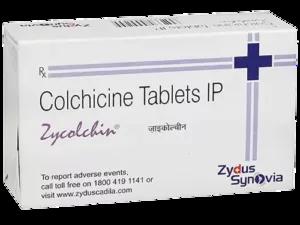

Colchicine is an oral medication derived from the Autumn Crocus plant (Colchicum autumnale).
Used for centuries, today it is a well-established treatment for inflammatory conditions, especially gout and pericarditis.
Works by reducing inflammation at the cellular level, making it effective during acute flare-ups and for longterm prevention.
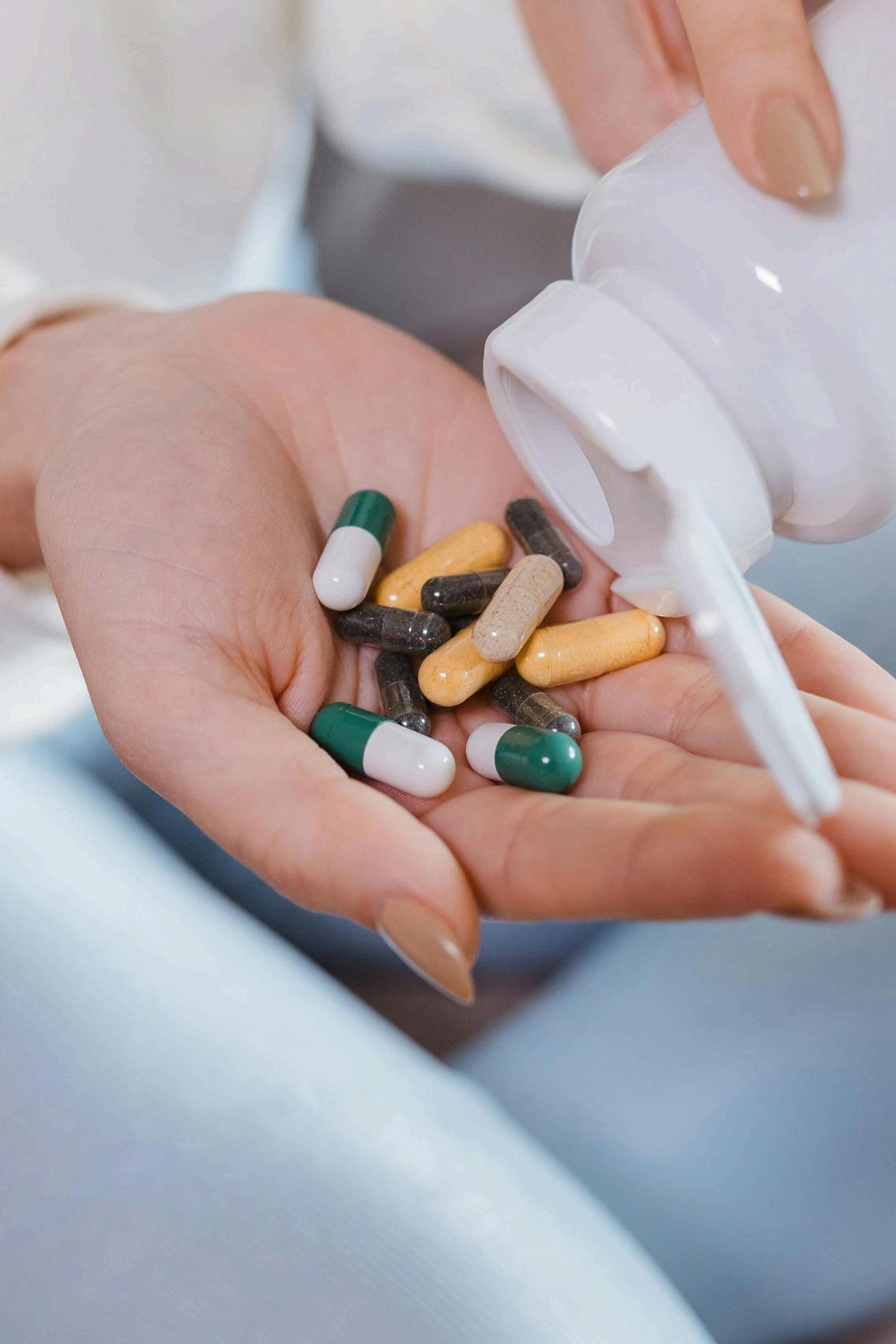

Colchicine interrupts microtubule polymerization, a process essential for inflammatory cell activity. This action helps: Reduce migration of inflammatory cells Decrease swelling and pain Prevent recurrence of inflammatory attacks Its unique mechanism makes it useful when NSAIDs or steroids aren’t ideal options.
1. Gout Management

Treats acute gout flares
Helps prevent recurrent attacks when used long-term
2. Familial Mediterranean Fever (FMF)
Reduces frequency and severity of FMF attacks
3. Pericarditis
Prevents recurrent inflammation of the heart’s lining
4. Other Uses (Physician-directed)
Behçet’s disease
Certain dermatologic and inflammatory conditions
Fast relief during acute inflammatory episodes
Prevents flare-ups when used regularly
Useful for patients who cannot tolerate NSAIDs
Low risk of dependency
Supported by strong clinical evidence for gout, FMF, and pericarditis, making it important to use a valid prescription if you choose to buy colchicine tablets for proper and guided treatment.
Nausea, vomiting
Diarrhea
Abdominal cramping
Fatigue
Muscle weakness or pain
Numbness or tingling
Severe diarrhea or dehydration
Low blood cell counts
Liver or kidney issues (rare)


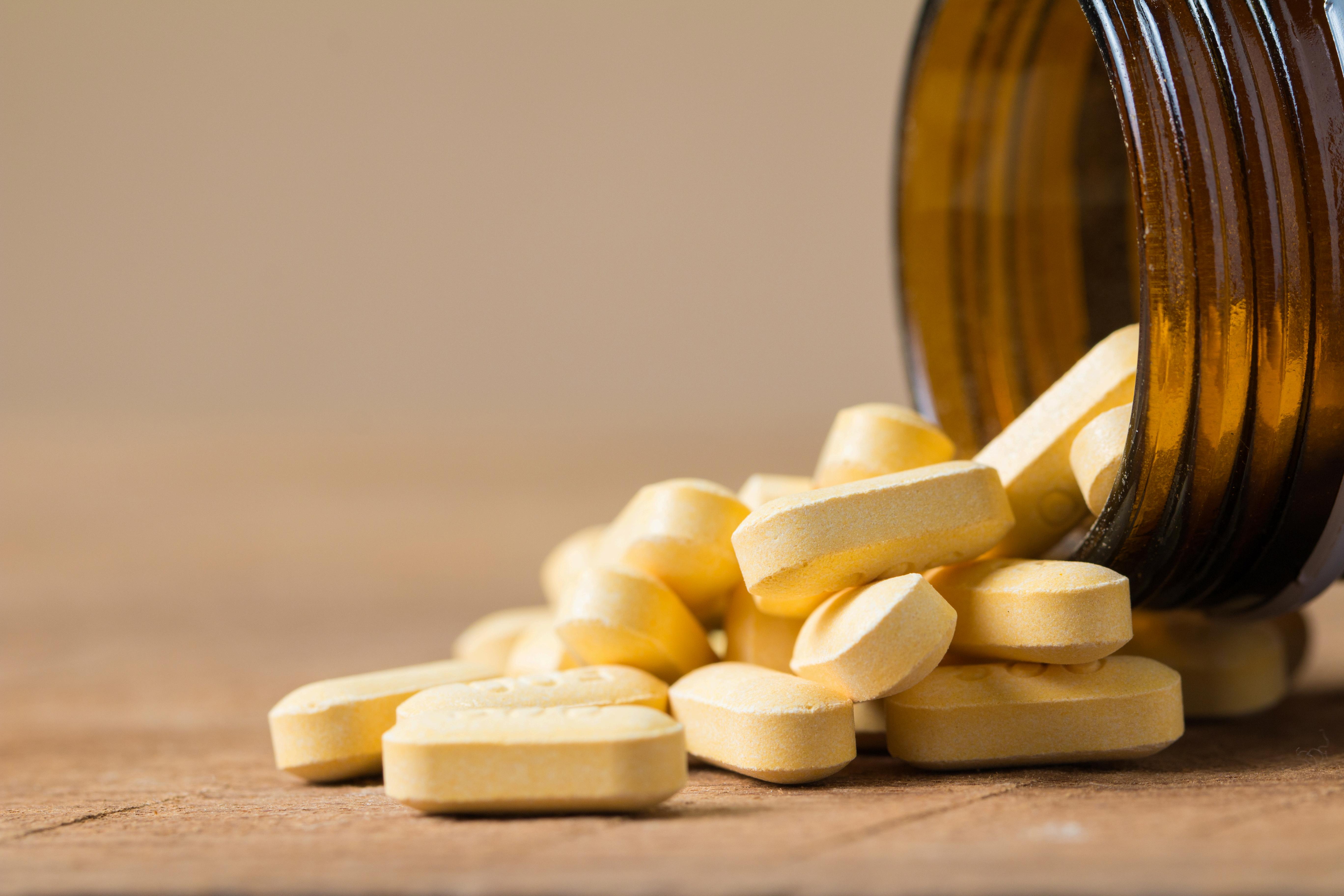
Use exactly as prescribed — overdosing can be dangerous.
Not recommended for people with severe kidney or liver disease unless monitored closely.
Avoid alcohol and grapefruit products, which may increase side effects.