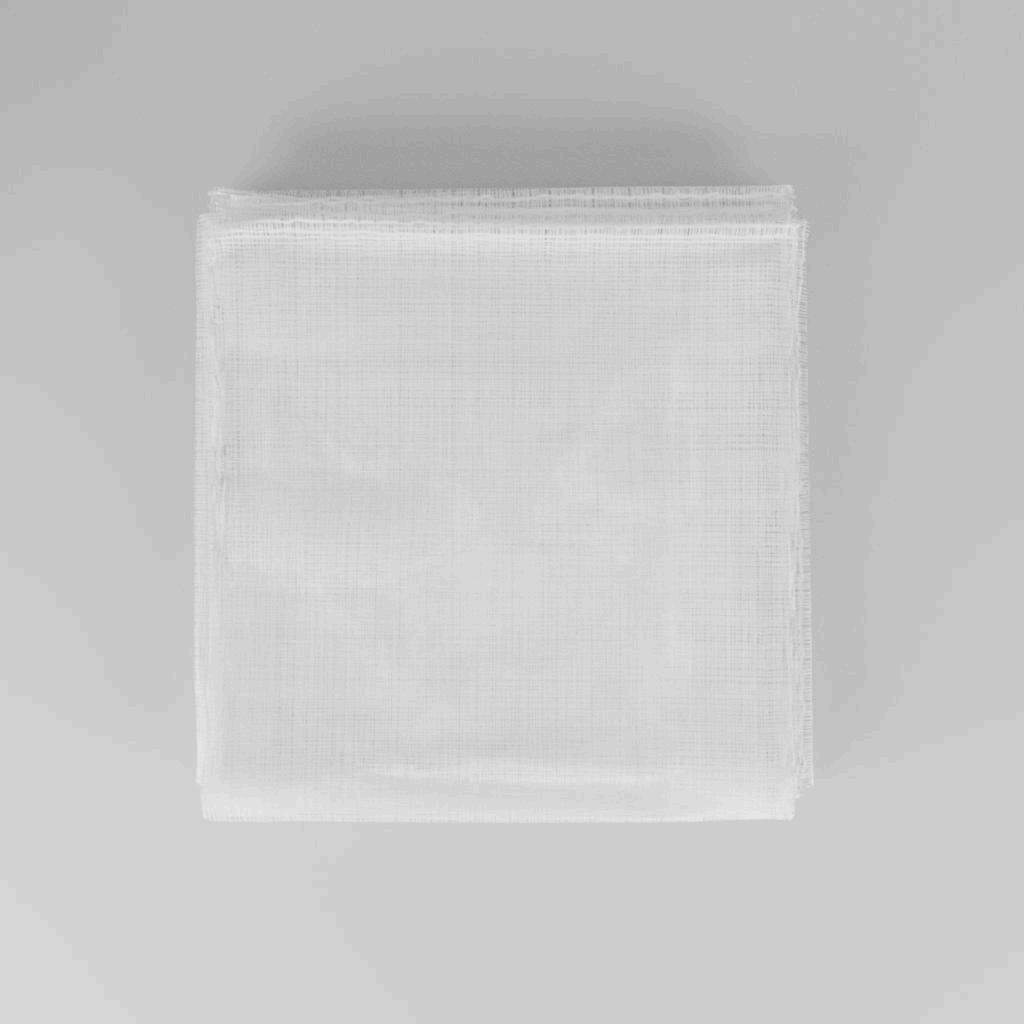
Sterile Gauze Swabs: A Practical Buying Guide for Hospital Procurement Teams
When we talk about patient care, it's easy to focus on big-ticket equipment surgical machines, monitors, advanced medicines. But some of the most important tools in a hospital are the simplest ones Sterile gauze swabs are a perfect example They're used every single day, across every department, and yet procurement teams often underestimate how much the right choice matters
This guide is written to help you make that choice wisely
Why Gauze Swabs Deserve More Attention Than They Get
A gauze swab is one of those products that nobody notices until something goes wrong A poor-quality swab that sheds lint, loses its sterility, or absorbs poorly can quietly contribute to wound infections, delayed healing, and increased patient discomfort. That's a heavy consequence for what looks like a "simple" purchase
On the flip side, a well-made sterile gauze swab keeps wounds clean, controls fluid absorption, and gives medical staff a reliable tool they can trust during procedures. The difference between good and bad quality here isn't minor it directly shows up in patient outcomes
What Makes a Gauze Swab "Sterile"?
Not all gauze swabs are created equal Sterile gauze swabs go through a specific sterilization process either Ethylene Oxide (ETO) or Gamma Radiation that eliminates bacteria and makes them safe for direct contact with open wounds.
Non-sterile swabs have their place too, mainly for general surface cleaning or areas where the skin is unbroken But for any procedure involving wounds, surgical sites, or fluid absorption from the body sterile is non-negotiable.
What to Actually Look for When Buying
1 Cotton Quality
Go for 100% pure cotton It should feel soft, breathe well, and release as little lint as possible Synthetic blends might look similar but behave very differently on a wound
2. Absorbency
This is where a lot of cheaper products fall short High-exudate wounds or surgical procedures need swabs that can hold fluid without breaking down. Poor absorbency means more frequent dressing changes which increases both cost and infection risk
3 Sterilization Method
Both ETO and Gamma sterilization are reliable, but they suit different use cases ETO is widely used and cost-effective Gamma sterilization offers deeper penetration and is often preferred for high-risk applications Discuss with your supplier which method suits your department's specific requirements.
4. Size and Ply
Hospitals need variety A 5×5 cm swab is fine for minor wound care, while a 10×10 cm, 16-ply swab is better suited for surgical absorption. Having the right size and thickness for each application avoids improvisation in the middle of a procedure
5 Packaging Integrity
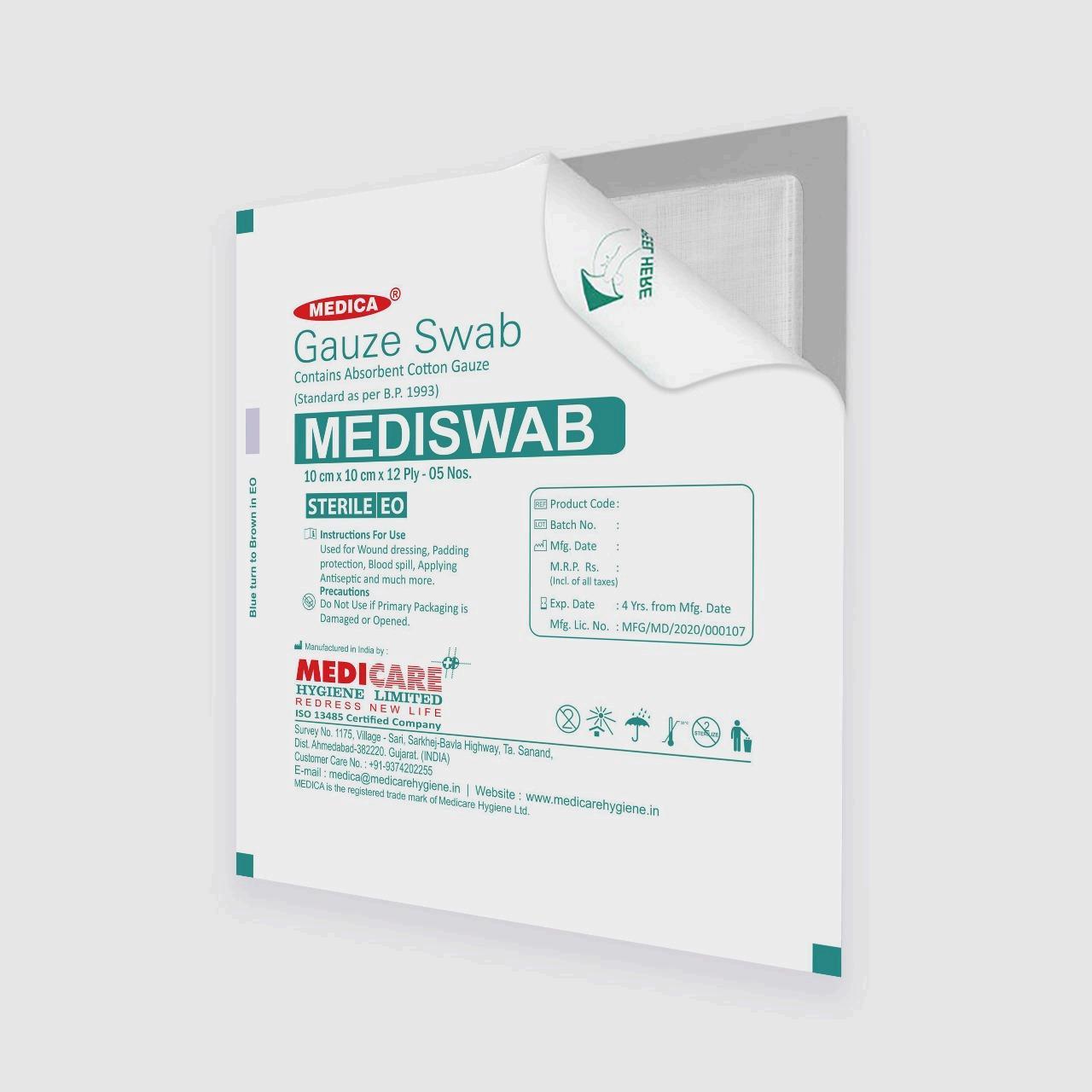
Sterility means nothing if the packaging fails Look for individually sealed packs with tamper-evident seals and easy-open designs that don't require struggling with scissors in a clinical setting.
6. Certifications
This is non-negotiable. Always verify:
● CE-EU MDR Certification confirms compliance with European medical device regulations
● ISO 13485 international standard for quality management in medical devices
These aren't just badges They represent documented processes, audits, and accountability
Every procurement team faces budget pressure But in healthcare, cutting corners on consumables like gauze swabs is a false economy. A cheaper swab that causes even one preventable infection costs far more in treatment, in time, and in patient trust than the money saved on the original purchase
The smarter question to ask isn't "What's the lowest price?" but "What's the best value over time?" Reliable absorbency, consistent sterility, and proper certification reduce complications and that's what actually controls costs in the long run
Choosing a Supplier You Can Trust
A good product from an unreliable supplier is still a risk When evaluating suppliers, look beyond the product spec sheet. Ask about:
● How long have they been manufacturing? Experience matters in this industry
● Do they have in-house quality control? Or do they rely entirely on third-party checks?
● Can they handle bulk orders consistently? Delivery failures disrupt entire departments
● Do they export internationally? Global exporters typically maintain stricter quality standards to meet regulations across multiple markets
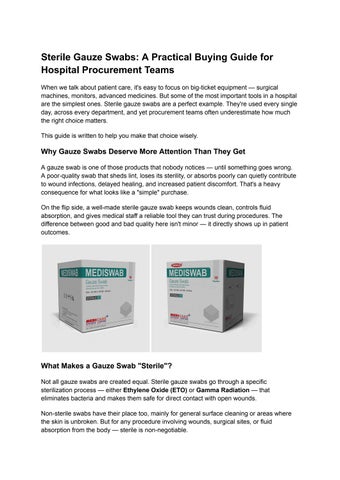
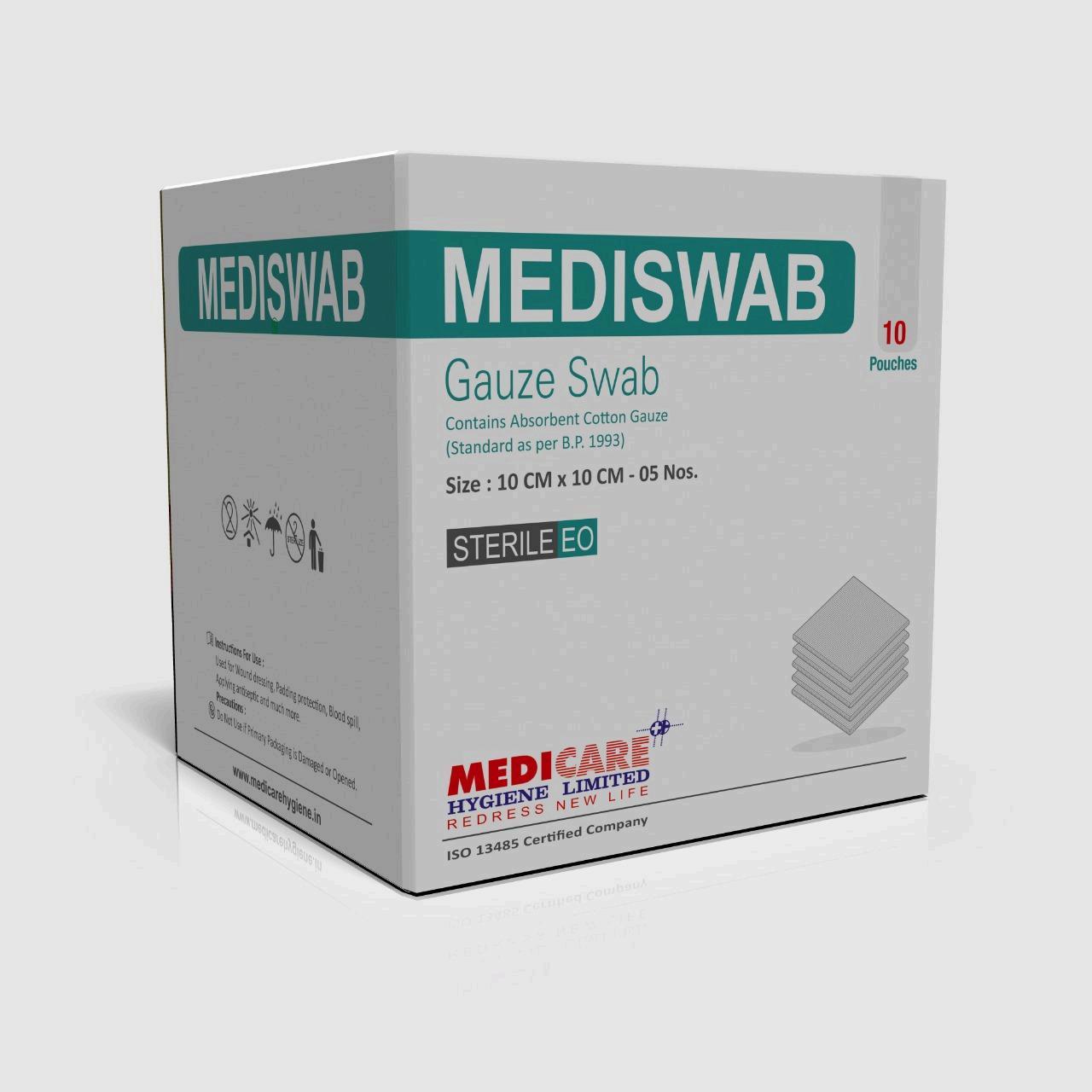
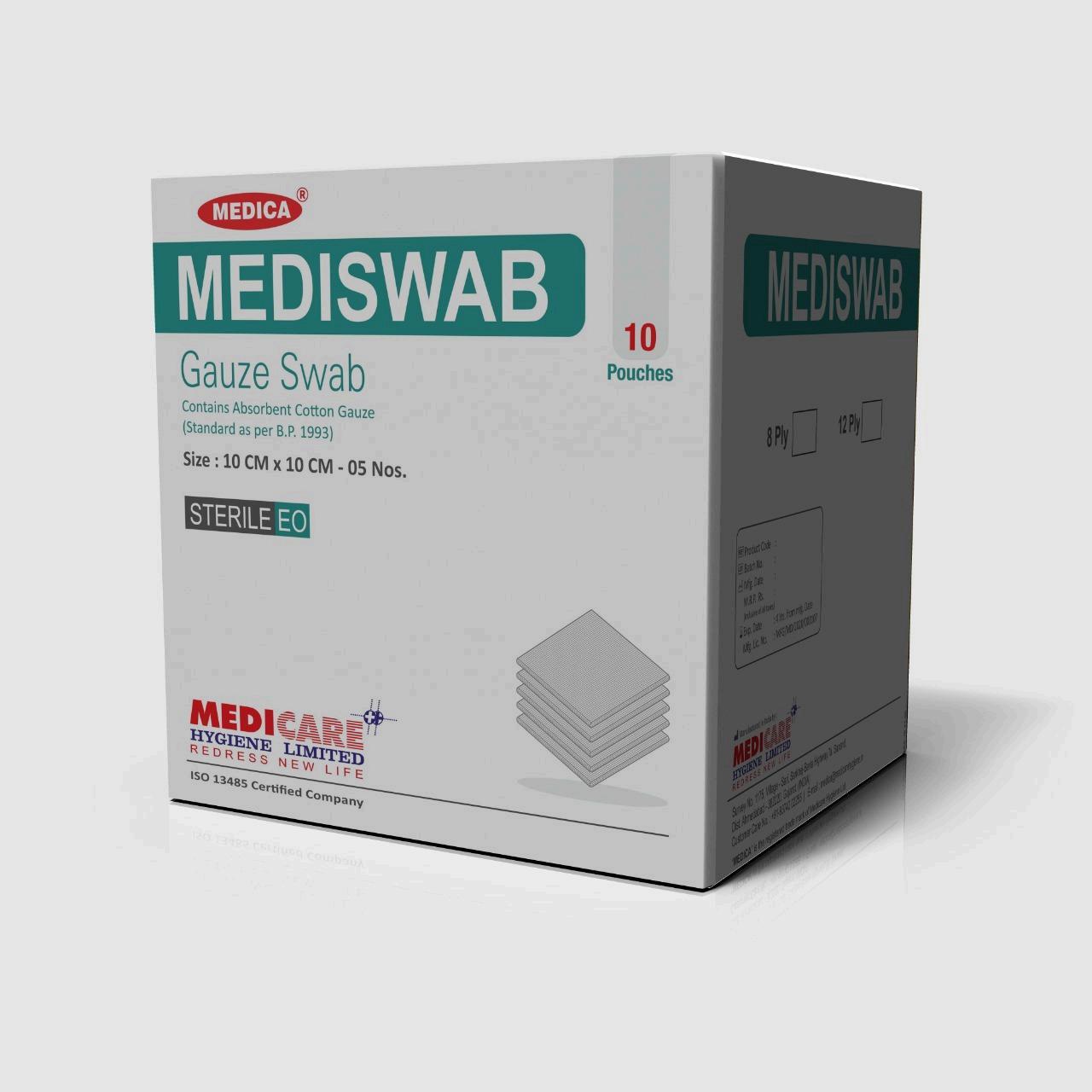
Products like Mediswab Gauze Swab and Medica Gamma Sterile Gauze Swab from Medicare Hygiene Limited are examples of what to look for CE-EU MDR certified, ISO 13485 compliant, and trusted by hospitals both in India and internationally
Common Mistakes Procurement Teams Make
● Choosing solely on price without checking certifications
● Ordering from new suppliers without verifying track records
● Ignoring packaging quality until a sterility complaint comes in
● Buying a single size for all departments instead of matching specifications to use cases
These aren't careless decisions they're easy ones to make under pressure But they're also avoidable with a clear checklist.
Final Thoughts
Sterile gauze swabs sit quietly at the foundation of wound care They don't make headlines, but they show up in every ward, every day For procurement teams, the goal is straightforward find a product that medical staff can rely on without a second thought.
That means prioritizing quality over the cheapest quote, verifying certifications before placing orders, and building relationships with suppliers who understand the responsibility that comes with supplying healthcare facilities.
Because at the end of the day, what goes onto a patient's wound matters and the decision about what that is starts with you