CE Certified Surgical Dressing Products — Why It Matters for Your Export Business
There's a question that comes up in almost every conversation between an Indian medical manufacturer and a serious foreign buyer: "Is your product CE certified?"
It sounds like a formality. It isn't.
Behind that question is an entire system of regulations, audits, and clinical validation that determines whether your product is even allowed on hospital shelves in dozens of countries For any manufacturer looking to build a real export business not one-off shipments, but long-term trade relationships understanding CE certification is no longer optional
What CE Certification Actually Is
CE stands for Conformité Européenne, meaning European Conformity. When a medical product carries this mark, it means an independent body has verified that the product meets EU safety and performance standards before it entered the market
The regulation governing surgical dressings today is EU MDR 2017/745 significantly stricter than what came before it Under this regulation, manufacturers can no longer self-declare compliance for most wound care products An EU-authorized Notified Body must independently assess the product, audit the manufacturing facility, review clinical evidence, and only then issue the certificate
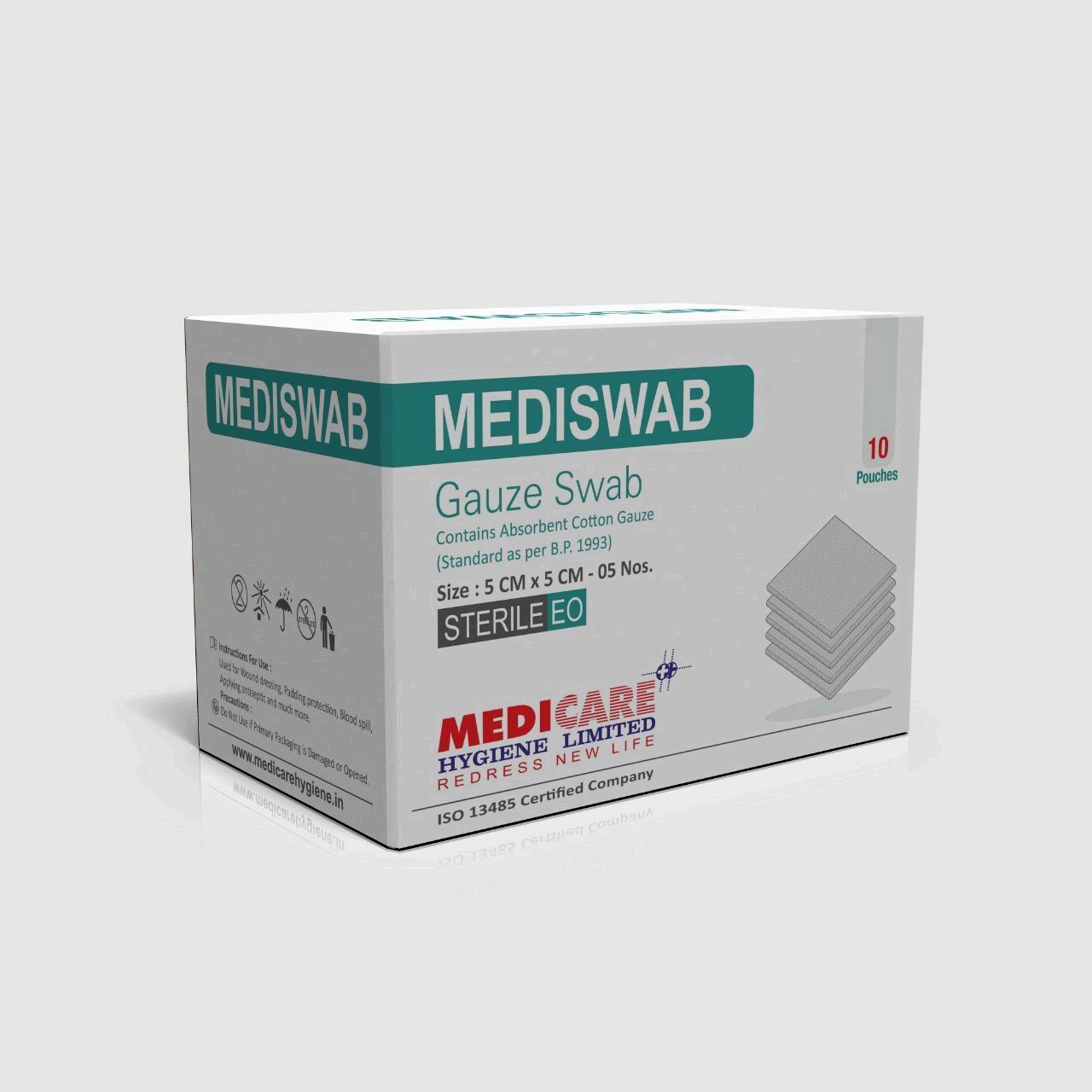
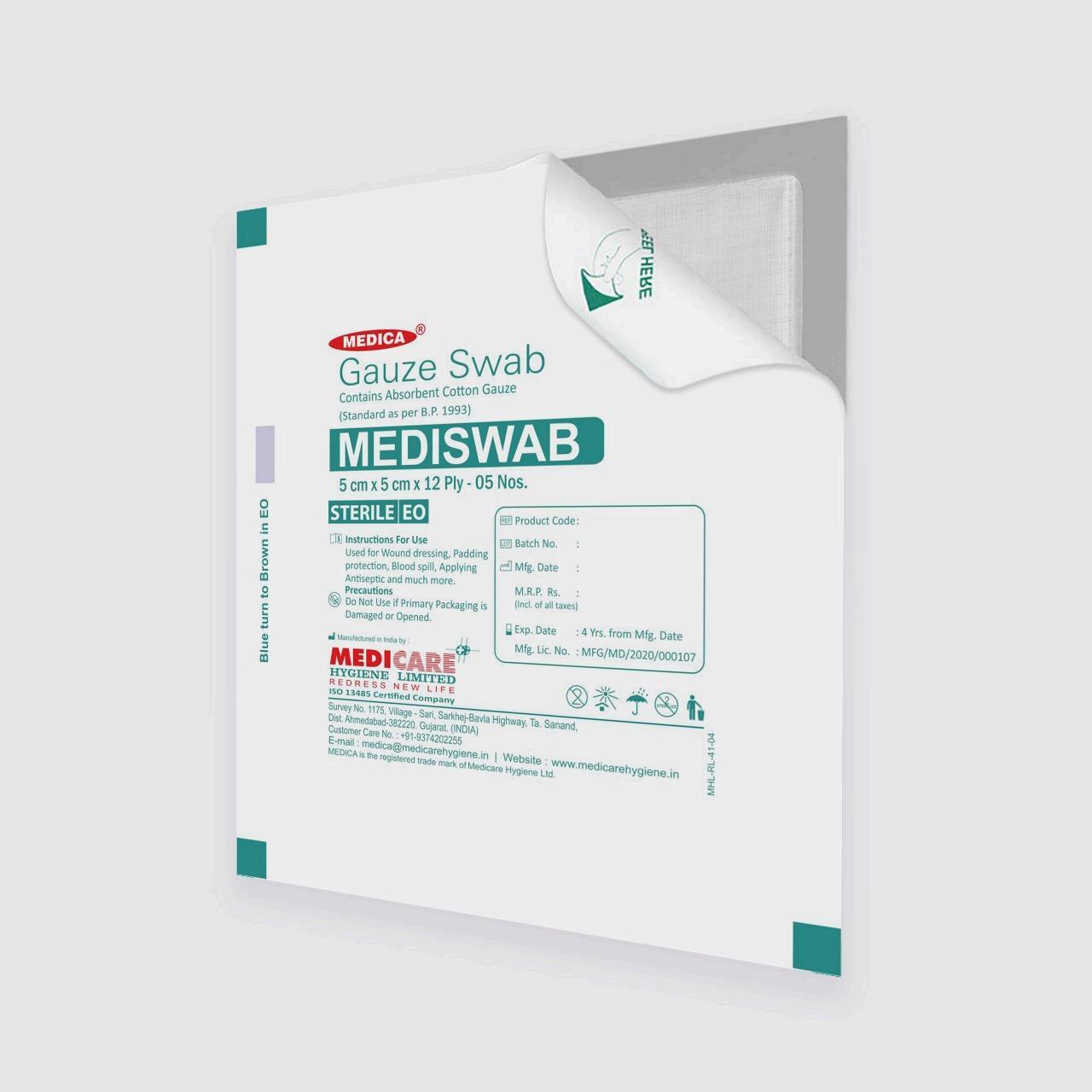
Most surgical dressing products including gauze swabs, paraffin dressings, and abdominal pads fall under Class IIa or Class IIb medical device classification. These are products in direct contact with open wounds and surgical sites The risk profile is real, and the regulatory scrutiny reflects that
Why International Buyers Demand It
Foreign buyers aren't just looking for quality They're protecting themselves from regulatory risk.
A hospital procurement officer in Germany or a distributor in the UAE operates under legal obligations If they import a non-compliant product and something goes wrong, the consequences fall on them recalls, regulatory action, reputational damage. CE certification transfers that verification burden to an independent third party that has already done the assessment
This dynamic isn't limited to Europe anymore Countries across the Middle East, Africa, and Southeast Asia increasingly treat CE certification as a reliable quality benchmark when they lack domestic infrastructure to run their own stringent assessments. A CE mark from a legitimate Notified Body tells buyers in many different markets that someone credible has already done the technical due diligence
Without it, certain hospital tenders and distribution contracts are closed before the conversation even starts