Drinks Industry Ireland July/August Digital Edition 2026
drinks INDUSTRY IRELAND
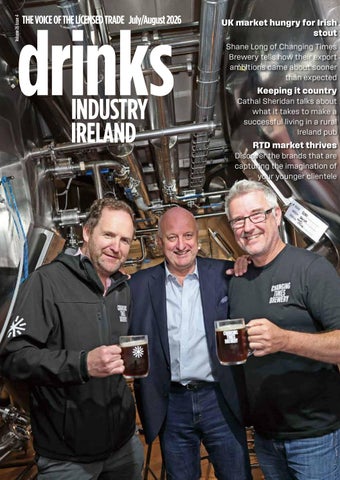
UK market hungry for Irish stout
Shane Long of Changing Times Brewery tells how their export ambitions came about sooner than expected
Keeping it country
Cathal Sheridan talks about what it takes to make a successful living in a rural Ireland pub
RTD market thrives
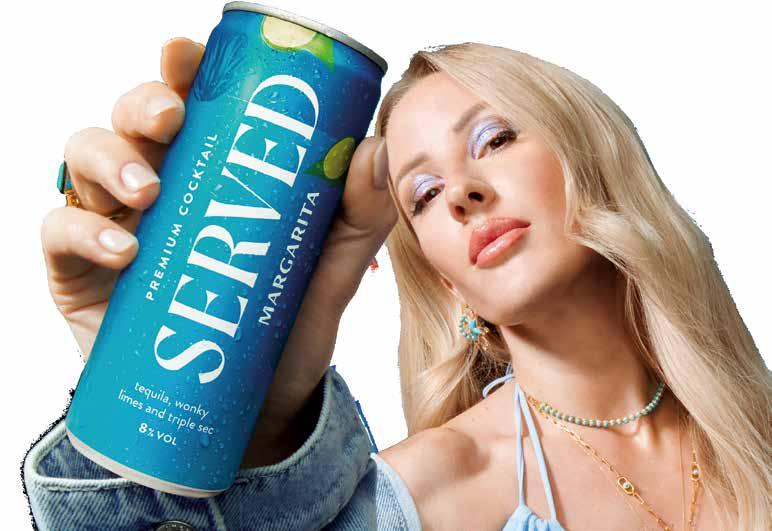
Discover the brands that are capturing the imagination of your younger clientele
Uasoiligh agus Seas an Aimsir don Rathúlacht
Ullamh? Fásaimis!
Is é learniFI ardán oiliúna Fáilte Ireland, le breis is 250 cúrsa agus ábhar ar líne ar fáil chun do chuid foirne a uasoiliúint agus chun spreagadh a thabhairt dod’ ghnó turasóireachta.
Deartha ag saineolaithe na hearnála, tá taisce luachmhar eolais anseo ag feitheamh le teacht chun solais.
Cláraigh inniu ag failteireland.ie/learnifi
12 Times they are a changing:
Shane Long of Changing Times Brewery talks to Fionnuala Carolan about entering the UK market with their stout brand
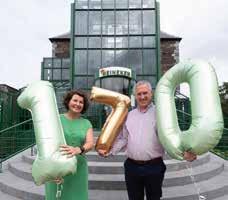
5 News: Heineken Ireland celebrates 170 years of brewing at historic Lady’s Well Brewery in Cork; LVA welcomes return of VAT 9
6 VFI News: Find out all the information on the BA in Bar Management in Griffith College starting this September
8 Have Your Say: We look at the results of our publican survey on VAT 9
14 Pub Profile: As Ireland’s rural pub sector struggles Cathal Sheridan, of Sheridan’s of Milltown. Co Galway, a fifth generation publican tells us about a changing landscape
18 AI in the Drinks Business: Bharat Sharma, founder and CEO of Apex B2B talks about how vital is it to use AI in business to remain competitive
20 Advisor HR: Every hospitality business should have a clear tips and gratuities policy for both staff and customers, says Caroline Reidy, head of NFP HR Solutions
26 A Day in the Life: Jayne Murphy, brand director whiskey, Proximo tells us about a typical day in her life
Social Diary: Check out who’s been out and about this month
Has the VAT rate cut had the desired result?
The long-awaited VAT rate of 9%, down from 13.5%, finally came into being this month and for many, it was a much-needed measure and even a lifeline for some. There are businesses that have been clinging on for the past few months with the knowledge that this was coming, swallowing the extra costs for that time because they felt that if the business made it until July, there would finally be relief and maybe even a bit of profit. Of course there are some businesses that are doing well so it won’t make much of a difference and then others that don’t benefit at all because they don’t serve food. These are the businesses that are in most need of support.
We carried out a survey over the past month (results on page 8) to gauge the reactions and one of the interesting takeaways for me was that costs will not come down for customers as a result of the VAT change because the extra money that is gained has to be used to shore up the inflated wages bill, pension auto enrolment and energy costs, all new costs to these businesses in the past 12/18 months.
Our pub profile interview this month is with Cathal Sheridan of Sheridans, Milltown, Co Galway (page 14). He is the president-elect of the VFI and a fifth generation publican. He said that he used to be able to sell a Sunday roast dinner for €9.95 and enjoy a profit from that. Now it costs twice that and there is little profit being made. He has had to diversify into events and even a golf simulaltor to keep his business profitable but realises that not everyone can afford to do this.
An interesting point he makes about the decline of the traditional pub, is that the pub would have always been the social hub of a community but this is not now guaranteed. The older men who used to sit at the bar a few nights a week are dying off and not being replaced and those that drink the most buy their drinks from supermarkets and drink at home. Sheridan laments the loss of social interaction and people looking out for one another. Covid created unintended social consequences and new habits for people that have not been reversed and it’s the small rural pubs that have felt this most keenly. The overall feeling from our survey was that without addressing these cumulative cost pressures, VAT relief alone will not be enough to secure the future of many pubs.
Elsewhere, our cover story this month is an interview with Shane Long of Changing Times Brewery. He details the company’s recent move into the UK market. It’s great to see an Irish owned and run business doing so well, a testament to the hard graft of the people involved.
Finally, I hope this prolonged spell of good weather is helping boost your business and keeping the pubs around the country buzzing.
If you have any news or views on the industry that you would like to share or highlight, please get in touch at Fionnualacarolan@mediateam.ie.
“Over the next three to five years, AI will become embedded across every part of the business. Rather than being another tool, AI will increasingly become another member of the operational team, helping people make faster, better-informed decisions every day.”
“The RTD category is one of the most dynamic parts of the drinks industry in Ireland, now worth almost €120m and growing at +28% year on year.”
“We’re only two years into this and I honestly didn’t think we’d be at this stage already.”
NEWS BITES
Publicans welcome return of VAT 9
From the 1 July 2026, the VAT rate charged on food served in pubs and other hospitality outlets returned to 9%, having been increased to 13.5% in September 2023. Following extensive campaigning on the matter by the LVA and the other hospitality representative bodies, the government confirmed in Budget 2026 that the rate would return to 9% from July onwards. “We are relieved and satisfied to finally see the return of VAT9,” said Donall O’Keeffe, CEO of the LVA. “This is a measure we have been pressing for from the moment the government said they were going to scrap it in the first place. At a time when cost pressures in the hospitality industry continue to rise, this is a very welcome and critical support for those within the hospitality sector who serve food.
European beer production falls again as non-alcohol beer grows
While beer production and consumption continued to decline in 2025, Europe’s brewers are adapting to changing consumer preferences through innovation, with nonalcoholic beer continuing its remarkable growth and hospitality’s share of the overall beer market showing some signs of stabilising after years of falling.
Across the European Union, beer production fell by 2.9% and beer consumption by 3.2% compared with 2024. The standout trend is the continued growth of non-alcohol beer. Volumes increased by 5.87% in 2025 and have grown by more than 38% since 2020.
Heineken Ireland celebrates 170 years of brewing at Lady’s Well Brewery in Cork
Heineken Ireland is celebrating a landmark moment this month, marking 170 years of continuous brewing at the Lady’s Well Brewery in Cork City. Founded in June 1856 by James J. Murphy and began as a family-owned business has evolved into one of Ireland’s leading brewing operations, producing some of the country’s most recognised brands, while maintaining a deep connection to Cork and the communities it serves. Today, Heineken Ireland employs more than 600 people across Ireland, with the Lady’s Well Brewery remaining at the heart of the business.
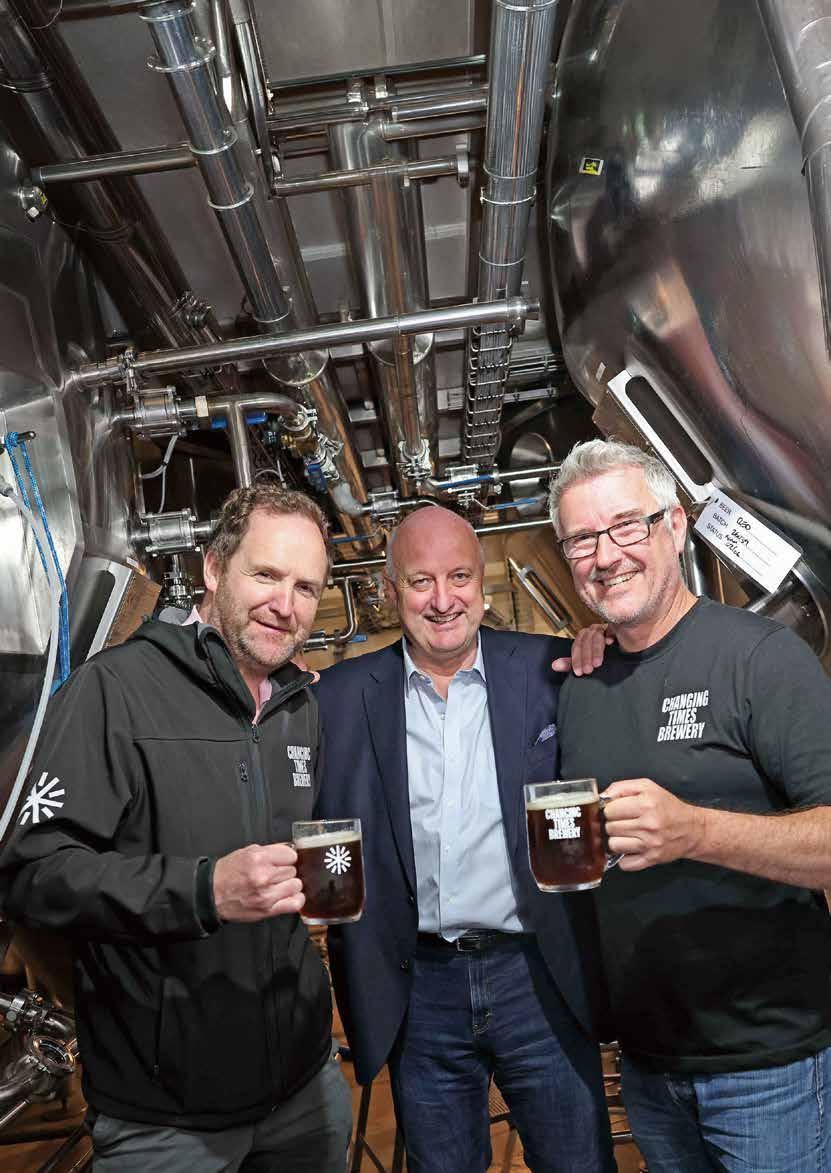
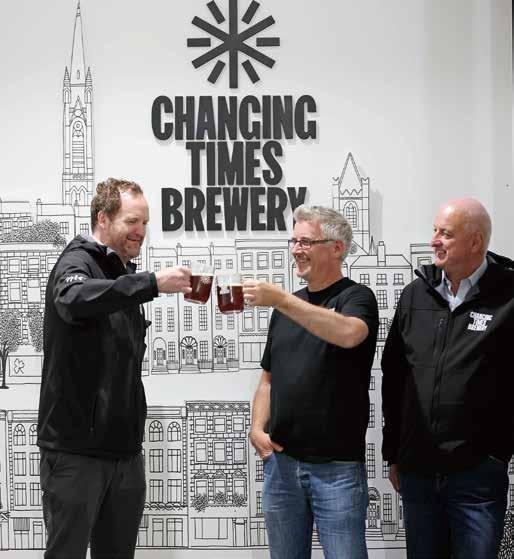
Shane Long, head of Brewing Operations for Changing Times
Across the European Union, beer consumption has fallen by 3.2% compared with 2024
Donall O’Keeffe, CEO of the LVA
Barbara-Anne Richardson, sustainability manager at Heineken Ireland and PJ Tierney, head brewer, Heineken Ireland
A practical route into bar management
Are you or somebody you know considering a career in hospitality?
Partnering with the VFI, the BA in Bar Management Apprenticeship by Griffith College is commencing this September and there is still time to sign up
The BA in Bar Management Apprenticeship, delivered by Griffith College in partnership with the VFI and their member publicans, offers a clear and respected route into a career in hospitality. It is a three-year, QQI-accredited Level 7 programme that combines on-the-job learning with structured study, giving apprentices the chance to earn while they learn.
With the next intake set for September, now is the time for anyone interested to act.
For young people already working in the trade, or those with experience who want to build a career in bar management, the course provides a practical pathway into a role with genuine progression. It covers the full range of skills needed to run a successful bar, including leadership, compliance, finance, marketing, food and beverage, and human resource management. That makes it a strong option for anyone who wants a career, not just a job, in the pub trade.
Why pubs should host
For VFI member pubs, hosting an apprentice is a smart way to develop talent from within and build a stronger team for the long term. Apprentices remain in employment, so you keep continuity on the floor while supporting the growth of a
future bar manager. It also helps create a learning culture in the business, while giving mentors the chance to build their own leadership skills.
As the VFI notes, supporting an apprentice can help you retain professional staff, bring fresh ideas into the business, and strengthen the operation from the ground up. JJ Mulcahy of The Old Quarter summed it up well when he said the apprenticeship is “a wonderful way to retain and develop staff”. He added that experience is critical in the trade, but so is knowledge of the changing legal and regulatory framework.
Why learners should enrol
For aspiring bar managers, this apprenticeship offers a proper career pathway with structure, support and a recognised qualification. Learners attend college one day a week, while gaining real-world experience in a working pub, which means the course is practical as well as academic. It is especially attractive for people who want to build confidence, develop leadership skills and move towards better-paid roles.
The programme is also open to school leavers with bar experience and to career changers, making it accessible to a wider range of candidates. Griffith College says the course is designed to help learners advance their careers and secure their future in the hospitality industry. As one apprentice put it, the structure
allows students to learn in depth about the trade, put the practical elements to use, and earn at the same time.
How to host or apply
To host an apprentice, an employer must first be willing to sponsor the candidate and support them through the programme. The apprentice works in the business while studying, so the arrangement is designed to fit around day-to-day pub operations. Griffith College also supports apprentices and mentors throughout the programme through academic success coaches.
For those who want to enrol, the first step is to apply through Griffith College’s BA in Bar Management page, where the programme details and application process are outlined. Applicants must be employed and sponsored by an employer, and must meet the entry requirements set out by Griffith College.
A worthwhile investment
The VFI has long supported the apprenticeship as a practical, industry-led response to the need for skilled and confident future leaders in the pub trade.
It is a programme that benefits apprentices, employers and the wider sector by investing in people and creating a stronger pipeline of talent. In a trade built on service, standards and experience that matters. ■
The next intake set for the BA in Bar Management Apprenticeship in Griffith College is in September
How publicans feel about the new VAT 9 rate
Over 80 publicans answered our survey to let us know their thoughts on VAT 9 as the new tax rate finally came into play this month
The VAT rate of 9% came in for hospitality businesses on 1 July. We wanted to gauge how businesses were feeling about it. Has it been a long awaited measure that your business is relying on for survival or will it just make life a bit easier? The most
pressing question is how the pubs that don’t serve food - traditionally called Wet pubs - will be affected by this new VAT rate compared with their counterparts in the industry. We have laid out the responses in the following charts.
Which of the following cost pressures currently have the greatest impact on your business? (Select up to three)
Drinks Industr y Ireland Sur vey
If
If
Publicans call for broader cost relief as 9% VAT falls short
While the restoration of the 9% VAT rate for hospitality
has been widely welcomed, responses from publicans show that many believe it is only one part of the solution. When asked what single measure would make the biggest difference to the viability of their business, operators consistently pointed to the relentless pressure of rising operating costs.
Labour costs emerged as one of the most frequently cited concerns from our survey. Many respondents said successive increases in the minimum wage, while recognised as important for employees, have created knock-on effects across entire wage structures. Publicans also highlighted the introduction of employer pension contributions and increases in employer PRSI as additional pressures, with several calling for any future increases in wage-related costs to be more gradual and aligned with inflation.
Energy costs
Energy costs remain another major challenge. Respondents repeatedly called for targeted energy supports, subsidies and enhanced grants for renewable energy investments such as solar power, arguing that utility bills continue to erode already tight margins. Insurance costs and commercial rates were also identified as significant burdens, particularly for rural businesses.
Taxation
Taxation featured prominently throughout the survey. Many publicans argued that reducing excise duty would have a more
immediate impact on viability than any other single measure, with some suggesting an excise rebate scheme or the introduction of a €20 rebate on every keg of draught sold, as proposed by the VFI.
Others called for reductions in VAT on draught products or alcoholic beverages, although some acknowledged the limitations imposed by EU VAT rules. Several respondents suggested that reducing commercial rates could offer a more practical alternative.
Rural pubs
Rural pubs featured strongly in the responses, with many operators stressing their importance as community hubs and calling for dedicated support measures. Respondents argued that rural pubs deliver significant social value beyond their commercial role and should receive targeted government assistance to reflect that contribution.
Many publicans also highlighted wider economic issues affecting trade. Rising business costs, the increasing cost of living and reduced consumer disposable income were all identified as factors limiting customer spending. Some respondents also pointed to
the shortage of rural taxi services, which they said restricts evening trade, while others highlighted the ongoing shortage of tourist accommodation, arguing that the use of hotels for asylum accommodation continues to affect visitor numbers in some areas.
Fears of more closures
Several respondents also expressed frustration that previously announced government supports had yet to materialise, while others simply called for a reduction in the overall cost of doing business, warning that without further intervention more hospitality businesses could close.
Overall, the responses paint a picture of an industry that welcomes the return of the 9% VAT rate but believes that lasting viability will depend on a broader package of measures.
Publicans are seeking action on labour costs, energy, excise, commercial rates and targeted supports for rural businesses, arguing that without addressing these cumulative cost pressures, VAT relief alone will not be enough to secure the future of many pubs. ■
BrauBeviale to spotlight the future of the beverage industry this November
BrauBeviale will return to the Nuremberg Exhibition Centre from 10–12 November 2026, bringing together the European brewing and beverage industry under the new theme ‘All Beverages. One Future.’
The 2026 event will place a stronger focus on helping beverage producers diversify their product portfolios in response to changing consumer demand, with particular emphasis on the fast-growing nonalcoholic drinks sector. While nonalcoholic beer remains a key growth area for brewers, this year’s exhibition will also significantly expand its focus on the production of non-alcoholic soft drinks.
According to organiser Yontex, the revised positioning reflects the evolving needs of beverage manufacturers looking to broaden their offerings while making
Time for opportunities – rethinking business models
Consumer trends are changing, plants are becoming more flexible, portfolios broader. BrauBeviale showcases solutions along the entire value chain of the beverage industry – from innovative ingredients and smart process technologies to sustainable packaging concepts.
Now is the time to actively shape opportunities – visit BrauBeviale
the most of existing production equipment. Visitors will be able to explore solutions spanning process technology, raw materials, packaging, automation, and marketing from leading international suppliers.
“The options for Europe’s mediumsized brewery and beverage industry to expand their product portfolio need to be developed further,” said Markus Kosak, executive director at Yontex. He added that BrauBeviale provides an ideal platform for businesses seeking practical solutions to support future growth across all beverage categories.
Revised layout
New for 2026 is a more compact exhibition layout across Halls 6 to 12, designed to improve visitor flow and create an even stronger networking
environment. Organisers believe the revised layout will enhance one of the event’s greatest strengths: connecting industry professionals and facilitating valuable business relationships.
The supporting conference programme, themed ‘Time for Opportunities’, will feature expert presentations and practical insights focused on innovation, market trends and implementable solutions for beverage producers.
With its expanded beverage focus, enhanced exhibition layout and strong educational programme, BrauBeviale 2026 aims to provide a comprehensive platform for brewers and beverage manufacturers looking to identify new opportunities, strengthen business connections and prepare for the future of the industry.
Get your tickets! www.braubeviale. com/en-US/ticket ■
Changing Times Brewery, the independent familyfounded brewery in Glasnevin, has just announced that they are launching their stout in the UK market. Shane Long, head of Brewing Operations for Changing Times and founder of the Franciscan Well Brewery in Cork speaks to Fionnuala Carolan about this dynamic business he has found himself involved in
When Shane Long talks about exporting Changing Times Brewery’s beers to Britain, there is very little talk of grand strategy. Instead, he describes it as a case of recognising an opportunity and moving much sooner than anyone had expected.
Less than two years after the independent Dublin brewery was established by a collective of some of Ireland’s best-known publicans, its Clockwork Stout has crossed the Irish Sea, securing listings in more than 50 UK pubs through distributor Inn Express. The expansion is expected to increase sales by more than 30% this year, taking projected turnover beyond €1.6 million.
“It wasn’t in the plan for this year at all,” Long says. “We got very lucky.”
The opportunity arose when representatives from the UK distributor travelled to Ireland searching for a premium Irish stout to add to their portfolio.
“They came over and sampled Irish stouts and then reached out to us. They were looking for a premium offering for the UK market and asked if we’d be interested. As far as I was concerned, it was a case of saying yes and making it work.”
While exporting to Britain had always featured in the company’s
Changing Times capitalises on Britain’s growing thirst for Irish stout
Timing in everything
longer-term plans, Long says the timeline was accelerated by the growing appetite for Irish stout across the UK.
“The popularity of Guinness has absolutely helped grow the category,” he explains. “When Franciscan Well was bought by Molson Coors back in 2012, they already believed Irish stout was going to become a major disruptor in Britain. At the time though, the UK market was very different. You had lager, traditional ale and then Guinness sitting almost in a category on its own.”
That landscape has changed dramatically. “Since Covid, a lot more breweries in Britain have started brewing stout and consumers have become much more open to the style. Then you had the Guinness shortages last year, which encouraged pubs to try alternatives like Murphy’s. It’s no longer just one brand dominating the category.”
For Changing Times, the timing could hardly have been better. Although the brewery only entered the UK market this summer, Long says demand has already exceeded expectations.
“The UK business will account for around 25% of our sales in July alone, and that’s in the middle of summer. Stout isn’t traditionally a summer drink, so it bodes very well for the winter months.”
That growth has inevitably created pressure on production, but Long views it as the kind of challenge every brewery wants.
“It’s put us under an awful lot of pressure, but we’re dealing with it.”
Long’s confidence comes from nearly three decades in the brewing industry, although he laughs when asked how he first became a brewer.
“It happened completely by accident.”
His career initially centred on the
Willie Aherne, The Palace Bar and founding member of Changing Times Brewery, Shane Long, founder the Franciscan Well Brewery in Cork and Changing Times) and Patrick J. Rigney, founder of The Shed Distillery and chair Changing Times Brewery
licensed trade rather than brewing itself. While managing a nightclub in London, he was approached about returning to Cork to establish what became Franciscan Well Brewery.
“I had no intention of moving back to Ireland,” he recalls. “I said the only way I’d consider it was if I became a shareholder, and they agreed immediately.”
Self-taught brewer
Initially, Long focused on operating the pub while someone else managed brewing. As the business evolved, necessity forced him into the brewhouse.
“I’m entirely self-taught. I learned because that’s what the business needed.”
Franciscan Well would go on to become one of Ireland’s best-known craft breweries before its acquisition by Molson Coors, giving Long firsthand experience of building both a brewing business and a recognised brand.
His relationship with Changing Times also stretches back years through Dublin’s pub trade.
“The Palace Bar was actually one of the first pubs in Dublin to stock Franciscan Well beers,” he says.
When Palace Bar owner Willie Aherne approached him about the concept behind Changing Times, Long immediately saw the potential, but only if more publicans came on board.
“I told Willie he needed more like-minded people involved if it was going to work.”
That vision eventually resulted in a shareholder group comprising owners of some of Ireland’s best-known pubs, creating what Long describes as a unique business model.
“It was probably the safest brewery investment I could make because you already had this incredible network of quality pubs behind it. We effectively started with about 20 excellent customers from day one.”
While the large shareholder base might appear complex, Long says clear governance was established from the outset.
One of his first recommendations was appointing an independent chair, a role eventually taken on by PJ Rigney, founder of The Shed Distillery.
Rigney not only agreed to chair the company but also invested personally after hearing the plans.
“His experience of building international drinks brands is extraordinary,” Long says. “He’s opened so many doors for us when it comes to exporting, regulations and international growth. I’ve learned an enormous amount from him.”
Long is equally enthusiastic about the brewing team assembled at Changing Times.
Although he readily points out that he is not a master brewer himself, he believes the company has assembled one of the strongest brewing teams in the country.
“We have two exceptional master brewers in Mark Nixon and Mark McHugh. People now want to come and work here because they want to work with them.”
Managing the brewery
Today, Long’s role extends well beyond brewing itself.
“I’ve put the systems in place and I act as the buffer between the shareholders and the brewing team. You couldn’t have 13 shareholders all ringing the brewers individually.”
The brewery now produces five core beers which are Daydreamer Lager, Clockwork Stout, After Hours Hazy Pale Ale, Bleedin’ Red Ale and Timeless Nitro Red Ale, with another release already in development.
While Daydreamer Lager remains
the brewery’s biggest seller, Long believes Clockwork Stout could soon become its flagship product.
“Willie always believed we needed a stout. We launched Clockwork in January and it just took off.”
Again, timing has played a major role.
“I think British consumers are a little more willing to try different brands than Irish drinkers, who can be very loyal. The initial signs have been really, really positive.”
Despite enquiries already arriving from Germany, Austria and even the Cayman Islands, Long insists the company will resist the temptation to expand too quickly.
“We’ll do one thing at a time. The UK is the priority.”
Even so, he admits the speed of Changing Times’ growth has surprised him.
“We’re only two years into this and I honestly didn’t think we’d be at this stage already.”
After almost 30 years in brewing, Long still approaches the industry with the same enthusiasm that drew him into it by chance.
“I genuinely feel like I haven’t worked in the last 28 years because I’ve spent that time doing exactly what I wanted to do,” he says. “I feel very privileged.”
For a brewery whose UK ambitions arrived ahead of schedule, that passion and a little good timing may prove to be its greatest competitive advantage. ■
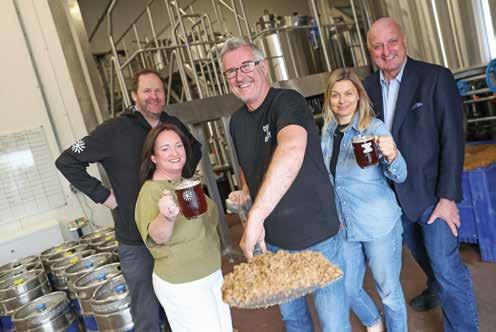
Willie Aherne, Shane Long, Patrick J. Rigney, Leona Campbell, The Bankers and Anna Towey, Darkey Kellys
Two centuries at the heart of a community
As Ireland’s rural pub sector grapples with rising costs, changing consumer habits and an uncertain future, few publicans are better placed to understand both the challenges and opportunities facing the trade than Cathal Sheridan, of Sheridan’s of Milltown, Co Galway
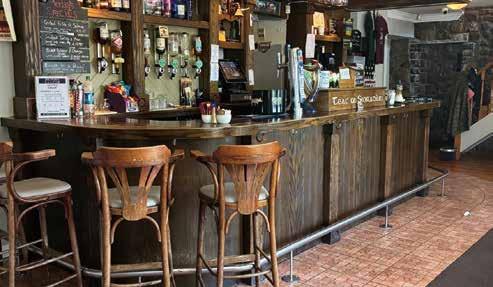
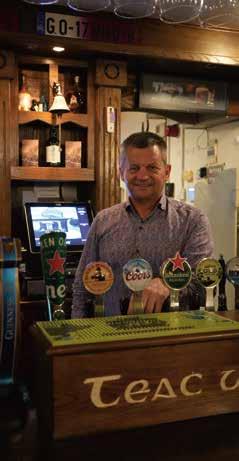
The bar in Sheridan’s of Milltown. Cathal believes many people underestimate the social function pubs continue to provide, particularly for older generations
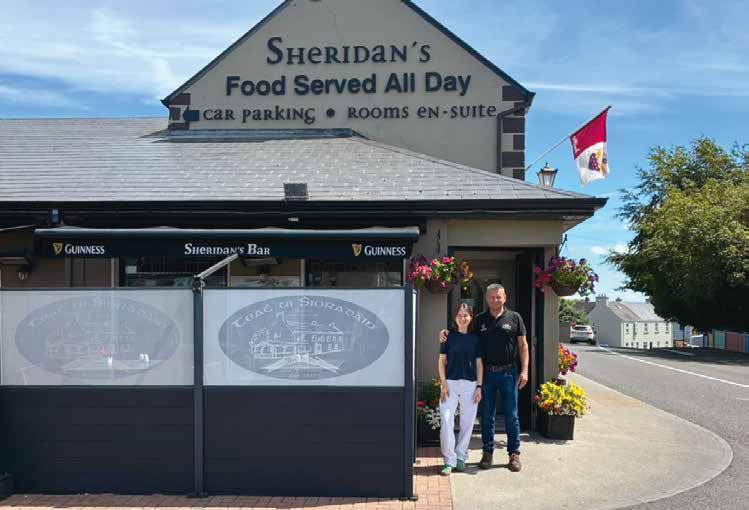
Cathal Sheridan and his daughter Cora outside their pub, Sheridan’s of Milltown, Co Galway
The seventh-generation proprietor of Sheridan’s Bar & Restaurant in Milltown, Co Galway, Cathal has spent his entire life immersed in the pub business. Born and raised above the family premises, he has witnessed dramatic changes in Irish social life, drinking culture and hospitality over the decades.
Today, as secretary of the Vintners’ Federation of Ireland and presidentelect of the organisation, he finds himself not only safeguarding a family business approaching its 200th anniversary but also helping to shape the future direction of the industry nationally.
Nestled in the village of Milltown on the N17, Sheridan’s occupies a unique position. According to Cathal, it is now the only pub operating on the Galway stretch of one of Ireland’s most famous roads.
“There are loads of pubs in Mayo on the N17, but none on the Galway side apart from ourselves,” he says.
While many rural businesses have suffered from bypasses and declining footfall, Milltown benefits greatly from traffic travelling between Galway and the northwest, bringing approximately 15,000 vehicles past Sheridan’s every day.
“We can’t really be bypassed because of the river crossing,” he explains. “Thank God for that because it makes a huge difference to us. I
have a significant food business and all I need is a small percentage of those people to stop.”
No drink driving
The passing trade that once sustained many roadside pubs, however, has changed beyond recognition. Like many publicans of his generation, Cathal has observed the disappearance of a culture where groups travelling to matches or social occasions would stop along the way for a few drinks.
“The days of people pulling in for a drink are long gone,” he says. “Younger people simply won’t drink and drive. Years ago you might have one driver and a few passengers having a drink, but that culture has changed completely.”
Rather than lamenting the shift, Cathal has adapted to it. Indeed, adaptation has become a recurring theme throughout the history of Sheridan’s.
Succession
Next year, the business will celebrate its bicentenary. Family records confirm the pub was operating in 1827, although Cathal suspects it may have existed even earlier. Across seven generations, the Sheridan family has witnessed famine, independence, economic booms and
recessions, changing social habits and enormous shifts in rural Ireland.
Now, Cathal hopes there will be an eighth generation. “I fully intend to pass it on if one of the children wants it,” he says.
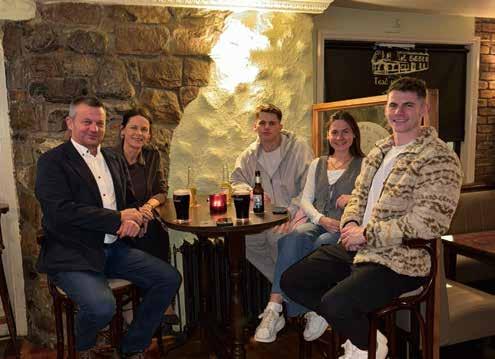
Like many family-run businesses, however, succession is far from guaranteed. Cathal and his wife Helen, who is a teacher have two sons, Liam and Eddie, who have both pursued careers in engineering, while their daughter Cora studied hotel management. While Cora currently shows the strongest interest in the business, Cathal is determined not to place pressure on any of them.
“They need to go out and make their own careers and have their own experiences first,” he says. “In a few years’ time we’ll sit down around the table and see what everyone wants to do.”
The succession dilemma is one Cathal sees repeatedly across rural Ireland.
“It’s similar to farming,” he says. “The next generation can often see an easier life somewhere else. The business can still provide a good living, but it’s hard work and people know that.”
His children are certainly no strangers to the trade. Like many publicans’ families before them, they all worked in the business while growing up and helped out through school and college.
“They understand exactly what’s involved,” he says.
Diversification is key
The reality, according to Cathal, is that running a pub today bears little resemblance to the business his father inherited. Traditional drink sales alone are no longer enough to sustain most rural premises.
“If I hadn’t diversified into food 19 years ago, I’d be out of business,” he says candidly.
That diversification began with a major investment in 2007. At a time when credit was readily available and confidence remained high, Cathal borrowed heavily and transformed the business.
“I spent about three-quarters of a million euro and everyone told me I was stone mad,” he recalls. “The timing probably looked even worse
Cathal Sheridan with his wife Helen, and three children, Liam, Eddie and Cora
because the recession arrived almost immediately afterwards.”
Today, however, that investment underpins the entire operation. Sheridan’s has evolved into a substantial hospitality business, incorporating a restaurant, function facilities and private event spaces alongside the traditional pub.
The restaurant seats approximately 60 people, while a dedicated function room can accommodate up to 120 guests. Communions, confirmations, christenings, family celebrations and local events now form a crucial part of the business model.
“We’re very busy with family occasions,” he says. “People will travel 20 or 25 miles to come here for communions and confirmations.”
Sunday dining has become particularly important.
“Nobody seems to switch on the oven on a Sunday anymore,” he laughs. “We’re flat out.”
Like many operators, however, Cathal has experienced significant pressure from rising food costs. The economics of hospitality have changed dramatically in recent years.
“Before Covid, I could serve a roast dinner for €9.95,” he says. “Those
“About 65% of the pubs we represent don’t serve food,” he says. “For a lot of them, food simply isn’t a realistic option. They don’t have the passing trade, the customer base or the capital required.”
costs have effectively doubled in a very short period of time.”
VAT 9
While the restoration of the 9% VAT rate for hospitality businesses has been welcomed, Cathal argues that the measure should be viewed as a support mechanism rather than a customer discount.
“It won’t be passed on because businesses need it to survive,” he says. “We’ve absorbed minimum wage increases, living wage measures, pension auto-enrolment and numerous other cost increases.”
As a representative of the VFI, he is quick to point out that many pubs will not benefit from the VAT reduction at all.
“About 65% of the pubs we represent don’t serve food,” he says. “For a lot of them, food simply isn’t a realistic option. They don’t have the passing trade, the customer base or the capital required.”
That challenge forms part of a much broader concern about the future of rural pubs. The VFI has repeatedly highlighted the scale of pub closures across Ireland, with more than 2,200 pubs shutting their doors since 2005.
Loss of community hubs
For Cathal, those closures represent much more than lost businesses.
“Pubs are still hugely important community hubs,” he says. “They support jobs, tourism and social interaction. When a pub closes in a rural area, the community loses something important.”
The changing role of the pub is evident in Milltown itself. Cathal believes many people underestimate the social function pubs continue to provide, particularly for older generations.
“A lot of the men who would have sat at the counter three or four nights a week have sadly passed away and they’re not being replaced,” he says.
The decline of traditional pubgoing has coincided with the growth of home drinking, a trend accelerated by Covid.
“We’re only selling a small percentage of the alcohol consumed in Ireland now,” he says. “The supermarkets are selling most of it.”
He believes the shift has created unintended social consequences.
“The alcoholics of Ireland aren’t sitting at bar counters anymore,” he says. “They’re drinking at home. At least in a pub there was social interaction and people looked out for each other.”
Rural transport issue
Another challenge confronting rural hospitality businesses is transport. While urban venues benefit from taxis, buses and other public transport options, operators in rural Ireland often find their growth constrained by a lack of transport infrastructure.
“Our business now is much more about evenings than late nights,” Cathal explains. “People can organise a lift home at 11 o’clock. It’s a lot harder to get somebody to collect you at one in the morning.”
The issue has become a major priority for the VFI. Cathal is a strong advocate for the reintroduction of local hackney licences to help address transport shortages in rural areas.
“It’s not Dublin,” he says. “You can’t walk out of a pub in rural Ireland and find a taxi rank or a bus stop.”
Golf simulator
Despite the pressures facing the sector, innovation remains central to Cathal’s approach. Perhaps the most
Cathal Sheridan says lack of transport infrastructure is partly causing the closure of rural pubs
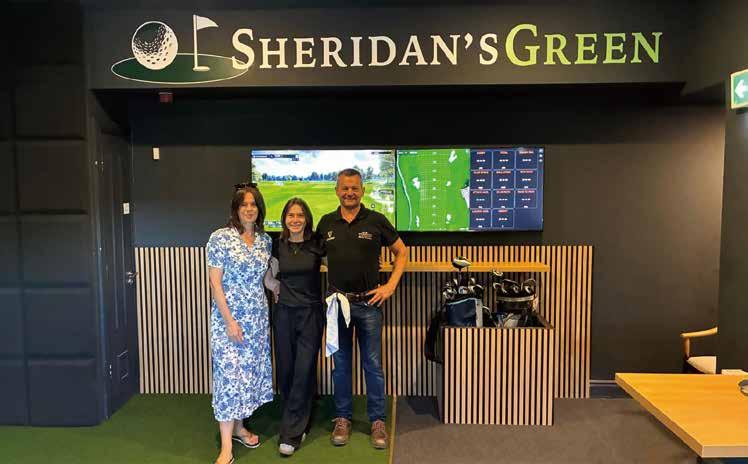
visible example arrived last year when Sheridan’s became the first pub in Ireland to install a golf simulator.
The idea originated with his daughter Cora after she observed the growing popularity of indoor golf facilities while travelling abroad.
“I’m always telling the kids to keep an eye out for ideas,” he says. “My grandfather told my father, my father told me, and I’ve told my children.”
The simulator was installed in a previously underutilised upstairs room that once formed part of the family living quarters. Significant structural work was required, including raising the ceiling height, bringing the overall investment to approximately €35,000.
The response has exceeded expectations.
“It’s bringing people into the pub who have never been here before,” Cathal says.
Beyond generating direct revenue, the simulator has introduced new customers to the wider business, creating opportunities for restaurant bookings, private functions and family events.
“It has become a completely new revenue stream,” he says. “People come to play golf, then they eat and
have a few drinks. It all feeds back into the business.”
For Cathal, the success of the project reflects a broader lesson for the industry.
“You have to keep changing,” he says. “Every generation has to find something different.”
Born to be a publican
His own journey into the trade was not entirely straightforward. Although born above the pub, he initially pursued a culinary career, training as a chef before working in hospitality and spending time in America.
He later worked as a chef in Killiney Castle before ultimately returning to Milltown and the family business.
Looking back, he believes the outcome was inevitable.
“I was born to be a publican,” he says. “I’ve spent my whole life in the trade. It’s part of who I am.”
That deep connection to the industry will soon take on an even greater dimension. Following his recent election as president-elect of the Vintners’ Federation of Ireland, Cathal will assume the presidency of the organisation next year.
His family’s relationship with the VFI stretches back more than half a century, and he joined the organisation himself in 1990.
“It’s a huge honour,” he says.
The role comes at a pivotal moment for the sector, with operators facing unprecedented cost pressures and ongoing uncertainty about the future of rural hospitality.
Cathal insists he has no ambitions as a politician.
“I’m not a politician,” he says. “I just want to fight for the future of the industry.”
It is a mission rooted in nearly two centuries of family history and a profound belief in the role pubs continue to play in Irish society.
As Sheridan’s approaches its 200th anniversary, the business stands as a testament to resilience, reinvention and community. Through seven generations, it has evolved with the times while remaining at the heart of village life.
For Cathal Sheridan, ensuring that future generations have the opportunity to do the same is both a professional responsibility and a personal calling. ■
Last year, Sheridan’s became the first pub in Ireland to install a golf simulator. It has been a roaring success
Utilising the power of AI in small businesses
Entrepreneur Bharat Sharma, founder and CEO of Apex B2B, a business that aims to simplify complex commerce operations and enable scalable digital growth talks to Drinks Industry Ireland about the power of AI in B2B commerce and why it is now a competitive necessity rather than a “nice to have”
Recent figures show that 77% of B2B buying processes involved AI in 2025, with heavy usage continuing to grow. Why has AI become a competitive necessity rather than a “nice-to-have” for businesses across the drinks sector?
AI has become a competitive necessity because it’s no longer reserved for large enterprises. Recent advances have made AI far more accessible, affordable and practical, allowing businesses of every size to benefit without needing specialist AI teams or major transformation programmes.
At the same time, the technology has matured significantly. Today’s AI is delivering measurable improvements across sales, customer service, procurement, forecasting and operational efficiency. In the drinks sector, where margins are tight and customer expectations continue to rise, businesses that embrace
AI can respond faster, make more informed decisions and operate more efficiently, while those that delay risk losing competitive advantage.
Many drinks wholesalers, suppliers and publicans are facing margin pressures, rising costs and changing customer expectations. Where do you see AI delivering the biggest commercial benefits today?
The biggest commercial opportunity is using AI to increase revenue while reducing operating costs. We’re already seeing AI enrich product information, personalise promotions and recommend complementary products to increase basket value. It can help customers reorder faster through AI-assisted shopping carts and self-service portals, while behind the scenes it automates orders received by email, PDFs or WhatsApp, improves demand forecasting and supports customer service teams.
The real value isn’t a single AI feature: it’s removing friction across the entire buying journey, making it easier for customers to buy and easier for teams to sell, fulfil and support every order.
One of the biggest challenges for publicans is managing stock efficiently while avoiding overordering or running out of key products. How can AI-powered predictive ordering help pubs make smarter purchasing decisions?
Rather than relying solely on experience, AI recommends what to order, when to order and in what quantities.
This helps reduce overstocking, minimise stockouts, improve cash flow and ensure popular products remain available when demand peaks. As AI continues to learn from actual purchasing behaviour, its recommendations become
Predictive ordering helps publicans make smarter purchas-
ing decisions by combining historical sales with real-time signals such as weather forecasts, major sporting events, local demand patterns, seasonal trends and promotional activity.
increasingly accurate, giving publicans greater confidence in every order while allowing them to focus more on running the business and serving customers.
Many pubs still rely on a combination of manual ordering, spreadsheets and multiple supplier systems. How can AI simplify procurement and reduce the administrative burden on busy operators?
Many pubs still manage procurement across phone calls, emails, supplier portals and spreadsheets, creating unnecessary administration and cost. AI can simplify this by automating order capture, validating pricing and availability, and integrating directly with back-office systems. Combined with modern self-service portals, operators can place orders, reorder previous purchases, view invoices, track deliveries and manage their accounts whenever it suits them.
Just as importantly, everyone works from a single source of truth, giving both customers and customer service teams access to the same real-time information. The result is lower operating costs, fewer errors, faster service and a better customer experience.
Beyond ordering and procurement, are there opportunities for publicans to use AI to improve other aspects of their business, such as staffing, stock control, customer engagement or sales forecasting?
Absolutely. AI has the potential to support almost every aspect of running a pub. It can optimise staff scheduling based on expected demand, improve stock control and reduce waste, forecast sales more accurately, personalise marketing campaigns and loyalty offers, and
help managers identify trends before they impact the business.
Increasingly, AI is connecting these functions together, giving operators a single, real-time view of performance and helping them make faster, betterinformed decisions. The biggest opportunity isn’t simply automating individual tasks; it’s using AI to run a more efficient, profitable and customer-focused business.
Some smaller and independent pub operators may feel that AI is only relevant to larger businesses with bigger budgets. What would you say to those who are unsure whether AI can deliver a meaningful return on investment?
AI is no longer just for large enterprises with dedicated IT teams and significant budgets. Recent advances have made AI more accessible, affordable and easier to adopt for businesses of every size.
My advice is simple: don’t try to transform everything at once. Start by identifying the biggest source of friction in your business; the manual task that’s costing the most time, money or customer frustration, and tackle that first. Measure the results, then build from there. The strongest returns on investment rarely come from one big AI project; they come from solving one meaningful business problem at a time.
Do you think a gap is emerging between businesses that are embracing AI and those that continue to rely on manual processes? What risks do drinks suppliers, wholesalers and publicans face if they fail to modernise?
AI doesn’t create a competitive gap overnight, it widens it one improvement at a time. Businesses
embracing AI are continuously removing friction, automating manual tasks, improving customer experiences and making better decisions. Over time, these incremental gains compound into a significant competitive advantage. Businesses that continue to rely on manual processes risk higher operating costs, slower service and losing customers to competitors that are easier to do business with.
Modernisation doesn’t have to happen overnight, but standing still is becoming the greatest risk.
Looking ahead, what AI innovations are most likely to transform the drinks trade over the next three to five years, and what practical steps should businesses take now to ensure they remain competitive?
Over the next three to five years, AI will become embedded across every part of the business, from purchasing and inventory management to customer service, sales, marketing and supply chain operations. Rather than being another tool, AI will increasingly become another member of the operational team, helping people make faster, better-informed decisions every day.
My advice is not to wait for the perfect AI strategy. Start by identifying the biggest source of friction in your business, solve one problem at a time and build from there. AI doesn’t create a competitive advantage overnight, it widens it one improvement at a time. ■
Bharat Sharma, founder and CEO of Apex B2B
How to manage tips, gratuities and service charges in the hospitality sector
The introduction of the Payment of Wages (Amendment) (Tips and Gratuities) Act 2022 marked one of the most significant employment law changes for Ireland’s hospitality sector in recent years. Since coming into effect on 1 December 2022, it has reshaped how tips, gratuities and service charges are managed across pubs, bars, restaurants and wider licensed trade environments.
For operators in the drinks industry, where tipping practices can vary widely depending on service style, the legislation brings both clarity and operational responsibility. More importantly, it reinforces transparency for workers and customers alike.
This article outlines the key provisions of the legislation and, crucially, offers practical guidance on implementation in a pubs and bars context.
Understanding the legislation
At its core, the Act was introduced to ensure that tips and gratuities intended for staff are actually received by staff, and distributed in a fair and transparent way.
Key principles include:
• Tips cannot be used to top up wages
Caroline Reidy, head of NFP HR Solutions explains how important it is to have some clarity around how gratuities are managed to develop transparency for workers and customers of your business and ensure your practices are legally sound
Employers are prohibited from using tips or gratuities to make up contractual pay.
• Fair distribution is mandatory
All tips, particularly electronic (card) tips, must be distributed fairly between employees.
• No employer retention of electronic tips
Employers cannot retain any share of electronic tips, except in limited and clearly justifiable circumstances.
• Transparency obligations Businesses must clearly display their policy on how tips and service charges are distributed.
• Employee statements required Staff are entitled to a written breakdown showing total tips collected and the portion allocated to them.
• Service charge rules clarified
Any charge described to customers as a “service charge” must be treated in the same way as a tip i.e. distributed to staff.
The legislation applies across hospitality, including pubs, hotels and restaurants, where tipping practices are common.
Key implementation challenges
From an operational standpoint, the most common issues we are seeing in the sector include:
1. Unclear or outdated tipping policies
Many businesses either lack a formal policy or rely on informal
practices that do not meet the Act’s transparency requirements.
2. Inconsistent distribution models
Variations between shifts, venues or management teams can lead to perceived unfairness, even where intentions are good.
3. Misuse of the term “service charge”
Charging customers a “service charge” without distributing it to staff exposes employers to non-compliance.
4. Administrative burden
Providing individual statements and tracking electronic tips requires systems and discipline that may not previously have existed.
Practical steps for compliance
For drinks industry employers, compliance is not simply a legal exercise - it is an opportunity to build trust and improve staff engagement.
1. Develop a clear, written tipping policy
This should cover:
• How tips (cash and card) are collected
• How they are pooled and distributed
• Whether roles, hours worked, or seniority influence allocation
• The law allows flexibility in distribution, but decisions must be reasonable and justifiable.
2. Display the policy prominently This is a legal requirement. Policies should be:
Caroline Reidy, head of NFP HR Solutions, HR and Employment Law Specialist
• Visible to customers (e.g. menus, signage, websites)
• Accessible to staff (e.g. contracts, handbooks)
• Transparency is a central pillar of the legislation.
3. Align service charges with legal definitions
If you apply a service charge:
• Ensure it is distributed to staff in the same way as tips
• Avoid using the term unless this condition is met
This is an area where many businesses inadvertently fall foul of the rules.
4. Implement tracking systems
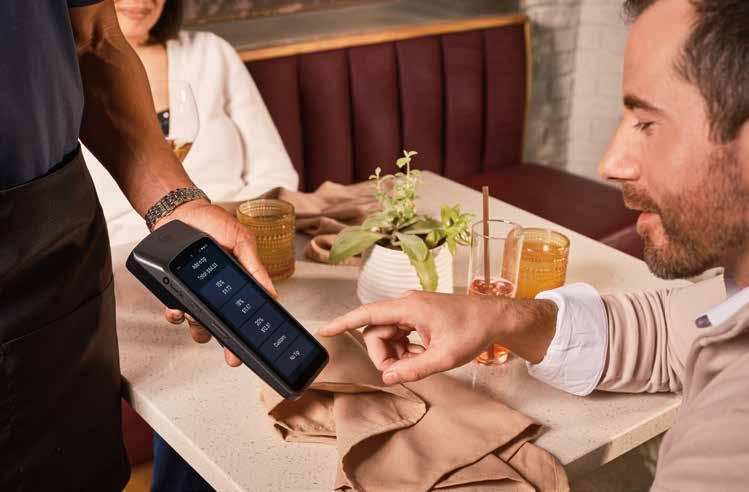
• Electronic tips must be recorded and distributed accurately. Employers should use POS systems or payroll integrations to track tips
• Maintain clear records for each pay period
• Be prepared for potential inspection by the Workplace Relations Commission (WRC)
5. Provide regular statements to employees
Employees must receive a breakdown showing:
• Total tips received during a period
• Their individual allocation
• This supports both compliance and transparency.
6. Engage employees in the process Consultation is not explicitly mandated in all cases, but is strongly advisable.
Fair distribution often considers factors such as:
• Hours worked
• Role in service delivery
• Contribution to overall customer experience Engagement reduces disputes and strengthens buy-in.
Opportunities for the sector
While the legislation has introduced additional obligations, it also presents an opportunity for the drinks industry:
Enhancing employer brand: Clear and fair tipping practices can support recruitment and retention in a competitive labour market
Building customer trust: Transparency reassures customers that tips go to staff as intended Improving workplace culture: Fair systems reduce internal conflict and promote teamwork
In an industry where margins are tight and staff turnover remains a challenge, these benefits should not be underestimated.
Better to take a proactive approach
The Tips and Gratuities legislation reflects a broader shift towards transparency, fairness and accountability in hospitality employment practices.
For pubs, bars and wider drinks businesses, compliance requires more than a policy document, it demands consistent implementation, clear communication, and operational alignment.
Those who take a proactive approach will not only mitigate legal risk, but also strengthen their workforce and customer relationships in the process.
If you require further support or advice relating to HR, contact hrsolutions@nfpireland.ie / (066) 7102887. For more information visit https://nfpireland.ie
Many businesses either lack a formal policy or rely on informal practices that do not meet the The Payment of Wages (Amendment) (Tips and Gratuities) Act 2022 Act’s transparency requirements
Wine away the hours
As warmer days and longer evenings inspire consumers to embrace outdoor dining, entertaining and relaxed social occasions, summer presents a valuable opportunity for the wine category. From crisp whites and elegant rosés to refreshing sparkling wines and Champagne, this season’s standout bottles are perfectly positioned to meet demand for lighter styles and food-friendly pairings. In this feature, Drinks Industry Ireland highlights some of the brands, new releases and marketing initiatives set to make an impact this summer, showcasing wines that combine quality, innovation and broad consumer appeal for retailers, on-trade operators and wine lovers alike.
Building on recent momentum following its recognition by Forbes as the world’s number one winery, Santa Rita continues to strengthen its global positioning. The accolade, awarded in recognition of the group’s heritage and legacy, commitment to mentoring future generations of winemakers, innovation across vineyard and winery, advancements in packaging, and leadership in sustainability and social responsibility, underscores a long-term dedication to quality and progress.
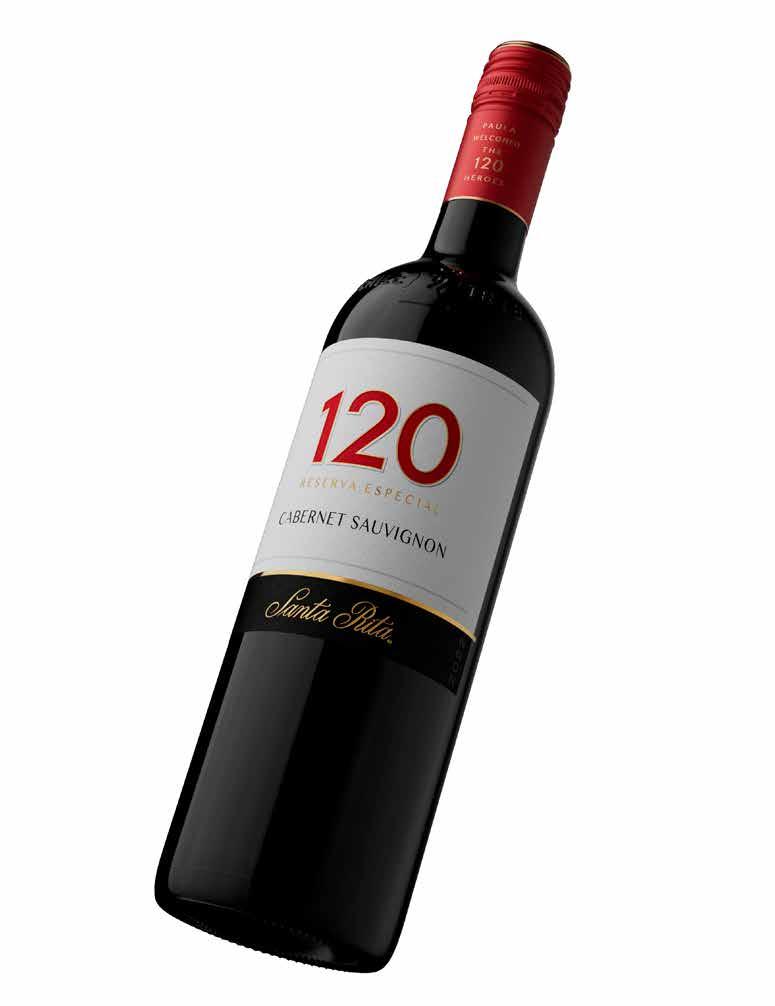
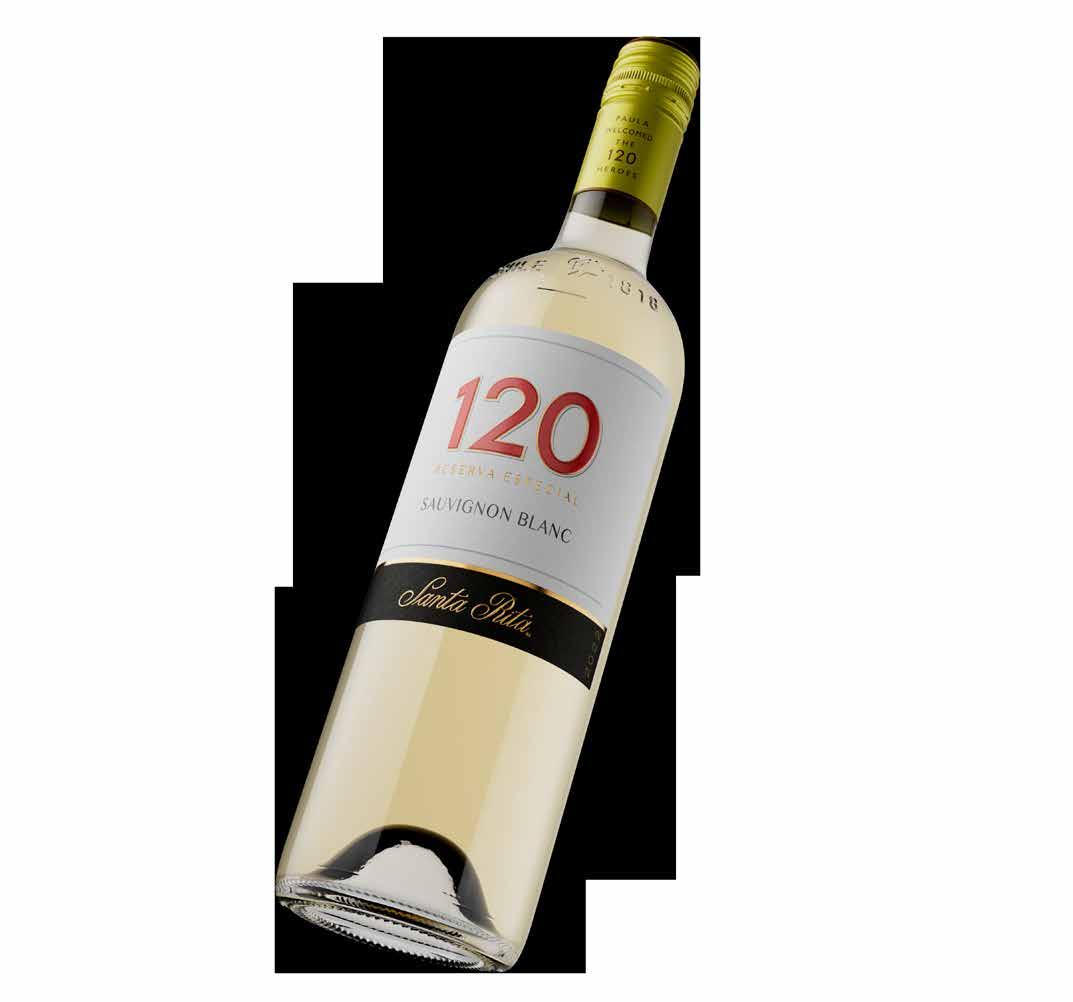
The Santa Rita 120 range will be supported by a significant summer marketing campaign running through July to September. The activation is designed to drive visibility and engagement at retail level, combining outdoor advertising with prominent in-store positioning, including gondola end displays and on-bottle neck collars across key SKUs.
At the centre of the campaign is a consumer competition offering the chance to win the “Santa Rita 120 Hours Experience”, aimed at deepening brand connection and encouraging participation during the peak summer trading period.
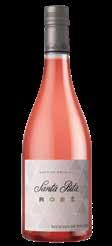
Key wines in focus include Santa Rita 120 Pinot Grigio, positioned as an approachable and refreshing white suited to everyday consumption, alongside Santa Rita Limited Release Rosé, an elegant dry style with a bright, pale pink hue and a
fruit-driven profile of strawberries and raspberries, ideal as an aperitif.
The wider portfolio is aligned with summer demand, with lighter, versatile styles coming to the fore. Carmen’s Wave Series Pinot Noir offers flexibility, tasting equally well served slightly chilled or at room temperature, while Los Cardos Sauvignon Blanc from Argentina’s Uco Valley provides a fresh, crisp option.
The Sauvignon Blanc delivers vibrant aromatics of passion fruit, grapefruit, lime and white peach, underpinned by a zesty, well-balanced palate that pairs naturally with seafood and fresh salads. Sourced from vineyards in Tupungato at approximately 1,000 metres above sea level, the wine benefits from cool night temperatures and calcium carbonate-rich soils, which help preserve acidity and enhance flavour complexity.
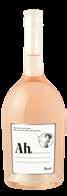
Sunshine every day with Ah Rosé!
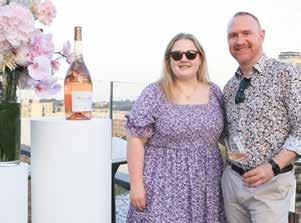
Ah Rosé is the latest addition to the Ah Wines portfolio led by actress, author and entrepreneur Amy Huberman
Created to be enjoyable, approachable and part of life’s everyday moments, Ah Rosé is the latest addition to the Ah Wines portfolio led by actress, author and entrepreneur Amy Huberman. The brand was founded with a simple ambition: to offer high-quality wines that remove the intimidation often associated with wine and instead focus on fun, flavour and bringing people together.
Produced in the renowned Pays d’Oc region of Southern France, Ah Rosé is a beautifully balanced blend of Cinsault and Grenache Gris, combining French winemaking heritage with a contemporary, easygoing style.
Pale blush in colour and elegant in character, the wine opens with expressive aromas of wild strawberry, raspberry and white peach, complemented by subtle floral and citrus notes. On the palate, it is crisp, dry and refreshing, delivering vibrant red berry fruit flavours, bright acidity and a smooth, polished finish. Consistently over-delivering on quality, Ah Rosé appeals equally to casual wine drinkers and more experienced consumers seeking a refined yet accessible rosé.
The wine is produced by Domaines Auriol, a family-owned winery in the Occitanie region of Southern France. One of the region’s leading wine exporters, Domaines Auriol has built a reputation for award-winning wines, sustainable practices and a strong ecological ethos.
Versatile and food-friendly, Ah Rosé pairs beautifully with seafood, summer salads, burrata, charcuterie, sushi and Mediterranean-inspired dishes, making it equally suited to relaxed lunches, entertaining at home or long summer evenings shared with friends.
Speaking about the philosophy
behind Ah Wines, Amy Huberman has described the brand as being inspired by moments of joy, connection and celebration. The Ah Wines range was developed to be approachable and unpretentious, encouraging consumers to enjoy great wine without overthinking it.
For more information visit www.ahwines.com. Instagram: @ah_wines/
Ultimate white wine pairings for summer gatherings
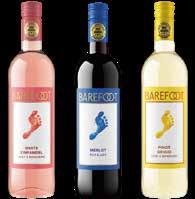
Barefoot Wine shares the ultimate pairings for effortless entertaining this summer. Say goodbye to stressing over menus and hello to laid-back fun, Barefoot is the must-have wine to bring vibrant flavour, style, and delicious ease to all your summer gatherings from garden parties to bbq’s and chilled evening gatherings.
Discover Barefoot’s premium, crisp white wines and refreshing rosé, the perfect match for your quick bites, light feasts, and thrilling grills.
Barefoot’s Summer Pairing Playbook for quick bites, light feasts, and thrilling grills
Barefoot Pinot Grigio: Pairs perfectly with refreshing light bites like fresh vegetable spring rolls, cucumber slices with cream cheese, caprese skewers, or delicate seafood like shrimp cocktail and smoked salmon blinis. It is also a crisp, lightbodied choice for simple grilled vegetable skewers or light poultry such as grilled chicken breast, grilled chicken sliders or mini chicken burgers, complementing green vegetables and white meats perfectly.
Barefoot Sauvignon Blanc: Excellent with light bites like roasted turkey, smoked fish, salty oysters, feta or goat’s cheese salads, avocado
toast with a poached egg, or a bright orzo pasta salad. It’s also great for lighter BBQ fare such as feta and courgette skewers, zesty chicken salads, or other grilled vegetables, as its fresh character and melon notes provide a wonderful lift.
Barefoot Buttery Chardonnay: A great match for light bites like grilled veggie skewers, brie or creamy cheeses, seafood pasta, and milder creamy pasta bites. It also excels with rich BBQ options like grilled salmon fillets or buttery corn on the cob, as its creamy smooth character and notes of vanilla and baked apple are enhanced by a gentle char.
Barefoot Moscato: Perfect with summer sweet treats like fresh fruit platters or salted caramel desserts. Its sweet character also makes it ideal for taming spice, pairing wonderfully with spicy dishes such as Tandoori Chicken Skewers, spicy vegetable curries, or sweet and sticky BBQ pork ribs.
Barefoot White Zinfandel: Pairs well with salty snacks like prosciuttowrapped melon, spicy chorizo and sweet potato hash. For the BBQ, it pairs beautifully with the sweetness and spice of dishes like a sweet and sticky BBQ glazed chicken skewer or a spiced grilled halloumi and pepper dish.
Make Barefoot your go-to for your unforgettable gatherings with friends this summer. Fun, flavourful, and approachable, there is a Barefoot Wine for everyone. The range includes Barefoot Jammy Red, Barefoot Merlot, Barefoot Malbec, Barefoot Cabernet Sauvignon, Barefoot Buttery Chardonnay, Barefoot Sauvignon Blanc, Barefoot Pinot Grigio and Barefoot Moscato alongside Barefoot White Zinfandel and Barefoot Pink Moscato. Packed with big flavours and gorgeous aromas - there’s plenty to choose from!
For more Information: www. barefootwine.ie • www.facebook.com/ barefootwineuk • www.instagram. com/barefootwineuk • www.pinterest. com/barefootwine
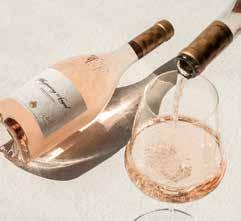
Whispering Angel unveils its 20th Vintage
Remarked as the world’s number one rosé, Whispering Angel proudly celebrates its 20th vintage with the momentum and unmistakable
Ah Rosé is a blend of Cinsault and Grenache Gris
It’s the world’s best loved champagne but the one so many of us have trouble pronouncing. It’s Mohwett, not Moh-way
Rewriting the rules of summer Champagne drinking
First things first: let’s clear the air. It’s the world’s best loved champagne but the one so many of us have trouble pronouncing. It’s Moh-wett (with a crisp, hard ‘t’), not Moh-way. Our Founder, Claude Moët, had Dutch roots, and those two little dots over the ‘ë’ mean you pronounce the vowel solo.
Grammar lessons aside, let’s talk about breaking some rules.
confidence that has defined the brand since 2006. A milestone that marks two decades of leadership and category-defining excellence, Whispering Angel’s 20th Anniversary is more than just a date in the calendar, but a celebration of an enduring legacy and vision for the future of rosé.
Sacha Lichine founded Whispering Angel in 2006 with a bold intention: to bring rosé to greatness. Since its inception, Whispering Angel sparked the global Rosé Renaissance, elevating an entire category of wine into a symbol of luxury, status and French joie de vivre. Today, it
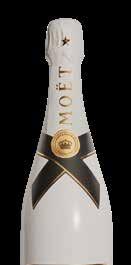
While purists might shudder at the thought of putting ice in champagne, Moët & Chandon is giving you permission to do it. Enter Moët Ice Impérial - a fresh, fruity, and unapologetically intense blend designed to turn the traditional champagne ritual into the ultimate, laid-back summer vibe.
It’s everything you love about the classic Moët style - bright fruitiness, a seductive palate, and elegant maturity - but dialled up for sunsoaked pool days, rooftop hangouts, and garden parties. By inviting you to add the final ingredient (the ice!), Moët turns you from a casual sipper into the master of ceremonies. Summer just got a whole lot cooler.
Clear, vibrant and culturally fluent, Whispering Angel remains the preferred French rosé world-over and the benchmark against which every other rosé is measured.
According to the founder, Sacha Lichine, “I am pleased to say that this is among the best vintages of Whispering Angel we’ve made. Both delicious and aromatic.”
Lichine’s original whisper has become a global promise: a promise of excellence, prestige, and innovation. Two decades on, that intimate beginning has been reinterpreted for the 20th vintage release.
The new anniversary label is refined and collectible, and features Sacha Lichine’s signature alongside the iconic Whispering Angel brand mark - the angels of Chateau d’Esclans that have become its ambassadors to the world. Designed to stand out on shelf and inspire pride wherever it appears, the label reflects both heritage and modernity.
How to serve like a pro Ready to pour? Ditch the traditional flutes, grab a large cabernet-style glass, and follow the 7-12-3 rule:
• 7°C: Chill the bottle to a crisp 7 degrees.
• 12cl: Pour a generous 12cl splash of Ice Impérial.
• 3 Cubes: Drop in exactly three large ice cubes.
Choose your summer alter-ego
Take your glass to the next level by dropping in one of these three expert-approved garnishes:
• The Renegade: A slice of ginger for a sharp, spicy kick of freshness.
• The Cool Down: A few slapped mint leaves for a breezy, herbaceous vibe.
• The Classic: A twist of orange peel for pure, refined elegance.
Irish master of wine Ray O’Connor launches Rosé
Irish Master of Wine Ray O’Connor has launched Le Grand Palme, his first Provence rosé, bringing together more than two decades of international wine expertise with a deeply personal story of resilience, craftsmanship and passion.
continues to lead with sustained sales growth, and the charisma that has made the brand a global icon.
To mark the brand’s milestone, Whispering Angel is proud to be kicking off a year of celebrations with the unveiling of a special edition artwork, composed of 20 visual stories, each representing a chapter in the Whispering Angel journeypeople, places, and moments that shaped the world’s most influential rosé. www.esclans.com/product/ whispering-angel/
Available exclusively through O’Briens Wine, Le Grand Palme is a premium Coteaux d’Aix-en-Provence rosé that reflects both the elegance of southern France and the perseverance behind its creation. Drawing on more than 20 years of experience in the international wine industry, Le Grand Palme reflects O’Connor’s commitment to quality, balance and regional authenticity. Produced using classic Provençal winemaking techniques and a carefully selected blend of Grenache, Cinsault, Syrah and Rolle, Le Grand Palme embodies the fresh, dry and elegant style that has made Provence the global benchmark for rosé.
Le Grand Palme is available exclusively through O’Briens Wine stores nationwide and online at www. obrienswine.ie ■
The brand that inspired the global Rosé Renaissance celebrates an enduring legacy like no other
New premium Provence rosé now available exclusively through O’Briens Wine
A day in the life!
Jayne Murphy, brand director whiskey for Proximo chats to Drinks Industry Ireland about life working in the Irish drinks industry
What time do you get up on a week day?
I’m definitely not a morning person so usually around 7.30am.
Typical breakfast?
During the week it’s usually just a coffee or tea, but at the weekend I love a nice brunch out with friends.
Do you commute or work from home?
I’m very lucky that I live just 10 minutes from the office, so it’s not really a commute. I’m usually in the office about four days a week.
How long have you been in your current job?
I’ve only been in this role for just over a month, so I’m still very much a newbie at Proximo - although I have been in the industry for 20 years which always surprises me when I say it out loud.
What does a typical day at work include?
There’s really no such thing as a typical day, which is one of the things I enjoy most about the job. Every
day is different, and working across a few brands means I’m constantly switching gears depending on the brand, the audience and the feel of whatever we’re working on. I usually start the day by catching up on emails and checking my to-do list, then the rest of the day tends to be a mix of meetings with my team, agency partners and markets. The work can be anything from new product development, creative campaigns to financials and insights. Travel is also a big part of the role, which I really love, whether I’m heading to The Old Bushmills Distillery or travelling further afield, I’m always learning, meeting new people and picking up new ideas along the way.
Who is your favourite politician and why?
Nelson Mandela, his resilience, patience and legacy are unmatched.
Who is the most annoying celebrity in your opinion?
Mr Blobby, I never found him funny just highly annoying.
What is the best ad (apart from the brand’s you represent)
I love the Loewe ‘Decades of confusion’ campaign. It’s a really entertaining and distinctive way to tell a brand heritage story and show its
Jayne Murphy, brand director whiskey, Proximo
long-standing luxury status but in a non traditional way. And who doesn’t love Dan Levy?
What is your favourite drink?
Shameless plug, after dinner a Bushmills 16 Year Old Single Malt. On a nice summers day, a glass of Provance Rose.
If you had to pick three famous people to have a drink with, who would they be?
Number one is Alan Carr, every time he speaks, I just laugh. Then Graham Norton - imagine the celebrity stories he could tell and I also love his books. And last but not least, the queen herself, Queen B.
Favourite no/low brand on the market?
I’d rather have a nice margarita made with 1800 Tequila.
Favourite pub in Ireland and abroad?
In Ireland, I love O’Donoghues on
Merrion Row, great people-watching and great music. I lived in London for the last six years and I love The Pelican, as it has amazing food - am still thinking about their lobster pie!
Best pub for grub?
Can’t beat The Old Spot.
Achievement you are most proud of?
I wouldn’t say I have one single standout achievement, but I am very proud of my career to date. I’ve been fortunate to help build and grow some of the most iconic Irish and Scotch whiskies, and that’s something I value hugely. On a personal level, I’m very proud of my family and the life we have built together – friends and family mean the world to me.
Favourite saying?
It doesn’t cost anything to be kind. ■
Jayne has helped build and grow some of the most iconic Irish and Scotch whiskies
Drink Bavaria Ultra Responsibly
Ready to party!
gatherings, BBQs, and at-home entertaining, RTDs are highly visible on the social scene. Drinks Industry Ireland reports on the rise of this evergrowing category
In Ireland sales of RTDs peak around major events such as All Together Now and Electric Picnic, highlighting the strong link between RTDs, music and shared social experiences. According to Jameson, the RTD category is one of the most dynamic parts of the drinks industry in Ireland, now worth almost €120m and growing at +28% year on year. The younger pre-family shopper segment is driving the highest growth in new customers for the category. Future Market Insights, RTD Cocktails Market Forecast 2026–2036 projects strong global growth for RTDs, driven by premiumisation and convenience trends.
Bringing fresh energy
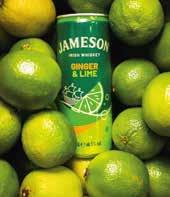
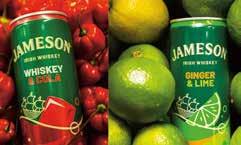
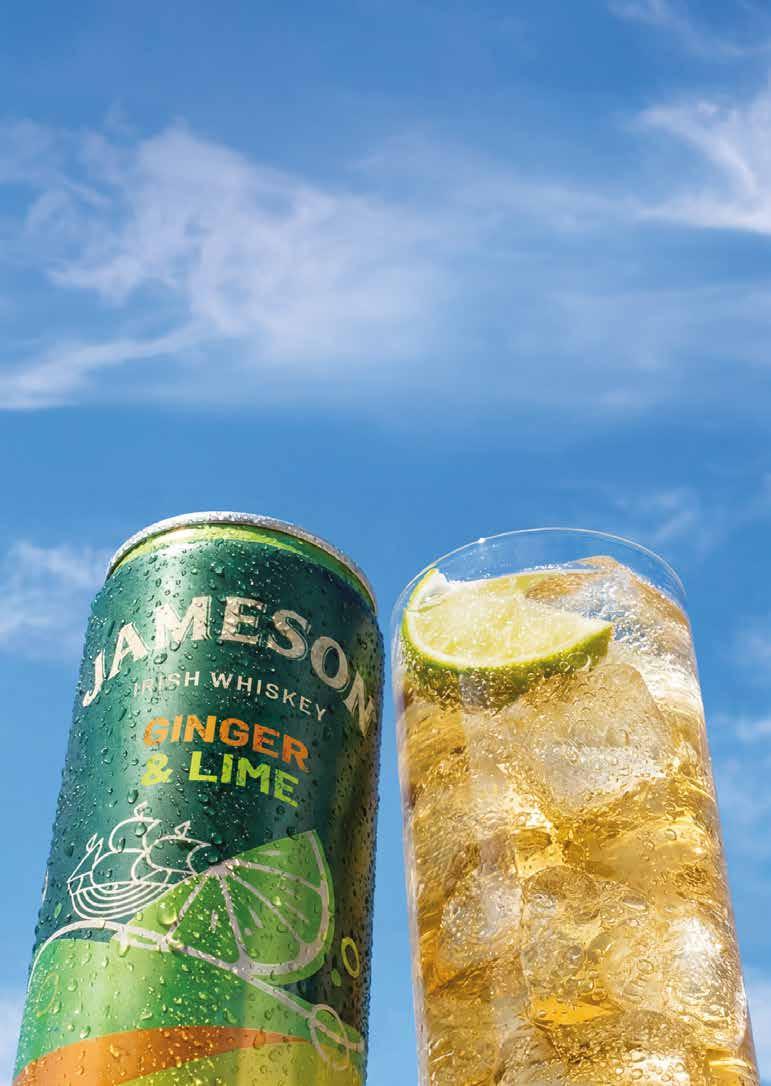
Jameson Ginger & Lime RTD continues to bring fresh energy to the growing RTD category in Ireland. At 5% ABV, the range is available in Ginger & Lime and Cola, offering
consumers a convenient way to enjoy familiar Jameson serves in a readyto-drink format. Ginger & Lime, in particular, builds on one of Jameson’s most popular signature serves, combining smooth Jameson with crisp ginger and a fresh lime finish. With growth of 31%, ahead of the wider RTD category, the range reflects continued consumer demand for quality, convenience and flavourled drinks that suit modern social occasions.
Flavour-led innovation in the RTD category
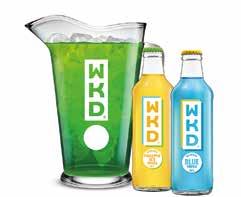
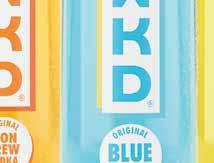
WKD remains a key player in Ireland’s Ready-to-Drink (RTD) category, combining flavour-led innovation, standout serves and convenient formats that help drive footfall and sales across the on-trade.
As RTDs continue to outperform many traditional alcohol categories, the segment remains a key source of growth for venues seeking to meet evolving consumer preferences. With younger adult drinkers increasingly prioritising sociability, flavour discovery and memorable experiences, WKD’s diverse portfolio is well positioned to meet demand. As one of Ireland’s most recognised and trusted RTD brands, WKD offers pubs, bars and late-night venues a go-to choice for those seeking convenience without compromising on taste, quality or experience.
The brand continues to strengthen its appeal among a new generation of drinkers through the launch of its “Got a WKD Side?” campaign, targeting 18–24-year-olds. Supported by bespoke point-of-sale materials
At 5% ABV, the range is available in Ginger & Lime and Cola
What role do Jameson RTDs play in recruiting new consumers to the
The RTD category has evolved significantly in recent years. What are the key consumer trends shaping the category today, and where does Jameson see the biggest opportunities for growth?
The RTD category is one of the most dynamic parts of the drinks industry in Ireland, now worth almost €120m and growing at +28% year on year. Consumers are increasingly seeking trusted brands, quality liquid and formats that fit naturally into modern social occasions.
For Jameson, the opportunity is to bring our most-loved serves into more occasions while recruiting new consumers into the brand. That is reflected in our performance, with Jameson RTDs growing +31% year on year, ahead of the broader category.
Jameson has long been associated with whiskey, ginger ale, and lime. How did that insight influence the development of the Jameson RTD range?
Jameson, Ginger Ale & Lime is one of the brand’s best-known serves and a natural entry point into Irish whiskey for many consumers. Rather than creating something entirely new, we focused on delivering a serve people already know and love in a ready-to-drink format.
The RTD range allows us to deliver a consistent Jameson experience via Ginger & Lime or Cola, wherever those moments take place.
RTDs are an important recruitment tool for Jameson. They help make the brand more approachable, particularly for consumers entering the whiskey category for the first time. We are seeing this reflected in the data, with the younger prefamily shopper segment driving the highest growth in new customers to Jameson RTDs, up +37% year on year. For many consumers, an RTD is their first interaction with Jameson before exploring Jameson Original and the wider portfolio.
Convenience is often cited as a driver of RTD growth, but consumers are also focused on quality and authenticity. How does Jameson deliver on both?
Consumers expect convenience and quality in equal measures. The Jameson RTD range combines genuine Jameson Irish Whiskey with serves that are already strongly associated with the brand.
The result is a trusted, premiumquality drink that delivers consistency every time. For us, the success of RTDs comes from offering consumers the quality and authenticity they expect from Jameson in a format that suits today’s occasions.
Which consumption occasions are proving most important for the Jameson RTD range?
Festivals and outdoor social occasions remain key growth moments for the brand. Jameson RTD sales peak around major events such as All Together Now and Electric Picnic, highlighting the strong link between RTDs, music and shared social experiences. Beyond festivals, we see strong demand across sporting occasions, casual gatherings, BBQs, and athome entertaining. Irish Distillers supports these moments through brand activations, retail visibility, sampling, and partnerships. ■
WKD continues to drive growth in Ireland’s RTD category
and impactful on-trade activation, the campaign is designed to help venues maximise visibility, drive engagement and increase sales.
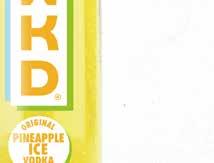
As sharing serves and experiential drinking occasions continue to grow in popularity, WKD is supporting the on-trade with ongoing innovation, including WKD Pineapple Ice (275ml), alongside its iconic pitchers and cocktail-style serves that encourage group occasions and social experiences. WKD X also continues to demonstrate strong demand among consumers seeking bold, flavour-led RTD options.
From the iconic WKD Blue to bold new product innovations, WKD’s diverse portfolio helps venues stay ahead of the fast-moving tastes of younger adult consumers. Backed by three decades of brand equity and a continued focus on quality, innovation and consumer engagement, WKD remains at the forefront of Ireland’s dynamic RTD market.
For sales, POS, distribution or cocktail enquiries, please contact SHS Sales & Marketing on +353 (1) 401 6200 or info@shs-sales.ie.
Apple Drop offers lighter option full of taste
West Coast Cooler is set to build on recent success and momentum with the launch of Apple Drop, a new flavour innovation designed to meet evolving consumer demand within the RTD category.
As the number one RTD brand in Ireland, West Coast Cooler continues to lead the category, which has experienced significant growth in recent years driven by a shift towards lighter, lower-calorie and lower-ABV options and an increasing consumer appetite for new and distinctive flavour profiles.
Apple Drop has been developed with these trends in mind. At just 88 calories per serve and 4% ABV, it offers a refreshing, balanced option for consumers seeking a lighter option without compromising on taste. West Coast Cooler Apple Drop blends crisp apple and lime with subtle notes of elderflower and matcha, delivering a modern twist on a familiar favourite.
The launch of Apple Drop follows a standout year for the brand, which saw value growth of +67% in 2025 (Nielsen), underlining its continued relevance and strong consumer appeal.
Available from April 2026, Apple Drop is well positioned to capitalise on the growth within the RTD category and further strengthen West Coast Cooler’s market-leading position.
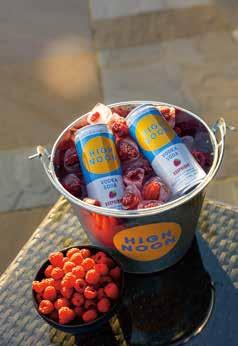
High Noon hits high season
refreshing serve with simple, quality ingredients.
High Noon continues its successful media partnership with The 2 Johnnies, creators of Ireland’s mostlistened-to podcast. As the brand’s long-time ambassadors, their authentic affinity for High Noon has made the collaboration a natural fit, with the duo fronting High Noon’s biggest consumer activation to date – a nationwide Never Ending Summer competition giving consumers the chance to win their own High Noon outdoor sauna.
The brand is also expanding its flavour line-up with the launch of Peach and Raspberry, while a limitededition Festival Multipack, available exclusively in Tesco from the end of July, has been created for Ireland’s biggest outdoor occasions and festival season.
With continued innovation, expanding availability and a growing cultural presence, High Noon is entering its next chapter in Ireland as one of the RTD category’s most exciting brands.
You’ve been Served!
As consumer demand for premium drinking experiences continues to evolve, cocktails remain an increasingly important part of the on-trade mix. Consumers are seeking convenience without sacrificing quality, creating an opportunity for pubs, bars and hospitality venues to
offer premium cocktail experiences that meet changing expectations and respond to growing demand across a range of occasions.
One brand helping to meet that demand is Served, the award-winning cocktail range co-owned by singersongwriter Ellie Goulding. Created using premium spirits alongside natural and sustainably sourced ingredients, Served was developed with a simple proposition: delivering bar-quality cocktails in less than 15 seconds.
The range includes a selection of popular serves including Margarita, Mojito, Passion Fruit Martini, Piña Colada and Strawberry Daiquiri. At 8% ABV, with no artificial ingredients and no added sugar, Served meets consumer demand for high-quality drinks without compromising on taste.
In response to growing demand for premium, lower-calorie options, the brand also expanded its portfolio in May 2026 with the launch of a Vodka Spritz range. Available in Raspberry and Peach flavours, the new variants offer consumers a lighter option at 4% ABV and just 95 calories. The strength of the proposition is reflected in the brand’s performance, with Served, becoming the number one new RTD brand in the off-trade during 2025 and now ranking as the number three RTD cocktail brand in the market year-to-date. Consumer awareness has surged year-on-year, underlining growing recognition
Following its Irish debut in 2025, High Noon is gearing up for High Season with new flavours, exclusive retail launches and an expanded consumer campaign as the vodka soda brand continues to grow its presence in Ireland.
Already one of America’s most successful RTD brands, High Noon is crafted with 5x distilled vodka, real fruit juice and soda water. At just 95 calories per can, it delivers a crisp,
High Noon is crafted with 5x distilled vodka, real fruit juice and soda water
Served, the award-winning cocktail range is co-owned by singer-songwriter Ellie Goulding
of the brand among Irish drinkers. Served products can now be ordered through your wholesale partner and also through eazle, Heineken Ireland’s digital customer platform..
World’s first Irish whiskeybased iced tea
Egan’s Irish Whiskey today announces the global launch of Egan’s Iced Tea, a bold new ready-to-drink (RTD) innovation blending premium Irish whiskey with sustainably sourced organic tea and organic fruit juice. Launching simultaneously in Ireland and New York City from 27 April, 2026, the range marks a significant step forward in the evolution of spiritbased RTDs.
Rooted in over 170 years of heritage and reimagined for a new generation, Egan’s Iced Tea brings together two of the company’s original crafts - tea blending and whiskey bonding - first established by P. & H. Egan in Tullamore in 1852.
The global RTD market continues to accelerate, but one segment is rapidly emerging as a standout: spirit based iced teas. While still relatively new in Ireland, the category is already gaining serious momentum globally, particularly in the US, and is projected to grow into a $17billion market by 2036, up from approximately $4 billion in 2025, representing significant annual growth projection over coming years.
Blending familiarity with refreshment, hard teas tap into shifting consumer preferences for lighter, flavour-forward drinks made with recognisable ingredients. At the same time, whiskey is rising as one of the most sought-after RTD bases, yet remains underrepresented, creating a clear opportunity for innovation.
Against this backdrop, Egan’s
Whiskey Iced Tea enters the market at a pivotal moment bringing together two culturally resonant ingredients, tea and Irish whiskey, in a format built for how people drink today.
“This is about opening up Irish whiskey to more people, in more moments,” said Rupert Egan, CEO, master bonder & co-founder. “We’re a brand rooted in heritage but never constrained by it. Egan’s has always been about pushing boundaries. With Egan’s Iced Tea, we’re reimagining Irish whiskey in a way that’s modern, refreshing, and globally relevant. It’s an exciting new frontier for the category-creating real choice for a new generation of drinkers.”
Egan’s Irish Whiskey Iced Tea is crafted with natural sweeteners, low calories, non-carbonated and has a clean, refreshing taste profile, designed for today’s more mindful, experience-driven consumer.
Available in Original (Irish Whiskey & Organic Iced Tea), Lemonade (Irish Whiskey, Organic Iced Tea & Real Lemonade), Mango (Irish Whiskey, Organic Iced Tea & Real Mango ) and Peach (Irish Whiskey, Organic Iced Tea & Real Peach)
The launch will roll out across major retailers in Ireland, beginning with full distribution in Tesco ROI, alongside availability in key outlets across New York State.
Experience an Altered State
Altered State is an Irish drinks import, distribution and brand development company founded by Karl Cooney and Colly Murray, representing flavour-led, founder-led brands across Ireland’s on and off-trade.
Its portfolio of 16 brands includes Whitebox Cocktails and IESSI, alongside ÓL Irish Cocktails and Dublin Cocktail Lab with more to come in the next few weeks.
ÓL is a premium Irish cocktail range built around natural and organic provenance, Irish spirits and distinctive flavour combinations. Its three flavours draw on passionfruit and hand-harvested dillisk, palo santo, and wild Wicklow pine, creating a contemporary expression of Irish drinks culture.
The brand began festival season at Love Is a Stranger in Sligo & Cork, with Another Love Story set to be a highlight of the year. Cooney joined Cassie Stokes to headline the food stage at Beyond the Pale a few weeks ago and will also speak at All Together Now and Electric Picnic.
Altered State has now also entered the non-alcoholic category with IESSI, an Italian aperitivo offering the bitterness, complexity and ritual of an aperitivo without alcohol.
Whitebox is currently Europe’s premium alternative to lower-quality RTDs and a strong fit for Irish bars where dedicated cocktail staff are not always available, but quality still matters. Its full-strength, 100ml cocktails provide a consistent, barquality serve without the labour, training, wastage or ingredient costs of a full cocktail programme. For
Egan’s Iced Tea had a dual debut in Ireland and New York State
IESSI is an Italian aperitivo offering the bitterness, complexity and ritual of an aperitivo without alcohol
ÓL is a premium Irish cocktail range built around natural and organic provenance
venues, that means better margins, faster service and a more credible premium option than mainstream RTDs. Whitebox is listed with Sainsbury’s, Selfridges and Aer Lingus transatlantic flights as well as over 100 Irish outlets.
Altered State is building a portfolio defined by flavour, provenance, quality and founders with a clear point of view. For more info contact www.alteredstate.ie - hi@alteredstate.ie
Premium Italian refreshment, ready to serve
As demand for premium ready-todrink (RTD) cocktails continues to grow, Pallini Limoncello Spritz offers Irish retailers and the on-trade an authentic Italian proposition that combines heritage, quality and convenience.
Crafted using the renowned Pallini Limoncello, produced in Italy from hand-selected Sfusato Amalfitano lemons, this vibrant RTD delivers the unmistakable taste of a classic Limoncello Spritz in a perfectly
portable format. Light, refreshing and bursting with natural citrus character, it’s an ideal choice for consumers seeking premium, easy-to-enjoy aperitivo moments.
The eye-catching slimline can and trusted Pallini branding provide strong shelf appeal, while the refreshing flavour profile makes it perfect for summer occasions, festivals, outdoor events and premium RTD displays.
With premium RTDs continuing to outperform across convenience, grocery and licensed trade, Pallini Limoncello Spritz is well positioned to drive incremental sales and attract shoppers looking for authentic European flavours.
MCM Spirits & Liqueurs Ltd is the exclusive Irish distributor. Available now to the on-trade and off-trade, Pallini Limoncello Spritz provides retailers and operators with a distinctive premium RTD from one of Italy’s most respected liqueur producers. ■
Pallini Limoncello is produced in Italy from hand-selected Sfusato Amalfitano lemons
The art of gin
Following years of strong growth, the gin category has faced some headwinds over the past 18 months, according to Bloody Monkey. They can attest to the fact that the market has become increasingly competitive, as consumers have more choice than ever, and brands are having to work harder to give consumers a reason to choose them. That said, it is still a major category in the drinks industry and Ireland has created some of the best gin brands in the world. We have picked out some of the top brands that you should always have on your back bar
A new era for an Irish icon
Dingle Distillery, the family run independent spirits producer on Ireland’s Dingle Peninsula has announced a completely redesigned bottle for Dingle Gin, its most significant evolution since the distillery first opened its doors in 2012.
It also introduces a new look for Dingle Vodka and marks the launch of Dingle Gin Orange & Sea Salt, the distillery’s first major new gin expression in years.
Dingle Gin bottle has been an instantly recognisable fixture on back bars and shop shelves worldwide. As the distillery has grown from a bold independent start up into one of Ireland’s most respected premium spirits producers, including winning the title of World’s Best Gin at the 2019 World Gin Awards, the family felt the bottle needed to catch up.
One thing hasn’t changed: the liquid inside. Handcrafted using the same local Dingle Peninsula botanicals, including rowan berry, angelica root, hawthorn and heather, first discovered while driving the wild Slea Head loop around the tip of the peninsula, it remains exactly as it always was.
The new design simply gives it the outside to match. Drawing inspiration from the rugged Atlantic landscape and contemporary spirit of the Dingle Peninsula, the redesign retains the recognisable character of the original while bringing a more refined and confident identity to the range.
distillery evolved, we felt the bottle should evolve with it. The liquid hasn’t changed, it’s still the same Irish spirit people know and love globally, but now the design better reflects the quality, character, and place behind it,” says Elliot Hughes, managing director and son of the distillery’s founder.
To mark the occasion, the distillery is also launching Dingle Gin Orange & Sea Salt, a vibrant new expression inspired by the rugged beauty of the Kerry coastline and built on the same award-winning botanical recipe.
The result is a gin with vibrant natural citrus and delicate floral notes, balanced by a clean, crisp finish and subtle coastal salinity. Best served with premium tonic, ice, a slice of burnt orange, and a sprig of rosemary.
A gin made for martinis
For over a decade, the original
“Thirteen years ago we launched a gin and put it in a bottle that became part of who we are. As the
Boatyard Distillery’s flagship Double Gin was crafted with one serve firmly in mind – the perfect Martini. Distilled using organic botanicals and a unique double-contact juniper method, it delivers an exceptionally smooth,
Dingle Distillery unveils its first major bottle redesign in thirteen years and introduces new dingle gin orange & sea salt
juniper-forward profile, balanced by bright citrus notes and delicate floral sweetness. Award-winning and bartender-approved, Boatyard Double Gin elevates every pour, bringing balance, complexity, and unmistakable quality to every glass. Whether enjoyed in a classic Martini or your favourite gin serve, this is a gin made to impress from the very first sip.
Made on the shores of Lough Erne, in the first B-Corp certified distillery in Ireland, Boatyard is committed to making spirits with integrity, sustainability and a true sense of place. The team work closely with local farmers, using organic ingredients wherever possible, and design their processes to reduce waste and impact on the environment. This ethos, combined with exceptional quality, has seen Boatyard collect awards across many international spirits competitions – and, most recently, major recognition in the Drinks International Brands Report 2026. This year Boatyard was the only spirits brand made on the island of Ireland to feature in the Bartenders’ Choice category, Bestselling Gin List, Top Trending Gin Category and the Top Trending Vodka category, for the brand’s best-selling Boatyard Vodka. With a strong presence across Ireland and the UK, the brand is also, through a strategic distribution partnership with Banfi Vintners, continuing to expand into the United States, where the appetite for premium, independent spirits with provenance is stronger than ever. For more see www.boatyarddistillery.com
Opportunity above the clouds
For Blood Monkey Irish Gin, travel retail has become an important part of its story. Earlier this year, the brand moved to a direct relationship with Dublin Airport, giving it greater control over how Blood Monkey is presented and activated. The result has been 225% year-to-date growth.
As Dublin Airport enters its busiest summer period, travel retail offers a unique opportunity for Irish spirits. It’s one of the few channels where shoppers actively seek out something new - whether it’s a gift, a taste of Ireland or simply a bottle they wouldn’t normally encounter at home. “For a lot of travellers, Dublin Airport will be the first place they ever come across Blood Monkey,” said founder Jason Kidd. “That’s a huge opportunity for us to make a strong first impression on people from all over the world and hopefully send them home with a bottle in their bag.”
Blood Monkey has always been about doing things differently. In a category full of familiar stories, we’ve focused on creating a brand with personality - one that’s proudly Irish, unmistakably bold and memorable long after the journey home.
Blood Monkey’s performance in Dublin Airport reinforces an important lesson: even in a challenging gin market, there are still opportunities for growth when brands find the right channels to tell their story.
The Gin that takes a year to make
In an industry where efficiency is often celebrated, there is something quietly radical about slowing down.
Gin has long been associated with immediacy. Unlike whiskey, it requires no years of maturation and can move from still to bottle remarkably quickly. Yet Glendalough Distillery has built its flagship Wild Botanical Gin around a very different philosophy: letting nature dictate the timeline.
Glendalough’s Wild Botanical Gin takes a full year to produce. The result is a gin layered with bright citrus, fresh pine, wild flowers, hedgerow fruits and warming spice, a flavour profile shaped as much by time as by ingredients.
Internationally awarded and distinctly Irish, Glendalough Wild Botanical Gin is proof that some things cannot be rushed.
Craftsmanship rooted in Kerry
Skellig Six18 Gin exemplifies the attention to detail and commitment to quality that continues to define Ireland’s premium craft spirits sector. Every botanical is distilled separately through the distillery’s 500-litre copper still in Cahersiveen, Co. Kerry. This allows each ingredient to develop its own distinct character before the blending process begins. Rather than rushing production, the individual distillates are slowly married over a six-week period, creating a gin of exceptional balance, depth and consistency.
The Curious Journey Cocktail Competition
Wine Enthusiast’s Spirit Brand of the Year Winning Drumshanbo
Gunpowder Irish Gin joins forces again with twice World Champion Mixologist, Bruno Vanzan in “The Curious Journey Cocktail Competition”. Open to all bartenders/ mixologists on the island of Ireland, the winner of the contest will receive, a two night trip to Milan to train with Bruno Vanzan himself at his prestigious Bar Academy, a year-long feature at the Honey Badger Bar at The Shed Distillery of PJ Rigney in Drumshanbo, and a €1,000 cash prize. Round 1 entries are open until midnight on 31 July. Further information can be found at www. thesheddistillery.com/our-creations. ■
Blood Monkey Gin has seen a 225% year-to-date growth since it began it’s relationship with Dublin airport earlier this year
Boatyard Distillery on the shores of Lough Erne is the first B-Corp certified distillery in Ireland
Grand slammers
Tequila and agave continue to outperform the wider spirits market. Drinks Industry Ireland looks at some of the stand-out brands in this dynamic and premiumled category
Spookily good
In 2026, the tequila and agave spirits category will be driven by continued premiumisation and demand for authentic, high-quality products, says Drinksology Kirker Greer. The fastest growth is expected in the super-premium segment, particularly for 100% agave tequilas, aged expressions such as añejo and extra añejo, and artisanal mezcal. According to IWSR forecasts, tequila continues to outperform the wider global spirits market, supported by strong consumer interest in provenance, craft production and premium cocktail culture. Tequilabased cocktails such as Margaritas and Palomas continue to grow in popularity, while sipping tequilas are expanding the category beyond traditional occasions. As a result, agave spirits are expected to continue delivering strong global value growth through 2026.
Ghost Tequila is a 100% Weber Blue Agave spicy tequila infused with just a pinch of Ghost pepper, delivering a balanced kick of heat without overwhelming the agave character. Created behind the bar and perfected in Jalisco, Mexico, Ghost Tequila is, quite simply, “Perfectly Spicy.”
The brand recently showcased its versatility through a national cocktail competition in Ireland, culminating in a final, and industry night, at the Dublin Bar Academy. James Barber of Upstairs at McSorley’s claimed top honours with his cocktail, Beso Caliente — a creative blend of Ghost Tequila, Bui 43 Herbal Liqueur, lime, pineapple, homemade ultimate passion syrup, homemade Besomé bitters, and Poachers Soda Water.
“Ghost Tequila is one of the few brands that truly fills a real need behind the bar. It combines premium 100% Weber Blue Agave tequila with just the right amount of spice, giving bartenders a distinctive ingredient that adds excitement to cocktails without overpowering them,” says John McDonnell, executive chairman of the board at Ghost Tequila. “It’s been fantastic to see Irish bartenders and consumers embrace that versatility.”
For a simple serve, try the “Perfectly Spicy Margarita:” shake 45ml Ghost Tequila, 15ml agave nectar and 22ml fresh lime juice with ice, then strain into a salt-rimmed glass over fresh ice.
Ghost Tequila is distributed in Ireland by Comans Beverages.
250 years of tequila crafting
For more than 250 years, the Beckmann family has been shaping the story of tequila. Today, that legacy lives on through Lunazul, an authentic 100% Blue Weber Agave tequila crafted at the familyowned Tierra de Agaves distillery in the heart of Jalisco, Mexico. With eight generations of tequilamaking heritage behind every bottle, Lunazul proves that exceptional quality doesn’t have to come at an unattainable price.
That commitment to authenticity is driving impressive momentum. Lunazul has been recognised among the world’s top-selling tequila brands in The Spirits Business 2025 Brand Champions Report and continues to rank among the fastest-growing tequila brands by year-on-year 9-litre case growth. As the tequila category
Ghost Tequila combines premium 100% Weber Blue Agave tequila with just the right amount of spice
Lunazul is made at the Tierra de Agaves distillery in the heart of Jalisco, Mexico
becomes increasingly competitive, Lunazul is standing out by delivering genuine 100% agave tequila with exceptional quality and value.
Unlike many brands, Lunazul is estate bottled at a single-brand distillery, giving the Beckmann family complete control over every stage of production, from agave field to bottle. The agave is hand-harvested at peak maturity, slowcooked to develop rich natural flavours, fermented using a proprietary family yeast strain, and twice distilled before every batch is personally approved by Master Tequilero Francisco Quijano. The result is a tequila that delivers remarkable consistency, exceptional smoothness and unmistakable authenticity.
Lunazul’s commitment to craftsmanship is matched by its commitment to sustainability. At Tierra de Agaves, more than 1,500 solar panels power around 90% of the tequila-making operation, while agave fibres and production byproducts are transformed into organic fertiliser through a stateof-the-art biodigester. This closed-loop approach helps nourish future agave crops and reflects a philosophy of caring for the land that has sustained the Beckmann family for generations.
As tequila continues to gain momentum across international markets, consumers are increasingly looking beyond celebrity brands in favour of producers with genuine provenance and craftsmanship. Lunazul answers that demand with a portfolio that celebrates traditional tequila-making while delivering exceptional versatility behind the bar. Whether enjoyed in a perfectly balanced Margarita, a refreshing Paloma or simply sipped neat, Lunazul allows
the vibrant character of 100% agave to shine.
Lunazul is distributed by Barry and Fitzwilliam.
Born out of friendship
Created by longtime friends George Clooney, Rande Gerber and Mike Meldman, Casamigos was born from a simple idea: to make a smooth, ultra premium tequila that could be enjoyed with friends without salt or lime. Crafted from 100% Blue Weber agave, slow-roasted in traditional brick ovens, Casamigos delivers a soft, approachable style across its Blanco, Reposado and Añejo expressions, alongside a characterful Mezcal made from Espadín agave. With its clean, contemporary packaging and easy-drinking profile, Casamigos has become a standout choice for premium serves, from sipping neat to elevating Margaritas and Palomas, making it highly versatile behind the bar and listed across multiple retailers, bars and venues in Ireland today.
Quality over quantity
Don Julio is one of tequila’s most iconic names, rooted in the pioneering vision of Don Julio González, who began making tequila in Jalisco in 1942 with a focus on quality over quantity. Made using carefully cultivated 100% Blue Weber agave from Jalisco’s rich clay soils, the range showcases craftsmanship, balance and depth across Blanco, Reposado, Añejo and luxury expressions including Don Julio 1942. Elegant, refined and highly respected by bartenders and tequila drinkers alike, Don Julio brings heritage and prestige to classic cocktails, celebratory serves and premium sipping occasions. ■
Full of soul
While tequila continues to drive significant growth within the agave category, we’re seeing increasing curiosity around artisanal mezcal as consumers look beyond the mainstream for spirits with genuine provenance and character. According to Ryan McFarland, chief commercial & strategy officer, Drinksology Kirker Greer, says Del Suelo Mezcal is well positioned to meet that demand, championing traditional production methods, quality agave and the craftsmanship that today’s premium spirits drinkers increasingly value.
“Del Suelo has found a natural audience among bartenders, cocktail enthusiasts and the wider creative community, as well as craft beer drinkers who are drawn to mezcal’s complexity, distinctive flavour profile and the heritage behind every bottle. It’s the kind of spirit that belongs on the back bar of leading cocktail venues, but equally in the home collection of people who enjoy discovering artisanal spirits.”
Looking ahead, McFarland believes that the next phase of growth for mezcal won’t simply come from wider distribution. It will come from creating more meaningful occasions to enjoy agave spirits, whether through premium cocktails, food pairings or sipping serves that showcase the category’s depth and character. Education will continue to play a crucial role, helping more people understand what makes mezcal so distinctive and broadening appreciation of the category.
“Mezcal’s global momentum is undeniable, but its artisanal production and agricultural constraints mean it will always remain a more selective category than tequila. We see that as one of its greatest strengths. As drinkers become more willing to invest in quality, transparency and provenance, brands like Del Suelo are well placed to thrive. Mezcal’s appeal is rooted in its soul. It’s not just a drink; it’s culture, community and creativity distilled into a glass. That’s what will keep people coming back,” says McFarland.
Del Suelo has found a natural audience among bartenders, cocktail enthusiasts and the wider creative community, says Ryan McFarland, chief commercial & strategy officer, Drinksology Kirker Greer
Dingle Gin reveals new bottle design
held at The Marker Rooftop Bar, Grand Canal Quay, Dublin on 18 June
held at The Marker Rooftop Bar, Grand Canal Quay, Dublin on 25 June
Sophie Vavasseur and Rebekah Hughes
Nia Galagher, Emma Power, Rebekah O’Leary and Ali Hayes
Ashley Kehoe, Ciara Ryan and Amy Darcy
Jordan Mooney and Cathal McBride
Rosalind Lipsett
Richard Banahan
Lawson Mpame
The Ardara Distillery wins two major international awards
The Ardara Distillery, in county Donegal, has claimed two major international accolades at two of the world’s most respected spirits’ competitions. The victories confirm the distillery’s standing as one of Ireland’s most distinctive producers and mark a significant moment for Sliabh Liag Distillers, the company behind The Ardara Distillery.
Founded by James and Moira Doherty, Ardara produces heavily peated, triple distilled, all-grain-in whiskey, a style almost lost to Ireland for over a century. The distillery is rooted in Donegal’s illicit distilling past and committed to reclaiming the county’s distinctive whiskey heritage.
The Ardara Distillery was named
Best Irish Craft Distillery at the Tokyo Whisky & Spirits Competition, while Ardara Single Malt Cask Strength won a Double Gold medal at The San Francisco World Spirits Competition, one of the most prestigious spirits awards in the world and widely regarded as a benchmark for quality across the global industry.
James Doherty, co-founder, The Ardara Distillery said: “San Francisco is arguably the toughest room in the world of spirits to be judged in. To come away with a Double Gold medal for our first Ardara single malt release is powerful, and a strong signal that grain-in, heavily peated Irish whiskey has a serious place on the international stage. We make whiskey
the way it was made in Donegal a century ago. It’s not a style everyone expected the market to embrace, but awards like this tell us otherwise.” ■
Choose a safe trip with Allmed Road-Sea-Logistics
For most businesses, shipping represents a significant portion of the overall expenditure. Delays, poor communication and unexpected charges can quickly erode the profit margins at a time when businesses can least afford it. When choosing a freight forwarder, it is vital to ensure that the supply chain remains efficient, reliable and cost-effective despite the changing market conditions.
Allmed is an Irish Freight Forwarding business based in Thomastown, County Kilkenny. The company was founded in September 2002, initially offering full load
services between Italy and Ireland. Its coverage has since expanded and now includes regular departures from Italy, France, Spain, Holland, Belgium and Germany to Ireland for chilled, frozen, and ambient groupage, part and full loads, along with a reliable export service.
Allmed’s aim is to provide a quality, reliable, efficient and personalised services to all its customers. The staff at Allmed work to understand each customer’s needs and build a template which best caters for your company’s requirements.
Boann Distillery has announced a new addition to its core Single Pot Still Irish Whiskey range, which formed the centrepiece of the County Meath distillery’s annual Summer Solstice event in June
Boann Legacy Single Pot Still Irish Whiskey is crafted from a complex mash bill of malted and unmalted barley, with oats and rye, and is a tribute to the rich heritage and history of Irish whiskey.
The whiskey marries seven different cask types - Bourbon, Oloroso, Pedro Ximénez, Palo Cortado, Amontillado, Moscatel, and French oak - sourced from some of
the world’s finest wine and cooperage regions and is a tribute to the generations of craftspeople whose skill, innovation and dedication have shaped Irish whiskey over the last 700 years.
Boann Legacy also tells a more personal story, honouring the Cooney family’s contribution to the Irish drinks industry over the past five decades.
The exclusive release, with an ABV of 59.2 per cent, is limited to just 777 individually numbered bottles worldwide and will carry an RRP of €85 per 700ml bottle.
Remaining bottles will become available through the Boann online
store and at the distillery from Friday while stocks last.
Boann Legacy Single Pot Still Irish Whiskey core release is bottled at 40% ABV and is available through selected retailers and Boann Distillery at boanndistillery.com at an RRP of €55 per 700ml bottle. ■
James Doherty in front of The Ardara Distillery holding Ardara Single Malt Irish Whiskey
Allmed is an Irish freight forwarding business based in Thomastown, County Kilkenny
Carlow Brewing celebrates 30 years of brewing with the launch of two new innovations
Carlow Brewing Company, Ireland’s pioneering independent craft brewery, is marking 30 years of brewing with the launch of two significant new innovations at this year’s Taste of Dublin festival.
Known for their O’Hara’s beer range and Falling Apple craft ciders, Carlow Brewing Company continues to demonstrate their commitment to quality, innovation and evolving consumer tastes with the release of two exciting innovations. Founded by Seamus and Kay O’Hara in 1996, Carlow Brewing Company has been
at the forefront of Ireland’s craft beer movement for three decades.
The first new product is O’Hara’s Non Alc IPA, the first non-alcoholic beer in the O’Hara’s range, offering consumers quality, flavour and character in a non-alcoholic format.
The other is Bohem Gluten-Free Fruited Lagers: a range of three flavoured lagers (Blood Orange, Lemon and Peach) developed in response to growing consumer demand for more inclusive and accessible beer choices that don’t compromise on taste. ■
Boost your skills with learn iFI
Running a pub, bar or drinks-led venue means balancing staff shortages, rising costs and the need to deliver standout customer experiences. learniFI, Fáilte Ireland’s free online learning platform, helps you and your team build practical skills to increase sales, improve service and stay competitive.
Designed for the realities of the hospitality industry, learniFI offers expert-led, bite-sized training, from upselling premium products and increasing spend per customer to improving service.
Key topics include attracting and retaining staff, delivering exceptional customer experiences, increasing revenue, and using technology and AI more effectively alongside accessibility and inclusivity. Getting started is simple: sign in via the Fáilte Ireland Trade Portal or create an account today. ■
A new Irish whiskey with one question: how do you feel?
Ember is a mood-led Irish whiskey founded on one simple idea - that people choose what they drink based on how they feel, long before they think about how it was made.
Developed by a team with serious pedigree in Irish whiskey, Ember launches with three expressions, ‘Bright’, ‘Still’ and ‘Deep’, and just one proposition - choose by mood and moment, not by method or distillation.
Dublin’s Whiskey Live, in the RDS (5-6 June 2026), saw the trade launch of Ember Irish Whiskey. The first Irish whiskey brand with a range created around the moment, Ember Irish Whiskey leads on mood and flavour,
rather than on history or vintage. Ember is a family of three - Bright, Still and Deep - all of which are eightyear-old Irish whiskey blends, triple distilled and produced in Ireland.
Each has been developed, not around production credentials or distillery heritage, but around the drinker’s mood and feeling in the moment.
The brand was founded by whiskey-lover, Laura O’Connor, a former corporate lawyer who simply describes herself as someone who loves and appreciates whiskey!
RRP on the new Ember ‘whiskey by mood’ range is €49.99 for a 700ml bottle. Mainstream supermarket retail
and export business is set to follow the off-trade and on-trade launch within the next six months. ■
Bohem Gluten-Free Fruited Lagers is a range of three flavoured lagers (Blood Orange, Lemon and Peach)
Ember Irish Whiskey leads on mood and flavour, rather than on history or vintage
Fáilte Ireland’s free online learning platform is called learn iFI
Sweet, savoury and seriously different
Skrewball is one of the more distinctive stories in modern whiskey. Born in Ocean Beach, San Diego, the brand was created by husbandand-wife team Steven and Brittany Yeng after a peanut butter whiskey cocktail became a best-seller in their restaurant.
The result is an American whiskey that brings together smooth whiskey character with creamy peanut butter flavour. It is sweet, savoury, nutty and deliberately unexpected.
What makes Skrewball stand out is not just the flavour, but the attitude behind it. The brand celebrates
people who take a different path, positioning itself as a whiskey for the curious, the open-minded and those who are happy to try something new. It is also highly versatile, working as a chilled shot, over ice or in cocktails such as an Old-Fashioned twist, Espresso Martini, Mule or coffee serve.
For the Irish market, Skrewball offers a strong example of how flavoured whiskey can recruit new consumers into the category through accessibility, fun and flavour-led discovery.
Premium mixers brand unveils new campaign
Three Cents, being part of the CocaCola HBC 24/7 Portfolio, launched a new campaign in May that perfectly captures the ambition and attitude of one of the world’s leading premium mixers brands.
Leading with the concept ‘Intense to the Last Sip’, the campaign reinforces Three Cents commitment to being the most intensely carbonated premium mixer, while its ‘Never Still’ tagline alludes to the brand’s vow never to settle in its pursuit to create a best-in-class drinks experience.
The campaign launches with a hero film directed by Carl Sundemo,
whereby locals in a Mediterranean town treat a phenomenon like a flying bottle cap as something that’s completely ordinary in this world.
The global launch of the new brand campaign includes a carefully curated mix of premium outdoor placements, bespoke installations, a high-production TVC, digital amplification, cinema presence, and targeted BTL activations, working seamlessly
The new campaign reinforces Three Cents commitment to being the most intensely carbonated premium mixer
together to create a cohesive and elevated brand experience.
Ireland’s first ultra low-carb lager
Already available nationwide, Bavaria Ultra has established itself as Ireland’s very first Ultra, a low-carb, low-calorie lager with no compromise on taste. Bavaria Ultra is 4.2% ABV, with just 0.59g of carbs and 28 kcal per 100ml. Brewed by renowned generational family brewers Royal Swinkels, this premium lager reflects a growing shift toward more mindful drinking habits. The low-carb demand is being driven in particular by millennials and Gen Z, who have a growing interest influenced by overseas products and dietary trends such as keto and paleo, which center around reduced carbohydrate intake.
This trend is, in fact, reflected globally. The global lowcarb alcohol market is forecast to reach USD 393.1 billion by 2031, expanding at a CAGR of 8.1% between 2025 and 2031.
Bavaria Ultra is distributed by Comans Beverages Limited in Ireland.