
Global Health Resilience

“Europe’s challenge is the political will to treat health as a strategy, not charity.”
Dr Hans Henri P. Kluge, WHO Regional Director for Europe
Page 02
“A vaccine’s value is only fully realised when the systems to deliver it are in place.”
Irene
Nailain Nkumama, PhD, Malaria Programme Manager, European Vaccine Initiative
Page 07

What it will take to end malaria — and why Britain’s leadership still matters
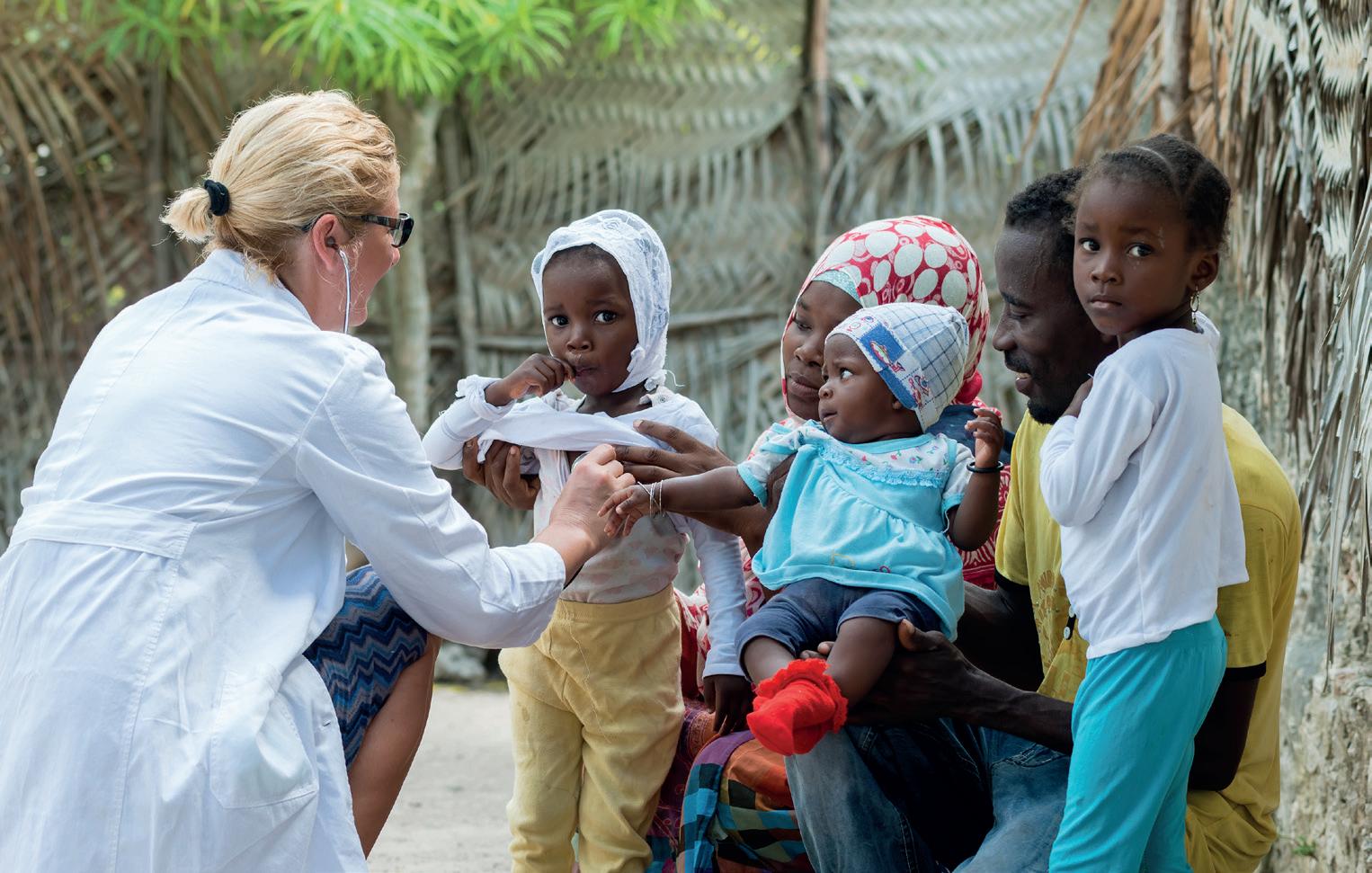
Malaria still kills over 600,000 people every year,1 even though it’s preventable and treatable. Children under five in Africa carry the heaviest burden — school lessons missed, futures cut short.
In too many communities, health systems are stretched beyond their limits, trying to protect mothers and babies from a disease we can consign to history.
Pivotal moment for malaria efforts
After two decades of hard-won progress, momentum has stalled. Drug and insecticide resistance is spreading as parasites and mosquitoes evolve to outsmart our most proven tools. Climate shocks and conflict are compounding risk.
Global health budgets are under immense strain. When malaria efforts lose ground, resurgence is fast and brutal. This is the moment for what has been termed the ‘Big Push’ : a coordinated commitment to sustain financing, accelerate transformational tools and deliver them at the scale needed to outpace the disease.
Tools to end malaria are near at hand
Two vaccines are already reaching children and saving lives, with nextgeneration vaccines following. We’re on track for a single-dose cure for the deadliest type of malaria. And new genetically based tools are being studied, showing promise of stopping transmission altogether. Science is advancing faster than ever, and
our political and financial will must match its pace.
Britain’s role here is central, from Sir Ronald Ross discovering in 1897 that mosquitoes transmit malaria to the R21 vaccine today. For two decades, the UK has been the second-highest funder of malaria R&D globally, 2 and British institutions are advancing many of the most promising tools currently in development. That investment has helped save more than 14 million lives since 2001 — and more than half of that R&D 2 spend flows directly back into UK institutions, driving skilled jobs and scientific leadership.
I’m more optimistic than I’ve ever been that we can eradicate malaria within a generation. But that future isn’t inevitable. Sustained innovation and investment from countries like the UK, alongside increased domestic financing, is how we secure a malaria-free world, save the lives of mothers and children, alleviate pressures on health systems and accelerate economic growth.
References: 1. WHO. (2025). World malaria report 2025. https://tinyurl. com/mu7h7z4t. 2. Impact Global Health. From discovery to approval: mapping the global health R&D pipeline. https://tinyurl. com/23sd2tsp.
Europe’s most underrated strategic asset? The health of its people
The question facing European governments isn’t whether they can afford to invest in health. It’s whether other priorities are achievable without it.
There’s a question I hear in almost every ministerial conversation these days: can we still afford to invest in health? The better question: what happens to everything else — security, growth, stability — if we don’t?
European military spending rose 14% in 2025 to $864 billion — the sharpest annual increase since the Cold War.1
Health systems: Europe’s first line of defence
But military readiness depends on something that never appears in a defence budget: a population that’s physically fit, mentally resilient and not spending a third of its working life managing preventable illnesses. Health isn’t separate from security — it’s part of its foundation.
Whether facing pandemics, extreme weather events or conflict, the speed and strength of a country’s response depend on what’s already in place.
Investing in health is crucial for the economy
By 2050, more than one in three Europeans will be over 60.2 Policies designed to keep people working longer, integrate new populations and sustain pension systems all fail if population health is poor. Healthy ageing isn’t a social aspiration, but an economic precondition.
Chronic disease, stress-related absence and long-term sickness already cost European economies billions annually. Cutting investment in health doesn’t protect an economy — it erodes it.
This is the argument in our new five-year strategy adopted by all WHO European Region Member States. The central shift is deliberate: health as an enabler of every other policy goal, not a sector competing against them.
The interventions that deliver this aren’t speculative. Health taxes on tobacco and alcohol cut disease rates while raising revenue. Clean air policies reduce emissions and hospital admissions. Strong primary care keeps people productive while reducing pressure on emergency systems. These aren’t trade-offs, but rather, the same investment achieving multiple returns.
Europe’s challenge isn’t a shortage of good ideas, but the political will to treat health as a strategy, not charity. The countries that make that shift first will be the most resilient, competitive, and hardest to break in a crisis.
References:
1. SIPRI. (2026). Global military spending rise continues as European and Asian expenditures surge. https://tinyurl.com/mrxuww7d.
2. Eurostat. (2026). Population structure and ageing. https://tinyurl.com/3cht85th.
WRITTEN BY Dr Hans Henri P. Kluge WHO Regional Director for Europe
WRITTEN BY Philip Welkhoff Director, Malaria, Gates Foundation
Rethinking diagnostics in the fight against AMR — from analytical accuracy to real-world clinical utility
In microbiological diagnostics, speed, accuracy and access determine survival. Yet the pathway from discovery to bedside to policy remains fragmented, with weak linkages between analytical validation and real-world performance.
Limited contextualisation of diagnostics across diverse clinical settings, alongside persistent affordability barriers, continues to constrain translation of innovation into measurable impact on antimicrobial resistance (AMR).
Multi-dimensional evaluation lens
A cross-silo, system-wide view is needed, one that moves beyond isolated assessment against narrow accuracy parameters. Diagnostic technologies are often evaluated in isolation rather than against their real impact on antimicrobial stewardship and resistance containment. Effective evaluation must combine diagnostic accuracy with health economic value, capturing reductions in antibiotic misuse, improvements in patient outcomes and system-wide cost savings. Prioritisation should rank rapid point-of-care tests, pathogen identification tools and resistance detection platforms by feasibility, equity and population-level benefit, including beyond the short-term Where appropriate, it should also be grounded in a One Health approach linking environmental surveillance, animal reservoirs and clinical diagnosis.
Restructuring reimbursement is a pivotal lever. Payment systems must shift from volume-based to value-based models that reward diagnostics which demonstrably improve care quality and curb unnecessary prescribing. Without
The business case for women’s health equity
access and innovation worldwide.
Addressing this is critical for health equity. But it also presents a significant business opportunity.
Women’s healthcare gaps
Across low- and middle-income countries (LMICs), women face major barriers to accessing healthcare.
Around 1.8 billion women in these countries are affected by at least one disease or condition within the scope of the Access to Medicine Foundation’s research, including maternal health conditions, infectious diseases and cancers.1 Despite this need, women continue to suffer and die from preventable and treatable conditions as access challenges persist.
aligned incentives, inappropriate antimicrobial use will persist, eroding the efficacy of even the newest therapies. Investment in innovation must be matched by investment in implementation, infrastructure, workforce training and laboratory capacity. This is also needed in low- and middleincome countries where diagnostic gaps directly drive empirical broad-spectrum prescribing.
A systems response to a systems failure
AMR isn’t only a scientific challenge but also suggests a systems failure, demanding coordinated action across disciplines and borders. Closing the evidence and practice gap requires transparent data sharing, robust realworld studies and continuous post-market evaluation of diagnostic tools.
Policy frameworks should incentivise early adoption of high-value diagnostics while discouraging low-impact or redundant testing. Some global coordination is also essential to ensure equitable access, particularly in resource-limited settings where the AMR burden is highest.
By integrating science, economics and public health priorities, diagnostics can become a cornerstone of sustainable antimicrobial stewardship and global health security, strengthening resilience for future generations through faster detection, smarter treatment and stronger systems, ultimately saving lives globally.

Access not the only issue
Women’s health priorities remain underfunded in R&D, and women, particularly those pregnant and lactating, are poorly represented in clinical trials. This limits our understanding of how health products affect women. It also delays the development of solutions that address their unique health needs and restricts the benefits of interventions during vulnerable periods.
Serving women is good business Ensuring that women everywhere can access quality treatments and care is fundamental to advancing health equity, while presenting a clear business opportunity.
Women make up half the world’s population, yet women’s health


issues remain under-researched and underserved. For companies, investing in women’s health represents a significant opportunity for market growth — both in highincome countries and through business models that expand access in lower-income countries.
Driving action on women’s health Companies can reach more women through affordable healthcare products and services, while investing in R&D to address product gaps and offer better solutions for women’s health issues. Doing so can improve health outcomes for women while unlocking business opportunities.
Understanding how companies respond to these challenges and where gaps remain is critical to advancing women’s health. Later this year, the 10th iteration of the Access to Medicine Index will include new findings on women’s health, providing insights into how companies can do more.
For meaningful change, women’s health can no longer be treated as a niche issue – it must be recognised as a global priority for innovation, access and investment.

Women continue to be left behind in healthcare
WRITTEN BY Margo Warren Director of Government Engagement & Policy, Access to Medicine Foundation
WRITTEN BY Prof Holger Rohde University Medical Center Hamburg Eppendorf, ESCMID AMR Action Subcommittee
WRITTEN BY Dr Chantal Morel University of Bern, ESCMID AMR Action Subcommittee
AMR and sepsis: The hidden crisis for cancer care
Modern cancer treatment is more targeted and effective than ever.
But for patients whose immune systems have been weakened by chemotherapy, surgery or transplant, a resistant infection can rapidly turn progress into crisis.

For some cancer patients, the immediate threat to survival isn’t the malignancy, but infection.
Threat of infections and sepsis
If an infection isn’t identified quickly, if the causative pathogen isn’t identified promptly or if the right antimicrobial treatment is unavailable or ineffective because of resistance, patients can deteriorate quickly. Sepsis can follow, turning a carefully planned cancer-treatment pathway into an emergency.

Alarmingly, Cancer Patients Europe has warned that infections and sepsis play a role in around half of cancer patient deaths. Sepsis — which changes the cancer journey in ways rarely anticipated — can become the most immediate threat to survival, especially because antibiotic resistance makes sepsis harder to treat when urgency matters.
For many, the risk isn’t theoretical. Jibraan Chaudhary was being treated for leukaemia and underwent three rounds of immunodestructive chemotherapy. Following a third round of chemotherapy, when immunocompromised, he developed sepsis and tragically died.
His story illustrates a painful truth: cancer treatment may be advancing, but infection and sepsis can still become an immediate threat to survival, particularly when antimicrobial resistance (AMR) makes infections harder to treat when speed and precision matter most.
Determined to build a legacy from Jibraan’s experience, his father, Dr Nveed Chaudhary, established the Jibraan Chaudhary Sepsis Research (JCSR) Foundation to support research into the prevention, recognition and treatment of chemotherapy- and transplant-associated sepsis in patients with leukaemia and other cancers.
“The resilience of cancer care depends on recognising infection and sepsis much earlier in the treatment pathway,” explains Dr Chaudhary, Chair, JCSR Foundation. “Cancer care must remain safe — from diagnosis to chemotherapy, surgery and transplant.” That means stronger prevention, faster diagnostics, smarter antimicrobial use and better escalation when patients begin to deteriorate.
Protecting immunocompromised patients
For immunocompromised patients, infection prevention depends on meticulous infection control, protected clinical environments, rapid diagnostics, careful antimicrobial stewardship, vaccination where appropriate and clear escalation pathways when early signs of infection appear.
“Resistant infections and sepsis lead to prolonged hospital stays, repeated treatment cancellations and significant anxiety,” says
Antonella Cardone, CEO, Cancer Patients Europe, which advocates for cancer patients, survivors and caregivers, and works to shape policies for better cancer care across Europe. “Even without an active infection, fear of AMR can lead to social isolation and reduced quality of life,” adds Cardone.
The human cost of AMR should therefore drive policy. Cancer Patients Europe’s whitepaper, Combating AMR in Oncology: A Strategic Imperative for EU Health Policy, calls for stronger infection prevention systems, including strengthened infection prevention and control measures, adapted hospital infrastructure, vaccination strategies for cancer patients and caregivers, expanded laboratory capacity and wider access to rapid and reliable diagnostic tools.
“We must also empower cancer patients with accessible information about how AMR may affect their treatment,” says Dr Chaudhary. “That includes understanding why prophylactic and therapeutic antimicrobials may be needed when the immune system is at its weakest, but also why availability and appropriate use of antibiotics matter. Without stronger prevention, rapid diagnostics and timely availability of appropriate antibiotics, resistant infections will continue to undermine survival and quality of life for cancer patients,” he adds.

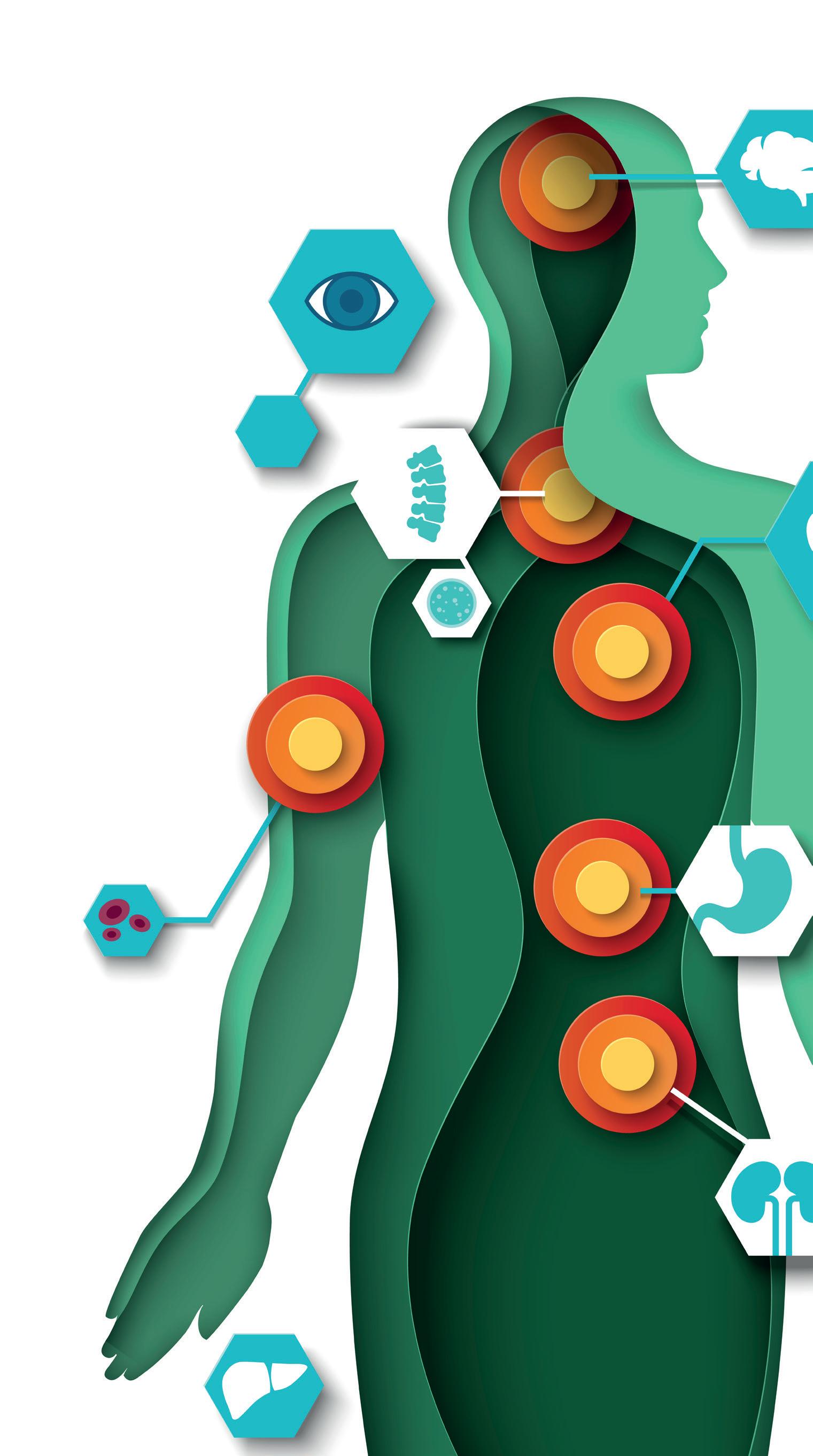
INTERVIEW WITH Antonella Cardone CEO, Cancer Patients Europe
INTERVIEW WITH
Dr Nveed Chaudhary
Founder & Chairperson
Jibraan Chaudhary
Sepsis Research (JCSR) Foundation
WRITTEN BY Tony Greenway
Spread paid for by Menarini
What is the single most important message for policymakers?
Addressing AMR-restrained patients’ access and, current reserve antibiotics market failure, requires a fundamental change in healthcare policies, shifting away from the classical volume-based models toward value-contribution valuation of such life-saving antibiotics.
Why is antimicrobial resistance (AMR) becoming one of the greatest threats to patients’ lives and to our modern medicine?
Worldwide, there are 4.95 million AMR-associated deaths annually. They’re projected to exceed 10 million deaths yearly by 2050.
This was confirmed by a WHO report, which showed the rise in bacterial resistance across approximately 40% of pathogens between 2018 and 2023.1 AMR is also associated with an estimated cost of $66.4 billion yearly related to in-patient infections attributable to antibiotic resistance, and a projected $1.7 trillion annual reduction in global economic output and 28 million people living in poverty by 2050.2
Patients with cancer, organ transplants, haematological malignancies, autoimmune diseases and other immunocompromising conditions depend on reserve antibiotics availability. When antibiotics fail, even routine infections can become life-threatening.
Why should AMR be viewed as a direct threat to cancer care and transplantation?

Many cancer therapies can have a suppressive or compromising impact on the immune system. Additionally, frequent and prolonged hospital stays make patients vulnerable to AMR-related infections. Without antibiotics, these patients will be exposed to an unfavourable risk-benefit balance when treated with advanced cancer therapies. Consequently, clinicians may be unable to deliver these treatments because the risk of an untreatable infection could become unacceptable. Menarini Group recently supported the publication of a robust literature review, which indicated that, since 1990, there’s been a fourfold increase in MDR-GNB infections among onco-haematologytreated patients. Approximately half of transplant recipients could also experience AMR-related infections, with mortality rates reaching 30–40%.3 Similarly, an AMR-related infection increased risks by 3x in the cancer outpatient group compared to non-cancer patient groups.3
Why is the reserve antibiotics market often described as “broken?”
Traditional pharmaceutical business models reward sales volume as a return on investments made. While it works for many therapeutic areas, it fails for reserve antibiotics because their societal value is disconnected from commercial revenues.
Investors direct capital toward therapeutic areas offering more predictable returns. The result is a vicious cycle where poor commercial sustainability leads to reduced innovation, while limited availability prevents vulnerable patients from accessing therapeutic advances.
We must learn from orphan medicine legislation, which demonstrated how targeted incentives can simultaneously improve innovation, investment attractiveness, industrial sustainability and patient access.
What’s your message for policymakers?
Without reserved antibiotics availability, many of the advances achieved in oncology, transplantation, surgery and intensive care will become increasingly difficult to sustain.
Unless policymakers support the implementation of sustainable reimbursement and innovation incentives, reflecting the true value contribution of reserve antibiotics, we risk a future where medical science continues to advance while patients’ protection from life-threatening infections, particularly vulnerable ones, is in jeopardy.
Finally, we need to enhance the encouraging progress made in the fight against AMR. This includes the landmark pull incentive schemes for reserve antibiotics successfully introduced in the UK and Italy, and additional initiatives under development, like in Switzerland and Canada.
References:
1. WHO. (2025). WHO warns of widespread resistance to common antibiotics worldwide. https://tinyurl.com/ ywjw7smz.
2. WOAH. (2024). Final Report of the 91st General Session – Paris
3. Gupta, V. et al. (2025). Incidence and prevalence of antimicrobial resistance in outpatients with cancer: a multicentre, retrospective, cohort study. https://tinyurl.com/2k7yy3ns.
How drug-resistant infections can delay vital cancer treatments
A cancer survivor recalls how she had to stop treatment to manage a resistant infection — and why the experience has prompted her to call for mandatory resistance testing and appropriate antibiotics availability.
When she was 43, Ana Mazanishvili was diagnosed with breast cancer. She elected to have a double mastectomy, but as if that wasn’t traumatic enough, she developed sepsis after surgery. This is a serious reaction to an infection, which progresses quickly and can be lifethreatening unless the right antibiotic is administered urgently.
“I had a high temperature, and I felt very weak,” remembers Ana. Then black, dead tissue began appearing on her skin.
Dealing with the AMR threat in cancer patients
With sepsis, every minute counts, so there’s no time for doctors to guess which antibiotic will work. Unfortunately, Ana was prescribed a type that her bacteria was resistant to. This was only discovered when her symptoms persisted, and she was given an antibiotic resistance test.
Unsurprisingly, Ana was keen to start cancer treatment again. However, it wouldn’t be possible with the infection still raging, so she began the effective antibiotic therapy to survive.
Unfortunately, Ana’s isn’t an unusual story. Sepsis is a crucial clinical manifestation of AMR in oncology patients, who are more likely to die from sepsis than individuals without cancer.1
To deal with this growing threat, Professor Oliver Cornely — Director and Chair of Translational Research at the CECAD Institute of the University of Cologne — believes there needs to be more engagement between patients and their physicians.
“(Patients need to ask their doctors): ‘What is in place if I get a fever or some infection?’,” he says. “How do you deal with that risk? What treatments do you want to use — and has resistance been factored in?’ It’s not easy for a patient to address those questions because they’ll usually be overwhelmed with contemplating the underlying disease.”
Calls to make antibiotic resistance testing mandatory
Professor Cornely also calls for Antimicrobial Susceptibility Testing to determine which antibiotics will be most effective. “And we need new tools for rapid diagnosis,” he says.
“Next-generation sequencing (NGS) might have a place there. But we need to educate on how and when to use these tests. Otherwise, we might run after a false positive result. We also need clinical trials on diagnostic assays. And ideally, we would have tests done bedside — point-of-care tests. That way you don’t lose time by transporting test material and getting back results and immediately initiate the targeted antibiotic treatment.”
Thankfully, Ana is a cancer and sepsis survivor. As a patient advocate for the Georgia branch of breast cancer coalition Europa Donna, she wants antibiotic resistance testing to be mandatory. After all, for cancer patients, every incorrect course of antibiotic therapy is lost time when they could be receiving vital cancer treatment instead. “Antibiotic resistance means that even the most successful surgery can be rendered ineffective,” says Ana.
“The patient who has beaten cancer can be overcome by the infection simply because the bacteria are resistant to this antibiotic or by the lack of timely availability of the appropriate one. It’s a matter of life and death.”
Reference: 1. Williams, J., Ford, M. & Coopersmith, C. (2024). Cancer and sepsis. https://tinyurl.com/yj3n4mma.



INTERVIEW WITH Dr Najy Alsayed Global Head Of Infectious Diseases, Menarini
WRITTEN BY Tony Greenway
INTERVIEW WITH Prof. Dr Oliver A. Cornely Director of the Institute of Translational Research, CECAD Cluster of Excellence, University of Cologne, and University Hospital Cologne, Germany
INTERVIEW WITH Ana Mazanishvili Patient Advocate, Europa Donna Georgia, President Founder, Caucasus Cancer Society HOPE
WRITTEN BY Tony Greenway
A faster path to infectious disease breakthroughs
The COVID-19 pandemic exposed how vulnerable the world remains to infectious diseases. Faster, more efficient clinical development pathways accelerate access to vaccines and therapeutics.
Infectious diseases continue to disproportionately affect low- and middleincome countries, where healthcare, diagnostics and treatment access are often limited, and healthcare systems are more vulnerable to disruption.
Product development challenges
Despite the urgent need for new vaccines and therapeutics, infectious disease product development remains challenging. Scientific uncertainty is high, clinical research is expensive and development timelines are long.
Funding can also be difficult to secure, particularly because many infectious diseases predominantly affect populations with limited purchasing power, reducing commercial incentives despite immense societal need. As a result, even promising interventions take too long to develop, remain costly to test and fail to reach the populations that need them most.
Large-scale field trials often require thousands of participants and take years before researchers know whether a product is effective. Fluctuating infection rates, complex logistics and limited research infrastructure in high-burden regions delay studies further, increasing costs and slowing access to life-saving interventions.
CHIM studies
INFECTA was established to accelerate early clinical development for infectious diseases products through Controlled Human Infection Models (CHIMs). Healthy adult volunteers are carefully exposed to a well-characterised pathogen under highly controlled clinical conditions. This allows researchers to study infections and evaluate vaccines or therapeutics much earlier in clinical development.
CHIMs can generate early clinical data on immune responses, pathogen behaviour, doseresponse, safety and preliminary efficacy in a fraction of time required for traditional field trials. Insights that normally emerge later in development can become available far earlier, enabling faster and more informed decision-making.
Early data access also allows products to be adapted or optimised before large-scale trials begin, reducing uncertainty and costly late-stage failures. Because not every infectious disease is suitable for a CHIM, INFECTA also supports conventional phase one clinical studies and invests in biomarkers and translational methodologies that strengthen early infectious disease research more broadly.
Ultimately, the goal is to improve how infectious disease interventions are developed so that effective vaccines and therapeutics can reach highburden populations faster and more affordably.

Building pandemic readiness through routine vaccination

Routine immunisation for adults and children is more than a health service — it’s core to our health security, and can determine how fast and effectively countries can respond in a crisis.
Health shocks are security shocks. Population growth, urbanisation, travel and climate change are increasing the risk of pandemics and other health threats. With a ~50% probability1 of a COVID-19 pandemic scale within 25 years, and with future pandemics estimated to cost more than 700 billion annually2, investing in better preparedness and response is imperative for economic stability and health security.
Strengthening routine immunisation for adults and children represents one of the most effective ways of building and strengthening resiliency. They deliver routine protection and reduce ill health, and in crises, help determine how countries can respond at speed and scale.
Routine immunisation across the life course isn’t just a health program — it’s a national capability.
Ready-to-deploy delivery network
Immunisation programmes rely on strong healthcare systems, trained healthcare professionals and reporting capabilities. Having these in place also means they can be rapidly adapted and scaled when new threats emerge.
Routine immunisation programmes also build habits of forecasting demand, managing stocks and strengthening distribution routes to the ‘last mile.’ Regular demand for vaccines also incentivises manufacturers to invest in production capacity — a critical asset for surging production during a pandemic.
Trust before the crisis
Regular immunisation programmes help build public awareness, familiarity with vaccination and trust in health authorities. This strengthens community engagement and the infrastructure necessary for rapid, widespread vaccine acceptance during an emergency, including managing misinformation.
Routine immunisation across the life course isn’t just a health program — it’s a national capability. Strengthening it today is one of the smartest ways to prepare for tomorrow. It’s also an economic imperative: adult immunisation programmes can generate returns of up to 19 times their initial investment 3, through avoided hospitalisations, reduced treatment costs and preserved productivity.
References:
1. Smitham, E. & Glassman, A. (2021). The next pandemic could come soon and be deadlier. https://tinyurl.com/yeyskte7.
2. Glennerster, R., Snyder, C.M. & Tan, B.J. (2023). Calculating the costs and benefits of advance preparations for future pandemics. https://tinyurl.com/ kkaj7ej5.
3. Banhawi, H.E. et al. (2024). Socio-economic value of adult immunisation programmes. https://tinyurl.com/3dzj3jne.

WRITTEN BY Laetitia Bigger Director, Vaccines Policy, IFPMA
Health is resilience: Why investment today shapes stability tomorrow
Security dominates headlines and politics. Yet one of its most decisive dimensions remains underestimated: health. Health is not a parallel concern to security, but one of its foundations.
Global health resilience is, at its core, about preparedness and protection: ensuring that societies can withstand and recover from health crises.
The COVID-19 pandemic exposed how quickly health threats can cross regions, disrupting economies, straining political stability and amplifying social inequalities. The lesson was clear: investments in health are neither optional nor charitable; they are strategic.
When health systems are strong, the returns extend far beyond hospitals and individual health gains. Preventive care, surveillance systems and equitable access to services reduce long-term costs, mitigate risks and stabilise societies. In economic terms, health spending yields resilience, productivity and sustainable growth.
* World Health Organization (2025). Meeting of the Strategic Advisory Group of Experts on Immunization, September 2025: conclusions and recommendations Weekly Epidemiological Record 100(49), 605 - 618. (iris.who. int/handle/10665/ 384559).
‘From Crisis to Resilience’
Investments in health are neither optional nor charitable; they are strategic.
The implications reach even further. Health intersects with some of the most pressing global challenges. Climate change intensifies health risks through heatwaves, shifting disease patterns and environmental degradation. Robust health infrastructures contribute to economic continuity and social cohesion. Health operates as both a safeguard and an enabler across sectors.
The World Health Summit – the leading platform for global health – convenes leaders and changemakers to translate these connections into action. Under the 2026 leitmotif, ‘From Crisis to Resilience: Innovating for Health,’ the World Health Summit 2026 will focus on how innovation, across technology, policy, financing, governance and partnerships, can help build more equitable, future-ready health systems. By convening leaders from politics, science, the private sector and civil society, the World Health Summit creates a space where health is addressed as a cross-cutting priority. Elevating health within broader policy discussions is no longer a matter of advocacy; it is a matter of strategy. Recognising health as a central pillar of resilience, stability and development changes how decisions are made and how futures are built.
The conversation is underway. The question is whether it will translate into action. Join us in Berlin for the World Health Summit 2026, October 11-13, and be part of the solutions.
Beyond trials: Implementation research that strengthens health systems
Developing a safe and effective vaccine is only part of the challenge. Ensuring it reaches the right people, at the right time and that its performance in real settings is rigorously documented, is equally critical.
This is the work of implementation research, which bridges clinical evidence and public health impact, and one that European Vaccine Initiative (EVI) has increasingly placed at the heart of its mission.
Actionable guidance through implementation research
As malaria vaccine rollout expands across Africa, the need for evidence to guide policy and optimise delivery has never been greater. The MVPE-CC consortium addressed this through case-control studies across Kenya, Malawi and Ghana to evaluate the safety, effectiveness
and optimal dosing schedule of the RTS,S vaccine in routine immunisation settings.
In 2025, WHO’s Strategic Advisory Group of Experts on Immunisation (SAGE) and Malaria Policy Advisory Group (MPAG) drew on MVPECC evidence in reaffirming the recommendation for a four-dose RTS,S schedule, confirming that a four-dose schedule provides higher protection against clinical and severe malaria than a threedose schedule in moderate to high transmission settings.
The findings offered reassurance that, where the delivery of the fourth dose may temporarily be impossible, children would still
benefit from three doses until obstacles to the fourth dose’s delivery are resolved*. Evidence generated in communities across these African countries shaped a global policy recommendation that will influence how millions of children are vaccinated.
Initiatives to progress malaria vaccine implementation
Through OPT-MVAC, 14 West and Central African countries’ national immunisation, malaria and pharmacovigilance programmes, working alongside leading African and European research institutions, are conducting implementation research tailored to local contexts, sharing data and learning across borders to strengthen delivery systems at scale.
Separately, a new study in Guinea and Benin is evaluating whether a seasonal intensification approach to malaria vaccination is feasible, cost-effective and could improve coverage and burden in highly seasonal transmission areas, findings that could reshape how and when vaccines are delivered in some of the highest-burden settings.
These reflect a core principle: a vaccine’s value is only fully realised when the systems, evidence and strategies needed to deliver it equitably and effectively are in place.


Carsten Schicker CEO, World Health Summit
WRITTEN BY Irene Nailain Nkumama, PhD Malaria Programme Manager, European Vaccine Initiative
WRITTEN BY Elena Ambrosio, PhD Senior Project Manager, European Vaccine Initiative
Drug resistance is undermining global security
Antimicrobial resistance (AMR) is turning routine infections into strategic vulnerabilities. As antibiotics fail, healthcare, humanitarian operations and outbreak response all become harder to sustain — especially in fragile and conflict-affected settings.

The same forces shaping today’s global insecurity — conflict, climate change and migration — are helping accelerate the spread of AMR. By 2050, the number of AMR-related deaths is expected to increase by as much as 70% by 2050. This can undermine health resilience, leaving us less equipped to face such threats.
In war zones like Ukraine, for example, drug-resistant infections are rising, driven by damaged infrastructure, limited treatment options and conditions allowing them to thrive. The same is true of rising temperatures, climate shocks and the scale and speed of international travel. This creates a dangerous feedback loop: insecurity fuels AMR, and AMR weakens our ability to respond to health crises.
Why antibiotics matter
Health resilience depends on antibiotics being developed, available, affordable and used appropriately wherever they’re needed. Today, the current model for antibiotic development is failing on all these fronts.
Failing to prioritise AMR leaves countries exposed to a threat that doesn’t respect borders and cannot be contained by traditional means.
Without antibiotics, routine procedures like surgery, childbirth and cancer treatment become far riskier and health systems become weakened when they’re needed most. Failing to prioritise AMR leaves countries exposed to a threat that doesn’t respect borders and cannot be contained by traditional means.
How One Health helps build global resilience
One Health offers a practical blueprint for integrating health approaches and interventions to build resilience, translating complexity into coordinated, effective action.
In Africa, one in five bacterial infections1 is already showing signs of Antimicrobial Resistance (AMR). One Health approaches systematically tackle this, guided by the AMR National Action Plans (NAPs).
Turning integration into impact
Yet, implementation lags across Africa. Weak leadership and coordination of One Health platforms across national and subnational levels, coupled with fragmented, sector-specific resourcing of the human, animal and environmental sectors, often leads to siloed implementation.
Conventional R&D tends to prioritise products for lucrative markets, rather than for countries bearing the greatest burden of drug-resistant infections. The result is a persistent mismatch between need and innovation — one reason why AMR is outpacing antibiotic development and why many countries lack reliable access to essential antibiotic treatments. Public-private partnerships, like the Global Antibiotic Research & Development Partnership (GARDP), can help through the enhancement of a better model. By bringing together all stakeholders, our work spans the critical antibiotic development pathways — from R&D to manufacturing, regulatory readiness and commercialisation — to develop urgently needed antibiotics and ensure they’re made available to the patients who need them most.
In doing so, GARDP is helping to build a more resilient global health system — one that delivers the right drugs, in the right places, at the right time.
Health ‘action plans’ that reflect local realities and considerations for AMR mitigation.
County Antimicrobial Stewardship Interagency Committees (CASICs) at the sub-national level convene human, animal and environmental health actors to align policy with frontline action. These platforms support coordinated surveillance, stewardship and response planning, while helping counties integrate AMR priorities into existing health systems and budgets.
In Kenya’s semi-arid Marsabit County, the highest levels of animal-human and environmental interactions happen in nomadic pastoralist communities. We facilitate the formation of One Health Units and health outreaches with health workers, veterinarians and environmental health specialists,
to expand community access to AMR health promotion, education and mitigation efforts. Ninety-seven percent of users report them as their nearest point of care, and 100% express satisfaction with the service.2
Structured community dialogues are critical for convening the community, local leaders, One Health service providers and government actors to raise awareness on AMR drivers and to devise contextualised mitigation solutions.
Ultimately, this approach creates feedback loops that strengthen AMR surveillance, accelerate response and ensure that investments deliver lasting value.
Strong strategies for impactful, locally driven action
Partnering with Kenyan AMR governance agencies, Amref supports development of county-level One
Integrated, community-driven models, like One Health Units, are scalable with proper resourcing and integration; transitioning from pilots to system-level solutions that anticipate and adapt to climate shocks, disease outbreaks and evolving resistance patterns.
Country-level implementation evidence is also informing regional AMR policy. With the Africa Centres for Disease Control and Prevention, we consulted on the development of the African Union AMR Framework 20262030, aiming to deliver funded national programmes, functional One Health governance and visible improvements in patient safety and productivity. With targeted investment, these approaches can transform local success into a global standard.
References: 1. WHO. (2025). Global antibiotic resistance surveillance report 2025. https://tinyurl.com/2kjthxc4.
2. Siobhan M. Mor, Micol Fascendini, Sara Imbach, Metalign Ayehu, Kebadu Belay, on behalf of the HEAL Consortium, Community-Designed One Health Units as a Model for Integrated Service Delivery in Pastoralist Areas of Africa (March 2024)

WRITTEN
Manica
WRITTEN BY Dr Jackline Kiarie Director of Programmes, Health Systems Strengthening Unit, Amref Health Africa
WRITTEN BY
Dr Martin Muchangi Director for Population Health and Environment, Amref Health Africa