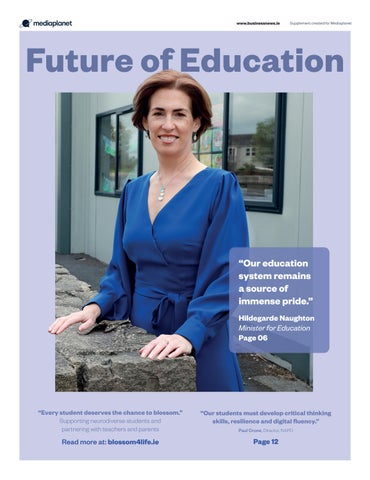

Future of Education
“Every student deserves the chance to blossom.”
Supporting neurodiverse students and partnering with teachers and parents
Read more at: blossom4life.ie
“Our education system remains a source of immense pride.”
Hildegarde Naughton Minister for Education Page 06
“Our students must develop critical thinking skills, resilience and digital fluency.”
Paul Crone, Director, NAPD Page 12
How digital tools help unlock career and learning opportunities across Europe
If you’re looking for a job or training opportunities in Europe, it may not be obvious where to start. However, there are online tools that can help with the search and application process.
Studying or working overseas can be an exciting and enriching experience, says Naomi Oldenburg. And she should know: she’s done it herself.
“Learning or working abroad teaches you flexibility, self-reliance and adaptability,” notes Oldenburg, Senior Manager at the National Europass Centre for Ireland in Quality and Qualifications Ireland (QQI). “It takes you out of your comfort zone and gives you the chance to learn new skills, meet new people, make great connections and have new adventures.”
Challenges of studying or working abroad
Finding lifelong learning, upskilling, reskilling, apprenticeship or job opportunities in unfamiliar countries isn’t always easy. Presenting your qualifications and experience in the best way to international employers or educational institutions may not be obvious, either — particularly when you’re in one location, and they’re in another.
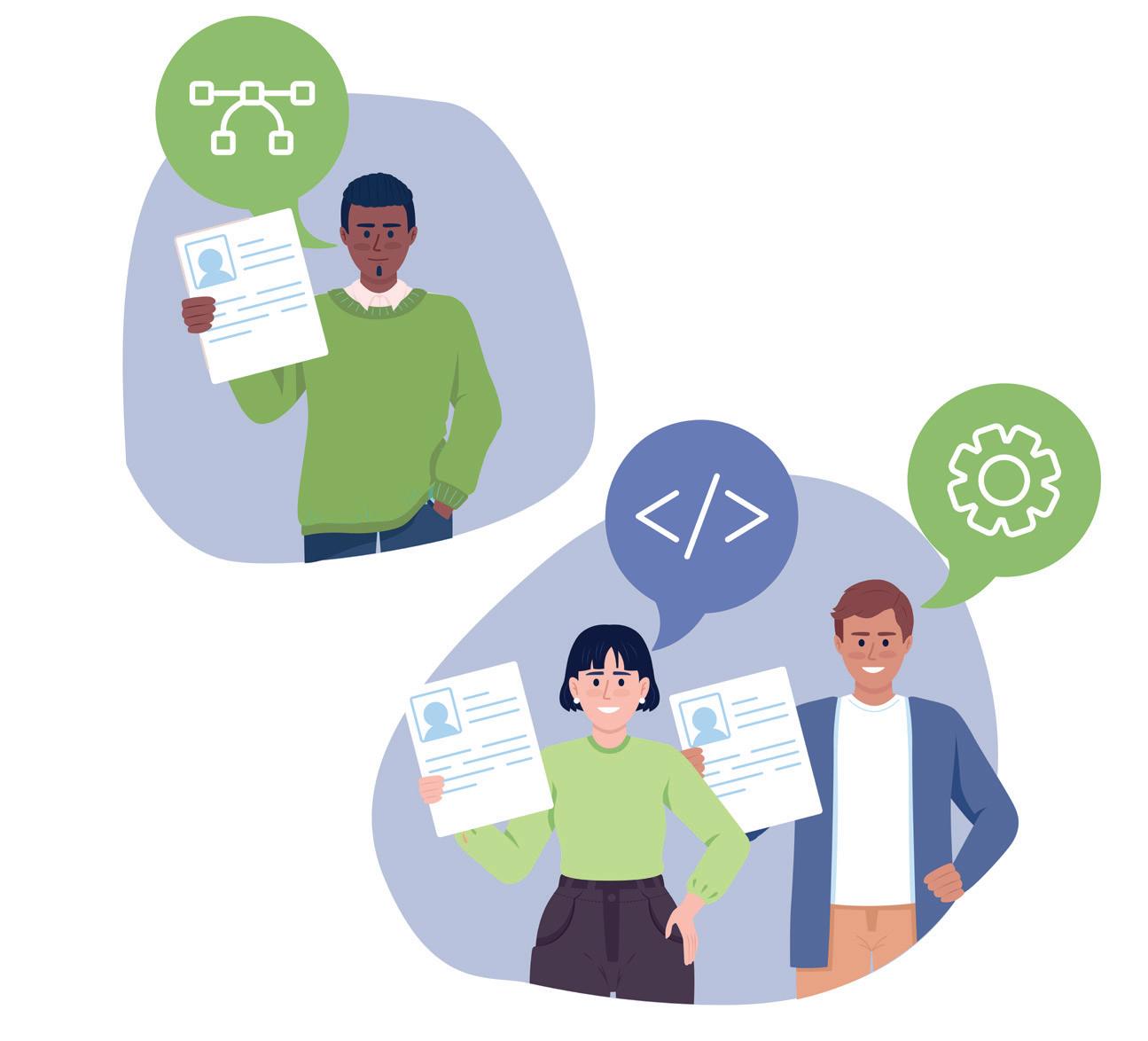
Europass — a free set of online tools developed by the European Commission — aims to make it easier to manage learning and career development in Europe. At its heart, it’s a search facility that helps users find courses and employment in more than 30 countries.
Presenting qualifications and experience clearly and concisely
Users start by creating a profile featuring their qualifications, languages, work and/ or volunteering experiences and skills, etc. They can also write customised CVs and cover letters; see if their qualifications match the qualifications standards of other countries; study trends reports to understand the skills and jobs that are in demand in different locations; and complete a Digital Skills Assessment to learn more about their digital competencies.
Meanwhile, the platform’s Certificate Supplement helps employers and educational institutions understand users’ vocational qualifications. Its Diploma Supplement provides information on an applicant’s personal achievements, including course credits and grades. Additionally, its Mobility document describes the skills developed through mobility experiences.
“All information — CVs, cover letters, digital credentials, qualifications and different applications — is stored in a user’s personal folder,” says Oldenburg. “It’s a one-stop shop that makes the whole process easier.”


James Lawless TD Department of Further and Higher Education, Research, Innovation and Science
How apprenticeships are providing more opportunities and strengthening Ireland’s talent pipeline
The landscape of education and training in Ireland is changing, shaped by evolving workforce needs and changing expectations among learners.
People want practical skills that lead to opportunity, while employers are looking for talent ready to contribute from day one.
How apprenticeships prepare workready talent 2026 is shaping up to be a landmark year for their growth and, crucially, their diversification, with new pathways emerging across sectors key to our economy and public services.
By combining learning with real world experience, apprenticeships offer a practical and flexible pathway for people at different stages of life and career. Today, there are over 80 apprenticeship programmes available, reflecting a broader and more responsive system.
Expanding this system is central to delivering on the Government’s commitment to 12,500 apprenticeship registrations annually by 2030, as set out in the Programme for Government. This ambition is backed by record investment, with an additional €79 million provided through Budget 2026.
For many, apprenticeships still bring to mind trades like electricians, mechanics or plumbers. While these opportunities continue growing, my department and I are focusing on expanding apprenticeships into careers that were once only
accessible through traditional academic routes.
Apprenticeships beyond trade This shift is already underway with recent launches across a range of sectors including a new Business and Operations apprenticeship delivered by Mayo, Sligo and Leitrim Education and Training Board, a Social Care apprenticeship with UCC and MTU and a Paramedic apprenticeship with UCC.
The Business and Operations apprenticeship is particularly significant. Delivered across public and private sectors, with the Consortium Steering Group chaired by Lidl, it provides a new entry route into public service roles, beginning with the Civil Service. By broadening access and attracting more diverse talent, it supports the development of a Civil Service that is skilled, representative and future ready.
As more new apprenticeships, including Robotics and Automation and Firefighting, come on stream later this year, the system’s continued expansion reflects a clear shift in how Ireland develops skills and builds careers. In responding to changing learning expectations and workforce needs, apprenticeships are widening access to opportunity while strengthening the talent pipeline.
Minister
Naomi Oldenburg Senior Manager, National Europass Centre for Ireland, Quality and Qualifications Ireland (QQI) WRITTEN BY Tony Greenway
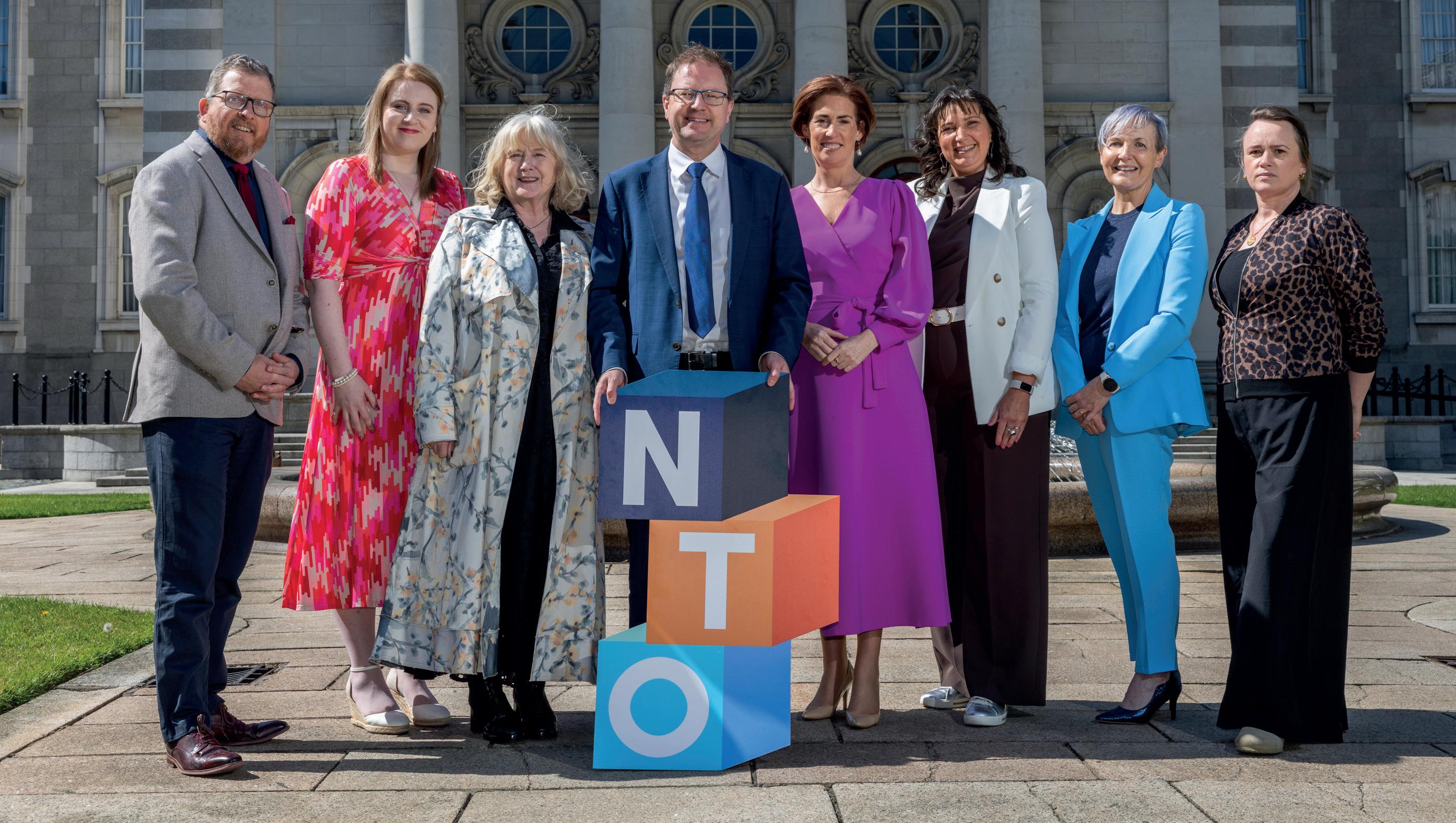
A teaching workforce that reflects the diversity of society strengthens inclusion, broadens perspectives and better represents the communities that education serves.
Diversifying primary teaching through tertiary pathways
New Tertiary pathway will diversify future primary teaching pipeline through an innovative foundation year linking FET and higher education.

Ireland’s goal to attract highquality candidates from a diversity of backgrounds to the teaching profession is recognised in national policy on long-term workforce sustainability.
New tertiary route into primary teaching Traditional routes into Initial Teacher Education (ITE) have served many students well, but they have not always worked for those who experience barriers linked to socio-economic, geographical or educational disadvantage, disability, caring responsibilities or nontraditional educational pathways.
The new Tertiary Pathway to Primary Teaching responds directly to these challenges by offering a structured, supported route into a Bachelor of Education (Primary). It is designed as a five-year pathway beginning in Tipperary Education and Training Board (ETB) or Limerick and Clare ETB, with progression opportunities into Mary Immaculate College for students who meet defined academic progression requirements.
The approach aligns with a growing national emphasis on tertiary-style progression pathways, strengthening structured routes from Further Education and Training (FET) into higher education (HE) through coordinated programme design, delivery and student supports.
Innovation through collaboration
A central feature of the pathway is the partnership model underpinning it. The programme is co-designed in collaboration with key HE providers of initial teacher education and ETBs across Ireland. It is delivered by ETBs in collaboration with higher education partners, ensuring that the pathway is academically rigorous and
aligned to progression expectations.
This collaboration supports consistent standards in areas such as student readiness, academic integrity, study skills and structured reflective practice. It also supports early student engagement with higher education expectations, while benefiting from the structured supports that are characteristic of FET delivery.
This additional route represents a strategically designed pathway where FET and HE function as connected parts of a single student journey with seamless progression built into the pathway from the outset.
Building readiness and confidence
This tertiary pathway begins with a foundation year that provides students with an opportunity to strengthen key competencies essential for success in ITE, including communication, teamwork, Irish and English language development, numeracy and digital skills. Students are supported to become increasingly independent and self-directed while learning within a structured environment that scaffolds academic development and confidence.
The foundation year includes academic and practical learning experiences designed to support progression readiness and informed decision-making. These include structured group work, oral communication tasks, immersive language experiences and observation placements in education settings.
The emphasis on readiness and confidence building is aligned with evidence that transition into HE is not solely dependent on academic attainment, but also on students’ ability to navigate learning environments, manage workload,
communicate effectively and engage with feedback.
Supporting progression and diversification
Diversifying the teaching profession is viewed as an important priority for the education system. A teaching workforce that reflects the diversity of society strengthens inclusion, broadens perspectives and better represents the communities that education serves.
This programme supports that goal by prioritising prospective students who may not have previously seen primary teaching as an achievable pathway. It recognises that potential is not always captured by traditional routes alone and that talent exists across a wide range of communities and life circumstances.
The foundation year also ensures that students who do not progress into the Bachelor of Education (Primary) still achieve a full National Framework of Qualifications (NFQ) Level 5 QQI Major Award, providing a recognised qualification with progression value into other higher education programmes, further training opportunities or employment.
As Ireland continues to implement policy focused on widening participation, diversity and strengthened tertiary structures, the Tertiary Pathway to Primary Teaching demonstrates what is possible when FET and HE work together in a coordinated way. It offers a practical example of how collaboration across sectors can create new opportunities for students, while strengthening longterm capacity within the education system. This pathway is one of the 78 Tertiary Pathways available to students for applications in 2026 on www.nto.ie.
Marie Mattimoe Programme Development Manager, National Tertiary Office
Getting
ready for an uncertain
future: Why Ireland must invest in its universities
Ireland’s economy and society are facing into a decade of profound change, shaped by digitalisation, decarbonisation, deglobalisation and demographics.
Ensuring Ireland emerges as a cutting-edge economy and resilient society depends on our continuing to enjoy the benefits of a well-educated workforce and wider population.
Ireland’s seven research-intensive universities thus have a central role to play in national wellbeing, security and prosperity. Our teaching is closely connected to research, so our students engage with established knowledge, new ideas and discovery. This matters because our courses reflect the latest evidence, discovery and insights, and our students develop strong analytical and problemsolving skills which they’ll need in an uncertain, changing world.
Our universities contribute to society and the economy by supplying companies with a well-skilled workforce, but also new knowledge, innovation and insight to support employers, inform public policy and help Government address major social challenges, from housing and climate to infrastructure and health. They’ll also be required to navigate two major changes: AI and lifelong learning.
How AI will transform education
we inculcate — critical thinking, analysis, communications and integrity — will become more important in the age of AI, which is sadly an age of mis- and dis-information. We’ll focus on combining technical and AI literacy with education’s deeper purpose — forming the person intellectually and socially. What John Henry Newman called producing “good members of society.”
Lifelong learning
Our universities are critical national infrastructure, developing the people, ideas and knowledge that help deliver national priorities.
The universities will increasingly focus on people of all ages returning to reskill and upskill. As Professor John O’Halloran, President, UCC, says, “Lifelong learning is core to what we do. It’s about opening opportunities to learn, whether returning to education, building new skills or pursuing new interests. As work, society and lives change, more people will move in and out of education. Our task is to make that possible through clearer pathways, more flexible provision and even stronger connections with employers and communities.”
Paul Johnston, Director General, IUA, the voice of Ireland’s seven research-intensive universities, argues that universities are “Embracing the opportunities of AI — across teaching, research and how we operate — while also being responsible, ethical and grounded in our values.
The skills universities have always taught, and the values
From contributors to partners: Reforming Ireland’s workforce development
As AI evolves from a niche technological trend to a fundamental driver of global productivity, the gap between our current workforce capabilities and future industrial needs is widening.

Ireland now stands at a critical juncture, and to secure our position as a premier knowledge-based economy, we must move beyond acknowledging the AI revolution and begin funding the transition.
National Training Fund
The Employer Levy Fund or the National Training Fund (NTF) is uniquely positioned to bridge this gap. Funded directly by a levy on employers through PRSI contributions, the NTF maintains a vital link between wage growth and productivity.
Crucially, these funds are not ‘public money’ in the traditional sense; they are
Our universities are critical national infrastructure, developing the people, ideas and knowledge that help deliver national priorities and help people to flourish, develop their talents and participate fully in society.
That requires sustained investment, as the Government recognised in 2022. Four years on, the sector’s structural under-funding remains. That needs to change quickly, if we’re to make the investment in our future needed to equip Ireland for uncertain times ahead.
employer investments specifically earmarked for upskilling.
However, the accumulation of significant surpluses — at a time when sectors report acute skills shortages — represents a stalled engine of economic growth. The deployment of AI is no longer a ‘future’ concern; it is a current reality reshaping manufacturing, professional services and healthcare. Workers need more than a passing familiarity with digital tools — they require deep, practical training to harness AI safely, ethically and productively. By unlocking the NTF, the Government can provide the scale of investment necessary to prevent
AI-driven displacement and foster AI-enabled innovation.
Reformed approach to NTF governance
To ensure these resources are utilised effectively, Technology Ireland and our members have proposed a reformed approach to NTF governance:
1. By accelerating deployment and fully unlocking the NTF to support demand-driven upskilling in high-impact sectors, specifically targeting AI integration and digital literacy
2. Supporting employer oversight and moving beyond treating employers as mere contributors
- Working to establish structured governance where industry representatives have a direct, decision-making role in how resources are allocated
3. Complete transparency by implementing detailed reporting on fund disbursement and measurable impact to build trust and accountability
The legitimacy of the NTF depends on its responsiveness. By treating employers as genuine partners and releasing these dedicated funds, Ireland can build a resilient, future-ready workforce that is not just a passenger in the AI era, but a leader.
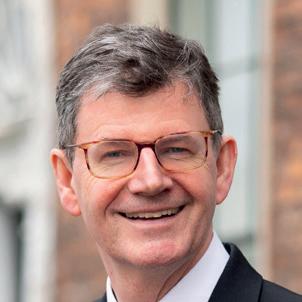
Professor John O’Halloran President, University College Cork Chair, IUA Council
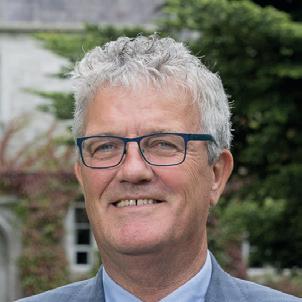
Paul Johnston Director General, Irish Universities Association
Gillian Audet Executive, Technology Ireland
Sponsored by Irish Univeristies Association
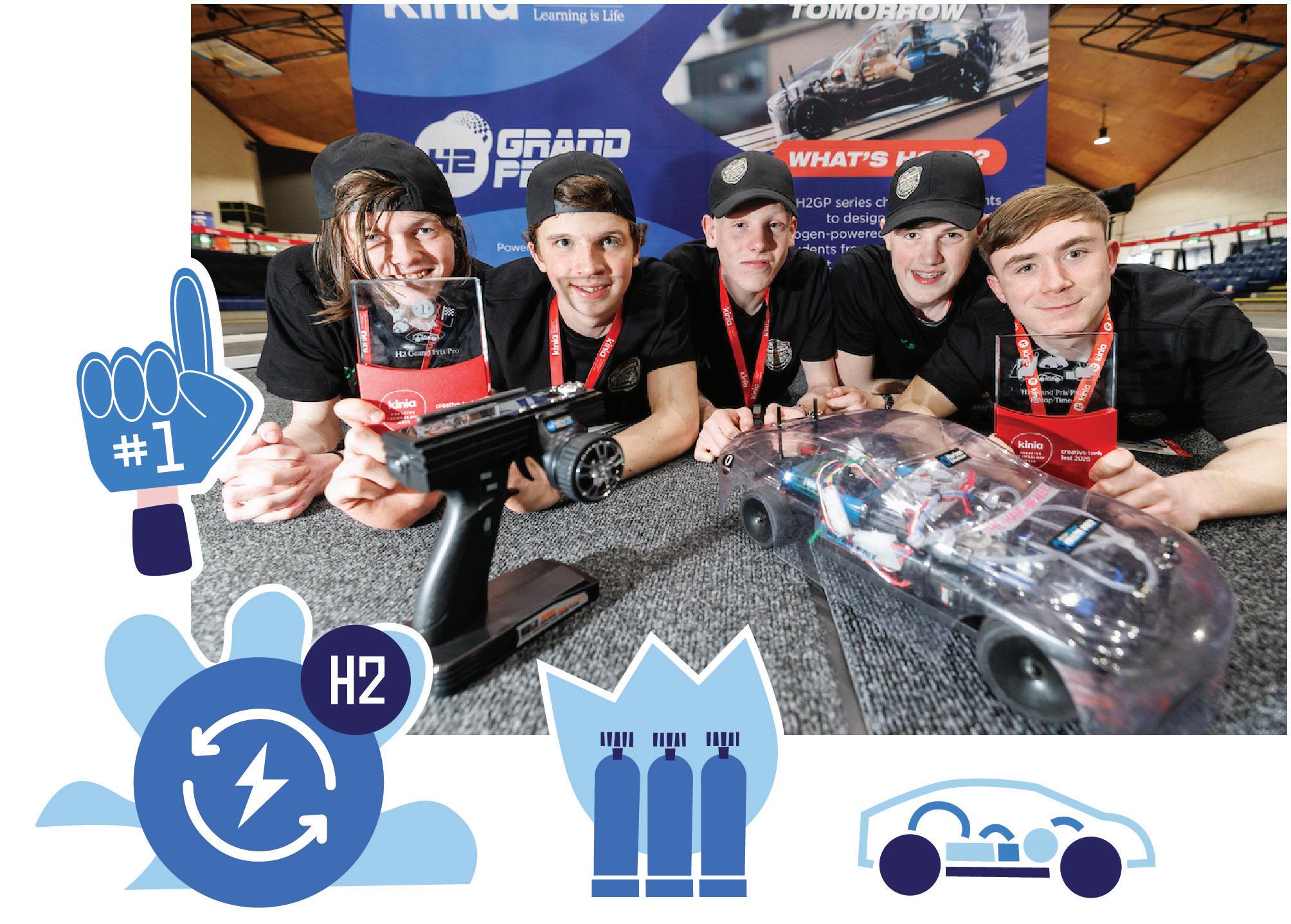

Ayear ago, most of them had never heard of a fuel cell. This April, a team from Cherry Orchard Youth Service in Ballyfermot won Ireland’s first ever Hydrogen Grand Prix and secured their place at the world final in Switzerland.
Meanwhile, in Mullingar, Transition Year students from Loreto College won the AI and Machine Learning Award at Creative Technology Week 2026 after designing and delivering an AI programme for firstyear students. They moved quickly beyond learning about AI and began guiding others.

In both cases, students were doing more than acquiring technical knowledge. They were solving problems, working together and applying their learning in real-world contexts. They were discovering their strengths and opening new pathways. That distinction matters.
Ireland has no shortage of talent; the challenge is ensuring that opportunity is not limited by geography, circumstance or background.
OECD and UNESCO emphasise that, to develop their talents, young people need opportunities to apply knowledge with critical thinking, ethics and responsibility.
Building sustainable communities
This is not an abstract challenge, nor is it one that the education system can solve on its own.
Every community has creators, thinkers and builders. Not every classroom is ready for them.
Improving equity in future skills education.
Ireland’s ambitions for climate action and digital transformation depend as much on people as on technology.
A successful green and digital transition requires more than technical expertise. It requires collaboration, adaptability and sound judgement. Digital confidence, green literacy and the capacity to keep learning are not school subjects; they are qualities that will underpin strong, sustainable communities.
Innovation starts with opportunity
The importance of these qualities is increasingly clear, and the question is who has the opportunity to develop them? Not every school or community has the same access to resources, industry connections, technology or hands-on learning experiences that allow students to explore, create and lead.
Access opens the door. Opportunity, participation and belonging determine who gets to walk through it. Who gets to experiment? Who gets to create? Who gets to fail safely and try again? Who gets to discover what they are brilliant at?
Ireland has no shortage of talent; the challenge is ensuring that opportunity is not limited by geography, circumstance or background. The stories of building hydrogen-powered cars in Cherry Orchard and teaching AI in Mullingar are not the exception. They are evidence of what becomes possible when young people are trusted with meaningful challenges and when their potential becomes a shared investment in our collective future.
Ní thagann saol gan foghlaim: Learning is Life. It is essential that every young person has opportunities to learn, create and lead; experiences that equip them not only with knowledge, but with the judgement, creativity and confidence to imagine the future they want to see, as well as the ability to build it.
Marianne Checkley CEO, Kinia
Gráinne Flanagan Head of Communications, Kinia
Sponsored
Supporting children’s learning, today and into the future: Ireland’s new Primary School Curriculum
Children starting school today will grow up in a world very different from the one we knew. The new Primary School Curriculum has been developed to enable every child to thrive now and into the future.
For many parents, the question about the new curriculum is straightforward: What will my child learn in primary school, and how will it prepare them for the future?
To answer this, it is important to recognise that the world children are growing up in is changing rapidly. While strong foundations in language and mathematics remain essential, children also need to develop confidence, creativity, resilience and the ability to think critically, work with others, create with technology and adapt to new situations.
New Primary School Curriculum launched
Developed by the National Council for Curriculum and Assessment (NCCA), the new Primary School Curriculum will be introduced in schools from September 2026. It aims to support every child to thrive and reach their full potential, placing a strong emphasis on wellbeing, inclusion and learning relevant to our changing world.
Children will learn in a more active way and be helped to make stronger connections across subjects. This reflects how they explore, question and make sense of the world around them.
Strengthening continuity in education
The curriculum also strengthens continuity across the education system. It builds on children’s early learning experiences in Aistear, supporting playful and collaborative approaches to learning. It also looks ahead, connecting with post-primary education by introducing and expanding aspects of learning, including STEM education, modern foreign languages, technology, religions, beliefs and worldviews and a greater variety in Arts Education.
Importantly, this is not a departure from what works well in Irish primary education. Our primary and special schools are places where children learn, feel safe, valued and supported, and where teachers are deeply committed to supporting every child.
Building on these strengths, the new curriculum will equip children for the opportunities and challenges of the future. In doing so, it will ensure that every child leaves primary education with strong foundations and the confidence and capability to navigate an ever-changing world.
Sponsored by NCCA
Building an education system that helps
Our education system has long been a cornerstone of Ireland’s social and economic progress, but its greatest purpose is preparing our children to realise their full potential in a changing world.
That is why I was delighted last July to establish a National Convention on Education, bringing together voices from across society in a once-in-ageneration opportunity to help shape Ireland’s education system for decades to come.
Convention on Education
More than 30 years have passed since the last Convention on Education. Since then, our society and young people’s needs have changed and continue to evolve.
This is the first Convention to include children and young people as full members, ensuring the voices of future generations are at the heart of shaping the system they’ll inherit.
The Convention will examine key questions about the future of primary and post-primary education in Ireland and represents the most ambitious exercise in deliberative democracy ever undertaken in Irish education.
stakeholders (60).
Importantly, this is the first Convention to include children and young people as full members, ensuring the voices of future generations are at the heart of shaping the system they’ll inherit.
Helping future generations thrive
This work is about looking beyond the dayto-day challenges and building an education system that equips future generations to thrive.
The Convention’s first meeting, chaired by Professor Anne Looney, took place in Athlone in March, marking a significant milestone.
It focused on reviewing and discussing emerging findings from the earlier National Conversation on Education, which engaged more than 40,000 people nationwide through surveys, submissions and school community engagement.
A second meeting took place in May, and there will be two further meetings in September and in November.
Additionally, a series of regional consultation events has been taking place. The Convention’s outcomes will help shape our future strategy and ambition for education, and I look forward to its recommendations.
Dr Patrick Sullivan Deputy-CEO, National Council for Curriculum and Assessment
Meeting over four weekends in 2026, its 150 members reflect a balanced cross-section of Irish society: children and young people (30); parents and guardians (30); school employees and early years educators (30) and education
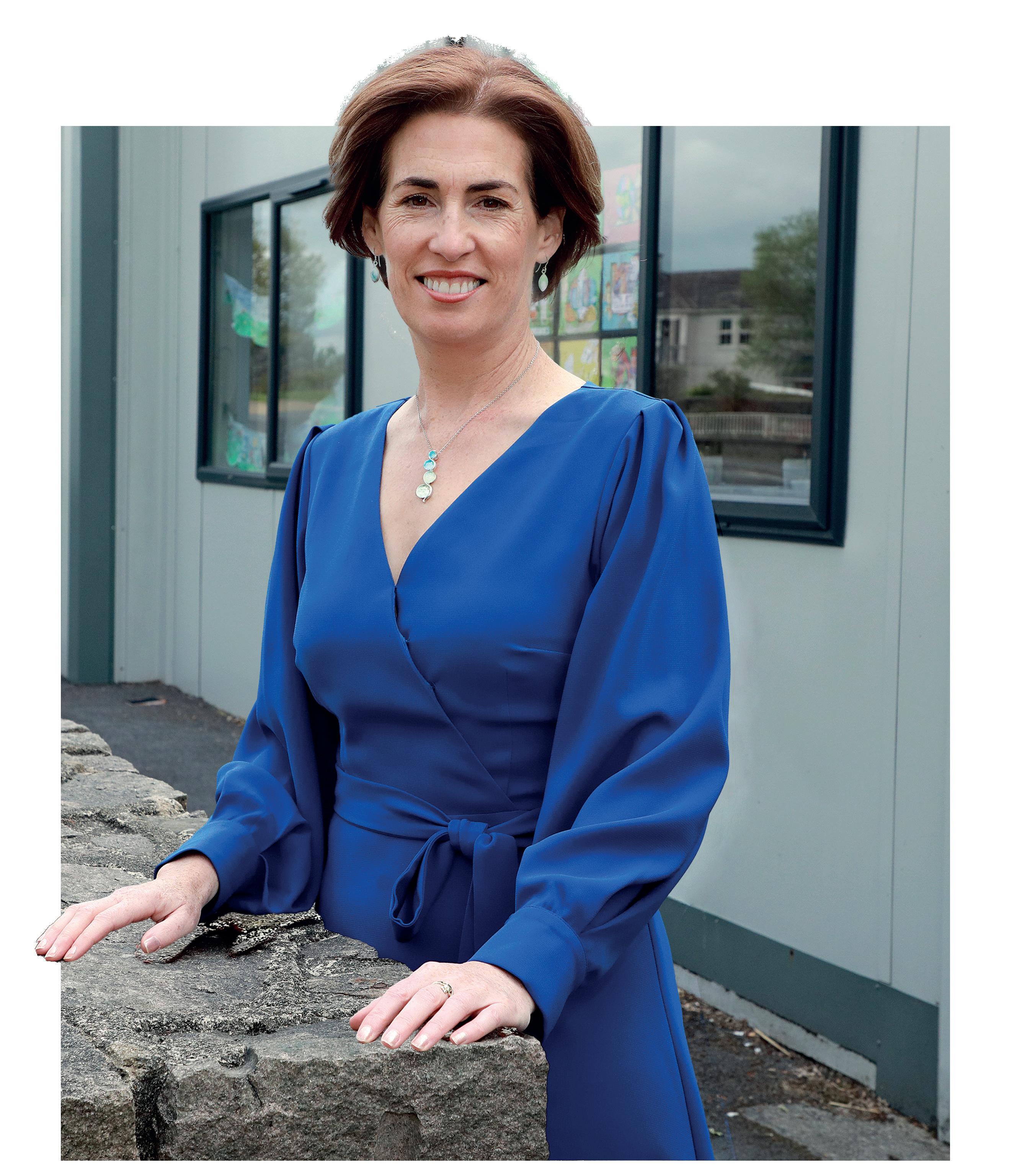
Our education system remains a source of immense pride. I’m determined that we’ll continue to meet today’s challenges while building an education system that will serve children and future generations for many years to come.
Minister Hildegarde Naughton TD Department of Education and Youth
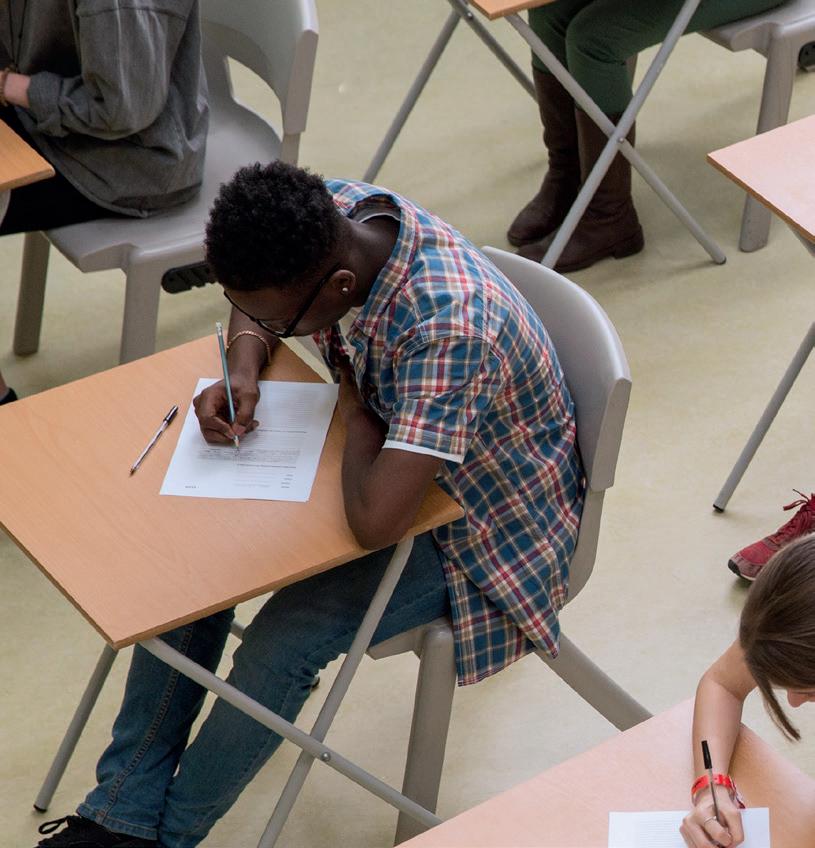
My stomach tightens as my thoughts scatter. I sit in silence, deafened by my pounding heart, we’re in this together, yet I’m very much alone… “You may now open your papers”.
Come together: Embracing emergent education
As a century of the Leaving Certificate exams draws to a close, there’s no better time to reflect on education today and what we wish for future generations.
In recent decades, knowledge has become a form of private property to be acquired and demonstrated under the intense pressure of increased competition. Our society has become obsessed with individual attainment as the primary route to future rewards.
From self-commodification to collective intelligence Yet these rewards can be elusive in tumultuous times. Today’s problems require groups capable of thinking together, drawing on diverse perspectives and creating solutions that no single person could conjure up alone. What we now need from education has shifted, from selfcommodification to collective intelligence.
Collective intelligence isn’t a modern invention. Many resilient cultures assume that knowledge is inherently shared: something held between people, generations and communities.
flourish. They become creative catalysts, curating worthwhile problems, fostering novel alliances, guiding the synthesis of diverse perspectives and telling stories which inspire action.
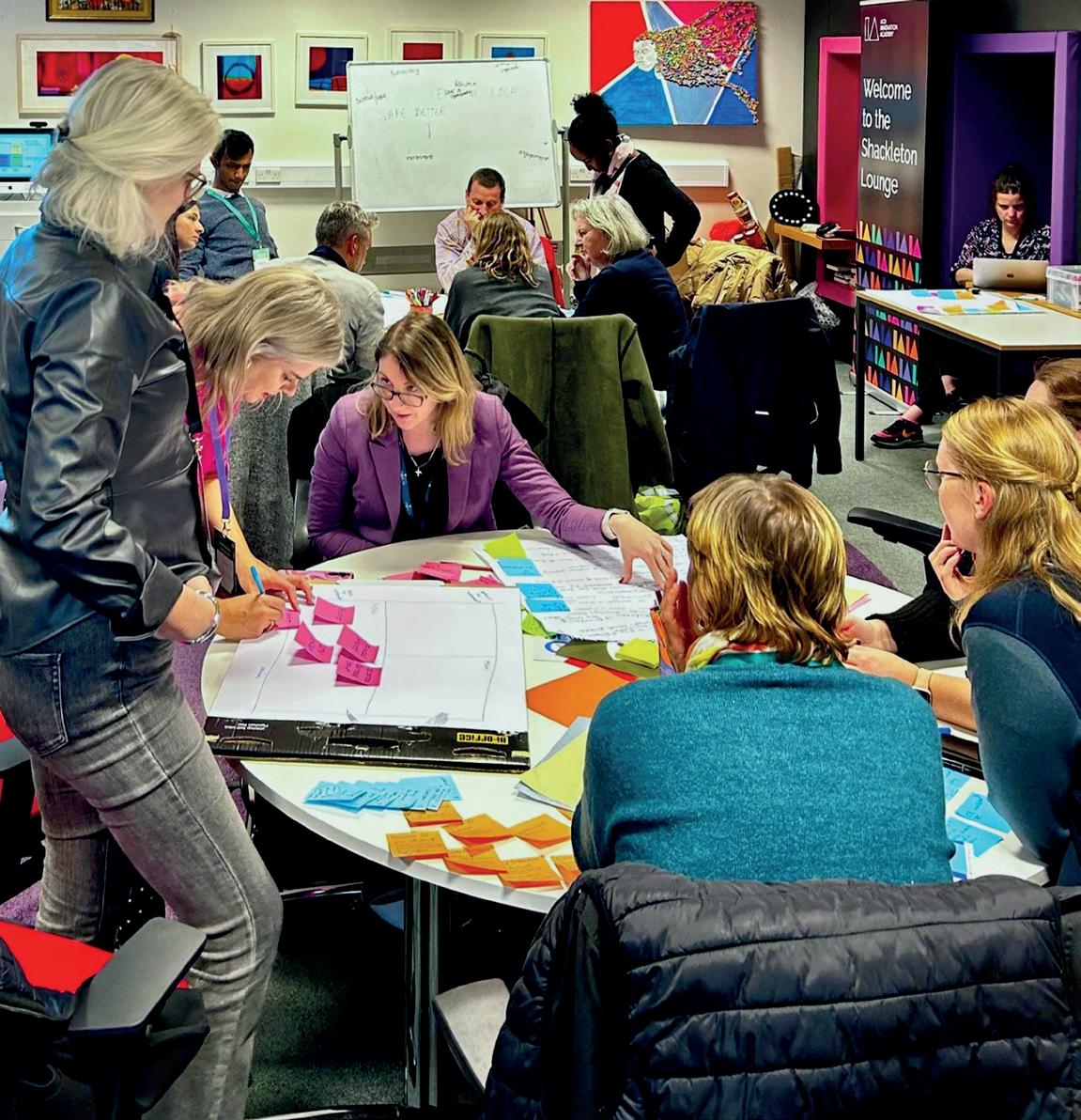
This is already visible across Ireland, from the Dingle Hub to the UCD Innovation Academy, where students learn by co-creating solutions with each other and their community. These environments thrive on curiosity, creativity, generosity and trust. Yet the wider education system continues to treat collaboration as a soft skill or even cheating, rather than the foundation of learning.
Systemic change will only come when we reckon honestly with the original ambitions of the industrial model of education: to sort the many in service of the few and displace communities from the field to the factory line.

The African philosophy of Ubuntu (“I am because we are”) frames learning as deeply relational, grounded in mutual responsibility. For thousands of years, such collective ways of knowing have enabled communities to adapt, survive and transmit wisdom across time.
So, what would our system look like if we regarded collective intelligence as the desired outcome?
The core premise broadens from ‘What can you achieve?’ to ‘What should we accomplish?’. Curriculum stops being a march through siloed disciplines and becomes a series of evolving problems worth solving.
Students engage with the wider community where they learn to test their ideas in context, negotiate competing needs and refine understanding through implementation. The school becomes a pollinator of ideas in a wider learning ecosystem.
Reductive psychological theories, like IQ testing, perpetuated the idea that ability was innate instead of emergent. Now, we know that human potential is fluid and profoundly shaped by context. We flourish not as isolated competitors, but when we coalesce for the greater good – in Irish, the concept of Meitheal.
Big problems require big change
Why, then, is the current system maintained?
In part because credentialing seeks to annotate difference. Also, because bureaucracies prioritise what’s measurable over what’s meaningful. Ultimately, because of the belief that the labour market and economic productivity still demand it. But is that right, or even good for society at large?

The reality is unavoidable. If we want societies capable of responding to climate disruption, geopolitical instability, rising inequality and technological displacement, we need an education system centred on what communities can accomplish. The industrial logic of individual ranking has run its course.
The next revolution in education won’t come from more personalised learning, adaptive algorithms or continuous assessment. It will come from treating classrooms — and entire systems — as evolving communities of collective intelligence, connected not only to each other but to ancestors whose knowledge we inherit and future generations whose wellbeing depends on what we learn to do now – together. Sponsored by
Collaboration as the foundation of learning When it comes to assessment, ranking individuals makes little sense when the goal is building collective capability. Competition becomes ‘us versus a problem’ rather than ‘student versus student.’ Students think aloud because their ideas matter to the group. The psychological effect is exhilarating. Engagement increases because success benefits everyone. Teachers become pivotal as designers of the social conditions in which collective thinking can
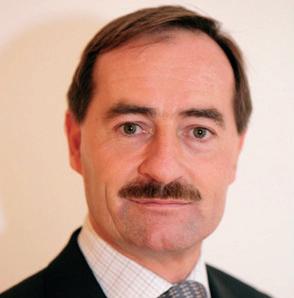
Professor Suzi Jarvis Founding Director UCD Innovation Academy, University College Dublin
Matt Mion Education Officer 2025/26, UCD Students’ Union, University College Dublin
Unlocking careers in geospatial surveying through education
Demand for geospatial surveyors and data and land management skills continues to outstrip the supply of graduates across the construction and property sectors in Ireland and internationally.
Geospatial surveying is central to modern surveying practice.
A digital profession
From mapping infrastructure to analysing environmental change, professionals rely on high-quality data to inform reliable evidence-based decisionmaking. As digitalisation accelerates across the sector, there is a clear need for graduates who can combine technical capability with practical application.
Meeting industry demand
Ireland’s built environment sector is increasingly data-driven. Employers are seeking individuals who can manage, interpret and communicate geospatial information accurately and effectively. This includes working with technologies such as drones, geographic information systems, remote sensing, BIM (building information modelling) and data analytics. Developing these capabilities ensures that professionals remain relevant in a rapidly evolving market.
Building future skills
Programmes such as the MSc in Geospatial Engineering and Data Management at TU Dublin are designed to respond to this demand, equipping existing graduates of related disciplines with both theoretical knowledge and applied skills. Flexible, industry-aligned education pathways play a vital role in supporting career progression within the sector and attracting new entrants to the profession.
A growing discipline
As Chair of the SCSI Geospatial Professional Group, I see firsthand the increasing importance of this discipline. Investing in education and skills development is essential to ensure the profession can meet future challenges and opportunities, with fantastic opportunities for graduates, as these skills are in very high demand both at home and abroad.
Preparing rural areas for the green transition
1
Spatial Intelligence:
Integrate CSO typology with SOLAS forecasts for regional skills dashboards.
2 3 4 5 6
Mobility & Housing: Route transport upgrades and housing renovation toward emerging employment hubs.
Regional Ecosystems:
Fund RTU-led field labs anchoring training to local SME job creation.
Rural Access:
Enforce rural access criteria (digital delivery, scheduling) in short-cycle schemes.
Dr Paddy Prendergast
RAccelerate Inclusion: Deploy Green-RPL toolkits and bridging courses for migrate inclusion.
SMEs: Embed staff-training modules within energy efficiency grants to retain productivity locally.
Rural areas will help power Ireland’s low-carbon future. Skills policy must ensure they also share in its economic benefits.
ural Ireland is central to Ireland’s green transition. Wind farms, bioeconomy projects and circular economy initiatives are concentrated outside major cities, giving rural regions a clear role in the low-carbon economy. But without the right skills policy, rural communities may not capture the jobs and value this transition creates.
The green transition is spatial, but skills policy is not If rural areas are expected to power Ireland’s green transition, they must also be enabled to benefit from it.
Preparing the rural workforce is key. As peat harvesting, fossil-fuel transport and traditional construction decline, workers will need pathways into retrofitting, renewable energy maintenance and sustainable agriculture. Yet Ireland already faces significant skills mismatches: around 31% of workers are underqualified for their roles, and lower tertiary attainment and weaker lifelong learning participation further limit readiness for green jobs.

The problem is not capacity… the problem is geography Ireland has a strong national skills system, but it is not sufficiently tailored to regional needs. Training should be locally designed, informed by local data and linked to the green opportunities emerging in each place.
Regional Technological Universities and Education and Training Boards should anchor local green skills ecosystems, connecting employers, training providers and innovation networks where transition pressures are already being felt.
Training must reflect rural realities
Local training must reflect commuting patterns, seasonality and access barriers. That means bringing training closer to people, rather than expecting people to travel to it.
This could include modular learning during off-peak agricultural periods, mobile training facilities, digital hubs and faster routes for migrants and existing workers into green sectors.
Ireland cannot expect rural workers to adapt to the green transition if training systems remain designed solely through an urban lens and constrained by rigid delivery models. If rural areas are expected to power the transition, they must also be enabled to benefit from it.
Betty-Ann Bryce Senior Policy Analyst, Organisation for Economic Co-operation and Development
How engaging with enterprise benefits students, universities and the region
Universities that manage enterprise engagement in an integrated way have more effective collaborations and deliver for all stakeholders.
Education doesn’t just happen in the standard university environment. Universities that collaborate with enterprise partners for graduate formation ensure broader student outcomes.
While students benefit, it also strengthens talent pipelines, which is a win for the regions, too. Hence, it’s an approach that chimes with the Technological Universities Act, which stresses that Ireland’s Technological Universities should respond to the needs of their regions.

However, the practical implementation of enterprise engagement can often be lacking or fragmented because, traditionally, universities act as a series of separate units or departments.
An integrated cross-university approach
To address this, Munster Technological University (MTU) in Cork operates a centralised support structure for enterprise engagement through its MTU Extended Campus, established in 2011. This ensures that collaborations can become long-term, mutually beneficial partnerships.
An exemplar is the partnership established in 2022 by MTU and NetApp, a cloud data services and data management solutions provider, which has its international headquarters in Cork. Originally a way for NetApp to access graduate talent, it developed into a twoway partnership benefiting both parties.
A feature of the partnership is NetApp support for inclusive recruitment practices and equitable, sustainable employment pathways. NetApp’s engagement
Why technological
universities are a ‘win-win’ for students and businesses
Ireland’s first Technological University (TU) was established in 2019 and the fifth in May 2022, yet they’ve already shaken up higher education and proved to be a win-win for people and businesses.
“TUs are a new breed of university,” explains Claire McGee, CEO, Technological Universities Association, an organisation recently created to represent Ireland’s technological university sector.
“Technological universities (TUs) may be Ireland’s newest universities, but they build on deep regional roots and are already proving their value for learners, communities and businesses.”
“TUs have a special mandate to give students a direct path to a meaningful career — and to give businesses the talent and expertise they need to scale, grow and innovate. By combining wider access to higher education with flexible career-focused pathways, applied research and close collaboration with enterprise, TUs help to attract and retain employers
now spans the university’s entire ecosystem. The company contributes to curriculum design, supports immersive learning through innovative challenge-based opportunities, and helps ensure that graduates have the appropriate T-shaped skills that meet current and anticipated workplace needs.
Partnership benefiting students and employers
This partnership provides career navigation and upskilling initiatives to help students discover their strengths, build employability and find the right career fit — whether with NetApp or elsewhere. In fact, many professionals at the company’s Cork headquarters are MTU graduates.
In return, NetApp has access to emerging talent and innovative ideas that directly improve its brand and operations. Luisa Shipton, Sr Talent Acquisition Manager, NetApp, says, “Having a single, central point of contact with MTU has been a real game changer for NetApp. It allows us to engage more effectively with the university, identify top talent more quickly and co create initiatives that genuinely benefit students. Ultimately, we share the same goal: strengthening graduate employability while supporting the long term growth of our business.”
“The partnership is a robust, trust-based collaboration,” says Professor Irene Sheridan, Head of MTU Extended Campus. “It serves as a blueprint for how a ‘relationshipfirst’ approach can create sustainable talent pipelines and establish a university as a core driver of regional digital transformation, while ensuring positive benefits for all stakeholders.”
and investment to make regions more dynamic and resilient.”
Industry input creates programmes offering real career pathways
There are now seven of these institutions — five TUs and two institutes of technology — with campuses in 17 counties across Ireland, offering programmes ranging from apprenticeships, undergraduate and postgraduate degrees, PhDs, professional qualifications and special awards.
These programmes were developed with industry input, ensuring that graduates entering the workforce are trained in the disciplines, technologies and practices that regional employers are crying out for.
“Many programmes have work experience, project-based learning or experiential, hands-on learning built into them,” says McGee. “It’s very applied and focused on solving current, real-world problems.”
Because they offer students such clear career pathways, TUs have been
attracting the highest proportion of mature and part-time learners and first-generation collegegoers.
Designing and delivering programmes that fulfil business needs
Another benefit is that their educational programmes are also geared towards the growth sectors of the Irish economy and the careers that will define the decades ahead. Subjects include everything from life sciences, green construction and agribusiness to cybersecurity, medtech and AI applications.
Aside from hard skills, students are equipped with essential digital skills, plus soft skills — like interpersonal communication and teamwork skills — helping ensure they’re work-ready upon leaving.
Statistics show that over 80% of graduates are employed nine months after graduation.
“Collaboration with enterprise will always be central to the TU approach,” says McGee. For businesses grappling with skills gaps in data, sustainability, advanced manufacturing and leadership, TUs can design and deliver education programmes that are directly relevant to their needs.
Meanwhile, TU research programmes work on industry-facing challenges with the aim of increasing the innovation capacity of enterprise, both regionally and nationally.
“The TU sector is all about unlocking opportunity,” says McGee. “It’s the future of education in Ireland.”
Sean Donovan Enterprise Engagement Facilitator, MTU Extended Campus
Dr Deirdre Goggin Recognition of Prior Learning and Work Integrated Learning, MTU Extended Campus
Claire McGee CEO, Technological Universities Association
Sponsored by MTU Extended Campus
Sponsored by Technological Universities Association
Across Ireland, technological universities are giving people a direct path to a meaningful career — and businesses the talent and expertise they need.
WRITTEN BY Tony Greenway
WRITTEN BY Tony Greenway
Free online tool helps Irish learners navigate the learning landscape
Ireland’s learning landscape is hugely varied — but all that choice can be confusing. An online database can help course-seekers find the educational path that’s right for them.
Irish learners have a variety of educational options. This includes courses at Higher Education Institutions, part-time or full-time Further Education programmes, apprenticeships, upskilling and training opportunities, return to learning courses, evening classes and access courses.
Helping you make the right decision
Variety may be a good thing, but it can make it difficult to know where to start and decide what’s right for your learning journey.
Since 2012, state agency Quality and Qualifications Ireland (QQI) has been managing Qualifax, a free and comprehensive online database of more than 10,000 courses of every type and level. By putting all education and training options in one place, it aims to make it easier for students, jobseekers, parents, guidance professionals and graduates to navigate the learning landscape.
Narrowing down learning options in a meaningful way
“Learners can find courses by topic or subject with the ‘course search’ function,” says Siobhán Brennan, Senior Executive Officer, Qualifications Information and Learning Opportunities, Integration Directorate, QQI. “They can find detailed information, including entry requirements, points history, subjects taught, career and further progression pathways and NFQ levels; and there’s the option to save and compare courses.”
“They can also download a list of their favourite courses or share them with family or friends, and calculate their CAO points with the points calculator.”
The site also features an Events Calendar with details of university, institute of technology and college Open Days where potential candidates can speak directly with current students and course tutors. Plus, it includes details of career exhibitions, which could be of particular interest to transition year or fifth year students.
“Last year, the site attracted more than 500,000 users,” says Brennan. “You could be a student looking for a Post Leaving Certificate or CAO course. You may have just graduated and looking at postgraduate options — or you could be an employee interested in upskilling or a career change. Anyone can benefit from using it.”

Siobhán
Brennan
Senior Executive Officer,
Qualifications Information and Learning Opportunities, Integration Directorate, Quality and Qualifications Ireland (QQI) WRITTEN BY Tony
Greenway
Why schools must prioritise digital skills

The Government must urgently invest in providing digital devices to all students, ensuring every child, regardless of background, is equipped for a world where digital literacy is no longer optional, but essential.
Investing in digital devices promotes learning equity Digital literacy and technological competence form core components of both the Junior Cycle and the redeveloped Senior Cycle. Technology proficiency is essential for future studies, employment and personal growth.
The paradox is clear: we must increase access to, interaction with and use of digital technologies while reducing exposure to the addictive and harmful nature of social media.
Our students must develop critical thinking skills, resilience and digital fluency to navigate an increasingly paperless society where smartphones are required for travel, payments and information access. Schools embracing technology as a learning tool are building the competence and confidence young people need to thrive.
Yet many students lack access to devices at home, deepening educational disadvantage and limiting their capacity to engage fully with learning. This inequity is unacceptable when we demand digital competency as a curriculum outcome.
Technology: learning vs. social media harm
We must make a critical distinction: using technology in schools and social media exposure are two different issues that must not be conflated.
Students don’t use social media to enhance learning. It doesn’t form part of their formal studies and is increasingly the source of the most serious harm affecting young people.
Data collected from Irish schools shows that bullying, defamation, impersonation and sharing of personal data online have risen dramatically. The last 12 months have seen a 97% increase in reported cases and a 61% increase in harm incidents. This online harassment devastates learning environments and students’ readiness to learn.
The paradox is clear: we must increase access to, interaction with and use of digital technologies while reducing exposure to the addictive and harmful nature of social media.
The Government must adequately resource schools to provide digital technology and teacher training in Technology Enhanced Learning. Investing in devices for all students ensures equity, builds essential skills and prepares them for the challenges of modern work and life, without conflating the educational imperative with social media’s documented harms.
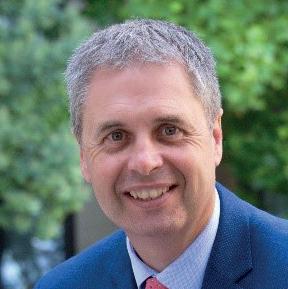
Paul Crone Director, National Association of Principals and Deputy Principals
Ireland’s youth face a fundamental inequity: access to the digital technology essential for their education and future success.
Putting research at the heart of educational policy and practice
Why evidence-informed research really matters to help all learners thrive.

“Our mission is to expand opportunities for every student to ensure all learners can thrive,” says Professor Ann Devitt, Head of School, School of Education, Trinity College Dublin.
“Every learner deserves a quality, equitable educational experience,” says Professor Ann Devitt, “but these experiences are not always equal.” Understanding why sits at the heart of the School of Education’s mission. Across its staff and students, research evidence is the shared tool for finding answers.
Commitment to research excellence
Trinity College Dublin’s School of Education is recognised internationally, and they are ranked 66th worldwide for Education and Training in the QS World University Rankings by Subject 2026.
“Research is central to everything we do. Our goal is to conduct educational research that informs and transforms policy, practice and learning nationally and internationally,” explains Professor Devitt.
The work of the Trinity Centre for People with Intellectual Disabilities (TCPID) in the School of Education is an excellent example of how research can transform lives and lead change. She emphasises how research like this, which actively involves learners, educators, institutions, industry and policymakers, drives positive change.
Addressing key educational challenges
Today’s education systems are facing unprecedented social, technological and economic change. “We work continuously and collectively using our research with and for learners, educators and other stakeholders to navigate these challenges, across a range of areas like inclusive education,
Rethinking progress in education
Mastery-based learning can help students progress by readiness and understanding, not simply by age, year group or time spent.

Most school systems are organised around time.
Students enter a year group, move through a curriculum and progress because the school calendar moves forward.
Learning beyond the calendar
This structure is practical and familiar, but learning does not always follow the calendar. Some students need more time to secure foundations, while others are ready for greater challenges sooner. Phlow Academy asks a different question: what if progression were based less on time spent and more on understanding demonstrated?
Fixed pace, hidden gaps
When learners move on before foundations are secure, small gaps
digital transformation in education including AI, leadership and professional learning, policy and assessment,” says Professor Devitt.
Collaborative research projects bring a rich mixture of disciplines to address some of the really complex problems in education today. Staff in the School of Education collaborate as Principal Investigators in Research Ireland centres, with Learnovate (the Enterprise Ireland funded Technology Centre for the Future of Work and Learning), on EU-funded Teacher Academies (ACT-AI and TAME) and Horizon projects to achieve this goal.
Translating research into practice
The School provides programmes to educators at all stages of their careers, supporting them to translate cutting-edge research into practice from initial teacher education to upskilling programmes as well as Masters and Doctorates. This broad offering reflects the School’s mission to develop teachers’ confidence, expertise and leadership to make a meaningful difference in classrooms and beyond.
Professor Devitt adds that the School has a responsibility not only to prepare future educational professionals but also to contribute to educational discourse in Ireland and internationally.
Through its programmes, research and engagement with schools, communities, policymakers and the wider education sector, the School plays a central role in advancing evidence-based practice and policy, shaping educational futures.
“Above all, we are committed to making positive and lasting change through the advancement of knowledge and discovery,” concludes Professor Devitt.
can become larger ones. This is especially visible in mathematics, where later concepts often depend on earlier understanding.
A student who misses a key idea in first year may still be expected to tackle more advanced content in later years. The issue may not be ability; it may be timing. A better system should treat difficulty as information, not failure.
The flow zone
The name ‘Phlow’ is inspired by Flow Theory: the idea that people are most engaged when challenge and skill are carefully balanced. If learning is too easy, students become bored. If it is too difficult, they become anxious or disengaged.
The ideal learning space sits between the two: challenging enough
to matter but supported enough to feel possible. This is where education design matters: sequencing learning so students meet the right challenge at the right moment.
Mastery before movement
Mastery-based progression means students move forward when understanding is secure. It does not mean slowing learning down, but making progression more accurate. When a student is ready, they can move forward. When they need more time, they can receive more practice and feedback without that support becoming a label.
This matters because learning pace is not the same as learning potential. A student’s route may differ, but their ambition should not be lowered.
Education designed
Phlow Academy is built around a deeper idea: EdDes, or education designed around how students progress, how difficulty is introduced, how feedback is given and how confidence is rebuilt. Technology is part of the system, but the real focus is learning design. Teachers remain central. Digital systems can help make learning more visible, supporting better conversations between students, teachers and parents. When learning moves at the pace of understanding, students do not just keep up. They move forward with confidence.
Professor Ann Devitt Head of School, School of Education, Trinity College Dublin
Paul Dunne Founder, Phlow Academy
Sponsored by Trinity College Dublin
Sponsored by Phlow Academy
Sustainability in education and research
An Irish company that offers digital services to the education and research sector shares how it’s staying committed to its sustainability goals amid a rapidly changing landscape.

As Asiera (formerly known as HEAnet and EduCampus) evolves to meet the needs of a rapidly changing education and research landscape, sustainability must remain central to how we think, plan and operate.
In line with the new Asiera Strategy 2026-2030, set to launch in July 2026, we are reinforcing our commitment to sustainability. Our focus is on reducing our environmental impact through low-carbon, resource-efficient practices, while also maximising our social impact by fostering an inclusive, engaging and high-performing workplace. At the same time, we will continue to engage meaningfully in the communities we serve, ensuring long-term value for both society and the environment.
Together, these priorities will enable us to remain a trusted digital partner for the education and research sector.
Environmental responsibility
gas emissions and improving our energy efficiency within our company.
We remain committed to building on this momentum and strengthening our contribution to a more sustainable future throughout the lifetime of our strategy and beyond.
Social impact
Our focus is on reducing our environmental impact through low-carbon, resource-efficient practices, while also maximising our social impact.
We will reduce our environmental impact by designing and operating energy-efficient digital infrastructure, optimising data centre performance and supporting lowcarbon technology choices across the sector. We ensure our end-of-life technology equipment is responsibly collected, processed and recycled, ensuring minimal environmental impact to support a sustainable future. In recent years, we have made significant progress in reducing our greenhouse
Building on good practice, together
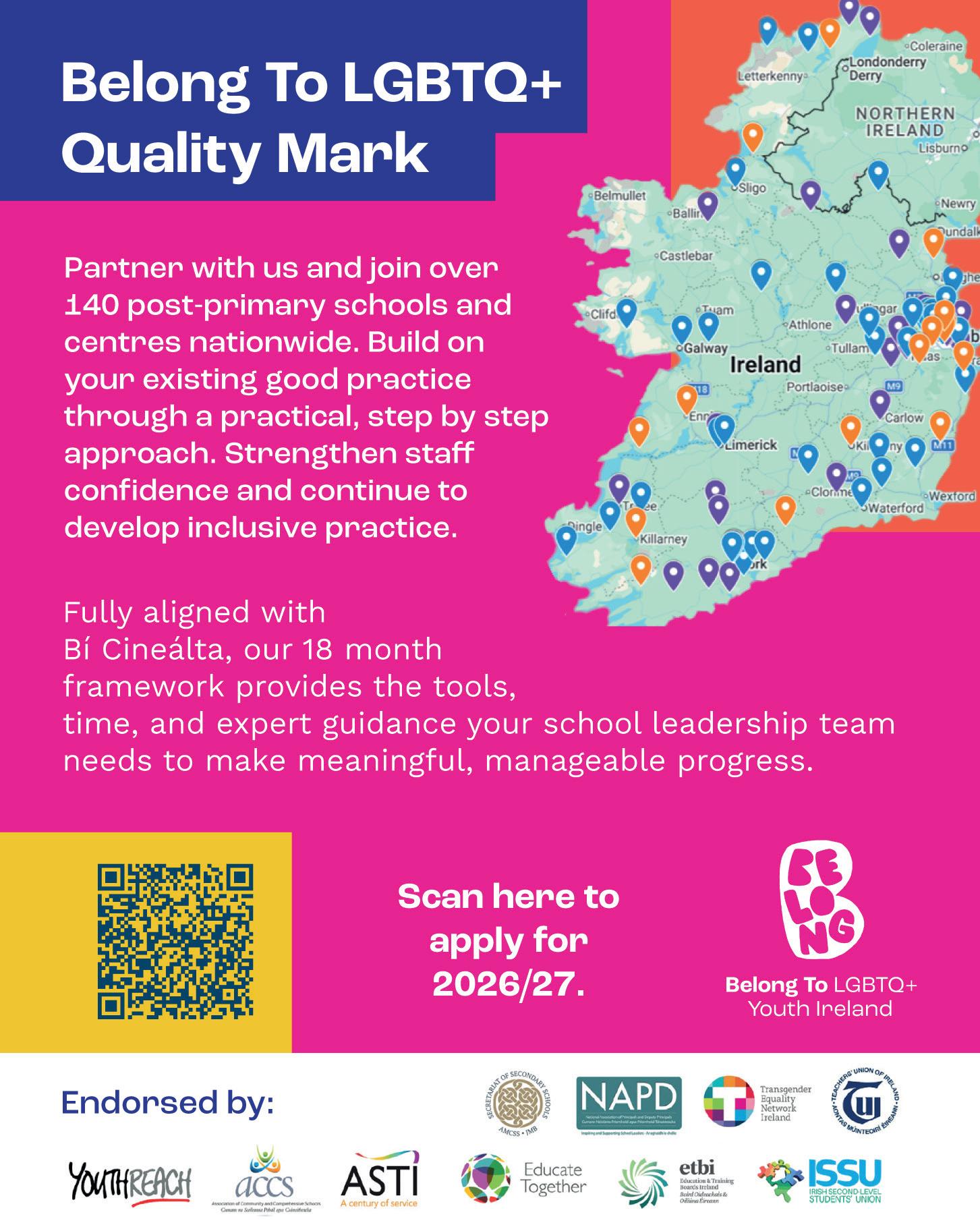
Post-primary schools and Youthreach centres across Ireland are working to support young people’s wellbeing and create positive, respectful and inclusive environments. The LGBTQ+ Quality Mark recognises this and partners with school leaders to build on it in a structured, practical way.

Aligned with Bí Cineálta and the Department of Education’s Wellbeing Policy Statement and Framework for Practice, the LGBTQ+ Quality Mark supports post-primary schools and centres to strengthen practice, fostering a stronger sense of belonging for all. The initiative is designed to complement existing priorities.
Progress that benefits everyone
Over 18 months, participating post-primary schools and centres are supported to identify strengths, reflect on current practice, and take manageable steps forward. The focus is on steady, meaningful progress that enhances the wellbeing of LGBTQ+ young people, while supporting a school environment where every community member can feel they belong. The LGBTQ+ Quality Mark is built around four key areas of wellbeing: Culture and Environment, Curriculum (Teaching and Learning), Policy and Planning, and Relationships and Partnerships.
Principals and staff value this opportunity to reflect as a leadership team, build staff confidence, and engage the wider school and centre community in a shared process.
“The LGBTQ+ Quality Mark has enabled our school to explore policies and practices by providing effective CPD for staff and establishing an in-school allies group for students. Being involved in this Belong To initiative has created the time and space for members of the school community to engage in this valuable process of school improvement.”
– Principal, Killorglin Community College, Kerry
We have a strong record of delivering positive social outcomes and are committed to building on this foundation. Working closely with our stakeholders, we will continue to support the wellbeing of our people and communities while strengthening a culture rooted in equality, diversity and inclusion. We are delighted to have secured the IBEC Top 100 Companies Leading in Wellbeing accreditation for 2026, in addition to securing a new Healthy Workplace Programme award from Healthy Ireland. Our ambition is to be recognised both as an employer of choice and as an organisation that consistently delivers meaningful social impact.
Summary
Sustainability is central to Asiera’s ability to deliver critical and responsible digital services for the sector, now and into the future.
Karen Thornton Director of Strategy and Business Planning, Asiera
Andy Byrne Project Manager, Asiera
Sharon Heron Director of Education, Training, and Community Practice, Belong To
Sponsored by
Embracing AI in senior cycle redevelopment
Ireland’s redeveloped senior cycle represents a fundamental shift in how we prepare students for an increasingly complex, technology-driven world.
At the heart of this transformation is the additional assessment component (AAC), which moves beyond traditional written examinations to embrace more authentic, skills-based evaluation methods.
Senior cycle redevelopment in an AI era
The introduction of AACs across revised subject specifications signals a curriculum development approach that prioritises depth over breadth.
Schools must equip students to work alongside AI tools while maintaining human judgment, creativity and ethical reasoning.
Rather than relying solely on terminal examinations, students engage in extended project work, practical investigations and collaborative tasks that demand higher-order thinking skills. This better reflects the real-world application of knowledge and cultivates the critical thinking capabilities essential for navigating contemporary challenges.
Digital literacy has emerged as a core competency woven throughout the redeveloped Senior Cycle. Students must demonstrate not only technical proficiency but also critical digital citizenship, evaluating online information, understanding digital ethics and using technology purposefully. The AAC framework provides authentic contexts
for students to apply digital skills meaningfully, whether through research projects, multimedia presentations or data analysis tasks.
AI: opportunity and challenge for curriculum development
Schools must equip students to work alongside AI tools while maintaining human judgment, creativity and ethical reasoning. Critical thinking becomes paramount: students need to question AI-generated content, understand algorithmic bias and spot misinformation. The AAC model supports this by requiring students to justify methodologies, critique sources and defend conclusions, skills that cannot be outsourced to technology.
Curriculum developers must design assessments that are AI-aware without being AI-proof. The focus shifts towards assessing students’ thinking processes, creative synthesis and ethical decisionmaking rather than mere information retrieval.
Teachers become facilitators of inquiry, modelling how to leverage digital tools while exercising critical oversight. Incorporating this human interaction as part of the assessment and authentication process for the AAC is the key element to maintaining the integrity of our assessment process.
Ultimately, Senior Cycle redevelopment recognises that preparing students for an uncertain future demands flexible, transferable competencies. Through additional components that emphasise digital literacy and critical thinking, we cultivate learners who can adapt, question and innovate, essential attributes for thriving in an AI-augmented world.
Educators are the real influencers
While influencers shape online trends, educators hold lasting influence by building trust, shaping values and creating safer learning environments for students.
While we worry about the impact of social media influencers on young people’s beliefs, their one-sided reach cannot match the people who our youth know and trust in real life.
Where real influence begins
Educators shape their students’ hearts and minds through real relationships. Their influence is recalled far beyond the classroom.
As adults, many of us remember educators who delivered important life lessons with respect and care. That lasting guidance was grounded by authentic connection. This is true influence.
With this influence comes responsibility.
A reality educators can’t ignore
Educators themselves must learn how to deal with difficult issues and create space for constructive conversations. For many, understanding sexual violence and harassment, especially with the online means now used for perpetration, was not part of the professional training curriculum.
Groups like Active* Consent help teachers meet that gap. Simply put, students in secondary and tertiary education are commonly subjected to sexual violence and harassment. This often happens within peer groups, and many survivors are unsure how to access support (MacNeela et al., 2022; Walsh, 2021). Sexual violence and harassent have significant consequences –including long-term physical, emotional and psychological harm, and the potential for disrupted academic progress.
Turning influence into action
Educators cannot meet every support need, but they can help create a safe learning environment associated with a culture of consent and respect. Yet, they need training themselves to be empowered to do so.
The Active* Consent programme, based at University of Galway, provides training to assist educators in creating this culture. We support educators to engage students in meaningful conversations about consent and healthy relationships.
In a world focused on online influence, we must remember the importance educators have in cultivating respectful communication that lasts among our young people.

Paul Crone Director, National Association of Principals and Deputy Principals
J. DiSantis
Clarissa
Education & Training Lead, Active* Consent, University of Galway
Building education across borders
International partnerships are helping educators exchange ideas, expand access and strengthen learning communities.
Mary Immaculate College (MIC) has earned two major national honours at the Education Awards 2026: the International Engagement Award and the Best International Collaboration Project Award, recognising its expanding global partnerships and commitment to international education.
MIC’s International Office has strengthened collaborations across Latin America, Europe, Africa, Asia and the United States, including teacher education projects in Malawi and Uganda, literacy policy work in Argentina and engagement with Cambodian educators through the EPIC Connections symposium.
International mobility also grew significantly, with MIC student participation in short term programmes rising by 60% in 2025 and new opportunities emerging across Europe, the USA, Latin America and Asia. MIC received the highest allocation of non EU Erasmus+ mobility funding in 2025 and was the only institution awarded 100% of its requested funding.
Brazil partnership
An example is MIC’s collaboration with CAPES, the Brazilian Federal Agency for Support and Evaluation of Graduate Education, which received the Best International Collaboration Project Award.
The MIC/CAPES Programme supports the professional development of Brazilian public-school educators through Englishlanguage development, leadership training and international educational exchange. To date, 76 Brazilian education professionals have completed the programme in Ireland, while hundreds more participated in online professional development.
Participants engaged with Irish schools, educational leaders and policymakers, while sharing their own experiences and expertise with the MIC community, creating a strong two-way exchange of knowledge and practice.
Global learning community
Dr Holly Cowman, Director of International Engagement, MIC, said, “We’re delighted to see the work of the International Office recognised in this way. The award for Best International Collaboration reflects the strength of our partnership with CAPES and the hard work and dedication of the programme team, contributors and participants, leading to the programme’s success. The award for International Engagement also acknowledges the wider efforts of colleagues across the College in creating opportunities for students and building global connections.”
As international collaboration continues to shape higher education, initiatives like these demonstrate the growing importance of global partnerships in supporting innovation, professional development and shared learning across borders.

How to make upskilling work for people, places and productivity
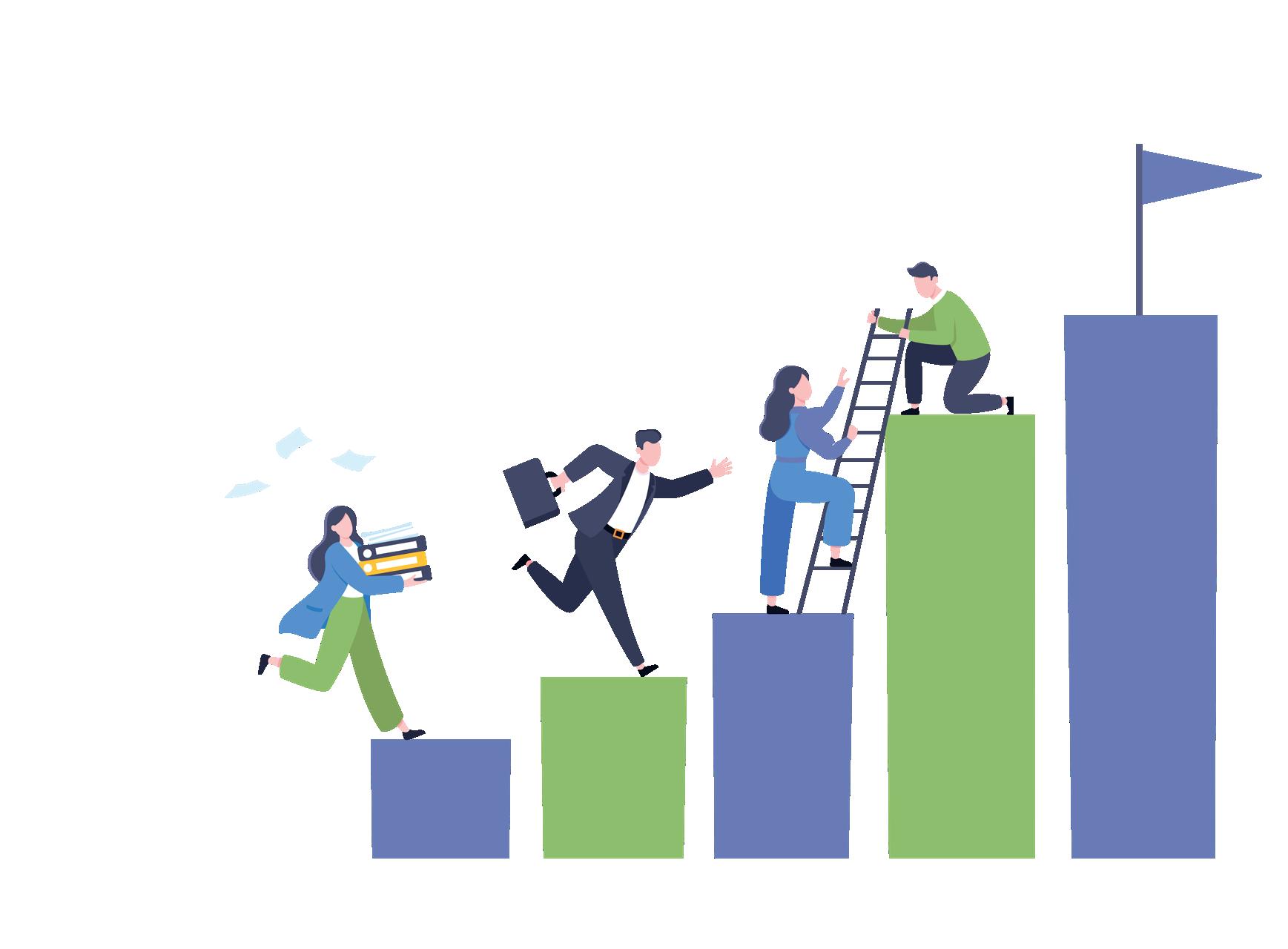
The success of green, digital and demographic transitions depends not just on technology or goals, but on people and the places they live and work.
Recent OECD work shows that the places most at risk of job displacement due to automation or industrial change are often those least equipped to respond. This regional imbalance is not new, but it is becoming more urgent.
In some OECD regions, over 25% of jobs are at high risk of automation, while others face a surge in demand for green and digital skills, with insufficient training provision in place. Without targeted investment, these transitions could deepen divides. However, with the right policies, they offer a historic opportunity to boost both equity and productivity.
Upskilling isn’t a silver bullet, but it’s one of the few tools that can boost productivity, reduce inequality and support the green transition.
Place-based skills strategies are essential
Local labour markets vary dramatically in their structure, vulnerabilities and capacity to adapt. Yet, training policies are often designed at the national level. This mismatch weakens their impact.
The OECD’s Job Creation and Local Economic Development report highlights the growing need for place-sensitive upskilling and reskilling programmes. Regions facing industrial decline need tailored support to shift workers into new, sustainable industries. This means aligning training with local assets, from green manufacturing to rural health care to digital services.
France’s Plan d’Investissements dans les Compétences (PIC) channels EUR 15 billion into
training low-skilled youth and the long-term unemployed. Half of this supports regional programmes tailored to local labour needs, with public-private partnerships supporting green transition roles.
Early action reduces long-term costs
Industrial transitions take time, but delays are costly. OECD analysis shows that when training lags labour-market needs, regions risk longterm stagnation and skills shortages. By 2042, 72% of OECD regions could face tighter labour markets due to demographic shifts, underlining the urgency of early investment in vocational education and digital access.
Canada’s Future Skills Centre offers both national and regional programmes focused on digital skills, AI and the green transition. Its emphasis on early action and local tailoring offers a model for others.
From recovery to resilience
Delivering effective training requires coordination across governments, employers and education providers. Local skills councils, employer-led hubs and flexible funding models work best when regions have the capacity to act.
Upskilling isn’t a silver bullet, but it’s one of the few tools that can boost productivity, reduce inequality and support the green transition — if rooted in place and embedded in wider regional strategies.


Lukas KleineRueschkamp Head of Unit, Local Employment and Skills, OECD
Patricia Peñalosa Policy Analyst, Regional Labour Policy, OECD
Sponsored by Mary Immaculate College
Find out more at mic.ul.ie/
Dr Holly Cowman, Ed.D. Director of International Engagement, Mary Immaculate College
Building the skills Ireland needs for the future
Technology is changing fast, and with that change comes endless opportunities — for workers, students, businesses and communities across Ireland.
Artificial Intelligence (AI) is already reshaping everyday tasks, from planning a holiday to managing household bills. As these tools become more widely available, they have the potential to make our working lives easier, more efficient and more productive.
Our
information on skills and the labour market is too scattered and too slow to match the pace of change.
Skills and confidence needed to make opportunity a reality
My focus, as Minister for Further and Higher Education, Research, Innovation and Science, is on ensuring that everyone, regardless of age, background or experience with technology, can benefit from AI rather than feel intimidated by it. A report by the OECD highlighted clear gaps in Ireland’s current skills system, and the National Skills Council has rightly called for a more coordinated national approach. That’s why, in January, I brought forward a proposal to Cabinet to establish Ireland’s first National Skills Observatory.
Consolidating information in one place
Right now, our information on skills and the labour market is too scattered and too slow to match the pace of change. The new Observatory will bring this information together in one place, helping us see the skills people already have, the skills employers will need in the years ahead and where future opportunities are likely to emerge.
AI is one area where change is happening fastest, and where we must act now to ensure workers, employers and educators can keep up. Research shows that 3 in 10 people in Ireland don’t feel comfortable with AI or digital technologies. In leading Nordic countries, that figure is closer to 2 in 10, a gap we simply cannot afford to let widen.
This is why I secured Government approval to develop Ireland’s first national AI Skills Platform — the State’s most ambitious AI - skills initiative. My goal is to help one million people gain AI skills through short, flexible courses, developed with industry experts and accessible to all.
With the right investment in our education and skills system — with pathways that help people learn, upskill and reskill throughout their lives — we can ensure they’re ready for whatever comes next.

Wellbeing in schools: Moving beyond rhetoric to reality
Wellbeing has moved to the centre of global education debates, and rightly so. Young people are navigating an increasingly complex, uncertain world, contributing to rising levels of stress and disconnection.
Schools and educators are working within these same pressures, shaped by widening inequalities, the demands of digital culture and intensifying workloads. While there’s broad agreement that wellbeing matters, there’s less clarity on how it should be meaningfully realised in practice.
Seeing wellbeing as an educational goal
Too often, wellbeing risks becoming an ‘addon’: a timetabled subject, policy requirement or a discrete initiative. While these are important, they can unintentionally narrow how wellbeing is understood.
When confined to a programme, its potential is diluted. Wellbeing isn’t something extra that teachers do — it’s embedded in how they teach, relate and build classroom environments. It’s lived through relationships, school culture and everyday interactions. It should be recognised as an educational goal and foundational to engagement, learning and long-term outcomes. Wellbeing is also frequently framed as an individual responsibility through resiliencebuilding or emotional regulation programmes. While valuable, these approaches can overlook the wider social, structural and environmental conditions shaping students’ lives.
The risk is that responsibility is shifted onto individual students to modify their behaviour or mindset, while the broader social determinants of wellbeing — inequality, power imbalances and structural conditions — remain insufficiently addressed.
Wellbeing as collective practice
Supporting wellbeing calls for whole-school, systemic thinking — spanning culture, curriculum, pedagogy, policy and partnerships — alongside a strong emphasis on relationships, inclusion, equality and children’s rights, with students actively involved in co-designing wellbeing initiatives.
If wellbeing is to move beyond rhetoric, it must be understood as collective, relational and embedded; woven into the fabric of everyday educational practice. A forthcoming special issue, ‘Advancing Equity, Voice, and Sustainability in School Wellbeing,’ initiated by Maynooth University, explores these themes further.


Sponsored by Maynooth University
Catriona O’Toole Associate Professor in Psychology of Education, Maynooth University Department of Education
Dr Paul O’Callaghan Assistant Professor/Lecturer, Doctorate in Educational Psychology, Department of Education and Department of Psychology, Maynooth University
Minister James Lawless TD Department of Further and Higher Education, Research, Innovation and Science
Expanding access and inclusion: Innovative pathways for learners in Ireland
Across Ireland, access and inclusion are becoming defining priorities in education and training policy.
The direction of travel is clear: learning opportunities must be open to a broader range of people, delivered in more flexible ways and designed to support success for learners with different experiences, needs and ambitions.
This commitment is reflected in the National FET Strategy 2026-2030, Creating Futures, which sets out a vision for a modern, agile and inclusive further education and training system that supports learners at every stage of life.
Its emphasis on lifelong learning, social inclusion, progression pathways and future-ready skills reinforces the idea that expanding opportunity is central, not only to individual advancement, but also to stronger communities, renewed social solidarity and a more innovative, resilient and future-oriented economy.

Benefits of community education
Expanding access and inclusion is not a single initiative, but a long-term commitment to building a learning system that is flexible, welcoming and fair.
One of the most important innovations has been the growing role of community education, not simply as a pathway into learning, but as a gateway to confidence, participation and possibility. Communitybased provision offers local, welcoming and often less formal entry points for adults who may have had negative experiences of education in the past or who face barriers linked to cost, confidence, disability, caring responsibilities, migration status or unemployment.
The development of Ireland’s Community Education Framework and ongoing Reach Fund investment show how simplified pathways, outreach and wraparound supports can help learners take a first step, build confidence and progress into broader Further Education and Training opportunities. These models matter because they meet learners where they are, rather than expecting learners to fit rigid systems.
Varied progression routes
Innovation is also visible in the expansion of more varied progression routes. Ireland’s evolving tertiary landscape increasingly
values access, transfer and progression between further and higher education, helping learners move through the National Framework of Qualifications in ways that are more transparent and achievable. This is especially important for learners who do not follow traditional school-to-college routes. Apprenticeships, work-based learning and shorter, skills-focused opportunities can provide practical alternatives that align learning with employment and regional development needs.
In this respect, the National FET Strategy 2026-2030 is particularly significant: it highlights the need to accelerate progress on progression pathways, embed universal design and strengthen collaboration across the education system so that learners can move more easily between community education, FET, higher education and employment.
Real inclusion requires reshaping learning environments
Inclusion, however, is not simply about opening the door; it requires institutions to reshape learning environments so that belonging, participation and success are built into the system itself. In Ireland, this can be seen in the growing policy focus on Universal Design for Learning, targeted supports for students with disabilities and more flexible service models across tertiary education.
National access measures are increasingly directed towards ensuring that students with disabilities, including students with intellectual disabilities, can participate in high-quality learning with appropriate supports and progression options. This marks an important shift away from seeing inclusion as an individual issue and towards seeing it as a responsibility of the system. When curriculum, assessment, digital platforms and learner services are designed inclusively from the outset, more learners can participate successfully.
For Ireland, the challenge now is to scale what works. That means sustaining investment in community education, strengthening local and regional pathways through ETBs and higher education partnerships, improving guidance at transition points and ensuring policy commitments translate into everyday learner experience. It also means listening carefully to learners whose voices are often the least heard.
Expanding access and inclusion is not a single initiative, but a long-term commitment to building a learning system that is flexible, welcoming and fair. If Ireland continues to invest in innovative pathways that combine quality, responsiveness and equity, it has the opportunity not merely to widen participation, but to shape an educational culture in which learning is recognised as a shared public good, a cornerstone of the social contract and a foundation for both individual fulfilment and collective flourishing.


Colm Kelly Director of FET, Education and Training Boards Ireland
Gráinne O’Donoghue FET Manager, Education and Training Boards Ireland