

Chronic Conditions
“I told myself that it wasn’t going to stop me from being a rugby player.”
Henry Slade Exeter Chiefs and England Rugby Player

“T1D is challenging because it begins silently, with no symptoms.”
Jonathan Starck, General Manager UK/IE, General Medicine, Sanofi Page 04

“Early awareness allows families to prepare themselves and access support services.”
Jonathan Starck, General Manager UK/IE, General Medicine, Sanofi
04
Image supplied by Sanofi
This non-promotional campaign is organised and funded by Sanofi UK
Bladder preservation: A proven alternative to radical surgery
For patients with high-risk non-muscle invasive bladder cancer (NMIBC), the clinical journey is often difficult.
When first-line treatment with BCG therapy fails, the traditional answer has been radical cystectomy, completely removing the bladder surgically. Over recent years, due to advancements in treatment, that picture has begun to change.
Bladder-preserving alternative treatment
At Heatherwood Hospital, part of Frimley Health NHS Foundation Trust, we have been using the Synergo system for five years, and the outcomes in our cohort have been very encouraging.
The majority of patients who complete treatment have gone on to avoid bladder cancer progression to date, and very few have ultimately required radical surgery. For patients who come to us facing the prospect of major surgery, being able to offer a viable bladder-preserving alternative offers a real advancement in care.
Treatment with MMC using Synergo is associated with fewer cystectomies and an increase in life years gained and QALYs.1
Durable cancer control approach that protects quality of life
What sets this approach apart technically is its simultaneous delivery of radiofrequency energy alongside recirculating chemotherapy locally into the bladder. Research over the past decade has established that the radiofrequency component produces both thermal and non-thermal anticancer effects, with selectivity for malignant cells.2 Delivered as a course of one-hour outpatient sessions, patients tolerate it well and resume normal activities the same day.
The evidence base behind Synergo is sufficient to allow European guidelines to formally recommend this approach for patients with intermediate or high-risk NMIBC who have failed previous treatments and cannot have, or do not want, bladder removal.3
As urologists, our goal is always to achieve durable cancer control while protecting quality of life wherever possible. For more bladder cancer patients, this is now a realistic ambition.
Reference:
1. NICE. (2021). Synergo for non-muscle-invasive bladder cancer. https:// tinyurl.com/56ep9xxa.
2. Curley, S. et al. (2014). The effects of non-invasive radiofrequency treatment and hyperthermia on malignant and nonmalignant cells. https://tinyurl.com/ywkftv52.
3. Babjuk, M. et al. (2022). European Association of Urology guidelines on non–muscleinvasive bladder cancer (Ta, T1, and carcinoma in situ). https://tinyurl.com/mv42a579.



Philip Van Kerrebroeck Vice-Chairman, EAU Policy Office and Prof. em. Urology, University of Maastricht
At the EAU, we’re working towards a greater awareness of UI through the Urge to Act campaign (uroweb.org/ an-urge-to-act) and the Reveal-OAB Project (patients. uroweb.org/ reveal-oab)
WRITTEN BY Mr Will Maynard Urology Consultant, Frimley Health

@Mediaplanet UK & IE
Millions live with urinary incontinence in silence —
why isn’t it a public health priority?
For millions of people across Europe, urinary incontinence (UI) shapes daily life in ways that often remain invisible. While its personal impact is widely felt, the broader health, economic and social consequences have long been underestimated.
Asocio economic report 1 commissioned by the European Association of Urology (EAU) in 2023 and published in 2025 was the first to assess the impact of UI across Europe, revealing both the scale of the issue and the urgency for action.
The economic burden of urinary incontinence
In 2023, the economic burden of UI across Europe reached €69.1 billion (around £60 billion). Women bear a disproportionate share of this cost, with the financial impact estimated to be four times higher than for men. When informal caregiving is included, the total burden increases by a further 16%, highlighting the often unseen contribution of families and carers.
If current trends continue, the economic burden of UI could rise to €86.7 billion by 2030 (around £75.4 billion), a 25% increase. Without better awareness, prevention and access to effective treatment, the strain on individuals, healthcare systems and society will continue to grow.
What this means for people living with UI
Behind these figures are real people whose quality of life is affected
Project Manager: Henry Saxby henry.saxby@mediaplanet.com
| All images supplied by Getty
every day. Many restrict their activities, avoid social events or feel forced to stay at home because of fear, embarrassment or a belief that nothing can be done. Yet urinary incontinence is common, treatable and not something people should simply accept.
If you experience bladder control issues, the first step is to speak to your GP and ask about referral to a urologist or specialist continence service. A wide range of treatments and management options are available, from lifestyle changes and pelvic floor therapy to medications and specialised care. Improving continence care starts with recognising UI as a medical condition, not a personal failing, and seeking help early. No one should feel isolated or limited in their daily life because of incontinence. With the right support and treatment, people can remain active, confident and socially engaged.
Reference: 1. Bishop, C. et al. (2025). Prevalence, socioeconomic, and environmental costs of urinary incontinence in the European Union. https://tinyurl.com/msbmw7w4.
Why you should never ignore bleeding gums when you brush, floss or eat
Bleeding gums can be a sign of gingivitis, which, left untreated, can worsen and lead to tooth loss. At an early stage, it’s reversible — if you take steps to improve oral care.

We’re probably familiar with the need to brush twice a day and go for regular dental check-ups to keep our teeth healthy. But how many of us regularly think about our gum health?
Say you discover that your gums are bleeding after brushing or flossing, or when you bite into hard foods like apples. What would you do? You might be tempted to assume that it’s ‘just what happens sometimes’ and ignore it.
Bleeding gums could be a sign of gum disease
But it isn’t, and you shouldn’t — because healthy gums don’t bleed. In fact, bleeding gums could be a symptom of gingivitis, which is caused by a buildup of plaque close to the gum line. It isn’t always accompanied by pain, so you might not notice it immediately. Other symptoms can include red or inflamed gums, swollen gums and bad breath.

Take action to improve your oral care routine
Anyone can develop gum disease, but people living with diabetes might be at a higher risk. That’s because their condition, along with certain medications, can reduce saliva production, which helps protect teeth and gums. Diabetes can also increase sugar or glucose content in saliva, which can feed harmful plaque-forming bacteria.
Bleeding gums could be a symptom of gingivitis, which is caused by a buildup of plaque close to the gum line.
The trouble is, if you leave gingivitis untreated, it can develop into periodontitis, a more advanced stage of gum disease. “If plaque isn’t removed by brushing the teeth thoughtfully at least twice a day, inflammation can spread to the tooth socket and the soft tissues there, causing gums to recede and teeth to become loose,” explains Dr Kate Fabrikant, Medical Director in Haleon, the company behind oral care brands like Corsodyl.
The good news: if you act quickly enough, gingivitis is reversible (unlike more serious gum inflammation — periodontitis). There are steps you can take to treat it or, better still, prevent it from becoming an issue in the first place.
First, brush twice daily with a specialist toothpaste designed to fight plaque buildup along the gum line, such as Corsodyl Active Gum Repair. Second, use a mouthwash to help remove plaque bacteria that brushing alone can’t reach. Third, clean between your teeth daily, using interdental brushes or floss. And fourth, see your dentist if symptoms don’t go away.
“Acting on the early signs of gingivitis is important,” says Dr Fabrikant. “Visit your dentist regularly, as they may spot problems with your gums before you have any noticeable symptoms. A professional oral hygiene, which you might also know as “scale and polish” can help get your teeth properly clean in areas that are difficult to reach at home.”

INTERVIEW WITH Dr Kate Fabrikant Medical Director, Haleon
WRITTEN BY Tony Greenway
Do you know the difference between Type 1 and Type 2 diabetes?
Type 1 diabetes differs from Type 2. It’s a progressive autoimmune disease with symptoms that include the 4T’s.

These articles were organised, funded and reviewed by Sanofi UK
“Type 1 diabetes (T1D) begins its silent attack months to years before symptoms appear, yet many remain unaware of the early warning signs,” explains Jonathan Starck, General Manager UK/IE, General Medicines, Sanofi. “This knowledge gap is putting people’s health and lives at risk”.
T1D awareness
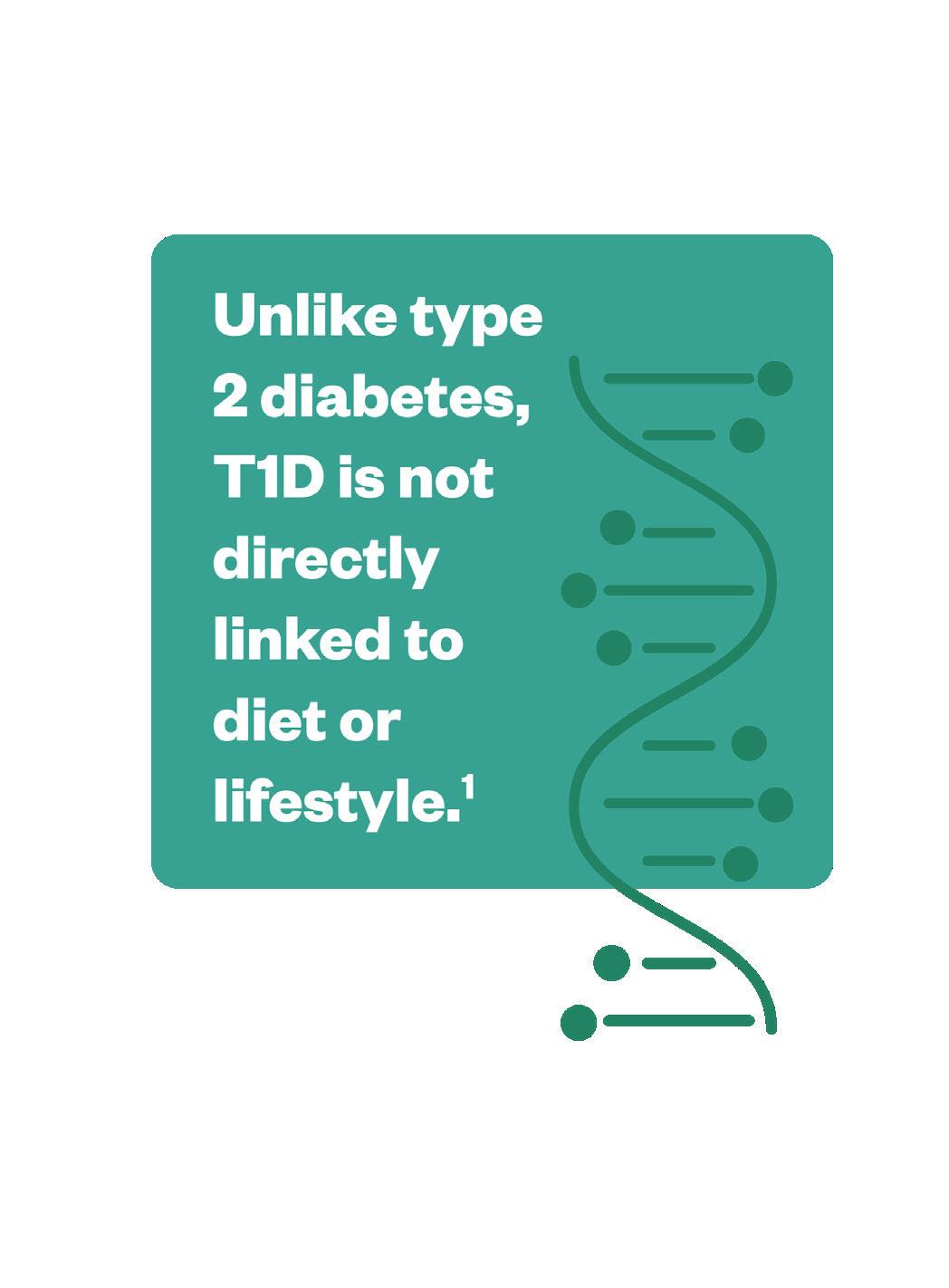
T1D can often be confused with Type 2 diabetes. And, although they’re very different, up to 40% of adults over 30 with Type 1 diabetes might have been initially misdiagnosed with Type 2.1 Getting the right diagnosis means being on the right care path from day one. Type 2 diabetes is influenced by age, diet, lifestyle and ethnicity, and can be reversed. T1D is an autoimmune condition that cannot be prevented or reversed.
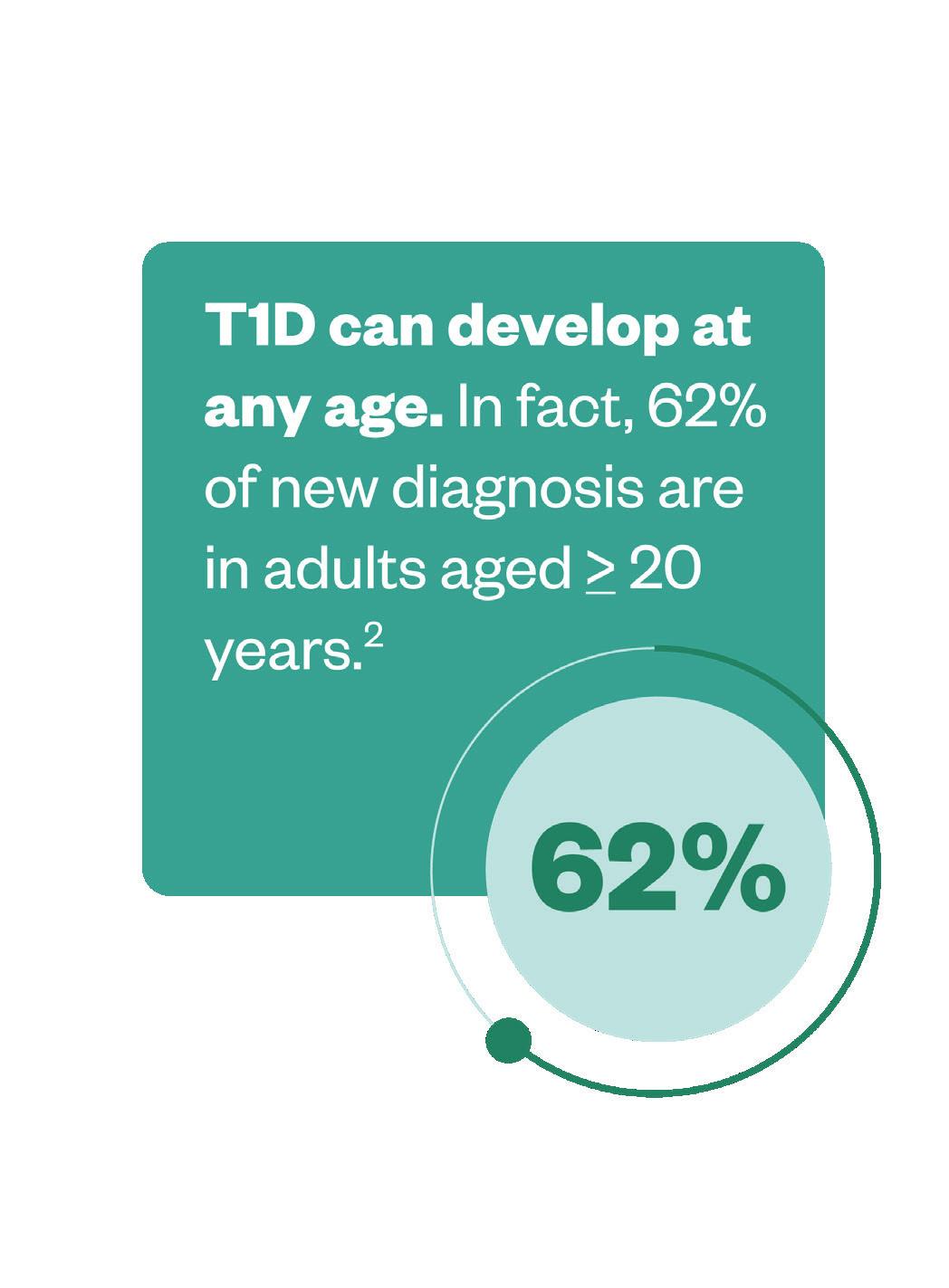
T1D is a lifelong autoimmune disease and occurs because the body cannot make the insulin hormone. Also, while most people with T1D are diagnosed in childhood or early adulthood, it can happen to anyone, no matter their age, lifestyle choices or family history.
In the UK, 400,000 people are living with the disease, approximately 32,000 of whom are aged 19 and younger.2
There’s also a dangerous misconception about its impact. Too many of us underestimate its seriousness, yet it’s a chronic disease that can be challenging with acute and long-term complications.
The hidden danger: T1D’s silent progression
T1D is challenging because it begins silently, with no symptoms. During this presymptomatic phase, the body’s immune system is already attacking and destroying the insulin-producing beta cells.
“The silent stage is perhaps the most concerning aspect of T1D,” explains Starck. “People can be walking around feeling perfectly normal while their body is gradually losing its ability to produce insulin.”
However, during this phase, specific biomarkers can be detected. And while routine screening for this isn’t available on the NHS, there are two largescale studies underway in the UK testing thousands of people. You can find out more about early detection through these studies: ELSA and T1DRA.
T1D doesn’t always run in families
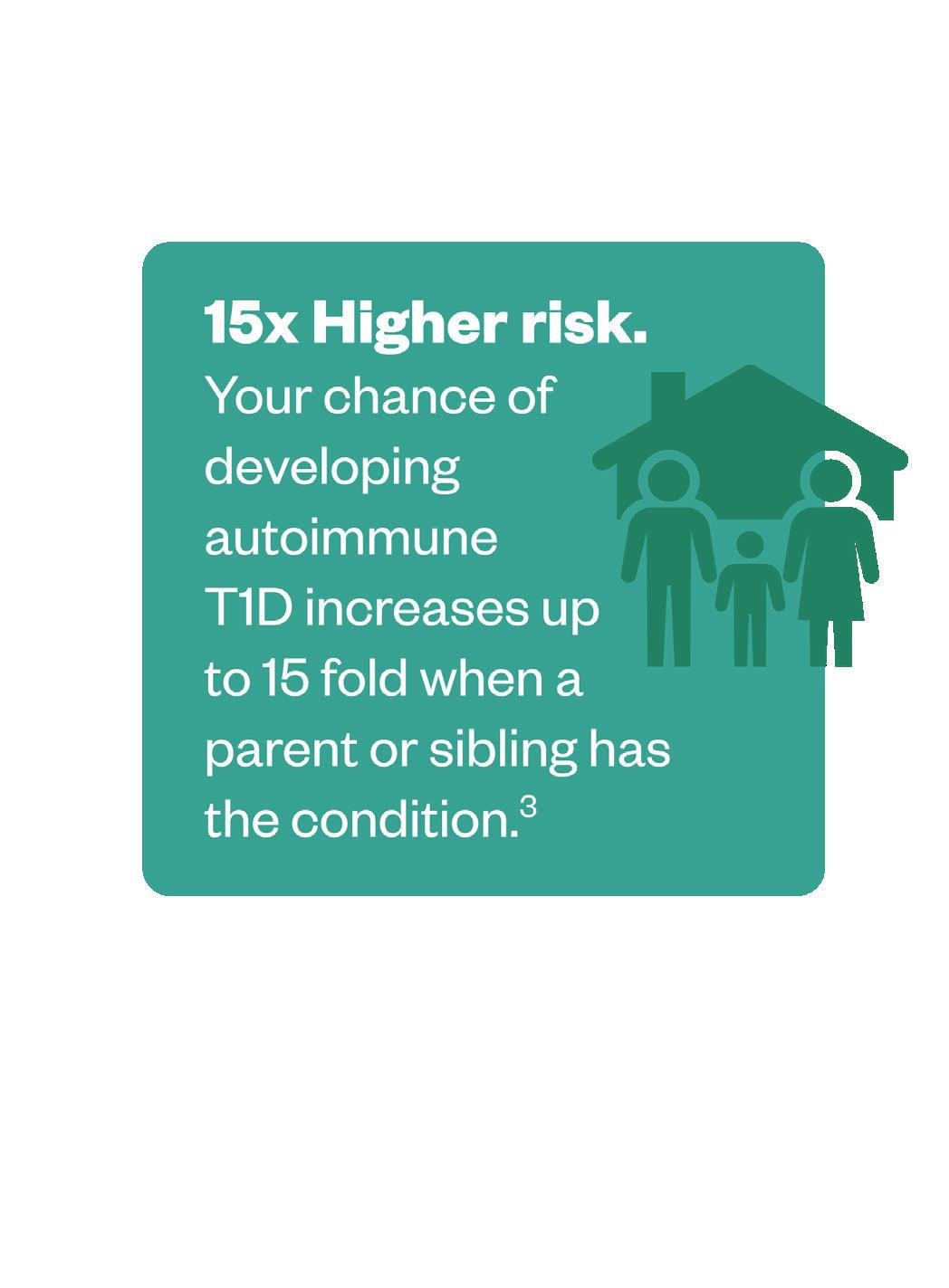
“Having a first-degree relative with T1D increases a person’s risk of developing it by up to 15 times,” explains Starck. “Yet 90% of those diagnosed have no family history of the condition.3”
“If symptoms are left untreated, patients are at risk of developing a complication called diabetic ketoacidosis (DKA), which can be life-threatening,” says Starck.
To raise T1D awareness, Sanofi launched a campaign called ‘1 Step Ahead,’ which calls on the importance of knowing the facts, signs and opportunities to get ahead of T1D.
“With symptoms, it’s important to understand the ‘4Ts’ — Thirsty, Tired, Toilet, Thinner,” says Stark. Are you drinking constantly and have a thirst that cannot be quenched? Do you feel constantly tired or lacking in energy? Are you going to the toilet more frequently? And are you becoming thin for no other underlying reason?”
New horizon for T1D detection
With symptoms, it’s important to understand the ‘4Ts’ — Thirsty, Tired, Toilet, Thinner.
“When symptoms present, it indicates that a person may be quite a long way down their disease,” says Starck. “By studying markers in the blood, clinicians can determine exactly where the patient is. This allows patients time to receive education and training on T1D, including recognising the symptoms of DKA, which may reduce the burden on their future health outcomes, their families and on NHS emergency care.”
Starck highlights the importance of understanding T1D, its symptoms and its risk factors. “Early awareness allows families to prepare themselves and access support services,” he says. “It transforms an unexpected diagnosis into a planned transition.”
Anyone experiencing any symptoms should contact their GP/health care professional.
References:
1. The Lancet Regional Health - Europe 2023 (v1.0)
2. UCL. Tackling type 1 diabetes. https://tinyurl.com/4hh3tdxs.
3. Breakthrough T1D. Causes of type 1 diabetes. https://tinyurl.com/3h7v275c.
MAT-XU-2602042 v1.0 June 2026

INTERVIEW WITH Jonathan Starck General Manager UK/IE, General Medicine, Sanofi UK WRITTEN BY
Tony Greenway
References:
1. Reference: Insel RA, Dunne JL, Atkinson MA, et al. Diabe tes Care. 2015;38(10):1964-1974;.
2. Gregory GA, Robinson TIG, Linklater SE, et al. Lancet Diabetes Endocrinol. 2022;10(10):741-760
3. Haller MJ, Bell KJ, Besser REJ, et al. Horm Res Paediatr. 2024;97(6):529-545
How Henry Slade tackles diabetes, pro rugby — and a
busy family life
England rugby star Henry Slade has lived with type 1 diabetes for 15 years. He and his wife, Megan, talk about how he manages the disease — and the benefits of prompt diagnosis and early detection.

These articles were organised, funded and reviewed by Sanofi UK
Tackle Diabetes is a campaign led by Henry Slade, in a paid partnership with Sanofi, to raise awareness of Type 1 diabetes, address misunderstandings and highlight the value of early detection.
When Henry Slade was diagnosed with Type 1 diabetes, he made a pact with himself. He wasn’t going to let it stop him from achieving what he wanted.
Still, it was a shock because he had no symptoms. It started when a friend with the condition came to school with his blood test kit. Henry used it on himself (“as a joke, really”) but was surprised to discover his sugar levels were high.
After undergoing tests, a diagnosis of Type 1 diabetes was confirmed. At the time, he was 18, and a month away from starting his professional rugby career with Premiership Rugby club, Exeter Chiefs.
“I told myself that it wasn’t going to stop me from being a rugby player,” remembers Henry. “You’re dealt cards in life, and you have to deal with what you get. I’ve got diabetes. It’s definitely not the worst thing you can have, and it’s manageable. It was fairly tough, but it was never something where I thought: ‘I can’t do this.’”
The importance of early detection
Nevertheless, reality hit a month later when he applied for a Therapeutic Use Exemption (TUE), which he needed to play sports at his level and use insulin. “The doctor had filled out a lot of the form for me already,” he says. “One section asked: ‘How long will this medication be required for?’ He’d written: ‘Lifelong’. When I read that, I thought: ‘This is me forever.’”
That was 15 years ago. Since then, Henry has played over 200 times for Exeter Chiefs and 73 times for England, most recently in the latest England Six Nations Squad.
In 2025, he partnered with Sanofi to launch the Tackle Diabetes campaign, which aims to improve
understanding of the condition, raise awareness of the benefits of early detection and help educate people about the realities of living with Type 1. Apart from insulin injections, Henry’s day-to-day includes finger-prick tests and using a Continuous Glucose Monitor to track his glucose levels in real time.
Henry and his wife, Megan — who have three daughters aged five, two and seven weeks — stress the importance of receiving an early diagnosis. For one thing, it can prevent complications and serious illness.
“Plus, there’s more advice available now, and if you fully understand it, you can get ahead of it and prepare,” says Megan. “Before I met Henry, I knew the basics — but I didn’t know how it affects the person living with it and, in a way, everyone around them. Like, before dinner, I’ll let Henry know because he has to inject 20 minutes before food, so we can all sit down and have a meal together.”
With the right care and support, you can achieve your dreams
Henry’s father has Type 1 diabetes, so the couple are only too aware that a family history is the highest risk factor for developing the disease.
“Having just had a baby, our minds are occupied elsewhere, but we would definitely consider having the girls tested when the time is right,” says Megan.
She also reveals that their five-year-old is already asking questions. “They’re still too young to understand, but we’re trying to make it as if nothing’s different.”
Managing his disease is now second nature to Henry, whose advice for anyone newly diagnosed is: Don’t let it stop you chasing your dreams. “It’s a very frustrating disease to have,” he admits. “It’s lifelong, it’s constant 24/7. But as long as you’re diligent and organised with your treatment, you’re no different to anyone else. You can do whatever you want to do.”
MAT-XU-2602043 v1.0 June 2026
For more information about Type 1 diabetes, visit nhs.uk. Early detection is not currently available on the NHS. You can find out more about studies exploring early detection of type 1 diabetes at elsadiabetes. nhs.uk and t1dra.bristol.ac.uk.
INTERVIEW WITH Henry Slade Exeter Chiefs and England rugby player, and his wife, Megan
WRITTEN BY Tony Greenway
Early Type 1 diabetes detection changes everything
Every week, across the UK, children are admitted to hospital with diabetic ketoacidosis (DKA), a life-threatening Type 1 diabetes complication that’s often the first sign they have the condition.
Achild might seem more tired than usual, ask for more drinks, go to the toilet more and look a little thinner. It’s easy to miss, until suddenly, they’re seriously ill.
It doesn’t have to be this way Type 1 diabetes is an autoimmune condition that can affect anyone, at any age. However, children are far more likely to be diagnosed in emergency settings, often only after their health has rapidly declined. For families, it’s a terrifying experience that can leave lasting emotional scars. Many parents carry the shock and guilt of not knowing the signs, long after the hospital stay ends. Tragically, we also know that not every child survives DKA.
We now know that Type 1 diabetes can be detected before symptoms appear through a simple blood test. It gives families time — time to understand what’s happening and prepare for what’s ahead.
At Breakthrough T1D, we believe no parent should have to hear the words ‘your child has Type 1 diabetes’ in a lifethreatening situation. That’s why we’re calling for a national early detection pathway that makes screening and support available to every family at risk. With early detection, families can receive ongoing support and one day, access the treatments that could delay the need for insulin. What could have been a crisis becomes a moment of clarity with time to plan.
Studies we’re funding are already giving families the chance to take part in early detection research today. These studies are shaping what a national screening programme should look like and offer hope to families right now.
Know the 4Ts
While we work towards a future where early detection is routine, there’s something everyone can do today — learn the 4Ts: Toilet, Thirsty, Tired, Thinner, which are the key warning signs of Type 1 diabetes. Spotting them early and seeking medical help could save a life.
Together, we can change the way Type 1 diabetes is diagnosed.

New language guidance tool to tackle stigma in diabetes care
Research from Diabetes UK found that 86% of people with Type 1 diabetes and 75% of people with Type 2 diabetes experience blame and judgment because of their condition. 2 Negative attitudes about diabetes can come from friends, family, colleagues, the public and even healthcare professionals.
Diabetes stigma
Diabetes stigma is linked to lower self-esteem, diabetes distress and symptoms of depression. Stigmatising attitudes and language can also stop people from engaging with healthcare teams, increasing the risk of serious complications, including heart disease, stroke, kidney failure and sight loss.
Used effectively, language can encourage positive interactions, build confidence and support effective self-management, leading to improved clinical outcomes.
Used effectively, language can encourage positive interactions, build confidence and support effective self-management, leading to improved clinical outcomes.
BLAME-aware tool
WRITTEN BY Karen Addington MBE CEO, Breakthrough T1D
Diabetes UK’s new “BLAME-aware tool” highlights five ways stigma can appear in conversations: blaming, labelling, assumptions, misconceptions and emphasis on failure.
The tool provides language guidance for healthcare professionals, as stigma, while often unintentional, can leave people feeling ashamed and disengaged from their care.
More than 12 million people in the UK are currently living with diabetes or prediabetes.1 It is a serious and complex condition, but for many people, managing their physical health is only part of the challenge.
Blaming someone for their weight, food choices or glucose levels can lead to feelings of “failure” and disengagement from healthcare. Diabetes is complex, and genetics, environment, ethnicity and access to healthcare can all play a role. Labelling people as “non-compliant” or “diabetic” can feel dehumanising and reduce a person to a condition rather than recognising them as an individual living with diabetes. Assumptions, including prejudging someone based on their ethnicity or cultural background, can create further obstacles in someone trying to access care that’s right for them.
Misconceptions continue to fuel stereotypes. Myths about diabetes ignore the reality of living with a lifelong condition that requires constant management, decision-making and emotional resilience.
Emphasis on ‘good’ and ‘bad’ diabetes management can leave people feeling unsupported in managing a complex condition. Language that frames diabetes management as ‘pass or fail’ risks reinforcing shame rather than encouraging support and engagement.
References:
1. Diabetes UK. (2025). One in five adults now live with diabetes or prediabetes in the UK. https://tinyurl.com/3epmbsma. 2. Diabetes UK. (2025). 86% of people with type 1 and 75% of people with type 2 experience judgement for their condition. https://tinyurl. com/2aphwyt7.

WRITTEN BY Hannah Greer
Diabetes Stigma Campaigns Lead, Diabetes UK

Can weight loss help reverse Type 2 diabetes? Nutritionist weighs in
Landmark clinical trial demonstrates a 46% success rate of Type 2 diabetes remission using a total diet replacement programme,1 nutritionist Mark Gilbert explains.
Can you explain the link between excess weight and Type 2 diabetes?
Excess weight, particularly fat stored around internal organs, plays a major role in Type 2 diabetes.
When the liver accumulates too much fat, it can contribute to fat deposition in the pancreas, the organ responsible for producing insulin. This can impair insulin function and blood sugar regulation and, over time, can increase the risk of numerous complex and chronic medical concerns.
You mention several studies proving that dieting can reverse diabetes. What did they find?
The landmark DiRECT study, funded by Diabetes UK, demonstrated that substantial weight loss through a total diet replacement programme could put Type 2 diabetes into remission, with around 46% of participants successfully going into remission within a year.1
Participants followed a structured low-calorie programme using nutritionally complete meal replacement products, before gradually reintroducing conventional foods. Remission rates were higher than previously seen with conventional dietary approaches.
The DIADEM-I study later explored whether these outcomes could be replicated in more diverse populations, including people of Black African and Middle Eastern heritage, and found remission rates of over 60%. 2
What is The 1:1 Diet and how does it work?
The 1:1 Diet is a personalised weight management programme combining nutritionally complete meal replacements, such as shakes, soups and bars, with one-to-one consultant support. The programme is tailored to the individual and designed to create a safe calorie deficit while ensuring people still receive essential nutrients and adequate protein.
How important is consultant support? Research consistently shows that people achieve
better outcomes with dedicated support. Consultants are trained to help clients build healthier habits, manage challenging situations such as going to restaurants and stay motivated with weekly weigh-ins and consultant support sessions.
What feedback have you received on the plan? Subjects from the DiRECT trial reported that sticking to the diet was much easier than anticipated. They explained how the rapid weight loss and changes in diabetes markers provided ongoing motivation, and that the support they received helped maintain successful weight maintenance.
We’ve been doing this for over 40 years and have thousands of clients who have achieved successful results. We continually improve the programme based on feedback from clients and consultants.
Reference:
1. Lean, M. et al. (2017). Primary care-led weight management for remission of type 2 diabetes (DiRECT): an open-label, cluster-randomised trial. https://tinyurl.com/58pxtr4u.
2. Taheri, S. e al. (2020). Effect of intensive lifestyle intervention on bodyweight and glycaemia in early type 2 diabetes (DIADEM-I): an openlabel, parallel-group, randomised controlled trial. https://tinyurl.com/ j42r9xd8.

How weight loss and dedicated support helped stabilise one woman’s diabetes
Claire Baines, who was living with Type 2 diabetes, transformed her life and body through a structured weight-management programme.


After years of living with chronic migraines, weight gain, and exhaustion, Claire Baines finally hit her breaking point when she was diagnosed with Type 2 diabetes, at a weight of 20st 8lbs.
“When they told me it was Type 2 diabetes, I was shocked,” she says. “I felt ashamed that I’d let things get this far. I knew straight away I didn’t want to rely on medication and needed to make a change.”
A life-changing diet plan
Hearing about her friend’s success with The 1:1 Diet by Cambridge Weight Plan, which she had previously brushed off as just another diet, she decided to sign up. In just a few months, and with the help of her dedicated consultant, Baines managed to lose five and a half stone and drop five dress sizes.
“My migraines eased within a few weeks, my energy surged and mental fog lifted,” she explained. “Every day I could feel the old me returning; it was like the grey cloud hanging over me was lifting.”
By January 2025, Baines was walking 10,000 steps a day and received the news that her Type 2 diabetes was officially in remission. “It was incredible; my sugar levels were finally stable,” she says. “Even the nurses couldn’t believe it, calling me the ‘poster girl’ for diabetic remission!”


INTERVIEW WITH Mark Gilbert Nutritionist, The 1:1 Diet by Cambridge Weight Plan
WRITTEN BY Bethany Cooper
WRITTEN BY Bethany Cooper

Osteoarthritis: More than wear and tear
Once seen as an unavoidable part of ageing, osteoarthritis is now becoming more prevalent in younger age groups and a wider societal issue,1 with its impact felt across individuals, work and NHS services.
More than 200,000 hip and knee replacements are performed in the UK every year, with numbers rising due to obesity and an ageing population.2 However, more is now understood about the condition and its treatment, including selfmanagement options recommended by Arthritis Action.
Beyond ‘wear and tear’
Osteoarthritis is the most common form of arthritis, affecting joints in the hands, knees, hips, spine and more. Symptoms vary, from stiffness and swelling to severe pain that limits movement. Muscle weakness around affected joints can also add to instability.
No single cause explains osteoarthritis. Genetics play a role, as can previous trauma such as fractures or sports injuries.
For decades, osteoarthritis was described as “wear and tear,” implying that joints simply erode over time. But research now paints a more nuanced picture. Inside the joint, the body is constantly attempting repair; this inflammatory process can lead to new bone formation, contributing to pain and stiffness. No single cause explains osteoarthritis. Genetics play a role, as can previous trauma such as fractures or sports injuries. Excess body weight increases strain on weight-bearing joints; every extra pound adds four to five pounds of pressure through the knees and hips.
What helps most
Although osteoarthritis can’t be prevented, many strategies can reduce symptoms and improve mobility. Maintaining a healthy weight can ease pressure on joints. Resistance exercise supports joint structures, while aerobic activity and stretching improve flexibility, posture and wellbeing. A balanced diet supports bone and muscle health, while stress reduction and better sleep can make pain easier to manage.
Painkillers and anti-inflammatory medicines (NSAIDs) aren’t considered safe or effective for longterm pain management, in line with NICE guidance on chronic pain. Physical therapies, including physiotherapy and osteopathy, offer hands-on treatment. Joint injections and surgery may benefit some people and are among the main treatment options offered through the NHS.
Self-management sits at the heart of living well with osteoarthritis. Understanding the condition, staying active and making small, sustainable lifestyle changes can help people regain confidence, reduce pain and maintain independence.
References: 1. He, Y., Jiang, W. & Wang, W. (2024). Global burden of osteoarthritis in adults aged 30 to 44 years, 1990 to 2019: results from the Global Burden of Disease Study 2019. https://tinyurl.com/yc68a2vx. 2. NJR. (2025). NJR annual report 2025. https://tinyurl.com/w3894cyy.
Find out more at arthritisaction.org.uk

WRITTEN BY
How to reduce the daily pain of osteoarthritis and stay active
Osteoarthritis causes severe joint pain and restricts movement, but certain treatments and lifestyle changes can target the underlying causes and get you moving again.

Biresh Roy, CEO at AH Consumer Healthcare, which markets FlexiSEQ gel, outlines the causes of joint pain and osteoarthritis – and how sufferers can find both pain relief and improved joint mobility.
What is osteoarthritis?
Osteoarthritis is a chronic condition that causes joints to become inflamed, painful and stiff — most commonly the knees, hips, shoulders and small joints in the hands. It’s chronic in that it is always present, and is mainly associated with ageing, affecting people aged 55 onwards. But it can affect younger people regularly taking joint impact exercise like running. It’s also linked to obesity and joint trauma.
What causes it?
Inside a healthy joint, moving bone surfaces are covered by cartilage bathed in synovial fluid containing lubricating molecules to reduce friction from rubbing together during movement. However, with osteoarthritis, the cartilage wears thin over time, and sometimes altogether — while the levels of lubricating molecules become depleted. In such cases, friction from joint movement causes inflammation, pain, even when resting, and joint stiffness, leading to reduced mobility.
How does this affect everyday life?

affect a person’s quality of life and independence — and their emotional wellbeing by affecting sleep, inducing mood swings, irritability and depression.
What’s the treatment for it?
Unfortunately, there’s no cure because joint deterioration by its nature is progressive. Drugs are often used to manage pain but only provide temporary relief. What’s needed is a treatment that targets the underlying causes as well as symptoms.
When bone rubs on bone, the result is inflammation, joint stiffness, reduced mobility and pain when moving.
As the condition progresses, symptoms become more severe and debilitating. The resulting pain and reduced mobility can

The FlexiSEQ range comprises two drugfree gels designed to do just that. Because of their formulations, they’re able to lubricate the joint so that it moves more freely, causing less friction and less pain. We recommend these be used as part of an overall therapy to keep people active, together with lifestyle changes. Join our extensive user community on our website to read about and share experiences.
What lifestyle changes can help?
Regular non-high-impact exercise such as walking, cycling, swimming, gardening and even daily house chores keeps joints moving, burns calories and strengthens joint muscles. Make sure your diet is rich in omega-3 fatty acids, like salmon. Take ginger and turmeric, which have naturally antiinflammatory properties. And eat superfoods such as broccoli, which contain calcium, vitamins C and K and sulforaphane, which can slow down joint deterioration.






INTERVIEW WITH
Biresh Roy CEO, AH Consumer Healthcare Ltd. (FlexiSEQ)
WRITTEN BY Tony Greenway

FAST symptoms: Spotting the signs of a stroke
Every day in the UK, around 240 people have a stroke.1 It’s the country’s fourth biggest killer, and a leading cause of adult disability. 2
Brain damage, caused by a stroke, can fundamentally change how the body works as well as how a person thinks and feels. The impact a stroke has depends on where it happens in the brain and how extensive the damage is.
Preventing a stroke
Strokes can and do happen to people of all ages, although the greatest rise in the past 20 years has been in people in their 50s.3 This is partly due to more people having high blood pressure, a poor diet and/or not moving and exercising enough.
Medical conditions such as diabetes, high cholesterol, atrial fibrillation (irregular heartbeat) or coronary heart disease also increase your risk. The Stroke Association recommends regular health checks to manage blood sugar, blood pressure and cholesterol.
Stroke is a medical emergency
The symptoms of a stroke usually come on quickly. They vary depending on the part of the brain where the stroke is happening, and how big the affected area is, but the FAST acronym (Face, Arms, Speech, Time) will help you remember the most common signs of stroke.
Face weakness: Can the person smile? Has their mouth or eye drooped? Arm weakness: Can the person raise both arms fully and keep them there? Speech problems: Can the person speak clearly and understand what you say? Is their speech slurred? Time to call 999h if you see any one of these signs. The faster the treatment, the better the chance the person
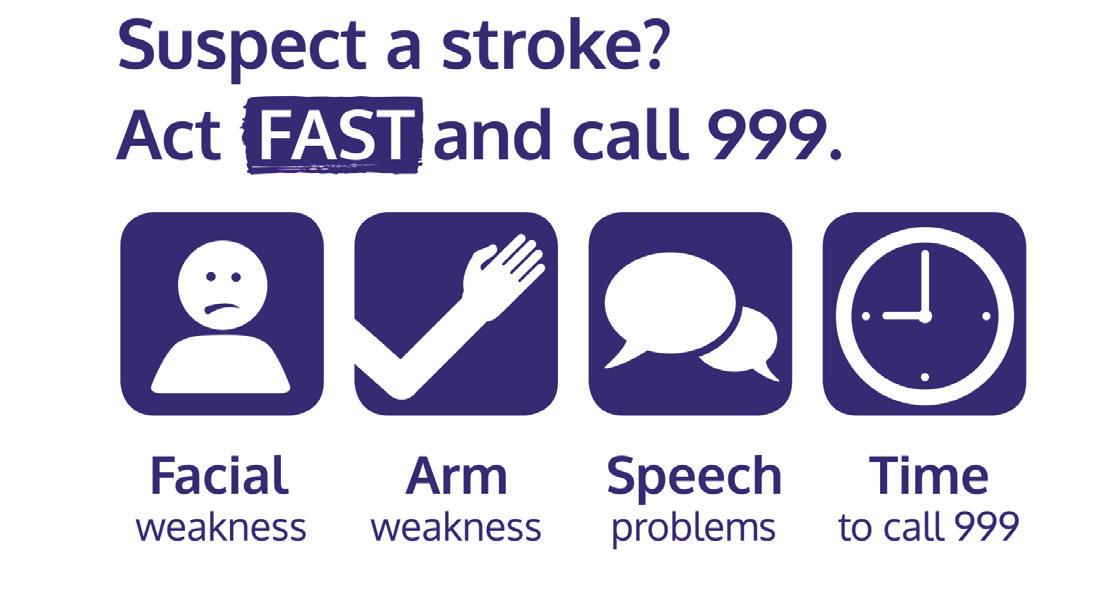
has of minimising damage to the brain and getting back speech, movement, and other abilities.
A stroke is a medical emergency. If you experience or spot any one of the FAST symptoms, call 999 straight away.
Stroke recovery
Almost two-thirds of stroke survivors leave the hospital with a disability, and the demand for ongoing care and support is growing. But we believe that with the right support, people can rebuild their lives after a stroke.
References:
1. Stroke Association. Surviving a stroke is the start of a long and difficult journey. https:// tinyurl.com/yc78tnku.
2. Sentinel Stroke National Audit Programme (2021/22)
3. Li, L., Scott, C. & Rothwell, P. (2022). Association of Younger vs Older Ages With Changes in Incidence of Stroke and Other Vascular Events, 2002-2018. https://tinyurl. com/2bhaz22t.


WRITTEN BY
Juliet Bouverie OBE CEO, Stroke Association
Early diagnosis means local action
Early diagnosis of bowel cancer saves lives. Our Early Diagnosis Programme aims to raise awareness of symptoms and improve screening uptake.

Bowel cancer is the UK’s fourth most common cancer. It’s also the country’s second biggest cancer killer.1 However, it doesn’t have to be that way, as bowel cancer is treatable and curable if it is diagnosed early.
Why is early diagnosis important?
Nearly everyone survives bowel cancer if it’s caught early, yet this drops to just one in ten people when diagnosed at the latest stage. 2 That’s what makes early diagnosis of bowel cancer through symptom awareness and participation in screening so important, and why it’s such a priority for us at Bowel Cancer UK.
What are the challenges?
Some people, and even some healthcare professionals, can sometimes overlook classic red flag symptoms – like persistent tummy pain, changes in bowel habits or blood in poo – as minor or unrelated to bowel cancer, which can lead to delays in diagnosis.
Screening can catch bowel cancer before symptoms even appear, yet uptake remains low in some parts of the country, particularly in more deprived and diverse communities. National campaigns play a vital role, but they cannot always reach communities where targeted,


Ion-the-ground work is needed most. Working at a local level to give people the information and confidence to act is equally important.
Our Early Diagnosis Programme That’s why we’ve launched our Early Diagnosis Programme, centred in five locations –Birmingham, Croydon, Cornwall, Greater Glasgow and Clyde and Neath Port Talbot, to improve early diagnosis of bowel cancer. This initiative will see us focus our activity in these areas, working with local GPs, pharmacists and community groups over the next 12 months to raise awareness of bowel cancer and its symptoms, encourage people to seek help from a GP and increase participation in screening. By targeting our efforts, we can combine public awareness with professional healthcare engagement to create long-term behaviour change and ultimately save lives through earlier diagnosis of bowel cancer.
References:
1. Cancer Research UK. (2026). Bowel cancer statistics. https://tinyurl.com/3x8e85xh.
2. Cancer Research UK. (2026). Survival for bowel cancer. https://tinyurl.com/yj6fyvsm.
Get to grips with bothersome bowels
Did you know diarrhoea, constipation or a mix of both are the most common symptoms of IBS? We’re lifting the (toilet) lid on knowing when troublesome bowels might need more attention.
rritable bowel syndrome (IBS) is the most common digestive condition in the UK, affecting an estimated 5–10% of the population. 1 Despite its prevalence, awareness remains surprisingly low. Many people are unclear about what IBS is or may not even realise they are living with it.
With a mission to help the nation get to grips with gut health, Guts UK plays a vital role in education, research and awareness. Tackling stigma is central to its work.
As Information Manager Julie Thompson explains, “There’s a taboo surrounding our toilet habits and, as a nation, we don’t like talking about our guts. However, your poo is an
indication of your health, and it’s important to check it. Being aware of the colour, consistency and how often you empty your bowels helps you understand your ‘normal’ and spot when something might not be right.”
What is IBS?
IBS is characterised by changes in bowel habits, including diarrhoea, constipation or a mix of both. Some people may find themselves rushing to the toilet one day, then struggling to pass a bowel movement the next. Other common symptoms include abdominal (belly) pain or cramping, bloating, wind and visible distension and mucus in the stool.
If you experience these symptoms for three weeks or more, it’s best to seek advice from your GP. Initial steps may include discussing your symptoms, reviewing your family medical history and carrying out simple tests such as blood work or a stool sample. From there, your GP can advise on next steps.
It’s also worth noting that IBS can change over time. For example, someone who typically experiences constipation may later develop more frequent diarrhoea. This can still fall within the spectrum of IBS.
Getting to grips with IBS
Guts UK also explores digestive health through its webinar series, Getting to Grips with… The latest session focuses on IBS, featuring healthcare professionals alongside people with lived experience sharing their stories. You can catch up by searching “Guts UK Charity” on YouTube.
Reference: 1. Vasant, D.H. (2021). British Society of Gastroenterology guidelines on the management of irritable bowel syndrome. https://tinyurl.com/yc2v6fd3.
Since the launch of the Guts UK Helpline in 2025, IBS has remained one of the most common reasons for calls, highlighting the level of confusion that surrounds the condition.
You can contact the Guts UK Helpline on 0300 102 4887 (Monday to Friday, 10 am to 2pm, excluding bank holidays) or visit gutscharity.org. uk/helpline to complete an online form.

WRITTEN BY
Julie Thompson Information Manager, Guts UK
WRITTEN BY
Genevieve Edwards
Chief Executive, Bowel Cancer UK

The dietitian’s clinic and how to deal with bowel symptoms
Sophie Medlin is a Consultant Colorectal Dietitian with nearly 20 years of experience working with people with bowel problems.

As a dietitian specialising in bowel problems, I’ve seen and heard it all when it comes to gut health. I work with people who have had major bowel surgery due to conditions like Crohn’s Disease and those struggling with common but distressing issues like IBS, anal fissures and haemorrhoids.
Most patients take bowel and rectal function for granted until something’s wrong. Our bowels not functioning properly can impact daily life, affecting confidence, relationships, work and even leaving the house.
When symptoms persist despite medical investigations or treatment, dietitians can play an important role in improving bowel function and quality of life.
Diet’s impact on bowel conditions
Diet can make a remarkable difference to the quality of life for many bowel conditions. That’s what drew me in nearly 20 years ago, when the “poo taboo” was very much alive.
Many people feel embarrassed about bowel symptoms that they delay seeking help for years, sometimes decades. Creating a safe, nonjudgmental space and asking the right questions has allowed me to help people manage problems they were often told to live with.
Everything we eat affects what comes out
the other end. Digestion is a complex process involving the mouth, stomach, pancreas, gallbladder, small bowel and colon before waste reaches the rectum and anus.
What to do if you have bowel symptoms
Problems at any stage can affect bowel habits and symptoms. Much of my work involves identifying clues from stool patterns alongside symptoms like bloating, pain and excess gas.
Your GP should always be the first port of call for bowel symptoms, particularly “red flag” symptoms, like persistent pain, bloating, blood in the stool or unexplained weight loss. But when symptoms persist despite medical investigations or treatment, dietitians can play an important role in improving bowel function and quality of life.
One issue I commonly see is faecal incontinence, which can result from childbirth injuries, pelvic floor weakness during menopause, nerve damage or difficulties emptying the bowel properly. Although many people suffer in silence, it’s not something anyone should simply accept, and there’s often more that can be done to help than people realise.
WRITTEN BY Sophie Medlin Consultant
Colorectal Dietitian
Recent innovations improving lived experiences of patients and working realities of nurses
Medical technology continues to transform clinical practice, with some of the most meaningful progress emerging in female continence and incontinence care.

App-based bladder diaries, like NHS-endorsed Squeezy, allow women to track symptoms, pelvic floor exercises and triggers more accurately than traditional paper methods.
Digital tools for early assessment and ongoing management
These digital diaries integrate seamlessly into clinical consultations, enabling nurses to make more informed decisions and tailor conservative management plans more effectively. For patients, being able to see their progress clearly boosts motivation and reinforces a sense of control; both are essential for adherence and sustained improvement.
Advances in urodynamic technology have also enhanced diagnostic precision. Portable, wireless urodynamic systems reduce the invasiveness and discomfort historically associated with testing, while providing high-quality data that supports timely, accurate diagnosis.1 This shift not only improves patient comfort but also streamlines workflow for nurses, reducing setup time and enabling more flexible clinic models across NHS services.
Innovative treatments
Tibial nerve stimulation devices, particularly homebased, wearable systems, have expanded access to neuromodulation for women with overactive bladder or
Setting the standard for Crohn’s and Colitis Care
Crohn’s and Colitis are lifelong, incurable conditions affecting around 1 in 120 people in the UK.1 For many, early symptoms are misunderstood or dismissed, delaying diagnosis and leaving people struggling without answers.
Unfortunately, increasing pressure on NHS resources means far too many are stuck on waiting lists, dealing with debilitating symptoms that have a profound effect on their physical and mental wellbeing. Often, these delays also mean more severe disease and a higher risk of surgery. People with Crohn’s and Colitis can’t afford to wait.
Invisible, but life-changing
One of the major challenges is that, to others, Crohn’s and Colitis can be invisible. But the pain is real, the fatigue debilitating, and the worry of having to rush to the toilet urgently and frequently looms large. In our recent research, nearly 90% of people told us that unpredictable
urge incontinence.
These devices allow patients to complete therapy at home, improving convenience and reducing clinic burden while maintaining comparable efficacy to in-clinic stimulation.2 Nurses report that remote monitoring platforms linked to these devices support more efficient follow-up and earlier intervention when treatment adjustments are needed.
Pelvic floor rehabilitation has also benefited from biofeedback and virtual reality-enhanced training tools. They provide real-time visual cues that help women understand and correctly perform pelvic floor muscle exercises, an area where traditional verbal instruction alone can be challenging. Evidence shows improved technique, adherence and patient confidence when biofeedback is incorporated. 3
These innovations are reshaping continence care into a more personalised, accessible and empowering experience.3 For nurses, they offer opportunities to deliver more efficient, data-driven and patient-centred care. For women, they bring dignity, autonomy and improved outcomes, demonstrating the profound value of integrating technology into everyday clinical practice.
References:
1. International Continence Society. (2022). ICS Standards and Recommendations.
2. Burton, C. et al. (2021). Neurourology and Urodynamics.
3. Hay Smith, E. et al. (2022). ‘Making sense’ of urinary incontinence: A qualitative study investigating women’s pelvic floor muscle training adherence. https://tinyurl.com/6t5pupe7.

symptoms and flares affect their quality of life.2 Plans are cancelled, lives disrupted, dreams put on hold. We need to challenge the misconception that these conditions are just a “dodgy tummy.” As one person I met put it, “I look fine, but internally, a war is raging every day.”
Stronger together
The impact of a diagnosis can be devastating, and nobody should face that alone. That’s where we come in. At Crohn’s & Colitis UK, we are working hard every day to transform understanding of these conditions. We are here to support individuals, change systems and bring hope for the future by advocating for the patient voice and creating a strong, connected community.
People living with Crohn’s and Colitis deserve consistent, high-quality care — whoever they are and wherever they live. We recently launched the 2026 IBD Standards: a guide that sets out what care should look like from diagnosis to long-term treatment.
Shaped by over 26,000 patients with input from experts, they’re not just a wish list, but an important step towards better, more consistent care. We’re here to improve lives and drive change. We hope for a cure, one day.
References:
1. Nartey, Y. et al. (2021). Incidence and prevalence of inflammatory bowel disease across the United Kingdom. https://tinyurl.com/mwzyhdpe.
2. Crohn’s & Colitis UK. (2024). Top 10 Impacts of Living with Crohn’s and Colitis in the UK.

WRITTEN BY Marianne Radcliffe CEO, Crohn’s & Colitis UK
WRITTEN BY Emma Chappel
BAUN President, Head of Nursing for Urology Mid & South Essex NHS Foundation Trust

Mollie and Sid: How living with a stoma never stopped her from living a life she loves
For many, the idea of living with a stoma can feel overwhelming. There are often misconceptions about what life will look like, and much of the conversation is around fear or embarrassment. My experience has been very different.

Ihave lived with a stoma since I was 18 due to ulcerative colitis, and my stoma, Sid, has given me freedom, confidence and the ability to live life on my own terms.
I named my stoma Sid because humour has always helped me navigate challenges. Giving it a name made it feel less like a medical device and more like a part of me. It also helped me open conversations with other people instead of feeling awkward or embarrassed. I learned to talk about my stoma with confidence.
My stoma has played a huge role in helping me live the life I love.
Positives outweigh negatives
Having a stoma has allowed me to do things many people might assume are impossible. I travel as much as I can, exercise, enjoy social events and take on opportunities that push me out of my comfort zone. Before Sid, I would never have been able to do these things due to constant
flare-ups and anxiety surrounding where the nearest toilet is.
Of course, there are challenges from time to time, but for me, the positives far outweigh them. Sid gives me the reliability and independence that my condition otherwise wouldn’t. Rather than constantly worrying about my health, I can focus on living my life.
Removing the stigma of bladder and bowel health
One of the most important things I have learned is that there is nothing embarrassing about having a stoma. It is simply something that helps people live healthier and fuller lives. The more we talk openly about bladder and bowel health, the more we empower others to seek support and feel confident in their own experiences.
If sharing my story helps even one person feel less alone or less afraid of life with a stoma, then it is worth having these conversations. Sid may not have been part of the plan, but my stoma has played a huge role in helping me live the life I love.

WRITTEN BY Mollie Pearce
Urinary tract infections: Common, costly and too often overlooked
Urinary tract infections are among the most common bacterial infections, affecting millions each year.

WRITTEN BY
For many, a UTI is dismissed as a short-lived inconvenience causing burning, frequency, lower abdominal discomfort or cloudy urine. For some, UTIs become recurrent, distressing and potentially serious.
Around 50% of women experience at least one UTI, and about 25% develop recurrent UTI (rUTI), defined as two infections within six months or three within 12 months.1
Why UTIs matter
A UTI occurs when bacteria enter the urinary system. While many infections respond well to treatment, others spread to the kidneys or bloodstream, causing sepsis and hospital admission.
rUTIs can affect sleep, work, relationships, mental wellbeing and confidence. They also create a major healthcare burden through GP appointments, antibiotics, emergency attendances and referrals.
Prevention and treatment
Most uncomplicated UTIs can be managed safely in the community with early recognition, hydration, pain relief and short-course antibiotics where needed. rUTIs need a proactive approach.
NICE recommends fluid and behavioural measures, topical vaginal oestrogen for peri and postmenopausal patients, and methenamine hippurate as first-line
How a plant-forward diet and lifestyle changes can help improve bowel wellness
Rhiannon Lambert is a leading UK nutritionist, bestselling author and founder of the Rhitrition Clinic. Her latest book, The Fibre Formula, explores how optimising gut health and fibre intake can alleviate common health conditions.
Could you introduce your work at Rhitrition?
I’m a Registered Nutritionist, founder of Rhitrition and Rhitrition+ and a three-time Sunday Times bestselling author. My mission is to make evidence-based nutrition accessible and practical.
Why is a personalised approach better than diet trends?
Social media pushes quick fixes like “Fibre-Maxxing,” but the true causes of bowel symptoms are varied. It’s better to follow a personalised, science-backed approach to identify unique triggers, history and lifestyle to create strategies for each individual.
options. Methenamine hippurate has shown benefit comparable to low-dose antibiotic prophylaxis in a multi-centre UK trial.
Cranberry products or D-mannose may be considered, although evidence is variable. Low-dose antibiotic prophylaxis remains an option if these measures fail.
UK-based data, including a national UTI audit by the British Association of Urological Surgeons, found that over 65% of women referred to specialists hadn’t received first or second-line therapy and may not have needed referral at that stage. Earlier community care could reduce suffering, prevent complications and free specialist clinics for complex cases.
Future of UTI care
Patients need clear information about rUTI and treatments available in primary care before specialist referral. This empowers patients, supports shared decision-making, reduces specialist pressure and allows complex cases to be seen sooner.
UTIs are common, but they shouldn’t be trivialised. Better prevention, community care and smarter use of resources are key to better outcomes.
References: : 1. Chitteti, P. et al. (2026). Treatment outcomes of multidisciplinary management of recurrent urinary tract infections: A 2-year experience in a dedicated complex-UTI clinic. https://tinyurl.com/yj3m9k95.

What foods, drinks or hidden ingredients trigger bowel irritation and bloating?
Common culprits include excess alcohol, caffeine, fatty or fried foods and FODMAPs, found in onions, garlic and some fruits. Also, watch out for sugar alcohols like sorbitol, xylitol and maltitol, frequently found in sugar-free products, which can cause bloating, wind or diarrhoea. But always remember: what triggers symptoms for one person may be well tolerated by another.
What’s the simplest dietary change someone with chronic bowel discomfort can make?
Establishing regular meal patterns, staying hydrated and gradually increasing fibre intake from plant foods can support bowel regularity and help nourish the gut microbiome.
One-to-one clinic support isn’t accessible to everyone, which is why I created Rhitrition+. Here, people can access evidence-based nutrition information, join live Q&A sessions and ask questions.
How does stress trigger sudden bowel urgency, and what can help calm this response?
The gut and brain are constantly communicating via the gut-brain axis. Under stress, hormones like cortisol can rapidly alter gut motility and sensitivity, triggering sudden bowel urgency, discomfort or diarrhoea within minutes. Over time, chronic stress can even alter your gut microbiome and contribute to long-term conditions like IBS.
Prioritise a diverse, fibre-rich diet filled with various plant foods and eat regular meals. This supports a resilient microbiome that produces short-chain fatty acids (SCFAs), which play a crucial role in gut-brain communication. Alongside nutrition, managing sleep, movement and stress remain essential pillars for a calmer digestive system.

WRITTEN BY Rhiannon Lambert Registered Nutritionist, Founder, Rhitrition and Rhitrition+, ThreeTime Sunday Times Bestselling Author

Chief Scientific and Medical Officer, British Heart Foundation
British Heart Foundation issues blood pressure checklist to help tackle the silent killer
It’s estimated that 16 million people in the UK have high blood pressure, but nearly five million of them don’t know they have it.1
The British Heart Foundation (BHF) is encouraging the public to tick off a blood pressure checklist, as latest figures reveal up to five million people in the UK 1 are unaware they are living with a silent killer.
High blood pressure, or hypertension, is a serious condition which can increase your risk of a heart attack, stroke or kidney damage if it’s not treated.
For May Measurement Month — a global blood pressure testing campaign — the BHF has issued a list of easy steps to help manage or lower your blood pressure, from free checks to simple food swaps.
High blood pressure is known as the silent killer for good reason, as it usually doesn’t
cause any symptoms.
Why high blood pressure is called the ‘silent killer’
According to Professor Bryan Williams, Chief Scientific and Medical Officer, BHF, “High blood pressure is known as the silent killer for good reason, as it usually


doesn’t cause any symptoms. All too often, I see patients who have suffered serious heart disease or stroke caused by their high blood pressure, and they had no idea their blood pressure had been elevated, probably for many years.
“The only way of being sure you don’t have high blood pressure is to get it checked. It’s simple to do, and May Measurement Month is a great time to do it. The sooner you know your numbers, the sooner doctors can decide whether treatment is needed to reduce your future risk of heart disease, kidney disease, stroke and dementia.”
BHF’s blood pressure checklist
1. Check your blood pressure.
2. Do regular exercise.
3. Eat at least 5 portions of fruit and veg a day.
4. Include dairy in your diet.
5. Cut down on salt.
6. Drink in moderation.
7. Manage your weight.
8. Take medicines as prescribed.
Reference
1. Blake, I. (2026). ‘Silent killer’ warning as 5 million in UK are unaware they have high blood pressure. https:// tinyurl.com/4wrvpt73.
Diabetes and high blood pressure are leading causes of kidney disease
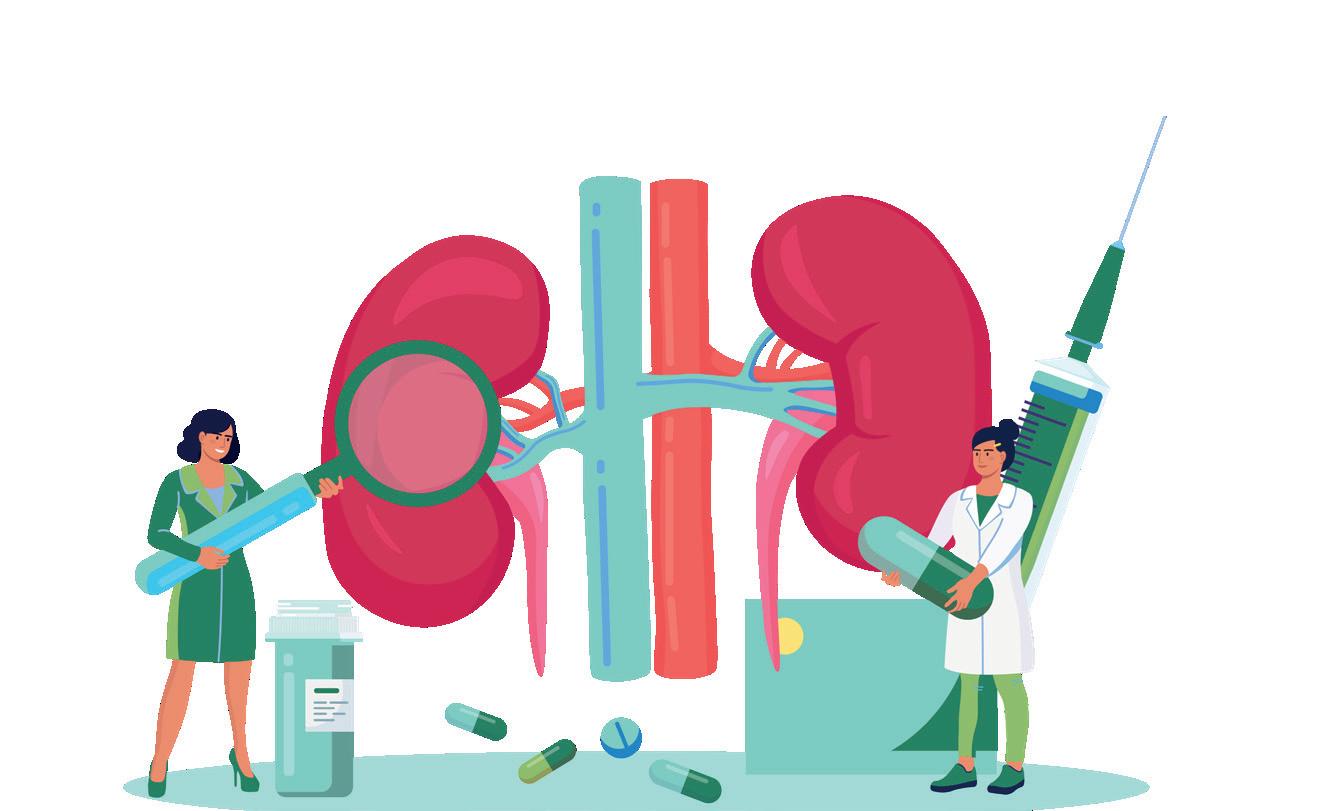

There are over seven million people with chronic kidney disease (CKD) in the UK, and the number is growing.
Diabetes and high blood pressure are the leading causes, yet 4 in 10 people with type 1 diabetes and 3 in 10 with type 2 diabetes don’t have the National Institute for Health and Care Excellence (NICE) recommended annual urine test to detect early CKD1; and 7 in 10 people with high blood pressure didn’t have a urine test to detect early CKD in the past 12 months.2
Our research highlighted that two-thirds (65%) of people with diabetes and hypertension who went on to be diagnosed with CKD weren’t made aware of the risk.3
CKD is often referred to as a ‘silent disease’ because it’s possible to lose up to 90% of kidney function without even realising.4 This may be because of a lack of obvious symptoms, confusing some signs that your kidneys aren’t working well with common viruses or getting older. There are an estimated one million people in the UK who have kidney disease and aren’t even aware they have it.5
Early diagnosis can be life-changing
Delaying the diagnosis of moderate to advanced CKD by one year results in a 63% higher likelihood of kidney failure5 requiring costly and burdensome treatment to stay alive, such as dialysis or a transplant.
The BHF’s information and support services can give you help and guidance on any heart question that bothers you, no matter how big or small. To find out more, search ‘BHF questions’ or speak with one of our cardiac nurses on our Heart Helpline.
Targeted Care for Joint Wear & Tear...



We’re encouraging people to check to see if they might be at increased risk of developing kidney disease by taking a few minutes to complete our online Kidney Health Checker at kidneycareuk.org/ kidney-healthchecker/
This also significantly affects mental health6 and ability to work. Whether identified early or late, there will always be a cost to the NHS; but by identifying people sooner, more can be done to prolong kidney health, improve quality of life and reduce the cost and impact on health and other services.
References:
1. NHS. National Diabetes Audit. https://tinyurl.com/tss877nk.
2. CVDPREVENT. Quality Improvement Tool. https://tinyurl.com/ydeeeyyh.
3. Kidney Care UK. (2023). Let’s Talk Kidneys. https://tinyurl.com/4rj9reca.
4. Yu, A. (2019). Brenner and Rector’s The Kidney.
5. Tangri et. al (2023). Patient Management and Clinical Outcomes Associated with a Recorded Diagnosis of Stage 3 Chronic Kidney Disease: The REVEAL-CKD Study. Advances in Therapy. https://tinyurl.com/4ca6nc32
6. Kidney Care UK. (2025). Left to get on with it: The real impact of inadequate psychosocial support in kidney care. https://tinyurl.com/2tr24nau.
Targeted Care for
























Joint Wear & Tear...






































WRITTEN BY Brian Williams
WRITTEN BY Fiona Loud Policy Director, Kidney Care UK