Life Sciences

Clinical trials are key to life sciences development in Canada. But getting them started across the country can be costly and time-consuming.
CanReview, a pan-Canadian collaboration, aims to ease this barrier with an efficient, coordinated research ethics review system for multi-site clinical trials. Rather than requiring separate ethics approvals across trial sites, CanReview combines a distributed research ethics board (REB) model with an easy-to-use online platform that enables researchers to apply for a single Canada-wide ethics review.
With over 120 partners, CanReview has made meaningful strides towards improving efficiencies, but full national uptake is needed to keep pace globally. “The UK, Australia, and other countries have moved to national ethics review systems. To remain competitive and bring more trials to Canadians, we have to adopt a Canada-wide mindset,” says Susan Marlin, Nominated Principal Applicant, CanReview and President & CEO, Clinical Trials Ontario.
WRITTEN BY Anne Papmehl


Marjorie Michel discusses strengthening Canada’s life sciences sector through collaboration, clinical trial modernization, and innovation to improve patient care and healthcare resilience.
How is Canada strengthening collaboration across the life sciences ecosystem to improve health outcomes and system resilience?
“Canada’s life sciences ecosystem is what anchors our health system, and propels the innovations and technologies that can help protect the health of Canadians, grow our nation’s economic prosperity, and maintain our overall health sovereignty.
Our new government is focused on initiatives that strengthen collaboration within the life science ecosystem, including academia, industry and healthcare institutions, in order to turn Canadian research discoveries into real-world therapies, medical technologies, and commercial products.


Together with the Hon. Mélanie Joly, my counterpart responsible for industry, I recently announced the creation of the Pharmaceutical and Life Sciences Sector Task Force, a first of its kind effort involving senior leaders across the sector to explore innovative, made-in-Canada solutions to support reliable and sustainable access to pharmaceuticals in Canada, and maintain our nation’s industrial competitiveness.”
What steps are being taken to ensure Canadians have timely access to new and innovative therapies?
“Health Canada collaborates with other regulators. For example, Health Canada is part of the Access Consortium, which seeks to provide faster access to safe, effective and high-quality medicines.
This past winter, Health Canada also launched consultations for two regulatory initiatives: the Ministerial Reliance Order and Clinical Trial modernization. These proposals are expected to reduce barriers to innovation, introduce more regulatory flexibility, and provide better access to drugs not available in Canada.” As

Health sovereignty is at its core. We take it for granted that all Canadians deserve equitable access to excellent care, and recent global health crises, including the COVID19 pandemic, have demonstrated the critical importance of health system resilience.
Building a more resilient healthcare system
At Gilead, resilience starts with discovering, developing, and delivering innovative therapeutics to fight serious diseases. Our therapies have helped alter the trajectory of illnesses like HIV and viral hepatitis. When the world was reeling from COVID-19, Gilead developed the first approved treatment for it. We continue to take on big challenges, including difficult-to-treat cancers.
This gives us a powerful perspective on how Canada can meet this moment. “We are proud of our investments,” said Paul Petrelli, General Manager, Gilead Sciences Canada. “We are driving groundbreaking research at our site in Edmonton, supporting nearly 100 unique clinical trial sites across the country, and strength-
ening our manufacturing capabilities to ensure Canada stays an important part of the global supply chain.”
We also know homegrown innovation is just one part of health sovereignty.
What Canadians want most is access to care when they need it, including life-changing therapies, regardless of where in the world they’ve been developed.
Federal Health Minister Marjorie Michel recognized this in a recent interview, characterizing health sovereignty as “how we can provide equitable access to treatments for Canadians, medicines, vaccines, everything.”
In practice, this demands an environment that recognizes the full value of innovation in healthcare.
Health equity starts with access Many Canadians are waiting too long to access medicines. In a recent report that looked at twenty advanced economies, Canada placed last in wait times from a therapy’s global launch to its coverage by public insurance — an average of over four years, compared to three months in the United States. In the same study, Canada was second-last in the proportion of new medicines reimbursed by public insur-
ance over the past decade.
There is no good reason why Canadians should wait so long for life-saving therapies. But changing this will require a broader understanding of the impact of medicines — allowing Canadians to live fuller, healthier lives while avoiding downstream health system costs.
Recent initiatives promise to accelerate access to medicines: Ontario’s FAST (Funding Accelerated for Specific Treatments) program; ongoing red tape reduction initiatives at Health Canada; foreign regulators’ decisions; the pan-Canadian Pharmaceutical Alliance (pCPA)’s Early Negotiation Process and pCPA Temporary Access Process. We need to build on this.
Today, we have a unique opportunity to drive change that really matters. But we must understand that health sovereignty cannot mean going at it alone. Breakthroughs are happening all over the world. Our health system needs to be nimbler and adequately resourced, making innovation more equitably accessible to all.
Because our success will be measured by whether Canadians can access the care and life-changing, life-saving medicines they need, when they need them.



This novel treatment takes research from discovery to impact, saving patient from life-altering skin grafts.
Aholiday mixer for fraternity and sorority members near London’s Western University last December turned into a terrifying scene when a fire broke out, sending five young women to hospital.
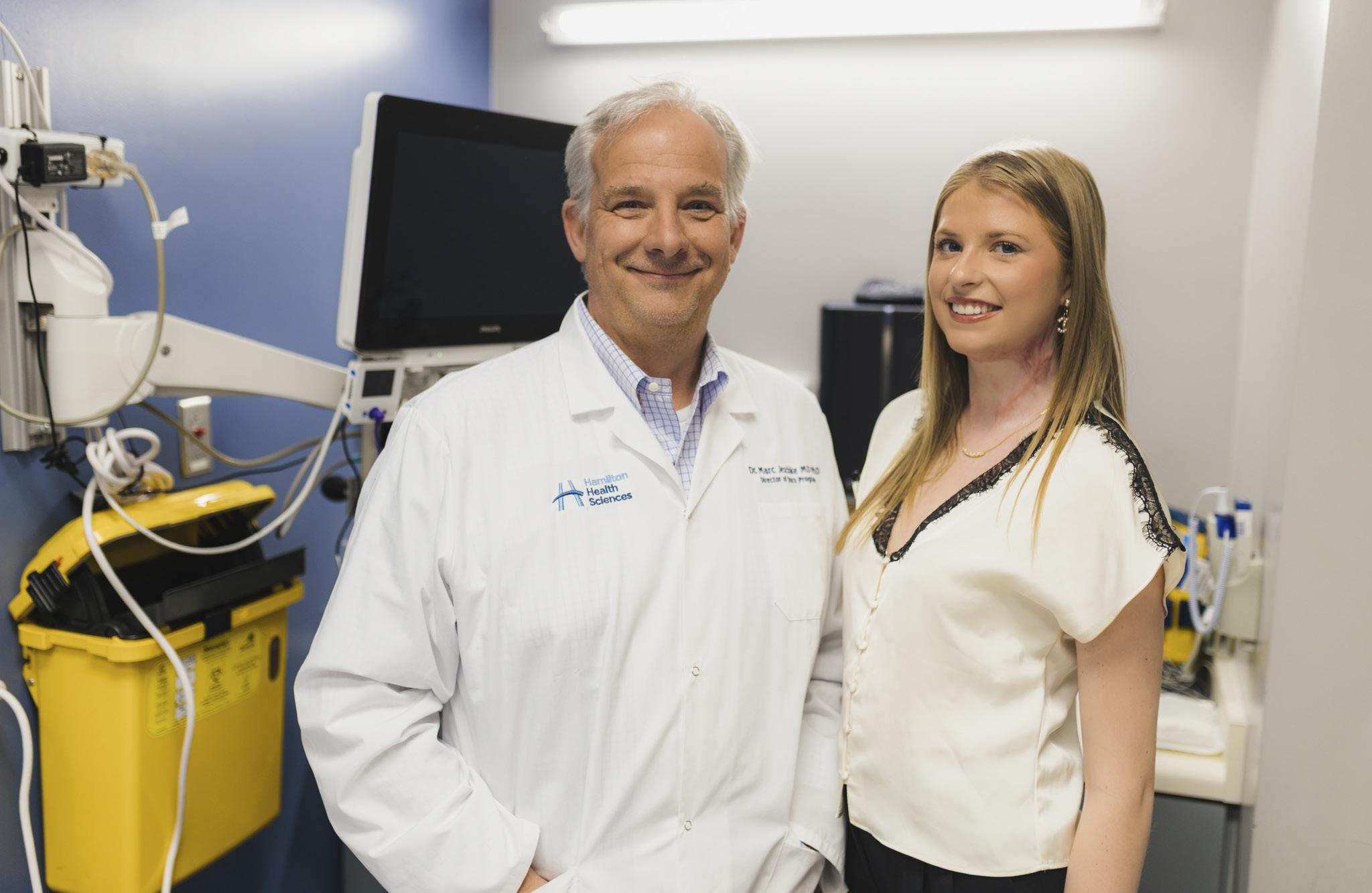
Kaitlin Jeffrey, 18, of Toronto, was the most seriously injured, with deep burns to her face, neck, and body. She was transferred to Hamilton Health Sciences’ (HHS) Hamilton General Hospital, home to one of Ontario’s two regional burn centres.
“In Hamilton, the care was amazing,” says Jeffrey. “Each and every member of the burn team has had a huge impact on my life.”
Dr. Marc Jeschke, a globally recognized burn surgeon and medical director for the regional burn program, was determined to restore Jeffrey’s face and neck as closely as possible to normal. His innovative plan centred on a novel, world-first biological treatment using exosomes that produced exceptional results, particularly on Jeffrey’s face.
Saving face
Jeffrey suffered deep partialand full-thickness burns to her face that most likely would have required skin grafts. Her neck fared worse, with full thickness burns. Worldwide, the current standard treatment for deep burns is skin grafting surgery, but it leaves skin with scars and a patchlike appearance.
The exosome treatments are extremely safe, and the results were absolutely remarkable.
“My vision for Kaitlin was to avoid skin graft surgery to her face and neck at any cost,” says Dr. Jeschke, who is also HHS’s vice-president of research and innovation and chief scientific officer and a professor of surgery at HHS’s key academic partner,
McMaster University. He has been at the forefront of new and emerging burn research and treatments for more than two decades.
Dr. Jeschke asked Jeffrey if she might be interested in a neverbefore-tried burn treatment on her face and neck using exosome injections as an alternative to grafting. Exosomes are tiny particles released by cells that carry signals from one cell to another to help coordinate rapid healing and tissue repair and reduce inflammation. With exosome therapy, these particles are collected, typically from lab-grown cells, and injected into the injured areas to rapidly accelerate healing.
An innovative plan Tapping into years of research, Dr. Jeschke felt that exosome therapy was Jeffrey’s best option. Exosomes had been studied for years as part of burn research, but not yet in humans. However, some human clinical trials have explored exosomes for different types of wound healing, with promising results.
Dr. Jeschke’s team became the
first in the world to perform this treatment on a burn patient. “The exosome treatments are extremely safe, and the results were absolutely remarkable,” says Dr. Jeschke. “You can’t tell by Kaitlin’s face that she once suffered burns.”
Jeffrey’s neck still has active scarring — the phase of healing when a scar is still developing and can appear red and raised before settling into its final form. She continues to get platelet-rich plasma and laser treatments at HHS to treat that area.
With further research, Dr. Jeschke hopes the exosome treatment he used to help Jeffrey avoid grafting surgery will become the standard of care in Canada.
WRITTEN BY Lise Diebel

Canada's Life Sciences sector is ready to turn research excellence into patient access.
Canada has a remarkable life sciences ecosystem that stands out on the world stage; internationally renowned institutions and research centres, globally recognized researchers and scientists, and a biopharmaceutical industry that attracts global investment.
Despite this strong foundation, a critical gap between what science can offer, and what patients can access threatens to undermine Canada's hardwon reputation, in what has become an increasingly competitive space.
I see this potential every day in our work at Bristol Myers Squibb (BMS) Canada. Our over 100 ongoing clinical trials connect us with research institutes and scientific teams from coast to coast, which may provide early access to investigational treatments under study.
For many, participation in a clinical trial offers the last treatment option available.
Science that is rewriting the future
The pace of innovation is contributing to ongoing advances in care. Over a decade ago, BMS launched the first immuno-oncology therapy in Canada for melanoma, harnessing the body's
immune system to recognize and destroy cancer cells.
Then came CAR T cell therapy, a personalized treatment that reprograms a patient’s own immune cells into what scientists call a "living drug," that is precise, and built for aggressive cancers that have resisted other treatments.
In addition to cancer, these breakthroughs are also opening new frontiers in immunology and rheumatology, expanding possibilities for patients and care teams alike.
Canada's research community has been central to this progress, and there is every reason to believe the best is still ahead.
As one of the biopharmaceutical companies driving this work, we’ve seen firsthand both the promise of this ecosystem and the barriers preventing patients from fully benefiting.
Despite Canada's research strengths, the country consistently underperforms when it comes to policies that translate approved innovations into accessible treatments.
Less than 20 per cent of new drugs launched globally become accessible through Canadian public plans, and when they do, access delays are more
than twice as long as in comparable G7 countries.
The human impact of this is real. Patients may face challenges accessing timely care, which means therapeutic options narrow, and ultimately the windows of opportunity to treat a condition continually shrinks.
A thriving life sciences sector is Canada's most powerful tool for sovereignty in this field, giving us the ability to decide, on our own terms, what care Canadians can access and when.
As a committed partner in this sector, BMS Canada is encouraged by the work of the federal government as they strive to build something that works for patients, the economy, and for Canada's long-term competitiveness.
This is a real opportunity to make meaningful progress on the issues that have held Canada back, from securing sustained federal investment in innovative medicines to expanding access pathways more consistently across provinces and territories.
Now at a tipping point, it’s time to advance a policy framework in Canada that values innovation, modernizes our approaches and expedites patient access.

WRITTEN BY
Tzortzis
The Ontario Brain Institute is enabling privacy-enhancing AI collaboration in brain health research, positioning Canada as a global leader.

Brain research is complex and requires massive amounts of data, diverse patient populations, and collaboration across institutions. Federated learning — a technique that sends AI models directly to data rather than trying to move data to a central repository — addresses the need for data privacy and sovereignty and reduces the friction that differing privacy and governance rules across jurisdictions can cause.
The Ontario Brain Institute (OBI) is leading the way with its NeuroFL federated learning

Azadeh Kushki Associate Chief of Data Science, Bloorview Research Institute
platform. “Federated learning is particularly valuable for brain health research because you can increase your model’s precision and decrease its bias with access to a greater set of data,” says Francis Jeanson, Head of the Centre for Analytics (CfA) at OBI.
Developing personalized, proactive approaches
“Instead of having one-size-fitsall approaches based on broad diagnostic labels, we want to be able to tailor things to each individual’s biology,” says Azadeh Kushki, Associate Chief of Data

Science at the Bloorview Research Institute.
Canada is well-positioned to lead in secure and privacy-conscious AI innovation in health care. “We have a strong distributed computing infrastructure and the capacity to experiment locally, with our different provincial legislative environments,” says Jean-Baptiste Poline, Professor in the Department of Neurology and Neurosurgery and Associate Professor at the School of Computer Science at McGill University.
“Collaborations across Canadian hospitals could bring a lot of
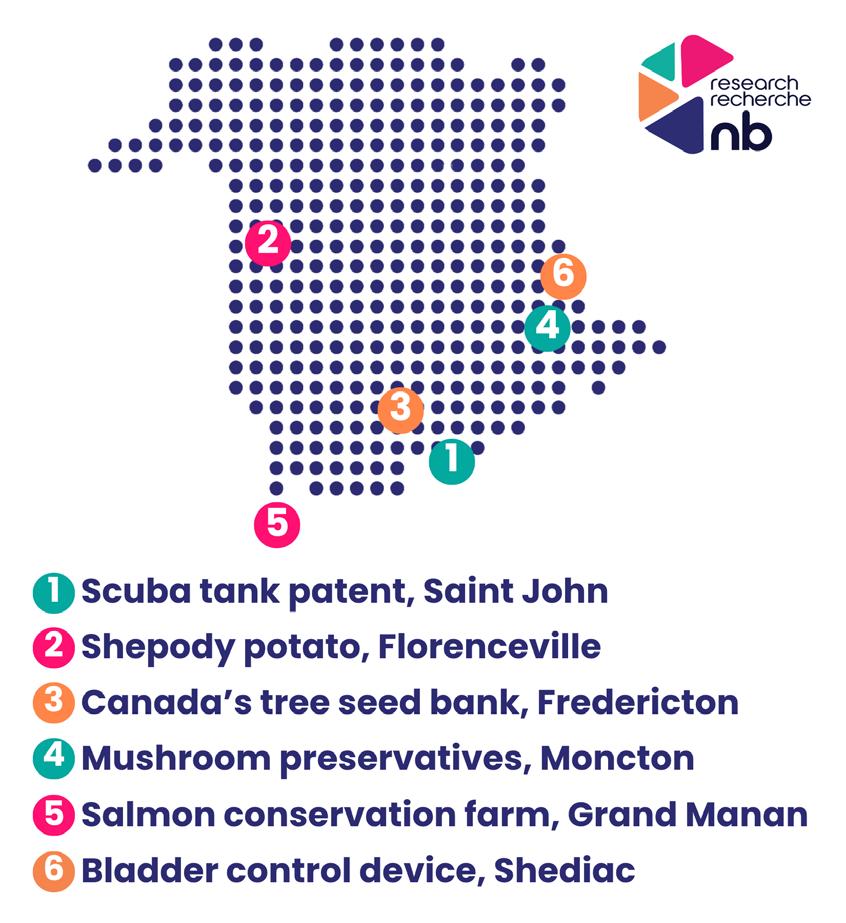
In New Brunswick, big ideas don't need a big address.
1. Underwater breathing was born here –Saint John
Long before Jacques Cousteau made scuba diving famous, James Elliott and Alexander McAvity patented a self-contained underwater breathing apparatus in 1839. A world-changing invention for anyone who's ever strapped on a (SCUBA) tank.
2. The potato that launched the french fry revolution – Florenceville McCain Foods, responsible for one in four fries eaten worldwide, needed a better potato. NB scientists bred the Shepody, now grown worldwide. Your fries likely started here.
3. Canada’s forests are being sent to space – Fredericton
Canada's only national tree seed bank preserves the genetic diversity of 250+ tree species against climate change and extinction. In 2026, seeds from five Canadian trees hitched a ride on NASA's Artemis II lunar mission. The ultimate backup plan.
4. The mushroom hiding in (and preserving) your groceries – Moncton
Chinova Bioworks extracts a natural fibre from white button mushrooms and turns it into a food preservative, used in beverages, dairy, sauces, and plant-based products worldwide. Your next snack may already have NB in it.
5. Saving the bees of the ocean from extinction – Grand Manan
Without salmon, aquatic ecosystems collapse, just like bees. New Brunswick built the world's first wild salmon conservation farm and wild salmon are (finally) coming home.
6. The device that prevents peeing yourself, no laundry required – Shediac
One in three women experience bladder leaks. Uresta, developed by a New Brunswick urogynecologist, stops the problem before it starts. No drugs, no surgery, no midnight laundry runs.
WRITTEN BY ResearchNB

movement forward in this space,” says Erin Dickie, Staff Scientist at the Krembil Centre for Neuroinformatics at CAMH.
WRITTEN BY Tania Amardeil
Learn more about OBI’s CfA initiatives.
This article was sponsored by Ontario Brain Institute

Continued innovation by companies like Galderma Canada is resulting in new treatments for Canadians living with inflammatory skin conditions.
Atopic dermatitis (AD) and prurigo nodularis (PN) are chronic inflammatory skin conditions that can involve a substantial, and sometimes not immediately visible, burden.
Both AD and PN are characterized by skin lesions and intense persistent itch, which can disrupt sleep, concentration, and overall well-being, and may affect daily functioning at school or in the workplace. People living with these conditions may experience sleep disturbances and social challenges and can experience impacts on their mental well-being.
Continued research and innovation are needed to advance treatment options for people living with chronic inflammatory skin diseases such as AD and PN. Ensuring equitable access to appropriate and effective care remains an important consideration.
Recent innovations are expanding the treatment options available for these conditions.
These efforts reflect continued work toward addressing unmet patient needs and supporting the understanding of the burden associated with these conditions.
Supporting patient care
“Building on its experience in dermatology, Galderma supports ongoing research and the development of approaches to help improve the manage-
ment of inflammatory skin conditions in Canada,” says Sophie Élise Michaud, Head of Medical Affairs at Galderma Canada. “These efforts reflect continued work toward addressing unmet patient needs and supporting the understanding of the burden associated with these conditions.”
Advances in this area rely on continued investment in research, along with a commitment to supporting patient care. Through its ongoing activities in dermatology, Galderma contributes to efforts aimed at improving the management of inflammatory skin conditions for Canadians.
WRITTEN BY Tania Amardeil


As health systems face mounting pressures, modernizing cancer care delivery could improve patient experience and access.
Health care systems across Canada are facing significant pressures from human resource shortages, wait times, and overcrowding, putting strain on patients, families, and staff alike. While scientific progress accelerates globally, a disconnect remains between these advances and how care is delivered in practice.
This is particularly evident in cancer care. With two in five Canadians expected to receive a diagnosis in their lifetime, there is an opportunity to build care pathways that put patients and their preferences at the centre. Yet the system is struggling to keep pace. According to the Canadian Medical Association, Canada has one of the longest specialist wait times among comparable nations. A 2020 peer-reviewed study determined that a treatment delay as short as four weeks can increase cancer-related mortality.
From chronic disease management to mental health to primary care, Canada's health systems are being asked to do more, and patients deserve more.
With two in five Canadians expected to receive a diagnosis in their lifetime, there is an opportunity to build care pathways that put patients and their preferences at the centre.
Shaping cancer care around patients' needs
True innovation means delivering the right care, at the right time, in the
right place, and by the right clinician. Aligning care with patient needs can reduce emotional distress and help patients remain anchored to their routines and support systems. But alignment requires more than intent. It requires health systems and public payers to actively embrace available treatment modalities and ensure they are accessible within publicly-funded programs as soon as possible, not treated as exceptions negotiated case by case.
There are innovative treatment options and modalities across several therapeutic areas, including oncology, that remain inaccessible to many patients in Canada. The science has delivered; now policy must follow, as leading nations are already integrating new care pathways into their publicly-funded healthcare systems, and Canadians should not be watching from a distance.
See how we’re bringing forward innovative solutions to help solve some of the world’s most challenging diseases. Learn more: merck.ca
This article was made possible by the support of Merck Canada.
UHN is leading the way in next-generation early cancer detection research, innovation, commercialization, and talent recruitment to drive both patient outcomes and national economic growth.
At University Health Network (UHN), scientific discovery is being transformed into real-world impact for patients—and economic value for Canada. Through commercialization, UHN innovations are becoming new diagnostics, treatments and technologies, improving outcomes for more than 1.25 million patients.
“Investing in a research-based economy means investing in people and ideas that can change what’s possible in medicine,” says Dr. Brad Wouters, Executive Vice President, Science and Research, UHN. “The result is two-fold: better outcomes for patients and a thriving knowledge-based economy with a significant economic footprint for Canada.”
For many cancer patients, one of the most important questions begins after definitive (or curative) treatment ends: Is the cancer truly gone or will it come back?
Advancing next-generation cancer detection
Researchers led by Dr. Lillian Siu at UHN’s Princess Margaret Cancer Centre are working to answer this question, through studies such as SHERLOCK, which uses blood tests to detect molecular residual disease (MRD), traces of circulating tumour DNA that may be detected in the blood before cancer is visible on CT or MRI scans or on physical examination. “We now have highly sensitive technology and increasing scientific knowledge to detect MRD in the blood,” says Siu.
Supported by a $50 million gift from the Peter Gilgan Foundation, SHERLOCK will enroll 7,000 patients over 5 years, making it one of the largest MRD studies globally, combining philanthropy, clinical research, and industry collaboration to enable earlier, more personalized care. This study is being launched by the Peter Gilgan Centre for Early Cancer Detection Research.
“For patients who have already endured definitive cancer treatment, the question that often lingers is: Is the cancer truly gone?” said Siu. “Our hope is that studies like SHERLOCK will bring us much closer to answering that question with confidence and ultimately prevent cancers at high risk of relapse from returning.”
Turning discoveries into real-world impact
SHERLOCK is enabled by UHN’s

world-leading expertise in cancer research, genomics, computational biology, and clinical trials.
Its philanthropic foundations, The Princess Margaret Cancer Foundation and UHN Foundation, help to fund early discoveries across a wide range of diseases. Industry partnerships help scale these discoveries, while commercialization initiatives aim to bring this to patients globally while generating value and impact in Canada.
“We have a very supportive community that shares our ambition of being a global leader in innovation and research,” says Wouters. “The federal and provincial governments are important funders, and we also partner with industry to bring clinical trials and other funding here.”
These partnerships accelerate how quickly breakthroughs turn into real-world care. This reflects a broader model of innovation, where philanthropy enables early discovery; clinical research generates evidence, and industry and commercialization partners help translate that science into scalable tools that reach patients globally.
UHN is advancing its talent strategy through Canada Leads, an initiative designed to attract researchers who can accelerate discovery and translate innovation into real-world impact, including commercialization.
“We’ve seen tremendous momentum and impact and have already recruited 80 researchers in the first nine months of the program,” says Wouters. “Our focus is on early-career talent and individuals who can help translate research into meaningful health, economic, and commercial impact.”
Canada’s research institutions, including UHN, are among the world’s best. As global competition intensifies, continued investment will be critical to translating discovery into better care and economic impact. “Now there is an opportunity to invest in and leverage these assets,” says Wouters.
WRITTEN BY Tania Amardeil
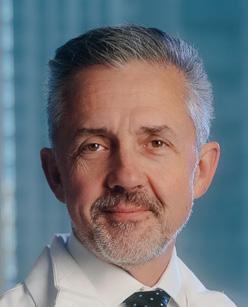
Brad Wouters, Executive VicePresident of Science and Research, University Health Network (UHN)
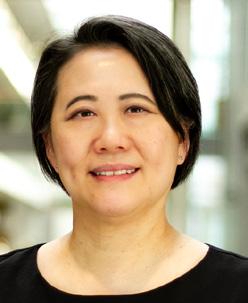
Dr. Lillian Siu Senior Clinician Scientist, UHN's Princess Margaret Cancer Centre & Scientific Lead, Peter Gilgan Centre for Early Cancer Detection Research at Princess Margaret
Canada’s future as a science and innovation leader depends on its ability to attract, retain, and scale world-class talent while accelerating scientific discovery into real-world patient and economic impact. Learn more at uhn.ca
This article was sponsored by University Health Network

USask’s One Health research tackles global health threats with a multidisciplinary approach and by leveraging a deep pool of expertise.
One Health addresses the interconnectedness between human, animal, and environmental health, with an understanding that one cannot progress at the cost of others. Respecting these intersections, the University of Saskatchewan’s (USask) One Health Signature Area of Research is working to combat global health threats at all scales through proactive, innovative, and transdisciplinary approaches. Combining expertise and resources from human and veterinary medicine, environmental sciences, and agriculture, USask is driving responses to emerging health threats that the world needs.
USask is taking a collaborative approach to align its expertise and ensure preparedness in the face of future infectious diseases. This process combines surveillance, the investigation of emerging human and animal pathogens, the development of diagnostics, therapies, and vaccines, and the study of the underlying ecological and social determinants of health and disease. Building capacity by training students in critical infrastructure that’s housed at USask, such as its state-of-the-art
high-containment laboratories, is an important deliverable of this work.
The research the world needs
The One Health Signature Area of Research investigates the impacts of environmental contaminants, biodiversity loss, permafrost thaw, and extreme weather events on the health of ecosystems, animals, and human communities. This Signature Area recognizes the impact of land-use change and the effects of the shifting climate on the emergence of infectious diseases. USask experts are exploring the impact of these phenomena using interdisciplinary approaches.
The One Health Signature Area of Research also embraces the advantages that come from connections between humans, animals, and the environment. These include the positive impacts of companion and therapy animals, the wisdom of Indigenous ways of knowing and relating to the land and animals, and the importance of local and global food security.

• Surveillance, diagnosis, drugs, and vaccines for existing and emerging infectious diseases
• Antimicrobial and antiparasitic resistance
• Risks as well as benefits at the animal/ human/environmental interface
• Impacts of contaminants, biodiversity loss, and climate change on the health of ecosystems, humans, and animals
• Ecological and social determinants of health

Infectious disease threats are rising. Canada needs domestic capacity to detect, test, and develop solutions quickly.
New infectious diseases continue to emerge, affecting human and animal health, food security, and economies. Many originate in animals, making a One Health approach that addresses the connection between human and animal health increasingly important. The challenge is not only responding to the next health or biological threat, but ensuring the right capacity, capabilities, and expertise are in place before it arrives.
Canada’s life sciences sector has a critical role to play in building that readiness. That means investing in organizations that can move quickly from discovery to real-world solutions.
The Vaccine and Infectious Disease Organization (VIDO) is helping strengthen Canada’s preparedness through integrated capabilities that bring together scientific expertise, biocontainment facilities, and vaccine manufacturing. Located at the University of Saskatchewan, the organization is advancing solutions to emerging infectious diseases and biological threats that can impact people, animals, and global stability. Its end-to-end model helps accelerate the path from identifying a threat to testing and manufacturing countermeasures to advance solutions. During COVID-19,
Operates one of the world’s largest and most advanced high-containment facilities
Commercialized 8 vaccines, with 4 more in later-stage development
VIDO’s researchers evaluated more than 500 medicines while also supporting vaccine develop ment and critical research.
“Preparedness is built long before an emergency begins,” says Volker Gerdts, Director and CEO of VIDO. “Canada benefits when we have the expertise, infrastructure, and partnerships to respond quickly and develop solutions at home and abroad.”
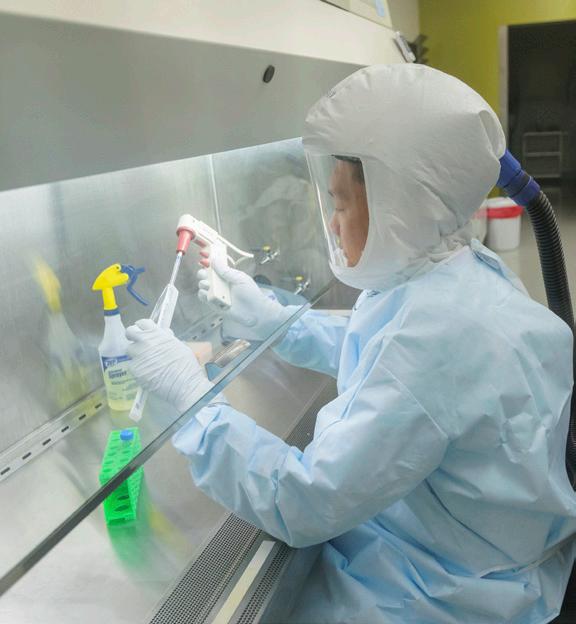
As countries look to strengthen health security and sovereign capacity, Canada has an opportunity to lead through science, innovation, and readiness.
over 1,200 highly qualified personnel since inception



Global drug policy changes are making it increasingly difficult for innovative new medicines to reach the Canadian market.
There’s a quiet crisis unfolding behind closed doors. Canadians have the longest wait times in the G7 for public access to new and innovative medicines — the patented, breakthrough kind that treat cancer, autoimmune disorders, and rare and infectious diseases. In addition, only 18 per cent of new drugs launched globally are available through Canadian public drug plans. Now, global drug policy changes, triggered by a new U.S. policy, threaten to widen this gap further.
The U.S. is advancing most-favoured-nation (MFN) pricing, which would require American drug prices to match lower prices in comparable countries, including Canada. For example, if Canada charges $100 for a new drug and the U.S. charges $300, companies must sell to Americans at the Canadian price. The result is predictable: Canada’s business model quickly becomes unsustainable, and we get fewer new medicines or they stop coming here altogether.
long and costly process
Bringing a new drug to the Canadian market is already a long and costly process: a journey of 10 to 15 years, an average investment of $2.6 billion USD,
and no guarantee of success. The clock starts ticking the moment a patent application is published for a newly discovered compound. It then takes 5 to 10 years of lab work and clinical trials before a drug can even be submitted for Health Canada’s review. By the time it’s approved, a significant portion of the patent and data protection period designed to reward innovation has already expired.
Review Board sets a price ceiling. Next, Canada’s Drug Agency does a cost-effectiveness assessment, often recommending price discounts so steep they undermine the financial case for bringing new medicines to Canada in the first place. Then, the pan-Canadian Pharmaceutical Alliance negotiates the final price with manufacturers on behalf of the provinces. Finally, each province decides if it can afford to publicly list the drug, and may even restart its own negotiations.
Advocating for market reforms

WRITTEN BY Bettina Hamelin President & CEO, Innovative Medicines Canada
By the time a medicine clears every hurdle, a company may have fewer than five years of market exclusivity left to recoup their investment.
Here’s where Canada’s story gets uniquely frustrating. Before an approved medicine can reach patients through a public drug plan, it must navigate four additional layers of bureaucratic review — adding another two years on average to the process.
First, the Patented Medicine Prices
Add it up, and by the time a medicine clears every hurdle, a company may have fewer than five years of market exclusivity left to recoup their investment, often at a price that no longer justifies the cost of launching here.
There is no easy fix. Significant market reforms are needed to ensure Canadians can access the medicines they need. But the cost of inaction is far greater: fewer new medicines, sicker Canadians, an overstretched health system, and an economy that suffers. That scenario is neither acceptable nor inevitable.
Canada has the potential to be a leader in pharmaceutical innovation. We just need the collective ambition and political will to act.
Exercise can increase hypoglycemia risk for people living with type 1 diabetes, but automated insulin delivery systems can help reduce that risk.
For people living with type 1 diabetes, exercise is one of the most powerful tools for long-term health, yet it can also be one of the most challenging. Physical activity improves cardiovascular health, insulin sensitivity, and overall well-being, but it remains a primary cause of hypoglycemia, often creating fear that can discourage people from staying active.
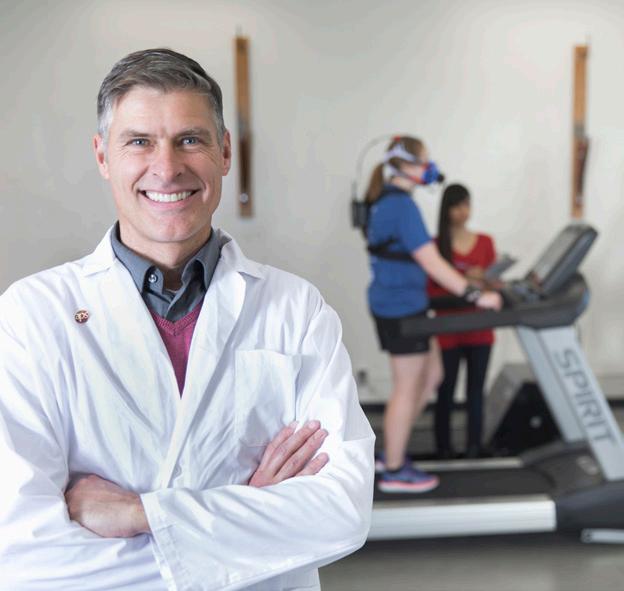
Dr. Michael Riddell, PhD, a professor at York University and internationally recognized expert in exercise physiology and type 1 diabetes, has spent decades advancing research in this field. He explains that managing type 1 diabetes during exercise is uniquely complex because muscle contractions increase glucose uptake. In people without diabetes, the body

naturally adjusts to maintain glucose stability during exercise. For those with type 1 diabetes, maintaining that balance often requires careful planning and manual adjustments, and the risk of hypoglycemia can persist for hours afterward.
Automated insulin delivery (AID) systems are helping change that.
Real-time, individualized insulin delivery
By integrating continuous glucose sensing with adaptive algorithms, AID systems such as mylife Loop powered by CamAPS FX dynamically adjust insulin delivery based on real-time glucose levels, daily insulin needs, and individual responses to meals and physical activity.
As Riddell notes, “What’s particularly compelling is the ability to adjust insulin delivery using features like CamAPS FX Ease-off and Boost, while the algorithm continues to learn from individual patterns, such as intensive afternoon training.”
While AID systems do not entirely eliminate exercise-related glucose fluctuations, they provide a sophisticated safety net that can help reduce fear of “lows” and make physical activity more manageable.
For people living with type 1 diabetes, that can mean greater confidence to access the full health benefits of exercise with less burden, helping to shift physical activity from a source of anxiety to a more manageable part of everyday life.
WRITTEN BY Catherine Perreault

mylife and YpsoPump are registered trademarks of Ypsomed AG in several countries. // CamAPS is a registered trademark of CamDiab Ltd. // Other trademarks and trade names are those of their respective owners.
This information is not a treatment recommendation. Please always discuss the settings for your diabetes management with your diabetes team. For safety information on mentioned products, see Instructions for Use or mylife-diabetescare.com/safety. For specific information about mylife Loop, please contact mylife Diabetescare.
Chronic kidney disease (CKD) is a serious, progressive condition in which the kidneys gradually lose function. It affects over 4 million people in Canada, but many don’t find out they have it until it’s at an advanced stage.
The good news is that new research and treatment advances are helping improve outcomes and slow disease progression for some patients. “Early screening is even more important now than it has been historically, because new treatment options mean that we can really make a difference for patients,” says Leanne Stalker, National Director of Research at the Kidney Foundation of Canada.
Transforming the future of kidney health is possible, and it starts with research. “Research
is the best investment for change for future generations,” says Stalker.
Continuing the momentum
The trajectory of kidney disease is really changing thanks to recent advances in the field. A variety of new treatment options, the first in decades, mean a big difference for patients. Delaying or avoiding end stage kidney disease is becoming more possible, and none of that would have been possible without standing on the shoulders of research.
“The time is now to start investing strategically for impact for those with kidney disease,” says Stalker. “We’re starting to see a lot of momentum in this space. And we’re committed to continuing that momentum and to funding innovative research.”
The Kidney Foundation of Canada is playing a key leadership role in championing the importance of kidney research, investing in it, and building partnerships that amplify the impact of those investments.
The Kidney Foundation’s National Strategic Framework for Chronic Kidney Disease is a roadmap focused on prevention, early diagnosis and care, equitable access, research advancement, and evidence-informed policymaking.
“Now is the time to look ahead and invest in hope for a better future for people living with kidney disease,” says Stalker. Research creates hope and drives change, and donors can make a significant difference.
WRITTEN BY Tania Amardeil