

Inclusivity in Sport
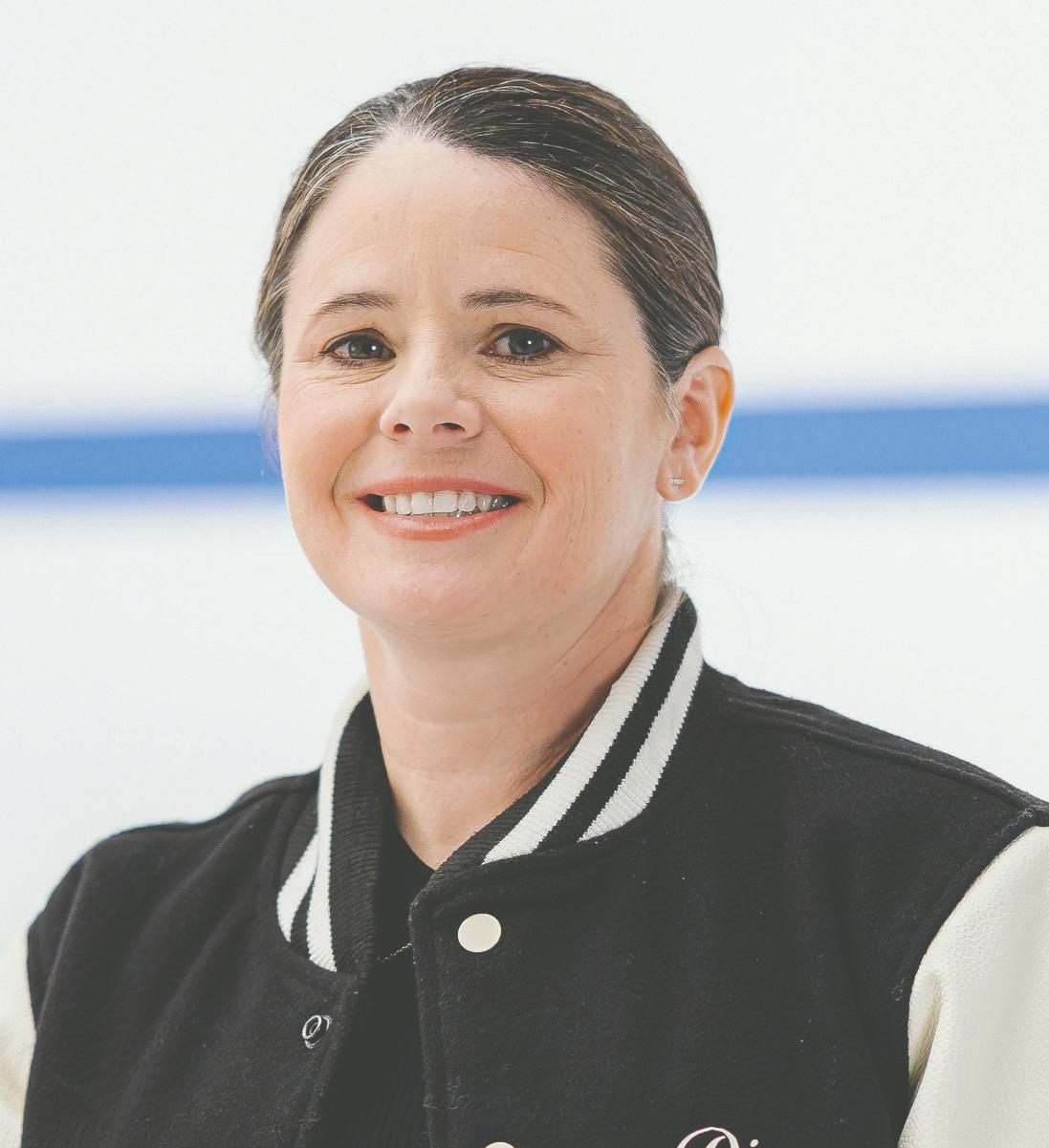
Diana Matheson
NORTHERN SUPER LEAGUE FOUNDER
We're in a new era, and the future is going to look so different than anything we've seen before. It's a great time to be in women's sport, and we're just getting started.
Kaylee Hunter
We’re showing young girls that there is a place for them in this sport and that female athletes deserve the same opportunities, support, and recognition as anyone else.
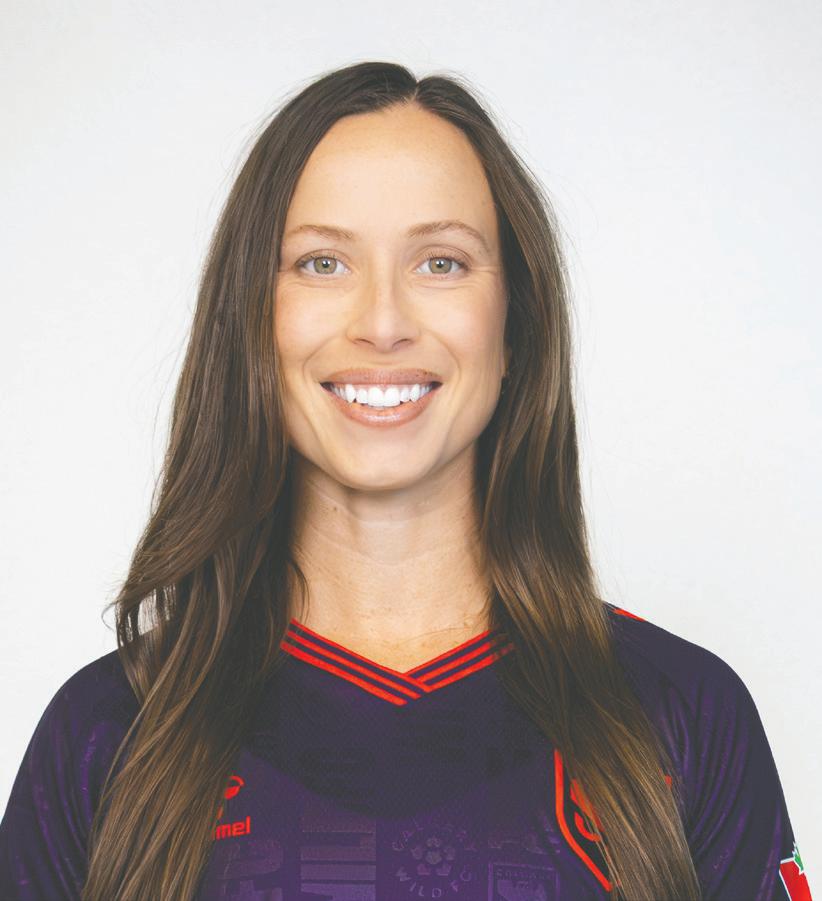
Meggie Dougherty Howard CALGARY
WILD FC
The opportunities that women’s sports provide go far beyond just the players. The game builds community, whether you’re working in it or supporting as a fan. And that’s what sport is all about.
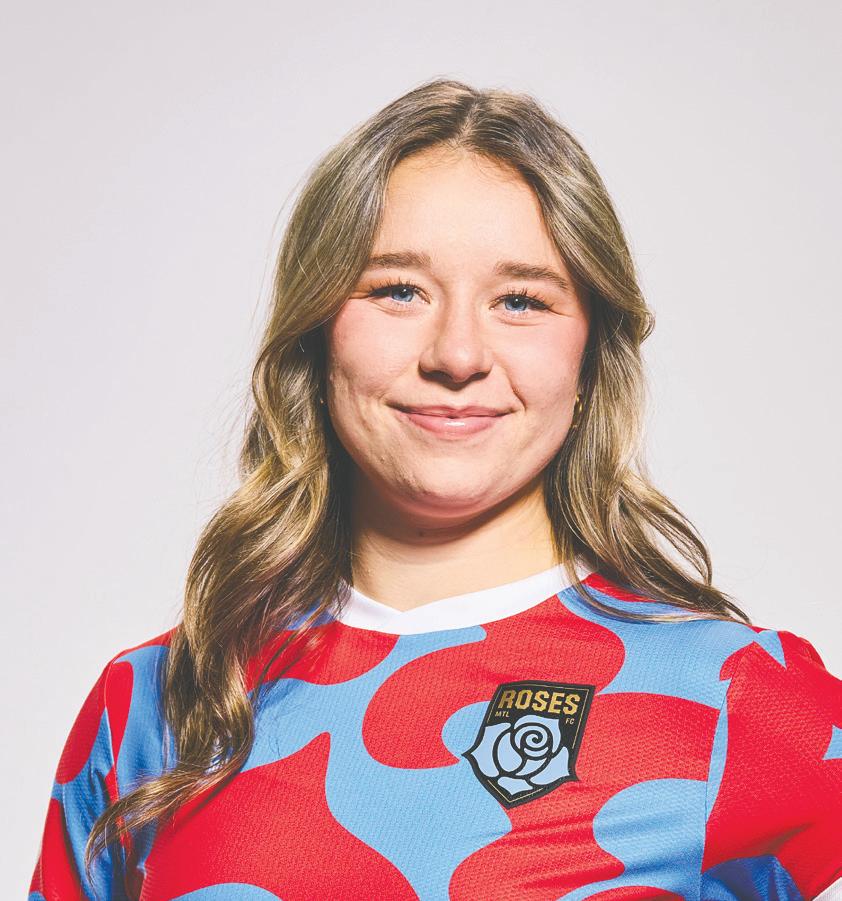
Tanya Boychuk
MONTREAL ROSES
We’re not just growing a league; we’re creating a place where more people can feel that they belong in sport.
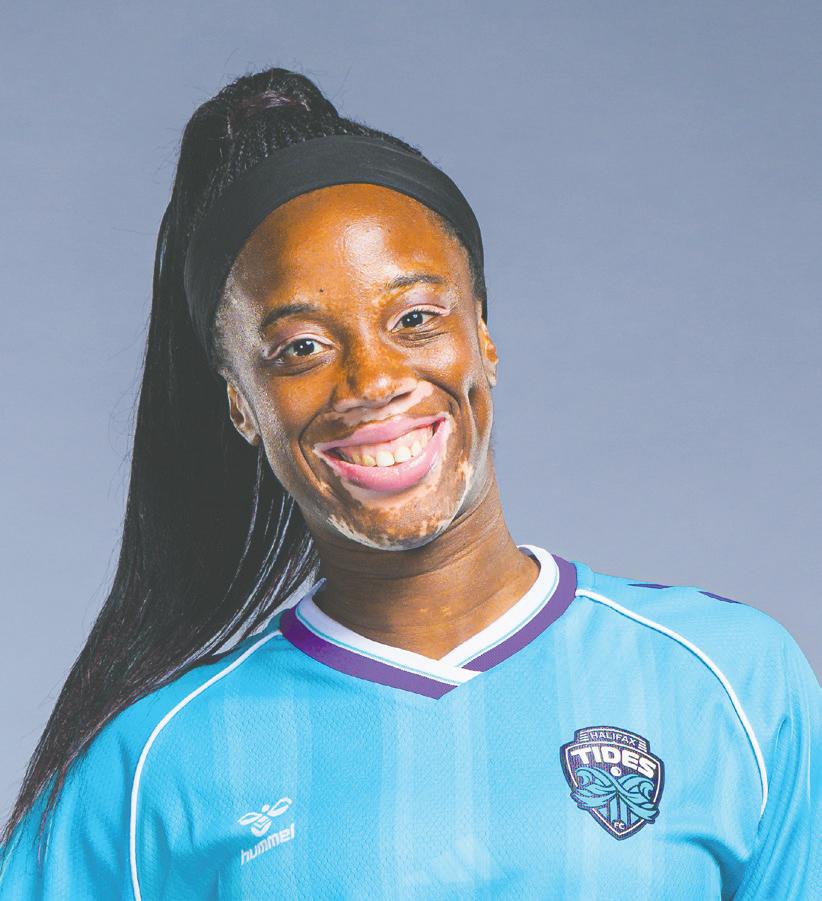
Participating in sport can help young people build physical fitness, self-confidence, community, and leadership skills. For Black girls and women, accessing these benefits has required overcoming barriers to inclusion in sport, including a lack of representation and microaggressions, by creating their own programming.
“Black girls and women are increasingly finding ways to stay involved in sport,” says Kaleigh Pennock, Assistant Professor and Director of the RISE Youth Sport Lab at the University of Waterloo.
“We have to think about all the fi nancial, cultural, religious, and interpersonal resources that Black girls and women need in
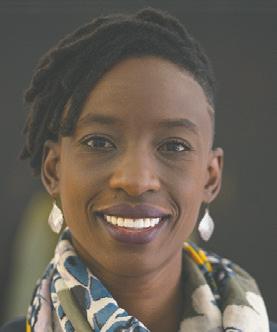
order to be successful and welcomed into sport,” says Janelle Joseph, Tier 1 Canada Research Chair in Racial Justice, Health and Sport and Founder and Director of the IDEAS Research Lab at Brock University. Through community-based research, Pennock and Joseph are working to better understand the experiences of Black girls and women in sport and collaborating on initiatives that support more inclusive sport environments. Recent projects include Joseph’s partnerships with Hill Run Club, a Black women’s running group, and GirlPower’d, a Black girls’ and women’s gymnastics and dance program, and working with Pennock and MLSE LaunchPad to

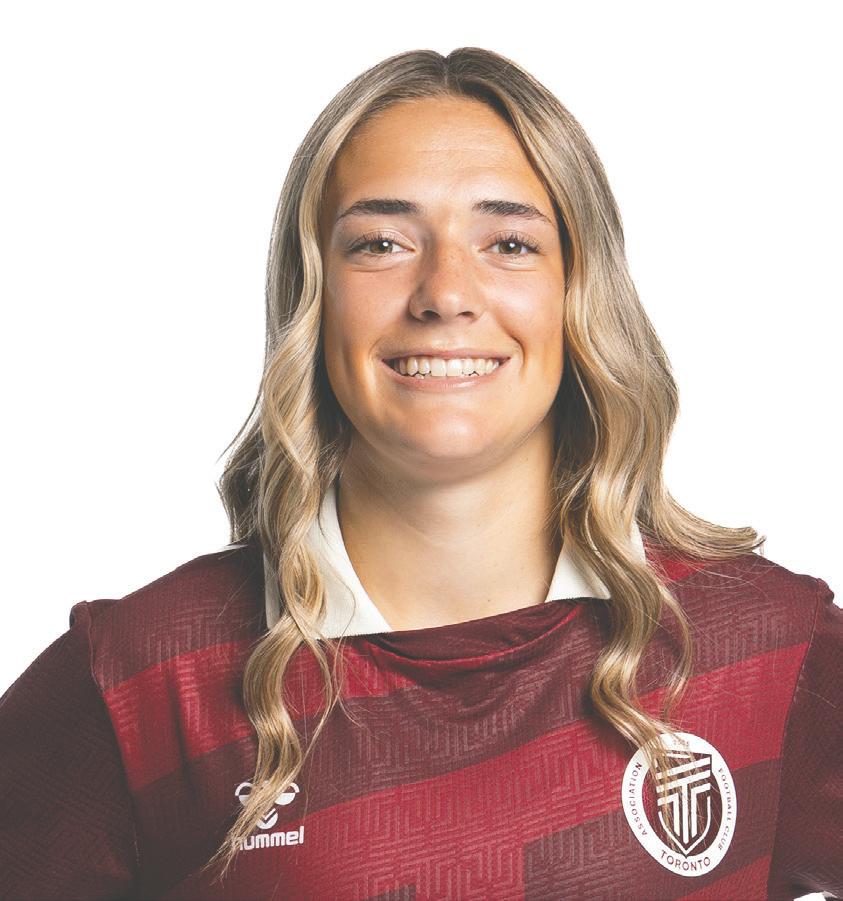


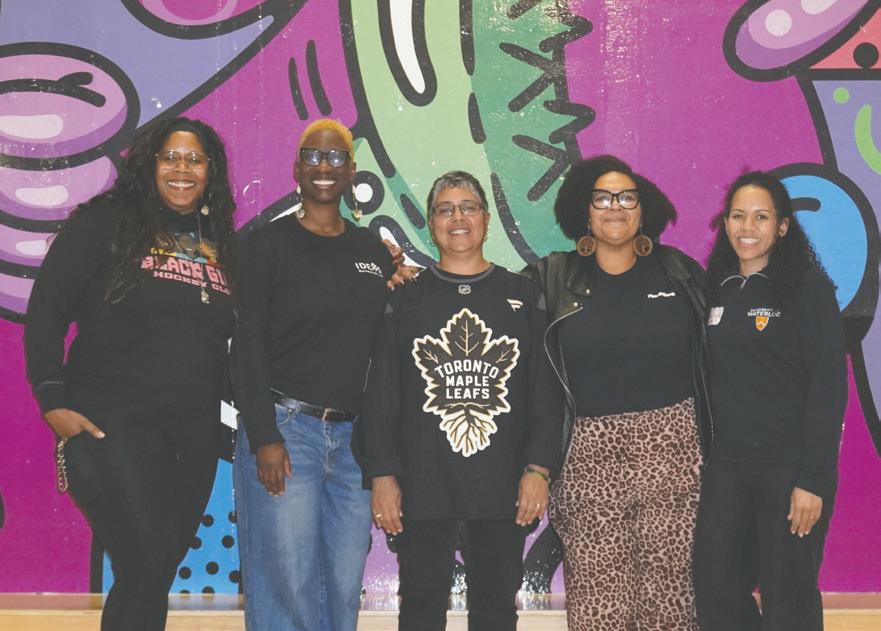
study their program for racialized coaches. Pennock is doing research on Black hair and belonging in sport and recreation and recently partnered with Black Girl Hockey Club to host a community research event dedicated to Black girl hockey players and their mothers, aunties, and women fans at MLSE LaunchPad.
Written by Tania Amardeil





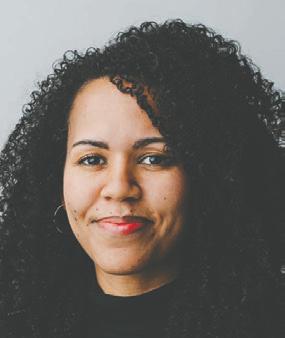
Kaleigh Pennock Assistant Professor and Director, RISE Youth Sport Lab, University of Waterloo