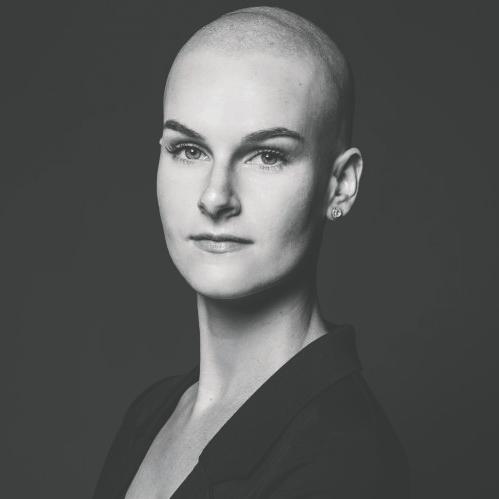
I’ve always found science and the human body extremely fascinating — facts like growing human life or injury repair at the cellular level always fascinated me. However, in addition to my love for science, my dedication to providing compassionate care to humans grew tenfold while working as a personal support worker for an individual with ALS. Knowing that I could positively impact people with my caring attitude truly drew me into nursing.
How have you been taking care of yourself during the pandemic?
During those hardships, I was able to fi nd the Ontario PSW Association and not only have them hear my concerns but also become their spokesperson. I advocated not only for myself but for my colleagues and the health-care field as well. It was almost therapeutic being welcomed with open arms and being so accepted by a group of people. They cheered me on and supported my words on their platform. As a result, I can now speak my mind on a broader spectrum. It has been a full-circle moment in my career, and I wouldn't change it. My heart is in this field.
Why did you decide to go into pharmacy?
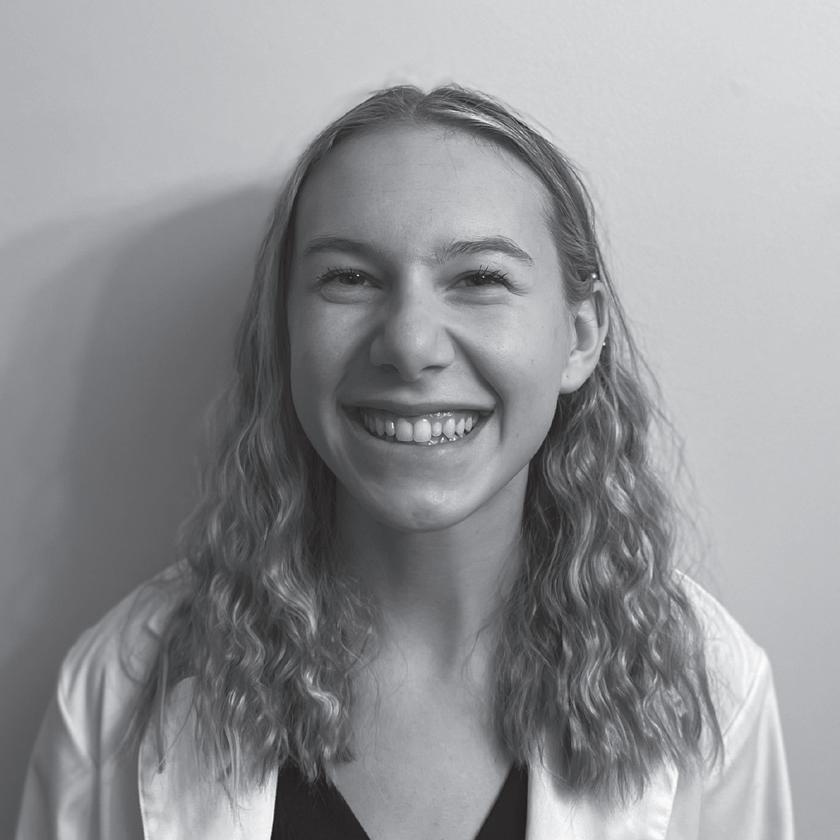
Pharmacists are described as the most accessible health-care professionals, which was evident in my experience growing up. In rural Saskatchewan, there’s not always reliable access to people like doctors, dentists, and optometrists. The pharmacy was the one health-care facility that I didn’t have to routinely travel to another town to access. When I was choosing a career to pursue, I couldn’t help but reflect on all the opportunities pharmacies provided. Pharmacists were always there to answer any health-related questions or concerns I had and advocated for the people in my life who needed care.
Q&A continued on page 3
Read the full interview of Taylor Booroff at innovating canada.ca
Read the full interview of Emma Fedusiak at innovating canada.ca
Sta y Helps Fill HealthCare Vacancies — Fast
Staffing app connects skilled workers, including nurses, PSWs and lab technologists, with health-care organizations to fill short-term or part-time positions.
Staffy was founded in 2015 to connect businesses in the hospitality industry with skilled labour to fi ll last-minute vacancies. For example, if a server or dishwasher were needed, a restaurant could use the Staff y app to have one on-site within 90 minutes.
When the COVID-19 pandemic started and restaurants had to scale back, many workers in the industry needed jobs. Staffy started sending restaurant workers into long-term care homes to fill shifts for food prep, cleaning, and serving.
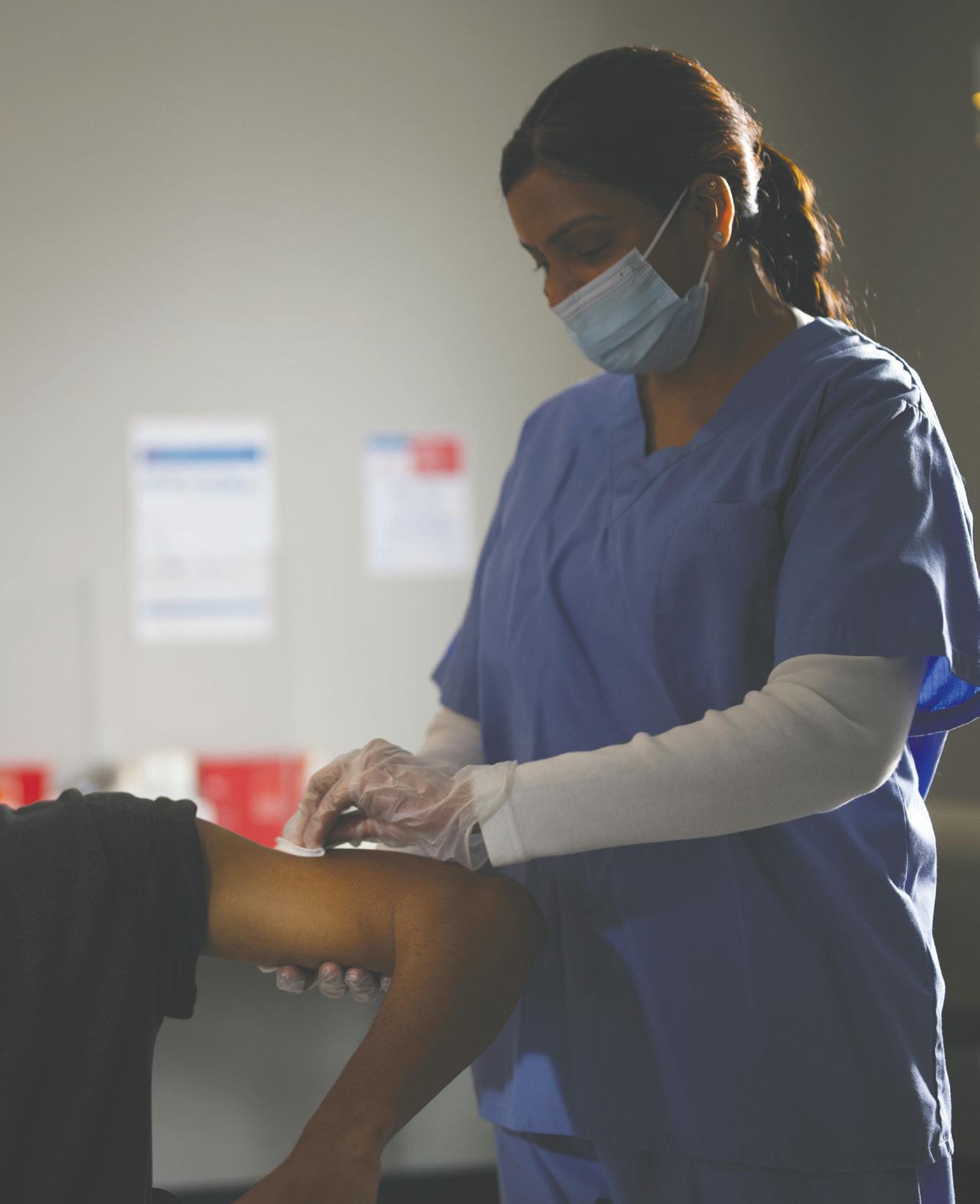
"We were soon asked to provide vaccinators, nurses, dietary aides, and personal support workers, so we began to onboard these workers to the Staff y app," says Peter Faist, Founder and CEO of Staff y.
Our mission is to use the power of technology to improve patient care by bringing health organizations and health-care workers together and ensuring patients get the care they need.
Throughout the pandemic, Staff y has helped long-term care homes fi ll critical staffing roles to support patient care, including in homes that reported an outbreak. In addition, the on-demand staffing platform supported staffing of essential roles in intensive care units (ICUs), medicine units, and emergency departments with qualified and experienced workers.
Staffy popular with major hospitals and health-care organizations
Staff y's temporary pivot has now become permanent, with the company serving both the hospitality and healthcare industries.
Through its app, Staff y connects high-quality, vetted, ready-to-work nurses, PSWs, and other skilled workers with vacant shifts in hospitals and other health-care organizations. The app focuses solely on matching workers to short-term work.
Staffy is proving popular with a growing number of health-care organizations that need to fill gaps temporarily.
"Our staff received great reviews and were asked to return," Faist says. "We're proud of the role we've played
during these challenging times to help fi ll these gaps by connecting health-care workers to health organizations most in need."
Workers matched with shifts in a matter of minutes
Faist stresses that Staff y is not a staffing agency. "We're a platform that connects health-care organizations to highly qualified, pre-vetted workers to fill critical shifts at the last minute or hard-to-fill shifts like on weekends, holidays, or overnight," he says. "What sets us apart from staffing agencies is that we use digital technology that's so efficient we can match workers to shifts almost instantly. This means our overhead is lower, and we can charge lower service fees. We're therefore able to pass on savings to our clients and save the health-care system money."
a small transaction fee for each gig.
"The workers who use our platform to find shifts are independent contractors who decide where they work, when they work, and how often they work," Faist says.
With 10,000 skilled and vaccinated health-care workers on its platform, including nurses (RN and RPN), PSWs, laboratory technologists, and dietary aides, Staff y can fill shifts within minutes and has a shift fill rate of 95 per cent. Its rigorous vetting process ensures that all workers are certified, licensed, and meet the unique requirements of each client, helping organizations fill shifts quickly with the most qualified candidates. In fact, only 20 per cent of applicants are approved through Staffy's vetting process, Faist says, so companies can be confident about workers' skills and credentials.
Staffy provides flexibility for health-care workers
And Staff y is also filling a need for health-care workers who want more autonomy and flexibility. "A growing number of health-care workers do not want to work for one employer, or may not want to work full time. They want the flexibility to work when and where they want," Faist says.
Workers can use Staff y to augment their part-time or full-time jobs to get additional experience in healthcare settings while going to school to improve their qualifications, to remain active as a health-care provider after retiring, or to re-enter the health-care sector.
Workers pay no fees to use Staff y and companies set fair market rates for the talent they need to hire. Staffy earns
And with much talk of the "great resignation" that has come in many industries during the pandemic, health care is no different. The industry has been hard hit with staffing shortages, especially in nursing, leading to serious issues, including health-care worker burnout and emergency room closures.
Fair wages for workers, lower costs for health system
"Our mission is to use the power of technology to improve patient care by bringing health organizations and health-care workers together and ensuring patients get the care they need," Faist says. "We're committed to being a dependable partner to healthcare providers."
According to Faist, the key element of Staff y's business model is its efficient technology, which enables the company to fi ll shifts in a matter of minutes and at a lower cost than traditional staffing agencies. "As a result, we're able to create efficiencies and cost savings for health-care organizations and the broader health system while also ensuring fair wages for workers," Faist says.
"At a time when our health-care system is stretched, it's critical that we look to innovation to help fill gaps. Through the Staff y platform, we can efficiently and effectively optimize health-care workers to fi ll gaps in staffi ng across multiple hospitals and other organizations where they are most needed."
Abigail Cukier
Now Is Your Time to Consider a Career in Nursing
Seneca’s Honours Bachelor of Science – Nursing degree program will prepare future generations of health-care professionals.
With the value of health-care workers more apparent than ever, a new degree at Seneca equips tomorrow’s nurses with the skills and knowledge to be leaders in their profession.
The first cohort of students in Seneca’s Honours Bachelor of Science – Nursing (BSN) program — which launched in September of this year — is acquiring a global perspective that will help them make a positive difference in our most vulnerable communities.
BSN students will graduate after four years with the prerequisites to become registered nurses in Ontario.
“The pandemic has shone a light on the critical need for nurses, and we all understand the important role they play in a strong health-care system,” says Maria May, Dean of the Faculty of Applied Arts and Health Sciences.
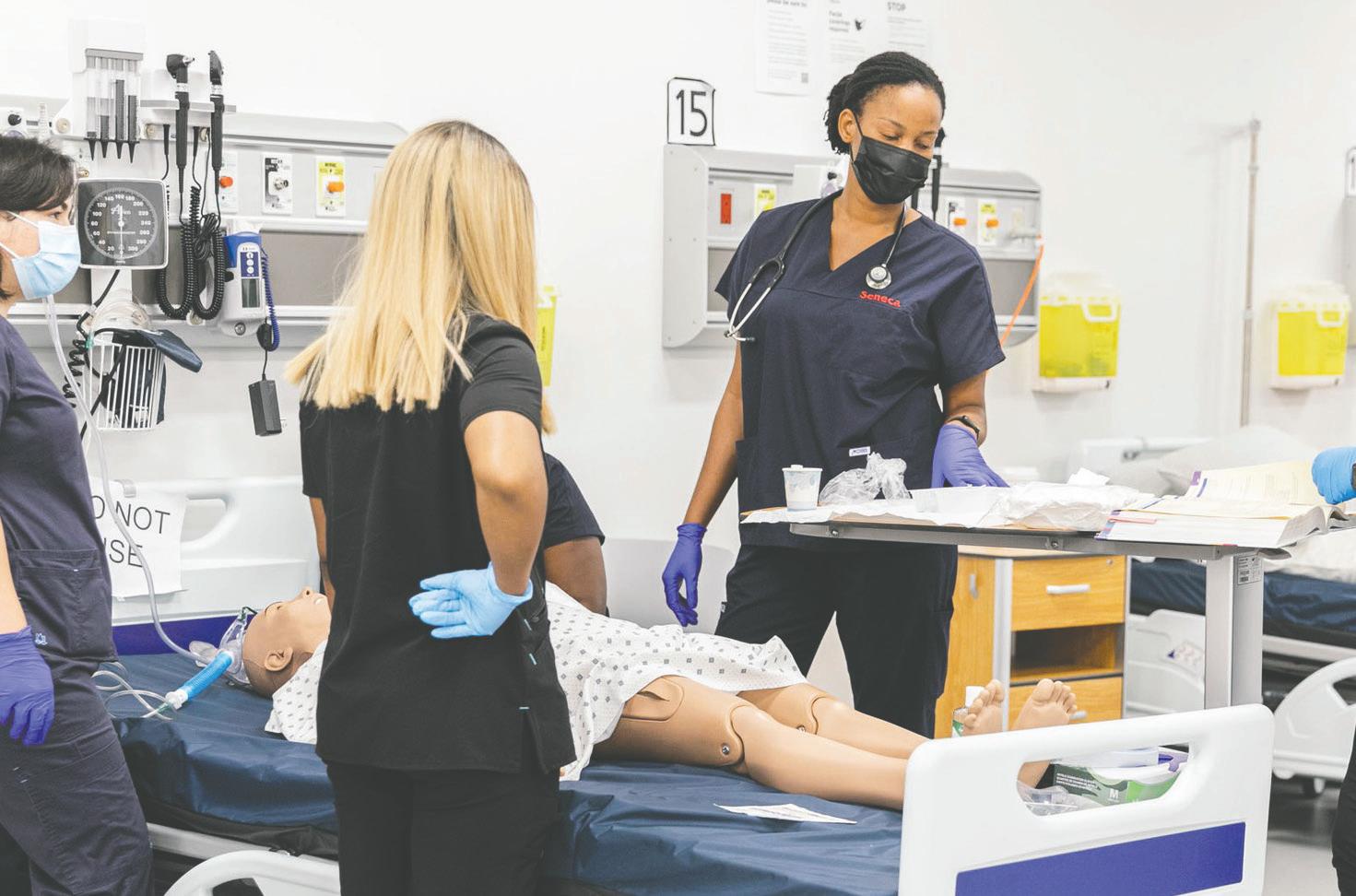
“Seneca can now further support this need with its own degree program, featuring a state-of-the-art facilities with patient care labs and simulation rooms that are second to none.”
The BSN degree is offered at Seneca’s King Campus, a unique destination among Ontario colleges, which is surrounded by more than 280 hectares of protected green space and boasts custom-designed teaching and learn-
ing spaces at the newly constructed Magna Hall.
The BSN degree program features placements in various clinical settings. Students gain transferrable skills such as critical thinking, problem solving, self-management, and communication, which will serve them throughout their careers.
The BSN curriculum includes newly developed courses based on COVID-19 and other current trends in health care. In addition, students learn from experienced faculty about best practices, ethical decision-making, leadership skills, and commitment to excellence in nursing care.
The practical portion of the BSN program includes experience in the 20-bed patient care simulation lab at Magna Hall, where students take part in hands-on learning that reflects what they will encounter on the front lines.
“The Honours Bachelor of Science –Nursing degree program builds on more than 50 years of nursing education,” says Sharon Cassar, Chair of the School of Nursing at Seneca. “Our curriculum is taught by industry professionals and provides the foundation for a fulfilling career spent helping others.”
BSN graduates will find careers waiting for them in Canada or abroad
with a wide array of employers, including hospitals, public health units, community nursing organizations,
The pandemic has shone a light on the critical need for nurses, and we all understand the important role they play in a strong health-care system.
rehabilitation centres, long-term care facilities, private clinics, and more.
“There has never been a better time to consider a career in nursing,” says May, herself a former nurse. “Trained nurses are in high demand, and that’s expected to remain the case for a long time to come as Canada’s population ages. Seneca is proud to offer its students this new pathway to becoming registered nurses.”
Applications are now open for the next intake of the Honours Bachelor of Science – Nursing program in January 2023.
An Essential Bridge to Canadian Licensure
Canada’s physician workforce depends on international medical graduates. An alternative route to licensure is helping more of them enter practice each year.
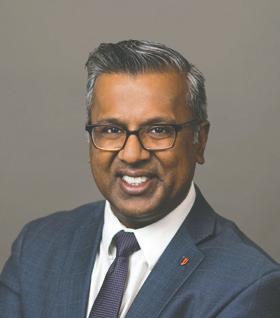
Dr. Viren Naik
Viren Naik
Canada depends on international medical graduates (IMGs). IMGs comprise an average of 25 per cent of the physician workforce, and the percentage is higher in many rural communities.
Overseen by the Medical Council of Canada (MCC), the National Assessment Collaboration Practice-Ready Assessment (NAC PRA) is a framework that provides a pathway to licensure for qualified, internationally trained physicians. For 12 weeks, PRA candidates’ clinical skills are observed by a physician assessor to ensure they’re ready to practise in Canada. Successful candidates obtain a provisional license, and most are fully licensed within two years.
NAC PRA outlines a set of common
national standards for assessing IMGs. The provincial programs rely on the MCC’s examinations to identify qualified candidates and use MCC- and NAC-developed common tools, resources, and assessor training. PRA candidates must understand how to manage medical conditions in a Canadian context. NAC PRA supports IMGs with bridging knowledge and skills to ease the transition into Canadian practice and ensure patient safety.
annually, this figure is comparable to the number of graduates from a Canadian medical school.
Visit senecacollege.ca to learn more about a rewarding nursing career and to register.
This
In good news, all seven provincial NAC PRA programs have recommitted to the framework for another three to five years. NAC PRA is making a notable contribution to the physician workforce and offers an essential bridge to IMGs to follow their calling in Canada. Dr.
At the end of each 12-week assessment, new family physicians enter practice, joining communities where they’re desperately needed. NAC PRA assisted 600 family doctors in entering the Canadian health workforce in the last five years. Averaging 120 doctors
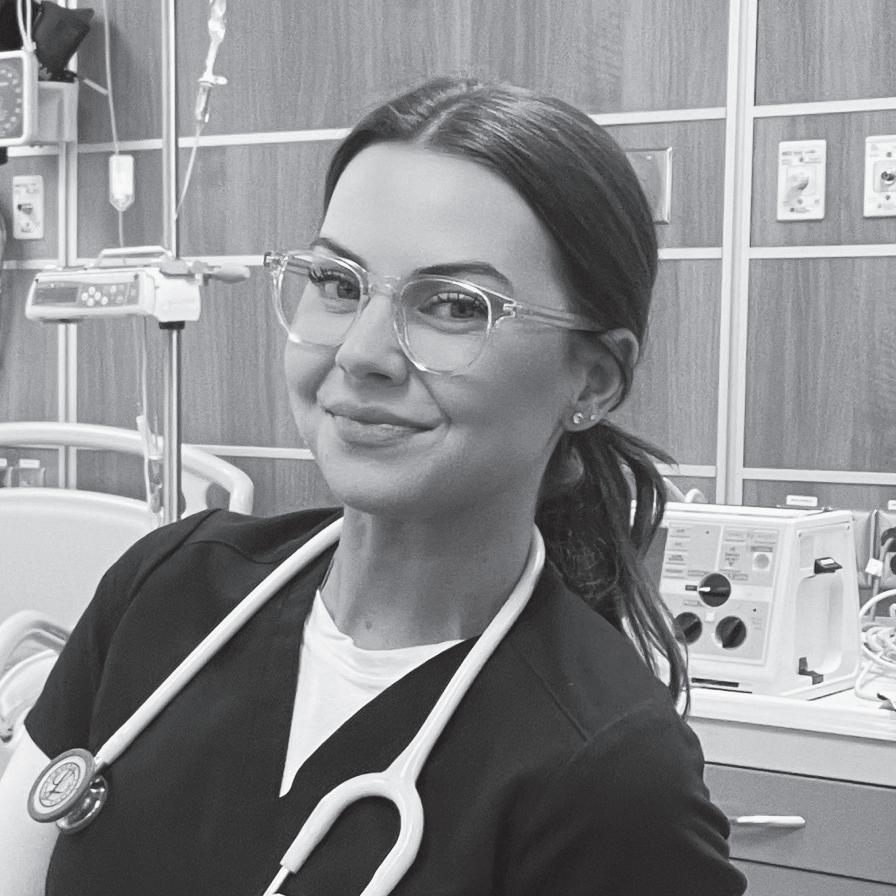
Q&A with Barbara Olas
How have you been taking care of yourself?
Keeping my mind and body healthy has been a priority — workout classes, walks with friends, get-togethers with family, and reading e-books while taking a relaxing bath have all contributed to my physical and mental well-being.
What advice do you have for people starting their nursing careers?
Ask, ask, ask. You won’t ever know the answer to everything, and this is expected! Use the resources around you to ensure proper and efficient care is provided to your patients. Also, it will most likely take you six to twelve months to feel comfortable and confident walking into a shift — we've all
been there, so we understand what you’re going through.
What inspired you to share your journey on @yournursingeducator?
I had just completed my accelerated nursing degree when I started the Instagram page. I finished the degree thinking, “Wow, that was a lot.” However, I knew that it would be much appreciated if I could somehow make the learning process easier for other students. So I started sharing educational and motivational nursing content and immediately received positive feedback. Five years into it, I’m still sharing content meant to make the lives of nursing students and new grad nurses easier.
The PRA route’s success is thanks to the dedication of countless physician assessors who welcome the IMGs into their practices and communities.
article was sponsored by Seneca
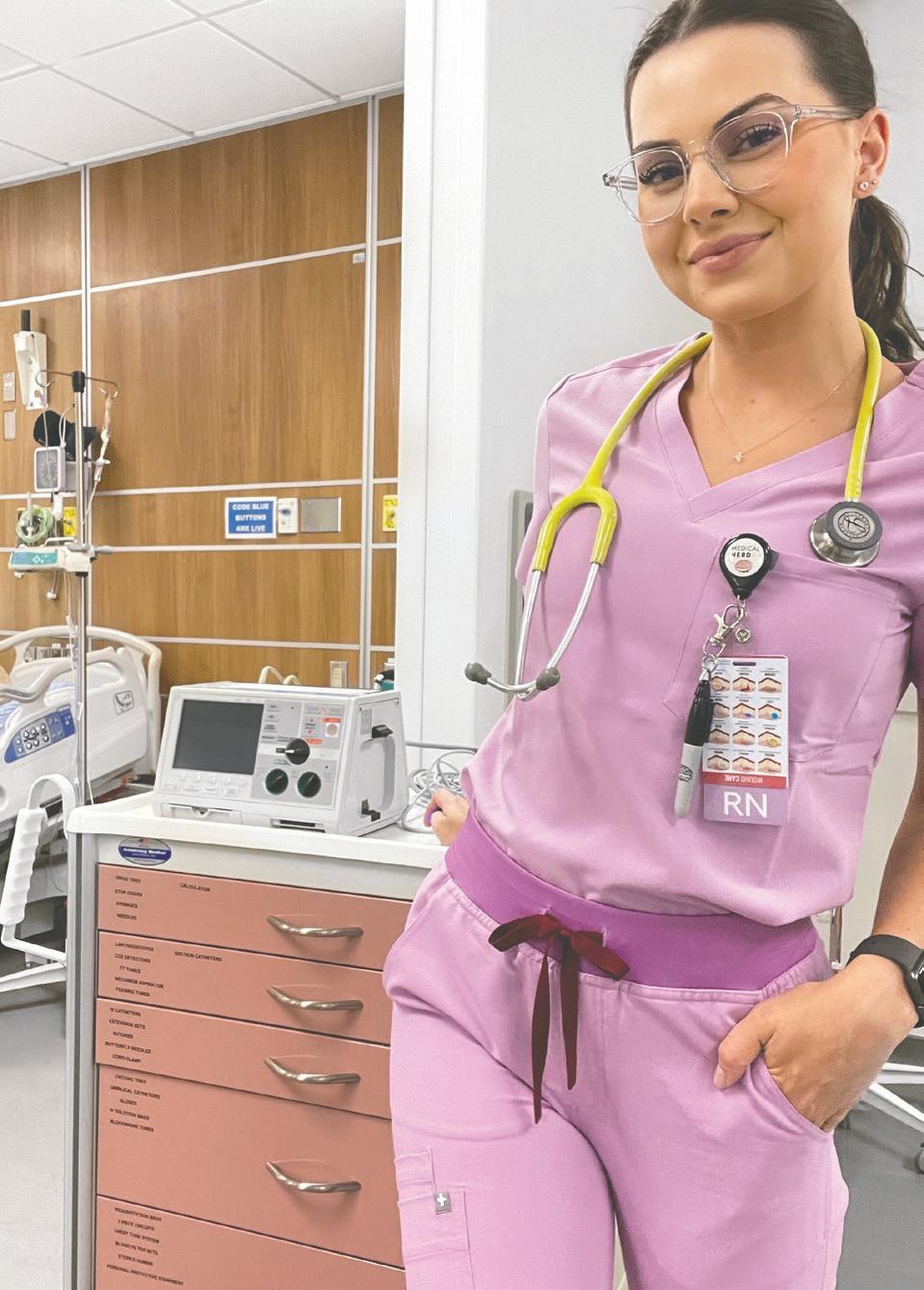
Barbara Olas, a telemetry registered nurse (RN) from Toronto, talks about what inspired her to go into the field and how she’s taken care of herself throughout the pandemic.
Follow Barbara Olas on Instagram @yournursingeducator