
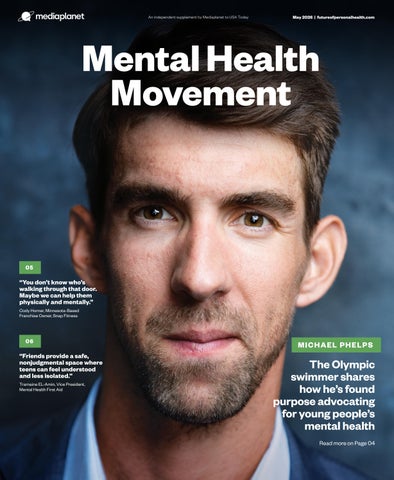
“You don’t know who’s walking through that door. Maybe we can help them physically and mentally.”
Cody Horner, Minnesota-Based Franchise Owner, Snap Fitness
“Friends provide a safe, nonjudgmental space where teens can feel understood and less isolated.”
Tramaine EL-Amin, Vice President, Mental Health First Aid


When someone reaches out to 988, the national Suicide & Crisis Lifeline, every second counts.
As Justin Chase, CEO of Solari Crisis & Human Services and a licensed social worker, explains: “Every call to 988 is an opportunity and every call is a risk. And if we’re not able to pick up that phone in a timely fashion, the consequences can be dire. Lives can be lost in that moment.”
Redefining what crisis care looks like
Launched nationwide in 2022, 988 represents a major evolution in how the United States responds to mental health crises. Unlike 911, which typically dispatches emergency services, most 988 interactions are resolved in real time through conversation with trained counselors equipped to support individuals and their loved ones.
Chase described the hotline as “likely the greatest creation in helping services of my generation.” He emphasized that crisis is not limited to acute emergencies: “A crisis can be self-defined. It is any life stressor that is too heavy to carry on your own.” People reach out for reasons ranging from loneliness and anxiety to substance use and acute distress — making early access to support critical.
Fulfilling the promise of this transformative service requires more than answering calls.
Today, the system’s biggest gap lies beyond the initial connection. “The value of 988 is restricted to the ability

for us to connect people to care in the communities that they reside,” Chase said. Even the most responsive call center cannot succeed if local systems — mobile crisis teams, outpatient care, and stabilization services — are not equipped to meet demand.
Why consistency — and community understanding — matter
Experiences with 988 can vary widely depending on geography. Some states have highly coordinated systems, while others rely on fragmented networks that deliver uneven care. Ensuring a consistent, high-quality response across locations is essential to building trust.
At the same time, crisis care must reflect the communities it serves. From rural and frontier regions to tribal lands, agricultural workers, and veterans, effective response requires local resource connection alongside clinical expertise. Strong systems balance established best practices with local knowledge to ensure care is both reliable and relevant.
A more integrated, humancentered model
Solari’s model is built on that balance. As a multi-state 988 operator, the
organization pairs scalable infrastructure with deep local integration. Calls are answered by trained clinicians with degrees and real-world experience in mental health and substance use care.
Rather than treating each interaction as a one-time event, Solari connects individuals to a broader network of care and maintains continuity over time.
“Some lines operate as one-and-done” Chase noted. If someone calls more than once, he explained, “We need to be able to maintain that relationship to get them to recovery.”
Solari also partners closely with 911 systems and local providers to ensure individuals are directed to the most appropriate level of care, reducing unnecessary law enforcement involvement and improving outcomes.
A defining moment for crisis care
Federal investment helped launch 988, but long-term success depends on sustained state leadership, funding, and coordination. Without it, disparities in access and quality will continue to grow.
“This is a watershed moment,” Chase said. “If we don’t define what’s next, somebody else will.”
Written by Emily Rose
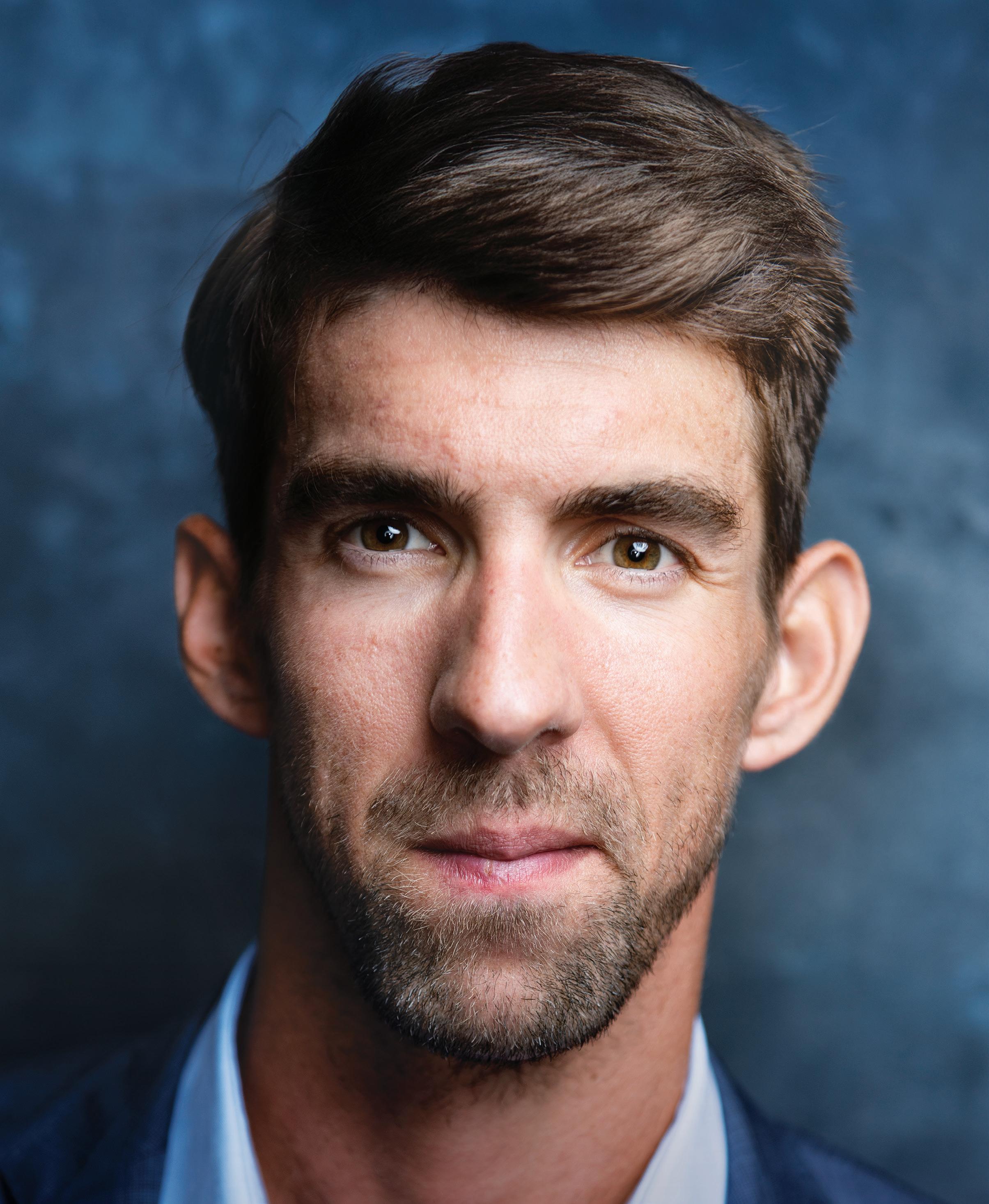
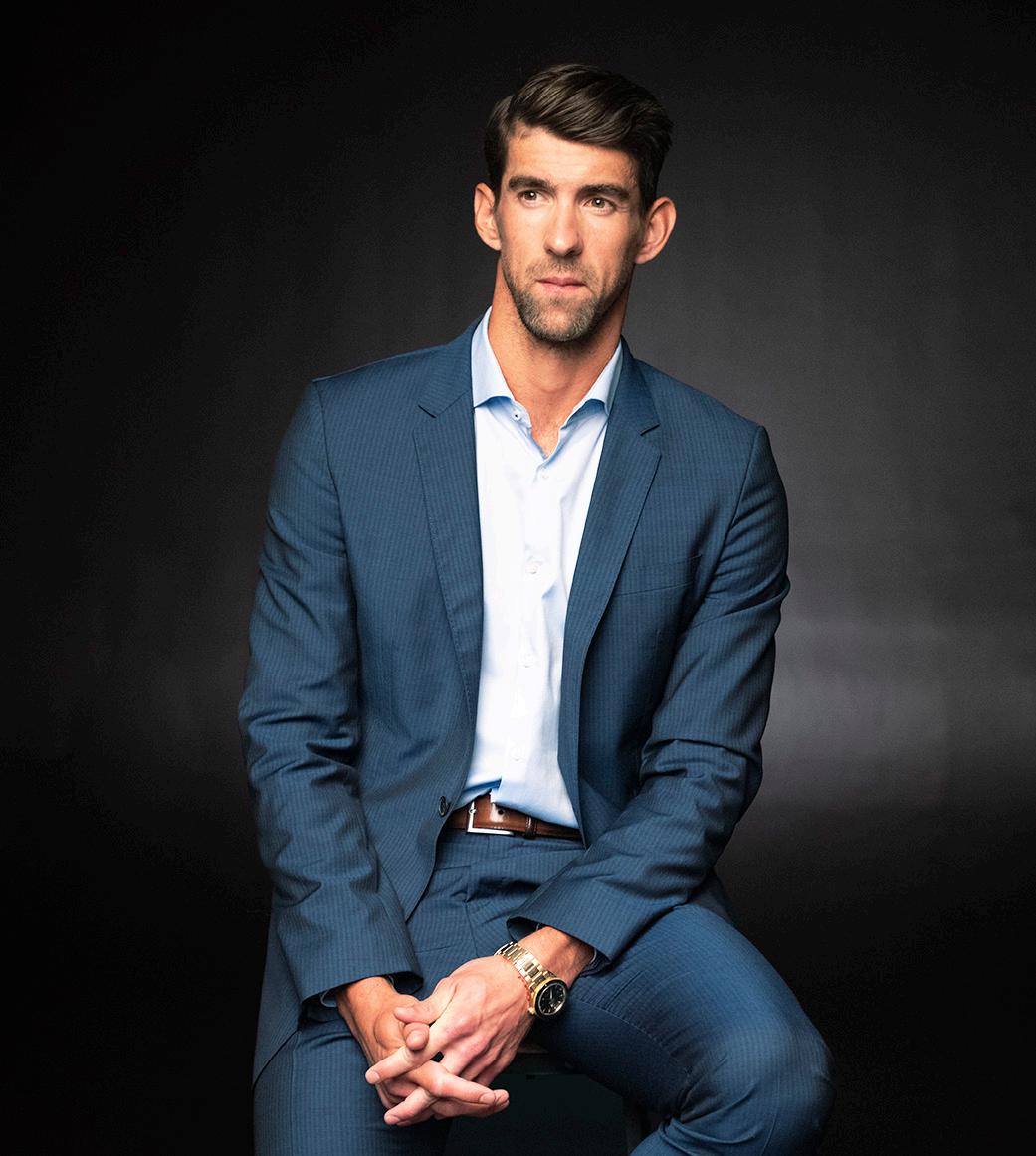
Many remember Michael Phelps as the Olympian, wearing a Speedo, a swim cap, and goggles. These days, he looks a bit different. He sports long hair in a bun and an unruly beard. He spends most of his time chasing around his four sons.
However, there’s one thing that hasn’t changed for the 23-time Olympic gold medalist: his journey with mental health.
Ten years ago, Phelps came forward about his struggle with anxiety and depression. A decade later, he’s still advocating for greater awareness and treatment, especially among younger generations.
Ten years later
Phelps remembers the first interview where he talked about his mental health. Ten years later, he still experiences “the room closing in” from panic attacks.
“I still go on downward spirals, and I still have dark moments or dark days,” he said, “but I’m very well equipped now with tools that I didn’t have 10 years ago.”
Phelps has a better support system now, including his wife and friends, whom he often turns to whenever he’s struggling. In the past, he kept everything inside and compartmentalized his emotions.
“Sharing and talking about those feelings and what you’re experiencing helps you lower your shoulders a bit,” he said. “My wife
has been a massive part of that. She is my best friend. Being able to always have that support is important.”
Phelps is also focused on mental health as he raises his four sons.
“My kids are everything,” he said. “I want to teach them and help mold them into whatever they want to be.”
Phelps now takes the time to teach them the importance of talking about their thoughts and feelings.
“Their emotions get super big,” Phelps said of his sons. “We
started this thing called a lion breath. They take a deep breath and roar and scream like a lion.”
He says this technique helps them pause, breathe, and let it all out.
Phelps said he would never have been able to help his kids through their own mental health journeys if he had not gotten the treatment he needed a decade ago.
“In 2016, I was carrying the flag in the opening ceremonies, and I could see it written across some other athletes’ faces that they were struggling the same way that I was,” he said.
Now, he’s working with younger athletes to prioritize their mental health so they can be the best versions of themselves while playing their sports. He said it’s especially important to talk to male athletes because they often see emotions as a weakness that competitors can exploit.
Phelps now sees his job not as an athlete but as a mental health advocate for younger generations.
“I was a swimmer. I was somebody who was winning gold medals. That part is gone and no longer who I am. It’s a part of me, but it’s not who I identify as today,” Phelps said. “I don’t say, ‘I’m a 23-time Olympic gold medalist.’ I say, ‘I’m a human being. My name is Michael Phelps, and that’s it.’”
Written by Frank James

Mental Health America’s theme for this year’s Mental Health Month, “More Good Days, Together,” reflects this important fact: Connection is one of the most powerful ways we can protect our mental health.
Human beings are fundamentally social. Strong relationships provide emotional support, make it easier to navigate difficult times, and contribute to a greater sense of belonging and purpose. Research shows that people with strong social connections experience better mental and physical health outcomes, and longer life expectancy. Conversely, social isolation and loneliness are associated with higher risks of depression, anxiety, suicide, heart disease, and dementia.
A growing public health concern
Unfortunately, modern life can make meaningful connections more difficult. Many people are experiencing fewer close friendships, increased digital isolation, and greater stress related to economic pressures and uncertainty. In recent years, loneliness has emerged as a major public health concern in the United States.
In a landmark advisory, the U.S. Department of Health and Human Services and the U.S. Surgeon General warned that the health risks associated with chronic loneliness can be comparable to smoking up to 15 cigarettes a day. Nearly half of U.S. adults report experiencing measurable levels of loneliness, highlighting the urgent need to strengthen social connections across individuals and communities.
Building connection in everyday life
At the individual level, even small
moments of connection can support our mental health. Making plans to catch up with a friend, colleague, or loved one is a great place to start. Joining a club, participating in community events, or volunteering are other great ways to connect with others.
At the societal level, it’s crucial that we create conditions that allow individuals, families, and communities to connect, experience well-being, and have more good days. We know that when workplaces promote psychological safety, schools teach social and emotional skills, and neighborhoods create opportunities for people to engage with one another, the result is healthier individuals and stronger communities.
Equally important is reducing the stigma that still prevents many people from seeking support. Too often, individuals believe they must face emotional challenges alone. Changing that narrative and encouraging open conversations about mental health is essential to ensuring that people feel seen, heard, and supported.
When we strengthen relationships, reduce isolation, and invest in supportive communities, we move closer to a future where more people can truly experience more good days, together.
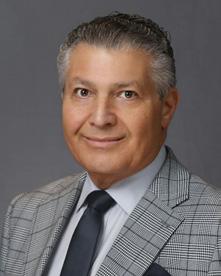
For Cody Horner, fitness became more than a routine, it became a turning point. After 21 years in law enforcement, he faced significant mental health challenges and stepped away from his career, searching for a way forward.
That path led Horner to Snap Fitness. What began as training for a bodybuilding competition soon became something more. “I just started feeling better overall and I started feeling happier,” Horner said. Exercise both transformed his body and became a critical tool for managing his mental health.
Today, Horner and his wife own two Snap Fitness locations in Minnesota, built around the lesson Horner learned firsthand: Physical and mental health fuel each other.
From Day 1, they “poured love” into creating welcoming, low-pressure spaces where anyone can feel comfortable, working to ease new members’ gym anxiety and building their confidence.
For Horner, ownership is about helping others find community and their own whole-body health transformation. “You don’t know who’s walking through that door,” he said. “Maybe we can help them physically and mentally.”
Written by Emily Rose

WRITTEN BY
Pierluigi Mancini, Ph.D. Interim President and CEO, Mental Health America

Adults with intellectual and developmental disabilities (IDD) experience mental health challenges at far higher rates than the general population, yet they remain among the least likely to receive care.
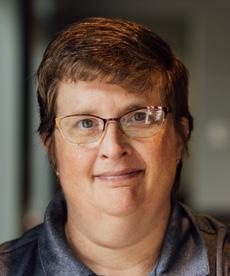
In 2009, Kayte Barton was struggling with her mental health. However, as a person with autism, she quickly learned that seeking care did not guarantee her mental health needs would be fully understood.
“Too often, my disability was seen before my mental health,” Barton shared. “I wasn’t fully heard, and my needs were missed. That experience causes many people to stop asking for help altogether.”
Barton’s story reflects an unfortunate reality for U.S. adults with IDD. Despite significantly higher rates of mental health challenges, access to care remains out of reach for many. Even when individuals with IDD are able to access care, barriers remain. Many mental health providers lack training to care for people with IDD, and stigma can result in mental health concerns being dismissed or misattributed to a person’s disability.
Drawing on her experience, Barton played an instrumental role in the development of Special Olympics Strong Minds, the mental health screening discipline of Special Olympics Healthy Athletes®, which offers accessible, respectful, and disability-informed mental health screenings, free of cost.
Barton’s journey is a powerful reminder that the mental health needs of people with IDD must be recognized, respected, and addressed with the same care afforded to everyone else.
Written by Special Olympics

When teens struggle, they often turn to each other first, so giving them the tools to respond safely and compassionately can make all the difference.
We know teens need support. Nearly 50% of adolescents ages 13-18 in the United States live with a diagnosed mental health disorder, and more than 1 in 5 of them experience a severe impairment. We also know that 50% of all mental health conditions begin by age 14, when most students are in the transitional period of starting high school and entering ninth grade.
Research confirms what many adults believe: Teens really do tend to turn to each other first when they need to talk. Friends provide a safe, nonjudgmental space where teens can feel understood and less isolated. By connecting with peers who have similar experiences, teens gain coping skills, self-awareness, and emotional validation.
Untreated mental health challenges in adolescence can have lasting consequences, including chronic mental health disorders in adulthood, academic decline, and increased risk of substance use. While peer support does not replace professional care, it can be the bridge that makes care possible.
That is the value of programs like Teen Mental Health First Aid (Teen MHFA) from the National Council for Mental Wellbeing. Designed for students

in grades 9-12, the training teaches teens how to identify, understand, and respond to signs of mental health and substance use challenges in their friends and peers.
Teen MHFA provides an easy-to-remember acronym, ROLE, to help learners remember the steps to take when supporting a peer:
• Recognize signs that your friend may be going through a hard time.
• Open a conversation with your friend by asking how they are and listening.
• Link to a parent, guardian, or trusted adult to provide support.
• Encourage your friend by staying connected and showing you care.
Teen MHFA does not suggest that teenagers should be therapists or make diagnoses. Instead, it gives them the language, confidence, and boundaries to connect their friends with appropriate help. Knowing when to bring in a parent or a trusted adult can change the trajectory for a young person struggling with their mental health.
By equipping teens with the tools needed to start conversations about mental health, we improve mental health literacy, strengthen belonging, challenge stigma, and create a community where no young person has to struggle alone.
A growing misconception threatens mental health progress: the belief that any provider can treat substance use disorder. Effective addiction care requires specialized expertise and a workforce to match.
If we are serious about improving mental health in America, we must be serious about improving access to substance use and co-occurring mental disorder treatment.
A growing misconception is the belief that substance use disorder (SUD) is a byproduct of other mental health conditions or just another diagnosis that every provider can treat. This assumption has led some policymakers, insurers, and consumers to conclude that mental health or primary care providers can help people move from crippling addiction to lasting recovery.
That may be true in some cases, but far too often, it is not.
The case for specialized addiction care
SUD is not just another condition on the list of disorders. It is a complex, chronic condition that often intertwines with other health challenges, yet takes on a life of its own. Effective treatment and prevention require professionals with specialized training, experience, and an in-depth understanding of addiction, prevention, treatment, and recovery.
There is broad agreement that the nation needs more behavioral healthcare. The question is whether policymakers will strengthen the workforce required to deliver it. That includes recognizing and supporting the distinct and essential role of the addiction counselor, while also advancing integrated mental health and primary care.
Today, that workforce is under significant strain. More than 160 million Americans live in areas with shortages of behavioral health professionals, and only a fraction of individuals with substance use disorder receive specialized treatment each year. High turnover, low reimbursement, and persistent stigma

continue to drive experienced professionals out of the field.
A critical policy moment
Ongoing debates around mental health and SUD parity will shape whether coverage for addiction and mental healthcare is ever truly comparable to physical healthcare. Parity must be enforced and strengthened so individuals can access timely, appropriate, and comprehensive services.
We have made meaningful progress in reducing overdose deaths, but the work is not over. Maintaining that progress will require continued partnership across federal, state, local, and private sectors, along with sustained investment in a qualified and credentialed behavioral health workforce.
America does not need a narrower definition of mental healthcare. It needs one that addresses addiction, supports the professionals who treat it, and ensures that people have access to the care they need to heal and thrive.
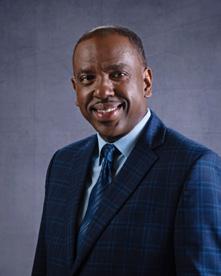
Family physicians are often the first — and sometimes only — mental health resource available to patients. Dr. Kathleen Mueller shares how small changes in how doctors practice can make a profound difference.
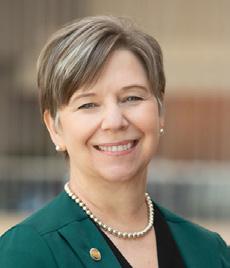
What can primary care practices do to expand access to mental health treatment when specialists are scarce?
There is no one-size-fits-all approach to mental healthcare or referrals, but we can screen, prescribe medication, and discuss mental health challenges right in our office. For patients needing more support when a specialist isn’t an option, we can have them come in for regular follow-up appointments, giving them that extra level of support when they need it most.
What small changes in a physician’s workflow can make the biggest difference for patients with mental health needs?
Utilizing tools to help relieve administrative burden, like AI technologies and pre-screening forms, can help physicians spend more time face-to-face with patients.
How can family doctors normalize mental health conversations so patients feel more comfortable seeking help?
WRITTEN BY Terrence D. Walton Executive Director and CEO, NAADAC, the Association for Addiction Professionals
If a routine screening indicates the patient might be struggling, I like to open the conversation gently. I remind them that I’m their partner in health and am here to help them live healthy, fulfilling lives. From there, we can make a plan to address their mental health concerns. Reminding patients that I’m here to walk this journey with them and that they’re not alone is crucial to include in every conversation.
