
College Preparedness & Accessibility
Anna Sitar:
All Your Experiences Matter
Content creator Anna Sitar pivoted from mechanical engineering to creative media, bringing her creativity and storytelling skills to online viewers as a lifestyle content creator.

INTERVIEW WITH Anna Sitar Content Creator, @annaxsitar
How did your college experience shape the direction of your career?
I was told to pick a major, pick a club in that major, and get a job in that degree. But the best decision I made was to pursue things that excited me inside and outside my chosen major, teaching me balance.
What challenges did you face?
After mechanical engineering, I pursued a masters in film and television production. I heard constantly that I wasted my engineering degree.
I strongly disagree with that. I still got the degree, and I have knowledge, problem-solving skills, and talents from that experience.
What’s something college taught you that you didn’t expect?
You can find your future in the most unexpected ways. What sparked my interest in going back to school for an M.F.A. was actually a marketing team assignment as a medtech intern.
What advice would you give to uncertain students?
Trust your intuition. Don’t be afraid to try something new and start over.

Getting Into College: It’s Easier Than You May Think
The college application process is often overwhelming, but admission criteria is changing to meet students where they are. New admission models are positioning students for success.
Iwasn’t supposed to go to college. I grew up poor in Puerto Rico and the South Bronx of New York City. My parents didn’t go to college. In fact, I was the first in my family to do so. The odds were stacked against me.
But then, I had a life-changing moment. A school counselor at my high school recognized my potential, tapped me on the shoulder, and said, “Have you ever considered going to college?”
The rest is history.
Positive trends
I lead the National Association for College Admission Counseling (NACAC), the world’s largest association for college counseling and admission professionals. Today, we have about 28,000 members. Our research shows a couple of key takeaways:
• Only 33 institutions in the country accept 10% or less of the people who apply to them. Almost all the others — and there are around 2,600 four-year colleges and universities in the United States — accept at least half of their applicants.
• Private universities accept, on average, 7 in every 10 applicants. Public universities accept nearly 8 in every 10. Further, we’re seeing direct admission take hold in our country. More than 20 states so far have invested in this model. High
school students who meet certain criteria are guaranteed admission to state colleges and universities prior to ever applying. The majority of colleges and universities also now have test-optional policies, meaning it’s not required that you take the SAT or ACT.
Opportunities within reach
Higher education is undergoing a transformation. Rather than measuring the success of an institution by how exclusive it is, there’s a growing movement to measure the success of an institution by how many students it serves.
At NACAC, we know how stressful the college admission journey can be. Our research shows that more than half of students don’t even apply to their dream school for fear they won’t get in. Further, more than half of students feel that completing their college application was more stressful than anything else they’ve done before academically.
Take it from me — a poor Puerto Rican boy who was never supposed to go to college. I know it may feel overwhelming, but I assure you: Colleges want you to attend, and the odds are in your favor.

Navigating Higher Education: A Parent’s Guide
Families must be at the center of shaping a higher education system that delivers opportunity, outcomes, and equity for every student.
American families are rethinking higher education. Not because they’ve lost faith in its promise, but because the system has not kept pace with reality.
Early action plans
A “kids-first” approach to higher education starts with middle and high school counselors guiding students on how their strengths and interests fit with post-secondary opportunities. Second is affordability. Many families are forced to make cost-based decisions. Equally as important is accessibility: First-generation students, students from low-income backgrounds, and students of color face systemic barriers.
Reframe pathways
Families are embracing a broader definition of success through options like community colleges and technical programs. Colleges are responding with flexible learning models and employer partnerships.
By centering students and families, we restore trust in higher education and ensure a powerful engine of opportunity for generations to come.

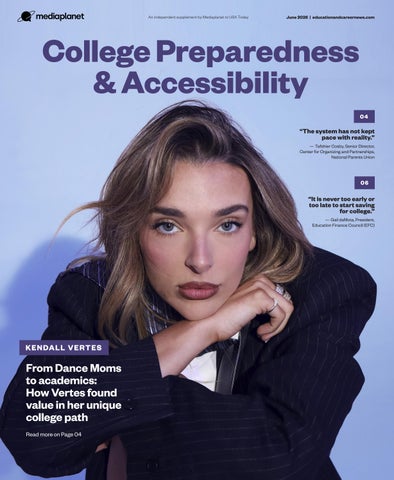
How Kendall Vertes Found Her Rhythm in Higher Education
Kendall Vertes is a dancer, singer, and actress who gained fame on “Dance Moms.” Her collegiate years mark a shift from childhood realityTV fame to academics and personal development.
What were the most important lessons you learned on your college journey?
College gave me the confidence to build strong relationships and manage my own responsibilities. It’s where I found myself and navigated ways to cope with real-life stress.
How did you balance academics with extracurriculars and athletics?
After my time on “Dance Moms,” I wasn’t sure if I was going to continue my dance career. My mom was a catalyst in me returning to some semblance of normalcy after the show. She pushed me to go to college and continue to dance competitively. Anything at the collegiate level is demanding, but as athletes, we are taught to persevere.
What role did mentorship and support play in your college experience?
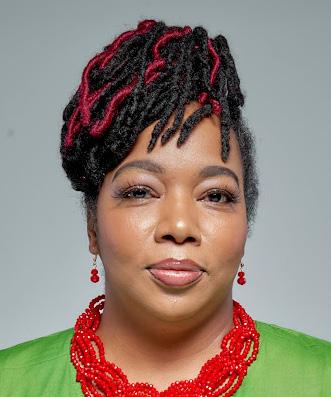
WRITTEN BY Tafshier Cosby Senior Director of the Center for Organizing and Partnerships, National Parents Union
Support played a defining role in my college experience. My family was my constant foundation. My dance team coach was another pivotal influence. She showed me what it means to represent a collegiate program with integrity both on and off the field.
How did you prioritize your mental health and well-being amidst
the demands of college life?
I was lucky enough to build a strong core of friends, and eventually roommates, around me for three years! They provided a safe space of support.
Coming up on “Dance Moms” really felt like I always had a microscope on me that at times was overwhelming. Taking a moment to be alone with my thoughts on a drive or long walk gives me a sense of security.
What advice would you give to students trying to find the right fit in a college?
College isn’t for everyone. I wasn’t sure what I was going to do after high school. That said, I do believe that it was a great place to build some of my most cherished relationships that I will have my entire life. It is important to put yourself in situations outside of your comfort zone.
What does “being prepared” for college mean to you now?
I don’t think you can ever be fully prepared for college, and that’s part of what makes the experience so valuable. Looking back, it’s really about learning independence, taking on responsibility, and figuring out how to do life on your own.
Kendal Vertes | Photo by Elleah Gipson

Is College Still Worth It?
My story is often celebrated, but it was shaped by luck. No young person’s future should depend on chance.
By my senior year of high school, a project I built reached places I never imagined. Steve Jobs took notice. It was later archived by the Smithsonian’s National Museum of American History and featured in The New York Times. Almost overnight, I was called a “prodigy.”
In my early 20s, I became an executive, while many of my peers were still finishing college. By 28, I started a successful business. I did all of this without going to college.
Today, my story is often used as evidence that higher education may no longer be necessary. But stories like mine are the exception, not a reliable plan.
College remains relevant
Americans have grown more skeptical about the value of a college degree. Rising tuition, student debt, and highly visible success stories of those who skipped college have fueled doubt. For many families, college is the largest financial investment they will make aside from buying a home.
But when the debate moves from opinion to evidence, a different story emerges. Decades of research show that earning a college degree is linked to higher earnings, greater wealth, better health, and a lower risk of poverty.
Accessible options
As artificial intelligence reshapes the workforce, this trend continues. Jobs increasingly require higher levels of skill and education. This does not mean every student needs a four-year degree. Skilled trades, certifications, and other pathways can lead to strong careers. But these paths also require rigorous training and sustained effort.
The real issue is not “college versus no college.” The real question is how we help students make informed choices, build durable skills, and feel supported, so they can pursue meaningful pathways, evaluate outcomes, and graduate prepared without overwhelming debt.
Staying the course
My career path worked out. But it depended on a rare mix of timing, opportunity, and luck. Public policy cannot rely on outliers. It must focus on what works for the majority of students, and the evidence remains clear: Education beyond high school remains one of the most reliable pathways to upward mobility. Public opinion may be shifting, but the underlying economics have not.
Helping Students Navigate the Future of Work
The real issue is not whether students pursue education after high school but whether they have access to affordable, high-quality programs leading to real opportunity.
The job market is changing quickly. New technologies like AI are reshaping how we learn and work, and more jobs now require education or training beyond high school. For students and families, that raises an urgent question: Which pathways lead to stable, well-paying jobs — and which ones help people build the lives they want?
Today’s learners include not only recent high school graduates, but also adults returning to education to gain new skills. They have more options than ever: two- and four-year degrees, apprenticeships, and short-term training programs. But more choice does not mean more clarity.
Value is intentional
At EdTrust, our vision is straightforward: Every student and family deserves access to clear information and strong preparation so they can make real, informed choices. When those elements are in place, students can pursue the futures they choose.
Education matters more than ever, but its value depends on whether students are supported in choosing and completing pathways that truly open doors. That means listening to what learners want for their futures.

WRITTEN
BY Roxanne
Garza Director of Higher Education
Policy, EdTrust
Written
by Dr. Thuan Nguyen, President and CEO, AVID Center

WRITTEN BY Aileen Ma Policy Lead, PreKCollege Pathways to Postsecondary Success, EdTrust
Dr. Thuan Nguyen | Photo courtesy of AVID Center
The Value of College Is Clear.
Affordability Is Not
When students are able to graduate from college and apply their degrees, local and national economies benefit long term.
College has long been a pathway to opportunity. It also fuels our local, state, and national economies; supports a skilled workforce; and contributes to a stronger tax base. But while the benefits of higher education are clear, the cost of getting there remains a challenge for many students.
For too many, affordability is a barrier. There is a persistent gap between what college costs and what students and families can realistically pay. Even with financial aid, many students face “unmet need” — the portion of costs left uncovered by grants, savings, or income.
The “affordability” reality
To make college possible, students often piece together funding from a variety of sources. For some, this patchwork approach makes college manageable. But for many others, it creates real strain.
Despite these challenges, college value remains strong. On average, college graduates earn more over their lifetimes and experience better overall economic well-being.
Every day, students and families make sacrifices to pursue that opportunity, investing their time, energy, and resources. When more students can afford to earn a degree, the benefits extend far beyond campus.
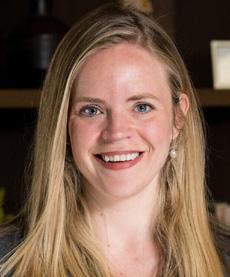
Paying for Your Education: a Practical Guide for Students and Families
Paying for higher education can feel overwhelming, but with some planning and a little research, you can save a lot of money.

It is never too early or too late to start saving for college, and even small contributions can help reduce borrowing. Contrary to popular belief, savings have minimal impact on financial aid eligibility, and the benefit far outweighs any reduction in aid. One investment tool is 529 college saving plans, which allow your savings to grow tax-free and have recently become more flexible.
To begin applying for financial aid, always complete the Free Application for Federal Student Aid (FAFSA), even if you think you will not qualify for need-based aid. Many states and schools use FAFSA data to determine scholarship and grant eligibility, which you should exhaust first. Free online scholarship search tools and local scholarships available in your community will help you find awards based on a wide range of factors, not just need or grades.
The lowdown on loans
WRITTEN BY Kim Dancy Director of Research, Institute for Higher Education Policy
If you have to borrow, first apply for federal direct student loans because these loans offer a low interest rate and borrower-friendly benefits.
If you need additional funding, compare private education loans and the federal Parent PLUS loan. Parent PLUS loans are often presented alongside federal Direct student loans on financial aid offers, but they
are more expensive and have fewer benefits than federal student loans and many private loans. When comparing private loans, evaluate multiple lenders, including nonprofit and state-based lenders that offer very competitive rates. Focus on the interest rate offered to you (not advertised rates), any additional fees, and repayment options. When considering student loans — federal and private — only borrow what you need; borrowing less can save you thousands of dollars over the life of the loans.
Stay informed about options
Financial aid offers can be difficult to compare due to inconsistent terminology and varying ways the costs and aid are presented. A college’s sticker price is often different from the actual cost you will pay after financial aid and tuition discounts are applied, so comparing award letters is very important.
The bottom line is this: Start planning early, save, complete the FAFSA, maximize grants and scholarships, then borrow — federal student loans first, private loans or Parent PLUS loans last. Compare costs and financial aid offers carefully, and only borrow what you truly need.
Written by Gail daMota, President, Education Finance Council (EFC)
Federal Student Loans Are Being Overhauled.
Here’s What Every Prospective Grad School Borrower Needs to Know.
You’ve been accepted to medical school. You’ve mapped out four years of tuition, housing, and living expenses. You’re counting on federal loans to cover what scholarships and savings won’t. But starting July 1, many students will find that federal loans cover only part of the bill. New federal borrowing caps are leaving aspiring doctors, lawyers, and other graduate students with a financing gap they’ll need to fill another way. Here’s what you need to know.
Medical school costs
$228,959 on average.1
Law school, $217,480.2
Under new federal loan limits taking effect July 1, the maximum a student pursuing a professional degree can borrow from the government is $50,000 per year, up to $200,000 over the life of the loan. For most other graduate programs, the annual cap is $20,500, with a lifetime limit of $100,000. The program that previously helped students fill that gap, Grad PLUS, is being eliminated.
According to calculations by higher ed expert Mark Kantrowitz, roughly 60% of dentistry students, 28% of medical students, and nearly 10% of law students graduated in 2020 with more debt than the new limits will allow.3 “The new loan limits will shift some borrowing from federal loans to private student loans,” Kantrowitz said.3 For students already planning their next few years around federal financing, this will require a significant recalculation.
Repayment plans are getting a makeover, too It’s not just borrowing limits that are shifting. Starting July 1, new borrowers will have just two federal repayment options. The updated “standard” plan offers fixed terms between 10 and 25 years, based on a borrower’s total outstanding loan balance. The alternative is a new income-driven program called the Repayment
Assistance Plan (RAP), which calculates monthly payments at 1% to 10% of adjusted gross income depending on earnings.⁴ RAP waives unpaid interest and reduces monthly payments by $50 per dependent — but borrowers should note that it extends the path to loan forgiveness from 20 or 25 years to 30.4
For current borrowers, existing income-driven repayment plans like SAVE, PAYE, and ICR will be phased out by July 1, 2028. But income-based repayment plans will remain available for those who already have loans.4 Parent PLUS borrowers will have even fewer options: Those loans won’t be eligible for RAP, which will also affect the path to Public Service Loan Forgiveness.4
Five steps to take now
1. Know your numbers first. Research tuition, fees, living expenses, and income you’d be giving up as a student. Then complete the FAFSA so schools can assess your situation. Once you have your aid package, you’ll know exactly how much ground there’s left to cover.
2. Ask your employer. Tuition assistance is a valuable benefit. Some companies will cover part or all of a degree in exchange for a service commitment — check with your HR rep to see what’s available.
3. Explore service contracts. For students in healthcare or education, service-based
funding programs like the National Health Service Corps and TEACH Grants can offset costs significantly in exchange for a commitment to work in a particular field after graduation.
4. Reconsider the degree itself. In some cases, getting a graduate certificate — which can be both shorter and cheaper than a full degree program – may help you achieve your career goals.
5. Consider private student loans. Federal loans offer certain protections, but they’re not always the lowest-cost option for borrowers with strong credit. Some lenders, including SoFi, offer graduate loans with competitive rates and no origination fee. Shop around and borrow only what you need.
“It will be as important as ever to only borrow the amount you can reasonably repay,” said Erica Sandberg, debt expert at BadCredit.org.5 “The balance due will fall in your lap sooner than you think.”
Written by Justin Jaffe, Editorial Director, SoFi
For borrowers weighing their options, SoFi’s student loan calculator can help you model the numbers before you commit. And you can learn more about student loan repayment plan changes at SoFi.com


REFERENCES
1. Education Data Initiative, Average Cost of Medical School (2025).
2. Education Data Initiative, Average Cost of Law School (2025).
3. CNBC, Trump’s ‘big beautiful bill’ caps student loans. Here’s what it means for borrowers (July 16, 2025).
4. NerdWallet, What Is the New Repayment Assistance Plan (RAP) for Student Loans? (March 25, 2026).
5. SoFi, “Big Changes Are Coming to Student Loans. Here’s What to Know” (July 23, 2025).
This content is provided for informational and educational purposes only and should not be construed as financial advice. Private Student loans originated by SoFi Bank, N.A. Member FDIC. NMLS # 696891. Terms and conditions apply; see SoFi.com/eligibility.
Please borrow responsibly. SoFi Private Student Loans are not a substitute for federal loans, grants, and work-study programs. We encourage you to evaluate all your federal student aid options before you consider any private loans, including ours. Read our FAQs at sofi.com/ faq/#private-student-loans.