
There is an old book lying on my shelf with the title 20/20 Vision is NOT ENOUGH. Staring at it the other day, I realized just how many layers that phrase holds. It could mean pushing someone’s visual capabilities beyond the standard 20/20 benchmark, or it could simply mean that 20/20 should not be our absolute baseline. The latter interpretation aligns perfectly with the focus of this issue of COOKIE , especially when it comes to pediatric care.
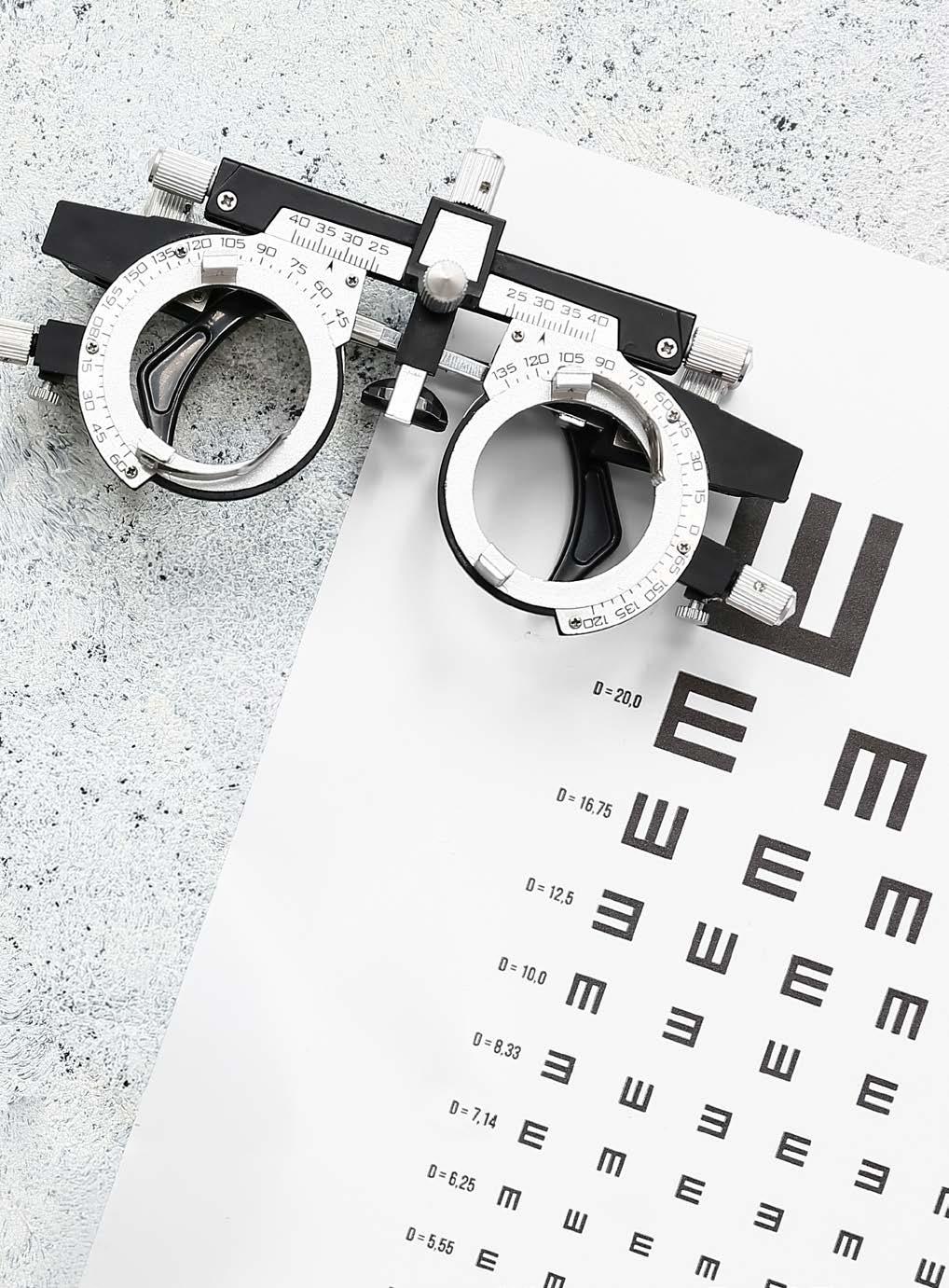
Visual acuity is merely one component of vision. As eye care practitioners—or perhaps we should call ourselves better vision care practitioners to embrace a more holistic scope—we must consider contrast sensitivity, binocular vision, stereopsis, visual fields and general ocular comfort. All of these elements have a far greater impact on a child’s development than simply confining our testing to a single line on an acuity chart.
A child’s day-to-day visual performance is heavily driven by their ability to accommodate and converge, alongside variables like dry eye and other subtle ocular surface abnormalities. Because a child’s visual system is still actively developing, it’s a crucial reminder that children are not just miniature adults.
This brings us to our primary thesis: 20/20 is not always the ultimate goal in testing and managing the pediatric population. Functional vision tests are essential, particularly since learning disabilities are so prevalent. A child’s brain is still learning how to process the visual information it receives, which is precisely why we utilize specialized charts tailored to different age milestones. For instance, we must measure stereopsis differently in toddlers aged 2 to 5 than we do in children older than five.
Optometrists and ophthalmologists alike have long aimed for optimal functional vision rather than just static acuity. I am reminded of a patient I recently referred for cataract surgery who stated they wanted the “best” vision possible. To drill down into what that meant, I asked: “What are your expectations after surgery? Do you want to return to cross-stitching? Do you want to travel and enjoy scenery? Or do you just want to feel safe while cooking?”
While we can easily have these contextual conversations with an adult, children rarely complain. They almost always assume that whatever they are seeing is completely normal. For them, binocular function and learning go hand in hand, making functional testing vital.
By the time this issue of COOKIE reaches your hands, the new World Council of Optometry (WCO) Pediatric Optometry Document will be live. This landmark document will serve as a comprehensive, global guideline for eye care practitioners, outlining the essential protocols for examining patients from infancy through age 18.
In the meantime, I hope you enjoy this action-packed issue. We have lined up fantastic insights covering vision therapy, pediatric eyewear dispensing tips, orthokeratology (a perennial favorite!), a feature on a Women in Optometry (WIO) pediatric practitioner, mydriatic sprays and best practices for examining neurodivergent children.
Happy reading!


Best,
Dr. Carmen Abesamis-Dichoso OD, MAT, FPCO, FIACLE, FBCLA, FAAO
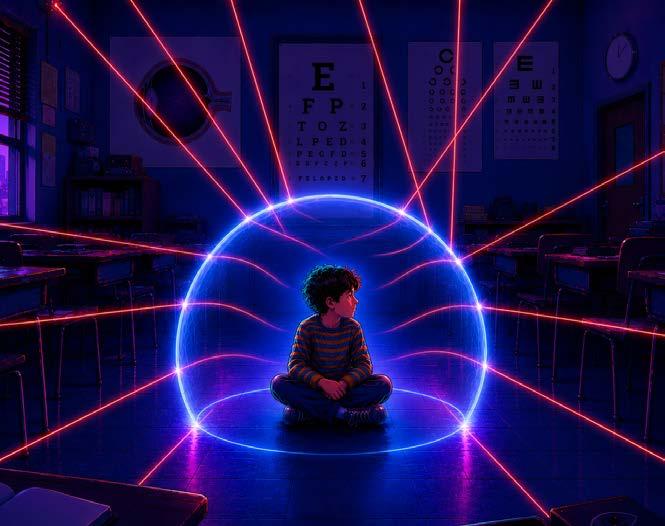
School vision screenings are a sprint. Learning is a marathon. The Endurance Gap reveals what happens when a child’s visual system can’t go the distance.




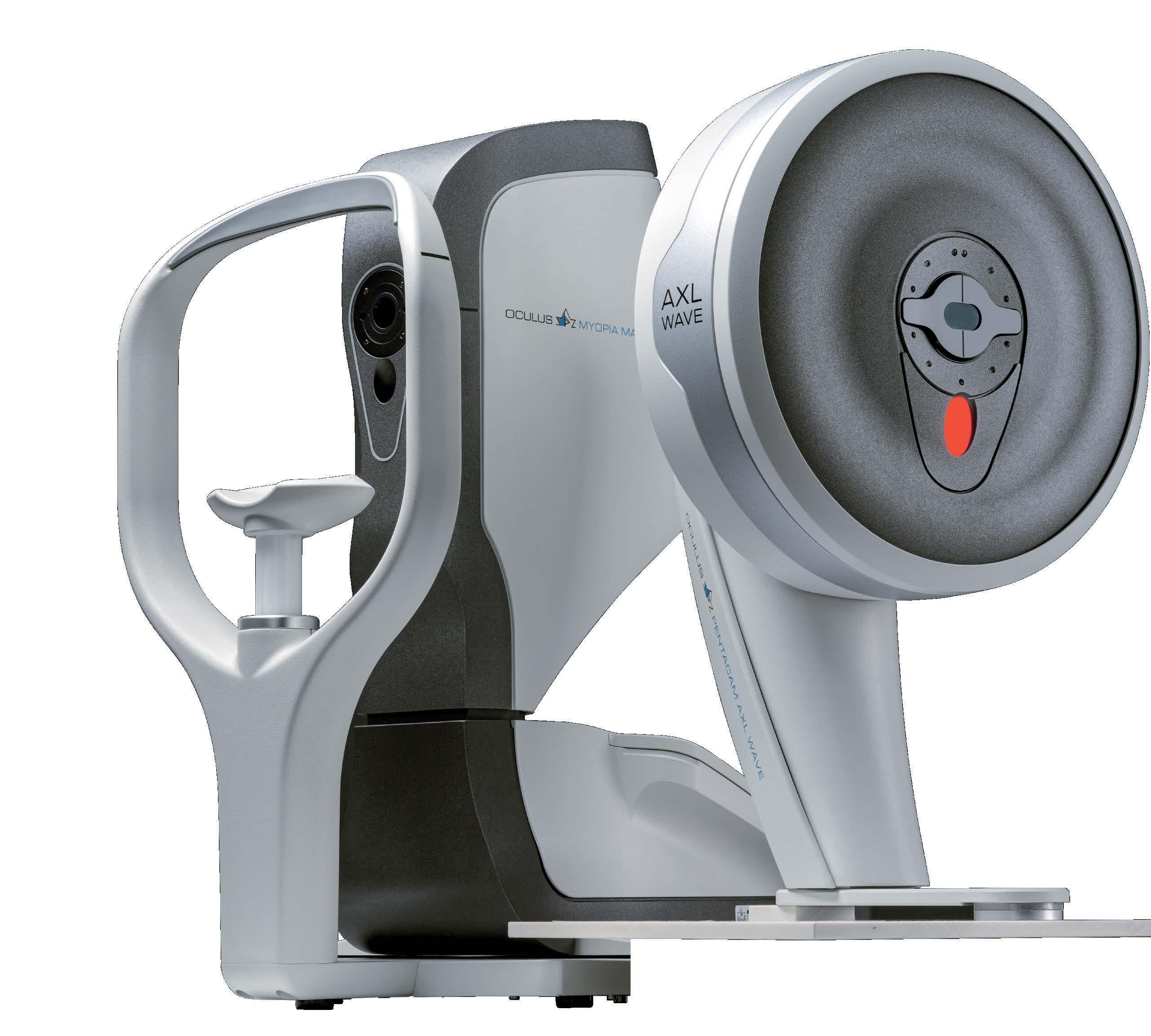
Myopia Master ® and Pentacam® AXL Wave AVAILABLE FOR
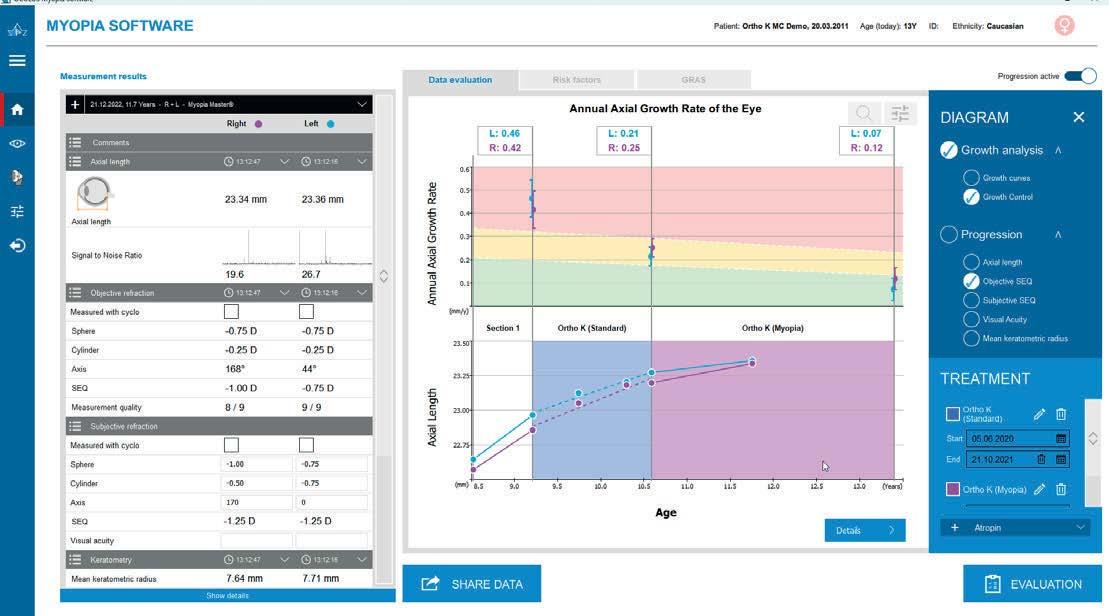
Streamline Clinical Decisions & Conversions with OCULUS Myopia Management Solutions
� Get Support in myopia detection, risk assessment, progression projection and treatment evaluation
� Use exclusive growth curves and customized reports for patient education and compliance
� Fit and evaluate ortho-k lenses while monitoring corneal health and stability
oculus.de


Abesamis Eye Care & Contact Lens Center Manila, Philippines carmen.dichoso@gmail.com
DR. PURVI THOMSON OCL Vision London, United Kingdom purvi@oclvision.com

DR. KRISTIE NGUYEN
Dr. Feenstra and Associates
Dr. Kristie Nguyen PLLC, Florida, USA kristie817@gmail.com
DR. LI LIAN FOO
Singapore National Eye Centre (SNEC) Singapore drfoolilian@gmail.com


DR. MONICA CHAUDHRY
Learn Beyond Vision New Delhi, India monica.rchaudhry@gmail.com
DR. MARIA SAMPALIS
Sampalis Eyecare Cranston, Rhode Island, USA msampalis@hotmail.com




We are looking for eye care professionals who can contribute articles to COOKIE. Interested? Let's talk! Send us an email at editor@mediamice.com.
To place an advertisement, advertorial, symposium highlight, video, email blast or other promotional packages, contact sales@mediamice.com.

Matt Young CEO & Publisher
Gloria D. Gamat Chief Editor
Diana Truong Managing Editor
Andrés Pacheco Art Director
Chris McBride Editorial Creative Lead
Nhat Vo Yura Yu Graphic Designers
Artwork credits to: Andrés Pacheco, Chris McBride, Lieu Truong, Nguyen Ho, Nhat Vo, Thoi Le, Yura Yu
Writers
Chow Ee-Tan
Hazlin Hassan
Kendra Bruning
Marhiel Garrote
Michaela Perez
Sam McCommon
Tan Sher Lynn
Ms. Mayuri Deka Contributor
Ruchi Ranga Societies Relationships & Conference Manager
International Business Development
Brandon Winkeler
Robert Anderson
Sven Mehlitz
Published by



VISION THERAPY MEETS GAMIFICATION FOR AMBLYOPIA
Patches made children cry. Video games make them beg for more screen time. But as gamified vision therapy grows in sophistication, eye care professionals are discovering that pixels alone don’t tell the whole story.
By Tan Sher Lynn
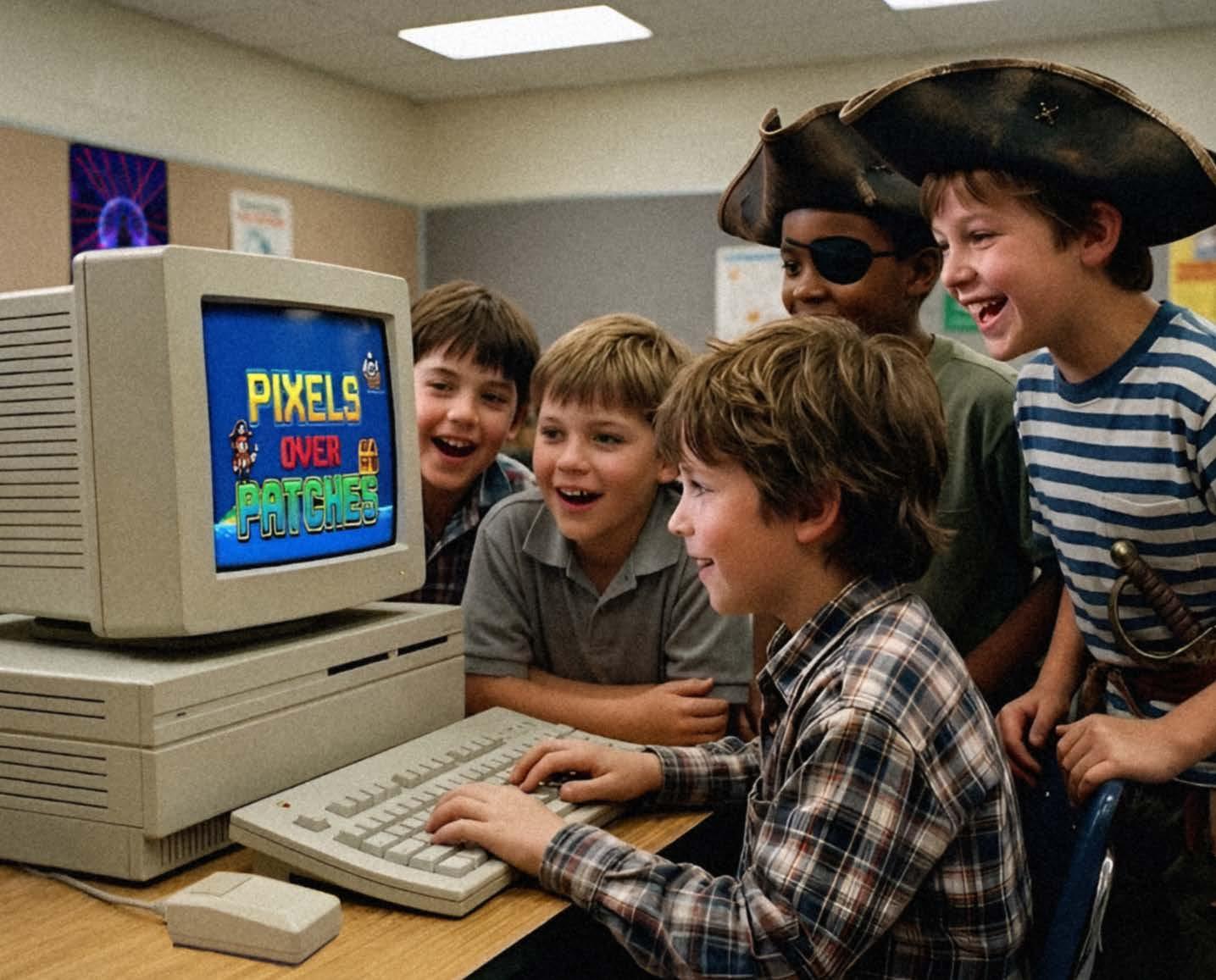
Patching has long been the go-to intervention for amblyopia, but Dr. Corinne Odineal (United States) is direct about its limitations. The approach forces a child to rely entirely on their weaker eye by blocking the stronger one, which is effective in theory, but punishing in practice.
“Patching is a very cruel thing to do to a young child that has very poor vision,” she said. “It’s very hard on patients and results in tears and anger. It also has some negative psychological implications, as children feel singled out by wearing a patch.”
Newer gamified therapies take a fundamentally different approach. Rather than occluding the stronger eye, many of these tools use dichoptic viewing techniques—often involving colorfiltered glasses or specialized displays—to encourage both eyes to work together.
“Games are great and you’ll probably see children more excited to do a game, even if the vision in one eye is not as good,” Dr. Odineal said. “The new computer games for amblyopia use red/blue glasses and …wearing red/blue glasses is not stigmatizing.”
That said, she cautioned against viewing digital tools as a complete solution. “Visual development involves the whole body, balance and interactions in free space. You will not find this with computer games,” she said.
She also noted that outcomes depend heavily on the severity of the underlying condition. “If you have a mild amblyopia case, you’d likely see good gains in visual acuity and stereopsis,” Dr. Odineal said. “If the child has a deeper case of suppression, eccentric fixation and strabismus—and the gamified vision therapy does not address these—then the outcome is going to be much less positive.”
Dr. Odineal integrates a range of gamified vision therapy tools into her in-office programs. These include Optics Trainer and Optics Trainer VR (California, United States), alongside the VTS4 (HTS Home Vision Therapy; Arizona, United States)—a large curvedscreen system designed to help patients develop stereopsis and improve eye teaming.
For patients requiring additional work on vergence ranges and accommodation after completing a comprehensive vision therapy program, she incorporates HTS (HTS Home Vision Therapy), which offers various levels of accommodative flippers to tailor treatment progression.
More recently, she has introduced Eye Hero (Hundred Vision; Idrija, Slovenia) for very young patients not yet ready for inoffice therapy. “I typically combine this with my pre-VT [prevision therapy] series of parent-driven therapy that involves eye movement, body movement, bilaterality and beginning fusion. I chose this program because it’s very easy to dispense to parents,” she added.
When parents arrive focused primarily on improving their child’s visual acuity, Dr. Odineal works to broaden that perspective. “When we talk about vision as a ‘brain’ problem and not just an ‘eye’ problem, they start to understand that more aspects of the child’s brain development will need to happen than just getting the acuity better,” she said.
“They also see that high amounts of computer and phone time are actually detrimental to good brain and vision development.
I emphasize that the eyes need to learn to move, focus and team in a dynamic way—while the child…moves through space and while they think and balance,” Dr. Odineal continued. “A good vision therapy program includes all of that: balance, timing, speed, movement and thinking.”
As with any home-based therapy, success depends heavily on patient compliance, and that’s where even the best software can fall short.
Dr. Odineal has encountered situations where parents purchase programs but fail to use them consistently. “Recently, one challenge I have had with one of my adjunct software programs is that the parents order the software but do not start it, or start it but they are very inconsistent,” she said. “This particular software does not allow me to directly connect to the patient or parent, so I am left wondering what is happening.”
Engagement is another hurdle, even when monitoring tools are available. “My other software program lets me directly connect with the patient, but it is pretty boring after a while, so the patient loses interest,” Dr. Odineal said.
Her ideal platform would pair monitoring with clinical flexibility—something closer to what HTS already offers. “Most programs allow you, as a doctor, to go in and see when [the patient does] a session,” she noted. “And the good programs also let you see how they are doing with individual activities so that you can monitor or even change the programs to help the patient achieve goals.”
Gamified vision therapy represents a genuine step forward in amblyopia treatment—more engaging for young patients than traditional patching and growing in clinical sophistication.
Yet as Dr. Odineal makes clear, technology alone cannot address every dimension of visual development. Vision involves movement, balance, cognition and real-world spatial interaction. For eye care professionals, the challenge isn’t choosing between digital tools and traditional therapy, but learning to combine them with enough nuance to get the best out of both.

CONTRIBUTOR

Dr. Corinne Odineal Owner and optometrist at In Depth Vision Optometry. She specializes in neuro-optometry, vision development and pediatrics. corinne@indepthvision.com



Prescribing the right correction is only half the job. A perfect refraction matters little if the new spectacles spend more time in a schoolbag than on a child’s face. Most practitioners know the pattern well: a child leaves the clinic excited, then the frames disappear within weeks because they were uncomfortable, uncool or simply no match for everyday life.
The scale of the problem is sobering. A 2023 systematic review in Frontiers in Public Health found overall spectacle wear among children with refractive errors was about 53%, meaning nearly half of children prescribed glasses don’t wear them consistently. Appearance worries, teasing, discomfort, poor fit, breakage, forgetfulness and inconsistent parental support all play roles.1
The good news? Advances in frame design and dispensing practice are changing that equation.
New materials are making glasses feel almost invisible— which, for a child wearing them through a long school day, is exactly the point.
TR90, a thermoplastic developed in Switzerland, offers a remarkable balance of lightness, flexibility and toughness,
Prescribe, dispense, repeat. Except nearly half of your pediatric patients won’t actually wear what you’ve prescribed. Smarter materials, sharper fitting skills and a dispensing conversation that puts the child in the driving seat may matter just as much as what’s written on the Rx pad.
By Ms. Mayuri Deka
ideal for children who toss frames into bags or play energetically. Memory metal frames bend and spring back into shape rather than staying distorted after stress. For toddlers, soft-molded one-piece frames eliminate sharp edges and fragile parts, improving safety and durability.
These material advances address a dual mandate: comfort for the child, resilience for the parent. Impact-resistant lenses in polycarbonate or Trivex add further peace of mind, while scratchresistant and anti-reflective coatings preserve visual comfort over time.
Spring hinges, rubberized temple tips and reinforced bridges extend frame life without sacrificing aesthetics, evidence that durability needn’t mean clunky.
Worth remembering, though: emotional durability matters as much as physical toughness. A child who loves their frames will treat them with considerably more care. And one who forgets they’re wearing them will keep them on all day.
For years, children’s eyewear trailed adult fashion, often reduced to garish or infantilized styles that made young wearers feel conspicuously different. Today’s brands offer scaled-down adult


shapes—sleek rounds, minimalist acetate, muted palettes— so children can wear frames that fit their identity rather than broadcast “children’s glasses.”
Appearance is not trivial. Studies consistently show that perceived stigma is a major driver of non-compliance. 2-4 Letting children choose their frames gives them ownership: the shift from “these are what you must wear” to “these are the frames you picked” matters enormously.
What they wear becomes part of how they present themselves to peers.
Fit affects vision, comfort and compliance in equal measure. Children are not small adults: lower nasal bridges, smaller pupillary distances and changing facial proportions demand specific attention. A well-fitted frame stays put, aligns lenses with the eyes and reduces edge thickness in high prescriptions. Silicone nose pads, cable temples, soft temple tips and spring hinges all improve stability and daily wearability.
Clinicians should treat fitting with the same clinical rigor as refraction. Temple length, bridge shape, pantoscopic tilt and lens centration all influence optical performance and, ultimately, whether the glasses end up on the child’s face or at the bottom of a bag.
Even the best frame can fail if the dispensing moment is rushed or overly technical. Children need inclusion, reassurance and a positive narrative about spectacles.
Effective dispensers engage the child directly, asking which frame feels best or which they’d want to wear at school. Reframing glasses as tools—”these help you see the board better” or “these are great for sports”—helps normalize wear without making a child feel singled out.
Parents also need clear guidance. Many underestimate adaptation time or accept occasional use as sufficient. Practical advice on consistent daily wear, frame care and a simple plan for breakage or replacement all raise the odds of continued use.
Clinic environment matters too: child-friendly displays, appropriately placed mirrors and staff trained in pediatric communication make selecting glasses a genuinely pleasant experience.
Improving spectacle compliance is not about any single innovation. It requires accurate prescriptions, intelligent frame selection, meticulous fitting, child-centered communication and consistent parental support working in concert.
Practical steps for clinicians:
• Offer a curated selection of modern, age-appropriate styles that balance child preference and parental concerns.
• Use child-specific mea surement techniques (PD, bridge fit, temple length) and trial frames with movement and activity simulations.
• Involve the child in selection and explain benefits in positive, age-appropriate language.
• Counsel parents on the importa nce of consistent wear and simple strategies for reinforcement and care.
• Recommend i mpact-resistant lenses (polycarbonate or Trivex) and practical coatings.
Children are far more likely to wear spectacles that make them comfortable, confident and socially included, not just visually corrected.
Advances in materials, smarter design and a more empathetic dispensing process are aligning pediatric eyewear with the realities of childhood. Clinicians who focus on fit, function and the child’s lived experience, rather than stopping at the prescription, can dramatically improve compliance.
When glasses feel lighter, look better and are chosen by the child, they get worn. And that is where vision care truly begins.
1. Wu L, Feng J, Zhang M. Implementing interventions to promote spectacle wearing among children with refractive errors: A systematic review and meta-analysis. Front Public Health. 2023;11:1053206.
2. Ebri AE, Govender P, Naidoo K, et al. Understanding barriers to spectacle wear compliance among schoolchildren in Calabar Nigeria: A qualitative study. AJO International. 2025;2(3):100160.
3. Irtza M, Mahwish R, Mohamin M, et al. Non-compliance of spectacle wear in school-going children with refractive errors. Cureus. 2024;16(1):e52702.
4. Pawar N, Ravindran M, Renagappa R, et al. Non-compliance for wearing spectacles: Prevalence and determinants in school-going children in South India. Indian J Ophthalmol. 2023; 71(2)608-613.
CONTRIBUTOR

Ms. Mayuri Deka
Associate professor at the Department of Optometry, School of Health Sciences, The Assam Kaziranga University in India. mmona_deka@yahoo.in


Ortho-k promised freedom from daytime glasses. It’s since been promoted to something bigger: slowing the myopia progression that fuels a lifetime of retinal risk. Two experts unpack the evidence, the candidates and the compliance fine print that makes or breaks it.
By Marhiel Garrote
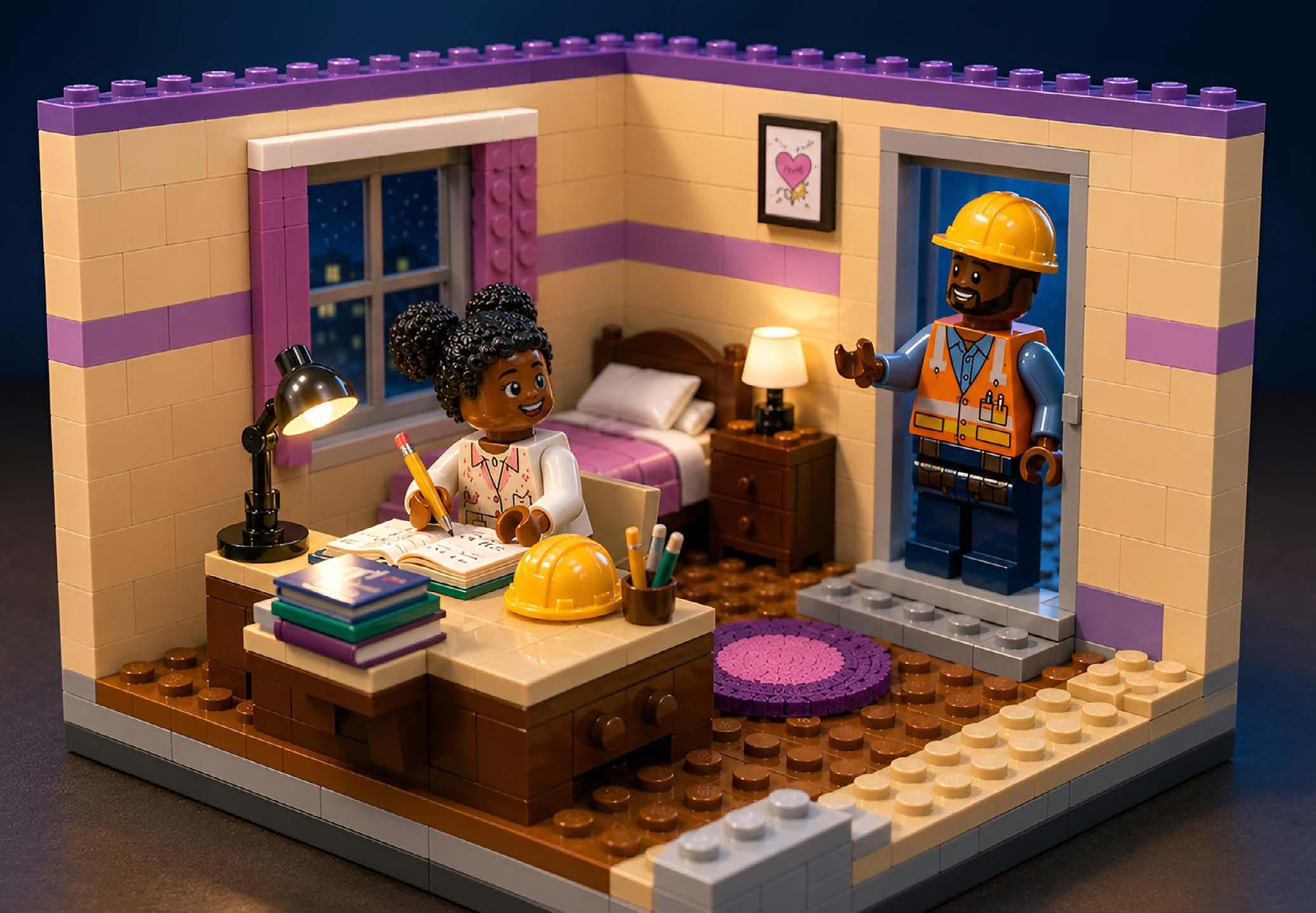
Every night, countless children swap their glasses for a pair of rigid contact lenses before bed. By morning, they wake up seeing clearly, no spectacles, no surgery. For years, that alone was the whole pitch for orthokeratology (ortho-k).
But somewhere along the way, the job description changed.
Clinicians are no longer fitting ortho-k just to get kids through the school day without glasses. Instead, they’re using those quiet overnight hours to slow axial elongation and myopia progression before it leaves a lifelong imprint on the eye, reducing the lifetime risk of retinal detachment, myopic maculopathy, glaucoma and other sightthreatening complications.
For Dr. Ashley Wallace-Tucker (United States), that shift in mindset has transformed how she introduces ortho-k to families. “The freedom from daytime correction is certainly a wonderful benefit, [but] that’s no longer the primary reason many families choose it”, she said. “Today, ortho-k is one of our most effective tools for slowing myopia progression.”
One misconception, however, keeps resurfacing in patient consultations. “Some parents assume ortho-k controls myopia by applying pressure to the ocular surface,” said Dr. Maria Liu (United States). “But it’s actually the hydraulic pressure changing the shape of the cornea.”
The more important question is whether those overnight changes meaningfully influence axial growth during the years when intervention matters most.
Long-term evidence continues to strengthen ortho-k’s standing as an established intervention for slowing pediatric myopia progression. In one prospective study spanning more than 11 years, children treated with ortho-k showed significantly less axial elongation than peers wearing single-vision spectacles, adding to a growing body of evidence supporting its role in myopia management.1
That evidence has reshaped the conversation in the exam room, where
the focus now sits squarely on slowing axial growth and protecting long-term ocular health.
As the goals of ortho-k have evolved, so has patient selection. “There’s no magic age for starting ortho-k,” said Dr. Wallace-Tucker. “I’ve successfully fit children as young as six or seven years old. The decision is driven much more by the child’s maturity, family support and evidence that the myopia is progressing.”
Dr. Liu takes a similarly individualized approach. “Physiological age doesn’t necessarily reflect maturity,” she said. For her, candidacy also hinges on refractive error, corneal characteristics and a child’s ability to stick with long-term treatment.
For children who keep progressing despite an otherwise successful fit, the question shifts from whether the treatment worked to whether it should evolve.
Combination therapy has emerged as an option for these cases, building on optical treatment rather than replacing it. A 2025 Scientific Reports study evaluated a stepwise atropine escalation approach in children who continued to progress on ortho-k. 2
Investigators reported progressively greater reductions in axial elongation with each step up, though higher concentrations also came with more photophobia and near blur—the familiar tradeoff between efficacy and tolerability. 2
Whether combination therapy should become routine, though, is still an open question. Dr. Liu urges caution, noting that much of the supporting evidence comes from retrospective studies vulnerable to selection bias.
“We need to be cautious in interpreting anything from retrospective studies,” she said. “There is a high risk of selection bias, meaning only the good cases with combined or synergistic effects are being selected for those case reports.”
In her own practice, she starts with optical intervention and reaches for atropine only when the response calls for it. “I monitor the patient for about three to six months and only consider a combination treatment when it’s necessary.”
Dr. Wallace-Tucker agrees treatment should stay individualized, but expects combination therapy to take on a bigger role as the evidence base grows. “I don’t think it will become the default treatment for everyone, but I do think it will become an increasingly common strategy for children who are progressing rapidly or not responding adequately to monotherapy,” she said. “As we continue to individualize myopia management, combination therapy will likely become another valuable tool rather than a last resort.”
Microbial keratitis remains the concern parents bring up most about overnight lens wear, but both experts stress that the greater risk comes from poor compliance, not the lenses themselves.3
For Dr. Liu, routine follow-up matters just as much as the initial fit. “Kids with chronic ortho-k lens wear don’t feel as much foreign body sensation or irritation when something goes wrong,” she noted. Because that reduced corneal sensitivity can mask early complications, regular follow-up is what catches problems before they escalate.4
Dr. Wallace-Tucker echoed the point on education and long-term adherence. “When families understand that good hygiene dramatically reduces risk, they become partners in keeping treatment safe,” she said. “Education, reinforcement and regular follow-up are every bit as important as the lens design itself.”
That kind of buy-in starts with how the conversation is framed in the first place. For Dr. Wallace-Tucker, that means shifting the conversation with parents from “seeing without glasses tomorrow” to “protecting
your child’s vision for decades to come.” That’s a completely different mindset.
The night shift doesn’t end at sunrise. Clearer vision by morning was always the easy win. The harder, more durable one is healthier eyes decades later.
1. Santodomingo-Rubido J, VillaCollar C, Gutierrez-Ortega R, et al. Eleven years of orthokeratology contact lens wear for slowing myopia progression in children. Optom Vis Sci. 2025;102(5):346-52.
2. Guo Z, Wei Z, Ming H, et al. Efficacy and safety of orthokeratology sequentially combined with escalating atropine concentrations for myopia control in children. Sci Rep. 2025;15:38911.
3. Hiraoka T, Matsumura S, Hori Y, et al. Incidence of microbial keratitis associated with overnight orthokeratology: A multicenter collaborative study. Jpn J Ophthalmol. 2025;69(1):139-43.
4. Lum E, Golebiowski B, Swarbrick HA. Reduced corneal sensitivity and sub-basal nerve density in long-term orthokeratology lens wear. Eye Contact Lens. 2017;43(4):218-24.

Dr. Maria Liu Professor at the University of California, Berkeley, School of Optometry, and chief research and education officer at Treehouse Eyes. marialiu@berkeley.edu
Dr. Ashley Wallace-Tucker
Partner at Bellaire Family Eye Care and a visiting assistant professor at the University of Houston College of Optometry. ashley.w.tucker@gmail.com




The old “wait until 13” rule is officially expired. The data shows tweens can handle contact lenses just as well as teens—sometimes better—so it’s time to trade the birthday-candle math for a real conversation about readiness.
By Sam McCommon
“Are they ready?” It’s a question parents ask constantly about their kids: whether they’re old enough for that scary movie, a first solo bike ride or a sharp knife in the kitchen. Most parents answer by intuition; they know what their kids can handle.
Contact lenses, though, used to be the exception. There was a kind of invisible force field keeping anyone under 13 out of the exam chair for a fitting.¹
That force field has been busted wide open, and the evidence backs up what forwardthinking eye care practitioners (ECPs) have been seeing in their own chairs for years. The real question isn’t “how old is the child?” Rather, it’s “is this child ready?” Clinicians can now apply the same intuitive, case-by-case judgment parents use everywhere else, only this time it’s backed by real data.
When the answer is yes, tweens thrive in contact lenses, often matching or beating their teenage counterparts. The payoff is sharper vision today, plus confidence on the field, freedom in the classroom, and a proactive step toward protecting long-term eye health against untreated myopia.
With only 14% to 15% of U.S. adolescents wearing contacts², even as myopia rates climb, there’s clearly room to do more.
The Contact Lenses in Pediatrics (CLIP) study is the research that put the old age
cutoff to rest. Researchers fitted new wearers—children aged 8 to 12 and teens 13 to 17—with soft lenses and tracked everything from handling success to ocular health.
The result? Children’s outcomes closely mirrored those of teens. The only meaningful difference was 12 to 15 extra minutes of chair time for fitting, most of it spent on insertion and removal training—something staff can reliably handle. Neither age group had lens-related complications during the study.
A follow-up using the Pediatric Refractive Error Profile survey found contact lenses meaningfully improved quality of life for both groups³, with kids reporting gains in appearance satisfaction, participation in activities and overall vision correction.
The conversation around myopia itself has shifted too. It’s no longer viewed as a simple refractive error to correct and forget, but as a progressive condition tied to higher lifetime risk of retinal detachment, glaucoma and myopic macular degeneration. That reframing makes specially designed lenses—daily disposables and myopia management options among them—a legitimate tool for slowing progression while still giving kids clear vision now.
Dr. Sandra Block (United States) has watched this shift firsthand. “We are more aware of the evidence proving the shift
in myopia from considering it as simply a refractive error to a disease that progresses and can lead to vision loss,” she noted.
For today’s optometrist, the job means weighing the whole picture: visual needs, family dynamics and long-term eye health.
Safety is usually the first hesitation parents raise, which is understandable. But the data is reassuring, especially with daily disposables. A 2017 review of soft lens wear in children and teens found that kids aged 8 to 12 were no more at risk for microbial keratitis than adult wearers, and in fact showed lower complication rates than teens.⁴
Dr. Martin Spiro, a Canadian optometrist with extensive experience fitting younger patients, hears the worry constantly. “The biggest concern is almost always safety,” he said. “Parents often worry that their child is too young or that contact lenses could damage their eyes or increase the risk of infection.”
But he offers encouraging words. “I reassure parents that when contact lenses are properly fitted and worn as directed, they are very safe,” he said. “Research has shown that younger kids often have excellent compliance because they tend to follow instructions carefully and have parents who remain involved in the process.”



In other words, younger patients’ safety record owes a lot to responsible kids paired with a parent close by asking, “Did you wash your hands?” ECPs are often surprised by how quickly tweens adapt to their routine—sometimes in days rather than weeks—precisely because they wanted the change in the first place.
As Dr. Spiro puts it, “Age is actually one of the least important factors.” It’s about as useful a predictor as height. So what should ECPs actually look for?
Dr. Spiro looks for maturity, motivation and genuine interest from the child, rather than parental pressure alone. “A tween who can follow instructions, take responsibility for daily tasks and understands the importance of hygiene is often an excellent candidate,” he said.
Motivation matters too. Whether a child wants lenses for sports, social confidence or a growing sense of responsibility for their own eye health, kids with a clear “why” tend to become more successful wearers.
Dr. Spiro says he routinely fits children as young as 8, who go on to do exceptionally well with the right education and support. Dr. Block agrees there’s no golden age rule—some 10-year-olds are lens-handling naturals, while some teens still need extra guidance.
So, how to proceed from here? For starters, treat the contact lens discussion as a true partnership. Ask the child directly why they want contacts, and demonstrate lens handling together. Address concerns openly—learning curves, the occasional lost or torn lens, hygiene reminders— as normal parts of the process for any wearer, not reasons to say no.
Set clear expectations from the start. Practice insertion and removal before dispensing, which staff can manage. Schedule close follow-up. And frame the bigger picture for families: clearer vision today, plus the freedom and myopiamanagement benefits that follow.
When a kid is ready, they’re ready, and the data says it’s time to stop standing in their way. The evidence on safety and outcomes is strong, and it opens the door to better vision, more confidence and stronger longterm results.
As Dr. Spiro puts it, “Don’t let age be the deciding factor. Let motivation, maturity, lifestyle and the child’s visual needs guide the conversation.” The technology, the data and the kids themselves have all moved forward—our conversations should catch up.
1. Walline JJ, Jones LA, Rah MJ, et al. Contact Lenses in Pediatrics (CLIP) Study: Chair time and ocular health. Optom Vis Sci. 2007;84(9):896-902.
2. Cope JR, Collier SA, Nethercut H, Jones JM, Yates K, Yoder JS. Risk Behaviors for Contact Lens–Related Eye Infections Among Adults and Adolescents—United States, 2016. MMWR Morb Mortal Wkly Rep. 2017;66(32):841-845.
3. Walline JJ, Gaume A, Jones LA, et al. Benefits of contact lens wear for children and teens. Eye Contact Lens. 2007;33(6 Pt 1):317-21.
4. Bullimore MA. The Safety of Soft Contact Lenses in Children. Optom Vis Sci. 2017;94(6):638-46.

SBlock@ico.edu

Dr. Sandra Block
Professor emeritus at the Illinois College of Optometry and World Council of Optometry’s immediate past president.

Dr. Martin Spiro
Montreal-based optometrist and the past president of the Canadian Association of Optometrists. martinspiro@yahoo.com



School vision screenings measure one thing at one distance for one moment. A classroom demands sustained convergence, accurate focus and precise eye movement over hours of near work. Behind that blind spot sit three specific, treatable conditions. Routinely mistaken for attention or learning problems, each requires a diagnostic approach that begins with testing what the screening left out.
By Kendra Bruning

Picture a nine-year-old in the classroom. She has never complained about her eyes, sailed through the school nurse’s Snellen screening and reads the whiteboard clearly from where she sits. By the time her class reaches the reading portion of the morning, she has already lost her place twice. By afternoon, the book stays closed. Her parents are wondering about ADHD.
No one has thought to ask how her visual system holds up across a full school day because the test that cleared her was never built for that.
“Visual acuity testing answers only one question,” said Dr. Mitchell Scheiman (United States), national study chair of the Convergence Insufficiency Treatment Trial (CITT). “Can the child identify small letters at distance? It tells us almost nothing about how efficiently the eyes function together during sustained near work.”
Think of it this way. A standard acuity screening checks whether a child can read the road signs. It says nothing about whether the steering and alignment systems hold up over a long drive.
School screenings are effective public health tools for what they were designed to do—catch reduced distance acuity. But binocular vision, accommodative function and eye movement control fall entirely outside their scope. Those, unfortunately, are the systems a classroom puts to the test across six hours of desk work.
Reading, writing and sustained near work are long drives, not short sprints. The visual system can quietly break down under them in at least three distinct ways.
Convergence insufficiency (CI) is the most studied, affecting approximately 2.5% to 5% of school-age children.1 When the eyes struggle to maintain binocular fusion at near—to keep both headlights pointed at the same spot on the road—the child’s effort goes into holding the page together rather than reading what is on it. The resulting headaches, eye strain, blurred or double vision, loss of place and growing avoidance of near tasks are also, tellingly, the symptoms that prompt ADHD referrals.
Children with CI are approximately three times more likely to carry an ADHD diagnosis than the general pediatric population. 2 The overlap explains which waiting room many of these children pass through before anyone thinks to check how their eyes are steering.
Accommodative dysfunction is a problem with the engine rather than the alignment. The eyes either cannot generate enough focusing power for near work, or they are sluggishly shifting between distances— like a transmission that hesitates between gears. Blur accumulates across a reading session. Eye strain is absent in the morning but pronounced by afternoon. By the time a pattern emerges, the family has often already seen the pediatrician.3
Oculomotor dysfunction , meanwhile, affects the precision of the drive itself. Reading requires hundreds of accurate eye movements—saccades—per page, small rapid jumps from word to word. When that precision degrades, the child loses place, skips lines and resorts to using a
finger as a guide. One study identified oculomotor difficulties in 84% of children with poor reading skills, across those with and without formal learning disorder diagnoses.4
Standard acuity screening catches none of these conditions. Each produces behaviors that look like inattention or reading avoidance. And for each, the real workup begins with what the standard screening never thought to measure.
For any child presenting with near-work headaches, reading avoidance or difficulty sustaining concentration, a standard acuity exam is an incomplete workup. That’s like diagnosing a car’s handling problems by reading the speedometer.
A comprehensive binocular vision assessment looks at the whole vehicle. Near point convergence (NPC) establishes how close the road can get before the headlights start to diverge—in clinical terms, the closest distance at which the eyes can maintain a single binocular vision. Positive fusional vergence (PFV) at

near measures how hard those headlights can be pushed inward before fusion breaks down. Cover testing at both distance and near, accommodative amplitude and facility, vergence facility and saccadic accuracy, round out the functional picture. Together, they reveal how the system actually performs under load, not just at a standstill.
Symptom burden should also be quantified using the Convergence Insufficiency Symptom Survey (CISS), a validated 15-item questionnaire on which patients rate the frequency of symptoms such as headaches, blurred vision, double vision and difficulty concentrating during near work. It is a clinically useful instrument, but with an important caveat. CITT-ART (the Convergence Insufficiency Treatment Trial–Attention and Reading Trial) found that CISS scores improved substantially even in children receiving placebo therapy.
How the driver feels is not the same as what the diagnostic data shows. “We should not define success solely by whether a child says they feel better,” Dr. Scheiman argued. “We need to document measurable improvements in binocular function as well.”
Dr. Ann Morrison (United States), assistant professor at The Ohio State University College of Optometry and a CITTART investigator, evaluates NPC, fusional vergence ranges and CISS scores at each patient’s annual dilated exam following the completion of vision therapy.
Where a chosen therapy plan departs from the strict CITT-ART protocol, she warned, confidence in long-term durability drops considerably, demanding a much more individualized approach to ongoing management. This matters most when CI coexists with ADHD, dyslexia or anxiety. In those cases, vision management and educational support can, and should, run in parallel.
WHAT TREATMENT CAN (AND CANNOT) FIX Office-based vergence and accommodative therapy (OBVAT) is, in essence, a training program for the steering system. In the original CITT trial, this structured program of exercises targeting vergence and accommodative control led to success or clinical improvement in 73% of symptomatic children after just 12 weeks. Active therapy was statistically superior to placebo for improving both NPC and PFV.5
One-year follow-up data from CITT-ART showed those gains held. Children who completed the program without additional treatment in the interim kept the alignment they had worked to achieve. 6 “I can confidently tell a family that the treatment for CI should be longstanding, at least one year,” Dr. Morrison said, “if they follow a regimen similar to the CITT-ART protocol.”
The research also brings some discipline to what vision therapy does not do. Both the active therapy and placebo groups in CITTART improved on reading comprehension and attention measures. There was no statistically significant difference between groups on either outcome.7-9 Fixing the steering does not rewrite the road map.
“The key point,” Dr. Scheiman said, “is that vision therapy is not a treatment for dyslexia or ADHD itself. Rather, it addresses a coexisting visual dysfunction that may contribute to symptoms or interfere with educational performance and remediation.”
The key point is that vision therapy is not a treatment for dyslexia or ADHD itself. Rather, it addresses a coexisting visual dysfunction that may contribute to symptoms or interfere with
educational performance and remediation.

Successful treatment, he added, means improving visual comfort and binocular function to the point where the child can sustain near work comfortably and engage more effectively in educational activities.
“One of the biggest challenges in this area,” Dr. Scheiman said, “is avoiding both extremes: dismissing these visual disorders entirely on one hand, or overstating their relationship to learning and attention disorders on the other. The evidence supports a more nuanced middle ground.”
A comprehensive binocular vision assessment occupies exactly that ground. It tests the steering, the engine and the precision of the drive, not whether the child can read the road signs at distance. For the child who already passed the screening and still can’t get through a page, it may be the first exam that puts a name to what her eyes have been quietly failing to do all along.
1. Goering M, Drennan KB, Moshirfar M. (2023) Convergence insufficiency. StatPearls Publishing.
2. Granet DB, Gomi CF, Ventura R, et al. The relationship between convergence insufficiency and ADHD. Strabismus. 2005;13(4):163-168.
3. Hussaindeen JR, Murali A. Accommodative insufficiency: prevalence, impact and treatment options. Clin Optom (Auckl). 2020;12:135-149.
4. Ibrahimi D, Aviles M, Rodríguez-Reséndiz J. Oculomotor patterns in children with poor reading abilities measured using the Development Eye Movement Test. J Clin Med. 2024;13(15):4415.
5. Convergence Insufficiency Treatment Trial Study Group. Randomized clinical trial of treatments for symptomatic convergence insufficiency in children. Arch Ophthalmol. 2008;126(10):1336-1349.
6. Morrison AM, Kulp MT, Cotter SA, et al; Convergence Insufficiency Treatment Trial-Attention and Reading (CITT-ART) Investigator Group. One-year follow-up of clinical convergence measures in children enrolled in the Convergence Insufficiency Treatment Trial-Attention and Reading Trial. Ophthalmic Physiol Opt. 2024;44(7):1346-1353.
7. CITT-ART Investigator Group. Treatment of symptomatic convergence insufficiency in children enrolled in the Convergence Insufficiency Treatment Trial-Attention & Reading Trial: A randomized clinical trial. Optom Vis Sci. 2019;96(11):825-835.
8. CITT-ART Investigator Group. Effect of vergence/accommodative therapy on reading in children with convergence insufficiency: a randomized clinical trial. Optom Vis Sci. 2019;96(11):836-849.
9. CITT-ART Investigator Group. Effect of vergence/accommodative therapy on attention in children with convergence insufficiency: a randomized clinical trial. Optom Vis Sci. 2021;98(3):222-233.
CONTRIBUTORS

Dr. Mitchell Scheiman
Dean of Research at Salus University (now Drexel University, Elkins Park Campus), specializing in vision therapy and pediatric vision disorders.
ms5758@drexel.edu

Dr. Ann Morrison
Assistant professor at The Ohio State University College of Optometry, specializing in pediatrics, binocular vision disorders and vision therapy.
morrison.421@osu.edu

New Tools, Same Old Disagreement. Clinicians Still Can’t Agree On One Diagnostic Playbook.
By Marhiel Garrote
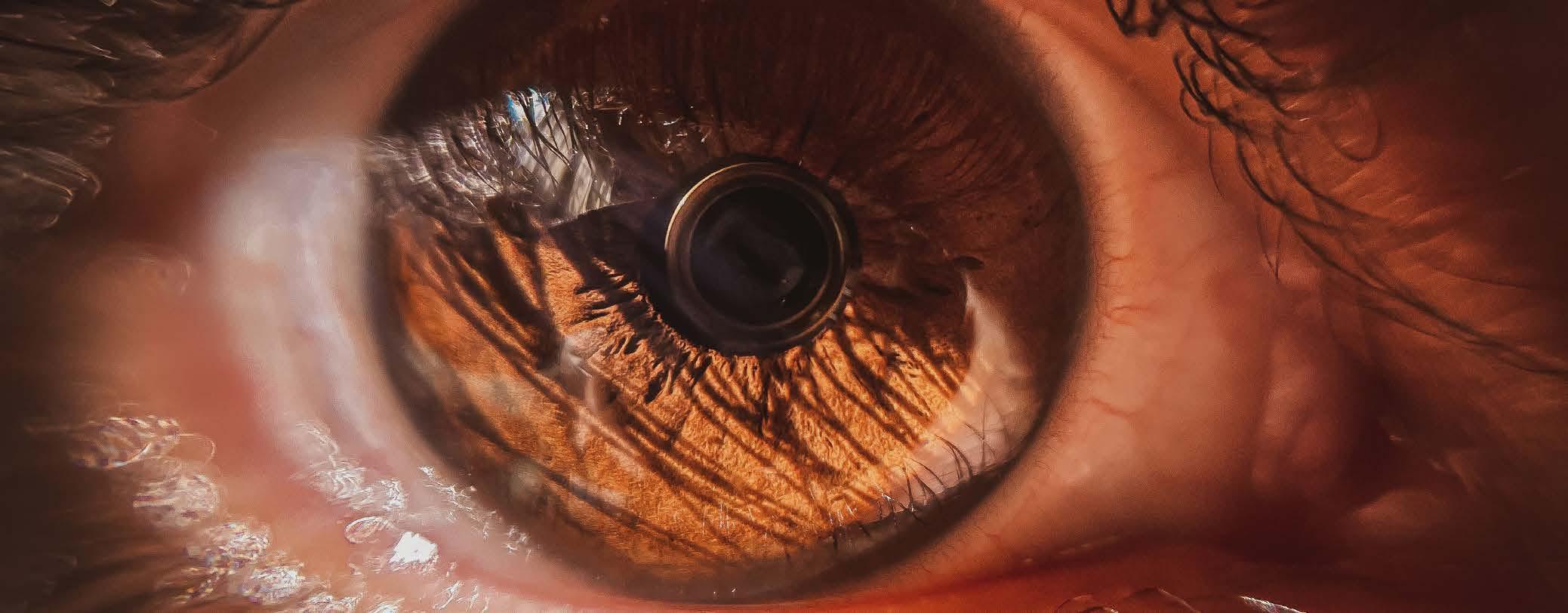
Eye care professionals (ECPs) have more diagnostic tools at their disposal than ever, yet dry eye disease (DED) diagnosis still resists a single playbook. A survey published in Contact Lens & Anterior Eye found that while objective tests are gaining ground, clinicians worldwide continue to rely on widely different combinations of assessments to diagnose and classify DED.
Researchers compared two international Tear Film and Ocular Surface Society (TFOS) surveys, conducted in 2018-2019 and 2023-2024, to track how DED diagnostic practices have shifted over five years. The analysis included 2,044 ECPs from 54 countries and examined which tests clinicians routinely use to diagnose and classify DED following the publication of the TFOS Dry Eye Workshop II (TFOS DEWS II) and TFOS DEWS III reports.*
Objective testing rose markedly compared to 2018-2019: meibography use increased from 21% to 30%, and lipid layer interferometry from 14% to 21%. More clinicians also identified validated symptom questionnaires and non-invasive tear breakup time (NIBUT) as essential components of dry eye diagnosis, pointing to broader adoption of TFOS DEWS recommendations.*
Even so, traditional methods remain the backbone of clinical practice. Patient history, fluorescein tear break-up time and corneal staining were still the most commonly used tests, and no single diagnostic strategy emerged as a global standard. The most frequently reported test combination was used by just 3.2%
*
of respondents, underscoring how fragmented DED diagnosis remains.
Participation was voluntary, raising the possibility of response bias. The authors note that the survey response rate could not be determined, and because different clinicians responded in each period, changes in individual practice could not be assessed.*
Dry eye diagnosis is edging toward greater objectivity, with clinicians increasingly pairing symptom questionnaires with advanced diagnostic tests. But how those tools get combined still varies widely by clinician and practice setting.
The guidance is getting sharper; the consensus, not so much.
Editor’s Note
A version of this article was first published on MediaMICE.com.
*Wang MTM, Craig JP, Jones L, Semp DA, Travé-Huarte S, Wolffsohn JS. Diagnosis of dry eye disease in clinical practice: comparison of TFOS international survey outcomes over a 5-year period. Cont Lens Ant Eye. 2026;49(5):102712.
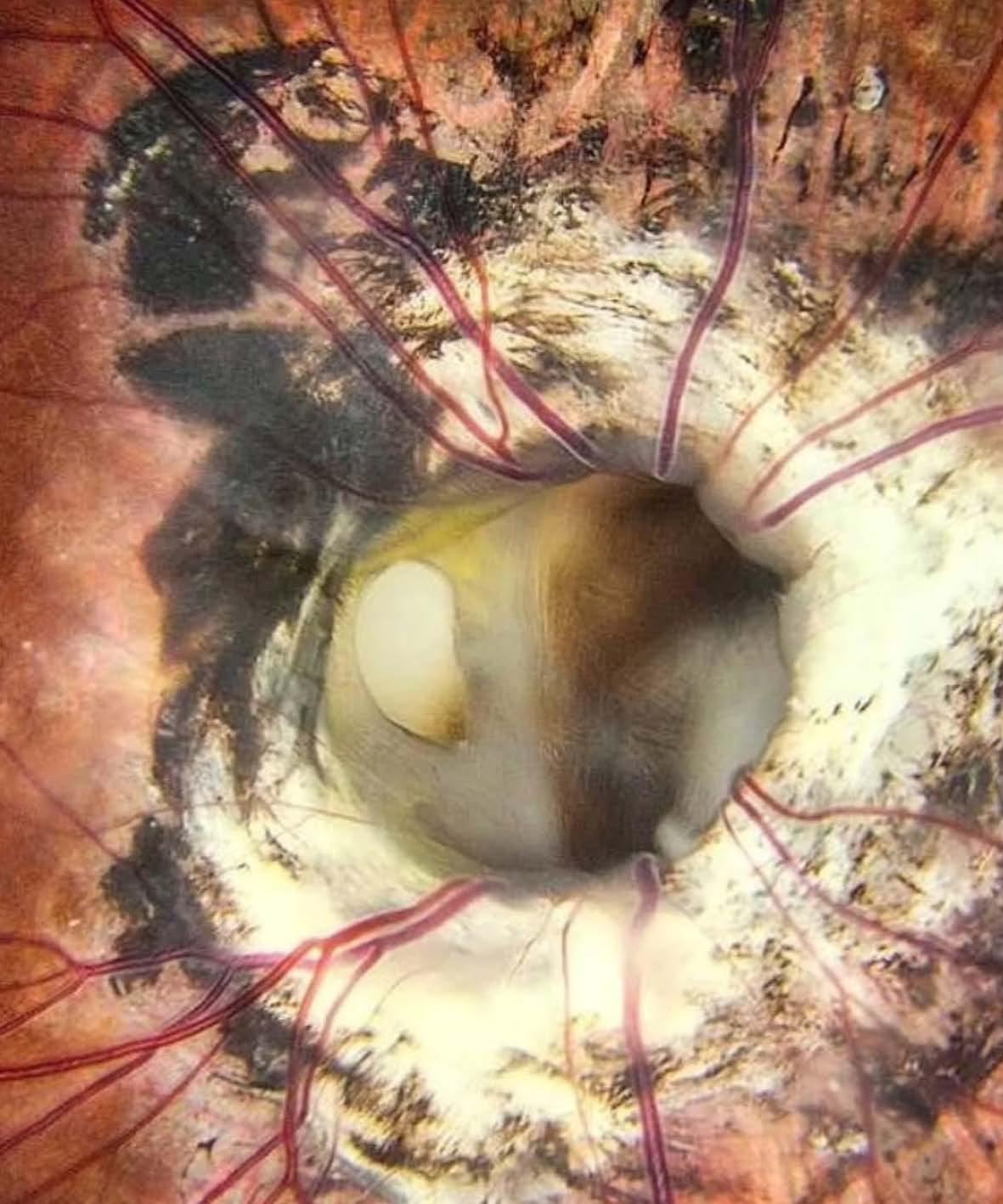




A childhood experience with vision therapy set Dr. Jennifer Fisher on a path toward pediatric optometry. Today, she helps young patients unlock confidence and learning through better vision.
By Chow Ee-Tan
Back-to-school season brings the usual scramble: supply lists, new schedules, freshly sharpened pencils and the like. But Dr. Jennifer Fisher (United States), associate clinical professor in the Binocular Vision Department at UC Berkeley’s Herbert Wertheim School of Optometry & Vision Science, wants clinicians and parents alike to add one more item to the checklist: a comprehensive eye exam.
For many children, difficulties with reading, attention and classroom performance stem not from a lack of ability, but from undetected vision problems. It’s a reality Dr. Fisher knows intimately. Her own path into optometry began with personal experience as a patient.
“I went through vision therapy, and it completely changed the way I was able to learn and succeed in school,” she shared. That transformation shaped a career dedicated to helping children overcome visual challenges and reach their full potential.
Dr. Fisher’s clinical focus sits at the intersection of pediatric optometry, binocular vision and vision therapy, a space she finds both professionally compelling and personally meaningful.
As the mother of two young children, she has a practitioner’s understanding of early visual development and a parent’s appreciation for just how much is at stake during those formative years.
“The pediatric years are a crucial time to identify and address vision problems,” she noted. “I love being able to make a positive impact during that stage of life.”
What motivates her is the breadth of that impact. Children rely on their visual systems throughout the school day—not only for reading and writing, but for processing information from digital devices, whiteboards and classroom materials. Efficient eye teaming, focusing and tracking skills underpin all of it.
When those functions are compromised, children may lose their place while reading, experience chronic headaches or eye strain, or avoid near work altogether—symptoms that can quietly erode academic performance and self-confidence before anyone identifies the root cause.
“Twenty-twenty eyesight is only one part of a much more complex visual system that supports learning,” Dr. Fisher explained.
The growing prevalence of digital devices has added another layer of complexity to pediatric visual health. Dr. Fisher acknowledges the educational and creative value of technology while cautioning that prolonged screen use can exacerbate headaches, blurred vision and fatigue, particularly in children with underlying focusing or eye teaming difficulties. Evening screen exposure may also interfere with sleep.
The myopia picture is equally pressing. Research has shown that spending more time outdoors may help reduce the risk of developing myopia in children, making outdoor play and physical activity a meaningful complement to any clinical intervention.
One case has stayed with Dr. Fisher as a reminder of why the work matters beyond clinical outcomes. A six-year-old boy arrived presenting with double vision and significant eye strain caused by intermittent exotropia; surgery was already on the table as a potential treatment.
Following 18 sessions of vision therapy, his symptoms resolved and his eye alignment improved substantially. But what Dr. Fisher remembers most is what his mother shared afterward—that her son could now catch a ball, participate confidently in sports and engage with friends in ways he never had before.
“Moments like these remind me that our work extends far beyond the exam room,” she said. “This experience reinforced an




important lesson: improving visual function can open doors not only academically, but socially and emotionally as well.”
Dr. Fisher regularly works with children who have developmental delays and learning-related vision challenges, and she is candid about what those cases have taught her. “Their unwavering commitment and determination are truly inspiring,” she said of the families she serves—many of whom are simultaneously managing multiple appointments, therapies and educational systems.
That family-centered perspective shapes how Dr. Fisher approaches treatment planning. She understands firsthand the challenge of fitting vision therapy and home exercises into an already packed schedule, and she designs protocols accordingly—realistic and sustainable rather than aspirational and overwhelming.
The question she returns to when making clinical decisions is straightforward: “What would I recommend if this were my own child?” It is a standard that guides both her clinical judgment and her communication with families.
As a former UC Berkeley student now on faculty, Dr. Fisher is equally invested in what happens inside the classroom she teaches. She hopes her students leave with more than clinical competency.
“Providing excellent care is about much more than treating eyes,” she said. “It’s about understanding the person sitting in front of
you.” Empathy, compassion and genuine human connection, she believes, are skills no curriculum can afford to skip.
Looking ahead, she is encouraged by emerging evidence-based developments in pediatric optometry. Among them, virtual reality therapies for amblyopia and ongoing research into strabismus and traumatic brain injury.
For all the technological promise on the horizon, Dr. Fisher’s advice to those caring for young patients—and to parents—is refreshingly simple. A comprehensive eye examination before the school year begins can surface problems that no teacher, tutor or extra hour of homework will fix. “Ensuring that a child’s visual system is working efficiently can help set them up for success academically and make the transition back to school smoother and more confident,” she said.
“When children can see their world clearly, they are far more likely to see their own potential as well.”
CONTRIBUTOR

Dr. Jennifer Fisher
Associate clinical professor in the Binocular Vision Department at the Herbert Wertheim School of Optometry and Vision Science, University of California, Berkeley. jenlim@berkeley.edu

Eighteen months old, can’t talk, can’t point reliably, can’t read a chart. Here’s how a new test gets a real acuity reading anyway, and why Dr. Susan Leat thinks screening alone is letting too many kids down.
By Hazlin Hassan
Ask any optometrist and they’ll likely have a version of this story: a child who never complained, never seemed bothered and turned out to have a vision problem nobody caught until far later than ideal. It’s a familiar pattern in pediatric eye care, and one that routine screening alone hasn’t been able to stop.
A new tool, the Waterloo Differential Acuity Test (WatDAT), aims to close that gap. Designed for children as young as 18 months, it lets clinicians assess visual acuity well before most toddlers can manage a conventional eye chart1, raising fresh questions about how early detection should really start.
While school vision screening is often seen as a safety net, Dr. Susan Leat (Canada), an optometrist, researcher and lead developer of WatDAT, said the net can have large holes in it.
“Screening only measures some visual functions, typically some combination of visual acuity, ocular alignment and perhaps stereopsis,” she said. “It concentrates on detecting strabismus and significant amblyopia, and perhaps large refractive errors. So it will never be 100% sensitive for detecting all vision disorders.”
She pointed out that screening will not, for example, detect small refractive errors, moderate hyperopia or other binocular vision problems. But these can still significantly and negatively impact a child’s learning. Ocular health problems are also not detected through screening.
Timing compounds the problem. “Most of the problems they are trying to detect start…between the ages of three months to about three years,” she noted. And if there is amblyopia or strabismus, it needs to be detected much earlier in life for the best treatment outcome.”
Canada recommends a first eye exam between six and nine months of age2 , and the American Optometric Association recommends six months.3 School-age screening, by comparison, arrives well after the critical window has narrowed.
The familiar Snellen chart only works once a child can recognize symbols and follow instructions reliably. For younger patients, clinicians rely on workarounds.
Babies are tested with preferential looking techniques, where tests rely on the fact that babies will look at a pattern rather than a blank screen. The clinician makes a judgement on whether the child can see the pattern by watching their eye movements and fixation.
“These tests are relatively expensive and they are not sensitive for detecting amblyopia or other losses of visual acuity,” Dr. Leat noted. “They tend to overestimate how good visual acuity is and do not give results which are equivalent to the adult letter chart.”
Toddlers, on the other hand, are given matching tasks.
The child is shown a shape or picture and is asked to point to the same shape on a card that is in their lap. These have been improved to give a more similar measure of visual acuity compared to the letter test used for adults, explained Dr. Leat.
WatDAT sidesteps the matching paradigm entirely. Rather than asking a child to find an identical match, it presents an odd-one-out task—a house among circles, a smiley face among shapes1—which Dr. Leat says is cognitively easier for younger children to perform.
Shapes start large and shrink progressively until the child can no longer respond accurately, with the smallest correctly identified size establishing visual acuity.1
The result, according to Dr. Leat, is a test children experience as game-like and fun, while still producing visual acuity results comparable to the adult gold-standard ETDRS letter chart.
Perhaps the most persistent misconception clinicians encounter, often from parents, is that a passed screening equals healthy vision. Dr. Leat is unambiguous on this point.
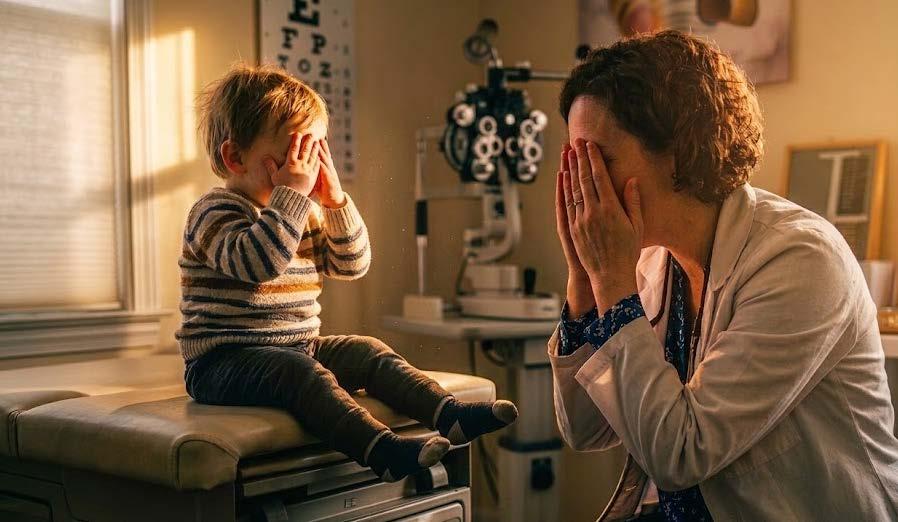
“Screening cannot result in a diagnosis. It only identifies a potential problem. The child then still needs to have a full eye examination for diagnosis and treatment or correction,” she said. “So it is a twotier system, and children who pass the screening should still have a full eye examination.”
In Canada, the U.S., the UK and parts of Europe, comprehensive exams typically fall to optometrists or ophthalmologists, and are often provided free of charge to children.
Dr. Leat argues that funding would be better directed toward universal comprehensive examinations than toward screening programs that, by design, cannot catch everything, and may leave parents wrongly reassured when a child passes.
The future of pediatric vision testing involves finding the problems before they affect how a child learns, plays and experiences the world.
For Dr. Leat, that starts with getting children into the examination chair much earlier, between six and nine months of age.
“I really hope that more optometrists are trained and equipped to undertake full eye examinations in young children,” she said.
She points to the Waterloo School of Optometry and Vision Science, where optometrists are trained to examine babies and young children, as an example of how that can be done.
Her team is now working to commercialize WatDAT, with the hope of giving more clinicians an affordable, game-like way to assess vision accurately in children as young as 18 months.
Because the smallest line on a chart was never really the point. It’s catching what’s hiding behind it, early enough to matter.
1. Aryal S, Irving EL, Leat SJ, et al. The Waterloo Differential Acuity Test (WatDAT)—Testability and normative data. Ophthalmic Physiol Opt. 2025;45(7):1689-702.
2. Canadian Association of Optometrists. Growing eyes, bright futures. Accessed on June 30, 2026.
3. American Optometric Association. Infant vision: Birth to 24 months of age. Accessed on June 30, 2026.
CONTRIBUTOR

Dr. Susan Leat
Professor emerita and adjunct professor at the School of Optometry and Vision Science, University of Waterloo. leat@uwaterloo.ca

A quick spritz instead of a squirming toddler? New research on spray-delivered mydriatics suggests dilation day could get a lot less dramatic…though the jury’s still out on whether it can pull off cycloplegia’s
Tan Sher Lynn

For many children, pupil dilation is the least pleasant part of an eye exam—and for the clinicians administering it, often the most stressful part of the appointment.
Conventional eye drops are effective, but they can trigger anxiety, resistance and outright tears, making the process difficult for patients and practitioners alike. A study published in Ophthalmology points to a possible alternative: a spray-delivered mydriatic that achieves pupil dilation comparable to traditional drops.*
For clinicians who regularly examine young children, the appeal is obvious.
“Children are generally apprehensive and sensitive to any tactile approach around the eyes,” said optometrist Dr. Kevin Chan (United States). “Instilling topical eye drops for children involves more than
techniques alone; it also requires creativity and deeper understanding of each patient’s lifestyle and preference.”
Pediatric ophthalmologist Dr. Julius Oatts (United States) agreed that administering drops is often harder than it looks. “Giving eye drops to kids sounds like something that should be easy, but anyone that has tried to negotiate with a screaming threeyear-old in the eye clinic knows that this is not always the case,” he said. “The spray presents an opportunity to avoid some of the fear that comes with an eye drop.”
The delivery method itself is straightforward. “The device is held close to the child’s face and then the administrator presses a button which causes a release of the medication,” Dr. Oatts explained. “It’s a very small volume

and the droplets are quite small, so it’s almost hard to feel—kind of like a mist.”
A gentler patient experience is a welcome perk, but the real story here is clinical. The researchers found that spray delivery was non-inferior to conventional drops in achieving pupil dilation.
For Dr. Chan, that finding addresses a longstanding challenge. “To ensure medication is administered and delivered effectively, it is vital to ease the struggle and streamline the route of administration for patients, particularly for children,” he said. “The result of non-inferiority by spray delivery over traditional installation has shown great promise, with tremendous clinical merit to improve patients’ motivation and adherence.”

Patient cooperation often separates a smooth consultation from a difficult one, and Dr. Chan sees spray delivery as a way past longstanding friction points.
“Less tactile maneuvers are needed or involved,” he said. “When children realize that taking medication is no longer a physical and mental struggle, they are more likely to adhere to recommendations and instructions, leading to better and more reliable treatment outcomes.”
Dr. Oatts, one of the study authors, noted that patient preference data reinforces that potential. “Our findings show that, at least for pupillary dilation, the spray is a very feasible alternative,” he said. “Interestingly, the majority of children in our study also preferred the spray over traditional drops.”
Encouraging as the results are, the study leaves an important question open. While spray delivery matched drops for pupil dilation, it fell short of demonstrating non-inferiority for changes in spherical equivalent refraction, leaving cycloplegic efficacy uncertain.
For optometrists, that distinction is not a technicality. “As accommodation in pediatric patients is generally more robust and arguably more unpredictable than in adults, understanding and validating the effectiveness of a spray-delivered mydriatic for cycloplegic assessment is critical,” Dr. Chan noted. “In my perspective, having an accurate and reproducible cycloplegic refraction outcome is non-negotiable.”
He believes the open question on cycloplegia could shape how the profession receives the technology. “With the inconclusive result for cycloplegic effectiveness, I am concerned that it could draw skepticism or adversely affect clinical perception of spray-administered medication,” he said.
Dr. Oatts acknowledged the limitation, noting it shaped the study’s design. “This concern was part of the reason why we did not include children with esotropia or
any eye conditions which are impacted by accommodation,” he shared.
He added that the spray may not suit every clinical scenario, saying, “In a child where true cycloplegia is required, this might not be the solution, and that’s ultimately limited by the predefined eye drops that were administered.”
Should spray-based mydriatics reach the market, clinicians will need to decide where they belong in practice.
Dr. Chan expects conventional drops to remain the default for older children and teens. “Conventional manual application generally works well for adolescents who are spatially and intellectually aware of what to expect,” he said. “With proper instructions, patients in this age group generally develop less apprehension or resistance.”
He sees spray delivery as more valuable at the other end of the age spectrum. “Using a spray-delivered instillation method is believed to cater more towards newborns, toddlers or children with special needs,” he said. “As patients in this demographic aren’t fully developed in their sensory and tactile maturity, using a less-invasive and less-tactile approach is generally more inviting and appealing.”
He also flagged a practical benefit for caregivers with arthritis or reduced hand mobility, who may struggle with traditional drop administration.
Ultimately, he cautions against a one-sizefits-all approach. “The key is to evaluate each patient on a case-by-case basis, as it can be subject to a wide array of individual variabilities,” he emphasized.
Before spray-delivered mydriatics become routine, more evidence is needed. Dr. Chan believes future research should look beyond clinical outcomes to the pharmacodynamics behind them.
“While spray-administered mydriatics appear promising, what is yet to be ascertained is a deeper understanding of the pharmacodynamics,” he said. “More importantly, it is crucial to establish stronger evidence regarding tissue penetration, absorption and clinical significance.”
Even with these open questions, he remains optimistic about where the technology could go. “I believe that spray-delivered mydriatics hold tremendous potential in helping clinicians ease the barriers of patients’ resistance and enhance adherence compared with conventional instillation methods,” he said. “Nevertheless, it will probably take time to come into fruition and be used in the mainstream. Further research is warranted to solidify the evidence base and ensure patient safety and consistent delivery outcomes.”
For now, the humble drop isn’t going anywhere, but it may soon have to share the exam room.
*Godfrey A, Menon S, Takla P, et al. A small-volume topical ophthalmic spray for pupillary dilation in children: A randomized, masked, noninferiority trial. Ophthalmology. 2026;133(4):515-521.
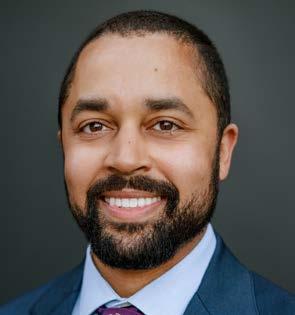
Dr. Julius Oatts Attending physician in Ophthalmology at Children’s Hospital of Philadelphia and an associate professor at the Scheie Eye Institute, Perelman School of Medicine at the University of Pennsylvania. oattsj2@chop.edu

Dr. Kevin Chan Senior clinical director of Treehouse Eyes, the first and only specialty eye care company dedicated exclusively to providing myopia management for children across the U.S. kevin.chan@treehouseeyes.com


Evidence-based myopia care is gaining ground across the Asia-Pacific, but APMMS 2026 showed that the next challenge centers entirely on implementation within real clinics, real families and real health systems already under pressure.
By Kendra Bruning
The evidence that pediatric myopia can be slowed is no longer in serious dispute. Dual-focus contact lenses and low-dose atropine protocols have accumulated enough clinical momentum to settle that argument.
What the trials could not account for, of course, is the parent juggling three children’s schedules, the kid who decides contact lenses are inconvenient on a Wednesday, or the follow-up appointment that quietly slipped three months on the calendar. In the consulting room, those variables determine whether the trial numbers hold.
Japan’s prescribing share for myopia control soft contact lenses sits at around 3%, against a 12-country Asia-Pacific average of 24%.1 Prof. Saiko Matsumura (Japan) has run the numbers, and it’s sobering:
• Approximately 5.5 million Japanese children aged 5 to 17 are estimated to have myopia—around 41% of that age group. 2
• In children aged seven to nine, average annual axial elongation runs approximately 0.4 mm.3
• If all of the country’s approximately 10,200 ophthalmologists managed myopic children equally, each would carry roughly 536 per year. 2
Other Asia-Pacific markets face their own versions of the same equation.
PROOF
Until recently, Japan’s prescribers had to borrow their clinical rationale from overseas data. That changed with the approval of Ryjusea (0.025% atropine; Santen Pharmaceutical; Osaka, Japan) and MiSight 1 day (dual-focus daily disposable soft contact lens; CooperVision; California, United States).
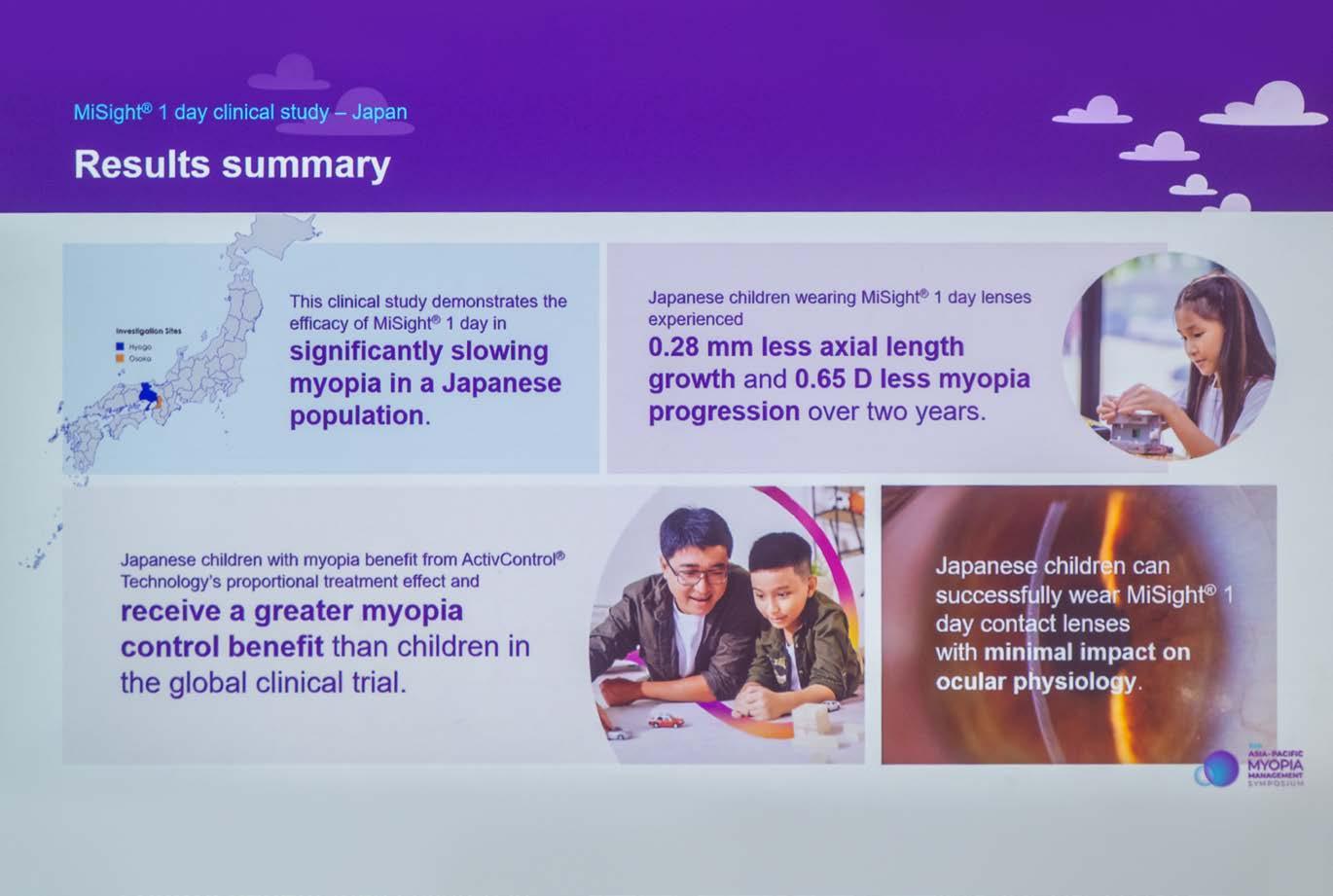
The J-MiSight study enrolled 60 Japanese children aged 8 to 12 in a randomized, double-masked, two-year trial—the first dedicated Japanese pediatric trial of the lens.
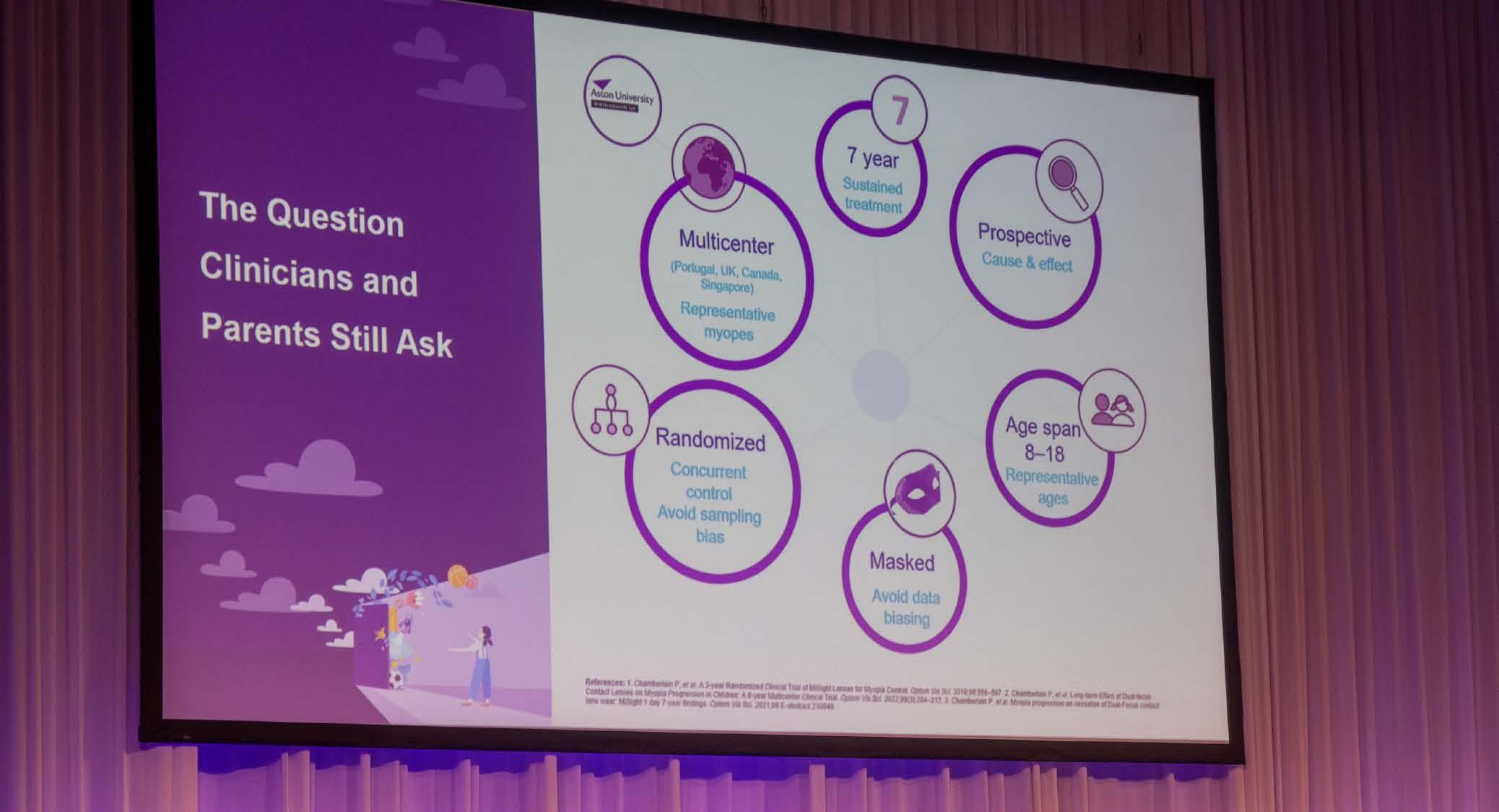
Presented data showed 0.65 D less myopic progression and 0.28 mm less axial elongation versus single-vision controls, reductions of approximately 50% and 46% respectively, with no serious adverse events.4 While the results have not yet been independently published, comparison with global trial data suggests the effect may be at least as strong in Japanese children.5,6
The downstream stakes are meaningful: each additional diopter of myopia is associated with approximately a 67% increase in myopic maculopathy prevalence7, so a child who finishes one diopter less myopic carries a materially lower lifetime risk.
REAL
Clinical efficacy, it turns out, is only part of the calculation. As Prof. Ian Flitcroft (Ireland), of the Centre for Eye Research Ireland (CERI), put it, “The efficacy you will get in your clinic will be the combination of the core efficacy of the treatment…multiplied by compliance.” 8
The efficacy you will get in your clinic will be the combination of the core efficacy of the treatment… multiplied by compliance.
The Myopia Outcome Study of Atropine in Children (MOSAIC) trial offered a striking illustration of this when Ireland’s pandemic lockdowns arrived mid-study. Children enrolled before schools closed spent their treatment period indoors, screen-heavy and without the structure of the school day, and they showed no significant treatment effect. 8,9
Children who began the same atropine protocol once schools reopened showed
a statistically significant benefit. 8,9 The behavioral context of a child’s day, it turned out, was doing at least as much work as the medication.
Prof. Maria Liu (United States), of the University of California Berkeley, School of Optometry, has watched that gap close from the front of her own consulting room.
THE CHILD, THE PARENT AND THE PRACTITIONER
Behavioral scientist Sasha Cain (United Kingdom), of SCPS Consulting, frames this plainly. “The issue isn’t just efficacy,” she said. “It’s behavior.”10
The issue isn’t just efficacy,” she said. “It’s behavior.
Families managing pediatric myopia continuously question both the seriousness of the condition and the manageability of the treatment. When either assessment shifts downward, adherence tends to follow. Parents who underestimate longterm risk may disengage; so will those who find the daily routine unsustainable.
A 2026 global survey of eye care practitioners found meaningful variation in clinician willingness to initiate treatment at all, placing some of the adoption gap before the family conversation has even begun.11

“I vividly remember about…15 years ago, when I started talking to parents about soft contact lenses, a lot of Asian parents would not even allow me to finish my sentence,” she said. “But this trend has changed dramatically.”12
Japan’s early experience suggests the entry barriers are lower than many assumed. Preliminary questionnaire data from Prof. Matsumura on the country’s first MiSight 1 day adopters showed 68% of parents accepted immediately after the first explanation, 86% of children wore lenses daily at an average of 11 hours, and all practitioners reported successful firsttrial fitting. 2
ACROSS APAC
Dr. Kyeong-Wook Lee (South Korea) built a real-world dataset of 307 eyes followed for at least one year, including high myopes and children with astigmatism outside pivotal trial criteria, with smaller subsets tracked at two and three years.
Annual axial elongation averaged 0.19 to 0.20 mm,13 comparable with published five-year orthokeratology data 14 and the 0.05% atropine arm of the Low-

Concentration Atropine for Myopia Progression (LAMP) study in East Asian children.15
At the Singapore National Eye Centre, dual-focus daily disposable lenses account for 64% of the myopia control contact lens mix.16 For suboptimal responders, the clinical approach is to add rather than abandon, supported by emerging evidence that combining atropine with dual-focus soft contact lenses can provide additional benefit in children with rapid progression.16,17
Across the Asia-Pacific, ophthalmologists and optometrists have published a joint position statement standardizing contact lens use for pediatric myopia management, covering treatment selection, follow-up cadence and long-term planning.18
Moving from a 3% prescribing share of myopia-control soft contact lenses toward broader evidence-based care will require an operational shift. One that accounts for available chair time, allied-health integration and the daily compliance of a child whose cooperation cannot be assumed.
The field has spent a decade proving these therapies work. Now comes the harder job of making sure the system around them does too.
Editor’s Note
Reporting for this article took place during the Asia-Pacific Myopia Management Symposium (APMMS) 2026, held on May 10, 2026, at The Prince Park Tower, Tokyo, Japan. The event was organized by CooperVision Asia-Pacific.
1. Efron N, Morgan PB, Woods CA, et al. International trends in prescribing contact lenses for myopia control (2011–2024): An update. Cont Lens Anterior Eye. 2025;48(5):102451.
2. Matsumura S. Myopia management demand and MiSight 1 Day early experience in Japan. Asia-Pacific Myopia Management Symposium 2026 in Tokyo, Japan. May 10, 2026.
3. Itoi M, Itoi M. Axial length elongation in Japanese youth with myopia. Eye Contact Lens. 2021;47(2):104-7.
4. Ninomiya S. Double-blind, multicenter, randomized controlled study of MiSight 1 day in Japan. Asia-Pacific Myopia Management Symposium 2026 in Tokyo, Japan. May 10, 2026.
5. Chamberlain P, Peixoto-de-Matos SC, Logan NS, et al. A 3-year randomized clinical trial of MiSight lenses for myopia control. Optom Vis Sci. 2019;96(8):556-67.
6. Chamberlain P, Ninomiya S, Lumb E, Song T. The clinical performance of the myopia control soft contact lens. Asia-Pacific Myopia Management Symposium 2026 in Tokyo, Japan. May 10, 2026.
7. Bullimore MA, Brennan NA. Myopia control: Why each diopter matters. Optom Vis Sci. 2019;96(6):463-5.
8. Flitcroft I. Managing myopia: The synthesis of recent findings and clinical implications. Asia-Pacific Myopia Management Symposium 2026 in Tokyo, Japan. May 10, 2026.
9. McCrann S, Flitcroft I, Strang NC, et al. Myopia outcome study of atropine in children (MOSAIC): An investigator-led, double-masked, placebo-controlled, randomised clinical trial protocol. HRB Open Res. 2019;2:15.
10. Cain S. Myopia control: The behavioural science perspective. AsiaPacific Myopia Management Symposium 2026 in Tokyo, Japan. May 10, 2026.
11. Whayeb Y, Wolffsohn JS, Logan NS, et al. IMI-global trends in myopia management attitudes and strategies in clinical practice: A nine-year review. Cont Lens Anterior Eye. 2026;49(1):102492.
12. Liu M. Real-world evidence surprises: MiSight 1 Day in clinical practice. Asia-Pacific Myopia Management Symposium 2026 in Tokyo, Japan. May 10, 2026.
13. Lee KW. MiSight 1 Day: Evolving the practice in Korea. Asia-Pacific Myopia Management Symposium 2026 in Tokyo, Japan. May 10, 2026.
14. Hiraoka T, Kakita T, Okamoto F, et al. Long-term effect of overnight orthokeratology on axial length elongation in childhood myopia: A 5-year follow-up study. Invest Ophthalmol Vis Sci. 2012;53(7):3913-9.
15. Yam JC, Zhang XJ, Zhang Y, et al. Three-year clinical trial of low-concentration atropine for myopia progression (LAMP) study: Continued versus washout: Phase 3 report. Ophthalmology. 2022;129(3):308-21.
16. Foo LL, Ng WY. Combination therapy in myopia control: MiSight 1 Day plus atropine at Singapore National Eye Centre. Asia-Pacific Myopia Management Symposium 2026 in Tokyo, Japan. May 10, 2026.
17. Yum HR, Han SY, Park SH, et al. Synergistic effect of dual-focus soft contact lenses and 0.05% atropine on myopia control in children with rapidly progressing myopia. Eye Contact Lens. 2025;51(2):92-7.
18. Foo LL, Gifford K, Baek SH, et al. Joint position statement on standardizing the clinical use of contact lenses for myopia control from ophthalmology and optometry practices in the Asia-Pacific region. Vis Neurosci. 2026;43(1):1-11.

One in four kids with autism has never had an eye exam. Not because no one cared, but because no one changed the room, the script or the assumptions. Here’s what actually works when the standard exam doesn’t.
By Michaela Perez
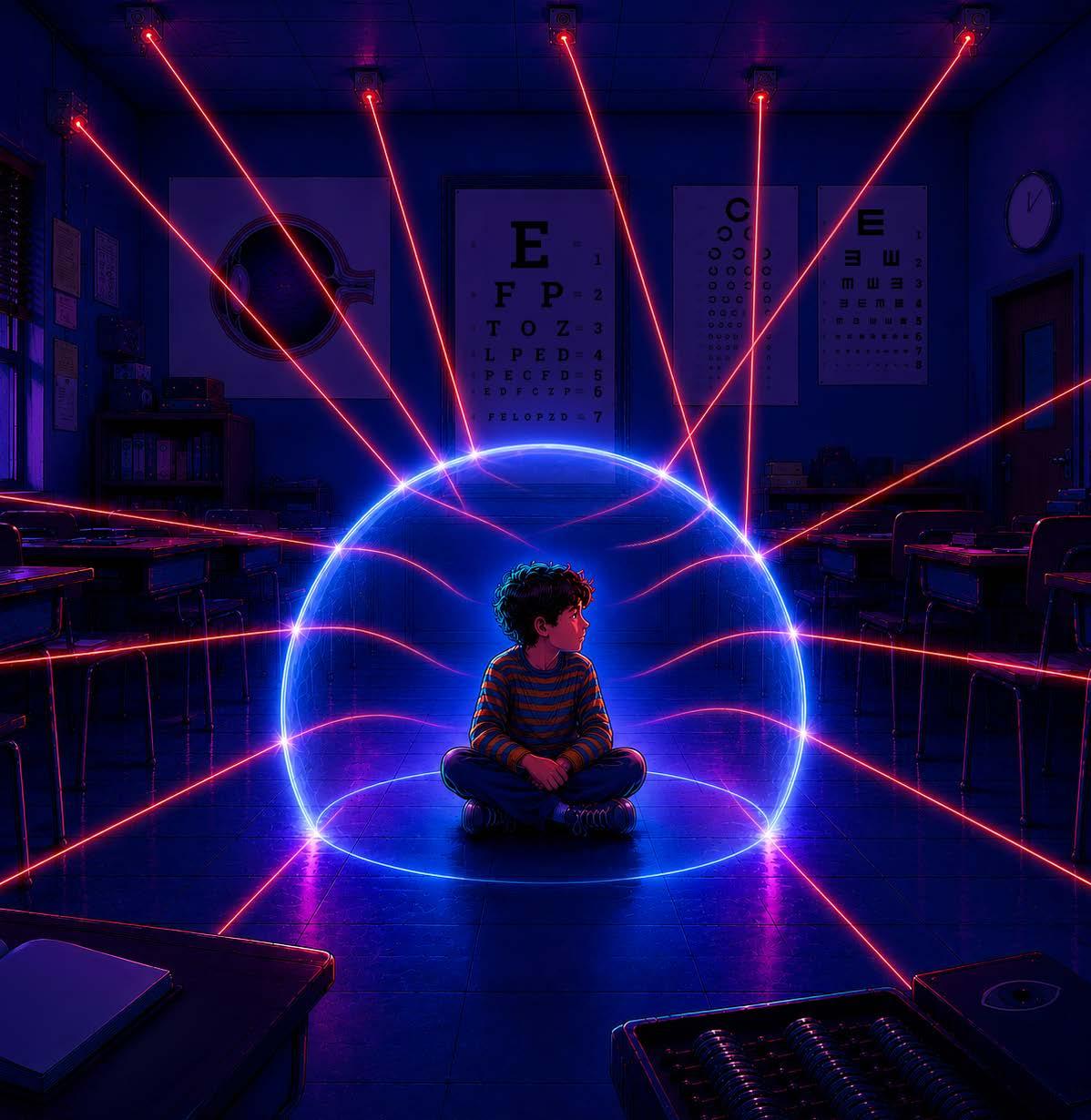


“Meet the child’s sensory needs.” That’s how Elise Huntley distills years of working with neurodivergent children in clinical settings. It sounds simple. In practice, it requires rethinking almost everything about how a pediatric eye exam is run.
Ms. Huntley works at a specialty care outpatient clinic, helping children with autism, sensory processing differences and other neurodevelopmental conditions navigate the clinical environment. Eye exams, she says, are among the hardest.
“They are typically long exams with many demands placed on a child,” she explained. “The many steps and demands can lead to increased stress and exhaustion which typically impacts a child’s cooperation.”
The child enters an unfamiliar room. Bright lights. Machines moving toward the face. Dilation drops, blurred vision and a long wait in an already overwhelming space. For a neurotypical child, this is mildly uncomfortable. For a child with sensory processing differences, it can be insurmountable.
Not only do children with autism spectrum disorder (ASD) face more barriers to eye care, they need it more urgently than most clinicians realize.
A nationwide cohort study from Taiwan found children with ASD had a 78% higher risk of hyperopia, a 27% higher risk of myopia, a 51% higher risk of astigmatism and more than twice the risk of strabismus compared with neurotypical peers.¹ U.S. population data spanning over 10 million children found ophthalmologic diagnoses were nearly three times more prevalent in children with ASD than in typically developing controls.²
Children with autism are also more likely to have refractive errors with an astigmatic component and poor accommodative function, so clinicians should routinely assess accommodative function in this population. If reduced visual acuity is found, it warrants further investigation, since good visual acuity is generally expected.³
A 2025 screening study found nearly one in four children with ASD had never had an eye examination, and nearly half could not complete stereopsis testing.⁴ Nearly one in four, never examined.
A neurodivergent child who cannot complete an eye exam is not being uncooperative. They are being overwhelmed.
For a child with pathological demand avoidance, every request registers as a threat, which makes an exam built on sequential demands precisely the wrong environment.
“Behaviors are communication,” Ms. Huntley said. “For a child who may have a history of hitting or head banging, these are often ways that the child uses to say they’re scared or overwhelmed. Before we assume that a child is aggressive just to be aggressive, we need to identify what is pushing them to the stressful point.”
The most effective tool in Ms. Huntley’s practice is actually the pre-visit phone call, not a piece of equipment.
“This gives us a chance to prepare the caregiver for what the exam may look like and how we can adapt it for their child,” she explained. The call covers triggers, sensory sensitivities, communication style and what has worked—or hasn’t—before.
“While a phone call before a visit does add a little time, it actually saves time because the visits are shorter and more efficient,” she said. “We have less meltdowns and more cooperation because we planned ahead.”
We have less meltdowns and more cooperation because we planned ahead.”
A preparation book goes home to families in advance. Some administer dilation drops themselves, removing one of the most stressful parts of the visit before the child ever reaches the clinic. This tracks with guidance from the College of Optometrists (United Kingdom), which recommends pre-visit familiarization and advance information about instruments and likely questions.³
For many neurodivergent children, predictability is what makes participation possible at all.
Once the child arrives, the environment becomes the first clinical intervention.
For sensory-avoidant children, the room is dimmed and staff numbers kept small. Always tell the child before shining any light into their eye, since pen lights may trigger seizures in some individuals. Trial frames stay on for as short a time as possible.³
For sensory-seeking children, weighted blankets, shoulder squeezes and vibrating seat cushions provide regulation without requiring the child to leave the chair. Sometimes the fix is simpler still: removing a chair so the child can stand, or bringing in a projector to soften the atmosphere.³
Visual schedules run the entire visit. If a child rocks or flicks their fingers, leave it alone.³ That behavior is how they stay regulated.
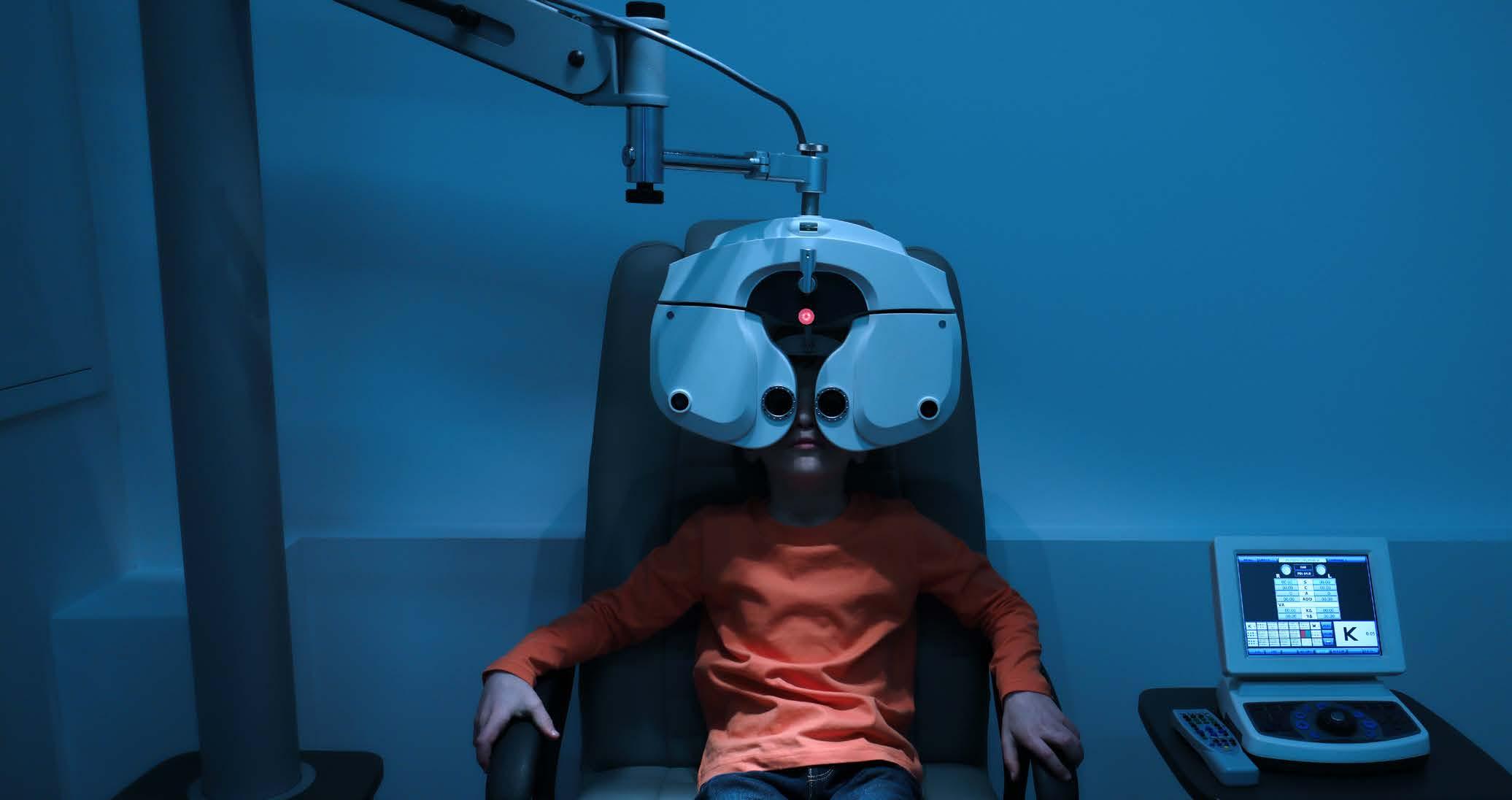
The most common mistake Ms. Huntley sees isn’t a wrong technique. It’s a wrong assumption.
“Non verbal does not mean non understanding,” she said. “Talk directly to the patient.”
Phrasing matters more than clinicians tend to assume. Instructions land more clearly than invitations, so “please put your chin on the chin rest” works better than “can you put your chin on the chin rest?” Some autistic children echo the last thing they hear, so offering choices as “clearer second or first” rather than “one or two” avoids steering the answer.³
Parents, meanwhile, are the most underused resource in the room. “They are the experts on their children so they can tell you the best way to adapt and modify care for their neurodivergent child,” Ms. Huntley said. What they need in return is simple: to be heard.
Ms. Huntley points to a nine-year-old autistic patient with anxiety and sensory processing differences who had failed to complete an eye exam multiple times. There was a family history of serious eye disease. The mother was frightened. Yet, no one had been able to assess the child.
With a pre-visit phone call, a weighted blanket, a visual schedule and dilation drops practiced at home, the child not only completed the exam but tolerated additional testing beyond the standard visit.
No specialist equipment. No extensive retraining. Just a plan made with the parent, and a room adapted to meet the child.

“Get creative and step out of the box,” Ms. Huntley said. “Just because this is how we’ve always done testing or an exam doesn’t mean that we need to do it that way.”
The barrier that keeps one in four children with ASD from ever getting an eye exam is invisible, but it isn’t immovable. With the right preparation and the right mindset, it is also entirely removable.
1. Chen YL, Yen CF, Lai YH, et al. Higher risks of hyperopia, myopia, astigmatism and strabismus in children with autism spectrum disorder: A nationwide, population-based cohort study. Braz J Psychiatry. 2025;47:e20233515.
2. Chang MY, Doppee D, Yu F, et al. Prevalence of ophthalmologic diagnoses in children with autism spectrum disorder using the Optum dataset: A population-based study. Am J Ophthalmol. 2021;221:147-153.
3. College of Optometrists. Examining autistic patients. Guidance for Professional Practice. Accessed on June 30, 2026.
4. Tınkır Kayıtmazbatır E, Güler HA, Acar Duyan Ş, et al. Visual health in autism spectrum disorder: Screening outcomes, clinical associations, and service gaps. Medicina (Kaunas). 2025;61(10):1779.
CONTRIBUTOR
Elise Huntley
Certified child life specialist who supports neurodivergent children and their families through clinical procedures and medical experiences. huntleye@childrensdayton.org