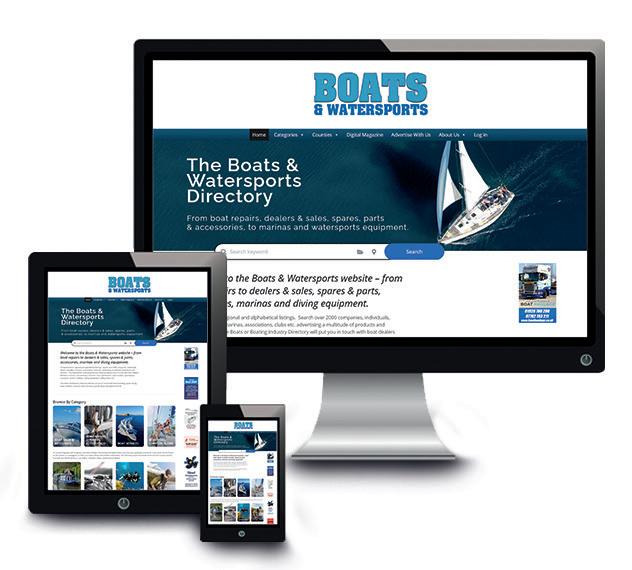
Hello and welcome to the latest edition of The Boats & Watersports Directory, and its sister website www.boatsandwatersportswebsite.co.uk. Response has once again been phenomenal and we would like to welcome all our customers and contributors. Why not consider all of the options now available to you through our website? We can offer you anything from a listing to a web page at very cost effective prices, with top rankings on Google, Yahoo and many more. Reaching every corner of the country, the web also offers access to a large potential market.
To advertise in the next issue please telephone our sales team on 01582 488385 or email ads@mediachameleon.co.uk or visit www.boatsandwatersportswebsite.co.uk and follow the links to read our media pack.
www.boatsandwatersportswebsite.co.uk

101, First Floor, Crystal
Telephone: 01582 488385
Email: ads@mediachameleon.co.uk www.mediachameleon.co.uk
Whilst every care has been taken to check the accuracy of the information in this directory, no responsibility can be accepted by the publishers for errors or omissions.
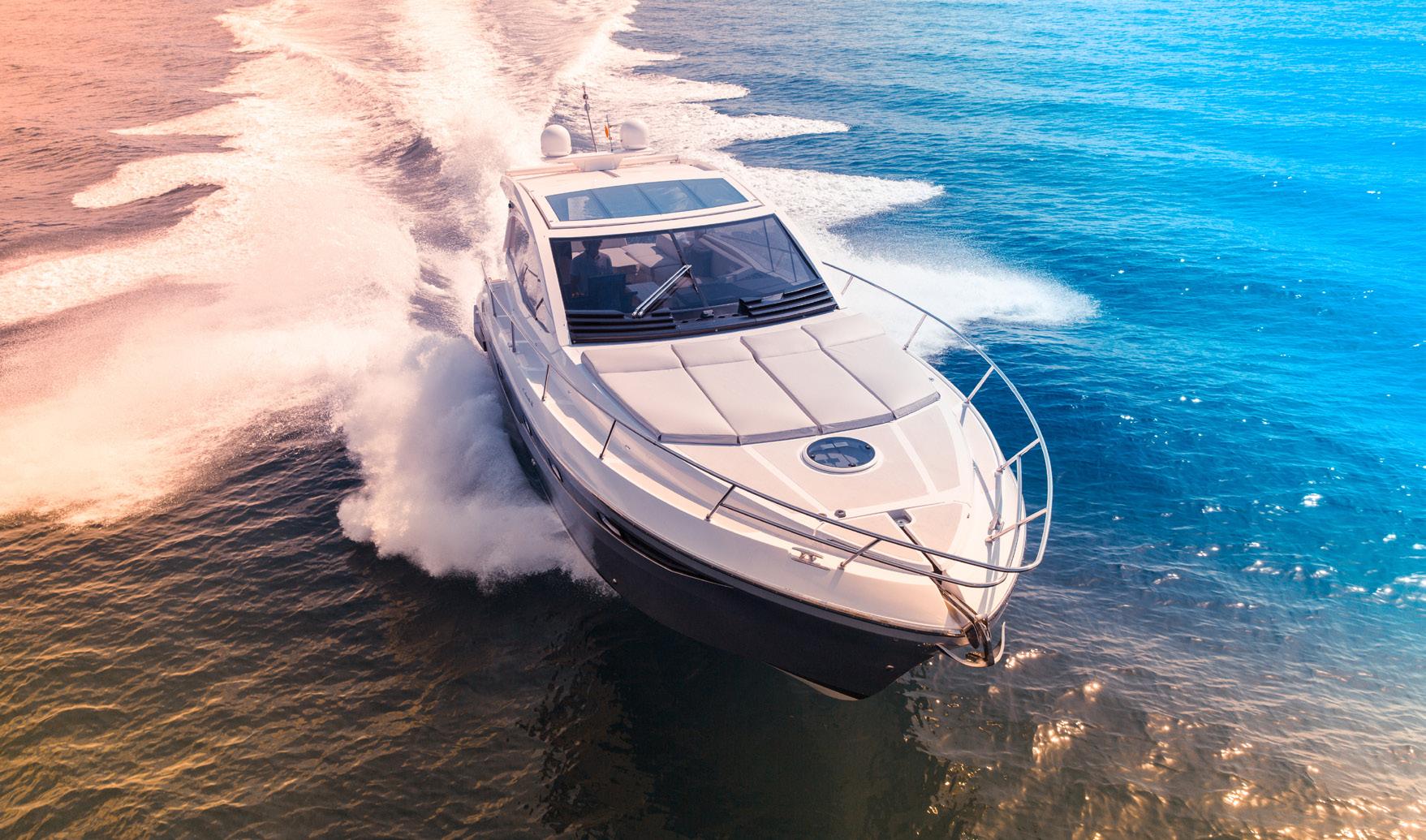
PAGES: 10-11
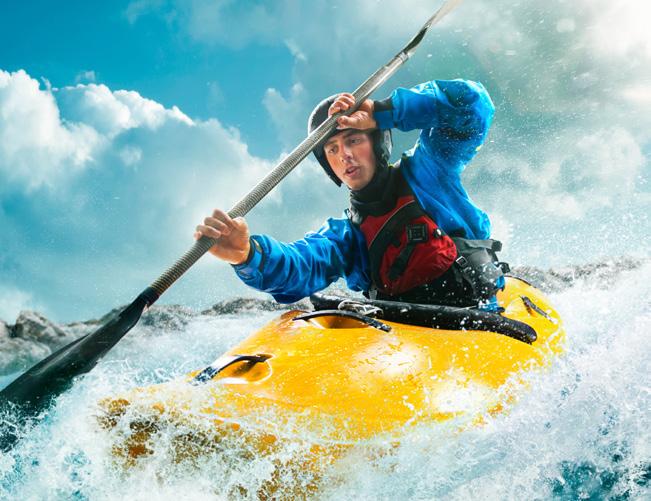
PAGES: 20-21
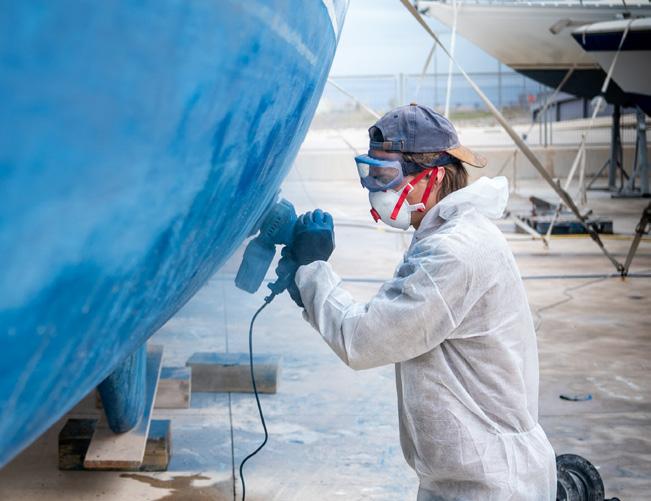
7
• Boat Shows 8-9 • Family Boating
10-11 • Riding The Waves
12-13 • Paddle Power
14-15 • Motor Cruising
16-17 • Marinas & Mooring
18-19 • The Lingo
20-21 • Keeping Boats Afloat
22-23 • Britain’s Floating Treasures
24-25 • Buying Your First Boat
26-27 • Man (or Woman) Overboard!
28-29 • Fishing & Angling Guide
30-31 • Casting Into Calm
PREMIER POSITION SECTION • PAGES: 4-6
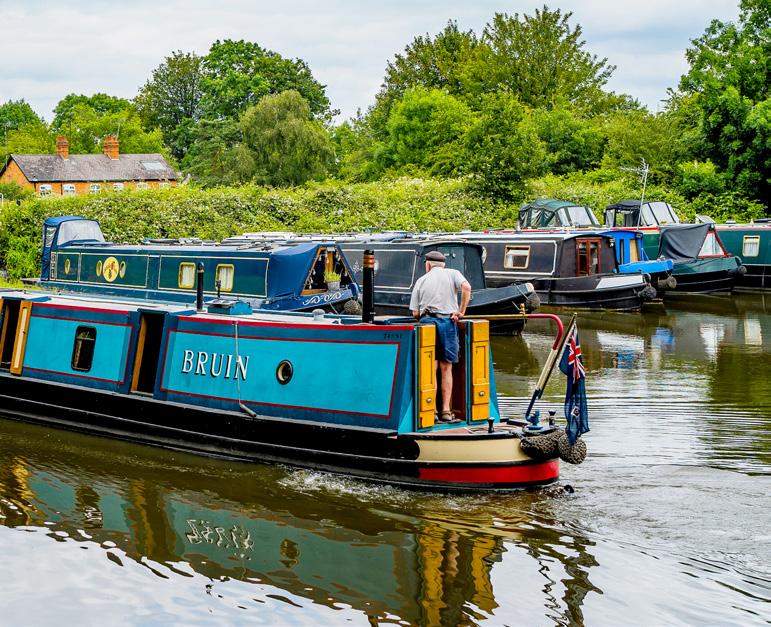




























17th – 19th Jul • Thames Traditional Boat Festival, Henley-on-Thames
1st – 7th Aug • Cowes Week, Cowes, Isle of Wight
31st Jul – 8th Aug • Lyme Regis Regatta & Carnival Week, Lyme Regis
7th – 16th Aug • Falmouth Week / Falmouth Sailing Week, Falmouth
8th – 10th Aug • Whitby Regatta, Whitby
18th – 27th Sep • Southampton International Boat Show, Southampton
20th – 21st Feb • RYA Dinghy & Watersports Show, Farnborough
TBA Apr • London Luxury Afloat, London
TBA May • South Coast & Green Tech Boat Show, Southampton
TBA May • Barclays Jersey Boat Show, Saint Helier
29th – 31st May • Crick Boat Show, Northampton 15th – 17th Jun • Seawork, Southampton
TBA Jul • LA-LA Rally, Conwy River Festival, Conwy
TBA Jul • Racing, Conwy River Festival, Conwy 31st Jul – 6th Aug • Cowes Week, Cowes, Isle of Wight
Your next adventure is waiting at the WATER'S EDGE
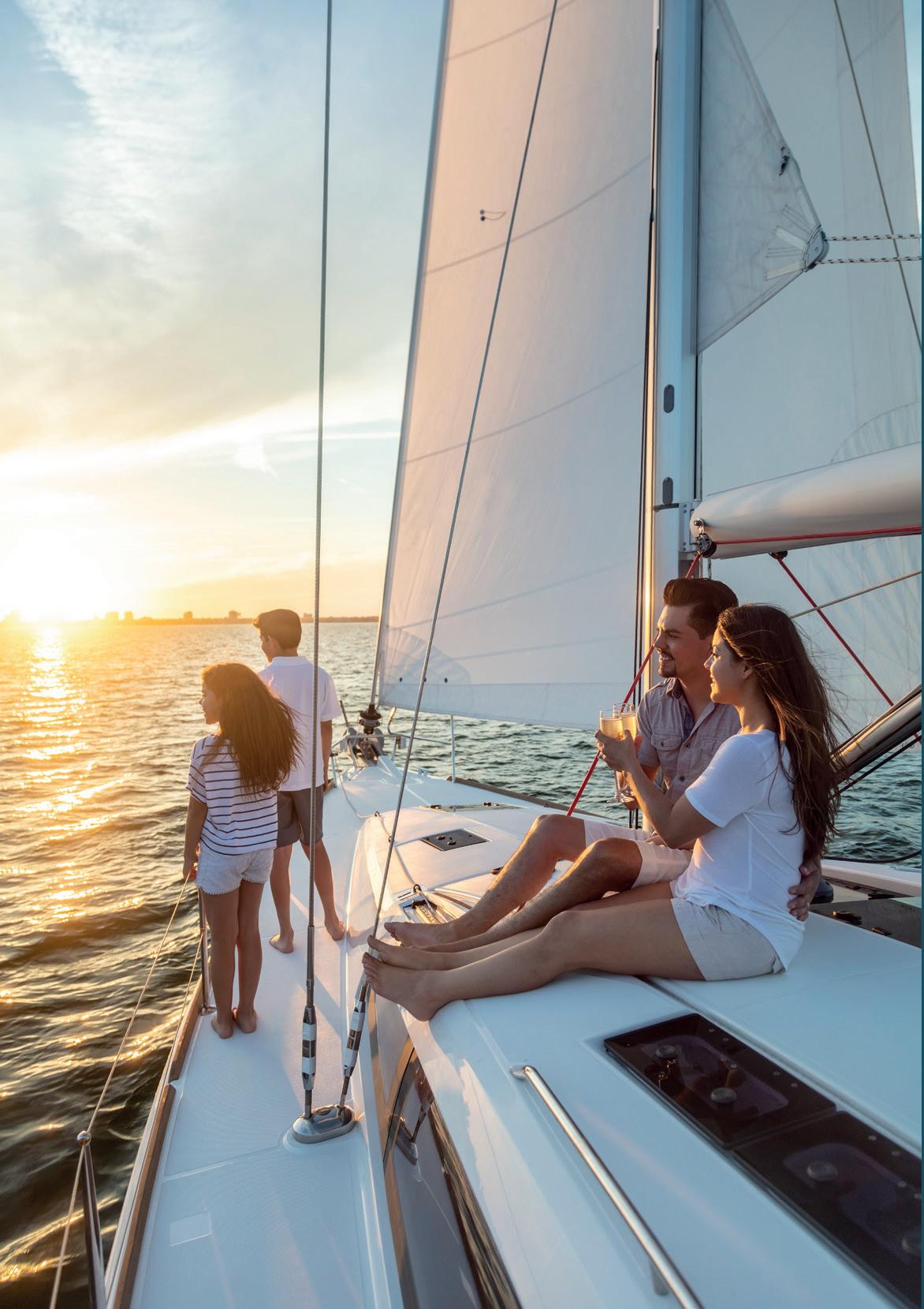

For many working families, boating has never been just a “man’s sport.” Yet in some leisure boating circles, it’s still viewed as an expensive boys’ toy—a symbol of success, power, and wealth. But in reality, modern family life makes it impractical (and a bit outdated) to think of boating as the domain of just one person.
With the time, money, and commitment involved, boating is far more rewarding when shared. After all, if one partner isn’t involved or interested, how much time will you actually get to spend on board? And will your family appreciate money being spent on something they don’t feel part of?
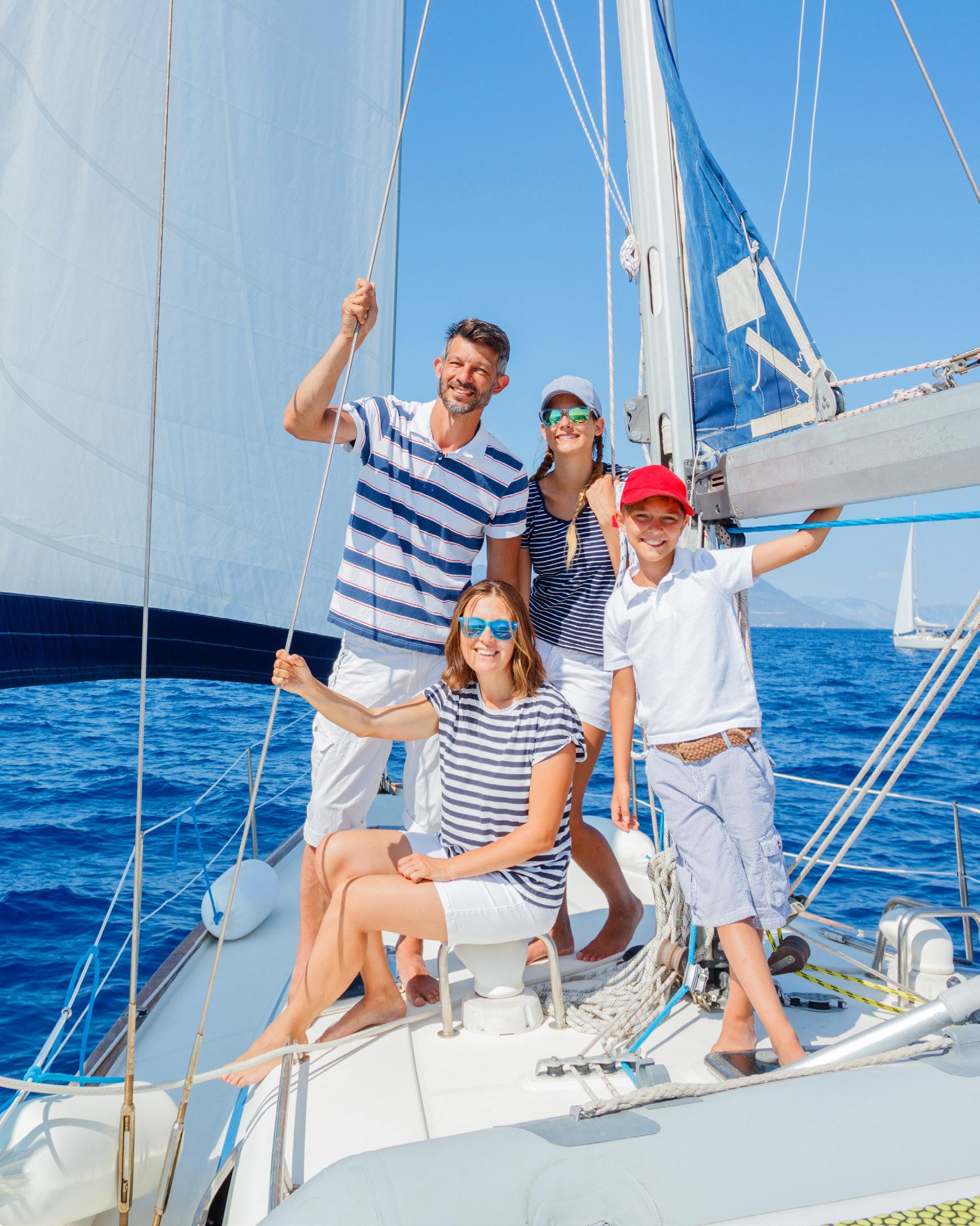
The good news: boating is an activity the whole family can enjoy together. It’s a chance to relax outdoors, develop teamwork, and explore both geography and nature. From fishing and cruising to watersports and coastal exploring, family boating offers plenty of ways to have fun together.
River cruising, for example, is a fantastic way to explore Britain’s scenic waterways and historical towns from a completely new perspective. Getting Children Involved
Kids love boats, and boating holidays are a great way to get them started. Safety should always come first, but with the right setup, children can play a real role on board: helping with route planning, casting off, steering, and even navigating locks. Whether cruising canals or heading out to sea, there’s always something new to learn—boating can create lifelong memories, provided safety stays at the top of your list.
Boating doesn’t need to be a solo passion. With the right approach, it becomes a shared adventure that builds family memories and skills, season after season.
Children are lighter and more likely to slip or be unbalanced by waves—so a properly fitted life jacket is non-negotiable. Avoid oversized jackets, as they can be more dangerous than helpful. A life jacket should fit snugly without restricting movement and should never ride up above the child’s ears. Choose automaticinflation jackets rather than manual ones for added security.
Teach kids the “one hand for the boat” rule— one hand should always be used to steady themselves. This builds awareness of the boat’s movement and reduces the risk of falls. A simple but essential rule: walk, never run.
Boating relies on clear communication. Children should be taught to listen carefully to instructions from the skipper—and to follow them immediately. This reinforces safety and helps everyone work as a team.
With excitement and sunshine, toddlers can tire quickly. Make sure there’s a sheltered space (a cuddy or cabin) for naps, and consider using a child harness or tether to keep them safely within view—this allows parents to relax without constant worry.
Every boat should have clear restricted areas for children—such as anywhere near engines, propellers, or companionway openings. Define these zones early and make sure they’re understood.
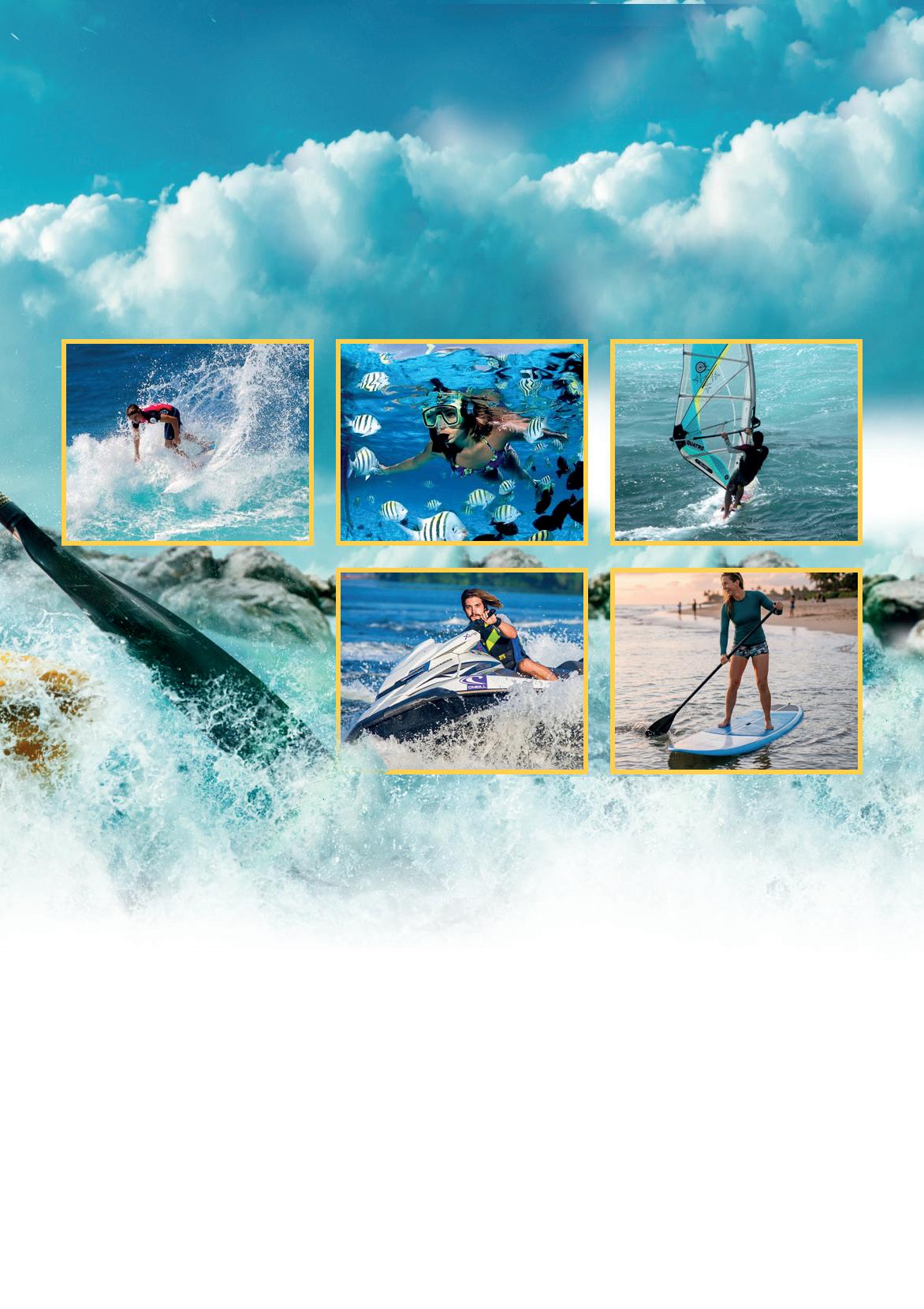
Britain may be an island nation, but for too long, we’ve looked at our waters as cold, grey, and better admired from a distance. That tide, however, is turning. From the rugged shores of Cornwall to the lochs of Scotland and the rivers of the Midlands, watersports in the UK are experiencing a quiet revolution. Once the preserve of hardcore surfers and summer holidaymakers, these sports are now capturing the interest of everyday Britons seeking new ways to stay active, de-stress, and connect with nature.
Whether it’s paddleboarding, wakeboarding, kayaking, kitesurfing, windsurfing, or open-water swimming, watersports are no longer niche— they are becoming mainstream. And this growth couldn’t come at a better time.
New
Post-pandemic, people have developed a stronger appreciation for outdoor activities closer to

home. Foreign travel may be back in full swing, but the appeal of exploring our own rivers, lakes, and coastlines has endured. Watersports offer something many land-based sports don’t: adventure with serenity. A morning paddle on a glassy canal or an adrenaline-charged kitesurfing session off the coast provides both mental and physical release.
Accessibility has also improved. Stand-up paddleboards and kayaks are now more affordable and portable. More clubs, rental centres, and local councils are investing in watersports infrastructure, making it easier than ever to try these activities—even for beginners. You no longer need to be near the sea to get involved; inland waterways and city docks are teeming with life.
>>>>> Watersports are now capturing the interest of everyday Britons seeking new ways to stay active, de-stress, and connect with nature
The physical benefits of watersports are undeniable—improved cardiovascular health, full-body toning, enhanced coordination—but it’s the mental health impact that deserves equal attention. There’s something deeply restorative about being on the water. Studies have shown that ‘blue space’—natural water environments—has a calming effect on the mind, reducing stress and improving overall well-being.
This is particularly relevant in the UK, where mental health challenges are rising, especially among young people. Watersports offer a healthy, screen-free outlet that combines exercise with mindfulness. Whether you’re navigating a river’s gentle current or taking on the surf in Newquay, you’re forced to focus, breathe, and be present.
The UK is uniquely placed to become a true hub for watersports. With thousands of miles of coastline, a vast network of rivers and lakes, and a population increasingly hungry for outdoor activity, the opportunity is clear. But sustaining this momentum requires investment—public and private. It requires environmental responsibility too; our waters must be kept clean, safe, and accessible for generations to come.
Watersports are not just a pastime—they are part of a cultural shift toward healthier, more sustainable, and adventurous lifestyles. Whether you’re 8 or 80, there’s a place for you on the water. So pick up a paddle, zip up a wetsuit, or simply dip a toe in. Britain’s waterways are open—and they’ve never been more inviting.
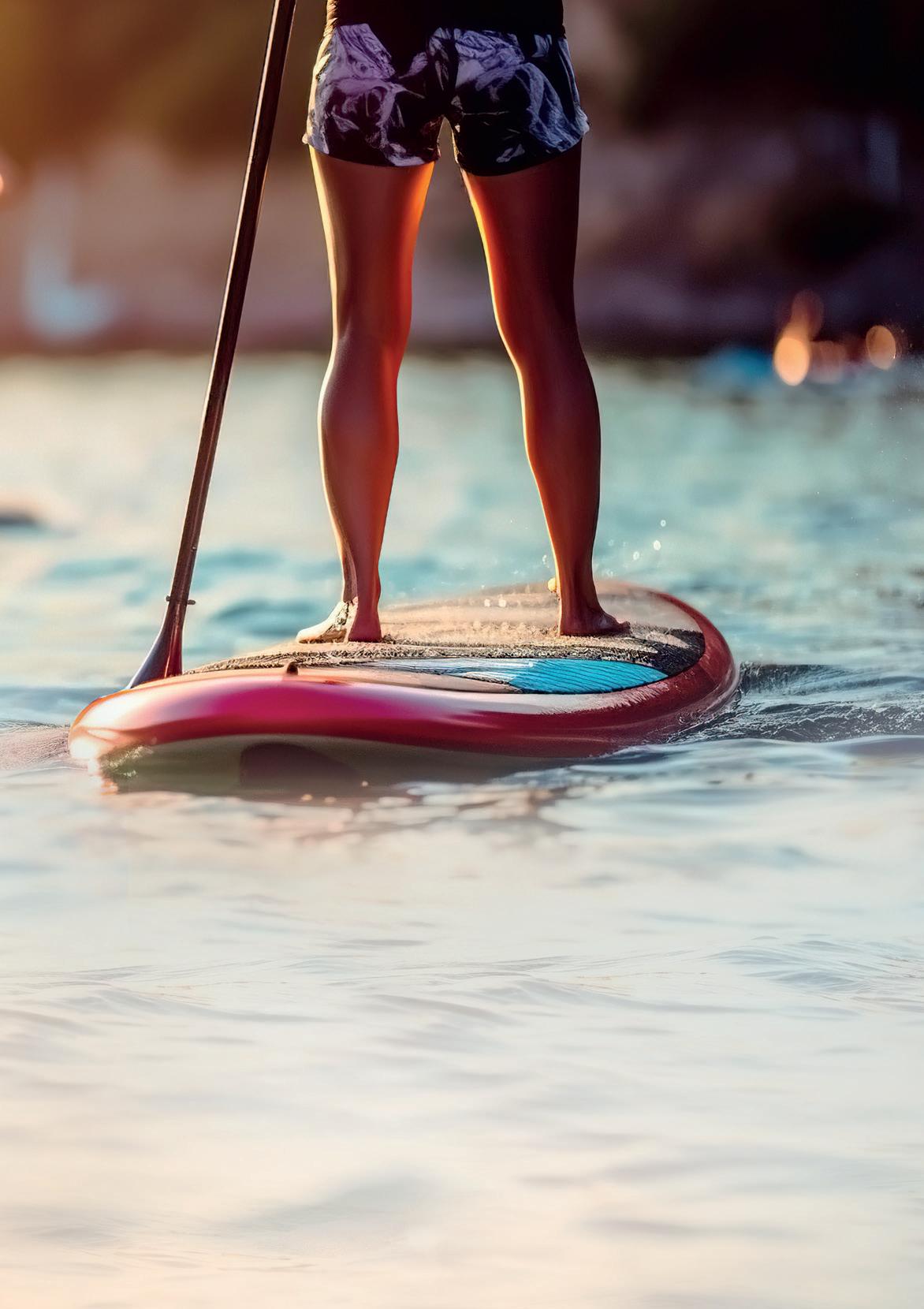
It’s official: stand-up paddleboarding (SUP) has quietly paddled its way into Britain’s heart. Once viewed as a quirky cousin to surfing, this simple, elegant watersport is now the fastest-growing on British shores, rivers, and lakes—and it’s not hard to see why.
Unlike many watersports, paddleboarding requires no prior experience, expensive training, or even a nearby coastline. With a board, a paddle, and a little patience, almost anyone can get started. Whether gliding along the tranquil stretches of the River Wye, navigating urban canals, or riding gentle coastal swells, SUP offers a rare blend of accessibility and adventure. No wonder it’s now considered Britain’s favourite watersport.
The appeal of SUP lies in its simplicity. Beginners find it easy to learn; a short session is often enough to master the basics. From there, it’s up to you—whether that’s exploring hidden coves, taking on a flowing river, or even trying yoga on the water. With inflatable boards now
dominating the market, transporting and storing your gear is no longer a barrier. You can deflate your board and tuck it in the boot of your car— ready for your next outing.
But paddleboarding’s popularity isn’t just about ease and convenience. At its heart, it taps into something deeper: the desire for calm, connection, and a different pace of life. Standing upright on a paddleboard, quietly propelling yourself forward, offers a new perspective on familiar waters. Whether you’re in the heart of a city or miles from civilisation, the simple rhythm of paddling can feel meditative. It’s a rare activity that lets you work your muscles while simultaneously calming your mind.
Of course, there’s more to SUP than peaceful paddling. Competitive events are growing, from long-distance endurance races to sprint challenges. Clubs and social groups are forming across the country, bringing together paddleboarders of all ages and abilities. Families, couples, and solo adventurers alike are
discovering SUP’s versatility, whether it’s a full-body workout or just a leisurely afternoon drift.
Safety, as with any watersport, remains crucial. Paddleboarding can seem deceptively gentle, but a sudden change in weather or a misjudged current can quickly become dangerous. Wearing a buoyancy aid, using a leash, and understanding local conditions should be second nature.
Fortunately, many organisations now offer basic water safety training alongside board hire, helping new enthusiasts stay safe as they explore Britain’s waterways.
Environmental awareness also comes naturally to the SUP community. Paddleboarders are often among the first to notice litter in the water or signs of pollution. Many clubs organise regular
“paddle and pick” sessions, collecting rubbish as they travel, helping protect the very places that make this sport special.
In a country with thousands of miles of canals, rivers, lakes, and coastline, it makes perfect sense that Britain would finally embrace life on the water. And of all the watersports on offer, stand-up paddleboarding captures something unique: freedom without speed, adventure without complication.
Paddleboarding isn’t just a passing trend. It’s a new national pastime - one where everyone is welcome.
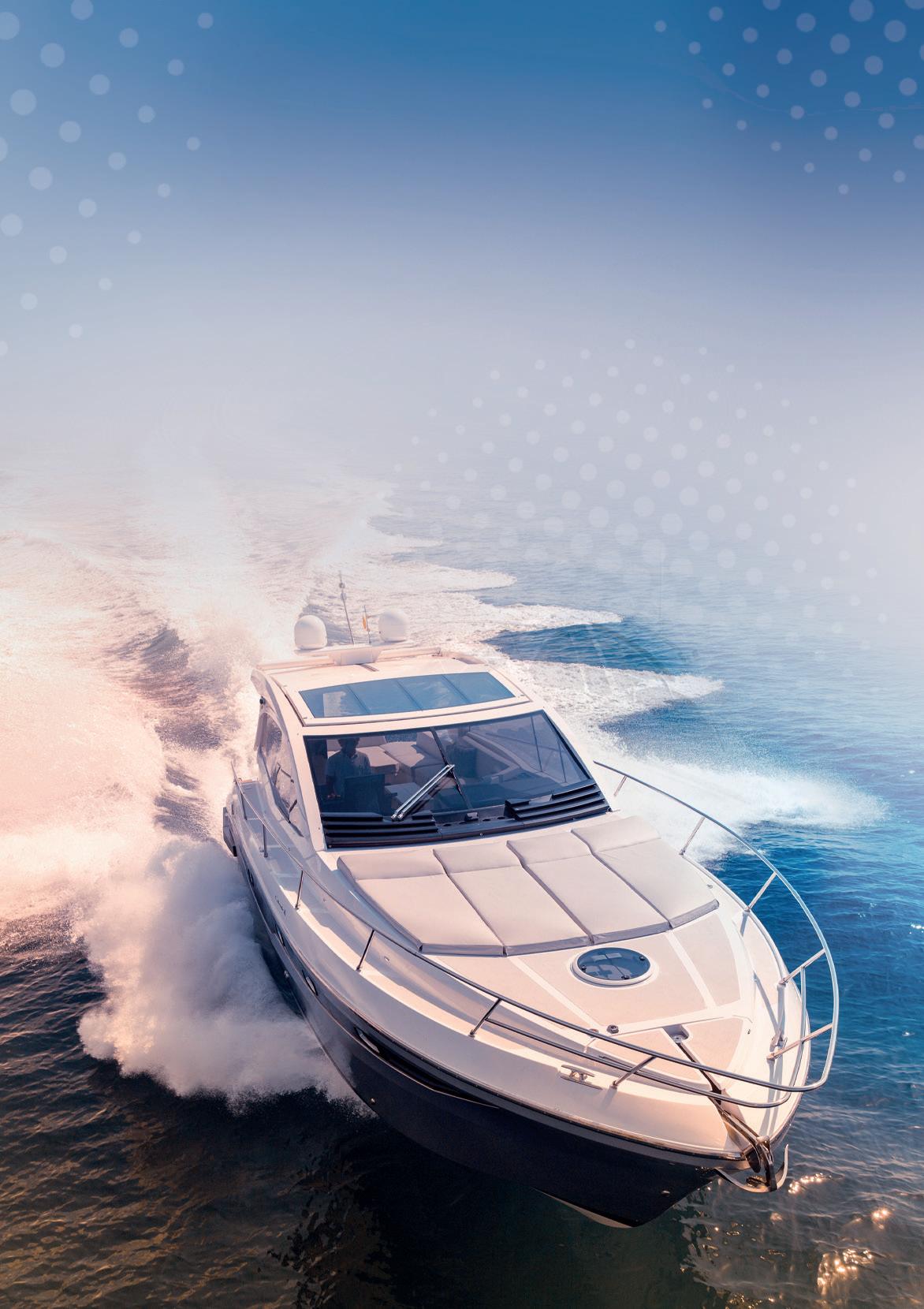
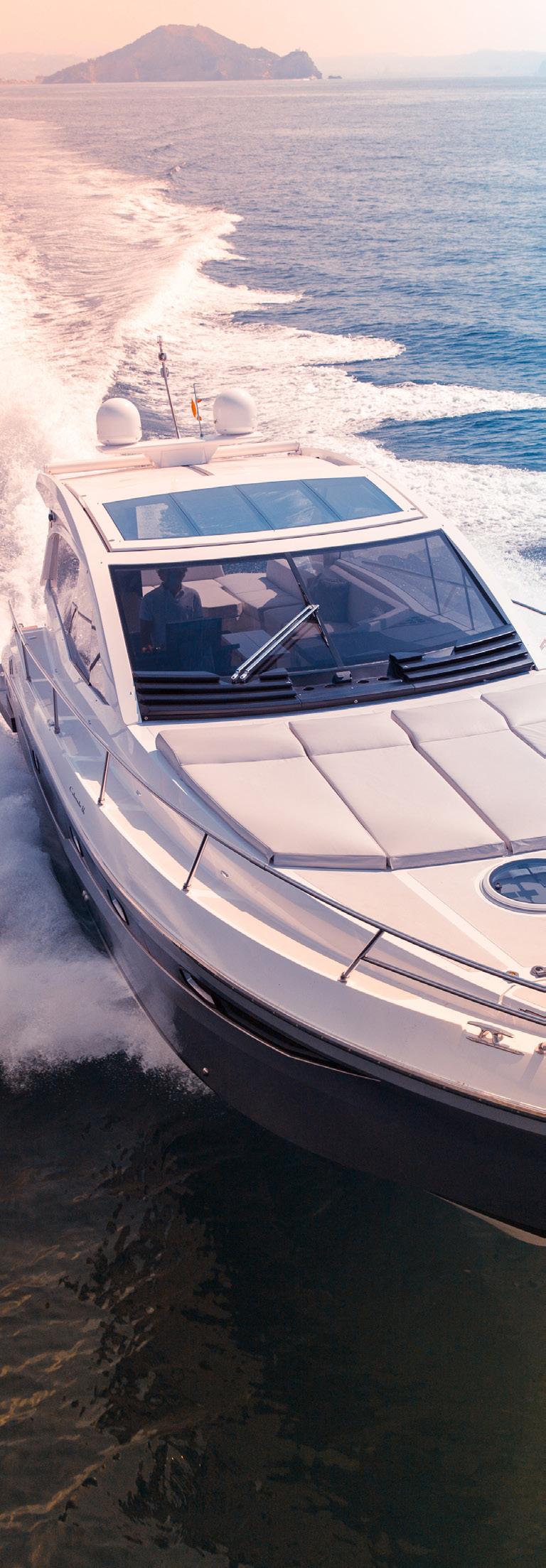
Motor cruising can be one of the most relaxing pastimes imaginable. To get the most from every trip, whether it’s a few hours or several days, it’s important to be well prepared.
Before every trip, however short, carry out these essential safety checks:
• Ensure everyone on board has a correctly fitted lifejacket.
• If your boat has a VHF radio, check that it is working correctly.
• Check engine oil, coolant (where applicable) and that you have sufficient fuel, allowing a generous reserve.
• Tell a responsible person where you are going and when you expect to return.

• Check that any flares are within their expiry date and that emergency equipment is working correctly.
• Check the latest weather forecast and tide information.
• Inspect the boat, batteries and onboard safety equipment.
• If your boat is fitted with an engine kill cord, the skipper should wear it whenever the engine is running.
• If you have a tender (dinghy and outboard), ensure the outboard engine is in good working order.
• Carry a basic toolkit and essential spare parts.
For more detailed boating safety advice, visit the RNLI website.
Before going to sea, ensure you have the skills needed to operate your boat safely, including navigation, collision regulations, weather awareness and basic engine maintenance.
The RYA Powerboat Level 2 course is widely regarded as the minimum practical qualification for new powerboat owners and typically costs £350–£550. If you plan to cruise abroad, successful completion normally enables eligible candidates to apply for an International Certificate of Competence (ICC), although requirements vary by country.
Once you’ve completed your safety checks, you can focus on enjoying your time afloat.
• Take your swimming costume and towels. If you anchor in a suitable location, enjoy a swim but
always be aware of tides, currents and passing boats.
• A portable gas barbecue is ideal for a day ashore where permitted. Always follow local regulations and ensure it is fully extinguished before leaving.
• If you’re taking children, pack games or beach toys to keep them entertained.
• Carry plenty of drinking water and soft drinks.
• The skipper should avoid drinking alcohol until the day’s boating has finished, and at least one competent person should always be able to take control of the boat.
• Fill your freshwater tank before leaving if your boat is fitted with one.
• Always take spare clothing and warm layers, even in summer, as temperatures can fall quickly when cruising at 30 knots.
The same safety advice applies throughout the year, but winter boating requires extra preparation. Wear warm, waterproof clothing and remember that reduced daylight, colder water and rapidly changing weather make careful passage planning even more important.
If owning a motor cruiser is beyond your budget, chartering is an excellent alternative. Depending on your experience and qualifications, you may be able to charter either a bareboat vessel or one with a professional skipper.
Prices vary according to the boat, location and season, but expect to pay from around £500 per day for a small skippered motor cruiser, rising to £2,000 or more per day for larger or luxury vessels.
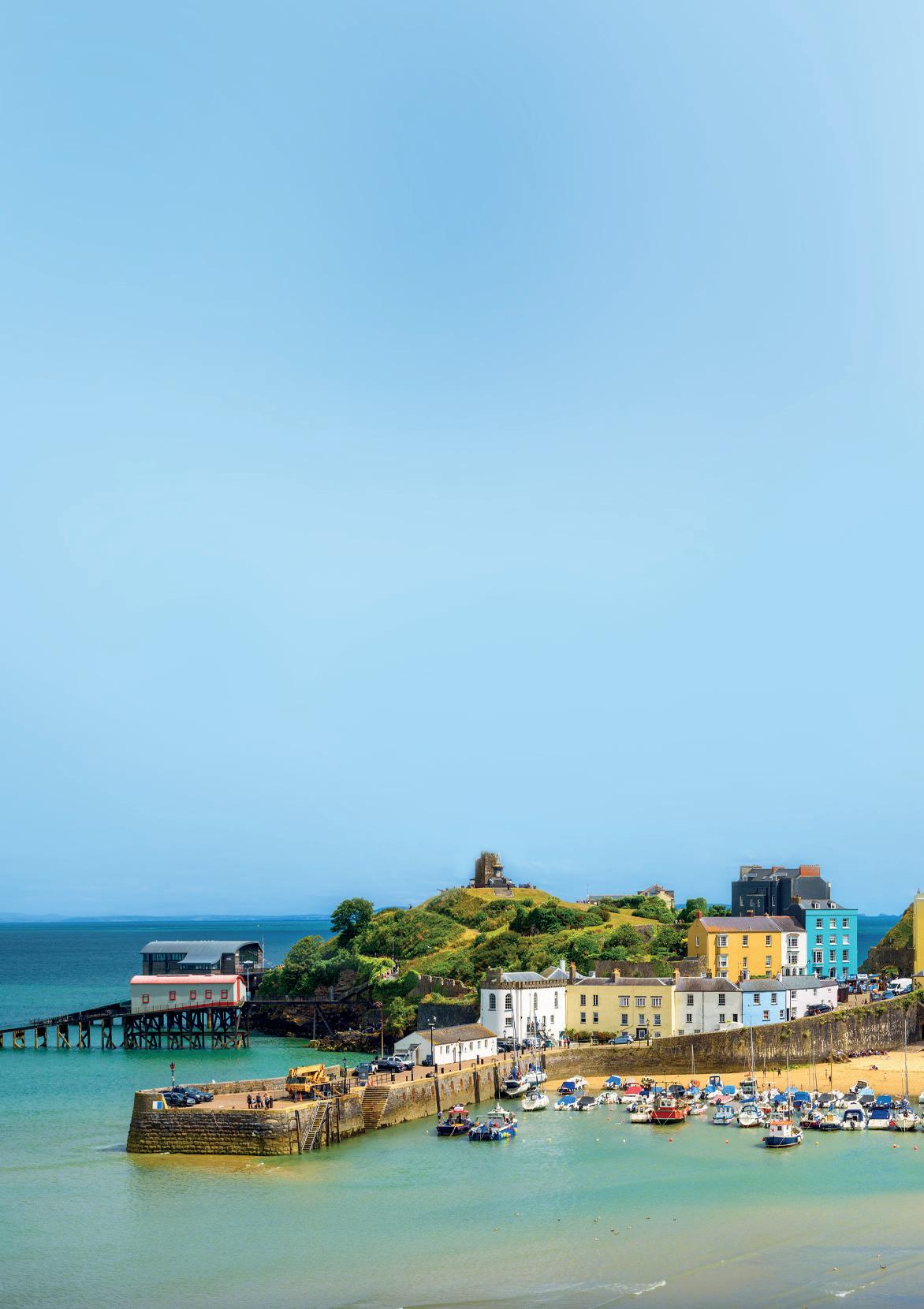
When selecting a marina or mooring for your boat, several key factors come into play—from location and cost to available facilities. Here’s what to consider when making your choice:
The most practical consideration is how close the marina or mooring is to your home. As with property, location matters—proximity often outweighs other benefits simply because being closer makes everything easier. Keep in mind that location also affects pricing: a conveniently located marina will typically command higher fees.
Mooring Buoys
The most affordable option is usually a swinging mooring, typically using a mooring buoy. Costs generally range from £300 to £1,200+ per year,
depending on your boat’s size, location and whether the mooring is privately owned, cluboperated or commercially managed. Premium locations may cost considerably more. However, these come with limitations: most swinging moorings do not provide shore power, fresh water or other marina facilities. In harbours or estuaries, you’ll usually need a tender to reach your boat. On rivers, moorings closer to the bank may allow boarding directly from shore.
Marina berths are typically the most expensive option, particularly in sought-after cruising areas such as the South Coast. Costs vary depending on the marina’s location, facilities and accessibility. As a guide, expect annual fees of around £300 to £600+ per metre of your boat’s overall length (LOA), including fixed projections such as bathing platforms or bowsprits where applicable. For example, berthing an 8-metre boat could cost
anywhere from around £2,500 to over £5,000 per year, depending on the marina.
Some marinas are accessed through locks or lifting bridges, which may restrict access at certain times or states of the tide, so it’s worth considering how this could affect your boating plans.
Dry stack storage is a popular alternative for many powerboats and is generally available for boats up to around 9–13 metres, depending on the facility’s lifting capacity and weight limits. Annual storage costs are often comparable to, or slightly higher than, marina berths, but maintenance costs can be lower. Because boats are stored out of the water, they require less frequent anti-fouling, anode replacement and hull cleaning. Many dry stack facilities ask owners to provide 30–60 minutes’ notice before arrival so their boat can be launched, although some now offer online booking systems and quicker launch times during opening hours.
When comparing marinas, look for amenities that meet your boating needs:
• Fuel pumps (petrol/diesel), with possible berth-holder discounts
• On-site restaurants, cafés or pubs
• Freshwater supply for washing down your boat
• Shore power (typically 16A or 32A); check

whether electricity is metered
• Berth holders’ associations (often organising social events or flotillas)
• CCTV and secure access
• Resident marine engineers and workshops
• On-site boat repair services (ashore and afloat)
• High-speed Wi-Fi
• Showers, toilets and laundry facilities
• Storage racks for tenders or dinghies
• Visitor berths for friends and family
• Well-stocked chandlery shops
• Boat hoist, wash-down facilities and hard standing
• Reserved parking spaces
• Convenient walking distance from parking to berths
• Nearby shops or supermarkets
• Good public transport connections
• VHF radio monitoring
• Lockers for storing equipment
• Ample marina trolleys for moving supplies
• Pump-out facilities for holding tanks
• Recycling and waste disposal facilities
• EV charging points (where available)
• General cleanliness (minimal bird droppings on pontoons, boats and parking areas)
- there are so many factors to consider!
New to sailing? Want to sound more clued up on your first lesson? See our A-Z Guide of the key words and phrases and their meanings:
A• Aft: the back of the boat.
• Ahoy! A word used by sailors to hail other ships.
• Aboard: On, or in, a boat.
• Adrift: Loose, not sailing or moored.
• Aground: Touching the bottom.
• Alee: the side of the boat away from the direction of the wind.
• Amidships: the centre of the boat.
• Anchor: the action of, or the weight used to anchor the boat and prevent it moving.
• Astern: At or to the back, or the ship.
B• Beam: the ships width.
• Bearing: direction of an object / measure relative to the heading of a ship.
• Below: beneath decks.

• Bilge: the interior, beneath decks.
• Boom: a spar attached to sails at their foot.
• Bow: the front end of the boat.
• Bridge: the control / ‘driving’ position for steering and speed.
• Berth: to / the ships place in port.
• Bulkhead: vertical partition which separates compartments of a boat or ship.
• Buoy: floating avigational marker.
C• Cabin: quarters / space for captain or crew.
• Capsize: when a boat overturns.
• Cast off: weighing anchor and letting go.
• Catamaran: twin hulled (side by side) boat.
• Chart: map.
• Cleat: a fitting to attach lines to.
• Course: direction the boat is travelling, route.
• Current: water movement.
D• Displacement: weight or
volume of water displaced by a boat, therefore it’s weight.
• Dock: a protected are of water for mooring boats, a pier or wharf.
• Draft: how deep the boat is underwater.
F• Fathom: a measurement of nautical depth – 6 feet
• Fender: a cushion between boat and pier, or another boat, to protect the boat from damage.
• Flare: a distress signal, OR the outward curve of the boats sides near the bow.
• Fluke: palm of an anchor.
• Fore-and-Aft: in line with the keel.
• Fore: at the front of the boat.
• Founder: sinking.
• Furling: to roll or fold a sail onto it’s boom.
• Gaff: a metal pole with a hooked end used to boat a fish. Also a pole or spar that holds the upper portion of a four sided sail.
• Galley: boats kitchen.
• Genoa: overlapping jib.
• Gunwale: upper edge of the side of a boat.
• Gybe: Changing course so that the boom swings over to the opposite side.
H• Halyard: the line used to hoist sail or spar.
• Hard over: turning the wheel fully one way.
• Hatch: a watertight covered hatch into the boats deck.
• Heading: the direction in which the bow of the boat is pointing.
• Headway: moving forward, the motion of.
• Helm: the wheel.
• Hold: the cargo carrying compartment in larger boats and ships.
• Hull: the body of the boat.
• Inboard: the centre of the boat.
• Inboard engine: engine mounted amidship which runs a drive shaft through the hull.
J• Jetty: masonry structure jutting out from the shore.
• Jib: the triangular sail projecting ahead of a mast.
K• Keel: the centre line or backbone of a boat.
• Kill switch / cord: a switch which automatically cuts the engine if disconnected in an emergency.
• Knot: speed measured in nautical miles per hour.
L• Latitude: distance from the equator.
• Lee: the side away from the direction of the wind.
• Line: cord and rope used aboard.
• Longitude: distance from the meridian at Greenwich.
• Luff: the lead edge of the sail.
M• Main sail: literally, the main, or largest sail.
• Mast: vertical spar supporting sails.
• Mooring: tackle used to fix a boat to a buoy or pier.

• Multihull: boat with multiple hulls, i.e. a catamaran.
O• Outboard engine: engine mounted on the stern, detachable.
• Overboard: over the side and into the water.
P• Pier: a wooden or other platform extending into the water.
• Piling: wooden post set into the ground to support pier or mooring.
• Planing: moving on top of the water rather than sailing through it.
• Plot: planning a course of navigation.
• Port: the left side OR marina harbour.
• Propeller: rotating blades used to drive the boat through the water, powered by an engine.
Q• Quarters: living or sleeping spaces.
R• Range: distance a boat can travel on a full tank of fuel.
• RIB: Rigid Inflatable Boat, inflatable with a rigid bottom.
• Running lights: navigation lights required between sun down and sun up.
• Rudder: plate or board affixed for steering purposes.
S• Sag: drifting off course.
• Screw: propeller.
• Scuppers: drain holes.
• Seacock: a through valve in the hull, drainage between boat and sea.
• Sea room: the safe distance from shore or hazard.
• Seaworthy: safe for sea conditions.
• Skipper: the captain!
• Slack: loose, or to loosen.
• Sole: cabin floor.
• Squall: sudden, heavy wind.
• Starboard: the right side.
• Stem: the most forward
part of the bow.
• Stern: the after part of the boat or ship.
• Stow: to store or place items in the correct place.
• Swamp: filling with water without sinking.
T• Tide: the motion of the sea in accordance with the moon.
• Tiller: the bar used for steering by turning a boats rudder.
• Transom: the stern-cross section of a square sterned boat.
W• Wake: waves left behind a moving boat.
• Waterline: the line which shows the point to which a boat should sink.
• Weigh: raising anchor.
You will learn the lingo in no time with our guide
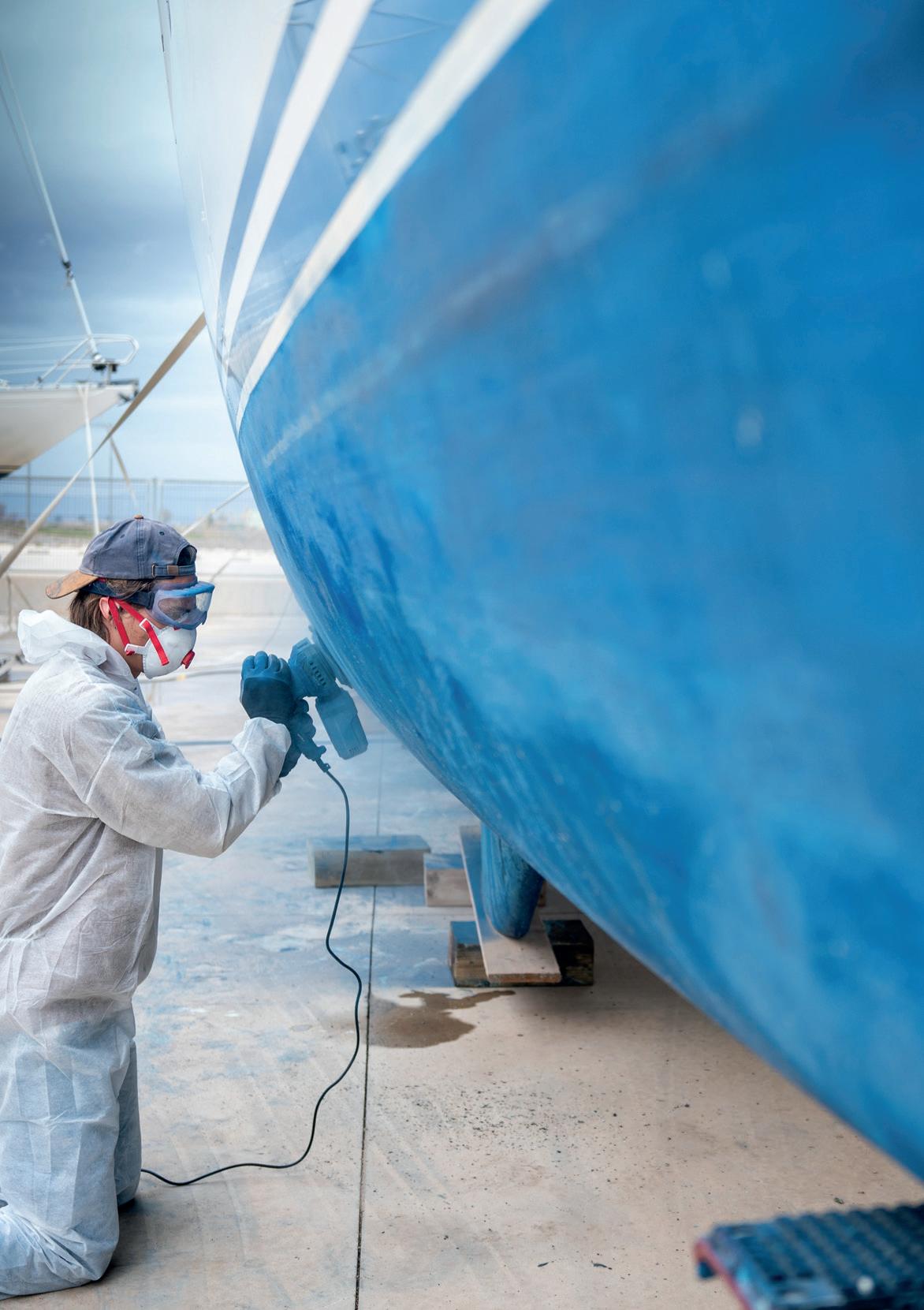
Whether you’re a weekend sailor, a fishing enthusiast, or a seasoned yachtsman, one truth remains constant: a well-maintained boat is a safe, reliable, and cost-effective one. Yet, all too often, boat maintenance is treated as an afterthought— something to do when the engine sputters or the bilge pump fails. As boating grows in popularity and more people take to the water for leisure and sport, it’s time we have an honest conversation about boat maintenance and why it deserves top billing in every captain’s checklist.
Maintenance: Not Just a Chore, but a Responsibility
Boats operate in one of the harshest environments imaginable. Saltwater corrodes, sun bakes, and moisture seeps into every nook and cranny. Even freshwater boating isn’t free from wear—algae, sediment, and fluctuating temperatures still take their toll. A boat isn’t a static object; it’s a dynamic machine, subject to constant stress and exposure. Maintenance is not a chore—it’s a necessity, and more importantly, a responsibility.
Proper maintenance isn’t just about preserving aesthetics or prolonging resale value. It’s about
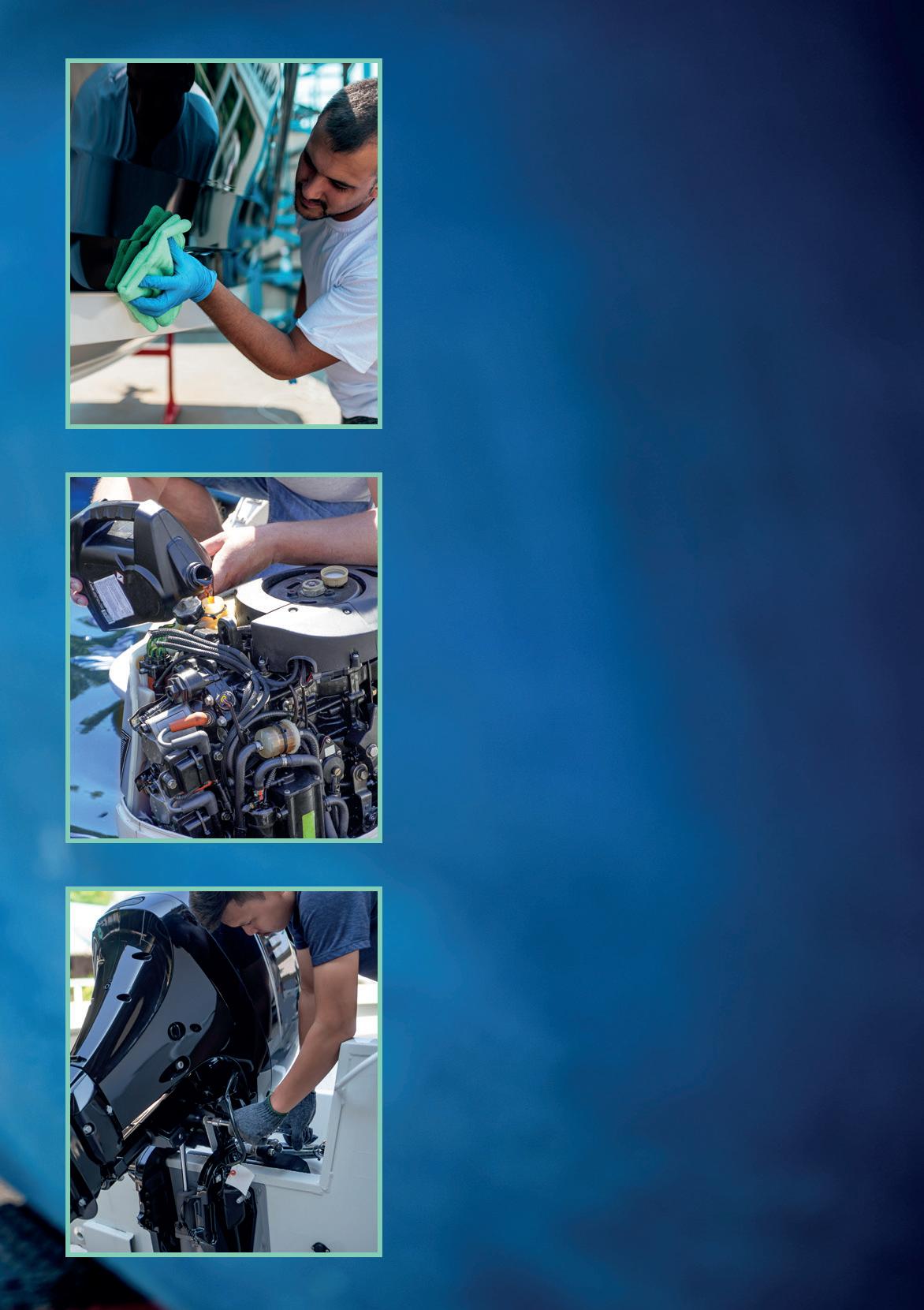
safety. A corroded propeller or a neglected engine can fail when you’re miles offshore. A cracked hull or faulty bilge pump can lead to flooding. Regular checks and preventive care aren’t just about avoiding inconvenience; they can be the difference between a smooth sail and a mayday call.
One of the main deterrents for many boat owners is the perceived cost of maintenance. Yes, marine parts and labor can be expensive. But so are emergency repairs, tow services, or worse—replacing an engine, or in extreme cases, an entire vessel. Routine maintenance—checking oil levels, inspecting the hull, cleaning filters, greasing fittings, flushing the engine— are relatively inexpensive and can be done without professional help if you’re willing to learn.
In truth, regular upkeep reduces long-term costs. A well-maintained engine runs more efficiently and consumes less fuel. A clean hull minimizes drag. A regularly cleaned boat also reduces the risk of mold and mildew, which can quickly turn into costly restoration projects. Think of maintenance as a series of small investments that protect a much larger one.
Boat maintenance is not a one-and-done task. It requires year-round attention. Before launch in spring, inspect everything from your electrical systems to your anodes. In the summer, when your boat is in frequent use, ongoing checks for leaks, wear, and corrosion are vital. Come fall, preparing your boat for winter storage—draining fluids, protecting against moisture, and covering properly—is essential to ensure it’s ready for the next season.
Having a maintenance schedule and sticking to it can make all the difference. Today, digital tools and apps make it easier than ever to track maintenance history and set reminders. Embracing this level of organization can spare you from expensive surprises.
Boats, like all machines, give back what you put into them. A well-maintained boat is more than just a floating investment—it’s a source of joy, adventure, and safety. If you treat maintenance as part of the boating experience, not a burden, you’ll find your time on the water not only more reliable, but far more rewarding.
Smooth sailing starts with smart upkeep. Let’s not leave it to chance!
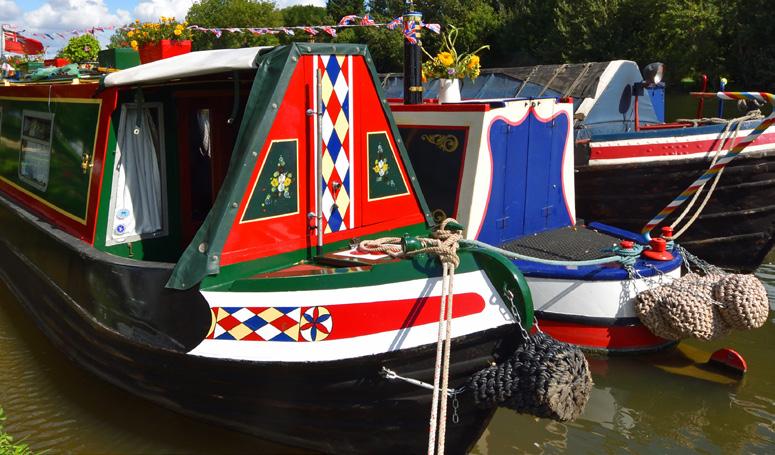
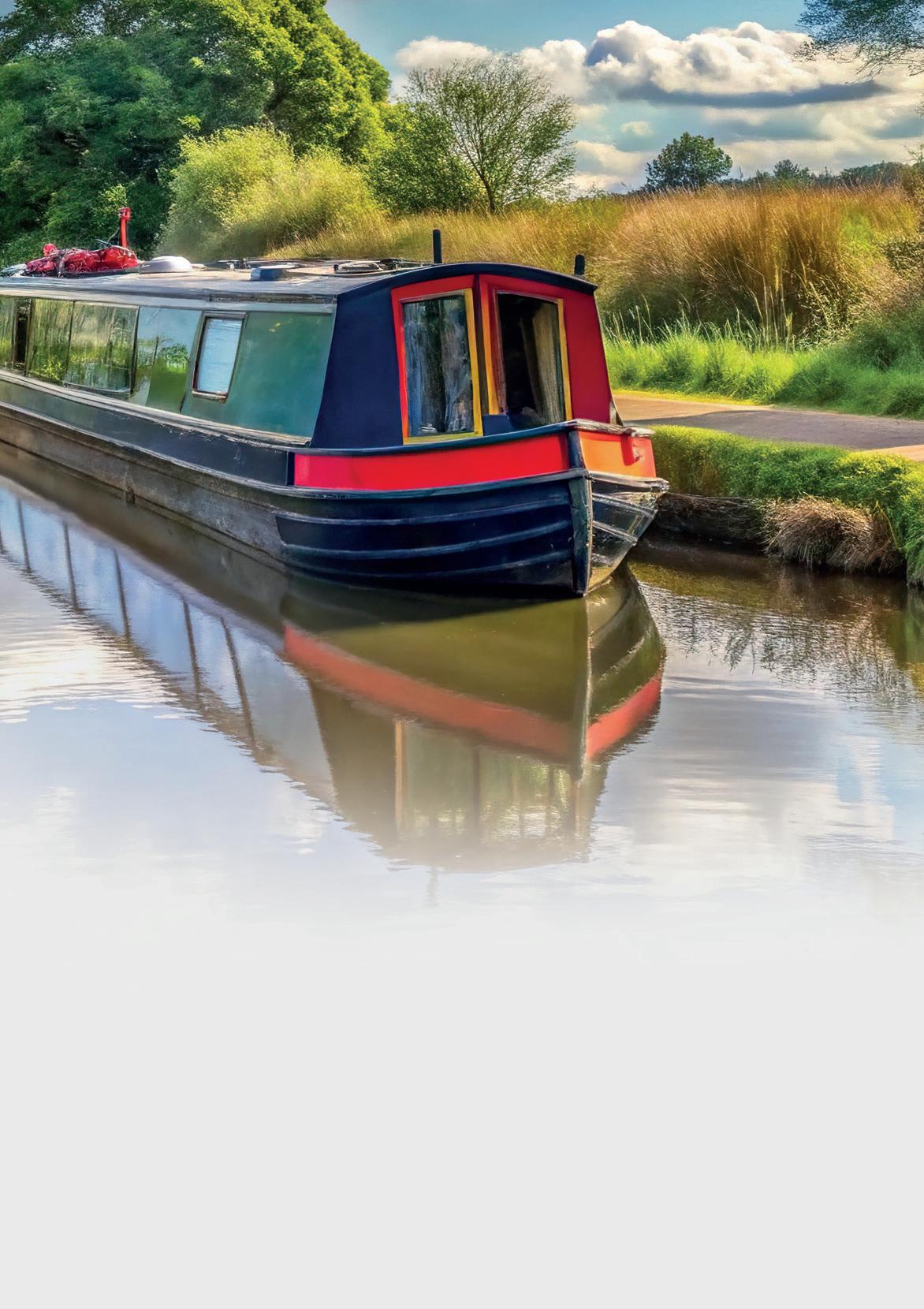
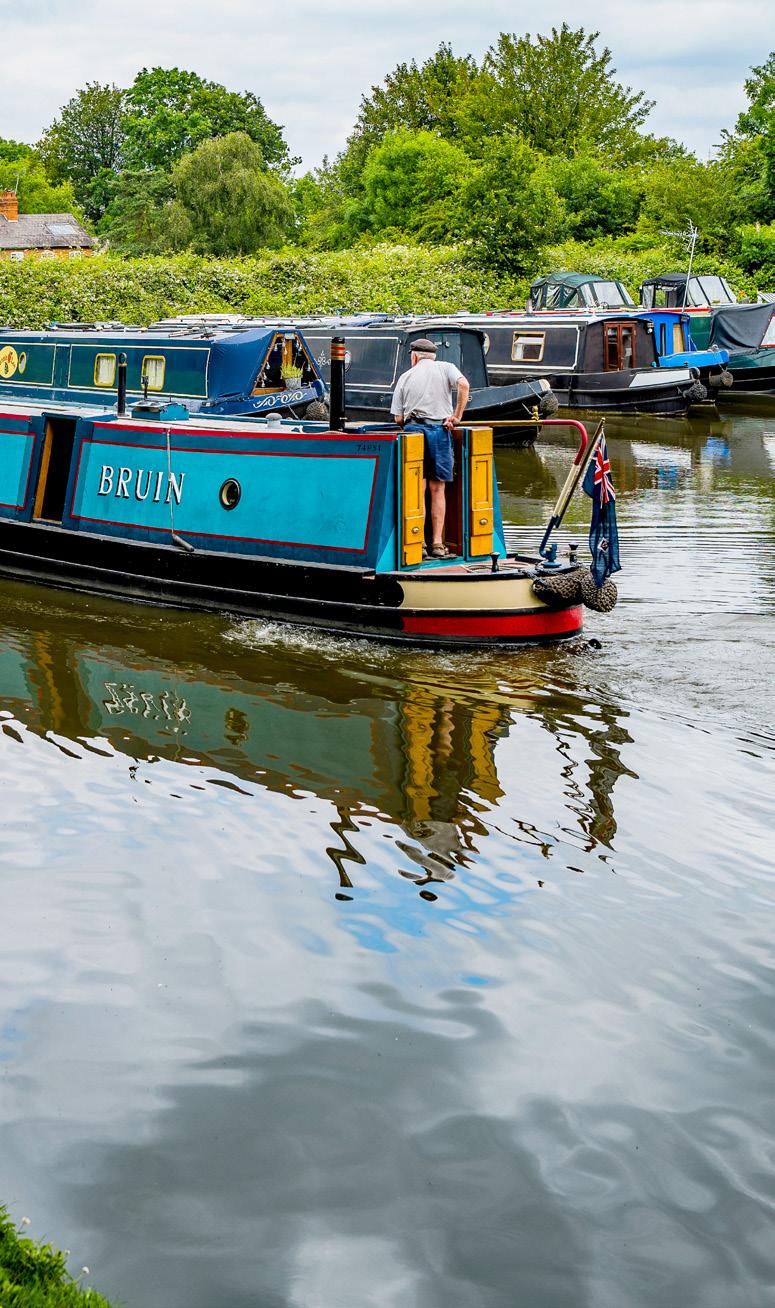
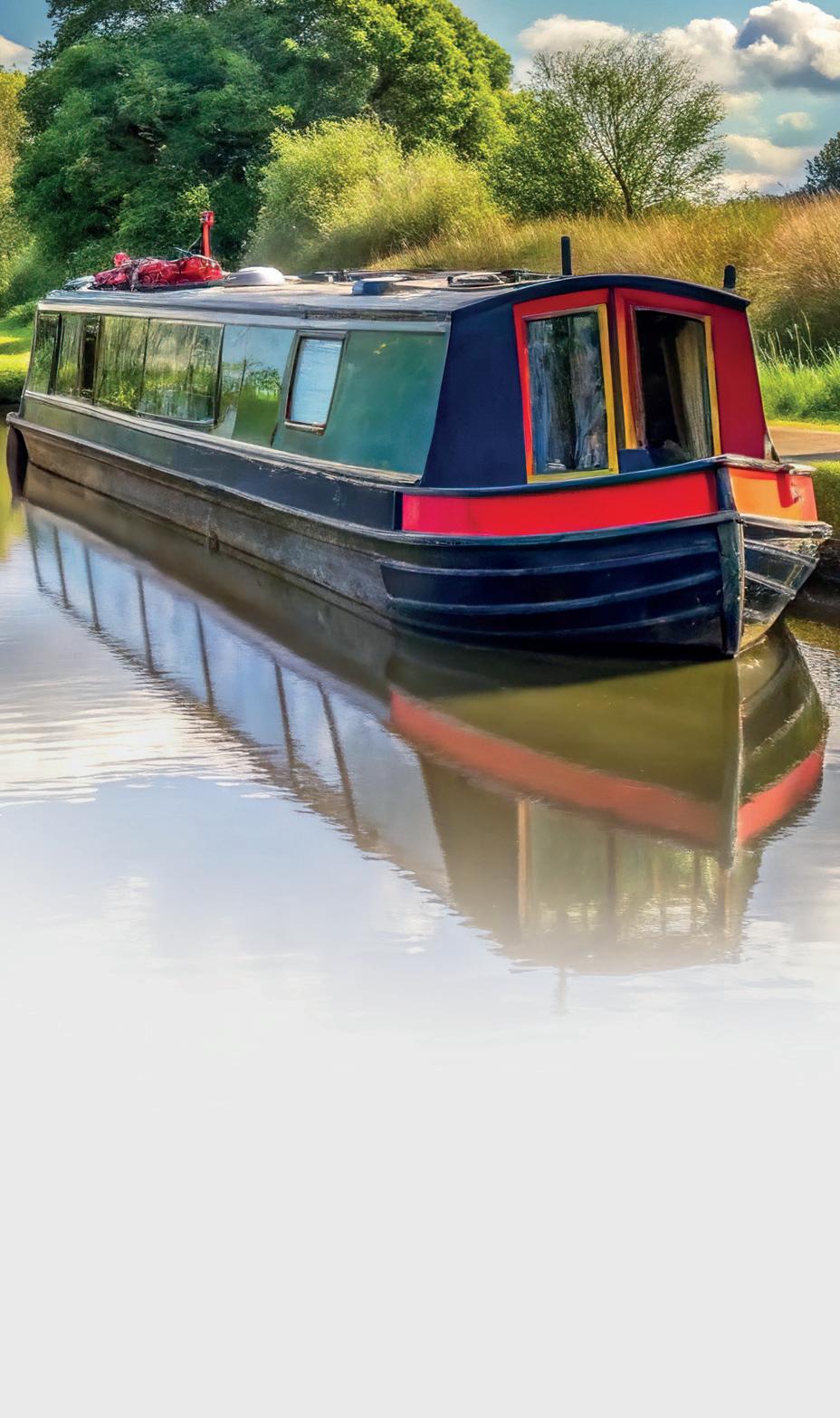
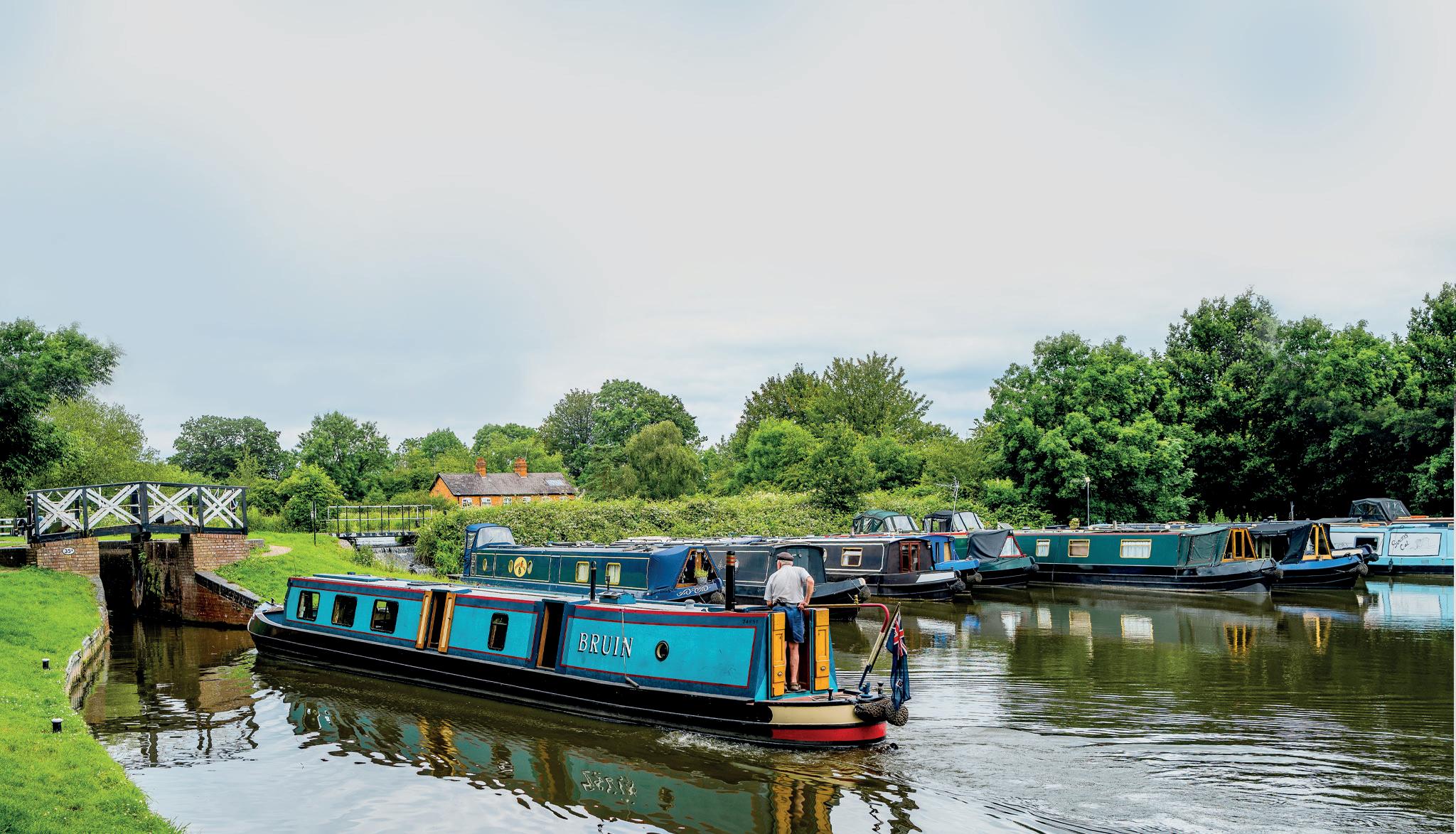
Few things capture the charm of British waterways like a narrowboat gliding past a stone bridge or mooring beside a canal-side pub. With their distinctive shape and slow, peaceful movement, narrowboats evoke a simpler way of life—one that values time, nature, and quiet over speed and convenience. But behind the idyllic image lies a lifestyle that demands effort, knowhow, and year-round maintenance.
Narrowboats, typically just under 7 feet wide, were originally designed to carry goods through the UK’s extensive canal network during the Industrial Revolution. Today, they serve a very different purpose—floating homes, holiday escapes, or mobile retreats offering freedom and tranquillity.
For many, part of the appeal is the lifestyle: minimalistic, off-grid, and close to nature. Whether cruising full-time or moored permanently, life aboard a narrowboat is about living deliberately. Days are shaped by the weather, the nearest water point, or the distance to the next mooring. Mornings might begin with
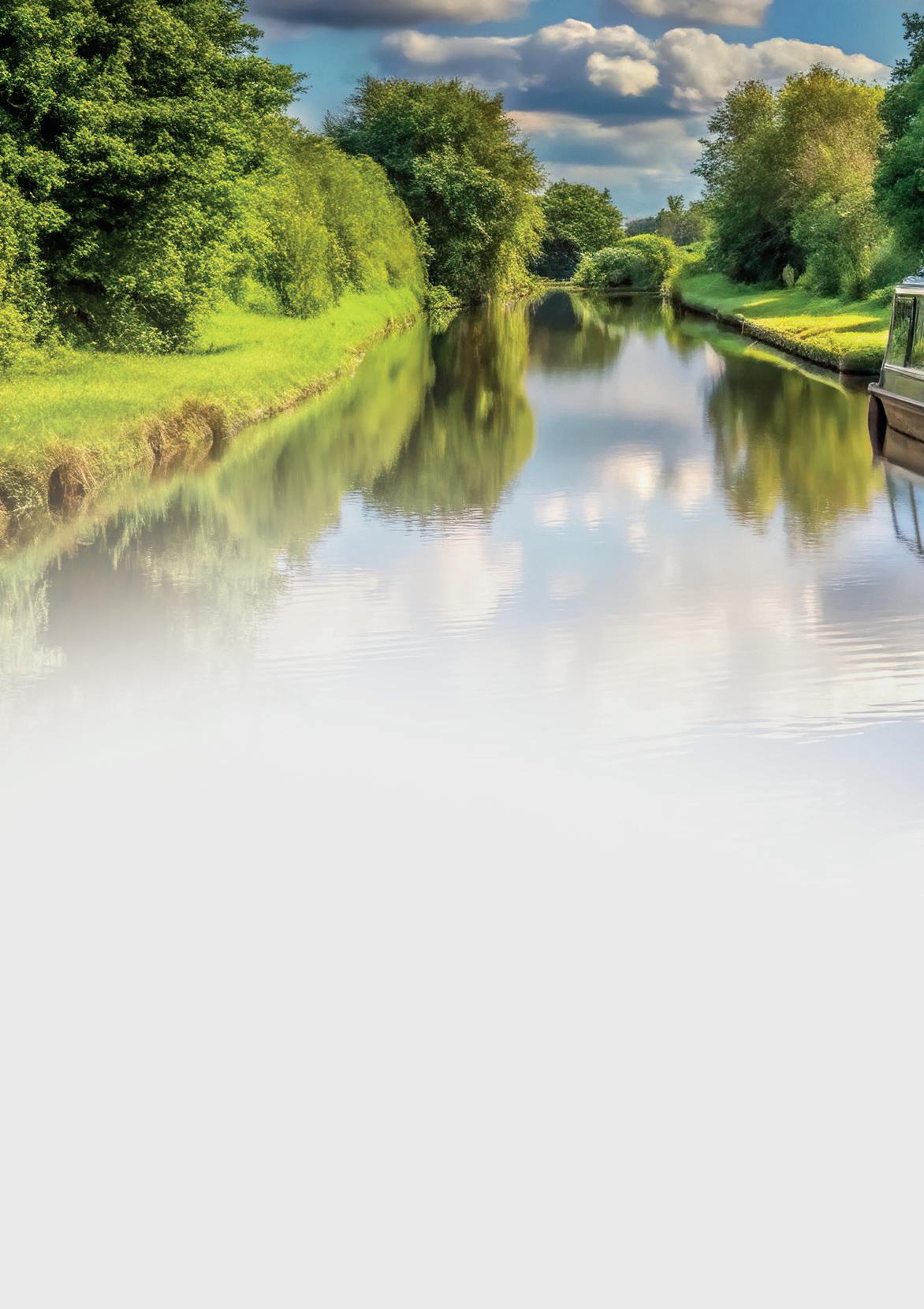
untying ropes and working through a set of locks. Evenings end with the quiet crackle of a stove and the gentle lap of water against the hull.
But the charm comes with responsibilities.
Boating Isn’t Maintenance-Free
Narrowboats demand regular attention. Engines need oil changes, filter replacements, and battery checks. Diesel heaters and solid-fuel stoves must be cleaned and serviced. The hull has to be inspected and “blacked” with protective coating every few years to prevent corrosion. Pumps, plumbing, and gas systems all need regular checks to avoid leaks or failures.
Off-grid living also means managing resources carefully. Power comes from solar panels or running the engine. Water tanks need refilling every few days, and toilet cassettes must be emptied at sanitary stations. In winter, extra vigilance is required to prevent frozen pipes or damp-related damage. Moisture management—through ventilation, insulation, and dehumidifiers—is part of daily life.
“Narrowboats evoke a simpler way of life - one that values time, nature, and quiet over speed and convenience”
It’s not just technical tasks either. Cruising involves navigating locks, bridges, tunnels, and tight moorings. Steering a 60-foot boat around a blind bend or through a crowded marina takes patience and skill. Planning routes and checking stoppages or water levels on the Canal & River Trust (CRT) website is part of the process, especially for continuous cruisers.
For those who embrace the work, the reward is a lifestyle that few others offer. You’re constantly surrounded by wildlife, history, and changing scenery. From the urban canals of Birmingham to the leafy routes of the Kennet & Avon or the wild beauty of the Llangollen, there’s always something new to see—at a pace that allows you
to really see it.
There’s also a strong sense of community. Boaters wave, stop to chat, and often lend a hand without being asked. Canal life isn’t just about the boat—it’s about the people and places you encounter along the way.
Narrowboats are beautiful, no doubt. But their true appeal lies in the blend of simplicity and self-reliance they demand. They offer freedom—but only if you’re willing to earn it through maintenance, planning, and a hands-on attitude.
If you’re drawn to life on the water, know that it’s not effortless. But for those who embrace the balance of charm and challenge, the rewards are unforgettable.
The idea of owning a boat has a certain romantic appeal. Many people who’ve enjoyed hiring a craft and exploring the canals soon find themselves tempted by the thought of buying their own. While buying a boat shares many similarities with purchasing a car or other vehicle, there are additional considerations such as licensing, mooring, maintenance and surveys. With many brand-new bespoke narrowboats now costing from around £130,000, it’s a significant investment that deserves careful research and planning.
If you haven’t already, it’s well worth hiring a boat before taking the plunge into ownership.
and your family a realistic feel for the space available, the challenges of navigating locks and mooring, and the day-to-day demands of boating life.
Even if your budget stretches to a brand-new boat, consider starting with a second-hand model. Owning an older boat for a while can help you discover which layout, features and fittings best suit your lifestyle before investing in a bespoke build.
Your budget will largely determine the type of boat you can buy. Many new bespoke narrowboats now start from around £130,000, with luxury custom builds exceeding £200,000. Good-quality second-hand boats are often available between £50,000 and £100,000, while older restoration projects can sometimes be found from around £15,000.

Spending time on the water will give you

It’s important to remember that buying the boat is only the beginning. You’ll also need to budget for maintenance, fuel, gas, insurance, licensing and mooring fees. A Canal & River Trust licence for many narrowboats costs around £1,200 or more per year, while moorings can range from around £2,000 annually to over £6,000 in sought-after locations. Insurance typically costs £200–£500 per year, depending on the boat and level of cover.
Once you’ve established your budget, spend time exploring the market. Specialist boating magazines, online marketplaces and reputable brokers will help you understand current prices, particularly in the second-hand market.
A knowledgeable broker can guide you towards boats that suit both your budget and your requirements and may even help source a particular type of boat on your behalf. However, don’t rely solely on photographs and online descriptions. Every boat has its own history, condition and quirks, making an in-person inspection invaluable. Whenever possible, view the boat afloat and in operation to assess its condition and identify any potential issues. Remember that brokers are there to facilitate a sale, so it’s always wise to make your own careful assessment.
Before buying, arrange for an independent survey by an experienced marine surveyor. Ideally, the inspection should take place with the boat out of the water so the hull can be thoroughly checked for wear, corrosion and any structural issues.
A professional survey typically costs between £500 and £1,200, but it can save you thousands by uncovering hidden problems before you commit. The survey report will highlight any repairs needed and help you decide whether the asking price represents good value.
Buying your first boat isn’t simply purchasing another vehicle—it’s the beginning of a new lifestyle. Taking the time to research your options, understand the ongoing costs and seek professional advice will help ensure your introduction to boat ownership is both enjoyable and financially sound. With careful planning, you’ll be well prepared to enjoy everything Britain’s inland waterways have to offer.
“Choose wisely. Cruise happily”
It happens to every sailor sooner or later; but what is the best way to stay safe if you do go overboard? Of course a life jacket is the key thing here, and you should wear one at all times, but actually the risk is as much from being immersed in cold water as from drowning. Even though you maybe boating in temperate climes, the water can actually be very cold, and the reaction of your body is enough to be life threatening within a frightening short period of time.
Several factors will affect how fast the effects of cold water immersion take place, including:
AGE: The very young or elderly will feel the effects of immersion much quicker than a fit adult
WEIGHT: body fat and bulk can help insulate your body and slow cooling
MOVEMENT: Movement actually speeds up temperature loss
WATER DEPTH: Deeper, cooler water will cool your body more quickly than warmer, shallow water

CLOTHING: Waterproof, insulated clothing can help regulate body temperature and insulate against cooling much more efficiently than a swimming costume or light clothing.
The stages of shock and physical reaction to cold water immersion are:
STAGE ONE:
Lasting a matter of minutes, this stage is the leading cause of death in overboard situations. It can be fatal to the elderly and infirm very rapidly; and even healthy adults are at great risk. The body will firstly respond to cold water immersion by pushing your heart rate up, to counter the closure of blood vessels in your skin - sometimes as high as 200 beats per minute, which can be very detrimental to heart health or induce a heart attack. Respiratory rate will also increase dramatically. At this point, the danger of drowning is at its highest, as the body loses conscious control of your breath. It is almost impossible to hold your breath at this stage for more than a few seconds, which makes submersion very dangerous.
It takes only 3 pints of water in your lungs for you to drown, which can be swallowed very quickly during periods of rapid, uncontrolled breathing. The most critical thing you need to do at this stage is keep your head clear of the water and your breathing unimpeded.
STAGE TWO:
After cold shock, the second phase lasts closer to half an hour, and is the stage at which you will begin the gradual decrease of coordination and brain function. Now is the time in which to implement your survival skills while you still have the physical and mental ability to react and try to remove yourself from the water. Heat is lost some 20 times quicker in water than in the air, so getting yourself to a life raft or dry land is imperative at this point; although you need to remember that a distance which might seem perfectly fine to swim in warm water will not be nearly so easy.
STAGE THREE:
This is the point at which hypothermia will start to set in, affecting bodily functions and worsening as the body begins to balance with the surrounding water temperature, leading to unconsciousness and organ and heart failure.
HUDDLE
The first and most important point is to keep your head up and out of the water. While your breathing is hard to control, the risk of drowning is at it’s highest, but the head is also the area of your body through which the greatest amount of heat is lost. You must try to remove yourself from the cold water as quickly as you can, by climbing back aboard or reaching the shore if it is within a reasonable swimming distance.
To try and retain heat, remember the H.E.L.P floating position (Heat Escape Lessening Position). If there are several people, huddling together in a group should help insulate to keep body temperature up. If alone, keep your knees drawn up and your arms crossed close to your chest to stop as much heat escaping as possible. After leaving the water, remove wet clothing quickly, and wrap up warmly. Rewarming should concentrate on the torso until core temperature is restored.
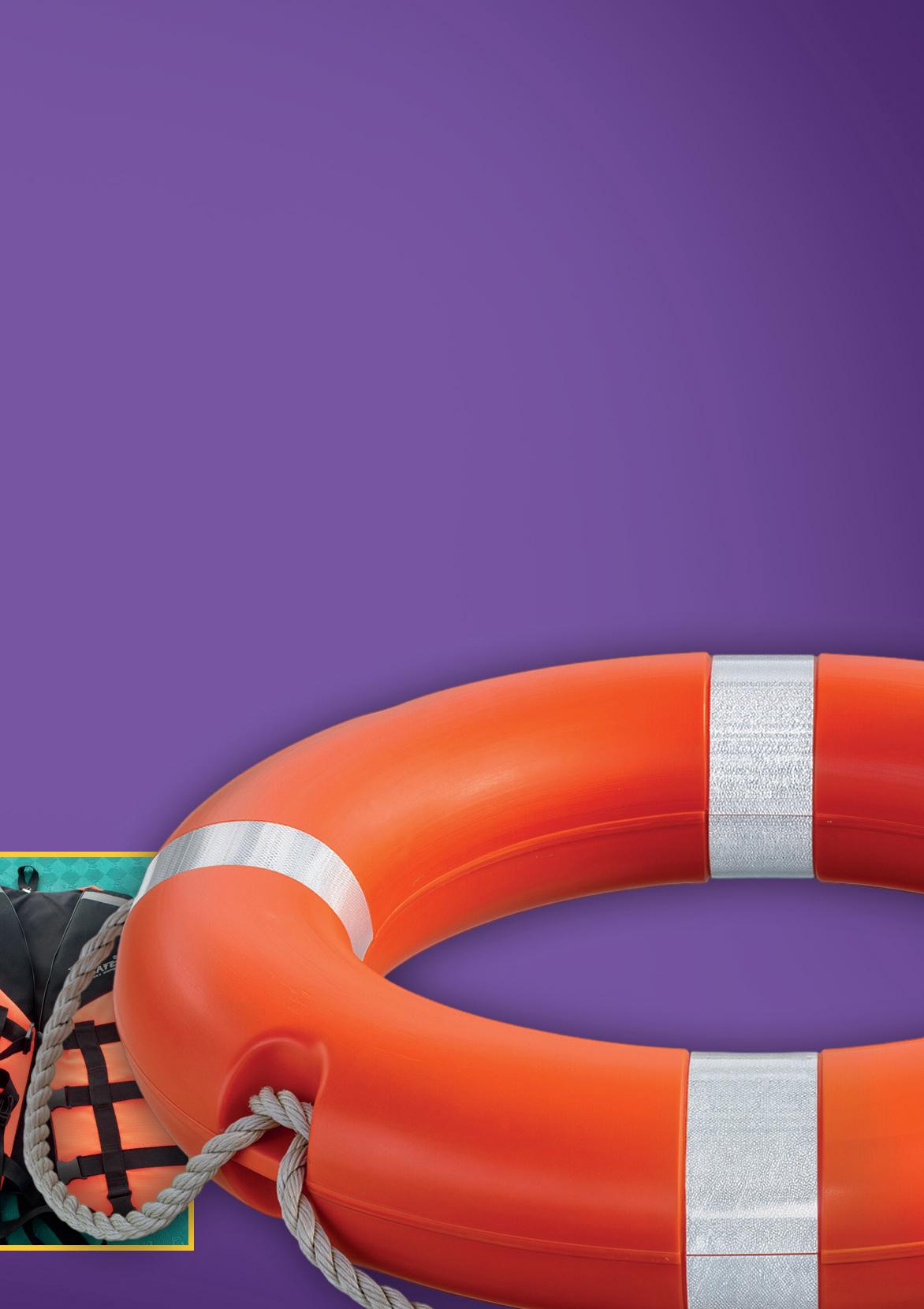
the key IS TO wear A life jacket at all times!

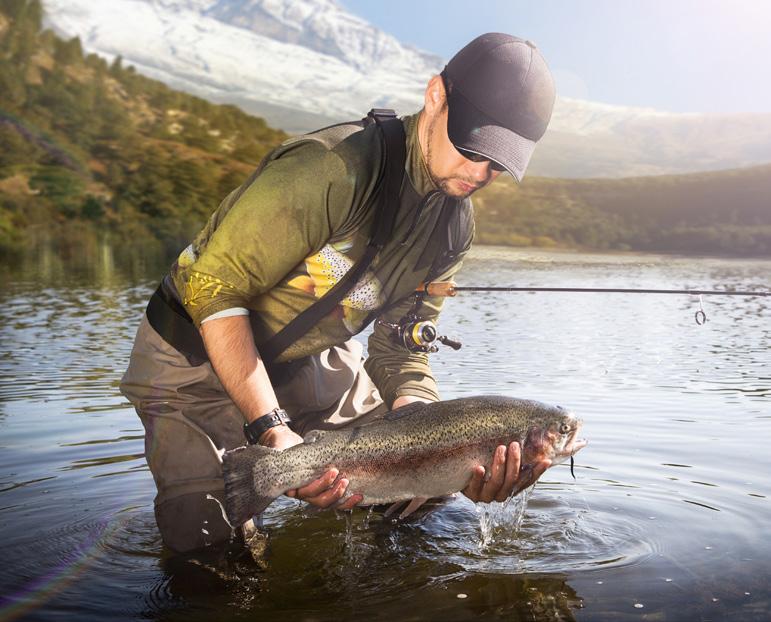
“ Fishing is about the experience -the tranquility of nature, the peaceful hours spent by the water, and the excitement of actually landing a fish!”

For many enthusiasts, fishing is more than just a hobby – it’s a true passion, sometimes even bordering on obsession. Unlike commercial or subsistence fishing, recreational fishing is pursued for pleasure or competition. While the exact origins of this pastime are unclear, early evidence shows fly-fishing practiced in Japan as far back as the 9th century BC and in Macedonia around 200 AD. In Britain, recreational fishing gained popularity during the 16th and 17th centuries, especially after the publication of The Compleat Angler by Izaak Walton in 1653 – a book blending practical angling advice with folklore, poetry, and reflections on countryside life. It remains a much-loved classic today.
The most familiar form of recreational fishing is known as angling, which uses a rod, reel, line, hook, and bait. Often, anglers practice catch and release, returning fish to the water after capture. Collectively, all fishing gear is referred to as fishing tackle, with terminal tackle (items used at the hook end like weights, floats, and swivels) enhancing the basic setup. Many anglers craft their own lures and artificial flies, an activity that has evolved into a respected art form, with creative designs valued both for effectiveness and aesthetic appeal.
Recreational fishing is regulated by laws, licenses, and regional by-laws designed to protect native fish populations. In Britain, these rules vary by county but often govern issues such as net use, catch methods, closed seasons, restricted areas, and fish quotas. Most regulations aim to ensure sustainable fish stocks and fair sporting practices.
Enthusiasts often keep detailed fish logs, recording notable catches – especially trophy-sized specimens – for personal records or submission to competition bodies. Many also participate in fishing tournaments, where the goal may be to land either the heaviest or longest fish within a time limit. In catch-and-release competitions, fish are measured and photographed before being set free. Many professional anglers enter these contests, often backed by commercial sponsors.
In Europe, popular target species include carp, pike, tench, rudd, roach, perch, and barbel. Although some fish are valued for their taste, most anglers are drawn to the sporting challenge of catching clever, hard-fighting fish.
Ultimately, for many, fishing is less about food and more about the experience. The tranquility of nature, the peaceful hours spent by the water, and the excitement of landing a fish –whether small or record-breaking – are what keep millions, including an estimated three million Britons, returning to their favourite spots, rods in hand.
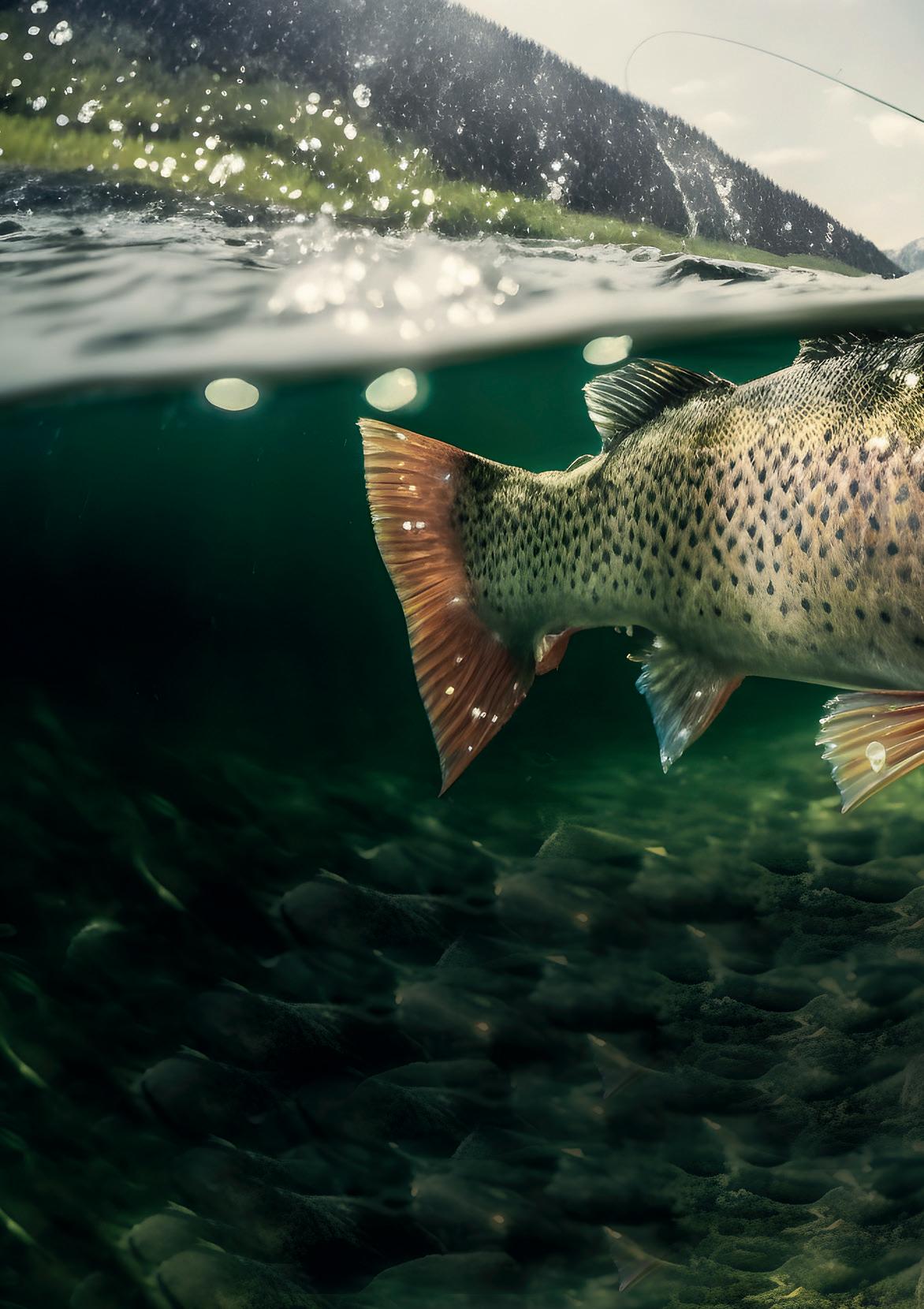
Across misty lakes at sunrise and along the winding stretches of ancient rivers, fishing in the UK continues to hold a quiet magic. It’s a pastime that feels almost timeless: a simple line, a steady hand, and the patient anticipation of a bite. But what keeps millions of anglers returning to the water’s edge isn’t always the fish. It’s the feeling. Britain’s waters are as varied as the people who fish them. Head to the fens of East Anglia and you’ll find roach and tench gliding beneath the surface. Wander to the lochs of Scotland, and you may see an angler waist-deep in dark water, chasing elusive trout. In lakes across the Midlands and beyond, hefty mirror carp lure devoted fishermen prepared to wait hours for a single bite.
Carp dominate the UK angling scene, not because they’re destined for the dinner table, but because they fight hard and grow impressively large. Catching a specimen carp can feel like outsmarting a worthy opponent—an adrenaline rush that seasoned anglers never tire of. For others, it’s predator fishing that calls, with pike and perch offering a different sort of challenge, lurking in shadowy depths with the promise of sudden, sharp action.
But fishing in the UK isn’t just about species or techniques. It’s about slowing down. In a world that constantly demands speed, fishing gives people permission to pause. There’s a quiet pleasure in setting up your gear beside a silent stretch of canal, or listening to the wind rattle the
"Fishing in Britain isn’t just a hobby - For many, it’s a way of life"
reeds as your float drifts steadily downstream. Many anglers describe it as meditative, even therapeutic. It’s not unusual to spend a day on the bank without speaking to anyone, and return home feeling more human for it.
That said, the social side of the sport is thriving. From informal club matches to high-stakes national tournaments, anglers across the UK gather regularly, swapping stories, advice, and friendly rivalries. Catch-and-release competitions are increasingly popular, ensuring that the thrill of the chase doesn’t come at the expense of the fish themselves.
Regulation plays its role in protecting Britain’s waterways too. The rod licence—a legal requirement—helps fund conservation efforts,
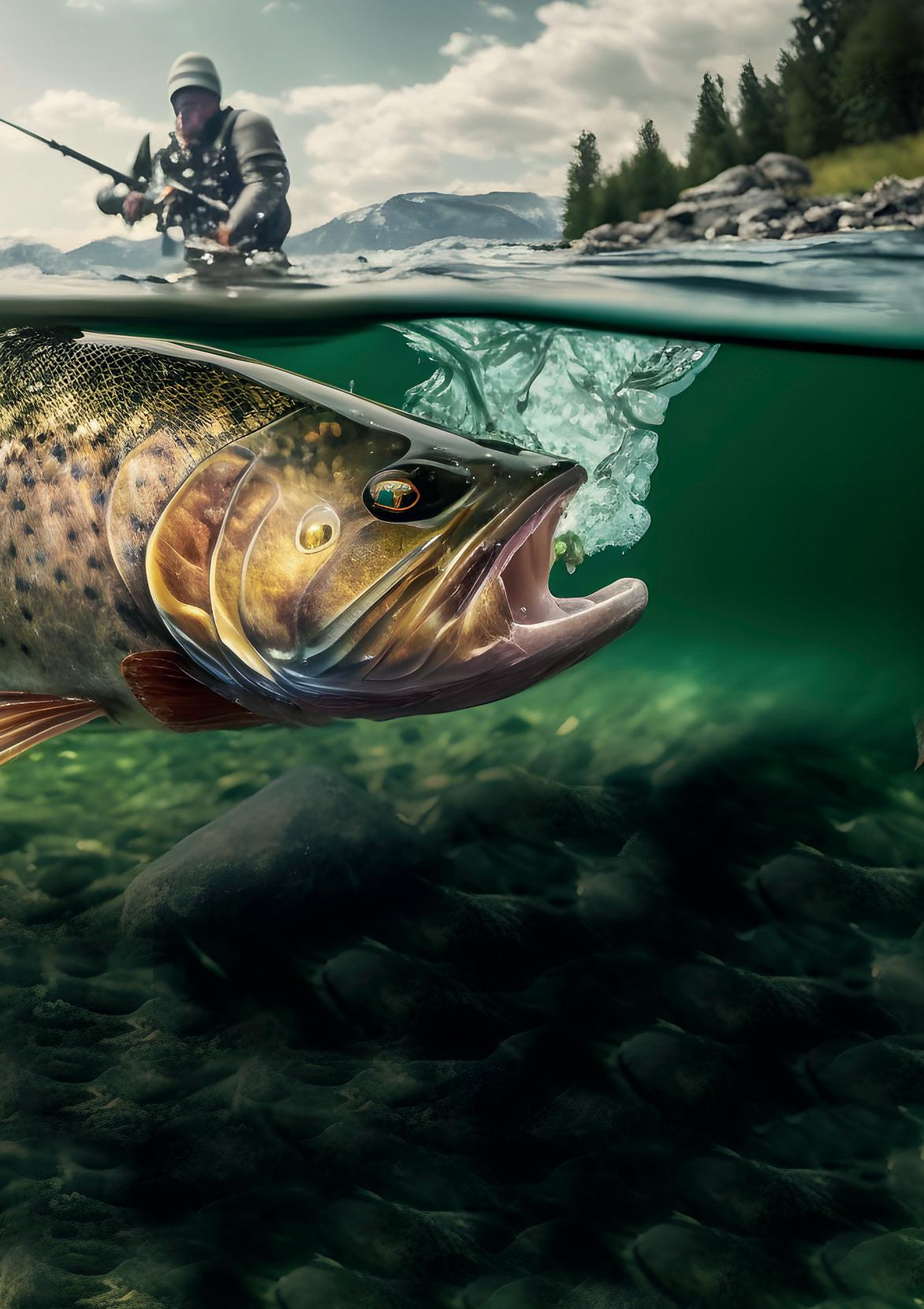
while strict by-laws guard spawning seasons and limit harmful techniques. Most anglers welcome these rules, understanding that the future of the sport depends on healthy, sustainable fish populations.
Today, over three million people fish regularly in the UK, but ask any of them why they started, and the answers are rarely about the numbers. Some will say it’s about being close to nature. Others will tell you it’s the excitement of the catch. But more often, it’s something less tangible—a need to be near the water, to listen to the quiet, and to feel a connection to something simpler and older than everyday life.
Fishing in Britain isn’t just a hobby. For many, it’s a way of life!
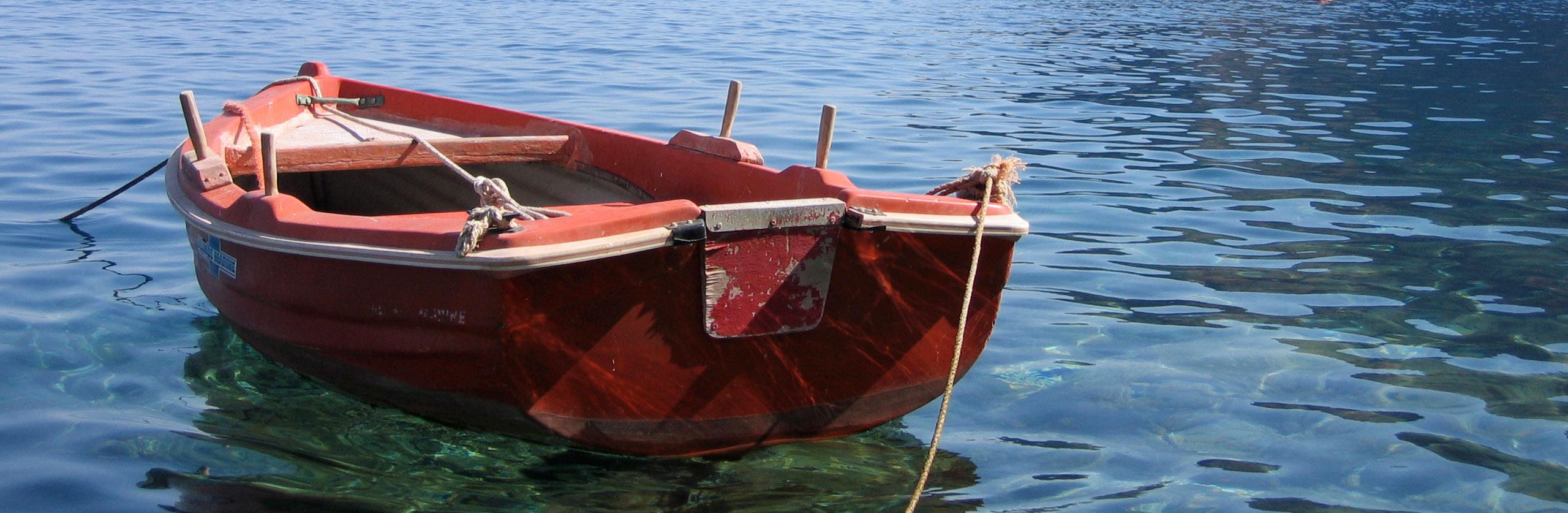

BEAUTIFUL VARNISHED WOOD THAT REALLY LASTS!
Varnished timber can be very high maintenance. Spots appearing in it, peeling and flaking and having to start again with sandpaper every second year.
We have the secret to a varnish finish that can look fabulous with minimal maintenance for up to 20 years. Use the secret that keeps woodwork on boats looking beautiful in the tropical sun.
Imagine how long your wooden windows and doors will last and how good they will look!
Shop now at: www.makewoodgood.co.uk
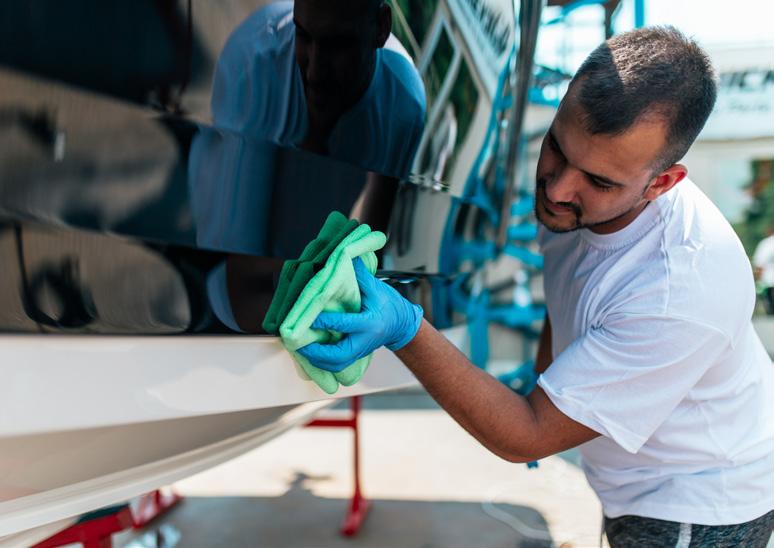

Boat Building
Boat Building
Custom New Builds / Restoration Repair / Optimisation
Custom New Builds / Restoration Repair / Optimisation
Boatyard
Boatyard
Storage / Lifting / Moorings
Storage / Lifting / Moorings
CAD Design & CNC Cutting
Composite Engineering / Production www.demonyachts.co.uk
CAD Design & CNC Cutting
Composite Engineering / Production www.demonyachts.co.uk
Aldeburgh Boat Yard, Fort Green, Aldeburgh, Suffolk, IP15 5DE
“Restoration, repairs & maintenance services for all wooden boats”
01243 513872 / 07791 225175
email@timgilmore.co.uk www.timgilmore.co.uk Birdham Pool Boatyard Chichester, W. Sussex, P O 20 7 BG
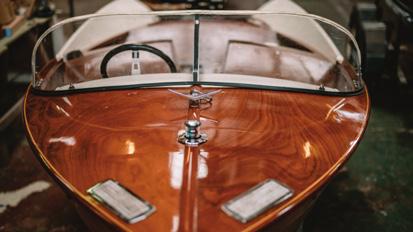
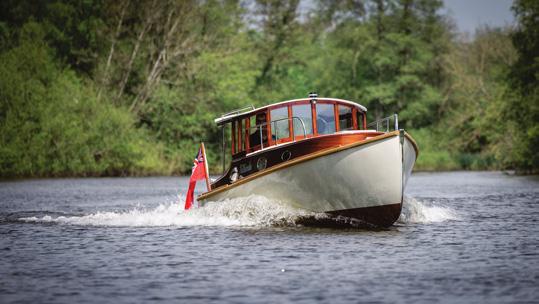
& builders of a range of classic electric launches
y 21 & builders of a range of classic electric launches
& builders of a range of classic electric launches
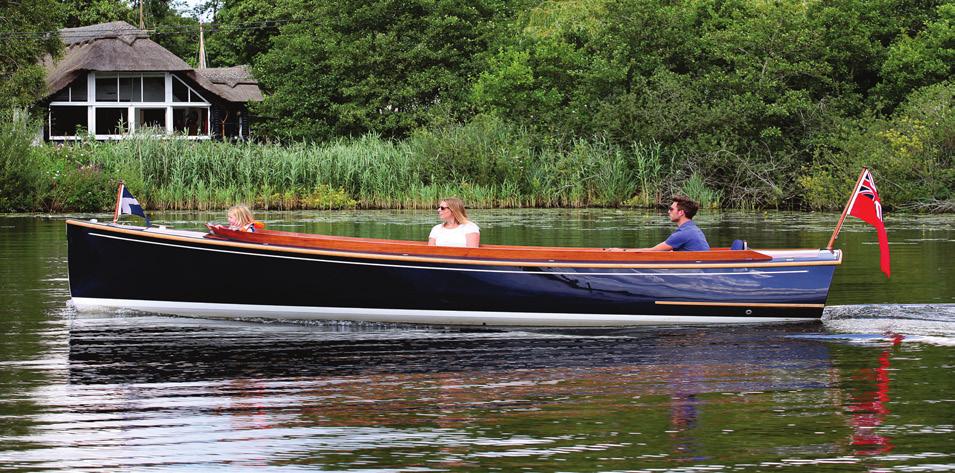
Mayfly 21
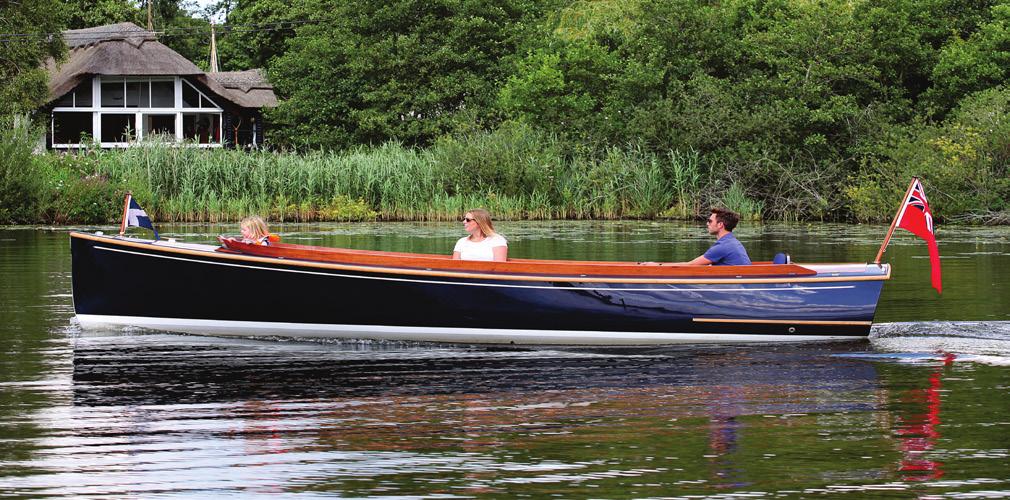
Mayfly 21
Electric conversions for modern and classic boats
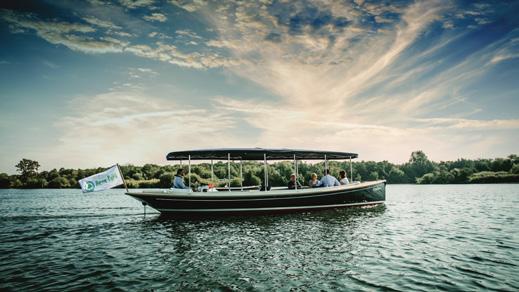
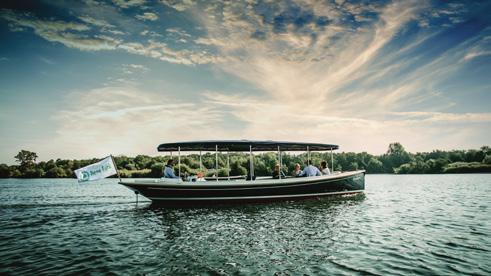
Electric conversions for modern and classic boats
Electric conversions for modern and classic boats
Build - Restore - Maintain
Marine engineering - Launching - Storage
Build - Restore - Maintain Marine engineering - Launching - Storage
Build - Restore - Maintain Marine engineering - Launching - Storage


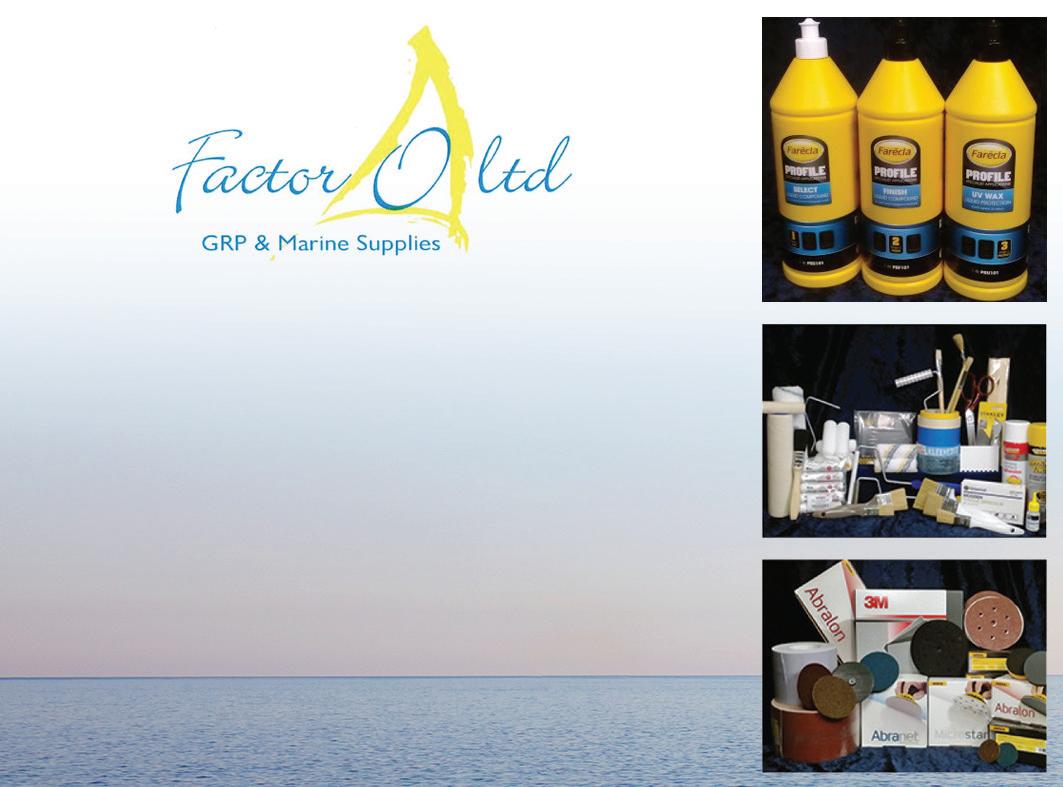
Factor O Ltd is a well-established company. As one of the largest suppliers, on the South Coast, of consumables required by the Fibreglass, Marine, Composite and Automotive industry, we are a totally independent company with an extensive supplier base. This allows us to provide a large product range.
www.landamores.co.uk
www.landamores.co.uk
www.landamores.co.uk

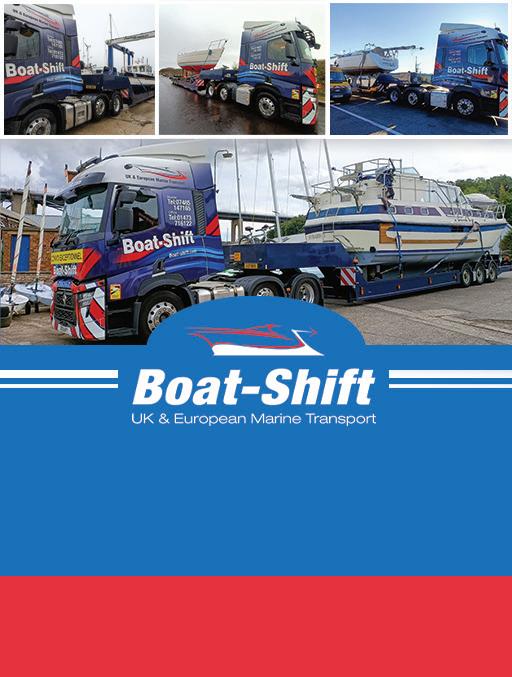
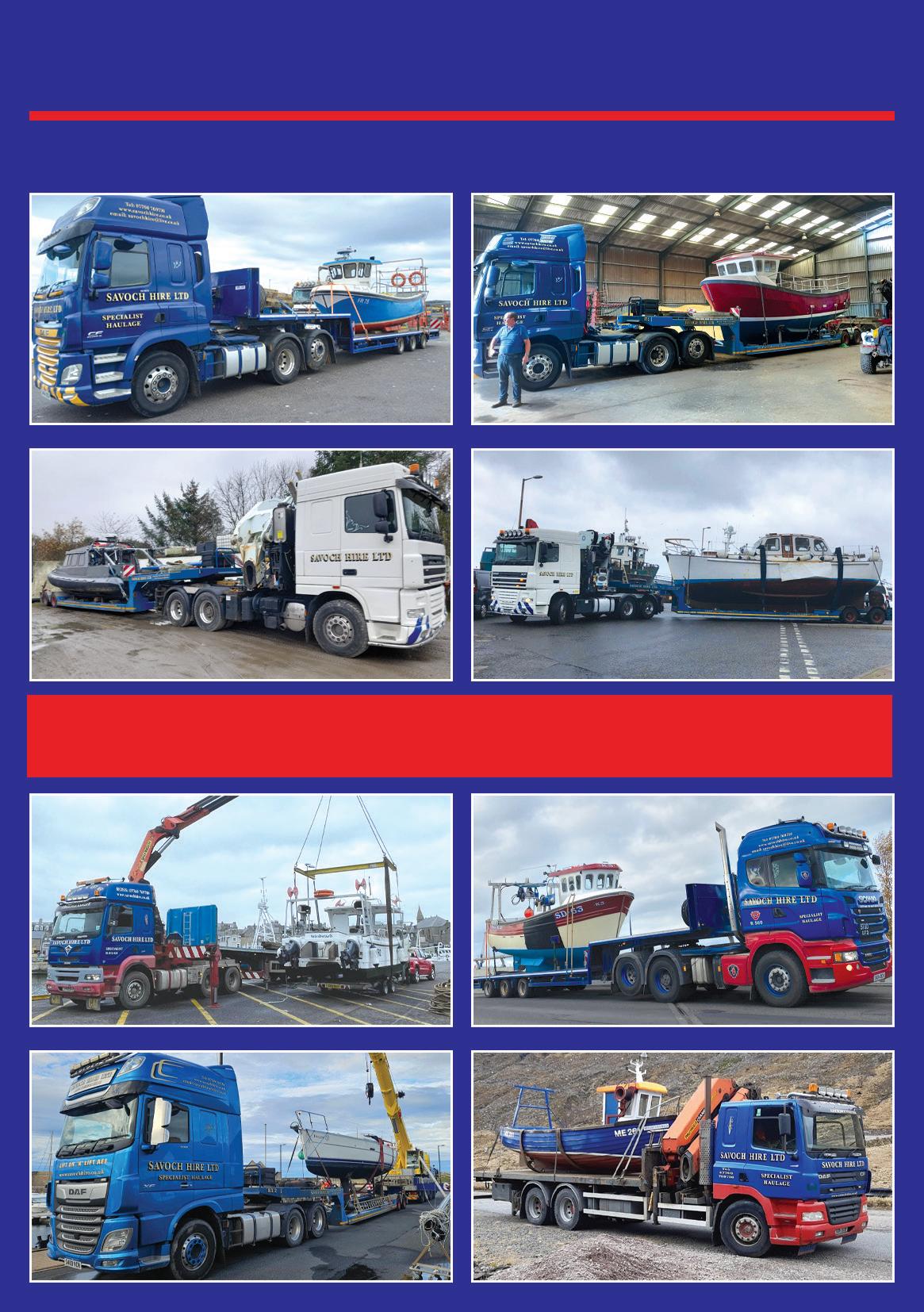
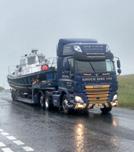
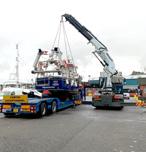
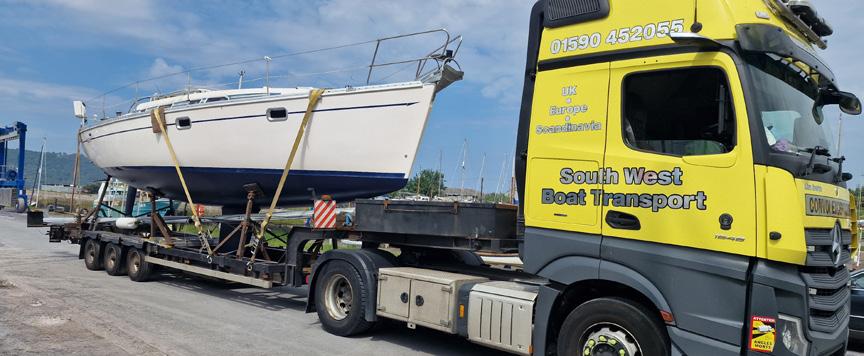
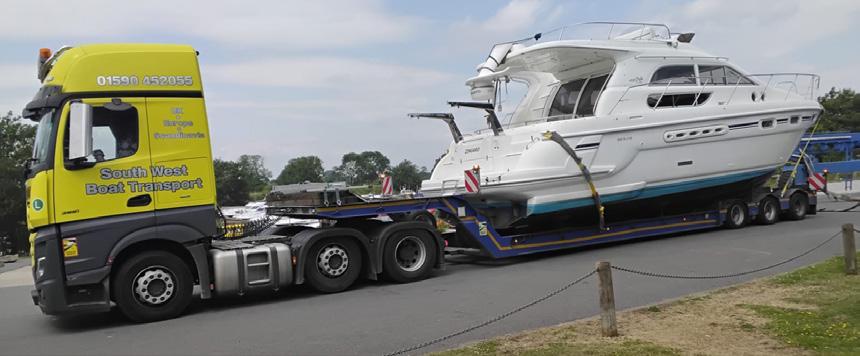
Specialist in transporting all types of boats along with other types of equipment. Low Loaders - Hiab Vehicles - Extenders

We offer boat deliveries within the UK and Europe, specialising in putting our customers first rather than chasing a hurried schedule. As boat owners ourselves, we prioritise safe, unhurried passages with realistic journey times, protecting both your vessel and our team. Many owners even choose to join us as crew during their boat deliveries, gaining hands-on experience while enjoying time on the



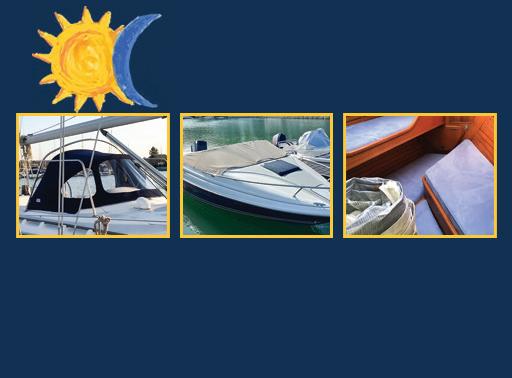
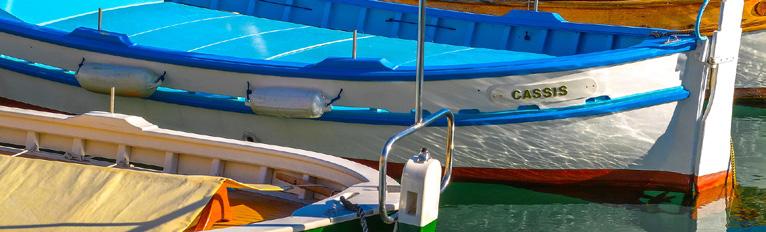
As one of the few UK manufacturers specialising in narrowboat dinettes,
offer bespoke solutions that are not just space-saving and practical, but can also be customised to seamlessly complement your boat’s interior. Discover how our expert joinery can enhance your boating experience.




www.industrialfriction.com
02920 499111 • info@industrialfriction.com

We specialise in offering a complete friction relining service. We manufacture/refurbish brake bands, transmission discs, gear cut friction discs & supply friction material and 316 Stainless. We can improve aspects of performance and wear using over 50 years of experience and modern materials including Kevlar. Please see our website for our Volvo Penta Sail drive solution.

Paramore Marine Ltd is a marine engineering company, locally ran and based in Pwllheli, North Wales. We specialisein the servicing and repairs of all types of boats. Our aim is to make offshore boating more accessible and affordable to all, by offering a quality service at a competitive price. We offer a wide range of services at paramore Marine, and our team is happy to respond to any enquiries via the contact detailis provided below. We are also able to take on other engineering projects such as trailer, beach buggy and ATV repairs. We also offer a valeting and jet washing service.
Are you looking for an expert to service your boat? Look no further than Shoreside Marine Services Ltd. We have the expertise to offer a wide range of services to suit your needs.
Whether you’re in the market for a new boat or you’re looking to add some equipment to your current one, we can help you. You can rely on our qualified team for all of your boating equipment needs. We offer services to both private boat owners and businesses, covering both inboard and outboard boat engines, petrol and diesel.
www.shoresidemarine.co.uk
Tel: 01202 671 829 - Mobile: 07879 994 324
Email: shoresidemarine@outlook.com
Email: dan@shoresidemarine.co.uk
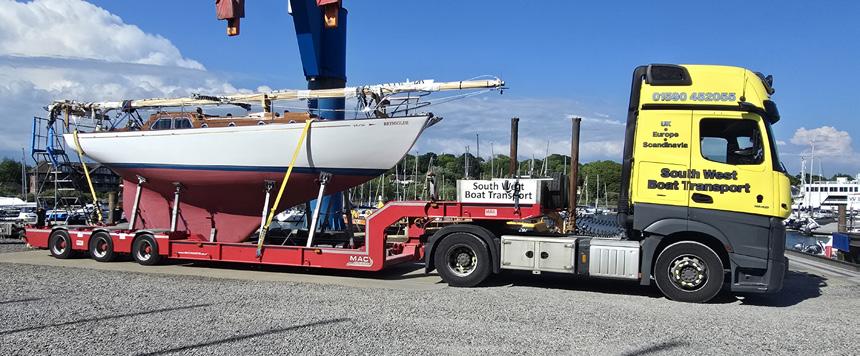
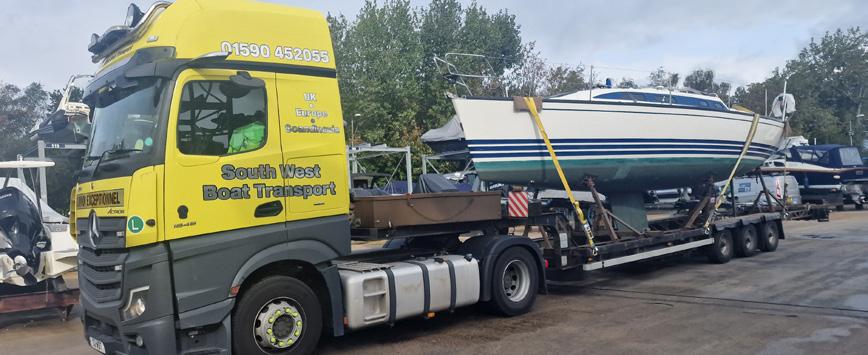
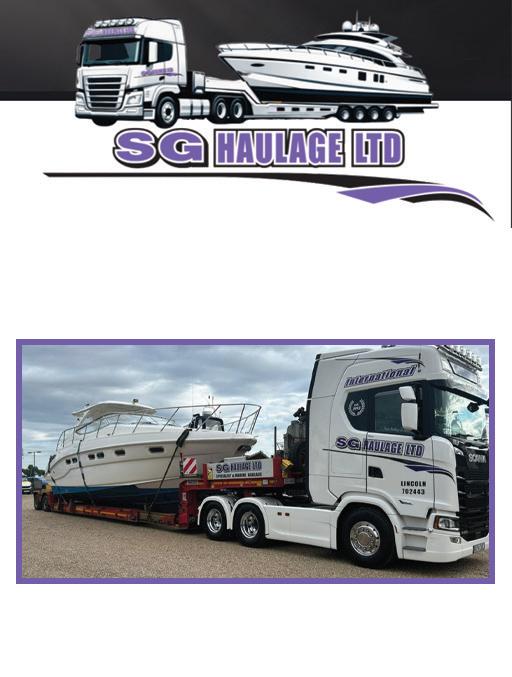
We specialise in bespoke transport solutions, tailored to meet the needs of your boat transport. Our experienced team manages every aspect of the haulage process, delivering exceptional service and peace of mind.
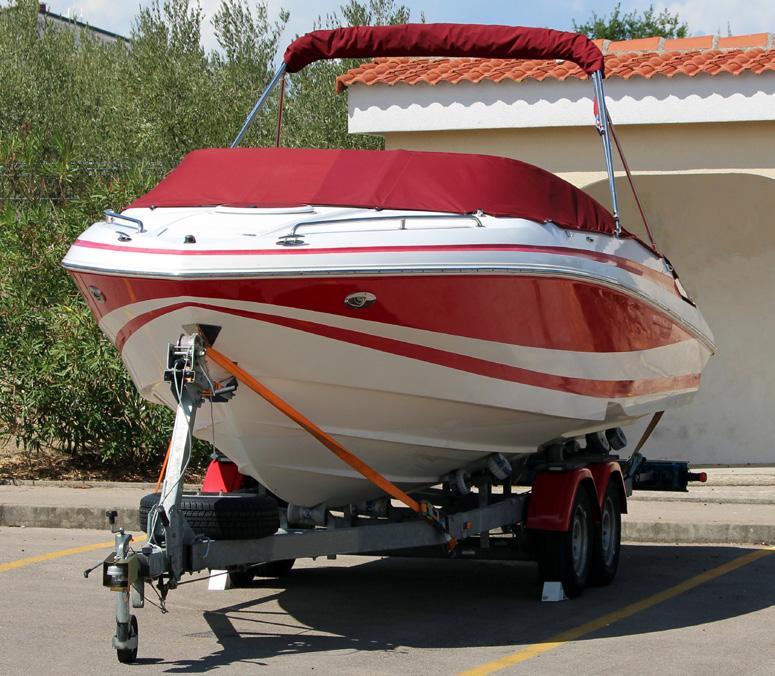

We are a firm selling marine commercial and leisure boat supplies, angling accessories, knives, protective clothing and a whole lot more. We sell and service fire safety equipment at very competitive prices. Plus life raft, life jacket and other safety equipment supply and service point. Also we sell Optimoil lubricants, Calor and camping gas. We deal in commercial fishing and leisure vessel gear from ironmongery, gloves and clothing and have a wide range of lubricants and chemicals. We are stockists of Hempel Paints. www.newlinechandlery.co.uk






Choose


Select Solar - the solar power specialists, with one of the biggest and best selection of solar pv energy products for business and leisure. We sell top quality branded solar products backed by full warranties, complete technical
Our 100W Select Solar Power Station is an excellent product to ensure energy cannot reach. Within the kit you have all parts that you may require to start producing your own power within an hour of installation. It is very simple to construct and comes with full instructions.
semble and relocate • Can be seen as an investment due to ever increasing energy prices
We also supply & fit solar and battery storage systems on houses and commercial property. Give us a call to see how much you might save.

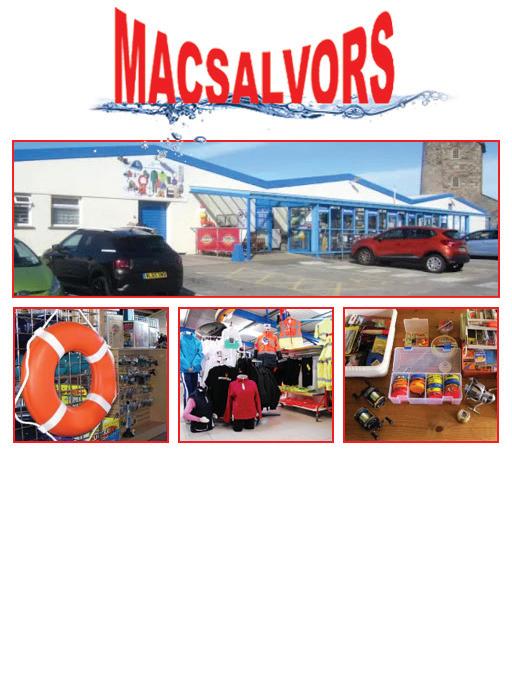
An industrial retail superstore known throughout Cornwall and beyond for our fantastic pricing, great service and vast range of products. Our product departments range from DIY, tools, camping, clothing, marine, paints, automotive, building materials, machinery, hardware and many more. Call: 01209 212 125 • www.macsalvors.com
Agar Road, Pool, Redruth, Cornwall, TR15 3RS Also at The Boathouse, Commercial Road, Penryn, TR10 8AE Telephone : 01326 377 131



Our quiet, peaceful park occupies 5 acres by the banks of the Great Ouse. We welcome touring caravans & motorhomes, plus we have luxury caravans for hire, some of which have river views & direct access onto the river. The site offers angling and boating facilities, including rowing boats for hire from our own bank.
Call us today on: 01480 463 405 www.quietwaterscaravanpark.co.uk Hemingford Abbots, Huntingdon, PE28 9AJ
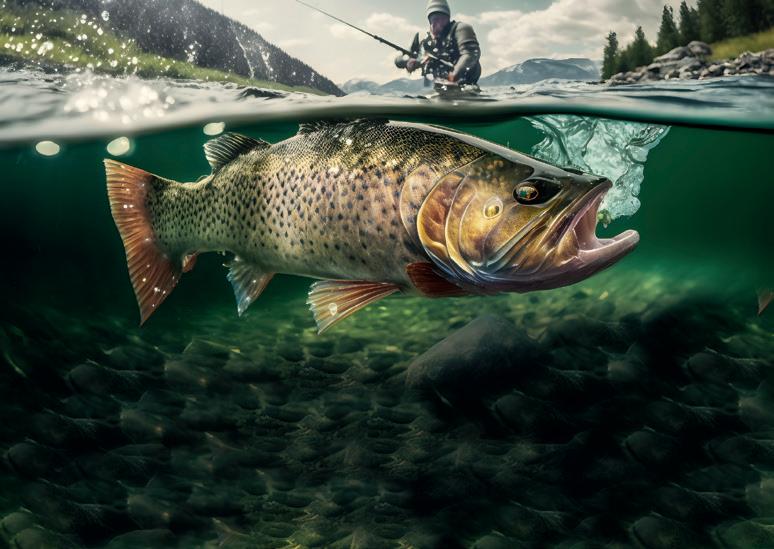
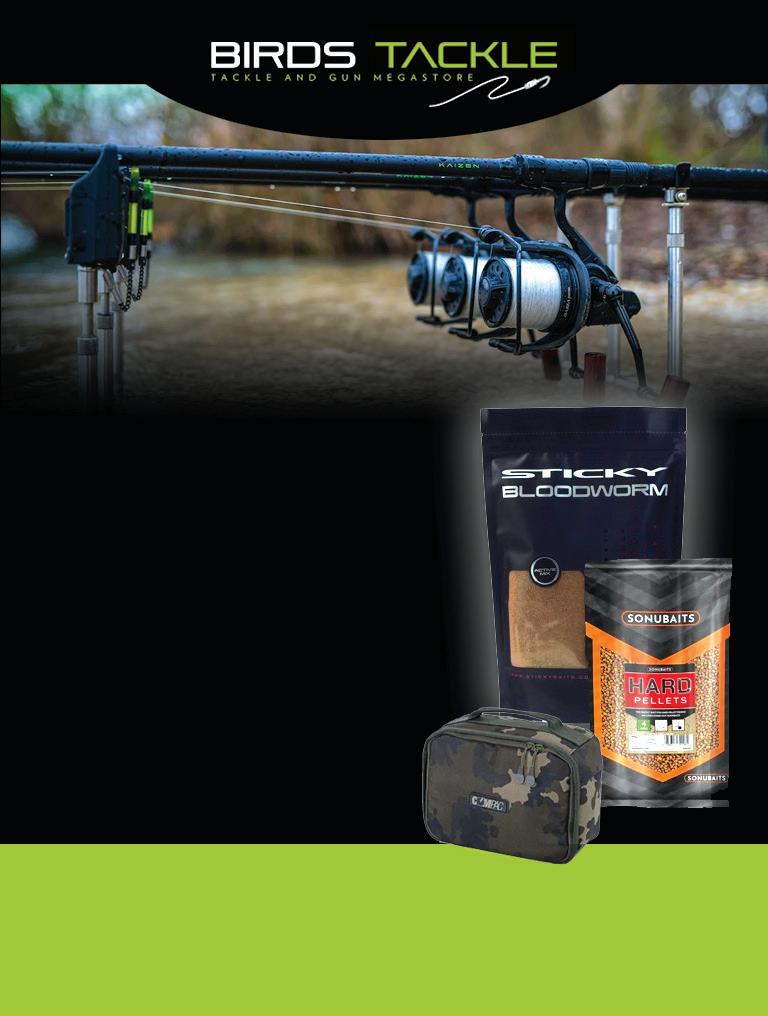
At Birds Tackle, we offer an extensive range of products from leading brands, catering to every aspect of fishingbe it carp fishing, coarse fishing, sea fishing, and much more. Our commitment extends beyond our store’s walls, as we proudly offer our selection online, allowing you to shop with us from anywhere at your convenience.
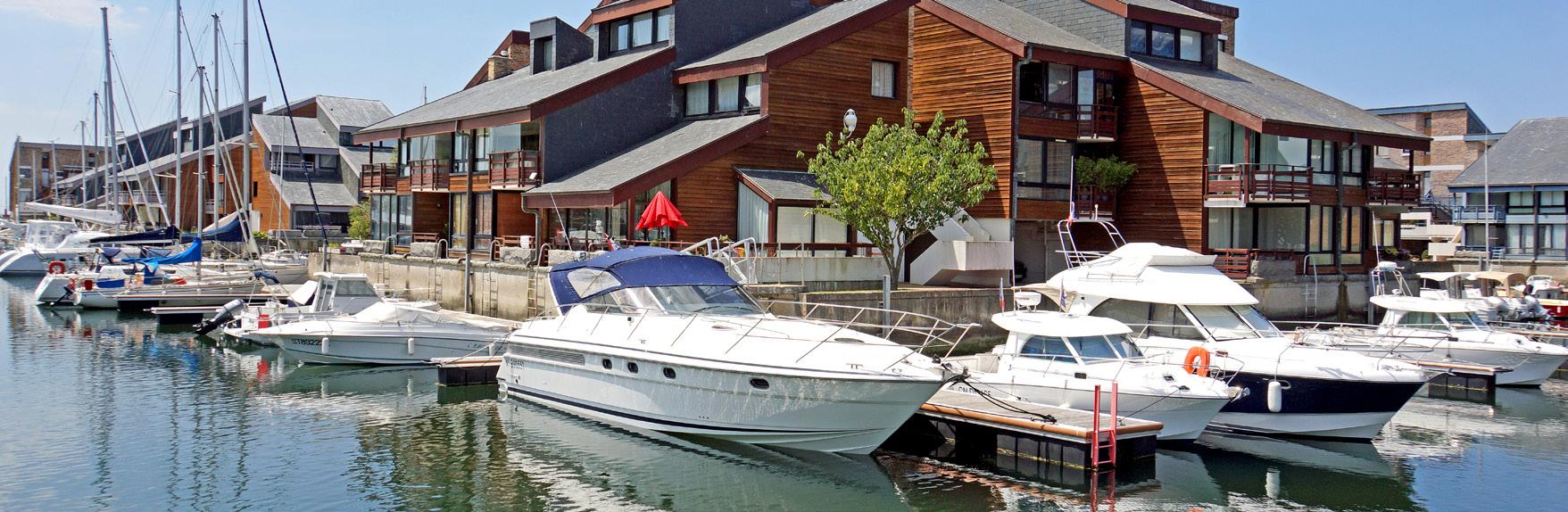
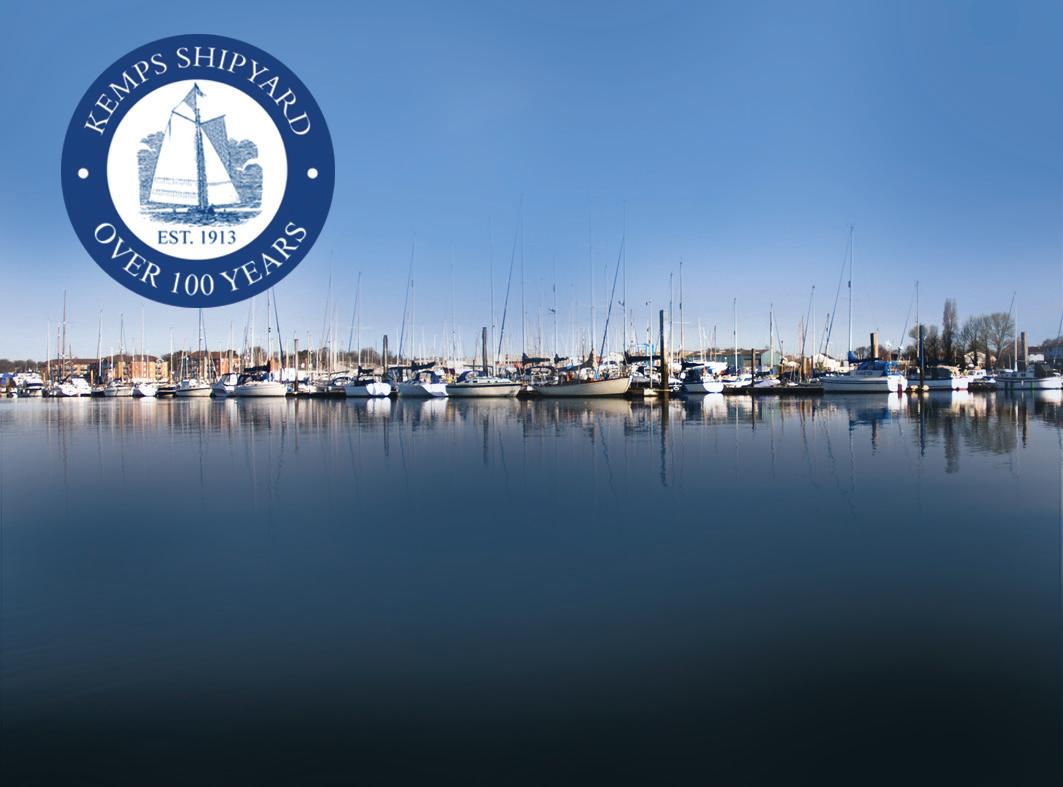
Kemps Quay is a semi-tidal marina on the River Itchen roughly 20 minutes from Dock Head and Southampton Water. We have around 300 berths 30 of which are non-tidal. We have water on our pontoons. We also have an 8 tonne travel hoist and storage ashore for around 50 vessels. We welcome all types of boats from 10 foot dinghies to 60+ yachts. One of the few remaining family-owned marinas, we were fortunate to celebrate our centenary in 2013. We also have an industrial estate with commercial premises and container storage for rent.
Please contact us for prices or see our website for an instant quote.
Please mention the


BERKSHIRE
MAIDENHEAD
BOAT BUILDING
Le Tonkinois Varnish 01628 548 840
www.letonkinoisvarnish.co.uk
CAMBRIDGESHIRE
HUNTINGDON
CANOPIES / COVERS
Titan Boat Canopies Ltd
01480 227 777 / 07463 643 356
www.titanboatcanopies.co.uk
FISHING HOLIDAYS
Quiet Waters Caravan Park 01480 463405
www.quietwaterscaravanpark.co.uk
CHESHIRE
MIDDLEWICH
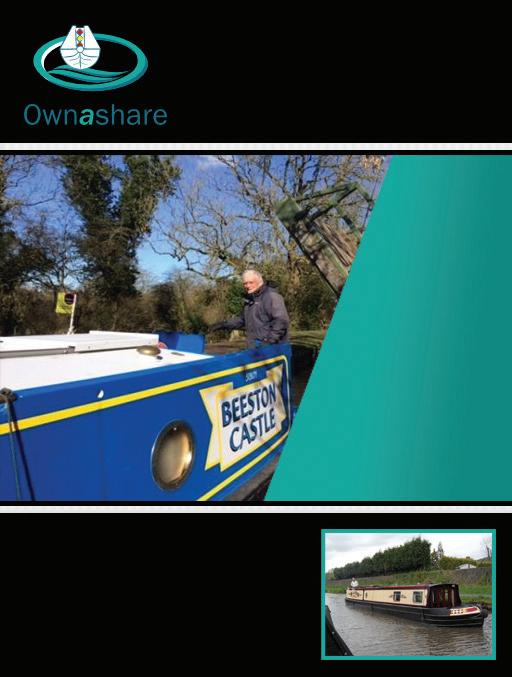
BOAT SHARE
Ownashare Cruising Ltd 07800 902 323
www.ownasharecruising.co.uk
NARROWBOAT - HOLIDAYS
Andersen Boats 01606 833 668
www.andersenboats.com
SANDBACH
FIBREGLASS MATERIALS
ABL (Stevens) Resin & Glass
01270 529 111 / 01270 766 685
www.resin-supplies-shop.com
CORNWALL
MARINE SERVICES
Newline Chandlery Ltd 01736 363 107
www.newlinechandlery.co.uk
REDRUTH
CHANDLERY
Macsalvors Ltd 01209 212 125 www.macsalvors.com
DEVON
AXMINSTER
MARINE SERVICES
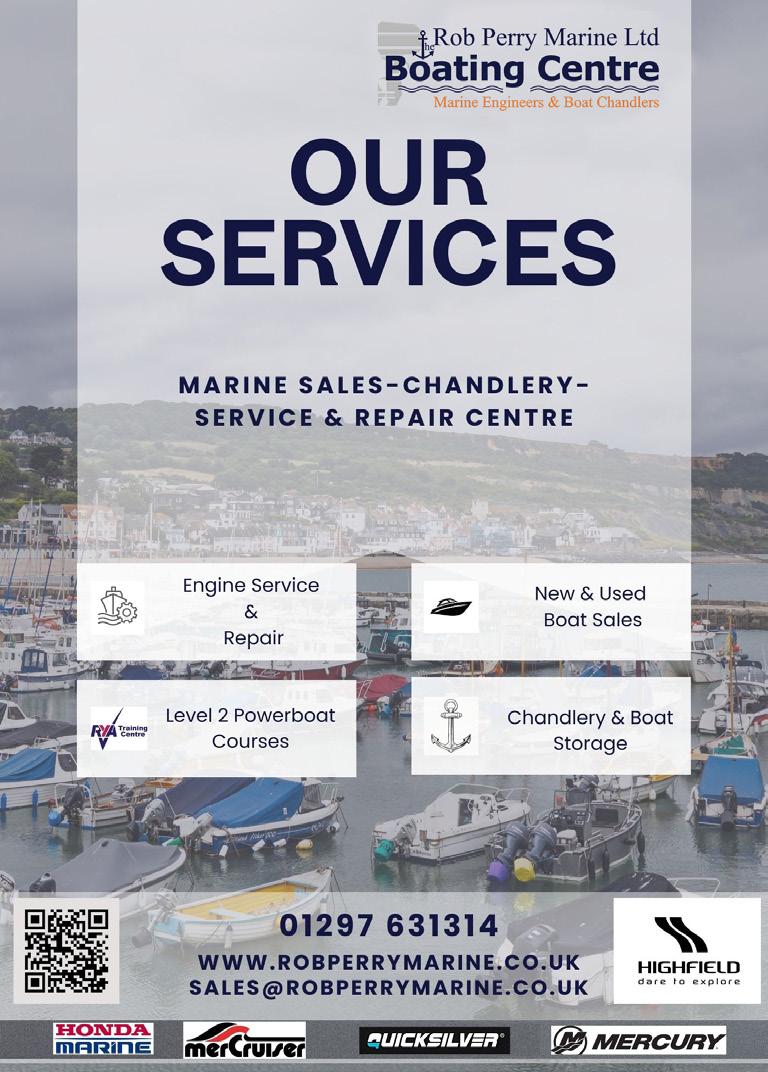
Rob Perry Marine Ltd 01297 631 314 www.robperrymarine.co.uk
EXETER
SAIL MAKERS
EXE SAILS
01392 874 449 / 07894 856 748 www.exesails.com
SEATON INSURANCE
Simon Winter Marine Ltd 0344 545 6132 www.simonwintermarine.co.uk
DORSET
POOLE
MARINE ENGINEERING / ENGINEERS
Shoreside Marine Services 07879 994 324
www.shoresidemarine.co.uk
ESSEX
BRENTWOOD INSURANCE
Morgan Marine Insurance Services
01277 224440
www.morganmarineinsurance.com
BURNHAM-ON-CROUCH
BOAT - DELIVERY / TRANSPORTATION
Safe Hands Marine
07767 427 948
www.safehandsmarine.co.uk
HARLOW
MARINE ENGINEERING / ENGINEERS
D.W Mechanical Handling Limited
01279 426 777 / 07850 634 625 www.dwmarine.co.uk
UPMINSTER
SOLAR PANELS / ECO FRIENDLY
Select Solar Limited
01708 223 733
www.selectsolar.co.uk
HAMPSHIRE
FAREHAM
MARINE SERVICES
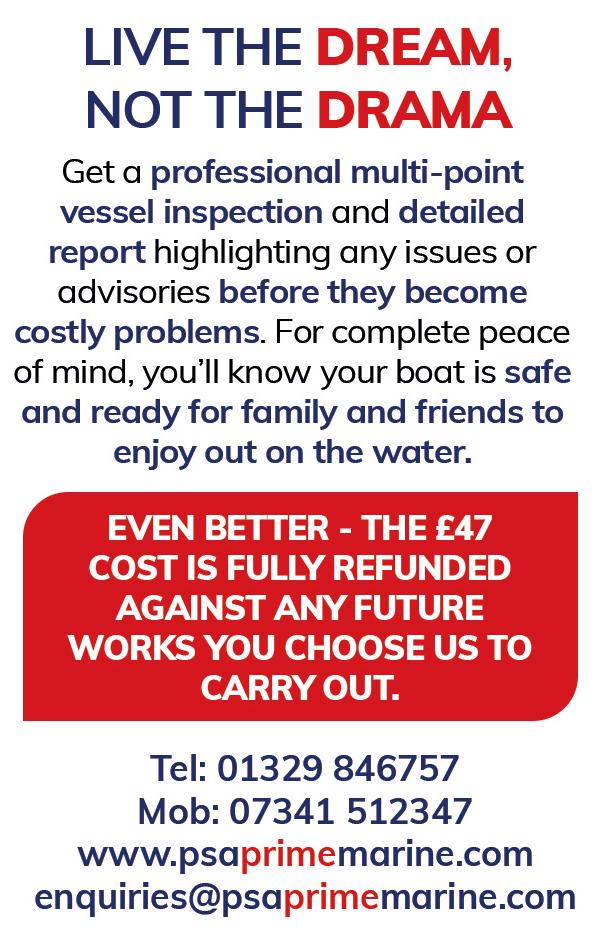
PSA Prime Marine
01329 846 757 / 07341 512 347
www.psaprimemarine.com
PORTSMOUTH
BOAT BUILDERS / REPAIRS / RESTORATION
Factor O Ltd
02392 655 661
www.factoro.co.uk
SOUTHAMPTON
BOAT SALES / DEALERS - NEW & USED
Solent Motor Yachts
01489 886 663
www.solentmotoryachts.com
CANOPIES / COVERS
Quay Canvas
02380 407 441
www.quaycanvas.net
MARINA’S & BOAT MOORING
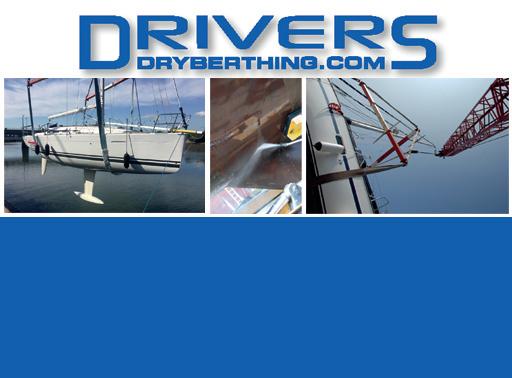
Drivers Dry Berthing Ltd
02380 233302
www.dryberthing.com
Kemps Ship Yard
02380 632 323 / 07863 305 202
www.kempsquay.com
DENSOLE
BOAT - DELIVERY / TRANSPORTATION
Boat-Shift Marine Transport Ltd 01473 716 122 / 07485 147 165
www.boat-shift.com
WROTHAM
VARNISHING
Make Wood Good Ltd 01732 824 700 www.makewoodgood.co.uk
GAINSBOROUGH
BOAT - DELIVERY / TRANSPORTATION
Spiderline Logistics Limited 01590 452 055 www.boat-transportation.co.uk
LINCOLN TRANSPORT
SG Haulage Ltd 01522 702 443 www.sghaulageltd.co.uk
NORWICH
BOAT BUILDERS / REPAIRS / RESTORATION
Landamores 01603 782 212 landamores.co.uk
NORTHAMPTON CHANDLERY
Jay Wolfe Metalwork Ltd 01604 720 988 www.floatyourboat.co.uk
OXFORDSHIRE
ABINGDON
MARINA’S & BOAT MOORING
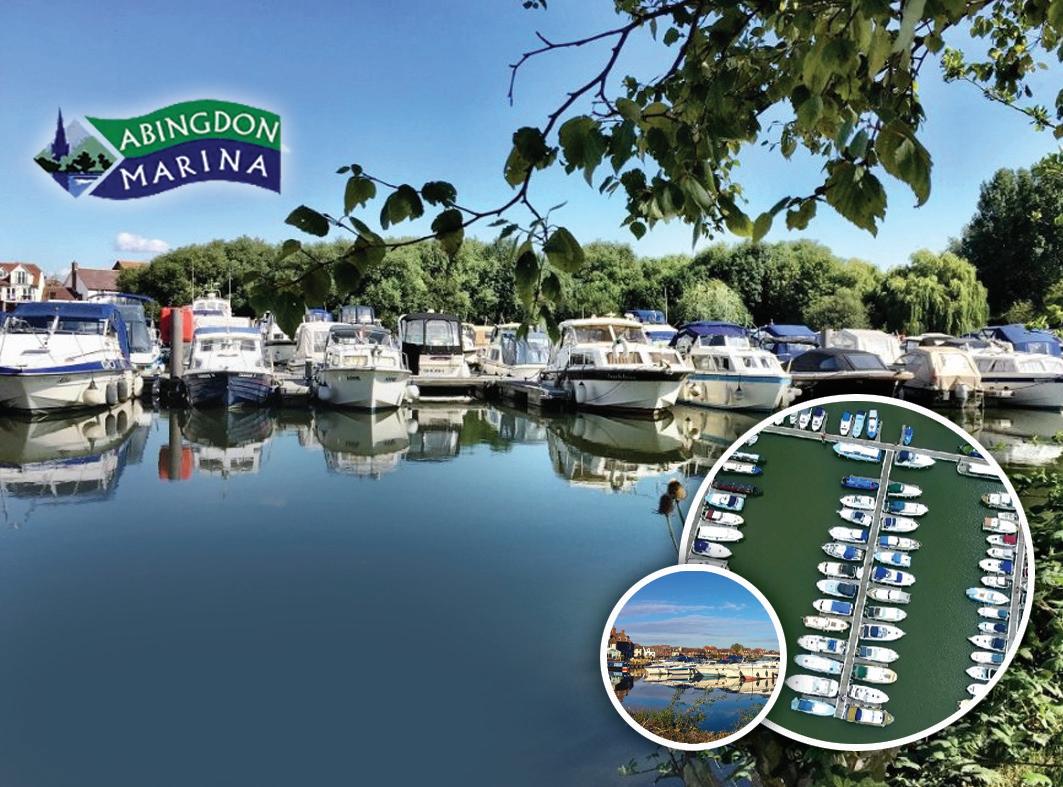
Abingdon Marina
01235 536 147
www.abingdonboatmarina.com
PEMBROKESHIRE
HAVERFORDWEST
BOAT BUILDERS / REPAIRS / RESTORATION
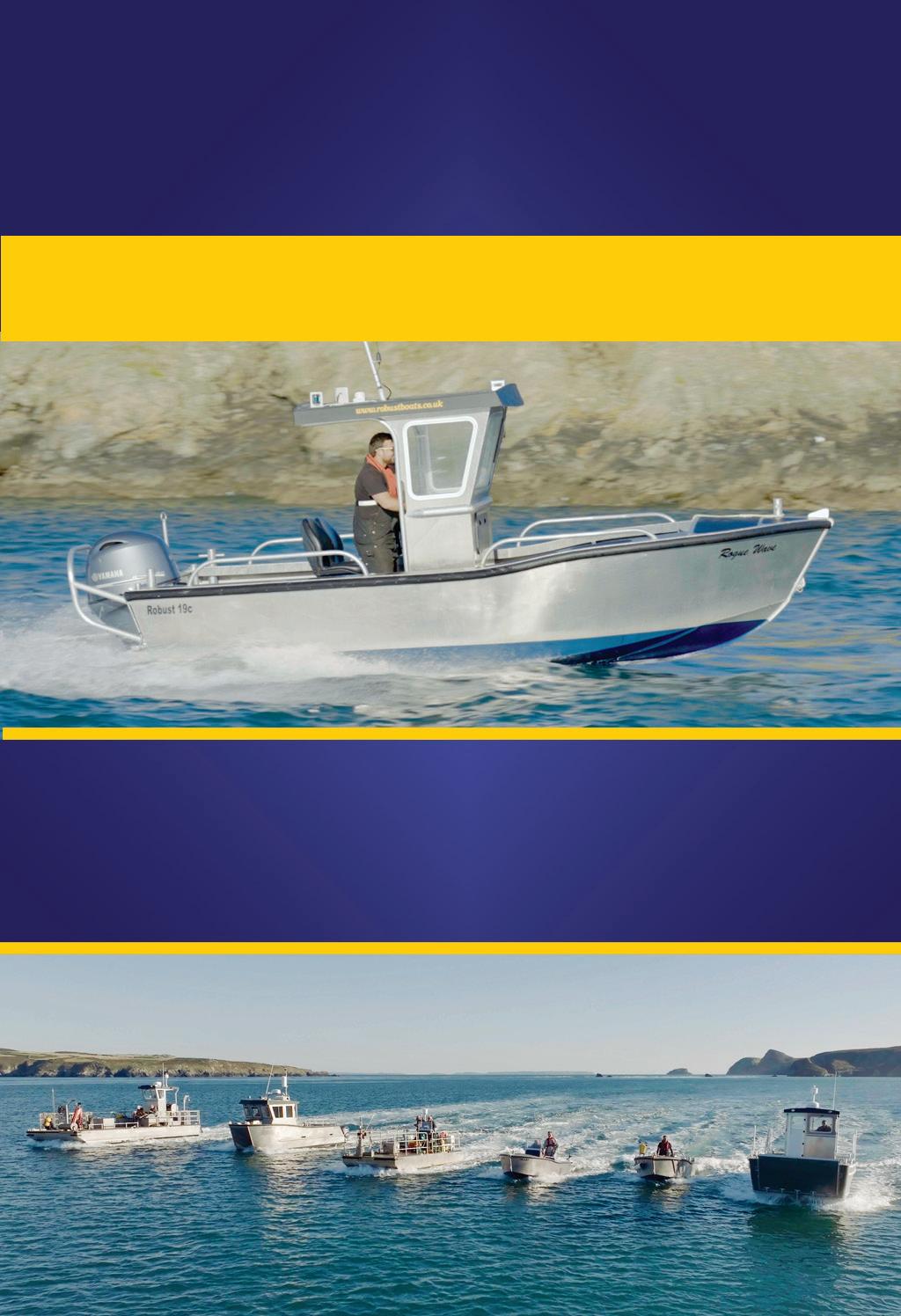
Robust Boats Ltd
01437 729 355 / 07833 117 046 www.robustboats.co.uk
NEYLAND
MARINE ELECTRONICS
Neyland Marine Services Limited 01646 600 358 / 07831 804 093 www.neylandmarine.co.uk
ABERDEENSHIRE
BOAT - DELIVERY / TRANSPORTATION
Savoch Hire
07760 769 710
www.savochhire.co.uk
ARBROATH
MARINA’S & BOAT MOORING
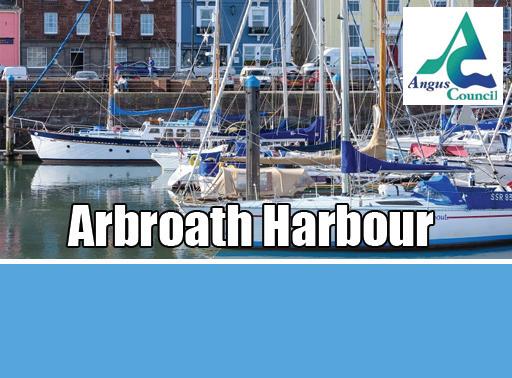
Angus Council 01241 872 166 www.visitangus.com
STAFFORDSHIRE
UTTOXETER
BOAT - DELIVERY / TRANSPORTATION
Peter Stott Plant & Haulage Ltd 01889 566 046 / 07774 644 889 www.peterstottplantandhaulage.co.uk
SUFFOLK
ALDEBURGH
BOAT BUILDERS / REPAIRS / RESTORATION
Demon Yachts 01728 452 019 / 07763 150 597 www.demonyachts.co.uk
GREAT BLAKENHAM
TACKLE & BAIT
Birds Tackle 01473 830 683 www.birdstackle.co.uk
IPSWICH
TACKLE & BAIT
Snowy’s Bait & Tackle 01473 823043 / 07766 140624 www.snowysbaitandtackle.uk
CARDIFF
MARINE ENGINEERING / ENGINEERS
Industrial Friction Materials Ltd 02920 499 111 www.industrialfriction.com
PWLLHELI
MARINE ENGINEERING / ENGINEERS
Paramore Marine Ltd 01758 462 461 / 07730 043 736 www.paramoremarine.com
CHICHESTER
BOAT BUILDERS / REPAIRS / RESTORATION
Tim Gilmore Limited 01243 513 872 / 07791 225 175 www.timgilmore.co.uk
WEST YORKSHIRE
BAILDON
CANOPIES / COVERS
Canvasman Limited 01943 851 444 www.canvasman.co.uk
KIDDERMINSTER
BOAT FURNISHINGS
OK Joinery
01562 540 204 / 07895 438 833 www.okjoinery.co.uk
FANCY