Publisher: Bruce Meacock, C 416-457-9563 bruce.meacock@mechanicalbusiness.com
CONTROLS
Nboiler. Their name will be Heat, an acronym for Heat Exchange Automation Technician and this person will monitor every sensor, nut, bolt and screw and they will constantly be tweaking things to enhance performance. Heat will be able to be spoken to and be told exactly what we want. Until Heat arrives, we have controls and automation.
When I first started in HVAC I struggled greatly with controls and I didn’t even want to comment on the world of automation. It was difficult to determine when to turn on what pump or what valve to open. It seemed like such a mystery to understand the inner workings of flow, not to mention how to automate the whole thing to operate seamlessly with little to no operator interference. It all started to come into focus as I learned more about my craft and really there are several things you need to keep front of mind for all of this to make more sense.
Flow and how water operates
First let’s address controls. Controlling a hydronic system (outside of the boiler − we’ll come back to that) is understanding flow and how water operates. Inside of a pressurized system water will not
move on its own. The only thing that will force water to move is the beautiful second law of thermodynamics: heat transfers to cold. If you have hot water somewhere in a system it will migrate to the colder areas. This principle was used before we had any sort of control in a system.
We called these gravity systems where the specific heat of the heated water was less than that of the colder water so the water and the heat it carried with it naturally rose through a system giving off its heat until it cooled enough to fall. These systems required large pipes but no circulators. The large pipes eventually went out of style as circulators entered the scene and we could artificially create flow.
The flow of a hydronic system operates via pressure. High pressure goes to low pressure, always. The way I like to envision this is that the low-pressure side of a circulator is like a downhill section of a stream. Water will be inclined to flow downhill. The high-pressure side of a circulator is where it’s more like a pump where it is pushing the water back up that hill to create flow. The tricky part is to understand the when and the how of the circulator or zone valve.
In a standard primary secondary system, each “loop/zone” requires its own method of artificial flow creation. Think like water. If there is no reason for water to flow into a loop then you have to create a reason and then you have to control it.
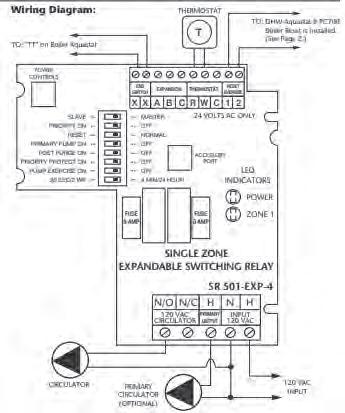
Zone controllers in simplicity are just electrical relays that accept a signal usually from a thermostat and then give a go/no go voltage signal to a flow device such as a zone valve or circulator as well as the go/no go signal to the boiler.
Image Watts
The thermostat sends in a 24V signal to the relay control. The relay control sends that signal out to the transformer to create a 120V signal and that goes out to the pump. Simultaneously when there is a call from the Thermostat there is a signal from the control board that tells the boiler that there is a demand for heat and that it needs to fire; this is also known as an end switch call.
The control of a system does become a bit more complex as you increase the number of zones but the same principle applies. The main difference between simple and complex systems is that sometimes you need to activate multiple pumps, such as a system pump or primary pump, as well as the zone pump on a demand call.
Manufacturer wiring diagrams on these controls are quite detailed so as long as you know how many zones you will have, you should have little trouble following the wiring layout.
System automation
OK, so we now have the thermostats and the zone pumps or valves operating as they need to satisfy demand calls. What’s next? What about the automation of this whole system? What needs automation? How is that done and why?
Automation is a scary word for new technicians. They know gas lines and refrigerant charts but complicated automation of these systems was not something they went very deep into in school. Luckily, most automation is already programmed for you within the boiler logic, you just have to access it.
A simple example of automation is temperature control done via outdoor reset. Outdoor reset samples the outdoor ambient temperature and adjusts the boiler’s setpoint temperature accordingly to maximize run time. Boilers like to run for long times at low fire. That’s where the
E.H.
By Matthew Reid
most condensate comes out of the flue gasses and it’s easier on the equipment to run at low fire.
During the design process of the system the designer will select the appropriate boiler setpoint temperature for the coldest day of the year. In real world applications, a home sees worst case temperatures about 10 to 15 days in a year. The rest of the year it is warmer so that leads us to believe we don’t always need high temperature water to satisfy demand. Outdoor reset automatically turns down the setpoint to load match the boiler to the ambient temp. This is usually done right on the boiler control and it’s very simple to install and set.
There are also safety automations. These are already programmed in and often not thought about. For example, in order to hit certain status requirements in steam boiler plants, such as unattended guarded, the boiler’s safety devices need to be automated.
Other boilers have automatic fuel air combustion control where the flue is monitored during
Matthew Reid is technical director – heating division at
Price Solutions’ Richmond Hill, ON office. He can be reached at mreid@ehpricesolutions.ca.
Thermostat in, circulator out, boiler fire
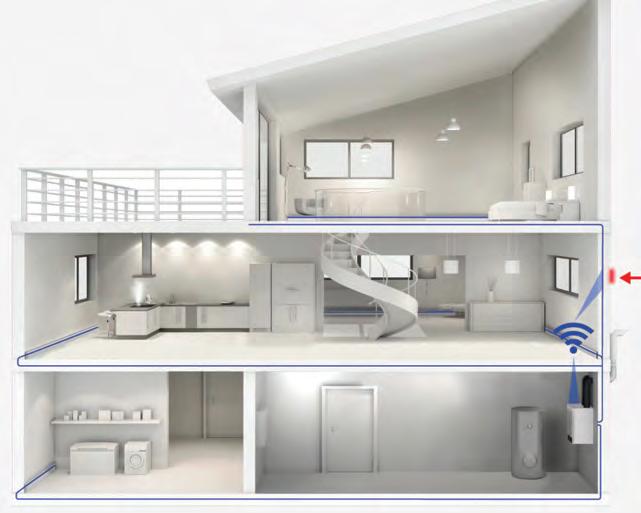
Outdoor reset load matches the boiler to the ambient temperature.
Image
courtesy
Viessmann
combustion and the 02 (oxygen/ free air) is adjusted to maintain peak combustion levels meaning maximum condensation.
Lead-lag sequencing is also done automatically when multiple boilers are installed. Lead lag sequencing will create a schedule for the boilers to follow so no one piece of equipment is overworked just because it’s first in line. The boilers will rotate both their hours of operation and their firing level.
In good sequencing one boiler will fire up to about 50 per cent and then the automation will activate the second boiler and bring them both down to 25 per cent, then rise them both up together to try to keep the firing rate low and the boilers’ run hours equal.
Feedback maximizes energy savings
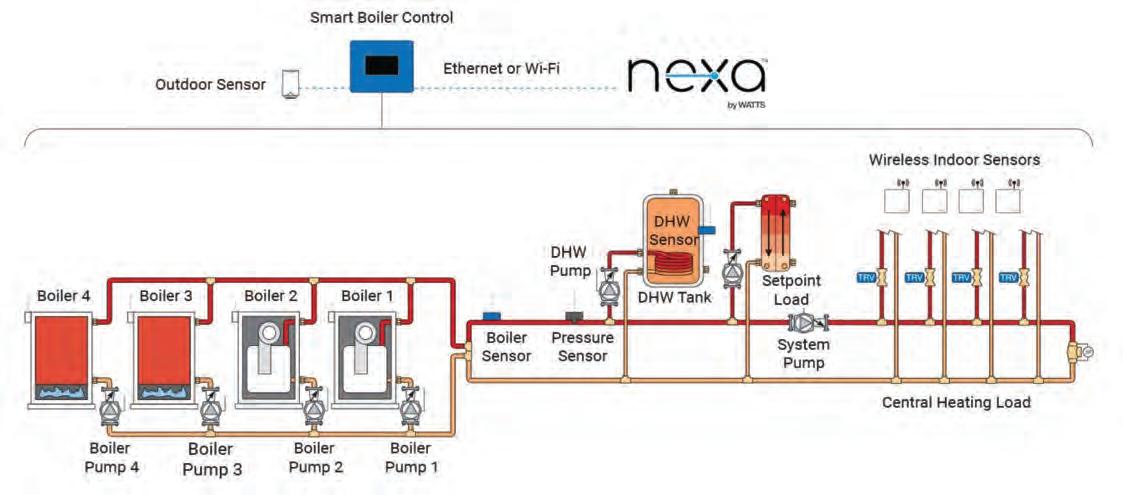
Finally, this leads us to the building automation system (BAS). This system is comprised mainly of sensors and is essentially a boiler control with more bells and whistles. The BAS will do a lot of the same things boiler logic controllers will do but in a more centralized way. It allows multiple systems within a building to talk to each other and provide feedback to maximize energy savings, such as fine tuning pump speed controls to achieve higher delta Ts to force more condensate from the boiler flue. In hybrid systems BAS can be programmed to run the electric side during off peak hours.
It all sounds a bit intense, but until we get our Heat Exchange Automation Technician living inside of every boiler, this is how we do things.
We’re growing!
More Adapt®. More solutions.
Three propane models and a 140k BTU/h natural gas model expand Adapt ® into more residential applications. Plus our new commercial model offers flexibility, with cascade installs up to 32 units.
High capacity, energy-efficient heating solution for commercial applications.
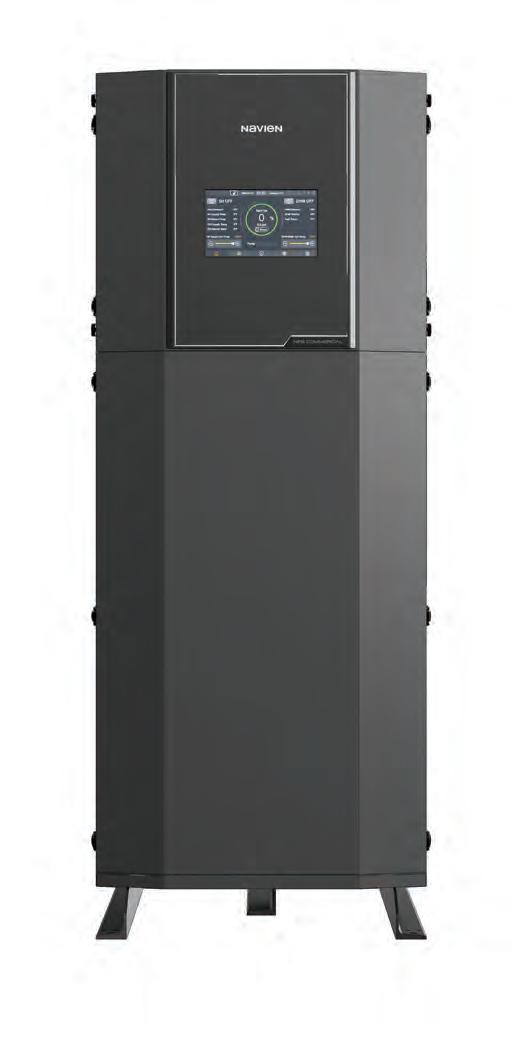
The NFB700-C combines advanced stainless steel fire tube heat exchanger technology with robust safety and flexible installation features.
Lower operating costs with outstanding thermal efficiency of 97.5%*.
Advanced stainless steel fire tube heat exchanger.
Capable of cascading up to 8 boilers and common venting up to 4 boilers.
Smart controls with 10.1" color touch display and built-in Wi-Fi connectivity.
Advanced gas control system reduces energy waste and excessive boiler cycling.
NG to LP field convertible and dual venturi for consistent air-to-gas ratio.
*Based on U.S. Department of Energy (DOE) test procedures.
Scan the QR code to learn more or visit navieninc.com/series/nfb700-c
Navien
SYSTEM EFFICIENCY
By Todd Wiggins
Hydronics at the heart of high-performance buildings
Haveyou ever walked into a building and thought: Is this space healthy? Is the indoor air quality clean and safe? Or maybe you’ve been in a room where something just felt off, too warm, too cold, or simply uncomfortable.
If you’ve never asked yourself these questions, you’re not alone. Most people adapt to whatever the indoor environment offers, taking layers on and off or just dealing with it. I used to be the same way.
That outlook changed as I began exploring building science, where hydronics consistently appeared in discussions and in case studies focused on high-performance buildings. In this article, we’ll first discuss how the building envelope and material construction play a critical role in supporting system efficiency and occupant comfort.
From there, we’ll look at how hydronic heating gives buildings an advantage in delivering consistent thermal comfort and briefly compare it to forced-air systems. Finally, we’ll highlight the importance of properly commissioning pumps, boilers and other hydronic components to ensure a building performs as intended.
A few key envelope elements include:
• High-R value for walls, roofs, floors and doors
• Insulation with minimal to no thermal bridging
• High-performance construction materials, such as advanced wood products and low-carbon concrete
Building envelope + materials
The specification and installation of efficient equipment are essential to achieving optimal building performance; however, it is the building envelope and construction materials that create the foundation for a building’s actual performance. The envelope influences how much heat a building needs, how comfortable the spaces feel and how hard the mechanical systems must work.
A high-performance hydronic system is only as effective as the envelope it serves, as better insulation and tighter construction allow the system to operate more efficiently and deliver more consistent comfort.
• Low-VOC paints and sealants to help prevent harmful offgassing from entering the living space from day one
Remember, these are only a few examples; there are many other factors that, when combined, help ensure a building performs at its full potential. A tightly-sealed building envelope and thoughtful material selection can lead to energy savings when selecting boilers, pumps, heat pumps, chillers and other mechanical components.
Improved building envelopes also reduce heating loads, allowing for smaller boiler sizing and lower water temperatures, which can result in higher efficiency across boilers and other equipment.
Todd Wiggins is with Watts Water Technologies in the role of regional sales manager, Canada. He works closely with Watts’ partners across Canada, supporting and growing key product lines.
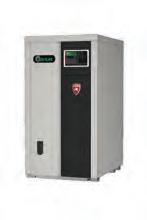
Supreme Comfort. Engineered Simplicity.
ECO-KING SUPREME SERIES
High Efficiency Performance. Up to 94% efficiency for lower energy use and reduced bills.
Compact. Powerful. Quiet. Engineered for modern homes with a space-saving design and ultra-quiet operation.
Built to Last. Premium components and intelligent engineering for reliability you can count on.
A COMPARISON
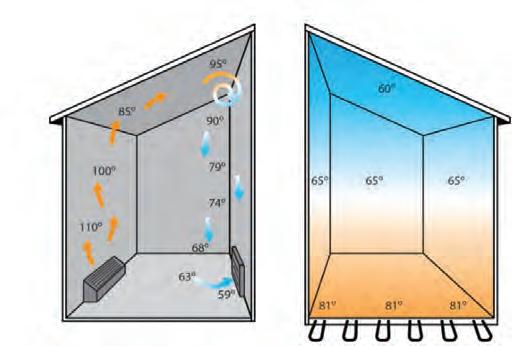
The juxtaposition of hydronic heating and forcedair heating highlights two very different approaches to delivering comfort. I will review some differences between the two systems and explain why hydronic heating is superior. It effectively provides thermal comfort, maximizing indoor environmental quality (IEQ) to keep occupants comfortable, productive, and healthy. Radiant heating offers a more even distribution of heat than forced-air systems, thereby enhancing overall occupant comfort.
When comparing hydronic and forced-air systems, the primary difference lies in the medium used to deliver heating or cooling throughout the building: water versus air. Hydronic heating transfers heat more efficiently and delivers steadier, more consistent temperature control. Because water can carry roughly 3,500 times more heat per cubic inch than air, a much smaller volume is needed to move the same amount of thermal energy.
When I read articles or watch videos of industry professionals discussing indoor environmental quality (IEQ) and indoor air quality (IAQ), I often think about how hydronic systems excel in improving both. By reducing the need to move large volumes of air, hydronic heating minimizes the circulation of particulate matter and allergens. It also creates quieter indoor environments by eliminating noise from ductwork and large fan motors, which can affect comfort, focus and overall workplace performance.
Hydronic systems operate quietly, without loud blower motors or the noise of air rushing through ductwork. Much like the sun warming your skin on a cold day, hydronic radiant heating transfers infrared energy directly to people and objects in the room, creating a more comfortable and natural feeling of warmth. There are many other differences between the two systems. But when speaking about high-performance buildings, hydronics is the most sustainable of the two systems.
WHY COMMISSIONING MATTERS
Commissioning serves a critical role in the overall performance of any building. It ensures equipment such as boilers, chillers, heat pumps and circulators operate within the design parameters intended by the engineer. For boilers, combustion testing confirms proper air-to-fuel ratios for safe, efficient operation, while finetuning the temperature differential helps ensure the supply and return water temperatures are within the design parameters.
Circulator commissioning verifies that the required flow and pressure are delivered to serve the building, with variable frequency drives adjusting output to match system demand and improve efficiency. Commissioning is equally essential for chillers, ensuring they operate efficiently, stage properly and respond correctly to real building loads.
Proper integration of the equipment with the building management system (BMS) is an integral part of the commissioning process. The commissioning agent ensures that the equipment communicates correctly with the BMS, enabling systems to operate as intended and respond to real building conditions. When this integration is done correctly, it allows better system optimization, improved energy efficiency, and more consistent comfort throughout the building over its lifecycle.
BEYOND EFFICIENCY RATINGS
Step back and look beyond equipment efficiency ratings alone. Consider how a hydronic system may benefit a building compared with a forced-air system, or how even the most efficient boiler or circulator can struggle within a poorly performing envelope. Equipment is often the first thing blamed when systems fall short, but it’s worth asking whether the system was commissioned correctly and optimized from the start.
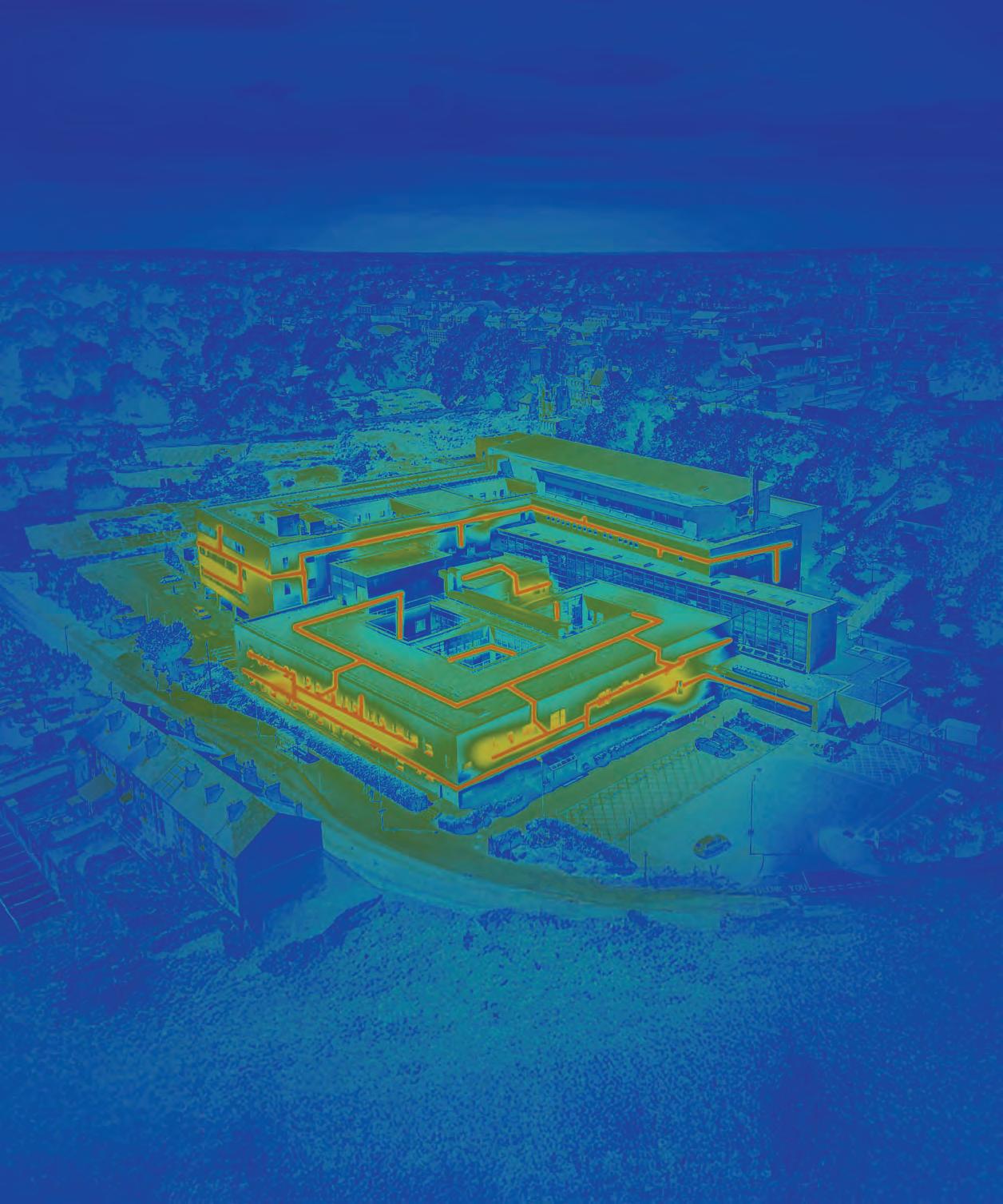
The 24-storey Telus Garden in downtown Vancouver uses recovered waste heat from the adjacent Telus network building’s servers to power its radiant heating and cooling floor/ceiling slabs, and perimeter fan coils.
Everything discussed here is only a small part of what it takes for a high-performance building to reach its full potential. Hydronic systems have delivered comfort and efficiency for hundreds of years. As buildings increasingly rely on renewable energy sources, hydronics will continue to play a critical role in achieving the next generation of high-performance buildings.
PROVIDING HEAT FOR 90 HOSPITALS, 154 HOTELS AND 300 COMMERCIAL SPACES.
WE’RE JUST GETTING WARMED UP.
When there is no room for error, there is only one condensing boiler that delivers without fail: Crest® with Hellcat Combustion Technology. Featuring RealTime O2 Trim and 96.2% Thermal E ciency, it’s got everything needed to keep bringing the heat day in and day out. That’s why it’s trusted by hospitals nationwide. AND
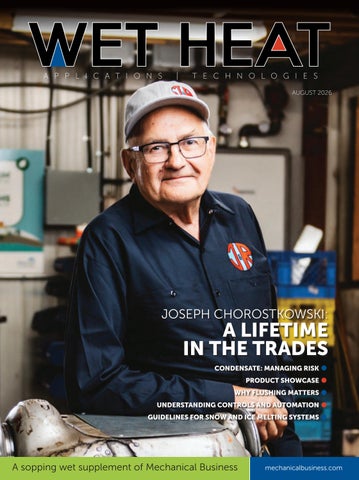
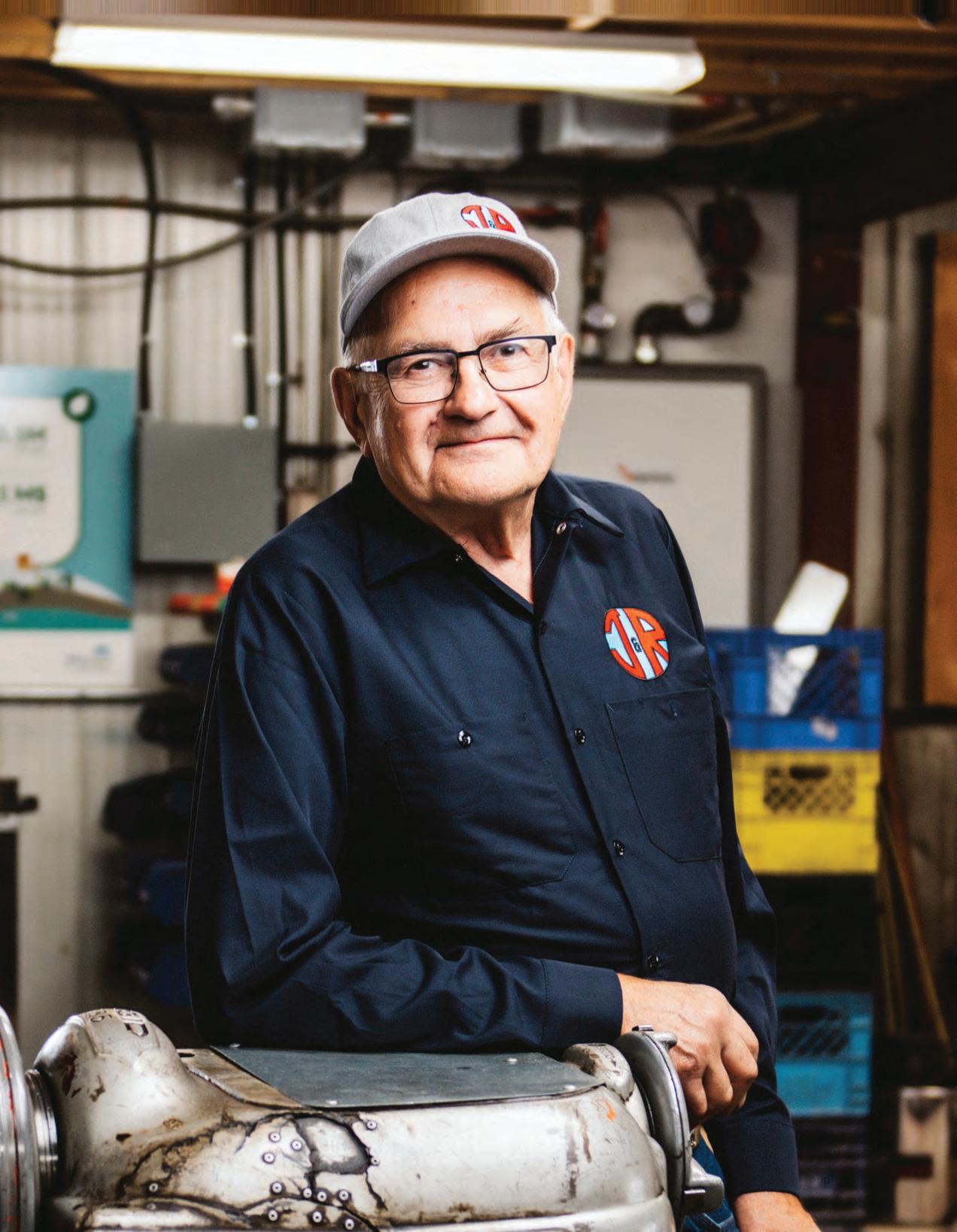
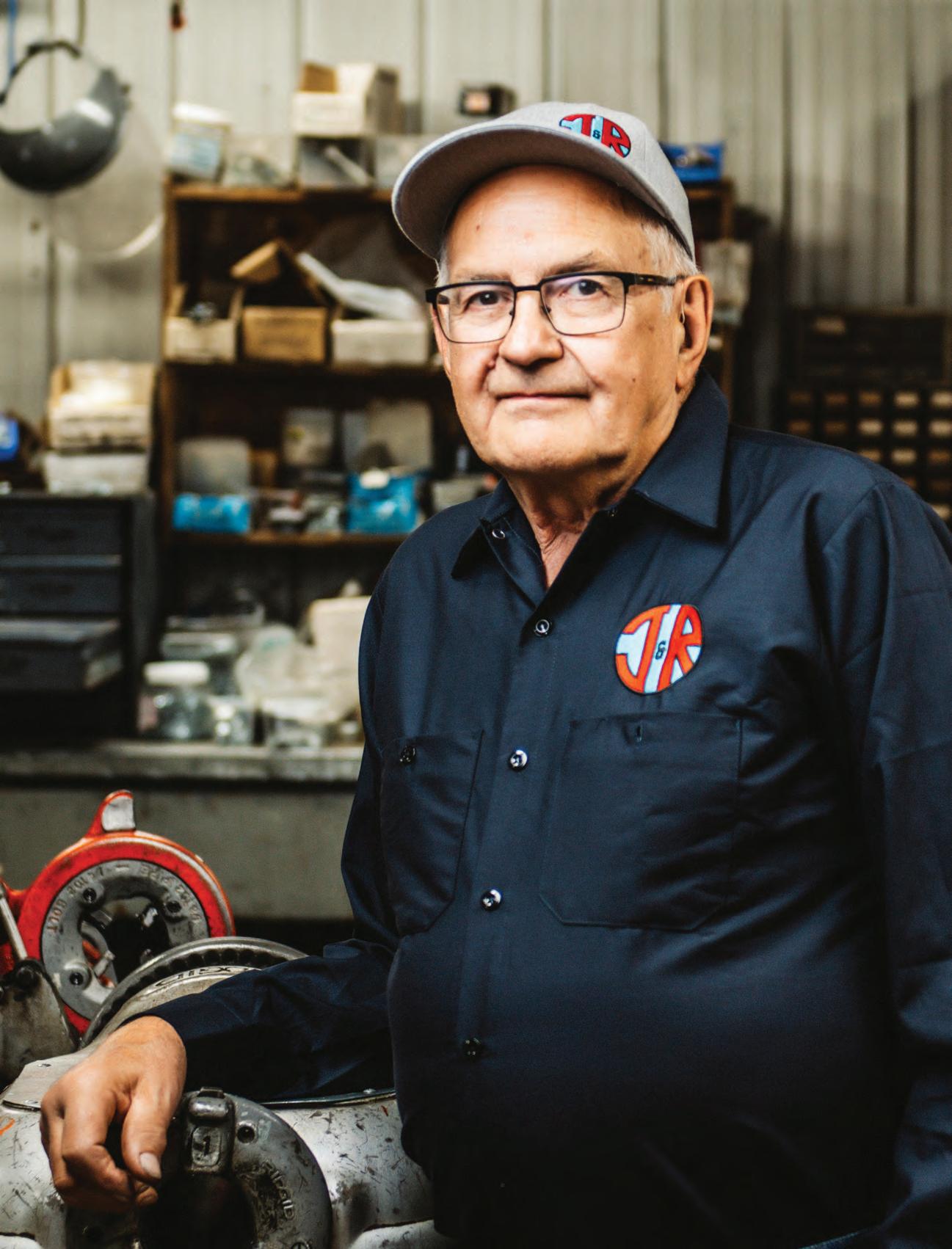
Joseph Chorostkowski
Name: Joseph Chorostkowski
Nickname: Joe
Company: J&R Mechanical Ltd.
Job Title: Co-owner
Born in: Coronation, AB
Lives in: Yellowknife, NT
Age: 78
Spouse: Elise Chorostkowski
Sons: Bradley and Bryan
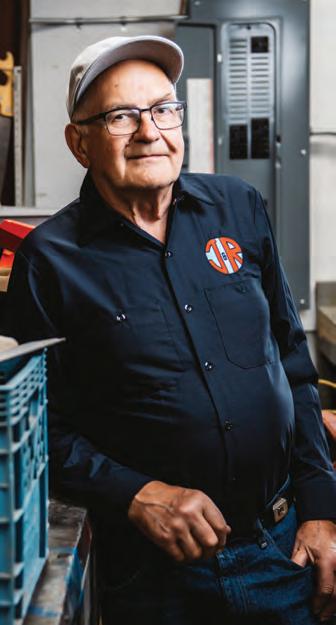
Joseph Chorostkowski: A lifetime in the skilled trades
Joseph
Chorostkowski has seen it all in his more than 60 years as a plumber. “Everything has gotten more efficient and easier to install. When I first started, it was cast iron pipe and fittings, so we had to put oakum in it, pound it out, and then pour lead to keep the oakum in there,” recalls Chorostkowski, co-owner of J&R Mechanical Ltd. in Yellowknife, NT. “Then it switched to cast iron with a rubber gasket instead of lead and oakum, then to a mechanical joint and clamps. That sped things up and it was substantially cheaper because the fittings were quite a bit thinner. Then it became plastic drainage fittings and that was easier. And then from the water lines it went from copper to PEX piping, you can run it quite a distance with no joints in it, so your chance of leakage is greatly reduced.”
Chorostkowski originally came to Yellowknife as a young plumber working for an Edmonton, AB-based mechanical company. He liked the region and in 1972 decided to make the move permanent. In 1976 he established his own company with Ron Vanderlinde and their wives, doing full mechanical installs, new construction and servicing. “At the time it was only about 6,000 people, and so there
wasn't much of a rush to get anywhere,” he says, explaining the appeal of the region. “And the outdoors – you can go right from your house on a snowmobile forever, or 15, 20 minutes away you can put your boat in the water and you can go forever too.”
While Vanderlinde eventually left Yellowknife, J&R Mechanical is still family owned by Chorostkowski, his sons Bradley and Bryan, and brother-in-law Ken Miller. The company is one of the largest mechanical companies in the region and primarily works on commercial, institutional and large residential buildings, including schools, government buildings and nursing stations, as well as flying in to remote communities.
“One major project that we’re proud of was the legislative assembly building for the territories back in 1992,” says Chorostkowski. “That’s mostly hydronic heat with radiation along the perimeter of the building, and air handling units that used hot water to heat the air and distribute it through the office buildings. There is lots of hydronic heating in our area, either with electric, propane, oil or pellet boilers. It’s popular because there’s more control of room temperatures. You know, with the furnace you have one thermostat, whereas a house could have
By Carolyn Cooper
about five or six zones that you can control, including the garage. The most challenging thing is that every building is a different layout. Being in the north when the winter comes, we need to fix heating problems fast and effectively or the property freezes up real fast, so we get lots of late night calls in the dead of winter at -40⁰C.”
While propane and oil are still the primary source of heating in the region’s older houses, Chorostkowski says the city has mandated that new homes not use oil. And for the past 15 years the territorial government has encouraged the use of biomass heating, meaning the majority of public buildings are heated by pellet boilers. The company established Enterprise Pellets in 2009 to sell pellets, and install, clean and service pellet boilers and stoves. “It’s about a 30 per cent savings on heating costs using pellets,” says Chorostkowski. And while heat pumps are not yet as popular in the Northwest Territories as in other areas of Canada, J&R Mechanical has installed them on commercial buildings with a pellet boiler. “We’ve been servicing them for the last two or three years, mostly for the cooling aspect.”
With roughly 45 employees, J&R remains extremely busy.
“We have a service contract with the territorial government for the local area around Yellowknife, and right now we have three major projects on the go,” says Chorostkowski, listing a sewage lift station, a 50-unit mixed use building, and an Armed Forces warehouse training centre. “I’m at most of them, looking to see what is being done and how it's been done,” he adds, “retirement is not in the cards.”
In the mechanical industry since: 1965
Schools and programs: Plumbing apprenticeship course, NAIT/SAIT, 1969
Best advice you’ve ever received: Listen to the instructions given
Advice for young people considering entering the trades: It’s not a bad way to make a living
The current work ride: 2022 Chevrolet 3500 High Country
Service area: Northwest Territories, Nunavut
Any area you like to get dispatched to, and why: Mining exploration camps, because every camp is different and has different challenges
Favourite parts of the job: Looking at a job, figuring out the solutions, ordering the material and completing the project at hand
One word that describes you: Workaholic
One place in the world you would like to visit: Mount Denali in Alaska
The most useful tool in your toolbox: Tape measure
Tool that you wish you had: Erie copper cutter that went from 1/8 in. to 3 in. I lost it back in the 1970s
Favourite performer: Alan Jackson
Best concert you ever attended? Roy Orbison
Favourite sport: Hockey
Favourite outdoor activity: Fishing
Favourite place to be: Namushka Lodge, a familyowned fly-in fishing lodge east of Yellowknife
Favourite car of all time: 1968 Dodge Monaco 500
Finish these sentences:
My rule of thumb is ... do it once
When I was a kid, I wanted … to be working up north
HYDRONIC PRODUCTS
High-efficiency boiler
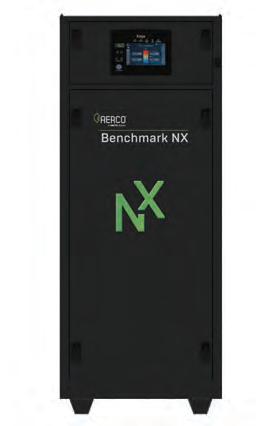
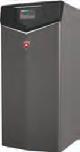
The Benchmark NX from AERCO, a Watts brand, extends the Benchmark standard to 399-500 MBH light commercial heating applications in a compact, high efficiency gas boiler. Designed for tight mechanical rooms, the boiler delivers up to 98 per cent thermal efficiency and 10:1 turndown to reduce energy use across variable loads. It features AERCO’s integrated Edge Controller for advanced sequencing of up to 16 boilers, flexible controls integration and proactive maintenance alerts. With a stainless steel fire tube heat exchanger and broad venting options, Benchmark NX offers dependable performance, simplified installation, and long-term reliability.
www.
aerco.com
Single-pass heat exchanger
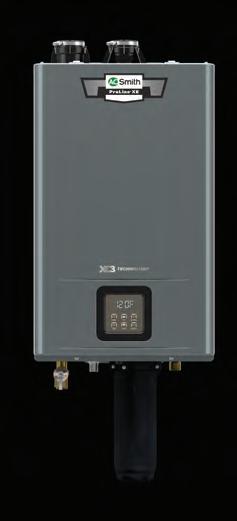
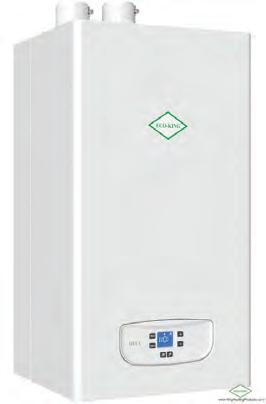
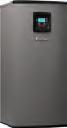
The Eco-King HEET 199 tankless water heater is a single-pass heat exchanger with an internal pump to provide steady hot water temperatures. It offers electronically controlled continuous combustion to deliver a 10:1 turndown ratio, with 97.5 per cent efficiency. The unit features wide passageways for durability, superior water heating and corrosion resistance, internal Grundfos pump, internal water hammer absorber, and 150 psi AMSE rated pressure relief valve. All models are natural gas fired and field convertible to propane.
www.
ecokingheating.com
Composite buffer tank
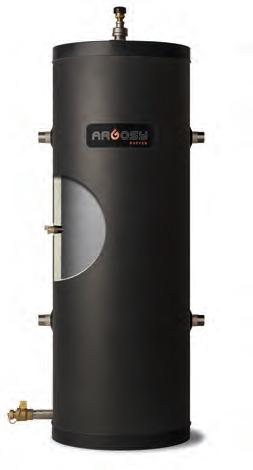
The Flexcon Argosy lightweight, pressurized composite buffer tank is used for hot or chilled potable and nonpotable water. Models available from 22 to 110 volume gallons. It reduces heat pump short cycling during low load periods and has a reinforced durable continuous strand fibreglass inner tank, threaded stainless steel water connections, stainless steel reinforced thermal well port, injected High-R value closed cell foam, lower drain, and black plastic outer jacket.
www. flexconind.com
Radiant and potable tubing
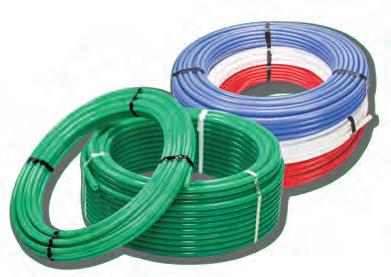
CB Supplies introduces the Complete VIPERT system solution for potable and radiant applications. This system includes premium VIPERT (PE-RT) tubing, fittings, valves, and accessories, along with IVAR stainless steel radiant manifolds, cabinets and accessories for hydronic applications. VIPERT maintains flexibility in hot and cold environments, while relaxed memory means less spring back for easier and faster installations. VIPERT is 100 per cent recyclable.
www. cbsupplies.ca
Boiler control kit
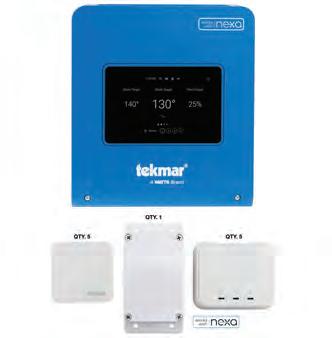
The tekmar Smart Boiler Control 294KIT combines advanced multi staging capabilities with integrated wireless technology. Designed for commercial applications, the kit includes the 294 control, wireless mesh sensors, and network extenders to enable real time system feedback and simplified installation. Compatible with most boilers, it offers intuitive setup, remote monitoring and system optimization without a BMS.
Don’t compromise on performance or method of installation.
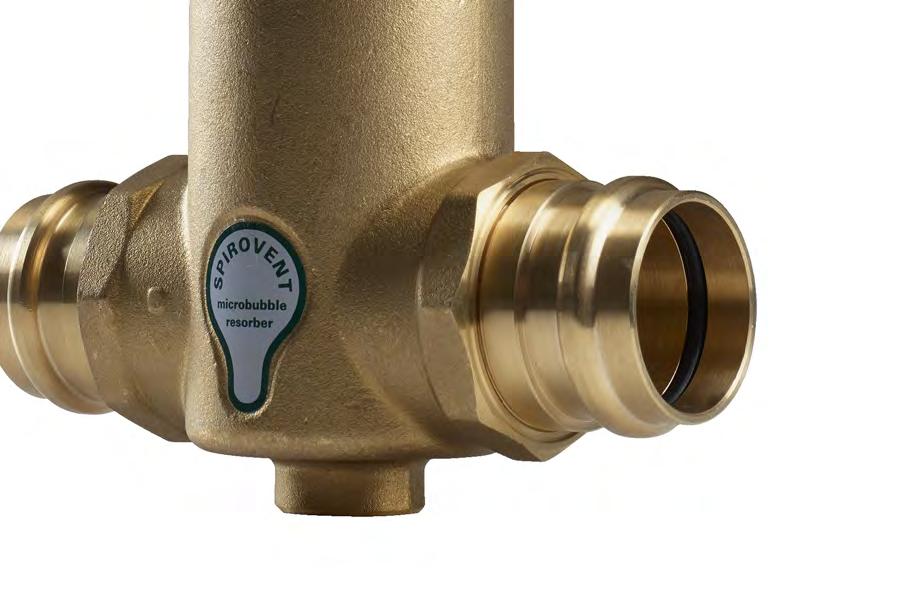
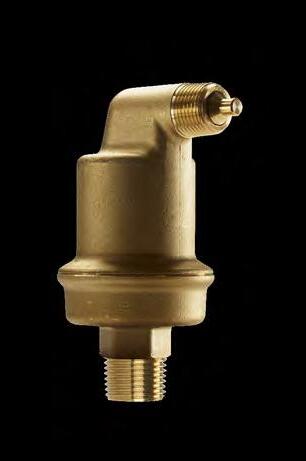
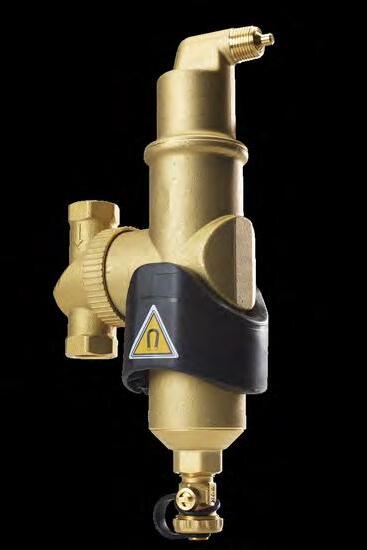
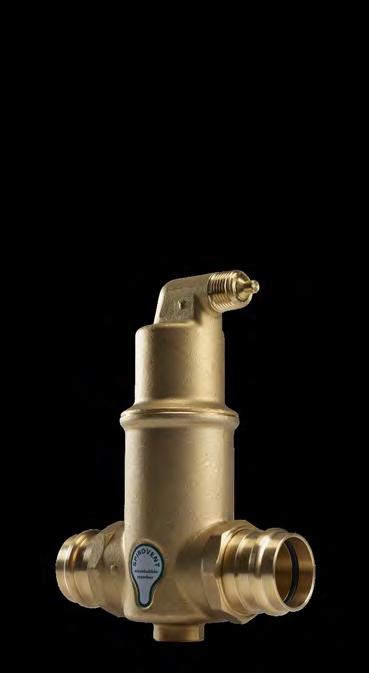
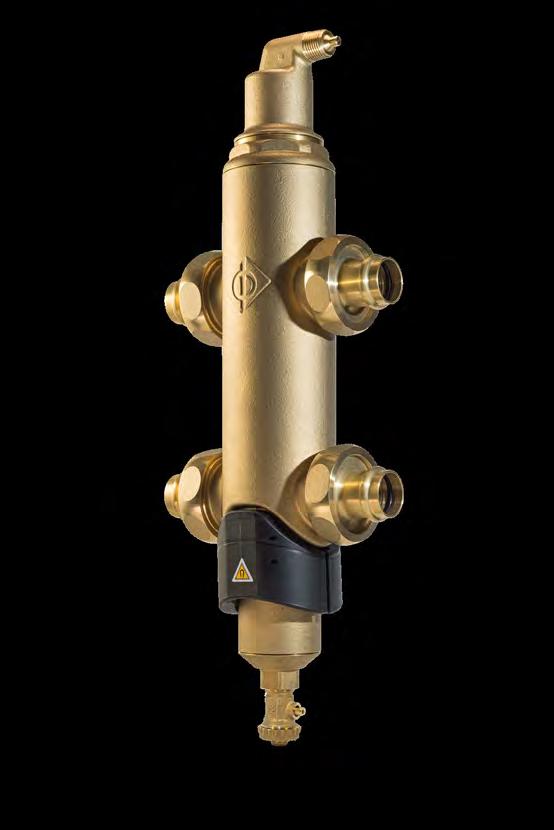
The industry leading air eliminators are available with threaded, sweat and press connections.
SPIROVENT
Eliminates 100% of the free air, 100% of the entrained air, and up to 99.6% of the dissolved air in the system
SPIROCOMBI
Combination unit removes entrained air, dirt and ferrous material using powerful magnets
Protects pumps, valves, boilers and heat exchangers from dirt and debris
SPIROVENT QUAD
Combines the advantages of the Spirovent and Spirocombi with the functionality of a hydraulic separator
For information and availability:
HYDRONIC PRODUCTS
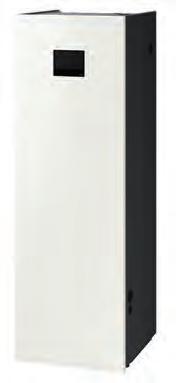
Electric system
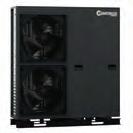
Samsung's EHS delivers an electrified solution for space heating, cooling and domestic hot water production. The lineup includes the ClimateHub, featuring an integrated 53-gallon domestic hot water tank, and the Hydro Unit, designed for third-party tank integration. Both indoor unit options incorporate key hydronic components into a compact, factoryintegrated design, helping reduce field-supplied parts, simplify piping and wiring, and shorten installation time. The units are engineered for quiet operation, with high-temperature water output of up to 70°C. www.
samsunglennox.com
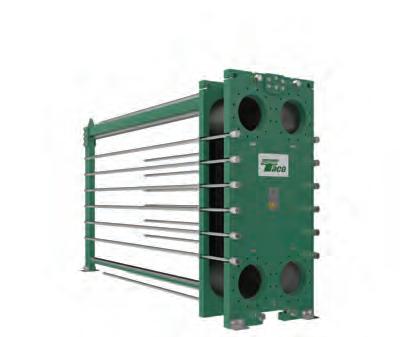
Plate & frame heat exchangers
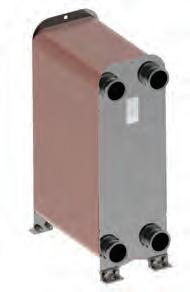
Taco has launched the PS/PA plate & frame heat exchangers, custom-designed and assembled to specification to handle demanding heat requirements. The heat exchangers offer working pressures of 150 or 300 psi, and design temperatures of 140°C, with higher working pressure and design temperature limits available upon request. They are available in 1- to 20-in. connection sizes with a range of materials. www.
tacocomfort.com
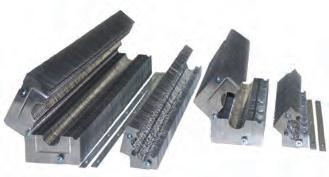
Fin clamp element
Ontor Ltd. introduces the Fin Clamp Element by Fab Tek Logic. The Fin Clamp is a multi-fin hinged hydronic heat element that fits around the existing hot water heating pipe and installs in minutes. It can be used to replace damaged fins and fixes cold spaces. The element requires no cutting, soldering or draining to be installed on pipe. It is available in sizes 1/2 in., 3/4 in., 1 in. and 1 1/4 in. www. ontor.com
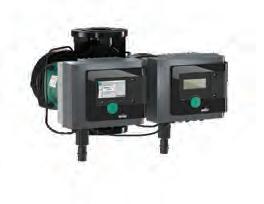
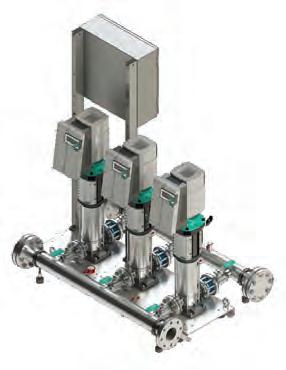
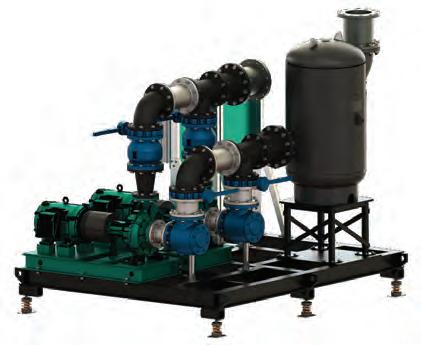
From big to small, we’ve got it all! With optimized and innovative energy-saving features, we deliver the future of pump technology to your doorstep.
& Commercial Boiler Performance
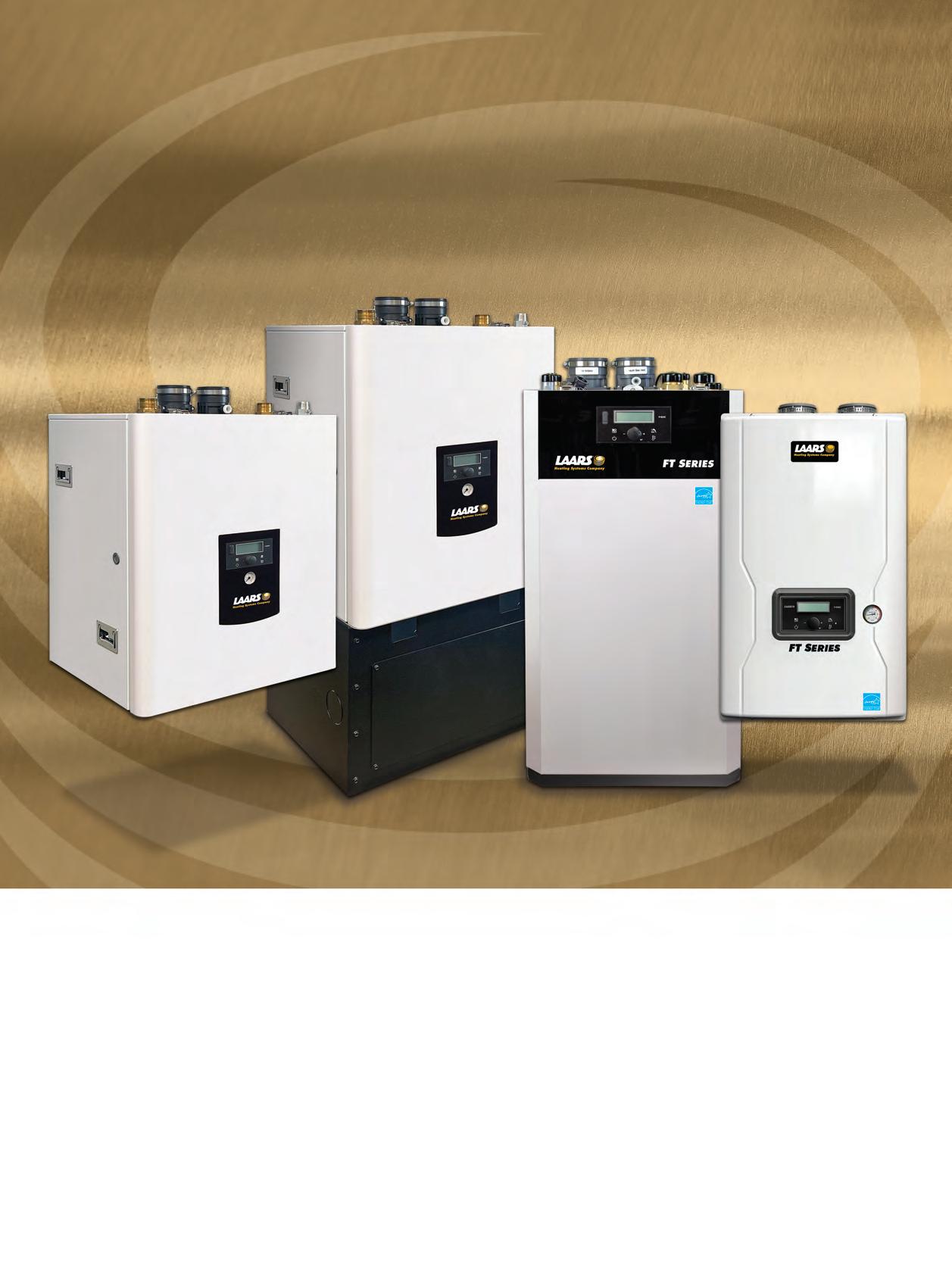
From cozy homes to multi-family complexes, our FT Series boilers are engineered to perform with ultra-high efficiency and a space-saving footprint across all models.
• FT Series Residential: Choose from boiler and combi models in a floor or wall mount design.
• FT Series Commercial: Cascade up to 4 units in a floor or wall mount configuration, including DHW Smart Priority™ technology.
HYDRONIC PRODUCTS
Hydronic furnace
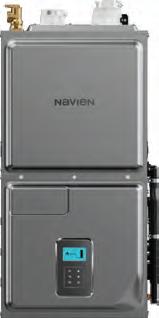
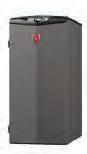
The NPF Hydro-Furnace from Navien is a highefficiency hydronic forced air furnace with an AFUE of 97 per cent. The unit features a stainless steel hydronic heat exchanger, condensing technology, high-efficiency variable capacity blower and modulating gas burner, allowing it to operate from 15 to 100 per cent capacity for natural gas and propane applications. The unit is ultra-low NOx compliant and offers quiet operation, with a back-lit LCD interface with Setup and Diagnostic Wizard for easy setup. www.
navieninc.com
Condensing gas boiler
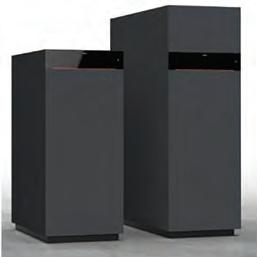
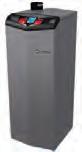
The Vitocrossal 200 CI2 from Viessmann is a compact floor-standing gas condensing boiler designed for large residential and commercial applications. With six sizes ranging from 399 MBH to 2,000 MBH, the boilers offer 97.5 per cent thermal efficiency, up to 30:1 turndown ratio and advanced active self-calibrating O2 Trim Technology. www.
viessmann.ca
Uponor manifold wall cabinets
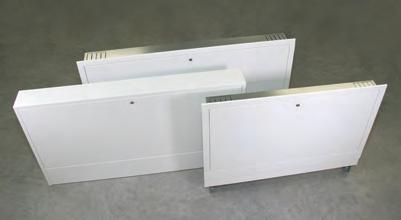
Designed for secure protection, durability and reliability, Uponor manifold wall cabinets are available in recessed and surface-mount styles in multiple sizes for residential and commercial radiant applications. The lineup accommodates Uponor engineered polymer and stainlesssteel manifolds, with four models now fitting commercial stainless-steel manifolds. Recessed cabinets fit 2x4 or 2x6 stud walls with a removable door-trim package, while surfacemount models install on concrete block or stud walls. www.
uponor.com
Fan coil unit
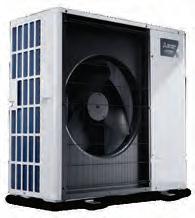
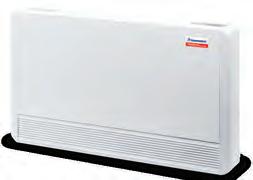
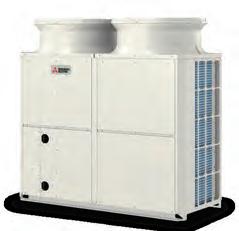
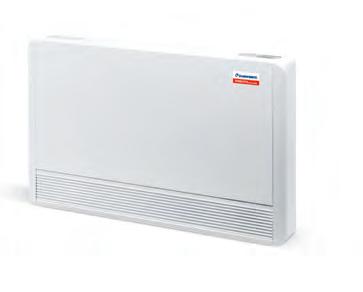
The i-LIFE2 SLIM from Mitsubishi Electric is a slim indoor hydronic fan coil unit for two-pipe hydronic applications in residential or commercial uses. It can be paired with the company’s air to water heat pump systems or thirdparty hydronic systems for comfort in smaller spaces. With a 13-cm depth footprint, the unit can be floor-mounted or concealed in a wall or ceiling as a recessed cabinet. www. mitsubishielectric.ca
Firetube boiler
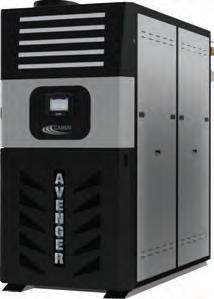
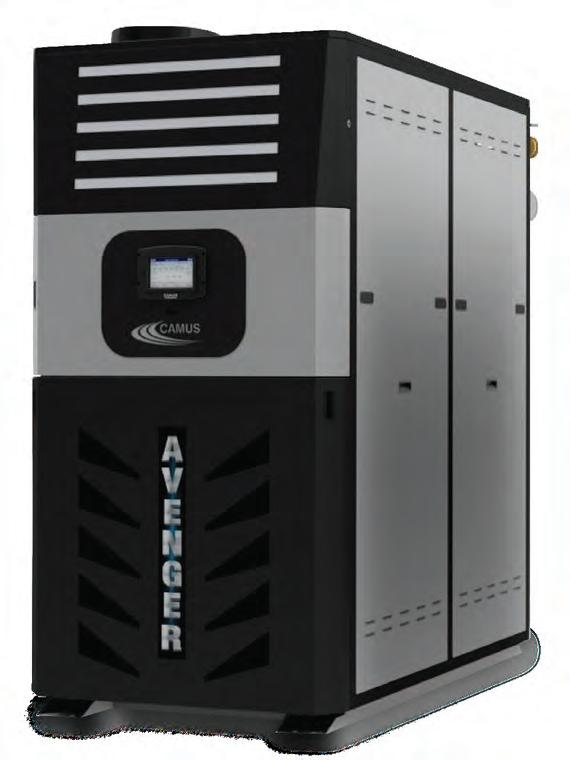
The Avenger Series from Camus is a two-pass, counter-flow firetube boiler. Units are available in sizes ranging from 1,000 to 6,000 MBH with a thermal efficiency of up to 98 per cent in low water temperatures, and a 160 psi working pressure and operating pressure as low as 12 psi. Smaller models have a turndown ratio of up to 25:1, while 5,000 and 6,000 MBH models offer a turndown ratio of 40:1. www.
camus-hydronics.com
W2W heat pump
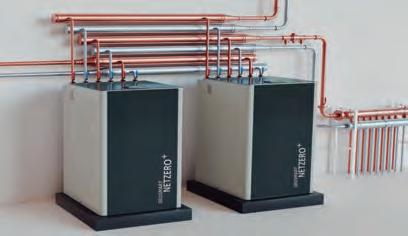
GeoSmart NetZero variable capacity water to water inverter heat pumps are available with low GWP R454B refrigerant. With a COP of over 5.0, these units reduce up to 80 per cent of the climate-related energy consumption of a building, using a variety of renewable energy sources. www.
geosmartnetzero.com
HYDRONIC PRODUCTS
Brazed plate heat exchangers
Xylem has introduced Bell & Gossett’s BPX brazed plate heat exchangers in Canada, designed for mission-critical cooling solutions. The units offer tri-clamp connections for faster installation and servicing, and a compact design for easy integration into dense system architecture. It features an advanced plate pressing matrix with increased flow distribution for better thermal performance. www.
xylem.com
Adiabatic system
The PuRe-JET from EVAPCO is a pumpless recirculation adiabatic system that delivers efficient thermal performance with less water and less maintenance required. Designed to work with the company’s ecoAir adiabatic units, the system responds to changing conditions to maintain precise temperature setpoints using a two-stage operation. www.
evapco.com
Radiant mat system
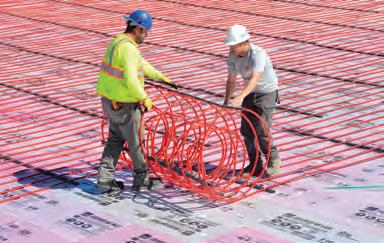
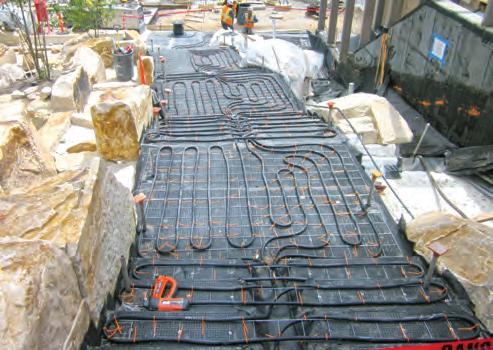
RAUMAT from REHAU is a pre-assemble radiant mat system made for largescale ICI projects. Mats are factory built and delivered in a ready-to-roll format. The mat system offers uniform pipe spacing, ensuring each mat meets exact project specifications. RAUPEX O2 barrier pipe is available in 1/2-, 5/8-, or 3/4 in. diameters, with configurations of up to five circuits per mat. Each mat can be made in lengths of up to 250 ft. with a 6 ft. width. Assemblies are custom configured to support radiant floor heating and cooling systems, as well as snow and ice melting, and turf conditioning applications. www.
na.rehau.com
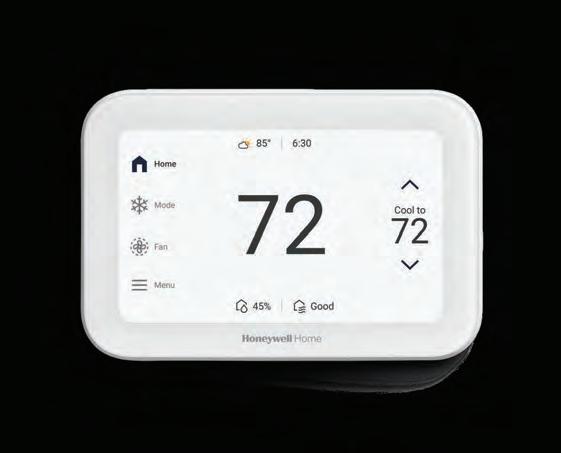
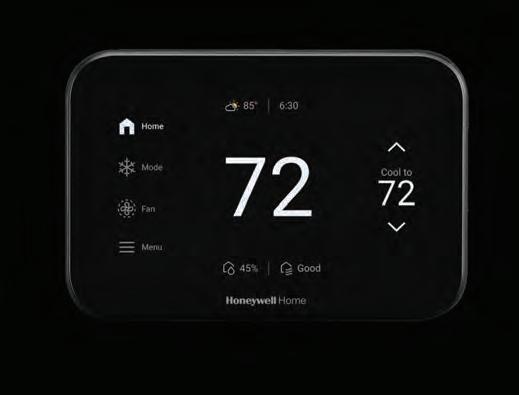
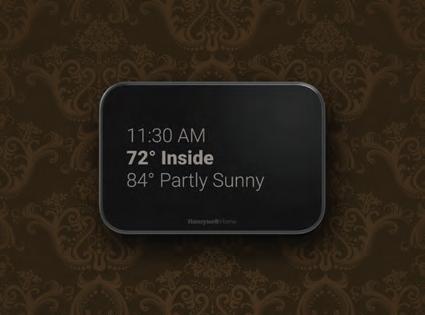
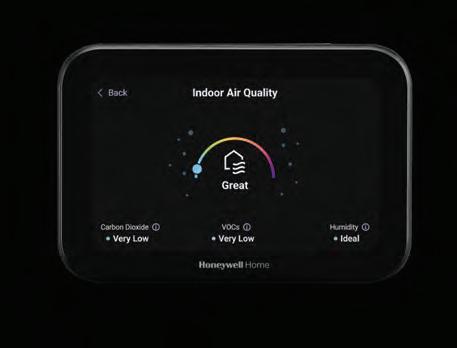
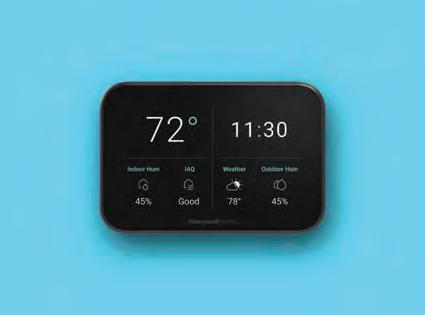
ElitePRO™ S1200 Smart Thermostat
IAQ Control + Video Doorbell Compatibility
A new style of comfort
This innovative, smart thermostat combines convenience, comfort, and energy efficiency with advanced features to enhance your home living experience.
Save energy
ENERGY STAR® certified to help save energy and eligible for utility rebates.
Advanced occupancy & presence detection
Smart thermostat senses and adjusts settings to maximize comfort when home and save energy when you’re away.
Optimize & maintain performance
The thermostat will analyze your heating and cooling system performance and can notify you or your pro if there is a loss of efficiency, saving you money.
Always connected
Adjust settings from anywhere and receive important alerts using the First Alert® app. Smart phone not included.
Doorbell camera viewer & intercom
See and speak to visitors at your door directly from the thermostat – compatible with First Alert® and Ring® streaming doorbells. Doorbell not included.
Precision comfort & air quality
Comfort is more than just the perfect temperature, maintain optimal home humidity and control ventilation to keep air fresh.
Additional HVAC equipment or accessories may be required.
Customizable display
A sleek 5” display delivers enhanced visibility with the option to choose the color and style to match your home.
RESIDEO
By Ray Wohlfarth
Ray Wohlfarth of Fire & Ice Heating & Cooling is an international author, columnist, and consultant specializing in commercial boilers. He has 40 years’ experience in air conditioning, boilers, burners, controls, steam and hydronics. Wohlfarth can be reached at ray@fireiceheat.com.
Old water, new boiler: A costly combination
Have you noticed how long installation manuals have become?
They used to be a dozen pages; now they are small novels. Buried inside all those warnings, scary graphics and legalese is one instruction you can’t afford to skip: Flush the hydronic piping before installing a new boiler.
It may sound like a formality, but skipping this step can lead to poor performance, warranty disputes, costly repairs and even premature equipment failure. Let’s look at why flushing matters, what problems it prevents, and how to do it right
Why flushing matters
When you replaced an old cast-iron boiler years ago, the water quality inside the system hardly got a second thought. Those rugged boilers tolerated dirt, rust and debris. Today’s high-efficiency boilers are different. Their narrow water passages and sensitive heat exchangers don’t forgive contamination.
Flushing accomplishes two critical things:
1. Removes contaminants.
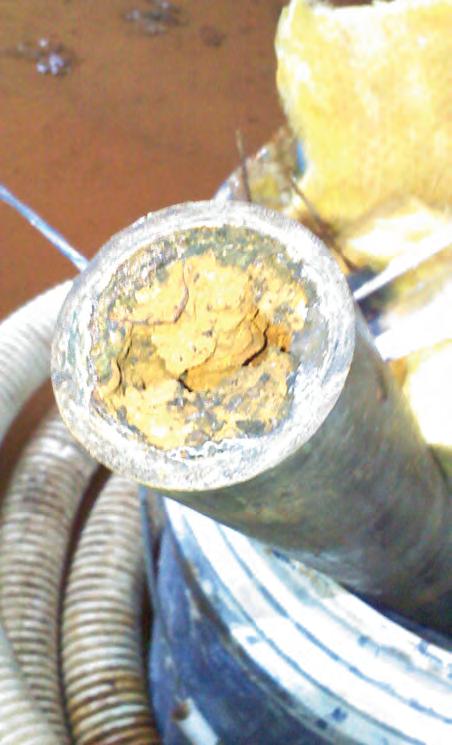
Dirt, sludge, rust, flux, solder residue, oil, scale, biological growth and construction debris all collect in system piping. What once passed through the big old boilers now clogs circulators and sensors.
2. Resets the water chemistry.
Water left untreated can be corrosive and chemicals added years ago may no longer be effective. Flushing restores a neutral baseline before adding inhibitors or glycol.
What to expect if you skip flushing
Neglecting this step sets the stage for years of problems, including:
• Clogged heat exchangers – Narrow passages foul with scale and sludge, leading to overheating and nuisance lockouts.
• Damaged pumps and valves – Grit and sludge grind away at bearings, jam impellers and seize zone valves.
• Noise and uneven heating – Scale and debris create hot spots that cause kettling, banging and poor circulation.
• Warranty issues – Manufacturers can deny coverage if evidence of dirty water, sludge or improper glycol use is found in a failed boiler.
Installing a boiler isn’t just a swap-out – it inherits the water quality of the system it is connected to.
Whatever is in the piping will circulate through your new boiler from day one.
The glycol problem
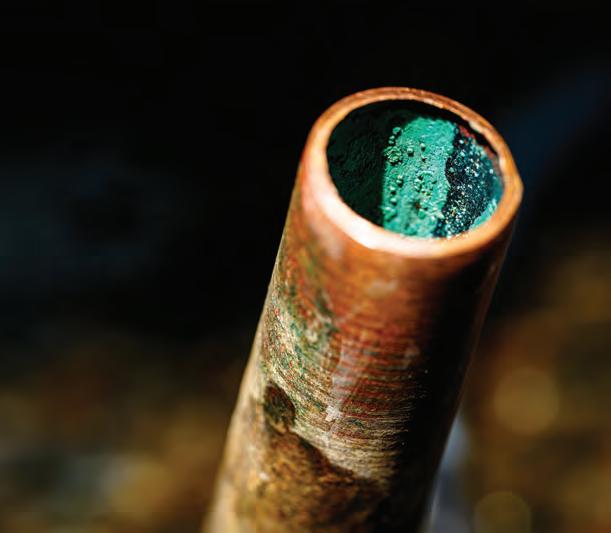
Of all the contaminants, old glycol is often the most destructive. Originally added to prevent freezing, glycol doesn’t last forever. Over time, it breaks down into organic acids that corrode metal.
Symptoms of degraded glycol include acidic pH that strips away protective coatings inside pipes; corrosion and pitting in copper, steel and aluminum components; seal and gasket failure as pump seals, o-rings and valves deteriorate. A system filled with neglected glycol can look fine, but it is quietly eating away at every surface it touches.
The solution: flush thoroughly, test water chemistry, and only add fresh, stabilized glycol if freeze protection is still required.
The Perfect BALANCE
Engineered for Precision, Performance, and Comfort.
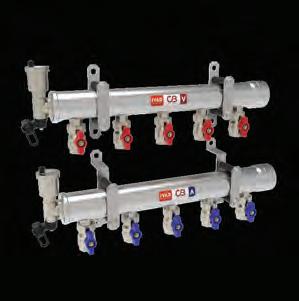
IVAR precision-manufactured stainless steel manifolds support reliable fluid distribution across radiant heating, cooling, and snow/ice melting systems. Engineered for long-term performance, they deliver consistent comfort and performance in residential and commercial applications.
Why IVAR Manifolds?
• Complete & Convenient: Manifolds come in a single box, including all necessary components.
•Flexible Configurations:
◦ 1" and 1 ¼" headers with 2 to 12 loops, ideal for standard flow applications
Now offering high flow, large-diameter manifolds engineered for large residential, commercial, and institutional systems.
◦ 1 ½" headers with 6, 8, 10, or 12 loops for higher flow needs
◦ 2" headers with 10 or 12 loops for maximum flow capacity
•Optimized Performance: Integrated flow meters on all 1" and 1 ¼" manifolds (optional for 1 ½" and 2") enable precise loop balancing for maximum efficiency and superior comfort.
•Seamless Integration: Pair the IVAR Manifolds with our premium VIPERT™(PE-RT) Oxygen Barrier Tubing, specifically designed for radiant systems, to create a complete total system solution.
Expert Support You Can Count On
Leverage our in-house hydronic expertise with LoopCAD design and layout support.
CB Supplies
Other hidden threats
Glycol gets much of the attention, but it isn’t the only culprit. Other common contaminants include flux and solder residue from piping work, which can attack metals; hard water scale (calcium and magnesium), which insulates surfaces and drives up fuel costs; biological growth in stagnant systems, which produces sludge; and construction dirt and sand left behind from system modifications.
Each of these shortens equipment life, drives up service calls and robs efficiency. Flushing clears them out before they can harm the new boiler. Even a thin coating of scale or sludge can wreak havoc on efficiency. Studies show that just 1/16 of an inch of scale can cut heat transfer dramatically.
Protecting the warranty
Warranty disputes are one of the most expensive headaches contractors face. Manufacturers are increasingly strict. Some require water testing with claims and many manuals explicitly state that system flushing is the installer’s responsibility. One manufacturer states: Failure to rid the heating system of the contaminants listed above will void your warranty and may result in premature heat exchanger failure and property damage.
Imagine a heat exchanger failing three years after installation. The manufacturer inspects and finds scale, acidic glycol or sludge. If flushing wasn’t done, the installer – not the manufacturer – is left with the bill.
How to flush effectively
1. Locate all system drains and vents – The system must be fully open to allow debris to exit.
2. Run clean water through the piping – Continue until water runs clear
3. Use cleaning agents if needed – For heavy sludge or scale, use a manufacturer-approved cleaner.
4. Vent all air – Ensure all radiators, convectors and vents are purged.
5. Test water chemistry – Check pH, hardness and dissolved solids before adding inhibitors or glycol.
6. Add treatment or glycol only after flushing – Never pour fresh chemicals into dirty water.
Think of it like rinsing a glass before pouring in fresh water. If you skip the rinse, every sip tastes like what was there before.
For contractors, skipping the flush almost always leads to callbacks. Those nuisance service calls eat into profit margins, frustrate technicians and leave customers questioning the quality of the installation. A thorough flush at startup prevents those headaches and builds customer confidence their investment was installed with care.
The Bottom Line
Flushing hydronic piping before a new boiler installation isn’t just good practice – it is essential. It protects the boiler, circulators, valves and piping; it ensures efficiency; and it shields contractors from costly warranty disputes.
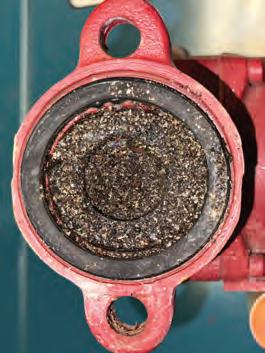
It is not just boilers at risk. Pump manufacturers have noted that plugged pumps are a number one warranty issue. Sludge and grit grind down seals and bearings just as easily as they foul heat exchangers.
The single worst contaminant is old glycol, but dirt, scale, and flux can be just as damaging. Every contaminant left behind is a time bomb waiting to shorten the life of the system. Take the time to flush. Start clean, test the water, and only then add inhibitors or fresh glycol. It’s the simplest and most effective step to guarantee longterm reliability and efficiency for your customers.
Flushing doesn’t have to be complicated, but it must be thorough.
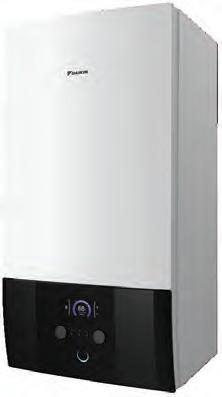
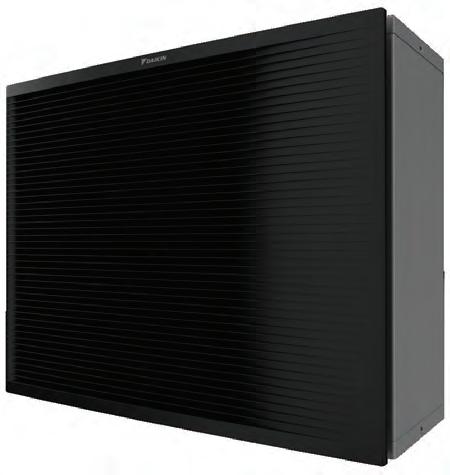
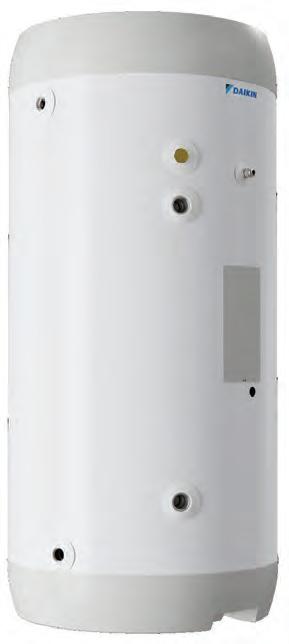
Daikin ALTHERMA 3 H HT
SOPHISTICATED. ELEVATED. EFFICIENT.
Sustainability
This all-electric system is designed to help reduce a home’s carbon emissions, compared to fossil fuel burning systems. An added benefit if the electricity comes from renewable sources like solar and/or wind power.
All-Climate Operation
Daikin ALTHERMA 3 H HT operates reliably in various climates. Space heating + domestic hot water (DHW) is possible down to -18°F (-28°C) ambient. ALTHERMA is designed to produce high leaving water temperatures (LWT) of up to 158°F (70°C) and provide space cooling up to 109°F (43°C) ambient.
Energy Efficient
The Daikin ALTHERMA electric air-to-water heat pump provides an efficient, sustainable heating solution, supporting the transition away from fossil-fuel-based comfort systems toward all-electric energy.
Signature Technology
Daikin ALTHERMA 3 H HT air-towater heat pump systems are designed with the latest technology and manufactured to exacting standards. Modern inverter-driven compressors and fan motors plus micro-processor controls deliver constant comfort and high efficiency performance.
TO LEARN MORE, SCAN QR CODE.
Daikin
CONDENSATE
By Jeremiah Brodie
Jeremiah Brodie is business development manager at Little Giant/Franklin Electric.
Turning an inevitable by product into a managed risk
High efficiency, condensing HVAC and hydronic appliances have become a cornerstone of modern building design, helping homeowners and facility managers reduce energy use and operating costs. That efficiency, however, comes with a by product that cannot be ignored: acidic condensate. Produced as flue gases cool and condense, this liquid is far more aggressive than ordinary wastewater and, if left untreated, can quietly undermine plumbing systems, building materials and downstream infrastructure.
The good news is that today’s plumbing and HVAC professionals have proven methods to address the issue. Condensate neutralization technologies are designed to condition acidic discharge before it enters drainage systems, helping protect piping, fixtures, and surrounding structures while supporting compliance with applicable plumbing and environmental requirements. This article explores what to look for when selecting a neutralization solution.
Why condensate deserves special attention
Condensing appliances achieve their efficiency by extracting more heat from combustion gases. When those gases cool below roughly 135°F (57°C), moisture forms and collects as condensate. This liquid commonly measures between pH 2.5 and 4.0, placing it firmly in the acidic range, comparable to common household acids such as vinegar or citrus juice.
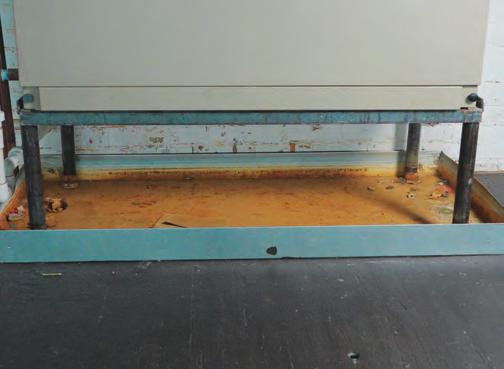
The volume involved is just as important as the chemistry. A single residential appliance can generate many gallons of condensate each day, while larger commercial systems may produce hundreds of gallons over the same period. Over time, repeated exposure to acidic discharge can corrode cast iron and copper piping, etch concrete floors and foundations, and interfere with the biological processes relied upon in septic systems. What may appear to be a minor drainage detail can therefore become a significant source of long-term damage and liability.
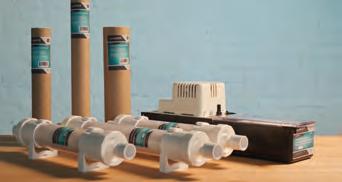
Acidic condensate corrodes cast iron and copper piping, stains and deteriorates concrete, and disrupts the delicate bacterial balance in septic systems.
A practical line of defence
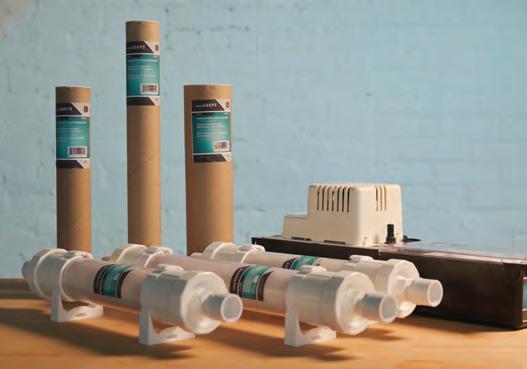
Condensate neutralizers are engineered to reduce acidity before discharge. Most systems rely on neutralizing media, commonly calcite, magnesium oxide, or a blend of the two, that reacts with acidic condensate and raises its pH to a safer range. Once treated, the liquid can be directed into approved drainage pathways with far less risk to plumbing components or surrounding materials. From a practical standpoint, neutralization helps extend the service life of piping systems and reduces the likelihood of premature repairs or replacements. From a regulatory standpoint, it supports adherence to plumbing and environmental requirements that limit the discharge of corrosive or harmful waste into building drainage systems and municipal infrastructure.
Codes, standards and compliance
Across North America, plumbing authorities recognize untreated acidic condensate as a form of corrosive waste. As a result, many jurisdictions require it to be conditioned or neutralized before disposal. While specific requirements vary by province, municipality and authority having jurisdiction, the intent is consistent: protect building drainage systems, public sewers and wastewater treatment facilities from chemical damage.
Higher Turndown Hydronics
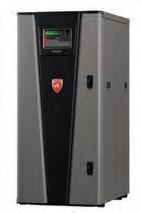
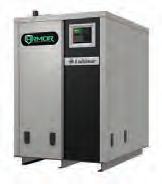
Avenger® Series II
5000 & 6000 MBH Boiler
The Avenger® Series II is an advanced two-pass, counter-flow firetube commercial boiler, providing efficient hot water for demanding hydronic needs.
» Industry-leading 40:1 turndown
» Thermal efficiencies of up to 96%
» Designed for today’s higher turndown variable primary and low pressure systems
» 3 to 4 week lead-time with stock units available for quick ship
For contractors and designers, this means factoring condensate treatment into system design rather than treating it as an afterthought.
As energy efficiency initiatives continue to encourage the adoption of condensing technology, the total volume of acidic condensate entering buildings will only increase. Neutralization is therefore becoming a standard component of responsible, code aware installations.
When selecting a neutralizer, consider the appliance’s BTU input, condensate volume, the system’s location, and accessibility for routine maintenance.
Selecting the right neutralizer
Proper selection of condensate neutralizers is key to performance and longevity. When evaluating options, professionals should consider the following factors:
System capacity and application
1
Match the neutralizer to the appliance load.
Residential furnaces and boilers typically require compact, in line solutions, while commercial boilers or multi-unit systems may demand larger canister or tank style units capable of handling higher flow rates.
2
Installation and serviceability
Space constraints and access matter. Units with flexible mounting options, clear housings, or straightforward connections can simplify installation and make ongoing inspection and servicing easier.
Long-term protection
Discharging untreated condensate into a floor drain, septic system, or the surrounding soil may seem inconsequential in the short term, but the cumulative effects can be severe. Corrosion, structural degradation and system failures often develop gradually, revealing themselves only after significant damage has occurred.
By incorporating condensate neutralization into high efficiency installations, plumbing and HVAC professionals demonstrate a commitment to durability, compliance and environmental responsibility. As codes evolve and enforcement becomes more consistent, neutralizers are no longer a niche accessory − they are an essential safeguard.
Addressing condensate properly today helps ensure the efficiency gains of modern equipment are not offset by avoidable damage tomorrow.
3
Neutralizing media
Media quality directly affects performance. High grade calcite and magnesium oxide are commonly used because they resist clumping and provide consistent pH adjustment over time.
4
Maintenance requirements
Like any treatment device, neutralizers require periodic attention. Visual inspection, routine pH checks at the outlet and timely media replacement or replenishment help ensure the system continues to perform as intended.
JOBSITE JARGON
TEST YOUR HYDRONIC KNOWLEDGE!
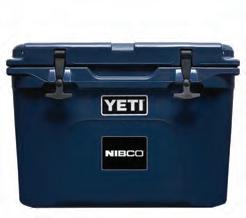
Match the terminology you hear in the field to the correct definition or function by September 3, 2026 and enter for your chance to win a YETI cooler, sponsored by NIBCO. This contest is open to Mechanical Business subscribers in Canada. Send your answers to kerry.turner@mechanicalbusiness.com or enter online at mechanicalbusiness.com.
JOBSITE JARGON
1) Hydro-furnaces C) Heat homes using forced-air ducting, but because water is used to heat the air there’s less of an impact on the conditioned air humidity level Answer 1, C
A) Heat moves through a solid barrier − typically a highly conductive metal such as copper or stainless steel
B) Regulates heat transfer to a load with relatively simple electrical wiring
C) Heat homes using forced-air ducting, but because water is used to heat the air there’s less of an impact on the conditioned air humidity level
D) Connects the building’s potable water supply to the hydronic loop, adding makeup water if the system pressure drops too low
E) Specialized controller that coordinates the operation of a single boiler, single circulator and single room thermostat
F) Provides electrical power to the pump and gas valve when the thermostat calls for heat
G) Can be manually rotated to select the desired comfort level for the zone
H) Hot and cold fluids constantly circulate and move across the surface of a metal barrier to carry thermal energy away
I) Components installed in living spaces that transfer heat from the fluid into the room
J) Controller varies the duration of the heat input cycle
K) Prevents the burner from operating if the boiler does not contain water within its heat exchanger
Guidelines for snow and ice melting systems
The Plastics Pipe Institute’s (PPI) Building & Construction Division has released a new guideline for determining performance levels when designing hydronic snow and ice melting (SIM) systems.
The document, Recommendation J “Recommended Hydronic Snow & Ice Melting System (SIM) Performance Level Selections for Residential, Commercial, and Institutional Applications” is designed to help installers determine the appropriate snow-fee area ratio (Ar) and frequency distribution (FD), and features suggested values for 29 common outdoor applications and four examples of design choice.
According to PPI, outdoor SIM systems are subjected to fluctuating environments, and system performance can vary depending on factors such as the type of outdoor area, its exposure, and customer requirements. As a result, PPI also suggests installers collaborate with the customer when designing a SIM system in order to determine the system capabilities. Part of the design process is also selecting an appropriate Ar and FD for the system (see the ASHRAE HVAC Applications Handbook, chapter 52 for more on these values).
The association believes as winters become colder the popularity of SIM systems is likely to increase, but at the same time, it’s unrealistic to believe that these systems will keep outdoor areas snow- and ice-free in all weather for most applications. For that reason, the guideline is intended to help manage customer expectations and construction costs by providing design targets for different outdoor areas, including walkways and driveways, buildings, schools, hospitals, and more.
“With proper design and installation, benefits of hydronic SIM systems include safety, convenience, reduced liability, minimized environmental impact, and reduced snow removal costs,” said Lance MacNevin, director of engineering for PPI’s Building & Construction Division. “Selecting the snow-free area ratio for each SIM system is a critical design choice. Although having the SIM area completely free of snow during the snowfall is typically preferred, maintaining a snow-free area of 100 per cent requires that the system melts all snow on contact and requires far more energy than if a thin layer of snow is allowed to accumulate on the surface during the snow event. For a private driveway, an Ar value of 0.5 with a FD value of 75 per cent is likely suitable, whereas a hospital entrance probably should use values of 1.0 and 98 per cent, for example. PPI has consolidated our recommendations into one concise table.”
Recommendation J is available by scanning the QR code. More information is available on the PPI Building & Construction Division website. plasticpipe.org/ buildingconstruction
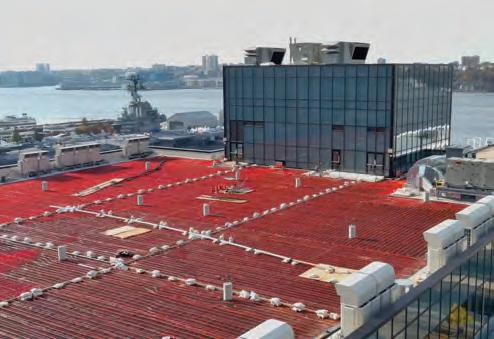
Installation of a rooftop snow and ice melt system.
Installation of a staircase snow and ice melt system.
A still from PPI’s Recommendation J showing a snow and ice melt system in use.
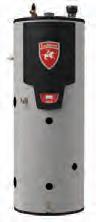
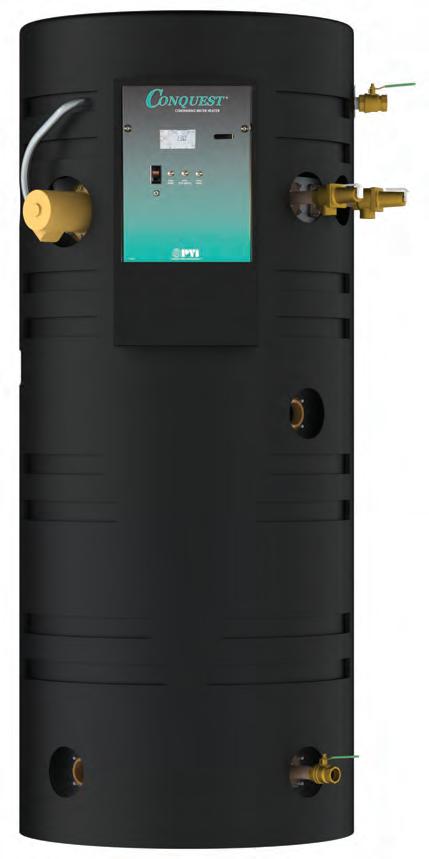
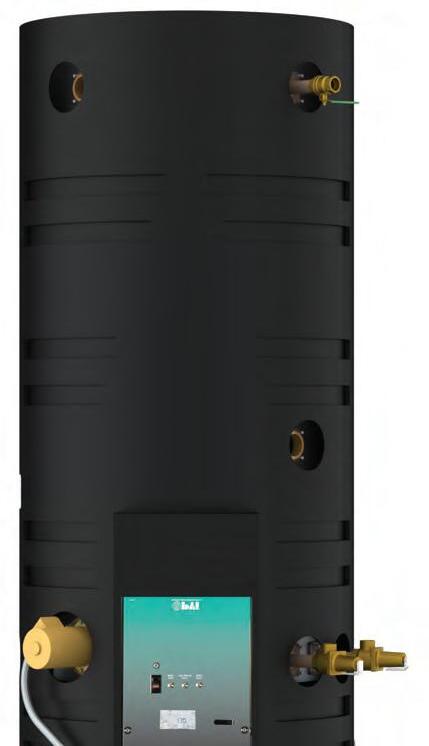
Re-engineered for peak performance, maximum efficiency and effortless serviceability, Conquest water heaters deliver superior savings on installation, maintenance and operation.
Greater Energy Savings
Re-designed firetube heat exchanger
Up to 98% thermal efficiency
The New Conquest. Smarter and more efficient than ever.
Optimized Pump
Improved reliability
Easier service with pump on front and side
817.632.9053
RELIABILITY MEETS EFFICIENCY
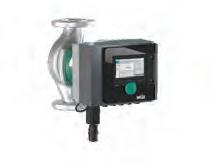
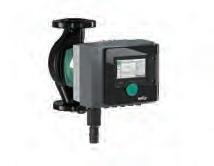
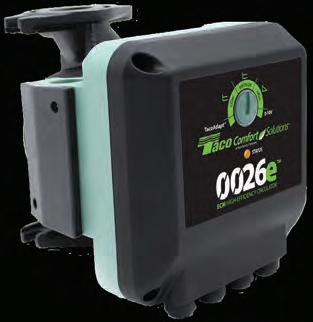
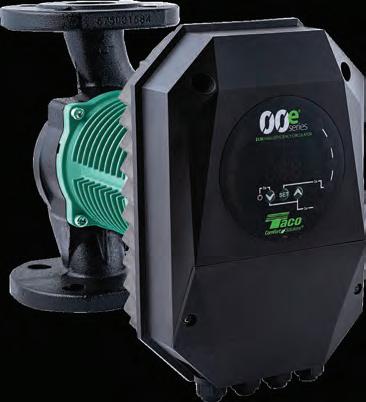
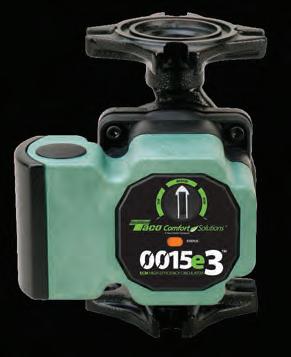
00e Series High-Efficiency Circulators
At Taco, we believe in making water work—for you, your clients, and the environment. That’s why we’re excited to share the benefits of our High-Efficiency Circulators. When it comes to optimizing performance and saving energy, our circulators are designed to do more with less.