ENDOCRINE SYSTEM & PAIN AT WELLWARD REGENERATIVE MEDICINE
UK HEALTHCARE PEDIATRICS IS A SYMPHONY
CERVICAL CANCER SCREENING AT KY DEPT FOR PUBLIC HEALTH
MENOPAUSE & WOMEN’S CARE AT BAPTIST HEALTH LOUISVILLE
REPRODUCTIVE PSYCHIATRY AT UOFL HEALTH
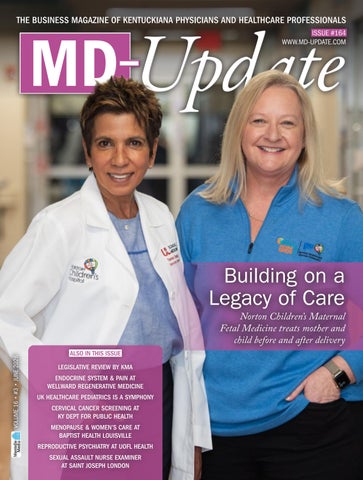
Building on a Legacy of Care
Norton Children’s Maternal Fetal Medicine treats mother and child before and after delivery
Welcome to the Women & Children’s Health Issue of MD-Update!
THERE’S A LOT to talk about in this issue of MD-Update. Here’s a preview.
Start with the KMA’s recap of HB 176 from the 2026 Kentucky legislative session, which reforms aspects of prior authorization in state-regulated health plans. It’s a win for patients and physicians.
Cervical cancer screening is transitioning to self-collected HPV sampling, writes Lori Caloia, MD, MPH, deputy commissioner for clinical affairs at the KY Department for Public Health. This change will increase screening for under-screened and hard-to-reach populations.
Informed consent “is not simply a box to check or a form to sign,” writes Christine Stanley, JD. She provides a reminder and some practical tips with an online link to a check list.
Maternal Fetal Medicine & More
Great news is coming for expectant parents and newborns when Norton Children’s opens its Fetal Care Center this fall. Tamina Singh, MD, and Kristine Lain, MD, were generous with their time when we spoke about their work with mothers, fathers, and babies and the team of providers needed in critical moments.
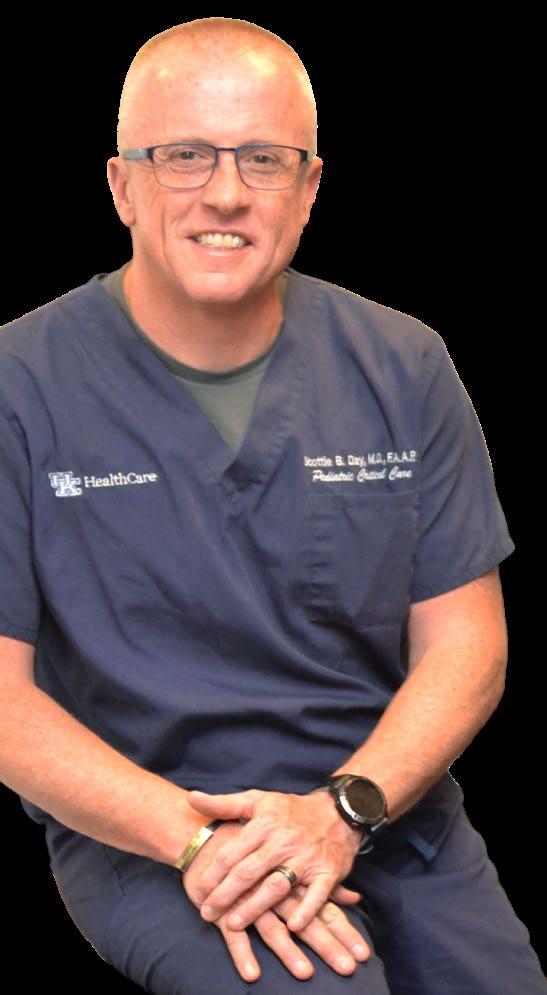
Scottie Day, MD, at Golisano Children’s Hospital at UK HealthCare, wears many hats during his work week. I invite you to read our profile on Dr. Day. He is a remarkable man with an interesting story to tell.
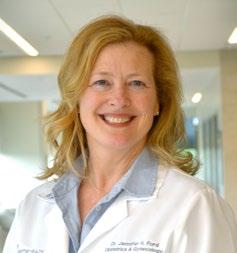
Listening to her patients is Jennifer Ford, OB-GYN, Baptist Health’s secret sauce, relying on a lifetime of experience and multiple roles: wife, mother, social worker, and counselor for her patients.
Audrey Summers Farooqui, MD, UofL Health, found her calling in the sub-specialty of reproductive psychiatry. She is also the medical director for KyCOMPASS, a program the KY DPH created to help providers who care for women in the perinatal through the one-year postpartum period.
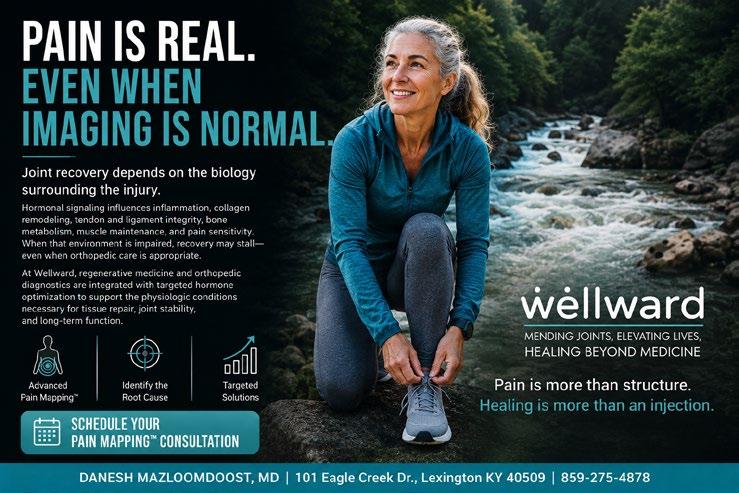
Danesh Mazloomdoost, MD, medical director of Wellward Regenerative Medicine, examines the overlooked connection between the endocrine and musculoskeletal system. The public perception that estrogen and testoster-
one only matter in the areas of sexual health is unfortunate and unwarranted, he says.
SANE, Sexual Assault Nurse Examiner, and “Compassionate Friends” are two programs that offer compassionate care to victims and survivors of sexual assault or the loss of a child. My thanks to CHI Saint Joseph London and Dr. Steven Lippman for sharing these stories with MD-Update
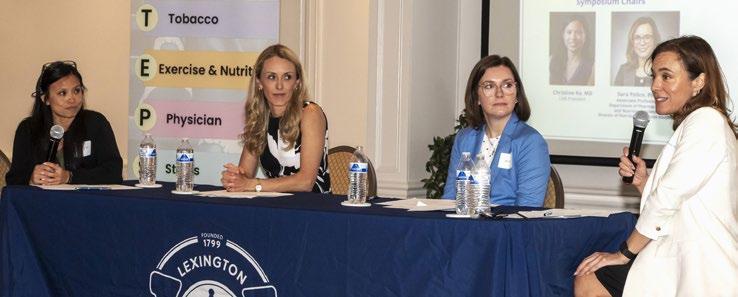
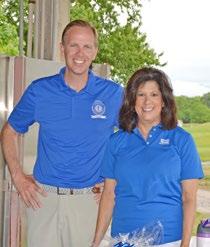
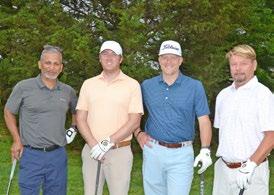
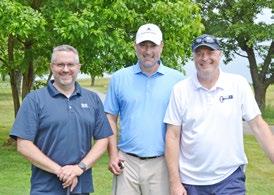
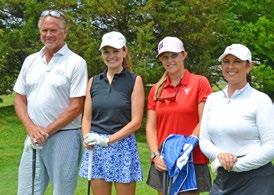
Finally, the Lexington Medical Society was very busy in May, hosting their Symposium on Healthy Living and the Foundation’s 36th annual golf tournament. Photos and recaps begin on page 36.
Graduation Day 2026
MD-UPDATE
MD-Update.com
Volume 16, number 3 ISSUE #164
EDITOR/PUBLISHER
Gil Dunn gdunn@md-update.com
GRAPHIC DESIGN
Laura Doolittle, Provations Group
COPY EDITOR
Amanda DeBord
CONTRIBUTORS:
Jan Anderson, PSYD, LPCC
Lori Caloia, MD, MPH
Cody Hunt, KMA
Steven Lippman, MD
Danesh Mazloomdoost, MD
Cory Meadows, KMA
Christine Stanley, JD
CONTACT US:
ADVERTISING AND INTEGRATED
PHYSICIAN MARKETING: Gil Dunn gdunn@md-update.com
Mentelle Media, LLC 38 Mentelle Park Lexington KY 40502 (859) 309-0720 phone and fax
A very proud moment for me was May 26, 2026 at the J. M. Atherton High School graduation ceremony at Freedom Hall in Louisville, when my daughter Maddie “Gideon” Dunn, Valedictorian, International Baccalaureate diplomat, National Honor Society member, archery team captain, speech and debate team member, and all-around outstanding young woman received her diploma.
After a summer as a YMCA summer camp counselor, Maddie is heading to Rensselaer Polytechnic Institute, (RPI) the alma mater of NASA’s Artemis II Commander Reid Wiseman. The sky is not even the limit for Maddie, in my opinion.
Drop me a line if you have a story to tell. Until next issue in September, all the best,
Gil
Dunn, Editor/Publisher MD-Update
Standard class mail paid in Lebanon Junction, Ky. Postmaster: Please send notices on Form 3579 to 38 Mentelle Park Lexington KY 40502
MD-Update is peer reviewed for accuracy. However, we cannot warrant the facts supplied nor be held responsible for the opinions expressed in our published materials.
Copyright 2026 Mentelle Media, LLC. All rights reserved. no part of this publication may be reproduced, stored, or transmitted in any form or by any means-electronic, photocopying, recording or otherwise-without the prior written permission of the publisher.
Please contact Mentelle Media for rates to: purchase hardcopies of our articles to distribute to your colleagues or customers: to purchase digital reprints of our articles to host on your company or team websites and/or newsletter. Thank you.
Individual copies of MD-Update are available for $9.95.
A Win for Physicians and Patients: HB 176 Becomes Law in Kentucky
By Cory Meadows and Cody Hunt, Kentucky Medical Association
LOUISVILLE After five years of sustained, strategic advocacy, Kentucky physicians can celebrate a policy victory with the passage and enactment of House Bill (HB) 176. This achievement did not happen overnight—it is the result of persistent engagement by the Kentucky Medical Association (KMA) and its dedicated members across the Commonwealth. Hundreds of emails, calls, and in-district conversations with legislators, combined with thoughtful policy development and a willingness to stay at the table year after year, ultimately carried this legislation across the finish line. HB 176 stands as a testament to the power of organized medicine, the credibility of the physician voice, and the impact of patience and persistence in advancing meaningful reform.
Background: A Longstanding Challenge
Prior authorization has long been one of the most significant administrative burdens facing physicians. While intended as a cost-control mechanism, the process has increasingly created delays in care, disrupted clinical workflows, and contributed to physician burnout. Patients, in turn, often experience frustration and uncertainty when medically necessary treatments are postponed or denied.
Recognizing these challenges, the KMA made prior authorization reform a top legislative priority, working over multiple sessions to build consensus around solutions that would reduce unnecessary barriers.
Key Components of HB 176
HB 176 represents a balanced, pragmatic approach to reform, focusing on prior
authorization exemptions and enhanced transparency:
• Prior Authorization Exemption (“Gold Carding”) Program: Physicians who receive approval for a specific service or procedure at least 93 percent of the time and meet any other insurer criteria will qualify for an exemption from prior authorization requirements for that service. This allows high-performing physicians to deliver care without repetitive administrative hurdles for services that are routinely approved, rewarding consistent, evidence-based clinical decision-making.
• Enhanced Reporting and Transparency: The legislation requires insurers and the state Medicaid program to report data on prior authorization requests, approvals, denials, and response times. It also mandates reporting on the performance and utilization of exemption programs, providing lawmakers and stakeholders with greater insight into prior authorization trends and helping inform future policy decisions.
The passage of HB 176 marks a meaningful step forward in reducing administrative burden and improving the delivery of care. By allowing physicians with demonstrated track records to bypass unnecessary prior authorization requirements, the law helps streamline clinical workflows, reduce delays in patient care, improve practice efficiency, and support physician well-being. At the same time, the inclusion of robust reporting requirements ensures continued accountability and provides a data-driven foundation for future improvements.
Applicability of HB 176
HB 176 applies to state-regulated health plans but does not extend to all coverage types. The law captures plans offered through Kynect, the Kentucky Employees’ Health Plan, and certain state-regulated, non-ERISA commercial plans. However, it does not apply to Medicaid or Medicare, VA/Tricare, or self-funded ERISA plans, which are governed by federal law and therefore outside the scope of state-level reform efforts.
In addition, the legislation does not automatically apply to prior authorization requirements for prescription drugs; however, while inclusion is not mandated under the statute, insurers retain discretion to include prescription drugs within their respective exemption programs.
These distinctions reflect the limits of state authority while still delivering meaningful reform across a significant portion of the commercially insured population in Kentucky.
KMA President Jiapeng Huang, MD, anesthesiologist with UofL Health, speaks to lawmakers during KMA’s 2026 Physician Day at the Capitol. Seated to the left is Dongbo Yu, MD, cardiologist with Baptist Health.
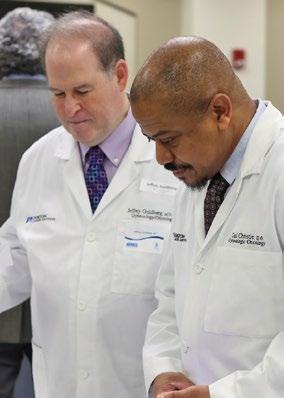
Also in attendance to talk to lawmakers on KMA’s Physician Day at the Capitol were Jeffrey Goldberg, MD, and Carl Christie, DO, gynecological oncologists with Norton Healthcare.
Looking Ahead
While the exemption program will take effect in the coming years, the groundwork has now been laid for a more efficient and transparent prior authorization system in Kentucky. Implementation will be critical, and continued engagement from physicians will help ensure the law achieves its intended impact. For KMA member physicians across the state, this success reinforces an important truth: sustained advocacy works, and meaningful reform is possible.
HB 176 stands out as a defining achievement of the session for Kentucky physicians. Its passage demonstrates what can be accomplished when the physician community speaks with a unified voice and remains actively engaged in policymaking. KMA thanks the many physician members, as well as the legislators, who helped secure passage of this important bill.
A full recap of the 2026 Legislative Session is available via KMA’s Advocacy in Action Achievement Report, available at kyma.org/ advocacy.
HPV Screening Updates and Self-Collection: A Practical Opportunity for Kentucky Clinicians
Primary HPV testing is now preferred, and self-collected sampling offers a new pathway to reach under-screened populations— particularly in rural Kentucky.
BY LORI CALOIA, MD, MPH
FRANKFORT Cervical cancer screening is undergoing an important transition, with updated recommendations emphasizing primary human papillomavirus (HPV) testing and introducing self-collected HPV sampling as an option in select settings. For Kentucky clinicians, these changes are particularly relevant given persistent screening gaps and the disproportionate burden of cervical cancer across rural and Appalachian communities. Several professional organizations have updated their guidance to prioritize HPVbased screening. The Health Resources and Services Administration (HRSA) and the American College of Obstetricians and Gynecologists (ACOG) recommend cervical cytology (Pap testing) every three years for individuals ages 21–29. For those ages 30–65, primary high-risk HPV (hrHPV) testing every five years is now the preferred screening strategy (Health Resources and Services Administration [HRSA], 2026). Acceptable alternatives include co-testing with cytology and hrHPV testing every five years or cytology alone every three years.
Updated guidance also emphasizes the importance of completing the entire screening process, including timely diagnostic follow-up such as colposcopy when indicated (Screening for Cervical Cancer, 2026). Most health insurance plans are expected to incorporate these recommendations beginning in 2027.
The American Cancer Society (ACS) recommendations differ slightly, supporting primary HPV testing beginning at age 25 and continuing through age 65 at five-year intervals when results are negative (American Cancer Society [ACS], 2025). Cytologybased screening every three years remains an acceptable alternative when HPV testing is not available.
Why This Matters in Kentucky
Despite significant national declines in cervical cancer incidence and mortality, Kentucky continues to experience a disproportionate burden of disease. Clinicians practicing throughout the Commonwealth—particularly in rural and Appalachian regions— frequently encounter patients with lower screening adherence, barriers to preventive care, and increased likelihood of late-stage diagnosis.
Multiple factors contribute to these disparities, including transportation limitations, shortages of women’s health providers, socio-economic barriers, and lower HPV vaccination uptake in some communities (Hudson et al., 2024). Rural populations also
Cervical Cancer Mortality (2000-2022) Kentucky U.S.
Mortality is the number of deaths per 100,000 population per year. Source: Death data provided by the National Vital Statistics System [https://www.cdc.gov/nchs/nvss.htm] public use data file. Death rates calculated by the National Cancer Institute using SEER*Stat [https://seer.cancer.gov/seerstat/]. Death rates (deaths per 100,000 population per year) are age-adjusted to the 2000 US standard population [https://seer.cancer.gov/stdpopulations/] (20 age groups: (<1, 1-4, 5-9, ... , 80-84, 85-89, 90+). Population counts for denominators are based on Census populations as modified by NCI. The US populations included with the data release have been adjusted for the population shifts due to hurricanes Katrina and Rita [https://seer.cancer.gov/data/hurricane.html] for 62 counties and parishes in Alabama, Mississippi, Louisiana, and Texas. US Population Data [https://seer.cancer.gov/popdata/] File is used with mortality data.
Cervical Cancer Incidence (2002-2022)
Incidence is the number of cases of invasive cancer per 100,000 population per year. Source: Incidence data provided by the SEER Program [https://seer.cancer.gov] and the National Program of Cancer Registries [https://www.cdc. gov/cancer/npcr/index.htm] SEER*Stat Database United States Department of Health and Human Services, Centers for Disease Control and Prevention. Rates calculated by the National Cancer Institute using SEER*Stat [https://seer.cancer. gov/seerstat/]. Rates are age-adjusted to the 2000 US standard population [https://seer.cancer.gov/stdpopulations/] (SEER areas use 20 age groups and NPCR areas use 19 age groups). Rates are for invasive cancer only (except for bladder cancer which is invasive and in situ) or unless otherwise specified. Population counts for denominators are based on Census populations as modified by NCI. The US populations included with the data release have been adjusted for the population shifts due to hurricanes Katrina and Rita [https://seer.cancer.gov/data/hurricane.html] for 62 counties and parishes in Alabama, Mississippi, Louisiana, and Texas. The US Population Data [https://seer.cancer.gov/popdata/] File is used with SEER data. Rates and trends in this graph are computed using the same standard for malignancy. For more information see malignant.html [https://statecancerprofiles.cancer.gov/malignant.html].
face challenges accessing specialty services such as colposcopy and gynecologic oncology care. Behavioral risk factors, including higher smoking prevalence in certain regions, may further increase cervical cancer risk and worsen outcomes (Amboree et al., 2024).
Self-Collected HPV Testing: What Clinicians Should Know
One of the most notable developments in updated screening guidance is the inclusion of self-collected HPV testing as a screening option. Patients may collect a vaginal sample using a swab-based kit either at home or in a healthcare setting, with testing subsequently performed using validated molecular assays (HRSA, 2026).
Studies demonstrate strong concordance between self-collected and clinician-collected samples, particularly when polymerase chain reaction (PCR)-based assays are used (HRSA, 2026). However, clinicians should recognize that self-collected testing detects high-risk HPV only and does not include cytology.
Equally important, a positive HPV result still requires clinician-directed follow-up, including pelvic examination, cervical cytology, colposcopy, or additional diagnostic evaluation depending on the clinical scenario.
In practice, self-collection should be viewed as an entry point into the screening continuum—not a replacement for in-person care.
Where Self-Collection May Fit in Practice
Self-collected HPV testing may be especially useful for patients who remain disconnected from traditional screening pathways.
Self-collected HPV testing may be particularly useful for:
• Patients overdue for screening or never screened.
• Individuals facing transportation or access barriers.
• Patients who decline pelvic exams.
For many Kentucky clinicians, self-collection may offer a practical opportunity to engage patients who otherwise might forgo screening entirely.
However, self-collected testing is not appropriate for all populations. Individuals
at higher risk—including those with prior cervical cancer, high-grade cervical lesions, immunosuppression, or abnormal prior screening results requiring surveillance— should continue clinician-based screening and follow established management guidelines (U.S. Preventive Services Task Force [USPSTF], 2026).
Implementation Considerations
Successful implementation of self-collected HPV testing depends not only on test availability, but also on the systems supporting follow-up care. Practices considering adoption should prioritize patient education, care coordination, and reliable referral pathways.
Patients must receive clear instructions regarding specimen collection, interpretation of results, and the importance of completing follow-up evaluation when indicated. Partnerships with local health departments, federally qualified health centers, and regional
referral networks may help strengthen continuity of care in underserved areas.
Timely access to colposcopy and diagnostic services is equally important. In regions with limited specialty care, delays in follow-up could offset gains achieved through expanded screening access.
Self-collection expands the screening toolkit—but its impact ultimately depends on what happens after the test.
The Opportunity Ahead
The movement toward primary HPV testing and self-collected screening reflects a broader shift toward patient-centered and decentralized care models. For Kentucky clinicians, these updates provide an opportunity to improve screening uptake among populations historically affected by healthcare access barriers and disparities.
When paired with strong follow-up infrastructure, self-collected HPV testing has the
potential to improve screening adherence, support earlier detection and reduce cervical cancer disparities across the Commonwealth.
Clinical Pearls
• Primary hrHPV testing every five years is now the preferred screening strategy for many patients ages 30–65 (HRSA, 2026).
• Self-collected HPV testing is an option in select settings.
• Self-collection may help engage underscreened and hard-to-reach populations.
• Positive HPV results still require clinician-directed follow-up and diagnostic evaluation.
• Higher-risk patients should continue clinician-based screening and surveillance.
Lori Caloia, MD, MPH, is the deputy commissioner for clinical affairs at the Kentucky Department for Public Health. She can be reached at 502.564.3970 and lori.caloia@ky.gov
YOU CARE FOR EVERYONE
From the business of health care to compliance to litigation defense, Sturgill Turner’s experienced health care and medical negligence defense attorneys provide comprehensive legal services to health care providers, hospitals and managed care organizations across the Commonwealth.
our experience to work for you.
Informed Consent in Kentucky: A Summer Refresher
AS SUMMER APPROACHES and clinical schedules grow busier, it is a good time for Kentucky physicians to pause and revisit the fundamentals of informed consent. Much like preparing for a long summer journey, informed consent requires clarity, communication, and planning before moving forward. Under Kentucky law, informed consent is not simply a box to check or a form to sign. It is an ongoing process designed to ensure patients understand their options and can make informed choices about their care.
Kentucky’s informed consent requirements are set out in KRS 304.40320, which provides that consent is “deemed to have been given” when a physician follows accepted medical practice and when a reasonable patient, based on the information provided, would understand the nature of the proposed treatment, the medically acceptable alternatives, and the substantial risks and hazards involved. The statute also recognizes a limited emergency exception, allowing physicians to proceed without consent when it cannot reasonably be obtained. Outside of true emergencies, however, informed consent remains an essential part of the care process, regardless of time pressures or seasonal demands.
During the summer months, schedules tend to tighten, elective procedures increase, and clinics often operate at a faster pace. These conditions can create fertile ground for rushing through informed consents. Many claims arise not from poor medical care, but from missed opportunities to clearly communicate serious, lifealtering risks such as paralysis, loss of function, permanent disability or death. even when those risks are unlikely. Courts and juries often view these outcomes as risks a reasonable patient would want to consider before proceeding, regardless of their statistical rarity. Even consent obtained immediately before a proce-
BY CHRISTINE L. STANLEY
dure when the patient is anxious, medicated, or under time pressure often becomes a litigation issue. Patients who recall feeling rushed or overwhelmed can undermine the credibility of the consent discussion even when the discussion technically occurred. Additionally, when the actual treatment differed from what was discussed, absent an emergency, a renewed consent should be obtained.
Furthermore, Kentucky courts have made clear that informed consent must be evaluated from the patient’s perspective. The focus is not solely on whether the physician believed the discussion was adequate, but whether the patient received information sufficient to make a meaningful decision. In practical terms, this means physicians must ensure their explanations are understandable to a reasonable patient, not a reasonable physician. Highly technical explanations are not enough if the patient cannot grasp the significance of the risks and alternatives discussed.
Documentation continues to play a critical role in defending informed consent claims, but it should be viewed as sunscreen rather than shade; it helps protect, but only when applied correctly. Consent forms support the record, but they do not substitute for documenting the substance of the conversation. Brief entries noting that “risks were explained” carry far less weight than notes reflecting what risks were discussed, what alternatives were considered, and whether the patient asked questions. Welldocumented conversations help demonstrate that consent was informed, not assumed.
It is also important to remember that informed consent in Kentucky is not limited to surgery. It applies to nonsurgical treatments, medications with significant sideeffect profiles, and repeat or interventional procedures. Similarly, while the emergency exception allows physicians to act when immediate care is nec-
essary, it is narrowly construed. If a patient is alert, capable, and time allows, even in urgent settings, informed consent discussions should occur whenever reasonably possible, with clear documentation explaining the circumstances.
So, remember, most informed consent claims do not arise from bad faith or poor medicine. They arise from communication gaps, documentation issues, and assumptions about what patients understood. Clear, patientcentered conversations supported by documentation remain one of the most effective ways to reduce both legal exposure and patient dissatisfaction.
For an Informed Consent Check List go to www. sturgillturner.com/our-insights/informed-consentchecklist-2026
Christine L. Stanley is a healthcare law and medical negligence defense attorney with Sturgill, Turner, Barker & Moloney, PLLC. She can be reached at cstanley@ sturgillturner.com or 859.255.8581. This article is intended as a summary of state and/or federal law and does not constitute legal advice.
Building on a Legacy of Care
Norton Children’s Maternal Fetal Medicine treats mother and child before and after delivery.
BY LIZ CAREY
LOUISVILLE Since childhood, Tamina Singh, MD, knew she wanted to make a difference in people’s lives. Now as the director of Norton Children’s Fetal Care Program, she is changing the lives of babies, some while they are still inside the womb, while also recognizing the importance of caring for their mothers. Singh is a neonatologist with Norton Children’s Neonatology, also serving as the medical director of the NICU at Norton Children’s Hospital. Her love of medicine stems directly from the influence of her own pediatrician.
Born in Mandeville, Jamaica, Singh moved to Kingston for high school and earned her bachelor’s degree in biochemistry from the University of West Indies, where she also
earned her medical degree. After a residency at the University of Illinois at Chicago, she did her neonatal-perinatal medicine fellowship at Cincinnati Children’s Hospital.
“From the very beginning of my medical training, I knew I needed to be in pediatrics,” she says. “I had been in love with my pediatrician since I was seven. I wanted to be just like her when I grew up. I always felt better when I left. What you went in for, or even if you weren’t cured when you left, you were healed in some way. I wanted to be able to do that for others.”
It was in Chicago where Singh received training in pediatrics.
“I fell in love with the neonatal population because of their resilience,” Singh says. “They can come back from so many hits and so many traumas and still survive and thrive. It
was their strength and their bravery that was so inspiring, and it still inspires me every day.”
Chicago is also where she met her husband, Edward Kim, MD, a pediatric interventional cardiologist at Norton Children’s. The two were able to join Norton Children’s in 2007 to both work in pediatric medicine.
Singh now leads Norton Children’s Fetal Care Program that identifies fetal concerns and coordinates with an interdisciplinary team towards a successful delivery and beyond. The program orchestrates care from maternal-fetal medicine specialists, neonatologists, pediatric subspecialists, and surgeons to create a personalized care plan for mother and baby.
“Our patient is the infant, but maternal health can influence the health of the fetus; it’s a dyad,” she says. “For instance, in moms who have uncontrolled diabetes, their babies can be
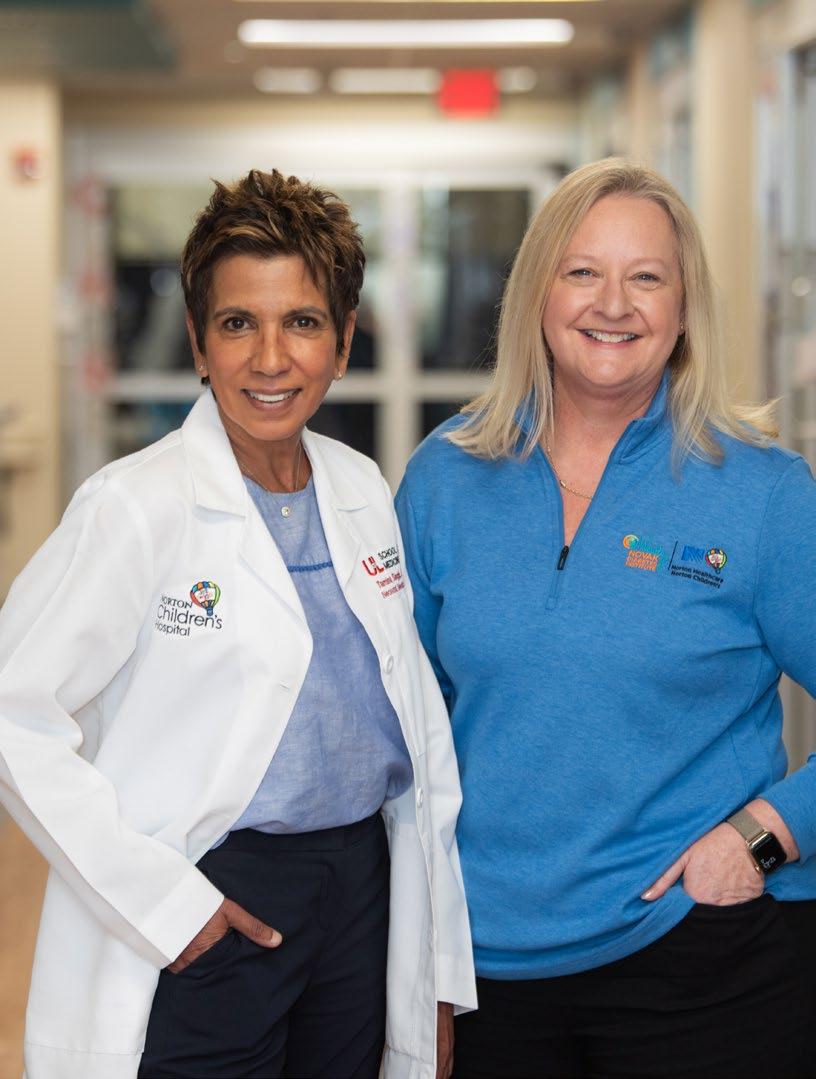
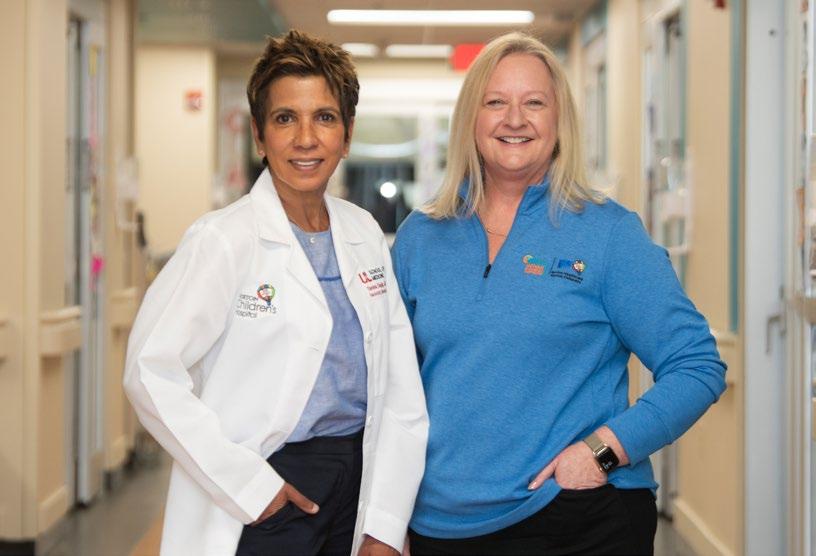
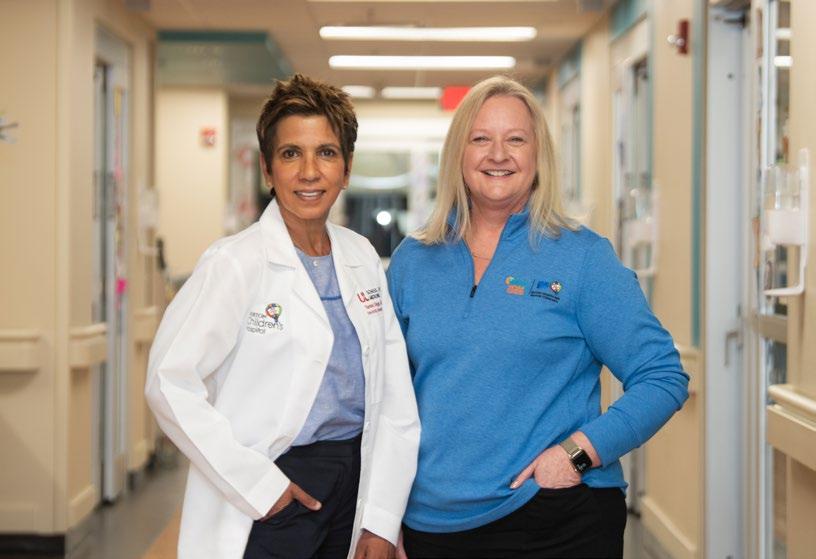
Tamina Singh, MD, neonatologist and director of Norton Children’s Fetal Care Program, and Kristine Lain, MD, maternal-fetal medicine specialist and medical director of Norton Children’s Maternal-Fetal Medicine.
born with respiratory and cardiac symptoms, or they can have blood sugar fluctuations that are very dangerous to the developing brain.”
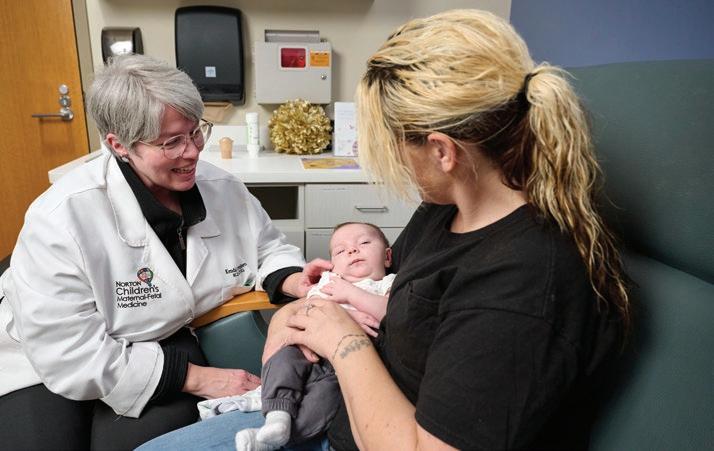
Many moms and babies in Kentucky and Indiana need specialized care. Norton Children’s Maternal Fetal Medicine works to keep the two together and to care for them both, Singh says. Pregnant women are screened with an ultrasound between 18 and 22 weeks. This provides a look at the baby’s anatomy that can clue doctors in on any potential abnormal fetal diagnosis that exists.
As an example, if a local physician identifies an issue in the fetus’ heart, they can refer to the Norton Children’s Fetal Care Program. The multidisciplinary team provides a diagnosis and works with the mom’s OB-GYN to develop a plan for both the mother and baby for delivery and postnatal management.
At the time of referral, Singh says, the mother is assigned to a nurse navigator whose job it is to help streamline care for both mom and baby and act as a caring and consistent point of contact for the family.
“We have these two wonderful nurse navigators, Stacie Hartlage, BSN, RN, and Devanae’ Wright, BSN, RN, and their role is to ensure a seamless experience both for the referring providers and for the family,” Singh says. “Rather than folks having to contact multiple offices, these ladies organize the entire visit, and then personally accompany the families to their consults.”
“Our patient is the infant, but maternal health can influence the health of the fetus; it’s a dyad.”Tamina Singh, MD
Staying in Home Communities with Added Comprehensive Care
Norton Children’s Fetal Care program is structured so that not only are both the mother and the fetus treated, but the mom and babies are allowed to stay in their communities whenever possible, says Kristine Lain, MD, maternal-fetal medicine specialist and medical director of Norton Children’s Maternal-Fetal Medicine.
“Our vision is to provide the highest quality comprehensive care to pregnant women and their babies in our region and our state,” Lain says. “Norton Women’s Care has the highest number of births in the region, with approximately 9,000 deliveries across our four labor and delivery units. That high volume, combined with the highest level NICU care, and the strong collaboration between pediatric and adult subspecialties at Norton Children’s and Norton Healthcare, made the decision to join the team an easy one. We have the people and resources to care for the highest acuity patients.”
Lain went to medical school at the Pritzker School of Medicine at the University of Chicago, then did her residency in obstetrics and gynecology at the University of Pittsburgh School of Medicine before doing a fellowship there in maternal and fetal medicine.
Now at Norton Children’s Maternal-Fetal Medicine, she says the program sees patients from all over Kentucky and southern Indiana
and works with them from diagnosis to delivery and beyond.
“We have team members located not only in Louisville, but also in Bowling Green and Paducah,” she says. “We provide in-person as well as telemedicine care for patients requiring imaging and consultative services. As we near the end of pregnancy, optimal location of delivery is often a question. When complex patients would benefit from delivering with us, then the next step is often to have a multidisciplinary telecare conference with all of the subspecialists that may be involved with their care, either in the intrapartum or postpartum period.”
While the goal is to have mothers deliver at their local hospitals as often as possible, the team has to consider whether or not the mother and baby will receive the level of care needed in their home communities. The challenges of too few obstetricians in the state, coupled with lack of access to labor and delivery services, means sometimes advising patients to deliver outside of their hometown. For the highest level of care, moms can deliver at Norton Hospital, which is connected by pedway to the Level IV NICU at Norton Children’s Hospital, or Norton Women’s & Children’s Hospital, home to a Level III NICU.
“A major factor for the safety of some of these complex patients is their local resources,” says Lain. “If we can provide consultation and support to have them deliver with their primary OB, we definitely try to do that.”
Specialized Care for Childbearing Women
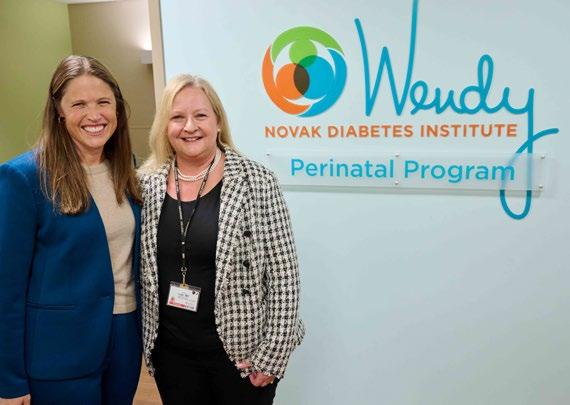
Norton Children’s Maternal Fetal Medicine also offers two mom-specific programs – the Wendy Novak Diabetes Institute Perinatal Program, and the Norton Maternal Opiate and Substance Treatment (MOST) Program – that are expanding what care is available for pregnant women in the region.
Lain says the Wendy Novak Diabetes Institute Perinatal Program is unique in the region. It has a dedicated clinical suite equipped for in-person and telemedicine consultations, expanding services available to women with diabetes who want to have children or are currently pregnant. The program has four nurse practitioners and two nutritionists who are certified diabetes educators. The team works with women who have diabetes to help them through their pregnancies.
“The expansion of our personnel has really allowed us to serve more women with diabetes during pregnancy, not only locally, but many patients in the region,” Lain says. “Not all the patients will deliver with us. Many of them will come into the perinatal program for care during pregnancy but then deliver in their home communities.”
The Wendy Novak Diabetes Institute Perinatal Program offers preconception counseling for women with type one or type two diabetes, and for women who end up developing gestational diabetes. Lain says the program gets about 7,000 visits a year from 900 unique patients.
The MOST program is a specialized, compassionate care initiative that helps pregnant and postpartum women with substance use disorders. Led by Kendall Stevens, MD, the program features social workers and doulas who specialize in the care and education of women with substance abuse disorders during pregnancy and provides women with hospital stabilization and detoxification services as well as an outpatient recovery program. This allows qualified professionals to help women manage withdrawal while monitoring the fetus, and helping the mothers through recovery programs that can include medical therapy, pregnancy care, parenting support and other substance abuse disorder recovery resources.
“What we have seen as a trend over the last several years is the use of additional substances as opposed to traditional opiate abuse,” Lain says. “We’re seeing much more polysubstance use, including fentanyl and other synthetic
opioids. The program has embraced care plans for these complex substances that extend beyond traditional opiate use. We offer the initiation of medical treatment, whether that’s with Suboxone/subutex or methadone. The program is also one of the first programs that got Narcan into patients’ hands readily in terms of a quick treatment for overdose.”
Norton Children’s Opening Fetal Care Center
As the need for specialized fetal care increases in the region, Norton Children’s is expanding to ensure the best possible outcomes for both mother and baby. This fall, Singh says the Fetal Care Program will become the Norton Children’s Fetal Care Center. The center will bring maternal-fetal medicine specialists, pediatric sub-specialists, and advanced fetal imaging together in one location to make the experience even easier for the patients.
“We will have all of the sub-specialists and additional support staff, including social work and genetic counsellors available for consultation with these families,” Singh says. “The goal is to have a network of OBs and pediatricians throughout the state that know us and trust us, so they know these resources exist in their own state.”
Once opened, the Fetal Care Center will be located at 601 South Floyd Street, directly across from Norton Children’s Hospital. But the beauty of the center is not where it’s housed, Singh says.
“The beauty of the Fetal Care Center is that it’s not just about the building,” she says. “It’s about the dedicated and talented people who provide the care for these families who are facing a difficult, and sometimes life-limiting diagnosis for their baby. This has been a journey of more than 10 years, and we are thrilled and grateful that we have this opportunity to expand our program and to ensure the best outcomes for the communities that we serve.”
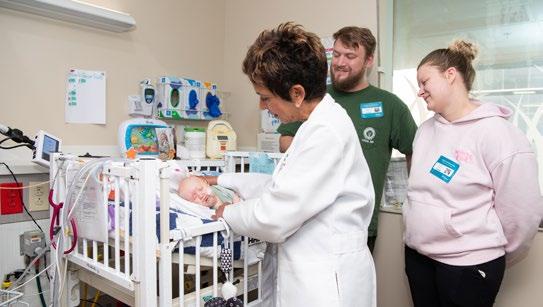
Dr. Lain with Ashley Novak Butler, a member of the Wendy Novak donor family.
PHOTO BY JAMIE RHODES
Advanced care for complex pregnancies
Norton Children’s Maternal-Fetal Medicine provides advanced care for complex pregnancies, partnering closely with you to support the best outcomes for mom and baby. Our team offers comprehensive management for maternal conditions such as hypertension, heart disease, diabetes, chronic illnesses and other obstetric complications. When a fetal diagnosis is suspected, care is coordinated through the Norton Children’s Fetal Care Program, where a multidisciplinary team creates a personalized care plan from consultation through delivery and beyond. Throughout every step, we work alongside you to ensure seamless, coordinated care for your patients.
To make a referral, visit NortonEpicCareLink.com or call (888) 4-U-NORTON/(888) 486-6786.
Hormones, Healing, and Pain: The Overlooked Endocrine
Dimension of Musculoskeletal Medicine
Emerging evidence suggests that hormonal optimization may influence pain modulation, tissue repair, inflammation, and functional recovery.
BY DANESH MAZLOOMDOOST, MD, MEDICAL DIRECTOR, WELLWARD MEDICAL
LEXINGTON Musculoskeletal medicine has traditionally focused on anatomy. Orthopedic and pain evaluations are often centered on structural pathology: degenerative discs, tendon tears, arthritic joints, spinal instability, or nerve compression. While these factors are undeniably important, an increasing body of evidence suggests that another variable frequently influences pain generation, healing capacity, and recovery trajectory: hormonal regulation.
At Wellward Medical, this recognition has led to a more integrated approach in select patients—one that evaluates not only the structural source of pain, but also the physiologic environment in which that pain exists.
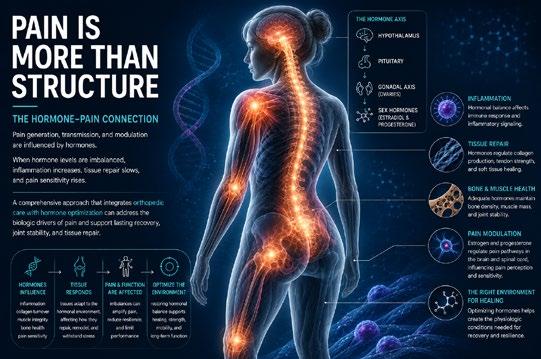
The relationship between hormones and pain is more extensive than many clinicians realize. Pain generation, transmission, and modulation are all influenced by endocrine signaling. Estradiol, testosterone, thyroid hormone, cortisol, and other endocrine factors interact directly with inflammatory pathways, nociceptive circuitry, bone physiology, muscle maintenance, and central nervous system function. Hormonal dysregulation therefore becomes not merely a secondary observation in chronic pain patients, but often a meaningful contributor to the condition itself.
The Hormonal Regulation of Pain
One of the more clinically relevant examples is estradiol. Beyond its reproductive role, estradiol appears to influence nociceptive pro-
cessing at both spinal and supraspinal levels, contributing to pain transmission and modulation. This relationship is perhaps most visible in patients receiving aromatase inhibitors for breast cancer treatment. Aromatase inhibitor-associated musculoskeletal syndrome (AIMSS) has become increasingly recognized as a consequence of estradiol depletion, often resulting in diffuse joint pain, stiffness, tendon irritation, and increased pain sensitivity. Similarly, testosterone deficiency has been associated with increased inflammatory activity and chronic pain states in both men and women. Some evidence suggests that testosterone’s analgesic effects may be mediated in part through its conversion to estradiol, further emphasizing the interconnected nature of hormonal signaling.
At Wellward, these relationships are increasingly considered in patients whose symptoms appear disproportionate to imaging findings or whose recovery trajectory remains unexpectedly limited despite otherwise appropriate orthopedic interventions.
Beyond Libido: Hormones as Structural and Neurologic Regulators
Public perception often reduces testosterone and estrogen to conversations surrounding libido or sexual health. In reality, these hormones influence a much broader physiologic landscape. Adequate testosterone levels in both males and females is associated with maintenance of muscle mass, bone density, tissue repair, neurologic signaling, and overall metabolic resilience. Hormonal deficiency states may
contribute to sarcopenia, delayed healing, increased inflammatory burden, reduced stamina, and impaired recovery from injury.
This becomes particularly relevant in musculoskeletal medicine, where recovery depends not only on the correction of structural pathology, but also on the body’s biologic capacity to repair and adapt.
Androgen receptors are present throughout bone tissue, including osteoblasts, osteoclasts, and osteocytes. Estrogen receptors are similarly abundant within bone-forming cells, underscoring the dual role of testosterone and estradiol in skeletal physiology. Hormonal dysregulation may therefore influence not only pain sensitivity, but also bone turnover, tendon resilience, and degenerative progression.
From an inflammatory standpoint, low androgen states are also associated with increased visceral adiposity and chronic inflammatory activation. Molecular pathways involving NF-kB and inflammatory cytokine production appear to become increasingly dysregulated in testosterone-deficient states, potentially contributing to both systemic inflammation and amplified pain signaling.
Chronic Pain and the Endocrine Cascade
The relationship between chronic pain and hormones is often bidirectional. Chronic pain itself acts as a physiologic stressor capable of disrupting endocrine balance, while endocrine dysfunction may simultaneously worsen pain perception and impair healing.
This interaction becomes especially important in patients with chronic opioid exposure. Long-term opioid use suppresses the hypothalamic-pituitary-gonadal axis, often resulting in secondary testosterone deficiency known as opioid-induced androgen deficiency (OPIAD). Persistently low testosterone levels in these patients may contribute to fatigue, depression, decreased muscle mass, impaired function, and worsening musculoskeletal resilience.
At Wellward, evaluation of chronic pain patients—particularly those with prolonged opioid exposure—often includes assessment of metabolic and hormonal health alongside structural diagnostics. In selected patients, addressing hormonal dysregulation may
improve energy, recovery capacity, pain tolerance, and overall function.
Importantly, bioidentical hormone replacement therapy (BHRT) is not positioned as a replacement for orthopedic treatment, rehabilitation, regenerative medicine, or surgical care. Rather, it may serve as a complementary strategy aimed at optimizing the physiologic environment in which healing occurs.
Integrating Hormonal Optimization into Musculoskeletal Care
This broader framework has become increasingly relevant in patients who fall into a therapeutic gray zone: those whose imaging findings only partially explain their symptoms, patients struggling with persistent fatigue and poor recovery despite otherwise appropriate interventions, or individuals whose pain appears amplified by systemic inflammation and physiologic decline.
For example, a patient presenting with chronic tendinopathy and progressive joint degeneration may simultaneously demonstrate low testosterone levels, reduced muscle mass, sleep disruption, increased visceral adiposity, and diminished exercise tolerance. Structural interventions alone may improve symptoms temporarily, but recovery often remains limited if the underlying physiologic terrain remains unfavorable.
Similarly, perimenopausal and post-menopausal patients frequently report diffuse musculoskeletal pain, stiffness, reduced recovery capacity, and progressive decline in strength or endurance. While these symptoms are often attributed to aging or arthritis, hormonal shifts may represent a meaningful and modifiable contributor.
At Wellward, this has led to a more integrated treatment philosophy in select patients— combining orthopedic diagnostics, rehabilitation strategies, regenerative medicine, and metabolic or hormonal optimization into a coordinated plan centered on function and long-term resilience.
Precision Rather Than Overcorrection
As interest in hormone optimization has grown, so too has concern regarding overuse, inappropriate prescribing, and exaggerated
claims. These concerns are valid.
Hormonal therapies are not universally appropriate, nor are they intended to function as anti-aging shortcuts or stand-alone solutions for chronic pain. Careful patient selection, laboratory evaluation, monitoring, and individualized risk assessment remain essential.
At the same time, dismissing the endocrine contribution to pain and healing may overlook an important dimension of musculoskeletal medicine. The emerging intersection between orthopedics, pain medicine, endocrinology, and regenerative medicine suggests that future treatment models may become increasingly integrated rather than siloed.
Conclusion
The future of musculoskeletal care may depend not only on identifying structural pathology, but also on understanding the physiologic systems that influence pain sensitivity, inflammation, healing capacity, and recovery.
Hormonal regulation represents one of those systems.
Approaches such as those implemented at Wellward reflect a growing recognition that successful orthopedic and pain care often requires more than simply targeting anatomy alone. By integrating structural diagnostics with broader physiologic optimization—including, when appropriate, bioidentical hormone replacement therapy—clinicians may improve not only symptom management, but overall functional trajectory and quality of life.
As medicine continues to evolve toward more personalized models of care, the intersection of hormones and musculoskeletal medicine may become increasingly difficult to ignore.
Danesh Mazloomdoost, MD 101 N. Eagle Creek Dr. Lexington, KY 40509
859.275.4878
Scottie Day, MD, Maestro of Music and Medicine
Chair of Pediatrics orchestrates multiple ensembles of care at Golisano’s Children’s Hospital at UK HealthCare
For Scottie Day, MD, bringing together a medical team to manage a child’s treatment is more like being a maestro than an administrator.
“Anytime a sick child is in our ICU, there will probably be multiple specialists involved. So, in many ways, I always feel like we’re kind of the conductor of the orchestra,” he says of his job as physician-in-chief of Golisano Children’s Hospital at UK. “It’s our job and our responsibility…to bring that symphony together, to make sure the song that’s being played is in tune, and the parents can hear it and understand it.”
Day is not only the physician-in chief, he’s also vice-president of Children’s Health at UK HealthCare and a pediatric critical care specialist. While he sees medicine as his calling now, at one point, he looked to playing real songs as a career. At the age of five, Day started playing piano. Soon after, other musical instruments came. Then came a band and playing music at festivals, community events and weddings. Day taught piano lessons and traveled the state for marching band competitions. He knew from an early age, he says, that he was either going into music or medicine.
Born in Leslie County, Kentucky, in the Appalachian mountains, Day was the youngest of two sons of a coal miner. After graduating from high school, he attended Hazard Community College before transferring to the University of Kentucky to get his bachelor’s degree in biology. From there he received his medical degree at the UK College of Medicine, and completed his residency at Indiana University, Indianapolis
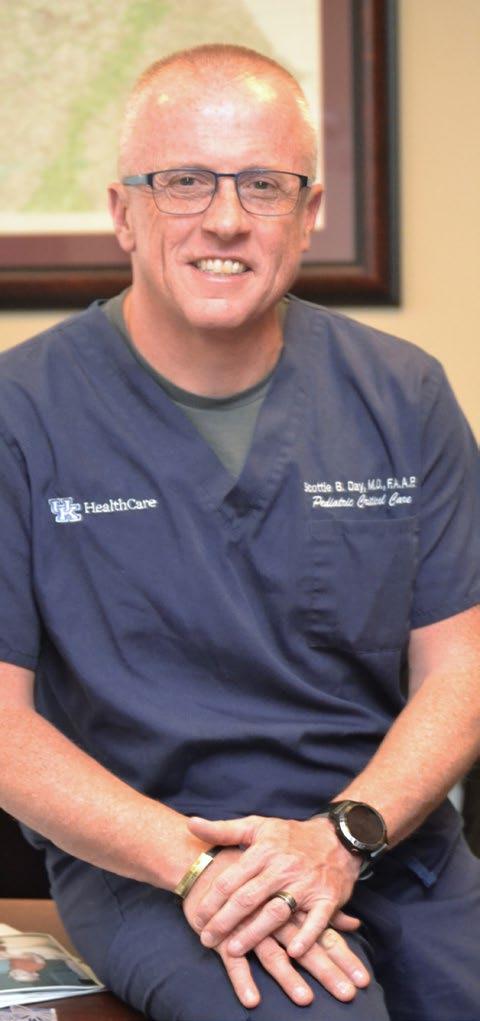
In scrubs with his guitar nearby, Scottie Day, MD, is a pediatric critical care specialist and physician-in-chief of Golisano Children’s Hospital at UK Healthcare.
PHOTO BY GIL DUNN
and his fellowship in critical care at Cincinnati Children’s Hospital Medical Center. Between 2008 and 2011, he was on the cardiopulmonary resuscitation committees at both Indiana University and Kaiser Moanalua Hospital, Honolulu, Hawaii. He also helped develop the Pediatric Early Warning System (PEWS) at Kaiser Moanalua Hospital.
In 2011, Day came to UK HealthCare and is a team leader for Golisano Children’s at UK and a core member of UK HealthCare Congenital Heart Taskforce. Following this role, Day became ACMO for the children’s hospital where he was involved in several initiatives including key partnerships for children’s care.
New Name. Expanded Mission.
Kentucky Children’s Hospital became Golisano Children’s Hospital at UK in October of 2025 when entrepreneur and philanthropist Tom Golisano, founder of Paychex, donated $50 million to UK and UK HealthCare to transform pediatric health care in Kentucky. The funds will support UK’s mission to improve the health of Kentucky’s children through access to advanced care, officials say, while enhancing research and expanding education opportunities for health care professionals in Kentucky and beyond. In recognition of the gift, UK renamed and its complex care and development specialty clinics and affiliate network – including AdventHealth Manchester, CHI Saint Joseph Health – London, Clark Regional Medical Center, Ephraim McDowell Regional Medical Center, Georgetown Community Hospital, Lake Cumberland Regional Hospital, Pikeville Medical Center, Rockcastle Regional Hospital, UK King’s Daughters, and UK St. Claire. The goal, officials say, is to improve UK Children’s Hospital and to grow and cultivate its affiliate network and other programs throughout the state.
Golisano Children’s Hospital at UK has more than 210 beds across six units and includes several specialty units and programs for pediatrics.
The need for the expanded network is clear. In just four years, the hospital has seen continued to see growth. In 2022, the hospital network had 7,111 patient discharges, a number that climbed to 7,625 in 2024. In 2025, there were 7,345 patient discharges, a three percent increase over 2022’s patient volume.
“I feel very much on a mission, and that allows me to do what I get to do.”
— Scotti Day, MD
Healing the Sickest of the Sick
For Scottie Day, four things are more important than anything else – faith, family, friends, and purpose. The aligning of his career with those four key elements make medicine more than just a job. He considers it a calling.
“A lot of it is driven by my faith,” he says. “I feel very much on a mission and that allows me to do what I get to do. It’s interesting, because sometimes the mission changes over time, but one of the things that I enjoy most is the interactions that I get to have with the families and the people.”
It’s a passion he shares with his wife, Kristi, whom he met in medical school. Together with their four kids, they decided that Lexington was where they wanted to settle down. After 20 years in medicine, Kristi has started her own medical path, opening Rooted Health, LLC, a solo concierge women-only, faith-based practice in Lexington.
Day says he and his wife were both drawn to taking care of children.
“Out of medical school, I chose medical pediatrics which meant I could take care of adults and kids and be able to take care of them across the hospital spectrum,” he says. “My wife and I both chose it because we love the interaction with that particular group. When I was living in Indianapolis, I said,
‘Man, I want to be able to take care of the sickest of the sickest kids. I love taking care of kids, and honestly, I like taking care of the sickest of the sickest kids, because the majority of them get better.’”
Once they decided to come to Kentucky, the selections narrowed for him. His desire to be in pediatrics ICU limited his choices at that time to UofL Health or UK. Being a Wildcat fan, the choice from there was simple, he says.
Now, in his current position, he wears a number of hats. On one hand, he oversees the academic and educational responsibilities for the department of Pediatrics. He also serves as physician-in-chief for Golisano’s Children’s Hospital at UK, which puts him in a position to oversee other physicians and all of the clinical programs in pediatrics.
His new role as vice-president helps him bring people together to improve the health of children in Kentucky, he says.
“I’m excited about all the jobs, but the vice president position allows me to look across the health of all the children that are touched in some way by the University of Kentucky and UK HealthCare,” he says. “I’m not necessarily an expert in anything, in my opinion. But I’m good at being able to connect and relate to people. I feel very fortunate to do that now, while I am still a practicing doctor. I have these scrubs on, and later I’ll be taking call in the ICU, because that’s what I worked my whole life for… to take care of really sick kids in the ICU, at the best ICU in the country.”
Pediatric Specialists Consult on Complex Cases
One of the benefits of the program, he says, is not only that patients and their families will get the expertise they need to get better, but that there will be a wide variety of other doctors reviewing the case to ensure the best outcomes. It’s a program he believes in.
“It’s a very well-oiled machine makes sure that the kids get the care they need,” he
says. “In my philosophy, every program here should be good enough that I would take my own kids here personally, and I do. They’ve been here multiple times.”
Part of the challenge, he says, is to get the many different voices that the patients hear all in tune with one another.
“Sometimes we have families come out and we’ll have multiple people at the bedside talking about something, and we ‘ll have five or six specialists and the ICU docs, and not everybody’s going to agree,” he says. “I tell the parents that we will come to consensus. What they may see as disagreement is these people using their expertise, and they can guarantee their child is getting the best decision. That’s the beauty of it.”
Another challenge is getting more physicians to serve the needs of the patients that come to the hospital. Day says the hospital has seen tremendous growth in both physicians and advanced practice providers.
That growth keeps pediatric patients in Kentucky, he says, instead of them going to other states. But the need for more specialists continues. The national shortage of pediatric specialists combined with increased need presents a challenge the hospital is meeting through more aggressive recruiting and more retention efforts.
The Plan Has a Purpose
“One of the things we’ve asked on surveys is, ‘What is it that keeps you at UK?’ and uniformly it is the people,” he says. “It’s the people you get to work with, the relationships that you have with those individuals, and the family-type atmosphere that we have.”
Still, he says, providing care to children allows him the opportunity to do things he might not be able to do with adults.
“Are there moments that are tearful? Absolutely. But I’ve had the opportunity to be able to take my guitar out and play a little
music with a family that was going through a horrible time,” he says. “Those are things that I will never take for granted.”
For him, it’s all part of a larger story, one in which we don’t always know all the parts to. But it’s a story that over time, will all become clearer. His faith leads him to believe that his part in it has a purpose that he’ll learn one day.
“When I was five years old playing in the creeks and hollers and Leslie County, Kentucky, I would never have imagined that I’d be sitting here…but somehow, here I am,” he says.
“When I walk down the ICU, I may have a baby here with congenital heart disease. I may have a teenager here with cancer. I may have a teenager that got in a motor vehicle accident, and most likely, I’ll probably have some other kid that’s overdosed on something. So, there’s this gamut of things that we get to see, and we get to manage…and we get to be a part of helping.”
Womens Health
ARH PROVIDES COMPREHENSIVE CARE FOR WOMEN
Our team of skilled gynecologists and healthcare professionals offers a full range of services, from routine exams and preventive care to the diagnosis and treatment of complex conditions. We prioritize your well-being by delivering personalized, compassionate care in a comfortable and confidential setting. Whether you’re seeking support for a specific concern or routine care, we’re here to ensure you receive the highest standard of medical attention.
To learn more about Women’s Health services at ARH visit arh.org/womens-health.
Effective OB-GYN Care Requires Listening to Women
A lifetime of advocating for women prepared Jennifer Heer Ford, MD, for her role in obstetrics and gynecology at Baptist Health Louisville.
LOUISVILLE Jennifer Heer Ford, MD, may have traveled a long and winding road before settling into obstetrics and gynecology at Baptist Health in Louisville, but she is exactly where she needs, and wants to be.
Ford knew she was interested in medicine as a child after becoming fascinated with the television show Quincy, M.E. about a medical examiner in Los Angeles. She started as a premed major at the University of Alabama, but the timing wasn’t right. She instead earned a bachelor’s in social work and went on to obtain a Master of Social Work from the University of South Carolina.
Ford moved to Atlanta, where she worked for a nonprofit advocating for women and children. She later married and joined her husband in his home state of Alabama. About a year and a half later, after his unexpected death, Ford stayed in Alabama so that she could continue to raise his daughter. The loss became an inflection point—overcoming this loss gave her the confidence to return to medicine. She finished her prerequisites at the University of Alabama and entered medical school at age 34.
After receiving her medical degree at the Mercer School of Medicine, she chose residency at the University of Louisville to be close to her sister and her family in Richmond, Kentucky. Ford has been at Baptist Health since 2013. She married her current husband in 2018 and is stepmother to two children, one of whom is pre-med at the University of South Carolina.
The Variation of an OB-GYN Practice
Ford says she always knew she wanted to help women, so the transition from advocate to physician makes sense. “I saw a need for
BY SHELLEY ROBERTS BENDALL
women to be empowered, to take care of themselves, and to build their confidence,” she says.
Ford enjoys the variation of OB-GYN. “I love that you could be doing surgery one day. You could be delivering babies one day. You’re in the office one day.”
Ford sees patients ranging in age from 13 to 85 years old and estimates about 60% of her practice is obstetrics and about 40% gynecological. She helps younger patients with contraception and controlling their periods and older patients with perimenopause and menopause, with obstetrics in between.
One of the most rewarding treatments Ford provides is laparoscopic surgery. “I think it has the most impact of anything that I do. It’s fun to operate, and it’s some of the most fulfilling work that I do because it is so life-changing for patients,” Ford says.
Sometimes Ford performs some of the duties of a primary care physician with her patients whom she counsels on their annual exams, preventive care, bone density, mam-
mograms, colonoscopies, or just making sure they’re taking care of themselves. “Honestly, I do a lot of just listening and counseling patients whether it’s on lifestyle, or lifestyle changes, or just mental health,” she says.
But Ford can’t be a primary care physician, even to her family, which is a running joke with her staff. “Please call my family and tell them that I’m not their primary doctor,” she jokes.
Perimenopause and Menopause Diagnosis Is Complicated
Ford sees many female patients from their late 30s through their mid-50s complaining of symptoms of perimenopause and menopause and for the most part, they’re quite frustrated. Ford explains, “They’ve usually gone to multiple people and have felt dismissed. They’ve been told that this is something that they just have to suffer through, but don’t worry, you’ll be fine eventually.”
Ford says being a good listener is important as patients tell her how long they’ve been struggling and wondering what’s going on with their bodies. “At some point they feel very validated when you say, ‘Yeah, this could definitely be perimenopause or menopause. We need to run some tests and talk further, but you’re not crazy.’”
One of the problems with diagnosing and treating menopause and perimenopause is that every woman’s body is different. Symptoms can range from hot flashes, vaginal dryness, weight gain, sleep disturbances, joint pain, fatigue, and irritability to heart palpitations, brain fog, vertigo, rage, changes in body odor, ringing or itching in the ears, and frozen shoulder.
“Some women come in with what they think are these totally random symptoms that
Jennifer Heer Ford, MD, OB-GYN, Baptist Health Louisville
they’ve never even thought could be related to menopause or perimenopause,” Ford says. “I believe women know their bodies better than anybody else. If you tell me something’s not right and you don’t feel like yourself anymore, then I believe you.”
Treatment Options Are Many
Fortunately, women have many options to treat these symptoms. Unfortunately, what works for one woman doesn’t work for every woman. Often finding the right treatment requires a trial-and-error approach.
Ford says, “There is non-hormone therapy. There is hormone therapy. There are antidepressants. There are pills. There are patches. There are creams. There are gels. There are lifestyle modifications. There is no one treatment or dose that is more effective than any other. It all entirely depends on the patient.”
One of the biggest myths Ford encounters in her practice is that all hormone therapy is bad. The picture is more nuanced than the headlines that followed the Women’s Health Initiative trial in 2002 would suggest: The absolute breast cancer risk associated with hormone therapy is small, and it depends on the formulation used, the duration of treatment, and a woman’s individual risk profile. For many women who begin therapy within 10
years of menopause, the benefits can outweigh the risks. Ford puts it more bluntly. “I feel like we failed a generation of women with hormone replacement therapy by not giving it to them, or by discouraging its use by overstating the actual risk. I feel like we have failed in a lot of areas of truly taking care of women, listening to women, and just meeting their needs.”
Ford cautions not to just focus on drug therapies alone to control symptoms. Lifestyle changes like eating anti-inflammatory foods, cutting back on alcohol, exercise, and taking in enough protein are important too.
Education Is Vital
Kentuckiana is known for its high levels of heart disease, cancer, obesity, diabetes, and smoking. These comorbidities, along with poor diet and lack of exercise, can exacerbate problems in patients.
Ford has found that many times women haven’t been educated on healthy lifestyle choices. “I think we can be surprised by how much we think people know what they’re doing. They often have no idea that what they’re doing is bad for them. It’s what they’ve grown up around and it’s so interesting to have small education sessions with them,” she says.
Ford remembers seeing a young, healthy-looking pregnant woman who failed
her glucose test. The patient asked for one week to change her diet. When she came back, her glucose was normal. After asking the patient what she did to make such a difference, the patient said, “I was drinking Mountain Dew all day, every day. All I did was stop.”
Ford says, “I think people just really don’t understand nutrition. They don’t understand what their body needs because they’ve never been taught.”
The Future of Gynecological Care
Ford thinks in the future we will see women continuing to educate themselves and feeling more empowered to speak up and advocate for their care. They aren’t going to put up with doctors who dismiss them or tell them menopause is just part of life.
Ford sees this work as part of her calling. “I see women endure and bounce back and continue on, even in the face of adversity. They go through things we wouldn’t think anyone could survive. I think they deserve someone who truly cares about their outcomes and who is invested in taking good care of them along their journey.”
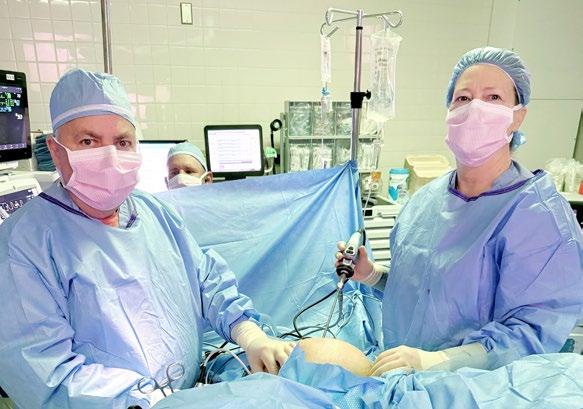
Jennifer Ford, MD, OB-GYN with her surgical partner Heath Brown, MD.
BY JIM KELSEY
A Ray of Sunshine
Audrey Summers Farooqui, MD, UofL Health, helps women maintain their mental health
LOUISVILLE A common phrase people use when talking about their overall mood and mental health is the importance of “finding my happy place.” It’s fair to say that for Audrey Summers Farooqui, MD, that happy place is right in her hometown of Louisville.
A self-described “Louisville lifer,” Summers was born in Louisville, but grew up elsewhere. Her father worked as an environmental and marine biologist and her mother was a labor and delivery nurse. Their careers led them to Lebanon, Kentucky, during Summers’ elementary school years, and then to Evansville, Indiana, where she attended middle and high school. She finally returned to Louisville, enrolling at the University of Louisville.
“Healthcare and science have always been a big part of my background, but medicine was not always on my mind as a career choice,” says Summers, who had an interest in graphic design and photography. “I planned to go to art school, but in high school I had the opportunity to shadow physicians, nurses, physical therapists, veterinarians. I just fell in love with it.”
She graduated from UofL with a BS in cellular and molecular biology and stayed at UofL for medical school, graduating in 2020. Her primary interest in medical school was OB-GYN until she decided to complete a residency in psychiatry at the UofL School of Medicine during the pandemic.
“When I did my psychiatry rotation as a third-year medical student, I was fascinated by mental health issues and the treatments available,” Summers says. “As I progressed
through my medical school training, I came across this sub-specialty of psychiatry called reproductive psychiatry. Reproductive psychiatry focuses on women’s mental health across the reproductive lifespan.”
Summers holds several roles at UofL Health & UofL School of Medicine. She joined the faculty in 2024, serving as an assistant professor. She leads the Women’s Mental Health Clinic at UofL Physicians and directs the Psychiatric Consult-Liaison Service at UofL Health-UofL Hospital. She is also the medical director of KyCOMPASS (Kentucky Consultation and Outreach for Maternal Psychiatry and Support Services. See sidebar). As if her schedule was not full enough, Summers also presents regionally and nationally on reproductive mental health.
“Mental health issues in pregnancy and postpartum are all too common and, unfortunately,
very undertreated,” says Summers. “There are a lot of women who have a lot of stress knowing that they have a complicated pregnancy. The stress can lead to anxiety or the development of depression. Also, if women have a history of mental health conditions, whether it’s a mood or psychotic disorder, and they have a high-risk pregnancy, they might need special attention to their mental health treatment.”
Medication management during pregnancy is understandably a common question with a complex answer. Summers says many of her patients come to the clinic with questions about their medications if they get pregnant.
“A lot of women come to my clinic and say their OB or family doctor told them if they got pregnant, they can’t be on any of their medications. This is not true at all,” Summers says, adding that many patients will stop taking their medications during pregnancy due to their fears of harming their baby. “A general internet search is not very helpful. There is such a stigma with treating mental illness in general but it is especially so in pregnancy. Untreated mental illness can cause complications in pregnancy and postpartum,” says Summers.
Patients who present with mental health issues such as schizophrenia or bipolar disorder require intense discussions about medication management and psychiatric treatment during pregnancy and lactation, Summers explains. While guiding expectant mothers through their pregnancies presents several challenges, postpartum patients present with potentially even more acute circumstances. Postpartum depression or OCD can include intrusive thoughts of harming themselves or their baby.
Louisville native Dr. Audrey Summers Farooqui is a reproductive psychiatrist and consult liaison psychiatrist at the UofL School of Medicine Department of Psychiatry and Behavioral Sciences and UofL Health-UofL Physicians.
“In reproductive psychiatry, the woman’s environment plays a large role in her mental health outcomes,” Summers says. “Some women who come to me have very poor social situations. Many women have financial difficulties. Unfortunately, I don’t have a social worker in my clinic, but I do coordinate with the psychiatry and OB-GYN social workers in the hospital to help transition patients and get them the right resources depending on their social and environmental situation.”
Summers is often asked whether or not she measures patients’ hormone levels to determine treatment plans.
“The answer I give them is usually no, because you put two women who are at the same age next to each other, on any given day – even if their menstrual cycles are completely matched up – one person’s hormone level might look different than the person standing next to them,” Summers says. “Every person’s physiology is different. You can’t just measure hormone levels and treat a patient based on that.”
In addition to the misconceptions about hormone levels and the fear of taking medications during pregnancy, Summers says the general lack of understanding of mental health issues contributes to overall maternal morbidity and mortality due to women not seeking appropriate care.
“I think often that stress, lack of sleep, and mood changes during these times of reproductive change can be labeled as normal. They will hear, ‘Women for generations have been dealing with this, why are you different?’” she says. “But that’s not true. These mental health issues have not been fully understood for a long time. Now that we understand them better, we can screen, diagnose, and treat a lot easier, therefore improving the woman’s quality of life and her family’s quality of life. When they have proper mental healthcare and a provider who is confident in the work that they do, it makes all the difference.”
KyCOMPASS:
Kentucky Consultation & Outreach for Maternal Psychiatry and Support Services
LAUNCHED IN DECEMBER 2025, KyCOMPASS is a statewide, perinatal mental health access program. The program is in response to the state’s maternal health crisis. Kentucky has one of the highest maternal mortality rates in the nation, and many of these tragedies stem from untreated perinatal mental health conditions like depression and substance use disorders.
In an effort to change that, KyCOMPASS offers statewide resources designed to support providers who care for women during the perinatal period (pregnancy through one year postpartum). Via the Kentucky Department for Public Health, this service is free for any physician in Kentucky who takes care of perinatal patients.
“Suppose an OB-GYN in rural Kentucky has a complex patient with mental health issues and is not sure how to manage them and can’t get their patient in to see a psychiatrist,” Summers says. “They can place a consult with KyCOMPASS and we can help guide them with treatment planning and medication recommendations. We can get the patient referred to an appropriate therapist or mental health provider and do this quicker than what the physician themselves may be able to do.”
KyCOMPASS offers:
• Secure online portal
• Direct access to licensed reproductive psychiatrists and other mental health professionals via scheduled calls or secure messaging
• Evidence-based care plans including guidance on medications, therapies, and treatment plans
• Streamlined screening support and assistance in interpreting results
• Educational resources, connections to local providers, and quick scheduling for patients
“KyCOMPASS is accessible for any Kentucky-based professional involved in perinatal care including physicians (OB-GYNs, family practitioners, pediatricians), nurses, midwives, therapists, counselors, psychologists, social workers, doulas, peer supporters, case managers, community health workers, and more. By working together, we can prevent unnecessary suffering and strengthen families,” says Summers.
Saint Joseph London’s Sexual Assault Nurse Examiner (SANE) Program Recognized
Recognition awarded by Cumberland River Victim Services.
LONDON Saint Joseph London’s Sexual Assault Nurse Examiner (SANE) program has been recognized by Cumberland River Victim Services for its commitment to providing patient-centered care to victims of sexual assault. A program of Cumberland River Behavioral Health, the sexual assault crisis and counseling center serves southeastern Kentucky through regional advocacy, education, and therapy services to support survivors and promote prevention.
In 2016 the Kentucky legislature passed a bill establishing SANE-ready designation for acute care hospitals that have a Sexual Assault Nurse Examiner (SANE) on call around the clock.
The Kentucky Hospital Association started the SANE-Ready certification program in 2016. Saint Joseph London was first certified in 2016 and has maintained this certification every year since. Saint Joseph London is one of only 25 hospitals in Kentucky, and the only one in southeastern Kentucky, designated as SANE-ready, according to the Cabinet for Health and Family Services.
SANE nurses provide sexual assault survivors quality, compassionate, patient-centered, and trauma-informed care in the immediate aftermath of a sexual assault. SANE nurses receive a specialized credential issued by the Kentucky Board of Nursing after receiving training in forensic examination of adults and adolescents to collect and preserve evidence of assault. They also testify in legal proceedings in accordance with Kentucky law.
Saint Joseph’s London’s emergency team includes registered nurses who have received this specialized training and education in providing compassionate, forensic care to victims of sexual assault. The SANE program requires 40 classroom hours and 40 clinical hours which are submitted to KBN for licensure –
CEUs are required every year for relicensure.
“The SANE certification recognizes our ability to provide around-the-clock response for sexual assault victims,” said Lori M. Coots, MBA, BSN, RN, CEN, SANE, EMT-P, market director of emergency services. “This recognition reinforces our commitment to providing patients with the support and the appropriate treatment they need after an assault. We are the first step in someone’s journey to healing.”
A hospital spokesperson says that thankfully, they have not had a large number of patients requiring this care, but specialized care provided through this program has made an impactful difference for the patients who required it.
There is a challenge for staffing the SANE program 24/7/365. Saint Joseph London currently has four licensed SANE nurses who rotate call with two more nurses in training. Saint Joseph London is the only SANE pro-
gram at Saint Joseph Health in Kentucky, but the goal is for all seven system hospitals with emergency departments serving communities in central and southeastern Kentucky to obtain certification, said the hospital spokesperson.
“With a mission founded in serving and healing the most vulnerable, we’re here for you and remain committed to providing advanced, timely and trauma-informed care to support and prioritize the needs of survivors,” said Melissa Bennett, DHA, FACHE, chief nursing officer, Saint Joseph Health. “This program is one more way we are improving health and wellness for our patients, families and communities in the southeastern Kentucky area.”
To learn more about Sexual Assault Nurse Examiner (SANE) credential requirements and training programs in the state of Kentucky, visit www/kbn.ky.gov/sexual-assault-nurse-examiner.
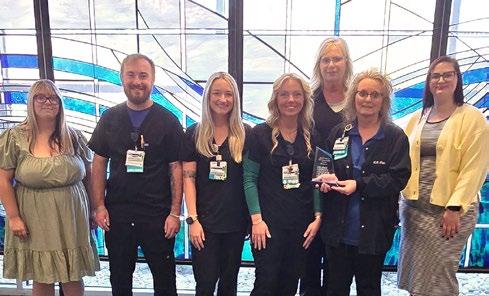
Bookending the pictured group are representatives from Cumberland River Victim Services, with Saint Joseph London nurses from left to right: Chris Wagers, RN, Alexis Smart RN-SANE, Makyla Barger, RN-SANE, Connie Cope, RN-SANE, and Lori M. Coots, RN-SANE, market director of emergency services.
PHOTO PROVIDED BY SAINT JOSEPH LONDON
The Compassionate Friends
Statewide grief support groups provide much needed resource for parents coping with loss
BY STEVEN LIPPMAN, MD
LOUISVILLE The death of one’s child is often the most devastating event a parent can experience. Loss of a loved one induces immense grief and upset and especially so when it is someone’s child. The death immediately results in considerable sadness, depression, insomnia, anger, feelings of loss, and often guilt. Feeling alone and isolated are common. Hopelessness may precipitate suicidal ideas,
substance abuse, and personal dysfunction. Emerging anguish might harm personal, family, and occupational life.
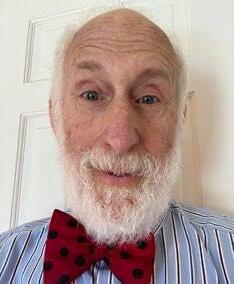
When encountering bereaved people in a medical practice with major bereavement-related concerns or dysfunction, it is advised to recommend that such patients join a support group. This augments patient care. These people are in emotional crisis and can benefit by support from folks who know precisely what the death of a child feels like!
Physicians most likely to encounter patients in this condition are in specialties such as internal medicine, family medicine, maternal/ fetal medicine, pediatrics, psychiatry, emergency medicine, trauma surgery, palliative care, or intensive care.
Grief support meeting attendance attenuates the severity of suffering, provides emotional comfort, documents that the person is not alone, and teaches personal methods to cope with the loss. It helps! One excellent support group is The Compassionate Friends. There are several chapters in Kentucky (see sidebar). Many communities also have other grief-support resources, offered by religious, counseling, medical, or funeral services.
The Compassionate Friends is a peerself-help group. They meet monthly, and no
appointment, notification, or referral needed — just show up. There is no cost involved. Anyone with grief, including other family members, is welcomed following the death of a child of any age, even for a child who was and adult when they died. Attendance is to be an adjunct to your practice, not a replacement, to yield greater patient comfort.
Meetings are mutual-sharing, nurture-focused sessions facilitated by other group members, without professional leadership. Attendees gain stability from the communal, sharing about the death and related personal issues. Everyone there learns from one another and understands the emotional impact of grief. Joining support groups yields considerable benefit to those suffering bereavement.
The Compassionate Friends group honors and remembers the departed child. This gradually lightens the anguish of bereavement. They also model coping with the loss as people go into the future. Emotional recovery is a focus of the sessions, diminishes complicated grief, and encourages better function.
Steven Lippmann, MD, Emeritus Professor, University of Louisville School of Medicine-psychiatry faculty since 1976. After his retirement in 2015, Lippman has been a regular volunteer as a primary care doctor at the Family Community Clinic of Louisville, Kentucky.
There are six groups of The Compassionate Friends throughout Kentucky...
LOUISVILLE:
Meets 6:30-8PM, first Thursday of each month, at the St. Matthews’ City Hall, 3940 Grandview Avenue, room 116. On the first floor, just to right of the front door. Telephone Linda at 502.889.1629.
LEXINGTON:
Meets at 6:00–7:30PM, first Monday of each month at Berkshire Hathaway / deMovellan Properties, 620 Perimeter Drive, Suite 107. Telephone Mary at 859.771.1511.
BARDSTOWN:
Meets at 6PM, second Thursday of each month at St. Thomas Center, 870 Saint Thomas Lane. Telephone Mary at 502.827.4697.
BOWLING GREEN: Meets 3:005:00PM, first Monday of each month at Lisa Rice Library, 1225 State Street. Telephone 270.681.0610.
DANVILLE: Meets at 6:00PM, first Tuesday of each month, Heritage Hospice, 120 Enterprise Drive. Telephone Dana at 859.319.1419.
PADUCAH: Meets at 2:00–4:00 PM, second Sunday of each month, St. John the Evangelist Catholic Church Cafeteria, 6705 Old Highway 45 S. Telephone Darla at 270.331.0883.
Stephen Lippman, MD
A Founding Father and an Estranged Son The revolution that broke Benjamin Franklin’s family
BY JAN ANDERSON, PSYD, LPCC
EVERY FOURTH OF July, Americans celebrate Benjamin Franklin as one of the great architects of independence. We picture the kite in the storm, the clever sayings, the diplomacy, the brilliance of a man who helped shape a nation. What we talk about far less is the son he lost along the way. Not to death. To estrangement.
Benjamin Franklin’s relationship with his son William became one of the most painful family fractures in early American history. What makes the story especially heartbreaking is that it did not begin with bitterness. It began with closeness.
Benjamin invested heavily in William’s future from the beginning. William was born out of wedlock, which carried enormous social stigma at the time, yet Benjamin openly acknowledged him, raised him, and mentored him.
William deeply admired his father. For years, they appeared unusually bonded. William traveled with him, worked alongside him, and benefited from Benjamin’s growing influence and status.
That context matters because it helps explain why the eventual split felt so personal to Benjamin Franklin. In his mind, this was not just political disagreement. It felt like betrayal.
When Politics Became Personal
As the colonies split politically, the Franklin family split emotionally.
Benjamin Franklin, sometimes described as a “reluctant revolutionary,” eventually became one of the most articulate voices for independence. He expected that William
could be persuaded to do likewise and was bitterly disappointed when his son remained loyal to the British Crown.
And the fracture spread across generations.
Benjamin’s grandson, William Temple Franklin, eventually aligned himself with his grandfather rather than his father. Suddenly this was no longer simply a disagreement between father and son. It became a painful triangle of divided loyalties inside the same family.
That part feels painfully modern.
Once families fracture, people often start feeling pressure—directly or indirectly—to choose sides. Children, siblings, spouses, grandchildren, in-laws. A conflict that began between two people quietly spreads across generations, pulling grandchildren and extended family into emotional territory they never intended to occupy.
Relationships break when disagreement stops feeling like a difference of opinion and starts feeling like rejection.
At first, people argue about opinions. Then they begin defending identities.
Once that happens, conversations stop feeling safe. Every comment starts sounding like
a test of loyalty, morality, intelligence, or character. Gatherings become tense. Conversations become guarded. People begin monitoring themselves, deciding what can and cannot be said. And relationships can crack under that kind of pressure.
Most of us were never taught how to stay emotionally connected during profound disagreement. We were taught how to win arguments. How to defend ourselves. How to gather evidence. How to decide who is right.
Benjamin Franklin eventually compared his son William to Benedict Arnold: “I know not which of them is the greatest villain.”
You can hear the contempt inside the anger. And underneath contempt, there is often a relationship that once mattered deeply. And years later, William wrote sadly of his father: “The father’s political resentment has, I fear, in a great measure extinguished his natural affection.”
That line is devastating because underneath it is something deeply human: I still wanted my father.
For many estranged parents and adult children today, that emotional ache feels very familiar.
Holding Two Truths at the Same Time
The families that endure are rarely the ones who agree on everything. People can tolerate disagreement better than they can tolerate being treated with contempt. What matters is feeling that you still matter.
The Jedi mind trick that makes relationships survive disagreement is surprisingly simple — and deceptively hard:
The ability to hold two truths at the same time.
I love you. And I vehemently disagree with you.
I think your political opinions are completely wrong. And I still want you at the table.
I don’t understand how you see the world this way. And I still care about your life, your health, your happiness, and whether you got home safely.
It’s a container big enough to hold everything you know about the other person — everything you love, enjoy, and admire — and in that very same space, what you’re completely appalled by.
Here’s how one of my clients learned to think about it: “Somehow, no matter how twisted, flawed, screwed up, dead wrong, or annoying you are, I want to spend a little time with you.”
It’s a mindset that enables you to ask questions like: What can we enjoy together that has absolutely nothing to do with our disagreements? Maybe it’s cooking out. Watching football. Talking about the grandchildren. Working in the yard. Sharing old stories. Making fun of the same ridiculous neighbors.
Why It Feels So Hard Right Now
Social media rewards outrage. Conflict entrepreneurs get rich by convincing people that outrage is moral clarity and contempt is wisdom. News cycles increasingly encourage us to sort people into simplistic “either/or” categories rather than recognize complex human beings capable of goodness, flaws, and massive contradictions.
Knowing Your Limits
It does not mean tolerating abuse, cruelty, intimidation, or endless hostility. It means knowing your limits.
Not every topic needs to be discussed. Not every gathering needs to become a debate stage. Not every inflammatory comment deserves engagement.
And not every relationship can be repaired. Some people remain deeply reactive, manipulative, hostile, rigid, or emotionally unsafe
no matter how thoughtfully you approach them. Sometimes distance truly is the healthiest option.
But even then, the work still matters. Learning emotional regulation. Building distress tolerance. Practicing “both/and” thinking. Knowing your limits. Setting boundaries around what you will and will not tolerate.
Those things change you. Not because they magically erase conflict or fix every relationship, but because they help you suffer less inside your own nervous system. You become less reactive. Less consumed by the need to persuade, defend, or win. You stop needing every conversation to end in agreement in order to feel okay.
That kind of steadiness is empowering — and it can be contagious.
One client told me about a conversation with a relative who said, “I just wish people would stop voting for these psychopaths.”
My client replied, “Finally, something we can agree on!”
Situation diffused. Conversation moved on. Connection intact.
The Part History Leaves Out
Benjamin and William Franklin never repaired their relationship. Late in life, when William reached out in hopes of reconciliation, Benjamin rebuffed him and disinherited him.
That part matters too, because it reminds us that even brilliant people can become trapped inside their pain.
Holding On to Humanity
This Independence Day, while fireworks light the sky and families gather around tables, many people will quietly feel the ache of someone missing. A son who no longer calls. A daughter who feels emotionally far away. A sibling no one knows how to talk to anymore. A family member everyone avoids mentioning.
If that is part of your story, you are far from alone. Families have struggled with these same human tensions for centuries: identity, values, hurt, judgment, disappointment, longing, and the deep desire to feel understood by the people we love most.
The technology changes. The politics change. Human nature doesn’t change nearly as much as we think.
And sometimes healing begins not when people finally agree, but when someone becomes emotionally strong enough to hold complexity without losing connection entirely.
If this feels familiar, sometimes a thoughtful outside perspective can make a surprising difference.
If you’re curious what that process might look like, I offer brief, no-pressure consultations where we can sort through what’s happening and identify what might move things forward, at a pace that respects everyone involved.
PS: Even one conversation can bring a surprising amount of clarity to what’s been feeling stuck.
New Providers at Norton Healthcare
Matthew R. Lyons, DO, is an emergency medicine physician with the Norton Healthcare Emergency Medicine Department. He earned his medical degree from Lincoln Memorial University-DeBusk College of Osteopathic Medicine in Harrogate, Tennessee. He completed his emergency medicine residency at the University of Louisville School of Medicine.
Lyons is trained in the evaluation and management of a broad spectrum of acute medical and traumatic conditions and provides treatment for patients facing urgent and life-threatening situations. His clinical interests include emergency medical services, and he values the coordination between prehospital providers and emergency departments to ensure seamless, timely care.
Lyons’ patient care philosophy centers on empathy and respect. He strives to treat every
patient as he would a member of his own family, emphasizing clear communication, attentive listening, and compassionate care so patients feel heard, supported, and cared for during difficult circumstances.
David L. Yerkes, DO, is a hospital medicine physician with Norton Hospitalists. He earned his medical degree from the University of Pikeville – Kentucky College of Osteopathic Medicine and completed his family medicine residency at Deaconess Midtown Hospital in Evansville, Indiana. He is board certified in family medicine.
Yerkes provides comprehensive inpatient care to adults hospitalized with acute medical conditions, coordinating treatment plans to support recovery and safe transitions of care. He manages all aspects of inpatient care, including diagnosis, treatment, medication management and coordination with nurses,
New Providers at Norton Children’s
Samicchya Adhikari, DO, is a pediatric psychiatrist with Norton Children’s Behavioral and Mental Health. She earned her medical degree from Kansas City University Medical School in Missouri. Adhikari completed her general psychiatry residency at the University of Illinois College of Medicine in Peoria, followed by a fellowship in child and adolescent psychiatry at the University of New Mexico, Albuquerque. She is board certified in adult psychiatry and child and adolescent psychiatry. Adhikari specializes in child and adolescent psychiatry, evaluating, diagnosing, and treating mental health conditions in children, adolescents, and young adults. She develops individualized treatment plans that may include medication management, therapy, family support, and coordination with schools and other care provid-
specialists, and care teams.
His patient care philosophy centers on compassion, communication, and respect, helping patients and their families understand the care plan and what to expect throughout the hospital stay. He values teamwork, thoughtful decision-making, and creating an environment where patients feel supported and confident in their care.
In addition to clinical practice, Yerkes brings experience in health care leadership, quality improvement, utilization management and hospital operations. He also serves as a physician in the U.S. Army Reserve, where he has held multiple leadership roles as a medical officer in operational and administrative capacities.
Nicole S. Harris, DO, Emergency Medicine
Raja Mittapalli, MD, Obstetric Hospitalist
Gene Shilkrot, MD, Anesthesiology
Dessi Slavova, MD, Hospital Medicine
ers. Adhikari believes in providing thoughtful, evidence-based care that builds on each child’s strengths. She works closely with patients and families to make shared decisions that reflect their goals and values, while creating a supportive and trauma-informed environment.
Felix W. Tsai, MD, MBA, is a pediatric cardiothoracic surgeon with Norton Children’s Heart Institute. He earned his medical degree from McGaw Medical Center of Northwestern University in Chicago. He completed his residency in general surgery at Morristown Medical Center in New Jersey, then completed fellowships in cardiovascular surgery and pediatric cardiothoracic surgery at George Washington University School of Medicine and Health Sciences and at the Medical University of South Carolina College of Medicine. He is
board certified in congenital cardiac surgery by the American Board of Thoracic Surgery. Tsai provides care for infants, children, and adults with complex congenital heart disease. He specializes in advanced heart failure treatments, including pediatric heart transplantation, ventricular assist devices (VADs), and extracorporeal membrane oxygenation (ECMO). His clinical and research interests include pediatric VAD therapy, ECMO, and improving outcomes for patients with advanced congenital heart disease. Tsai has published research in peer-reviewed journals and regularly speaks at national and international medical meetings about pediatric heart failure and mechanical circulatory support. He is actively involved in teaching, research, and collaboration with physicians around the world.
Matthew R. Lyons, DO David L. Yerkes, DO Nicole S. Harris, DO Raja Mittapalli, MD
Dessi Slavova, MD
Samicchya Adhikari, DO Felix W. Tsai, MD
New Cardiology Specialists Join Harrison Memorial Hospital
CYNTHIANA Harrison Memorial Hospital is expanding its cardiology program with the addition of two cardiology specialists who will provide additional access to advanced heart care for patients in Cynthiana and the surrounding Central Kentucky region.
Cardiac electrophysiologist Auras Atreya, MD, and cardiologist B.K. Srivastava, MD, joined the Harrison Memorial Hospital cardiology program, working alongside cardiologists Matthew Shotwell, MD, and Yaz Daaboul, MD.
The addition strengthens the hospital’s ability to provide a wide range of cardiovascular services locally, including advanced diagnostic testing, heart rhythm management, and treatment for complex heart conditions.
Atreya earned his bachelor of medicine/ bachelor of surgery from Kasturba Medical College, Manipal University, Manipal, India. He then earned his Master of Public Health degree from the Johns Hopkins Bloomberg
School of Public Health, Baltimore, MD. He completed his residency in internal medicine at Baystate Medical Center, Tufts University of School of Medicine, Springfield, Massachusetts. He completed a fellowship in cardiology at the University of MassachusettsBaystate, Springfield, Massachusetts, and then completed advanced fellowships at University of Michigan Medical School, Ann Arbor, in cardiac electrophysiology and interventional/ structural cardiology.
Atreya specializes in cardiac electrophysiology and focuses on conditions involving heart
rhythm disorders. His services include atrial fibrillation ablation, catheter ablation, conduction system pacing, lead extraction, left atrial appendage occlusion, and treatment of ventricular tachycardia and other ventricular arrhythmias.
Srivastava earned his medical degree from GSVM Medical College, Kanpur, India. He completed his surgical residency at GSVM Medical College and later completed his residency in internal medicine at Bridgeport Hospital, affiliated with Yale University School of Medicine, Bridgeport, Connecticut. He then completed a fellowship at the University of Cincinnati Medical Center, Cincinnati. Srivastava is a diplomate of the American Board of Cardiology and is board certified in nuclear cardiology. He has more than 20 years of experience and will see patients in the HMH Specialty Clinic to expand access to cardiology services for patients in the community.
Harrison Memorial Hospital Offers Advanced Leadless Pacemaker Technology
CYNTHIANA Harrison Memorial Hospital (HMH) announced the addition of advanced leadless pacemaker technology in its HMH Cardiology program, further expanding access to innovative heart care services for the Central Kentucky community that it serves. The new technology, the AVEIR™ Leadless Pacemaker System, is now being performed at HMH by Matthew Shotwell, MD, interventional cardiologist. This minimally invasive device represents a significant advancement in cardiac rhythm management, offering patients a modern alternative to traditional pacemakers. Unlike traditional pacemakers, which require leads (wires) and a surgical pocket under the skin, leadless pacemakers are
implanted directly into the heart through a catheter-based procedure. This approach eliminates the need for leads and a chest incision, reducing the risk of complications and infection while improving patient comfort. The procedure is performed in the HMH catheterization lab using advanced imaging guidance and minimally invasive techniques.
The leadless pacemaker technology offers faster recovery times, no visible device or surgical scar, fewer activity restrictions after healing, and no risk of lead-related complications. The smaller device is placed entirely within the heart, allowing for a more streamlined and less invasive treatment option for appropriate patients.
“We are committed to bringing the latest advancements in cardiovascular care to our patients,” says Kathy Tussey, HMH chief executive officer. “Offering leadless pacemaker technology in our cardiology services enhanc-
es our ability to provide high-quality, innovative care close to home.”
The AVEIR™ system includes options for single and dual chamber pacing, allowing physicians to tailor treatment based on each patient’s specific cardiac needs.
Shotwell performs these procedures at HMH, providing patients with access to advanced cardiac care close to home.
“This technology allows us to treat patients with a less invasive approach while maintaining effective cardiac pacing,” says Shotwell. “It’s an important step forward in how we care for patients with heart rhythm conditions.”
Auras Atteya, MD B.K. Srivastatva, MD
Matthew Shotwell, MD
2026 Editorial Calendar
Editorial
GOLF Scrambles
Benefiting Saint Joseph Health Foundations
Tee off for a great cause! Gather your team and enjoy a day on the course filled with friendly competition, prizes, food and fun—all while supporting an important mission in our community. Whether you’re a seasoned golfer or just looking for a great day outdoors, your participation makes a meaningful difference.
Two Upcoming Events
Mount Sterling London
Thursday, June 18
Irish Hills Golf Course
1223 Camargo Road
Mount Sterling, KY 40353
Monday, July 27
The Oaks of London Golf & Country Club 700 Crooked Creek Drive London, KY 40744
Please call Marie Murray at (859) 313-1705 or email at marie.murray@commonspirit.org for more information.
Healthy Living Symposium Highlights Wellness at Lexington Medical Society May Meeting
LEXINGTON A panel of experts in nutritional science, lifestyle medicine, athletic training, and clinical nutrition addressed a large audience at the Lexington Medical Society’s Dinner Social, Healthy Living Symposium, held May 12 at the Signature Club.
The symposium was co-chaired by Christine Ko, MD, LMS president, and Sara Police, PhD, associate professor in the Department of Pharmacology and director of nutritional sciences education at the University of Kentucky College of Medicine. Panelists included Alex Kidwell, MS, RD, LD, CLC, assistant professor in the Department of Athletic Training and Clinical Nutrition at the University of Kentucky and an advanced practice dietitian, and Sarah Schuetz, MD, a board-certified internal medicine and lifestyle medicine physician in Lexington.
The Healthy Living Symposium is part of Ko’s presidential emphasis on physician wellness. In her opening remarks, Ko noted, “Doctors are human too, and therefore vulnerable to chronic illnesses and mental health struggles. We also struggle with trying to eat right, exercise more, and get enough sleep — advice we give our patients on a regular basis. We have local experts to share with us the lowdown on hot topics such as intermittent
fasting, supplements, fad diets, the gut microbiome, and sleep health.”
Nutrition, Longevity, and Evidence-Based Guidance
Police provided an overview of key topics in health and nutrition, including insights from Blue Zones research, which identifies regions with the longest-living populations. She compared major dietary patterns — including ketogenic, vegan, vegetarian, wholefood plantbased, and Mediterranean diets — and discussed macronutrients, micronutrients, gut health, exercise, and the importance of social engagement.
Addressing the popularity of detox products, she emphasized,
“Cleansing supplements is a marketing term. The liver, the kidneys, and the GI tract are the body’s natural cleansing organs.”
Supplements: Benefits, Risks, and Practical Counseling
Professor Kidwell reviewed the pros and cons of dietary supplements, the role of the FDA in regulating them, and practical strategies for clinicians counseling patients.
“Avoid supplements with ‘proprietary blends’ of ingredients,” she advised. “You don’t know how much of what is in them.”
Lifestyle Medicine and the Six Pillars
Schuetz highlighted the Six Pillars of Lifestyle Medicine, emphasizing the interconnected roles of sleep, nutrition, physical activity, and stress management in longterm health.
Engaged Audience and Future LMS Events
The symposium concluded with a lively Q&A session with LMS physicians, medical students, family members, and guests. Questions about how to counsel patients on supplement use were especially popular. Upcoming LMS events include:
• Ironcology Survive the Night Marathon Relay — LMS will field a team of 10 runners on July 18–19
• Pickleball Social at the new Pickleball Kingdom facility — August 1
• Kentucky Medical Association Annual Meeting — August 22–23 at the Louisville Marriott East
• LMS Dinner Social: Longevity and Brain Health Symposium — October 13 (planning underway)
For more information about the Lexington Medical Society programs, services, and events go to lexingtondoctors.org.
A panel discussion on Healthy Living was cochaired by Christine Ko, MD, LMS president, left, and included Sarah Schuetz, MD, Alex Kidwell, MS, RD, LD, CLC, and Sara Police, PhD, holding microphone.
2.
1. Republic Bank was a sponsor of the LMS Healthy Living symposium. Pictured are Emily Chambers and Patricia Morgenson.
SvMIC was a sponsor of the Healthy Living Symposium. Pictured here is Beverly Games.
3. A proponent of healthy living in attendance was Dr. Danesh Mazloomdoost, medical director of Wellward Regenerative Medicine, and wife Shadi.
4. the first-place winner in the LMS video contest was Alex Antony Edwin with LMS president Christine KO, MD.
5. the second-place winner in the LMS video contest was Sarisha Lohano with LMS president Christine KO, MD.
6. the third-place winner in the LMS video contest was Joseph Jack Leith with LMS president Christine KO, MD.
PHOtOS BY JOE OMIELAn
36th Annual Lexington Medical Society Foundation’s Golf Tournament
LEXINGTON The 36th Annual Lexington Medical Society Foundation’s Golf Tournament on May 20, 2026, at the University Club of Kentucky in Lexington drew a robust crowd of 96 players, sponsors, and volunteers with 24 teams and multiple sponsors and organizations.
The Golf Tournament is the Foundation’s largest fundraiser and resulted in over $25,000 in donations to Central Kentucky health-oriented charities, such as Baby Health Services, Bluegrass Council for the Blind, Camp Horsin’ Around, Radio Eye, Surgery on Sunday, Yes, MAMM!, Yes CERV!, Mission Health, God’s Pantry, Children’s Advocacy Center of the Bluegrass, Camp Hendon, and more.
Tournament chair Tom Waid, MD, in his first year of chair of the event, said, “We thank all of the brave participants who supported the LMS Foundation in the face of 100% chance of rain and thunderstorms. We had seven additional teams this year and nine new sponsors. The Bourbon industry has been very supportive, so I’ve nicknamed this the ‘Bourbon & Birdies’ golf classic. We have scheduled additional tournaments on the third Wednesday in May for the next three years, so lock in your dates. As always, we especially want to thank our primary sponsor, Stock Yards Bank & Trust. “
The first place, with a score of 55, was from Baptist Health of Lexington, followed closely by the second-place team from Family Financial Partners, with a score of 56. Third place went to a team sponsored by Professional ProAssurance with a score of 59.
LEXINGTON MEDICAL
The principal voice & resource for Central Kentucky physicians
Ironcology: Survive the Night Marathon Relay
LMS will field a team of 10 runners. Open to all LMS members & families Sat.-Sun., July 18-19
Pickleball Social at Pickleball Kingdom
New players: 1-3pm | Experienced players 3-5pm Open to all LMS members & families (kids over 12) Saturday, August 1
KMA Annual Meeting
Domestic violence training
House Bill 1 Meet the Mandates symposium
KMA House of Delegates, August 23 CME, Saturday, August 22
LMS DINNER SOCIAL
Longevity and Brain Health Symposium
Tuesday, October 13
LMSF Golf tournament chair Dr. tom Waid congratulates Dr. Ari Padmanabhan for winning first place.
volunteers from Yes Mamm!, Yes Cerv!, God’s Pantry, Bluegrass Council of the Blind, Radio Eye, Children’s Advocacy Center, and other healthcare nonprofits registered golfers.
A great barbeque lunch was provided by Oaken BBQ, Lane Stafford, MD, and his crew. Lunch was sponsored by travis Musgrave and t im Dunn & Associates.
Representing presenting sponsor Stock Yards Bank & trust were Lucien Kinsolving and Alicia Jordan.
A team from Stock Yards Bank & trust included terry Clark, MD, Lucien Kinsolving, Chad Rudzik, and Paul Henley, MD.
the first-place team, from Baptist Health Lexington, was Ari Padmanabhan, MD, Shawn Peterson, MD, Evan Bennett, and Paul Ladd.
A team from Stock Yards Bank & trust included Kevin Lane, Matt Frank, and Chris Busey.
A team from Stock Yards Bank & trust included Alicia Cox, Amy Webb, Laura Mobley-Corn, and Kelley nalli.
A team from ProAssurance included John DeWeese, tom Hall, Cy Radford, and Bruce Miller.
A team sponsored by Pro Assurance included Chad Madison, Sammy Brown, tom Waid, MD, chair of the LMSF Golf tournament, and Ron Evans.
the MD-Update team included Spencer Johnson, Ryan tolliver, Bailey terrell, and tony Hance from PRYSMIAn in Lawrenceburg.
the team from Central Bank included Chris Chaffin, Chris thomason, Rusty thompson, and Brad Youkilis, MD.
the team from Family Financial Partners came in second place and included Hal Skinner, MD, Sloane Carlough, Mary Keene Marrs, and Shelby Gregory.
Sponsored by the Hughes Family Foundation were tad Hughes, MD, John Sanders, MD, Scott Green, and Bryan Wehrman.
the Saint Joseph Medical Group team included Carmel Jones, president, and Jason Harris, MD. Katie Saylor and Jillian Edwards are not pictured.
A team from Family Financial Partners included Scott Zavitz, todd Fugate, Ethan Hardin, and Kyrk Davis.
the MAI Capital team included Brian Bolan, Steve Matthews, tom Pope, and Lyndie Pope.
A Saint Joseph Medical Group team included James Wray, Blake Bishop, Kyle Shumrick, and Jason Hamrick.
the team playing for AMGA Consulting was Matt Wells, and Kyle Childers, MD. not pictured: Christine Stanley and Sarah Angelucci for Sturgill turner, PLLC.
the Prater Construction team included Joe Leathers, Josh Lipka, Drew Waid, and Bryn Fallis.
Playing for Central Emergency Physicians was Justin Craw, Andrew Pacitti, DO, David Bowing, and Jeremy Corbett, MD.
the Musgrave Dunn & Associates team included travis Musgrave, t im Dunn, Kasey Riley, and Piper Dunn.
the Iron Giants team were Marissa Belcastro, MD, Joe Belcastro, Jordan Prendergast, and Danny Adkins.
the CommonSpirit at Home team included Mike Holly, Kevin Ochs, Graham Gandee, and Mike thurgood.
A team of recently graduated UK medical students included Andrew Sturgis, Conner Hall, Spencer Bradenberg, and Cameron Coulter.
Recently graduated UK medical students Carlos Reyes and Colin Ryan played a round of golf before heading to residency.
A team of recently graduated UK medical students included Dani Peterson, neil Gupta, Yazan Alrefai, and Ahmad Hakoum.
A team of recently graduated UK Medical students included trevor South, tyler Barrett, Parker tussey, and Jackson Routon.
toyota on nicholasville sponsored a “Hole-In-One“ contest for a three-year lease on a 2026 toyota tacoma truck. no one made a hole in one on the par 3.
Arthur Malkani, MD Orthopedics, Joint Replacement
We
patients back in the game of life faster.
The UofL Health Orthopedic team are the go-to experts for advanced, tailored treatment plans with less recovery time. In fact, we lead the state in robotic surgical procedures that can minimize pain and improve quality of life in record time. We are renowned for high-level care and customized surgeries that treat everything from the most complex fractures and joint replacements to minor injuries. Patients receive the highestlevel orthopedic care from shoulders to toes, including spines. Our specialties include:
Robotic Joint Replacement
Hip Preservation
Trauma
Back & Spine Procedures
Shoulder & Elbow Injuries
Foot & Ankle Injuries
Orthopedic Oncology
Specialized Orthopedic Care for the Whole Body
At the forefront of minimally invasive surgery, our surgeons train other doctors, and are professors and researchers at the University of Louisville School of Medicine. We don’t just practice the latest leading techniques; we innovate and teach cutting-edge medical advancements.
As the official health care provider for UofL Athletics, we will provide that same expert VIP care to every one of your patients.
Visit UofLHealth.org. Call 502-588-4888 to refer your patient today.