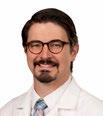
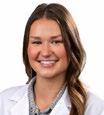
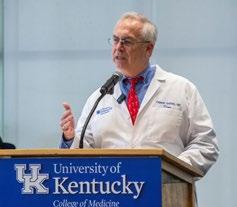
To participate, please contact Gil Dunn, Publisher GDUNN@MD-UPDATE.COM
859.309.0720 (direct) 859.608.8454 (cell)
Send press releases to gdunn@md-update.com
Welcome to the Internal & External Systems Issue of MD-Update!
THE PHRASE “YOU ARE WHAT YOU EAT” is most commonly associated with Victor Lindlahr, an American nutritionist who popularized it through his 1940s books and radio shows. Its origins, however, trace back to earlier thinkers. In 1825 French gastronome Jean Anthelme Brillat-Savarin wrote “Tell me what you eat and I will tell you what you are.”
Mark Twain said, “The only way to keep your health is to eat what you don’t want, drink what you don’t like, and do what you’d rather not.”
Food and exercise and health have been associated for some time, it appears. In this issue of MD-Update, we meet some Kentuckiana doctors and an APRN who deal with the consequences of what we eat and do, or don’t do.
It’s
Official: Food Is Medicine
In rare bipartisanship action, the 2026 Kentucky General Assembly passed a JOINT RESOLUTION declaring Kentucky a “Food Is Medicine” state and directing state agencies to advance “Food is Medicine” initiatives. The resolution recognizes “the critical role of nutrition in preventing and managing chronic diseases and to promote the use of local food products in health care systems.”
If you believe that food is medicine, you may be interested in what Kentucky organic farmers are doing to grow and provide clean and healthy food to Kentucky schools, grocery stores, restaurants, and farmer’s markets. Mac Stone, our friend and resident organic farm guru, writes a column about OAK, the Organic Association of Kentucky. Mac is a great storyteller. Give it a read on page 12.
Doctors in Action
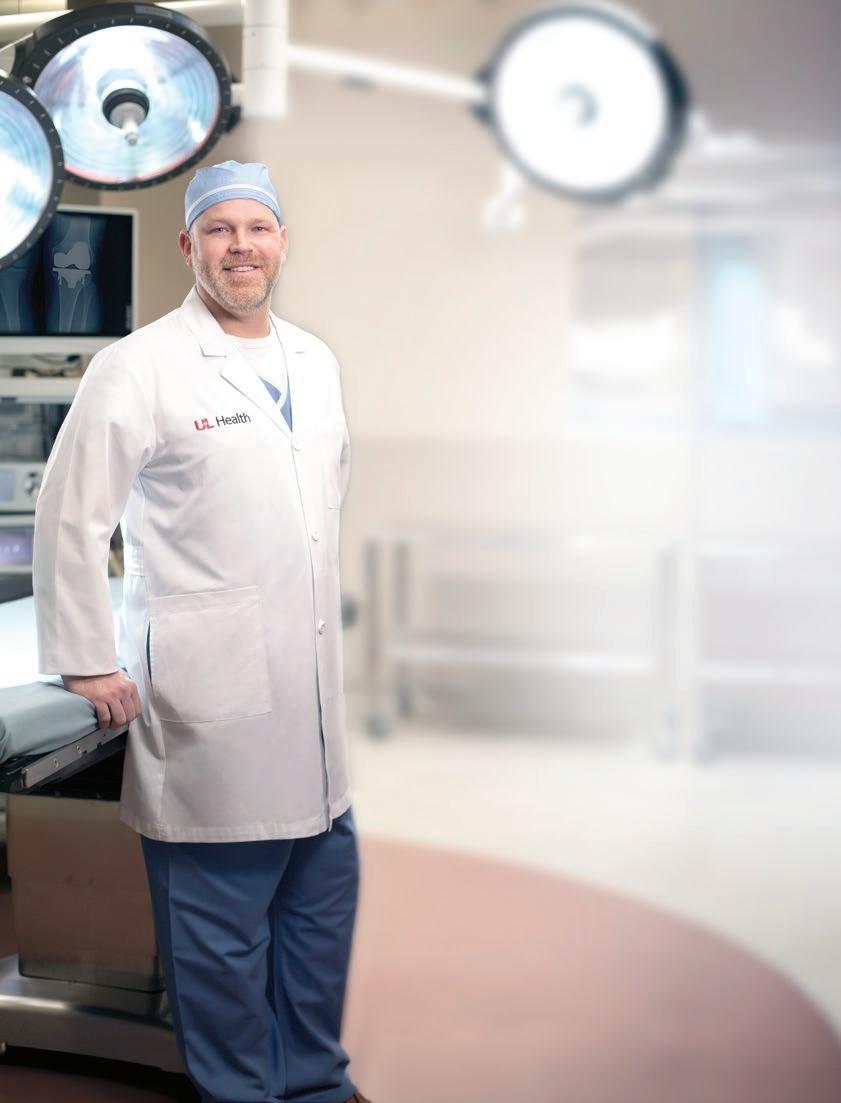
In our cover story, Dr. Elizabeth Bruendermann, and Special Section colorectal and general surgeons Sam Walling, MD, and
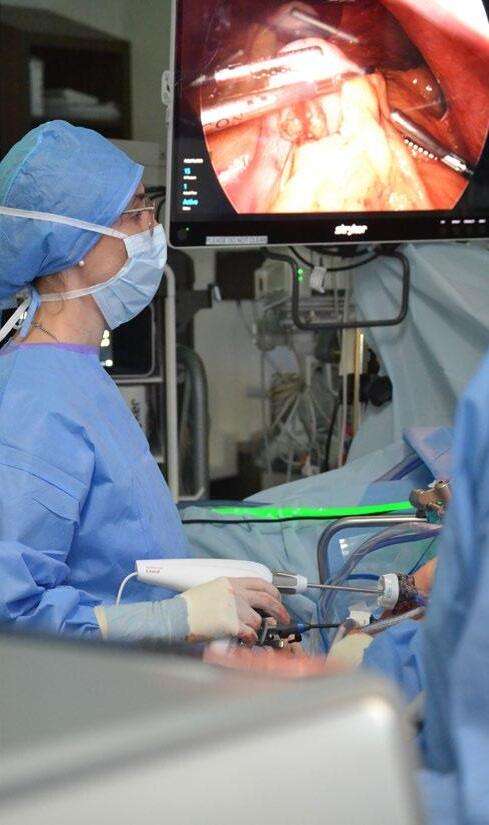
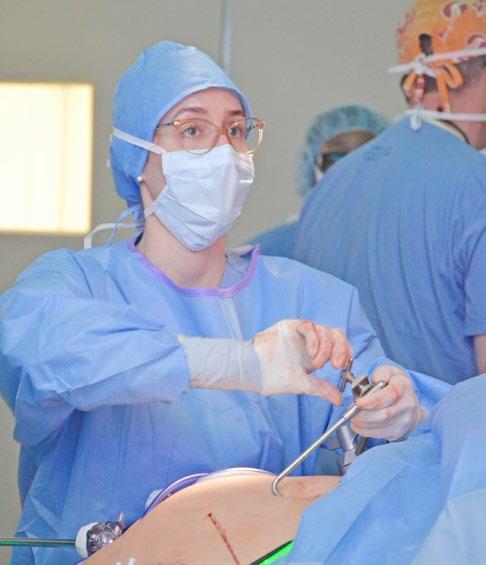
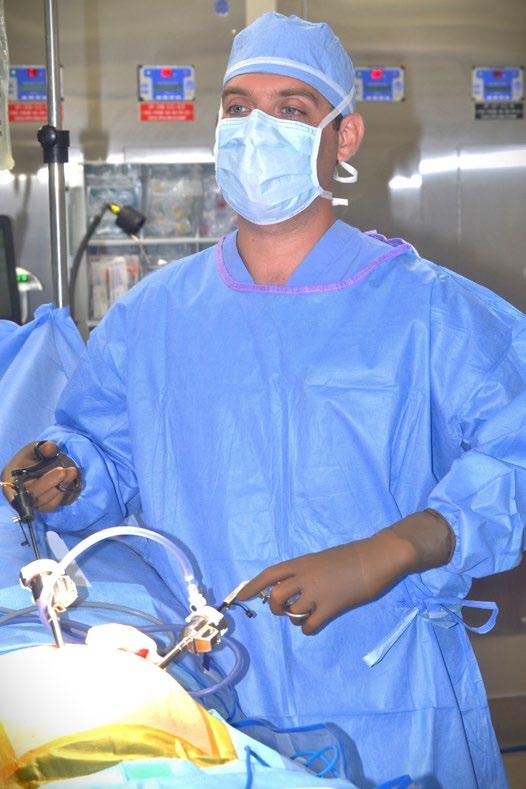
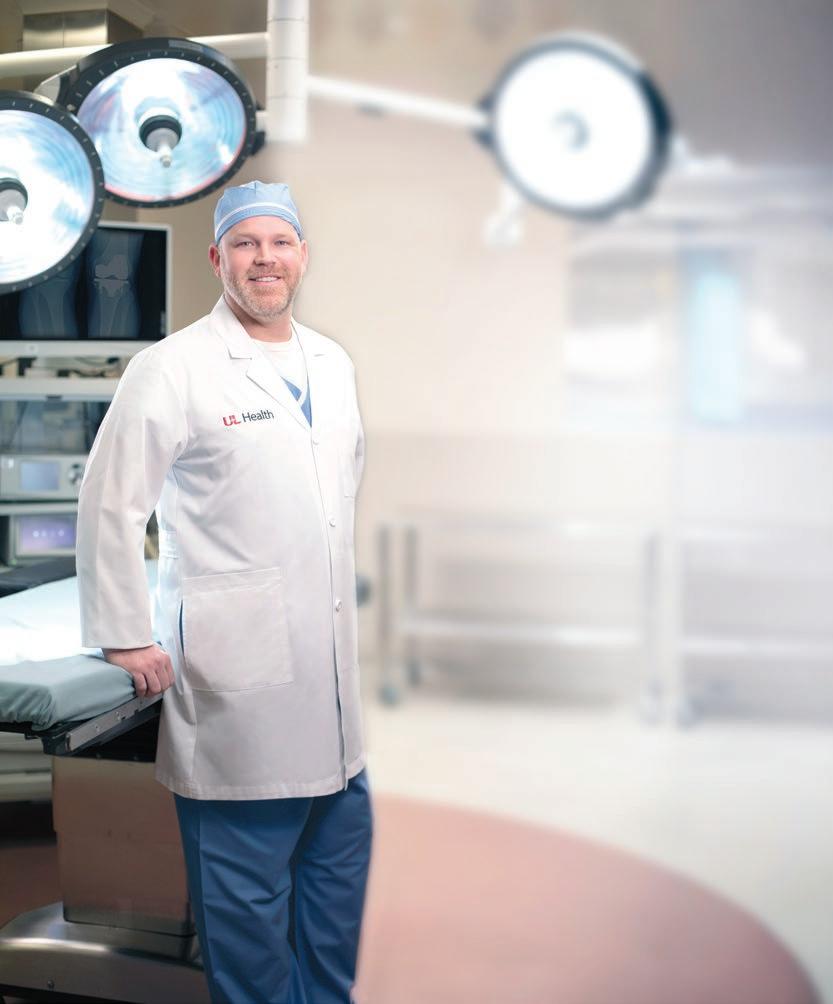
Rebecca Douglass, DO, talk about their patients who need bariatric or abdominal surgery, often the result of an unhealthy diet or lifestyle choices. I want to thank both UofL Health and Baptist Health for allowing us to photograph Drs. Bruenderman and Walling at work in the OR, taking you, our readers, inside the room where it happens.
Curing diabetes with islet cell transplantation is happening at Norton Healthcare’s Wendy Novak Diabetes Institute and “laying the foundation for future therapies that could expand treatment options for people with type I diabetes,” says Kyle Bothers, MD. Read more about the work of Dr. Brothers and Dr. Bala on page 24.
Danesh Mazloomdoost, MD, medical director of Wellward Regenerative Medicine has worked with platelet-rich plasma (PRP) for years and seen positive results when it’s done correctly, he says. See what he means by that on page 28.
Whitney Jones, MD, founder of the Colorectal Cancer Prevention Project, William Evans, MD, and Laura Buchanan, MD, give us an update on colon screening statewide and the CCPP. Kentucky is leading the way, thanks to the CCPP and to Dr. Jones, a bold and tireless advocate.
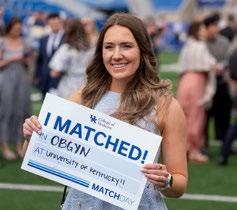
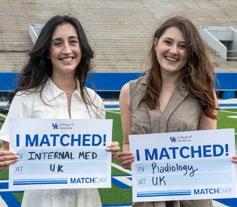
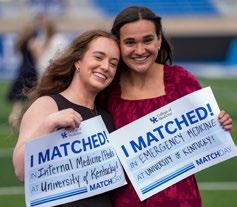
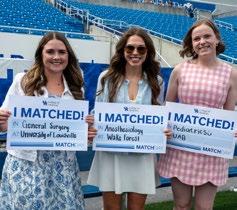
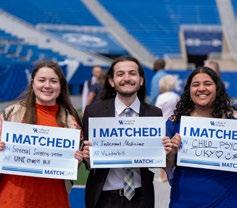
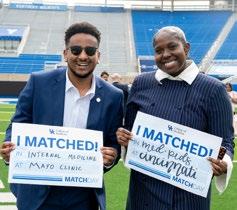
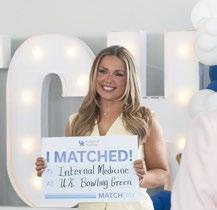
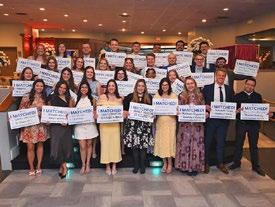
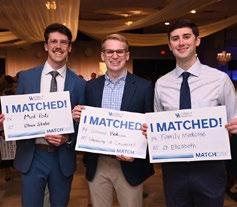
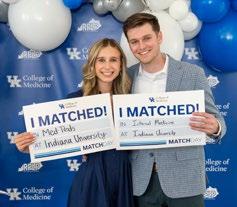
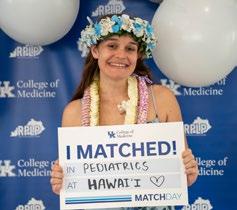
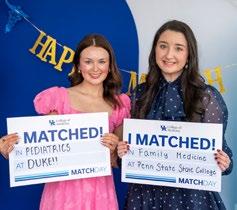
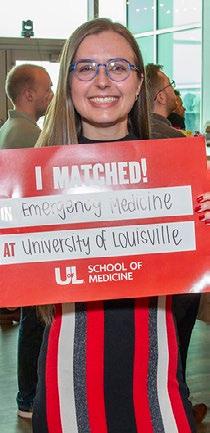
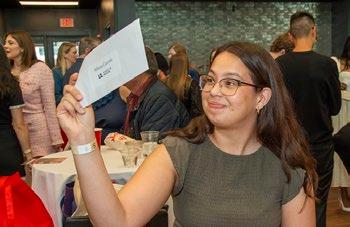
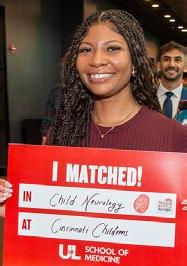
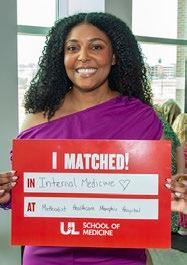
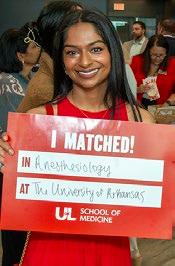
Match Day Smiles
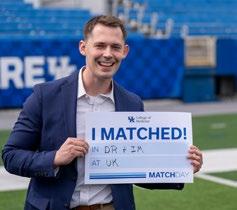
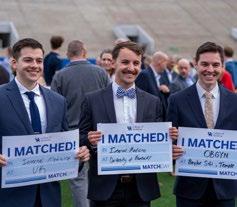
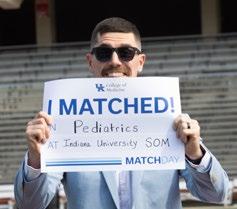
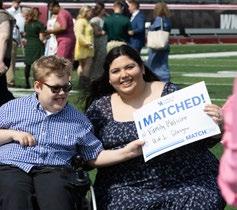
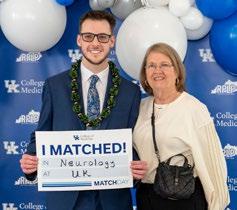
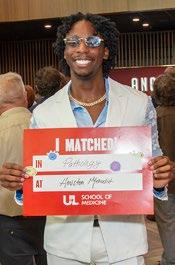
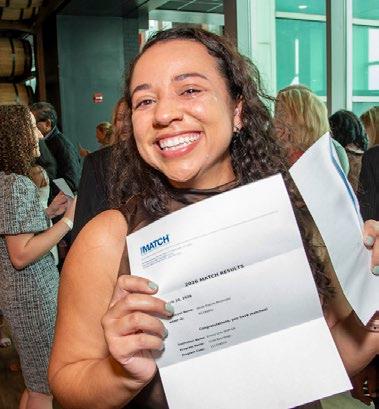
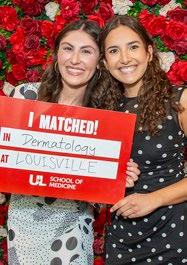
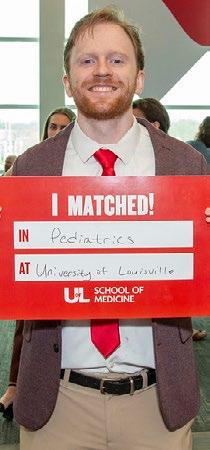
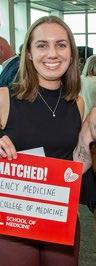
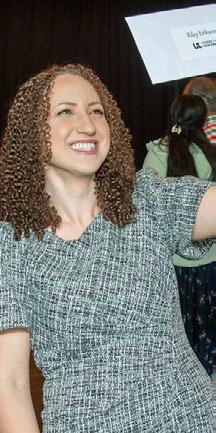
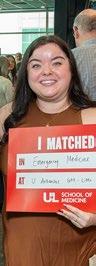
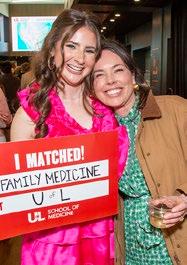
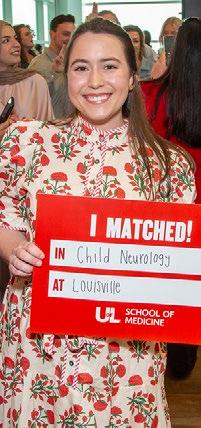
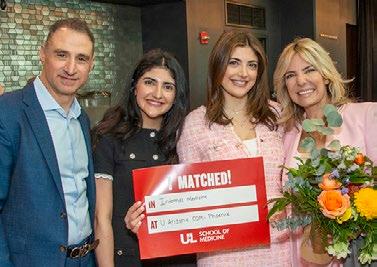
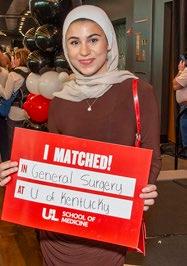
We have four pages of smiling 4th-year medical students on Match Day. The smiles are so joyful. Perhaps some of our physician readers remember their Match Day. I hope the photos on pages 36-39 bring back some fond memories. The 2026 MD-Update editorial calendar is on the preceding page. When you see your specialty and you have a story to tell, contact me. If your specialty isn’t included, that’s another reason to reach out to me. I’m looking forward to hearing from you.
MD-UPDATE
MD-Update.com
Volume 16, Number 2 ISSUE #163
EDITOR/PUBLISHER
Gil Dunn gdunn@md-update.com
GRAPHIC DESIGN
Laura Doolittle, Provations Group
COPY EDITOR
Amanda DeBord
CONTRIBUTORS:
Jan Anderson, PSYD, LPCC
Laura A. Buchanan, MD
Bradley Byrne, Jr., MD
William B. Evans, MD
Whitney F. Jones, MD
Danesh Mazloomdoost, MD
Daphne Spalding, BSN, rN Mac Stone
CONTACT US:
ADVERTISING AND INTEGRATED PHYSICIAN MARKETING: Gil Dunn gdunn@md-update.com
Mentelle Media, LLC 38 Mentelle Park Lexington KY 40502 (859) 309-0720 phone and fax
Standard class mail paid in Lebanon Junction, Ky. Postmaster: Please send notices on Form 3579 to 38 Mentelle Park Lexington KY 40502
MD-Update is peer reviewed for accuracy. However, we cannot warrant the facts supplied nor be held responsible for the opinions expressed in our published materials.
Copyright 2026 Mentelle Media, LLC. All rights reserved. No part of this publication may be reproduced, stored, or transmitted in any form or by any means-electronic, photocopying, recording or otherwise-without the prior written permission of the publisher.
Please contact Mentelle Media for rates to: purchase hardcopies of our articles to distribute to your colleagues or customers: to purchase digital reprints of our articles to host on your company or team websites and/or newsletter.
Thank you.
Individual copies of MD-Update are available for $9.95.
Until next time, all the best, Gil Dunn Editor/Publisher MD-Update
SEND
Bruenderman,
Colorectal Cancer Control and Prevention Through On-Time, Risk-Based Screening: Kentucky’s Integrated Policy and Practice Model
Find the polyp. Prevent the cancer.
WHITNEY F. JONES, MD, WILLIAM B. EVANS, MD, AND LAURA A. BUCHANAN, MD
Modern screening tools, coordinated statewide programs, and risk-based guidelines are helping Kentucky physicians detect precancerous polyps—and prevent colorectal cancer before it develops.
COLORECTAL CANCER PREVENTION in Kentucky is entering a new phase as screening strategies increasingly focus on preventing cancer, not simply detecting it earlier. Modern screening tools and coordinated statewide programs are helping identify precancerous polyps and stop colorectal cancer before it develops.
Screening efforts across Kentucky have already produced measurable progress. Since coordinated statewide initiatives began around 2000, colorectal cancer incidence and mortality in the Commonwealth have declined by more than 30 percent. This progress translates into approximately 640 cancers prevented and 270 deaths avoided annually, along with roughly $67 million in treatment cost savings according to Tom Tucker, PhD.
These improvements reflect alignment of modern screening guidance, improved access to colonoscopy, statewide policy initiatives, and coordinated statewide implementation.
The urgency of prevention continues to grow. Recent American Cancer Society data show that colorectal cancer is now the leading cause of cancer death among adults younger than 50.1
Kentucky has also strengthened its prevention strategy through policy innovation. Passage of House Bill 421 (KRS 304.17A-257) established insurance coverage for colorectal cancer screening based on U.S. Multi-
Society Task Force (USMSTF) elevated-risk recommendations, including earlier screening for individuals with colorectal cancer or advanced adenomas in first-degree relatives.2,3
Clinical Pearls for Colorectal Cancer Prevention
• Advanced adenomas carry nearly the same colorectal cancer risk as colorectal cancer
LEXINGTON MEDICAL
in first-degree relatives (relative risk ~1.9 vs ~2.0), making a family history of polyps clinically important.4 Advanced adenoma is defined as a colorectal polyp meeting at least one of the following criteria: (1) size ≥1 cm as documented by the endoscopist, (2) villous histology, or (3) high-grade dysplasia.2
• Sessile serrated polyps (SSPs) are the predominant precancerous serrated lesion
The principal voice & resource for Central Kentucky physicians
LMS DINNER SOCIAL Healthy Living Symposium: Local Experts Take On Facts & Myths
May 12, 2026
The Signature Club 6pm
35TH ANNUAL
LMS Foundation Golf Tournament
WEDNESDAY
May 20, 2026
University Club of KY
4850 Leestown Road
due to their prevalence and malignant potential. Among these lesions, hyperplastic polyps are not considered precancerous, whereas SSPs and traditional serrated adenomas are.5
• Average-risk colorectal cancer screening should begin promptly at age 45.1
• Patients with colorectal cancer or advanced adenoma in a first-degree relative should begin screening at age 40 or ten years before the affected relative’s diagnosis.2
• High-quality colonoscopy remains the final pathway to cancer prevention. Low-volume split-dose bowel preparation (LVSD) is now the standard of care to maximize adenoma detection.
Risk Stratification and Lifelong Education
Modern colorectal cancer prevention begins with risk stratification and ongoing patient education. Clinicians should help patients understand their risk based on family history of colorectal cancer or advanced adenomas while remaining attentive to symptoms that may signal sporadic disease.
Screening for average-risk adults should begin promptly at age 45.1 Delayed initiation remains one of the most common reasons screening fails to prevent cancer.
Family history remains one of the strongest predictors of colorectal cancer risk. The relative risk of colorectal cancer is approximately 2.0 for individuals with a first-degree relative with colorectal cancer and 1.9 for those with a first-degree relative with an advanced adenoma.4
Approximately one in four adults in the U.S. carries an elevated colorectal cancer risk due to
family history. For individuals with a first-degree relative with colorectal cancer or an advanced adenoma diagnosed before age 60, screening should begin at age 40 or ten years before the age at diagnosis of the affected relative.2
Even when a first-degree relative is diagnosed at age 60 or older, screening should still begin at age 40.2
Clinicians should review key colorectal cancer symptoms during risk discussions, including rectal bleeding, iron-deficiency anemia, unexplained weight loss, persistent abdominal pain, and persistent changes in bowel habits.
FIT has lower sensitivity for advanced adenomas, including many serrated lesions that do not reliably bleed. Serrated pathway lesions account for up to 30% of colorectal cancers (CRCs).5 Critically, using FIT requires annual compliance, which is rare outside of heavily funded and navigated programs. CT colonography is also an acceptable screening modality for detecting larger polyps and cancers.2
Age 45 should therefore be viewed as the finish line for initiating average-risk screening—not the starting point for clinical awareness.
Clinical informatics is increasingly enabling health systems and community health centers to query electronic health record registries for patients who are overdue for screening or meet elevated-risk criteria. Using these tools at scale is critical for translating
colorectal cancer prevention guidelines into real population-level impact.
Genetic Testing and Hereditary Cancer Risk
Some patients (15-20%) meet criteria for genetic testing for hereditary colorectal cancer syndromes such as Lynch syndrome according to National Comprehensive Cancer Network (NCCN) guidelines.7
Lynch syndrome is a genetic condition that increases risk of not only CRC but also ovarian, urinary tract, small bowel, stomach, and pancreatic cancers. Families at high risk of Lynch syndrome are identified by the following clinical guidelines known as Amsterdam criteria: (1) ≥ 3 relatives with CRC, (2) cancer involving 2 consecutive generations, (3) one or more relatives diagnosed <50 years old.8
Kentucky addressed financial barriers through the Genetic Testing Access and Awareness Act (2019), which requires
Table 1. Risk-Based Pathways for Colorectal Cancer Prevention
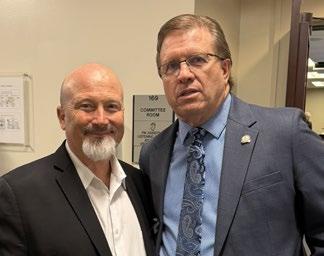
Whitney Jones, MD, with colon cancer survivor Senator Scott Madron, R-KY 29th, Bell County.
PHOTO PROVIDED BY WHITNEY JONES, MD
insurance coverage for guideline-recommended hereditary cancer genetic testing without patient out-of-pocket costs.9
A Shift in the Biological Target of Screening
Modern colorectal cancer screening now targets not only colorectal cancer itself but also its immediate precursor lesion—the advanced adenoma.
Genomic stool-based screening tests incorporate molecular markers associated with colorectal neoplasia and improve the detection of advanced precancerous lesions compared with traditional fecal immunochemical testing.10 CT colonography also identifies advanced adenomas and CRC with high accuracy. Colonoscopy remains the standard for screening over all other modalities, especially for those determined to be high-risk.
The Emerging Role of Blood-Based Testing
Recent years have seen the development of blood-based colorectal cancer detection tests designed to identify circulating tumor DNA or other cancer-associated signals.
These tests offer convenience but primarily detect existing cancers rather than precancerous lesions, and their sensitivity for advanced adenomas remains limited. Because prevention depends on identifying and removing advanced precancerous lesions, blood-based tests currently occupy a third-tier role in colorectal cancer screening pathways.
Blood-based testing is best viewed as a technological foundation for emerging multicancer early detection (MCED) tests that can simultaneously screen for many lethal cancers currently lacking effective screening, such as pancreatic, liver, and ovarian cancers.
Colonoscopy as the Final Common Pathway of Prevention
Regardless of the initial screening modality, colonoscopy remains the final common pathway of colorectal cancer prevention, where advanced adenomas and other precancerous lesions are identified, sampled, and, if possible, removed.
Completion colonoscopy after a positive stool-based, blood-based screening test, and CT colonography is essential. A follow-up colonoscopy should occur promptly—ideally within 2 months—to complete the prevention pathway.11
High-quality bowel preparation is essential for optimal mucosal visualization and adenoma detection.
Low-volume split-dose bowel preparation (LVSD) is now considered the standard of care because it improves cleansing quality and patient tolerability.
Of the multiple colonoscopy quality metrics, physicians should be tracking their adenoma detection rate (ADR), which is strongly associated with the risk of interval colorectal cancer.12 Interval colon cancer (I-CRC) is a colorectal cancer diagnosed after a previous colonoscopy was deemed clear, but before the next recommended screening is due. It typically refers to cancers found within 60 months (5 years) of a high-quality, negative examination, often resulting from missed lesions, rapid growth, or incomplete polyp resection.
Policy Update: Modernizing Colorectal Cancer Screening in Kentucky
Kentucky’s colorectal cancer screening law (HB 421 / KRS 304.17A-257) provides insurance coverage for colorectal cancer screening based on U.S. MultiSociety Task Force (USMSTF) elevated-risk recommendations and requires coverage for low-volume split-dose bowel preparation (LVSD) used for colonoscopy.2,3 These guidelines also help address known risk factors for early-age-onset colorectal cancer by recommending earlier screening for individuals with a family history of colorectal cancer or advanced adenomas.
REFERENCES
These coverage provisions apply to Kentucky Medicaid and state-regulated commercial insurance plans, while self-insured employer plans governed by the Employee Retirement Income Security Act of 1974 (ERISA) may not be subject to state insurance mandates.
Kentucky’s Screening Infrastructure
Equally important to Kentucky’s progress is the Kentucky Colon Cancer Screening and Prevention Program (KCCSPP), which functions as a leverage tool for community health centers and safety-net healthcare systems by guaranteeing access to completion colonoscopy for uninsured and underinsured patients after a positive screening test.
Utilization of the program continues to grow, and statewide partners are advocating for increased legislative appropriations to expand access to screening and completion colonoscopy as demand rises across the Commonwealth.
Working with numerous statewide partners—including health systems, academic centers, community health centers, the Kentucky Primary Care Association, public health programs, and professional organizations—the KCCSPP helps deliver colorectal cancer screening at scale and has
1. American Cancer Society. Colorectal Cancer Facts & Figures 2023–2025. Atlanta, GA: American Cancer Society.
2. Rex DK, Boland CR, Dominitz JA, et al. Colorectal cancer screening: recommendations for physicians and patients from the U.S. Multi-Society Task Force on Colorectal Cancer. Gastroenterology. 2017;153:307–323.
3. Kentucky Revised Statutes §304.17A-257. Coverage for colorectal cancer screening and bowel preparation medications.
4. Johns LE, Houlston RS. A systematic review and metaanalysis of familial colorectal cancer risk. Am J Gastroenterol. 2001;96(10):2992-3003.
5. Rex DK, Ahnen DJ, Baron JA et al. Serrated lesions of the colorectum: review and recommendations from an expert panel. Am J Gastroenterol. 2012;107:1315–1329.
6. Patel, Swati G. et al. Updates on Age to Start and Stop Colorectal Cancer Screening: Recommendations From the U.S. Multi-Society Task Force on Colorectal Cancer. Gastroenterology. 2022;162:285-299.
become a nationally recognized model for statewide cancer prevention.
KCCSPP program information: chfs.ky.gov/ agencies/dph/dpqi/cdpb/Pages/coloncancer.aspx
By ensuring access to screening and timely completion colonoscopy across the Commonwealth, these partnerships help translate modern screening strategies into their ultimate goal—finding precancerous polyps and preventing colorectal cancer before it begins.
Looking Forward: A Call to Action
Kentucky has made substantial progress in colorectal cancer prevention over the past two decades. Yet as many as 67% of colorectal cancer deaths remain preventable with current tools.1
The next phase of progress depends on physicians and healthcare systems implementing modern colorectal cancer prevention pathways—including risk-based screening, appropriate test selection, highquality colonoscopy with optimal bowel preparation, and coordinated follow-up. The opportunity now is not simply to screen more patients, but to ensure every patient receives the right test at the right time and completes the pathway to cancer prevention.
8. Vasen HF, Mecklin JP, Khan PM, Lynch HT. The International Collaborative Group on Hereditary Non-Polyposis Colorectal Cancer (ICG-HNPCC). Dis Colon Rectum. 1991;34(5):424-5.
10. Imperiale TF, Ransohoff DF, Itzkowitz SH, et al. Multitarget stool DNA testing for colorectal cancer screening. New England Journal of Medicine. 2014;370:1287–1297.
11. Corley DA, Jensen CD, Quinn VP, et al. Association between time to colonoscopy after a positive fecal test result and risk of colorectal cancer and stage at diagnosis. JAMA. 2017;317:1631–1641.
12. Kaminski MF, Regula J, Kraszewska E, et al. Quality indicators for colonoscopy and risk of interval cancer. New England Journal of Medicine. 2010;362:1795–1803.
When Life Gives You Grandchildren
Using life moments to strengthen adult vaccination
BY DAPHNE SPALDING, BSN, RN, CLINICAL SUPPORT SECTION MANAGER FOR THE IMMUNIZATION BRANCH AT THE KENTUCKY DEPARTMENT FOR PUBLIC HEALTH.
When
Prevention Becomes Personal
FRANKFORT A 65-year-old woman with a history of asthma and hypertension presents for a routine medication refill. As the visit is wrapping up, she shares that she is expecting her first grandchild in three months and will be providing regular childcare. She wants to make sure she stays healthy so she can be there for her grandchild.
It is a moment many clinicians recognize. A routine visit suddenly becomes personal. It also becomes an opening to talk about prevention in a way that feels relevant to the patient in front of you.
A review of her immunization history shows that her last Tdap (tetanus, diphtheria and pertussis) vaccination was many years ago. She receives influenza and COVID-19 vaccines each fall but has never received shingles or RSV vaccines. Her pneumococcal vaccination status is unclear, and she is unsure of her measles immunity. This scenario is common. Many adults do not have a clear sense of what being “up to date” means once childhood vaccines are behind them.
The Boxes We Check and the Ones We Miss
In a typical adult visit, we move quickly through the checklist. Lipid panel, check. A1c, check. Blood pressure, check. Cancer screening, check. The visit ends, the plan is in place. But are we checking all the boxes? What about pneumococcal, RSV, and Tdap vaccines?
Adult preventive care is often framed around chronic disease management and screening. Vaccination belongs in that same preventive framework. While many clinicians
feel comfortable asking about influenza vaccination, that same moment can be used to review other recommended adult vaccines. Asking patients if they are “up to date” often leads to uncertainty. Providing patients with specific, targeted recommendations can help increase vaccine confidence and uptake. Adult immunization schedules published by professional organizations, including the American Academy of Family Physicians, provide practical, quick reference tools clinicians can use during routine visits.
What the Numbers Show in Kentucky (65+)
Kentucky Immunization Registry (KYIR) data from 2024 show that vaccination coverage among adults age 65 and older remains below optimal levels for several routinely recommended adult vaccines.
• Pneumococcal (65+, at least one dose): 52.06%
• Tdap (65+, at least one dose): 38.10%
• Influenza (65+): 56%
• COVID-19 (65+): 33%
• RSV (65+): 22%
These gaps reflect missed opportunities to vaccinate adults who are eligible for recom-
mended vaccines but have not yet received them. Lower adult vaccination coverage contributes to preventable illness, adds strain to health care systems during respiratory season, and increases the risk of transmission to people who are more vulnerable, including infants who depend on the immunity of the adults around them. As newer adult vaccines such as RSV are introduced and early uptake remains modest, making adult vaccination part of routine clinical conversations helps ensure more adults are protected. Source: Kentucky Immunization RegistryHEALTHTRACKING
A Practical Plan for the New Grandparent
Seeing these gaps locally makes the need for a focused, visit-based approach clear. A simple, staged plan allows clinicians to address the most time-sensitive vaccines before delivery while spacing out others across follow-up visits to avoid overloading patients in a single encounter.
Putting It into Practice
Adult vaccination is not solely the responsibility of the primary care provider. Many adults see specialists more often than they see general practitioners. When vaccination is assumed to be addressed elsewhere, it is often missed. Every clinical encounter represents an opportunity to identify gaps and reinforce prevention.
Simple steps like building immunization review into pre-visit workflows, the same way medications are reviewed, help normalize vaccine conversations. Many electronic medical records already include immunization prompts or health maintenance tools within visit templates. Using these built-in reminders keeps adult immunization visible during routine visits and reduces missed opportunities across care settings.
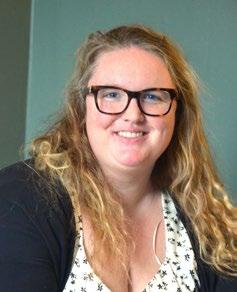
Daphne Spalding, BSN, RN
Every Visit Is an Opportunity
Whether a patient is preparing to become a grandparent, planning a long anticipated international trip, or simply coming in for routine bloodwork, each of these moments represents an opportunity to talk about adult vaccination. Travel planning often raises questions patients may not realize they need to ask. Many are unaware that certain destinations carry specific health risks or that additional vaccines may be recommended based on where they are going. Having travel clinic information readily available allows clinicians to connect patients with destination-specific guidance and shows patients that their broader health goals are being heard. For some adults, this may be the first time a provider has ever raised the topic of travel-related vaccines.
Why These Conversations Matter
Many of the adults we care for today have spent years caring for children, parents and communities. Taking a few moments to address adult vaccination during routine visits is one small way we can return that care. These everyday conversations help support healthier aging and protect the people our patients continue to show up for.
Daphne Spalding, BSN, RN, is clinical support section manager for the Immunization Branch at the Kentucky Department for Public Health. With 28 years of nursing experience, she now leads statewide immunization guidance, supporting providers and the public with clear, accurate vaccine information. Please contact the Kentucky Department for Public Health at immunizationbranch@ky.gov with any questions.
Clinical vaccine guidance, patient education materials and immunization tools for health care professionals https://www.immunize.org
Vaccine Integrity Project
Independent research and analysis on vaccine policy, public trust, and vaccine systems https://vaxintegrity.cidrap.umn.edu/
YOU CARE FOR
From the business of health care to compliance to litigation defense, Sturgill Turner’s experienced health care and medical negligence defense attorneys provide comprehensive legal services to health care providers, hospitals and managed care organizations across the Commonwealth. Put our experience to work for you.
Always On: The Risk and Reward of Ambient Listening AI in Healthcare
BY BRADLEY E. BYRNE JR., JD, SOUTHEAST REGIONAL RISK MANAGER
ARTIFICIAL INTELLIGENCE IS positioned to transform healthcare, even if AI’s most alluring and headline-grabbing promises—like predictive diagnostics that anticipate illness before symptoms appear—remain projections for the future. While much of the spotlight is on what is to come, a quiet AI transformation is underway.
A survey conducted by the Medical Group Management Association in the summer of 2024 found that 42% of medical group leaders reported using some form of ambient listening AI. These systems, sometimes called “AI scribes,” aim to capture interactions between physicians and patients through discrete microphones installed in examination rooms. The AI then generates suggested notes and billing codes for physicians to review and enter into the medical record.
With the promise of increased efficiency in the documentation process, it is easy to see why physicians are drawn to this technology. A 2024 American Medical Informatics Association (AMIA) survey revealed that nearly 75% of healthcare professionals believe the time and effort required for documentation impedes patient care. In another study, over 77% of respondents indicated they often work later than desired or take work home due to excessive documentation tasks. Less time spent documenting allows physicians to spend more time with patients and potentially helps combat physician burnout.
The benefits of this technology are obvious and potentially transformational for physicians, but AI also brings new risks to consider. Not the least of which is patient consent. Recent evidence suggests that most patients are skeptical about the utilization of AI in healthcare. In a 2022 survey by the Pew Research Center, 60% of respondents reported they would feel uncomfortable if
their provider relied on AI for their medical care. To help alleviate such concerns, physicians should have patients execute a detailed consent form that explains how the ambient listening system works, what is preserved, and the system’s deletion policy.
Physicians should also obtain and document a patient’s verbal consent at every visit before triggering the listening system. This ensures the patient remains comfortable having their protected health information shared with the system. Additionally, this verification is a legal necessity in states that require consent from all participants to a recorded conversation.
Discoverability is another issue physicians should be mindful of when utilizing this technology. By now, it is well known that most, if not all, malpractice litigation includes a discovery request for all relevant digital communications and metadata stored in the electronic medical record. Such data has provided fertile ground for plaintiffs’ attorneys seeking to weave a narrative in favor of their client, and ambient listening AI could be even more problematic.
While physicians are typically only privy to the AI-generated notes, ambient listening systems may also capture and store a raw audio recording of the entire patient encounter. Whether this data is retained depends on the design and configuration of the specific system. As such, physicians and practices must work with vendors to determine whether their chosen system stores complete audio recordings. If a system retains a complete audio recording of the patient-physician interaction, it will undoubtedly be discoverable in litigation.
In a worst-case scenario, there could be an inconsistency between the note in the EMR and the audio recording. Even a seemingly minor inconsistency could undermine the accuracy and reliability of the entire medical record. It may also be used to suggest that the
physician failed to review the AI-generated notes adequately. Negative optics of this nature can derail otherwise defensible cases.
Against this backdrop, there is scant justification for retaining these audio logs once the AI-assisted note has been accurately added to the electronic medical record. To address this, practices should implement clearly articulated retention policies for all data captured by the AI system that is not added to the medical record. Beyond preventing the creation of unnecessarily discoverable data, a well-defined retention protocol that is consistently adhered to should ward off allegations of spoliation. Collaboration with vendors will be needed to ensure the chosen retention protocol is in place.
AI is already reshaping how healthcare operates, and these are just a few risk issues that need to be considered. As this technology evolves, its integration into everyday medical practice will only deepen. Amid these rapid advancements, physicians must remain vigilant to emerging risks, even as they navigate the often-dazzling promise of innovation.
Risk Recommendations
Physicians utilizing ambient listening AI systems should consider the following risk management steps to reduce legal risks:
• Implement policies for retention and destruction of audio data.
• Train providers on what is being captured and how to communicate accordingly.
• Engage legal counsel in evaluating how these systems intersect with controlling discovery rules.
Bradley Byrne Jr., JD, can be reached at BradleyByrne@ ProAssurance.com and 205.776.3048
BY MAC STONE
GEORGETOWN While Elmwood Stock Farm is endowed with some magnificent bur and chinquapin oak trees that anchor us to the earth, the OAK I reference here is an acronym for the Organic Association of Kentucky, founded in 2009.
The founding members felt the good karma when pitching names for the yet-to-be-formed association of Kentucky farmers helping each other be better organic farmers. Bylaws were drawn up, lone wolf university folks snuck us out some information, and pretty soon, we had a critical mass. The acorn had taken root.
Recently, Kentucky State University’s Harold R. Benson Research and Demonstration Farm in Frankfort was overrun with hundreds of organic farmers, organic eaters, and university
The Mighty Oak Organic farming and farm-to-table programs continue to grow in Kentucky
BY MAC STONE
folks who wanted to connect, be informed, be encouraged, and be inspired. This was the 15th year!
In the early days, we were appointing whoever missed the meeting to be the Secretary or Treasurer. But also in those days, we literally passed the plate (okay, it was a hat) to put on a big spring meeting. Not only to learn, but laugh, swap lies, break bread, and generally recharge our agrarian batteries ahead of another growing season.
People sometimes forget that farming can be an isolating profession if you’re not careful. It’s not easy for each farmer to do our own thing, find our own customers, figure out how to get the work done, and pay all the bills. There is comfort in numbers. Our first attempt at a large gathering was energized by reach-for-thesky optimism that others would follow.
They have, and the OAK conference has gotten bigger and better every year.
The OAK Has Grown
As organizers, we got our 501(c)(3) notfor-profit business status lined out, started to write grant requests, and sought private donations to build programs designed to fundamentally change organic food production in the Commonwealth.
We developed consumer-facing educational programming along with resources for conventional farmers to help them transition to organic systems of growing.
Thanks to a significant commitment from the Owsley Brown Foundation, the association was able to hire an awesome full-time executive director, Brooke Gentile, who continues to lead the organization in setting
PHOTOS PROVIDED BY ELMWOOD STOCK FARM
deep roots throughout the community while spreading a canopy to care for us all. Today, OAK has a dozen full-time employees, puts out newsletters, and offers mentorship programs, consultation services, conservation initiatives, and more.
One of OAK’s signature projects is the organic transition trainer program. Through this program, a trained individual will come visit a farm to explain the regulatory hurdles and share resources with farmers on how to get started. The trainer will continue communications with the farmer throughout the growing season and gladly usher them through the organic certification process.
diets means they spend more time at work and less time at the doctor’s office.
Any and all farmers looking to manage their land in a more environmentally conscious manner are welcomed!
Sustainable Farming Means Sharing & Caring
The beauty of being a part of the sustainable farming movement is the sharing and caring we have for each other. In a different industry, it might be counterintuitive, but we know our business will be stronger if there are more certified organic farmers, even if they are growing the same things we grow.
New farmers bring new customers, and education spreads. We’re glad to share what we’ve learned over the years, and we also know that we will learn something from folks we meet at the OAK conference that will benefit us.
OAK has taken the leadership role in developing the Kentucky Farm Share Coalition (KYFSC). This workplace wellness program incentivizes businesses and agencies to partner with local farm CSA programs for the benefit of their employees.
It’s an attractive opportunity for employers for several reasons, First, it’s a unique employee perk that can distinguish one workplace from others. Secondly, it helps the bottom line – supporting your employees’ healthy
Research from UK has shown that employees spend less money on doctor visits and pharmaceuticals after having participated in an organic CSA program. If you think your medical practice or business would benefit from a program like this, let us know and we will gladly set up a meeting.
My brother-in-law and farming partner John Bell and I were both on the agenda for this year’s OAK conference held in February 2026. John was on the farmer panel and shared his grazing plan for 100% grass-fed cattle. I, along with Dr. Tamara Horn Potter, shared the bene fits of beekeeping on an organic farm.
Dozens of other farmers shared what they know with their fellow farmers or farmersto-be. High caliber speakers came in from around the country, and the trade show displayed the newest technologies available, while various “ologists” and extension agents made sure we were scientifically sound.
Laughter was heard around the tables as people came together over farm-to-table meals. Seeing how far OAK has come in a few short years is encouraging to the soul. Hanging out, sharing stories, and learning a thing or two always revs me up for the coming year.
Please reach out to me if you’re interested.
Mac Stone was executive marketing director for the Kentucky Department of Agriculture and chair of the U.S. Department of Agriculture National Organic Standards Board. He can be reached at macstone719@gmail.com
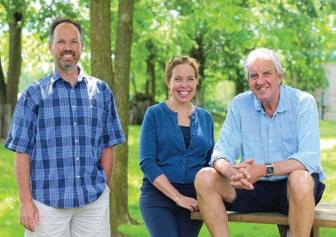
Mac Stone and his family, wife Ann and brother-in-law John Bell, operate Elmwood Stock Farm in Scott County, Kentucky.
Tipping the Scales in Their Favor
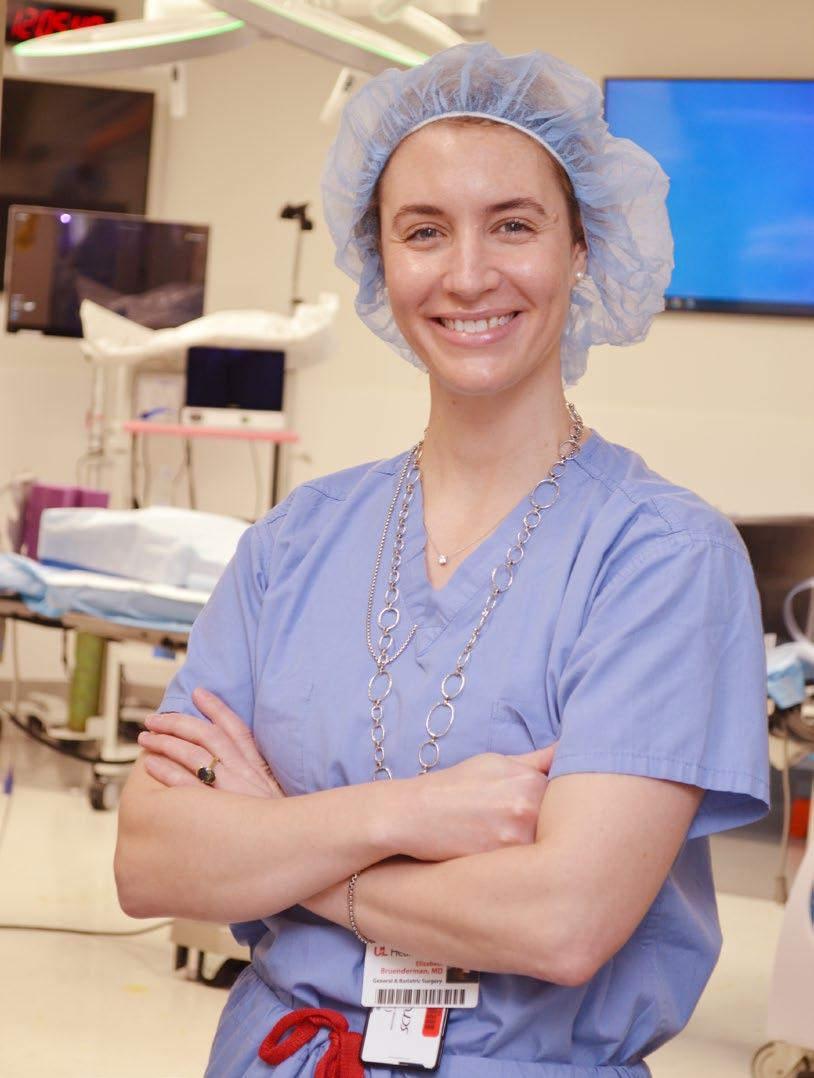
Elizabeth Bruenderman, MD, UofL Health bariatric surgeon, helps patients win their weight loss battles
LOUISVILLE When someone is at the end of their rope and you hand them a lifeline, that’s a heroic gesture. Those lifelines can be big or small, the size doesn’t matter; it’s the courageous act of offering, and accepting, the lifeline that counts.
For many people, their fight against obesity is filled with failures and some success, says Elizabeth Bruenderman, MD, medical director of the Advanced Bariatric Surgery and Weight Loss Center at UofL Health. She says the solution for weight loss of eating less and exercising more oversimplifies and underestimates the challenge of meaningful weight loss.
“Historically, patients were blamed for their weight,” Bruenderman says. “We know based on science and the biology of the disease that obesity is much more complex than just calories in and calories out. The interactions that are at play are some of the most complex and misunderstood biological processes.”
Growing up in Louisville, understanding the complex obesity problem was not on her radar. Bruenderman was active in sports, including rowing and swimming at Sacred Heart Academy. She graduated from George Washington University in Washington, DC, with a degree in economics.
Bruenderman, however, was exposed to the medical field at an early age by her father David Bruenderman, MD, a now-retired anesthesiologist. She was drawn back to Kentucky and a career in medicine. She went to the University of Louisville School of Medicine, then completed a general surgery internship and residency at UofL before taking a minimally invasive bariatric surgery fellowship at Duke University in 2023. Upon completing the fellowship, Bruenderman was back at UofL Health, where she helped launch the bariatric program.
“I was not planning on becoming a surgeon, but when I did my clinical rotations as a third-
BY JIM KELSEY
year medical student, I pretty much loved every minute of my surgery rotation,” Bruenderman says. “No other rotation compared to it, and it was obvious that this was the choice for me. I liked the idea of surgery having a very palpable result. I find that very satisfying.”
The Bariatric Patient
Bruenderman finds joy and purpose in helping people in her hometown and takes pride in being the only female bariatric surgeon now practicing in Louisville. Eighty percent of bariatric surgery patients nationally are female, and Bruenderman’s patients range in age between 18 to 75 and older.
“It’s a different relationship that you have between two women when you’re talking about a topic as sensitive as weight,” Bruenderman says. “I think that makes a really big difference for my patients, their comfort level, and our ability to understand each other.”
Bruenderman says that for many patients, bariatric surgery is their last resort. Perhaps they have tried diets, lifestyle changes, and weight loss medications, but with little or no long-term success. That’s when they come to see Bruenderman.
“They are, by and large, at the end of their rope and have done everything except surgery,” Bruenderman says of her bariatric surgery patients. “People see surgery as a last result even though it is a very safe and the most effective option for weight loss.”
Helping patients understand the surgery is part of her initial meeting with patients. Bruenderman says these first meetings average about 45 minutes as she learns as much about the patient’s history and goals as possible. She explains to her patients their options, both surgically and medically, and gains an understanding of the patients’ goals.
“I don’t ever decide for the patient,” says Bruenderman, who says that 80 percent of her
PHOTO BY GIL DUNN
work is bariatric surgery. She also does endoscopies and general surgery. “We talk about it and come to a conclusion together. The benefit we have in the weight loss clinic is that if they decide they want to try medical therapy first, all of that is done here under one roof.”
That’s important not only because of the multiple ways in which obesity can be treated, but also because it allows an open conversation between physicians, colleagues, and patients. Everyone is on the same page with the same goal.
“What we seek to do is to view obesity as a disease, as something that is incredibly complex that patients need lifelong counseling on,” Bruenderman says. “This is a chronic condition. The medical field has been very slow to accept that.”
The New Weight Loss Paradigm
Diet and exercise are now joined by bariatric surgery and GLP-1–based medications as powerful tools to treat and manage chronic obesity. At Bruenderman’s clinic at UofL Health, patients receive integrated care that includes bariatric surgery, anti-obesity pharmacotherapy, endoscopic procedures, and dietitian support, with close collaboration with behavioral health specialists and attention to sleep as a key component of metabolic health.
“We are a comprehensive center to treat weight. That means you may see a surgeon, you may see a medical weight loss provider, you might see a dietician, a GI interventional endoscopist, or all of the above,” Bruenderman says.
“Everyone in our clinic is hyper-focused on helping patients through this process and
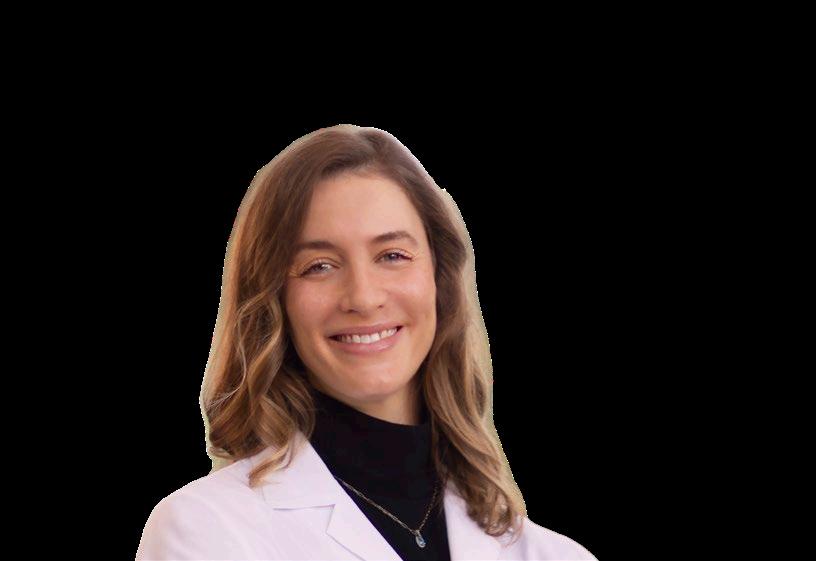
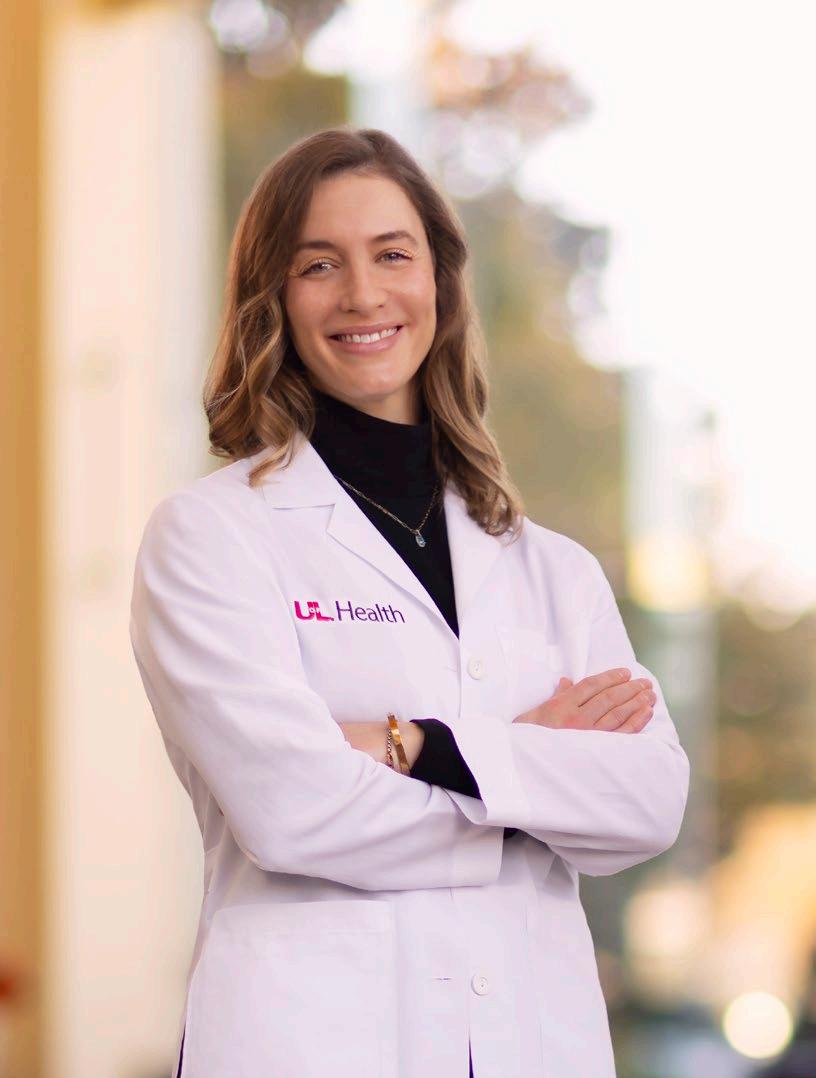
Louisville native Elizabeth Bruenderman, MD, is medical director of Advanced Bariatric Surgery and Weight Loss at Uof L Health and the only female bariatric surgeon in Louisville.
“What we seek to do is to view obesity as a disease, as something that is incredibly complex that patients need lifelong counseling on. This is a chronic condition.” — Elizabeth Bruenderman, MD
making sure that patients feel they can come to us in any state, in any condition, with any kind of attitude or motivation level. We can help them and we want to help them.”
Bruenderman says patients who have not had the success losing weight that was expected are often reluctant to come back to their physicians for fear of being considered a
disappointment or failure. Changing that mentality is a primary focus for Bruenderman and those on her team.
“People get into this negative feedback loop where one condition begets the other. To make meaningful changes in your life with diet and exercise alone, you have to make maximal changes to your lifestyle, and that process is a very slow one that has a lot of ups and downs associated with it,” Bruenderman says. “I have the tool, bariatric surgery, that is known to reverse all that in the most significant and durable way. It is very profound to see how much of a difference it makes in every aspect of someone’s life, giving them this jumping off point to start seeing maximal changes from their efforts.”
Not Your Aunt’s Bariatric Surgery
The field of bariatric surgery is between 60 and 72 years old, with the first gastric bypass surgery performed in 1966. Bruenderman notes that bariatric surgery has evolved significantly over the past 15 to 20 years. Many people who had bariatric surgery before then, or knew someone who did, are skeptical because poor outcomes were much more frequent. She points to minimally invasive laparoscopic surgery as one of the primary reasons for improved outcomes in recent years, as well as new and improved bariatric procedures and more stringent quality standards.
“Bariatric surgery is now as safe as very commonly performed surgeries such as having a gallbladder removed or having a hysterectomy,” Bruenderman says. “The gastric bypass that your aunt got 15 years ago is not the same one that you’re getting today. Our preoperative patient pathways and postoperative care algorithms ensure the surgery is going to be as safe as it can possibly be and set patients up for long term success.”
The gastric sleeve, which removes about 80 percent of the stomach, is the most commonly performed bariatric surgery. In addition to restricting the amount a patient can eat, the hormones that control their hunger are also altered.
Using minimally invasive techniques, Dr. Bruenderman brings technical precision and a patient-centered focus to advancing modern obesity care.
The gastric bypass, the second most common of the bariatric procedures, restricts how much a patient can eat, limits how many calories a patient’s body can absorb, and resets hormones that control hunger and metabolism, including an increase in the body’s own production of GLP-1.
One of the newest of these procedures is the single anastomosis duodenoileostomy with sleeve gastrectomy, also known as SADI-S. It involves a gastric sleeve and an intestinal bypass, which is similar to the gastric bypass, but with a few important alterations.
“There are some potential long-term symptoms a patient can develop after a gastric bypass that are specific to the anatomy created during that surgery. These symptoms can be
avoided with the anatomy created during the SADI-S,” Bruenderman says.
“The other benefit of the SADI-S is you have greater weight loss than you would see in the gastric bypass. With the bypass, you are going to see on average 70 to 75 percent of your excess body weight lost in a year to a year and a half after surgery. With the SADI-S, it is 80 to 85 percent.”
Which approach to take with a patient depends partly on the patient’s body mass index (BMI). Bruenderman says patients with a BMI higher than 50 are optimal candidates for SADI-S, though many insurances do not yet cover this relatively new procedure. In those cases, patients can still pursue other surgical options or incorporate medical weight
loss treatment as a preoperative adjunct. That is where the GLP-1 medications can play an important role.
“The newer generation of weight loss medications are miraculous,” Bruenderman says. “They have completely revolutionized the field of medical weight loss. Having these medications at our disposal allows me to potentially start patients with very high BMIs on a medication preoperatively to lose a little bit of weight before surgery to make their surgery safer.”
The Future of Weight Loss in Kentuckiana
Bruenderman is optimistic about the future of obesity and weight loss healthcare. She emphasizes the need for a different perspective and the importance of the patient’s mental approach to the journey.
“I encourage patients to look at this condition in the same way that you would look at cancer,” she says. “If you’re diagnosed with cancer, you have an entire team of physicians who are following guidelines to come up with a multidisciplinary treatment plan involving a combination of medical treatment, surgical treatment, radiation treatment, etc. The same should be true for obesity.
“If you are a patient who is getting treatment for obesity from only one modality, you are not getting the best obesity treatment that exists. Obesity is a chronic condition. It has to be treated with different modalities over your entire life.”
Part of the lifelong success involves focusing on the quality of life, not the weight. Bruenderman calls them non-scale victories (NSVs), focused on how patients’ lives have changed post-surgery. For some, that might be riding a rollercoaster with their kids or getting a whole new wardrobe, and for others it might mean no longer needing to take insulin injections.
“All of these things have nothing to do with the number patients see on the scale but have everything to do with how their lives are changed,” Bruenderman says. “I get to empower people to make really significant changes in their lives. That is what I love most about my job and why I became a bariatric surgeon.”
Leading with advanced minimally invasive techniques, Dr. Bruenderman delivers efficient, high-quality care that improves safety and accelerates recovery so patients can return to their lives sooner. PHOTOS
The Call to Come Home
Kentucky native Rebecca Douglass, DO, jumped at the chance to return home to provide surgical care at Saint Joseph Health
BY SHELLEY ROBERTS BENDALL
LEXINGTON When Saint Joseph Hospital came calling in November 2024, Rebecca Douglass, DO, general surgeon, says, “I ran as fast as I could back home. If they would have let me sign a contract over the phone, I would have.”
A native of Frankfort, Douglass graduated from the University of Kentucky before obtaining her medical degree at the UK College of Osteopathic Medicine in Pikeville.
After her studies in Kentucky, Douglass completed her surgical residency at Metro Health University of Michigan Health in Wyoming, Michigan, before accepting her first job with Newman Regional Health in Emporia, Kansas. There she performed general surgery, endoscopy, and wound care, but mostly focused on breast surgery and endoscopy.
Douglass knew from an early age she wanted to be a surgeon. She witnessed her first surgery, a cardiac procedure where she could actually see the beating heart, while volunteering at Saint Joseph Hospital, part of CommonSpirit Health. She immediately knew she wanted to be a surgeon because surgery combines working with her hands and building things, two of her passions. Her grandmother, a nurse, also had an influence on her early desire to work in medicine. Douglass credits her grandmother with teaching her how to take care of patients. “She was my role model and mentor in terms of wanting a career in medicine,” Douglass says. Kentucky has a disproportionate number of patients with heart disease, cancer, and obesity. Douglass sees higher representation of patients with those comorbidities at Saint Joseph Hospital because it is a tertiary transfer center. “I would say that Saint Joseph sees the sickest of the sick. We get a lot of patients with cardiovascular disease that end up needing surgery like bowel surgery, their gallbladder, or different things,” she says.
Rural counties in Central Kentucky have community hospitals, but they can’t always handle complicated cases that require more advanced technology or specialists. Many of Douglass’ patients are from Lexington, but a good number are referrals from those smaller facilities in Eastern Kentucky.
Douglass wanted a job in a hospital where she could care for patients who needed acute care and have complex emergent needs but also perform elective surgeries like hernia repairs and panniculectomy, the removal of excess skin after weight loss.
“I thought Saint Joseph could give me a good mix of those versus a smaller facility where I would be doing mostly elective surgery,” she says.
For Douglass, the appeal of being a surgeon is that she gets to see adult patients of all ages and sometimes gets to provide patients an immediate fix. “Patients come in and have pain because of their gallbladder, bowel perforation, and other ailments. I like that I could do surgery and they felt better immediately,” Douglass says.
The da Vinci 5 at Saint Joseph Hospital
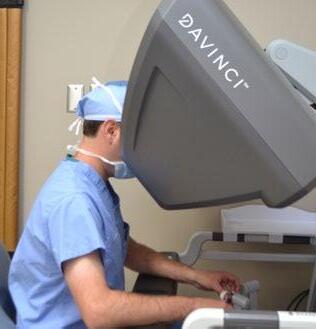
Douglass performs the majority of her surgeries with minimally invasive techniques, using the new da Vinci 5 robotic surgical system, newly acquired at Saint Joseph. At 37 years old, Douglass is among the younger generation of physicians, who have used robotic and laparoscopic instruments since they began training. Still, Douglass has seen iterations of four different robotic systems since she began her medical training. She considers herself fortunate that she is able to use the da Vinci 5 as often as she does.
The da Vinci 5 provides haptic feedback, which allows the surgeon to feel what they are doing inside the body. “If I’m doing open or laparoscopic surgery, I can feel the tension when I’m pulling on something. Previously in robotic surgery, we couldn’t feel that. One of the concerns surgeons had with the earlier versions of the robot was that it could pull too hard on something, and you couldn’t tell, because you didn’t know the strength being used. You learned the strength over time by performing cases, by seeing how the tissue reacts, versus feeling it. There’s a huge advantage now that we can feel that degree of feedback. Research has shown decreased potential injuries because of that,” says Douglass.
The da Vinci 5 incorporates artificial intelligence, which allows it to analyze how a surgeon performs surgery and provides feedback on how to improve the surgery. This can lead to better efficiency and shorter operative times. Douglass explains, “It looks at exactly how I’m doing something, and even though I’m doing something safe, maybe this is something I can improve upon the next time. That removes a lot of the guessing game on how to improve. The da Vinci robots have been watching surgeons over time, and they have learned how we can do this better. It takes away the fact that I need to figure out what I’m not doing right or could do
Rebecca Douglass, DO, chief of general surgery at Saint Joseph Hospital
PHOTO BY GIL DUNN
better and now this machine tells me how I actually can be more efficient or perform this maneuver better.”
Douglass looks forward to further innovations in technology like cameras that can provide new views of the body, development of smaller ports sites, and new instruments. “Saint Joseph is committed to having the next advancement. The facility here is very dedicated to advancing care. I’ve always found Saint Joseph to be innovative and progressive in my 10-plus years of doing this.”
The Importance of Clinical Coordination
Collaboration is high on the list of things Douglass appreciates about Saint Joseph and CommonSpirit. Physicians facilitate a collegial environment in which they are constantly communicating to advance care for their patients. Saint Joseph’s extended network in surrounding counties aids patient treatment
because a patient can travel to Saint Joseph in Lexington to undergo a surgical procedure, but then transfer back to a facility that’s closer to home within the CommonSpirit Health network for aftercare.
Douglass recalls discovering esophageal cancer in a patient and coordinating testing, intervention, and treatment for that patient within a week of their symptoms starting. She credits the timeliness of advancing treatment to the open communication network she shares with her fellow physicians. Instead of just placing an order for a patient to be scheduled for consultation after finding the cancer, she and her oncologic colleagues were able to coordinate care for that patient in a timely manner that benefited that patient.
“Taking the ten extra minutes to call the other physicians who can help benefit your patient can really make a huge outcome in someone’s life,” she says.
A Busy Schedule and Family Time
Douglass’ busy schedule includes a day and a half to two days of clinical work, two days of surgery, and a day of administrative work or add-on cases. In addition, she takes approximately 12-16 days of call, rotating between Saint Joseph Hospital and Saint Joseph East, both in Lexington. “The surgeon’s job is 24-7. It’s not really scheduled,” she says.
In addition to managing work at two hospitals among other clinical duties, Douglass is the mother of two young children, ages five and three. Saint Joseph provides her autonomy over her schedule, so on a light day or when she’s caught up, she gets to pick up the kids from school and spend extra time with her family.
Douglass understands the importance of being a woman in the surgical field. In Kansas, she was the only female endoscopist and surgeon within an hour and a half of her hospital. Many female patients choose her because she is a woman. Being a provider that her patients could feel comfortable with, in one of the scariest times in their lives, was important to Douglass.
Approximately 30% of surgeons are females. Since some female patients prefer to have female doctors, she encourages women to consider the surgical field.
“You know, you can do it. Having children and a family, it’s hard and there are sacrifices you have to make, but just because you’re a woman doesn’t mean you can’t become the chief of general surgery at a large tertiary hospital in your hometown that you love.”
Lifestyle Medicine Comes to ARH A
new
service line intends to improve treatment and prevention of chronic diseases
BY SHELLEY ROBERTS BENDALL
HAZARD Allie Davidson, APRN, feels blessed to work in her hometown of Hazard, Kentucky, as a Lifestyle Medicine service provider with Appalachian Regional Healthcare (ARH). Lifestyle Medicine treats and prevents chronic disease in patients by addressing lifestyle factors that may contribute to them.
Davidson knew from the time she entered college that she wanted to work in healthcare. “I wanted to be able to take care of people. I had multiple people in our community that I saw throughout my childhood as I was growing up that really influenced me to want to provide care back to our communities, just like they did for me,” she says.
After graduating from Hazard High School, Davidson earned her nursing degree from the University of Kentucky and her Master of Nursing from Southern Indiana University. In 2018, she and her husband, John Davidson, a physician assistant with ARH, decided they wanted to move home to Hazard to be closer to friends and family.
Davidson began her career with ARH in family medicine and infectious disease and worked in orthopedics for two years before joining the Lifestyle Medicine program early in 2026.
When ARH began discussing lifestyle medicine as its own service line in 2025, Davidson was all in. “I truly felt like lifestyle medicine
is one of the best ways to make a significant change in the lives of our patients, our community, and our employees,” she says. Davidson and her team treat patients who are already sick, “but we want to take care of them when they’re healthy, so we can prevent them from getting sick.”
What Is Lifestyle Medicine?
Announcing the new program in early 2026, ARH said, “Lifestyle Medicine is a patient-centered, evidence-based program designed to help individuals build sustainable, healthy habits that can prevent, manage, or even reverse chronic health conditions.”
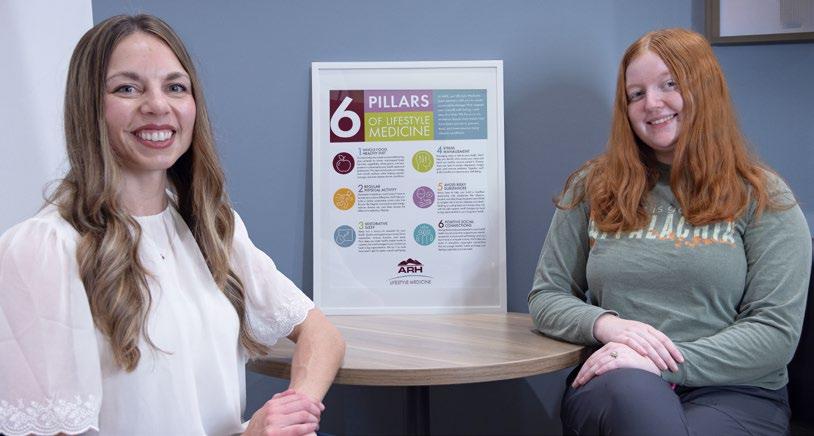
The program focuses on six core pillars: nutrition, physical activity, stress management, sleep, avoidance of risky substances, and positive social connections.
Davidson sees male and female patients from early adulthood through their mid80s. In addition to serving as the Lifestyle Medicine provider, she is also the clinical service line director, meaning her average work week can vary quite a bit.
PHOTOS PROVIDED BY ARH
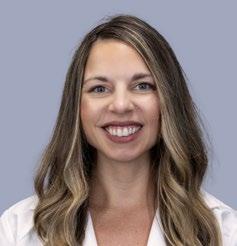
Allie Davidson, APRN, Hazard native returns home to provide care to the community that influenced her life.
Allie Davidson, APRN and Alexis Pollard, RN, focus on the Six Pillars of Lifestyle Medicine when meeting with patients at ARH.
Everyone Has the Opportunity to Make Lifestyle Changes
Davidson spends extended time with patients at their first visit. She explains, “I learn about their past medical history, every detail, what they eat during the day, how they move their body, sleep, how they manage their stress, as well as other contributing factors that make up the Six Pillars of Lifestyle Medicine. All these factors play a role in the other. We find ways within those six pillars to improve and reach that person’s individual health goal.”
Kentucky has higher than average rates of heart disease, cancer, and diabetes. These chronic conditions are associated with lifestyle factors like an unhealthy diet, lack of exercise, and smoking. Davidson sees these comorbidities in her practice. “When patients come in, we discuss their readiness to change, to prevent worsening of their poor health condition, and even sometimes to reverse that condition. That’s our long-term goal, to improve their longevity,” she says.
Davidson emphasizes, “Everyone has the opportunity to make lifestyle changes, no matter their comorbidities or past medical history.”
Educating the Community on Lifestyle Medicine
In addition to clinical days where she sees patients, Davidson also participates in many community events, speaking engagements, and educational opportunities. She works with the ARH community development team on employee wellness to educate not only employees but community members on Lifestyle Medicine benefits.
Recently, she collaborated with the employee wellness team to provide a class on healthy eating by cooking a healthy lunch recipe.
The goal is to expand awareness of the Lifestyle Medicine service line across the ARH system. “I am really trying to educate and expand the knowledge to everyone in our population about lifestyle medicine, “she says.
“We want to be ‘behavior change specialists’ is a great way to put it. We want to use those evidence-based lifestyle changes to create lifelong changes for our patients. The more I can educate our community, our medical community, and our providers, I think it becomes very clear what our main goal is,” she says.
Davidson has received positive feedback from her patients and the community about the role lifestyle medicine can play in managing their health. Even if some people are skeptical at first, once they understand that they are looking at small changes to make in their daily lives that can really make a big difference in their health outcomes, they are eager to move forward.
When patients come in for follow-ups and report they’ve lowered their A1C or they have more energy or they’re sleeping better, “They’re just so excited that they did that, they did the work. They’re the driver. I’m just in the passenger seat helping them along. It fills my cup when a patient comes back in and tells me that they feel better,” Davidson says.
Don’t Underestimate the Importance of Sleep
Davidson says sleep is the pillar of lifestyle medicine that is most overlooked, and it’s
often the first issue she addresses with her patients. They discuss their current sleep habits, what time they wake up, go to bed, and eat dinner, and find ways for patients to improve their restorative sleep.
“Poor sleep is associated with multiple increased health risks such as obesity, type 2 diabetes, cardiovascular risk, impaired memory, and depression. So when we don’t sleep well and take care of ourselves, we don’t have the energy to exercise. We don’t have the energy to cook healthy meals or spend quality time with family and friends. It affects our mood and our day-to- day decision-making,” she says.
It’s All About Community
Davidson feels incredibly lucky to live, raise her family, and serve her community in Perry County. “We are such a tight-knit community. I’ve had so many people in this area influence me and take care of me, from previous pediatricians and nurses to teachers that have influenced my life. I want to give back to this community. I just want the best outcome for all the people that have helped me along the way.”
Lifestyle Medicine
Get a personalized plan that fits your life—focusing
Appalachian Regional Healthcare (ARH) is proud to be leading the way in Appalachia with the introduction of Lifestyle Medicine, a new service focused on improving health through simple, evidence-based lifestyle changes. ARH is the first hospital system in Kentucky to offer Lifestyle Medicine as a dedicated service line, reflecting our commitment to innovation and patient-centered care. Led by Allie Davidson, APRN, this program is built around the 6 Pillars of Lifestyle Medicine— daily habits proven to help prevent, manage, and even reverse many chronic conditions such as heart disease, type 2 diabetes, obesity, and stress-related illness. Through personalized guidance and support, ARH providers partner with patients to create sustainable changes that lead to better health and long-term wellness.
To learn more about Lifestyle Medicine visit arh.org/lifestyle-medicine.
Medicine at ARH
Join our team
• Great Base Pay with Signing Bonus
• Starting Bonus
• Student Loan and Relocation Assistance
• Collegial Work Environment
• Integrated Physician Lead Network
• Work Life Balance
To learn more about open cardiologist positions at ARH go to arhphysiciancareers.com
BY LIZ CAREY
Will Kentucky Find the Cure for Diabetes?
New research at Norton Healthcare’s Wendy Novak Diabetes Institute seeks to win the war on type 1 diabetes
LOUISVILLE When you put a team together to beat diabetes, you look for only the best in doctors and technology.
Kyle Brothers, MD, the chief scientific officer for Norton Children’s Research Institute and executive vice chair for the University of Louisville department of pediatrics, says researching ways to defeat type 1 diabetes meant finding the best talent who could use the latest in technology.
“In research of this type, you don’t know which technology is going to win,” he says. “When we develop a research program like this, we try to build a program that creates opportunities for whatever could turn out to be the best thing and to make sure that our patients have access to it. It’s like recruiting a team to win the Super Bowl; you invest in a lot of pieces.”
Brothers says investing in new people and new technologies meant looking into islet cell transplantation techniques and the doctors and researchers who could perform them.
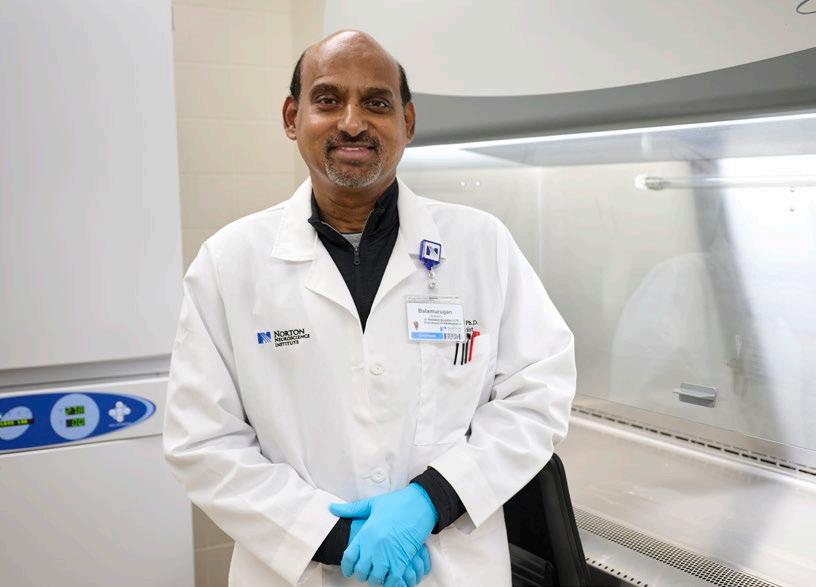
That’s where Balamurugan N. Appakalai, PhD, also known as Dr. Bala, came in. Bala says curing diabetes using islet cell therapies is his passion.
“Our observations are very new even to the scientific world,” he says. “I don’t want to see patients suffering from painful insulin injections. I think our islet transplantation therapy really helps those who are suffering. So, it’s my passion and I want to continue to provide services from the knowledge and experience that I gained from the last 30 years and more.”
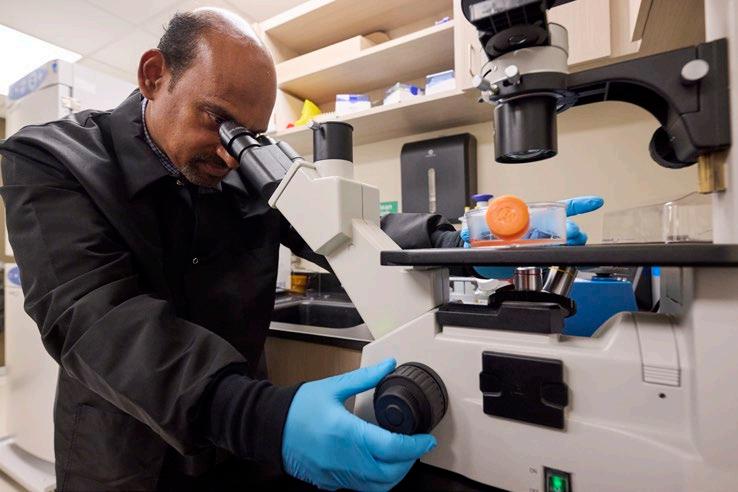
Balamurugan N. Appakalai, PhD, also known as Dr. Bala, leads the Norton Islet Cell Research & Transplant Program within the Wendy Novak Diabetes Institute.
Meet Dr. Bala
As an isletologist, Bala’s work with the therapy started during his studies for his master’s degree when he tested anti-diabetic extracts in animal models. Bala grew up in Tamil Nadu, South India, near Madurai, where he received his bachelor’s degree in biology. Later, after receiving his master’s degree in medical physiology and his PhD in islet cell transplantation from Christian Medical College in Vellore, India, he traveled to Kyoto University in Japan for post-doctoral training in islet transplant research.
After numerous experiments with monkey and pig islet cells for xenotransplantation, he transferred to the University of Pittsburgh where he was able to work with human islet cells.
Bala served more than five years as the co-director of islet core research and assistant professor in Pittsburgh before moving to the University of Minnesota in Minneapolis, a leading school for work with the pancreas and for islet cell transplants. There he served as director of islet core and performed more than 400 clinical islet auto-transplantations and 50 clinical islet cell allotransplants, including NIH-funded clinical islet transplant (CIT) Phase 3 clinical trials.
In 2014, Bala helped establish an islet cell research program at the University of Louisville. In 2024, he joined the Norton Islet Cell Research and Transplant Program within the Wendy Novak Diabetes Institute.
“Norton Healthcare and Norton Children’s are very interested in this diabetes research,” he says. “They are helping me in every stage of our clinical transplant aspect, so we have been able to involve several different departments as we prepare to do our first transplants. Norton Healthcare has worked to build an interdisciplinary team including surgical, anesthesia, gastrointestinal, and pain management support.”
Innovation in Islet Cell Transplantation
The Norton Islet Cell Research and Transplant Program is funded through nearly $4 million in grants from the Norton Children’s Hospital Foundation, supported
by community donors and lead gifts from the James and Judith K. Dimon Foundation and the Lift a Life Novak Family Foundation. It is one of only 11 programs of its kind in the country.
Its newest GMP lab, which is opening this year, is a 525 square foot clean room space designed specifically for islet cell production for transplantation.
During the first phase of the program, patients suffering from chronic pancreatitis will have their diseased pancreas removed. This results in the patient developing diabetes. The pancreas is then processed in this specialty lab, where functional islet cells are isolated from the pancreas and then infused back into the patient’s liver where it should begin producing insulin again.
Those involved with the program expect the first phase, and the first procedure of this type, should occur later in 2026 once the first patient is selected. Phase two will see clinical trials assessing the effectiveness and safety of transplanting the islet cells from donors into type 1 diabetes patients in 2027-2028.
The Norton Islet Cell Research and Transplant Program includes two additional
state-of-the-art labs that opened in 2024, which Bala’s team uses to advance new therapies centered around islet cell transplantation. There, they refine the techniques needed to prepare and extract islet cells from donor pancreases—expertise that will directly support upcoming clinical phases and, they hope, help move the field closer to a cure for diabetes.
“This work is laying the foundation for future therapies that could expand treatment options for people with type 1 diabetes,” Bala says.
If the first two phases of the program prove successful, phase three could help position donor islet cell transplants as an FDA-approved standard of care for individuals with type 1 diabetes. Leaders with the program hope this phase could begin in 2028–2029, but the timeline will rely on strong outcomes from the Norton Islet Cell Research and Transplant program and from additional clinical trials underway at other U.S. centers.
“I have decades of experience in this field, but we’re constantly refining our processes so that when our clinical trials begin, we’re fully prepared to deliver the best possible outcomes for patients,” Bala says.
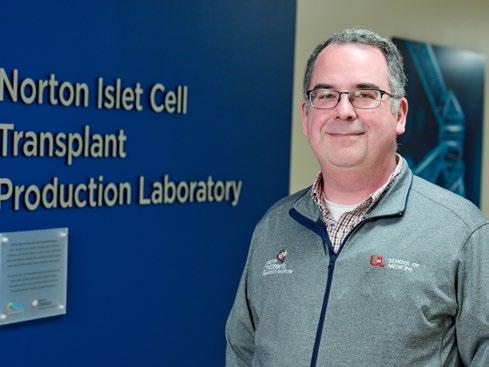
Kyle Brothers, MD, the chief scientific officer for Norton Children’s Research Institute and executive vice chair for the University of Louisville department of pediatrics.
Impact for Kentuckiana Adults and Children
It’s an important topic for a Kentucky healthcare system, doctors say, because diabetes is a significant health concern across the state. More than 500,000 Kentuckians, about 15 percent of the state’s adult population, are diagnosed with diabetes, and between 18,000 and 25,000 Kentuckians are living with type 1 diabetes.
Still there is much to learn, Bala says, which is the focus of his continuing work in the field. Even more pressing to him is the work to help people overcome type 1 diabetes.
“My goal is to dedicate my career to understanding what drives diabetes, improving how we treat it, and helping move us toward a future where children and adults no longer face the burden of this disease,” Bala says.
Meet Kyle Brothers, MD
For pediatrician Brothers, the therapies for children are an important part of the research at the Institute.
Brothers was raised in a family deeply involved in medicine in Maysville, Kentucky.
After receiving a bachelor’s degree from Centre College in Danville, Kentucky, he received his medical degree from the University of Louisville School of Medicine. He did his residency and chief residency at Vanderbilt Children’s Hospital in Nashville. After his residency, he obtained his PhD in medical ethics at Vanderbilt University.
He says his vision has always been patient oriented.
“When I started medical school, I thought I would be a small-town family doctor,” he says.
“My grandfather, Mitchell Denham, and his brother Harry Denham started the Denham Clinic in Maysville. He was an inspiration for me. He would go see patients in his car, going from house to house. In my mind, that’s what a doctor’s career was like. When I went to medical school, I thought I was going to be like my granddad.”
In medical school, Brothers learned that his passion was in pediatrics. His love of children and pediatric medicine helped change his view of what a doctor is, he says. Focusing on research helped him address problems he wanted to find solutions for. As part of
“I have decades of experience in this field, but we’re constantly refining our processes,”- Dr. Bala
Norton Children’s Research Institute, he was able to get involved with the research aspect of pediatric medicine.
That involvement led him to the Wendy Novak Diabetes Institute. The Institute’s leadership in research helped develop the islet cell research program as a way to beat type 1 diabetes in children and adults.
To be successful, he says, “The program has to be focused, but flexible.”
For Brothers, working toward a cure for type 1 diabetes is the ultimate goal.
“Every patient, no matter what pump they’re on, no matter what kind of strategy they use for managing their blood sugar, they still can’t match the blood-sugar control of someone without diabetes,” he says. “Our goal is to solve the practical challenges so transplanted cells can thrive and do their job. If we can do that, this approach has the potential to function as a true cure for type 1 diabetes. That’s what we’re working toward.”
BY LIZ CAREY
Baptist Health Was Always the Destination for Sam Walling, MD
Early detection can help stem rising tide of colorectal cancers in the under 50 age group
LOUISVILLE In his 20s, Sam Walling, MD, knew he was going to be a doctor and knew he was going to work for Baptist Health.
What he didn’t know was mere years after taking a position at Baptist Health, patients that same age would come to him for help with rectal cancers, a disturbing trend taking shape across the country.
“We used to think of colon and rectal cancer as a disease that affected people in their 60s, 70s and 80s, and then the early ones were in their 50s,” he says. “But now we see patients that are in their 20s, 30s, and 40s that have rectal cancers. Very frequently, I have patients that are less than 50 years old.”
Walling, a colon and rectal surgeon with Baptist Health, says the cause for the surge in those cancers in patients so young is still not completely understood.
“It has to be some kind of environmental factor, because it’s happening more in the western, more developed countries,” he says. “We don’t know if it’s the processed foods in our diets, our more sedentary lifestyles compared to 50 years ago, or some kind of environmental exposures. We don’t know if it’s any one thing in particular. Most likely the source is multi-factorial that’s happening predominantly in more industrialized, Westernized countries.”
While Walling’s practice focuses on all aspects of colon and rectal surgery, cancer in younger patients continues to be a disturbing trend.
Always Going to Be a Physician
Walling grew up knowing he wanted to be in medicine, and that he wanted it to be at Baptist Health. Born and raised in Louisville, Walling volunteered at the hospital and got a taste of what being a doctor was like. During
high school and college, he worked within the sports medicine programs at Saint Xavier High School in Louisville, and later in college.
“I knew in the fifth or sixth grade that this was what I was going to be,” he says. “Every summer, I got a taste of a different area. I always thought that it would be a really fulfilling career, and that was what attracted me, especially the procedural disciplines. I was always hanging around physicians and healthcare workers in that setting. I think when you’re around people that you admire, you want to be like them.”
Walling graduated from Vanderbilt University with his bachelor’s degree in biomedical engineering, then came back to the University of Louisville School of Medicine for his medical degree. After a residency in general surgery and a colon and rectal surgery fellowship at the University of Kentucky, he returned to Louisville to work at Baptist Health.
During his medical education, he reached out to Richard Pokorny, MD, a general surgeon at Baptist Health. Years before, while Walling was a first-year medical student, Pokorny had taken care of his grandfather. As the two talked, Pokorny told Walling to call him when it came time for his rotations.
“So, two years later, I cold-called him, and said, ‘Hey, we met two years ago, and you said if I wanted to do this, and if it’s still on the table, I’d love to,’” Walling says. “He said yes, so, I worked with him for a month, and then I came back for another month. That turned into conversations of a job, and by my third year of residency, I had already signed a contract with Baptist Health, with three years of training to go. It was just always where I was going, and the team here made it happen.”
Working in different healthcare settings throughout Louisville helped him decide that Baptist Health was the place for him.
“I’ve worked at every hospital in the city of Louisville in some capacity, whether it was a student or a volunteer or whatnot, and I always felt that Baptist Health just had a different feel,” he says. “It is very much a team effort between the nurses, the physicians and the rest of the staff to provide the best care we can to every patient.”
A Younger Age for Colonoscopies
Within his practice, Walling has been keen to understand what is happening with the increasing incidence of colon and rectal cancer in younger patients. According to the American Cancer Society, colorectal cancer rates are rising by 3 percent annually in adults under 50, making it the leading cause of cancer death in adults in that age group. While colorectal cancers are declining in older adults, nearly half of all new cases now happen in patients under 65. About three out of four adults under 50 with colorectal cancer are diagnosed when the disease is at an advanced stage.
The response to that has been to lower the age for colonoscopies down from 50 to 45, Walling says, even sooner if there is a family history of the disease or colon polyps.
One of the unfortunate aspects of colon and rectal ailments, he says, is the stigma around discussing issues that have to do with that area of the body. The issues they’re having may be a difficult subject to talk about, which can delay treatment and discovery.
“I think one of the most important things for me is to develop a rapport with my patients and show them that I have a little bit of a sense of humor about what I do. We’re going to talk about some personal stuff, and it’s okay,” he says. “If they don’t feel at ease to be honest about some of the issues that they’re having, then I’ll never get to the bottom of what they actually have going on.”
The responses he gets from patients vary too.
“You walk in, and some people are sitting in the corner, and they’ve strapped their belt three loops tighter, like, ‘You’re not getting to me,’” he says. “Then you walk in with some people, and you’re thinking ‘Will you please put your clothes on and stop showing me your butt?’ You have to meet them where they are and get them to a point of comfort so that you can have really honest conversations about all this stuff.”
Robotics and Detection
While the incidence of colorectal cancer may be on the rise, the treatments at Walling and his team’s disposal are improving with new surgical techniques, more effective medical treatments, and even approaches that can avoid surgery altogether. With these strides in multimodal treatment, patients are experiencing better treatment response with fewer side effects and improved quality of life. Some offices, like his, have opted to include robotics into the treatment option mix as well.
“I do whatever I feel is the best for the patient, and usually that means the best operation I can give them, technically, in the shortest amount of time under anesthesia,” he says.
Better treatments and earlier detection, Walling says, are keys to decreasing the disease’s fatality. While the incidence of colorectal cancer has increased, he says, so has the survival rate.
But that all starts, he says, with getting people over the stigma of colonoscopies.
“We can save someone from this disease, and it can cause a domino effect. We know that there is a genetic predisposition to the disease,” he says. “If we can get one person screened and that screen catches something, then we can save a whole family and possibly generations to come. It’s one day out of your life hopefully every 10 years, but it can change the course of your life and the lives of your family for the better.”
PHOTOS BY gIL DuNN
The da Vinci robotic system gives Dr. Walling’s patients quicker surgeries with minimal incisions.
Dr. Walling employs minimally invasive surgical techniques to enable his patients to recover faster and with minimal interruption to their lives.
Evolving the Use of PRP in Joint Disease: From Injection to Strategy
The advanced, targeted use of biologics centers on a patient-specific model of care.
BY DANESH MAZLOOMDOOST, MD, MEDICAL DIRECTOR, WELLWARD MEDICAL
LEXINGTON Platelet-rich plasma (PRP) has rapidly evolved from a niche intervention into a widely adopted tool across orthopedics, sports medicine, and interventional pain practices. Its appeal is intuitive: a biologic therapy derived from the patient, with the potential to modulate inflammation and support tissue repair. As utilization has expanded, however, so too has variability in outcomes—prompting a broader reconsideration of how PRP is best understood and applied.
What has become increasingly clear is that variability in outcomes is less about PRP itself and more about how precisely it is applied.
At Wellward Medical, this evolution was driven in part by a growing dissatisfaction with the traditional trajectory of musculoskeletal care. Too often, patients cycled through a revolving door of treatments—medications, injections, and temporary relief—without a clear path toward meaningful recovery. In many cases, this created a system in which patients became dependent on ongoing interventions rather than progressing toward autonomy. Since 2012, Wellward has intentionally shifted away from predominantly palliative approaches toward regenerative strategies— including PRP—aimed at changing the trajectory of care toward functional independence.
Within this framework, PRP is not simply an injection. It is a strategy—one that depends on diagnostic precision, structural targeting, and integration into a more comprehensive model of care. This model, developed and refined at Wellward, centers on combining advanced diagnostics with structure-specific biologic treatment to address the underlying drivers of joint dysfunction.
In many clinical settings, PRP is delivered as a discrete procedure, often as a sin-
gle intra-articular injection for symptomatic joints such as the knee or shoulder. This approach can provide meaningful symptom relief and remains appropriate in selected cases. However, experience across hundreds of patients treated at Wellward—spanning the spine, knees, hips, shoulders/rotator cuff, and smaller joints—suggests that PRP functions less as a stand-alone intervention and more as a platform therapy, with outcomes highly dependent on how and where it is deployed.
Identify, Then Treat
This distinction becomes most apparent when evaluating the drivers of joint pain. Traditional models often center on intra-articular pathology—cartilage degeneration, synovitis, or labral injury. While important, these findings frequently represent only one component of a broader biomechanical problem. Many patients also exhibit ligamentous insufficiency, capsular laxity, tendinous dysfunction, or impaired neuromuscular control—factors that contribute to joint instability and progressive degeneration.
At Wellward, identifying these contributors is central to treatment planning. High-resolution
musculoskeletal ultrasound (MSKUS) serves as a dynamic extension of the physical examination, enabling real-time assessment of joint stability and precise correlation with symptoms. This often reveals that what appears to be isolated joint disease is part of a more complex functional disturbance.
Reframing the Target: From Inflammation to Stability
Within this framework, joint degeneration is not viewed solely as cartilage wear, but often as a consequence of compromised stability. Even subtle laxity in ligamentous or capsular structures can alter load distribution, increasing stress on articular surfaces and perpetuating degeneration.
This perspective expands the therapeutic role of PRP. Rather than functioning only as an intra-articular biologic adjunct, PRP can be applied to support stabilizing structures— ligaments, entheses, and capsular tissues— helping restore balance within the joint as a functional unit.
While intra-articular PRP remains a valuable approach, treatment at Wellward frequently extends beyond the joint space. Using MSKUS guidance, PRP is delivered to periarticular structures contributing to instability. In this way, treatment is not simply placed—it is precisely matched to the structures most responsible for dysfunction.
From Single Injection to Coordinated Care
A parallel shift has occurred in how PRP is incorporated into care. Rather than a onetime intervention, it is increasingly used as part of a longitudinal strategy.
At Wellward, PRP is integrated with rehabilitation, load management, and broader physiologic factors that influence healing. In selected cases, treatment is staged in align-
Danesh Mazloomdoost, MD is medical director at Wellward Medical.
ment with biologic repair timelines. The emphasis is not on increasing procedural volume, but on aligning interventions with structural and functional needs over time.
Joint disease does not occur in isolation. Mechanical stress, activity patterns, and systemic factors all influence outcomes. Addressing these alongside targeted biologic therapy allows for a more complete and durable response. Patients often respond not only to the intervention itself, but to the clarity of diagnosis and the sense that care is tailored to their condition.
Clinical Vignettes: Expanding the Lens of Treatment
This model frequently changes both diagnosis and intervention.
In knee osteoarthritis, for example, evaluation may reveal contributing factors such as ligament laxity or tendon dysfunction. Addressing these alongside intra-articular pathology can improve stability and clinical outcomes.
Similarly, in shoulder pathology, treatment may extend beyond the joint to include the rotator cuff, biceps tendon, and capsular structures that influence stability.
A similar principle applies in the spine. A patient presenting with chronic low back pain attributed to disc degeneration and facet arthropathy was found to have underlying ligamentous laxity contributing to segmental hypermobility and listhesis. Rather than targeting only the disc or facet joints, treatment focused on stabilizing the functional unit
using PRP directed at ligamentous support, combined with bone marrow aspirate concentrate (BMAC) to address disc degeneration. Over a series of treatments, the patient reported improved stability with movement, increased walking tolerance, and a significant reduction in the deep, activity-limiting pain that had previously worsened with standing. While surgical intervention remains a future consideration, the trajectory has shifted meaningfully, with surgery becoming a more distant—and potentially avoidable—option.
The Ideal PRP Patient
In practice, this approach is particularly relevant for patients who fall into a therapeutic gap—those seeking to preserve joint function rather than react to decline. This includes active individuals aiming to prevent or slow degenerative changes, patients considering surgery who wish to optimize outcomes or explore alternatives, and those with persistent pain despite physical therapy or prior injections. It is especially impactful in early to moderate degeneration, where joint preservation remains a realistic goal and earlier intervention may meaningfully influence long-term trajectory.
Although PRP has demonstrated meaningful clinical benefit and potential downstream cost savings, insurance coverage has not kept pace with its evolving role. Ongoing advocacy efforts aim to address this gap. In the interim, practices such as Wellward prioritize access through flexible payment structures and by offering a spectrum of alternative options when regenerative care is not financially feasible.
Variability in PRP outcomes is well recognized. While preparation methods and patient selection play a role, target selection—what structures are treated and why—may be an equally important and underappreciated factor.
Evidence remains heterogeneous, though meta-analyses suggest benefit in knee osteoarthritis and select tendinopathies, particularly in earlier disease. It is equally important to recognize that PRP is not universally effective; advanced degeneration or structural limitations may reduce response. A diagnostic-first approach helps clarify when biologic strategies are appropriate and when alternative pathways, including surgery, may be more beneficial.
Across a broad clinical experience, most patients treated within this framework report meaningful improvement. While PRP is not a restoration to a younger joint, internal registry data at Wellward demonstrate high patient satisfaction, with approximately 95% of patients reporting they would pursue the treatment again and recommend it to others.
Conclusion
The question surrounding PRP is no longer simply whether it works, but how it is best deployed.
Outcomes appear optimized when PRP is guided by detailed diagnostics, targeted to both intra- and periarticular structures, and integrated into a broader strategy. Approaches such as those implemented at Wellward reflect this shift—moving beyond isolated injections toward a more precise, structured, and patient-specific model of care.
For referring clinicians, this approach can provide a meaningful option for patients seeking to preserve function while delaying or refining the timing of surgical care.
As musculoskeletal medicine continues to evolve, this transition from injection to strategy may define the next phase of non-surgical joint preservation—one centered on precision, structure, and long-term function.
Pre-PRP planning with a diagnostic ultrasound in a baseball player with persistent shoulder pain following surgery.
Danesh Mazloomdoost, MD
The Relief Trap Why
you keep doing what you know isn’t working
BY JAN ANDERSON, PSYD, LPCC
TWO COMPLETELY DIFFERENT situations. One identical pattern.
Sometimes the behavior isn’t the problem. It’s what it costs you—right after that temporary hit of relief.
On the surface, two clients with two very different challenges—an alcohol problem and a painful family estrangement. Underneath, both clients were caught in the same loop.
The Habit That “Helps”… Until You Look Closer
One woman described what had been happening with alcohol. Not a dramatic story. Not a crisis. Something quieter—and, in many ways, more telling.
She came from a family where alcohol was everywhere. Deeply normalized. Generational. So this wasn’t new territory. It was familiar terrain.
What she began to notice, though, was different. At certain points in the day— especially late afternoon or early evening— something would shift in her body. Not just stress. Not just a bad day. Withdrawal. A subtle but unmistakable edge. A low-grade internal restlessness.
And almost automatically, her brain would offer the solution: “A drink would help.” For a long time, that felt true.
The Moment Everything Shifted
Until she said something that changed the conversation. “I realized I wasn’t drinking to feel good. I was drinking to not feel bad.”
That’s the pivot. She wasn’t chasing pleasure. She was relieving withdrawal. And once she looked at it more closely, the pattern became hard to miss: The withdrawal creates discomfort. The discomfort triggers more drinking. A self-perpetuating loop.
What Happens When You Stay for the Second Half
Once she took a closer look—not just in her head, but in her body—the rest became clear. Yes, the drink brought relief. It quieted the withdrawal symptoms—for a moment.
But right after the relief came something else:
• Tightness in her throat
• Heat in her face
• A constricted, almostcan’t-breathe feeling
• A wave of guilt
Followed by the second part of the loop: The constant negotiation with herself. Explaining it. Justifying it. Promising to handle it differently next time.“The mental gymnastics were exhausting,” she reported.
The Contrast That Creates Movement
Once you see the full pattern, everything shifts.
She didn’t make a sweeping decision to stop. She just stopped long enough to observe—not to “be good.” But to gather in-the-moment information. And what she noticed wasn’t just the absence of alcohol. It was the absence of guilt and the mental back-and-forth that followed the brief relief.
She described it simply: “It feels like somebody took a lead vest off me.” Now the contrast was clear.
When she drank:
• Immediate relief
• Followed by guilt
• Then exhaustion
• And ongoing withdrawal
When she didn’t:
• Withdrawal—immediate discomfort
• Followed by curiosity
• Then practical self-support
• And finally, lightness—and momentum
But that first part—the withdrawal—is where most people get pulled back in.
Not because you’re weak. Because you don’t know what to do with the temporary discomfort. So you avoid it. Try to distract yourself from it. Talk yourself out of it. Or try to power through it.
But this time she did something different. She got curious.
Not “Why am I like this?” But: “What does this feel like right now, in my body?”
Curiosity keeps you steady when your system wants to react. And it makes room for something else: a little practical self-support. Not dramatic. Not overdone. Just enough to steady herself. Something like:
• “This feels awful. I don’t know if I can do this.”
• “A lot of people struggle with this. It’s not just me.”
• “How can I get through this moment without making it worse?”
Not letting herself off the hook. Just not turning it into a personal failure. That shift—from avoidance to curiosity, from self-criticism to practical self-support—is what allowed the urge to pass instead of pulling her back into the loop.
A Different Kind of Loop: Shame in Estrangement
An estranged parent described something that looked completely different—but wasn’t. No daily conflict. No ongoing arguments. Just distance. And underneath it, something heavy: Shame.
How It Shows Up
It doesn’t arrive as a clear thought. It shows up in moments. “Seeing other families together. Hearing someone mention their child calling to check in.”
And then: The drop in your chest. Or a tightening in your stomach. Followed by a quiet, familiar question: “What did I do wrong?”
The Pattern Beneath the Feeling
At first, it looks like reflection. Trying to understand. Trying to take responsibility. But when this parent looked at it more closely, something else became clear. It wasn’t helping them make sense of anything.
It was shutting them down instead of moving anything forward.
• Replaying conversations
• Second-guessing decisions
• Filling in gaps with worstcase assumptions
It felt productive. But it wasn’t leading anywhere.
The Moment Everything Shifted
Then they said something that changed the direction of the work: “I don’t think I’m solving anything. I think I’m punishing myself.”
That’s the pivot. Now we’re not talking about understanding. We’re talking about shame.
What Happens When You Stay for the Second Half
When you stay with it—the full experience, not just the thoughts—the pattern became clearer.
Yes, self-blame creates a sense of control. “If it’s my fault, maybe I can fix it.” But right after that comes something else:
• Emotional exhaustion
• A sense of collapse
• Pulling away from people
• A quiet belief: “I don’t get to feel okay if this isn’t okay.”
And then something even more important: Disconnection. Not just from your adult child. From yourself. From the people who were still there.
The Loop
Once this parent saw it clearly, the pattern looked like this:
Trigger: A reminder of the estrangement
Response: Self-blame and rumination
Try This
The next time you feel pulled toward a familiar pattern, pause just long enough to ask:
• What is this helping me avoid or relieve?
• What’s this like—what does this actually feel like right now, in my body?
• What happens right after the relief—and what does it cost me five minutes later? And if it’s hard, meet it with something simple:
• This is really hard.
• I’m not the only one who struggles with this.
• What would help me get through this moment without making it worse? You’re not trying to fix anything in that moment. You’re gathering information—matter-of-factly, not judgmentally. That’s where change begins.
Learn More
If you’ve ever felt stuck in patterns that don’t make sense—but won’t let go—you don’t have to figure it out alone. This is exactly the kind of work I do with clients: helping you take a closer look so you can respond differently. If you’re curious what a fresh perspective might look like, I offer brief, no-pressure consultations. We can sort through what’s happening and zero in on how to move things forward.
Short-term effect: A sense of control
Cost: Shame, paralysis, disconnection
And then the cycle repeats.
The Same Pattern, Different Form
Alcohol and shame don’t look the same. But they operate the same way. Both provide relief. Both carry a cost. Both keep the loop going— until you see the whole picture.
Why This Matters
Most patterns that feel like “solutions” are actually forms of relief. They don’t stick because they feel good. They stick because they temporarily remove something uncomfortable. And if you only pay attention to the relief, the pattern makes sense.
But once you include the cost— the emotional toll, the mental load, the disconnection—the logic starts to fall apart.
Clarity doesn’t come from trying harder. It comes from seeing what’s actually happening—and what it’s costing you.
Norton Healthcare and Norton Children’s New Providers
LOUISVILLE Norton Healthcare announced new providers who joined in January through March 2026.
Kristian A. De Nagel, MD, is a board-certified sports medicine physician specializing in the diagnosis and nonsurgical treatment of acute and chronic musculoskeletal injuries. He cares for patients of all ages and activity levels, from competitive athletes to active adults and seniors.
De Nagel completed his medical degree at St. George’s University School of Medicine in Grenada and his family medicine residency at the University of Arkansas Northwest Regional Campus in Fayetteville, where he served as chief resident. He completed his primary care sports medicine fellowship through Prisma Health and the University of South Carolina in Columbia.
With advanced training in musculoskeletal ultrasound, De Nagel provides real-time imaging for precise diagnosis and treatment planning. He performs a variety of ultrasound-guided procedures. His clinical interests include concussion management, inflammatory arthropathies, nonsurgical fracture care, and exercise physiology.
Known for his patient-centered and evidence-based approach, De Nagel emphasizes individualized care designed to restore function, prevent injury, and promote long-term musculoskeletal health.
Naomi-Liza Denning, MD, is a pediatric surgeon with Norton Children’s Surgery. She
earned her medical degree from the Medical College of Wisconsin in Milwaukee. She completed her residency training in general surgery at Long Island Jewish/Northwell Health Surgery GME in Glen Oaks, New York, and specialized fellowships in pediatric colorectal surgery and pediatric surgery at Cincinnati Children’s Hospital Medical Center in Ohio and Children’s Mercy Hospital in Kansas City, Missouri. She is board certified in general surgery.
Denning provides care for children with a wide range of surgical needs, with a special interest in pediatric colorectal surgery. She is committed to providing patient-centered care and working closely with families to ensure they feel informed and supported throughout the surgical process.
Stephanie J. Kwon, DO, is a pediatric hospital medicine physician with Norton Children’s Inpatient Care. She earned her medical degree from Kansas City University in Missouri and completed her pediatric residency at the University of Louisville School of Medicine.
Kwon is passionate about improving the quality of care for children and advocating for child health at every level. She provides compassionate, evidence-based care to help children heal and families feel supported during hospital stays.
Ahmad Marashly, MD, is a pediatric epileptologist with Norton Children’s Neuroscience Institute. He earned his medical
degree from Damascus University Faculty of Medicine in Syria. He completed his pediatric residency at Louisiana State University Health Sciences Center in Shreveport, and a pediatric neurology fellowship at Cleveland Clinic Foundation in Ohio. He then completed additional fellowships in epilepsy and clinical neurophysiology at Case Western Reserve University Hospital in Cleveland.
Marashly specializes in treating children with drug-resistant epilepsy, particularly those who may benefit from epilepsy surgery. He is an active member of several professional organizations, including the American Epilepsy Society, the American Clinical Neurophysiology Society, and the Child Neurology Society.
Katelyn A. Yackey, MD, is a pediatrician with Norton Children’s Hospital Medicine, affiliated with the UofL School of Medicine. She earned her medical degree from the University of Kentucky College of Medicine in Lexington. She completed her residency in pediatrics at the University of Louisville School of Medicine and a fellowship in pediatric emergency medicine at Nationwide Children’s Hospital in Columbus, Ohio.
Yackey focuses on providing thorough and evidence-based care. Her goal is to care for her patients individually while also meeting the needs of their families.
Maher Alchreiki, MD, is an infectious diseases physician with Norton Infectious Diseases Specialists. He earned his medical degree from
Kristian A. De Nagel MD
Naomi-Liza Denning MD
Stephanie J. Kwon DO
Ahmad Marashly MD
Katelyn A. Yackey MD
Maher Alchreiki MD
Tishreen University Faculty of Medicine in Lattakia, Syria. He completed his internal medicine residency at Richmond University Medical Center in Staten Island, New York, and a fellowship in infectious diseases at the Medical College of Georgia at Augusta University.
Alchreiki has extensive experience diagnosing and managing complex infectious conditions in adult patients. His clinical expertise includes the evaluation and treatment of HIV infection, acute and chronic viral hepatitis, tuberculosis, endemic and opportunistic fungal infections, Clostridioides difficile, and other gastrointestinal infections, bloodstream and device-related infections, tick- and mosquito-borne illnesses, pneumonia, MRSA, and skin and soft tissue infections.
He emphasizes evidence-based care, antimicrobial stewardship, and the long-term management of chronic infectious diseases. Alchreiki has contributed to peer-reviewed medical literature and has served as a sub-investigator in multicenter clinical trials.
Megan C. Kemp, MD, is a pediatric anesthesiologist who works with Norton Children’s Anesthesiology. She earned her medical degree from the University of Queensland Ochsner Clinical School in New Orleans. She completed her residency in anesthesia and perioperative medicine at the Medical College of Georgia, Augusta, and a fellowship in pediatric anesthesia at Vanderbilt University Medical Center in Nashville, Tennessee. Kemp also completed an additional year of specialized training in pediatric cardiac anesthesia at Riley Hospital for Children at Indiana University, Indianapolis.
Kemp chose to focus on caring for children with congenital heart disease because it is a fast-growing field with ongoing research and new treatments. She values the chance to build strong relationships with patients and families and to provide consistent, supportive care throughout their medical journey.
Saint Joseph Health Welcomes New Physician and Provider
WINCHESTER Saint Joseph Health welcomes Tyler Elam, DO, to Saint Joseph Medical Group – Primary Care in Winchester. A native of Farmers, Kentucky, near Morehead, Elam never wavered from his choice of primary care in his practice of medicine.
He earned his DO from the University of Pikeville Kentucky College of Osteopathic Medicine in 2014 and completed his residency at East Tennessee State University Quillen College of Medicine – Bristol Family Medicine Residency in June 2017.
“I grew up in a farming community and, particularly in my family, I would see deficits in medical care,” Elam says. “My grandfather inspired me. He was a pastor and had a lifelong struggle with diabetes. I remember moments as a kid when I perceived that he didn’t have resources to get his medicine or seek care.”
Elam will see patients at Saint Joseph Medical Group – Primary Care, 1850 Bypass Road in Winchester.
Cameron Scheitzach, PA-C, joins Maternal-Fetal Medicine Team
Cameron Scheitzach, PA-C
LEXINGTON Saint Joseph Health welcomed Cameron Scheitzach, PA-C, to its team at Saint Joseph Medical Group – Maternal-Fetal Medicine in Lexington.
Scheitzach completed her Masters of Physician Assistant Studies at the University of Kentucky in June 2025.
A native of Orlando, Florida, Scheitzach was a member of the 2021 Division I National Championship volleyball team for the University of Kentucky, where she earned a BS in education with a concentration in kinesiology. She completed multiple rotations within primary and specialty care in central and eastern Kentucky during her time in physician assistant studies.
Scheitzach will see patients at Saint Joseph Medical Group – OB-GYN, 170 N Eagle Creek Suite 110, in Lexington.
Harrison Memorial Hospital Welcomes New Member to Orthopaedics & Sports Medicine Team
Shivani Sadwal, DO
CYNTHIANA Harrison Memorial Hospital (HMH) welcomed Shivani Sadwal, DO, sports medicine physician, to its Orthopaedics & Sports Medicine team. Sadwal joins Jason Hunt, DO, orthopedic surgeon, along with Abigail Guy, PA-C, and Michael Wiles, PA-C, in providing a full spectrum of orthopedic and sports medicine care for the region.
Sadwal earned her BS in biopsychol-
ogy, cognition, and neuroscience from the University of Michigan, Ann Arbor, Michigan. She received her DO degree from Alabama College of Osteopathic Medicine in Dothan, Alabama.
Sadwal completed her family medicine residency at Authority Health GME in Detroit and a primary care sports medicine fellowship at TriHealth in Cincinnati, Ohio. She is a diplomate of the American Board of Family Medicine with a Certificate of Added Qualification (CAQ) in sports medicine.
Tyler Elam, DO
PHOTOS
Tears, Cheers and Careers!
UK medical students across Kentucky learned where they will go for residency at Match Day ceremony
LEXIINGTON, MOREHEAD, BOWLING GREEN, NEWPORT A medical school tradition, the Match Day ceremonies at UK took place simultaneously at noon EDT, the same day every year at medical schools across the country. The National Resident Matching Program pairs the wishes of the students with the needs of hospitals’ residency programs. Students in the graduating class learned the location of their residency programs, celebrated their futures as doctors, and reflected on the past four years at the University of Kentucky. Across all four of UK’s College of Medicine campuses, more than 190 students learned where they will begin practicing medicine. The Class of 2026 celebrated a strong Match Day outcome with a 99% placement rate. Nearly 200 students matched into residency programs across 22 specialties.
True to the college’s mission to improve the health of Kentuckians, approximately 46% of graduates will remain in Kentucky for residency training, with 72 students continuing their training at UK College of Medicine residency programs.
At the Lexington campus, UK College of Medicine Dean Chipper Griffith, MD, reflected on the significance of the day. “This year we celebrate the largest graduating class in the history of the University of Kentucky College of Medicine,” he said. “Whether they remain in Kentucky or train elsewhere before returning, they are helping us fulfill our mission of ensuring that communities across the Commonwealth have access to well-trained physicians.”
UK College of Medicine Dean Chipper Griffith, MD.
Rob Yates matched!
Griffin Green matched!
Madeline Blair, with nephew, matched!
Lucas Maxey, Samuel Golden, and Nathaniel Cox matched!
Mindy Baker and Vaaragie Subramaniam matched!
Natalie Hagan and Maya David matched!
Dawson Stephens matched and shared it with his mother.
NICOLE GROSSER,
CHRIStINA MEADOWS
Olivia Elbert matched!
Callie Whitus and Kylie Cochran matched! Callie Whitus and Kylie Cochran matched!
Camryn Crass matched!
Emily Melcher, Jasarae McKinney, and Emmy trammell matched!
Rachel Mooney, Mardan Khashimov, and Supriya Challa matched!
Kidus Shiferawe and DeAsia King matched!
Olivia Back and fiancé Mason McGhee both matched to Indiana University.
Madison Meister matched!
Alison Marcum and Amber Schifano matched!
UK College of Medicine-Northern Kentucky Campus Class of 2026.
Alan Ford, Phil Bright, and Flynn Blanchet matched!
MATCH DAY AT
Julia Buechler matched!
Athena Caicedo matched!
Collin Noud matched!
Jannae Rianne McDonald matched in child neurology at Emory University.
Medical students celebrated matching
UofL School of Medicine
LOUISVILLE The University of Louisville School of Medicine held its 2026 Match Day on March 20th at The Angel’s Envy Club at the L&N Federal Credit Union Stadium, when 163 senior medical students discovered their residency placements. The event saw a 99% match rate with 54 graduates matching with first-year positions in Kentucky. Match Day marks the annual conclusion of the National Residency Match Program (NRMP) for graduating medical students.
Riely Erikson matched!
Olivia Luna Zamudio matched at tulane in Internal Medicine. Sukruthi Yerramreddy matched at Ut Austin in General Surgery.
Dean Bumpous, MD, UofL School of Medicine dean, talks to the students one more time.
Nicole Bacha and family. Nicole matched in Internal Medicine at University of Arizona.
Grae Chambers McCarty matched!
tonner DeBeer Geoghegan matched!
with their chosen residency programs!
What We’re Missing in Mental Health Care
Insights from the 2026 KPMA Annual Conference
JAN ANDERSON, PSYD, LPCC
LOUISVILLE The value of a conference is clearer after you connect the dots. That was my experience at the 2026 Kentucky Psychiatric Medical Association Annual Conference on March 13 in Shelbyville. Across sessions and in conversations afterwards, a consistent theme emerged: Knowing what to do doesn’t guarantee that it translates into real-world patient experience.
Optimizing Treatment in Chronic Schizophrenia
Dr. Carmen Pinto discussed optimizing treatment in chronic schizophrenia. Ideal treatment plans—algorithms, best practices, medication strategies, can be effective but stability isn’t just symptom reduction, Pinto noted. “It’s whether a patient can stay engaged in treatment, consistently take medication over time, and maintain trust in the process for it to hold,” he said.
Social Determinants: The System Beneath the System
Dr. Allan Tasman discussed the effect of social determinants in psychiatry. “We often treat clinical symptoms without fully accounting for the conditions that make treatment possible—or impossible.»
When access barriers were reduced, engagement improves because the system became more workable. Transportation. Housing. Food access. Time flexibility. “These aren’t secondary variables. They often determine whether care happens at all,” he said.
The Psychology of Prescribing
Prescribing is often framed as a medical decision, but in practice, it’s deeply psychological, said Dr. John Wernert. “Patients bring expectations, fears, past experiences, and cultural beliefs into every medication discussion. Clinicians bring their own assumptions as well.” Wernert discussed how this challenge extends beyond the individual encounter and
into the structure of the system itself. Patients are often assigned based on availability rather than clinical fit. “Complex patients aren’t always matched with the level of expertise they need, while highly trained specialists aren’t always used where they could help most,” he said.
Wernert added that when alignment is off, the system tends to compensate in a predictable way: It adds more medication, more referrals, more layers—without always improving outcomes.
Advanced Practice Providers
As demand for mental health care continues to grow, advanced practice providers are playing a larger role. Workforce trends suggest that the use of advanced practice providers will expand at a faster rate than physician specialists.
There is increasing ambiguity around roles and titles. As the number of non-physician providers grows, patients may not always distinguish between different types of providers, and terms like “doctor” can carry different meanings depending on training and credentials.
“This is not a temporary shift. It’s a structural change, and it’s already happening. As access improves, precision matters more, not less,” noted Dr. Andrew Cooley.
Bipolar Disorder: Moving Beyond Symptoms
A conversation with Dr. Muhammad Ibrahim pointed to a different kind of clinical shift that moves beyond managing symptoms
to targeting underlying mechanisms of bipolar disorder.
Rather than focusing on bipolar symptoms alone, Ibrahim aims to identify and address a potential biological driver of mood instability. His work centers on elevated intracellular sodium levels, a pattern that appears to contribute to both manic and depressive states. By using thyroid hormone to help regulate this imbalance, Ibrahim’s approach may offer a more direct path to stabilizing mood.
Rethinking BMI
Dr. Zubi Sulemani expressed a concern in the context of diagnosis. She pointed to HB 169, a bill currently before the Kentucky legislature, which challenges the long-standing reliance on BMI as a primary indicator of eating disorders.
BMI has traditionally been used as a quick screening tool, but that simplicity can come at a cost. “Too many individuals with clinically significant eating disorders are overlooked because their BMI falls within a ‘normal’ range,” she explained.
Other patients with higher BMIs may be assumed to be unhealthy or advised that weight loss will resolve complex medical concerns when that may not be the case. Sulemani said the goal is not to eliminate BMI but to move it out of its role as a primary indicator. “A more accurate diagnosis integrates behavior, psychological factors, physical markers, and day-to-day functioning.”
Where Better Care Begins
My takeaway was the gap isn’t just in knowledge — it’s in translation. Whether you’re a clinician, a system leader, or someone navigating care yourself, the question becomes less about what should be done and more about what actually works.
That’s where better outcomes begin, and it’s where better conversations between patients, providers, and systems can start to close the gap.
Muhammad Ibrahim, MD, with Jan Anderson, PSYD, LPCC
PRESENTED BY
WEDNESDAY, MAY 20
University Club of Kentucky 4850 Leestown Road, Lexington, KY
12:00p Registration/Lunch 1:00p Start
SCRAMBLE format
Lunch & Awards Dinner
$200/player or $800/foursome
Orthopedic Surgeon
The UofL Health Orthopedic team are the go-to experts for advanced, tailored treatment plans with less recovery time. In fact, we lead the state in robotic surgical procedures that can minimize pain and improve quality of life in record time. We are renowned for high-level care and customized surgeries that treat everything from the most complex fractures and joint replacements to minor injuries. Patients receive the highest-level orthopedic care from shoulders to toes, including spines.
Our specialties include:
Robotic Joint Replacement
Hip Preservation
Trauma
Back & Spine Procedures
Shoulder & Elbow Injuries
Foot & Ankle Injuries
Orthopedic Oncology
Specialized Orthopedic Care for the Whole Body
At the forefront of minimally invasive surgery, our surgeons train other doctors, and are professors and researchers at the University of Louisville School of Medicine. We don’t just practice the latest leading techniques; we innovate and teach cutting-edge medical advancements.
As the official health care provider for UofL Athletics, we will provide that same expert VIP care to every one of your patients. Visit UofLHealth.org. Call 502-588-4888 to refer your patient today.
Logan Mast, MD
Official Health Care Provider of the Louisville Cardinals