Design-Build vs Design Tender in Singapore_ A Complete Guide to Choosing the Right Office Renovation
Design-Build vs Design Tender in Singapore: A Complete Guide to Choosing the Right Office Renovation Method
Planning an office renovation is one of the most significant investments a business can make. Whether you ' re upgrading an existing workspace, relocating to a new office, or creating a fresh environment for a growing team, the success of the project depends on much more than choosing attractive furniture or modern finishes. One of the most important decisions happens before construction even begins—selecting the right project delivery method.
In Singapore, businesses typically choose between two renovation approaches: Design-Build and Design Tender (Design-Bid-Build). While both methods aim to deliver a successful commercial renovation, they differ in project management, communication, budgeting, timelines, and overall execution
Understanding these differences can help business owners avoid costly delays, reduce risks, and achieve better renovation outcomes.
Understanding the Design-Build Approach
The Design-Build model combines design, project management, and construction under one company. Instead of hiring separate consultants and contractors, the client works with a single team responsible for every stage of the renovation
From the initial consultation to final handover, designers, project managers, quantity estimators, and construction professionals collaborate throughout the project. This integrated workflow improves communication and enables faster decision-making
Because everyone works toward the same objectives, potential issues can often be identified and resolved before construction begins.
How the Design Tender Process Works
The Design Tender approach separates the project into two major phases.
First, an interior designer or consultant develops the office layout, prepares technical drawings, specifies materials, and produces tender documents After the design is completed, multiple contractors are invited to submit quotations
The business owner reviews these proposals before selecting the preferred contractor.
Although this process offers greater flexibility during contractor selection, it usually requires more coordination between multiple parties throughout the renovation.
Comparing Project Timelines
Time is often one of the biggest concerns for businesses. Every additional week of renovation can affect productivity, delay office relocation, or interrupt daily operations
The Design-Build method generally shortens project duration because planning, procurement, and construction preparation can happen simultaneously.
For example, while designers finalize certain office areas, procurement teams can begin ordering approved materials. Construction planning also starts earlier, allowing work to commence without waiting for every drawing to be completed.
In contrast, the Design Tender process follows a sequential workflow:
● Design development
● Drawing approval
● Tender preparation
● Contractor bidding
● Quotation evaluation
● Contractor appointment
● Construction
Each stage depends on the completion of the previous one, often extending the overall project schedule.
Budget Planning and Cost Control
Managing renovation costs is another major priority
With Design-Build, budgeting starts during the design phase. Since construction professionals are already involved, they can recommend practical materials, construction techniques, and layout adjustments that help control costs without compromising quality
Unexpected expenses are also easier to manage because the design and construction teams work together continuously.
Under the Design Tender model, construction costs become clearer only after contractors submit their quotations. If bids exceed the available budget, businesses may need to revise drawings or specifications before construction begins.
Although competitive bidding can sometimes reduce costs, repeated revisions may also increase project duration.
Communication Throughout the Project
Clear communication often determines whether an office renovation runs smoothly
In a Design-Build project, the client communicates with one integrated project team. Questions are answered quickly, decisions are implemented efficiently, and responsibility remains clearly defined.
The Design Tender method requires communication between multiple independent parties
For example:
● Interior designer
● Quantity surveyor
● Main contractor
● Subcontractors
● Client representative
While experienced professionals can manage this process effectively, multiple communication channels naturally increase the possibility of misunderstandings or delays.
Flexibility During Construction
Office renovation projects often change as construction progresses
A company may decide to add more meeting rooms, modify workstation layouts, or upgrade materials after seeing the design in person.
Because the Design-Build team manages both design and construction, these changes can usually be evaluated and implemented more quickly.
Under the Design Tender model, design revisions often require additional approvals and coordination between separate consultants and contractors before construction can continue.
Risk Management
Every renovation project carries potential risks.
Common challenges include:
● Material shortages
● Unexpected structural conditions
● Budget changes
● Construction delays
● Design revisions
The Design-Build approach often reduces these risks because one organisation assumes overall responsibility.
When separate companies manage design and construction, responsibility for certain issues may be less straightforward, requiring additional discussions before solutions can be implemented.
Quality Assurance
Quality should never be compromised for speed or lower costs.
Experienced renovation companies establish quality control procedures throughout the project, including:
● Site inspections
● Material verification
● Workmanship checks
● Safety monitoring
● Final quality assessments
Regardless of the chosen delivery method, selecting experienced professionals remains one of the most important factors influencing project success.
Which Businesses Benefit Most from Design-Build?
The Design-Build model is particularly suitable for:
● Small and medium-sized enterprises
● Technology companies
● Creative agencies
● Professional service firms
● Businesses relocating to new offices
● Companies with tight project schedules
Its simplified communication process allows management teams to focus on business operations while renovation specialists coordinate the project.
When Design Tender May Be
the Better Choice
The Design Tender method remains an excellent option for certain organisations.
It is commonly used by:
● Government agencies
● Public institutions
● Large multinational corporations
● Organisations with formal procurement procedures
The structured tender process provides transparency and allows businesses to compare multiple construction proposals before awarding contracts
The Importance of Workplace Design
Regardless of the project delivery method, the final objective remains the same—creating an office that supports business success
Modern workplace design focuses on much more than appearance.
Today's offices are designed to encourage:
● Collaboration
● Employee wellbeing
● Innovation
● Flexibility
● Productivity
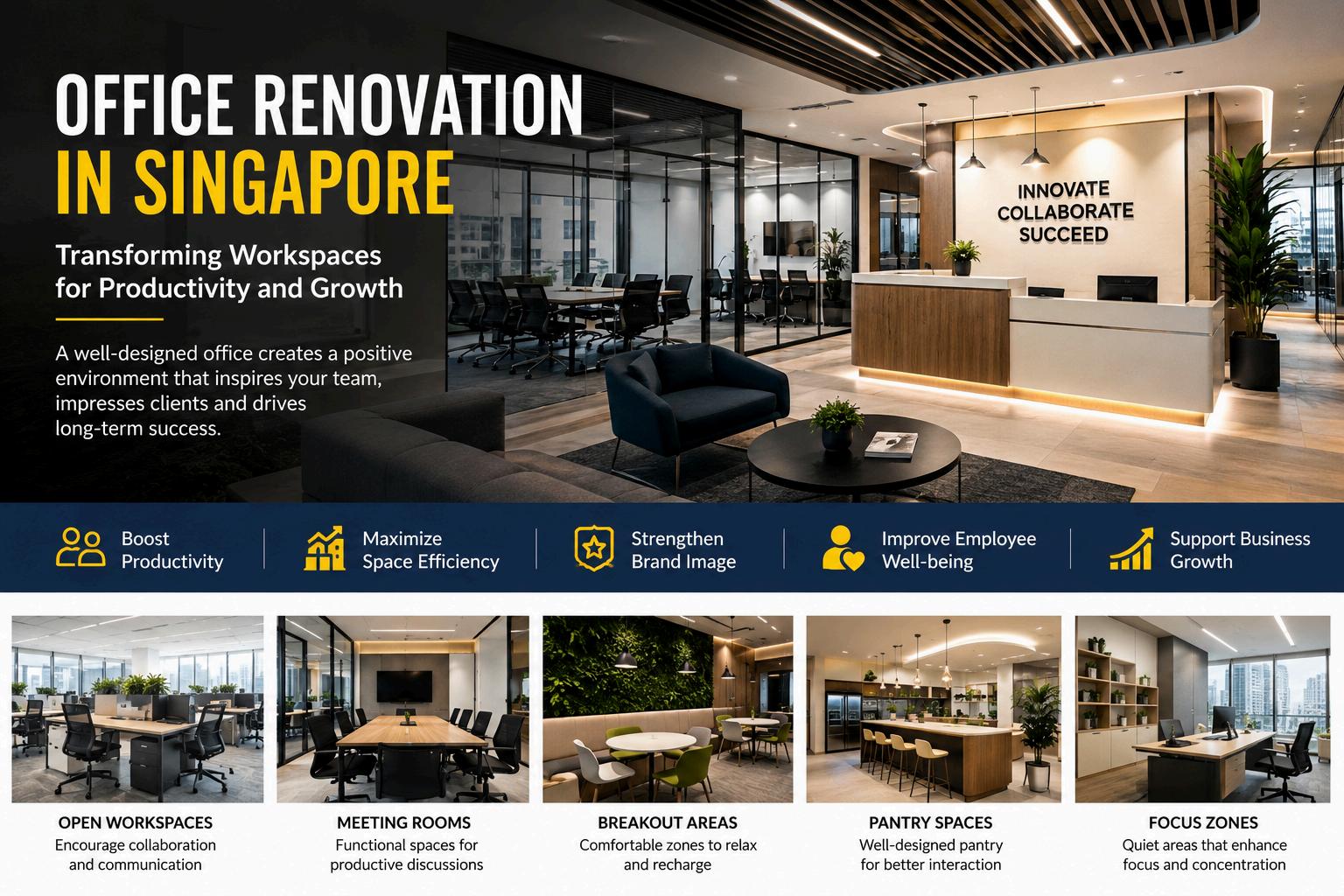
Successful office environments often include open workspaces, quiet focus rooms, collaborative meeting areas, comfortable lounges, and technology-enabled conference rooms
These features create workplaces where employees perform more effectively and clients develop greater confidence in the business.
Sustainability in Office Renovation
Environmental responsibility has become an important consideration for commercial renovation projects in Singapore.
Many businesses now prioritise sustainable design through:
● LED lighting systems
● Energy-efficient air-conditioning
● Low-VOC paints
● Sustainable flooring
● Recyclable materials
● Smart lighting controls
● Water-efficient fixtures
These improvements reduce environmental impact while lowering long-term operating costs.
Questions to Ask Before Choosing a Renovation Method
Before selecting either Design-Build or Design Tender, business owners should consider several important questions:
● What is the available renovation budget?
● How quickly must the office be completed?
● Does the company have internal project management resources?
● Is competitive tendering required?
● Will the office remain operational during renovation?
● Are future office expansions expected?
Answering these questions helps identify the approach that best supports business objectives.
Selecting the Right Renovation Partner
The success of an office renovation depends not only on the project delivery method but also on the experience of the renovation team.
A professional commercial interior specialist should offer:
● Extensive office renovation experience
● Transparent budgeting
● Strong project management
● Clear communication
● High-quality workmanship
● Compliance with Singapore building regulations
● Practical workplace design expertise
Choosing an experienced partner significantly reduces project risks while improving the overall renovation experience.
Conclusion
Office renovation is much more than upgrading finishes or purchasing new furniture. It is an opportunity to create a workplace that reflects company values, improves employee productivity, and supports future business growth.
Both the Design-Build and Design Tender approaches have their own advantages. Design-Build offers integrated project management, faster delivery, and simplified communication, making it ideal for businesses seeking efficiency and convenience. Design Tender provides greater flexibility in contractor selection and remains suitable for organisations with structured procurement processes.
By carefully evaluating project priorities, budget requirements, and operational needs, businesses can choose the renovation method that delivers the greatest long-term value. A thoughtfully planned office renovation creates more than a beautiful workspace—it builds a productive, collaborative, and future-ready environment that helps businesses thrive in Singapore's competitive market