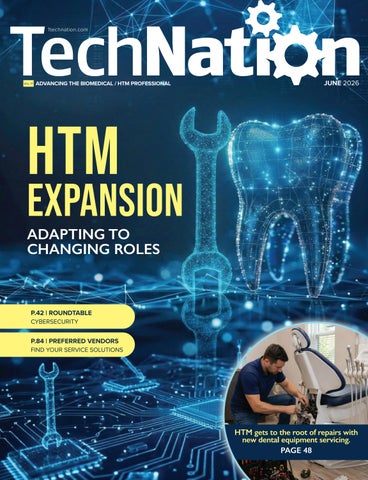
P.84 | PREFERRED VENDORS FIND YOUR SERVICE SOLUTIONS
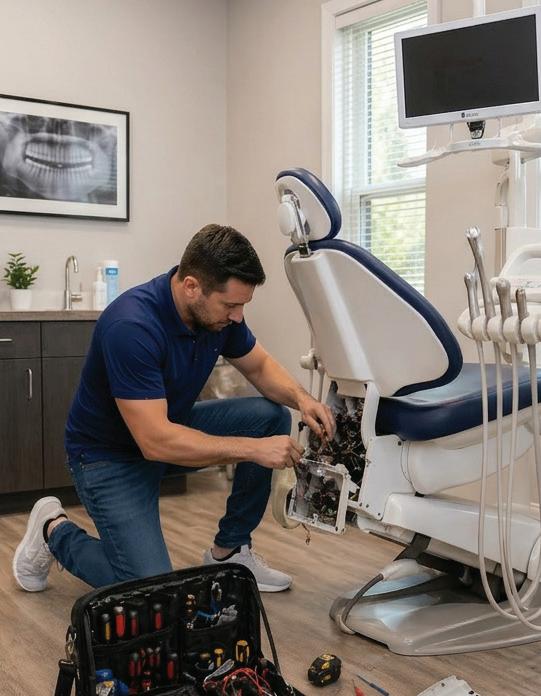
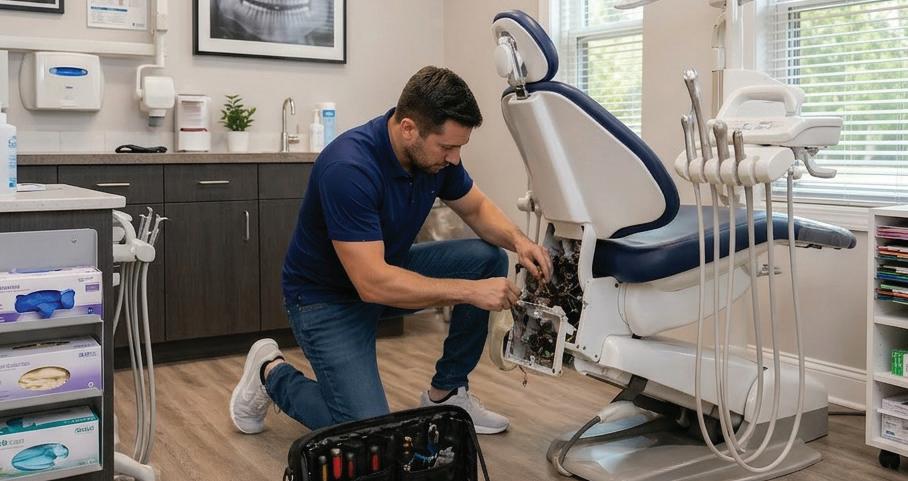
HTM gets to the root of repairs with new dental equipment servicing. PAGE 48
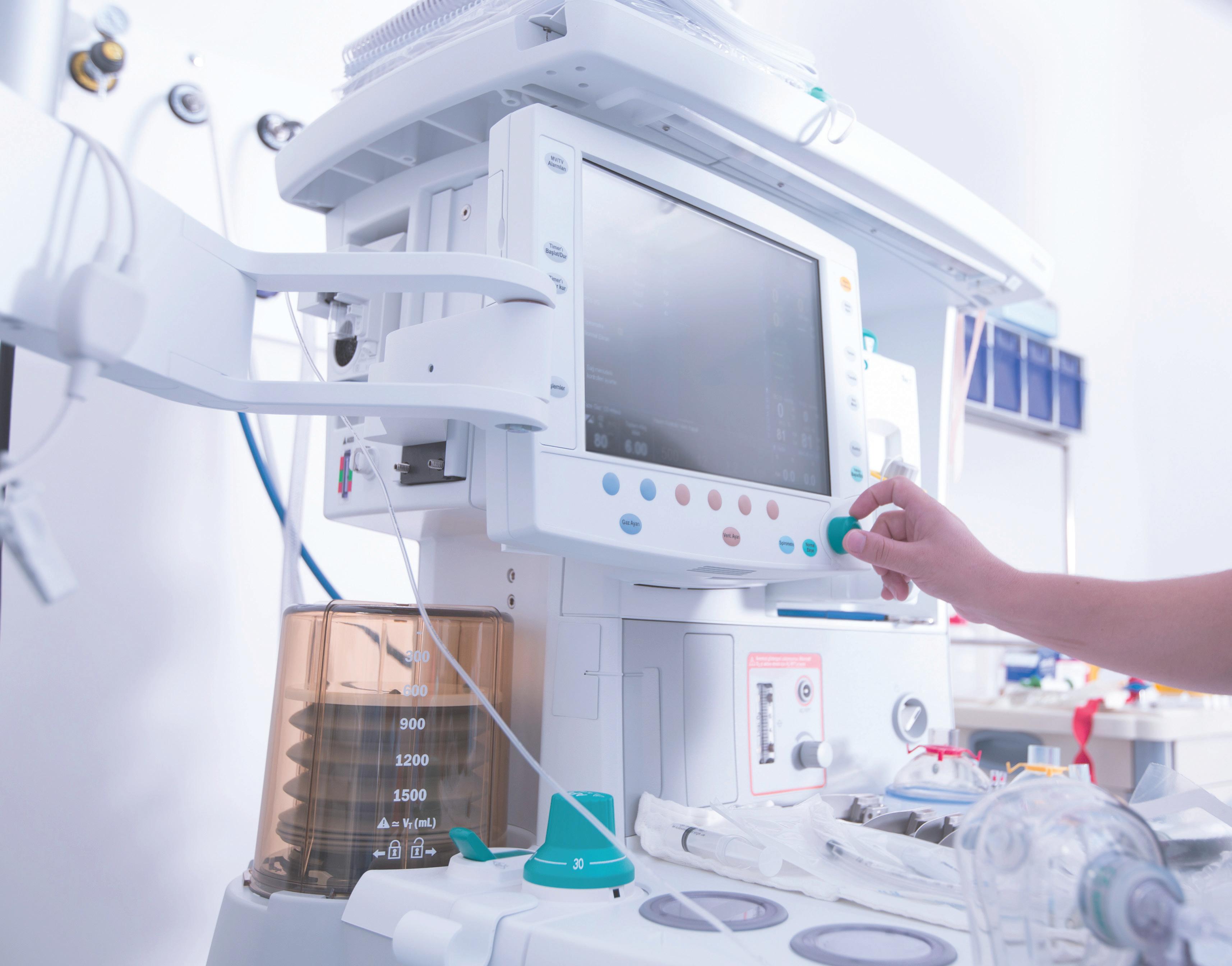
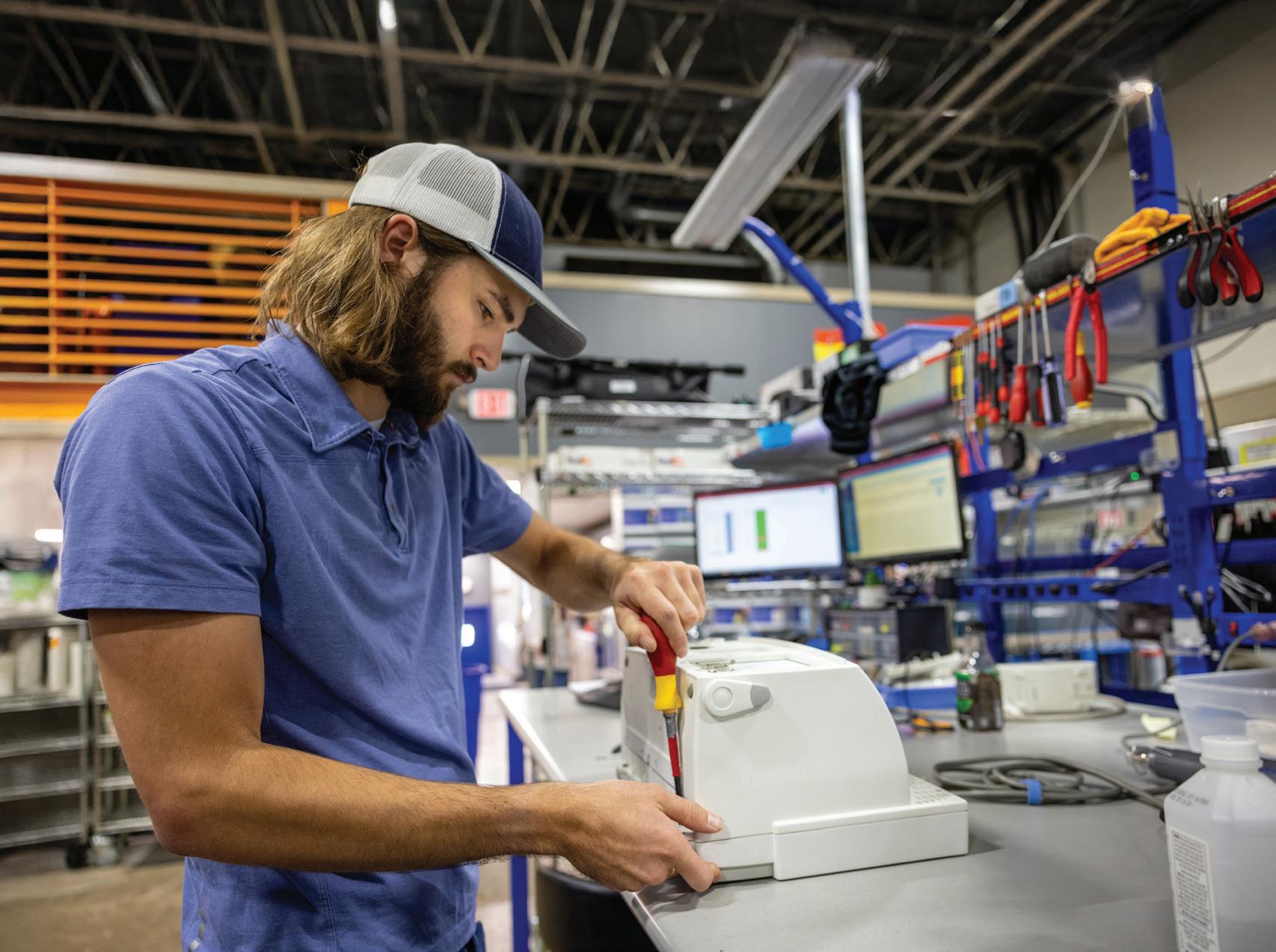
Millions of products. Flat-rate repairs. One marketplace. Whether your HTM team fixes equipment in-house or ships it out, PartsSource gives you a single destination for parts, accessories, exchanges and flat-rate depot repair. From bed parts to infusion pumps and patient monitors, you get the selection you need plus predictable pricing, fast turnaround, and dependable warranty coverage—all in one place.
Visit www.partssource.com to browse our repair solutions.
Scan the QR code to start your repair
Patient Safety
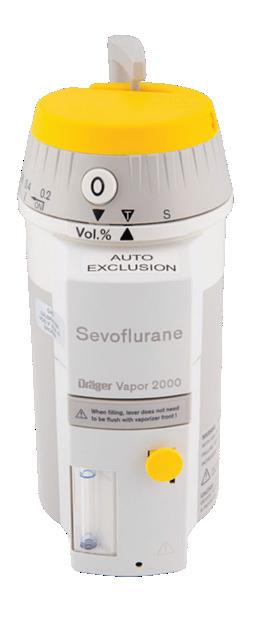
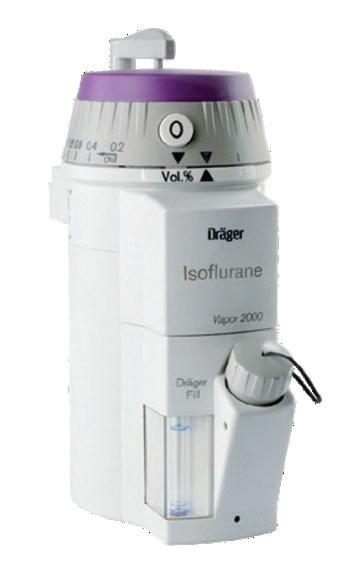
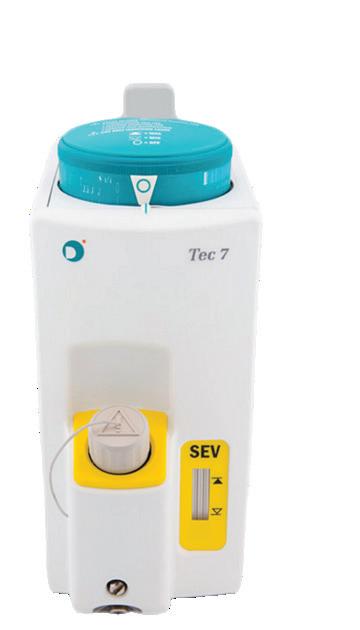
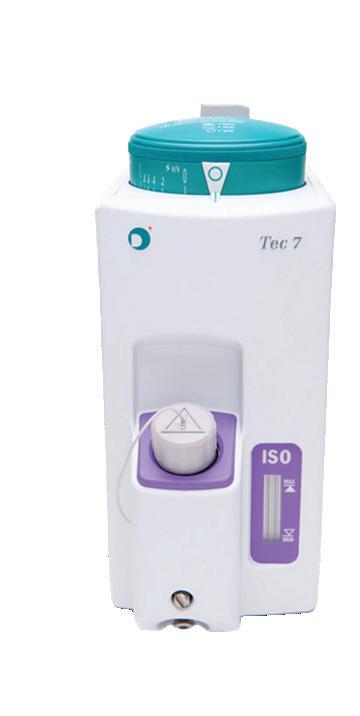
Protects your patients by ensuring accurate, consistent anesthetic delivery and vaporizer reliability.
Regulatory Compliance
Stay compliant with regulations from the FDA, Joint Commission, and other governing bodies.
Save Time and Money
Minimize disruptive downtime and avoid the high costs of last-minute emergency repairs with scheduled service.
Long-Term Value
Investing in preventative maintenance protects your assets, ensures patient safety, and provides peace of mind.
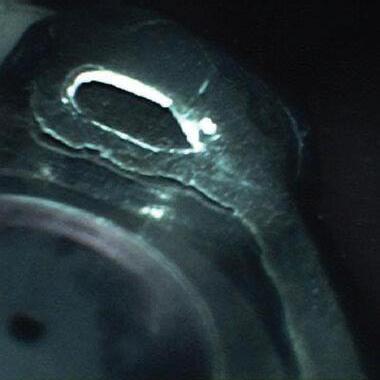
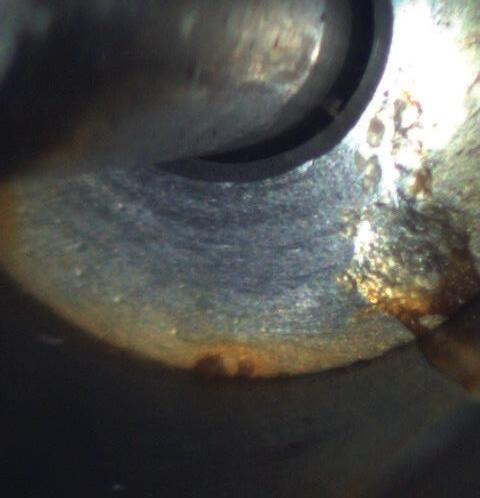
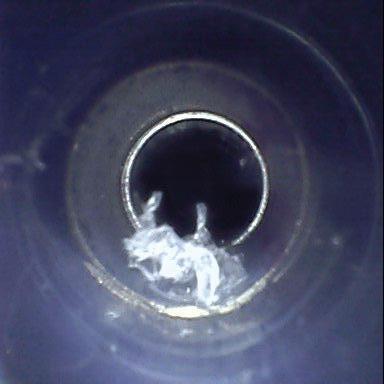
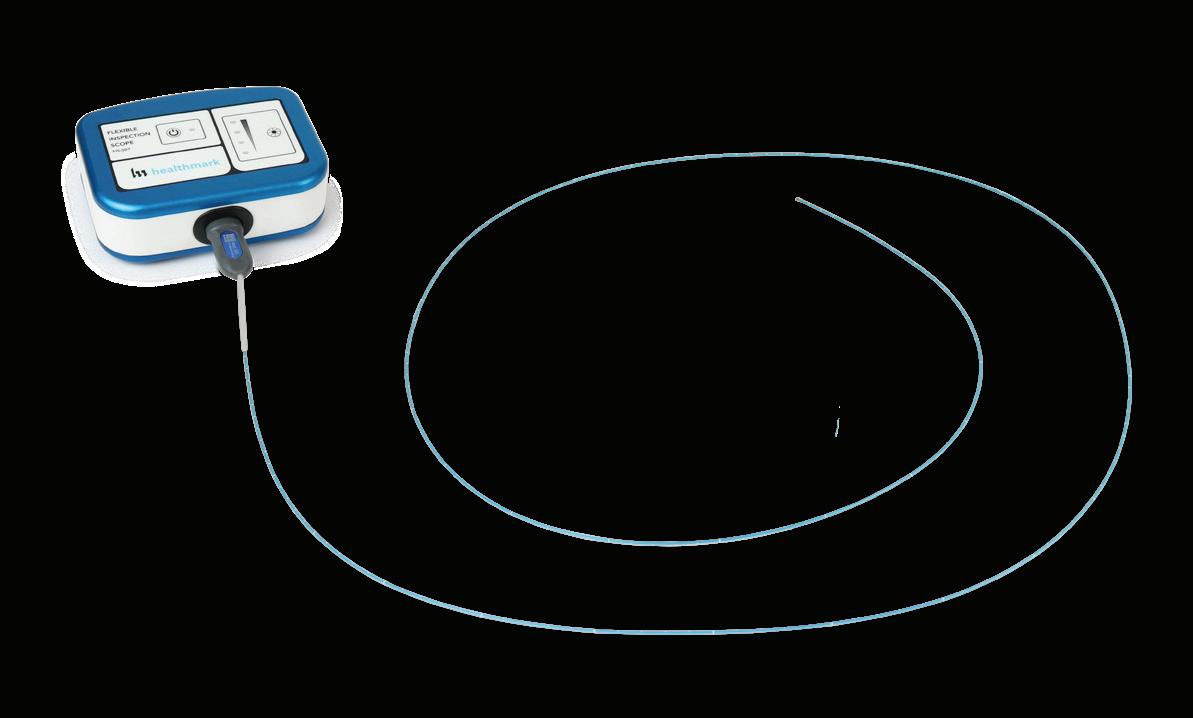
Flexible Inspection Scope Partnership in Every Pixel
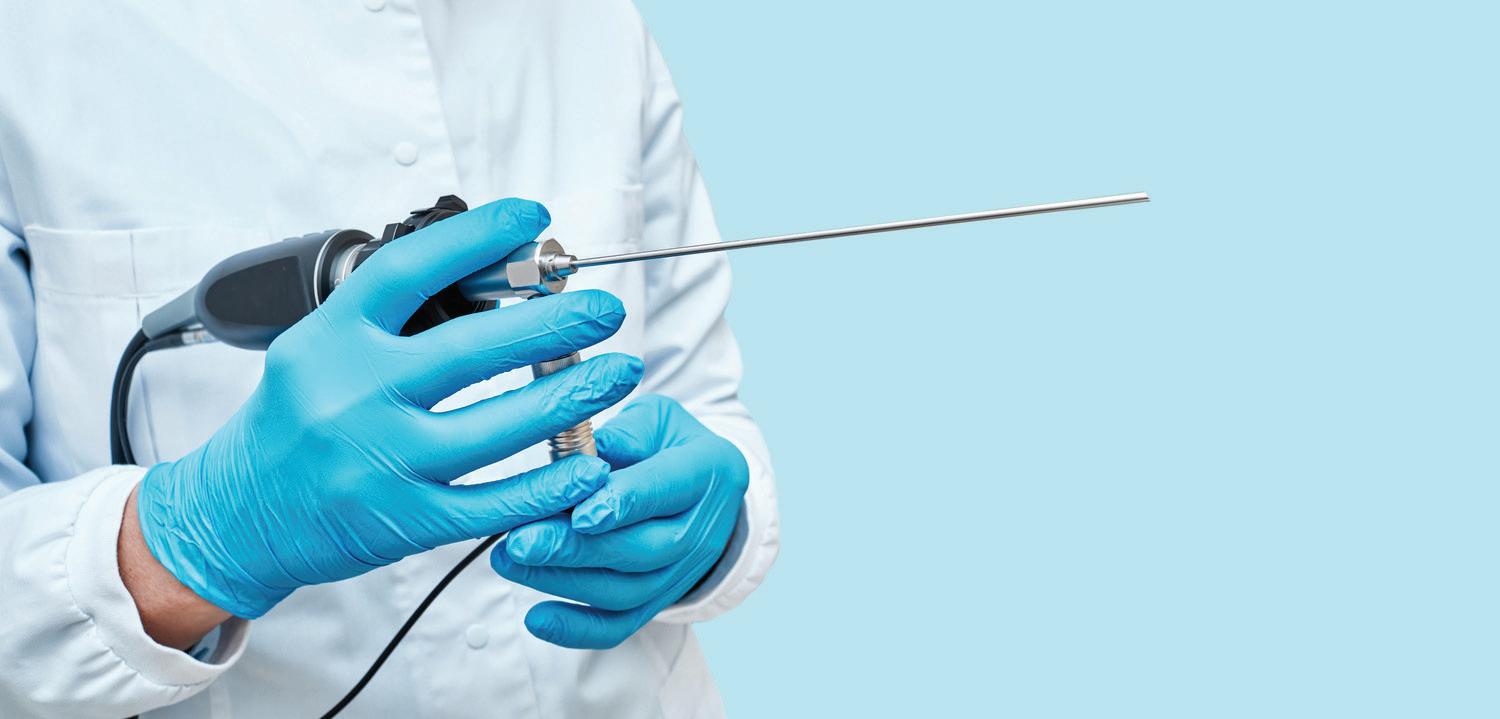
Ready for a borescope that offers partnership in every pixel?
Scan to get started.
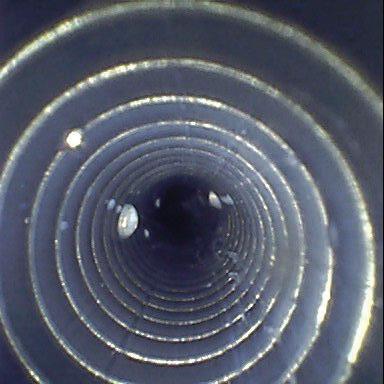
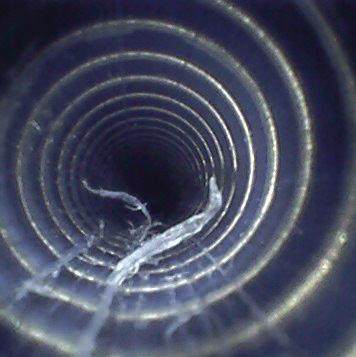
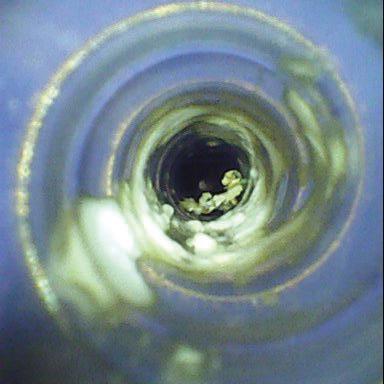
The Flexible Inspection Scope brings clarity to every channel & support at every step
From capturing detailed lumen images to building complete inspection workflows, Healthmark stands with you every step of the way. The Flexible Inspection Scope pairs precision optics with a full network of support—including a team that customizes implementation and training to ensure your success. Because when it comes to borescopes, it’s more than pixels that matter—it’s partnership.
P.12 SPOTLIGHT
p.12 Professional of the Month: Ryan Brent
p.14 Department of the Month: Tanana Chiefs Conference
Biomedical Equipment Support Dept.
p.16 Next Gen: Dana Summers
p.18 Association of the Month:
Colorado Association of Biomedical Equipment Technicians (CABMET)
P.20
INDUSTRY UPDATES
p.20 News & Notes
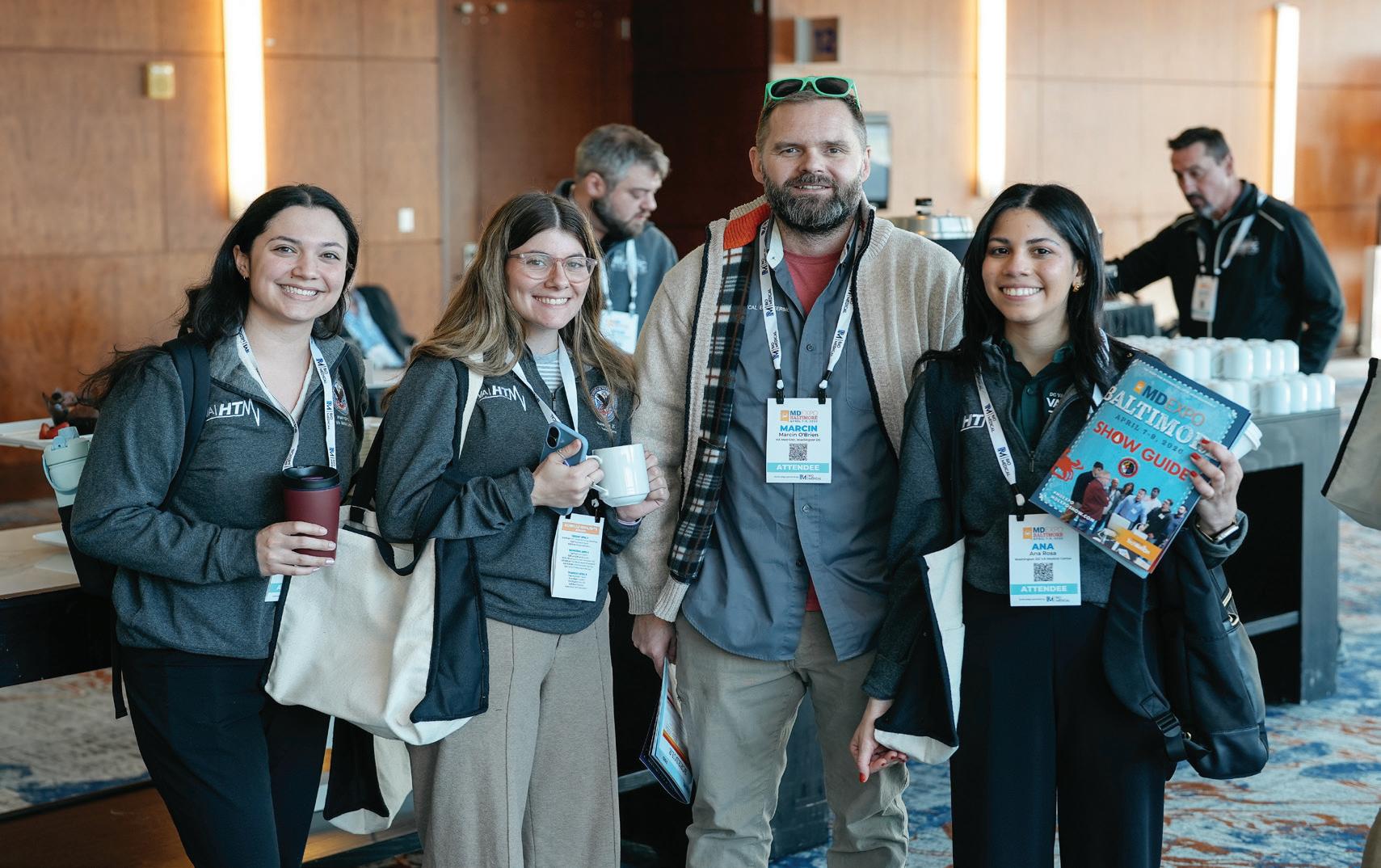
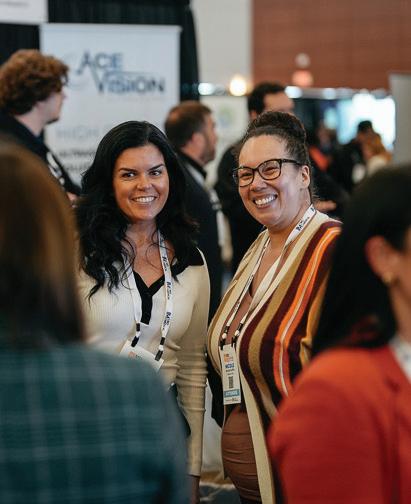
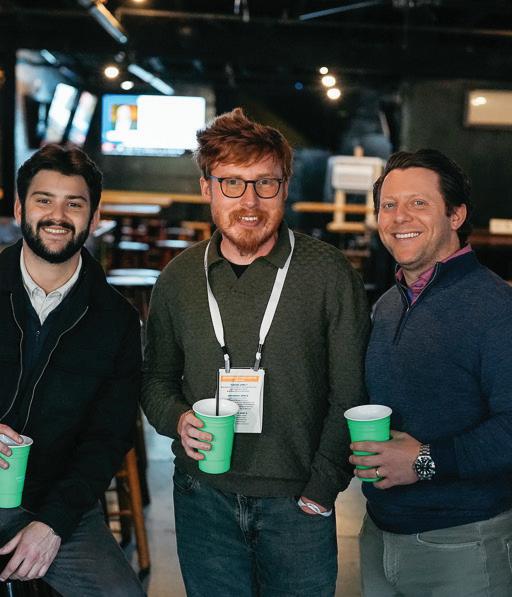
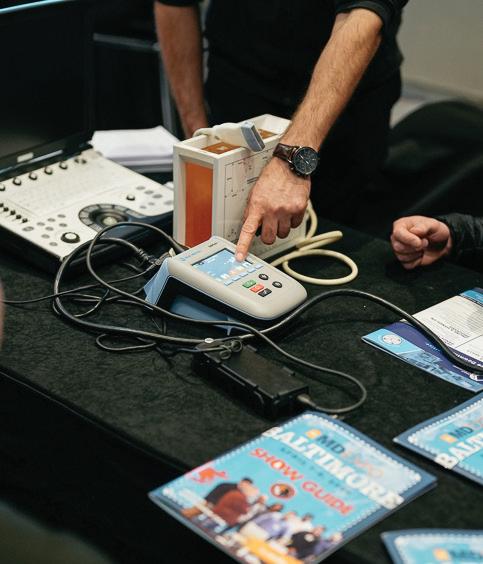
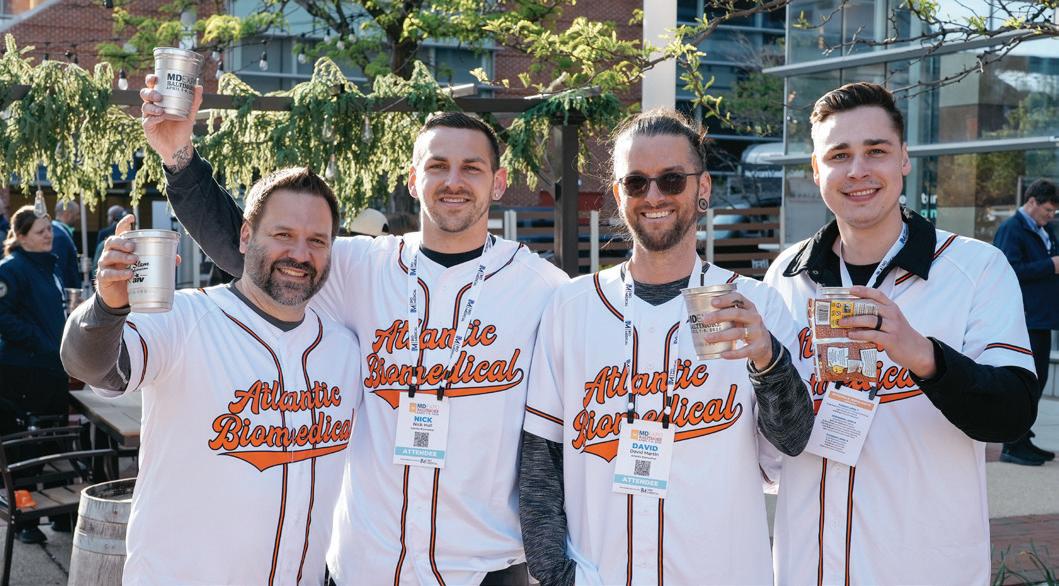
p.28 MD Expo Baltimore Recap
p.30 TechNation Pulse
p.31 Ribbon Cutting: G5 Medical
p.32 AAMI Update
p.34 ECRI Update
P.36 THE BENCH
p.36 Tools of the Trade: Fluke Biomedical
p.38 Biomed 101
p.40 Webinar Wednesday
FEATURE ARTICLES
p.42 Roundtable: Cybersecurity
p.48 Cover Story: HTM Expansion Adapting to Changing Roles
P.52 EXPERT ADVICE
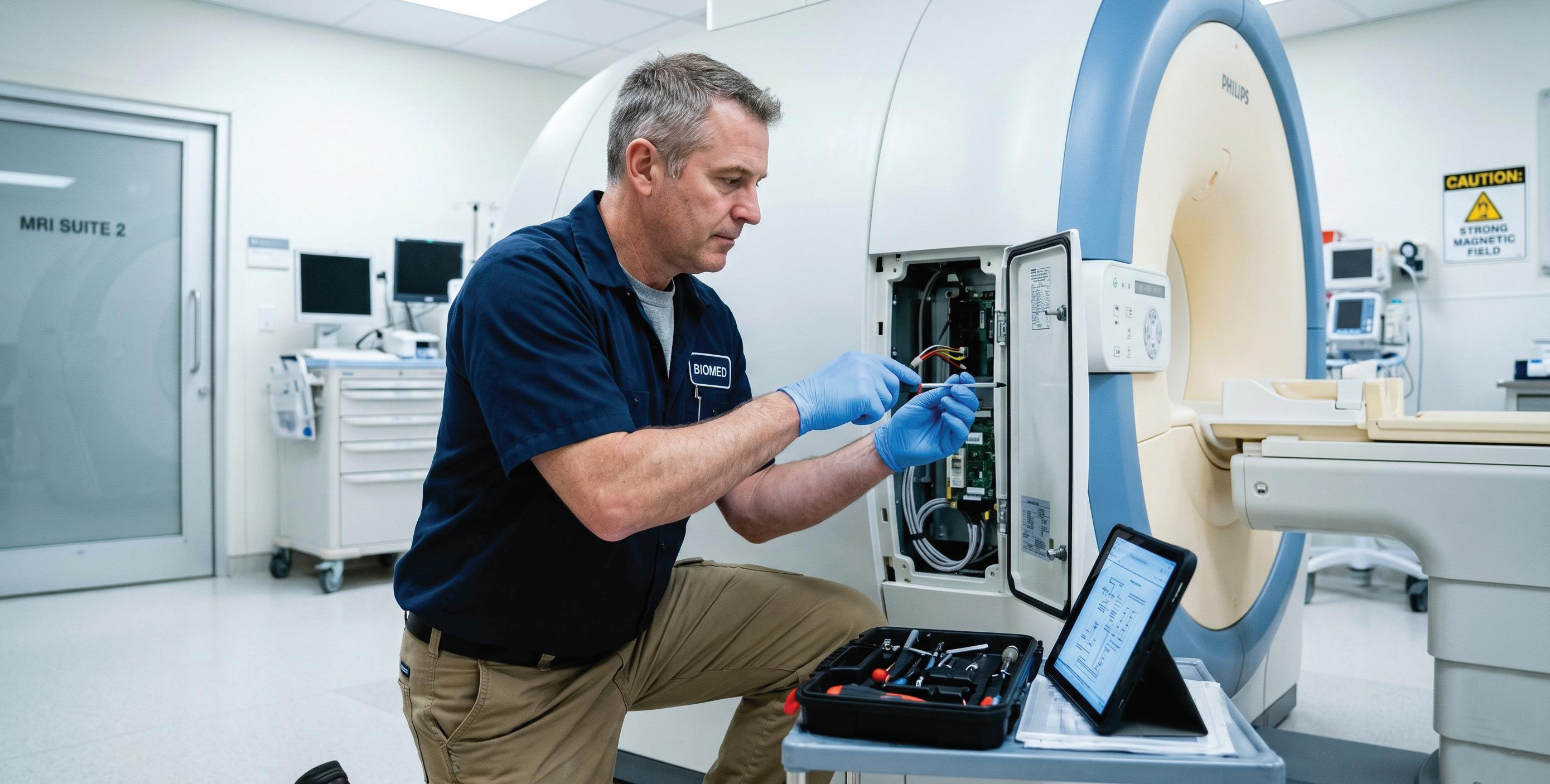
p.52 SPONSORED CONTENT: Rigel Medical
p.54 Cybersecurity
p.58 The Massey Method
p.60 Networking Notes
p.64 The Future
p.66 MedWrench Guru
p.68 Right to Repair
PUBLISHER John M. Krieg
VICE PRESIDENT Kristin Leavoy
VICE PRESIDENT Jayme McKelvey BUSINESS DEVELOPMENT
EDITORIAL John Wallace
CONTRIBUTORS
K. Richard Douglas
Joie Marhefka
Steven J. Yelton
Garrett Seeley
Nathan Proctor
Carol Davis-Smith
Eric Massey
Gay Gordon-Byrne
Dave Francoeur
Andrew Whyte
James Linton
Christopher Walters
ACCOUNT Megan Cabot
EXECUTIVE
ART DEPARTMENT Karlee Gower
Taylor Hayes
Alicia Brown
DIGITAL SERVICES Cindy Galindo
Kennedy Krieg
Haley Harris
Adam Pickney
EVENTS Kristin Leavoy
Sydney Krieg
WEBINARS Linda Hasluem
HTMJOBS.COM Sydney Krieg
ACCOUNTING Diane Costea
CIRCULATION Stephanie Cote
EDITORIAL BOARD
Rob Bundick, Director HTM & Biomedical Engineering, ProHealth Care
Carol Davis-Smith, CCE, FACCE, AAMIF, Owner/ President of Carol Davis-Smith & Associates, LLC
Nadia ElKaissi, CHTM, Biomedical Engineer, HTM, VA Central Office (19HTM)
Bryant Hawkins Sr., Site Manager, Children’s Hospital of New Orleans
Earl Morris Jr., BMET, Director of Clinical Engineering, Harrison County Hospital
Leticia Reynolds, Clinical Engineering Operations Manager at UCHealth Parkview Medical Center
P.72 BREAKROOM
p.72 Word Search
p.72 [Contest] What’s on Your Bench?
p.74 MD Expo Baltimore Scrapbook
p.76 Biomed Brainbuster
p.78 The Social p.80 Service Index
p.83 Alphabetical Index
p.84 Preferred Vendors
LEADERSHIP & PROFESSIONAL SKILLS
DENTAL
Communication & Customer Service Course
Customized Leadership Training
LEADERSHIP & PROFESSIONAL SKILLS
PRODUCT-SPECIFIC HANDS-ON TRAINING
Communication & Customer Service Course
2 Weeks Online, 1 Week In-Person
Customized Leadership Training
Infusion Pumps
Paitient Monitors
PRODUCT-SPECIFIC HANDS-ON TRAINING
Telemetry Systems
2 Weeks Online, 1 Week In-Person
Oxygen Blenders
Dental Bootcamp (2 Weeks InPerson)
Dental Repair Technician 100300 Series (1 Week In-Person)
ONLINE & HANDS-ON PROGRAMS
Dental Bootcamp (2 Weeks InPerson)
Customization Options Available
Dental Repair Technician 100300 Series (1 Week In-Person) DENTAL EQUIPMENT HANDS-ON TRAINING
Biomed to Imaging (B2I)
Biomedical Imaging & Information Systems (BIIS)
ONLINE & HANDS-ON PROGRAMS
Customization Options Available
Medical Device Integration (MDI)
Medical Equipment Technician
Biomed to Imaging (B2I)
Infusion Pumps
Electrosurgical Units (ESU)
100-300 Series
Patient Beds & OR Tables
Paitient Monitors
Telemetry Systems
Defibrillators/ECG
Tabletop Sterilizers
Oxygen Blenders
Ventilators
Electrosurgical Units (ESU)
Patient Beds & OR Tables
Defibrillators/ECG
Tabletop Sterilizers
Ventilators
Biomedical Imaging & Information Systems (BIIS)
Radiological Safety
MRI Safety
Medical Device Integration (MDI)
Medical Equipment Technician
Biomedical Information Systems
100-300 Series
Analyzing & Design
Radiological Safety
MRI Safety
Linear Accelerators - Beginner through Intermediate
Biomedical Information Systems
Analyzing & Design
Linear Accelerators - Beginner through Intermediate
FLEXIBLE, INTEREST-FREE PAYMENT PLANS AVAILABLE.
PROFESSIONAL OF THE MONTH Ryan Brent
BY K. RICHARD DOUGLAS
According to a recent TechNation/ AAMI survey of the HTM field: “Military-trained professionals represent 25.6 percent of respondents.” These Department of Defense-trained biomeds receive an intense and comprehensive HTM education.
One military-trained biomed, who completed the DoD BMET program at Sheppard Air Force Base is Ryan Brent. He currently works as a lead biomed in the clinical engineering department at Cleveland Clinic Martin Health in Stuart, Florida.
Brent’s mother was a field service engineer for GE, working on imaging equipment. She is the person who introduced him to HTM.
“It seemed like a logical area to work in as there are always hospitals and equipment that need repairing,” he says.
Brent started his biomed career as an active-duty Army biomed, first at Walter Reed Army Institute of Research, then with the 173rd Airborne in Italy.
and pending work orders. He uses his early arrival to get a general feel for what the day is going to bring.
“At 6:45 a.m., [I] have a huddle with all techs to put out any information, discuss any problems, the previous night’s on call. From there I speak with the team at the hospital I am based out of to discuss a plan of action which, as always in our field, hardly ever goes to plan,” he says.
Brent compares his job to that of a conductor.
“I am constantly trying to facilitate multiple things at once to make sure operations are running smoothly,” he says.
“After leaving the Army, I worked field service with Getinge. Went to work for UHS/Agiliti as a third party/ in-house biomed. After that, I went on to become a biomed II/III with Goldbelt at Hill Air Force Base,” he says.
In his current position with the Cleveland Clinic, he oversees the Martin North, Martin South and Tradition Hospitals in Florida. His areas of specialization include pulmonary and anesthesia.
Brent said he usually gets to work early to check emails
Brent says that his early military training has served him well in his career.
“The DoD school was a great experience; they brought together some great instructors from across the DoD and civilian sectors. It offered up a great range of equipment. The experience I gained from both the theory and the hands-on training formed the basis of the tech I am today and has served me well all these years,” he says.
He believes that the way the program trains a tech prepares them for success.
“The hands-on aspect of the training allows the tech to hit the ground running with minimal extra training and, since the theory is so well instructed, it makes DoD techs highly flexible to any situation,” Brent says.
FROM HOSPITAL CONSTRUCTION TO TIKI MUGS
Working with a large multi-facility employer as a biomed can mean several projects that go beyond the routine.
“Over the past couple of years with Cleveland Clinic, we have had multiple equipment alignment projects. We have converted over our entire IV pump fleet to a different
manufacturer; anesthesia units have been modernized to name a few. With the large-scale replacement/upgrade projects across multiple sites, the major challenges are coordination across all the affected departments, training requirements for both techs and end-users and just manpower to get everything inventoried and inspected,” Brent says.
He says that it is always a balancing act to get projects completed on schedule, while attending to the daily running of the department with corrective and preventive work orders.
Again, military experience can serve a civilian biomed well.
“When I was deployed back in 2006, I assisted a multinational effort to build a modern hospital in southern Afghanistan. I was the only biomed on the team. Coordinating equipment deployment, assembly and safety standards with an international group of workers, [meaning] most instructions had to go through interpreters,” Brent says.
He explains that in a normal day, the biomeds had to translate tech speak to clinicians; this was not only translating tech speak to regular people, but even into another language.
Beyond his workplace, Brent also sees an industry-wide challenge in a lack of qualified candidates able to keep up with the demand within HTM.
“Many people outside of our profession have no idea what we are or what we do. This, I think, leads to a critical
BIOMETRICS
FAVORITE BOOK:
“Star Wars: The Thrawn Trilogy” by Timothy Zahn
FAVORITE MOVIE:
“The Empire Strikes Back”
FAVORITE FOOD: Soft pretzels
FAVORITE PART OF BEING A BIOMED?
The chaos. Not many professions can bring something new every day. While there are trends with what breaks on equipment, especially when you have multiples of the same type, typically no two days are the same.
WHY DO YOU READ TECHNATION?
To keep up with the trends in the industry.
shortage of qualified BMETs,” he says.
Away from the workplace, Brent’s pastimes include 3D printing, gaming, computers and collecting tiki mugs.
“I have a 3D printer that I [use to] print various things around the house and the workshop. Expanding my knowledge into creating my own 3D print designs for public use. I own gaming consoles back to the Super Nintendo,” he says.
He says that he is big into retro gaming.
“I started building my own desktop computers after my DoD biomed course. I build, mod and update all the time. I have built many systems for friends and family,” Brent says.
He says that his tiki mug collecting started about 20 years ago.
“Got fascinated with the atomic age ‘Polynesian’ vibe. Started collecting various mugs/cups from various places and online. Collection slowly grew to about 30 ceramic and glass items,” he says.
Family includes his mom, sister and two sons.
“I have been a biomed for 26 years; both in house, OEM and third party. Love hockey (Florida Panthers), grew up in south Florida and have been on all but two continents (Antarctica and Australia),” Brent says.
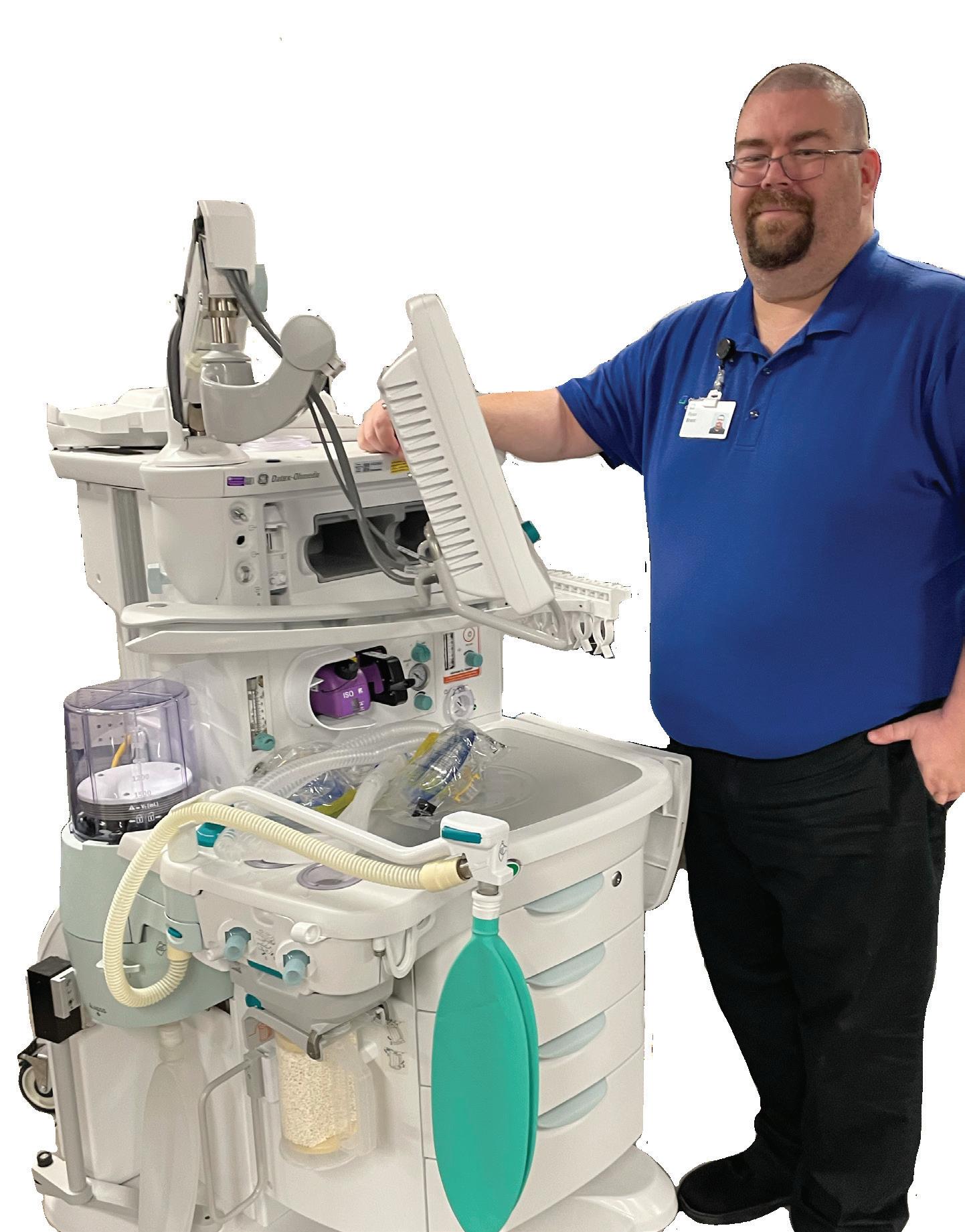
Ryan Brent is seen with a GE Aysis CS2 anesthesia unit.
DEPARTMENT OF THE MONTH
Tanana Chiefs Conference
Biomedical Equipment Support Department
BY K. RICHARD DOUGLAS
Some biomed jobs may be more challenging than others. Not because of the equipment serviced, but everything else.
The HTM professionals in the Tanana Chiefs Conference Biomedical Equipment Support Department based out of Fairbanks, Alaska, face unique logistical challenges.
The Tanana Chiefs Conference region covers an area of 235,000 square miles in interior Alaska.
“Our team consists of one manager who also performs repairs and travels to remote sites, two biomed technicians who handle the majority of field service and travel, and one administrative assistant who supports scheduling, documentation, supply coordination and assists with minor troubleshooting and battery replacements when needed,” says Mark Harris, biomedical equipment support director.
Harris says that the department is responsible for supporting medical, dental, radiology, laboratory, ASC, infusion and pharmacy equipment at a main facility in Fairbanks and 30 remote clinics spread over an area roughly the size of Texas.
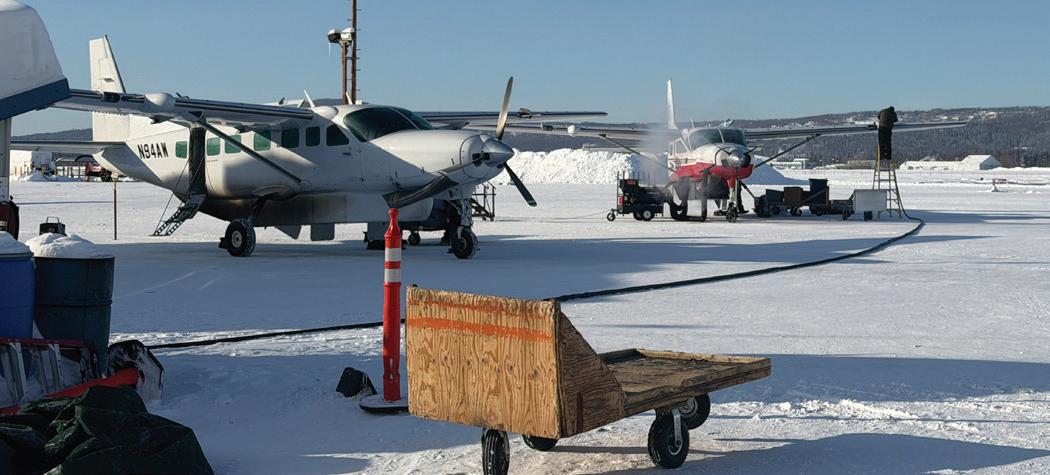
“Many of these clinics are not on the road system and are accessible only by small bush planes, boat, snowmachine (snowmobile) or ATV depending on the season. In addition to our main outpatient facility in Fairbanks, we support 30 remote village clinics that vary in size and scope of services. Our technicians must be prepared to support a wide range of equipment types in extremely isolated environments where immediate backup is not available,” Harris says.
He says that the main facility is the Chief Andrew Isaac Health Center in Fairbanks, Alaska.
“It is a comprehensive outpatient facility that includes an ASC, urgent care, pharmacy, 30 dental suites, eye clinic, radiology, behavioral health, women’s health, obstetrics, pediatric care, diabetes services, immunizations and specialty clinics including orthopedics. In addition to several support buildings in town, we provide service to 30 remote village clinics,” Harris says.
To understand the challenges the team’s biomeds face, it is important to understand the complex travel logistics involved.
“In some cases, aircraft can only land in one village, requiring coordination to cross a river by boat in summer or snowmachine
in winter to reach a neighboring clinic. During freeze-up and breakup seasons, neither boats nor snowmachines are safe options. Spring breakup can cause severe flooding as large ice flows create temporary dams and force water into villages, damaging buildings and infrastructure. Travel planning requires careful coordination with weather, river conditions and available transportation to ensure safe and timely support of clinical services,” Harris says.
Biomeds must be generalists out of necessity. When one of the biomeds is at a remote location, they don’t have the option of calling in a specialist.
Harris says that this fact requires broad technical competency, strong critical thinking skills and the ability to adapt in unpredictable situations.
“Our team maintains certifications and ongoing training across multiple equipment platforms to ensure we can safely and effectively support all service lines,” he says.
SUPPORTING THE INDIGENOUS COMMUNITY
In addition to the logistical challenges, the biomed team engages in some functions beyond turning a wrench that highlight their worth to the community.
Harris says that because of their location, and the communities they serve, the team’s role occasionally extends beyond traditional biomed responsibilities.
“We support tribal health clinics that are deeply connected to cultural traditions and community events. On one occasion, we were asked to assist with harvesting a moose for a traditional potlatch gathering. A potlatch is an important ceremonial event practiced by Indigenous peoples in Alaska. Harvesting often occurs in extreme winter conditions, and our team has traveled in temperatures as low as minus 59 degrees Fahrenheit to support community needs,” he says.
“We have also assisted with distribution of salmon to elders when traditional harvests were impacted by low returns. In some cases, salmon must be commercially sourced and distributed to ensure elders receive this culturally and nutritionally important resource,” Harris adds.
Harris says that operating equipment, transporting supplies and traveling safely in those conditions requires planning, resilience and adaptability.
He says that from a technical perspective, one of the more complex projects involved acquiring a used Panoral X-ray unit
from GSA surplus and installing it in a remote village clinic.
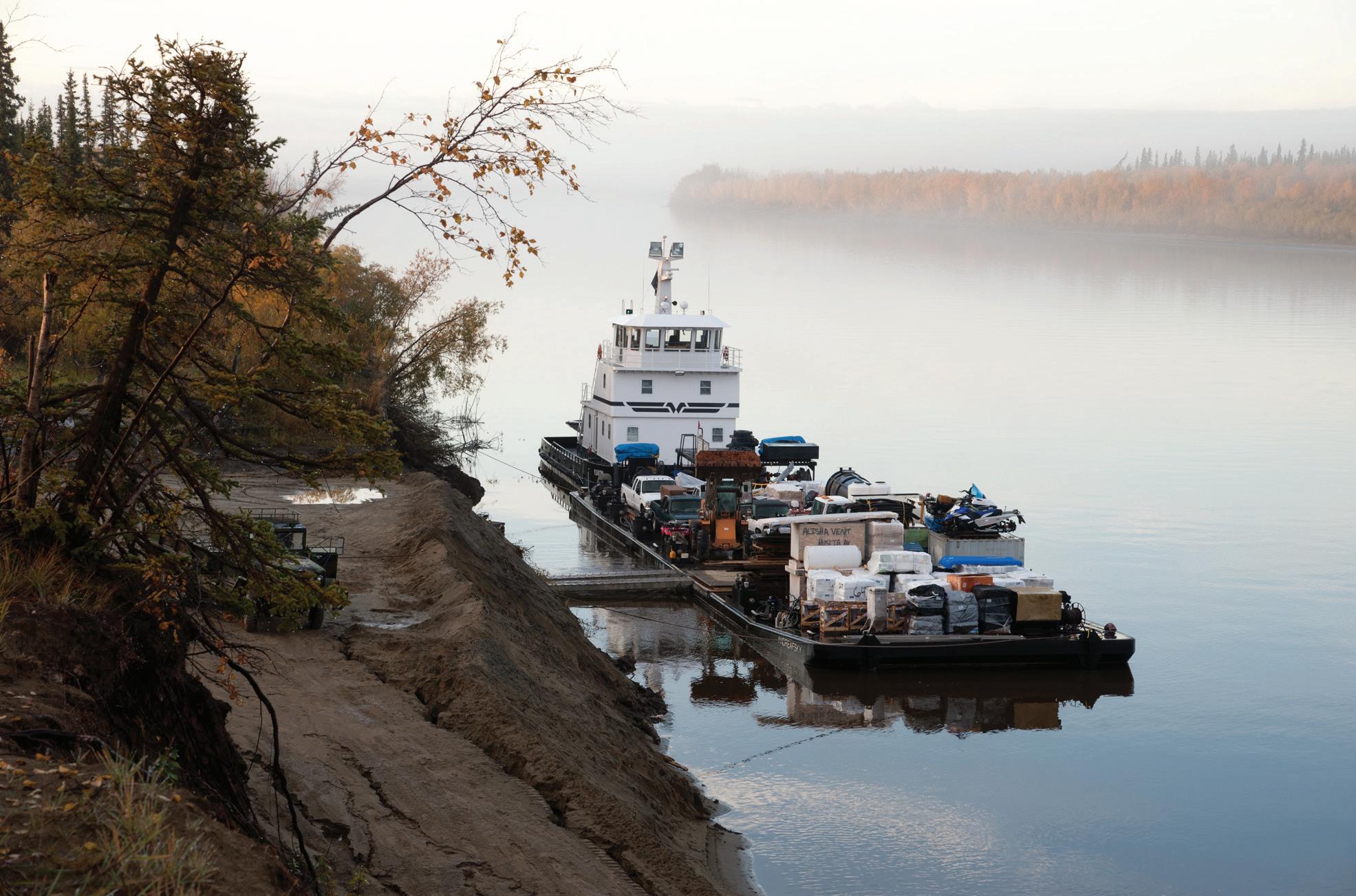
“The village has no road access and can only be reached by boat or aircraft. Larger equipment cannot fit in small bush planes, so we palletized the system and coordinated shipment via barge during the limited summer season before the river freezes, typically by late September. Missing that narrow window can delay installation for months. Careful planning, staging and timing are critical when moving large medical equipment into isolated communities before the rivers begin to freeze back up, which can begin as early as September,” Harris says.
Along with the extreme conditions the team operates in, it also engages in problem solving.
“We support 30 remote village clinics, most of which have two exam rooms and one or two dental chairs. Biomed typically visits each village once per year unless an emergency occurs. Because travel is expensive and weather dependent, we often provide real- time remote troubleshooting. We walk dental staff through repairs using video calls while standing next to similar equipment at our main facility in Fairbanks to demonstrate procedures step by step,” Harris says.
He says that providers in some villages use portable dental systems and maintain small tool kits with basic spare parts so they can assist with guided repairs.
“Extreme weather creates additional challenges. If a boiler or heater fails, clinics can freeze quickly. When that happens, many items frequently crack and must be replaced. In those situations, we coordinate emergency travel to restore services as quickly as possible. Due to our geographic isolation, we maintain a larger than typical parts inventory to reduce downtime. As a result, we are often able to achieve same-day turnaround on many repairs once equipment reaches our shop,” Harris says.
The biomed team actively pursues continuing education and maintains awareness of industry best practices to support its broad scope of responsibility.
For members of the Tanana Chiefs Conference Biomedical Equipment Support Department, the job description may look different than nearly any biomed position in the lower-48. It is a good fit for those who love the natural beauty of Alaska, dedication to community and a personality that thrives on overcoming challenges.
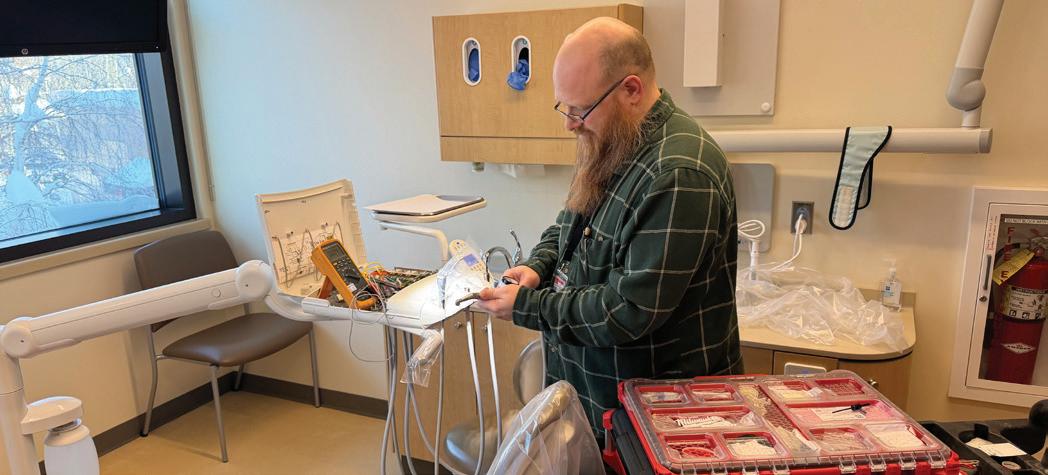
Left : On a minus-22 degrees Fahrenheit day, a refrigerator is dropped off that the department repaired to be shipped back out to a remote village. Right: Chris Griffin works on dental equipment
Image of portable X-ray machine getting barged to Galena.
NEXT GEN POWERED BY YP AT MD
Dana Summers
D
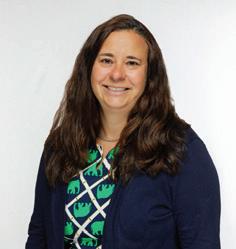
ana Summers recently shared on LinkedIn that she has been promoted to a Biomedical Technician II at TRIMEDX. She started her biomed career at Children’s Hospital of Pittsburgh in 2025.
She earned an associate degree in biomedical engineering technology from Penn State New Kensington before starting her career. TechNation recently found out more about this up-andcoming biomed.
Q: WHERE DID YOU GROW UP?
A: I grew up in Leechburg, Pennsylvania.
Q: Where did you receive your HTM training/education?
A: Penn State New Kensington
Q: How did you first discover HTM?
A: My father is a Penn State alumnus who is very involved with the school. When I was exploring colleges he connected me with the director of the program, Joie. That conversation introduced me to the field.
Q: Why (or how) did you choose to get into this field?
A: I’ve always loved the idea of working in healthcare but knew directly working with patients was not the right fit for me. Fixing things has always come naturally so when I discovered I could combine healthcare with technical problem solving, I knew it was a perfect fit.
Q: What do you like most about your position?
A: I love that every day is an opportunity to learn something new. Medical equipment is constantly evolving, so staying current with how devices are built and maintained requires ongoing learning and growth.
Q: What interests you the most about HTM?
A: Biomeds are often the hidden heroes of healthcare. Most people do not realize the work we do behind the scenes to keep critical equipment safe and reliable. When something
goes wrong and we step in to solve the problem, it directly impacts patient care. It’s an incredibly rewarding feeling to know the work we do helps support clinicians and keeps patients safe.
Q: What has been your greatest accomplishment in your field thus far?
A: I have recently begun specializing in respiratory equipment and discovered my niche. It has been a great opportunity to grow my knowledge and further develop my career.
Q: What goals do you have for yourself in the next 5 years?
A: In the next 5 years I hope to pursue a path into leadership within the HTM field.
FUN FACTS
FAVORITE HOBBY: Sewing
FAVORITE SHOW OR MOVIE: “Grey’s Anatomy”
FAVORITE MEAL: Beef tips
WHAT WOULD YOUR SUPERPOWER BE? The ability to charge every device as I walk by.
1 THING ON YOUR BUCKET LIST? A trip to Germany
SOMETHING YOUR CO-WORKERS DON’T KNOW ABOUT YOU: Honestly, we know each other too well.
ASSOCIATION OF THE MONTH
COLORADO ASSOCIATION OF BIOMEDICAL
EQUIPMENT TECHNICIANS (CABMET)
K. RICHARD DOUGLAS
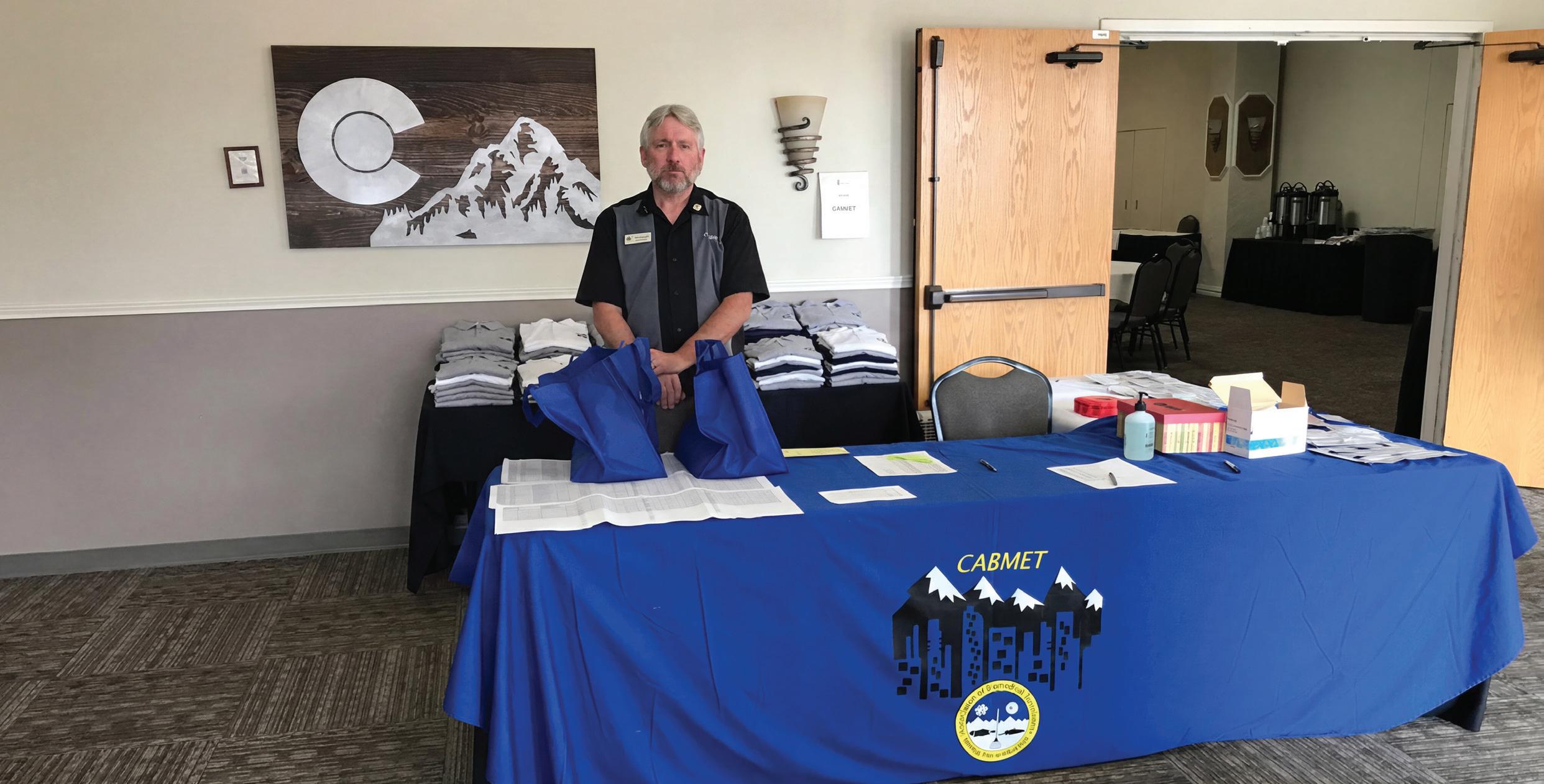
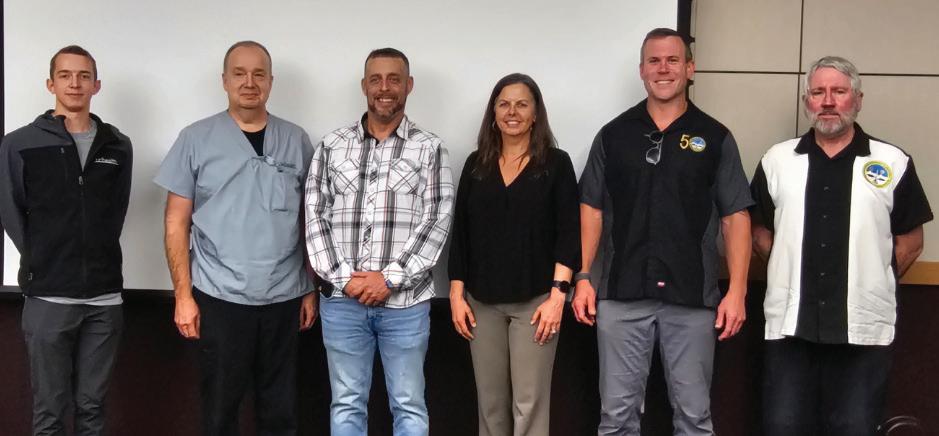
The Colorado Association of Biomedical Equipment Technicians (CABMET) has a rich history dating back to 1974. The group is one of the premier biomed associations in the country and has been integral to the development and training of other groups and biomeds far outside its home state.
CABMET’s leadership team includes President Barbara Shuff, Vice President Jake Urben, Treasurer Robert Smothers, Secretary Stephen Zeien, Public Information Officer Eric Massey and webmaster Logan Zeien.
“The organization was created by instructors at the USAMEOS school – the old Army/Navy biomed school,” Shuff says.
She says that the founding members were a group of civilian
instructors at the former Fitzsimons Army Medical Center that included: Jim O’Brian, Jon Fink, Gene Bacon, Archie Hopkins, George Luttkus and K.C. Rock.
“As far back as one can search on the Internet, it is apparent that CABMET has been about the business of encouraging a free exchange of information between BMETs, hospitals and vendors with the goal of improving patient care through the advancement of biomedical equipment technology,” Shuff says.
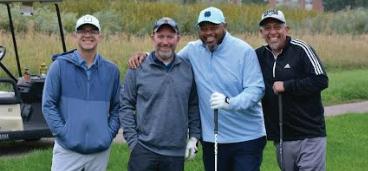
CABMET celebrated many firsts after its 1974 inception. Some of those included its first annual golf tournament in the year 2000, the first annual symposium in 2002, the formation of the CABMET Study Group in 2004 for CBET exam preparation and it was the recipient of the TechNation Association of the Year Award in 2010.
Dave Scott was the study group’s organizer. Scott was CABMET president in 2004. During the 15 years CABMET ran the study group, over 2,000 technicians became certified.
In 2019, CABMET was awarded AAMI’s association of the
year honor. It also sold the CABMET Study Group to AAMI in 2019.
The group benefits many stakeholders in a variety of ways within HTM and healthcare.
“While CABMET connects trainers with those seeking training, its role extends well beyond that. We bring together companies offering products and services with the professionals who need them, and we create opportunities for employers to connect with prospective employees. The association also fosters an open exchange of information among BMETs, hospitals and vendors – all with the ultimate goal of advancing biomedical equipment technology and improving patient care,” Shuff says.
The organization has a scholarship program that typically awards $1,000 to at least one recipient annually.
What qualities are sought in a candidate for the scholarship?
“[The] student should attend one CABMET function –meetings, volunteer workdays, etc. – during the prior 12 months and must be present at the awards ceremony to receive the award. The student must have attended school for at least six credit hours during one semester of the past 12 months with at least a 2.0 GPA on the 4.0 scale,” Shuff says.
She says that the student must be enrolled in a degree program closely related to one of the following areas of study: computer networking, cybersecurity, computer science, computer information systems, computer programming, database administration, electrical engineering, mechanical engineering, physics, robotics, automation, electronics technology or IoT.
“The scholarship will be awarded based on a combination of factors, including GPA, course load, relevance of major and CABMET participation,” Shuff adds.
Members get a chance to rub elbows on a regular basis since the organization averages six meetings per year.
EXCITING ANNUAL EVENTS
CABMET has lots of experience hosting symposiums and golf tournaments.
“Our first annual symposium was held in 2002. It has evolved into a multi-day event held on the first Thursday and Friday of August. Thursday and Friday include classes, breakfast, and lunch, followed by a Friday evening keynote, happy hour, and poker tournament. The event concludes with a golf tournament on Saturday,” Shuff says.
She says that the CABMET symposium typically attracts more than 200 participants over its two-day program.
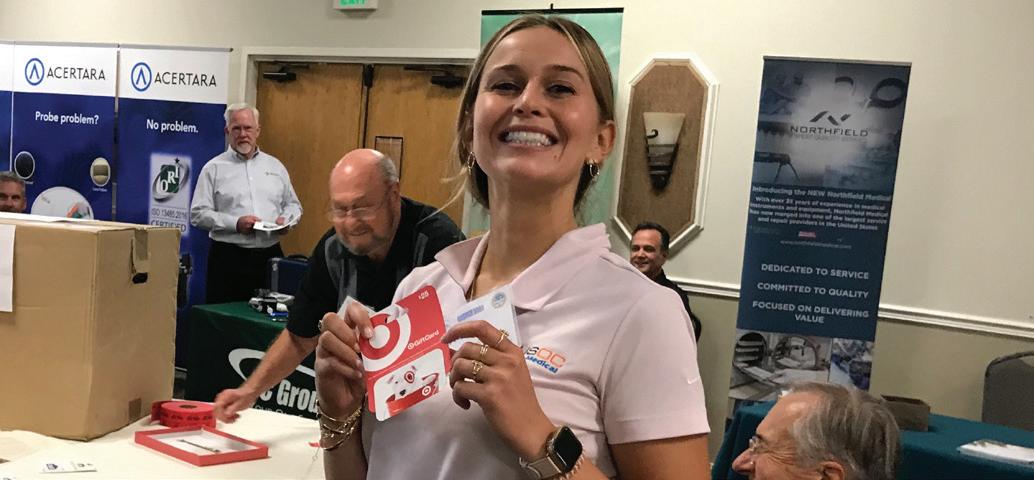
“In 2023, there were 218 total sign-ins, including attendees, sponsors and presenters. The event featured 40 exhibitors, 28 class sessions representing 24 unique courses and resulted in 487 class certificates issued,” Shuff says.
In 2024, the group celebrated its 50th anniversary at the symposium.
“In 2025 we supported an HTM Mixer in partnership with TechNation in lieu of our normal symposium,” Shuff says.
The organization will be teaming up with AAMI this year for another exciting twist on its annual symposium.
“This year we have the privilege of supporting AAMI with hosting of the 2026 AAMI eXchange in Denver in lieu of our normal symposium. However, we will return to our typical annual symposium and golf tournament August 5-7 in 2027,” Shuff says.
It is easy to understand that a biomed association created by biomed instructors should play an important role in education and training. As one of the nation’s leading HTM associations with more than a half-century of experience, CABMET leaves a legacy beyond its state’s borders.
Check CABMET’s website in early 2027 for symposium details: cabmet.org/symposium/.
NEWS & NOTES
Updates from the HTM Industry
FDA ANNOUNCES READI-HOME INNOVATION CHALLENGE
The U.S. Food and Drug Administration (FDA) recently announced a new Innovation Challenge titled, “READIHome: Reducing Readmissions through Device Innovation for the Home.”
The goal of this Innovation Challenge, which is part of the FDA’s Home as a Health Care Hub Initiative, is to accelerate patient access to medical device technologies aimed at reducing hospital readmission. Innovation in this area has the potential to reduce morbidity and mortality
associated with chronic conditions and significantly reduce the financial and logistical burden on the health care system.
The FDA invites innovators to pursue potential participation in the Innovation Challenge by providing proposed solutions for medical device technologies to be used in the home setting. These technologies would help support patients and caregivers after an acute hospital stay and may help prevent avoidable readmissions.
PARTNERSHIP DELIVERS MEDICAL-GRADE CONNECTIVITY IN CRITICAL HEALTHCARE ENVIRONMENTS
Cellhub, a healthcare technology aggregator and a primary agent for T-Mobile, announced it is partnering with Extreme Networks, a leader in AI-powered automation for networking, to provide secure, high-performance networking infrastructure through its Hospitals Without Walls initiative. Together, Extreme and Cellhub will deliver integrated wired, wireless, and cellular solutions purposebuilt for highly dense, highly regulated healthcare environments, helping them improve operational efficiency and expand options for patient care with virtual, mobile and at-home services.
With wired and wireless solutions from Extreme, Cellhub will help healthcare customers ensure they have the foundational network infrastructure necessary to support seamless clinical mobility and workflows, securely connect medical devices, support cloud-based applications, protect sensitive healthcare data, and enable distributed care delivery across hospital campuses and beyond.
An intelligently combined Wi-Fi and 5G network can eliminate dead spots and connectivity disconnects in hospital environments, allowing practitioners to traverse from wing to wing, campus to campus, or even into the community on the same secure, robust, HIPAA-compliant network, all without disruption. These networks will
become increasingly critical for hospitals to provide virtual and remote services as more patients seek to receive in-home care.
“In the past, Wi-Fi and cellular connectivity have been competing categories,” said John Tonthat, CRO of Cellhub. “That’s quickly becoming antiquated in healthcare. Modern hospitals need more than one environment or the other to meet the future. When we combine both protocols into a single, high-performance network, leveraging the expertise of a unifying partner, we can bring together all the components that will allow hospitals to grow, while creating cost-savings and streamlining the management of this ecosystem. Extreme Networks’ deep experience in healthcare networking solutions will help us achieve that.”
“In a hospital environment, technology supports everything from critical patient monitoring systems to in-room patient amenities like video streaming that make them more comfortable. By combining our highperformance wired and wireless solutions with Cellhub’s cellular portfolio, we can help ensure hospital staff have the connectivity they need to work seamlessly and deliver the best possible patient experiences and outcomes,” said Norman Rice, chief commercial officer at Extreme Networks.
U.S. ARMY ENHANCES READINESS VIA VIRTUAL TRAINING
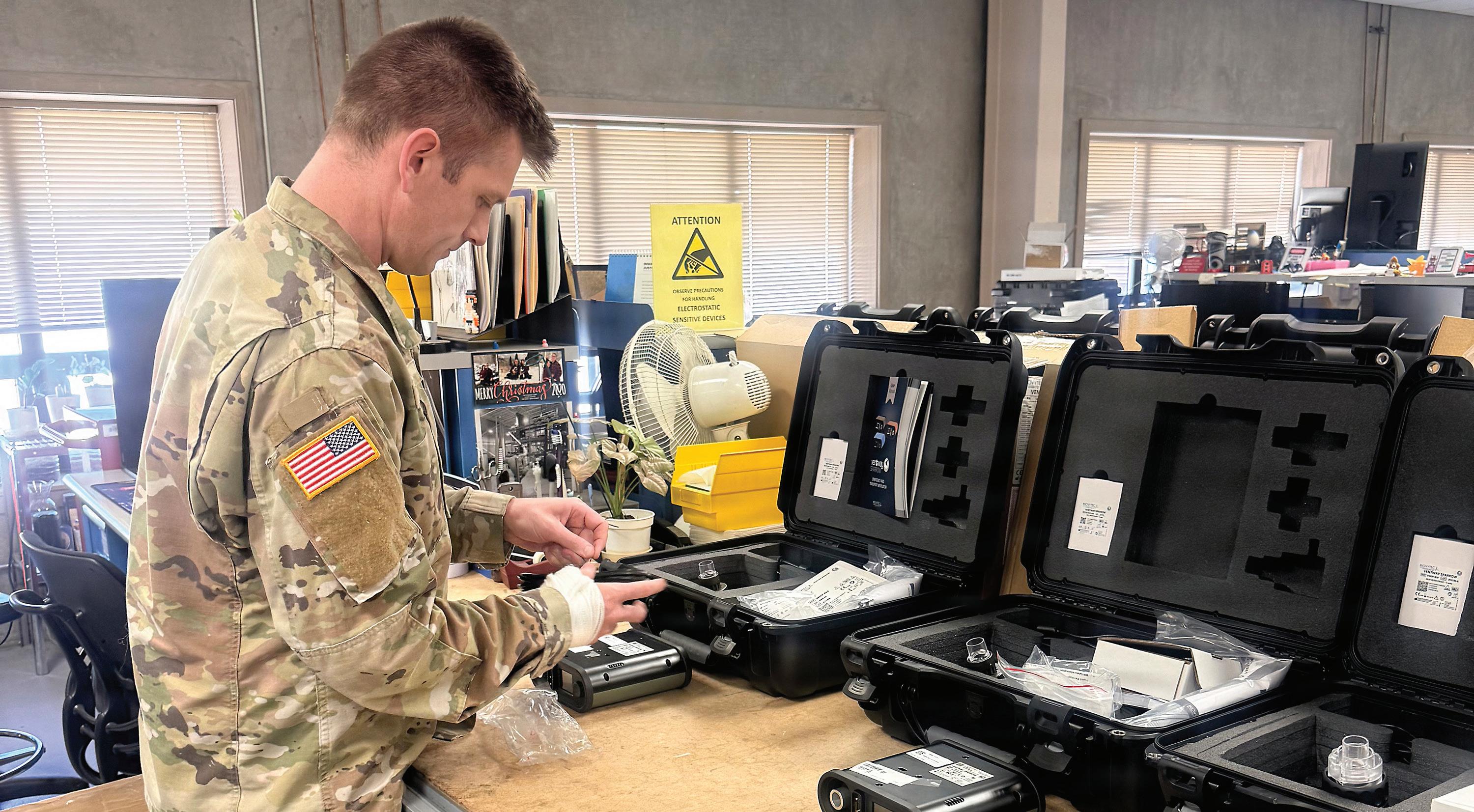
To enhance unit-level readiness, U.S. Army Medical Logistics Command coordinated virtual training for more than a dozen medical maintenance technicians on a new portable ventilator system March 12.
The session brought together biomedical equipment specialists (68As) from the 51st Medical Logistics Company and 16th Hospital Center, both local units to Fort Bragg, where AMLC operates a Forward Repair Activity-Medical, or FRA-M, site
Expert technicians from AMLC’s Medical Maintenance Operations Division at Hill Air Force Base, Utah, or MMODUT, administered the entry-level service training, also allowing an opportunity for its own technicians to train along with the group at Fort Bragg.
The FRA-M program is an initiative being rolled out under a wider Army transformation effort called Medical Logistics in Campaigning, which aims to integrate medical materiel and maintenance into the broader Army sustainment enterprise.
The event underscores the FRA-M’s dual role in providing not just medical maintenance repair, but also vital training access for regional units.
“Being experts in our field is crucial to our success,” said Anthony Cruz, an Army Civilian at MMOD-UT currently detailed as interim site manager for the FRA-M at Fort Bragg. “Having a well-trained team benefits our operation.”
Portable ventilators serve as a vital lifeline to provide respiratory support for injured soldiers on the battlefield. They are engineered to be compact and lightweight, easily carried by medics and used in transport during medical evacuation situations.
“This training is about more than just maintenance; it’s about guaranteeing readiness at the tactical edge,” said Jose Vazquez, MMOD-UT director. “By empowering our medical maintainers with the skills to service these life-saving ventilators, we are directly enhancing our ability to provide critical care on the battlefield.”
The hourlong session covered preventative maintenance checks and proper procedures for service, featuring live demonstrations by the MMOD-UT instructors. While troubleshooting instruction left little time for hands-on work, attendees engaged directly with the instructors in a question-and-answer session.
Feedback was positive, Cruz said. Attendees appreciated that the virtual training brought valuable context to the preventative maintenance process. For those with prior experience, it served as a great refresher.
The session also highlighted the differences in how sustainment-level maintenance is performed on the system, as compared to the unit level in the field.
“I am so happy this training was provided to us because it helps complete our shop,” said Chief Warrant Officer 2 James Butler, maintenance officer with the 51st MLC. “We were needing to train our technicians, and the FRA-M was able to provide it.”
Fort Bragg’s FRA-M site was the first location, coming online in October 2024. Additional locations have been established at AMLC’s three MMODs in California, Utah and Pennsylvania, with more on the way, including Fort Campbell, Kentucky, in the coming months.
INDUSTRY UPDATES
HEALTH SECTOR PUBLISHES GUIDE FOR THIRD-PARTY A.I. CYBERSECURITY
The Cybersecurity Working Group (CWG) of the Health Sector Coordinating Council (HSCC) is providing healthcare organizations with best practices to address the realities of AI-driven supply chains in healthcare.
The healthcare sector’s accelerating adoption of artificial intelligence has expanded its dependence on third-party tools and services, introducing complex cybersecurity challenges that traditional risk management tools and models struggle to address. From natural language processing engines embedded in electronic health records (EHRs) to AI-driven remote monitoring devices, many critical functions rely on external vendors whose security postures, data governance practices and model integrity are difficult to verify.
Compounding the risk, healthcare organizations (HCOs) often lack visibility into the full scope of AI components sourced through layered supply chains, including subcontractors, offshore development and open-source AI assets. This opacity elevates systemic exposure and risk, further complicating response coordination in the event of a breach or model failure.
This new publication – the “Health Industry Third-Party AI Risk and Supply Chain Transparency Guide” – addresses the growing gaps in discovery and disclosure processes that make AI supply chain risk so difficult to manage. Many HCOs operate with incomplete or outdated vendor inventories, while AI-specific cybersecurity risks – such as synthetic data misuse, training data leakage and adversarial inference – go unreported by vendors. To counter this, the guide promotes proactive due diligence, dynamic risk profiling and contractual transparency. It equips risk managers, compliance teams and procurement officers with scalable tools to surface hidden dependencies, identify cascading failure points and align third-party AI vendors and products with mission-critical safety, privacy and resilience goals.
Alongside the release of the guide, the HSCC Cybersecurity Working Group’s AI Task Group is publishing its AI Cyber Glossary – a living reference document establishing consistent, governance-ready definitions for artificial intelligence terminology across the health sector.
The glossary was developed in direct response to a critical gap in managing healthcare AI and AI cybersecurity: the absence of shared, sector-specific language that clinical, operational, compliance and technical stakeholders can use with confidence. As AI adoption accelerates across healthcare organizations of every size, inconsistent terminology creates real risk – in procurement decisions, vendor contracts, regulatory submissions, policy development and patient safety oversight. As a living document the glossary is designed to serve as the terminological foundation for all current and future HSCC AI Task Group guidance materials.
GE HEALTHCARE & MEDTRONIC ANNOUNCE INTEGRATION
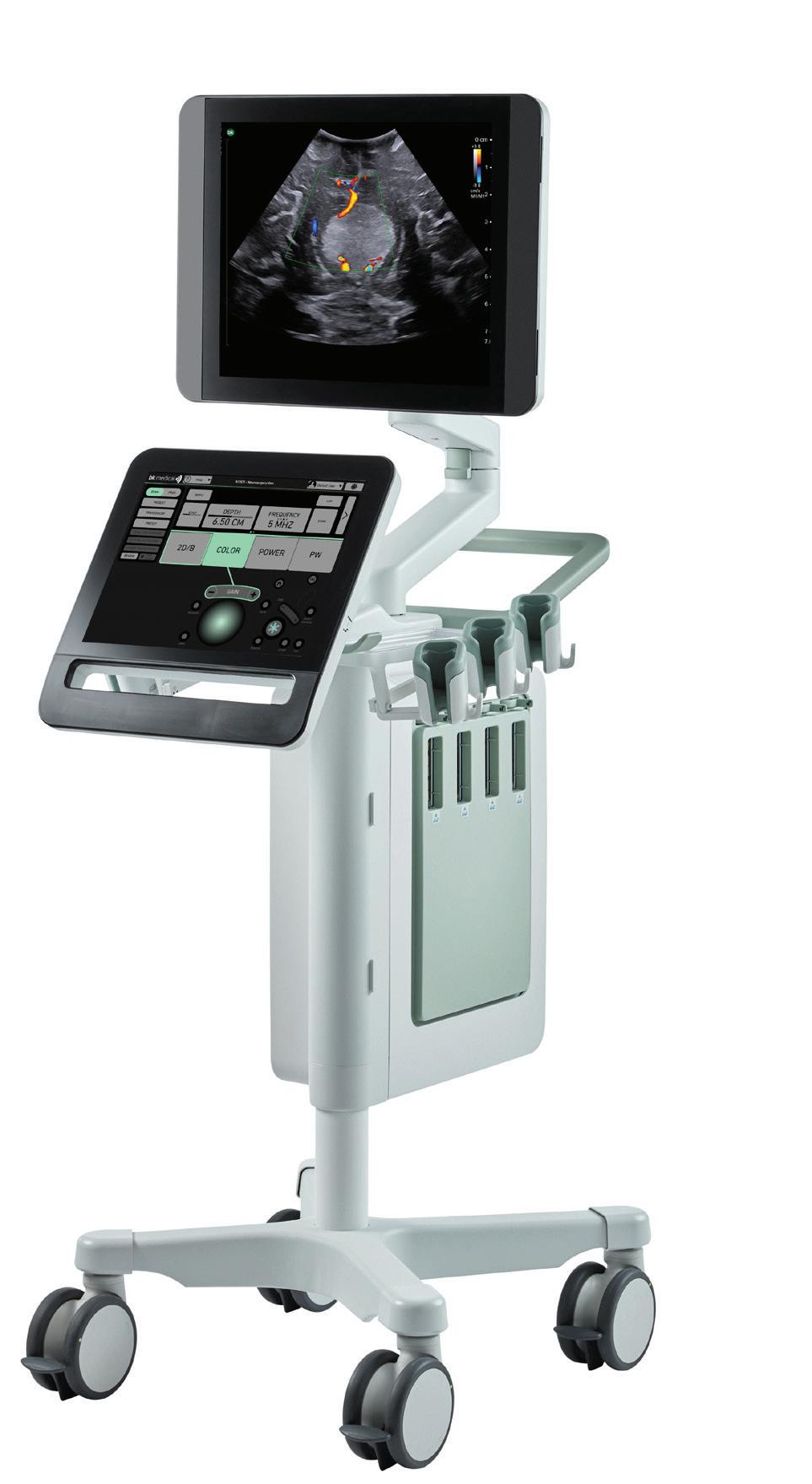
GE HealthCare has announced a digital integration between the GE HealthCare bkActiv intraoperative ultrasound (iUS) system and the Medtronic Stealth AXiS surgical navigation system, which is now commercially available to provide real-time advanced imaging during cranial procedures to complement surgical planning and navigation workflows. This integration builds on an existing strategic alliance between the companies to accelerate nextgeneration technology innovation across the enterprise, which extends the relationship between GE HealthCare’s Surgical Innovations and Medtronic.
Through this new digital integration, neurosurgeons will be able to incorporate bkActiv as a “plug-and-play” real-time visualization solution during procedures using the Stealth AXiS surgical navigation system without disrupting established workflows. The Stealth AXiS surgical navigation system was recently cleared by the U.S. Food and Drug Administration (FDA) for cranial procedures in the United States, and brings planning, navigation and robotics together into a single, integrated solution to deliver real-time insight in the operating room.
“Real-time visualization is critical for cranial surgical teams to assess anatomy, navigate changes, and make critical decisions in the surgical suite,” said Heidi Seerden, general manager, surgical innovations, GE HealthCare. “We are proud to build on our long-time collaboration with Medtronic to bring together bkActiv with the Stealth AXiS surgical navigation system in a way that supports our shared goals of supporting surgical precision and clinician confidence.”
U.S. & UK DEEPEN REGULATORY COOPERATION ON MEDICAL DEVICES
The Medicines and Healthcare products Regulatory Agency (MHRA) is stepping up its collaboration with the U.S. Food and Drug Administration (FDA) to support faster access to safe and innovative medical technologies in the future for patients in both countries.
The recent U.S.-UK partnership further strengthens this collaboration while also removing tariffs on UK medicines exports and encourages companies to bring cutting edge treatments to the UK earlier.
The MHRA and FDA will work closely on options to improve and align regulations for medical devices. This includes exploring future mutual recognition mechanisms (ways to recognize parts of the individual approval processes), reducing duplication for manufacturers and streamlining approval processes to help patients access new medical technologies sooner.
Both regulators’ work will remain independent and ensure strict safety standards are maintained.
Health Innovation and Safety Minister Dr. Zubir Ahmed, said, “Closer working between the UK and the U.S. means that future innovative medical technologies – better diagnostics, smarter devices, life-changing treatments – can reach NHS patients sooner, without compromising on the safety standards we rightly expect.”
“This is the correct next step. We’ve already acted to secure improved access to life-changing medicines for NHS patients. Now we’re working to make sure the devices and technologies that go alongside them follow the same path.”
“The UK is serious about being one of the best places in the world to develop and launch health innovations – and this partnership shows exactly what that commitment looks like in practice.”
Technical work between the MHRA and FDA will continue over the coming months to assess opportunities for closer alignment and explore where future mutual recognition mechanisms may be appropriate.
INDUSTRY UPDATES
NATIONAL GUARD KEEPS MEDICAL DEVICES READY
For the nation’s citizen-soldiers, readiness can be a constant challenge.
Unlike their active-duty counterparts, Army National Guard units operate on a part-time basis, making it difficult to keep pace with the intensive maintenance requirements of complex, life-saving medical equipment.
It’s a critical gap that experienced technicians from U.S. Army Medical Logistics Command are uniquely positioned to fill.
Over two days in early April, a maintenance team from AMLC’s Medical Maintenance Operations Division at Tobyhanna Army Depot, Pennsylvania, or MMOD-PA, performed calibration and maintenance checks on over 130 devices in support of the Guard’s 224th Medical Company (Area Support) near Gaithersburg.
“The Maryland National Guard plays a vital role in our nation’s readiness and we’re proud to reinforce that mission through dependable medical maintenance support,” MMOD-PA Director William Wall said. “When their equipment is ready, their Soldiers are ready; and that’s what matters most.”
The 224th MCAS holds the largest medical inventory of Maryland Guard units but relies on just two soldiers who manage its vast and varied equipment, including vehicles and tools in addition to their primary responsibilities.
“Medical is complex and a lot different from other types of commodities,” said 1st Lt. Jaleh Ames, an evacuation platoon leader with the unit. “It’s a lot for them to do it just themselves, so we need as much support as we can.”
The support can be a game changer, especially in the case of the 224th MCAS, a Role 2 medical unit that is preparing for an upcoming overseas deployment as part of its annual training requirement.
Compared to a Role 1, or initial battlefield care for soldiers, Role 2 units act as a bridge between battlefield care and field hospitals, providing enhanced medical capabilities, including triage, trauma management and holding capabilities for patients.
MMOD-PA technicians Frank Cali and Rob Carter performed calibrations, function checks and other services on the unit’s inventory of devices, including patient monitors, defibrillators, imaging devices, steam sterilizers, dental sets and more.
For Staff Sgt. Amber Charles, the unit’s supply sergeant, the visit provided immediate and tangible relief as the unit prepares to deploy.
“Having this team here, it helps me clear a lot off my plate, making sure our equipment is good to go,” Charles said.
While the on-site work provides a crucial boost to
maintenance metrics, Charles said it’s about more than just scores, especially as the 224th prepares to support a medical training exercise in Estonia alongside NATO partners.
“They’ve knocked out a lot of maintenance on our equipment … and all of this is going with us on our mission,” she said.
Cali understands the dynamic well. He sees the team’s role as more than just technical. They also serve as ambassadors for AMLC and its capabilities, building relationships and ensuring Guard units know how to request additional support when needed.
“I know this is a part-time job for a lot of people,” he said. “We’re just trying to verify the equipment is good and reliable, and when you put your name on that, you have a level of trust there that it will be used and perform adequately.”
AMLC, a major subordinate command of U.S. Army Communications-Electronics Command, operates three stateside MMODs. Pending resourcing from the National Guard, MMOD-PA is postured to support Guard units throughout the northeastern U.S., while other sites in Utah and California aim to serve their respective geographical regions.
By bringing these services directly to the armories and motor pools of National Guard units across the country, AMLC can assist part-time units in maintaining full-time ready equipment.
“It makes you feel good that you can do that,” Cali reflected. “You’re supporting the agency, the soldier and the mission as a whole. That’s really what it’s all about.”
OZARK BIOMEDICAL
YOUR SINGLE SOURCE FOR PARTS AND DEPOT REPAIR
StatSpin Express 2, 3, 4
We have a complete line of parts as well as service available.
CHARMED
MD Expo Baltimore Leaves Everyone Amazed
BY JOHN WALLACE
Baltimore is called “Charm City” because of a 1970s marketing campaign designed to rebrand the city, highlighting its unique, historic and often hidden appeal.
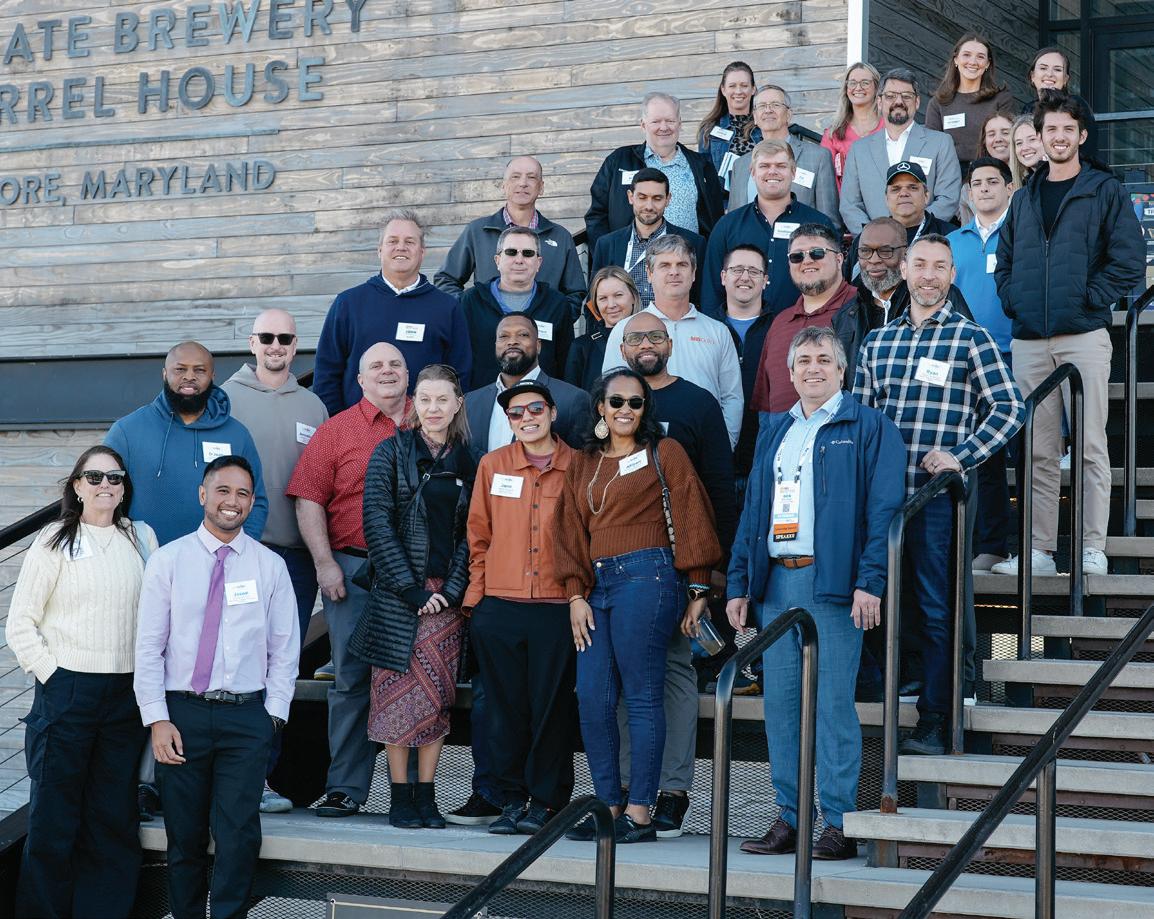
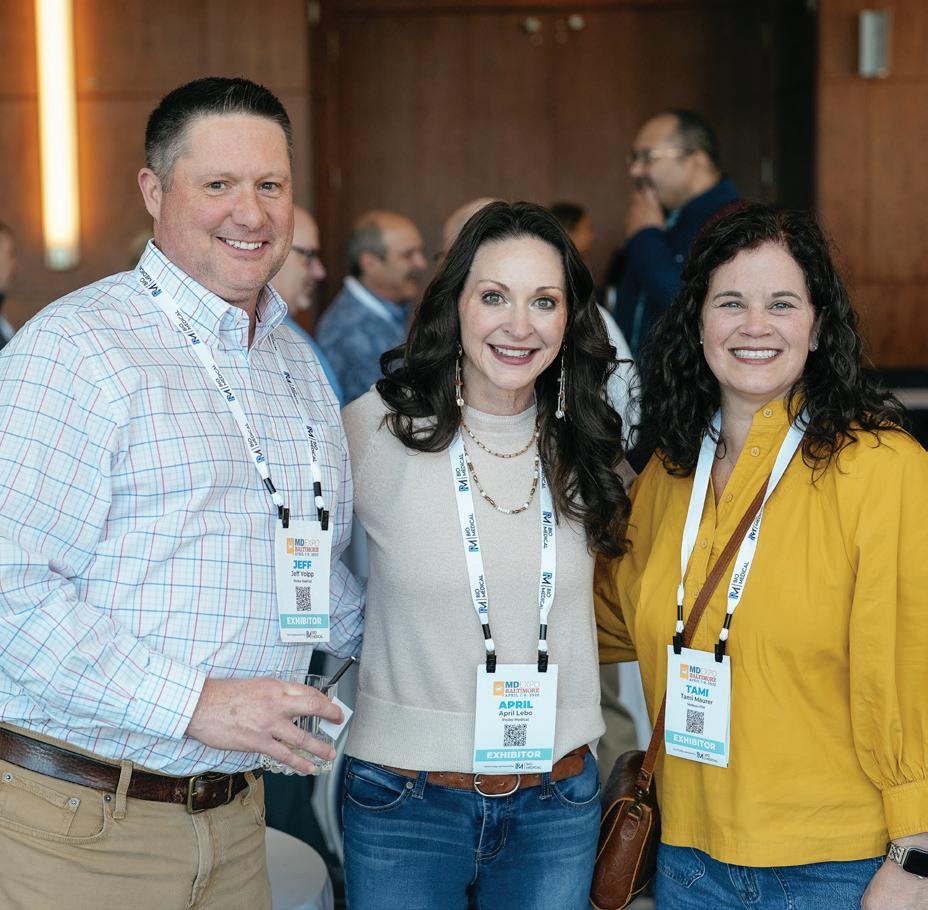
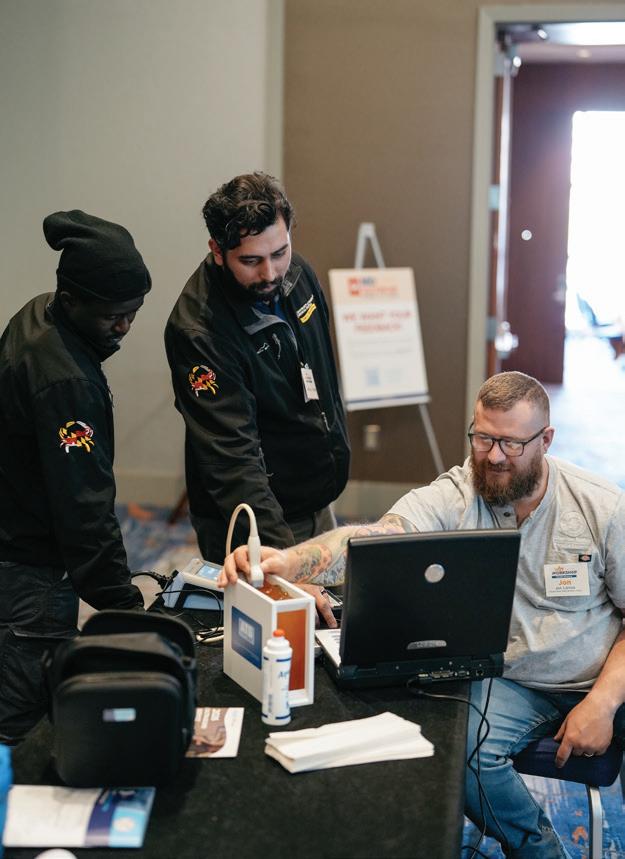
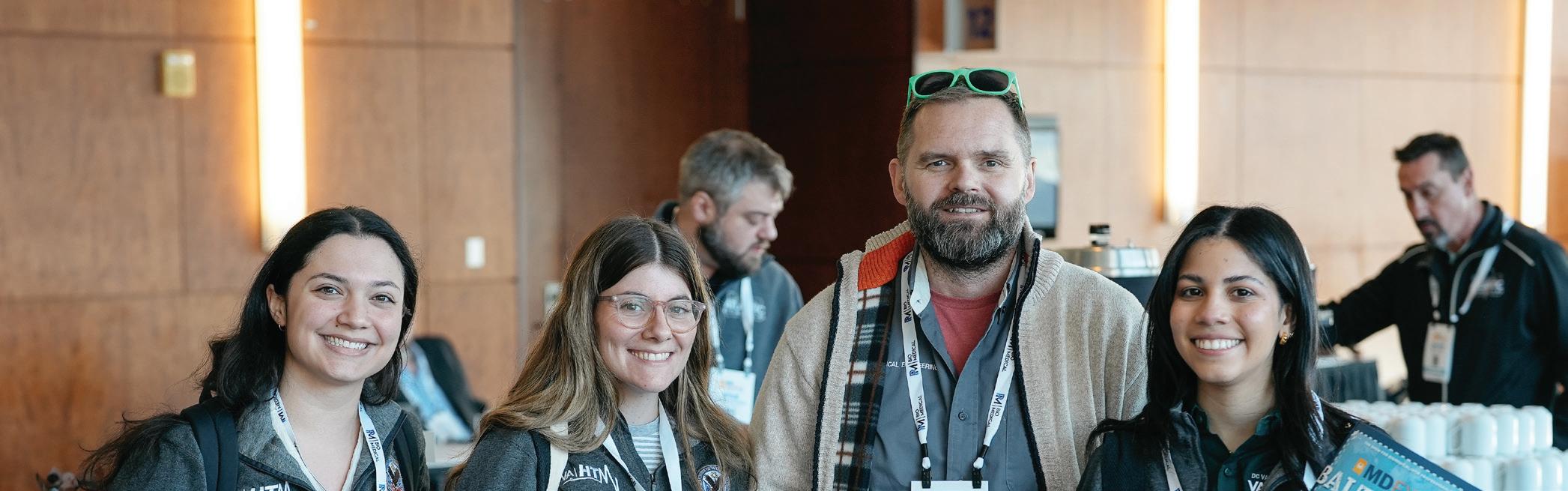
MD Expo Baltimore lived up to the city’s moniker as approximately 800 people from across the nation flocked like Ravens to the highly anticipated spring event for healthcare technology management (HTM) professionals.
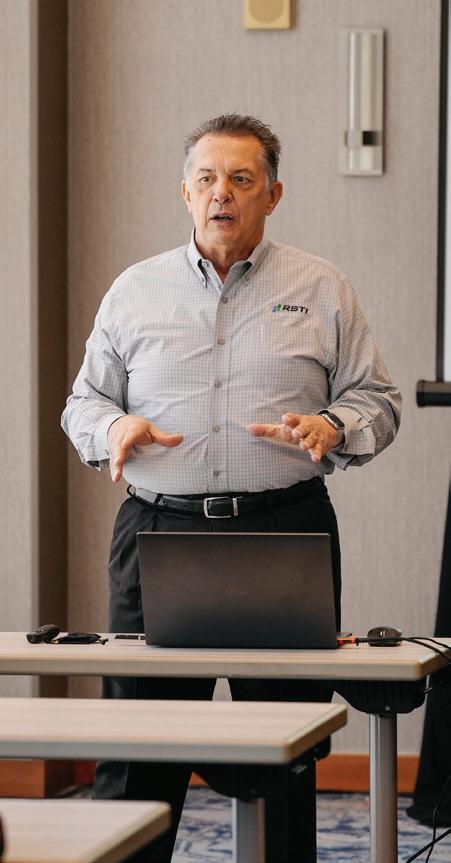
MD Publishing and TechNation’s signature conference delivered continuing education sessions that address today’s most pressing HTM topics. Education is at the core of MD Expo’s mission, and the Baltimore slate featured a diverse mix of continuing education seminars and workshops designed to deepen technical expertise and professional skills. Sessions focused on real-world topics and emerging trends in HTM. In addition to these sessions, attendees could participate in H.O.T. (Hands-On-Training) Workshops.
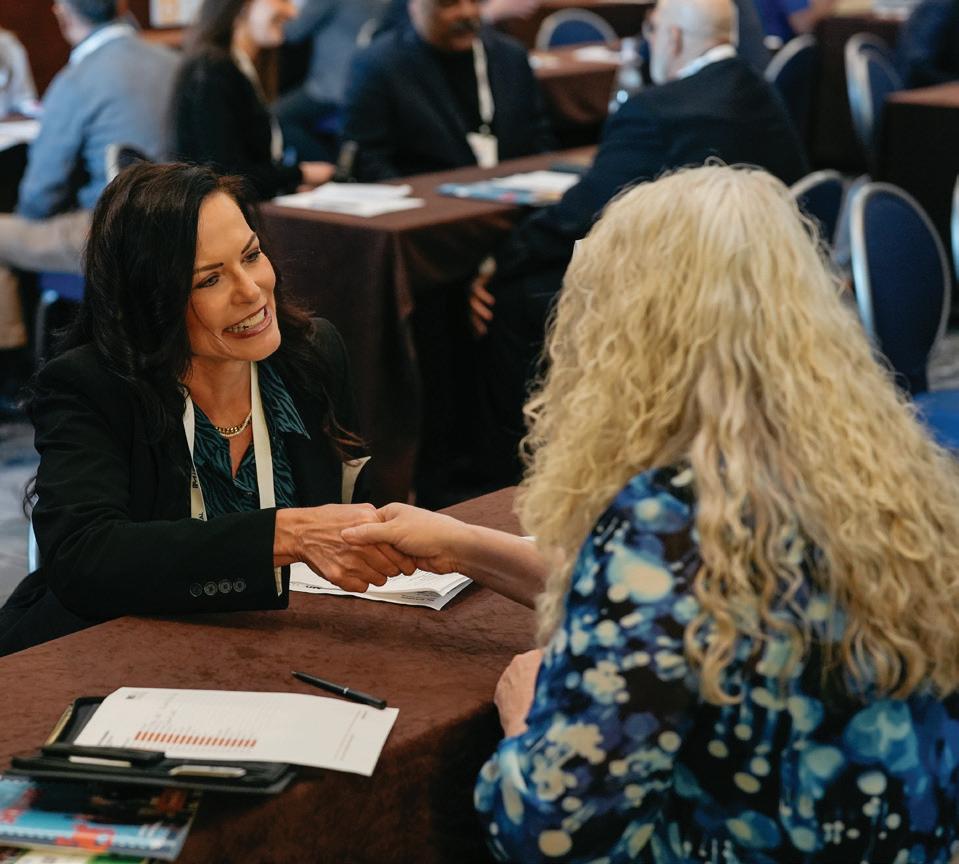
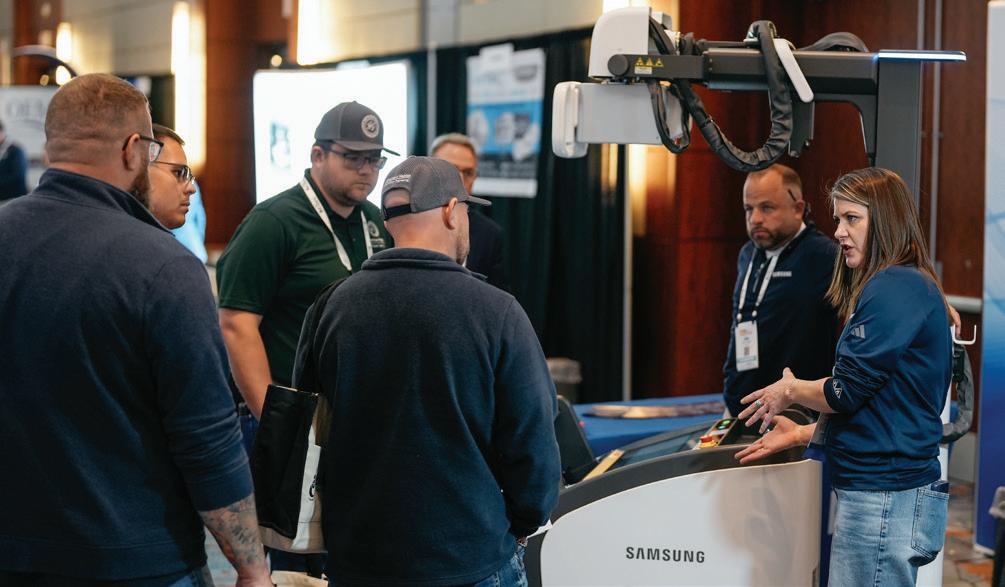
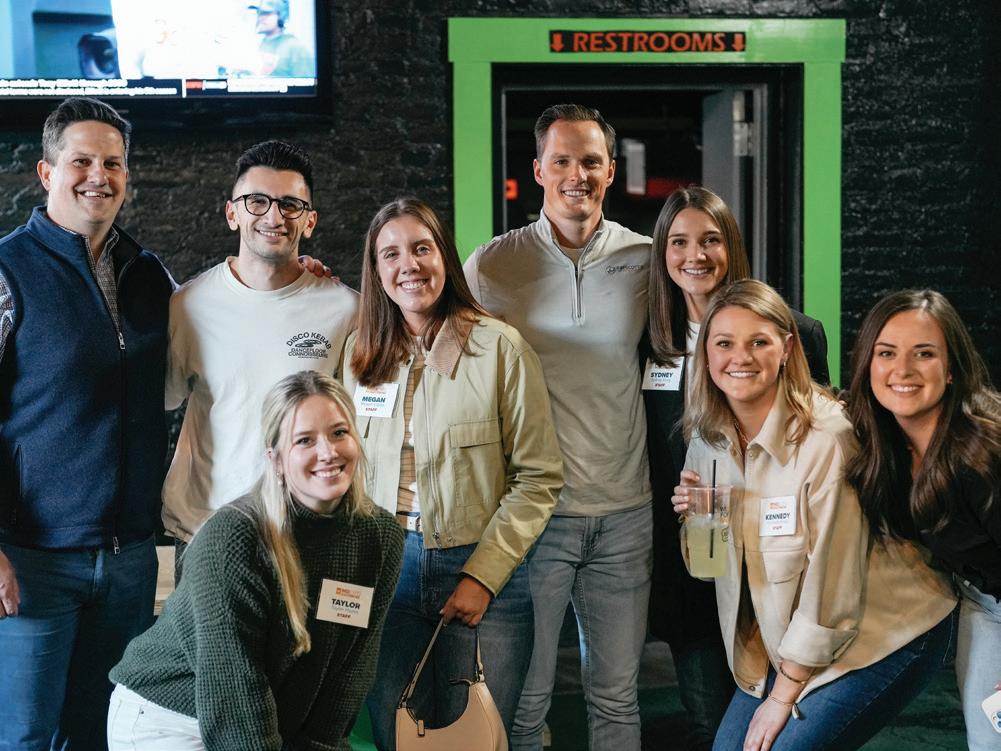
MD Expo Baltimore also featured an informative Leadership Summit, a lively Reverse Expo, engaging networking events, the awe-inspiring Tech Choice Awards presentation and a busy exhibit hall with more than 100 companies staffing booths to share their products and services with attendees.
Feedback from the event was overwhelmingly positive.
Ian Rickerby, director of business development with Intelas, posted his impression on LinkedIn.
“Innovation is the wind in our sails, and this week in Baltimore proved just how powerful our industry can be. The MD Expo was nothing short of incredible. From meaningful connections to impactful conversations, it’s clear our industry is moving forward together, anchored in innovation and sailing toward better service for the patients and communities we support,” Rickerby wrote.
Shawn Molloy, a director of clinical engineering, praised MD Expo as the perfect HTM event.
“I’ve been participating in the MD Expo throughout my HTM career, and every event has been a fantastic opportunity for both professional growth and valuable connections – both as a clinical engineer and as someone leading engineering teams,” Molloy shared.
“The MD Expo is more than just a place to meet vendors – it’s a thriving community that has always
delivered valuable networking opportunities among engineers and opened doors to new partnerships,” he added. “These experiences highlight how MD Expo continues to play a pivotal role in advancing our field and supporting the work we do.”
Molloy was not alone. Several attendees shared positive feedback with MD Expo staff.
Norton Healthcare Quality Management System
Leader Mark Cooksey, BSME, MBA, LSSMBB, called MD Expo a must-attend event.
“MD Expo Baltimore was one of the most valuable HTM events of the year for me. What sets it apart is the balance between practical education, leadership discussions and meaningful peer and vendor engagement,” Cooksey said. “The size and structure make it easy to have real conversations –both planned and spontaneous that you just don’t get at larger conferences.”
“It felt very much like a working conference rather than a traditional trade show, which is exactly what HTM professionals need,” he added.
Cooksey shared one aspect of MD Expo Baltimore that made it different from previous ones.
“I have attended a number of MD Expos and HTM Mixers over the past few years, and what set the Baltimore conference apart was the opportunity to interact with HTM leaders from various military branches,” he said. “That perspective added a unique leadership dimension to the event, and the training sessions were second to none.”
He said MD Expo once again helped him make a connection that will help him and his department continue to deliver safe, working equipment to clinicians and quality care to patients.
“I found several new service approaches and technology use cases that sparked ideas we can realistically apply within a large health system environment. MD Expo does a great job of attracting vendors who understand HTM workflows, compliance pressures and budget realities,” he said. “Many of the vendors I spoke with were well prepared to clearly articulate their value propositions and how they could supplement our service offerings and improve operational effectiveness.”
“I was particularly impressed with the value propositions around IS and medical equipment calibration solutions,” Cooksey added.
Zachary Silas, MBA, is a clinical engineering department senior site manager with TRIMEDX.
He said that he took away information from the exhibit hall that will benefit his department.
“One product that stood out was the self-calibrating infusion pump from Fresenius Kabi under the Ivenix Infusion System platform. The concept of eliminating traditional preventative maintenance requirements is particularly compelling,” Silas said.
“From an operational standpoint, innovations like this directly align with the strategic priorities I focus on, reducing maintenance burden, improving device uptime and allowing our teams to reallocate time toward higher-value activities,” he said. “Solutions that challenge traditional service models are especially important as healthcare systems continue to demand greater efficiency without compromising patient care.”
The educational sessions also stood out.
“From a leadership perspective, the availability of accredited education at MD Expo strengthens the case for investing in team attendance. It allows organizations to simultaneously achieve operational coverage, professional development and industry engagement in one setting,” Silas said. “More importantly, it reflects MD Expo’s commitment to elevating the HTM profession, not just through networking, but through structured, meaningful learning opportunities that directly impact competency and career progression.”
Allison Woolford, M.S., CBET, clinical engineering operations manager at Duke Raleigh Hospital and Duke Regional Hospital, shared feedback from her experience at the Leadership Summit.
“I attended the Leadership Summit, and the experience was enlightening. I especially enjoyed A. Ray Dalton’s presentation,” she said. “It was fascinating to hear his HTM story and learn how his contributions helped shape the field as it is today. I also attended the Reverse Expo for the first time, and it was a great experience. It was really cool to have brief, direct conversations with a variety of vendors.”
Silas agreed.
“(The Leadership Summit) was one of the most valuable components of the event. Hearing from this year’s Icon Award recipient, A. Ray Dalton, was both inspiring and grounding. His core
SUCCESS STORY
Shawn Molloy, a director of clinical engineering, shared a success story from MD Expo Baltimore.
“This year in Baltimore, I connected with Innovative Radiology, who helped us save $10,000 on a Hologic tube replacement – a huge win for our budget! I also met a vendor specializing in inventory validation software and was able to introduce their solution to one of my clients. Additionally, we started working with 360, who are helping us source parts for Blender, which is central to an overhaul project our team is undertaking,” Molloy shared.
“Over the years, MD Expo has consistently helped me foster relationships that have proven instrumental to our operations. For example, during the Vegas event in 2024, I happened to share a taxi with a representative from Elite,” Molloy shared. “We discussed our need to centralize pump and monitor repairs, and what began as a casual conversation turned into a two-year partnership. Today, Elite is a major service partner for my team, offering carrier services and impressive savings on repairs.”
message, ‘Think about the problem and focus on the solutions,’ is deceptively simple, yet incredibly powerful. It reflects a mindset that I’ve found essential in leading large, complex healthcare environments,” he said.
“Beyond the keynote, the summit created a space for authentic dialogue among leaders,” Silas added. “These conversations are critical because, while our environments may differ, the challenges we face – staffing, technology integration, cost containment and regulatory pressures – are shared. Being able to exchange ideas and strategies at that level is invaluable.”
In summary, MD Expo is “essential.”
“MD Expo continues to be more than just a conference, it is a catalyst for growth, connection and innovation within HTM,” Silas said. “For me personally, the experience extends beyond the event itself. It reinforces the importance of leadership, mentorship and community involvement. Whether through my role in leading a highperforming healthcare technology team or helping build initiatives like HTM-GA, the relationships and insights gained at MD Expo directly translate into real-world impact.”
“As our industry continues to evolve, forums like MD Expo will remain essential, not just for keeping pace with change, but for helping shape the future of healthcare technology management,” he added.
When asked if he had anything to add, Cooksey replied: “MD Expo continues to deliver strong value because it listens to the HTM community and adapts accordingly. Whether you’re early in your career or a seasoned leader, there is always something to take back and apply on Monday morning. Events like MD Expo Baltimore play a critical role in strengthening our profession by building connections, sharing lessons learned and pushing HTM forward.”
“I am also grateful to the vendors who continue to sponsor these events, making it easier for HTM leaders at all levels to attend and participate,” he said.
Find out more at MDExpoShow.com and search #MDExpo on LinkedIn.
The latest news and events from TechNation
NOMINATE, NOMINATE, NOMINATE
TechNation needs your nominations!
TechNation readers are encouraged to submit nominations for the Tech Choice Awards as well as monthly feature articles that spotlight excellence across the profession. Known throughout the industry as the “Wrenchies,” the Tech Choice Awards recognize outstanding individuals, teams and organizations shaping the future of HTM. The awards are an industry-driven honor, with winners determined entirely by votes from peers across the profession.
Categories include Professional of the Year, Department of the Year, Young Professional of the Year, Association of the Year, Educator of the Year and several others that celebrate leadership, service and innovation in the field.
Submit your nominations today at 1technation.com/tech-choice-awards.
In addition to the annual awards program, nominations are accepted year-round for monthly feature articles that highlight the people and departments making a difference in HTM. These include:
· Professional of the Month
· Department of the Month
· Association of the Month
· Next Gen
· Shifting Gears , an off-the-clock feature that showcases hobbies and interests outside of work HTM professionals are encouraged to nominate themselves, colleagues and/or departments for recognition.
Nominate someone today at 1technation.com/ nominations.
REGISTER TODAY FOR HTM MIXER NORTHWEST
Healthcare technology management (HTM) professionals will have the opportunity to connect, learn and earn continuing education credits at the upcoming HTM Mixer Northwest, scheduled for July 31 at the Hyatt Regency Bellevue in Washington.
Designed as both a networking event and educational experience, the HTM Mixer Northwest brings together biomedical equipment technicians, clinical engineers, service providers and industry leaders for focused discussion on current challenges and emerging trends in healthcare technology management.
The event offers continuing education sessions pending ACI-approval for CEU credits.
In addition to educational sessions, the mixer emphasizes peer-to-peer engagement, giving attendees the chance to exchange ideas, share best practices and build professional relationships in a collaborative setting.
Events like the HTM Mixer have become increasingly important as the field continues to evolve with new technologies, cybersecurity demands and workforce challenges. By combining accredited education with informal networking, the event aims to support both professional development and community building within the HTM field.
Registration details and additional event information are available online.
Find out more at HTMmixer.com.
SAVE THE DATE FOR MUSIC CITY EVENT
HTM professionals from across the country are invited to mark their calendars for the HTM Mixer Nashville, taking place Friday, August 6 through Saturday, August 7, 2027, at the Sheraton Grand Nashville Downtown.
This popular HTM event promises to bring together leaders, innovators and practitioners in the field for a dynamic and engaging networking experience in the heart of Music City. Designed to foster collaboration and strengthen professional connections, the HTM Mixer Nashville will offer attendees a unique opportunity to exchange ideas, explore emerging trends and build lasting relationships within the industry.
Additional details, including programming, registration information, and featured speakers, will be announced in the coming months.
For now, attendees are encouraged to save the date and plan to join colleagues and peers in Nashville for what is shaping up to be a must-attend HTM event in 2027.
Scan the QR code to stay updated by joining the TechNation newsletter or visit 1technation.com/technation-newsletter-subscription/.
RIBBON CUTTING
Founded in December 2014 by Gill Rios, G5 Medical LLC was born from a vision to revolutionize biomedical equipment repair.
Every service call, every contract and every partnership forged is guided by the five pillars of the G5 Promise:
• Guidance: Leading our partners through audits, compliance and service needs with trust and expertise.
• Growth: Advancing through continuous training, education, and innovation.
• Gratitude: Serving with appreciation and respect for our partners, patients and communities.
• Genuine Care: Approaching every relationship with compassion, integrity and openness.
• Going Beyond: Extending our service to ensure quality care is delivered everywhere.
G5 Medical Owner & Founder Gill Rios recently shared more information about the company.
Q: WHAT ARE SOME OF THE SERVICES AND PRODUCTS YOU OFFER?
A: G5 Medical provides comprehensive healthcare technology management (HTM) services, including preventive maintenance, corrective repair, equipment calibration and full asset life cycle management for hospitals, clinics, dental and specialty practices.
We are especially excited about our expansion into full-service equipment management programs using our CMMS platform, which allows facilities to track assets in real time, streamline compliance and reduce reliance on third-party vendors by bringing more service in-house.
Q: HOW DOES YOUR COMPANY STAND OUT IN THE MEDICAL EQUIPMENT FIELD?
A: What sets G5 Medical apart is our commitment to partnership, not just service. We focus heavily on regulatory compliance, Joint Commission readiness and delivering OEM-level quality with a personalized approach.
Our investment in advanced test equipment, technician training and strong vendor relationships allows us to support a wide range of medical devices while maintaining high standards. We also prioritize transparency with our clients through detailed reporting and real-time service tracking.
Q: DO YOU HAVE ANY GOALS YOU WOULD LIKE TO ACHIEVE IN THE NEAR FUTURE?
A: Our goal is to continue expanding our presence across California and surrounding regions while helping healthcare facilities transition to more efficient, in-house service models.
We are focused on growing our team, investing further in training and technology, and building long-term partnerships with healthcare organizations that value quality, compliance and reliability.
Q: IS THERE ANYTHING ELSE YOU WOULD LIKE TECHNATION READERS TO KNOW?
A: At G5 Medical, we believe in supporting healthcare beyond the equipment. Our mission is to help facilities stay audit-ready, reduce downtime and ultimately support better patient care. We take pride in being responsive, dependable and committed to doing the job right the first time.
For more information, visit g5-medical.com
AAMI UPDATE
‘AI Should Blend In’ & 4 More Lessons for HTM Pros
What does it take to maximize the impact of AI in HTM and deliver real results to HTM professionals and patients alike? At HIMSS 2026, TRIMEDX Chief Data & AI Officer Srilekha Akula discussed
TRIMEDX’s path to successfully integrating AI into its clinical asset management business.
Today, the health system faces a sector-wide transformation, with research from the Harvard School of Public Health indicating that AI could lead to a dramatic reduction in treatment costs and improvements in health outcomes. For a country like the United States, which lags behind its peers in healthcare outcomes and ROI, this is good news.
Akula said that TRIMEDX has met the moment with three core tenets: First, innovate with intention. Second, maintain a client-centered approach. Third, balance speed with patient impact. “‘Move fast, break things’ does not work” when patients are involved.
FIVE PRINCIPLES FOR SUCCESSFUL IMPLEMENTATION
According to Akula, “data matters more than algorithms.” The view is that, as foundational models improve, there is no need to build an in-house model. Also, given that the health sector is subject to serious risk and regulation, this creates the need for “extreme accuracy, reliability and trust.” Akula said, “Focus on your data, get your data right.”
Second, AI should meet your data where it lives. Distance and data manipulation both degrade the output quality of a given AI model. Instead, running application logic as close as possible to the source data maintains clinical context,
improves accuracy, enables effective automation and builds end-user trust. This also reduces the deterioration of inference.
Third, AI may reveal unexpected value. Using a large, longitudinal data set strengthens model reasoning and can allow an organization to generate an idea of what “good looks like.” Some interesting findings TRIMEDX has made during its AI implementation include that OR inefficiency is driven more by device readiness issues than by scheduling difficulties.
Fourth, “AI should blend in, not stand out.” Artificial intelligence should be built into the workflows and tools that already exist, and “improve outcomes not just dashboards.”
Finally, culture will determine AI success. According to Akula, “Without culture, things are not going to move.” To successfully implement AI, you will need to “Meet your technical teams where they are,” involve experts and your vendors, and tap into your super-users while planning for detractors.
NAVIGATING IMPLEMENTATION PITFALLS
According to Akula, AI’s potential to improve BMET productivity is a boon amid an aging workforce and a wave of retirements. AI also has the potential to drive cost savings and revenue generation from a given HTM department using advanced data analytics. She also sees potential in reducing cybersecurity risks through intelligent threat detection and in preventing device failures before they occur.
How should organizations measure success? Operational gains, adoption and satisfaction, patient care impact, financial improvements, and data quality and effectiveness are all good metrics to adopt. Challenges remain, including cost, data quality and availability, and stakeholder misalignment, but to date, TRIMEDX has enjoyed significant success in utilizing 20 years of longitudinal data on more than 6.1 million medical devices.
The future for AI in HTM is bright, and successful implementation can improve capital planning, help predict downtime and speed up supply chain processes across the entire field.
ECRI UPDATE
Costly MRI Malfunctions Eliminated by ECRI
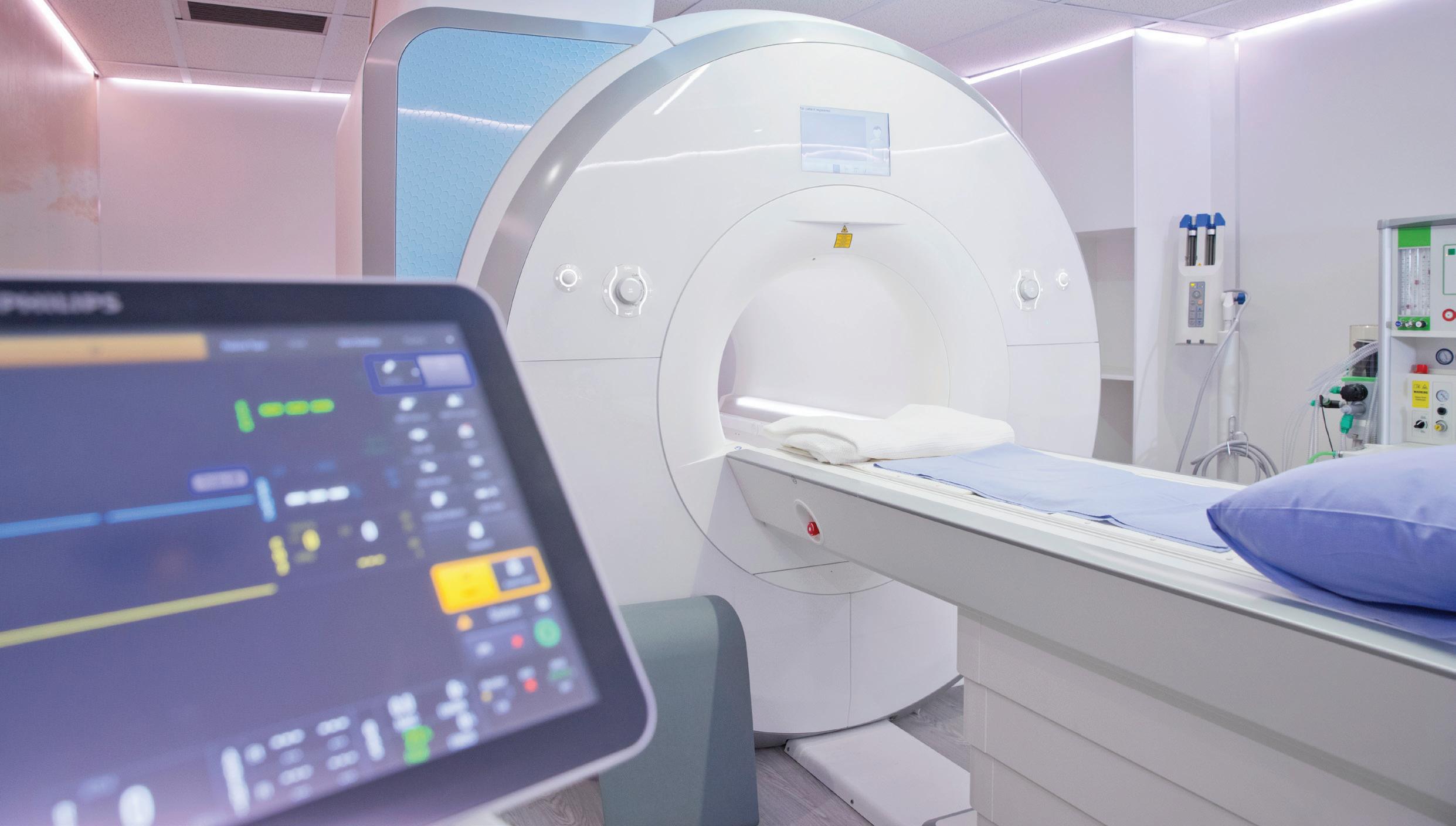
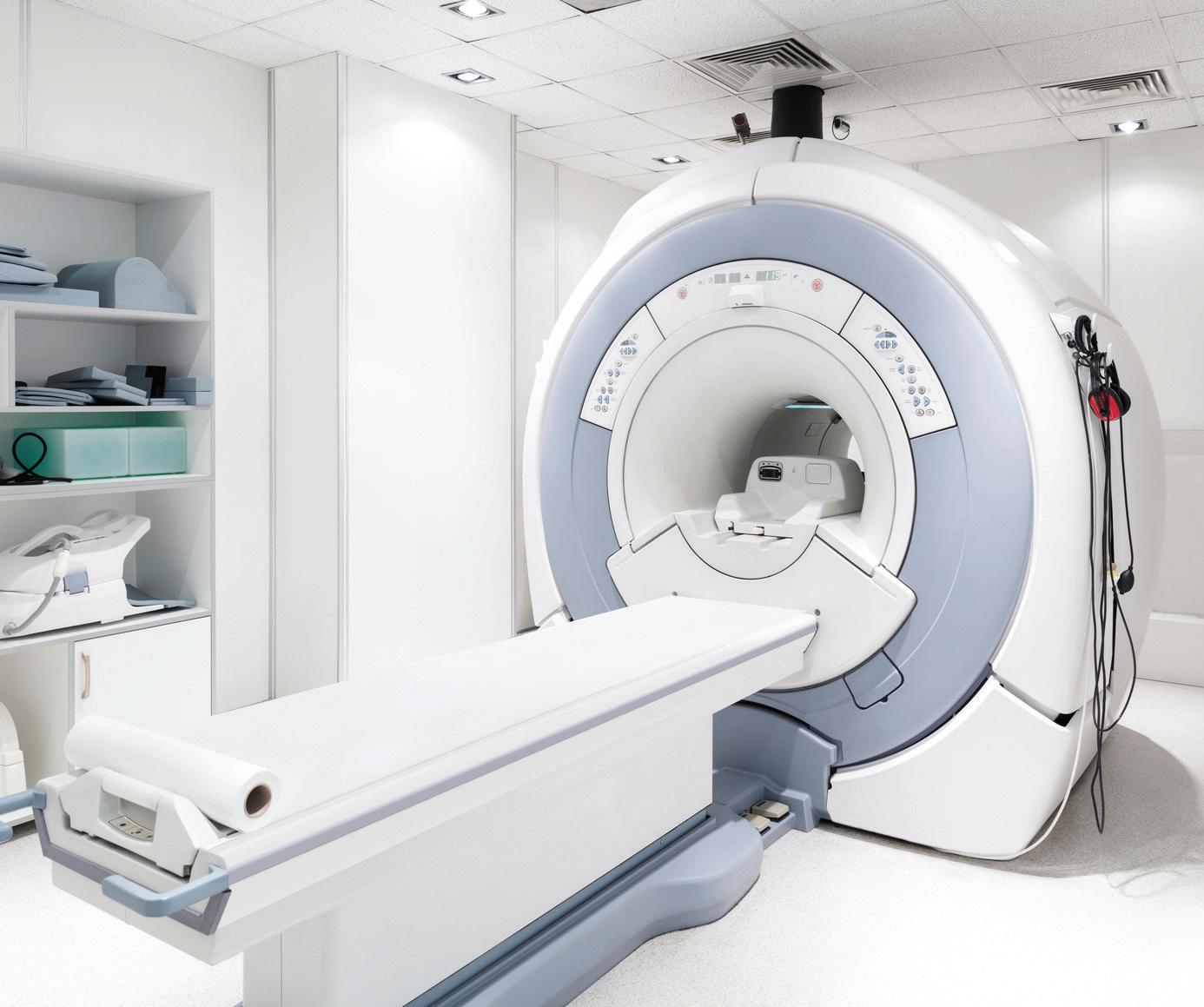
Magnetic resonance imaging (MRI) scans are utilized often in healthcare; in the United States alone, more than 40 million MRIs are performed annually. But what happens when this trusted and well-utilized technology suddenly becomes unreliable?
One large health system in the Midwest encountered this issue when one of its MRIs quenched twice within six months. Quenching refers to the sudden loss of absolute zero temperature in the MRI’s magnet coils, which results in a loss of superconductivity, and therefore the loss of the magnetic field. This causes a sudden and rapid heating, which boils the liquid helium converting it to gas. If the helium-venting equipment is functioning, the helium will be safely dispelled outside of the building. If it is not, the MRI room is likely to rapidly fill with helium, displacing all the oxygen in the room. One unplanned quench puts staff and patients at risk for asphyxia, hypothermia and ruptured eardrums, and it can cost a hospital at least $80,000 in repairs and $10,000 to $15,000 per day in lost revenue. MRI repair times can take up to two months.
THE SOLUTION
The health system had already experienced two quenches followed by months of MRI downtime as the machine was being rebuilt, so they knew they needed outside assistance. Through their Risk Retention Group (RRG), the health system is a member of ECRI and the Institute for Safe Medication Practices PSO. Quickly, they
reached out to their PSO advisor for guidance. Working with the ECRI device and evaluation experts, the PSO advisor was able to help the client identify potential causes of the quench.
Based on an assessment, the ECRI device expert quickly provided information on technical specifications that allowed for better communication of operational needs between the vendor and the health system. The support from the PSO promoted better ongoing communication and allowed the development and implementation of new policies and protocols to train staff on how to handle a quench, and to protect patients and staff if one did occur. This included building training, ensuring the exits were clear, that doors opened out, and that staff were regularly trained for emergency situations.
As part of a comprehensive evaluation, ECRI identified gaps in the MRI maintenance process. ECRI’s device experts closed those gaps by managing the process changes with the MRI vendor. ECRI helped the member and vendor establish and communicate maintenance standards, create a regular monitoring schedule, and negotiate vendor responsibility for tech qualifications.
THE RESULT
With ECRI’s assistance, the RRG member health system was prepared to prevent future accidental MRI quenches. Working with ECRI potentially saved the member more than $1 million by preventing future MRI failures, by changing maintenance and safety protocols to prevent the risk. In addition, the changes implemented made staff more willing to speak up about other concerns and resolve risks before an event occurred.
Visit ECRI.org to learn more.
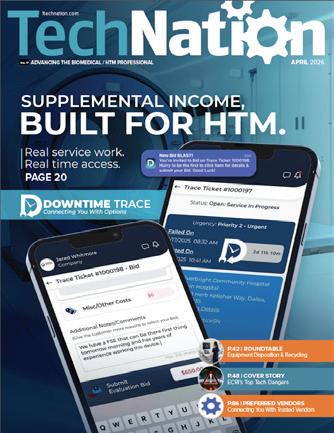
For gig technicians earning on the side, and ISOs looking to win work beyond their current network.
Why Technicians Are Joining Downtime Trace:
• Work That Finds You:
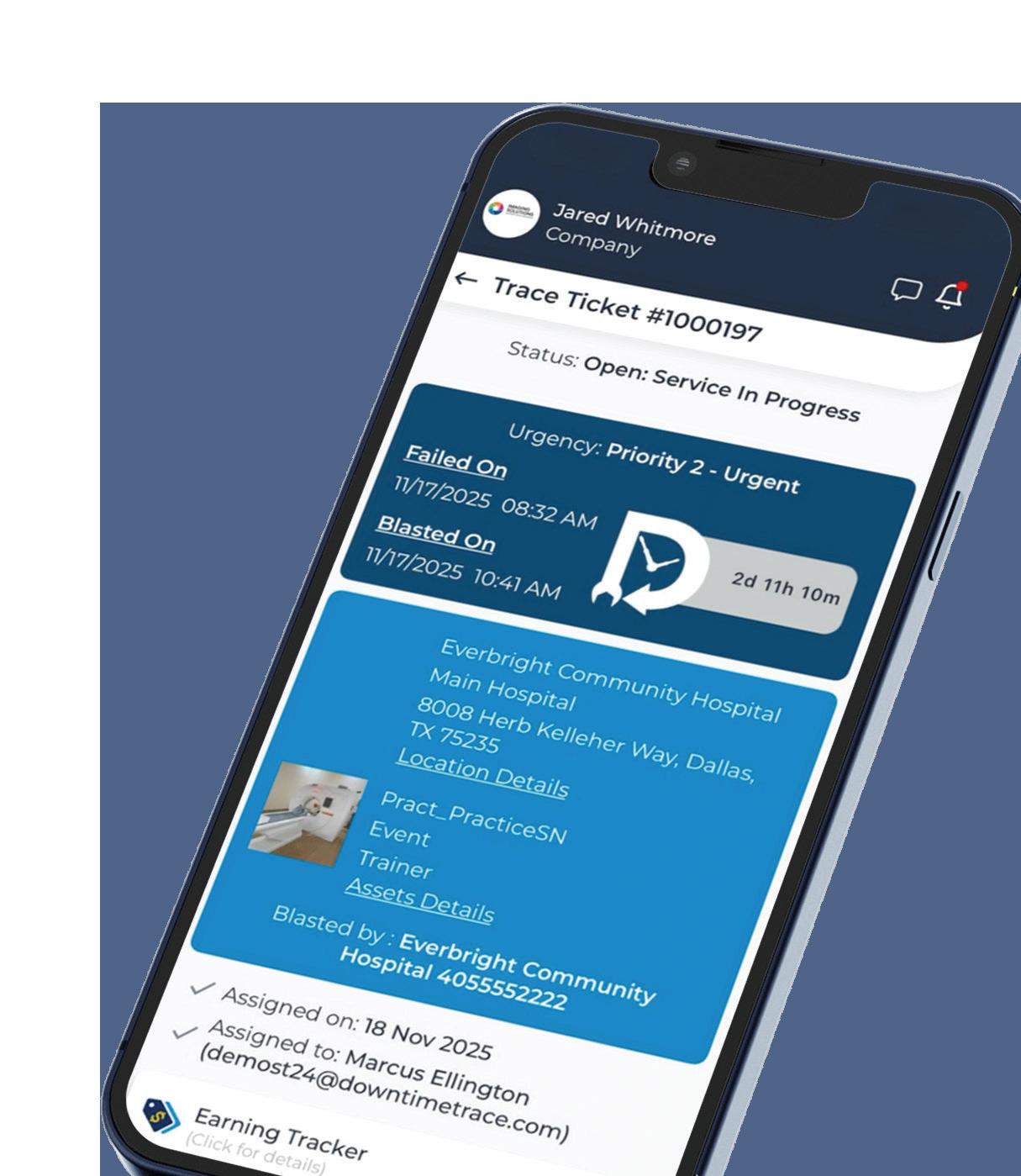
Get instantly notified through our mobile app when local facilities need specific make/model expertise that matches your profile.
• You Choose What to Take On:
Review the scope, timing, and payout before you ever submit a bid.
• Control Your Schedule:
Work when you want. Set your service radius and adjust if you travel.
• Get Paid in Days, Not Months: We handle the payment workflow. Approved labor and parts payouts happen in days.
• Build Your Reputation: All completed service tickets require mandatory reviews from customers that will help you win future work.
BUILT BY A TECHNICIAN, FOR TECHNICIANS.
Founded by a technician who understands the frustration of working after-hours while hospitals overpay for legacy service contracts. Downtime Trace is a mobile app and service marketplace designed to connect you directly with the facilities that need your help. When a hospital submits a "Trace Ticket," you submit a standard bid with your estimated arrival time and hourly rate. The facility compares options and chooses the best fit. It is a clear path to supplemental income, giving you more access to work, more control over what you take on, and faster payments.
TOOLS OF THE TRADE
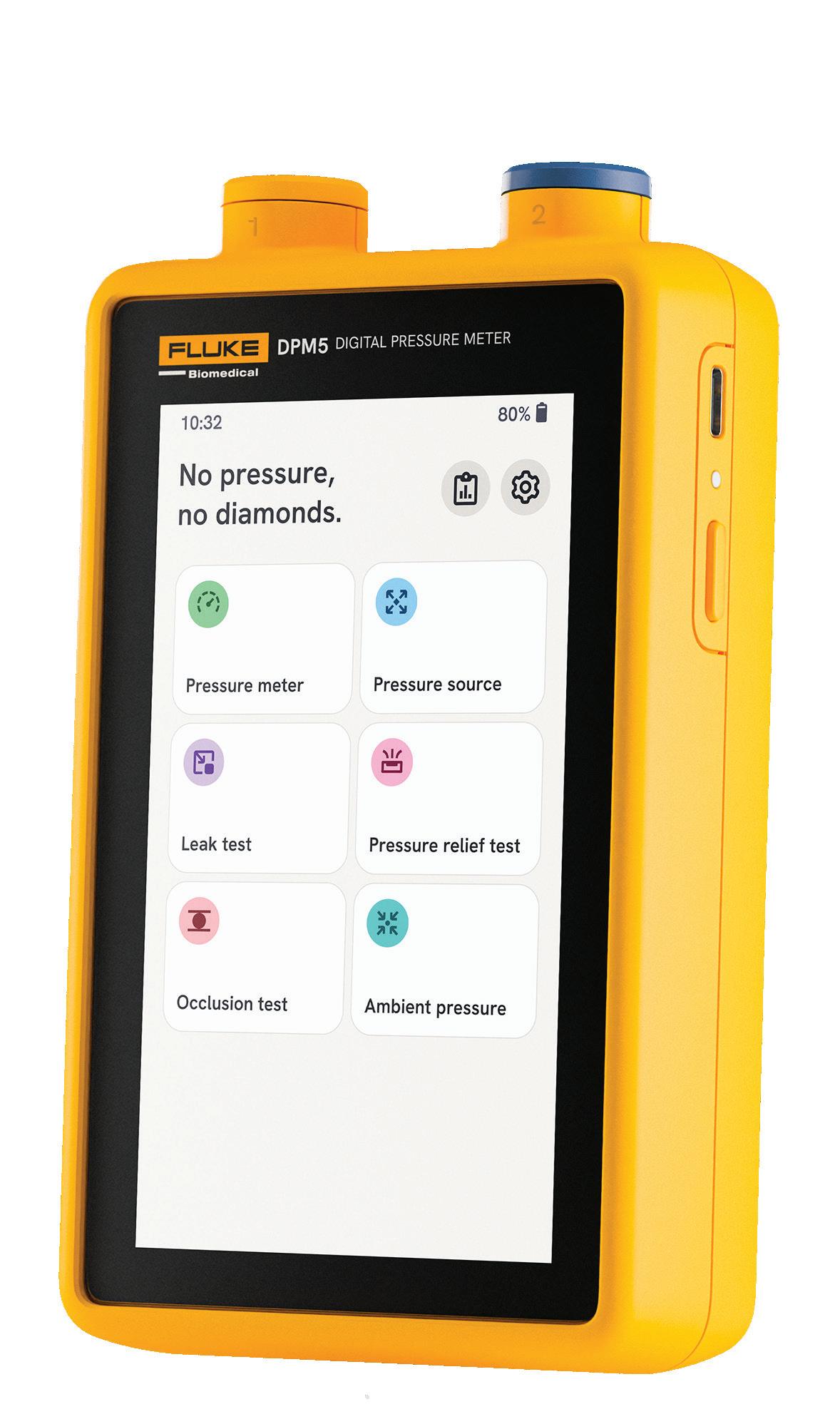
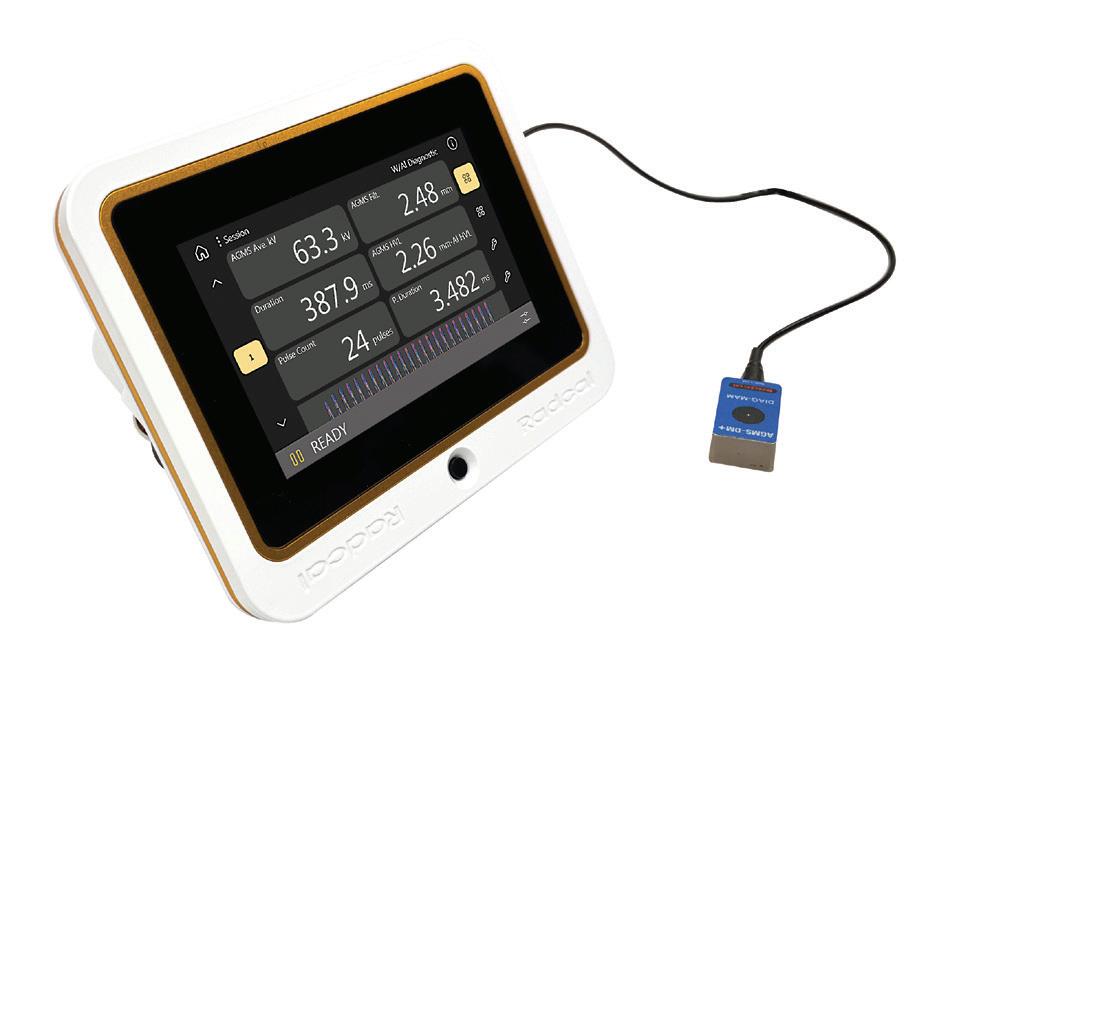
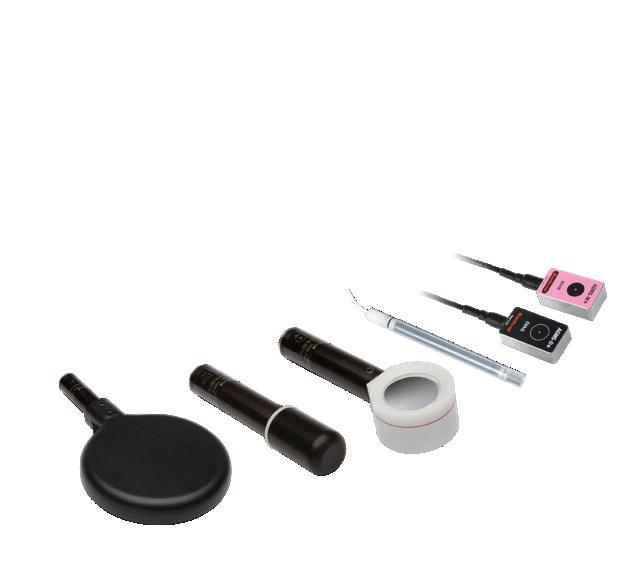
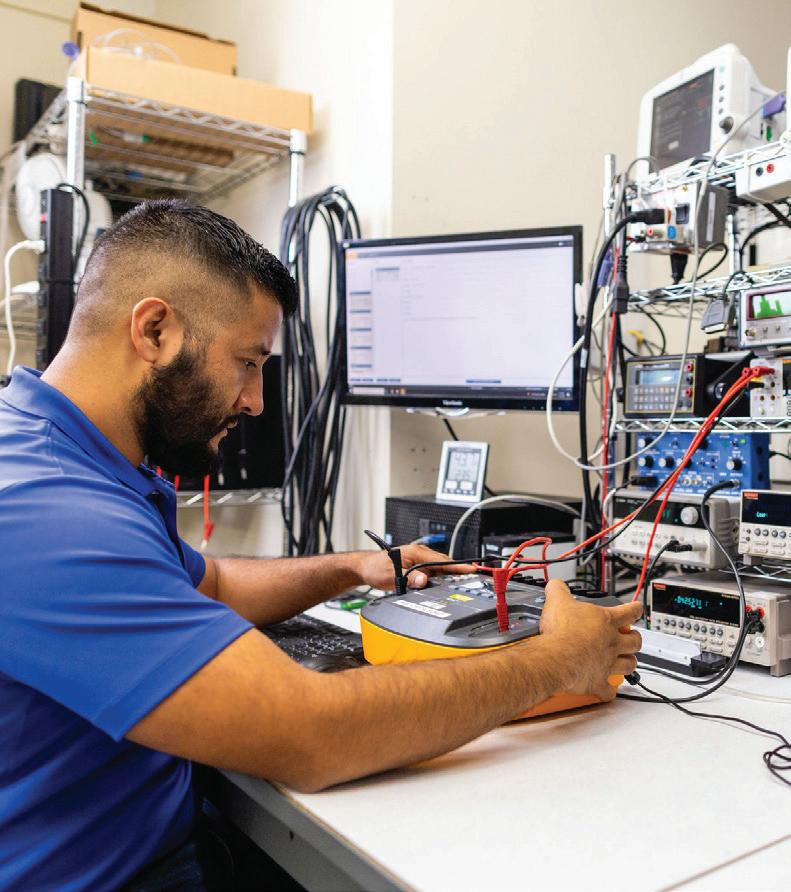
Fluke Biomedical - DPM5 Digital Pressure Meter
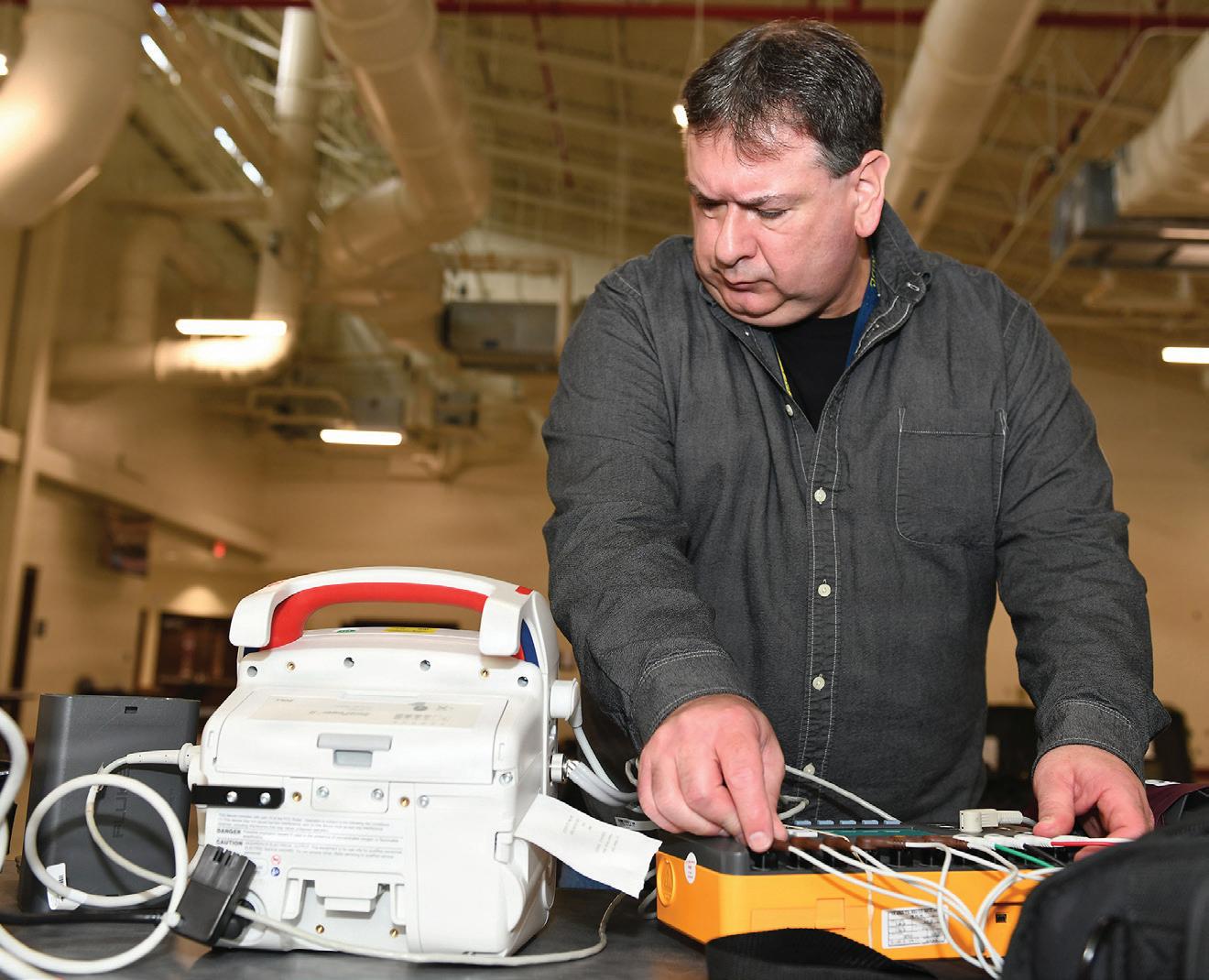
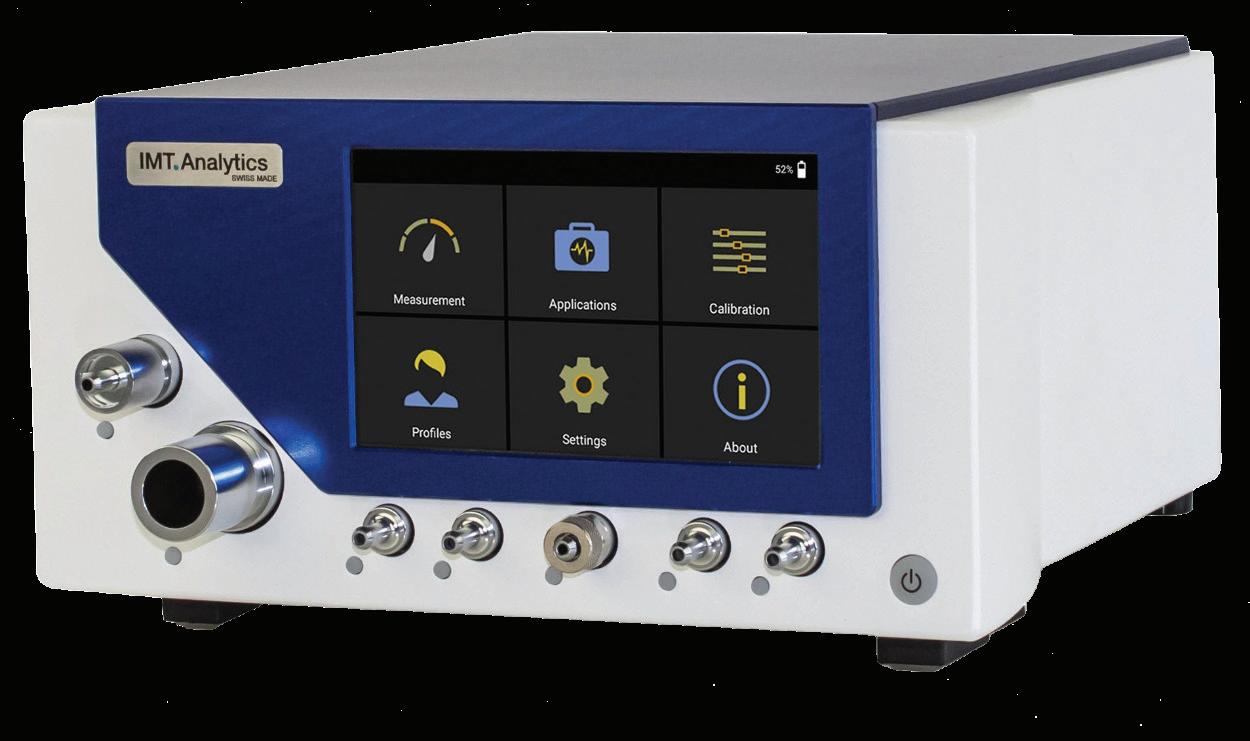
The DPM5 Digital Pressure Meter is a modern solution designed to deliver efficiency, accuracy and reliability in medical device pressure testing. Featuring an integrated internal pressure pump, the DPM5 eliminates the need for manual pressure generation, streamlining test workflows and ensuring consistent, repeatable results. Its portable design supports testing across multiple environments without compromising performance. Engineered to meet rigorous industry demands, the DPM5 incorporates a versatile system that enables accurate measurement of both dry gas and liquid pressures. This flexibility allows users to perform a wide range of test applications using a single instrument. By combining precision measurement, ease of use, and robust functionality, the DPM5 helps organizations improve testing efficiency while maintaining confidence in their pressure verification processes.
S BIOMED 101 Collaboration is the Answer
BY MAKENNA DONAHUE
omewhere down a long hospital corridor, a sonographer endures another scan, accompanied by strained shoulders and aching wrists. The image quality is not the issue, the machine functions perfectly well. Yet still, her body is withering. Why? Because no one asked how she uses it.
In the intricate world of HTM, clinical engineers are entrusted with managing, evaluating and integrating the devices that sustain modern medicine. Yet amid this technical excellence, one critical voice is often excluded: the user. Diagnostic medical sonographers, though highly trained specialists, are rarely invited to contribute to decisions about the ultrasound systems that shape their daily practice.
This silence comes at a cost, one that sonographers have borne through chronic injury, inefficient workflows and professional disillusionment. It raises a question that clinical engineers can no longer afford to overlook: “At what point does observation without intervention become complicity?”
Philosopher Parker J. Palmer once wrote, “The human soul doesn’t want to be advised or fixed or saved. It simply wants to be witnessed.” This moment calls for reflection for clinical engineers to ask: “Have we genuinely witnessed the daily
realities and needs of the sonographer, or have we been content with technical success alone?”
This discussion explores the consequences of the communication gap between clinical engineers and sonographers, as well as the potential of collaborative dialogue to drive meaningful change. It also presents a structured approach that repositions the user as a central voice in the engineering process.
For decades, research has consistently revealed an alarming truth: musculoskeletal injuries are endemic among sonographers. Studies show that “the prevalence of musculoskeletal injuries among sonographers exceeds 90%,” with many developing chronic conditions that jeopardize their careers.
We have witnessed a system that continues to measure suffering without intervening. Statistics are updated. Percentages are published. Yet meaningful change remains elusive. When procurement decisions are made without sonographers at the table, the result is predictable: machines that satisfy budgets and specifications but not bodies. The end user is left to adapt, to endure, to improvise around design flaws that could have been prevented through one simple act: a conversation.
This form of communication does not dilute the engineer’s role, it elevates it. When equipment is designed and managed in partnership with those who use it, the work becomes not merely functional but profoundly meaningful.
“Have we genuinely witnessed the daily realities and needs of the sonographer, or have we been content with technical success alone?”
So, how should we proceed?
The answer lies in structured, intentional collaboration, not as a one-time event, but as a sustainable practice. A practical step forward would be to establish brief quarterly meetings in which feedback is collected, equipment concerns are addressed and upcoming changes are discussed transparently.
Such collaboration would enable engineers to track trends in user feedback while providing a low-cost, high-impact forum for cooperative problem-solving. Institutions might even integrate digital reporting platforms, allowing ergonomic issues to be logged by sonographers and analyzed by engineers.
These solutions are not costly. They are not radical. They are simply overdue. Yet we must acknowledge that most clinical engineers, as individuals, do not possess the authority to alter hospital policy alone. They are part of a much larger system shaped by capital planning boards, department heads and administrators.
Even so, their position carries significant influence. Radical change does not begin with permission; it begins with assertion. Progress belongs to those willing to advocate, not merely to those in charge.
A clinical engineer may never place a probe on a patient or feel the ache of maintaining an awkward position to capture the perfect image. Yet they shape the environment in which those experiences occur, and that makes them responsible for the outcome.
Let this be the moment we stop observing the numbers climb and start bringing them down. The solution begins not with a new machine but with a new mindset; one that listens, collaborates and bears witness.
Makenna Donahue is a diagnostic medical sonographer student.
Watch these webinars on-demand
WEBINARS DELIVER HIGH-IMPACT HTM EDUCATION
TechNation’s Webinar Wednesday series continues to be a leading source of education, insight and continuing education (CE) opportunities for healthcare technology management (HTM) professionals. The ongoing program brings together industry experts, vendors and clinical engineering leaders to explore emerging technologies, operational strategies and real-world challenges facing biomedical equipment technicians (BMETs) and HTM departments.
Recent sessions have highlighted how advanced technology, cybersecurity tools and artificial intelligence (AI) are reshaping workflows, improving efficiency and strengthening clinical support across health systems.
OPERATIONAL PLANNING & CYBERSECURITY INSIGHTS
A recent Tools of the Trade live demonstration focused on the Operational Efficiency module of Claroty xDome, showcasing how clinical teams can use device utilization, location data and operational status to improve asset management and capital planning decisions.
Presenter Skip Sorrels, a healthcare and cybersecurity professional with more than 20 years of experience, led the demonstration. His background includes nursing in
Texas ICUs, trauma units and transplant teams, as well as leadership roles in medical device cybersecurity at Ascension Healthcare, where he built a multi-year cybersecurity program and expanded into operational technology (OT) and extended Internet of Things (XIoT) security.
Sorrels highlighted how integrated operational data can improve decision-making across health care environments. Key capabilities included:
• Inventory Reconciliation: Syncing CMMS and CMDB data to create a centralized device inventory with risk scoring and device-level profiles
• Utilization and Life Cycle Management: Identifying patch windows, balancing device usage and extending equipment life cycles through compensating controls
• Resource Optimization: Coordinating cybersecurity patching with preventive maintenance schedules to improve uptime
• Physical Location Tracking: Integrating with wireless LAN controllers to map device locations and streamline asset retrieval
Sponsored by Claroty, the session emphasized the growing importance of visibility across health care’s extended Internet of Things (XIoT) environment. As connected devices and systems expand, so do potential security blind spots that can impact patient safety, system availability and operational resilience.
AI & AUTOMATION TAKE CENTER STAGE
A recent Webinar Wednesday session, “AI and Tech Innovations HTM Teams Need to Succeed,” was sponsored by TRIMEDX.
The session featured TRIMEDX leaders Doug Watson, general manager of operations, and Lindsay Price, manager of product management, who discussed how artificial intelligence and automation are becoming essential tools in modern HTM operations.
Watson and Price emphasized that HTM leaders are increasingly being asked to do more with fewer resources while maintaining device availability, clinician trust and operational resilience. They noted that AI is no longer a supplemental tool but a core capability that can streamline biomedical workflows and improve decision-making.
When integrated into BMET workflows, AI and automation technologies can reduce manual tasks, surface actionable insights and improve response times. The presenters also highlighted how predictive tools can help prevent equipment failures before they occur, improving both efficiency and patient care outcomes.
Key discussion points included:
• The role of AI in reshaping BMET workflows
• Automation tools that improve productivity, accuracy and technician satisfaction
• Predictive maintenance strategies that reduce device downtime
• The evolving role of BMETs working alongside intelligent technologies
The presenters also noted that the benefits of these technologies extend beyond the clinical engineering department, contributing to improved clinician satisfaction and more reliable care delivery.
TechNation’s Webinar Wednesday series continues to provide consistent opportunities for professional development, offering CE credit, expert-led discussions and practical demonstrations that reflect the evolving needs of HTM professionals.
There are many fans among recent Webinar Wednesday attendees. They were also asked how Webinar Wednesday could be improved.
“No improvement needed. Webinars are great!” said Tracei Stover, BMET II, Henry Ford Health.
“You are doing great!” said Dale Laymon, RITS, Renovo Solutions.
Recordings of past sessions are available for on-demand viewing at WebinarWednesday.live. Diagnostic Solutions is a customer service based parts provider that specializes in all imaging modalities and manufacturers. Created to offer hospitals and ISO’s a cost effective and time saving solution for ordering imaging replacement parts, equipment moves, ultrasound probe repair and on-site service.
ROUNDTABLE
Cybersecurity
Cybersecurity remains a hot topic across healthcare including healthcare technology management (HTM). This month’s installment of the TechNation Roundtable article asked cybersecurity gurus to share the latest trends, hot topics and insights as it pertains to HTM.
Participants in the article, and the upcoming TechNation Webinar Wednesday Roundtable Webinar, are:
• Skip Sorrels, Field CTO-CISO, Claroty;
• Shawn Hewitt, Senior Product Manager, FSI; and
• Derek Hills, Senior Product Manager, PartsSource.
Q: WHAT DO YOU SEE AS THE BIGGEST CYBERSECURITY THREAT FACING HEALTHCARE TECHNOLOGY TODAY?
SORRELS: In 2026, the primary threat is prolonged operational downtime caused by ransomware and supply chain attacks. It’s no longer just about data privacy
(HIPAA); it’s about patient safety. If a hospital is forced to divert patients because critical systems are offline, that is a patient safety crisis. With regard to adversarial approaches, we are seeing and will see increasing numbers of AI orchestrated attacks. In addition, I predict we will see an increasing number of attacks on the operational technologies within healthcare as the attackers realize these systems exist and they have been exploiting them in other industries for years.
HEWITT: When discussing with our HTM partners, it comes down to the increasingly interconnected nature of modern healthcare systems as the single greatest vulnerability. Significant risk stems from the large interconnected systems that hospitals and healthcare organizations are using today, putting both HFM and HTM teams at risk of attacks targeting essential operational systems and assets. On the HTM side specifically, medical devices are highly connected and may intersect with sensitive patient information – making them prime targets. While many of these attacks focus on systems related to patient data, they typically extend across departments and technologies, with
maintenance and asset management identified as areas that continue to drive risk for future attacks. Ransomware and phishing remain the two dominant attack vectors, and the reliance on legacy systems with outdated firmware only amplifies the exposure. The threat isn’t just to patient records – it’s to the operational continuity that keeps patients safe.
HILLS: I think the biggest threat is still ransomware, but the larger issue is really the mix of ransomware, vendor and supply chain risk, and older clinical technology all operating in the same environment. Healthcare is a prime target because downtime has real patient care implications, and a lot of organizations are still managing legacy systems that were never designed for today’s threat landscape. So, to me, the biggest risk is not just one attack type, it is the combination of complex environments, connected devices and inconsistent cyber readiness.
Q: HOW CAN AI HELP HEALTHCARE FACILITIES WITH CYBERSECURITY CONCERNS AND STRATEGIES?
SORRELS: AI acts as a “force multiplier” for overwhelmed HTM teams. Key applications include:
• Anomaly Detection: Machine learning (ML) can baseline “normal” behavior for a specific infusion pump and instantly flag if it starts communicating with an unknown external IP.
• Predictive Vulnerability Management: AI can prioritize which devices to patch first by calculating the Exploit Prediction Scoring System (EPSS) against the device’s clinical criticality.
• Automated Inventory: AI-driven tools can identify “shadow IoT” (untracked devices) on the network more accurately than manual audits.
• Autonomous Triage: AI agents can automatically isolate a suspicious device (like a lab analyzer showing weird traffic) without waiting for a human analyst, preventing lateral movement across a multi-site network
HEWITT: AI’s greatest contribution to healthcare cybersecurity is shifting teams from being reactive to proactive. When embedded into a CMMS, AI can analyze patterns across thousands of assets, surface anomalies before they become incidents, and help prioritize which vulnerabilities to address first based on asset criticality. At
FSI, we’re actively developing integration opportunities for having cybersecurity and risk insights embedded directly into CMMS workflows rather than relying solely on thirdparty alerts or work orders alone – with the goal of unifying signals from cybersecurity platforms, regulatory bodies, and recall sources like ECRI and the FDA, turning them into prioritized, technician-ready work orders to provide stronger guidance across the full asset life cycle. AI also enables smarter preventive maintenance scheduling, which indirectly reduces risk by ensuring devices remain updated and patched. For lean HTM teams especially, AI-driven automation can reduce the manual burden of monitoring and remediation – something that’s increasingly critical as teams are asked to do more with less.
HILLS: AI can help by making teams faster and more focused. It can spot unusual behavior earlier, help connect signals across multiple systems, and cut down the amount of manual triage teams have to do. That matters because most healthcare organizations are dealing with limited time and limited resources. At the same time, AI is not a replacement for the basics. You still need strong asset visibility, segmentation, patching, access controls and a real incident response plan. AI helps most when the fundamentals are already in place.
Q: HOW CAN HTM ADDRESS CYBERSECURITY IN OLDER MEDICAL DEVICES?
SORRELS: In 2026, the focus should be Zero Trust for Legacy Assets.
• Enclave Networking/Microsegmentation: Grouping legacy devices into highly restricted, monitored enclaves rather than just broad VLANs.
• KEV-Driven Patching: Prioritize patches based on CISA’s known exploited vulnerabilities catalog rather than just critical scores.
• Virtual Patching: Using Web Application Firewalls (WAFs) or Intrusion Prevention Systems (IPS) to block known exploits at the network level before they reach the unpatchable device.
• Life Cycle Hardening: This means having a standardized retirement trigger. If a device cannot meet a minimumsecurity baseline and lacks a vendor support path, it must be moved to a high-risk replacement list during capital planning.
AI’s greatest contribution to healthcare cybersecurity is shifting teams from being reactive to proactive.
HEWITT: Legacy devices are one of the most persistent challenges in HTM, and there’s no single silver bullet – but a CMMS is foundational to managing the risk. It starts with visibility. To build the foundations of a solid risk management framework, hospitals and healthcare organizations must first start with a complete inventory of all assets. A thorough data collection and validation process provides insight into critical gaps that can lead to higher risk, helping teams understand where to focus and how to prioritize risk mitigation strategies. Once you know what you have, you can begin segmenting and monitoring those older devices more closely, and use your CMMS to document compensating steps – network isolation, enhanced inspection frequencies, or manufacturer endof-life status – as part of a formal risk assessment record. FSI’s CMMS supports risk documentation and assessment workflows alongside opportunity for integrations with cybersecurity platforms for device security workflows, so that alerts on vulnerable devices automatically become actionable work orders rather than disappearing into a separate system. Collaboration with your IT and cybersecurity team is equally essential – working in sync with cybersecurity leaders can ensure that best practices are aligned with data controls and governance strategies.
HILLS: With older devices, the goal is usually risk reduction more than perfect remediation. A lot of those systems cannot simply be patched or upgraded without operational impact, so HTM has to start with visibility. Then knowing what devices are on the network, which ones are unsupported, and which ones are most critical to patient care. From there, it becomes a matter of putting the right protections around them: segmentation, tighter access controls, coordination with IT and security, and a plan for replacement where needed. Sometimes the right answer is not fixing the device directly, it is reducing its exposure and managing the risk around it.
Q: WHAT CYBERSECURITY BEST PRACTICES DO YOU RECOMMEND HTM DEPARTMENTS IMPLEMENT RIGHT NOW?
• MFA for Every Gateway: No vendor or technician should access a medical device gateway without multi-factor authentication.
• Cross-Functional Governance: Establish a permanent clinical security council that includes HTM, IT, nursing and risk management to ensure security decisions don’t break clinical workflows.
• Continuous Asset Discovery: Move away from annual audits to real-time, passive network monitoring that identifies new devices the moment they are plugged in.
• Immutable Backups: Ensure device configurations and databases are backed up in a way that cannot be deleted or encrypted by ransomware.
• Vendor Risk Management: Strict control and management of third-party access to devices and systems.
• Incident Response Drills: Conduct tabletop exercises specifically for HTM staff to practice what to do when a ventilator goes offline during a cyberattack.
HEWITT: There are several immediate actions HTM teams should prioritize:
• Conduct a full and clean asset inventory. You cannot protect what you cannot see. A validated, up-to-date asset database in your CMMS is step one.
• Integrate your cybersecurity tools with your CMMS. When alerts are not tied to a system of record like the CMMS, it creates gaps in transparency. Relying on a healthcare-specific CMMS ensures simplified integrations with cybersecurity and device monitoring platforms so alerts can automatically become actionable work orders, helping to address problems faster and providing transparency into remediation tasks for compliance reporting.
Skip Sorrels Claroty
Shawn Hewitt FSI
Derek Hills PartsSource
• Define clear data governance with IT. Best practices include defining which equipment will be tracked in each system and working in sync with cybersecurity leaders to ensure data controls and governance strategies are aligned.
• Verify your CMMS vendor’s security certifications. True security extends beyond product features – look for vendors holding SOC 2 Type II certification, which verifies maintained controls related to security and availability.
• Document everything and often. Regulatory compliance in the event of an incident depends on a clear audit trail. Use your CMMS to record risk assessments, corrective actions and maintenance activities related to cybersecurity.
HILLS: First, get an accurate inventory of connected medical devices and clear visibility into that inventory so you can see the full picture of each asset, including its health, support status, service history and potential cyber risk. Second, work closely with IT and security on network segmentation so clinical devices are not more exposed than they need to be. Third, strengthen access controls, especially for privileged access. Fourth, build a repeatable process for handling vulnerabilities, patches and incident escalation the same way hospitals already respond to major equipment issues. If a CT goes down, there is a clear process to assess it, assign ownership, escalate it and resolve it. Cyber issues should be brought into that same operational workflow, so they are managed with the same discipline and urgency. And fifth, make cybersecurity part of the life cycle of every device, from procurement and monitoring, through support and replacement. If you only think about cyber when something happens, you are already behind.
Q: HOW DO YOU STAY UPDATED ON EMERGING THREATS AND CYBERSECURITY TRENDS?
SORRELS: Rely on automated threat intelligence feeds and a community of one:
• Health-ISAC & CISA: Real-time data streams that feed directly into our security operations center (SOC).
• PSIRT Monitoring: Automated alerts from major manufacturers (GE, Siemens, Philips) regarding newly discovered zero-day vulnerabilities.
• Peer Networks: Participating in large-system forums where chief information security officers (CISOs) and HTM directors share lessons learned from recent incidents.
HEWITT: Staying current requires a combination of internal commitment and community engagement. At FSI, our product and technology teams maintain active awareness of evolving standards and threat landscapes – including guidance from FDA on medical device cybersecurity, AAMI technical standards and recall and advisory data from ECRI. We also deeply value the feedback loop with our customers: FSI actively incorporates feedback from HTM users into the product roadmap to enhance usability and functionality, with recent updates including streamlined mobile access, configurable workflow automations, and expanded reporting tools – all designed to meet the
evolving needs of healthcare technicians. Industry events are irreplaceable for this – which is why we invest heavily in being present and engaged with the HTM community at conferences like AAMI eXchange and ASHE. Real-world conversations with biomed techs and HTM leaders tell us what the threat landscape looks like from the front lines.
HILLS: I stay informed though major healthcare cybersecurity alerts, FDA and manufacturer updates and mainly though conversations with teams working through these issues every day. But honestly, staying updated is the easy part. The harder part is operationalizing that information, knowing which assets are affected, understanding the risk in context of the asset and making sure the right action happens before it turns into downtime or disruption.
Q: WHAT ELSE WOULD YOU LIKE TO SHARE WITH THE TECHNATION COMMUNITY?
SORRELS: Cybersecurity is a team sport. The silo between HTM (biomed) and IT (security) must be demolished. HTM brings the clinical context (understanding how a device affects a patient), while IT brings the technical defense. Neither can protect the hospital alone. We must shift the culture from “cybersecurity is IT’s job” to “cyber-safety is patient safety.” In healthcare, a cyberattack is a clinical event, not just a technical one. The goal isn’t just to keep the bad guys out; it’s to ensure that even if they get in, we can continue to deliver high-quality care without interruption.
HEWITT: We want the TechNation community to know that FSI is fully committed to making your cybersecurity work easier – not harder. FSI’s solutions actively manage over 400 million square feet of hospital space each year, empowering maintenance teams with unified, intelligent maintenance tools needed to stay ahead of disruptions and optimize resources. Cybersecurity is no longer a siloed IT concern; it lives in every work order, every connected device, and every maintenance workflow. A purpose-built healthcare CMMS should be your command center for managing that risk – not an afterthought. If you’re heading to AAMI eXchange 2026, come find us in Denver! As you know, AAMI eXchange brings together 2,000+ healthcare technology professionals. This year will feature, more than 80 educational sessions covering cybersecurity, AI in HTM, regulatory updates, and career development. The FSI team will be on the floor, and we’d love to connect, demo what we’ve been building, and hear directly from HTM professionals about what keeps you up at night – so we can build solutions that help you sleep a little better.
HILLS: I think cybersecurity has become part of patient safety and operational reliability. It is no longer just an IT issue sitting off to the side. HTM teams bring an important perspective because they understand the full picture of the asset, its condition, service history, vendor support, operational role and the impact downtime has on care delivery. The best outcomes happen when HTM, IT, security and manufacturers are all working together instead of operating in separate lanes. That collaboration is where a lot of the real progress happens.
HTM EXPANSION
ADAPTING TO CHANGING ROLES
BY K. RICHARD DOUGLAS
There is very little about HTM that is static. The profession is constantly in flux. The field adapts to everchanging technology, state and federal regulations and new responsibilities.
There is a realignment of roles, and the necessity of expanding skill sets and specializations. The Internet has created the ability to do more remotely and to learn from more sources. The Internet and networks also have meant more inter-connected medical devices and potentially more access to
patient information.
The role of the HTM professional has morphed considerably to include dental equipment support, IT networking and cybersecurity. These areas, along with other responsibilities, have expanded the role of the biomed, requiring additional training, education, tools and continuing education.
This expanded role has put the onus on the HTM department to adapt through hybrid roles, specialized training, additional budgetary considerations and career paths.
“Clinical engineering has evolved to taking over normally facilities roles like sterilizers, generators, nurse call, hospital beds and RTLS management. Over the last
10 years, we’ve also heavily aligned under IT/IS and we’ve often assumed project management, computer-on-wheels (mobile workstations), hospital UPS systems, PACS administration, HL7 data nodes (capsules) and medical device networking,” says Justin Barbour, the host of Better Biomed YouTube Channel and Director of Business Development for BC Group.
These obligations along with a host of others require a biomed to reach beyond traditional repairs on stand-alone devices.
“In order to succeed in these new areas, HTM professionals need to have not only the traditional engineering skills, but also a solid foundation of technical skills in the cybersecurity realm, as well as strong communication skills,” says Nadia ElKaissi, CHTM, biomedical engineer in the HTM Networking & Cyber Division of the VHA Office of Healthcare Technology Management (19HTM).
She says that on the technical side, this includes understanding risk management, vulnerability management, and how to secure networked medical devices. Basic networking knowledge, such as IP addressing, segmentation, and how devices communicate on the network, is also important. These skills are essential as more medical devices are becoming connected.
“HTM professionals should also have familiarity with systems integration (such as DICOM and HL7), along with an understanding of regulatory and compliance requirements to help ensure devices are both functional and aligned with current standards,” ElKaissi says.
She adds that HTM professionals need to develop softer skills to communicate effectively across teams, especially when working with IT, clinical staff and leadership.
“Being able to translate technical requirements and risks into a way that clinical or leadership can understand is essential for long-term success,” ElKaissi says.
INTER-CONNECTED AND INTEGRAL
The necessity to have medical devices inter-connected and the merging roles between biomed and IT have both demanded more skills of the HTM department as well as provided new specialist roles and training opportunities.
“For biomedical and imaging techs, expanding into IT networking and cybersecurity starts with understanding how medical devices actually live on the hospital network – IP addresses, VLANs, DICOM, firewall rules and patching workflows. Certifications like A+, Network+ and Security+ help bridge the gap between traditional equipment support and modern connectivity needs. Just as important is learning each vendor’s specific setup, especially for imaging systems that require secure integrations with PACS and EMR systems,” says James Swandol, MBA, CBET, CHTM, manager II, Healthcare Technology Management at Baylor
University Medical Center/The Heart Hospital in Dallas, Texas.
He says that he believes that a modern biomed must be equally comfortable with a multimeter and a network switch interface.
“Expanding into networking and cybersecurity gives technicians a clear path to more specialized and higherimpact roles. Biomeds who understand connectivity and security quickly become go-to resources for device integrations, secure configurations, and troubleshooting issues that affect clinical workflows. These skills open doors to positions like clinical engineering, connected medical device integration and other IT roles,” Swandol says.
Barbour says that IT department alignment has allowed clinical engineering access to a greater budget and a closer working relationship with information professionals.
“To succeed, professionals need a robust and diverse skill set. Fundamentally, networking and operating system administrative proficiencies are essential. Specialized skills in PowerShell scripting – or quality-checking AI outputs –add significant value, enabling efficient system management and automation. Additionally, a solid understanding of healthcare-specific standards such as HL7 and DICOM is crucial for ensuring compatibility and security of data exchange,” says Andrew Aiken, CISSP, CSIS, CySA+, information systems BESS in the HTM Networking & Cyber Division of the VHA Office of Healthcare Technology Management (19HTM).
He says that expertise in modern firewall technologies is also vital to protect against cyber threats and ensure the integrity of biomedical systems.
“Continuous education and staying abreast of evolving cybersecurity trends are key to maintaining and enhancing these skills; the steel wall of today can easily be tomorrow’s screen door,” Aiken says.
ElKaissi says that there is a real demand for people who understand both how devices work in a clinical setting and what cybersecurity risks look like.
“As healthcare cybersecurity becomes a national priority, HTM professionals have more opportunities to contribute beyond their organizations. Including collaborating with groups such as FDA, NIST and other regulatory or standard bodies, and helping shape guidance based on real-world experience,” she says.
Barbour says that most biomed education programs have heavily integrated computer networking into their curriculum.
“I strongly suggest biomeds pursue A+ certification as a core certification. Medical networking specialists are quickly becoming the most in demand branch of clinical engineering as hospitals across the country are striving to keep safe and secure medical networks equipped with the latest medical technology,” he says.
DENTAL EQUIPMENT AND TRAINING
Dental equipment servicing may have come full circle as that equipment becomes more integrated into the purview of the generalist biomed and technology advances evolve within that inventory. This requires more specialist training.
“First and foremost, dental care is healthcare. From AAMI’s perspective, dental equipment servicing has always been part of HTM. Historically, however, dental servicing had become somewhat siloed from traditional healthcare technology management, often operating separately from hospital-based HTM teams,” says Danielle McGeary, CHTM, PMP, vice president of HTM at AAMI.
She says that this is because standalone dental offices are not regulated the same way health delivery organizations are regulated. What we’re seeing now is a shift toward bringing those areas back together as healthcare delivery becomes more integrated and technology driven.
“At AAMI, we’ve made a deliberate effort to elevate this at our eXchange event. Our Dental Pavilion brings together dental equipment service professionals from across the country, creating a unique space for collaboration, knowledge sharing and community building. In addition, we’ve developed a dedicated dental technical training track that offers hands-on, product-specific education to meeting the needs of professionals who are servicing increasingly complex dental technologies,” McGeary says.
She says that the organization also sees a strong alignment with AAMI’s broader work in standards, particularly around water quality and sterility assurance – both of which are critically important in dental environments.
“These are areas where HTM professionals can bring significant value, ensuring patient safety and compliance as dental services become more integrated into larger healthcare systems,” McGeary adds.
She says that this presents a real opportunity for HTM professionals.
“While dental technology requires some specialized knowledge, it builds on the same core competencies –equipment maintenance, troubleshooting, safety and regulatory awareness. As health systems expand into dental care, BMETs are increasingly being asked to support this equipment, making education and cross-training essential. AAMI now can support these BMETs and they can receive education at eXchange,” McGeary says.
She points out that more broadly, this trend reflects the continued evolution of HTM.
“Rather than viewing these as entirely separate domains, we see them as natural extensions of the HTM skill set –similarly to radiology. Ultimately, our goal is to help unify these areas – bringing together professionals who have historically operated separately and supporting them with the education, standards and resources needed to succeed in a more connected healthcare environment,” McGeary says.
HOW ARE HTM DEPARTMENTS ADAPTING
As the old proverb says: “Necessity is the mother of invention.” As more peripheral duties become the mainstay for the HTM department, through training, blended job roles and sheer will, those departments are adapting.
“HTM departments are adapting to the growing demands of modern healthcare environments through continuous training, ingenuity, and effective communication.
Understanding the host and network landscape enables HTM professionals to work efficiently even without enterprise tools, addressing the unique limitations of medical and specialized systems,” Aiken says.
He says that additionally, they serve as a critical buffer to leadership, clarifying the nuances between medical and enterprise system vulnerabilities. There is certainly a burgeoning marketplace for IoMT solutions tailored to various budgets, but the fundamentals remain the same.
“Alignment with IS/IT departments has proven to make a large impact on hospital readiness. As clinical engineering continues to be challenged with increased responsibility, having a close relationship with IT/IS ensures a larger budget along with inter-department synergy to solve problems together. Cross-training also maximizes technical talent,” Barbour says.
ElKaissi says that HTM departments are starting to shift from just managing equipment to taking a more integrated, risk-based approach.
“A big part of that is the focus on cybersecurity and connected medical devices. Teams are putting more effort into understanding what’s actually on their networks, managing vulnerabilities and working more closely with IT and cybersecurity to make sure medical devices are properly secured,” she says.
Swandol concurs and says that HTM departments are strengthening their collaboration with IT and cybersecurity teams by establishing shared workflows for system integration, device configuration and secure connectivity.
really expanding what the role of an HTM professional could be,” she adds.
OPPORTUNITIES CREATED BY EXPANSION
What opportunities do these areas of expansion present to an HTM professional as far as career growth and organizational impact? The evolving role of the HTM department is further enriched through the value that additional training and expertise brings to staff.
“Technically inclined biomeds usually aim for management roles to progress in their industry but medical networking specialists can easily exceed the pay of biomed managers while continuing to be challenged with day-to-day operations. By retaining talent and allowing them to grow within a hospital, we establish continuity for the technical staff and rapport with clinical staff,” Barbour says.
Aiken says opportunities for career growth and organizational impact are plentiful in the areas of cybersecurity and networking.
HTM departments are adapting to the growing demands of modern healthcare environments through continuous training, ingenuity, and effective communication.
“We’re also seeing the creation of specialized positions dedicated to networked equipment support and medical device security. These developments allow HTM teams to manage connected devices more effectively, improve system reliability, reduce vulnerabilities, and provide stronger support for clinicians,” he says.
ElKaissi adds that there has been a move toward more consistency in how things are done. HTM departments are building out more standardized processes around risk assessments, incident response and procurement.
“There is a stronger emphasis on considering security and long-term support of the medical equipment, rather than focusing solely on procurement. In addition to this, teams are investing in their HTM staff. This includes upskilling in areas like cybersecurity, networking, and system integration, and
“Over my 20-plus years as a military-trained biomedical technician, I’ve experienced a significant evolution in the field. Initially, I pursued entry-level IT certifications in 2000 and 2001 to bridge the ‘gray area’ between where traditional IT responsibilities ended and HTM began. This gap expanded gradually at first and then surged dramatically as more systems became networked, leading to the ubiquitous environment we see today,” he says.
Aiken says that this rapid development has created critical opportunities for HTM professionals via the boots-on-the-ground tasks of system patching and implementation as well as in addressing cybersecurity vulnerabilities through patching, segmentation and supporting enterprise architectures.
“These roles enable HTM professionals to enhance their skill sets, contribute significantly to organizational security and efficiency, and ensure the robustness of healthcare technology systems,” he says.
ElKaissi says that from a career standpoint, this opens a lot of doors for HTM professionals.
“You aren’t limited to just the traditional biomedical roles anymore. Instead, you can move into areas like cybersecurity, enterprise risk, system integration and even leadership roles that influence hospital-wide or national strategy,” she says.
While the field expands, an expansion of knowledge and training, or the decision to specialize in an evolving component of HTM, will future proof a biomed’s career growth and add to the value a department brings to its organization.
BUILDING CONFIDENCE in AEM Through Safety & Performance Testing
Spend enough time in any HTM department and you will hear the same thing repeatedly. There are simply too many preventive maintenance work orders to complete. The workload keeps growing, the expectations do not ease, and the question that sits underneath it all is rarely said out loud.
Are we doing all of this because it improves patient safety, or because it is what we have always done?
NFPA 99 gives us a strong foundation for how we approach equipment maintenance in healthcare environments. It encourages a risk-based approach, asking us to consider the impact of equipment failure and how that translates to patient care. When you look at it through that lens, it becomes clear that not every device carries the same level of risk, and not every device should be maintained in the same way.
Thus, the conversation around Alternative Equipment Maintenance (AEM) begins to take hold. AEM programs are not about reducing work. They are about focusing it. CMS allows flexibility in maintenance strategies, but only when those strategies are supported by evidence and can be justified. If you are going to move away from manufacturer-defined intervals, you must stand behind that decision with confidence. What is interesting is that this approach is largely unique to the U.S.
In my experience, AEM programs have not been widely adopted across Europe and Latin America. In many regions, maintenance schedules follow manufacturer recommendations much more closely, often driven by regulatory expectations or a more conservative approach to compliance. The idea of extending intervals based on internal data is far less common.
The U.S. model is progressive and, at times, more demanding. Once you move toward AEM, the responsibility shifts. You are no longer relying solely on the manufacturer. You are relying on your own data, your own processes, and your own ability to demonstrate that equipment remains safe and performs as intended.
It is an approach that pushes the conversation beyond electrical safety.
Maintaining a device is more than confirming it is electrically safe. It is confirming that it performs as intended. A defibrillator that passes an electrical safety test but delivers incorrect energy is still a risk. An infusion pump with acceptable leakage but inaccurate flow is still a problem. AEM programs force us to consider safety and performance together.
Under NFPA 99, electrical safety testing remains a key part of demonstrating compliance and reducing risk. Leakage currents, earth continuity and insulation performance are still fundamental. In practice, many of these measurements trace back to principles defined in IEC 60601, which remains the global reference for medical electrical equipment safety. Even in a service environment, aligning measurements with IEC 60601 acceptance concepts helps ensure that what is being verified in the field reflects how the device was originally designed and approved.
Alongside this, performance verification becomes equally important. Flow rates, delivered energy, pressure, and timing are the values that reflect how a device behaves in real clinical use. If AEM is going to be successful, safety and performance must be measured in a way that is consistent and repeatable.
This is where the role of the engineer becomes more central.
Clinical and biomedical engineers are, at their core, metrologists. They use medical equipment to measure and verify performance, and understanding specification is key to choosing the correct test approach. Manufacturers will often recommend specific tools, and in some cases those tools are appropriate. But
when equipment is brand specific in a service manual, there is usually an underlying or equivalent requirement that needs to be understood.
In many cases, there is freedom to determine how those requirements are met. That means evaluating options, comparing methods, and selecting the right tools for the job. It also means understanding what is being measured and why. The evaluation process becomes even more important within an AEM framework, where the quality of the data directly influences maintenance decisions.
Do you trust your test data enough to extend maintenance intervals in regards to safety and performance?
Over the past few years, I spent a lot of time speaking with HTM teams across the U.S., and there is a clear pattern. The teams that are most confident in implementing AEM are not necessarily the ones doing fewer tests. They are the ones doing more consistent and more meaningful tests. They have aligned their methods with recognized standards. They have reduced variability in how tests are performed. They have built a dataset that allows them to make informed decisions rather than relying on fixed schedules.
That consistency does not happen by accident. It comes from a combination of process, training and the tools being used.
Electrical safety testing can vary depending on setup and method, particularly when dealing with low level leakage measurements. The same applies to performance testing. Small differences in how a test is conducted can lead to different results. If those results are going to be used to justify extending maintenance intervals, they need to be reliable. They need to be repeatable. They need to mean the same thing regardless of who performs the test.
This is where test equipment becomes more important in an AEM environment, not less.
It is not about adding complexity. It is about removing uncertainty. When a technician can perform both electrical safety and performance tests in a consistent way, capture accurate measurements, and build a history of results over time, it changes the conversation. Instead of relying on time-based schedules, teams can begin to rely on evidence-based decisions.
I have seen this shift firsthand. Initially there is hesitation. Moving away from traditional PM schedules feels like introducing risk. The approach becomes more focused as confidence in testing and data grows. Time is no longer spread evenly across all equipment. It is directed toward devices where safety and performance have the greatest impact on patient outcomes.
NFPA 99 provides the framework for this way of thinking, but it does not dictate a single approach. That flexibility is what enables AEM, but it also places greater importance on how testing is carried out and how results are interpreted.
From where I sit, the direction is clear. The U.S. is leading in this shift, while much of the rest of the world continues to follow more traditional models. AEM is not about doing less. It is about understanding more. It requires confidence in electrical safety testing and performance verification. It requires trust in the data being collected. It requires a willingness to move beyond routine for the sake of it.
In the end, maintaining compliance is important. But maintaining confidence in the safety and performance of the equipment is what actually protects the patient.
CYBERSECURITY From Wrenches to Cyber Resilience: My 20-Year Journey in HTM
BY ALMETHA D. FORD
Healthcare technology has changed dramatically over the past two decades. When I first began working in healthcare technology management (HTM), the role of a biomedical professional looked very different from what it does today. Back then, most medical devices operated as standalone systems. Today, nearly every medical device is connected to a hospital network, integrated into electronic health records and monitored through digital platforms.
My career has evolved alongside these changes. Over the past 20-plus years, I have transitioned from traditional biomedical engineering responsibilities into medical device integration, project management and cybersecurity. This journey has not only reshaped my professional path but has also revealed how interdisciplinary skills are becoming essential for anyone working in healthcare technology.
This article begins a series exploring medical device integration, cybersecurity and emerging career opportunities in HTM. It also examines how combining multiple technical disciplines can create stronger career growth and long-term professional value.
BEGINNING IN BIOMEDICAL ENGINEERING: THE FOUNDATION YEARS
Like many professionals in HTM, my career started with a focus on biomedical equipment maintenance and performance assurance. In the early years of my career, the primary responsibility of a biomedical technician or engineer was straightforward: ensure that medical equipment worked safely and reliably. Most devices were independent systems. Patient monitors, infusion pumps, imaging systems and ventilators typically operated on their own without needing to communicate with other hospital technologies. Troubleshooting often involved hands-on diagnostics, component replacement and preventive maintenance.
During that time, success in biomedical engineering relied heavily on mechanical and electrical expertise. Professionals needed strong troubleshooting skills, technical documentation knowledge and a deep understanding of medical device functionality. Hospitals depended on biomedical teams to ensure that devices were calibrated, compliant and ready to support patient care.
Although those responsibilities were critical, the technological landscape was much simpler than it is today. Networking knowledge was rarely required, cybersecurity was not yet a common concern and integration with clinical systems was minimal.
However, the healthcare environment was about to change.
DIGITAL TRANSFORMATION OF MEDICAL DEVICES
Over the past two-plus decades, healthcare technology has undergone a major transformation. Hospitals moved from paper records to digital platforms, and electronic health records (EHR) became central to patient care. As this shift occurred, medical devices began integrating directly with clinical information systems. This transformation fundamentally changed the role of HTM professionals.
Devices that once operated independently now transmit patient data in real time. Infusion pumps can communicate medication information to the EHR. Patient monitors automatically feed vital signs into clinical documentation systems. Imaging equipment is integrated with radiology platforms and hospital networks. Integration improves patient safety and clinical efficiency. Data flows faster, clinicians gain better visibility into patient conditions, and hospitals can make more informed treatment decisions. Yet this advancement introduced new technical challenges. Medical devices are no longer isolated pieces of equipment. They now exist within complex ecosystems involving hospital networks, data systems, vendor platforms and cloud infrastructure. As a result, HTM professionals must understand not only device functionality but also networking architecture, interoperability standards and data flow.
Recognizing these changes early in my career shaped the direction I chose to pursue.
EXPANDING INTO MEDICAL DEVICE INTEGRATION
As hospitals adopted connected technologies, I began focusing more deeply on medical device integration. Integration requires understanding how devices communicate with clinical systems, how data is transmitted securely and how workflows impact clinicians and patients.
Working in this space revealed the importance of collaboration across multiple departments. Integration projects rarely involve only one team. Instead, they require coordination between clinical engineering, IT departments, vendors, cybersecurity teams and clinical leadership.
Over time, my work expanded beyond traditional equipment support into broader system implementation and technology planning. Medical devices were no longer simply tools used by clinicians; they had become part of the hospital’s digital infrastructure.
This shift opened the door to another important discipline that would shape my career: project management.
PROJECT MANAGEMENT IN HEALTHCARE TECHNOLOGY
Healthcare technology projects are complex. Implementing a new device platform or integrating equipment with an EHR system involves planning, testing, risk assessment and coordination across many stakeholders.
Project management skills became essential for navigating these initiatives successfully.
Through years of leading and participating in integration projects, I developed experience in managing timelines, aligning crossfunctional teams, evaluating vendor solutions and ensuring that technology implementations supported clinical workflows.
Project management also plays a critical role in balancing innovation with patient safety. Every new technology introduced into a healthcare environment must be carefully evaluated to ensure it enhances care delivery without introducing new risks.
As healthcare systems became more connected, another major challenge emerged that could not be ignored – cybersecurity.
RISE OF MEDICAL DEVICE CYBERSECURITY
When I first entered the biomedical field, cybersecurity was rarely discussed in relation to medical devices. Today, it is one of the most critical concerns in healthcare technology.
Connected devices can become potential entry points for cyber threats if not properly secured. Hospitals now operate thousands of network-connected devices, many running specialized operating systems or legacy software.
This environment requires careful monitoring, risk assessment and mitigation strategies.
Medical device cybersecurity involves evaluating vulnerabilities, managing software updates, collaborating with manufacturers and ensuring devices meet regulatory requirements. It also requires ongoing communication between cybersecurity teams, IT departments and HTM professionals.
Through my work in this area, I have focused on helping organizations understand the security risks associated with connected devices while developing strategies to mitigate those risks.
Cybersecurity has become an essential pillar of modern HTM. It protects patient safety, safeguards sensitive medical data and ensures the reliability of connected systems.
CONVERGENCE OF MULTIPLE DISCIPLINES
One of the most important lessons from my career journey is that modern HTM professionals benefit greatly from interdisciplinary expertise.
The healthcare technology landscape now requires knowledge in several areas simultaneously:
• Biomedical engineering and device functionality
• Healthcare IT infrastructure
• Data integration and interoperability
• Project management and implementation planning
• Cybersecurity risk management
• Governance and Compliance
Professionals who combine these skills are uniquely positioned to help healthcare organizations navigate complex technological environments.
This convergence also creates significant career opportunities. As healthcare technology continues to evolve, organizations need experts who understand the clinical and technical aspects of connected systems.
For individuals entering the HTM field today, developing skills across multiple disciplines can dramatically expand career possibilities.
EMERGING CAREER OPPORTUNITIES IN HTM
The growth of connected healthcare technology has created new roles that did not exist when I began my career. Professionals can now pursue specialized paths in areas such as:
• Medical device cybersecurity
• Healthcare technology integration
• Clinical systems architecture
• Digital health project management
• Healthcare data interoperability
• Regulatory and compliance strategy
These roles offer opportunities to work at the intersection of healthcare, engineering and information technology. As hospitals continue adopting digital technologies, the demand for skilled professionals in these areas is expected to grow significantly.
For individuals exploring careers in healthcare technology, this evolution represents an exciting time to enter the field.
BUILDING A CAREER WITH LONG-TERM VALUE
Another key takeaway from my career experience is the importance of continuous learning. Technology evolves quickly, and healthcare professionals must adapt to new systems, standards and regulations. Developing expertise across multiple disciplines can increase both professional resilience and career longevity.
Combining biomedical engineering with cybersecurity, networking and project management allows professionals to remain valuable as the healthcare technology landscape evolves.
This multidisciplinary approach also creates opportunities to influence healthcare innovation, improve patient care and help organizations safely adopt new technologies.
LOOKING AHEAD
Healthcare technology will continue advancing rapidly. Artificial intelligence, remote monitoring, connected diagnostics and digital health platforms are already reshaping how care is delivered. Medical devices will become even more integrated with healthcare data systems. Cybersecurity will remain a top priority. New regulatory frameworks will continue emerging to address these challenges.
For HTM professionals, the future will require adaptability, collaboration and a willingness to embrace new knowledge. My career journey reflects how this field has evolved – from maintaining standalone devices to managing complex, interconnected healthcare ecosystems.
Almetha D. Ford is an I-HTM co-founder and a cybersecurity consultant with Tata Consultancy Services.
The Massey Method Leading Through Change: Navigating Uncertainty in HTM
BY ERIC MASSEY
Change in healthcare technology management is constant.
New technologies.
New service models.
New customer expectations.
New operational pressures. The issue is not change itself. It is how leaders respond to it.
When change enters an HTM program, performance does not decline because teams lack capability. It declines because clarity, confidence and direction are disrupted. Teams begin to hesitate, communication becomes inconsistent and decision-making slows.
Strong leadership restores stability. The leaders who navigate change effectively do not eliminate uncertainty. They manage it. They create structure in environments where conditions are shifting and expectations are evolving.
A FRAMEWORK FOR LEADING THROUGH CHANGE
Successful change leadership in HTM is built on four elements: stability; clarity; communication; and ownership. When these four are present, teams adapt faster and perform more consistently, even under pressure.
STABILITY: CONTROL WHAT DOES NOT CHANGE
During periods of change, leaders often focus too heavily on what is shifting and not enough on what must remain consistent.
Teams need stability in expectations, leadership behavior, operating rhythms and accountability standards. When everything feels uncertain, performance becomes reactive. Leaders must anchor the team by reinforcing what remains constant.
Consistency in leadership behavior is especially critical. If tone, expectations, or priorities shift daily, teams lose confidence. When leaders remain steady, teams remain productive.
Stability does not remove change. It makes change manageable.
New technologies. New service models. New customer expectations. New operational pressures.
The issue is not change itself. It is how leaders respond to it.
CLARITY: DEFINE THE CHANGE PRECISELY
Unclear direction is one of the fastest ways to slow performance. Leaders must clearly define:
• what is changing
• why it is changing
• what the new expectations are
• how success will be measured
Without clarity, teams create their own interpretations. This leads to inconsistency, rework and frustration.
Clarity accelerates execution. It allows teams to move forward with confidence instead of hesitation.
COMMUNICATION: INCREASE FREQUENCY AND CONSISTENCY
During change, communication gaps create confusion. Leaders often assume that one announcement is enough. It is not.
Effective communication during change requires:
• repetition of key messages
• consistent updates on progress
• direct alignment on priorities
This is not about longer meetings. It is about maintaining a steady flow of information.
Teams should never have to guess what matters most or what direction they should be moving in. When communication is consistent, alignment improves and resistance decreases.
OWNERSHIP: PUSH RESPONSIBILITY DOWN
Uncertainty naturally causes teams to push decisions upward. Leaders who accept this become bottlenecks. Instead, leaders must reinforce ownership:
• define decision boundaries
• empower action within those boundaries
• hold individuals accountable for outcomes
Ownership maintains momentum during change. It allows decisions to be made at the appropriate level without constant escalation.
If all decisions route through leadership, progress slows. When ownership is distributed, execution accelerates.
COMMON LEADERSHIP MISTAKES DURING CHANGE
Most breakdowns during change are not operational. They are leadership driven. Common mistakes include:
• unclear or shifting expectations
• inconsistent communication
• over-controlling decision-making
• lowering performance standards
• reacting emotionally under pressure
These behaviors create instability and reduce trust. Strong leaders recognize these risks and actively avoid them.
FINAL THOUGHT
Change in HTM will continue to increase. Technology will evolve. Service models will shift. Expectations will rise. The leaders who succeed will not be the ones who avoid change. They will be the ones who lead through it with structure and discipline. When leaders provide stability, define expectations, communicate consistently, and reinforce ownership, teams do more than adapt. They perform.
They don’t just respond to change. They lead through it.
Eric Massey is the regional director of operations with Intelas and founder of The Massey Method.
NETWORKING NOTES
Helium Shortage Impact on Medical & Electronic Industries
BY GARRETT SEELEY
Ihave a confession: I am a major news junkie. The happenings of the world fascinate me, and as someone employed by the government and with a son in the service, I tend to pay close attention to current events. One issue that caught my eye recently is the helium shortage caused by conflicts in the Persian Gulf. While many know that helium is important, fewer understand its critical role in electronics and other industries. Allow me to explain.
IMPORTANCE OF HELIUM
Helium is much more than a gas used to fill balloons. It is non-reactive and serves as a great insulator. As the lightest of the noble gases, it is incredibly difficult to contain because its small molecules can escape through materials like rubber. This is why balloons deflate after only a few days of holding it. This property is utilized in medical devices such as cardiac balloon pumps. These devices use a small helium-filled balloon inserted into a patient’s aortic arch. The balloon inflates and deflates in sync with the patient’s heartbeat, aiding the heart in pumping blood. Helium is chosen because it diffuses into the blood without causing air embolisms and is safely expelled by the lungs. Using carbon dioxide instead of helium could cause hypercapnia, a medical condition resulting from excessive CO₂ in the blood. Therefore, the non-reactive nature and high diffusion property make helium, not CO2, the preferred gas for direct vascular work.
HELIUM IN ELECTRONICS
Helium’s non-reactivity also makes it essential in the semiconductor industry. It is used as an insulator during the etching and depositing processes to create ultrasmall transistors on a microchip. These processes require an environment free of contaminants. Helium displaces other gases, ensuring that the conditions remain pure, which is crucial because any contamination can ruin a transistor. The slightest mistake renders the entire microchip unusable. Manufacturing yields can be as low as 50% even with ultra-pure helium, but the best manufacturers achieve yields of around 80%. This leads to less waste and less expensive, more reliable products. This is significant because of the value that even a low complexity chip brings to everyday devices. These chips are vital components in virtually every medical device. Ultimately, helium contributes to all industries by helping make the components that make other things work.
HELIUM AS A COOLANT
Despite its low thermal conductivity, helium is also used as a coolant because it has the lowest boiling point of any element. In quantum computing, the helium isotope He-3 keeps systems at approximately 3.1 Kelvin (-269.9°C), just 3 degrees above absolute zero. This is critical for maintaining the conditions required for quantum processes. In MRI machines, liquid helium cools the main superconducting magnet. This superconductor, often made from titanium and niobium, operates at 4 Kelvin. Liquid helium maintains the stability of the MRI’s
magnetic field. During a quench, the helium rapidly converts to gas and is vented out as it expands to about 700 times its liquid volume. This displacement of oxygen can create low-oxygen situations, underscoring the importance of routine inspections of MRI cooling and venting systems.
CURRENT HELIUM SHORTAGE
Recent conflicts in the Persian Gulf, specifically affecting Qatar, have disrupted a significant portion of the global helium supply. Qatar’s helium production is a crucial part of the world’s supply, and the conflict threatens up to 35% of this supply. Currently, the actual loss is closer to 30% of Qatar’s production or about 10% of the global supply, but this could increase. Damage to natural gas resources and shipping concerns could exacerbate the situation.
Despite these challenges, new helium production initiatives have somewhat stabilized the market. Since the peak prices in 2024, helium costs have dropped by almost 90%. Increasing production, reducing medical usage (particularly in MRI systems) and recycling efforts have helped maintain supply levels. The United States and Russia, major helium producers, can absorb global
demand for now. However, concerns about long-term supply stability, increased demand and potential price fluctuations remain.
CONCLUSION
The helium shortage caused by Persian Gulf conflicts highlights the element’s critical role in various industries. From medical devices and semiconductor manufacturing to cooling systems in quantum computing and MRI machines, helium’s unique properties make it indispensable. While recent developments have mitigated some of the immediate impacts, the situation underscores the need for continued production, recycling and efficient resource management.
In the meantime, it’s important to understand where key vulnerabilities lie and to prepare for potential changes. By staying informed and proactive, we can navigate these challenges and ensure the continued availability of this vital resource.
Garrett Seeley is a BMES Imaging Specialist with VISN 17: VA North Texas Health Care System, U.S. Department of Veterans Affairs.
CLICK. WATCH. EARN!
All webinars, podcast, and product demos are eligible for 1 CE credit from the ACI.
LIVE WEBINARS
JUNE 10
ROUNDTABLE WEBINAR Cybersecurity
JUNE 17
ON-DEMAND
SPONSORED BY
Modernizing HTM Economics
SPONSORED BY Cut, Coag, and Compliance: A Practical Guide to Electrosurgery Testing
ROUNDTABLE ON Employment/Training
SPONSORED BY
Transforming Medical Equipment Repairs with PartsSource Depot Repair
THE FUTURE Penn State Biomed Program is Moving
BY JOIE N. MARHEFKA
Ihave been teaching biomedical engineering technology (BET) at Penn State New Kensington for the past 10 years. Those of you who know me well or who have talked with me in the past year probably already know this, but our campus will be closing in the summer of 2027. I am deeply saddened by this and the impact that it will have on all of the members of our wonderful campus community and on the broader community. The good news, for me, the local HTM industry, and folks interested in getting into the HTM field, is that our BET program will be moving to the Penn State Greater Allegheny campus. The program we’ve built at Penn State New Kensington has a strong legacy, and we are committed to carrying that forward into this next chapter. As I navigate the next couple of years, I am trying to focus on the opportunities that this move presents.
The thing that I’m most excited about is that we’ll be getting a newly renovated lab. I have been actively involved in the planning process. We are incorporating the latest technologies and carefully thinking through configurations that will work best for our classes and labs. I am excited to see the new lab and am confident that it will be a great space for our students to learn. Along with the building renovations, I am working to update the medical equipment in the lab, giving our students the chance to work with a wider variety of modern devices. As we update the lab and equipment, we are also taking the opportunity to refine our curriculum to align with the evolving needs of the HTM field. This move also gives us a chance to build new partnerships with additional hospitals and companies, while maintaining our current relationships. It is about a 45-minute drive between the campuses, and there are several hospitals near the new location where we have not placed interns previously. Beyond internships, we hope to work with these hospitals to provide tours and other learning experiences for our students. We have already started
building these relationships. We will still be close enough to our existing partners to continue to work with them as well. Overall, we are increasing the number of locations where our students can learn, complete internships and build their professional networks. I am hopeful this will lead to more opportunities for our graduates as well.
Along with new partnerships with hospitals and employers, this move offers a chance to expand our recruiting efforts. Over the last few months, I have been visiting high schools and attending career events near both campuses. This has been a great opportunity to talk with more students and increase awareness, not only about our program, but about careers in the HTM field. I plan to continue these efforts with a goal of growing our program and preparing more students for careers in HTM.
In addition to teaching my classes, preparing for this move has kept me quite busy over the past few months. I imagine the next 18 months or so will be even busier, and my emotions will certainly be mixed. I am focusing on the positives and am optimistic that we will grow the program and create new learning opportunities and spaces that will prepare our students for HTM careers. While this transition is not without its challenges, I truly believe it will position our program – and our students – for an even stronger future.
Students who join us over the next few years will have a unique opportunity to help shape the culture, traditions and learning environment of the program in its new home. We are currently enrolling students at Penn State Greater Allegheny for fall 2026. Check it out at tinyurl.com/vmhsv9de and tell your friends!
Joie N. Marhefka, Ph.D., is an Associate Teaching Professor and the Biomedical Engineering Technology Program Coordinator at Penn State New Kensington.
“I
What is NFPA 99?
BY CHRISTOPHER WALTERS
It’s hard to define NFPA99 without NFPA70 or the National Electric Code (NEC).
While they each have a different focus, they work together to help provide the highest achievable level of electrical safety for medical facilities. NFPA 99 puts its focus on the performance, maintenance and testing of electrical systems within health care facilities. The NEC provides the requirements needed to establish safe installations and materials of those electrical systems.
The overlap between the two is a shared goal for patient safety. It categorizes healthcare spaces based upon their risk to patients. Together, the NEC and NFPA 99 help create a safe electrical environment for healthcare workers and patients.
NFPA99 establishes guidelines for medical gas and vacuum systems, electrical systems, fire prevention, security, IT and emergency management. It tells us how to inspect them, and how often, based on risk categories with a risk-based approach instead of a one-size-fits-all approach.
The NEC gives the absolute minimum standards for electrical devices, installations, etc.
NFPA 99 covers healthcare-related codes and gives stricter guidelines. Every jurisdiction (city, county, state, etc.) can create rules/guidelines for electrical devices and systems, but no one can make a code that is less than the currently adopted NEC. Each state handles the NEC differently.
Although these two are the most significant, they do not operate in a bubble. There are a few NFPA guidelines that work together to create the safest possible environment for patient care, they are:
• NFPA1-Fire Code
• NFPA 70- National Electric Code (NEC)
• NFPA 101-Life Safety Code
• NFPA 99-Health Care Facilities Code
• NFPA 13-Sprinkler Systems
• NFPA72-National Fire Alarm and Signaling Code
• NFPA110-Standard for Emergency and Standby Power Systems
There may be more to be added to this list in the future. NFPA70 is the “how” of safe electrical installations and NFPA99 is the “why” and “what if” of electrical system performance and patient safety.
NFPA99 creates 4 risk categories:
• RISK 1: highest level, devices that are required to work all the time (life support)
• RISK 2: expected to be available when needed but aren’t necessary in an emergency (patient support but not life support)
• RISK 3: failure would not affect patient care (medical gas, beds, lighting)
• RISK 4: no impact on patient care (computers, TVs, etc.)
Essential Electrical Systems (EES) is divided into 3 categories. The types of EES in Healthcare Facilities (NFPA Classifications) are:
• Type 1-EES (Hospital): Mandatory for Category 1 spaces (operating rooms, intensive care) where failure causes severe injury or death.
• Type 2-EES (Nursing Homes/Limited Care Facilities): Used in facilities with moderate risk where life support is not typically required.
• Type 3-EES (Clinics and Ambulatory Care Centers): Used in low-risk environments requiring basic backup power, often employing batteries.
HISTORY OF NFPA99
NFPA99 was first published in 1984, combining 12 separate health safety publications for consistency and ease of adoption. Originally these 12 documents would get individually updated at seemingly random times. This process would make it difficult for the user and the groups involved in design and maintenance of the facilities/ devices. It was also dangerous for patients. Now, as a single document, it gets updated every three years to
incorporate new technologies and safety practices, much like NFPA70. These updates are important as patient safety, and the healthcare environment is not stagnant. As the world advances, so does our knowledge and the need for electrical safety.
AAMI makes the updates easily available to members. NFPA recently started covering plumbing systems, patient information networks, HVAC, security and fire protection. The goal is to provide a cohesive, complete reference for architects, engineers and facility managers.
What does NFPA99 mean to me and my career?
The biomed career exists largely because of NFPA 99 and the recognized need for patient safety as well as repairing devices. As the medical world expands to meet the need for new diseases, new treatments, etc., so does the need for engineers to design new devices and qualified, trained service technicians to support those devices. We are the only field that covers every field of engineering. We cover electrical, electronics, pneumatics, hydraulics, plumbing, mechanics, physiology, etc. Who else can say that?
The guidelines laid down by NFPA99 help us direct our focuses to that ultimate goal. By performing electrical safety tests on medical devices and building utilities (electrical outlets, circuit breakers, line isolation monitors, battery backup power sources, medical gas systems, etc.), we keep patients safe. As we branch out into the IT field, we keep patient information safe.
*Compatible devices T3, Touch, Digitizer with Nugget. For further details: Contact us at +1 (626) 357-7921 • Radcal.Sales@iba-group.com or www.radcal.com Visit us at AAMI Booth #428, 7/19-7/23
EXPERT ADVICE
RIGHT TO REPAIR Medical Device Repair Barriers Evolve –And Why It Matters Now More Than Ever
BY DAVID FRANCOEUR
Every minute a critical medical device sits idle, patient care is at risk.
Most patients never see the equipment behind their care and rarely think about what happens when it fails. But across healthcare systems today, delays in repairing essential devices are becoming more common. And the impact is no longer just operational – it’s clinical.
Behind every functioning MRI, ventilator or surgical system is a network of biomedical equipment technicians (biomeds) and healthcare technology management (HTM) professionals working to keep systems safe, reliable and available. They are the invisible backbone of modern healthcare.
It is a backbone under strain.
New data and recent industry discussions make one thing clear: the ability to maintain and repair medical equipment is becoming more constrained and the consequences are extending to patient beds.
PERSISTENT BARRIERS, REAL CONSEQUENCES
A 2026 update from U.S. PIRG Education Fund highlights how manufacturer-imposed repair restrictions continue to affect hospitals nationwide. Surveying more than 100 repair professionals, the findings point to a consistent pattern:
• 83% report increased equipment downtime because of repair barriers
• 70% experience delays tied to restricted diagnostic tools
• Rural hospitals face even greater challenges because of limited resources
These barriers typically involve restricted access to proprietary software, service manuals, specialized tools and replacement parts. The result is predictable: slower repairs, increased dependence on manufacturers and delayed patient care.
Despite ongoing debates around safety, 94% of respondents believe that Right to Repair reforms would improve outcomes – not compromise them.
WHAT THE FIELD IS SAYING
Recent industry discussions reinforce that this issue is more complex than access alone.
Polling from a national HTM audience revealed:
• The top barrier to safe in-house repair is insufficient training and certification pathways (44%), closely followed by lack of access to OEM tools and documentation (37%)
• There is no clear consensus on minimum qualifications, though most support structured education and training
• 85% agree that understanding OEM repair limitations before purchase is critical to cost, uptime and long-term usability
The takeaway is clear: access matters, but so does infrastructure. Tools alone are not enough without trained professionals and defined pathways to support safe, effective repair.
INDUSTRY PERSPECTIVE: INSIGHTS FROM MD EXPO
That reality was on full display at MD Expo Baltimore, hosted by TechNation and parent company MD Publishing. MD Expo provides one of the few forums where the industry comes together to have honest, practical conversations about challenges like Right to Repair.
Events like this matter. They move the industry forward.
This year, that perspective became personal.
I was originally scheduled to participate as a session host. Instead, I experienced the system from the other side – as a patient undergoing a significant surgical procedure. Fortunately, the outcome has been positive. But it reinforced something we often say, yet rarely feel firsthand: When equipment works, patients don’t notice. When it doesn’t, everything changes.
Reliable, well-maintained equipment is not just an operational goal. It is central to the patient experience. At the conference, a featured panel discussion titled “Right to Repair in Clinical Engineering: Challenges, Opportunities, and the Need for a National Approach” was moderated by Chris Nowak. It brought together leaders from across health systems, government and HTM/clinical engineering.
Audience polling during the session highlighted several realities:
• No clear agreement on minimum BMET qualifications, but strong recognition of the need for defined pathways
• Barriers to in-house repair remain split between limited OEM access and gaps in training and certification
• Overwhelming agreement that evaluating OEM service limitations before purchase impacts cost, uptime and long-term flexibility
But the most important takeaway wasn’t in the polling results. It was in the direction of the conversation.
Topics like certification, workforce development and standardization are no longer optional discussions. They are becoming necessary conversations.
And they won’t resolve themselves.
Progress will require the right people, across all parts of the industry, to come together with focus, urgency and a shared commitment to patient care.
This is not about blame. It is about reality.
It’s important to be clear: this is not about pointing fingers at manufacturers.
Every segment of the healthcare technology ecosystem is under pressure.
OEMs answer to shareholders. ISOs (whether privately held, publicly traded or backed by private equity) face their own financial and operational demands. Hospitals and in-house HTM teams are being asked to do more with less while still delivering high-quality, state-of-the-art care.
There is no single model that can carry this system alone.
Manufacturers are essential to innovation and technology development. ISOs and in-house teams are essential to maintaining uptime and extending service capacity.
If any one group were expected to fully absorb the responsibility for maintaining every device in every healthcare setting, the system would break.
It’s not a question of preference – it’s a question of feasibility.
A SHIFTING POLICY LANDSCAPE
At the same time, policy decisions are adding new layers of complexity.
Legislation under consideration in Colorado (SB26-090) proposes exempting certain IT equipment used in critical infrastructure – including healthcare – from existing Right to Repair protections.
While not directly targeting medical devices, the implications are clear:
• Medical devices are increasingly software-driven and interconnected
• Restrictions on IT repair can limit access to diagnostic and service capabilities
• Vendor control over integrated systems may continue to expand
Without careful consideration, these policies risk reinforcing the very barriers the industry is trying to address.
WHY THIS MATTERS FOR PATIENTS
At its core, this issue is not about equipment. It’s about
access to care.
When devices cannot be repaired quickly:
• Procedures are delayed
• Patients are transferred
• Costs rise
In rural and underserved communities, the impact is even greater.
These are not abstract challenges. They are patient-facing realities.
A GROWING WORKFORCE CHALLENGE
Layered on top of these issues is a workforce problem that cannot be ignored. The HTM field is already operating with an estimated 20% labor deficit and the gap is growing.
Each year:
• 3,000 to 5,000 professionals leave the field
• Only 1,000 to 1,500 enter, many through military pathways
None of the current service models (OEM, ISO or in-house) can scale fast enough to offset this trend alone. Without a coordinated approach, the strain on the system will continue to increase.
And eventually, those pressures will show up where they matter most – in patient care.
THE PATH FORWARD
The path forward is not about choosing sides. It’s about alignment. The data, the discussions, and the lived experiences all point to the same priorities:
• Expand access to service manuals, parts and diagnostic tools
• Invest in workforce development and certification pathways
• Increase transparency around OEM repair limitations before purchase
• Ensure policy reflects the interconnected nature of modern healthcare technology
Most importantly, it requires collaboration. Manufacturers, ISOs, and in-house HTM teams each bring essential strengths. The future depends on how well those strengths are aligned –not divided.
CONCLUSION
The landscape of medical device repair is changing. The pressure on the system is increasing. And the margin for error is shrinking. There is no single solution and there never will be. But there is a clear choice. Continue down a fragmented path or move toward a more coordinated and collaborative approach. Because in the end, this isn’t about service models or market dynamics. It’s about something much simpler and much more important: When a patient needs care, will the equipment be ready?
Dave Francoeur is the COO of iMed Biomedical Inc. and has more than 30 years of industry experience.
WORD SEARCH
The words can appear horizontally, vertically, diagonally, and may be spelled forwards or backwards.
WHAT’S ON Y UR BENCH?
Adam Vorpagel
CBET, system director of Clinical Engineering at Munson Healthcare
• Energy drink, or two…
• Coffee mug that says “BIOMED because nurses break stuff”
• Artwork from my kids
• Motivational posters. One of my favorites… “Disruptive Innovation, stirring things up to make things happen”
• Protein bar
Submit your bench to be featured in TechNation at 1technation.com/my-bench/. You could win a $25 Amazon gift card via the “What’s On Your Bench” Contest!
MD EXPO SCRAPBOOK
MD Expo Baltimore welcomed nearly 800 healthcare technology management (HTM) professionals from across the country for a dynamic spring conference filled with education, innovation and connection. From hands-on training workshops and leadership discussions to a bustling exhibit hall, Reverse Expo, networking events and the inspiring Tech Choice Awards, the event showcased the energy and collaboration that continue to drive the HTM community forward. Sign up for the MD Expo newsletter at MDExpoShow.com.
1
2
3 4
5
1. Leadership Summit guests enjoyed a delicious dinner and a tour at the Guinness Open Gate Brewery in Baltimore.
2. Probo Medical’s Jeff Volpp and April Lebo network with Sodexo’s Tami Maurer during the Welcome Reception.
3. John Larosa enjoys hands-on training during a H.O.T. Workshop on portable ultrasound as members of the University of Maryland clinical engineering department look on.
4. The MD Expo Reverse Expo continues to be a powerful tool for healthcare systems and HTM companies to connect for lasting partnerships.
5. RSTI’s Dale Cover shares his decades of knowledge with attendees during one of the many ACI-approved educational sessions.
6. No better way to start an MD Expo day than by grabbing free coffee with a few colleagues.
7. The Atlantic Biomedical team toasts a successful MD Expo in their own backyard and just steps from Oriole Park at Camden Yards where vendors and attendees flocked for the grand finale party.
8. Rhiannon Thurmond shares information about Samsung imaging devices to a group of HTM professionals inside the packed MD Expo Exhibit Hall.
9. Baltimore native Allison Woolford flew directly to The Oriole Bird at MD Expo Baltimore’s closing party.
10. The YP at MD event continues to deliver powerful networking and knowledge sharing opportunities at the MD Expo. 7 9 10 8 6
BIOMED BRAINBUSTER
Expert, cost effective on-site test equipment calibration and repair services
Our test equipment calibration service will:
• Eliminate shipping costs and damage
• Reduce downtime from weeks to hours
• Increase productivity
Our calibration management software will:
• Allow us to identify and notify you when your equipment is due for calibration
• Provide an online history of calibration and repair services performed on your test equipment
The Social
Planting Seeds for the Next Generation
Last week, Michelle Augustine (Warren Easton High School) and Ms. Toshei Woods (New Orleans Science and Math Charter High School) came to Manning Family Children’s to shadow me and learn more about the world of Healthcare Technology Management.
As someone who works for TRIMEDX, a proud partner with LCMC Health, it was a meaningful experience to introduce them to an industry they had never been exposed to before.
A special thank you to Courtney Smith, M.Ed. from Junior Achievement of Greater New Orleans, Inc. for helping make this opportunity possible.
Moments like this matter because exposure creates opportunity. What starts as a shadowing experience can become a new vision for the future.
After spending time together, we were able to put together a plan they can take back to their students to help expose them to the great world of HTM.
This is how seeds are planted for the next generation of HTM professionals.