P.80 | PREFERRED VENDORS Your go to vendor resource
NEW COURSES NOW AVAILABLE
NEW COURSES NOW AVAILABLE
Philips Azurion
NEW COURSES NOW AVAILABLE
Philips Azurion
Siemens Artis Q & Zee
Philips Azurion
Siemens Artis Q & Zee
Siemens Force CT
Siemens Artis Q & Zee
Siemens Force CT
Siemens Force CT
Siemens Revelation 3D Tomo
Siemens Revelation 3D Tomo
Siemens Revelation 3D Tomo
GE Pristina 3D Tomo
GE Pristina 3D Tomo
GE Pristina 3D Tomo
GE 450W MRI Family
GE 450W MRI Family
GE 450W MRI Family
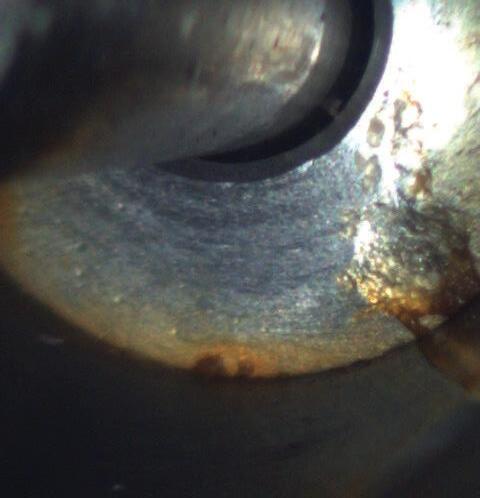
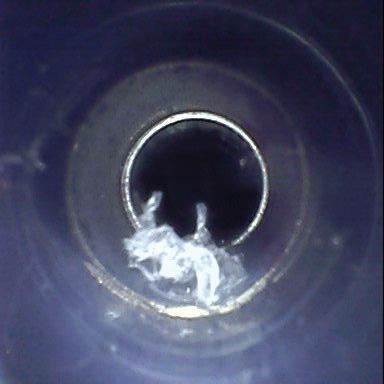
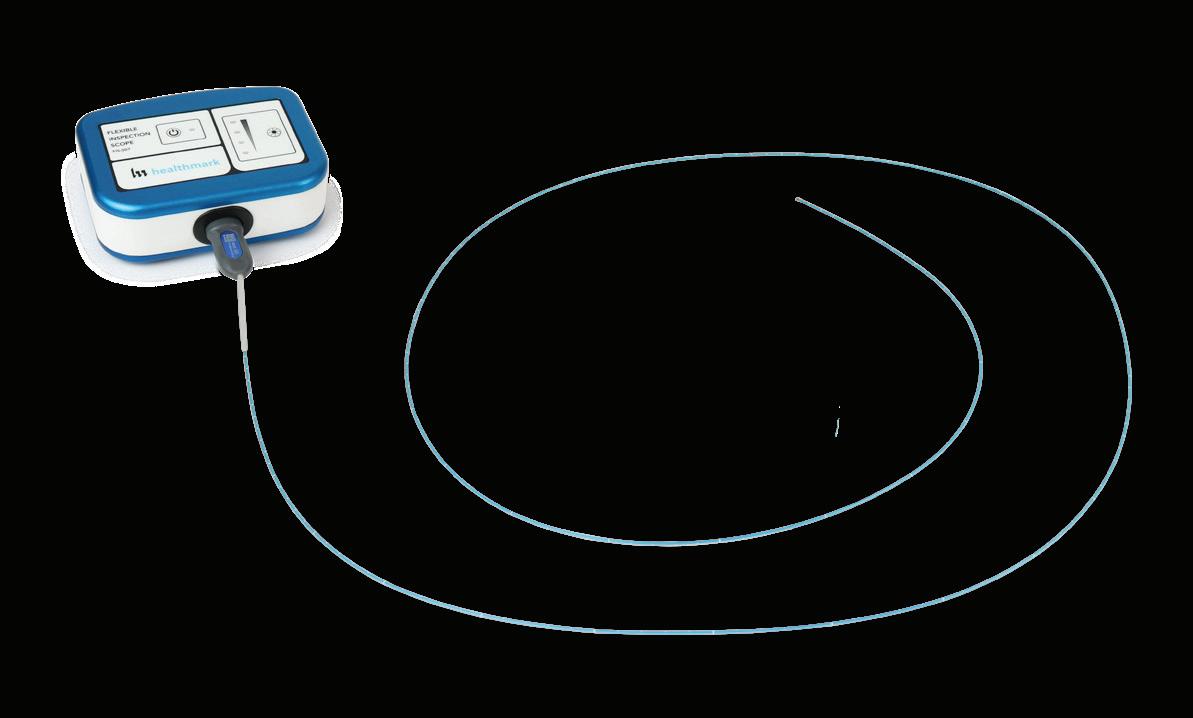
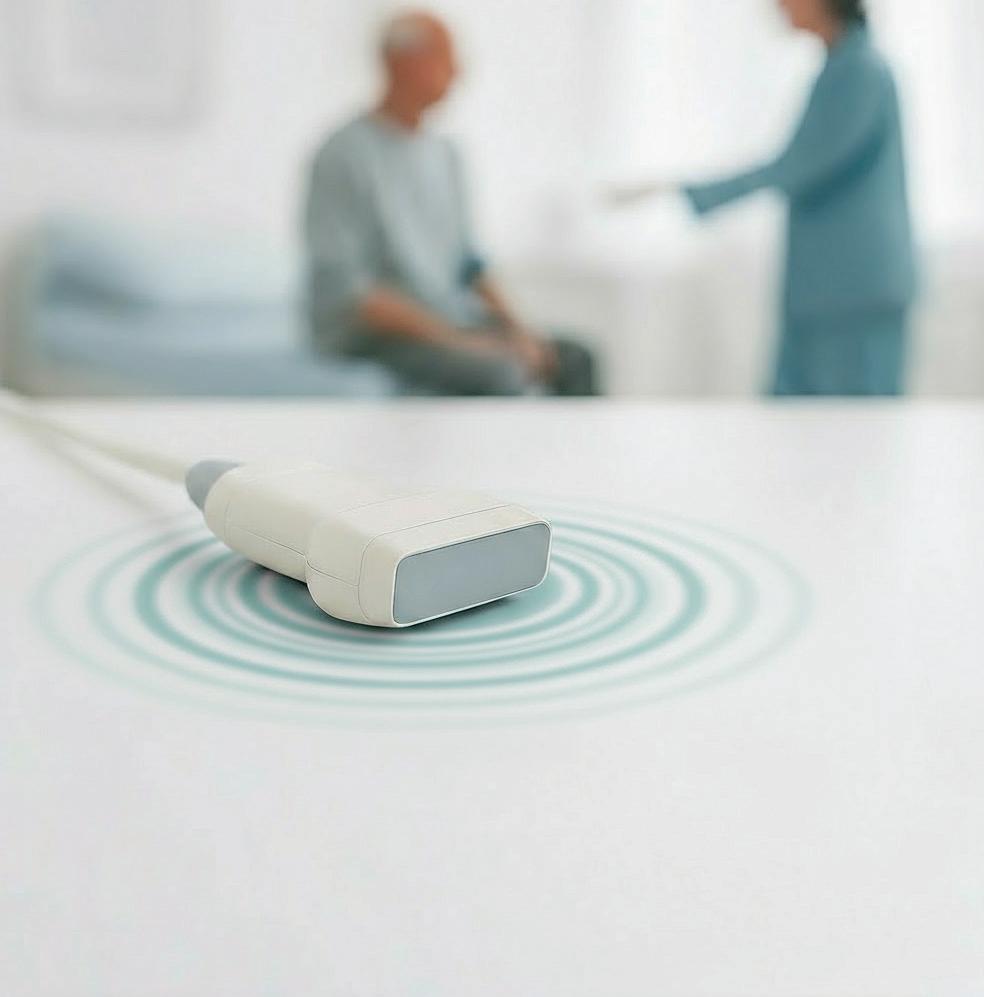
Flexible Inspection Scope Partnership in Every Pixel
Ready for a borescope that offers partnership in every pixel?
Scan to get started.
The Flexible Inspection Scope brings clarity to every channel & support at every step
From capturing detailed lumen images to building complete inspection workflows, Healthmark stands with you every step of the way. The Flexible Inspection Scope pairs precision optics with a full network of support—including a team that customizes implementation and training to ensure your success. Because when it comes to borescopes, it’s more than pixels that matter—it’s partnership.
P.12 SPOTLIGHT
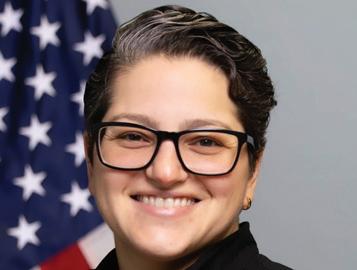
p.12 Professional of the Month: Barbara Shuff
p.14 Department of the Month: Pomona Valley Hospital Medical Center Biomedical Engineering Department
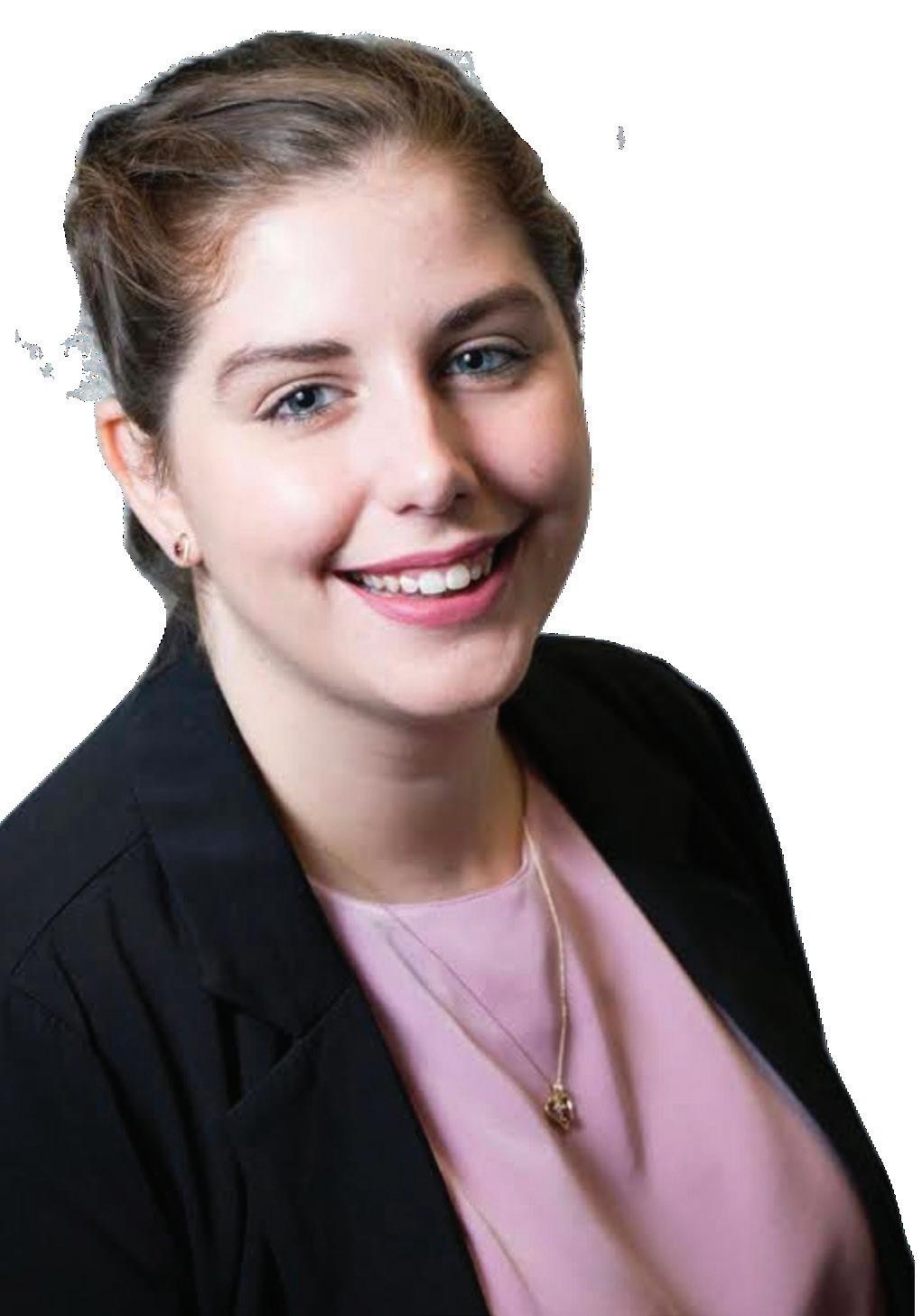
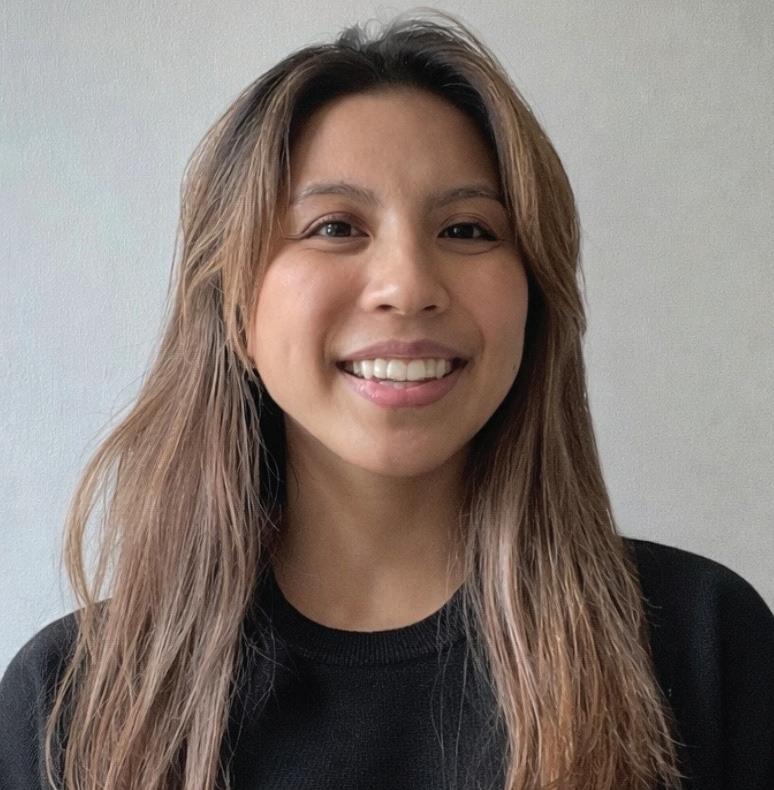
p.16 Next Gen: Madison Korfhage
p.18 Association of the Month: The Heartland Biomedical Association (HBA)
P.20 INDUSTRY UPDATES
p.20 News & Notes
p.24 TechNation Pulse
p.26 AAMI Update
p.28 ECRI Update
P.31 THE BENCH
p.31 Tools of the Trade: BC Group
p.32 Biomed 101
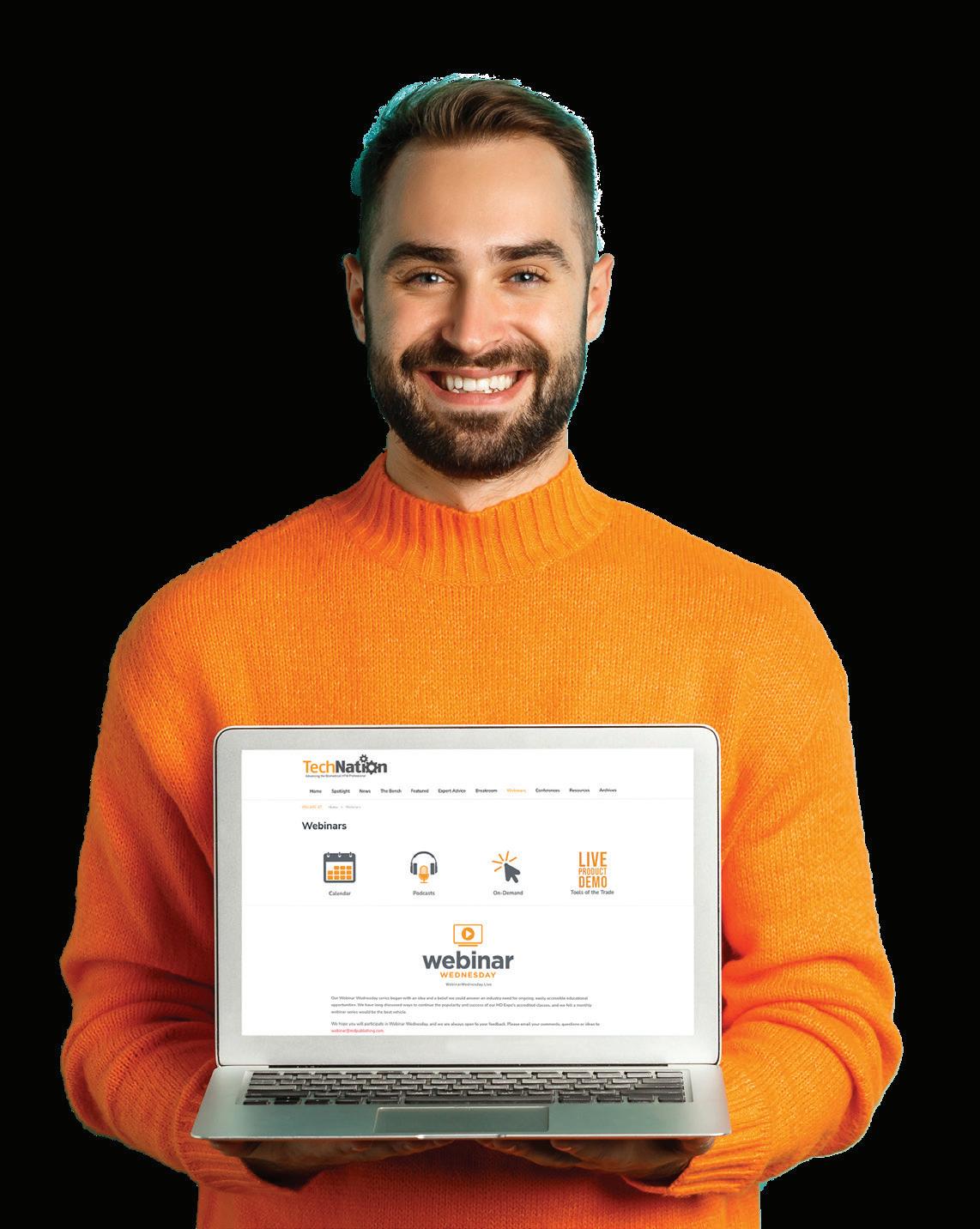
p.34 Webinar Wednesday
FEATURE ARTICLES
p.36 Roundtable: Training
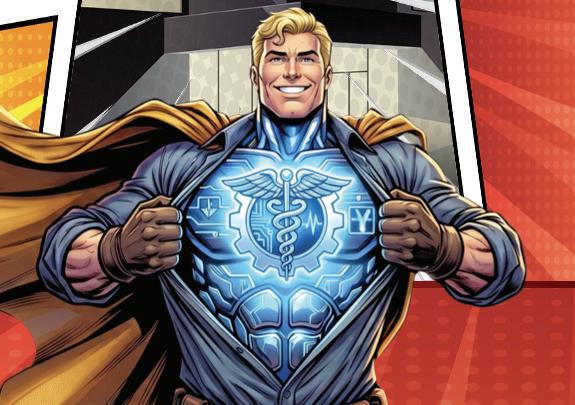
p.40 Cover Story: Hybrid Biomed or Superhero?
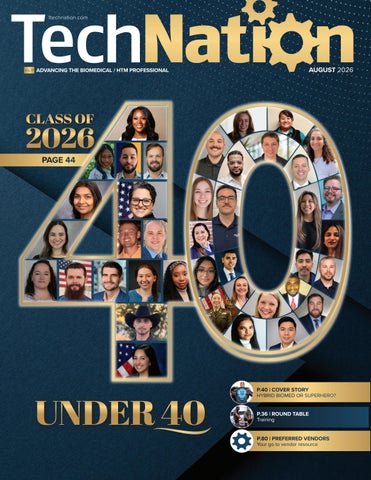
p.44 40 Under 40: Class of 2026
P.56 EXPERT ADVICE
p.56 Cybersecurity
p.58 MedWrench Guru
p.60 Networking Notes
p.64 The Massey Method
p.66 Right to Repair
p.68 The Future
PUBLISHER John M. Krieg
VICE PRESIDENT Kristin Leavoy
VICE PRESIDENT Jayme McKelvey BUSINESS DEVELOPMENT
EDITORIAL John Wallace
CONTRIBUTORS
K. Richard Douglas Joie Marhefka
Steven J. Yelton
Garrett Seeley
Nathan Proctor
Carol Davis-Smith
Eric Massey
Gay Gordon-Byrne
Dave Francoeur
Andrew Whyte
James Linton
Christopher Walters
DIRECTOR OF Megan Cabot
CLIENT SERVICES
ACCOUNT Warren Kaufman
EXECUTIVE
ART DEPARTMENT Karlee Gower
Taylor Hayes
Alicia Brown
DIGITAL SERVICES Cindy Galindo
Kennedy Krieg
Haley Harris
EVENTS Kristin Leavoy
Sydney Krieg
WEBINARS Linda Hasluem
HTMJOBS.COM Sydney Krieg
ACCOUNTING Diane Costea
CIRCULATION
Stephanie Cote
EDITORIAL BOARD
Rob Bundick, Director HTM & Biomedical Engineering, ProHealth Care
Carol Davis-Smith, CCE, FACCE, AAMIF, Owner/ President of Carol Davis-Smith & Associates, LLC
Nadia ElKaissi, CHTM, Biomedical Engineer, HTM, VA Central Office (19HTM)
Bryant Hawkins Sr., Site Manager, Children’s Hospital of New Orleans
Earl Morris Jr., BMET, Director of Clinical Engineering, Harrison County Hospital
Leticia Reynolds, Clinical Engineering Operations Manager at UCHealth Parkview Medical Center
P.70 BREAKROOM
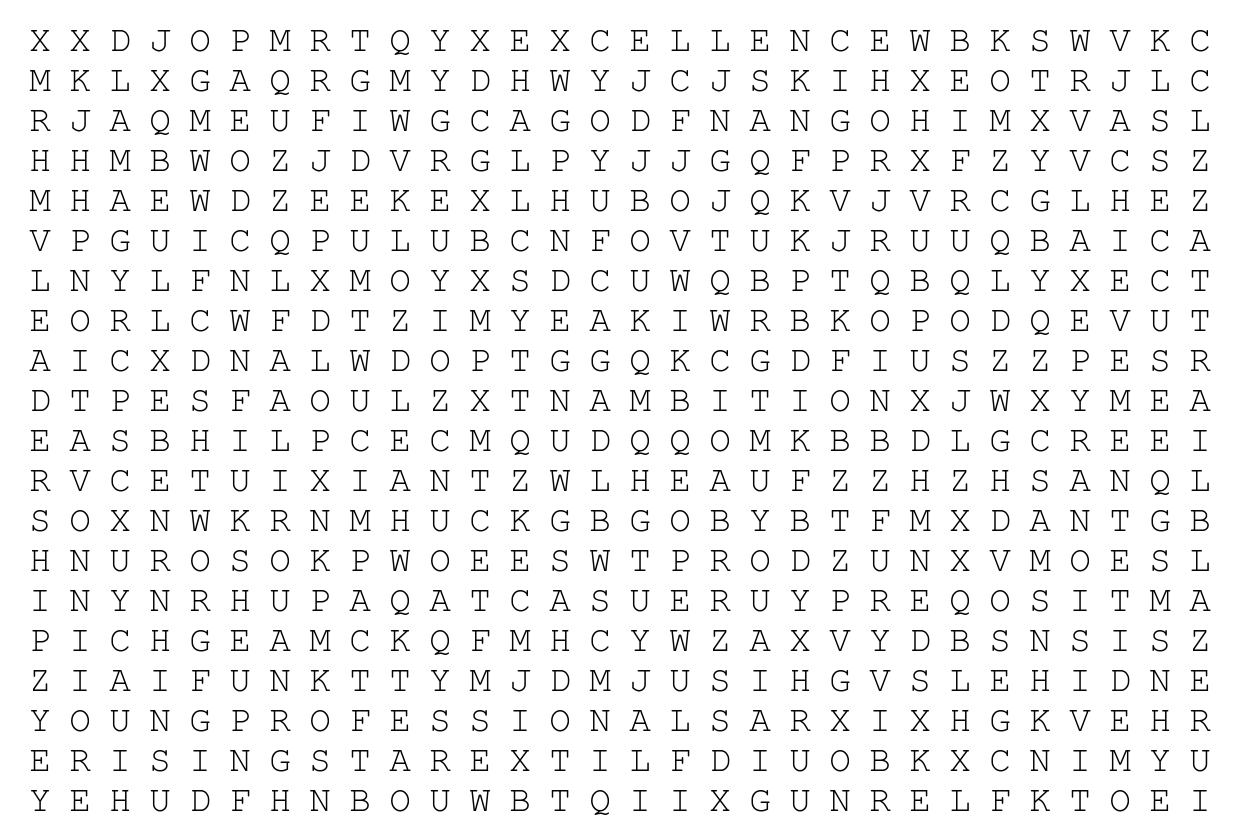
p.70 Word Search
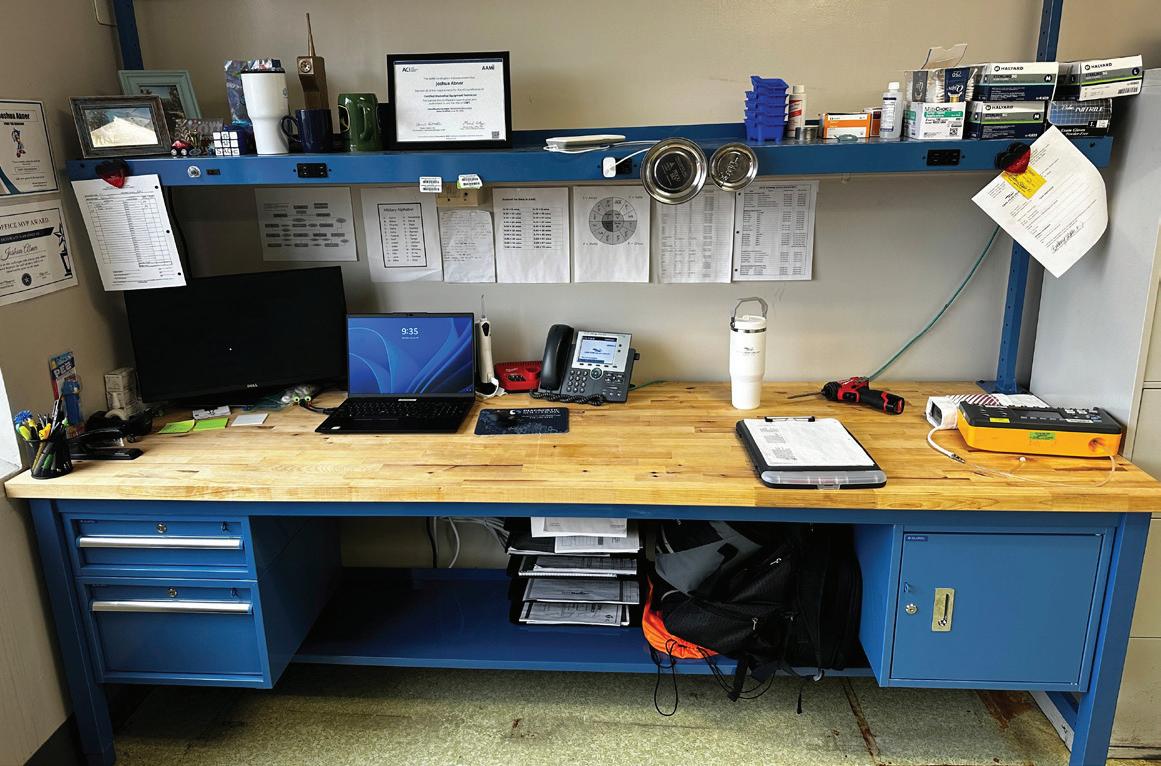
p.70 [Contest] What’s on Your Bench?
p.72 Biomed Brainbuster
p.74 The Social
p.76 Service Index
p.79 Alphabetical Index
p.80 Preferred Vendors
PROFESSIONAL SKILLS
Communication & Customer Service Course
Customized Leadership Training
DENTAL EQUIPMENT HANDS-ON TRAINING
Dental Bootcamp (2 Weeks InPerson)
Dental Repair Technician 100300 Series (1 Week In-Person)
Infusion Pumps
Patient Monitors
Telemetry Systems
Oxygen Blenders
Electrosurgical Units (ESU)
Patient Beds & OR Tables
Defibrillators/ECG
Tabletop Sterilizers
Ventilators
Biomed to Imaging (B2I)
Biomedical Imaging & Information Systems (BIIS)
Medical Device Integration (MDI)
Medical Equipment Technician
100-300 Series
Radiological Safety
MRI Safety
Biomedical Information Systems
Analyzing & Design
Linear Accelerators - Beginner through Intermediate
PROFESSIONAL OF THE MONTH Barbara Shuff, CBET
BY K. RICHARD DOUGLAS
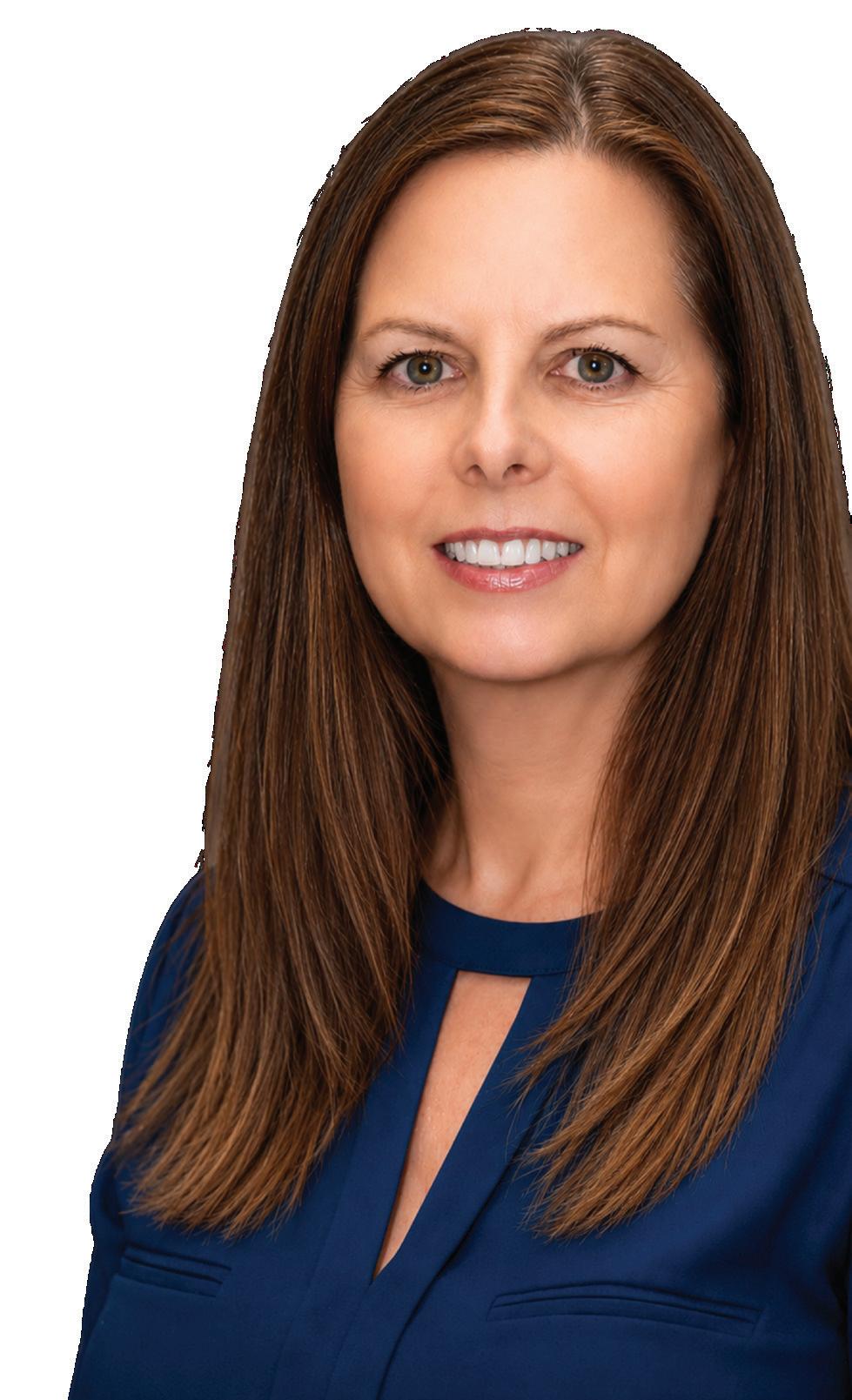
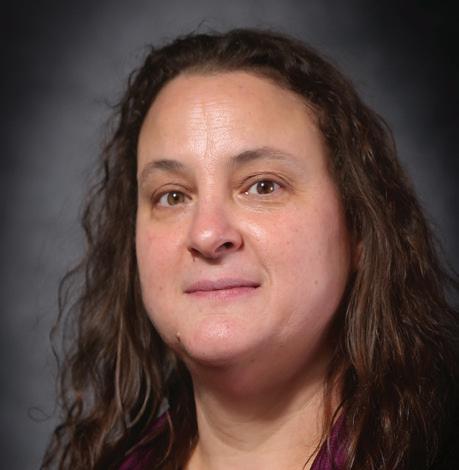
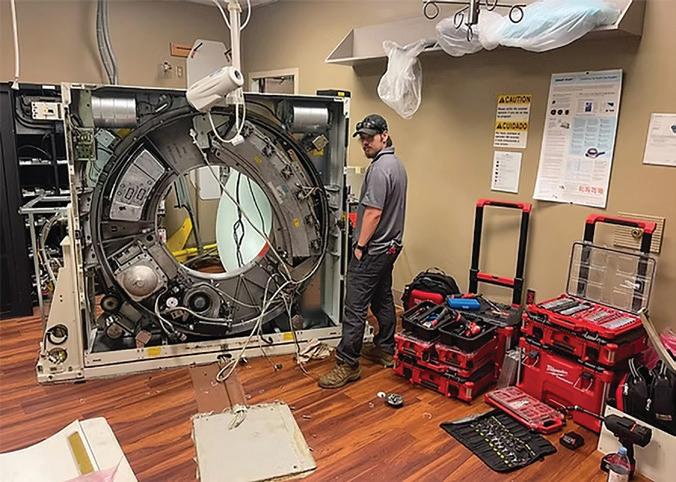
Barbara Shuff, CBET, is an imaging technician out of Lakewood, Colorado, who has worked as a biomed and manager for several years. She made the transition to imaging this year.
Shuff is also the current president of the Colorado Association of Biomedical Equipment Technicians (CABMET).
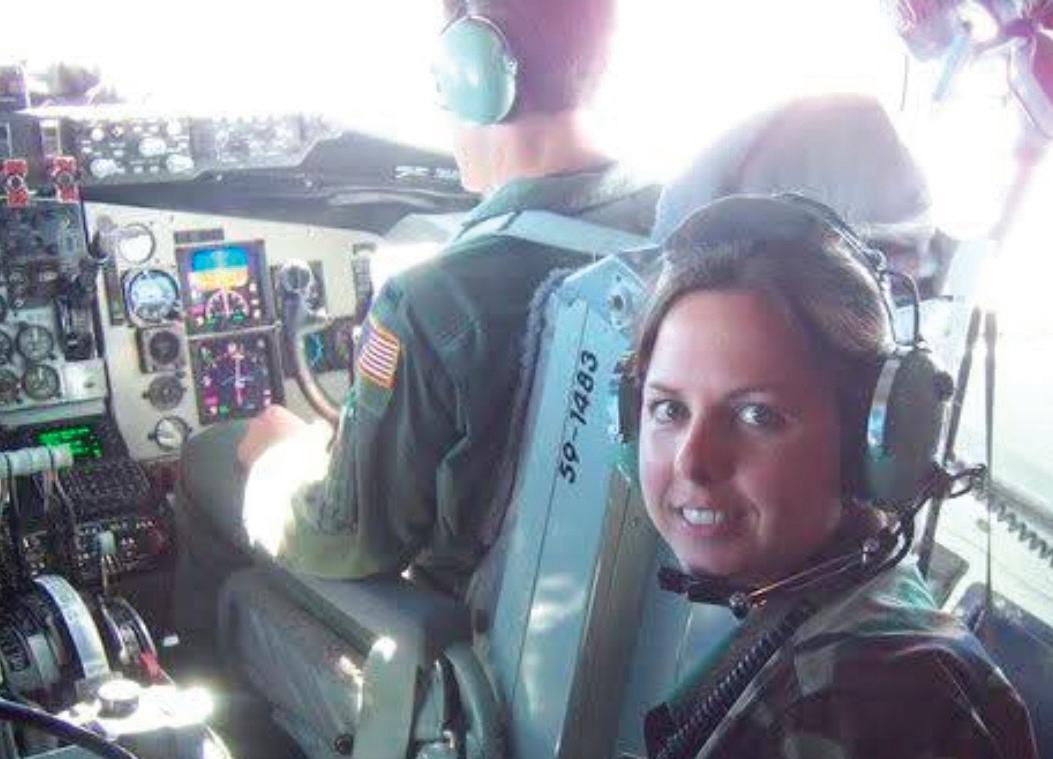
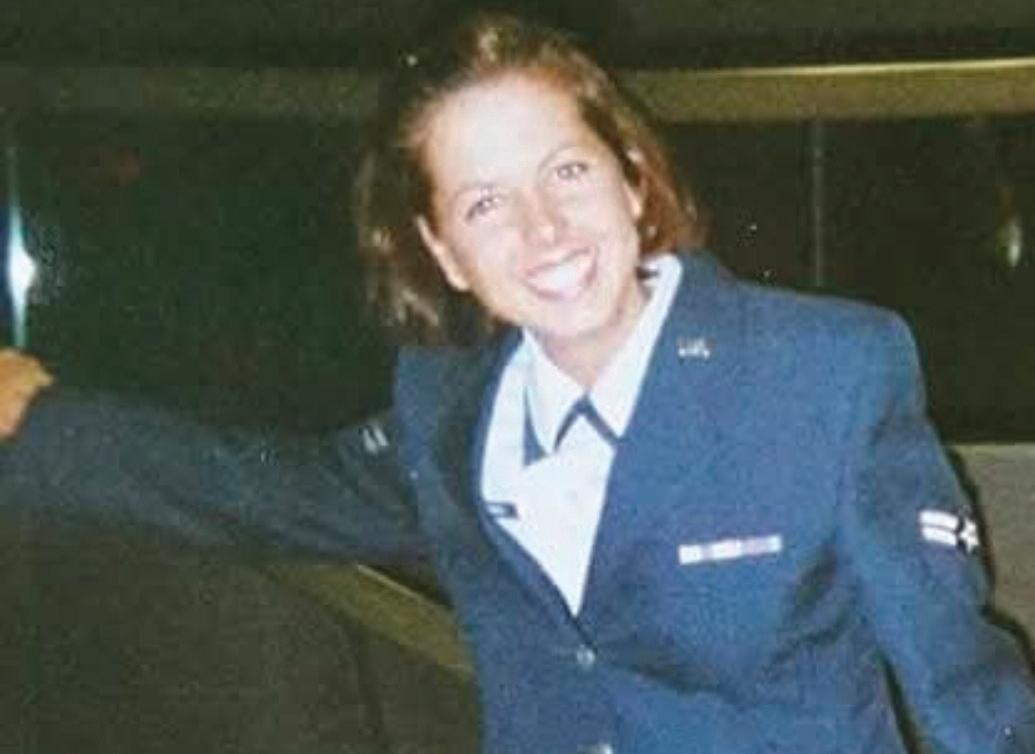
“I first learned about the biomed field when I enlisted in the Air Force. After taking the entrance exam, I was immediately drawn to the medical equipment repair technician role. In the 26 years since, I have remained incredibly grateful for that choice,” she says.
Entering the biomed profession as a member of the military, Shuff attended the Department of Defense Tri-Service school at Sheppard Air Force Base in Wichita Falls, Texas.
“I was in the fourth class to go through the then-newly opened school, which consisted of 11 intense blocks. The training was rigorous, involving daily 4 a.m. runs, followed by full days of instruction alongside a mix of Army, Navy, Air Force and civilian personnel,” she says.
After completing training, she worked as a tech from 2000-2007. Shuff says that she then worked in tech/manager roles from 2007-2010.
“I was the sole technician and manager at a one-person biomed shop,” she says.
Then, as a manager from 2010 to 2024 and a senior technician from 2024 to this year, Shuff is now an imaging service technician.
“When I started in the one-person account it was the perfect introduction to management because I could focus on management tasks like reports and committees without managing technicians. I was very appreciative to have that opportunity,” Shuff says.
Shuff’s additional accomplishments include earning the CBET certification and being distinguished as an honor graduate from USAF basic training.
NEW CONSTRUCTION & NEW EQUIPMENT
Construction projects, equipment installations and working with few resources are all legitimate challenges for biomeds or managers. Shuff has experience with all three.
“The first significant challenge in my career was my transition from a technician to managing a one-person biomed shop. After seven years in the field, I moved from an environment with experienced mentors to working entirely alone,” Shuff says.
She says that initially, she was terrified, especially when called into high-stress situations like active surgeries, committee meetings and a Joint Commission inspection.
“This position fueled my most significant professional growth. A second challenge was being the only person at the account; the next closest account was two hours away; I was on-call 24/7 for four consecutive years, excluding vacations,” she says.
Shuff adds that her favorite project was serving as a project manager for the clinical engineering team during the activation of a seven-story children’s hospital.
“The final six months were particularly challenging as we managed the intake, assembly, networking and database integration for thousands of devices
within a very short timeframe of 5 to 10 months,” she says.
Shuff’s role as project manager began just one year before the facility opened its doors to patients.
“This involved developing a new medical equipment management plan (MEMP) and establishing policies and procedures. A significant challenge was meeting monthly with department directors to determine unit-specific needs, such as equipment placement and mounting. We often had to pivot when original locations proved unsuitable, and navigating varying personalities made every meeting complex. As I was already a full-time manager at the existing children’s hospital, this added a substantial workload that required significant overtime,” she says.
Shuff says that for logistical reasons all of the hospital’s devices and equipment were initially delivered to an offsite warehouse.
“I coordinated with the warehouse manager to schedule deliveries and managed a team of in-house biomeds for assembly or coordinated vendor installations. Scheduling vendor technicians was a particular hurdle for equipment purchased over a year prior. Additionally, I was responsible for inventorying all equipment into a CMMS and training the new biomedical technicians,” she says.
“As networking was not my strongest skill at the time, working with IT to establish IP addresses was challenging,” Shuff adds.
Shuff says that all equipment communicating with electronic medical systems had to be tested.
“Regarding staffing, I participated in a valuable one-week course on interviewing and ultimately hired four technicians who were excellent fits. Once the hospital opened, we managed a high volume of ‘how-to’ questions from clinical staff and coordinated the recovery of equipment misplaced during the transition,” she says.
Shuff has lived in Maryland, New Jersey, Massachusetts and California and currently resides in Colorado.
“I love the mountains and blue skies here, though I hope to retire near the ocean on the Southeast coast; possibly Florida,” she says.
“My husband and I have known each other since first grade, and we have an eight-year-old son. We have a two-year-old Maine Coon cat and hope to adopt a dog in the future. In my free time, I enjoy traveling, camping with my family, and attending live music – specifically my favorite bands; O.A.R. and Phish. Last summer, we bought a tent and gear, started camping and I loved it,” Shuff adds.
She is excited about her transition into the imaging field and entering this new specialty. She has moved from being an in-house senior technician to a field service imaging technician. This is a new chapter in a long and successful medical equipment servicing career.
BIOMETRICS
FAVORITE BOOK:
“The Whaleship Essex,” “Life of Pi” and “Sphere”
FAVORITE MOVIE:
“The Lord of the Rings”
FAVORITE FOOD:
Thin crust New York-style pizza
HIDDEN TALENT:
I can pick things up with my toes when I’m too lazy to bend down.
FAVORITE PART OF BEING A BIOMED?
I love seeing the clinical staff happy when I fix their equipment. When it’s an easy fix and they feel bad for calling and are apologizing I tell them, “I love the easy fixes!”
WHY DO YOU READ TECHNATION?
To keep an eye on the industry and stay ahead of the curve regarding professional development.
After intense training with the United States Air Force, Barbara Shuff continues to play a pivotal role when it comes to the delivery of quality healthcare.
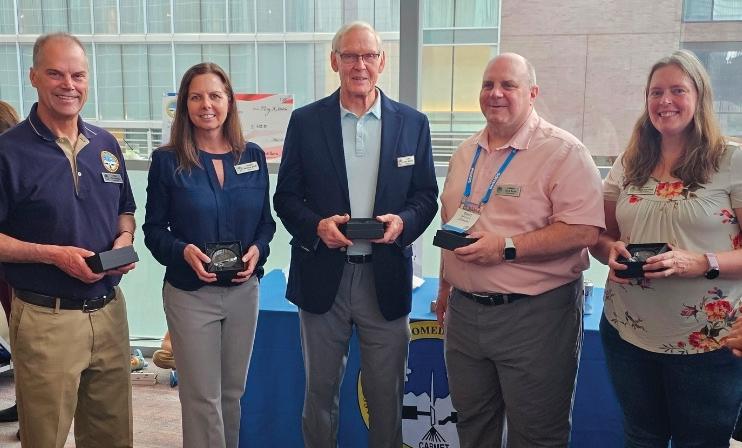
CABMET President Barbara Shuff (second from left) is seen with other CABMET officers.
DEPARTMENT OF THE MONTH
Pomona Valley Hospital Medical Center Biomedical Engineering
e proudly honor the biomedical engineers a nicians who manage and maintain our lifesa medical devices and healthcare systems.
BY K. RICHARD DOUGLAS
The Pomona Valley in California lies between the Inland Empire and San Gabriel Valley. Medical care for the area’s residents is offered by a medical center with a long history – the Pomona Valley Hospital Medical Center.
The Pomona Valley Hospital Medical Center (PVHMC) is a not-for-profit hospital
H andling medical equipment management for the medical center is the Pomona Valley Hospital Medical Center Biomedical Engineering Department. The department is under the administration of Vice President of Support Services Michael Vestino, DrPH, MHA, EML, FACHE.
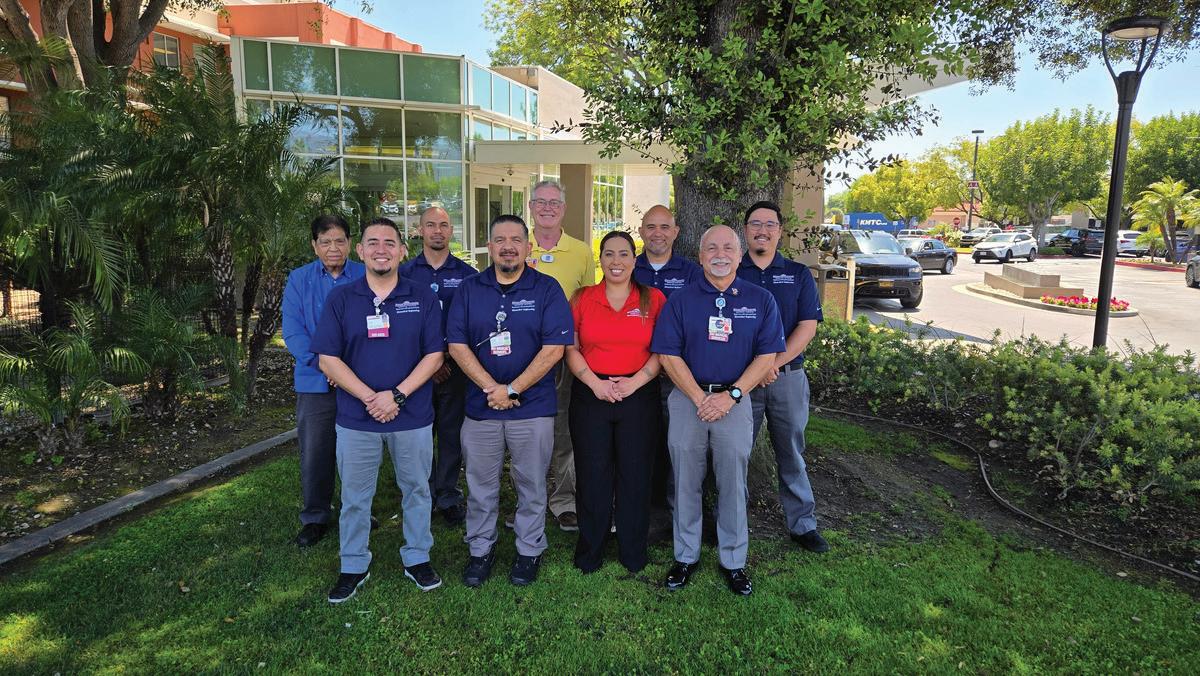
John Jimenez serves as the department’s director. The PVHMC Biomedical Engineering Department also includes two biomed IIIs, three biomed IIs, one biomed I, a senior imaging technician and an admin/dispatcher/coordinator.
The department is also currently partnered with an ISO, an independent service organization, who provides our inhouse team with our CMMS system and asset management coverages over a specific and limited amount of medical equipment items currently on our active inventory of approximately 10,000-plus items,” Jimenez says.
The Pomona Valley Hospital Medical Center Biomedical Engineering Department serves four urgent care centers and five outpatient care clinics in addition to the main hospital.
“This biomed team is ridiculously resourceful, frugal and responsibly creative when it comes to problem solving and cost containment without compromising quality, safety and compliance.”
He says that all the biomeds and [the] senior imaging technician hold a degree or certification in electronics including a DeVry University alum, a certified biomedical equipment technician (CBET) and a military electronics graduate.
“All of them have attended multiple OEM training schools for the various areas of discipline they specialize in ranging from anesthesia, ventilators, patient monitoring systems, system networking, ultrasounds, various imaging systems, rapid infusers, infusion systems and other general biomed items,” Jimenez says.
“Each biomed technician is assigned their own areas and departments of responsibility, which are again under their direct oversight. This has inspired a higher level of ownership, great customer working relationships, accountability, responsibility and teamwork,” Jimenez adds.
With regard to the teams’ relationship with its IT counterparts, Jimenez says that with an abundance of systems on the network – both hardwired and wireless – the CE/IT level of integration is the best it has ever been.
“Although both departments are still separate entities, both are fully aligned with each other knowing that what one department does in relation to any medical equipment related systems, needs to be well communicated and coordinated with the other,” he explains.
Beyond taking care of equipment at the medical center, the PVHMC Biomedical Engineering Department covers four urgent care centers and five outpatient care clinics.
Jimenez describes the department’s CMMS system as a very robust tool that benefits the team in many ways.
“The system currently being utilized to gather the basic performance baseline and platform indicators/KPIs of our inhouse biomed program is provided to us by our current ISO partnership from Intelas called TeamCHAMPS,” he says.
‘RIDICULOUSLY
RESOURCEFUL’
Department renovations, replacing anesthesia machines and a vendor change-over are just a few of the projects that the department recently tackled along with additional routine duties.
“One example of the most recent major specialty projects the biomed team participated in was the new vendor alignment and start-up we currently have been partnered with. It was an expedited process at the end of last year and required tremendous efforts on both sides during the holiday seasons with all related hospital departments participating to execute and deploy,” Jimenez says.
He explains that previously the biomed team has always participated in various hospital renovations of departments where existing medical equipment/systems were upgraded, stored or replaced with newer technologies. The PVHMC Biomedical Engineering Department’s level of involvement depended on the scope of the renovation/restoration.
“ During COVID-19, the team worked to help implement a major patient monitoring system infrastructure upgrade involving hardware, firmware and software throughout the entire facility. It was truly quite a remarkable undertaking, resulting in a much more reliable and robust infrastructure supporting our patient monitoring systems,” Jimenez says.
Prior to the pandemic, the medical center purchased a number of new anesthesia machines that constituted approximately 65 percent of new additions to the fleet.
“ The biomed team introduced them into our existing fleet, removed the old units, deployed and integrated the new ones, all while not interrupting the scheduled perioperative scheduled procedures. That was just another successful specialty project requiring the existing skills of the members of the biomed team at a very high level of acuity and very challenging to say the least,” Jimenez adds.
H e says that in today’s HTM world, there are mini and major specialty projects going on almost daily because of events related to technological advancements, serviceability, medical equipment obsolescence, integration, connectivity, upgrades, utilization as well as unforeseen reasons that pop up.
“ This biomed team is ridiculously resourceful, frugal and responsibly creative when it comes to problem solving and cost containment without compromising quality, safety and compliance. They search every possible resource and vendor out there – everywhere – to help best address their program needs and solutions,” Jimenez says.
H e adds that successful solutions require purchasing the right tools, test equipment and additional knowledge in order to resolve issues.
“A good example of this is a specialized soldering station we invested in to provide a deeper dive into component-level repairs on multilayer PCBs and such to provide immediate solutions,” Jimenez says.
H e says that another big win is having the biomed team members manage and prepare specific critical system backups with actual equipment items, parts or other needed items.
“ Examples include central monitor and bedside computers, various displays, UPS units, IDF closet switches, telemetry transmitters, various monitors and so on. All to keep clinical operations going and well supported,” he adds.
Outside of the workplace, a few of members the PVHMC Biomedical Engineering Department are actively involved with the AAMI Inland Valley and Los Angeles chapters. Jimenez says that the AAMI chapters provide a great community environment of networked peers and vendors.
In the greater-Los Angeles area, the Pomona Valley Hospital Medical Center Biomedical Engineering Department stands out as an exemplary HTM team of professionals.
NEXT GEN POWERED BY YP AT MD
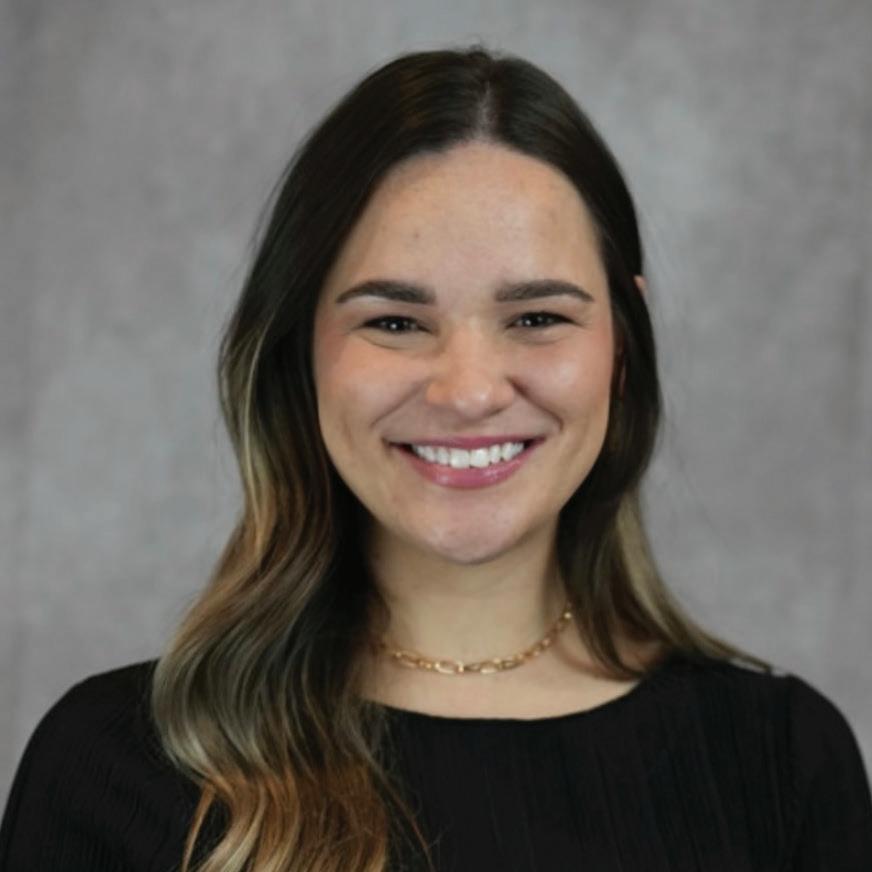
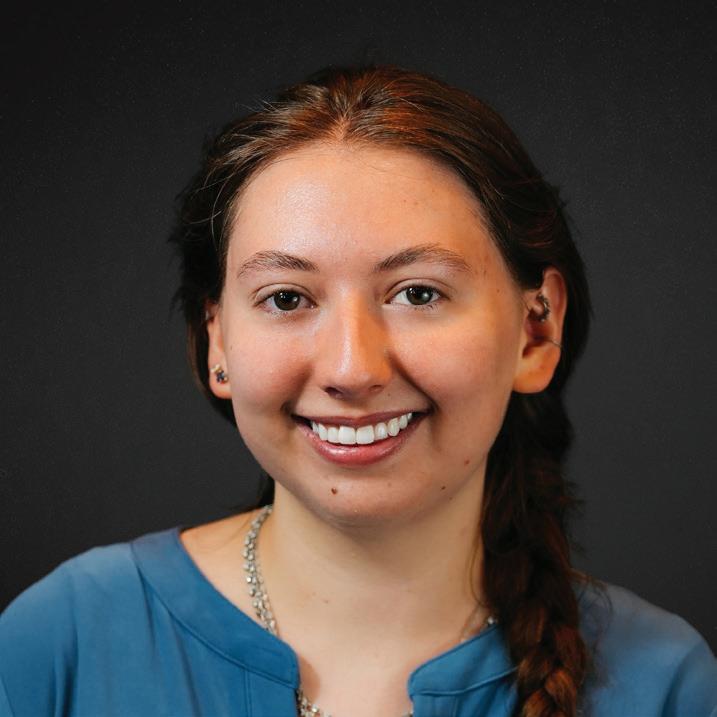
Madison Korfhage
Growing up in the South, Madison Korfhage was immersed in “Southern hospitality” and somewhere along the way it instilled a desire for human interaction and the ability to help others. Her biomedical engineering journey took shape at the University of Kentucky in her hometown of Lexington. She currently serves as a clinical engineer technician at St. Elizabeth Healthcare in Edgewood, Kentucky.
She was nominated to be featured by St. Elizabeth Healthcare Clinical Engineering Director Oscar Brito.
“Madison Korfhage is an exceptional emerging professional who truly deserves to be featured in TechNation’s Next Gen spotlight. Since taking on the responsibility of supporting more than 150 clinics across our organization, she has consistently demonstrated a level of service, ownership and professionalism far beyond her experience level,” Brito wrote in the nomination. “In less than a year in the field, Madison has already received multiple recognitions from office staff, managers, directors, and even VPs, each acknowledging her outstanding support, responsiveness and
“Madison sets a remarkably high standard for our department. She approaches every task with pride, accountability and a sincere commitment to delivering the best possible service. Her ability to build trust, solve problems
proactively and positively influence clinic operations has made her an invaluable asset in a very short time,” he added. “With her talent, drive, and remarkable early accomplishments, Madison’s future in the industry is incredibly bright.”
TechNation interviewed this rising star to find more about her and her approach to the demands of HTM.
Q: WHERE DID YOU GROW UP?
A: Louisville, Kentucky
Q: WHERE DID YOU RECEIVE YOUR HTM TRAINING/ EDUCATION?
A: University of Kentucky
Q: HOW DID YOU FIRST DISCOVER HTM?
A: When I first started in biomedical engineering during my undergrad, there was a lot of discussions on what everyone wanted to do. Some said prostheses, others cardiovascular, research, etc. I had a love of a lot of aspects of BME, but one of the things I kept coming back to was my love for human relationships and interactions. I want to be in healthcare technology management where I can impact the most lives and help people where it counts, day to day.
Q: WHY DID YOU CHOOSE TO GET INTO THIS FIELD?
A: When I was young, I went with my grandfather to his many doctor’s appointments and chemotherapy treatments when he battled cancer. I had a little plastic syringe that I used to give him “shots.” I knew, even at such a young age, that I wanted to help people in the medical field. Since then, I’ve seen my grandmother go through surgeries for a pacemaker, breast cancer, and even two parathyroid tumors. It took a lot of thought and time, but I got my degree in BME to make a difference where it matters most. Equipment maintenance and management matters because if the equipment fails, people don’t heal and don’t go back to their families.
Q: WHAT DO YOU LIKE MOST ABOUT YOUR POSITION?
A: I enjoy interacting with our staff and forming lasting connections while ensuring all our equipment is working efficiently. I am proud to know that when people see me, they feel at ease that everything will be okay. I can provide them clarity and comfort in knowing that I will not give up, and it
Equipment maintenance and management matters because if the equipment fails, people don’t heal and don’t go back to their families. “
will be resolved. For example, I recently organized and led a project for new AED deployment across our organization system (approximately 200 units), which is aiding in standardizing our equipment and allowing for peace of mind that the equipment and patients are being taken care of properly.
Q: WHAT INTERESTS YOU THE MOST ABOUT HTM?
A: Being able to help patients and healthcare indirectly where it is needed most.
Q: WHAT HAS BEEN YOUR GREATEST ACCOMPLISHMENT IN YOUR FIELD THUS FAR?
A: I recently received an award from St. Elizabeth via nomination. The award is a designation that I am one of 31 women chosen this year that exemplify excellence, leadership and inspiration across St. Elizabeth Healthcare and St. Elizabeth Physicians.
Q: WHAT GOALS DO YOU HAVE FOR YOURSELF IN THE NEXT 5 YEARS?
A: I plan to continue improving our inventory management and preventative maintenance process and earn a promotion.
FUN FACTS
FAVORITE HOBBY: Reading novels and painting
FAVORITE SHOW OR MOVIE: “Harry Potter and the Prisoner of Azkaban” and “Star Wars: Return of the Jedi”
FAVORITE MEAL: Chicken Penne Alfredo
WHAT WOULD YOUR SUPERPOWER BE?
Ability to pause time/control time (not enough time in the day)
1 THING ON YOUR BUCKET LIST?
Go to Ireland
SOMETHING YOUR CO-WORKERS DON’T KNOW ABOUT YOU:
I have two Shih Tzu dogs that always keep me on my toes.
ASSOCIATION OF THE MONTH
The Heartland Biomedical Association (HBA)
BY K. RICHARD DOUGLAS
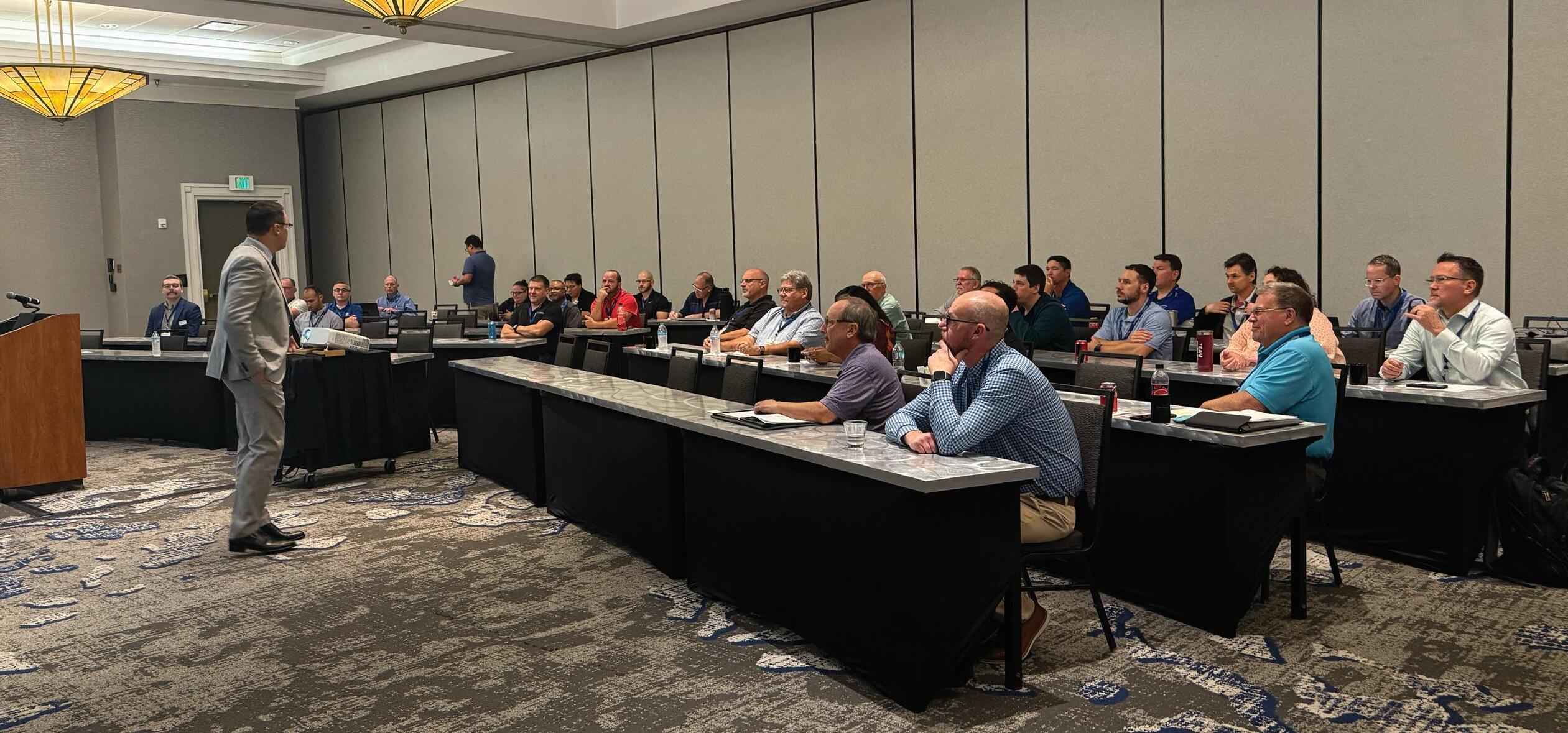
In March of 2021, the Heartland Biomedical Association (HBA) held its first real meeting since the COVID-19 pandemic. A January gathering preceded the March meeting.
Prior to its first real meeting, HBA participated in an HTM Mixer in Kansas City that was also supported by two other biomed associations.
Things have improved substantially since 2021, and the group is back to hosting regular meetings and an annual symposium.
The association’s history goes back to 1994 when biomed directors Dale Rose and Paul Straub started HBA in Omaha, Nebraska.
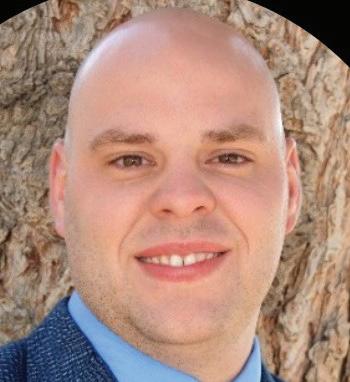
Today, leadership is made up of President Justin Lewis; Vice President Maggie Berkey and Treasurer Bill McSharry. Additional board members are Yukihira Naoe, T.J. McKillip, Jason Roach, Hal Mason and Bill Doiel (ad hoc).
H BA’s goals from the start were to:
• form a professional association of individuals interested in
the advancement of biomedical technology;
• create an organization dedicated to better patient care;
• encourage the free exchange of information pertaining to the biomedical technology field;
• increase recognition of the biomedical field within the medical community; and
• promote education and training of biomedical personnel.
H BA strives to meet its goals including in-person as well as virtual education and networking opportunities.
“ We hold bi-monthly member meetings and the annual symposium. We provide a Zoom link to join virtually, and if the presenter agrees, we post the meeting on our website afterwards,” Lewis says.
The group provides training opportunities to members to familiarize them with information from the clinician’s perspective. This provides unique insights.
“ We are really focusing on more clinical presentations rather than just showcasing a new piece of equipment. Our May meeting covered blood bank equipment and what they are testing for in the lab. At our upcoming symposium we will
Justin Lewis President
Maggie Berkey Vice President
have a presentation on ultrasound images and what you are actually seeing,” Lewis says.
H BA also supports educating the next generation of HTM professionals including a relationship with Iowa Western Community College in Council Bluffs, Iowa.
“ The HBA partners with Iowa Western and sits on the advisory committee for their electronics/robotics program,” Lewis says.
H e says that the association also has a scholarship program. The HBA scholarship is for students pursuing an associate degree in the applied science electronic engineering technology program at IWCC who are interested in pursuing a career in the biomedical technology field.
“ We partner with Iowa Western Community College and serve on the advisory committee to award one student a scholarship each year. Each year, we award one deserving student a $2,500 scholarship toward their degree,” Lewis says.
H e says that the group also attends a spring career fair and an event in the fall where they give a presentation to students on HTM and what biomeds do.
“ We try to regularly attend career fairs at IWCC as well as local high schools to spread the word about HTM,” Lewis says.
H e says that typically, the group will bring various types of equipment to give students hands-on demonstrations of how they work and how we test the device.
“At our last event, we brought a patient monitor, a defib and a centrifuge. For interested students, we share our contact information and schedule a day for them to job shadow,” Lewis adds.
GOLF & EDUCATION
The HBA golf tournament was another popular event that was missed during the COVID-19 pandemic. This year the symposium and golf tournament return. The golf tournament is set for Wednesday, Augst 19 at The Players Club in Omaha.
The annual symposium runs August 20 and 21 at the Embassy Suites Omaha-Downtown/Old Market.
“Our annual symposium is held in Downtown Omaha in August or early September every year. We kick things off with a golf tournament at The Players Club
Doiel Board Member
at Deer Creek on Wednesday, followed by a vendor show Thursday and education sessions all day Friday. This year we will have Bryant Hawkins of Elevate HTM delivering our keynote address,” Lewis says.
“ Last year, we were joined by The Joint Commission who gave an excellent presentation on AI in healthcare. This year, we will be hosting Hawkins on Thursday and Danielle McGeary from AAMI on Friday. On Thursday night we will host happy hour and billiards at Upstream Brewery and encourage all attendees/vendors to join,” Lewis says.
In the country’s heartland, HTM professionals are linked through the events and training of a 32-year-old biomed association that has regained its stride.
For more information, visit HeartlandBiomed.org.
Bill
NEWS & NOTES
Updates from the HTM Industry
AGILITI NAMED EXCLUSIVE U.S. PROVIDER OF TOTAL LIFT BED
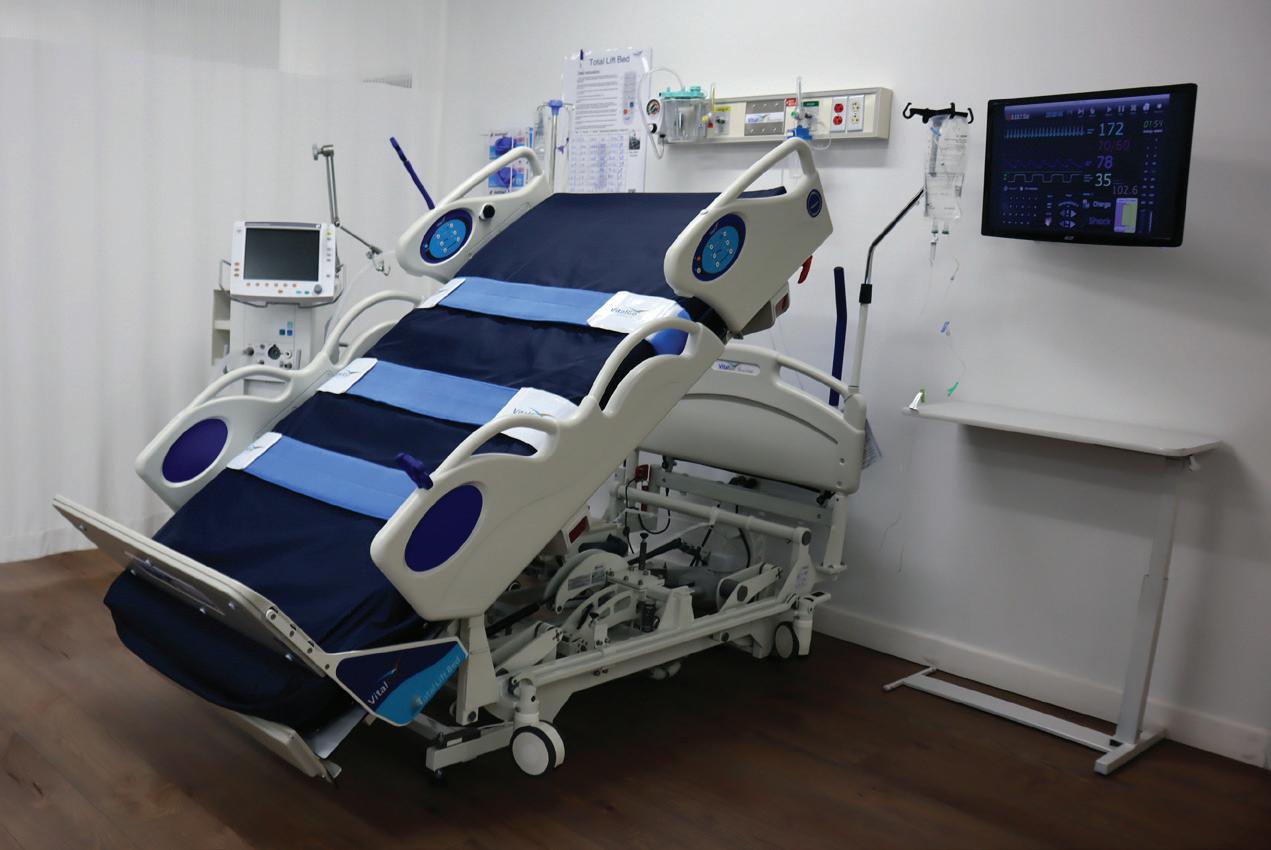
Agiliti has an agreement with VitalGo Systems Ltd., to be the exclusive U.S. provider of the Total Lift Bed (TLB). This agreement builds on Agiliti’s portfolio of solutions for the ICU where the company is supporting hospitals in the early mobilization of critically ill patients to reduce length of stay and improve care outcomes.
The TLB was the industry’s first ICU bed capable of safely transitioning patients from a supine to standing position without leaving the bed, according to VitalGo. Used globally in critical care environments, the TLB supports early mobility and rehabilitation protocols for high-acuity patients, including those receiving extracorporeal membrane oxygenation (ECMO) therapy.
“Every additional day a patient spends in the ICU increases risk to the patient, constrains patient throughput and adds avoidable cost,” said Tim McCarty, general manager of beds and therapeutic surfaces at Agiliti. “Agiliti brings a differentiated capability to ICU teams through integrated product and service solutions targeting complications related to prolonged patient immobility. Now as the exclusive provider of the Total Lift Bed, we can further advance care for our customers’ most critical and costly patient populations.”
Together, the TLB and Agiliti’s complementary bed and support surface technologies help clinicians safely advance patients through progressive stages of recovery while minimizing the adverse effects of prolonged bed rest.
The TLB complements Agiliti’s suite of self-manufactured products and services supporting care in the ICU, including the Essentia multi-acuity bed by Agiliti, designed to support recovery in critical and progressive care settings.
Research has shown that initiating mobility and rehabilitation earlier in the ICU can reduce the clinical and functional consequences of prolonged immobility –including muscle wasting, physical deconditioning and pressure injuries – which are associated with longer lengths of stay, reduced patient throughput and higher costs of care. The TLB enables clinicians to begin recoveryfocused interventions earlier in a patient’s ICU stay, supporting functional recovery, improving discharge readiness and helping mitigate the costly complications associated with prolonged bed rest.
Agiliti further supports hospital care teams through dedicated clinical advisors who provide education, training and best-practice guidance for integrating mobility and rehabilitation interventions earlier in the patient journey.
The Adapt Line of therapeutic support surfaces from Agiliti, including the Adapt Air Pro, allows hospitals to standardize surfaces across ICU, step-down and med-surg units, supporting continuous pressure injury prevention, and consistent care practices for nursing teams.
“Critical care nurses need solutions that work together,” added Kristen Thurman, PT, MPT, CWS, vice president of product management and clinical affairs at Agiliti. “By aligning the latest technology in hospital bed frames and therapeutic surfaces into a comprehensive offering, Agiliti is helping hospitals address routine complications at the bedside that have shown to drive up the cost and complexity of care. We are proud to build and bring together leading technology solutions that deliver fast and meaningful benefits for caregivers and their patients.”
PARTSSOURCE ACQUIRES SKILLNET
PartsSource has acquired SkillNet, a workforce intelligence platform for HTM that gives hospitals and health systems real-time visibility into competency compliance and team capabilities, enabling leaders to close critical technician skill gaps and grow care capacity.
Following PartsSource’s introduction of new service optimization and asset performance capabilities at AAMI eXchange in late May, the acquisition of Skillnet expands the PartsSource Enterprise Clinical Technology platform into workforce intelligence. The combination enables healthcare organizations to better align equipment uptime, service delivery, technician capability and operational readiness across the enterprise.
In concert with the acquisition, PartsSource announced its intention to offer an expanded portfolio of workforce solutions. The new PartsSource PRO Workforce solution will include a multi-vendor, multi-modality technical decision support system that provides AI-empowered diagnostics and repair procedures to help technicians accelerate maintenance and repair of highly complex clinical assets and on-demand training from its former acquisitions of RSTI and NVRT Labs.
“Healthcare organizations are under pressure from every direction – rising demand, aging infrastructure, workforce shortages and growing operational complexity,” said Philip Settimi, MSE, MD, president and CEO of PartsSource. “Ensuring healthcare is always on requires more than maintaining equipment. It requires visibility into the people, skills, workflows and operational systems behind clinical asset availability. The addition of SkillNet strengthens our ability to help health systems manage clinical asset performance holistically by focusing on their most important asset – their people.”
PartsSource is actively co-developing its workforce solution with alpha partners, five industry-leading healthcare systems operating a combined total of 43 hospitals.
“For enterprise HTM teams, workforce readiness is inseparable from clinical asset performance, regulatory compliance and quality outcomes,” said Keith Whitby, SCM division chair, healthcare technology management at Mayo Clinic. “By adding SkillNet to its platform, PartsSource is connecting equipment data, service strategy and technician capability in a way that gives leaders clearer visibility into where skills exist, where gaps remain and how to build the capacity needed to keep care environments ready. This level of insight helps organizations strengthen compliance with evolving regulatory requirements, support consistent quality standards and ensure the workforce is prepared to maintain safe, reliable patient care.”
PartsSource PRO Workforce, now empowered by SkillNet, is designed to help health systems respond directly to cost and workforce pressures by enabling:
• Expanded in-house service capacity through workforce planning, skills development, targeted training and greater technician readiness
• Improved workforce and asset performance through real-time visibility, helping health systems align skills to demand, reduce service reliance and improve equipment uptime
• Multi-vendor, multi-modality technical decision support system to accelerate the correct diagnosis, expedite the repair pathways and return the asset to clinical availability
• Cutting edge training programs that include AR/VR/XR techniques from NVRT along with proven hands-on training by RSTI ensure in-house team skills are ready to handle any service situation
INDUSTRY UPDATES
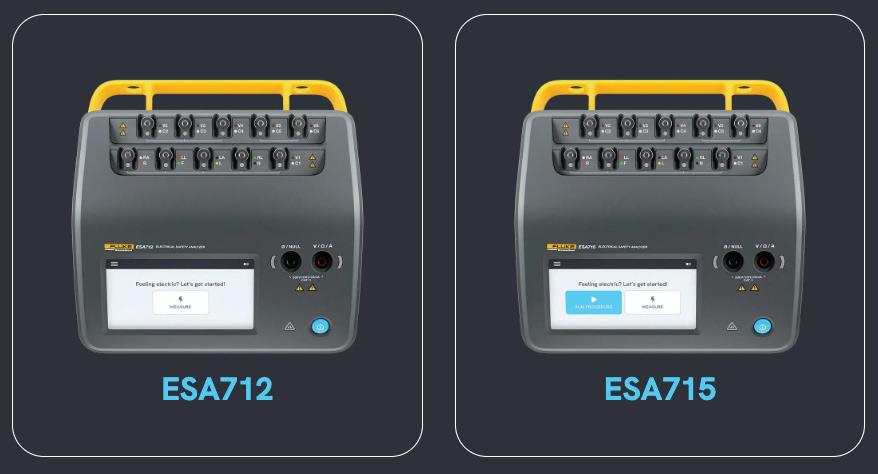
FLUKE BIOMEDICAL ANNOUNCES ESA715 & ESA712
Fluke Biomedical recently unveiled new electrical safety analyzers. The ESA715 and ESA712 “revolutionize electrical safety testing, offering the same advanced capabilities as the recently launched ESA710 but with additional features, facilitating global standards testing and manual measurement mode respectively,” according to a press release.
The ESA715 Electrical Safety Analyzer replicates the functionality and convenience of the ESA710 and offers testing to global standards. Similarly, the ESA712 delivers the same advanced testing options but exclusively through manual measurement mode. These additional models continue the commitment to enhancing workflow automation, accuracy and efficiency for HTM professionals.
The ESA715 and ESA712 maintain the compact design, 5-inch color LCD touchscreen, intuitive user interface as the ESA710, and OneQA workflow automation software onboard for the ESA715. These features standardize testing procedures, promote procedural adherence, and lead to time and cost savings for healthcare facilities. The onboard software supports automated documentation and integrates with several CMMS/EAM systems for end-to-end workflow automation.
Key features of the ESA715 and ESA712 include, but are not limited to:
• Global standards testing manual measurement mode
• Portable, ergonomic design with integrated handle
• OneQA-enabled workflow automation (ESA715)
• Wireless capability for field testing and automatic result synchronization
SPBS UNVEILS BRAND REFRESH
SPBS Inc., a national provider of medical equipment repair and maintenance services, has announced a comprehensive brand refresh that reflects its “modern identity as a strategic partner to the healthcare industry,” according to a news release.
The initiative introduces a completely updated corporate logo, a redesigned website, a standardized visual identity and an upgraded focus on healthcare technology management (HTM).
Founded in 1979 as a biomedical service and repair company, SPBS has spent over four decades adapting to the rapidly changing medical landscapes. While previously embracing the clinical equipment services framework, this new brand launch marks the company’s definitive shift toward delivering complete, tailored HTM solutions that directly optimize
• Ten applied parts posts with LED lighting guidance
• Insulation resistance range from 50V, 100V, 250V and 500V
• Automated test sequences for compliance to electrical safety standards (ESA715)
• ECG waveform tests and dual-lead measurements
• Easy data entry via barcode scanner, external keyboard or on-screen keyboard (ESA715)
• Robust construction tested for rugged field applications
• Comprehensive service and coverage with the Protect+ Program
“The introduction of the ESA715 and ESA712 electrical safety analyzers, in addition to the ESA710, underlines our dedication to innovation and excellence in healthcare technology management,” said Mike Nguyen, senior product manager at Fluke Biomedical. “These models further our aim to set new standards for electrical safety testing in the healthcare industry.”
healthcare operations and facility equipment health.
“Our refreshed brand continues to lean into the long, rich history of our company while sharply focusing our purpose in the modern HTM space,” said Jeff Daugherty, president and CEO. “We deliver far more than basic repair and maintenance of clinical equipment. We are a true service partner, delivering responsive support, high-quality, cost-effective service and solutions perfectly tailored to our customers’ needs.”
The brand transformation includes a reimagined corporate website at SPBS.com that provides clients with intuitive access to resources, corporate updates and information regarding flexible service plans.
Find more news items at tinyurl.com/eb6ub8rd
INDUSTRY UPDATES
ORLANDO
OCTOBER 13-15, 2026
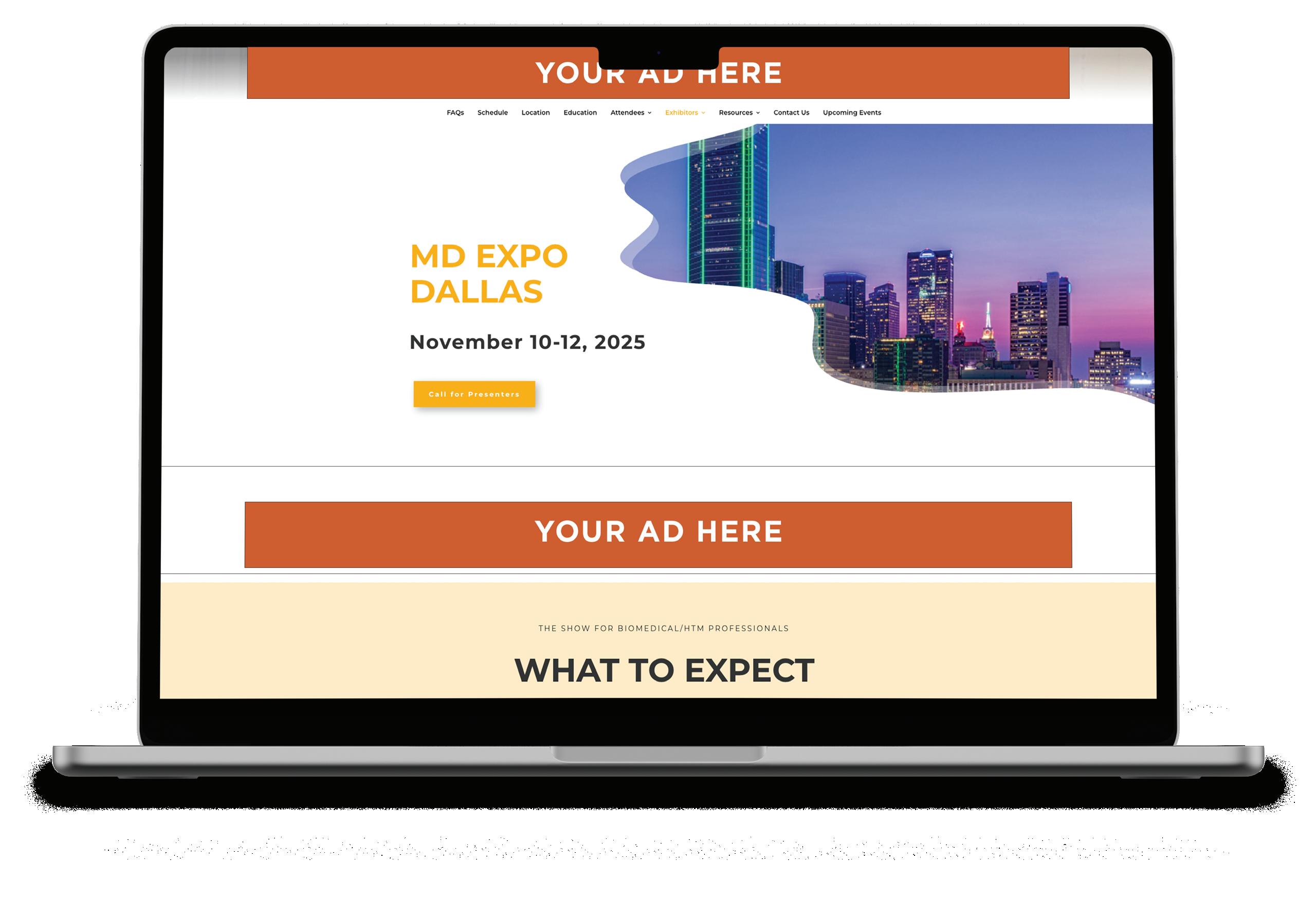
EARLY REGISTRATION AVAILABLE FOR MD EXPO ORLANDO
Registration is now open for MD Expo Orlando, the premier conference for healthcare technology management (HTM) professionals, taking place Oct. 13-15, 2026, at Rosen Shingle Creek in Orlando, Florida. Supported by the Florida Biomedical Society (FBS), the event will bring together biomedical equipment technicians, clinical engineers, healthcare technology leaders and industry partners from across the country.
TECHNATION SOCIAL HOUR AT NCBA SYMPOSIUM ANNOUNCED
Attendees of the 2026 North Carolina Biomedical Association (NCBA) Symposium will have an opportunity to network and unwind during the TechNation Social Hour, sponsored by FSI Services, on Aug. 18 at Harrah’s Cherokee Casino Resort.
The event will be held from 8 to 10 p.m. at the UltraStar Multi-tainment Center, located inside Harrah’s Cherokee Casino Resort.
Event highlights include bowling with complimentary shoe rental, heavy hors d’oeuvres and drink tickets for complimentary beverages.
Attendees will have access to industry-leading educational sessions covering HTM, compliance, cybersecurity, management and equipment service, along with networking opportunities, an expansive exhibit hall and the popular Leadership Summit. MD Expo Orlando also provides opportunities to connect directly with manufacturers, service organizations and fellow HTM professionals while they gain continuing education.
The conference will be held at Rosen Shingle Creek, a full-service resort located near Orlando’s major attractions. The property features on-site dining, golf, fitness facilities and multiple networking venues, creating an ideal setting for education and professional development.
Healthcare technology professionals, students and industry partners are encouraged to register early and reserve hotel accommodations at the conference rate before availability expires.
For registration, hotel information and event updates, visit MDExpoShow.com.
The TechNation Social Hour is open to NCBA Symposium attendees and provides an informal setting to connect with colleagues and industry peers following the day’s educational sessions and activities.
Registration for the 2026 NCBA Symposium is available through the NCBA website at https://ncbiomedassoc.com/ symposium-registration/.
ICE 2027: NETWORKING, EXHIBITS & EDUCATION
Imaging service engineers, radiology leaders and imaging professionals from across the country are invited to mark their calendars for the Imaging Conference & Expo (ICE) 2027, scheduled for February 26-28 at the Hilton Fort Worth in downtown Fort Worth, Texas. The annual event remains the only conference dedicated specifically to imaging engineers, radiology administrators, radiologic technologists and imaging directors. ICE connects a community of nearly 9,000 imaging professionals and administrators and continues to serve as a hub for education, collaboration and professional growth. Conference admission is complimentary for hospital employees, imaging centers, military personnel and students.
To learn more and stay updated, visit: AttendICE.com.
A Better Alternative Starts Here Training
and Parts the Elite Way
Introducing The Elite Edge™ training program and the Elite Online Store —a better option for biomedical professionals who expect more from their education and equipment.
Shop Elite Train Elite
AAMI UPDATE
A Look at eXchange 2026, BMET Apprenticeship
Program & New Collaborative Efforts
Have you wondered what’s up with AAMI lately? Check out where we’ve been the past few months, and how the Association supports the healthcare technology management (HTM) community.
EXCHANGE 2026 CONVENES
GLOBAL HTM COMMUNITY
The 2026 AAMI eXchange, held in Denver, Colorado, brought together the American and international HTM communities for four days of education, workshops, networking and fun. The event drew approximately 2,000 attendees, including BMETs, clinical engineers, patient safety advocates, government and industry representatives, and exhibitors. Hot topics at eXchange 2026 included how health technology can help bridge the rural healthcare gap, the role of artificial intelligence in health technology, and maintaining regulatory compliance.
AAMI eXchange 2026 also featured special events such as the Project C.U.R.E. Repair-A-Thon; public recognition of AAMI award winners; a live, in-studio show broadcast from
the exhibit hall and on AAMI’s YouTube channel; a graduation ceremony for HTM professionals who had completed the AAMI BMET Apprenticeship; and recognition of AAMI Foundation scholarships recipients. The 2026 recipients of AAMI Foundation HTM scholarships are:
Franklin Weinberg Fund (FWF) HTM Leadership Scholarship
• Rashida Brown, University of Chicago
Michael J. Miller HTM Scholarship
• Abraham Alanis Jr., incoming freshman, University of Wisconsin-Madison
• Kijahrie Barzey, St. Clair College
• Micah Byrnes, Northwestern Michigan College
• Ann Cherian, Virginia Polytechnic Institute
• Andrew Couch, Stanford University
• Brandon Dixon, St. Clair College
• Omar Ghani, University of Miami
• Jose Hernandez, College of Biomedical Equipment Technology
• Vanessa Lopez, University of Connecticut
• Maxwell Mamishev, University of Illinois
• Kelaan Mantoura, University of Connecticut
• John McKenna, University of North Carolina at Chapel Hill
• Kenzie Moore, Spelman College
• Gabriella Mosto, Tufts University
• Adeline Richard, Yale University
• Delaney Richmond, Miami University
• Angel Sajan, University of Connecticut
• Cameron Smith, St. Clair College
• Sarah Sweet, University of Connecticut
• Kierstin Wagner, University of South Florida
• Jacob Wichiciel, St. Clair College
• Rae-lynn Wilds, St. Clair College
• Mana Yabuki, Institute of Science Tokyo
BMET APPRENTICESHIP PROGRAM CELEBRATED BY U.S. DEPARTMENT OF LABOR
In the spring, AAMI leadership and staff also traveled to the U.S. Department of Labor (DOL) headquarters in Washington, D.C., to share the success of the BMET Apprenticeship Program. According to AAMI Vice President of HTM Danielle McGeary, the HTM field faces steep challenges. Around the U.S., two-year BMET programs are closing their doors. With 23 programs lost since 2020, many states no longer have an educational institution offering a two-year degree in the HTM field. Hospitals are also under stress as budgets and reimbursements shrink.
In response to this burgeoning crisis, AAMI launched its BMET Apprenticeship Program. The initial response from employers was largely positive, with many industry members and healthcare delivery organizations signing up to participate. Yet, McGeary found that misconceptions persisted. Employers often believe they cannot afford an apprenticeship program. To spread the word, AAMI has conducted outreach across the health technology sector, “providing a lot of education to the hospitals.”
MONTHLY ‘BASEMENT TO BEDSIDE’ PODCAST ADDS NEW HOST
Just in time for HTM Week 2026, AAMI’s HTM podcast Basement to Bedside moved to a monthly cadence! For the first episode of the revamped show, Danielle McGeary was joined by AAMI Board member Ryan Gonzalez for a discussion with Carol Davis-Smith about the career paths within HTM and the differences between biomedical engineering and clinical engineering. In the coming months, McGeary and Gonzalez will interview experts on technical topics from across the HTM field. You can find the show on the AAMI YouTube channel, Spotify, and Apple Podcasts.
AAMI
AND ASHRM COLLABORATE
AAMI held its first joint webinar with the American Society for Health Care Risk Management (ASHRM) earlier this year, drawing more than 400 registrants. Mark Cooksey, HTM Director at Norton Healthcare, presented on AAMI’s behalf. The 2026 AAMI eXchange also featured a joint AAMI/ASHRM presentation delivered by AAMI Board member Barrett Franklin. In addition, AAMI and ASHRM will co-present two sessions at ASHRM’s Annual Conference. AAMI and ASHRM are likely to collaborate on several future endeavors.
ECRI UPDATE
Medication Safety Technology is Being Underutilized in Perioperative Settings
The operating room is one of the highest-risk environments in any hospital, yet it remains one of the least likely places to find the medication safety technologies now considered standard in critical care.
ECRI has flagged this gap as Hazard #6 in its 2026 Top Ten Health Technology Hazards report, warning that failure to implement barcode medication administration (BCMA) systems, smart infusion pumps and automated dispensing cabinets (ADCs) in perioperative settings is putting surgical patients at serious risk.
Perioperative settings – hospital operating suites, procedure rooms and ambulatory surgery centers (ASCs)
– present a distinct medication safety challenge. The drugs administered there are frequently “high alert” medications – including opioids, vasopressors and neuromuscular blocking agents – which carry a heightened potential for serious harm if given in error. Unlike other care settings where clinical decision-support tools usually provide multiple layers of verification, intraoperative medication management often falls to a single practitioner. ECRI describes this as a “single pathway to harm.”
The scale of the problem is significant. It is estimated that medication errors occur in 1 in every 19 anesthesia doses. With approximately 99.7 million inpatient and outpatient procedures performed annually in the United States, ECRI projects the potential for 7.5 million perioperative medication errors each year. A 2021-2022 Institute for Safe Medication Practices (ISMP) perioperative self-assessment survey of 124 hospitals and 35 ASCs found that only 35% of
respondents were fully utilizing BCMA safety checks before administering medications.
Key Findings
• BCMA systems can verify patient identity and confirm medication orders at the point of care, and when integrated with an EHR, enable real-time documentation of doses – yet adoption in perioperative settings lags far behind other care areas.
• Smart infusion pumps with dose error reduction system (DERS) software can prevent programming errors and enforce dosing hard limits, but medications and fluids in perioperative settings are often infused without a pump, or with pumps operating in “anesthesia mode” that may lack those hard limits.
• The use of ADCs can improve medication stock control in pre- and postoperative areas and allow pharmacist review and verification of orders before medications are dispensed.
• ASCs face additional barriers to technology implementation, as many perioperative settings lack the electronic health records infrastructure required to support preferred medication safety workflows.
• The median capital cost of these technologies ranges from approximately $2,300 per programmable smart pump with DERS to $88,000 per decentralized ADC – but
the estimated annual organizational cost of preventable perioperative adverse drug events can reach as high as $5.6 million when treatment costs and legal liability are included.
ECRI and ISMP recommend that healthcare organizations take steps to implement BCMA in pre-, intra- and postoperative settings; facilitate smart pump use for all perioperative infusions with a target of 95% or higher DERS compliance; and prioritize ADC use in pre- and postoperative areas, reserving override functions for urgent or lifesaving situations only. ASCs without on-site pharmacy support should consider engaging consultant pharmacist services and conduct rigorous staff training with competency assessment.
ECRI and ISMP are also calling on technology manufacturers to partner with anesthesia providers in developing perioperative-specific workflows and to integrate clinical decision-support tools such as allergy, comorbidity and drug interaction alerts into future systems.
For more recommendations, see ISMP’s Guidelines for Safe Medication Use in Perioperative and Procedural Settings.
OZARK BIOMEDICAL
YOUR SINGLE SOURCE FOR PARTS AND DEPOT REPAIR
StatSpin Express 2, 3, 4
We have a complete line of parts as well as service available.
TOOLS OF THE TRADE
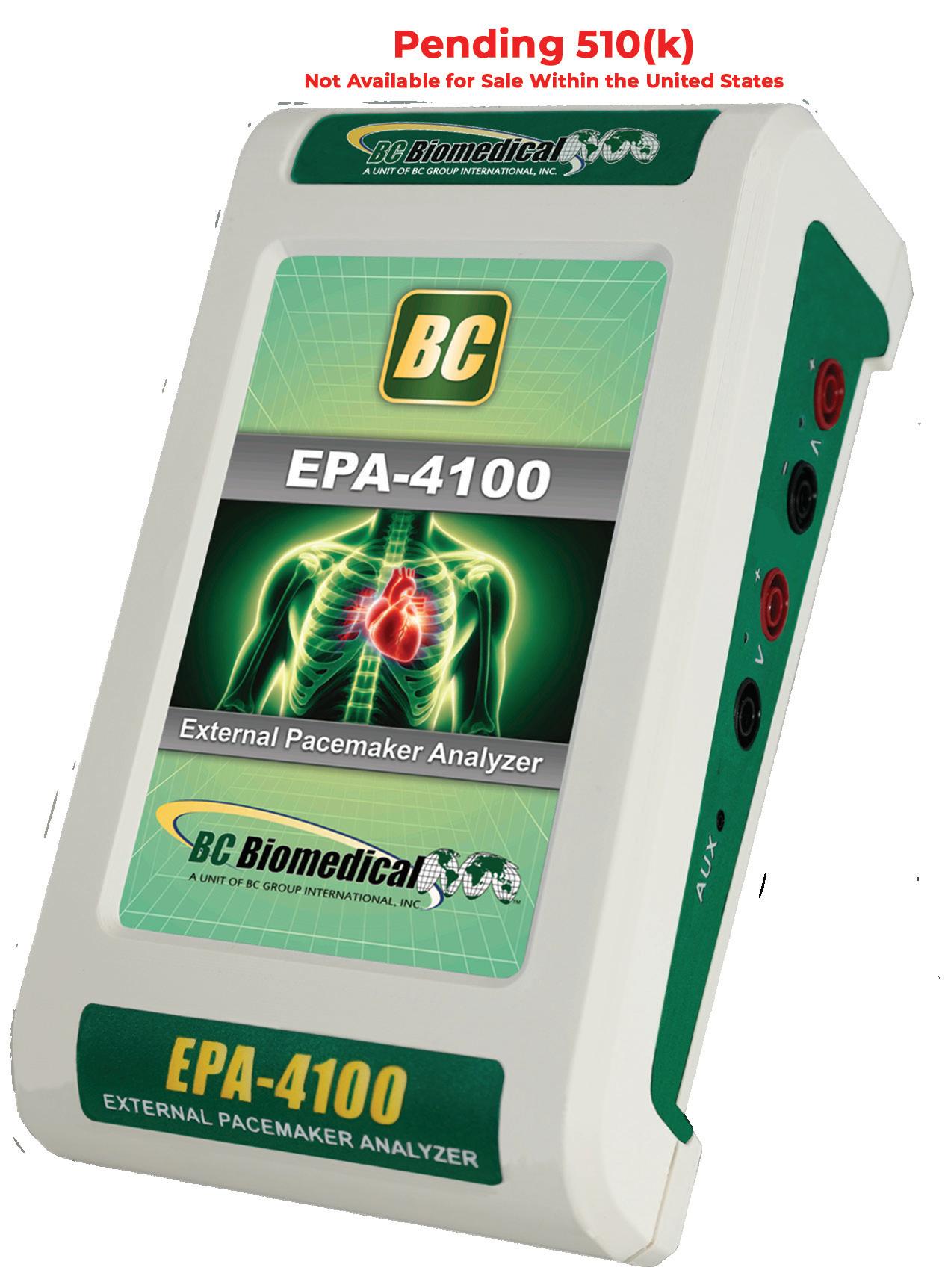
BC Biomedical
EPA-4100 External Pacemaker Analyzer
LIVE DEMO:
AUGUST 5 at 2 PM ET
Registration on WebinarWednesday.live
Eligible for 1 CE credit from the ACI.
The BC Biomedical EPA-4100 External Pacemaker Analyzer is a next generation test instrument designed to simplify the inspection, verification and troubleshooting of temporary external pacemakers. Featuring a high-resolution capacitive touchscreen and an intuitive graphical user interface, the EPA-4100 streamlines pacemaker testing with dedicated workflows for both transcutaneous and transvenous pacing systems.
To improve efficiency, the analyzer includes quick select profiles for many of the most commonly used external pacemakers on the market, reducing setup time and minimizing user error. The EPA-4100 measures critical pacing parameters while providing clear, easy to read results through its modern touchscreen interface. Dedicated atrial and ventricular inputs, ECG ports and Bluetooth connectivity allow biomedical technicians to quickly evaluate pacemaker performance and export those results to the myBC Mobile app. Compact, rugged, and portable, the EPA-4100 makes testing external pacers easier than ever for biomedical equipment technicians.
many many right places many many right TIMES “ ”
T BIOMED 101 HTM Mixers: Right Places at Right Times
BY PETER HRABAK
he year 2000 had me promising myself that I would work hard and press forward until 2023, which would be my 50th birthday, whereupon I would ease off and follow whatever was my bliss at that time. Along the way, my goal became to shift gears at age 50 and work just as hard but on some different path. Then 2023 arrived and I figured “perhaps one more year to decide.” Indeed, 2024 proved pivotal.
I was “in the right place at the right time” when a former manager identified me in 2001 to try transitioning from being an office-based geospatial database (GIS) technician into the company’s flight department, operating their oldest mapping camera within a 1964 Cessna 206. The more senior colleagues had the relative luxuries of working in the fleet’s larger and faster aircraft, with slightly newer cameras, going further across the country on longer assignments for bigger projects. I was stuck with out-and-backs, bumbling along low and slow, tossed by orographic turbulence over the mines
and the hollers of Eastern Kentucky and West Virginia. Little did I know that our firm’s airborne data collection workflows were going to embrace a shift from film-based to digital. I was unknowingly being trained to guide the impending entry into nascent LiDAR capabilities across the entire United States.
My career unfolded across all 50 states and in portions of Canada; many many “right places” and many many “right times.” From working out of the mancamps of the North Slope of Alaska to imaging Dry Tortugas National Park, from Hawaii on Christmas and New Year’s Day to autumnal river flows in rural Quebec, from Grand Canyon to Thunder Bay … from sitting in the back of single engine piston-bangers to sitting right-seat in twin turboprops, it was on the ground in my hometown of Lexington, Kentucky where opportunity seemed to knock loudest.
My youngest sister, Lexa, was diagnosed with acute myeloid leukemia in 2023. When I was home from my five-week in-field rotations, I would sit with her some in the cancer ward. While I felt that the University of Kentucky’s Markey Cancer Center was perhaps the right place, it could only be described as a wrong time. However, more than once an employee entered her room to address a nurse’s complaint about a monitor or infusion pump or some other
equipment. My curiosity was eventually sparked enough to ask them their role. Something along the lines of “I’m a biomed, and the equipment are my patients!”, paired with a realization that their manner was almost like I was looking in the mirror, had me needing to learn more. I had already been mulling a pursuit of an Allied Health degree for life’s next act, especially spurred by Lexa’s cancer journey. Her repetitive interventional radiology episodes had me thinking I could parlay some of my existent knowledge of imaging technologies and workflows into eventually learning how to operate some of those magical diagnostic systems. The a-ha moment that I could work on the machines themselves, since I had installed, troubleshot and repaired many an airborne imaging system over my years during time-critical and opportunity-critical scenarios, became complete with the knowledge that I could obtain that very degree in my hometown via an ease-of-access option through the Kentucky Community & Technical College System. Administered remotely from the Madisonville Community College campus 3 hours away, but achieved via teaming agreements with hospital systems local to me. I could enroll as soon as possible into introductory prerequisite courses which were lacking from my prior bachelor’s degree coursework. Right place; right time.
As my sister’s condition deteriorated and I was on an extended stint at home, it came to my attention that TechNation was hosting an HTM Mixer in my very own city. The Lexington event was a mere 7 miles from my house and on my 51st birthday no less! This was unquestionably the right place, and with how life’s ebbs and flows were playing out it could only be described as the right time. I knew little about the intricacies of HTM at that time beyond broad overviews from my upcoming academic program, AAMI brochures and BLS’s Occupational Outlook write-ups, so the jam-packed day of presentations and events and the exhibit hall was sensory overload to me while simultaneously
confirming that this was the path to which I needed to commit.
Lexa passed away just shy of a month after that HTM Mixer. I still vividly recall when I saw her a day or two after having attended it. I was telling her of how I was fully leaning in on contributing to helping people like her heal and helping institutions like UK Medical Center learn about treating diseases. She smiled and said, “Keep me posted!” I sometimes talk aloud about my studies and hopes for my future knowing she hears me.
It’s less than one year until I have dual A.A.S. degrees in my hand: biomedical technology systems and electronics technologies. My placement at the clinical engineering department of CommonSpirit’s Saint Joseph Hospital in Lexington is about to blossom into much more hands-on learning activities in August to pair with my coursework. So, I decided to intentionally engineer a “right place, right time” by attending the recent 2026 AAMI eXchange conference in Denver. It was amazing how every conversation I had was so sincerely encouraging and positive, and wow did I have many. The career fair, the expo hall booths, the session presenters, and so very many attendees at social events from students to senior executives to every role between listened to me. My “elevator pitch” never fell on deaf ears and solicited great follow-up questions asked of me. An abundance of opportunity waiting just around the corner is apparent to me with a bit more education and credentialing to allow a leveraging of my background and skill sets.
As is repeatedly said, this industry is in deep need for more talent and must grow both the width and the branches of its pipelines to source these people. My mid-career example of a varied technical background and a personal connection to the healing process surely isn’t unique; the field of HTM will be well served to continue holding targeted events like HTM Mixers and MD Expos, to create so many more right places at right times for a broad spectrum of quality candidates who don’t yet know they are exactly that.
HTM professionals gained practical strategies, industry insights and hands-on product knowledge through a recent series of Webinar Wednesday events presented by TechNation and industry partners. Each webinar is eligible for 1 CE credit from the ACI.
The three webinars addressed key challenges facing today’s HTM departments, including medical equipment repair management, cybersecurity for connected devices and pressure testing technologies.
IMPROVING REPAIR OPERATIONS
The series included “Transforming Medical Equipment Repairs with PartsSource Depot Repair,” presented by Joe Allie, manager of service performance at PartsSource, and Brodie Bauders, senior director of marketing depot services at PartsSource.
The session focused on helping biomedical and clinical engineering teams streamline repair operations, reduce costs and improve turnaround times. Through a live demonstration, attendees learned how PartsSource Depot Repair simplifies vendor management, enhances repair tracking and provides greater cost visibility throughout the repair life cycle.
Presenters shared case studies showing how some healthcare organizations reduced order processing times from more than 60 minutes to as little as 60 seconds by outsourcing high-volume, low-risk repairs. The webinar also highlighted opportunities for hospitals to achieve measurable savings through centralized repair management and improved workflows.
Attendees praised the session’s practical applications.
“This webinar provided useful information on improving depot repair workflow efficiency, repair tracking, vendor management and cost visibility,” said Maryna Starodubtseva, biomedical electronics technician II at Dartmouth Health. “It will help support better coordination of medical equipment repairs and improve operational efficiency in the biomedical department.”
GROWING CYBERSECURITY RISKS
A recent Webinar Wednesday Roundtable tackled one of healthcare’s most pressing concerns: cybersecurity.
Hosted by TechNation Editor John Wallace, the discussion featured Skip Sorrels, field CTO-CISO for Claroty; Derek Hills, senior product manager for PartsSource; and Rick Joslin, IRCC, senior solutions architect for FSI Services.
Panelists examined the growing cybersecurity challenges associated with connected medical devices, aging equipment and increasingly sophisticated cyber threats. Topics included asset visibility, risk management, life cycle planning and the importance of maintaining accurate equipment data.
The discussion emphasized the need for stronger collaboration among HTM, IT and cybersecurity teams. Speakers noted that cybersecurity can no longer be viewed solely as an IT responsibility, as medical devices play an increasingly important role in healthcare organizations’ security posture.
Attendees cited several valuable takeaways, including the importance of integrating cybersecurity information into computerized maintenance management systems and recognizing how device age can increase vulnerability risks.
LIVE DEMO HIGHLIGHTS DIGITAL PRESSURE METER
Another webinar, presented in partnership with Fluke Biomedical, featured a live Tools of the Trade demonstration of the DPM5 Digital Pressure Meter. The webinar, eligible for one ACI continuing education credit, was led by Jamie Spragis, CBET, technical sales engineer for Fluke Biomedical.
Spragis demonstrated how the DPM5 streamlines medical device pressure testing through its integrated internal pressure pump, eliminating the need for manual pressure generation and helping users achieve consistent, repeatable results.
The portable instrument’s dual-port design allows HTM professionals to measure both dry gas and liquid pressures, enabling a variety of testing applications with a single device.
Attendees highlighted the DPM5’s ease of use, versatility and thoughtful design.
“My biggest takeaway from today’s product demo was
how the DPM5 Digital Pressure Meter combines high measurement accuracy with user-friendly operation, making pressure testing faster and more reliable,” said Elsa Rauf, biomedical engineer.
The webinar concluded with a live question-and-answer session covering topics including battery life, water pressure measurement, OneQA compatibility, flow measurement capabilities and calibration requirements.
Together, the webinars demonstrated the broad range of challenges and opportunities facing today’s HTM professionals. From improving repair workflows and strengthening cybersecurity programs to evaluating new testing technologies, attendees received practical information designed to support operational efficiency, patient safety and professional development.
Recordings of these webinars and more are available for on-demand viewing at WebinarWednesday.live.
Each webinar included opportunities for audience interaction, live questions and attendee feedback, reinforcing the collaborative nature of the Webinar Wednesday series. Participants also had the opportunity to earn continuing education credits and participate in prize giveaways.
Recordings of all three webinars are available for on-demand viewing at WebinarWednesday.live.
ROUNDTABLE
Training
As healthcare technology management (HTM) continues to evolve, training and workforce development remain critical priorities for the industry. From apprenticeships and certifications to emerging technologies such as artificial intelligence, virtual reality and remote learning, today’s professionals have more opportunities than ever to build their skills and advance their careers.
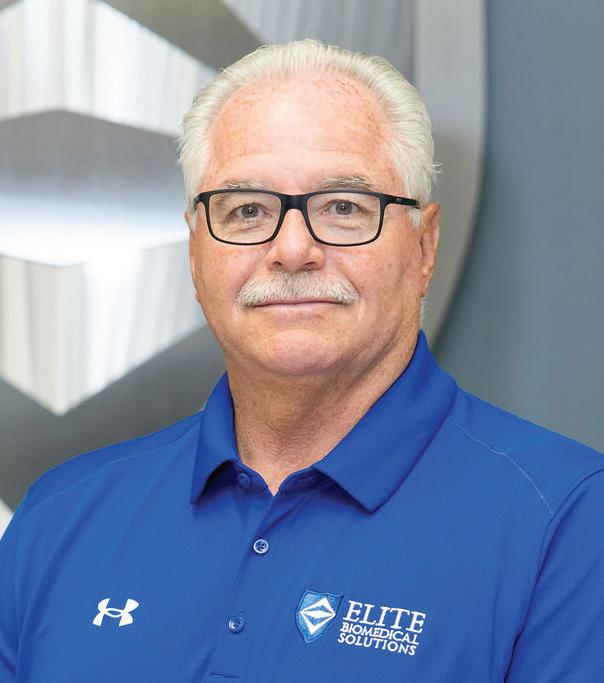
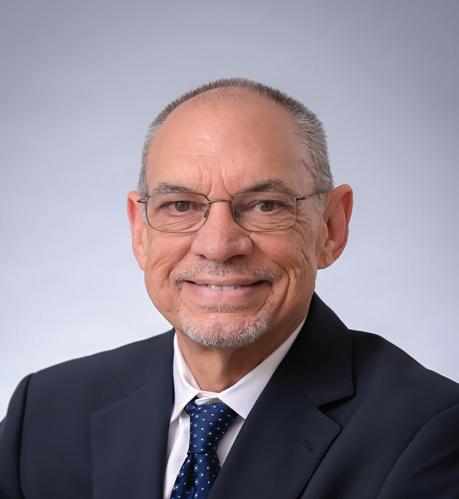
TechNation spoke with Elite Biomedical Solutions Chief Service Officer Glenn Schneider and Renovo Solutions Technical Training Program Manager Donald Armstrong, CBET, CHTM, CRES, AAMIF, about the future of HTM education, the growing value of apprenticeships and the competencies the next generation of biomeds will need to succeed.
Q: HOW ARE APPRENTICESHIPS EVOLVING IN THE HTM FIELD, AND WHAT MAKES THEM VALUABLE IN TODAY’S WORKFORCE?
SCHNEIDER: I think the importance of apprenticeships and cooperative education is becoming more recognized. AAMI’s Apprenticeship Program provides a thorough outline of education and work-related expectations necessary for students to be successful. The students enter full-time
employment in the HTM field with valuable work experience gained during their apprenticeship and provide employers with technicians at a reduced pay rate while they are in training. Apprenticeships can become a source of full-time employees.
ARMSTRONG: It is not always easy to find and hire entry-level technicians, and it is even more challenging in hiring deserts or rural areas. Apprenticeship and internship programs have created new entry points into the profession while allowing employers to develop talent internally. Although these programs are still evolving, they have already proven to be a very positive addition to the HTM workforce and will play an important role in addressing future staffing needs.
Q: WITH SO MANY TRAINING OPTIONS AVAILABLE (OEMS, ISOS, SCHOOLS, ONLINE PLATFORMS, CONFERENCES, ETC.), HOW CAN BIOMEDS ENSURE THEY ARE CHOOSING HIGH-QUALITY, RELEVANT TRAINING?
SCHNEIDER: I recommend two things from the start. One would be to compare the education that they are receiving with the AAMI EQ education standard. This will give them a guide as to what entry-level competencies should be expected upon graduation. Secondly, they should sit for an AAMI certification exam (initially CABT, then CBET). This will prove to prospective employers that they have the necessary competencies to do the job.
ARMSTRONG: This is where having a strong professional network becomes invaluable. Connecting with experienced HTM professionals can help determine whether a particular training program is worthwhile and whether it aligns with your career goals. At Renovo, we have a robust internal training program, and Renovo leadership along with the training program leaders carefully evaluate outside training opportunities before recommending them. I would never advise a biomed to enroll in a training course without thoroughly researching its quality and relevance.
Q: HOW ARE EMERGING TECHNOLOGIES SUCH AS REMOTE LEARNING, VIRTUAL REALITY, AI, AND SIMULATION TOOLS CHANGING THE WAY HTM PROFESSIONALS ARE TRAINED?
SCHNEIDER: These technologies are emerging rapidly. Any educational program should include how VR, AI, and simulation tools are being utilized and provide at least a basic understanding of the technology. These are extremely valuable tools to familiarize the student with a particular device/ modality but are strictly tools. They can be used to effectively supplement “hands-on” experience but do not replace it.
ARMSTRONG: Emerging technologies are transforming many aspects of HTM education, but it is still difficult to replace quality hands-on training. AI virtual reality and remote learning all have an important place in modern training programs, especially for teaching foundational concepts and theory of operation. For complex devices such as ventilators or anesthesia machines, however, hands-on experience or immersive VR training is essential. I believe the future will be a blended approach that combines online instruction with practical lab or simulation experiences.
Q: WHAT ROLES DO CERTIFICATIONS (CBET, CABT, CRES, CLES, ETC.) PLAY IN CAREER ADVANCEMENT, AND ARE THEY BECOMING MORE IMPORTANT IN 2026?
SCHNEIDER: As I mentioned earlier, I feel that this is a great way to validate education and educational programs. These certifications provide employers with an understanding of the minimum knowledge level of a potential employee. Also, many employers are using these certifications to justify promotions.
ARMSTRONG: Professional certifications are more important than ever for career advancement in HTM. As an instructor for the AAMI CBET Review Course, I continue to be encouraged by the growing number of professionals pursuing certification each year. I am admittedly biased because I strongly believe certification
demonstrates a commitment to professional excellence and lifelong learning. If you have the opportunity to pursue one or several, as I did, I highly encourage taking that step.
Q: WHAT SKILLS OR KNOWLEDGE AREAS SHOULD THE NEXT GENERATION OF HTM PROFESSIONALS PRIORITIZE AS MEDICAL TECHNOLOGY CONTINUES TO ADVANCE?
SCHNEIDER: The next generation should possess the traditional skills of communication, writing, electronics, troubleshooting, IT networks, computer hardware and software skills, and the use of AI, machine learning, virtual reality and simulation. Interaction with customers (patients, families, physicians and clinical staff) will always be a part of this profession, so soft skills continue to be important. Also, the next generation of HTM professionals must be comfortable with remote learning and collaboration.
ARMSTRONG: HTM will always be a highly technical profession, but IT and networking knowledge have become critical components of the modern biomed’s skill set. Equally important are communication and interpersonal skills, sometimes referred to as “soft skills,” because biomeds are an integral part of the larger healthcare team. We must be able to clearly explain the equipment we maintain, the issues we encounter, and the recommendations we make to clinicians and leadership alike.
Q: WHAT ELSE DO YOU THINK TECHNATION READERS SHOULD KNOW ABOUT TRAINING, APPRENTICESHIPS OR PROFESSIONAL DEVELOPMENT OPPORTUNITIES IN TODAY’S HTM LANDSCAPE?
SCHNEIDER: I feel that readers should be open to new methods of gaining information and should be open to new experiences. I also feel that they should be totally committed to apprenticeships, cooperative education and professional development as a job requirement for the entirety of their careers. HTM professionals should also remember that employers are investing in them when providing costly continuing education.
ARMSTRONG: If you are already working in HTM, you should always be looking for new learning opportunities and ways to expand your skills. Many employers offer education benefits or training incentives that can help cover the cost of conferences and courses, including events like the AAMI eXchange and MD Expo. If you are new to the profession, consider entering through an apprenticeship, internship or by earning the CABT certification. We need the next generation of HTM professionals, and there has never been a better time to join the field.
HYBRIDBIOMED OR SUPERHERO SUPERHERO SUPERHERO
BY K RICHARD DOUGLAS
Healthcare technology management (HTM) leaders continue to scramble to fill staffing vacancies amid the retirement of aging biomedical technicians. Like many jobs in the trades, the pipeline for new biomeds is thinner because it is not a popular occupation among young people and oftentimes is an unknown option. Whether it is the obscurity of the job or that fewer people choose to work with tools, there are challenges for staffing.
According to the TechNation and AAMI State of HTM Workforce survey, a third of the field is over 55. Survey data strongly supports the probability that many biomeds expect to retire in the next 10 years. Managers, however, must find a way to meet the future staffing needs of their organizations.
There are only a few approaches to addressing this challenge: hire new full-time employees (FTEs), sign a contract with an independent service organization staff or cross train existing staff to become imaging engineers or cybersecurity technicians.
At the fall 2025 MD Expo in Dallas, Brian Wilson, CBET, CRES, a field service engineer with Avante Health Solutions presented the educational session “Hybrid Biomed: ShortTerm Gain, Long-Term Solution.”
Wilson’s thesis was built around his experiences developing biomeds to take on imaging service roles as well as his own transition from general biomed service to imaging service.
His transition included working in the cath lab and working on vascular/interventional radiology (IR) devices.
The positions that lend themselves to hybrid roles with an HTM department include specialty areas like imaging, sterilization and cybersecurity. While the expectations of those entering the workforce increase, the hiring budgets of many hospitals are constrained by increased costs and reduced reimbursements.
Training for a hybrid role is often paid for by the facility using the savings generated from reduced vendor reliance. Wilson’s experience included the reduction of a full-service lab contract that saved the hospital more than $100,000 immediately. The savings was more than enough to cover his education and manufacturer training.
TYPES OF HYBRID ROLES
An experienced biomed has several avenues available for branching out into a dual-role position. The biomed’s role with their employer becomes that much more valuable when they are even more of a resource to the organization.
A hybrid biomed is a technician who straddles two worlds, such as biomed and imaging, IT (focusing on cybersecurity) or sterilizer technology. There are other possible hybrid roles as well and plenty of room for customization and variation
There is no “one-size-fits-all” title; the role is defined by the specific needs of the facility.
The driving force for creating hybrid roles above all others is workforce demographics. The HTM field is facing a significant retirement wave. Wilson points out that there is a real need to bring younger biomeds into the field and one way to facilitate that effort is to create hybrid positions.
A new biomed can either start out in a hybrid role with training in biomed and a specialty area or an experienced biomed can obtain additional training to transition into a hybrid role.
This concept also allows for less experienced biomeds to move into imaging service work.
For technicians, these roles provide career advancement, specialized training opportunities and the potential for increased pay.
REQUIREMENTS FOR THE ROLE
For those considering moving into a dual role, the prerequisites include a pre-determined level of experience as a biomed. Technicians are encouraged to express interest in learning new skills to management while maintaining their current biomed responsibilities until a full transition is possible.
Candidates should be experienced biomeds – ideally BMET II or higher – with approximately five years in HTM to ensure they have a solid foundation before adding specialized responsibilities.
In terms of a strategic entry point, Wilson recommends starting hybrids on less demanding modalities rather than high-acuity areas like cath labs.
He suggests ultrasound probe management or imaging injectors as excellent entry points into imaging service work because they allow technicians to learn department protocols and radiation safety without the high pressure of
"A hybrid biomed is a technician who straddles two worlds."
a primary imaging room being down. It can provide an opportunity to work with peripheral imaging equipment and not directly on the imaging modalities.
Wilson adds that this route also introduces the biomed to the departments that rely on injectors and ingratiates that person to the clinical staff.
Wilson says that after the hybrid biomed has become familiar with ultrasound and/or injectors, it may be a good time for management to send that person for external specialized training on X-ray for a smoother introduction into imaging.
He says that the hybrid tech could then service X-ray equipment at clinics that don’t have the same equipment demands as a hospital. They could also start with portable X-ray, which allows a hybrid biomed to work in a more isolated environment.
Wilson says that if the hybrid is someone who already works in the OR, then working on C-arms can keep that equipment in the OR instead of dragging the equipment to the biomed shop.
He says that another example of taking a smaller step, as with ultrasound and injectors, is working on MR coils. He says this type of work provides a good introduction if the biomed plans to one day specialize in MRI repair.
TRAINING SOURCES
Transitioning into a hybrid role is made easier through the various methods of training available. These include inhouse options as well as third-party sources.
Along with answering the “why,” Wilson addresses the “how” question, which helps define the bridge between a biomed’s current role and the new role. The first requirement is additional training.
Wilson outlines three approaches to training including the method that allowed him to add imaging to his skill set. He trained with a colleague who was an imaging tech who planned to retire. He also received cath lab training from GE. He advises those adding imaging as a second skill set to gain experience in lower-acuity modalities before moving into more complex, high-acuity imaging.
It took him quite a while to feel comfortable in the cath lab. He says that a biomed who is transitioning to imaging should start out with something less invasive or demanding. He once again suggests ultrasound as a good place to start.
When Wilson had a couple of colleagues follow in his path, he suggested ultrasound to them and it came with an added benefit because he had become tired of sending damaged ultrasound probes to manufacturers for repair.
He says that another advantage with ultrasound is that it does not expose the new imaging trainee to ionizing radiation right out of the gate. He added that ultrasound does not come with high-voltage concerns.
A cost savings can be on-the-job training which can involve mentoring from a senior technician before they retire, providing a “bridge” for the new hybrid tech. In Wilson’s experience, his colleague had provided a sixmonth retirement notice. The six-month notice provided
time for one-on-one training to move into an imaging service role.
Wilson adds that third-party training programs like the one offered by RSTI (Radiological Service Training Institute) are recommended. Wilson says that the RSTI training is good for both someone starting out in imaging or for someone who will be cross-trained.
RSTI offers a “Biomed to Imaging (Hybrid Training Bootcamp)” that it describes as “an innovative eight-week training program designed specifically for biomedical equipment technicians (BMETs) aspiring to transition into the imaging field. This program emphasizes the critical development of imaging skills that will serve as a substantial foundation for participants aiming to become proficient imaging engineers. By integrating online learning, extended reality (XR), and intensive lab experience, the course equips technicians with both theoretical knowledge and practical competencies.”
The RSTI website notes that this course is not for new biomeds.
“To attend this course, the service professional must have a two-year associate degree in electronics or equivalent service experience in the HTM career field,” it states.
Retired RSTI President Dale Cover presented the twopart “Intro to Imaging Modalities” at MD Expo Baltimore earlier this year.
“This two-part presentation aims to provide a general understanding of the major imaging modalities used in a typical hospital environment and their impact on hospital operations. It will introduce key systems, including radiographic, fluoroscopic, interventional radiology (IVR), mammography, CT, and MR. Attendees will gain a practical overview of how these imaging technologies support clinical workflows and operational efficiency,” the MD Expo website states.
Advanced Ultrasound System (AUS) offers ultrasound training for biomeds exploring imaging device service full time or as part of a hybrid role.
The AUS website describes its courses as “handson ultrasound service training designed specifically for biomedical equipment technicians (BMETs) and HTM professionals.”
AUS Director of Training and Service James Rickner has also offered a hands-on training or H.O.T. workshop at previous MD Expos.
“In this workshop, participants will learn how to perform preventative maintenance on several portable ultrasound systems. Attendees will learn how to perform image quality assessments on various ultrasound systems using a tissuemimicking phantom. They will also learn how to perform electrical safety tests on an ultrasound system and probes using a safety analyzer,” a description on the MD Expo website explains.
Stephen Maull, owner of Maull Biomedical Training LLC, also presented a session helpful to aspiring hybrid biomeds at MD Expo Baltimore.
His “Introduction to Contract Injectors” session is
described as a course that “will teach the purpose of contrast injectors, the principles of why the different parameters are selected when performing an injection, and the general components of contrast injectors, as well as general operation and items of interest when performing a PM.”
Manufacturer or factory training is another route and the one that Wilson also experienced. Technicians may attend specialized schools provided by manufacturers, such as GE HealthCare factory training, to learn how to service specific modalities like cath lab.
Professional certification can also help the new hybrid achieve a level of expertise and competence. While not a direct “cost” of the role’s initial setup, obtaining biomed or radiology certifications can be a valuable goal for technicians seeking or already in hybrid positions.
EXPECTATIONS
What should a manager expect from a hybrid biomed? Wilson says every situation is unique.
In a larger hospital, the role can be a bridge that allows a biomed to move into imaging as well as a way to address additional and sometimes unseen needs.
In a smaller hospital, resources might not exist to have a dedicated imaging service tech, Wilson says. Having a single person who can handle both specialties may be a necessity.
Management should consider the hybrid biomeds’ workload closely when the biomed has demands from both areas of their work responsibilities. This is one reason why an experienced biomed with time management skills is often the best choice for this dual-mission.
Management should adopt a “slow and steady” approach to building a hybrid position.
Leadership must realize that the hybrid is a great asset but there are limitations on what they can accomplish covering two roles. Wilson says that while hybrids can help fill staffing gaps, leadership should be mindful of workload demands and take steps to ensure they have adequate support and balance.
By not assigning a hybrid biomed to devices in a highacuity setting or advanced imaging modalities like CT or MRI, the HTM professional can ease into the new role. Wilson says that when he became a hybrid biomed, his
hours increased because imaging equipment requires more immediate attention. He cautions management to be aware and accept that when they create a new hybrid role, that person’s work hours will increase.
Imaging service, along with some of the other hybrid roles, can be more stressful. Wilson says that management should consider the experience and personality of the person taking on the hybrid position and whether or not they can cope with additional stress.
He reminds managers to value hybrid technicians and set realistic expectations. Leadership should not forget that the hybrid biomed is one person tackling two jobs.
PROS AND CONS
Hybrid roles provide significant financial benefits to healthcare facilities, primarily by reducing reliance on expensive external vendors and optimizing internal labor. Hybrid biomeds can create cost savings for an HTM department and the healthcare facility. Those savings can include:
• Elimination of vendor callouts. A hybrid technician with specialized training in areas like imaging, means that the facility does not need to call in a vendor when equipment like an emergency room’s X-ray system goes down.
• Contract optimization. Hybrid biomeds facilitate a move from a 100 percent full-service vendor contract to a “first-look” agreement. Benefits to the biomed can include better pay, career advancement and training opportunities, according to Wilson. He says that with all the modalities within imaging, the training can be intensive.
A possible disadvantage
for a hybrid biomed is burnout. There is often a sense of obligation by the biomed to be there for the departments they have been servicing. The biomed should also consider work/life balance. Hybrid roles typically involve a significant increase in working hours and higher stress levels, as specialized equipment (like X-ray rooms) cannot simply be wheeled away for later repair.
While hybrid biomed roles have become more widespread and accepted, the benefits to the organization and the biomed are many when the new role and expectations are managed correctly. The state of flux that HTM is experiencing will only add value to this emerging role.
UNDER 40 CLASS OF 2026
TechNation magazine is proud to introduce its 2026 TechNation 40 Under 40 Class, presented in partnership with YP at MD. This year’s class recognizes 40 outstanding professionals who are making a meaningful impact on the healthcare technology management industry through their leadership, innovation, and dedication to advancing the profession.
Each honoree was selected based on their professional achievements, contributions to the HTM community, and the positive influence they have on their organizations, colleagues, and the future of the industry.
Founded in 2019, YP at MD was created to connect emerging professionals across HTM, providing opportunities to network, collaborate, build lasting relationships, and develop as industry leaders. The continued success of the TechNation 40 Under 40 program reflects the incredible talent and passion of the next generation of HTM professionals.
Now in its fifth class, the 2026 TechNation 40 Under 40 continues to highlight individuals who are driving innovation, embracing leadership, and helping shape the future of healthcare technology management. We are honored to recognize this exceptional group and look forward to celebrating their accomplishments throughout the year.
MARIAM ALEEM
INTELAS HEALTHCARE IMAGING SERVICE ENGINEER II
FUN FACT
Mariam learned to play the flute, alto sax and clarinet in middle school. She has also visited 43 states so far and aspires to travel to all 50!
ISHTAR AL-TAHIR
CHEO LEAD CLINICAL ENGINEER
FUN FACT
Ishtar is from Canada.
AHMAD ATEYAT
BETH ISRAEL LAHEY HEALTH DIRECTOR OF VENDOR SERVICES
FUN FACT
When not managing diagnostic imaging across 13 hospitals, Ahmad enjoys watching sports and bringing that same team-first mindset to his work.
MICHAEL BRILLING
DARTMOUTH HEALTH, SYSTEM DIRECTOR BIOMEDICAL AND CLINICAL ENGINEERING
FUN FACT
Michael moved to New Hampshire to be closer to the mountains and tries to make an exciting trip to somewhere special like Tuckerman Ravine if the season cooperates. In practice though, most of his ski days are spent parked next to the magic carpet, pouring hot chocolate for his kids.
GUILLERMO DIAZ
CHILDREN’S HEALTH MANAGER, NORTHERN MARKET
FUN FACT
Outside of work, Guillermo is a proud dad and youth baseball coach, with four league championships between his two boys’ teams. He is also a husband and DIY enthusiast, currently turning his backyard into a mini homestead with a new chicken coop.
NADIA ELKAISSI
U.S. DEPARTMENT OF VETERANS AFFAIRS
BIOMEDICAL ENGINEER-NETWORKING AND CYBERSECURITY DIVISION
FUN FACT
Outside of her work in cybersecurity, Nadia is an avid outdoors enthusiast who enjoys hiking, kayaking and exploring national parks. She’s also a self-proclaimed “big nerd” who loves chess, math puzzles and robotics. Somehow she still finds time to create witty, engaging content on social media.
AMANDA FERR
CHILDREN’S WISCONSIN CLINICAL ENGINEER
FUN FACT
Amanda brings energy and authenticity to everything she does. She and her partner, Bryce, recently welcomed a new puppy named Banjo who is best known for his oversized, satellite-dish ears.
DILLON J. FLORENCE
DEPARTMENT OF VETERAN AFFAIRS
CHIEF (MANAGER) HTM IN PROVIDENCE VA
FUN FACT
Boy Scouts of America (BSA) – Eagle Scout 2011
FELIX GARCIA
PENN STATE HEALTH MILTON S. HERSHEY MEDICAL CENTER, CLINICAL ENGINEERING MANAGER FUN FACT
Felix is an adventurous creator outside of work. He has explored everything from painting and party decorating to running a small business. His true passion is in the kitchen, where he enjoys cooking, baking and creating recipes inspired by his travels.
ANKITA GHOSH
INTELAS DIRECTOR, BIOMEDICAL SERVICES II
FUN FACT
Ankita was an avid cricketer during her high school years and continues to love sports.
JESSE GLASCO
BAYLOR UNIVERSITY MEDICAL CENTER HTM SUPERVISOR FUN FACT
When Jesse is driving, he usually listens to podcasts or audiobooks instead of music. His favorites range from The Joe Rogan Experience to The Shawn Ryan Show. He enjoys hearing different perspectives and learning something new that challenges the way he thinks. Jesse has always been interested in the supernatural, which ties in nicely with his love for the Star Wars universe.
JOSHUA GOODWIN
AGILITI HEALTH FIELD SERVICE TECHNICIAN II
FUN FACT
Josh enters every raffle he sees or knows about but has never won.
CHERIANN GREENE
NORTHWELL HEALTH MANAGER IN THE NORTHWELL HEALTH CLINICAL ENGINEERING DEPARTMENT
FUN FACT
As a mother and wife, Cheriann plans family vacations so thoroughly that the trip itself feels like a follow-up. It is an approach that perfectly attests to her efficiency and precision as a biomed leader.
Alex is a former middle school English teacher who now runs operations at Elite; proof that classroom chaos is excellent leadership training to run a company.
SAMANTHA HEROLD
YALE NEW HAVEN HEALTH SYSTEM DIRECTOR OF CLINICAL ENGINEERING
FUN FACT
Samantha is an avid Swiftee and only she can share the depth of her obsession.
MARTEL JOHNSON
METHODIST LEBONHEUR HEALTHCARE DIAGNOSTIC ENGINEER I
FUN FACT
Martel volunteers as Commanding Officer of U.S. Navy Sea Cadet Unit BB43 Tennessee based in Millington, Tennessee. He also actively supports and mentors youth helping develop leadership, discipline and teamwork skills. Through this role, Marcel contributes to shaping future leaders by providing guidance, structure and real-world insights rooted in both military and professional experience.
CAL KNOWLES
CITY OF HOPE MANAGER, BIOMEDICAL ENGINEERING
FUN FACT
Cal is the kind of a professional who quietly keeps the heartbeat of healthcare running like a Rolex watch. He is the behind-the-scenes problem-solver who ensures everything from life-saving ventilators to complex imaging systems work flawlessly when it matters most.
MATTHEW LANCASTER
TRIMEDX
DIRECTOR OF CONTINUOUS IMPROVEMENT
FUN FACT
Matt is a father of four beautiful girls, loves to build Lego architecture kits, play the guitar and can do a backflip!
JUUSO LEINONEN
INTELAS, DIRECTOR OF MEDICAL DEVICE CYBERSECURITY AND INTEGRATION
FUN FACT
Juuso is an avid baker. Juuso’s first employment prior to entering the HTM industry included working as a baker in rural Finland and in London, UK. This experience shaped into a passion for home baking. Juuso enjoys sharing the spoils of this passion with his family and friends. Juuso’s specialties include rustic Nordic style cinnamon buns and artisanal sourdough bread.
JENNIFER LIGHT
UNIVERSITY HOSPITAL ELYRIA MEDICAL CENTER LEAD TECHNICIAN BMET II
FUN FACT
Jennifer livens up the HTM shop by decorating her area for each season and her favorite color is pink.
BRYAN ROMMEL LOPEZ
RENOVO SOLUTIONS, LLC - HOAG HOSPITAL BMET I
FUN FACT
Prior to starting a career in biomed, Bryan was a chef on a giant cargo ship that sailed around the world for multiple days on end.
CHRIS LOPEZ
US NAVY, NAVY, BIOMEDICAL EQUIPMENT
TECHNICIAN, BMET INSTRUCTOR, METC BMET TRAINING PROGRAM
FUN FACT
Outside of HTM, Chris plays guitar, brews beer and proudly embraces his inner nerd as a member of his college’s cybersecurity capture-the-flag team.
CHARISMA MARAMOT
RENOVO SOLUTIONS BMET II
FUN FACT
Charisma started running about a year ago and is training for her first marathon.
JULIA MATTICIO
STATE UNIVERSITY OF NEW YORK (SUNY)
UPSTATE MEDICAL UNIVERSITY
CLINICAL ENGINEER
FUN FACT
Outside of work, Julia enjoys traveling. She loves Disney World and vacationing at the Outer Banks.
ASHLEY MCCRARY
CHILDREN’S HEALTHCARE OF ATLANTA QUALITY ASSURANCE PROCESS IMPROVEMENT SPECIALIST FUN FACT
An outdoor enthusiast, Ashley relishes the adrenaline rush of activities like kayaking, ATVs, hiking, bike rides, and deep-sea fishing (though I need help with using live bait).
THOMAS MCWHORTER
AGILITI HEALTH CLINICAL ENGINEERING SUPERVISOR
FUN FACT
When there’s fresh snow in the mountains around Salt Lake City, Tom can be hard to find. He’s a prolific snowboarder who makes the most of powder days.
CIRACET USA AND CIRACET CORP. CLINICAL ENGINEERING DIRECTOR / ADMINISTRATIVE FUN FACT JOSEPH
MORALES
Joseph is known for being incredibly proper, highly responsible and always on top of his work. What makes him stand out is how he brings that same level of excellence to everything he does. Whether he’s managing complex projects or supporting his team, you can always count on Joseph to deliver with precision, reliability and a calm, focused attitude.
AARON MULLIKIN
ST ELIZABETH HEALTHCARE CLINICAL ENGINEERING SUPERVISOR
FUN FACT
Aaron is a true Kentuckian, a die-hard UK fan who loves bourbon, horses and his beautiful family.
RACHEL MURRAY
J2S DIRECTOR OF BUSINESS DEVELOPMENT
FUN FACT
Rachel is a new mom who balances her business development role with raising two young children!
LANDON DALE ORR
RENOVO SOLUTIONS
CLINICAL CYBER SECURITY ENGINEER
FUN FACT
Landon loves to bake and bring in treats for his HTM family at UKHC, which earned him the nickname “Betty Crocker.”
CHRISTIE PASCUA
VETERAN HEALTH AFFAIRS BIOMEDICAL ENGINEER
FUN FACT
Christie serves as the shop’s chief celebrator. She ensures everyone’s contributions are recognized – fostering camaraderie and boosting morale. Her efforts earned her the Celebrator Award during HTM week.
BRINDA POGUL
UNIVERSITY HOSPITALS (PARMS & ST JOHNS) DIRECTOR, HTM
FUN FACT
Outside of work, Brinda is an avid adventurer exploring new terrains through hiking and backpacking. She’s also passionate about art, yoga and meditation. She actively volunteers in healthfocused and community initiatives – bringing mindfulness, creativity and service to both leadership and life
ZULEMA RODRIGUEZ
US ARMY HEALTH SERVICES MAINTENANCE TECHNICIAN FUN FACT
Zulema has been to 20 countries, including the U.S. In 2025, she traveled to Georgia, Italy, Switzerland, Germany, Turkey, Hungary and Armenia. Zulema loves traveling and getting the opportunity to learn new cultures, try new foods and collect new magnets.
LOIS M. SINGH
KAISER PERMANENTE SENIOR DIRECTOR, CLINICAL SYSTEMS ENGINEERING FUN FACT
Lois loves fantasy football and is always looking for the rookie or surprise player for the season.
MARK SLATER
COREWELL HEALTH BIOMEDICAL ENGINEERING MANAGER FUN FACT
Mark wakes up at 3:30 a.m. to cycle in a virtual world, connecting daily with a core group of riders while regularly meeting new people from around the globe.
BONNIE XIONG STEPHENS
RENOVO SOLUTIONS
BIOMEDICAL SUPERVISOR FUN FACT
Bonnie enjoys reading, watching movies and documentaries. She also enjoys doing origami and making little trinkets with it. Winter is her favorite time of the year and, of course, her favorite holiday is Christmas.
JUSTIN TUVESON
RENOVO SOLUTIONS, LLC
REGIONAL DIRECTOR OF OPERATIONS
FUN FACT
Justin maintains a thriving saltwater aquarium. It is a hobby that requires patience, technical knowledge, and close attention to detail. In addition, he competes in traditional muzzleloader shooting events.
MADHURIMA VALLENTYNE
CENTRA HEALTH
CLINICAL ENGINEERING MANAGER
FUN FACT
Madhu is passionate about her travels! Her new goal is to visit one new country every year.
CLAIRE WILSON
UC HEALTH BMET II
FUN FACT
Claire has worked in 25 different health systems across the United States.
ANGELA ZAZA
DEPARTMENT OF VETERANS AFFAIRS — SUPERVISORY BIOMEDICAL ENGINEER
FUN FACT
Angela enjoys bridging the gap between technical operations and big-picture strategy. She is just as motivated by solving equipment and compliance challenges as she is in improving processes, building teams and finding creative ways to strengthen HTM services.
2026 sponsors!
CYBERSECURITY AI May Boost HTM Operations Via Device Diagnosis
BY KATIE HALEY
Artificial Intelligence (AI) has been evolving in the healthcare field for years, and manufacturers are advertising their AI advancements now more than ever. Healthcare providers are curious about emerging technology and are actively exploring the best ways to implement these solutions. One of the most compelling appeals is the ability to achieve quicker, more precise diagnoses using AI assistance built into medical software and devices; a capability that has been successfully implemented across many areas of care delivery, most notably in diagnostic radiology.
Companies have also been expanding AI solutions to diagnose issues with the medical equipment. Some manufacturers are recommending predictive maintenance (PdM) to anticipate potential points of failure within a device before an unplanned outage occurs, while others offer real-time, large-scale troubleshooting support tools.
The goal in any clinical environment is to provide continuous, uninterrupted care for patients. HTM departments are dedicated to supporting this mission by minimizing equipment downtime. For example, if a CT or MRI scanner experiences a prolonged interruption, patient visits may be delayed or
canceled. AI-driven PdM algorithms are being leveraged to increase equipment uptime and reduce costs by decreasing the frequency of emergency repairs.
USE CASES
GE HealthCare offers a product called OnWatch Predict for its CT and MRI systems. It is a continuous monitoring platform that tracks critical components of the imaging equipment, compares performance data against a validated virtual model and uses AI technology to predict failures before they occur. GE estimates an average of 22% reduction in unplanned downtime, resulting in approximately 99% equipment uptime when using the OnWatch programs.
Aquant offers AI assistance for medical device repair and proactive maintenance. Field service engineers and technicians use the platform for real-time AI-driven support when troubleshooting and resolving medical equipment issues. Aquant estimates a 28% reduction in service costs and fourfold improvement in resolution speed.
Oxmaint AI integrates device telemetry directly into its maintenance platform. Internet of Things (IoT) sensors installed on the medical devices send data continuously to the system, where it is analyzed by AI. If a discrepancy is detected, such as an abnormal device temperature, amperage reading, or other monitored parameters, the system flags the unit for review. This approach provides constant monitoring of entire device fleets within a facility.
“AI should augment, not replace, the judgment of skilled HTM professionals.”
POTENTIAL RISKS, PATIENT SAFETY & LIABILITY
Many companies are now offering AI solutions as a resource for HTM teams, and PdM technology is becoming increasingly prominent in the industry. However, adoption has been met with resistance. Some HTM professionals are unfamiliar with AI-driven platforms and may not fully trust their recommendations. Others have expressed concern that widespread AI implementation could threaten job security. Beyond these organizational considerations, there are genuine technical and clinical risks associated with using AI to diagnose medical equipment failure. Some potential risks include:
• Inaccurate Predictions: Even though AI models undergo extensive testing prior to release, there remains a risk of incorrect recommendations or missed critical findings during analysis. No algorithm is infallible, and decisions made on the basis of inaccurate AI guidance can have real consequences for equipment reliability and patient safety.
• Cybersecurity Exposures: Cybersecurity risk is a significant vulnerability with AI-driven maintenance platforms. Protected Health Information (PHI) and Personally Identifiable Information (PII) may be transmitted through sensors and incorporated into AI algorithms. If an algorithm is manipulated by a malicious actor, the consequences for a facility could be severe. These systems are also susceptible to data breaches and leaks, which can expose both patient information and medical equipment to harm.
REDUCED EQUIPMENT OVERSIGHT
When AI is used as the primary evaluator of potential equipment issues, there is a risk that components or conditions that would be readily apparent to an experienced technician may be overlooked. It is imperative that human oversight remain a central part of equipment management. AI should augment, not replace, the judgment of skilled HTM professionals.
• Lack of Available Data: For AI to function as intended, it requires substantial volumes of historical data to anticipate failure points. Facilities with limited data histories or newer equipment inventories may find that AI-driven predictions are less reliable until sufficient data has been accumulated.
ECRI’s #1 concern for patient safety in 2026 was the use of AI technology in healthcare organizations. While this determination focused primarily on clinical diagnoses, the implications extend directly to medical device management. HTM departments must ensure that equipment is reliable and functioning correctly to protect patient safety. When medical devices are in use in a clinical setting, they must be validated as safe, and that validation remains the responsibility of the HTM technician. An AI program will not sign an inspection notice, work order, calibration certificate or any other form of verification. The technician will. This distinction reinforces a
critical principle: humans must use AI as guidance, not as a replacement for professional judgment.
AI is at the forefront of medical equipment marketing, and there are many factors to consider when evaluating whether these advancements are appropriate for a particular hospital or facility. Key considerations include the extent of manufacturer testing, usability and relevance to the clinical environment, user acceptance and funding. Funding must be considered not only for initial procurement, but also any costs that go into supporting and maintaining the system past the OEM’s end-of-life designation.
While emerging technologies can assist in day-to-day operations, it is important to monitor AI-driven processes with careful oversight. AI is designed to aid humans, not replace them. This principle is especially important within the HTM environment, where the reliability of medical equipment directly impacts the safety of the patients.
Katie Haley is Biomedical Engineer with VHA Office of Healthcare Technology Management (19HTM), U.S. Department of Veterans Affairs.
How to Win Friends & Find Service Passwords
BY ANDREW WHYTE
User posts in MedWrench.com’s forums have helped me greatly over the years. I often have simple, quick questions, and digging through user or service manuals can be time-consuming. Instead, I pull out my phone, visit the site, and usually discover that I’m not the first person to ask the same thing. What coin battery does this take? What is the passcode for service mode? What is the airspeed velocity of an unladen swallow? OK, maybe not that last one. Still, there are plenty of useful nuggets of information buried throughout the forums.
I revisit a few forum posts every year while I’m working, and several have stuck with me because they’ve been particularly helpful. For example, the Covidien PM10N pulse oximeter will sometimes display an alarming “SYSTEM FAULT” message. Most of the time the issue is simply that the date and time are not set. How do you set the date and time? Well, you need a password, of course! In one forum thread, user Amscopolaris posted a list of possible passwords, and I’ve used several of them since discovering that thread. I end up referring back to that post multiple times a year.
I also find myself reading forum posts about equipment I’ll probably never even touch. A recent thread involving a MedRad Stellant injector caught my attention. User Ryan C shared a tip about running a single side of the injector to help with troubleshooting. It sounded like solid advice, although what do I know? My wife is the one who went to injector school, not me.
Then, there was the GE MAC 5000 coin battery thread. I actually participated in that discussion. The original question was simple: Where is the coin-cell/clock battery located? The conversation went back and forth about the existence of the battery. I even took pictures of the main board from a MAC 5000 I had in my shop to prove there was no battery. In the end, it wasn’t a battery but a capacitor. The discussion was educational, even if it was about an older out-of-date piece of equipment.
Signing up for a MedWrench.com account is straightforward. The registration fields are the usual username, email address and password. Do you want email updates or the newsletter? Yes or no. Once you’re signed up, you get instant access and the ability to download available service manuals. You can ask questions, post answers, share information about flaws you’ve discovered in a device, or give a piece of equipment some well-deserved praise or criticism. In fact, I stumbled across a button combination this week that isn’t covered in the service manual for a scale. I’ll be posting that as soon as I’m done writing this.
The real value of the forums isn’t just the information; it’s the people who are willing to share what they’ve learned. Every question, answer and piece of advice adds to a collective knowledge base that helps technicians like me save time and solve problems. Whether you’re looking for a service password, tracking down an obscure error message, chances are someone has already been there. And, if they haven’t, you can be the person who helps the next technician who comes looking for help.
MedWrench Guru Andrew Whyte, CBET, is the owner and operator at Maple Tree Biomedical. He began his biomed career in the U.S. military and has more than a decade of HTM experience.
“I
NETWORKING NOTES
AI Assists HTM Troubleshooting
BY GARRETT SEELEY
A
bout a year ago, I had the opportunity to attend the MD Expo in Dallas. If you’ve never attended an MD Expo, I highly recommend doing so. These conferences offer a chance to engage with industry leaders, discover emerging trends and see firsthand what innovations are coming to HTM. In my experience, there’s no better way to learn about the “next big thing” shaping our industry. Over the past year, the buzzword dominating the expo floor has been “AI.” Well, AI is no longer on the horizon. AI is here. AI is starting to guide HTM repairs. AI will change the way we troubleshoot.
EVOLUTION OF AI IN TECHNICAL SUPPORT
Most of us are probably used to AI as an automated customer service agent. In back-office settings, AI can dramatically boost productivity while reducing staff requirements. It excels in automating repetitive software tasks and analyzing large datasets. I admit that is not good for the standard office worker. In technical domains like HTM, however, our requirements are far more complex and specialized. Here is where the current AI revolution truly enhances our work.
There is a key distinction to make: AI will not replace the critical hands-on skills of HTM professionals. The skilled judgment and technical ability of humans will remain essential, especially when servicing intricate medical devices. AI, when specifically tailored with HTM-focused data, can serve as a guide by offering recommendations during repairs. It will become the standard for our field, just as real-time traffic mapping is to the morning commute. In fact, it will become just as valuable.
HOW AI LEARNS FROM THE HTM FIELD
Leading companies are mining computerized maintenance management systems (CMMS) for real-world HTM repair data. The results are extensive databases of problem-resolution pairs. With access to hundreds of thousands of service records, AI algorithms can identify troubleshooting patterns and develop step-by-step solutions for a variety of failures. While the underlying machine learning processes are complex, the
core principle is simple: AI can “learn” how experienced technicians resolved similar issues in the past. It uses this information to guide others. Given thousands of work orders and their solutions, the results are extremely useful.
Imagine an AI-powered support system that functions almost like having a veteran colleague at your side. Unlike repair manuals or traditional support hotlines, this AI system continuously improves by learning from every new interaction. It can understand spoken or written queries, interpret vague symptoms, ask clarifying questions and adapt its guidance. Rather than simply reciting procedures, it collaborates, drawing upon the collective experience of thousands of technicians. On top of these advantages, the more it is used, the better it will get.
IMPACT ON PRODUCTIVITY AND QUALITY
These systems are already in use in some technical fields and the value they bring is evident. For instance, automotive technicians who used AI-assisted troubleshooting reported an average of 15% fewer callbacks on first-time repairs (Source: www.aiventic.ai). Overall productivity increased, suggesting a 30% reduction in time spent on repairs. These numbers are not just statistics; they represent real world improvements in service quality, customer satisfaction and operational efficiency.
Think about it: what if you had access to an AI assistant that distilled the collective wisdom of 10,000 seasoned technicians? If it was ready to help 24/7, without any waiting on hold, is that valuable? Would you use it? Even if the AI occasionally points you in the wrong direction, wouldn’t it still be worth considering its advice as a sort of second opinion? In this way, AI acts as a valuable safety net, supporting even the most experienced professionals and helping to ensure no troubleshooting avenue goes overlooked.
BEYOND TROUBLESHOOTING
AI’s role doesn’t end with troubleshooting. Over time, as it accumulates more data, AI can use its knowledge to train others. For new or less experienced technicians, AI can offer hands-on guidance, explaining concepts step by step, suggesting best practices and even simulating repairs based on actual cases. The instructional content can be generated on demand and delivered in a variety of formats: text, audio or (eventually) custom video demonstrations.
Imagine onboarding a new technician with an AI that provides real-time feedback during their first repairs. What impact would be present with structured, interactive training modules that are tailored to each learner’s pace and needs? The potential to automate and personalize instruction means actual experience, which is the resource that’s the most difficult to pass on, can be preserved and transferred more effectively.
EMBRACING CHANGE, RETAINING EXPERTISE
For those hesitant about these changes, it’s crucial to remember: AI isn’t “inventing” technical knowledge but is instead distilling human experience. True Artificial General Intelligence (AGI), a machine with human-level reasoning, remains a hypothetical future. The current generation of AI excels at pattern recognition, guidance and information retrieval, but it cannot (and will not) replace the intuition, ethics or manual skill of HTM technicians. I realize that some may be skeptical or suggest that it would cause a dumbing down of the field, but have we seen that so far? Has computer-aided detection replaced radiologists or enhanced their abilities? If the field thought it didn’t help, why do they keep purchasing the systems? It is because it adds value.
In practical usage, AI is already being used as a tool in the form of GPS systems for navigation. Most of us use turn-by-turn navigation, even when we ignore its directions.
Does that make us worse at driving? Similarly, AI will become an everyday companion in troubleshooting, improving confidence without controlling decisions. Those who learn to integrate AI into their workflow will gain a competitive edge, both in efficiency and in flexibility. They just will be able to do more tasks with confidence.
THE ROAD AHEAD
The adoption of AI in HTM is not about eliminating roles, but about enhancing what technicians can accomplish. As AI becomes more sophisticated, it will further close the skills gap and make training more accessible. This will help ensure that every technician can have expert guidance. The AI technology to assist maintenance is already reliable, effective and currently being used (Source: https://www. jenova.ai/a/auto-repair-mechanic). Its value will only grow as it continues to learn and adapt. The future of AI as a troubleshooting assistant in HTM is arriving faster than many anticipated. By embracing these tools, we can improve outcomes for healthcare organizations and, most importantly, for the patients.
Garrett Seeley is a BMES Imaging Specialist with VISN 17: VA North Texas Health Care System, U.S. Department of Veterans Affairs.
“He was drowning because he was reacting to everything – every call, every text, every email.”
The Massey Method Coaching for Growth: Unlocking
BY ERIC MASSEY
OPotential in Your Team
ne of my directors was drowning.
Not because he lacked capability. Not because he didn’t care. He was drowning because he was reacting to everything – every call, every text, every email. The moment something came in, he stopped what he was doing and jumped to it. By the end of the day, he had worked on 10 things and finished none of them. He was exhausted. His team felt his stress. And it was bleeding into his personal life.
I see this pattern constantly in HTM leadership. And if I am being honest, I have lived it myself. What that director needed was not a new system or a better app. He needed someone to coach him through a different way of working. That is what real coaching does. It does not give people the answer. It helps them find it and build the discipline to live it.
MANAGING VS. COACHING: UNDERSTANDING THE DIFFERENCE
Most HTM leaders are strong managers. They know how to direct work, set expectations and hold people accountable. However, managing and coaching are not the same thing. When you manage, you tell people what to do.
When you coach, you ask questions to find where the problem is, and you guide them to the answer. You let them do the work.
That distinction matters more than most leaders realize. When you hand someone the answer, they learn to depend on you. When you guide them to find it themselves, they develop judgment. They build confidence. They start thinking like leaders.
Coaching is not a soft skill. It is a leadership multiplier.
THE COACHING CONVERSATION: ASK BEFORE YOU TELL
The most common mistake leaders make in coaching is jumping to solutions. Someone walks in with a problem, and the leader immediately offers the fix. It feels helpful. Actually, it is a missed opportunity.
Effective coaching starts with curiosity. Before offering direction, ask:
• “What do you think is driving this issue?”
• “What have you already tried?”
• “What do you think needs to happen next?”
• “What support do you need from me?”
These questions do something powerful. They communicate belief. When you ask instead of tell, you are saying: “I trust your ability to figure this out.” That trust is often the thing people need most to grow.
The goal of a coaching conversation is not to win it. The goal is improvement.
A CASE STUDY
Back to that director.
When I started coaching him, I did not walk in with a plan and tell him to follow it. I asked questions. What does your morning look like? When do you feel most productive? What keeps pulling you off course? What would change if you could protect your best hours?
Through those conversations, we landed on a structure together. He began blocking his first three hours every morning for high-impact work only – no calls, no texts, no email. After that block, he scheduled a dedicated 30- to 60-minute communication window to respond to everything that had come in.
It sounds simple. It was not easy. Leaders in this industry are wired to respond immediately. Every ping feels urgent. Stepping back from that instinct requires real discipline.
But he committed to it. And over time, something shifted. The most important work got done first. His team saw a calmer, more focused leader. He stopped ending his days behind and exhausted. The change followed him home, he became more present, more settled, more confident in who he was as a leader.
The outcome was the result of coaching – asking the right questions, creating space to think and holding him accountable to the structure he built for himself.
THE REACTIVE TRAP
I have worked all over the country and one thing that keeps showing up in leadership is reactivity.
Leaders stop what they are doing every time something comes in. A text, a call, an email, a walk-in. They shift constantly, work on everything at once, and finish very little. They are motion without progress.
The root of this pattern is not laziness or poor intention. It is a belief that responsiveness equals leadership. That being available means being effective. It does not.
True leadership requires protected time to think, plan, coach and execute at a high level. Without structure, leaders spend all day fighting fires and wonder why they are not moving the team forward.
When I coach leaders on this, I guide them toward two non-negotiables:
• A protected morning block for high-impact, high-focus work
• Defined communication windows so responses are
intentional, not reactive
These two disciplines have already transformed how my directors operate and my goal is to bring this same coaching to leaders across the entire HTM industry. Not because the ideas are revolutionary but because coaching creates the accountability to actually implement them.
HOW TO BUILD A COACHING CULTURE ON YOUR TEAM
Coaching is not just a one-on-one leadership tool. It is a cultural standard.
When leaders consistently coach rather than direct, teams begin to think differently. They bring solutions instead of just problems. They take ownership instead of waiting for instruction. They develop judgment that does not require constant oversight.
Here is how to build that culture:
• Ask before you answer. When someone brings you a problem, ask what they think before you offer a solution.
• Schedule regular one-on-ones with a coaching focus. Not just status updates. Conversations about growth, obstacles and development.
• Follow through. Check back on the commitments made in coaching conversations. Accountability is what separates a coaching culture from a conversation culture.
• Model it yourself. If you want your team to be coachable, show them what it looks like to receive feedback, adjust and grow. Coaching is a skill. Like any skill, it improves with intentional practice.
FINAL THOUGHT
The leaders who build the strongest teams are not the ones with all the answers.
They are the ones who ask the right questions, create space for growth, and hold people accountable to becoming better versions of themselves.
In HTM, where technical demands are constant and leadership capacity is stretched, coaching is what separates programs that maintain from programs that grow.
Start with one conversation this week. Not to direct but to coach.
Ask the question. Create the space. Let them do the work. That is where growth begins.
Eric Massey is the regional director of operations with Intelas and founder of The Massey Method.
RIGHT TO REPAIR Right to Repair Summer Roundup R
BY NATHAN PROCTOR
ight to Repair – the idea that if you buy equipment, you should be able to access all the repair documentation, spare parts, tools and training needed to repair it – continues to make progress despite widespread manufacturer opposition.
Here are some important milestones that have been reached over the past few months:
HOUSE ADDS RIGHT TO REPAIR PROTECTIONS TO THE DEFENSE FUNDING BILL
In June, the House Armed Services Committee added Right to Repair protections to the 2027 National Defense Authorization Act (NDAA), the must-pass legislation that funds the military and sets policy.
After a robust debate, members voted to add Right to Repair requirements to government contracts. Specifically, the amendment – offered by Reps. Maggie Goodlander (D-NH) and Pat Harrigan (R-NC), both service veterans – stipulates that the Department of Defense retain “government purpose rights” to technical information and data when purchasing equipment. These rights include access to technical documentation like repair manuals, as well as software and diagnostic data. Under these rights, the government would be able to modify or repair devices without violating a contract. A manufacturer can appeal to restrict certain information, but the onus moves to the contractor to justify the restrictions.
“For decades, our service members have been forced to rely on a deeply broken system, a status quo that has made repairing equipment on the battlefield impossible,” Goodlander said. “It has threatened our readiness. It has cost American taxpayers billions of dollars, and for this reason, we have seen every service secretary that has come before this committee support our amendment and our effort to try to codify the right to repair and to fix this broken status quo system.”
MEDICAL DEVICE REPAIR EXEMPTION UP FOR REVIEW BY THE COPYRIGHT OFFICE
Under current U.S. law, Section 1201 of the Digital Millennium Copyright Act (DMCA) makes it a violation to bypass digital locks (called “technological protection measures” or TPMs) on devices. The intent of the law was to protect special anti-piracy or anti-cheating functions of products, but soon after manufacturers were granted these expanded rights, they began locking devices against repair as well.
Every three years, the U.S. Copyright Office reviews exemptions requests for bypassing digital locks for legal purposes. In October 2024, the office granted an exemption to bypassing locks in medical devices for the purposes of repair. Medical device manufacturer trade associations sued to stop this exemption but lost their initial case.
Over the summer and into the fall, the Copyright Office will accept and review exemption requests once again. The medical device exemption is expected to be among the most hotly contested.
DEERE POISED TO SETTLE REPAIR LAWSUIT FOR $99 MILLION
Tractor manufacturer John Deere announced in April that it had reached a settlement agreement in a class action lawsuit filed against the company for restricting customers’ ability to repair their equipment.
Deere will reportedly pay $99 million to a fund to reimburse farmers for a portion of the harm caused by its repair restrictions. This is a relatively minor financial penalty. U.S. PIRG Education Fund estimates that repair restrictions from all manufacturers combined cost farmers $4.2 billion per year.
The settlement agreement also says that Deere will make tools available to “enable farmers and IRPs (independent repair shops) to diagnose and repair problems without having to use the services of an authorized dealer.”
Nathan Proctor is senior director of the U.S. PIRG Campaign for the Right to Repair.
Patti Owens MHA, BSN, RN, CMLSO, CNOR, FAORN
Vangie Dennis MSN, RN, CNOR, CMLSO, FAORN, FAAN
THE FUTURE
An Educator’s View from the 2026 AAMI eXchange
BY STEVEN J. YELTON, P.E., AAMIF
Every year that I attend the AAMI eXchange, I leave feeling very inspired and realize that the HTM field is in good hands. It was wonderful that, as I attended educational sessions and worked the exhibit hall, I saw many faces that I have seen for years as well as many new faces. I met many people who told me that this was their first eXchange. They were very excited to participate.
As a member of the AAMI Foundation Board of Directors, I have the pleasure to attend many events that include new members to the HTM field. For more than five decades, AAMI and the AAMI Foundation have awarded scholarships to students who will form the next generation of health technology professionals. Now, the Foundation has formally selected the students to receive grants as part of the Michael J. Miller HTM Scholarship Program and the Franklin Weinberg Fund (FWF) HTM Leadership Scholarship. The Michael J. Miller HTM Scholarship provides a $3,000 grant to students pursuing degrees in healthcare technology management (HTM), clinical engineering, health informatics, computer engineering or related fields. There were 13 Miller scholarships granted this year ranging from high school students accepted into these types of programs at the college level to Ph.D. candidates.
I would encourage anyone who qualifies for these grants to apply. Also, please encourage anyone that you know who qualifies to apply. There are not that many applicants that apply each year, so highly qualified candidates will have a good opportunity to be chosen.
In attending receptions and award ceremonies honoring these awardees, I was very impressed with everyone that I was able to meet and have conversations.
I had the opportunity to meet with other educators who were attending the conference. We did have the opportunity to discuss topics such as AI and the new technology that we hope to take back to our classrooms and laboratories. We all enjoy sharing what is going on in our area of education and discuss how we are going to work this new technology into our curriculum.
This year, AAMI was kind enough to sponsor an educator’s meeting during the exchange. The educator’s meeting discussed at length how the EQ 110 educational standard “Healthcare technology management (HTM) educational programs” from AAMI can and should be used to better the HTM field from an educational standpoint. We feel that the standard may not be getting used in areas that were intended when we developed the standard.
I thought it would be a good idea to present some suggestions for those of you who are not directly involved in education for use of the education standard. First, I would like to outline the AAMI medical equipment standards. These standards are referred to as EQ standards. By
definition, standards are built carefully, collaboratively and intentionally by people who understand what happens on the hospital floor, in the shop and behind the scenes in HTM. The EQ 110 education standard is one of these standards. It is intended to support the standards designed to support professionals who perform preventative maintenance and repair of complex medical devices and systems.
For your information, the EQ committee to date has produced four standards. The EQ 110 standard, ANSI/AAMI EQ56:2024 (PDF) Standard for a medical equipment management program, ANSI/AAMI EQ89:2015/(R)2023 (PDF) Guidance for the use of medical equipment maintenance strategies and procedures and ANSI/AAMI EQ93:2019/ (R)2025 (PDF) Medical equipment management-Vocabulary used in medical equipment programs.
We feel that we may not be getting the word out about the EQ 110 standard like we should regarding the importance and usefulness of this standard. One misunderstanding could be that the standard is only useful to educators and colleges. This is a great use of the standard in that it outlines the necessary curriculum that should be included in an entrylevel HTM education program. I say entry level because we understand that the standard is an introductory standard and includes what we consider to be the minimum requirement for a new HTM technician. We hope that anyone interested in creating or evaluating an HTM education program, particularly at the certificate or associate’s degree level, would refer to this standard as a starting point to perform an evaluation of their program.
We would encourage anyone who is concerned about their background to compare their skill set to the course work and skills outlined in the standard. This would allow them to recognize any areas that they may need to update their skills. This is something that we recommend of anyone who wants to enter the HTM field, is new to the field or is an experienced professional. There may be changes that one is not aware of.
Any employer who is looking into qualifications for entry-level employees, may use the standard to assure that the new employee or current employees meet the skill set that is recommended by a diverse group of HTM professionals.
These standards are meant to be ever changing to meet current needs of the HTM industry and are available through AAMI. They are designed to promote that safe and effective use of healthcare technology.
Steven J. Yelton, P.E., AAMIF, is a senior HTM consultant for Elite Biomedical Solutions in Cincinnati, Ohio and is a professor emeritus at Cincinnati State Technical and Community College where he teaches biomedical instrumentation (HTM) courses.
WORD SEARCH
Influence
Trailblazer
The words can appear horizontally, vertically, diagonally, and may be spelled forwards or backwards. 1. Leadership
8. Impact
Success
Ambition
Growth 12. Rising Star
Young Professionals
WHAT’S ON Y UR BENCH?
Joshua Abner
CBET, BMET III at Cape Fear Valley Health
• Red and black drill
• Fluke ProSim 8
• Blood pressure cuff for testing
• Magnetic trays
• Water pick
• Laptop
• Monitor
BIOMED BRAINBUSTER
CLICK. WATCH. EARN!
All webinars, podcast, and product demos are eligible for 1 CE credit from the ACI.
LIVE WEBINARS
AUG 5
SPONSORED BY
AUG 12
ROUNDTABLE WEBINAR TRAINING
AUG 19
SPONSORED BY
AUG 26
SPONSORED BY
WEBINARWEDNESDAY.LIVE
ON-DEMAND
SPONSORED BY
LOST, FOUND, AND OPTIMIZED: How Medical Device Telemetry Solves an Operational Puzzle
ROUNDTABLE ON CMMS
SPONSORED BY
TOOLS OF THE TRADE: CITREX H5
READY, NOT REACTIVE: How Healthcare Organizations Can Rebuild Service and Skills for What’s Next
SPONSORED BY
BEYOND BREAK-FIX: How AI Agents Are Transforming Clinical Engineering and Healthcare Technology Management
The Social
BEST team of Leaders
I have to give praise where praise is due! I have the BEST team of Leaders any one could ever ask for! We have come so far in the last 12 months! I’m so blessed to be able to call them my team! Thank you for all you guys do day in and day out! I appreciate you more than words can ever express!
David Cruz-Padilla, Donnie Furr, Ryan Simon, Andy Allen
@ ANGELA BENNETT
Excited for what’s ahead
There’s a difference between starting something new… and finding where you truly belong.
I’m excited to step into this next chapter with Radon Medical Imaging, getting back to what I love: working with high-performing technology that’s actively shaping patient care.
What stands out most already is the people.
From day one, there’s been a real sense of alignment—not just in the work, but in the mission.
After speaking with David, our CEO, it was clear this isn’t just business—it’s purpose-driven. Genuine conversation, shared vision, and a level of passion you can feel in every interaction.
Grateful for the journey that brought me here, and proud to now be part of a team that truly feels like family.
Excited for what’s ahead.
HTM-GA
From Colorado Country to Downtown Birmingham
From Colorado country to downtown Birmingham, last week the #FSIRoadshow traveled to our 16th city. Thanks to our friends at UAB Medicine for hosting!
The current tally: - 27 hospitals visited across 10 states: CA, NC, NJ, NY, FL, CO, AL, DC, MD, TX - 16 FSI staff traveled to learn from our #HFM and #HTM customers - 4 events sponsored: AAMI, FHEA, THEA and MD Expo - excited to be at the #ASHE_ HFIC next! The Roadshow continues to drive awareness of the important work that healthcare facilities professionals do to ensure #patientsafety. Next stops: Minneapolis, Upstate NY, Pittsburgh, Houston, and Bellevue!
HTM-GA was invited to Governor Kemp’s office to commemorate HealthcareTechnology Management Week. It was an honor to share the floor with my fellow Co-founders and I look forward to all we will accomplish during our quest to advance Healthcare Technology Management in the State of GA.
Industry Icon
Captured this photo of Binseng Wang moments before he informed the room that “cost of service ratio” has absolutely no benchmarking value. The face of a man about to start a fight with half the HTM professionals in America. @ MICHELE MANZOLI
@ DEVON LEMAY
@ ZACHARY SILAS
The
Anesthesia
General Anesthetic Services generalanestheticservices.com • 800-717-5955 7 USOC Medical usocmedical.com • 855-888-8762
OHMS Law Foundation ohmslawfoundation.org • 82 Asset Management
Admar Neuro admarneuro.com • 728-900-3969
General Anesthetic Services generalanestheticservices.com • 800-717-5955 7
Renovo Solutions renovo1.com • 844-4RENOVO
TruAsset, LLC truasset.com • 214-276-1280 17
Association
NCBA www.ncbiomedassoc.com •
OHMS Law Foundation ohmslawfoundation.org •
Interlight interlightus.com • 800-743-0005
BC Group International, Inc
BCGroupStore.com • 314-638-3800 81,84 College of Biomedical Equipment Technology cbet.edu • 210-233-1102 11
General Anesthetic Services generalanestheticservices.com • 800-717-5955 7
Interlight
J2S
Maull Biomedical Training maullbiomedicaltraining.com
Pronk Technologies, Inc. pronktech.com • 800-609-9802