Exceptional Value
Impressive
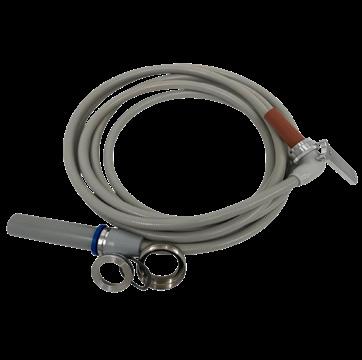
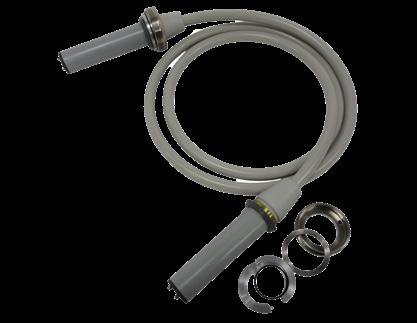
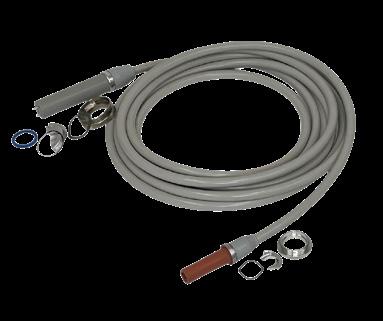
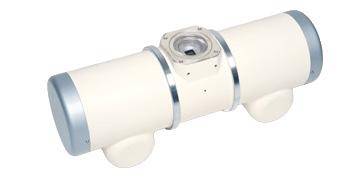
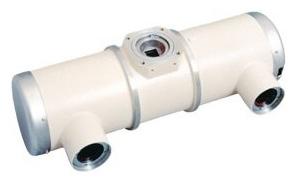
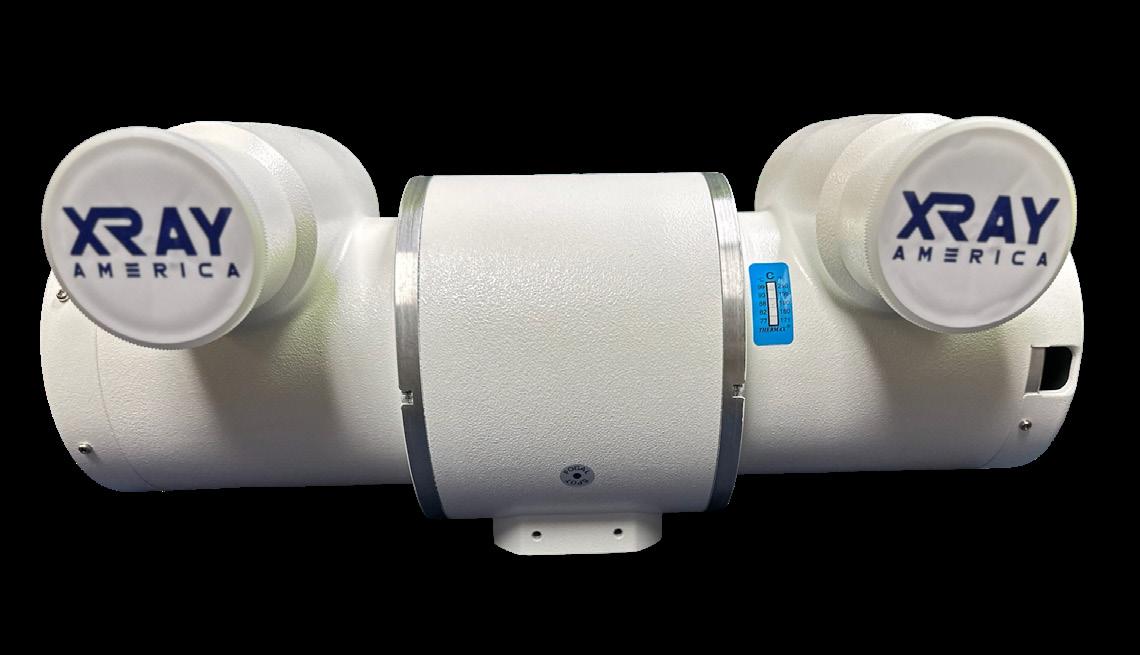
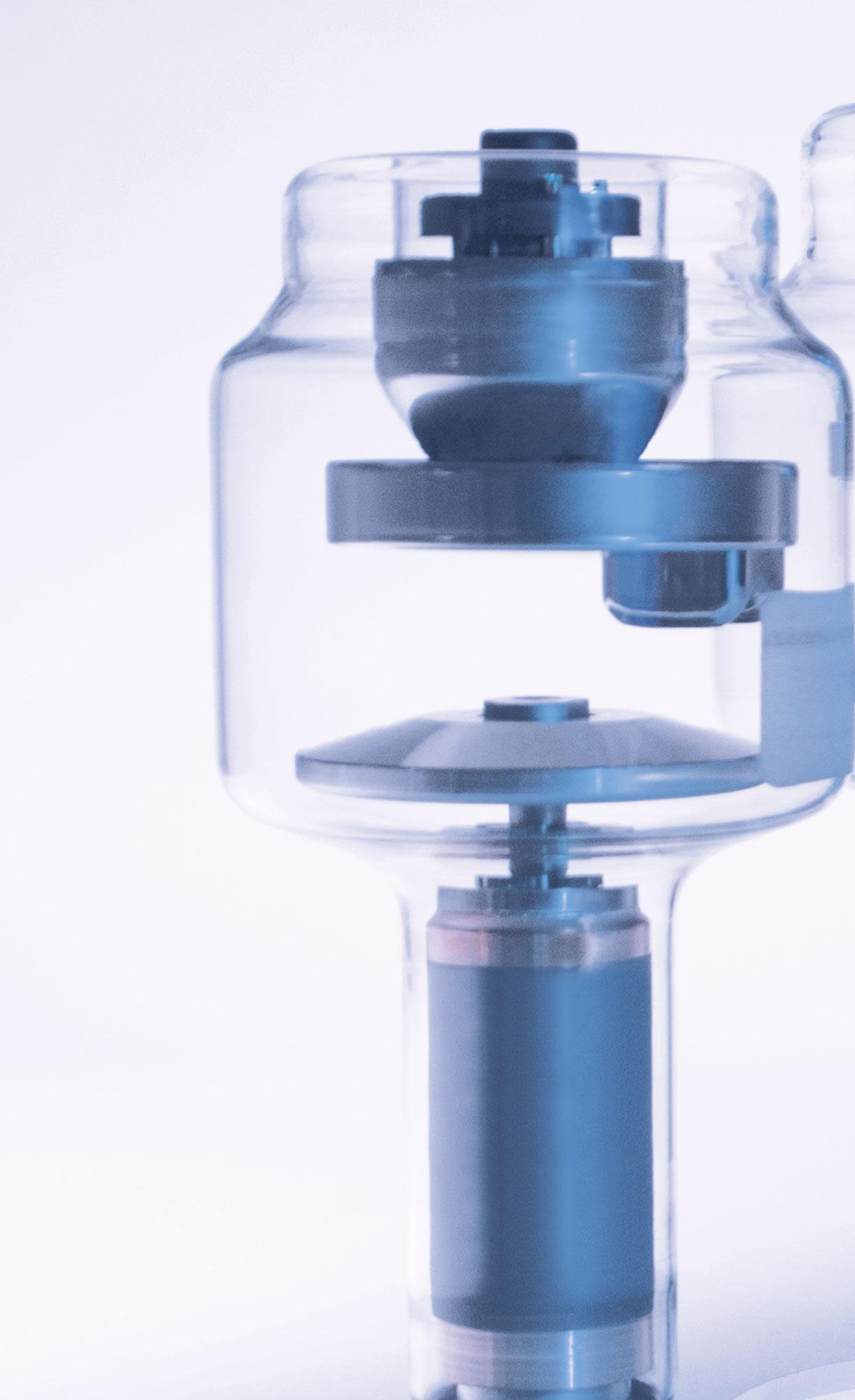
• Drop-in replacements for your system. Fit and function like the original.
• Premium inserts from I.A.E.
• X-ray tubes on the shelf, and ready to ship.
• New, with an extensive warranty
Email: info@X-RayAmerica.com
Phone: 1.854.999.6888 Global: IAE.it






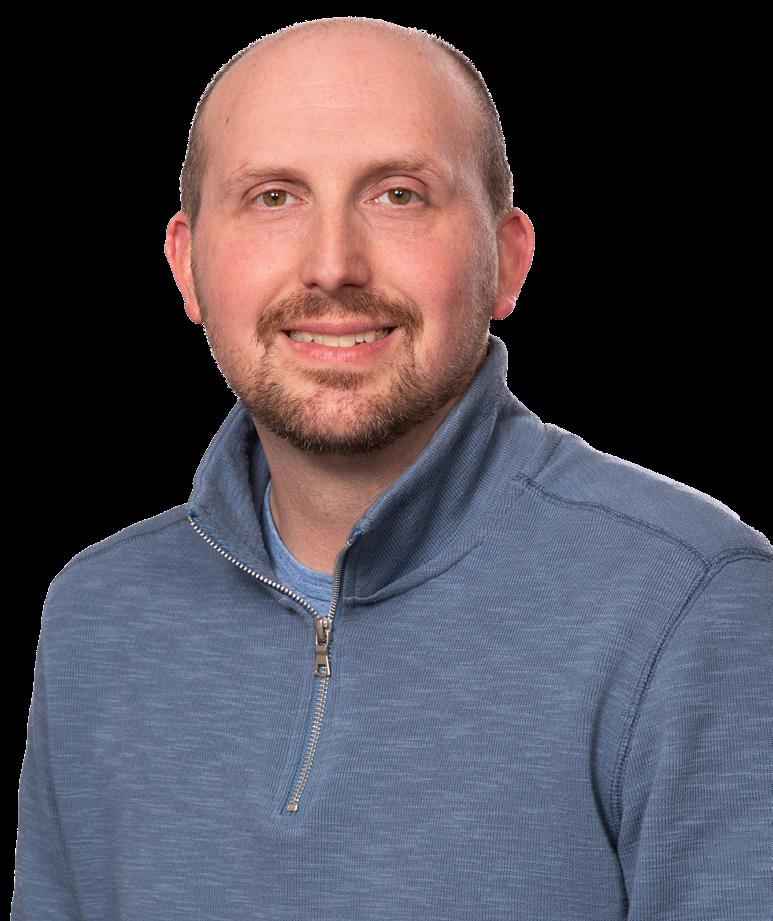
Jeremy Wondra is a younger
COVER STORY
Industry leaders are creating new pathways to recruit, train and retain the skilled imaging workforce needed to support tomorrow’s healthcare environment.
JULY 2026
Catch up on the latest news from around the diagnostic imaging world.
AI and new features stand out among the newest batch of CT devices.
“The Rad Position” podcast strengthens ASRT’s identity and connection with its members.
MD
President
John M. Krieg john@mdpublishing.com
Vice
Kristin Leavoy kristin@mdpublishing.com
Vice
Jayme McKelvey jayme@mdpublishing.com
Director
Megan Cabot megan@mdpublishing.com
Senior
Warren
warren@mdpublishing.com
Editor John
Editorial
Beth Allen
David V. Buczkowski
Kimberly Love
Megan M. Parker
Dean Skillicorn
Jason Theadore
Art
Karlee Gower
Taylor
Events
Kristin Leavoy
Webinars
Linda Hasluem
Digital
Cindy Galindo
Kennedy Krieg
Haley Harris
Accounting
Diane Costea
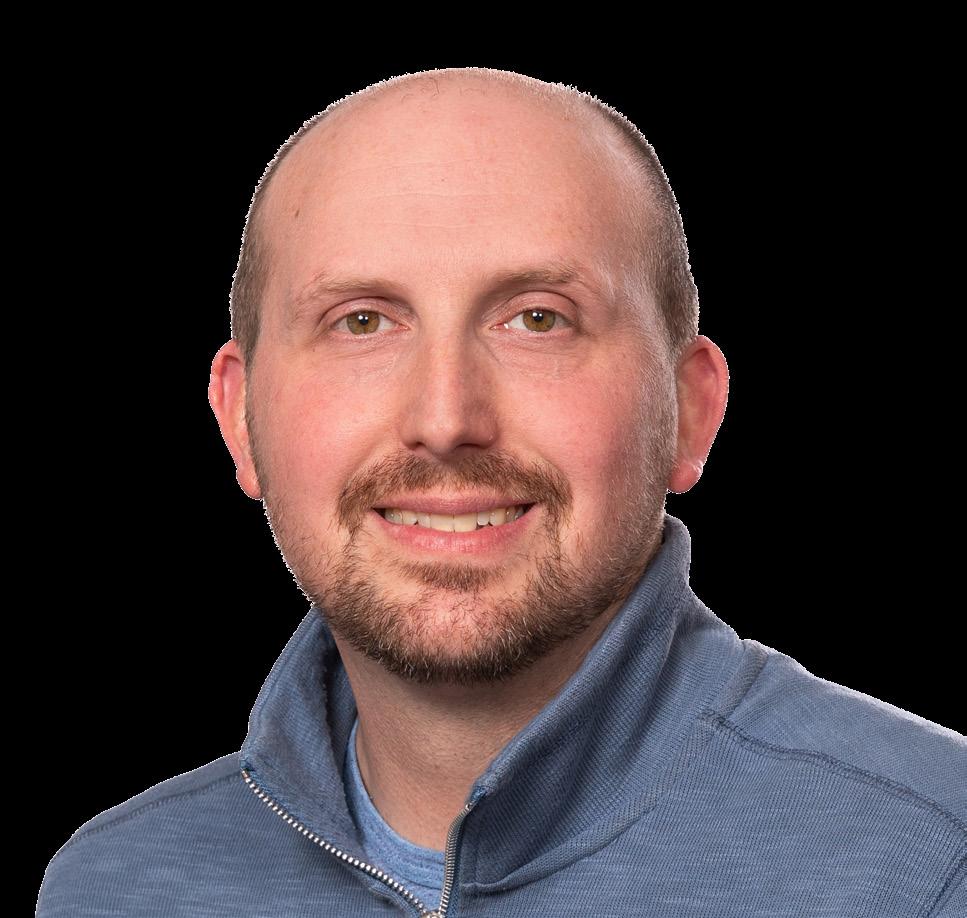
Jeremy Wondra is described as a younger professional who is “working his way up” in the diagnostic imaging community.
Jeremy Wondra, LRT (R)(CT), earned a bachelor’s in diagnostic imaging before becoming director of radiology at Hutchinson Clinic P.A.
Radiologic Associates Executive Director Kevin Ordway, CRA, nominated Jeremy mentioned that he is a younger professional “working his way up.”
ICE Magazine Editor John Wallace recently interviewed Jeremy to find out more about him and his goals.
Q: WHERE DID YOU GROW UP?
A: Great Bend, Kansas
Q: WHERE DID YOU RECEIVE YOUR IMAGING TRAINING/EDUCATION? WHAT DEGREES/CERTIFICATIONS DO YOU HAVE?
A: Fort Hays State University, bachelor’s degree in diagnostic imaging
Q: HOW DID YOU FIRST DECIDE TO START WORKING IN IMAGING?
A: While in college, I worked at the local Walmart, where my store manager learned I was a pre-med major. He introduced me to a radiologist friend, whom I shadowed several times. Through this
experience, I developed a strong interest in diagnostic imaging and decided to change my major.
Q: WHAT IS THE MOST REWARDING ASPECT OF YOUR JOB?
A: I love to help people and I love technology, so it is a great fit.
Q: WHAT DO YOU LIKE MOST ABOUT YOUR POSITION?
A: Since I’m a director, I have the ability to help my team and our patients in many different ways.
Q: WHAT INTERESTS YOU THE MOST ABOUT THE IMAGING FIELD?
A: The constant advancement of technology and wondering what the new thing will be.
Q: WHAT HAS BEEN YOUR GREATEST ACCOMPLISHMENT IN YOUR FIELD THUS FAR?
A: When I became director of radiology at age 25 and now sharing my knowledge with others.
Q: WHAT GOALS DO YOU HAVE FOR YOURSELF IN THE NEXT 5 YEARS?
A: I would like to get my master’s degree. •
FAVORITE HOBBY: Watching and playing football
FAVORITE SHOW: “Big Bang Theory”
FAVORITE FOOD: Pizza
FAVORITE VACATION SPOT: The beach
1 THING ON YOUR BUCKET LIST: Meet Peyton Manning
SOMETHING YOUR CO-WORKERS DON’T KNOW ABOUT YOU: I swam with sharks on the North Shore of Hawaii.

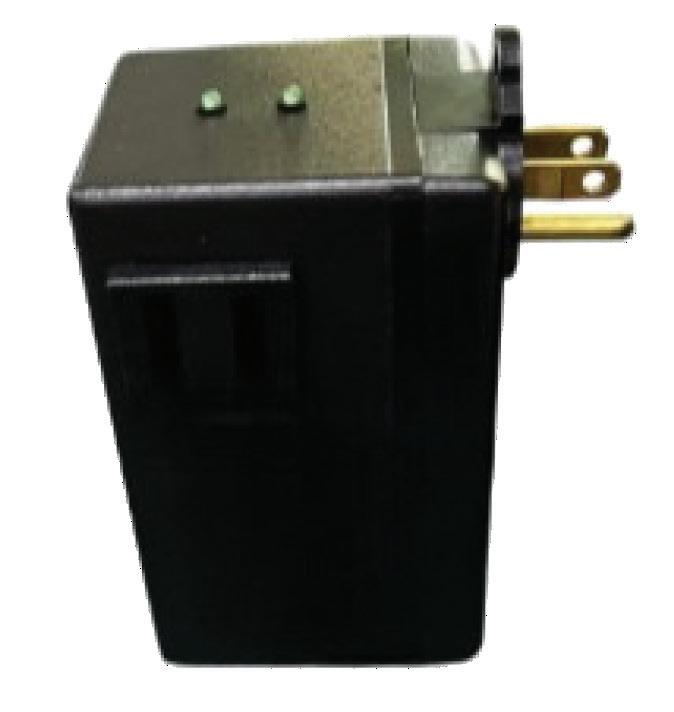
IS THE 480 OR 120 VOLTAGE
POWER
IT WILL REDUCE YOUR PARTS/SERVICE SPEND AND DOWNTIME FOR YOUR EQUIPMENT!



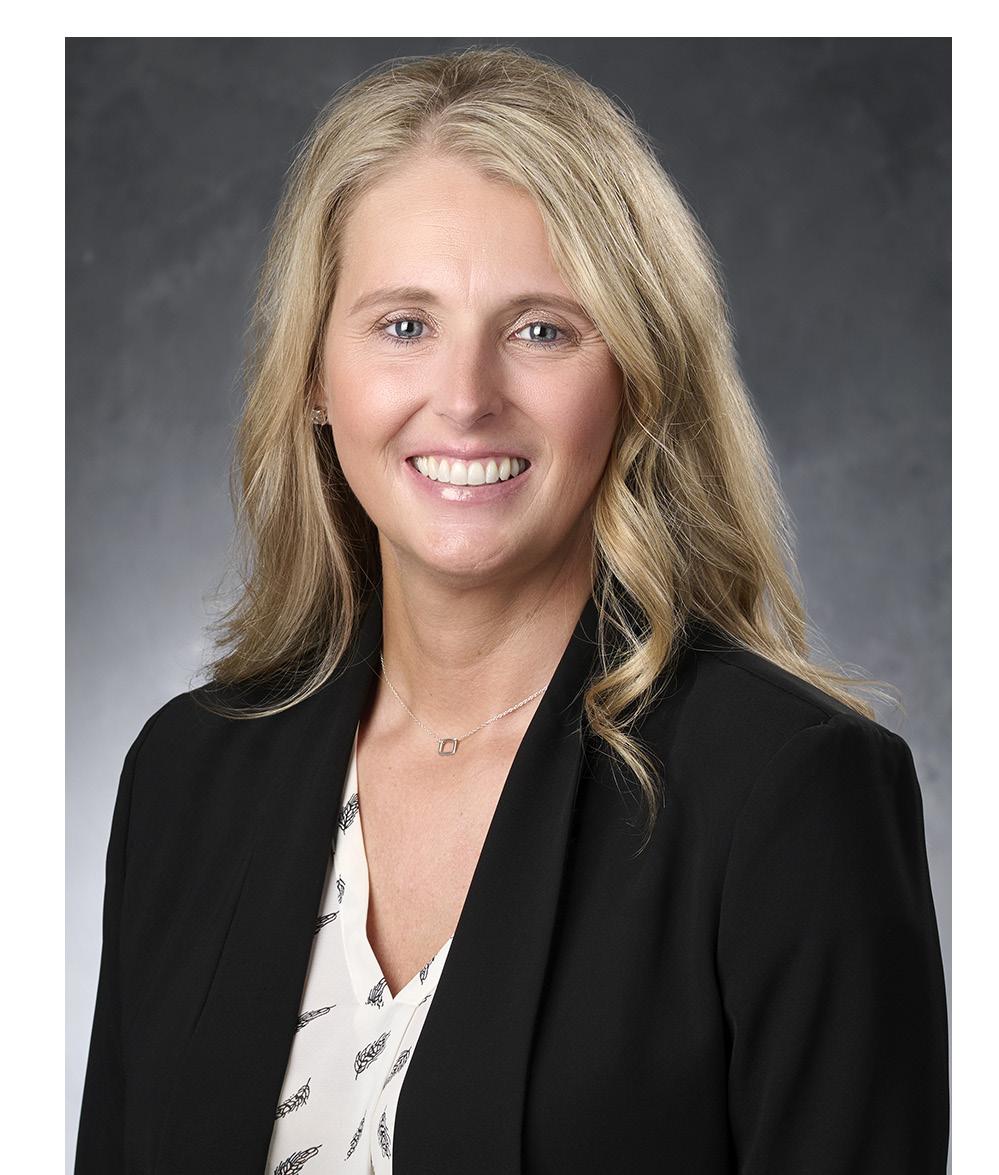
Steph Voigt, RT (R)(MR), is the director of women’s imaging and practice support/CT applications with Consulting Radiologists Ltd. Over the past 30 years, she worked hard to improve her skills and leadership acumen. She even kicked it into overdrive to navigate a brief detour and exit from urgent care clinic work.
“I believe it is important to take on new and challenging opportunities. While stepping outside of one’s comfort zone can be difficult, doing so often reveals strengths and perspectives that add value to both the individual and the broader team,” Steph says about her journey.
Her imaging career began after completing X-ray school in 1999. She joined a mobile imaging company that provided MRI training and took aim at a career goal.
“I worked as a mobile MRI technologist for three years. While working independently presented challenges due to limited opportunities for peer consultation, the experience accelerated my learning and strengthened my ability to problem-solve and think creatively,” Steph shares.
After some time with Consulting Radiologists Ltd. (CRL) as an MRI technologist and clinic manager she accepted a position with OptumHealth, where she supported operational efforts for the opening of urgent care clinics in Texas and Las Vegas, Nevada.
“After one year, the role did not align with my professional goals, prompting me to seek new opportunities,” she says. “In 2013, I returned to CRL as a clinic manager at
a different location and remained in this role until 2018, when I was promoted to practice support manager and CT applications specialist.”
She moved up to her current title with added responsibilities in 2025 and continues to serve as the CT applications specialist for the organization.
One of her many accomplishments includes how she advanced into a leadership position.
“I consider it a significant accomplishment to have progressed from an MRI technologist to a director-level role without obtaining a bachelor’s or master’s degree,” Steph says when asked to describe her greatest accomplishment. “Throughout my career, I actively sought opportunities to participate in projects that expanded my knowledge and experience across multiple areas of the organization.”
Patient safety is a strong motivator for Steph, especially when it comes to workflow solution implementation and lifting team members up whenever she has a chance.
“I am passionate about process improvement and helping others develop new skills to enhance their success. I strive to empower team members to be creative, collaborate effectively and work toward shared goals that support organizational success while delivering the highest quality patient care,” she says.
“I have always believed in leading by example and would never ask my team to do anything I am not willing to do myself,” she adds. “When making decisions, I feel it is important to include those who will be most impacted, ensuring their perspectives are considered and valued.”
Her approach was no doubt influenced by her mentors, including a previous supervisor.
“My most influential mentor was my supervisor from 2013-2016. Although he has since moved on to another organization, he played a significant role in my development by teaching me how to effectively prioritize projects, think creatively and approach decisions from multiple perspectives,” Steph says. “He exemplified a leadership style focused on empowering others to grow and lead themselves.”
When asked, “What else would you like ICE Magazine readers to know about you or your journey?” she encourages everyone to stand tall and continue moving forward.
She speaks from experience and would not ask anyone to do something she is not willing to do.
She is married to her high school sweetheart and the couple has two “beautiful” adult daughters.
“In my free time, I enjoy working out, playing golf, and spending time with my family,” Steph says. “I recognize that work - life balance looks different for everyone, but over the years I have learned that not all phone calls and emails require immediate attention.”•
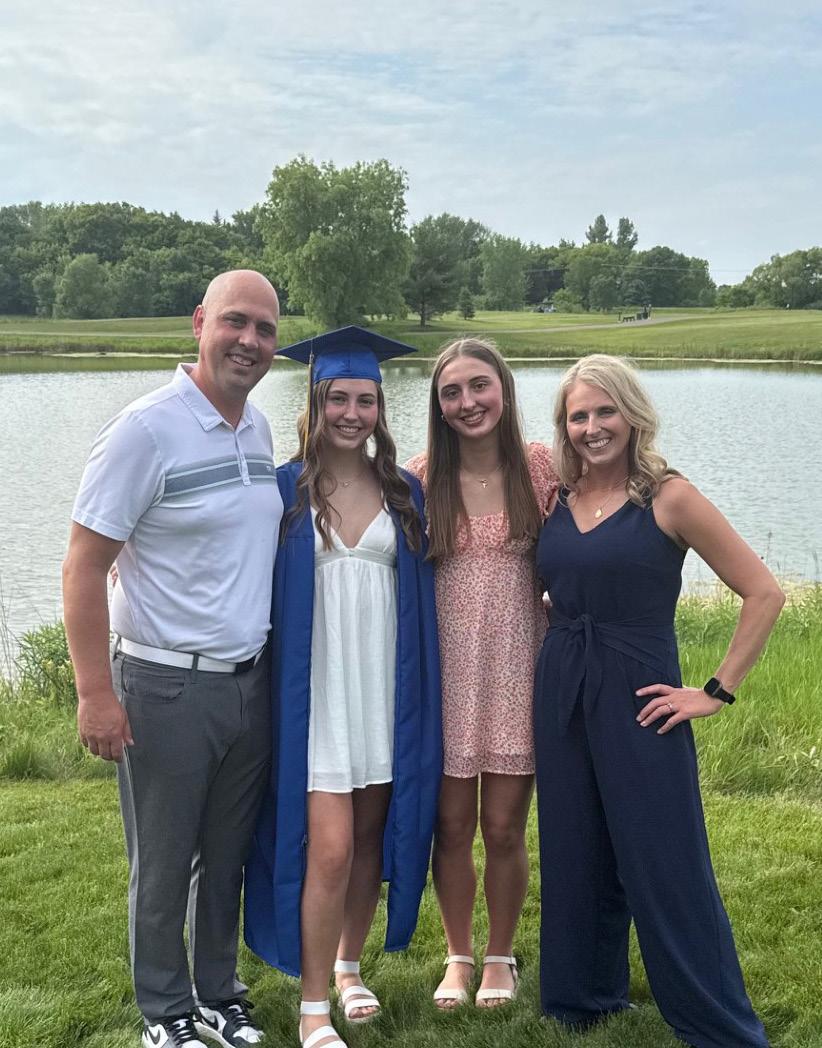
RT (R)(MR), director of women’s imaging and practice support/ CT applications with Consulting Radiologists Ltd
Favorite sports team?
Minnesota Vikings
Last show or series you binge-watched? “Scarpetta”
One thing most co-workers don’t know about you?
I ran Grandma’s Marathon and finished!
One thing you do every morning to start your day right?
Have a cup of coffee
Best professional or personal advice you’ve ever received?
The only thing that is constant is change.
Person who has had the biggest influence on your life?
I can’t say just one person – the radiologists I have worked with over the years, my co-workers and my family.
If you could have a superpower, what would it be?
To eat and drink whatever I want and not gain weight!
Go-to way to unwind after a long day?
Glass of wine and watch my favorite shows
Your perfect meal?
Steak and a loaded baked potato
BY MATT SKOUFALOS
In her childhood years, Elyce Wolfgang recalls time spent supporting her grandfather as he battled metastatic prostate cancer in Williamsport, Pennsylvania. Whether at an office appointment or during a hospitalization, the family was with him as much as it could be. When they couldn’t be there, however, Elyce remembers her grandfather’s caretakers as “the kindest and most accommodating people; the most family-centric providers.”
“I still to this day think it’s just amazing,” she said. “From that point on, I definitely wanted to do something healthcare-related to help people, and make them feel the same way that those folks made my family feel.”
She also helps others through volunteer work as a youth sports coach, mentor and with the Association for Medical Imaging Management (AHRA).
In high school, as Elyce prepared to enter the workforce, she shadowed her older brother, a pharmacist, to learn about the practicalities of his career path. When the work didn’t resonate with her interests, a family friend who managed a radiation therapy department in nearby York, Pennsylvania, offered for Elyce to follow along with a radiation therapist there. As she began doing so, however, she couldn’t shake the memories of her grandfather’s passing; it felt too closely connected with the work she was seeing. But after Elyce learned that many radiation therapists start their careers as X-ray technologists, her view of the imaging field opened up more broadly.
“You get to see more than just cancer patients,” Elyce
said; “you get to see pediatric cases, and babies, and adults, for all different sorts of reasons. So, she had me shadow in the local X-ray department, and I was like, ‘This is so cool.’
”
Elyce continued her education at Bloomsburg University, where she played field hockey for three years and the team won two national championships as well as posting an undefeated season. She also reconnected with Eric, a cross-country and track runner she’d known since childhood. The two later married, and had two children together: Bastian and Harbor.
After Bloomsburg, Eric began working as a teacher, and Elyce pursued a radiography training program at Johns Hopkins University in Baltimore, Maryland. She worked as a student intern on evenings and weekends to gain extra experience, and upon graduating in 2005, was offered a job with the onsite imaging department.
“I figured, ‘Why not?’” Elyce said. “I loved working there; I loved the environment and the variety of stuff that we got to do.”
“I stayed on board there for almost 15 years total, and went all the way from student intern all the way up to assistant director,” she added.
In 2019, WellSpan York Hospital was advertising an opening for an imaging director, and Elyce, who had been commuting to Baltimore for work, seized the opportunity to serve people in the community in which she’d grown up. She spent four years as the WellSpan imaging di rector, and two more as senior imaging director for the WellSpan health system. Today, Elyce oversees more than 1,000 imaging employees across seven hospitals through out south-central Pennsylvania.

When Bastian and Harbor were younger, Elyce dedicated her free time to coaching field hockey; since the children started their own athletic and musical pursuits, she and Eric have obligated themselves to cheering on their kids.
For some down time, however, the family is “Lego-obsessed,” Elyce said, a hobby begun when her uncle handed down some legacy sets in their earlier years.
“Over the summer, when they don’t have school, they will go in the basement and trudge through Lego pieces to find all the parts that they need to build old-school things, which is pretty cool,” she said.
The kids enjoy Star Wars Legos; Elyce likes to build the botanical sets. The family also spends time together camping, hiking and fishing. But when Elyce needs a little time to herself, nothing compares with taking in the country air on Princess, her green Vespa Primavera 150 scooter.
In late 2020, Elyce was diagnosed with cancer, which she was able to address through surgery.
She’s grateful to be cancer-free for four years running.
As an imaging professional, “now I’m on the patient side of imaging every six months,” Elyce said. “I get scans, and everything’s been fine.”
Nonetheless, the experience led her to indulge her dream of open-air riding.
“I was like, ‘Life’s too short. I want to buy a Vespa.’”
From mid-March to mid-November, Elyce rides around in nature, appreciating the Pennsylvania countryside.
“She’s beautiful,” Elyce said. “I kind of got her as a little bit of a midlife crisis.”
As her career advanced, Elyce also earned a master’s degree in health administration (MHA) at Penn State University, and was invited to join the Board of Visitors at that program, which she now chairs. Within that role, she supports master’s degree candidates, and helps the program keep its curriculum current with healthcare trends. Elyce also visits the campus once a year to conduct mock job interviews that can assist students in their professional development.
“We judge case competitions; we help connect people with mentorship,” she said. “It’s really about ensuring that MHA students have everything that they need to be successful and well-rounded. Then, by the time they graduate, they have an amazing degree from Penn State, and connections to facilitate potential employment opportunities.”
Beyond her role with the MHA program at Penn State, Elyce was also elected to the board of directors of the Association for Medical Imaging Management (AHRA). Currently, she serves on its editorial review committee, benchmarking task force, and annual design team, which identifies speakers and develops programming for the AHRA annual meeting.
“I just love the fact that I can give back to the organization that has given me so much over the years in my career,” Elyce said.
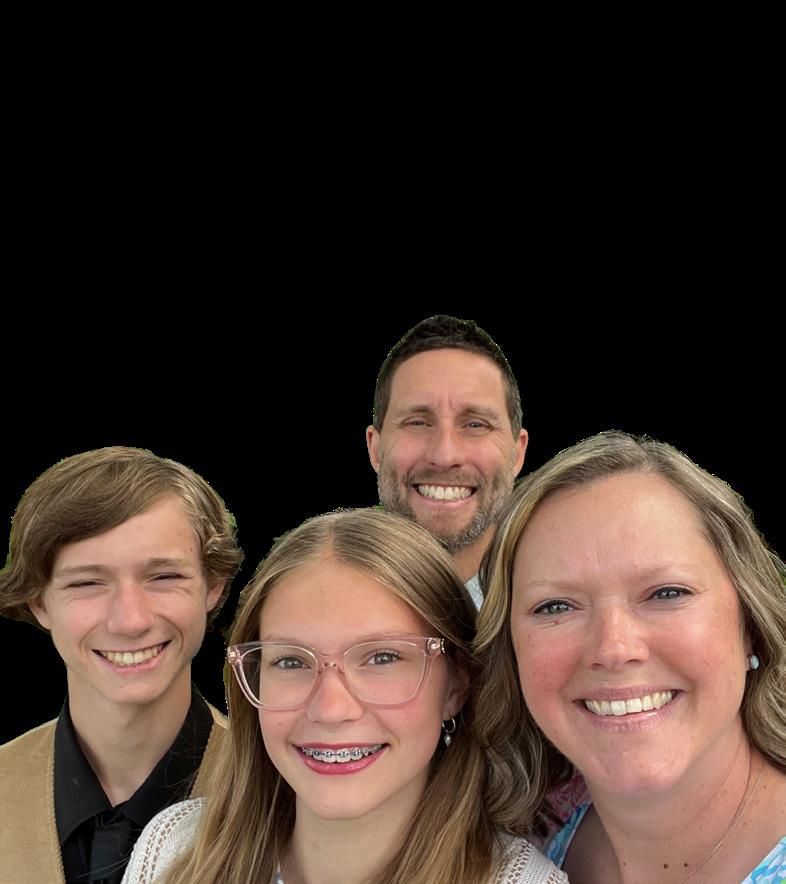
“I feel like it’s really important to have that continual growth and development mindset, and let me hear from my peers how they’re doing something, so I can learn from that and do better.” •


Mark your calendars for one of the imaging industry’s premier educational and networking events – the Imaging Conference & Expo (ICE) 2027 is set for Fort Worth, Texas on February 26-28. Check out the website and sign up for updates at AttendICE.com.
Bringing together imaging directors, radiology administrators, imaging engineers, technologists and industry leaders from across the country, ICE continues to serve as the only conference dedicated exclusively to the unique needs of imaging professionals.
The annual conference offers attendees access to:
• Continuing education opportunities
• Industry-leading exhibitors and technology showcases
• Networking with peers and decision-makers
• Leadership-focused sessions and collaborative discussions
• The popular Reverse Expo experience
The Call for Presenters is live with a July 15 deadline. Submit your presentation today at attendice.com/ call-for-presenters/
To learn more and stay updated, visit: AttendICE.com
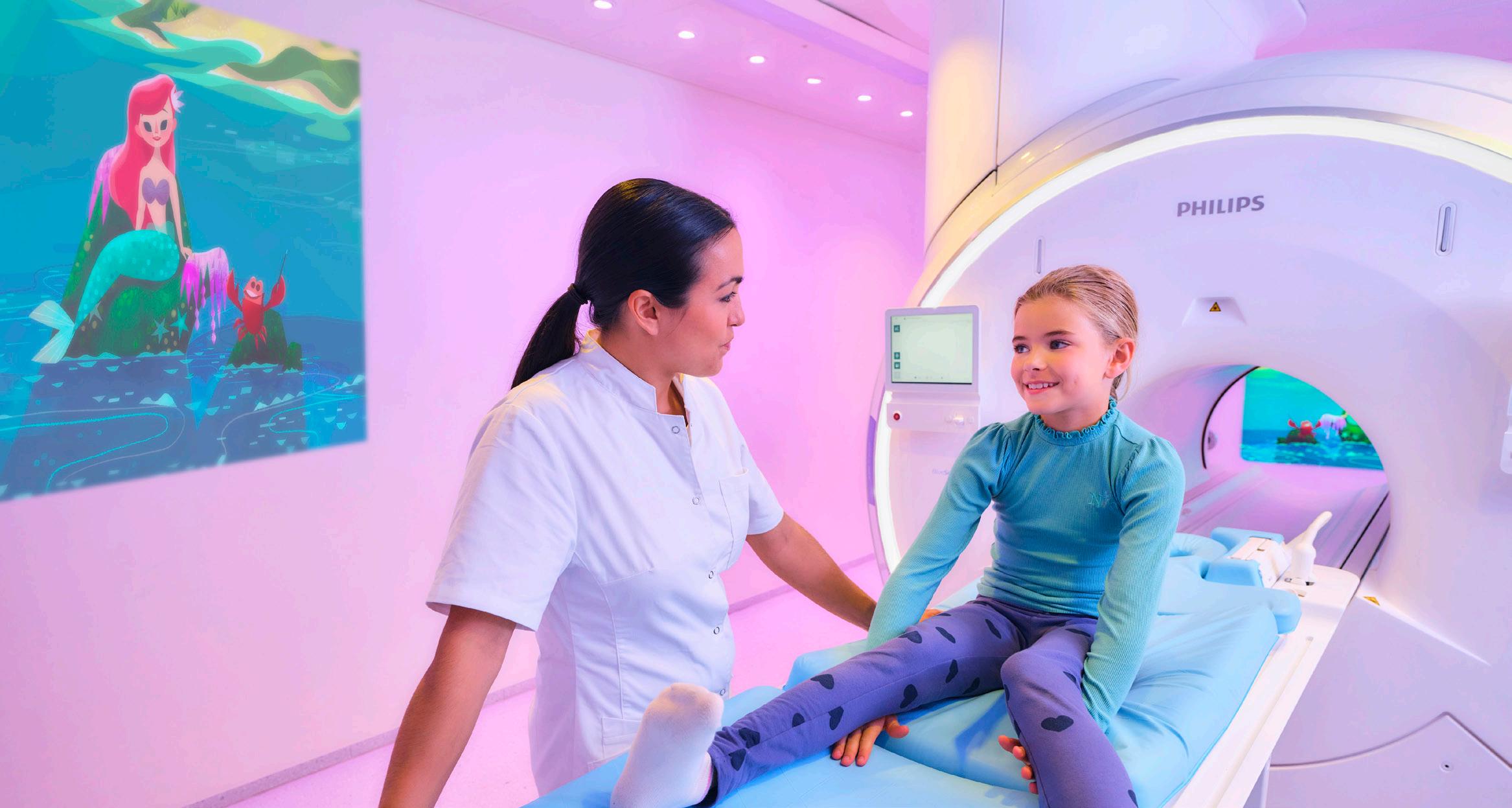
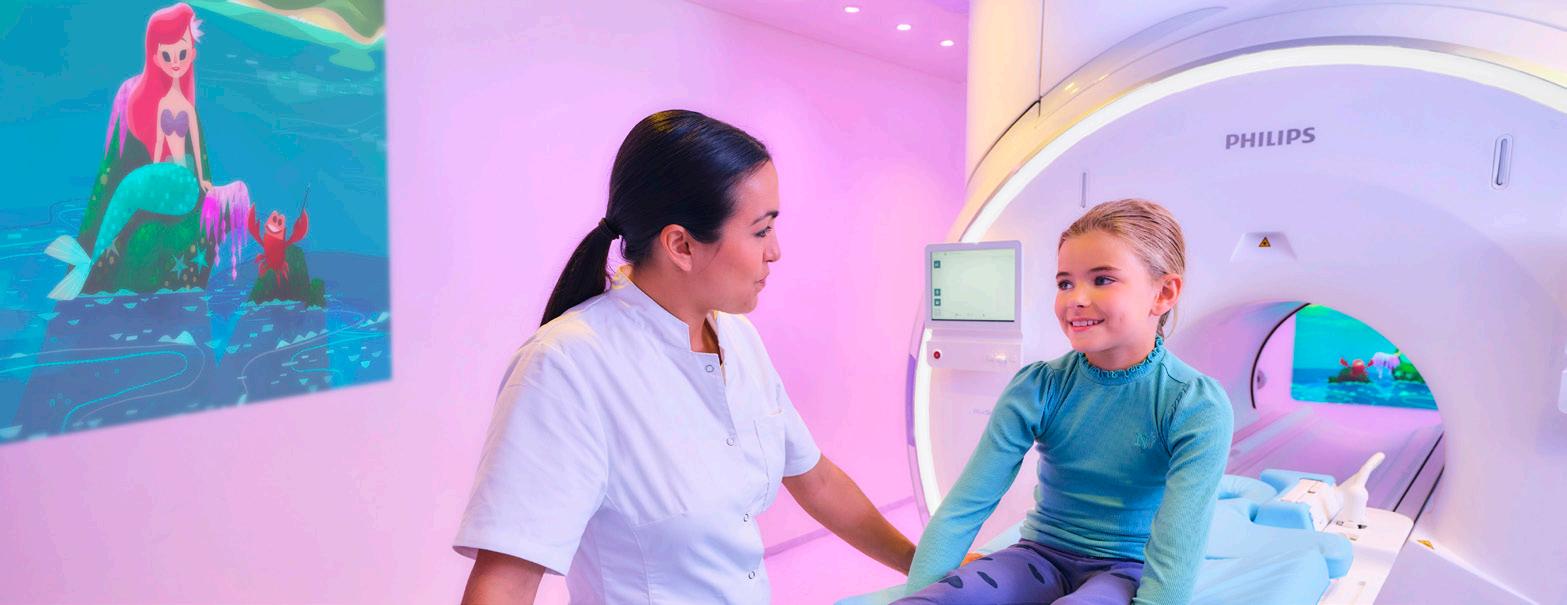
Royal Philips and The Walt Disney Company have announced that beloved Disney animated characters and stories are being incorporated directly into Philips Ambient Experience for MRI at medical facilities in 87 countries to support children undergoing imaging procedures. For many children, this type of immersive environment can help shift attention away from the clinical setting, creating a more comforting and engaging experience during scans and helping more children complete their exams successfully.
“By bringing Disney stories into the MRI environment, we are helping create a setting where children can feel more at ease and remain still during scans,” said Atul Gupta, MD, chief medical officer, diagnosis and treatment at Philips. “Reducing stress can improve the experience for young patients and their families, while helping care teams deliver efficient, high-quality imaging so they can care for more children each day, supporting better care for more people.”
“At Disney, we believe stories have the power to bring comfort and emotional connection to children and families,” said Lisa Haines, senior vice president, corporate social responsibility, The Walt Disney Company. “We’re proud to collaborate with Philips to extend that impact into MRI rooms in a meaningful way – using our beloved stories and characters to help provide moments of escape, normalcy and reassurance during what can be an intimidating experience for kids in hospitals.”
MRI scans can be challenging for young children. Entering a large, unfamiliar machine that makes loud noises,
combined with the need to lie perfectly still for up to 40 minutes, can be intimidating. This anxiety or claustrophobia can lead to re-scans, longer procedures and, in some cases, the need for sedation, increasing demands on care teams. These disruptions can limit the number of patients who can be seen each day, leading to potential delays.
Child-friendly, immersive content in pediatric MRI settings can help reduce operational disruptions, such as re-scans, long pauses or aborted procedures. A multi-center study conducted across six hospitals in Europe highlights the impact of Ambient Experience with Disney themes. For children ages 6-10, post-scan pediatric patient stress levels were reduced by 43% compared to pre-exam. In addition, pauses during scans dropped by 63% compared to procedures without intervention.
Philips innovates to make MRI exams faster, more comfortable and easier for patients. A key part of this effort is Philips Ambient Experience, which uses calming lighting, sound and visual elements to help patients relax before and during the exam. Within this approach, Disney-themed content is incorporated as part of the Ambient Experience environment to offer comfort with beloved Disney stories and characters to reduce anxiety and stress in children undergoing MRI exams. This builds on Philips’ focus on improving care experiences for patients, particularly children undergoing imaging.
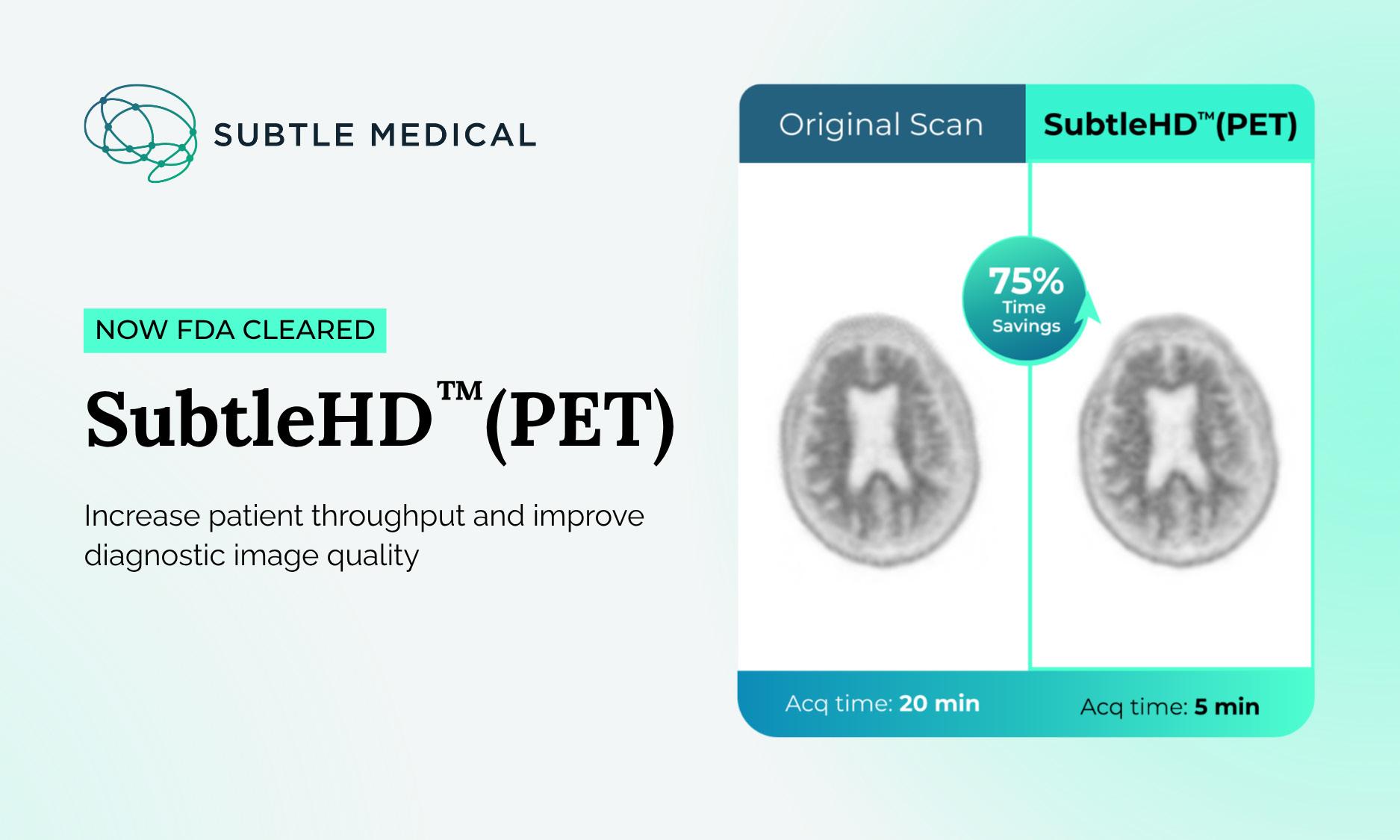
Subtle Medical has announced FDA clearance of SubtleHD(PET), its next-generation AI-powered PET image enhancement solution designed to improve image quality and accelerate PET imaging workflows across PET/CT and PET/MR systems.
There are an estimated 4.5 million PET scans performed each year globally, with PET imaging continuing to expand as new tracers and theranostic workflows emerge. Industry reports indicate that 67% of PET imaging sites expect procedure volumes to increase over the next 12 months. As PET imaging volumes continue to grow, health systems are increasingly challenged to improve throughput, expand patient access and maximize existing scanner capacity.
The new clearance significantly expands Subtle Medical’s PET market reach, including imaging providers utilizing advanced radiotracers, theranostics programs and health systems operating their own cyclotrons.
Building on the success of SubtlePET, which is already deployed on numerous scanners worldwide, Subtle’s newest FDA-cleared product, SubtleHD(PET), brings improved capabilities. Built on a state-of-the-art AI model architecture, SubtleHD(PET) provides improved image enhancement performance, greater SUVmax quantitation accuracy and expanded compatibility across all FDA-
approved radiotracers, including emerging molecular imaging agents beyond traditional 18F-FDG imaging.
SubtleHD(PET) was validated across a broad range of accelerated low-count PET acquisitions and includes the ability to adjust the denoising level to the radiologist’s preference. The software also leverages anatomical CT data to further improve PET image reconstruction quality and quantitative consistency.
“PET imaging demand continues to grow globally, but providers remain constrained by scanner capacity, long scan times, and operational inefficiencies,” said Ajit Shankaranarayanan. “SubtleHD(PET) brings the latest advances in AI imaging to help address these issues and helps imaging providers improve throughput, drive new revenue, increase patient access, and maximize the value of existing PET infrastructure while delivering faster, more comfortable imaging experiences for patients.”
For patients, shorter PET exams may help reduce discomfort and improve the imaging experience, particularly for oncology, elderly, pediatric, and critically ill populations who often struggle with lengthy scans.
For imaging providers, shorter scan times allow for additional slot times which can significantly increase revenue for centers.
Downtime Trace, a medical equipment service marketplace connecting hospitals, imaging centers and ambulatory surgery centers with qualified service providers, has announced its expansion into Pennsylvania, upstate New York, Indiana and Nebraska.
Downtime Trace is actively recruiting credentialed imaging and biomedical service providers, including independent service organizations (ISOs) and 1099 contract technicians, to join its growing provider network. Registration is free, and providers keep 85% of each completed service ticket. Providers choose the requests they take on and earn supplemental income on
their own schedule.
“When Jason and I came up with the idea of Downtime Trace, it made so much sense that it was hard to believe no one had created a technology like it,” said Danny Mobley, CEO and founder of Downtime Trace. “After being in the medical equipment maintenance and repair industry for so many years, it was easy to see how this innovation could help both sides, the technicians and customers.”
Service providers can register at downtimetrace.com to begin receiving Trace Tickets in their area.
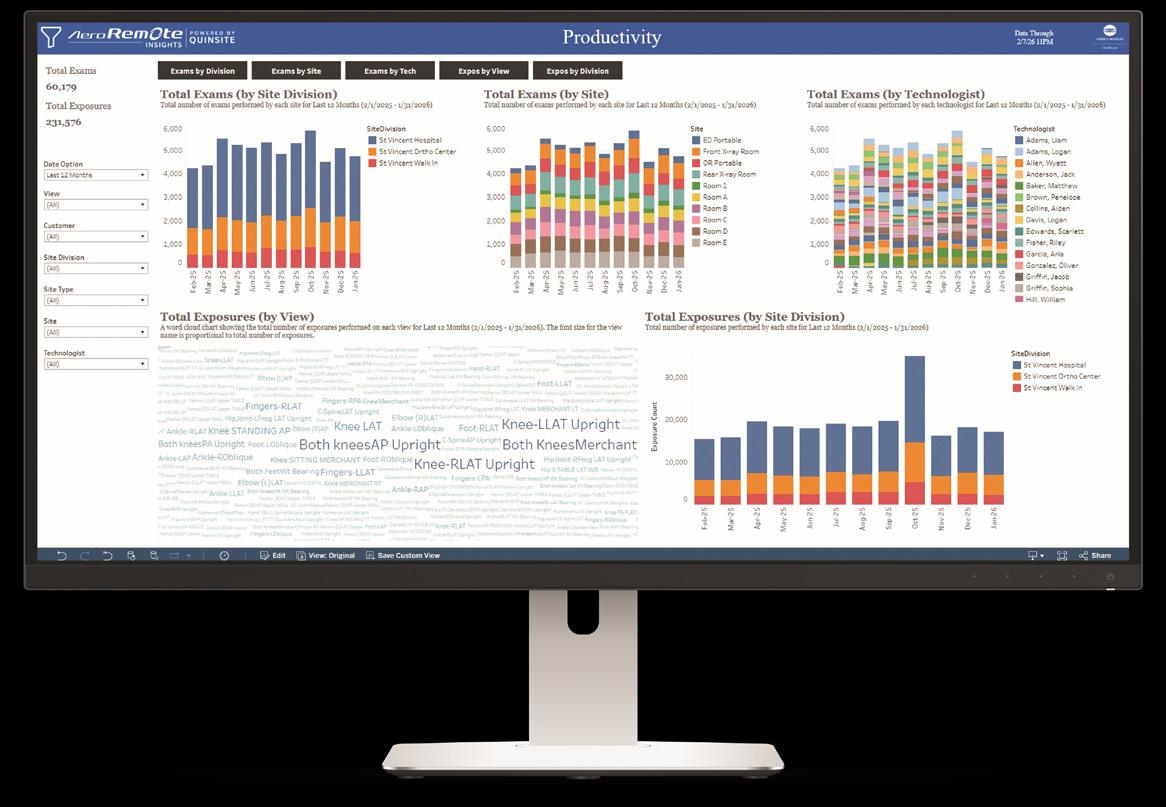
Imaging departments are increasingly being tasked to improve efficiency and workflow performance while simultaneously addressing market pressures such as staff shortages and increasing patient volumes. Recognizing the need for solutions to help customers address operational challenges, Konica Minolta Healthcare Americas Inc. has announced a new version of AeroRemote Insights, the company’s cloud-based analytics and monitoring platform for digital radiography (DR) systems and wireless flat panel detectors, as part of an interconnected, customer-centered service approach with Blue Moon Lifecycle Products, the company’s flexible protection plans that maximize uptime and maintain reliable performance.
As part of the newly updated AeroRemote Insights, Konica Minolta has partnered with Quinsite, a company specializing in radiology data, to provide a scalable platform designed to support future enhancements, more advanced analyses and the adoption of AI-enabled technologies.
AeroRemote Insights delivers real-time visibility into X-ray systems and DR panel performance, workflow and utilization. It transforms operational data into actionable insights that help improve productivity, enhance efficiency and sustain consistent performance across the enterprise. New dashboards with improved visibility of workflow, exam reject rates and system performance provide the intelligence departments need for a more connected operational view.
For example, the “Productivity” dashboard provides total exams by location, site and technologist, and then breaks down that data by exposure per view and division. Users have expanded filter options to dive deeper into the data,
such as the reject rates each month. Physicists can use the “Clinical Dose” dashboard to examine exposure index and deviation index by view or technologist and summarize the data by quarter across a particular division or site. “System Health” dashboards can evaluate overall system health, such as software version for each workstation or panel calibration. AeroRemote Insights gives department managers the clinical and operational information they need at a glance to work efficiently and make data-driven decisions.
Blue Moon life cycle plans complement these insights with proactive maintenance, expert support and long-term system protection, including remote monitoring tied to system health and performance, rapid panel replacement, first accident forgiveness on DR panels and 24/7 customer support.
“Radiology departments and imaging teams are increasingly being asked to do more with less, faced with staffing shortages and higher patient volumes while also being asked to improve workflow efficiency by reducing reject rates and repeat imaging. They need a proven partner in service that can deliver clinical performance and system health analytics along with product life cycle solutions that help maximize their investment and prevent downtime. This new version of AeroRemote Insights helps department managers understand how their imaging operations are functioning day-by-day and is backed by Blue Moon for worry-free operation throughout the product life cycle,” says Lisette Carrara, senior product & marketing manager, radiography, Konica Minolta Healthcare Americas Inc.
FUJIFILM Healthcare Americas Corporation has announced a strategic partnership with mTuitive, a leading provider of synoptic reporting solutions, to integrate mTuitive’s structured pathology reporting platform with Fujifilm’s Synapse Pathology, a comprehensive pathology PACS that streamlines case management through proprietary advances in image digitization. This collaboration unifies diagnostic data across pathology and imaging, accelerating clinical decision-making and supporting coordinated, evidencebased patient care.
Diagnostic data often remains siloed between departments, limiting real-time collaboration between radiologists, oncologists and pathologists. The integration of Fujifilm and mTuitive’s technologies creates a seamless pathology-to-enterprise pipeline where structured pathology reports, including CAP and Commission on Cancer compliant synoptic data and biomarker information, automatically flow from mTuitive through the Laboratory Information System (LIS) into Synapse.
Key advantages of the integrated technologies include:
• Unified Diagnostic Access: Final pathology reports automatically appear in Synapse after signing out, ensuring care teams access the same structured information in real time.
• Enhanced Collaboration: Structured reports appear alongside radiology images in tumor boards, enabling more cohesive care decisions.
• Streamlined Workflows: Eliminates duplicative data entry while respecting the LIS as the system of record.
• Maximized ROI: Organizations leverage greater value from existing systems without implementing new platforms.
• Enterprise Intelligence: Structured pathology data supports cancer registries, clinical analytics, research and AI applications.
“As we deepen our alliance with Fujifilm, we are intentionally building an ecosystem where imaging, pathology and informatics work in concert to give care teams faster, more confident answers for their patients,” said Hans Wernke, vice president of strategic alliances at mTuitive. •

Artificial intelligence is no longer a distant concept in healthcare – it’s already shaping how care is delivered, decisions are made and systems operate. To help, GE HealthCare announced that it is making more than 20 hours of healthcare AI training available at no cost through its HelloAI program.
Specifically, GE HealthCare is making its HelloAI Professional track available at no cost. This includes more than 20 hours of digital on-demand learning, plus access to webinars with healthcare experts. This release is in addition to the one-hour HelloAI Foundations course, which is also currently available to the public at no cost.
AI knowledge in healthcare is more important than ever. According to the American Medical Association, physician use of AI has more than doubled since 2023 to 81%, but training has lagged adoption.
In healthcare, AI fluency isn’t about turning clinicians into data scientists. It’s about enabling professionals to confidently and responsibly apply AI in their daily work, understanding when and how to use it, how it is trained, where risks and bias may arise, and how to maintain appropriate human oversight. When thoughtfully designed and integrated, AI can enhance productivity, improve decision-making and support better outcomes.
“Expanding access to HelloAI is about empowering more people across healthcare to participate in the AI journey,” said Jan Beger, global head of AI advocacy for GE HealthCare. “When clinicians, researchers and leaders can build AI knowledge at their own pace, it accelerates adoption and helps translate technology into real-world impact.”
HelloAI is GE HealthCare’s AI fluency program, designed to support audiences at different stages of
their AI journey. Originally launched in 2018 through the European Institute of Innovation and Technology, GE HealthCare now leads the initiative in collaboration with academic partners including the Royal Institute of Technology Stockholm (KTH), Sweden’s largest technical research and learning institution.
The content is applicable to professionals in clinical, engineering, research, administrative and leadership roles. Its online-first format allows participants to learn at their own pace.
The program currently offers two publicly available learning pathways:
• HelloAI Foundations: A one-hour introductory course that is ideal for healthcare professionals, students and researchers. It requires no technical background and covers AI fundamentals, key concepts such as machine learning and generative AI, and core ethical and safety considerations.
• HelloAI Professional: Offering more than 20 hours of learning, this pathway is designed for anyone who wants a deeper understanding of how AI is applied in real clinical and operational settings. The curriculum explores AI integration into healthcare delivery, case studies from across the industry, responsible adoption frameworks, and practical insights to support innovation, leadership and decision-making. The program also includes recordings of previous live events, such as expert-led sessions and interactive journal clubs, which are optional but provide opportunities for discussion and community learning.
July 12-15, 2026
Orlando, FL


• Meet more than 1,700 professionals.
• Enjoy four days of insight, strategy, and connection while earning CE credits.
• Stay competitive, relevant, and ready for what’s next in imaging management.
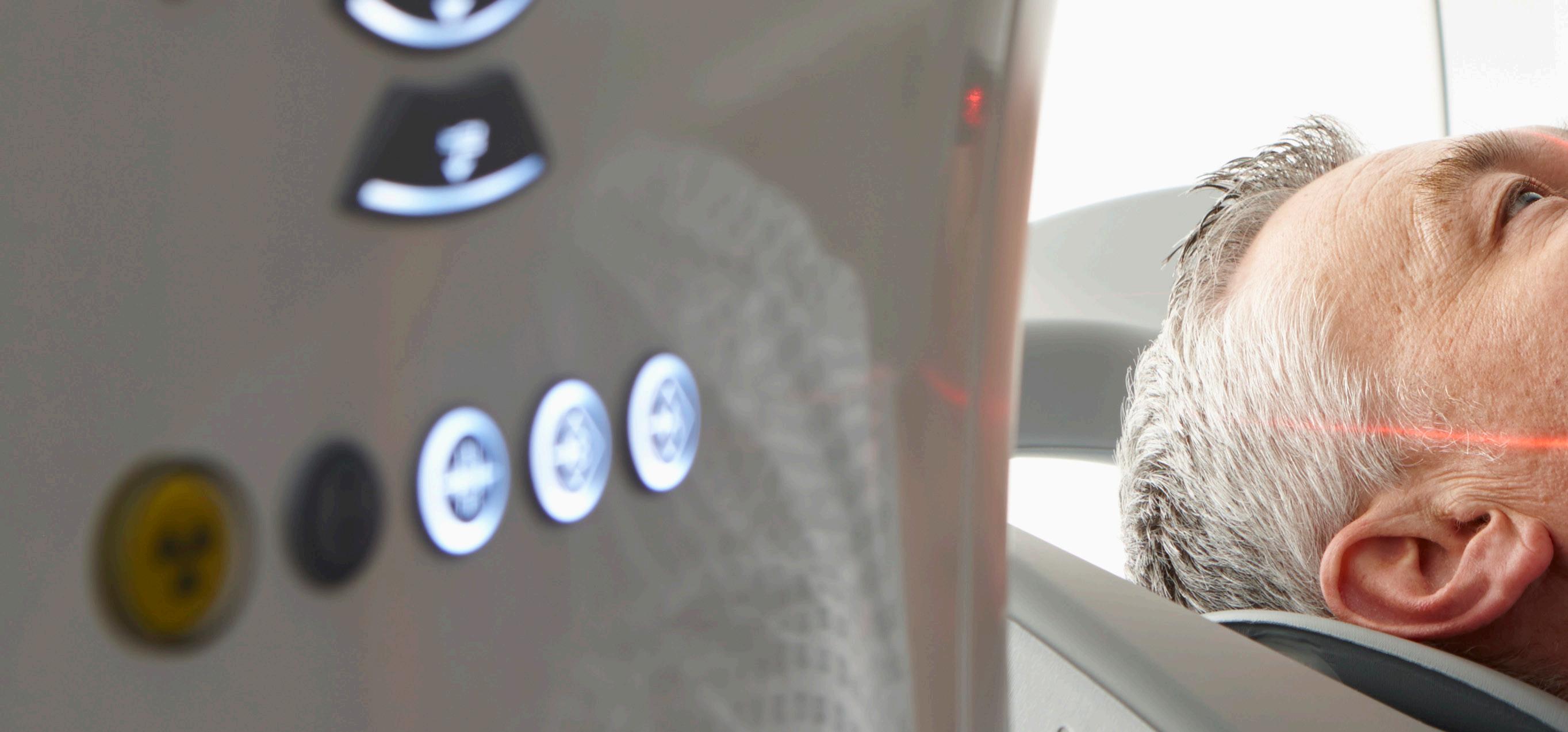
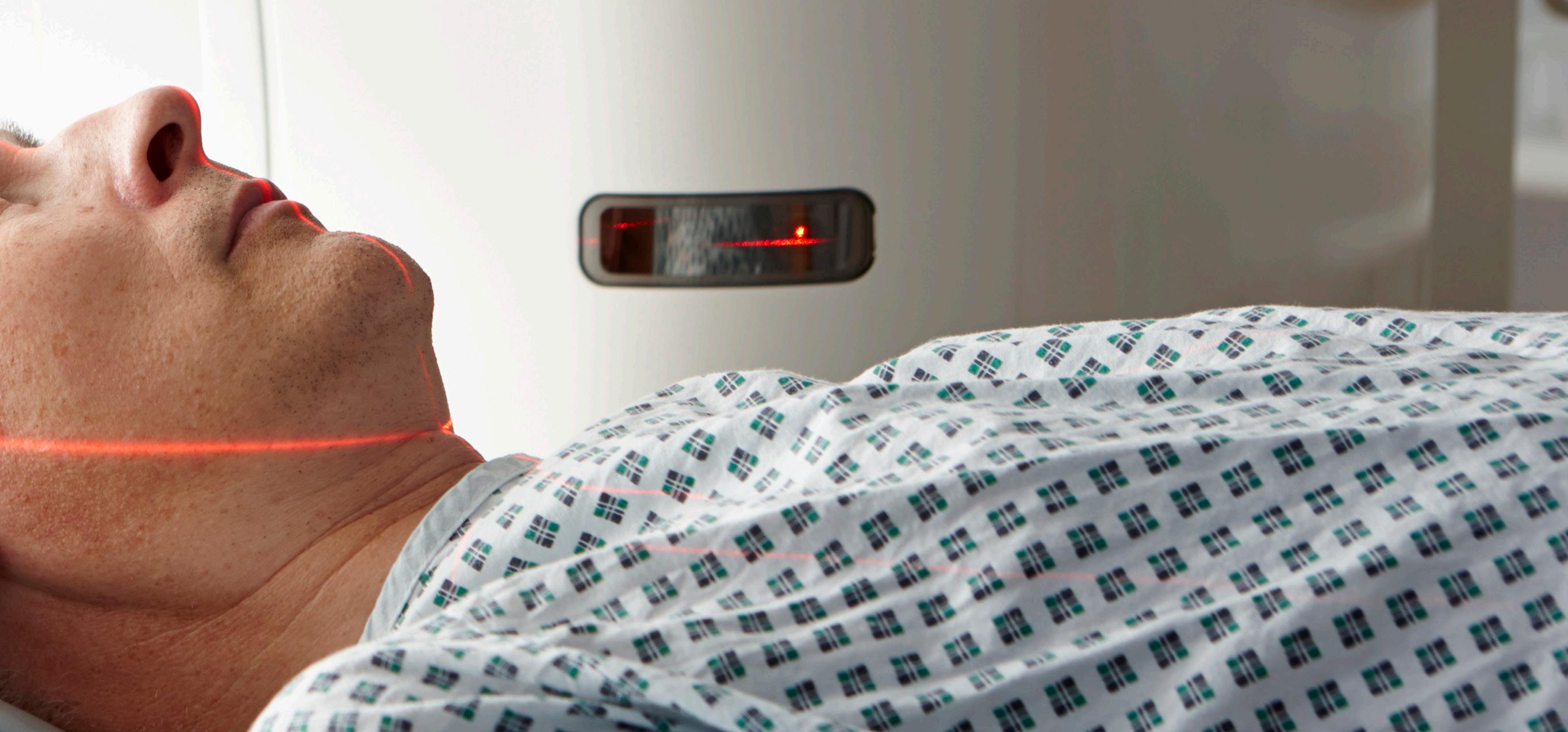
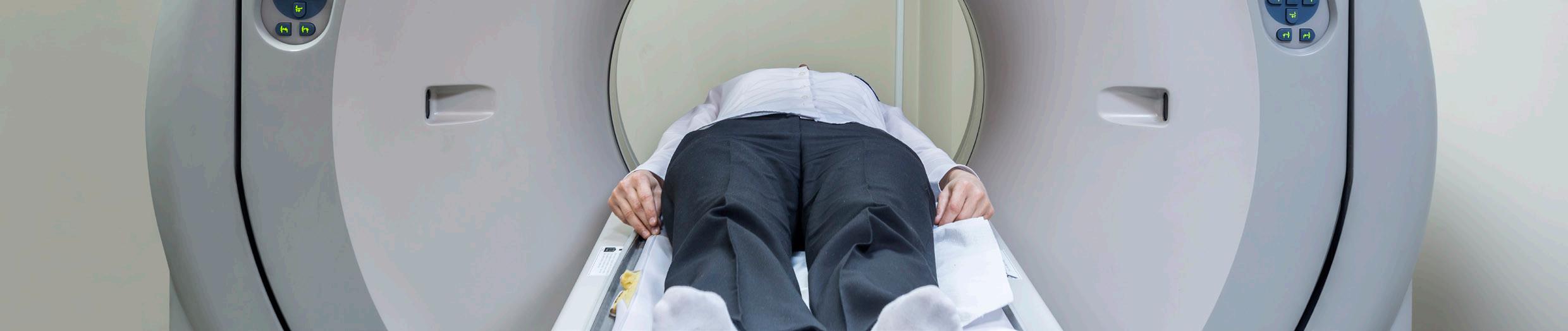
As computed tomography (CT) technology continues to evolve, imaging leaders are balancing the promise of artificial intelligence (AI), advanced reconstruction techniques and workflow automation with the practical realities of clinical care. For this Director’s Circle article, ICE Magazine spoke with imaging executives from leading health systems about the innovations shaping CT operations today, from image quality improvements and dose optimization to protocol standardization and productivity gains. Their insights highlight how organizations are leveraging emerging technologies to enhance diagnostic confidence, support staff efficiency and prepare for the future of medical imaging.
• Hartford Healthcare CT Scan Radiology Manager Hartford Region Bridget Hill;
• Madison Memorial Hospital Radiology Manager Robbie Burch;
• Ohio State University Wexner Medical Center Associate Director Hospital Imaging Amy Rupe;
• Ohio State University Wexner Medical Center Imaging Quality Specialist-CT Andrea Tschirner; and
• UT Southwestern University Hospital Operations Manager Kristi Schkade.
Q: WHAT ARE THE BIGGEST TRENDS YOU ARE CURRENTLY SEEING IN CT IMAGING TECHNOLOGY?
HILL: From what I am seeing in CT, many of the advancements are focused on improving both image quality and workflow efficiency. Some of the biggest trends include increased automation, faster rotation times, motion-correction technology, auto-centering and patient positioning, remote scanning capabilities, dual-energy imaging, and photon-counting CT. These innovations are helping departments improve consistency, increase throughput and enhance patient care.
BURCH: One of the trends I see is that CT imaging is continuing to be the modality of choice in regard to emergency medicine. ER physicians need quick results, and CT provides those results quickly with a lot of critical information. Another trend I see is CT scanner manufacturers developing technology that helps speed up the scan process while decreasing the patient dose. I believe a lot of the imaging technology being developed is really geared towards CT scans for accurate patient diagnoses and outcomes.
TSCHIRNER: The increased utilization of dual energy is currently a trend we are looking to expand on in our organization. This is a collaboration of radiologists, ordering providers, education, research and protocol optimization.
SCHKADE: One of the biggest trends in CT imaging is the expansion of the technologist’s role. Technologists

are increasingly taking on more clinical responsibility by selecting exam parameters based on patient indications and performing advanced studies such as cardiac CT, perfusion imaging and oncology exams. At the same time, the role is shifting from manual, task-based work to a more workflow-driven, efficiency-focused approach. With advancements in technology, processes like image reconstruction are becoming automated, allowing technologists to focus more on patient care, protocol optimization and overall exam quality.
Q: HOW HAS AI INFLUENCED CT OPERATIONS AT YOUR ORGANIZATION?
HILL: In our organization, AI continues to make a meaningful impact in CT. We are seeing it help with neuro and cardiac imaging, identify critical findings and prioritize those exams for review, and improve the accuracy and consistency of post-processing. Overall, it has become a valuable tool for both workflow efficiency and clinical decision-making.
BURCH: AI has helped our CT scan times and patient throughput. Our CT scanner has smart positioning, and this helps scan accuracy and decreases patient positioning errors.
TSCHIRNER: We are currently utilizing AI-driven calcium scoring automation which identifies, labels and measures coronary calcium automatically and calculates Agatston score without manual tracing. This has been successful since its initiation and is still a work in progress and




“One of the biggest challenges is managing downtime, especially when it’s tied to parts availability or delays in vendor support for complex repairs, which can limit how quickly issues are resolved.” – AMY RUPE
advances come with MESA scores. Key benefits have been: 10-minute time savings per case, reducing manual steps and errors, consistent results, workflow standardization, and automated routing to PACS/VNA.
SCHKADE: Ultimately, AI is redefining CT from a high-volume diagnostic workhorse into a more intelligent, efficient and data-driven modality by enhancing patient outcomes while strengthening overall departmental performance.
Q: WHAT FACTORS ARE MOST IMPORTANT WHEN EVALUATING OR PURCHASING A NEW CT SCANNER?
RUPE: In our organization, we approach CT equipment evaluation through a multidisciplinary team that includes providers, technologists, leadership, clinical engineering and medical physics. This ensures we’re aligning decisions with clinical needs, operational workflows and long-term strategy. When evaluating or purchasing a new CT scanner, the most important factors typically fall into several key areas: clinical capability and image quality; radiation dose and patient safety; workflow efficiency; integration with current systems; operational and site considerations; and future readiness and technology.
BURCH: Patient and staff safety is a priority. A scanner that uses lower radiation to acquire accurate and sharp images is important. A scanner that has AI technology that assists the technologists during the exams is also a priority. I also want the staff to understand the software quickly so they can perform the exams in a safe and effective manner.
SCHKADE: When evaluating a new CT scanner, image quality remains the foundation, driving diagnostic confidence and influencing every clinical decision. Equally important is the radiation dose delivered to patients, as balancing image quality with dose optimization remains a central priority. Beyond these fundamentals other practices to consider are the range of clinical applications including interventional and procedural capabilities. Technical specifications from detector design to reconstruction technology as they influence both performance and future scalability. Finally, speed and workflow play a critical role, affecting patient throughput, staffing productivity and overall patient experience.
Q: PHOTON-COUNTING CT AND SPECTRAL IMAGING CONTINUE TO GAIN ATTENTION IN THE INDUSTRY. WHAT ARE YOUR THOUGHTS ON THESE EMERGING TECHNOLOGIES AND THEIR FUTURE CLINICAL IMPACT?
HILL: When evaluating new CT technology, I look for solutions that support cardiac and structural heart growth, deliver exceptional image quality, improve workflow and throughput, leverage automation and AI, integrate seamlessly with existing systems, and provide the reliability and service support needed for a high-volume 24/7 Level I trauma center. The systems technology and the engineering services are both crucial to image quality and the uptime of a scanner.
BURCH: It is very exciting! It is amazing what these technologies can provide for accurate patient diagno -
ses, such as stroke evaluation, blood clots and early tumor detection. Patients will also receive a lower radiation dose, without degrading the image quality. In fact, the images are sharper with less of a chance for image artifact.
TSCHIRNER: Innovation is an initiative we encourage and embrace at our organization, especially when it could provide a new standard of care that can lead to positive outcomes for our patients. The introduction of photon counting CT and its potential clinical benefits have been of interest to us and we currently have two photon-counting scanners at our organization. Potential benefits include higher spatial resolution, better contrast differentiation (especially vascular, cardiac, oncology), dose reduction, material decomposition, and improved low-contrast detectability in subtle lesions; to name a few. Use and optimization of photon counting has led to innovation and protocol creation (i.e., CT spinal cord compression evaluation), use of virtual monoenergetic imaging reconstructions for certain indications, and although we are early in our adoption planning, we look forward to the expansion of the possibilities.
SCHKADE: Photon-counting and spectral imaging are providing a more precise quantitative and even functional evaluation. Photon-counting CT delivers a higher spatial resolution and better signal to noise ratios. This allows radiologists to visualize fine structures with greater clarity. The advancement of photon-counting CT offers advanced precision, could allow for earlier detection and better monitoring of the disease over time.
Q: WHAT ARE SOME OF THE BIGGEST SERVICE AND MAINTENANCE CHALLENGES ASSOCIATED WITH CT EQUIPMENT TODAY?
HILL: For our organization, some of the biggest service and maintenance challenges with our current equipment are related to the increasing complexity of CT technology. As scanners become more advanced, the calibrations, software upgrades and preventative maintenance activities often take longer and require greater technical expertise. The current global economic environment and supply chain constraints can also create challenges with parts availability and shipping, making it increasingly important to understand a vendor’s inventory strategy and service support model. In addition, our high-volume scanners experi -
ence significant wear and tear, particularly on X-ray tubes, which can lead to more frequent tube replacements over the life of the system. As we evaluate future equipment purchases, strong service support, parts availability, and overall uptime remain important considerations to ensure reliable patient care and operational efficiency.
BURCH: Probably the biggest challenge is unplanned downtimes. We make it a priority to stay up to date on all our preventative maintenance. We communicate with all the departments in the hospital when the CT scanner goes down for a PM. We want to make sure our CT scanner is always running to provide our community with the imaging service they require.
RUPE: One of the biggest challenges is managing downtime, especially when it’s tied to parts availability or delays in vendor support for complex repairs, which can limit how quickly issues are resolved. Coordinating planned maintenance without disrupting high patient volumes is another ongoing challenge, and we work to balance that based on time of day and outpatient schedules. Operationally, when multiple systems go down, it can significantly impact patient access. In those situations, we quickly shift patients across our system (often same day) to maintain continuity of care.
SCHKADE: Some of the most significant service and maintenance challenges include a shortage of field service engineers, which can delay troubleshooting and extend downtime. Additionally, diagnosing issues with complex systems often takes longer. Facilities are experiencing delays in replacement parts and in some cases, the parts that have arrived are defective or damaged, which prolongs the equipment outages. •
This month’s article was sponsored by AllParts Medical. For more information on this company, visit allpartsmedical.com.
Call +1 866-507-4793 or email apmsales@philips.com




SNS Insider reported in May of this year that the global diagnostic imaging market was valued at $48.97 billion in 2025 and is expected to reach $74.11 billion by 2035, growing at a CAGR of 4.23 percent. The computed tomography market is one part of the overall diagnostic imaging market expected to see significant growth in coming years.
Mordor Intelligence reported in February of 2026 that the computed tomography market size was valued at $8.55 billion in 2025 and is estimated to grow from $8.96 billion in 2026 to reach $11.83 billion by 2031.
“Photon-counting detectors, AI-enabled workflow automation and service-driven financing models are shortening replacement cycles and widening global access,” according to the report. “Vendors are commercializing scanners that deliver sub-millisievert protocols, and regulators have cleared more than 240 radiology AI algorithms since 2024, cutting median read times for chest CT by roughly one-fifth. Hospitals are shifting from capital expenditure to outcome-based leases, pushing services revenue ahead of hardware growth. High-slice and spectral systems are becoming standard in tertiary centers, while portable CT fills critical-care gaps. In parallel, mid-income countries are funding large procurement programs, creating fresh demand for high-slice platforms from local and multinational suppliers.”
Fortune Business Insights followed the Mordor Intelligence report with its CT market forecast in April of this year.
“The global computed tomography (CT) scanners market size was valued at $7.65 billion in 2025 and is projected to grow from $8.06 billion in 2026 to $13.21 billion by 2034, exhibiting a CAGR of 6.40% during the forecast period,” according to the Fortune Business Insights report.
“The increase in the prevalence of chronic diseases, such as cancer, neurology diseases, cardiovascular diseases, and orthopedic disorders, has led to a large patient pool in need of diagnostic modalities such as computed tomography and magnetic resonance imaging globally. The prevalence of chronic disorders is high among the global population,” the report added.
Grand View Research provides a more modest forecast for the CT market.
The global computed tomography market size was estimat-
ed at $4.6 billion in 2023 and is projected to reach $7.8 billion by 2030, according to Grand View Research.
“Technological advancements in computed tomography (CT) technology, coupled with the growing prevalence of chronic disorders, such as cancer, orthopedics, and cardiovascular and neurological conditions, are expected to accelerate market growth,” the report states.
Furthermore, increasing awareness and focus on preventive healthcare measures have led to a surge in routine diagnostic procedures, contributing to the expanding market for computed tomography. The introduction of CT has been of great benefit to medical care. This technology improves diagnoses, prevents unnecessary medical procedures, improves treatment by providing detailed anatomical imaging, and is a cost-effective imaging technique.
“It is an essential diagnostics tool, especially for scanning bone, soft tissue, and blood vessels all at the same time. Since CT imaging is quick and easy during emergency cases, internal injuries can be detected early enough to save lives. Thus, increasing demand for advanced assessment tools in the emergency department and growing number of ambulatory emergency care units are the factors expected to have a positive impact on market growth,” the report adds. “Technological advancements, such as the integration of artificial intelligence (AI) and the development of accessories to enhance image quality obtained by conventional CT scanners are the major factors expected to fuel market growth.”
The computed tomography industry is accelerating at a moderate to high stage and is expected to witness a high degree of innovation, marked by several instances of regulatory approvals, partnerships and collaborations.
“In recent years, the industry has witnessed a significant rise in new product launches, posing a challenge for established players to maintain their foothold in the constantly evolving industry. Key industry players are making substantial investments in R&D activities to create innovative imaging technologies, which are anticipated to drive market expansion,” the report states.
Grand View Research found that the hospital segment dominated the market and accounted for the largest revenue share of 43.28% in 2023. The increased number of emergency admissions in hospitals and high number of surgeries performed each year have contributed to the segment’s large market share. •
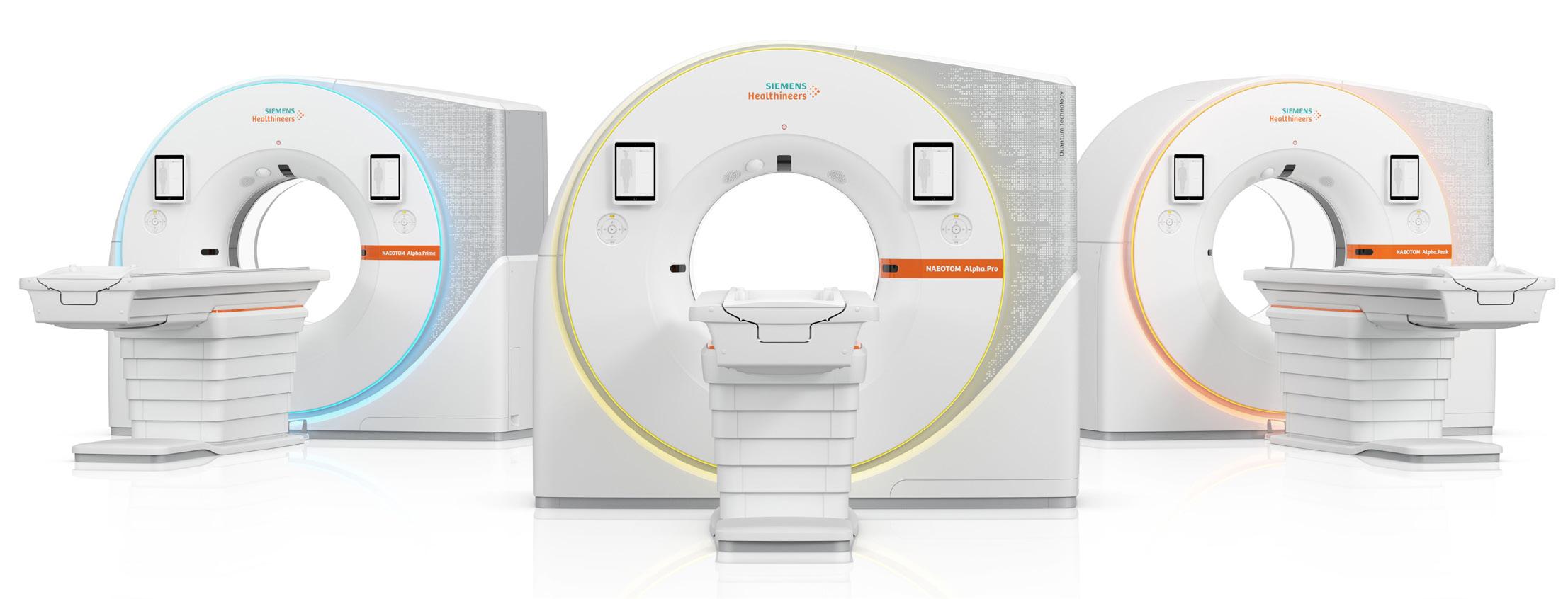
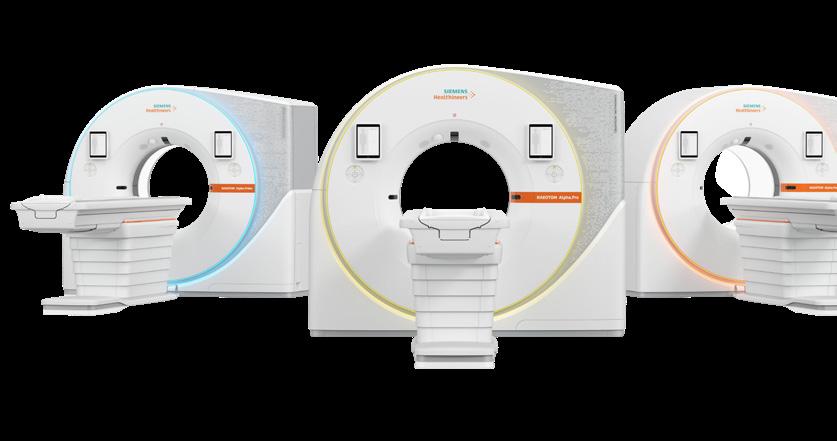
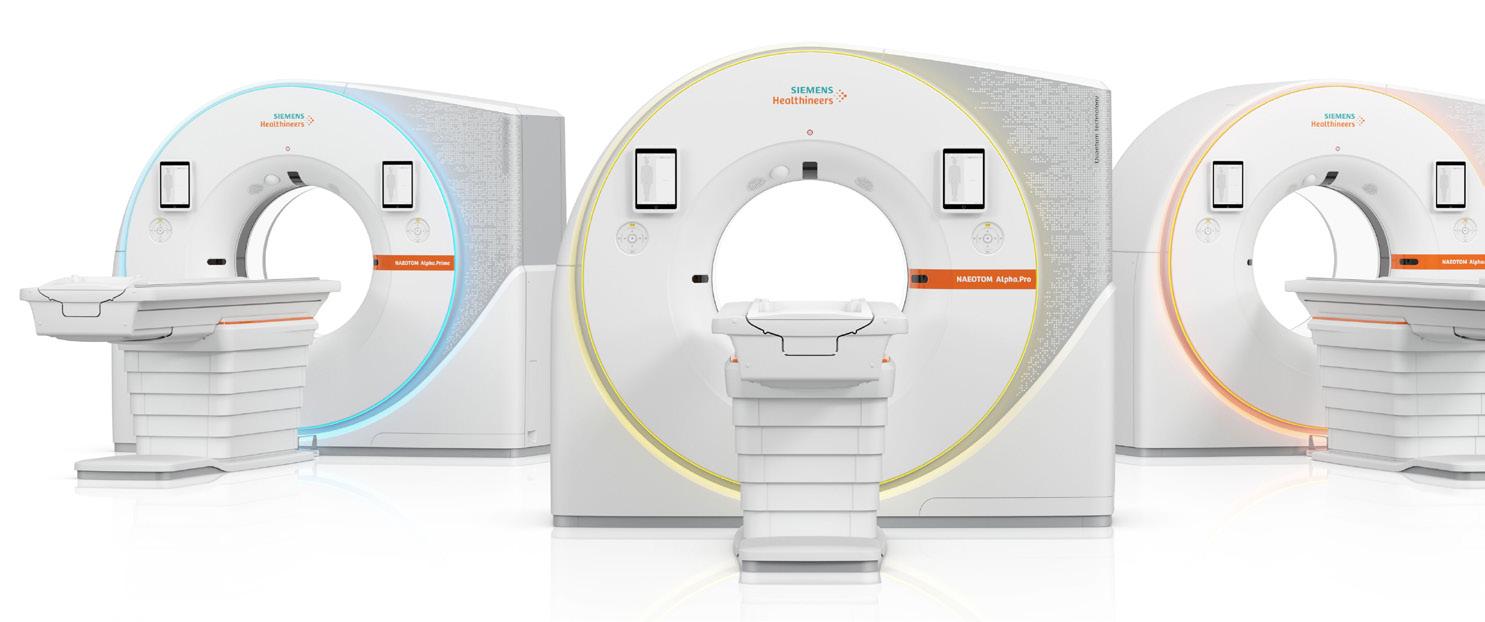
The Naeotom Alpha class of photon-counting computed tomography (PCCT) scanners from Siemens Healthineers includes the Naeotom Alpha.Pro, a new dual-source PCCT scanner; the Naeotom Alpha. Prime, the world’s first single-source PCCT scanner; and the dual-source Naeotom Alpha.Peak (formerly the Naeotom Alpha), the world’s first commercially available PCCT scanner and the most premium member of the product class. All three scanners display anatomy with a previously unseen level of detail at a slice thickness of 0.2 mm, making small abnormalities visible without increasing the radiation dose. The Naeotom Alpha.Peak delivers a fast scan speed of 737 mm/sec for radiologists who need a high level of clinical performance. The dual-source Naeotom Alpha.Pro delivers scan speeds as fast as 491 mm/sec with the same 66 ms temporal resolution as the Naeotom Alpha.Peak. The single-source Naeotom Alpha. Prime has a scan speed of 345 mm/sec. All scanners in the Naeotom Alpha class use artificial intelligence and automation to accelerate diagnostic and interventional processes.
*Disclaimer: Products are listed in no particular order.
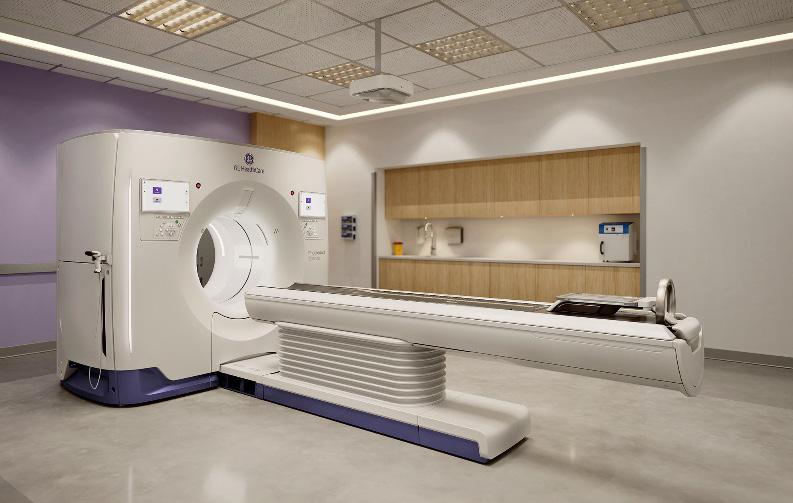
Recently 510(k) cleared by the U.S. FDA, GE HealthCare’s Photonova Spectra is a new photon-counting computed tomography (PCCT) system that offers multiple configurations designed to address a wide range of clinical needs. Photonova Spectra introduces Deep Silicon, a novel detector material designed to enhance spectral imaging performance. Deep Silicon enables the precise measurement of photon energy and delivers high levels of energy resolution, which are critical for advanced image reconstruction. Together with 8-bin energy resolution, the technology supports advanced material separation and characterization, helping clinicians distinguish between different materials such as iodine, calcium and fat with remarkable precision. Photonova Spectra also automatically captures both 8-bin spectral and ultra-high definition (UHD) spatial data simultaneously, without special setup or multiple protocols. This gives clinicians access to spectral information in every exam, supporting confident decision-making and treatment monitoring in complex cases across specialties. Workflow efficiency is supported by a one-scan, universal full-fidelity approach designed to reduce exam-specific protocols and enable automated reconstruction of UHD spectral images on demand. The CT ONE operator environment and automated features – including auto positioning – are designed to help improve consistency across GE HealthCare systems and simplify the overall CT process.
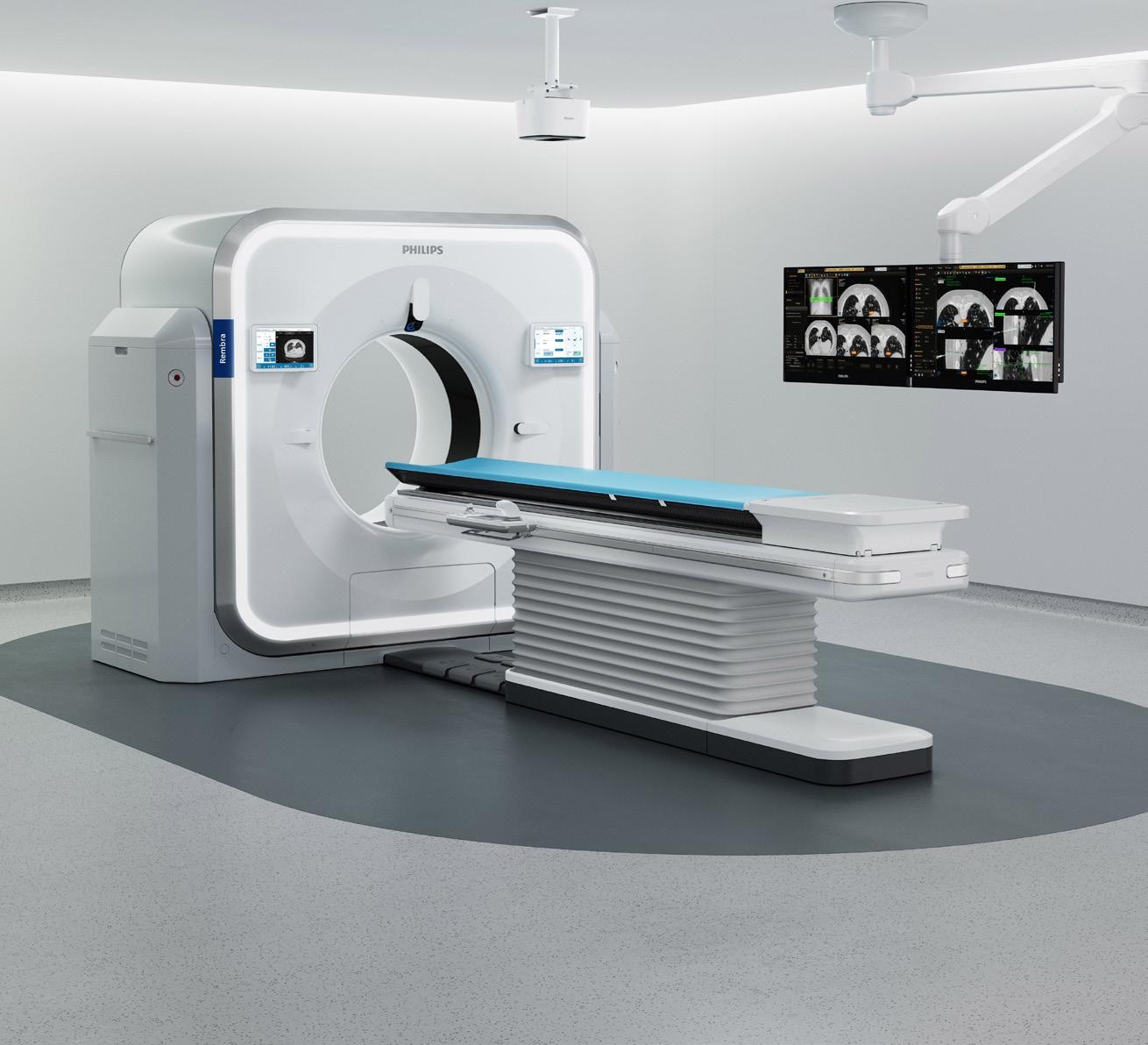
The Rembra platform received 510(k) clearance from the U.S. Food and Drug Administration (FDA) earlier this year, including Rembra CT, Rembra RT and Areta RT. The newly cleared systems are designed to help healthcare providers respond to growing demand for imaging and radiation therapy planning by helping to improve speed, efficiency and access to high-quality imaging. As imaging volumes and clinical complexity continue to rise, healthcare providers need solutions that can help them work more efficiently while maintaining confidence in clinical decisions. The Rembra platform of systems also extends the role of CT across diagnostic radiology and radiation therapy, helping to enable more connected workflows and a coordinated approach to patient care – from rapid assessment in acute settings to precise cancer treatment planning. With a large 85 cm bore, Rembra CT is purpose-built for the front lines of care, enabling ultra-fast, high-throughput imaging in various settings including emergency departments, critical care and interventional settings. Its advanced acquisition and reconstruction capabilities support rapid, high-quality imaging at scale, helping clinicians make timely decisions in critical situations without compromising diagnostic confidence.



BY MATT SKOUFALOS
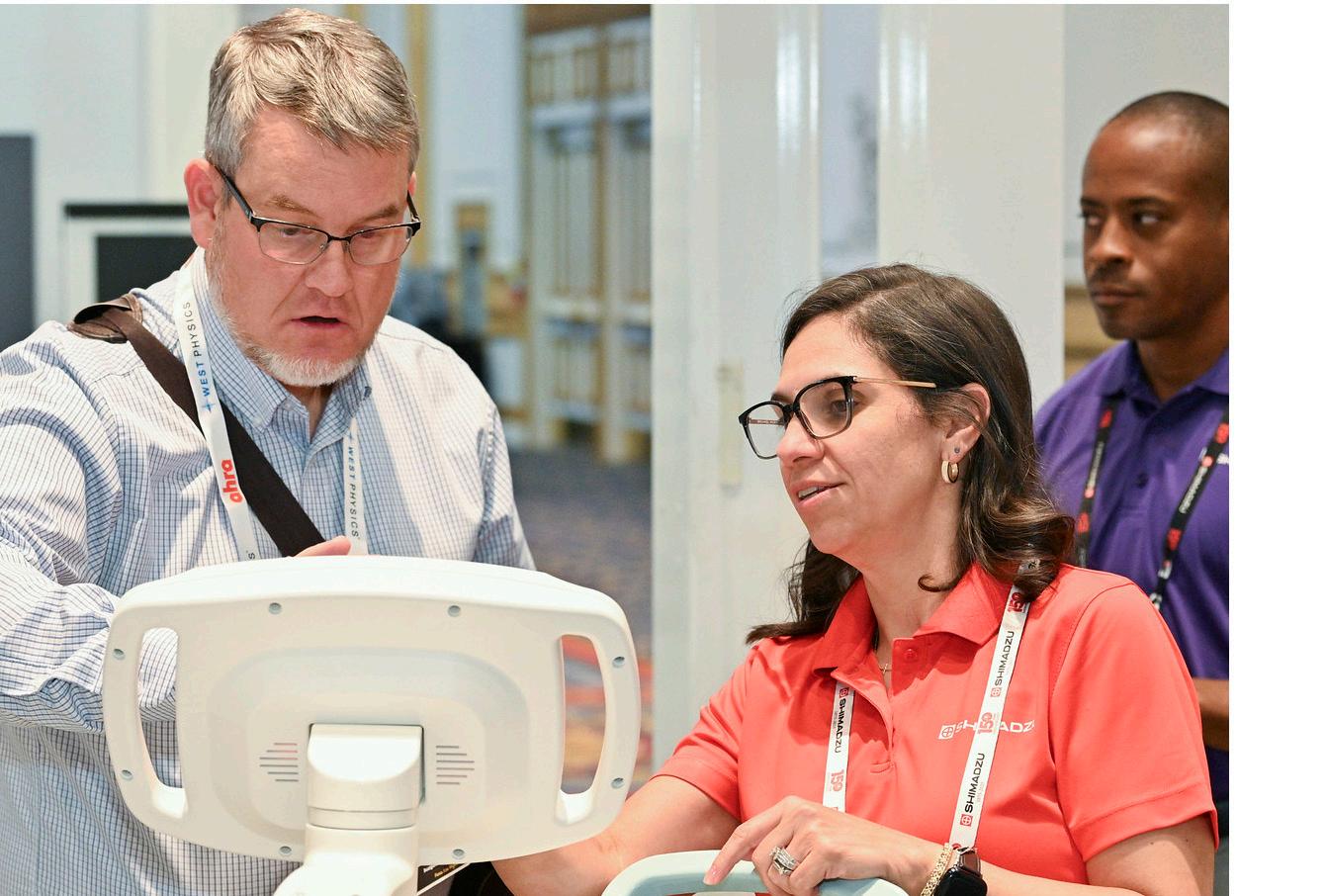
Any healthcare organization is only as strong as the individuals that comprise its workforce, and in the medical imaging department, that truism is particularly pronounced. But if successful institutions rely upon not only the hardest working, but also the most qualified professionals to lead and maintain their clinical and service roles, where are they trained, and in what ways?
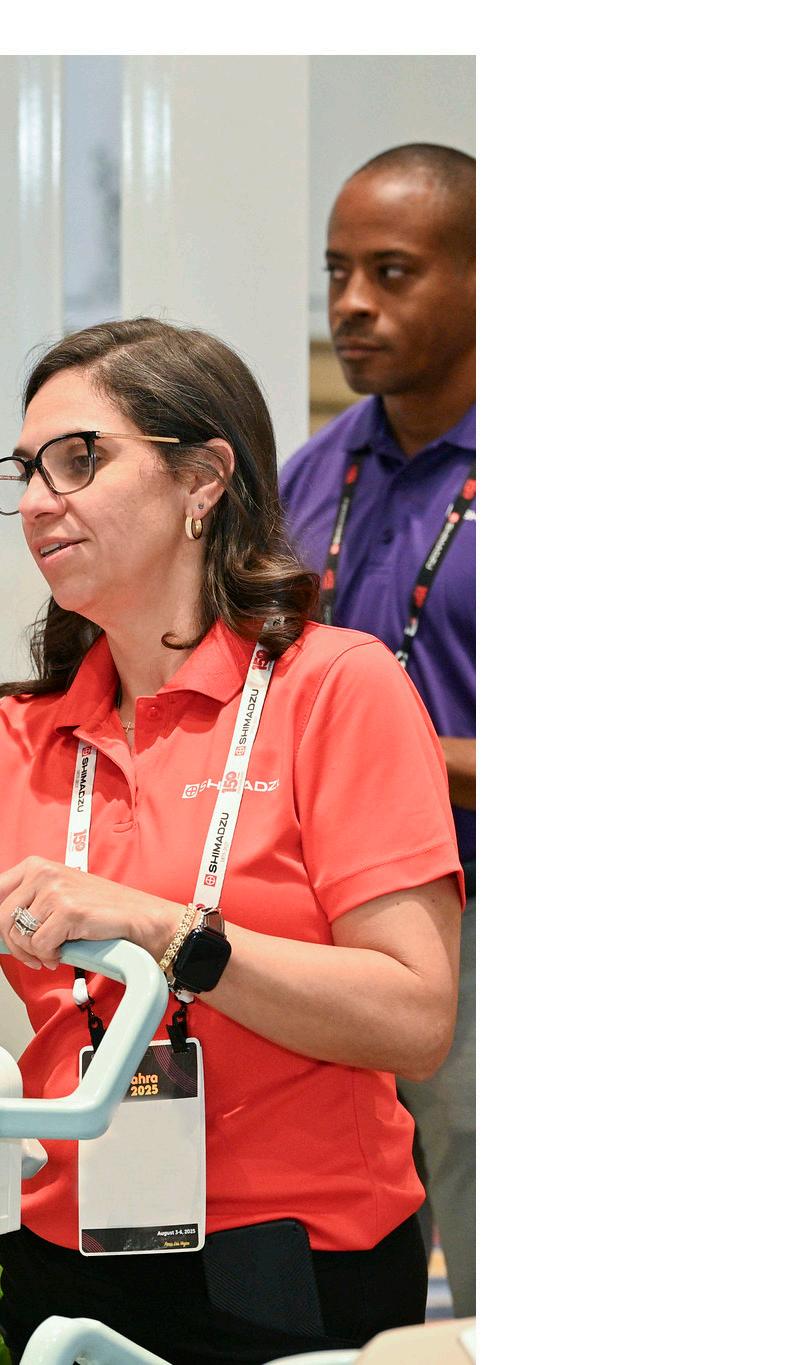
The annual meeting of AHRA: The Association for Medical Imaging Management has long been a cornerstone event for imaging leaders seeking education, professional development and networking opportunities. A new partnership between AHRA and the Association for Radiologic & Imaging Nursing (ARIN) adds to the longstanding practice of leadership development at the heart of the AHRA annual meeting, and enhances its professional education and training offerings.
UT Southwestern Medical Center
Imaging Operations Manager Tricia Trammell believes the AHRA annual meeting plays an important role in empowering the imaging leaders of today and tomorrow.
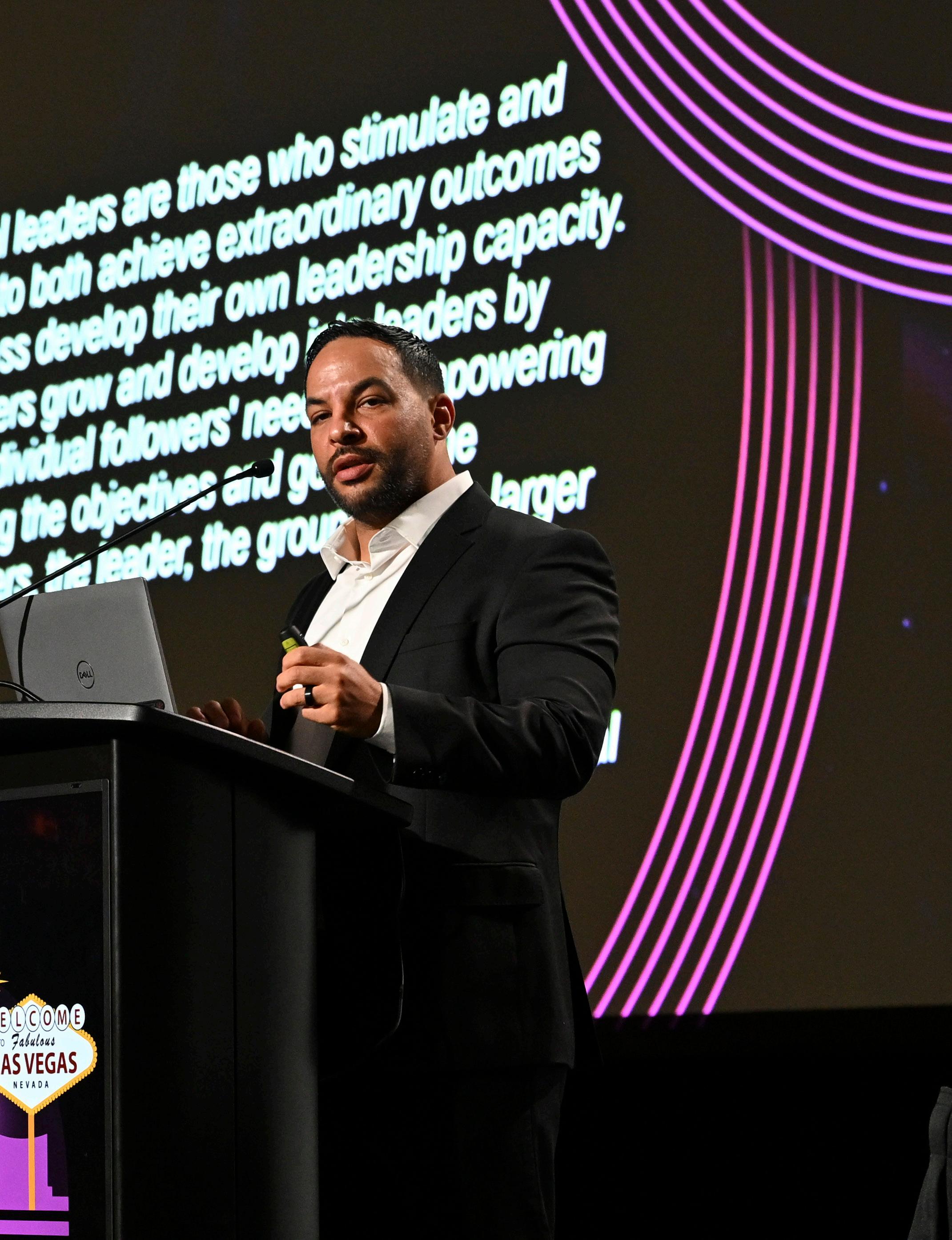
“The education options are fantastic! There is a basic track for new leaders and an advanced track for established leaders,” Trammell said. “The keynotes are always amazing and inspiring. The design team goes to great lengths to ensure an amazing line-up of speakers and a variety of topics that will ensure every leader will find sessions that

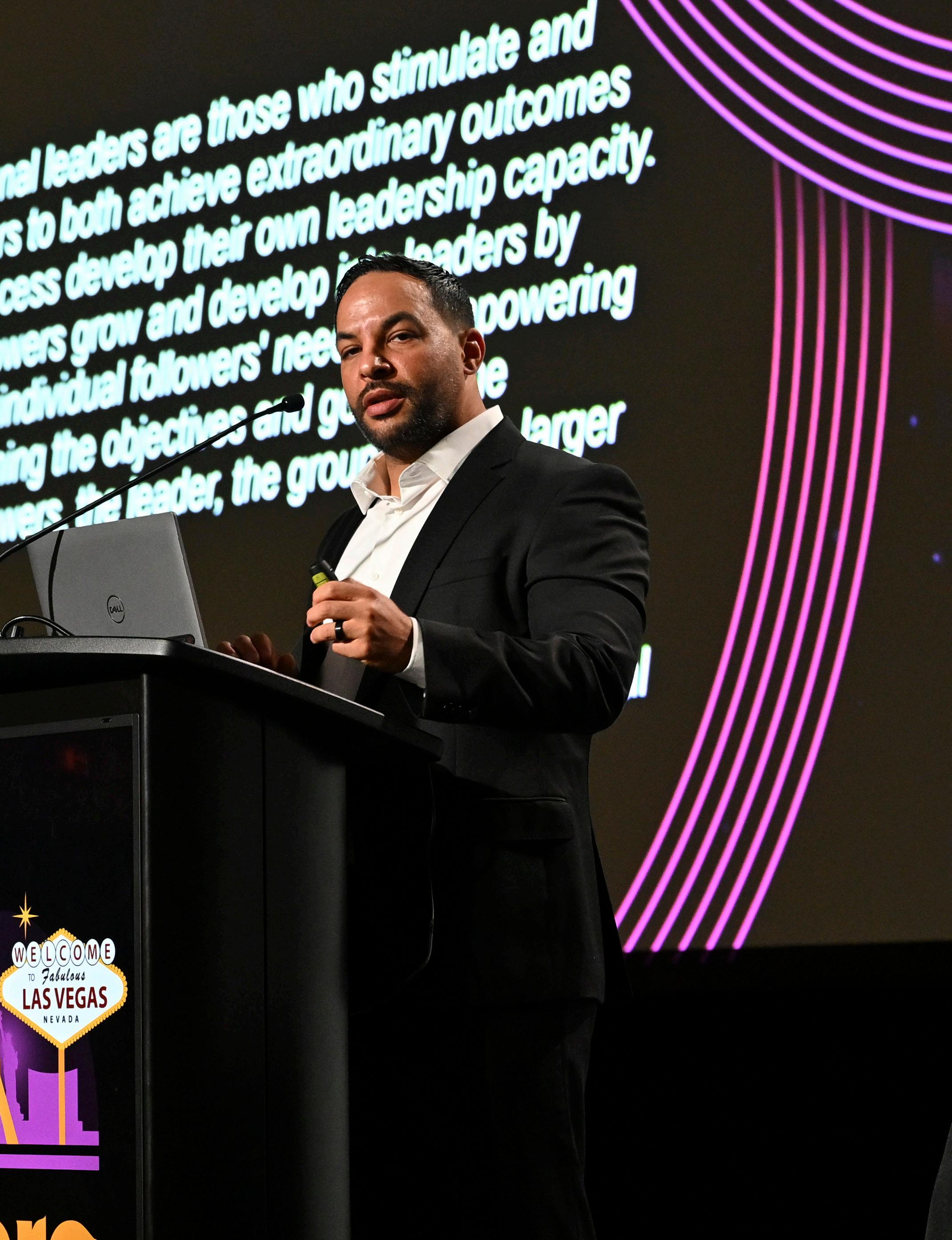
will bring value to their leadership and operations.”
UC Health System Director of Radiology Jacqui Rose, MBA, CRA, FAHRA, said she attends the AHRA annual meeting for “networking, learning and listening.”

“There is no better, more conducive environment for learning and networking than what the AHRA annual meeting provides us,” Rose said. “We always have a great venue with amazing content and vendor support that is phenomenal. As imaging leaders, we couldn’t ask for more in one location.”
Everyone who attends the meeting gains something from it, she said, “from the senior/lead technologist to the new or experienced manager or director.”
“We all need to gather, learn, listen and network with our peers across the nation,” Rose said. “Every year, we all leave with multiple tidbits, big and small, of great ideas and practices that can improve our organizations and the outcomes of our patients nationwide.”
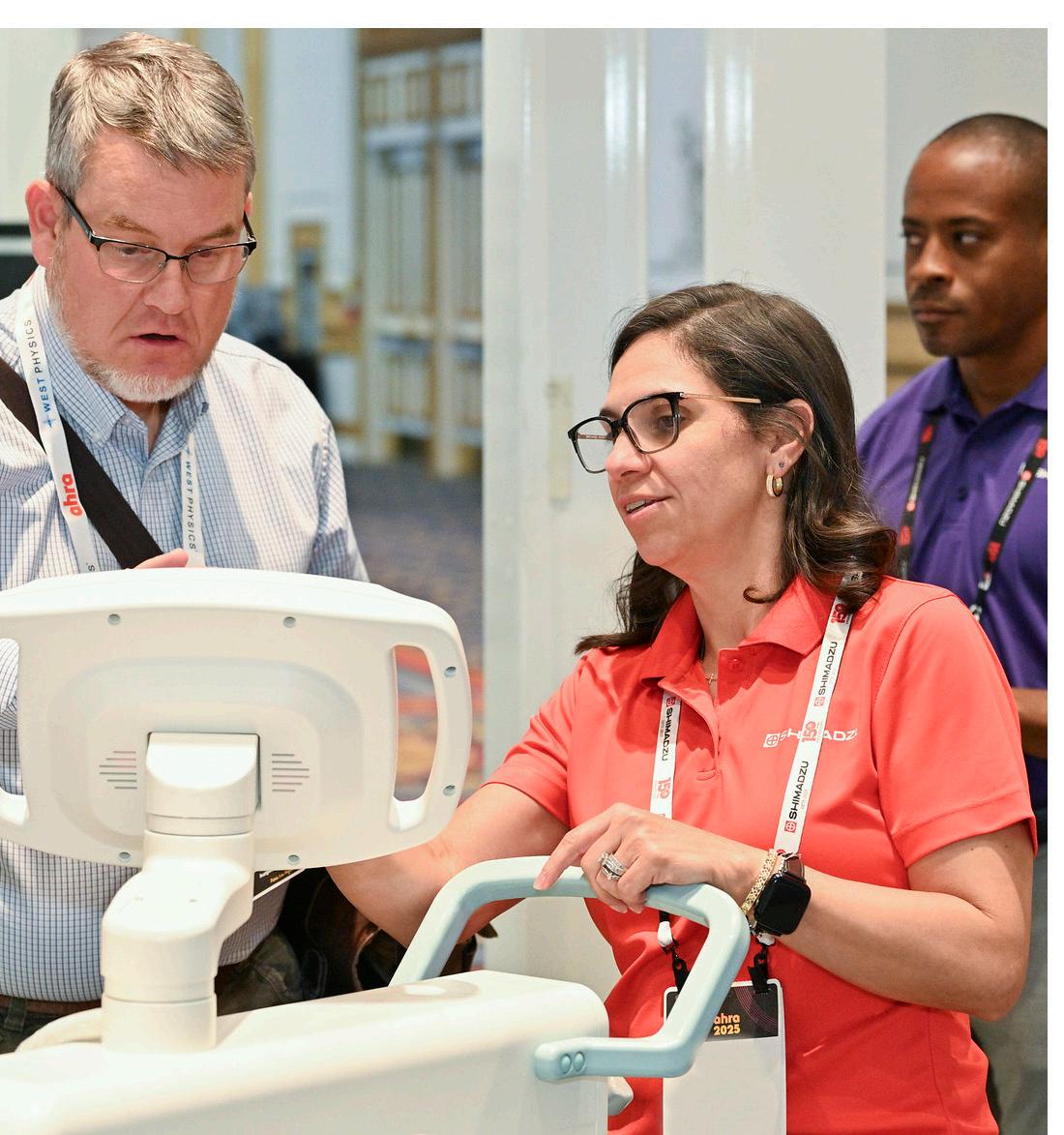
At the Gathering Place, AHRA attendees interact with leading imaging companies from across the nation, and peer-to-peer socialization offers an informal way to catch up on industry trends and share relevant professional expertise.
“The vendor engagement is amazing, with an environment that enhances our ability to bring the best to our teams,” Rose said. “The amount of support from all areas is beyond belief and every year, we can all count on leaving the meeting feeling rejuvenated and refreshed with more knowledge and best practices to put in place at home.”
Longtime AHRA attendee John Beall said that the conference is a must for any medical imaging professional who wants to grow, regardless of their role, tenure or level of experience in the field.
“Whether you’re just starting out or leading a large department,
there’s something here for you,” Beall said. “I’ve attended almost every annual meeting since 2015, and I’ve never left a meeting without bringing something valuable back with me.”
“While I go to learn, I am really there to listen about what challenges others are facing, what’s working, and what’s changing in our field,” he said. “I genuinely enjoy spending time in the exhibit hall as well. It’s not just about seeing new technology; it’s about engaging with vendors who really understand and support technologists and imaging leaders.”
Some of the professional training that bolsters the skills of medical imaging teams is only available directly from the original equipment manufacturers (OEMs) that develop the imaging devices themselves.
Julia Sheehy-Chan, vice president and head of education and workforce solutions for North America at Siemens Healthineers, said that her customers turn to the manufacturer for specific education that elevates their overall quality and consistency of patient care in their organizations.
“They see pockets of excellence, but there’s also variability across teams, across shifts, or different sites within the health system, and that can create a sense of inconsistency and sometimes stress,” Sheehy-Chan said. “Ultimately, they are trying to maintain high patient throughput, no matter what shift or what site, and they want to maintain a consistent patient care quality. Consistency across the network is important; standardization is a big buzzword.”
It’s not uncommon for clinical staff to have been trained in-house upon hiring, and maybe again by a vendor only when a hospital or health system is bringing a new piece of imaging equipment online. However, Sheehy-Chan said customers also frequently want OEM support to ramp up staff, standard-
ize in-house practices, and sustain competency as procedures or workflows evolve over time. Their clinical training needs may also include just-in-time support and capacity-building.
“A good example is Advanced Education Support,” Sheehy-Chan said. “That’s an annual subscription that provides customers with ongoing access to our clinical experts through planned virtual support and, if they need it, onsite training. It’s really designed to give them confidence when they go live with new systems and address real-world questions when they arise. If a new staff member wasn’t there for the initial training, within 48 hours, they have their scheduled appointment. We start with a two-hour block, and most questions can be answered in that timeframe.”
Similarly, the Siemens Technologist Education Program (STEP) is a professional development and certificate program for working imaging technologists that blends clinical skills, leadership development and mentorship instruction. At the end of training, STEP participants participate in a continuous quality improvement project, which Sheehy-Chan said can help curb attrition and retain top-tier in-house talent.
“When technologists feel [like their employer has] invested in [them], they perform at higher levels,” Sheehy-Chan said.
To achieve this, organizations should choose offerings that are foremost relevant to the real work staff will perform on the job, in a busy clinical environment, and among existing day-to-day and operational constraints, Sheehy-Chan said. That training should contribute to individual employees’ sustained growth, support organizational goals and be translatable into measurable improvements within their departments. Institutions turn to an OEM to facilitate staff “system proficiency and deep clinical knowledge
“Continuing education helps improve confidence, reduce downtime, strengthen retention and create advancement opportunities for technicians who want to grow their careers.”
– Kim Rowland, director of strategic partnerships and military programs at the Radiologic Service Training Institute (RSTI) of Solon, Ohio
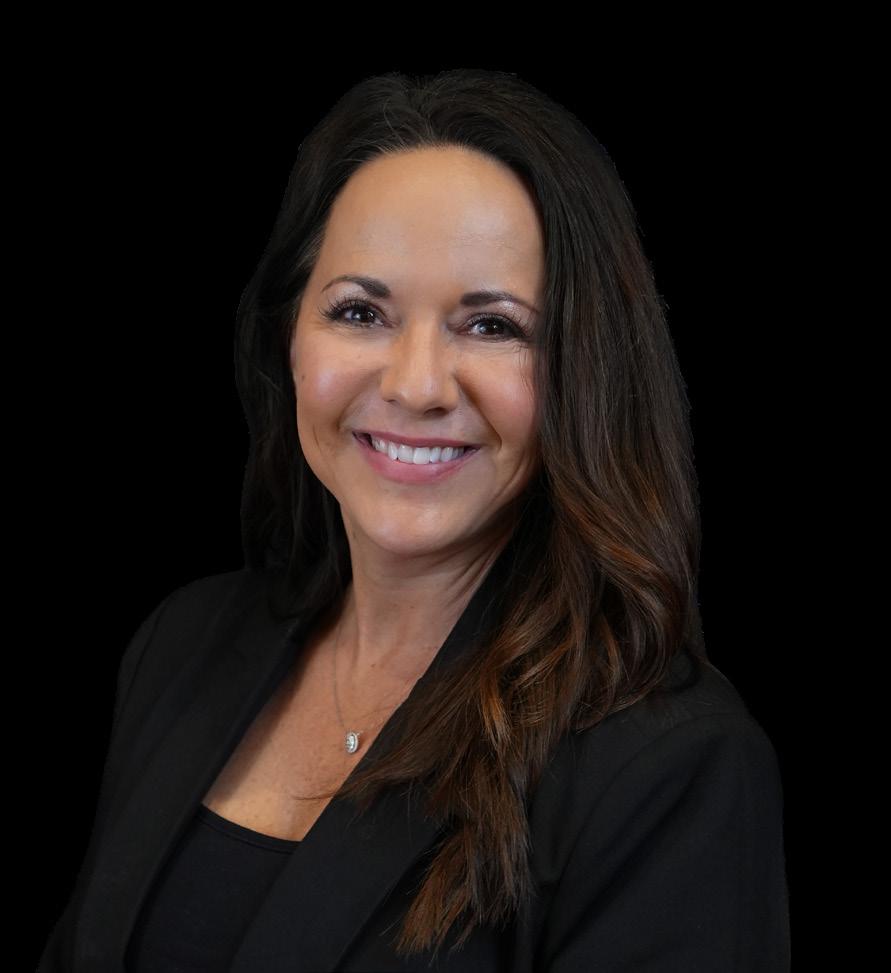
linked to those systems, expanding and sustaining capabilities as workflows evolve, and leadership readiness, so expertise stays embedded in the organization,” she said.
Certain services can be provided virtually: those that refine and develop protocols, improve post-processing support and offer remote scanning assistance. Remote guidance can help clinical teams review complex cases to be processed, or help when conducting imaging in a remote or rural location that might not have support specialists. Then, there’s Coach, a Siemens Healthineers consulting and staff development program “explicitly framed around performance growth,” Sheehy-Chan said.
“Rather than having a one-time training event, we’ll spend a lot of time developing particular modalities, and focusing on where gaps may be,” she said. “We focus on multiple, smaller items over a period of time, and that allows Coach to work on multiple things to make incremental improvements without a massive disruption to the operation.”
In addition to remote offerings, options like Siemens Healthineers SmartSimulator, a cloud-based solution, allows the OEM to provide “more flexible and blended” delivery of professional education through both distance learning and simulated learning experiences, Sheehy-Chan said.
“That allows staff to train and practice in a simulated device environment while they can have that ramp-up experience,” she said. “You have the best of both worlds: as close as possible to their real scenario while actually not taking the equipment offline.”
Kim Rowland, director of strategic partnerships and military programs at the Radiologic Service Training Institute (RSTI) of Solon, Ohio, said the organization continues to see growing demand for multi-vendor service knowledge
among the diagnostic imaging service professionals who seek out education and training there.
“Healthcare organizations, independent service organizations and third-party service providers are all being asked to support increasingly complex imaging environments while also managing workforce shortages and operational pressures,” Rowland said. “As a result, ongoing education is no longer optional; it is essential.”
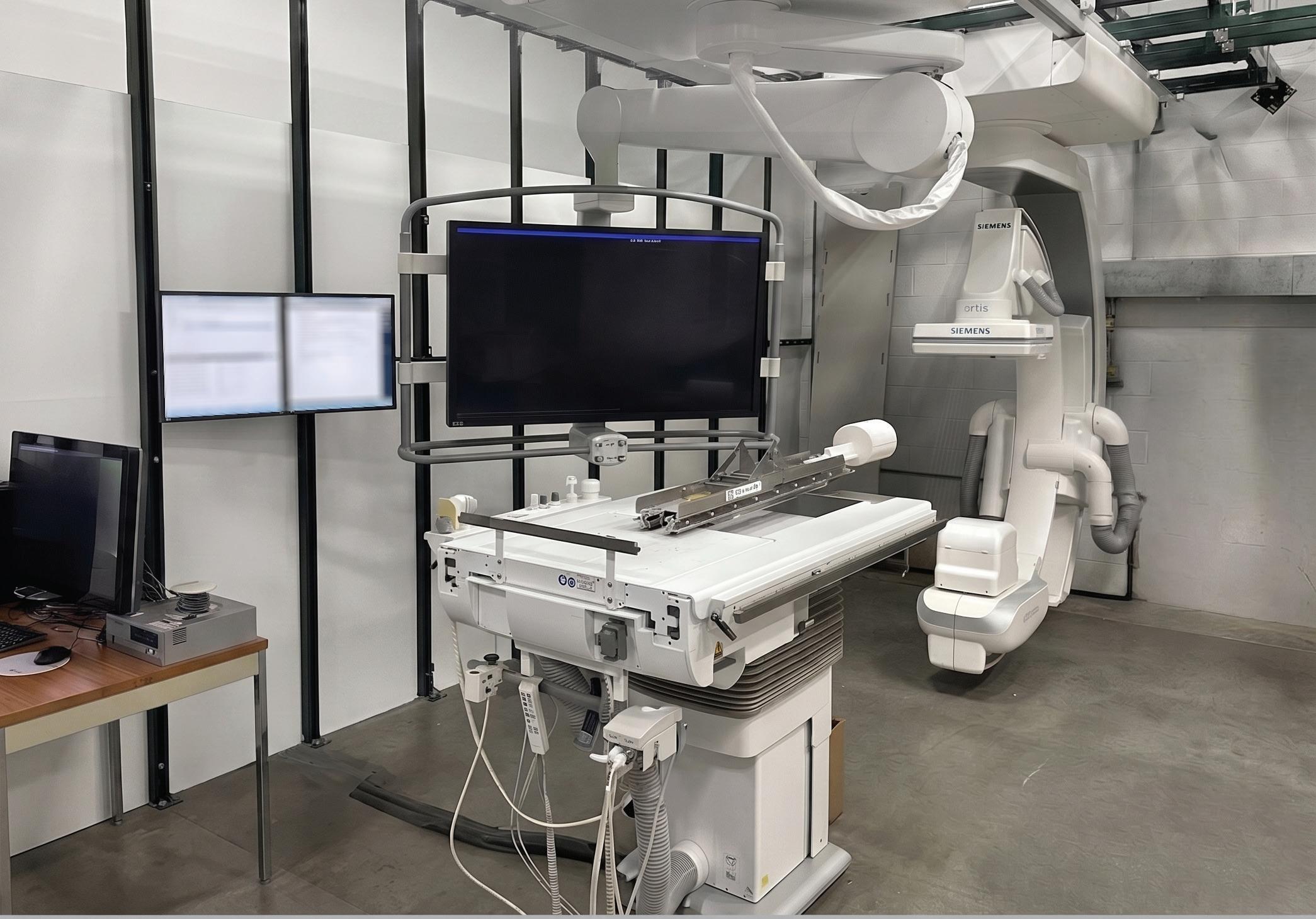
“At RSTI, our philosophy has always been that we are building engineers, not simply teaching system repair,” she said. “We invest heavily in maintaining functioning imaging systems in our labs because real-world experience matters. The goal is not only to help technicians complete a repair, but to help them understand system operation, workflow and critical thinking in the field.”
Rowland maintains that the most valuable training programs offer hands-on training on real imaging systems and current technology platforms, guided by instructors who are experts in today’s imaging technologies in classrooms and labs with small student-to-equipment ratios.
“Employers increasingly value technicians who are adaptable across multiple OEMs and modalities,” Rowland said. “Continuing education helps improve confidence, reduce downtime, strengthen retention and create advancement opportunities for technicians who want to grow their careers.”
“In many cases, organizations are investing in education as a longterm workforce strategy rather than simply a short-term technical requirement,” she said.
Professional training offerings also must be diversified and specific in order to best match the myriad demands of various imaging environments, said Richard L. “Monty”
Gonzales, president of the College of Biomedical Equipment Technology (CBET) in Schertz, Texas.
On one side of its client spectrum, the CBET works with large organizations like Advent Healthcare, Kaiser Permanente and the Mayo Clinic; on the other, it supports independent service organizations (ISOs) who typically operate in rural, distributed and community institutional environments. Their needs align in that each requires highly skilled biomedical engineers to maintain and service their medical imaging equipment; where they differ is in exactly how service professionals are tasked with achieving those ends.
“Having worked with multiple different organizations over the last year on developing innovative approaches to professional development and upskilling, not a single one of them has come back to us with the same exact requirement in terms of what they think training looks like for them to best support their mission,” Gonzales said.
Sometimes institutions want to improve the efficiency of in-house staff training programs, such as was the case with clinical engineering management experts TRIMEDX of Indianapolis, Indiana; PartsSource of Hudson, Ohio; and CBET imaging training subsidiary NVRT Labs. The college worked to develop a customized training program that could “upskill” 80 to 100 TRIMEDX engineers annually, saving time and money while intensifying training needed for their careers.
“They came to us, and said, ‘Look, we’re spending about this much money on a program that takes our technicians off-cycle and out of operations for about two months, and it’s no longer palatable. We have to more rapidly address the staffing shortage that we have.’ ”
“Their aim, and ours, was to make training more efficient and cost-ef-
fective without sacrificing quality,” Gonzales said.
In response, CBET collaborated on a device-specific training program incorporating virtual reality (VR) lab content, online training from seasoned engineers, and concluding with an immersive, one-week, hands-on class at RSTI in Ohio.
“We’ve already put 60 to 80 engineers through that program, and they’re emerging as entry-level imaging technicians,” Gonzales said. “That’s a unique example of a customer coming up and saying, ‘What can we do differently?’ We’re working directly with the close partners that we have in the industry, listening to the industry, listening to the gap that exists, and working with them to address that.”
In another example, CBET worked with the U.S. Department of Defense (DoD) SkillBridge program to train military veterans for civilian careers during the last six months of their active-duty service contract. That program leverages servicemembers “with fantastic, transferable skill sets, such as electronics or avionics … a general ly good work ethic … and they’re used to working in teams, independent ly or remotely,” Gonzales said.
“With little training and the right connec tions, we
placed those servicemembers directly into a healthcare system or an ISO or an OEM,” he said.
In a partnership with the Association for the Advancement of Medical Instrumentation (AAMI) and the American Healthcare Apprenticeships, CBET has helped create a pipeline to recruit new biomedical professionals from graduating high-school students. In collaboration with HOSA-Future Health Professionals (formerly Health Occupation Students of America), all three entities recruited high-performing U.S. high-school students in STEM programs from 38 states to compete for scholarships and apprenticeships in technology-based careers.
“HOSA said, ‘If you get 50 enrolled in this program in your first year, consider that a success.’ We’re four or five months in now, and we’re already at nearly 1,500 students, and could not be more excited about the potential of that program.” Empowering



“Training a technician to be a leader should be viewed similarly to training someone to utilize a new piece of equipment.”
– Richard L. “Monty” Gonzales, President of the College of Biomedical Equipment Technology (CBET)
Students selected through the process participate in a six-month, online program developed in partnership with AAMI, at the conclusion of which they are qualified to test for the Certified Associate in Biomedical Technology (CABT) entry-level credential. The top students are guided towards those career paths through scholarship and apprenticeship opportunities.
“That’s probably the most innovative and unique way we’ve been able to really expand recruitment; to open up that talent pipeline at an entry level,” Gonzales said.
However, employers are also encouraging medical imaging professionals to seek career training in what he terms “critical skills,” which include communication, customer service, professional ethics and leadership.
“I have been so focused on the technical skills and development of those programs for so long that I kind of acknowledged those other things, but I didn’t realize what a deficit the industry was at regarding their own perceived level of competency in that area,” Gonzales said. “Not surprisingly, the majority of technicians don’t necessarily pride themselves on these other skills that are also important because they’re so immersed in the technology, troubleshooting and problem-solving in
that area; and that’s where their true strengths are.”
“A lot of them would tell you when they start their early careers, ‘I don’t want to be a leader. I never want to be in management,’ until they do, and so developing those skills early through their careers and having that in their arsenal of skills and competencies is really important for them,” he said. “We trained about 1,000 technicians last year in those areas. We’re working with several organizations now to develop customized leadership training programs internally, and they’re not looking for a cookie-cutter approach.”
“Training a technician to be a leader should be viewed similarly to training someone to utilize a new piece of equipment,” Gonzales said. “When we hand someone a new piece of technology, or expand their requirements to support a new medical device, we do not assume competency-training is a prerequisite. Neither should we assume that someone is a good leader and naturally possesses the necessary skills to be one.”
Francis Vonder Haar, chief operating officer at the InterMed Group of Alachua, Florida, views his organization’s offering as knowledge embodied by its employees – professionals who are trained along individually developed career
paths designed to serve the needs of its customers.
“We prioritize what we do with what the customer needs most,” Vonder Haar said.
“We also develop deliberate, active career paths for our people,” he said. “We examine the chosen career path for each individual and determine what’s required for that person’s success. As our staff move and mature in their profession, we encourage them to expand into new roles; not just go deeper technically. We collaborate not only on the what, but the how.”
In addition to interpersonal and leadership skills, Vonder Haar points out that ISO technological training differs from OEM professional education in a handful of critical ways, most of them related to proprietary service delivery processes.
The diagnostic imaging field changes as rapidly as technology ramps up, and its workforce must achieve that similarly rapid pace. To empower imaging professionals to keep up requires a continuum of professional development opportunities from professional associations, OEMs, ISOs, trade colleges and other skill delivery mechanisms. •

BY NICOLE DHANRAJ DIRECTOR’S CUT
I’m not gonna use the B-word.
But I am going to talk about what’s actually happening in your body when you go home exhausted … and then somehow find yourself up at 11:47 p.m. trying to “just knock out one more thing” so your brain will let you sleep.
Because if you’re an imaging director, you already know this routine. You get home. You’re cooked (you can tell I have adapted some Gen Z slang). And yet … you can’t fully shut down.
Not because you love emails. Not because you’re bad at boundaries. Not because you’re addicted to productivity.
But because your brain has an open tab it refuses to stop refreshing.
PROBLEM:
When you’re leading in a high-demand environment (hello, imaging), your nervous system spends most of the day in a high-alert, high-decision state.
You’re constantly scanning for problems:
• Who’s short?
• What went down?
• What’s delayed?
• Who’s upset?
• What’s the risk if we don’t fix this now?
That’s not just “stress.” They are threats to the system you are responsible for protecting.
By the time you clock out, your body is physically home, but your nervous system is still back in the department, wearing a headset and looking for fires.
You aren’t “stressed.” You are stuck in a high-alert neurological loop.
Your nervous system doesn’t always recognize the difference between “a genuine emergency,” and “a staffing gap plus a vendor delay plus two frustrated messages.”
It just registers pressure + responsibility + uncertainty.
So, even when you clock out, your body doesn’t always follow. You get home physically tired … but mentally revved. That’s why you can feel exhausted and still struggle to rest.
Let’s talk about that late-night spiral.
You’re lying there and suddenly your brain goes:
• “Did we handle that complaint the right way?”
• “What if that tech quits?”
• “I need to send that email so it doesn’t become tomorrow’s fire.”
• “If I don’t solve this now, it’ll haunt me at 6 a.m.”
So, you get up. Not because you want to. But because your brain is trying to create safety by creating closure. In a weird way,
staying up late is your nervous system saying: “If we tie up this loose end, maybe we can finally relax.”
The problem is … imaging leadership has infinite loose ends!
So, your brain learns a pattern:
1. No closure = no calm.
2. More doing = temporary relief
You’ve conditioned your brain to believe that doing more is the only way to find peace, when in reality, more “doing” is exactly what’s draining the battery.
And that’s how depletion builds.
We often think of recovery as “doing nothing.” For a high-achiever, “doing nothing” feels like a waste of time, which actually increases anxiety. Here’s a simple way to think about your brain at work.
All day you’re using the pathways for:
• decision-making
• prioritizing
• conflict navigation
• rapid problem-solving
• task switching
• emotional regulation (the hidden one)
Those pathways are expensive. They burn fuel. And the more you use them without recovery, the more your brain starts to narrow to only two modes:
1. Do
2. Worry about what you didn’t do
That’s why true rest can feel hard. Your brain is stuck in “action lanes.”
This is the part most leaders don’t hear often enough: Recovery isn’t just stopping work.
Recovery is when your brain gets to use different neural pathways, the ones that aren’t responsible for constant action and decision.
Think:
• creativity
• play
• curiosity
• sensory engagement
• social connection without problem-solving
• slow thinking
• daydreaming
• movement without urgency
These aren’t fluff.
They’re how your nervous system resets. I am still trying to revive some of mine!
If your day is 95% decision/action pathways, and your evening is just … more decision/action pathways (emails, planning, fixing, catching up), you never let the other parts of your brain “breathe.”
You keep running the same circuits until they’re smoked. That’s why some people can sit down and “relax” and still feel awful. Because their brain isn’t actually switching lanes.
I’m not going to tell you to meditate for 45 minutes and drink tea in silence but I will still encourage you to do so. Here are three strategies that can work for you:
1. Create a ‘tab parking lot’ (so your brain stops refreshing)
Your brain refreshes the same worry because it’s afraid you’ll forget it. Before you leave work (or right when you get home), take 5 minutes and write:
• The tab that keeps popping up
The next step: when you will touch it again (a specific day/time)
That last part matters. Your brain calms down when it trusts there’s a plan. You’re not “forgetting it.” You’re containing it, or rather taming the beast.

“You get home physically tired … but mentally revved. That’s why you can feel exhausted and still struggle to rest.”
This is basically telling your nervous system: “Not now. It’s scheduled.”
2. Build a ‘shutdown cue’ that signals safety Nervous systems love cues. You need a ritual that signals “The Threat is Over.”
Pick one small ritual that marks the end of leadership mode:
• change clothes immediately
• take a 7-minute walk
• shower with music on
• sit in your car for 2 minutes and do a quick brain dump
• stretch for 5 minutes
Not because it’s magical. Because it’s a consistent signal: “We’re off duty now.”
3. Replace one evening ‘do’ with a ‘lane switch’
This is your #3, expanded: Pick one block, 20-30 minutes, where the goal is not to “rest,” but to use different circuitry.
Examples that actually work:
• a simple show you don’t analyze
• cooking without multitasking
• light exercise with no performance goal
• a hobby that uses hands + senses (grilling, guitar, LEGO, gardening)
• talking to someone where you do not fix anything (you just exist)
• reading something that is not self-improvement or healthcare
The point is: you’re letting the non-decision pathways come online. That’s what refills the tank.
Because if you keep living only in action circuits, you will eventually start feeling like a machine that won’t turn off.
Here’s what I want you to do after reading this: Forward this to one person who thinks you’re “fine” or one person who helps carry the load with you. And add one sentence: “I’m OK, but I’m running low. Can you help me protect one recovery block this week?”
That’s it. Not a dramatic confession. Not a breakdown. Just an honest leadership move.
Because “creating magic” isn’t about grinding harder. It’s about building a system and a team that doesn’t require you to bleed to keep it running.
OK, well I know you probably won’t do that, so here is a call to action that isn’t overly vulnerable cause most of y’all aren’t going to send a “Hey I’m running low” text. Right?
Here are better options that still change your week.
Option A: Make a small operational change (no emotions required)
Pick one sentence you’ll use starting this week:
• “Thanks can you route that through the lead first?”
• “I’m batching non-urgent items and replying by 3 p.m.”
• “If it’s not safety, downtime or patient escalation, it goes to tomorrow’s huddle.”
That’s not vulnerable. That’s leadership, self-leadership to be exact.
Option B: Give yourself a rule (and tell no one)
Tonight, choose one:
• No tab-closing after 9 p.m.
• One lane-switch block before any extra work
• If I want to work late, I must first write the parking lot plan
You don’t need permission. You need a rule your nervous system can rely on.
Option C: Ask for help without making it personal
If you do want to reach out, send something neutral and operational: “Can you own [specific item] through Friday and just send me a quick update at the end of the day?” No feelings. No confession. Just delegation with a time boundary.
If you’re going home and staying up late trying to close the open tabs, it’s not because you’re weak. It’s a sign that your brain is doing exactly what you trained it to do: protect the department. That’s because your nervous system has learned: “Closure equals safety.”
Your goal isn’t to be a leader who magically has no stress. Your goal is to be a leader to build a rhythm where: tabs get parked; lanes get switched; and your brain is allowed to be more than a problem-solving machine.
Imaging requires you to create magic every day.
Just make sure you aren’t using your own nervous system as the fuel.
I’ve been in that 11:47 p.m. loop, well 1:47 a.m. to be exact, so I know exactly how heavy those “open tabs” feel.
We’re taught how to manage technology and throughput, but nobody teaches us how to manage the toll this role takes on our own internal systems. I’ve spent my career figuring out how to lead high-performing teams without burning out the leader in the process.
If you’re feeling the weight lately, you don’t have to “tough it out” alone. Reach out. I’d love to share what’s worked for me and help you find a bit more breathing room this week. Drop me a message or let’s grab a virtual coffee. •
Nicole Dhanraj, is a radiology administrator and workforce strategist focused on military-to-healthcare transition pathways. Radiology leaders interested in exploring this approach are encouraged to connect with her directly at nicoledhanraj@gmail.com.
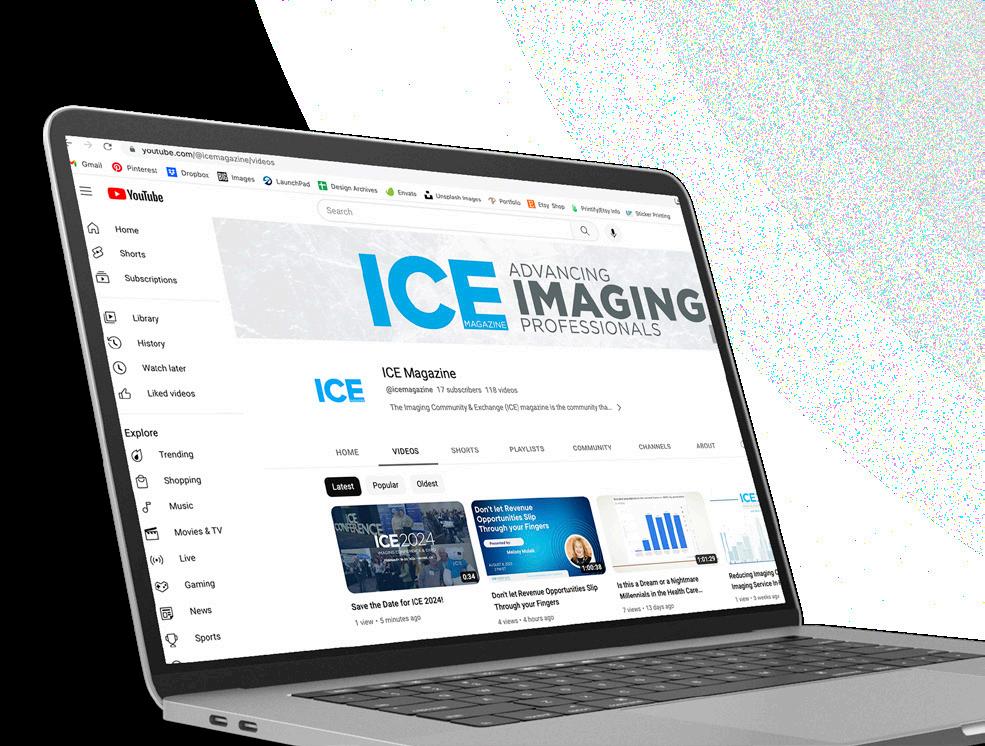
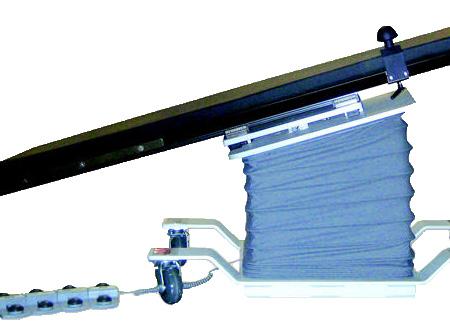

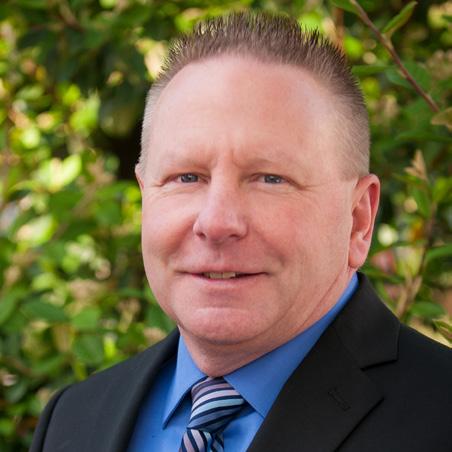
BY JIM RICKNER
As a biomedical engineer we may be asked to perform first call on an ultrasound system. Many times, this means troubleshooting a system that you have no background working on or formal training to fall back on. To help guide you, we have attempted to simplify how ultrasounds work, define what probes are used for different studies, and cover some common failures to help. With that in mind, let’s get started.
Ultrasound refers to sound at frequencies above the range of human hearing. In diagnostic imaging, it typically uses frequencies between 1 MHz and 20 MHz. By using different frequencies in this range, we can look at different structures in the human body. Lower frequency offers more penetration but less resolution. Higher frequencies have high resolution but low penetration. This is a critical principle in ultrasound.
The ultrasound system itself can be divided into three subsystems commonly called the Front End, Back End and Power. By understanding the primary purpose of each subsystem, you can more easily troubleshoot issues with the system. So, let’s break it down.
Let’s begin with the Front End. This is where the sound waves are transmitted into the human body and echoes from tissue structures are acquired. This is normally the source of image artifacts
that radiate from the probe throughout the image.
The Back End is the computer that runs on an operating system (usually Windows) and applications software. This is where the acquired ultrasound data is converted into a format that can be displayed on the monitor. The Back End is responsible for the video and audio signals for the ultrasound. If the software is corrupted or the computer has a failure the ultrasound system will not boot into imaging.
The Power supply sub-system provides the voltages needed to run the computer and electronics throughout the system. It is usually divided into two categories, low voltage and high voltage. Low voltage, also referred to as logic voltage operates the computer and associated circuit boards while the high voltage supplies the transmit voltage needed to excite the crystals in the probe which then vibrates and generates the sound waves into the human body. Power sub-system failures can cause a wide variety of symptoms throughout the ultrasound system.
A critical portion of the Front End that we haven’t spoken about yet are the probes. Also known as transducers, they are key to system image quality and can be easily damaged. There are many different types of probes, and each have different applications. We are going to stick with the three most common types of probes, the linear, curved, and phased array.
The linear probe is usually used for
body structures close to the surface such as thyroid, vascular, small parts, and breast imaging studies. They are usually a mid-to-high frequency probe offering better image quality.
The curved probe is an abdominal probe commonly used in OB/GYN studies. It is normally a low-to-mid frequency probe that offers more penetration.
The last probe we discuss is the phased array probe. These probes are normally used in cardiac exams but can also be used in some abdominal studies. They are low frequency probes that offer high penetration and a unique image area that looks like a slice of pie.
Although each type of probe has different uses, they are all extremely fragile and easily damaged. As a high failure item on ultrasounds, it is important to stay vigilant. Once a probe is suspected of causing image quality issues, a simple troubleshooting technique is trying multiple probes in multiple ports. This will allow you to quickly determine if the problem is probe or system related.
A portion of the Back End sub-system that is prone to failure is the software. Whether it is caused by a defective hard drive or gets corrupted, software is a high failure component of ultrasounds. Being pro -
active is one of your best defenses against software failure. Make sure you have a copy of system software prior to needing it. Make a system backup disk and capture the system’s vital product data such as software level, installed options and network information. Armed with these items, you can oftentimes quickly reload and restore the system to full operation.
Finally, make sure you thoroughly understand the issue the technologist is describing. If you are unclear about what they are describing, have them show you. This is a critical step in efficient troubleshooting. Once you are confident that you know the issues the technologist is experiencing, you can divide and conquer by asking yourself, are these issues caused by the Front End, Back End or Power?
Although this is far from an all-inclusive introduction to servicing diagnostic ultrasound, these guidelines can provide a simple troubleshooting path that is easy to follow and efficient. So, get out there and put this knowledge to good use with confidence! •
Jim Rickner is the director of service and training at Advanced Ultrasound Systems, an ISO 13485:2016 company.
BY JULIE HINDS, B.A., ELS
“ The Rad Position,” launched in the summer of 2024, is the first original podcast from the American Society of Radiologic Technologists – and a key platform in strengthening ASRT’s identity and connection with its members. Hosted by ASRT CEO and Executive Director Melissa B. Pergola, Ed.D., R.T.(R)(M), FASRT, CAE, and her podcast partner Ray Arambula, ASRT chief information officer, the podcast reinforces ASRT’s commitment to leadership, transparency and member engagement.
As the world’s oldest and largest medical imaging and radiation therapy professional association, ASRT represents nearly 155,000 members. The podcast extends this legacy by creating a direct, authentic communication channel between the society’s leadership and the healthcare professionals it serves. Through thoughtful conversations and expert insights, Pergola showcases the breadth, impact and evolving identity of the medical imaging and
radiation therapy community.
Medical imaging and radiation therapy professionals are a diverse group of individuals representing various ages, educational levels, practice settings, and racial and ethnic backgrounds.
“The Rad Position” creates a community where medical imaging and radiation therapy professionals matter and where listeners can hear voices that reflect the breadth of the profession. The host, a medical imaging professional with decades of experience, brings deep professional insight, lived expertise and authentic understanding to each episode. In contrast, the cohost – who is not a health care professional – offers alternative viewpoints, helping surface questions, reflections and perspectives that broaden the conversation and make it accessible to a wider audience. Together, they create a balanced dialogue that resonates with listeners from all backgrounds and levels of experience.
“The Rad Position,” now in its second season, features guests from across the profession, including members of the ASRT board of directors, ASRT staff,

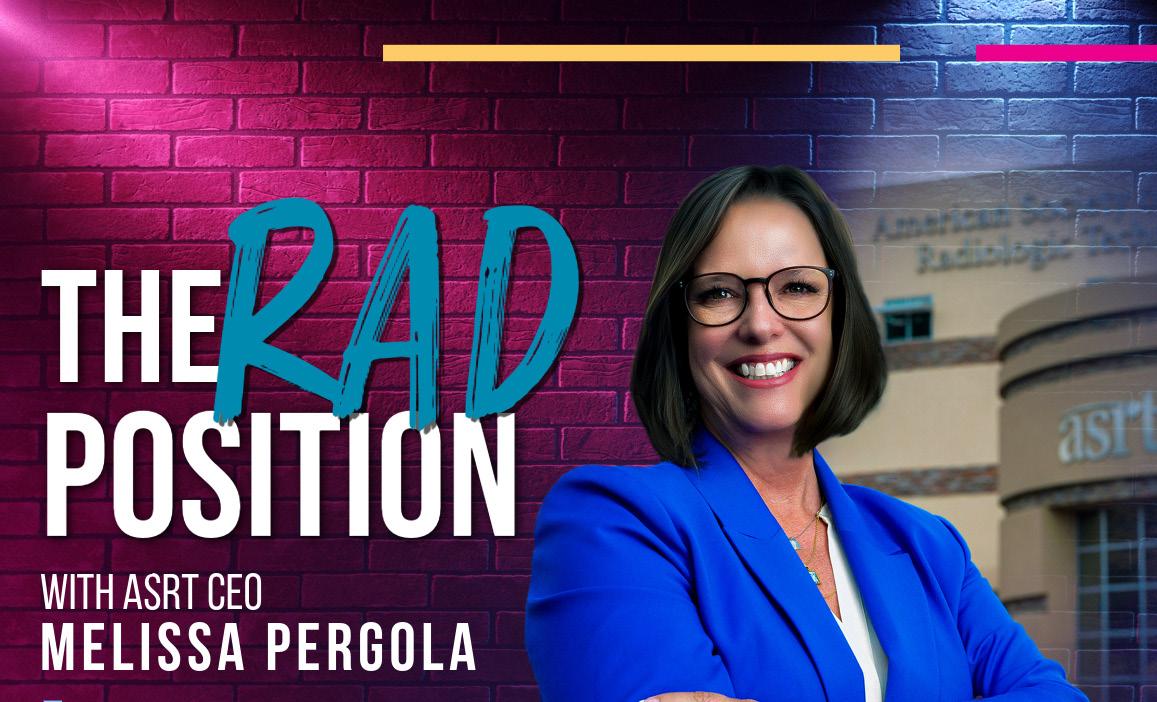
leading experts and other voices shaping the field. By elevating these perspectives, the podcast underscores the organization’s role as a convener, advocate and storyteller for the profession.
Each guest contributes their unique viewpoint and collaborates directly with the host to develop talking points, ensuring conversations remain thoughtful, relevant and representative of a wide range of professional and personal experiences. This intentional approach fosters connection with members and deepens understanding of the profession, the society and its objectives.
Aligned with ASRT’s mission, the podcast is designed to:
• Raise the visibility of medical imaging and radiation therapy professionals and the vital work they perform.
• Strengthen ASRT’s identity as a trusted, member-driven organization led by accessible and engaged leadership, who are creating a community where medical imaging and radiation therapy professionals matter.
• Foster connection and communication with members by providing a personal, conversational format for exploring the profession’s challenges, innovations and aspirations.
• Educate and inspire, offering listeners deeper insight into the profession, the society and the objec -
tives guiding ASRT’s strategic direction.
Through “The Rad Position,” ASRT is building a recognizable, modern voice for the organization – one that reflects its values, champions its members and reinforces the CEO’s role as a visible, trusted leader at the forefront of the profession.
“The Rad Position” is available on Spotify, Apple, Amazon, iHeart and YouTube or go to asrt.org/RadPosition to access all episodes. On the website, each episode is accompanied by transcripts and captions to ensure accessibility for listeners who require accommodations, reinforcing the podcast’s commitment to inclusive communication.
In the months ahead, ASRT is spearheading a brand-new podcast focused on students and its student to leadership development program. It’s set to launch in summer of 2026 and will highlight students who are new to the profession. It will offer advice on navigating the many career paths available, learning how to advocate for the profession and the importance of getting involved with ASRT and taking advantage of all ASRT has to offer its members. •
Julie Hinds, B.A., ELS, is the ASRT Director of Communications. She joined ASRT in the spring of 2015.

BY MARK WATTS
The American College of Radiology has inaugurated a sophisticated paradigm for clinical oversight with the Assess AI registry, an infrastructure meticulously engineered to monitor the empirical performance of artificial intelligence within the lived environment of medical practice.
For the radiology director, the challenge of the current decade is not merely the adoption of technology, but the stewardship of its integrity.
Rather than relying on the sanitized, idealized metrics of controlled vendor trials, which often wither when exposed to the chaotic variables of a high-volume clinical site, Assess AI utilizes large language models (LLMs) to perform a continuous, automated audit. By extracting surrogate labels directly from the nuanced, often subjective prose of radiology reports, the system creates a rigorous feedback loop. It cross references AI-generated outputs against the definitive interpretations of human experts, illuminating the subtle “performance drift” that arises from the friction between standardized algorithms and the idiosyncratic realities of local imaging hardware or shifting patient demo -
graphics. Through this lens, the registry establishes a standardized framework for the governance of medical AI, ensuring these digital interventions remain not just productive assets, but reliable custodians of patient safety throughout their entire operational life cycle.
The current scope of Assess AI is remarkably expansive, transcending rudimentary diagnostic categories to encompass a multifaceted array of imaging modalities that define the modern department’s workload. In the high stakes realm of computed tomography (CT), the registry monitors critical indicators ranging from the immediate crisis of intracranial hemorrhages to the subtle, often overlooked incidental pulmonary emboli and cervical spine fractures. This vigilance extends seamlessly into CT angiography for large vessel occlusions and across the spectrum of plain film radiography, where it adjudicates the detection of pneumothorax and pediatric bone age assessments with equal precision. Even the qualitative complexities of mammographic breast density, a frequent source of interobserver variability, are brought into focus.
As the registry matures, its trajectory favors a sophisticated shift from binary classifications toward the more nuanced domains of detection and quantification.
This evolution, documented via the ACR AI Central portal, serves as a live roadmap for leadership, allowing directors to visualize the integration of increasingly sophisticated model architectures into their specific clinical workflow.
At the core of this monitoring framework lies the strategic deployment of LLMs, which serve as the primary engine for large-scale performance evaluation without the prohibitive tax of manual labor. To circumvent the logistical impossibility of traditional peer review, deidentified reports are channeled through secure, HIPAA-compliant APIs where they are analyzed by LLMs using use-case-specific prompts. A critical challenge in this process is the inherent “hedging” or diagnostic uncertainty prevalent in clinical dictation. This is the human element of medicine that often defies binary logic. Consequently, the LLM prompts are engineered with high-order logic to interpret indeterminate language. In neuroimaging, for example, the LLM is instructed to treat findings that cannot fully exclude hemorrhage as a positive “present” label, thereby maintaining a conservative bias toward patient safety. These metrics of concordance are then aggregated into institutional benchmarks, providing a scalable proxy for institutional self-reflection. When disagreements occur, the system offers a “Foren sics App,” allowing directors and their teams to perform localized, granular deep dives into discordant data. This is where the humanist element thrives: it transforms a potential error into a moment of collaborative root cause analysis, uncovering whether the discrepancy stems from technical artifact, software limitation or a unique clinical presentation.
This cumulative data collection culminates in the “facility fingerprint,” a conceptual breakthrough that captures the unique technical and pathological DNA of a specific medical practice. By synthesizing pseudonymized DICOM header data with longitudinal reporting trends, the registry constructs a profile that reflects the totality of
the technical ecosystem, including the specific scanner models, software versions, and protocols, alongside the actual disease prevalence within the local population. This fingerprint transforms the high stakes world of AI procurement from a speculative exercise into a rigorous, data-driven strategy.
Directors can now predict the efficacy of a new AI tool by comparing their local fingerprint against vendor-supplied performance data, effectively stress testing a product before it ever touches a patient. Furthermore, it facilitates a more meaningful form of benchmarking, moving beyond broad, anonymized national averages to allow for peer-to-peer comparisons between institutions sharing similar clinical characteristics. In doing so, the Assess AI registry does more than monitor software; it provides a mirror in which healthcare leaders can view their own clinical trends and technical infrastructures with unprecedented clarity, ensuring that the march toward automation never outpaces our commitment to human excellence.•
Mark Watts is an experienced imaging professional
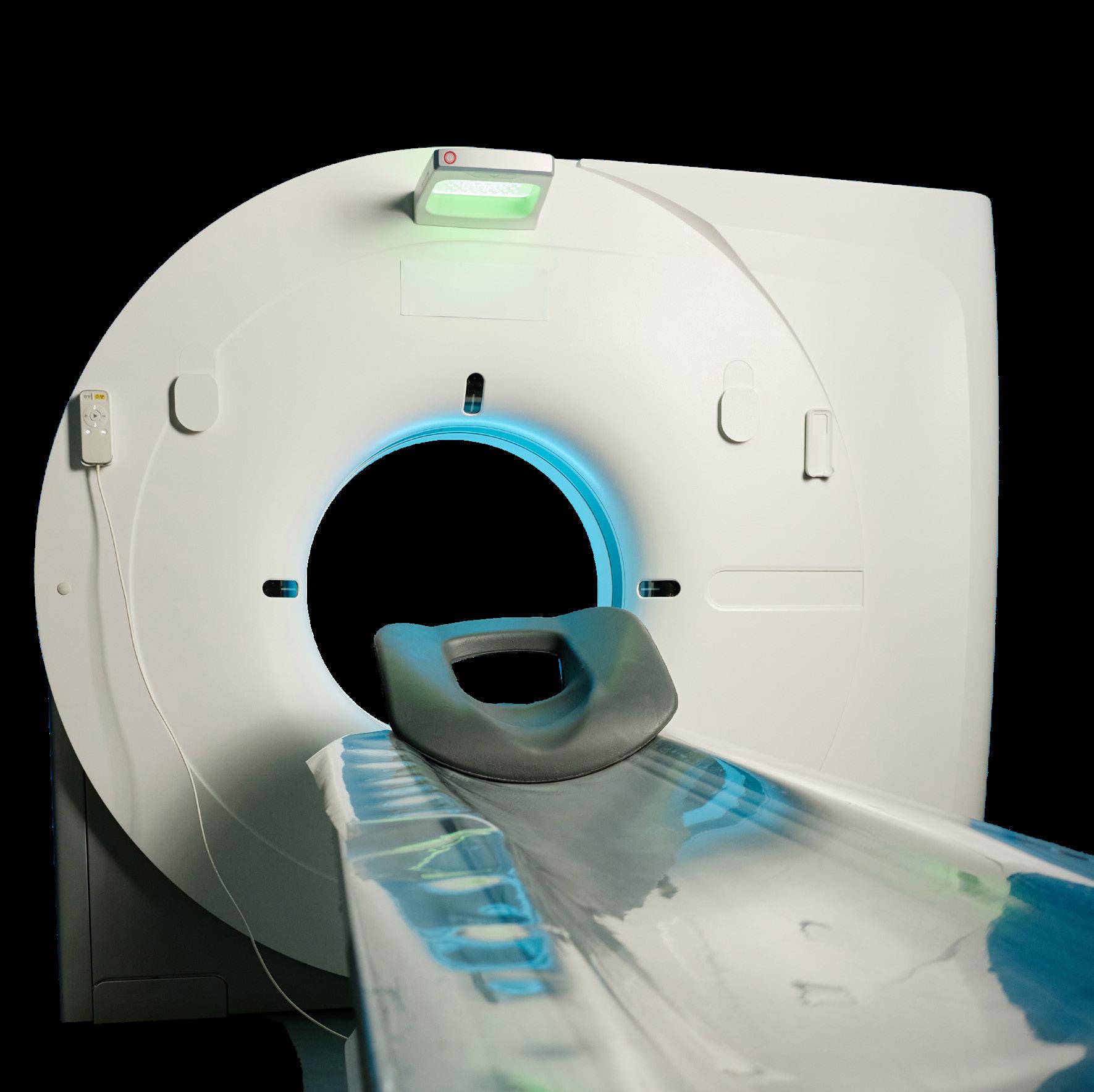
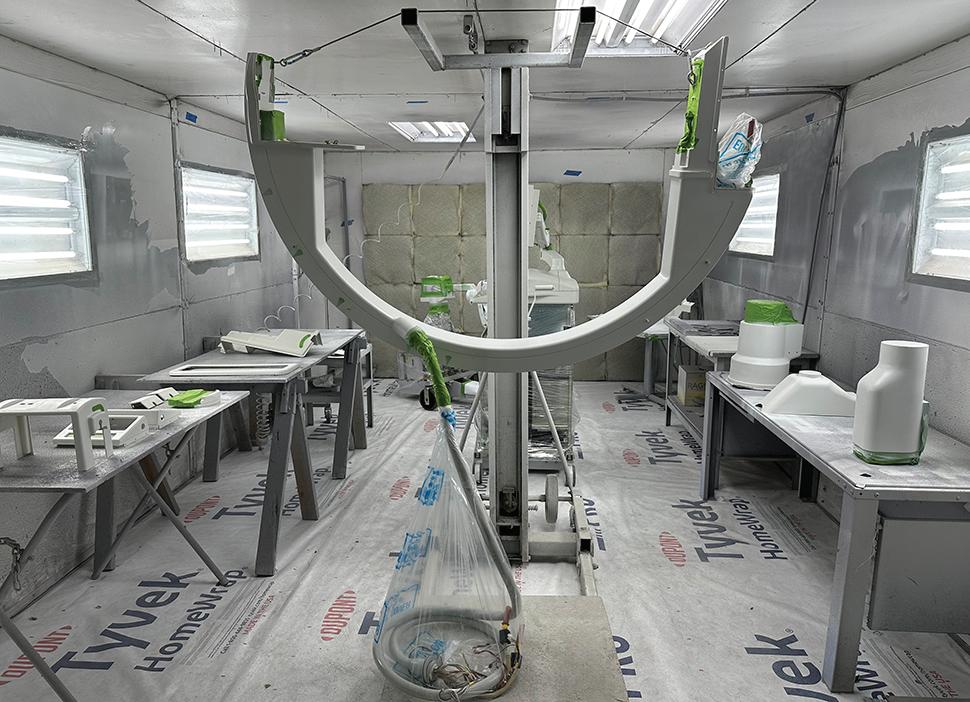
deifitreC


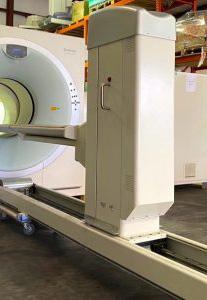
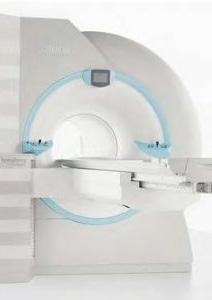
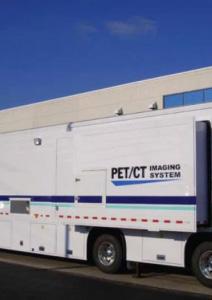
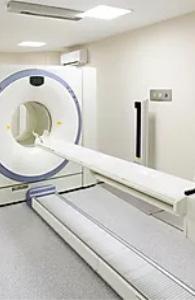



The imaging service industry has never stood still. What began as a highly specialized field focused on maintaining individual systems has evolved into a complex, interconnected discipline that touches nearly every corner of healthcare.
In the early days, imaging service was largely mechanical and modality specific. X-ray systems were simpler, analog and often standalone. Service professionals focused on keeping equipment operational, troubleshooting components and ensuring uptime. Success was measured by whether the system worked.
Today, that process feels incomplete.
Modern imaging environments are digital, networked and deeply integrated into clinical workflows. Modalities like CT, MRI and advanced interventional systems are no longer isolated pieces of equipment. They are part of a broader ecosystem that includes PACS, DICOM, hospital networks, cybersecurity protocols and regulatory requirements.
The shift from analog to digital imaging marked one of the most significant turning points in the industry. As images moved from film to data, service professionals were required to expand their skill sets beyond hardware. Understanding how images are acquired is no longer enough. Today’s imaging professionals must also understand how those images are processed, transmitted, stored and secured.
This evolution has introduced a new level of com -
plexity. Imaging service now requires collaboration across multiple departments including IT, clinical engineering, radiology, compliance and cybersecurity. Each group brings its own priorities and language. Bridging those gaps has become a critical part of the role.
Learning to “speak the same language” is no longer optional. A service professional may troubleshoot an image quality issue that is not rooted in the system itself, but in network latency, DICOM configuration or data routing within PACS. Cybersecurity concerns such as ransomware attacks and network vulnerabilities can directly impact imaging system functionality and patient care.
Regulatory requirements have expanded alongside this complexity. HIPAA compliance, data privacy and system security are now part of the daily landscape. Imaging systems are no longer just clinical tools. They are data endpoints that must be protected.
At the same time, the industry is facing another significant challenge: the loss of experienced professionals. Many of the individuals who helped build the foundation of imaging service are reaching retirement. Their knowledge, often gained through decades of hands-on experience, is not easily replaced.
This creates both a gap and an opportunity.
For those entering the field, the pathway into imaging service looks different than it did in the past. The role demands a broader understanding of technology, but it also offers a more dynamic and impactful career.
Imaging service professionals are not just maintaining equipment. They are supporting the systems that clinicians rely on to diagnose, treat and save lives.
This shift has increased the importance of structured training and continuous learning. Hands-on experience remains critical, but it must now be paired with an understanding of multi-vendor environments, digital communication standards and system integration.
As the industry continues to evolve, so does the responsibility of those supporting it. Radiological Service Training Institute (RSTI) has remained focused on staying ahead of that curve by continuously investing in current technology, expanding system availability and building relevant training content that reflects the imaging systems being serviced in the field today. The goal is not only to teach foundational concepts, but to prepare professionals for the environments they will actually encounter.
That commitment is reflected not just in infrastructure, but in people. RSTI is proud to celebrate a recent individual achievement that represents the strength of the entire team.
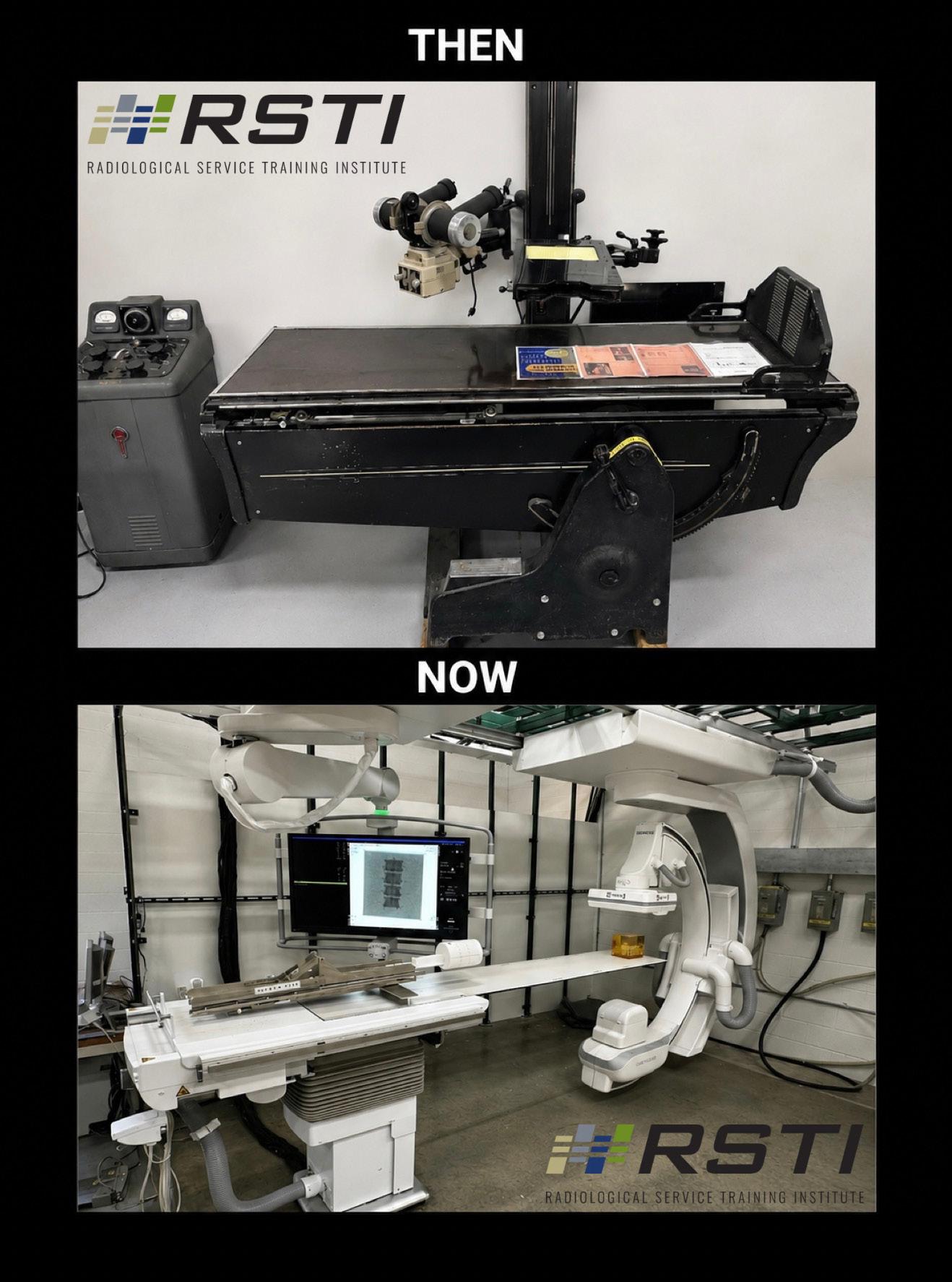
As Todd Boyland, president of RSTI, noted, his recognition as “Educator of the Year” through the TechNation Tech Choice Awards is not just a personal honor, but a win for the RSTI team. It reinforces the shared commitment to education, mentorship and advancing the next generation of imaging service professionals.
The demand for skilled professionals continues to grow, yet awareness of the field remains limited. Many talented individuals in healthcare technology management and related disciplines may not fully realize the opportunities available within imaging service.
Encouraging the next generation to explore this path is essential.
This starts with exposure. It starts with conversations that highlight the impact of the work, the evo -
lution of the technology and the need for individuals who are willing to grow with it. It also requires collaboration across organizations, educators and industry leaders to create clear pathways into the field.
Imaging service is no longer defined by a single modality or skill set. It is defined by adaptability, cross-functional knowledge and a commitment to keeping healthcare systems running at their highest level.
The industry has evolved. The expectations have changed. And the opportunity has never been greater.
For those willing to take the next step, there is a place in imaging service. •
For more info, visit rsti-training.com.


Register to view the webinars each month
Watch recorded webinars on-demand
ARRT Category A CE credits pending approval

the
Featuring Non-Magnetic Products for your MRI Environment:
* Wheelchairs, Walkers & Stretchers, including Bariatric Models
* Complete Non-Ferromagnetic line that will pass Ferromagnetic detection systems
* Breast Biopsy Trays and Draping
* Coil Carts
* Oxygen Equipment
* MRI Safe Lights
* Safety Signs and Stickers
* Full Line of Maintenance Products to keep your MRI suite Clean and Sanitized

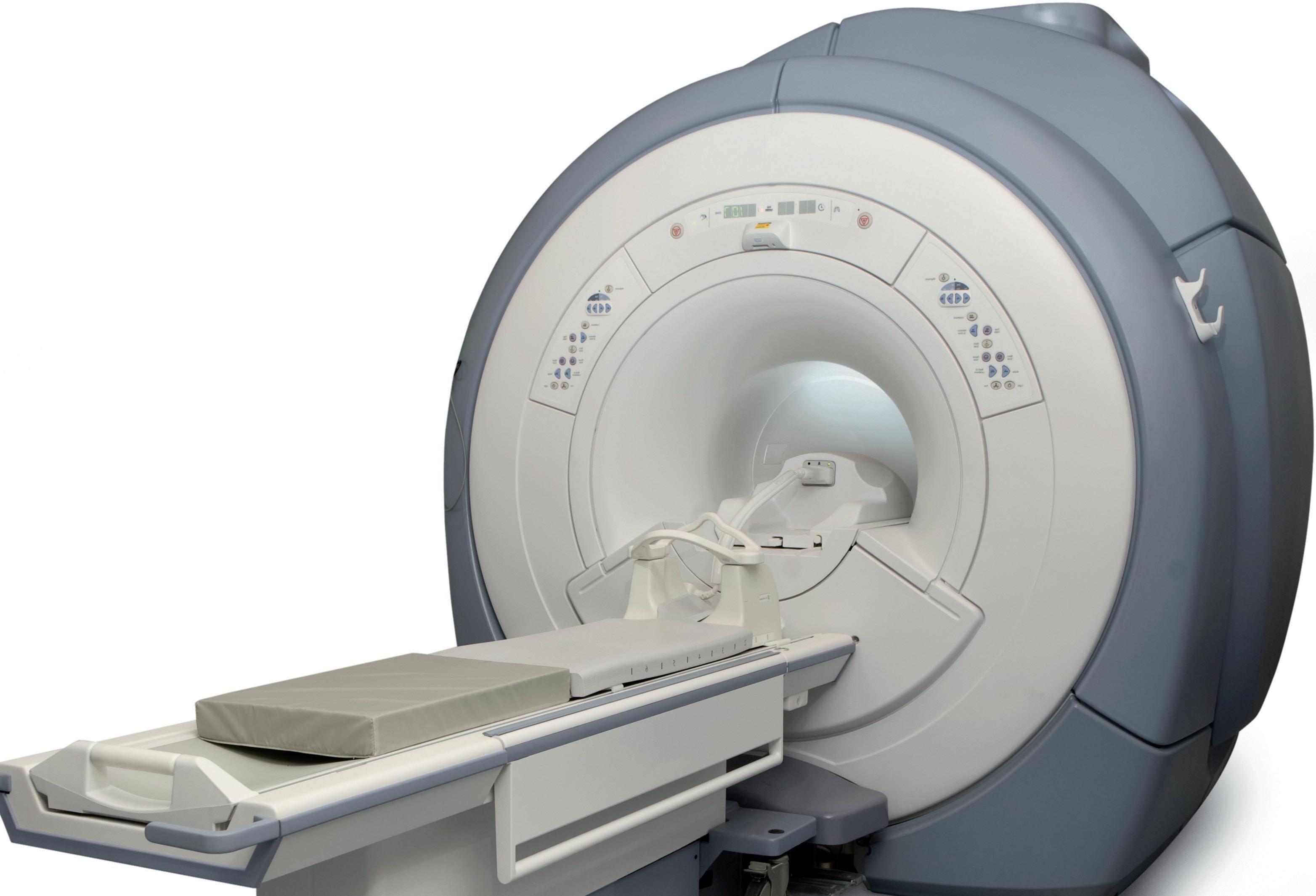
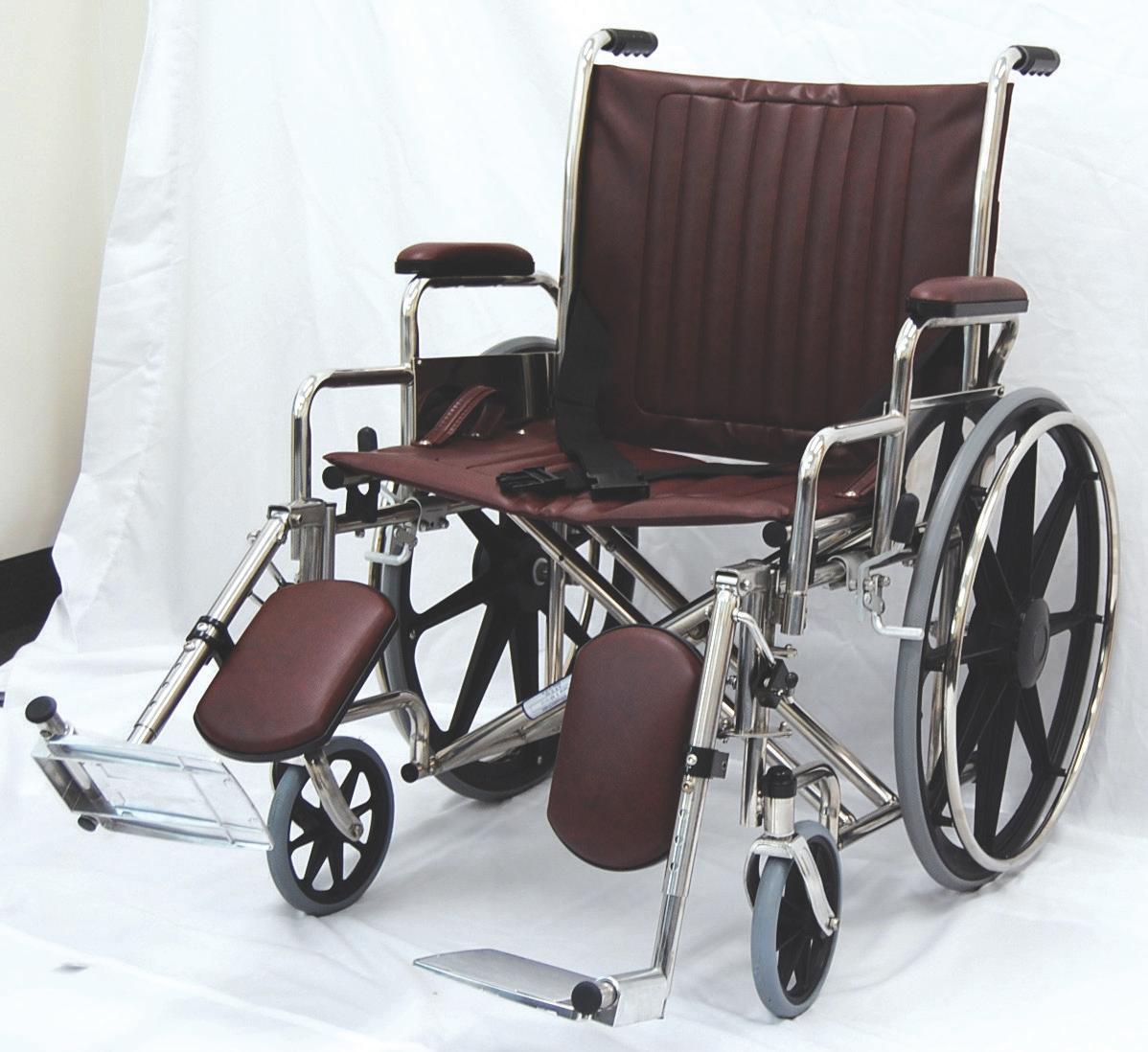

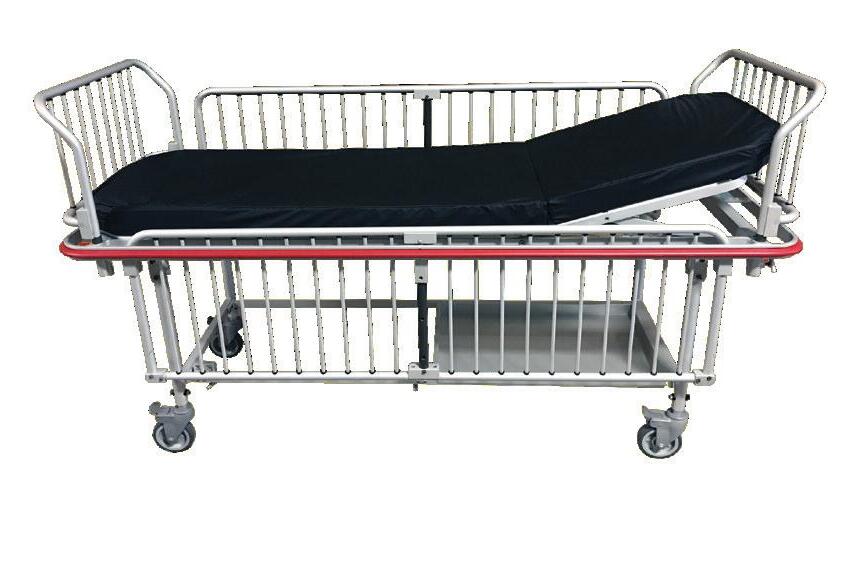
BY NICOLE DHANRAJ
Iwas recently in a remote meeting where a colleague did something simple, but powerful.
She paused, looked beyond the loudest voices, and asked, “Who else needs to be part of this conversation?” She also called on those that had not spoken up and asked for their input before we left the meeting.
Those questions stayed with me. Because in hybrid work, people can be present and still be invisible. They can be on the invite. On the screen. On mute. Camera off. Calling from another site. Reading remotely. Working a different shift. Doing excellent work and still be easy to miss.
For radiology leaders, this is one of the quiet risks of hybrid work.
Radiology teams are no longer connected only by hallways, reading rooms, control rooms and manager offices. We now lead across hospital campuses, outpatient centers, remote reading stations, virtual meetings, centralized scheduling teams and digital platforms.
That flexibility can be valuable. It can support caregivers. It can reduce unnecessary commuting. It can improve focus. It can help talented people stay in the workforce.
But it also changes who gets noticed. The person in the building may get the informal update. The employee near
the manager’s office may hear about an opportunity first. The main campus may get more attention than the satellite site. The person with the camera on may feel more engaged than the quiet person whose camera is off because they are between patients, reading studies, managing interruptions or simply exhausted.
That is how exclusion can happen without anyone intending it.
Proximity bias is the tendency to favor, trust, recognize or include the people who are physically closest to us. It rarely feels like bias in the moment. It feels like convenience.
Familiarity.
Efficiency.
We remember the person we see every day. We trust the employee who stops by our office. We give quick updates to the team at the main campus because they are right there. We think of the technologist, radiologist, coordinator or lead who is most visible. And without meaning to, we may overlook the people who are farther away, quieter online, on another shift or working at another site.
That is what should make us pause. Because proximity bias often looks like normal leadership. A hallway conversation. A quick decision. A familiar face chosen for a project. A committee opportunity offered to the person who
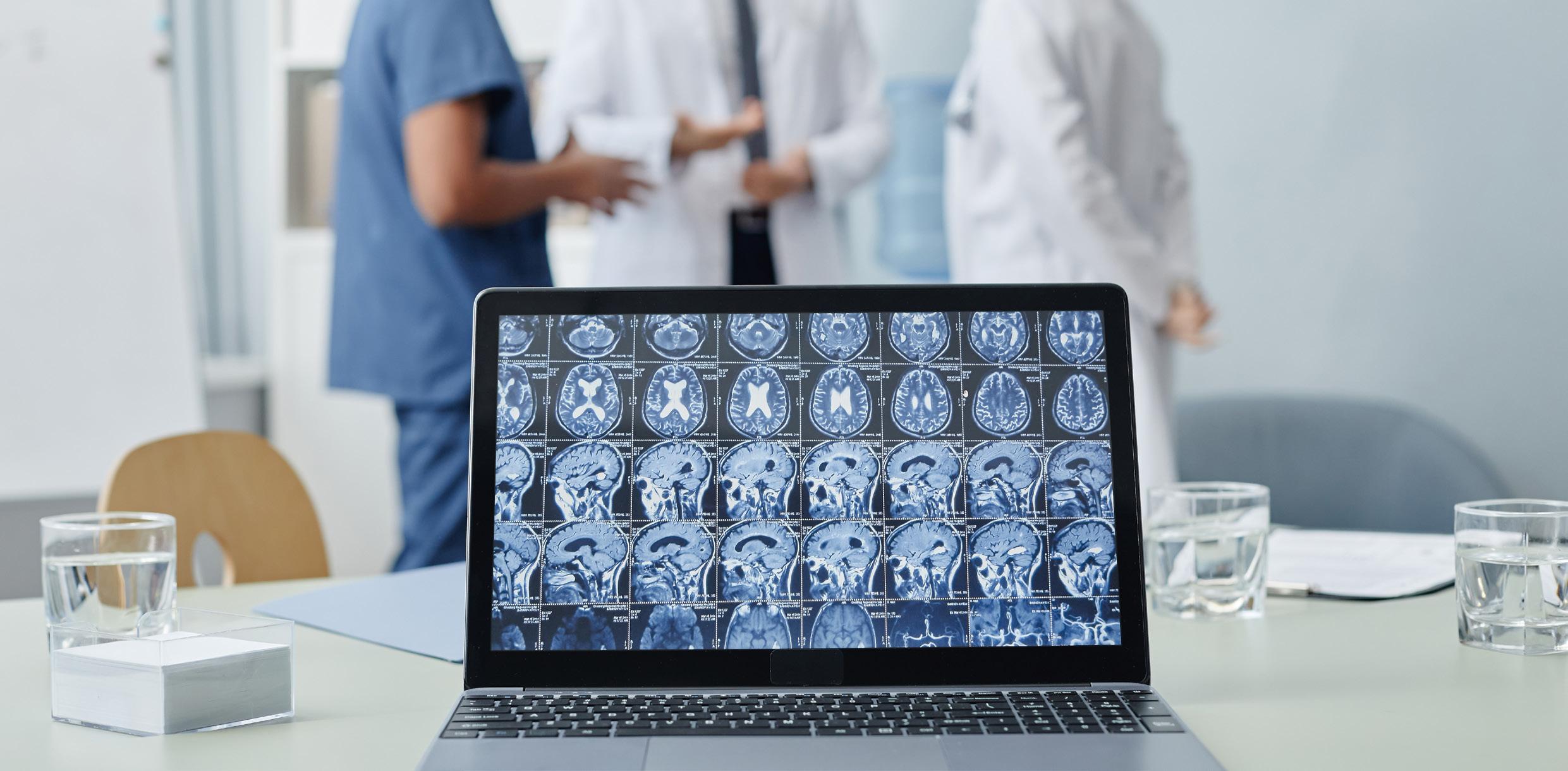
happened to be nearby.
But over time, those small choices create a culture. Some people become visible. Others become peripheral.
One of the biggest mistakes leaders can make is believing that sending the meeting link means inclusion has happened.
Inclusion is not, “Were they invited?”
It is, “Were they heard before the decision was made?” It is, “Did the people closest to the work have a chance to shape the workflow?” It is, “Did we remember the site, shift, modality or role that sees the problem differently?”
A CT protocol change without CT technologist input is not just a communication gap.
A scheduling decision without front desk or authorization input is not just an oversight.
A policy built around the main campus without asking the outpatient site is not just inefficient.
It sends a message: “We made the decision. Now you live with it.”
That message damages trust.
Most employees will not say, “I am experiencing proximity bias.”
They will say:
“They do not understand what we do.”
“They only listen to the main campus.”
“They ask for input after they already decide.”
“No one thinks about our shift.”
Over time, people stop speaking up. They stop
warning leaders about problems. They stop offering ideas. Not because they do not care, but because they have learned their voice does not change the outcome. That is when a department does not just lose inclusion. It loses intelligence.
Before the next decision, radiology leaders can ask:
• Who will feel this change first?
• Who is not in the room but should be?
• Which site, shift or modality might experience this differently?
• Whose silence are we mistaking for agreement?
• Who needs to hear this before it becomes final?
These questions do not slow leadership down. They prevent leaders from moving fast in the wrong direction. Hybrid work can create equity, but only when leaders are intentional.
Otherwise, it creates a quiet two-tier culture – the visible and the forgotten.
The real question is not, “Who was invited?” The real question is, “Who did we forget to see?”
For radiology leaders, that question should stay with us because inclusion is not proven by how well we hear the people closest to us. It is proven by how intentionally we listen for the people we could easily miss. •
Nicole Dhanraj, is a radiology administrator and workforce strategist focused on military-to-healthcare transition pathways. Radiology leaders interested in exploring this approach are encouraged to connect with her directly at nicoledhanraj@gmail.com.

BY DANIEL BOBINSKI
Arestaurant manager once told me about a brutal Friday night in which she found herself with two cooks out sick and no backup staff. Rather than push everybody to work harder, she put on an apron herself. Not every manager can step into a work process, but she was determined not to stress out her staff.
As customers arrived that evening, they were informed that the kitchen was short-staffed and their wait for food would likely be a bit longer than usual. The manager’s strategy worked. With that advanced notice, customers didn’t seem to mind. Instead of being upset, they appreciated the honesty and were actually sympathetic.
But the bigger win for the manager was that her team stayed calm, steady and professional.
It’s not uncommon for workplaces to face staffing shortages, and being a manager in any industry during such times can be difficult. The thing to remember is that people can deal with hard work for a while. What wears them down is feeling ignored while carrying those heavy loads.
Many organizations today are still struggling to fill jobs after the nationwide shutdown a few years ago. Healthcare, retail and manufacturing have been particularly affected. Unfortunately, some managers responded by assigning more work to dependable employees and hoping nobody gets burned out.
That strategy usually fails.
Gallup reports that 76% of employees feel burned out at least sometimes, while 28% say they feel burned out “very often” or “always.” Additionally, burned out employees call in sick far more often
than the norm.
This is an important issue, because burnout can spread quickly throughout a workplace. All it takes is one exhausted employee to cause a chain reaction, and when several workers hit that point together, an entire culture can begin to crack.
Too many leaders assume burnout comes only from long hours. Long shifts can absolutely hurt people, but employees can tolerate them much better if they know the pressure is temporary and they have support. Conversely, one of the biggest causes of burnout is employees feeling unsupported while demands on them keep rising.
Gallup’s research has identified five common causes of burnout: poor communication, impossible workloads, unfair treatment, heavy pressure and lack of support. The good news is that most of these problems can be reduced if managers create cohesive environments instead of chaotic ones.
The first step for managers during staffing shortages is deciding what matters most and communicating it clearly. Why? Because in such environments, every task appears urgent. Not every task can be a top priority.
Good communication is key because employees can usually handle bad news better than a supervisor’s silence. When managers say little, rumors rush in to fill the gap. Workers then start assuming the worst because nobody is explaining what is happening.
That means telling employees which goals matter most, which projects can wait and how long temporary changes may last. Sometimes the most relieving
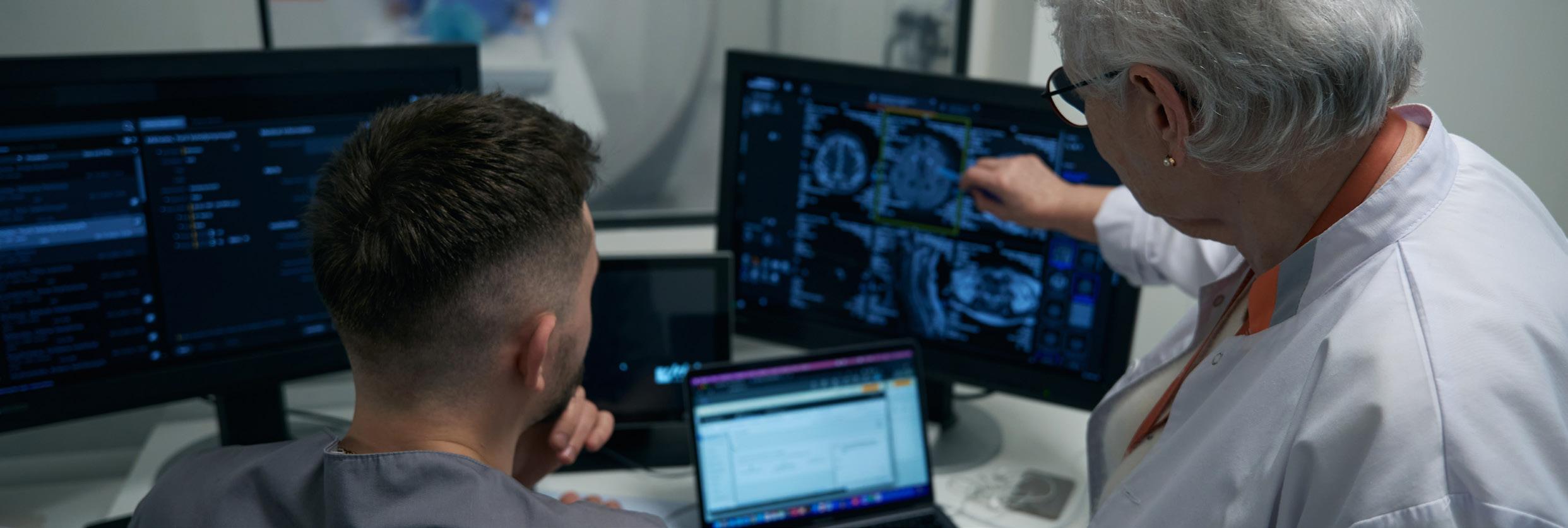
thing a manager can say is, “We cannot do everything right now.”
Impossible workloads eventually damage customer service, morale and retention.
One way that managers can alleviate the burden of extra work is by reducing clutter. That could mean shortening meetings or removing unnecessary approvals. It could also mean pausing low-value projects during difficult seasons. In other words, not every problem requires maximum urgency.
Gallup reports that staffing shortages are linked to poor customer experience. That makes sense because exhausted workers struggle to stay patient, upbeat and focused every hour of the day. Eventually, survival mode replaces service.
Managers do well to adjust workloads and allow employees time to reset, recognizing that people are not machines designed for nonstop strain.
One of the fastest ways to burn out good employees is repeatedly leaning on the same dependable people to solve every staffing problem.
Most teams have one or two employees who rarely complain and always step forward during emergencies. Managers trust them, so they keep assigning work to them. But over time, those very human workers will become exhausted.
Good managers spread responsibilities fairly. If possible, they cross-train employees before staffing shortages become severe so workloads can be shared instead of dumped onto one workplace hero.
Recognition matters here too. Employees can tolerate difficult seasons much better when they feel noticed instead of being taken for granted.
Specific praise works best. Saying “great job” feels vague. Saying, “You handled those frustrated customers calmly today,” feels personal and real.
Pressure becomes dangerous when employees feel like every moment is an emergency. Managers and leaders set the tone here. I’ve said for years that those in charge are the ones who
create the weather. If team leaders are buzzing like a hummingbird about everything, they add unnecessary pressure to their teams.
Also, if they talk about having a work-life balance but are regularly sending emails late at night, their actions betray their words.
Think of it this way: workplace culture is shaped more by behavior than policy manuals. Managers set a good tone if they themselves are calm under pressure.
Gallup also found that workers are far less likely to burn out when managers hold meaningful conversations with their team members. Those discussions do not require motivational speeches or corporate language. Sometimes a manager only needs to ask, “What part of your job feels hardest right now?”
Employees usually answer honestly when they believe somebody is truly listening.
Managers should also watch for quieter signs of burnout because not every struggling employee speaks up. Some workers simply become quieter, less patient or less engaged. It’s important that supervisors take the initiative to ensure people feel supported.
My restaurant manager friend understood these things. She could have ignored the stress and demanded everyone simply work harder. Instead, she stepped in, communicated honestly with customers and protected her team from unnecessary pressure.
The result? Her team felt valued and even more dedicated to their work.
Bottom line, that’s what’s needed: a manager who truly cares.
Without that, burnout becomes the norm and employees feel abandoned. Such employees rarely stay. •
Daniel Bobinski has a doctorate in theology and is a best-selling author and a popular speaker at conferences and retreats. For more than 30 years he’s been working with teams and individuals (1:1 coaching) to help them achieve excellence. He was also teaching Emotional Intelligence since before it was a thing. Reach him by email at DanielBobinski@protonmail.com or 208-649-6400.
Chronic sleep disruption doesn’t just leave people tired and irritable. It may quietly undermine the gut’s ability to repair itself, increasing vulnerability to serious digestive diseases.
A new study from the University of California, Irvine, the University of Chinese Academy of Sciences and the China Agricultural University reveals, step by step, how disturbed sleep causes the brain to send harmful signals to the intestines, ultimately damaging the stem cells responsible for maintaining a healthy gut lining.
The research uncovers a previously unknown biological chain reaction linking the brain’s sleep center to intestinal health. The findings appear in “Cell Stem Cell” and offer new insight into why people with chronic sleep problems are more likely to develop gastrointestinal disorders such as inflammatory bowel disease, diabetes-related gut complications and chronic inflammation.
Physicians have long known that irregular or insufficient sleep is associated with a wide range of health problems, from mood disorders to high blood pressure. Yet how changes in sleep can directly harm organs that do not sleep themselves, such as the intestines, has remained largely elusive. This study answers that question by tracing the damage from its neurological origins all the way to the gut’s regenerative machinery.
The research team, including investigators from China and Maksim Plikus, professor of developmental and cell biology at UC Irvine, identified a precise communication relay between the brain and the gut. When sleep is chronically disrupted, abnormal neuronal activity arises in a brain region that normally regulates sleep. Those faulty signals then travel down the vagus nerve, a major conduit linking the brain to internal organs.
Once the faulty signals reach the gut, they do not act alone. Instead, the vagus nerve releases molecular messengers that trigger a cascade of molecular responses across several gut cell types. Eventually, sleep deprivation messages reach intestinal stem cells – which are essential for the constant renewal of the gut lining.
Under healthy conditions, intestinal stem cells are remarkably resilient, repairing everyday wear and tear caused by digestion and microbes. But the study shows that in the setting of chronic sleep disruption, these stem cells experience unusually high levels of oxidative stress, a damaging condition that interferes with very basic cell functions. As a result, their ability to regenerate the gut lining drops sharply.
“When sleep signals go awry, the gut essentially pays the price,” said co-corresponding author Plikus. “We were surprised to see how precisely the brain communicates sleep defects to intestinal stem cells. This helps explain why chronic sleep disruption can make the gut more fragile and prone to disease.”
As the gut lining weakens, it becomes far more susceptible to injury and inflammation. Over time, this vulnerability may predispose individuals to chronic gastrointestinal disorders, including inflammatory bowel disease, a painful and often debilitating condition affecting millions of people worldwide.
The study involved close international collaboration with co-corresponding author Zhengquan Yu of China Agricultural University in Beijing, whose expertise was critical to mapping the complex cellular and molecular steps involved. Together, the team combined neuroscience, stem cell biology and gut physiology to assemble a detailed picture of how sleep loss harms intestinal health.
Beyond revealing a new biological mechanism, the findings also point toward potential solutions. The researchers identified several specific molecules in the brain-to-gut communication relay that could, in principle, be targeted with drugs. Such candidate treatments might help protect intestinal stem cells and restore the gut’s self-repair ability in people who suffer from chronic sleep deprivation due to shift work, insomnia or other conditions.
“Our work opens the door to new strategies for managing intestinal disorders in patients who cannot easily fix their sleep patterns,” Yu said. “If we can interrupt the harmful signals traveling from the brain to the gut, we may be able to reduce disease risk.” •



“I feel that there is nothing more truly artistic than to love people.” —Vincent Van Gogh

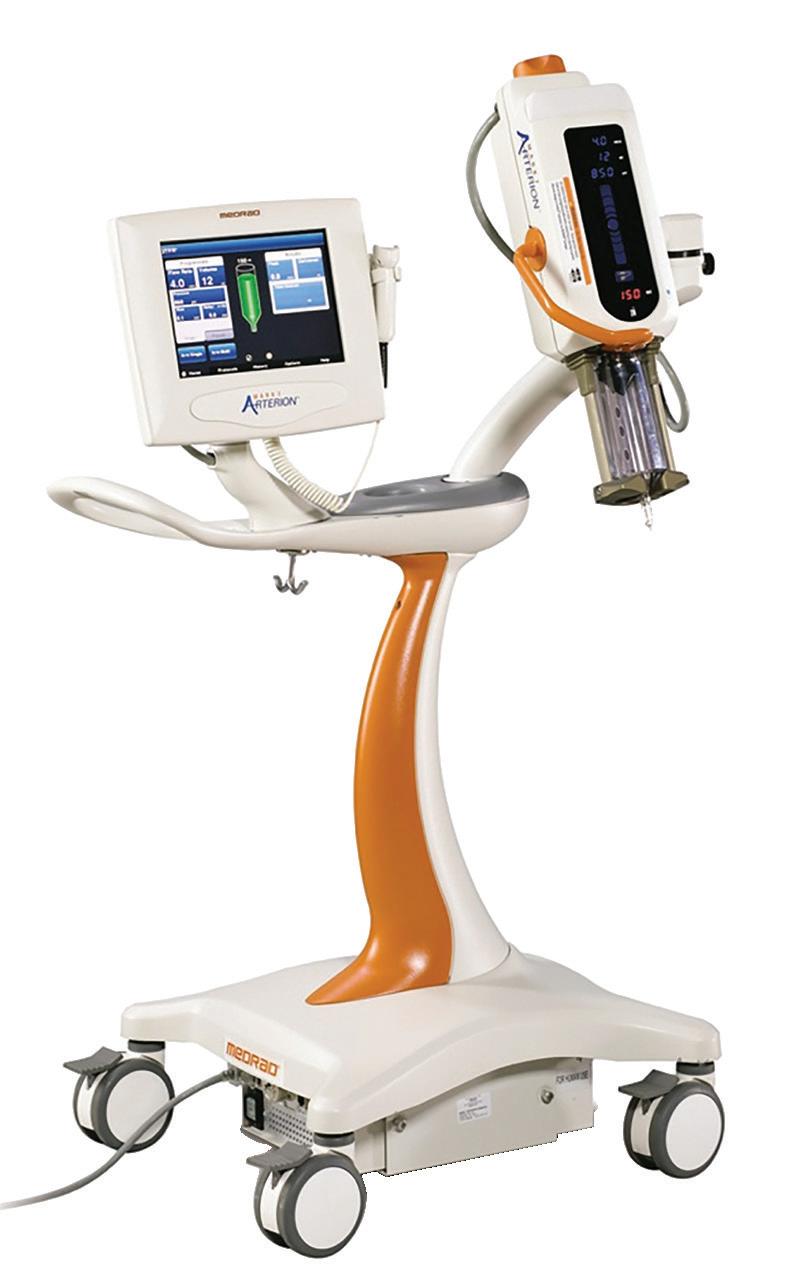
Metropolis International, LLC Metropolismedical.com • 718-371-6026
Radon Medical radonmedicalimaging.com • 866-723-6698
Think
Think of us as forensic experts… …in the field of
Think of us as forensic experts… …in the field of Nuclear Imaging
Think of us as forensic experts… …in the field of Nuclear Imaging
Think of us as forensic experts… …in the field of Nuclear Imaging
NCSI@NuclearCameraServices.com
NCSI@NuclearCameraServices.com
NCSI@NuclearCameraServices.com




ONE BUTTON. MULTIPLE BIDS. MINIMIZED DOWNTIME.
Downtime
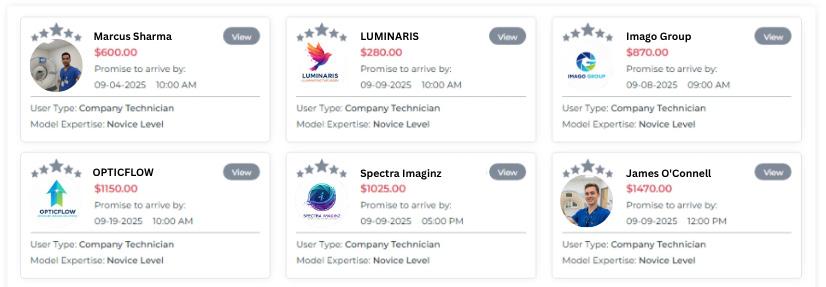
Our network of qualified gig technicians is growing fast. More providers means more options, faster response times, and better pricing for your team.
Compare multiple bids at once and select the best value instead of relying on a traditional vendor list.
Connect with available providers in minutes, for emergency repairs, PMs, or gap coverage. Every service request, bid, approval, and payment runs through one platform, so your team spends less time on phone calls, emails, and paperwork.