


A
s surgical volumes and case complexity continue to grow, expectations for infection prevention continue to rise. Sterile processing departments (SPD) and operating rooms (OR) are under constant pressure to improve efficiency, maintain compliance, reduce risk and support uninterrupted clinical performance.
to infection prevention: combining workflow expertise, consumables, equipment, education and service support into a more unified system.
Minimally invasive surgery has transformed patient care by reducing recovery time, minimizing complications, and improving outcomes. Yet, alongside these advances is a largely invisible risk that continues to impact patient safety in operating rooms across the country: insulation failure in electrosurgical instruments.
In today’s healthcare environment, predictability across the entire workflow matters more than ever.
on
While insulation testing is critical to patient safety, many operating room (OR) nurses have limited visibility into the inspection and testing processes carried out in sterile processing (SP) for insulated surgical instruments. This inspection procedure feels distant from the day-to-day nursing practice.
At the same time, surgical workflows are becoming increasingly interconnected. Instrument readiness, processing quality, equipment reliability, staff confidence and compliance execution all directly impact OR performance and patient care.
Yet, instrument processing challenges rarely stem from a single product or isolated issue. More often, they emerge through disconnected systems, inconsistent data and gaps between capital equipment, consumables, workflow practices and cross-departmental coordination.
For decades, Healthmark has built trusted relationships with SPD and perioperative teams by focusing on the realities of day-to-day workflow execution. These teams rely on Healthmark not only for products, but for practical guidance in navigating standards, improving repeatability, troubleshooting challenges and supporting operational performance.
However, evidence and real-world experience suggest otherwise. Insulation failures often occur outside the surgeon’s field of view, may go unrecognized during a procedure, and can result in unintended burns, unexplained postoperative complications, and patient harm.
Healthmark and Getinge have come together to address those gaps through a more connected approach
• Sterile processing, surgical design and workflow consultation solutions
• Service and life cycle support
So, why does insulation failure remain an underrecognized risk? What does the data reveal? And, most importantly, what can OR nurses do to help close this patient safety gap? Drawing on clinical experience, industry research, and Healthmark’s long-standing focus on instrument care and inspection, this article aims to reframe insulation testing as a shared responsibility across the OR–SPD continuum.
• Digital health, data and connectivity solutions
Together, Healthmark + Getinge create a fully integrated infection prevention ecosystem, combining workflow expertise, consumables, equipment, education and service into a connected support model across the full perioperative continuum.
That role has positioned Healthmark as more than a supplier. Healthmark has become a workflowfocused partner helping SPD and OR teams translate evolving requirements into repeatable daily practice.
Getinge brings complementary capabilities at global scale, including:
• Capital equipment and infrastructure
Supporting the OR by Strengthening the Entire Workflow
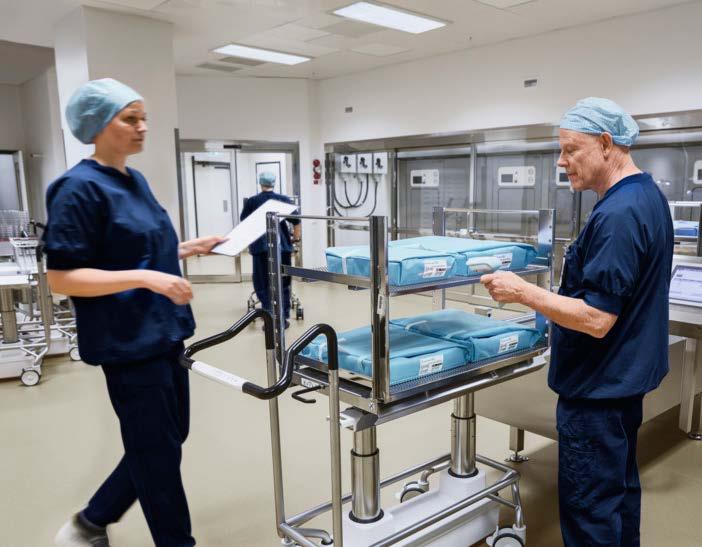
OR performance depends on far more than what happens inside the operating room. Every surgical procedure relies on the readiness and reliability of the sterile processing workflow supporting it behind the scenes.
In laparoscopic and minimally invasive procedures, only a small portion—the working tip—of the instrument is visible to the surgeon. The remainder of the insulated shaft often operates off-screen, in close proximity to adjacent tissue and organs.
When breakdowns occur in sterile processing, the impact extends across the perioperative environment, affecting patient care, OR efficiency and financial performance:
When insulation is intact, electrical energy is delivered precisely where intended. When insulation is compromised,
• Delayed or unavailable instrumenta-
tion that can lead to case delays or cancellations
• Rework and workflow disruption that increases pressure on OR and SPD teams
• Instrument damage or compromised device integrity that may impact usability, longevity and patient safety
• Lost OR time, reduced throughput, and revenue impact
These challenges rarely originate from one isolated failure. More often, they occur at the intersections between systems, vendors, departments and processes. As healthcare systems continue to face staffing pressures and increasing procedural demand, improving coordination across perioperative teams and processes becomes even more critical.
Healthmark + Getinge help healthcare organizations reduce fragmentation across infection prevention activities by bringing together equipment, consumables, service, education and workflow support across SPD and OR environments.
This connected model helps healthcare organizations:
• Improve workflow consistency across departments and shifts
• Resolve issues faster through more coordinated support
• Strengthen communication between SPD and OR teams
• Improve surgical readiness and operational reliability
It also creates a more streamlined customer experience. Instead of navigating multiple disconnected providers, healthcare teams gain access to a more unified partner with visibility across the broader workflow.
One of the greatest challenges facing healthcare organizations today is not simply how to understand evolving standards – it is knowing how to implement them consistently in real clinical environments.
From water quality and steam requirements to cleaning monitoring and documentation expectations, infection prevention efforts continue to grow
more sophisticated and operationally demanding.
Healthmark has long supported customers through this complexity by helping bridge the gap between standards and execution. Through practical education, workflow guidance and hands-on support, healthcare teams gain greater confidence in how standards apply to daily operations.
Combined with Getinge’s broader systems expertise and life cycle support capabilities, this creates a more connected framework for operational consistency across both SPD and OR environments.
Education, in this context, becomes more than training – it becomes an essential part of workflow performance.
Healthmark + Getinge support healthcare organizations through interconnected solution areas designed to strengthen infection prevention performance across the perioperative continuum.
Instrument
Supporting cleaning, inspection, assembly, and preparation with tools, education, and practical guidance that help improve consistency and instrument readiness.
Aligning cleaning chemistries, equipment and instrumentation to support consistent cleaning outcomes and reduce uncertainty in daily workflows.
Providing inspection and monitoring solutions that help healthcare teams identify risks and support compliance objectives.
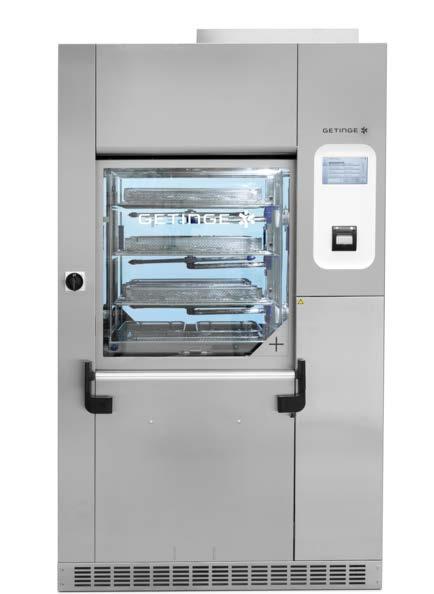
Through Getinge’s portfolio, supporting sterile processing and surgical infrastructure with equipment, service and long-term life cycle support that improves reliability.
Delivering practical education that helps SPD and OR teams apply evolving
• Decontamination
Ultrasonics, Decontamination
Sinks, Automation Solutions, Washer-Disinfectors, PPE, Brushes, Cleaning Chemistries, Cleaning Monitoring
• Inspection & Assembly
Prep & Pack Tables, Sterile Barriers, Inspection Systems, Instrument Integrity Testing
• Sterilization
Sterilizers, Instrument Trays, Sterility Monitoring, Indicators
• Storage & Transport
Case Carts, Storage Solutions, Labeling and Signage
• OR Readiness
Tracking & Sterile Supply Asset Management
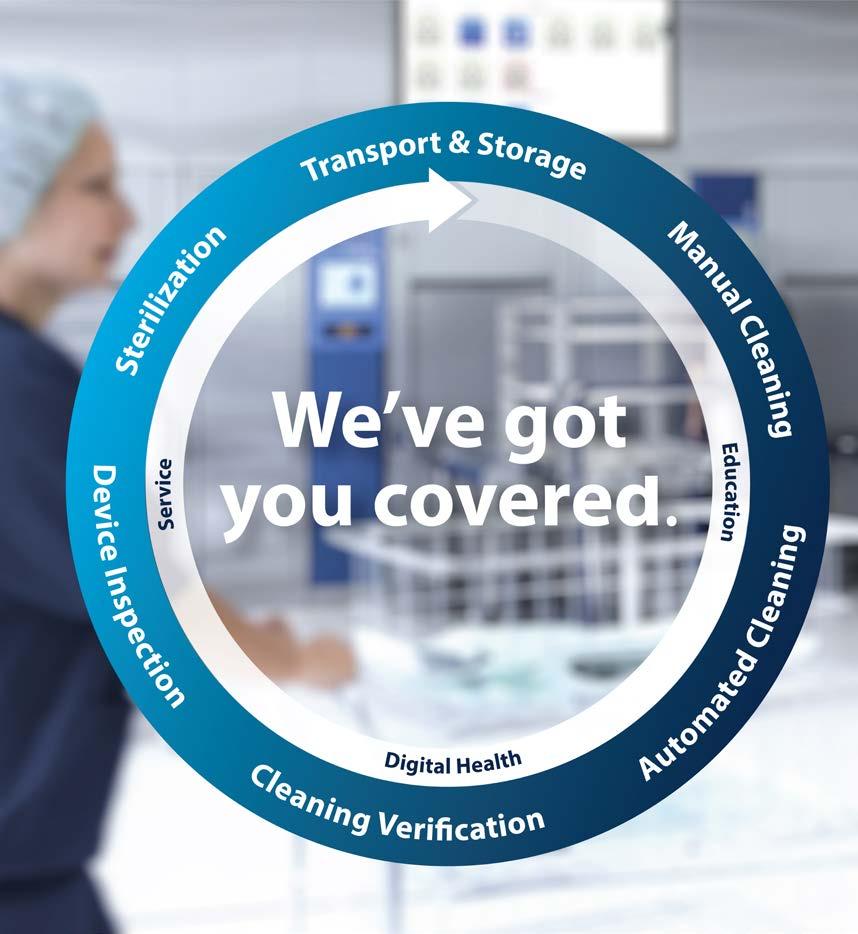
standards more consistently in realworld healthcare environments.
By bringing together expertise across equipment, consumables, education, service and sterile processing operations, Healthmark + Getinge help healthcare organizations move toward a more coordinated infection prevention strategy.
This enables teams to:
between systems, departments, and partners who understand how sterile processing performance impacts both SPD and OR outcomes.
We’ve Got You Covered.
Minimally invasive surgery has transformed patient care by reducing recovery time, minimizing complications, and improving outcomes. Yet, alongside these advances is a largely invisible risk that continues to impact patient safety in operating rooms across the country: insulation failure in electrosurgical instruments.
• Improve consistency across perioperative workflows
• Strengthen coordination between SPD and OR teams
• Resolve issues faster through connected support and expertise
• Support surgical readiness, compliance, and operational continuity
Healthmark + Getinge are focused on building those connections – between products, processes, people, and performance, so healthcare teams can operate with greater con sistency, efficiency and confidence across the entire perioperative workflow.
Because infection prevention is not a series of independent tasks. It is a connected system that supports surgical readiness, opera tional reliability, and patient safety every day.
While insulation testing is critical to patient safety, many operating room (OR) nurses have limited visibility into the inspection and testing processes carried out in sterile process ing (SP) for insulated surgical instruments. This inspection procedure feels distant from the day-to-day nursing practice.
Most importantly, it helps healthcare organizations build greater confidence that every part of the workflow is working together as intended.
However, evidence and real-world experience suggest oth erwise. Insulation failures often occur outside the surgeon’s field of view, may go unrecognized during a procedure, and can result in unintended burns, unexplained postoperative complications, and patient harm.
As healthcare systems continue to evolve, infection prevention will require more than standalone products or isolated expertise. It will require stronger coordination
• Reliable instrument cleaning and inspection tools
• Sterilization assurance and monitoring products
• Workflow consumables used daily in SPD and OR environments
• Capital equipment and service support through Getinge
• Education and hands-on workflow guidance from Healthmark
So, why does insulation failure remain an underrecognized risk? What does the data reveal? And, most importantly, what can OR nurses do to help close this patient safety gap? Drawing on clinical experience, industry research, and Healthmark’s long-standing focus on instrument care and inspection, this article aims to reframe insulation testing as a shared responsibility across the OR–SPD continuum.
In laparoscopic and minimally invasive procedures, only a small portion—the working tip—of the instrument is visible to the surgeon. The remainder of the insulated shaft often screen, in close proximity to adjacent tissue and
When insulation is intact, electrical energy is delivered precisely where intended. When insulation is compromised,


Healthmark & Getinge believe by combining our strengths, we are positioned to better serve healthcare facilities moving forward into the future. We’re committed to providing innovative solutions, personalized implementation and best-in-class educational resources more than ever before. Together, we are striving to give you an unparalleled customer experience.
Scan to explore the bene ts of our partnership. Discover how we’re rede ning the customer experience to empower your facility.
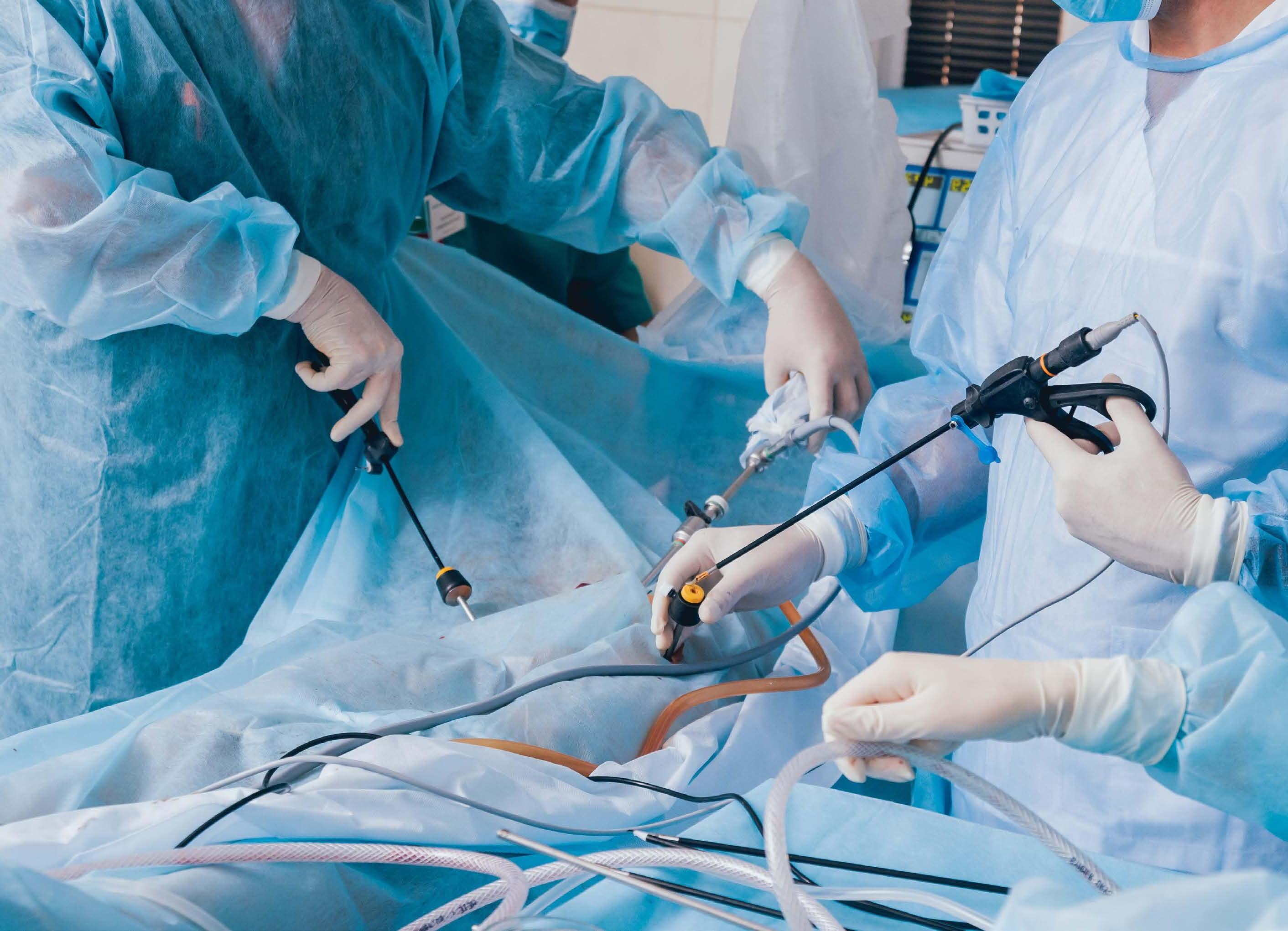
Minimally invasive surgery has transformed patient care by reducing recovery time, minimizing complications, and improving outcomes. Yet, alongside these advances is a largely invisible risk that continues to impact patient safety in operating rooms across the country: insulation failure in electrosurgical instruments.
While insulation testing is critical to patient safety, many operating room (OR) nurses have limited visibility into the inspection and testing processes carried out in sterile processing (SP) for insulated surgical instruments. This inspection procedure feels distant from the day-to-day nursing practice.
However, evidence and real-world experience suggest otherwise. Insulation failures often occur outside the surgeon’s field of view, may go unrecognized during a procedure, and can result in unintended burns, unexplained postoperative complications, and patient harm.
So, why does insulation failure remain an underrecognized risk? What does the data reveal? And, most importantly, what can OR nurses do to help close this patient safety gap? Drawing on clinical experience, industry research, and Healthmark’s long-standing focus on instrument care and inspection, this article aims to reframe insulation testing as a shared responsibility across the OR–SPD continuum.
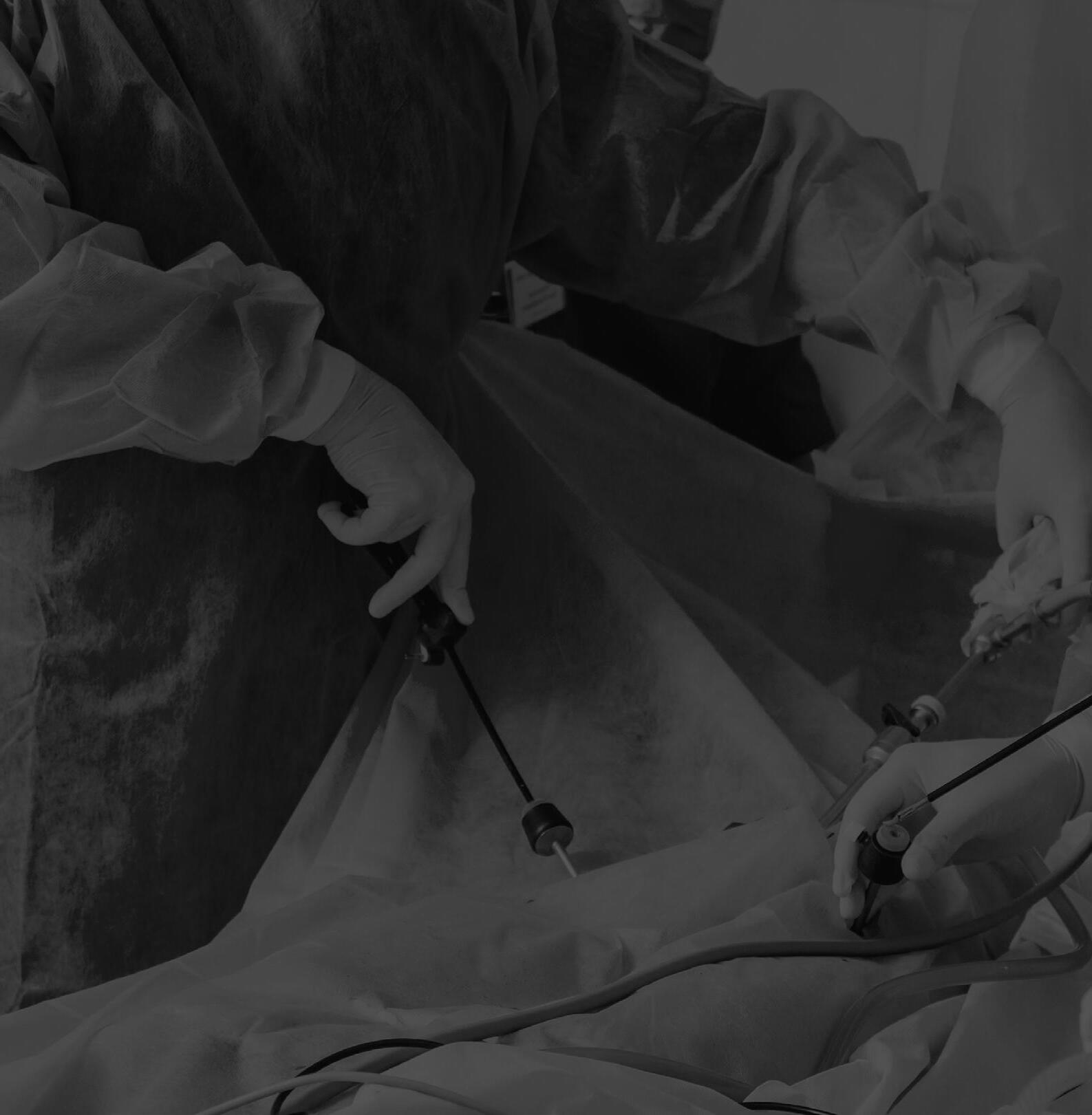
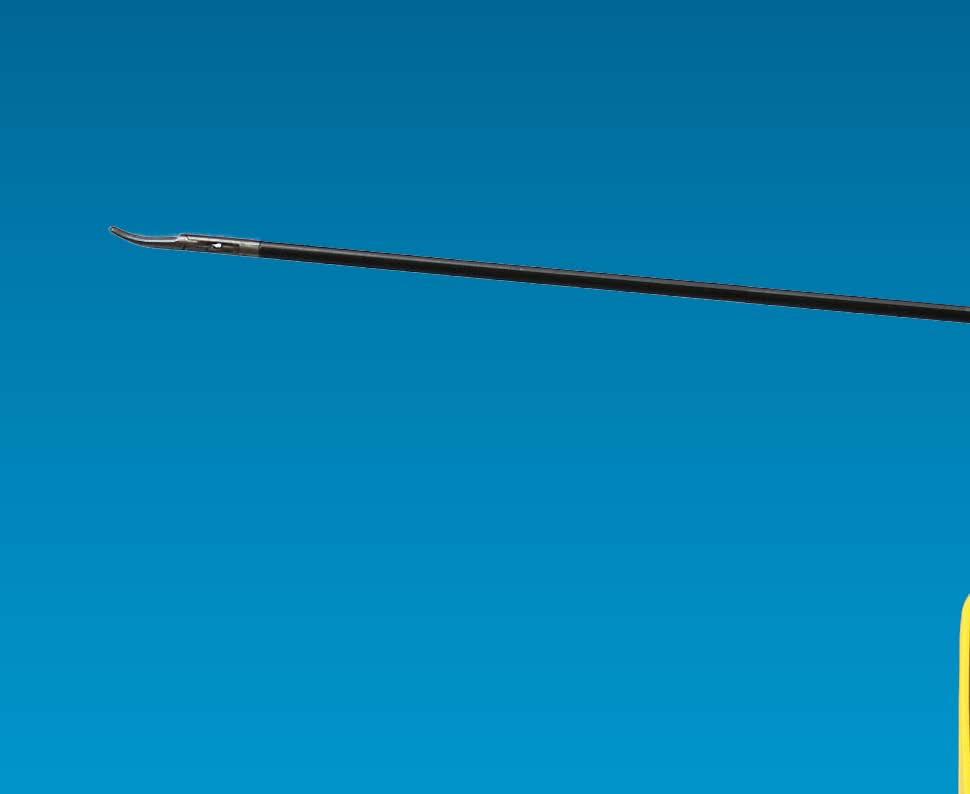
In laparoscopic and minimally invasive procedures, only a small portion—the working tip—of the instrument is visible to the surgeon. The remainder of the insulated shaft often operates off-screen, in close proximity to adjacent tissue and organs.
When insulation is intact, electrical energy is delivered precisely where intended. When insulation is compromised,
even by a pinhole breach, electrical energy can escape and cause unintended burns to surrounding tissue. These injuries may not be immediately apparent during surgery and can manifest later as fever, pain, or unexplained postoperative complications.
This is a unique challenge for OR nurses. By the time charting is complete and the procedure is underway, the circulator or scrub nurse may be the only additional set of eyes capable of noticing abnormal electrical activity along the nonoperative portion of an instrument. Without clear awareness of the risk of insulation failure, warning signs can be easily missed.
As a scrub nurse or a circulating nurse, this is a perfect opportunity to monitor for electrical strays away from the focal point of the surgery. For example, when the surgeon is removing the gall bladder (i.e., laparoscopic cholecystectomy) from the liver bed with electrical cautery, the circulator and/ or scrub nurse could be watching the instrument’s insulated shaft to identify any potential electrical injuries.
Even with increased awareness and attention, when there is a limited field of view, it is possible to have an electrical injury. This is where a registered nurse first assistant (RNFA), who is educated on the risks of electrical cautery use might enable some minor adjustments during and after the procedure. Let’s revisit the example of a laparoscopic cholecystectomy. The RNFA who is driving the camera for the procedure could provide a wider field of view, when possible, to facilitate observation of dangerous electrical strays. The RNFA could also perform a final safety check with the camera (after the procedure is completed and before closing) by quickly visually inspecting for any signs of burns or injuries on the adjacent organs that may have come into contact with the instrument.
Scrub nurses could consider conducting a visual inspection on the insulated instrument shafts for any evidence of damage. While this isn’t as effective as using an insulation testing device, it is a simple inspection procedure that could prevent damaged instruments from being used on patients. This inspection could be done after the sterile field is set up, before the case starts, and before lights are turned off in the operating room. OR nurses and SPD managers have a unique opportunity to unify inspection practices, educate all stakeholders involved in perioperative patient care and to lead the charge for impactful change in safety procedures.
A multi-facility study (Rojo, 2023) revealed concerning findings:
• 54% of insulated instruments failed inspection when tested across 49 facilities.†
• 42% of nurses surveyed reported experiencing an insulation failure during their career.††
These numbers are striking but likely underrepresent the true scope of the problem. In many cases, patient complications are treated without ever identifying the root cause as an electrosurgical insulation breach. Without direct awareness of insulation integrity, OR nurses may never connect postoperative outcomes to instrument failure.
The reporting gap between occurrence and recognition helps explain why insulation failure remains a persistent, underreported risk in surgical environments.
54% of insulated instruments failed inspection when tested across 49 facilities †
42% of nurses surveyed reported experiencing an insulation failure during their career †


The OR Nurse’s Role—Even If Testing Happens in SPD
While insulation testing is typically performed in sterile processing, OR nurses play a critical role in patient safety before, during, and after the procedure.
OR Nurses:
• Advocate for safe practices across departments.
• Identify trends in unexplained complications.
• Support compliance with evidence -based standards.
• Serve as patient safety champions in both hospitals and ambulatory surgical centers (ASCs).
In many ASCs, OR nurses may also oversee or directly manage sterile processing operations, making insulation testing knowledge essential, not optional.
Even when insulation testing is performed correctly in SPD, OR awareness adds a critical layer of defense. Recognizing signs of unintended electrical energy, asking informed questions about inspection protocols, and collaborating with SPD colleagues all contribute to safer surgical outcomes.
The OR–SPD Partnership: A Shared Safety Responsibility
Patient safety does not stop at departmental boundaries. When OR nurses and sterile processing teams share understanding and accountability, insulation failures are far less likely to reach the patient.
OR nurses can strengthen this partnership by:
• Asking how insulation testing is performed and how often.
• Requesting demonstrations or audits of inspection processes.
• Encouraging education and annual competency validation.
• Supporting SPD teams when production pressure threatens safety steps.
A culture that prioritizes inspection, even under time constraints, protects everyone involved.
Effective insulation testing is not a once-a-week task or a box- checking exercise.
Effective insulation testing must be:
Performed every time an insulated instrument is processed
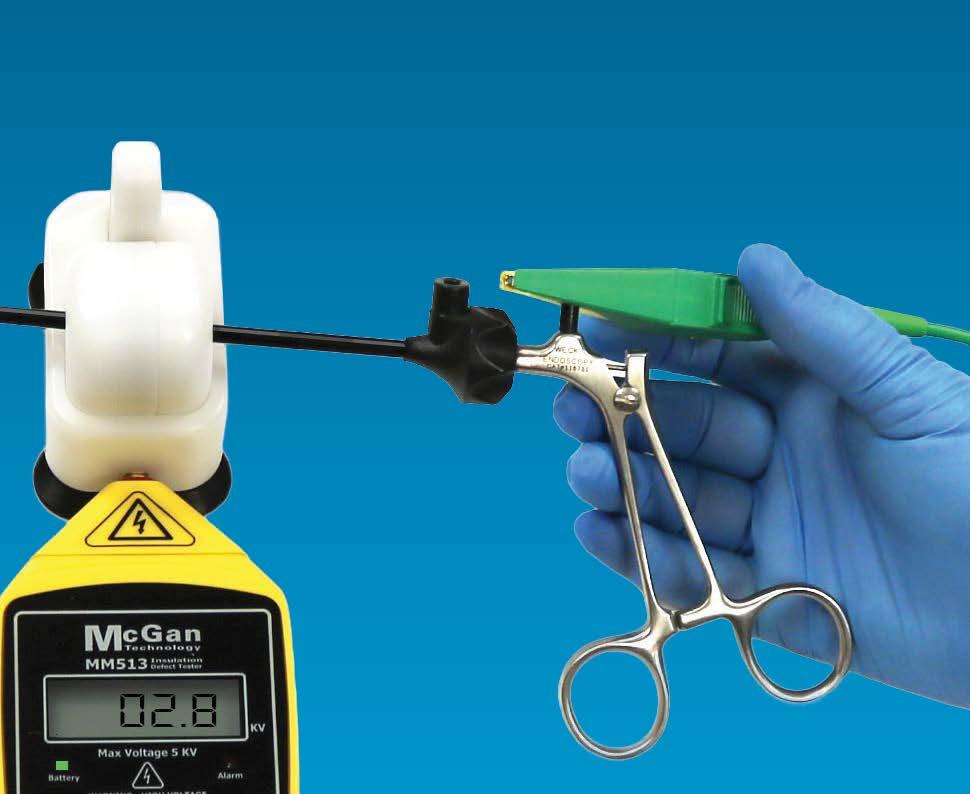
Conducted using equipment capable of detecting microscopic breaches
Adjusted according to manufacturerrecommended voltage settings
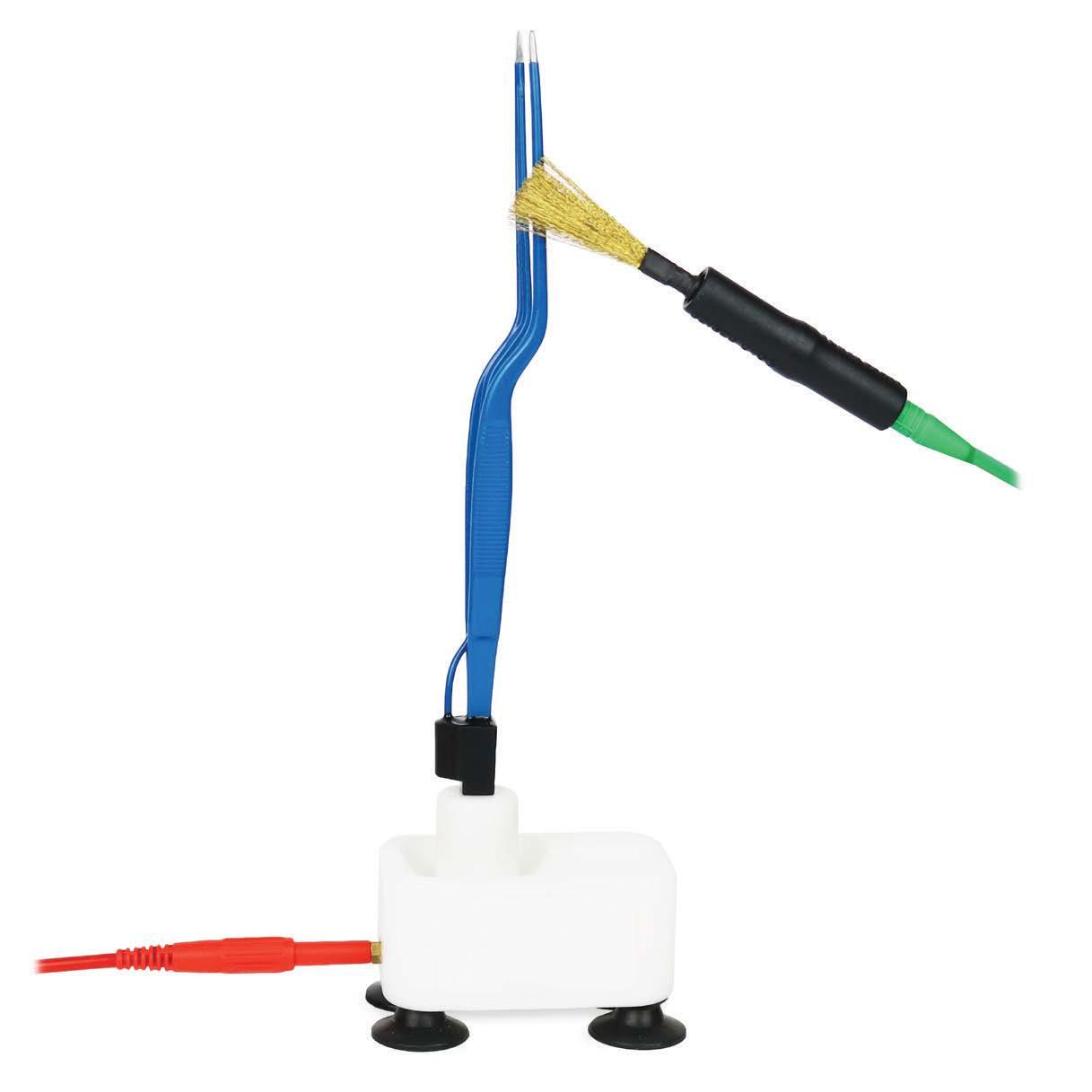
Applied to all insulated components, including shafts, handles, bipolar forceps, and reusable cords
Commonly observed gaps include:
Inconsistent testing frequency
Inability to test reusable cords effectively
Lack of voltage specificity
Missing accessories that limit thorough inspection
Variations in the education and training of SP technicians regarding proper insulation inspection practices
These gaps increase risk—not only for patients but also for the OR teams who rely on these instruments every day.
For more than five decades, Healthmark has focused on helping healthcare teams deliver safe, reliable instrumentation to the point of care. Healthmark combines education, process expertise, and innovative tools to address real-world risks like insulation failure.
Healthmark’s approach emphasizes:
• Education-first implementation
• Inspection solutions designed for repeatability and accuracy
• Alignment with AAMI ST79 and evolving industry standards
• Tools that support both sterile processing and OR confidence
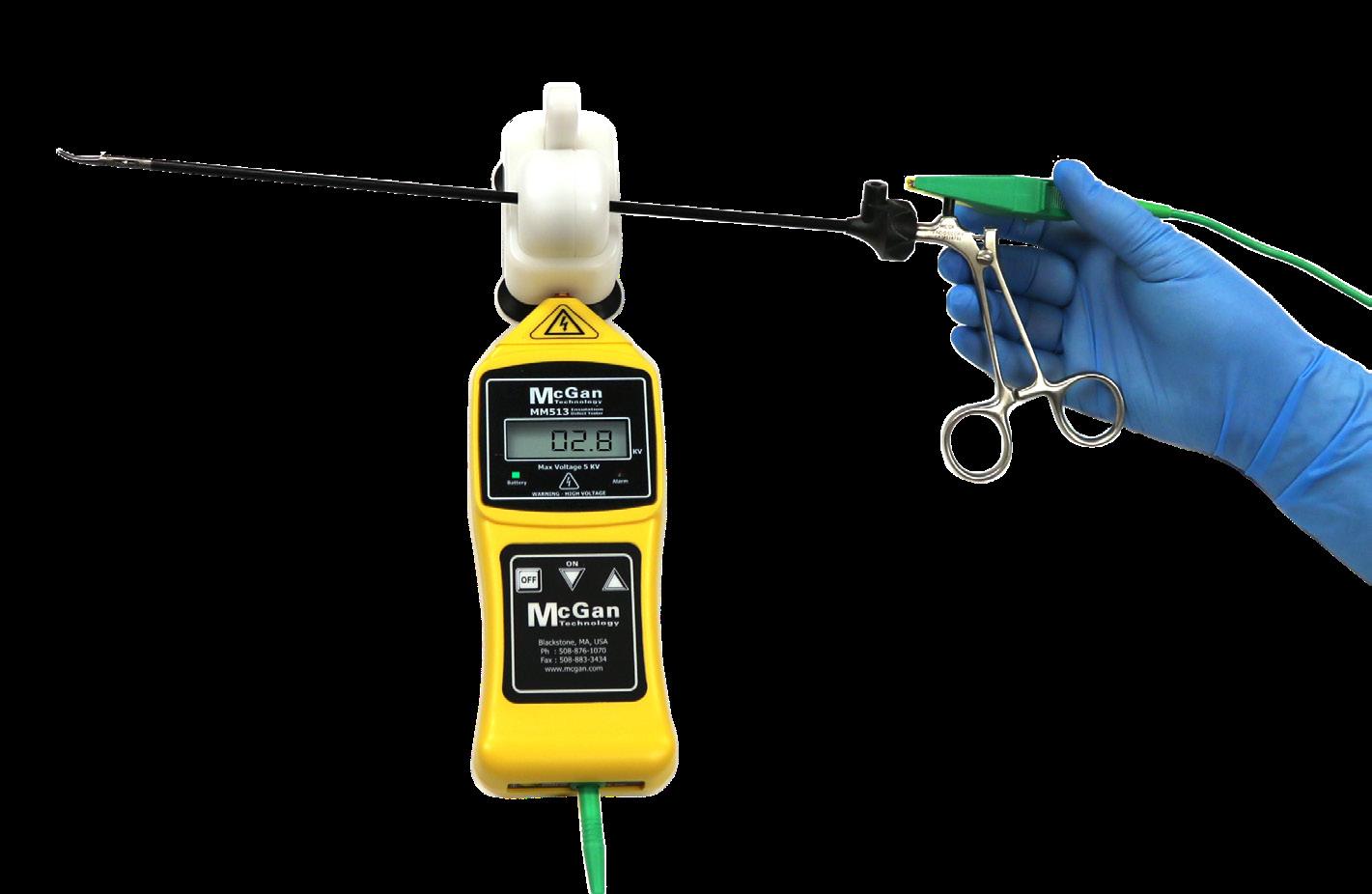
The McGan Insulation Testing system is part of this broader commitment, designed not simply to detect failures but to enable safer surgical environments through awareness, consistency, and collaboration.
Healthmark supports OR nurses and sterile processing teams with education, inspection solutions, and expertise focused on instrument integrity and patient safety.
To learn more about insulation testing best practices or Healthmark’s solutions, visit hmark.com or connect with a Healthmark representative to continue the conversation.
Scan to learn more about how the McGan Insulation Tester supports safer instrument inspections.

BSN, RN, CSSM Emeritus, CRCST, CHL, CIS, CER
Kevin Anderson is Senior Manager, Commercial Education Services for Healthmark, a Getinge company. He is a registered nurse (BSN) that completed his MBA in 2021. He also has multiple certifications, including CSSM Emeritus, CRCST, CHL, CIS, and CER.
Before joining Healthmark, Kevin worked for 18 years in the acute care setting serving in various clinical and leadership capacities including clinical coordinator of general surgery, operating room manager and manager of sterile processing and endoscopy services. His sterile processing team was recognized with IAHCSMM’s, (now HSPA), Confidence Builder Award for their outstanding quality improvement in 2018.
References: † Rojo, C. (2023, March/April). Findings of an internal auditing study of insulation testing practices to improve inspection, testing, and patient outcomes. Process.









Detect
Lightweight,
Helps
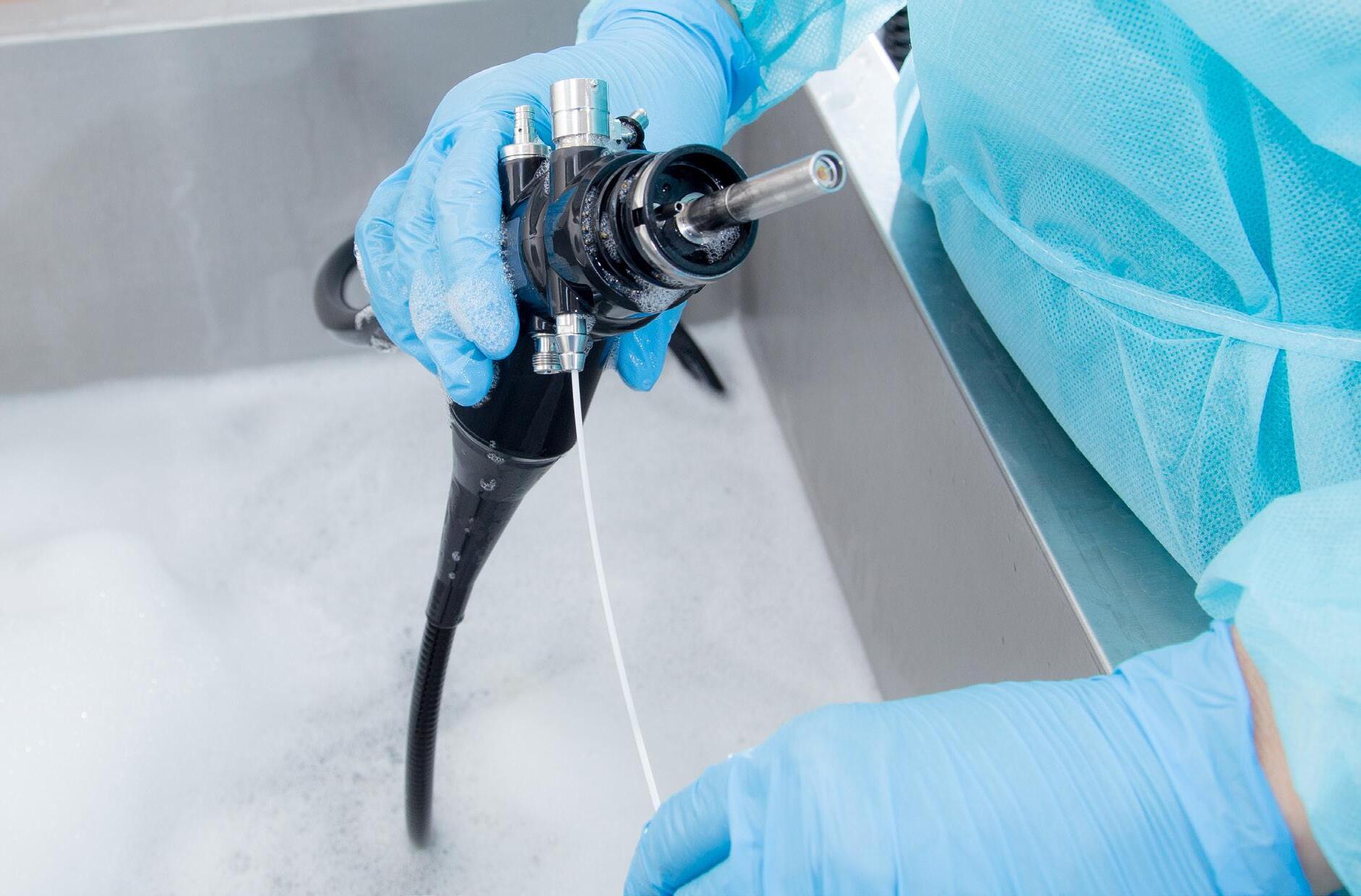
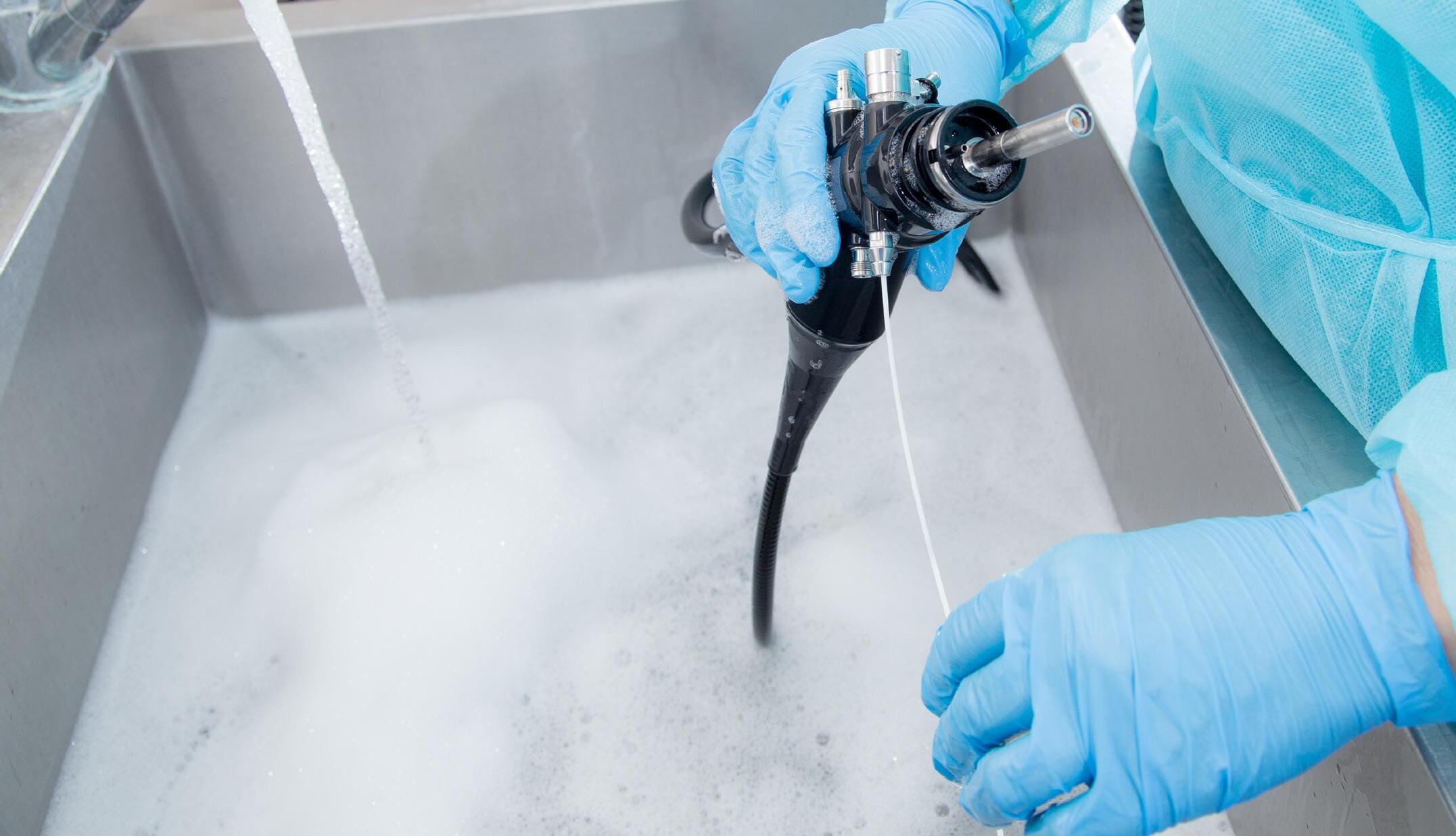
While enzymatic cleaning chemistries share general properties, their specific enzymes and formulation can vary significantly. The American National Standards Institute (ANSI) Association for the Advancement of Medical Instrumentation (AAMI) AAMI ST79:2017 Comprehensive guide to steam sterilization and sterility assurance in health care facilities1 recommends selecting products validated for the types of soil encountered. Proteins, lipids, and polysaccharides require different enzymatic activity(ies) for effective breakdown. Furthermore, formulation differences impact rinsability and material compatibility—key concerns for delicate and complex instrumentation.
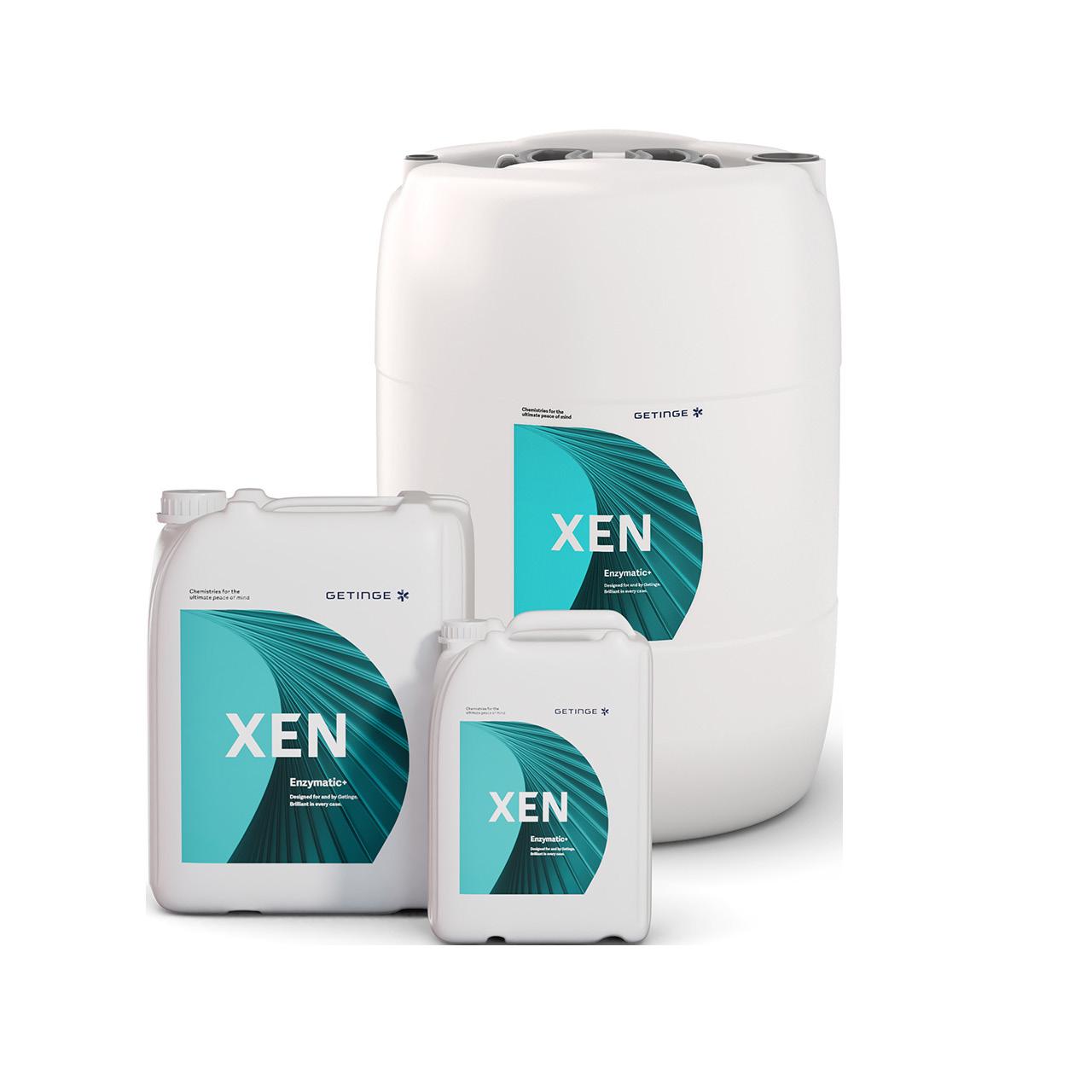
For example, XEN Enzymatic+2 includes a blend of enzymes which target specific soil types targeted at multiple soil types and has demonstrated effective protein, hemoglobin, and biofilm removal well below the AAMI ST791 limit in both internal and independent testing.
Initial purchase price does not reflect total cost of use. Factors such as dose efficiency, temperature requirements, and material compatibility, as well as considerations for use among varied cleaning processes (manual, ultrasonic, and automated cleaning) influence long-term cost. Chemistries that perform reliably over a broad temperature range reduce waste and energy use.
Cleaning chemistries designed for effective use across variable manual cleaning and washer conditions (e.g., XEN chemistries) minimize the need for exacting control of wash parameters and potentially lower total reprocessing costs.
According to AAMI ST108:2023 Water for the processing of medical devices3, key utility water characteristics, such as hardness and total dissolved solids (TDS), can fluctuate based on municipal source changes. These variations impact cleaning chemistry dilution, pH balance, and efficacy.
Users must consider cleaning chemistries tested for effectiveness across a range of water conditions to ensure consistent results (even when utility inputs vary). Continued support after purchase—including education— should be an essential component of the pre-purchase evaluation process.
Cleaning protocols, instrument types, and surgical case mix evolve over time. AAMI ST791 recommends periodic review of cleaning agents to ensure continued compatibility and effectiveness. Departments must take advantage of training and product updates to maintain best practices.
Excess detergent does not result in better cleaning. In fact, high concentrations of detergent can cause residue, stains, and make rinsing more difficult. These issues can compromise sterilization. AAMI ST791 emphasizes the importance of thorough rinsing to remove leftover chemicals. Therefore, it is critical to select cleaning chemistries designed to work effectively at low doses to reduce waste and improve rinsing while still meeting cleaning standards.
AAMI ST791 emphasizes keeping soil moist from the point of use but does not mandate enzymatic action. Surfactant-based pretreatment products (e.g., XEN Xcelerate+2), can offer broader effective soil coverage and reduce enzymatic residue risks—especially critical for ophthalmic instrumentation. With a single product enabling proper point of use treatment (POUT) practices, the procedural staff are equipped with tools to set the sterile processing department (SPD) staff up for success.
Conclusion Myths around cleaning chemistries can hinder progress in sterile processing. By aligning with AAMI and AORN4 recommendations and evaluating product performance (through objective metrics), departments can make informed, sustainable choices.
XEN Cleaning Chemistries are engineered for performance, safety, and efficiency, designed to adapt to real-world conditions and support compliance with AAMI ST791 and ST1083 guidelines.
Backed by testing
Effective across variable conditions
References
1. AAMI (2020). ANSI/AAMI ST79:2017 Comprehensive guide to steam sterilization and sterility assurance in health care facilities. Arlington, VA: Association for the Advancement of Medical Instrumentation.
2. Healthmark Industries. (2025). XEN Xcelerate+. Healthmark, A Getinge company. https://www.hmark.com/product/xen-enzymatic/
3. AAMI (2023). ANSI/AAMI ST108:2023 Water for the processing of medical devices. Arlington, VA: Association for the Advancement of Medical Instrumentation.
4. AORN. (2024). Guidelines for Perioperative Practice, Guideline for instrument cleaning. The Association of periOperative Registered Nurses. Denver, CO.
Healthmark & Getinge believe by combining our strengths, we are positioned to better serve healthcare facilities moving forward into the future. We’re committed to providing innovative solutions, personalized implementation and best-in-class educational resources more than ever before. Together, we are striving to give you an unparalleled customer experience.
Scan to explore the bene ts of our partnership. Discover how we’re rede ning the customer experience to empower your facility.