4 Opportunities to Decarbonize the Operating Room: Early Successes at Froedtert and MCW with More to Come
From the Chair | Douglas B. Evans, MD
Another great series of articles from the faculty and residents of the Department of Surgery are contained in this edition of Leading the Way. You will be looking this over as we say goodbye to 2023 and welcome in 2024. Medicine seems to be changing at a speed perhaps never before seen; in oncology we are now routinely using next generation sequencing of the patient’s germline and their tumor to develop a targeted approach to cancer care; in solid organ transplantation, organs are being conditioned/reconditioned prior to putting them into a recipient and xenotransplantation from genetically modified pigs is on the horizon; in cardiac surgery the sternum is left intact more often as catheters are used to replace heart valves; new bariatric operations are becoming more common and more successful; vascular surgery has an amazing array of techniques and devices to deliver blood to parts of the body that are struggling; and the world of pharmaceuticals has almost eliminated the need for surgery in some diseases. Yet in many respects the core basics of medicine have remained somewhat the same. Patients still rely on doctors for most of their guidance and recommendations on how to proceed when faced with a new and often somewhat sudden health challenge, especially if that challenge is potentially life threatening. Good patient care still requires both an in-depth knowledge of the patient’s disease and the attention to detail necessary to be sure that knowledge is put into practice. In today’s healthcare environment, it is becoming more and more apparent that knowing what to do (for a patient) or how to treat a disease, is just part of the solution - - the implementation
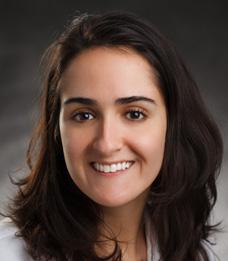
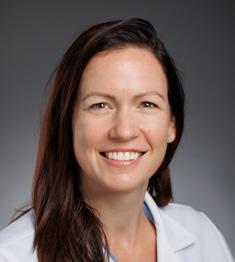
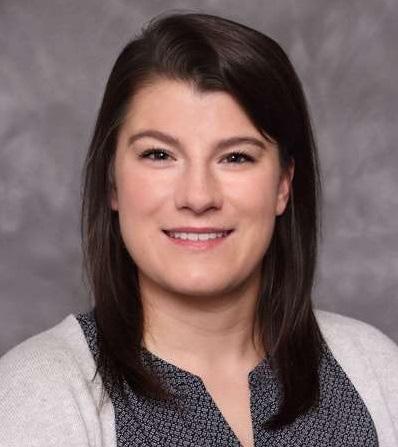
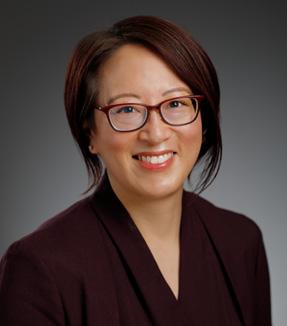
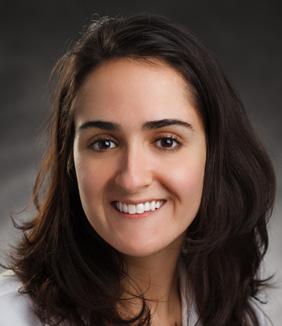
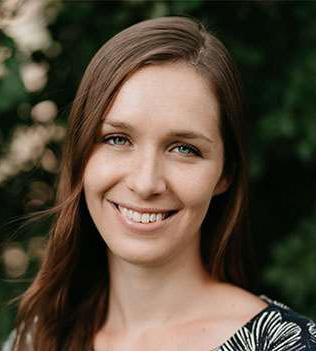
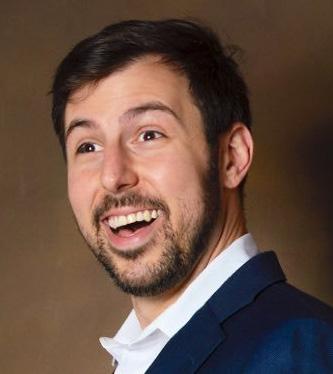
Our thanks to Rana Higgins, MD (left), editor of Leading The Way from 2017-2023, and incoming editor Katie Iverson, MD, MPH (right).
of that knowledge is just as important. Standing in the way of implementation are barriers as strong as NFL linemen: insurance and narrow network insurance plans; authorization processes which require James Bond to penetrate; housing, transportation, financial and family barriers which limit access for the disadvantaged; and our supply side dynamics where doctors, APPs and hospital capacity may not have as much available time and space as the patient demand requires. In fact, it is likely apparent to all of us that it may be easier to develop a plan of care than to implement one. As we develop more sophisticated tools and techniques to battle human disease, our greatest challenge may be the ability to deliver such therapies to the patients who need them – while effectively managing toxicity and side-effects and ensuring, in some way, that recovery will occur. 2024 will be an exciting time in medicine as we embrace the opportunity and work to overcome the barriers/forces which prevent our patients from receiving the treatment they need and deserve. Enjoy the wonderful articles in this edition and a huge thank you to Dr. Katie Iverson for taking the baton from Dr. Rana Higgins as Editor of Leading the Way (thank you Katie and Rana).
Taking back the common bile duct: A direct-tosurgery approach for suspected choledocholithi-
asis
Elise A. Biesboer, MD
General Surgery Resident
Patrick B. Murphy, MD, MPH, MSc
Assistant Professor, Division of Trauma and Acute Care Surgery
The first description of common bile duct (CBD) stone extraction occurred in 1889 by surgeon Ludwig Couvoisier. From then on, open surgery was the standard of care for choledocholithiasis until the late 1970’s when endoscopic retrograde cholangiopancreatography (ERCP) was introduced.1 Although laparoscopic common bile duct exploration (LCBDE) was first described in the early 1990’s2, the management of choledocholithiasis had shifted to a minimally invasive approach involving ERCP followed by laparoscopic cholecystectomy, and the more invasive direct-to-surgery approach largely fell out of favor.
Currently, many young surgeons are unfamiliar with CBD exploration, either laparoscopic or open. A national assessment of choledocholithiasis management practices demonstrated that by 2013, 95% of patients with choledocholithiasis underwent ERCP, and only 1.5% underwent LCBDE.3 According to the 2020-2021 ACGME National Case Logs Data Report, despite graduating surgeons logging an average of 123 laparoscopic and 7 open cholecystectomies, they performed an average of less than 1 laparoscopic or open CBD exploration per surgeon.4
A two-step approach with preoperative CBD clearance via magnetic resonance cholangiopancreatography (MRCP) or ERCP and subsequent laparoscopic cholecystectomy can add risk, cost, and length of stay for the patient. For patients with either suspected or confirmed choledocholithiasis, a direct to surgery approach with laparoscopic cholecystectomy and intra-operative cholangiogram (IOC) is a more cost-effective strategy for both diagnosis and treatment.5, 6 In most patients with suspected choledocholithiasis, intra-operative cholangiograms are negative, and the direct-to-surgery approach saves the patient time and unnecessary invasive testing.7 Additionally, a direct-to-surgery approach can address choledocholithiasis in patients for whom ERCP is not feasible, such as those with Roux-en-Y foregut anatomy.
Marc A. de Moya, MD
Professor and Chief, Division of Trauma and Acute Care Surgery
For these reasons, the Acute Care Surgery team at the Medical College of Wisconsin (MCW) elected to move forward with developing a direct-to-surgery approach program. Recent technology, most notably the Boston Scientific (Marlborough, MA) SpyglassTM choledochoscope, which was developed in 2007 with the most recent version available since 2015, has gained traction in the surgical community. While choledochoscopy is not new technology, the ease of use of the SpyglassTM greatly facilitates adoption. Further, the single-use (but recyclable) scopes offer cost savings over traditional or homemade solutions which are expensive to repair. In addition, Boston Scientific has trainers available with simulation models, which have enabled surgeons to easily learn the technology and steps in performing LCBDE.
Briefly, transcystic LCBDE involves a similar approach to the standard laparoscopic cholecystectomy with the first step being safe dissection of the Triangle of Calot. After intraoperative chol-
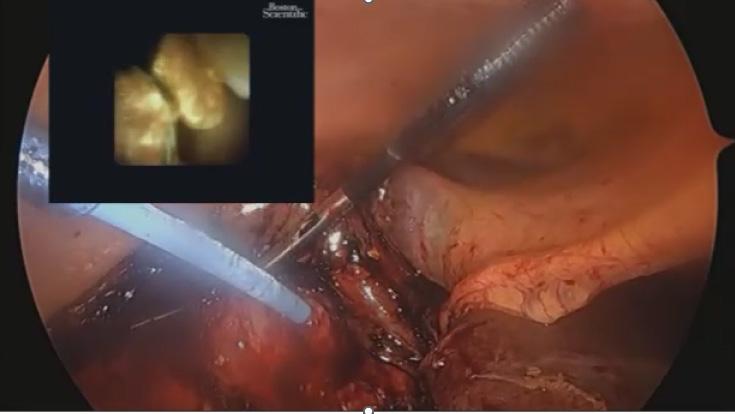
Figure 1: Picture – in – picture view of laparoscopic common bile duct exploration. The left upper corner photo shows the choledochoscope view, which demonstrates multiple stones within the biliary system. The large (right) picture shows the laparoscopic camera view of the choledochoscope within the cystic duct.
angiogram confirms choledocholithiasis, glucagon administration and flushing of the CBD are attempted. If this fails, a guidewire is inserted into the cystic duct via the cystic ductotomy and the midclavicular port. An introducer sheath is inserted into the trocar, the cystic duct is further dilated with an angioplasty balloon if needed, and the choledochoscope is advanced through the cystic duct into the CBD (Figure 1). From there, the guidewire is removed, and a basket can be inserted through the working port of the choledochosope to capture and remove the stones. Alternatively, the stones can be pushed through the duodenal papilla using the choledochoscope. Advanced techniques such as lithotripsy are also available in the setting of large stones. A completion cholangiogram is performed, and the cystic duct is closed with clips or an Endoloop, depending on its size.8
Table 1: Results of single year retrospective review of cholelithiasis treatment by the Acute Care Surgery Team at the Medical College of Wisconsin
It was truly a team effort to implement the LCBDE program in the Acute Care Surgery service. Boston Scientific trainers taught both attendings and residents how to use the SpyglassTM choledochoscope with their simulation models. All initial cases were double-scrubbed by attendings and residents for exposure and troubleshooting. Operating room nurses were trained in set up and use of the equipment. Finally, collaboration with emergency physicians was necessary to promote early surgical consultation for patients with gallstone disease.
A retrospective review was performed after the first year of the program (2/2021 - 2/2022). The Acute Care Surgery team performed 208 laparoscopic cholecystectomies in that year. A total of 90 (43%) of these patients had suspected choledocholithiasis based on preoperative labs and imaging. Of the 90 patients, 59 (65%) underwent a direct-to-surgery approach and avoided the unnecessary cost of MRCP. On intraoperative cholangiogram, stones were found in 23 (39%) patients. Transcystic LCBDE was attempted in 15 patients with an 80% success rate. This is consistent with prior literature for early success rates in performing the procedure, as well as length of hospital stay.9, 10
There were 31 patients who underwent the two-step preoperative duct clearance approach. MRCP was performed in 16 (52%) patients, and ERCP was performed in 23 (74%) patients. Despite attempted preoperative clearance, transcystic LCBDE was still required in 5 (16%) of these patients. For the preoperative clearance group, median length of hospital stay was significantly longer at 3 (IQR=3) vs 2 (IQR=3) days compared to the direct-to-surgery group (Table 1). To date, the Acute Care Surgery team at MCW has per-
formed over 60 transcystic CBDEs with a sustained success rate of 75%.
Some barriers to implementation included unfamiliarity with equipment by both surgeons and operating room nurses, and a learning curve associated with the new technology. As mentioned, implementation also involved changes in practice for earlier surgical consultation of suspected choledocholithiasis in the setting of the emergency room. Despite the barriers, early successes, local champions, and a team approach greatly facilitated the sustained success seen today.
A direct-to-surgery approach with transcystic LCBDE is a safe, patient-centered approach to acute gallstone disease. We have clearly demonstrated the safety and efficacy of the technique. MCW is an early adopter of this approach and serves as a model for other hospitals. We have standardized the management of acute gallstone disease and reduced surgeon-to-surgeon variation. Further efforts will review cost to our healthcare system, and implementation facilitators and barriers at other institutions including Froedtert’s community centers.
For additional information on this topic, visit mcw.edu/surgery or contact Dr. Biesboer at ebiesboer@mcw.edu
See page 7 for references.
Opportunities to Decarbonize the Operating Room: Early Successes at Froedtert and MCW with More to Come
Ricardo J. Bello, MD, MPH Surgical Oncology Fellow
The adverse effects of climate change are set to become the largest threat to global health of the 21st century.1 This would almost seem unthinkable having just emerged from the COVID-19 pandemic, with its millions of casualties and long-lasting disruption of healthcare and the economy. But climate change will not have a discreet start and end like COVID-19. Instead, the burden of disease from climate change will slowly and progressively become more visible in our daily lives as temperatures increase, rainfall patterns shift, extreme weather events become more frequent, sea levels rise, and pollution worsens.
Small changes in climate parameters can have large impacts on human health. Shifting rainfall patterns are already worsening food insecurity and malnutrition, more frequent extreme weather events and fires will continue to exacerbate respiratory diseases, rising temperatures will shift vector-borne diseases to new latitudes, and conflict and human displacement will hinder healthcare delivery and negatively impact mental health. The list of health effects is long, but there is a simple common theme: rising temperatures will most strongly affect the vulnerable communities that are least able to adapt to a changing climate. This threatens to escalate global health disparities.
It is feasible and imperative to avoid the worst consequences of climate change. To get there, each industry – including healthcare - will need to significantly decarbonize its activities.2 As the healthcare industry, it is estimated that we contribute about 10% of all carbon emissions in the United States.3 For context, this is the same percentage as the agricultural industry’s carbon emissions,4 whose role in climate change (e.g., the use of fertilizers and the emissions from livestock and animal waste) seems to be discussed more often than ours in the media.
Healthcare’s environmental sustainability has received relatively less attention, but this has been changing quickly over the past few years. For example, the Department of Health and Human Services launched a voluntary program in 2021 for healthcare organizations to pledge to reduce carbon emissions by 50% by 2030 and to achieve net-zero emissions by 2050.5 According to their website, by the end of 2022, 102 healthcare organizations (representing 837 hospitals) had signed the pledge.5 This initiative was reopened in March of this year. Additionally, in October 2022, the
Joint Commission’s (JCAHO) new president and CEO, Dr. Jon Perlin, declared environmental sustainability as one of JCAHO’s three main current strategic priorities.6 A set of new environmental sustainability measures was recently reviewed by JCAHO, but these measures were later clarified to be optional for healthcare organizations. This likely signals at least some resistance from the healthcare industry.7 The tentative implementation of these two national programs demonstrates a mixed reaction from the healthcare community: there appears to be enthusiasm to make our health services more environmentally sustainable, yet there is reluctance to commit to new regulations.
Surgical services will play an integral role in decreasing carbon emissions from hospitals. The operating room uses 3 to 6 times more energy than the rest of the hospital and generates hundreds of tons of waste per year.2 Anesthetic gases released into the atmosphere have between 350 (sevoflurane) to 3700 times (desflurane) the global warming potential of an equivalent weight of CO2 8 Having such a heavy footprint in the hospital’s carbon emissions positions the surgical team as ideal leaders of the decarbonization efforts in healthcare.
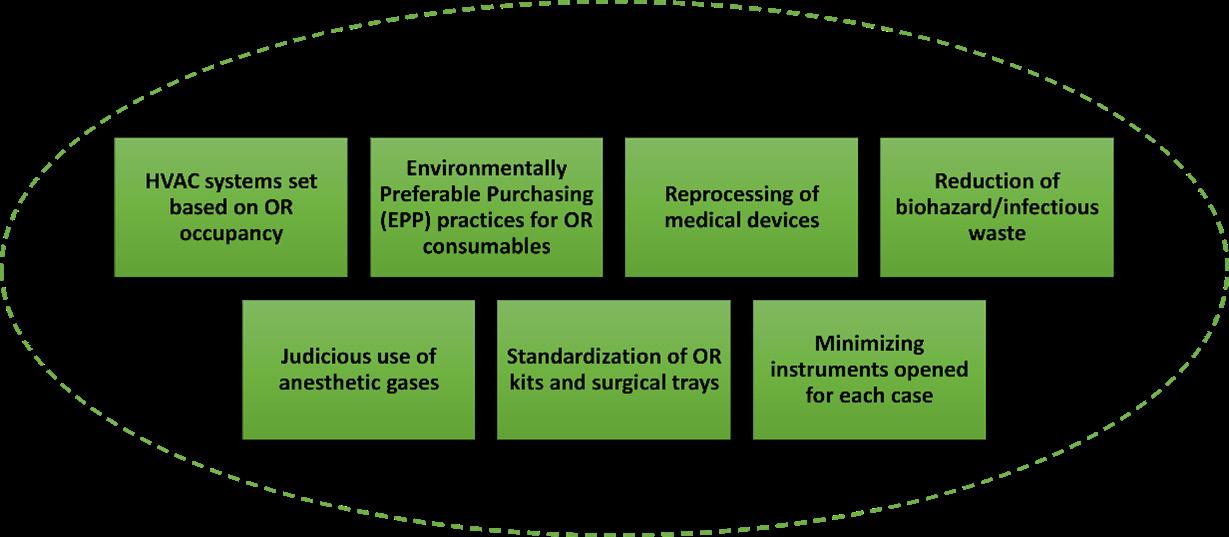
In a review co-authored by one of our recently graduated general surgery chief residents and published in Annals of Surgery in 2021, Dr. Alexis Bowder and her colleagues made a compelling call to decarbonize surgical services through evidence-based interventions. These interventions focus mainly on building environmentally sustainable infrastructure, adjusting Heating, Ventilation, and Air Conditioning (HVAC) systems based on operating room occupancy, following Environmentally Preferable Purchasing (EPP) practices for consumables in the OR, reducing waste, and using anesthetic gases judiciously.8 Many of these interventions will ultimately bring direct cost savings to health systems, but they require institutional buy-in and capital investment (Figure 1).
There is no single formula to decarbonize surgical services, and interventions will have to be tailored to each hospital’s local environment, given significant variability in the sources of carbon emissions for operating rooms in different hospital settings. A study led by Dr. Andrea MacNeill, a surgical oncologist at the University of British Columbia, quantified the carbon footprint of surgical services in 3 hospitals in the US, Canada, and the UK. While anes-
thetic gases contributed to 63% of the emissions at the Vancouver General Hospital, they only represented 4% at John Radcliffe Hospital in Oxford. Energy use amounted to 36% of the emissions at the University of Minnesota Medical Center, but it accounted for 84% of John Radcliffe Hospital’s emissions.2 This variability also highlights the great potential for healthcare organizations to collaborate and learn from one another in decarbonization efforts to achieve this common goal.
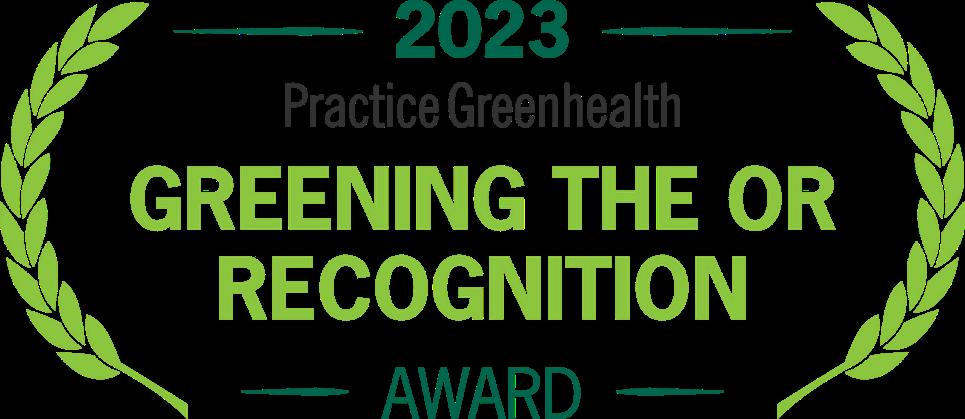
As technology advances and the evidence base grows for environmentally sustainable surgery, there will be more opportunities to implement interventions in the operating room. Thankfully, Froedtert and the Medical College of Wisconsin (F&MCW) are already taking steps to decarbonize surgical practices by increasing recycling, decreasing regulated medical waste, increasing investment in sustainable procurement, and decreasing energy use intensity. In fact, in 2023, Practice Greenhealth awarded Froedtert Hospital a Greening the OR Recognition Award, for “making substantial progress in reducing the impact of the surgical environment,” as well as a Partner for Change Award. This is the second consecutive year that Froedtert Hospital has received these awards from the country’s leading organization for healthcare sustainability with over 1400 hospitals in its membership roster (Figure 2).
2: Froedtert Hospital is a recipient of the 2023 Greening the OR Recognition Award.
These awards are based on results from a series of interventions implemented in our operating room over the past few years. A pilot to divert recyclables pre-incision is now fully expanded and operational in all ORs. LED surgical lighting is installed in all ORs, as well as an HVAC system which sets the number of air exchanges per hour (ACH) based on occupancy sensors. The use of costly and environmentally harmful desflurane has decreased by 84% in 3 years, and a capture system prevents waste anesthetic gases from venting to the outside air. Additionally, collecting devices for repro-
cessing saves almost 4 tons of valuable devices from becoming waste every year, generating significant cost savings. Each of these initiatives, as well as other successful interventions such as the Breast Surgery surgical tray instrument reduction and standardization, not only decrease the environmental impact of our surgical services but also reduce operating costs.
At MCW, there is continuous growth in advocacy, research, and education on the links between climate change and health. Our medical students recently started a chapter of Medical Students for a Sustainable Future, a national organization dedicated to “providing students the tools to make a difference at their institutions and in their communities through advocacy, curriculum reform, research, and climate-smart healthcare.”9 Climate action plans will solidify under the medical school’s recent launch of the MCW Sustainability, Health and Environment (SHE) Center, with the goal “to be a distinguished leader and innovator by working to pioneer sustainable paths to a healthier community, nation and world” through research, education, and community engagement.
These ongoing efforts at F&MCW will need to continue and grow to significantly reduce carbon emissions from our surgical services, but additional efforts will be required to achieve net-zero emissions. Further gains can be made, for example, by increasing utilization of reusable surgical items in the OR, completely removing desflurane from our formulary, increasing use of reprocessed surgical devices, and optimizing preference cards. Moreover, our actions should not stop within the walls of our institution. As an institution known for its leadership in global health, there is a two-fold calling to decarbonize our surgical practices and to help build climate-resilient health systems in communities more vulnerable to climate change.10 The impact of our actions or inaction on disadvantaged communities cannot be understated. Fortunately, the growing interest in improving our environmental sustainability aligns with significant investments in research and development, as well as momentum towards policy changes. If we all work together with this common goal in mind, we can take care of today’s patients in a way that will also ensure the safety of our community today and in the future.
For additional information on this topic, visit mcw.edu/surgery or contact Dr. Bello at rbello@mcw.edu
Acknowledgements: I appreciate input from Dr. Joseph Kerschner, Dr. John Meurer, Dr. Christa Wagner, Josh Zaharias, Dr. Hannah Holland, and Dr. Kent Peterson on environmental sustainability initiatives at F&MCW.
See page 11 for references.
Figure
Figure 1: Evidence-based strategies to decarbonize surgical services in our daily practice in the operating room.
A Perspective on Global Surgery
Taylor Jaraczewski MD, MS
General Surgery Resident
Inaugural Global Surgery Research Fellow
When hearing the term “global surgery,” it is common for one’s mind to wander off to faraway places. Images of practicing medicine in tropical rainforests or sub-Saharan climates arise. However, I would contend that global surgery is not a synonym for international surgery. Can it involve international experience? Sure, an international experience greatly enhances the global perspective, but by no means defines it. The field of global surgery delves much deeper than this. In a way, it is more of a philosophical view than anything else. It is personalized medicine in its most holistic and human form. Global surgery focuses on optimizing surgical care for all people in the context of geography, socioeconomics, and culture. The primary objective is ensuring safe, timely, and affordable surgical care to every person who needs it. It is the ideology that every human has intrinsic dignity that deserves respect. This dignity is uniquely placed at the core of personhood; it is universal and demands our realization.
When I think of the “global” in global surgery, I do not think of the globe but instead of the dream that access to safe, timely and affordable surgical care is available on the global scale. That is, from the inner city of Milwaukee, down to the streets of Rio, and over to the mountains of Southeast Asia, that every person has a method to acquire surgery if needed. But the question arises: is there a need for this? Currently 5 billion out of 7.4 billion people in the world lack access to safe and affordable surgery.1 Only 32.4% of people worldwide have access to surgery. This implies that even if the surgical community was perfect, we could only cure 32.4% of any surgically-related disease. For example, most cancers are dependent on surgery for both diagnosis, treatment and palliation. With our best science, the stark reality is that it is not possible to cure cancer at this juncture. Unfortunately, 32.4% is all we have to offer the world.
The obstacles faced in the global surgery sphere revolve around poverty, scarcity of material resources, and lack of human capital. Fundamentally, the work focuses on the principle of making the best out of what is available. The obstacles are not insurmountable, but they do necessitate a shift in mindset and creativity. The human resource is the bedrock on which the edifice of global surgery lies. A team of gritty and talented individuals who share a passion for helping their fellow human is the main tool used in this work. Moreover, it is essential to underscore that effective global surgical approaches involve forging partnerships, especially with stakeholders within the community one aims to serve. Community involvement is not a mere act of courtesy but, instead, is an indis -
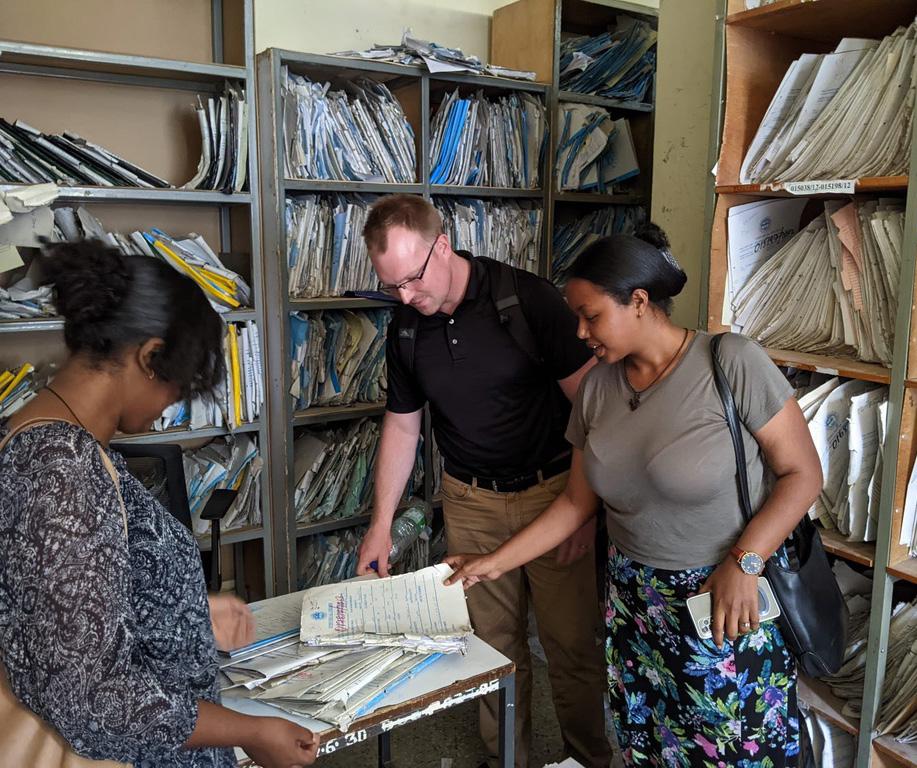
Figure 1: (L to R) Drs. Tinbet Esayas, Taylor Jaraczewski, & Winta Tefera work on optimizing data capture from charts in Hawassa University Comprehensive Specialized Hospital in Hawassa, Ethiopia. This data is housed within one of the first prospective perioperative general surgery registries in Sub Saharan Africa.
pensable pillar of sustainable development.
As a global surgery research fellow at MCW, I have been blessed to be a part of research that reflects many of the qualities of global surgery mentioned here. The primary objective of our work is focused on the development and management of a perioperative data registry at Hawassa University Comprehensive Specialized Hospital (HUCSH) in Hawassa, Ethiopia. This registry, which is one of the first in a low-income country, captures demographics, preoperative data, intraoperative data, postoperative inpatient complications and 30-day complications. To date we have collected over 280 patients over a 1-year span. Multiple residents have utilized the registry to complete quality improvement and research projects, and we are working to expand the registry to other institutions and countries. It is our dream to create a quality improvement perioperative database for all low- and middle- income countries. While collecting such data in a low-resource environment has had its hurdles, the team of Ethiopian and US partners has ensured its success. Dr. Belay Mellese Abebe, chief of surgery at HUCSH, is our primary champion on the ground and has been integral to the success of the project. Dr. Tinbet Esayas and Dr. Winta Tefera are our primary data collectors, and have been the driving force behind the
work (Figure 1). In the U.S., the primary partners include Dr. Nabeel Zafar and Dr. Girma Tefera from the University of Wisconsin-Madison and Dr. Chris Dodgion and Dr. Katie Iverson from MCW. However, it is important to say that these are only a few of the large and impactful community of passionate people involved in this work, and to mention all of them would be impossible.
Another project I have been involved in as a research fellow is working to improve access to surgical care for the uninsured people of Milwaukee. While this work is still in its infancy, it reflects all the attributes of global surgery right in our own backyard. Specifically, it leverages a large, diverse group of passionate partners all dedicated to improving access to surgical care for the most vulnerable in our own community. We have partnered with members of the Saturday clinic for the uninsured (an MCW student-led clinic dedicated to providing health care to the uninsured of Milwaukee) as well as the Free & Charitable Clinic Collaborative (FC3) of Southeastern Wisconsin, which is a group of approximately 30 free clinics throughout the city. We are currently designing a comprehensive needs assessment of Milwaukee to completely map the current state of surgical access for the uninsured. We will utilize lessons from this study to tailor a personalized pipeline for uninsured patients to acquire surgical care in as optimized a manner as possible.
In conclusion, global surgery is a commitment to providing high-quality surgical care to every person, irrespective of their geographical location, socioeconomic status, or culture. It recognizes the inherent dignity of every human being and the unique circumstance they live in and strives to reflect this in its practice. Community partnerships and research are two critical tools that can help navigate the challenges and complexities that characterize this work. As we continue to explore and innovate, we take steps closer to realizing our dream: ensuring that safe, timely, and affordable surgical care is available to all. Indeed, this work is not merely a subdivision of the field of surgery, but instead a call to action to bring the field of surgery to everyone. I leave you with an open invitation to join in this work, not just as a noble cause in the world, but as a realization of our shared humanity in it.
For additional information on this topic, visit mcw.edu/surgery or contact Dr. Jaraczewski at tjaraczewski@mcw.edu.
References
1. Meara, J. G. et al. Global Surgery 2030: Evidence and solutions for achieving health, welfare, and economic development. The Lancet vol. 386 569–624 Preprint at https://doi.org/10.1016/ S0140-6736(15)60160-X (2015).
Scan to learn more about “The Word on Medicine”, a weekly radio show hosted by Drs. Douglas Evans and Rana Higgins, highlighting innovation and discovery across MCW! Past episodes are available in podcast format on iHeartRadio.
References from page 3, Taking back the common bile duct: A direct-to-surgery approach for suspected choledocholithiasis
1. Memon, M.A., H. Hassaballa, and M.I. Memon, Laparoscopic common bile duct exploration: the past, the present, and the future. Am J Surg, 2000. 179(4): p. 309-15.
2. Petelin, J.B., Laparoscopic approach to common duct pathology. Am J Surg, 1993. 165(4): p. 487-91.
3. Wandling, M.W., et al., Nationwide Assessment of Trends in Choledocholithiasis Management in the United States From 1998 to 2013. JAMA Surg, 2016. 151(12): p. 1125-1130.
4. ACGME, Surgery Case Logs National Data Report 2021.
5. Ali, F.S., et al., Cost-effectiveness analysis of optimal diagnostic strategy for patients with symptomatic cholelithiasis with intermediate probability for choledocholithiasis. Gastrointest Endosc, 2022. 95(2): p. 327-338.
6. Morton, A., et al., Laparoscopic common bile duct exploration by acute care surgeons saves time and money compared to ERCP. Am J Surg, 2022. 224(1 Pt A): p. 116-119.
7. Lin C, Collins JN, Britt RC, Britt LD. Initial Cholecystectomy with Cholangiography Decreases Length of Stay Compared to Preoperative MRCP or ERCP in the Management of Choledocholithiasis. Am Surg, 2015. 81(7): p. 726-31.
8. Biesboer EA, M.P., Laparoscopic Common Bile Duct Exploration for the Acute Care Surgeon Panamerican Journal of Trauma, Critical Care & Emergency Surgery, 2022. 11(3): p. 156-162.
9. Hodgson, R., et al., Should Common Bile Duct Exploration for Choledocholithiasis Be a Specialist-Only Procedure? J Laparoendosc Adv Surg Tech A, 2021. 31(7): p. 743-748.
10. Wahi, J.E., et al., Five-Year Experience with Transcystic Laparoscopic Common Bile Duct Exploration. J Laparoendosc Adv Surg Tech A, 2023. 33(3): p. 276-280.
Referrals, Transfers, and Consultations
ADULT PATIENTS
All Non-cancer Requests Referrals: 800-272-3666
Transfers/Consultations: 877-804-4700
Clinical Cancer Center Referrals: 866-680-0505
Transfers/Consultations: 877-804-4700
PEDIATRIC PATIENTS
Referrals/Transfers/Consultations: 800-266-0366
Acute Care Surgery: 414-266-7858
For more information, please visit mcw.edu/surgery.
The MCW CAPTAINS (Career Advancement and Professional Training Academy IN Surgery)
Tracy S. Wang, MD, MPH
Professor, Division of Surgical Oncology
Vice Chair of Strategic and Professional Development Chief, Section of Endocrine Surgery
Leadership is an essential skill for physicians and surgeons. In a perspective piece on the key tenets of surgical leadership by the Society of Surgical Chairs, the three principles of collaboration and cooperativity, humanism and mentorship, and operational efficiency were emphasized.1 These skills are critical to surgeons at all stages of their career; in the setting of academic surgery, surgeons engage in team-based leadership roles in the operating room, in the multidisciplinary care of patients, in the education and mentorship of medical students, residents, and fellows, and in the leadership of centers, institutes and health systems.
There is a recognized need to develop leadership programs focused on the needs of practicing surgeons.2,3 However, opportunities to attend external leadership development programs can be challenging, given the financial costs of programs, time away from clinical practice, and personal/family obligations. Moreover, many leadership courses are attended by a single faculty member from a given institution, with a focus on the individual outside of the context of their work environment. Upon conclusion of a short-term course, it can be challenging for the individual to implement and obtain necessary feedback from their colleagues and institutional leadership on learned skills. Lastly, many leadership development programs require formal leadership roles as a condition of participation. These potential barriers to developing and nourishing a necessary and valuable skillset are perpetuated by the underrepresentation of women and minorities in leadership positions throughout academic medicine.
Surgery.
MCW CAPTAINS
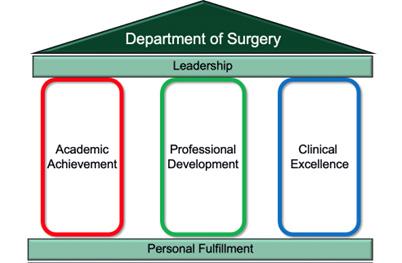
The professional advancement of the faculty and the development of the next generation of surgical leaders is a core tenet of the Department of Surgery (Figure 1).
To further this commitment, the Department of Surgery launched the MCW CAPTAINS (Career Advancement and Professional Training Academy IN Surgery) program, an eight-session longitudinal program over the 2022 – 2023 academic year (Figure 2). For the inaugural year, 10 faculty members across 6 clinical divisions, with new and/or current leadership roles within the department and/or institution, were invited to participate:
• Callisia N. Clarke, MD, MS
• Christopher M. Dodgion, MD, MSPH, MBA
• Anuoluwapo F. Elegbede, MD, MS
• Andrew S. Kastenmeier, MD
• Joseph P. Hart, MD, MHL
• Caitlin R. Patten, MD
• Carrie Y. Peterson, MD, MS
• Timothy J. Ridolfi, MD, MS
• Kyle van Arendonk, MD, PhD
• Tracy S. Wang, MD, MPH
The customized curriculum was designed in partnership with FOCUS Training, Inc., a Milwaukee-based leadership development company. Based on their ELEVATE program, the strategic leadership skills emphasized in the four, bi-monthly ‘training days’ were adapted to the results of pre-assessment surveys taken by the participants, their Division Chiefs, and Douglas Evans, MD (Figure 3). These included: (1) prioritization and delegation; (2) effective feedback and accountability conversations; (3) enterprise leadership and personality types; and (4) leading through change and ambiguity.
Interspersed with these sessions were four half-day sessions in which departmental, institutional, and national leaders were invited to speak on topics that included department and institutional finances, Negotiations, and Difficult Conversations. Also included on these days were the FOCUS Training-led “Communities of Practice”, facilitated peer group sessions designed to apply the concepts from the previous month’s session to the work environment. Throughout the year, faculty members also participated in one
Figure 1: Core tenets of the Department of
small-group coaching session and one individual coaching session with the FOCUS Training facilitator.
The inaugural MCW CAPTAINS program culminated in a celebration of the participants and presentation to departmental leadership of the skills learned in the program. At the conclusion of the program, participants noted:
“I feel more mission-aligned with MCW and the hospital system.”
“Through reflection in the program and with the cohort, I learned a lot more about my own leadership styles and strengths. This has already impacted my daily practice.”
“This course allowed some time and space to reflect on my career, my leadership strengths, and opportunities for growth.”
MCW CAPTAINS: 2023 – 2024
A call for applications for MCW CAPTAINS for the 2023 – 2024 academic year occurred in the spring of 2023. This year’s program is focused on early-career faculty (no more than two years since promotion to Associate Professor). The 21 applications were reviewed by a committee comprised of three departmental leaders and five participants from the 2022 – 2023 academic year. The 12 participants represent 7 divisions within the department and include two non-physician faculty members.
• Jed F. Calata, MD
• Chandler S. Cortina, MD, MS
• Sophie Y. Dream, MD
• Rana M. Higgins, MD
• Tammy L. Kindel, MD, PhD
• Anai N. Kothari, MD, MS
• Nathan W. Kugler, MD
• Paul L. Linsky, MD
• Angela J. Mathison, PhD
• Christina L. Megal, DNP, APNP
• Jacob R. Peschman, MD, MSPE
• Libby Schroeder, MD
For additional information on this topic, visit mcw.edu/surgery or contact Dr. Wang at tswang@mcw.edu.
References
1. Rosengart TK, Kent KC, Bland KI, et al. Key tenets of effective surgery leadership: Perspectives from the Society of Surgical Chairs mentorship sessions. JAMA Surg 2016;151(8):768-770.
2. Jaffe GA, Pradarelli JC, Lemak CH, et al. Designing a leadership development program for surgeons. J Surg Res 2016;200(1):5358.
3. Gauly J, Court R, Currie G, et al. Advancing leadership in surgery; a realist review of interventions and strategies to promote evidence-based leadership in healthcare. Implement Sci 2023;18(1):15.
Figure 2: MCW CAPTAINS logo.
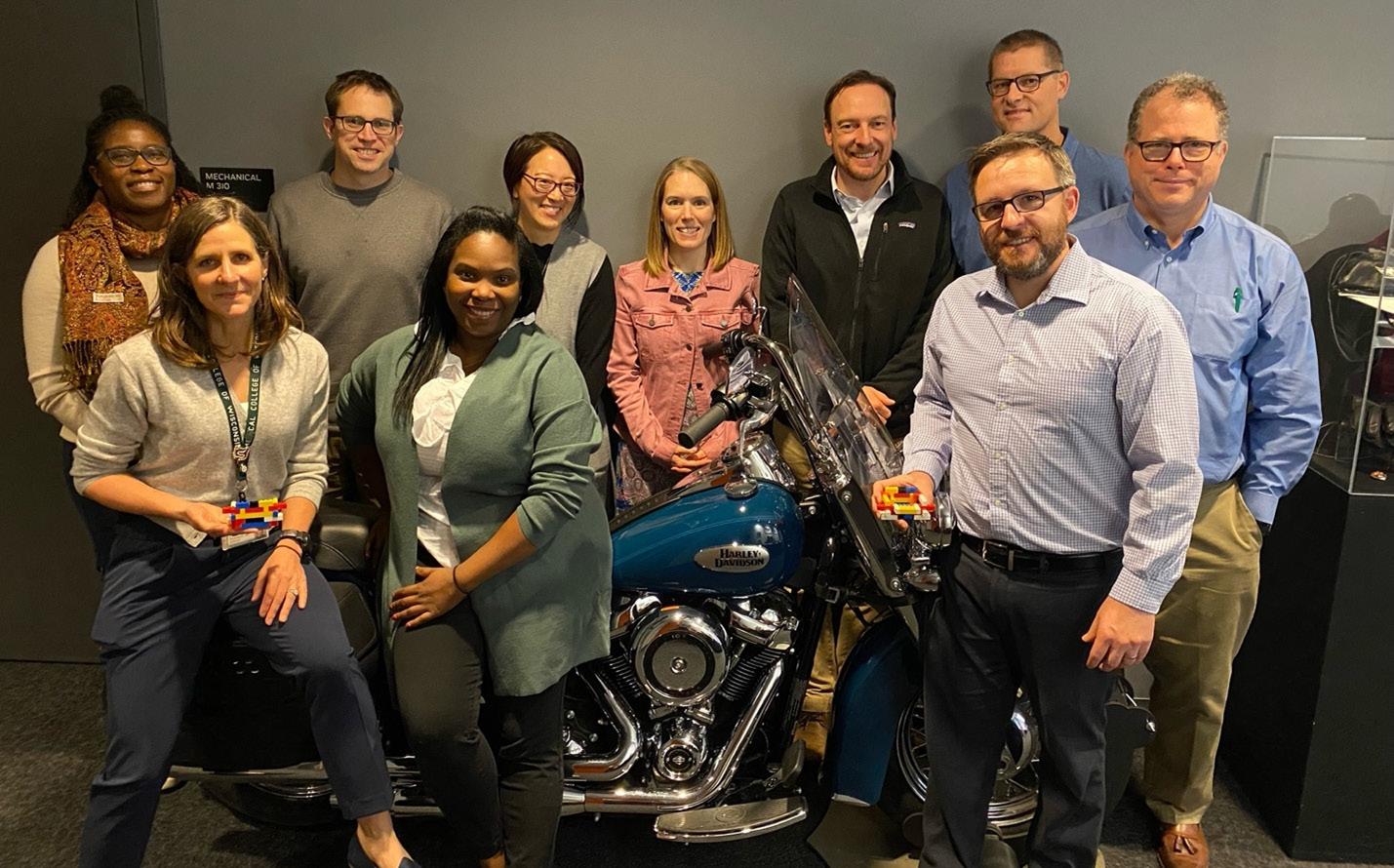
Figure 3: The inaugural MCW CAPTAINS cohort attend a training session at the Harley Davidson Museum.
Auto-diuresis Predicts Return of Bowel Function
Matthew I. Goldblatt, MD Professor, Minimally Invasive & Gastrointestinal Surgery; Medical Director, Condon Hernia Institute
Sometimes the observations we make every day become so commonplace that we take them for granted. We can tell when a patient is sick or well just when we walk into their room. Most of the time we can back up our subjective opinions with objective data. They might be febrile, diaphoretic and have an elevated white blood cell count. Back this up with an x-ray or CT scan and we are pretty certain who needs to go to the OR and who is going to be alright. After surgery, the signs are often less clear. Patients are in pain but is that normal for the operation or is there something wrong? White blood cell counts are elevated and there is often a low-grade fever. Part of the learning curve of surgical training is figuring out who is following the expected post-operative course and who has deviated from the expected.
When I was a junior faculty, I did bariatric surgery. Most of the patients underwent a Roux en Y gastric bypass and all of them got a Foley catheter placed in the OR. We therefore had very accurate urine output data for the first 24 hours. After a gastric bypass, one of the most feared complications in the first 24-48 hours is a leak at the gastro-jejunostomy anastomosis. This would typically manifest as a fever, heart rate above 120 beats per minute, and an elevated white blood cell count. There would also be low urine output. In fact, we had a rule that if a patient was going to get an IV fluid bolus because of low urine output, the attending had to be notified since that was an early warning sign of a more sinister problem. Contrary to low urine output, excellent urine output meant that everything was going to be ok, even if there was a low-grade fever, elevated white blood cell count or mild tachycardia.
With hernia patients, I noticed the same phenomenon. In large abdominal wall reconstructions with extensive bowel manipulation and sometimes bowel resection, component separation, and longer operative times, the patients would often require a little extra IV fluid just to maintain minimal urine output. Many times, patients would be sequestering 3-5 extra liters of fluid. They would also have an ileus, and if you fed them too soon, they would become distended or vomit. With a brand-new hernia repair, that was the worst thing that could happen. Then sometime around post-operative day 2 to 4, they would start to diurese on their own. This “auto-diuresis” would be at least 500 ml of urine output per 8-hour shift, often more. The auto-diuresis also heralded the return of bowel function as defined by passing flatus by about 24-48 hours.
When I reviewed the literature on this well-known phenome -
Jennifer M. Schuh, MD General Surgery Resident
non, there was very little written about it. So, when an enthusiastic medical student named Jennifer Kaiser (now you know her as Jennifer Schuh, MD) asked if I had any research projects she could help with, we decided to look at hernia patients to determine if this observation could be used to predict return of bowel function. Dr. Schuh spent a couple of months painstakingly reviewing the charts of almost 400 hernia repair patients. In addition to open hernia repairs, she also looked at laparoscopic hernia repairs, thinking initially that the laparoscopic patients would act as a control group. We didn’t do many robotic hernia repairs back then.
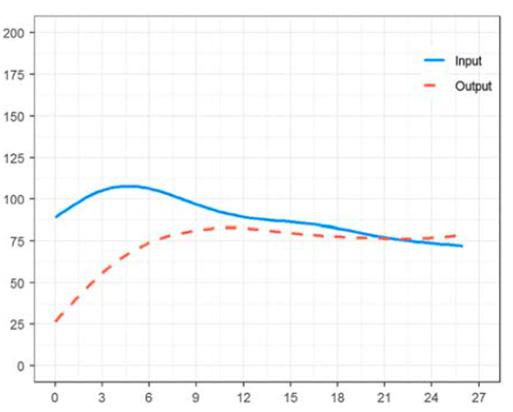
It turns out that auto-diuresis occurs in patients that have undergone either open or laparoscopic hernia repairs.1 What she found was that, on average, the urine output picked up around hospital day 2 or 3, and that as providers we are slow to turn down the IV fluids (Figure 1).
Fluids (mL/hour)
Shift
Figure 1: Average inputs and outputs for all patients by 8-hour nursing shift in ventral hernia repair patients.
We also found that once a patient made 500 ml of urine in an 8-hour shift, that patient would have return of bowel function and be discharged within 48 hours. If the patient made over 700 ml of urine over 8 hours, then they would pass flatus and get discharged within 24 hours. Why does this happen? The study was not designed to determine that, but it might be due to anti-diuretic hormone, narcotic pain medicines, and/or various gut hormones. These contribute to an ileus and when the fluid-filled small bowel
finally starts to move and deliver that water to the colon where it gets reabsorbed, it manifests as increased urine output. This all happens 1-2 days before the colonic motility leads to flatus.
Many people would look at this study and say, “so what.” Well, since hospitals are often full to capacity and insurance companies (and most patients) want shorter lengths of stay, if you are waiting for an objective sign of return of bowel function (flatus or bowel movement), you may be a day or two too late. What you really need to monitor is the urine output and once it goes over 500 ml per shift, it would be appropriate to start a diet and then prepare the patient for discharge within 24 hours. Doing this should be able to shave at least a day off the length of stay, saving patients and providers this extra delay. Further applications of this work include the opportunity to extend this observation to other surgical procedures, helping progress the care of more of our patients in a timelier manner.
For additional information on this topic, visit mcw.edu/surgery, contact Dr. Goldblatt at mgoldbla@mcw.edu or Dr. Schuh at jmschuh@mcw.edu
References
1. Kaiser JM, Helm MC, Higgins RM, Kastenmeier AS, Rein LE, Goldblatt MI. Auto-diuresis Predicts Return of Bowel Function. Surg Laparosc Endosc Percutan Tech. 2022;32(5):528-533. Published 2022 Oct 1. doi:10.1097/SLE.0000000000001083
References from page 14, Medical College of Wisconsin Collaboration in the BEST-CLI Trial
1. Farber, A., Menard, M. T., Conte, M. S., et al. BEST-CLI Investigators (2022). Surgery or Endovascular Therapy for Chronic Limb-Threatening Ischemia. New Eng J Med 387(25), 2305–2316. DOI: 10.1056/NEJMoa2207899
2. A.W. Bradbury, C.A. Moakes, M. Popplewell, et al. A vein bypass first versus a best endovascular treatment first revascularisation strategy for patients with chronic limb threatening ischaemia who required an infra-popliteal, with or without an additional more proximal infra-inguinal revascularisation procedure to restore limb perfusion (BASIL-2): an open-label, randomised, multicentre, phase 3 trial Lancet, 401 (2023), pp. 1798-1809 DOI: 10.1186/s13063-015-1114-2
CONNECT WITH MCW SURGERY
@MCWSurgery
@MCWSurgOnc
@MCWMIGS
@MCWTraumaACS
@MCWPancreasProgram
References from page 4, Opportunities to Decarbonize the Operating Room: Early Successes at Froedtert and MCW with More to Come
1. Watts N, Adger WN, Agnolucci P, Blackstock J, Byass P, Cai W, et al. Health and climate change: policy responses to protect public health. Lancet. 2015;386(10006):1861-914.
2. MacNeill AJ, Lillywhite R, Brown CJ. The impact of surgery in global climate: a carbon footprinting study of operating theatres in three health systems. Lancet Planet Health. 2017;1(9):e381-e8.
3. Eckelman MJ, Sherman J. Environmental Impacts of the U.S. Health Care System and Effects on Public Health. PLoS One. 2016;11(6):e0157014.
4. Environmental Protection Agency. Sources of Greenhouse Gas Emissions 2023 [Available from: https://www.epa.gov/ ghgemissions/sources-greenhouse-gas-emissions#:~:text=Combustion%20of%20natural%20gas%20and,and%20commercial%20sector%20in%202021.
5. United States Department of Health and Human Services. Health Sector Commitments to Emissions Reduction and Resilience 2022 [Available from: https://www.hhs.gov/ climate-change-health-equity-environmental-justice/climate-change-health-equity/actions/health-sector-pledge/ index.html.
6. Perlin JB, Lee TH. Health Equity, Environmental Sustainability, Workforce: The Joint Commission’s Three Strategic Priorities. Catalyst non-issue content. 2022;3(5).
8. Yates EF, Bowder AN, Roa L, Velin L, Goodman AS, Nguyen LL, et al. Empowering Surgeons, Anesthesiologists, and Obstetricians to Incorporate Environmental Sustainability in the Operating Room. Ann Surg. 2021;273(6):1108-14.
9. Medical Students for a Sustainable Future. About MS4SF. 2022.
10. Institute of Medicine. Public Health Linkages with Sustainability: Workshop Summary. Coussens C, Rusch E, editors. Washington, DC: The National Academies Press; 2013. 147 p.
@MCWSurgery
@MCWEndoSurg
@MCWMIGS
@MCWPancProgram
@MCWPedSurg
@MCWTraumaACS
@MCWSurgResearch
@MCWSurgOnc
@MCWVascSurg
@MCWSurgery
@MCWGenSurg_Residents
Updates from the Residency Program
Rana M. Higgins, MD Associate Professor, Division of Minimally Invasive Gastrointestinal Surgery General Surgery Residency Program Director
When I took on the role as General Residency Program Director in October 2022 from Dr. Matthew Goldblatt, I knew there was a lot to live up to. 2023 has been an exciting year and I continue to look forward to the further growth and development of our program. We had a great and versatile group of interns join us for this new academic year. This intern class is unique in that they represent a broad range of medical schools from across the United States. Of our 8 categorical general surgery residents, we have 2 from the South, 2 from the East Coast, 1 from the West Coast and 3 from the Midwest. Five of our categorical interns are women and 3 are men. Among all our categorical residents, 70% are women and 30% are men. We are looking forward to another great recruitment season. All interviews will continue to be conducted virtually for the foreseeable future.
Another development in our program over the past year has been the growth of resident interest and engagement in dedicated research time during their residency training. On average for the last several years, there have been 5-6 research residents per year. This last academic year there were 8 research residents. Among these 8 research residents, they have a total of 24 publications. In the 2023-2024 academic year, there are 13 research residents and in the 2024-2025 academic year, it is anticipated there will be 14 research residents. This has created challenges in identifying funding opportunities to support these residents in their research. With the help of the Division of Research, Dr. Gwen Lomberk, the Committee for Accelerating Research Discovery in Surgery (CARDS) and Dr.
Douglas Evans, a more clearly defined mechanism for research proposal submission has been created. This structured pathway will help identify and finalize research resident plans at least 1 year in advance, with the opportunity to apply for external funding opportunities. This support and structure are crucial, given the continued resident interest in dedicated research time during training.
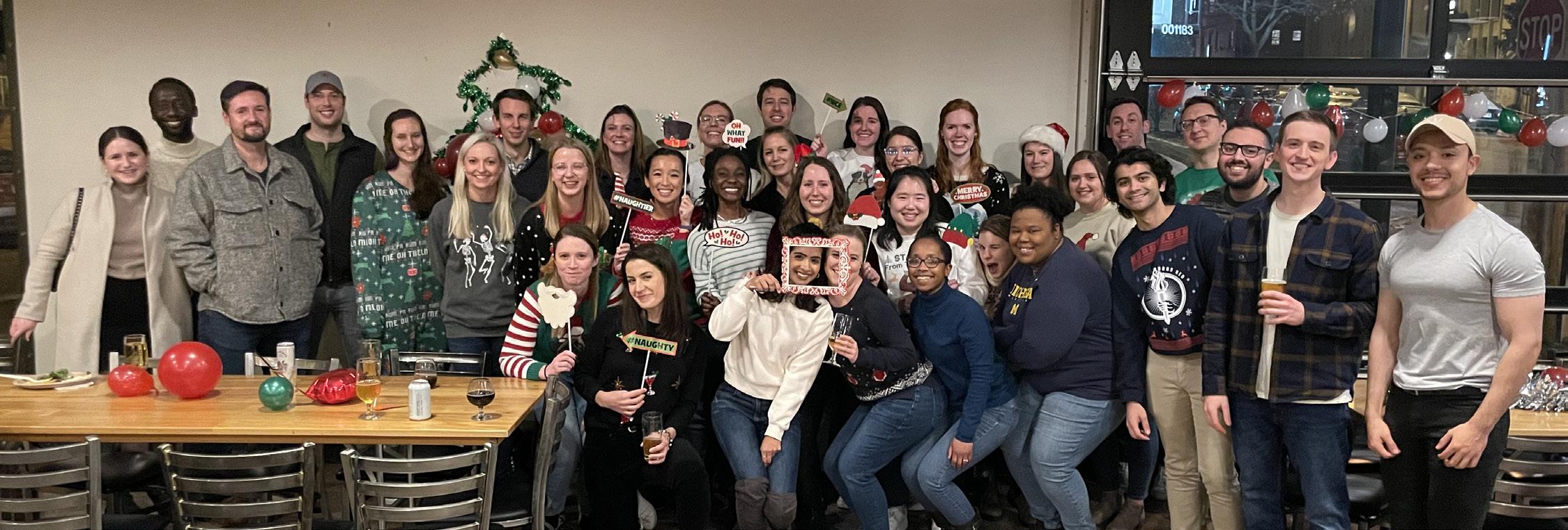
We continue to support wellness among our residents. The Resident Wellness Committee has been very active over this past academic year, with events such as a resident holiday party, axe throwing, post-ABSITE party, on-site chair massages, and a new intern welcome social (Figure 1). This past year was the first of dedicated half-days for each resident class throughout the year, which will continue for the upcoming academic year. We are always appreciative of donations to the Resident Wellness Fund, to continue supporting these important wellness initiatives.
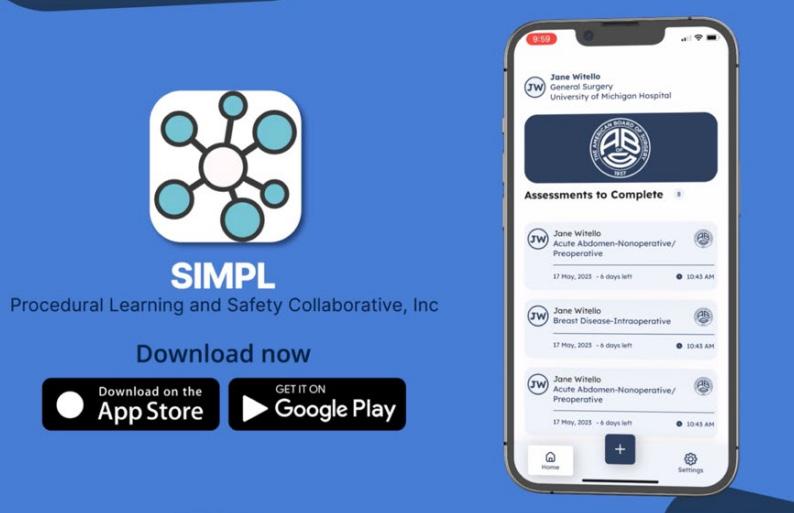
Improving feedback for our resident trainees has been another focus of our program over the past year. The SIMPL OR app is a smart phone-based assessment system to evaluate the level of autonomy achieved by a resident in performing surgical procedures (Figure 2). This was initially used in our program in February 2022, with dwindling participation over time. Utilization of this app to provide more immediate and actionable feedback to our residents was relaunched in April 2023. Since the relaunch, there has been a 7-times increase in monthly assessments completed. As an extension of the importance of immediate and actionable feedback, the American Board of Surgery, effective July 1, 2023, is mandating the use of Entrustable Professional Activity (EPA) assessments among all residency programs across the country. EPAs were developed to provide more competency-based evaluations and assessments of resident performance. The ABS has collaborated with SIMPL, which will be the mobile application used to complete residents’ EPA assessments (Figure 3). The goal of the first year is progressive engagement!
We look forward to the further growth and development of our residency program over the next academic year!
For additional information on the General Surgery Residency Program, visit mcw.edu/surgery or contact Dr. Higgins at rhiggins@mcw.edu.
Figure 3: American Board of Surgery collaboration with SIMPL, the mobile application that will be used to complete residents’ EPA assessments.
Figure 2: SIMPL OR phonebased application
Resident Wellness
The MCW General Surgery Resident Wellness Committee has been focused on improving the residency experience through meaningful wellness initiatives based on resident feedback. We have had a variety of successful resident events including a holiday party, an axe throwing event with Emergency Medicine residents, chair massages at the hospital, and many more. Additionally, the Wellness Committee has been working to support residents at the hospital through numerous measures like food for resident meetings, time for needed appointments, easy references for work, and accessible snacks. Since starting a surgical residency can be challenging, members of the committee have hosted events for incoming interns, created guides to Milwaukee, information about the hospital, and signed up to be peer supporters with dedicated training. Although, ‘wellness’
The 2024 MCW Joint Solid Organ Transplant Symposium
Saturday, April 13, 2024 | 8:00 a.m. - 4:00 p.m.
“Access and Innovation in Kidney & Pancreas Transplant” & “Debates and Dilemmas in Liver Disease Practice”
Location: Renaissance Milwaukee West Hotel, 2300 N Mayfair Road, Wauwatosa, WI 53226
About: This full-day educational symposium features two concurrent tracks for a diverse audience. Speakers include MCW faculty experts and keynote speaker Alexandre Louvet, MD, PhD (Lille University Hospital, France). This activity has been approved for AMA PRA Category 1 Credit TM .
Registration: Visit ocpe.mcw.edu/surgery for registration and the full program brochure.
means something different to each person, the committee’s goal is to create a space for all residents to bring forth ideas that can improve our personal and community culture. Please consider donating to the MCW General Surgery Resident Wellness Committee, to continue to support these wellness initiatives moving forward!
To donate, scan the QR code or visit mcwsupport.mcw.edu/makeagift Under “Gift Designation” select “Other” and then indicate “Department of Surgery Resident Wellness Fund”.
13th Annual MCW LaBahn Pancreatic Cancer Symposium
Friday, January 26, 2024 | 8:30 a.m. - 3:30 p.m.
Location: The Westin Milwaukee, 550 N Van Buren St, Milwaukee, WI 53202
About: This full-day symposium highlights innovative basic and translational science advancements in pancreatic cancer. Speakers include MCW faculty experts and guest speakers Andrew Lowy, MD (UC San Diego School of Medicine) and Eileen O’Reilly, MD (Memorial Sloan Kettering). This activity has been approved for AMA PRA Category 1 Credit TM .
Registration: Vist ocpe.mcw.edu/surgery for registration and the full program brochure.
Figure 1: General Surgery Resident Holiday Party at Good City Brewing December 2022, hosted by the Resident Wellness Committee.
Medical College of Wisconsin Collaboration in the BEST-CLI Trial
Beth Weseman, RN, BSN
Research Nurse Coordinator II, Division of Vascular & Endovascular Surgery
The BEST-CLI trial results and those from BASIL-2 are “blowing up” Twitter and other vascular and interventional radiology social media forums. Since April 2023, the results of the two trials have been put head-to-head in the discussion of endovascular therapy vs. open (bypass) for first-line treatment of chronic limb-threatening ischemia (CLTI).
From June 2014 through January 2023, the Division of Vascular and Endovascular Surgery and the Division of Vascular/Interventional Radiology at the Medical College of Wisconsin (MCW) were involved with the Best Endovascular vs. Best Surgical Therapy in Patients with Critical Limb Ischemia (BEST-CLI) trial (Figure 1). As part of the strict inclusion/exclusion criteria, a vascular surgeon and an interventional radiologist were required to sign off on each patient stating, in agreement with the other discipline, that the patient was an acceptable candidate for either open bypass or endovascular revascularization of their lower extremity.1
As researchers know, collaboration between specialties can be challenging, but we have a strong relationship between these two divisions at MCW. It takes cooperation and trust to work as a team and encourage patients to enroll in a randomized trial while at the same time conveying to the patient that neither specialty knows which treatment provides better long-term outcomes and that a randomized clinical trial is the best way to answer the unknown. Our MCW team was successful and ranked among this NIH-sponsored trial’s top enrollers.
As the data came in, the trial organizers began to realize the magnitude of the collected data, and they soon realized they needed to expand. In September of 2018, a significant amendment was rolled out which, among other changes, expanded the follow-up from 48 months to 84 months, added a financial component to collect the long-term cost differences between the two therapies,
and increased compensation for patients to ensure their continued involvement. Each of these changes necessitated increased time and resources, and as expected, the NIH award could not support the trial alone. The group began to seek additional funding from industry and society partners. This had positive results, and the trial was able to raise funds and continue enrolling patients. Cohort II (those patients with prosthetic bypass conduits) was followed until December 31, 2019 and as a result of additional fundraising efforts totaling more than $6M, the trial continued to follow the remaining Cohort I (those with vein bypass) patients for an additional two years. The trial officially closed in October 2021, when every enrolled patient had at minimum 24 months of follow-up.1
Once data was collected, reviewed, and published in early 2023, some interpreted the results of BEST-CLI to be opposite to those of the study Bypass versus Angioplasty for Severe Ischemia of the Leg-2 (BASIL-2). BEST-CLI concluded, “Among patients with CLTI who had an adequate great saphenous vein for surgical revascularization (cohort 1), the incidence of a major adverse limb event or death was significantly lower in the surgical group than in the endovascular group. Among the patients who lacked an adequate saphenous vein conduit (cohort 2), the outcomes in the two groups were similar1”. In contrast, the results of the BASIL-2 trial stated, “In The BASIL-2 trial, a best endovascular treatment first revascularization strategy was associated with a better amputation-free survival2”, causing once again a split in the opinions of first-line therapy for these patients.
As healthcare workers, we continue to realize that evidence-based practice is the key for healthcare systems to prosper and ultimately help patients. Collaboration of departments, divisions, and professions is necessary. More trials that require collaboration from once-competitive specialties can be accomplished with funding from government agencies and industry sponsors. Combined clinics with multiple disciplines working together for the best patient outcomes are necessary. The results of one or two trials cannot always produce one definitive answer for all patients. The issue is not only which result is right or wrong but rather how we can collaborate and use this information to best serve our patients.
For additional information on this topic, visit mcw.edu/surgery or contact Beth Weseman at eweseman@mcw.edu.
See page 11 for references.
Figure 1: BEST-CLI Study Logo.
The Power of Hope: Fighting Cancer and Celebrating Survival
On Saturday, October 28, 90 people gathered from all over the world for The Power of Hope: Fighting Cancer and Celebrating Survival event. This event was focused on bringing together patients affected by peritoneal surface diseases, along with their caregivers, families, doctors and clinicians, to share stories and experiences in a supportive environment. Expert speakers focused on topics such as meditation and breathwork, nutrition management, mental health, and medical advances. The event ended with a message of hope from an appendix cancer survivor and her husband/caregiver.
MCW Surgery partnered with PMP Pals to host this event. PMP Pals is a global, volunteer-run, peer-to-peer support community
Upcoming Named Lectureships
for patients and caregivers living with appendix cancer and related peritoneal surface malignancies. PMP Pals helps build emotional resilience by sharing hope, experience, resources and information through programs and services that meet the challenges of the rare disease group.
Funding for this event was provided by the Advancing a Healthier Wisconsin (AHW) Endowment and the Froedtert Hospital Foundation. For additional information on this topic, visit mcw.edu/surgery or contact Maggie Lausten at mlausten@mcw.edu.
• May 8, 2024 The 51st Annual Edwin H. Ellison Memorial Lectureship presented by Steven Wexner, MD, PhD, Director, Ellen Leifer Shulman and Steven Shulman Digestive Disease Center; Chair, Department of Colorectal Surgery; Cleveland Clinic Florida
• May 15, 2024 The 16th Annual Jonathan B. Towne, MD, Visiting Professorship presented by Rabih A. Chaer, MD, MSc, Chief of the Division of Vascular Surgery, Director of the Vascular Residency Program, UPMC Presbyterian; Co-Director, UPMC Heart and Vascular Institute
• June 19, 2024 The 63rd Annual Carl W. Eberbach Memorial Lectureship presented by Karl Y. Bilimoria, MD, MS, Jay L. Grosfeld Professor of Surgery, Chair of Surgery, Indiana University School of Medicine
• July 10, 2024 The 22nd Annual Marvin Glicklich Visiting Professorship presented by Anthony David Sandler, MD, Senior Vice President and Surgeon-in-Chief, Joseph E. Robert Jr. Center for Surgical Care, Director and Diane and Norman Bernstein professor of pediatric surgery, Sheikh Zayed Institute for Pediatric Surgical Innovation, Children's National Hospital
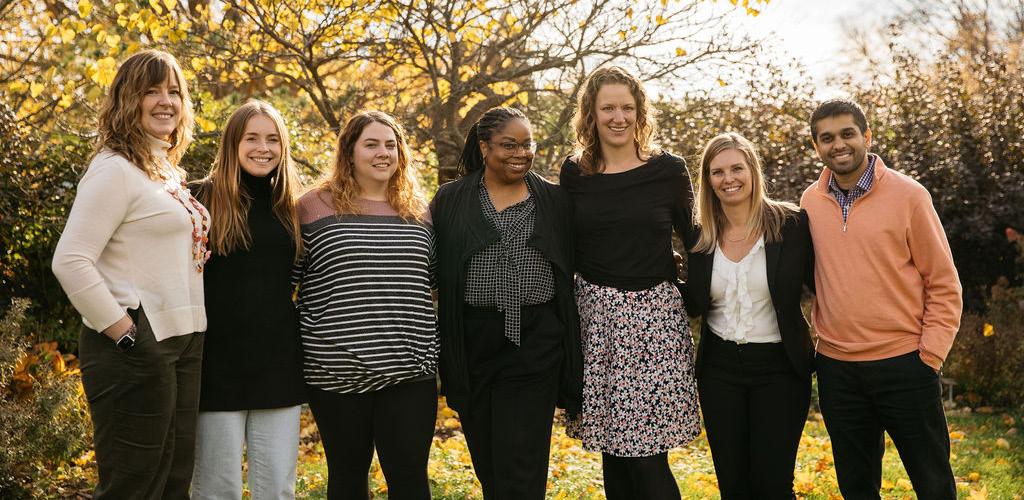
From left to right: Karen Kersting, PhD, Emma Staszkiewicz, Bailey Schamburek, Ugwuji Maduekwe, MD, MMSc, MPH, Jennifer Merrill, APNP, Maggie Lausten, Anai Kothari, MD, MS
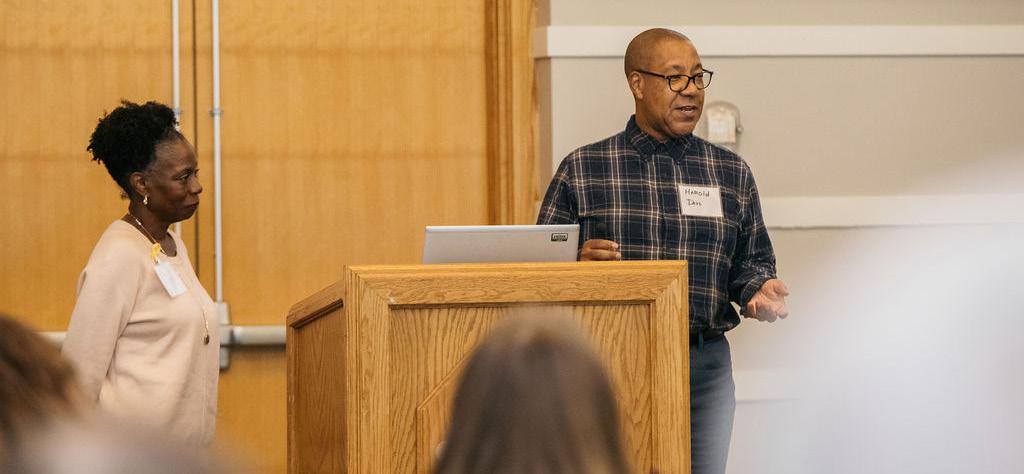
Sheri, an appendix cancer survivor, and Harold Doss, caregiver, were among the patient guest speakers at the event.
Leading The Way
Division of Cardiothoracic Surgery
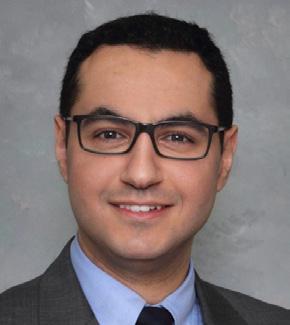
Ahmed Ali, MD, joined the Department of Surgery faculty in September 2023 as an Assistant Professor of Surgery. Dr. Ali was previously a general surgery resident, and then a cardiothoracic surgery fellow in the Department, and we are excited to welcome him back following his completion of an additional cardiothoracic surgery fellowship (cardiac track) at the Baylor College of Medicine/Texas Heart Institute. Dr. Ali completed his medical degree at Ain Shams University in Egypt, followed by a pediatric general surgery residency at Mataria Teaching Hospital in Cairo.
Division of Pediatric Surgery
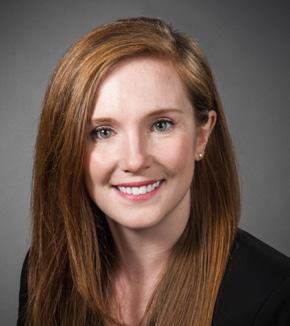
Caroline Maloney, MD, PhD, joined the Department of Surgery faculty in August 2023, following graduation from a pediatric surgery fellowship at Children’s Wisconsin. Dr. Maloney received her medical degree from Stony Brook University School of Medicine in New York, before beginning her general surgery residency at North Shore/LIJ (Northwell) in Manhasset, New York. Following her intern year, Dr. Maloney attended the Elmezzi Graduate School of Molecular Medicine at the Feinstein Institute of Medical Research for her PhD studies on the tumor microenvironment in pediatric sarcomas, with a special focus on the role of macrophages in osteosarcoma metastasis. We are pleased to have Dr. Maloney remain with the Division of Pediatric Surgery and the Department of Surgery at MCW.
Division of Transplant Surgery
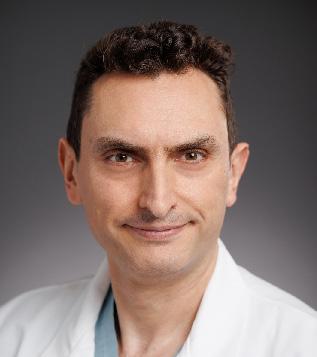
Emre Arpali, MD, PhD, joined the Department of Surgery faculty as an Associate Professor of Surgery (and Urology) in October 2023. He received his medical degree from Ataturk University School of Medicine in Turkey, after which he completed a urology residency at Turkiye Yuksek Ihtisas Hospital and received a doctorate in medical biology-transplantation immunology from Istanbul University. Dr. Arpali then completed an abdominal transplant fellowship at the University of Wisconsin School of Medicine and Public Health. Prior to joining MCW, Dr. Arpali served as Associate Professor of Surgery at Koç University Hospital in Istanbul. Dr. Arpali provides care to patients in the kidney and pancreas transplant programs at F&MCW and Children’s Wisconsin main hospitals.
Ty Dunn, MD, MS, joined the Department of Surgery faculty as Professor of Surgery, Surgical Director of Kidney and Pancreas Transplantation, and Director of Clinical Operations for the Transplant Service Line in August 2023. Dr. Dunn received her medical degree from the University of Minnesota Medical School. She completed a general surgery residency and a Master of Science degree at the University of Illinois, then returned to the University of Minnesota for a fellowship in abdominal transplantation and immunology. Dr. Dunn was previously a faculty member at the University of Iowa and the University of Minnesota. Prior to joining MCW, Dr. Dunn was Professor of Surgery and Surgical Director of Kidney and Pancreas Transplantation at the Hospital of the University of Pennsylvania and the Children’s Hospital of Philadelphia. Dr. Dunn provides clinical care to transplant patients at the Froedtert and Children’s Wisconsin main hospitals.
Division of Vascular Surgery
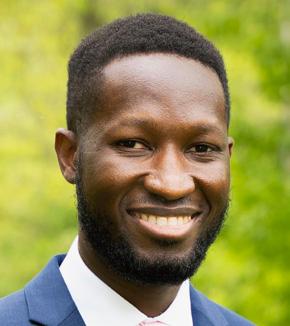
Momodou “Momo” Jammeh, MD, joined the Department of Surgery faculty as an Assistant Professor of Surgery in August 2023. Dr. Jammeh’s family moved from Gambia to Wisconsin when he was in high school, and he attended the University of Wisconsin for his undergraduate degree in biochemistry. Dr. Jammeh attended medical school at Duke University and upon graduation, completed an integrated vascular surgery residency at Washington University School of Medicine and Barnes Jewish Hospital in Saint Louis. Dr. Jammeh completed a Howard Hughes Medical Research fellowship in 2017 at Duke University and a Davidson Fellows Scholarship in Global Health. Dr. Jammeh is excited to return to Wisconsin with his wife, Emily, who also joined the MCW faculty as a hospitalist. Dr. Jammeh’s clinical responsibilities will primarily be at Froedtert Hospital, and he is looking forward to continuing his work in global health and in service to underserved populations.
Leading The Way
Division of Trauma/Acute Care Surgery
Marina Affi Koprowski, MD, joined the Department of Surgery faculty in September 2023 as an Assistant Professor of Surgery. Dr. Affi Koprowski completed her residency in general surgery at the Oregon Health and Science University in Portland, Oregon, where she received numerous accolades for her clinical care and research as a resident physician. Dr. Affi Koprowski is a graduate of the Medical College of Wisconsin and she is thrilled to return home. Dr. Affi Koprowski provides clinical care to Acute Care and General Surgery patients at the Froedtert Menomonee Falls Hospital.
Jacqueline Blank, MD, joined the Department of Surgery faculty in September 2023 as an Assistant Professor of Surgery. Dr. Blank received her medical degree from the Stritch School of Medicine at Loyola University Chicago, followed by a general surgery residency at MCW. We are thrilled to welcome Dr. Blank back to MCW and her home state of Wisconsin following the completion of a Trauma and Surgical Critical Care fellowship at the University of Pennsylvania. Dr. Blank is a previous recipient of the Condon-Donegan Research Award during her residency and was named Fellow of the Year on the Penn Presbyterian Trauma SICU service. Dr. Blank practices at Froedtert Hospital main campus, Menomonee Falls and West Bend locations.
Joshua C. Dilday, DO, joined the Department of Surgery faculty as an Adjunct Assistant Professor of Surgery in September 2023. Dr. Dilday is a Major in the United States Army, having started his military career by serving simultaneously in both the Missouri Army National Guard and the ROTC program at Truman State University. He received his medical degree from Des Moines University in Iowa and completed a general surgery residency at William Beaumont Army Medical Center in Texas. Dr. Dilday completed fellowships in trauma surgery and surgical critical care, and quality improvement at Los Angeles County and the University of Southern California (LAC+USC) Medical Center, now known as the Los Angeles General Medical Center. Dr. Dilday will provide clinical care to Trauma and General Surgery patients at the Froedtert main hospital and Menomonee Falls locations.
Jeremy H. Levin, MD, joined the Department of Surgery faculty in August 2023 as an Assistant Professor of Surgery. Dr. Levin attended the George Washington University School of Medicine, and upon graduation remained at GWU for his general surgery residency. He completed a surgical critical care fellowship and an American Association for the Surgery of Trauma (AAST) acute care surgery fellowship at Vanderbilt University Medical Center in Nashville. Dr. Levin served as an Assistant Professor of Surgery at Indiana University School of Medicine before coming to MCW. Dr. Levin is also a co-host of the Eastern Association for the Surgery of Trauma (EAST) podcast EAST In the Arena, which highlights EAST members and the why and how of their practice, and a moderator of EAST’s audio-interview series, Traumacast.
Sydney C. Timmer-Murillo, PhD, MS, joined the Department of Surgery faculty in August 2023 as an Assistant Professor of Surgery and clinical psychologist. Dr. Timmer-Murillo received her Master of Science in Clinical Psychology and Doctor of Philosophy degree from Marquette University. She completed a Clinical Health Psychology residency and Trauma and Health Psychology fellowship at MCW. Dr. Timmer-Murillo's research includes examination of the individual, biological, physiological and socioecological factors that contribute to mental health outcomes after traumatic injury, with a focus on interpersonal mechanisms of trauma. Dr. Timmer-Murillo’s practice will include providing integrated behavioral health services to trauma and acute care surgery patients.
Congratulations to the winners of the 2023 Fall Research Symposium!
Elise Biesboer, MD An Estimated Blood Volume-Based Enoxaparin Dosing Regimen Improves Anti Factor Xa Levels in Emergency General Surgery Patients
Melissa Drezdzon, MD Follow for More: A Modern Perspective on Patients, Physicians, and Social Media
Abdul Hafiz Al Tannir, MD Thoracic Cavity Irrigation Prevents Retained Hemothorax and Decreases Surgical Intervention in Trauma Patients
The Medical College of Wisconsin Department of Surgery Faculty by Specialty
Bariatric & Minimally Invasive Gastrointestinal Surgery
Amir A. Ghaferi, MD, MSc, MBA
Matthew I. Goldblatt, MD
Jon C. Gould, MD, MBA
Rana M. Higgins, MD
Andrew S. Kastenmeier, MD
Tammy L. Kindel, MD, PhD
Kathleen L. Lak, MD
Philip N. Redlich, MD, PhD
Wen Hui Tan, MD
Cardiac Surgery
Ahmed Ali, MD
G. Hossein Almassi, MD
Nilto C. De Oliveira, MD
Lucian A. Durham III, MD, PhD
Tracy R. Geoffrion, MD, MPH
Viktor Hraska, MD, PhD
Takushi Kohmoto, MD, PhD, MBA
James E. Mace, Jr., MD
Jorge Mascaro Carvajal, MD (2/24)
Michael E. Mitchell, MD*
Paul J. Pearson, MD, PhD
Stefano Schena, MD, PhD
H. Adam Ubert, MD
Ronald K. Woods, MD, PhD*
Colorectal Surgery
Jed F. Calata, MD
Kirk A. Ludwig, MD
Mary F. Otterson, MD, MS
Carrie Y. Peterson, MD, MS*
Timothy J. Ridolfi, MD, MS
Community Surgery
Marina Affi Koprowski, MD
Marc de Moya, MD
Robb Edwards, MD
Kaizad Machhi, MD
Eric A. Soneson, MD
Mark A. Timm, MD
Pediatric General & Thoracic Surgery
John J. Aiken, MD*
Casey M. Calkins, MD*
Brian T. Craig, MD
John C. Densmore, MD*
Katherine T. Flynn-O’Brien, MD, MPH
David M. Gourlay, MD*
Tammy L. Kindel, MD, PhD
Christopher P. Laird, MD (3/24)
Dave R. Lal, MD, MPH*
Caroline Maloney, MD, PhD
Jose H. Salazar Osuna, MD, PhD*
Jack G. Schneider, MD*
Amy J. Wagner, MD*
Research Faculty
Mohammed Aldakkak, MD
John E. Baker, PhD
Young-In Chi, PhD
Christian J. Kastrup, PhD
Gwen Lomberk, PhD
Nikki K. Lytle, PhD
Angela J. Mathison, PhD
Aoy Tomita Mitchell, PhD
M. Muska Nataliansyah, MD, PhD, MPH
Kirkwood Pritchard, Jr., PhD
Raul A. Urrutia, MD
Surgical Oncology – Breast Surgery
Adrienne N. Cobb, MD, MS*
Chandler S. Cortina, MD, MS*
Amanda L. Kong, MD, MS*
Caitlin R. Patten, MD*
Tina W.F. Yen, MD, MS
Surgical Oncology – Endocrine Surgery
Sophie Y. Dream, MD*
Douglas B. Evans, MD*
Tracy S. Wang, MD, MPH*
Tina W.F. Yen, MD, MS
Surgical Oncology – Hepatobiliary & Pancreas Surgery