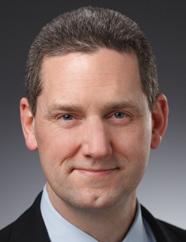
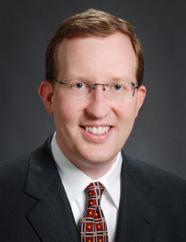
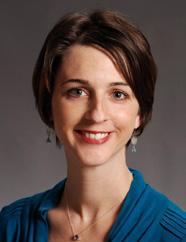
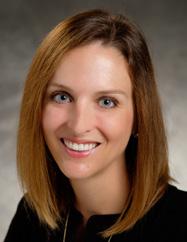
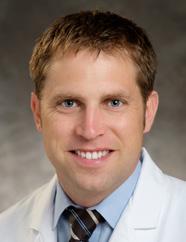
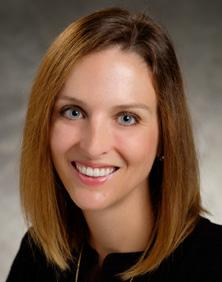
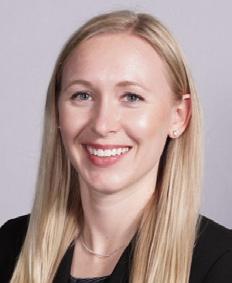
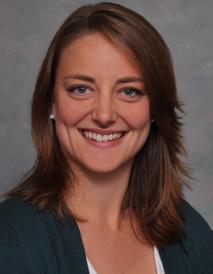
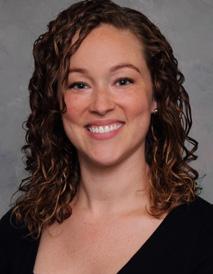
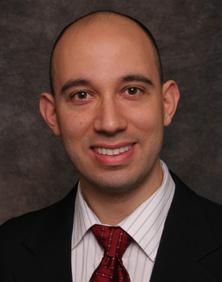
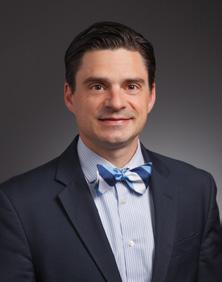
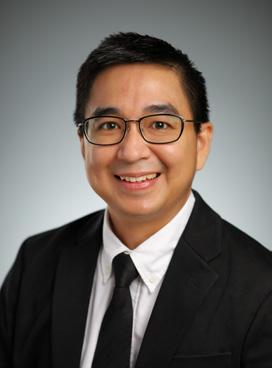
Christopher Dodgion, MD MSPH MBA Associate Professor
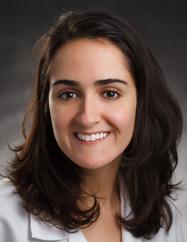
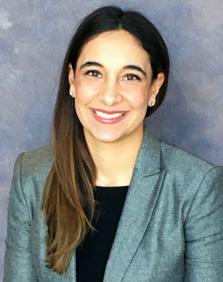
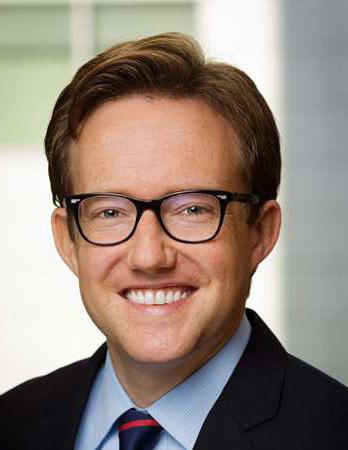
Amanda Kong, MD MS Professor
Welcome to another tremendous edition of “Leading the Way.” We have a great series of articles which demonstrate the breadth and depth of the clinical/scientific expertise of our faculty, APPs and residents in the Department of Surgery. Maintaining academic achievement during this unique time is so important – and one of the best demonstrations of academic achievement is the process of promotion. We have traditionally celebrated our promoted faculty at a reception held in September or October of every year. The English word celebrate comes from the Latin celebrare, “to assemble to honor”. Getting together is an essential part of being able to celebrate. For obvious reasons, this is the second year that we have had to cancel our annual faculty reception – in lieu of this event we have put the pictures of all promoted faculty in 2020 and 2021 on the cover of this edition of “Leading the Way.” Every year prior to 2020, we have celebrated the newly hired and promoted faculty at an informal reception usually held at the Milwaukee YC – an opportunity to also acknowledge new endowed chairs, extraordinary scientific achievements, newly acquired grants and elected
membership in the American Surgical Association. This event also provides a time for faculty and significant others to see and talk with each other – it is important to recognize how much we miss doing this. The inability to interact at a social level has delayed relationship building and personal connection – among faculty, APPs, residents and staff within the department and among faculty across departments. Relationships (friendships, close collaborations) are such an important part of program development – they facilitate collaborative research, enhance patient care and are a major driver of employee engagement. Teamwork does make the Dream work, at so many levels! We look forward to having department sponsored social events to appropriately recognize the tremendous achievements of our faculty, APPs, residents and staff – as soon as possible – until then, please congratulate the faculty pictured here, their recent promotions reflect a tremendous amount of hard work and extra effort which has made the MCW department of surgery one of the best in the country. Please enjoy this wonderful edition of “Leading the Way.”
Bariatric & Metabolic Surgery for Adolescents
Background
Tammy L. Kindel, MD, PhD Associate Professor, Division of Minimally Invasive Gastrointestinal Surgery; Director, Bariatric Surgery Program
The obesity pandemic has long superseded the COVID-19 pandemic. It is estimated that over 12.7 million adolescents in the US are obese, with 4.5 million with severe obesity. 1 In Wisconsin, this represents approximately 8% of adolescents age 12-15 years and 14% of those 1619 years of age. 2,3,4 Obesity in childhood if not treated leads to multiple co-morbidities such as type 2 diabetes, obstructive sleep apnea, heart failure and non-alcoholic steatohepatitis with significant impairment in health-related quality of life and early mortality. 5 Unfortunately, children with obesity also are significantly more likely to be bullied, discriminated against, and victimized by their peers affecting school progress and social development. Obesity medications and lifestyle counseling alone, while appropriate in overweight individuals, is not sufficient therapy with severe pediatric obesity given the poor longterm success rate and aggressive development of lifethreatening metabolic diseases. 6 In 2019, the American Academy of Pediatrics (AAP) released a Policy Statement & Technical Report in support of pediatric metabolic and bariatric surgery. 1
Candidacy
Early intervention is key for children with severe obesity as it increases the chances of the patient reaching a healthy body weight and resolution of comorbidities after surgery. Specifically for type 2 diabetes mellitus, children with type 2 diabetes have a decline in beta-cell function at 4x the rate of adults. The American Society for Metabolic and Bariatric Surgery (ASMBS) updated their evidencebased pediatric metabolic surgery guidelines in 2018 to reflect a growing body of literature supporting the efficacy and safety of metabolic surgery in children with severe obesity. 5 Candidates for surgery should have a body mass index (BMI) of ≥ 40 kg/m2, or ≥ 35 kg/m2 with an obesityassociated comorbidity, now mirroring adult criteria.
Program Design
To support the unique needs of adolescents, pediatric bariatric surgery centers should have a designated pediatric medical advisor, adolescent behavioral health specialist, bariatric-trained dietitian and bariatric program coordinator who works in conjunction with the surgical team. 7 In addition, the pre-operative evaluation should pay close attention to specific factors relevant to pediatric patients’
Shanley Deal, MD Bariatric and Minimally Invasive Surgery Fellow
success including an assessment of the patient’s family environment, identification and ongoing treatment of eating disorders, prior trauma or severe stress, mental illness, developmental delay or syndromic obesity. Notably, Tanner stage of development, bone age, or prior weight loss attempts should not be considered barriers to proceeding with bariatric surgery evaluation. A successful program will evaluate and enhance the patients’ support structure including the patient’s social network, knowledge of nutrition and activity, and understanding of the lifelong impact of bariatric surgery as they prepare for surgery.
Our Program
The availability of a structured, collaborative, and multidisciplinary team is essential to the success and safety of adolescent bariatric surgical care. The Bariatric Surgery Program at Froedtert & the Medical College of Wisconsin became accredited as a Comprehensive Center with Adolescent Qualifications by the Metabolic and Bariatric Surgery Accreditation Quality Improvement Program (MBSAQIP) in 2018, the only bariatric surgery program accredited to care for adolescents in the state of Wisconsin. Our program has partnered with Children’s Wisconsin New Kids medical weight loss program as well as pediatric experts in obesity, behavioral health, and obesity-related diseases to provide comprehensive medical and surgical care. As of 2018, our program has performed bariatric surgery on 13 adolescents (average age 17.5 years, average BMI of 53.7 kg/m2), with 10 more patients currently enrolled and undergoing pre-operative evaluation and preparation. We have noted excellent short- and longterm body weight and co-morbidity reduction and have had zero 30-day complications thus far.
Supporting Evidence
Teen-LABS (longitudinal assessment after bariatric surgery) is a NIH sponsored study comparing long term outcomes of bariatric surgery in adolescent patients. Threeyear follow up data has shown an expected weight loss of 26% after gastric bypass and 27% after sleeve gastrectomy. Remission rates of obesity associated diseases at five years includes 86% remission of type 2 diabetes and 58% remission of hypertension. 8 The rate of remission of diabetes in adolescents is higher than that achieved in adults and support early surgical intervention for best long-term disease treatment. 8 Weight-related quality of
life was assessed as part of this landmark study and found that adolescents had remarkably improved quality of life after their bariatric procedure, with a 42.6% improvement demonstrating a 20-point absolute improvement on a 100-point scale. Clearly, there is a significant impact on quality of life as a result of these positive outcomes which can lead to a markedly improved future in young patients.
Advocacy
Despite the high prevalence of severe pediatric obesity, adolescent bariatric surgery represents less than 1% of all bariatric procedures performed in the country, with approximately 1,600 cases performed nationally per year.9 The barriers to increased utilization of adolescent bariatric surgery are multi-fold. Pediatric providers and subspecialists may be hesitant to refer appropriate candidates to surgery due to inappropriate perceived risks and implicit obesity and surgical bias. Nearly half of primary care providers state they would never refer an adolescent for bariatric surgery. 10 In addition, less than half of the adolescents who seek insurance approval for weight loss surgery are approved on the original request, with a focus on age rather than co-morbidity burden. In Wisconsin, inequities in insurance authorization drive socioeconomic and race disparities in adolescent bariatric surgery utilization, as Wisconsin’s state Medicaid policy directly excludes any teen <18 years of age from bariatric benefits, regardless of co-morbidity burden. Adolescent minorities, likely a reflection of lower socioeconomic status rather than race, are more likely to experience severe obesity and concurrent comorbidities but less likely to undergo bariatric surgery partly due to these disparities in insurance authorization. 6,11 The AAP recommends government, health, and academic medical centers provide access to multidisciplinary, pediatric-focused metabolic and bariatric surgery, ensuring equal access to adolescents who meet criteria regardless of income, race, or ethnicity. 1 Our program hopes that through continued physician-and institutionalled advocacy efforts, we can extend and grow bariatric surgical care to Wisconsin adolescents suffering with severe obesity with the goal of safely improving quality of life, disease burden, and mortality benefit.
WELCOME CHIEF RESIDENTS
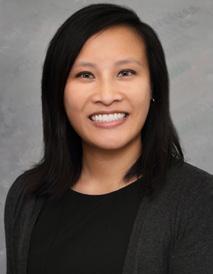
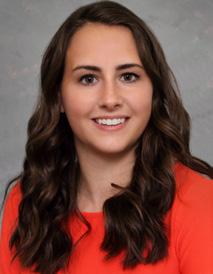
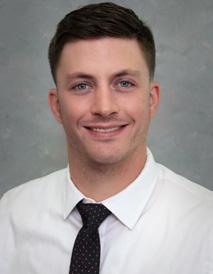
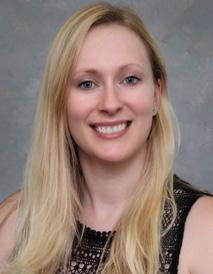
The MCW Department of Surgery welcomes the 2021-2022 Surgery Chief Residents:
FOR ADDITIONAL INFORMATION on this topic, visit www.mcw.edu/surgery or contact Dr. Tammy Kindel at tkindel@mcw.edu.
References on Page 13
Kelly Boyle, MD
Christina Bence, MD
Bonnie Chow, MD, MA
Andrew Goelz, MD
Zoe Lake, MD
Erin Strong, MD, MPH
Emma Gibson, MD
Katherine Hu, MD
Matthew Madion, Jr., MD
2021 Advanced Transplant Provider Research Grant Award: “Evaluation of a New Transplant Surgery Workforce Paradigm: Transplant Surgeon-Advanced Transplant Provider Model”
Jennifer Mahaffey, PA-C, MPAS Physician Assistant and APP Manager, Division of Transplant Surgery
The American Society of Transplant Surgeons (ASTS) provided five Advanced Transplant Provider (ATP) Research Grants in 2021. The overall goal was to incorporate ATPs by providing the opportunity to explore innovation in the field of transplantation and collaboration amongst members. The Medical College of Wisconsin received two of the grants this year, one of which was entitled, “Evaluation of a new Transplant Surgery Workforce Paradigm: Transplant Surgeon-Advanced Transplant Provider Model.”
Orthotopic liver transplantation has been established as the definitive therapy for all types of end stage liver failure. The scarcity of organs for transplantation has led to prolonged waiting times, progression of disease and subsequent multi-organ failure. As such, transplant patients have disparate medical needs due the complexities related to their end stage organ failure prior to transplantation and subsequently, the innuendos in posttransplant management. The success of solid organ transplantation can be attributed to a multidisciplinary care model frequently led by the transplant surgical team. As such, a highly functioning transplant surgical workforce is imperative to achieve excellent posttransplant outcomes.
While the transplant surgical clinical practice heavily relied on the general surgery resident workforce in the past, the transplant surgical workforce has substantially evolved since the implementation of the 2003 Accreditation Council for Graduate Medical Education (ACGME) resident working-hour restrictions and its subsequent decision to remove transplant surgery rotation as a requirement in the general surgery residency training curriculum.1 This vacuum in the transplant surgical workforce has created a new practice paradigm with advanced transplant providers (ATP). At present, the transplant surgeon-ATP practice model has been widely adopted and ATPs play an integral role in our contemporary clinical transplantation practice. However, data on the impact of this practice model on patient outcomes as well as programmatic development and solvency remain limited.
The adult liver transplantation program at the Medical College of Wisconsin has implemented a transplant surgeon-ATP practice model since 2012.2 The program currently has 25 ATPs who provide 24/7 coverage as the primary team in both the transplant ward and Transplant Intensive Care Unit (TICU). This change also aligned with a
change to provide a comprehensive end stage liver disease care model, including care for patients that have complications of cirrhosis both in pre-referral or evaluation of phase of transplant. This service has an average daily inpatient census of 40 patients, of which 20 patients are domiciled in a dedicated TICU. We sought to perform a singlecenter analysis and determine the effect of this practice model on liver transplantation patient outcomes as well as programmatic development and solvency. A retrospective analysis will be performed on prospectively collected data (2012-2020) on the following measures: patient access defined as inpatient census and patient acuity level, patient and graft survival rates post transplantation, and financial solvency.
Figure 1. Transplant Surgical Team Photo Board Displayed in Each Patient Room
Findings from this study will provide important information for development of strategies related to transplant surgical workforce and programmatic growth so we may continue meeting the medical needs of our patients and increase access to care.
FOR ADDITIONAL INFORMATION on this topic, visit www.mcw.edu/surgery or contact Jennifer Mahaffey at jmahaffey@mcw.edu.
REFERENCES
1. www.acgme.org
2. Zimmerman MA, Selim M, Kim J, et al. Impact of A Transplantation Critical Care Model on ShortTerm Outcomes Following Liver Transplantation in High Acuity Patients: A Single-Center Experience. Transplantation Proceedings. 2018;50:3544-3548.
Jenessa Mayer, PA-C, MPAS Physician Assistant and APP Educator, Division of Transplant Surgery
The critical care of liver transplant patients, both in the pretransplant and posttransplant phase, is one of the most important components of the patient’s care, impacting transplantation suitability of the patient and subsequently, the patient outcomes after transplantation. To provide optimum care for this patient in the intensive care unit (ICU), it is imperative to have a transplant surgeon-led multidisciplinary critical care team because of their extensive training and experience in transplantation and routine ICU management, the complexity of end organ failure, complexities of surgical procedures utilized in transplantation and immunosuppressive medications and its complications.1 Advanced Transplant Practice Providers (ATP) play an integral role in our contemporary clinical transplantation practice. However, the lack of patient and family awareness of this practice model may impact patient management and communication as well as patient satisfaction.
Patient experience and satisfaction impact clinical outcomes, patient retention, and reimbursement claims. Patient experience score has been directly linked to key success metrics for hospitals and healthcare providers. According to the US Centers for Medicare & Medicaid Services, the medical team is responsible for 5 of 8 domains of the Hospital Consumer Assessment of Healthcare Providers and Systems (HCAHPS) patient satisfaction survey: communication with doctors, communication about medicine, responsiveness of hospital staff, discharge instruc-
tion, and transition of care.2 As such, ATPs’ contribution to patient care extends beyond complex medical management and also impacts patient experience. Data on patient and family awareness on the ATPs’ role in comprehensive transplantation care is limited.
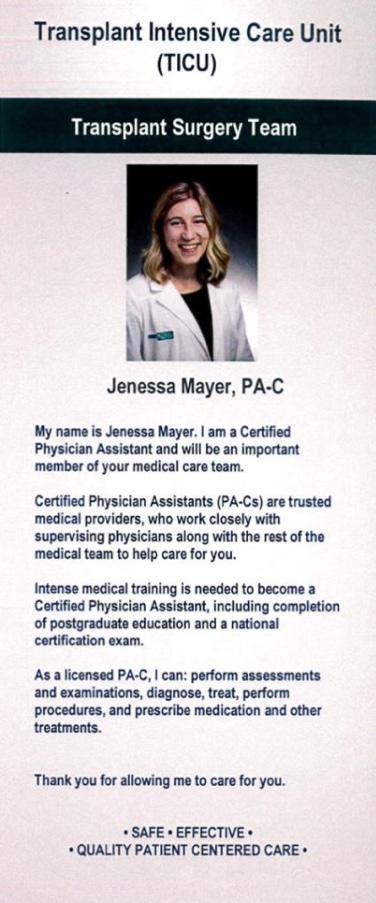
In our transplant surgeon-led Transplantation Critical Care Model (TCCM), the multidisciplinary team includes twenty-five ATPs.3 This Transplant Surgical Team serves as the primary team and provides 24/7 intensive care for both pre- and post-transplant patients. We hypothesize that transplant patient recognition of the ATP as part of the Transplant Surgical Team will improve patient experience and satisfaction. The research project will be conducted at our 20-bed Transplantation Intensive Care Unit (TICU) in 100 consecutive patients using a 10-minute questionnaire developed for the study. Intervention entails placing a Transplant Surgical Team Photo Board of the transplant surgeon, intensivist, and primary ATP for the patient in each patient’s room (Figure 1) and providing the patient a “slim card” with a brief biography of the primary ATP (Figure 2). The study will be conducted in two phases. Phase I will enroll the first consecutive 50 patients without any intervention (Group I) while Phase II will comprise another 50 patients after the intervention (Group II). Outcome measures will be compared between the two groups.
This study was awarded a 2021 Advanced Transplant Provider Research Grant by the American Society of Transplant Surgeons (ASTS). As one of five grants bestowed, this award will increase the recognition of ATPs in the care of transplant patients and highlight the success of our Transplant Surgery APP practice model at Froedtert Hospital and the Medical College of Wisconsin. Findings from the study will provide much needed data regarding patient awareness of the ATPs’ important role in their disease management. Conclusions will also facilitate future practice and hospital initiatives on improving patient care, experience, and satisfaction. The award was officially conferred during the 2021 American Transplant Congress, the premier meeting for the transplantation community that is regularly attended by over 4,500 attendees world-wide. An abstract will be presented at the American Transplant Congress or the ASTS Winter Symposium.
FOR ADDITIONAL INFORMATION on this topic, visit www.mcw.edu/surgery or contact Jenessa Mayer at jemayer@mcw.edu.
Figure 2. Advanced Transplant Provider Information “Slim” Card
The Department of Surgery Collaborates to
Christopher M. Dodgion, MD, MSPH, MBA Associate Professor, Division of Trauma & Acute Care Surgery
Improving Global Surgery Care
Over five billion people in the world lack access to basic essential and emergency surgical care.1 Over 90% of the affected population lives in Low and Middle-Income Countries. In May 2015, the World Health Assembly adopted Resolution 68:152 declared to strengthen basic emergency and essential surgery as an integral component of universal health coverage. The World Health Organization report from 2010 indicates that, more than material shortage, the lack of a trained surgical work force is critical. Through various non-profit organizations, medical schools and hospitals, MCW surgeons across each of our subspecialties have been engaging to advance global surgical care. Our surgical faculty are collaborating within five continents and across 12 countries.
Training the Next Generation of Global Surgeons
The GME Global Health Scholars academic enrichment program is available to any surgery resident and fellow who wants to advance their global health knowledge and leadership skills. This two-year training program gives them exposure to trainees in other specialties and network with MCW’s globally engaged faculty who provide interactive didactic seminars across the Consortium of Universities of Global Health competencies. Currently 37 trainees across 14 subspecialities are enrolled. This educational effort culminates in a global health away rotation where surgery trainees can witness surgical services in another part of the world. This academic year, six residents will rotate abroad. Opportunities with our faculty’s collaborators in Nepal and Ethiopia allow trainees to experience surgery in diverse resource settings. The new Global Surgery Fellowship is a two-year training program for the already globally engaged resident to have advanced practice as an educator and surgeon, collaborating with in-country partners to build surgical capacity, as well as research, education and quality improvement efforts.
Operation Giving Back, American College of Surgeons
The American College of Surgeons (ACS) has developed a strong partnership with the College of Surgeons of East, Central and Southern Africa (COSECSA). COSECSA is responsible for the training and credentialing of surgeons in the region where currently there are 0.53 surgeons for every 100,000 population. Our Department of Surgery has joined 12 other academic institutions who have invested
in the global solution to build a common learning environment where sustainable and mutually beneficial partnerships can be developed to build surgical workforce capacity in low and middle-income countries.
Building Global Surgical Care has Reciprocal Benefits
The training partnership between COSECSA, ACS, and the U.S. Consortium of Academic Global Surgery Programs, including our department, and the COSECSA accredited training program at Hawassa University Hospital in Ethiopia have developed a surgical training center of excellence. This site serves as the training hub with local and regional impact with a mission of innovation, clinical research, and patient care.
Reciprocal benefits for a global health surgical training programs include:
• Surgical care in resource-limited, cost-effective settings
• Creative problem solving and innovation
• Understaning of rural health care delivery
• Collaborative research
• Creative ideas using mobile technology
• Approaches to low-tech simulation in resourcelimited settings
Partnership Contributions
Hawassa University
• Local licensing
• Full integration visiting faculty
• Lodging, meals, transportation
• Promote joint research
• Hire surgeon coordinator
American College of Surgeons
• Organize work plan
• Coordinate communication
• Fund surgeon travel
• Share educational resources
• Recruit additional surgeons
MCW Dept. of Surgery
• Commit to fiveyear program
• Faculty on site for four weeks
• Travel/salary for faculty
• Share educational resources
• Facilitate research
FOR ADDITIONAL INFORMATION on this topic, visit www.facs.org/obg/about or contact Dr. Christopher Dodgion at cdodgion@mcw.edu.
Building Surgical Capacity, Decreasing Healthcare Costs
Country Faculty
Belize Dr. Chris Dodgion
Cuba Drs. Marc de Moya, Tom Carver, Chris Dodgion, Colleen Trevino
Ethiopia Drs. Marc de Moya, Chris Dodgion, Libby Schroeder
England Dr. Keith Oldham
Ghana Dr. Chris Dodgion
Haiti Dr. Chris Dodgion
Scope of Activities
A plan to strengthen trauma care at Karl Heusner Hospital
Multi-year training initiative to strengthen trauma and acute care education and surgical services
American College of Surgeons’ Hawassa University collaboration with 12 institutions for an educational platform for training general surgeons
Assess and address the global surgical needs of children
Development of ATLS training program and trauma care model for Wenchi Hospital
Evaluate burden and geographic distribution surgical disease at St. Boniface Hospital
Kenya Drs. Lyle Joyce, Paul Pearson, David Joyce Advance field of cardiac surgery, specifically valvular heart surgery at Tenwek Hospital in Bomet
Madagascar Dr. Libby Schroeder
Nepal Dr. Dean Klinger
Peru Drs. Michael Mitchell, Keith Oldham, Casey Calkins, John Densmore, Mary Otterson
Korea Drs. Johnny Hong, Joohyun Kim
Switzerland Dr. Johnny Hong
Work with Operation Smile, LifeBox and World Children’s Initiative to build an essential surgical referral center
Enhance surgical education and research at the Kathmandu University Medical School and Hospital located in Dhulikhel
Multi-year training collaboration to improve complex cardiac surgery in public hospitals; annual surgical care educational symposium for pediatric services, inguinal hernias, and lipomas
Bi-lateral learning on live organ donation and transplantation
Mutually beneficial education and research partnership for faculty and trainees
Joohyun Kim
Figure 1: This map depicts where MCW Surgery faculty have traveled to improve global surgical care.
Quality in Emergency General Surgery:
Patrick B. Murphy, MD, MPH, MSc Assistant Professor, Division of Trauma & Acute Care Surgery
Emergency general surgical (EGS) conditions represent an incredible burden of disease in North America. The number of admissions for EGS conditions (1,290 per 100,000) each year surpasses new diagnoses of diabetes and cancer, and admissions for coronary heart disease, heart failure and stroke.1 Compared to elective surgery, EGS carries a 5-fold risk of morbidity and mortality.2 There is a critical need to study the design of EGS services to optimize patient outcomes in the setting of complex patient physiology.
Two quotes commonly used in business have never been more applicable to the subspecialty of EGS.
“You can’t manage what you don’t measure”
– Peter Drucker
“Uncontrolled variation is the enemy of quality”
- William Deming
The first quote, attributed to Peter Drucker, who is acknowledged as the founder of modern management, is true in both business and surgery. The number of sales, the leads needed to generate sales and the associated costs are all required to ensure success in business. We need the same data in surgery. Think about the last time you consented a patient for surgery. Did the patient ask about the rates of post-operative complications? Were you able to quote your overall complication rate or rates of specific complications? What about your hospital’s complication rate? The national rate of post-operative complications? Without a mechanism to locally measure and monitor morbidity and mortality, it is impossible to identify and modify structures and processes that will improve the quality of care for patients diagnosed with EGS conditions.
Surgical specialties have been successful in understanding the need for data. The American College of Surgeons National Surgical Quality Improvement Program (ACS-NSQIP) is the most ambitious effort in North America to benchmark quality of care at a systems level for general and subspecialty surgery. Unfortunately, ACS-NSQIP has many limitations related to benchmarking hospital level care for EGS patients. First, the sampling methodology of ACS-NSQIP is more conducive to capturing elective surgery patients than EGS patients.3 Second, about 50% of
patients commonly admitted to EGS services do not undergo an operation (not included in ACS-NSQIP).4,5 Finally, without knowledge of the structure and processes of high performing hospitals, low performing hospitals lack direction on mechanisms to improve care.6
The second quote was stated by William Deming, a statistician best known for his work in quality management. Variations in healthcare delivery are a well-accepted contributor to higher costs and less efficient care. Surprisingly, variations in EGS are seen in even relatively straightforward diseases. Consider a healthy 30-year-old man who presents to hospital with acute cholecystitis. Early cholecystectomy is the standard of care, but depending on the presenting hospital, there is a nearly 4-fold difference in the chances of undergoing early cholecystectomy.7 This variation in early cholecystectomy rate is a marker of poor quality of care for acute gallstone pathology.8
A major contributor to variation in EGS care is heterogeneity in EGS models across North America.9–11 Many centers have a traditional 24-hour on-call model for patients presenting to the emergency room. Other hospitals have transitioned to a “surgeon of the week” model. Access to 24-hour operative theatres is inconsistent across models, and directly impacts access to care.9 A second cause of variation is a lack of common language for disease severity across EGS conditions. In 2016 the American Association for the Surgery of Trauma (AAST) attempted to mimic the AAST Grading of Organ Severity for trauma through the development of standardized disease severity scores for EGS conditions, but implementation has been slow.12 This goal highlights the necessity of standardized language in surgery, not just for research, but also for quality benchmarking. No disease scoring system is perfect; however, studies suggest the AAST EGS disease severity scoring system can be used to anticipate morbidity and mortality and identify at-risk patients.13
The current state of EGS systems in North America can be equated to trauma systems nearly 40 years ago. Trauma systems have matured to include regionalization, rigorous verification processes, and most importantly, public health and governmental support. This support includes funding for high-fidelity data through mandated local trauma registries and the American College of Surgeons Trauma Quality Improvement Program (ACS TQIP).14 The Froedtert and MCW trauma registry collects more than 300 variables on each admitted trauma patient. This data is the backbone of a meaningful and nuanced local quality improvement process across multiple specialties including neurosurgery, orthopedics, emergency medicine, and anesthesia. ACS TQIP can also identify variation between high and low performing hospitals across the country.
Following in trauma’s footsteps, hospitals who care for
Current Challenges and the Future
EGS patients are likely to require verification in the next five to ten years. Verification is rigorous and accountable; it is one of the major reasons care for injured patients has improved over the last four decades. Recognizing the need for high-fidelity data to improve care for EGS patients, the Division of Acute Care Surgery has started a local EGS registry. We have now captured over 800 patients in four months (45-50 new patients per week). As the registry grows, we anticipate adding more EGS specific variables, such as the American Association for the Surgery of Trauma (AAST) EGS Grading Scales.12 We hope to add patients who undergo emergency general surgery operations by surgeons outside of the Division of Trauma and Acute Care Surgery. A robust registry will facilitate tracking of patient outcomes and established benchmarks for care. It will also reduce variation and improve the quality of care of emergency general surgery patients.
FOR ADDITIONAL INFORMATION on this topic, visit www.mcw.edu/surgery or contact Dr. Patrick Murphy at pmurphy@mcw.edu.
REFERENCES
1. Gale SC, Shafi S, Dombrovskiy VY, Arumugam D, Crystal JS. The public health burden of emergency general surgery in the United States: A 10-year analysis of the Nationwide Inpatient Sample--2001 to 2010. J Trauma Acute Care Surg. 2014;77:202-208.
2. Havens JM, Peetz AB, Do WS, et al. The excess morbidity and mortality of emergency general surgery. J Trauma Acute Care Surg. 2015;78:306-311.
3. Lyu HG, Najjar P, Havens JM. Past, present, and future of Emergency General Surgery in the USA. Acute Med Surg. 2018:119-122.
4. Vogt K, Allen L, Murphy P, et al. Patterns of complex emergency general surgery in Canada. Can J Surg. 2019.
5. van Zyl TJ, Murphy PB, Allen L, Parry NG, Leslie K, Vogt KN. Beyond just the operating room: characterizing the complete caseload of a tertiary acute care surgery service. Can J Surg. 2018;61:264-269.
6. Santry H, Scott S, Ingraham A, et al. Identifying the fundamental structures and processes of care contributing to emergency general surgery quality using a mixed-methods Donabedian approach. BMC Med Res Methodol. 2020;20.
7. de Mestral C, Laupacis A, Rotstein OD, et al. Early cholecystectomy for acute cholecystitis: a populationbased retrospective cohort study of variation in practice. CMAJ. 2013;1:E62-67.
8. Murphy PB, Vogt KN, Mele TS, Hameed SM, Ball CG, Parry NG. Timely Surgical Care for Acute Biliary Disease: An Indication of Quality. Ann Surg. March 2016.
9. Murphy PB, Paskar D, Parry NG, et al. Implementation of an Acute Care Surgery Service Facilitates Modern Clinical Practice Guidelines for Gallstone Pancreatitis. J Am Coll Surg. 2015;222:975-981.
10. Murphy PB, DeGirolamo K, Van Zyl TJ, et al. MetaAnalysis on the Impact of the Acute Care Surgery Model of Disease- and Patient-Specific Outcomes in Appendicitis and Biliary Disease. J Am Coll Surg. 2017;225:763-777.e13.
11. DeGirolamo K, Murphy PB, D’Souza K, et al. Processes of Health Care Delivery, Education, and Provider Satisfaction in Acute Care Surgery: A Systematic Review. Am Surg. 2017;83:1438-1446. http://www. ncbi.nlm.nih.gov/pubmed/29336769. Accessed December 28, 2018.
12. Savage SA, Klekar CS, Priest EL, Crandall ML, Rodriguez BC, Shafi S. Validating a new grading scale for emergency general surgery diseases. J Surg Res. 2015;196:264-269.
13. Hernandez M, Murphy B, Aho JM, et al. Validation of the AAST EGS acute cholecystitis grade and comparison with the Tokyo guidelines. Surg (United States). 2018;163:739-746.
14. Hornor MA, Hoeft C, Nathens AB. Quality Benchmarking in Trauma: from the NTDB to TQIP. Curr Trauma Reports. 2018;4:160-169.
REFERENCES FROM PAGE 5
2021 Advanced Transplant Provider Research Grant Award: “Impact of the Role of the Advanced Transplant Provider (ATP) on Patient Experience in Liver Transplantation”
1. Ranjan D, Klintmalm G, Roberts J, Members of the Critical Care Task Force, ASTS. American society of transplant surgeons’ white paper: Impact of closed ICUs on transplant patients’ care. Am J Transplant. 2011;11(4):670-671. doi: 10.1111/j.16006143.2011.03462.x [doi].
2. HCAHPS: Patients’ perspectives of care survey. https:// www.cms.gov/Medicare/Quality-Initiatives-PatientAssessment-Instruments/HospitalQualityInits/ HospitalHCAHPS.
3. Zimmerman MA, Selim M, Kim J, et al. Impact of a transplantation critical care model on shortterm outcomes following liver transplantation in high acuity patients: A single-center experience. Transplant Proc. 2018;50(10):3544-3548. doi: S00411345(18)31015-7 [pii].
Social Adversity is Part of the Disease: Healthcare
Sam Thalji, MD General Surgery Resident
Ashley Krepline, MD General Surgery Resident
Over the past two decades, advancements in the understanding and treatment of pancreatic cancer have resulted in significant advancements for patients.1 The development of effective chemotherapy regimens, the growth of personalized medicine, and optimization of treatment sequencing have all contributed to patients living longer and with a higher quality of life.2,3,4 However, every component of care depends on our ability to deliver it to the patient. As the complexity of care increases, patients rely on a growing number of specialists in a multidisciplinary team setting, and it becomes more difficult to deliver these components to all patients in an equitable way. Healthcare disparities arise when some patients are left behind due to social, environmental, or economic disadvantages. The challenge will be to make these advancements obtainable for all patients.
People of color and those from lower socioeconomic backgrounds have long experienced poor health outcomes.5 Patients with cancer are especially vulnerable to healthcare disparities and the gap is widening.6 Race, insurance status, and geographic location often play a primary role in the type and quality of care received for pancreatic cancer.7 Black Americans receive less aggressive stage specific treatment, lower rates of surgery, and have surgeries performed in lower volume centers.7 Food insecurity is particularly threatening to patients with cancer, and there is evidence that the prevalence of food insecurity among cancer patients is higher than national or local averages.9,10 A recent publication by MCW and the LaBahn Pracreatic Cancer Program examined the effect of socioeconomic status on patients treated here, utilizing the neighborhood-level Area Deprivation Index (ADI), which is a validated measurement of neighborhood socioeconomic adversity (Figure 1).11 Patients who received neoadjuvant therapy and surgery for localized pancreatic cancer were stratified into a low-ADI (non-disadvantaged) or high-ADI (disadvantaged) neighborhoods based on the national median ADI. High-ADI patients were more likely to be non-white and were 55% less likely to receive postoperative (adjuvant) therapy than low-ADI patients, even despite no differences in disease characteristics or in the
Susan Tsai, MD, MHS
Professor, Division of Surgical Oncology; Director, LaBahn Pancreatic Cancer Program; Chief, VA Hepatopancreaticobiliary Surgery
preoperative and perioperative care received. Importantly, low-ADI patients had a significantly increased median overall survival when adjuvant therapy was administered; this effect was absent among the high-ADI patients (Figure 2), suggesting that socioeconomic disadvantages may abrogate the benefit of adjuvant therapy. Understanding the impact of socioeconomic factors on oncologic care is an important first step in identifying how extrinsic factors affect the care of our patients so that we may identify impediments and design interventions.
The MCW Cancer Center provides several resources for patients with socioeconomic needs. Patients are supported by a large team including dedicated cancer care social workers, clinical psychologists, dieticians, financial counselors, and navigators. The programs have expanded to offer mental health counseling, cognitive behavioral therapy, art therapy, message therapy, and acupuncture. Screening and identifying social vulnerabilities are the first steps toward connecting patients to these resources. All patients are screened at intervals along their care for emotional, mental, and practical concerns. Those patients who meet criteria (or are identified by the treatment team to potentially benefit) are connected to a social worker for a full evaluation of the patient’s social determinants of health. Certain diagnoses (advanced stage primary brain cancer, sarcomas, and patients who have received bone marrow transplants) are automatically forwarded to social workers, and efforts are in place to add patients with pancreatic cancer to this list.
Once specific needs are identified, social workers are
Figure 1: National ADI decile ranking of Milwaukee County census block groups (Location marker - Medical College of Wisconsin)
Disparities Among Patients with Pancreatic Cancer
able to connect patients to a wide range of internal and external resources. Grants on the national and local level, as well as from the Froedtert Hospital Foundation, are carefully curated. These grants provide funds directly to patients for rent, mortgage payments, groceries for the patient and dependent family, utilities, gas and other transportation services, childcare, and general stipends. The Cancer Center works directly with the Housing Authority to arrange subsidized and family housing. Froedtert has helped to fund the expansion of Kathy’s House into a new facility on campus where patients and families traveling to Milwaukee may stay and support each other together. The Sixteenth Street clinics have received funding from Froedtert and MCW to extend their mission toward serving patients in Milwaukee despite barriers of language, insurance, and undocumented status. Among other achievements, the Sixteenth Street clinics have increased rates of colorectal and other cancer screenings for groups that have traditionally experienced the lowest screening rates.
The social issues facing our patients are dynamic, and
several ongoing research efforts aim to improve our understanding of the complexities specifically facing the patients at MCW. There is an abundance of population-level data on healthcare disparities for pancreatic cancer, but in order to best serve our patients we must also understand the individual perspective. In collaboration with the Department of Family and Community Medicine, the Department of Surgery is working to develop a new model of care that pairs access to social resources and psychological support. The goal is to design and implement a comprehensive personalized approach to resource management and patient empowerment to address unmet needs. Veterans are another group shown to be at greater risk for healthcare disparities. An ongoing project at the Milwaukee VA seeks to improve coordination of social resources for veterans with a new diagnosis of cancer. The Veterans Health Administration has been at the forefront of managing issues of housing and food insecurity among veterans in the primary care setting, but these efforts are often lost in the shuffle during the transition to the cancer care setting. We are working to design a system of cross-disciplinary collaboration among the primary care providers and social workers to continue to address social issues for Veterans along with their cancer treatment. These efforts have involved in-depth individual patient-level exploration of how social determinants of health are colored by the community and cultures in which patients are embedded. We have found that the more we learn directly from patients, the better we are able to describe and define the scenarios in which care can be negatively impacted – and subsequently we can better design interventions that will support these issues. Improvements made in the care process will hopefully benefit patients and families even beyond their cancer diagnosis.
As we begin to understand how the intersection of socioeconomic status affects medical care, the boundaries between management of disease and management of socioeconomic distress will become increasingly blurred. Ideally, a comprehensive and holistic approach to “patient-centered” care will seamlessly integrate social services to best meet the needs of our patients. Until then, further research is needed to understand the complex and multifaceted barriers to care.
FOR ADDITIONAL INFORMATION on this topic, visit www.mcw.edu/surgery or contact Dr. Susan Tsai at stsai@mcw.edu.
Figure 2: Overall Survival among ADI groups by receipt of adjuvant therapy
Thyroid Radiofrequency Ablation: A Novel
Sophie Y. Dream, MD Assistant Professor, Division of Surgical Oncology; Associate Program Director, Endocrine Surgery Fellowship Program
Thyroid nodules are identified on ultrasound in 19-67% of asymptomatic individuals.1 Depending on patient specific factors, the risk of thyroid malignancy is 7-15% for any given thyroid nodule. Often times, despite benign pathology, about 15% of thyroid nodules will continue to grow in size and can lead to compressive symptoms, such as dysphagia, neck pain or discomfort, cough, or a foreign body sensation.2 In the past, benign thyroid nodules have been treated with either TSH suppression or thyroidectomy. Multiple studies have demonstrated reduction in nodule size over time with TSH suppressive therapy; however, due to the adverse effects from hyperthyroidism, such cardiac arrythmias, osteoporosis, GI upset, etc., the American Thyroid Association recommends against this practice.3 While thyroidectomy is a relatively low-risk procedure, 15-30% of patients undergoing thyroid lobectomy will require thyroid hormone replacement for hypothyroidism.
In the early 2000s, the advancement of ultrasound technology brought about new techniques for the treatment of benign thyroid nodules. These techniques include both thermoablative techniques, such as laser, radiofrequency, and microwave ablation, in addition to ethanol ablation. Over the last 20 years, radiofrequency ablation has been gaining popularity outside the United States. Society guidelines for radiofrequency ablation have been published in Korea, Italy, and Austria. 4-8
Radiofrequency ablation (RFA) is a procedure performed using high frequency alternating electrical current to induce thermal injury to the surrounding tissue. Presently, RFA is routinely used in the United States for liver, lung, bone, and kidney lesions. RFA for thyroid nodules is a somewhat different procedure. It is performed using an 18-gauge monopolar, internally cooled probe that is placed within the target nodule through the thyroid isthmus under ultrasound guidance. The nodule is ablated in small zones, actively moving the probe throughout the procedure from the deepest portion of the nodule to the most superficial, and then from a caudal to cranial planes of view. This technique is called a trans-isthmus movingshot technique. Given the relatively small area being ablated and nearby critical structures, while this technique is technically challenging, it provides safe and impactful results.
Outcomes of RFA for benign thyroid nodules have been promising, with volume-reduction rates (VRR=Initial Vol-
ume (ml) – Final Volume (ml)]/Initial Volume (ml) × 100%) ranging from 40-90%, with peak results at 36 months.9-11 Additionally, patients note cosmetic score and symptom score improvements.4,12-14
In addition to providing an alternative to thyroid surgery for benign thyroid nodules, RFA has utility for patients with autonomously functioning thyroid nodules (AFTN). In the past, curative treatment for patients with toxic adenomas was thyroid lobectomy, which, again may subject patients to hypothyroidism. RFA allows for the destruction of AFTNs, while preserving normal thyroid tissue. Studies examining the use of RFA for toxic and pre-toxic thyroid nodules not only demonstrate volume reduction and improvements in symptom and cosmetic scores, but also report normalization of thyroid function tests with no patients needing thyroid hormone replacement.15
Radiofrequency ablation for thyroid disease offers an alternative for many patients who may otherwise have been limited to observation or thyroidectomy in the past. At Froedtert & the Medical College of Wisconsin, we began offering this treatment option in early 2020 and have successfully initiated our thyroid RFA program. Through this outpatient procedure, we are now able to offer relief of compressive symptoms and some forms of hyperthyroidism while preserving thyroid parenchyma and, in some cases, thyroid function.
FOR ADDITIONAL INFORMATION on this topic, visit www. mcw.edu/surgery or contact Dr. Sophie Dream at sdream@mcw.edu.
REFERENCES
1. Tan GH, Gharib H. Thyroid incidentalomas: management approaches to nonpalpable nodules discovered incidentally on thyroid imaging. Annals of internal medicine. 1997;126(3):226-231.
2. Durante C, Costante G, Lucisano G, et al. The natural history of benign thyroid nodules. Jama. 2015;313(9):926-935.
3. Haugen BR, Alexander EK, Bible KC, et al. 2015 American Thyroid Association Management Guidelines for Adult Patients with Thyroid Nodules and Differentiated Thyroid Cancer: The American Thyroid Association Guidelines Task Force on Thyroid Nodules and Differentiated Thyroid Cancer. Thyroid : official journal of the American Thyroid Association. 2016;26(1):1-133.
4. Kim JH, Baek JH, Lim HK, et al. 2017 Thyroid Radiofrequency Ablation Guideline: Korean Society of Thyroid Radiology. Korean J Radiol. 2018;19(4):632655.
Intervention for The Treatment of Thyroid Disease
5. Dobnig H, Zechmann W, Hermann M, et al. Radiofrequency ablation of thyroid nodules: “Good Clinical Practice Recommendations” for Austria : An interdisciplinary statement from the following professional associations: Austrian Thyroid Association (OSDG), Austrian Society for Nuclear Medicine and Molecular Imaging (OGNMB), Austrian Society for Endocrinology and Metabolism (OGES), Surgical Endocrinology Working Group (ACE) of the Austrian Surgical Society (OEGCH). Wiener medizinische Wochenschrift (1946). 2020;170(1-2):6-14.
6. Papini E, Monpeyssen H, Frasoldati A, Hegedus L. 2020 European Thyroid Association Clinical Practice Guideline for the Use of Image-Guided Ablation in Benign Thyroid Nodules. Eur Thyroid J. 2020;9(4):172185.
7. Papini E, Pacella CM, Solbiati LA, et al. Minimallyinvasive treatments for benign thyroid nodules: a Delphi-based consensus statement from the Italian minimally-invasive treatments of the thyroid (MITT) group. Int J Hyperthermia. 2019;36(1):376-382.
8. Garberoglio R, Aliberti C, Appetecchia M, et al. Radiofrequency ablation for thyroid nodules: which indications? The first Italian opinion statement. J Ultrasound. 2015;18(4):423-430.
9. Guang Y, He W, Luo Y, et al. Patient satisfaction of radiofrequency ablation for symptomatic benign solid thyroid nodules: our experience for 2-year follow up. BMC Cancer. 2019;19(1):147.
10. Dobnig H, Amrein K. Monopolar Radiofrequency Ablation of Thyroid Nodules: A Prospective Austrian Single-Center Study. Thyroid : official journal of the American Thyroid Association. 2018;28(4):472-480.
11. Muhammad H, Santhanam P, Russell JO, Kuo JH. RFA and benign thyroid nodules: Review of the current literature. Laryngoscope Investig Otolaryngol. 2021;6(1):155-165.
12. Baek JH, Kim YS, Lee D, Huh JY, Lee JH. Benign predominantly solid thyroid nodules: prospective study of efficacy of sonographically guided radiofrequency ablation versus control condition. AJR American journal of roentgenology. 2010;194(4):1137-1142.
13. Baek JH, Ha EJ, Choi YJ, Sung JY, Kim JK, Shong YK. Radiofrequency versus Ethanol Ablation for Treating Predominantly Cystic Thyroid Nodules: A Randomized Clinical Trial. Korean J Radiol. 2015;16(6):1332-1340.
14. Li XL, Xu HX, Lu F, et al. Treatment efficacy and safety of ultrasound-guided percutaneous bipolar radiofrequency ablation for benign thyroid nodules. The British journal of radiology. 2016;89(1059):20150858.
15. Sung JY, Baek JH, Jung SL, et al. Radiofrequency ablation for autonomously functioning thyroid nodules: a multicenter study. Thyroid : official journal of the American Thyroid Association. 2015;25(1):112117.
REFERENCES FROM PAGE 3
Bariatric & Metabolic Surgery for Adolescents
1. Armstrong SC, Bolling CF, Michalsky MP, et al. Pediatric metabolic and bariatric surgery: evidence, barriers, and best practices. Pediatrics 2019; 144: pp e20193223.
2. Skinner AC, Ravanbakht SN, Skelton JA, Perrin EM, Armstrong SC. Prevalence of obesity and severe obesity in US children, 1999-2016. Pediatrics. Epub 2018 Feb 26.
3. Ogden CL, Carroll MD, Fryar CD, Flegal KM. Prevalence of obesity among adults and youth: United States, 2011-2014. NCHS Data Brief 2015;(219):1–8.
4. Skinner AC, Skelton J. Prevalence and trends in obesity and severe obesity among children in the United States, 1999-2012. JAMA Pediatr. 2014; 168(6):561–566.
5. Zitsman J et al. ASMBS Pediatric metabolic and bariatric surgery guidelines, 2018. SOARD. 2018;(14): 882-901.
6. Steinhart A, Tsao D, Pratt JSA. Pediatric Metabolic and Bariatric Surgery. 2021; 101(2):199-212.
7. Pratt JSA, Browne A, Browne NT, et al. ASMBS pediatric metabolic and bariatric surgery guidelines, 2018. Surg Obes Relat Dis 2018; 14(7):882-901.
8. Inge TH, Courcoulas AP, Jenkins TM, et al. Fiveyear outcomes of gastric bypass in adolescents as compared with adults. N Engl J MEd 2019; 380:21362145.
9. Grant HM, Perez-Caraballo A, Romanelli JR, Tirabassi MV. Metabolic and bariatric surgery is likely safe, but underutilized in adolescent aged 13-17 years. Surg Obes Relat Dis 2021; S1550-7298(21)00118-0.
10. Woolford SJ, Clark SJ, Gebremariam A, et al. To cut or not to cut: physicans’ perspectives on referring adolescents for bariatric surgery. Obes Surg 2010; 20(7):937-42.
11. Kelleher D.C., Merrill C.T., Cottrell L.T., et. al.: Recent national trends in the use of adolescent inpatient bariatric surgery: 2000 through 2009. JAMA Pediatr 2013; 167: pp. 126-132.
2020-2021 MCW SURGERY ANNUAL REPORT!
Read the 2020-2021 Annual Report by scanning the QR code:
Violence Intervention Programs: Treating an
Arielle Thomas, MD, MPH
American College of Surgeons Firearm Injury Prevention Clinical Scholar; General Surgery Resident
Firearm injury claimed the lives of over 39,000 individuals in 2019, 60% of which being from self-inflicted injuries and 36% from assault. 1 This type of injury represents 4% of U.S. trauma patients but accounts for up to 17% of deaths. 2,3 However, it is estimated that for every one individual who dies from their firearmrelated injuries, two survive every year. 4 Furthermore, exposure to violence at a young age is linked to future violent behavior and adverse childhood experiences have been found to be strongly associated with poor physical health, brain development, neurological functioning, and mental health outcomes. 5,6 There is limited research available on the long-term outcomes of survivors of firearm injury. The data shows that these individuals have higher rates of PTSD, decreased quality of life, increased healthcare utilization, and higher rates of physical injury than those who were not shot. 7,8
David Milia, MD
Associate Professor, Division of Trauma & Acute Care Surgery; Medical Director, Froedtert Hospital Trauma Program
Violence Interruption Programs (VIPs) are one solution for beginning to improve the health care provided to firearm injury survivors. They can exist as either Hospital or Community based and some of the most notable programs are the Wraparound program in San Francisco, Healing Hurt People in Philadelphia, Project Ujima at Children’s Wisconsin in Milwaukee, and the relatively new 414Life program at Froedtert Hospital in Milwaukee. Not all programs operate the same, but the basic model has a multi-prong approach incorporating many disciplines into the treatment team. Some important organizations that typically partner with VIPs are emergency medicine services, community-based violence prevention organizations, the criminal justice system, schools, universities, and political officials.
At the hospital level, these multidisciplinary programs rely on case management, social work, nursing staff, physicians, therapists, and community-based violence intervention groups working together to provide safe discharge planning, social services, and trauma informed care to individuals who have been violently injured. Utilizing a public health approach, these programs often start with a teachable moment, or the injury that brought the patient into contact with the hospital system. This moment allows the program to connect the patient and their loved ones with case managers who help guide the patient through
their hospitalization and address individual needs of each person. Additionally, timely intervention following violence allows for the opportunity to prevent retaliatory violent events. The potential for retaliation is substantial and revenge can serve several purposes from protecting reputation, avenging family members, and can be perceived by the victims as preventing future fighting. 9 Violence interruption at this crucial time can prevent the continuation of the cycle of violence. After hospitalization, the patient is followed in the community by the case manager and remains connected to necessary services guided by their individualized plan.
By treating violence as a public health issue, these programs are structured to address the underlying risk factors for violence. These risk factors include limited education, lack of economic and employment opportunities, mental health and substance abuse, and residing in an area of socioeconomic disadvantage.10 Addressing risk factors for disease has been shown to significantly decrease injury recidivism.11 Although it can be difficult to study longterm outcomes, other important indices are lower reported alcohol and marijuana use, and increased community service utilization for assistance with mental health services including anger management, emergency financial relief, educational and vocational services. 12 Connecting individuals with these services prior to discharge can start to positively decrease the cycle of violence that occurs in these communities.
Figure 1: Daily firearm injury in the United States, all ages. Information from the Brady Campaign to Prevent Gun Violence, 2019
Daily Firearm Injury in the U.S., all ages
Epidemic of Violence
The framework of Trauma Informed Care (TIC) should be central to the care provided by any hospital VIP, as well as any health-care worker who provides care for traumatized individuals. This framework emphasizes patientcentered communication and understanding maladaptive coping behaviors. This model is also important because it calls to light that the healthcare system and its providers are potential sources of re-traumatization. Taking both parties into account allows care to be culturally competent and responsive to everyone’s needs.
Though gun violence has been shown to cost the U.S. healthcare system $170 billion annually, funding these violence reduction programs is often a difficult prospect.12 In the past, funding has been irregular, often tied to grants or city/state budgets that were increasingly cut. Thankfully, there has been recent action at the federal level to start investing in these programs. For example, HR 5855 or The Bipartisan Solution to Cyclical Violence Act of 2020 is intended to create a $10 million dollar grant program for trauma centers and non-profits to start or expand their intervention programs. President Biden’s recent American Jobs Plan intends to invest $5 billion over eight years to support evidence-based violence intervention programs that provide services to survivors of gun violence. Other existing funding mechanisms are also being leveraged to support hospitals and community programs financially. The Department of Justice, as an example, is also offering $11 million in grant funding for programs related to preventing youth violence as well as improving information on how states can use their annual Victims of Crime Act funding.
Recognizing and treating trauma as a chronic disease instead of a solitary event is imperative. The care provided by healthcare professionals for trauma populations has and will continue to improve through these necessary programs. More research (and funding) is sorely needed to continue to establish their outcomes as well as to create the most efficacious programs tailored to the needs of each community.
FOR ADDITIONAL INFORMATION on this topic, visit www.mcw.edu/surgery, www.city.milwauke. gov/414Life, www.froedtert.com/trauma, or contact Dr. Arielle Thomas at acthomas@mcw.edu.
REFERENCES
1. Web-based Injury Statistics Query and Reporting System (WISQARS). Centers for Disease Control and Prevention, National Center for Injury Prevention and Control; 2018.
2. Kuhls DA, Campbell BT, Burke PA, et al. Survey of American College of Surgeons Committee on Trauma members on firearm injury: Consensus and opportunities. J Trauma Acute Care Surg. 2017;82(5):877-886. doi: 10.1097/ TA.0000000000001405.
3. Xu J, Murphy SL, Kochanek KD, et al. National Vital Statistics Reports, 2018;67(5):1-20. https://www.cdc. gov/nchs/data/nvsr/nvsr67/nvsr67_05.pdf
4. Kaufman EJ, Wiebe DJ, Xiong RA, Morrison CN, Seamon MJ, Delgado MK. Epidemiologic Trends in Fatal and Nonfatal Firearm Injuries in the US, 20092017. JAMA Intern Med. 2021;181(2):237–244. doi:10.1001/jamainternmed.2020.6696
5. Rajan, S., Branas, C.C., Myers, D. et al. Youth exposure to violence involving a gun: evidence for adverse childhood experience classification. J Behav Med 42, 646–657 (2019). https://doi-org.proxy.lib.mcw. edu/10.1007/s10865-019-00053-0
6. Weaver, C, Borkowski, J, Whitman, T. Violence Breeds Violence: Childhood Exposure and Adolescent Conduct Problems J Community Psychol. 2008 Jan; 36(1): 96–112. doi: 10.1002/jcop.20219
7. Herrera-Escobar JP, de Jager E, McCarty JC, et al. Patient-reported Outcomes at 6 to 12 Months Among Survivors of Firearm Injury in the United States. Ann Surg. 2020. doi: 10.1097/SLA.0000000000003797. Online ahead of print.
8. Fowler KA, Dahlberg LL, Haileyesus T, et al. Firearm injuries in the United States. Prev Med. 2015;79:5-14. doi: 10.1016/j.ypmed.2015.06.002.
9. Copeland-Linder N, Johnson SB, Haynie DL, Chung S-E, Cheng TL. Retaliatory Attitudes and Violent Behaviors Among Assault-Injured Youth. Journal of Adolescent Health. 2012;50(3):215-220. doi:10.1016/j. jadohealth.2011.04.005.
10. Dicker, R, Gaines, B, Bonne, S, et al. Violence Intervention programs: A primer for developing a comprehensive program for trauma centers. Bulletin, ACS. 2017.
11. Juillard C, Cooperman L, Allen I, Pirracchio R, Henderson T, Marquez R, Orellana J, Texada M, Dicker RA. A decade of hospital-based violence intervention: Benefits and shortcomings. J Trauma Acute Care Surg. 2016 Dec;81(6):1156-1161. doi: 10.1097/ TA.0000000000001261. PMID: 27653168.
12. Aboutanos MB, Jordan A, Cohen R, Foster RL, Goodman K, Halfond RW, Poindexter R, Charles R, Smith SC, Wolfe LG, et al. Brief violence interventions with community case management services are effective for high-risk trauma patients. J Trauma. 2011;71(1):228–236; discussion 36–7.
13. Dobaria V, Aguayo E, Sanaiha Y, Tran Z, Hadaya J, Sareh S, Cho NY, Benharash P. National Trends and Cost Burden of Surgically Treated Gunshot Wounds in the US. J Am Coll Surg. 2020 Oct;231(4):448-459.e4. doi: 10.1016/j.jamcollsurg.2020.06.022. Epub 2020 Aug 10. PMID: 32791284.
Facility Type is Associated with Margin Status and Overall
Introduction
T. Clark Gamblin, MD, MS, MBA Professor and Chief, Division of Surgical Oncology; Stuart D. Wilson Professor of Surgery; Vice Chair, Off-Campus Clinical Operations
Pancreatic ductal adenocarcinoma (PDAC) is the thirdleading cause of cancer death in the United States.1 While survival can be poor, surgical resection offers the best chance of survival and remains the only potentially curative treatment modality. In recent years, there has been a trend towards increasing adoption of minimally invasive approaches, including both laparoscopic and robotic surgery, for pancreatic resections,2 with many centers reporting comparable results to open surgery.3,4
There are a number of factors that influence postoperative outcomes and survival following resection for PDAC. Prior studies have demonstrated associations between treatment at high-volume centers and improved postoperative outcomes, particularly for complex operations such as pancreatic surgery.5,6 There has also been increasing debate that surgical volume may be serving as a ‘surro-
Neha Shafique, MD General Surgery Resident, University of Pennsylvania
gate measure’ for other factors that could have a stronger impact on this relationship, such as facility type (academic vs. community centers).7–9
There have been no studies that have assessed the relationship between facility type, facility surgical volume, and outcomes for patients undergoing PDAC resections in the setting of minimally invasive surgery. The aim of our study was to assess the effect of facility type in patients who underwent a minimally invasive pancreatectomy for PDAC and evaluate differences in postoperative outcomes and overall survival (OS).
Methods
The National Cancer Database (NCDB) was utilized to retrospectively evaluate patients diagnosed with PDAC from 2010-2014. The NCDB is a nationwide prospectively collected dataset created by the Commission on Cancer (CoC) of the American College of Surgeons and the American Cancer Society that captures 70% of all new cancer diagnoses within the United States.12
Table 1: Patient demographics.
Patient demographics and clinical characteristics captured include age, sex, race, and Charlson-Deyo Combined Comorbidity Score (CDCC).13 Clinical stage and tumor grade was designated based on the American Joint Commission on Cancer (AJCC) 7th edition. Pancreatectomy included Whipple pancreaticoduodenectomy, distal pancreatectomy, and total pancreatectomy
The definition of CoC facility types is based on cancer program structure, services provided, and number of cancer cases accessioned per year.
Facility pancreatectomy volume was calculated using de-identified facility identification codes assigned by the NCDB.
Results
A total of 2,136 patients were diagnosed with PDAC between 2010 and 2014 who met the inclusion criteria. Of those patients, 542 (25.4%) were treated at community centers and 1,594 (74.6%) were treated at academic centers. De-
Survival After Minimally Invasive Surgery for Pancreatic Cancer
mographic variables were comparable between the two groups (Table 1). There were no significant differences in age, sex, race, comorbidity as measured by the CharlsonDeyo score, clinical stage, tumor grade, or insurance status (all p > 0.05). However, patients treated at academic hospitals were more likely to undergo a Whipple pancreaticoduodenectomy (62.1% vs 53.9%, p < 0.0001).
Univariate analysis demonstrated differences in clinical and oncologic outcomes associated with facility type (Table 2). Patients who underwent resection at academic centers were more likely to receive neoadjuvant therapy (17.4% vs 8.3%; p < 0.0001), were less likely to have their minimally invasive surgery converted to an open approach (24.3% vs 28.8%; p = 0.03), and had fewer positive surgical margins (16.9% vs 25.7%; p < 0.0001).
In the multivariate analysis that included patient and disease characteristics along with care at a high volume facility, surgery at an academic center continued to be significantly associated with higher rates of receiving neoadjuvant therapy (OR, 1.78; 95% CI, 1.15 – 2.60; p = 0.009). After including receipt of neoadjuvant therapy to the multivariate analysis, patients at academic centers were still significantly less likely to have positive surgical margins (OR, 0.62; 95% CI 0.47 – 0.82; p = 0.001).
Kaplan-Meier curves demonstrated longer OS for patients who underwent resection at academic centers (p = 0.0003, Figure 1). Patients who underwent treatment at an academic center had a median OS of 23.7 months compared with 19.1 months for patients who underwent treatment at a community center (p < 0.05).
On multivariate analysis, treatment at an academic center continued to be associated with improved OS (HR
0.84, CI 0.73-0.97, p=0.02, Table 3). Importantly, this association remained significant even after adjusting for receipt of neoadjuvant therapy and surgical margin status, which had been found to be independently associated with treatment at an academic center.
Discussion
This analysis of 2,136 patients who underwent minimally-invasive pancreatic resection for PDAC showed that treatment at an academic center was associated with higher rates of receiving neoadjuvant therapy, fewer positive resection margins, and longer OS than treatment at a community center, even after adjusting for patient factors, disease characteristics, and facility surgical volume. These data suggest that facility type, independent of, and, in addition to facility surgical volume, can be an important driver of postoperative outcomes and long-term survival for patients. Our study adds to a growing body of evidence that academic facility type can be independently associated with improved outcomes.7,10,11
Interestingly, there were no differences between academic and community centers in terms of surgical outcomes, including prolonged length of stay, unplanned readmissions, or short-term mortality, which were comparable between the two cohorts. In addition, rates of conversion to an open approach were similar in both groups, Instead, differences were exhibited in oncologic outcomes such as receipt of neoadjuvant therapy, surgical margin status, and long-term survival. There are many reasons care at an academic center may be associated with improved onco-
Article continued on page 18
Table 2: Odds of clinical and oncologic outcomes for patients undergoing minimally invasive pancreatic resection at academic vs community centers.
Facility Type is Associated with Margin Status and Overall Survival
Article continued from page 17
Figure 1: Kaplan – Meier curves depicting overall survival for patients undergoing minimally invasive pancreatic resections based on facility type.
logic outcomes. Pancreatic cancer, in particular, requires carefully coordinated multidisciplinary care in order to optimize necessary multimodal treatment.14 Increased surgeon and pathologist experience and specialization at academic centers could enhance rates of negative-margin resections. While both neoadjuvant therapy and complete tumor excision have been recognized in their contribution to long-term survival, particularly in more advanced localized tumors,15 academic centers were also independently associated with OS. This may reflect improved access to novel clinical trials, standardized and aggressive methods of patient follow-up and surveillance, and greater experience among multidisciplinary teams in academic centers.
The limitations of this study include the retrospective nature of the analysis resulting in unmeasured confounders. The NCDB does not collect data on postoperative complications and disease recurrence so we are unable to assess the effect of facility type on these important outcomes and measures such as disease-free and diseasespecific survival. Furthermore, as all hospitals that contribute to NCDB are members of the CoC. Thus, findings may not be generalizable to non-CoC facilities.
Conclusion
Treatment at an academic center is associated with higher rates of receiving neoadjuvant therapy and fewer positive surgical margins for patients undergoing minimally invasive resections for PDAC. After adjusting for patient and facility characteristics, receipt of neoadjuvant therapy, positive surgical margins, and treatment at an academic center continued to be independently associated with longer OS.
Table 3: Multivariate adjusted Cox regression of predictors of mortality for patients undergoing minimally invasive pancreatic resections.
FOR ADDITIONAL INFORMATION on this topic, visit www.mcw.edu/surgery or contact Dr. T. Clark Gamblin at tcgamblin@mcw.edu.
REFERENCES
1. American Cancer Society. Cancer Facts and Figures.; 2019. https://www.cancer.org/content/dam/cancerorg/research/cancer-facts-and-statistics/annualcancer-facts-and-figures/2019/cancer-facts-andfigures-2019.pdf. Accessed July 15, 2019.
2. Okunrintemi V, Gani F, Pawlik TM. National Trends in Postoperative Outcomes and Cost Comparing Minimally Invasive Versus Open Liver and Pancreatic Surgery. J Gastrointest Surg. 2016;20(11):1836-1843. doi:10.1007/s11605-016-3267-z.
3. Zureikat AH, Beane JD, Zenati MS, et al. 500 Minimally Invasive Robotic Pancreatoduodenectomies. Ann Surg. December 2019:1. doi:10.1097/ SLA.0000000000003550.
After Minimally Invasive Surgery for Pancreatic Cancer (continued)
4. Kim HS, Kim H, Kwon W, et al. Perioperative and oncologic outcome of robot-assisted minimally invasive (hybrid laparoscopic and robotic) pancreatoduodenectomy: based on pancreatic fistula risk score and cancer/staging matched comparison with open pancreatoduodenectomy. Surg Endosc. April 2020. doi:10.1007/s00464-020-07551-2.
5. Luft HS, Bunker JP, Enthoven AC. Should Operations Be Regionalized?: The Empirical Relation between Surgical Volume and Mortality. N Engl J Med. 1979;301(25):1364-1369. doi:10.1056/ NEJM197912203012503.
6. Finks JF, Osborne NH, Birkmeyer JD. Trends in hospital volume and operative mortality for high-risk surgery. N Engl J Med. 2011;364(22):2128-2137. doi:10.1056/ NEJMsa1010705.
7. Hyder O, Sachs T, Ejaz A, Spolverato G, Pawlik TM. Impact of Hospital Teaching Status on Length of Stay and Mortality Among Patients Undergoing Complex Hepatopancreaticobiliary Surgery in the USA. J Gastrointest Surg. 2013;17(12):2114-2122. doi:10.1007/s11605-013-2349-4.
8. Finlayson SRG. The volume-outcome debate revisited. Am Surg. 2006;72(11):1038-42; discussion 1061-9, 1133-1148. http://www.ncbi.nlm.nih.gov/ pubmed/17120945. Accessed April 14, 2020.
9. Khuri SF, Henderson WG. The case against volume as a measure of quality of surgical care. World J Surg. 2005;29(10):1222-1229. doi:10.1007/s00268-0057987-6.
10. Chapman BC, Paniccia A, Hosokawa PW, et al. Impact of Facility Type and Surgical Volume on 10-Year Survival in Patients Undergoing Hepatic Resection for Hepatocellular Carcinoma. In: Journal of the American College of Surgeons. Vol 224. Elsevier Inc.; 2017:362372. doi:10.1016/j.jamcollsurg.2016.11.011.
11. Chu QD, Zhou M, Peddi P, et al. Influence of facility type on survival outcomes after pancreatectomy for pancreatic adenocarcinoma. HPB. 2017;19(12):10461057. doi:10.1016/j.hpb.2017.04.017.
12. National Cancer Database. American College of Surgeons.
13. Hackert T, Sachsenmaier M, Hinz U, et al. Locally advanced pancreatic cancer: Neoadjuvant therapy with folfirinox results in resectability in 60% of the patients. Ann Surg. 2016;264(3):457-461. doi:10.1097/SLA.0000000000001850.
14. Report SS-UN and W, 2015 undefined. Hospitals move to limit low-volume surgeries.
15. Fong ZV, Loehrer AP, Fernández-del Castillo C, et al. Potential impact of a volume pledge on spatial access: A population-level analysis of patients undergoing pancreatectomy. Surg (United States). 2017;162(2):203-210. doi:10.1016/j. surg.2017.03.010.
REFERENCES FROM PAGE 11
Social Adversity is Part of the Disease: Healthcare Disparities Among Patients with Pancreatic Cancer
1. Moffitt RA, Marayati R, Flate EL, et al. Virtual microdissection identifies distinct tumor- and stroma-specific subtypes of pancreatic ductal adenocarcinoma. Nat Genet. 2015;47(10):11681178. doi:10.1038/ng.3398
2. Von Hoff DD, Ervin T, Arena FP, et al. Increased Survival in Pancreatic Cancer with nab-Paclitaxel plus Gemcitabine. N Engl J Med. 2013;369(18):16911703. doi:10.1056/nejmoa1304369
3. Krepline A, Tsai S. Has Personalized Medicine for Pancreatic Cancer Arrived? Adv Surg. 2019;53:103115. doi:10.1016/j.yasu.2019.04.006
4. Evans DB, Kamgar M, Tsai S. Goals of Treatment Sequencing for Localized Pancreatic Cancer. Ann Surg Oncol. 2019;26(12):3815-3819. doi:10.1245/ s10434-019-07738-5
5. Feinstein JS. The Relationship between Socioeconomic Status and Health: A Review of the Literature. Milbank Q. 1993;71(2):279. doi:10.2307/3350401
6. Mokdad AH, Dwyer-Lindgren L, Fitzmaurice C, et al. Trends and patterns of disparities in cancer mortality among US Counties, 1980-2014. JAMA - J Am Med Assoc. 2017;317(4):388-406. doi:10.1001/ jama.2016.20324
7. Shapiro M, Chen Q, Huang Q, et al. Associations of socioeconomic variables with resection, stage, and survival in patients with early-stage pancreatic cancer. JAMA Surg. 2016;151(4):338-345. doi:10.1001/jamasurg.2015.4239
8. Noel M, Fiscella K. Disparities in Pancreatic Cancer Treatment and Outcomes. Heal Equity. 2019;3(1):532-540. doi:10.1089/heq.2019.0057
9. Patel KG, Borno HT, Seligman HK. Food insecurity screening: A missing piece in cancer management. Cancer. 2019;125(20):3494-3501. doi:10.1002/ cncr.32291
10. Gany F, Lee T, Ramirez J, et al. Do our patients have enough to eat? Food insecurity among urban low-income cancer patients. J Health Care Poor Underserved. 2014;25(3):1153-1168. doi:10.1353/ hpu.2014.0145
11. Mora J, Krepline AN, Aldakkak M, et al. Adjuvant therapy rates and overall survival in patients with localized pancreatic cancer from high Area Deprivation Index neighborhoods. Am J Surg. Published online 2020. doi:10.1016/j. amjsurg.2020.12.001
Technologies and Techniques in Coronary Revascularization
David L. Joyce, MD, MBA Associate Professor, Division of Cardiothoracic Surgery
Disclosures: The Impella-Supported Off-Pump Coronary Artery Bypass Grafting In High-Risk Revascularizations: A Single-Center Prospective Observational Study has been funded through Abiomed (Danvers, MA) as part of an investigator initiated study. Dr. David Joyce serves as a paid consultant and adjudicator on the Clinical Event Committee (CEC) for Abiomed studies.
Coronary artery bypass grafting (CABG) is perhaps the most studied procedure in the history of surgery. And yet despite an astonishing number of well conducted large multi-center prospective randomized trials, there is very little agreement on which technical strategies related to this procedure will yield the optimal outcomes. An incomplete list of topics on which surgeons strenuously disagree includes:
• What type of incision should we make (limited thoracotomy or median sternotomy)?
• Which side of the table should the surgeon stand on to achieve optimal exposure of the distal targets? Is it better to use a “Heart Net” or a human hand to position the heart?
• Should we use the heart lung machine or not?
• Is it better to fashion the distal anastomoses with interrupted or continuous sutures?
• In off pump surgery, is it better to ligate the vessel with a silastic band or place an intracoronary shunt?
• How many arterial conduits should we use? Which ones? Assuming we all see value in a left internal mammary, should it be taken down as a pedicle or skeletonized?
• If you’re using a vein, should the conduit be harvested endoscopically, open, or “skip” incisions?
• Is it OK to put a side-biting clamp on the aorta to perform the proximal anastomoses, or does this protect the myocardium at the expense of increasing the stroke risk?
• What is the best strategy for delivering cardioplegia? Antegrade? Retrograde? Both at the same time? Down the grafts? Should it be warm, cold, or tepid? Buckberg or Delnido?
• Which sternal closure technique leads to the lowest rate of nonunion? Figure of eight? Simple interrupted? Cables? Plates? (Rumor has it even cardiac surgeons in the same family can’t seem to agree on this one…)
It is incredible that there are so many things that we disagree on when you consider that we have literally been
Figure 1: The Abiomed Impella 5.5 is inserted through a surgical graft sewn to the right axillary artery and delivered over a wire across the aortic valve.
performing this operation since Favaloro introduced it to the world in 1967.1 Actually, technically speaking it was Robert Goetz and Albert Einstein who did the first one in 1960. Come to think of it, shouldn’t Vladimir Demikhov be the one that gets credit for his experimental work in 1953?2 But I digress… Nowhere do these technical nuances play a greater role than in the management of patients with severely depressed ejection fraction (defined in the STICH trial as EF<35%).3 Based on the old adage that EF and mortality shake hands at around 15%, it seems reasonable that how we perform CABG in these patients may significantly influence the surgical outcomes that matter the most. While mortality after high risk CABG can be attributed to a variety of factors, the vast majority of deaths originate in the development of Low Output State (LOS).4 In a typical scenario, CABG is performed by arresting the heart by placing a cross clamp on the aorta and administering cardioplegia down the coronary arteries. For a normal ventricle, the myocardial injury induced by this maneuver is well tolerated, but in patients with severely depressed EF there may not be enough functioning myocytes left to provide adequate end-organ perfusion after surgery. The innovative strategy put forward in the trial aims to both mitigate the extent of myocardial injury and support the circulation in the perioperative period to preserve end-organ function. This is done by implanting an Impella 5.5 short term mechanical circulatory support device at the time of coronary revascularization, which is performed on a beating heart with the use of intra-coronary shunts to achieve optimal myocardial protection. The Impella 5.5 is left in place for as long as needed after surgery to maintain adequate cardiac indices during the early recovery phase when risk for LOS is highest.
This feasibility study represents an important milestone for the Department of Surgery and the Medical College of Wisconsin as one of the first successful Investigational Device Exemption (IDE) applications submitted to the Food and Drug Administration (FDA). The primary objectives of the study include demonstrating a reduction in myocardial injury through preservation of coronary blood flow as
Figure 2. A silastic coronary shunt is used during beating heart revascularization to optimize myocardial protection.5
well as establishing peri-operative hemodynamic stability to eliminate the risk of LOS. It is hoped that the achievement of these objectives will lead to a Premarket approval (PMA) for the use of Impella 5.5 as a new strategy for high risk coronary revascularization.
FOR ADDITIONAL INFORMATION on this topic, visit www.mcw.edu/surgery or contact Dr. David Joyce at djoyce@mcw.edu.
REFERENCES
1. Mueller RL, Rosengart TK, Isom OW. The history of surgery for ischemic heart disease. Ann Thorac Surg 1997;63(3):869-78 doi: 10.1016/s00034975(96)01375-6[published Online First: Epub Date]|.
2. Konstantinov IE. The first coronary artery bypass operation and forgotten pioneers. Ann Thorac Surg 1997;64(5):1522-3 doi: 10.1016/S00034975(97)00928-4[published Online First: Epub Date]|.
3. Velazquez EJ, Lee KL, Deja MA, et al. Coronaryartery bypass surgery in patients with left ventricular dysfunction. N Engl J Med 2011;364(17):1607-16 doi: 10.1056/NEJMoa1100356[published Online First: Epub Date]|.
4. Joyce DL. High-risk cardiac surgery, transplant, or mechanical support? The answer can be “all of the above”. J Thorac Cardiovasc Surg 2018;155(1):234-35 doi: 10.1016/j.jtcvs.2017.08.033[published Online First: Epub Date]|.
5. Joyce, D., & Joyce, L. (2019-12). Mechanical Circulatory Support: Principles and Applications. Oxford, UK: Oxford University Press. Retrieved 13 Apr. 2021, from https://oxfordmedicine.com/ view/10.1093/med/9780190909291.001.0001/med9780190909291.
Surgery Resident Well-being: Critically Important,
Bonnie E. Chow, MD, MA
General Surgery Resident
COVID-19 completely changed our lives, for better or for worse, and the cumulative effects of the social isolation are yet to be seen. Prior to the pandemic, surgery residents already felt the strains of residency, including loss of control of their daily schedules, long hours, lack of autonomy, and intense workdays. Thus, this past year, our surgeons-in-training have had to remain incredibly resilient (or at least appear to be so). For some, however, underneath this strong cover is a silent struggle with impaired day-to-day functioning coupled with a fear of speaking-up. In fact, program-specific survey data following the 2019 American Board of Surgery In-Training Exam demonstrated that these items were already issues, as were negative outliers for duty hour violations, bullying experiences, and suicidal thoughts. As a consequence, we focused heavily on these and other negative outliers by refining a comprehensive surgery resident well-being program that ensures access to mental health resources 24/7, implements a more convenient method of work hour monitoring, and provides a host of initiatives designed to support the surgery residents to maintain a more positive
culture.
Christopher S. Davis, MD, MPH Assistant Professor, Division of Trauma & Acute Care Surgery
For specific mental health resources, we partnered with Drs. David Cipriano and Jennifer Zaspel from the Department of Psychiatry to integrate well-being sessions into the resident curriculum, which also prioritized and advertised specific mental health clinics available to residents. For instance, each MCWAH resident is allowed three free and entirely anonymous mental health visits to the Resident Mental Health Clinic. An additional COVID-19 Coping Clinic was also started last year in anticipation of the significant aftermath of social isolation during the pandemic. Another resource through MCW and Froedtert Hospital is the Peer Supporter network, championed by Drs. Timothy Klatt and Alicia Pilarski. Trained Peer Supporters are available to any employee who would like to talk to someone regarding a clinical experience, whether it be a violent patient, bad outcome, or anything else that is affecting them. Most importantly is that the trained staff are colleagues such as nurses, techs, administrators, residents, and attending faculty that are available, and one can easily be connected with a same-level colleague in a different specialty. In total, there are three tiers of support in this system, with licensed psychologists and more formal mental health resources also being available.
1. Useful versus not useful comments from HCD sprint
Notably, our residency program was randomized to the intervention arm of the SECOND trial,1 a randomized controlled trial based out of Northwestern University, studying well-being initiatives in surgery residency programs and their effects on resident morale and mental health. Although many of our interventions preceded the SECOND Trial Toolkit, we have been incredibly fortunate to enact many of the suggested interventions for our residents. These include coffee and non-perishable snacks available in the resident lounge 24/7, virtual (and eventually in-person) social events, flex-
Figure
Difficult to Define, and Constantly Evolving
ible vacation policies, free car rides home for significant fatigue after a call shift, a Resident Newsletter, and many more. More recently, we had a well-being Grand Rounds session on Ergonomics in the Operating Room, which focused on how to optimize body posture not only during surgeries, but also while sitting at a desk charting as well as other helpful exercises to mitigate muscle fatigue. Other Grand Rounds talks have created thoughtful discussions on diversity and inclusion, microaggressions, and cultural complications in surgery. One of the most well-received resident curriculum sessions is the “Faculty War Stories” intervention from the SECOND trial toolkit, where a panel of attending surgeons share difficult clinical experiences and their individual coping methods. This has since been broadened to a second panel on work-life balance, and we continue to revise and improve the armamentarium of the surgery residency well-being program.
As an additional means to ensure the well-being program’s effectiveness, the residents participated in a Human Centered Design (HCD) Sprint conducted by Dr. Alicia Pilarski, Dr. Christopher Davis, and Julia Schmitt of the Kern Institute, where actionable items were developed from resident responses and invaluable data were also gathered (Figure 1). Thirty-four surgery residents participated in this exercise, spanning all post-graduate years. Many of the suggestions from this HCD Sprint helped guide our recent initiatives, including a complete overhaul of the PGY25 Resident Curriculum to allow more protected education time and increased mentorship for residents through their burgeoning careers. Interestingly, dedicated wellness lectures during resident curriculum were billed ‘Not useful’ by many surgery residents, and we are actively working on revising these sessions to be more worthwhile. Intriguingly, residents across all participating specialties desired more social interaction, even in pre-COVID times, which truly underscores the inherent impact of the pandemic on
the resident community through its requisite social isolation. Humans are fundamentally social beings, and as we emerge from the pandemic, residents will hopefully be able to have some semblance of a social lifestyle that will promote this culture of wellness.
FOR ADDITIONAL INFORMATION on this topic, visit www.mcw.edu/surgery or contact Dr. Christopher Davis at chdavis@mcw.edu.
REFERENCES
1. The SECOND Trial. http://www.thesecondtrial.org/. Accessed May 23, 2021.
Mental Health Resources
• MCWAH helpline: 414-955-4798
• Resident Mental Health Clinic: 414-9558933 or email cbischel@mcw.edu
• Resident Crisis Line: weekdays 8a-5p: 414-314-5562; after hours: 414-805-6700
• National Suicide Prevention hotline: 800273-8255 or text ‘CONNECT’ to 741741
• MCW and FMLH Peer Supporter Network: 414-314-1763 (pager)
• SOS (Supporting Our Staff) Peer Support Program through MCW Infoscope or FMLH Intranet
To refer a patient or request a transfer/consultation, please use the references below:
ADULT PATIENTS PEDIATRIC PATIENTS
All Non-cancer Requests
Referrals: 800-272-3666
Transfers/Consultations: 877-804-4700
www.mcw.edu/surgery
Clinical Cancer Center
Referrals: 866-680-0505
Transfers/Consultations: 877-804-4700
Referrals/Transfers/ Consultations: 800-266-0366
Acute Care Surgery: 414-266-7858
Ethics and Patient Scenario: Ethical
Marshall A. Beckman, MD, MA
Associate Professor, Division of Trauma & Acute Care Surgery; Trauma Medical Director, Froedtert Menomonee Falls Hospital
Almost all of us in healthcare have had some training in ethics during our education. Many of us remember the scenarios that are used to illustrate ethical principles such as autonomy, beneficence, non-maleficence and justice. One scenario that some of us may remember is where there is a small amount of medication to offer to a large group of people. There is not enough medication to treat the whole group. The exercise is designed to stimulate critical thinking about who should be offered the medication. This scenario refers to the bioethical principle of justice. Up until recent times, many of these scenarios were just additions to the ethics curriculum at our respective training institutions.
The COVID-19 pandemic has forced all to think back to those scenarios and apply them to real life. We all read about the concern for insufficient numbers of ventilators, ICU beds and, more recently, the oxygen shortages in India. Let’s get back to the justice question. Briefly, justice is the concept that resources should be distributed fairly. Seems simple. However, when one thinks carefully about what is “fair,” things become decidedly more complex. Who gets to decide what is fair? During “ethics school,” many of us were taught that we should approach these decisions in a way that we provided the greatest good. This may be an approach that preserves the most life years. For example, it has been discussed that during the pandemic with a potential shortage of ventilators, we should allocate them to younger individuals. Younger patients have a higher chance that they would survive the infection, and if they did survive the infection, they would have a long life ahead of them. For many people, this seems like a reasonable approach and was discussed during most of our ethics curriculum. Now, however, the scenario is more real, perhaps than it has ever been. With the life-years approach, real people that we know and treat may be deprived of needed interventions due to their age. In April 2020, the Coalition of Wisconsin Aging Groups wrote a letter to the then secretary-designee of the Wisconsin Department of Health Services asking that age not be a criteria for ventilator allocation. In their letter, they stated that the Age Discrimination Act of 1975 states that “no person ... shall, on the basis of age, be excluded from participation in, be denied the benefits of, or be subjected to discrimination under, any program or activity receiving Federal financial assistance.” Section 1557 of the Affordable Care Act incorporated the ADA of 1975 to expand “protections to all
health programs and activities who receive federal financial assistance.”1
Justice would have us keep the possibility of ageism in mind as we make our resource allocation decisions. This is a tall order, but something that we do every day with each of our patients. We decide who receives surgery or other intervention based on all physiologic factors that a patient may have and not just the age of the patient. I think that is all the aging advocates desire.
What about those of us who treat patients with life threatening problems? Should we be given more access to life-saving interventions like ventilators? It seems to many people that health care providers should get access to these interventions so that we can get back to doing what we do: caring for sick people. There were high level discussions at Froedtert and the Medical College of Wisconsin about how to handle this question. It was decided that health care providers not get preferential access to ventilators due to the debilitating nature of COVID-19 respiratory failure. That is, even if there was preference given, it would be unlikely to maintain the number of health care providers available to treat sick patients.
Vaccinations, on the other hand, were a different story. It was felt by many that health care providers should have the first place in line. This would allow them to likely avoid the ravages of COVID-19 and continue to care for the sick in the community. There was a very high demand for the vaccinations when they first became available. Decisions were made to vaccinate health care providers first, for obvious reasons. There was also a push to vaccinate older citizens because they are the most vulnerable.
Justice or fair allocation of resources has become a prominent issue as we work our way through providing care during a pandemic. What may have been an abstract scenario during our education became a concept that requires a lot of thought to be fair. I would remind all of us in health care that we have access to many of the things that are important to heal people in Western Medicine.
Figure 1: The COVID-19 vaccination (Photo by MCW).
Allocation of Resources
We have access to medications, operating rooms, ICUs, ability to do procedures, etc. We are also the main or even sole arbiters of who gets those things. That fact could be seen as a conflict of interest. I challenge us all to approach each clinical decision without bias of race, gender, sexual orientation, age, ethnicity or creed. Many of us have become aware of the systemic discrimination of which various groups have been victims in the delivery of health care. Given that we have the health care knowledge and decides who gets it, justice in health care is a focal point of decisions we make every day, not just deciding who gets a ventilator.
FOR ADDITIONAL INFORMATION on this topic, visit www.mcw.edu/surgery or contact Dr. Marshall Beckman at mbeckman@mcw.edu.
REFERENCES
1. https://www.justiceinaging.org/wp-content/ uploads/2020/04/WI-Ventilator-Allocation-PolicyClean-Version-4-24-2020-1.pdf accessed 5/24/2021 at 1734
Leading the Way
DIVISION OF SURGICAL ONCOLOGY
Mochamad Muska Nataliansyah, MD, MPH, PhD, completed his medical degree at Trisakti University where he practiced as a primary care physician before pursuing his MPH at Gadjah Mada University. He pioneered the use of telehealth in outlying areas of Jakarta, Indonesia. He then moved to the United States to purse his PhD at the University of Iowa College of Public Health. His research has focused on utilizing management and implementation sciences to identify strategies for advancing community health and patient care while improving healthcare
Daniel N. Holena, MD, MCSE
Mochamad Muska Nataliansyah, MD, MPH, PhD
systems.
Dr. Nataliansyah will join the LaBahn Pancreatic Research Program and will also be a core member of the Collaborative for Healthcare Delivery Science (CHDS). As an implementation scientist, his professional effort will be primarily research-based, leading qualitative and quantitative research projects in the areas of oncology and population health.
DIVISION OF TRAUMA & ACUTE CARE SURGERY
Daniel N. Holena, MD, MCSE, joins the Department of Surgery faculty this month as Associate Professor of Surgery from the University of Pennsylvania where he is currently Section Chief of the Emergency Surgery Service and Director of Trauma Video Review. Dr. Holena received his medical degree from State University of New York at Stony Brook and completed general surgery residency at WeillCornell School of Medicine. He joined the faculty of the University
Christian J. Kastrup, PhD, joins the Department of Surgery faculty this month as Professor of Surgery concurrent with his appointment as Senior Investigator at Versiti Blood Research Institute. Most recently, he was Associate Professor in the Michael Smith Laboratories and Department of Biochemistry & Molecular Biology at the University of British Columbia (UBC) and is a member of the Centre for Blood Research and Associate Member of the School of Biomedical Engineering. Dr. Kastrup received his PhD in Chemistry at the University of Chicago, where he specialized in chemical biology, microfluidics, and blood coagulation biochemistry with Rustem Ismagilov. During his postdoctoral fellowship at MIT, he specialized in engineering biomaterials for drug delivery to blood vessels with Robert Langer
Timothy J. Geier, PhD
Timothy J. Geier, PhD, will join the Department of Surgery faculty in November as Assistant Professor of Surgery from Advocate Aurora Healthcare in Oshkosh, where he is currently a Clinical Psychologist. Dr. Geier completed our department’s Trauma and Health Psychology Postdoctoral Clinical and Research Fellowship
of Pennsylvania following completion of their Trauma and Critical Care Fellowship program. He also received a Master of Science in Clinical Epidemiology from the University of Pennsylvania’s Center for Clinical Epidemiology and Biostatistics. An NIH-funded researcher, Dr. Holena joins the Division of Trauma and Acute Care Surgery as the Director of Trauma/ACS Research. His research focuses on the quality of care after injury. He will provide clinical care of patients on the Trauma, Acute Care Surgery and Critical Care services.
and Daniel Anderson. Dr. Kastrup has spunout two companies from UBC; he is the Chief Scientific Officer and a founding member of CoMotion Drug Delivery Systems, Inc., which is currently working to develop a hemostatic agent for severe combat and surgical hemorrhage, and he is a founding member and advisor of Nanovation Therapeutics, Inc. His research is funded in part by the U.S. Army and the Canadian Armed Forces. Dr. Kastrup’s clinical and translational research collaborations with the Division of Trauma and Acute Care Surgery will focus on trauma-associated hemostasis.
Program under the mentorship of Dr. Terri deRoon-Cassini. He earned his PhD in Psychology from the University of Wisconsin – Milwaukee and completed a psychology internship at the Hennepin County Medical Center in Minneapolis. Dr. Geier’s practice will be focused on patients of the Trauma and Acute Care Surgery inpatient and outpatient services.
2021 WE CARE AWARD RECIPIENTS
“Differential Immune Response to Stereotactic vs. Conventional Radiation Therapy in Pancreatic Cancer”
William Hall, MD
Associate Professor, Department of Radiation Oncology
“Observation vs. Embolization in Severe Splenic injury - A Randomized Controlled Trial”
Thomas Carver, MD
Associate Professor, Division of Trauma and Acute Care Surgery
Christian J. Kastrup, PhD
THE MEDICAL COLLEGE OF WISCONSIN DEPARTMENT OF SURGERY
FACULTY BY SPECIALTY
Bariatric & Minimally Invasive
Gastrointestinal Surgery Matthew I. Goldblatt, MD
Jon C. Gould, MD, MBA
Rana M. Higgins, MD
Andrew S. Kastenmeier, MD
Tammy L. Kindel, MD, PhD
Kathleen Lak, MD
Cardiac Surgery
G. Hossein Almassi, MD
Nilto C. De Oliveira, MD
Lucian A. Durham III, MD, PhD
Viktor Hraska, MD, PhD
David L. Joyce, MD, MBA
Lyle D. Joyce, MD, PhD
Takushi Kohmoto, MD, PhD, MBA*
R. Eric Lilly, MD*
James E. Mace MD
Michael E. Mitchell, MD*
Paul J. Pearson, MD, PhD
Elyan Ruiz Solano MD
H. Adam Ubert, MD
Ronald K. Woods, MD, PhD*
Colorectal Surgery
Jed F. Calata, MD
Kirk A. Ludwig, MD
Mary F. Otterson, MD, MS
Carrie Y. Peterson, MD, MS*
Timothy J. Ridolfi, MD, MS
Community Surgery
Robert J. Brodish, MD
T. Clark Gamblin, MD, MS, MBA
Dean E. Klinger, MD
Kaizad Machhi, MD
Kevin V. Moss, MD
Eric A. Soneson, MD
Mark A. Timm, MD
Pediatric General & Thoracic Surgery
John J. Aiken, MD*
Casey M. Calkins, MD*
Brian T. Craig, MD
John C. Densmore, MD*
Katherine T. Flynn-O’Brien, MD, MPH
David M. Gourlay, MD*
Tammy L. Kindel, MD, PhD
Dave R. Lal, MD, MPH*
Pediatric General & Thoracic Surgery, continued
Keith T. Oldham, MD*
Jose H. Salazar Osuna, MD, PhD
Thomas T. Sato, MD*
Jack G. Schneider, MD*
Kyle Van Arendonk, MD, PhD
Amy J. Wagner, MD*
Research Faculty
Mohammed Aldakkak, MD
John E. Baker, PhD
Young-In Chi, PhD
Mats Hidestrand, PhD
Christian J. Kastrup, PhD
Gwen Lomberk, PhD
Angela J. Mathison, PhD
Aoy T. Mitchell, PhD
Mochamad Muska Nataliansyah, MD, MPH, PhD
Kirkwood Pritchard, Jr., PhD
Raul A. Urrutia, MD
Surgical Oncology–Breast Surgery
Chandler S. Cortina, MD*
Amanda L. Kong, MD, MS*
Caitlin R. Patten, MD*
Tina W.F. Yen, MD, MS
Surgical Oncology–Endocrine Surgery
Sophie Dream, MD*
Douglas B. Evans, MD*
Jennifer L. Rabaglia, MD, MSc
Tracy S. Wang, MD, MPH*
Tina W.F. Yen, MD, MS
Surgical Oncology–Hepatobiliary and Pancreas Surgery
Leading the Way is written for physicians for medical education purposes only. It does not provide a complete overview of the topics covered and should not replace the independent judgment of a physician about the appropriateness or risks of a procedure for a given patient.