FROM THE BOARD CHAIR AND INTERIM PRESIDENT & CEO
FROM THE BOARD CHAIR AND INTERIM PRESIDENT & CEO
The MCV Foundation recently transitioned to new email addresses using the mcvfoundation.org domain to better align with our brand.

Use the QR code below to find the team's new contact information.

Nupa Agarwal, J.D.
Danny T.K. Avula, M.D., M.P.H.
Wyatt S. Beazley IV, J.D.
Robert C. Canfield
Alex W. Cecil
I. Lee Chapman IV
Sheila A. Corcoran
Paul W. Croston
D. Oscarlyn Elder
Peter F. Farrell
Robert L. Findling, M.D.
Jennifer F. Flinchum
Louis N. Formica, D.D.S.
Moses W. Foster Jr.
Stephen J. Gaidos
Sheryl L. Garland, M.H.A.
Spring on the MCV Campus is full of possibility and renewal. Each year, we’re deeply grateful to celebrate the transformative power of philanthropy on students, faculty, patients and the greater community beyond campus.
Our cover story shares the impact of a generous gift to support the Department of Ophthalmology and how this gift will help expand specialized training and support a bold vision for bringing care to patients across Virginia. In March, we celebrated the naming of the Dorothy A. Pauley Department of Urology at the VCU School of Medicine. This newly named department is a first for VCU and honors a wonderful legacy while empowering the department’s continued excellence in patient-centered care, education and innovative research from world-class specialists.
Across these pages, you’ll read powerful stories of philanthropy moving VCU Health and VCU Health Sciences forward. You’ll meet inspiring individuals and families whose gifts are opening doors, fueling discovery and shaping the future for generations to come – from VCU’s earliest nurse practitioner students to the newest degree program at the VCU School of Pharmacy training tomorrow’s workforce.
These stories are yours, too. Your giving helps improve and save lives. From early detection to advanced therapies, the ripple effects of gifts to the MCV Campus are profound and enduring. Thank you for being our partners in this journey of growth and generosity.
With gratitude,
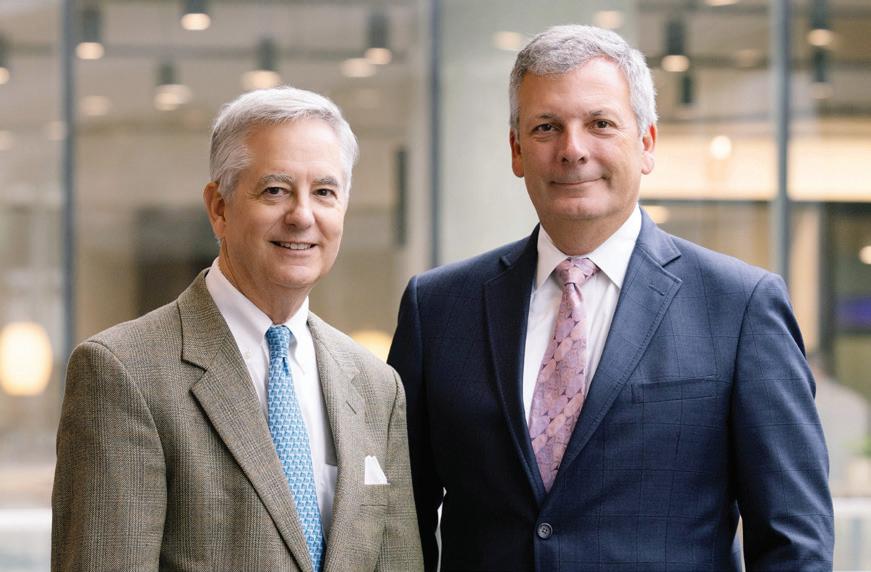
Brian S. Thomas Interim President & CEO
John V. Hager
Darius A. Johnson
Susan G. Kornstein, M.D.
Susan Learned, M.D., Pharm.D., Ph.D.
Marlon F. Levy, M.D.
H. Frederick T. Moore
Ghulam D. Qureshi, M.D.
Kee Tilghman Rabb
Michael Rao, Ph.D.
W. Taylor Reveley III, J.D.
Michele A. Romano, M.D.
Arturo P. Saavedra, M.D., Ph.D.
Ernesto Sampson
Liza Jarvis Scott
Hina B. Shah, M.P.H.
Stephen J. Gaidos Board Chair
Louise Woltz Smith
Ellen E. Spong
Judith F. Starkey
Jennifer Wold
Rachel L. Yost
The Chronicle of Giving is published twice a year by the MCV Foundation for alumni and friends of the Medical College of Virginia Campus of Virginia Commonwealth University. © 2026 MCV Foundation
VP AND CHIEF COMMUNICATIONS OFFICER | Eric M. Peters
EDITOR | C. Paul Brockwell Jr.
DESIGNER | Penelope M. Carrington
PHOTOGRAPHY | Daniel Sangjib Min, Will Rummel, Tyler Trumbo
CONTRIBUTORS | Jason Chestnutt, Pamela Colker, Stephen J. Gaidos, Caitlin Hanbury, Holly Prestidge, Zaynah Qutubuddin, David S. Silver, Brian S. Thomas
The MCV Foundation supports and fosters VCU Health and VCU Health Sciences through philanthropy, stewardship, innovation, communications and collaboration. The MCV Foundation supports the education, research and clinical care mission of our MCV Campus partners: VCU College of Health Professions, VCU School of Dentistry, VCU School of Medicine, VCU School of Nursing, VCU School of Pharmacy, VCU School of Public Health, VCU Massey Comprehensive Cancer Center, VCU Medical Center and VCU Health Pauley Heart Center. The foundation helps ensure the MCV Campus remains at the forefront of excellence and innovation in patient care, education and research. Through more than 2,000 funds, the MCV Foundation provides scholarships, professorships, chairs and funding for research and programs that support the lifesaving work at VCU Health.
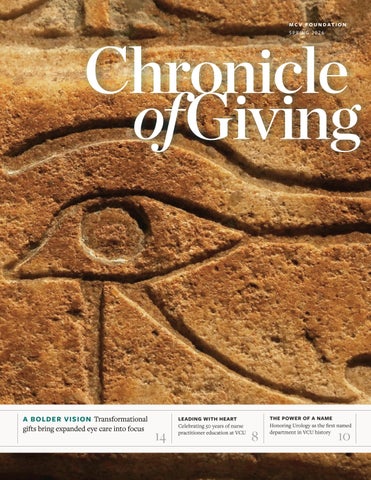
ON THE COVER | The Eye of Horus, an ancient Egyptian symbol of health, offers a wink and a nod toward the Egyptian Building on the MCV Campus and the Department of Ophthalmology, which will benefit from a generous gift to support oculoplastic surgery.
GOING GREEN | If you prefer to receive a digital copy, email info@mcvfoundation.org.
14
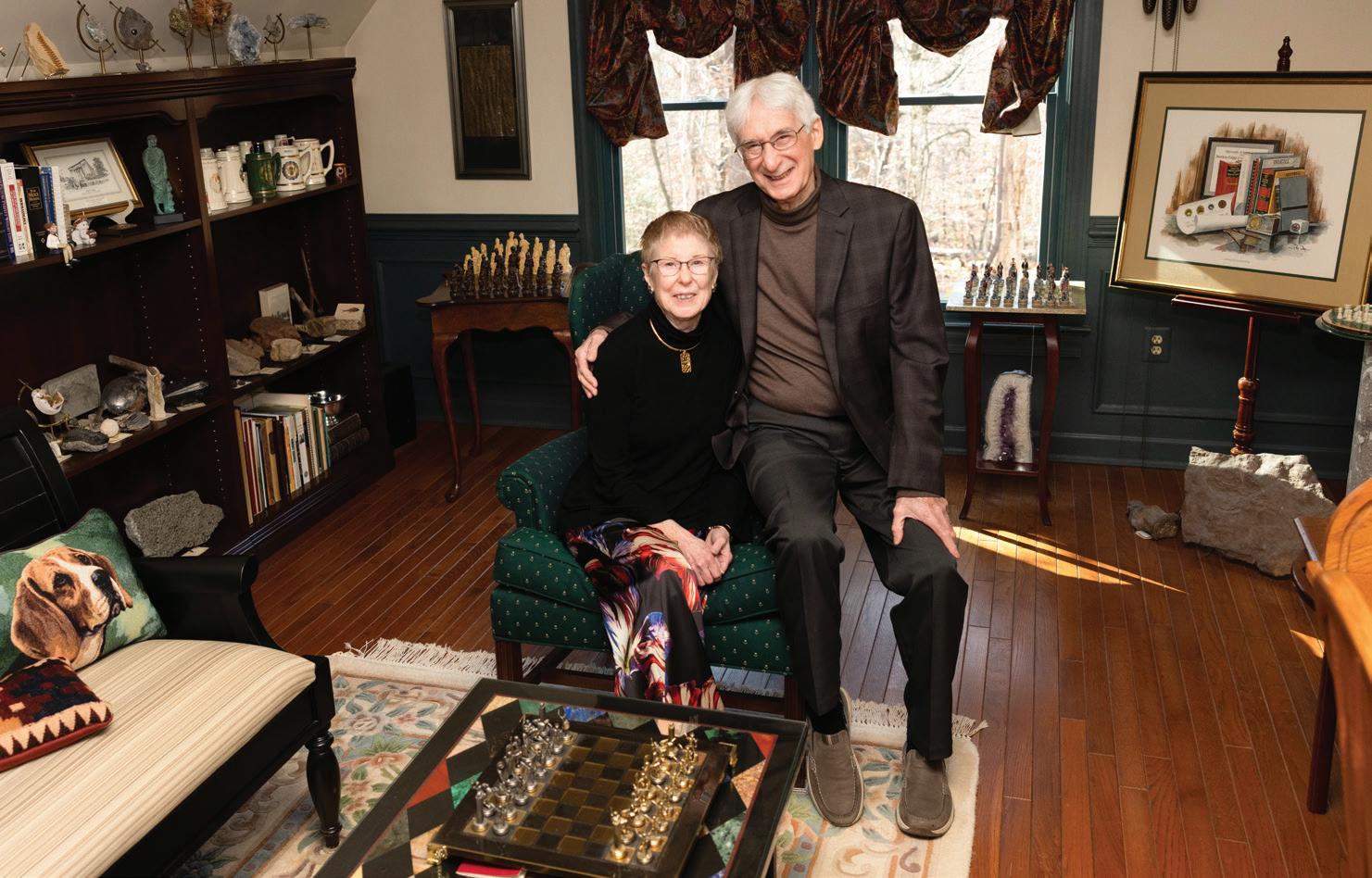
Great care inspired Don and Michele Romano, M.D., to invest in the Department of Ophthalmology and help ensure its future success.
The VCU School of Nursing celebrates 50 years of nurse practitioner education and a legacy of innovation, impact and communitycentered care.
The Dorothy A. Pauley Department of Urology is VCU's first named department, and it’s fueling excellence in research and care. D
The MCV Foundation’s support for the VCU School of Pharmacy Bachelor of Science program will strengthen the school’s role in a regional pharmaceutical industry boom. D
Trustee Hina Shah shares why she joined the board, and the annual scholarship brunch celebrates support for students.
MCV CAMPUS GIVING
Philanthropic impact and generosity fuel student scholarships, faculty support and research.
PLANNED GIVING: CHARITABLE GIFT ANNUITIES
Bill Jones supported VCU Massey Comprehensive Cancer Center through a CGA and now benefits from the gift.
8
10
20
2
22
32
TRUSTEE’S CORNER
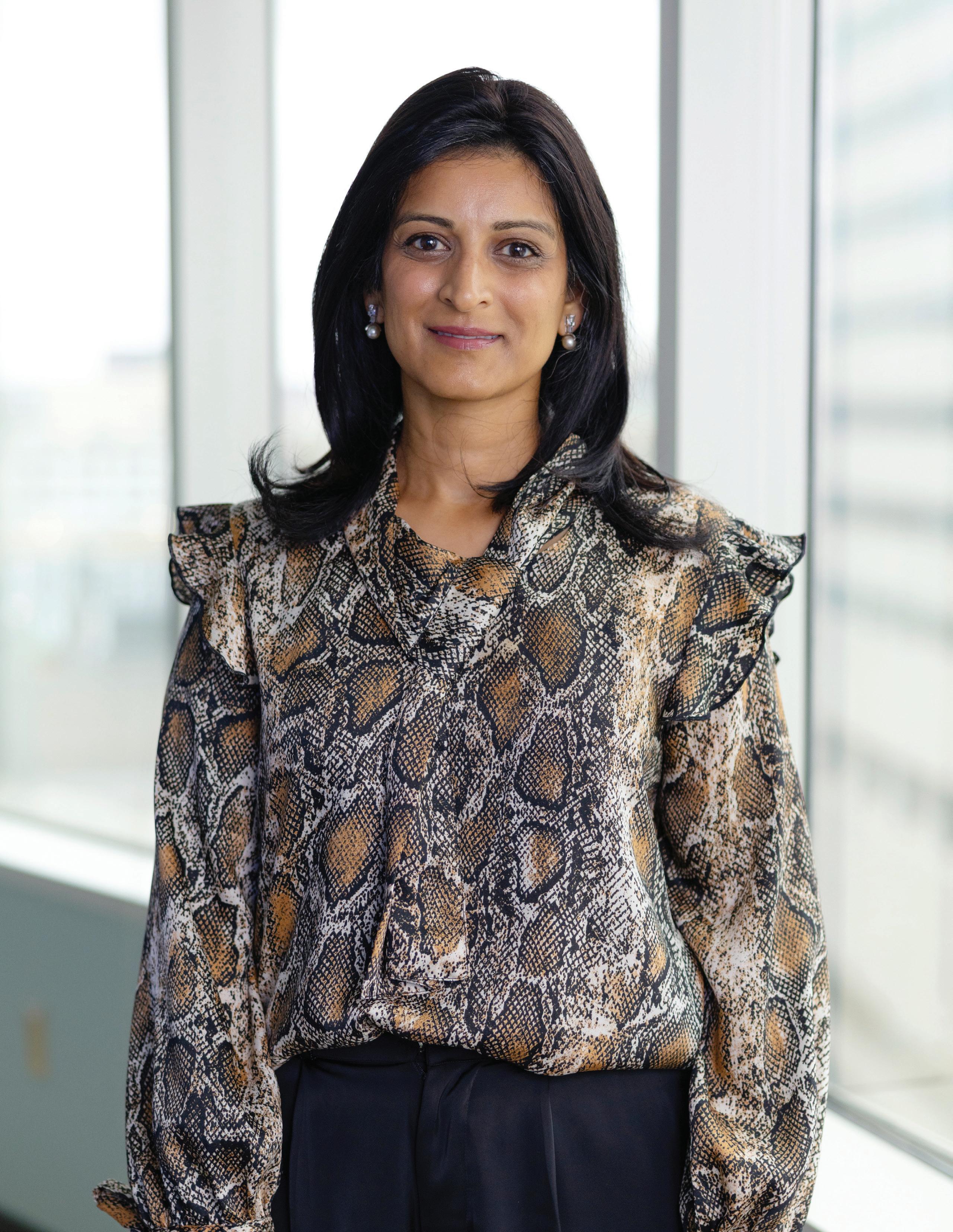
Hina B. Shah, M.P.H., is no stranger to transforming communities through health care. She’s spent her career working at the intersection of research, policy and community collaboration to improve public health. As an adviser with experience in health equity, data analysis and facilitation, she has helped lead statewide initiatives addressing challenges ranging from child welfare to substance use prevention.
In 2025, Shah joined the MCV Foundation Board of Trustees. While her initial understanding was that the board served as an important but largely behind-thescenes partner to VCU Health, her view has evolved.
“What stands out most now is the quiet power of disciplined governance, turning generosity into lasting strength for the patients, learners and communities who will depend on this institution in the years ahead,” Shah said. “I’ve come to appreciate how carefully donor intent, institutional priorities and long-term strategy must align. And when that alignment is strong, philanthropy becomes not just supportive, but transformative.”
Shah believes that enduring institutions like the MCV Foundation represent one of the most powerful forms of care to offer a community. “The MCV Foundation drew me because it operates at that level of influence. It supports the people and ideas that define care not only for today’s patients, but for the generations that follow,” she said, adding that living in Richmond has deepened her appreciation for VCU Health’s role in the community as both a safety-net hospital and a leading academic health system.
Looking ahead, Shah said the foundation’s role must be to help the health system remain strong, forward-looking and grounded in its mission at a time when health care is under immense strain.
“The work is complex, and the margin for error is narrow,” she said. “The foundation can help by supporting long-horizon investments in research, infrastructure, talent and innovations that strengthen institutional resilience. Our work is about continuity: sustaining excellence today while preparing thoughtfully for what patients and communities will need tomorrow.”
Shah remains excited about this work as a trustee because she believes philanthropy can do more than fund projects.
“I am grateful to play a small role in helping ensure that today’s generosity becomes tomorrow’s care, discovery and opportunity.”

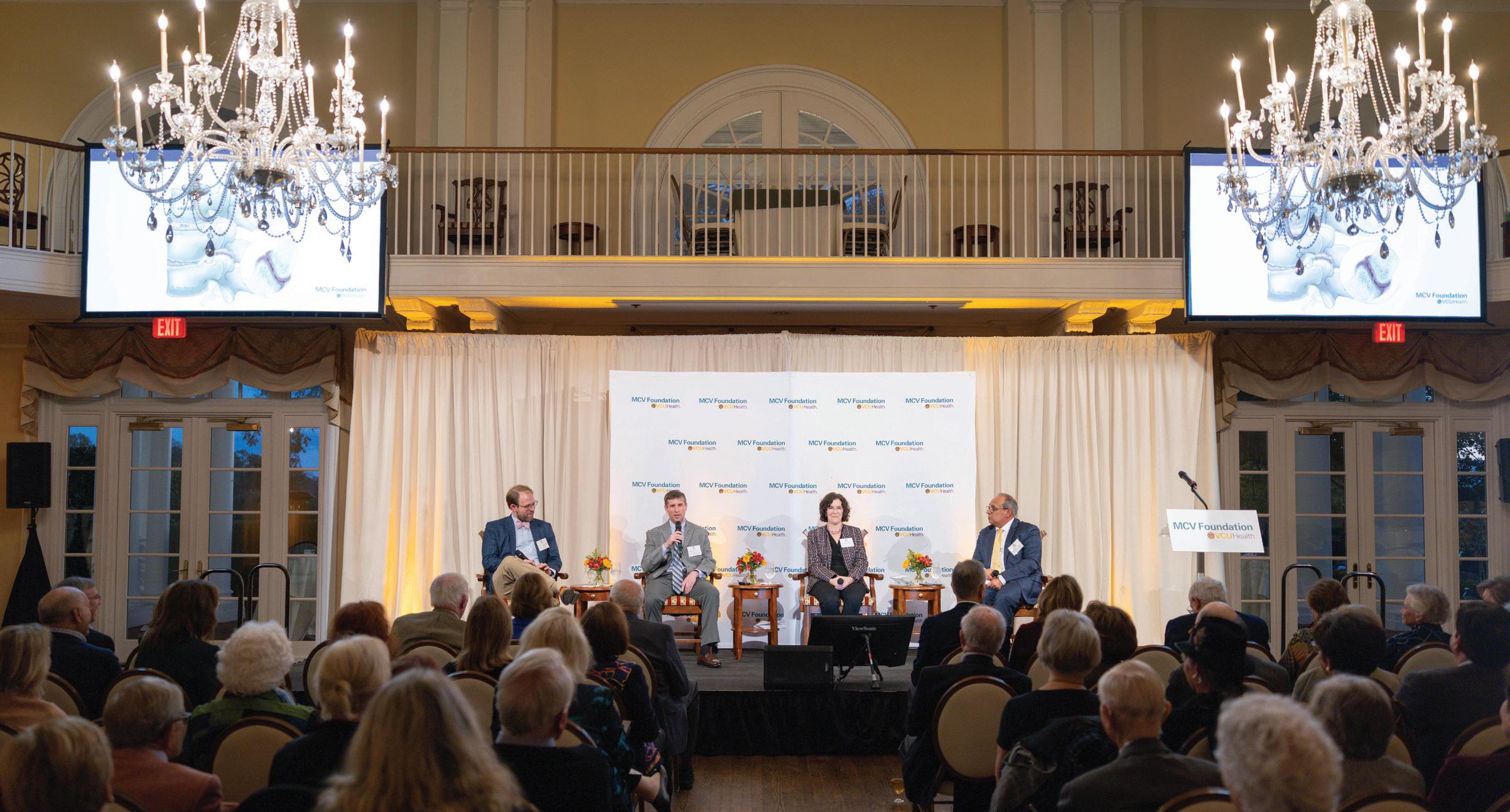
A record crowd of more than 150 gathered at the Discovery Series RVA on Oct. 30 to hear from esteemed VCU Health physicians about what it means to manage metabolic health, cognitive wellness and chronic pain management, as well as how these affect overall quality of life as people age. Photos:
and
This fall, the Discovery Series and its associated outreach initiatives saw record attendance across three events that connected community members with the MCV Foundation and expert VCU Health physicians.
Established in 2013 in Williamsburg, the series is an outreach program that raises awareness of the outstanding medical research, care and education on the MCV Campus.
Fall topics ranged from exploring how to live better longer, to metabolic and neurological health. After discovery event attendees heard from a panel of leading VCU Health physicians and researchers, they have the opportunity

to connect one-on-one with the panelists during receptions.
The popular series expanded to Richmond in 2019 and now includes several extensions for specific audiences. In 2022, the foundation expanded outreach to the Williamsburg community through the Discovery Alliance. Each event is guided by a host committee’s volunteer service and advice on program topics. In 2015, the Discovery Society was formed to honor individuals who attend Discovery Series events and support the MCV Campus through annual gifts. Today, the society boasts 300 members who have collectively given more than $17.5 million.
Right and below: Susan Wolver, M.D., discussed weight management at the Discovery Alliance event. She leads the VCU Health Medical Weight Loss Program and was part of the panel with Stephen J. Bickston, M.D., associate division chief of gastroenterology, hepatology, and nutrition; and Alexander Kenigsberg, M.D., director of urologic oncology at VCU Massey Comprehensive Cancer Center. The panel was moderated by Michael Elliott, Pharm.D., chief operating officer of VCU Health.
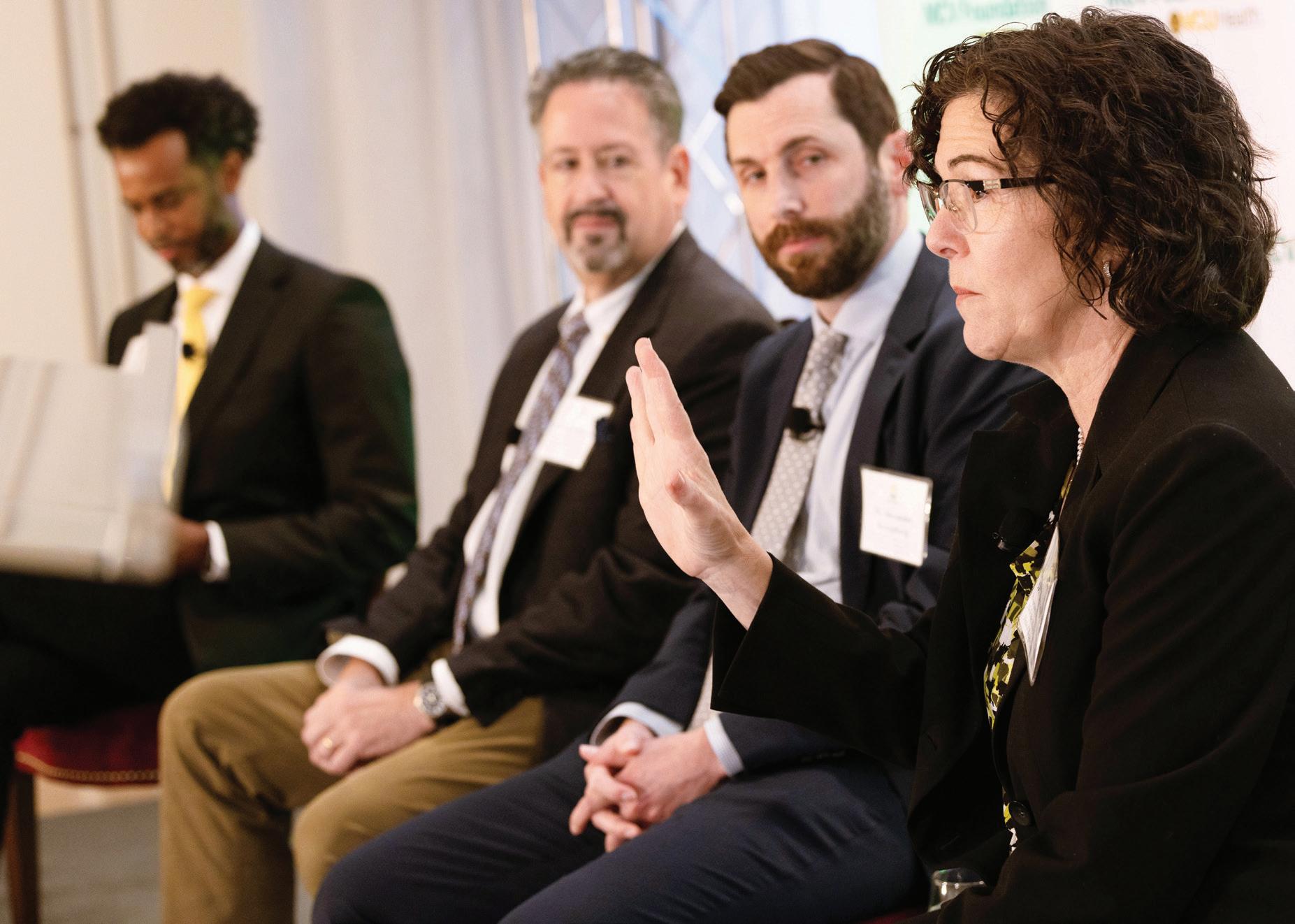
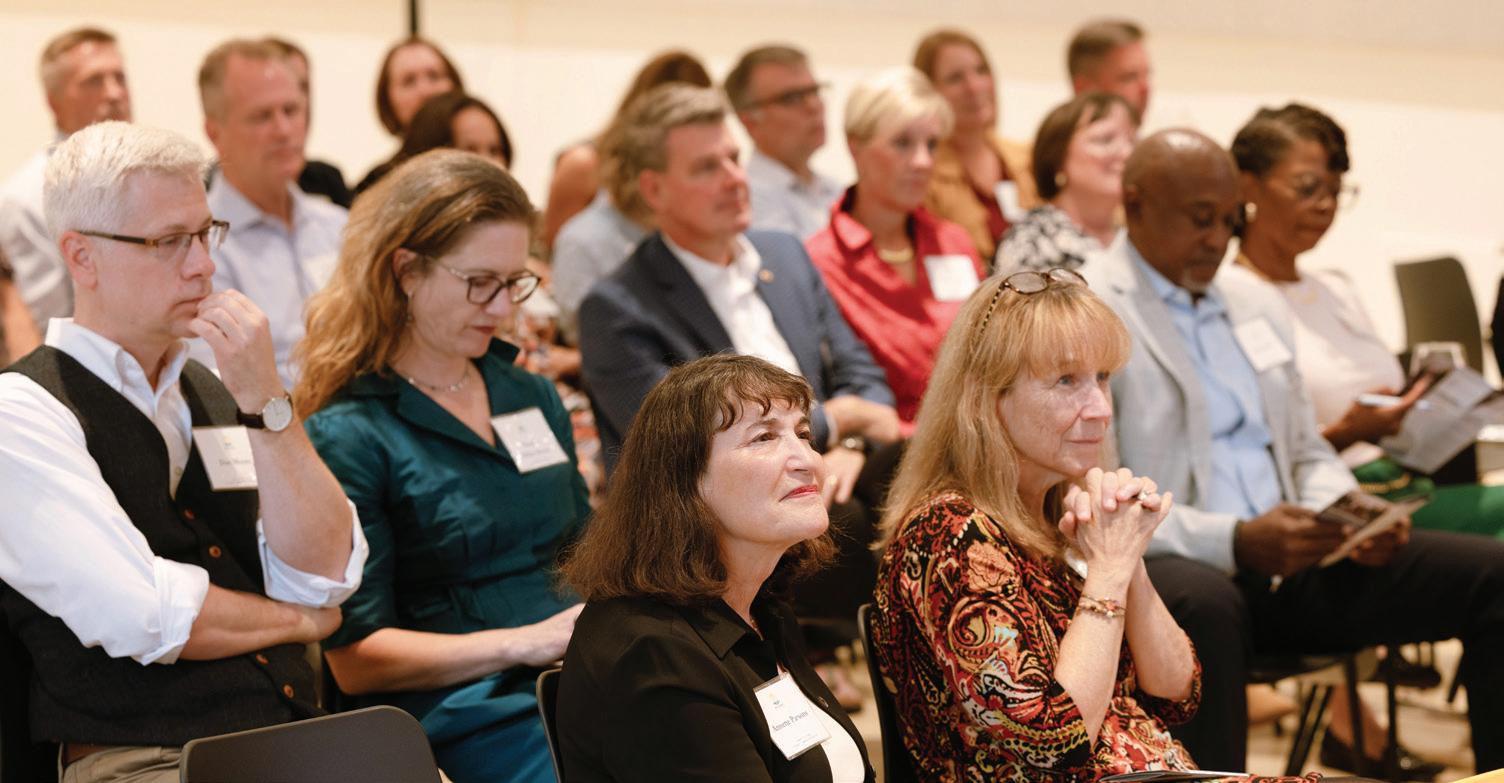
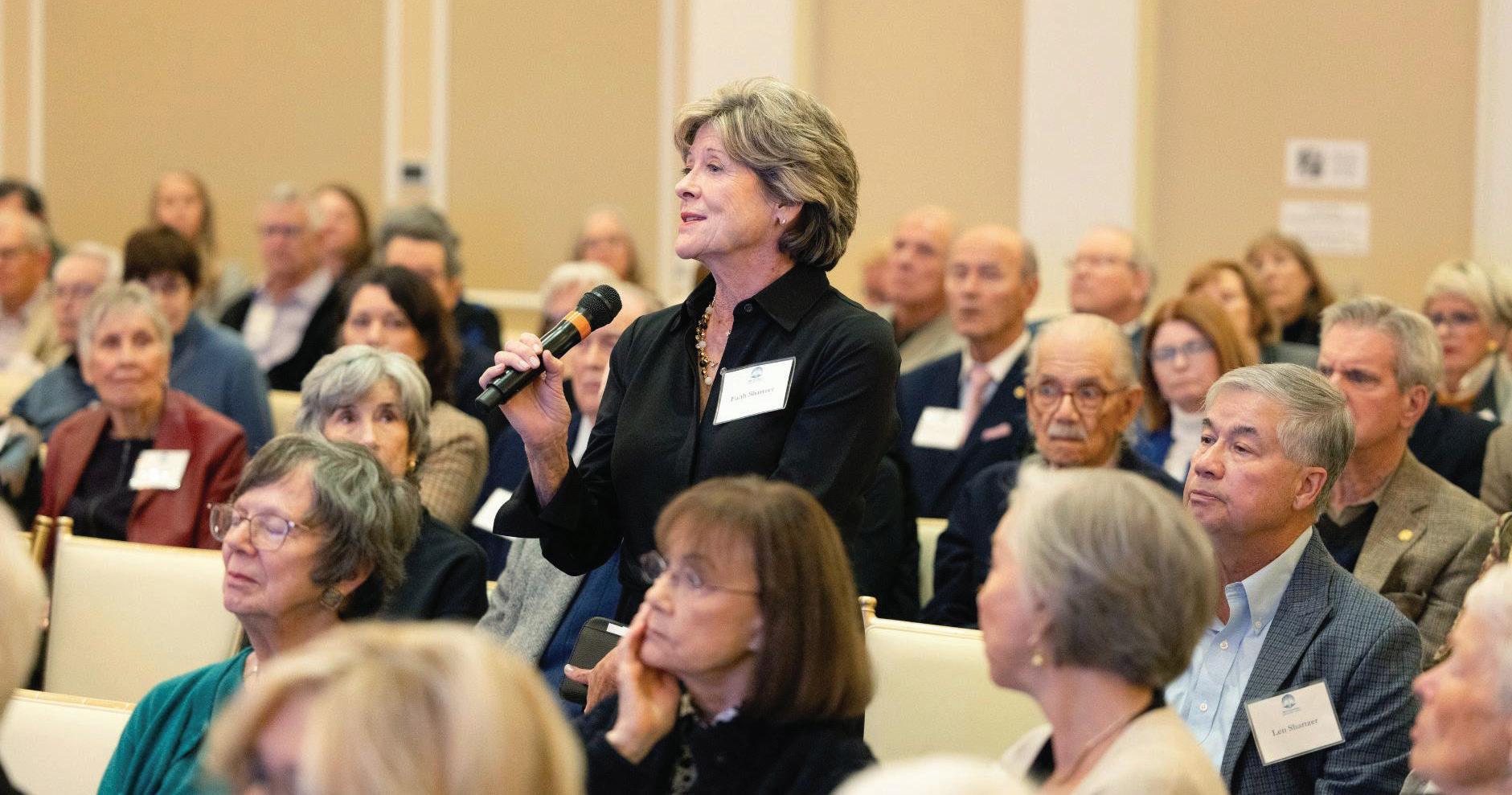
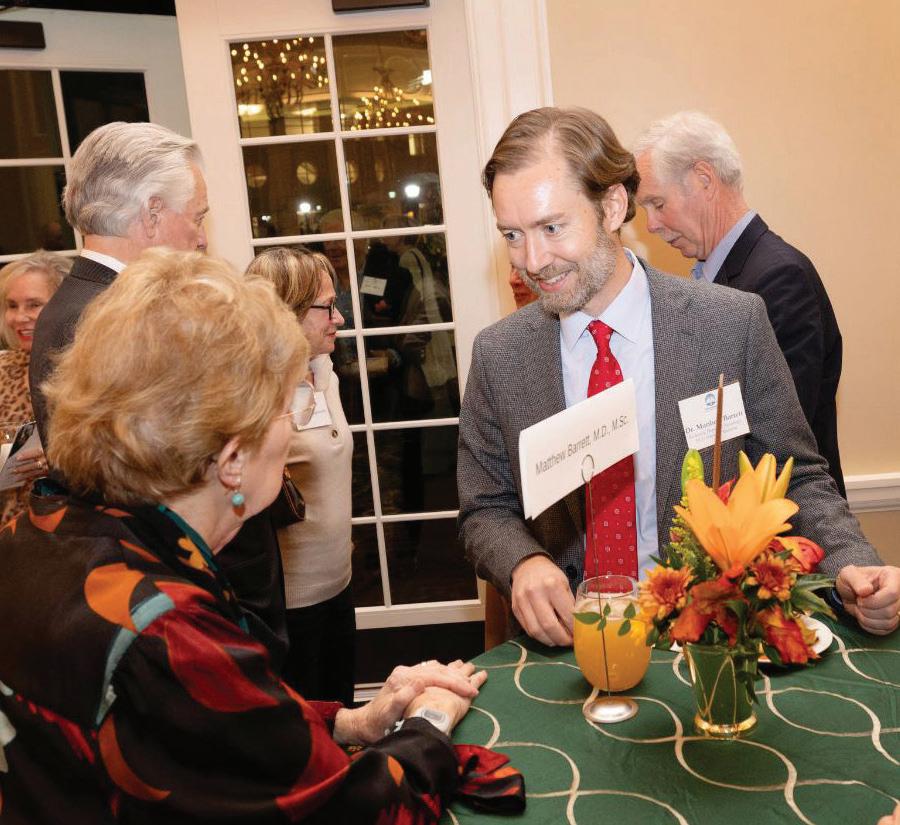
DISCOVERY ALLIANCE
Inside Out: Exploring Digestive Disorders, Metabolism and Prostate Health Oct. 8, 2025
DISCOVERY SERIES RVA
Living Better Longer: Managing Metabolic Health, Chronic Pain and Cognitive Challenges Oct. 30, 2025
DISCOVERY SERIES WILLIAMSBURG
Neuroscience Crossroads: Where Vision, Movement and Memory Meet Nov. 11, 2025
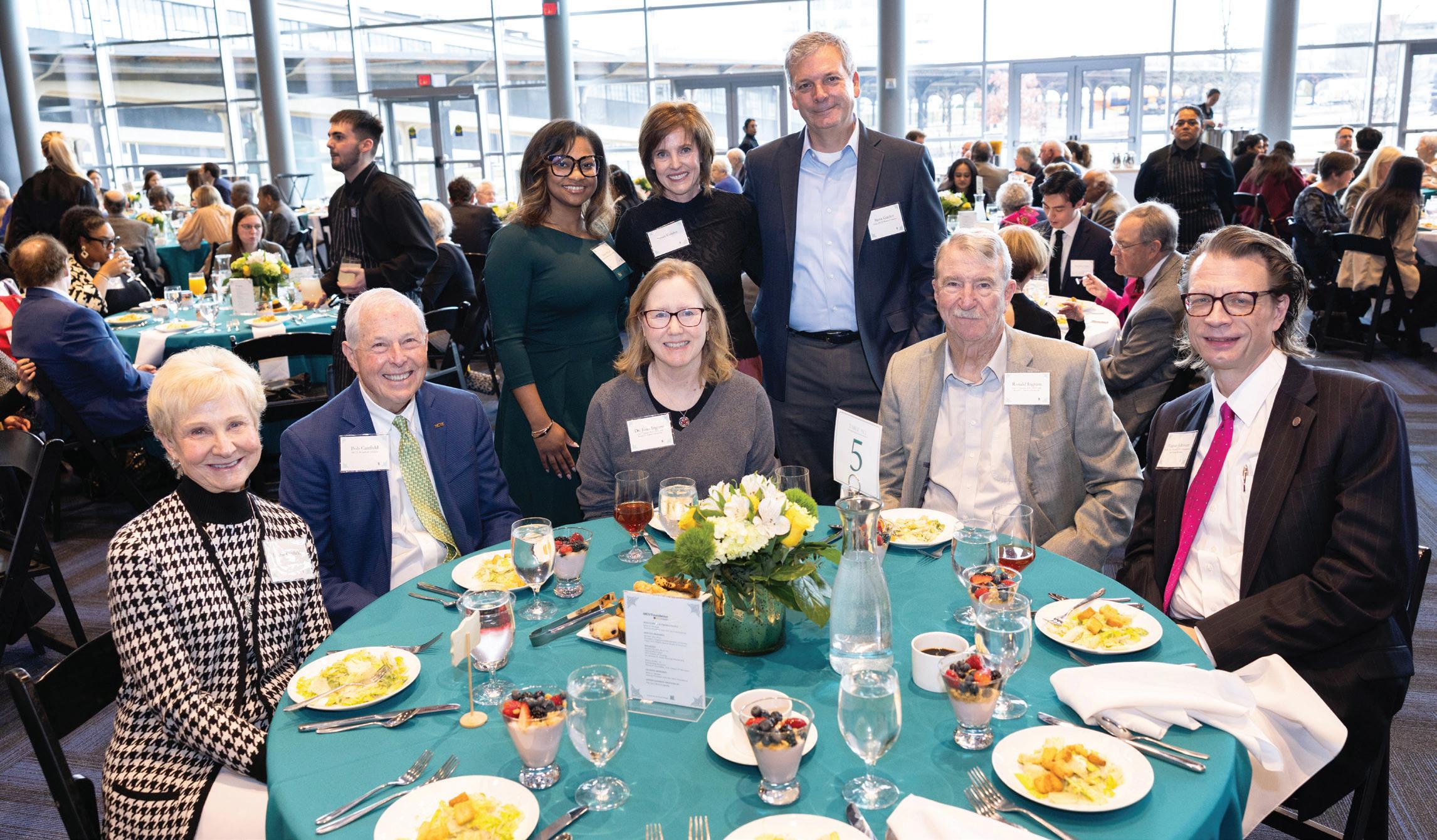
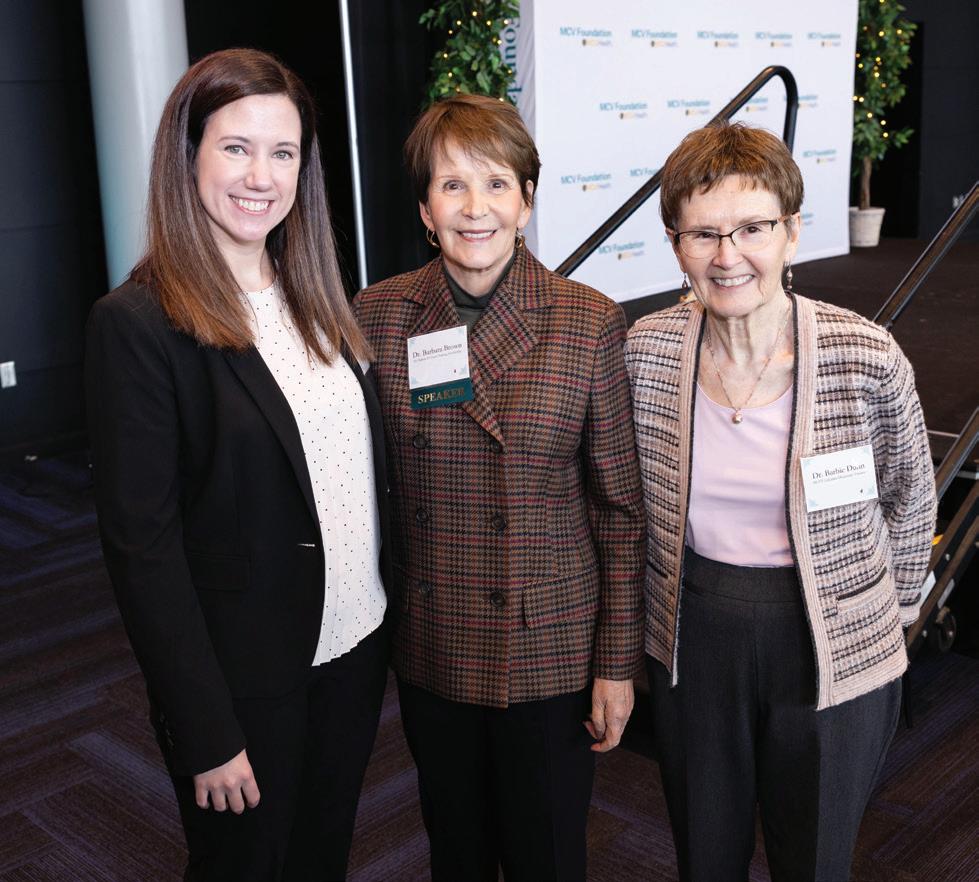
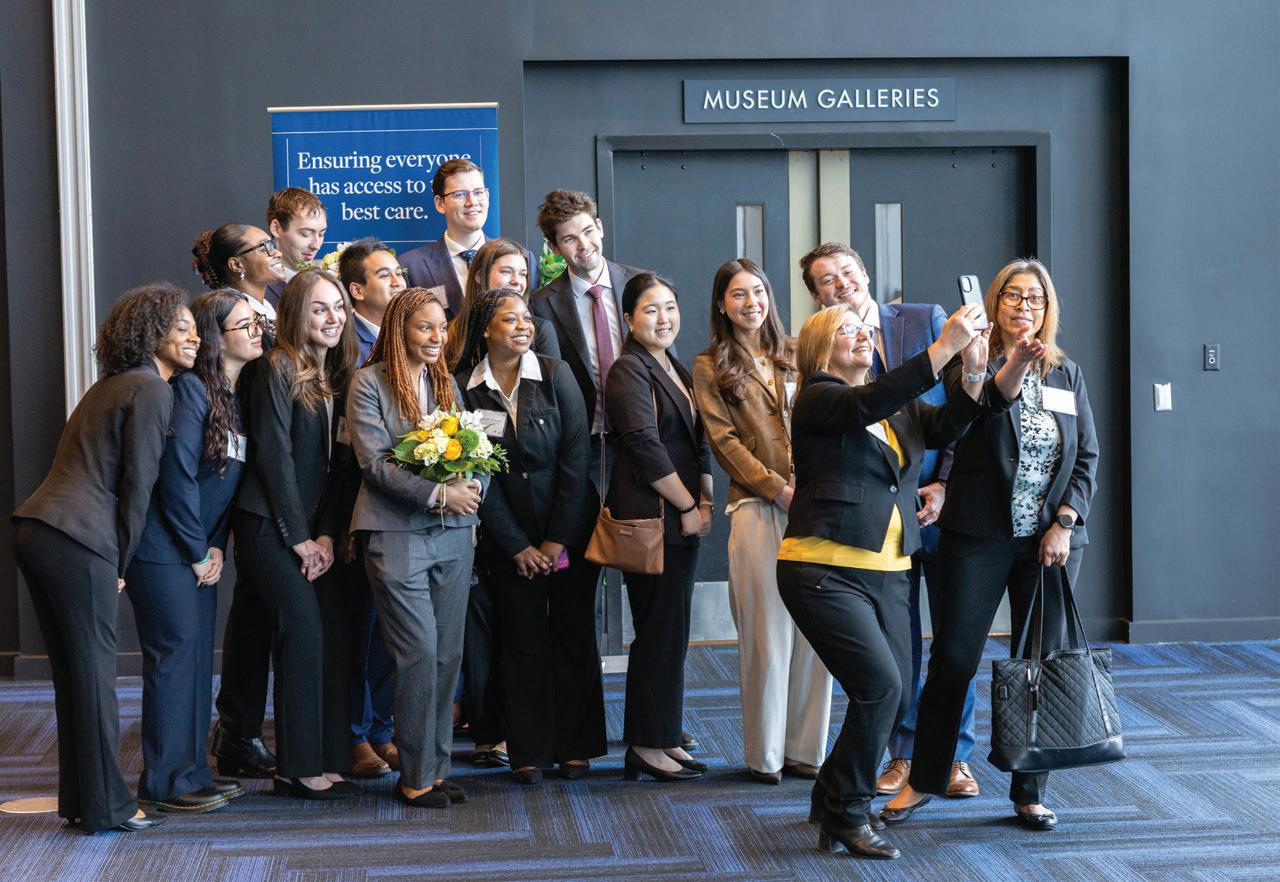
Scholarship recipients met, thanked and celebrated the donors who’ve changed their lives at the 21st Annual MCV Campus Endowed Scholarship Brunch Feb. 22. The annual event brings together VCU Health Sciences students, faculty and donors for a time of reflection and fellowship.
“I continue to be inspired by our students and am filled with gratitude to our donors whose commitment opens doors for the next generation of health care leaders,” said Brian Thomas, interim president and CEO of the MCV Foundation. “The Scholarship Brunch is a reminder that when philanthropy and purpose come together, lives are transformed.”
Since March 2025, donors have created 12 new endowed scholarships, raising the total to 574 endowed scholarships on the MCV Campus. About $10.45 million in endowed and current-use scholarship support was available in the 2025-26 academic year.
Guest speakers this year included Barbara Brown, Ph.D., who created an endowed scholarship in honor of her fellow 1970 VCU School of Nursing classmate and lifelong friend, Barbara Dunn, Ph.D.
“From my perspective, Dr. Dunn is the nurse everyone needs, the volunteer every organization wants and the friend we can all hope to have. She was an obvious choice for naming a scholarship in her honor, so I did,” said Dr. Brown, a retired nurse practitioner.
Alexis Archer, a Pharm.D. student at the VCU School of Pharmacy, was the student speaker who shared how receiving a scholarship has made an impact on her life.
“Instead of worrying about whether I needed to take on extra hours at work during a critical exam week, I’ve been able to immerse myself in my studies,” Archer said. “Every scholarship is more than a check. It is a vote of confidence. It is someone saying, ‘We believe in you. We believe in your potential. We are investing in your future.’ And that investment extends far beyond me.”
If you are interested in supporting an existing student scholarship or creating a new one, please contact Brian Thomas, the foundation’s interim president and chief executive officer, at 804-828-0067 or bthomas@mcvfoundation.org.
SPRING 2026
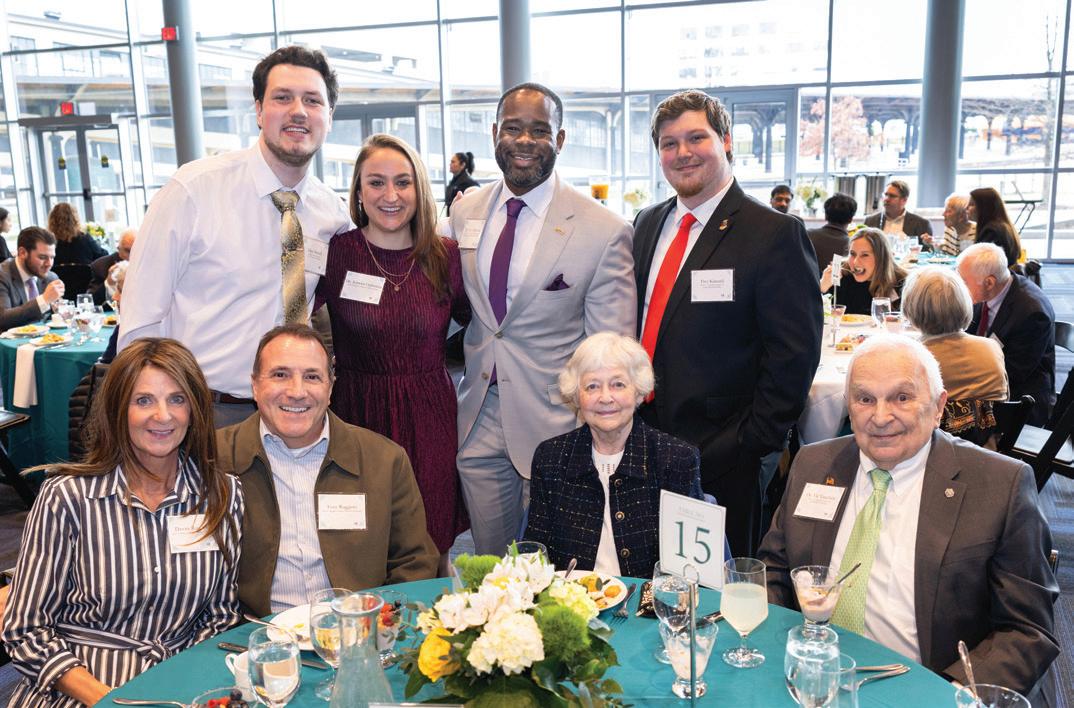
Guests included (Top, L to R) Dan Martell, VCU School of Pharmacy student body president; Kendra Ogbonna, Pharm.D.; K.C. Ogbonna, Pharm.D., dean of the School of Pharmacy; Trey Kincaid, recipient of the Victor A. Yanchick Kappa Psi Leadership Scholarship; and (Bottom, L to R) Dawn and Tony Ruggiero, Donna and Victor Yanchick, Ph.D., former dean of the school.
MCV CAMPUS SCHOLARSHIPS
By the Numbers
$10.45 million+
CURRENT AND ENDOWED SCHOLARSHIP FUNDS AVAILABLE IN ACADEMIC YEAR 2025-26
574
ENDOWED SCHOLARSHIPS
12
NEW SCHOLARSHIPS CREATED SINCE LAST YEAR
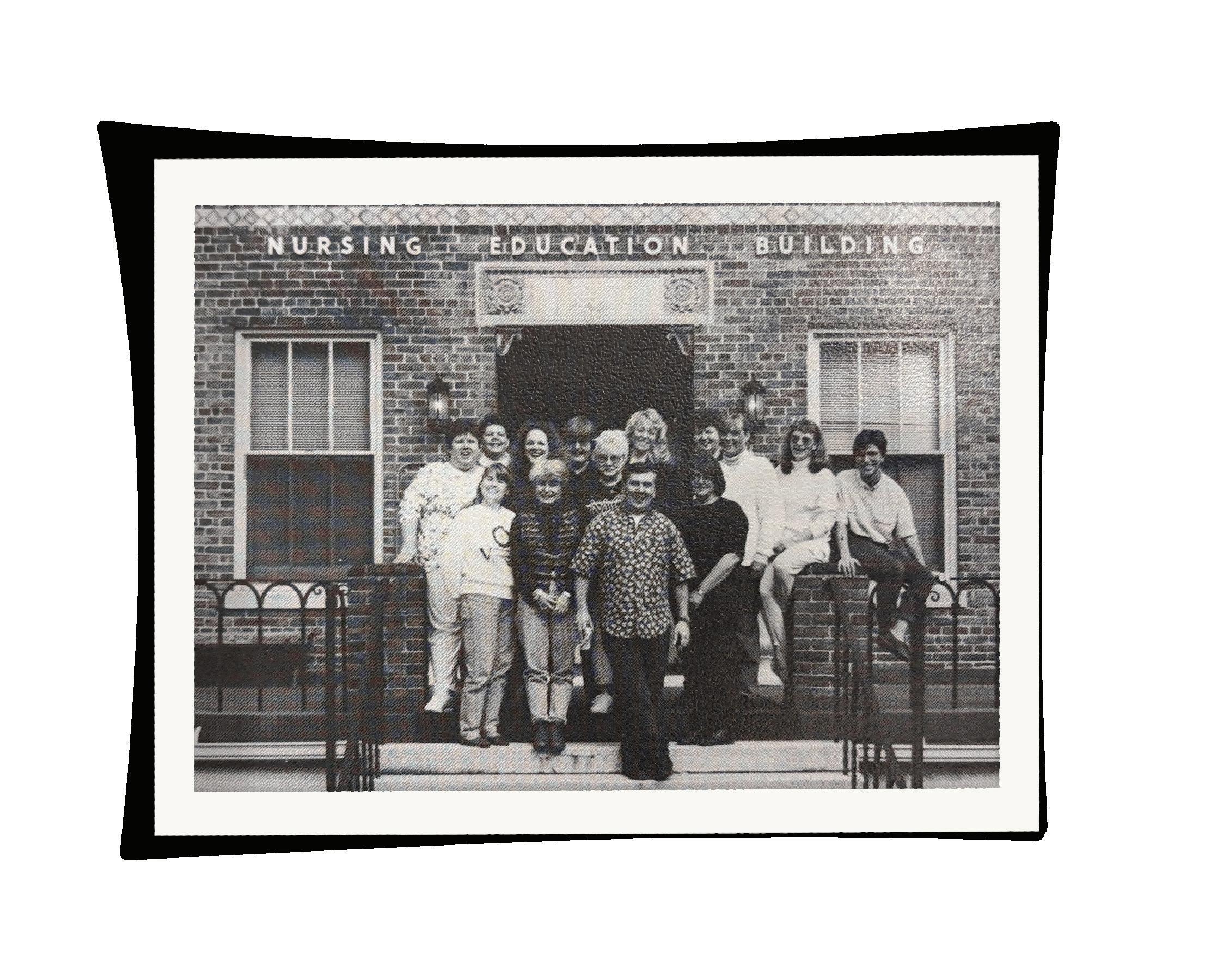
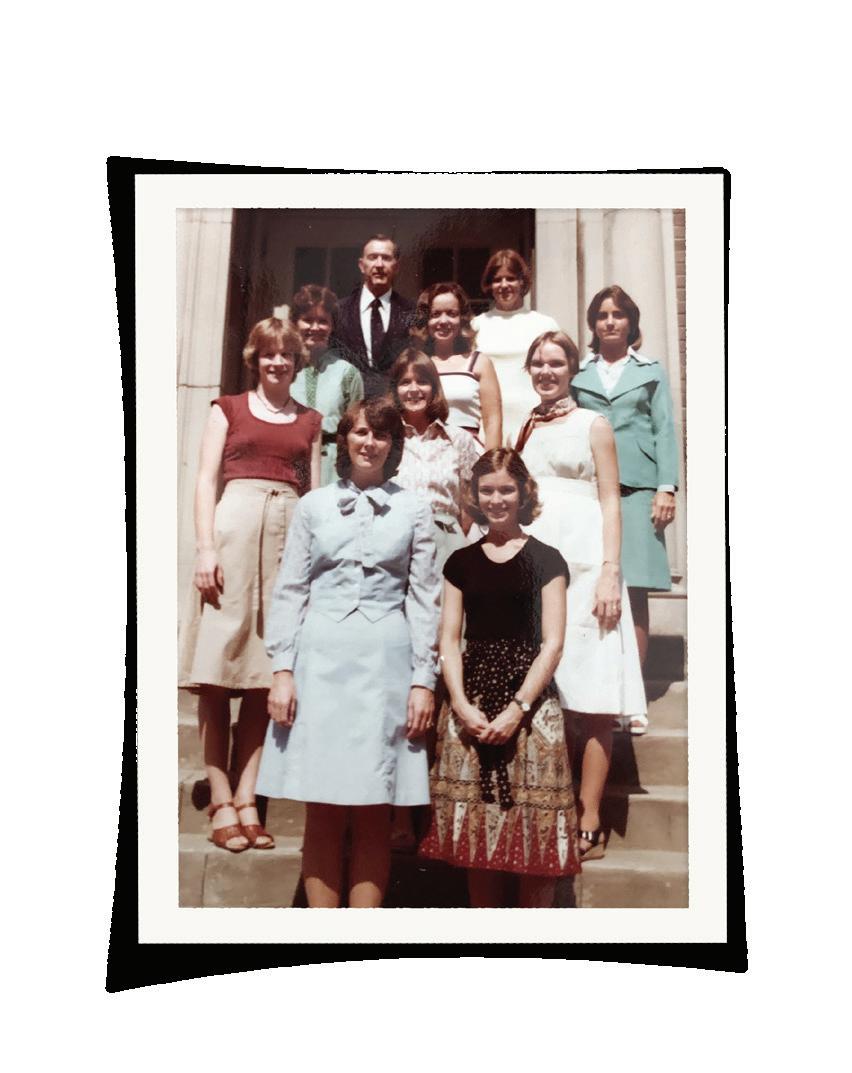
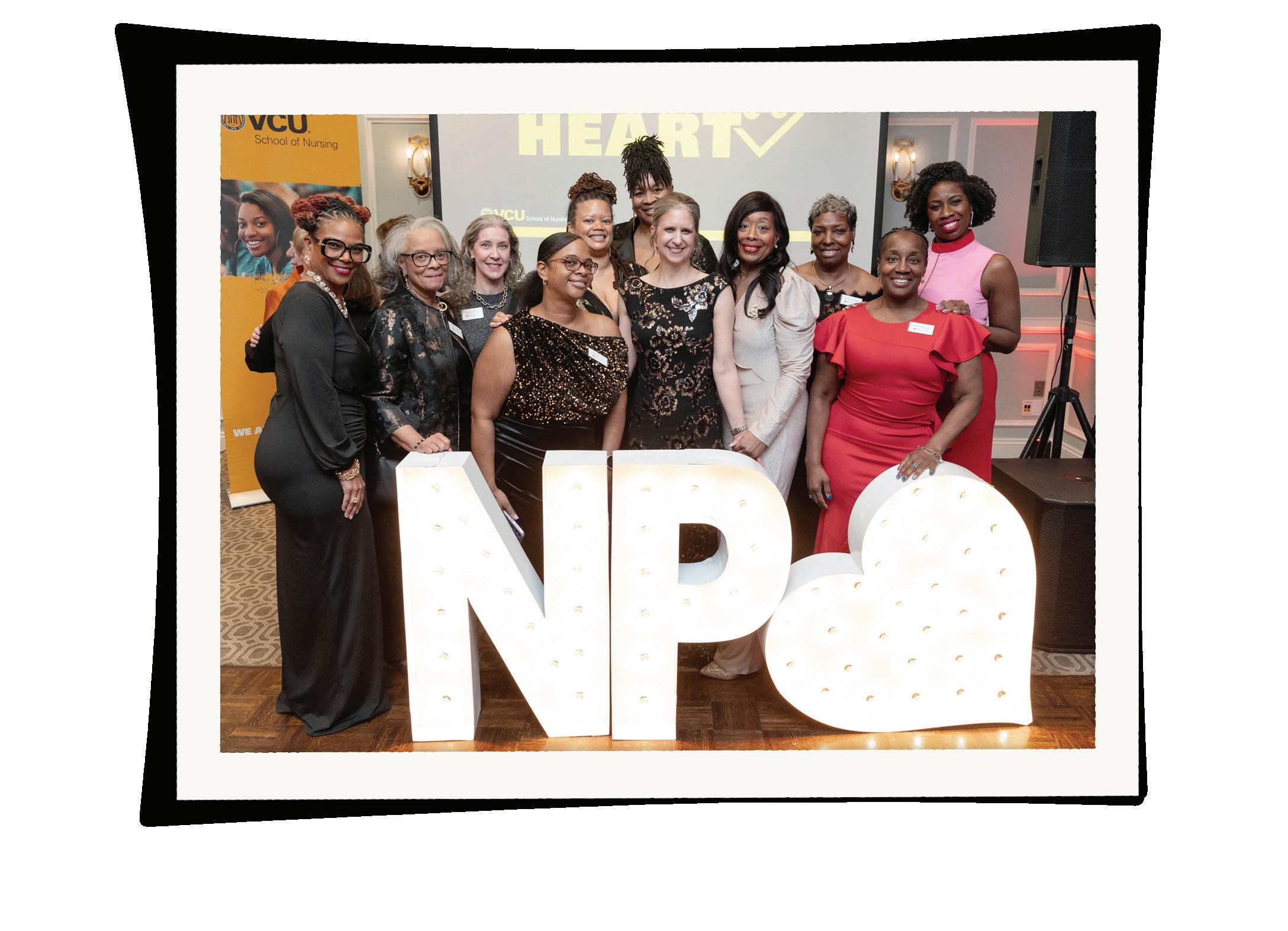
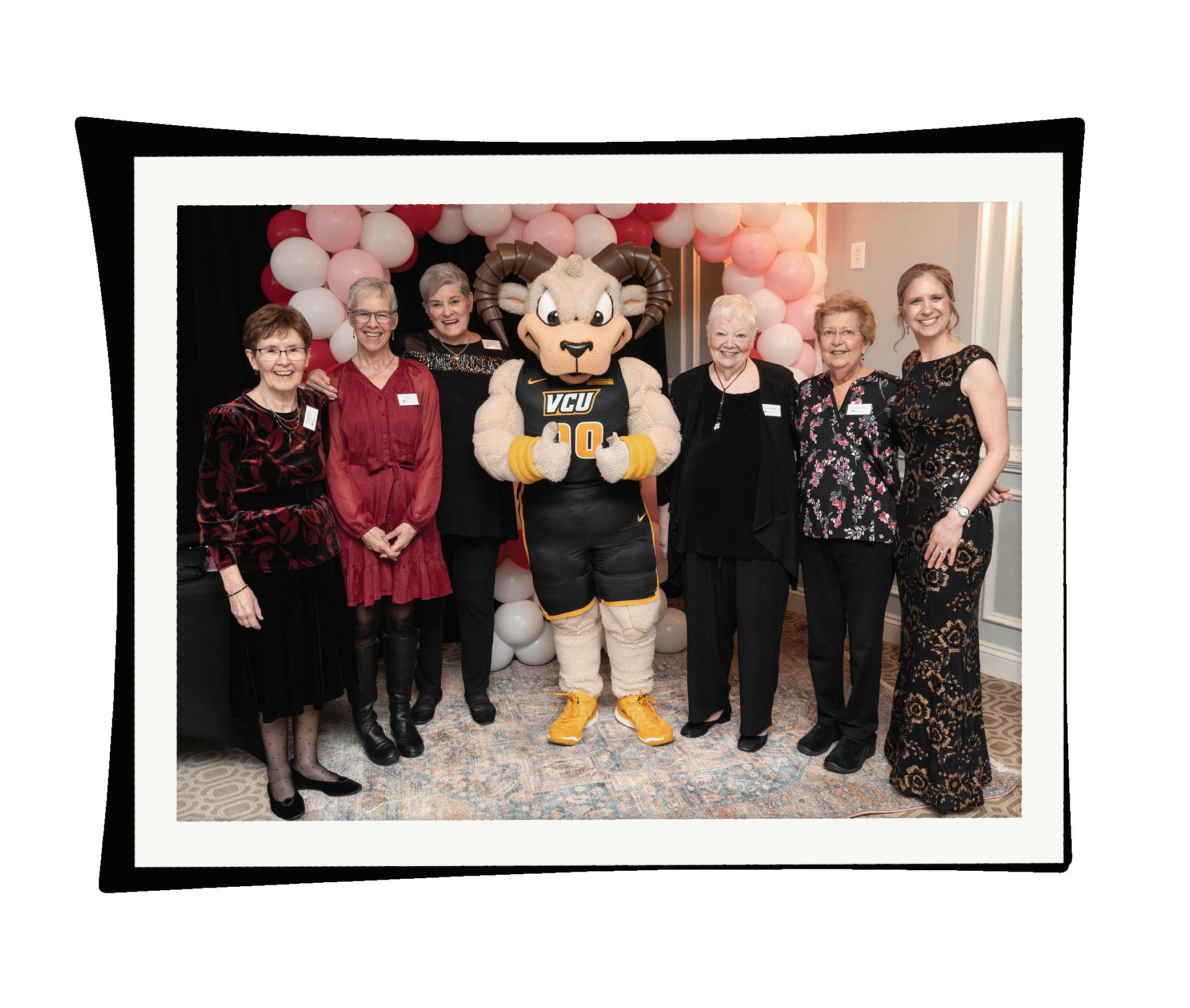
The VCU School of Nursing’s Leading With Heart celebration, held Jan. 30 at Willow Oaks Country Club, brought together nurse practitioner alumni, students, faculty and partners to pay tribute to the rich history and bright future of the program.


Celebrating 50 years of nurse practitioner education, the VCU School of Nursing reflects on a legacy of innovation, impact and community‑centered care.
By Caitlin Hanbury | Photos by Jud Froelich, VCU
The VCU School of Nursing commemorates 50 years of nurse practitioner education this year, a milestone that underscores decades of leadership, innovation and commitment to community health. The school marked the anniversary with a special event Jan. 30, where alumni, students, faculty and partners gathered to celebrate the program’s impact and its next chapter.
As advanced practice nursing programs emerged nationwide, VCU launched its own in 1974 and graduated its first cohort in 1976. Since then, thousands of nurse practitioner alumni have entered the workforce.
“For 50 years, VCU’s nurse practitioners have provided essential services to communities across the commonwealth, country and globe,” said Marlon Levy, M.D., senior vice president of VCU Health Sciences and CEO of VCU Health. “They’ve filled gaps in care especially in rural areas, used versatile skill sets to improve health outcomes, and helped lower health care costs for patients and systems alike.”
The nurse practitioner role became a critical way to address a national primary care shortage in the 1970s, building on nursing’s long-held position as a trusted profession and helping to expand care to more communities. VCU’s early students were part of that pioneering movement. “I think a lot of people came to the program early because they were not satisfied with traditional nursing roles and wanted to be better able to take care of patients and families,” explained Barbara Dunn, Ph.D., retired faculty and MCV Foundation lifetime honorary trustee.

Over the years, the school has continued to evolve the program in response to the expanding scope and complexity of the nurse practitioner role.
“In 2015, we began offering nurse practitioner education at the doctorate level, which is really important because we’re helping our students not only be expert clinicians, but also change agents,” explained Patricia Kinser, Ph.D., dean of the School of Nursing. “Our students are learning how to identify problems, identify solutions and stand up for the change that they see needs to be made.”
Proceeds from this year’s anniversary event will support the Crystal Goodwin Community Engagement Fund, which provides resources for nurse and nurse practitioner-led programs that improve the health and well-being of the greater Richmond community –work rooted in a long tradition.
From the beginning, nurse practitioners have been clinicians who expand traditional care models to better serve patients and communities. That spirit of possibility continues at VCU, where nurse practitioner students and graduates broaden access, champion preventive care and shape the next generation of community-centered health, transforming lives well beyond clinic walls.
That momentum is clear to program alums such as Judy Collins, RN, WHNP, a professor emeritus and MCV Foundation lifetime honorary trustee. “The whole world of health care is recognizing that nurse practitioners are playing a critical role on the team to give quality health care – which is what we are all about.”
If you are interested in supporting the VCU School of Nursing, please contact Jess Sorensen, senior director of development, at 804-615-5877 or jlsorensen@vcu.edu.
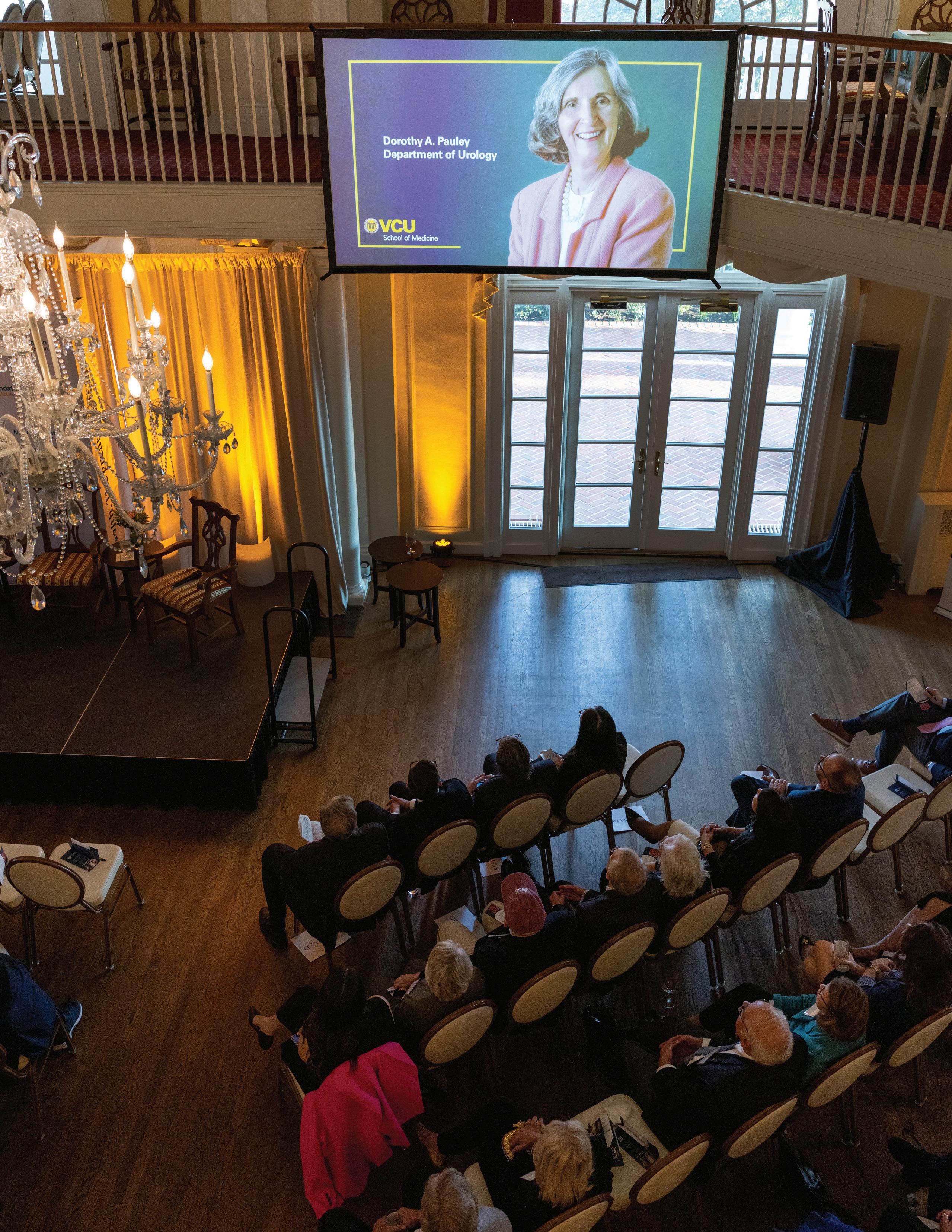
The VCU School of Medicine gathered faculty and friends March 27 to celebrate the naming of the Dorothy A. Pauley Department of Urology and to explore how this naming gift has fueled transformative excellence in the department’s work.
By Holly Prestidge | Photos by Daniel Sangjib Min
The late Dorothy A. Pauley wasn’t interested in just moving the needle. A longtime MCV Foundation trustee and beloved Richmond philanthropist whose family name is synonymous with generosity, she leaned into efforts that transformed lives on a profound scale. Her heart was open and her spirit was genuine, and it’s those attributes that will permeate the newly named Dorothy A. Pauley Department of Urology at the VCU School of Medicine.
It is the first named department in VCU history.
In honor of the care Mrs. Pauley received at VCU Health, Endeavour Legacy Foundation has made a significant gift to the School of Medicine that stands to propel urology care to new heights. The naming gift follows the department’s elevation last year from a division within the Department of Surgery, where urology has been housed since the 1950s, to a stand-alone department.
It’s a historic moment full of possibilities for those charged with leading the department into the future.
“A gift of this magnitude sets us up for transformational change,” said Adam Klausner, M.D., Endeavour Legacy Foundation Distinguished Chair in Urology and interim department chair. “Being a stand-alone department, no longer part of the Department of Surgery, gives us a seat at the table. The support of the naming gift allows us to really do the things we need to do to make local, national and international impact and become the top urology program anywhere.”
The changes this gift has already initiated – plus those planned for the future – are significant. Goals include recruitment and retention of renowned specialists in the
field as well as protecting time for faculty to pursue grants. These faculty will also expand the residency training program, and – in collaboration with colleagues at VCU Massey Comprehensive Cancer Center and across the School of Medicine – advance state-of-the-art clinical care for patients with complex medical needs. Together these initiatives will ensure the department remains a national leader in a rapidly changing field.
“The benefit of having an endowed department is that it provides financial support that lasts forever,” Dr. Klausner said. “The name Dorothy Pauley will be on our department, and those in charge will be able to continue to use those resources and remember what that name meant, because it got us there and it’s going to continue to make us grow.”
Dr. Klausner said when he arrived at VCU in 2004, he was one of three physicians in the Division of Urology.
Today, the department has 14 faculty, including 10 adult and four pediatric urologists, plus nearly a dozen advanced practice providers and an expanded residency program with 15 residents.
Recruitment is underway with two new urologic oncologists on board who are charged with developing innovative cancer treatment programs through expansion of clinical trials and robotic technology.
Additionally, searches are underway for a vice chair of urology research and education, a vice chair for clinical operations, additional Ph.D. faculty to advance basic science research and more.
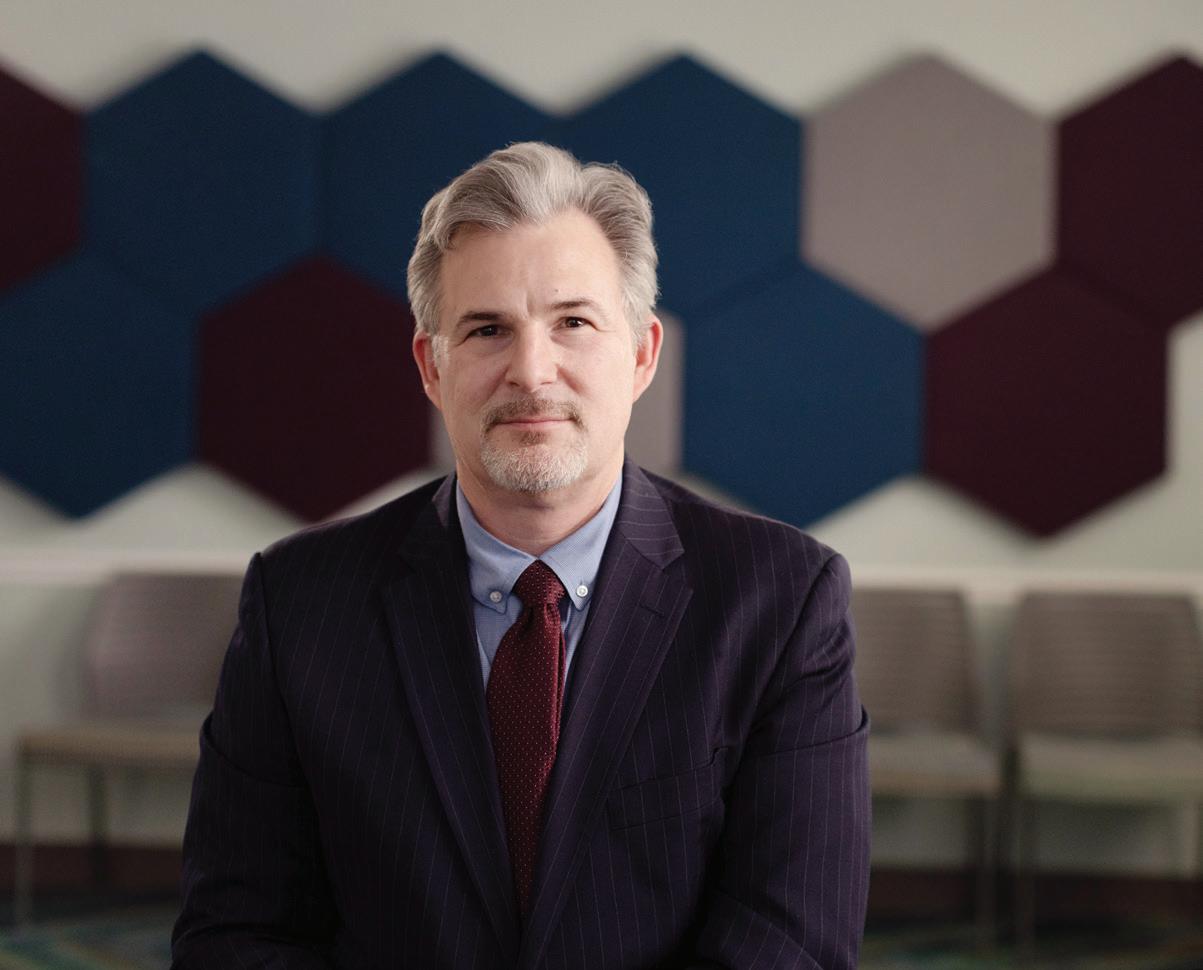
“ A gift of this magnitude sets us up for transformational change. This allows us to really do the things we need to do to make local, national and international impact and become the top urology program anywhere.”
ADAM KLAUSNER, M.D.
ENDEAVOUR LEGACY FOUNDATION DISTINGUISHED CHAIR IN UROLOGY
WARREN
W. KOONTZ, M.D., JR. PROFESSOR OF UROLOGIC RESEARCH
INTERIM
CHAIR, DOROTHY A. PAULEY DEPARTMENT OF UROLOGY
VCU
SCHOOL OF MEDICINE
Beyond people, infrastructure is changing, Dr. Klausner said. Ambulatory operations have been restructured with areas of focus including oncology and sexual health. Within the clinical care arena, VCU Health is the first site in Virginia to offer noninvasive ultrasound treatment for early- to intermediate-stage prostate cancer patients that eliminates the need for invasive surgery or radiation.
Research has taken off, including a collaborative effort with the VCU Department of Mechanical and Nuclear Engineering to develop novel technologies, particularly noninvasive tools, to study, diagnose and treat overactive bladder. The laboratory of mechano-urology in the department was recently awarded $3 million by the National Institutes of Health to explore that condition by differentiating brain activity and bladder influences.
“This gift has allowed VCU to develop a urology research infrastructure that enables a synergy between research and translational science that we can bring right to the bedside,” said Dr. Klausner, who cared for Mrs. Pauley and helped her and her family navigate several of the matriarch’s health issues.
He remembers a woman who never complained. He found in her and her family kindred spirits, people who understood that health care was more than medicine.
For a physician known to answer patients’ calls while sitting on the sand vacationing in Virginia Beach, it was an unexpected but welcome partnership.
“Health care has become very impersonal,” Dr. Klausner said, “but to have that personal touch where a patient can truly talk to their physician, that’s the future we’re building with Endeavour Legacy Foundation’s gift in honor of Dorothy Pauley.”
If you would like to support the Department of Urology at the VCU School of Medicine, please contact Andrew Hartley, senior director of development and integrated care, at 804-305-3055 or aphartle@vcu.edu.
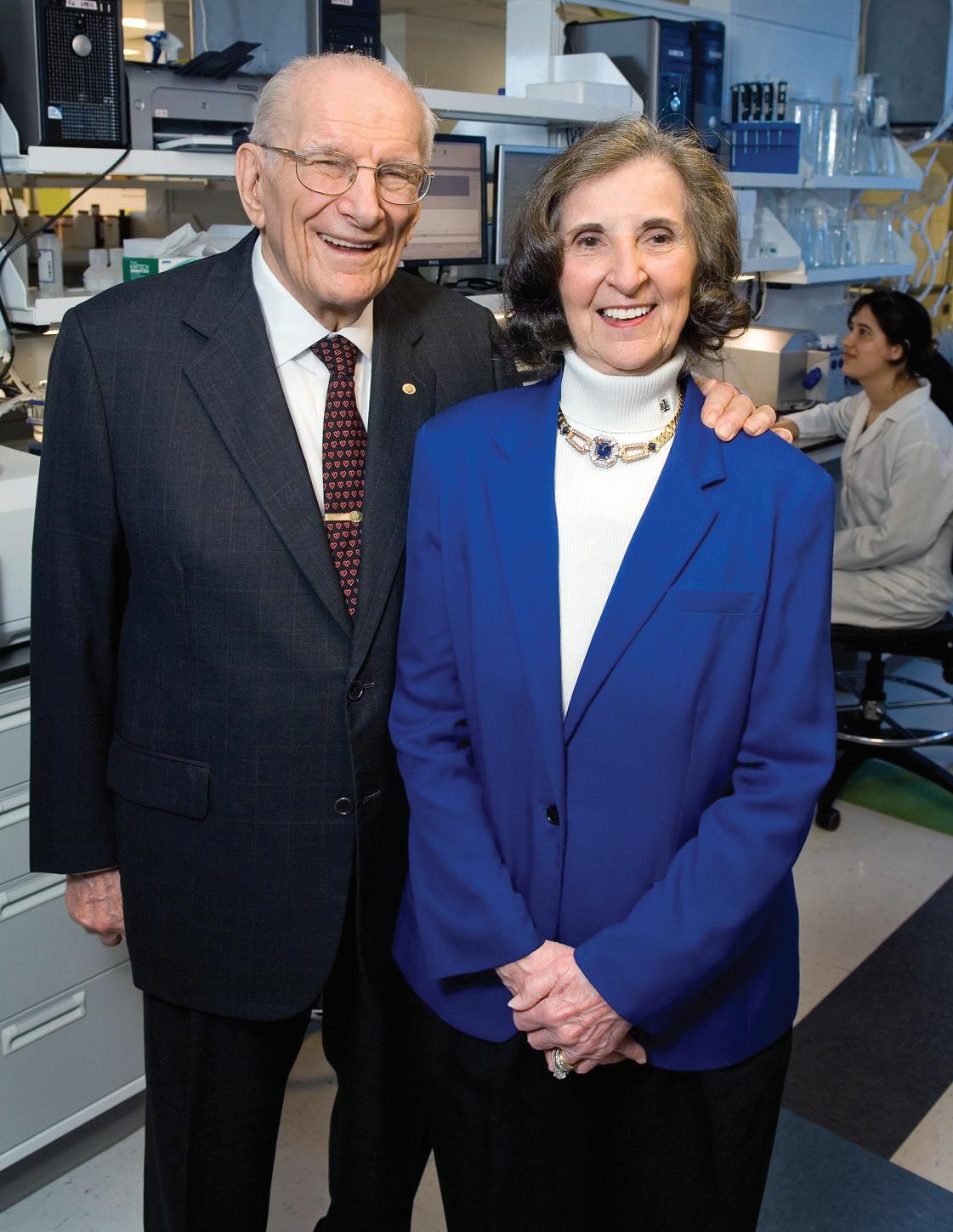
The Department of Urology is now named in honor of the late Dorothy A. Pauley, a beloved Richmond philanthropist and longtime MCV Foundation trustee who, with her late husband, Stan, gave generously to support a number of health care initiatives on the MCV Campus.
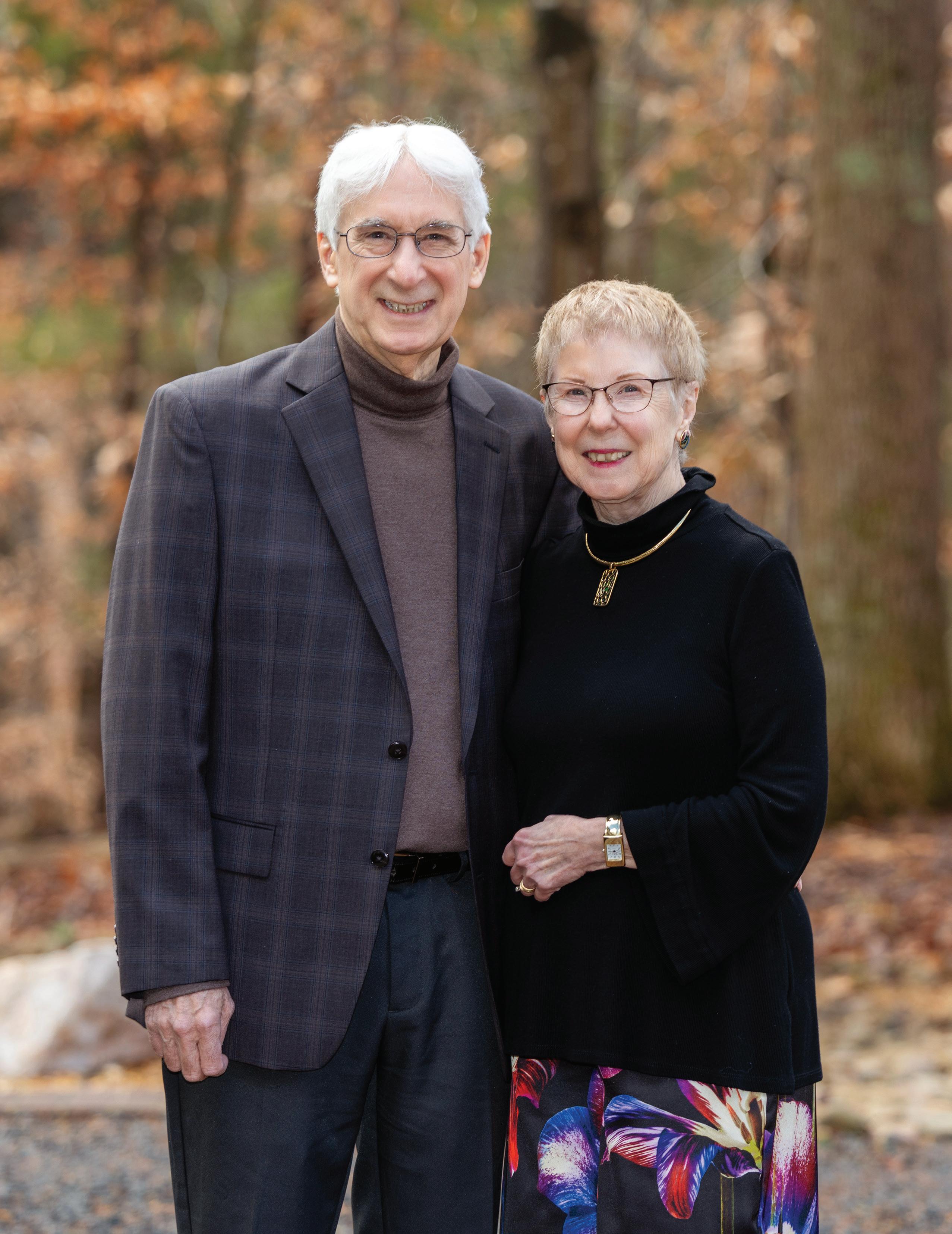
VCU alums and longtime supporters
Don and
created a fund that will expand oculoplastic expertise in the Department of Ophthalmology.
An annual eye exam led to a surprise diagnosis, but one couple is turning their experience into support for the future of ophthalmology at the VCU School of Medicine.
By Holly Prestidge | Photos by Daniel Sangjib Min
Aminor inconvenience – a droopy eyelid – that’s all it was. Until it wasn’t.
In early 2025, Don Romano, an alum from the VCU College of Health Professions Department of Health Administration, decided to do something about his left eyelid, which he said had started to droop in recent years.
It didn’t hurt and didn’t impede his vision, but he wanted it fixed.
During his annual eye exam, his ophthalmologist referred him to an oculoplastic surgeon, a highly specialized surgical field that combines the precision of ophthalmology with the artistry of plastic surgery.
That’s where things took an unexpected turn.
During his preoperative exam, the physician noticed his eye was protruding by about two millimeters, which was a concerning sign. An MRI revealed an orbital lymphoma in the delicate tissue surrounding his left eye.
“It wasn’t on my eye, it was behind it,” said Don Romano, “and it was pressing up against my eyeball.”
Needing a highly skilled oculoplastic ophthalmologist, Don and his wife, Michele Romano, M.D., a 1984 VCU School of Medicine alum and long-time board member of the MCV Foundation, began searching for a doctor who could perform the surgery. They weren’t able to find an oculoplastic surgeon near their Northern Virginia home. Instead, they learned that many surgeons in the oculoplastic surgery realm focus on cosmetic surgery.
Because of their longstanding connections to and support of the MCV Campus, they asked for help at VCU Health. They were referred to Mary Daly, M.D., the Ragnit & Walter J. Geeraets Endowed Professor and chair of the Department of Ophthalmology,
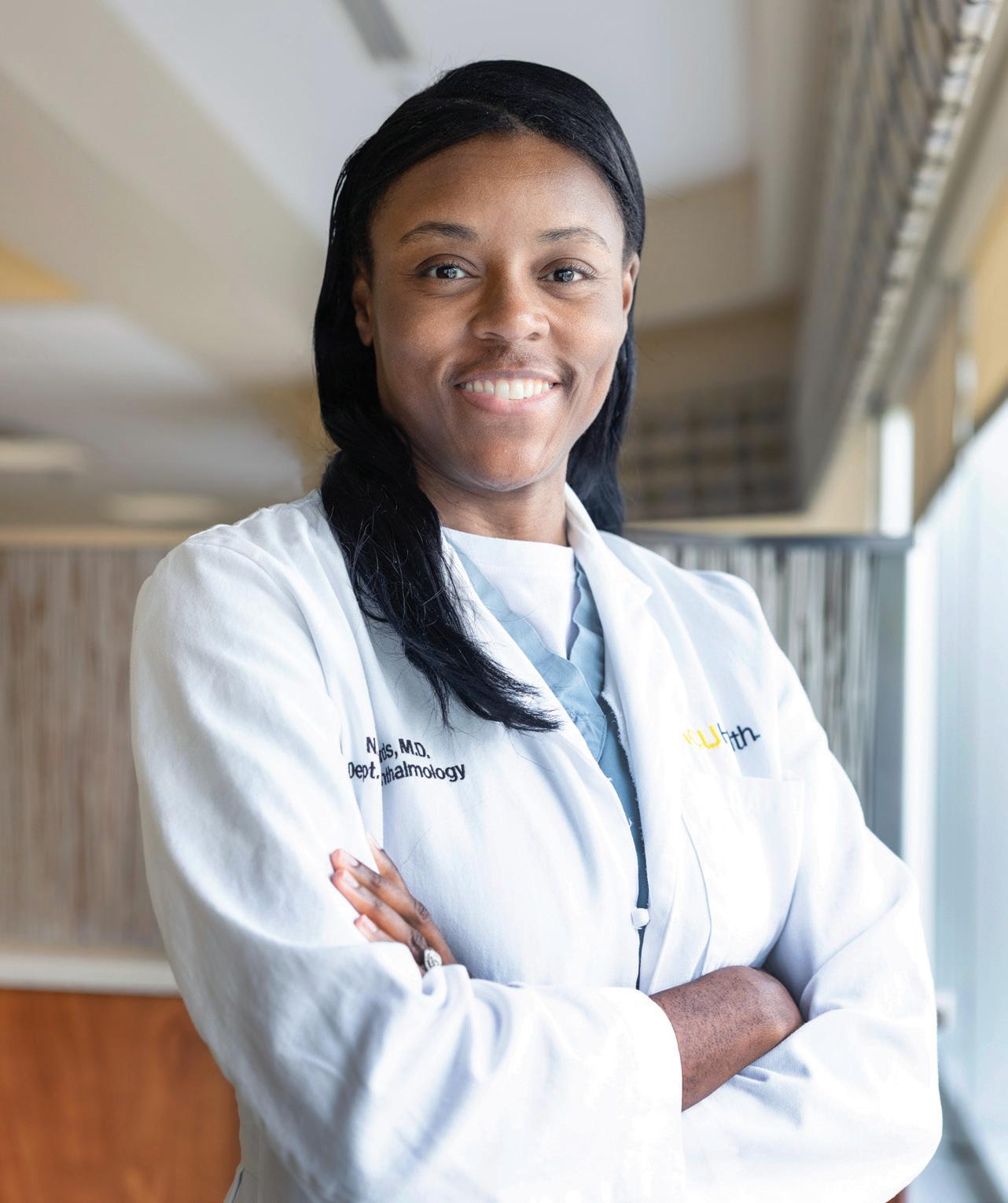
who quickly guided them to Nikisha Richards-Walker, M.D., associate professor of ophthalmology and an oculoplastic surgeon with expertise in trauma, orbital cancers and disorders of the eyelid, eye socket and tear duct system. Dr. Richards-Walker is VCU Health’s only oculoplastic surgeon and the only one who could perform Don Romano’s complex surgery at VCU.
Don Romano had surgery in May 2025, where about half of the mass was removed during a four-hour procedure. Doctors also found that the tumor had spread to his throat, so he underwent radiation treatment for both the eye and throat at VCU Massey Comprehensive Cancer Center. By late 2025, both tumors had shrunk significantly.
“It was a wild six months,” Don Romano said. “I had been healthy my whole life. When you hear the word
“It was a pleasure to be able to help the Romanos, and I am so grateful to them. They’ll never really understand how much it means to me to be acknowledged through this gift.
NIKISHA RICHARDS WALKER, M.D.
ASSOCIATE PROFESSOR, DEPARTMENT OF OPHTHALMOLOGY
VCU SCHOOL OF MEDICINE
cancer, everybody says your life turns upside down, and I had never really appreciated that. But it does.”
The Romanos feel fortunate to have found Dr. Richards-Walker, and to honor the great care she provided, they established a $2 million endowment to serve as seed funding for a robust oculoplastic surgery program at VCU with an emphasis on trauma care, oculofacial reconstruction, oncological surgery and other complex oculoplastic procedures.
“We think the world of Dr. RichardsWalker, and we were blessed to have her as our surgeon,” Don Romano said.
The Nikisha Richards, M.D., Oculoplastic Surgery Faculty Support Fund provides support to recruit and retain oculoplastic faculty in the Department of Ophthalmology at the VCU School of Medicine.
Without Dr. Richards-Walker, the Romanos said they and other patients like them would have to travel elsewhere or risk going without the care.
“We hope this gift will help expand the availability of complex and traumatic oculoplastic surgery treatment at VCU to all Virginians,” Dr. Romano said. “It feels really special to give when there’s a need.”
Dr. Richards-Walker said she is deeply thankful and honored by the Romanos’ decision to name the fund in recognition of her. Part of why she chose to pursue a career in oculoplastic surgery was because of the complex nature of the surgical procedures and the immediate and profound impact it offers patients who have experienced severe trauma.
“It was a pleasure to be able to help the Romanos, and I am so grateful to
them,” Dr. Richards-Walker said. “They’ll never really understand how much it means to me to be acknowledged through this gift.”
The gift couldn’t come at a better time for the Department of Ophthalmology as it pursues a bold vision. Dr. Daly, the department chair, was hired in April 2024 and tasked with taking the department to new heights. VCU leadership recognizes and is fully supportive of expanding the ophthalmology department, including focusing on subspecialty areas such as oculoplastic surgery.
VCU Health remains a premier health system for complex adult and pediatric cases arising from infections, tumors and traumatic injuries. Oculoplastic-trained ophthalmologists
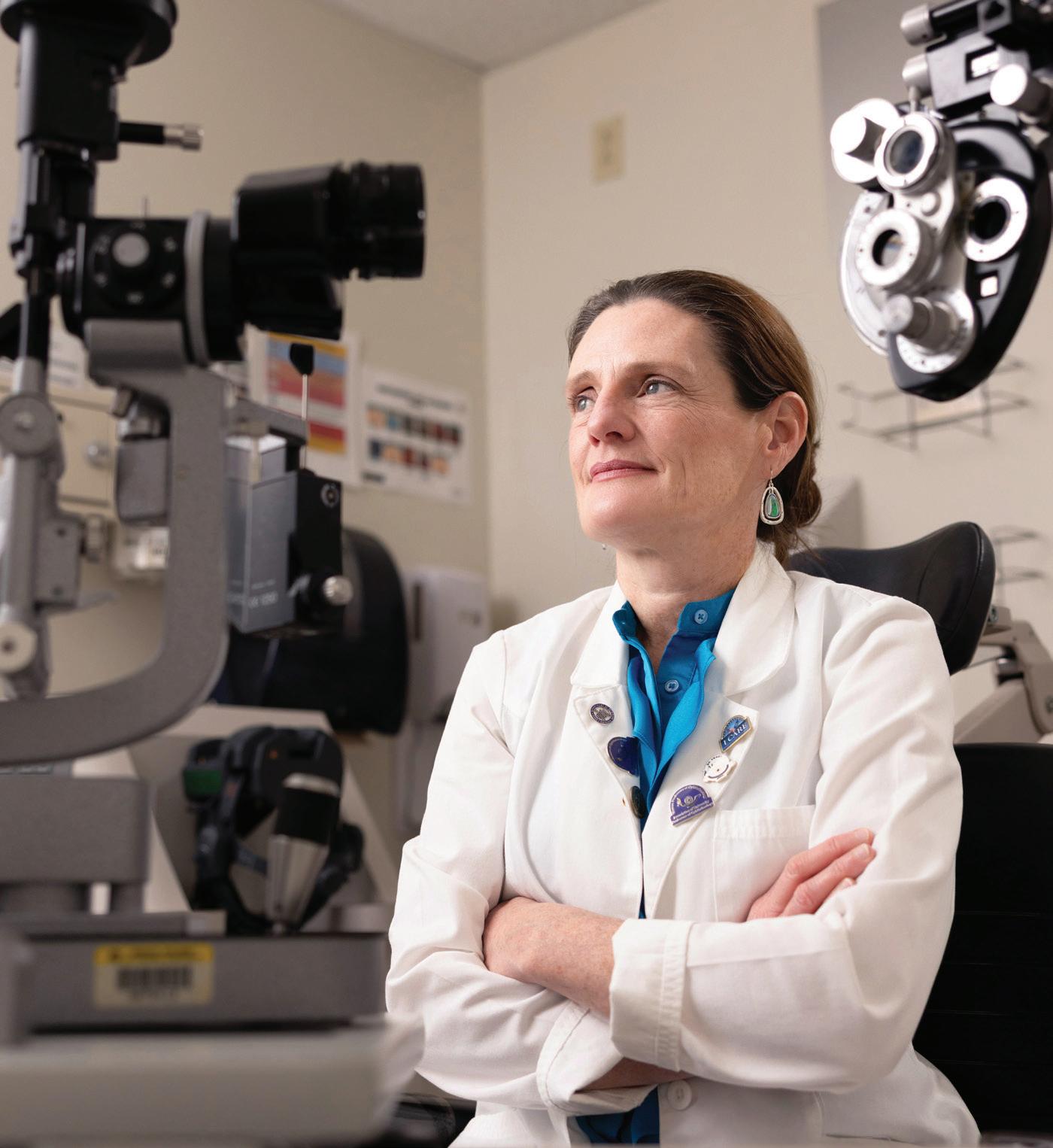
Mary K. Daly, M.D., the Ragnit & Walter J. Geeraets Endowed Professor and chair of the Department of Ophthalmology, said the Romanos’ generosity will draw attention to the growing needs for oculoplastic as well as general ophthalmology care.
“ We simply need to grow this amazing team.”
MARY K. DALY, M.D.
THE RAGNIT & WALTER J. GEERAETS ENDOWED PROFESSOR CHAIR, DEPARTMENT OF OPHTHALMOLOGY
VCU SCHOOL OF MEDICINE
offer a unique skill set critical to ensuring both vision preservation and functional, reconstructive outcomes.
“As a Level 1 trauma and tertiary care referral center, it is vital that we have this expertise available 24/7,” Dr. Daly said. “The Romanos’ gift is so special, thoughtful and powerful. Through it, they not only acknowledged the wonderful care they received from Dr. Nikisha Richards-Walker, but they will help us recruit and retain more oculoplastic specialists.”
Dr. Daly believes the generosity of the Romanos will also draw attention to the growing needs for all eye care across Virginia. Already there are changes. When Dr. Daly arrived at VCU Health, the department did not offer optometric care. Now there are three optometrists who have greatly increased access to eye care.
Last year, the department had some historic firsts in bringing care closer to where patients live and work.
For example, Dr. Surbhi Bansal, vice chair of operations for ophthalmology, piloted offering patients elective eye surgery on Saturdays. Cataract and glaucoma procedures are now offered at VCU’s Ambulatory Surgical Center in Short Pump.
Very soon, patients will have the option to schedule late afternoon/ early evening pediatric optometry appointments. This will increase flexibility for families with children for whom work, school and life make regular weekday clinic hours a challenge.
A virtual eye care program is in the works that will serve patients in urban and rural areas of Virginia who otherwise may not have access to important screening exams.
Looking toward the future, Dr. Daly is exploring potential partnerships with the VCU College of Health Professions and VCU Health Ambulatory Services to create an ophthalmic technician training program. This would help fill much-needed jobs both locally and nationwide and would offer a wonderful career track to the Richmond community. She also is working on developing fellowship training programs in several different ophthalmic specialties here at VCU.
“Fellowships are so important in offering our trainees the opportunity for subspecialized education after residency, as well as for growing the number of much-needed experts,” Dr. Daly said.
One of the goals is to develop an ophthalmic plastic and reconstructive surgery fellowship. Currently, there are no such fellowships in the state. The two-year program would follow a four-year combined internship and ophthalmology residency. The Romanos’ gift will go a long way in helping the ophthalmology department develop this incredible fellowship specific to ophthalmic plastic and reconstructive surgery.
“Your eyes are the windows not just to your vision, but they allow us to see the live action of your nerves, your connective tissue, your blood vessels,” said Dr. Daly. “Your eyes tell a story about your overall health, and we want to promote eye and whole health wellness in every patient.”
Vision loss and symptoms may have root causes elsewhere, and Dr. Daly envisions building strong collaborations with other specialties like neurology, rheumatology, oncology and the emergency department, just to name a few.
“Highly skilled and dedicated optometrists, ophthalmologists, residents, certified ophthalmic technicians, patient access representatives, administrators, operating room colleagues, anesthesia partners and collaborative departments all across the health system comprise this incredible group,” Dr. Daly said. “We simply need to grow this amazing team.”
From increasing eye screenings for the hundreds of thousands of people in Virginia who have diabetes, to training the next generation of ophthalmologists with advanced technology, Dr. Daly said she’s working to make VCU Health the premier eye care leader around the state and the nation.
“We are excited and enthusiastic every single day because leadership is challenging us and investing in us to address Virginia’s eye and health needs,” Dr. Daly said. “Thanks to gifts like this one that support our vision, we are going to make that happen.”
If you would like to support the Department of Ophthalmology, please contact Bernadette O’Shea, senior director of development for neurosciences, at osheab@vcu.edu.
“ We are excited and enthusiastic every single day because leadership is challenging us and investing in us to address Virginia’s eye and health needs. Thanks to gifts like this one that supports our vision, we are going to make that happen.”
MARY K. DALY, M.D.
THE RAGNIT & WALTER J. GEERAETS ENDOWED PROFESSOR CHAIR, DEPARTMENT OF OPHTHALMOLOGY VCU SCHOOL OF MEDICINE
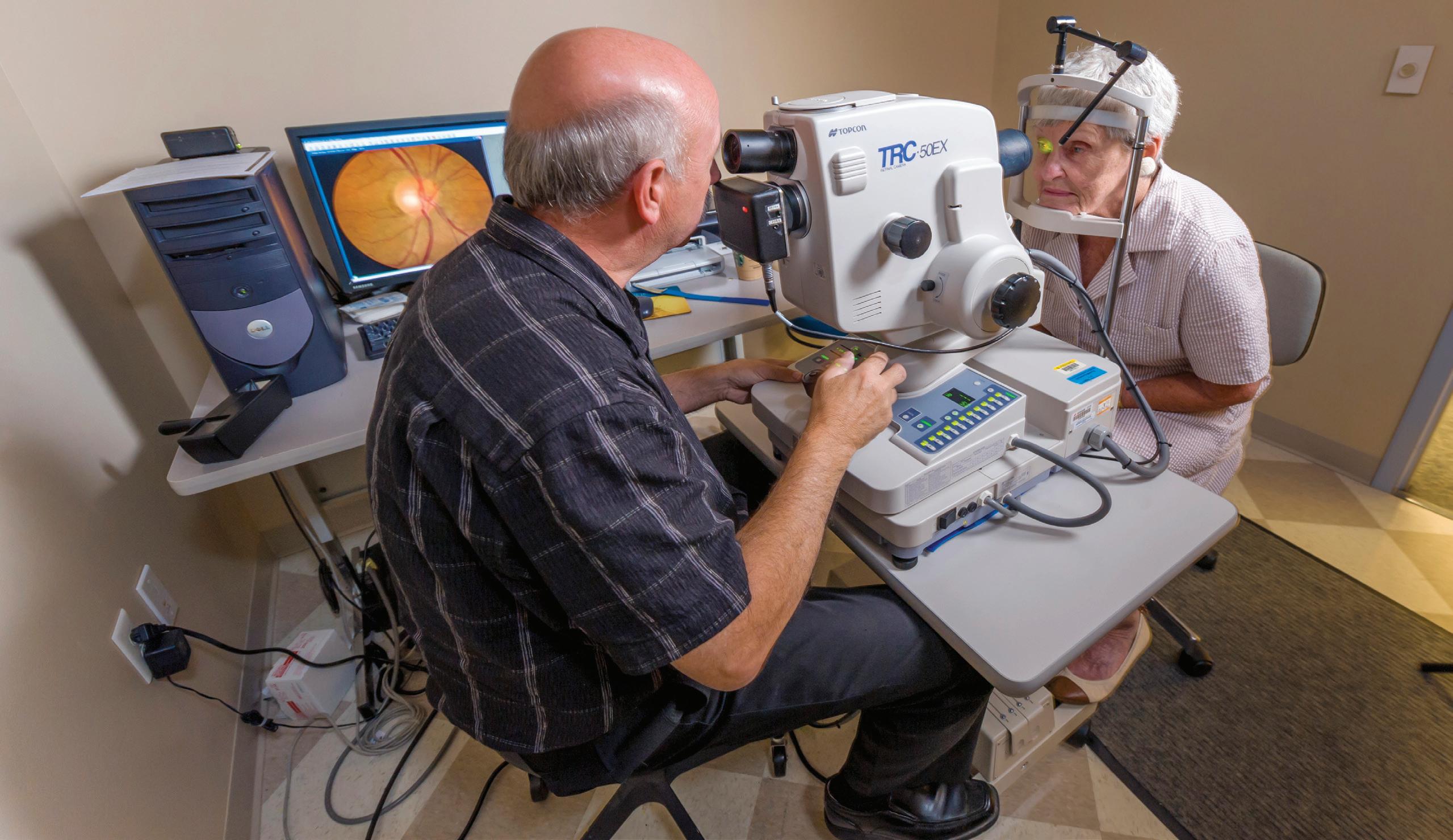
A recent gift from a retired faculty member will support future generations of ophthalmologists.
Muneera Mahmood, M.D., believes the best patient care starts with medical education that prioritizes personalized care and has genuine buy-in from residents and faculty alike.
It’s why she’s investing in future generations of ophthalmologists through a gift to the Department of Ophthalmology at the VCU School of Medicine.
The Dr. Muneera Mahmood Rising Star Award will support promising junior faculty by providing protected time for research, scholarship and publication, as well as attendance at national conferences, specialized training and external educational opportunities, mentorship and leadership development, recruitment and retention, and more.
“I have a deep-rooted belief in the power of medical education to transform patient outcomes,” Dr. Mahmood said. “This fund aims to strengthen the mentorship pipeline, ensuring that residents receive world-class training from dedicated educators.”
Dr. Mahmood joined VCU Health in 2001 as chief of ophthalmology at the Richmond VA Medical Center and remained until her retirement in 2019. During her tenure,
she worked with VCU ophthalmology residents who worked four-month rotations at the veterans hospital.
Her interest in ophthalmology began in medical school, Dr. Mahmood said, as she recalls being struck by the phenomenal functions of such a delicate and complex organ. Giving patients the blessing of sight was something that appealed to her.
“I hope and believe that providing faculty with necessary resources will result in providing the highest level of clinical and surgical teaching and mentorship to the next generation of ophthalmologists,” Dr. Mahmood said. “The VCU Department of Ophthalmology has a strong history of providing a solid educational foundation focused on patient care and collaboration that I hope to see continue.”
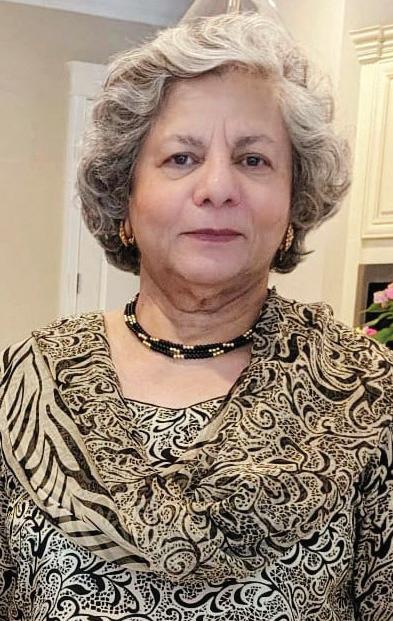
The MCV Foundation has committed financial support for the VCU School of Pharmacy’s new Bachelor of Science program, which will strengthen the school’s significant role in a regional pharmaceutical industry boom.
By Paul Brockwell Jr. | Photo by Daniel Sangjib Min
Virginia has quickly become a nexus for pharmaceutical research and manufacturing, and the VCU School of Pharmacy – among the top 20 pharmacy schools in the country – is a leader in training the future workforce needed for the industry to thrive. The school ranks 21st in the U.S. for research funding from the National Institutes of Health and has been at the forefront of education and research across the profession for more than 125 years.
The regional renaissance became more evident last year after a succession of several major pharmaceutical companies announced multibillion-dollar investments in facilities to drive their research and manufacturing efforts around Virginia. Lily, AstraZeneca and Merck joined an already robust community of companies and organizations establishing a presence in the commonwealth. Many are aligning to research the best production methods for drugs and are committed to securing the U.S. critical drug supply chain by reestablishing domestic manufacturing.
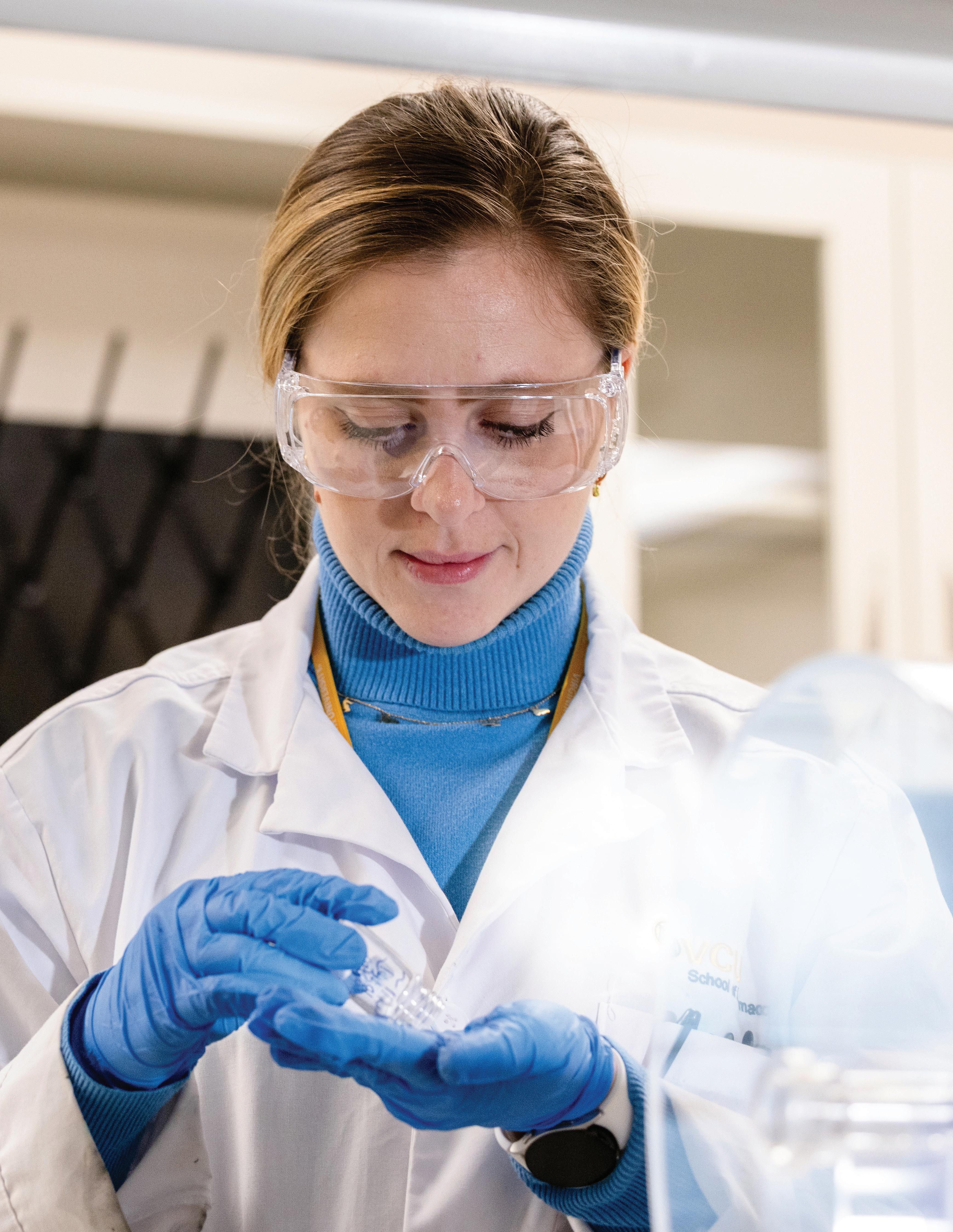
The anticipated need for trained pharmacy professionals will be great, and the School of Pharmacy early on sensed an opportunity to shape the future of that workforce by creating a Bachelor of Science program in pharmaceutical sciences. Many of the jobs coming to Virginia may not require advanced degrees but will demand specialized training, and this new bachelor’s program is designed to fill that gap. This program also provides a gateway for students to consider multiple career paths in pharmacy.
“Demand has been energetic and tremendous,” said Keith Ellis, Ph.D., the program’s director and an associate
professor in the Department of Medicinal Chemistry. “It’s exciting to help develop the talent of the future to meet the current needs of our profession.”
The undergraduate program is in its second year, and student demand for it continues to outpace capacity. Recognizing the new academic program’s importance to VCU and to the pharmaceutical industry landscape in Virginia, the MCV Foundation Board of Trustees recently approved a special funding request of $1.35 million to support its continued growth.
“The School of Pharmacy will be a vital partner in this effort to train the profession’s future workforce,” said Steve Gaidos, chair of the MCV Foundation Board of Trustees. “This is one example of the many ways our foundation supports and fosters VCU Health and VCU Health sciences, and we look forward to continuing this type of partnership well into the future.”
The special funding will help meet needs associated with expanded student interest and enrollment as the school adds education offerings. School leaders have also described a surge in interest from corporate partners who want to engage with the school due to its national reputation and unique array of programs.
“We’re redefining pharmaceutical education,” said K.C. Ogbonna, Pharm.D., M.S.H.A., dean and Archie O. McCalley Chair at the School of Pharmacy. “This investment will allow us to meet growing demand for the new program sustainably while delivering an excellent education for our students.”
If you would like to support the VCU School of Pharmacy, please contact Lori Cwalina, senior associate vice president for development of colleges, schools and units, at 804-828-0880 or cwalinal@vcu.edu.
“ Demand has been energetic and tremendous. It’s exciting to help develop the talent of the future to meet the current needs of our profession.”
KEITH ELLIS, PH.D. PROGRAM DIRECTOR
B.S. IN PHARMACEUTICAL SCIENCES
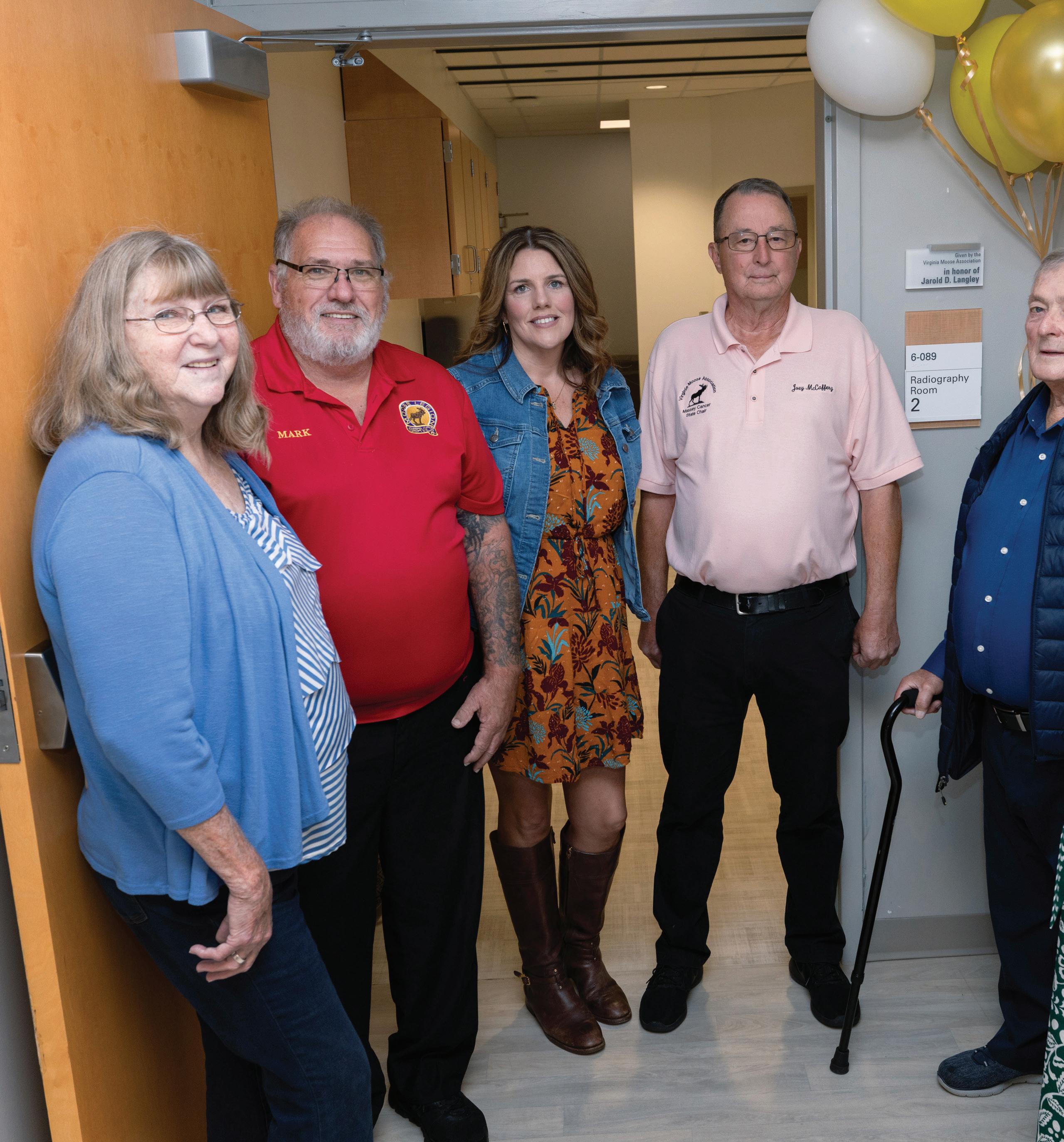
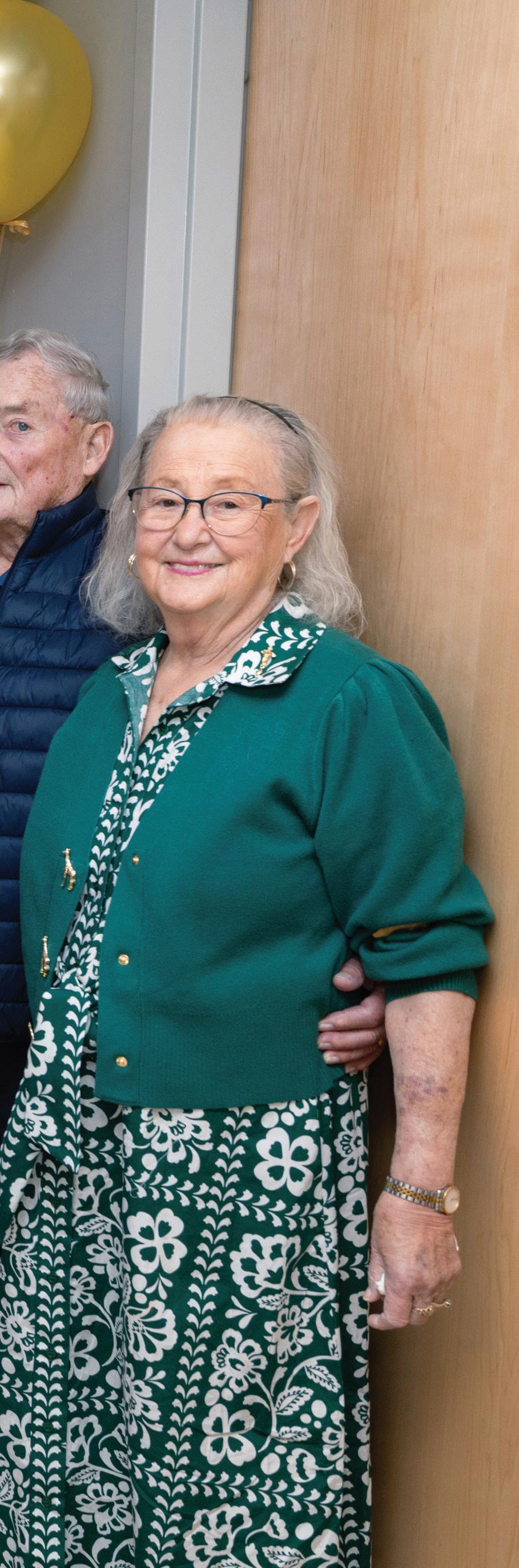
Members from the Virginia Moose Association surprised Jarold D. Langley (second from right) and his wife, Mary Sue Langley (far right), in 2025 with a space dedicated in his honor in VCU Health’s Adult Outpatient Pavilion. Langley was instrumental in prioritizing VCU Massey Comprehensive Cancer Center as a VMA charity. Past VMA president and current Massey state fundraising chair, Joey McCaffrey, third from right, joined other VMA representatives including (L to R) Diane Allen, Mark Marshall and Shannon Sears. Photo: Daniel Sangjib Min
MCV FOUNDATION SPRING 2026
The Virgina Moose Association has raised $2.5 million in collective giving to support VCU Massey Comprehensive Cancer Center over 40 years.
Joey McCaffrey can’t remember how many people he’s referred to VCU Massey Comprehensive Cancer Center over the last few decades.
What he can remember, however, are the hugs, the tears, the words of gratitude he experiences every time someone he’s referred to the cancer center circles back around and shares their joy in having found a place of hope and healing.
McCaffrey is past president, current state chaplain and Massey state fundraising chair for the Virginia Moose Association.
For decades, he said, Virginia’s state Moose organization, made up of tens of thousands of members from lodges around the state, has kept Massey at the forefront of its giving priorities. The relationship started in 1986 and, since then, more than $2.5 million has been raised through VMA’s annual charity events.
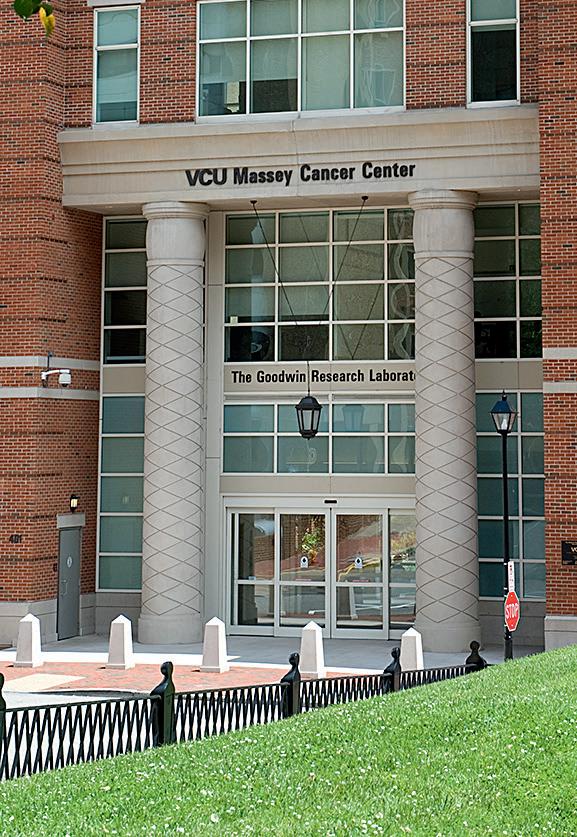
VMA has three named spaces on the MCV Campus. In 2006, it named a wing in the Goodwin Research Laboratory. In 2021 and 2025, the association named two family/patient lounge areas in the Adult Outpatient Pavilion in honor of members. The reason for this sustained giving is simple, McCaffrey said recently.
“We all know someone who’s touched by cancer,” he said. “Massey is the best place for someone to be if they have a cancer diagnosis. Even if it’s just a referral, if I can help save a life, it’s all worth it.”
Longstanding philanthropic relationships such as the one between Massey and VMA help enable the
cancer center to move forward in research, care and education.
“I am incredibly grateful to the Virginia Moose Association for their commitment to communities across Virginia, and particularly their steadfast support of Massey,” said Monica L. Baskin, Ph.D., interim director at the cancer center. “That funding has contributed to a 34% reduction in cancer deaths in the U.S. – that’s more grandparents attending weddings, graduations and holidays, making survivorship not only a possibility, but a reality.”
If you are interested in supporting VCU Massey Comprehensive Cancer Center, please contact Jasmine Davis, executive director of development, at 804-828-1452 or jjdavis3@vcu.edu.
First-year VCU School of Dentistry student and scholarship recipient Zaylie-Elizabeth Thompson, a native of the Bahamas, says the determination to succeed as a competitive international swimmer is the same drive that pushes her to excel as a dental student.
Swimmers win gold, silver or bronze by fractions of seconds. Dentists work in acute detail, sometimes in mere millimeters, to perfect a smile or repair teeth.
Two very different endeavors, but for one VCU School of Dentistry scholarship recipient, the mental toughness needed to succeed in each is quite similar.
At 18, Bahamian native Zaylie-Elizabeth Thompson began competing in the World Aquatics Championships. By the time she graduated from Howard University in 2025, she’d broken several school records, including the 100and 200-yard breaststroke, the 100- and 200-yard individual medley, and several of the school's freestyle and medley relays. Among her proudest moments was seeing her name and her records unveiled during a university event last fall.
“To see my name up there was just so nice,” Thompson said. “It really felt good to know that all the time and effort I put in there was worth it.”
That same desire to be the best now guides her journey through dental school. Thompson always knew she wanted to be in the medical field, initially leaning toward surgery. Her father is an orthodontist, and after shadowing in the profession, she realized that she had a passion for dentistry. She hopes to return to the Bahamas one day and serve her community.
“I saw the impact dentists have on their patients and the relationships they build with them,” she said. “Patients trust their dentists, and I want to build those relationships too, and I also want the flexibility to work on my own time and be my own boss and have a family.”
Thompson recognized how special VCU is while on campus for her dental school interview.
“I knew from the day I got here that this is where I wanted to be because of the environment, the people and the support,” she said. “You don’t normally see dental students who are always happy. In my classes, we’re all laughing. It’s stressful, but I love it and we’re all in it together.”
Thompson is the recipient of a William B. Fitzhugh Scholarship, which is awarded to deserving dental school students who were athletes during their undergraduate studies.
“It’s an honor to be held to a standard significant enough to receive a scholarship, and it’s a responsibility that motivates me to respect and uphold it,” she said. “That support makes a difference because it gives students confidence, stability and freedom – and those can be just as powerful as the financial support itself.”
Despite her rigorous school schedule, Thompson plans to train throughout the spring so she can qualify for the international Commonwealth Games this summer in Glasgow, Scotland. Juggling school and swimming has been challenging, but she feels like VCU is giving her the skills to reach her goals – inside both the classroom and the swimming lanes.
“VCU teaches you how to be a dentist holistically so you can treat the whole patient,” she said. “They teach you the unspoken things, and that’s what I really love about it. My classmates and I are going to graduate as excellent dentists.”
If you would like to support the VCU School of Dentistry, please contact Gloria Callihan, associate dean for development and alumni relations, at 804-828-8101 or gfcallihan@vcu.edu.
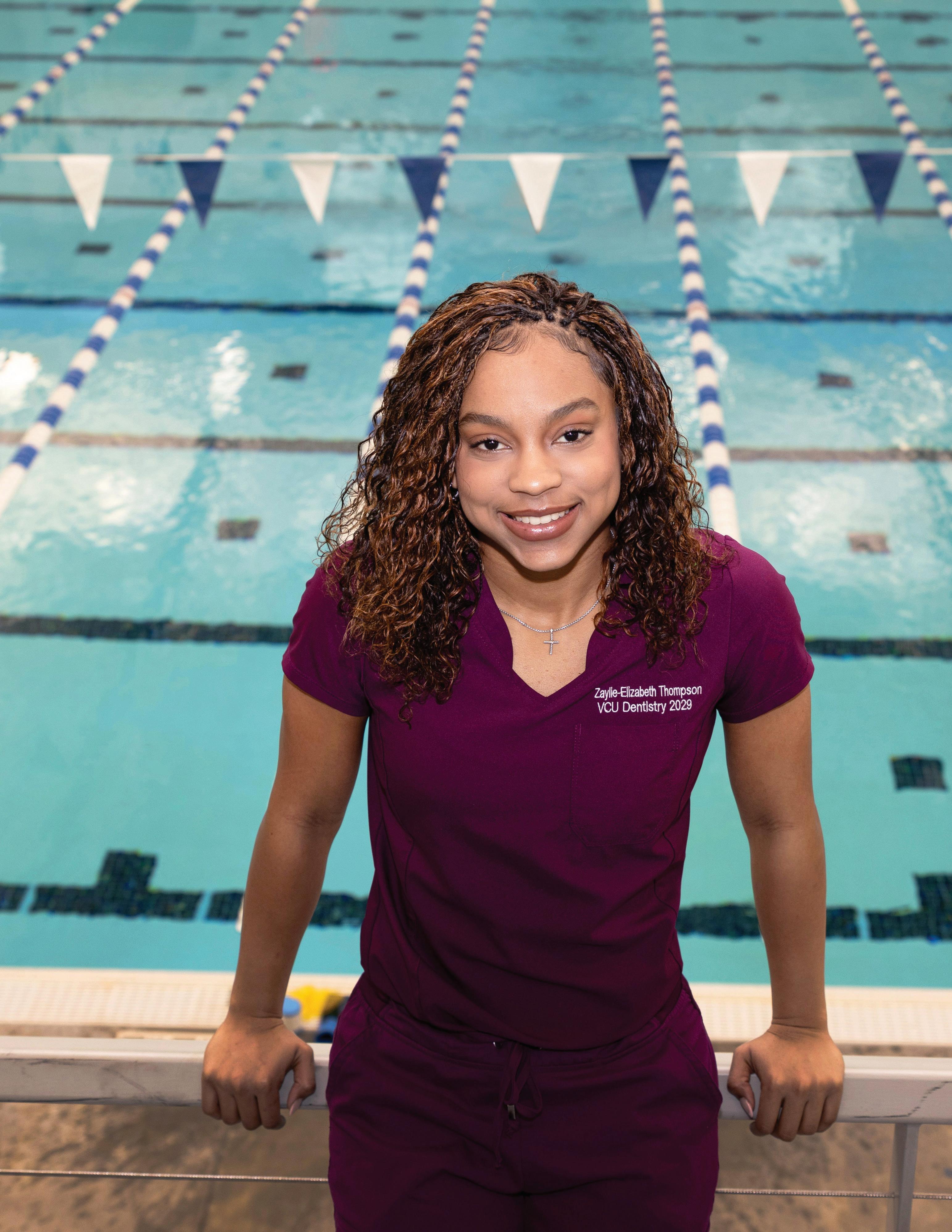
Thompson, a first-year dental student, learned to swim before she was 2 years old and never looked back. Swimming was simply part of life for children growing up in the Bahamas.
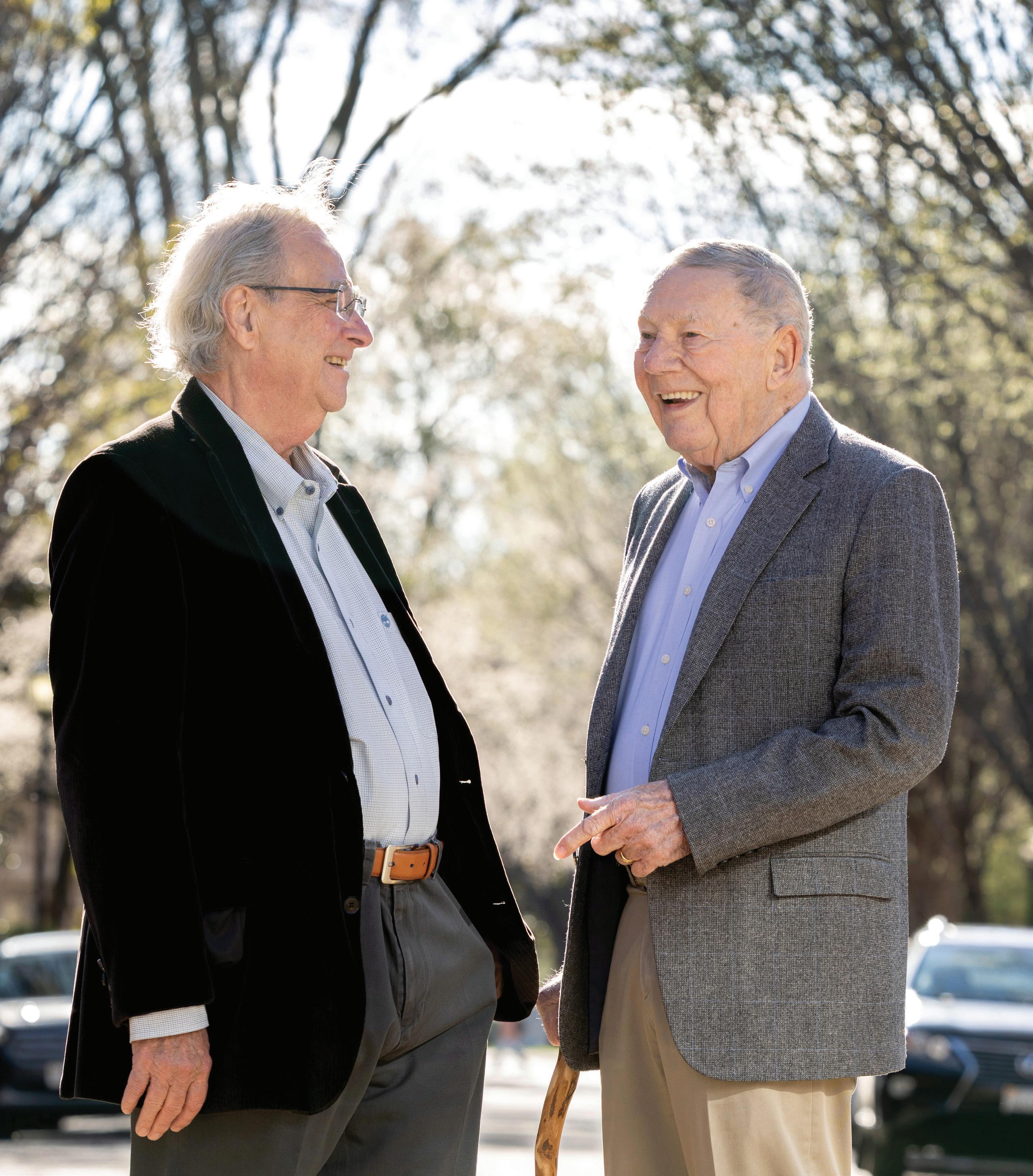
Charles O’Keeffe (right) co-created the International Programme in Addiction Studies with Robert Balster, Ph.D. Dr. Balster’s previous scholarship support inspired O’Keeffe to make a gift to create a new scholarship to ensure future students can benefit from the world’s leading program in addiction studies.
A new scholarship for the International Programme in Addiction Studies will ensure access for VCU's globally renowned graduate program.
Charles O’Keeffe sees opportunity where most see obstacles.
A single phrase in a 1914 federal law made it illegal for physicians to treat opioid use disorder with buprenorphine, an opiate that demonstrated strong potential to help patients curb cravings and live normal lives during a surge in heroin addiction later in the 20th century.
“By the time I started working on this policy change in the 1990s,” O’Keeffe said, “physicians could not prescribe buprenorphine for the treatment of opiate dependence, despite the fact that it was the most promising drug in the last 50 years.”
Most of the federal bureaucracy and stakeholders had aligned against the idea. The sole exception was the NIH’s National Institute on Drug Abuse. Law enforcement agencies opposed it. Industry was not interested in developing outof-patent buprenorphine without a viable market, and the treatment community was opposed because it would allow any physician to treat patients instead of specifically designated methadone centers with a vested interest in keeping their status as the only option.
O’Keeffe was undeterred, and he described the arduous plodding process as “fun” while he worked to make the drug legally available, overcome opposition to its use and craft language that was passed in the Drug Addiction Treatment Act of 2000. The bill allowed qualified physicians to prescribe buprenorphine for the treatment of opioid addiction.
It took an act of Congress, and many say O’Keeffe was the force behind that act. He began his career in pharmaceutical sales before becoming a quiet giant in the field of addiction policy, advising three U.S. presidents on international health and drug policy issues and serving as deputy director for international affairs at the Office of Drug Abuse Policy during President Jimmy Carter’s administration.
After his retirement from industry, O’Keeffe put his global contacts to good use when he was recruited by Robert Balster,
Ph.D., to co-create the International Programme in Addiction Studies. Dr. Balster helped build the curriculum and secure academic approval as a faculty member in the Department of Pharmacology and Toxicology at the VCU School of Medicine while O’Keeffe traveled around the world to build relationships and recruit elite faculty.
The two created a program delivered entirely online that continues today, building and connecting an international community of practice that shares the latest evidence-based information on addiction science, modes of treatment and prevention. IPAS is a unique partnership of three universities that are global leaders in researching addiction science: King’s College London, the University of Adelaide in Australia and VCU.
“It’s the only program like this in the world,” O’Keeffe said.
Now retired, both O’Keeffe and Dr. Balster want to ensure the outstanding legacy of IPAS continues. After learning that Dr. Balster made a donation to create a student scholarship, O’Keeffe has decided to make a generous commitment of his own that will create the Charles B. O’Keeffe Jr. Scholarship.
“It is very prestigious for the IPAS program to have a scholarship named for Charles O’Keeffe, considering his global reputation for innovation in addiction treatment and policy,” Dr. Balster said.
The endowed scholarship will ensure cost is not a barrier for promising students, especially from lowresource countries. O’Keeffe believes it’s more important than ever to develop future leaders in addiction treatment and policy.
“Addiction is a disease that’s been left out of the picture because few people want to treat it,” he said. “This program was created to help change the mindset on addiction as a medical issue and to help patients and families around the world who struggle with the horrible effects.”
If you would like to support scholarships for the International Programme in Addiction Studies at the VCU School of Medicine, please contact Nate Bick, executive director of development, at 804-827-4939 or ngbick@vcu.edu.
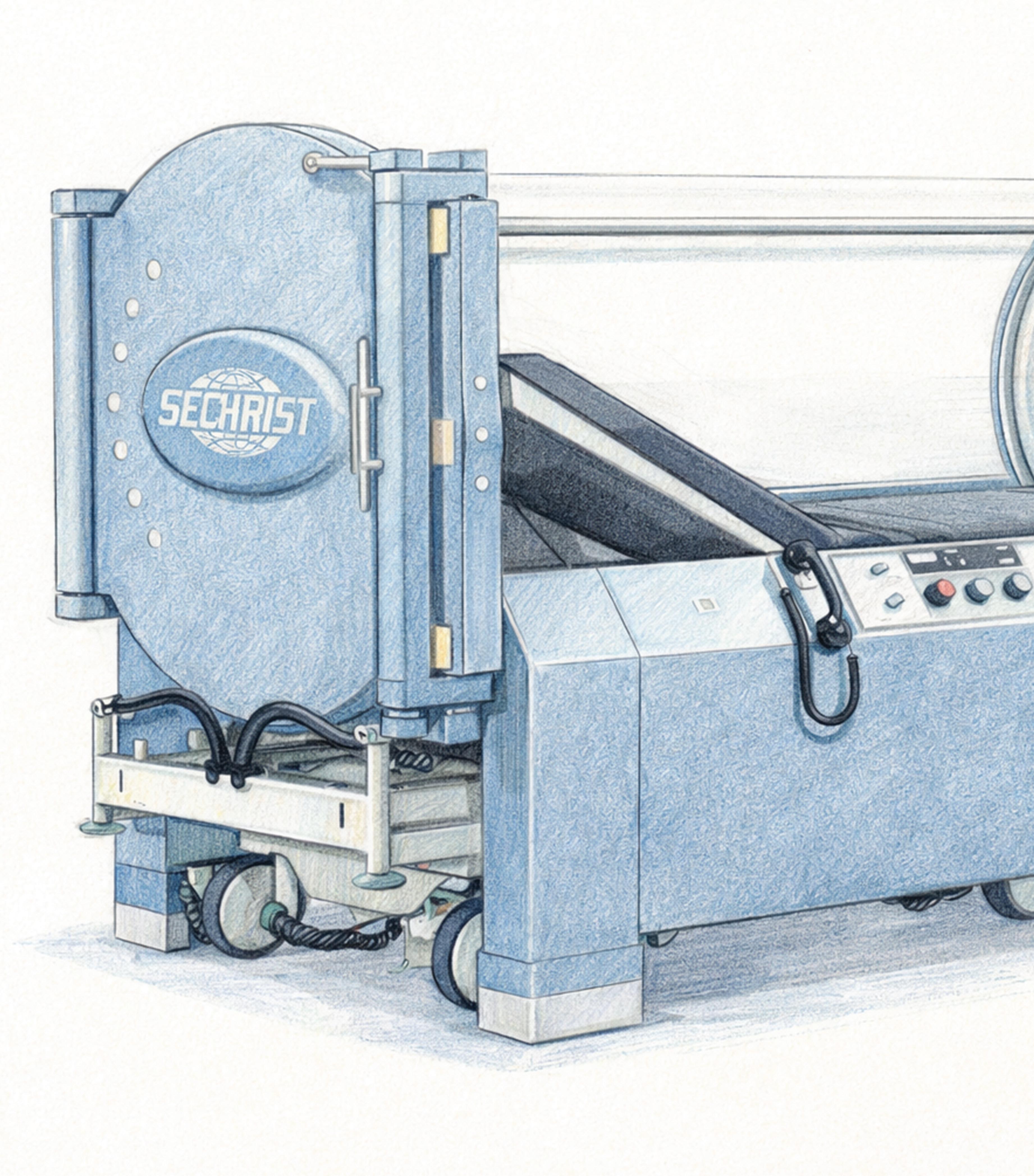
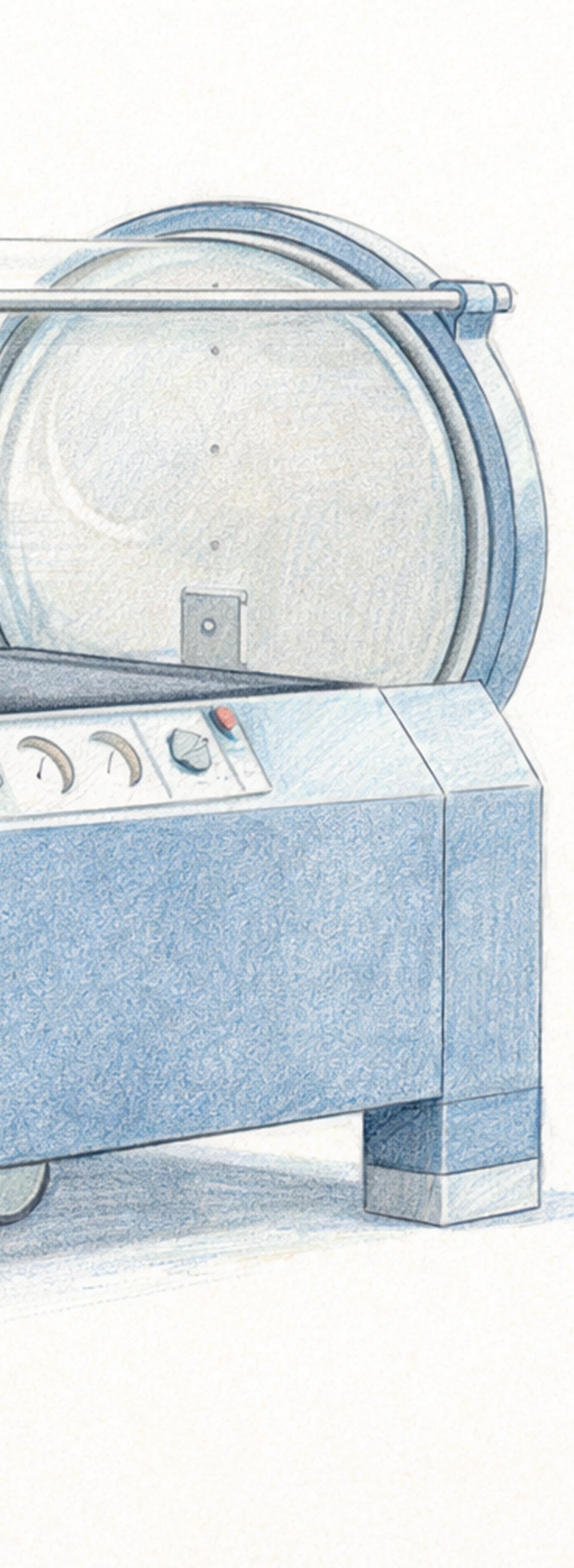
A grant from the Reynolds Foundation will help finance hyperbaric oxygen therapy chambers at VCU Health.
People in Central, Southside and Eastern Virginia who are undergoing treatment for traumatic injuries, diabetic ulcers, cancer, amputation and other challenges will soon have access to a potentially lifechanging therapy.
The Richard S. Reynolds Foundation has provided a grant to VCU Health that will fund two hyperbaric oxygen therapy chambers at VCU Medical Center’s North Hospital in a newly designed space named the Reynolds Outpatient Wound Care Clinic. Chambers will also be installed at VCU Health Community Memorial Hospital in South Hill.
Hyperbaric chambers are pressurized tubes that provide a higher concentration of oxygen level to patients, promoting a better healing process. Unlike Earth’s normal 21% oxygen levels, the chambers are filled with 100% oxygen, then pressurized to at least twice the normal pressure on our bodies. It’s the equivalent of diving at 51 feet below sea level. That pressure forces oxygen to dissolve into blood, tissues and spinal fluid, which increases its delivery at least 20 times more than normal within the body.
Super oxygenated blood ignites cellular processes that promote blood vessel growth, produce collagen, kill bacteria and reduce swelling, ultimately speeding up the healing process for more than a dozen recognized conditions, including crush injuries, decompression sickness, gas embolisms, acute traumatic arterial ischemia and more.
Patients lie in the chambers for two hours at a time, five days a week, for as many as 60 sessions, which are referred to as dives.
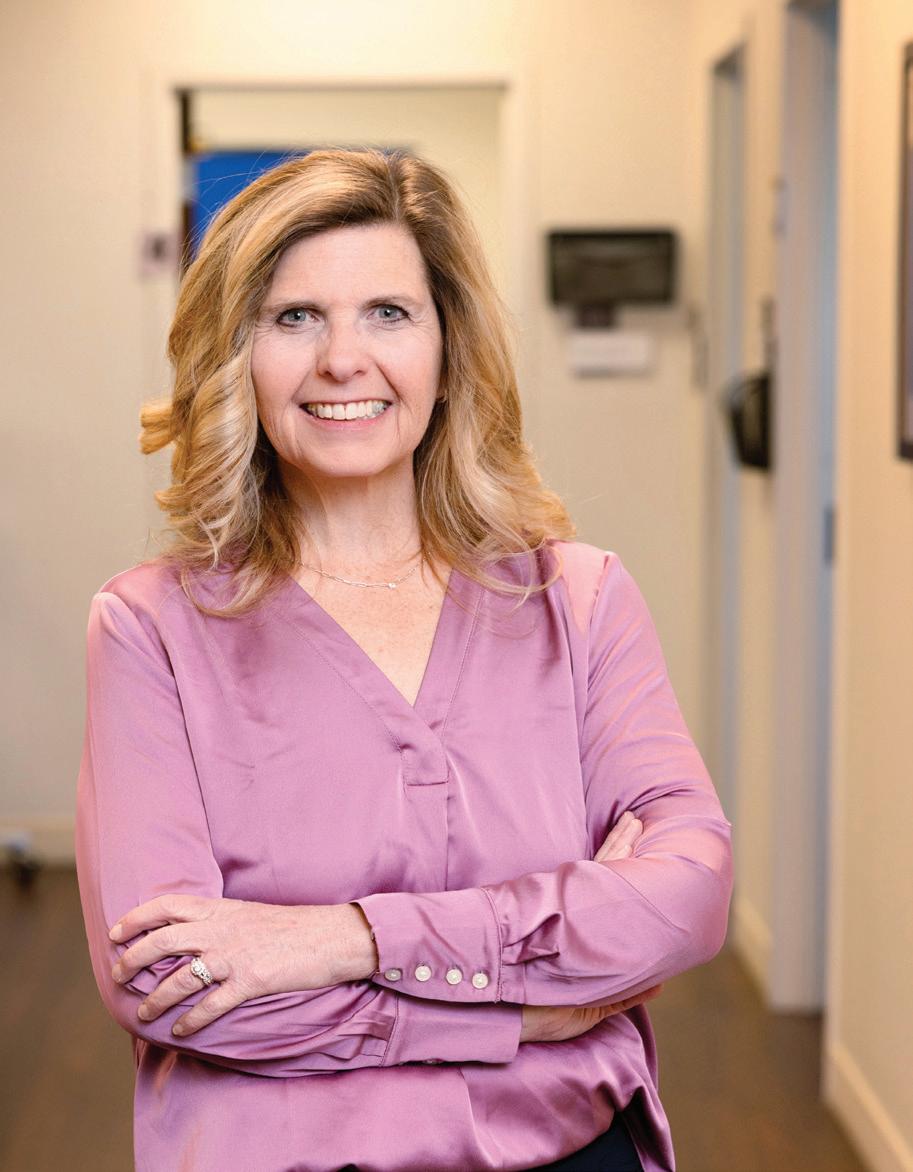
“To be able to treat the complications associated with radiation given for cancer, for example, that’s huge because the results are so profound,” said Stacy Street, M.D., director of wound care services at the VCU School of Medicine Department of Surgery. “Traditional cancer treatments, while lifesaving, can be almost as damaging to patients’ quality of life as fighting the initial disease, but with these chambers, patients who have already been through an awful lot are finally getting their quality of life back in less time and with fewer side effects.”
“ Patients who have already been through an awful lot are finally getting their quality of life back in less time and with fewer
side effects.
”
STACY STREET, M.D. DIRECTOR OF WOUND CARE SERVICES
DEPARTMENT
OF SURGERY,
VCU SCHOOL OF MEDICINE
Randolph N. Reynolds Jr., principal at Reynolds Development and a member of the Board of Trustees for the Richard S. Reynolds Foundation, said his late father benefited from hyperbaric oxygen chamber therapy a decade ago in another state, following a stroke. Reynolds said his father’s marked improvement over time was eye-opening.
“He got better to the point where it was almost like he didn’t have a stroke,” Reynolds said, adding that the therapy also helped his wife twice, once following a concussion and another instance where she was badly cut and needed surgery.
For the former, “Within two dives she was better,” Reynolds said. For the deep cuts she sustained in the latter incident, three weeks of near daily treatments healed her wounds enough prior to surgery that she didn’t need antibiotics.
“Now I’m a believer,” Reynolds said.
When his father passed away, the foundation made a gift that they knew would honor their father’s commitment to the therapy.
“He believed in hyperbaric oxygen chambers long before others did, and he saw the benefits,” Reynolds said. “We are excited that we can help bring this to VCU Health, and we know that it’s going to help a lot of people.”
While hyperbaric oxygen chambers improve outcomes for many conditions, Dr. Street has seen them work particularly well for patients with diabetic foot ulcers. Ulcers are a common problem for many people with diabetes. When those ulcers lead to deep tissue infections, patients may face a significant chance of needing an amputation. Patients with major lower extremity amputations above or below the knee have a five-year mortality rate of 56%.
“That risk of death is worse than with many cancers,” Dr. Street said, “but people don’t talk about it.”
Sheldon Barr, president of Community Memorial Hospital, said patients who need these services are currently referred elsewhere, but they may face mobility and transportation issues. Additionally, dressing and changing bandages aren’t easy and can be more difficult when patients don’t have family or home health care resources to help.
“Wound care is complex,” Barr said, “and for many patients, that burden is just too great.”
The addition of the chambers provides VCU Health patients with access to comprehensive recovery options.
“Being able to truly house all of this within our health system, under Dr. Street’s leadership and vision, is going to be a game changer for patients in Southside Virginia all the way up to Richmond and beyond,” Barr said. “This advanced therapy is just one more way that we’re improving access to top-notch care.”
If you would like to support patient care at VCU Health, please contact Andrew Hartley, senior director of development and integrated care, at 804-305-3055 or aphartle@vcu.edu.
AARONSON LEWIS
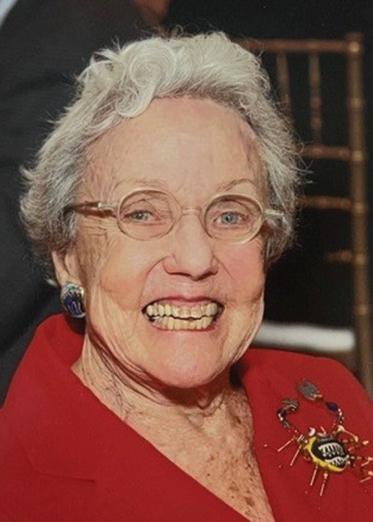
1922 – 2026
Frances Aaronson Lewis died peacefully in her sleep Jan. 10, 2026. She was an entrepreneur who co-founded Best Products Co., a nationwide catalog showroom retailer, with her husband, the late Sydney Lewis. Mrs. Lewis served as the company’s executive vice president from its founding in 1956 until her retirement in 1993.
Born in Brooklyn, N.Y., in 1922, Mrs. Lewis moved with her family to Washington, D.C., where she met her husband. She graduated from the University of Michigan and married him soon after.
At VCU, Mrs. Lewis was a member of the Pollak Society and provided annual support to VCUarts. She also made a leadership gift to support the construction of the VCU Institute for Contemporary Art. In addition to the arts, she generously supported cardiology and endowed chairs for neurosurgery and orthopaedics on the MCV Campus.
A passionate volunteer and philanthropist, she served on many boards of educational institutions, including the MCV Foundation Board of Trustees, the Richmond City School Board, the Virginia Board of Education and the Washington and Lee University Board of Trustees.
Mrs. Lewis received a number of community honors during her life, including being named among the 100 most important Richmonders in the 20th century by Style Weekly magazine. She was also inducted into the Greater Richmond Business Hall of Fame. In 2025, she and her husband were both placed on a list compiled by the Richmond Times-Dispatch of 55 individuals who had profoundly changed Richmond during the past 175 years.
Rebecca T. “Becky”
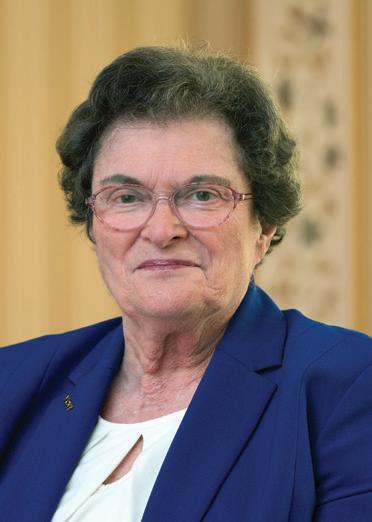
Perdue passed away Jan. 29, 2026. Born in Roanoke, she graduated from the Medical College of Virginia in 1962 with a B.S. from the Department of Medical Laboratory Sciences.
During her career, Mrs. Perdue led hospital laboratories, owned a lab sciences consulting business and served as group manager for the Commonwealth of Virginia Department of General Services, Division of Consolidated Laboratories. Her significant contributions to the profession have been recognized by the American Society for Clinical Laboratory Science.
Mrs. Perdue served 12 years on the MCV Foundation Board of Trustees. She was an active member of the MCV Foundation Leadership Council following her service on the board, and she served on the Discovery Series RVA host committee. She also held several leadership positions with the former MCV Alumni Association, including as president, vice president and secretary. Her service to the MCV Alumni Association was recognized with the Hodges-Kay Alumni Service Award, and she received a 2005 Alumni Star from VCU for her significant professional achievements and service to the university. Mrs. Perdue tirelessly volunteered in service to the MCV Campus for more than 60 years. She also played a role in promoting the importance of lab sciences nationally and working to generate philanthropic support for the medical laboratory sciences program at the VCU College of Health Professions.
In 2021, Mrs. Perdue received the MCV Foundation’s Eugene P. Trani Award in recognition of her outstanding dedication and support of the MCV Campus. And in 2022, the foundation board named her a lifetime honorary trustee.
JANE PENDLETON
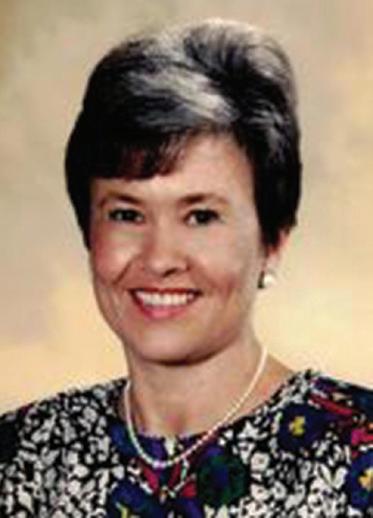
1939 – 2026
Jane Pendleton Wootton, M.D., died March 26, 2026. She was a pioneer for women in medicine as one of only seven women to graduate from the Medical College of Virginia in 1965. She also served on the faculty as an associate clinical professor of medicine.
After taking time off to raise her three children, she completed her residency in Physical Medicine and Rehabilitation on the MCV Campus in 1989 and received board certification. She served for many years as director of the Post-Polio Clinic at Sheltering Arms. She was active with the Richmond Academy of Medicine, Medical Society of Virginia, American Medical Association and the AMA Auxiliary. Dr. Wootton proudly supported her husband, Percy Wootton, M.D., a cardiologist, when he served as president of the AMA in 1997.
She served as chair of the MCV Alumni Association Board of Trustees and as a member of the MCV Foundation Board of Trustees from 1997 to 2012. In recognition of her service, she was named a lifetime honorary trustee of the foundation in 2013. Dr. Wootton volunteered in the community with the Adult Development Center, the Fan Free Clinic, the CrossOver Healthcare Ministry, the Richmond AIDS Ministry and the Prison Visitation Project. Her trip to Turkey with Physicians for Peace to provide prostheses and medical care to earthquake victims was especially meaningful to her. After she retired from medicine, Dr. Wootton earned an M.A. in theological studies from Union Theological Seminary and Presbyterian School of Christian Education and became a chaplain at the Virginia Home in Richmond, a job she loved.
A career in finance led Bill Jones to know that a charitable gift annuity would offer many benefits and a great return on his investment at VCU Massey Comprehensive Cancer Center.
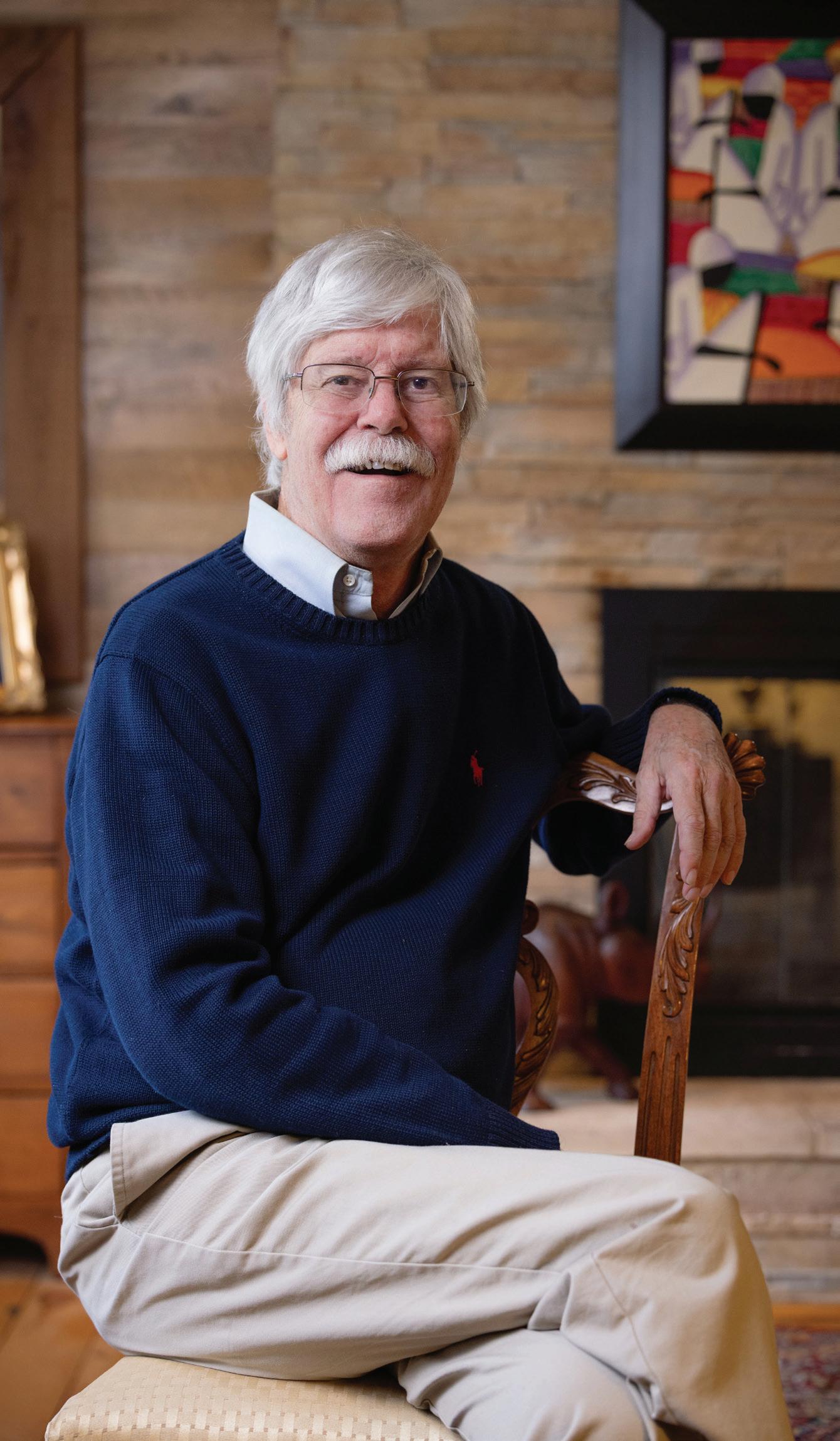
Nearly 20 years ago, Bill Jones received a phone call with some heart-wrenching news about his only niece. At 21 years old, Emily had been diagnosed with acute lymphoblastic leukemia.
“It was devastating,” Jones remembered. “This was the first illness in our family like this, and we were all very concerned. It was a scary time.”
Emily's diagnosis left him feeling both worried and helpless. Thankfully, her care team at VCU Massey Comprehensive Cancer Center successfully treated her cancer, and today her biggest challenges involve navigating life in her forties and raising a rambunctious, not-so-little-anymore son.
“Massey was instrumental in caring for Emily and for us as a family,” Jones said. “They saved her, and that inspired me to want to support their work.”
Jones retired young from a remarkable career in investment banking, and he’s been intentional in supporting several charities that provide health care or educational opportunities to young people.
“The neat thing about a charitable gift annuity is you get quarterly payments,” Jones said. “And that made sense to me, given my career. I do like the return aspect of a CGA as opposed to giving money away and it all being gone forever.”
Jones receives quarterly payments from his CGA, and the balance of the funds he donated will ultimately transfer to benefit Massey. He encourages people who want to give back in support of Massey to consider whether a charitable gift annuity may be right for them, especially given current historically high annuity rates.
“I’ve been very blessed,” Jones said. “I wanted to give back, and the charitable gift annuity has been a great tool for me. Setting it up was very easy, and I thought it was great that I could give to charity and benefit through the annuity.”
A charitable gift annuity (CGA) is a simple contract between you and the MCV Foundation. In exchange for a gift of cash, stock or appreciated securities, the MCV Foundation will agree to pay one or two income recipients a fixed sum each year for life.
When the gift annuity ends, the remaining balance is used to support the school or program that is most meaningful to you on the MCV Campus. CGAs are a popular way to make a gift that pays you income for life and will provide future support for education, research and care on the MCV Campus.
Gift annuity rates are the highest they have been in 18 years. Stock market volatility and low CD rates make CGAs an even more attractive way to support the MCV Campus.
There are several CGA options to choose from:
IMMEDIATE GIFT ANNUITY: If you would like extra income now, an immediate gift annuity will allow you to take a charitable deduction in the year of your gift and begin receiving annuity payments right away. In addition, part of your income is usually tax-free. This option is available for income beneficiaries who are age 60 or older.
DEFERRED GIFT ANNUITY: If retirement is a few years off but you could use a tax deduction now, a deferred gift annuity enables you to take an immediate deduction in the year of your gift and defer payments until a later date. The longer you wait to receive payments, the higher the charitable deduction and the larger the income payments. This is a great option for people who are still working and would like to diversify their income stream during retirement.
If you would like to learn more about how to support the MCV Campus through a planned gift, please contact Jason Chestnutt, CFP®, assistant vice president of planned giving, at 804-828-1671 or chestnuttjr@vcu.edu.