



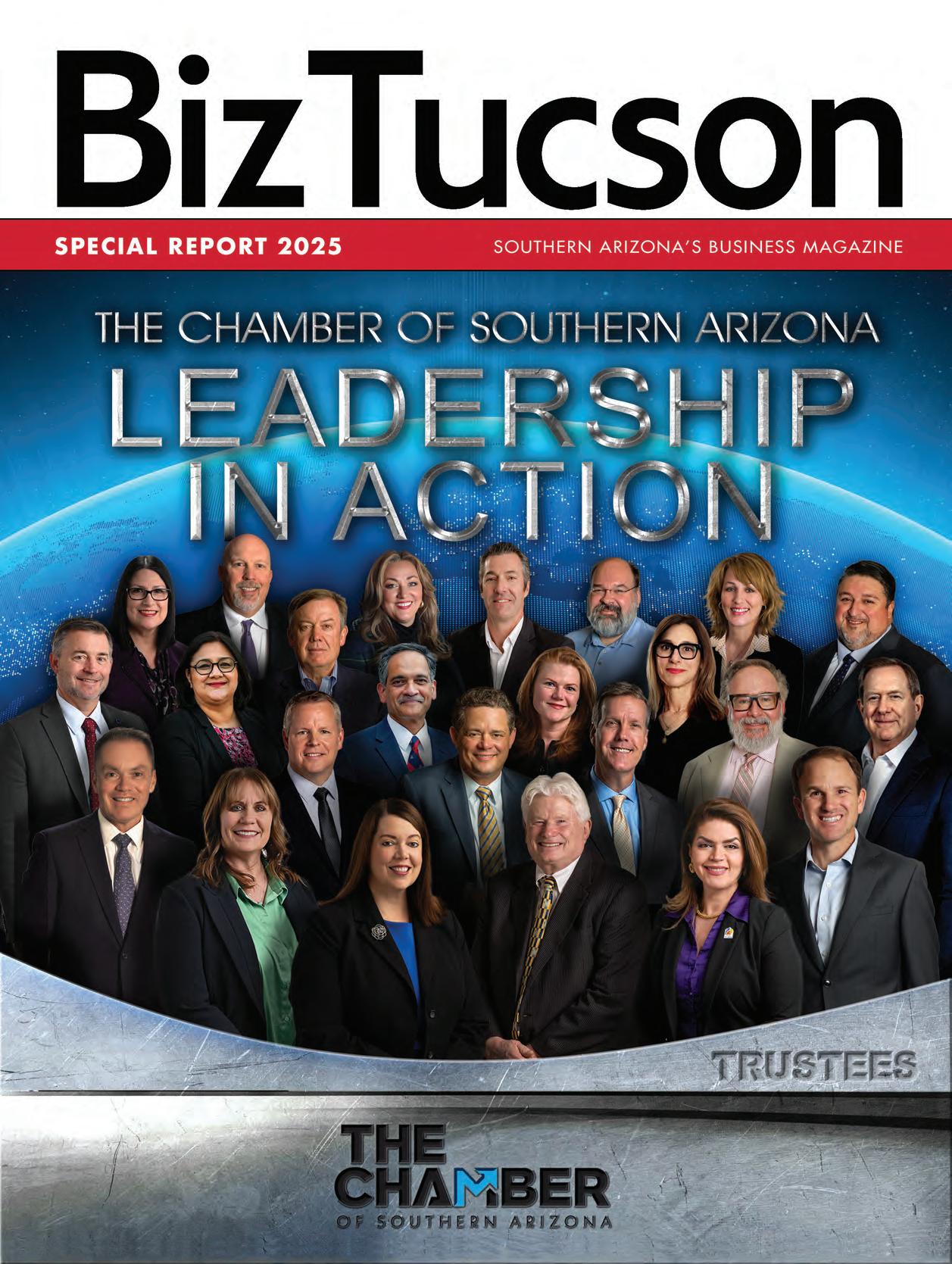
Their missions were separate but complementary for decades. But now as one, the vision remains constant, though expanded, for The Chamber of Southern Arizona. The Chamber, a merger of Sun Corridor Inc. and the Tucson Metro Chamber, has put the re gion’s economic development, advocacy and small business activity under one roof. “Our mission is simple: To drive sustainable economic growth and job creation in Southern Arizona by unit ing business advocacy and economic development strategies to foster a thriv ing business ecosystem,” said Chamber President and CEO Joe Snell. “We position Tucson and Southern Arizona as a leading economic hub through targeted business attraction, expansion/retention programs, talent development and small business resources.”
Jay Gonzales and Tara Kirkpatrick file an in-depth 52-page special report on The Chamber of Southern Arizona, with insights from key leaders from higher education, healthcare, aerospace/defense, business and transportation sectors, government, utilities, nonprofits, commercial and residential real estate/development, and the list goes on…
Speaking of real estate/development and support of the nonprofits, we have a special report on a modern-day local success story, HSL Properties, celebrating 50 years of community impact. The HSL report was written by Tara Kirkpatrick and Jay Gonzales: “Ask Humberto S. Lopez about his vision for building the company that is marking 50 years as a regional real estate developer and a philanthropic force, and he has a series of starting points for the journey.” The actual founding of the company was in 1975 when Lopez and his business partner, Glenn Toyoshima, formed HSL Properties in Tucson. Lopez started buying and selling real estate on the side and the two ultimately quit their jobs (at a big eight accounting firm) to do it full-time.
Loni Nannini files a special report on a commercial construction project in Oro Valley that was truly built for the ages, as thoughtful construction and details distinguish the new 80-acre campus of La Posada at Pusch Ridge. La Posada has leveraged cutting-edge architecture and design with state-of-the-art con-
retirement living. “We were seeking a contemporary Southwestern vibe that highlighted our amazing views of the Catalina Mountains and our surrounding desert,” said Joni Condit, president and CEO of La Posada Communities.
Tara Kirkpatrick had the opportunity to interview Laura Apitz, the new leader of the region’s bioscience anchor, Roche Tissue Diagnostics, which recently celebrated its fourth decade at its Oro Valley headquarters. With more than 250 cancer tests and medical instruments and serving 44 million patients last year alone, Roche is the top global supplier of cancer diagnostics systems to the pathology market.
In the past year, the United Way of Tucson and Southern Arizona was tasked with finding a new leader to continue the legacy of the transformative work of its President & CEO Tony Penn. Loni Nannini recently had the opportunity to interview and gain a sense of the vision for the future with United Way’s new President and CEO Vanecia Kerr. You’ll be truly inspired by Kerr’s thoughtful, team-centric approach to developing partnerships that elevate our entire community.
As BizTucson Magazine begins its 18th year as the region’s business magazine, thank you to our advertisers, who invest their marketing dollars to reach the key executives, business leaders and decision-makers in the business community, and to our loyal readers. A special thank you to our stellar team of journalists, creative director, editors and photographers, who are committed to the highest standards in journalism.
Steven E. Rosenberg Publisher & Owner BizTucson
Spring 2026 Volume 18 No. 1
Publisher & Owner
Steven E. Rosenberg
Creative Director Brent G. Mathis
Contributing Editors Jay Gonzales Tara Kirkpatrick
Loni Nannini
Editor Emeritus Donna Kreutz
Contributing Writers
April Bourie
Rodney Campbell
Jay Gonzales
Tara Kirkpatrick
Tiffany Kjos
Christy Krueger
Thomas Leyde
Tyler McCusker
Contributing Photographers
Biz
Loni Nannini
Dave Perry
Steve Rivera
Valerie Vinyard
Brent G. Mathis
Chris Mooney
Arizona Athletics
BizTucson News Update (Email Newsletter) Brent G. Mathis
BizTucson.com Tara Kirkpatrick
Contributing Technology Director Mike Serres
Member: American Advertising Federation Tucson
DM-50
Metropolitan Pima Alliance
Oro Valley Chamber
Southern Arizona Leadership Council
The Chamber of Southern Arizona
BizTucson Magazine Issue 4 (ISSN 1947-5047 print, ISSN 2833-6739 online) is published quarterly for $16 per year by Rosenberg Media, LLC., 4729 E. Sunrise Dr., PMB 505, Tucson, AZ 85718-4534. Periodicals postage pending at Phoenix, AZ, and additional mailing offices.
POSTMASTER: Send address changes to: BizTucson Magazine, 4729 East Sunrise Dr., PMB 505, Tucson, AZ 85718-4534
© 2026 All rights reserved. Reproduction in whole or in part without written permission is prohibited. Opinions expressed in columns or articles do not necessarily reflect the views of the publisher.
BizTucson
Phone: 520.299.1005
Subscription Information: BizTucson.com subscriptions@BizTucson.com
Advertising information: Steve Rosenberg
520.299.1005 or 520.907.1012 steve@BizTucson.com










BizVENUE
158 La Rosa Venue Brings New Purpose to the Benedictine
BizREALESTATE 181 2026 CCIM Commercial Real Estate Forecast
Southern Arizona
BizCOMMUNITY 184 2026 Centurions
Americana Extravaganza
BizHONORS
73rd Annual Greater Tucson
Leadership Awards
186 Man of The Year: Alejandro Angel
188 Woman of The Year:
Karla Bernal Morales
190 Founders Award: Louise Thomas
192 GTL Alumni Excellence: Randy Accetta
BizPRESERVATION
194 Silver & Turquoise Ball
























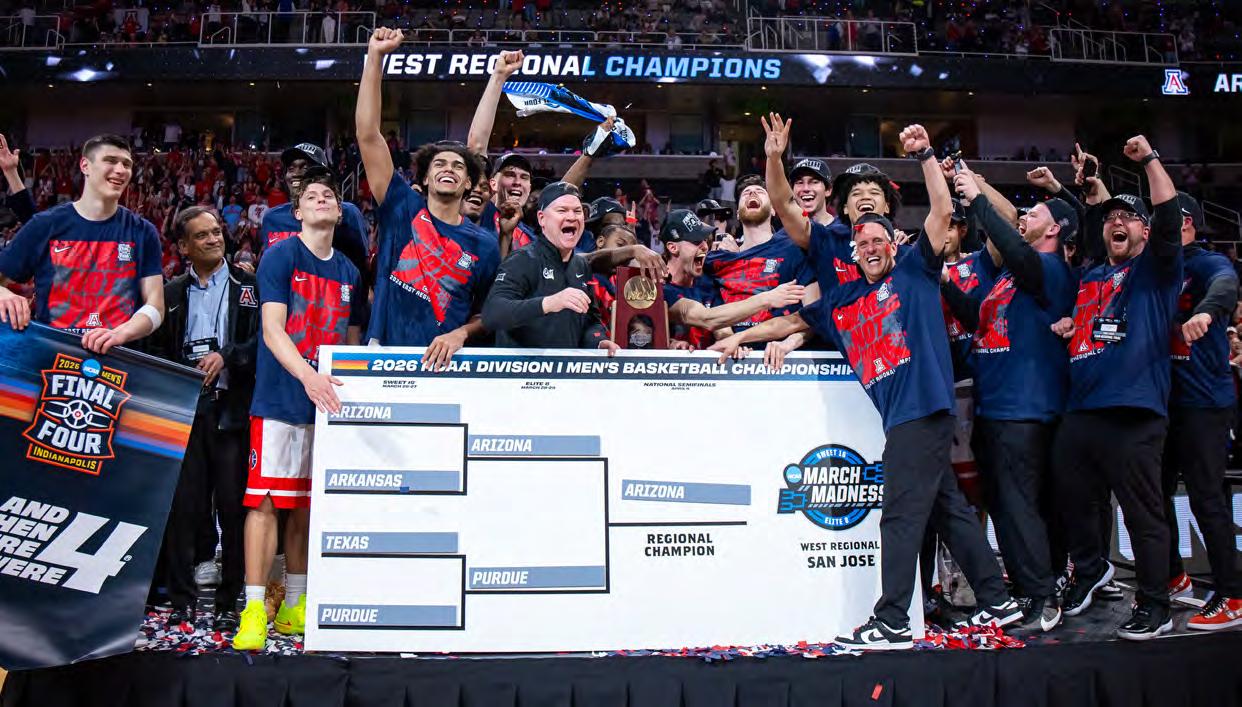
The Arizona Wildcats celebrate their victory in the NCAA West Regional in San Jose that sent them to the Final Four in Indianapolis.







By Steve Rivera
Suzy Reinier was in basketball heaven in Indianapolis, at Lucas Oil Stadium and the Final Four. She was with family and a few thousand Arizona Wildcats fans.
Nervous, yes. Confident, yes. Excited, of course.
“I loved our time at Final Four and I’m fortunate to have been a part of that experience,” she said. “We are looking forward to doing it again.
University of Arizona graduate Garrett Lough was wearing his lucky 1997 hat, which he’s had since age 11. He said at the fan tailgate: “We’re trusting Tommy!” Indeed.
Lloyd is quickly becoming Arizona’s modernday Lute Olson. Fans will follow him anywhere and everywhere, including the Final Four, a coveted place Arizona hadn’t been to in 25 years. The school sold out of its 3,100-ticket allotment immediately, with thousands of others traveling from all over the country to see the Cats.
In his fifth year, Lloyd has turned into Arizona’s Dreamweaver.
“I felt a collective sense of joy and relief in the community,” Lloyd said of the program returning back to the Final Four.
Arizona fans rejoiced in a record-breaking season, finishing with a 36-3 record, a Big 12 Conference regular season championship, and postseason tournament championship. Lloyd also was honored with the Naismith Coach of the Year award. Jaden Bradley was the Big 12 Player of the Year.
It all came together with a trip to the Final Four.
Former players from the Lute Olson era, Andre Iguodala, Kevin Flanagan, Matt Muehlebach, Harvey Mason, Miles Simon, Salim Stoudamire, Damon Stoudamire and Josh Pastner were all there. And so was UA football star Rob Gronkowski.
“I had a great time amongst the fans, seeing everyone wearing their 1997 shirts and talking about the game before it started, feeling that excitement from the crowd and fan base,” said Pastner, a member of the 1997 championship team, now the head coach at the University of Nevada, Las Vegas.
“Arizona has such an incredible fan base as it follows the team with a passion and intensity. It’s second to none. It was a privilege to be sitting with the fans and former players from the different eras to watch one of the greatest Arizona teams in history of the program coached by Tommy Lloyd.”
In his press conference, Lloyd said someone told him UA’s last Final Four in 2001 “was the best thing that happened in his life. And in that time, he got married and had three kids. So, wow, that’s pretty cool.”
It’s also cool that Lloyd will be back, officially extended as Arizona’s men’s basketball coach with a new contract through 2031. News of the announcement came at Lloyd’s press conference in Indianapolis the day before the Cats played Michigan. It was celebrated on the charter plane carrying boosters that same day.
The love in Indy was there – and in the air –for a well-played season.
“Thank them for everything,” Lloyd told the fans after UA’s loss to Michigan. “Obviously, we’re disappointed we weren’t able to get it over the top for them. But I think we all saw what’s possible again. Let’s all roll up our sleeves and support each other and see if we can make this a normal thing. That would be awesome for me.”
So, is there is more in store?
“One Final Four?” he asked. “Why don’t we go five times in 10 years? I mean, that’s where my mind’s at. You know, I’m going to do it day by day. But that’s my big dream. I mean, who knows?”
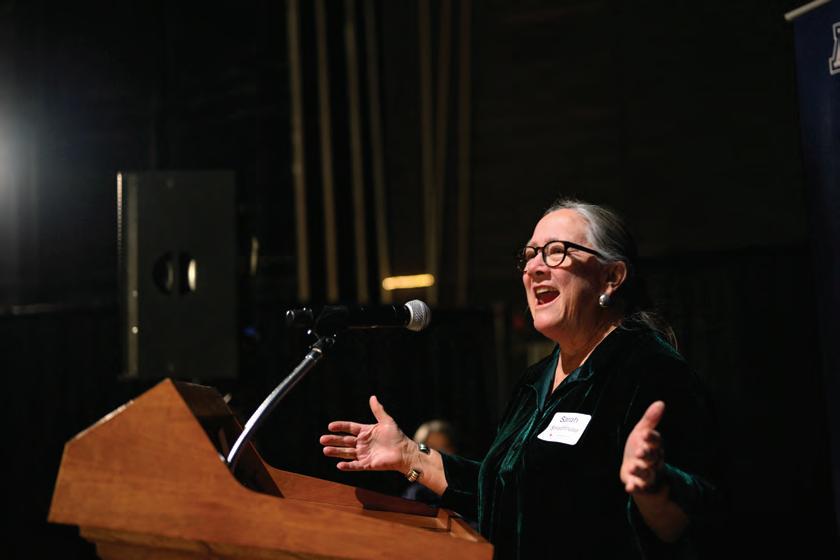
Sarah Brown Smallhouse loves science.
She loves it so much that she recently gave a $5 million gift to the University of Arizona.
The Sarah Brown Smallhouse Endowed Deanship will provide funding in perpetuity for College of Science strategic initiatives that advance research, promote student success and increase the college’s engagement with the community to create opportunities throughout the state, nation and world. The endowed deanship will help retain and attract competitive leaders for the college, elevating the role of science at the University of Arizona.
The Tucson native made it an unrestricted gift so the dean could pick and choose to fund the most important needs of the department. “This way, the dean can make the call in real time as circumstances change,” she said. “Who knows what the pressures will be on the dean 20 years from now?”
Those circumstances might include different ways of supporting students, such as providing resources to help people get through moments of crisis.
“Some of these people are so talented,” said Smallhouse, who has volunteered at the College of Science for over 10 years. “It’s heartbreaking to see them working through these pressures, only to see it vanish.”
By Valerie Vinyard
Carmala “Carmie” Garzione, dean of the UA’s College of Science, said she deeply appreciates Smallhouse’s gift. Officially, she is now the Sarah Brown Smallhouse Dean of the College of Science at the University of Arizona.
“I am profoundly grateful to Sarah for this extraordinary gift,” Garzione said. “Sarah is an ardent supporter of the sciences who recognizes the urgency of expanding educational opportunity and advancing solutions to society’s most complex challenges. This endowed deanship will have a truly transformational impact on the College of Science, creating lasting momentum that empowers us to recruit and support exceptional faculty and students, foster interdisciplinary collaboration and drive innovation and public impact for generations to come.”
Garzione has served as dean since 2021 – and earned her master’s and doctoral degrees from the UA College of Science in 1996 and 2000.
Of the 8,573 students enrolled in College of Science programs, 7,720 are undergrads and 853 are masters/ doctoral students. In the College of Science, there are 14 academic departments, 22 undergrad degree programs and 34 graduate degree programs.
Smallhouse is president of the Thomas R. Brown Foundations in Tucson, which is named after her late father – a
tech pioneer here. The foundation focuses on STEM education, workforce development and civic leadership and democracy. Grant recipients have included the UA, Pima Community College, the Community Foundation for Southern Arizona, the Center for the Future of Arizona and the Flinn-Brown Fellowship Program.
Smallhouse received her bachelor’s degree from the University of Washington in Economics, her MBA from the UA in 1988 and an MPA from the Harvard Kennedy School in 2012. She currently chairs the UA College of Science Advisory Board and cochairs the Southern Arizona Leadership Council Governance Focus Area.
Under Garzione’s leadership, the College of Science established a career center to support student connections with research, internships and job opportunities; developed and updated new and existing undergraduate and professional masters’ programs that are in high demand; and has increased sponsored research income and expenditures.
“This is a powerful tool for the person in leadership of science to deploy as she sees fit,” Smallhouse said. “It’s such a privilege to be even a small part of what’s possible.”
Laura Apitz President Roche Tissue Diagnostics

BY
As a student, Laura Apitz found real promise in the laboratory.
Initially interested in pursuing osteopathic medicine, she instead glimpsed the life-changing power that research could have and pivoted to laboratory science.
“When you think about the impact you want to have globally, transitioning from an academic laboratory, to the business side of research, and eventually to the industry side was so important,” Apitz said. “I knew my lab foundation was a good stepping stone.”
Now, as the new president of Roche Tissue Diagnostics, Apitz is using that foundation to drive incredible impact for a company that has revolutionized diagnostics worldwide with its automated, tissue-based technology. With more than 250 cancer tests and medical instruments and serving 44 million patients last year alone, Roche is the top global supplier of cancer diagnostics systems to the pathology market.
Apitz was tapped to lead the Oro Valley-based bioscience company in December, after almost a decade in which she held several roles at Roche, including senior international business leader and lifecycle leader in both pathology assays and pathology systems. She succeeds Jill German, who retired at the end of 2025.
“Laura has been an integral part of our Roche Diagnostics team for the past nine years,” wrote German in a farewell LinkedIn post. “Throughout her >30 year career, she has been deeply
By Tara Kirkpatrick
committed to the future of healthcare and the customers and patients that we serve. In addition, I love her passion for innovation and inclusive, peoplefocused leadership.”
Apitz is ardent about continuing German’s legacy of community engagement, as well as the tremendous g rowth of Roche’s footprint here. What began more than 40 years ago as Ventana Medical Systems, founded by Dr. Thomas Grogan, it was acquired by Roche in 2008 and now encompasses 118 acres and 1,800 colleagues from more than 30 countries. Recognized as an Arizona Top Workplace for multiple years, the company is a pivotal corporate anchor in the region.
Aside from the main campus on Innovation Park Drive, Roche has expanded to include a 60,000-square-foot building in Marana, which employs 200 people and houses instrument production, and a 112,500-square-foot building focused on personalized healthcare.
Apitz takes the helm at an exciting time in diagnostics.
“We’re growing tremendously in terms of the types of solutions we can bring to patients,” she said. “It’s really incredible. We’re expanding our personalized healthcare portfolio of tests, launching our first companion diagnostic (CDx) with a digital algorithm for lung cancer next year. These types of advanced solutions ensure patients get the most targeted treatments available.”
Improving patient access to tests is also top of mind, especially for cervi-
cal cancer. “Our biggest goal is to provide access to patients,” Apitz added. “Through HPV self-collection, we’re working to reach people who aren’t getting screened for the human papillomavirus, which causes nearly all cases of cervical cancer. With self-collection, a woman can privately collect her own sample in a healthcare setting like a clinic or a mobile van.
“And then the other part is...once the testing happens, can we make that testing more precise?” She points to Roche’s HPV test as an example, which aims to determine the type of HPV a patient has and the likelihood it will develop into cervical cancer. “How at risk are they and how often should they come back for testing? That’s all part of our investment.”
Apitz also lauded the talent pipeline from the University of Arizona, which connects students to Roche initiatives. “We’ve had several projects where students have come up to really help us, whether it be manufacturing efficiencies on the floor, they’ve helped with some of our R&D, working in the labs, and so that connection is hugely important,” she said.
As she steps into this next chapter, the mother of two is mindful of Roche’s future potential here.
“Being engaged...like Jill was, is super important to me,” Apitz said. “I always try to make sure I’m challenging myself and my teams to always think about what’s the end goal here, because there’s always improvements to be made.”
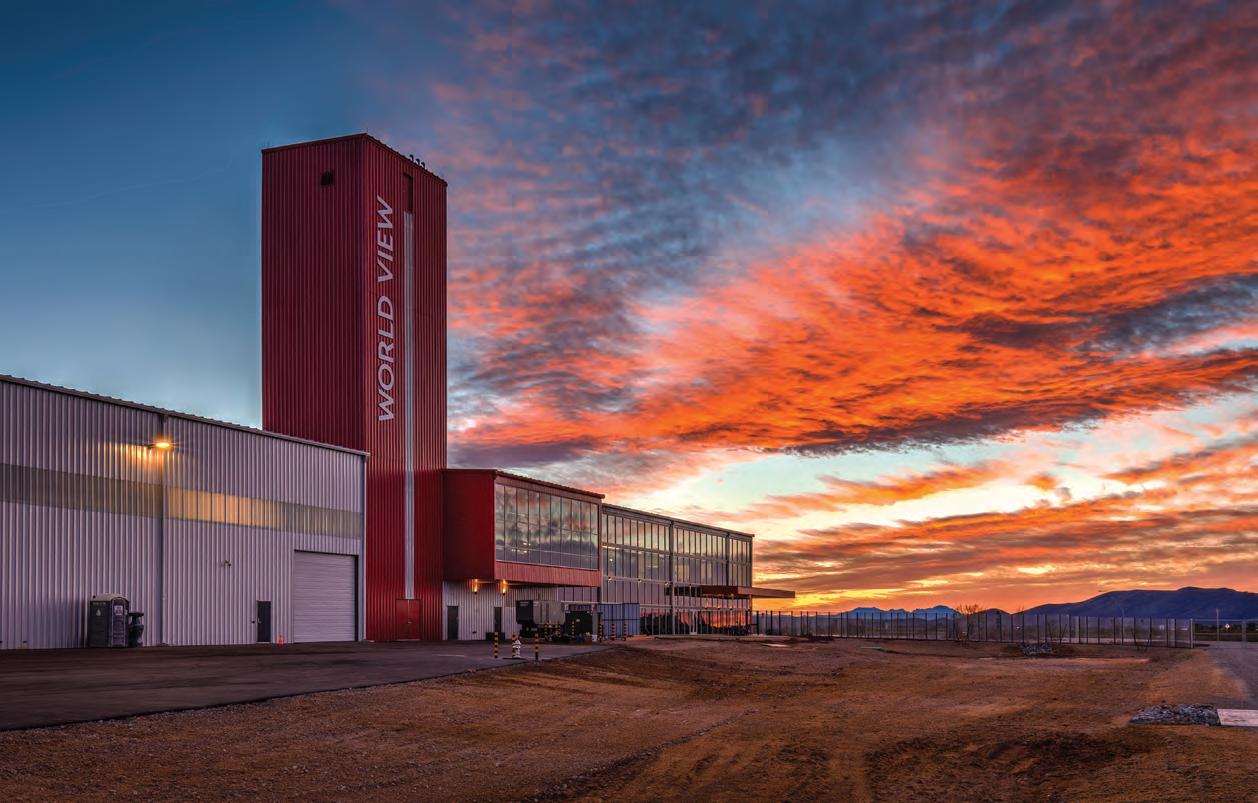
It has been a whirlwind, of recent, for World View Enterprises, the Tucsonbased startup that launches high-altitude balloons carrying high-resolution remote sensing technologies.
In June 2025, World View reported successful closing of a $15 million, rolling Series D round of private investment, giving it the cash to scale its manufacturing capacity, and enhance its ability to deliver “value-added data and information” to customers in defense, industry, and science.
Then, on March 12, World View announced a strategic partnership with Palantir Technologies and Ondas Autonomous Systems to develop and deploy a new generation of AI-enabled
By Dave Perry
capabilities. That $10 million infusion should allow World View to grow its persistent – fixed in the stratosphere –aerial intelligence, surveillance, and reconnaissance services, and couple them with land-based and other missions.
At press time, Ondas announced it has entered a definitive agreement to acquire World View Enterprises for $150 million.
It all means World View is entering a “significant growth phase,” President and CEO Ryan Hartman said in a recent interview.
“We have an exciting next couple years ahead of us, from helping our customers solve new challenges, to expanding and executing our product roadmap
to take advantage of novel use cases for our customers,” Hartman said. “The stratosphere is open for business. We’re starting to see lots of customer traction.”
With the Ondas acquisition, World View’s current Tucson workforce of 95 people remains, and may grow quickly, said Phil Wocken, VP of brand and business operations for World View.
“This acquisition will allow us to scale our Tucson operations to meet the rapidly growing demand that we’re experiencing right now,” Wocken added.
“The critical mass of everything we do remains in Tucson,” Hartman said. “To be able to tap into the type of peo-
continued on page 36 >>>
continued from page 34
ple that are available in Tucson has really been the difference of whether or not we were going to succeed or fail. I’d point to the great people of World View, who have enabled us to get to this point.”
World View intends to refine what it calls “high-altitude intelligence, surveillance, and reconnaissance capabilities,” or ISR, giving defense and other customers “a full spectrum of solutions” so they have “decision-quality information in minutes, not days,” Hartman said.
He refers to a “multi-domain vision,” providing users critical information on “a single pane of glass.”
Each customer – an oil pipeline company, for example – has its own method of collecting, processing, and disseminating information, Wocken explained. It may use multiple vendors to get data – a drone company to capture up-close high-resolution footage, a stratospheric balloon company to provide 24/7 coverage for months at a time, and a satellite company to provide a daily snapshot of a particular area with a wide field of view.
“You’re going to get back three different sets of data, and it still won’t really give you any insights,” Wocken said. “What we’re going to be building is a unified intelligence platform that collects data from different domains, and using different modalities. From there, we can use AI to stitch together insights from that data and deliver these insights to our customers so they can make real-time, insights-based decisions. They would essentially have a single pane of glass to review a much broader data set.”
“We’ll have all of the solutions available at our fingertips,” Hartman said. “It’s the next phase for the business, and ultimately creates significant growth for us over time. Just as importantly, it creates a very unique and necessary solution for our customers.”
“As we began our strategic partnership with Ondas, both companies realized that we shared the same vision for multidomain intelligence and decision-making, so pursuing this acquisition made so much sense to accelerate bringing that vision to life,” Wocken said.
The Ondas purchase “will fuel our existing, multi-domain vision.”
Ondas Inc., based in West Palm Beach, Fla., is a leading provider of autonomous systems and private wireless solutions through several business units. Its technologies “offer a powerful combination of aerial intelligence and nextgeneration connectivity to enhance security, operational efficiency, and data-driven decision-making across essential industries,” the company said.
Since its inception, World View has completed more than 135 stratospheric flight operations, carrying payloads up to 22,000 pounds. It is seen as a “vetted and trusted stratospheric operator,” the company said, counting among its clients NASA, NOAA, and government defense users. Governments comprise about 90% of World View’s customers.
“Our strategy has been to create stability for the business within the government sector, and then mature the technology onto the commercial sector,” Hartman said. Biz
BY
Ryan Hartman came to World View Enterprises from the company Insitu, a “pioneer in the design, development and
sphere is “quite harsh,” its physics creating challenges for altitude balloons and sensing equipment that require intensive technology and innovation solutions.
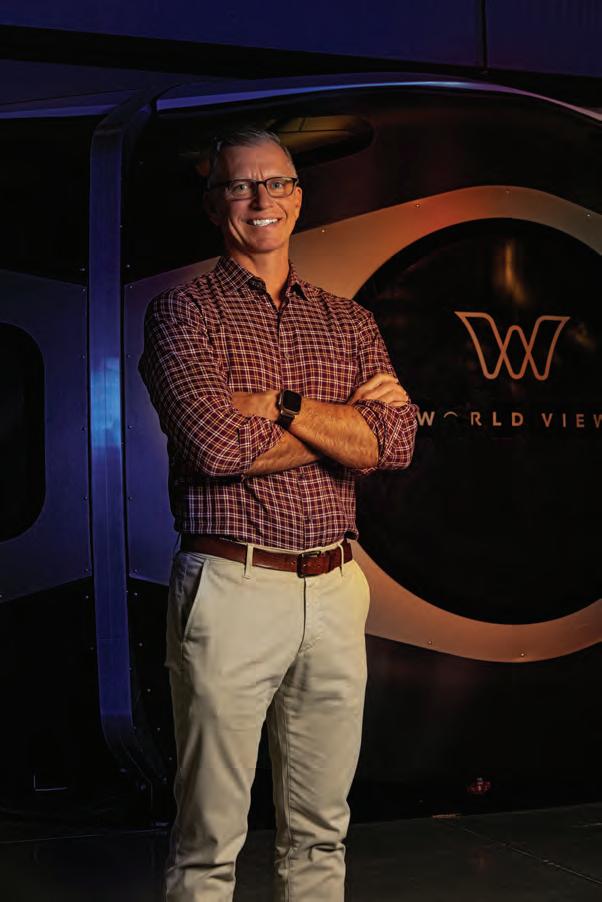
“When you’re doing something like this, where there’s not a significant body of work that’s been done by others, you’re learning as you go,” Hartman said.
“You’re designing things that have never been designed before, and you’re solving problems that have never been solved before. To do that requires an amazing team. We’re fortunate to be in Tucson, where we have a fantastic aerospace hub, a technology hub.”
The business has truly taken off. On the heels of two cash infusions, at press time, World View announced it has entered a definitive agreement to be acquired by Ondas, Inc., for $150 million.
It’s a big moment for Hartman and the business.
“We’ve gone through Covid,” and negotiated “challenging financial markets where it is relatively difficult to raise capital,” he said.
Throughout, “we’ve always been focused on not just surviving, but thriving,” Hartman continued. “We’ve weathered a lot. It’s been an honor to lead the business through some challenging times and get to the point where we are. I wouldn’t have wanted to do any other thing.”
He’s found joy, and pride, in the ride. Hartman is an Arizona native thrilled to help grow a world-class business in his home state.
“The thing that I enjoy most is creating a set of technologies that one, the team can be proud of, and two, that can make a difference in the world,” Hartman said. “We know that our technologies will ultimately save lives and make the world a better place. What’s not to enjoy about that?” Biz


This year’s Arizona Photonics Days conference offered a veritable showcase for this region, long known as Optics Valley, as a global leader for innovation in optics and photonics.
More than 150 scientists, entrepreneurs, researchers and industry professionals from across the world gathered at the University of Arizona’s Grand Challenges Research Building on Jan. 14-16 to hear the latest developments and applications in these industries that power daily life.
Optics and photonics focus on the science and technology of light, forming
By Tyler McCusker
the foundation of our phones, cars and hospital tools–from transmitting data to enabling precision manufacturing to driving next-generation computing.
“We call ourselves an enabling technology. It underpins every aspect of modern life,” said Katie Schwertz, senior manager of optical assemblies and technology at Edmund Optics and chair of Optics Valley. The annual AZ Photonics Days offer “an opportunity to show what Tucson is doing on the global stage that matters,” she said.
Alana Gonzales, a doctoral student in UA’s Wyant College of Optical Scienc-
es, presented her research on the development of an endoscopic imaging system for early detection of gastric cancer.
“Early cases of stomach cancer are frequently missed because the earliest signs are hard for any physician to spot with current screening methods,” Gonzales said. “Three-dimensional, subsurface imaging of the stomach could allow doctors to catch signs of cancer earlier and give high-risk patients a better chance of survival.”
Dr. Arjun Dey of National Science Foundation’s NOIRLab is working on
continued on page 40 >>>


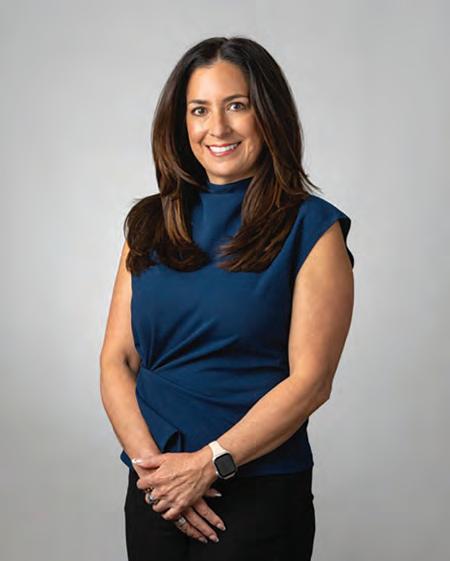
continued from page 38 – Katie Schwertz
Senior Manager of Optical Assemblies & Technology
Edmund Optics Chair, Optics Valley
a Dark Energy Spectroscopic Instrument, a state-of-the-art astronomical spectrograph mounted at Kitt Peak National Observatory. It uses 5,000 robotic fiber optics to gather light from galaxies and quasars simultaneously.
This one-of-a-kind instrument aims to show scientists how our universe is expanding because of a mysterious –yet very real – force called dark energy.
“The universe never ceases to amaze and surprise us. By revealing the evolving textures of the fabric of our universe as never before, DESI [is] changing our very understanding of the future of our universe and nature itself,” said Dey in a recent interview with Space.com.
The 9th annual Arizona Photonics Days event, presented by Optics Valley and Arizona Technology Council, also provides industry leaders with trend discussions and networking opportunities. Tours of leading research facilities, such as the Nano Fabrication Center and Stewart Observatory’s Richard F. Caris Mirror Lab were also offered.
“How many things can you say Tucson is the best in the world at? We build the world’s largest mirrors. Period,” Schwertz said.
As chair of Optics Valley, Schwertz represents an industry cluster of more than 100 companies.
One of her goals is to make optics and photonics a little less insider-only in our city. Right now, UA is graduating many optical engineers from its degree programs, but the region lacks a local technician training program.
Optics Valley, the Southwest Center for Optics and Photonics, and local industry partners have recently teamed up with Pima Community College to offer new optics technician training courses, with the first of those launching at the end of April.
On May 16, the public will get a chance to delve into optical science themselves during the UNESCO International Day of Light Celebration. It’s a free, family-oriented optics and photonics celebration with hands-on activities, planetarium shows and talks about the applications of light at Flandrau Science Center.

announced that Paloma
antiago was chosen to lead its Southern Arizona Regional Office. Santiago will oversee the council’s Tucson-based operations, including member engagement, sponsorship development and support of regional programming and events. Santiago brings extensive experience and a strong record of fostering collaboration. Most recently, she was the Southern Arizona district director of Junior Achievement and she also has served as VP of advancement at San Miguel High School.

Elisa Ross
been named Chief Experience Officer at Hughes Federal Credit Union after most recently serving as VP of marketing. She has more than 35 years of experience in the credit union industry, including 15 years in executive leadership roles at Hughes. Ross is actively involved in the community, participating in organizations such as the International Women’s Forum, Chambers of Commerce, Global Women’s Leadership initiatives and Angel Charity for Children.
Valerie Fanelli
been promoted to VP of marketing at Hughes Federal Credit Union, previously serving as brand and creative marketing manager. She brings more than 25 years of experience in marketing, public relations, and community engagement. Her background includes leading brand initiatives, campaigns and community partnerships. Fanelli is a graduate of the University of Arizona and has served as the communications chair for Angel Charity for


Long Companies has named Kevin Kaplan as its new CEO to oversee the organization’s strategic vision and continued growth, including Long Realty Company, Prosperity Home Mortgage, Agave Title Agency and HomeServices Insurance.
Kaplan brings nearly 30 years of real estate industry experience spanning marketing, technology, brand strategy and brokerage leadership. He joined Long Realty in 2008 as director of marketing and has progressed to become VP of marketing and technology, VP of marketing and business development and most recently COO.
As COO, Kaplan helped drive company growth, strengthen operational performance and elevate the experience for agents and clients. Earlier in his career, he worked with national real estate brands and led a brokerage, giving him a broad industry perspective.
Baron Gauna will continue in his role as president of Long Realty, overseeing day-to-day operations of the brokerage and maintaining its strong agent-first culture. Gauna brings more than 24 years of real estate experience, all with Long Realty. He began his career as a REALTOR™ and advanced through leadership roles including trainer, sales manager and branch manager of three of Long Realty’s largest offices before being named president.
Reneé Gonzales, previously CEO of Long Companies, has transitioned to a full-time role as VP of integrated experiences with HomeServices of America, Long Realty’s parent company. She will partner with brokerage leaders across the national HomeServices network to expand and enhance the integration of mortgage, title and insurance services. Gonzales will remain closely connected to Long Realty as chair.
Tucson’s Geneviève Nedder has spent over three decades empowering individuals to lead healthier lives. As the founder of Body Fundamentals Pilates & Wellness and a Chopra Global Certified Health Consultant, her approach to wellness is rooted in both ancient wisdom and modern science. Today, she’s transforming corporate culture, helping companies foster vitality and resilience within their teams.
Q:You’ve spent years working with individuals—what inspired your shift to corporate wellness?
A:The demand from my clients, combined with my own health journey, was the catalyst. Over time, many of my individual clients—C-suite executives, doctors, and business owners—began asking if I could bring my work into their businesses. They were seeing the personal benefits of Pilates, meditation, and coaching, but noticed that their teams were struggling with burnout, stress, and poor sleep. It became clear there was a larger need for systemic change. That’s when I realized that true wellness involves more than just fixing individuals—it’s about creating lasting cultural change within organizations.
Q:How does your approach to wellness differ from typical programs?
A:Most corporate wellness programs focus on quick fixes like step challenges or lunchtime yoga. My approach is more integrated. I blend modern mind-body medicine, neuroscience, and the ancient wisdom of Ayurveda to create a comprehensive wellness model. The goal is to address the whole person—physically, mentally, and emotionally. It’s not about temporary relief; it’s about fostering long-term sustainability and joy. Digital tools like apps are useful, but they can’t replace the energy of in-person connection. Authenticity is key.
Q: What are companies looking for when investing in wellness?
A:Companies today want to help leaders and teams manage stress, communicate better, and
In a recent interview, Geneviève explained why corporate wellness demands more than surface-level solutions, and how her holistic, whole-health approach is reshaping the way businesses approach employee wellbeing.
“When workplace vitality improves, everything else follows — leadership, productivity, culture, and retention.”
– Geneviève Nedder
integrate practical self-care into their daily routines. They’re moving beyond surface-level perks to focus on programs with depth. That’s why I design programs like weekend retreats, meditation training, and self-care courses. These offerings address real challenges: sleep optimization, food as medicine, and meditation for brain health. Most importantly, they’re designed to be accessible and impactful, so they fit into the busy schedules of executives and staff alike.
Q: What’s your primary goal during a retreat or workshop?
A:I want to connect people to their purpose, while giving them tangible tools they can use. For example, we do reflective exercises where participants list five things they’re grateful for about their workplace. I call it the “Where Are You Getting It Right?” exercise. It’s a simple but powerful way to foster reflection, build team cohesion, and encourage measurable mindset shifts.

Geneviève Nedder Director & Founder Body Fundamentals
Q: How do you measure success in your work with companies?
A:Success shows up when we start seeing shifts in company culture. It may begin with just a few individuals, but soon you’ll notice positive changes across the organization—improved sleep, reduced anxiety, and clearer communication. One client, a doctor, shared that he now meditates before surgeries, which has helped him stay calm. Another client’s manager, who used to deal with constant conflicts, is now mentoring her team. These kinds of shifts are incredibly fulfilling—they lead to greater productivity, improved retention, and a stronger leadership presence.
Signature Programs
• Introduction to Meditation & Mindfulness
• Achieving Restful Sleep
• Food as Medicine (Multiple Courses)
• The 7 Biological Responses to Stress as a Path to Peace
• Brain Health & Meditation
• Meeting Our Fundamental Needs: Self-Care 101
• New Routines: Calm and Centered
• Reconnect to Joy through Meditation
Learn more about Geneviève Nedder’s approach to wellness, transforming the corporate landscape one mindful, energized team at a time. Through whole-health strategies, organizations elevate well-being, empower leaders, and create workplaces that thrive from the inside out.
BodyFundamentals.com change@bodyfundamentals.com





By Steve Rivera
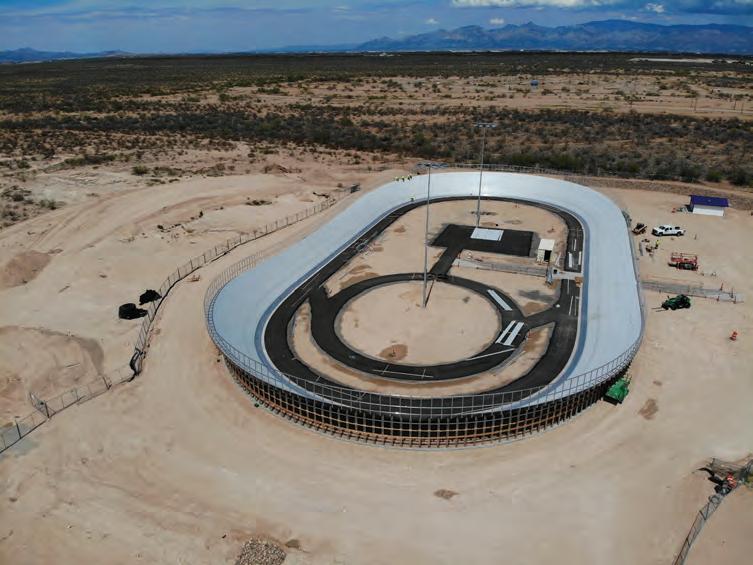
Nicola Cranmer thinks so highly of the brand-new Tucson Velodrome that she has already brought in eight athletes to use the facility to prepare for the 2028 Olympic Games in Los Angeles. They’ve been training with USA cycling athletes, as well.
There’s a reason the newly opened Velodrome is popular – it’s spectacular in size and presentation. It’s a shiny jewel in the desert – the first aluminum 250-meter, 42-degree banked velodrome designed by Peter Junek. His company, Junek Velodromes, has built 38 tracks all over the world.
“It’s amazing,” said Cranmer, the general manager/founder of Virginia Blueridge TWENTY28, host of several elite-level cyclists. They’ve trained in Tucson for years, given its reputation for cycling.
“It’s a game changer for the cycling community. It’s a superb track,” Cranmer said.
According to Junek, aluminum was chosen as the velodrome surface to suit Tucson’s climate. It allows the velodrome to withstand the hot temperatures in summer and allows year-round use. According to officials, it could be 115 degrees outside, yet the track is 40% cooler than asphalt and 20% cooler than concrete. The facility also has lighting to accommodate early-morning and late-night rides.
“I’ve been thinking and dreaming about it since about 1998,” Junek said of building this type of venue. “I hope it will make outdoor weatherproof velodromes more affordable to more countries and cities.”
He would know. Junek’s velodromes are in every continent except Australia.
This one is located at the Musselman Honda Circuit, adjacent to the Pima County Fairgrounds.
Southern Arizona’s came at a cost of $5 million, all coming from a private donor. The track weighs 182,000 pounds and took six months to build.
“Others will be faster to build,” he said. “This was a prototype.”
Cranmer was so impressed she sent a cycling friend photos of the Velodrome and the friend asked if she knew a realtor in Tucson.
That’s not surprising to Woody Cox, general manager of the facility that opened in November.
“I was uniquely positioned to kind of help out and get this up and going,” said Cox, a multi-time World Masters champion on the velodrome who established five UCI world records. “For us only being up since November, it’s going remarkably well because it’s a unique cycling feature.”
Just recently, the venue had its first practice ride with about 38 riders from Boulder, Colo., and from San Diego, and “everyone was excited about the number of people there were compared to their tracks – tracks that have been established for years compared to ours, which is just two months in, and we had more people than they had.”
Riders must be certified to use the track, a process that has started.
“We won’t pass them until we are absolutely certain they will be safe for themselves and safe for everybody else on that track,” Cox said.
Already, teams have been formed. About 107 members have joined from all over, including San Diego and Boulder, among others. Many are cycling
tourists, Cox said.
The Velodrome offers rental bikes, as well. Day memberships are available for $25 and $75 for the month.
“We’ve offered special certifications for the teams,” he said. “There are advantages of the track; there aren’t cars, there aren’t streetlights, there aren’t dogs, there aren’t potholes – you can ride your bike and just focus on riding your bike.
“Cyclists have heard about tracks their whole career and now they can give it a try. It’s a world-class facility in Tucson. Yes, it’s a novelty but just not a novelty because they want to come back and do it again.”
The United States women’s cycling team has already been here to train in part because there are only two tracks that are Olympics-certified – Tucson and Los Angeles, the one they will use for the 2028 Olympics.
“Right before the Olympics (in 2028), they will have to close that track for eight months to redo the whole surface, so we should have eight months where Olympians from Europe and other places will be coming here to train,” Cox said.
It’s all a win-win for Tucson, already a top cycling city.
“Tucson, in my opinion, was already the nation’s premier cycling community,” said TJ Juskiewicz, El Tour de Tucson’s executive director. “Adding a world-class, state-of-the-art Velodrome to the mix is just a feather in the cap of our outstanding cycling community.”
General contractor Lloyd Construction Company.

It’s been a long, redemptive road for the Rio Nuevo District since 2012, when a new board of directors was appointed by the state legislature to fix a financial catastrophe to today, as a glowing audit declared the district “100% compliant” with the statute that created it.
The complicated story of Rio Nuevo has been rehashed since 2009 when it was determined that the district, created in 1999 by voter-approved initiative, had spent roughly $230 million in tax increment financing with little to show for it. Rather than kill the district, the legislature appointed a new board to fix it.
By Jay Gonzales
One of the first action items when Board Chair Fletcher McCusker and a group of local business leaders stepped in to run Rio Nuevo was to establish financial safeguards and report transparency, including a state-required audit every three years. The first audit was in 2016.
The most recent Arizona Auditor General’s Report was completed in November by the Chicago-based Johnson Consulting.
“The Rio Nuevo Multipurpose Facilities District has made substantial progress since its reorganization, achieving strong compliance with statutory man-
dates, prudent financial management, and effective use of public funds to stimulate downtown,” the report said in its executive summary.
“The District’s continued investment in the TCC (Tucson Convention Center) and surrounding area has revitalized Tucson’s urban core, strengthened its position within the regional convention market, and attracted significant private-sector participation.”
That’s the long way of saying one of Rio Nuevo’s primary missions over the last dozen years has been accomplished − compliance.
BY

“This audit is particularly compelling because it’s the first time they’ve identified us as 100% compliant with the statute,” said McCusker. “Every other audit, there’s been some issues of compliance.
“We were expecting they were going to find something, they were going to print something, and they were going to make recommendations.”
And the report did make recommendations, but none were related to compliance with the statute, McCusker said. Instead, the report focused on recommendations for how Rio Nuevo can continue its mission to invest in downtown and the TCC and put the public funds to good use.
The Rio Nuevo District gets 50% of state sales taxes generated in a district that begins west of downtown, encompasses most of downtown, then stretches along Broadway to the east side to include El Con and Park Place malls.
It uses the funds, about $20 million per year, to support projects within the district and attract private sector investment. According to the report, the district committed $115.8 million in project funding, which generated more than $420 million in private investment over the last three years. Since 2013, McCusker said, the ratio of Rio Nuevo funds to private-sector investment is more along the lines of 10 to 1.
The report noted the significant progress that has been made downtown due in part to a commitment to the TCC.
“The Tucson Convention Center remains the District’s primary asset and much of the public investment carried out by the district is in ancillary development which enhances downtown Tucson, thereby supporting the TCC,” the report said.
According to the report, from fiscal year 2022 to 2025, total events at the TCC increased from 280 to 362. Attendance rose to more than 616,000, which is ahead of prepandemic levels. Operating revenues more than doubled from $6.1 million in 2022 to $12.4 million in 2025.
The recommendations in the report centered around where Rio Nuevo can continue to invest. But McCusker said the recommendations are a bit out of reach for the district with the current state of sales tax generation.
“The recommendations they made require huge amounts of money that we don’t have,” McCusker said. “There seems to be a disconnect with what we can afford versus what the state is expecting us to deliver.
“For the first time since I’ve been involved, holiday sales were below the prior year by about 30%,” McCusker said. “Every year that I’ve been involved, we’ve seen holiday sales tick up.”
The hope going forward, McCusker said, is for the state to recognize the district’s track record since 2013 and find new sources of revenue for the district.
“We’ve appealed to the legislature to say this formula is probably not sustainable,” McCusker said. “Will they see the wisdom of advancing this? We’ll find out.”

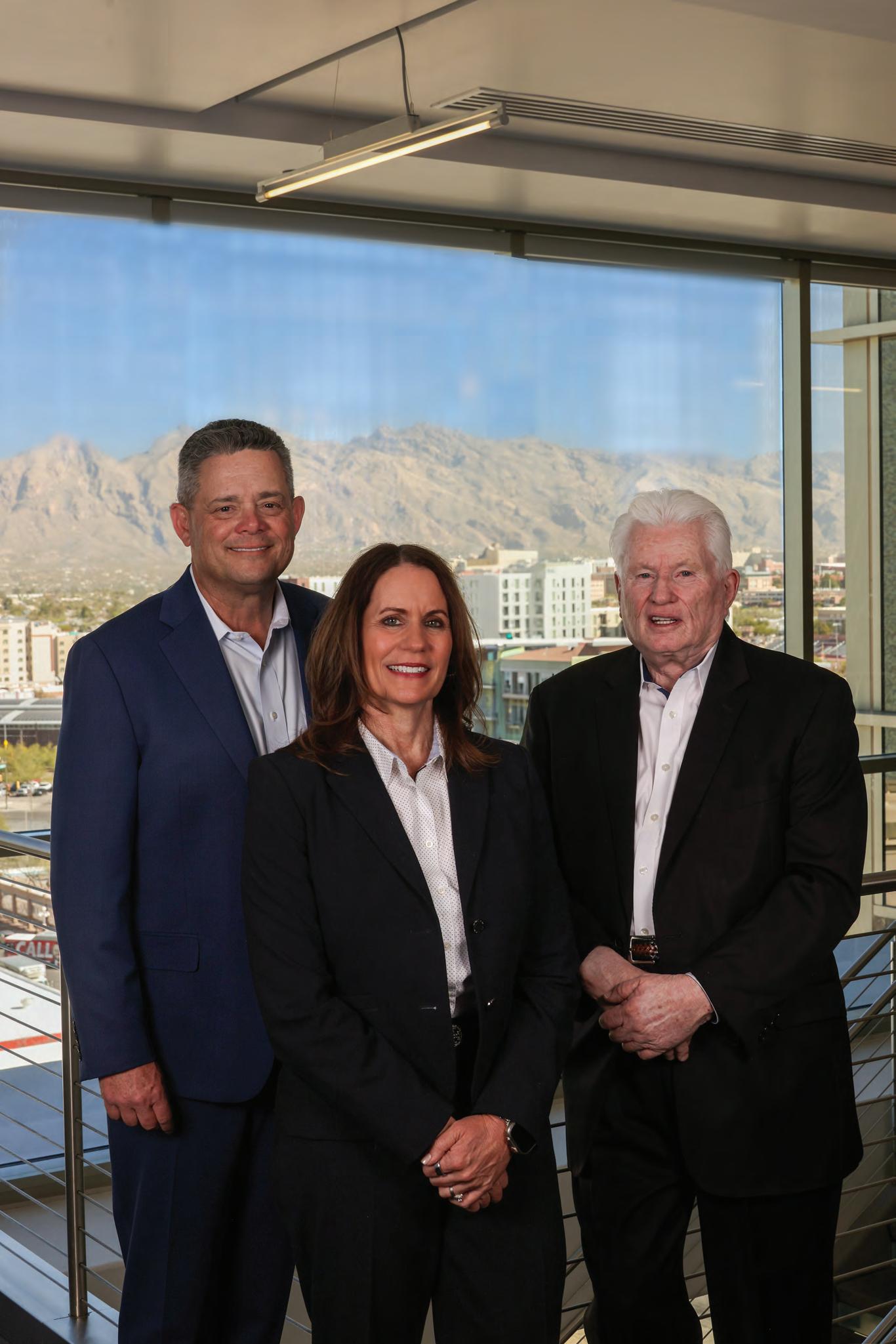
From left
Joe Snell President & CEO
The Chamber of Southern Arizona
Susan Gray CEO, Tucson Electric Power Chair of the Board
Fletcher McCusker
CEO, UAVenture Capital Treasurer
Their missions were separate but complementary for decades. But now as one, the vision remains constant, though expanded, for The Chamber of Southern Arizona.
The Chamber, a merger of Sun Corridor Inc. and the Tucson Metro Chamber, has put the region’s economic development, advocacy and small business activity under one roof.
“Our mission is simple: To drive sustainable economic growth and job creation in Southern Arizona by unit ing business advocacy and economic development strategies to foster a thriv ing business ecosystem,” said Chamber President and CEO Joe Snell. “We posi tion Tucson and Southern Arizona as a leading economic hub through targeted business attraction, expansion/reten tion programs, talent development and small-business resources.”
Establishing the vision for the new organization with a wider reach and wider responsibilities was easier than anticipated, said Snell, who was Sun Corridor Inc. president and CEO be fore taking on those titles with the new chamber.
“It came together in a matter of months because it simply made sense,” Snell said. “Both organizations’ leader ship recognized that they needed this bold step to come together with a uni fied business voice. That unification in creases our political clout and expands our ability to meaningfully influence de cisions that impact our economy.
“We recognized early on that the Chamber’s mission of serving small business and Sun Corridor Inc.’s mis sion of primary job development had to be effectively combined. Effectively creating a unified strategy and aligning both organizations’ strengths and membership audiences results in a much stronger economic foundation for the entire region.”
By Jay Gonzales
Tucson Electric Power CEO Susan Gray, who was chair of Sun Corridor Inc., has served as chair of The Chamber.
“We applaud the collective vision to make this happen,” she said. “The time was right for this merger to take place. Both organizations are able to accomplish more together than what each can accomplish alone.”
Starting in July, Alison Flynn Gaffney, CEO of Banner - University Medicine
Though the merger is a year old, the Chamber is still gathering input on what it needs to be and how it can best help businesses in the region.
“Right now, we are hyper-focused on continuing to gain input from all stakeholders,” Snell said. “We’re engaging our councils and committees, small business investors, focus groups, and implementing event surveys to ensure we’re continuing to meet the needs of businesses.
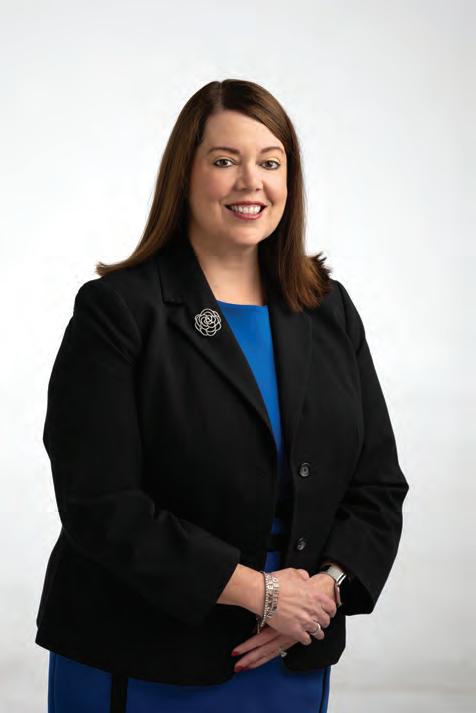
“We can now leverage resources to enhance the quality and depth of programs for the entire business community,” Snell said. “We are focused on nsuring that we are a competitive market and are supporting the companies in he targeted industries.”
Alison Flynn Gaffney CEO, Banner - University Medicine Tucson Incoming Chair of the Board
Among the enhanced strategies and initiatives is the formation of the Chamber’s Small Business Council, which assists small businesses in getting off the round, scaling them and helping with advocacy in the issues that affect them.
A new Emerging Leaders Program is working to identify the up-and-coming business leaders with a program to give them insight into how the local economy works and the importance of being volved outside of their companies.
Programming is being revamped to address advocacy and economic development in everything The Chamber s, especially when it comes to helping businesses attract and keep the talent that is in the community.
Cusker, a Chamber trustee who serves as the board’s treasurer. “The merger required reimagining both organizations and establishing a pro-business narrative that has to serve any size organization that wants to call Tucson home and contribute to our economy.”
“Talent attraction and development continues to be a top concern among business leaders,” Snell said. “With more concentrated focus and combined resources, there are immense opportunities to deliver stronger value to investors in this area. Talent attraction is a critical part of the greater effort to market our region and attract companies in targeted industries.”
By Tom Leyde
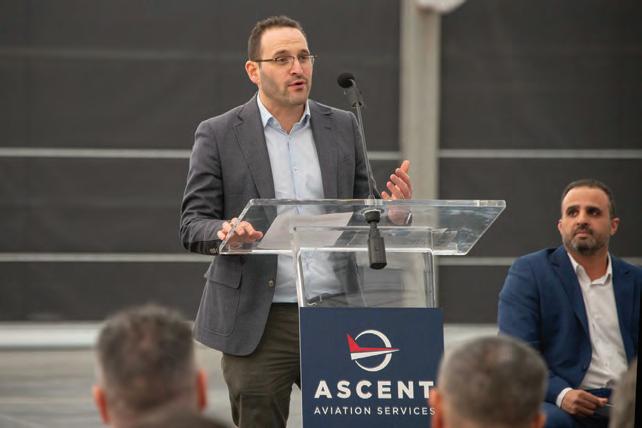
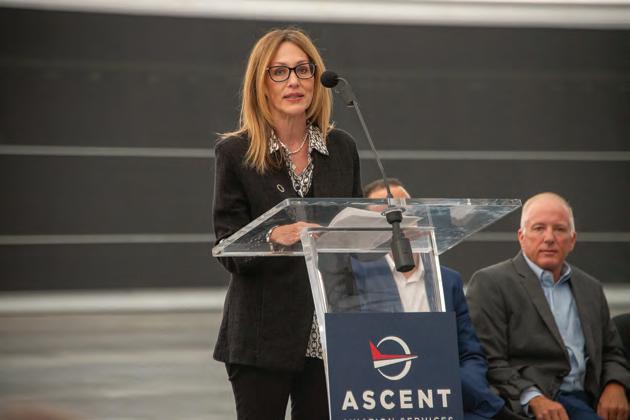
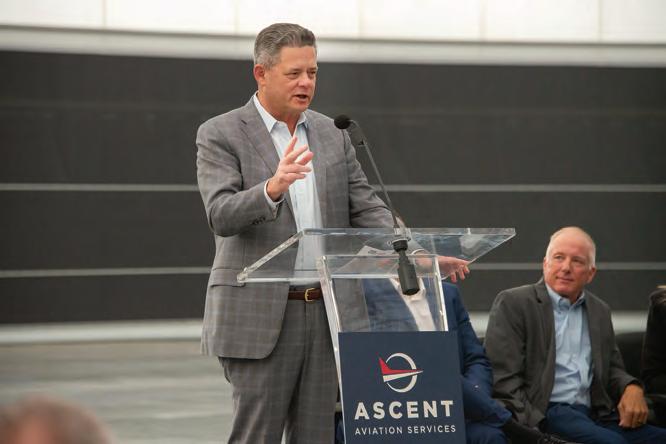
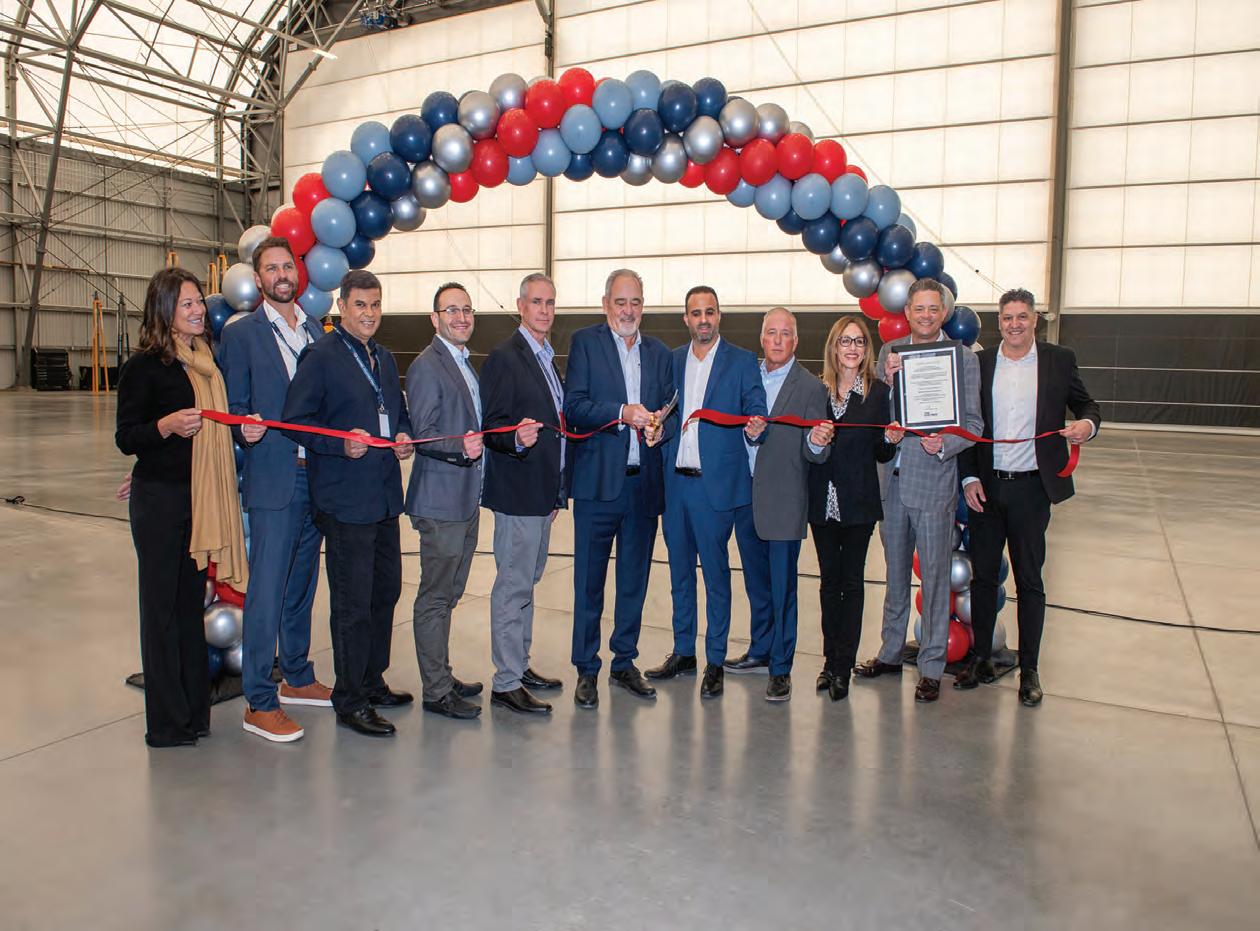
Ascent Aviation Services has launched a major new business venture converting wide-body passenger jets into air freighters at Pinal Airpark in Marana.
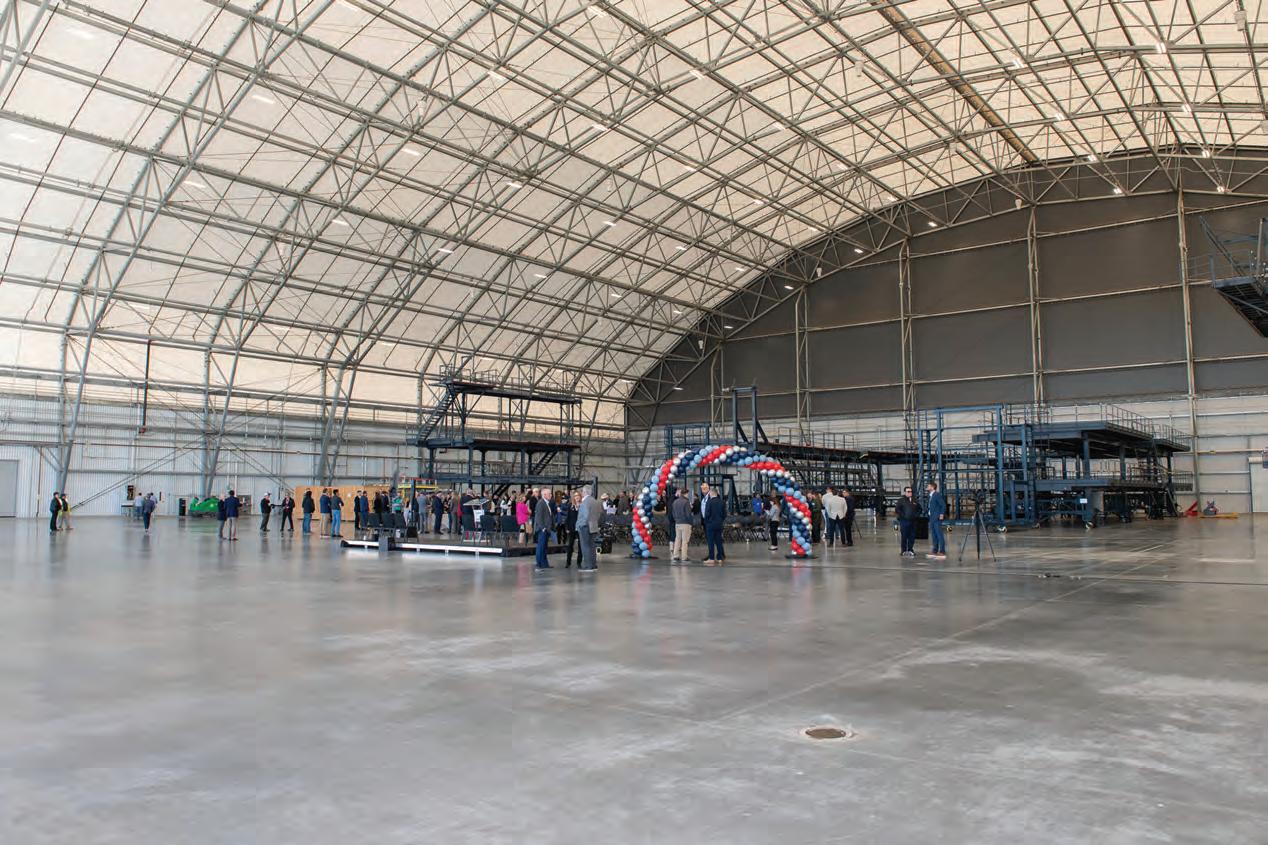
The company, in partnership with Israel Aerospace Industries, held a ribbon-cutting ceremony Dec. 8 at two new 90,000-square-foot hangars built for the conversions.
In the works for five years, the $70 million project will create 300 new jobs, with average salaries of $77,000 a year. Those salaries are expected to contribute millions of dollars to the Southern Arizona economy.
Ascent Aviation employees will convert B777-300ER (extended range) jetliners into freighters capable of transporting 110 tons of goods anywhere in the world without a stop.
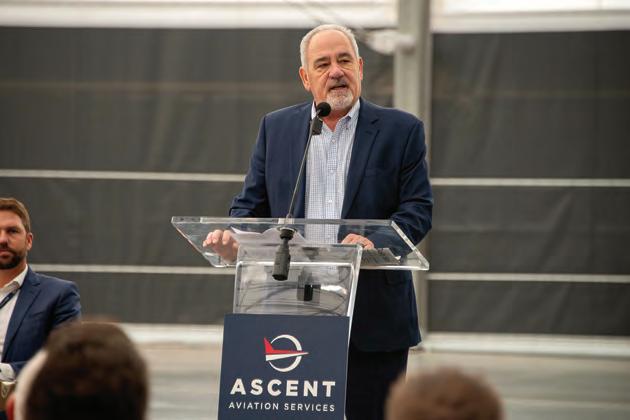
David Querio, president and CEO of Ascent Aviation Services, said the new endeavor was prompted by the tremendous growth in online shopping worldwide.
“Transporting goods across the world in an expeditious manner has become very critical.”
Querio said the company had considered building one hangar in a different location, but elected to build two hangars in Marana, the larger of Ascent’s two facilities. When fully staffed, Ascent will have 225 people working on airliner conversions and another 100 as support staff and engineers.
It will take about six months to complete the first aircraft conversion, which involves extensive structural modifications.
“We will put 150,000 to 160,000 hours into the first conversion,” Querio said. “It’s not just taking out the seats
and taking the bathrooms out. There’s complete reinforcement of the floor structure and installing a door.”
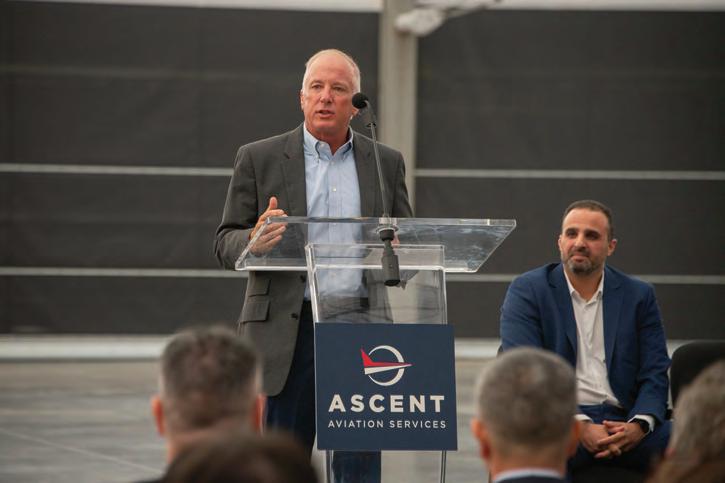
Marana Mayor Jon Post said the venture has far-reaching impact.
“I’m just so happy to see this level of investment. The Town of Marana is starting to grow by leaps and bounds, and this is going to be such a groundbreaker to the Town of Marana.”
Post said Marana’s growth will be an economic powerhouse for Southern Arizona.
“The employment that’s going to come to our community is so very important,” he said. “And the overall commitment that this company has made to Marana ... we’re just so grateful for it.”
Jared Rubenstein, director-equity group at Monroe Capital, said that together, Ascent and IAI are establishing a “world-class” triple 7 passenger-tofreighter conversion site in Marana.
“This collaboration pairs IAI’s global technical expertise with Ascent’s local capability to meet the growing demand for widebody freighter aircraft,” Rubenstein said. “This relationship not only elevates Ascent’s role in the aerospace ecosystem, it proudly connects this community to one of the world’s most innovative, reliable, forward-thinking partners in the industry.”
Sandra Watson, president and CEO of Arizona Commerce Authority, said the project places Arizona at the center of the global shift in aviation logistics
“The project ... reinforces the region’s importance as a destination for hightech investments, workforce development and long-term economic growth,” she said.
Nearly one in 12 Arizona residents are employed at U.S. Federal Aviation Administration Certified MRO (maintenance, repair and overhaul) operations across the state, and Watson said those employees contribute more than $2.4 billion to the state’s economy. She added that expansions like Ascent’s will help the industry to grow.
“Ascent isn’t just expanding its infrastructure, it’s investing in people,” Watson said. “Through its structured apprenticeship program, Ascent is helping train the next generation of aviation professionals and build a sustainable workforce pipeline for years to come. This is the kind of leadership that drives industries forward.
Joe Snell, president and CEO of The Chamber of Southern Arizona, said Ascent’s investment in the Marana project and high-salaried employees will trickle through the regional economy.
“Thank you for enhancing our aerospace sector in Southern Arizona,” Snell said. “Your investment further validates that we are the market leader in aerospace and defense.”
A group of newly hired Ascent employees were present for the ribbon-cutting, and Querio spoke directly to them.
“Every day you bring skills, pride and professionalism to some of the most complex and demanding work in the industry,” he said. “You take our challenges to the outside world …
These hangars exist because of you. Our growth exists because of you. Our reputation around the world exists because of you. I want you to know how ... grateful I am to each of you ... You are the heart of this company.”
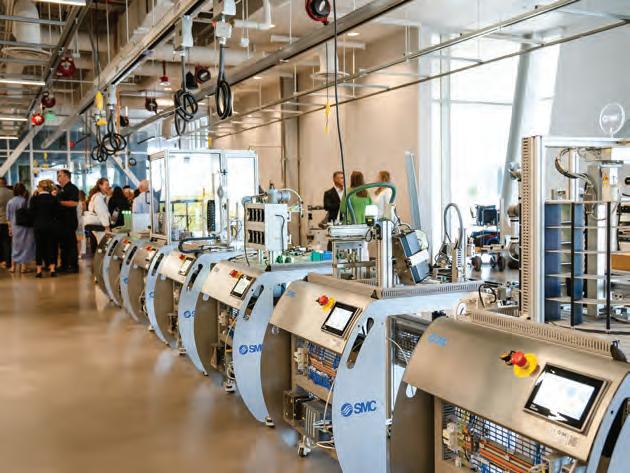
Pima Community College’s new Flexible Industry Training Lab is an innovative advanced manufacturing training facility designed to meet the rapidly evolving workforce needs of Southern Arizona employers.
It highlights PCC’s continued commitment to strengthening Arizona’s advanced manufacturing workforce through industry-driven training that is responsive, flexible and aligned with real-world employer needs. Gov. Katie Hobbs recently attended its March 19 grand opening.
“Southern Arizona’s economic future depends on our ability to prepare talent for rapidly changing industries,” said Jeffrey P. Nasse, PCC Chancellor. “The FIT Lab gives Pima the ability to deliver flexible, market-driven training using the same advanced technologies found in advanced manufacturing. It furthers the College’s position as the region’s leading provider of workforce development and strengthens Arizona’s competitiveness in advanced industry.”
Located in the Advanced Manufacturing Building at PCC’s Downtown Campus, the 10,000-square-foot FIT Lab was developed in partnership with the College’s Workforce Development
division to provide hands-on training using the same advanced manufacturing equipment local employers rely on in their facilities.
PCC worked closely with the Arizona Commerce Authority through its Future48 Workforce Accelerator initiative to upgrade the new FIT Lab to meet industry needs. The ACA’s $3.2 million contribution made these upgrades possible. The strong partnership reflects a shared effort to expand innovative training opportunities and support Arizona’s growing advanced manufacturing sector.
“American Battery Factory is proud of our work with Pima Community College on its important effort to build and now complete the FIT Lab Training Center,” said John Kem, president of ABF. “We look forward to working together going forward on workforce training programs for our highly technical manufacturing factory in Pima County.”
The FIT Lab represents a new model of workforce education. Unlike traditional academic programs tied to a semester schedule, the facility offers customized training that can be delivered on flexible schedules and in varying du-
rations to meet employer demand. This structure allows companies to quickly train workers or prepare new employees as technologies continue to evolve.
Designed to remain adaptable, the FIT Lab will incorporate the most current equipment and tools used by local manufacturers, ensuring PCC keeps pace with industry upgrades and continues to serve as a regional leader in workforce development.
“The FIT Lab will support Southern Arizona’s high-growth industries and represents an exciting addition to the Future48 Workforce Accelerator network,” said Sandra Watson, president and CEO of the Arizona Commerce Authority. “We’re grateful to Governor Hobbs, Chancellor Nasse and Pima Community College, and all of our partners for their continued leadership and collaboration.”
Through the FIT Lab, PCC will provide employers with a professional training environment that supports both emerging talent and incumbent workers, reinforcing the college’s role as a key partner in regional economic development.

continued on page 136 >>>





Tucson REALTORS® are dedicated to advancing homeownership amongst Southern Arizonans, and with a regional economy that encourages job growth, we will see a lot of opportunities for our members to help more residents achieve the dream of homeownership and put down roots. If Southern Arizona hopes to have a bright future, we need policies that encourage the creation of a variety of housing opportunities while maintaining the unique character of what makes our communities so attractive in the first place. You can expect to see The Tucson Association of REALTORS® taking a larger role in advocacy on the issues that impact the real estate industry, housing availability and affordability.
What keeps me up at night is whether Southern Arizona is positioning itself for long term economic success. Job growth and housing availability are deeply connected. If we cannot offer a range of housing options that support our workforce, we risk limiting our ability to attract employers and retain talent. I worry about missed opportunities when progress stalls or conversations default to resistance instead of solutions. Our region thrives when we do the hard work of thoughtful planning that balances job growth, infrastructure, and quality of life for both current residents and those who want to call Southern Arizona home.
Tucson was recently named one of the Top 5 places to move to, and recognitions like this make it easy for the Tucson Association of REALTORS® to champion our region. Celebrating what makes Tucson special is a natural part of our role; and accolades like this only reinforce that message. As someone who recently made Southern Arizona my home, now approaching my first year as a Tucsonan, I’ve noticed that longtime residents can sometimes lose sight of what makes this region so special. It’s important that the changes shaping our community are thoughtful and inclusive, ensuring they benefit everyone who lives here. Tucson remains affordable relative to many other metro areas across the country. This is where we all need to work together across the business, non-profit, and governmental communities as you can’t have a thriving, growing economy without a housing market that meets the needs of its residents, and vice versa. We need to work together to ensure that we have viable housing options across all price points so that everyone can share in the prosperity of economic development.
The Chamber plays a critical leadership role in shaping regional conversation about economic growth. Continued advocacy, coalition building, and strong messaging about why Southern Arizona is a great place to live, learn, work and do business are essential. We need the Chamber to be a unifying voice that champions policies supporting job creation, infrastructure investment, and housing development. When business leadership and community stakeholders move in alignment, it creates the kind of environment where both employers and residents can succeed.
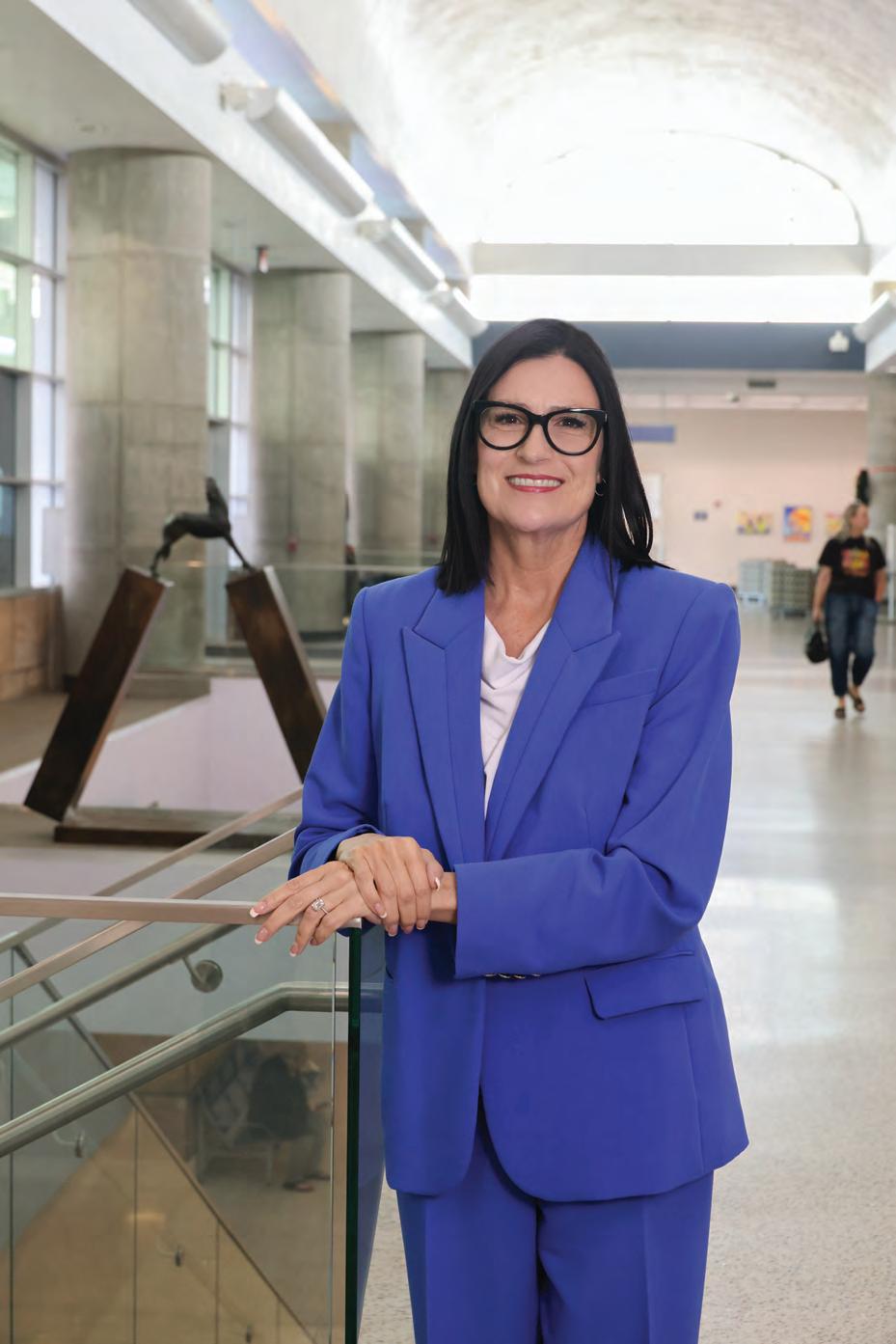
Tucson Airport Authority (TAA) recognizes that it is essential we maintain a reasonable cost structure that balances the annual operating and capital budget against projected revenues and remains attractive to the airlines. TAA actively collaborates with the airlines to increase route frequency and expand our air service. TAA also pursues non-aeronautical opportunities to grow the revenue base and diversify our portfolio. This offsets direct costs to the airlines while making the TAA financial model more resilient. There is significant interest in TAA’s non-aeronautical land. Over the next few years, that will result in several new businesses at our airports.
I am always concerned about the uncertainty of the economy and how it may impact the aviation sector. Specifically, my focus is on how economic fluctuations may affect airports, airlines, general aviation, traveler trends, inflation (cost of fuel, construction, etc.), and Administration changes that may focus on new priorities and new regulations, to name a few.
Recently, the Appropriations Committee (federal government) authorized the spending authority to support the Federal Aviation Reauthorization Act of 2024, which provides increased funding levels from $3.35 billion to $4 billion for airports. Among other items, this budget provides for Airport Improvement Program funds, which airports rely on for federal grants to match Airport funds for eligible infrastructure projects. The TAA has been extremely successful in obtaining grant funds for the ongoing $400 million Airfield Safety Enhancement Program, which modernizes the airfield in accordance with new safety standards. The TAA has led the nation for the last two years in largest grant awards.
The Chamber can help the TAA promote the “Fly Tucson First” campaign, which encourages local business to fly local, fly TUS. Participating businesses receive perks to make flying TUS even easier. More details on ‘Fly Tucson First’ can be found on Flytucson.com. Airlines make route decisions based on actual flown data. Therefore, when businesses choose to fly TUS, the TAA can collect critical data points that can be used with the airlines to illustrate the strength of our market and grow our route network. When businesses choose to fly from Phoenix, it takes away from our market. Flying TUS today is the only way to grow for tomorrow.
BY

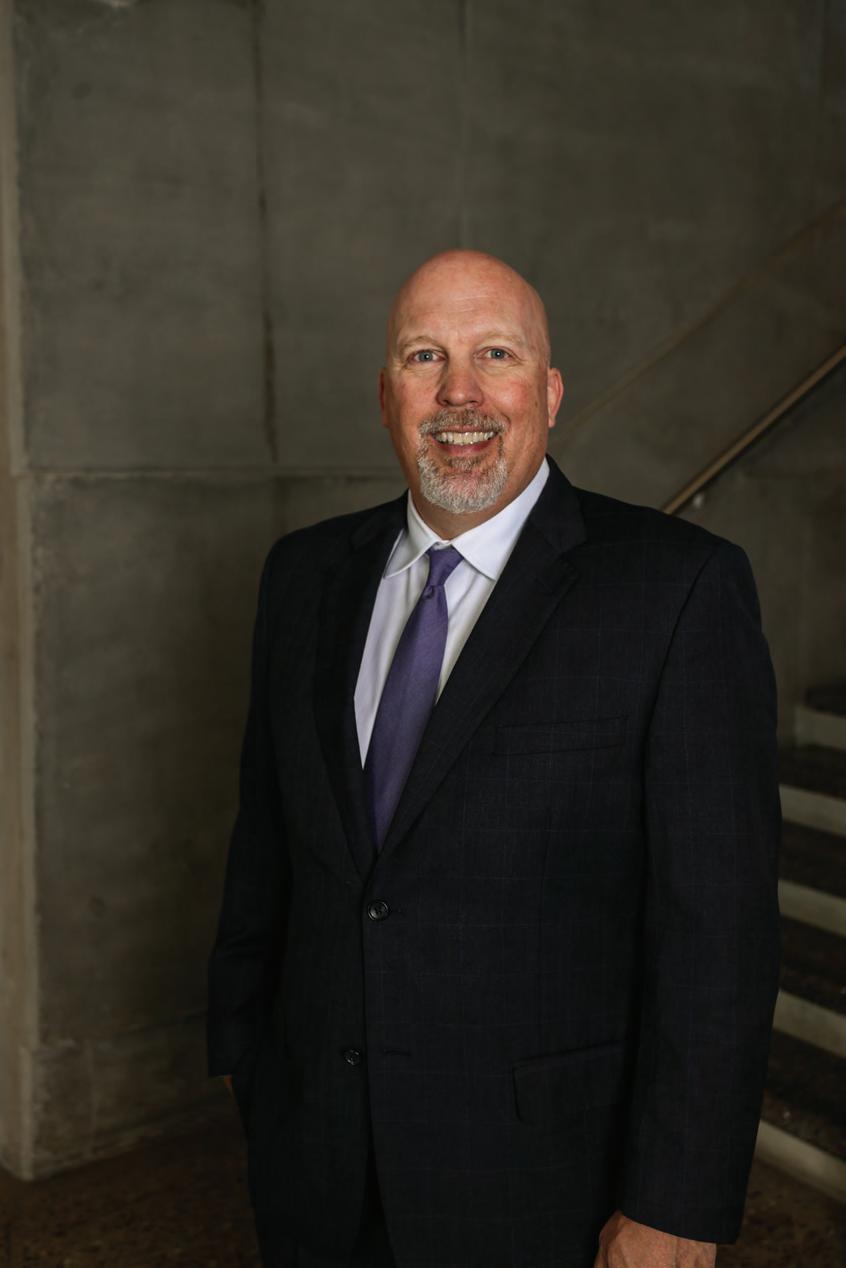
We have a tremendous opportunity for business and growth here in Southern Arizona with the right mindset. Tucson and the surrounding metro are a diverse marketplace with untapped potential in both the downtown area and surrounding suburbs. A responsible, sustainable approach to development from local leaders can spur growth for the entire region.
Short-term decisions that have long-term impacts on new businesses deciding to come to the region. Things like passing the RTA Next and investing in our roads, airports, and overall infrastructure have major impacts on the amount and type of business that decides to come to Southern Arizona. A forward-thinking approach with smart investments for the overall good of the region will attract additional business growth, including the high-paying local jobs that really help move the needle for our local economy.
The construction industry in Tucson and throughout Arizona continues to provide exciting career opportunities, both professional and craft, for individuals in all trades. The continued investment in rapid, controlled growth of advanced technology, aviation and data center markets in the state has created thousands of good-paying jobs for ambitious, hard-working people. These are jobs that careers can be built on for individuals and families, regardless of the level of education, and should be valued as an exciting key driver of our future regional success.
Continue to work with local business and leaders to promote the mindset at every corner that Tucson is an area of pro-growth and development. Our population growth is largely driven by transplants from other areas, so the outside narrative is vital to our future success. It’s on all of us to build the narrative, create buzz and promote Tucson as the destination of choice for both new business and new additions to our local workforce. We all know Southern Arizona is a fantastic place to live and work, let’s let everyone else know too!
BY

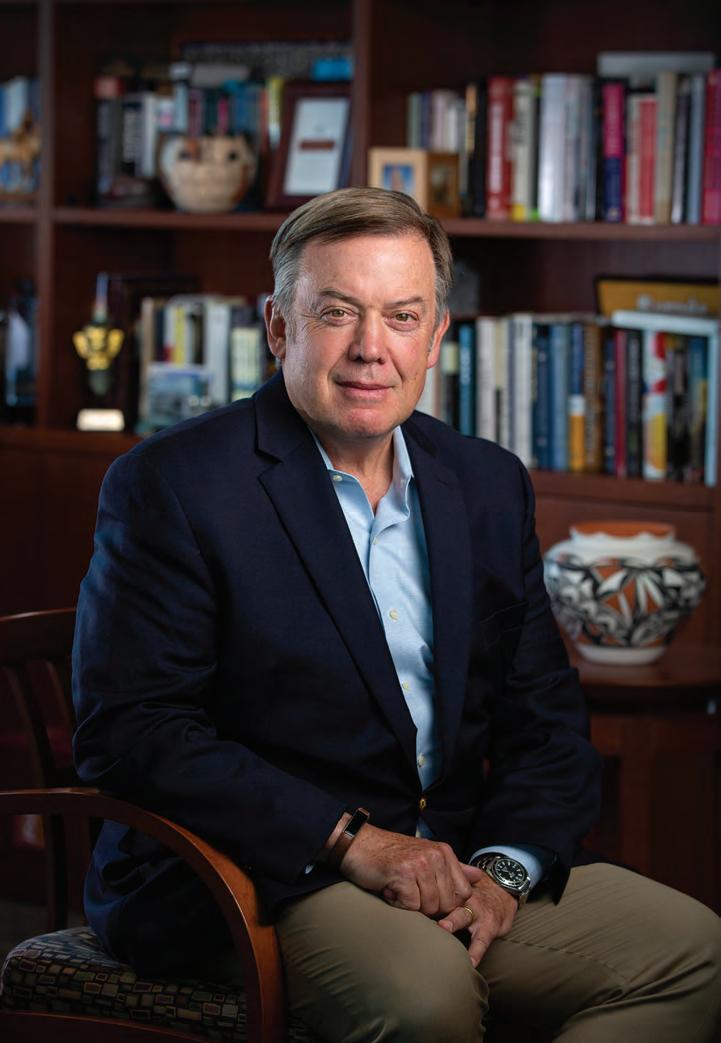
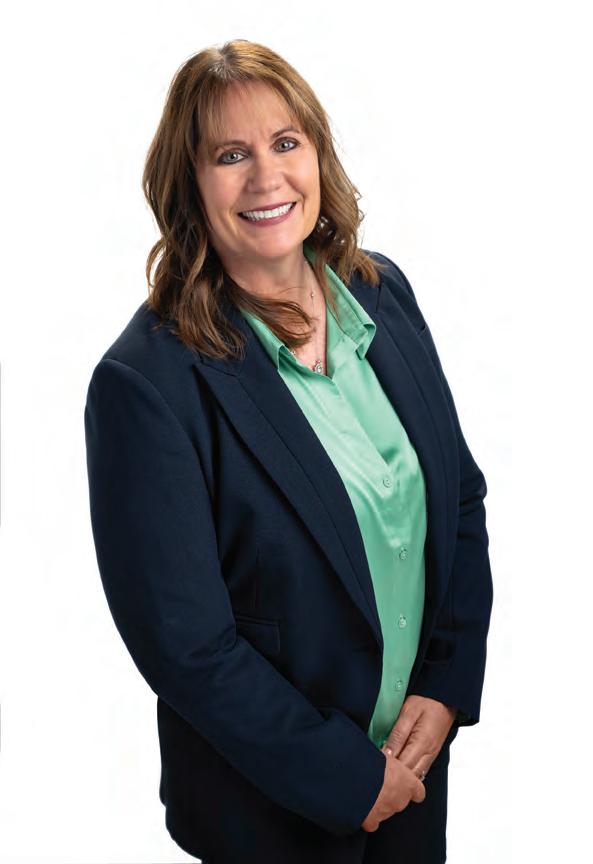
There is considerable sea change now, and uncertainty is often seen as an obstacle to progress. I believe that the changing landscape presents opportunity for those who are willing and able to adapt through innovation. Arizona is a tremendous state with one of the most significant economies in the world, but we need to make some serious decisions about our future. The people of Arizona have said what they want their state to be. We need to execute a plan to get us there.
An issue that keeps me up at night is the lack of awareness about where we are operating in time and history. The old quote says, “Those who do not know history are doomed to repeat it.” That’s true. We need to do a much better job of helping the public to understand the significant and practical impact of higher education and university research. The people, products and ideas produced by universities touches every facet of your daily life.
The demand for higher education continues to grow and “the invisible hand” of university research remains steadfast in working to move humanity forward. The integration of rapidly evolving technology and enhanced institutional collaboration is dismantling the barriers to quality learning at scale. At ASU, our major efforts include our advancement of ASU Health to improve health outcomes for all Arizonans, enhanced focus on supporting our nation’s national defense and need for public service, and creating new education pathways for new and returning learners of all ages.
The Chamber and the business community can help by speaking loudly and consistently about the vital role that our universities play in driving social mobility, economic competitiveness and meaningful innovation. In order to achieve the aspirational resilience demonstrated by other successful U.S. states, we need the local business community to participate in the public discourse about the need to support our state universities. Only by working together will we be able to design a model for our shared future.

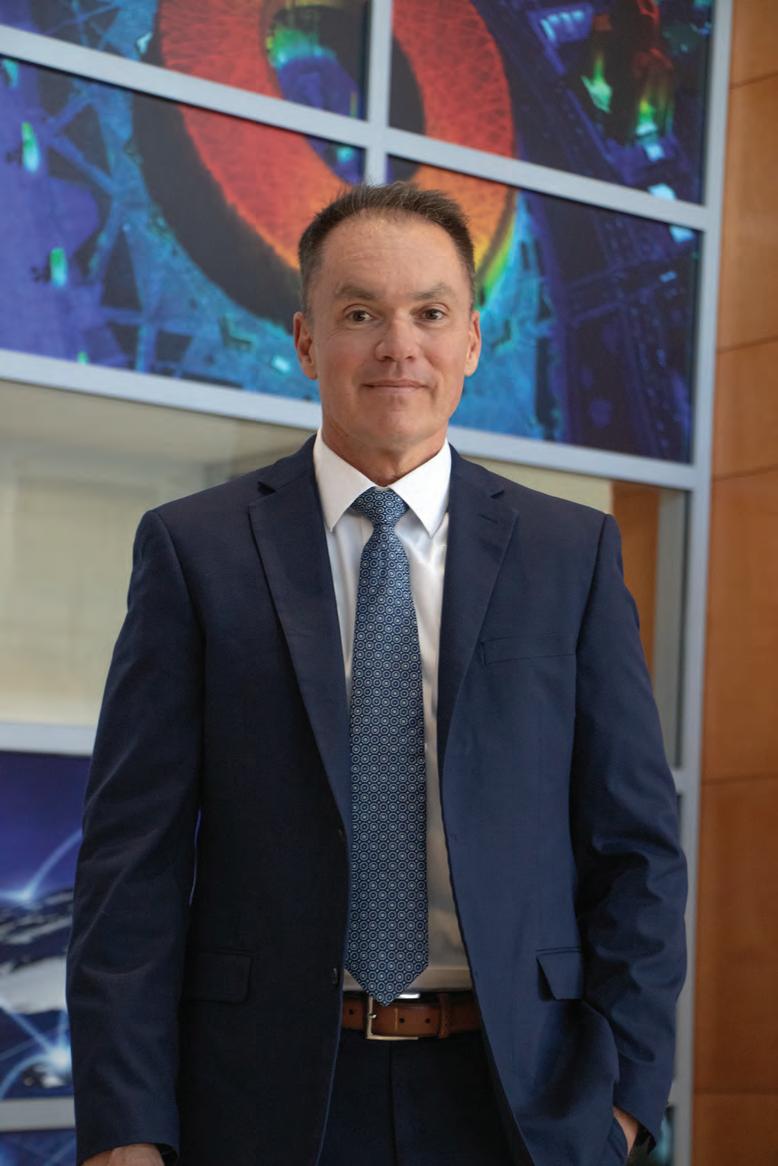
Raytheon has been part of the Tucson community for more than 70 years, and it remains one of our most important sites. Our teams here are doing critical engineering, manufacturing and mission support work that helps protect our customers and allies around the world. Demand for many of the capabilities we build here is growing, and we’re investing in our facilities, our people and our technology to keep up. Thanks to the incredible talent in Southern Arizona and the strong partnerships we’ve built across the region, Tucson will continue to be at the heart of Raytheon’s future. As a Tucson native, I’m especially proud that this work is happening right here in our own backyard.
The world is getting more complex, and our customers are counting on us more than ever. As we work through heightened demand and operational ramp-ups, my team and I are focused on two things: continuing to deliver the capabilities our customers rely on, and scaling our operations in a smart, sustainable way. For us, that means strengthening our supply chain, growing our workforce, and constantly improving how we build and deliver—quickly and reliably. We’re making solid progress, but it takes ongoing effort and strong collaboration across our teams, our suppliers, and our partners.
As global demand for precision munitions continues to grow, our business will continue to make investments in technology, facilities and our workforce to reach and sustain this historically high production rate. In February, we announced landmark deals with the Pentagon to significantly increase production capacity and speed deliveries of programs such as Tomahawk, AMRAAM, SM-3, and SM-6 – all of which are produced right here in Tucson.
If we’re going to meet the surge in demand, we need coordinated planning and the ability to scale. At the heart of that is talent. The Chamber plays a key role here. They bring together industry, education, and community partners to help build that workforce. For our business, it’s important that we attract top aerospace professionals to Tucson and help create an ecosystem where they—and their families—can thrive. At the same time, we should also focus on growing a strong local pipeline, as homegrown talent is more likely to stay, build their careers here, and invest their skills back into this community.

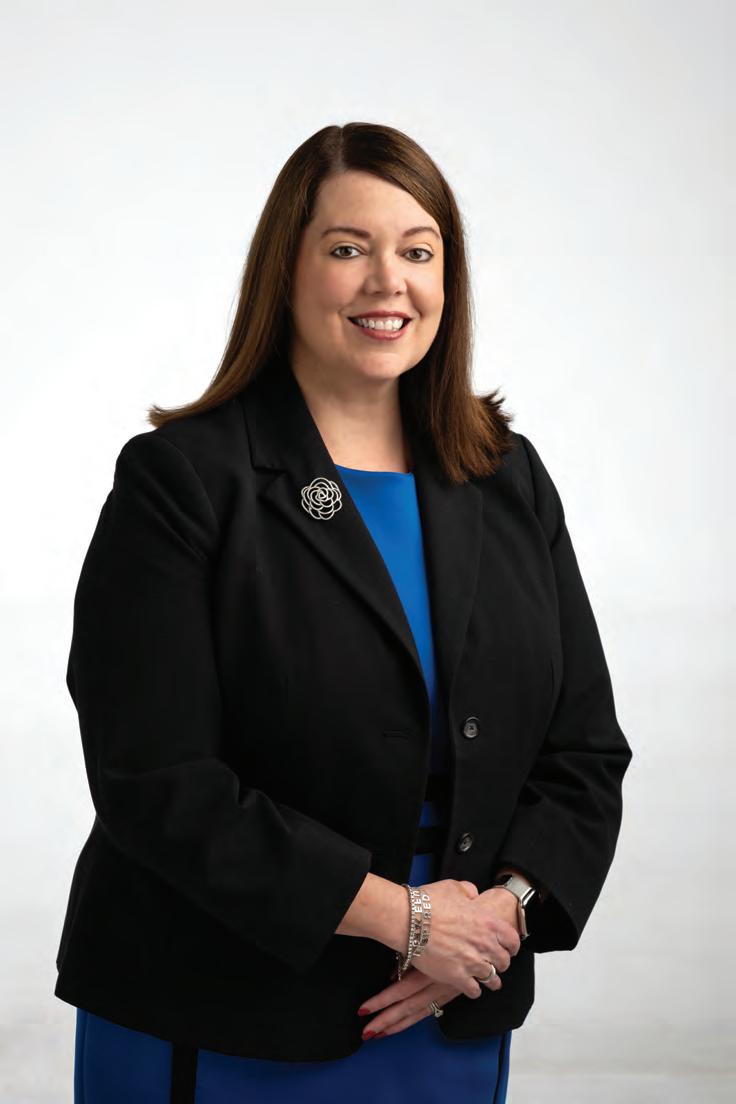
We see the opportunity to increase access to care through opening new locations, recruiting additional providers and, in partnership with the University of Arizona College of Medicine-Tucson, increasing the number of resident physicians. We also see an opportunity to strengthen community partnerships and collaborations. Working together, we are helping improve the health of our communities that we all serve.
I am a “people first” advocate and am always thinking about those we serve, internally and externally. I, and the collective “we” at Banner – University Medicine, are here to create an incredibly inspired, safe, and clinically excellent experience for all. On the national front, changes in reimbursement, health guidelines, and research funding are top of mind for all healthcare providers. Locally, we are constantly seeking ways to do more with the limited resources we have as a mission-based, non-profit organization.
I have the benefit of serving in a field where every day, lives are saved and impacted positively by the work our amazing teams of clinicians, educators, and researchers. Use of robotic technology is exciting because of the benefits it brings our patients, and AI applications in clinical and research settings are improving efficiency and speeding drug discovery, eventually resulting in more clinical trials of cutting-edge therapies being available for our patients.
The Chamber is an incredible partner that helps us all—community partners and business leaders—connect and find opportunities to collaborate so that we can understand the deeper issues and work together to transform challenges into opportunities. This is critical for Tucson and Southern Arizona, as is continuing to create the “commercial for Tucson” to elevate employers’ interest in our community and attract and retain top talent, including spouses/partners/families of professionals. Attracting and retaining top talent and high-wage employers is crucial for our communities’ vibrancy and regional economic growth.
BY

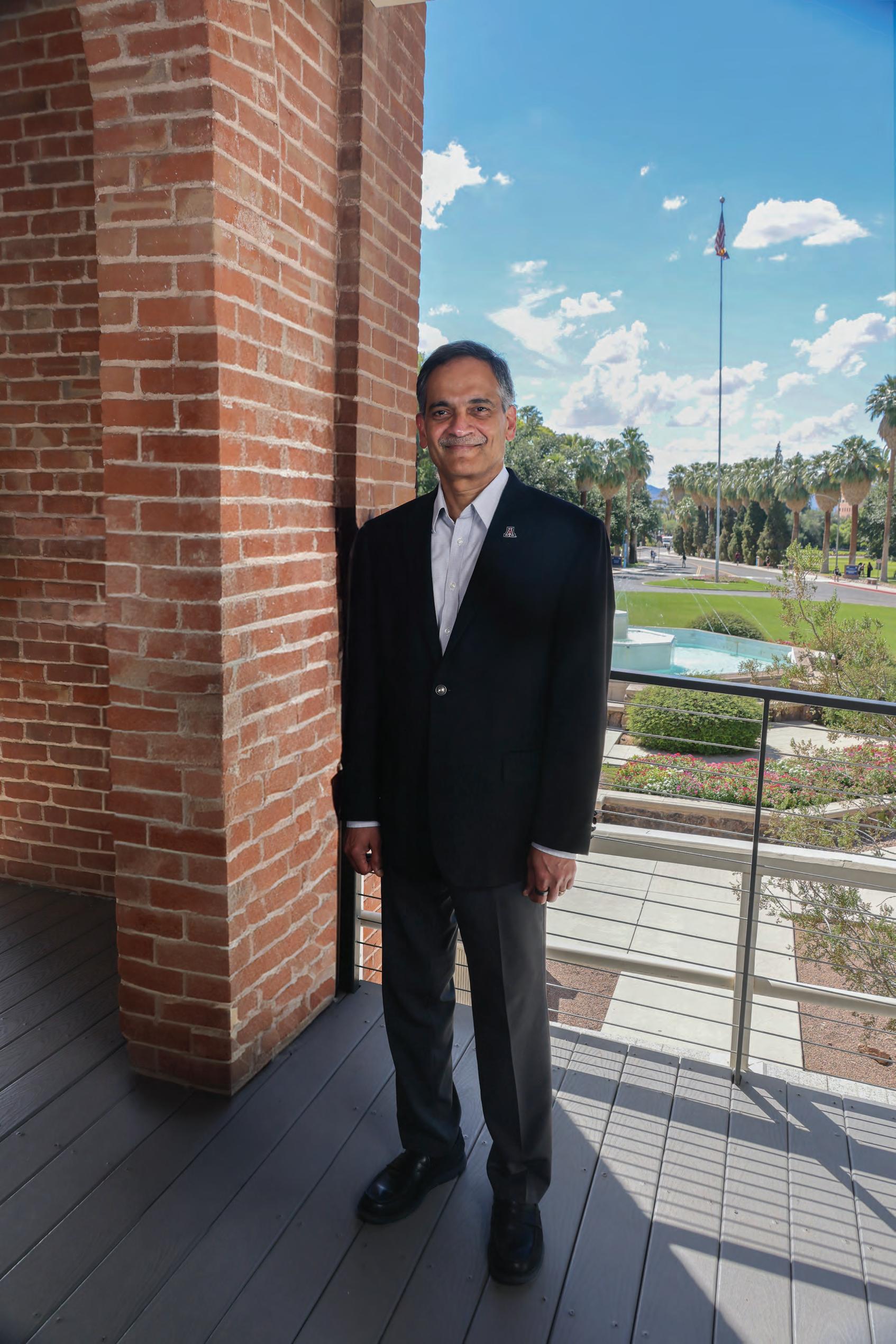
With our guiding strategic imperatives, an experienced leadership team, and a focus on financial health, we have a solid foundation on which to build a bright future for us all. Student success remains our North Star, and we are putting in place new approaches to recruitment, retention, graduation and job placement, while ensuring that every student has access to excellent in-class and experiential learning opportunities. We are focused on key research priorities that build on our strengths and are aligned with state and national priorities: AI-driven Health Innovation, Space Sciences and National Security, Fusion Energy Commercialization, Sustainable Mining and Critical Minerals, and Arid Lands Agriculture and Water. And as Arizona’s land-grant university, we are doubling down on advancing innovation, attracting new companies to the state, and creating a highly talented workforce across all regions of the state.
As the leader of one of the preeminent land-grant institutions of this nation, ensuring affordability and excellence of our students’ education, creating opportunities for our researchers and scholars to continue their impactful work, and fulfilling our land-grant mission to our state are the areas that remain top of mind.
In January, we launched the Kyl Institute for National Security to provide leadership in this critical area for Arizona and the nation. We signed a partnership with Taiwan’s National Yang Ming Chiao Tung University to establish a Talent and Innovation Hub that will drive economic development for both nations and will be key to expanding the semiconductor manufacturing industry in our state. To support student success, we are expanding our on-campus housing capacity with a new residence hall to strengthen retention, and building sustainable partnerships with community colleges across the state to expand access.
Collaboration with industry and economic development organizations is vital to our future and that of the state. Our partnership with the Arizona Commerce Authority to expand our Nanofabrication Core Facility cleanroom will strengthen Arizona’s position as a national leader in semiconductor manufacturing. Together, we will translate discovery into action, retain and grow existing businesses and attract new ones. Telling the U of A story and offering internships and mentorship are other ways the Chamber can contribute to the region’s success.
BY

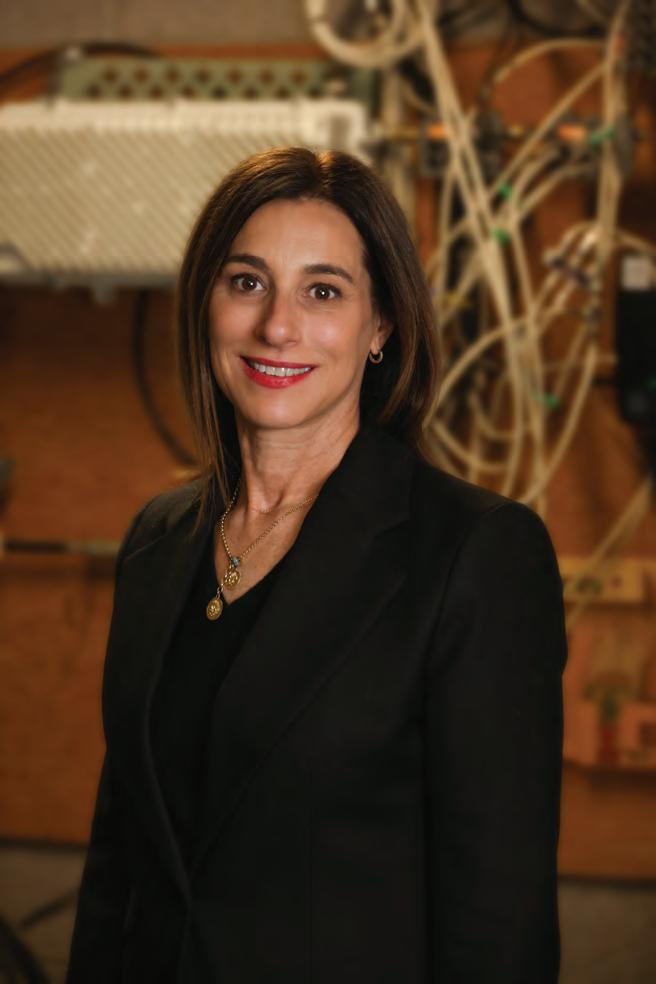
There is tremendous opportunity in Southern Arizona as demand for advanced broadband, mobile connectivity, cloud solutions, and AI-driven tools continue to accelerate. Connectivity has become far more than an operational requirement; it’s now a strategic differentiator. Organizations that fully embrace emerging technologies will be better positioned to enhance efficiency, empower their teams, and deliver exceptional customer experiences. We also recognize that no two businesses are the same. More companies are seeking customized technology solutions that meet the specific needs of their industry. By offering flexible, scalable options, we help business owners reduce operational complexity so they can focus on what matters most—providing outstanding products, services, and value to their community.
I’ve been working on prioritizing my sleep health, so I try not to let too many things keep me up at night. But like many parents, I do think about my college age kids—and whether they, and other young adults, will see Tucson and Southern Arizona as a place where they can build meaningful careers after graduation. Our region has so much potential, yet continued job growth is essential to remain competitive. Ensuring that Tucson attracts and retains strong, forwardlooking businesses is critical if we want to keep the best and brightest here. Creating an environment where graduates feel confident, they can find opportunities, grow professionally, and build a future is something that stays on my mind, because it’s ultimately tied to the long-term vitality of our community.
The Chamber continues to play an important role as an advocate for the business community, and that support will remain valuable going forward. A strong, practical voice that can help advance thoughtful policy and promote economic strategies that benefit the region contributes to a healthier business environment overall. As local issues grow more complex and the public conversation becomes noisier, the Chamber’s ability to provide balance and keep discussions focused on long term community priorities is especially helpful. Its work bringing stakeholders together and highlighting the needs of local employers supports steady, sustainable growth—creating an environment where businesses, and the broader Tucson community, can move forward with confidence.
BY
Southern Arizona is becoming a real magnet for entrepreneurs and growing businesses that want access to talent, opportunity, and a great quality of life. That creates exciting opportunities for firms like ours to help organizations grow, scale, and navigate increasing complexity. We’re seeing strong activity across construction, real estate, healthcare, technology, and professional services, along with more crossborder business. As the region continues to grow, the need for strategic advisory, assurance, tax, and forward-looking financial guidance will only become more important.
Rapid technological change, evolving client expectations, and economic uncertainty keep me up at night. For professional services firms like BeachFleischman, staying on top of business risks and regulatory change is critical. Ultimately, the challenge is balancing growth and innovation while maintaining culture, quality, and trust, which are foundational to long-term success. Like many business leaders, I’m also focused on attracting talent so we can continue to develop and retain the best people in a competitive labor market.
Our firm is undergoing meaningful transformation and we’re rethinking traditional business models while investing more heavily in technology, specialization, and advisory services. We’re seeing increased use of data analytics, automation, and AI-driven tools to help us deliver deeper insights and greater value to clients. At the same time, there’s a strong shift toward industry-focused teams that understand clients’ businesses beyond the numbers, allowing us to be more proactive and strategic partners.
The Chamber plays a vital role in advocating for a strong business climate and connecting leaders across industries. Continued focus on workforce development, infrastructure, and regional collaboration will be essential as Southern Arizona grows. The Chamber can also help amplify the region’s story by attracting investment, talent, and new companies. It can also serve as a collaborator so that public and private sector leaders can align around shared priorities and long-term economic sustainability.
BY


The Bombardier Tucson Service Center is critical to the support of our rapidly growing aircraft fleet and the entry into service of our newest flagship, the Global 8000. There is a growing need for specialized work, major inspections and upgrades for high net wealth operators who prefer to do business with an OEM service center. With revenues hitting record highs industrywide, and Bombardier’s aftermarket business continuing to grow year-over-year, there’s a real opportunity to capture additional volume and deliver exceptional value to our customers.
With aviation workforce requirements continuing to grow over the next 20 years, there’s a significant need for skilled/specialized technicians. Recruitment and workforce development are at the top of the list to keep our industry safe. Across business aviation, the rising complexity of aircraft systems, along with the steady climb in customer expectations, remain our biggest operational challenges. Keeping aircraft moving through inspections and upgrades both safely and on schedule, are always top of mind.
The certification of our flagship Global 8000 and Bombardier’s completion of its multiyear turnaround plan have put the company on very strong footing. Deliveries, revenues, and backlog all surged in 2025, and service revenue reached its highest levels ever. We continue to expand apprenticeship pipelines and build stronger ties with local communities to bring in new technical talent. The continued investment in our MRO infrastructure, mobile response coverage, means faster turn times, and better aircraft availability for our customers.
As Bombardier ramps up hiring to support its five (soon to be six) U.S. service centers, there’s a clear need for programs that attract and develop skilled aviation technicians in the region. The company is already expanding apprenticeship and community-based hiring programs, and local support could help accelerate that even more. Continued advocacy around airport infrastructure, workforce development initiatives, and business-friendly policies will help ensure that Tucson remains a strong hub for aerospace operations.
BY

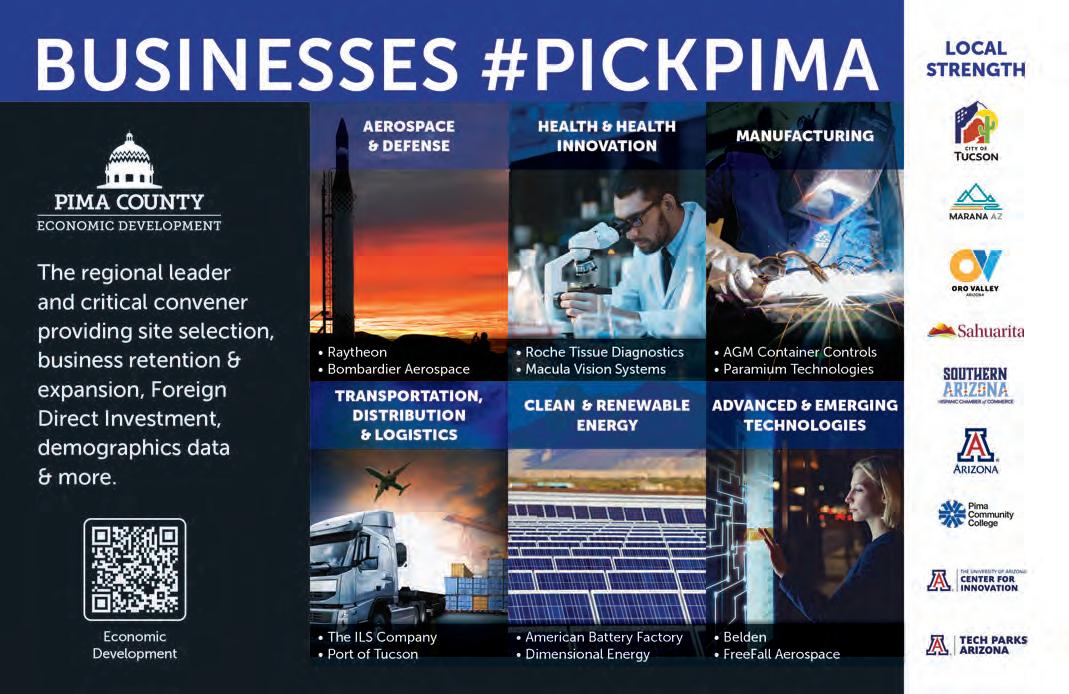
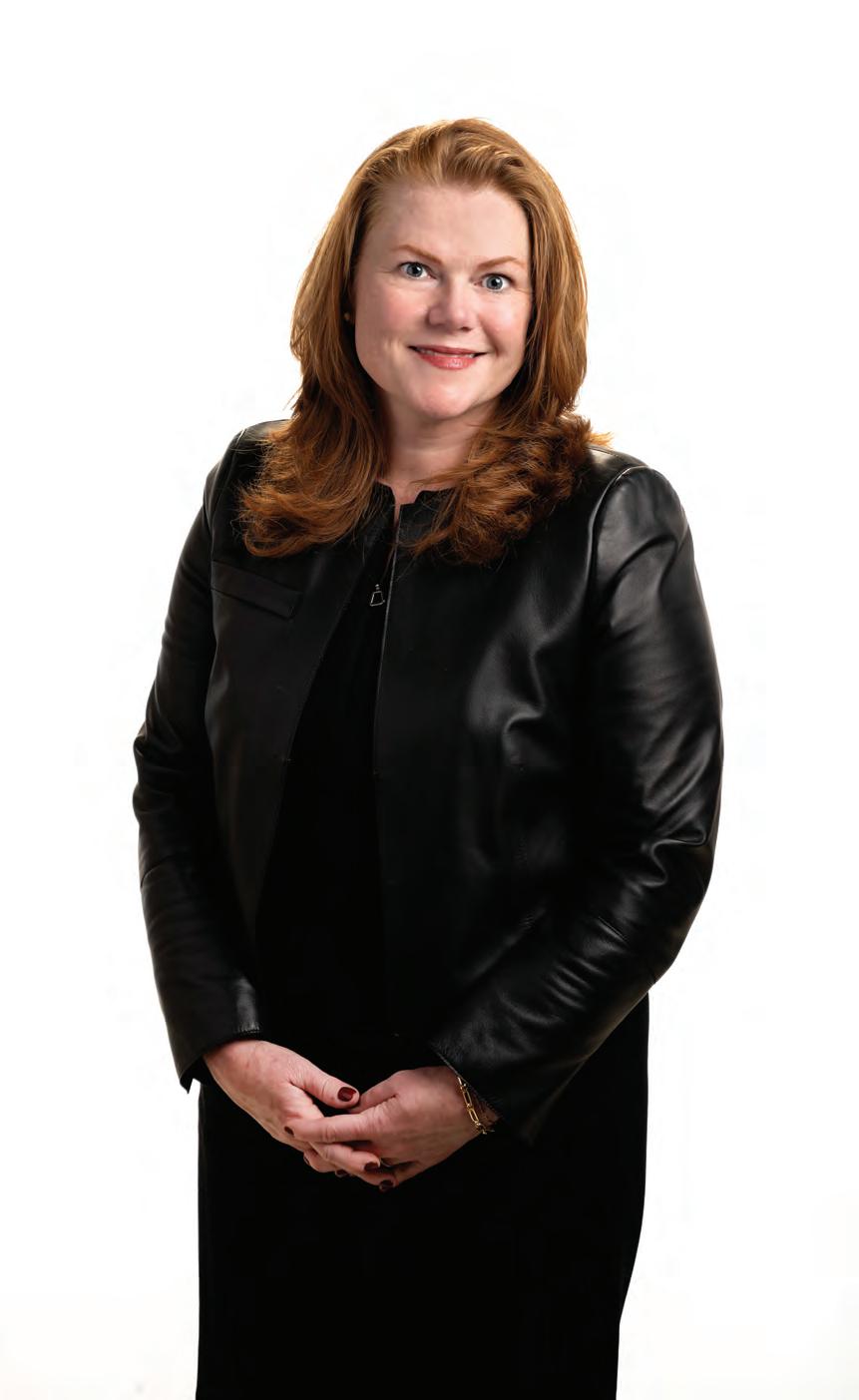
Over the next several years, we see significant opportunity centered on graduate medical education and expanding access to top level expertise in our region. By investing in physician training programs, we are building a strong pipeline of talent and creating opportunities for physicians to establish their careers in our community. We are also focused on strengthening and expanding our workforce across the full continuum of care, from frontline team members to advanced specialists. Health care is a team effort, and developing depth across all roles is essential to meeting the needs of a growing population. As we grow, we remain grounded in our mission. Our goal is to serve more members of the community with high quality, compassionate care while maintaining the standards and values that define TMC Health.
Health care is undergoing significant transformation. The industry faces intense pressure as it works to reform itself, particularly with ongoing Medicaid changes and reimbursement challenges. These shifts create financial and operational uncertainty, especially for organizations committed to caring for all members of the community regardless of their ability to pay. Workforce shortages, regulatory complexity and rising costs also require constant focus. Ensuring that we remain strong, sustainable and mission-driven in this environment is always top of mind.
TMC Health is committed not only to addressing today’s health care needs but also to advancing innovation and supporting longevity for the future. We are investing in advanced clinical programs, technology and physician recruitment to ensure patients can receive leading-edge care close to home. Our commitment to innovation is matched by our dedication to the community, because long term health outcomes are built on trust, relationships, and sustained presence. We are also excited to announce the expansion of our cancer care services with radiation oncology. Starting April 1, radiation oncology will be fully implemented into the TMC Health Cancer Center, making it one of the largest cancer treatment centers in the region. We welcome both patients and new staff into the TMC Health family and look forward to providing unified care across our network—bringing exceptional expertise, advanced technology and a team dedicated to delivering the highest standards of compassion, courage and commitment.
A strong health care system depends on a strong regional economy. Continued focus on business recruitment, economic development and workforce growth benefits the entire community. By attracting employers, strengthening talent pipelines and supporting regional growth, the Chamber helps create the foundation that allows TMC Health to expand services and invest further in the community. We look forward to continued partnership in building a healthier and more prosperous region.
BY


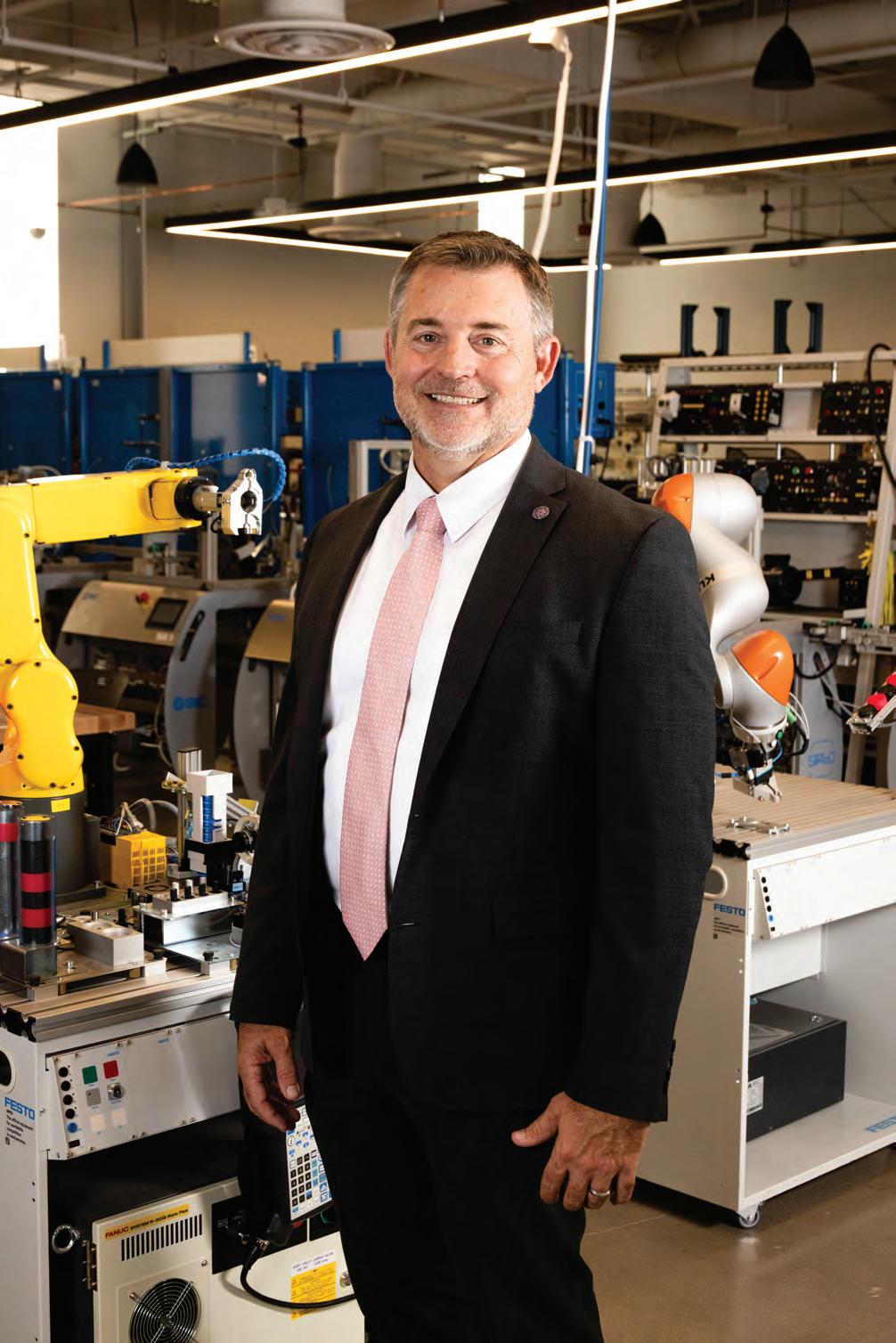
Pima County’s future depends on a modern, highly skilled workforce. We see enormous opportunity to lead that effort. We’re preparing AI-enabled graduates and integrating AI tools and digital fluency across all programs. Whether a student studies healthcare, public safety, advanced manufacturing or business, they’ll graduate ready to work in an AI-driven economy. We’re also rethinking how education is delivered. Moving beyond the traditional semester model allows us to offer shorter, flexible options that fit working adults and fastchanging industry needs. Competency-based education, expanded credential options, and stackable certificates mean students can build clear, affordable career pathways. At the same time, we’re scaling work-based learning across programs. Internships, apprenticeships, and hands-on industry experience won’t be the exception. They’ll be the expectation. That’s how we connect talent to opportunity and help local employers grow their workforce.
Emergency preparedness and campus security are always top of mind. If our campus community isn’t safe, nothing else works. I also think a great deal about long-term financial sustainability. We must secure reliable funding while keeping tuition affordable. Community colleges are an engine of economic mobility, and access only works if it remains affordable. Too many students are balancing school with work, family responsibilities, and financial strain. If a student is hungry, housing-insecure or struggling, academic success becomes harder. Supporting the whole student is essential to a strong workforce.
We’re poised for transformative investments that align directly with Pima County’s workforce needs. That includes a First Responder Center of Excellence to strengthen public safety career pathways, expanded cybersecurity and engineering programs, and more bachelor’s degrees tied to local employer demand. We’re embedding AI and digital fluency across programs so every graduate is future-ready. Another initiative is our “No Wrong Door” model. At our campuses, students will have a one-stop shop for advising, financial aid, career services and student support. When students can easily access the needed resources, they persist and enter the workforce faster.
Community colleges are central to a strong regional business ecosystem. The Chamber can help align us around shared goals, shared accountability and measurable workforce outcomes. We must anticipate workforce trends before they become shortages. That requires real-time dialogue between education and industry. The Chamber can encourage employers to expand internships, apprenticeships, job shadowing, and other opportunities. When students gain meaningful experience in school, they graduate job-ready. When businesses help shape training programs, they get the skilled talent they need.
BY

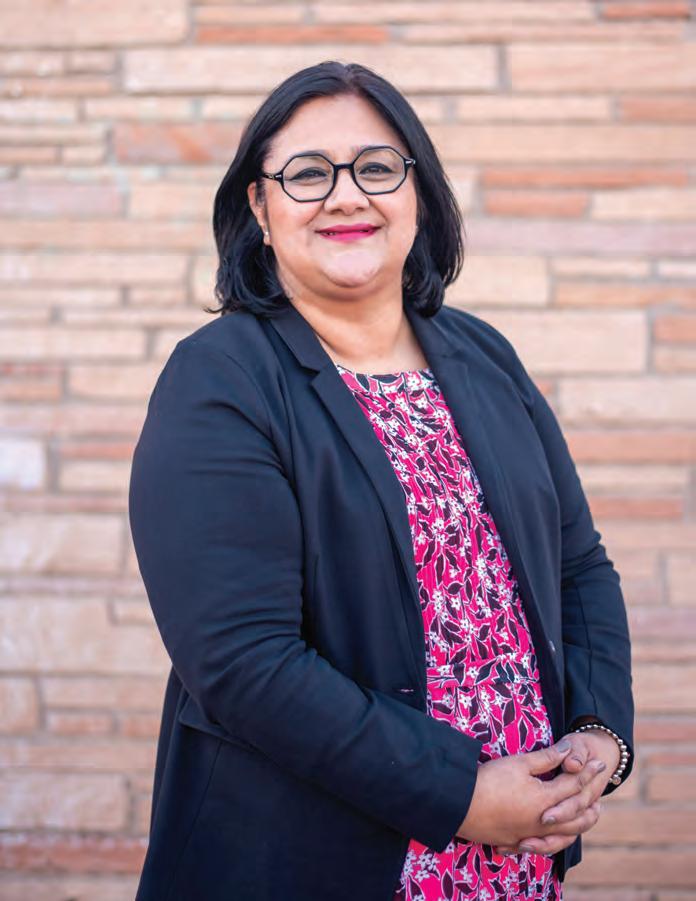
Chicanos Por La Causa has been empowering Southern Arizona communities through comprehensive economic development, education, housing and social services. Since my term as president and CEO began, CPLC has impacted more than 1,394,358 lives statewide in Arizona, with 117,722 lives being impacted here in Southern Arizona. CPLC has an opportunity to maximize reaching future investors through education, training, and fair access to capital from our growing programs.
We need to keep the Southern Arizona region competitive by developing affordable housing to meet the growing demand of individuals moving to the area. A stable home means that the region can generate high quality jobs while residents can build a strong foundation for employment, sustainable generational wealth and overall better quality of living.
I am proud to share that CPLC has completed 263 units of affordable housing over the last two years. One of these housing projects included CPLC Healthy Aging program’s Casa del Pueblo, which opened its 96-unit senior affordable housing community. There are an additional 176 units in the pipeline across three projects. Additionally, CPLC completed 198 units of workforce housing and 32 single family homes targeting first time homeowners. CPLC Home Lending program helped five families purchase and become homeowners.
The Chamber has built a powerful coalition of diverse leaders who understand Southern Arizona. Going forward, we must continue these strategic and longstanding partnerships to develop additional workforce training, mentorship, and leadership development for young professionals in the area. This will help draw and maintain talent for growing industries including health, technology, and trade careers. In focusing on upskilling the next generation of leaders, we are investing in Southern Arizona’s future.

Southern Arizona is experiencing steady, thoughtful growth, and that creates meaningful opportunity for Southwest Gas to continue supporting the region’s economic momentum. As new industries, ad vanced manufacturing, and commercial development expand across Tucson and surrounding communities, reliable and affordable en ergy remains foundational. Our existing natural gas infrastructure positions the region to compete for new investment by enabling proj ects to move forward efficiently. At the same time, we see continued opportunity to support residential growth and small business expan sion – fueling a balanced, resilient local economy.
Our commitment to the customers and communities we serve drives everything we do. We’re continually focused on improving service and exceeding customers’ expectations. As the region grows, that means investing in our system and working proactively with partners to ensure we can meet demand while maintaining the safe ty, affordability, and reliability our customers expect.
One highlight we’re especially grateful for is being recognized by J.D. Power for residential customer satisfaction in the West for six consecutive years. That recognition is driven by what matters most to our customers – safe, reliable service, trust, and support when it’s needed. It reflects the voice of our customers and the dedication of our employees, who work every day to deliver on those expectations.
At the same time, as we continue to support economic develop ment across Southern Arizona – serving homes, small businesses, and high-tech industries – we also focus on the future, advancing energy options such as renewable natural gas and exploring lowercarbon energy solutions like hydrogen to support long-term, sustain able growth.
At Southwest Gas, we believe relationships matter, and The Cham ber of Southern Arizona plays a critical role in bringing together business and community leaders to support regional growth. continuing to champion business advocacy, economic development, and small business success, the Chamber helps create a strong, col laborative environment where communities and industries can thrive together.
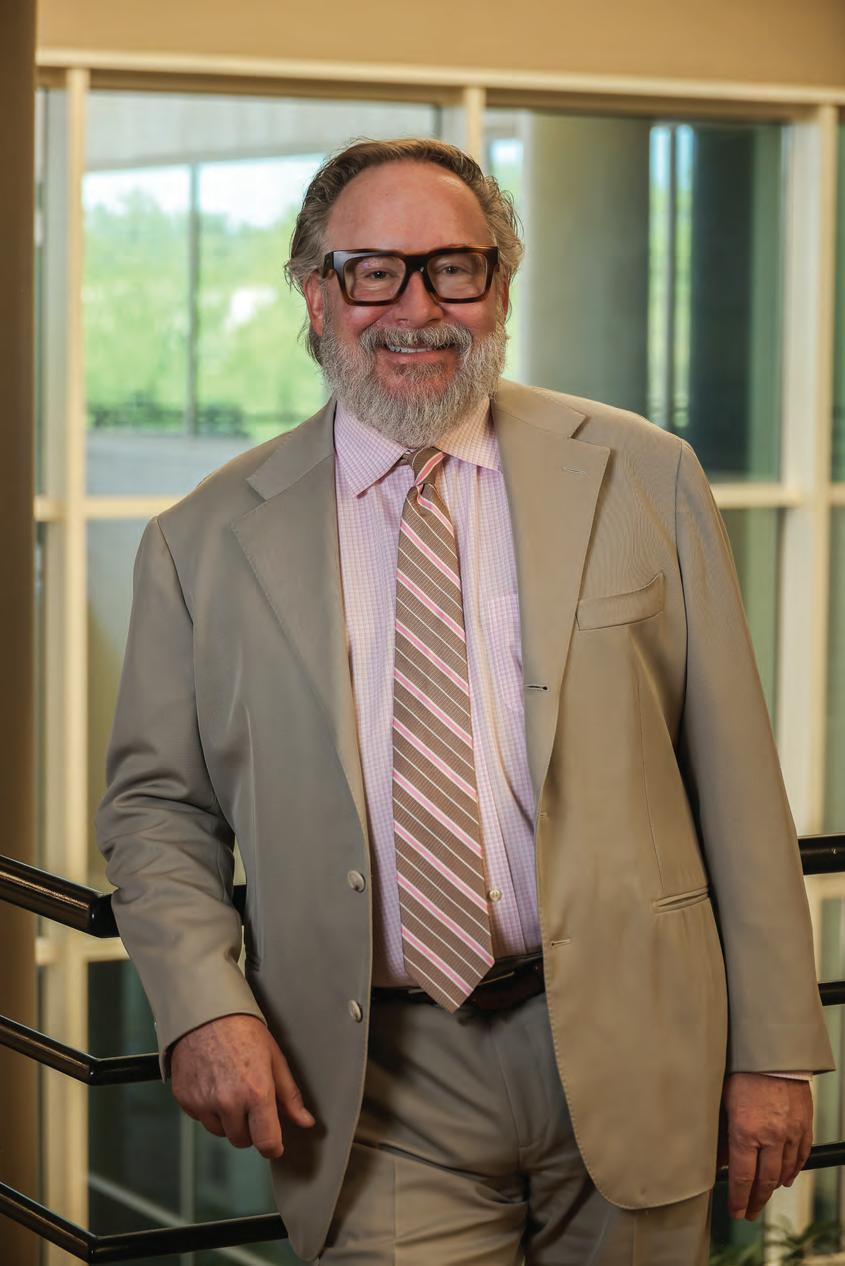

My key priority through the Bloomberg Harvard City Leadership Initiative is economic development. Over the next five years, we have an opportunity to create an economic development strategy driven by our residents and stakeholders. Together with our community, through innovation, ideation and prototyping ideas, we are creating a strategy that will bring us together around what we want to say YES to. In addition to our traditional clusters, we have an opportunity to expand our Creative Economy, Sports Tourism, Logistics and Space Research. Creating more generational wealth, high quality jobs and a great quality of life is good for everyone.
As mayor, I feel a deep responsibility and care for all Tucsonans. I am concerned about our ability to stay safe, to be able to afford groceries, healthcare and housing, and to end homelessness and fight the opioid and fentanyl crisis on our streets. Through our Safe City Initiative and the recent action plan draft we released, we are working on bringing tangible solutions, increasing community safety, and building affordability in Tucson. We have many willing partners in these efforts, and I am confident that we’ll make significant progress.
With the voter approval of Propositions 418 and 419, we are making significant investments in our transit and transportation infrastructure. Creating the Community Corridors Tool is an important part of bringing needed investments along our commercial corridors. We declared a Housing and Homelessness Emergency and cleared the way for more low barrier shelters to be created within Tucson by the city as well as by nonprofits, community partners and faith-based organizations. Working with Pima County, we’ve been able to expand services at the Transition Center and create a SAFR Center for people needing immediate detox.
I am grateful for the participation of The Chamber in our Bloomberg Harvard City Leadership Initiative. Their staff participation in our Individual Interviews and our Community Ideation sessions has been very valuable. I believe that when we can work together, focusing on shared goals and agreed-upon priorities, there are tremendous benefits for Tucson’s businesses and residents. Continuing to build a collaborative relationship between the City of Tucson, our elected officials and The Chamber is key.
BY
I have watched Tucson grow over the last 25 years. Approximate ly 10 years ago, I started buying industrial properties here. What excited me then is even more exciting now!
First, the friendliness of the business community. I have offices in Seattle, Portland, San Francisco, Sacramento, Las Vegas, San Diego, Tucson and Phoenix. When I’m asked which city is easiest to work in, I always rave about Tucson! The Chamber of Southern Arizo na has a positive attitude and a desire to help bring businesses to Tucson, which results in additional tenants for our projects. A huge driving factor is the University of Arizona, a nationally outstanding university that contributes so much to the region. Aside from many graduates wanting to stay in the area, having world-class programs attracts students from across the country and world. The humani ties employ hundreds of professors and adjunct professors who add to the community culture. The military bases alongside high-tech companies, like Raytheon, create an environment that’s worth our continuing investment for years to come!
As a border community, Tucson has benefitted from the wonderful business relationship with companies in Mexico. We need legal mi grants and a younger workforce to counter the declining birth rates in our country. This is not a political statement—this is an economic statement. What’s made our country great is legally accepting people from all over the world who want to work and eventually own their own businesses. What keeps me up at night is Tucson being very sus ceptible to immigration struggles and I hope we end up with a bal anced program where we still legally welcome hardworking, familyoriented individuals who help Tucson, the state of Arizona and the country continue to flourish.
We have two new industrial projects under construction, and we are modeling two other projects in Tucson. We bought 150 acres of prime industrial land for future developments. I look forward to con tinuing to serve the community by building warehouses for smaller, family-owned and regional businesses.
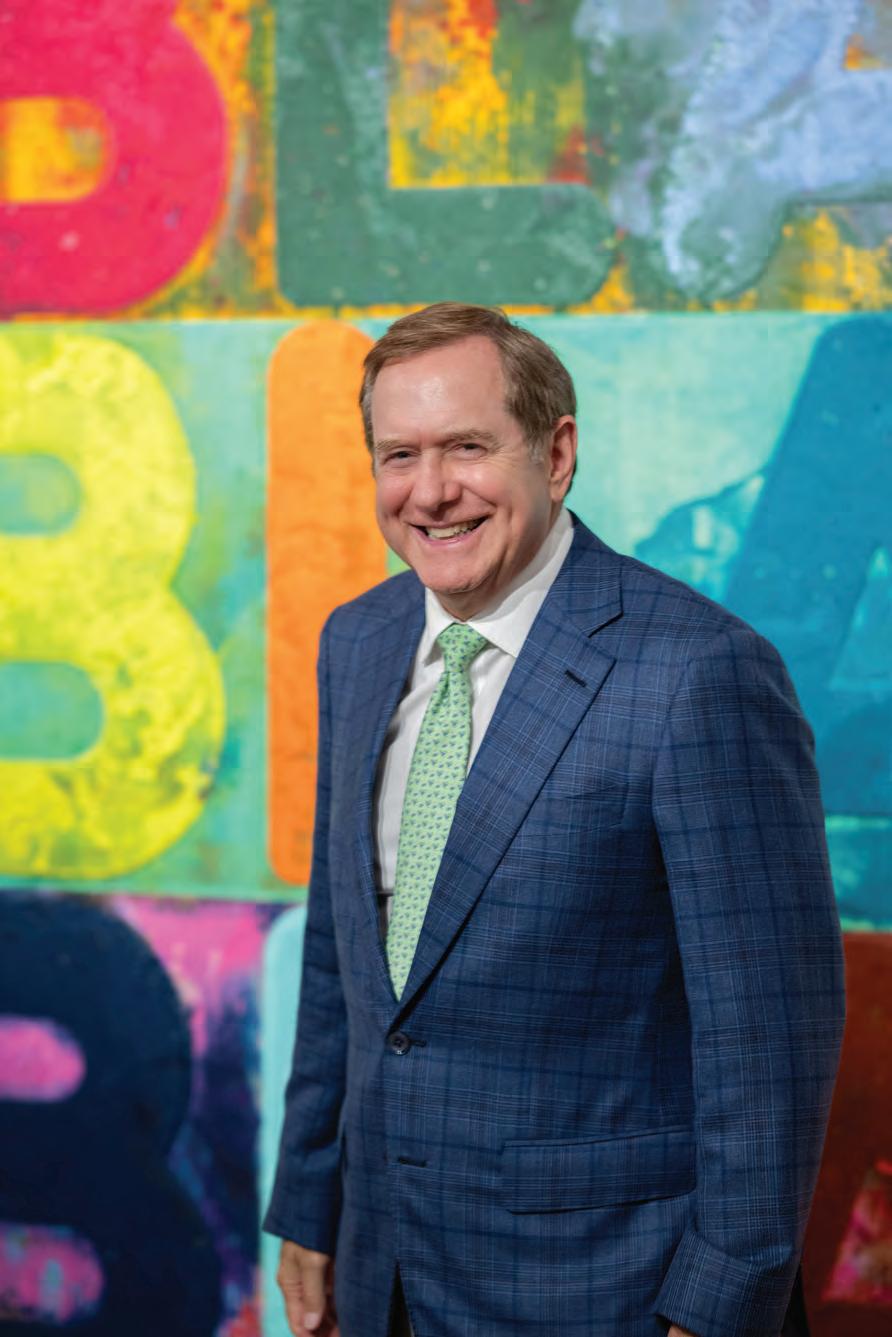
The Chamber of Southern Arizona is a role model for effectively bringing together private companies, government, educators and entrepreneurs. It helps existing businesses that want to grow and says, “We want you to be in Tucson!” It sounds so simple, but many cities have an anti-business attitude. What’s so confusing is that some politicians don’t realize that you need businesses because businesses employ people. When people are employed, they pay taxes. Without the taxes, cities cannot deliver services effectively. My hat is off to Tucson. We are honored to be part of the community.
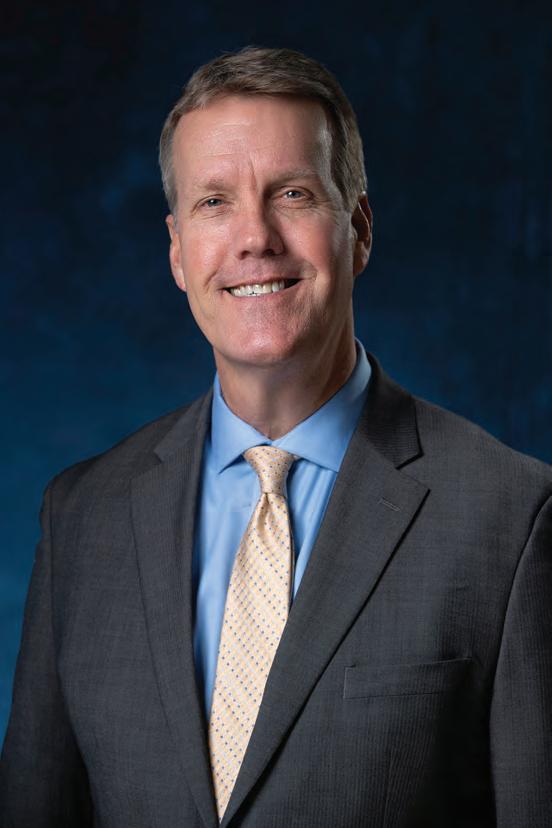
SUPERVISOR
DISTRICT 1
PIMA COUNTY BOARD OF SUPERVISORS
CHAMBER BOARD MEMBER
The merger of the Tucson Metro Chamber and Sun Corridor Inc. to create The Chamber of Southern Arizona provides an opportunity for our region to speak to businesses interested in relocating or expanding here in a more credible, cohesive way. Pima County is proud to be a partner and significant financial supporter to The Chamber.
Pima County has been a high-poverty, low-wage community for decades. We need to work as a region to bring more good jobs into our area. That effort requires strong partnerships between all jurisdictions, The Chamber and the other organizations in our area concerned with economic development.
The soon-to-be-revised Pima County Economic Development Strategic Plan provides our area with a blueprint for economic growth and prosperity. Our contractual relationship with The Chamber ensures that the Economic Development Strategic Plan is part of The Chamber’s plans to bring more major employers into our region.
There are many private and public sector players in our region concerned with economic development. The Chamber can and should be a convener and coalescer of those players so that we speak with one regional voice.
Southern Arizona is entering a period of meaningful growth and transformation. For Sharpe Development Group and Rancho Sahuarita, the opportunity is to continue building thoughtful, longterm communities that support regional job growth, housing supply, and quality of life. As the region attracts new employers and invest ment, demand for well-planned residential neighborhoods, commer cial centers, and mixed-use environments continues to grow. We’re particularly excited about partnering with businesses, institutions, and the public sector to help shape the next chapter of growth in Sahuarita and Southern Arizona.
Like many in development, I spend a lot of time thinking about long-term sustainability, both economically and socially. Southern Arizona must grow in a way that maintains affordability, infrastruc ture capacity, and quality of life. Housing supply, water stewardship, and ensuring our region remains competitive for employers are all interconnected challenges that require thoughtful, courageous lead ership and common-sense, practical policies. The opportunity is to address them proactively through collaboration between the pub lic sector, private industry, and organizations like the Chamber that bring stakeholders together.
Across our industry, there’s renewed focus on building communi ties that are not just places to live, but places that foster connection and opportunity. At Rancho Sahuarita, we continue to evolve the community with new residential neighborhoods, commercial op portunities, and partnerships that bring services and jobs closer to where people live. More broadly, Southern Arizona is gaining at tention from companies looking for long-term growth markets, and it’s exciting to see the region building momentum as a place where businesses and families want to put down roots.
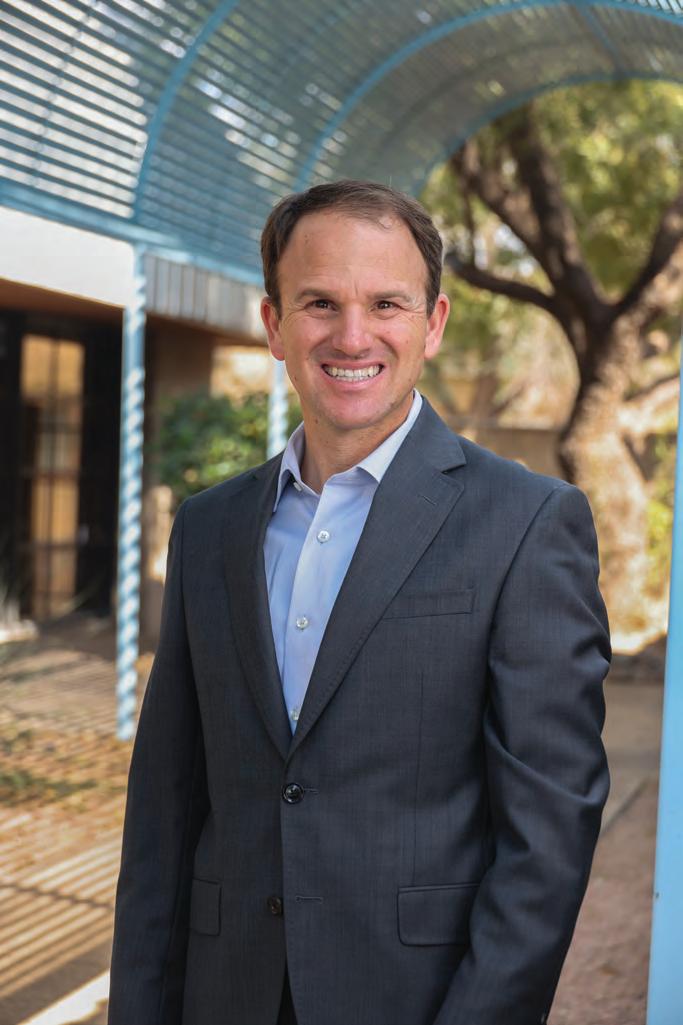
The Chamber plays a vital role in bringing together private and public sector leaders around a shared vision for Southern Arizona. Continued advocacy for economic development, infrastructure investment, and policies that support growth will be critical. Equally important is the Chamber’s ability to convene leaders across industries to collaborate and think long-term about the region’s future.
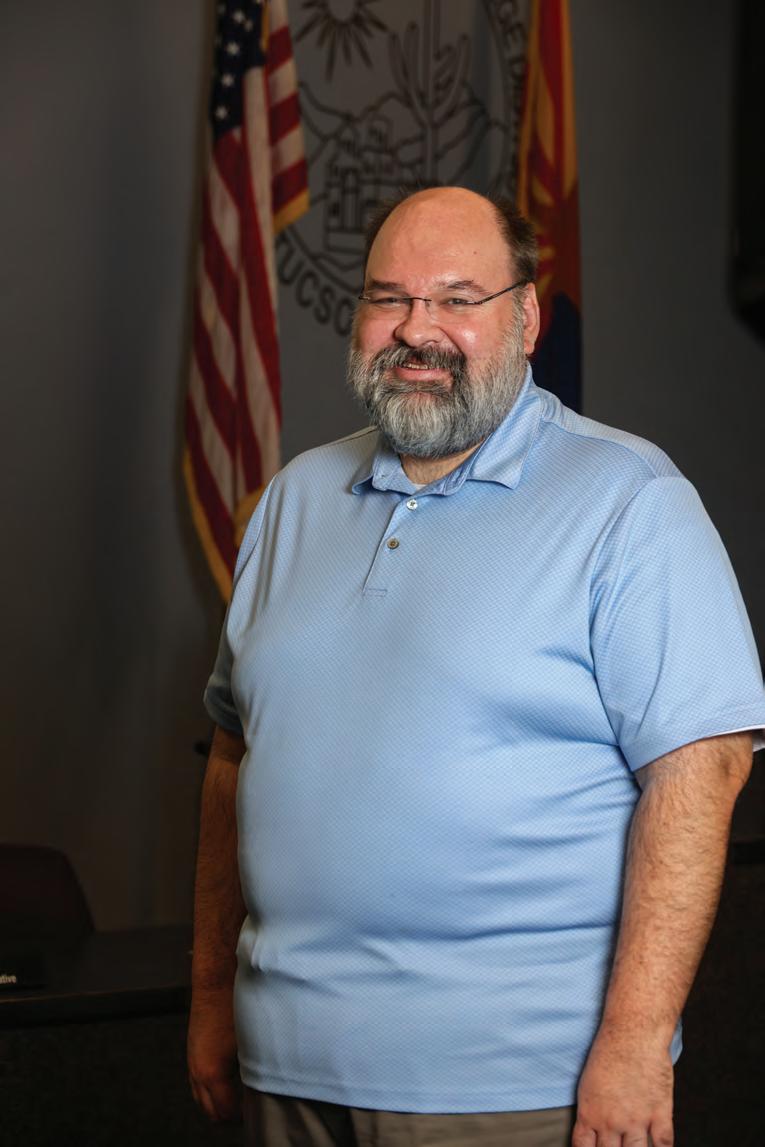
Southern Arizona’s future depends on maintaining a healthy workforce and healthy communities. The stability of programs like Medicaid, particularly in rural communities where so many residents live at or below the poverty line, is critical to that effort. Medicaid is not just health coverage. It is what keeps people healthy, keeps employees coming to work, and keeps rural hospitals and providers from closing their doors. Looking ahead, one of the biggest opportunities is deeper cross-sector collaboration across Southern Arizona. When health plans, providers, and community-based organizations work together to address social drivers of health like food insecurity and housing instability, we create healthier communities and a more resilient regional economy.
What keeps me up at night is preserving access to coverage for vulnerable Arizonans. New federal rules are changing how often eligibility is reviewed and adding new participation requirements. These shifts create an opportunity for us to partner with policymakers to implement the changes efficiently and with as little disruption as possible for programs and the people they serve. I appreciate the thoughtful work AHCCCS is doing to help people navigate these changes. We stand ready to support their efforts and member awareness of and compliance with Medicaid eligibility and program requirements. Working together across sectors to support individuals in maintaining health coverage is essential to minimizing avoidable coverage disruptions, which could increase uncompensated care and strain hospital resources, particularly in Southern Arizona.
One of the most exciting developments in Tucson is Pima Community College’s new Center of Excellence in Health Professions, which is directly addressing critical healthcare workforce shortages across Southern Arizona. Arizona Complete Health is proud to partner with PCC through a $500,000 investment that includes an endowed scholarship fund supporting students pursuing any degree or certificate within the center, as well as funding for program development. As a health plan, we recognize that strengthening access to care starts with training and retaining the next generation of healthcare workers. PCC’s ability to prepare highly skilled graduates who remain in Southern Arizona helps ensure our communities have the workforce they need now and in the future.
The Chamber of Southern Arizona plays a critical role in public policy advocacy at both the state and federal levels, and that work will be increasingly important in the years ahead. Ensuring stability in the health insurance market and protecting access to healthcare coverage are not just healthcare issues. They are core economic issues. When coverage is stable, employers have a healthier workforce, providers can remain financially viable and communities are stronger. The Chamber’s ability to elevate Southern Arizona’s voice, educate policymakers and convene business leaders around shared priorities helps ensure that our region’s needs are reflected in policy decisions.
BY
Over the past four years, the Industrial Development Authority of the City of Tucson and our affiliated nonprofit Groundswell Capital have more than doubled our capital under management, channel ing millions into the economy through small business lending, hous ing finance and infrastructure projects. Our bond programs have supported nearly 1,000 new housing units and community assets, including the nation’s largest community health center. We see op portunities to expand financing tools that lower the cost of capital for high-impact projects. By structuring disciplined, mission-driven funds, we can help accelerate housing production, support business growth and strengthen regional competitiveness.
What keeps me up at night is whether mistrust and fragmenta tion will slow our city’s progress. It concerns me that we aren’t mov ing fast enough to remain competitive and as a result, we are seeing persistently high poverty rates, a sluggish jobs economy and loss of young talent. I love my hometown deeply, and I believe we’re far more aligned than we sometimes act. For decades, our community has shared a unified vision of success: strong, resilient infrastructure; high-quality jobs and education; upward mobility and opportunity for young people; equal access to quality-of-life amenities; and re spect for the beautiful desert and water resources that sustain us. We can achieve this version of Tucson! Long-term prosperity requires strategic investment — and investment depends on trust. When trust erodes, progress stalls. I remain optimistic. With greater commu nication, collaboration and focus on shared economic outcomes, I believe Tucson can reverse current challenges and build a stronger, more competitive future.
One of our most exciting 2025 accomplishments was the grand opening of the Tucson Small Business Center — a public-private partnership between Tucson IDA, the City of Tucson Small Business Program, and institutions including Vantage West Credit Union, FSL Bank, Growth Partners Arizona and The Chamber of South ern Arizona. The center has hosted more than 230 entrepreneurial and community events, and welcomed over 3,500 visitors. We have deployed $4 million in microloans, and facilitated $1.4 million in small business grants. We’re building an ecosystem that supports entrepreneurship, job creation and long-term business sustainability.

We joined as first-time Trustees because the Chamber is playing an essential role in Southern Arizona’s economic future. We see strong opportunities to collaborate on initiatives that strengthen small businesses, expand workforce pipelines, and advance solutions in clean energy and water resilience. Continued partnership in advocacy, convening leaders across sectors, and amplifying regional economic priorities are critical as we work together for sustained growth.
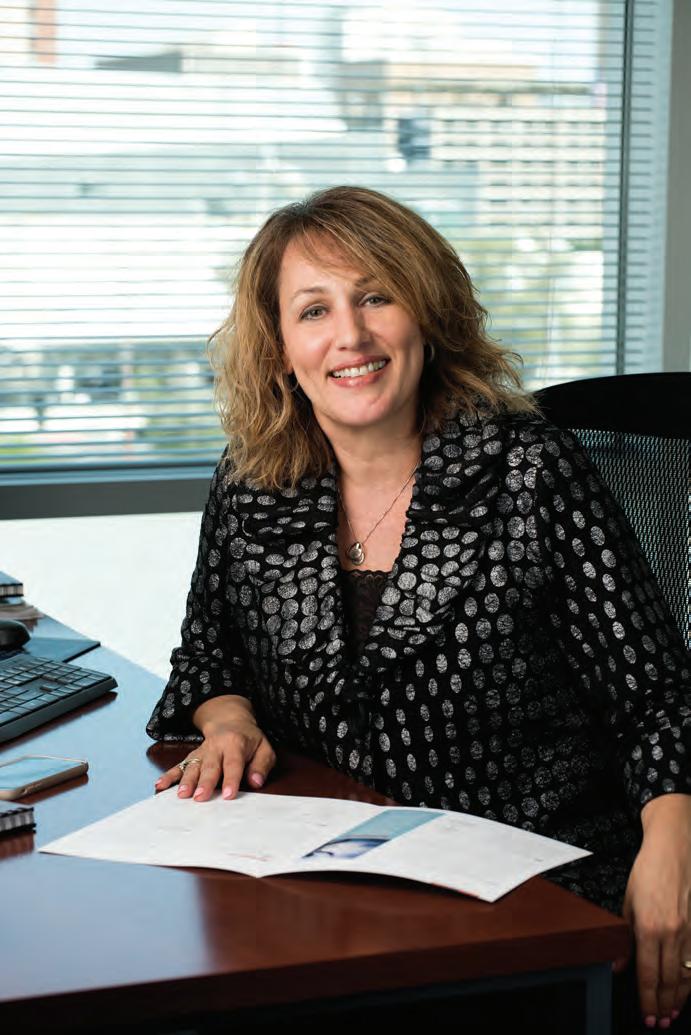
see
As Arizona’s only statewide economic development organization, the ACA works closely with regional partners to strengthen our economy. Southern Arizona plays a critical role in the state’s economic success - the region is home to aerospace and defense, battery, bioscience, semiconductor, manufacturing, and technology, and more. Partners like the University of Arizona, Tech Parks Arizona, Startup Tucson, and more play integral roles in advancing the innovation ecosystem – highlighting the region’s attractiveness as a hub for emerging technologies and cutting-edge companies. The ACA works closely with local industry leaders and our ecosystem partners to support business success and enhance regional competitiveness.
In March, we were honored to join Gov. Hobbs and leaders at Pima Community College to launch the Advanced Manufacturing Future48 Workforce Accelerator. Supported by a $3.2 million investment from the ACA, this new 10,000-square-foot Flexible Industry Training Lab offers hands-on training using the same advanced manufacturing equipment local employers rely on in their facilities. In February, we were proud to join the UA to celebrate the expansion of the Nano Fabrication Center semiconductor cleanroom, which will prepare students for the state’s booming tech sector while supporting faculty research and industry collaboration on chip fabrication, optical devices and quantum computing systems. The center is supported by a $35.5 million ACA investment.
Arizona is experiencing unprecedented economic momentum, fueled by growth in manufacturing, technology and AI, aerospace and defense, bioscience, semiconductors, and more. As a destination for global companies, Arizona continues to create high-quality jobs and grow high-value industries.
In 2025, the ACA and local economic partners won 90 competitive projects from companies committed to creating 27,749 projected new jobs and investing over $34 billion in the state. In addition, we are very excited to partner with organizations throughout Southern Arizona to host the inaugural Arizona Tech Week, in April, which brings together tech luminaries, investors, founders, and startup leaders for engaging keynotes, panels, social networking engagements, pitch competitions, and exclusive Arizona experiences. The first-of-its-kind conference in Arizona emphasizes the state’s prominent role in the global tech ecosystem.
It’s vital we work closely with all of our partners across the state who bring regional knowledge, expertise and collaboration — including The Chamber of Southern Arizona. We’re grateful for our long-time partnership with The Chamber as we work together to attract more companies to invest in Southern Arizona and create quality jobs here.
BY
Kym Adair Executive Director & Chief Executive Officer Arizona Bowl
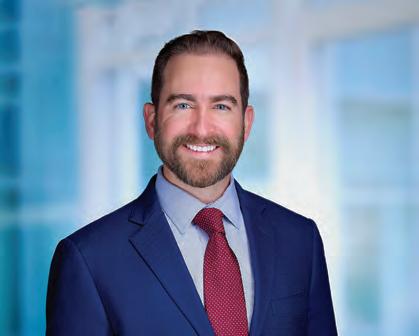
Arias VP Business Banking, First Citizens Bank Chamber Board Member
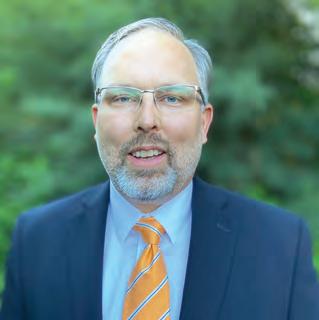
Travis Anderton Vice President, Sterilization BD, Global Supply Chain
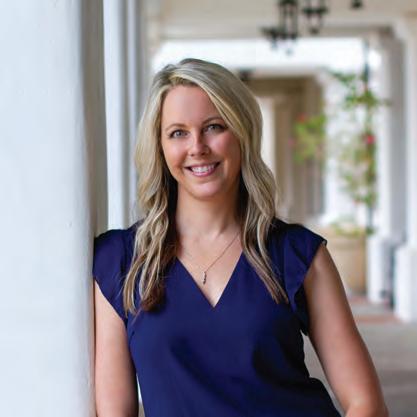
Financial Planner Wealth Management Partners

Chief Executive Officer Bourn Companies Chamber Board Member
Laura Apitz President Roche Tissue Diagnostics
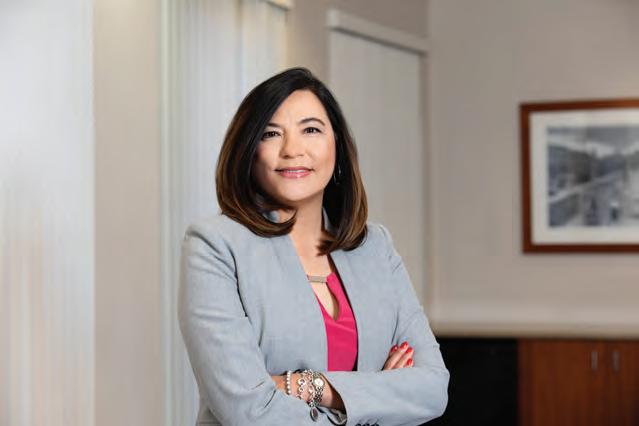
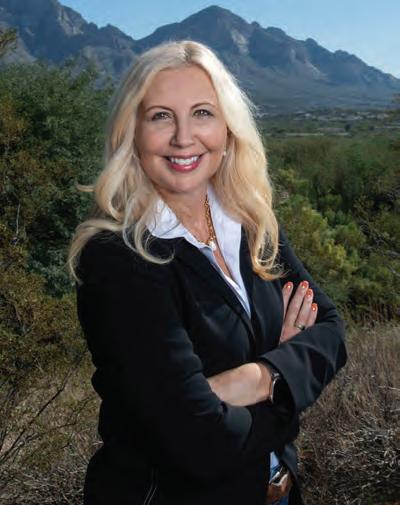
Alliance Bank

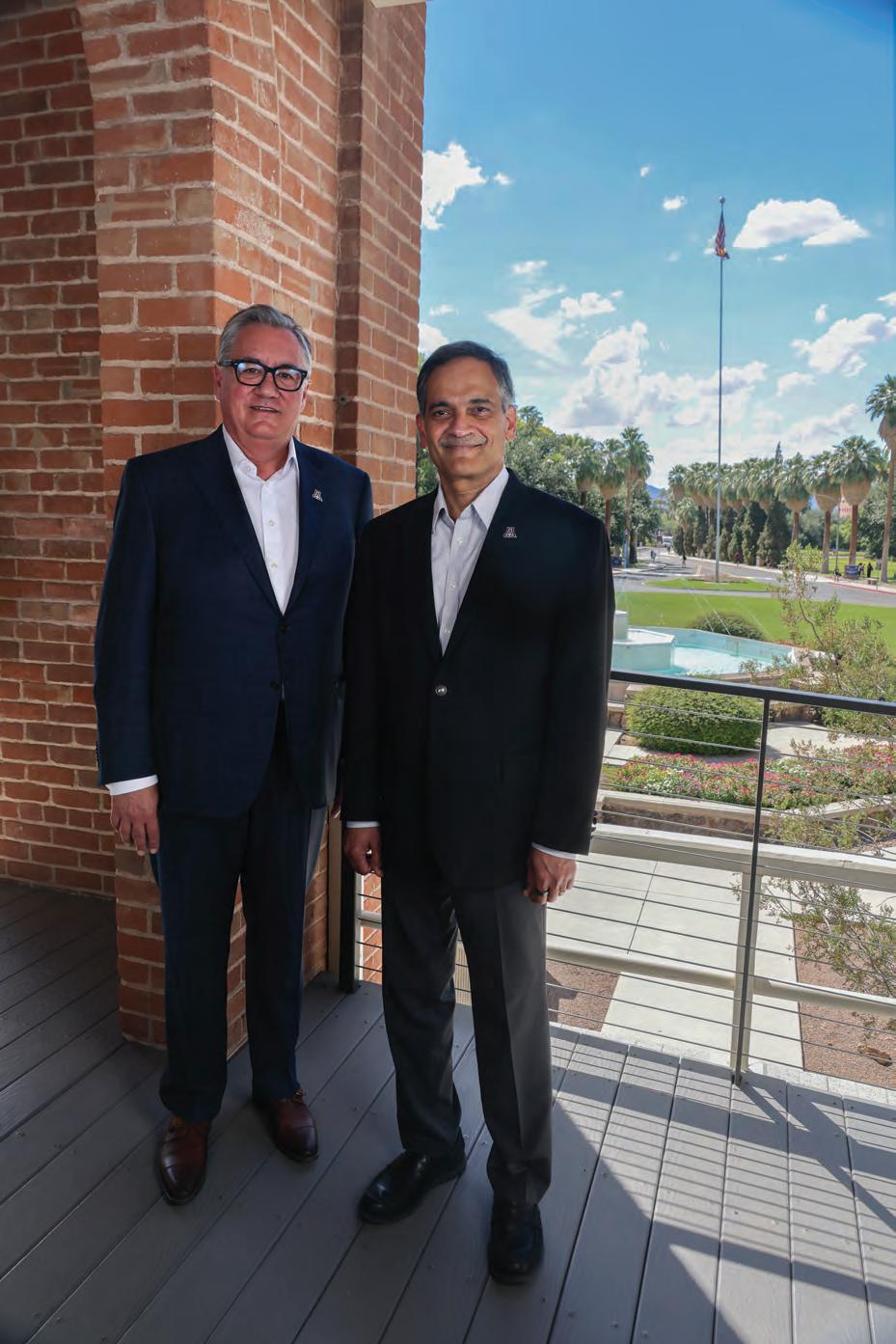
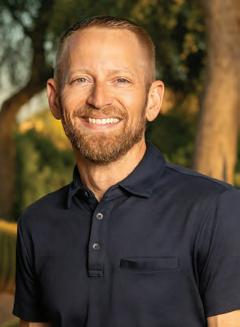
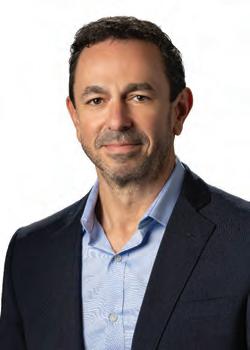
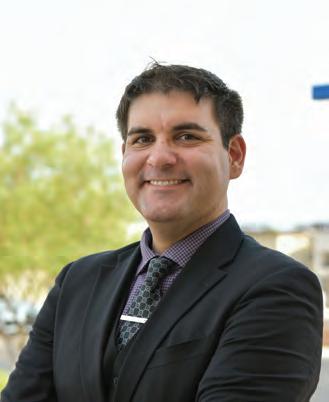


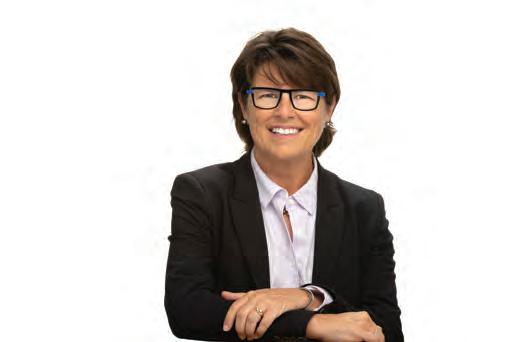
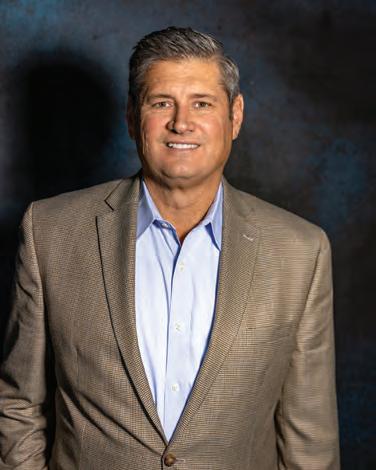
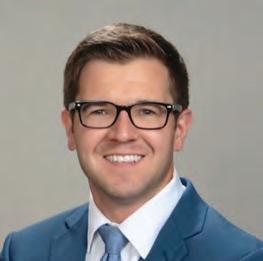
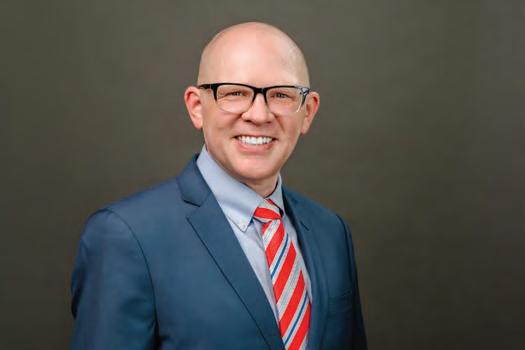

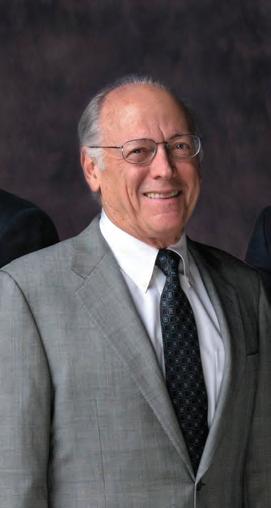
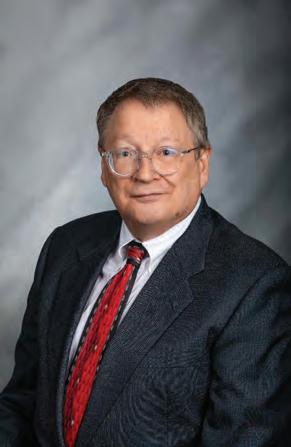
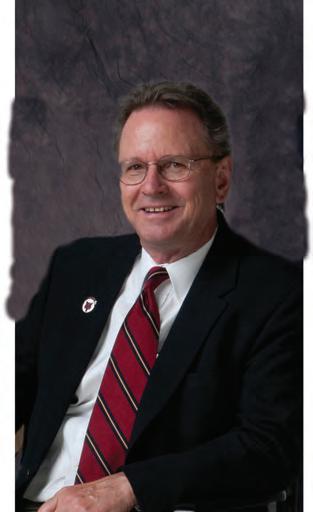

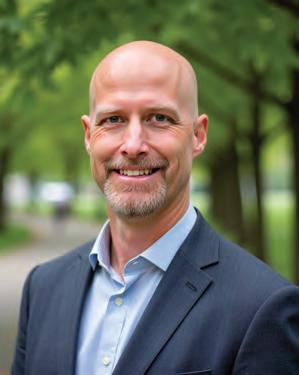

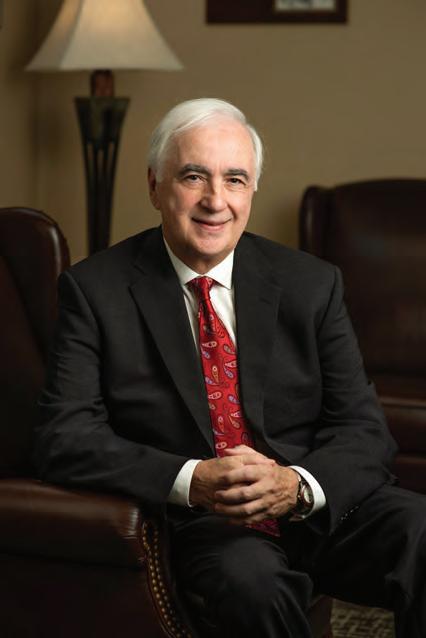
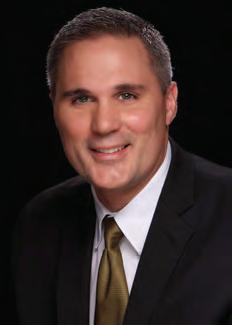

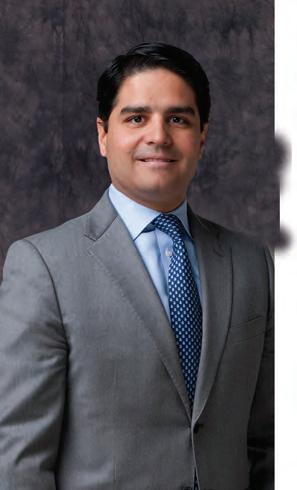
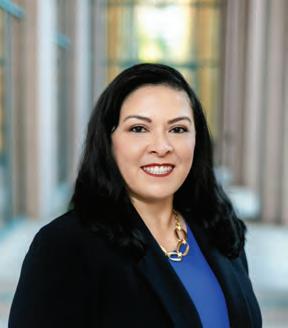
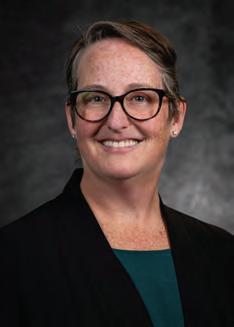
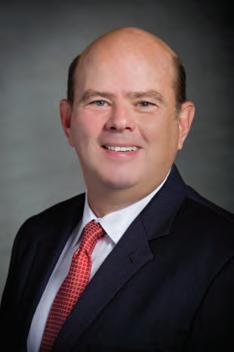
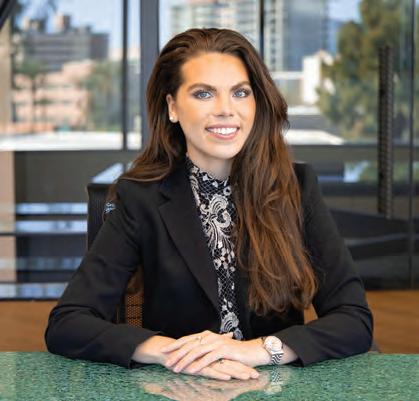
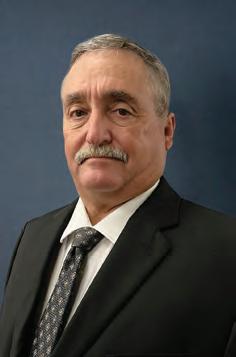
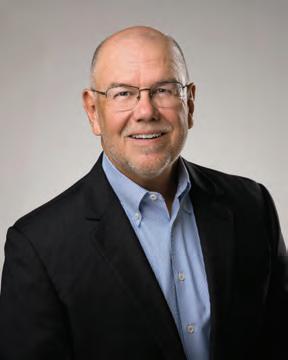
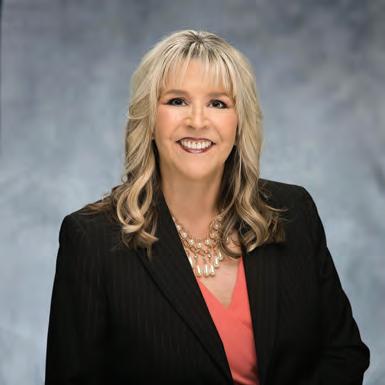
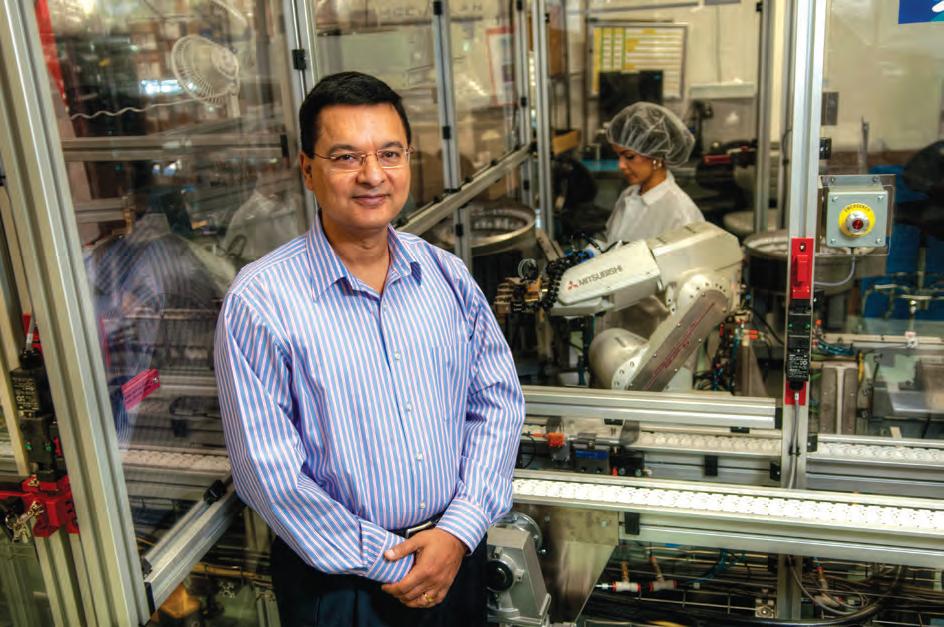
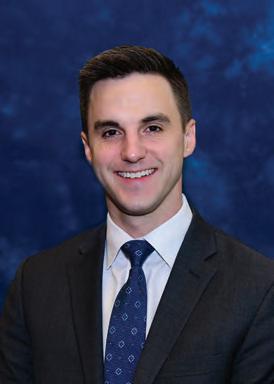
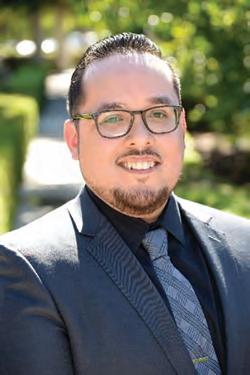


Scott Stace Chief Executive Officer Bluespan

Monica Villalobos President & CEO Arizona Hispanic Chamber of Commerce
Nate Weber Director, Mining Strategic Accounts, Resource Industries Sales, Services & Technology Caterpillar, Inc.

Linda Welter Founder & Chief Executive Officer The Caliber Group Chamber Board Member
John Winchester Senior Director, Government & Community Engagement Arizona State University Chamber Board Member
Garrett Workman Government Affairs Manager South32 Hermosa
Ryan Vondrak Chief Executive Officer NOVA Financial & Investment Corporation
Jeff Wilkins Town Manager Town of Oro Valley
Steve Zylstra President & Chief Executive Officer Arizona Technology Council
Linda Andrews, Pima Heart and Vascular
Mohit Asnani, D2 Dispensary - Eastside
Mike Levin, Port of Tucson
Hugo Mandujano, Collectron International Management
Gary Molenda, Arizona Capital Source
Treena Parvello, Desert Diamond Casino – Sahuarita
John Petersavage, Tucson New Car Dealers Association
Rosanna Ramirez, Vantage West Credit Union
Howard Stewart, AGM Container Controls



below from left - Mark Van Dyke, associate dean of research in the College of Engineering; Brian Anderson, dean of the Wyant College of Optical Sciences; Carmala Garzione, dean of the College of Science; Sandra Watson, president and CEO of the Arizona Commerce Authority; University of Arizona President Suresh Garimella; Cecilia Mata, treasurer of the Arizona Board of Regents; David W. Hahn, Craig M. Berge Dean of the College of Engineering; and Krishna Muralidharan, director of the Center for Semiconductor Manufacturing, celebrate the opening of the expanded Nanofabrication Core Facility, part of the Office of Research and Partnerships’ Center for Semiconductor Manufacturing. (Credit: Leslie Hawthorne Klingler/University of Arizona Office of Research and Partnerships)

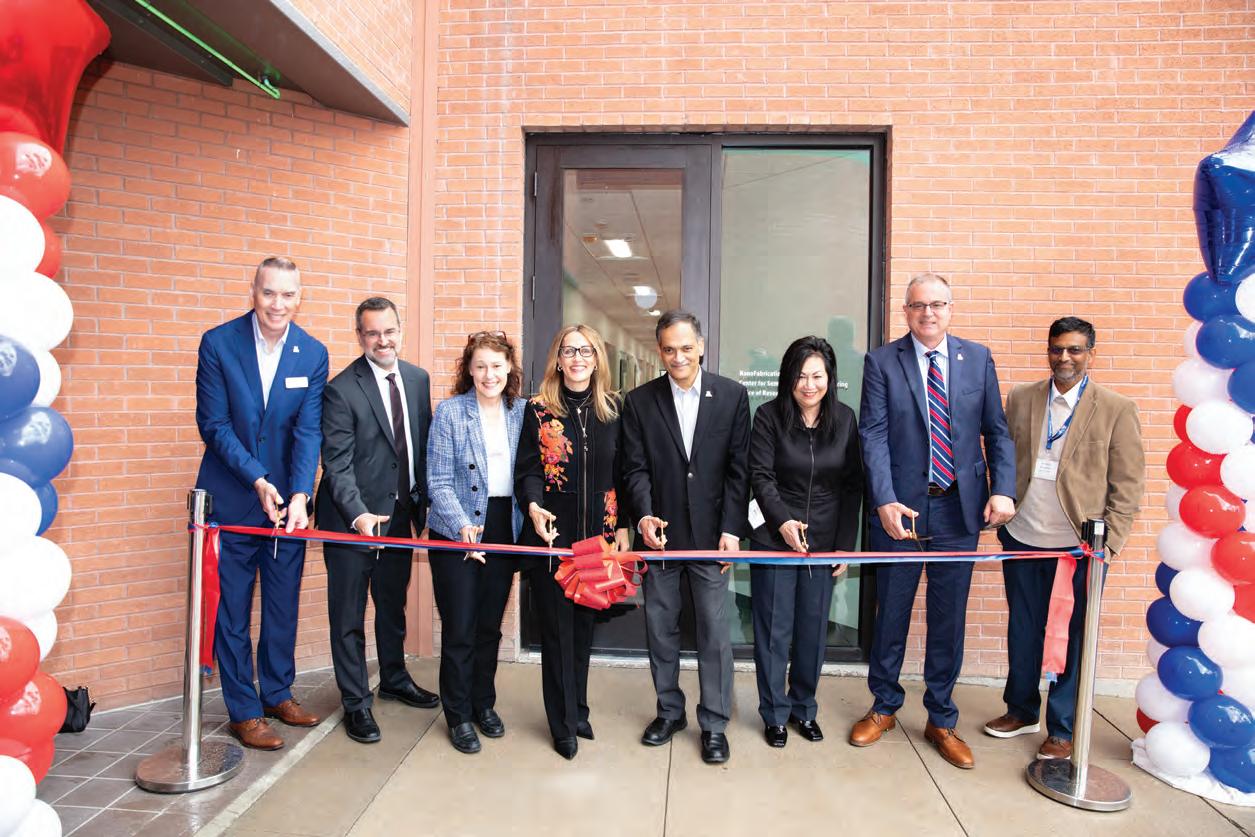
$35.5
In a milestone for boosting Arizona’s semiconductor industry, Arizona Commerce Authority awarded $35.5 million to the University of Arizona to expand its clean room–a cornerstone for preparing students in the technology.
UA, government and industry leaders attended the ribbon-cutting ceremony Feb. 17 to celebrate the opening of the expanded Nanofabrication Core Facility, which is part of the Office of Research and Partnerships’ Center for Semiconductor Manufacturing.
The ACA funding, awarded in 2023, will expand this clean room from 2,800 to 6,800 square feet, equip it with ultramodern tools and support a statewide workforce development program.
“Arizona’s emergence as a national leader in semiconductor manufacturing depends on research excellence and a highly skilled workforce,” said UA President Suresh Garimella. “The University of Arizona is proud to launch and lead the research infrastructure and talent pipeline that will sustain Arizona’s semiconductor leadership. We are grateful to Gov. Katie Hobbs and the Arizona Commerce Authority for their partnership in advancing this investment.”
Located in the Electrical and Computer Engineering Building, the clean room prepares students for the state’s booming semiconductor industry. It also supports faculty research and industry collaboration on chip fabrication, optoelectronic and photonic devices and quantum technology systems.
“This clean room is where ideas move from concept to capability for the global semiconductor industry,” said Tomás Díaz de la Rubia, senior VP for research and partnerships. “By integrating advanced fabrication and photonics with talent development, the Center for Semiconductor Manufacturing has created an environment where faculty, students and industry partners can build and test the semiconductor technologies of the future. This leading-edge facility strengthens our ability to deliver re-
“The University of Arizona is proud to launch and lead the research infrastructure and talent pipeline that will sustain Arizona’s semiconductor leadership.”
– Suresh Garimella President University of Arizona
search with real-world impact that will enhance and ensure U.S. leadership in semiconductor manufacturing today and in the future.”
The clean room’s air is 10,000 times cleaner than outside air, which is essential for exacting protocols that ensure the purity, precision and reliability of chips.
A dedicated bay houses chemical and mechanical polishing equipment to smooth silicon wafers – the foundation of semiconductor chips. The planarization bay is among the first university clean rooms to support 12-inch wafer polishing.
Additionally, the facility handles photolithography, etching, metrology and packaging –critical steps that underlie semiconductor device fabrication.
“The expanded clean room provides dedicated space that enables industrydriven collaborations to advance research innovation and support workforce pipelines,” said Krishna Muralidharan, director of the Center for Semiconductor Manufacturing and a UA professor of Materials Science and Engineering. “We have collaborated with multiple companies to support their research and development efforts and look forward to growing our network of partners to promote Arizona’s semiconductor manufacturing industry.”
Next door, undergraduates tap into streamlined training with Apple Vision Pro and Meta Quest 3 headsets, where
continued on page 104 >>>

continued from page 103
up to 18 students explore digital twins of the cleanroom and its equipment.
The clean room supports the university’s undergraduate minor degree in semiconductor manufacturing, stackable graduate degree certificates that encompass semiconductor materials, semiconductor processing, and semiconductor packaging, an accelerated master’s program in semiconductors, as well as a co-curricular ‘Fasttrack’ digital certificate program in semiconductor manufacturing for both STEM and non-STEM majors.
“The University of Arizona’s clean room expansion opening marks a significant milestone in advancing semiconductor innovation in Arizona,” said Sandra Watson, ACA president and CEO. “We’re proud to collaborate with the University of Arizona and all of the partners involved to support this state-of-the-art facility – advancing semiconductor R&D and reinforcing Arizona’s position as an epicenter for pioneering semiconductor innovation and investment.”
The Arizona Commerce Authority allocated $4.5 million of its original $35.5 million investment for workforce development that extends beyond campus, positioning UA as a bridge between education and high-paying careers.
“The benefits of Arizona Commerce Authority’s investment will extend far beyond the University of Arizona campus, supporting Arizona’s role as the national leader in micro- and nanofabrication,” said David W. Hahn, the Craig M. Berge Dean of the College of Engineering. “This project speaks to the power of collaboration between the ACA and our university, accelerating Arizona’s workforce development, and driving technological advancement in fulfillment of our commitment to shaping the future through research and innovation.”
The Southwest Nano-Lab Alliance – a coalition of the state’s three public universities, the University of Utah, the University of New Mexico and Rio Salado College – collaborates on workforce initiatives.
Augmented reality teaching modules will be shared with regional partners like Pima Community College and Central Arizona College via the SemiXperience platform. Additionally, semiconductor manufacturing courses, along with corresponding teaching resources, are available on the SemiSphere content-sharing platform.
“Semiconductors power nearly every part of modern life, from health care and transportation to clean energy, national security and artificial intelligence,” said Gov. Katie Hobbs. “For too long, much of this manufacturing capacity existed overseas. Arizona has stepped forward to change that. Arizona’s semiconductor future depends on skilled technicians, engineers and innovators ready to step into high-tech jobs. Through hands-on training, advanced simulation tools and partnerships across the state, the University of Arizona is creating pathways into these careers.”
Arizona is anticipated to add over 25,000 new jobs in the semiconductor industry in the coming years.


Submitted by Heather Kane, CEO, UnitedHealthcare of Arizona & New Mexico
At UnitedHealthcare, we serve 51 million people, a role that comes with a profound responsibility we embrace —to help people live healthier lives and make the health system work better for everyone. We know health care isn’t working as well as it should It’s too complicated, too expensive and unreachable for far too many. So, we are using our reach, expertise and ingenuity to improve it. We are evolving our business by deepening our focus on preventative care and transforming our systems, culture and services to keep people healthy. And we are innovating to make care easier to navigate, afford and get the care you need.
For true innovation to take root and flourish where it’s most needed, health care providers, pharmaceutical companies, hospital systems, policymakers, carriers and vendors — must move beyond individual interests. When all entities commit to setting aside their distinct incentives for the collective good, it paves the way for aligning goals.
At UnitedHealthcare, this commitment to advancing and enhancing health care practices is built on 3 foundational pillars: robust internal innovation, strategic collaborative efforts and, most importantly, a deep understanding of our customers’ and consumers’ needs.
Meaningful change often begins at home. UnitedHealthcare is deeply committed to leveraging its own internal resources, including the extensive capabilities of UnitedHealth Group — a global enterprise dedicated to providing health benefits and services through UnitedHealthcare and Optum to millions of individuals worldwide.
For more than a decade, UnitedHealth Group has been at the forefront of health care transformation, committing $9B annually to technology and innovation.¹ Across UnitedHealth Group, UnitedHealthcare and Optum, more than 400,000 people mobilize each day to push the boundaries of what’s possi-
ble and fuel new ideas aimed at helping people live healthier lives and helping make the health system work better for everyone.
While internal innovation is crucial, we recognize that no single entity can solve the complex challenges facing health care today. That’s why strategic collaborations among providers, payers and vendors are essential for addressing systemic issues — because each brings diverse perspectives, specialized knowledge and innovative technologies.
UnitedHealthcare actively seeks out and nurtures these relationships. By working hand-in-hand with hospital systems, clinics, pharmaceutical companies, leading tech innovators and policymakers, UnitedHealthcare is fostering a shared commitment to innovation. This collective approach leads to the development of more comprehensive solutions — from integrated care models to advanced diagnostic tools — and accelerates the pace of progress, ultimately benefiting everyone involved in or engaging with the health system.
This can also be seen in how more carriers are recognizing the value that other health services companies and vendors can offer to the customers and members they serve. For instance, UnitedHealthcare recognized the need to look beyond its own portfolio of products and solutions to help ensure employers and their employees had access to offerings most relevant to their needs.
This led to the creation of:
• UHC Hub®, which enables employers to select and purchase from 20+ lifestyle, specialized health and care resource offerings
• UHC Store, which enables member choice and allows members to personalize and purchase health and wellness programs to help support their individual needs and goals
Both UHC Hub and UHC Store are designed to help ease administrative burdens for employers. They no longer
need to spend time and money procuring and contracting individually for their employees. UHC Hub gives employers the choice and flexibility to offer services broadly to their entire population based on organizational need and benefit structures, while UHC Store gives members the opportunity to supplement their benefits by purchasing offerings outside of their employer’s plans that will help meet their individual needs — and at a discount.
Listening to a diverse set of voices
In health care, many stakeholders are at the table, each with their own perceptions, needs and priorities. It’s important that each feels heard and that those inputs drive innovation.
UnitedHealthcare actively engages with employers, members, providers, brokers, consultants and benefit administration technologies through various channels — listening to feedback, understanding challenges and learning about aspirations for better health. This direct input ensures innovations are not just technologically advanced, but also practical, user-friendly and truly aligned with real needs.
What does that look like? Streamlining the prior authorization and claims process, where appropriate, in response to feedback from providers and members. Making it easier for members to navigate the health system through digital and app-based experiences. Simplifying how brokers and employers work with UnitedHealthcare through improved benefits management processes, centralized reporting and on-demand tools and support.
Whether it’s simplifying access to care, enhancing digital tools for managing health or developing personalized wellness programs, every innovation is designed with the member’s experience and well-being at its core. But it can’t be done in isolation. Getting all aspects of the health system working better requires upstream collaboration to make a meaningful difference downstream — for employers and, ultimately, for members.
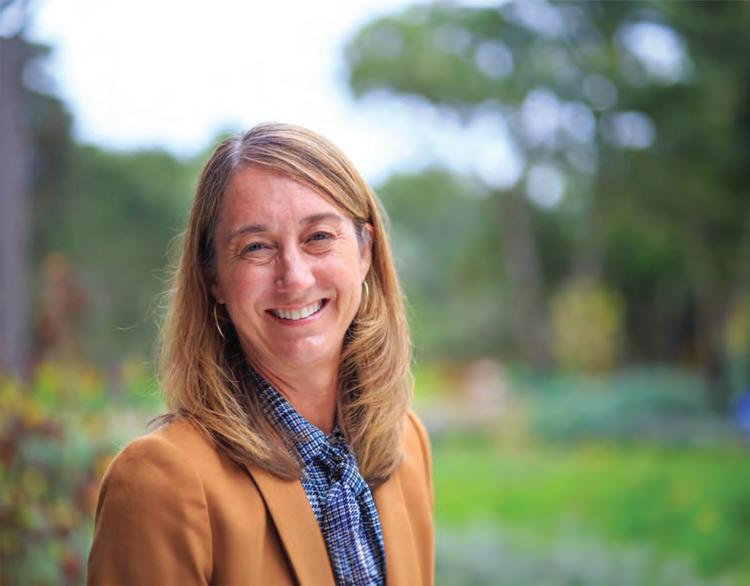
The University of Arizona College of Medicine – Tucson appointed Dr. Lisa J. Chamberlain as chair of the Department of Pediatrics and director of the Steele Children’s Research Center, effective March 1.
A nationally recognized pediatrician and health equity leader, Chamberlain was professor of pediatrics and associate chair for policy and community engagement in Stanford University’s Department of Pediatrics. She was director of the Office for Child Health Equity and associate faculty director of the Stanford Center on Early Childhood. She also founded Stanford’s Pediatric Advocacy Track and co-founded the California Collaborative, which trains pediatricians nationwide.
Chamberlain serves on committees of the American Academy of Pediatrics and the American Pediatric Society, in-
cluding the AAP Child Health Financing Committee and the national Pediatric Policy Committee. She is an elected member of the American Pediatric Society and was recently named 2026-27 president-elect.
Her academic work focuses on reducing pediatric health and educational disparities through health services research and policy. As a Stanford Harman Faculty Scholar, her research examined the evidence base for “Kinder Ready” clinics through team science.
Her work, which focused on children with medical complexity, informed Title V reform efforts to expand access to care in California, and she recently led a national coalition advocating for full federal funding of the National Institutes of Health and the Eunice Kennedy Shriver National Institute of Child Health and Human Development.
Chamberlain has authored more than 95 peer-reviewed publications. Her honors include the inaugural Child Advocacy Award from Stanford’s Department of Pediatrics, the American Pediatric Association Advocacy Award, and the George Armstrong Lecture Award, presented at the 2025 Pediatric Academic Societies meeting.
Chamberlain’s appointment is a homecoming. She earned her medical degree from the University of Arizona College of Medicine – Tucson, followed by internship and residency training at Stanford’s Lucile Packard Children’s Hospital. She completed her MPH in maternal and child health at the University of California, Berkeley, and a general pediatric academic fellowship through the joint UCSF-Stanford program.


By Valerie Vinyard
“He saved my life.”
Bill Petrella, a retired hotelier, said those words about Dr. Gulshan Sethi, whose family recently established the Gulshan K. Sethi, MD Endowed Professorship in Cardiothoracic Surgery.
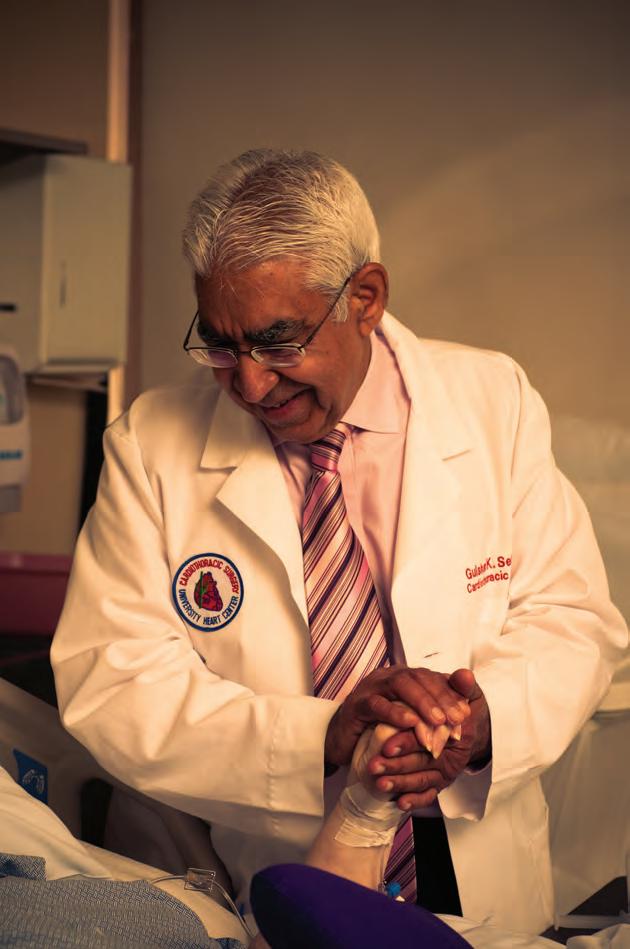
reached its funding goal in February.
In December 2009, Banner − University Medical Center doctors found an aneurysm in Petrella’s aortic root. Petrella described it as “the largest surgery they do other than a heart transplant.”
The surgery, performed by Gulshan, worked, but there were complications.
“Dr. Sethi wound up sleeping in my hospital room,” said Petrella, who was general manager of the Westin La Paloma Resort & Spa at the time. “The guy is incredible, second to none. He’s so caring, his bedside manner. He’s one of the top heart surgeons and here he is, sleeping in my room.”
“The establishment of the Gulshan Sethi, MD Endowed Professorship in Cardiothoracic Surgery will ensure that his legacy continues through future innovators, educators and leaders in cardiothoracic care,” according to the endowment’s web site. Sethi’s son, Dev, set up the endowed professorship, which
It will support the recruitment and retention of nationally recognized cardiothoracic surgeons who will advance research, elevate patient care and mentor trainees. Funding will help drive progress in transformative heart and lung research; interdisciplinary clinical innovation; early-stage discovery with national funding potential; simulation training and medical education; and support for residents, fellows and future leaders.
“My dad has this passion for being a doctor, and it motivates everything about him,” said Dev, a partner at Schmidt, Sethi and Akmajian law firm. “I try to bring a lot of the bedside manner and warmth to my clients as he did to his patients.”
Gulshan has shaped more than three decades of innovation, mentorship and compassionate care at the University of Arizona. He was the first surgeon to perform both a heart transplant and a lung transplant in the state.
“My dad has spent his life saving lives,” Dev recently wrote. “For years, I could not go a day without someone
stopping me to ask if I was related to Dr. Sethi because he operated on their (someone they loved!). Those were always the best interactions, and I was always happy to trade on his good name.
“He’s slowed down, but I still get stopped with a beautiful story pretty regularly. This week, the leading interventional cardiology society named its Lifetime Achievement Award – ‘The Gulshan K. Sethi Lifetime Achievement Award!’ What do you call it when the lifetime achievement award is named after you? Generational impact? Not sure, but it’s very cool. And I am a very proud son.”
Gulshan said he’s blessed to have trained hundreds of residents and thousands of medical students over the years.
“When the UA told me they had established the honor in my name, I felt deeply honored and humbled,” he said. “It’s something I never imagined.
“Your legacy isn’t how much money you’ve got, how many operations you’ve done, how many scientific papers you’ve published,” Gulshan added. “It’s how many people you’ve trained that can carry on to do what you’ve done.”


Vanecia Kerr values teamwork.
As the new president and CEO of United Way of Tucson and Southern Arizona, Kerr models her belief that building a successful nonprofit is accomplished step by step and team member by team member across the community.
“Leadership is collaborative. No man is an island unto himself. I believe success requires a level of collaboration with people, both in the community as well as with my team. Everyone needs to understand their value and what they bring to the table,” said Kerr.
“It is like creating a quilt. There are all of these different pieces that come together within a quilt to make the end product. If you are missing the center square, you don’t have a complete quilt. I am trying to help people understand that every piece is essential to accomplish a goal…and when we come together, that is how we create the magic that helps to support a community.”
She honed this philosophy as Chief Impact Officer of Mile High United Way in Denver before taking the helm in Tucson last summer. Prior experience with College Track Colorado and City Year Denver also provided excellent preparation for oversight of the $12 million annual budget and programming for 250,000+ people at United Way of Tucson and Southern Arizona.
Once she arrived, Kerr embarked on a “listening and learning tour” with local leaders in business and the nonprofit and public sectors. Kerr said the insight and support of these key players—through volunteerism and through Give United, the annual fundraising campaign—are much appreciated and
By Loni Nannini
provide a “solid and stable foundation” that facilitates success.
“Serving hundreds of thousands of people through direct services and through partnerships with other nonprofit organizations is one of the things that United Way of Tucson and Southern Arizona does really well,” said Kerr.
“We develop partnerships with other nonprofits as well as with the private and public sectors and foundations. We bring people together and understand how to convene people around a shared purpose and a shared cause, and that helps us to support the community in a very unique way.”
Another critical—and unique—component of United Way success is the implementation of a wide range of innovative, direct service programs such as My Summer Library, VITA and other Financial Wellness initiatives, Accelerate Quality, elements of the Cradle to Career partnership, Volunteer Center services, and Direct Care Workforce Training.
These direct services “provide a significant portion of our local impact and play a vital role in strengthening the community,” according to Kerr.
Moving forward, Kerr seeks to maximize United Way programming—and provide continued outreach—to target the roots of poverty and make lasting impact through education, financial wellness, healthy living, and housing stability.
“There is a lot of potential for United Way and we are doing great work, but we have more than 150,000 people living in poverty here in our community, so we know that there is more that we
can do. The next part of the question is to understand why we have so many people living in poverty and what we can do to change that,” she said.
She embraces a multi-stage, multigenerational approach to programming with an emphasis on early childhood education and improved access to resources for children, parents and family members “that will allow them to move into a safe and stable type of environment.”
Nonprofits are key players in the collaborative effort. United Way of Tucson and Southern Arizona currently works with more than 80 local nonprofits, and Kerr seeks to expand those partnerships.
“There is incredible work happening through nonprofits in this community, from those serving mothers of small children to those building tiny homes to support the unhoused and so many more. The nonprofits have been incredibly creative in addressing the needs within this community. . .and we want to set ourselves on a path going forward that allows us to deepen this impact over the next couple of years,” she said.
Ultimately, Kerr views United Way of Tucson as a convener of togetherness on every level.
“It seems like a lot to wrap your arms around, but this is the work of United Way. It is about bringing communities together to solve some of our most pressing issues. We combine with other partners throughout our community to address the needs in a meaningful way that allows us to measure our success as we go forward.”

Kerr President & CEO
United Way Tucson and Southern Arizona


United Way of Tucson and Southern Arizona promotes community engagement through an array of innovative initiatives, including Young Leaders United.
Aimed at creating a leadership pipeline for rising young professionals and promoting civic involvement, this affinity group is experiencing strategic growth and member expansion described as “inspirational” by Vanecia Kerr, president & CEO of United Way of Tucson and Southern Arizona.
“These young leaders see the possibilities of what can be. . .they are looking at what they can do to make the world a better place and how they can make an impact within the local community,” said Kerr.
Prospective members and supporters can learn more at Young Leaders United signature fundraiser, the 3rd Annual Toast to Tucson at 5 p.m. on Sept. 18 at Tucson IDA, 600 S. Meyer Ave.
5 p.m. on Sept. 18
Tucson IDA, 600 S. Meyer Ave.
For more information visit unitedwaytucson.org.
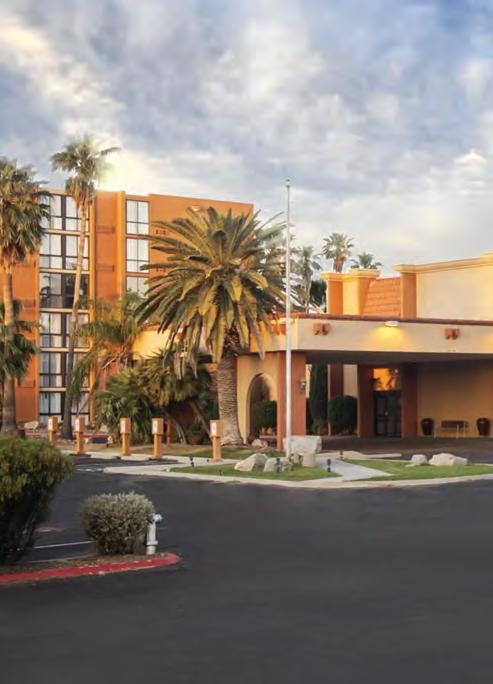




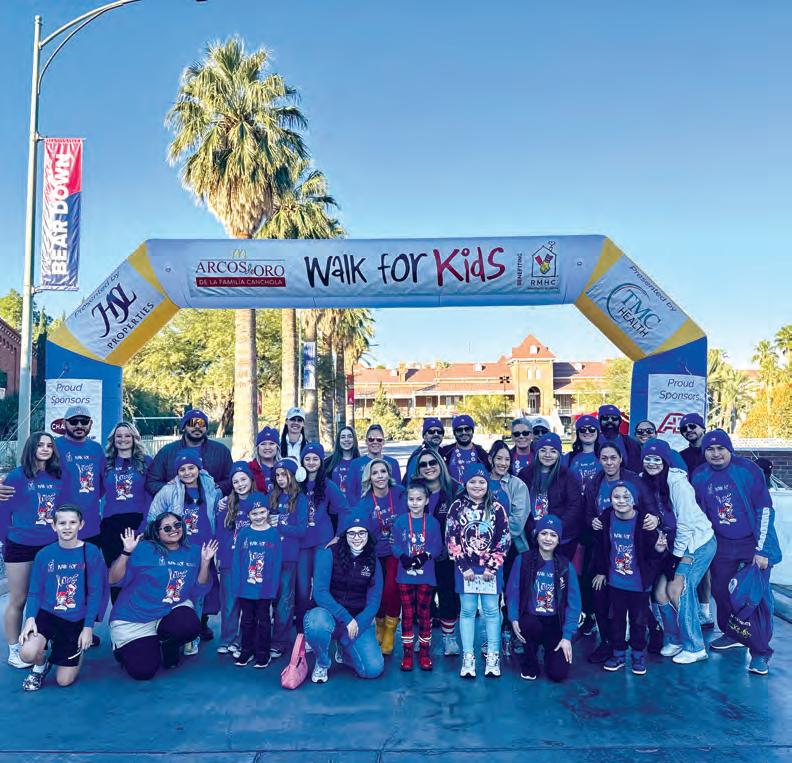
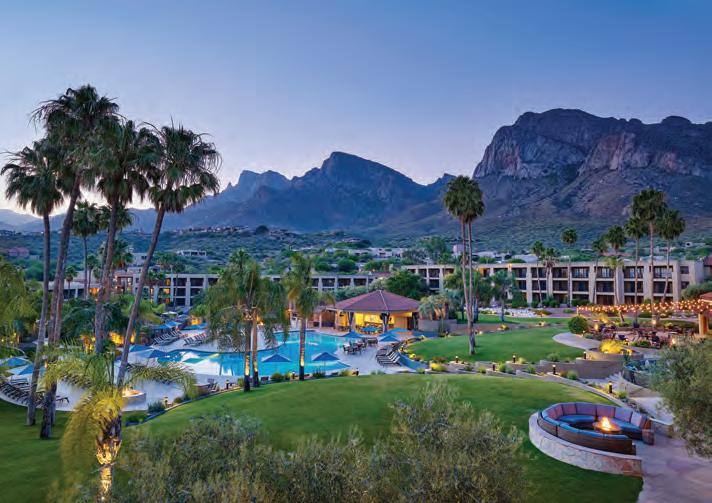

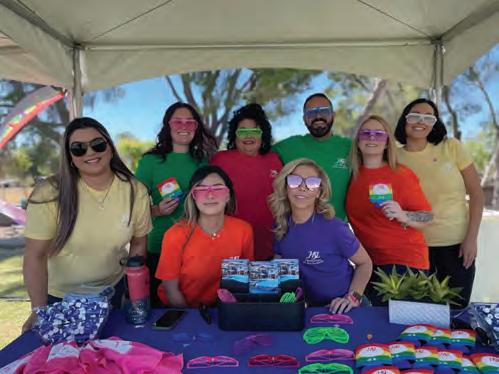
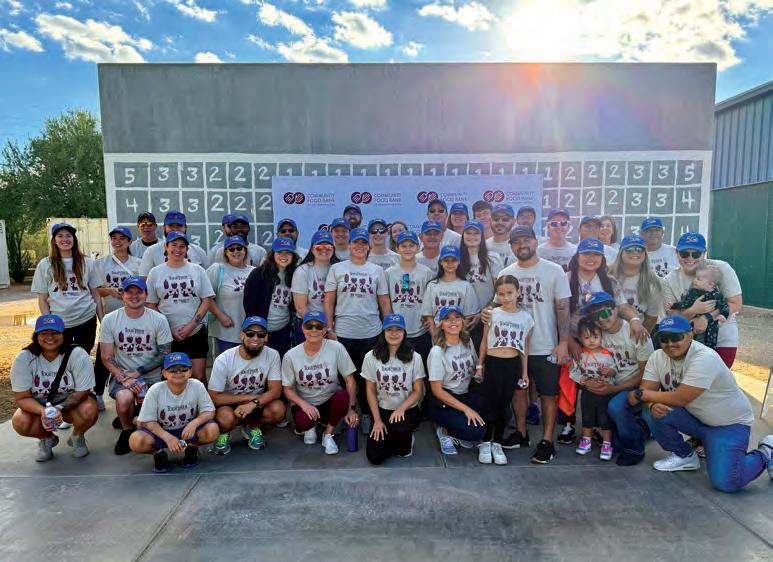
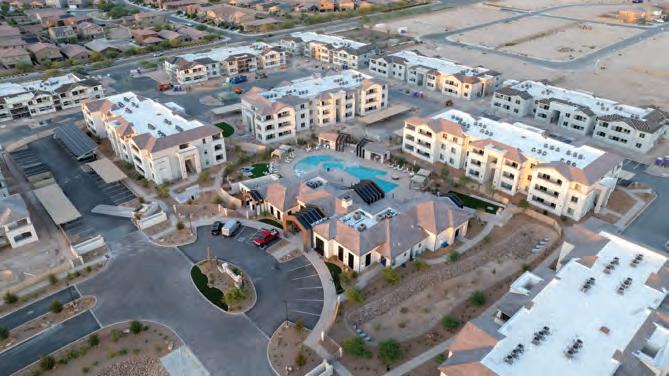
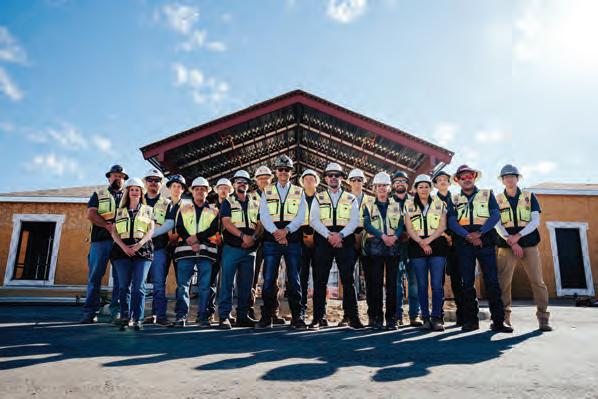


By Jay Gonzales
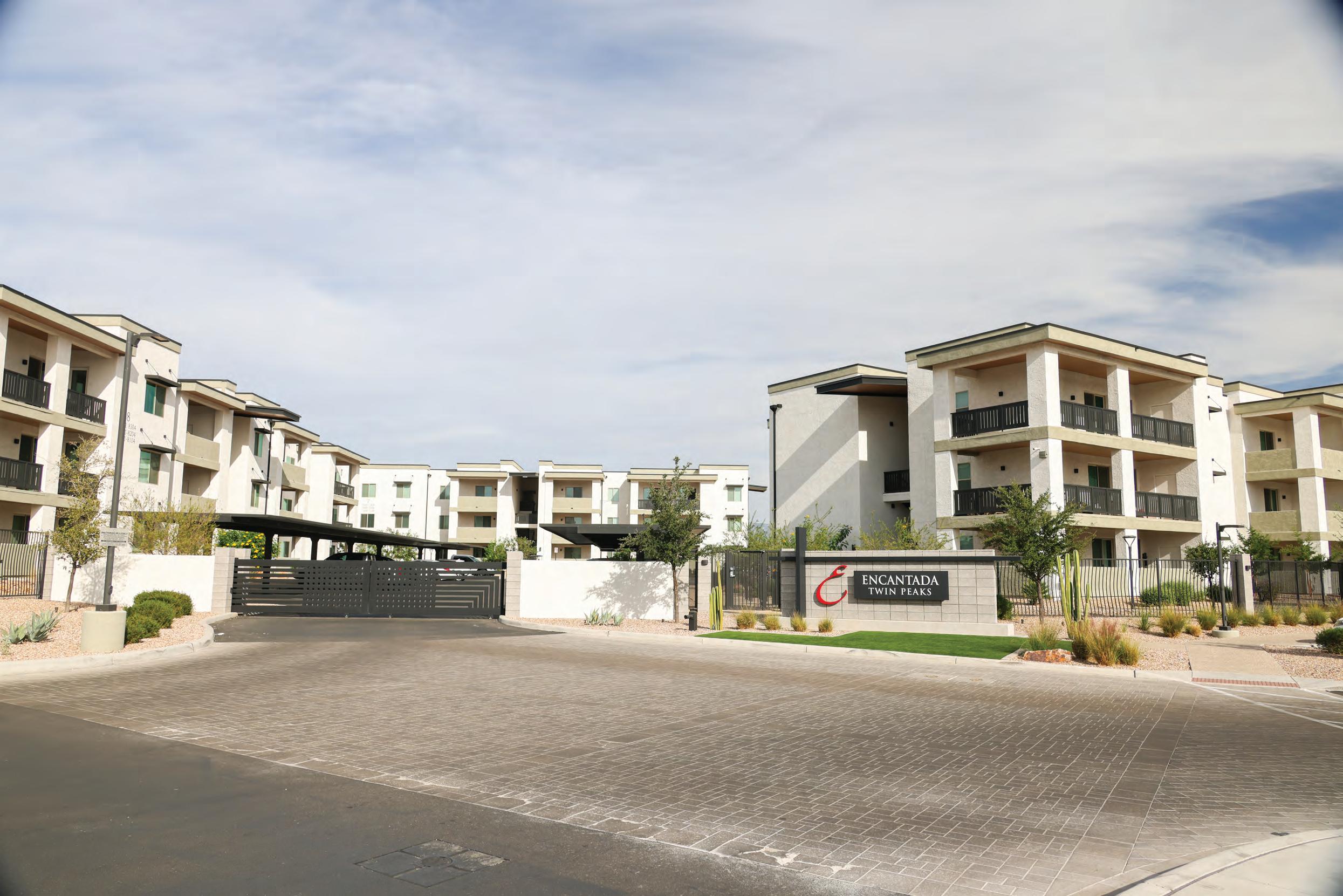
Ask Humberto Lopez about his vision for building the company that is marking 50 years as a regional real estate developer and a philanthropic force, and he has a series of starting points for the journey.
The actual founding of the company was in 1975 when he and his business partner, Glenn Toyoshima, formed HSL Properties in Tucson.
But it could be when Lopez and Toyoshima met by happenstance working at a “big eight” CPA firm in Los Angeles, starting their jobs on the same day in 1969. Lopez started buying and selling real estate on the side and the two ultimately quit their jobs together to do it full-time.
You could even look back to the days when Lopez, as a 10-year-old living in Nogales, Ariz., started buying and selling newspapers and mowing lawns, sometimes earning $45 a week and keeping only $5 for himself, giving the rest to the family to pay bills.
From the start to today, the vision has remained the same. As HSL Properties was built into a company with hundreds of millions of dollars in assets and properties, it has never lost sight of the fact that it also is a company that is leaving a lasting legacy in its community.
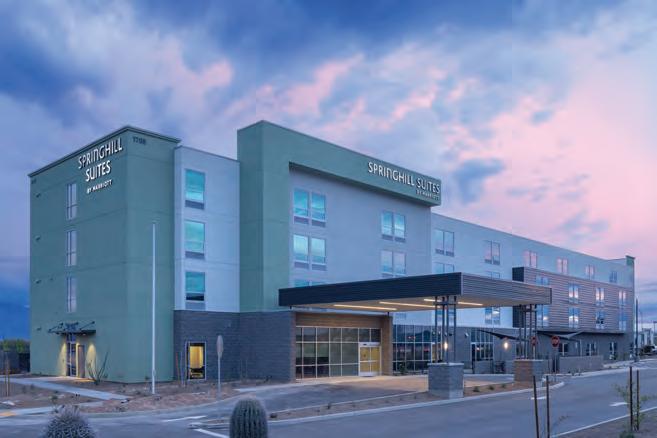
“I think it was a natural progression of always believing in integrity and treating people well,” Lopez said, reflecting on why HSL Properties has had
the sustained success to last 50 years in an industry – real estate – that is universally considered volatile.
“I believe in treating people as human beings,” he said. “We’ve all got to be respected. I believe in integrity. I believe in honesty. That’s what has gotten us to where we’re at today.”
It’s a way of doing business that Toyoshima was on board with from the beginning of the business relationship with Lopez. When the two left their Los Angeles CPA firm, they formed one of their own as the foundation of their business. But all the while, Lopez was dealing in real estate until it became fruitful enough to put 100% of their time and effort into the industry, eventually forming HSL Properties.

Toyoshima still lives in Los Angeles, always participated in the operation of the company as executive officer, and still does. He is in Tucson often to be a part of the company’s community and philanthropic activities. He still toils in the business.
A self-described “worker” with a penchant for detail, Toyoshima said his innate trust in Lopez’ business judgment has been the foundation for the business relationship between the two men since the late 1960s.
“I have had, and I still do have a lot of confidence in Humberto,” Toyoshima said. “The guy has a mind that is just geared to making deals. I’m more of a worker. I do a bunch of the detail stuff.
I get things done. But he has a kind of a genius mind for real estate. I always just trusted what he came up with and the deals he felt were good.”
As it turns 50, HSL Properties remains Tucson-based and is a company that employs more than 1,000 people –they’re called “team members” at HSL, not employees. Its portfolio includes 42 apartment communities, 11 hotels, four commercial properties and a host of other investments.
Lopez, who turns 80 this fall, turned over day-to-day operation of the business a decade ago to his wife’s nephew, Omar Mireles, who began living with the Lopez family when he was 10 years old.
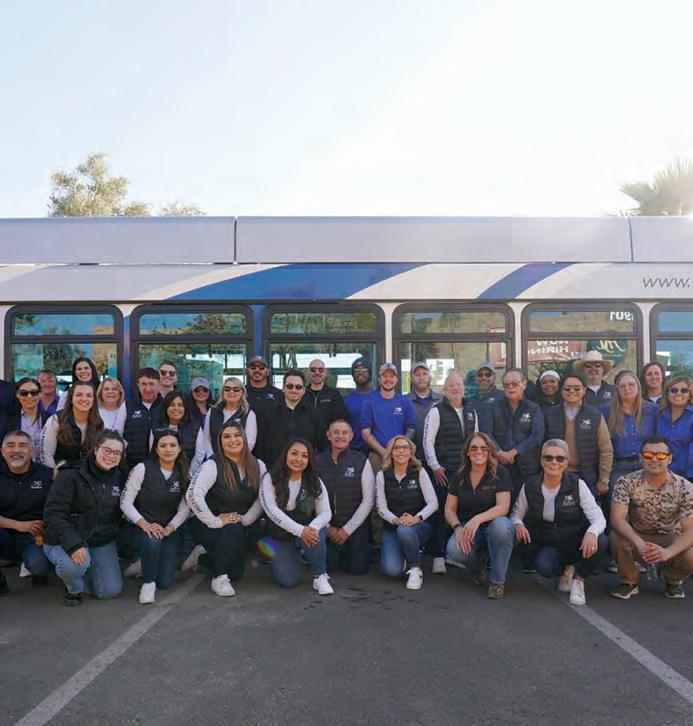
Mireles, who attended St. Cyril of Alexandria School, Salpointe Catholic High School and Cornell University, didn’t go straight to HSL after college. He built a career as a real estate analyst in New York before joining HSL in 2003 as an executive VP. He’s been president of HSL Properties since 2015.
Mireles, 49, said he recognized the responsibility of taking the reins of a company that was built from the ground up, already highly successful, and was having a massive impact on the Tucson community. His approach to running the business has been different from his uncle, who started the business by being aggressive – yet proficient − in the real estate market in Los Angeles. What continued on page 118 >>>
HSL Properties is founded Humberto Lopez partners with friend and fellow entrepreneur Glenn Toyoshima to form HSL Properties.
Mr. Lopez moves to Tucson
Within four years, the company had investments in California, Arizona, Colorado, Texas, New Mexico, and Georgia. With HSL Properties thriving, Humberto and his wife, Czarina, decide it’s time to move their family from Los Angeles to a smaller community. They choose Tucson, Arizona.
HSL Properties acquires its first major multi-family apartment community, significantly expanding its portfolio and establishing a strong presence in the Southwestern United States. This acquisition marks the beginning of the company’s rapid growth in the multi-family housing sector.
Expansion into commercial real estate
HSL Properties diversifies its portfolio by investing in office and retail buildings. This strategic move allows the company to broaden its market reach and create more comprehensive, mixed-use developments.
It’s about community!
As the company grows, so does its investment in the local community. Passion for charity begins.
HSL Asset Management Company is formed
HSL forms its Asset Management Company to provide effective sitemanagement and quality resident services. This division enhances operational efficiency and ensures a superior living experience for all residents, solidifying HSL’s reputation for excellence in property management.
HSL Properties launches its Community Impact Program, focusing on sponsorships, donations, and volunteer hours. This initiative highlights the company’s commitment to suppor ting and giving back to the communities where it operates.
HSL Construction Services is founded to support HSL Properties by managing construction projects with efficiency and expertise, ensuring high-quality developments and renovations.
Humberto and his wife Czarina created the H.S. Lopez Family Foundation with a deep desire to help the communit y by providing support to causes related to education, health and welfare.
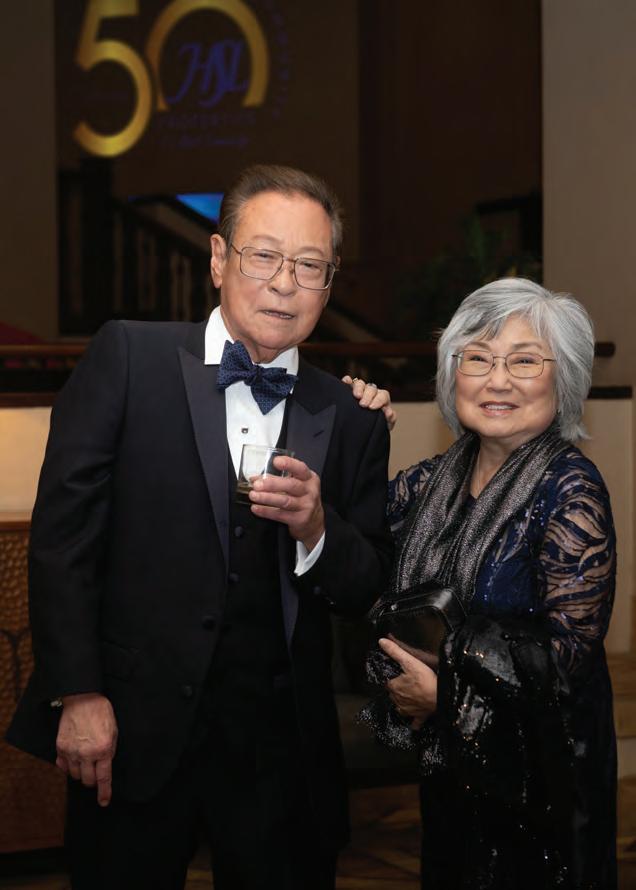
HSL Properties purchases its first luxury hotel, the Hilton El Conquistador, expanding its footprint in the hospitality sector. This milestone marks the beginning of the company’s successful venture into hotels, resorts, and hospitality services.
HSL Properties establishes its signature luxury brand, Encantada Living, with the launch of Encantada at Tucson National. Since then, the brand has expanded to include multiple properties, setting the benchmark for “resort-style” living.
After more than a decade of significantly contributing to the success of HSL Properties, Inc., and remaining dedicated to the company’s growth throughout Arizona, Omar Mireles has been named President of the accomplished development company.
continued from page 117
hasn’t changed is the company’s commitment to the community.
“I suppose it’s like getting a really nice car,” Mireles said. “Even though you want to get on the road and just open it up, you want to be careful as you’re getting out of the lot that you’re not going to get T-boned by that truck.
“I’ve always taken a relatively conservative approach to business,” he said. “I think Humberto has always been a bit more of that aggressive dealmaker, which has been absolutely great. I think it’s a good, complementary relationship.”
An approach Mireles took with the business was to bring many of the outside operations, such as property management, in-house, forming business entities under the HSL umbrella to run the various aspects of the business. Each segment of the business has its own commitment to the work HSL does in the community and how it represents.
HSL Asset Management was formed to operate and manage the apartment portfolio as well as the internal operation, including human resources. Desert Hospitality Management operates the hotels, which has properties in Tucson, Marana, Mesa and Oklahoma City. Two of those properties are two of Tucson’s prominent resorts, the El Conquistador Tucson and The Ritz-Carlton, Dove Mountain, in which it is a partner with Cottonwood Properties.
Omar Mireles President HSL Properties
Lopez Founder HSL Properties
The accounting, financials and investor relations for all of the assets are managed by HSL Management Services. HSL Construction Services does all the building, serving HSL Properties as its only client, and has built more than $1 billion in properties.
“It was an evolution of seeing how the company had grown and seeing what the opportunities were,” Mireles said of the consolidation. “We could be a lot more nimble if we had one team that was steering in the exact same direction. That gave us a lot more direct impact into not only the service at the properties, but ultimately the physical attributes of the properties.”
Those priorities, under Lopez, Toyoshima and Mireles, have extended to the employees who embrace a culture of teamwork and community as they go about their work at HSL.
The list of organizations that receive philanthropic support from HSL and its team members is extensive, including Gospel Rescue Mission, Community Food Bank, El Tour de Tucson, Ronald McDonald House, Alzheimer’s Association, Tucson Pride, Angel Charity for Children, American Heart Association, Tu Nidito, the Jazz Festival, the Tucson Conquistadores, the University of Arizona, and any other organizations that individual employees support.
HSLopez Center of Opportunity: Shelter & Hope
The HSLopez Center of Opportunity opens its doors, providing both short- and long-term shelter for Tucson’s homeless and those who need it.
Premiere of The Flin
This one-of-a-kind property is opened. Located in the heart of downtown Tucson, The Flin offers an unparalleled living experience. As the flagship of downtown living, it combines modern luxury with vibrant city energy, making it the premier destination for those seeking the best of urban living.
Raising the standard in hotel management, HSL starts Desert Hospitality Management, a dedicated team of industr y professionals delivering exceptional results, exceeding expectations and bringing a personal touch to HSL’s hotel portfolio.
HSL’s founding family donates a generous gift to support the development of the HSLopez School of Business Analytics at the University of Arizona’s Eller College of Management and makes a major commitment to the university’s College of Medicine.
An aspect of the business – the Lopez philosophy – that Mireles has embraced has been the way HSL treats its people, its investors and the community.
The H.S. Lopez Family Foundation, an entity separate from HSL Properties, has dedicated millions of dollars to the community through its three philanthropic priorities – education, welfare and health. Lopez has committed to leaving his wealth to the Foundation to continue the family legacy into future generations.
“What has really been a game-changer has been the engagement of our team,” Mireles said. “At the core of our team truly is that sense of community. As our tagline says, ‘It’s about community,’ it’s not just a tagline on a sign. It’s truly lived by our team members, and you see it in their giving of themselves, of their time, of their resources.”
Biz
HSL proudly celebrates 50 years of excellence in building communities and shaping the landscape of Tucson. From innovative residential properties to impactful community initiatives, HSL has consistently raised the bar in making a positive difference in the lives of Southern Arizonans.


of Human Resources
HSL Asset Management
Maclyn Wilcox
Office Manager
HSL Asset Management
Chris Evans
President
HSL Asset Management

By Jay Gonzales
Nicole Garcia didn’t have to wait long to find out just how HSL Properties builds a culture in which team members are eager to contribute to the company and the community.
Garcia joined HSL as VP of human resources four years ago. Like all HSL team members, she had to go through an orientation process on her first day on the job.

“When I stepped into my first day at HSL, it was in orientation, even as a vice president coming in, I was sitting next to a maintenance technician. We were getting the same information,” Garcia said. “From a human resources standpoint, I loved that everyone was ing treated equal. That really stuck out.”
As someone who has worked in other human resources positions, Garcia recognized hat she was stepping into an organization that, for 50 years, has had a massive impact on Tucson from a business and community
The culture of commitment and accountability is as much a component of the business as the expertise behind building apartment communities and operating hotels over ears, Garcia and other team members say. It’s not an accident that HSL continues
“Everybody has their titles. Everybody has their entities. But at the end of the day, when a problem needs to be solved, or when somebody needs help, everybody’s door is open,” said Maclyn Wilcox, HSL Properties’ office manager for the last 15 years. “You can reach out to just about anybody to get an answer. At the end of the day, everybody’s educated and trying to solve that problem.”
It’s actually a premise that sounds simple, but maybe isn’t, said Chris Evans, president of HSL Asset Management, the business entity that operates the company’s portfolio of rental properties.
“If there’s one message that kind of streams from Omar, it’s a simple message, but in practice, it’s not always easy,” Evans said, referring to HSL President Omar Mireles. “As a team, as an employer, as an individual, we always do the right thing, which sounds simple, but when you start putting it in practice, sometimes that’s very hard to do.
“Sometimes that’s admitting your failures. Sometimes that’s doing some of the hardest things in your life. But it doesn’t matter how hard or easy it is, at the end of the day, we have to look at each other and always know that we have to do the right thing.”
continued on page 124 >>>
“At the end of the day, we have to look at each other and always know that we have to do the right thing.”
– Chris Evans, President, HSL Asset Management
continued from page 123
With so much at stake, hundreds of millions of dollars in properties, over 1,000 team members, countless investors in the various assets HSL holds, and millions of dollars going into the community, maintaining a culture everyone believes in helps foster the return on investment everyone expects, said Jerry Fischer, president of HSL’s hospitality arm, Desert Hospitality Management. The business entity operates all of HSL’s hotel properties.
“One of our responsibilities is to have a return on investment for investors, make sure our associates are happy, etc.,” Fischer said. “But I think of all the important legs of the stool, one of the
most important that we always concentrate on, is that we don’t lose sight of the culture. Because if we lose sight of the culture and not build it and not live it every single day, we lose our investors, we lose our guests, we lose our residents. The culture is the foundation for us, and we live it every day.”
While defining a company’s culture can be difficult, or at least inexact, HSL asks new team members what they think it might be. It lends itself to helping team members understand what they are stepping into aside from the specific work requirements.
It’s a conversation that can be “scary” on any team member’s first day, Garcia
said. But it’s something the organization sees as important to their success and their acceptance of the responsibility that comes with being on the HSL team. And it helps ensure that knowing the company culture isn’t just for today. It’s for the future of HSL and the community.
“We’ve taken a lot of time in ensuring that we have full on communication,” Garcia said. “Within that onboarding process, even if there is reluctance with the candidate becoming a new hire, they’re already starting to see that HSL is something different.”




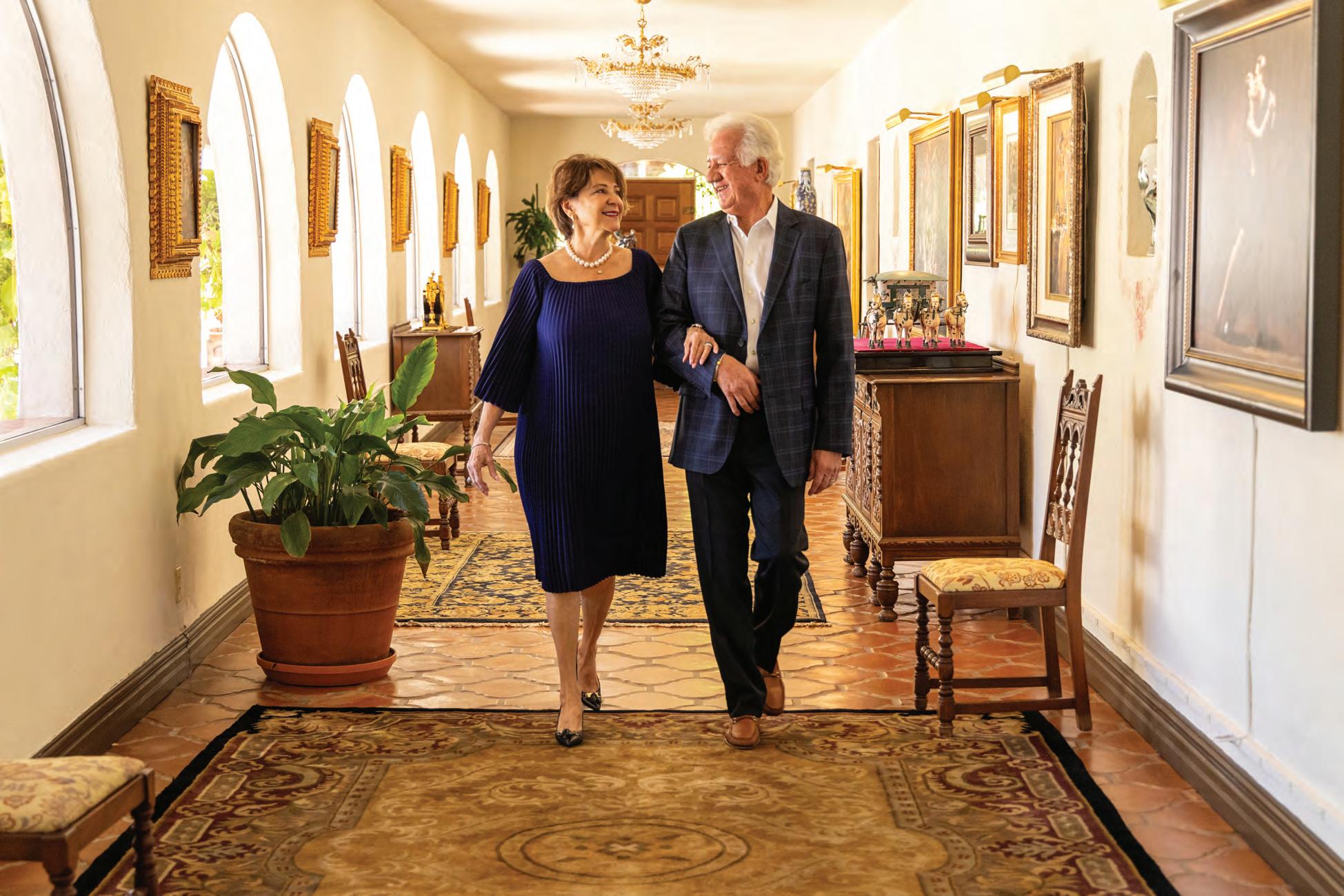
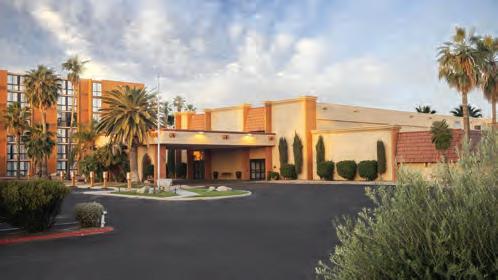
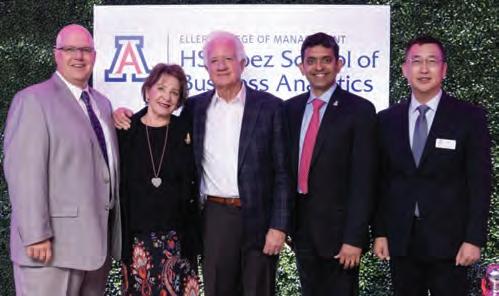
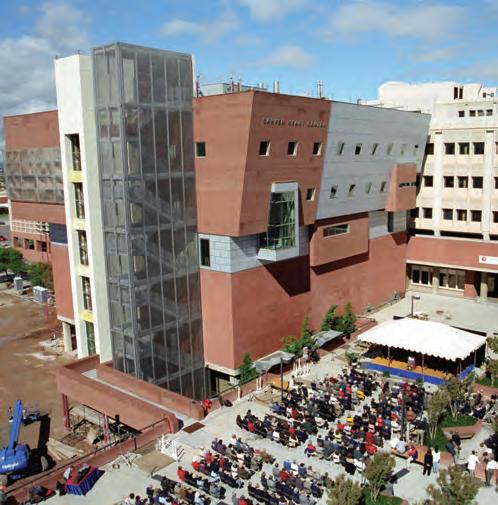
By Jay Gonzales
As Humberto and Czarina Lopez look ahead to the generations in their family who will follow them, they’re certain the financial empire they’ve built through HSL Properties will give their family members every opportunity to build something close to what they’ve built.
But the benefits of the Lopez family success will not be exclusive to their descendants. The H.S. Lopez Family Foundation has committed to providing the same type of opportunity to those in need in the Tucson region through the success HSL Properties has had here over its 50 years of its existence.
“We have made a pledge that all our wealth is going to go to the foundation,” Humberto said. “Our children and grandchildren are going to be taken care of by trusts. They’ll be well taken care of but not as millionaires. If they want to become millionaires, they’ve got to do it on their own.”
When people ask why so much of the family resources are going out to charity and to help others, Czarina says the philosophy is engrained in the family.
“What good does it do to have more than you need?” she said. “We do have more than we need, but I think sharing it with the people that are less privileged gives you a satisfaction that does not equal any material satisfaction.”
“My wife adopted the philosophy with me that we’ve been givers all our lives,” Humberto said. “We help families and tons of people out there.”
Already one of the leading, if not the leading philanthropists in Southern Arizona, the Lopezes have a long list of major donations they’ve provided in three priority areas – education, welfare and health.
There have been multi-million-dollar donations to the University of Arizona Eller College of Management and similar donations to the UA Sarver Heart Center and the College of Medicine. The foundation has supported smaller
but no less important causes as has HSL Properties through its team members who give their time and their money.
The centerpiece of the foundation’s giving is the Center of Opportunity, a massive effort to address homelessness at a campus, formerly a hotel, that the foundation purchased and converted to a homeless shelter with extended services such as education classes, counseling, medical care, and simply a place to get back on one’s feet.
The foundation purchased the former Holiday Inn Holidome at 4550 S. Palo Verde Road in 2018 with a goal of creating a “one-stop shop” for those trying to turn their lives around. It has contracted with Gospel Rescue Mission to operate the facility with no government intervention and no public funding.
“It’s about giving opportunities to people that otherwise would not be offered to them,” Czarina said. “Not everybody has the clarity of mind to say, ‘Oh my God, this is an opportunity for me, let me take it.’”
With the Center of Opportunity and support of other foundation causes as an example, it’s easy for team members to follow the lead of the philanthropic couple, said Lisa Rosenfeld, executive VP at HSL Asset Management, one of the business entities that manages a segment of the business under the HSL umbrella.
“When people come to work for us, it’s very common for them to let us know that one of the things that attracted them to HSL was our commitment and involvement in the community and their ability to be part of that kind of team,” said Rosenfeld, who has been with HSL for 21 years.
“They come here expecting to have the opportunities to be a part of what we do and a part of our commitment to the community. They refer their friends for employment. And that’s a big part of it.”
Given the magnitude of the donations HSL has given over the years, the foundation board, made up mostly of Lopez family members, operates with a formal structure as with any other large foundation one might find anywhere. There are eight board members with Humberto as president, Czarina as secretary and HSL Properties President Omar Mireles as treasurer.
Clint Mabie, the former CEO of the Community Foundation of Southern Arizona, is one of two non-family-members on the board and provides expertise gained over years of philanthropic and fundraising work throughout his career. Since retiring from CFSA, Mabie joined Northern Trust Bank as senior relationship advisor to lead bank strategies in community giving.
“I know these nonprofits and can add my expertise beyond just reading what’s in black and white,” he said. “Doing homework is the No. 1 thing that I do for the board, and I would say No. 2 is just trying to stay current on what’s happening in the nonprofit community.”
Humberto Lopez predicts that there will be a day when the H.S. Lopez Family Foundation will be the largest, certainly the most impactful, foundation in Southern Arizona. It’s not a brag. It’s a statement on the success of the company, of the family’s priority to make lives better in the region, and of building a lasting legacy when the family’s wealth is in the coffers of the foundation for the good of the community.
“When that happens, it’ll be the biggest foundation in Tucson,” Humberto said. “Another reason we’re doing this is to keep the family together so they become members of the foundation. I want all the family to be involved at some point to be able to give all that money we’re going to leave behind.”






By Jay Gonzales
When projects and assets range into the tens, even hundreds of millions of dollars for a company, it comes with an ocean of numbers that have to be tracked and analyzed that can seem more like a tidal wave.
At HSL Properties, it’s no small piece of the business. In fact, HSL Management Services operates as its own company within the umbrella corporation, and for good reason. With HSL’s multiple lines of business – apartments, hospitality and construction – it allows Management Services to keep itself and the numbers organized for everyone.
The team of eight accountants and financial professionals is the “quiet engine” that provides the financial bookkeeping, analysis, tracking, forecasting and, most importantly, discipline for HSL, said President Omar Mireles.
“They keep all the numbers together, and they do it very quietly,” Mireles said. “There is always the showcase of the project and the construction and the acquisition because it’s news. But they’re the ones that keep the numbers straight.”
An example of the magnitude of the work is one of HSL’s recent, high-profile projects, The Flin, an $80-million, 245-unit downtown residential development that literally is just a sliver of the HSL portfolio of 42 multi-family apartment complexes, 11 hotels, and four commercial buildings among other investments.
Managing the financials of those properties is only a piece of what the organization does for HSL, said CFO Michelle Howell, who heads the financial team.
“We like to call ourselves the small but mighty team,” Howell said. “We pump out a lot of work month-in and month-out. We have over 200 entities that we manage and prepare financial statements for on a monthly basis.”
Management Services is where Mireles and the executive team go when they need financial analysis of a project they’re considering. That would involve projecting costs of labor, supplies, taxes, and anything that goes into determining the feasibility of a project − even the timing of a project.
“We need to make sure that we’re opening a hotel during the busy season,” Howell said. “You also have to take into consideration the investor interest level, depending on what type of asset we’re going to be building − whether that’s a hotel or apartment.
“We’re here to help with any sort of financial data analytics that they need, and then they are the ones at the end of the day that really to get to decide,” she said of HSL’s executive team. And even when all the data and projections are in front of them, some projects that seemed feasible might not be in the end.
“We’ve experienced where it’s just not feasible and we cut ties and put it on pause,” Howell said. “Then there are some times where we have to make adjustments. When supply chain issues happen, it may delay a project, or it may make a project more expensive than we initially anticipated.”
That is another place where Management Services steps in after a project is underway, said Controller David Arp.
“We’re handed the budgets on these projects, and it’s just a matter of seeing the subcontractors’ contracts and making sure that what we’re contracting for meets the budget,” Arp said. “It really is just kind of getting that budget, doing the analysis of our subcontractors, and making sure everything is built appropriately.”
If the project is big enough to need an outside investor, which Howell said is the case with “nearly all” recent HSL projects, it’s Management Services that works with that investor, providing the information they need to make a sound investment decision and to track it.
Management Services keeps the investors informed through a portal where investors can track their investment. And there’s always the good old telephone.
“We take phone calls from investors anytime they have a question about an investment,” said Howell. The task also willingly falls to Mireles and company founders Humberto Lopez and Glenn Toyoshima who still are involved in the operation of the business.
That has helped HSL establish a loyal following of investors that can now be described as generational due to the trust that’s been established over the years.
“We have a lot of investors that have been with us since the beginning of HSL,” Howell said. “Their trust in HSL has now extended to their children, so their children have seen the success that their parents have had with our investments.”
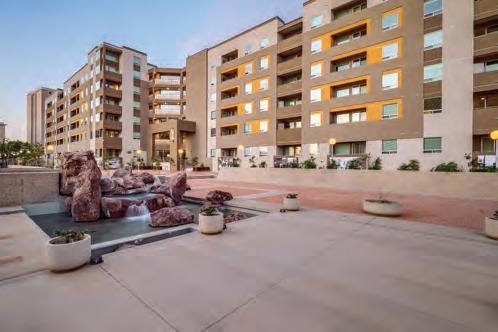


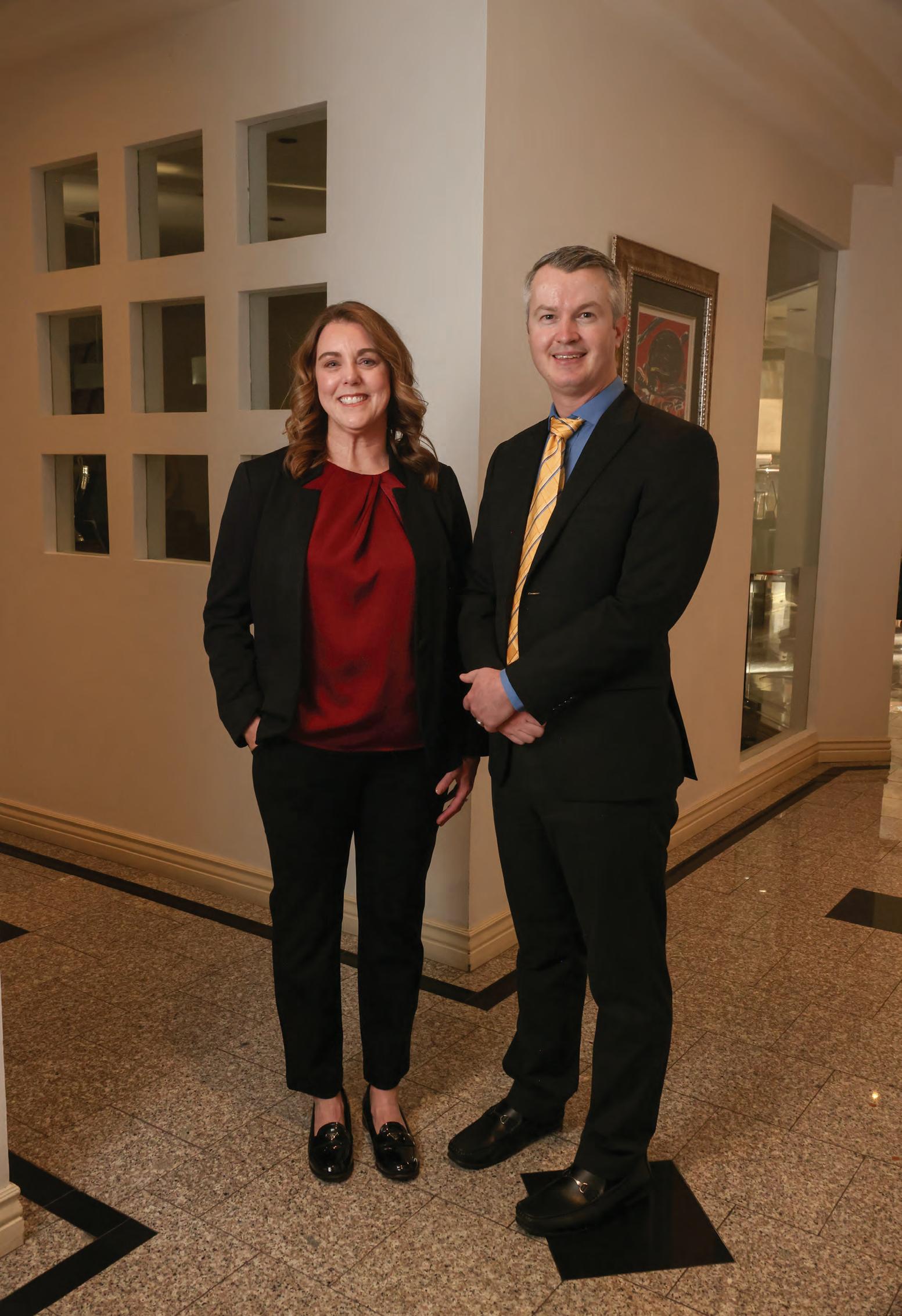


Through its Desert Hospitality Management arm, HSL Properties is curating a premier guest experience at hotels across Arizona and beyond.
HSL owns or manages an impressive portfolio of hotel properties, including The Ritz-Carlton, Dove Mountain; DoubleTree Suites by Hilton-Tucson Williams Center; El Conquistador Tucson, a Hilton Resort; SpringHill Suites by Marriott, Tucson at the Bridges; Embassy Suites by Hilton Oklahoma City, Downtown/Medical Center and several more.
DHM is tasked with their daily operations and success, utilizing a people-first strategy to ensure guests feel genuinely cared for.
That strategy extends to the community for the business entity. Philanthropy is top of mind within DHM, inspired by the legacy set by Humberto Lopez when he started HSL Properties 50 years ago. Every month, each of the hotels is tasked with putting together a list of local charities they want to support and then DHM adopts one of them. There’s also impromptu giving. Last fall, DHM fed the federal workers at Tucson International Airport during the government shutdown.
“Giving back to the community is what Mr. Lopez has always done in his life,” said Alexander. “And that really does resonate with everybody who works in the company. If you’re doing things in the community to make it better, to make Tucson better, we’re all richer for it.”
By Tara Kirkpatrick
HSL unveiled Desert Hospitality Management in 2023, bringing inhouse an exceptional group of industry professionals to enhance HSL’s hospitality mission, said DHM President Jerry Fischer. In addition to the guest experience, the company also oversees purchasing and building new hotels, as well as renovations to preserve brand standards, utilizing HSL’s own construction team.
“We handle everything,” explained Ghee Alexander, COO of DHM. “We are responsible for the day-to-day operations of hotels, staffing, the financial performance of the hotel, guest satisfaction at each of the hotels. The guest experience is really curated by us.”
Today’s hotel guests want authenticity and genuine connection in their hospitality, from aesthetic touches such as high-quality linens and locally inspired products to remembering a guest’s favorite room and preferences, or anticipating needs before they arise. Guests know when the efforts put forth are not genuine.
DHM only partners with Marriott, Hilton and Hyatt, which Fischer calls “the A-class of hotel brands.” Additional staff training is then layered on top, including the rigorous Forbes hospitality training, based on the respected Forbes Travel Guide. It aims for five-star standards across all aspects of the hotel experience and emphasizes service. To be a Forbes-certified hotel requires a valiant effort. The only five-star rated hotel in Tucson is The Ritz-Carlton,
Dove Mountain, which DHM owns in partnership with Cottonwood Properties. The resort also received its first Michelin Key in 2025.
“What we really garner from them is they have a very robust sort of SOP (standard operating procedure) and standards that you have to meet,” Fischer said of the partner brands. “We layer that on top with Forbes training and property training. We make sure that we’re adhering to all those standards every day. It allows us to really create a consistent stay for our guest, and it also creates consistency for the associate.”
All of it is underscored by engage ment surveys twice a year, distributed to the entirety of DHM. “Since we started, our overall associate engagement satis faction is over 90%,” said Alexander. “Our general managers have been with us for quite a long time. Most of them have been promoted from within the company.”
Added Fischer, “If you take great care of your associates, they are going to take great care of your guests, and as a result, they want to come back.” Take, for example, the Spring Hill Suites on Kino Parkway that HSL opened three years ago. Since the day it opened, the hotel is included in the top 10% of guest service scores within Marriott International.
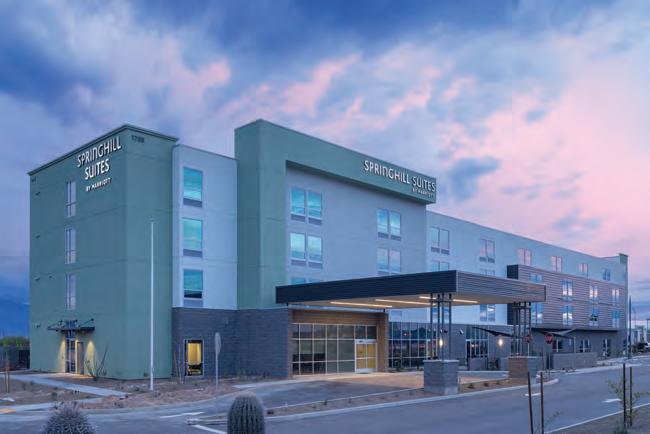
“We don’t get those guest scores by chance,” he said. “It’s the hard work and the effort and the culture at that hotel.”
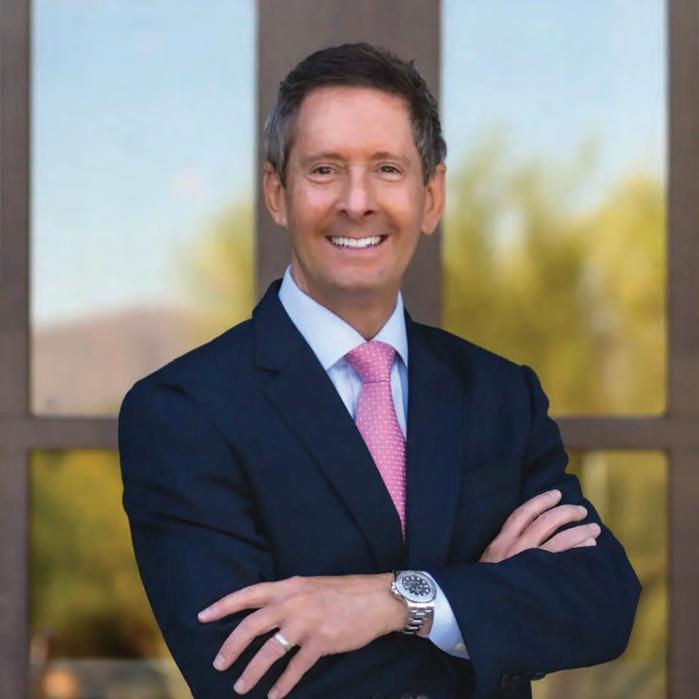
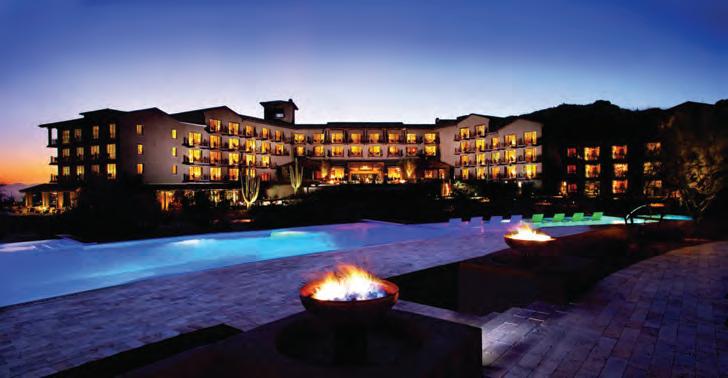
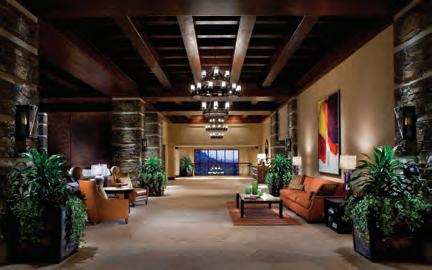
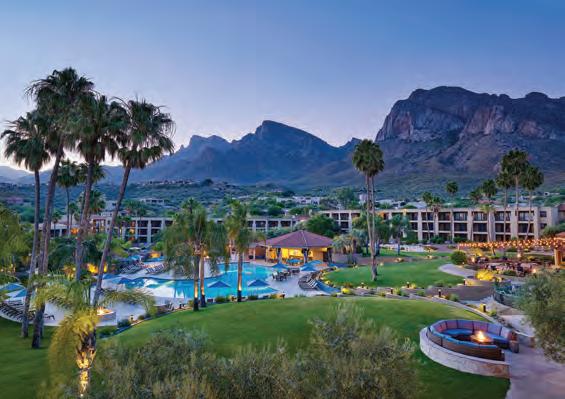


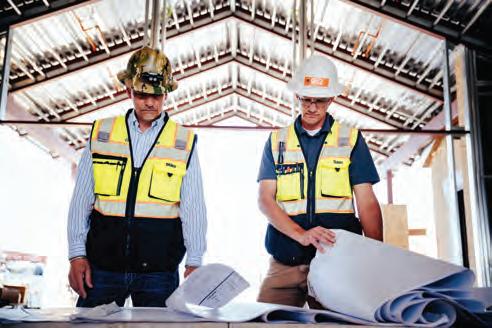
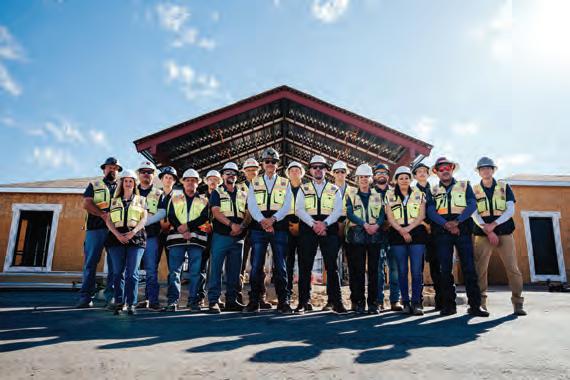
It’s not lost on HSL Properties that what it builds – apartments, hotels or anything else that comes its way – has expectations that come not only from within but from the community where it has been building for 50 years.
Those expectations encompass more than the quality of the product. They carry the responsibility of leaving a lasting legacy, not only for the company but for the community.
“If we want to be part of a great community, we’ve got to act like a great community,” said Mike Censky, executive VP of HSL Construction Services, the construction arm within HSL Properties formed 20 years ago. “We don’t do things haphazardly.
“We give sound, intelligent advice on construction and marketplace when it comes to value. e didn’t get to the top of the mountain without being able to look down the road and see what’s coming as well.”
As a separate business entity under the umbrella of HSL Properties, HSL Construction Services rves only one client. It builds for HSL and no one else. There are outside investors in HSL projects and properties. But what is built is solely from HSL’s short- and longterm vision.
“I think there’s a lot of vision that comes into an area and the larger impact on the community,” said Danny Casselberry, director of construction at HSL Construction Services. “We also take into
By Jay Gonzales
consideration the history of that area. What does the local architecture look like? All those things go into creating the right space for the community.”
Censky cites Encantada Tucson National, a 368-unit apartment development at 8323 N. Shannon Road, as a specific example of how much surroundings impact what HSL builds. Encantada now has seven sites in its line of luxury apartments in Tucson. There are three in Phoenix.
Encantada Tucson National, which opened in 2016, is across the street from the entrance to the historic Tucson National development that includes the Omni resort and spa and the golf club with its long history of hosting professional golf tournaments.
“Each project in each location is specifically looked at and designed to fit that community,” Censky said. “We didn’t go in there with a product that looked different than its surroundings.
“When you start dividing Tucson into different areas, we’re responsible for reporting (to HSL management) what we see in those areas, give them our viewpoint, give them what we think it should look like.”
And then they build it.
One of the attributes of the construction services team and all of the business entities within HSL, said President Omar Mireles, is it understands itself, it understands the market and the community, and focuses on that.
“We stick to what we know and that’s where we have the most success,” Mireles said. “While we might see good opportunities here and there in some other lines of business, our focus is always going to be on what we know, and that gets solidified every time we do a deal.”
Inherent in all of that, is the relationships that HSL has built over the years and will continue to build into the future, Censky said.
“One thing that I learned from Mr. Lopez is it’s about the relationships,” Censky said of HSL Founder Humberto Lopez. “Something we’ve done better than most is we foster those relationships, through thick or thin, through the good times and the bad times. We’re with basically the same group of people, not only in our team, but the same subcontractors.
“Keeping that tradition going forward, so that we’re good stewards of the community, so that we can look people in the eye and say, ‘Yes, we spend our money locally,’ is very important to us.”
Casselberry added: “By building and fostering these relationships and creating a community of subcontractors, they are able to get better at what they’re doing. The evolution over the last 20 years has been singularly to those points − building those relationships with those subcontractors, refining our product, and making it better based on real resident and community feedback.”




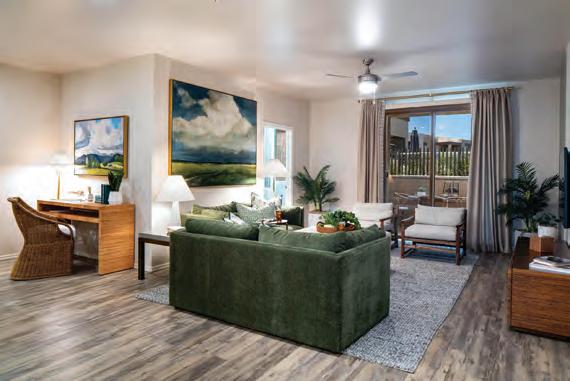

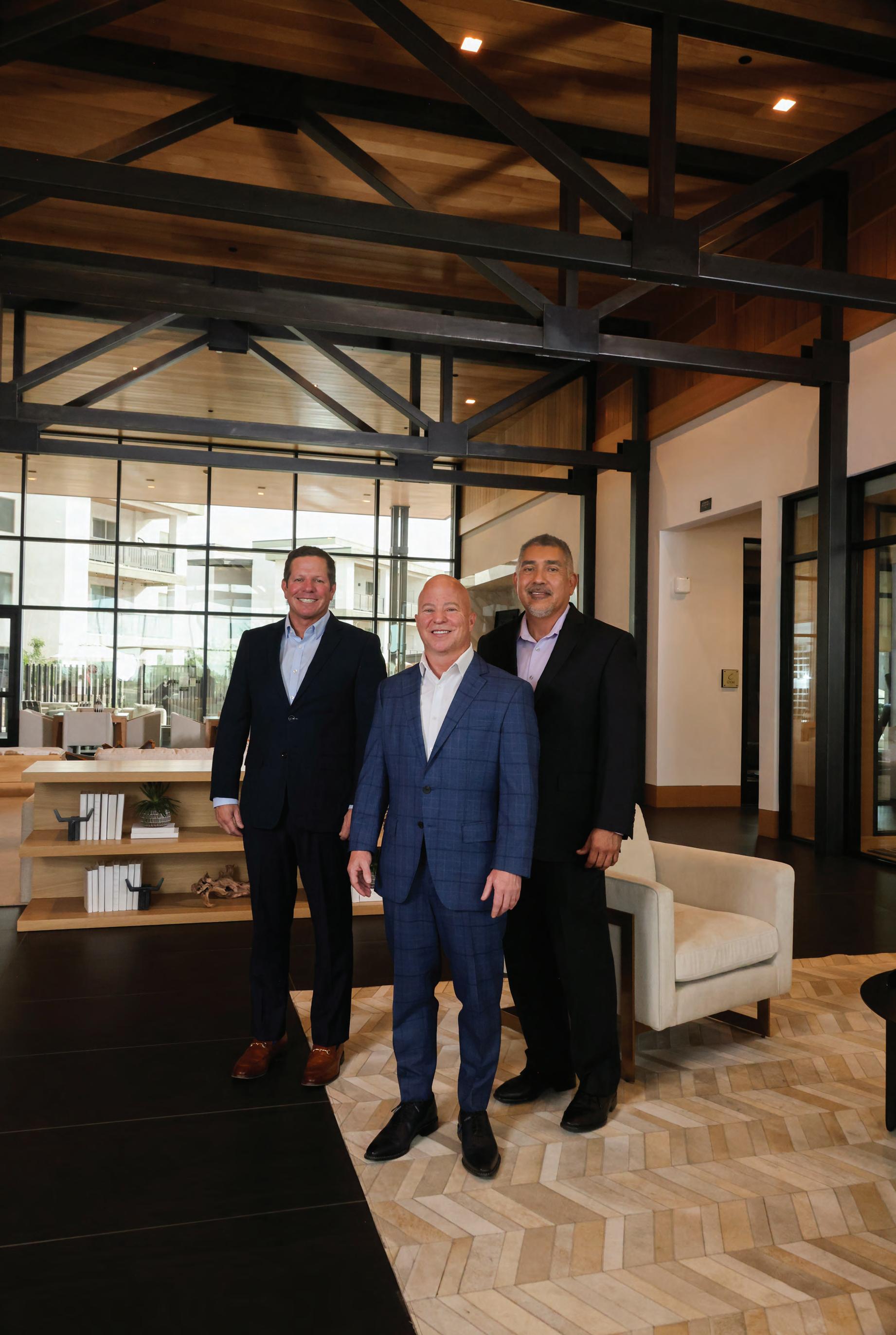
By Tara Kirkpatrick
When you’ve built or own more than 40 apartment properties there’s an expectation that a community will have a sense of your vision.
With its signature Encantada brand, HSL Properties has built a line of apartments that is dominating the multifamily space and continues to eye future growth in luxury living.
From its first major apartment acquisition in 1985, HSL now owns and operates a total of 42 apartment communities in Tucson, Phoenix, Yuma and Casa Grande − all driven by an amenity-rich approach that helps create true communities, where pride of ownership is tantamount.
“What’s really special about the brand is that it’s cutting-edge innovation in the multi-family industry,” said Graham Swanson, VP of operations for HSL Asset Management. “It’s a hybrid of services delivered to our residents that really is unmatched. The level of customer service is more on the hospitality side than what you would see in he traditional multi-family space.”
Over the entire HSL portfolio, you can find a state-of-the-art fitness center that looks over Downtown Tucson, professionally dressed concierge staff that greets residents, inviting, expansive pools with ledge loungers and cabanas, movie theaters, fire pits and more. Spacious floor plans are thoughtfully designed with chef-inspired kitchens and ainless-steel appliances, LED lighting, quality materials and sound insulation. Encantada amenities are inspired by the “hybrid of multi-family and hospitality experiences that our ownership
sees during their travels and stays at different hotels,” Swanson said. “We’re capturing those architectural elements from some of the greatest architecture that’s out there and bringing those ideas to the table during the development process.”
The Flin, for example, a 245-unit downtown development which opened in 2021, brings sophisticated, urban living and plentiful resident parking to a setting where there is great momentum. “It’s just very refined and very polished as you walk through the front doors and you feel a sense of metropolitan city living, like you would in New York or San Francisco.”
Swanson’s division, HSL Asset Management, was formed in 2002 to provide next-level property management and resident services aimed at ensuring a superior living experience.
“HSL has created a culture that’s like no other,” Swanson said. “It starts with that experience of Encantada. The first time someone walks through the doors, that customer experience starts. It’s having everything at that property, those amenities that allow the residents really not to have to leave and also get engaged, communicate and build relationships with other residents within the community.”
Chris Evans, president of HSL Asset Management, said the structure of the company lends itself to providing team members in the various business entities with a “common purpose” to ensure that everything the company does in business and in the community comes from a common vision.
“It ties us all together,” Evans said. “We can argue, we can fight, we can be passionate, but we’re passionate about trying to have the best product at the end of the day, or the best service at the end of the day, or the best idea or solution.”
With its own construction services company, HSL has the ability to ensure that what it builds is in line with the company’s vision and quality standards even if it’s a project that is unique to the company, as was The Flin when it was built on a tight downtown site where the La Placita office complex stood for years.
“That process was the most collaborative we’ve ever had with a municipality and we’ve built in all of them,” said Mike Censky, executive VP of HSL Construction Services, the construction arm within HSL Properties. “Building in an urban environment downtown? That’s not what we do so we teamed up with Tofel Construction, and they knocked it out of the park for us.”
Among the challenges of building The Flin was the fact there were a handful of historic buildings on the site that had to be preserved within the construction of the complex. It’s all part of a thoughtful approach that HSL takes anytime it builds something new with a look and a business purpose in mind.
“It’s a careful balance,” said HSL President Omar Mireles. “We have to build something that is attractive so that it’s sellable, and, of course, something that the team is going to be proud of, and proud to be employed there.”


Project: Mosaic Quarter
Location: 2500 E. Ajo Way
Owner: Edge Sports Global and Frank Knott
Contractor: Hensel Phelps
Architect: JLG Architects
Completion Date: 2027 for Phase I
Construction Cost: $425 million for Phase 1
Project Description: Phase I features a 175,000-square-foot indoor Iceplex and a 131,000-square-foot fieldhouse featuring archery, badminton and pickleball. Amenities also include a restaurant, outdoor event plaza and splash pad.
Other partners include Granite Construction, Sun Mechanical, Wilson Electric, Image Building Systems, LPR Steel, Sun Valley Masonry, Ameresco, Dibble, Kittleson & Associates, and Ninyo & Moore.

Project: Casino Del Sol, Vahi Taa’am
Location: 1055 W. Grant Road, Tucson, AZ
Owner: Pascua Yaqui Tribe Enterprise
Contractor: McCarthy Building Companies
Architect: Yaeger Architecture
Completion Date: November 2026 (estimated)
Construction Cost: N/A
Project Description: The163,000-square-foot casino development includes a gaming floor, dining, sportsbook, bars and a 1,200-space parking garage.
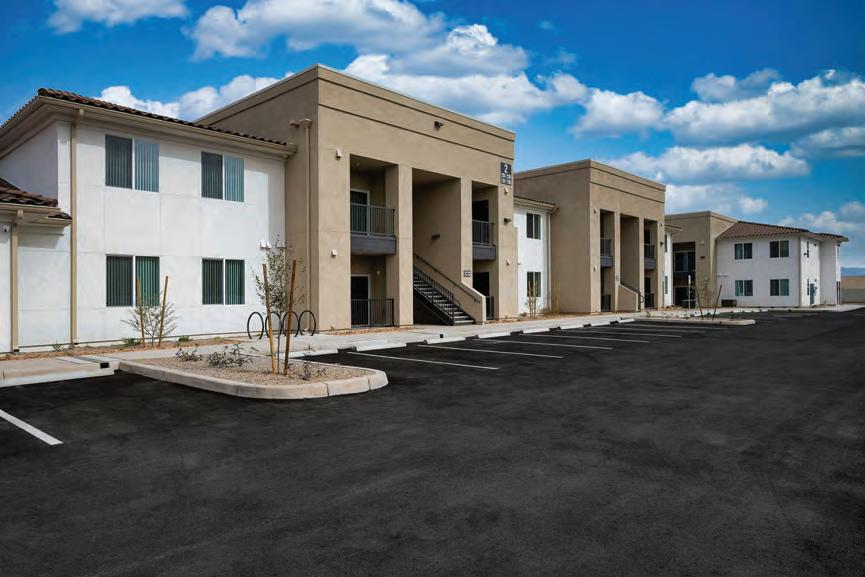
Project: Desert Dove Apartments
Location: 6175 South Midvale Park Rd.
Owner: GHK Properties, LLC
Contractor: Tofel Dent Construction
Architect: Perlman Architects of Arizona
Completion Date: February 2026
Construction Cost: $17.3 million
Project Description: This 76,793-square-foot-affordable apartment complex will feature 64 one-two-, and three-bedroom units and a community building.
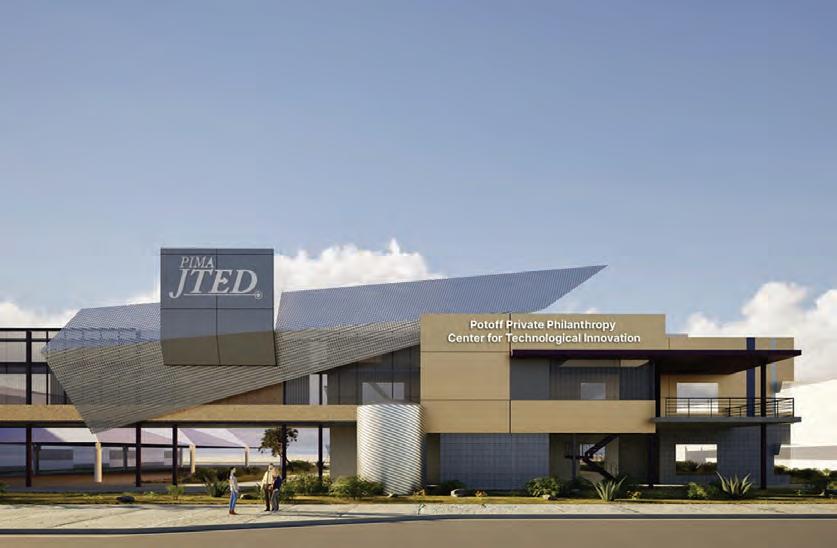
Project: Pima JTED Potoff Private Philanthropy Center for Technical Innovation
Location: 3300 S. Park Ave. at The Bridges Campus
Owner: Bridges 3 LLC
Contractor: Chasse Building Team
Architect: BWS Architects
Completion Date: June 2027
Construction Cost: Estimated $26 million
Project Description: The 50,000 square-foot building will house Pima JTED’s Construction and Welding Technologies as well as Engineering Robotics and Manufacturing programs.


By Tom Leyde
Bobby’s Garden is growing and flourishing.
Vegetable and flower seeds were planted in March. Two boarded up bungalows, owned by the University of Arizona, have been converted into a kitchen and a classroom, and a greenhouse has been constructed. A hen house also was added to the mix.
Situated at Mansfeld Middle School, a K-8 magnet school at 1300 E. Sixth St., Bobby’s Garden honors Tucson resident Robert “Bobby” Gentry, a master gardener who died in January 2024 of pulmonary fibrosis. Gentry was a 49year Tucson Electric Power employee. He also was an avid gardener, master chef, lover of the arts, an artist and a teacher.
Ground was broken Dec. 16 for the garden. The project is a partnership that brings together the Tucson Unified School District school and the University of Arizona’s School Garden Workshop.
The School Garden Workshop was founded in 2009 by Sallie Marston, a political geographer and social theorist and a regent’s professor emirita in the
continued on page 154 >>>

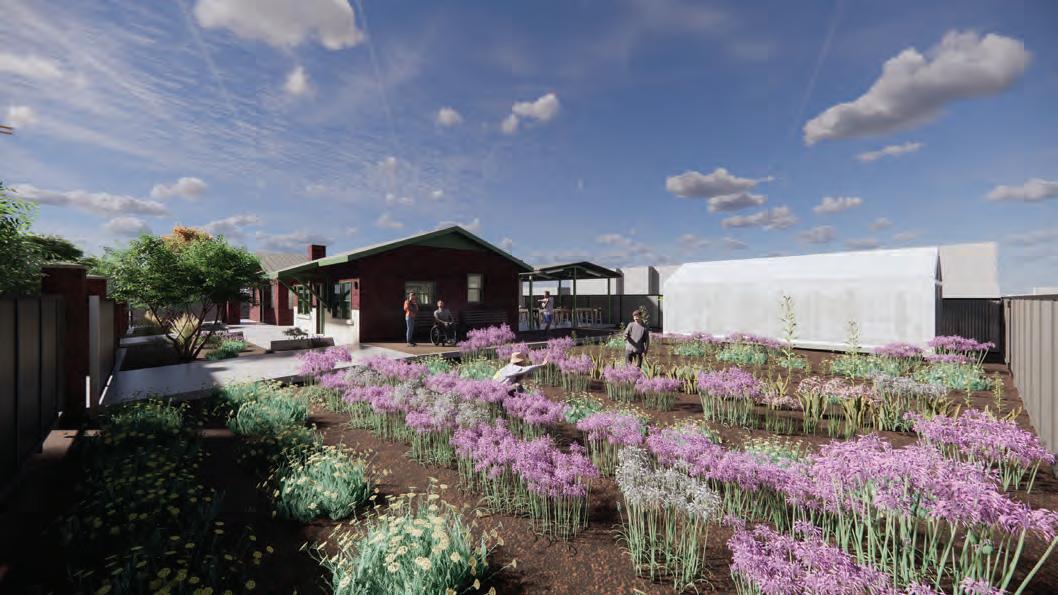
continued from page 152
UA School of Geography, Development and Environment.
Partnering with a Project MORE class and the Community Food Bank of Southern Arizona, the effort has expanded into a network of 70 school gardens throughout TUSD.
Gentry’s widow, Norma Gentry, a publicist for restaurants and chefs, had been looking for a way to honor her husband’s legacy, as was her stepson, Matt Gentry. The Gentrys and a friend met with Moses Thompson, director of the School Garden Workshop.
It turned out the workshop was building the school garden at Mansfeld, and it was agreed to name it Bobby’s Garden.
Before the garden groundbreaking and dedication, fruit trees were planted along with Bobby’s ashes spread among them, Norma Gentry said.
“He would love it,” she said. “He’d be so over the moon about this. He’d be out there with the kids. It’s very inspirational. So many people have given so much money in the last two years. A lot of people at the dedication signed up to volunteer. They want to help in all these aspects: cooking and all that.”
“Bobby’s Garden is deeply personal to me because it transforms the pain
of losing my dad into something alive,” Matt Gentry said. “He found so much peace in his garden. That’s where he slowed down, where he believed in growth, even when you couldn’t see it yet.
“Knowing that kids in our community will learn those same lessons in a space that carries his name reaches a place in me I can’t really explain. It’s not just soil and seeds. It’s patience. It’s hope. It’s legacy.”
Sprouts Farmers Market Inc. is the largest donor to the garden with $1 million donated to restore the bungalows, which are named the Sprouts House Culinary Bungalows. They are situated near Mountain Avenue just west of Mansfeld.
Part of the School Garden Workshop is an intern program. Thompson explained that each school involved in the gardening program gets two or three UA student interns. They work to support the gardens and do teacher development workshops.
“Every school garden figures how to get their vegetables out into the community,” Thompson said. “Some take them home or take them to farmer’s markets. And some push them into cafeterias as part of the lunch service.”
Thompson said the School Garden Workshop organizers are really excited about new developments at Mansfeld. “No. 1, we think it’s a perfect fit for Bobby Gentry. It’s a perfect legacy project.”
The Mansfeld project, he said, is important because the school is a feeder school, which welcomes students from nearby elementary schools.
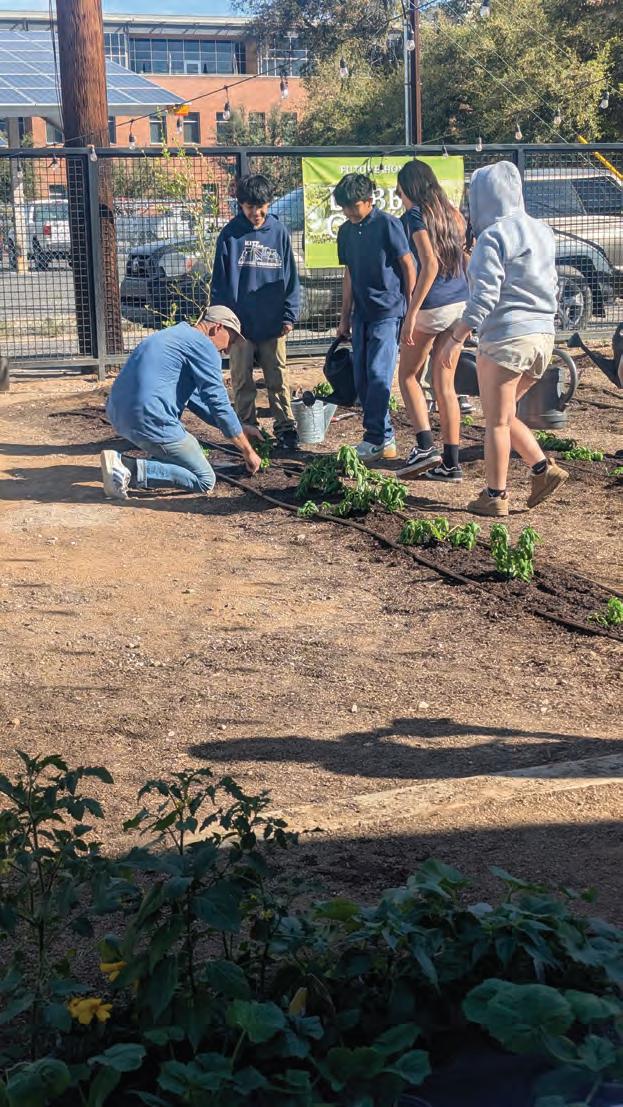
“Chefs eventually want to work with them,” Thompson said. “They have their own culinary team. That will probably happen in the fall when we get some of the kinks worked out.”
Bobby’s Garden will be growing crops of chilis, tomatoes, beans and squash, Thompson said. Companion crops will include marigolds and zinnias, which are edible.
Bobby Gentry’s love for gardening was all encompassing, Norma said. Before he became ill, he was going to install a cistern in their backyard. His illness required him to be on oxygen, she said, and he always had a tube from the oxygen tank to his oxygen mask that would reach to the back porch and the garden.
Norma encourages people to donate to Bobby’s Garden to see it grow and expand. The garden, like Bobby Gentry, will continue to teach, nourish and inspire.


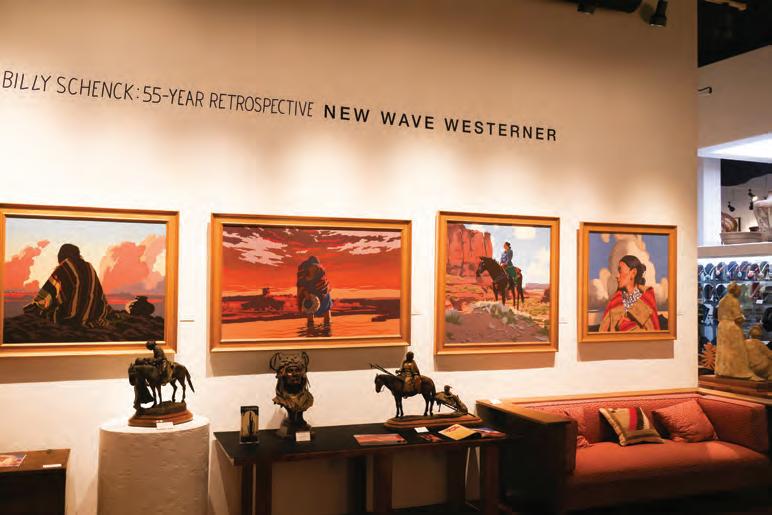


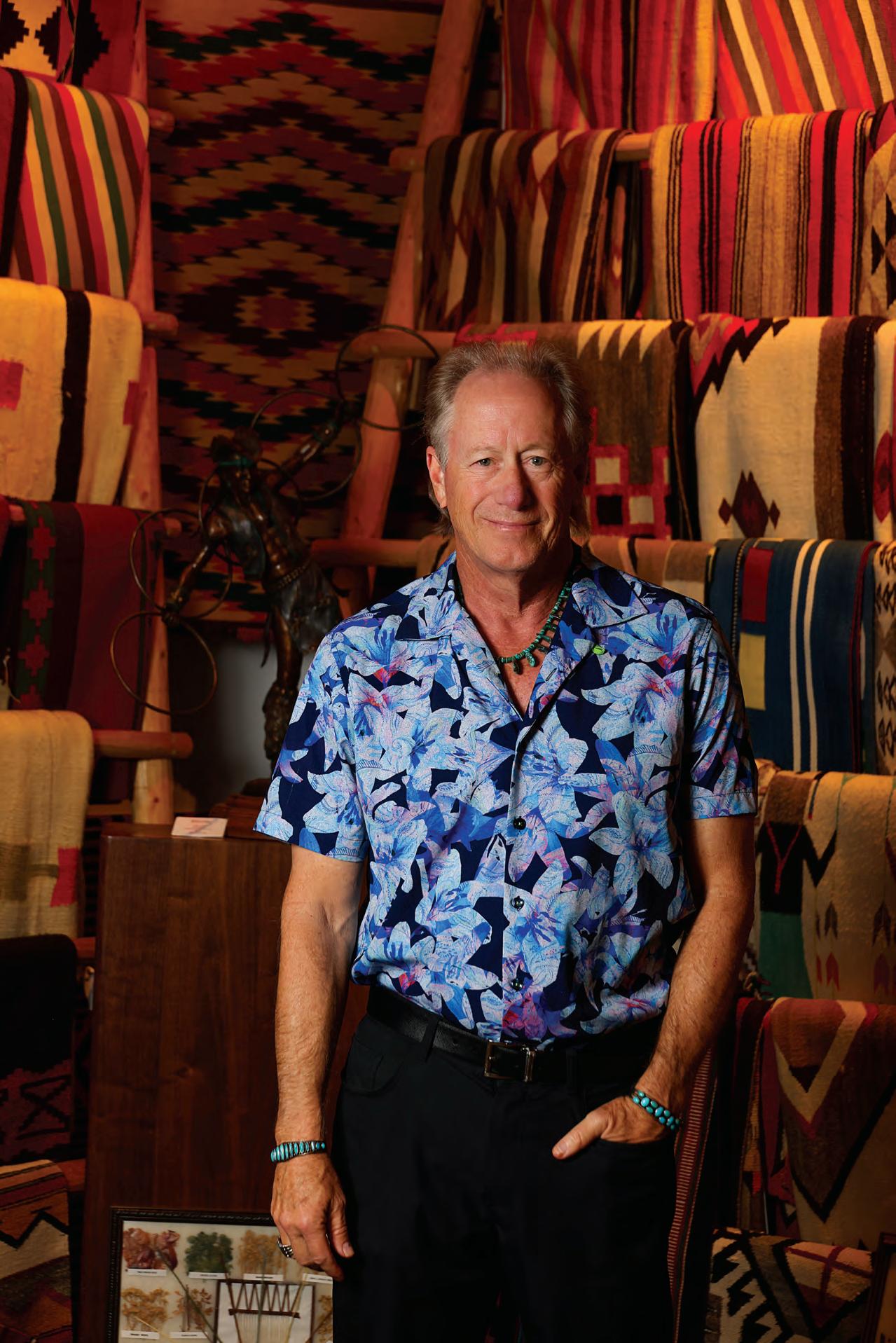
BY
By Tiffany Kjos
With millions of views online and a museum and gallery full of Western and Native American masterpieces, Mark Sublette is as comfortable on YouTube as he is handling century-old pieces.
The ardent educator, historian and preeminent authority on Western artist Maynard Dixon has leveraged a lifelong obsession into a platform that spans fine art, storytelling and digital media. It is all showcased at the Mark Sublette Medicine Man Gallery, 6872 E. Sunrise Dr. #130, and the neighboring Maynard Dixon and Native American Art Museum.
“We have the largest collection of Maynard Dixon material in the world, including things like his easel and his pistol and his very personal things, like his chief’s blanket,” said Sublette.
Among Sublette’s many books are “Maynard Dixon’s American West: Along the Distant Mesa,” which explores Dixon’s life and work, and the more recent “Ed Mell-Maynard Dixon: Icons of the West,” a comparative study of Dixon and fellow Southwest artist Ed Mell.
“He was born in the Gilded Age and died in the nuclear age, so he sees the changing of the Old West to modernization, and he captures all of that,” Sublette said of Dixon. “And he made his entire life as an artist, which I also really appreciate. Sometimes you just see something in a person, and you go, ‘Oh, this is worth spending a lifetime trying to understand.’”
Inside the gallery, visitors find Native American jewelry, furnishings, rugs, baskets and fine artwork from the Taos and Santa Fe colonies, including paintings, sculptures, pottery and pho-
tographs, ranging in price from $35 to seven figures.
Sublette’s passion began early. Growing up in Portales, N.M., he spent time at the nearby Blackwater Draw National Historic Landmark and its museum.
“So, I would go and visit that museum, and it would make me wonder and be inspired to see the art museums where I grew up other than that. I first started collecting pieces when I was a little kid. The first piece I got I was probably around 7 or 8 – a little Santa Clara bird ‘animalito,’ which I still have.”
That early fascination grew into a full-blown love of collecting. “When I started as a kid, I had a coin collection and I had a comic collection. But the comics I collected because I liked the art. It wasn’t about the stories; it was the art,” he said.
Over time, Sublette’s focus turned toward indigenous art. “I don’t know how you could live here and not find a connection to the people and the arts,” he said. “It’s who we are as a people if you live in the Southwest. We’re surrounded by imagery and names that are directly taken from Native cultures.”
Sublette’s photographs are for sale and are included in his eight-volume Charles Bloom Murder Mystery Series — available at the gallery and on Audible and Kindle — and in newer titles featuring fictional art detective Westin Blackwood. He also penned “Between the White Lines,” a stand-alone thriller, in addition to art catalogues and numerous magazine pieces.
Recognized with the C.M. Russell Heritage Award for Art History in 2022, Sublette supports cultural and social programs through the Sublette Family
Foundation for the Arts.
Before founding the gallery, Sublette earned a medical degree in Missouri, served four years as a naval physician, then completed his residency at the University of Arizona. In 1992, he opened the Medicine Man Art Gallery. “The name Medicine Man has to do with the fact that I was a physician and I dealt with Native American art,” he explained.
Decades later, Sublette has become just as well-known for his Art Dealer Diaries podcast on YouTube and Spotify, which he’s hosted weekly for nine years. Recording those stories taught him something personal. “I didn’t really think of myself as an artist. But after listening and understanding the journey that these creative types take, and how their minds work, I realized, oh yeah, this is what I do as well.”
His next venture is a collaboration with famed Western artist Thomas Blackshear II – a story to be published alongside Blackshear’s paintings in a pulp fiction magazine. Blackshear’s works are on exhibition at the gallery this spring.
Sublette and his son Charles, a coowner of the gallery, travel for gallery events, museum visits, and art shows, producing videos along the way. His wife, Kathleen, is also co-owner of the business.
“It’s a joy to get to work with your family, and I love working with my son,” Sublette said. “It’s fun to watch him evolve and find areas that he’s very interested in and knows more about than I do. So, he’ll at some point take over and run the ship, and hopefully this gallery will continue for another 30-plus years.”



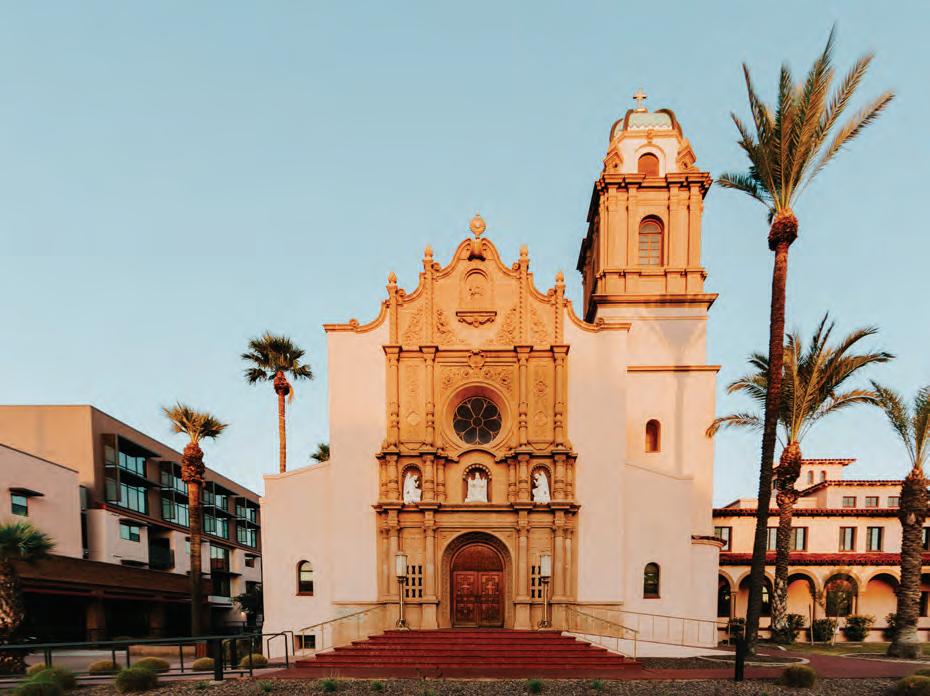


By April Bourie
The rose-colored Benedictine Convent and Chapel of Perpetual Adoration, a beloved historic landmark at 800 N. Country Club Rd. in midtown Tucson, is now a beautiful theatre and performance venue, appropriately called La Rosa.
Opened in October 2025, La Rosa provides entertainment for all ages and interests, and welcomes local, regional, national and international bands.
David Slutes, La Rosa’s owner and programming manager, and his business partner Charlie Levy are the duo behind the new venue. Levy has opened some of Arizona’s most respected live music and event venues including The Van Buren, the Crescent Ballroom and the Valley Bar, all in Phoenix. The longtime music director for Hotel Congress, Slutes has been in the concert business for years.
Old colleagues, Slutes and Levy decided they should open a theatre together and began scouting locations across Tucson. They fell in love with the Benedictine.
Designed by architect Roy Place and built in 1940, the Spanish Renaissancestyle convent was once home to an order of nuns, some of whom lived there for more than 20 years before it closed in 2017 due to a dwindling, aging community of sisters. Today, the site holds a new apartment complex, which has been built around the original convent buildings.
“The owner of The Benedictine Apartments (who owns the La Rosa space) appreciated our vision for the theatre,” Slutes said.
Since La Rosa opened last year, finding the right acts to perform at the venue has been fairly easy, thanks to Slutes’ and Levy’s reputation and relationships with national and international talent agencies. Recent events range from ABBA and Rolling Stones tributes to candlelight musical performances, along with a Flamenco festival and an indoor vintage market.
“It was critical to us to get the right acts booked from the beginning,” Slutes said. “We’re at about 50% local/regional and 50% national/international. Now that the first acts have performed and like the space, groups want to play here.”
Performances are often repeated during the day or La Rosa may host two different acts booked in one day. “I’m a serial booker,” said Slutes. “I want everybody to own the place and have different and good-quality performances because tickets are not cheap anymore. I want this engaged community space to be engaged.”
It was also important to Slutes and Levy that the surrounding neighborhood was on board with having the theatre there, especially because of limited parking. “We worked very hard with the neighborhoods around us to bring parking in...and they’ve been lovely.”
They designated certain areas within walking distance as free parking lots and street parking is free. Levy and Slutes have also coordinated with nearby businesses like the Red Garter Saloon Bar & Grill and The RumRunner to allow patrons to park in their lots.
A detailed parking map and informative parking video can be found on the La Rosa website at larosatucson.org. “Angel Parking” for spots located on property is available for certain performances and must be purchased online beforehand.
Sisters Bar and Restaurant, another Slutes/Levy joint venture on the Benedictine property, opened in January. Serving pizza, sandwiches, salads, and pasta, the restaurant is open for dinner seven nights a week and for special events.
Slutes hopes the new restaurant will be an added benefit to theatregoers and neighborhood residents and that both entities will continue to be embraced by the community.
“We’re excited about this new midtown feel. There’s The Loft and The Sunshine Mile nearby. It’s like a midtown arts district with a new energy in the area. It makes Tucson ultimately more vibrant. We hope we are really enriching the community by being here, and so far, I think we’re off to a good start.”
Andre T. Whittington Executive Director Growth Partners Arizona
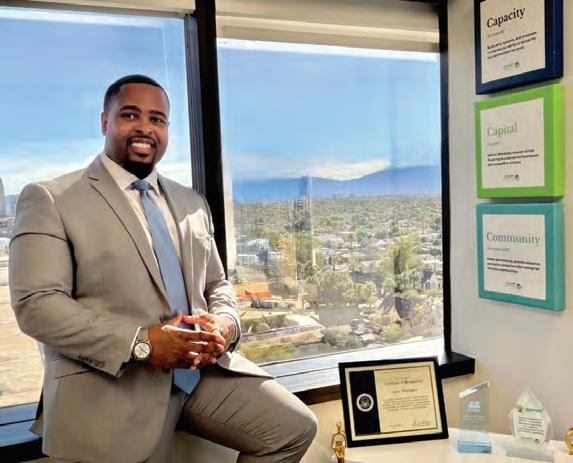
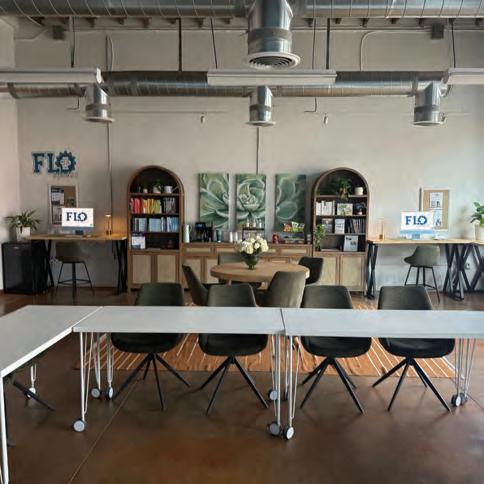
Growth Partners
located in the Tucson Small Business Center.
Founded in Tucson in 2012 as the Nonprofit Loan Fund of Tucson and Southern Arizona, Growth Partners Arizona (GPAZ) began with a focused mission: provide responsible capital exclusively to nonprofit organizations serving Southern Arizona.
Today, GPAz operates as a statewide Community Development Financial Institution (CDFI), serving nonprofits and small businesses across Northern, Central, and Southern Arizona — and emerging as one of the fastest-growing financial institutions advancing responsible capital deployment in the state.
In late 2022, GPAz entered a new chapter with the hiring of Executive Director Andre T. Whittington, marking a strategic inflection point for the organization.
“When I stepped into this role, the priority was clear,” Whittington says. “We needed to strengthen the balance sheet, modernize operations, and build the infrastructure necessary to scale responsibly.”
Since that transition, GPAz has undergone a measurable transformation. Total assets have increased by 161%, reflecting disciplined balance sheet growth and expanded lending capacity. The organization has set lending records in each of the past two years,
both in total dollars deployed and businesses funded, while maintaining strong portfolio performance. Onbalance-sheet loans now exceed $3.5 million, and GPAz’s loan deployment ratio has surpassed 100% for two consecutive years, demonstrating sustained demand, efficient capital recycling, and rigorous underwriting standards.
That growth reflects deliberate strategy — not expansion for its own sake. It has been supported by strengthened governance, enhanced underwriting discipline, operational modernization, and expanded strategic partnerships. Throughout this period, GPAz has maintained full compliance with CDFI Minimum Prudent Standards, reinforcing institutional rigor and portfolio strength.
This disciplined growth was recently recognized when Executive Director Andre T. Whittington was presented with the Unsung Hero Award by the Governor’s Office of African American Affairs, acknowledging his work in strengthening Arizona’s economic ecosystem.
As Arizona continues to attract employers, developers, and entrepreneurs, access to capital remains uneven — particularly for viable but underprepared businesses. In response, GPAz
introduced its Financial Empowerment Framework, aligning financial readiness, capability building, and disciplined lending into a structured pathway. The model has drawn national attention, including recent coverage in Forbes, and was reinforced in February with the launch of GPAz’s Tucsonbased Financial Literacy Office (FLO), strengthening place-based engagement while supporting its statewide lending ecosystem.
“We’ve learned that capital without capability creates risk,” Whittington explains. “Our responsibility as a CDFI is not simply to deploy dollars, but to ensure businesses are financially positioned to use those dollars effectively.”
With scalable systems, strengthened governance, and demonstrated capital absorption capacity, GPAz is positioned for continued expansion aligned with long-term economic stewardship.
As Arizona’s economy accelerates, responsible access to capital becomes critical infrastructure. Growth Partners Arizona is emerging as a cornerstone of that infrastructure — built to responsibly absorb and deploy greater levels of capital as Arizona’s economic expansion continues.
www.growthpartnersaz.org

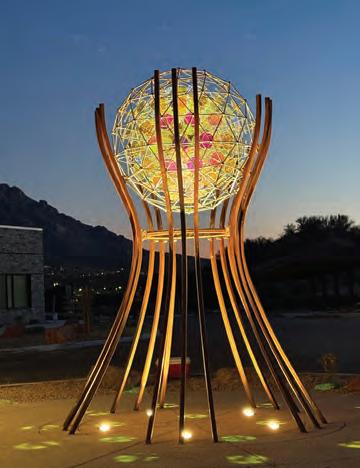
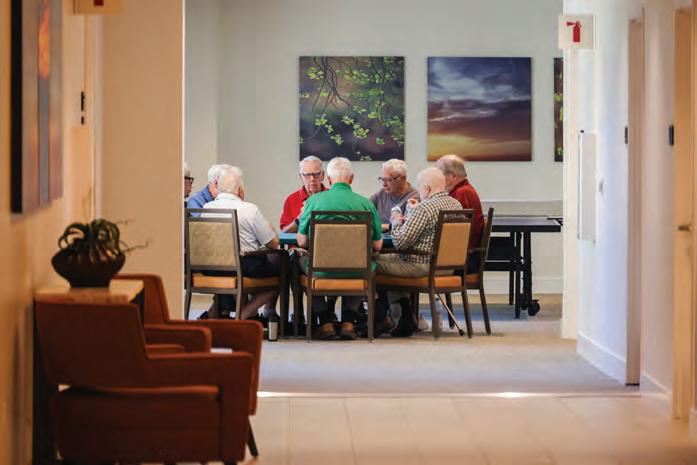
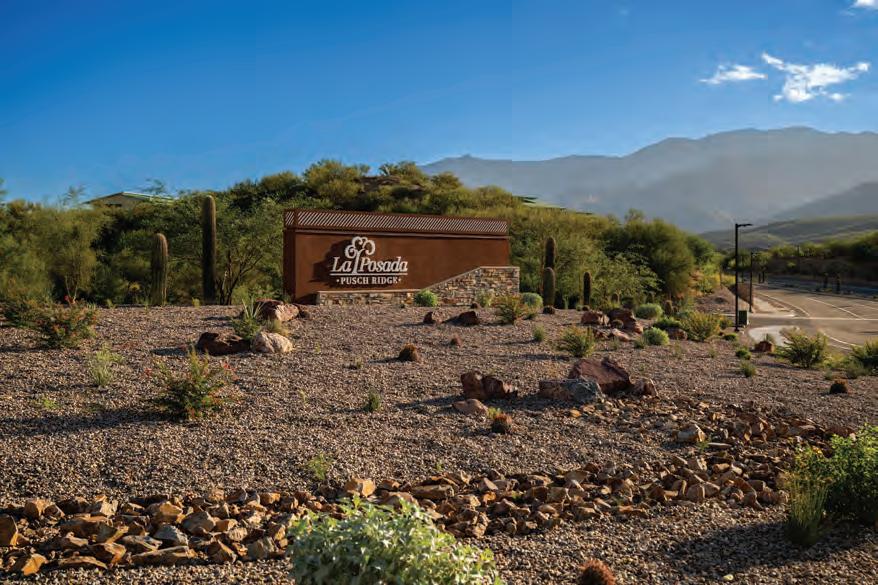


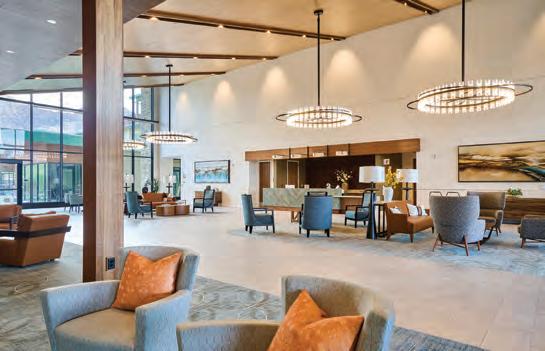
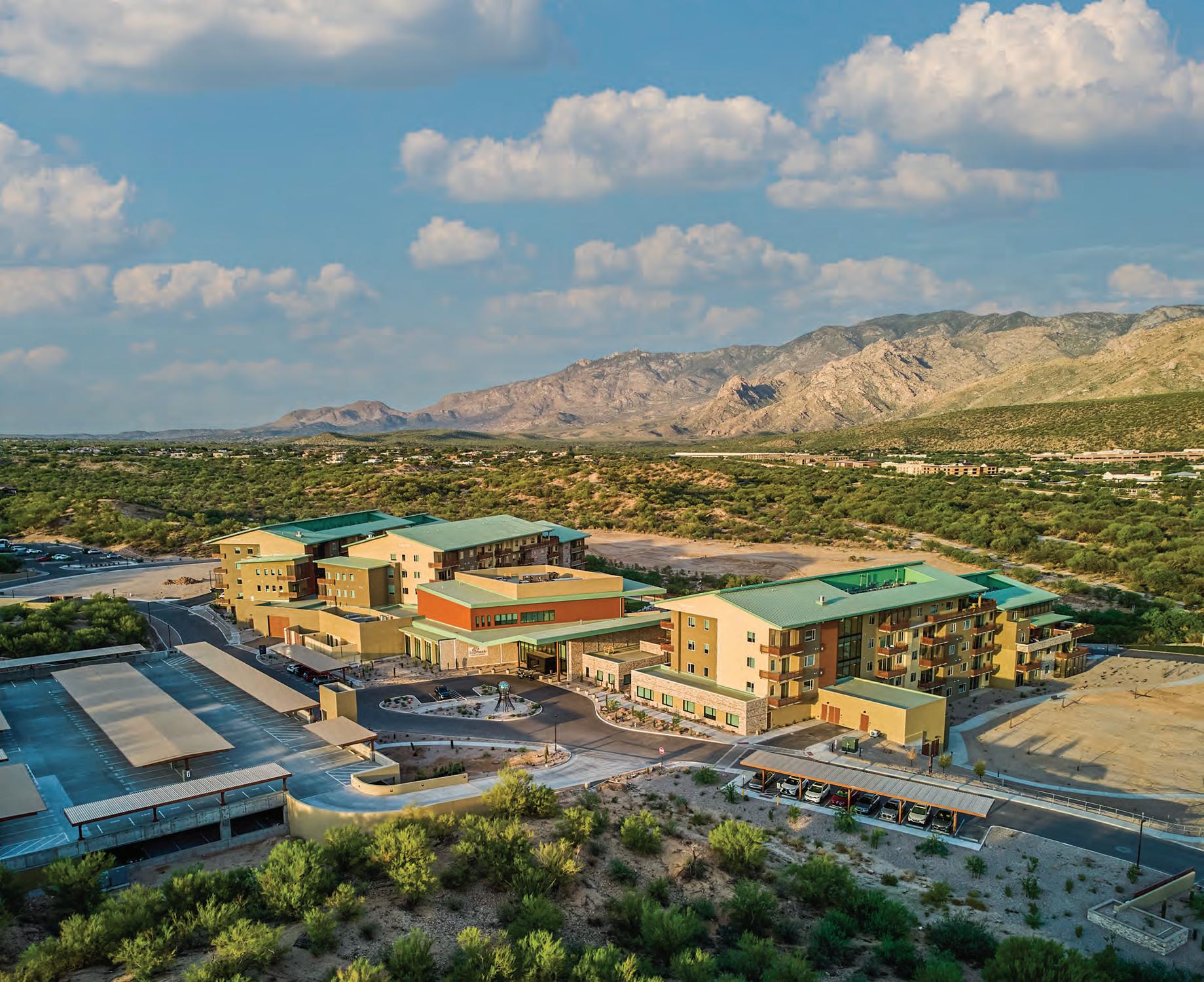

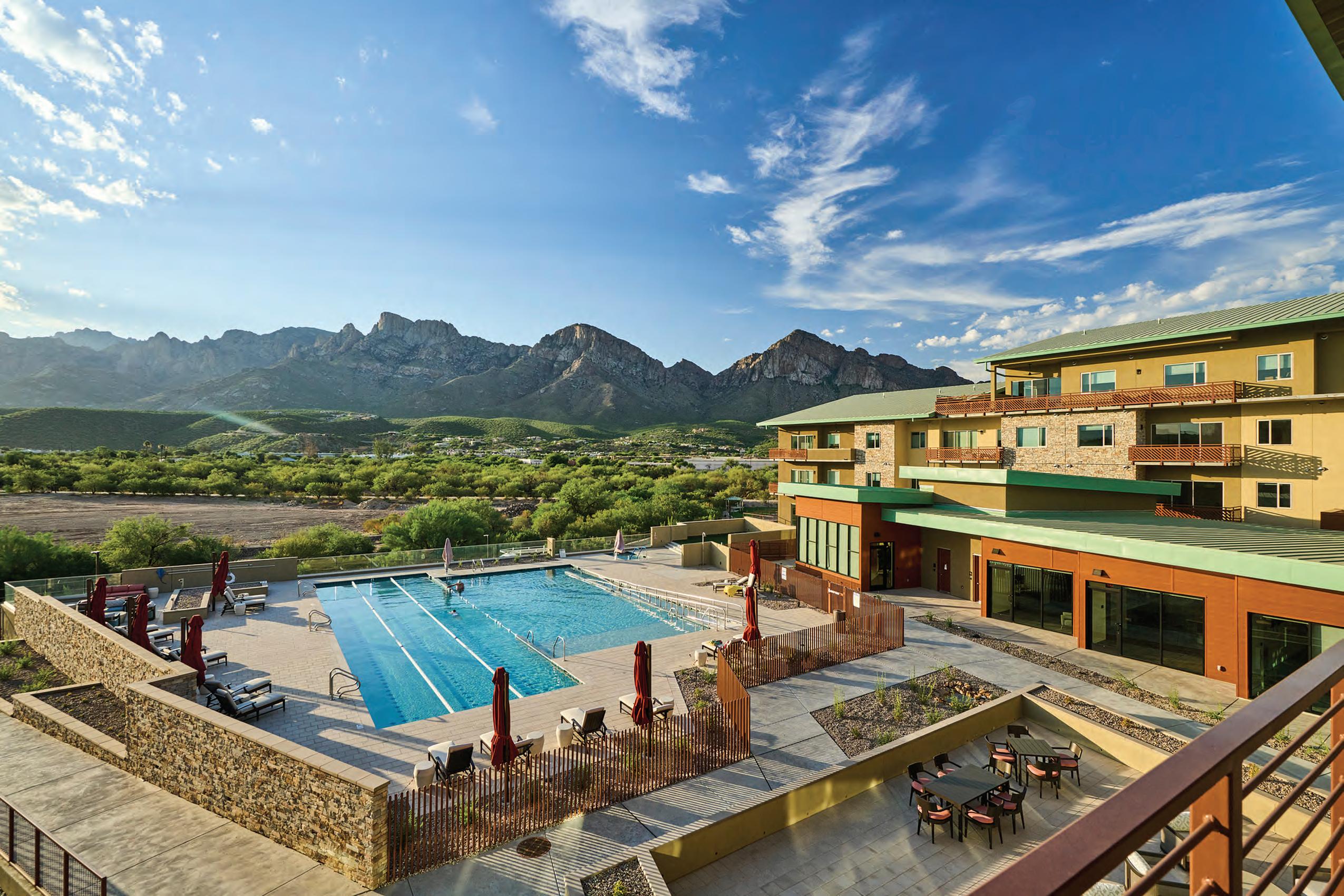
By Loni Nannini
La Posada at Pusch Ridge is redefining retirement in Southern Arizona and beyond with a newly constructed, luxury “Life Plan” community in an unparalleled setting in Oro Valley.
The multi-phase, resort-style community at 11050 N. Avenida Posada de Oro is also helping to fill a growing gap in retirement industry resources and services nationwide, according to Joni Condit, president and CEO of La Posada Communities.
“Statistics predict that by 2030, seniors over the age of 65 will be the largest cohort in the U.S. La Posada’s mission is to maximize the well-being of seniors, and with more seniors turning 65 every day, our board and leadership team felt that it was time to expand our service area,” said Condit.
continued from page 164

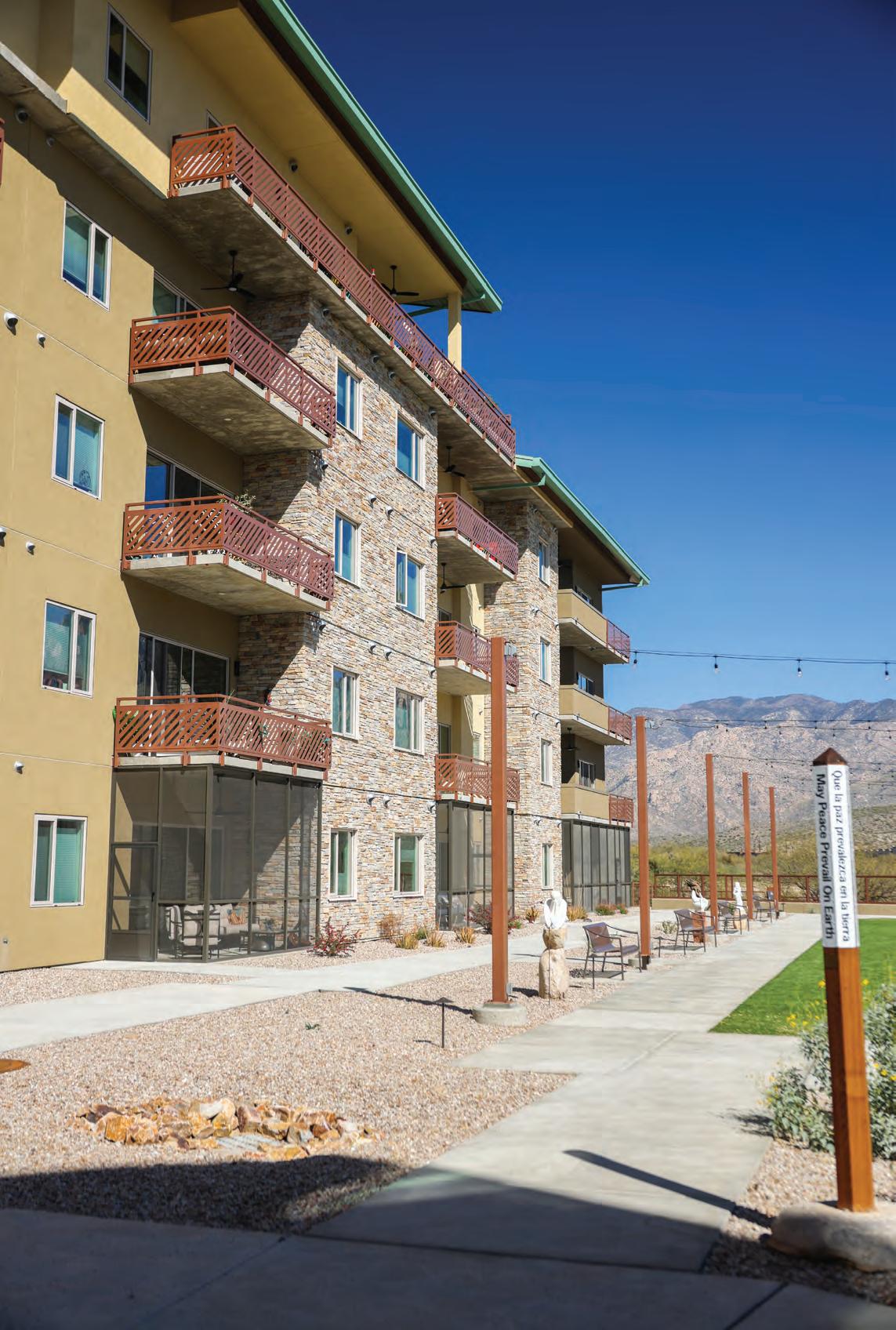
“We believe that everyone deserves to age with joy, purpose and dignity. Our nonprofit, Life Plan community in Oro Valley on 80 acres has phenomenal views of the Catalina Mountains and a team dedicated to enriching the lives of older adults through exceptional services, meaningful relationships and innovative programs.”
The 2025 completion of Phase I of the state-of-the-art campus, built exclusively for those ages 62+, segued with Oro Valley’s designation as the Most Livable Retirement Town in the West by Travel & Leisure magazine. The project holds another distinction: In 2025, the National Investment Center for Seniors Housing & Care reported that new construction of independent living units constitutes less than 1% of inventory nationwide.
“You don’t see a lot of new builds like ours in senior living; many properties are acquisitions. This is a brand-new product to Tucson, which is a big asset. . .we are also locally governed and managed and that distinguishes La Posada and puts us in a unique position to serve seniors in the Oro Valley/Tucson area,” said Alexis Martinez, executive VP of La Posada at Pusch Ridge
The resort-style community is designed to meet the heightened holistic expectations of baby boomers and other retirees for social, emotional, physical, intellectual and philanthropic engagement across the aging spectrum.
“When we think about aging, what you need in your early 70s is much different than what you may need in your late 80s and 90s through becoming a centenarian. We have a solution for you depending on where you are on the arc of your aging journey. You can enjoy vibrant, resort-style living and activities that can pivot to more healthcentric services should you need it,” said La Posada CFO Chris Simon.
“We have a solution for you depending on where you are on the arc of your aging journey. You can enjoy vibrant, resortstyle living and activities that can pivot to more healthcentric services as you get older.”
– Chris Simon CFO
La Posada Communities
The personalized lifestyle begins with beautifully appointed independent living apartments that include integrated health and wellness services referred to as Posada Life At Home
The resort-style amenities include a dining room with chef-curated menu and a cafe/coffee bar; a library; multiple meeting and gathering spaces; an outdoor swimming pool and spa; a table tennis and gaming room; a dance floor and a parking garage with a charging station for electric vehicles. The Viva Center offers a modern fitness center, professional salon and an arts and crafts room with a kiln.
Phase II is in development and will complete the continuum of care with assisted living and mem-
on page 168 >>>

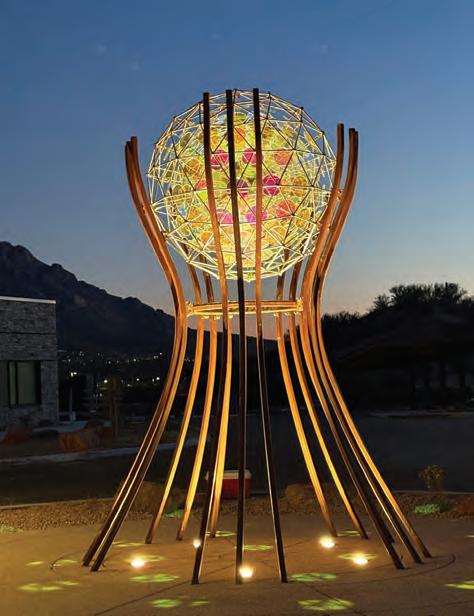
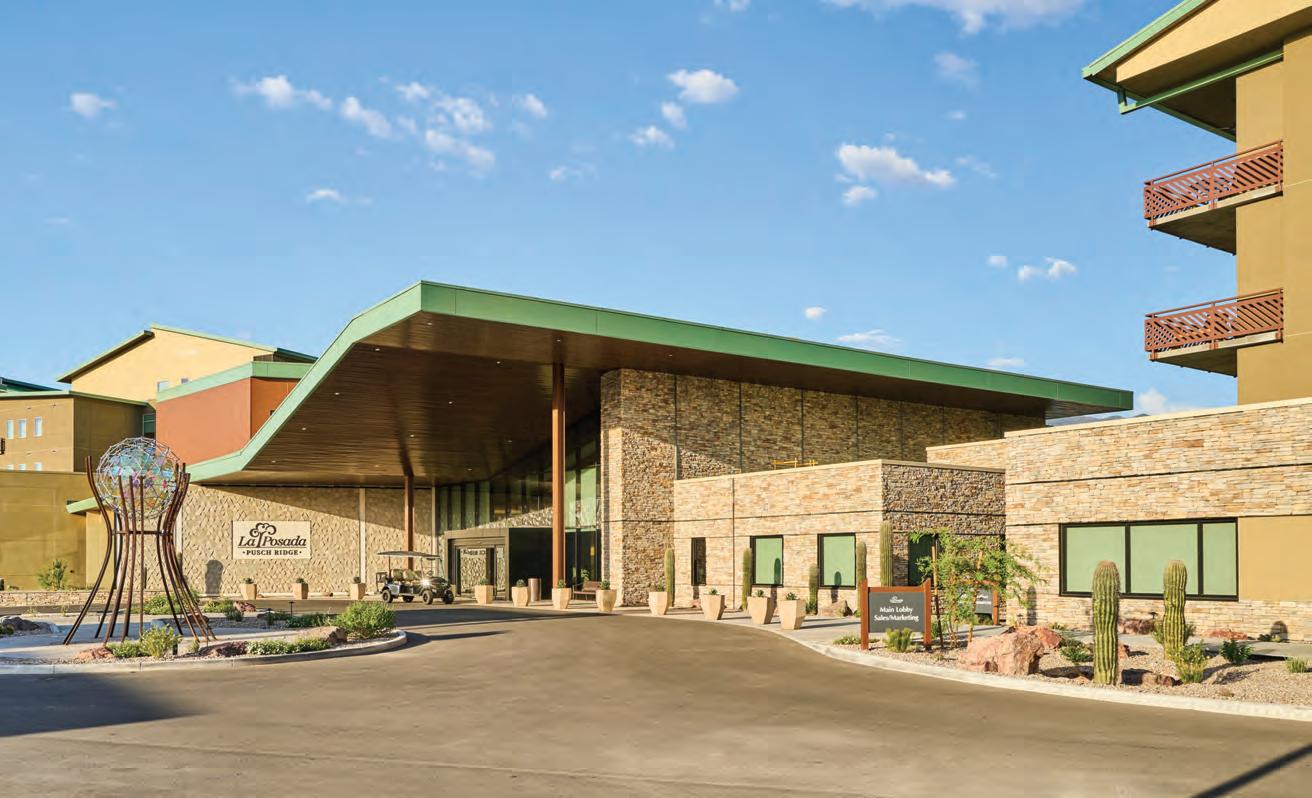
continued from page 166
ory care, to be followed by single-family homes with garages.
“We like to say, ‘The right service at the right time.’ Our residents are able to live out their lives at the community they have grown to love and call home,” said Martinez.
“They have a network of friends and staff who care about them and when the need arises, we are able to support them through the continuum to provide the care they need, bringing peace of mind to them and their families.”
Residents access the Life Plan model through an entrance agreement for housing priced from $400,000 to $1 million (a significant portion of which is refundable to the resident’s estate when they leave) and a monthly service fee for living expenses.
The average monthly service fee for a single person is $6,500 and covers dining; utilities; weekly housekeeping; maintenance; routine transportation; availability of an RN navigator; and access to extensive campus amenities, classes and clubs. There is a second person fee for couples. Many residents are able to utilize long-term care policies as the need for care progresses.
“In Southern Arizona, there are very few nonprofit senior living communities with continuums. Most of them are only assisted living, only independent living, or only skilled nursing—and most of those are for-profit,” said Condit.
“As a nonprofit, we have a different philosophy: The money we make stays in the community for the betterment of the community. It isn’t distributed to shareholders. That is the No. 1 difference.”
La Posada’s tried-and-true business model was implemented in 1987 in Green Valley. The Green Valley campus has since expanded to serve about 750 residents through the continuum of care.
Residents reap multiple benefits from La Posada’s nonprofit reinvestment of excess funds in its communities, particularly the comfort and security of a “life lease” if they outlive their resources through no fault of their own.
“This is super powerful. Once you become a resident, we look at you as a partner and want to foster that through your lifetime. This guarantees that you are always going to have a home, with the caveat that you don’t gamble your money or gift it all away,” said Simon.
Condit said the nonprofit status also promotes a strategic outlook “less tied to market volatility, which provides longterm stability in the local economy.”
That strategy supports a growing regional workforce of 690+ including sales counselors, security, nurses, caregivers, dining staff, maintenance teams, fitness and activity staff, and leadership.
Additionally, La Posada Communities promote collaborations with city, county and state entities and private enterprise. Partners include Sundt Construction; Gensler, a global architecture and design firm; Ziegler Financing Corporation; U.S. Foods; Shamrock Farms; local healthcare organizations and many more. First responders such as Santa Rita and Golder Ranch Fire Districts are also key partners and Simon credits them with “respecting and caring for residents every day.”
The nurturing of relationships and outreach to build civic engagement and strengthen community identity is grounded in old-school wisdom, according to Condit.
“You have to really listen to your customers and engage with them. What people expected years ago is different than the generations of today.”
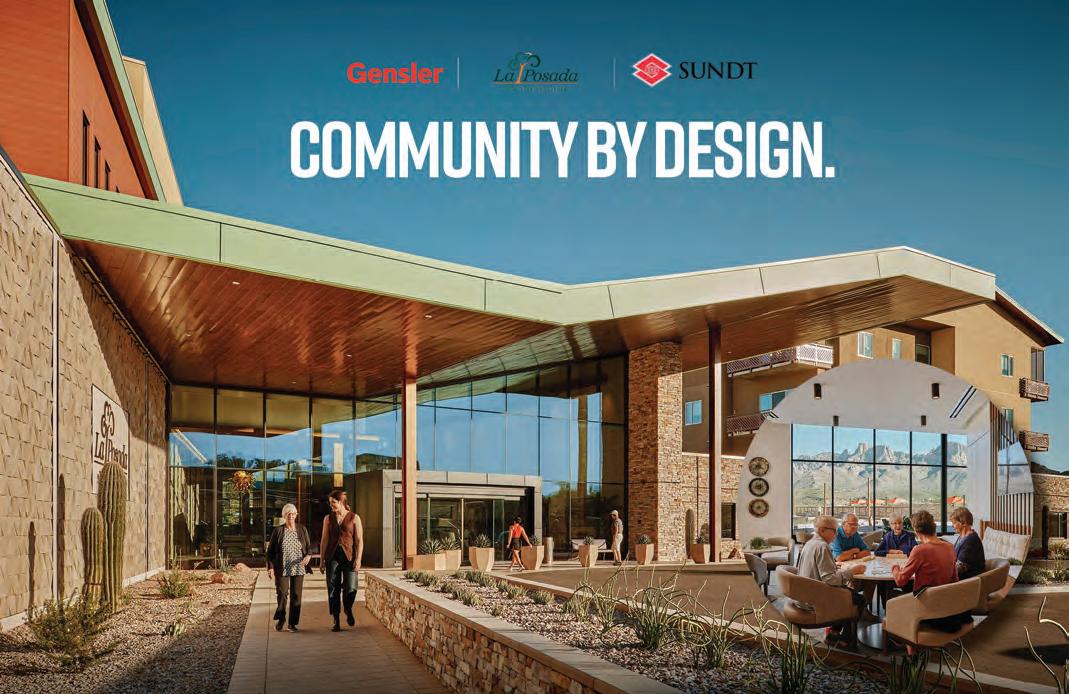

La Posada at Pusch Ridge is dedicated to empowering active adults to thrive in body, mind and spirit.
With five decades of collective experience in the retirement care and hous-
Q:With the completion of independent living apartments and resort-style amenities at La Posada at Pusch Ridge, what is your vision for the community moving forward?
A:CONDIT: Our vision for La Posada at Pusch Ridge is to be a premier senior living community that provides exceptional services and innovative programs through meaningful relationships. We empower those we serve—and those who serve them—to experience their best lives. Our board has set forth a masterplan that will guide our development over the coming years as we remain attentive to the marketplace and the needs and interests of seniors.
Q:What is your leadership philosophy and how has it contributed to the success of La Posada?
A:CONDIT: Leadership of a growing senior living organization is a profound responsibility – one that demands integrity, caring and an unwavering commitment to those we serve. La Posada’s long history of success (which began nearly 39 years ago with La Posada at Green Valley) is built on the trust of our residents, their family members, and our team members. It is my responsibility to honor that legacy while guiding our organization to maintain a tradition of excellence in service
By Loni Nannini
ing industry, La Posada Communities President and CEO Joni Condit and Executive VP of Pusch Ridge Alexis Martinez prioritize a symbiotic, residentcentric culture in the newly-constructed
and innovation in programs. Our history has taught us the value of trust, and our future depends on communication, accountability and the courage to continually change and improve. My philosophy is pretty simple: when we care for people wholeheartedly and lead with purpose and vision, then growth becomes a natural outcome of our mission.
Q:How is La Posada at Pusch Ridge at the forefront of the senior housing and care industry?
A:MARTINEZ: I always go back to the fact that we are a nonprofit rooted here in Southern Arizona with local ownership and local management. In the grand scheme of things, we plan to become an integral member of the Oro Valley community, just like La Posada at Green Valley is. Also, we are very much in touch with our residents. Our programming is resident-driven, so that allows us to be very responsive to their wants and needs and we are always open to trying new ideas. And our senior leadership and staff are involved with Leading Age (a national association that serves as a “voice for aging” regarding advocacy and policies for older adults), and Arizona Leading Age which allows us to stay abreast of industry changes in legislation and proactively respond to changes in the aging demographics of our senior population.
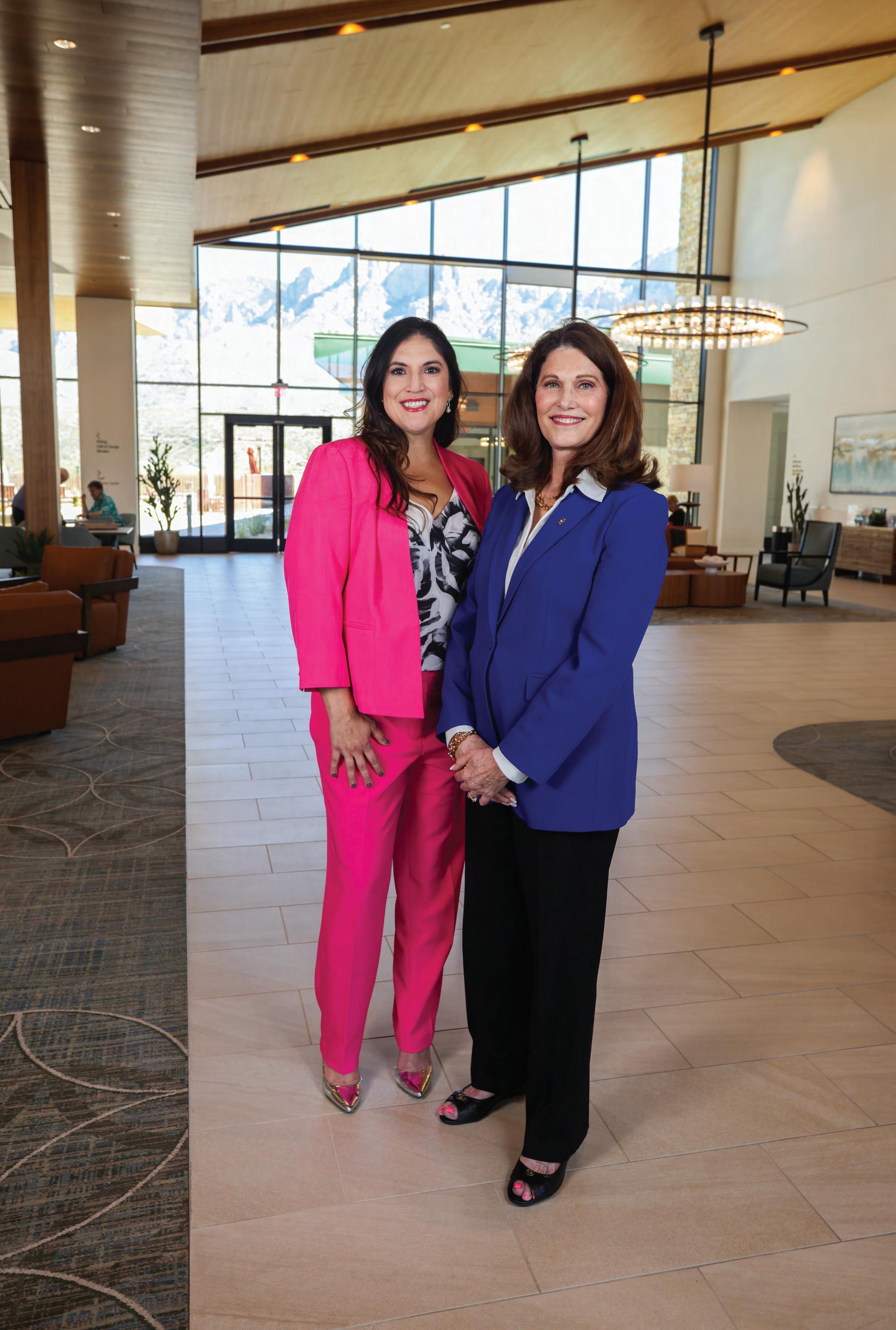
Life Plan community in Oro Valley.
Through a Q & A, the duo provide insight into creating a “Home for Life” that meets—and exceeds—the expectations of today’s retirees.
Q:What practical advice can you give to seniors and their families who are exploring senior housing and care options?
A:MARTINEZ: We need to continue to advocate for seniors by educating them so they are wellequipped to make the right decisions for themselves. Making a move can be one of the hardest things that people do in their lives. Some people are moving from a house they have been in for 40+ years, and at La Posada we work to make it the smoothest transition possible. For many people, this will be their last home and we do everything we can to make it just right.
A:CONDIT: We have a great budget tool we use to help people to figure out how much they are spending in their house with utilities, food, housekeeping, maintenance and other expenses. They are often shocked by the total. The house is our biggest competition. People are sentimental about their homes and don’t want to leave them, and yet those who have moved in say, “This is the best decision I ever made. It is a gift to my kids but it is the best decision I ever made for myself.” Biz
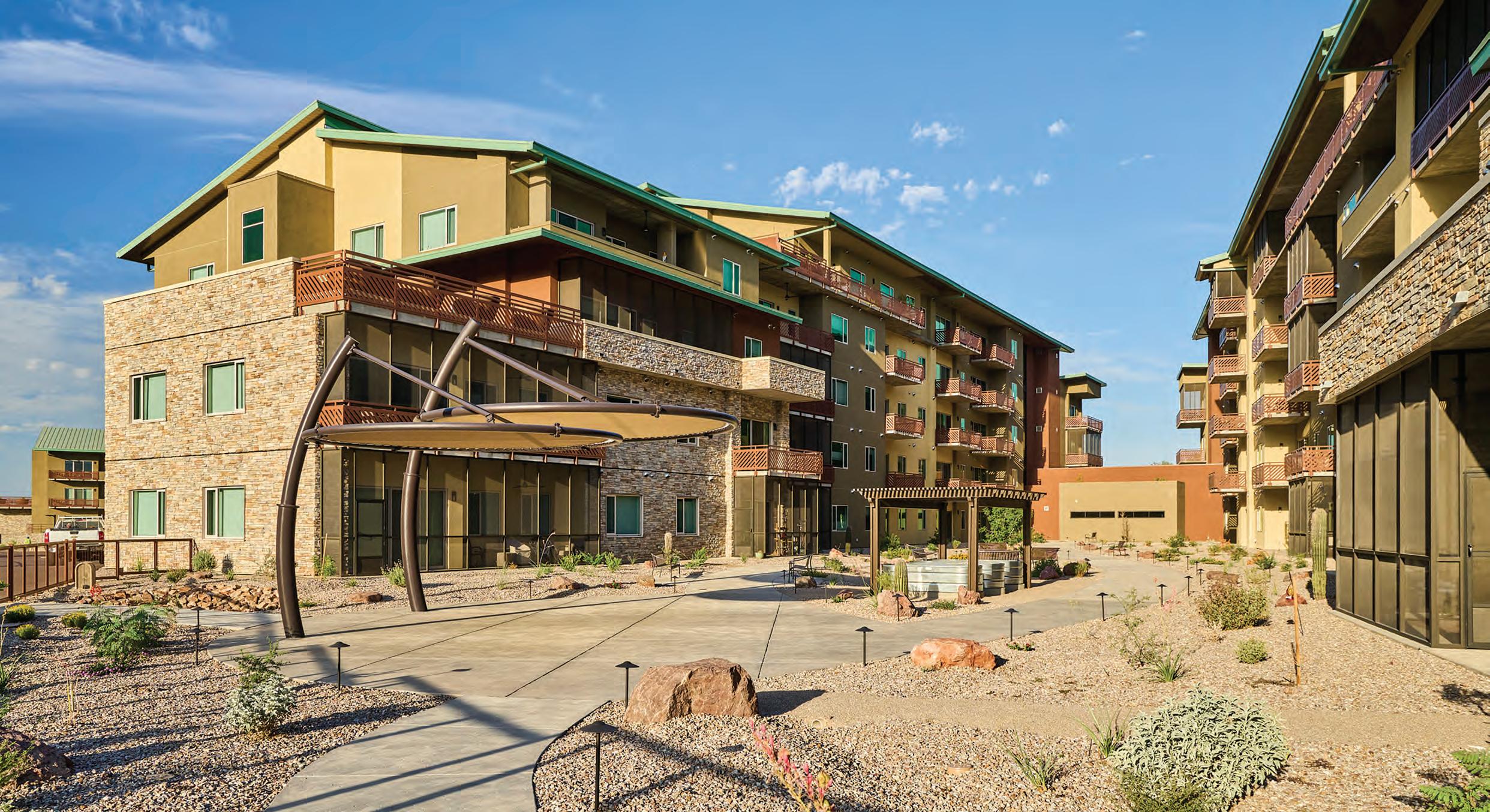
amazing views of the Catalina Mountains and our surrounding desert,” said Joni Condit, president and CEO of La Posada Communities.
To bring the vision to fruition, La Posada chose Gensler, an architecture, design and planning firm with offices in 56 locations globally. Gensler Phoenix Principal/Co-Managing Director Martha dePlazaola Abbott and Principal Jay Silverberg oversaw the project, which was designed to “echo the quiet beauty of the natural surroundings” while fostering camaraderie and connection.
“At its center lies a shared heart—
ing views toward the distant mountains, inviting residents into a deeper relationship with the landscape.”
The landscape dictated a creative approach to the design of the campus, according to Kevin Palmer, owner’s rep and director of facilities for La Posada at Pusch Ridge.
“The site is beautiful and challenging. We have 80 acres, which is great because it gives us privacy, but only a bit more than half of the property is buildable. We have our own unique little valley and some areas are protected by hills, so we were working with a smaller
with a private balcony or terrace—and 11 floor plan options.
Views are also a priority for the twostory central hub of living, dining and gathering areas—complete with extended terrace and event lawn—and the outdoor resort-style pool and adjacent Viva Center that includes fitness, an art studio, a salon spa, and game/meeting rooms.
“The plan weaves together indoor and outdoor spaces that encourage gathering, social activity, and everyday interaction, cultivating an elevated sense of belonging. These shared moments
because they are so invested and focused on resident satisfaction. It feels good to be part of that.”
– Ian McDowell VP & Regional Director Sundt
and places help shape an environment that feels less like a facility and more like a true home,” said Silverberg.
In 2018, when La Posada was ready to begin construction, the Southern Arizona commercial and residential market was booming. No lumber subcontractor in Arizona was available to provide a firm price for a wood framed building, so the board put the project on hold. In 2020, when steel was fluctuating around the cost of lumber, La Posada made the decision to pivot to a steel and concrete structure for structural strength and sustainability, low maintenance, sound reduction and superior fire and termite resistance. Suddenly, the chosen general contractor decided to close his firm, but thankfully, everything fell into place when Sundt VP and Regional Director Ian McDowell contacted Condit. Headquartered in Tucson, Sundt has 13 offices nationwide.
“He said, ‘I heard you have a project with no builder, and I am a contractor looking for a project.’ I think we were meant to work together,” said Condit.
“If you want to build for longevity and overall quality, concrete and steel provide the highest quality. The majority of this building is cast-in-place concrete and signature elements like the lobby are made of steel. They really pulled out all the stops. When you walk in the lobby, the whole thing screams quality,” said McDowell.
A Chihuly-inspired chandelier and a horizontal fireplace adds natural elegance, and exterior accents of African stone veneer and iron create seamless outdoor-indoor transitions. Public art and sculptures such as The Beacon by Ray King inspire wonder throughout the campus. The hallways of each residential floor and building feature a different Arizona photographer’s work
selected by curator, Faye Urlacher of artstudio 101.
McDowell said attention to detail throughout the project elevates the resident experience.
“When you are building for someone, you always want to understand their motivation. It was really refreshing to work with La Posada because they are so invested and focused on resident satisfaction. It feels good to be part of that.”
By Loni Nannini
La Posada at Pusch Ridge is all about retirement possibilities—and transforming them into realities.
“We want to provide the opportunity for residents to either rediscover what makes them happy or to start to learn something new,” said Alexis Martinez, executive VP of La Posada at Pusch Ridge.
“We are able to take care of the mundane parts of adult life like housekeeping and cooking so they have more time for fun. We want to give them back the time to do things that are meaningful to them at this point in their lives.”
The life plan community for adults age 62+ provides an extensive array of comforts and conveniences to optimize every aspect of holistic health and well-being: physical, intellectual, emotional, social, spiritual, vocational, financial and environmental.
Amenities—and relief from the less-desirable tasks of adulting—begin with one- or two-bedroom independent living apartments available in 11 floor plans, many of them with dens. Each apartment offers premium appliances, a full-sized kitchen, laundry room, and a private terrace or balcony.
“We have taken great care in trying to provide all the amenities of home. The apartments are well-appointed and there is a floor plan that will fit anyone’s wants or needs,” said Martinez.
Apartments serve as cozy, private bases from which to access the 350,000-square foot campus, hallmarked by thoughtful conveniences such as hotel-style suites to accommodate residents’ visiting guests.
“We like to remind residents that the entire community is an extension of their home beyond the walls of their apartments,” said Cindy Barbee, director of marketing for La Posada.
Home extends to the central “hearth” of the campus, comprising a dining room with chef-crafted meals and weekly specials; a cafe/coffee bar; two libraries with computer access; several public terraces; multiple meeting rooms and community spaces.
An open-air event lawn and sculpture garden that overlook the brilliant sunsets reflected across Pusch Ridge evolved with input from residents. Resident demand also resulted in rapid charging stations for electric vehicles in the 230-space covered garage. An
elected eight-member Resident Council serves as the “voice of residents” to La Posada management.
“The event lawn was originally going to be an indoor pool, but we decided the area would be better used as a central gathering space. The people who make decisions are here to listen to residents’ comments about what they want, then figure out if that is something we can do and implement it,” said La Posada at Pusch Ridge owner’s rep and Facilities Director Kevin Palmer.
Martinez said the outdoor, resort-style pool, which offers classes in water walking and water aerobics, is another resident favorite. Segregated swimming laps are also part of the pool. (A future indoor pool is planned).
Recreational classes are also available through Viva Center, which features an art and clay studio; a byappointment salon; and a state-of-the-art fitness center with personal training and classes in yoga, Tai Chi, mindful movement, Sit and Be Fit, and more. Walking and hiking trails and the nearby 130-mile Tucson Loop offer additional recreation opportunities.
Indoor activities include 15+ groups and classes, the majority of which are resident-driven.
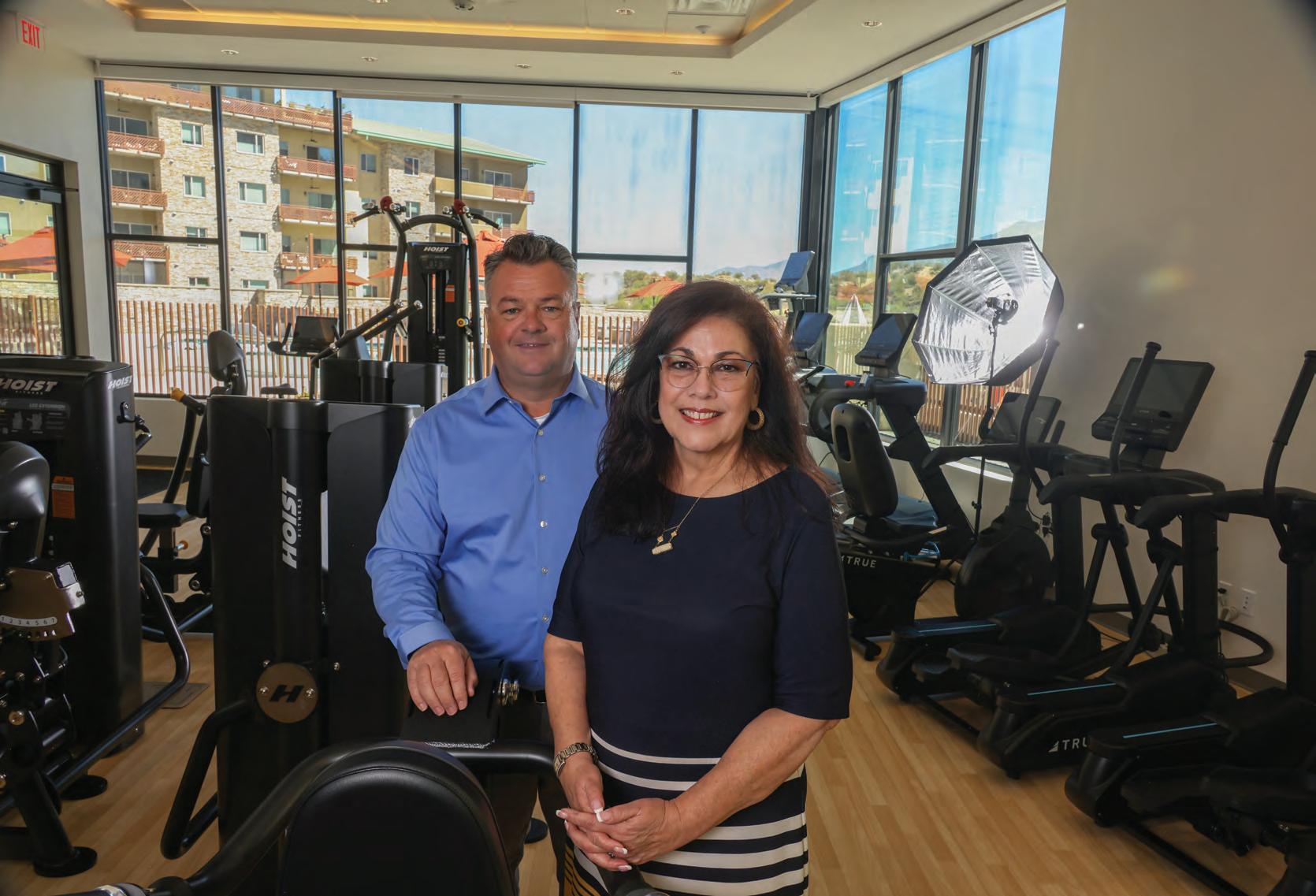
“These residents are so active that they do their own thing and we just help them along. We have phone photography, a very active poker group, bridge, mahjong and other games, table tennis, a travel club, a book club, memoir writing, art and clay and much more,” said Martinez.
Volunteerism forges even stronger connections within the campus community through resident-led implementation of the La Posada employee scholarship fund and other initiatives.
Outreach to the larger Oro Valley and Tucson communities include meal preparation for Ronald McDonald House Charities of Southern Arizona, holiday donations to the Golder Ranch Fire District, and initiatives to support Youth On Their Own.
“The sense of community and camaraderie that our residents have created is just beautiful. They are truly building a place to call home,” Martinez said.
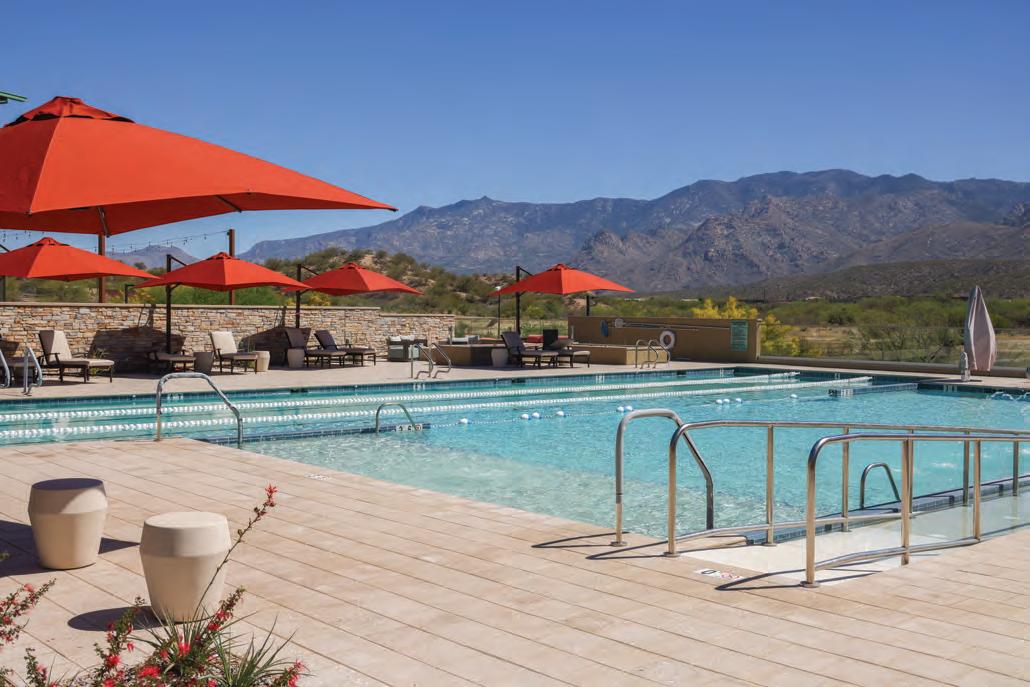
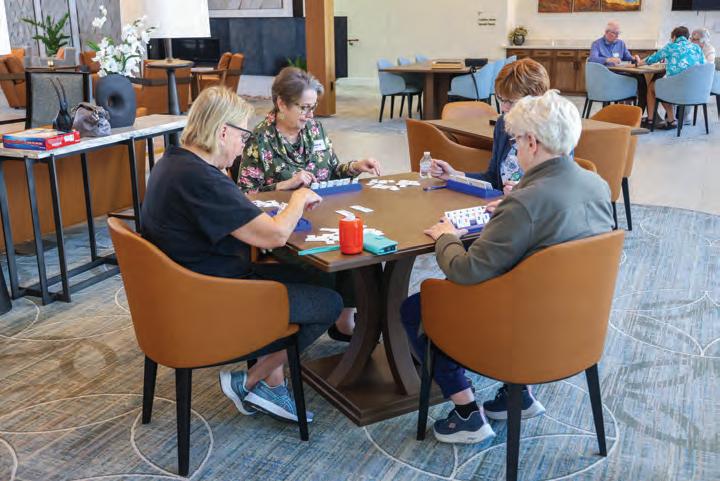

Cindy Barbee Director of Marketing La Posada Communities

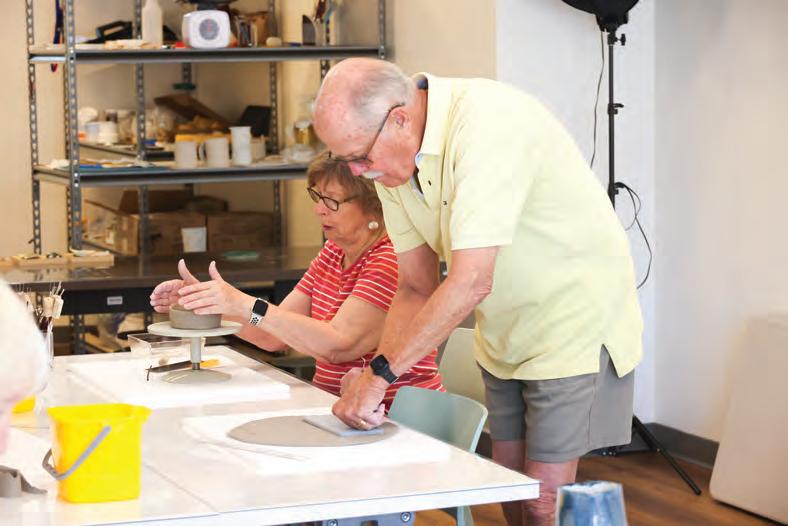
The La Posada Foundation is bringing philanthropy home, literally and figuratively, for seniors in Arizona.
“As a nonprofit, what we do differently is not only connected with the greater community and gives back to the community, but we also assure our residents that when they move into La Posada, they have a home for life,” said Joni Condit, president and CEO of La Posada Communities and its entities.
The guarantee is conditional: Residents can’t gamble or give their money away.
“If they simply outlive their resources, our Foundation is going to make up the difference and our staff will take care of them for life at the level of care they need. . .and that security and peace of mind for residents differentiates our campuses,” said Condit.
Also known as a “life lease,” the program is supported by the Foundation’s benevolence fund or “Good Neighbor Fund.” Typically it covers housing and living expenses, including dining, utilities and other needs for three to five residents annually at La Posada at Green Valley. Donations can also be directed toward the Foundation for La Posada at Pusch Ridge.
“These funds are a safety net that will step in and cover the costs if someone’s finances go south like so many did during the big recession in 2008,” said Si-
By Loni Nannini
mon Davis, board chair for La Posada Communities and affiliated entities.
Many find it especially comforting with life expectancy in the U.S. at an alltime high in 2024.
“Sometimes people simply live longer than anticipated. The life lease means that their chldren will not have to fund their parent’s last years or move them away from their friends,” said Condit.
Resident donations have enhanced the Green Valley campus significantly over the past 39 years, providing funds that support a chaplaincy; supplementation of arts programming and lifelong learning; an array of fitness and healthrelated initiatives; and even construction of new buildings.
“I think many people want to leave a legacy and give back, be it to La Posada or the greater community, and the Foundation has numerous funds you can donate to depending on your interests,” said Davis.
Donation methods include cash, stocks, bonds, IRA rollovers, endowments and other planned giving options.
“Many residents have given a gift annuity, which provides a monthly income until they pass away. Typically, about 50% of the gift is left for use by La Posada to make improvements to the campus. At our Green Valley campus, we are getting ready to build a new arts and crafts building that will be built with
cash donations and major gift annuities,” said Condit.
Other Foundation initiatives include clubs and projects that promote volunteerism, an employee holiday gift-giving project, and a no-strings-attached employee scholarship program that enables employees to invest in themselves. Condit said the scholarship program is extremely popular with residents. In fact, four Green Valley residents have directed endowment scholarships to La Posada at Pusch Ridge recipients to energize a similar program at the new campus.
“There is a great symbiosis here. Over the years, residents have given an unbelievable number of scholarships to the young people who work for us because they believe a better-educated person is a better citizen of the world and they talk about that.”
Collectively, the philanthropic ethos is a win-win for residents, employees and the greater Tucson and Green Valley communities.
“Residents can support causes on campus and in the community that matter to them, creating a sense of purpose. .and we impact the community in ways that go beyond older adults. Our impact includes an intergenerational connection,” said Condit.





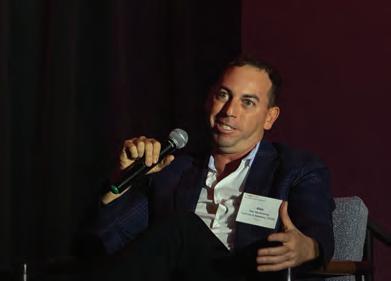
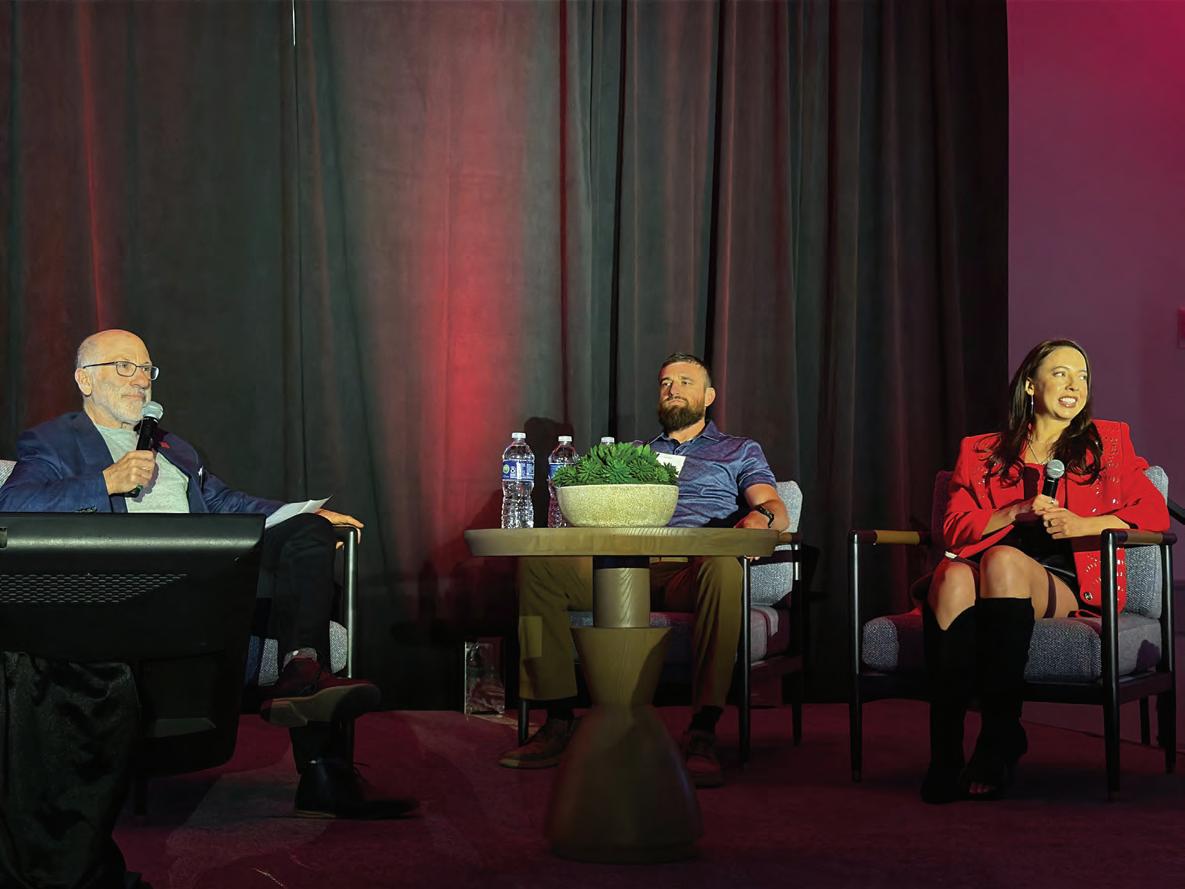

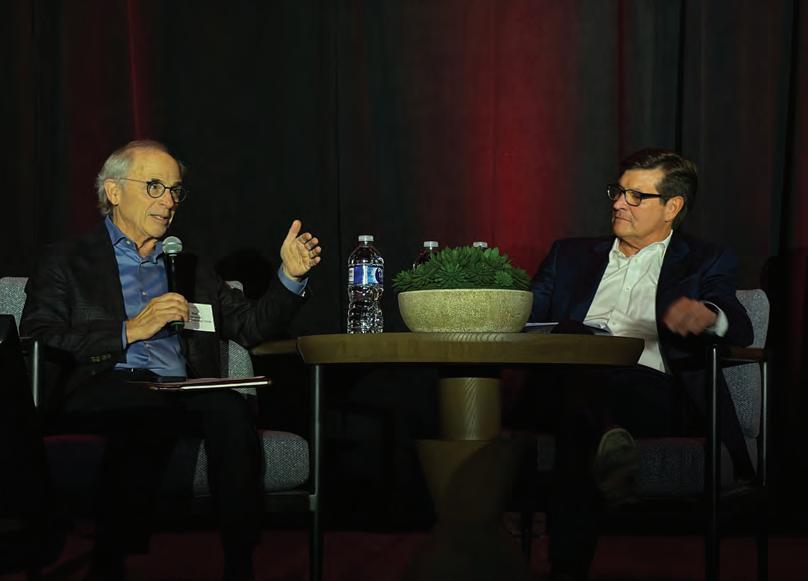
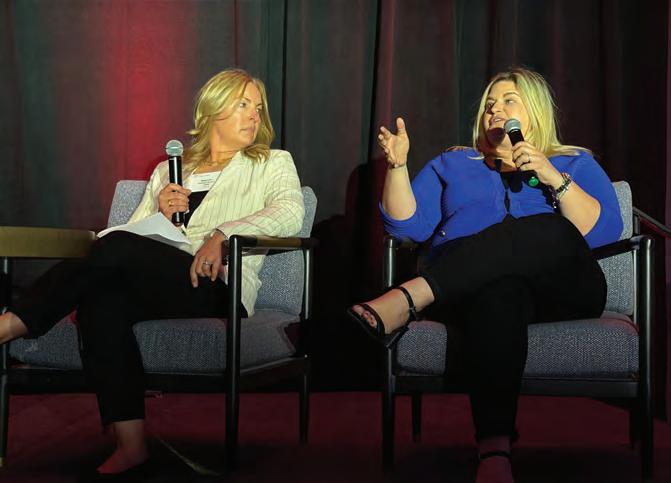
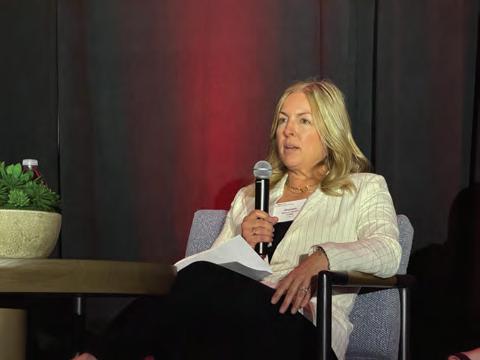
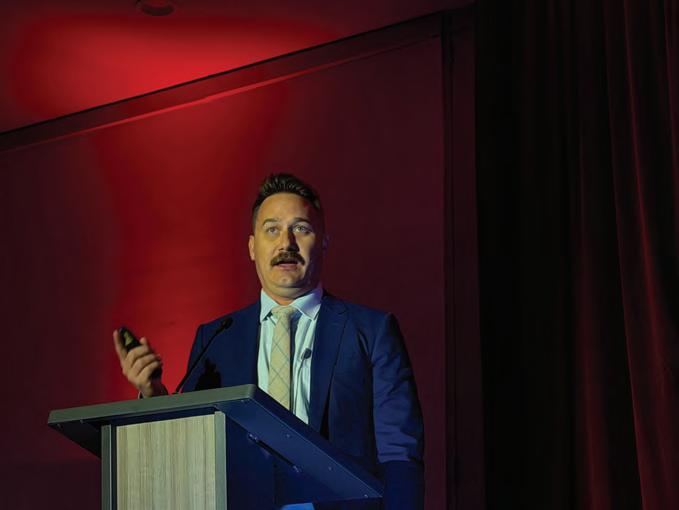
again tariffs make pricing difficult to pin down; because labor shortages remain a problem; because water rns persist; and because inventory challenges are still an issue. erall, however, the Tucson/ Pima County sector is expected to continue its resilience with steady growth throughout the year, speak-
Institute, which offers classes for professional realtors, presented four panels of speakers. They covered the industrial, multi-
nior economist at Elliott D. Pollack & Company, presented an overview of the economy nationally and in Southern Arizona. More on his comments later.
First, a look at the panels:
In the last six months, said Alex Demeroutis, industrial properties expert with Cushman & Wakefield|PICOR, 717,000 square feet in space have been delivered. “I’m feeling positive about absorption,” he said.
Among the projects that broke ground or were completed last year, according to Real Estate Daily News, were:
• Butterfield Logistics Center, Block D, Butterfield Business Center, 3725 E. Columbia. 194,874 square feet.
• Corona Commerce Center, 2713, E. Corona Road. A 146,963 square-foot industrial building.
continued on page 182 >>>
continued from page 181
• Wilmot Energy Center II, at Andrada Road and Wilmot Road. It will feature photovoltaic (PV) solar arrays generating 100 megawatts of renewable energy.
• A one million square-foot Class A industrial development near Tucson International Airport, marking the Lincoln Property Company’s first entry into the Tucson market.
Moderator Rob Glaser, industrial properties at Cushman & Wakefield|PICOR, said there has been a surge in small business and industrial outdoor storage.
Max Fisher, industrial properties BIRD Realty, said that area will be strong through 2028. While vacancy rates vary, Fisher said the most important thing for industrial businesses is to manage expenses and stay on top of taxes.
“I’m feeling optimistic about the market drivers: defense, computers, optics, light manufacturing and assembly,” Fisher said.
Fisher said the northwest Tucson market has been historically strong and remains so. Vail, he said, has seen marked growth in homes, industrial and retail.
There is a clear trend on the sales side in multi-family, said Allan Mendelsberg, principal at Cushman & Wakefield|PICOR. There is a rush to buy quality rental properties with bidding wars and multiple offers, he said. In rougher locations, he noted, the market is seeing concessions.
In the student housing sector, however, “We’re definitely seeing some stress with some of the owners in the marketplace,” Mendelsberg said.
Although there’s been a significant amount of new supply added, he said, the University of Arizona freshman class is shrinking. “A lot of owners are
worried and crossing their fingers.”
Construction costs, said Emily Clark, division leader – residential for Bourn Companies, have stabilized, but labor remains tight. Insurance costs continue to rise and subcontractors are still acting conservative, she said.
Mendelsberg said there is a great need for $1,200 a month, two-bedroom apartments, but that they are not affordable to build.
“We’re in some trouble,” he said. “I don’t know how were going to add units. I think we’re going to see homelessness pick up and ... I think the big problem is how do we find housing, because the poor are definitely getting poorer ... here in Tucson.
Clark said high insurance rates, real estate taxes and labor costs remain is barrier for building multi-family units. Energy and water efficiency issues also add to the mix.
“You have to get real in this market,” Mendelsberg said. “There is no more fairytale. This is a very smart and conservative market.”

The COVID-19 pandemic created a massive work-at-home workforce. Panel moderator Rick Kleiner, principal at Cushman & Wakefield|PICOR, noted a report that found 90% of people would rather work at home. And if required by return to the office, 70% would like a hybrid arrangement.
Phil Skillings, managing director NAI Horizon, said 2025 had pretty good absorption, with a vacancy rate about 9.5%... It’s been a really good strong second half of 2025 and the first month of 2026 has been really good. So I’m really excited about that.”
“Tucson is a 2,000 to 2,500 squarefoot (office) town,” said Bruce Suppes, VP for CBRE. “It’s medical and professional office...in general,” he said. “It’s definitely down...in that particular area. Tucson is not over-developed, it’s underdemolished. A lot of stuff is 50, 60 years old, and what are you going to do with that?”
“I’m very bullish,” Skillings said. “I think 2026 is going to be a strong year
for leasing activity ... I think we’re going to see steady absorption, and I think we’ll see rents rise.”
The predicted apocalypse of the retail market didn’t occur but it changed the industry, said Shannon Murphy, first VP of CBRE. “It made us be more humble. It made us change the way we do business. I feel we’re there and we’re seeing some really strong signs in the retail market.”
The megabox growth last year was a big impact, Murphy said. That included deals with Walmart in Marana, a possible Costco in Vail and a Walmart expansion at First Street and Wetmore Road. Also, at this writing, a Bass Pro Shop was under construction at Tucson Marketplace, and the new casino at Grant and I-10 was taking shape
It’s all a good sign for retail this year, Murphy said.
Shop space, said Melissa Lal, CEO and principal of Larsen Baker, is at 99% capacity in Downtown Tucson. But it
will be growing in Rita Ranch and Marana.
Danny Court, partner and senior economist at Elliott D. Pollack & Company Court offered these predictions for 2026:
• Economic growth will be 2% to 2.05%.
• A recession is not expected.
• AI, artificial intelligence, has helped the economy.
• A shortage of labor will continue.
• The national debt will continue to be an issue.
• Home inventory remains low and more supply is needed to lower affordability. As a result, more people are renting by choice.
• There will an uptick in industrial construction in Tucson.

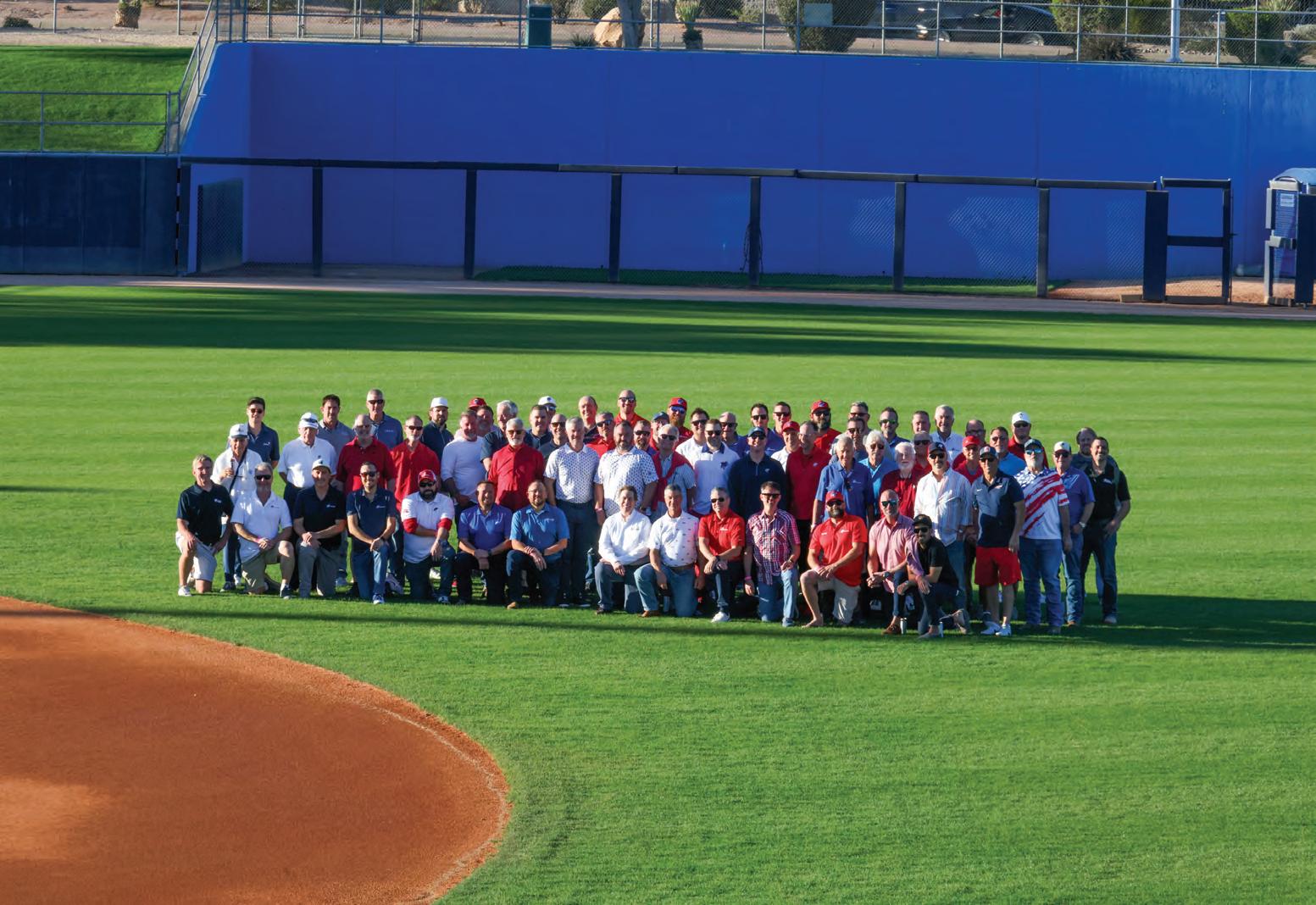
By Loni Nannini
America is turning 250 and the Centurions will celebrate the semi-quincentennial with a larger-than-life themed event that seeks to raise more than $500,000 for local charities at Kino Sports Complex.
The Centurions Americana Extravaganza-Red, White & Boots, on Apr. 25, will be headlined by Lynyrd Skynyrd. The evening marks 56 years of fundraising—and a continued foray into major concerts—by the service group comprising business owners, professionals and community leaders.
“When we were trying to figure out
the essence of 2026, we knew we wanted it to be based on Americana—a throwback, if you will—and Lynyrd Skynyrd really fit that mold. With it being the 250th anniversary of the United States, songs like Free Bird come to mind,” said Kevin Bedient, chair of the event.
He said the Centurions are eager to expand on the music genres highlighted over the past several years through 38 Special, Smash Mouth and Bare Naked Ladies.
“Someone told me that Lynyrd Skynyrd hasn’t been to Tucson since their inception and we are fortunate to have
them. We went through a lot of turmoil trying to get a band this year and they were actually my first choice,” said Bedient.
Billy Shaw Jr. and Drew Cooper will open for Lynyrd Skynyrd, and the openair venue will also offer casino games for prizes, numerous lounges for themed meals and drinks, a DJ, a Super Raffle with $25,000 in cash prizes, adult-sized tricycle races, arcade games and much more. Highlights also include a spectacular drone show sponsored by local businesses and the legendary annual costume contest featuring cash prizes.

Themed “Red, White & Boots,” Bedient said the competition will also introduce a boots contest this year.
“People really get into our costume contest. They come from all over, even from out of state, and it really kind of takes on a mind of its own.”
The entire evening has become an annual tradition for many Tucsonans.
“I think there is a level of expectation when it comes to Centurion events. This is one of the only events in Tucson where you can pay a flat price of $125 for a concert, a meal and five drink tickets, and great fun and entertainment,” said Bedient.
Bedient credits 100 active Centurions and 150 legacy members for working throughout the year to produce the evening.
“The importance of what we do is really about how the Centurions can come together to put on this event. It is a group of business leaders and professionals in town that care about the community.”
That caring has significant consequences. Over the past 55 years, Cen-
turions have raised more than $9.6 million to support charities that serve atrisk children and their families through health, education and mentorship. The 2026 beneficiaries include TMC for Children; Big Brothers Big Sisters of Southern Arizona; Children’s Advocacy Center for Southern Arizona; Children’s Museum Tucson; and Therapeutic Ranch for Animals & Kids.
“We are one of the original philanthropy groups in the hospital networks. We supported St. Mary’s Hospital and now partner with TMC. It is an important facet of the community to do the fundraising we do and to raise money for the charities we support,” said Bedient.
6 p.m., Saturday, Apr. 25 Kino Sports Complex
Tickets: thecenturionsevent.com
Centurion support has a huge impact on TMC for Children and the community at large, according to Deborah Dale, VP and Chief Development Officer for TMC Health Foundation.
“TMC Health is so proud of our partnership with the Centurions. What an amazing group of volunteer philanthropists. Over the last decade they have raised and donated an astounding $1,315,884.66 for TMC for Children projects,” said Dale.
That funding has facilitated renovation of the Pediatric Emergency Department; created the Neonatal Intensive Care Unit Small Baby Unit to care for the tiniest patients; and built the Pediatric Simulation Lab to provide high-fidelity, hands-on training for care teams.
“Their next endeavor is creating a NICU Transitional Unit to care for our NICU ‘graduates’ who aren’t quite ready for independence. We cannot say enough how grateful we are for their care of the community through their hard work and generosity,” said Dale.
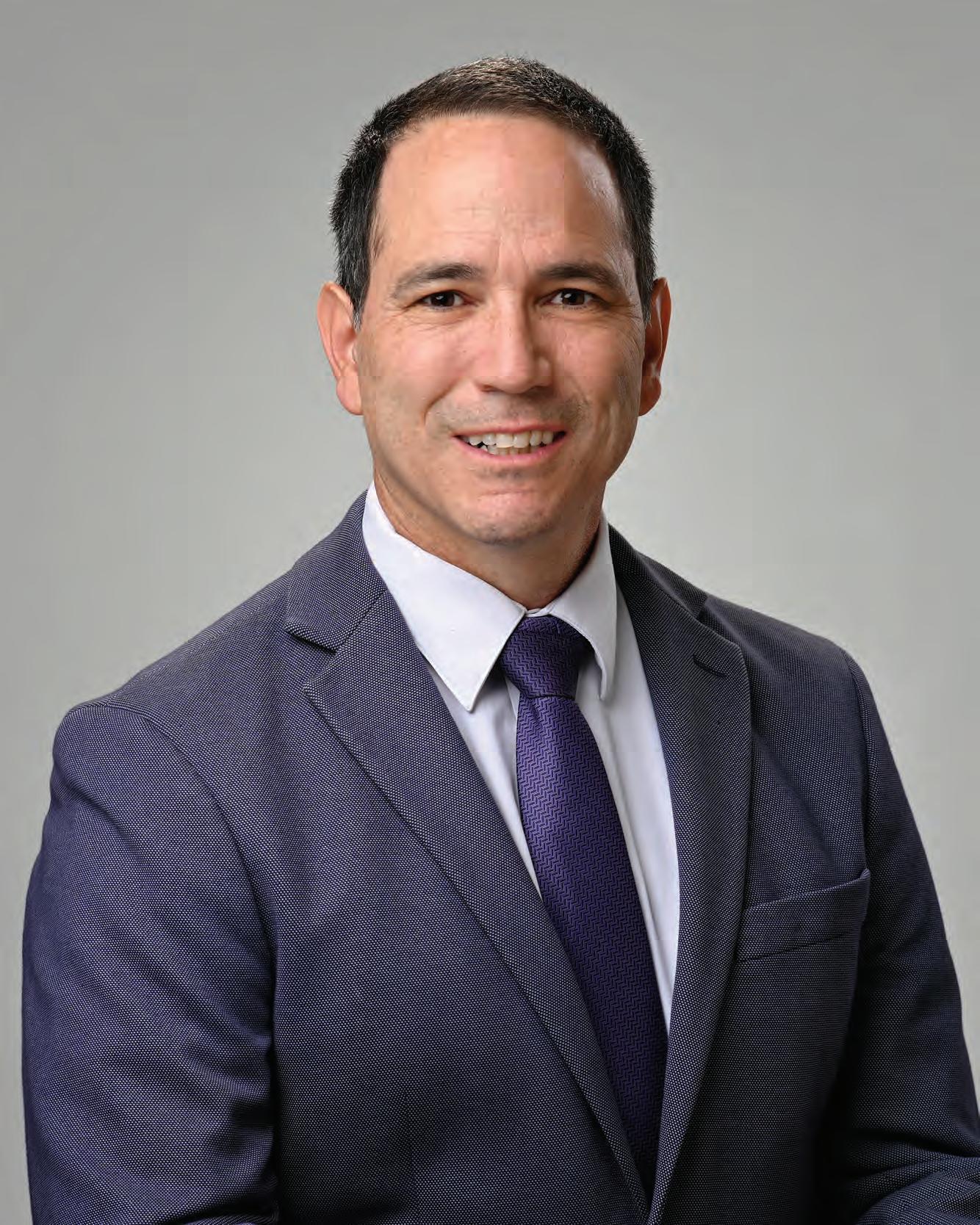
After growing up and graduating from college in Colombia, Alejandro Angel left in 2000 to continue his education in a more stable place. Colombians were besieged by violence stemming from the cartel wars, guerilla kidnappings and government corruption.
“I grew up in Medellin,” he said. “It’s an amazing place, and we travel to visit our families every year, but the ’80s and ’90s were difficult years.”
With little thought of staying longterm, Angel moved to Tucson to attend the University of Arizona where he earned a master’s degree in civil engineering and doctorate in traffic engineering.
After getting married and taking a job at McGovern, MacVittie, Lodge & Associates, a Tucson-based engineering firm, he started feeling more at home in Southern Arizona.
“I developed great friends,” Angel said. “My coworkers were amazing. The quality of life is outstanding here. There are a lot of great things in Colombia, but security and job opportunities weren’t as good as in Tucson.”
Now in his 24th year at Psomas, a national engineering firm that merged with MMLA in 2004, Angel is deeply connected to the community. He serves as director of engineering at the firm. His work and volunteer contributions earned him the Greater Tucson Leadership Man of the Year Award for 2025. Early in his career, Angel was inspired
By Rodney Campbell
by MMLA co-founder Tom McGovern and his pursuits in the community. McGovern, now a principal emeritus with Psomas, has been in leadership roles for The Chamber of Southern Arizona, Southern Arizona Leadership Council, Pima Association of Governments and University of Arizona College of Engineering, to name just a few.
“When I got (to Psomas), I was able to see Tom McGovern in action,” Angel said. “He participated in everything and encouraged employees to get engaged in things that mattered to them.”
McGovern’s influence still resonates at Psomas. The company supports employee volunteerism by allowing the use of its resources to design pro bono projects, covering the cost of memberships in community or professional organizations, and arranging volunteer opportunities for employees and families.
“That’s what’s unique about Psomas,” Angel said. “You feel like you have permission and encouragement to do things outside your job.”
Angel’s work passions quickly became his volunteer pursuits. He’s part of the Living Streets Alliance, El Tour de Tucson, UA Civil Engineering Alumni Industry Council, the American Council of Engineering Companies and other infrastructure-related groups.
“I figured I would try to combine things I was interested in,” he said. “I love engineering, bicycling and Tucson. If this was going to be home for
our family, I wanted to make it a better place.”
Angel has worked with Living Streets Alliance on numerous projects, including a traffic lane that the group made into a colorful asphalt mural running from the Children’s Museum Tucson to Armory Park along Sixth Avenue downtown.
More than 300 community members turned out to paint the lane in October 2022. Angel and other Psomas engineers designed and helped shepherd the project through the many approval processes it required, including new crosswalks and curb extensions.
“What I appreciate about Alejandro is that he has an engineer’s brain and a big heart,” said Emily Yetman, founder and former executive director of Living Streets. “He always helps us get to yes. He can hear what the challenge is and work with us to find creative solutions that have backing from the technical side.”
Angel feels at home in Tucson because it offers him the opportunity to make connections, whether at work, in his neighborhood, or by volunteering.
“Tucson is unique because it knows what it doesn’t want to be,” he said. “It doesn’t want to be a huge city. It’s a city where you can do everything and still have a small-town feel where you can get to know people.”
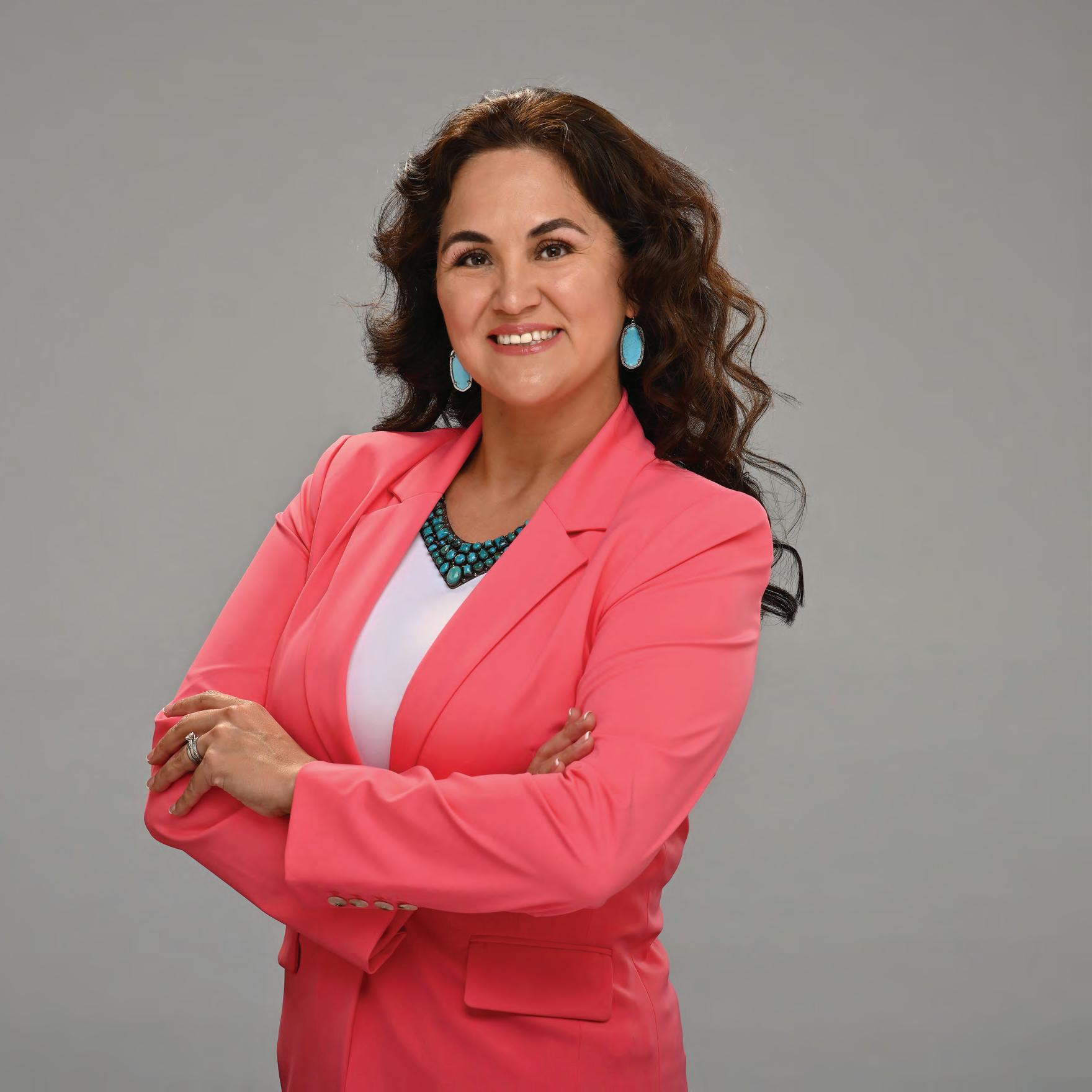
By Rodney Campbell
New to her position with The Chamber of Southern Arizona but not a novice in helping improve the Tucson region, Karla Bernal Morales is eager to inue making positive impacts.
Morales had amassed more than 25 years of community leadership when The Chamber brought her on board as its Chief Partnerships Officer in January. Her professional and volunteer achievements helped earn her the eater Tucson Leadership Woman of
“There has never been a more important time to elevate Tucson’s voice yond our borders,” Morales said. “Our region is gaining well-deserved recognition as a center of economic vitality, innovation and global partner-
he’s part of several local boards, including Pima Community College, Tech Parks Arizona, Earn to Learn, Pima County Workforce Investment, Tucson Airport Authority, and San Miguel High School. Her work with these organizations benefits a wide
Volunteering fits her attitude of bringing disparate groups together to build a better place to live and work. Morales is a tireless champion for Southern Arizona, consistently elevating the region’s strengths whether in ole at the Chamber or through her extensive volunteer leadership.
“I believe in authentic relationships,” Morales said. “At the end of the day, people choose to do business with those they trust.”
Prior to recently joining The Chamber, Morales served as VP for Southern Arizona at the Arizona Technology Council, where she led strategic industry engagement across key sectors. Her earlier leadership roles at the University of Arizona included positions within the Office of Multicultural Advancement and Government & Community Relations.
In her new role, she is charged with expanding the organization’s regional influence, driving sustainable economic growth, and forging high-impact partnerships across the public and private sectors.
“I’ve seen firsthand how intentional collaboration can transform a workforce and a community,” Morales said. “This is a challenge I’ve embraced to create meaningful change and help shape a stronger future for Southern Arizona.”
According to Making Action Possible for Southern Arizona statistics, Tucson’s median wage was $3,050 below the U.S. median in 2024. That’s an improvement from 2021 when it was nearly $8,000 lower. MAP is a UA initiative.
“We want companies here that can provide high wage-paying jobs so people can thrive,” Morales said. “I’m not a fan of the term livable wage. You
don’t want to live to work. High wages provide for families and create savings accounts or funds to send kids to college.”
Chamber President and CEO Joe Snell hired Morales and has long admired his new colleague’s ability to bring people together. He’s happy to have her on his team and pleased to see her earn the GTL award.
“I am incredibly proud of Karla,” he said. “Being recognized as Woman of the Year is a testament to Karla’s leadership, dedication and impact on this community. Karla is so deserving of this honor.”
Raised in a family of entrepreneurs, Morales learned early that success is built on grit, vision, and an unwavering work ethic. Her parents–immigrants who built their lives through determination and sacrifice–owned and operated several small businesses, including a restaurant, a DJ service and a car lot. Their three children worked alongside them, getting lessons in resilience, responsibility, and ambition.
“This award, and everything I’ve accomplished, is a reflection of the investments my parents made in me,” Morales said. “I saw the sacrifices they made to create a better future for their children. Nothing I have achieved would have been possible without their belief in hard work, education, and the power of opportunity.”
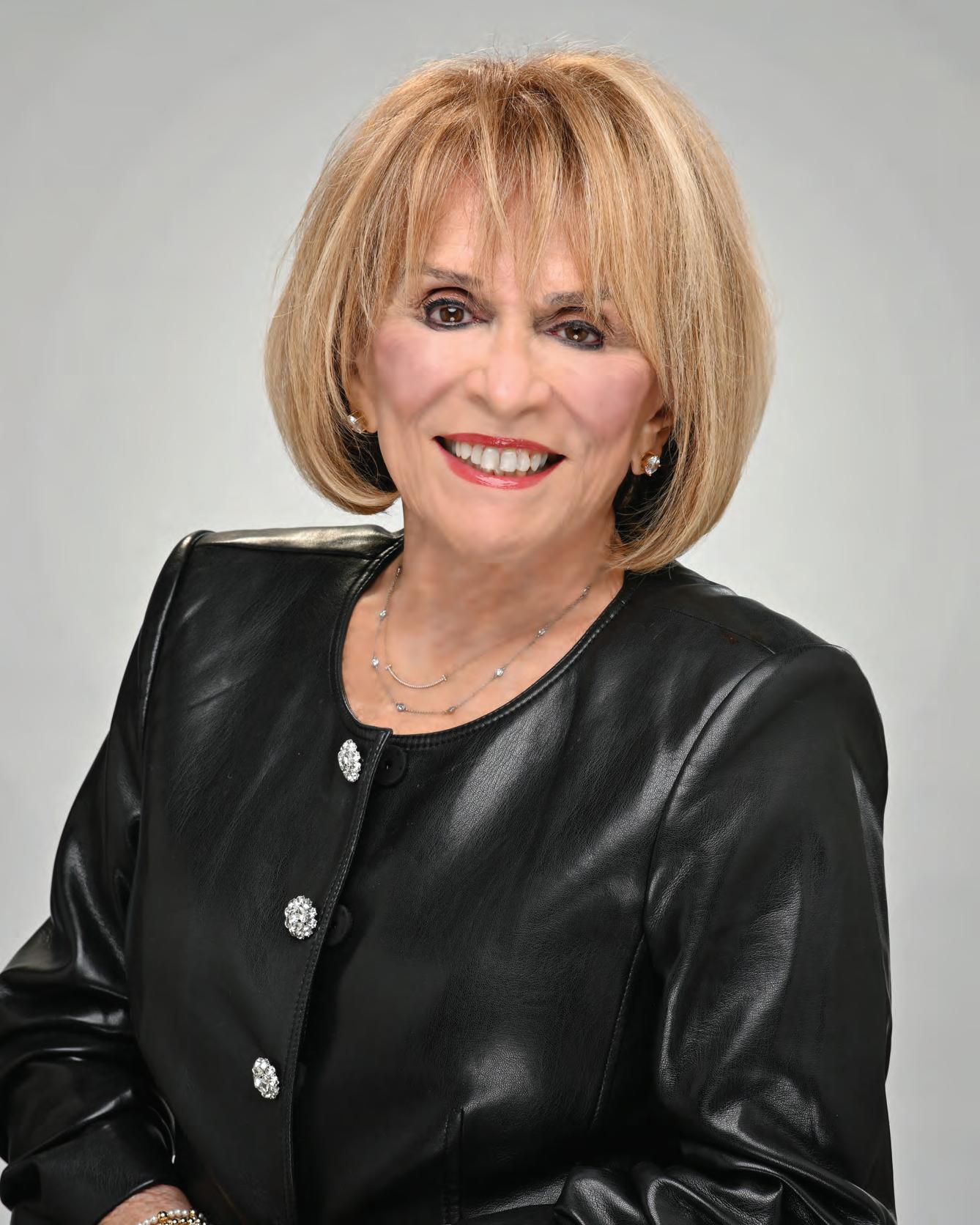
Few people have shaped Southern Arizona’s philanthropic landscape like Louise Thomas.
From the Ronald McDonald House to Angel Charity for Children and the UA Steele Children’s Research Center, Thomas has helped launch some of the area’s most influential efforts — work being recognized with Greater Tucson Leadership’s Founders Award.
The lifetime achievement honor recognizes those who have “helped shape the community in a quality, positive manner with merit and dedication.” It’s a description that fits Thomas well.
“I know this is an epic award for that organization, and I am truly honored to receive it,” she said. “I am very grateful and it means a great deal because it doesn’t just belong to me. It belongs to a lot of people that I’ve worked with.”
Thomas’ passion for helping youth and families was ignited after her son Michael died of Non-Hodgkin lymphoma in 1979 at the age of 9. “But that’s not the only reason. Of course it’s the primary and initial reason, and it always will be, but had I had a healthy family, I would hope I would still have endorsed projects making lives better for children, because they mean so much to me.”
Thomas was a founding member of the Ronald McDonald House, which provides free housing, meals and support for families of sick children receiving treatment. In 1983, she and the late Jane Loew Sharples founded Angel Charity to eliminate the facility’s mortgage. Through the Angel Ball and other efforts, they paid off the $305,000 debt within a year and funded an expansion.
By Tiffany Kjos
“When Michael was so sick, I witnessed so many people from out of town eating out of vending machines and sleeping in waiting rooms, so securing the financial stability of the Ronald McDonald House was my first focus,” Thomas said. “Together with Jane, we were able to gather a cross-section of our entire community to work together hand in hand to raise this money for children, not only for the Ronald McDonald House but for the future.”
Today, Angel Charity operates with one paid staff member and 250 volunteer “Angels” who raise and donate money through grants to local nonprofits. Its signature event, Angel Ball, is set for Dec. 12 at The Westin La Paloma Resort & Spa. The new Angel Charity for Children Foundation will support the mission long-term, in part through planned giving.
The organization awards grants ranging from $10,000 to $900,000, totaling $1.76 million last year. Its largest 2025 grant – nearly $857,000 – went to Big Brothers Big Sisters of Southern Arizona. Angel Charity previously supported Big Brothers Big Sisters in 1992 with more than $663,000 to buy and renovate its first facility downtown.
“Their generosity is creating lasting change for children and families across Southern Arizona,” said Marie Logan, CEO of Big Brothers Big Sisters Southern Arizona. “Transformational gifts like those from Angel Charity for Children make it possible for organizations like ours to dream bigger and serve more young people.”
As of 2025, Angel Charity grants had funded 152 projects serving more than 1 million children.
This year it will raise $1.179 million to support 10 local nonprofits, totaling more than $34 million in grants.
All funds stay in Pima County, and grant recipients undergo rigorous vetting, Thomas said: “We’re very serious and we screen very carefully.”
Thomas is also the namesake of the Louise Thomas Endowed Chair in Pediatric Research at Steele Children’s Research Center, of which she is a founding emeritus member. And she and Michael inspired another nonprofit, People Acting Now Discover Answers, or PANDA, in Phoenix, which raises money for Steele.
“That’s the second part of my life that I’m very, very proud of. A few months after my first year of chairing Angel Charity I was invited to head the board for the new children’s research center at the university. I served two terms, and I raised, with a great, strong board of directors, $7 million. At the time that was a whole lot of money.”
Penny Gunning and Robyn DeBell, a former neighbor of Thomas, founded PANDA in 1999 specifically because of Michael to help the Steele Center. The organization has raised more than $40 million in funding and secured $125 million in grants for the research center.
“The disease that my own son passed away from, at the time he was diagnosed it had a 50/50 chance of survival, and today it’s like 80 to 90%,” Thomas said. “So research is very, very important, and I endorse it 100%. It’s the only way we make progress.”
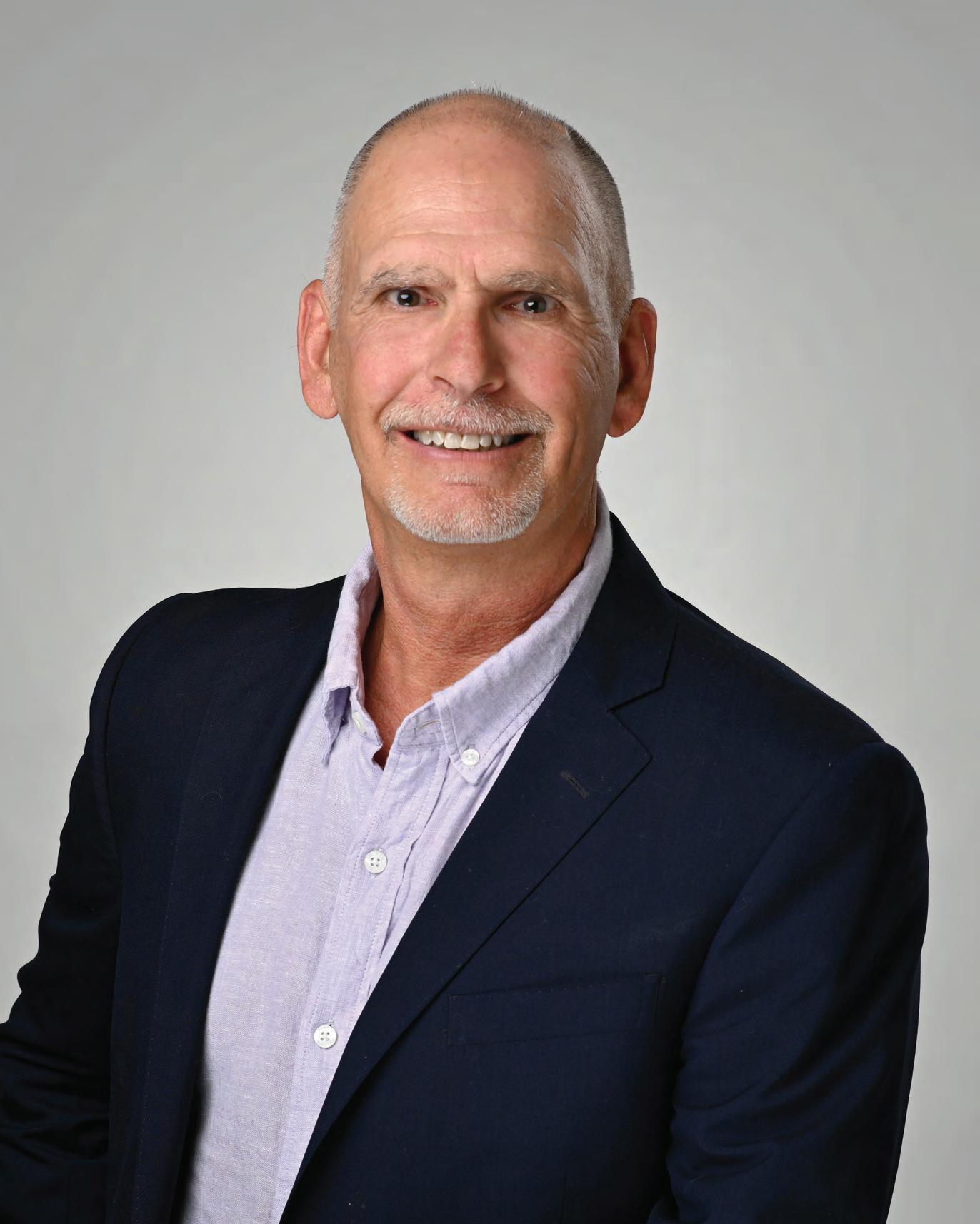
Randy Accetta’s dedication to a healthier, more vibrant Tucson – driven by running events and economic development – has earned him the prestigious Greater Tucson Leadership Alumni Excellence Award.
“The GTL award for me is predicated mostly on my activities putting on vents and promoting health and wellness, and GTL is directly responsible or us being able to do that in significant ways,” said Accetta, a past president of the organization that co-owns Run Tucson with his wife, Tia
“Our hyper-local mission is to make Tucson better through running. What that means for us is creating health and wellness opportunities for individuals and groups, and creating opportunity for economic development in downtown.”
Run Tucson organizes eight to 10 events annually, hosting from 700 to 2,500 participants, that serve as economic engines for local businesses and charities. It has raised more than $350,000 for local nonprofits, including the Children’s Museum Tucson, Tucson Museum of Art and the Empire Ranch Foundation.
Signature events include TMC Meet Me Downtown 5K Night Run & Festival of Miles, and other activities that help showcase landmarks such as Saguaro National Park, Old Tucson, and, of course, Downtown Tucson.
“We do things that really highlight the beauty and unique qualities of our region,” Accetta noted.
When the Accettas launched Meet Me Downtown 20 years ago, GTL board member Wes Wiggins helped secure seed money from the Tucson Association of REALTORS® Today, Tucson Medical Center continues that
By Tiffany Kjos
legacy as the title sponsor. The popular charity event features a 5K Run and a family-friendly one mile walk/ run through historic neighborhoods. It starts and ends at Children’s Museum Tucson, which offers free entry for families during the afterparty. Attendees can also enjoy live music, a post-race beer garden, food trucks, and other festivities.
The organizers work to ensure the event has family and kid-centric elements, according to Hilary Van Alsburg, the museum’s executive director.
“By helping spread the word about the race and also about the children’s museum, this collaboration helps the event reach more people every year and inspires the children and families we serve to be part of a fun fitness activity they feel welcome to participate in,” she said.
The event has widespread appeal for the entire community, according to Accetta. “It is a Downtown party on a hot summer night in Tucson. On top of that, there are discounts to local restaurants and bars afterwards.”
Van Alsburg emphasized the event’s influence.
“Run Tucson is part of the success story of Downtown Tucson. By bringing people together to run or walk through the neighborhoods, these events build a sense of community and connection to a beautiful, historic part of our city.”
Inclusivity — including low entry fees and accessible courses — is a priority in Accetta’s ongoing mission to promote health and wellness through Run Tucson, as further evidenced by Meet Me Monday, a free weekly walk/ run downtown that he and fellow GTL alum Jannie Cox started in 2009.
“All of our events are open and available to people of all ages, all abilities and all bodies, including runners, walkers and chair athletes. We try to create an event experience for everyone from experienced racers to people newer to this activity,” said Accetta, whose background makes him uniquely qualified to bring people together through movement, enterprise and leadership.
For the past 15 years, Accetta has served as director of coaching education for the Road Runners Club of America, a leader in running coaching certification programs. He is also past president of the local arm of that organization, Southern Arizona Roadrunners.
Beyond running, Accetta spent almost 20 years as a mentor in residence at the McGuire Center for Entrepreneurship at the University of Arizona and has served on mayoral panels and parks boards, including the advisory committee for The Tucson Loop multiuse path.
Accetta said that many of his leadership roles, like Run Tucson events, grew from the seeds planted during his GTL tenure and he is honored by his recognition from the organization.
“GTL has touched so many people over these decades, and being acknowledged for something that we do is such a treat. I’m humbled that people have noticed what we try to do, and I’m grateful to be part of the GTL community.”
He also credits Tia and their children, Aric and Anabelle, for his accomplishments. “Of course, none of this would have happened without the support and engagement of my wife and children.”
By Tiffany Kjos
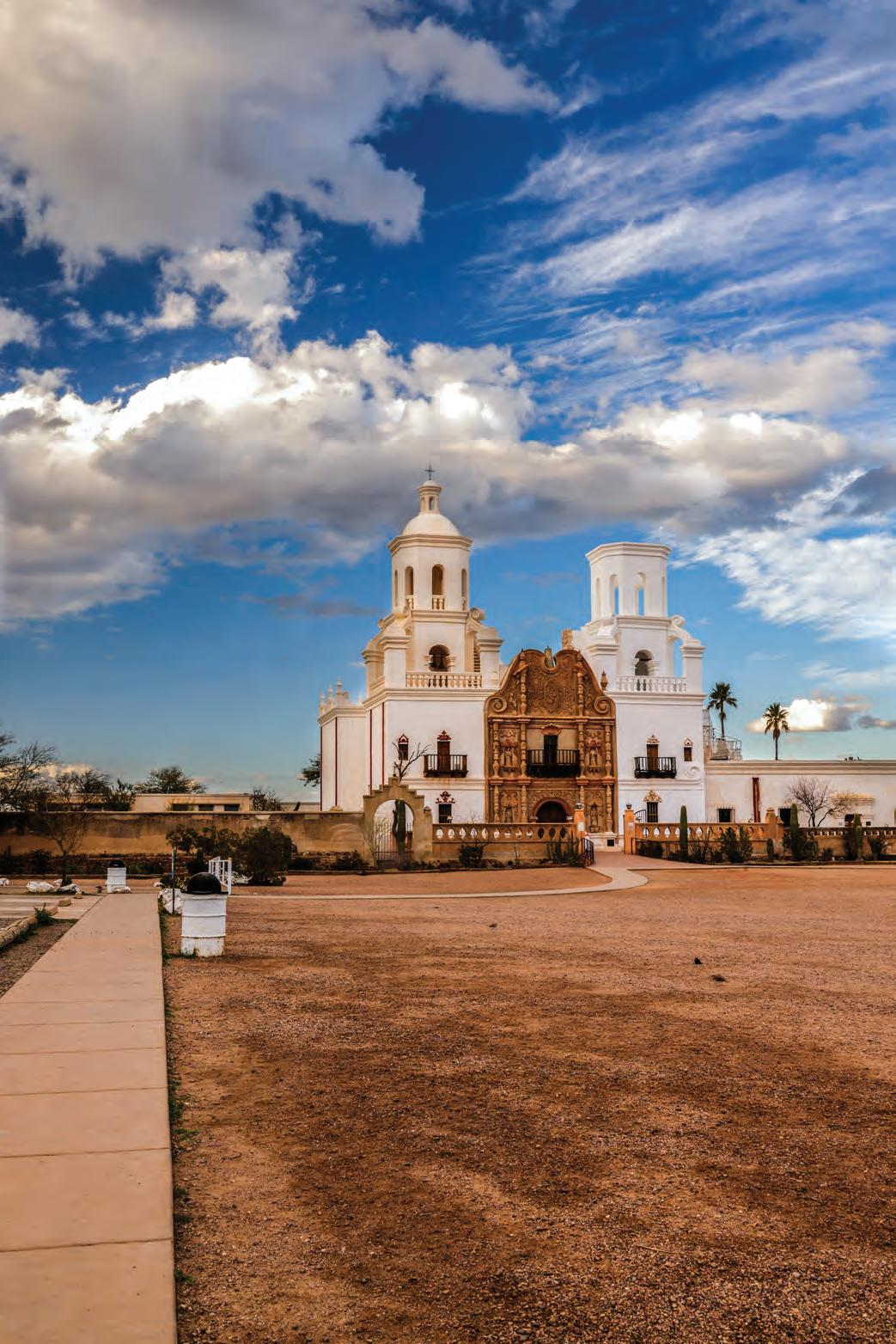
The Silver & Turquoise Board of Hostesses, closing in on 75 years, has given $915,000 to the Mission San Xavier del Bac– placing it among the historic landmark’s top five individual and foundation donors.
“We all share the same love for it,” said hostess Dani Eggman, chair of the 74th annual Silver & Turquoise Ball, to be held May 2 at the Arizona Inn.
The mission, known as the “White Dove of the Desert” for its striking white exterior and widely considered among the finest examples of Mexican Baroque architecture in North America, has been the recipient of funds since the mid-1990s from the board, whose purpose is to support the preservation of Tucson’s history.
Patronato San Xavier, which oversees conservation of the mission southwest of Tucson, currently has three major projects in various phases, including the preservation of the retablo facade at the mission’s entrance.
“The Patronato continues to be grateful for the support of the hostesses and their commitment to continuing to provide funding through
the ball,” said Miles Green, Patronato’s executive director. “These large gifts continue to ensure that we are able to meet our goals of funding large-scale preservation projects at the mission on an ongoing basis.”
The 2026 ball returns to the Arizona Inn, itself a Tucson gem built by the state’s first congresswoman and a hostess, Isabella Greenway. When the inn was put for sale last year, the board worried about the ball’s fate and future location. Fortunately, the inn was sold to a group of local investors that includes three hostesses–Marla Amado, Mimi Amos and Kimberly Clements. The group is committed to honoring the rose-colored inn’s roots.
“The inn is just as much a part of the Silver & Turquoise Ball as all of its members, so it was really important for us to be able to get to do it there, and
BY
we’re thankful that we can,” said Eggman. “It’s an atmosphere that you can’t replicate anywhere else.”
In keeping with tradition, the hostesses will greet guests in a receiving line, followed by cocktails on the lawn, an “amazing” buffet, then dancing and a cabaret.
“It’s really unique because it’s one of the only places in Tucson where you can actually dance under the stars outside. And we have the dance floor set up on their grassy area (at the inn). So, it makes it really fun and special,” Eggman said.
The event began in 1950 as a casual thank-you potluck for Tucson Festival Society volunteers.
It has since become an annual, blacktie ball, the finale of the social season, evolving from simple fare such as finger sandwiches to carving stations, seafood and ice sculptures.

“I feel like very few traditions have lasted this long in Arizona, so that longevity says a lot about Tucson’s sense of community and pride, which is really nice to see,” Eggman said.