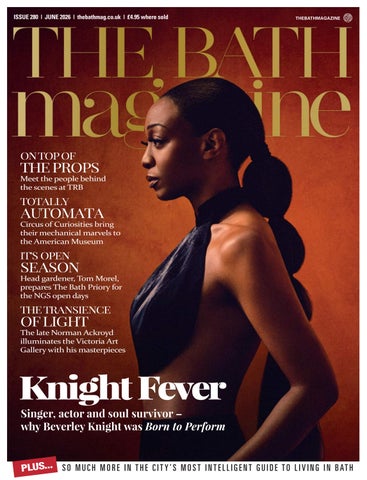
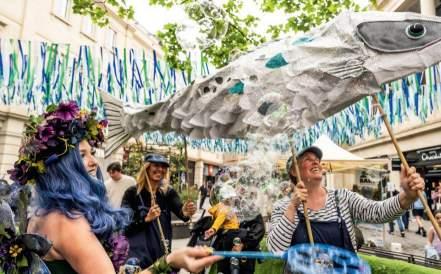
Circus of Curiosities bring their mechanical marvels to the American Museum
IT’S OPEN SEASON
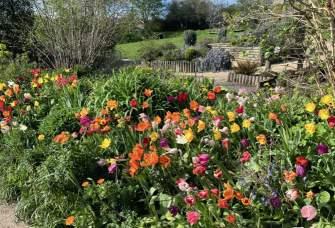
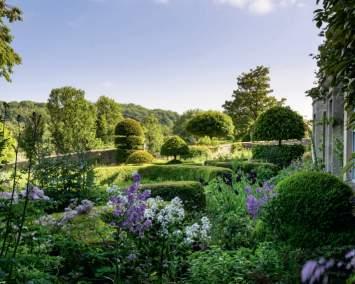
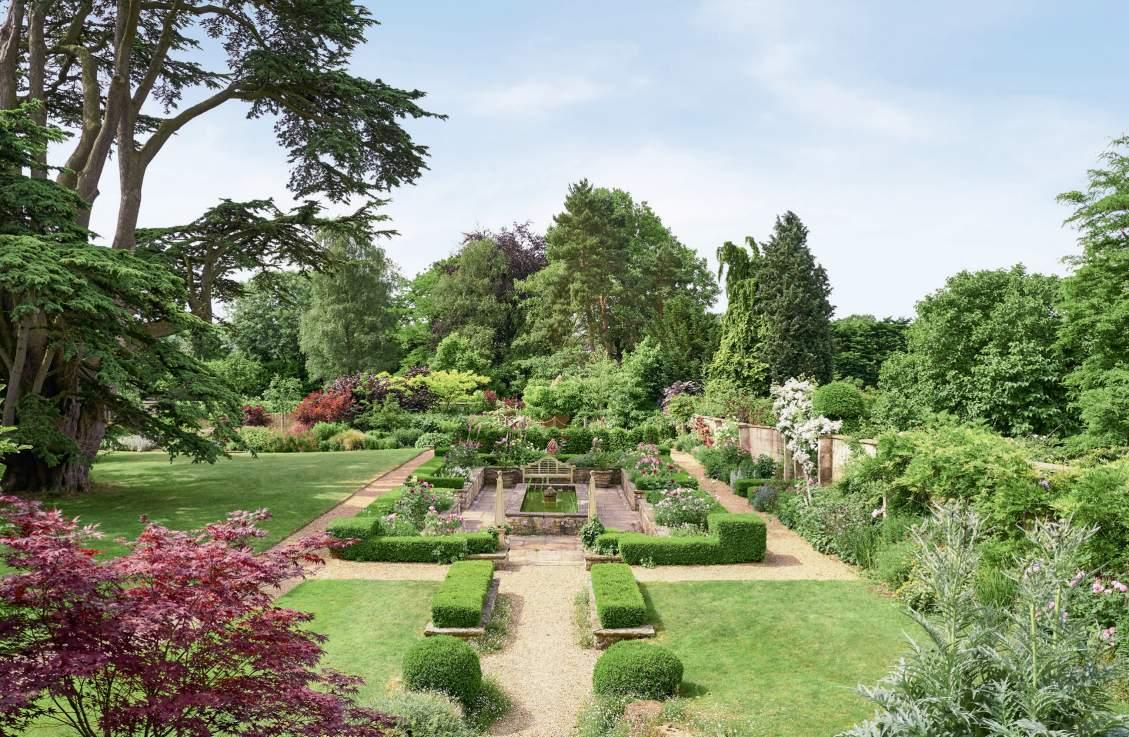
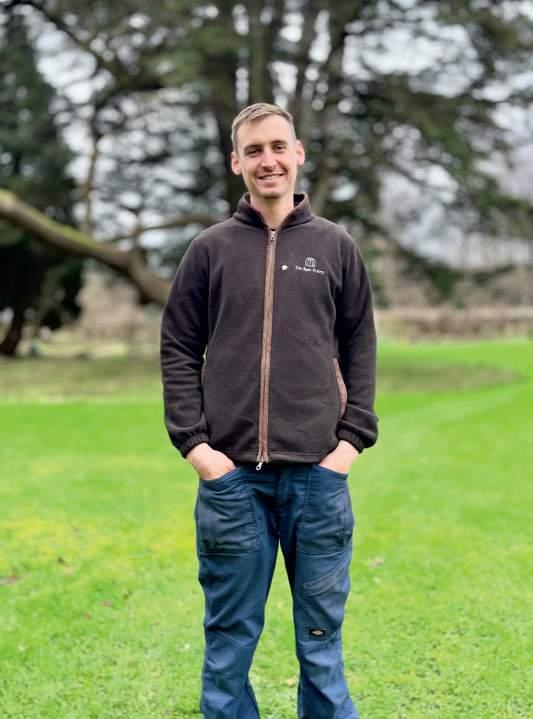
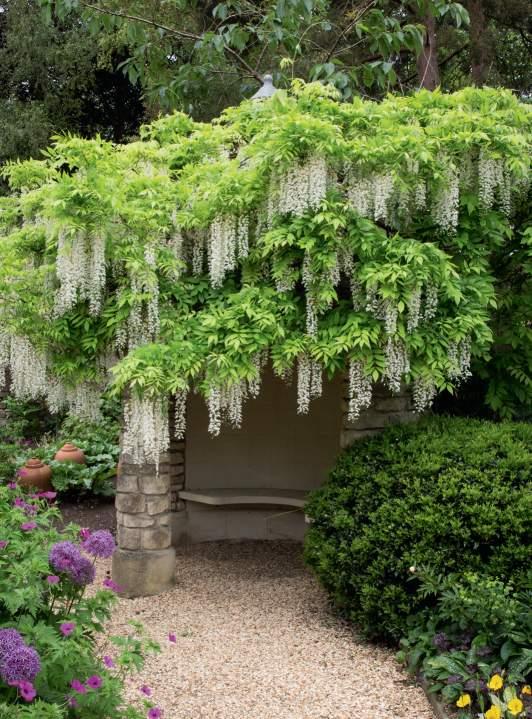
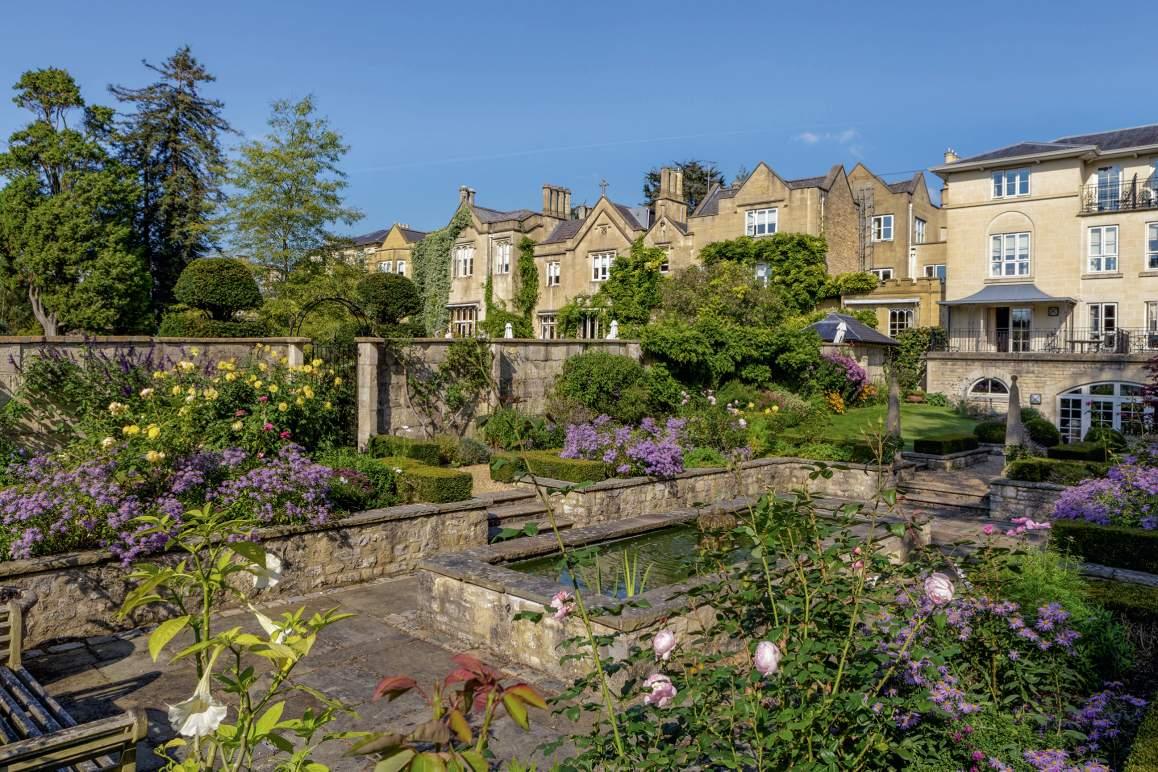
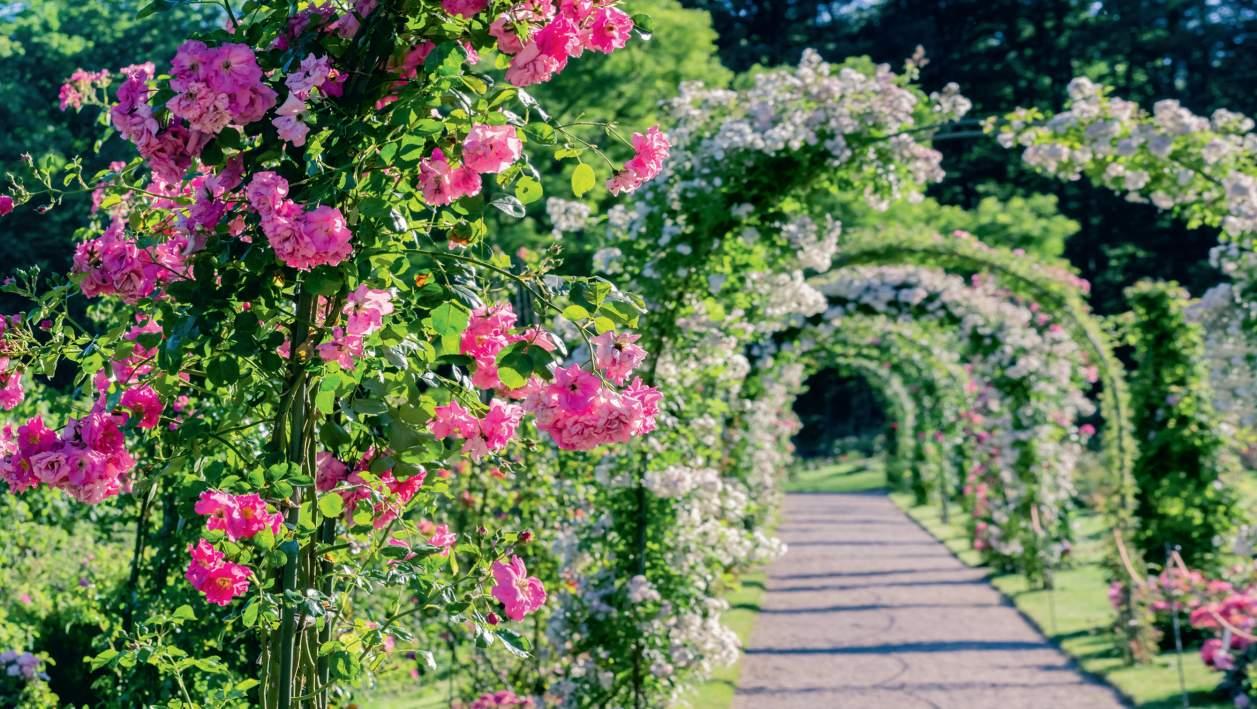
Head gardener, Tom Morel, prepares The Bath Priory for the NGS open days
THE TRANSIENCE OF LIGHT
The late Norman Ackroyd illuminates the Victoria Art Gallery with his masterpieces
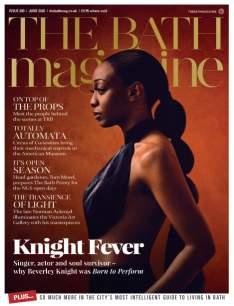
Knight Fever
Singer, actor and soul survivor –why Beverley Knight was Born to Perform
India
A
Our
Step
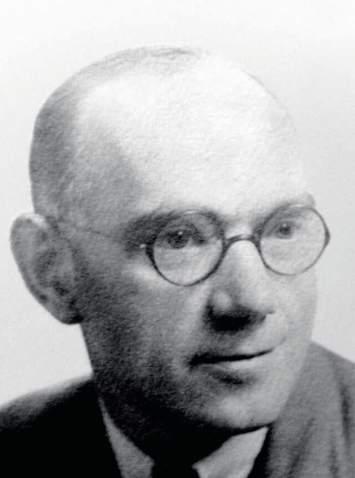
George Carwardine, the man behind the iconic Anglepoise lamp
Follow us @thebathmagazine or enjoy our website: thebathmag.co.uk
48 PORTRAIT OF BATH
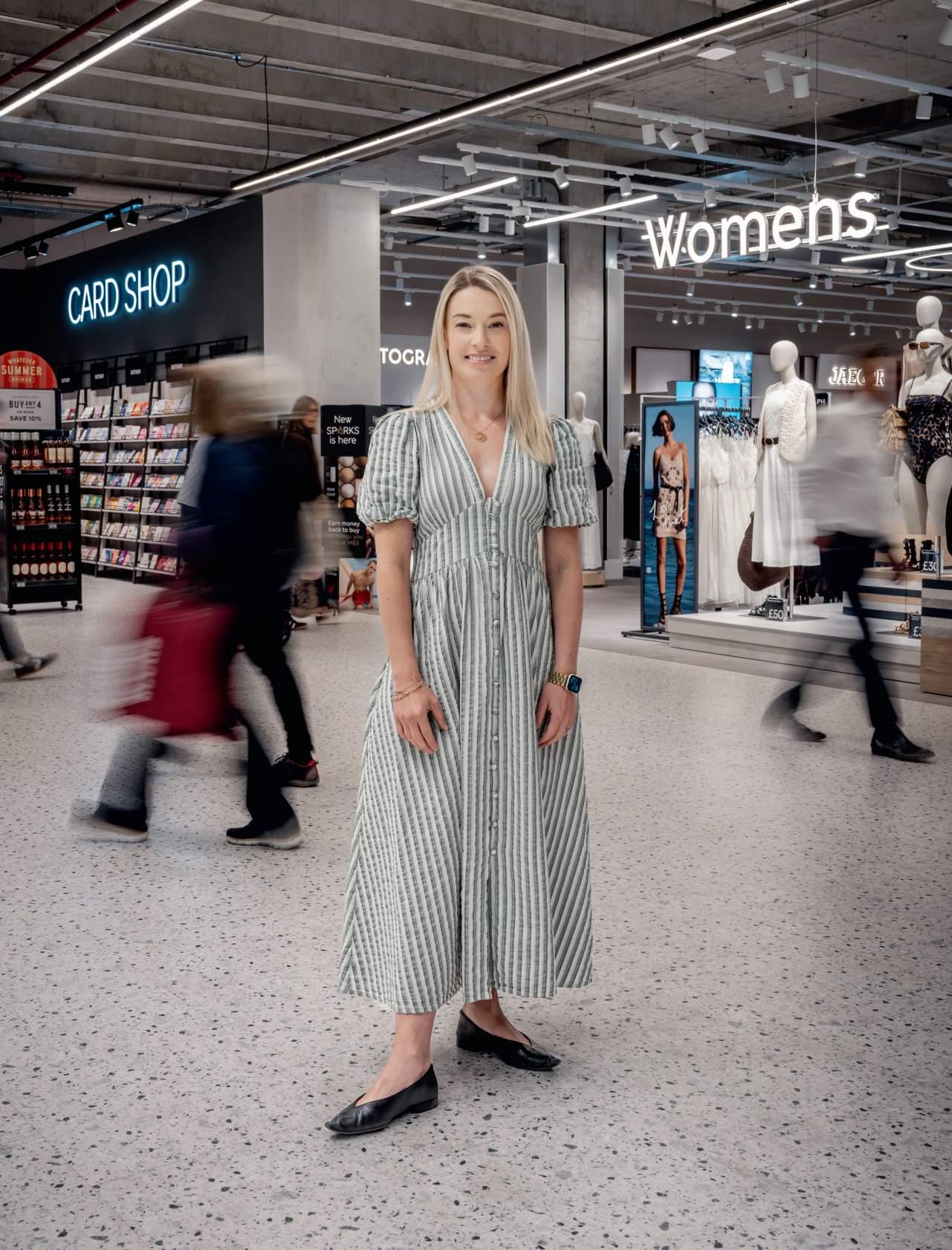
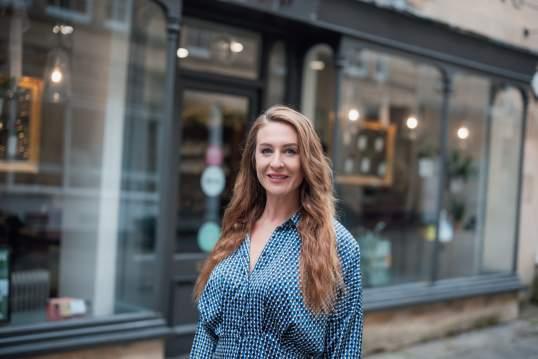
Meet Natalie Jordan, the manager at M&S’ 83,000 sq. ft. flagship store in Southgate
52 FOOD AND DRINK
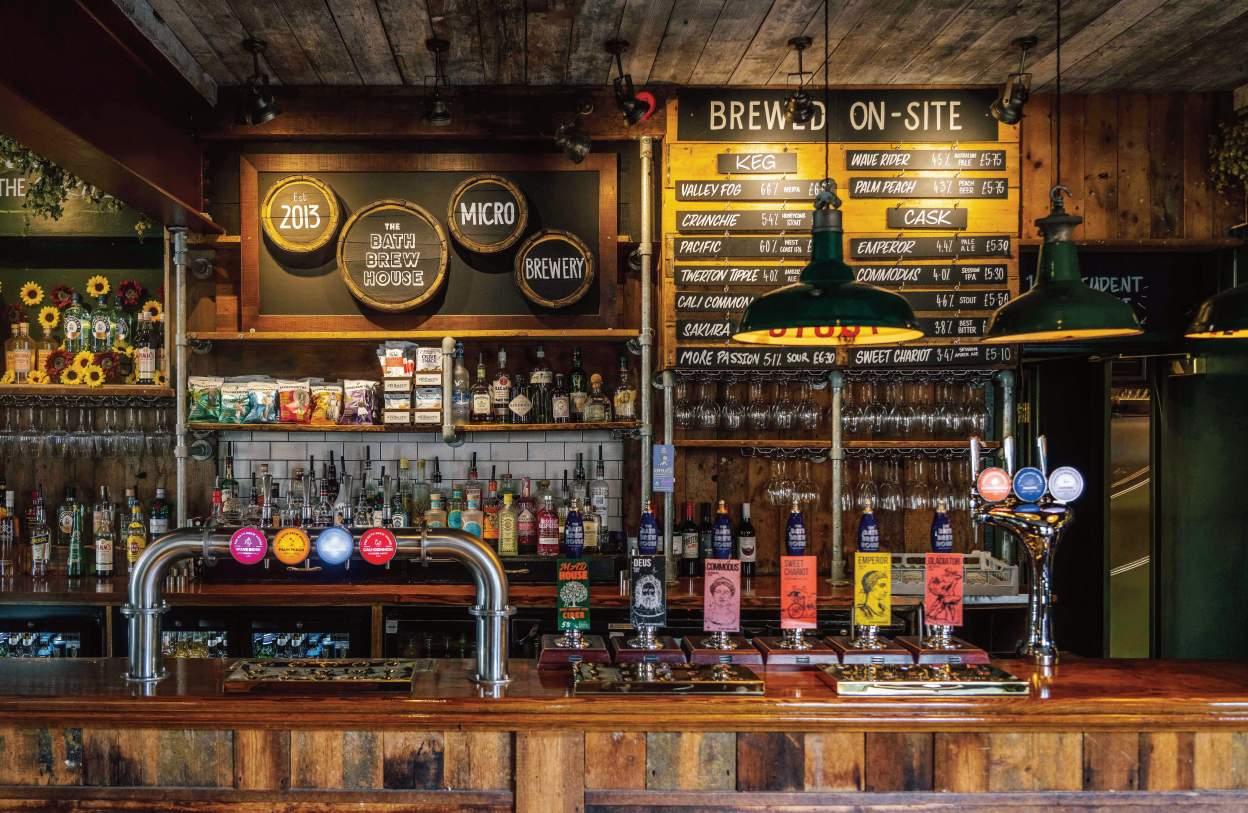
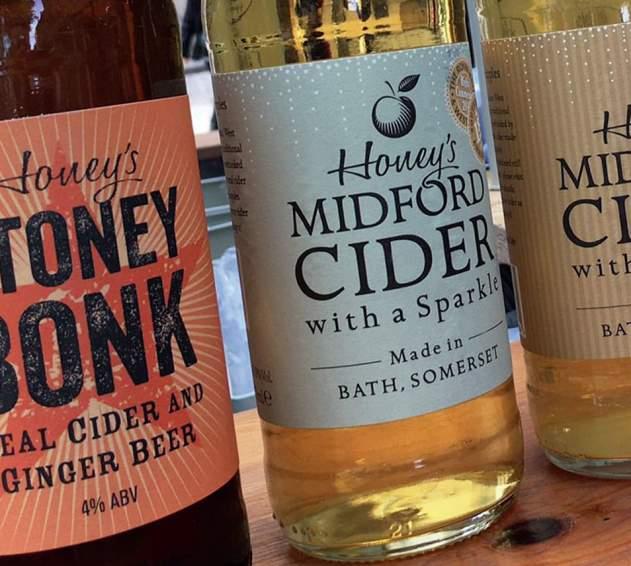
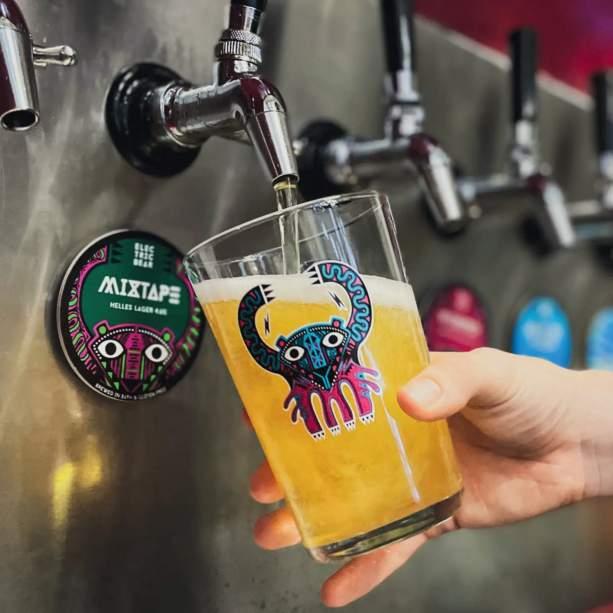
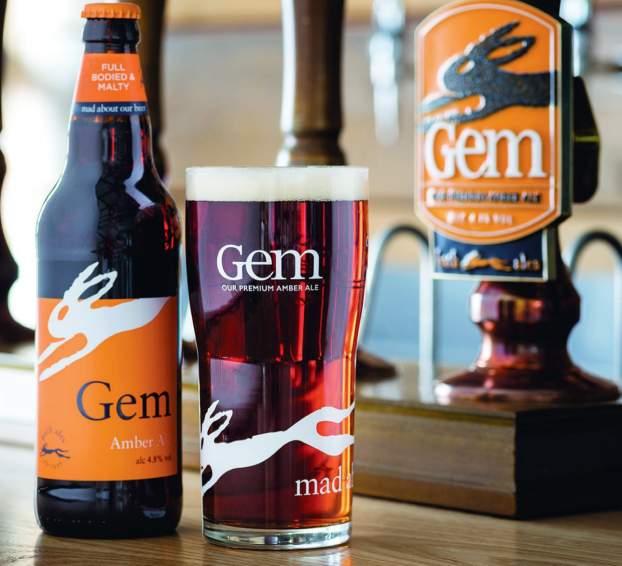
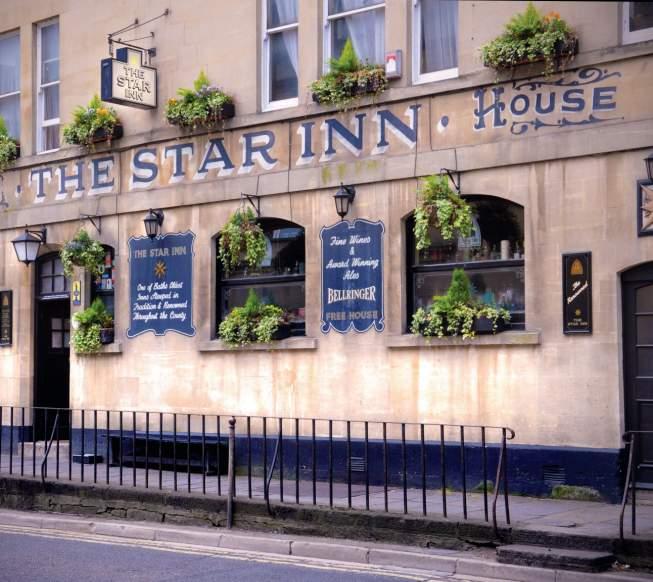
A fabulous aubergine biryani recipe from Bandook and Melissa Blease explores the locally-brewed beers of Bath
70 A GOOD WALK
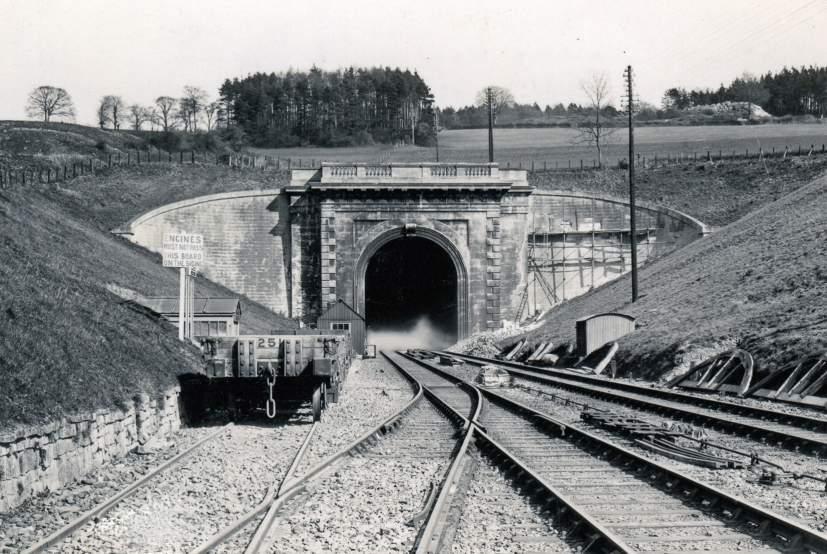
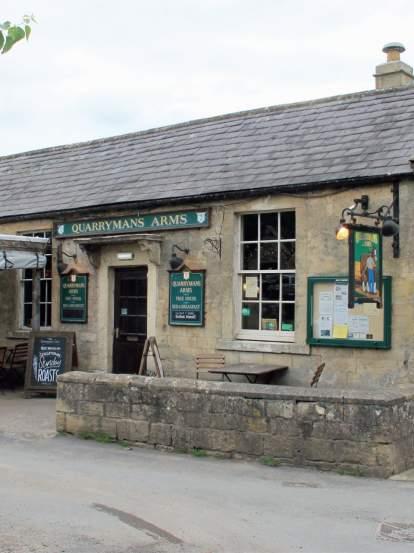
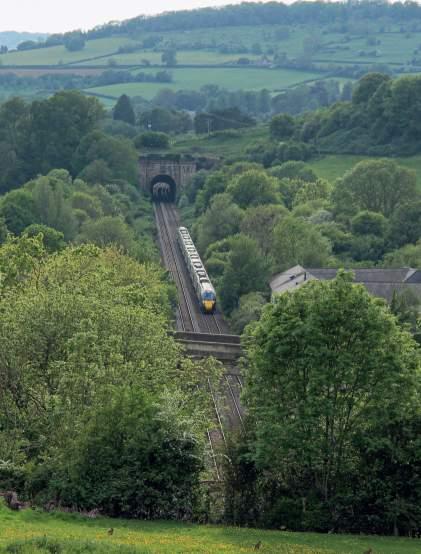
Andrew Swift unpacks a wonderful walk around Box for us as it celebrates the 185th anniversary of Brunel’s famous tunnel
72 INTERIORS
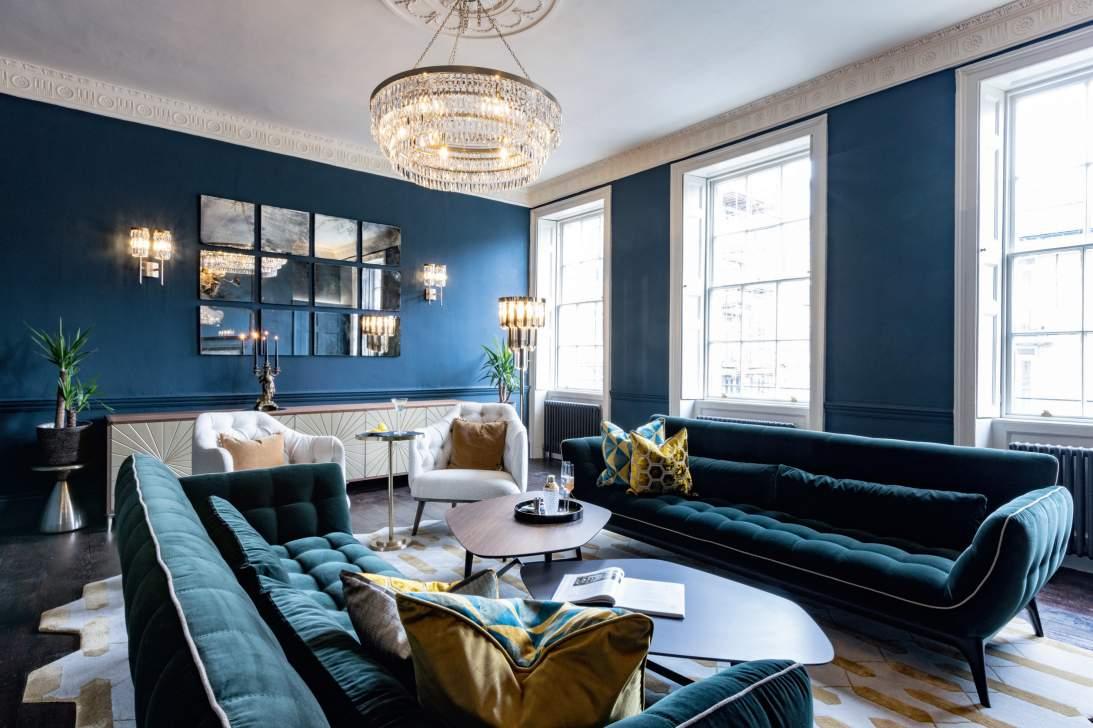
Far more than simply choosing colours and cushions – the many benefits of hiring an interior designer
78
Head Gardener, Tom Morel prepares The Bath Priory gardens as they open to the public this summer
84 OPEN HOUSE
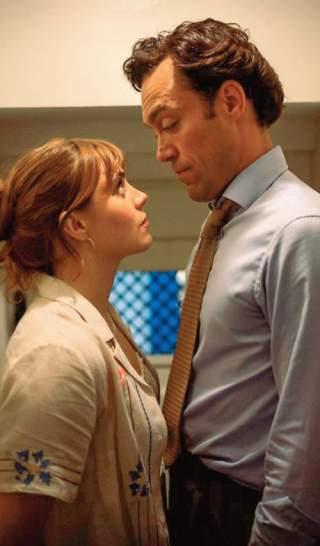
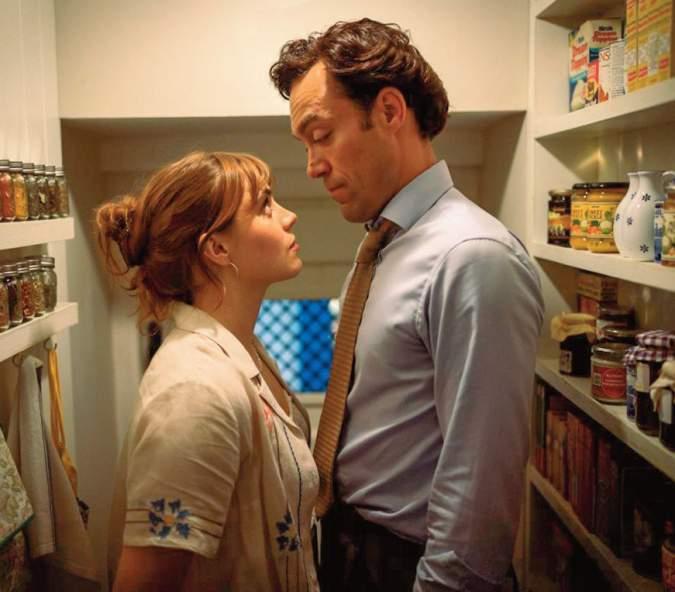
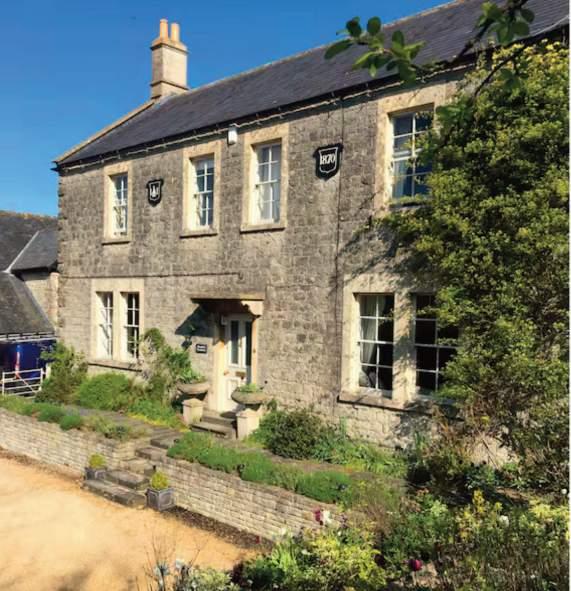
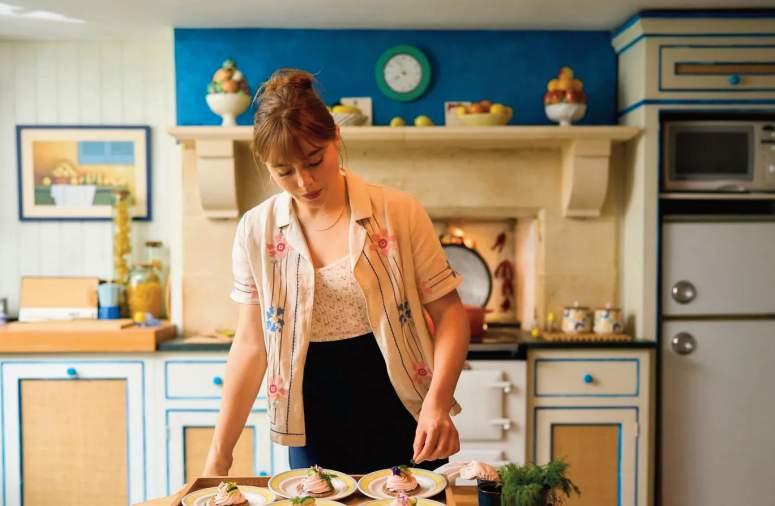
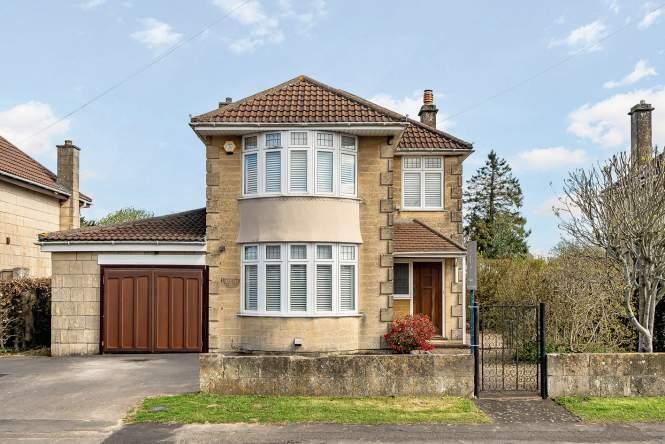
Would you open your house as a film location? Vanessa Sayce did and found a pair of Rivals actors in her pantry!
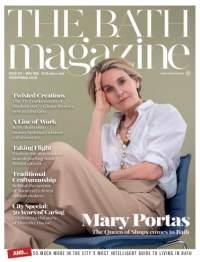
On our cover this month
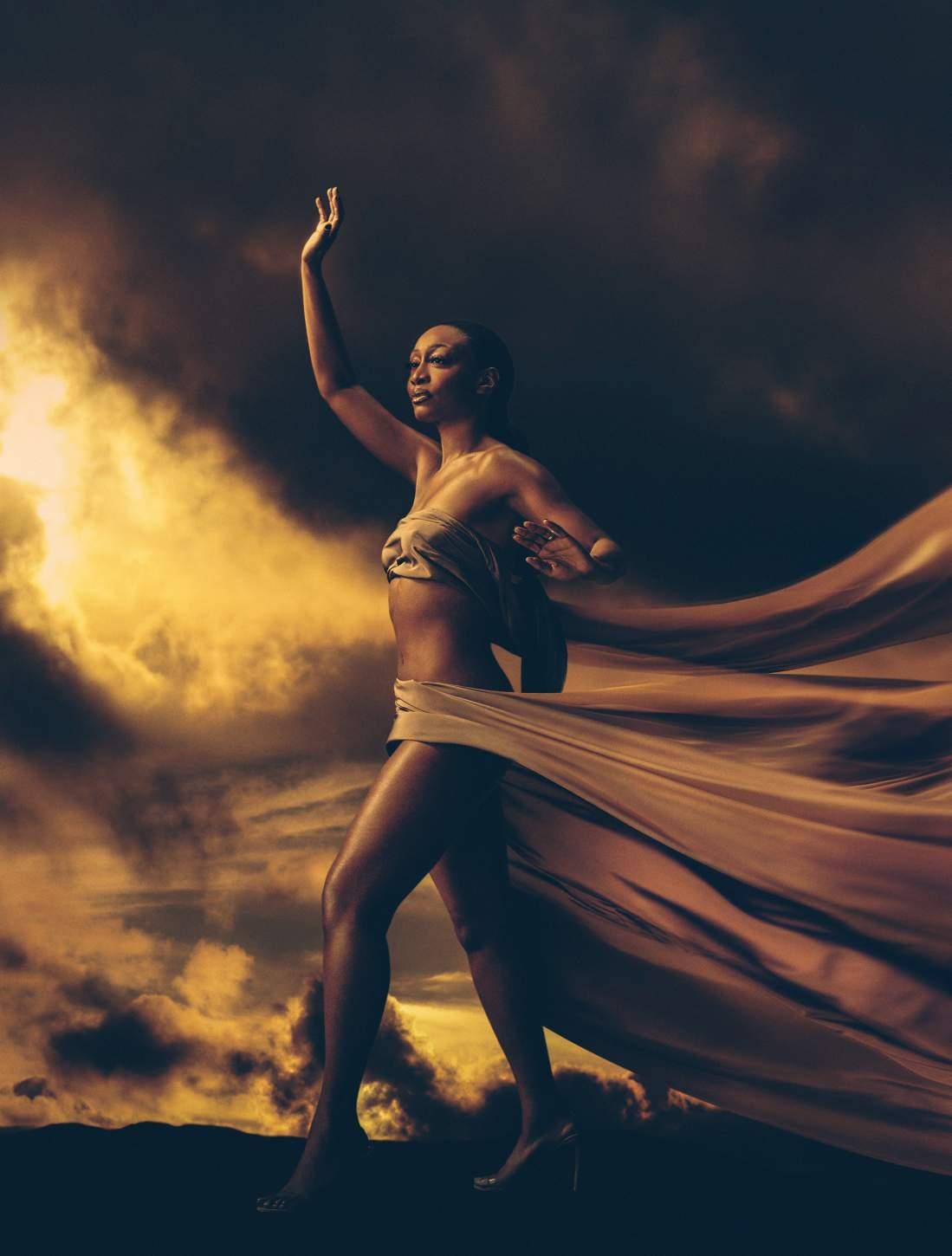
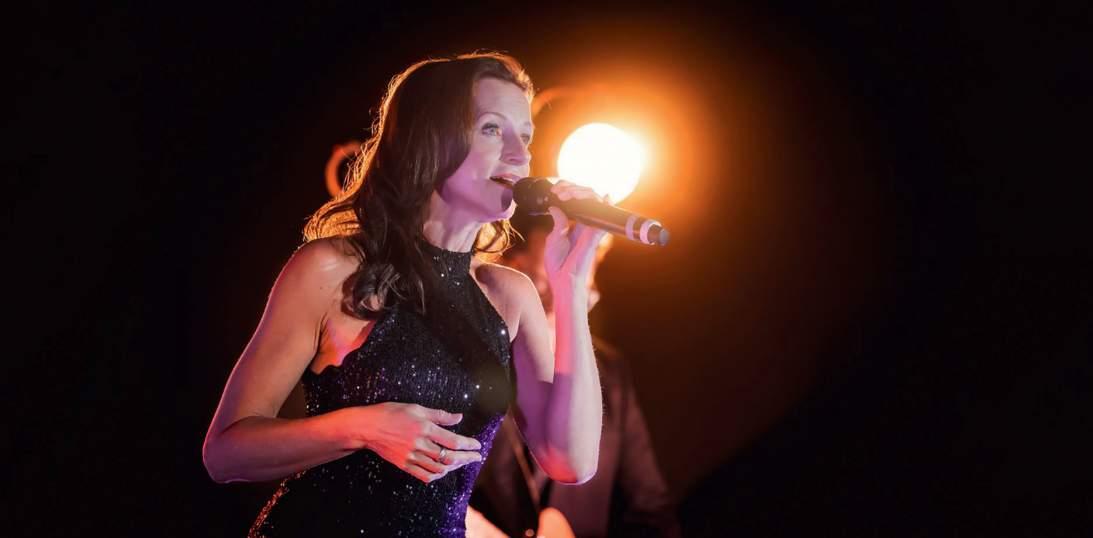
Singer and actor, Beverley Knight.
Image courtesy of Julian Broad
things to do in June
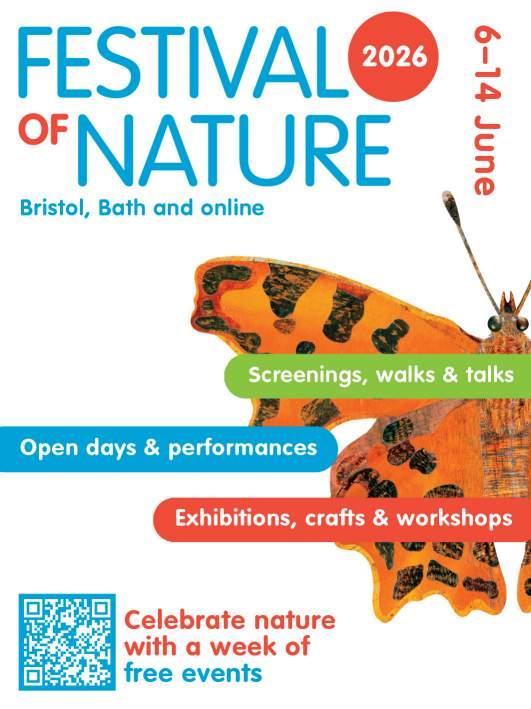
Festival of Nature: 6–14 June
This free nine-day celebration of the natural world is back, and bigger than ever with more than 160 events happening across Bath, Bristol and online. This year, it kicks off in Bath with a full day family-friendly event at SouthGate. Visitors can enjoy hands-on activities, creative crafts, performances and inspiring stalls from local organisations celebrating wildlife and the environment. A striking woodland-themed art installation suspended above SouthGate will transform the city centre into the feeling of a leafy canopy, inspired by local woodlands and their wildlife. Families can discover more about birds, insects, mammals and native plants, while learning simple ways to help protect local habitats. Elsewhere, Bristol’s much-loved Wild Weekend will once again take over Millennium Square with live music, workshops, and parades. Festival highlights across the region also include woodland trails, insect identification walks and night-time nature discoveries. The programme is packed with so much to see and do – find all the details at: festivalofnature.org.uk
Lansdown Open Gardens: 7 June
Iford Manor Jazz Festival: 18–21 June
The Iford Manor Jazz Festival returns from 18–21 June 2026, bringing four days of world-class music to the stunning surroundings of Iford Manor’s Grade I listed gardens near Bath. Curated by acclaimed jazz singer Claire Martin OBE, the festival combines exceptional live performances with the romance of summer evenings, beautiful gardens and spectacular countryside views. This year’s line-up includes Trish Clowes and Ross Stanley, Vanessa Haynes Duo celebrating Aretha Franklin, Snowboy and the Latin Section, plus jazz lunch performances from the Maddie Martin Duo. Guests are invited to picnic in the gardens, enjoy food and drink from Iford Manor Kitchen, and soak up the unique atmosphere of one of the region’s most distinctive music events. For tickets and details visit: ifordmanor.co.uk
Caisson Garden Open Days
The wonderful gardens of Caisson will open on 5, 6, 12, 13, 19 and 20 June. Expect an abundance of flowers and vibrant colours, filling the air with sweet fragrances. Don’t miss popping into the Studio where tea and delicious homemade cakes will be served. There are timed booking slots: 10am-12pm and 2pm-4pm Limited tickets so booking is essential. caissongardens.com
This year, Lansdown’s muchloved Open Gardens event invites visitors to explore six beautiful private gardens across Richmond Place, Lansdown Road, Sion Hill, Summerhill Road and Weston Park East. Running from 2pm–5.30pm, the afternoon also includes a secret garden, a special children’s garden, and the ever-popular plant sale on the Millennium Green. Visitors can pause for tea and homemade cake at St Stephen’s Centre while enjoying one of Bath’s most charming community events. Tickets are £6, with free entry for children under 12, and all proceeds support the upkeep of St Stephen’s Millennium Green. Advance tickets and further information are available at the Millennium Green website, with tickets also available on the day. millenniumgreen.org.uk
Bath Rotary Festival of Motoring and Music Weekend
Bath’s very own classic and supercar show is back on 27 and 28 June at Walcot Rugby Ground opposite the Lansdown Park and Ride. Hundreds of incredible cars and motorbikes, the latest supercars, an all day arena, great food and drink and this year there’s even more live music from the best local bands to help you while away the weekend. Run by the team from Bath’s Rotary Club, all proceeds will be donated to local charities. A great way to indulge in some motor nostalgia, get up close and personal with some incredible modern supercars and sit back and enjoy some great music. For show times and ticket information visit: bathfestivalofmotoring.com
Image courtesy of Jason Ingram
City Updates
What’s your favourite butterfly?
Butterfly lovers across the UK are being invited to take part in a nationwide search to crown Britain’s Favourite Butterfly for the very first time.
Launched by wildlife charity Butterfly Conservation, the public vote runs until 7 June and celebrates the incredible diversity of the UK’s best-loved insects. Voters can choose from all 60 species found in Britain – from familiar garden favourites such as the Peacock, Red Admiral and Orange-tip, to rarer species including the Purple Emperor and Duke of Burgundy.
The charity has created a dedicated website featuring fun facts about every butterfly species, along with a light-hearted “butterfly personality” quiz to help people discover their perfect match.
Butterfly Conservation says the campaign is designed to encourage people of all ages to reconnect with nature and appreciate the beauty and importance of butterflies during the summer months.
Julie Williams, Chief Executive of Butterfly Conservation, said: “It’s clear Britain is a nation of butterfly lovers. From the colourful to the quirky, the common to the elusive, all butterflies are beautiful and we look forward to officially crowning Britain’s favourite.”
The campaign also highlights growing concerns for butterfly populations. Around 80 per cent of UK butterfly species have declined over the last 50 years due to habitat loss, changes in land use and climate change.
Despite the challenges, conservationists say there is still hope. Research suggests even spending 15 minutes watching butterflies can help people feel more connected to nature and more motivated to protect it.
Butterfly Conservation President Sir David Attenborough has long championed the insects, describing the simple pleasure of watching butterflies in the garden as something that “never fails to bring great pleasure”.
The winning butterfly will be announced later in June. Vote for your favourite at: britainsfavouritebutterfly.co.uk
Middlewick House Open Garden: 6–7 June
Each year, Pink Floyd drummer Nick Mason and his wife Annette open the grounds of their beautiful Middlewick House near Corsham for a special charity open garden weekend. Visitors can wander around the stunning gardens and meet a variety of friendly animals, while also enjoying a rare chance to see a selection of Nick Mason’s classic and high-performance cars on display. The family-friendly event features live music, children’s entertainment, artisan stalls, food and drink vendors, a traditional barbecue, and plenty of local produce, crafts and gifts to browse. Tea, coffee and cakes are available throughout the day, alongside a raffle with prizes donated by local businesses. Organised in support of Wiltshire and Bath Air Ambulance and The Wiltshire Bobby Van Trust, the event raised more than £200,000 last year, attracting over 15,000 visitors across the weekend. To book, visit: middlewickhouseopengarden.com
Ian Mills to be next Rector of Bath Abbey
The Revd Dr Ian Mills has been appointed as the next Rector of Bath Abbey and is expected to take up the role this autumn. He currently serves as Rector of the Benefice of Chew Valley West and Area Dean of Chew Magna in the Diocese of Bath and Wells. Announcing the appointment, the Bishop of Bath and Wells, Rt Revd Michael Beasley said Ian would bring “extensive experience and the heart of a true pastor” to the Abbey. Ian said he was “thrilled and honoured” to be invited to serve at Bath Abbey, describing it as “a remarkable place of prayer, worship and welcome”. Ian studied music at Queen’s University Belfast and theology at Trinity College Dublin prior to training for ordination at the Church of Ireland Theological Institute. Ordained in 2017, he served in County Antrim before moving to Chew Valley West in 2021. Before entering ministry, Ian worked as an organist, accompanist and music teacher, and continues to champion community music-making through church choirs. He will move to Bath with his wife Kelly-Ann and their daughter Iris. Visit: bathabbey.org
City Updates
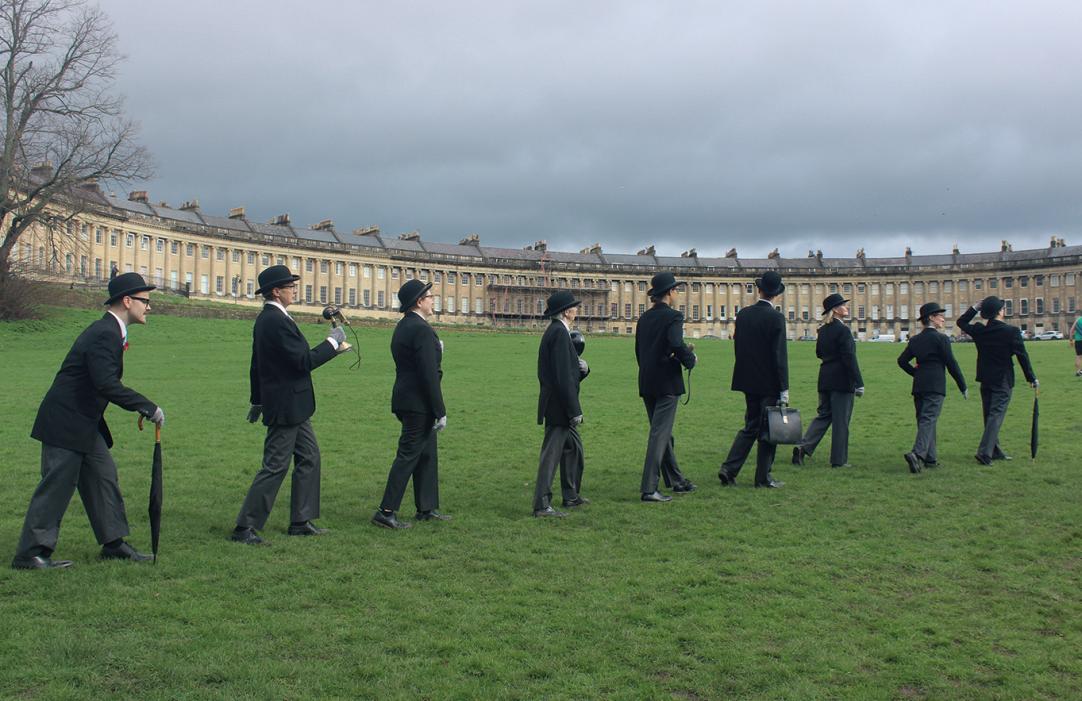
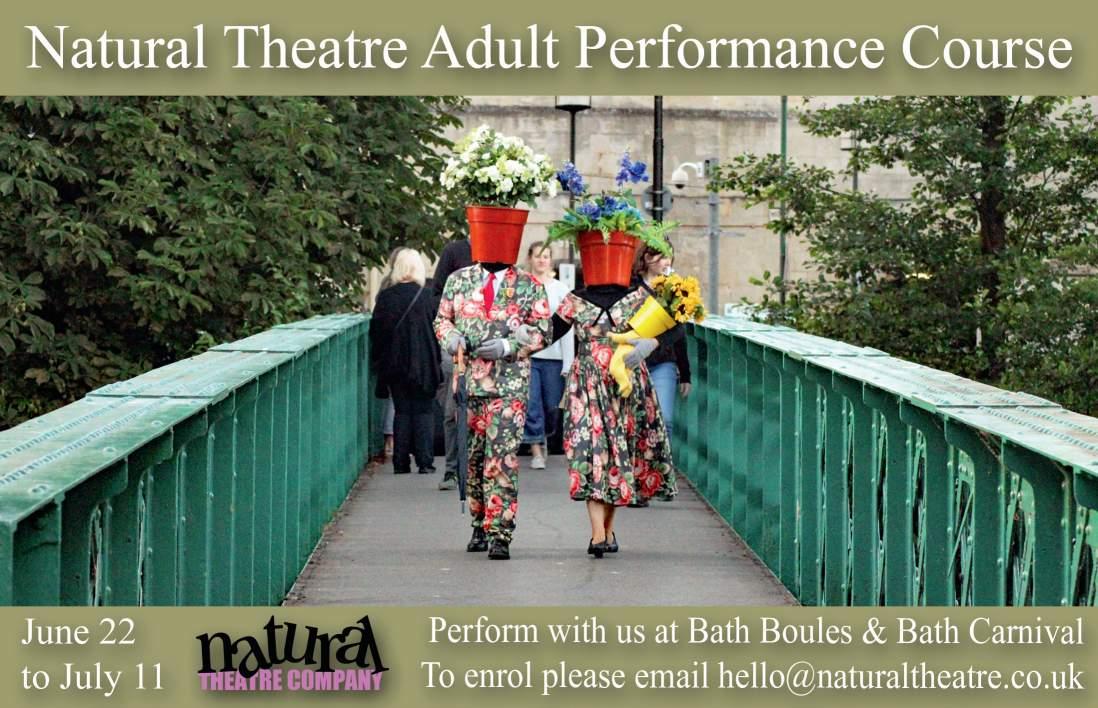
Perform with The Natural Theatre Company
The Natural Theatre Company is creating community performances for Bath Boules and Bath Carnival. The performances will be the culmination of fun and illuminating training in the world-famous company’s trademark style of immersive performance.
Artistic Director Andy Burden says “At The Natural Theatre Company we perform with people, not at them. Our performances have always mingled with the general public.”
From 2013 the company developed a successful programme of participation work, this included classes in educational organisations and community groups … and projects in Bath exploring the city’s history and culture (history of Royal Crescent, poverty in Bath, WW1 field hospitals, Bath’s positive history with immigration).
“Back in 2017 we decided to set up a number of adult theatre classes to teach local people some of our skills, The courses build confidence, explore improvisation and experiment with character and costume. They were hugely successful and always fully subscribed”
The courses were interrupted by the pandemic and because the company had so much work to do elsewhere these theatre courses took a back seat.
“I thought it would be great to launch this again if we could find a good performance event at the end. We thoroughly believe that arts should be shared with the local community, and it was important to teach skills and perform in 2026. After seeing the wonderful David Copperfield at the Theatre Royal, I was delighted to see how many people wanted to get involved in community arts. We can do something slightly different: we can teach people the unique skills of street theatre. When both Bath Boules and Bath Carnival came on board, we suddenly had our end performances organised”
The project will involve a number of skills classes on Monday 22, Saturday 27 and Monday 29 June. Then on the weekend of 4/5 July, the group will rehearse, put on costume and then perform. The next weekend we see the final performances at Bath Carnival.
“It will be a great experience for the people involved – but to make it work the groups will have just 12 or so people. It is something totally exhilarating to be performing in disguise on the street – almost mesmerising! We can help people build the confidence and skills to find it the most natural thing in the world to perform on the street… We will make them natural Naturals!”
The course runs 22nd June to 11 July, email: hello@naturaltheatre.co.uk for more information and to enrol. naturaltheatre.co.uk
Sculpture at The Royal Crescent Hotel
This summer, the elegant gardens of The Royal Crescent Hotel & Spa become an open-air gallery for Through the Crescent, a striking contemporary sculpture exhibition curated by London-based art consultant Ellie Isaacs. Running from 6 June to 27 September, the free public exhibition brings together works by nine leading British sculptors and artists, including Dominic Welch, Zoë Wilson, Hannah Bennett and Ian Turnock. Set against one most iconic backdrops, the show will feature an inspiring mix of large-scale sculptures in glass, stone, metal and mixed media, thoughtfully positioned throughout the hotel’s tranquil grounds. Whether you’re an avid art lover or simply looking for a beautiful summer stroll, Through the Crescent offers a rare opportunity to experience contemporary sculpture in an atmospheric outdoor setting. Admission is free. For more information visit: studioelliemaya.com
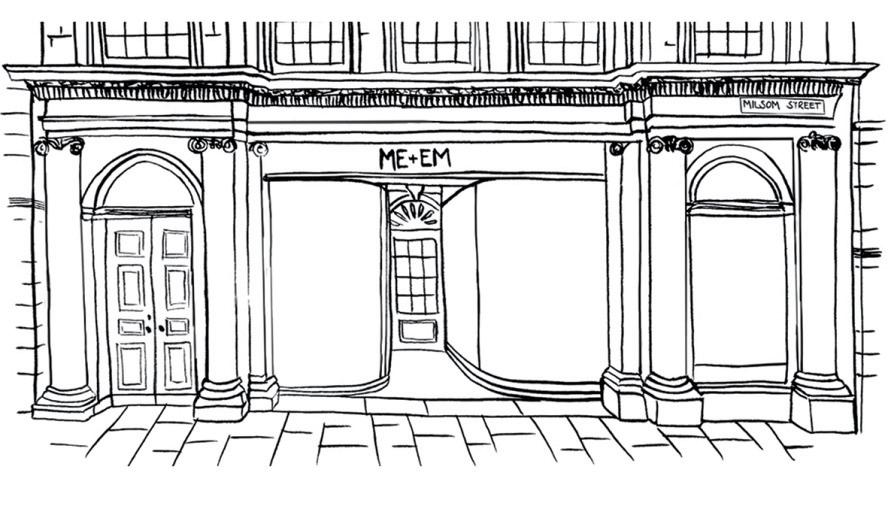
ME+EM store lands in Milsom Street
British womenswear brand ME+EM is set to open a new store on Milsom Street this June. Spanning 3,460 sq ft across two floors, the Bath location will be the brand’s eleventh standalone UK store and its second to feature the new ‘Townhouse’ retail concept. The new store at 46 Milsom Street, occupies a Grade II listed Adam-style building, with original neoclassical details including bead moulding and a period frontage retained throughout the design. The Townhouse concept replaces a traditional retail layout with a series of styled rooms intended to feel more like a home than a shop, with minimalist interiors chosen to highlight the building’s original features. The interiors also feature furniture and fabrics from British design names including Robert Kime, Rose Uniacke and Colefax and Fowler. Customers will be able to shop monthly fashion edits, with June’s collection featuring summer suiting, tailored separates and the brand’s signature bouclé co-ords. meandem.com
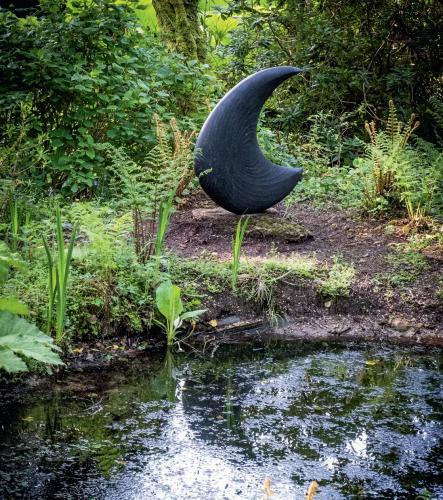
Dominic Welch, Blue Angel IV
The Bath Magazine, 2 Princes Buildings, George Street, Bath BA1 2ED Tel: 01225 424499 www.thebathmag.co.uk
Editorial team and contributors: Melissa Blease, Katherine Raderecht, India Farnham, Hannah Poon, Dara Foley, Andrew Swift, Vanessa Sayce, Rosanna Spence, Ellie West, Joe Short, Steve Miklos. editor@thebathmagazine
Financial Director: Jane Miklos jane@thebathmagazine.co.uk
Editorial and Digital Assistant: India Farnham india@thebathmagazine.co.uk
Production Manager: Jeff Osborne production@thebathmagazine.co.uk
Publisher: Steve Miklos steve@thebathmagazine.co.uk
Contact us at thebathmag.co.uk Follow us on Instagram @thebathmagazine
The Bath Magazine and The Bristol Magazine are published by MC Publishing Ltd. We are independent of all other local publications.
The Bath Magazine is delivered free, every month, to more than 15,000 residential addresses as well as businesses throughout Bath and the surrounding area. We also have special distribution units in many of Bath’s supermarkets. The Holburne and Toppings Books
Disclaimer: Whilst every reasonable care is taken with all material submitted to The Bath Magazine, the publisher cannot accept responsibility for loss or damage to such material. Opinions expressed in articles are strictly those of the authors. This publication is copyright and may not be reproduced in any form either in part or whole without written permission from the publishers.
All paper used to make this magazine is taken from good sustainable sources and we encourage our suppliers to join an accredited green scheme. Magazines are now fully recyclable. By recycling magazines, you can help to reduce waste and contribute to the six million tonnes of paper already recycled by the UK paper industry each year. Please recycle this magazine, but if you are not able to participate in a recycling scheme, then why not pass your magazine on to a friend or colleague.
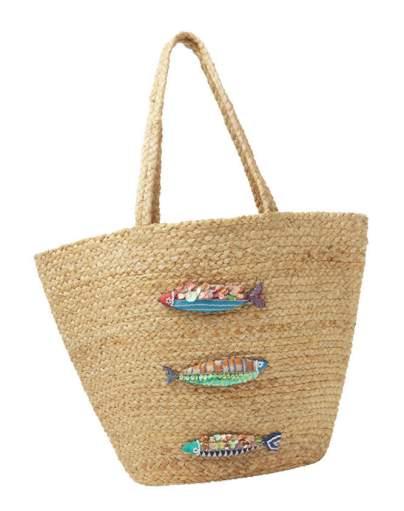
Beaded Fish Woven. Basket Bag, £35. accessorize.com.
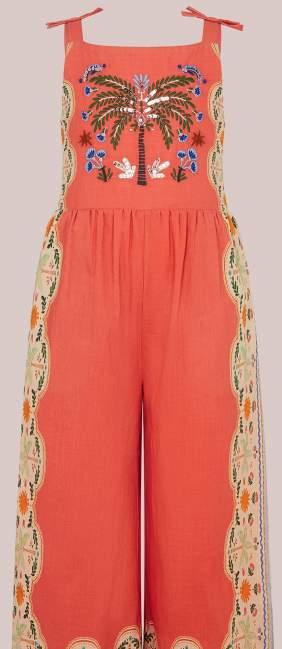
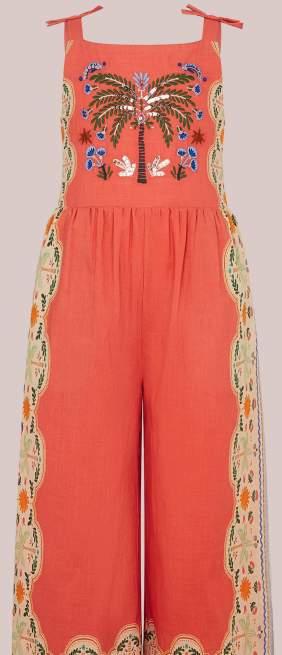
£49, monsoon.co.uk.
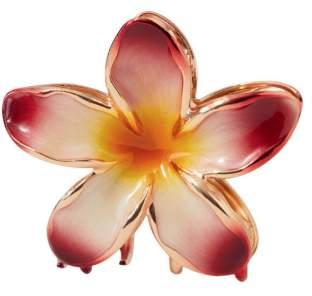
Flower Metal Claw Clip. £12, accessorize.com.
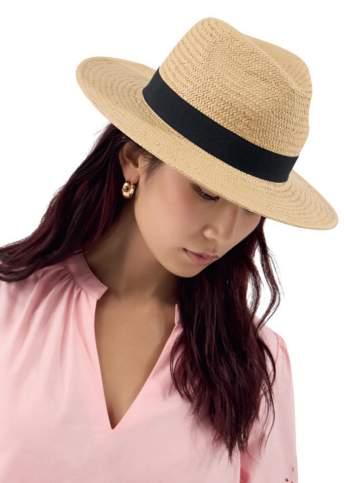
Blue-Tinted Tort Aviator Sunglasses, £16. monsoon.co.uk. Straw Panama Hat £25, accessorize.com.
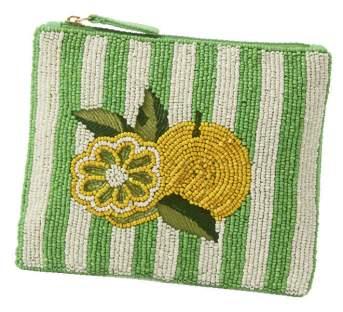
Lemon Beaded Pouch. £18, monsoon.co.uk.
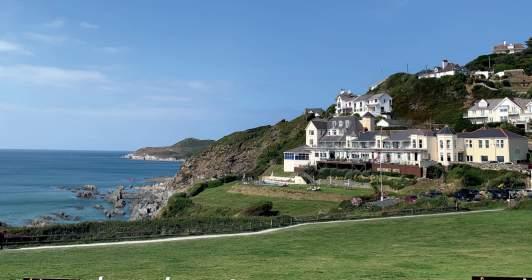
The Watersmeet Hotel in Woolacombe, proudly voted Best Waterside Hotel for the UK & Ireland, enjoys an exceptional position right on the water’s edge. This 4-star coastal hotel offers Luxury Balcony and Terrace Rooms and Suites with private outdoor seating and sun loungers, a 2-AA-Rosette restaurant with dramatic clifftop sea views, and indoor and outdoor pools with spa facilities.
2 Night Celebration Break
• Sea View Room for 2 Nights
• Dinner each Night & Devon Breakfast
• Bottle of champagne on arrival
• Devon Cream Tea for 2 Inclusive from £900
3 Night Mid-Week Break Offer inclusions:
• Sea View Room for 3 Nights
• Dinner each Night & Devon Breakfast Inclusive from £1200
In
Beverley Knight
her own words – Born to Perform
Award-winning soul singer Beverley Knight has shared stages with Prince, conquered the West End and become one of Britain’s most beloved performers. But behind all the accolades lies a grounded woman driven by faith, family and purpose. In this exclusive interview, she chats to Melissa Blease ahead of her Born to Perform tour
Since she burst onto the UK music scene with her criticallyacclaimed first album The B-Funk in 1995, Beverley Knight’s reputation as Britain’s undisputed Queen of Soul has continued to gain traction – and the heady pace doesn’t show any signs of letting up any time soon.
The multi award-winning singer, songwriter, musical theatre superstar, TV icon and radio luminary (phew!) has released nine studio albums, undertaken 11 major headline tours, supported Take That on their massive 2006 reunion stadium gigs… and was awarded an MBE for services to British Music and Charity in the same year. She was selected as the opening act for Prince’s historic Earth Tour during his record-breaking 21 Nights in London residency at the O2 Arena in 2007 … and, in 2008, his lordship flew her to Los Angeles to perform at his at-home post-Oscars party in front of (and with) fellow superstars including Stevie Wonder and Quincy Jones.
This month, she embarks on a massive UK tour, pitstopping at the Bath Forum on Tuesday 9 June and the Bristol Beacon on Friday 19 June; this autumn, she’ll reprise her role as Emmeline Pankhurst in the Olivier Award-winning hip hop, funk and soul musical Sylvia at the Royal Albert Hall.
Taking that whistlestop tour of her CV into account – and there’s much, much more where that came from – Ms Knight would have every right to be a bit of a diva; right? Oh, so very wrong!
“I’m just a woman from a small city with a big dream and enough faith and stubbornness to keep going until that dream became reality!” she says, talking to me from her home in London (although she firmly acknowledges that her beloved Wolverhampton will always remain home in her heart). “My parents showed me the joy of living in spite of difficulties, and sharing that joy using the gift of music was the greatest thing I could give to the world. My current tour is called Born to Perform – and I’m totally convinced that I was!”
If you want to hear Beverley’s backstory in her own words, the tour offers that opportunity in full.
“Born to Perform is the story of how I came to be in the position I’m in today,” she says. “I’ve spent my life on stages, from school productions and the pulpit in church to music venues and West End theatres. Nothing can shake my belief that I’m living my purpose, and I was lucky enough to discover that purpose as a tiny child. I grew up in a musical family and performance was in my blood and in my soul. As a result, I didn’t see myself as particularly special in being able to sing; to me it was just a part of my everyday reality.
“I was very fortunate that, as a child, I was encouraged to work on my abilities instead of having them ignored or, worse still, discouraged. Today, I’m inspired by what I see around me, whether they are circumstances that have happened to me directly, or things that I
“I’ve spent my life on stages, from school productions and the pulpit in church to music venues and West End theatres. Nothing can shake my belief that I’m living my purpose”
experience vicariously. If something moves me profoundly enough, sooner or later it ends up in a song, or as part of a character that I may build for a specific role on stage.”
The building of character is clearly embedded deep within Beverley’s DNA. When she performs live, she’s renowned for taking audiences on a personal journey that brings her songs to real life in real time, whether in character as Rachel in The Bodyguard, Deloris Van Cartier in Sister Act, Emmeline Pankhurst in Sylvia, or – and perhaps even more so – when she’s ‘simply’ being herself; few people can listen to, for example, her powerful, gently uptempo 2002 soul ballad Shoulda Woulda Coulda and fail to be moved by the song’s frank, autobiographical revelations and soaring emotional depth.
Has Beverley ever viewed her work as a tool to help navigate the challenging or emotionally turbulent times that inevitably create a part of life’s rich tapestry?
“Losing my best friend Tyrone at the same time I was releasing and promoting my Affirmation album in 2004 was a very tough time for me,” she recalls. “Many of the dominant voices in the urban community disliked the first single As You Are and, as a result, didn’t engage with the rest of the album. I was fortunate that it still went on to be a big seller, but dealing with the mixed reviews and attempting to deal with Tyrone’s death at the same time came close to breaking me. In the three years that followed I felt lost at times, but the light of Prince’s Earth Tour shone in the distance as the affirmation that I personally needed at that time. The whole experience taught me that dark times don’t last forever.”
Indeed they don’t – and milestones that Beverley cites as jewels in the glittering crown of her career to date were yet to come. “Joining Prince at the O2 and on a makeshift stage at his home in Los Angeles were definite highlights,” she responds, when asked about her personal greatest hits moments. “I don’t think any accolade can touch the experience of having your hero respect your talent enough to have you join him on stage; okay, I don’t know that for sure, but I’m willing to
Photography by Julain
“I’ve learned to appreciate that taking a break is as necessary to my own wellness as doing the work”
put the work in to find out if I’m right! So, if I’m blessed enough to win a Grammy, a Tony, or any of those global accolades, come back and ask me that same question again!”
But away from the glamour of superstar collaborations, awards in the pipeline and future plans packed with promise (“I’ve been fortunate enough to be able to work on stage and in TV and film; trust me when I tell you that I intend to build on that!” she says), she puts as much –if not more – work into supporting vulnerable people to live their best lives than she puts into ‘being’ Beverley Knight.
Throughout her career, she’s actively supported and advocated for multiple key charities. Amongst a long line-up of philanthropic activities, she’s a long-standing patron of the UK’s leading HIV and AIDS charity the Terrence Higgins Trust. She’s an ambassador for Wolverhampton’s official football charity the Wolves Foundation, Christian Aid and The Paul Reid Foundation, named in honour of her close friend, guitarist and musical director of more than 25 years. But the woman who I’m quickly learning is a mistress of the art of clear-cut, resolute pragmatism defines the motivation behind her charitable support in the most beautifully simple, understated way. “There’s always a cause that needs a helping hand and I’m in a position to offer that help, so that is what I do,” she says, “I had great examples of this in both my parents, so I’m simply following the example they laid down for me.”
I put it to Beverley that, in doing so, she’s become an example – and, indeed, a role model – for many people? Again, an innate modesty prevails. “If that’s the case, then that’s a huge responsibility; very humbling but also quite scary. I’m trying my best to be the best example of whatever it is that people look up to me for, that I can be, and the only way I know how to do that is through consistent excellence.”
Blimey, Beverley! Do you have any time at all to just… chill? “I guess you can’t produce excellence without giving your mind and body enough time to recuperate!” she laughs. “As much as I enjoy keeping busy, there are of course days when I have to ease back. I’ve learned to appreciate that taking a break is as necessary to my own wellness as doing the work; my husband James has been instrumental in impressing the importance of taking those moments for myself upon me.”
But with the Born to Perform tour imminent, there won’t be much time for Beverley to snuggle up on the sofa to watch TV with her dog Zane (which is exactly how she spent last weekend) over the coming months.
“This is a different kind of tour for me as I’ll be singing all my hits but also, for the first time, hits from my musical theatre career too, including a track from Sylvia,” she reveals. “In short, expect nothing but energy and a huge helping of joy!”
It’s a closing statement that summarises this particular Knight’s tale in a nutshell. n
Beverley Knight. Born to Perform. The Bath Forum, Tuesday 9 June, 7:30 pm
For all event details and to book tickets, visit: bathforum.co.uk
Photography by
Julain
Broad
Photography by Lewis Shaw
ANTIQUE JEWELLERY REPAIRS AND REMODELLING
Image credit: James Arthur Allen, Stephen Vaughan
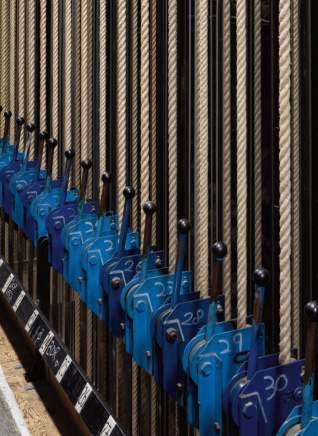
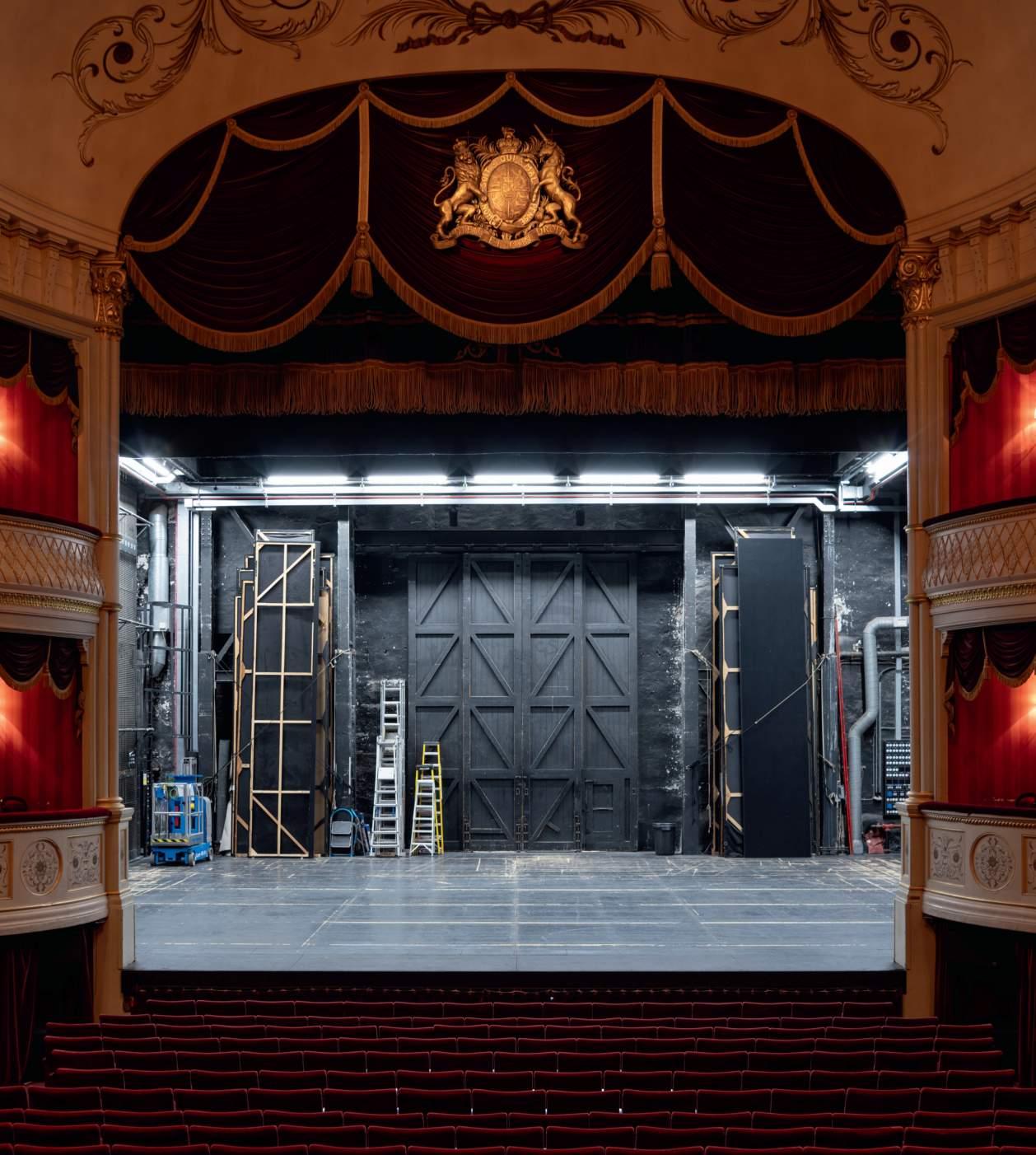
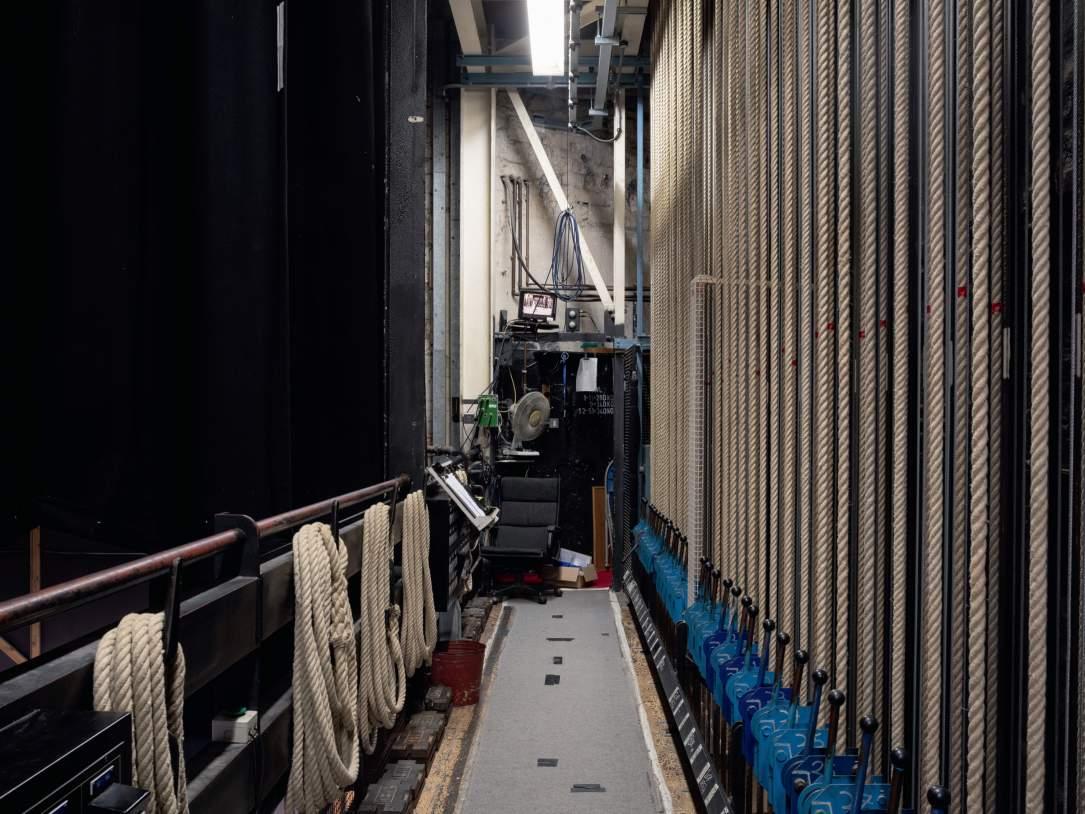
READY TO MAKE A SCENE; the Theatre Royal Bath stage
Beyond the curtain
From the high seas of Peter Pan’s Neverland to the surrealist no man’s land of Ralph Fiennes’ Small Hotel, Theatre Royal Bath has been immersing audiences in faraway theatrical worlds since 1805. India Farnham meets with the theatre’s talented in-house technical crew and lifts the curtain on what life is like backstage...
The cast of Emma Rice’s Malory Towers are warming up when Assistant Head of Stage, Emily Dimeloe, takes me on a tour of Theatre Royal Bath’s (TRB) sprawling backstage. Lip trills and humming exercises reverberate around the renowned venue.
“I feel like I’ve heard every vocal warm-up in the business at this point!” Emily laughs as she sidesteps into the wings, where quick-change stations and props tables are carefully being arranged for the evening’s eagerly awaited opening show.
TRB’s status as a regional theatre worthy of being an opening venue is nothing new. Built on its current site in central Bath in 1805, it’s one of the oldest working theatres in the country. And work it certainly does; across three beautiful venues (the Main House, the Ustinov Studio, and the Egg Theatre) the Grade II* listed building, complete with its original Georgian architecture, offers a chock-a-block year-round programme of drama, musicals, comedy, opera and dance.
Typically, a new production takes the stage at TRB’s Main House every two weeks.
“We don’t need people to go ‘they’re doing such a great job’, we’d just like people to be aware of it as a job,”
David Preston-Rider, Head of Stage
And if that wasn’t already enough top-class dramatics for you, the theatre also has its own commercial production arm, Theatre Royal Bath Productions, which is celebrated for creating more than 40 West End transfers since its inception in 1998, most recently including Ralph Fiennes’ ‘captivating’ Grace Pervades. Phew! Talk about productive.
Unsung heroes
While more than 200,000 people attended performances at TRB’s Main House and Ustinov Studio in 2025, Emily is part of a core team of just ten technical staff who work behind the scenes, day and night, to make sure this rammed schedule of theatre runs smoothly every single week. Between them, this dream team of local, specialised stage technicians builds, troubleshoots, lights, manages, safeguards and deconstructs every single show, every single week; and they do it all while being totally invisible to audiences.
So, although I’d like to ask each member of the crew what it feels like to be a superhero without a cape, they’ve all taken time out of their hectic schedules to speak to me, so, frankly, there isn’t time for silliness. Instead, then, I opt for this: how does it feel to work in such a special, successful regional theatre?
“It’s very rewarding,” Will Burgher, Chief Electrician, tells me. “I don’t think there’s another regional theatre that does quite what we do here, especially in terms of producing our own stuff.”
“Sometimes creatives will come here, step onto the stage and say, ‘You’re so lucky to work here,’” Lizzie Donaldson, Deputy Chief Electrician notes. “And it’s in those moments that you’re like, ‘yeah, yeah you’re right!’”
Fit up and get out!
Each show is a new mission for the TRB technical team – a new world to build, a new script to cue, a new story to package in the best way possible. What does the team’s weekly schedule look like?
“Monday and Tuesday consist of what we call the fit up, when a new production is getting set up,” Will explains. “On those days we’ll be in all day building the show and we’ll do a rehearsal with the cast on-stage.
“Then on Wednesday, Thursday and Friday, we’re on duty running the show. And then on Saturday we do two shows and a get out, meaning we deconstruct the show, and load it onto the production’s lorries, so generally we’re in until about four or five in the morning.”
Blimey! And on Sunday – a day of rest? “It’s classified as a day off, but
Jodie Comer as Tessa in Prima Facie
Photo credit: Bronwen Sharp
“I've had people say to me, ‘...you need to be a big burly man for that job,’ and I’m like, ‘no, no you don’t, because I’m doing it, and I’m 5ft!’
Emily Dimeloe, Assistant Head of Stage
it’s basically a write-off, because you’re knackered!” Lizzie shares. “You’ve got to be ready for the following week, because as soon as one touring production leaves, we’re onto the next.”
I’m starting to get an idea of just how full-on this line of work is, and how different it is to your regular nine-to-five. How do the team find balancing quality time with loved ones with these long hours?
“It can be hard socially,” Lizzie admits. “It’s hard to make plans in advance when the nature of the job means our rotas don’t come through until the week before. But I’m fortunate that my partner works in the same industry, so he's very understanding with my working hours.”
“I’m from a touring background,” David Preston-Rider, Head of Stage, tells me. “I’m used to being away from home for six weeks at a time. So actually, with this job, I'm at home more often than I have been.”
This positive mindset is shared by the team. Will explains that he was never a morning person, so starting and finishing later works well for him, and Emily notes that as a stage technician, you can’t take work home, meaning it’s possible to properly “check-out” during precious time off.
It’s clear within moments of my conversation with the team not only that they really get along, but that they’re still able to learn from each other every day. “Theatre is inherently a collaborative process, so it really helps that we all get on and are willing to help each other out,” Emily tells me. David notes that his team have even helped out in wardrobe when they’ve needed staff.
Career chat
Unsurprisingly, then, when I ask what soft skills could put someone ahead if they’re pursuing a career in a stage crew, the team are unanimous in their answer: teamwork.
“I’d always rather take on someone that’s less experienced, but a good person who’s good at working with others, than someone who knows their stuff, but won’t fit in with the team,” David explains confidently.
Interestingly, three out of four of the TRB stage technicians can pinpoint a specific teacher who told them about the possibility of working backstage as a career, something they all attribute to the reality of backstage work not being widely understood as a viable career option.
I’m moved when Lizzie describes how her drama teacher had asked her to try lighting design for one of her GCSE assessments, leading her
Image credit: James Arthur Allen, Stephen Vaughan
to work on the lighting for all of the school’s shows after that, and then eventually pursuing it as a career.
It feels important to ask her and Emily about their experience working backstage as women in a male-dominated industry. “It has been like climbing a mountain,” Lizzie explains. “I’m really well supported here, but there have been times earlier in my career when people treated me differently, for sure.”
Emily remembers being underestimated. “I've had people say to me in the past ‘oh, you can't fly [lift set pieces from above]– you need to be a big burly man for that job,’ and I’m like, ‘no, no you don’t, because I’m doing it, and I’m 5ft!’”
Both Lizzie and Emily feel inspired by strong female role models in their industry (“The lighting programmer on Malory Towers is a woman and she’s amazing – we love her!”), and are gladdened by the landscape of theatre production changing to become more welcoming to women. I’m touched to hear how much they enjoyed the environment in the theatre when Prima Facie’s production crew, who are all female or gender neutral, were touring in Bath.
Times are changing. When Will joined TRB in 2017, he remembers it being an all-male team. Today, four of the TRB technical team are women, making up forty percent; Lizzie and Emily are joined by Indigo Jones, Assistant Electrician, and Abi Simkin, Deputy Studio Technician. Where Lizzie is modest about her role in bringing women into the Theatre Royal team, Emily is happy to put it plainly: “I think [Lizzie] has done wonders for women being in industry!”
End scene
Backstage, there’s an unmistakable buzz in the air as the team prepare for the upcoming performance. Do the crew still feel the magic of the theatre, even when it’s their day-to-day? “Absolutely,” Emily smiles. “It's probably a bit cheesy, but I still absolutely love that moment when the lights go down and there’s that hush that falls across the audience.”
What’s the best part of the job, I wonder? “Weirdly, for me it’s when I have to fix something that’s gone wrong on set,” David shares. “I like that initial adrenaline rush, and problem-solving.” Lizzie loves the first few hours after a new show arrives at the venue. “At the start of a fit-up, when you’re putting the lights up and you’re getting it all working and you’re really busy, the time goes like that. Yeah, that’s really fun.”
Whilst the job certainly isn’t without its occasional moments of high pressure or stress (David recommends the ability to stay calm as a strong second to teamwork on the backstage skills list), every member of the crew feels strongly that more people should know about their line of work, and what roles are available behind the scenes.
“Stuff like [this article] is really important, because for this industry, it’s crucial to get the knowledge of what happens backstage out there,” David tells me appreciatively. “We don’t need people to go ‘they’re doing such a great job’, we’d just like people to be aware of it as a job, so that that barrier of awareness gets broken down.”
“Our hope is that more people, perhaps the sort of people who don’t want a nine-to-five office job, will be comfortable giving this stuff a go,” Will shares.
Well, dear reader, if you’ve made it this far, then consider yourself part of this new wave of knowledge about what’s really going on backstage. Share it with anyone in your life who is considering a career in theatre, or events, or as a technician. Or with someone who isn’t at all. At best, they’ll know something about what could be a highly rewarding career path for them. And at the very least, they’ll gain a new-found appreciation for the ‘magic’ of theatre... n
theatreroyal.org.uk
Meet the team
David Preston-Rider, Head of Stage
“I lead the fit ups and get outs, meaning when a new show arrives at TRB I’m in charge of getting the set put up and then loaded back on the production’s lorries. I also lead on health and safety.”
Lizzie Donaldson, Deputy Chief Electrician
“My job revolves around setting up the lighting and sound for new shows, whether that’s shows we produce or shows that come in with their touring team.”
Will Burgher, Chief Electrician
“As Chief Electrician I have the task of making sure a production’s lighting and sound plan works for within our theatre and getting it all set up.”
Emily Dimeloe, Assistant Head of Stage
“In the stage department, we build all of the sets. We are also responsible for flying, which is how set pieces are able to move independently without being lifted by a person on stage.”
David Preston-Rider and Lizzie Donaldson
What’s on
LIVE MUSIC AT GREEN PARK BRASSERIE
Throughout June
n Green Park Brasserie, BA1 1JB
Soak up live music alongside world-class pizza, cocktails, and craft beer every night, Wednesday through Saturday. Bookings and walk-ups available. greenparkbrasserie.com
WORLDS APART: RARE EARLY PHOTOGRAPHS OF CHINA AND BATH
Throughout June, 10am-4pm (Closed Sundays)
n BRLSI, BA1 2HN
This fascinating new exhibition from the BRLSI Collection, explores early photography through rare images of Bath and China. Francis Lockey’s delicate calotypes show Bath nearly 170 years ago, while photographs from the Second Opium War capture everyday life in China. Despite the distance, photographers focused on similar subjects: gateways, landscapes, and daily life. Historic objects from the BRLSI collection reveal the early challenges of photography and bring these scenes into focus.Free admission. brlsi.org
KITH & KIN: THE QUILTS OF GEE’S BEND
Until 21 June, 10am-5pm
n The American Museum and Gardens, Claverton Manor, BA2 7BD
This exhibition celebrates the extraordinary work of a group of African American women from a remote river island community in Alabama, which embodies a
tradition of making quilts that hold both profound artistic and political significance. For tickets and more information visit: americanmuseum.org
BEYOND BELIEFS: ONE FAMILY’S INCREDIBLE STORY
4 June. Open 9.45am, talk: 10.30am
n The Pavilion North Parade Road, Bath Join university lecturer, NGO and UN adviser and author Sohail Husain for this compelling and extraordinary true story. Beyond Beliefs is Husain’s powerful memoir tracing his family’s experiences through some of the 20th century’s defining events, including the First World War, the Holocaust and the Partition of India. For non-members, a discretionary £5 donation is suggested. u3ainbath.uk
PERFUME MAKING HALF DAY WORKSHOP
6, 20, 27 June, 2.30pm-5pm
n Great Pulteney Street
If you love fragrance or if you are simply curious, why not join niche luxury perfume house Parterre, for a creative hands-on session, and make your own bespoke scent. Informative and engaging, this half day workshop covers some theory about the olfactive families and perfume fundamentals. Then, working with high quality oils, you will be expertly guided through the process of designing and blending. By the end of the afternoon you will have a 50ml bottle of perfume to take home and enjoy. £120pp. For further details, information about private workshops and to book go to: parterrefragrances.com
A TRIBUTE TO THE CARPENTERS
6 June, show starts 7.30pm
n The Forum, Bath BA1 1UG
It’s time to get over that rainbow, be on top of the world and make the smallest of dreams come true with Gordy Marshall’s tribute, The British Carpenters. Starring the fantastic Sally Creedon as Karen Carpenter and with an incredible cast of musicians as they bring to life all the hits, including Close to You, Top of the World, Rainy Days and Mondays, Please Mr Postman, Goodbye to Love and many more, celebrating the legendary music of the Carpenters.
Tickets: from £34 (inc. fees): bathforum.co.uk
BRANCH OUT: A CELEBRATION OF ST STEPHEN’S AND ST MARY’S IN THE COMMUNITY
6-14 June, 2-4pm Daily
n St Stephen’s Church, Lansdown
A week-long celebration of community, creativity and connection at St Stephen’s Church, Lansdown. Running daily the event features a pop-up café, family eco activities, treasure trails, pebble painting and prayer & peace tree hangings. Visitors can also enjoy guided church tours and “Ring Out” bellringing tasters on selected days. Special pop-up workshops include flower collage and mini fern pot sessions. With activities for all ages, Branch Out offers a warm welcome and a chance to celebrate the vibrant community spirit of St Stephen’s and St Mary’s. Find out more by visiting: ststephensbath.org.uk
200-year
Sally Creedon as Karen Carpenter
BATH & COUNTY CLUB
Join the The Bath & County Club as a member and you and your guests will enjoy a relaxed, friendly ambiance and the opportunity to meet, eat and drink in the centre of Bath. bathandcountyclub.com
4 June
Thai Evening. A selection of small sharing plates. 6 for 6.30pm. £32.
12 June
Morning Talk by Stella Tonks – History of the club. Coffee and pastries from 10.30 am, talk at 11 am. £10.
14 June
Sunday Carvery. Choice of 2 succulent meats, 4 vegetables, desserts and coffee. 12.30 for 1 pm. £32.
17 June
Ascot Day Lunch – A Day at the Races 2 course lunch & strawberries and cream, glass of bubbles included.12.30 for 1 pm. Dress for Ascot. £45.
19 June
Battle of Waterloo dinner. 6 for 6.30pm. 3 course dinner. Black tie. £29.
24 June
Talk with Lunch. ‘The Life of Elizabeth Gaskell.’ 2 course lunch to follow. 12.30 for 1pm. £29.
Visitors welcome. Rooms also for hire. Event venue: Queens Parade, Bath BA1 2NJ. Booking essential, email secretary@bathandcountyclub.com Call: 01225 423732.
THE WOMAN BEHIND HIGHCLERE CASTLE: LADY CARNARVON
11 June, 5:30pm
n The Gainsborough Bath Spa, BA1 1QY
We’ve all seen Highclere Castle on screen, but what is it like to live there? An evening with Lady Carnarvon Fiona, 8th Countess of Carnarvon is part of the Gainsborough’s Phenomenal Women 2026 series of talks. This intimate live conversation with Lady Carnarvon, bestselling author, historian, and custodian of one of England’s most celebrated estates, will take to the Phenomenal Women stage to speak candidly about heritage, creativity, duty, and what it truly means to call Highclere Castle home.Tickets are £15 and include prosecco and canapés. Find the event on: eventbrite.co.uk
COMEDY
NIGHT
12 June, 7pm
n Widcombe Social Club, BA2 6AA
Enjoy an evening with three standout standups this June. Tiff Stevenson, Harriet Dyer and Jarred Christmas will be taking to the stage, with Harriet Beveridge as compere. Tickets are £23.50 per person, with all proceeds supporting Mentoring Plus. Early booking is advised for what promises to be a brilliant and hilarious evening. Visit: mentoringplus.net/events
CAPPELLA NOVA: THE SHAPE OF EMOTION
13 June, 7.30pm
n St Luke’s Church, BA2 2BD
Cappella Nova’s summer concert has the theme of loss and longing, hope and new beginnings. From 16th century English and Italian madrigals to songs from the present day, the concert explores how we lose, laugh,
long, hope, mourn, ache, and begin again, with a musical portrayal of love and emotion. Music in the programme includes Tallis’ If Ye Love Me, Schubert’s Die Nacht, Parry’s There is an Old Belief, Holst’s I Love My Love and This Marriage by Whitacre. Tickets £15. Visit: cappellanova.org.uk
WELL COTTAGE GARDEN OPEN DAY IN AID OF DOROTHY HOUSE
14 June, 10-4pm
n Well Cottage, Badminton Estate, GL9 1DD
Kindly hosted by Dorothy House Patron, Her Grace Miranda, Duchess of Beaufort at her private residence, Well Cottage on the Badminton Estate, offers a rare chance to explore this peaceful retreat, usually hidden from public view. Visitors can wander through charming cottage borders, beautifully designed garden spaces and enjoy vibrant seasonal colours. Tickets £7. For more details dorothyhouse.org.uk
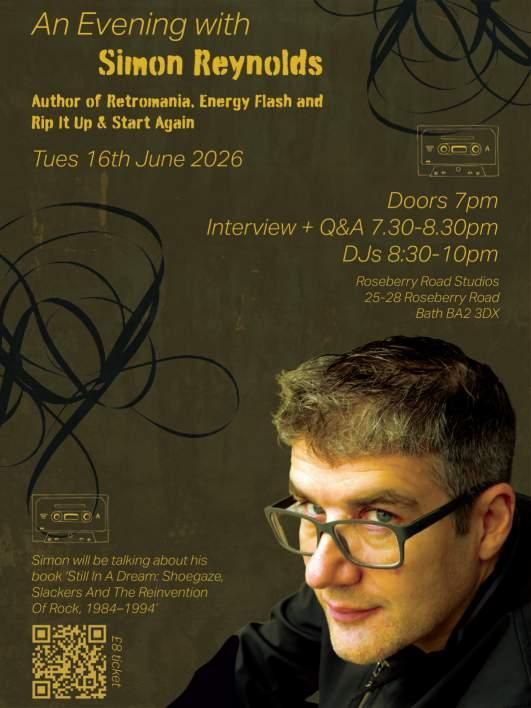
AN EVENING WITH SIMON REYNOLDS
16 June, 7pm n Roseberry Road Studios, BA2 3DX
A special Q&A evening with Simon Reynolds, – acclaimed music journalist and author of Retromania, Energy Flash, and Rip It Up & Start Again. Known for his sharp cultural insight and deep explorations of music history, Reynolds will be discussing his book Still In A Dream: Shoegaze, Slackers and the Reinvention of Rock, 1984–1994; a definitive look at one of the most atmospheric and introspective movements in modern music. A rare chance to engage with one of music journalism’s most influential voices. Interview and Q&A from 7.30pm and and DJs from 8.30-10pm Tickets £8 visit: roseberryroadstudios.com
Comedy night at Widcombe Social Club. L to R: Jarred Christmas, Tiff Stevenson and Harriet Dyer Image
Steve
Ullathorne. Harriet Dyer
Andy Hollingworth
DANCE FIT BATH: FITNESS FIESTA
20 June, 2pm n Komedia, BA1 1EP
It’s not working out. It’s working OUT OUT. Get your groove on and dance yourself fit and happy in this fusion of dance, aerobics and Zumba. Bath’s hottest fitness event is a fun, fierce dancing blast – a high energy and fast-paced cardio workout, busting moves and burning calories! A team of instructors will take you through a range of dance styles and intensity levels, and there may be a dance challenge too. You’ll dance to a playlist of fun, feel-good tracks guaranteed to get your heart pumping and put a smile on your face. No need for perfect moves – fake it til you make it! Tickets £15.87. Book at eventbrite.co.uk
THE HANDFUL CHAMBER CHOIR: AN EVENING WITH DAME EMMA KIRKBY
20 June, 7.30pm n Wiltshire Music Centre, Ashley Road, Bradford-on-Avon, BA15 1DZ
One of Bath’s leading chamber choirs is joined by acclaimed soprano Dame Emma Kirkby in a programme of early and contemporary British music. Featuring music by John Dowland, William Lawes, Henry Purcell, Sir James MacMillan and Nancy Kerr. Tickets £25 / U25s £10 / U16s £6. Book at: wiltshiremusic.org.uk
COOL BRITANNIA: A RIDE THROUGH THE SWINGING 60s
26 June, 8pm n Chapel Arts Centre, BA1 1QR
Relive the heady 1960s as this unforgettable live band whirls you through the decade of the British Explosion, from early 60s kitsch to rooftop rock, and everything in between. Sixties Britain created a style and sound all its own – and made the world sit up and
take notice. Enjoy beloved hits together with evocative film and TV music of the era, lovingly curated and expertly presented in a multimedia show with a cracking live band. Seated cabaret with designated dance floor. Advance tickets are £21 and are also available on the door for £22. chapelarts.org
BATH OPERA: DONIZETTI’S THE ELIXIR OF LOVE
26 June, 7.30pm and 27 June, 2.30pm n The Mission Theatre, BA1 1UF
A charming story of the shy Nemorino, who believes a mysterious ‘love potion’ will help him win the heart of the witty and independent Adina. But the travelling salesman Dulcamara may not be quite the miracle-worker he claims to be. This joyful production is perfect for both seasoned opera lovers and those discovering opera for the first time. The Elixir of Love will be sung in English and accompanied by piano, making it an ideal choice for a relaxed summer evening (or afternoon) of fun, music and storytelling. For ticket prices and full details, visit: bathboxoffice.org.uk
SHAKESPEARE LIVE
PRESENT HAMLET
29 June-4 July, 7.30pm
Matinee, 4 July, 2pm n Cleeve House, Seend, SN12 6PG
It’s 1969 – the king of the Denmark Hill gang has been murdered. Hamlet returns from his studies to find his uncle is leading the gang and married to his mother. What should he do? Will he avenge his father’s foul and unnatural death? Join Shakespeare Live for these wonderful performances of Hamlet at the beautiful Cleeve House. Picnics are welcome on the lawns before each show and Saturday’s Gala includes preshow live music and entertainment. Tickets for seats in the covered stand (from £15) are available from: shakespearelive.com
DOROTHY HOUSE WOMEN’S WALK: UNITED IN CARE
4 July, 3pm n Henrietta Park, BA2 6LR
Dorothy House is launching a brand-new fundraising event this summer with the Women’s Walk: United in Care. Created to celebrate the extraordinary care women give every day – he event invites participants to walk in solidarity with those facing the end of life, while raising vital funds for hospice and bereavement support services.
Participants can choose between a familyfriendly 5km accessible route or a more challenging 12km scenic walk through Bath. The event will culminate in a shared celebration featuring music, inspiring female speakers, hot food and a complimentary drink for walkers. Tickets £25.
For more information or to register, visit: dorothyhouse.org.uk
BATH TENNIS CLUB: STRAWBERRIES AND CREAM FESTIVAL
05 July, 12–7pm.
n Bath Tennis Club, Park Lane, BA1 2XQ Celebrate Wimbledon Weekend – head along to Bath Tennis Club, on Park Lane (by Victoria Park) and enjoy that great British Wimbledon tradition with an afternoon of tennis and strawberries and cream. Free entry. Open to all ages and abilities. Rackets and balls will be provided. Visit: bathtc.co.uk
PURCELL’S LAMENT: A STAGED CONCERT CELEBRATING PURCELL’S LIFE AND WORK
11 July, 7.30pm
n St Swithin’s Church BA1 5LY
Words and music combine in this immersive staged concert exploring Henry Purcell’s life. A new script by Stewart Harcourt weaves together Purcell’s most moving songs and choral works in a portrait of loss, love and the joy of music that endures. Featuring baroque instrumentalists, soprano and baritone soloists, Rhiannon Llewellin and Kieran Rayner and brought to life by stage directors Guido Martin-Brandis and Malika Jumbe and the Paragon Singer’s acclaimed director Sarah Latto. Tickets: £26.50. For more details visit: bathboxoffice.org.uk
Cool Britannia atThe Chapel Arts Centre
Norman Ackroyd: The Transience of Light
In his etchings, Norman Ackroyd CBE RA captured something both fleeting and eternal – the shifting, luminous dialogue between land, sea and sky. This summer, Victoria Art Gallery presents a major posthumous exhibition celebrating one of Britain’s most revered printmakers, tracing a lifetime spent in pursuit of light. Words by Dara Foley
To say there’s a kind of stillness in a Norman Ackroyd landscape might seem oddly inappropriate, but there is certainly a sense of pause – as if the elements have been briefly pacified, allowing just enough time for the light to reveal its mystery and drama. It is this elusive quality that Norman Ackroyd: The Transience of Light, a new exhibition at Victoria Art Gallery – aims to explore.
Bringing together more than five decades of work, the exhibition is the first museum show dedicated to Ackroyd since his death in 2024. It offers not only an overview of his extraordinary technical accomplishment, but a deeply personal portrait of an artist whose life’s work was shaped by observation, endurance and an enduring fascination with the natural world.
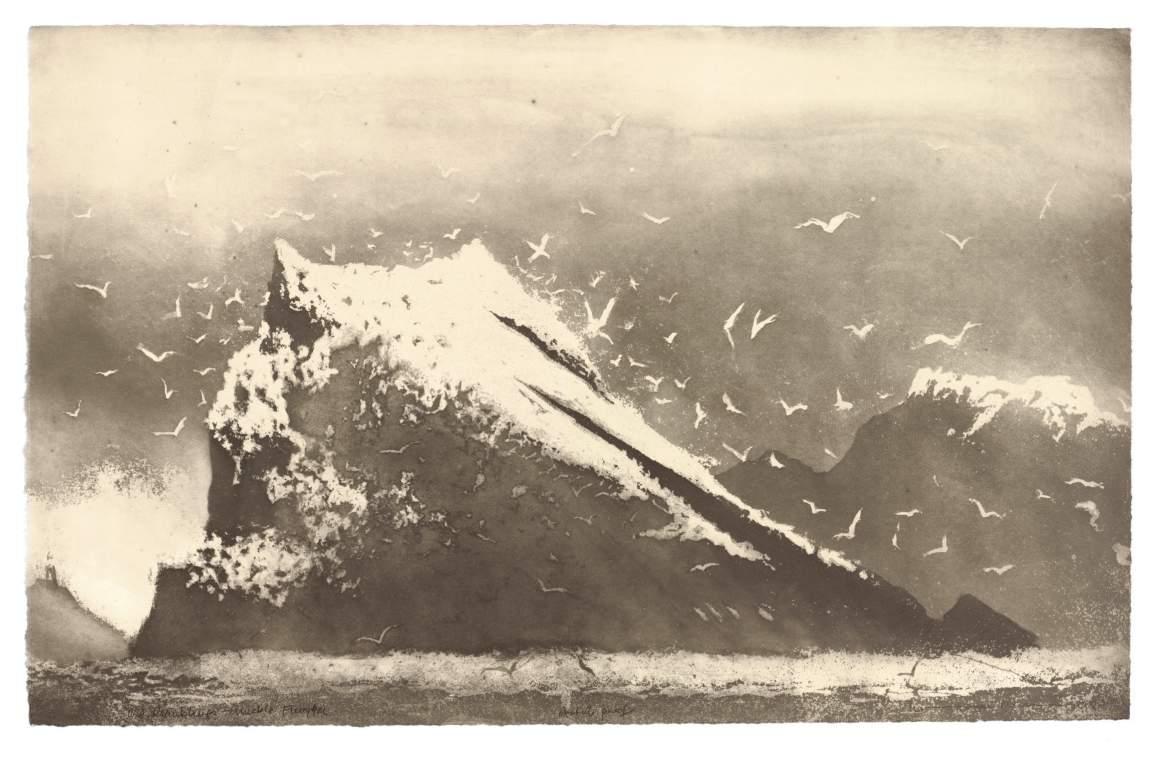
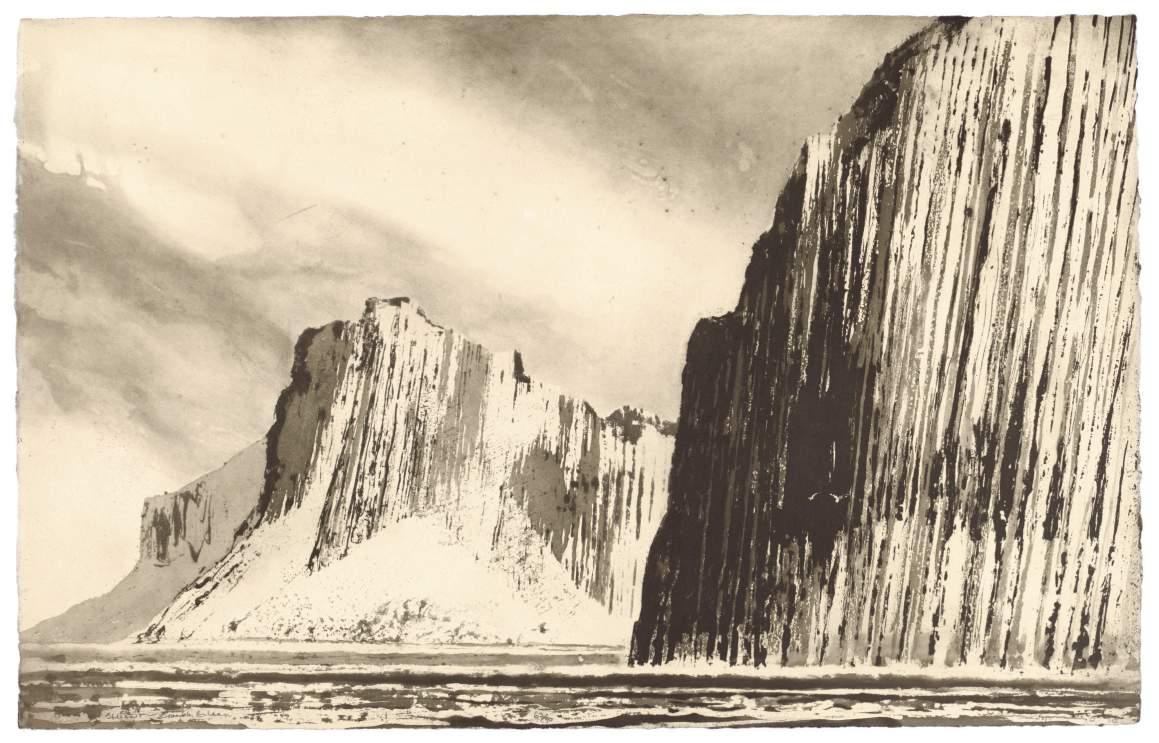
The Rumblings, Muckle Flugga, Shetland, 2013, etching, 49.5 x 78cms
Born to a butcher’s family in Leeds in 1938, Norman Ackroyd’s path to becoming one of Britain’s most revered printmakers was shaped early by a deep engagement with drawing coupled with vital encouragement from his mother, Clara. He studied at Leeds College of Art before moving to the Royal College of Art in London, where he was taught by Julian Trevelyan and counted fellow Yorkshireman David Hockney and designer Zandra Rhodes among his contemporaries.
Following a period in the United States, Ackroyd settled in the heart of the old leather district in Bermondsey – a four-storey, former tannery – with a studio, printing space and archives as well as his living space on the top floor. Over the decades, he built an international reputation for his etchings and aquatints, works distinguished by their technical precision and quiet emotional resonance. Elected a Royal Academician
“The way light moved across water was the inspiration that set Norman on the path to becoming an artist, and it remained his constant subject – and his constant challenge – throughout his life.”
Nathalie Levi, Senior Curator, Victoria Art Gallery
in 1988 and appointed CBE in 2007 for services to engraving and printing, he remained throughout his life committed to the pursuit that first drew him to art: the shifting, elusive qualities of light across landscape and water.
Ackroyd, widely regarded as one of Britain’s most distinguished landscape printmakers, returned again and again to the rugged coastlines and outlying islands of Britain’s west coast – to cliffs, shorelines and islands where land meets the vastness of the Atlantic. Often travelling by small boat and at the mercy of rough seas, he would reach these isolated locations, where, sketching in situ, he developed a visual language that is both restrained and yet highly expressive.
At the heart of this exhibition is light – constantly changing, unpredictable and compelling. From the subtle tonal gradations of his earlier works to the dramatic contrasts and luminous horizons of his later prints, Ackroyd’s practice reveals his lifelong pursuit of something that’s always just beyond reach.
As Nathalie Levi, Senior Curator at Victoria Art Gallery, reflects: “This exhibition honours Norman Ackroyd’s mastery of etching and his profound relationship with light. The way light moved across water was the inspiration that set Norman on the path to becoming an artist, and it remained his constant subject – and his constant challenge –throughout his life. Working alongside his family and studio has allowed us to shape an exhibition that reflects not only his artistic achievements but also the curiosity, rigour and spirit of adventure that defined him.”
That sense of precision is evident in every mark. Etching, by its nature, demands patience and exactness – a process of drawing into a surface that resists, of building an image through careful incisions and controlled exposure. In Ackroyd’s hands, however, the medium becomes something more fluid. His lines seem responsive, atmospheric, capturing the weight of sky or the pull of tide with remarkable skill.
The exhibition itself has been shaped through close collaboration with those who knew the artist best. Co-curated with Ackroyd’s studio manager and family, and enriched by material drawn from his archive, it offers rare insight into both his working process and the evolution of his vision.
Much of this work began in his Bermondsey studio – a former tannery that, over decades, became a place of quiet industry and creative focus. Filled with presses, plates and the accumulated traces of a lifetime’s practice, it was, as Nathalie Levi describes, “a world unto itself, saturated with ink and stories.” She continues: “To be invited into that environment, and to work with the people who knew Norman best, was a privilege. Their generosity and insight underpin every part of this exhibition.”
That intimacy carries through into the selection of works on display. While Ackroyd’s seascapes – with their expansive horizons and ➲
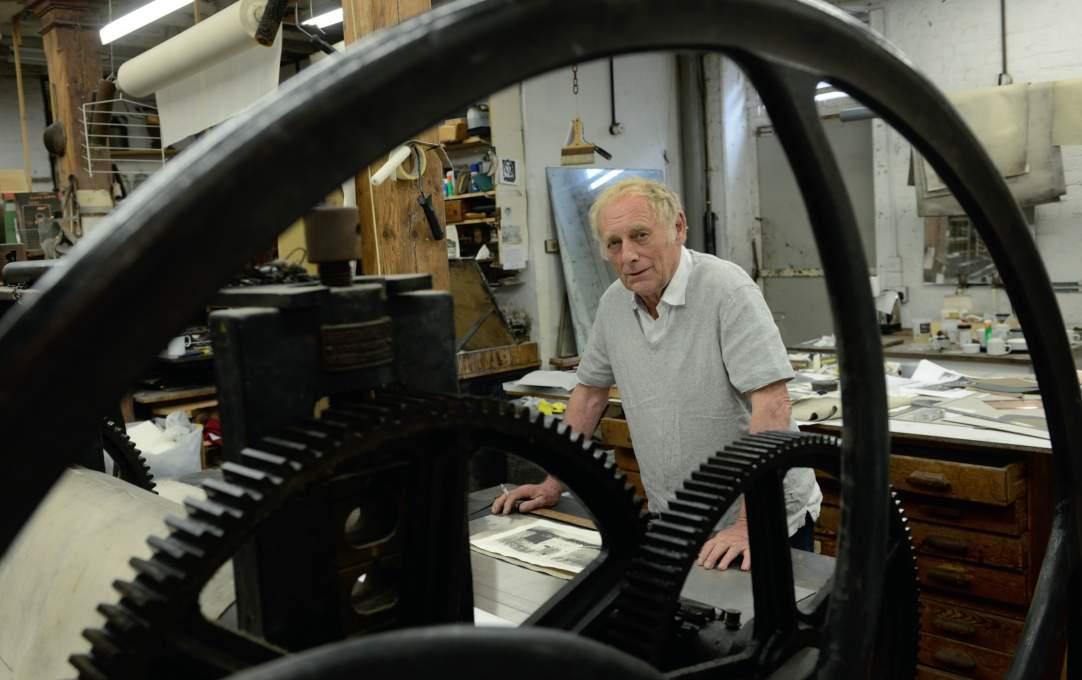
Norman Ackroyd in his studio
Portrait of Norman Ackroyd
by Anne-Katrin Purkiss
“Ackroyd’s work has inspired generations, and bringing this remarkable collection to Bath is both a privilege and a cultural milestone for the city.”
Councillor Paul Roper
shifting weather – form a central thread, the exhibition also broadens its scope to include city views, interiors, studies of trees and sweeping skylines. Together, they reveal an artist whose attention is not only drawn to a place, but to atmosphere – to the subtle interplay of light, space and memory.
There is, too, a sense of legacy. As the first solo museum exhibition following his death, The Transience of Light marks an important cultural moment, both for the Victoria Art Gallery but also for the city.
Councillor Paul Roper, Cabinet Member for Economic & Cultural Sustainable Development, reflects on the significance of the exhibition:
“We are honoured that Norman Ackroyd’s family and studio chose Victoria Art Gallery as the partner for this first posthumous solo exhibition. Ackroyd’s work has inspired generations, and bringing this remarkable collection to Bath is both a privilege and a cultural milestone
for the city. We look forward to welcoming visitors from across the country to experience the power and beauty of his art.”
Accompanying the exhibition is a newly published catalogue, produced in collaboration with Ackroyd’s studio. Featuring an introduction by Nathalie Levi and an essay by Sir Christopher Frayling, it offers further reflection on the artist’s journeys around the British coastline and the creative impulses that shaped his work. A number of limited edition prints will also be available, providing a rare opportunity to engage directly with Ackroyd’s practice beyond the gallery walls.
Despite the contemplative nature of the work, the exhibition remains accessible. A thoughtfully designed family area – shaped as a sailing boat – invites younger visitors to respond creatively to Ackroyd’s seascapes, while guided trails encourage shared exploration. It is a gentle reminder that, while the subject may be profound, the act of looking can be open to all.
Ultimately, what lingers is not simply the image, but the experience of it – the low horizon of a distant island, the shifting brightness of sky over water, the feeling of standing at the edge of something vast and uncertain. Ackroyd understood that landscape is never fixed; it is always in flux, always shaped by light.
In capturing that ever-shifting ambience, he created works that feel, paradoxically, enduring. n
Norman Ackroyd: The Transience of Light exhibition runs from 22 May to 6 September 2026 at Victoria Art Gallery, Bath. For further details, visit: victoriagal.org.uk
Shiant Garbh Eilean, 2010, etching, 49.5 x 78cms
Arts & exhibitions
Mark Entwisle, until 20 June, Beaux Arts Bath, 12-13 York Street, Bath
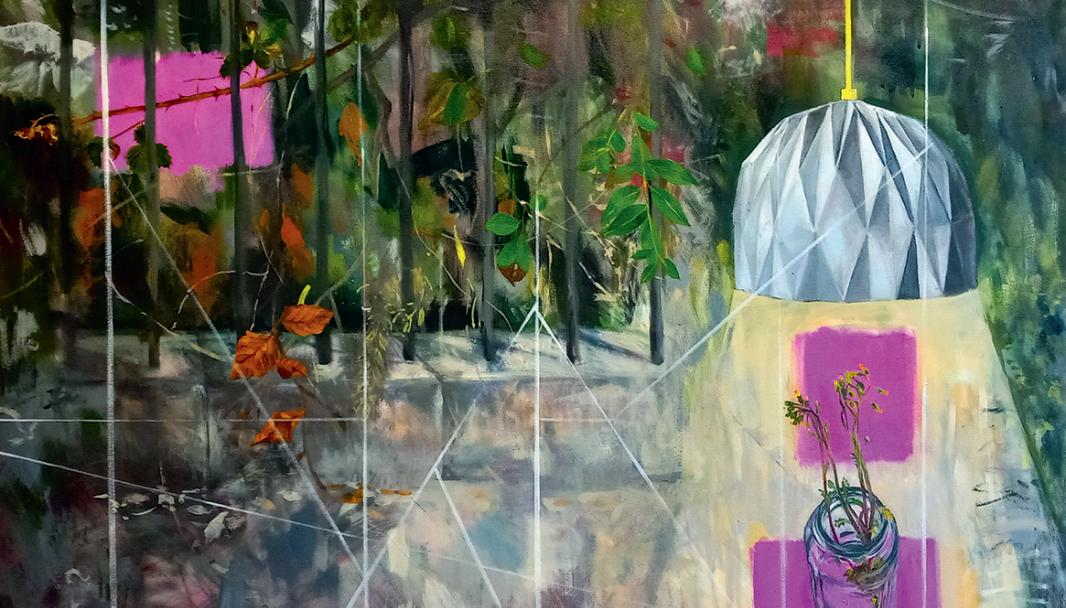
In June Beaux Arts hosts a solo show of Mark Entwisle’s paintings. Mark is the recipient of numerous prestigious prizes including the Sunday Times Watercolour award (2020). Mark also curates the upper floor of the gallery, which includes work by Ishbel Myerscough RA, James Lloyd, Katherine Jackson, Anastasia Pollard, Liz Butler, Akash Bhatt, Nathan Ford. Also on display are the beautiful bronze sculptures of Nichola Theakston. Her animal studies feel archetypal, and every sculpture seems to bring out something of the very essence of the subject. Ceramics are by Katharina Klug. beauxartsbath.co.uk
On display at The Royal United Hospital’s Central Gallery, Combe Park, Bath | Art at the Heart of the RUH
Where We Are Now, until 31 July
Where We Are Now features the work of seven local artists: Julia Cobbold, Kate Davies, Beryl Desmond, Teresa Foster, Penny Ives, Christine McKenzie, and Carole Tong.The very varied etchings, prints, and paintings, attempt to answer the question posed by the title, and reflect each individual artist’s thoughts and ideas.
30 Years of Bath Artists’ Studios, until 31 July
Celebrating three decades of artistic practice, Bath Artists’ Studios presents a special anniversary exhibition at the RUH. This exhibition brings together work by studio holders, reflecting the diversity of practices at Bath Artists’ Studios, ranging from painting and sculpture to photography, textiles and mixed media. artatruh.org
New Gallery Artists at Sandra Higgins Art
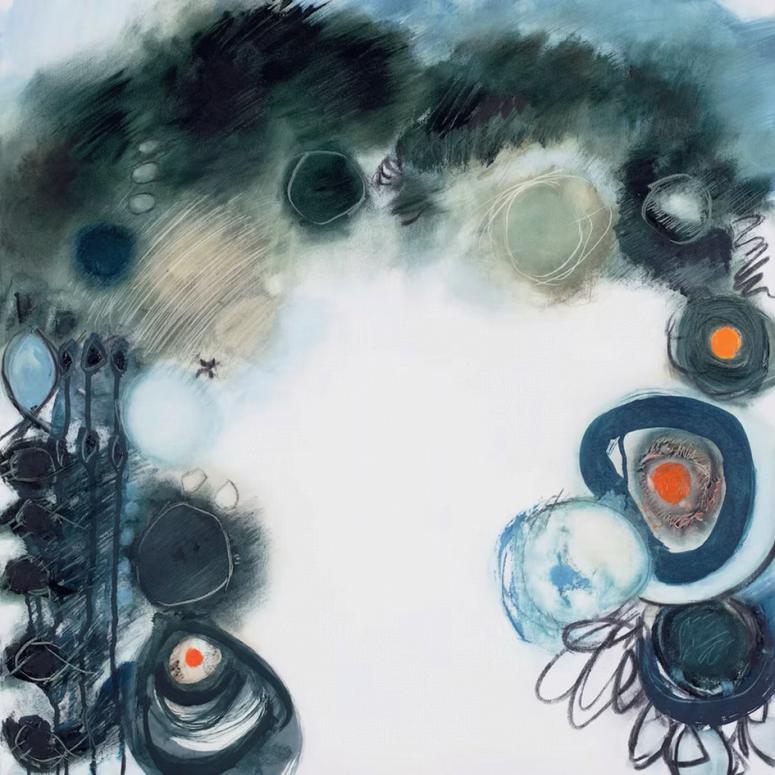
Sandra Higgins Art is delighted to welcome Robin Sewell and Gina Parr to the Online Gallery. Abstract art has a remarkable ability to move us without a single word of explanation. It is this quality that makes both Sewell and Parr such compelling additions to the gallery. Robin Sewell’s works feel almost geological; they are physical and command attention. His work The Sorcerer's Apprentice captures that energy. Like something barely contained, the work is alive with spontaneity, drawing the eye in and holding it. Gina Parr’s paintings occupy a quieter register; they are thoughtful and delicate. Play II carries a sense of melancholy which is lifted by a playfulness as her circles move across the canvas in a slow and unhurried dance. It is a painting that holds two feelings at once. Discover the work of Robin Sewell and Gina Parr at sandrahiggins.art
Above: Gina Parr, Play II, Oil, charcoal and acrylic on canvas;
Below: Robin Sewell, The Sorcerer's Apprentice 2025, Dry compound on birch panel with acrylic.
Beyond Impressionism: Printmaking from Manet to Picasso until 13 September, The Holburne Museum, Great Pulteney Street, Bath
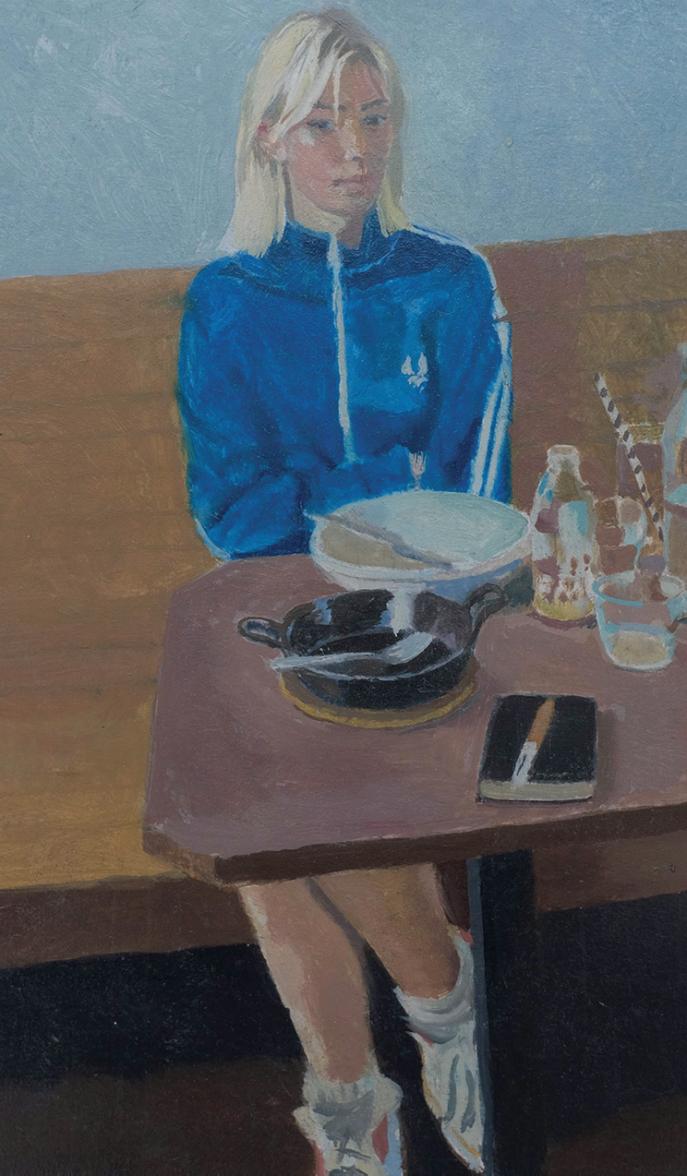
Mark Entwisle ‘Fred Perry Jacket’ Oil on Board 21 x 15 cm.
Uncalled for Scrutiny by Emma Fisher
Widcombe Art Trail, 20 – 21 June, 10.30am – 5pm, Various locations across Widcombe
This well-established art trail is free and offers a wide range of inspiring work by local artists. Via a walkable route, the eight venues include Widcombe Social Club and the Natural Theatre Company. There will be paintings, prints, textiles, mosaics, ceramics, and more on show and for sale by established and emerging artists, several new to the trail this year.
widcombearttrail.com bathopenstudios.com
Take Two
Until 20 June, 2026
An exhibition of photography and film Ori Gersht, Laurent Grasso, Dawn Ng and Erin O’Keefe
Viewing by appointment, please contact: bridget.deleon@icloud.com 07957 438 402 bridgetdeleon.com
On display at Victoria Art Gallery, Bridge Street, Bath
Constable and his Contemporaries, until 19 July
2026 marks the 250th anniversary of the birth of John Constable, and Victoria Art Gallery is celebrating this with a display of its two Constable drawings alongside works by his contemporaries, including Turner and Girtin.
Norman Ackroyd: The Transience of Light, until 6 September
Spanning five decades of practice, this exhibition brings together Ackroyd's spectacular etchings from the 1980s onwards.
victoriagal.org.uk
Bath Contemporary Artists’ Fair, Sunday 14 June, 10am–5pm Green Park Station, Green Park Road, Bath
The award-winning monthly Bath Contemporary Artists’ Fair (BCAF) is committed to bringing the best of contemporary art to the heart of Bath. It has created a regular space where artists can network, share ideas, connect with the public, and where the public can connect with art. Visitors can see the works of local artists and admire fine art, photography, sculpture, textiles, ceramics and much more, all under the vaulted glass roof of Green Park Station. For updates and exhibiting artists visit bcaf.co.uk
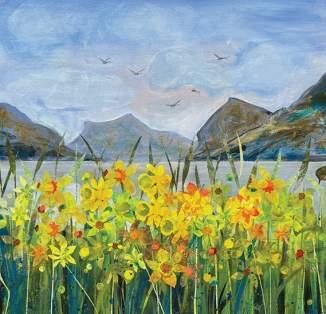
Images (top to bottom): Daffodils, Jess Palmer; Saltash Boatyard II, Shay Parsons; Jill Perry
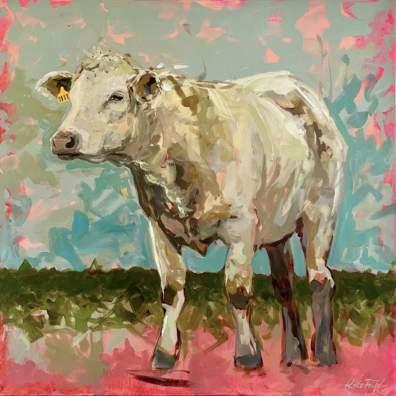
The Charolais by Kate Field
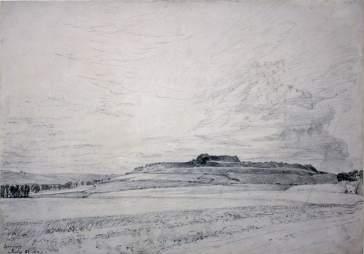
John Constable, Old Sarum, drawing, 1829, Bequest of Sir Edward Marsh via Art Fund
Norman Ackroyd, The Rumblings, Muckle Flugga, Shetland, 2013, etching, 49.5 x 78cm (detail)
Image: Ori Gersht, Fusing Time, archival print, 120 x 112 cm
info@beaunashbath.com
19th to 21st June
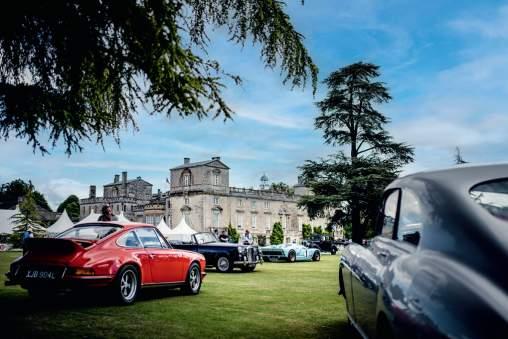
Concours des Légendes 2026
Wilton House
In conjunction with Wilton House, Octane and Magneto magazines, Dore & Rees are delighted to have the honour of being the chosen auction partner for this story-led concours celebrating legendary cars and the people who built, raced, and adventured in them.
We will be running three auctions: Collector’s Cars, Automobilia, and Jewellery, Watches & Opulent Objects. Join us for an unforgettable weekend!
Visit www.doreandrees.com to find out more and preview the exceptional lots for sale.
About
Dore & Rees
Established in Frome 1868, Dore & Rees counts more BBC Antiques Roadshow specialists in their team than any other British auctioneers, offering a market leading service in Asian art, classic motoring, jewellery, silver, watches, interiors and rare antiquities.
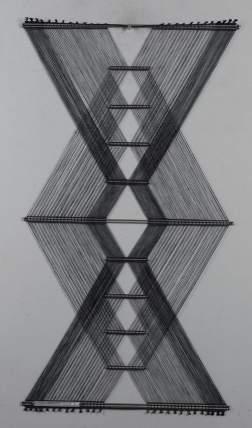
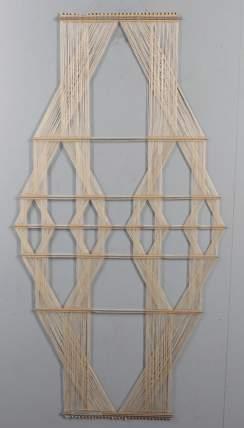
Peter Collingwood, weaving his magic at auction
There is a quiet power in the work of master weaver. A balance of precision, texture and movement that transformed weaving into an art form admired around the world.
This June, that artistry comes to auction as Lawrences Auctioneers present two exceptional examples of his celebrated Macrogauze wall hangings.
Widely regarded as the most influential British artist weaver of the last half century, Collingwood combined traditional craft with striking visual abstraction. His pioneering Macrogauze works, with their amazing structure and sculptural presence, became internationally recognised for their innovation and beauty. Beyond his own creations, Collingwood was also a respected author and teacher whose generosity and knowledge inspired generations of textile artists and students.
The two wall hangings coming under the hammer in Crewkerne are both signed by the artist and display the distinctive depth and elegance for which his work is renowned. Consigned by a Bath vendor, the pieces were originally purchased by the vendor’s parents during the 1970s - a time when Collingwood’s reputation was rapidly growing both in Britain and abroad.
With their subtle variations in colour and form, the works capture the timeless appeal of Collingwood’s weaving, where craft and contemporary art meet seamlessly.
The hangings are guided at £4,000-6,000 and £3,000-5,000 respectively, and will feature in the Fine Art Sale from Wednesday 16th June during the two day sale.
Lawrences are welcoming consignments for their forthcoming Fine Art sales to include:
Free valuations are available online at lawrences.co.uk
Home visits also available throughout Bath and the West Country without charge or obligation.
South Street, Crewkerne, Somerset TA18 8AB.
T: 01460 73041 E: enquiries@lawrences.co.uk
1A Woodlands Estate, Westbury, BA13 3QS
T: 01373 822337 E: wessex@lawrences.co.uk
WWedding Gift Ideas
By Ron Pringle & Cynthia Wihardja, Beau Nash Antiques
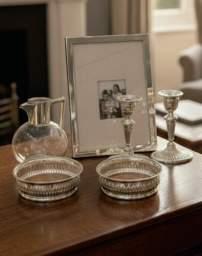
hen it comes to wedding gifts, the challenge is always the same — finding something truly special that speaks to the occasion and stands the test of time. Antique silver has answered that question for centuries, and remains one of the most thoughtful, enduring choices a guest can make.
Silver has long been associated with weddings — so much so that a 25th anniversary is named for it. But unlike many treasured possessions, silver is made to be used. The finest antique pieces earn their place not gathering dust on a shelf, but on a set table, in a hand, or at the centre of a meal shared with people you love. A practical gift in silver is a gift that keeps giving, every single day.
Things they’ll never have too many of
Some gifts are best given in multiples, and silver is generous in that way. A pair of silver photo frames adds to a collection already being built. Silver vases bring elegance to any mantelpiece, and a home can always welcome another. Silver candlesticks create warmth and ceremony — a second pair only doubles the beauty.
Gifts built for the celebration
For something that will be reached for again and again, look to the dining table. Serving spoons, salad servers and berry spoons are among the most used pieces in any home. They don’t need to be saved only for special occasions and can be put in the dishwasher. Equally, wine coasters, wine funnels, decanters and silver wine goblets make for magnificent gifts that toast the celebration in style — practical pieces that bring elegance to every dinner party for years to come.
If you need more inspiration, please visit us in the shop for a chat. We can help you find the right gift within the budget you have in mind. Remember we also have our antique interiors & décor shop filled with beautiful items to choose from.
Build your registry
Both our antique shops offer gift cards & can create a wedding registry for couples who would love friends and family to choose from our collection — a wonderful way to build a silver collection you truly love.
Automata transmission: Moving marvels come to Bath
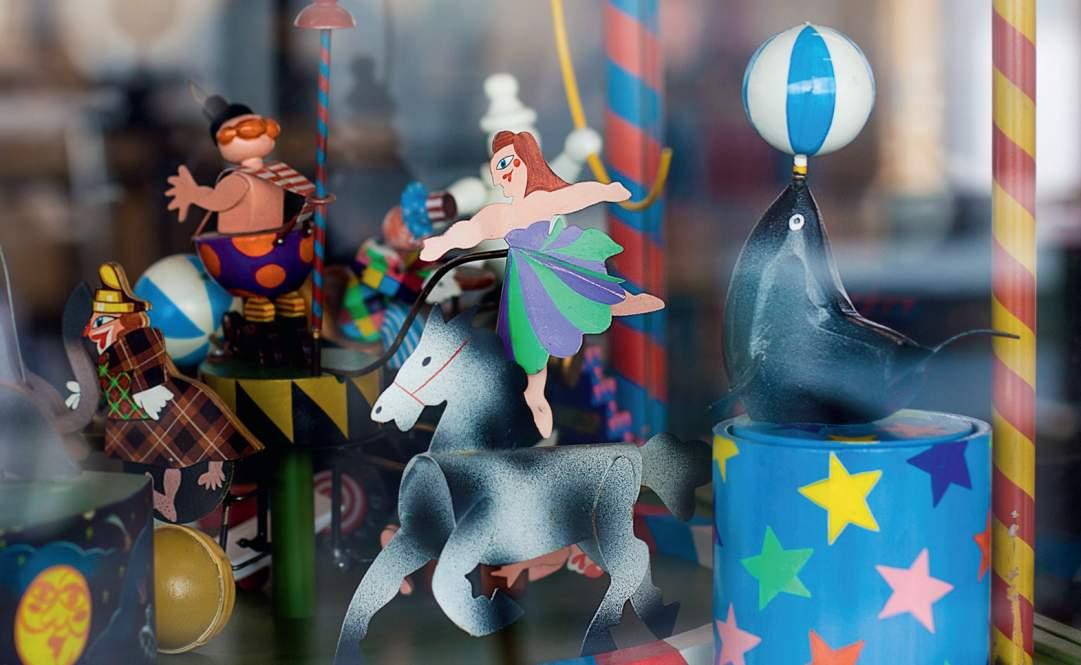
This summer, Circus of Curiosities brings a cast of mechanical marvels to the American Museum & Gardens, celebrating the joy, ingenuity and quiet wonder of interactive art. Words by Dara Foley
There’s something simple and enchanting about objects that are operated by hand. Not the slick, incomprehensible science of modern machines, but the gentle whirr of gears, pulleys, a satisfying turn of a handle, and the magical moment of joy as a figure springs into life. This summer, the American Museum & Gardens invites visitors to rediscover that delight with Circus of Curiosities: An Exhibition of Moving Marvels – a show that promises charm, ingenuity and a wondersome exploration of creative play.
Opening on 4 July and running through to early 2027, this highly acclaimed touring exhibition from the Cabaret Mechanical Theatre brings together 25 automata: intricate, hand-crafted mechanical sculptures that blend art, engineering and storytelling.
Automata, for the uninitiated, are nothing new. Their origins are centuries old, delighting audiences with simple ingenuity long before the industrial revolution and our digital age. Yet what makes Circus of Curiosities feel so appealing is its contemporary staging. These are not delicate relics in glass cabinets, but are real hand-made creations – they’re not activated by touch-screens or sensors, but by the hand of the curious visitor who is actively encouraged to pull a lever or turn a crank, then behold, a miniature scene springs into action: whimsical and witty, with surprising interactive moments
The exhibition takes its cue from the spectacle of the circus – a world already rich with wonder and narrative. Here, striped big tops and playful
performers are reimagined in miniature form, each piece offering its own self-contained story. Some provoke laughter, others more macabre fascination, but all share the same sense of creativity and craftsmanship that rewards the operator when activated. You begin to notice the tiny details: the precision of a carefully shaped cam, the rhythm of a lever, the personality of a painted wooden character no bigger than your thumb.
“Automata have a unique power to delight and disarm – there is something genuinely magical about watching a handcrafted figure spring into life at the touch of a button.”
Sarah Alexander, Director, Cabaret Mechanical Theatre
Lucy Littlewood, Director of the American Museum & Gardens, captures this sense of wonder, “Circus of Curiosities: An exhibition of Moving Marvels is a joyful celebration of creativity and craftsmanship. These
remarkable moving sculptures capture the imagination in such a simple, magical way. We’re delighted to bring this exhibition to Bath and to share the wonder of automata with our visitors this summer and beyond. We hope it inspires curiosity, creativity and a sense of play in visitors of all ages.”
That emphasis on simplicity is key. In an era defined by the mystery of complex mechanics, there is something so satisfying about seeing how something works – and yet still being mesmerised by it. The mechanism of each automaton is openly visible, inviting visitors not just to observe, but to be actively engaged and to understand the workings.
The Cabaret Mechanical Theatre, which developed and tours the exhibition, has spent more than four decades championing this very idea. Bringing together artists who combine engineering skill with narrative flair, the organisation has built an international reputation for kinetic artworks that delight as much as they intrigue. Their pieces often carry a gentle humour – a knowing wink to remind us not to take things too seriously. The Theatre’s Director Sarah Alexander explains, “Automata have a unique power to delight and disarm – there is something genuinely magical about watching a handcrafted figure spring into life at the touch of a button. This exhibition brings together some of the most gifted mechanical artists working today, and I am thrilled to share their work with visitors at such a wonderful venue. I hope it sparks wonder, and perhaps the urge to start making something of your own.”
Beyond the spectacle, Circus of Curiosities is, at its heart, about invention – about the joy of creating something tangible, playful and expressive. To that end, the exhibition extends beyond its displays. A dedicated creative play area invites younger visitors to experiment, build and explore –although there’ll be plenty of grown-ups having a go too. It’s an opportunity to move from observer to maker, to understand the principles behind the magic and perhaps even attempt a little of it yourself.
For families, this hands-on element is likely to be a highlight, offering a space where curiosity is encouraged and celebrated. Yet the exhibition never feels exclusively child-focused; its appeal is deliberately broad. There is a quiet sophistication to many of the pieces, a level of artistry that will resonate equally strongly with adult audiences.
What makes Circus of Curiosities so compelling is its ability to operate on many levels. On the surface, it’s a joyful and accessible exhibition –colourful, interactive and thoroughly engaging. But linger a little longer and it reveals something deeper: a contemplation on movement, invention and the ever-lasting appeal of making something wonderful by hand.
In a world that often feels fast-paced and intangible, there is a quiet pleasure in slowing down, turning a handle and watching a small mechanical world come to life. It’s a reminder that wonder need not be complicated – sometimes, it simply requires a little curiosity.
Of course, no visit to the American Museum & Gardens is complete without stepping outside. The exhibition coincides with the height of summer, when the museum’s 125 acres of gardens and parkland are at their most inviting. The New American Garden – with its sweeping grasses and perennial planting – provides plenty of space for outdoor fun – a welcome balance to the intricate detail of the automata, while the breathtaking views across the Limpley Stoke Valley are always spectacular.
The opening weekend promises to be particularly lively. A Summer Party on 4 July will mark both the launch of the exhibition and Independence Day, forming part of the museum’s wider America 250 programme. Visitors can enjoy live music, lawn games, children’s circus activities and suitably themed food and drink – echoing the playful spirit of the exhibition. In the evenings, a series of concerts (3–5 July) will celebrate American culture with a focus on jazz, adding another element to the experience. n
Circus of Curiosities: An exhibition of Moving Marvels runs from 4 July – 3 January 2027 at the American Museum and Gardens.
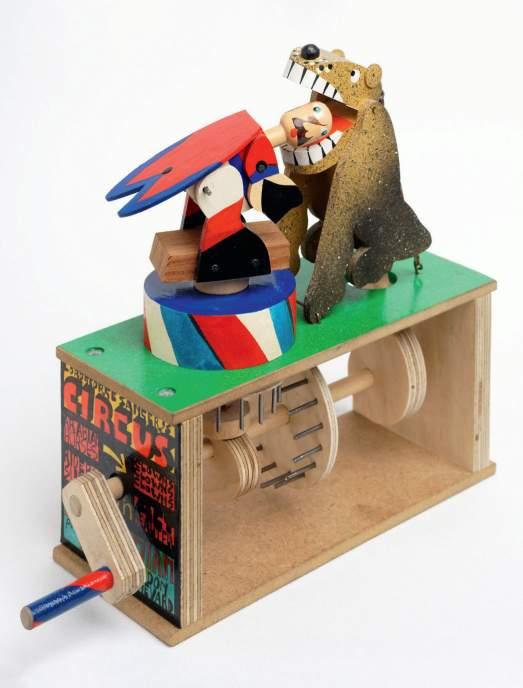
The Lion Tamer
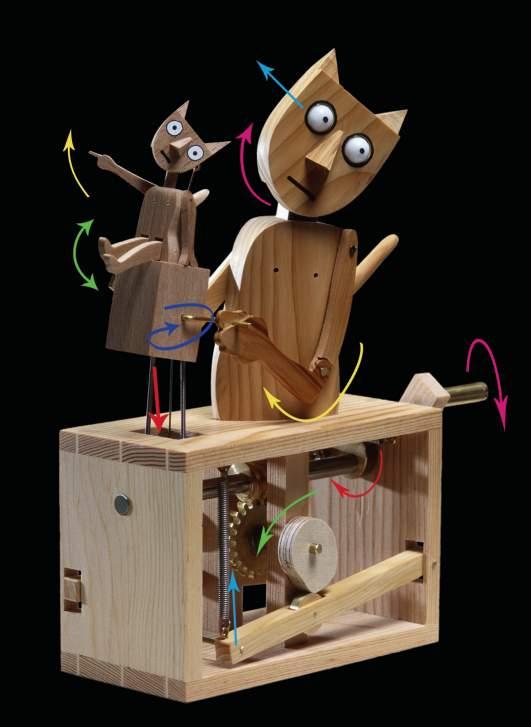
Taking a turn: The Barecats
George Carwardine: The lord of the lamp
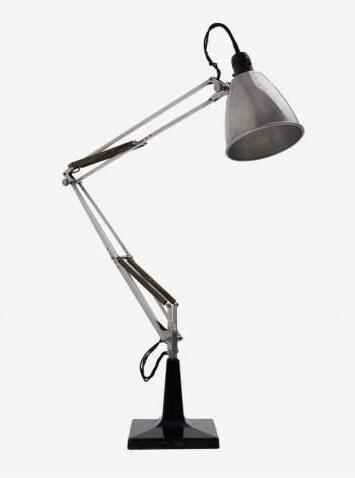
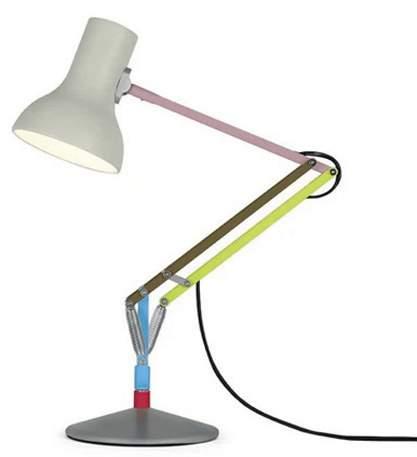
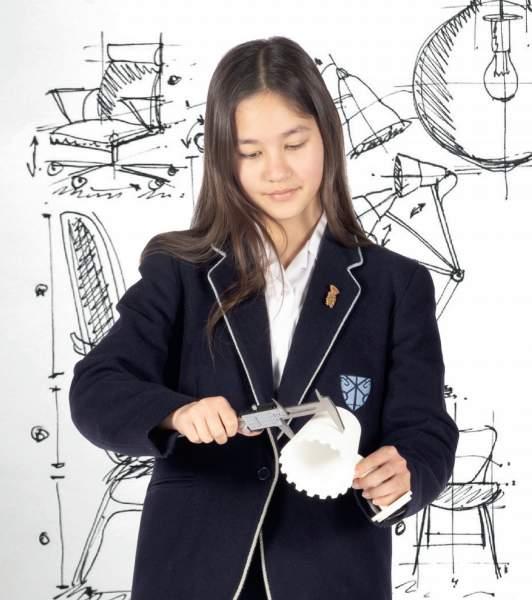
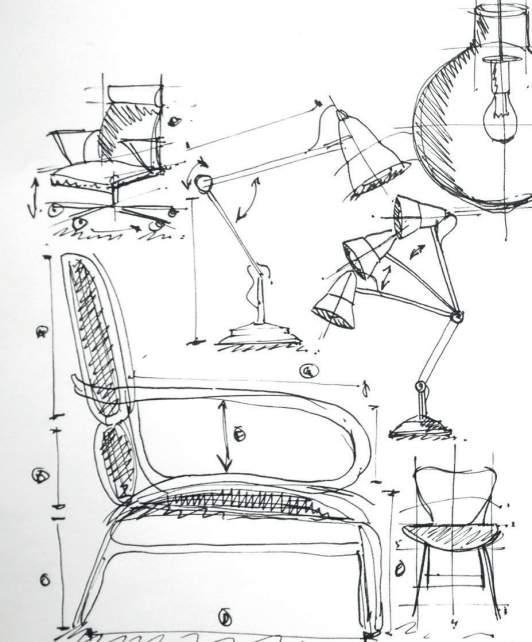
Few objects combine practical ingenuity and timeless appeal quite like the Anglepoise lamp. Instantly recognisable for its articulated arms and simple industrial form, the Anglepoise has become one of Britain’s most iconic design classics – and its invention was conceived by an engineer from Bath, George Carwardine.
On a quiet residential road in Bath in the early decades of the twentieth century, George Carwardine, a talented but modest automotive engineer was experimenting with springs and levers. From his garden workshop at 17 Macaulay Buildings, his fascination with movement and balance would lead to the creation of one of the most recognisable and practical objects in modern design history: the iconic Anglepoise lamp. Born in 1887, Carwardine was an engineer whose work focused largely on automotive suspension systems for Sidney Horstmann’s car company. In the rapidly developing and highly competitive motor industry of the 1920s he became deeply interested in the physics and behaviour of springs – how they stretched, compressed and distributed weight. A practical obsession too, especially in a city like Bath, where steep hills, pot-holed surfaces and cobbled streets would be the ultimate test of any vehicle’s suspension. Beyond the technical demands of engineering, Carwardine also possessed the relentless curiosity of an inventor. Even as a hobby - he liked to tinker, test and rethink mechanical problems in his spare time.
In 1929 the Horstmann Car Company – a victim of the Depression –went bankrupt and presented the opportunity for Carwardine to spend more time concentrating and fine tuning his ideas.
His breakthrough came while developing – what he described as an “elastic force mechanism”, a carefully arranged system of springs and pivoting arms capable of creating constant counterbalance. The result was a revelation. An weight attached to the mechanism could move freely in almost any direction while remaining perfectly poised in the exact position in which it was placed.
For Carwardine, it was an elegant solution to the engineering problems he had been wrestling with, and it soon became clear that the invention could be applied to many other things far beyond the automotive world. In his words, taken from his patent application, “This invention relates to elastic force mechanism of the kind comprising means whereby the varying forces of an elastic member such as a helical spring are applied so as to produce a unidirectional constant force for the purpose of counteracting the pull of gravitation on a mass pivoted at a distance from its centre of gravity.”
By the early 1930s, Carwardine had begun adapting the spring-balanced mechanism into a revolutionary new kind of task light. Unlike conventional lamps such as the Bauhaus styled Bestlite BL1 by Robert Dudley Best, or Mek-Elek machinist lamps which were mainly fixed positions, this prototype design moved fluidly and remained stable without tightening or adjustment. It behaved almost organically – more like a human arm than a mechanical object. The original Model 1208 was the first design, introduced in the early 1930s and with an unmistakably industrial aesthetic – large, robust and fitted with four exposed springs, that made it look closer to workshop machinery than domestic lighting. Yet its functionality was unlike anything else available at the time. The lamp could pivot, extend and rotate effortlessly, while the clever parallogrammatic arms allowed the lamp hold its position above a work bench with remarkable precision.
Carwardine applied for a patent in 1932. He initially wanted to name the invention “Equipoise”, a reference to its perfectly balanced movement, but the trademark was rejected as the name was already in use. Instead, he combined the idea of angle and poise to create a new word... Anglepoise.
“Nearly 100 years after its invention in Bath, the Anglepoise lamp continues to illuminate homes, studios and workplaces around the world.”
The first lamps were produced in Bath through Carwardine’s small manufacturing business called Cardine Accessories, situated opposite The Guildhall at 20 High Street.
Factories, workshops and engineering studios quickly embraced the design, recognising the practical advantages of a task lamp that could direct light exactly where needed with minimum effort.
To expand production, Carwardine partnered with Herbert Terry & Sons, of Redditch in Worcestershire – a manufacturer already globally renowned for its expertise in precision springs. It proved a momentous collaboration. Together they refined the 1208 design, and by 1933 the first commercially produced Model 1209 lamps under the Herbert Terry name went into full-scale production. Shortly after the patent became effective, and Carwardine signed an agreement giving Terry’s exclusive rights in return for a royalty of a few shillings per lamp sold.
The real transformation came in 1935, when the [now-iconic] Model 1227 was launched – the version that would define the Anglepoise for generations to come. Smaller, lighter and more refined than the more industrial look of 1209 models, it reduced the number of springs from four to three to create an elegant desktop silhouette still instantly recognisable to this day: the stepped base, articulated arms and softly tapered shade.
The engineering principle remained unchanged, but the design had evolved into something both practical and beautiful.
Its timing was perfect. The designs of 1930s were increasingly dominated by streamlined modernism and the aesthetics of the Machine Age. The Anglepoise embodied that spirit – functional, honest and elegantly engineered without unnecessary decoration and most of all,
highly covetable. Artists, architects, writers and scientists quickly adopted it. In studios and laboratories, its precision lighting proved invaluable. Surgeons even used Anglepoise lamps in operating theatres. The lamp’s uncanny resemblance to the movement of a human arm only added to its appeal; its joints bend like elbows, its springs mimic muscular tension and its shade appears almost head-like in the way it directs its gaze.
Over the decades, the Anglepoise became woven into the fabric of British life. During the Second World War, versions of the lamp were installed in military aircraft as navigators’ lights, prized for their reliability and flexibility in extreme conditions. One particularly enduring story tells of an Anglepoise recovered from a crashed bomber in Loch Ness decades later that reportedly still functioned after years underwater – a tale and testament that only strengthened the lamp’s reputation for durability.
By the mid-20th century, the Anglepoise was no longer simply a piece of industrial equipment. It had become a design classic.
What makes the lamp remarkable is not just its appearance, but the fact that its core engineering principle has barely changed in almost a century. Later iterations brought up-to-date trends and styling by celebrated designers including Sir Kenneth Grange, who shaped a more slimline Model 75 in 1968, followed by the Model 90 in 1973. Later collaborations also included designers Paul Smith and Margaret Howell who added new colours and modified the proportions to create special editions; all of which helped maintain Anglepoise’s relevance. But at the heart of every model it’s George Carwardine’s spring-balanced mechanism that remains. Indeed with increasing interest in retro and mid-century design, the 1227 is still being produced and remains a global best seller and early vintage models are highly collectable too – especially those with a rusty patena and showing the dings and dents of a lifetime’s service.
Nearly 100 years after its invention in Bath, the Anglepoise lamp continues to illuminate homes, studios and workplaces around the world. It remains one of the most celebrated examples of British industrial design at its very best. And although the manufacturer Herbert Terry & Sons is most associated with the name, it is still George Carwardine’s greatest invention. n
Opposite page: Bath inventor George Carwardine; the four spring, Model 1208 Anglepoise, c1932; an early poster for the Model 1227.
Above: Newspaper advertising for the 1227, c1953; a poster promoting the Model 90, c1974; and designer Paul Smith’s styling for the Type 75 edition three, c2021
Manager Natalie Jordan in the new flagship M&S SouthGate store
Portrait of Bath
Natalie Jordan, Store Manager at M&S Bath Southgate
We chat to Store Manager Natalie Jordan about leading the launch of Marks & Spencer’s new 83,000 sq ft SouthGate flagship store and her journey with the business during one of Bath’s biggest retail openings
How does it feel to be leading such a landmark store opening in Bath?
I am incredibly proud to lead our new flagship store at Bath SouthGate. I’ve worked at M&S for over 13 years, starting out as a Customer Assistant and so to be Store Manager here in Bath is definitely a career highlight for me.
Do you have a personal favourite department or hidden gem in the new store?
Absolutely, there are so many new things for customers to explore it’s quite hard to pick one however I think it has to be our in-store bakery & coffee counter. The takeaway coffee is made by our amazing baristas, and we are right by the train station, so it’s perfect choice for the commute or just to enjoy while browsing. Our £4 coffee and pastry deal is definitely a must try.
We recently launched our brand-new The Summer of Love That collection and customers are already loving our crochet co-ords and cami dresses, so it is definitely worth taking a look if you have a summer holiday coming up soon.
What makes this new SouthGate store different from the old Stall Street location?
We want every store we have to offer the very best of M&S and to inspire and excite our customers. The main response to the new store I’ve had from our regular Stall Street customers has been “wow”.
Here at SouthGate, we’ve been able to completely transform the shopping experience – we have a whole new floor, allowing us to offer more products across Food but also in Fashion, where we are now able to offer Autograph Womenswear and Jaeger for Menswear. One of the biggest changes is also our Beauty Hall – a dedicated space where we can showcase beloved M&S brands alongside popular third-party brands. We now have over 10 new Beauty brands available, including Estee Lauder and Iconic London, in-store for customers and they have proved really popular already.
The food hall and café seem to be major highlights – how important are these experiential elements to modern retail?
I think creating a fun and enjoyable store to shop and spend time in is hugely important.
Our brand-new Coffee Shop format has been a real customer favourite. Located at the top of the store, it provides a real oasis for customers wanting a pit-stop from shopping or an afternoon treat. We even have a weekly parent and baby morning on a Tuesday for customers as part of our Parenthood baby club and it’s brilliant to have created a space for the community to come together. In our fresh market-style foodhall, we want your food shop to feel exciting and so we have some great experiential features – from interactive buttons to child-friendly shopping trolleys and even our cheese barge - all adding to that sense of excitement.
Were there any features or departments that were designed specifically with Bath customers in mind?
Definitely - if you visit the top floor of the store, we have a bespoke sign featuring the city’s famous Roman baths. We’ve also used local customer
feedback to help us decide which extra products to offer as part of expanding our food and fashion ranges.
Opening day saw huge interest – what surprised you most about the launch?
To be honest, I was completely blown away by the response on opening day. Ever since we announced our relocation back in July 2024, the support has been fantastic, but I never expected that over 600 customers would queue to be the first inside the doors! There’s so much hard work that goes on behind the scenes to get a store ready and the team and I wanted to make sure everything was perfect but we were overwhelmed by the response and it was a really special day to be part of.
This store is part of M&S’s wider transformation strategy – what role does Bath play in that bigger picture?
Bath has had a massive role in M&S’ history. We’ve had a store in the city for over 100 years, and we work with 100 Select Farm supplier partners across Somerset. By investing in a brand-new 83,000 sq ft flagship store in the heart of the city, we’re entering an exciting new chapter for the future.
With online shopping continuing to grow, what’s the role of the physical store today?
We want M&S customers across Bath to have the best possible shopping experience with us, whether in-store or online. I love working in retail because it’s fast paced and there’s no better feeling than helping customers find the perfect outfit or find the perfect food for their family occasion. The important thing is every customer is different. Some customers love to shop online, and others love to visit us in-store or use our Click & Collect point, so it’s about making sure you deliver great customer service for everyone. We recently launched our transformed Sparks loyalty programme, with personalised Sparks loyalty offers delivered to customers every Tuesday, and as part of that, customers can spend their real money rewards on what they want, when they want – online or here with us in-store.
Looking back, what has been the most rewarding moment of this journey so far?
It has to be seeing my colleagues and our customers come into the store for the first time and seeing them love it as much as I do! The energy was electric on opening day and for me, there’s no better feeling as a Store Manager.
And finally, what would you say to someone who hasn’t yet visited the new store?
Firstly, we look forward to welcoming you soon! If it’s your first visit, I would say give yourself a bit of time to visit each floor and take it in –from homeware to beauty, our Coffee Shop to foodhall and fashion offer, there really is something for everyone so make sure you have time to explore. n marksandspencer.com
Photography by Joe Short, an award-winning photographer based in Bath. joeshort.com
THE WATCH list
Mallory Jewellers review all the latest models as well as the most exciting trends from the world of fine watchmaking.
1. TAG Heuer Formula 1 Solargraph
Inspired by the original 1986 Series 1, the TAG Heuer Formula 1 Date fuses racing style with modern technology in a bold yet versatile timepiece. Its lightweight 38mm TH-Polylight case is durable and comfortable, and houses a solar-powered quartz movement. Model: WBY1164.FT8114. £1,650
2. Rolex Oyster Perpetual 41
Designed to celebrate 100 years of the Oyster, this timepiece pairs a yellow gold bezel and winding crown with a case and bracelet made entirely from Oystersteel- a distinct Yellow Rolesor combination to commemorate the centenary. The slate dial features the exclusive inscription ‘100 Years’ at 6 o’clock in place of the usual ‘Swiss Made’ marking. Model: 134303. £8,050
3. Rolex Yacht-Master II
The new Oyster Perpetual Yacht-Master II in Oystersteel with a blue Cerachrom insert on a bidirectional bezel. A new version of the unique regatta chronograph that showcases a completely revisited design and movement. Model: 1266802. £16,950
4. Longines HYDROCONQUEST
Longines HydroConquest steel 39mm blue luminous marker dial watch with a blue unidirectional bezel on a steel bracelet. Water resistant to 300 metres. Model: L3.779. £1,925
5. OMEGA Speedmaster Moonwatch
The new OMEGA Speedmaster Moonwatch is presented in a 42mm steel case, pairing a black baton dial with a matching tachymeter bezel. This robust timepiece if finished with a brushed and polished steel bracelet. Model: 310.30.42.50.01.004. £8,700
6. Patek Philippe Calatrava
The new vintage-style Calatrava features a refined rose-gilt opaline dial with a 39mm white gold polished case. This timepiece pairs a white gold polished bezel with a chocolate brown alligator leather strap, a true embodiment of timeless style. Model: 5227G-015. £38,150
7. Panerai Luminor Destro
The Panerai Luminor Destro PAM01732 is a robust, left-handed timepiece. It blends historic Italian Navy aesthetics with modern craftsmanship, featuring a striking matte blue sandwich dial, a durable 44mm steel case, and a practical 300meter water resistance.
Model: PAM01732. £7,700
8. Patek Philippe World Time
Patek Philippe presents a bold iteration of the World Time, featuring a carmine red Guilloché dial housed in an18ct yellow gold case, finished with a red alligator leather strap to match. Its self-winding 240 HU caliber allows for the simultaneous adjustment of all World Time indicators.
Model: 7129J-001. £46,430.
9. Chopard Happy Sport
The Chopard Happy Sport collections welcomes a new model, featuring a 33mm case crafted from Lucent Steel™ with a denim-blue strap. The mother of pearl dial is adorned with two dancing hearts and a ballet of three dancing, free floating diamonds. A sophisticated blend of refined craftsmanship with playful elegance.
Model: 278608-3012. £8,220
10. TUDOR Monarch
A new collection for TUDOR’s 100th anniversary. The TUDOR Monarch is finished with a 39mm steel case and a papyruscoloured dial. Its most striking feature is the distinctive dual-numeral layout; Roman from 10 to 2 and Arabic from 4 to 8.
Model: M2639W1A0U-0001. £4,600
Tasting tables
Foodie notes and delicious ideas to whet your appetite
Recipe: Bandook’s delicious Aubergine Biryani
Ingredients – Serves 2:
For the Biryani Masala Mix
• Basmati rice 240g (pre-cooked)
• 1 onion 60g (chopped)
• Chilli powder 4g
• Deggi mirch 4g
• Turmeric 3g
• Garam masala 2g
• Salt 10g
• 3 Green cardamom pods
• 2 Bay leaves
• Shahi jeera 3g
• 1 inch Cinnamon stick
• 2 pods Black cardamom
• 2 Star anise
• Ghee (clarified butter) 3 tbs
• Ginger & garlic paste 1 tbs
Method:
Bandook in Shire’s Yard serves some of the finest Indian street food in Bath, bringing bold flavours, vibrant spices and authentic cooking to the heart of the city. Using the freshest ingredients and traditional techniques, every dish is designed to be a true feast for the senses. We asked Bandook owner Moe Rahman to share one of his chef’s favourite recipes that we could easily re-create at home... he came up with this beautifully fragrant aubergine biryani that’s packed with warmth, colour and irresistible flavour.
Guided Wine Tasting: Burgundy
Comptoir + Cuisine, 22 June
Join Comptoir + Cuisine for a guided tasting evening exploring five premium wines from the Burgundy area including world famous villages, showcasing the different wine styles, grapes and winemakers. Guests will be led by Pablo Ruiz, General Manager of Comptoir + Cuisine, who will present a carefully curated selection of wines and share his expertise and passion for French winemaking. This relaxed, educational tasting offers the opportunity to explore Burgundy wines through the eyes of an experienced sommelier in an intimate setting. Exclusive promotions and discounts during the evening. 6.30pm–8.30pm. £27.80 (inc. booking fee). Limited places available - book at: eventbrite.co.uk
• Yoghurt 2 tbs
• Mint leaf 5g
• 1 Green chilli chopped
• 1 Tomato chopped
• Kewra water ½ tsp
• Saffron ¼ tsp
For the Aubergines
• 4 Aubergines, small, cut into 4 pieces
• Turmeric ½ tsp
• Pinch of chilli powder
• Pinch of garam masala
• Pinch of salt
• ½ tbs oil
Mix the biryani masala together and cook over a slow flame till the liquid has near evaporated and the mixture becomes of a thicker consistency.
Mix the aubergines and spices with the oil and place in an oven for about 10 minutes at 180C.
Add the cooked aubergines to the biryani masala mix that has been prepared and then add the rice.
Garnish with a few chopped fresh coriander leaves, some fresh mint for an aroma and serve with some cooling yoghurt or a simple yoghurt raita with some chopped cucumber or even just a little beetroot.
Bandook, Shire’s Yard, Bath. bandookkitchen.com
Friday night supper clubs at Iford Manor
Start the weekend with a table of friends at one of Iford Manor’s friday night supper clubs. With a different five-course tasting menu and (optional) paired wine flight each time, with live music, a convivial atmosphere and beautiful surroundings you can’t really go wrong...
Owner Manager William Cartwright-Hignett will personally welcome you and Head Chef Matthew Briddon will talk you through the menu each evening at the start to whet your appetite and explain the intricacies of the work done to create the flavours. Tickets: £80 per person, to include a welcome glass on arrival.
For dates and to make a reservation visit: ifordmanor.co.uk/supper-clubs
Clayton’s Kitchen is a perennial favourite for local foodies and discerning visitors to Bath.
Robert Clayton, a Michelin-starred chef and the restaurant’s Chef Patron since its inception in 2012, creates uncomplicated dishes that explore and showcase the freshest and very best ingredients.
Inspired by Mediterranean and modern French cuisine, Robert ensures that every dish is prepared, cooked and presented to perfection.
Special Lunch offer Weds to Friday £32 2 courses, £38 3 courses
To view up-to-date menus, the wine list and to book visit: claytonskitchen.com
15A George Street, Bath BA1 2EN 01225 724386
rob@claytonskitchen.com
Brewed in Bath: A better class of pint
Whether you fancy a thoughtfully poured local cider, a fridge full of adventurous craft cans or a sun-drenched beer garden at the back of a centuries-old pub, Bath’s beer scene has never tasted better. Melissa Blease says “Cheers for the beers ”
The history of commercial brewing in Bath dates back to when Ralph Allen, one of the founding fathers of the city, established a large brewery in Widcombe in 1736. A number of breweries sprung up during the course of the 18th century and by the end of the Victorian era, Bath had become heavily industrialised and beer was brewed in increasing volume.
Although we can’t be sure exactly which of Bath's many traditional pubs is the oldest, the Old Green Tree (Green Street) was established around 1716 and the Bell Inn (Walcot Street) in 1753. The Star (London Road) has 1760’s origins, and The Grapes – housed in one of the few remaining Elizabethan buildings in Bath, on Westgate Street –was first recorded as a tavern in 1792; all of them continue to maintain a reputation for serving quality craft and local beers, ciders and ales today.
But as much as we support and treasure our historic havens, good times at the bars are changing. Since the modern craft beer revolution invaded in the early zeroes the independent brewing scene has gained significant momentum, changing our drinking tastes, habits and preconceptions for good.
In Bath, a range of relative newcomers to the independent supping
scene have polished our beer goggles, supplementing and revitalising the city’s established pubs and bars. Together they combine to create plenty of opportunity for both traditionalists and those who crave new brews alike to raise a glass to Bath's brewing brouhaha.”
Abbey Ales
Abbey Ales’ iconic, multi-award winning signature Bellringer bitter is, to Bath, what Champagne is to Épernay: you haven’t had a taste of the city until you’ve tried it. Sup it (and associated Abbey Ales brews) at the brewery's own pubs in Bath including the Coeur de Lion (officially Bath’s smallest pub, on Northumberland Passage) and/or the historic Star Inn, both of which exemplify and maintain the true character of Bath’s longest-established brewery in their own right.
Bath Ales
Although the original Bath Ales brewery (founded in Wincanton, just up t’road from Bath in 1985) was digested into the St Austell Brewery portfolio in 2016, brand loyalty amongst Bath locals remains untouched. The quintessentially Brit-trad amber ale Gem remains to be one of the
BEER GENIUS: The Bath Brew House bar
most perennially popular tipples at all Bath-based St Austell Brewery hostelries including the Locksbrook Inn (Locksbrook Road), the Hare and Hounds (Lansdown) and the Moorfields (Third Avenue, Oldfield Park).
Honey’s Cider
The Honey family bought their farm in Midford on the edge of Bath in 1960. 42 years later, Bob Honey revived the ancient orchards on the land and started producing cider. Some 17 years on, dynamic entrepreneur Kimberley Jones took the company’s reins and revitalised the business, which continues to produce a lively range of time-honoured and contemporary Somerset ciders using West Country apples and traditional techniques, stocked in most of Bath’s loveliest local hostelries.
“People are definitely drinking more thoughtfully these days, and there’s a real appetite for provenance in particular: who brewed your pint, where the ingredients came from, and what story’s behind it?”
Electric Bear Co/The Cub
Founded on the site of a former maltings on brassmill lane in 2015, the Electric Bear Co’s brewery, taproom and shop is Bath’s craft beer epicentre. From easy-drinking ales to highly-hopped, high-strength brews taking in a range of regular new and special releases along the way, it’s all available to buy live or online… or enjoy accompanied by grub
courtesy of a revolving range of street food vendors on the taproom terrace every Thursday-Sunday.
Last year, the EBC introduced a brand new family member. The Cub (Shires Yard) offers 10 regularly-refreshed craft beer lines alongside guest cider varietals all to be enjoyed in a vibrant, contemporary environment. “These days, people tend to care more about what they’re drinking, where it’s made and who’s making it than ever before,” says Alfie Jarvis, The Cub’s Taproom Supervisor. “Most people have shifted from whatever’s cheapest to what they like the most, and the beer scene has become accessible to people who don’t necessarily know a whole lot about it, while still keeping it interesting enough for those who are mad about beer!
Somer Valley Brewery/The Welly
Brewed on a biodiverse farm less than 6 miles south-southwest of Bath city centre, Somer Valley Farms brews an exciting range of beers all made from the farm’s own, homegrown barley, with sustainability pushed to the fore of every single process from harvest to glass.
As of just last year, you can work your way through an impressive range of Somer Valley’s own brews alongside unique examples from fellow local brewers at The Welly (Green Street).
“The Welly is a natural extension of the Somer Valley Farm and Brewery story: a relaxed, welcoming craft beer taproom with sharingstyle small plates that connects the brewing and farming arms of our business together,” says Ella Thomas, Somer Valley Marketing Lead.” It’s a laidback space that feels like your local. People are definitely drinking more thoughtfully these days, and there’s a real appetite for provenance in particular: who brewed your pint, where the ingredients came from, and what story’s behind it? The craft beer industry is unpretentious and accessible to interact with; first and foremost, it’s all about a sense of community. We’re really interested in keeping that traditional pub spirit alive while giving people beers that feel fresh, local and exciting. You don’t have to choose between heritage and innovation – Bath does both brilliantly.” And so does The Welly.
HOP CULTURE: Serving up Electric Bear at The Cub
Bath Cider House
Bath didn’t have its own, dedicated cider house until the autumn of 2022 – and the Bath Cider House remains to be the only one of its kind in the city. But the fact that this alcoholic apple juice hotspot doesn’t have to fend off any competition in the category it so delightfully dominates doesn’t mean it rests on its laurels: unpeel your stress levels here, and this chilled-out, split-level pleasuredome (complete with spacious sun-trap terrace) ferments happiness to the core. Pouring through the taps from impressive 500-litre tanks on the bar, a vast range of ciders brewed in partnership with BCH’s scrumping partners Iford includes Somerset fave raves, modern craft pours and seasonal specials. On the food menu, perfect (and massive!) pizzas negate any excuse for having to get home in time for dinner.
The Bath Brew House
Established in 2013 and recently refurbished to maintain an enduringly fresh-faced perspective, the Bath Brew House (St James Street) is based around its very own award-winning microbrewery specialising in their very own pours from smooth cask ales to bold craft beers taking in crisp lagers along the way. You can get a taste of BBH beers in advance of a visit by checking out the current selection on the website and, once in situ, you can make the experience even more ‘intimate’ with a behindthe-scenes brewery tour headed up by Head Brewer Max Cadman, the ‘beer wizard’ responsible for the Brew House’s perennially-popular flagship ales Gladiator and Emperor, which have been a permanent pour since the Brew House first opened its doors.
The Kingsmead Bottle
This mellow hybrid muddle-up of craft beer sanctum, micro pub, bottle shop and artisan deli counter quietly shakes up preconceptions of ‘going for a pint’, offering the kind of supping/grazing experience that has more in common with a bar in, say, Bruges than it does with a traditional pubs; once you’ve made yourself at home here, you’ll end up wondering why you ever wanted to live anywhere else.
“The Kingsmead Bottle has always promoted community and craft beer,” says KSB General Manager Eli Wilde. “We boast a wide variety of craft beers from traditional ales to the trendiest of brews. We have local ciders on draught and in the fridge too, which appeal to locals and tourists alike. I’m confident in saying that there’s something here for everyone, even if you’re not a fan of beer-boozy flavour!”
Good Chemistry Brewing/The Hop Pole
Founded in Bristol in 2015, Good Chemistry Brewing have brought an authentic blast of creativity to the craft beer world. As of last month, Bathonians can sample a lively, rotating range of GC beers and guest pours ‘live’ at The Hop Pole (Upper Bristol Road), the company’s first pub and the start of a whole new era for one of Bath’s longest-established, most characterful hostelries with a legendarily lovely beer garden attached. n
Locally brewed - Bath beers and where to find them
Abbey Ales abbeyales.co.uk
Pubs: Coeur de Lion, The Assembly Inn, The Star Inn
Bath Ales
Pubs: Locksbrook Inn, the Hare and Hounds, Moorfields
Honey’s Cider honeyscider.co.uk
Electric Bear Co
electricbearbrewing.com
Tap room: The Cub
Somer Valley Brewery somervalleyfarms.com
Pub: The Welly
Bath Cider House bathciderhouse.co.uk
The Bath Brew House thebathbrewhouse.com
The Kingsmead Bottle palmerstbottle.co.uk
Good Chemistry Brewing goodchemistrybrewing.co.uk
Pub: The Hop Pole
Book shelf
The travel writing doyens of our times and other recommendations from bookseller Claudia at Topping & Company
In Nigeria
by Michael Palin
Michael Palin traces the Nigerian cities and landscapes he travelled through and the people he met: from the hyper-modern capital, Abuja, to Niger Delta’s oil fields. He is welcomed as a guest by an emir and harangued by a passerby in Benin City. Palin hears of a terrorist group and experiences the spiritual ecstasy of a megachurch. He witnesses the contradictions of a country with much natural wealth and talent and yet grapples with corruption, religious strife and inequality. Published 28 May 2026 by Hutchinson Heinemann. £20. Michael Palin will share his travel stories on Thursday 11 June at Bath Pavilion. Visit: toppingbooks.co.uk
A Training School for Elephants by
Sophy Roberts
In 1879, King Leopold II of Belgium launched a plan to plunder Africa's resources. The key to cracking open the continent, or so he thought, was its elephants. He commissioned the Irish adventurer Frederick Carter to ship four tamed Asian elephants from India to the East African coast, where they were marched inland towards Congo to establish a training school for African elephants. Following in the footsteps of the four elephants, Roberts brings to life historic characters and modern voices. Published by Penguin, £12.99.
In Patagonia
by Bruce Chatwin
Bruce Chatwin sets off on a journey through South America in this wistful classic travel book. With its unique, roving structure and beautiful descriptions, In Patagonia offers an original take on the age-old adventure tale. Chatwin's journey to a remote country in search of a strange beast brings along with it a cast of fascinating characters. Their stories delay him on the road, but will have you tearing through to the book's end. Published by Vintage Classics, £12.99.
En Route: A Journey Round France in the Company of Great Writers by Peter Fiennes
Travelling in a loop around France, from Le Havre to Paris, Peter Fiennes explores France's sense of its own people, place and identity through some of its greatest writers and artists. Moving between the centuries, from the Arthurian forests and Neolithic fields of Brittany to the banlieues of Paris, he follows the threads of history across France. En Route is an exploration of where the country finds itself after so many centuries at the centre of European life. Published by Oneworld, £18.99. Peter Fiennes will appear at Toppings to talk about his new book on Monday 20 July. Visit: toppingbooks.co.uk
Coming
soon, look out for...
Journey Across Japan by Chris Broad
Beyond the well-trodden tourist trail of Japan lies a country of forty-seven unique prefectures. Each has its story to tell, shaped by centuries of squabbling lords, impenetrable topography and a fierce local pride. On his quest to showcase Japan beyond Tokyo and Kyoto, Chris Broad takes us through embarrassing stories, practical recommendations and hard-learned lessons, showing us just how much each lesserknown region has to offer. Published, 24 September 2026 by Bantam Books. Available to pre-order. £10.99.
True North by Paul Theroux
A forty-million-people nation, Canada is threatened with annexation as the 51st state by the US President. While a new patriotism emerges, Theroux’s journey is also personal. His ancestor left Gascony in 1693 to pioneer in Nouvelle France and settle in Yamaska where many Therouxs now live. East to west, Paul journeys the highways linking Quebec, Montreal, Toronto and the huge prairie cities, meeting farmers, fishermen, activists and immigrants, all a vital part of the True North, all hoping for freedom. Published, 29 October 2026 by Hamish Hamilton. Available to pre-order. £22.
Bath business
Bath Rugby Foundation raises £55,000 for young people
Bath Rugby Foundation has raised more than £55,000 at its Annual Fundraising Dinner, held at the DoubleTree by Hilton Bath. The event welcomed over 180 guests for an evening focused on belonging, community and opportunity. Guests enjoyed a drinks reception hosted by The Ivy Bath Brasserie before hearing from Bath Rugby’s Head of Rugby, Johann van Graan, who spoke about the importance of creating environments where people feel valued and supported. His message closely reflected the Foundation’s work with vulnerable young people across Bath and the surrounding areas. The evening included a silent auction, live auction and raffle, with donations helping to fund the charity’s programmes in education, employability, inclusion and mental wellbeing. A highlight of the night was the premiere of a new short film, created with students from the Foundation’s Alternative Learning Hub and filmmaker Tim Hunt, sharing the experiences of young people supported by the charity. Bath Rugby Foundation supports more than 5,500 young people each year across Bath, Somerset and Wiltshire.
To find out more about Bath Rugby Foundation and upcoming events, visit: bathrugbyfoundation.com
The Roman Baths rank in top 1% of global attractions
The Roman Baths has been recognised among the world’s leading visitor attractions after receiving Tripadvisor’s prestigious Travellers’ Choice® Best of the Best Award for 2026. The accolade places Bath’s iconic landmark in the top 1% of attractions globally and ranks it fourth in the UK, based on millions of visitor reviews submitted worldwide over the past year.
Welcoming around one million visitors annually, The Roman Baths continues to be one of Britain’s most celebrated heritage destinations. Situated in the heart of Bath’s UNESCO World Heritage city, the site offers visitors the chance to explore the remarkably preserved 2,000year-old bathing complex, discover the Temple of Sulis Minerva and experience the atmospheric Great Bath.
Councillor Kevin Guy, leader of Bath & North East Somerset Council, described the award as a tribute to both the dedication of staff and the enduring appeal of the attraction.
The recognition comes ahead of a busy summer programme and the return of Summer Lates, featuring evening openings, live music and DJ performances beside the illuminated Great Bath throughout July and August. romanbaths.co.uk
One Family Law strengthens leadership team
One Family Law, based in Bath, has strengthened its leadership team with the appointment of two highly experienced family lawyers, Samantha Newton and Caroline Fell, as joint heads of family law.
Samantha brings more than 15 years’ experience in family law, with expertise in high-networth divorce, financial remedies and children matters. A trained collaborative lawyer and accredited specialist, she is known for resolving complex cases involving business interests, overseas connections and sensitive family issues.
Caroline joins from Stone King and has over 20 years’ experience advising on divorce, financial settlements and children disputes. She is recognised for her work with vulnerable clients and for promoting a more compassionate, client-focused approach to family law.
One Family Law, founded by Tina Marshall-Kelliher and Victoria Barnett, has experienced significant growth in recent years and says the move reflects growing demand for a modern, supportive alternative to traditional family law services. onefamilylawsolicitors.com
Johann van Graan
L to R: Caroline Fell, Victoria Barnett, Tina Marshall-Kelliher and Samantha Newton
Reporting Benefits and Expenses
It is important at this time of year to not overlook the filing deadline for any forms ‘P11D’ that may be required to report certain benefits and expenses provided to employees in the tax year ended 5 April 2026. Any forms required must be submitted to HM Revenue & Customs (HMRC) by 6 July 2026, together with the annual Employer Declaration form P11D(b), to avoid late filing penalties. A copy of the form P11D must also be passed to the employee in question by the same date. All forms P11D and P11D (b) must be submitted to HMRC online.
Do all businesses need to complete the forms and which benefits/expenses are reportable?
Not every business will need to prepare forms P11D since they are only required if the employer has provided reportable and/or taxable benefits or expenses to employees during the tax year. However, any business with employees/directors will need to consider their reporting requirements.
The list of taxable benefits and expenses that may need to be reported is long but some of the more common benefits include company cars and vans, provision of living accommodation, medical insurance and interest-free (or low interest) loans.
Employers should review their records for the tax year carefully to ensure that any benefits or expenses provided to employees (including directors) are analysed and reported where necessary. There are potentially significant penalties for not filing the forms where they are required, or for completion of incorrect forms.
There is the option to include the value of certain taxable benefits and expenses through your payroll, rather than including the details on a form P11D. This is known as ‘payrolling’, but you must have registered before the start of the tax year in question to make use of it. The Government is intending to make payrolling of most benefits mandatory with effect from 6 April 2027.
Is any tax and National Insurance payable on the benefits/expenses?
An income tax charge will usually arise on the employee based on the value of the taxable benefits included on form P11D. The employer may also have to pay Class 1A National Insurance on certain benefits provided and any Class 1A NI is payable to HMRC by 22 July 2026 if paid electronically (or 19 July if paid by cheque).
Are there any exemptions from reporting certain benefits/expenses?
There are a number of exempt benefits which employers can provide to staff without incurring a tax or National Insurance liability and which do not need to be reported on forms P11D. Again, the list of exempt benefits is lengthy but the more common items include car parking at or near the employee’s
place of work, annual parties and functions where the cost does not exceed £150 per head per year, contributions to a registered pension scheme, subscriptions paid to approved professional bodies and provision of a mobile phone (one per employee).
There is also a helpful general exemption from the requirement to report certain business expenses paid or reimbursed by employers to employees (e.g. business travel and subsistence, credit cards used for business expenditure etc.) and a ‘trivial benefits’ exemption. Broadly, trivial benefits are ‘non- cash’ benefits provided to employees, where the cost of the item in question is £50 or less.
The above is for general guidance only and no action should be taken without obtaining specific advice.
Matthew Rutter BSc(Hons) FCA CTA
Education matters
NEWS FROM THE CITY’S LEARNERS AND LEADERS
Quadstar Foundation searches for the next generation of young talent
The Quadstar Foundation is expanding its mission to support talented young people from disadvantaged backgrounds, offering funding and mentorship to aspiring athletes, musicians, dancers and actors across the UK.
Founded in 2016 by veterinary surgeon and entrepreneur Nick Butcher, the charity is appealing for applications from young people who have already secured places on elite arts courses, sporting programmes or specialist training opportunities, but who cannot afford the final costs needed to take up those opportunities.
The foundation is particularly keen to support talent in underfunded or “minority” disciplines, ranging from windsurfing, BMX and weightlifting to classical music, jazz, musical theatre and contemporary dance. Support can include scholarship top-ups, travel expenses, training costs and ongoing mentoring.
Nick Butcher said the charity was created to help young people whose ability and ambition might otherwise go unnoticed because of difficult home circumstances or limited support networks.
“Our students are all from challenging postcode areas and home
Start in the middle. Finish ahead.
Royal High Bath launches new flexible middle school
Royal High Bath has announced a new Flexible Middle School for girls in Years 5–8, launching in September 2026. Designed to bridge the gap between Prep and Senior School, the model combines strong pastoral care with increased academic challenge and opportunity.
Girls in Years 5 and 6 will begin their journey in a dedicated hub created specifically for younger pupils. The space will provide a secure and welcoming environment while introducing girls to specialist teaching and Senior School facilities from an early age. Access to the wider school will be carefully supported, helping pupils build confidence and independence gradually.
The transition into Year 7 will mark an important milestone, with pupils gaining greater freedom across the school site and increased responsibility for their learning. Alongside wider access to facilities and opportunities, girls will continue to benefit from the school’s strong pastoral support.
By Year 8, pupils will be fully immersed in Senior School life and encouraged to take on leadership roles within the community. Opportunities for mentoring, collaboration and leadership will help develop confidence, resilience and self-assurance ahead of the next stage of education.
life – that’s the real key here,” he explained. “We are here for those who have already shown exceptional talent – winning a place at a top arts college or qualifying for a major sporting event – but still can’t afford the final hurdle. Whether they are a talented athlete or a gifted young actor, providing that missing support and mentorship gives them a genuinely life-changing boost.”
Alongside financial assistance, Quadstar offers one-to-one mentoring from Nick, his wife Michelle and the charity’s trustees, helping young people build confidence and navigate opportunities that may previously have felt out of reach.
The foundation is inviting applications from young people, as well as referrals from teachers, coaches, tutors and guardians, particularly those who may have been overlooked by traditional talent pathways because of their postcode or family circumstances.
Interested young people, teachers, coaches, music tutors, drama instructors, or guardians can find more information and an application form at: quadstar.org
A key strength of the new model is the continuity it offers across these important years. Shared facilities, cross-year collaboration and a unified curriculum will support academic progress while opening up opportunities in STEAM and beyond.
Royal High Bath says the aim is simple: to ensure every girl thrives, growing in confidence, capability and ambition — leaving Middle School not just ready, but ahead.
The Paragon School Opens New State-of-the-Art Classroom Extension
After months of anticipation and a year of construction, The Paragon School, an outstanding Prep and Pre-Prep school in Bath for children aged 3–11, is delighted to see its major new classroom extension now open this spring, featuring four spacious, state-of-the-art learning spaces
The school is set in the historic valley of Lyncombe Vale, occupying a distinctive site surrounded by mature woodland – a unique setting that provides both a sense of heritage and an inspiring backdrop for education.
The project began in 2021, when Nugent Vallis & Brierley Architects were commissioned to reimagine how the school’s site could better serve pupils and its wider role in the local area. The brief was ambitious: to create modern, flexible classrooms, improve accessibility, and ensure the school continues to evolve for future generations, while respecting the character and natural contours of the site.
Particular care has been taken to ensure the new extension sits harmoniously alongside the school’s existing Georgian architecture, with a considered use of proportion, materials and detailing that reflects the elegance and balance of the original buildings while expressing a confident contemporary identity.
The completed extension now provides four bright, open classrooms designed to inspire curiosity and collaboration. Set within the woodland environment, the building combines contemporary architectural design with a calm, uplifting atmosphere and a strong connection to nature. Large windows frame views of the surrounding
trees and maximise natural light, creating a stimulating space for pupils as they learn and explore. The flexible layout allows the classrooms to support a variety of lessons and activities across the school, and they will also be available for use for initiatives such as holiday clubs, enrichment activities, and small-scale venue hire.
Alongside the new classrooms, the project will enable the transformation of existing spaces into a dedicated STEM hub. Cookery, Design and Technology, and Computing will be brought together in one area, providing additional space and further enhancing hands-on, practical learning opportunities.
The Paragon continues to offer a rich and engaging curriculum, with specialist teaching across music, languages, art, games, and swimming, ensuring a broad and balanced education that nurtures every pupil.
Mr Malcolm Bond, Head of School, commented:
“It has been wonderful to explore the new classrooms with pupils, and to see classes already settling into learning, creating and collaborating. The children are clearly excited to be in their new environment, and there is a real sense of energy across the school as they make the space their own. This has been a significant project for the school, and we are very grateful to everyone who has played a part in bringing it to life.”
The build was delivered by Gaiger Brothers, whose professionalism and attention to detail were particularly valued within the live school environment.
You can book a mid-week tour of The Paragon on: www.paragonschool.co.uk/admissions
MISS OUT
League of Gentlemen
For anyone looking to celebrate all kinds of male role models this Father’s Day (21 June), keep the masculine energy in your life smelling fresh by gifting the finest fragrances and personal care products...
Givenchy:
Gentleman
Society Sport eau de Parfum
The fragrance opens with the radiant intensity of a Citrus Quartet, each bringing its own energy: the Primofiore for its green and zesty liveliness, the Winter Citrus for sparkling and tangy freshness, the Spring Citrus for juicy and fruity notes, and the Summer Verdello for tangy and aromatic freshness. Then emerges the floral elegance of Narcissus Absolute, sublimated by the depth of the iconic Vetiver Quartet. In the base, amber woods bring a singular intensity. From £79. givenchybeauty.com
Dark Leather Eau de Toilette
A bold yet hedonistic fragrance for those who harbour a rebellious inclination. Deep, smoky trails of leather form is intensified by Siberian pine oil and black tea. Intense. Dark. Enigmatic. 100ml. £95.00. Molton Brown 9 Union Street, Bath. moltonbrown.co.uk
Bleu de Chanel: L’Exclusif
An intense ambery-aromatic fragrance with deep woody, leathery and resinous notes, presented in a bold cubic bottle that reflects the sophistication and singular vision behind this exceptional creation. 160ml. £285. chanel.com
Aesop: Resurrection Duet
A skincare twosome comprising a hand wash and hand balm for soothed hands and cuticles. Used one after the other, they work to cleanse, nourish and soften. £103. Aesop, 16 New Bond Street, Bath. aesop.co.uk
Lush: Dirty Hair & Beard Oil
A hair softening blend of argan, almond and black Jamaican castor oils, that leaves locks and whiskers feeling soft, sleek and fragrant. 30g. £18. Lush, 8 Union Street, Bath. lush.com
Cypress & Grapevine Body & Hand Wash
Enrich your daily routine with indulgent Cypress & Grapevine Body & Hand Wash from Jo Malone. With naturally derived glycerine and samphire extract, the formula transforms into a velvety foam, and cleanses and purifies skin. Leave skin scented with this invigorating, aromatic fragrance. 250ml. £45.00.
Jo Malone, 6-7 Old Bond Street, Bath jomalone.co.uk
F1 driver Pierre Gasly
AESTHETICS
• Wrinkle treatments
• Non surgical skin tightening & lifting treatments for face, eyes & neck
• Profhilo
• Dermal fillers
• Lip enhancement
PERSONALISED NUTRITION
SUPPORT FOR
• Skin health
• Gut and digestive issues
• Fatigue and low energy
• Hormone balance
FACIALS
• Radio frequency facials
• Environ skin care & facials
BODY TREATMENTS
• Slimming
• Cellulite reduction
• Skin tightening and toning
• Massage therapy
IPL PERMANENT
Renew.Refresh.Radiate
HAIR REDUCTION TREATMENT
• Suitable for face & body
• Permanent hair reduction for men and women
• Bespoke facials to treat all skin concerns
• Scientific skincare that really makes a difference, outstanding results for all skin types and ages
• Skin peels
• Microdermabrasion
• Wow facial
• Microneedling treatments
HYPNOTHERAPY
• Boost your confidence
• Reduce stress & anxiety
• Enhance performance
• Be free of habits, addictions & phobias
Sculpt & Lift
Radio Frequency Facial
Specialised massage techniques are used to stimulate lymphatic drainage, reduce facial puffiness, and release muscle tension that can contribute to sagging skin. This is combined with advanced radio frequency technology to brighten, firm, and tighten the complexion for a more sculpted, rejuvenated appearance.
Georgina takes a holistic approach to dentistry and has a particular interest in Periodontal disease.
IPremium Intraocular Lenses in Cataract and Lens Surgery:
An Interview with Consultant Ophthalmologist Adam Ross
n the evolving field of cataract and lens surgery, premium intraocular lenses (IOLs) have revolutionized how patients experience vision correction. We sat down with consultant ophthalmologist Adam Ross to discuss these advanced options, including toric, trifocal/spiral, and extended depth/enhanced monovision lenses.
Thank you for joining us. To start, could you briefly explain the role of intraocular lenses in cataract surgery?
Absolutely. In cataract surgery, the natural lens of the eye, which has become cloudy, is removed and replaced with an artificial intraocular lens (IOL). This lens restores clarity to vision and can be tailored to correct refractive errors like nearsightedness, farsightedness, and astigmatism. Premium IOLs go a step further by offering additional benefits, such as reducing the need for glasses and providing enhanced visual quality.
What are premium IOLs, and how do they differ from standard lenses?
Standard monofocal lenses correct vision at a single distance, usually either near or far, so patients often need glasses for other tasks. Premium IOLs, on the other hand, are designed to improve focus at multiple distances or correct specific vision issues like astigmatism. Options like toric, trifocal, and EMV lenses are tailored to individual needs and lifestyles, significantly enhancing visual outcomes.
Let’s delve into the different types. Could you tell us about toric lenses and their benefits?
Toric intraocular lenses (IOLs) are specialized lenses used to correct astigmatism in patients undergoing cataract surgery or refractive lens exchange. Astigmatism occurs when the cornea or lens has an irregular shape, causing distorted or blurry vision. Toric IOLs are available in monofocal, multifocal, trifocal and EMV designs, and their use depends on the patient's visual needs and lifestyle.
How do trifocal/spiral lenses stand out compared to other multifocal lenses?
These lenses allow patients to focus at three distinct ranges: near, intermediate, and far. This means activities like reading, working on a computer, and driving can all be done reducing the dependency on glasses. The design of newer trifocal/spiral lenses reduces the visual disturbances—such as halos or glare—that were more common with earlier multifocal IOLs. However, a careful examination and discussion about the pros and cons of these lenses is essential on an individual basis.
You also mentioned extended monofocal lenses, or EMV lenses.
What makes them unique?
These lenses, bridge the gap between traditional monofocals and multifocal lenses. They provide a greater range of vision than monofocals without the compromises in visual quality sometimes associated with multifocal lenses.
How do you determine which lens is best for a patient?
It’s a personalised process. We start by evaluating the patient’s eye health, including the presence of astigmatism or other refractive errors. We then discuss their lifestyle, hobbies, and expectations. For example, someone who frequently reads or works at a computer might prefer trifocal lenses, while a patient who drives a lot and values distance clarity might lean toward Extended Depth or EMV lenses. If astigmatism is a factor, a toric lens can be incorporated into the plan.
Are there any risks associated with these advanced lenses?
Premium IOLs are generally very safe, but as with any surgery, there are potential
risks, including infection or lens misalignment. Additionally, some patients may notice halos, glare, or difficulty with night vision, particularly with trifocal lenses, though these symptoms often improve over time. Careful preoperative assessments and discussions can mitigate these risks by ensuring the chosen lens suits the patient’s eyes and lifestyle.
Lastly, what advice would you give to someone considering cataract or lens replacement surgery with premium IOLs?
Do your research and have an open discussion with your surgeon. Understanding the options, the benefits, and any potential trade-offs is key. Make sure your choice aligns with your visual needs and lifestyle. With the right lens, cataract surgery can transform your vision and enhance your quality of life.
Premium intraocular lenses have ushered in a new era of vision correction, offering patients a range of customized solutions. With the expertise of specialists like Mr. Adam Ross, patients can navigate their options confidently and achieve outstanding visual outcomes. ■
To make an appointment contact us today: 01225 220 295
As Box Tunnel marks its 185th anniversary, Andrew Swift takes us on a rewarding five-mile walk to explore hidden corners of this historic Wiltshire village that grew around Brunel’s railway masterpiece – from ancient quarries and quiet valleys to riverside paths and characterful old inns.
The first train from Bath to London steamed through Box Tunnel on 30 June 1841. Some 185 years on, the western portal of the tunnel – designed like a triumphal arch – is under wraps, as work continues to restore it to its former glory.
Box may be most famous for its tunnel, but few places have a richer history or a more diverse variety of landscapes than this small Wiltshire village. The chances are you may already think you know Box, having driven through it, but there is so much more to see just a short distance from the main road. So to celebrate its 185th anniversary, this five mile walk not only takes a closer look at the tunnel but also seeks out some of Box’s other hidden delights.
To get to the starting point, you can either drive or take the bus. By car, head east from Bath along the A4. As you enter Box, carry on along the A4 at the traffic lights, and after 100m turn left down Valens Terrace, following a sign for Selwyn Hall (ST824686; SN13 8NT). Having parked in the car park at the bottom, walk back up to the road, turn right and then right again down Church Lane. (Should the car park be full, there is another car park 300m further on along the A4, where a right turn leads down to the Market Place.)
By bus, take the X31 or 231 from Bath, get off in Box at the first stop after the traffic lights, walk back past the top of Valens Terrace and turn right down Church Lane.
On your left, a little way down, you will see Springfield House. It was built in 1729 as the village poor house. The cottage beyond it, adjoining the churchyard, was Box’s first school, opened in 1719. The church of St Thomas a Becket is largely 14th century, but has some earlier fragments, while the Wilderness, which you pass on the right, has the remains of a Roman villa in its garden.
At the end, bear right down a rough path, cross a footbridge over the By Brook and go through a gate with a sign warning of a bull. Although there may be a bull, it seems placid, and, as these fields are popular with dog walkers, it is accustomed to company.
Bear left to follow a faint track across the field and go through a gate. Head across another field, where a gate leads through Middle Hill Underbridge – known locally as The Dirty Arch. Continue in the same direction, and, when you come to a road, turn right to follow a footpath as it curves away from the road before rejoining it a little further along. Carry on uphill and, just past the entrance to Ardgay House, turn right to follow a footpath sign.
After going through a kissing gate (KG), turn left alongside the fence and follow steps up to another KG. Once through it, you can glimpse the western portal of Box’s other tunnel – Middle Hill – down to your right. Carry straight on along the top of the field and at the end turn right to follow a footpath sign alongside a fence (ST820688). A little way downhill there is a splendid view towards Box Tunnel.
Carry on downhill through a KG and head straight on, but, when you come to a crosspath partway across the field, turn left along it. At the end of the field, go through a wooden KG and carry on along a path.
When you emerge onto a lane, turn left under the railway. On the far side is Box Mill, which since 1987 has been home to Peter Gabriel’s Real World Studios. After 100m, by the entrance to its car park, turn right to follow a footpath sign.
Follow the path as it crosses a couple of footbridges before a KG leads into a large meadow, where a grassy track follows the By Brook as it meanders through a broad valley. Carry on along it for 1000m, going through another KG partway along, until you come to two more KGs in
Box Tunnel c1910
The Quarryman’s Arms
quick succession and emerge onto a lane.
Turn right downhill and at a T-junction turn right across the By Brook, on the far side of which is Drewetts Mill. Follow the lane as it climbs steeply uphill, and after 300m, when you see Mills Platt on the left, continue up steps in the hedgerow on the right, cross a stile and head straight up a field.
A slab stile at the top leads onto the main road. The bus stop on your right is on the site of a pub, the Rising Sun, destroyed by a gas explosion in 1957 which killed the landlord, along with his wife and son.
Cross the main road with care and head up the steps opposite. When you emerge on a lane, cross to head on up Bennet’s Hill. Bear right when it forks, right again a little further on and after another 100m you come to the Quarryman’s Arms, serving food all day and with a superb view across the valley.
From the front door of the Quarryman’s Arms, cross to follow a footpath sign along a rough track heading off at an angle past garages. Carry on past the Old Post Office, until you reach Tisbutts Cottage, beyond which the track dwindles to a narrow path. As you start to climb, look to your left to see a garden in an old quarry. There have been quarries around here since Saxon times, producing some of the finest freestone in the land.
At the road turn right and, when you come to a crossroads, you will see the Box Tunnel Inn on your left. This was one of many beerhouses which opened during the construction of the tunnel, when up to 4,000 navvies were encamped in shanty towns around the village.
Turn right along the road and after 400m, when you come to a junction, follow it as it curves left downhill. After another 300m, follow a footpath sign through a KG on the right. The view that greets you here, of the line stretching westward through Middle Hill Tunnel, is likely to stop you in tracks – and, as you wait for a train to appear, you can also look out for the many rabbits which have made their burrows here.
Head downhill making for the bottom right-hand corner of the field. When you get there, go through a KG, bear left and go through another KG a few metres further down, where you have a close-up view of the tunnel portal. Carry on down through a nature reserve to emerge by a viewing platform, where vegetation currently blocks much of the view.
Cross the main road with care and turn left. After passing Lorne House – a childhood home of the Rev William Awdry (author of the Thomas the Tank series of railway books) – look across to see a Victorian traction engine in the garden of a house opposite.
Cross at the zebra crossing and turn left up Bull’s Lane. After 100m, when a lane branches off to the right, the buildings you can see ahead on the right-hand side of the road once housed Price’s candle factory, which supplied a ton of candles a week to the navvies building the tunnel.
Turn right and right again (by a sign for Townsend) down an alley known as Glovers Lane. This leads to the Market Place, where several buildings date from the 17th century. At the bottom on the right is the old Chequers Inn, closed over 25 years ago. As you carry straight on, look through green gates on the right to see the old Box Brewery, its name still carved above the entrance.
After passing more 17th century buildings, you emerge on the main road, with the old manor house opposite. To catch a bus back to Bath, turn left and walk along to a stop by Box Pharmacy. To return to the car park, cross and turn left to walk past the Queen’s Arms before turning right down Valens Terrace. n
Level of difficulty: Some rough paths, steps and steep sections through fields, as well as two or three main road crossings. Livestock is also likely to be encountered.
Much more about this fascinating village can be found at: boxpeopleandplaces.co.uk
The story of Box Tunnel can be found in Andrew Swift’s The Ringing Grooves of Change: Brunel and the Building of the Railway through Bath, published by Akeman Press. Andrew Swift’s books on walking in around Bath can be found at: akemanpress.com
Middle Hill Tunnel from above Box Tunnel
By Brook
The benefits of hiring an interior designer
An interior designer does far more than choose colours and cushions - they help shape how your home looks, feels, and functions. Words by Katherine Raderecht
Hiring an interior designer is often seen as a luxury - an added extra rather than a necessity. Yet for many homeowners starting out on a renovation, refurbishment, or new-build project, it can be one of the most valuable decisions they make. Far beyond selecting colours or furniture, interior designers bring a level of expertise that shapes how a home looks, feels, and functions for years to come.
Today’s homes are expected to do more than ever beforeaccommodating work, relaxation, entertaining, and everyday family life. As a result, interior design has evolved into a discipline that is both creative and technical, requiring expert planning skills as well as aesthetic vision.
Finding your style
It has never been so easy to access interior inspiration both on and offline. Instagram and Pinterest offer an endless stream of beautifully styled homes, each more gorgeous than the last. While this can be exciting, it
can also become overwhelming.
Many homeowners find themselves saving or “pinning” hundreds of images, only to realise that they don’t translate into a clear or cohesive vision. Ideas can become muddled, and it can be difficult to see how everything will work together in reality. What looks fabulous in a house in the Hamptons might not translate to a Victorian terrace in Bath.
An interior designer helps bring clarity to your ideas. By identifying common threads and patterns in what you are naturally drawn towhether that’s colour, texture, era, or mood - they help you define your personal style and create a cohesive vision that feels tailored to your home. Rather than making isolated decisions room by room, designers develop an overarching concept that ties the entire home together.
Using mood boards, material palettes, and 2D and 3D visual layouts, an interior designer will help you understand how colours, textures, furniture, and finishes will work together before you start buying anything or building work begins.
by
In a city like Bath, good design is as much about navigating heritage as it is about aesthetics
It’s not all about buying new either. An interior designer will also help you incorporate pieces you already own into the design: a favourite armchair, artwork collected over time, or treasures bought on a memorable holiday. These are the things that bring character and personality to your home and make it feel like yours.
Without defining your style clearly, it’s easy for different ideas and styles to compete and your home can easily become disjointed. An interior designer ensures every decision works together to create a home that feels calm, cohesive, and considered.
Navigating Bath’s historic homes
In a historic city like Bath, interior design brings its own challenges. Many properties are listed buildings or sit within conservation areas, meaning that alterations often require careful planning and consent.
Even seemingly simple changes - such as adjusting layouts, updating kitchens, or introducing new lighting - can mean dealing with planning permissions or listed building consent.
An interior designer can help navigate this process, working alongside architects, planners, and contractors to ensure that designs respect the character of the building while still meeting the needs of modern living. The result is a thoughtful balance between heritage and contemporary comfort.
A CLEAR VISION: Bath Interior Designer Clair Strong created a glamorous home for living and entertaining to reflect the client’s lifestyle
BALANCING TRENDS WITH TIMELESSNESS: Catriona Archer has blended period features with contemporary comforts
Photography
Making the most of your space
It seems that we all want our homes to feel bigger, and good space planning is one of the most valuable aspects of interior design. It’s not just about arranging furniture - it’s about creating spaces that work well for everyday living.
An experienced designer looks at how rooms connect, how people move through them, and how each area is used. This is particularly valuable in period properties or homes with awkward layouts, where careful planning can unlock hidden potential. Even small adjustmentssuch as repositioning a doorway or rethinking storage - can transform how you live in your home.
Interior designers often work alongside architects and builders, helping shape decisions that affect how the house both looks and functions. From lighting plans and electrical layouts to joinery details and material specifications, their input ensures that the interior is considered at every stage of the project.
Avoiding costly mistakes
Hiring an interior designer can often save money in the long run. Without professional help, it’s easy to make expensive mistakeschoosing a paint colour that doesn’t work, ordering furniture that’s too large or too small, or investing in materials that don’t wear well over time. Designers bring a trained eye and technical knowledge that help avoid these issues, and by getting decisions right the first time, you can avoid the unnecessary expense (and frustration!) of expensive retrofitting decisions later down the line.
Working with a designer isn’t about increasing your budget - it’s about using it wisely. They can help prioritise where to spend and where to be
MAKING GRAND IDEAS A REALITY: By working with trusted trades and suppliers, designers Woodhouse and Law coordinated every detail of a complex renovation. The result: a client’s dream home
INVESTING IN YOUR HOME: Good interior design adds both pleasure and value to your property. Lola Swift uses light and colour to make the most of this renovation.
more resourceful. Choosing well-made sofas, quality lighting, or bespoke joinery is often far more cost-effective in the long run than continually replacing lower-quality pieces.
A designer will also have established relationships with a “little black book” of trusted tradespeople - from cabinetmakers and upholsterers to electricians and decorators - all of whom they know and trust. Having experienced and reliable people working on your project not only helps everything run more smoothly, but usually results in a much higher quality finish too.
As well as saving you money, a professional interior designer will also source from a much wider range of suppliers and makers, including many you might not find yourself. This can open up a more interesting range of furniture, fabrics, lighting, and finishes. Having unique pieces and bespoke elements creates a home that feels individual rather than a carbon copy of every other house on your Instagram feed.
Renovating or redecorating a home involves an enormous number of decisions. Managing timelines, coordinating deliveries, and liaising with multiple contractors can quickly become overwhelming. An interior designer acts as a central point of contact and brings structure to the process, reducing stress and allowing you to focus on the much more enjoyable creative side of the process.
Designing for real life
A beautifully designed space is only successful if it works for the people living in it. Interior designers take the time to understand how a home is used - from daily routines to long-term lifestyle needs. Whether it’s creating a family-friendly kitchen, a calm bedroom retreat, or a flexible home office, the aim is to create a home that not only looks beautiful, but also works effortlessly for everyday life.
A home needs to work for everyday life, not just look good in photographs. While interior trends are constantly changing and can be a great source of inspiration, not all of them stand the test of time. Designers have the experience to interpret trends rather than follow fashion too closely, creating interiors that combine classic elements with contemporary touches so your home still feels fresh, practical, and relevant years from now.
Ultimately, hiring an interior designer is not just about achieving a particular look - it’s about creating a home that enhances how you live.
From concept to completion
An interior designer will work on your project from the initial concept through to final installation. This includes developing designs, producing technical drawings, sourcing products, and overseeing installation, ensuring the original vision is carried through every stage of the process.
By combining creativity with technical expertise and a deep understanding of how people live, designers create homes that not only look beautiful, but also improve the comfort, functionality, and overall enjoyment of a space. The final stage - styling - is often what brings everything together, making a home feel cohesive, personal, and truly lived-in.
It is this end-to-end involvement that ensures the original vision remains consistent throughout.
For those embarking on a home project, the decision to hire an interior designer can be the difference between a space that simply looks good and one that truly works - beautifully, practically, and for the long term. n
Highly Recommended - Bath Interior Designers
Catriona Archer
Tel: 07823 884945
An interior design and styling studio operating throughout Bath, Bristol, Somerset, Wiltshire and Gloucestershire
Clair Strong is a professional interior designer, working in and around Bath, Bristol and London.
For further information visit: clairstrong.co.uk
Lola Swift
Tel: 07971 106546
An interior designer and colour consultant offering a creative and comprehensive design service for residential homes across Somerset, Wiltshire and Gloucestershire.
For further information visit: lolaswift.co.uk
Marmalade House Design
Tel: 07733 263844
An interior design company with clients in London, France, the Cotswolds and across the South West.
For further information visit: marmaladehousedesign.com
Woodhouse & Law
4 Georges Place, Bathwick Hill, Bath. BA2 4EN Tel: 01225 428072
A full-service interior and garden design partnership, with domestic and commercial projects in Bath, Bristol and London. For further information visit: woodhouseandlaw.co.uk
The basement TV room is made to feel warm with Softline Drum Poufs perfect for modern living.
Image
of Woodhouse & Law
notebook Gardener’s
Outdoor delights – our selection of eye‐catching pieces to add interest and a little luxury to your garden this summer
Ivy Tasselled Hammock
Enjoy peaceful afternoons in the sunshine swinging gently in a hammock. With a pine wood frame handcrafted in El Salvador, and a hammock of cotton and recycled denim offcuts. Simply hang from trees in a sunny spot. £110.00. Visit: grahamandgreen.co.uk
Wirework Window Box
By Garden Requisties this wirework window box range is the original design based on a traditional British latticework pattern. Made in UK from solid steel, hot dip zinc galvanized. Comes in 2 sizes: Medium, 25 x 104 x 25cms, from £235, or a large at 137cms wide from £260. Although can be custom made to measure. Visit: garden-requisites.co.uk
Ceramic, Hanging, Bird Feeder
This sweet little ceramic bauble feeder allows small birds like sparrows, tits and finches to eat seeds while looking out at the garden. Birds can feel safe and secure with a good view of their surroundings. Finished in blue-green and includes a strong metal hanger. £12.99. Visit: crocus.co.uk
Classic Water Butt - Thistle Green
Hosepipe bans are less of a worry with this stylish, powder-coated steel Water Butt. Available in 4 colours - This thistle green version is a smart yet practical addition to the garden, providing a sustainable solution by collecting up to 100 litres of rainwater - all ready for use on the flowerbeds during a dry spell. Currently £176. Find out more at: gardentrading.co.uk
Reese Sphere Terracotta Garden Decoration
Handcrafted of glazed terracotta, the Reese Deco looks beautiful amongst pots on the terrace, a bench in the garden, or among plants in flower beds. Available in small (20cms), £48 or a larger 4kg, 25cms diameter at £58. Visit: Anthropologie.com
Arlington Lounge Set
Arlington offers a relaxed outdoor seating space with a more refined edge, combining woven wicker with tapered wooden legs for a distinctive look. The neat, uniform weave wraps around a sturdy steel frame, while deep shower-proof cushions provide plenty of comfort for everyday use. Complete with a matching coffee table with a glass top, it’s a practical and inviting set for gardens or conservatories. Currently £899. Visit: trhayes.co.uk
Lakeland Herdwick Ambleside Stripe
Cameo
Blooming marvellous
Throughout June and July, The Bath Priory will welcome the public to help raise vital funds for the National Garden Scheme. Hannah Poon visits head gardener Tom Morel and discovers four acres of unexpected beauty hidden within the city.
Tucked away on the edge of the city, The Bath Priory offers a quintessentially British escape, with all the charm of a countryside retreat. And while it’s renowned for luxurious bedrooms and a tranquil spa, it’s the gardens that truly set this place apart. Having won multiple awards and accolades in the Bath in Bloom competition, The Priory is a peaceful haven amongst the bustling landscape. Across its four acres, guests can wander at will and explore all the beauty it has to offer.
I visited back in April to a terrace bursting with elegant wisteria, worthy of a Bridgerton set; the perfect spot to enjoy afternoon tea or a cold glass of bubbly.
Expertly designed, the gardens create interest and intrigue throughout the year. From the croquet lawn and Mediterranean pool area, to the Kitchen Garden and wild meadow, it’s hard to believe you’re so close to the city. Standing in the meadow, looking out across the grounds, the hum of the city is completely forgotten.
At its heart is a 250-year-old Cedar of Lebanon tree that creates a dramatic backdrop for guests to enjoy. Nearby, an ancient mulberry tree that fell over 35 years ago still produces fruit each year – a reminder that some of the garden’s most captivating features are finding new life of their own.
With something at every turn, you’d be forgiven for thinking there must be a large team of gardeners. However, to my surprise, it’s a humble team of two, led by head gardener Tom Morel.
Tom trained as a gardener before heading off to Melbourne, Australia, in 2019, where he worked in “high-end gardens” that he says are “completely different to anything in the UK”. With a different climate, Tom says everything was “ultra manicured”, but he fell in love with that design and brought it back to the UK and to The Priory specifically. He went on to work at two prestigious estates – one near Tetbury and one near Chippenham, where he held his first head gardener role – before arriving at The Priory two years ago and beginning to put his own blueprint on this historic site.
Tom says, “The old head gardener had been here for a long time, and I wanted to be respectful of that legacy. It was a challenge because she created such a beautiful garden, but I wanted to put my own stamp on it. “The garden before was very naturalistic and wild, whereas I like things a bit more neat and tidy. Although I do love the wild meadow.” He adds that as a hotel, The Priory is adapting to become more family friendly, and it’s clear the gardens will play an important role in that transition. A new woodland learning area, complete with bark flooring, stepping stones and a bug hotel, has been carved out from what was
Summertime in The Bath Priory gardens
The Dovecote is the perfect hidden nook to unwind
Head Gardener, Tom Morel
once an overgrown tangle of brambles, creating an educational space where younger visitors can connect with nature.
The Kitchen Garden, too, has been transformed since Tom’s arrival. It is now a productive hub growing everything from apples, cherries and gooseberries to a thriving quince tree. Tom works closely with the chefs, providing fruit, vegetables and herbs throughout the seasons, as well as fresh cut flowers for the hotel’s displays. “The chefs give us a list at the beginning of the year, and I tell them what’s realistic and what to expect. We’re always playing with the seasons,” Tom says.
What strikes me most about the gardens is how each zone has a totally unique feel. While there are elements of a traditional cottage garden that you may expect, Tom has incorporated Mediterranean and Japanese styles to complement each area. A newly designed terrace area with olive trees sits just steps away from a shaded fern garden. The swimming pool is surrounded by lemon trees that remind you of a Greek getaway, while stones and Acer trees have been used to create a peaceful atmosphere down by the spa. “It’s got a bit of everything, which is why it’s so fun to work here. It’s not the same all the time and you’ve got a real variety of plants and design schemes. Also, the front of the hotel is quite impressive, but you go around the corner and it just comes to life,” Tom says.
As we move into summer, the rose garden that has been replanted with nearly 70 new varieties will burst into bloom, the scent of jasmine will float through the air and the meadow will welcome a host of wildlife.
Talking with Tom, his passion for gardening shines through, and he admits he’s always thinking of new and exciting ways to adapt the space.
With ever-challenging climates, Tom’s time in Australia provided him with the knowledge to create a garden that works with nature rather than against it. The results? A captivating environment that delights the senses.
See for yourself
For those who want to experience the gardens, The Bath Priory opens its doors to the public four times across June and July as part of the National Garden Scheme (NGS) – a tradition the hotel has upheld for the past 15 years.
By visiting the gardens during the open days, you will be helping to raise vital funds for nursing and health charities.
The NGS has been connecting visitors with exceptional private gardens since 1927, raising over £77.8 million for charities including Macmillan Cancer Support, Marie Curie and Hospice UK. For just £8, guests can wander the grounds, linger by the cedar tree and just take in the beauty that this garden has to offer.
Tea, cake and a game of croquet come as part of the package, and Tom will be there himself to talk visitors through the space he’s worked so hard to shape.
“It’s always nice to take part in the NGS, and it’s an opportunity for visitors to experience the beauty of The Priory,” Tom says. n
The gardens of The Bath Priory will be open to the public on 14 and 15 June, and 12 and 13 July. £8 per adult. Children go free. For more information, and to book tickets, please visit: ngs.org.uk/gardens
Sumertime scents
If you want to introduce more scented plants into your garden, there are several things to consider, writes garden expert Elly West, who shares her green-fingered insight this month to help you make the right choices for your patch...
One of the pleasures of being outside in a garden is the full sensory experience it can offer, whether it’s the scent of a rose or listening to the birds singing and the bees buzzing. Grasses are waving in the wind, inviting us to run our fingers through their fronds, colour is everywhere, and maybe we are lucky enough to have some homegrown herbs or produce to pick and eat.
However, for me it’s fragrance that is one of the most powerful elements of the garden, and should never be treated as an afterthought, especially during summer when we are outside more.
Our sense of smell (scientifically known as olfaction) has a unique shortcut to our brain’s emotional centre and can make us feel nostalgic, calm, happy and many other emotions alongside. Scent signals go straight from our nose to the parts of the brain responsible for emotion and memory. This is a physical thing – the microscopic scent molecules drift into our nostrils and bind to receptors high in the nasal cavity, of which we have around five million. According to science, we can distinguish between more than one trillion different scents, a much higher number than the number of colours the eye can detect (millions) or tones that the ear can hear (roughly 500,000). Dogs, on the other hand, have around 300 million olfactory receptors. No wonder they love sniffing about, and can be used for tracking!
If you want to introduce more scented plants into your garden, there are several things to consider. The first and probably most obvious consideration is where to position them so that you can enjoy their fragrance. Along walkways, around patios and dining spaces, next to seating areas, under a window and near doorways are all good places where scented plants can be appreciated and encountered up close. Enclosed spaces will intensify the effect, such as a corner protected from
the wind, a courtyard garden or a sheltered spot by the back door. In more exposed gardens, scent disperses quickly, so aim to repeat fragrant plants in clusters around the space to increase their impact. Arches and pergolas are a great opportunity for climbing roses, jasmine or honeysuckle, whether over a path that you walk along, or framing a patio where you can sit and enjoy the scent.
Also consider the time of day that you want to enjoy the fragrance. Summer-flowering plants often release their fragrance in response to warmth and sunlight. Roses, lavender, sweet peas, stocks, and herbs such as rosemary and thyme are at their most aromatic in the middle of the day, when essential oils are warmed and released into the air.
Other plants are more intense in the evening. Jasmine, honeysuckle, night-scented stocks and nicotiana have adapted to attract night-flying pollinators such as moths, so would be good for a west-facing space that gets evening sun, where you can enjoy them into the evening. Choose pale or white flowers that remain visible in low light, for a space that comes alive as the day winds down.
Time of year is another consideration. While summer scent is relatively straightforward, there are a few star performers that knock out a heady perfume in winter, in order to lure pollinators that are few and far between in the colder months. My favourite plants for winter scent include sweet box (Sarcococca), wintersweet (Chimonanthus), witch hazel (Hamamelis), Daphne odora and Viburnum x bodnantense. In spring, daffodils are surprisingly fragrant when you get up close, as well as hyacinths, wisteria, lily of the valley, flowering cherry trees, wallflowers and lilac. Summer favourites include classics such as roses and lavender, as previously mentioned, but also buddleja, lilies, philadelphus, dianthus and the sumptuous chocolate cosmos.
Think about foliage as well. Herbs such as mint, lemon balm and
rosemary are going to bring plenty of scent, particularly when you brush against the leaves or crush them in your fingers, but many ornamental plants also have pleasantly scented leaves. Flowering salvias, as members of the sage family, have fragrant foliage, as does eucalyptus, curry plant and myrtle. The smell of pelargoniums and tomato leaves is nostalgic for me, taking me straight back to childhood and my grandfather’s greenhouse.
The point of fragrance in evolutionary terms is mainly to attract specific pollinators, such as bees, butterflies and moths, but it can also be a defence mechanism to repel herbivores and pests, protecting the plant from being eaten. Deer and rabbit-resistant plants include lavender, rosemary, sage, santolina and artemisia. Combining flowers with vegetable plants can also be an effective way to deter pests. Marigolds repel whitefly, alliums help protect carrots from carrot root fly, basil protects tomato plants, while rosemary and mint repel cabbage moths and flea beetles. Nasturtiums are often grown as a ‘sacrificial’ plant, attracting aphids and whiteflies away from more precious plants and crops.
While the sweet, sugary smells that we enjoy so much in the garden attract butterflies and bees, it’s worth mentioning that the world’s smelliest plant is the Titan arum, which has a foul rotting odour likened to a decaying carcass, to attract fleshhungry pollinators, such as flies and beetles (bleurgh!). n
Elly West is a professional garden designer, working in and around the Bristol and Bath areas. ellyswellies.co.uk
Plant of the month: Sweet pea
These scented cottage-garden favourites are easy to grow, bringing height, colour and fragrance to the summer garden.
They are suitable for small spaces, providing vertical interest and are happy grown in pots with some canes for support, or in the border where they will quickly scramble up an obelisk, over trellis on a fence, or ramble their way through other plants. Sweet peas send out twining stems that wrap around whatever they touch, and can reach heights of two metres or more.
They are easy to grow from seed, either sown in autumn, for earlier flowers the following year, or in spring, or you can buy young plants in late spring ready to plant out. The flowers come in a wide range of colours, from white, cream and pale pinks through to deep reds and intense purples, and some combine two colours, with upper and lower petals in different shades.
They can fill a room with their fragrance when picked and brought indoors. Flowers will keep going into September if you remember to deadhead them to stop them turning into seed pods, and feeding with a high-potash fertiliser such as tomato feed will also reap rewards.
Block Paving
Tarmacadam
Patios Resin Bound
Keystone Drives & Patios Specialist Ltd specialises in the design and installation of beautiful driveways, patios, and fully landscaped outdoor spaces.
Professional Driveway & Patio specialists
Unrivalled: A year in the life of locations
What happens when a major TV production unit rolls into your home, transforms your kitchen into a film set and fills the pantry with cast and crew? Vanessa Sayce regularly opens up her home near Bath to the glamour and chaos of hosting scenes for model shots, commercials and most recently Jilly Cooper’s Rivals
There’s an eerie sort of quiet about the house, despite the security guards at the front door and a garden full of crew tents in the back. I am being led into the final design of a 1980’s film set in our kitchen, which is to be the setting for a dinner party farce for series 2 of Jilly Cooper’s Rivals.
I am not disappointed. The BAFTA winning set designer, Dominic Hyman has transformed our farmhouse kitchen into a time warp of 1980’s joy. Never mind the now bold blue walls and yellow chintz curtains, the attention to detail is astonishing. From ceramic fruits to orange Le Creuset pots, to postcards from a time gone by, the flamboyancy of the era is evoked.
And suddenly all the chaos, the myriad cast and crew, upheaval and disruption of normal life is worth it. You can just feel that here magic will happen. And it does.
Rivals is the latest in what seems like a lifetime of location shoots at our home. Most bring that creative sort of chaos that believe me, soon becomes quite addictive. Our first entry into the world of locations came via my brother-in-law who was a production manager at the time, for Bristol-based Casualty It was after we had just moved into our nearderelict home and they were planning a disaster scene.
“Great!” the Director said. “Set design won’t need to do much here.”
“For when you sign the contract you are signing away your house as you know it.
For a short while”
A compliment of sorts, I suppose. Unfortunately, we were too close to neighbours for the on-set explosions they had in mind.
Then came the day Dunelm moved in, lock, stock and barrel, to turn our kitchen into a bedroom.
“Err.” I started. And then kept very quiet as the set builders got to work. I have learned over the years, that whilst it’s a good idea to stay in your home for the smaller shoots to answer inevitable questions, it’s also a good idea not to have an opinion. For when you sign the contract you are signing away your house as you know it. For a short while. Of course they are legally bound to put it all back, but that is why it is also a good idea to stick around for the end.
Seeing the success of the Dunelm shoot, The Cotswold Company then got in touch to film a fully-fledged commercial. That was a different story, and our first foray into the world of television. Best to
stay out of the way of that. Suddenly radiators were removed, walls painted and furniture despatched and replaced, not to mention the industrial sized cameras and lighting required.
“Would you like to keep the butchers block in the kitchen?’” they asked at the end.
“We’re all too tired to be bothered to remove it.”
“Well, yes”, I say. Thinking that the perks from this work are sometimes well worth the disruption
No such luck though, when Fantasie Lingerie arrived with four size 0 Parisian models. My husband decided to break the habit of a lifetime and work from home that day, and our young sons had eyes on stalks at the samples they left hanging in the dining room each night.
“Do you think they’ll leave you some behind?” My husband asked hopefully.
“Do you think they’ll fit me?”I respond more practically.
“What they forgot to mention was that there would be 33 puppies in the house at once”
It was an education watching how models were worked to show the lingerie. Eating, I swear to God, nothing but lettuce and fruit, and drinking matcha tea for lunch. Not the life for me, I think as I look at my upturned house with a sigh and my size 14 clothes in the wardrobe.
Each shoot is varied and oh so different. Take the time Highgrove enterprises came to film Christmas in July. Dragging in trees and decorations in 26 degree heat while the children leapt about in the paddling pool outside. Suddenly we were awash with sugared almonds, mince pies and marzipan fruits, not to mention the fake presents and orange and cinnamon-smelling baubles. A winter wonderland with a roaring fire in the height of summer.
Sometimes there are last-minuters, for example when Closer magazine called to ask if they could hire the sitting room to interview a celebrity with body dysmorphia, having had over 50 surgical procedures. I was left entertaining her young daughter in the kitchen during that one, wondering how on earth the conversation was going. The same with Channel 4 news, who called for the same room to hold a live interview with the grandmothers of two murdered teenagers locally, to be aired that evening at 6pm.
“For heaven’s sake’ says my weary husband “WHO is coming next?”
And that is a question I can never answer. The only time the stress levels were really raised was when a well-known dog food company came to film what they briefed would be 11 different species of puppies all handled carefully by trainers. What they forgot to mention was that there would be 3 of each of the 11 species and so 33 puppies in the house at once.
“Well, I am definitely not going to school today’ said my young daughter. Thankfully, as it turned out, as all was going swimmingly until one of the crew put lunch in the microwave and the dogs went berserk. At that point there was some door slamming among the utter chaos (not by me I might add) and the filming fell behind schedule for at least an hour while we rounded our ‘actors’ up. My daughter was in her element.
But, generally speaking, the locations game is a fascinating one that brings an element of media magic to our home. Lucrative, yes, it can be. Fun, yes mostly, but it is also a satisfying glimpse into other worlds behind the scenes that it is quite honestly a privilege to be a part of.
So, you were welcome cast and crew from the huge Disney+ hit Rivals never mind that we had an entire village to persuade, a unit base in our local cheese farm, and neighbours to charm into the idea. We experienced professionalism and consideration from a production crew on a large scale. And me, I won’t be hanging my facilitating job up any time soon. Bring on whatever the rest of 2026 has to offer. n
Vanessa Sayce is a Bath based professional interior designer with a background in publishing, art, styling and painting. Her company is Marmalade House Design: marmaladehousedesign.com
An exquisite 4 storey town house, the Jewel in the Crown of eight in a beautiful south facing crescent, with the benefit of a pretty self-contained one bedroom coach house, a stunning award winning divorced garden, sweeping communal gardens and parking, located in a fine elevated position enjoying breath taking views towards the Royal Crescent.
There is a beautiful double aspect formal drawing room which is linked to a pretty dining hall, enjoying access to the sun terraces and communal gardens. There are 2 stunning double aspect bedrooms along with a beautiful ensuite shower/dressing room leading from the master bedroom and lovely guest bathroom room.
An impressive bespoke handmade kitchen with a large central island, a built-in larder cupboard and quality German appliances. In addition, there is a walk-in pantry and well-appointed utility room/guest WC.
Uniquely there is also a pretty self-contained one bedroom coach house and private gated walled courtyard within the grounds of the crescent which has been comprehensively refurbished and offers spacious open plan accommodation with a well-appointed kitchen and shower room and a pretty first floor bedroom with exposed beams.
37 Market Street, Bradford on Avon; Tel: 01225 866111
Bloomfield Crescent, Bath
• 2 large double bedrooms
• 2 beautiful bathrooms
• Formal double aspect drawing room and linked dining hall
• One bedroom self-contained coach house with private gated courtyard
• Award winning divorced walled garden
£1,375,000
Clarence Terrace, Bath
£675,000
A stylish and sympathetically extended 3 bedroom mid terrace Victorian family home with a beautiful landscaped garden and further planning permission in place to extend to the rear, located in a prime residential area at the top of Widcombe Hill and close to stunning National Trust land.
• 3 bedroom family home
• Beautifully presented throughout
• Kitchen which leads to the garden
• Beautifully appointed contemporary bath and shower room
• Full planning permission to extend the kitchen to the rear
Bathwick, Bath
£1,100,000
A simply stunning 3 bedroom mews house converted to an exceptionally high standard from the original coach house and completed in 2023. It offers the best of quiet city living with a large private sunny garden and garage, all within a few minutes level walk from the city centre.
• Grade II Listed building
• 3 bedrooms, one enuite
• Kitchen with beautiful Long Island and Kendal marble floor
• Garage with interior access
• Generous terrace garden
01225 333332 | 01225 866111
Steeple Ashton, Wiltshire
Leigh Road, Bradford on Avon
Perception Versus Reality in Today’s Property Market
By Peter Greatorex
Spend enough time reading headlines about the property market and you could easily be left with the impression that everything has ground to a halt. Rising interest rates, inflation, political uncertainty and global events have all contributed to a narrative of caution over the past couple of years. The reality, however, is often very different and can vary significantly depending on local and regional market conditions.
What we are seeing in Bath is certainly not a market that has stopped. We are fortunate to be in a beautiful and highly desirable part of the country which, on the whole, weathers most storms relatively well. At most, the market has experienced a reset. In fact, the overall number of sales we have agreed this year is broadly consistent with the last two years.
Even during 2023, when interest rates were climbing sharply, people were still buying and selling homes. Life events do not pause because market conditions become more challenging. Families grow, jobs change, people downsize, relocate or simply decide the time is right to move.
During the peak post-Covid years, many properties sold extremely quickly and often above asking price, and expectations naturally rose off the back of that period. Everyone knew that market could not last forever. It was, in many ways, a false market driven by unprecedented circumstances which shifted how many people viewed their future and the way they wanted to live.
One of the biggest challenges today is helping sellers separate price perception from reality. The market now requires a more realistic and informed approach.
Straight talking and honest advice have become more necessary than ever. Buyers are still there, but they are more selective, more informed and less willing to overpay simply because stock is limited. Pricing has to reflect the market as it exists today, not the market people remember from five years ago.
The aim should be to position a property as the best opportunity within its price bracket and create engagement from the right buyers from the outset. What happens when a property is priced too high is that it lingers. After sitting on the market for months with little movement, sellers begin to realise that an inflated asking price can actually work against them. It may sound attractive initially, but if a property remains online for too long, buyers notice. Subconsciously, they begin to question why it has not sold, and that changes the dynamic completely.
In reality, the first few weeks are when a property attracts the most attention. We usually have a good indication within the first couple of weeks of how a property is being received, but around four weeks is often the optimum period to properly assess the market response. If there are very few enquiries after those initial weeks, that is usually telling you something important. The market gives feedback quickly if you are prepared to listen to it.
Properties in today’s market can still achieve strong offers and, in some cases, exceed asking price, but that generally happens when pricing strategy, presentation and buyer expectations are properly aligned from the outset.
It is also important to remember that every move is relative. If you feel the value of your home has come down, most likely so has the one you are moving to. There is no universally “good” or “bad” market, only the market in front of you and how willing you are to engage with it realistically.
Ultimately, the properties that perform best today are not necessarily the cheapest, but the ones that are positioned correctly, marketed intelligently and priced with honesty from day one.
In this market, understanding the room is often more valuable than chasing the headline price.
• A contemporary-styled five bedroom detached home
• A further three bedroom cottage in the grounds
• Further barn and outbuildings
• Currently a successful cider business,
• Set within approx.12 acres of gardens with long-established orchard
• Council tax band G, EPC D
village property
• Currently operating as a highly successful bed and breakfast
• Located in the heart of this sought-after Somerset village on the edge of the Mendip Hills
• Comprising 10 bedrooms, 9 bathrooms and three further guest cottages
• Council tax band C, EPC D
OIEO £1,200,000
Farrington Gurney, Bristol
Royal View, Bath Riverside
OIEO £550,000
• Stunning second-floor apartment in Bath Riverside development
• Stunning 180-degree views over the River Avon with wrap around balcony
• Two double bedrooms, both with en suite bath/shower room
• Contemporary open-plan kitchen and dining area
• Secure underground parking, guest permit and bike store
• Council tax band E, EPC B
Great Pulteney Street, Bath
OIEO £450,000
• An elegant ground-floor one bedroom Georgian apartment
• Beautifully proportioned rooms with high ceilings, grand fireplaces, large sash windows
• Views over Great Pulteney Street to the front and the Recreation Ground to the rear
• A generous double bedroom with walk-in wardrobe and quality kitchen and bathroom
• Council tax band D, EPC D
Alfred Street, Bath
OIEO £400,000
• A beautifully presented two-bedroom second floor apartment
• Set within a Grade I listed Georgian townhouse in the heart of Bath.
• Recently refurbished to a high specification throughout,
• Elegant period features with contemporary styling
• Spacious open plan living
with views towards the Assembly Rooms
• Council tax band C, EPC E
Properties for sale
See our latest available properties
Bloomfield Drive • £550,000
A beautifully presented semi-detached family home, ideally located in the highly sought-after area of Bear Flat. The accommodation includes a living room, dining room, kitchen, five bedrooms, a family bathroom, utility room and cloakroom. Externally, the property benefits from off-road parking, a garage, and a generously sized rear garden. EPC rating B. Council tax band D. Freehold.
Colerne • Offers in excess of £500,000
A charming two-bedroom end-of-terrace home in the heart of Colerne, featuring a cosy living room with log burner, a modern kitchen with exposed beams, and spacious bedrooms including one with stunning countryside views. The property also offers a utility room, private rear patio garden, and off-road parking for up to three vehicles. No onward chain. Freehold, EPC rating D, Council tax band C.