20 minute read
DESIGNING WITH LIGHT

The light touch
We have said goodbye to the shortest, darkest days of winter, but not without appreciating the light factors in our homes that carry us through them, or perhaps realising that we need to find some new solutions. So we asked John Law of Woodhouse & Law to give us his expertise in the matter of maximising and improving the light in our homes
Advertisement
It’s February and those muchanticipated spring months are almost upon us, and with them the promise of longer days and lighter evenings. The recent months will have seen particular rooms in our homes feel that bit darker than we remembered, perhaps that bit less inviting. Fortunately, there are some sure-fire ways in which we can improve light levels in any space, even in these winter months.
Light might be borrowed from a neighbouring space for instance; perhaps by glazing the door that links them, adding a window in place of an internal wall, or even introducing a glazed ceiling to lower floors such as a basement. A room can be equally transformed by introducing a roof light or atrium to the space. The feasibility of such options may of course be limited by budget or logistics; there is however plenty of opportunity still to give a greater sense of light to any room. We may just need get that bit more creative, carefully considering each and every component of the room in its own right.
Paints of a white or neutral tone on walls and ceilings instantly lift a space, as will those with a natural sheen to them. This might be complemented by the introduction of bright, vibrant artwork, allowing the injection of colour and character to a space. Reflective surfaces such as metals will help throw the light around further, as will large mirrors, especially when placed directly opposite a window. A floor offers just as much opportunity to brighten a space too; opt here perhaps for a light wooden finish, or a large rug in neutral tones.
These finishes will need to be complemented by layers of artificial lighting throughout the space, not only offering a greater sense of warmth but also making sure the space adapts to its use through the day. In a dark bedroom, celling lights offer more functionality in the day, but at night-time these are likely to be turned off in favour of bedside lamps or wall lights.
The choice of window dressing is also of huge importance. Heavy curtains and wooden shutters tend to reduce light flow considerably. In their place, consider a lessimposing alternative. Roman blinds, for example, add texture and interest without being overbearing; these might be accompanied by sheer Roman blinds to offer greater privacy in spaces such as bedrooms. Unclean windows can also reduce that muchsought light, so it’s worthwhile investing in a regular window-cleaning regime. Beyond those windows, ensure that unwieldy shrubs and trees aren’t restricting the natural light on offer to the property; this can be particularly noticeable in the summer months when they are in full leaf.
Before any such changes are introduced, it’s vital to consider the orientation of each room within our home, and how each space is used. The location of a breakfast room might be chosen to make the most of an eastern aspect for the morning sun, for example, with a more formal dining room enjoying the evening sun to the west. A darker, northfacing room might also make for the perfect snug; a space in which darker colours might be embraced, complemented by layers of texture for warmth and interest. In the absence of generous, if any, windows, the use of green colour tones and house plants can help counter that lost connection to nature. The space might not necessarily offer the best habitat for house plants, so it’s reassuring to see a growing range of impressive and convincing faux plants on the market.
In our rush to bring in light, we mustn’t
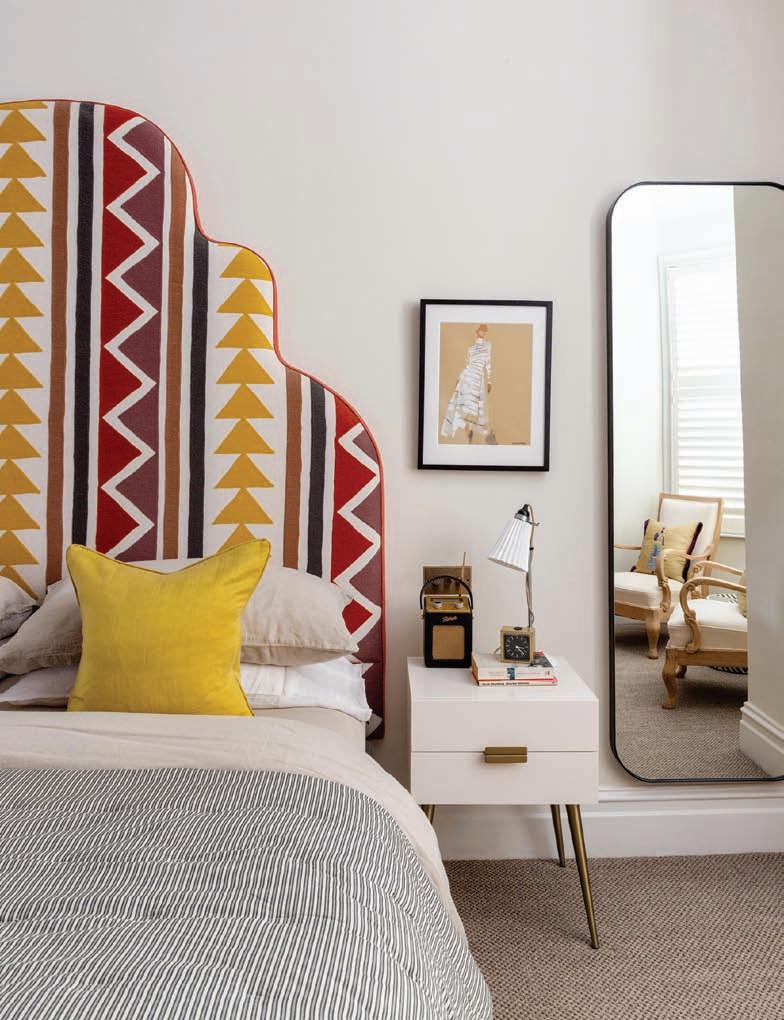
Large mirrors will reflect light around the room, especially when sited near a window
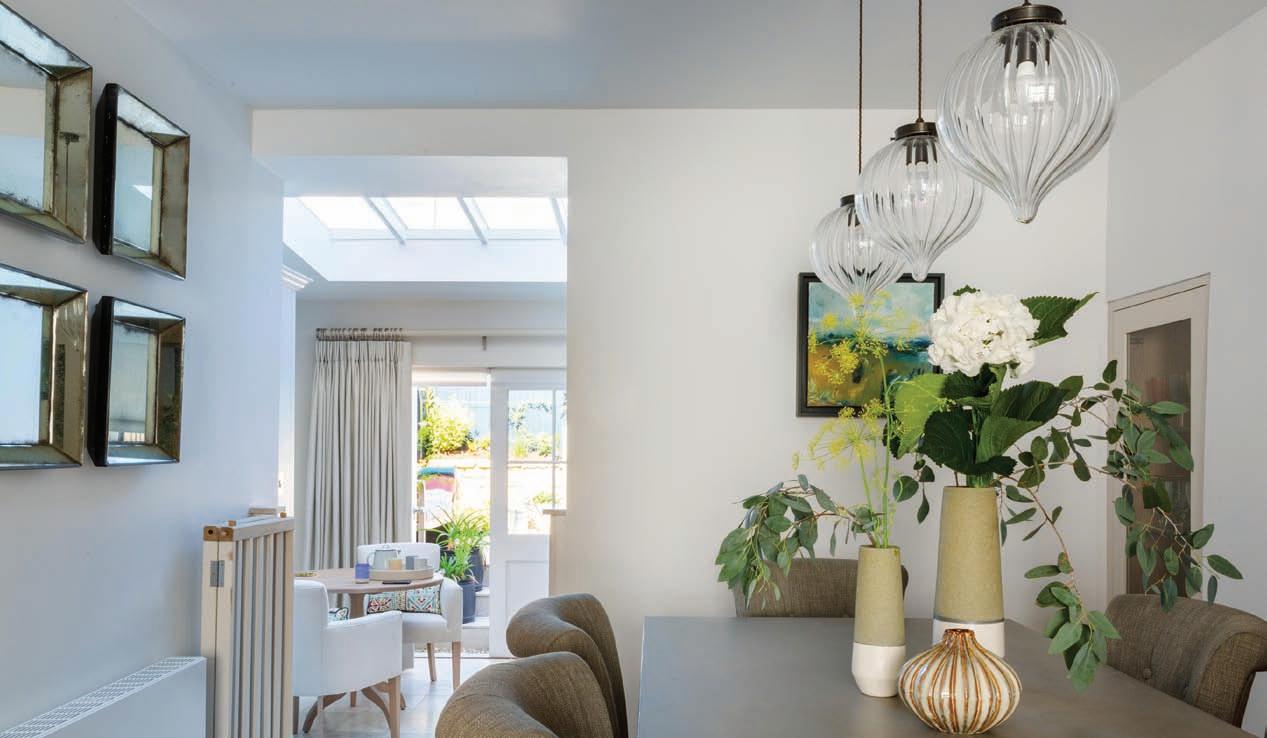
This space has roof lights and French doors in the room beyond, and the glass lights and the white walls in the inner room helps to make the light bounce off the different surfaces
forget that this can come with its drawbacks, particularly with the fading of much-loved fabrics and paintings. In light-filled rooms such as glass cubes, it is worth considering UV filtering fabrics within discrete, automated blinds that can be dropped when the room is not in use. To protect those pieces of furniture that are subject to plenty of light, advances are also being made in the production of fade-resistant acrylics. One of our go-to resources for such materials is Perennials Fabrics; their range of textiles, rugs and trims are 100% solution-dyed, making them resist not just fading but also most stains. To help preserve artwork, we also use conservation glass when framing; this glazing offers a coating that blocks almost all UV transfer while still providing optical clarity.
Lower light levels affect not just a room’s ambience but our own health and well-being. Exposure to bright light is believed to increase our levels of serotonin, a crucial hormone that steadies our mood and happiness as well as aiding sleep and digestion. There is unquestionably much incentive, both on a practical and personal level, in ensuring it really is all sweetness and light –not just in the heart but in the home too. n
Woodhouse & Law; woodhouseandlaw.co.uk
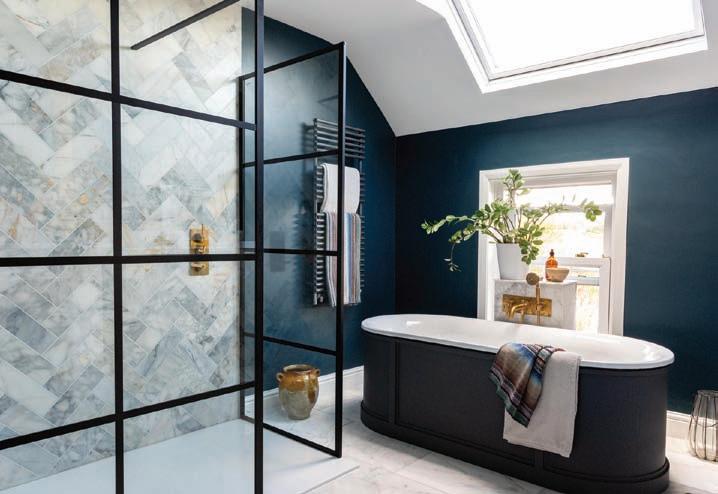
A large rooflight and a transparent shower structure makes this bathroom feel bright and large
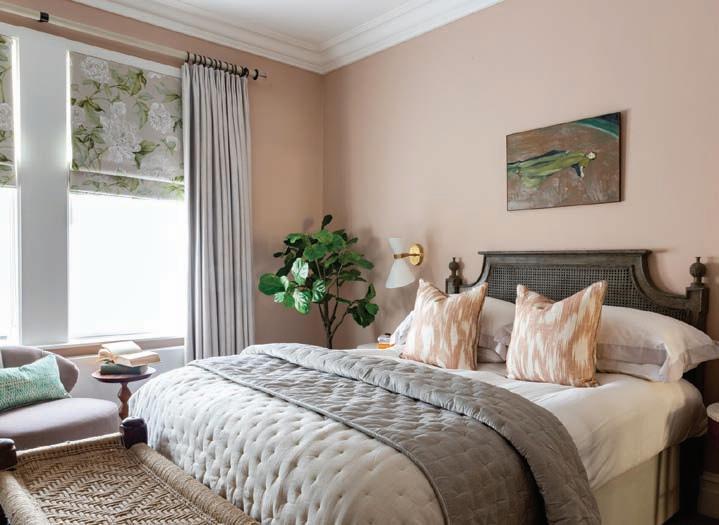
The large windows, dressed with Roman blinds and curtains enables full daylight when it suits or a more subdued light when it does not; the peachy apricot tones and soft greys increase the feeling of relaxation
Know your boundaries

While your plants lay dormant, now is the ideal time to construct some natural boundaries, says Elly West. Here she explains how to create everything from strong design statements to wildlife-boosting borders
Gardens may vary in size and shape, but one thing they have in common is the need to mark the boundaries in some way. Often this will be with walls or fences, but I personally love the impact of a well-kept hedge. Now is the ideal time to plant a new hedge, while the plants are dormant, and in time for spring and summer.
A hedge is a living wall made of plants. Some are decorative and make a strong design statement, such as the low box-hedge parterres of the Victorian era, or even a hedge maze. Others provide a practical function, acting as a boundary, privacy screen or windbreak. They can be used to break up a space and create different zones, giving structure, leading your eye around the garden and, depending on what plants you choose, they are extremely versatile. A hedge can be formal or informal, evergreen or deciduous, with interesting leaves, flowers or fruits. Hedges are cheaper and easier to install than fencing, as well as being longer-lasting and more interesting. They provide a habitat and shelter for wildlife, and create a good foil for other plants. In spring, you’ll have fresh new growth, in summer, perhaps flowers and a home for nesting birds, then the possibility of autumn fruits, and in winter they are the architecture of the garden, carrying frost and snow.
Choosing a hedge is an important decision. You’ll need to consider the specific requirements such as the height and size you want it to be maintained at, and whether you want it to be evergreen or deciduous. A formal hedge is likely to be a single species for a uniform look. Yew is a fantastic option and can be kept small as an alternative to box hedging, or left to grow to several metres. Its soft, dark green needles make a beautiful backdrop for other plants. However, it’s fairly slow growing compared to other options, so you’ll need to be patient.
Other conifers can be grown as hedges, including the notorious Leyland cypress, or leylandii. It’s extremely fast-growing (up to a metre per year), and has been at the centre of thousands of disputes between neighbours, so either avoid, or be prepared to cut it back two or three times a year to keep it fully under control.
There are plenty of other evergreen options, including Portuguese laurel, which has attractive slender dark-green leaves and reddish stems, or Griselinia, with glossy apple-green leaves. This dense, lowmaintenance evergreen grows on most soil types in sun or shade, and is tolerant of wind and salt, so is good for coastal gardens.
Semi-evergreens include privet – ever popular for good reason as it’s tough, easy to grow and maintain, and there are attractive variegated varieties available with leaves edged with golden-yellow or cream. Beech is deciduous when grown as a tree, but beech hedges tend to hold their leaves after they’ve turned brown until the new growth comes through in spring, giving you cover all year round. Beech can be kept fairly low – at around 1.2m – or allowed to grow tall. The tallest hedge in the world is a 30m beech hedge in Perthshire, Scotland. Hornbeam is very similar and is a better choice if you’re planting on heavy clay soil.
Box hedging (Buxus sempervirens) is the classic choice for low hedging and edging around the garden, but it can be susceptible to blight or the dreaded box caterpillar. The latter is still mostly confined to areas of the south east but is present across the UK, so check around your neighbourhood and if you see dead, brown box bushes then it’s probably best to avoid. Ilex crenata, a type of smooth-leaved holly, makes a good alternative. Likewise, on the road where I live any viburnum hedges in the front gardens are ragged with viburnum beetle
Lots of native hedge mixes offer berries and flowers, including hawthorn, dog rose, field maple, hazel and blackthorn ❝
by mid-summer. I took mine out and replaced them with silver-leaved privet.
If you want something less formal that will also attract wildlife, then there are lots of native hedge mixes offering berries and flowers. These may include hawthorn, dog rose, field maple, hazel and blackthorn. Since the middle of the last century we’ve lost around 50 per cent of our hedgerows in the UK, so anything we can do in our gardens to benefit birds and other wildlife will help to redress the balance.
Other flowering plants that make good hedging include Rosa rugosa, escallonia and camellia. Lower-growing options are choisya, hardy fuchsia, lavender and hydrangea. In the village where I live there’s even a row of beautiful magnolias grown as a hedge, with pink and white goblet blooms in spring. A hedge can also be a good option in terms of security if you choose plants with prickly leaves such as holly, or thorns such as berberis, pyracantha or hawthorn.
Any time between about November and March is a good time for planting, as long as the ground isn’t frozen. Classic hedging plants are often sold bare-root while they are dormant, often at a fraction of the cost of their pot-grown counterparts. Check the recommended spacing of your chosen plants online, or if you buy from a specialist nursery such as Chew Valley Trees, they will be able to provide you with plenty of advice including how many you’ll need per metre.
Prepare the ground thoroughly by removing any weeds or grass from the planting area, dig it over and add well-rotted manure or compost, along with some handfuls of bone meal fertiliser. Fork the fertiliser into the soil to make sure it doesn’t come into direct contact with the plant roots. Once your hedge is planted, it will benefit from a layer of mulch such as bark chips on the surrounding soil to suppress weeds and conserve moisture. Once established, it’s a case of keeping it tidy and trimming as necessary during the growing season. This could just be once a year for slower-growing varieties, or two or three times a year for faster-growing plants.
The RHS website (rhs.org.uk/plants/types/hedges/choosing) is a good starting point if you want to narrow down your options. Chew Valley Trees also has an excellent website (chewvalleytrees.co.uk) that will help you choose the right hedge for your garden. n • ellyswellies.co.uk
Plant of the month: silver privet
Silver privet (Ligustrum ovalifolium 'Argenteum') is a great choice for a medium-sized hedge, as it is fast growing and has attractive green leaves edged with silvery cream all year round. It also has creamy-white flowers in summer that are attractive to bees. It's a tough, compact plant that's happy in sun or partial shade and will tolerate most soil types. Trim as necessary during the growing season, but avoid pruning from late summer until spring to avoid frost damage on the new growth. Prune out any shoots that have reverted to plain green to maintain the silver variegation.



MARDAN, BATH’S BESPOKE REMOVALS AND STORAGE COMPANY, DEVELOPS NEW TALENT
Mardan have a wealth of experience within the removals and storage industry, spanning over 30 years, ensuring customers have a stress-free and seamless move. Mardan are family run and bespoke with the experience, knowledge, skills, equipment and capacity to complete removals of any size; locally, nationally for domestic or commercial customers.
Marcus, Mardan’s founder, has always held fast, with confidence, to his belief that he can deliver a high standard of removals, exceeding that of his competitors. Marcus knows to do this he must have trust and confidence in the skills of his staff, which he does. So when a new office position was required within Mardan instead of recruiting externally Marcus looked to develop a team member which he already had extreme confidence in and who he knew would develop into the role seamlessly, Nik. The role would include; liaising with customers, completing quotes, emailing quotes, planning the removals diary, logistics and managing the storage yard. Nik, had worked with Marcus within removals for over 10 years having a strong knowledge of all aspects of removals and with the skills necessary to lead a team from Mardan on removals. Nik has risen to the challenge and is thriving. Marcus and Nik work extremely well as a team thus ensuring all customers have a personalised service and a positive move experience. Both Marcus and Nik enjoy completing the physical removal and Marcus truly believes that to do the ‘office’ role well it’s important to continue to complete removals, thus maintaining the in depth knowledge developed throughout their earlier careers. Marcus and Nik are able to be flexible with their roles and keep their ‘hand in’ the hard physical work of removals.

Mardan continue to grow their self-storage facility, offering safe, secure and reasonable storage to upward of 100 domestic and commercial customers.
“We used Mardan following a recommendation from a friend. They moved us in and out of storage and then into our renovated house. I would highly recommend them. The service was super efficient and the guys were quick, polite and courteous. Nothing was too much trouble and all of our possessions arrived safe and sound”
Emma Webster, Moon Client
Mob: 07899 847857 Tel: 01225 317645 www.mardanremovals.co.uk
DOMESTIC & COMMERCIAL MOVERS • packers • STORERS • SHIPPERS


Bailbrook Lane, Bath A stunning development of two individual, contemporary, luxury homes in a secluded setting with magnificent views.

Lansdown, Bath
OIEO £650,000
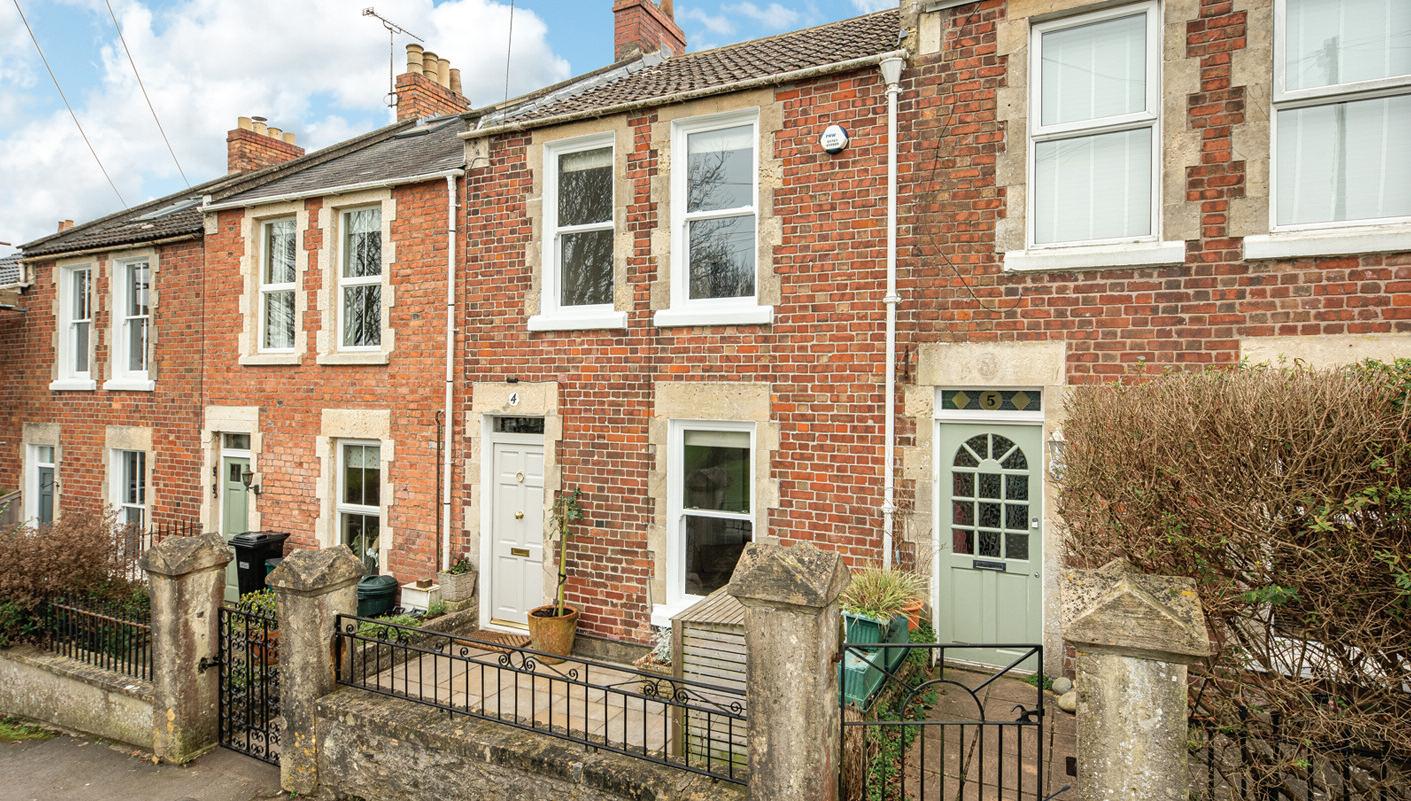
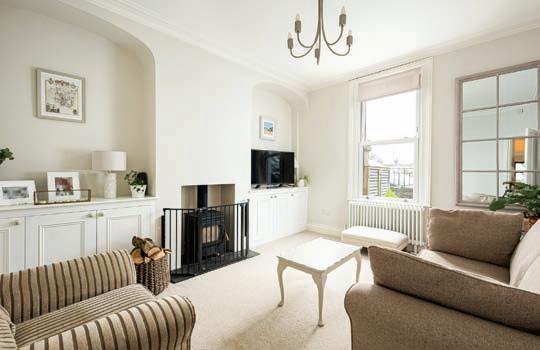
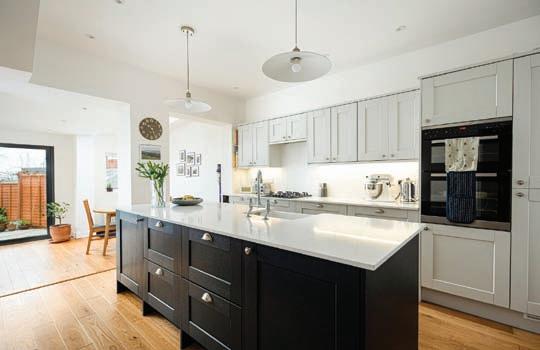
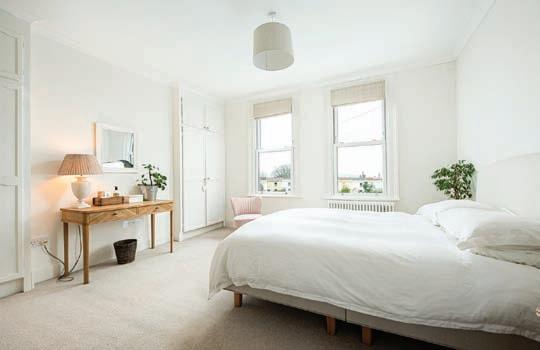
An attractive, beautifully presented, sympathetically extended and comprehensively renovated 3 bedroom mid terrace family home, located in a highly prized residential address on Bath’s sought after northern slopes • Sympathetically extended Victorian house • 3 bedrooms • Immaculate decorative order • Bi-doors leading onto the sun terrace • Overlooking Richmond Green • Potential to extend into the loft

New Instruction
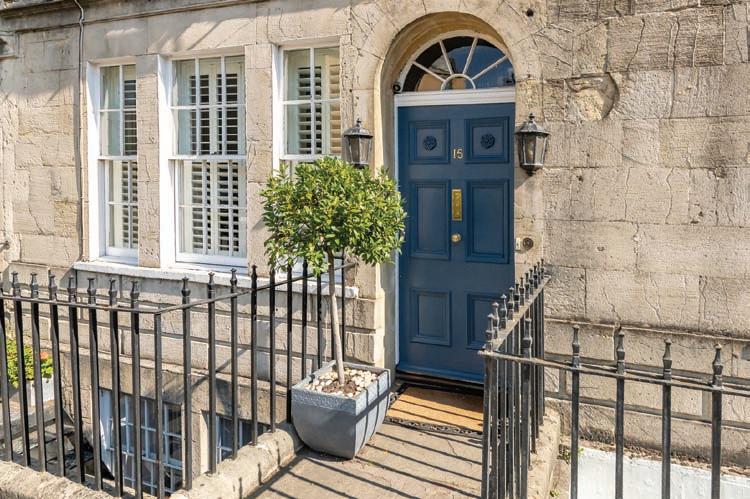
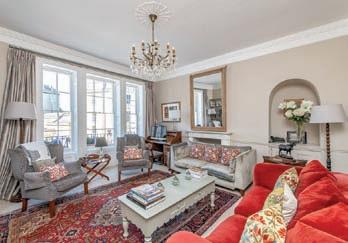
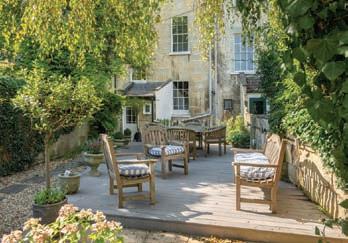
Bathwick Street, Bath | Guide Price £1,100,000

An immaculately presented Grade two listed Georgian Townhouse situated in Bathwick, within walking distance of the city centre. The property boasts flexible accommodation, set over five floors, along with pretty enclosed gardens to the rear. There is also the option to create a self contained apartment in the lower ground floor.
New Instruction New Instruction
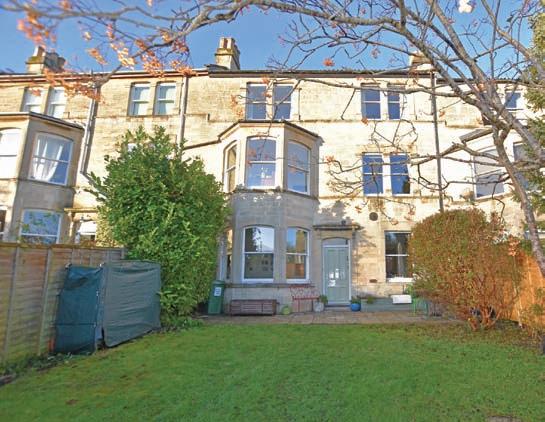
Sovereign Point, Bath | Guide Price £600,000
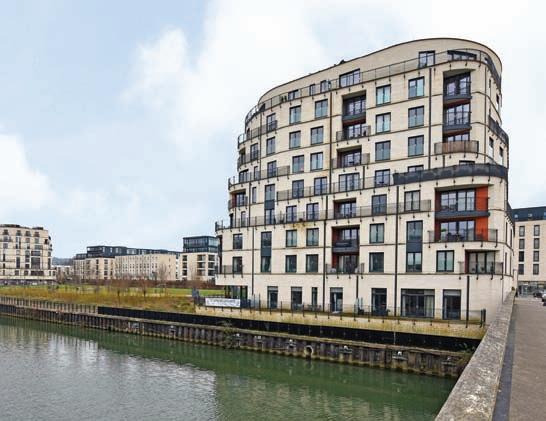
A stunning third floor apartment situated in 'Sovereign Point' within the desirable Riverside Development. The property is presented to the highest standard throughout, with light, flexible living accommodation, two double en-suite bedrooms and balconies with river views.
Wellsway, Bath | Guide Price £725,000
A beautifully presented four double bedroom family home situated on the southern slopes of Bath in Bear Flat. The property boasts very well balanced, light and airy accommodation set over three floors along with level private gardens and views.

The start of a new year is the perfect time to get organised if you are planning to be ‘out with the old, in with the new’. The main principles to selling a house are always the same, even in the busy sellers’ market we are in right now, but when it comes to selling unique and beautiful high-end properties, at Peter Greatorex Unique Homes we believe there are some extra things to consider. Potential buyers will be most interested in your house in the first few weeks, which is why it is essential that you are sale-ready before it goes on the market. This will also ensure that the whole process is a lot quicker. Here is our advice on how to prepare a unique home for the spring selling season.
Are you ready to leave?
The one-of-a-kind feel of your home is probably one of the reasons you fell in love with it those many years ago. Although it is very easy to get extremely excited about the prospect of moving, have you thought through the realities? The high-end property market has been extremely busy, and this has driven sales prices up; the potential for achieving a high sales figure for your home can be a very attractive offer. Once the excitement of an offer has passed, and the realisation a move is imminent hits, will you still be ready to leave your unique and beautiful home? It is the memories that are etched on every wall and the laughter on every beam that will never be forgotten. If you can remember these with fondness yet get excited for your next chapter, then you know you are ready to say goodbye to the old and hello to the new.
Experience in the luxury market
When you start to look for an estate agent to sell your home, we would always advise that you find one who is experienced in selling luxury-end properties and can do so quickly. You want an agent who also thoroughly understands the Bath housing market and how to attract the right potential buyers. We have a wealth of experience in this field, which can be seen in the results they achieve for their clients. Our strategy is not to rush your home to market, instead we create a comprehensive and structured marketing strategy and bespoke materials that give your home the attention it deserves.
This means that when your home hits the market every detail of our bespoke material strategy has been carefully crafted and seamlessly brought together – we know you will love the result. Going through this process will see you reminisce about the years you’ve lived, loved and grown in your home – we find many sellers fall in love with their house all over again.
Attention to the details

Regardless of the value of your property, it is essential that you always pay attention to the details, and this means ensuring your home is looking its best. We all have clutter in our homes; some rooms may be pristine, whereas others have become more of a storage space than an actual functioning room. Potential buyers want to see that each room has a purpose and that there is enough storage and space for their own personal belongings. This can be hard to do when a room is disorganised.
It isn’t just making sure each room is clean and tidy. There may be little things that need repair: a door knob may be wobbly, or a gate that has seen better days. Buyers expect to see some quirky elements in character properties but not a lack of repair – this will only spark concerns about what else could be lurking underneath the surface. If a room is looking very tired, a fresh coat of paint and a couple of new soft furnishings can completely transform it.
Don’t leave it to their imagination
Our imaginations, our beautiful things, they can bring the words off a page to life, and turn a property you are viewing into your home, complete with all those things you love. But when you only get half a tale, our imaginations can also work against us as we focus on the unknowns and niggles start to appear. All those wonderful features that make your home special can also be reasons for concern. Make sure that you inform your estate agent of any unique qualities your home may have so they can ease any buyers’ fears and not leave them to their own imagination.
Start as you mean to go on
What first impression will your home give as potential buyers approach it for the first time, or they see that first photograph online? The exterior of your home is just as important as its interior, whether it is full of period charm, is a contemporary masterpiece or a stunning countryside idyll with the most breathtaking views, you want to grab and win a buyer’s heart right from the start.
But you are not finished there. Just as you have paid attention to how well your home is presented inside, your gardens and exterior could be the difference between receiving an offer or not. Make sure your gardens are maintained, lawns are cut and seasonal plants and flowers are added so potential buyers will be met with a garden full of colour and wonder.
Let’s get you moving
Spring is a busy time for home sales, and if you follow our advice your home will no doubt entice buyers with its unique beauty. Are you ready to start the next chapter of your story? If so, give Peter or Sharon a call on 01225 904999.
Scan here and see what the market is like for your home
www.petergreatorex.co.uk