
















































It’s been a few years since the Covid-19 pandemic but many of us are starting to get back to some semblance of normalcy. The pandemic taught us a lot about our health.
Whether you were fortunate enough to evade infection or know someone that got sick, the past year made everyone realize how precious our health can be. Dust, bacteria, allergens, and other airborne particles often make it harder to breathe. The U.S. Environmental Protection Agency says that poor air quality is one of the biggest threats to public health.
After a year of wearing masks and washing our hands nonstop, use these tips to make sure you and your loved ones are breathing clean air every single day.
Air quality tends to change on a dime across much of the country. Pollution, smog, and other toxins can easily blow in one minute and blow away the next. Use the Air Now website to check current air quality levels in your neighborhood. The agency will rate the quality of the air based on sensitivity to those with respiratory conditions.
If you think you’re safer inside your home than out, think again. Studies show 87% of American homeowners are not aware that pollution may be worse inside their homes than outdoors.
Watch out for wet or damp areas that can spread mold. Regular activities, such as cooking, cleaning, and remodeling, can cause air pollution.

Millions of homeowners took on new projects at home during the pandemic. Dust and other debris may be floating around without your knowledge. Use an indoor air quality monitor to see how your home stacks up to the outdoors.
Contact an air quality expert to inspect your home. They will test the air throughout your home to make sure it is safe to breathe. This is essential if someone with respiratory issues or immune deficiencies is living or staying in your home.
Having poor air quality doesn’t mean your home is dirty. Even a clean home can have lots of bacteria floating around in the air. Experts say that

around 30% of newly constructed and remodeled homes have indoor air quality problems. The issue usually has to do with your home’s HVAC system. It may need a new filter or thorough cleaning. The technician will clean the inside and outside of your unit to make sure you and your loved ones can stay comfortable without putting your health at risk.
Your system should do more than just change the temperature; it should remove harmful toxins and particles from the air. The technician can install an air cleaning system to improve the overall quality. They can also add the IWave air purifier to your HVAC system for more air pollution control. It uses special needlepoint bipolar ionization (NPBI) technology to eliminate potential hazards. It can get rid of up to 99.98% of all airborne allergens, including those that can cause Covid-19.
Don’t take a chance with your health post-Covid-19. Use these tips to keep your loved ones safe and healthy all year long.
inding a good nursery can make gardening more enjoyable and less frustrating. The right provider offers healthy plants, practical guidance and supplies that match local growing conditions, which can help your yard or patio look better through the seasons.
A nursery is more than a place to buy a plant and head home. It can serve as a partner for planning, problem-solving and learning, especially when you are trying something new or adjusting to changes in sunlight, soil or watering needs.
Before you shop, it helps to think about your goals. Are you planting for color, privacy, pollinators or low maintenance? Bringing a few notes about your site, such as how many hours of sun an area gets and whether the soil stays wet or dries quickly, can make a nursery visit more productive.
Start with the plant selection because variety gives you options. A wellstocked nursery should carry a range of plants such as succulents, shrubs, flowers and roses. That variety lets you compare sizes, growth habits and seasonal interest so you can mix textures and colors in a way that fits your space. Ask how often new plant shipments arrive and how the nursery handles plants that are stressed or past their prime. You can also look for signs of good care, including clear labels, plants grouped by needs and a layout that makes it easy to find shade plants,
sun plants or drought-tolerant choices.
If you are unsure what will work, describe the spot where you plan to plant. A helpful nursery can suggest a few alternatives, such as swapping a sun-loving plant for something that tolerates afternoon shade, or choosing a shrub that stays within your preferred height.
Native plants are often a smart starting point because they are adapted to local conditions. A nursery that carries native choices can help you select plants that tend to handle the local climate with less fuss once established.
When you ask about natives, also ask how they should be planted and cared for in your yard. Even hardy plants need the right placement and early attention. Staff should be able to explain basics such as spacing, mulching and watering during the first weeks, along with what to expect as the plant matures.
If you are trying to garden with conservation in mind, mention that. Nurseries that understand native selections can help you make choices that support a lower-input approach while still meeting your design goals.
Knowledgeable staff matters as much as inventory. Look for a nursery where employees can answer questions about sunlight, soil type and your preferences, then translate that into clear recommendations. Good advice can prevent common mistakes such as planting the right plant in the wrong place.
Soil and fertilizer choices also affect

results. A nursery should offer quality soils and fertilizers and be ready to explain which product fits a container garden, a new planting bed or an established landscape. Ask what to use at planting time, what to avoid and how to adjust if plants show stress. Finally, ask whether the nursery is familiar with local gardening programs and incentives, including water conservation efforts and community
beautification projects. Even a brief overview can help you align your garden plans with broader community goals. Choosing a nursery comes down to finding a place that matches your needs and supports your learning. With a solid selection, native options, helpful staff and reliable soils and fertilizers, you can make decisions with more confidence and enjoy the process as your garden grows.
Maintaining pristine flooring can be a challenge in areas prone to water exposure or even occasional flooding. When seeking both elegance and resilience, many homeowners turn to waterproof luxury vinyl flooring for their kitchens, bathrooms, and basements.
Waterproof luxury vinyl flooring not only offers protection against water damage but also comes in a wide range of styles and colors, convincingly mimicking the appearance of wood, stone, and decorative patterns.
Installation is a breeze, often involving interlocking pieces that professional installers or experienced do-it-yourself enthusiasts can effortlessly lay in place.
Here are essential factors to consider when shopping for waterproof luxury vinyl flooring.
Begin by exploring your style preferences. Luxury vinyl flooring offers an extensive array of choices, spanning from sleek and modern designs to the warmth of rustic barn wood and everything in between. It’s advisable to obtain samples of your chosen flooring to assess how it complements your existing decor, lighting, and overall interior design.
The direction in which you lay the flooring can significantly impact the room’s ambiance. Whether opting for the longest wall, the shortest wall, or diagonal placement, be mindful of how the direction will influence the room’s overall feel.
Vinyl flooring comes in varying thickness levels, and this can greatly influence its tactile sensation and resemblance to natural wood. Thicker vinyl provides a sturdier, more substantial feel, effectively concealing imperfections in the subfloor.
The top layer of vinyl flooring, known as the “wear layer,” serves as protection



against wear and tear. This clear coat varies in thickness, offering varying degrees of safeguarding. Select a wear layer that corresponds to the expected foot traffic your floor will encounter to ensure long-term durability.
Each vinyl flooring material demands specific installation procedures. Understanding these prerequisites is crucial for several reasons, including budget planning and warranty preservation. The installation method can impact the overall cost of your project, with some materials requiring costly underlayment and specialized installation techniques. Additionally, non-compliance with the manufacturer’s installation instructions may void your warranty. To ensure both longevity and peace of mind, diligently adhere to the manufacturer’s recommended installation process, including any necessary subfloor preparations.

Examine the warranty offered by your chosen flooring company, which includes coverage for both materials and labor in the event of future repairs or replacements. The reliability of a warranty is contingent on the company providing it, so opt for both a reputable installer and a well-known flooring brand with a history of satisfied customers.
While higher-priced, superior-quality flooring typically accompanies longer warranties, the comprehensiveness of the warranty terms is equally vital. Scrutinize the specifics of what the warranty covers to assess its thoroughness.
With careful selection, you can find waterproof luxury vinyl flooring that not only boasts enduring beauty but also stands up to years of use in your home.

Awell-chosen gas fireplace insert can make a living space more comfortable while keeping upkeep simple. Many homeowners like the steady heat, cleaner burn and easy on-off controls that come with gas, especially when compared with the work of storing wood, cleaning ash and tending a fire.
Because inserts are designed to fit into an existing fireplace opening, they can refresh the look of a room without changing the whole hearth. The key is matching the insert to your fireplace, your fuel supply and your venting setup so the unit works safely and as intended.
Gas inserts also appeal to people who want consistent performance. Many models are made to keep more heat in the room rather than sending it up the flue, and some include a fan to help circulate warm air. Features vary, so it helps to focus on what matters most in
daily use, such as how you will start it and how you will control the flame.
Selecting the right provider matters, too. A reputable retailer can help you sort through options, confirm what will fit and explain what will be required for venting and gas connections.
Start with your existing fireplace dimensions. Inserts come in different sizes with specific requirements for width, height and depth, and the vent connection must align with what is possible in your chimney or wall.
A professional measurement can prevent problems later. If an insert is too large, it may not be installed safely. If it is too small, it may look out of place and leave gaps that affect appearance and performance. Ask what clearances are required around the unit and whether any adjustments to the fireplace opening are common for your setup.
It also helps to talk through how you want the insert to look in the room. Some styles lean modern while others mimic a traditional fireplace appearance. Bring
photos of your hearth and the surrounding room so the retailer can suggest options that match the stone, brick or mantel you already have.
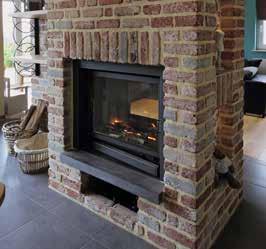
Next, confirm whether your home uses natural gas or propane. That choice affects the burner and the way the unit is set up. If a gas line already runs to the fireplace, ask whether it has the capacity needed for the insert you are considering. If a new line must be added or routed from farther away, installation can be more involved.
Venting is another major decision because it influences both installation and how the insert operates. Vent-free models do not require an external vent but release a small amount of combustion byproducts into the room. They are not permitted in all areas, so ask about local rules and whether there are tradeoffs you should understand for your home.
Vented models send combustion outside. Direct-vent inserts are sealed from the room and draw air from


outdoors, which many homeowners like for efficiency and indoor comfort. Natural-vent models use a more traditional venting approach and some people prefer their flame appearance. A retailer or installer can explain what your current fireplace and chimney can support.
Costs can vary based on how complex the installation is. If you want to manage expenses, ask which choices tend to simplify the job, such as using existing gas lines, selecting venting that fits your layout and avoiding major changes to the fireplace opening. Choose a retailer with staff who can explain options clearly and match them to your space.















































Agood property management company can make owning rental real estate far more manageable. With the right partner, landlords can protect their property, keep tenants satisfied and free up time by handing off day-to-day tasks that otherwise demand constant attention.
Property managers help keep things running smoothly by responding to maintenance requests, coordinating repairs and keeping up with items that affect curb appeal, such as landscaping. They also help preserve amenities, including pools, by staying on top of routine upkeep. When these details are handled promptly, tenants are more likely to stay and the property is more likely to remain in good condition.
Because a property manager may be making important decisions on your behalf, it pays to research options and ask clear questions before signing an agreement. Start by thinking through what you want to delegate, how involved you plan to be and what kind of communication you expect once a tenant moves in.
Property management companies can cover a wide range of responsibilities. Common services include documenting a property’s condition, preparing it for renters, managing lease agreements, conducting inspections, handling repairs and producing financial reports. Some companies also oversee cleanup between tenants, which can help shorten the time
a unit sits vacant.
Ask how the company handles maintenance calls, especially after hours. Find out whether they use in-house staff or outside vendors, how repairs are approved and how they communicate costs and timelines. It also helps to ask what types of issues they handle directly versus what gets escalated to the owner.
Many property managers also assist with finding tenants. Depending on the agreement, the company may advertise the unit, collect applications and screen applicants. In some cases, the manager selects the tenant. In others, the company provides the applications and background information so the landlord can make the final decision. Clarify who does what so there is no confusion when a vacancy comes up.
Contractor relationships can be another benefit. Property management firms often work with a network of contractors for repairs and maintenance. Ask how those relationships work and what standards the company uses when choosing vendors, since the quality of work affects both tenant satisfaction and the long-term condition of the property.
Also ask whether services can be adjusted. Some landlords want full service management. Others prefer to handle certain decisions themselves. A clear understanding of flexibility up front can help you match the agreement to your comfort level.
Many property management companies charge a percentage of monthly rent. That percentage can vary by location and by company, influenced by local market conditions, state laws and the scope of services included.

When comparing options, ask what the monthly fee covers and what is billed separately. It is important to discuss additional charges that may apply for tasks outside routine management. Request a copy of the contract and read it carefully, paying attention to how fees are described, how repairs are authorized and how disputes are handled.
It is also worth reviewing how and when you receive financial reports and what details are included. Clear reporting can make it easier to track income and expenses and plan for future maintenance. If any contract language is unclear, consider consulting an attorney.
Property rules and regulations differ by state and even by city, so
local experience matters. A property manager who works regularly in your area is more likely to understand local expectations, common maintenance issues and the practical steps needed to stay compliant.
Eviction laws are one area where knowledge is especially important. Procedures must be followed carefully and timelines can be strict. Ask how the company handles late rent, notices and court filings and whether any fees apply if an eviction becomes necessary.
While evictions may be uncommon, it can be reassuring to know the company has a process for difficult situations. By focusing on services, costs and local expertise, landlords can choose a property management company that supports both their investment and their peace of mind.
Agood furniture store can make furnishing a home or office simpler and more comfortable. When you can see pieces in person, you can check how they feel, how they are built and whether they fit your space and daily routines. A reliable store also helps you understand what you are buying, what it will cost and what to expect if you need delivery, assembly or a return.
While online shopping can be convenient, a physical showroom lets you compare options side by side and ask questions in real time. That extra clarity can help you choose pieces you will enjoy living with.
Start with construction and materials, since furniture is used every day. Look closely at how a chair or sofa feels when you sit down, whether it wobbles and how sturdy joints and frames seem. Ask what the frame is made of, what the upholstery fabric is and whether cushions are designed to hold their shape. It also helps to ask about warranties and what they cover. Some policies focus on manufacturing issues while others may exclude normal wear. Knowing the terms ahead of time can prevent confusion later, especially for larger purchases.
Value is not the same as the lowest price. A higher-quality item can be a better fit if it lasts longer and stays comfortable. When comparing pieces, consider how the design matches your

needs, such as a dining table that can handle frequent use or a sofa fabric that works with kids and pets. Ask staff to explain differences between similar-looking items so you can weigh tradeoffs.
A store with a broad selection can make it easier to find something that suits your taste and your space. Look for variety across rooms, including seating, dining, bedroom pieces and storage. Even if you have a style in mind, seeing a range of options can help you narrow down what works. Bring basic information so you can make smart comparisons. Measurements of doorways, stairwells and the room itself can save time and help avoid delivery problems. If you are matching
existing furniture, photos and notes about colors and finishes can help you judge whether a piece will blend in.
Testing in person matters. Sit on sofas and chairs for more than a few seconds. Check seat depth, back support and arm height, since these details affect comfort. Open drawers, try cabinet doors and look at surfaces from different angles to see how finishes reflect light and whether edges feel smooth.
Customer service can shape the whole purchase. Look for staff who listen, answer questions clearly and do not rush you. Ask about return policies, including time limits, required condition and any fees. It is also worth confirming what happens if an item
arrives damaged or incomplete. Price transparency should be part of the conversation. Request a clear explanation of what is included, including delivery charges and any optional services. When comparing stores, make sure you are comparing the full cost of getting the furniture into your home.
Delivery and assembly are practical details that often determine whether a purchase goes smoothly. Ask whether the store delivers to your address, what time frame to expect and whether assembly is available. If assembly is not included, ask what you will need to do at home so you can plan ahead. With a bit of research and an in-person visit, you can choose a furniture store that helps you buy with confidence.
Working with a skilled real estate agent and taking a measured approach can help sellers stand out when buyers are watching prices closely. In a price-sensitive market, good guidance can limit guesswork, sharpen your strategy and keep the process moving toward a closing.
Recent years trained many homeowners to expect quick sales and strong offers. When the market cools, that pace changes. Buyers compare more listings, weigh monthly costs and look harder at condition, location and price.
Even so, a successful sale is still possible. The key is to focus on improvements that make sense, set a price that fits the moment and lean on a professional who knows what is happening street by street.

In a price-sensitive market, the goal is to present a home that feels well maintained without spending money that will not come back to you at closing. Start by looking at your home the way a buyer will, paying attention to first impressions.
Ask a local real estate agent what buyers in your area respond to and what they tend to ignore. In some neighborhoods, a full kitchen overhaul may not raise the sale price enough to justify the cost. In others, simple changes like fresh paint and updated lighting can help buyers picture themselves living there.
Focus on low-risk projects that improve appearance and reduce distractions. Decluttering helps rooms look larger and makes it easier for buyers to notice features like windows and storage. A deep clean, minor repairs and tidying up outdoor areas can also signal that the home has been cared for.
If you do update anything, keep
finishes neutral. Buyers who are cautious on price often want fewer to-do items. A home that looks ready to move into can feel like a safer decision than one that appears unfinished.
Setting the right asking price matters in any market, but it carries extra weight when buyers are sensitive to value. Many homes draw their most attention soon after they are listed, so an initial price that feels out of step can reduce showings and slow momentum.
Talk with your agent about comparable sales and current competition. A realistic price helps a listing compete against similar homes and can prevent the need for repeated price cuts later, which can raise questions for buyers.
Pricing also affects online visibility. Many buyers start with search filters, so a price that lands just above a common cutoff can mean your home is missed by otherwise interested shoppers who might have been interested.

Be prepared to evaluate feedback once showings begin. If multiple buyers point to the same concern, such as condition or layout, your agent can help you decide whether the solution is a repair, a concession or a price adjustment.
Choosing the right agent is one of the most practical decisions a seller can make in a price-sensitive market. A knowledgeable professional can explain local trends, help you avoid over-improving and recommend a strategy for timing, staging and pricing.
When interviewing agents, ask how they plan to market your home and how they will communicate with you during the listing. You should understand what they think will attract buyers, what challenges they anticipate and how they will respond if the home is not getting showings.





















Agood appliance store can make a big purchase feel manageable. Shopping locally gives you a chance to see products up close, compare sizes and finishes in person and ask questions that are hard to resolve online.
The right provider can also help you match an appliance to your household, from basic needs to newer smart features. With a little planning, you can shop with more confidence and avoid surprises after delivery.
Start by deciding what you need and what you want. Measure the space at home, note any clearance issues such as doors or cabinets and think through how you use the appliance day to day. Then do some online research to learn the basics. Manufacturer websites often explain features with videos, which can help you sort out what
matters to you and what is optional. Talking with friends or family who recently bought a similar appliance can also help you build a short list.
Next, search for appliance stores in your area and look for signs of a reliable operation. Reviews can offer useful context, especially when they mention delivery, communication or how the store handled a problem. A few negative reviews are not unusual, so focus on patterns and on how the store responds.
You can also check resources such as Consumer Reports and the Better Business Bureau. These sources can help you confirm that a business has a track record and clear customer service practices.
Once you know the model or type you want, start watching ads and circulars for pricing. Local newspapers and mailers often highlight sales, and comparing them can show which stores are competing for your business.
Ask about price matching before you assume it is available. Some stores will match a lower advertised price for the
exact same product, while others may not. Clarify what counts as a match, including whether the comparison must include delivery or installation.

Remember that price is only part of the cost. If one store’s offer includes delivery, haul-away or setup and another does not, the better value may not be the lowest sticker price. It helps to request an itemized quote so you can compare offers on the same basis.
It is also smart to confirm availability and timing. If your old appliance has failed, quicker delivery can matter as much as the discount. If your purchase is flexible, ask whether seasonal promotions affect the category you are buying.
Before you buy, review store policies for delivery, returns and service. Ask how delivery is scheduled, whether the team will bring the unit into the home and what preparations are expected from you.
Warranties also deserve a careful
read. If the appliance includes a oneyear manufacturer warranty, you may not need additional coverage from the store. If you are considering an extra warranty, ask what it covers, what it excludes and how claims are handled.
Repair support is another practical question. Find out whether the store coordinates service calls or refers you to the manufacturer, and ask what happens if a unit arrives damaged or does not work as expected.
Negotiating can be part of the process at many local stores. If you do not want to haggle, you can still ask whether there are any current incentives, or whether the store can help with delivery and setup. A straightforward conversation can clarify what is possible and help you feel good about the final choice.
In the end, the best appliance store is the one that combines fair pricing with clear answers, solid policies and support after the sale.




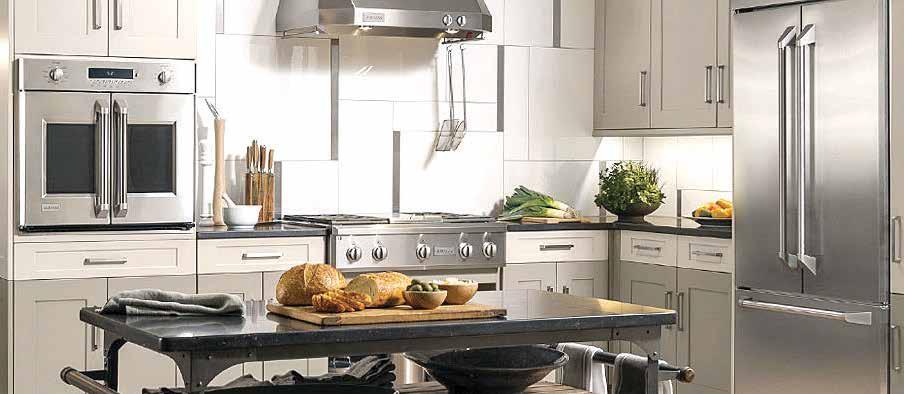
Finding a reliable landscape materials provider can make outdoor projects simpler, cleaner and longer lasting. The right supplier can help you match materials to your yard, your maintenance expectations and the look you want, so you spend less time fixing problems and more time enjoying the space.
Landscape materials are not interchangeable, even when they seem similar in the bag or on the pallet. A good place to start is by thinking about where the material will go and what it needs to do, whether that is covering soil around plants, creating a path or cushioning a play area. Ask a provider which products fit those uses and what preparation the site needs so the material performs as expected.
Good providers also help you compare options without guesswork. They can explain what is likely to shift in heavy
rain, what tends to break down quickly and what may need topping off more often. That kind of guidance matters because the best choice is usually the one that fits your conditions and schedule, not the one that looks good on day one.
Most homeowners weigh appearance, function and upkeep. Gravel and stone can create a neat look and work well for pathways where you want a firm surface. They can also define borders and reduce muddy spots in high-traffic areas.
Organic mulches, including wood chips or straw, are often chosen for planting beds. They can help retain moisture and add an earthy look as they blend into the landscape. Because they break down over time, it is worth asking how often they may need refreshing and whether your garden beds will look different as the material decomposes.
If you are considering multiple areas, ask whether using one material throughout will create a uniform look or whether mixing materials will better separate uses. A provider can
also discuss how different colors read in sun or shade and how texture affects the finished appearance.
Rubber bark has become a popular option for homeowners who want a long-lasting ground cover. Made from recycled tires, it appeals to people who like the idea of repurposing materials that might otherwise go to waste. If sustainability is important to you, ask the provider how the product is sourced and what processing steps are involved.
Color retention is another reason some people choose rubber bark. Some traditional mulches fade as they weather, which can change the look of beds and borders. If you want a consistent appearance, ask how the color holds up over time and whether the material will still look similar season after season.
Safety is often part of the conversation, particularly in areas where children play. Rubber bark is described as nontoxic and environmentally safe and it can provide a softer surface than stone. For families, it can help to ask which locations



are most appropriate, how deep the layer should be and how to keep it even so the area stays comfortable to use.
Organic mulches can attract pests because they decompose and can offer shelter and food. In some yards that can mean more insects and sometimes rodents, especially where mulch is piled too thickly or stays damp. Ask a provider what installation and upkeep steps can reduce pest issues and what warning signs to watch for.
Rubber bark is less appealing to pests because it does not provide the same habitat or food source. Homeowners who have dealt with repeat pest problems may see that as a practical advantage.
Durability also matters in windy or rainy weather. Rubber bark tends to stay in place better than lighter materials, which can reduce cleanup after storms and limit bare spots.








Agood real estate agent can make a home purchase or sale feel more manageable, from the first showing to the final signature. The right professional helps you sort through paperwork, explains the steps in plain language and keeps a transaction moving when details pile up.
Agents also serve as local guides. They can point out neighborhood patterns, help set realistic expectations and bring experience to negotiations that many homeowners and first-time buyers do not have. When the stakes are high, having someone you trust can reduce stress and help you make decisions with more confidence. Finding a strong agent usually starts close to home. Many are known through referrals, community involvement and local recognition, but the best fit is still personal. Your goal is to choose someone who understands your priorities and can represent them clearly.
Begin with recommendations from people you know and trust. Friends, relatives and co-workers can tell you how an agent communicated, whether timelines were clear and how problems were handled. Ask what the agent did well and what the person would do differently next time, since that often reveals how steady the process felt. It also helps to ask whether the agent primarily worked with buyers or sellers. Some professionals lean toward one side of the transaction, so a referral may be less useful if your needs are different. If you are selling, you may want someone comfortable discussing pricing, presentation and outreach. If you are buying, you may want someone who can move quickly, schedule showings efficiently and explain offer terms. Do some independent reading so you can ask better questions. Real estate publications and online resources can help you understand common terminology, typical timelines and the broad forces that shape local markets. Research should not replace professional advice,
but it can help you spot gaps in communication and clarify what you do not yet understand.

Your first conversation with an agent should tell you a lot. Pay attention to whether the agent asks detailed questions about your goals, your schedule and your comfort level with risk. A professional who listens carefully is more likely to represent you accurately when it is time to negotiate or respond to requests.
Discuss communication early. Ask how often you should expect updates and whether the agent prefers phone calls, texts or email. If an agent is slow to respond during the initial stages, it can be a warning sign for later, when quick answers may matter.
For sellers, ask how the agent plans to market the home and how the plan will be explained along the way. You should understand the approach, the reasoning behind it and what you will
be asked to do. For buyers, ask how the agent will narrow options, handle competing schedules and help you stay within budget without feeling rushed.
Trust matters because the process involves contracts, deadlines and money. Look for an agent who can explain documents and next steps without talking over you. You should feel comfortable asking basic questions, repeating questions and requesting time to consider choices.
After your transaction closes, keep the agent’s contact information. You may have follow-up questions about what happens next, and you may want to share a reliable name with friends or neighbors who are starting the same process. A steady agent-client relationship can be useful well beyond one sale or purchase.







Finding the right assisted living center can bring peace of mind for families and a steadier daily routine for older adults and others who need help with day-to-day tasks. A good fit can support safety while also preserving independence, social connections and comfort. That mix often helps residents settle in more smoothly and helps relatives feel confident about the plan.
Assisted living centers typically provide support with dressing, bathing, meals, medication management, transportation and activities. Many people consider assisted living after an injury, surgery or as physical or cognitive needs change with age. Because needs can shift over time, choosing a center is not only about today’s challenges but also about how well the setting can adapt.
This is a substantial decision, especially when care will be provided by people outside the family. Safety matters, but so do staffing, communication and whether the community feels like a place your loved one can call home.
Whenever possible, include your loved one early and often. Their input can clarify what feels comfortable and what feels stressful, from room layout to dining routines. It can also reduce anxiety by turning the process into a shared plan rather than a sudden change. Start by talking through priorities

together. Ask what matters most: privacy, a quieter environment, proximity to family, religious or cultural preferences or a certain level of independence. It can help to discuss everyday details, such as preferred meal times, sleeping habits and whether they want a room with space for a favorite chair or photos.
It is also wise to consult your loved one’s physician. A doctor can help you understand the level of assistance needed to function safely and may suggest what qualifications to look for in staff. Ask how medication management should be handled, what mobility support is appropriate and what warning signs would require additional care. Knowing these needs can help you focus on communities that
match them and avoid paying for services that are not necessary.
During visits, ask how staff members respond to changes in a resident’s condition and how families are notified. Clear communication is often as important as the services themselves. You may also want to ask who coordinates care plans and how often they are reviewed. Pay attention to the overall feel of daily operations. Are residents supervised without being rushed? Do common areas look orderly? Are staff members present and approachable when questions come up? Those observations can help you understand whether the community’s routines are likely to support your loved one.
Because assisted living can involve medication assistance and other health-related needs, ask what training and certifications staff members hold and how the center handles emergencies. You can also ask about transportation policies for medical appointments and how the facility works with outside health providers when needed.
Accommodations can range from cottage-style living to apartment-style rooms. While touring, picture how your loved one’s belongings will fit and whether the space supports their mobility and comfort. Consider whether the environment feels calm and home-like or more clinical and whether that matches what your family member prefers.
Recreation and social time can shape quality of life. Ask what activities are offered, how often they occur and whether options are adjusted for different abilities. If your loved one enjoys crafts, music, games or group outings, look for spaces and programming that make participation easy rather than occasional.
Finally, look outside. Landscaping and outdoor areas can signal day-today upkeep and can also add to a resident’s routine. Walkways, gardens and seating areas can offer a quiet change of scenery and an easy way to spend time with visiting friends and family.
Selecting an assisted living center often comes down to balance: the right level of care paired with a setting that respects preferences and supports connection. With careful visits and direct questions, families can choose a place that offers both support and a sense of belonging.
Agood painting contractor can refresh a home with less stress, less disruption and a finish that looks even and clean. Professional painters can also help you plan the work so rooms get back to normal quickly and the results hold up to everyday living.
Finding the right company takes a little homework, but it can pay off in fewer surprises once the project starts. A careful selection process also helps you feel comfortable with who is working on your property and what you are paying for.
Before you make calls, think through your goals. Decide whether you need interior painting, exterior painting or both, and consider which spaces matter most. Having a basic plan helps contractors give clearer answers and helps you compare one estimate to another.
Ask how the contractor prefers to handle communication. Knowing who will return calls, provide updates and answer questions can make the job feel more manageable, especially if you are living in the home during the work.
Start by reviewing a contractor’s prior projects to gauge consistency and care. For exterior work, ask for a list of buildings the company has painted, then drive by to look at surfaces up close. You are looking for straight cut lines, even coverage and paint that still looks sound after weather and time.

It also helps to notice details that homeowners sometimes miss at first. Check trim areas, corners and places where different materials meet. Those spots can show whether prep work and application were handled carefully.
Interior projects can be harder to evaluate in person, so recommendations matter. Ask friends and family who have recently painted their homes whether the crew showed up as scheduled, protected floors and furniture and kept the work area tidy. If you see an interior paint job you like, ask who
did it and whether the homeowner would hire that contractor again. If you need more leads, talk with local real estate agents or builders. They often hear feedback about which contractors stay reliable, communicate well and finish on time.
Many painting contractors can do more than apply paint. They may help you choose colors and finishes that fit your rooms and lighting, which can
prevent regrets after the paint dries. It is worth asking how they guide customers through decisions like sheen, color matching and coordinating with existing flooring or cabinets.
Look for patience during this stage. A contractor who is willing to talk through options and explain tradeoffs can help you avoid choices that feel too dark, too bright or out of place once they are on the wall.
If you are working with an interior designer, ask whether the contractor is comfortable coordinating schedules and expectations. Clear collaboration up front can keep the project moving and reduce last-minute changes.
Before you commit, request written specifications. The document should spell out what areas will be painted, what materials will be used and how long the work is expected to take. A clear cost breakdown also helps you understand what is included and what might be considered extra.
As you narrow your options to one or two contractors, ask direct questions about insurance and who will be on site. You should also discuss preparation, including surface repairs, masking and cleanup. For interior jobs, talk through how furniture will be moved or protected and whether you need to clear shelves or take down wall hangings.
Getting clear answers builds confidence and helps set expectations. With the right contractor, you can focus on daily life while the professionals handle the details, then enjoy a home that looks fresh and updated.
Finding a cremation provider you trust can bring clarity during an emotional time. A good provider helps families understand options, explains costs in plain language and handles arrangements with care so loved ones can focus on remembrance rather than logistics.
Cremation has become a common choice for end-of-life planning. For many families, it reflects practical considerations such as budget and personal values, including environmental concerns. Whatever the reason, selecting a provider is easier when you know what to ask and what information should be offered upfront.
Start by considering the preferences of the person who will be cremated. Some people leave written instructions in end-of-life plans or tell family members what they want. If those
wishes exist, they should guide the conversation with a cremation center.
If preferences are not clearly documented, talk with close relatives early when possible. Discuss whether there should be a service, whether remains will be kept, scattered or placed in a cemetery and what kind of remembrance feels appropriate. These questions help narrow choices and prevent disagreements during a period of grief.
Cost is also a common factor. Cremation can be less expensive than a traditional burial and some families appreciate that it may reduce the need for items associated with burial, including a casket. Ask providers for a clear explanation of what is included, what is optional and how changes affect the total.
Planning can also include timing. Families may want a memorial service right away, later or in a private setting. Clarifying timing helps a provider explain the steps involved and what choices must be made before the cremation occurs.
Referrals can be a helpful starting

point. Friends, relatives or faith communities may be able to share experiences and suggest businesses that communicated well and handled details smoothly. If you do not have a direct referral, cremation societies may offer general information about options and the process. Some memberships also provide access to lower-cost services and support with paperwork or planning.
As you compare providers, ask how they handle identification and tracking from the time they take custody through the return of cremated remains. A provider should be able to describe the process clearly and answer questions without rushing you.
Request a written breakdown of costs. It should explain what you are paying for and help you compare similar services across providers. If a line item is unclear, ask what it means and whether it is required. Transparent pricing can prevent confusion when decisions are being made quickly.
Pay attention to how staff members communicate. Families should feel comfortable asking basic questions,
repeating questions and asking for time to think. Knowledgeable staff should be able to explain next steps, required authorizations and how ashes are prepared for an urn.
Cremation can support many forms of memorialization. Some families plan a traditional service, while others prefer a smaller gathering or a simple moment of remembrance at home. Ask providers what options they support and what arrangements they can coordinate.
Urns come in many sizes and designs and families may choose something that fits their plans for keeping or placing the remains. Some people also choose artistic containers, which can be another way to personalize remembrance.
Finally, share your wishes with family members. Clear, open discussions can reduce second-guessing later and ensure decisions reflect what matters most.

G ARDEN C HAPEL









Embarking on a wholehome remodel or a major kitchen or bath renovation is an exciting time. The project can significantly transform your living spaces to perfectly fit your lifestyle. However, the success of your project heavily relies on the team you choose to bring your vision to life.
For many homeowners, the designbuild approach is the ideal solution. By combining architectural design, interior design, and construction services under one umbrella, you will get all the services you will need to create a well-planned, quality remodel with a unified team guiding you from beginning to end. Here is how to select the perfect design-build partner for your upcoming remodel.
Consider what you want to achieve. Are you looking to completely
reconfigure your kitchen layout, do you want to re-imagine your master suite, or do you want to add on to your living spaces? Do you know what kind of investment you want to make on the improvements? Understanding your goals and the investment you’re willing to make to achieve those goals, allows a design-build team to give you feedback on what is possible.
Look for established design-build companies in your area with a strong track record. Review their process and their online portfolios for projects you are drawn to.
Do they have experience with projects of a similar scale to yours?
Does their aesthetic versatility match your personal style?
Are their past kitchen and bathroom designs both beautiful and functional?
An impressive portfolio demonstrates not only design excellence, but it also shows experience, great teamwork, craftsmanship, and an
adept understanding of local building codes and architectural styles.

Because a major remodel is a journey that spans several months, you want to work with a team you genuinely trust and enjoy working with. During your initial consultation, pay attention to how well the design team listens. A great design-build firm won’t just talk about what they can do; they will ask thoughtful questions about how you use your space, your daily routines, and your long-term plans. Clear, transparent, and prompt communication is the foundation of a stress-free renovation.
When meeting with Design-Build teams, ask about their process. Consider asking:
“Who will be my primary point of contact throughout the project?”
“Can you walk me through your design and pre-construction phases?”
“How do you handle unexpected challenges or change orders once construction begins?”
“Do you have a list of recent client references I can contact?”
Choosing a design-build team means the people designing your dream space are working hand-inhand with the craftsmen building it. This partnership minimizes miscommunication, makes the remodel process easier and less stressful for the homeowners, and ensures your project will turn out exactly as planned.
Finding a friendly, informative, and highly professional design-build team can turn your remodeling journey into an incredibly rewarding experience.


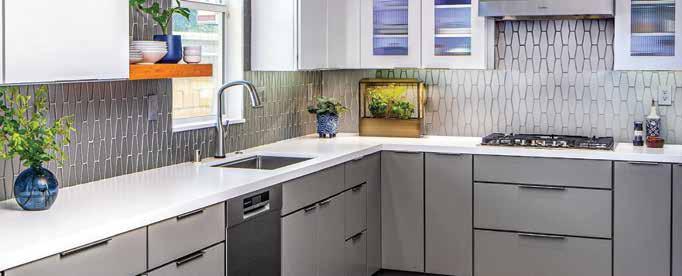



Agood garden center can make gardening easier and more enjoyable by helping you match plants to your space and your schedule. With the right provider, you can find healthy plants, dependable supplies and straightforward guidance that helps you avoid common setbacks and keep your garden looking steady through the seasons.
Garden centers can be regular stops for anyone who grows flowers, vegetables or shrubs. They bring together plants, seeds and tools in one place, and they can also serve as a local source of practical information. Choosing the right garden center is a useful step because it affects what you plant, how well it performs and how confident you feel when questions come up.
Many gardeners start by thinking about their goals, then looking for a center that supports them. If you want


low-maintenance color, you may prioritize staff who can help you choose plants that fit sun and shade conditions. If you are planning a larger landscape project, you may want a center that can explain timing, spacing and ongoing care in plain language.
Begin with a little research. Check a garden center’s catalog or website to see what it carries and how it explains its products. A helpful center does more than list items. It offers clear descriptions and basic care information that makes it easier to choose the right plants for your yard.
Recommendations matter in a local community. Ask friends and neighbors who garden what they like about their go-to center and what they wish they had known earlier. Their experiences can point you toward places with consistent plant quality or staff who take time to answer questions.
In many cases, the people behind the
counter are the difference between a pleasant season and a frustrating one. Look for staff who ask a few follow-up questions about light, soil and watering habits before recommending plants. That approach shows they are focused on fit, which can reduce wasted time and money.

Some garden centers also offer classes or hands-on training. If you are newer to gardening, that kind of support can help you learn the basics, like how to plant properly, how to water consistently and how to recognize early signs of stress. Even experienced gardeners can benefit from a refresher or a chance to ask questions before a new project.
Spend time looking closely at the plants. Healthy plants are generally well cared for, labeled clearly and kept in conditions that make sense for what they are. When plants look stressed or neglected, it
can be harder for them to bounce back at home, even with good care. It also helps to ask where plants come from. Plants grown in local greenhouses may be better suited to local conditions and may have fewer diseases. Knowing the source can help you make choices that are more likely to settle in successfully.
Finally, pay attention to labeling systems. Good labels help you identify plant types and characteristics so you can compare options, remember what you bought and plan where it will go. If you have questions about plant types, a reliable garden center should be able to explain what it carries and help you make informed decisions.












Finding the right window treatment store can make it easier to add privacy, manage light and bring a finished look to a room. A good provider helps you compare options in person, ask practical questions and choose materials that fit your home and budget. Seeing fabrics, finishes and operating systems up close also helps you judge color, texture and scale before you commit.
Online shopping can be convenient, but a local store lets you touch samples, hold them up to other finishes in your home and talk through what will work on your specific windows. That extra clarity can prevent surprises once everything is installed.
A smart first step is to visit with a few photos of your space and basic window measurements. Even if you are not ready to buy, browsing in a showroom can help you narrow your style and understand how different products function day to day.
Window treatments come in many price ranges, from basic blinds to more detailed shutters, shades or draperies. A well-stocked store will carry choices that fit different budgets while still helping you keep quality in view. Less expensive materials can work as a short-term solution, but you will want to ask how they hold up with daily use, sun exposure and frequent raising and lowering.
Look for a store that can show you a

wide range of fabrics and finishes, whether in stock or available to order.
Ask to see sample books and request guidance on how patterns and colors read in real rooms. Large prints and bold colors can dominate smaller spaces, so it helps to view swatches at a distance and in different lighting.
It is also worth asking how long orders typically take and whether the store can help you match an existing look. If you are coordinating with paint, flooring or furniture, bring a small reference item or a clear photo so staff can steer you toward workable combinations.
Before you shop, think about what you need most: privacy, room-darkening, glare reduction or a decorative finish. If budget is tight, start with the
rooms used most often and choose simpler treatments for spaces that get less traffic. That approach can keep costs manageable while still improving comfort where it matters.
Window shape affects price and complexity. Standard rectangular windows often have more straightforward options, while specialty shapes can require additional planning. If you have arches, triangles or other unusual windows, ask what styles are available and how the treatment will operate, clean and fit around trim.
Do not forget hardware. Ask to see the mounting systems, sliders and opening mechanisms and handle them yourself. These parts take daily wear, so it is reasonable to ask about durability and how repairs are handled. For draperies, discuss rod strength and support, especially for heavier fabrics.
Before ordering, review warranty coverage for materials, defects and installation. Even well-made products can perform poorly if installed incorrectly, so ask what is included and what steps you must follow if something goes wrong. You should also read the return policy carefully. Ask whether there are restocking fees, what condition items must be in and how long you have to bring them back. For custom products, it still helps to ask about options if there is a problem with fit or workmanship. Finally, make use of in-store expertise. Professionals can help you sort through sizes, styles and fabric choices so the final result works for you. A window treatment is something you will use every day, and a careful store selection can make the process smoother from first sample to final installation.
Agood oil change center can make routine vehicle care simpler, helping drivers stay on schedule without turning maintenance into an all-day project. Professional service also supports consistent recordkeeping, which can be useful when you want to track what has been done and when.
With many choices in most communities, the goal is to find a place that fits your routine and makes it easy to keep up with regular oil changes. A little planning up front can help you choose a center you feel comfortable returning to.
A smart first step is to think about what you value most, such as time, location or the ability to handle a few related tasks in one visit. Then you can compare nearby options with those priorities in mind.
For many drivers, the main advantage of an oil change center is the time savings. Ask about typical turnaround times at the day and time you are most likely to visit, since weekends and late afternoons can be busier.
It also helps to notice how the shop manages the flow of customers. A well-run center usually has a clear check-in process and staff who explain what will happen next. Even in a quick setting, you should not feel rushed through decisions.
Cost matters, but speed and price often connect to convenience. If you are

comparing locations, ask what is included in the basic service and what might cost extra. That way you can compare similar services instead of guessing based on a single advertised figure.
An oil change is easier to keep up with when the shop is close to home, work or a common errand route. A convenient location can reduce the temptation to delay maintenance because it feels like too much of a detour.
Think about practical details that affect a visit. Consider parking and the ease of entering and exiting the lot, especially if the shop sits near a busy intersection. If you plan to wait on-site, ask about waiting areas and estimated timing so you can plan the
rest of your day.
Consistency is part of good vehicle care. Choosing a nearby center you can return to makes it more likely that oil changes will happen at reasonable intervals, rather than only when the dashboard reminder becomes hard to ignore.
Many oil change centers can handle small maintenance items that pair naturally with an oil change. When you call or arrive, ask what the shop typically checks and what optional services are available. Common examples include topping off window washer fluid, replacing wiper blades or checking other fluids.
If a technician recommends additional work, ask for a clear explanation of what
they saw and why it matters. You can also ask whether the service is urgent or something to plan for later. Good communication helps you make decisions without pressure and it builds trust over time.
Reputation is another useful guide, especially for a service you may use repeatedly. Ask friends, family members, coworkers or neighbors where they go and why. Listen for details about reliability, how problems were handled and whether the final bill matched what was discussed.
An oil change is a routine task, but choosing the right center can make it feel easier and more predictable. Look for a shop that fits your schedule, offers the level of service you want and communicates clearly so you can keep your vehicle running smoothly with less hassle.
Heat pumps are a popular, efficient way to heat your home by transferring heat into the home in the winter and out of your home during the hot summer.
However, even with the highest quality units, it’s possible for them to leak from time to time, and there are a number of factors that can contribute to the issue. It’s no need for immediate alarm, but a leaking heat pump does need to be addressed by a heat pump repair expert. Ignoring a leak from your heat pump can lead to mold infestation, water damage in your home, and damage to the heat pump itself. Standing water within it can cause electrical issues and further breakdown, as well.
Following are some of the most common causes of heat pump leaks:
The cold evaporator coil in a heat pump collects condensation from the air, draining it into a pan that then leads to another drain. When this evaporator coil gets dirty, it can cause water to drip onto the ground and malfunction.
During the summer, if refrigerant levels drop to low, ice can actually form on the coils. This not only impairs the cooling process, but it also keeps your heat pump in Contra Costa from working properly. So, what creates the leaking water with frozen evaporator coils? The puddles of water you see are caused by the ice on those coils melting, in this case.

Most heat pumps use that drain pan mentioned above to collect condensation. However, should this drip pan become clogged with anything from algae to mold to debris, it might overflow and create a puddle near your heat pump. If the condensation pan is set incorrectly or the drain line gets clogged, water will overflow and cause
that leak you see. Usually, your pump will automatically shut off before this happens; however, the problem will still need to be addressed by HVAC experts before you can run your heat pump again.
Heat pumps pull humidity out of the air as part of the cooling process
– much like air conditioners. This humidity collects on the coils and drips to the overflow pain or drains. Over time, that pan could start to deteriorate or corrode, leading to it cracking. A leak you see could be caused by this cracked pan. Addressing small issues with your heat pump before they become bigger, more expensive issues is always a good idea.

A heat pump is of ten mis taken for an air c onditioner at fir st glanc e. What make s it differ ent is that it c an both heat and c ool a home using elec tricit y and r efriger ant . In c ooler months, heat is pulled fr om the outdoor air and tr ansfe rr ed indoor s ; in war mer months, the system pulls heat out of the indoor air .
*Zero Due At Si gnin g Enjoy your HVAC System NOW! Interest FREE unt il 2027.
*O.A.C.
**With 3.5% minimum monthly payment




We Are The Exper ts In Heat Pumps!
We install heat pumps for all electrification rebates.

Huge Rebate s & Incentives available that other companies may not be qualified to of fer!















Locally/Family O wned And Operated Since 1996