



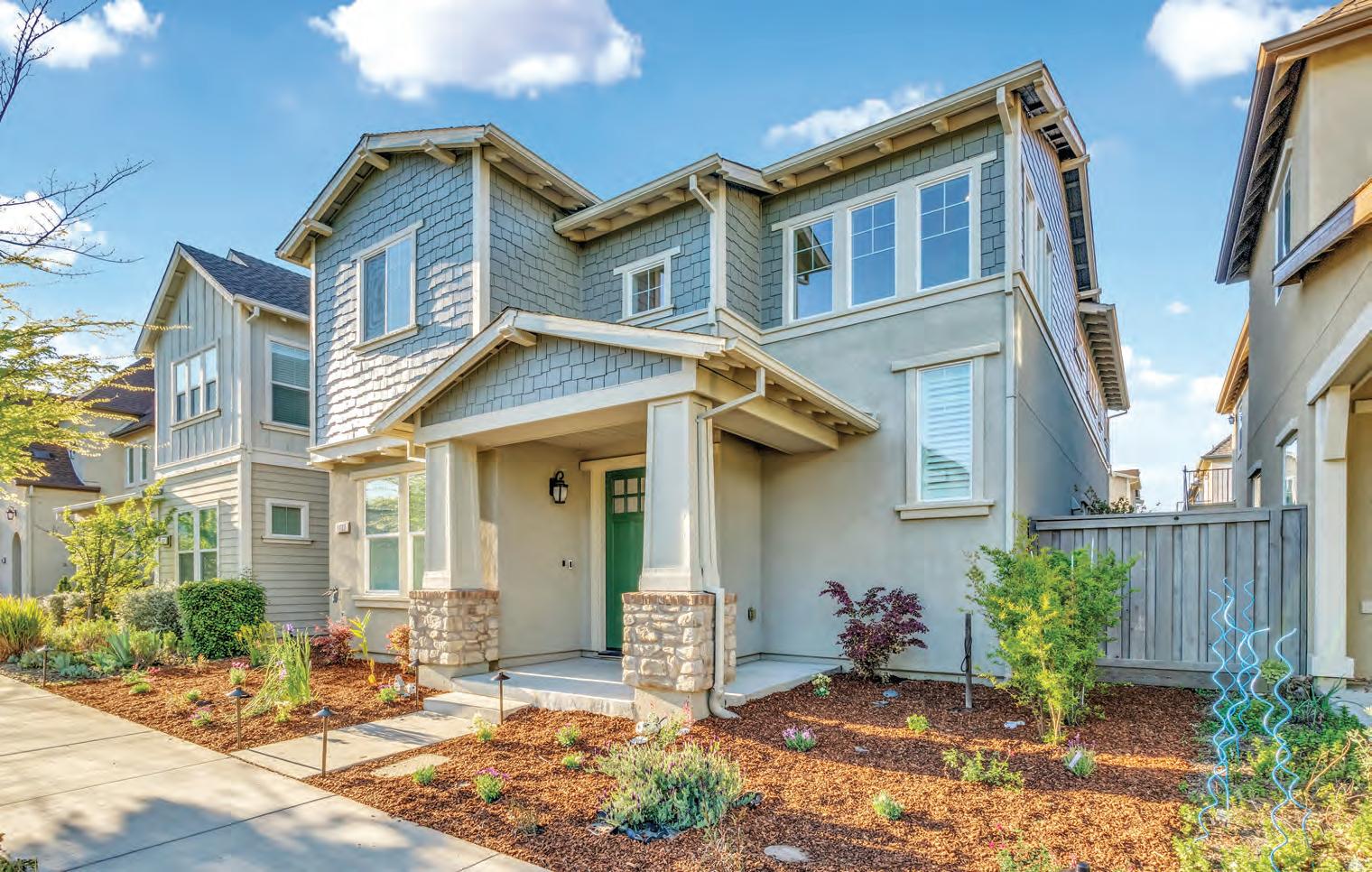





























Q: Our family bought a nice home out behind Vacaville. We closed escrow last summer. One of the reasons we bought this particular home was that we loved the fact the backyard backed up against this beauti ful orchard. It was like living on a farm. About three months ago, tractors showed up and bull dozed the entire orchard. They raked the uprooted trees into a couple of piles and burned them. We’ve just learned that a builder is going to come in and put up about 100 zero-lot line houses. This is going to ruin the whole reason we moved here. I know the builder has a right to build on his land if he wants to, but I can’t help but think that the seller of our house must have known about this. I know it takes a couple of years to go through the process of buying the property and getting all the plans and permits in place. Do you think I have a lawsuit against the seller because he didn’t warn me that this was going to happen?
A: Well … maybe.
You’re correct that the builder has a right to build the homes, assuming he got the proper permits. If you wanted to guarantee that the orchard would stay there you would have needed to buy it, or at least the development rights, from the owner.
So the fact a development is going in isn’t a legal issue, at least from your perspective.
Remember that a seller’s disclosure obligation is triggered only when the seller knows, or should have known, of something that would alter the value of the property in the mind of a reasonable buyer.
On the one hand, I think I
the substitution of 100 houses in place of an orchard would alter the home’s value to most people.
tion becomes, what did the seller know and what can you prove?
Maybe somewhere down the line the seller received a notice that a developer wanted to build houses behind their house. The notice is provided so people who -
opment can come to a Planning Commission meeting and voice

You can go to the city’s Planning Department and see who received a copy of the notice.
Assuming a notice was mailed to your seller, you have two remaining problems.
First, it may not be unreasonable to believe the seller didn’t read the notice, or didn’t understand the legal mumbo-jumbo it contained.
The delivery of the notice creates a presumption the seller knew about the pending development. But did he know the project was eventually approved? Can you show he understood the significance to you, maybe a year or more after receiving the notice?
The problem is always in the proof.
If the seller is a fairly literate, sophisticated individual, you may be able to make a good argument that he knew of the plans and either deliberately or
See Jones, Page 6





















Now that the big solar tax credit is gone, 65% to 75% of residential solar sales are using the power purchase agreement model, according to a Google AI overview.

I always thought that a PPA was the same thing as a solarleased system, but I was wrong. The two models are both third-party ownership options for installing solar without upfront costs. The difference is that a PPA charges you a variable rate per kWh for electricity generated, while a lease involves a fixed, consistent payment.
The main purpose of this column is to beat up bank underwriting departments around the world and have them wake up, smell the coffee and see the solar sunlight.
Funny, when I ask if Fannie, FHA, VA requires a solar UCC-1 to be subordinated, AI says yes, if it is recorded against the land title, creating a lien on the real estate. See, even AI is being stupid or ignorant because a recorded UCC-1 only secures a lien against the personal property on the land.
Now a lender can record a UCC-1 and a deed of trust if they are doing a loan secured by both the real and chattel property. A lender doing an agricultural loan secured by
Aspiring to save money in retirement makes perfect sense. Once professionals call it a career and are no longer drawing a paycheck, cutting back on expenses can be a sound decision that ensures seniors won’t outlive their money. And housing remains a significant expense, even for retirees who own their homes and no longer have monthly mortgage payments to make.
Many retirees seeking ways to save money consider downsizing their homes. According to the National Association of Retailers, 12% of people between the ages of 60 and 69 who move indicated their home was too large, and that percentage grows among movers between the ages of 70 and 78 (16%) and those who move after turning 79 (18%). Downsizing a home in retirement can seem like an ideal means to saving money after calling it a career, but individuals pondering such a move should consider a number of variables before putting their homes up for sale.
Downsizing may help retirees lower their property tax obligations, reduce their utility bills and lower their monthly mortgage payments (for those who are still paying off a mortgage on their current homes), but that does not mean moving will not incur new expenses that render such savings moot. Expenditures like closing costs, real estate commissions, moving-related expenses, and capital gains taxes can quickly add up. In addition, retirees who currently do not pay homeowner’s association fees
may be subjected to such fees when moving into a new home, and those fees can be substantial and hard to avoid. Indeed, recent data from the U.S. Census Bureau indicated that 71% of new constructions in the western and southern United States were built in communities with homeowner’s associations. Prior to downsizing, current homeowners should calculate all of the costs related to relocating, including anticipated HOA fees, to see if downsizing is to their financial benefit.
Another variable that merits consideration is the impact that moving can have on seniors’ social lives. The World Health Organization reports that more than one in 10 seniors experiences loneliness, which can adversely affect their physical and mental health and potentially reduce their life expectancy. Retirees currently living in communities in which they are socially active should weigh the effects of leaving that social network behind. Retirees also can weigh the benefits of moving to 55 and over communities where they will be surrounded by people at a similar stage in life, and how living in such developments may improve their social lives.
Downsizing will require an adjustment period and a willingness to adapt. Retirees may have an emotional attachment to their current homes, and leaving that behind can be a difficult adjustment. Adapting to life in a new community also can be challenging, particularly if retirees are moving from areas where there
are no restrictions regarding their properties to communities where homeowners’ associations must approve of any changes to properties. Moving also may require finding new health care professionals, which can be a par ticularly difficult adjustment for retirees who have spent years building a strong rapport with their current health care team. Downsizing a home might be a pathway to more finan cial freedom for many retirees. Seniors considering such a move can consider a number of vari ables to determine if moving is in their best interest.




These are the local homes sold recently, provided by California Resource of Lodi. The company can be reached at 209.365.6663 or CalResource@aol.com.
TOTAL SALES: 2
LOWEST AMOUNT: $739,000
HIGHEST AMOUNT: $805,000
MEDIAN AMOUNT: $772,000
AVERAGE AMOUNT: $772,000
505 Capitol Drive - $805,000
01-15-26 [3 Bdrms - 1745 SqFt - 1980
YrBlt], Previous Sale: 04-04-16, $540,000
253 Carlisle Way - $739,000
01-16-26 [3 Bdrms - 1365 SqFt - 1973
YrBlt], Previous Sale: 11-04-02, $256,500
TOTAL SALES: 7
LOWEST AMOUNT: $430,000
HIGHEST AMOUNT: $3,000,000
MEDIAN AMOUNT: $525,500
AVERAGE AMOUNT: $885,643
1235 Baylor Way - $570,000
01-12-26 [3 Bdrms - 2169 SqFt - 2014
YrBlt], Previous Sale: 09-11-19, $480,000
715 Berkshire Court - $500,000
01-16-26 [3 Bdrms - 1711 SqFt - 1978
YrBlt]
865 Camelia Drive - $430,000
01-12-26 [3 Bdrms - 1092 SqFt - 1977
YrBlt], Previous Sale: 01-03-22, $440,000
925 Charity Lane - $649,000
01-14-26 [3 Bdrms - 1956 SqFt - 1983
YrBlt], Previous Sale: 01-24-19, $418,000
8009 Doyle Lane - $3,000,000
01-15-26 [4 Bdrms - 2731 SqFt - 1911
YrBlt], Previous Sale: 00/1991, $290,000
420 Mckenzie Drive - $525,500
01-13-26 [3 Bdrms - 1380 SqFt - 1971
YrBlt]
570 Woodard Way - $525,000
01-16-26 [3 Bdrms - 1260 SqFt - 1996 YrBlt], Previous Sale: 11-24-03, $299,000
TOTAL SALES: 13
LOWEST AMOUNT: $221,500
HIGHEST AMOUNT: $1,600,000
MEDIAN AMOUNT: $618,000
AVERAGE AMOUNT: $666,154
1019 Buchanan Street - $275,000
01-12-26 [3 Bdrms - 980 SqFt - 1953
YrBlt], Previous Sale: 00/1992, $112,000
1575 Feast Court - $672,500
01-12-26 [4 Bdrms - 53 SqFt - 2024 YrBlt], Previous Sale: 08-01-24, $670,000
3650 Fullerton Court - $755,000
01-14-26 [4 Bdrms - 2462 SqFt - 1995
YrBlt], Previous Sale: 08-13-25, $560,000
1920 Grande Circle #92 - $221,500
01-12-26 [2 Bdrms - 1095 SqFt - 1982
YrBlt], Previous Sale: 12-29-16, $85,000
1960 Grande Circle #41 - $244,000
01-16-26 [2 Bdrms - 1095 SqFt - 1982 YrBlt], Previous Sale: 10-13-21, $238,000
3380 Hidden Valley Lane - $1,600,000
01-12-26 [4 Bdrms - 6176 SqFt - 1987 YrBlt], Previous Sale: 10-26-21, $1,725,000
296 Honeysuckle Drive - $520,000
01-15-26 [3 Bdrms - 1352 SqFt - 1974 YrBlt], Previous Sale: 04-09-15, $300,000
3291 Inwood Place - $535,000
01-14-26 [2 Bdrms - 1409 SqFt - 2005 YrBlt], Previous Sale: 04-13-11, $222,000
3216 Lagunita Circle - $618,000
01-16-26 [4 Bdrms - 1782 SqFt - 1999 YrBlt], Previous Sale: 09-19-03, $391,000
1731 Michigan Street - $449,000
01-12-26 [3 Bdrms - 984 SqFt - 1956
YrBlt], Previous Sale: 06-29-15, $270,000
5109 Napa Shore Drive - $625,000
01-12-26 [3 Bdrms - 1328 SqFt - 2001
YrBlt], Previous Sale: 10-20-25, $340,000
2943 Saint Andrews Road - $995,000
01-13-26 [3 Bdrms - 2316 SqFt - 1999
YrBlt], Previous Sale: 07-09-13, $529,000
5010 Sleepy Hollow Lane - $1,150,000
01-12-26 [4 Bdrms - 2522 SqFt - 1979 YrBlt]
TOTAL SALES: 2
LOWEST AMOUNT: $59,500
HIGHEST AMOUNT: $500,000
MEDIAN AMOUNT: $279,750
AVERAGE AMOUNT: $279,750
513 De Flores Circle - $500,000
01-14-26 [4 Bdrms - 1859 SqFt - 1998
YrBlt], Previous Sale: 10-14-19, $405,000
900 Morgan Lane - $59,500
01-15-26 [3 Bdrms - 1958 SqFt - 1970 YrBlt], Previous Sale: 07-24-20, $389,000
TOTAL SALES: 8
LOWEST AMOUNT: $300,000
HIGHEST AMOUNT: $600,000
MEDIAN AMOUNT: $524,000
AVERAGE AMOUNT: $501,000
1771 Beale Circle - $600,000
01-15-26 [3 Bdrms - 1580 SqFt - 2004
YrBlt], Previous Sale: 04-06-09, $255,500
518 Blue Wing Drive - $520,000
01-13-26 [4 Bdrms - 1890 SqFt - 1978
YrBlt], Previous Sale: 08-09-98, $135,200
1203 Heron Drive - $530,000
01-13-26 [4 Bdrms - 1536 SqFt - 1978
YrBlt]
400 Morgan Street - $300,000
01-13-26 [3 Bdrms - 2402 SqFt - 1885
YrBlt], Previous Sale: 06-21-10, $174,500
91 Mosswood Drive - $500,000
01-15-26 [3 Bdrms - 1384 SqFt - 1977
YrBlt], Previous Sale: 10-23-19, $395,000 1023 Pintail Drive - $460,000
01-13-26 [3 Bdrms - 1088 SqFt - 1982
YrBlt], Previous Sale: 10-30-00, $162,000
1016 Prairie Drive - $570,000
01-12-26 [4 Bdrms - 1308 SqFt - 1982
YrBlt], Previous Sale: 05-14-25, $390,000
923 Steller Way - $528,000
01-16-26 [3 Bdrms - 1090 SqFt - 1986
YrBlt], Previous Sale: 07-07-25, $360,000
TOTAL SALES: 14
LOWEST AMOUNT: $232,500
HIGHEST AMOUNT: $850,000
MEDIAN AMOUNT: $617,500
AVERAGE AMOUNT: $599,000
1951 Aletha Lane #4 - $300,000
01-12-26 [3 Bdrms - 1008 SqFt - 1978
YrBlt], Previous Sale: 04-19-16, $138,000
524 Arcadia Drive - $232,500
01-13-26 [1 Bdrms - 687 SqFt - 1983
YrBlt], Previous Sale: 05-13-24, $260,000
4595 Beck Lane - $837,500
01-15-26 [3 Bdrms - 1446 SqFt - 1978
YrBlt]
1006 Champion Place - $720,000
01-16-26 [3 Bdrms - 2042 SqFt - 2004
YrBlt], Previous Sale: 01-28-04, $490,040
397 Crimson Circle - $850,000
01-16-26 [4 Bdrms - 3121 SqFt - 2017
YrBlt], Previous Sale: 07-27-17, $608,000
1012 Feather River Court - $737,000
01-14-26 [3 Bdrms - 1728 SqFt - 2003
YrBlt], Previous Sale: 10-13-16, $498,000
1120 Fox Hound Road - $520,000
01-13-26 [3 Bdrms - 1542 SqFt - 1989 YrBlt], Previous Sale: 09-15-11, $231,000
2042 Hamstead Court - $660,000
01-13-26 [5 Bdrms - 2159 SqFt - 2009 YrBlt], Previous Sale: 12-02-09, $332,000
140 East Hemlock Street - $580,000
01-16-26 [3 Bdrms - 1144 SqFt - 1958
YrBlt], Previous Sale: 08-28-25, $405,000
730 Morissette Way - $524,000
01-16-26 [3 Bdrms - 1249 SqFt - 1988 YrBlt]
220 Roundhill Drive - $515,000
01-14-26 [3 Bdrms - 1380 SqFt - 2001
YrBlt], Previous Sale: 02-24-05, $375,000
438 Tilden Circle - $600,000
01-14-26 [3 Bdrms - 2205 SqFt - 2007 YrBlt], Previous Sale: 06-27-23, $660,000
313 Timber Drive - $635,000
01-13-26 [3 Bdrms - 1550 SqFt - 1975 YrBlt]
227 Wisteria Circle - $675,000 01-13-26 [4 Bdrms - 2184 SqFt - 2017 YrBlt], Previous Sale: 08-15-22, $720,000
TOTAL SALES: 14
LOWEST AMOUNT: $305,000 HIGHEST AMOUNT: $789,000
MEDIAN AMOUNT: $493,500
AVERAGE AMOUNT: $530,321
831 5th Street - $393,500 01-12-26 [3 Bdrms - 1104 SqFt - 1962 YrBlt]
8707 Aquamarine Drive - $789,000
01-13-26 [5 Bdrms - 2871 SqFt - 2019 YrBlt], Previous Sale: 09-18-19, $708,000
818 Ashwood Avenue - $492,000 01-15-26 [3 Bdrms - 1200 SqFt - 1954 YrBlt]
443 Baywood Drive - $485,000
01-16-26 [3 Bdrms - 1482 SqFt - 1954 YrBlt], Previous Sale: 03-09-16, $347,000
825 Brookwood Avenue - $535,000
01-12-26 [3 Bdrms - 1260 SqFt - 1954 YrBlt], Previous Sale: 07-01-25, $401,500
81 Del Sur Street - $495,000
01-16-26 [2 Bdrms - 1411 SqFt - 1992 YrBlt], Previous Sale: 03-25-03, $312,000
117 Farallon Drive - $645,000
01-15-26 [3 Bdrms - 1670 SqFt - 1961 YrBlt]
2115 Georgia Street - $415,000
01-13-26 [2 Bdrms - 928 SqFt - 1940 YrBlt], Previous Sale: 03-19-98, $91,802
111 Harris Way - $475,000
01-16-26 [3 Bdrms - 1097 SqFt - 1951 YrBlt], Previous Sale: 11-19-13, $238,500 957 Oakwood Avenue - $455,000 01-12-26 [4 Bdrms - 1212 SqFt - 1951 YrBlt], Previous Sale: 09-27-22, $420,000
165 Oddstad Drive #57 - $305,000 01-12-26 [2 Bdrms - 1139 SqFt - 1981 YrBlt], Previous Sale: 03-13-19, $245,000 2743 Overlook Drive - $740,000 01-12-26 [3 Bdrms - 3165 SqFt - 2002 YrBlt], Previous Sale: 08-04-09, $385,000
6320 Pebble Beach Drive - $700,000 01-15-26 [3 Bdrms - 2417 SqFt - 1999 YrBlt], Previous Sale: 09-02-14, $445,000
216 Phelan Avenue - $500,000 01-13-26 [2 Bdrms - 1223 SqFt - 1939 YrBlt], Previous Sale: 06-10-20, $365,000
These are the local homes sold recently, provided by Yolo County Association of Realtors. They can be reached at 530.666.4253 or info@yolorealtors.com.
3216 Oyster Bay Ave, $985,000 03-10-26, (4 bdrms - 1,715 sqft - 1983 Yr blt), Previous Sale $981,000 03-4-2022
2708 Pole Line Road #4, $355,000 03-11-26, (2 bdrms - 819 sqft - 1971 Yr blt), Previous Sale N/A
2803 Bidwell St #2, $365,000
03-11-26, (2 bdrms - 903 sqft - 1972 Yr blt), Previous Sale $350,000 10-31-2021
39913 Sharon Ave, $900,000
03-11-26, (4-5 bdrms - 2,704 sqft, 1955 Yr blt), Previous Sale N/A
909 Bienville St, $625,000
03-11-26, (3 bdrms - 1,379 sqft - 1977 Yr blt), Previous Sale N/A
1522 Orange Ln, $845,700
03-12-26, (3 bdrms - 1,420 sqft - 1966 Yr blt), Previous Sale $649,000 2-7-2018
114 Guaymas Pl, $435,000
03-12-26, (2 bdrms - 1,300 sqft - 1984 Yr blt), Previous Sale N/A
2408 Leonardo St, $835,000
03-12-26, (3-4 bdrms - 1,554 sqft - 1998 Yr blt), Previous Sale N/A
1213 Arthur St, $589,000
03-12-26, (2-3 bdrms - 1,276 sqft - 1978 Yr blt), Previous Sale N/A
2309 Okeeffe Pl, $1,285,000
03-14-26, (4 bdrms - 2,608 sqft - 1990 Yr blt), Previous Sale N/A
375 W 8th St, $1,578,000
03-16-26, (3-4 bdrms - 3,756 sqft - 1956 Yr blt), Previous Sale N/A
28764 Country Road 4, $80,000
03-12-26, (3 bdrms - 1,360 sqft - 2007 Yr blt), Previous Sale N/A
26605 State Highway 16, $575,000
03-12-26, (2 bdrms - 1,800 sqft - Unknown Yr blt), Previous Sale N/A
26262 County Road 21a #36, $123,000
03-16-26, (2 bdrms - 1,536 sqft - 1978 Yr blt), Previous Sale N/A
701 Niemann St, $580,000
03-12-26, (3 bdrms - 1,763 sqft - 2022 Yr blt), Previous Sale N/A See Yolo, Page 6

ABOVE: Augusta Lavender heliotrope will bring in all your favorite butterflies like this eastern tiger swallowtail.
RIGHT: A morning ray of sun shines through to the pollinator garden featuring Augusta Lavender heliotrope, Heat It Up Yellow blanket flower, Meant to Bee Queen Nectarine and Meant to be Royal Raspberry agastache along with Rockin Blue Sueded Shoes salvia.
NORMAN WINTER/TNS PHOTOS
This growing season marks the sixth year that Augusta Lavender heliotrope has been at home in my garden. This isn’t bad for a plant first predicted to be hardy to zone 9. (I am in Georgia, zone 8.)
The first few years it seemed like Augusta Lavender was not an annual or perennial but an eternal. I suppose it still might be, but in saying that I was refer ring to its bloom season. I’ve got pictures of it blooming just about every month. But after the 2025 season, it makes me think it has some power of reasoning. I’m kidding, but let me explain.

Since the last time I wrote about Augusta Lavender heliotrope, it has continued winning more awards, from Canada to the University of Florida. The awards also include perfect scores at University of Missouri
and Oklahoma State University.
In these 6 years it seems that there is no butterfly that it can’t attract. You will find all the large swallowtails down to the daintylooking fiery skipper. So plan to include the Augusta Lavender heliotrope into your pollinator gardens.
This past year I used it in a new combination featuring Limelight Prime hydrangea paniculata with white blooms

Last year was my hardest year for gardening. We came out of a hard winter to a glorious spring. Then the water shut off, in more ways than one. Drought came like I haven’t had since moving to Georgia. And then to make matters worse, I had irrigation system issues that hung around most of the summer.
The white-haired Garden Guy dragged hoses until I was ready to cry uncle. It meant water rationing for my plants, including some that didn’t get what they needed.
The Augusta Lavender heliotrope disappeared. I thought to myself how could I do that to one of my most loved plants to come out in a decade? After we got into football season, surprisingly, all the clumps returned. Even after one arctic blast after another, they are still there and most are showing some color.
Usually when you consider a plant with such a habit your thought may be: Is it aggressive? This is simply not the case. After six years, it is a mild-mannered, tough-as-nails perennial in my








Sustainable home upgrades aren’t just about helping the environment anymore –they’re about controlling your monthly expenses. According to Angi’s 2025 State of Home Spending Report, homeowners are increasingly prioritizing projects that reduce operating costs rather than purely cosmetic renovations. As utility prices and maintenance expenses rise, many homeowners are realizing the most valuable upgrade isn’t what you see –it’s what you stop paying for.
One of the biggest shifts we’re seeing is homeowners starting with efficiency before aesthetics. Before remodeling a kitchen or bathroom, homeowners are sealing air leaks, improving insulation and servicing HVAC systems. Homeowners should think of their house as a system: When heating and cooling escape through gaps, you’re essentially paying to heat or cool the outdoors. A profes-
From Page 2
negligently said nothing.
The second problem you’ll encounter is trying to figure out your damages, which is a legal way of asking how much money you’re suing for.
The amount you can sue for will be determined by the difference between what you paid for the house and the home’s value after the development is complete.
Even though the orchard was very pretty and obviously
sional energy audit can identify problem areas, and even simple fixes like weatherstripping, attic insulation or duct sealing can quickly lower energy bills.
Technology is also making sustainable living easier and more accessible. Smart thermostats, leak detectors and automated irrigation systems allow homeowners to control energy and water use in real time. A smart thermostat adjusts temperatures when you’re away, while a water sensor can alert you to a leak before it becomes a costly repair. These smaller upgrades are often the best place to start because they require little disruption to the home and can pay for themselves quickly in avoided repairs and lower utility costs.
Water efficiency is another area where homeowners can see immediate benefits. Many homeowners don’t realize water damage is one of the most common and expensive home repairs. As a solution, install leak-detection devices near water heaters and washing machines and under sinks, and upgrade to low-flow showerheads and toilets. Outdoors,
important to you, I think you’re going to have a lot of problems finding an appraiser who will say the value of the property has dropped by more than a $1,000, if that much.
Unless you can prove you’ve suffered monetary damages you don’t have a lawsuit.
Obviously you’ll have to get more facts before you decide what to do.
Tim Jones, Esq., is a real estate attorney in Fairfield. If you have any questions you would like answered in this column you can send an email to AllThingsRealEstate@TJones-Law.com.

Installing a leak detector near plumbing fixtures is a simple upgrade that can prevent significant repair costs.
smart irrigation controllers prevent overwatering and help avoid foundation and landscaping issues, especially during changing seasonal weather patterns. Material choices matter, too. Instead of selecting finishes based only on appearance, homeowners are choosing durable materials that last longer and require less maintenance. Fiber-cement siding,
From Page 4
953 Kennedy Dr, $735,000
03-16-26, (4 bdrms - 2,440 sqft - 2016 Yr blt), Previous Sale N/A
1281 Bray Dr, $619,000
03-9-26, (4 bdrms - 1,765 sqft - 2023 Yr blt), Previous Sale N/A
1712 House Dr, $815,000
03-9-26, (4 bdrms - 3,164 sqft - 2022 Yr blt), Previous Sale N/A
548 2nd St, $1,095,000
03-10-26, (5-6 bdrms - 4,600 sqft - 1885 Yr blt), Previous Sale $589,000 11-03-2011
From Page 3
the land and the 1,000 head of cattle on the land might record both, and a commercial lender will record both when they are doing a loan on a restaurant where the borrower owns the land and the business, which includes $200,000 worth of ovens, stoves, refrigerators and furniture. But if the loan is only secured by a UCC-1, the real estate is free of any lien. A restaurant lender might want the borrower to put up their first-born child too.
composite decking, and long-life roofing materials may cost more upfront, but they reduce repair frequency and replacement costs over time. Sustainable design often means fewer projects later – and fewer surprise expenses.
The good news is you don’t need solar panels or a major renovation to make a home more
See Hicks, Page 12
1337 Adams Ct, $450,884
03-11-26, (3 bdrms - 1,308 sqft - 1987 Yr blt), Previous Sale $209,900 5-1-2008
1414 Jimeno Ln, $697,000
03-11-26, (3 bdrms - 2,057 sqft - 1953 Yr blt), Previous Sale $450,000 12-11-2017
23 Cross St, $408,430
03-12-26, (2 bdrms - 1,040 sqft - 1948 Yr blt), Previous Sale $365,000 5-8-2006
627 Lola Dr, $420,000
03/103/26, (3 bdrms - 1,515 sqft - 1960 Yr blt), Previous Sale N/A
742 Harvard Bend, $525,000 03/103/26, (3 bdrms - 1,370 sqft - 1979 Yr blt), Previous Sale $344,995 7-15-2004
903 Walker Pl, $800,000, 03-16-26, (4-5 bdrms - 2,544 sqft - 2000 Yr blt), Previous Sale N/A
2021 Santos St, $760,000 03-16-26, (4 bdrms - 2,282 sqft - 2024 Yr blt), Previous Sale N/A
Here is this week’s gripe to Fannie, Freddie, VA and FHA. Why do we count the solar PPA and the solar lease payment against the borrower? We do not count the PG&E bill in the debt ratios, and the solar saves the consumer 10% to 30% on the utility cost. The PPA is a competitor to PG&E and the monthly cost should not be counted in the debt ratios.
Jim Porter, NMLS No. 276412, is the branch manager and senior loan adviser of Solano Mortgage, NMLS No. 1515497, a division of American Pacific Mortgage Corporation, NMLS No. 1850, licensed in California by the Department of Financial Protection and Innovation under the CRMLA / Equal Housing Opportunity. Jim can be reached at 707-449-4777.
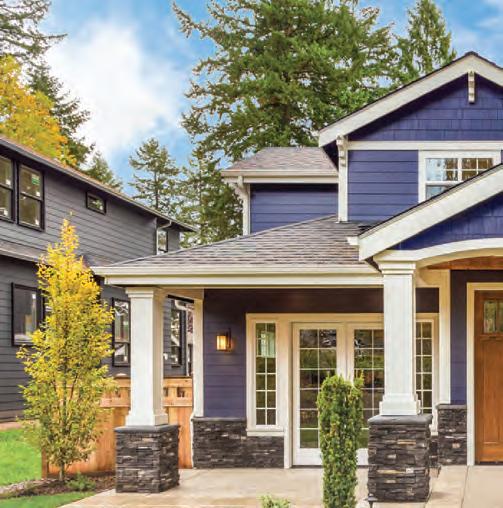


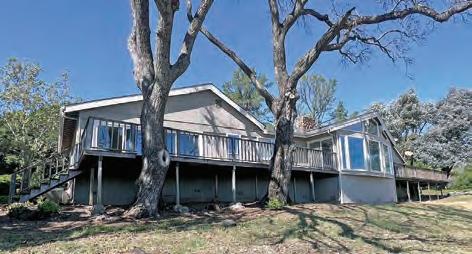




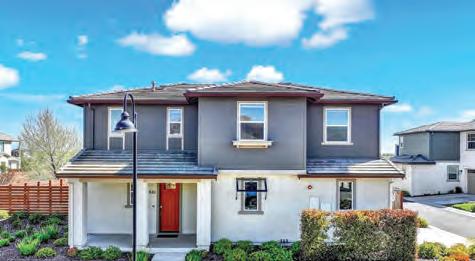





















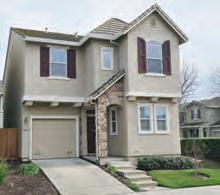
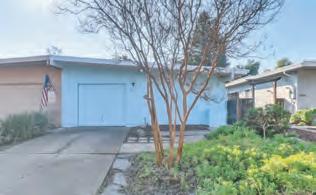
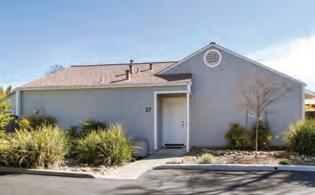



























































































Buying your first home can be thrilling, but it can also be stressful. After all, it’s likely one of the most impactful financial decisions you’ll make.
Keeping yourself informed can make the experience of getting a mortgage much smoother – so before you get started, consider this list of major mistakes to avoid when buying your first home.
You’re not going to get the same mortgage rate and fees everywhere. Comparing different mortgage offers is the best way to get a good deal on your interest rate and closing costs.
“Talking to [just] one lender is like walking into a car dealership and willingly paying the sticker price – never a great idea,” says Mark Hamrick, senior economic analyst for Bankrate. “Mortgage pricing varies a lot, even for the same borrower. Getting multiple rate quotes is one of the easiest ways to lower your payment. It also can provide peace of mind, knowing that you’ve done your best to reduce costs.”
Comparison-shopping could save you big money: A fraction of a difference on your mortgage rate could mean tens of thousands of dollars in interest over the course of a 30-year loan. You’ll also want to pay attention to the upfront fees each lender charges.

Keep in mind that the mortgage amount you’re preapproved for does not factor in cost-of-living. That means major costs like transportation, healthcare, childcare and more need to be accounted for when determining how much house you can afford.
It’s easy to want to hop to the fun part of shopping for a home, but it’s important to have your finances in order first. So, before you go to any open houses, get preapproved with a mortgage lender. That way, you’ll have a solid idea of how much you can really afford – and when you find a home you want to buy, you can put in a solid offer.
Preapproval requires a credit check, and you’ll need to submit documentation proving your income, assets and debts (like bank statements, pay stubs and tax returns). Not only does preapproval give your offer legs, but it’s good practice for applying for a mortgage formally when your offer is accepted.
When you get preapproved, you might also consider locking in your interest rate. Doing so will help you get a handle on costs and lessen any concerns about rising rates when you do make an offer.
The long-held belief that buyers must put down a full 20% of the home price is a myth. While a 20% down payment does help you avoid having to pay for mortgage insurance, many buyers today don’t want to (or can’t) put down that much money, and most loan products won’t require you to.
The amount that will work best for you depends on which loan type you choose, and also on your credit score, your rate
and how long you plan to stay in the home. Conventional loans and FHA loans are the most common for first-time homebuyers. If you qualify, conventional loans can require as little as 3% down and FHA loan requirements can be as low as 3.5%.
In 2025, the typical down payment on a home for first-time buyers was 10%, according to data from the National Association of Realtors. Some properties, like co-ops or condos, could still require a larger down payment, so check with your real estate agent about specific requirements and budget accordingly.
Trying to time either the housing market or the mortgage market can be a bit of a fools’ errand. Ideally, you don’t want to buy at the top of the market, but you need to make the move when it makes sense for you logically, not necessarily when all of the economic stars align.
“Mortgage rates move on economic data, on Federal Reserve expectations and on any given financial headline – these are all things we can’t control,” says Hamrick. “Fortunately, we can control the following: our credit score, paying our bills on time, managing our borrowing, the amount of the down payment and shopping around for a loan.”
Shopping for your first home can come with a lot of feelings. You start to imagine your future
Mistakes, Page
storm is raging out doors, but you and your family are safely tucked away in your cozy home ... that is, until the power goes out. You don’t know if the outage will last minutes, hours or days, but you do know that you need backup power quick to keep the heat and lights on and necessary appliances like your fridge running.
The first solution you might think of is your gas generator. However, you can’t safely use it indoors, and it might be too dan gerous to brave the weather to run the generator outdoors. Plus, you may not have enough gas to turn the generator on, let alone power what you need.

Instead of hoping the power comes back on sooner rather than later, consider upgrading to a safer, reliable backup power source: a solar generator.
Power outages are becoming more and more common. According to the U.S. Energy
Administration, Americans averaged 11 hours of outages in 2024 – nearly double the prior decade’s average. States that experienced the most time without power dealt with major weather events like hurricanes.
Given the increase and duration of power outages, it pays to be prepared to weather the storm comfortably and safely inside your home.
For decades, gas generators were the go-to backup power solution for many homes. However, gas has many drawbacks.
First and foremost, gas generators create carbon monoxide, which means they’re not safe to run inside your home or garage. Depending on the storm, they
See Keep, Page 14
and additional color coming from other perennials. I also used Luminary Ultraviolet tall garden phlox, and Serendipity ornamental onion in side yard planting.
In the backyard that has larger beds, I used Augusta Lavender with Meant to Bee Queen Nectaraine and Meant to Bee Royal Raspberry agastache. The bed also included Heat it Up Yellow blanket flower and Rockin Blue Suede Shoes salvia. It is also a pure delight in mixed containers.
Augusta Lavender heliotrope doesn’t seem persnickety over soil type if it is well-drained. Boggy soil and tight compacted clay are not your friend. I’m always wishing for a little more sun, but it looks as though I am in a happy place.
The tag reads up to 24 inches wide with a potential spread of 3 feet. Usually, I am a little larger than the tag, but in this case, I am just a little smaller ,which is just fine. On the other hand, since it is perennial for me, I have taken the liberty of digging a small sprout or two and placing them around the garden.
Maintenance is easy. I like to feed those in containers with dilute water-soluble fertilizer

sustainable. My key advice is to start small: Install LED lighting, service your HVAC system annually, add insulation, and consider one smart home device that monitors energy or water. Sustainable homes aren’t necessarily high-tech or futuristic – they’re simply homes designed to prevent waste, avoid damage, and make homeownership more predictable and affordable.





Augusta Lavender heliotrope will bring in smaller butterflies too like this fiery skipper.
every two to three weeks. Those in beds incorporate controlledrelease granules at planting and about every six to eight weeks or per your formula recommendation. At any time that the plant habit seems loose or open, feel free to cut back by one-fourth to shape up.
If you have not tried the award-winning Augusta Lavender heliotrope, make 2026 the year you do. I am positive you will be giving it an award too.
Norman Winter is a horticulturist, garden speaker and author of “Captivating Combinations: Color and Style in the Garden.” Follow him on Facebook @NormanWin terTheGardenGuy. He receives complimentary plants to review from the companies he covers.















































From Page 11
there, perhaps raising a family there, daydreaming about how you can make a space your own. It’s only natural to have high hopes and dreams – the key is to avoid letting those feelings deter you from being practical when it comes to your budget and longterm goals.
“Emotional purchases rarely work out well,” says Ken Johnson, Walker Family Chair of Real Estate at the University of Mississippi. “Keep in mind that this is your first home. That mostly means it’s designed to get you in the homeownership game.”
Especially as a first-time buyer, you have to balance the high emotions of homebuying with the financial fundamentals. Otherwise, it’s easy to get in over your head.
Stretching your budget thin to buy a home you fall in love with is another mistake to avoid. With high home prices and mortgage rates, it’s especially important for first-time buyers not to overextend themselves.
“If the specific monthly mortgage payment makes you
uncomfortable on closing day, it’ll hurt a lot more down the line, when the total cost of ownership literally hits close to home,” says Hamrick. “Repairs, renovations, insurance and property taxes all add up.”
Owning a home costs over $21,000 a year in “hidden” expenses, according to a 2025 Bankrate study.
Keep in mind that the mortgage amount you’re preapproved for does not factor in cost-ofliving. That means major costs like transportation, healthcare, childcare and more need to be accounted for when determining how much house you can afford.
“As the saying goes, date the rate, marry the house,” says Hamrick. “If rates improve later, refinancing can be an option down the road. Overbuying is harder, and nearly impossible to fix.”
It’s natural to want to start making purchases for your new home once you go into contract. But pump the brakes, says Melissa Cohn, regional vice president for William Raveis Mortgage.
“When you buy a new home, many people need to buy furniture or other big-ticket items,” Cohn says. “Even though we tell our clients not to apply for new credit or increase their debt prior
to closing, many people will make these large purchases prior to the closing. This new debt can cause your debt-to-income [ratio] to rise above the maximum percentage allowed – and that can cause you to get turned down and have no place to put your new purchases.”
Even if your new debt doesn’t cause the loan to fall through altogether, it can have other ramifications, says Johnson. New debt can slow down the loan process, lower the amount you qualify for and potentially cause your interest rate to rise.
“There is nothing good that can come from adding debt during a real estate deal,” he says. Wait until the deal is done before you make those purchases.
There are a variety of loan options available to first-time homebuyers that aren’t always talked about by loan officers or real estate agents.
“Some buyers will just rely on the advice of their real estate agent or the first mortgage banker they speak to. That may not always be the best advice,” says Cohn.
For example, if your credit isn’t stellar, you might have trouble qualifying for a conventional loan. For those whose credit score would disqualify them from a conventional loan,
an FHA loan – which has lower minimum score requirements – is often a viable alternative.
However, says Cohn, a lot of banks or brokers will promote FHA loans to first-time buyers when perhaps another type would be a better option.
“FHA loans have high upfront closing costs, and the slightly lower rate does not properly compensate for the upfront fees, especially if you think rates will come down this year and you will want to refinance,” she says.
Other options can include VA loans, which are available to eligible active-duty and veteran military service members and their spouses, and USDA loans, which help moderate- to lowincome borrowers buy homes in certain rural areas.
Which choice is best for you all depends on what your finances look like and what you qualify for.
A common mistake first-time homebuyers make is draining their savings to cover closing costs or put down the largest possible down payment. While this could help you get a lower rate or pay less in fees, it also puts you at risk.
Homeowners have to be prepared for the costs of maintenance, repairs and emergencies.
For instance, if you move in and, two months later, your furnace gives out, you need to have funds available to pay for the repair. Having a cash cushion or emergency fund readily available is crucial – you never know when you’re going to need it.
Also, being “house poor,” with all your money tied up in your home, can crowd out other opportunities, such as funding a retirement account, starting a family or saving for a vacation.
Before you buy a home, make sure you explore first-time homebuyer programs to see if you qualify for any assistance. These types of programs are generally offered at the state and local levels, but lenders sometimes offer discounts for first-timers, too. Each state operates a housing finance authority offering programs that provide down payment and closing cost assistance to buyers who qualify, and the requirements can vary widely. Applying for assistance can slow down the purchase process, so some loan officers and real estate agents may discourage you from doing so. However, remember that this is your money and your decision. If you don’t seek out assistance, you could be leaving free money on the table.
From Page 12
may not even be safe to operate outdoors. For apartment dwellers without dedicated outdoor spaces, a gas generator isn’t even an option.
Second, gas generators require you to keep fuel on hand. You can’t rely on leftover gas from its last use. Depending on the intensity of the storm, you may not be able to get to the gas station before or after a disaster. Even then, the gas station may not have fuel avail-
able due to high demand or supply disruptions caused by the storm.
If you’re ready to upgrade to a solar-powered generator, consider one of Jackery’s home backup power stations. For example, the Solar Generator 5000 Plus is reliable backup power accessible to any household, designed to bridge the gap between portable generators and complex permanent home energy systems.
As the name suggests, solar is the main charging source for the portable home generator.
However, it can also be charged via a standard wall outlet or 12-volt car port. When paired with Jackery’s Smart Transfer Switch, the 5000 Plus can connect directly to a home’s circuit panel, automatically delivering backup power the moment the grid goes down – no extension cords, no manual intervention.
When running, the 5000 Plus is completely silent and 100% fume-free, ideal for safe indoor use. The solar generator also requires virtually no maintenance. That means no oil changes, no fuel stockpiling, no seasonal startup rituals.
The solar generator’s size is versatile enough for apartment use and powerful enough to power all your needs in a house. Thanks to its modular and scalable design, you can easily expand the solar generator’s total power capacity with additional battery packs.
Don’t wait for disaster to strike. Before the next storm hits, ditch your old gas generator and upgrade to solar. To learn more about this portable solar generator and Jackery’s other power solutions, visit Jackery.com.


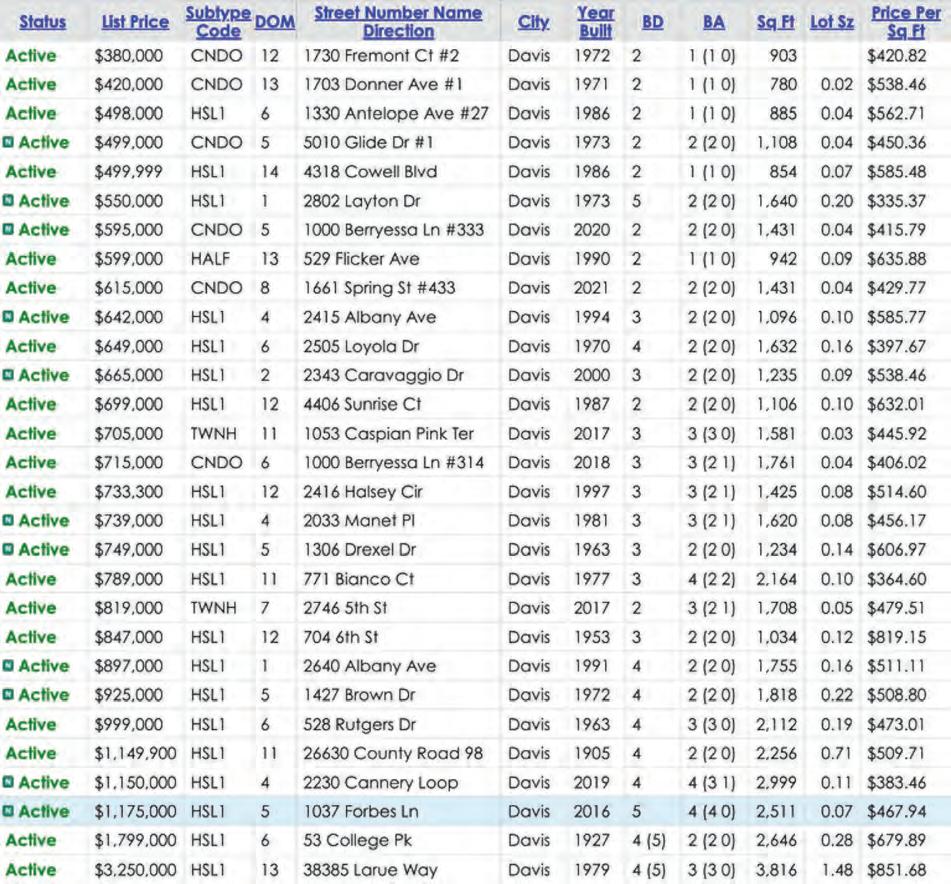

There are currently 84 active and 32 pending listings on the Davis market.
the past two weeks:
Thirty-eight new listings came on the market (nine are pending already).
Median active price $715,000 (average $853,524).
Fifteen listings closed escrow. Median closed price $835,000 (average $796,580).
Eight closings received multiple offers. Cash prevailed in all but one of the multiple offer situations (and there was a cash offer in the mix!)
Seven closings were cash, seven were conventional financing, and one was a 1031 exchange. For the full newsletter subscribe here: or visit our website below!