Volume 9 • 2026
Reprocessing, Infection Control, Operations in the Endoscopy Suite
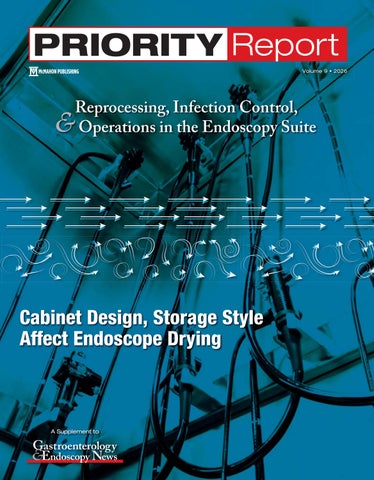
Cabinet Design, Storage Style Affect Endoscope Drying
A Supplement to
ERGONOMICS YOU CAN FEEL, CONTROL YOU CAN TRUST The PENTAX Medical i20c Endoscope pe Series are where comfort meets control ntrol
210°
The ErgoFeel control body meets 210° retroflexion for effortless, precise visualization behind folds. Try the NEW RightLeft Wheel Extender for an even more comfortable grip
SCAN NOW To learn about the future of endoscope ergonomics and maneuverability.
2026
Reprocessing, Infection Control, Operations in the Endoscopy Suite Volume 9 • 2026
4
6
8
10
12
New Guidance Issued on HLD And Sterilization Current Challenges and Opportunities In Endoscope Reprocessing A Q&A with Jim Collins, BS, RN, CNOR Preventing Ergonomic Injuries In Endoscopy Unit Staff
Making Endoscopy Smoother: A Streamlined Approach To Scheduling and Intake Limiting Radiation Risk In the Endoscopy Suite
EDITORIAL STAFF
MCMAHON PUBLISHING
SARAH TILYOU Managing Editor smtilyou@mcmahonmed.com
Sales, Production, and Editorial
KATIE PRINCE Senior Editor kprince@mcmahonmed.com
New York, NY 10036
DAVID BRONSTEIN Vice President, Editorial
Subscription: $95 for 1 year
KRISTIN JANNACONE Copy Chief
Single Copies $15 ($20 outside USA)
MADISON FIEDLER Copy Editor
14
16
Telephone: (212) 957-5300 ($120 outside USA); Gastroenterology & Endoscopy News (ISSN 0883-8348) is published monthly by McMahon Publishing. Periodicals postage paid
MATTHEW SPOTO Group Franchise Director mspoto@mcmahonmed.com
at New York, NY, and at additional
DONALD V. POPOWSKI Senior Account Manager dpopowski@mcmahonmed.com
POSTMASTER: Send address
CRAIG WILSON Classified Advertising Manager cwilson@mcmahonmed.com
545 West 45th Street, 8th Floor
JOSEPH MALICHIO Vice President, Medical Education jmalichio@mcmahonmed.com
mailing offices. changes to: Gastroenterology & Endoscopy News New York, NY 10036
ART AND PRODUCTION
Commentaries and opinions do not necessarily reflect the views of the publication.
MICHELE MCMAHON VELLE Creative Director
Disclosure Statement:
JEANETTE MOONEY Senior Art Director JAMES O’NEILL Senior Systems Manager RON REDFERN Production Manager
We endeavor to obtain relevant financial disclosures from all interviewees and rely on our sources to accurately provide this information, which we believe can be important in evaluating the research discussed in this publication.
MCMAHON PUBLISHING VAN VELLE Executive Chairman, Partner MATTHEW MCMAHON President, Partner
Highlights of SGNA 2025 Nurse Training, Ergonomics, GLP-1 Safety, and More
545 West 45th Street, 8th Floor
SALES STAFF
ROB SINCLAIR Circulation Manager
Cabinet Design and Storage Style Affect Endoscope Drying
Offices:
MICHAEL P. MCMAHON President, McMahon Custom Healthcare Marketing, Partner
Copyright © 2026 McMahon Publishing Group, 545 West 45th Street, 8th Floor, New York, NY 10036. Printed in the USA. All rights reserved, including the right of reproduction, in whole or in part, in any form.
LAUREN SMITH MICHELE MCMAHON VELLE Partners RAY & ROSANNE MCMAHON Co-founders
Reprocessing, Infection Control, & Operations in the Endoscopy Suite
3
2026
New Guidance Issued On HLD and Sterilization uestions about endoscope
Q
reprocessing abound:
Will putting simethicone in an endoscope impede cleaning? Do duodenoscopes need two rounds of high-level disinfection in a row? What about sterilizing semi-critical devices associated with higher infection transmission
‘
This document can serve as a guide on what the evidence says is necessary to do, required to do, and where is the evidence lacking.
’
—Audrey Calderwood, MD, MS Geisel School of Medicine at Dartmouth, Lebanon, New Hampshire
risk, such as duodenoscopes? To address some of these common concerns, new multisociety guidance reviews and clarifies evidence on sterilization and HLD of reusable medical devices, accessories, and patient care items, including lumened endoscopes.
4
Reprocessing, Infection Control, & Operations in the Endoscopy Suite
2026
Developed by the Society for Healthcare Epidemiology of America (SHEA) in partnership with seven professional organizations, including the American Society for Gastrointestinal Endoscopy (ASGE), Society of Gastroenterology Nurses and Associates (SGNA), and the Joint Commission, the guidance follows the 2024 update of the 2008 CDC Guideline for Disinfection and Sterilization in Healthcare Facilities (Infect Control Hosp Epidemiol 2025 Apr 28. doi:10.1017/ice.2025.41). “Sometimes clinical practice just develops because of local culture or because someone heard something, or they thought this is what you’re supposed to do,” said guideline co-author Audrey Calderwood, MD, MS, who represented the ASGE in the partnership. “This document can serve as a guide on what the evidence says is necessary to do, required to do, and where is the evidence lacking,” added Dr. Calderwood, a professor of medicine and the director of the Comprehensive Gastroenterology Program at Geisel School of Medicine at Dartmouth, in Lebanon, New Hampshire. New recommendations include advice on interpreting manufacturers’ instructions for use (IFUs), point-of-use treatment, HLD of semicritical devices, defoaming agents, storage, and alternatives to HLD. The authors revised recommendations on assessing the effectiveness of reprocessing. “There’s a lot of misinterpretation … when you have these standards out there: What do I follow? What is a must, what is a should, what is a think-about?” said Aaron Preston, RN, BSN, AL-CIP, CIC, a senior coordinator of infection prevention at Emory University Hospital Midtown, in Atlanta, who was not involved in developing the guidance. Mr. Preston said he thought the section detailing the Joint Commission’s hierarchical approach to infection prevention and control compliance was explained in an understandable way. In addition to the SHEA, ASGE, and SGNA, organizations represented were the Association for Professionals in Infection Control and Epidemiology (APIC), the Association for the Advancement of Medical Instrumentation (AAMI), the Association of periOperative Registered Nurses (AORN), the Healthcare
Sterile Processing Association (HSPA), and the Infectious Diseases Society of America (IDSA). The SHEA, APIC, ASGE, SGNA, and IDSA endorsed the guidance, and the AAMI, AORN, HSPA, and the Joint Commission did not. An AAMI spokesperson replied that its status as a “neutral convener” prohibited comment, and a Joint Commission spokesperson cited its policy not to endorse evidence-based guidelines of specialty societies or other organizations. The AORN and HSPA did not reply to an email from this publication requesting comment.
‘ I don’t want people to read that if there’s no recommendation,
that means you don’t do the practice at all. I think what it means is that there’s more to be understood about frequency and impact to outcomes.
’
—Aaron Preston, RN, BSN, AL-CIP, CIC Emory University Hospital Midtown, Atlanta
Reprocessing Duodenoscopes Double HLD became more common after mid-2010s outbreaks of carbapenem-resistant Enterobacteriaceae among patients who had undergone endoscopic retrograde cholangiopancreatography with duodenoscopes, but current evidence does not support policies requiring duodenoscopes to undergo double HLD or sterilization, the authors concluded. “People have been doing that out of caution to prevent risk of infection,” Dr. Calderwood said. “That’s probably not necessary.” The document takes a nuanced approach, recommending that facilities “begin developing an institutional process for converting from HLD to sterilization” for these devices. Furthermore, it states that facilities “may choose to evaluate sterilization along with other alternatives to HLD,” such as sterile single-use devices. “I think endoscopy units can feel safe and secure knowing that high-quality, regular, highlevel disinfection, which includes all the things— manual inspection, mechanical cleaning, putting in the machine, et cetera—if all of that is done in a high-quality way, at this time, no evidence see HLD Guidance, page 20
Reprocessing, Infection Control, & Operations in the Endoscopy Suite
5
2026
Current Challenges and Opportunities In Endoscope Reprocessing A Q&A with Jim Collins, BS, RN, CNOR im Collins, BS, RN, CNOR, began his decades-long career in endoscopy in an operating room with an endoscopy service, and since then has become a national expert on endoscope reprocessing. Currently the accreditation program manager at Cleveland Clinic, in Ohio, Mr. Collins has worked with professional organizations to establish train-the-trainer programs, write a core curriculum and pocket guides, and more. Mr. Collins sat down with GEN Priority Report to discuss the current state of endoscope reprocessing, describing common challenges and his take on the evolving role of automation.
J
PR: How would you characterize current challenges in endoscopy and endoscope reprocessing? Mr. Collins: From the time I began assisting with GI endoscopy, I’ve seen endoscopy grow from simply manipulating biopsies and taking out polyps to now working outside the lumen of the stomach or outside the lumen of the colon to assist in the care of the patient.
6
We’ve gone from scopes that weren’t immersible, the buttons didn’t come out—they were really a rogue instrument to reprocess—to a highly complex instrument that requires detail and care in handling to ensure that it’s processed correctly.
Reprocessing, Infection Control, & Operations in the Endoscopy Suite
2026
It’s work that will continue to grow, and I see medical technologies that are becoming more advanced, assisting GI endoscopists in performing more complex procedures. Who would
have thought we would have suturing devices that we would utilize within the endoscope now? I think it’s phenomenal, and there’s still a lot on the horizon.
PR: Manufacturers’ instructions for use (IFUs) have gotten incredibly complex and dense, and you have presented data showing that 40% of nurses and techs do not find them feasible. Should manufacturers or facilities do more to parse these details, or is this just an inevitability of increasingly complex devices? Mr. Collins: Well, endoscopes are complex devices, so there has to be very detailed instructions on how to remove the bioburden from these instruments; certain measures have to be done, and they need to be performed in a certain fashion. The step-by-step guidance that is given is what can be frustrating. A lot of reprocessing personnel say to themselves, “I’m doing it, but is it really that important that I do it in this order?” And, well, yeah, it is important. This is the rationale, why we brush this channel first as opposed to brushing that channel first. This is why we brush, then we flush. Staff are given instructions, but there’s no rationale behind why you do it in this fashion. And I think that’s the one thing that’s missing. Unfortunately, a good majority of our endoscopy processing
technicians are not trained reprocessing personnel, per se. It takes a little bit more time to educate the staff on endoscope construction. We have to lay down a good path, a foundation for them on bloodborne pathogen minimization and infection prevention. It’s not simply “we’ll take you to the room, put on this gown, put on these gloves, and you’re going to fill the sink and brush, brush, brush, and that’s it.” They really need a mentored apprenticeship to be able to reprocess endoscopes confidently. I think that’s one part of the endoscopy unit that often gets minimized until something bad happens. If you’re unfortunate and you do have an occurrence, then you get a lot of unwanted attention, usually due to a lack of education and training.
PR: It sounds like you’re saying the key issue is a lack of robust training and oversight. Mr. Collins: Yes, and I think many managers are challenged to provide robust initial and ongoing reprocessing education. I feel a lot of managers are so caught up in the operations of the unit that they are unable to offer detailed oversight to the reprocessing room—that clinical component may be there, but scope reprocessing has to be a priority for them as well. And if it’s not a manager, the manager has to have a subject matter expert who can serve in
that role as the overseer. I’ve seen and experienced so much normalization of deviance because “I’ve done it this way and Joe has done it that way. Since Joe’s way of doing it seems to be faster and we haven’t had a problem, then I’ll start doing it Joe’s way.” So, Joe’s way becomes the standard, and it’s not right. And, potentially, it’s a risk to patient and caregiver safety.
PR: What advice would you give to somebody trying to craft a good set of policies? Mr. Collins: We have to abide by the mandates that come from federal agencies. We need to follow the conditions of participation from CMS (Centers for Medicare & Medicaid Services). These are the guardrails to ensure patient safety. And then comes those IFUs. Every policy has to include those IFUs. You cannot do a risk assessment around an IFU. You would have no leg to stand on to validate your rationale. These products were labeled by the FDA to do the reprocessing in this manner. Professional organizations take those IFUs and apply scientific data behind the rationale for why the reprocessing steps are done
and in which order things are done, the maneuvers, and procedures. Professional organizations also examine the data and the research that have been published to validate whether these measures hold merit. The societies’ recommendations build on the IFUs, and everybody acknowledges that there are still some areas that need to be explored and discussed further. The GI community looks to the mandating organizations, such as the FDA, for guidance on what the reprocessing steps should
Reprocessing, Infection Control, & Operations in the Endoscopy Suite
see Collins Q&A, page 21
7
2026
Preventing Ergonomic Injuries In the Endoscopy Suite
W
hen experts convened to write the American Society for Gastrointestinal Endoscopy’s guideline for reducing
ergonomic injuries, they knew it was going to be challenging. There were no randomized controlled trials on the topic, only small studies and surveys, and the overall certainty of evidence was low or very low.
However, the authors recognized the importance of providing endoscopists with “meaningful and actionable” guidance that will reduce ergonomic-related injuries (ERIs). “In an era of rising endoscopy demand, increasing retirement ages, and endoscopy becoming a more womeninclusive specialty, attention to ergonomics is more important than ever,” lead author Swati
8
Pawa, MD, a professor of medicine at Wake Forest School of Medicine, in Winston-Salem, North Carolina, told GEN Priority Report. Dr. Pawa stressed the importance of “awareness of the prevalence of ERI” and risk factors associated with it. She also underscored the need to dispel any stigma associated with strategies to prevent ERI (Table).
Reprocessing, Infection Control, & Operations in the Endoscopy Suite
2026
Table. Recommendations to Prevent Ergonomic Injury
Sobering Statistics The guideline authors performed a review and meta-analysis of 17 studies with 5,227 participants and found an ERI rate of 57.7% (95% CI, 48.8%-66.1%), with the hands, fingers, back, and neck being the most common sites of injury (Gastrointest Endosc 2023;98[4]:482-491). The analysis also found ERIs increased with number of hours and years practicing and that women were more likely to develop an ERI (odds ratio, 1.79; 95% CI, 1.35-2.38; P<0.01). In a more recent study presented at ACG 2025, nearly two-thirds of gastroenterologists reported they had experienced an ERI, and nearly one-fourth of those surveyed required physical therapy as a result (abstract 2987). In the study, researchers at Brown University and Rhode Island Hospital, in Providence, distributed a 36-item survey to all gastroenterologists in the state to assess the frequency, timing, and nature of ERIs; the prevalence of preventive measures; and familiarity with guidelines and attitudes about ergonomic education. The study was small but had a 94.5% response rate (56/59), compared with rates in previous research examining the burden of ERIs ranging between 11% and 34%. Of the respondents, 63.6% reported having an injury, with 59.5% sustaining an injury after five years of practice. These injuries took a toll: 23.6% of those surveyed said they had an injury that lasted six months or more, and 24.5% required physical therapy. Unlike other studies of ERIs that have found women are disproportionately affected, this study did not identify gender as a factor in ERI rate. Despite the high incidence of ERIs, the investigators wrote, “58.2% of respondents reported receiving no formal ergonomic training, and 45.5% were unaware of any formal ergonomic guidelines.” However, the results “demonstrate a strong willingness among practicing gastroenterologists to engage in further ergonomic training,” with 89% of those surveyed reporting they would be interested in education via video modules, they added.
Ergonomic education. Neutral monitor height. The optimal viewing angle for the monitor is 15 to 25 degrees below the horizon with a viewing distance between 52 and 182 cm (Gastrointest Endosc 2009;70[1]:145-153). Monitors placed too high can lead to excessive cervical extension and neck strain. Neutral bed height. The bed ideally should be between elbow height and 10 cm below elbow height. A bed positioned too low leads to truncal forward flexion, whereas a bed that’s too high unnecessarily increases shoulder abduction, ASGE guideline co-author Swati Pawa, MD, said. She added that to accommodate the fifth percentile of female and 95th percentile of male elbow height, the table should be adjustable from 85 to 120 cm. Anti-fatigue mats. These mats can help reduce lower extremity tiredness, discomfort, and swelling, as well as venous blood restriction and low back pain. Any mat should be regularly cleaned and have beveled edges to reduce risk for falls. Regularly scheduled breaks. These should include targeted stretching microbreaks focusing on the neck, shoulders, back, wrists, hands, knees, and ankles. Source: Gastrointest Endosc 2023;98(4):482-491.
Easing Ergonomic Strain For Nurses and Techs ERIs affect not only the endoscopists but nurses and other staff who are tasked with applying abdominal pressure and repositioning a patient during colonoscopy. An external compression device (ColoWrap) designed to reduce the need for manual staff interventions and prevent looping significantly decreased ergonomic risks, according to a study presented at ACG 2025. The multisite study looked at 388 colonoscopy procedures and collected data at two periods: one month before ColoWrap adoption (n=297) and during use of ColoWrap (n=91), assessing risk using the Colonoscopy Staff Strain Index (poster 2972). The mean CSSI score decreased from 2.4 to 1.0 in the ColoWrap group, the investigators see Ergonomics, page 19
Reprocessing, Infection Control, & Operations in the Endoscopy Suite
9
2026
Making Endoscopy Smoother: A Streamlined Approach To Scheduling and Intake argeted changes to endoscopy workflow—particularly in scheduling and patient
T
intake—can yield both operational and patient benefits, according to two separate
quality improvement projects presented at DDW 2025. The research, conducted by staff at Mayo Clinic, in Rochester, Minnesota, underscores a growing emphasis on optimizing outpatient procedure operations amid staff shortages, rising procedural volumes, and growing patient expectations, with even modest time savings translating into meaningful improvements in patient satisfaction and system efficiency.
Smarter Scheduling, Smoother Flow One initiative addressed operational inefficiencies in the outpatient endoscopy unit, including bottlenecks in patient flow, particularly between 7 and 9:30 a.m., and inconsistent staff utilization (poster Su1150). According to the investigators, patients often were scheduled to arrive earlier than needed, resulting in backups and excessive wait times in the lobby, changing area, and procedural unit, followed by idle time for staff later in the day. The research team analyzed patient time spent in the unit over a year and found that patients averaged 163 minutes from check-in to checkout, including an average of 11 minutes in the lobby and 61 minutes in the pre-procedure waiting area. In addition, patient experience scores
10
related to visit flow, delays, and wait times were below the 60th percentile, they reported. The team redesigned scheduling templates to better reflect anticipated procedure durations and room turnover times. Using average case lengths, they worked backward to determine more balanced patient arrival times that would allow for smoother transitions through intake, preparation, and the procedure itself. The new scheduling approach limited arrivals to no more than five patients within a 30-minute window. As a result, average patient time on the unit (not including lobby time) decreased by 14 minutes, from 163 to 149 minutes, with the average time going from 11 to 9.5 minutes in the lobby and 61 to 46 minutes in the pre-procedure area. “It was about being strategic with our patients,” said poster presenter Julie Armenta, MSN, RN.
Reprocessing, Infection Control, & Operations in the Endoscopy Suite
2026
“There is no need for them to arrive extra early for these procedures without a valid reason.” These operational improvements also allowed for a reduction in pre-procedural intake nursing full-time equivalents (FTEs) from seven to six, and patient experience scores improved by 10 points in categories such as visit flow and wait time. “It is spectacular to see that even small-time gains appear to have resulted in major improvements in patient satisfaction,” said Vivek Kaul, MD, a professor of medicine and former division chief of gastroenterology and hepatology at the University of Rochester Medical Center, in New York, who was not involved in these projects. “That is the power of process improvement, when it is done right. Remember that even small-time gains will add up cumulatively when collated across a busy practice or health system over time.”
Online Intake Helps Streamline Communication In a separate initiative, Mayo researchers focused on improving efficiency through a virtual intake project designed to reduce time spent on information exchange during the intake process (poster Su1254). The project introduced an Endoscopy Readiness Guide (ERG), which was delivered to patients through the online patient portal up to seven days before their procedure. The ERG included questions about recent medical changes, implanted devices, and understanding of bowel prep and fasting. On the day of the procedure, patients received an Endoscopy Readiness Checklist (ERC), covering final intake details such as prep adequacy and post-procedure transportation plans. This information automatically populated nurse flowsheets for easy review. “Before we knew this was a solution, we knew that there were bottlenecks to the practice,” study presenter Miranda Hamlin, MA, told GEN Priority Report. “We were trying to improve that efficiency of the unit as well as better utilization of our RN time, allowing our RNs to work at the top of their licensure.” Over the first three months following implementation, intake time dropped by three minutes.
Statistical projections suggest that with additional refinements, intake time could be reduced by 20 minutes for 80% of patients, saving an average of seven minutes and 43 seconds per patient. Nurse intake workload also was reduced by 1.14 FTEs for daily volumes of 70 to 100 patients. Patient preparedness improved as well, with those reporting the highest level of preparedness rising from 67% to 78%. “These interventions should be reproducible across health systems with similar platforms, operations, and resources,” Dr. Kaul said. “The overarching unmet needs of patients and providers do not differ significantly from place to place. I look forward to multicenter initiatives to validate these data and help establish new practice operations paradigms for all of us.” Dr. Kaul said he believes It was about being strategic with our patients. these efforts strike at the heart of modern endos- There is no need for them to arrive extra early for copy challenges. “This is these procedures without a valid reason. a critically important issue —Julie Armenta, MSN, RN that has a huge impact in Mayo Clinic, Rochester, Minnesota clinical practice at every level of patient and provider experience,” he said. “Identifying gaps, such as the Mayo group has done, using readily available patient readiness tools and streamlining the patient journey should bear similarly positive results for most practices.” While distinct in their interventions, both projects share a common theme: Operational tweaks at the clinic level can yield significant improvements in the patient experience. By identifying specific friction points in scheduling and intake, the results suggest that improving efficiency doesn’t always require massive overhauls but rather focused, data-driven adjustments. “Process improvement isn’t just about time— it’s about creating a more predictable, patientcentered experience,” Dr. Kaul noted. “These results show that even modest adjustments can have significant, positive ripple effects for the practice and the patient journey.”
‘
’
—Meg Barbor, MPH Ms. Armenta, Ms. Hamlin, and Dr. Kaul reported no relevant financial disclosures. Dr. Kaul is a member of the Gastroenterology & Endoscopy News editorial board.
Reprocessing, Infection Control, & Operations in the Endoscopy Suite
11
2026
Limiting Radiation Risk In the Endoscopy Suite nce a year, Kathryn Felts, BSN,
O
completes training on radiation
safety required by The University of Texas MD Anderson Medical Center, in Houston, where she has worked for 12 years. However, data suggest many of her peers do not receive this education, and no national education standards exist.
“There’s a huge difference between the radiation safety here at MD Anderson and what we had at the hospital that I came from,” Ms. Felts said. “I think [education] helps us understand how to It’s possible to perform these procedures best protect ourselves, understand our risk, and safely with the right mentality to minimize do the right things in radiation exposure, with the right approach to procedures to protect protection, but if people aren’t aware of the patients as well.” protection options, if they’re not aware of the Even endoscopists rarely receive adequate minimization strategies, it’s tough. education on the risks —Monique Barakat, MD and appropriate protoStanford University, California cols around fluoroscopy used in endoscopic retrograde cholangiopancreatography and other GI procedures, said Meera Bhardwaj, MD. Dr. Bhardwaj explained that medical radiation
‘
’
12
comprises about half of radiation exposure in the United States, and its use in healthcare is guided by the “as low as reasonably achievable,” or ALARA, principle for radiation safety. A list of international and national recommended thresholds is shown in Table 1. According to the American Society of Radiologic Technologists, only eight states— Alaska, California, Colorado, Maryland, Nebraska, Nevada, New Jersey, and Texas—have any licensure or education standard requirement for fluoroscopy use, and no federal standard exists. However, training interventions have the potential to significantly improve staff knowledge and comfort level, said Dr. Bhardwaj, an interventional gastroenterologist and assistant professor of medicine at Stony Brook University Hospital, in New York. Dr. Bhardwaj called for radiation education to
Reprocessing, Infection Control, & Operations in the Endoscopy Suite
2026
become standard in fellowship programs, citing a 2019 study by researchers at Stanford University, in California, that found that approximately 55% of attending gastroenterologists and 79% of fellows had received no training in the use of their institution’s fluoroscopy equipment (Dig Dis Sci 2019;64[9]:2455-2466). Monique Barakat, MD, an assistant professor of gastroenterology at Stanford, who co-authored the 2019 paper Dr. Bhardwaj referenced, told GEN Priority Report that the dearth of education in endoscopy is part of what prompted her and her co-investigators to gather real-world data on the topic. “There’s not an emphasis on standards, education, just making sure people know the risks,” Dr. Barakat said. “It’s possible to perform these procedures safely with the right mentality to minimize radiation exposure, with the right approach to protection, but if people aren’t aware of the protection options, if they’re not aware of the minimization strategies, it’s tough.”
3 Pillars of ALARA Time, distance, and shielding are the pillars of ALARA, Dr. Bhardwaj noted, outlining strategies endoscopy staff should employ to mitigate their exposure and maximize their safety. Exposure Time
To help limit radiation exposure time during an ERCP, Dr. Bhardwaj said, use a pulsed rather than continuous image (Table 2). “You may have a little bit more radiation to produce that (pulse) image, but overall, you’re shooting the beam less, and that may, ultimately, result in less radiation exposure with a pulse image compared to continuous.” Also, the hold frame function available on most newer units keeps an image on the screen for closer examination and discussion without using fluoroscopy, she said. “If that image wasn’t on the monitor, you’d have to hit the fluoro pedal and you have continuous radiation during those moments,” she explained, adding that the hold function has been shown to decrease radiation by 50% to 80%. Another way to minimize radiation exposure is to ensure the endoscopy and fluoroscopy monitors are side by side, Dr. Bhardwaj said. When the endoscopists and the tech can work together, she
Table 1. Recommended Annual Radiation Dose Limits Dose limit
Notes
International Atomic Energy Agency Total body effective dose
Lens of eye
Extremity (hands, feet, or skin)
20 mSv
Per year average over 5 years
50 mSv
In 1 year
20 mSv
Per year average over 5 years
50 mSv
In 1 year
500 mSv
In 1 year
National Council on Radiation Protection and Measurements Total body effective dose
50 mSv
In 1 year
Lens of eye
50 mGy
In 1 year
Extremity (hands, feet, or skin)
500 mSv
In 1 year
Gy, gray; Sv, sievert. Adapted from Gastrointest Endosc 2021;94(4):685-697.e4.
said, that results in an average of 1.4 minutes less fluoroscopy time. Dr. Bhardwaj cited a study that found that every 10 years of independent practice was associated with a 21% decrease in fluoroscopy time. The 2019 Stanford study, which found approximately 40% of fluoroscopy equipment was operated by radiology technicians, also I think [education] helps us underscored the importance understand how to best protect of endoscopist-directed fluourselves, understand our risk, and do oroscopy, citing a 2018 study that found proceduralistthe right things in procedures to protect driven ERCP resulted in a the patients as well. 43% average reduction in —Kathryn Felts, BSN radiation time and a 60% The University of Texas MD Anderson decrease in total radiation Medical Center, Houston dose (Gastrointest Endosc 87[6 suppl 1]:AB48). “I think at this hospital, we are pretty aware, but I believe that’s because our hospital and radiology staff are committed to keeping us educated,” Ms. Felts said. “The teaching/attending MDs take responsibility to teach the fellows regarding minimal use of the foot pedal during procedures to limit exposure to patient and staff.”
‘
’
see Radiation Safety, page 22
Reprocessing, Infection Control, & Operations in the Endoscopy Suite
13
2026
Study Explores Role of Cabinet Design in Endoscope Drying toring endoscopes fully vertically
S
suspended significantly reduced
residual moisture and bacterial growth compared with partial suspension or looped storage, according to a recent evaluation of three cabinet designs and three storage methods.
Drying and storage are important final steps of reprocessing flexible endoscopes, but data comparing storage methods of endoscopes after reprocessing are limited, according to the investigators, led by Daisuke Ohki, MD, PhD, of the University of Tokyo Hospital. Outbreaks involving gastroscopes, colonoscopes, and duodenoscopes highlight the need for better infection prevention practices to prevent microbial transmission through endoscopes, the investigators noted. In a pilot study published in the American Journal of Infection Control (2025;53[12]:1252-1258), Dr. Ohki and his co-investigators compared residual moisture and bacterial cultures among three styles of Taiho storage cabinets: TJ-908S and TJ-804S, which used active drying, and TM-804S,
14
which used passive drying. The storage method for the TJ-908S was full vertical suspension, whereas the TM-804S and TJ-804S involved partial suspension and looped storage. The researchers measured residual moisture and performed bacterial cultures and found that the TJ-908S cabinet with full vertical suspension showed an average residual moisture of 23.9 and 17.6 mcL at 24 and 48 hours, respectively. The other two cabinets with partial suspension or looped storage retained residual moisture ranging from 289.4 to 383 mcL at 24 hours and 278.5 to 518.7 mcL at 48 hours. The researchers also inoculated all endoscopes with Pseudomonas aeruginosa (105 colonyforming unit [CFU]/mL). Based on bacterial see Endoscope Drying, page 18
Reprocessing, Infection Control, & Operations in the Endoscopy Suite
2026
Highlights of SGNA 2025 Nurse Training, Ergonomics, GLP-1 Safety, and More n this edition of Expert Picks from the 2025 Society of Gastroenterology Nurses and Associates Annual Course, Cynthia M. Friis, MEd, BSN, RN, NPD-BC, the associate executive director of clinical affairs at SGNA, highlights five noteworthy abstracts from the meeting.
I EXPERT PICKS
Cynthia M. Friis, MEd, BSN, RN, NPD-BC
Continuing Education ‘Given the chaos and challenges surrounding training in a fast-paced clinical environment, we must continue to explore ways to provide education in an efficacious manner.’
GLP-1s and Anesthesia ‘The rapid rise in popularity of GLP-1 medications has posed a challenge in gastroenterology as we learn more about the implications of these drugs.’
16
Abstract R12. Simulation-based endoscopy nurse training program to improve competency and expand patient access (Stefani) This project explored the use of simulation-based training to boost endoscopy nurse competency and enhance patient care. Recognizing that endoscopy nurses often face complex, high-risk procedures without adequate preparation, Allison Stefani, RN, CGRN, a DNP student at Washington State University Vancouver, implemented a standardized training program using simulation to address this gap. Endoscopy nurses at a military gastroenterology clinic (n=47) participated in four half-day training sessions covering topics including scope cleaning and reprocessing procedures, capsule endoscopy, endoscopic retrograde cholangiopancreatography, tools for bleeding management, and more. The goal was to create a safe, controlled environment where nurses could build skills and receive immediate feedback before applying them in clinical practice. Ms. Stefani measured success using
pre- and post-implementation data, focusing on nurse competency rates, job satisfaction, patient wait times, and access to care. She showed that the training sessions resulted in an 10% increase in skills/ knowledge, flexibility, and peer collaboration and a 20% increase in management and interprofessional collaboration. Competency compliance increased from 42% to 92%. Ms. Stefani noted that additional studies are “needed to analyze the effect of EN training on patient outcomes and access to care.” Ms. Friis: Effective continuing education is something that continues to elude even the most stalwart nurse educators. Given the chaos and challenges surrounding training in a fast-paced clinical environment, we must continue to explore ways to provide education in an efficacious manner. This study found simulation training to be a viable option for meeting continuing education needs.
Abstract R5. ErgoEndo initiatives: supporting staff well-being in GI endoscopy (So et al) This initiative focused on improving staff satisfaction and comfort in the endoscopy unit by introducing ergonomic
interventions to reduce physical strain during procedures. Recognizing that endoscopy staff often
Reprocessing, Infection Control, & Operations in the Endoscopy Suite
2026
face fatigue, discomfort, and musculoskeletal challenges, Loretta So, PhD, RN, CGRN, and her co-investigators from Cedars-Sinai, in Los Angeles, aimed to boost staff satisfaction by 20% over baseline by the end of the study period. The project rolled out ergonomic interventions in phases, including anti-fatigue mats, patient positioning rolls, specialty chairs for double-balloon enteroscopy, and devices designed to reduce strain during colonoscopies. The researchers collected staff feedback through a custom satisfaction and ergonomics survey, as well as the Quebec User Evaluation of Satisfaction with Assistive Technology. Overall, 85% reported that the initiative improved job
satisfaction, 67% reported that it had a positive effect on the work environment, and 54% reported that they felt more valued due to the attention placed on ergonomics in the workplace. Ms. Friis: In the fast-paced gastroenterology environment, prolonged repetitive strain due to continuous delivery of complex endoscopic procedures may enhance the risk for ergonomic injuries among staff. In addition to the physical implications, these challenges can diminish the overall satisfaction of the staff. In this important study, the researchers address key methods to mitigate ergonomic strain and injury.
Abstract R6. GLP-1 medications and anesthesia: a literature review (Joven et al) With the rising use of glucagon-like peptide-1 receptor agonists (GLP-1s) for diabetes management and weight loss, the effect these medications have on patients during GI procedures is an important consideration for clinicians. In this literature review, Jemell Joven, DNP-FNP-BC, and Geraldina Douglas, FNP-BC, from University of California Irvine Health, searched PubMed for studies on related to GLP-1 and anesthesia and used Melnyk’s Rapid Critical Appraisal tool to assess the literature. They included 11 studies in their review. Of those, all noted gastroparesis as an adverse effect, and 55% noted aspiration, but did not clearly associate duration of drug cessation and aspiration risk/events. Only four of the articles noted the percent of patients with food retention on the day of surgery/esophagogastroduodenoscopy, and of those reporting a percentage, 18.3% of patients had food retention. The researchers noted that 64% of the articles recommend stopping GLP-1s for 3 or more weeks before procedures and 27% recommend following the American Society of
Anesthesiologists guidance to stop for 1 week. The team concluded that although the risk for aspiration is not clear in this setting, “morbidity necessitates cessation for prevention.” They also suggested that pre-procedure gastric ultrasound and use of rapid sequence anesthesia, regardless of duration of cessation of GLP-1s, can enhance patient safety and noted that if GLP-1s are stopped for 3 weeks or more, clinicians should consider bridging with liraglutide to avoid poor glycemic control. They emphasized the need for future studies to assess the effectiveness of these strategies in preventing complications. Ms. Friis: The rapid rise in popularity of GLP-1 medications has posed a challenge in gastroenterology as we learn more about the implications of these drugs on our specialty practice. Various experts addressed the complications related to GLP-1 medications, and the researchers share a summary of their findings to help keep us all abreast of the most current literature available.
Abstract R11. Shooting for five stars: improving colonoscopy follow-up metrics (Keith et al) A team at Baylor St. Luke’s Medical Center, in Houston, led by Clay Keith, MHA, RN, CGRN, CSSGB, aimed to enhance the hospital’s overall star rating by addressing a key endoscopy quality measure, OP-29, which tracks appropriate follow-up intervals for normal colonoscopies in average-risk patients. Historically, the hospital’s performance on this metric had been low, negatively affecting its Centers for Medicare & Medicaid Services star rating. In July 2023, the team launched a targeted quality improvement initiative. They found that the top two reasons for OP-29 noncompliance were lack of physician awareness and incorrect documentation practices. They implemented strategies to
improve their compliance, including sharing compliance data at monthly gastroenterology meetings, posting reminder signage at documentation stations, conducting compliance audits, and providing follow-up education when needed, setting a goal for 91% compliance. Compliance improved dramatically with implementation of these measures—from 66% in fiscal year (FY) 2023 to 89% in FY 2024. Between February 2024 and September 2024, the hospital had eight months of 100% compliance. The hospital was upgraded that year from a three-star CMS organization to fourstar organization. The FY 2025 average (as of when the poster abstract was finalized) was 95%.
Reprocessing, Infection Control, & Operations in the Endoscopy Suite
17
2026
Ms. Friis: Appropriate follow-up intervals for normal colonoscopy is a typical metric for all gastroenterology units. The impetus to close the gap on this compliance rating with action
items proved a worthy task, as the team at Baylor St. Luke’s successfully improved their ratings.
Abstract R8. Metals matter: improving MRI safety after endoscopic metal device placement (Simoneaux et al) In another project out of Baylor St. Luke’s, the endoscopy team recognized a critical safety gap for patients undergoing MRI after placement of metal clips, coils, or stents. In FY 2023, the department purchased more 3,700 metal devices, and with around 3,500 cases performed, many patients likely left with an implant. However, there was no consistent way for patients to track what device was placed or where they were placed. To address this, Jennifer Simoneaux, RN, CRN, and her coinvestigators, launched a quality improvement project to enhance MRI safety. They introduced medical device ID cards documenting the type and location of metal implants and provided education to patients on the importance of sharing this information
with future care providers. The initiative aimed to ensure that every patient receiving a metal device left with clear, accessible documentation to support safer diagnostic testing down the line. Ms. Friis: Metals are used frequently in the therapeutic treatment of gastroenterology patients, so the team at Baylor St. Luke’s worked to ensure any future healthcare providers were cognizant of metal implants in their patients to better avoid unnecessary complications from MRIs. Their interventions offer simple but effective means for keeping all healthcare providers in the loop. —Compiled and written by Meg Barbor, MPH
Endoscope Drying continued from page 14 cultures after 24 hours, growth in the TJ-908S cabinet with vertical suspension was minimal. One of six endoscopes showed 1 CFU, another showed 5 CFUs, and the four remaining endoscopes showed no detectable bacterial colonies. The median CFU counts in the TM-804S and TJ-804S were 10 and 12, respectively, but samples from these cabinets varied, with some exceeding 100 CFUs. In addition, longer time was associated with further drying and decreased CFU counts in the TJ-908S but not in the other two cabinets, which may reflect the long, narrow channels in these models, the researchers said. The pilot study was limited by the small sample size, the culture of a single strain of bacteria, and the exclusion of alcohol flushing from the protocol, the investigators wrote, and larger studies are needed to confirm the findings. However, “our results indicate that not only storage time and cabinet features, but also structural design and endoscope positioning reproducibility significantly affect drying efficiency and bacterial contamination risk,” they noted. The findings show the value of a cabinet allowing for full vertical suspension in reducing moisture and preventing bacterial growth and may inform future
18
research and practical improvements in endoscope reprocessing and infection control, they concluded.
Moisture Matters A low number of bacteria, while important, does not necessarily imply that the endoscopes are adequately dry, Mohamed Yassin, MD, PhD, a professor of medicine at the University of Pittsburgh, told GEN Priority Report. The longer cabinets that allow for full suspension may be better, “but certainly [are] not enough,” added Dr. Yassin, who was not involved in the current research but led a 2023 study on moisture retention in endoscopes after reprocessing (Am J Infect Control 2023;51[5]:527-532). Dr. Yassin noted that unpublished research by a different study team has examined cabinets that are similar to those in the current study using a stripped endoscope model. This model allowed the researchers to visualize the moisture. In terms of dryness, Dr. Yassin said he finds visualization more accurate, and he emphasized the need for additional research involving these models. —Heidi Splete Dr. Ohki received the TM-804S and TJ-804S cabinets from Taiho under a no-cost loan agreement. Dr. Yassin reported no relevant financial disclosures.
Reprocessing, Infection Control, & Operations in the Endoscopy Suite
2026
Ergonomics continued from page 9 reported. In addition, ColoWrap reduced the number of procedures with a high ergonomic risk (CSSI >5). Although the device, essentially a fabric fastening product that can be wrapped around a patient’s abdomen in a variety of positions, is designed to mitigate ergonomic strain on nurses and techs, presenter Lauren Shea, MD, an endoscopist at St. Peter’s Health, in Helena, Montana, said use of the device has considerably eased procedures for her as well. Dr. Shea told GEN Priority Report that she has been practicing for 10 years and already is beginning to feel the aches and pains that come with the job. “When the nurse is pushing on the patient, I have to push my scope harder to get past it. If I finish an exam and we’re using a lot of [abdominal] pressure, I hurt, I’m sweating.” With ColoWrap, she said, her team is seeing faster time to cecum and using less anesthesia, which leads to more patients in less time. “I’m not hurting after the exams. It’s actually helping me too.”
Multiple Stakeholders, Multipronged Efforts Needed Meaningfully reducing ERIs will require efforts from a wide range of stakeholders including endoscopists and endoscopy staff; facility administration to provide training, appropriately adjustable equipment, and regularly scheduled
WOULD YOU LIKE TO CONTRIBUTE AN ARTICLE OR COMMENTARY TO THE PUBLICATION?
breaks; and industry and device manufacturers, Dr. Pawa said. Andrew Storm, MD, the director of device trials and endoscopic innovation at Wake Forest School of Medicine, and a co-author of the ASGE guidelines, told GEN Priority Report that he is optimistic about what appears to be a growing interest in reducing ERIs. “Given this recent data showing that more than half of endoscopists are going to be impacted by ERI during our careers, I’m hopeful that our field will finally insist on making some changes for the future,” he said. Like Dr. Pawa, he suggested some of the most meaningful changes likely will come in the form of industry innovation. “While the recent ASGE guideline gives practical advice to impact ergonomics of our work today, I’m particularly excited about the possibility of robotic endoscopy to help us in the future,” he said. “Seated and very lowimpact robotic bronchoscopy has become a standard, to the advantage of both patients and their physicians in the bronchoscopy suite, with the Ion platform by Intuitive Surgical. Now it is time for gastroenterologists and flexible endoscopic surgeons to work towards robotic assistance in the endoscopy suite as well.” For more on Ergonomics, see Highlights of SGNA 2025 on page 16. —Katie Prince
All topics considered. Please email the editor at SMTilyou@mcmahonmed.com
Reprocessing, Infection Control, & Operations in the Endoscopy Suite
19
2026
HLD Guidance continued from page 5 suggests benefit from doing double, extra, or something different,” Dr. Calderwood said.
Points of Contention Medical device safety expert Lawrence Muscarella, PhD, said the guidance was “fairly good,” but he expressed some misgivings. “A lot of the guidance made sense to me,” said Dr. Muscarella, who has published on outbreaks linked to contaminated reusable devices. “There were, though, a number of sections that did not.” Dr. Muscarella expressed concerns about what struck him as an unclear relationship between this document and the 2008 CDC guidelines. He also said he disagreed with the decision not to invite public comments or to issue a recommendation relating to testing the quality of water used in device processing. He cited a passage that stated that Pseudomonas was among several organisms cultured during pseudo-outbreaks linked to contaminated rinse water but, according to the guidance, none were found to be clinically significant.
‘ A lot of the guidance made sense to me. There were, though, a number of sections that did not.’ —Lawrence Muscarella, PhD President, LFM Healthcare Solutions
“Endoscopes contaminated with waterborne gram-negative bacteria, including Pseudomonas, following reprocessing have been linked to multiple true patient infections. That is not consistent with what’s written in this paragraph,” Dr. Muscarella said. To be sure, he added, the problem has been reduced because hospitals generally filter the rinse water to remove bacteria, “but filters don’t have alarms on them or bells that go off when they’re failing, so it can be unclear when they require changing unless periodic microbiological testing
20
is performed.” In contrast, he said, the AAMI and his own publications have recognized “the importance of water quality across all stages of endoscope reprocessing.” Dr. Muscarella also expressed concerns with several other recommendations, including one deeming parts of semi-critical instruments to be not critical for reprocessing purposes and some relating to immediate-use steam sterilization.
Knowledge Gaps, Unanswered Questions The authors did not find evidence to indicate that special drying cabinets prevent transmission of infection. “They might; they may not,” Dr. Calderwood said. “I think as long as the scopes are stored in a safe, clean, and dry place and can be locked, that’s the main thing.” The committee made no recommendation regarding how long an endoscope can be stored before it should be processed again or replaced beyond following specific manufacturer IFUs, nor did it make a recommendation about routine monitoring with microbial cultures to assess HLD effectiveness. As for adding simethicone to a lumened semicritical reusable device such as a colonoscope, the authors recommended following the IFUs and avoiding putting simethicone into the irrigation water bottle. In an appendix, the document lists knowledge gaps, including questions about lubricating agents and infection risk; removing non−water-soluble lubricants; boroscopes; and optimal retraining for staff who clean, process, and maintain scopes. Mr. Preston pointed out that there aren’t enough data yet linking some interventions to patient outcomes and cautioned against automatically abandoning a practice about which the multisociety panel made no recommendation. “I don’t want people to read that if there’s no recommendation, that means you don’t do the practice at all,” he said. “I think what it means is that there’s more to be understood about frequency and impact to outcomes.” —Jenny Blair Dr. Calderwood and Mr. Preston reported no relevant financial disclosures. Dr. Muscarella reported a financial relationship with Ambu, which makes single-use endoscopes.
Reprocessing, Infection Control, & Operations in the Endoscopy Suite
2026
Collins Q&A continued from page 7 be, especially when there are new tools, equipment, and processes beyond the IFUs. We don’t have that guidance yet in all the areas with all the new products, nor guidance on clinical soil testing and drying. Speaking of drying, many papers claim a 10-minute drying
time. Well, you know what? If I’ve got a small channel gastroscope and its length is shorter and the channel size is smaller compared with a double-channel colonoscope, which is longer with a larger channel, is a 10-minute drying time enough? I think we need some oversight on that.
PR: If you had to identify what issue you felt demanded your strongest advocacy, what is it? Mr. Collins: I think education and training don’t receive the time and attention they need, especially in the reprocessing room. I know it’s a mundane task, but things change. Staff need to be kept up to speed on the hot topics in reprocessing as well as what is happening in the world of infection prevention. In 2015, when the duodenoscope issues came out, reprocessing people probably knew more about it than the nursing staff. We kept the reprocessing room staff well informed. The principles of reprocessing were reinforced regarding the “why” behind the processes. This was probably the first time when properly processed endoscopes led to infection. We presume they were properly cleaned. I’d also like to mention the work that Melinda Benedict did on reprocessing of duodenoscopes when it came to staff
understanding the process. Her presentation showed that certified individuals understood the task at hand more than others. We know that certified nurses give better care, and how do we know that? Because they have better measurable outcomes. We know that if we train you and you have to maintain your education through certification, that you’re going to be more in tune to doing that task now. And it delivers a measurable response in driving down X-associated infections. Even though it’s low now, we drive it down even further, and we also increase your awareness. And when we have everyone who touches a scope doing the best thing, then we’re offering the safest patient care. I also would like more colleagues to believe in automated processes. There are some who are hesitant to subscribe to the automated processes that are offered through endoscope reprocessing.
PR: Speaking of automated processes, what is your attitude about what arguably is the diminishing role of human error as more of these products become available? Mr. Collins: We’ve got to believe in technology. We believe in technology to do so many things for us, but we draw back when it comes to endoscopes. If we have these manufacturers providing evidence that channels are cleaned, that the bioburden is removed to the level prescribed by the FDA, then we have to believe in these technologies. Why? Because of that human factor. Endoscopy processing is rough work. You’re doing the same brushing, maybe 45 to 50 scopes per day. I just witnessed it. While rounding through a unit today, techs are feeling the pinch to work faster. You’re having someone at your back saying, “We need that ultrathin gastroscope now,” questioning when it is going to be done. There’s a lot of pressure to work quickly. And if we have an automated process, we know things will be
done according to the book. Cori Ofstead, MSPH, has published many times on the human factors, that the more touchpoints there are for a human, the more chances they are not to be done or not done correctly. We have these great tools. We trust them to do other aspects of healthcare. We trust blood pressure cuffs. We trust automated external defibrillators to deliver shocks correctly. But when it comes to scope reprocessing, we don’t. I don’t know why. We don’t hand-brush every surgical instrument anymore. We put it through an automated washer disinfector. We have to trust these technologies. This interview has been edited for brevity and clarity. Mr. Collins reported no relevant financial disclosures.
Reprocessing, Infection Control, & Operations in the Endoscopy Suite
21
2026
Radiation Safety continued from page 13 Keep a Safe Distance
Another key factor to consider is distance, Dr. Bhardwaj said, noting that most scatter comes from the patient. Larger patients mean more scatter, she noted, and radiation exposure is inversely proportional to the distance from the source, advising staff not directly involved in the procedure to stand as far back as possible. Table 2. Tips to Achieve ALARA
In Fluoroscopy-Based Procedures Equipment • Under-couch system results in less scatter than over-couch systems • Fixed units typically safer than mobile • Use a lead-equivalent drape • Stand as far back as possible Personal protection • Wear lead apron (≥0.25 mm thick) • Use eye wear and thyroid guard (each ≥0.5 mm thick) • Ensure a good fit so oversized armholes do not leave breast tissue exposed • Two-piece lead is generally more ergonomic than one-piece • Use the dosimeter and monitor the reports
Reducing exposure time • Hold the frame • Use pulsed rather than continuous imaging • Limit use of spot image • Pair endoscopy and fluoroscopy image • Endoscopist control of foot pedal • Experienced endoscopist ALARA, as low as reasonably achievable.
Wear Protection
Most studies on radiation safety have indicated that nearly all endoscopy staff should wear a lead apron, including Dr. Barakat’s Stanford study, but the same data showed that more than one-fourth of participants reported they rarely or never wore a radiation dosimeter. Dr. Bhardwaj noted that a lead apron alone is insufficient to ensure optimal protection. Lead comes in three thicknesses, and the lowest,
22
0.25 mm, blocks 90% of scatter, without the heaviness of the 0.5- and 1-mm options. A good fit is essential, she said, and two-piece lead usually is more ergonomic. She noted that lead should be hung rather than folded to prevent cracking, and it should be inspected annually. She also recommended a thyroid shield and 0.5-mm-thick eye protection. Regular inspection of the lead gowns, along with instructions on how to prevent damage to their protective properties, is protocol at MD Anderson, Ms. Felts said, adding that the physicians can order custom-fit lead and goggles and are very concerned about protection. However, she said she was never provided thyroid shields at her previous workplace, despite the many years that she “stood next to the C-arm assisting with the ERCP procedures.” Both Drs. Bhardwaj and Barakat said they are not sure why radiation safety does not receive more emphasis in fellowship programs or from national GI organizations, but each said she has seen firsthand that even brief instruction can significantly reduce exposure. “Education does help,” Dr. Bhardwaj said. “I think that’s the key moving forward for mitigating risks for physicians and staff during these cases.” Institutions bear some responsibility in ensuring their staff and patients are well protected, Ms. Felts said. “Since the facilities will have to make financial decisions about how to spend their money, such as fluoroscopy [equipment] and care, maintenance, and replacement of gowns and thyroid shields, … [they] should be held accountable, with the radiology department setting the standard of protection and ensuring those standards are consistent throughout the facility.” —Katie Prince Drs. Barakat and Bhardwaj and Ms. Felts reported no relevant financial disclosures.
Reprocessing, Infection Control, & Operations in the Endoscopy Suite
Are You Receiving Our Publication For Endoscopy Professionals? 2025
Endos Spotli copy Room ght on In Safety cidents Sh T , Once in Again e
202
hree incide nts du potte ring sc ntially ope the di have proc scu expo ussio edur sed so n arou es at me pa three nd sc tients sepa ope safety rate to HIV U.S. in en and he hosp dosc itals patitis, opy un reigni its. ting
tion to munica ollow-up F ing Com Improv Colonoscopy e Enhanc
py lonosco g ent co ing din rd outpati s, acco n after mission unicatio and ad s offer r comm lications e studie provide comp es nt– hat Th for tie . k ds tha 24 ris g pa o metho ACG 20 mprovin duce the int at re ts n ted igh esen es. ures ca tical ins dies pr resourc proced rs prac two stu g clinic manage lts from optimizin d clinic to resu n while ists an unicatio between nterolog medicine critical,” gastroe nt comm is n in e patie cation nc uni at patients ha “Comm erolog ist can en viders and
Vanderb ilt Unive has rel rsity eas occurre ed scant inf Medical Ce ormati nter (V d on but co in its Gastr UMC) oenterol on an incide nfi “W with ho rmed the nt situatio og y Endosco that ide hen such w ntified, an inf endosco a solution py Lab n involv ect wa we report pe during som s administer ed an issue of what ha generally ion control ed the want ed ppened bre e proced thr rected sto was po and ho to know the ach is ,” wr ures. Lo ough an tentially ry in Octob w the exp details cal er ert La ote healt media expose err d came after a patie Howe wrence Mu hcare-associat or was cornt for ver wh AAny fac ed inf ward. , the “di scarella, Ph o fro ection ility ca m exp sclosure D, n have rep repprroc osu of the on his websi cal equip re to po essing proble incidents ms with ment is tentially co risk of infect te. su sure a re that for nta often ego .… everyon discretio minated me ion policy ne outcome cari ca arin e, whate We need to ring nary ding for no or make ver rol patients organiza law,” despi r necessarily and neither con co e they ons te nsta in an estab sttantly play in for Ga tions, includ the fact ma lished vigilant. GI care, ma str ny kes su institu ointestinal ing the Am experts an re they —Casey d En tio eri are Czarno patients ns have an eth doscopy, ha can Society wski, BA ve advis , CRCS covered in a timely ma ical duty to T, CSPD inform ed that or nn T, CIS, affected Publi an infection er when a CE Roche “W “ e ha ster, Min R ve de patient shed cases an is suspected. breach is dis scoppe, n. d data exposu and the termined thi tially numb contami re to inadequ analysis sug er of aff risk to patie s issue was lim endosco nts is ited in recognized nated endo ately clean gest that ected s py ver y low patients ed an sco pa John . The said. He tol d underrepo pes is bo , potenis less Ho H ws tients over th d tha GE rte not un er, the n 4% the las cer at of ga advised the N Priority Re d, Mr. Musc dert ch VU V arella public stroscop port tha Priority MC, in Na ief commun six months, of the ” es ica Report shv risk of t “FDA has in an em ille, Tenn tions offi- materials, inc exposing ‘reproces patie ., tol ailed sta ism lud sed’ temen d GEN mi s, which I thi ing multid nts to inf ectiou t. rug-resi stake nk is s public by the FDA a significant stant organ En E to health omission ndosco and pa the potentia pe Re tie l detrime and nt safety proces nt of sing & .”
I
sly, only
about 1
ded to a ts respon patients in 3 patien to 2 in 3 e ng close
‘ Prenevioucall. Now we are rea.chi… It allows us to prioritiz pho ges/emails ak to us. ’ MD d to spe Govani, text messa with o do nee ients wh those pat
s —Shail Columbu y Group,
Ohio Gas
troenterolog
‘
pro gastroent City, who k healthcare Gross, MD, a New Yor dy. “Most h said Set gone Health, in either stu will have ms NYU Lan ed with associatted endoscopic exa However, was not course. ergoing l und edu ts ocedurree ts who wil -prroc patien ostt-p tful pos of patien ice, espean uneven be a small group ely adv l need tim be experiencing there wil and ms ht pto o mig t polyp have sym pattien ients wh as bleeding pos ate se nic h tho n,, suc cially commu ion atio pliccat to timely ich bena real com Beiing ng able timely care, wh ity,, removal. higghuallity h-qqua vider.” page 6 allows for pat ntt and pro ng Communication, ien h atie rovi efits bot see Imp
’
16
cessing
pe Repro
Endosco
ol ion Contr
& Infect
Infectio
n Cont
4
rol
2025
se n Disea ng Prio scopy ti n e v o Pre n in End Infectio
vel d a no strate have illu tients Clinic s in pa m Mayo ocedure ers fro opy pr esearch ease. endosc dis ling ob , hand s for CJD eldt-Jak way of guideline patients, Creutzf control to have n these infection cedures in ow in the publishes spected pro
R su
fell oscopy the CDC research , in Although es exist for end , a postdoctoral at Mayo Clinic gy MD practic no best Salameh, y and Hepatolo ists, or Yara log er special investigat Gastroentero Priority Report. with oth , and of N Division Minn., told GE m collaborated rocessing experts the , tea for rep l ol toc gica Rochester eh and her ve pro to sive and sur Dr. Salam ctious disease p a comprehen patient suspected a elo infe for including the CDC, to dev oscopes used was a end at osing of experts procedure orted oscopy g and disp handlin the end ransmission, rep 7). tran . olved in have CJD cific tissue inv the potential for 2024 (poster 238 sidg are con The spe erminin s at ACG gica call tissues that house tor in det ting the finding e neuroloogi ues hug e fac eh, presen t with tiss that involv ures— Dr. Salam and procedures ipment in contact tine GI proced ph Biopsies for putting equ wever, during rou iration of the lym rah risk person. Ho , fine-needle asp langiopancreatog e ered hig infected und cho an e aso in scopes com ograde c ultr prions endoscopi endoscopic retr ls or pancreas— Dr. Salameh ing lud nne and ns, inc s, liver cha bor prio pancrea tine GI nodes or ) of the liver and not likely to har used in a rou t are CP hatt was ” she noted. phy (ER tissues tha scope tha ssion, g a distact with unlikely that a n tran smiissio nsm into con mend usin extremely risk of prio orss recom and incinerating said. “It’s would carry the co-investigattor cedures option, procedure less, she and her high-risk pro pes are not an er and blee sco Neverthe in both low- and disposaabl n contain atio If . pe iliz rated, ure sco n a ster proced d in be incine posable after the sequestere itive, it should reprocessing. the scope pes should be pos had ergo full pe tests sco uldd und have not en reusable prions. If the sco scope shooul nic Cli yo e, the rs at Ma be prepared. Wh tested for is negativ investigators fast to test t wan d to act and if the eh and her co, “but we h CJD, you nee Dr. Salam tocol yet, she said patien ntt wit pro .” opy at the to use the ounter an endosc h a scar aryy disease or of medicine suc risk for you do enc e chances with atee profess sized that the liat affi iew an rev tak MD, 2020 , empha and not ( rgener, in Seattle cedure is rare. A ctions (J Klaus Me Washington, d CJD infe of ted oscopyy pro ope relaate scope--rel University n from an end of end page 26 ndoosc ctio e n Disease, CJD infe see Prio ed evidenc 10). ord rec 2-1 found no 2020;104[1]:9 ct Infe sp Ho
cessing
pe Repro
Endosco
ol ion Contr
& Infect
What E Endos ndoscopy copeS Assoc taff Should T iaated Innfect Know Abo ion Pr u event t ion
he en tire en dosc impo opy rt rtanc team involv e of shou ed in the pr ld re reproc oced infect cogn ures essing ion pr ize th and even endo e protoc durin tion scop g the ols st es an rategi 2024 2 an Gastro d rela es, ex nual ted ente perts mee rology unde tin g of rsco Nurse the So red s an ciety d As sociat of es.
“We scopes, must respe ct rep ” rocessin advan said Mark ced Gr of Med endoscopy omski, M g [of ] reu sab D, the direct le the ad comp icine, in In at Indiana Un lex set or dia of steps napolis. “R iversity Sc of impr aptation of clo sel y Tabl ove pa ho e. tient an best IP pract he sai to adequa that all ne eprocessing ol Unde Microbe ed to tely de d. “The ice d careg be fol is a Multid rgoing co s in iver saf s promote team lowed An ru you ha ntaminate and ety.” ERC Patient d Systg Resistan s P Orga poorly, ve in place a scope,” emic nism ce Dr. Infect very mu as the patie can’t do it Enter ions nt’s life ch be ococ patient Gromski em Perce cus sp aff can (sp.) Jim -to ect nt n of Co ed ecies sanitized -patient co phasized th case a pract llins, BS, RN .” e nt s am po Klebs sco ice ten ina infect 67 6 .7 pes an , CNOR iella sp Clinic’s manager ion d descr tion with im tial for . Digesti at Clevela , emplo preventio Esch Surge erich n meth ibed resear properly y. nd ve ry ia co ods en ch li Virida He pr 44.6 also un Institute, in Disease & dosco -backed ns gro ese py staff up strep tance derscored Cleveland, investigato nted data 40.6 tococ can from of th rs cond ci a team in the entir e impor- pathogens Cand 35.5 e endo ida sp found ucted analy study he an pr ing om . biliar endosco scopy in 61 oting d zin Pseu safety scopic y infectio 5 patients g the typ co domo in play a py suite. es of ns wh nas sp suspect retro 28.5 crucia “Care the proc Anae . l role tion givers rob edures grade ch o had unde ed of havco in rgo and Ba es (Clostrid ola (E ndoscop ne endo ngiop 7.9 activitie ntrol and the infec- Multiple cteroi ium ancre y 20 sp des sp Staph unit,” s in their prevention species be ecies were 22;54[11] atography .) 9.7 yloco he tol en ccus “We als ing the most found, with :1045-1052 ERCP Report. d GE doscopy aureu , endo ). o co En s scopic chola trending“Educating N Priority cases had dr found a sub mmon (Tab terococcu ngiop retrog 4.8 s sta car ancre rade atogra IP [in , current an egivers on multidrug ug resistance, ntial perce le). phy. ntage fectio resistan d an ha ev d d of n th olv tices, previou preven th ose pe ce we ing an re hig rcentag ose 18 These sly seen,” rent IP alyzing th tion] prache es e un practice ous an bacteria an Dr. Gromski r than what of s, and it’s curd we prompti he adde potentially d fungi can said. result ng d. fatal ou in da Endo tcome s for pa ngerscope Reproc tients, see Infe essin
g & In
ction
fectio
n Con
trol
20
To receive your free copy of the Winter 2025 issue go to
GastroEndoNews.com/ PriorityReport/subscribe
Preven
tion,
page
26
202
5
5
The Ultimate Drying Experience! ®
4 Back
Would you like the most advanced drying products on the market?
NEW LED hanger lighting for clear scope status
Flexible drying solutions — retrofit cabinets or Jet~Stream high-flow, designed to fit your workflow
- Instant AI-reviewed results with secure cloud storage - Automated email reports Borescope - Unmatched 1-year Warranty
www.driscope.com All Dri-Scope Aid devices are manufactured in a FDA Registered and ISO 13485 USA Facility