Momentum
mckelvey school of engineering at washington university in st . louis

THE UNSEEN WAR page 18

mckelvey school of engineering at washington university in st . louis
THE UNSEEN WAR page 18
Research in McKelvey Engineering intersects with public health | page 6
DRIVEN BY DESIGN page 22
BROTHERS BUILD SOLID FOUNDATION AT WASHU page 26
CREATING A SUSTAINABLE FUTURE page 30
DEAN
Aaron F. Bobick
SENIOR ASSOCIATE DEAN & EXECUTIVE EDITOR
Nick Benassi
ENGINEERING NEWS & CONTENT DIRECTOR
Beth Miller
DIRECTOR OF MARKETING & COMMUNICATIONS
Virgil Tipton
MARKETING & COMMUNICATIONS WRITER
Channing Suhl
ASSISTANT DIRECTOR OF BRAND & DESIGN
Audrey Westcott
MARKETING & MULTIMEDIA MANAGER
Suzanne Bremehr
DIGITAL CONTENT SPECIALIST II
Catie Dandridge
COMMUNICATIONS SPECIALIST II
Caitlyn Spradley
SENIOR WEB DEVELOPER
Vince Ruppert
CONTRIBUTORS
Rob Armbrister
Rebecca K. Clark
Ben Corda
Blaire Leible Garwitz
Kurt Greenbaum
Ron Klein
Leah Shaffer
Ken Smith Andri Tambunan
Engineering Momentum is published by the McKelvey School of Engineering at Washington University in St. Louis. Unless otherwise noted, articles may be reprinted without permission with appropriate credit to the publication, school and university.
CORRESPONDENCE
McKelvey School of Engineering
Washington University in St. Louis MSC 1163-0206-01 One Brookings Drive St. Louis, MO 63130-4899
EMAIL engineering@wustl.edu
PHONE 314-935-6100
WEBSITE engineeringmomentum.washu.edu

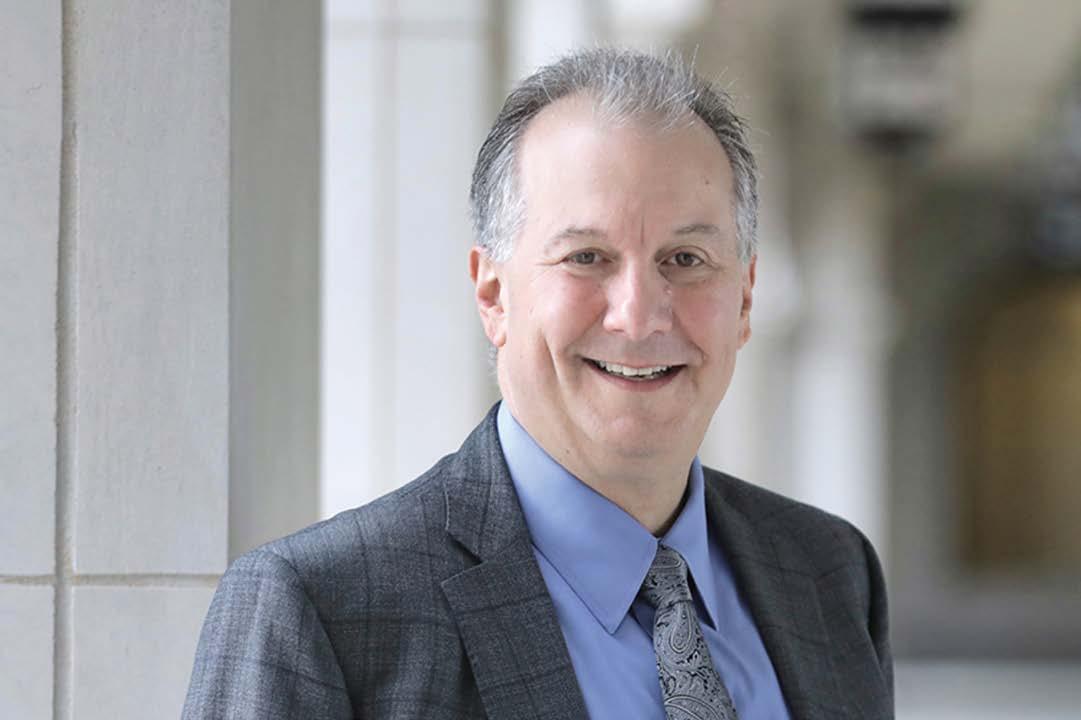
In my introductory letter of the last Momentum issue, I noted how universities’ time constants were longer than most other institutions that define the context in which we operate. While often that works to our advantage — we are not as buffeted by external perturbations as some other organizations — it also means that universities tend to change slowly, perhaps not being as nimble as we might be.
But every now and then, a university makes a big change. And this has just happened at WashU — well, over the past two years, really. For the first time in a century, the university launched a new school, the School of Public Health. And then it went and hired a tremendous dean, Sandro Galea, to lead this bold endeavor. In some ways, this move was perhaps long overdue. For the past decade, WashU has had a highly ranked program in public health without an actual school. Launching a standalone school allows WashU to pursue research and deliver impact in more targeted and focused ways.
One of the intriguing aspects of public health is the extent to which it is fundamentally interdisciplinary. Consider the challenge of understanding the impact of clean (or not) drinking water on communities. Such work touches, of course, on medicine and social science. But the interventions required to improve public health through improving the drinking-water supply come from engineering Likewise, there are issues regarding the air we breathe, both indoors and outdoors: Environmental engineers study the source of contaminants, how the movement of the atmosphere interacts with the presence of harmful particles, and how indoor environments are impacted by both indoor pollution sources and the air immediately
“
While we have always pursued such work, we can now partner with a robust School of Public Health, creating greater opportunities for impact.”
—AARON BOBICK, DEAN
outside the environment. And in today’s world, you can count on leveraging AI to determine various environmental predictors of health challenges that are likely to arise in individuals or populations. In this issue’s cover story, you will read about McKelvey Engineering faculty pursuing research in these areas and others. While we have always pursued such work, we can now partner with a robust School of Public Health, creating greater opportunities for impact.
Before closing, I want to note the passing of Dean Ralph Quatrano. Many of our more recent alumni had the pleasure of knowing Ralph and seeing firsthand how his dedication to convergent, interdisciplinary research and education could broaden the focus of the school. Ralph had his roots in biology and brought with him the appreciation of how science and engineering together can tackle problems that neither could on their own. That legacy lives on: Just this past month a National Science Foundation Engineering Research Center proposal on quantum sensing was led by PIs from both physics in Arts & Sciences and electrical & systems engineering in McKelvey Engineering. Ralph helped to oversee the tremendous growth in hiring new, early-career faculty — a faculty whose focus on research excellence helped position the school to pursue the caliber of research it now produces. Our strength in research is a deep part of his legacy.
Aaron F. Bobick Dean & James
M. McKelvey
Professor
Innovations in engineering address clean water and air, sanitation and waste management systems and harmful pollution in many parts of the world, while outreach work continues to implement solutions worldwide, all through partnerships between engineers and those who work in public health. The cover story begins on page 6. Image: iStock

Class of 2029
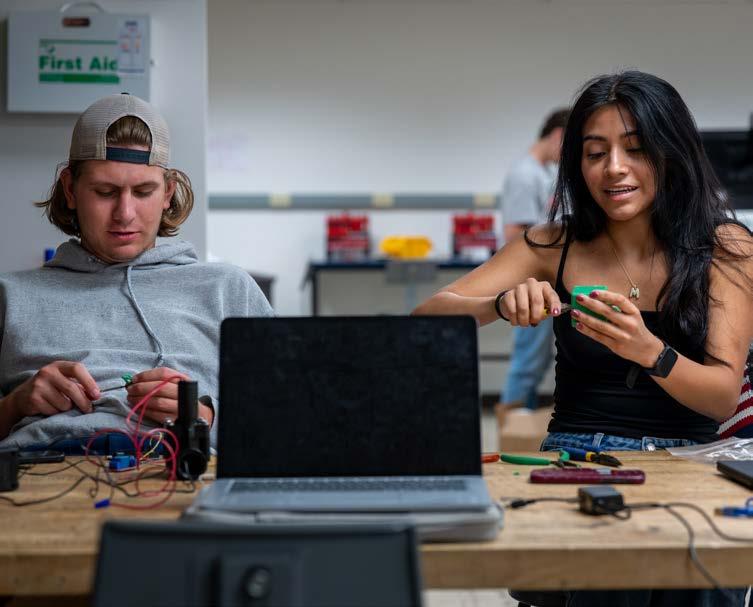
307 students 39% identify as women 27% students of color 32% Pell Grant-eligible 22% first-generation college students
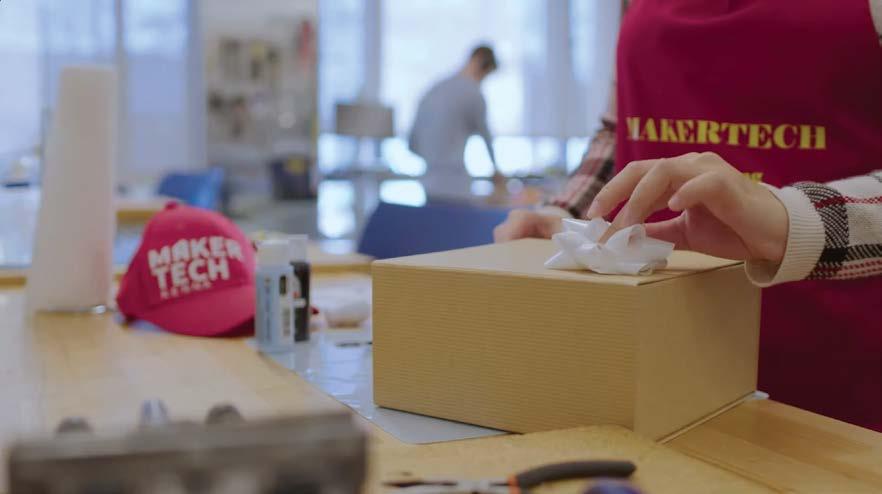
McKelvey Engineering’s Marketing & Communications team won two awards from the Council for the Advancement and Support of Education (CASE) for its “Happy Holidays from McKelvey Engineering 2024” video. The video received a Circle of Excellence Award and a Best of District VI Award.
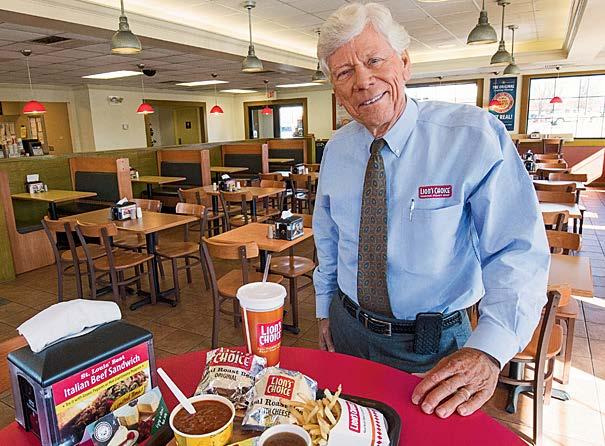
FROM THE ’GRAM @washuengineers Oct. 27, 2025, marked 58 years since WashU chemical engineering alumnus Marv Gibbs, BS ’56, DSc ’60, opened the first @lionschoice restaurant in Ballwin. Gibbs founded the chain in 1967 with two partners as a side business from his day job as a chemical engineer at Monsanto.
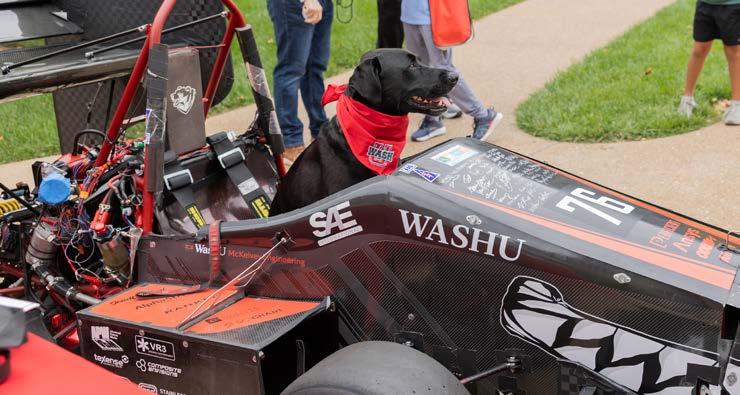
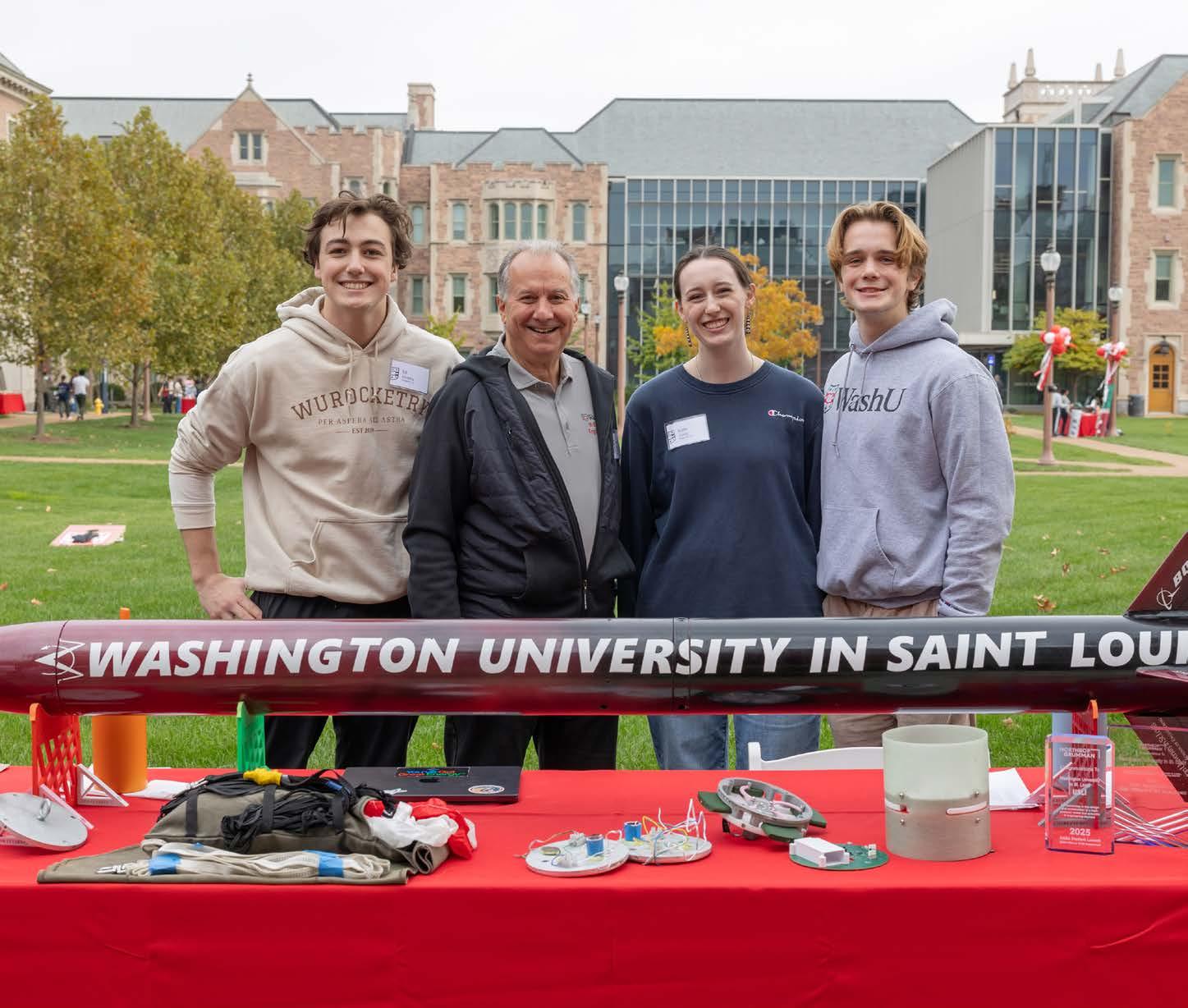
McKelvey in Action: Celebrating Student Innovation welcomed the public to campus on Nov. 8, 2025, and gave numerous student groups, including WU Rocketry (right, with Dean Aaron F. Bobick) and WashU Racing (below, with WUPD Comfort Dog Brookie), the opportunity to network with alumni and showcase their projects.
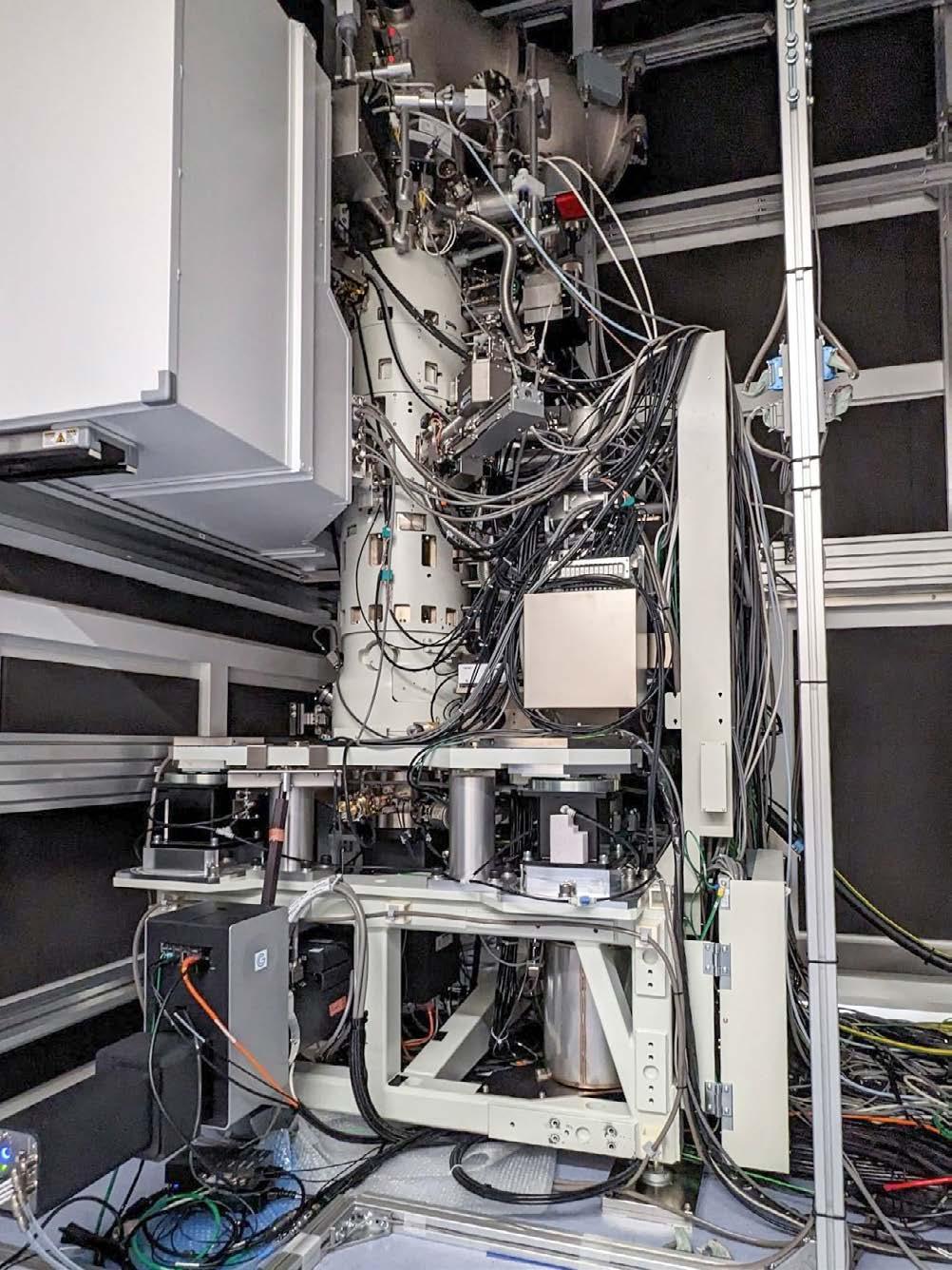
The Institute for Materials Science and Engineering (IMSE) at Washington University in St. Louis is now home to the JEOL GRAND ARM 2, a state-ofthe-art microscope that will enable the study of materials at the atomic scale, including under challenging conditions approximating real-life service.
The GRAND ARM 2 is an aberrationcorrected scanning/transmission electron microscope (AC-STEM) with spatial resolution of 53 pm, roughly half the distance between atoms in a solid. Research using the powerful tool is expected to be invaluable to designing next-generation energy production and storage systems; quantum materials and devices; and sensors for medical diagnostics.
Doctoral students and postdoctoral researchers will learn to use the instrument for their research, and the microscope is available to WashU researchers, external academics and industry users on a fee-for-use basis.
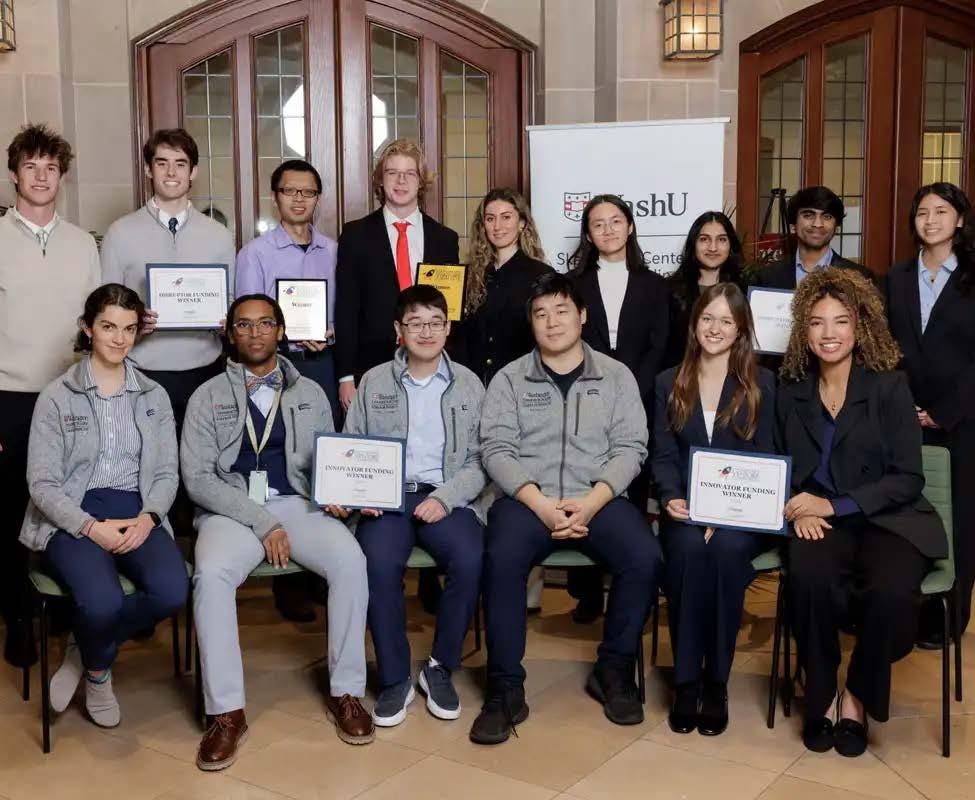
Four of the six winning startups in the Washington University Skandalaris Venture Competition (SVC), held Nov. 19, 2025, included students from the McKelvey School of Engineering. Winners were awarded a total of $25,000 in prizes.
• Locus Suit is enhancing spatial awareness through a wearable vest and vision module, enabling safer, more independent navigation for the visually impaired and blind. Members include Gaurish Agrawal (EN ’28), Sonia Palamand (EN ’27) and Jacqueline Chuang (EN ’27).
• NeuroFore uses machine learning to detect Parkinson’s disease in its earliest, non-motor stage. Members include Hamasa Ebadi (PhD ’28), Joe Hess (BU/EN ’27) and Evan Tan (GB ’25).
• Pretus is an AI-powered platform that helps students prepare for investment banking interviews with a question bank, mock interviews and instant feedback. Members include Cosmo Guion (BU ’27) and Lucas Vogel (EN ’27).
• UteroStim is a low-cost women’s health device to treat postpartum hemorrhage. Members include Adara Ezekwe (SI ’25) and Meryl McKenna (EN ’25).
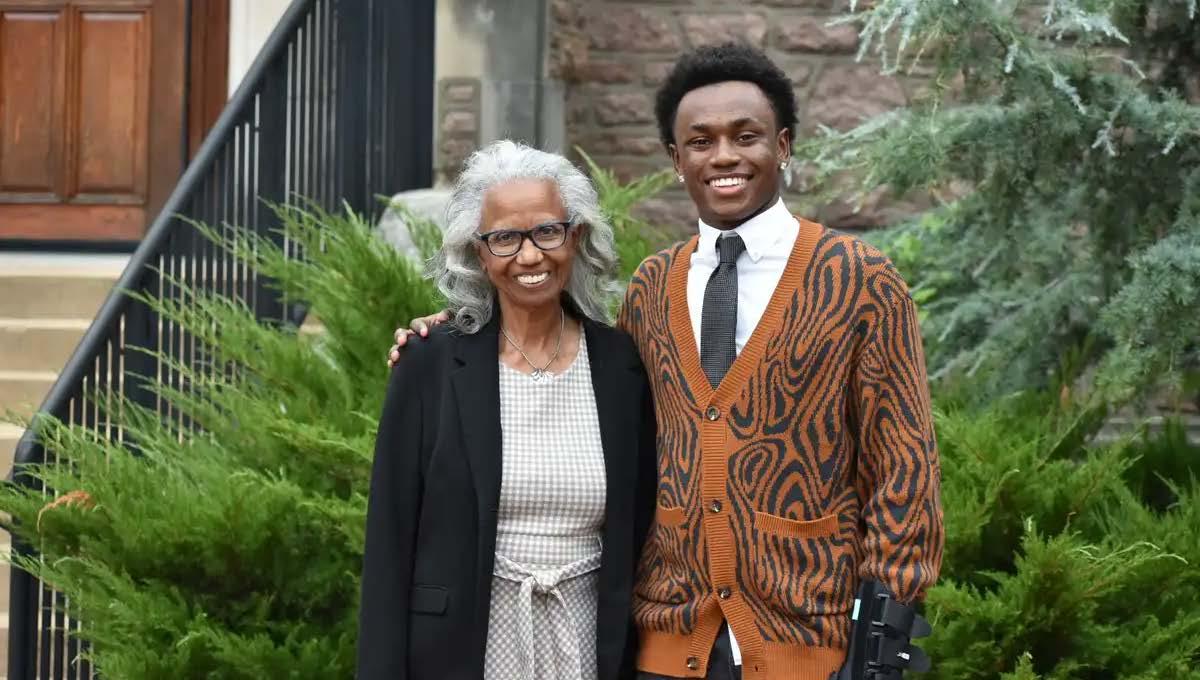
Izzy Mbatai, a sophomore in the McKelvey School of Engineering, has been awarded a Dean James E. McLeod First-Year Writing Prize from the College of Arts & Sciences and the College Writing Program.
Mbatai, who is majoring in computer science at McKelvey and minoring in the business of sports in the Olin Business School, won for his essay, “‘They not like us’ — Who actually won the Drake vs. Kendrick beef?”
In this paper, Mbatai argues that the real loser in the infamous Drake-Kendrick Lamar feud was Black culture, which gets reduced to content that is monetized, consumed and recycled for clicks and streams.
↑ Clara McLeod and Izzy Mbatai
Myles (Max) Miller, Nicolas Chicoine and Cameron Freeman, who earned bachelor’s degrees in biomedical engineering from McKelvey Engineering in May 2025, won the undergraduate first place award at the 2025 Collegiate Inventor’s Competition.
The alumni presented their senior design project from BME 401, Selective Electronic peaNut Sensing Entity (SENSE), a portable device designed to detect latent peanut presence in foods, helping people avoid exposure to allergens. Hovered over food, SENSE scans for peanut presence and displays results on a smartphone application in under a minute. It has achieved very high accuracy during testing. The group’s faculty adviser was Barani Raman, the Dennis & Barbara Kessler Professor of Biomedical Engineering.
The team also won first place in the chemical/ biological track at the 2025 Medtronic/ Biomedical Engineering Society (BMES) Student Design Competition.
Ruiqi Wang, a doctoral student in the Department of Computer Science & Engineering in the McKelvey School of Engineering, has been named a recipient of the 2025 Google PhD Fellowship in Health Research. He is the first McKelvey Engineering student to receive this highly competitive honor.
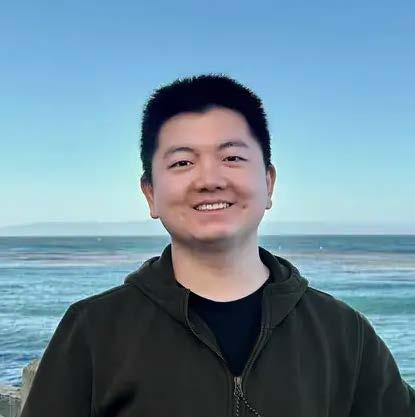
Wang’s project uses state-of-the-art transformers and vision-language models to detect human actions and identify cognitive errors in smart homes for people with cognitive impairments. The project builds on an interdisciplinary collaboration, known as Smart Kitchen, between the Department of Computer Science & Engineering and the Program in Occupational Therapy at WashU Medicine.
Google PhD Fellowships directly support students as they pursue their doctoral degree for up to two years, as well as connect them to a Google research mentor.
Rosana Alfaro, Taylor Barnett, Daniel Cher, Jackson Cox and Wenxuan Xue, graduate students in the McKelvey School of Engineering, have been selected as Olin-Chancellor’s Fellows.
The prestigious fellowship, awarded annually, recognizes the students’ exceptional academic and research accomplishments in their first year at WashU. The program empowers future scholars and leaders who will contribute to advancing knowledge and addressing challenges in a global society through innovation, integrity and intellectual endeavors. In addition to a competitive award package, fellows receive professional development opportunities as well as access to unique resources, networking, programming and mentorship.
by Beth Miller
ngineering is often said to be a universal discipline, touching on air and space craft, electric vehicles, medical devices and imaging, and artificial intelligence. But perhaps nowhere is engineering more interconnected than in public health, which uses science to promote health and to prevent disease in communities.
EInnovations in engineering address clean water and air, sanitation and waste management systems and harmful pollution in many parts of the world, while outreach work continues to implement solutions worldwide, all through partnerships between engineers and those who work in public health.
“One of McKelvey’s most important connections to public health is our extensive work in environmental engineering because it focuses on interventions designed to solve problems in public health,” said Aaron F. Bobick, dean of the McKelvey School of Engineering and the James M. McKelvey Professor. “The significant number of McKelvey faculty who now have secondary appointments in the new School of Public Health demonstrates just how fundamental engineering research is to advancing the mission of public health.”
“The greatest and most transformational public health moments in our history were really engineering successes, such as the sanitation measures that eliminated the enormous burden from transmissible disease,” said Matthew Kreuter, the Kahn Family Professor of Public Health and founding director of the Health Communication Research Laboratory in the School of Public Health. “The roots of the two fields have been connected for a long time.”
Indeed, much of the research carried out by McKelvey Engineering faculty intersects with public health in some way — and it’s often unconventional. The examples that follow highlight only a few McKelvey Engineering faculty working to solve — or prevent — a particular public health problem.

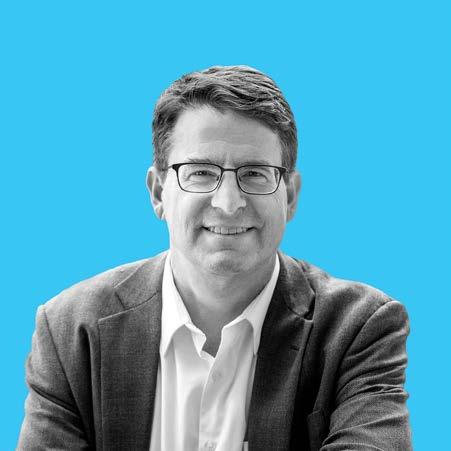
James McKelvey Professor of Engineering Education; head of the Division of Engineering Education; vice dean for education
PROBLEM:
Polluted air in vulnerable neighborhoods
SOLUTION:
Air quality monitoring
Turner’s interest in tying engineering to public health came in a graduate student course on aerosol technology at University of California, Los Angeles, sparking his interest in how his engineering skills could be applied to public health questions. His early research in air quality measurements and data analysis led to collaboration with public health faculty at Harvard and Emory universities. Later, he was involved in committee and policy work with the Health Effects Institute, the Environmental Protection Agency’s Science Advisory Board and the American Heart Association. His goal is to shed light on the health burdens of air pollution.
“My early career experiences in air quality measurements and analysis created opportunities to have a seat at the table on public health projects,” Turner said. “This evolved into my
research having largely focused on estimating environmental exposures in support of health effects studies.”
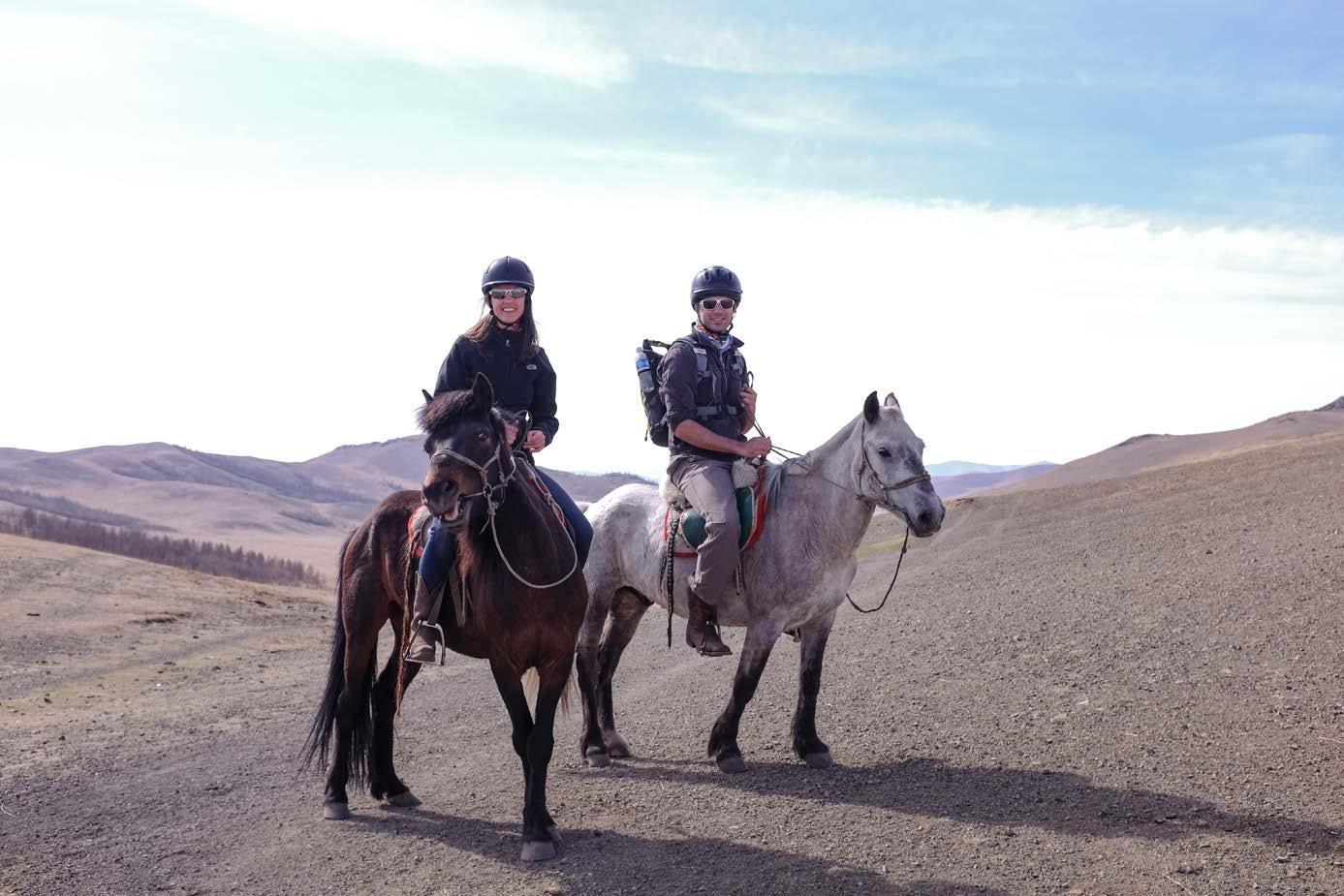
Turner has spent time in Mongolia and Kyrgyzstan both as a consultant and with funding to WashU that focuses on the health impacts of air pollution exposures on fetuses and young children. In Mongolia, Turner worked with United Nations Children’s Fund (UNICEF) to measure children’s exposure to air pollution.
“I have found that a focus on children’s health is an excellent platform to get stakeholders to drive forward with air quality planning and management,” he said.
Now, he is collaborating with the Barrow Neurological Institute on air pollution as a risk factor for neurodegenerative diseases, including a National Institutes of Health-funded grant focused on exposure to ambient particulate matter manganese and Parkinson’s disease progression. He is also collaborating with the Envirome Institute at the University of Louisville School of Medicine on the effects of greening interventions on air quality and cardiovascular health.
While engineering researchers create potential solutions to public health issues, they rely on communication from public health professionals to translate the research for implementation. This is the specialty of Kreuter, who is nationally renowned in health communication and develops and evaluates communication programs designed to promote health by encouraging behavior change. He and his teams also consider the social and environmental contexts that shape people’s decisions and actions.
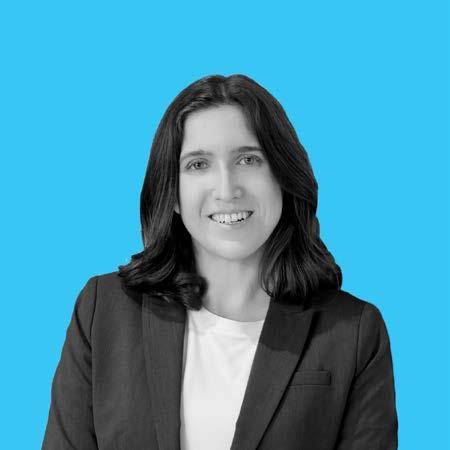
Walter E. Browne Professor of Environmental Engineering, Energy, Environmental & Chemical Engineering; director, Center for the Environment
PROBLEM:
Removing contaminants from drinking water
SOLUTION:
Trusted Tap
Although water utilities regularly monitor drinking water supplies, there are limited checks for potential contaminants, such as lead, once water comes out of the tap, either from the utility or from a private well.
To allow individuals to monitor their own tap water, WashU researchers, led by Giammar, have launched Trusted Tap, a plan funded by the National Science Foundation Directorate for Technology Innovation and Partnerships in which households will use commercially available water filters, then mail those filters to WashU for analysis. Households learn what is in their water, and WashU scientists can offer guidance if there are contaminants at levels of concern.
The project has a host of WashU collaborators, including Kimberly Parker, associate professor; Fangqiong Ling, assistant professor, both in Energy, Environmental & Chemical Engineering; and Rachel Garg, assistant professor at the WashU School of Public Health and co-principal investigator of Trusted Tap; as well as the Center for the Environment, the Health Communication Research Laboratory at the School of Public Health, the Sam Fox School of Design & Visual
Arts, and the Skandalaris Center for Interdisciplinary Innovation and Entrepreneurship.
WashU has partnered with the University of Illinois UrbanaChampaign and is working to put together a pilot program with the Cherokee Nation Office of Environmental Health, the Chicago Department of Water Management and both the Midwest Assistance Program and RCAP Solutions, organizations that reach out to well owners across multiple states.
“We’re here because we want everybody in the country to have safe drinking water, and they can’t do that if they don’t know what is in their drinking water,” said Giammar, who has a secondary appointment in the WashU School of Public Health.
Giammar knows the importance of collaborative research across the university and beyond, drawing researchers from engineering, environmental science, public health, social work and more.
“If we want to do research that solves the world’s problems, we have to collaborate,” Giammar said. “It’s energizing for lifelong learners to work with other experts and learn what they know. As we’ve moved more into interdisciplinary research, we need people who have deep expertise and bring that to a team.”
Associate professor, Energy, Environmental & Chemical Engineering
PROBLEM:
Off-target movement of agricultural chemicals that threaten food and health
SOLUTION: New formulations that stay in place
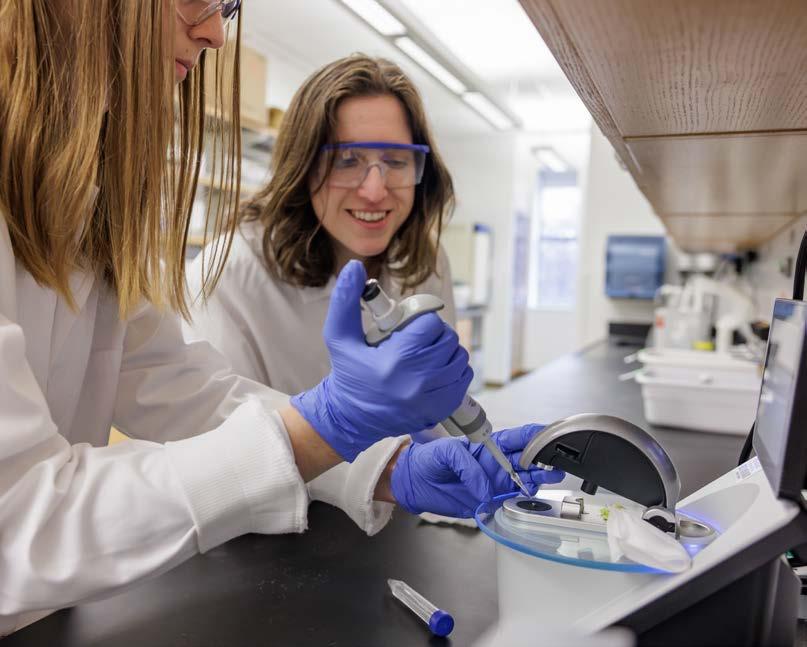
Parker, an environmental chemist and engineer, looks at how emerging contaminants, particularly chemicals used in agriculture, move through and react in the environment. Her lab studies agrochemical volatilization, which occurs when an herbicide is applied
in one field but moves through the atmosphere and can potentially cause harm to nearby crops.
“This issue affects public health as it relates to food security and diversity, particularly for sensitive types of soybeans and other crops like grapes and sugar beets,” Parker said. “Fighting drift damage is critical both to protect the producers of these crops and to ensure consumers have access to diverse foods.”
Another health impact is on workers who apply the chemicals and on residents who live in the areas where agricultural chemicals are widely used, putting them at risk of inhaling the compounds in the air or drinking them in their water.
“Our focus as engineers is to try to solve these problems,” said Parker, who has a secondary appointment in the School of Public Health and is also working on reducing exposure to chemicals in drinking water as a member of the Trusted Tap team.
“Our lab is designing new and improved formulations that keep the chemical at the location where it is meant to be to protect crops. We aim to protect public health and the environment by preventing exposure while also improving agricultural productivity by allowing the chemical to stay useful for longer periods of time.”
Kimberly Parker’s lab studies agrochemical volatilization, which occurs when an herbicide is applied in one field but moves through the atmosphere and can potentially cause harm to nearby crops.
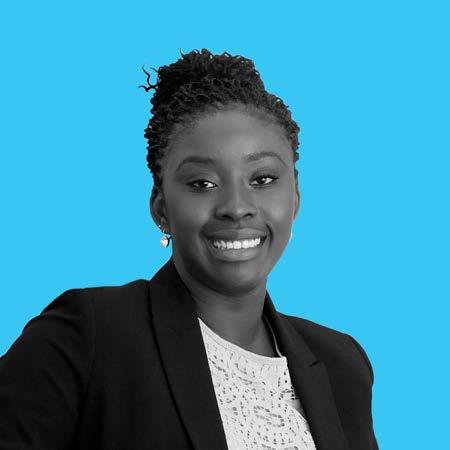
PROBLEM: Presenting health data to individuals in an understandable way
SOLUTION: Visualization literacy
Ottley’s lab seeks to learn how people understand visual information about health, such as informational graphics and charts, and make decisions based on the information. But there are mixed ideas about how the public understands this information.
“Proponents say it makes it memorable to have designs and cartoons because it attracts attention, but these are serious topics, often about life and death, that you are communicating to a broad audience,” said Ottley, who holds a courtesy appointment in the Department of Psychological and Brain Sciences. “We need to think about not only if people understand it, but if it brings awareness to an issue or causes someone to change their behavior.”
Ottley’s team scrapes the internet to see how government agencies represent data, then creates plain visualization and plain text versions of that data and asks focus groups what they recall. For example,
during the COVID-19 pandemic, flyers showing the correct and incorrect way to wear face masks and how to wash hands properly were prevalent.
“If you see a piece of paper that says, ‘wash your hands,’ you might just ignore it, but if it is more eyecatching, then it is more likely that someone will wash their hands,” Ottley said. “These are the kinds of things that designers think about, and we don’t necessarily think about from an engineering perspective. But if in engineering you want to make sure that we maximize the impact of what we produce, we need to think about the design aspects.”
Ottley said her team’s goal is to create tools that would help people design things more effectively.
“We do these control studies to understand how design might affect these different measures, but we are also trying to do a large-scale analysis using computer vision techniques so that we can understand the designs people tend to use,” she said. “This might help us eventually create a tool that can help people design these more quickly and provide advice based on what common techniques there are in specific domains.”
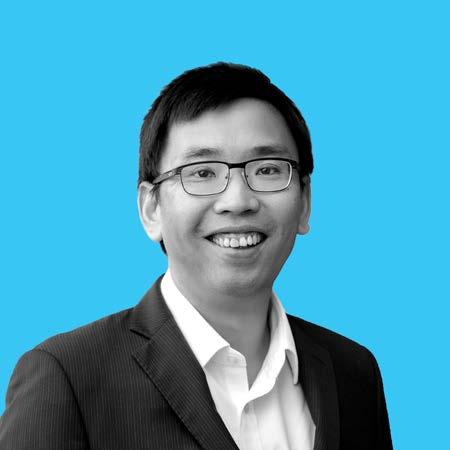
Lauren and Lee Fixel Distinguished Professor, Energy, Environmental & Chemical Engineering
PROBLEM:
Food production efficiency
SOLUTION:
Electro-agriculture
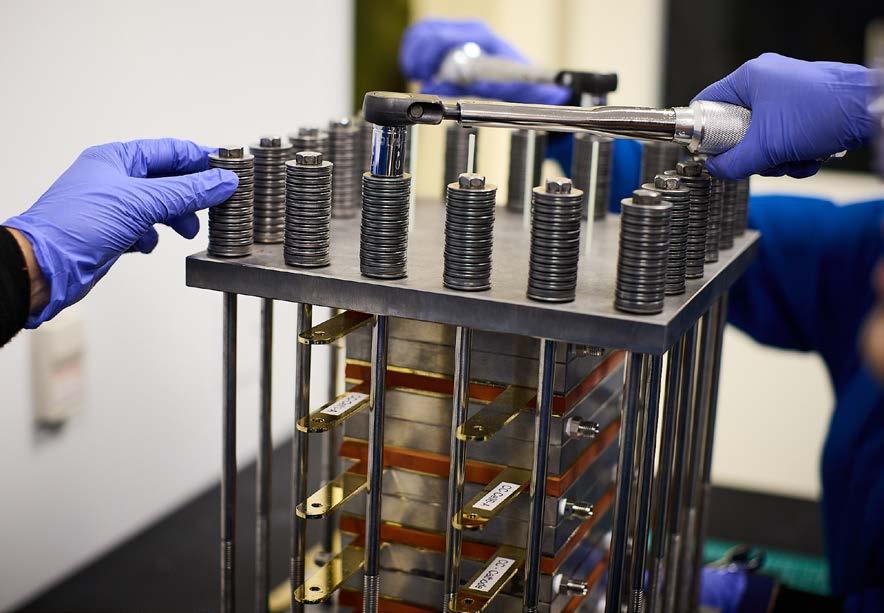
Feng Jiao’s two-step system for carbon dioxide (CO2 ) electrolysis works by converting CO2 into carbon monoxide (CO), then processing CO into multi-carbon products like ethylene and acetate, which can be used in the plastics and food industries. Photo by Douglas Garfield
Fresh food relies on photosynthesis to grow; however, the process is slow and requires multiple resources that make it inefficient to meet the world’s food needs. Jiao is working with Lora Iannotti, the Lauren and Lee Fixel Distinguished Professor in the WashU School of Public Health, and Robert E. Jinkerson, assistant professor at the University of California, Riverside, to create an electro-agriculture framework that combines carbon dioxide electrolysis with biological systems to boost food production efficiency. Such a system could reduce agricultural land use in the United States by nearly 90% and allow food to be grown in urban areas, deserts and even in space without light or pesticides.
“If we implement this technology in a so-called indoor farming setup, this will give us the opportunity to not only save the energy but deploy this kind of technology in densely populated regions,” said Jiao, who has a secondary appointment in the School of Public Health and is a part of the university’s Food and Agriculture Research Mission (FARM) initiative that aims to address challenges in agricultural production, food distribution and access to nutritious foods by developing practical, scalable solutions for global impact. “We’re trying to produce mushrooms, greens and tomatoes and are comparing the products we produce with our new technology versus the traditional technology to determine whether we have ways to make the nutrition even richer.”
The process works by bypassing photosynthesis and instead using a modified glyoxylate cycle to create acetate, or vinegar, as fuel instead of carbohydrates. Jiao said the process could help many people in food-scarce areas but could take five to 10 years to scale up.
“Not everyone is open to the concept of food being produced by technology, so we need the people in public health to help us connect the technology to the community,” Jiao said.
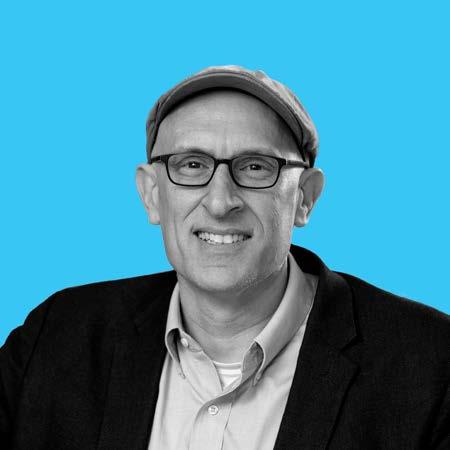
Harold and Kathleen Faught Professor of Mechanical Engineering, Mechanical Engineering & Materials Science
PROBLEM: Diseases caused by biomechanical failures
SOLUTION: Designing technologies to make populations healthier
ith a focus on mechanobiology, Genin’s research touches on interfaces between tissues at the attachment of tendon to bone, such as the rotator cuff in the shoulder; between cells in cardiac fibrosis; and between protein structures at the periphery of plant and animal cells.
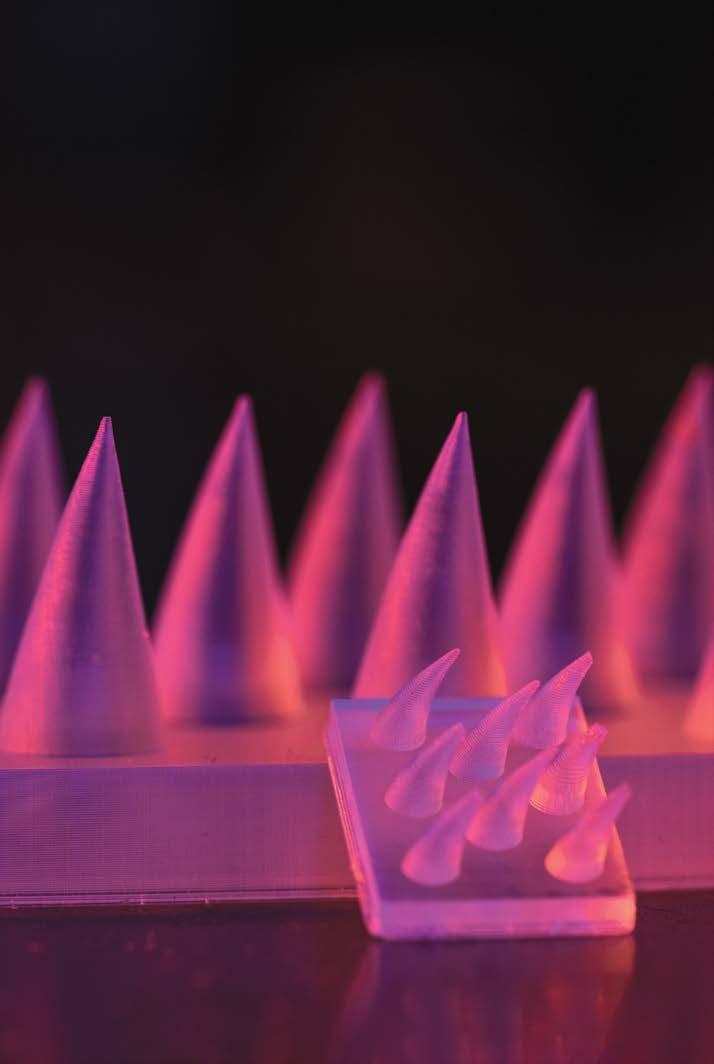
In Guy Genin’s lab, researchers are looking to curved python teeth as they develop new, stronger sutures to assist in rotator cuff surgery, which today has a high fail rate due to suture tearing.
“The first question we ask ourselves when starting a new project is what is the public health problem we’re looking at in terms of the most important medical questions in the world and how mechanobiology addresses those,” Genin said. “When we find an interesting observation in the lab, we ask how this will affect medicine and how we’re going to start curing disease.”
Genin and Eric Leuthardt, the Shi H. Huang Professor of Neurological Surgery at WashU Medicine, vicechair for innovation and chief of the Division of Neurotechnology in the Taylor Family Department of Neurosurgery, director of the Center for Innovation in Neuroscience and Technology and an affiliate faculty member in the Department of Biomedical Engineering in McKelvey Engineering, hold invention sessions with basic scientists, clinicians and engineers several times a year to generate ideas for grant proposals or to develop
a product prototype to patent and start a company. While some are medical devices, others are ways to measure outcomes across populations, both in the St. Louis area and internationally.
“We’re trying to take the diseases that affect Americans the most, and often these are diseases with a mechanical cause because we already have great cures for diseases of chemistry.”
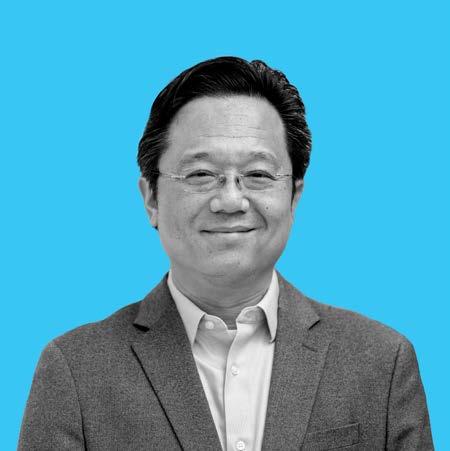
Fullgraf Professor, Computer Science & Engineering; director, AI for Health Institute
PROBLEM:
Predicting surgical outcomes, mental health issues
SOLUTION:
Using AI to find predictors in public health data
As director of the AI for Health Institute, Lu collaborates with researchers in the School of Public Health, the Brown School and WashU Medicine using artificial intelligence to look for patterns in data that can help make predictions on a patient’s outcome and support public health at scale.
Recent work has predicted who is at risk for persistent postsurgical pain and for deterioration after hospitalization in cancer patients, outcomes of treatment for depression using wearables, as well as learning about physician burnout. Collaborative work has also focused on predicting the adherence by teens with HIV in Uganda to anti-retroviral therapy and identifying key socioeconomic factors associated with whether mothers in sub-Saharan Africa will use available health services.
“Public health policy makers and providers have the opportunity to proactively mitigate these risks at a much more precise and individualized level and at scale because we have automated tools that allow us to understand at the individual level,” said Lu, who has a secondary appointment in the School of Public Health. “There is interest in data-driven policies that’s more targeted, and there is technology enabling public health to do what they do in a much more efficient and scalable manner.”
Lu said it’s important for computer scientists and public health researchers to collaborate to learn the real problems in the public policy domain and what variables to use in their models.
“AI doesn’t work without data,” Lu said. “The public health team is working hard on the ground in underserved communities and countries to collect these data. In AI, it’s important to understand the inputs to our models, such as the social determinants of health at different levels, to establish correlation.” M
Friend brings medical device expertise, persevering attitude to McKelvey Engineering
by Beth Miller
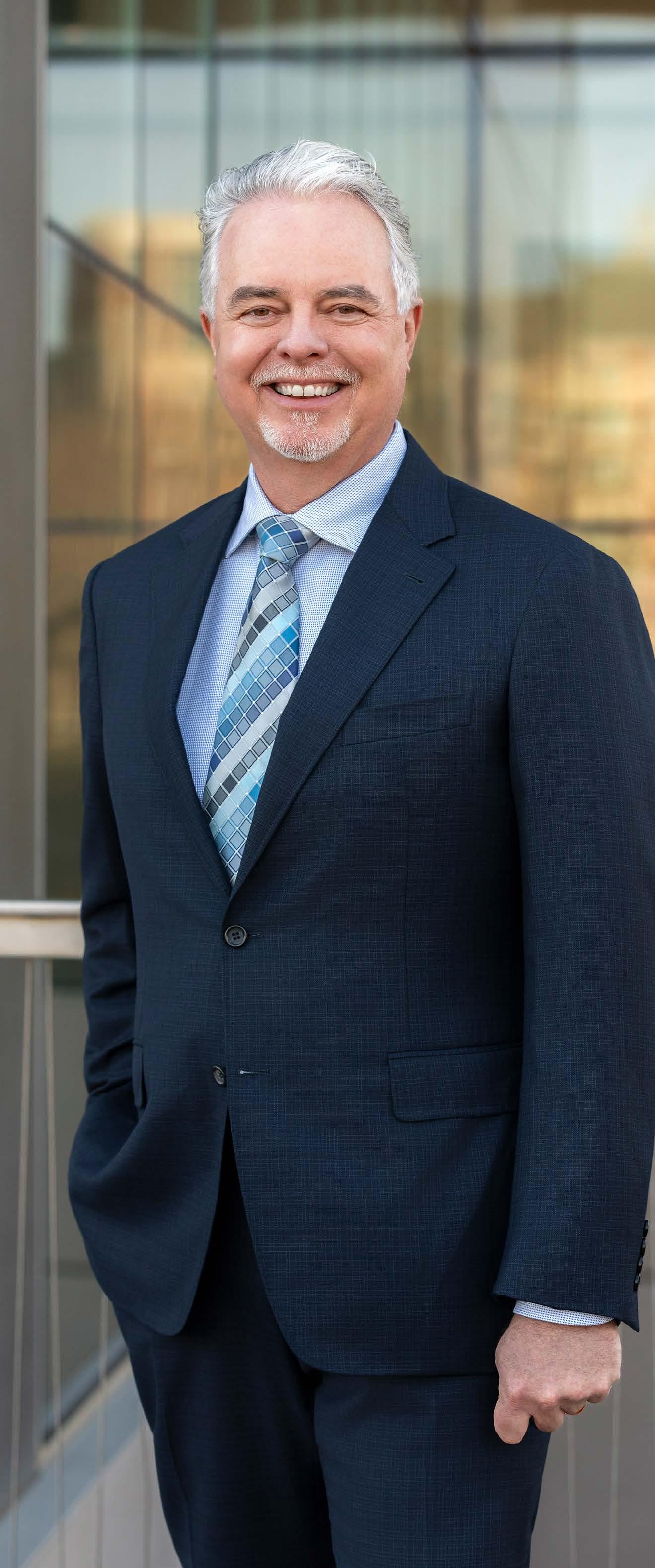
James Friend joined McKelvey Engineering in November 2025 as chair of the Department of Mechanical Engineering & Materials Science (MEMS), succeeding Philip V. Bayly, the Lee Hunter Distinguished Professor, who had been chair since 2008.
Friend was the Stanford S. and Beverly P. Penner Endowed Chair in Engineering at the University of California, San Diego, where he led the Medically Advanced Devices Laboratory in the Center for Medical Devices and was director of the Center for Medical Device Engineering and Biomechanics.
Friend’s research explores and exploits acoustic phenomena at small scales for primarily biomedical applications. He has more than 270 peer-reviewed research publications, 34 issued patents, 25 provisional patents, and has been awarded more than $31 million in competitive grantbased research funding.
A southwest Missouri native, Friend earned a bachelor’s in aerospace engineering and master’s and doctoral degrees in mechanical engineering all from the University of Missouri, Rolla, now the Missouri University of Science & Technology.
WashU is a unique place in the United States. You know the old saying that WashU is ivy without the ivy, and that fits me to a T, in the sense that it’s all about the rigor and excellence. It leads in interdisciplinary work between engineering and medicine, and WashU Medicine is dominant nearly worldwide. And I think engineering is certainly on its way to that level, and I’d like to play a role in that.
What really excites me is the opportunity to contribute now when the engineering school is growing. St. Louis seems to be coming back pretty well, and the faculty in the department are incredible in their research and teaching. I think there’s an extraordinary opportunity to make a significant difference in the department to continue its trajectory and expand its interactions with other work that happens at the institution.
What are your priorities for your first year?
First, I know enough to know that I don’t know enough. I need to talk to the people here and find out what they believe the issues are. There are certainly significant issues in the past year that have come to all academic institutions in the U.S., though this is not the first time we’ve faced existential issues. Second, I aim to put groups of faculty together to go for larger grants. We’re going to go for non-standard sources of funding, and we’re going to go for interdisciplinary work that may have translational benefit beyond medicine. Third, I want to make sure the staff are clear in their roles and to check their morale in these difficult times.
What are the strengths of the department, and where do you see opportunities for growth?
I think the strengths are certainly the individual faculty and the research areas that they’re pursuing. They’re outstanding. The teaching is outstanding. For the size of the department, it does an amazing job. The opportunities from here are to reinforce collaboration and to engage with other faculty in other disciplines at WashU, and outside WashU as well, to go for larger opportunities. Given the effort and risk involved with fundraising today, assembling teams for large grants likely makes more sense. Moreover, I hope to encourage translation of the work being done in research into commercial opportunity where feasible. I’m not sure that research funding is going to go back to the levels that we’ve been accustomed to, and the faculty at WashU and my department deserve better. Most of
the work they do would be commercially quite valuable. There are other ways to make things work, and I’m not about to give up.
How do you plan to connect with other schools, particularly the School of Medicine, since so much of your work intersects with the medical school?
We have in motion plans to try to bring faculty together across these areas. I’m a strong believer in getting people together to discuss potential projects and encouraging engagement from the bottom up in teams. There’s a lot of incredible work that happens in MEMS, and for that matter, in the engineering school more broadly. I believe the faculty in medicine will enjoy the engagement with the engineering faculty.
What are your plans for your research lab?
I’ll refocus my efforts on the acoustofluidics work that we’re doing. There are several different aspects of it that seem to be attracting interest, from chip cooling to organoid manipulation. We’ve recently had several medical device innovations from neurosurgical devices, including a clog-free ventricular peritoneal shunt that’s put in for hydrocephalus, to pacifiers for diagnosing issues that infants may have that prevent them from effectively breastfeeding.
What’s the best piece of advice you’ve ever been given?
It was basically to not give up, to have patience and see things through, to persevere — that this, too, shall pass. I’ve had some interesting times. I had an apartment, no furniture, 33 cents in my bank account, and could not afford antifreeze for my beat-up car with bald tires in the middle of winter. I had to pour boiling water over my car’s engine overnight to keep from ruining it, and I had a final exam the next day. I was paying my way through my undergraduate education by being a mechanic on the weekends. I didn’t know if I was going to make it. But I remembered that advice, and I managed to stick it through: Perseverance can pay off. M
Ching’s expertise in neuroengineering brings strengths of electrical & systems engineering together
by Beth Miller
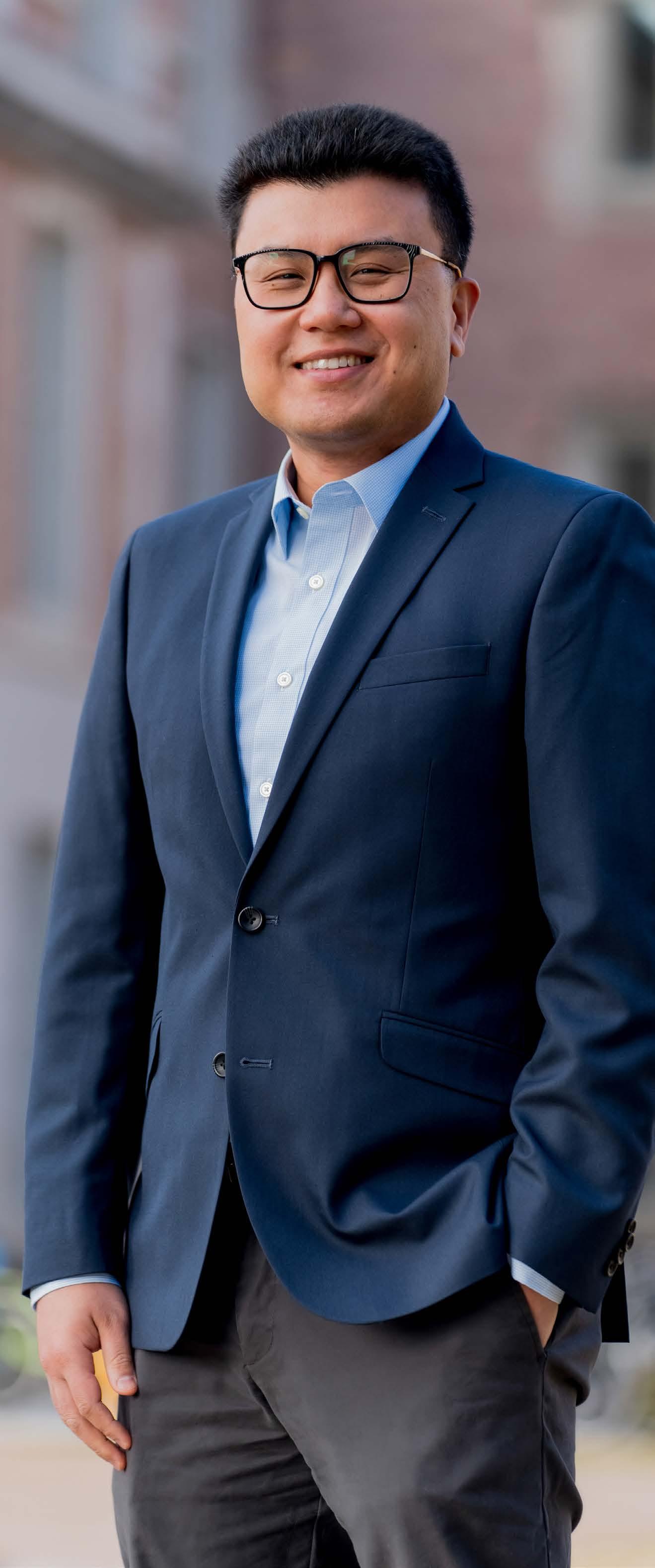
ShiNung Ching became chair of the Preston M. Green Department of Electrical & Systems Engineering (ESE) Jan. 1, 2026, after 12 years on the McKelvey School of Engineering faculty. He succeeds Bruno Sinopoli, the Das Family Distinguished Professor and chair, who became director of the School of Electrical, Computer and Energy Engineering at Arizona State University.
Ching conducts research at the intersection of engineering and computational neuroscience, particularly in using systems and control theory to study the dynamics and function of neural circuits and networks. His research includes efforts to provide new scientific characterizations of brain function from data and models, as well as clinical work aimed at improving neural technology, including brain monitoring and neurostimulation for cognitive enhancement.
After spending his formative years in upstate New York and eastern Canada, Ching earned bachelor’s and master’s degrees in electrical and computer engineering from McGill University and the University of Toronto, respectively.
He earned a doctorate in electrical engineering from the University of Michigan in 2009 and subsequently completed postdoctoral training in computational neuroscience at the Massachusetts Institute of Technology and Harvard Medical School. He has received more than $11 million in research funding from such agencies as the National Institutes of Health, National Science Foundation and U.S. Department of Defense, including an NSF CAREER Award, an award from the U.S. Air Force Office of Scientific Research Young Investigator Program, and a Career Award at the Scientific Interface from the Burroughs-Wellcome Fund.
What are your priorities for the first year?
It will be important for us to grow while staying true to our core identity. As a department, we have clear strengths in our degree programs and the ways in which we prepare students to tackle emerging engineering challenges. Likewise, there are areas of research where we know we are internationally competitive, including applied physics and systems science and engineering. That said, our field is changing quickly, most notably with the proliferation of AI. By bridging between the information and physical worlds, ESE will play a critical role in the evolution of AI and its various technological instantiations. We need to be strategic in positioning our curricula and our research portfolio to meet these opportunities over the next five to 10 years.
How do you plan to connect with the other departments and schools?
Our department has always been very interdisciplinary. If you look at the research that is conducted in ESE, part of what makes us effective is our ability to deploy the things we work on across different applicative contexts, including in collaborations with the medical school. Two areas of emphasis for us in this sense are first, imaging science, where we have been a key player in the formation of new academic programs, as well as in driving forward new technology and methods development. I expect this will be a continued area of growth for us. The other emphasis area will be in neuroengineering, where we are pursuing new paradigms to measure and interact with the brain and the nervous system for better understanding, clinical applications and for new brain-inspired technologies. I see this as a major area of growth and collaboration across the university, and something we will be
“
In research, one of my mentors told me to always follow my curiosity and work on problems that are exciting to me. And I’ve tried to stay close to that in my career, to work on things that are compelling to me at an intellectual level.”
–SHINUNG CHING
prioritizing in research, as well as on the academic side with a new PhD program in neuroengineering that we are excited about.
What is your vision for ESE students?
I look at ESE as engineering in the biggest sense of the word. It is both the traditional view of how we design and construct things, but it’s also a paradigm by which we come up with innovative solutions for complicated problems. We try to give our students a rigorous quantitative and technologically oriented foundation, then empower them to use these tools and methods as a language to analyze, design and create. This allows our students to go out into the world prepared for high-level engineering careers as well as a wide array of other fields. In fact, many of our students in ESE go on to areas that you wouldn’t typically associate with engineering, like management, business, finance and medicine. These are challenging domains where they are confronted with complex problems, and we think that the ways in which we train them to think prepare them for this in a unique way.
What’s the best piece of advice you’ve ever been given?
In research, one of my mentors told me to always follow my curiosity and work on problems that are exciting to me. And I’ve tried to stay close to that in my career, to work on things that are compelling to me at an intellectual level. Paired with this was his advice that persistence is the foundation for success, and that if you have belief in your ideas, to stick with them, something that is easier to do when driven by your own curiosity. M
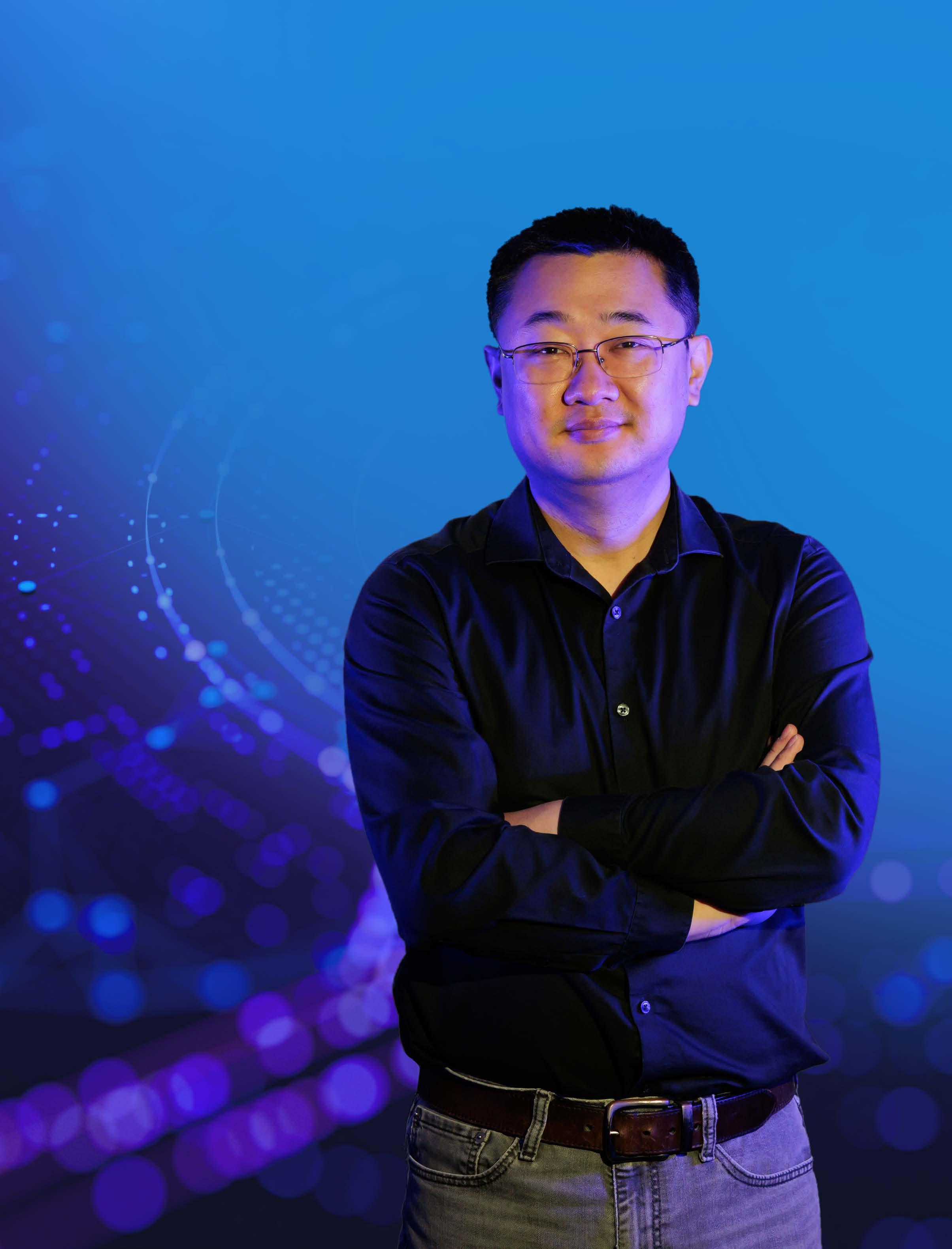
Ning Zhang uses his cybersecurity expertise to anticipate and thwart threats in an increasingly interconnected world
by Kurt Greenbaum
Early in his career, while working with a defense contractor in Washington, D.C., Ning Zhang was confronted with the reality that some technologies are built for environments where failure is not theoretical. From the beginning, the work was framed not as abstract problem-solving, but as a responsibility tied to human lives and national security. It left a lasting impression about what it means to build systems that people truly depend on.
Now a nationally recognized associate professor specializing in cyberphysical security, Zhang’s research focuses on the protection of systems in which digital computation and physical processes are tightly coupled. His work reflects a guiding principle formed during his time in defense: technology must be developed with the understanding that failures can have serious, realworld consequences. This philosophy informs both his research agenda and his approach to educating future engineers.
In fact, computing is already woven into the systems that move people and goods, manage buildings and keep essential services running. With the emergence of AI and embodied agents, information flows faster, more decisions are automated and society increasingly relies on connected technology to function smoothly. Looking ahead, as new interfaces and intelligent systems continue to tighten the connection between humans and computing, cyberphysical systems will become indispensable in daily life. Brain computer interface is one example of where that trajectory could lead, offering a path to more direct interactions between people and machines, and perhaps even new ways to acquire capabilities.
“In the future, you may be able to acquire a new skill directly from the internet through a brain-computer interface,” said Zhang, who was recently named the Spencer T. Olin Career Development Associate Professor. “Imagine transferring the ability to paint straight into your mind and using it right away.”
As such technologies become more deeply embedded in the physical world, protecting cyberphysical systems becomes critical: when these systems are compromised, the consequences can extend well beyond inconvenience to threaten safety and trust.
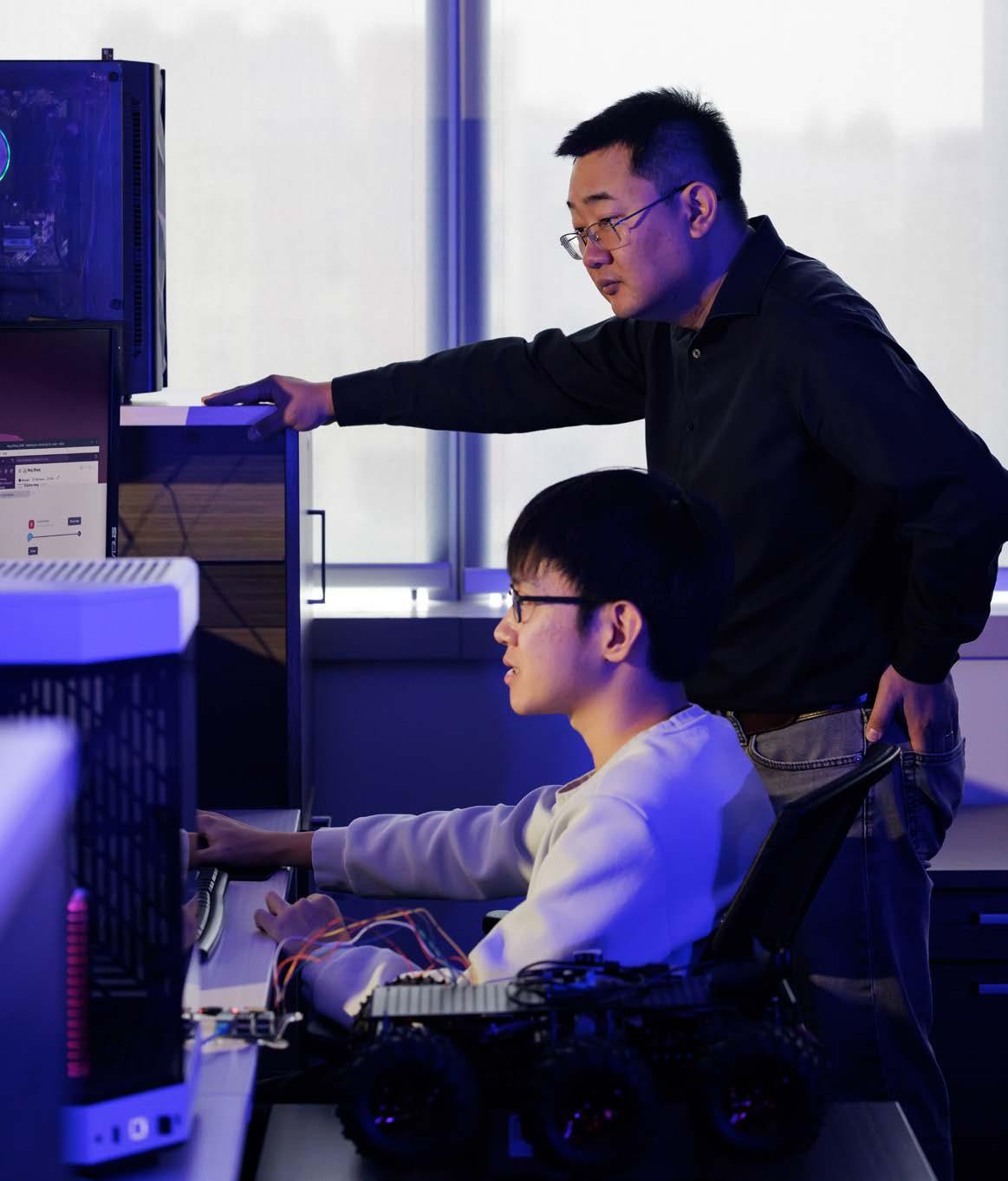


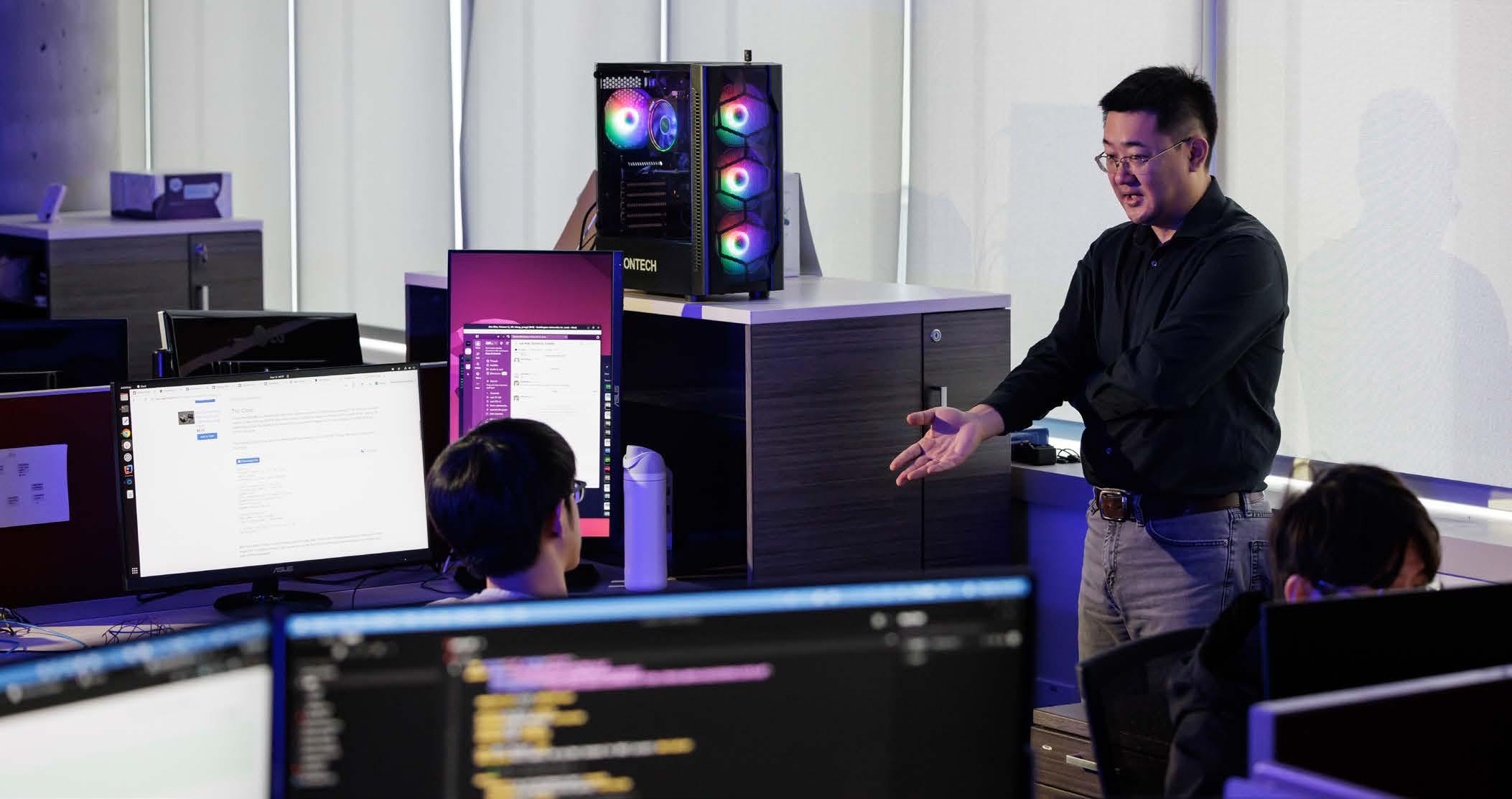
While Zhang is optimistic about the technologies on the horizon, he is equally clear-eyed about the risks they introduce. One tool his lab has developed, XCheck, helps defend 3D printed medical devices against tampering by using CT scans to verify that a manufactured device matches its original design. The scans can reveal hidden defects, unexpected voids or subtle structural changes that could weaken performance or create exploitable openings. Zhang views these scenarios as increasingly realistic as cyberphysical systems become more interconnected and more widely deployed.
Zhang’s broader research portfolio has attracted sustained support from a wide range of sponsors, totaling multi-millions of dollars in external awards. That includes two early career honors, a National Science Foundation CAREER Award in 2023 and a 2025 early career award for scientists and engineers from the U.S. Army Research Office for his project, Cyberphysical Reasoning Foundation. His work has also been supported by the Office of Naval Research, as well as the Department of Homeland Security
and the Department of Energy, and by industry partners including Mastercard and Intel.
Zhang’s lab aims to build defenses that people can actually use and that the broader community can adopt and improve. That focus is why his team invests in open-source releases and participates in public challenges such as the Federal Trade Commission Voice Cloning Challenge, which sought approaches to counter the misuse of voice cloning for fraud and related harms. His team’s submission won the challenge and led to AntiFake, and the lab also open sourced PiGuard, a prompt injection detection effort designed to help developers and researchers secure AI agents and applications in real settings. PiGuard was later highlighted by Mozilla AI as a leading prompt injection detection approach.
In the classroom, Zhang grounds courses such as “Introduction to Computer Security” and “Recent Advances in Security and Privacy” in real-world challenges, helping students connect core concepts to the kinds of threats they will face
in practice. He also emphasizes how attackers think and how defenses fail, so students learn to reason about security under realistic constraints.
Outside class, Zhang serves as faculty adviser for B34R5HELL (Bearshell), McKelvey Engineering’s competitive white-hat hacking team. The team competes in capture the flag events that build defensive skills through hands-on, adversarial problem solving.
Zhang redirects attention about his success to the WashU community that has helped shape his work. He speaks first about students, whose creativity and drive keep the lab moving forward, but he also highlights the mentors and colleagues who have invested in him directly. As he broadened his research agenda,
he leaned on faculty guidance about how to think rigorously about new problem spaces, how to craft a research narrative, and how to build a sustainable and impactful program, from proposal writing to long-term planning. He also acknowledges the people who make the enterprise run day to day and the departmental and school leadership that provides the support and direction needed for research to thrive. The result, Zhang says, is a WashU culture that is demanding in the best way, and supportive in the ways that matter, and he does not take that for granted. M
“ Someday, through a brain-computer interface, you may be able to acquire a new skill directly from the internet. Imagine transferring the ability to paint straight into your mind and using it instantly.”
–NING ZHANG
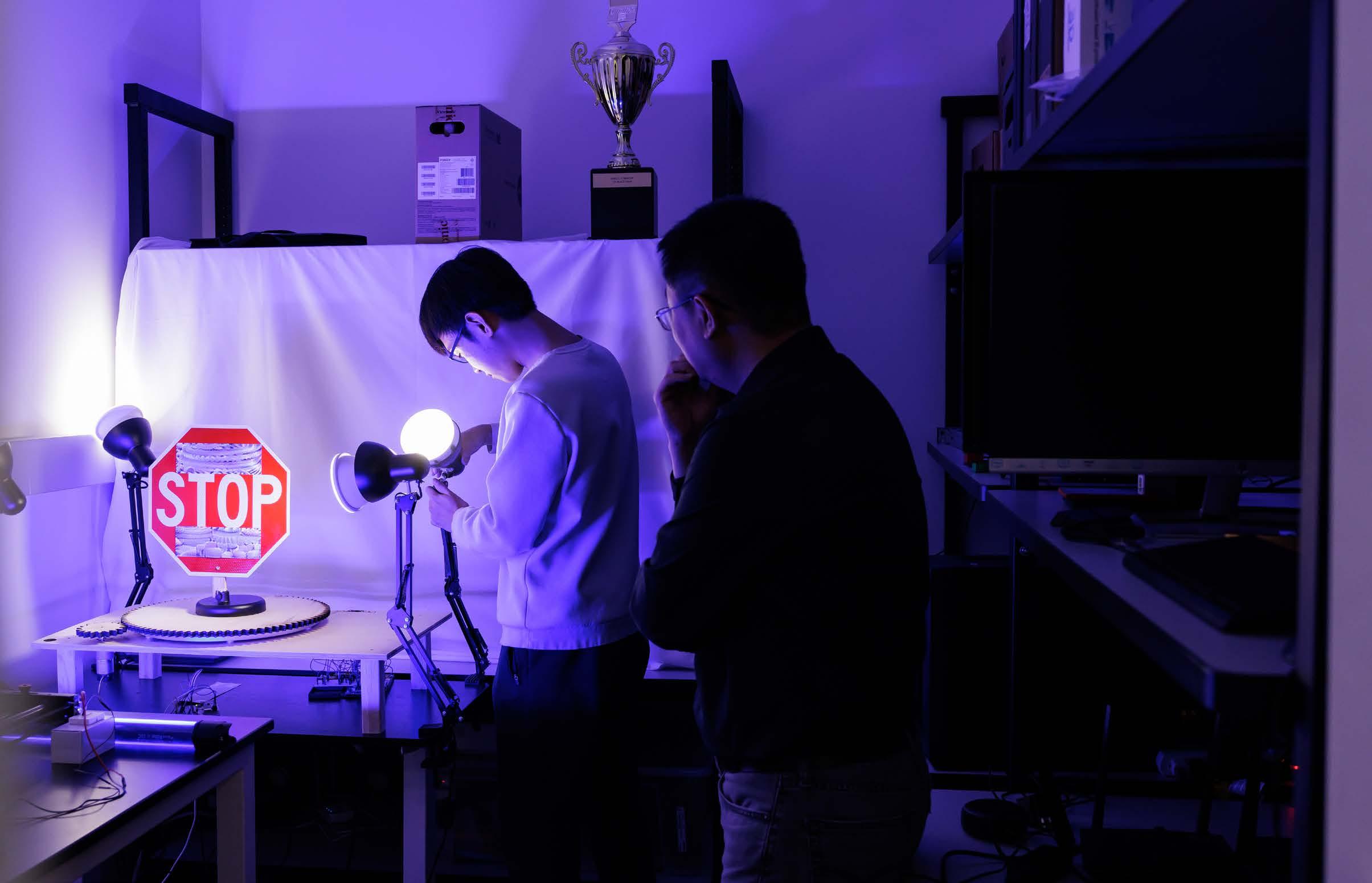
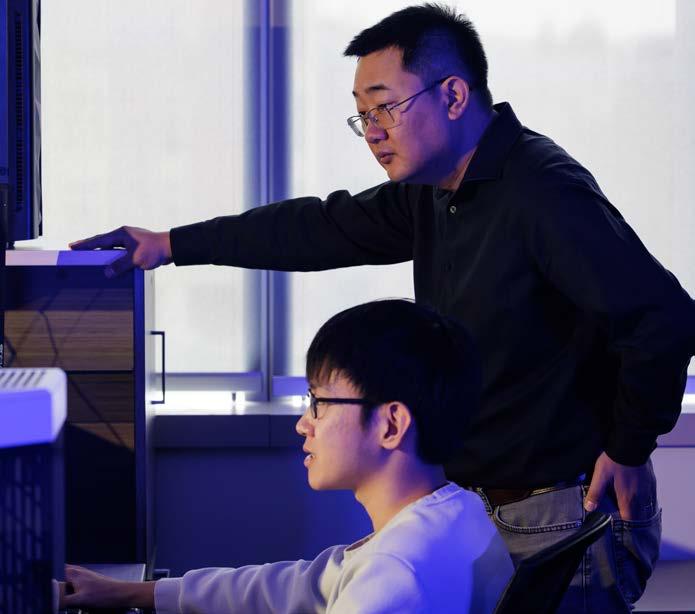
Students in Ning Zhang’s lab perform an experiment as part of its Cyberphysical Reasoning Foundation project, in which they are studying how AI systems interact with the physical world. They are exploring how subtle, real-world modifications can alter what an AI system “sees,” revealing important gaps between laboratory assumptions and reality. Rather than focusing on a single attack, their goal is to understand how reliable these effects are outside controlled settings. Their insights will help to shape new ideas and defenses for AI systems that increasingly operate in safety-critical environments.
Senior course gives hands-on way to implement classroom concepts
by Channing Suhl
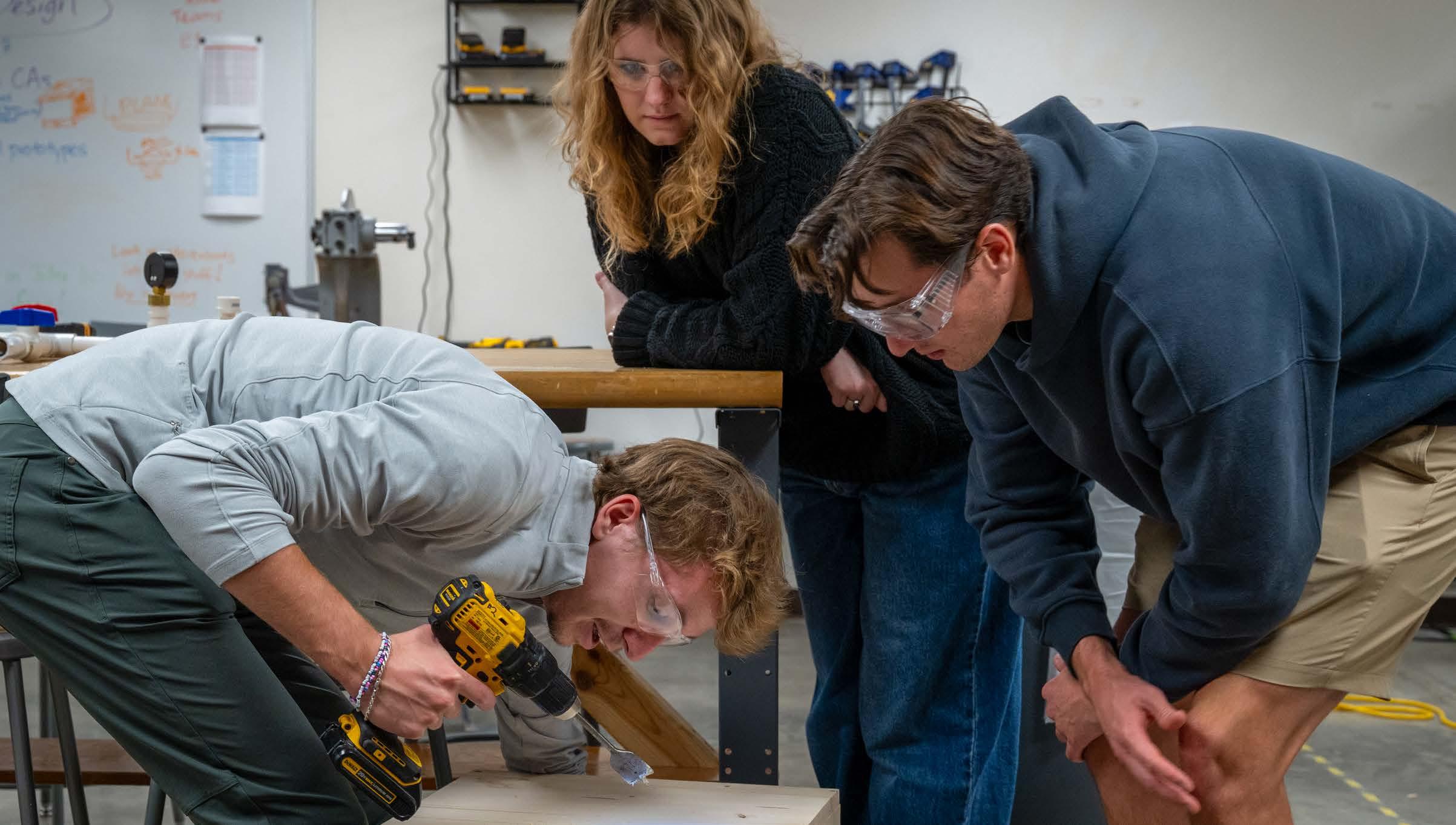
With seven weeks to go until the fall semester’s end, MEMS 4110 Mechanical Engineering Design Project group members Luke McCann, Emma Sloan and Carter Hahnfeldt came together in the workshop to make progress.
“This is going to be cool when it works,” McCann said.
“I like that you say ‘when’ and not ‘if,’” Hahnfeldt responded.
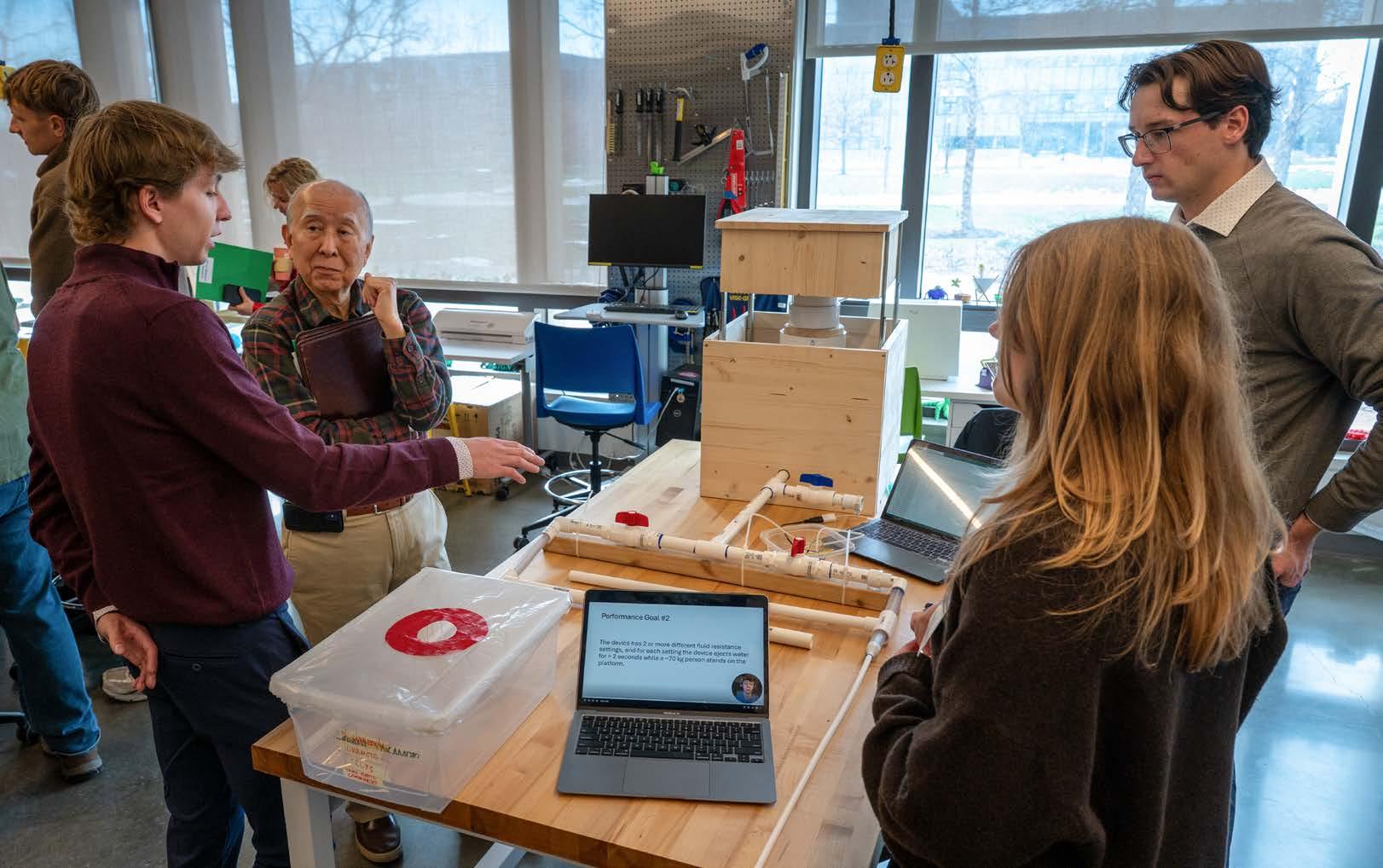
Armed with a wood box, pipes and various other necessities gathered during what Sloan called a “productive Lowe’s trip,” the group began cutting and connecting the pieces of what will be their final semester project: a science museum demonstration designed to teach children how Bernoulli’s principle causes water to flow at different exit velocities despite the same pressure input.
As the students took turns with the tools, Sloan said, “Everybody gets a turn being the boss.”
It’s the kind of teamwork that takes place each fall, when seniors in the course are asked to solve an openended mechanical design problem by working in small groups.
“They gain an appreciation for how difficult open-ended design can be,” said Jackson Potter, senior lecturer in mechanical engineering & materials science, who has taught the course since 2017. “And an understanding that the process of designing is its own skill, which is valuable and takes time to develop.”
It’s a skill, he says, that is “complementary to, but not the same as, technical skill at solving ‘book problems.’”
All projects must have a “customer,” who might be a local business, campus
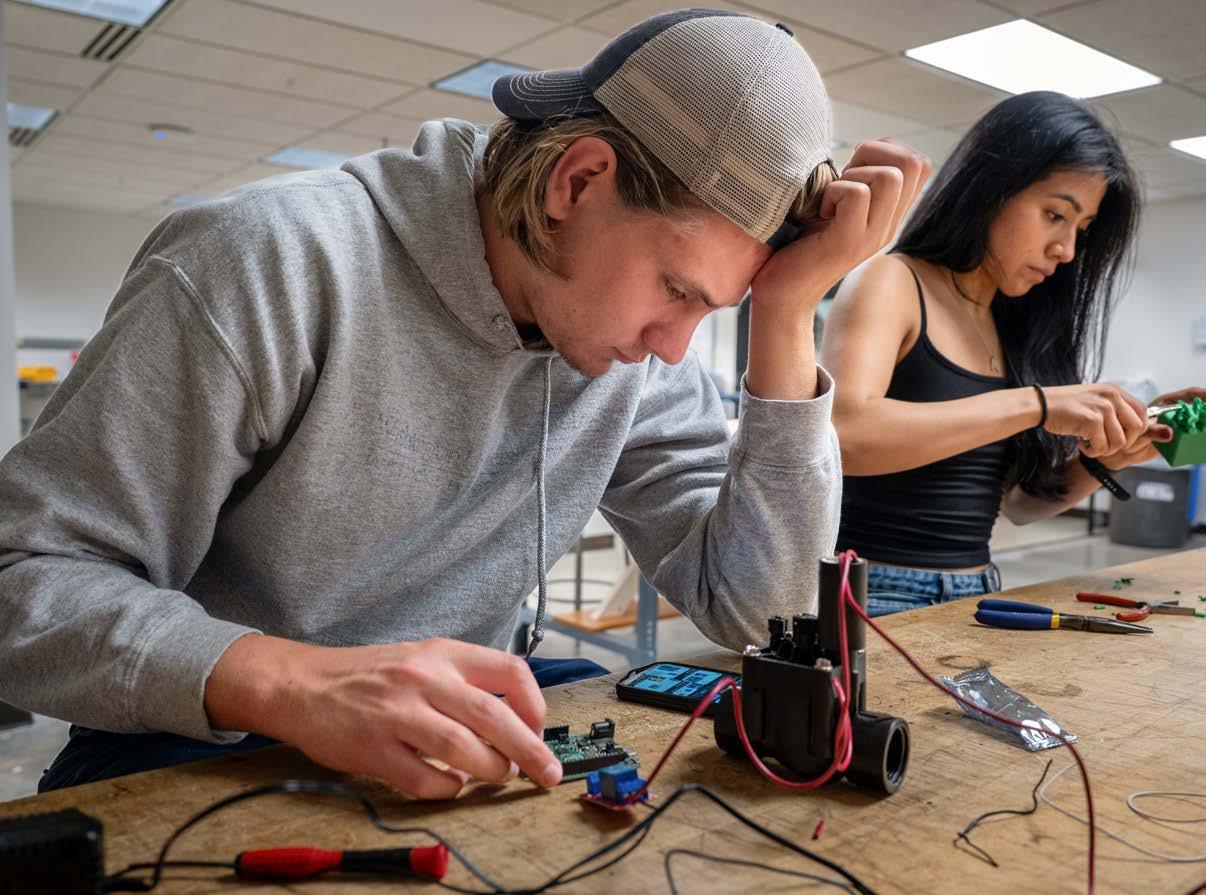
↑ JP Torack and Morelia Reyes-Perez work on components of their prototype for an automatic precise watering system designed to support plant research conducted in the WashU greenhouse.
group or faculty member. Students can choose from a list of pre-approved projects, which Potter creates after talking to potential customers and identifying projects of interest. In certain cases, students retain the intellectual property rights to their designs.
One of the pre-approved projects this semester was a “trick” armoire to be used by the Performing Arts Department in a stage production of “The Christmas Carol.”
“No groups picked it, which was a bit disappointing,” Potter said. “I wanted to give it a shot!”
The projects chosen this year included a hard-boiled egg peeler for local restaurant Neon Greens; an air hockey table intended to be used as a physics education exhibit; a deployable banner device for a remote-controlled plane owned by the WashU Design/ Build/Fly club; and a precise water
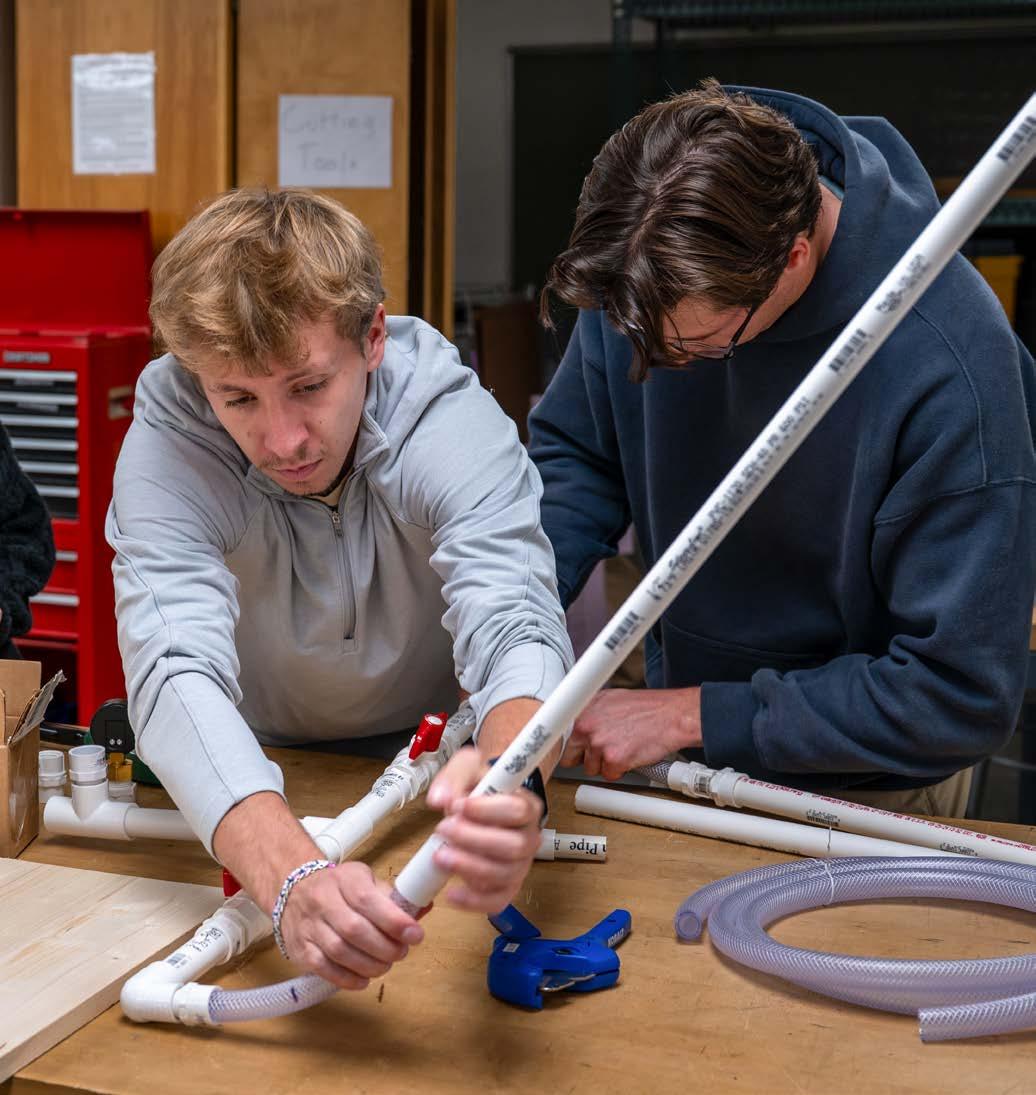
↓ Carter Hahnfeldt and Luke McCann use custom piping to reduce the number of components in their demo designed to demonstrate Bernoulli’s principle.
distribution system for greenhouse research in Arts & Sciences. Several groups also chose to participate in the American Society of Mechanical Engineers (ASME) Trash Collection Challenge, which tasks students with designing robots or systems to autonomously collect, sort and dispose of waste in simulated urban or ocean environments.
Students also had the option to present a novel project with a specific customer to Potter for approval.
“It has to be mostly electromechanical in nature,” Potter said. “The group shouldn’t spend 90% of their design time writing computer code. Instead, it should involve physical structures and connections, and often actuators, such as motors, electric valves, etc.”
The student-proposed project this semester is the Rapid Drink Chiller, whose customer is a small brewery in New York.
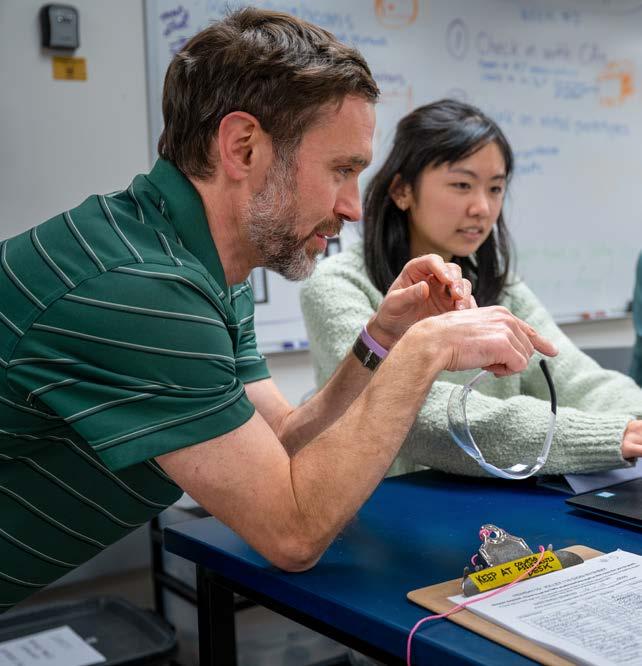
↑ Jackson Potter, senior lecturer in mechanical engineering & materials science, talks with MEMS 4110 course assistant Birdie Lee.
Groups are guided through the engineering design process by completing a set of project deliverables that are evaluated for individual and team performance. The course emphasizes the importance of user-centric design, communication and presentation skill, consideration of real-world constraints, sketching and creativity, prototyping, and data-driven decision-making using engineering models and analyses.
“It’s an extremely valuable experience since it gives students a sense of what real engineering work is like, without the structure or constraints of typical classes,” Birdie Lee, course assistant (CA) for MEMS 4110, said.
“I really enjoyed taking the course, partly because Dr. Potter and the CAs who led my subsection were so supportive and kind. I hope to make the experience just as positive.”
Potter says students emerge with a feeling that will serve them well regardless of whether they pursue engineering design as a career.
“They get a sense of satisfaction from producing something that is useful for their customer, or at least giving it their best effort,” he said.
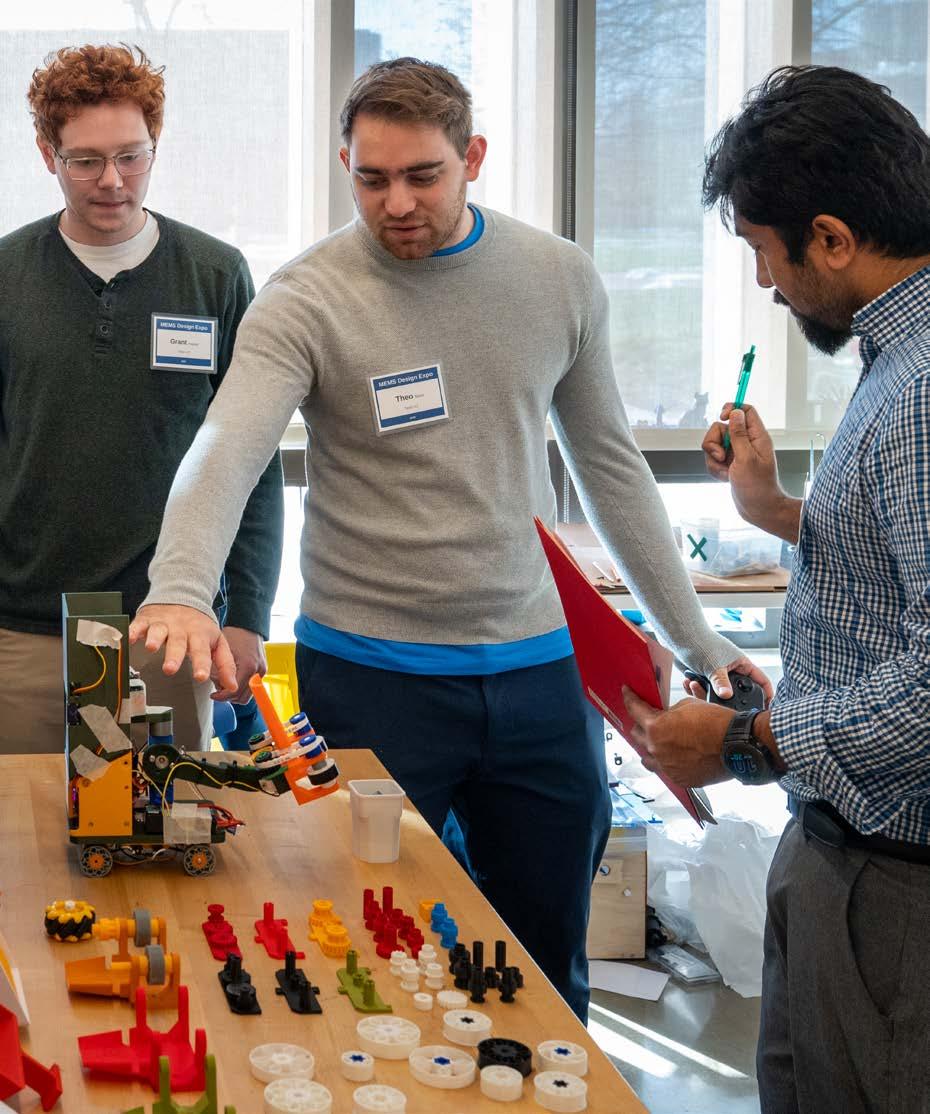
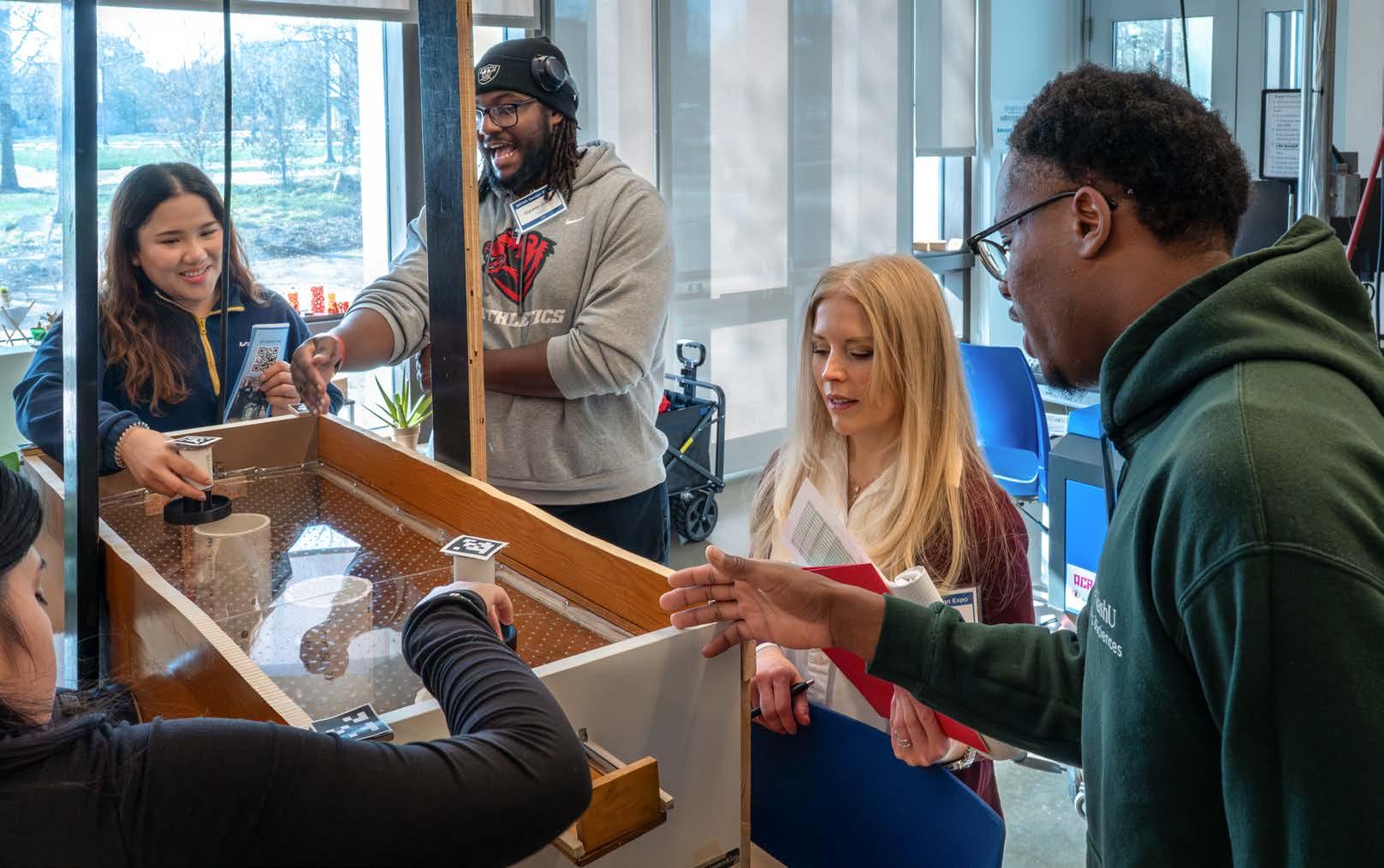
Just before final exams, each group displayed and demonstrated its projects for a group of alumni and McKelvey Engineering faculty at a design expo.
With the completed project in front of him, Hahnfeldt acknowledged that the amount of time the course spent on certain aspects of the design process sometimes felt ”a little frustrating” for a team ready to keep moving forward.
But when the group’s early runthroughs didn’t quite work the way they hoped, he said, they were able to make necessary design adjustments, including changing from an open box to piston setup, adding rails for increased safety and decreasing pipe diameters for increased exit velocity.
“ They get a sense of satisfaction from producing something that is useful for their customer, or at least giving it their best effort.”
– JACKSON POTTER
“Looking back at the entire process and seeing the end result, it all makes sense,” he said. “Our initial idea was good, but we were able to make those improvements that were needed.”
Sloan noted that she found the course’s brainstorming sessions very helpful and appreciated the “expectation to work through the design process from start to finish.”
Nearby, another group displayed their “Efficient Jolley Trash Grabber” for the ASME Challenge project. Team member Emanoeel Ghabrial explained that the group “just wanted to design as much as possible, and that’s what we did.
↓ Several student groups created prototypes for the American Society of Mechanical Engineers (ASME) Trash Challenge.
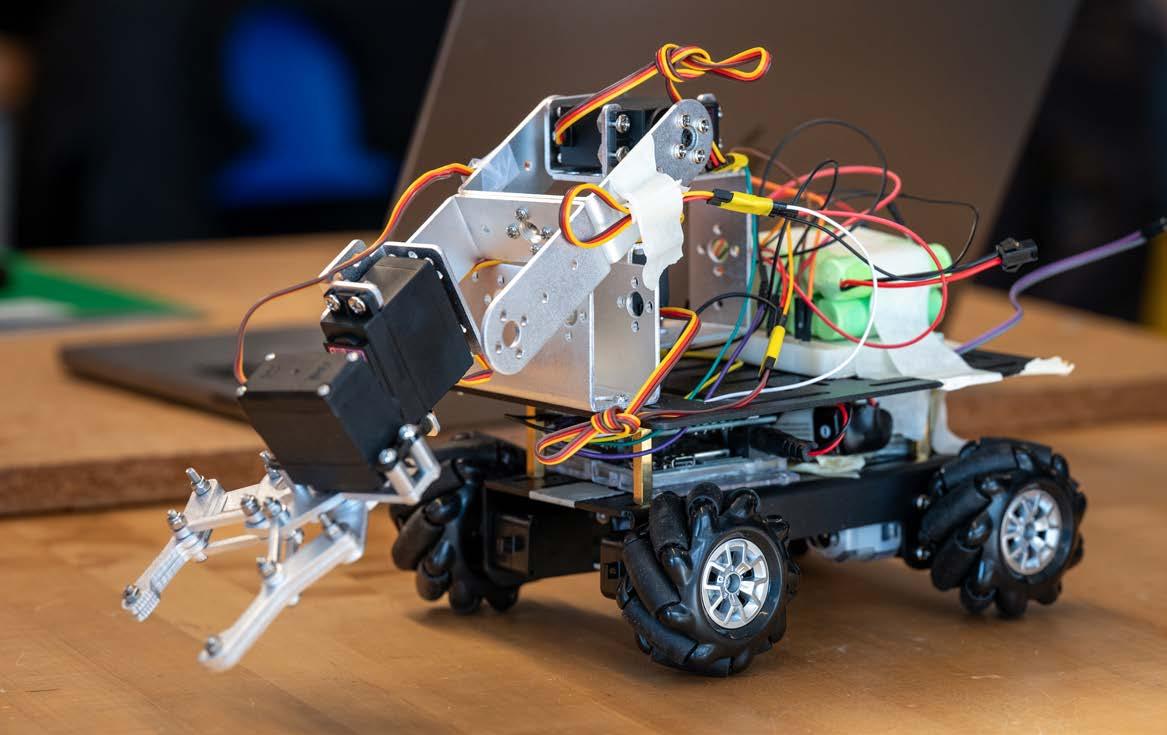
“Everything aside from core electronics was designed and wired by us,” he said. “So that moment when everything works is just so gratifying.”
Seeing each group present what they have produced is a highlight of the semester for Potter, who has spent months watching students expand their skills in the “design space” — at times advising them on new or modified ideas that could help their prototype succeed.
“It’s sharing their enthusiasm for what worked well and understanding their disappointment at what could have worked better,” he said. “And assuring them that it’s all a normal part of the process.” M
Justin and Troy Ruths leave lasting impression
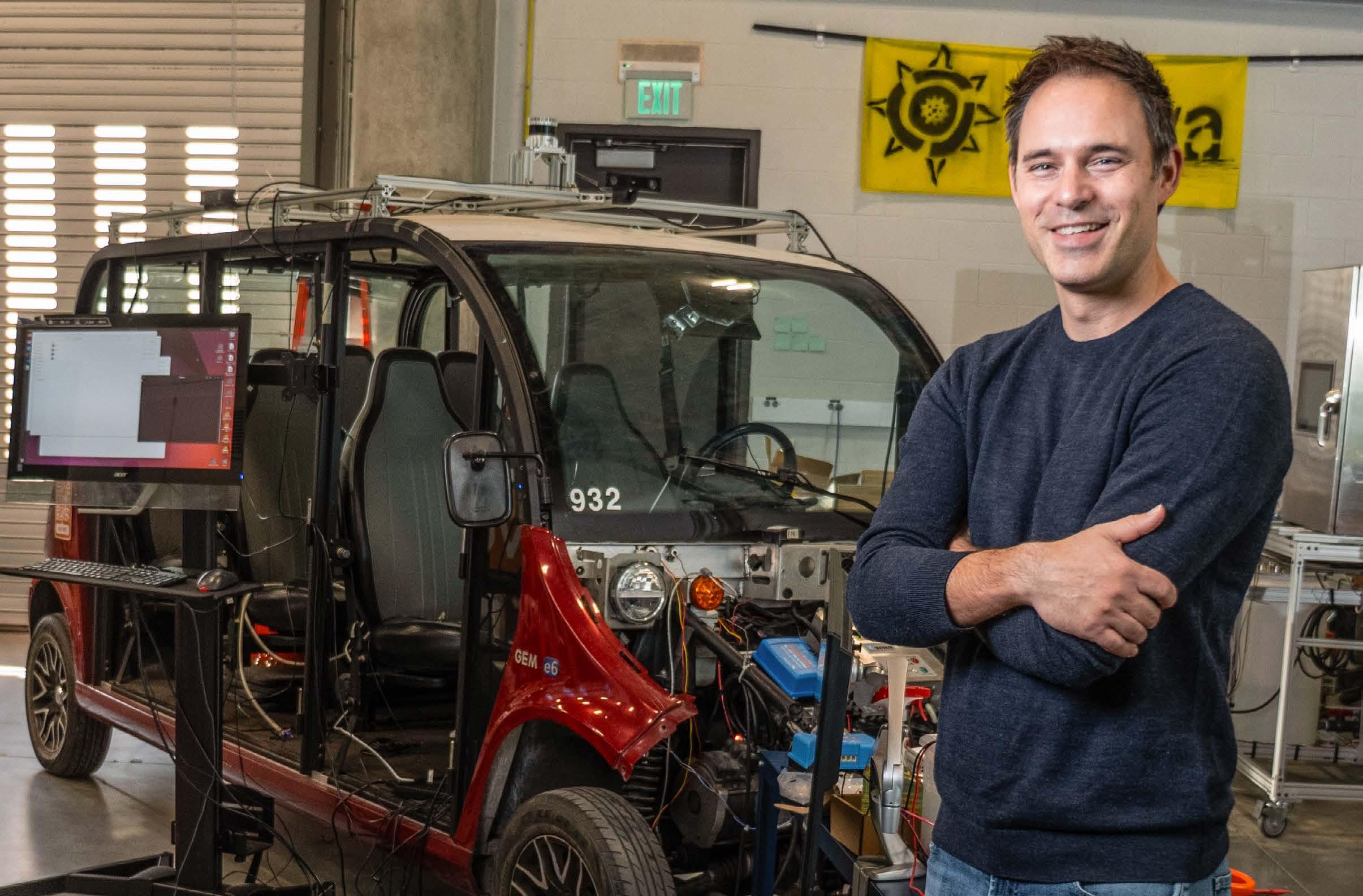
Troy Ruths
DEGREES
BS, Computer Science, WashU, 2008
PhD, Computer Science, Rice University, 2013
CAREER
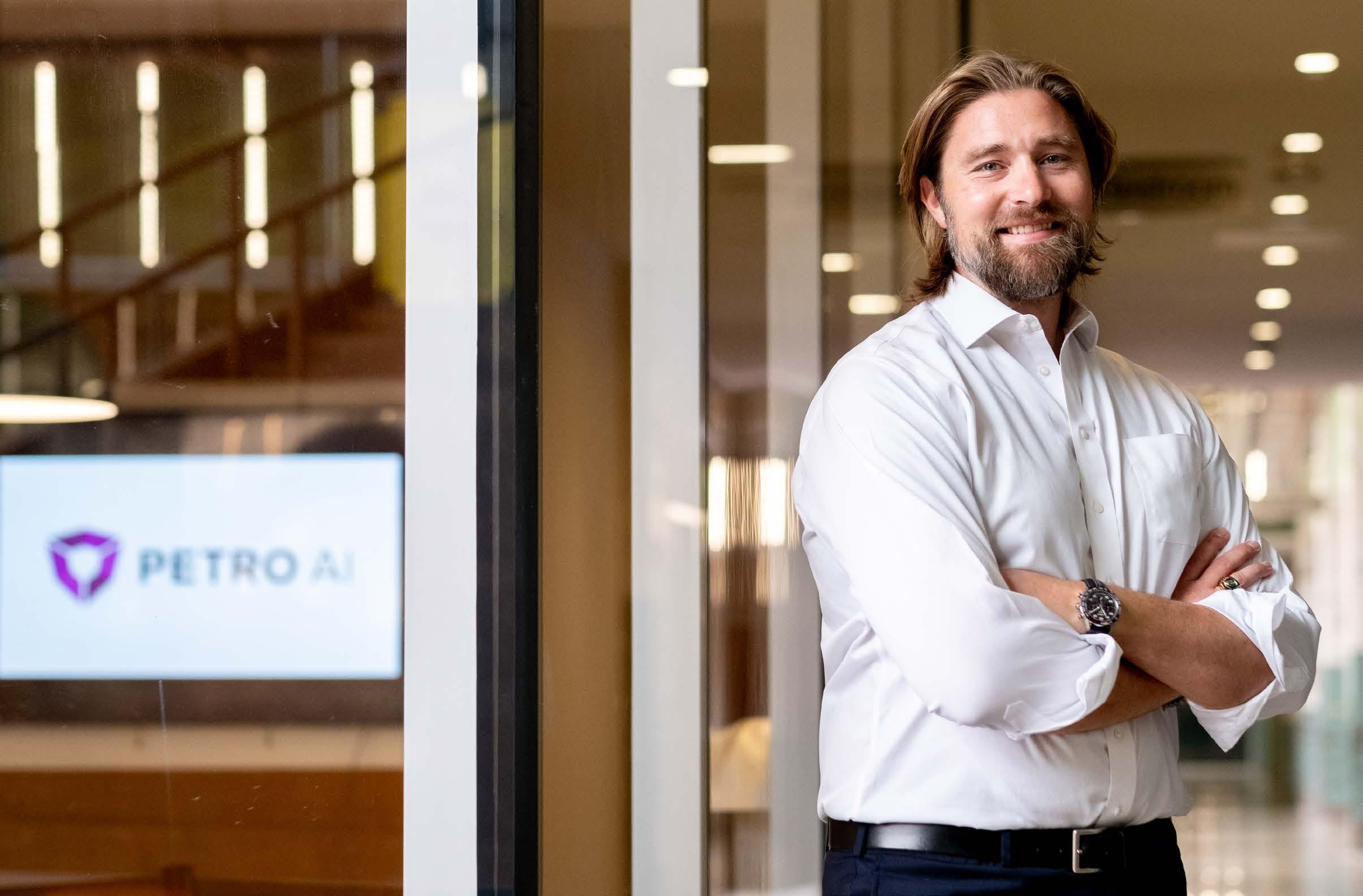
Troy Ruths is the founder and CEO of oil and gas startup Petro.AI, which pioneered the application of AI to subsurface challenges like well planning and deal evaluation.
by Channing Suhl
Although brothers Justin and Troy Ruths came to Washington University in St. Louis at different stages in their academic careers, they agree that their time at the school helped shape their successful careers.
Troy was the first to arrive on campus in 2004, after carefully weighing his options to pursue a bachelor’s in computer science while continuing a basketball career that had made him a highly sought-after recruit nationally.
“The size of the school was right, and the academic strength was well known,” he said. “Receiving the Langsdorf scholarship also played a huge role, but it really felt like the right fit, both for academics and basketball.”
When Justin Ruths followed in 2006, it was not “just to keep an eye on Troy,” he said jokingly. “We trust each
DEGREES
BS, Physics, Rice University, 2004
MS, Mechanical Engineering, Columbia University, 2006
MS, Electrical Engineering, WashU, 2008
PhD, Systems Science and Applied Mathematics, WashU, 2011
CAREER
Justin Ruths is an associate professor at the University of Texas at Dallas with appointments in mechanical and systems engineering. He directs the Applied Systems Lab, where students research the potential impact of cyberattacks on physical systems and develop algorithms for safe autonomy.
other’s judgment quite a bit, so a positive experience holds a lot of value. I think the prospect of doing something with a brother has enough extra bonus that such an option often wins out over similar options without a brother.”
Justin had already earned a bachelor’s in physics at Rice University and a master’s in mechanical engineering at Columbia University, where he’d decided to focus on control systems.
“Troy already being at WashU gave me awareness of all the great opportunities there,” he said. “Although we worked in different areas, I was able to discover the school’s strength in systems science and control.”
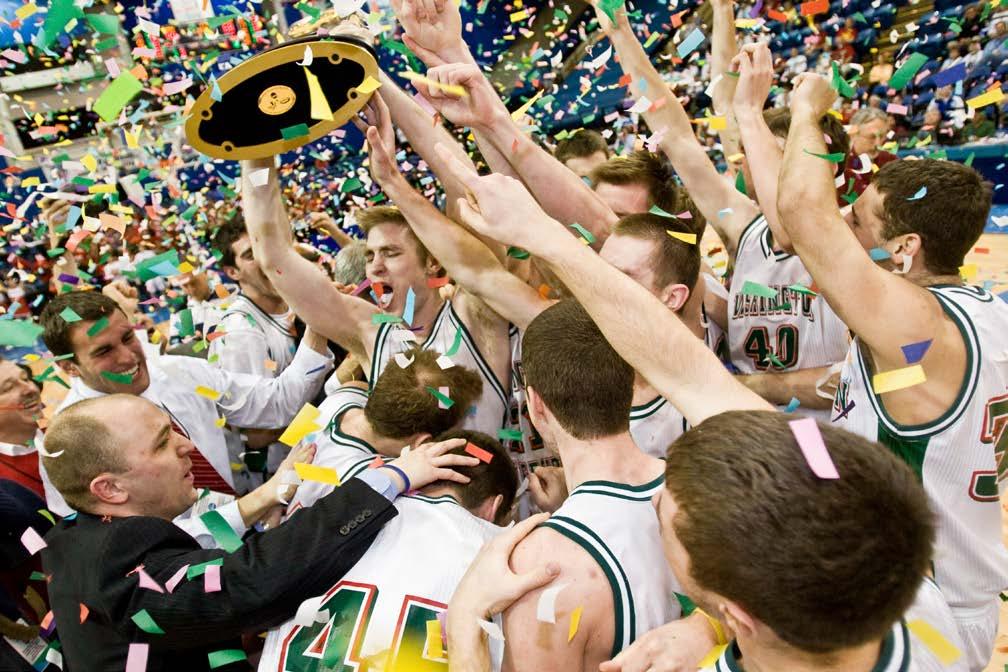
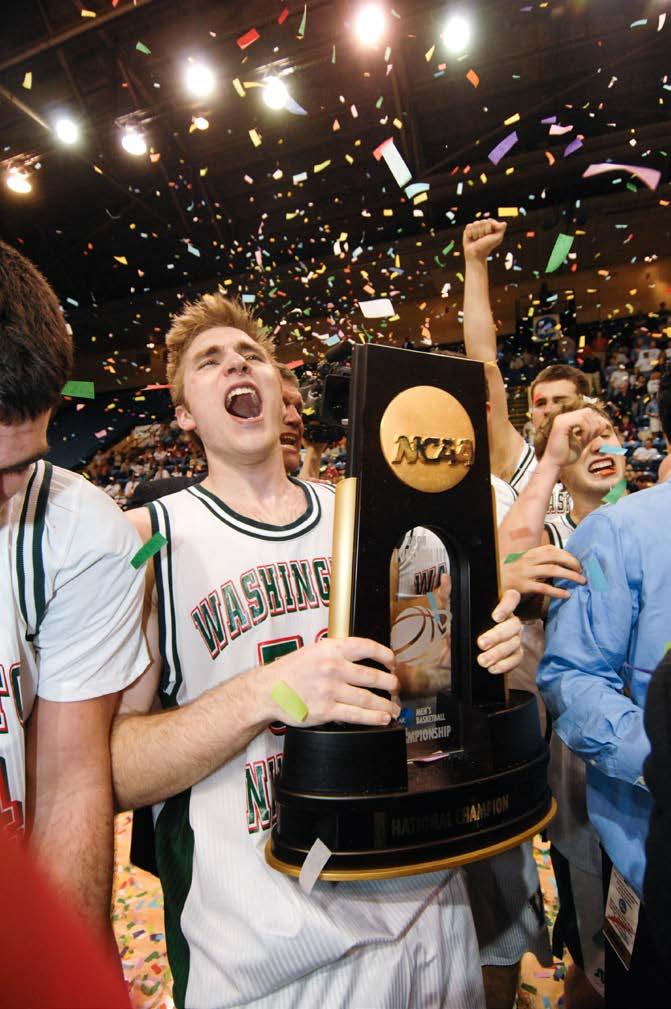
The timing was ideal, as Justin‘s first two years at WashU coincided with Troy leading the men’s basketball team to the Final Four in 2007 and the DIII national title — the program’s first — in 2008.
“Having the ability to attend his basketball games was just more reason to zoom into that option,” he said. “Our parents and (younger brother) Weston often came up for the games, so it would also give me the opportunity to see all of them more.”
A standout player and student, Troy Ruths was recognized by a slew of organizations. He was named DIII News Division III National Player of the Year after scoring 33 points in the championship game, as well as a two-time All-American, the 2006–07 UAA Player of the
Year and three-time All-UAA and All-Region selection. He earned the prestigious Jostens Trophy Award in 2008. For his academic efforts, he was honored as a three-time Academic All-UAA, Academic AllDistrict and Academic All-America selection. Ruths was named the 2007 and 2008 Academic AllAmerican of the Year and ESPN The Magazine College Division Academic All-American of the Year. Ruths remains among the top players in program history, ranking second in all-time scoring (1,801 points), field goals (672) and free throws (457) made. He was inducted into the WashU Sports Hall of Fame in 2016.
After graduating from WashU as a valedictorian in 2008, Troy decided to put his full focus on
his educational pursuits, heading to Rice University to pursue a doctorate in applications of AI and algorithmic thinking to computational biology.
“I knew I was interested in entrepreneurship, so those wheels were always turning as well,” Ruths said. With his doctorate complete, he spent seven years at Chevron before launching Houston-based startup Ruths Analytics & Innovation (now Petro.AI) in 2013. Today, he is CEO of the firm, which pioneered the application of AI to subsurface challenges like well planning and deal evaluation. It focuses on automating workflows across siloed technical teams into a powerful AI optimization engine that blends data-driven with first-principle physics. A fourth Ruths brother, Derek, serves as the firm’s CTO.
The jump from computational biology to oil and gas wasn’t completely unexpected for Troy, whose father once worked for Chevron. Yet despite his familiarity with the industry, Troy set out to do something different with Petro.AI.
“It was a new trend, using AI to build reasonable world models around what a reservoir could produce,” he said.
At the time, not only was the need for analytics in petroleum not fully realized — engineers weren’t exactly eager to jump on board.
“Engineers have to sign their names on an outcome, which is a lot of responsibility,” he said. “AI is still a black box and learning to trust it takes time, you have to see results.”
Then came the oil market crash in 2014, a dramatic price collapse driven by a combination of global supply and demand factors. By 2016, the price of crude oil fell by more than 70%. The profitability of oil and gas companies plummeted, leading to a sizable reduction in new investment and drilling activity.
Oil and gas companies were faced with a new reality, one which would push them to reduce headcounts and embrace the role of AI automation to maintain performance and productivity.
“Our systems give technical receipts, which automate a lot of manual number crunching,” Troy said. “We’ve helped multiple public and private companies make successful AI transformations.”
Troy says he looks forward to the opportunity to continue making those transformations, and to exploring more real-world applications of AI.
“I like being at the edge where AI is intersecting with the real world,” he said. “We’re just beginning to understand the limits of AI and how far it can go.”
Meanwhile, Justin earned a master’s degree in electrical engineering from the Engineering school in 2008 and

“ The size of the school was right, and the academic strength was well-known … it really felt like the right fit, both for academics and basketball.”
–TROY RUTHS

“ WashU was a great place to learn how to overcome challenges — and you have to enjoy the challenge of it all.”
–JUSTIN RUTHS
a doctorate in systems science & applied math in 2011. He was the first graduate student in the lab of Jr-Shin Li, the Newton R. and Sarah Louisa Glasgow Wilson Professor of Engineering. Li’s transdisciplinary emphasis on the fundamentals of systems science and mathematics gave him the opportunity to apply his physics background in studying complex large-scale systems.
But it wasn’t just the research aspect of his training that had a lasting impact. As a National Science Foundation Graduate STEM Fellow in K–12 Education, he taught STEM subjects to area middle and high school students for two years, bringing the fundamentals of engineering to life using the Lego Mindstorms kit and other creative outlets.
“I really loved my time in St. Louis,” he said. “And that was a great experience, getting outside campus and into the community.”
Inspired to conduct research and teach future engineers, Justin moved to Singapore after earning his doctorate to become assistant professor of engineering systems & design at Singapore University of Technology and Design (SUTD), where he was one of the first 20 faculty members. He remained there until an opportunity to join the faculty at the University of Texas at Dallas (UTD) brought him back to the U.S. in 2016.
Today, as associate professor at UTD, he holds appointments in the mechanical engineering and systems engineering departments. His research efforts include studying the fundamental properties of controlling networks, bilinear systems theory and security of cyber-physical control systems, with applications in neuroscience, social systems and autonomous driving.
“Computers now control and monitor real physical systems, and these systems are vulnerable to cyberattacks,” he said. “But we can use our knowledge of their physical behavior to detect unusual patterns of behavior that alert us to a problem.”
Justin directs the Applied Systems Lab, where students research the potential impact of cyber-attacks on physical systems and develop algorithms for safe autonomy. Within the lab, a team of more than 25 undergraduates from across the engineering school known as Nova is developing and maintaining an open-source, research-ready, selfdriving software stack and a pair of autonomous vehicles under his guidance.
Another research focus delves into a more unexpected territory — the human brain.
“The brain is essentially a network of neurons, and a seizure is a behavior occurring on that network,” he said. “By approaching that as an engineering problem, using models of seizure activity, we can attempt to change the brain’s behavior.”
Justin’s work has earned him an NSF CAREER Award and the 2025 Provost’s Award for Excellence in Faculty Mentoring. His research has been published in top journals including Science and the Proceedings of the National Academy of Sciences.
“WashU was a great place to learn how to overcome challenges — and you have to enjoy the challenge of it all,” he said.
“A lot of people start with large intentions and don’t realize how long these things take. But it’s worth it.” M

Alumna Lucy Cheadle Levin is creating a better world for future generations through advancing climate action
By Blaire Leible Garwitz
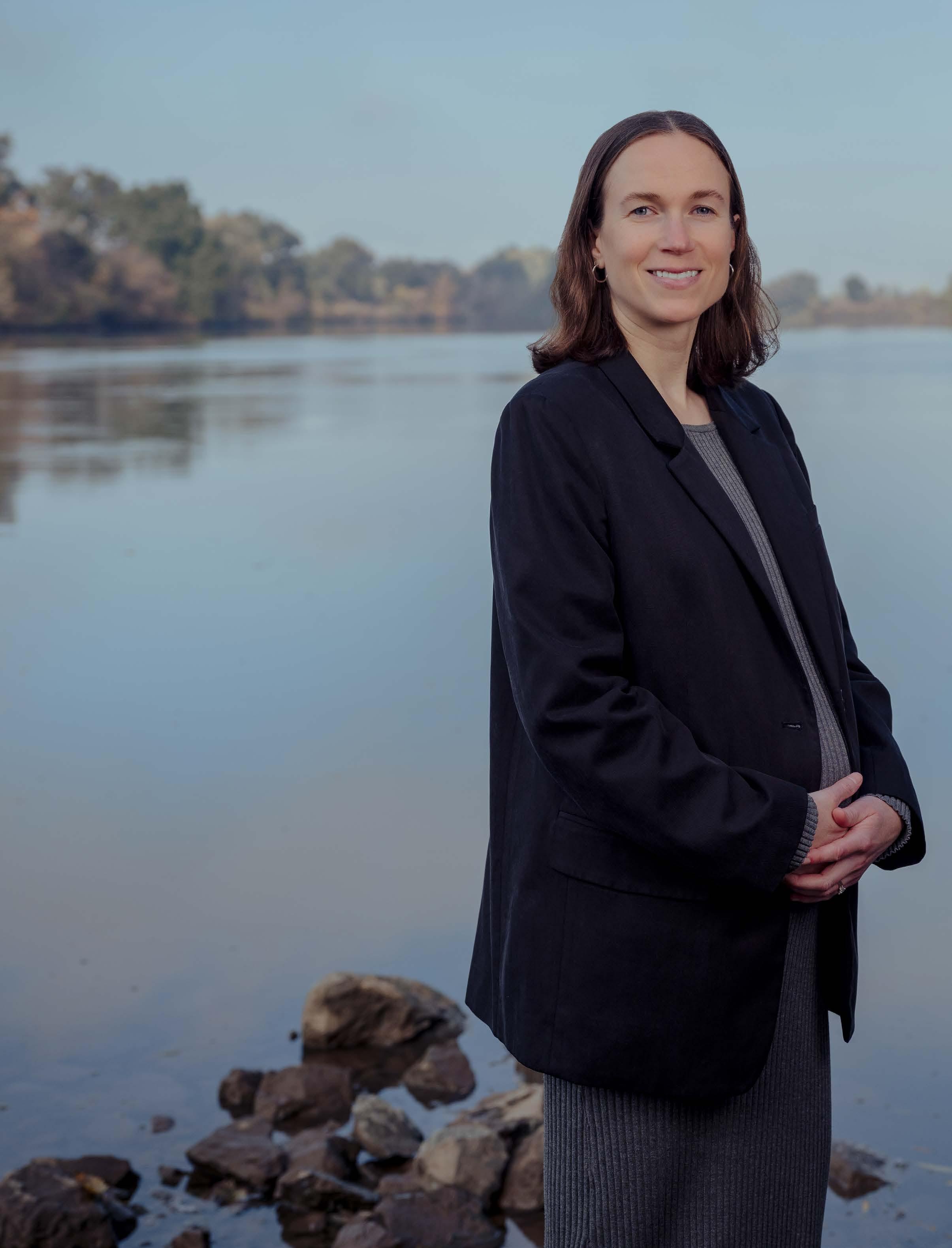
During middle school, Lucy Cheadle Levin read a book that changed her life.
“The book was about climate change, and I immediately felt ignited and overwhelmed by the challenge of that issue,” says Levin, who earned a bachelor’s degree in chemical engineering from the McKelvey School of Engineering in 2015. “Over time, it evolved from feeling like an immense challenge to feeling like a great opportunity for us to transition to a clean economy and improve people’s lives by creating a sustainable future.”
Now as a climate policy and intergovernmental relations supervisor for the California Environmental Protection Agency (CalEPA), Levin focuses on advancing California’s climate action and partnering with other countries to foster a more resilient future.
Photo by Andri Tambunan

“One of the things I really value about working for California is that there’s still a lot of progress that we can make despite what might be happening at the federal level,” she says.
Examples of the state’s progress include recent partnerships signed at one of the world’s largest global climate gatherings — the annual Climate Week in New York. During the 2025 event, California signed memoranda of understanding with the Brazilian Ministry of Environment and Climate Change and the Republic of Kenya to collaborate on climate action, clean energy and pollution reduction.
“Seeing California forge new international partnerships and keep moving forward on climate action definitely gives me a lot of hope,” Levin says.
Before her policy work with CalEPA, Levin focused on air quality research at the National Oceanic and Atmospheric Administration, where she studied the impacts of oil and gas development on air quality. Excited about the policy implications of her research, Levin headed to the California Air Resources Board to work as an engineer on oil and gas methane regulations.
“It was very rewarding to be involved in the technical work of implementing the regulations while navigating the broader policy context of oil and gas,” she says. “Through my work as an engineer and as
an organizer with the Sunrise Movement, I became passionate about mentoring rising climate leaders and building capacity to operate equitably and sustainably.”
She then moved into a management role at the California Air Resources Board for a few years before she accepted her current position at CalEPA.
“I’m really grateful that the engineering education at WashU was holistic,” Levin says. “I was not only prepared for the technical side of my career, but I also learned so many communication and leadership skills that are helping me with the other aspects of my work today.”
Levin says she had a great experience with the engineering faculty, particularly Jay Turner, head of the Division of Engineering Education, vice dean for education and the James McKelvey Professor of Engineering Education. “I appreciated his mentorship, and I recently had the opportunity to mentor one of the students in his lab,” she says. “It was a full circle moment and a meaningful way to stay connected to the WashU engineering community.”
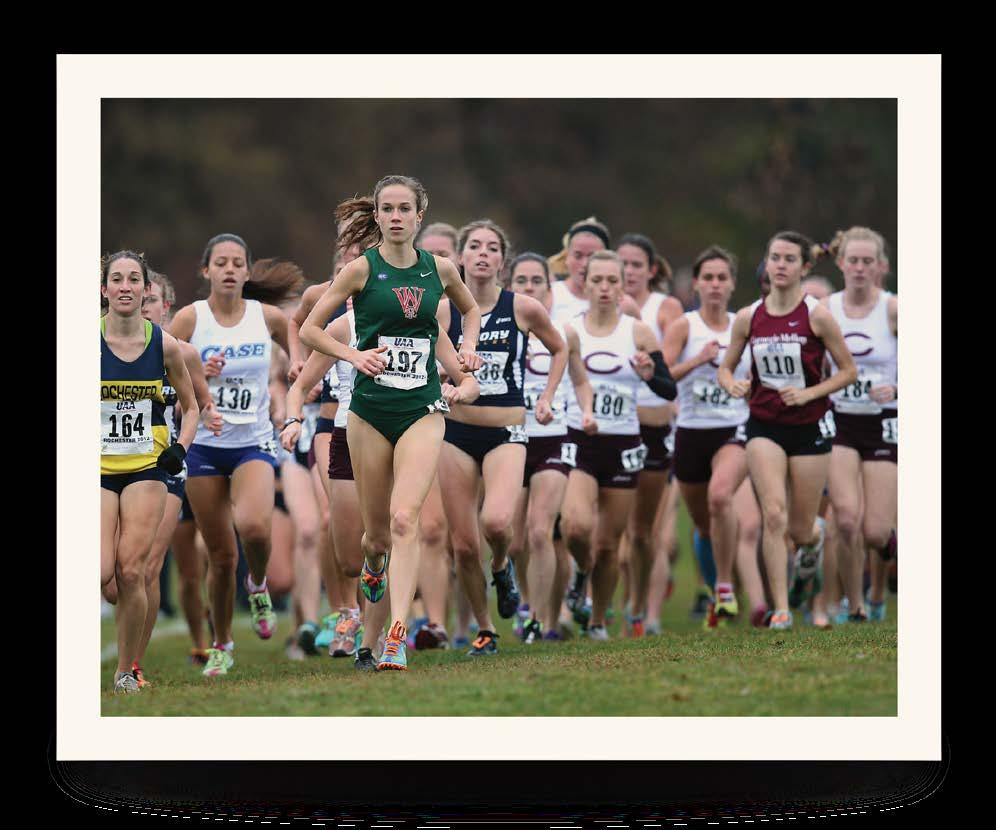
Engineering wasn’t her only passion at WashU — Levin was also a highly decorated student-athlete, who ran for the Bears on the cross country and track and field teams.
“My teammates felt like family to me, and we still get together regularly,” she says.
“I’m so grateful for the lessons I learned from being a student-athlete and for the skills I learned in the classroom.”
Levin is relying on these skills during her work in an increasingly challenging field.
“It’s a difficult time in the climate world, but you have to feel hopeful for the future and imagine that it’s possible to have a better world for future generations,” she says. “That’s what keeps me going.” M
← As a student-athlete, Levin was a nationally ranked runner. She was 2015 NCAA Indoor 5,000 National Champion and two-time NCAA Outdoor 3,000 Steeplechase National Champion in 2014 and 2015, among numerous other honors. Photo courtesy of WashU Athletics.
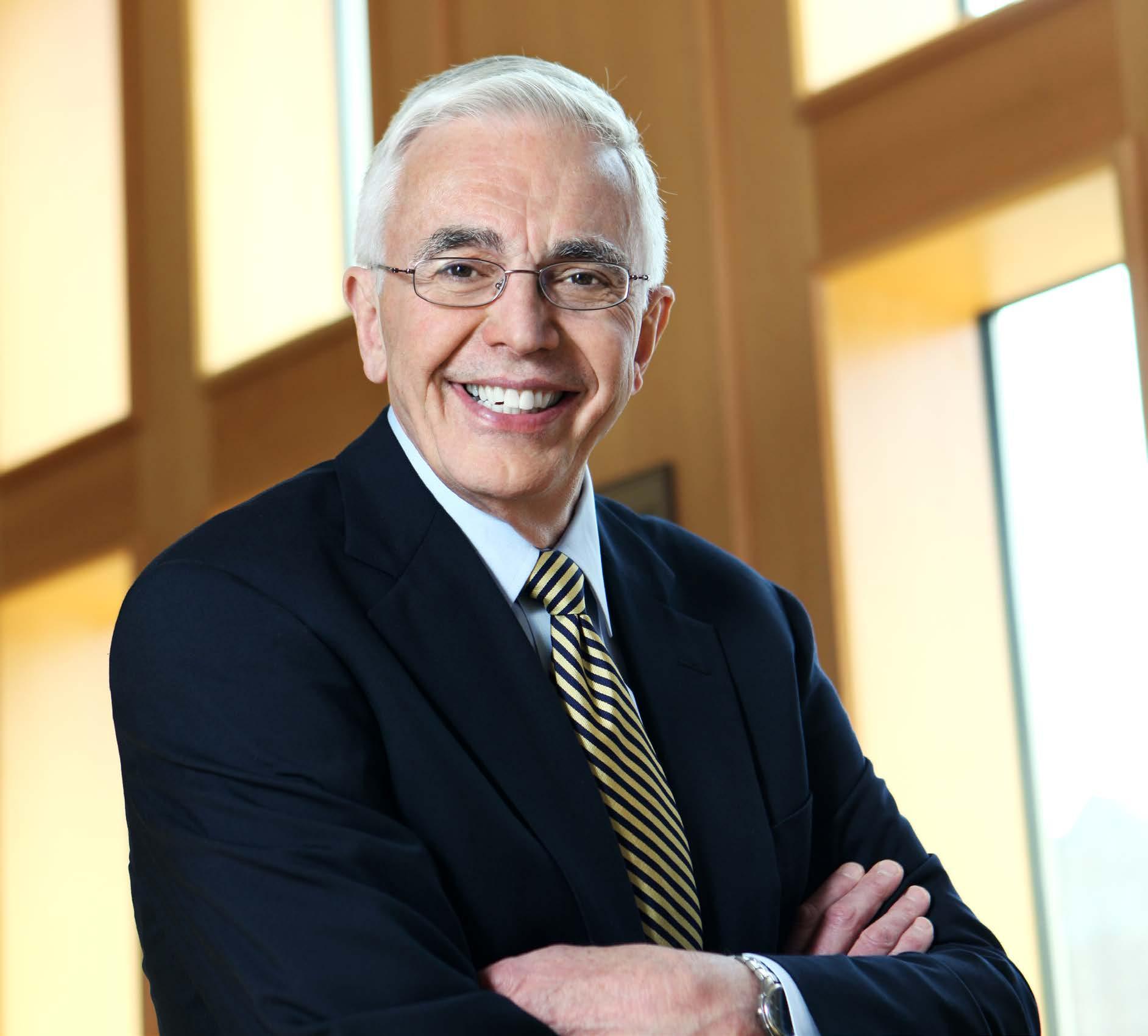
A distinguished academic leader, Quatrano led the School of Engineering & Applied Science from 2010–15
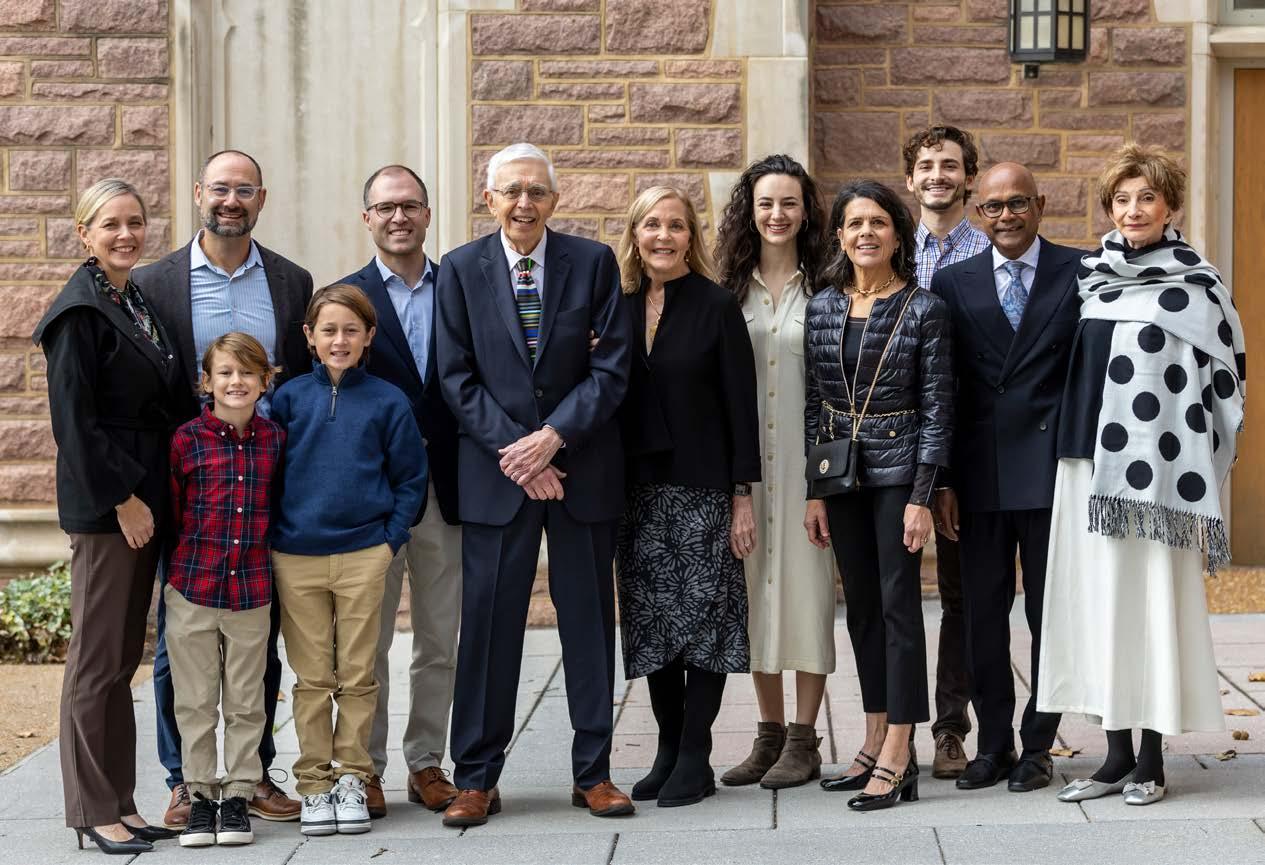
Ralph S. Quatrano, an internationally renowned plant scientist, former dean of the Washington University in St. Louis School of Engineering & Applied Science and former chair of the Department of Biology, died Feb. 24, 2026, in St. Louis. He was 84.
Born and raised in a large, closeknit Italian family in Elmira, N.Y., Quatrano was an Eagle Scout, altar boy, athlete and student leader. He attended Colgate University, where he played football and lacrosse before discovering a lifelong passion for plant science and academic research.
A pioneering plant biologist, Quatrano was among the first to apply molecular biology to the study of gene expression in plants. He served as corresponding author on a landmark 2008 Science paper arising from an international effort to sequence the moss genome. Over his career, he wrote more than 180 scientific papers, lectured worldwide, won multiple teaching awards and mentored generations of students and scholars.
Quatrano earned a bachelor’s degree in plant science with honors from Colgate University in 1962; a master’s in plant science from Ohio University, Athens, in 1964; and a doctorate in biology from Yale University in 1968. He was a faculty member at Oregon State University, Corvallis, then moved to DuPont in Wilmington, Del., where he was research manager in molecular biology for the next three years. He left DuPont in 1989 to become the first John N. Couch Professor of Biology at the University of North Carolina at Chapel Hill. He served as chair of the Department of Biology at UNC from 1992–97 before joining WashU.
Quatrano held several leadership positions at WashU, including special assistant to the provost for corporate engagement; dean and the Spencer T. Olin Professor of the School of
Engineering & Applied Science from 2010–15; interim dean of the Faculty of Arts & Sciences from 2008–09; and chair of the renowned Department of Biology from 1998–2008. While serving as biology chair, Quatrano was director of WashU’s Division of Biology & Biomedical Sciences, a universitywide consortium including medical, engineering and science programs from 2005–07.
Under Quatrano’s leadership as dean of the School of Engineering & Applied Science, student enrollment increased by 20%, creating the school’s largestever undergraduate and graduate classes at the time. Quatrano strengthened graduate education by creating several professional master’s programs and an interdisciplinary doctoral program in materials science and engineering. Under his leadership, 13 new graduate and undergraduate academic programs were developed.
“As I think about individuals who have had such profound effects on Washington University, I can think of very few who have had the impact that Ralph has had on this place,” said
“ As I think about individuals who have had such profound effects on Washington University, I can think of very few who have had the impact that Ralph has had on this place.”
–CHANCELLOR ANDREW D. MARTIN
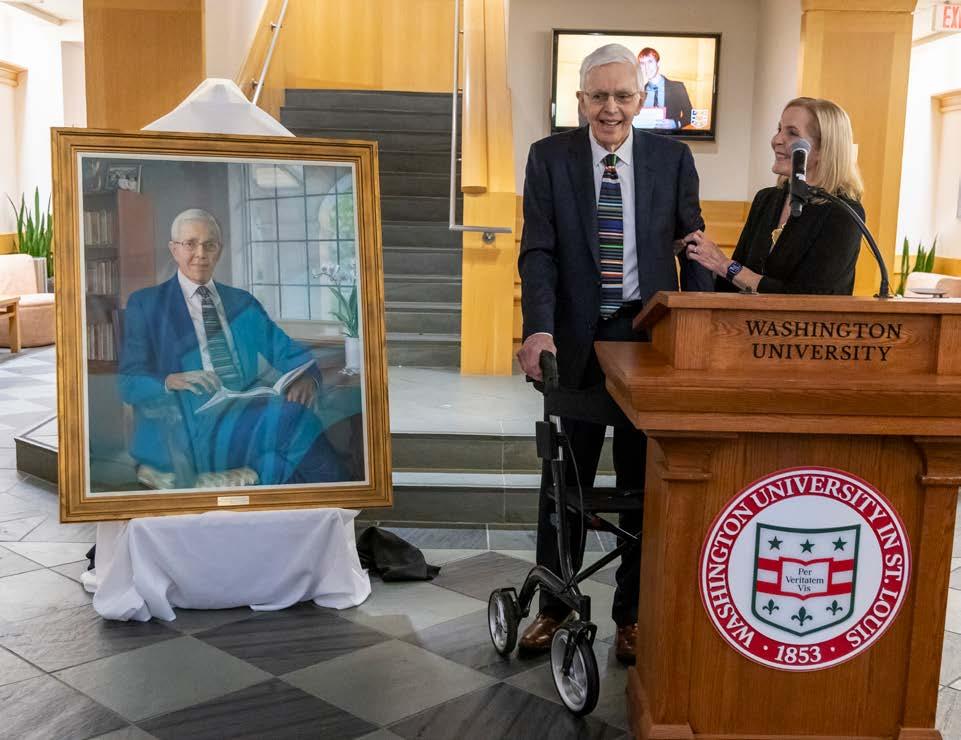
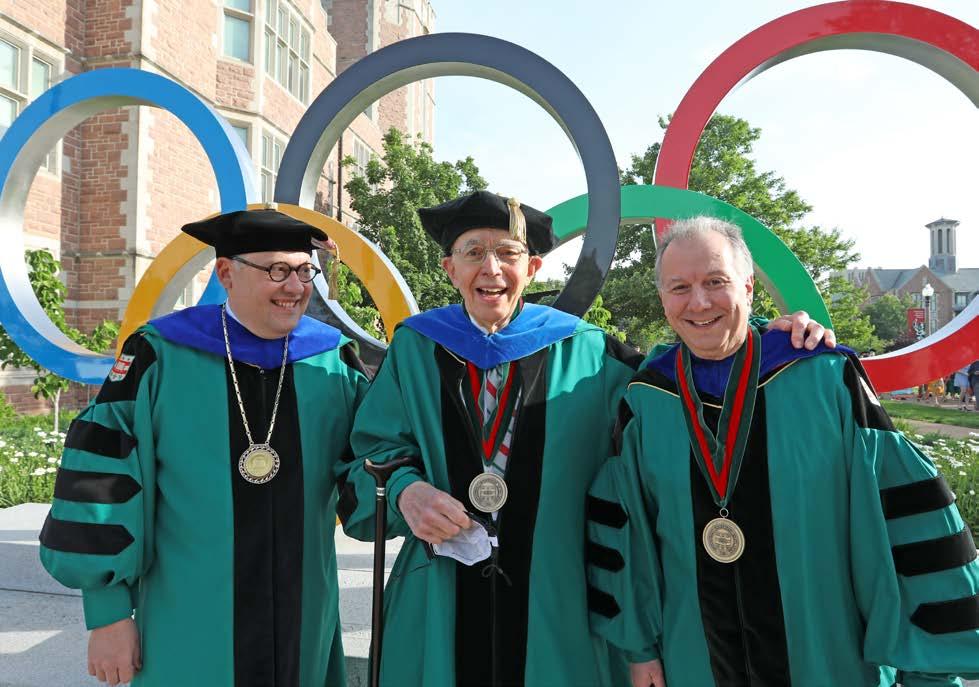
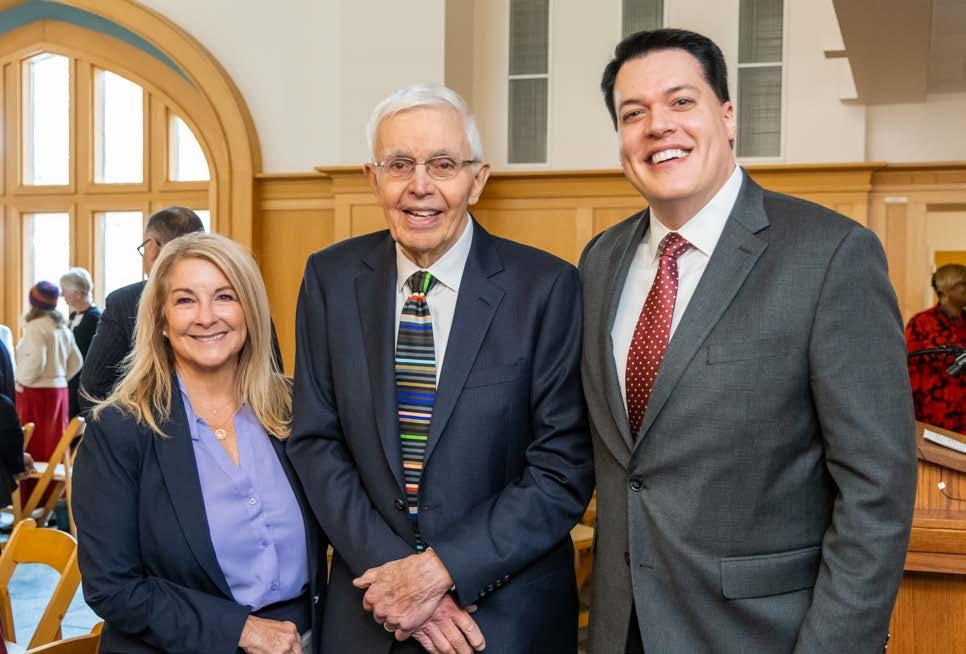
Chancellor Andrew D. Martin. “He was an incredibly distinguished scholar who contributed through his research and through the students that he taught and mentored. Ralph was also an entrepreneur who thought deeply and carefully about how to take his science into the marketplace to help serve others. Ralph was an exceptional academic leader, first of our biology department and then Arts & Sciences for a year, and then the leadership that he provided to the engineering school.”
“Ralph Quatrano believed deeply in strengthening the engineering school’s connections across disciplines, especially with the sciences and with the medical school,” said Aaron F. Bobick, dean and the James M. McKelvey Professor. “Perhaps Ralph’s single biggest contribution was to provide steady leadership and to get everyone rowing in the same direction, because it is fundamental for the school to have a North Star we can pursue.”
As only the 11th dean of the School of Engineering & Applied Science since its founding, Quatrano designed and implemented an ambitious strategic plan designed to create interdisciplinary collaboration across departments and schools and with other institutions, growing the faculty and student populations, expanding the new Engineering complex on the East End of campus and developing academic programs to prepare engineers for leading in the 21st century.
He hired one-third of the tenured and tenuretrack faculty in place in 2015, including two department chairs, and built a sustainable research infrastructure across all levels of the faculty that has enabled research programs to expand and succeed. During his final year as dean, research awards increased by more than 25%.
“Ralph brought leadership to the engineering school, to the Department of Biology and to Arts & Sciences,” said Chancellor Emeritus Mark S. Wrighton. “A distinguished academic leader, Ralph was a person who cared deeply about others, alumni, staff, students and faculty. After many years in Arts & Sciences, he brought in a new era for Engineering. He built momentum and the financial picture to enable the school to move forward, recruiting many faculty members who have been phenomenal. One of the great qualities of Ralph is he’s done all of this with human interaction. He’s been a great friend to many people and has been a great friend to Washington University.”
Quatrano’s fingerprint is also on Engineering facilities. Preston M. Green Hall, the third building of the East End Engineering complex, was built during his tenure, and plans began for Henry A. & Elvira H. Jubel Hall, which was completed in 2019. During Quatrano’s time as dean, nearly $60 million was raised for the school as part of Leading Together: The Campaign for Washington University Quatrano’s research group often collaborated with researchers from WashU’s schools of medicine and engineering, as well as with scientists from Monsanto Co. and the Donald Danforth Plant Science Center. He was a visiting professor or investigator at different institutions, including the University of Naples, Cambridge University, Stanford University, the University of Leeds and the Marine Biological Laboratory in Woods Hole, Mass.
In 2010, the American Society of Plant Biologists honored Quatrano with the prestigious Adolph E. Gude Jr. Award for his outstanding contributions in promoting plant science nationally and internationally. He was a fellow of the American Association for the Advancement of Science and the Academy of Science of St. Louis as well as an inaugural fellow of the American Society of Plant Biologists.
Quatrano valued being a team player in the various communities to which he belonged and enriched. He fostered relationships with faculty, the advancement office and staff. He delighted in travel, good food and wine, and treasured his close relationships with his cousins. A lifelong athlete and sports enthusiast, Quatrano loved competition and was a devoted fan of multiple professional and college sports teams across the country. He also spent endless hours on the sidelines (or in the audience) cheering on his kids and
grandkids. He will be remembered for his kindness, generosity, curiosity, infectious laugh and wonderful sense of humor.
He cherished his ever-growing family, considering them his greatest joy. He is survived by his wife, best friend and life partner of 21 years, Lee Anne Quatrano; his children Stephen Quatrano (Doreen Karoll), Elisabeth Quatrano and Carrie Quatrano Singh (Vijay Singh); his stepchildren Erin Eisenberg (David Eisenberg) and Benjamin King (Lauren King); his grandchildren Sarah and Alex Quatrano (Catherine Quatrano), Nadia and Benjamin Diamond, Maela Singh, Jake and Drew Eisenberg, Tyler, Zachary, Eleanor and Ryan King; his great-grandchildren Elizabeth, David and Caroline Quatrano; and many beloved cousins. He was preceded in death by his former wife, Barbara Bishko Quatrano, and his parents, Aniello P. Quatrano and Mary P. Quatrano. M
A Celebration of Life for Quatrano was held May 9, 2026, at WashU. Scan this QR code to watch the recording of the event.
Memorial contributions may be made to the Ralph S. & Lee Anne Quatrano Scholarship at Washington University in St. Louis or the Ranken Jordan Quatrano Family Fund for Research & Publications.
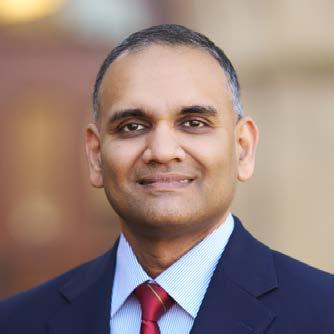
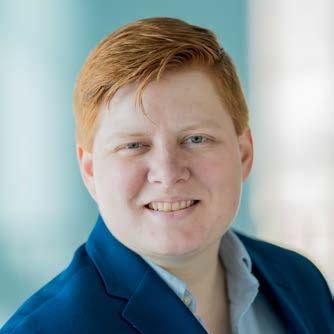
Ray Ehrhard, Vijay Ramani and Kristen Wyckoff were among 10 WashU faculty members selected as 2025 Emerson Excellence in Teaching Award recipients.
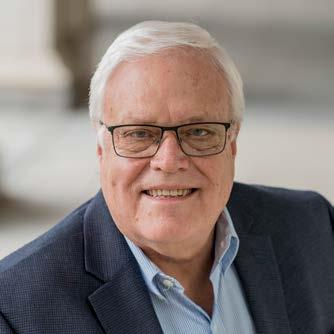
Ray Ehrhard is a senior lecturer in the Department of Energy, Environmental & Chemical Engineering. He joined WashU in 1994 as the deputy director of the EPRI (Electric Power Research Institute) Community Environmental Center.
Vijay Ramani is the vice provost for graduate education and international affairs at WashU, as well as the Roma B. and Raymond H. Wittcoff Distinguished University Professorship and professor in the Department of Energy, Environmental & Chemical Engineering.
Kristen Wyckoff joined WashU’s faculty in January 2022 as a senior lecturer in the Department of Energy, Environmental & Chemical Engineering. She has experience teaching graduate and undergraduate lecture and lab-based courses.
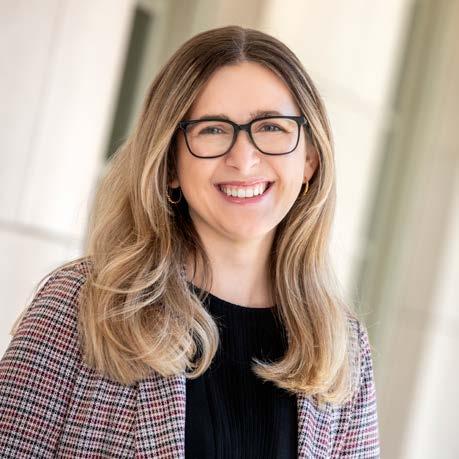
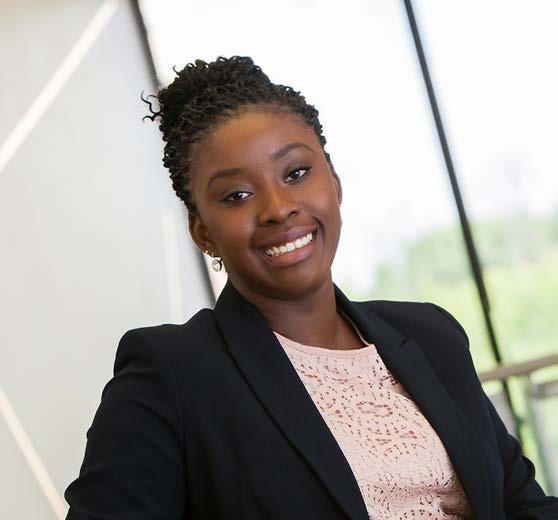
Alvitta Ottley, associate professor of computer science & engineering, has been appointed to the Independent International Scientific Panel on Artificial Intelligence (AI), established within the United Nations (UN).
Ottley is one of 40 members selected by the UN General Assembly (UNGA) from more than 2,600 global candidates after an independent review by the International Telecommunications Union, the UN Office for Digital and Emerging Technologies and UNESCO, the UN Educational, Scientific and Cultural Organization.
Described as the first fully independent global scientific body dedicated to bridging the knowledge gap in AI and assessing its real-world economic and social impacts, the panel will provide rigorous, independent assessments to help inform global decision-making on AI — and ensure governance keeps pace with rapid technological change. Members will serve three-year terms.
Janet Sorrells, assistant professor in the Preston M. Green Department of Electrical & Systems Engineering, has been awarded the National Institutes of Health (NIH) Director’s Early Independence Award. The five-year, $1.25 million grant, one of the agency’s most competitive, allows young investigators to begin independent research directly after graduate training.
Sorrells is developing an integrated optical imaging platform that can observe the intestinal microenvironment in mice with unprecedented spatial and temporal resolution. Combining metabolic, biochemical and structural imaging in vivo, the platform establishes a framework for understanding how metabolism, microbial activity and tissue architecture interact to drive disease progression in inflammatory bowel disease.
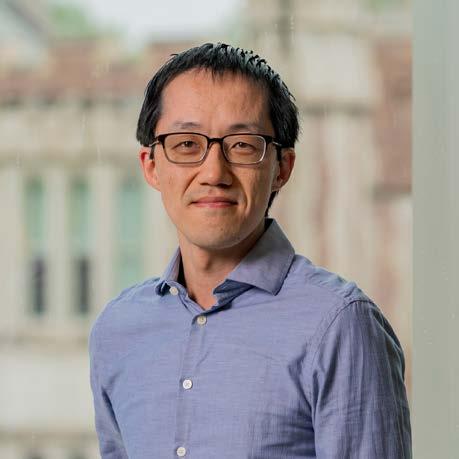
Matthew Lew, associate professor in the Preston M. Green Department of Electrical & Systems Engineering at Washington University in St. Louis, has been elected to the class of 2026 Optica Fellows. One of 121 newly elected members from 23 countries in the 2026 class, Lew was recognized for his pioneering contributions to super-resolution microscopy, single-molecule imaging and developing innovative nanoscale sensing techniques. Optica, formerly known as the Optical Society of America or OSA, is an international organization at the forefront of the optics and photonics field. Fewer than 10% of the total membership can be elected a Fellow.
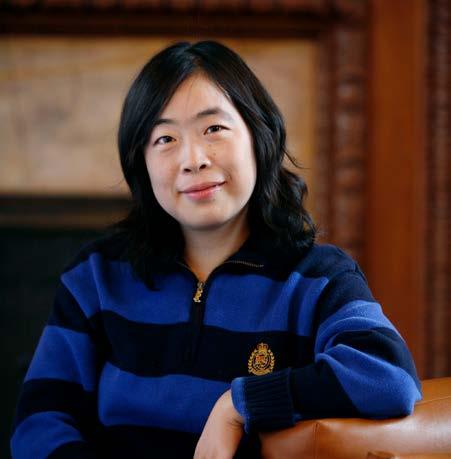
Lan Yang, the Edwin H. & Florence G. Skinner Professor of Electrical & Systems Engineering, has been named a Fellow of the National Academy of Inventors. Yang, an internationally renowned leader in nanophotonics, has made fundamental advances in understanding and controlling light–matter interactions at the nanoscale and applying them to sensing, spectroscopy and imaging. She pioneered optical microresonators as ultra-sensitive sensors, applying them to a broad range of detection and diagnostic needs, including the real-time, label-free detection and measurement of nanoparticles, viruses and biomolecules.
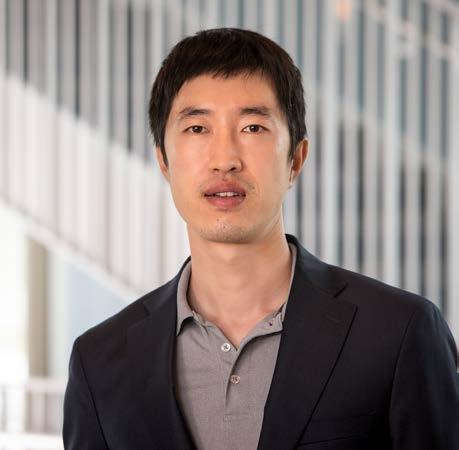
Sang-Hoon Bae, assistant professor of mechanical engineering & materials science, has been selected as a Rising Star by Advanced Materials, one of the top journals in materials science.
As part of the recognition, researchers are invited to publish a paper in the journal. Bae highlighted his team’s recent work, led by Ji-Yun Moon, a visiting researcher, and Sanggeun Bae, a doctoral student. This study solves a long-standing problem in making ultra-thin, high-quality single-crystal oxide nanomembranes for advanced electronics: They usually crack when lifted off their growth wafer due to built-in strain. By creating a special support layer called an elastically graded polymer, they were able to transfer large, waferscale, freestanding single-crystalline membranes without cracks.
Francis F.
Earl E. and Myrtle E. Walker Professor of Engineering
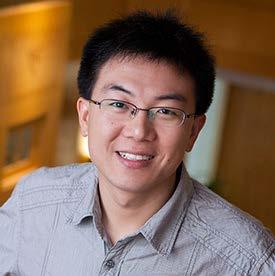
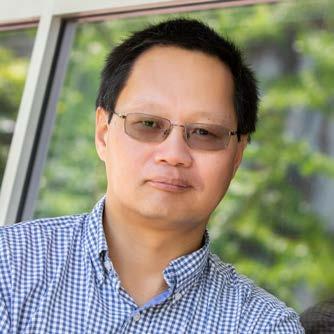
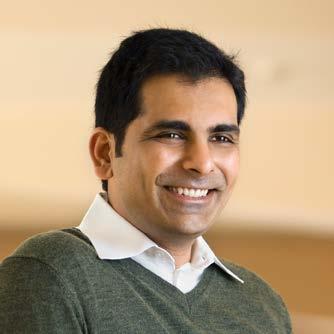
McKelvey Engineering welcomed eight new faculty members this academic year. James Friend, the new chair of the Department of Mechanical Engineering & Materials Science, is featured on page 14.
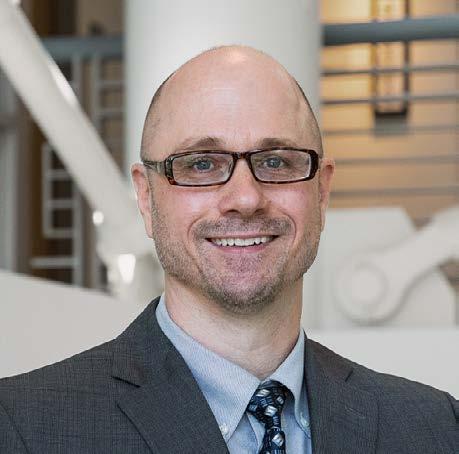
Professor
PhD, University of Chicago, 2001
Mark A. Anastasio returned to WashU in February 2026 as the Mallinckrodt Endowed Professor in Imaging Sciences in the Mallinckrodt Institute of Radiology (MIR) at WashU Medicine, and a professor of electrical & systems engineering in McKelvey Engineering. His research broadly addresses computational and AI-enabled image science, tomographic image reconstruction and inverse problems related to image formation, and machine learning methods for clinical applications.
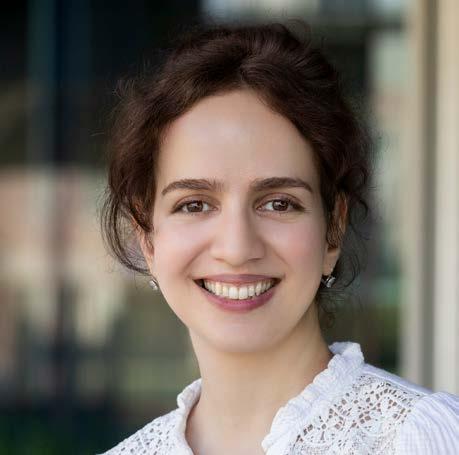
Lecturer, Computer Science & Engineering
PhD, University of Utah, 2025
Sara Nurollahian joins McKelvey Engineering as a lecturer from the University of Utah, where she recently earned a doctorate in human-centered computing. She has been involved in teaching several courses at the University of Utah and Ferdowsi University of Mashhad.
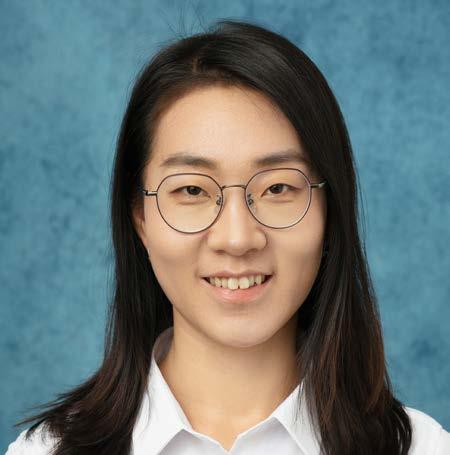
Assistant professor, Electrical & Systems Engineering
PhD, University of Pennsylvania, 2025
Zhiyang Wang will join the faculty in August 2026 after completing postdoctoral research in the Halıcıoğlu Data Science Institute at the University of California, San Diego. Wang specializes in signal processing and machine learning with focuses on graph signal processing, graph neural networks, geometric deep learning and complex network systems.
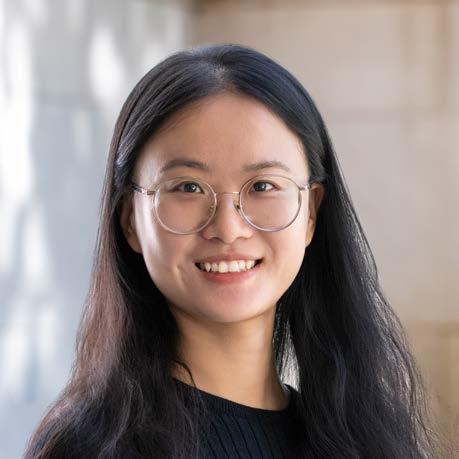
Assistant professor, Electrical & Systems Engineering
PhD, Rice University, 2024
Yingying Fan, who earned a doctorate in electrical and computer engineering from Rice University, joined McKelvey Engineering in August 2025. She specializes in analog/RF integrated circuits and focuses on applicationspecific integrated circuit (ASIC) design for biosensors, bioactuators, and biology-electronics hybrid systems for neural interfaces and health care applications.
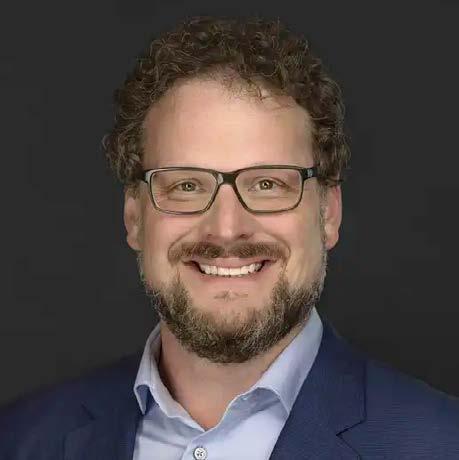
Professor of practice, Mechanical Engineering & Materials Science
PhD, University of Illinois Urbana-Champaign, 2007
Ed Whalen joined the McKelvey Engineering in Fall 2025. Previously, he worked in research and development at The Boeing Co. for 17 years, where he focused on developing active flow control technology, including a flight demonstration on a Boeing 757 with NASA and formulating what became the X-65 program with DARPA.
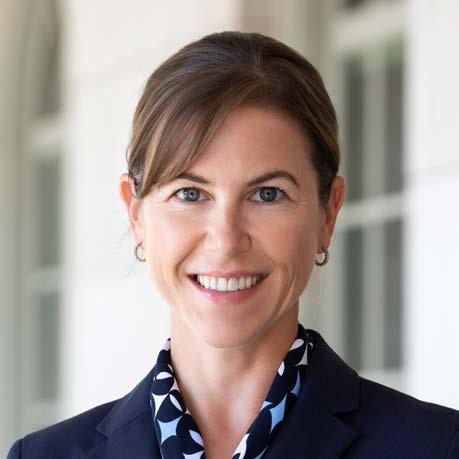
Senior lecturer, Computer Science & Engineering
PhD, Missouri University of Science & Technology, 2008
Kate Holdener joined McKelvey Engineering in August 2025 from Saint Louis University, where she had been an associate professor in the Department of Computer Science since 2018. Previously, Holdener worked at Exegy Inc. for 10 years in various roles such as software engineer, senior API engineer and product manager.
RESEARCH FACULTY
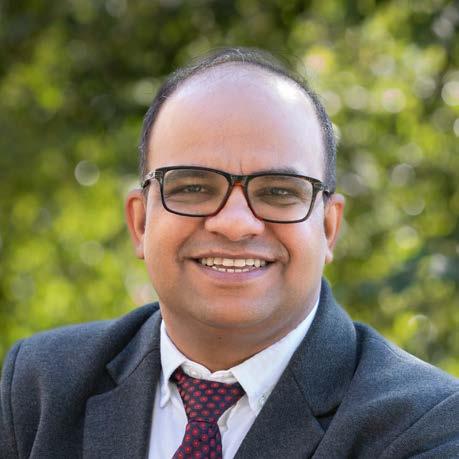
Research assistant professor, Biomedical Engineering
PhD, Indian Institute of Technology (IIT-BHU), India, 2019
Piyoosh Sharma joined the faculty in June 2025. Working in the lab of Jai Rudra, associate professor of biomedical engineering, Sharma’s research focus will be on engineering peptide nanofiber-based, adjuvant- and inflammation-free vaccine systems for neurodegeneration.
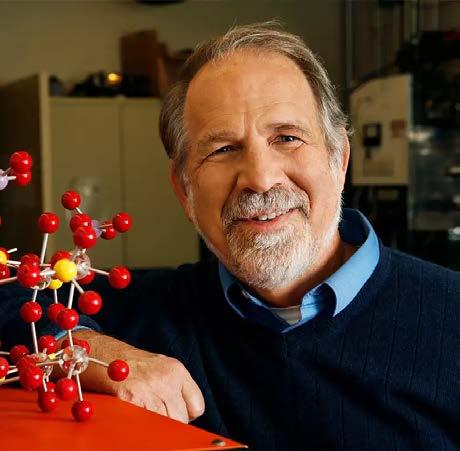
John Gleaves, emeritus professor in the Department of Energy, Environmental & Chemical Engineering, died June 2, 2025. He was 79.
Gleaves was a member of the chemical engineering faculty from 1988–2022. He was co-inventor of the TAP reactor system, which he began while working at the Monsanto Co. He received a U.S. patent in 1986. Throughout his career, he developed the commercial TAP reactor system, the TAP high-pressure reactor system and invented the TAP-2 reactor system. He created Mithra Technologies in 1992, a private company building many of the TAP reactors in use today. There are more than 22 TAP reactor systems designed and/or built by Gleaves operating in academic and industrial laboratories.

James “Jim” Clark Ballard, former senior lecturer and director of the Engineering Communication Center in the McKelvey School of Engineering, died Monday, Sept. 29, 2025, in St. Louis following a cardiac arrest. He was 79.
Ballard retired June 1, 2024, after teaching technical writing to thousands of engineering students over 54 years with the university. He began his WashU career in 1970 as a doctoral student in the Department of English in Arts & Sciences before joining the Engineering school in 1974. Ballard designed a syllabus for a new undergraduate course in technical writing and got a trial semester. Ballard also created and taught the Engineering Practice and Professional Values course and developed a graduate course in Engineering Communications. In all, he taught more than 45 uninterrupted years.
“ Before you release anything, hand it to someone outside the project and ask, ‘What does this tell you to do?’ Their instinctive reaction will tell you whether it is useless or usable.”
— ALVITTA OTTLEY

By Alvitta Ottley
Most of us have lived with the consequences of unusable systems: a failed tornado warning system, a weather alert that arrives too late to matter, a water advisory so unclear you’re not sure whether to boil the tap water or trust it, and a local health notice that assumes you already speak the language of experts. The details differ, but the feeling is the same: you’re on your own to figure it out.
The uncomfortable truth is that many publicfacing systems are built around technical performance rather than human understanding. Precision gets prioritized over clarity; completeness over usability. But public health doesn’t succeed because something is detailed or accurate; it succeeds because people can follow it, trust it and act on it.
Usable for whom? People differ in literacy, access, background and trust. Engineering public health means designing with those differences and meeting communities where they are, not where we assume they are.
In my lab, we study how visual and informational design can close this gap. We examine how small shifts in presentation can change what people notice, understand and ultimately do. Here is a simple practice that is remarkably powerful: before you release anything, hand it to someone outside the project and ask, “What does this tell you to do?” Their instinctive reaction will tell you whether it is useless or usable. M
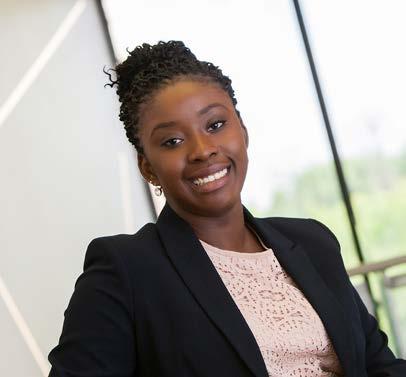
Alvitta Ottley is an associate professor of computer science & engineering.
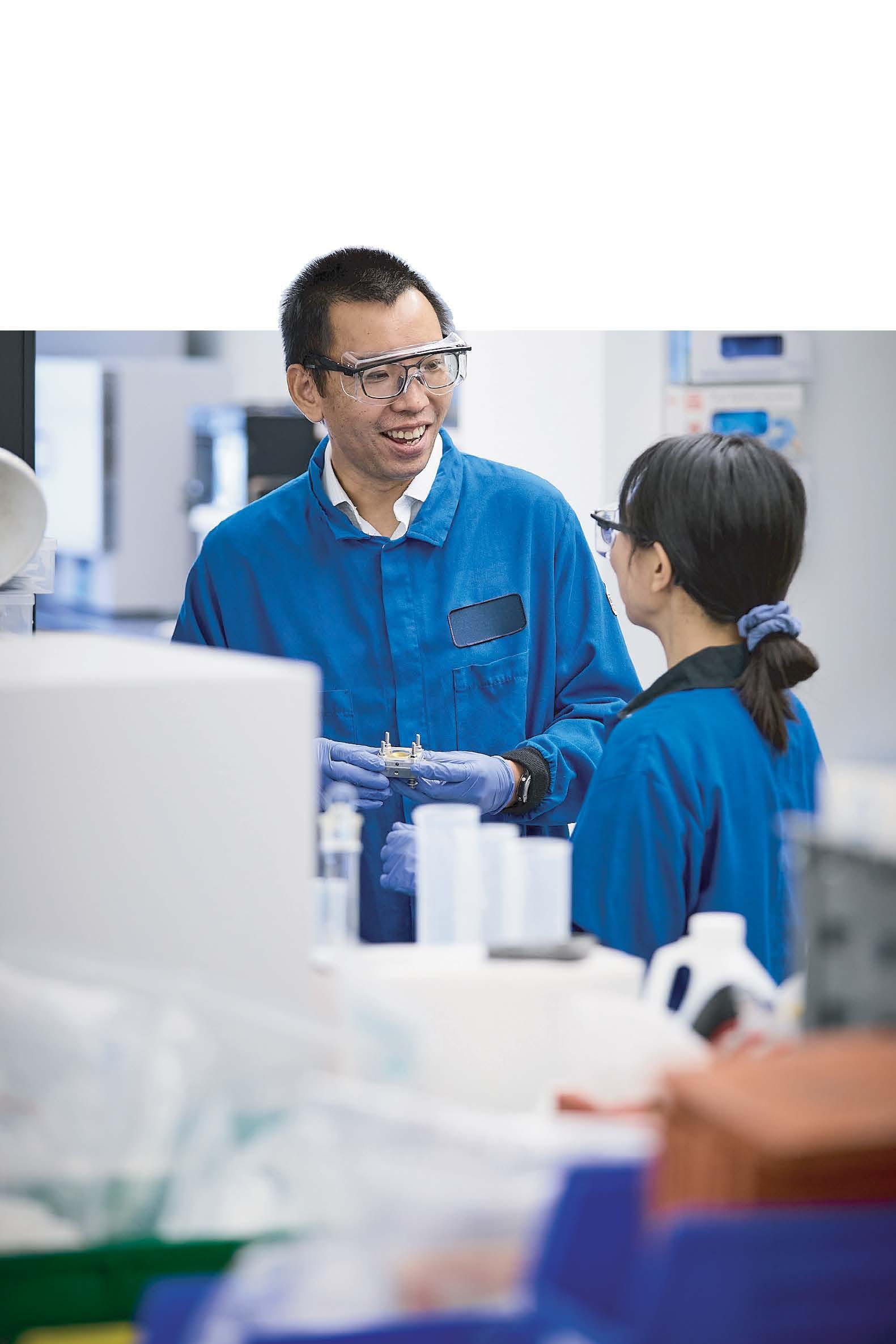
Growing ands of
Intensive irrigation often exceeds renewable water supplies, creating social tensions and straining a global p p y a g c g ulture.
At the McKelvey School of Engineering, our researchers are tackling these challenges By integrating ecosystems. And yet, people must eat.
carbon dioxide electrolysis with biological systems, we’re boosting agricultural e ciency and
With you, this is what WashU can do. radically reducing land use – potentially by 90%.
Let ’s create a more promising future for all. Make your gif t today at withyou washu edu or by scanning the code.
Washington University in St. Louis
McKelvey Engineering
MSC 1163-0206-01
One Brookings Drive St. Louis, MO 63130-4899