
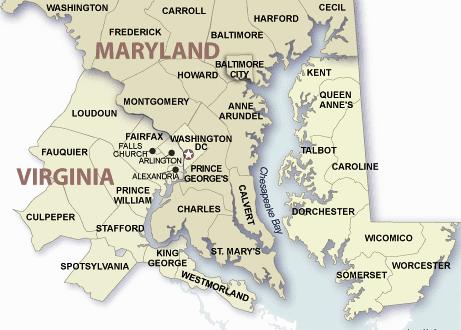
Montgomery County is the most populous county in the state of Maryland, with over one million residents. Located adjacent to Washington, D.C., and lined on one side by the Potomac River, abundant interlocking trails, parks, bike paths and transit systems are integrated into the Washington metropolitan area. However, portions of the County further out from the city border are quite rural and have a rich history of agriculture.
TMontgomery County has endless art and entertainment attractions within its 491 square miles and some of the nation's most beloved historical sites are nearby Portions of Montgomery County are serviced by the Capital’s Metro system for easy access to historical sites, museums, galleries, and nightlife.
Montgomery County is unique for its rich diversity. Four of the top ten most diverse cities in the country are within Montgomery County, outranking New York and San Francisco.
Montgomery County residents are well educated with 32% of residents holding a master’s degree or higher, compared to the National average of 12%. The public schools are excellent and an added attraction for families.
M CMontgomery County hosts many major U.S. government offices, scientific research centers, and large employers, which supports jobs and provides revenue for the County.
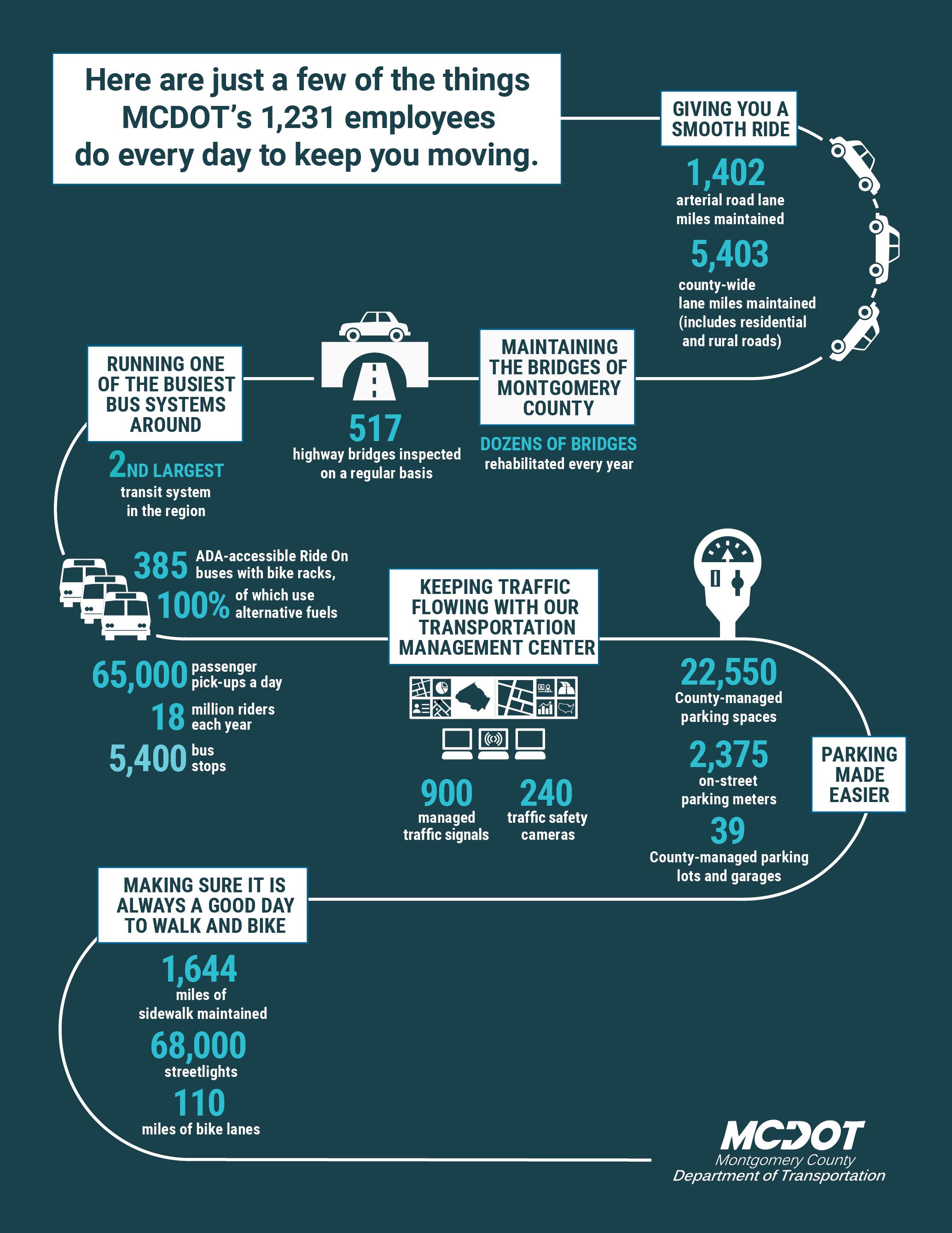
Our transportation system is one of our most important resources. Supporting Montgomery County residents and visitors with public transportation and infrastructure, we are a large organization with over 1,200 employees and a Fiscal Year 2024 County budget of 287 million.
We own and operate nearly 400 Ride On buses and have affordable bus fares set at $1. We offer free bus fare to seniors, persons with disabilities, and students under 18 with specialized SmarTrip cards We work closely with regional partner agencies such as the Maryland Department of Transportation (MDOT) and the Washington Metropolitan Area Transit Authority (WMATA) to coordinate regional transportation connections
We are also responsible for building and maintaining County infrastructure such as roads, bike lanes, paths, lighting, crosswalks, sidewalks, bridges, and bus shelters and so much more.
CMCDOT also provides oversight of major engineering projects for the County such as the 355 Pedestrian Underpass between the National Institute of Health (NIH), Medical Center Metro station, and the campus of Naval Support Activity-Bethesda, which includes Walter Reed National Military Medical Center. The project included tunneling deep elevators to connect to the Metro platform and pedestrian safety and traffic elements. MCDOT is a highly organized department, able to deliver projects on time and on budget.
MThe department has five large divisions which work together to provide seamless service to the public. These divisions include Highway Services, Parking Management, Transit Services, Traffic Engineering and Transportation Engineering.
To move people and connect places with seamless, equitable transportation options that are safe, environmentally responsible, and support economic growth and vibrancy in Montgomery County.
We are a public safety agency focused on reshaping the way people travel to support vibrancy and grow our economy. We understand that when individuals flourish it benefits our community as a whole. Transportation allows for inclusion, connectedness, and advancement
Montgomery County’s transportation projects have had an overwhelmingly positive impact on our communities. The following pages will introduce you to many of them.
We are committed to our three priority areas, which include safety and our Vision Zero plans to eliminate severe injuries and deaths along our roadways; implementing climate action goals including a zero-emission bus transition; and helping the County achieve its economic growth and development goals.
Daily transportation choices impact our community. Investing in public transportation projects help make public transit dependable and efficient but they also transform neighborhoods We are continuously looking to bolster infrastructure to make corridors safer, more convenient to travel, walkable and bikeable.
MResident engagement is crucial in setting the priorities that shape our community's transportation future. In the year ahead, your input will continue to guide our efforts to create a more connected, efficient, and sustainable transportation network for all
Notable programs, services and projects from fiscal year (FY) 2024, running from July 1, 2023, to June 30, 2024:
The White Flint Work Around built new, and reconstructed old, roadways to configure grid-patterned street blocks south of the Pike and Rose entertainment area to support further development in North Bethesda
The high-frequency Great Seneca Transit Network Pink and Lime extRa bus routes were launched in June 2024. The Pink and Lime routes have the same endpoints, the Shady Grove Metrorail station and Traville Transit Center, at the Universities of Shady Grove The Pink Line links the busy Shady Grove corridor with the Life Sciences Center via Medical Center Drive, and the Lime Line uses I-370 to provide an express route to RIO, Crown Farm, and the heart of the Life Science Center
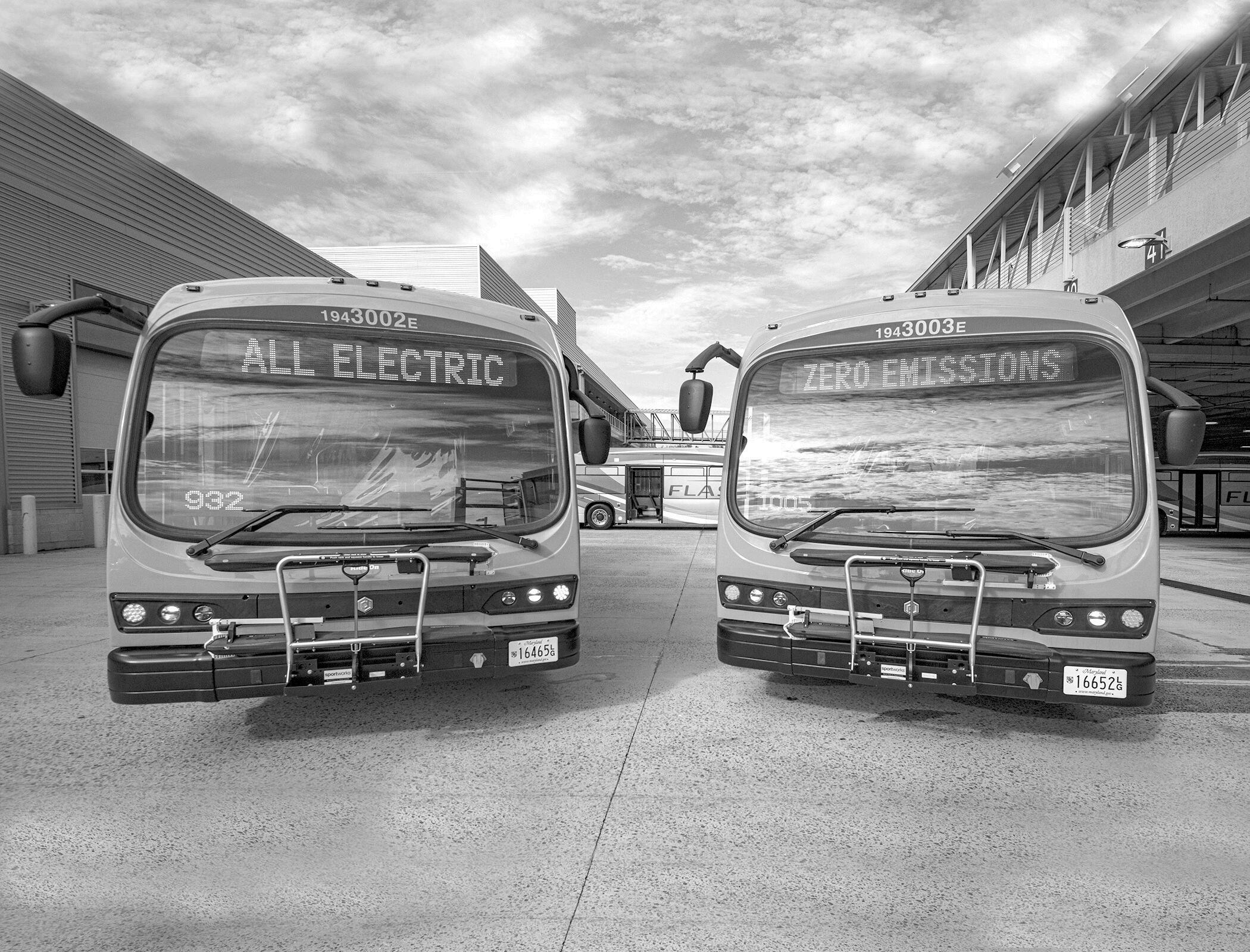
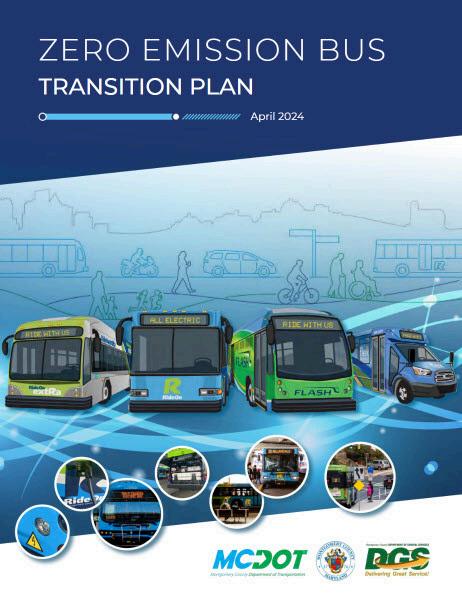
A zero-emission bus transition plan was developed and posted online The report details an action plan that is already underway for the County’s 385-bus fleet. Already, about 40% (152) of the fleet is alternatively fueled, including 14 zero-emission electric buses The bus transition is in line with meeting the County’s climate goal of zero emissions by 2035.
Montgomery County will have one of the nation's first hydrogen electric buses powered by the nation’s largest solar grid for public bus charging. MCDOT received a Federal grant to cover the cost of 13 hydrogen buses and a hydrogen fueling station
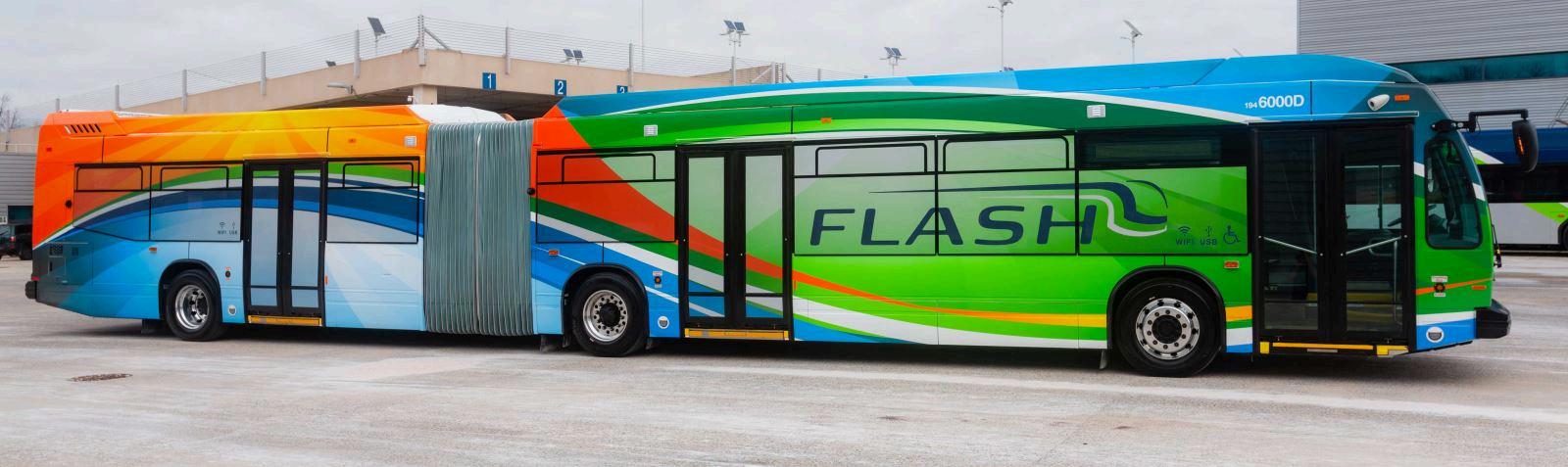
The department continues to plan for the Flash Bus Rapid Transit (BRT) Network, which will feature eight corridors once complete. Viers Mill Road Flash BRT will be the next corridor to be built. It will be the second BRT, adding to the first US 29 Flash BRT line, which is currently in service linking Downtown Silver Spring and Briggs Chaney with service every 7-15 minutes.
The County’s Ride On buses serviced 18 million riders in FY 2024, providing 65,000-weekday passenger pickups and maintaining 5,400 bus stops with over 80 routes.
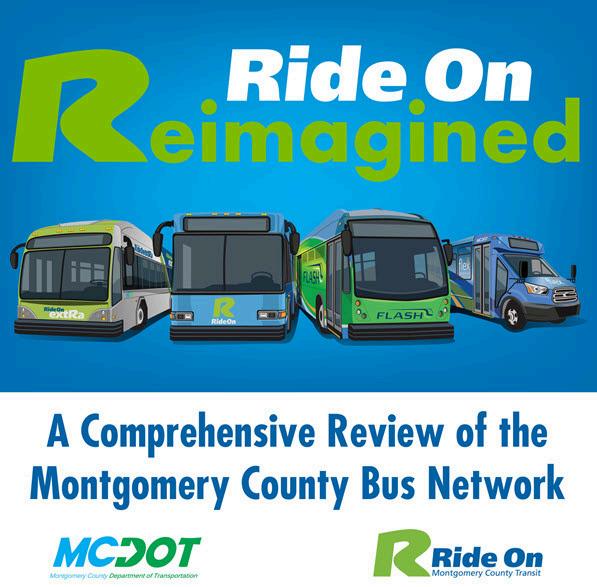
A comprehensive, system-wide bus study, Ride On Reimagined, was completed. The community-base study did an in depth assessment of all bus services in the County and produced recommendations for implementation over years to come
A new Ride On Trip Planner App was introduced with a pilot, allowing for fast, modernized regional trip planning.
2024 also saw the second year of the Ride On Pride Bus, a single-wrapped bus adorned with neon lights that was moved around the County, spontaneously taking over bus routes during Pride Month in June “Ride With Pride” was the theme.
The department maintains 5,600 lane miles in Montgomery County, including roadway, curb, and sidewalk repairs; tree maintenance and planting; snow plowing; sidewalk and asphalt clearing and maintenance; storm drain clearing and improvement projects; and right-of-way care such as mowing and litter removal.
In fiscal year 2024, 29 bikeway projects were underway, with five under construction A total of 17 school walkability assessments with safety improvements were completed through the Safe Routes to School program. Additionally, nearly seven miles of sidewalk were constructed, breaking a County record of about six miles the year before
MCDOT continues to boost public engagement with its many public-facing safety events including Truck Day, Bike to Work Day, Walk/Bike and Roll to School Days, the middle school Paint the Plow competition, elementary school Pedestrian Safety Art Contest, the high school Heads Up Phones Down Student Video Contest, and a first-time student-led Vision Zero Ambassador Safety Day among others.
The County's MC 311 call center (301-777-0311) is heavily relied on for public service requests. In FY 2024 MCDOT answered 20,367 calls for service through the County’s call center.
Another avenue for public engagement and service requests is the department’s “get it fixed” section of the website and multiple social media channels. MCDOT is active on social media platforms under the @MCDOTNow handle. A centralized communications team within the Director’s office routes requests and promotes projects and programs. MCDOT’s Transit Division, because of its specific audience of riders, also manages social media channels under the handle @RideOnMCT and delivers timely rider alerts for detours, delays, and bus ridership-focused news.
In 2024, the Director’s Office released an average of about 13 press releases each month, generating a consistent stream of information for local media outlets and the public.
MCDOT has five divisions represented below by the three service categories.
The three categories represented above consist of the following:
Transit Services: Includes transit services, community mobility services, and transit services general administration.
Transportation: Includes infrastructure construction maintenance, non-roadway right of way maintenance, transportation services general administration, transportation management operations, and emergency storm response, community transportation safety, transportation policy planning and project development, parking outside parking districts
Parking: Includes parking operations, parking fixed costs, parking enforcement and parking services general administration.
Planning Design and Supervision
$4,575M. CAPITAL BUDGET M C D O T
MCDOT through its Parking Lot District (PLD) program, operates 22,500 public parking spaces, including 2,3075 on street meters and 39 garages and lots, in the County’s largest central business districts: Bethesda, Silver Spring and Wheaton
PLD revenues are are used for district programs including sidewalks, lighting, carpooling and transit benefits and the Montgomery County Mass Transit Fund.
Projects
$4,575M.
CAPITAL BUDGET
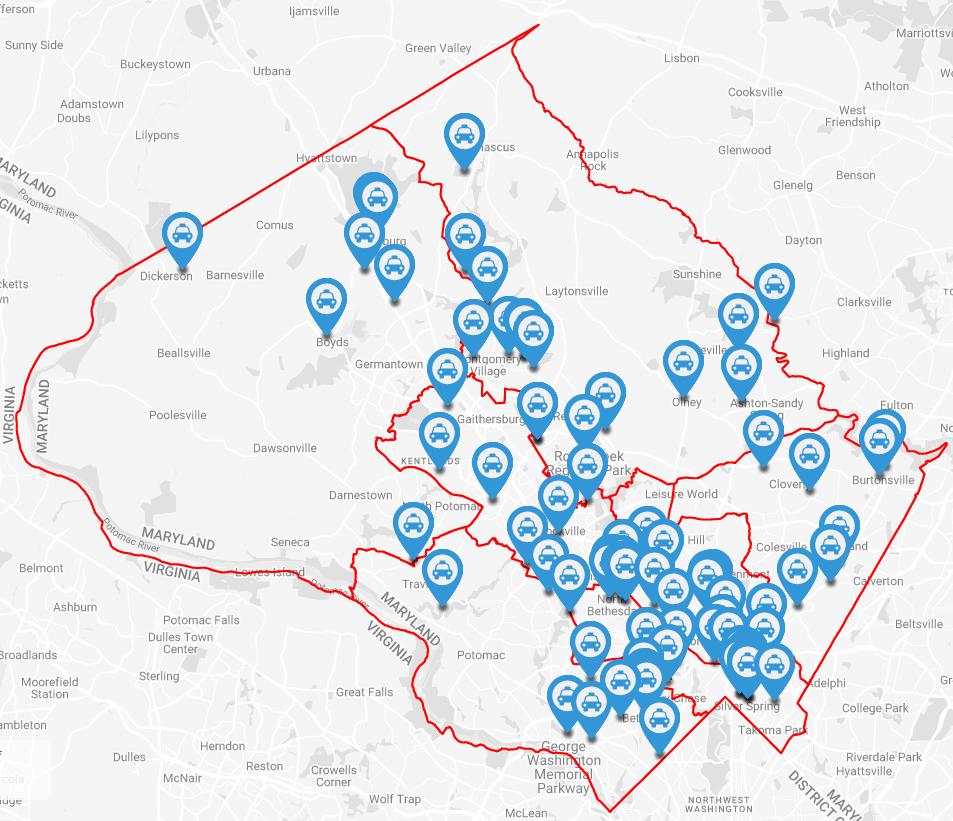
Every year MCDOT applies for multiple large-scale grants to help fund transportation and infrastructure projects. These funds helped pay for things like zero-emission buses, bus priority projects, and bridge rehabilitation projects.
Montgomery County has put resources in place to eliminate serious and fatal collisions on County roads for vehicle occupants, pedestrians, and bicyclists by the end of 2030. Montgomery County is one of the first county governments in the United States to initiate a Vision Zero plan.
Montgomery County has one of the nation's most aggressive climate action plans. Transportation related goals call for an emissions free fleet by 2035. To reduce our impact on the environment and carbon emissions, we need to be able to move people more efficiently than we do today.
M C D O T
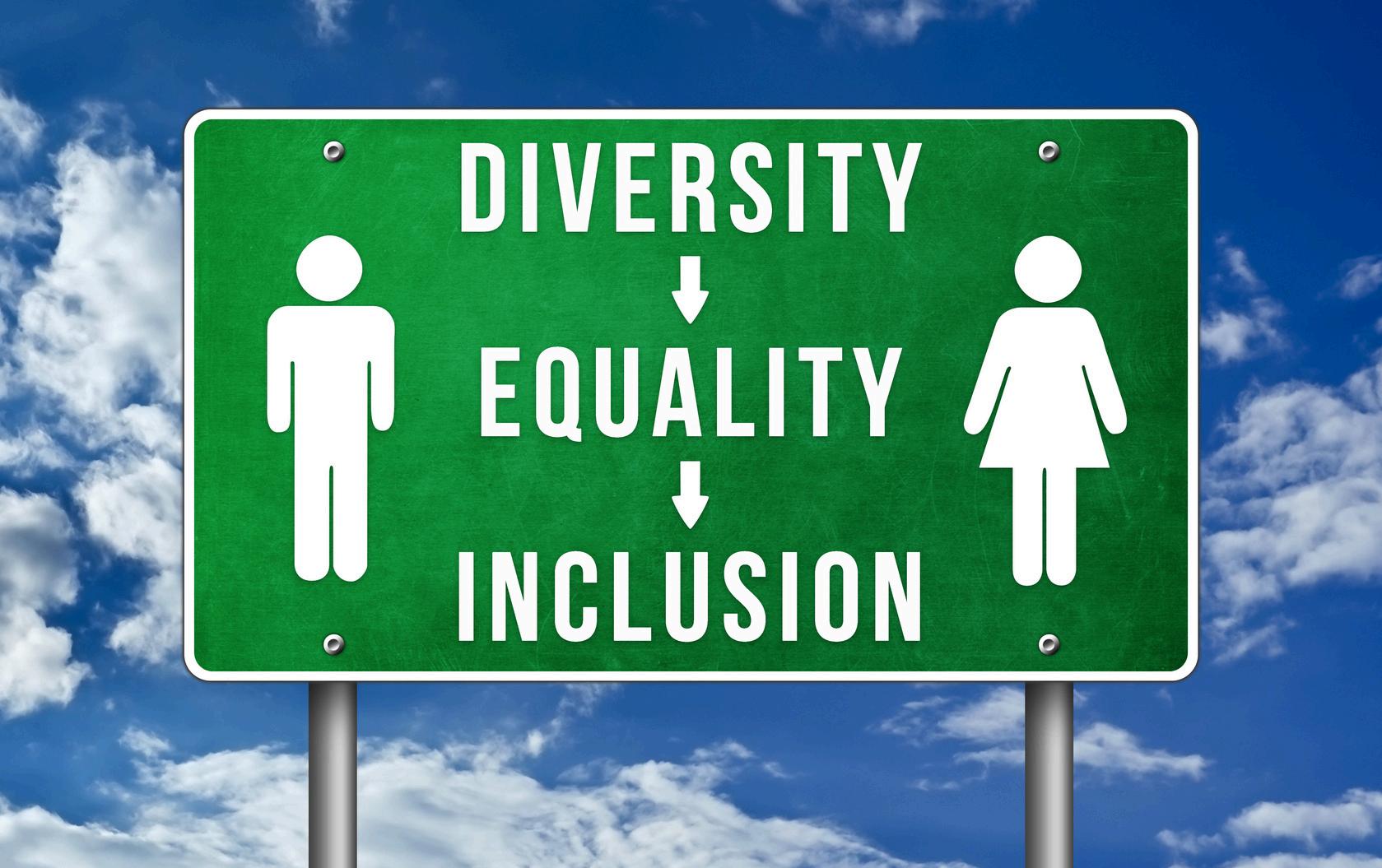
Population and jobs are growing in this region. By building on our strengths and focusing on equity, inclusion, sustainability and a less impactful lifestyle, we can make investments that transform our infrastructure and services to better meet our needs now and in the future.
Safety is paramount to what we do. Apart from large-scale targeted programs MCDOT works day-to-day to ensure the safety of streets, crosswalks, sidewalks, parking garages, bikeways, bridges and more. There is a continual effort to maintain and build infrastructure to support and better connect our neighborhoods
In FY 2024, Montgomery County saw an 11% decrease in serious and fatal crashes Montgomery County has put resources in place through the Vision Zero Initiative with the goal of eliminating serious and fatal collisions on County roads for pedestrians, bicyclists, and vehicle occupants (drivers and passengers) by the end of 2030 Montgomery County is one of the first county governments in the United States to initiate a Vision Zero plan.
In the 1950’s through 1980’s transportation infrastructure was focused primarily on moving cars long distances at high speeds. This is not the vision for the Montgomery County of the future
We have been in transition for about 15 years from the earlier model to one where walking, biking and transit are emphasized But that is a small amount of time compared to the 50-to-60-year investment made in the car-oriented system.
Redesigning and building our infrastructure to support safe alternative modes remains a big challenge – but MCDOT is committed to accelerating engineering infrastructure changes that create a network that is inclusive and safe for all users.
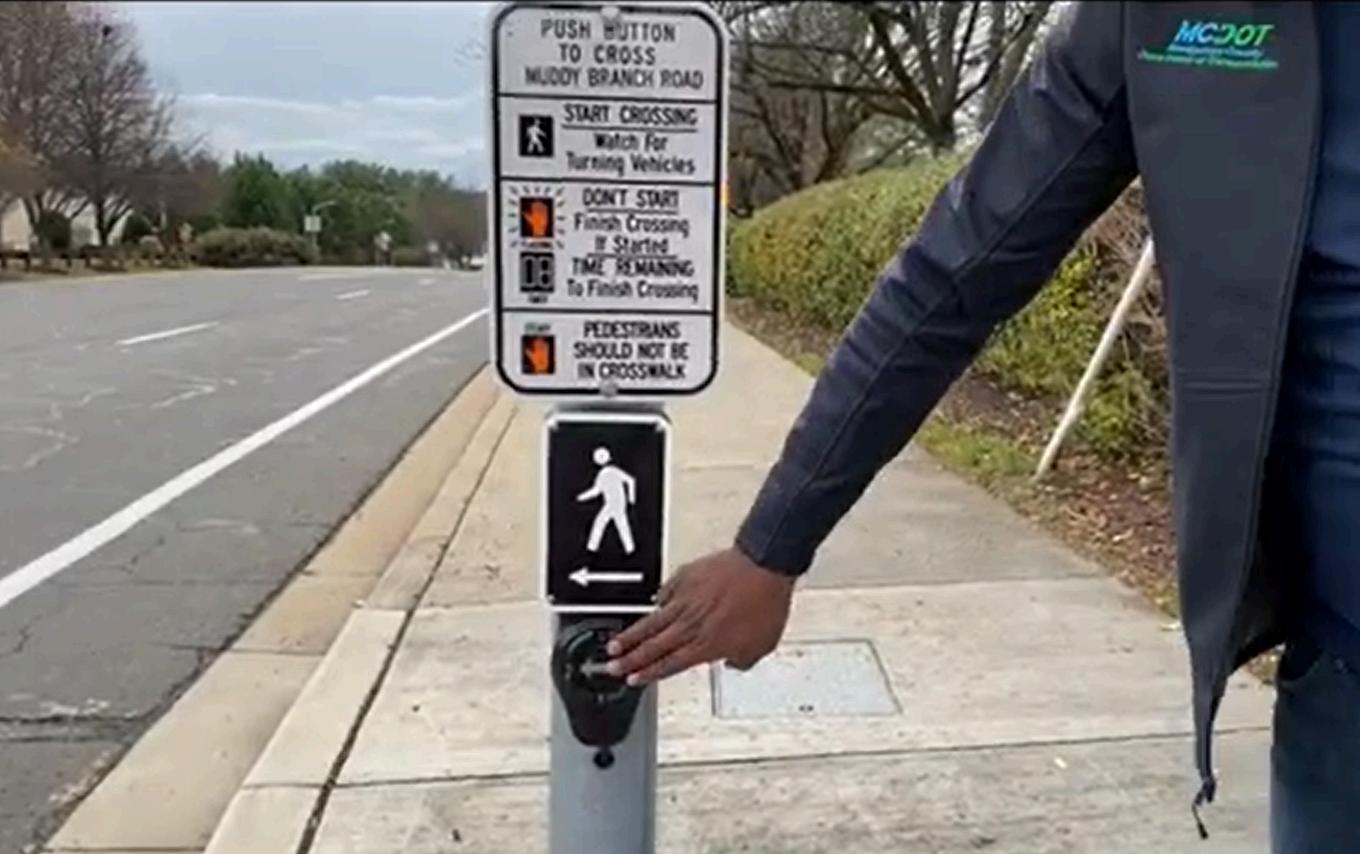
Eight additional Pedestrian Signalized Crosswalks or Pedestrian Hybrid Beacons (PHB) and traffic signals have ben added countywide. In addition, MCDOT has developed and promoted safety messaging on how to properly use them.
A Design Guide for Accessibility, was created to provide a resource compiling accessibility guidance from federal, state and local resources. It builds on the 2021 Accessibility toolkit for the visually impaired Both are first of their kind and serve as national models.
you know?
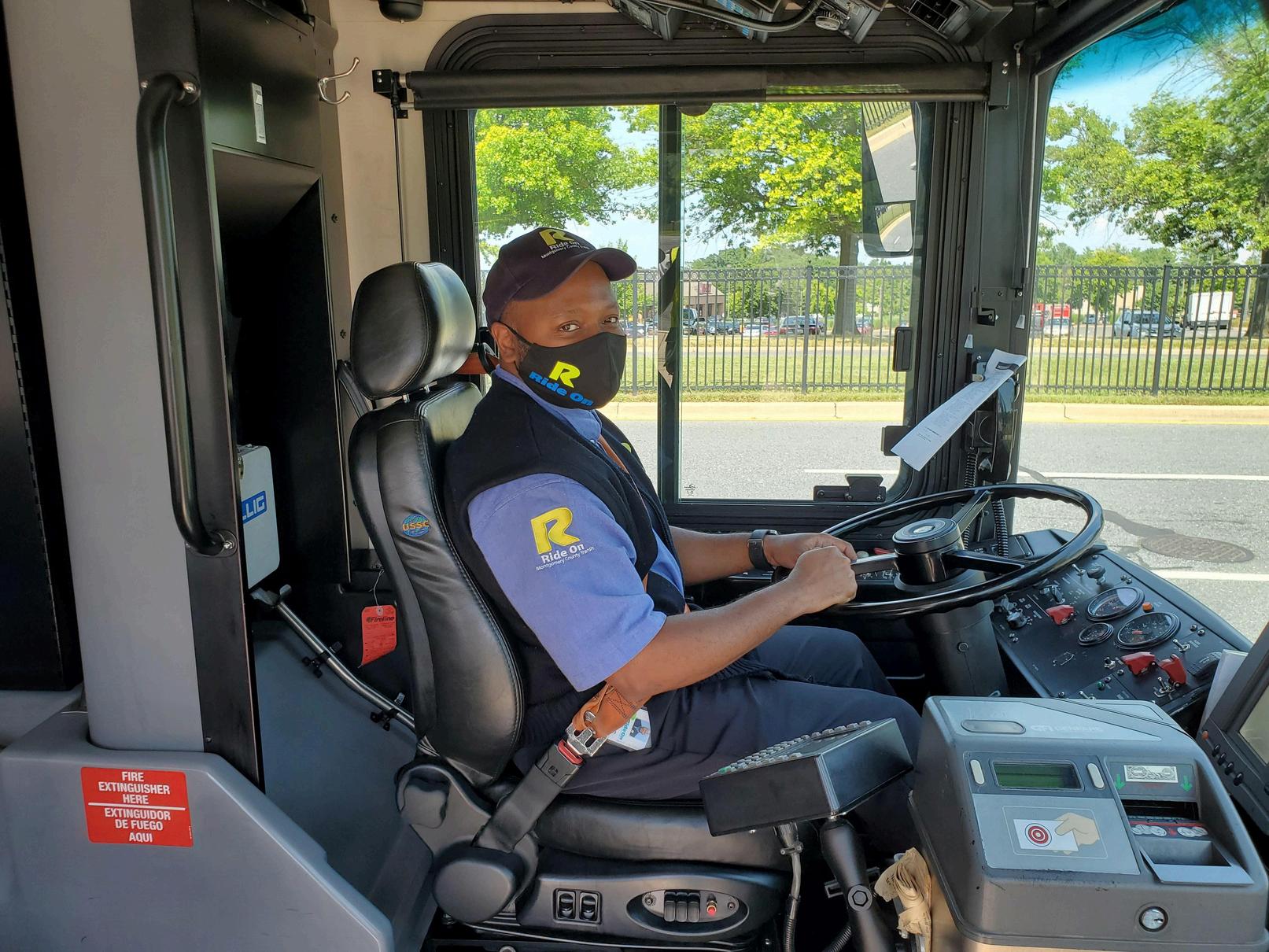
Bus driver training is continuously given to assist in reducing crashes and other incidents. Training emphasizes monitoring for pedestrians and interacting with the public to best serve our customers.
The Heads Up, Phones Down high school video contest had over 100 contest entries. The incredibly creative videos educate on the importance of paying attention when driving and walking. Students win great prizes for first, second and third place in both group and individual submission categories.
Highways are regularly evaluated for pedestrian safety and comfort. Crosswalks, signals and traffic calming implementation techniques are studied and implemented to ensure safety 2024 saw 10 safety projects on high-injury networks under study, design, or construction.

The Youth Ambassador program had over 100 applications. The selected 35 students organized and hosted their first Safety Day event, engaging over 3,000 people at a free spring event in Rockville.
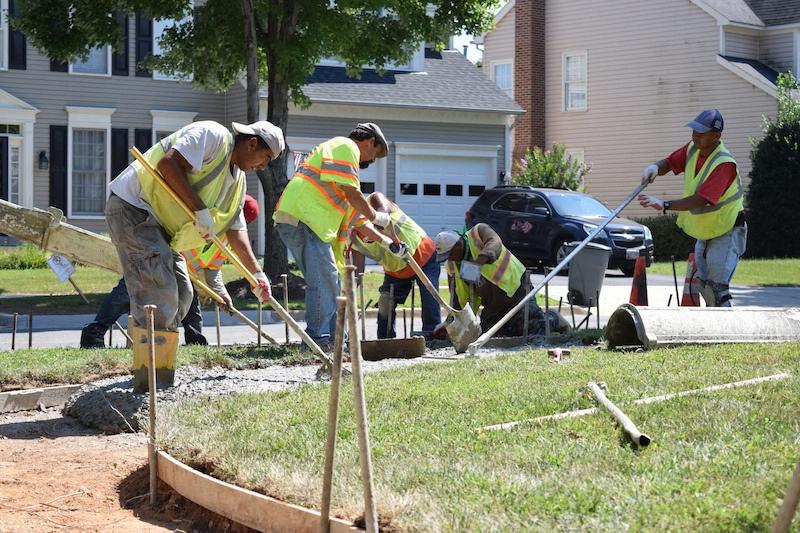
Sidewalks, beacons, crosswalks, and lighting are continuously being added to and maintained on county streets. Crews respond to MC 311 inquiries throughout the year
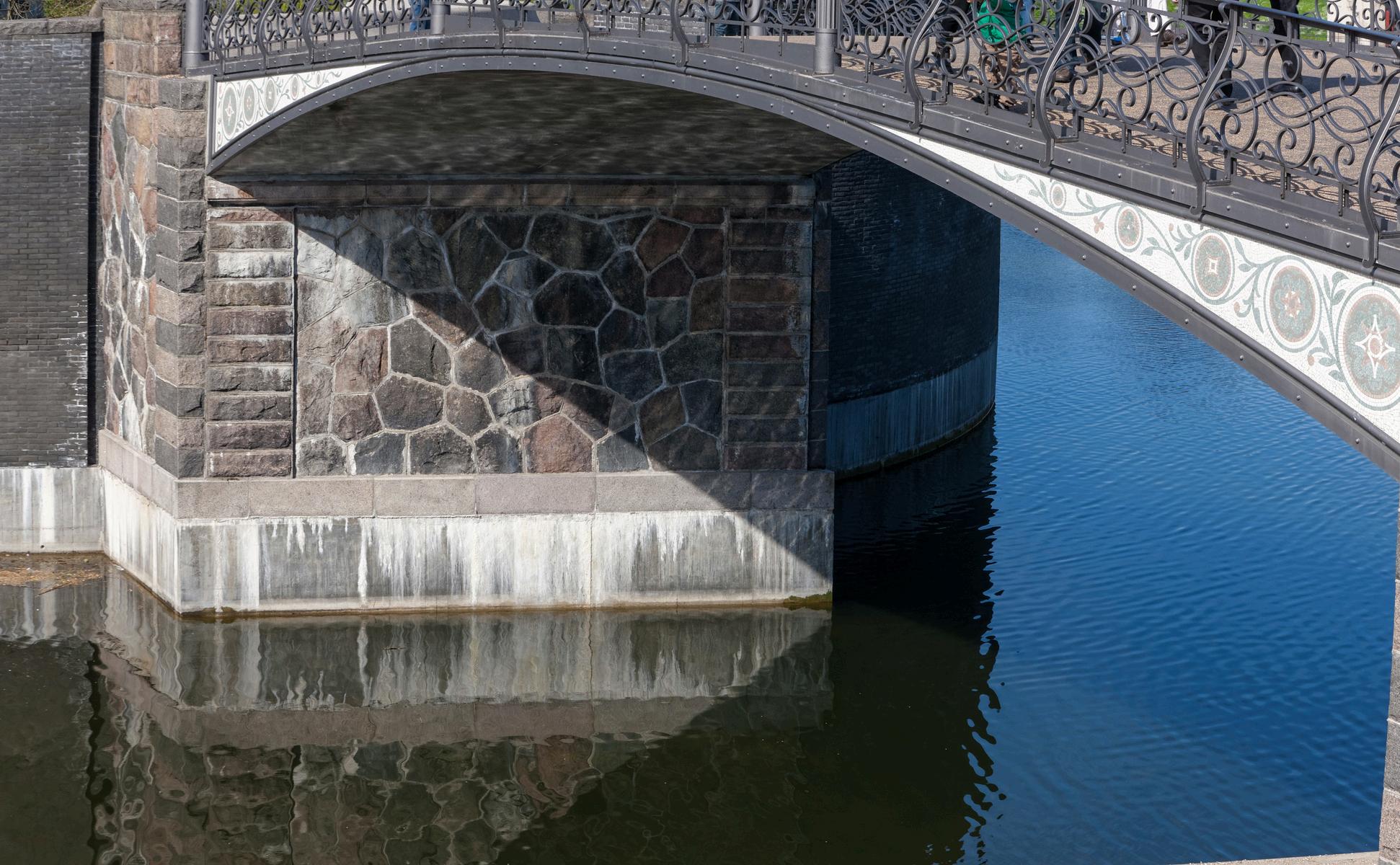
The Bridge program inspects all 517 County bridges a minimum of every two years. Older structures are inspected more frequently to ensure safety. There were 15 bridge projects in 2024.
MCDOT is actively auditing Ride On bus stops with the intent of all bus stops being looked at for visibility, ADA requirements and safety improvements.
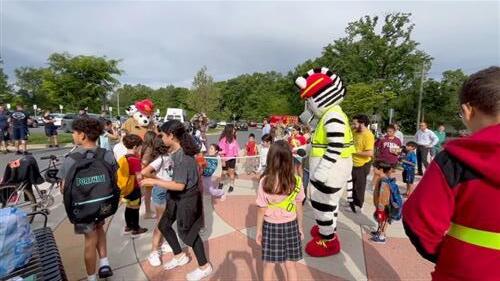
A robust Safe Routes to School program enables and encourages walking and biking to school through education and safety events. The program also completed 17 school walkability audits and added pedestrian safety infrastructure in these areas.
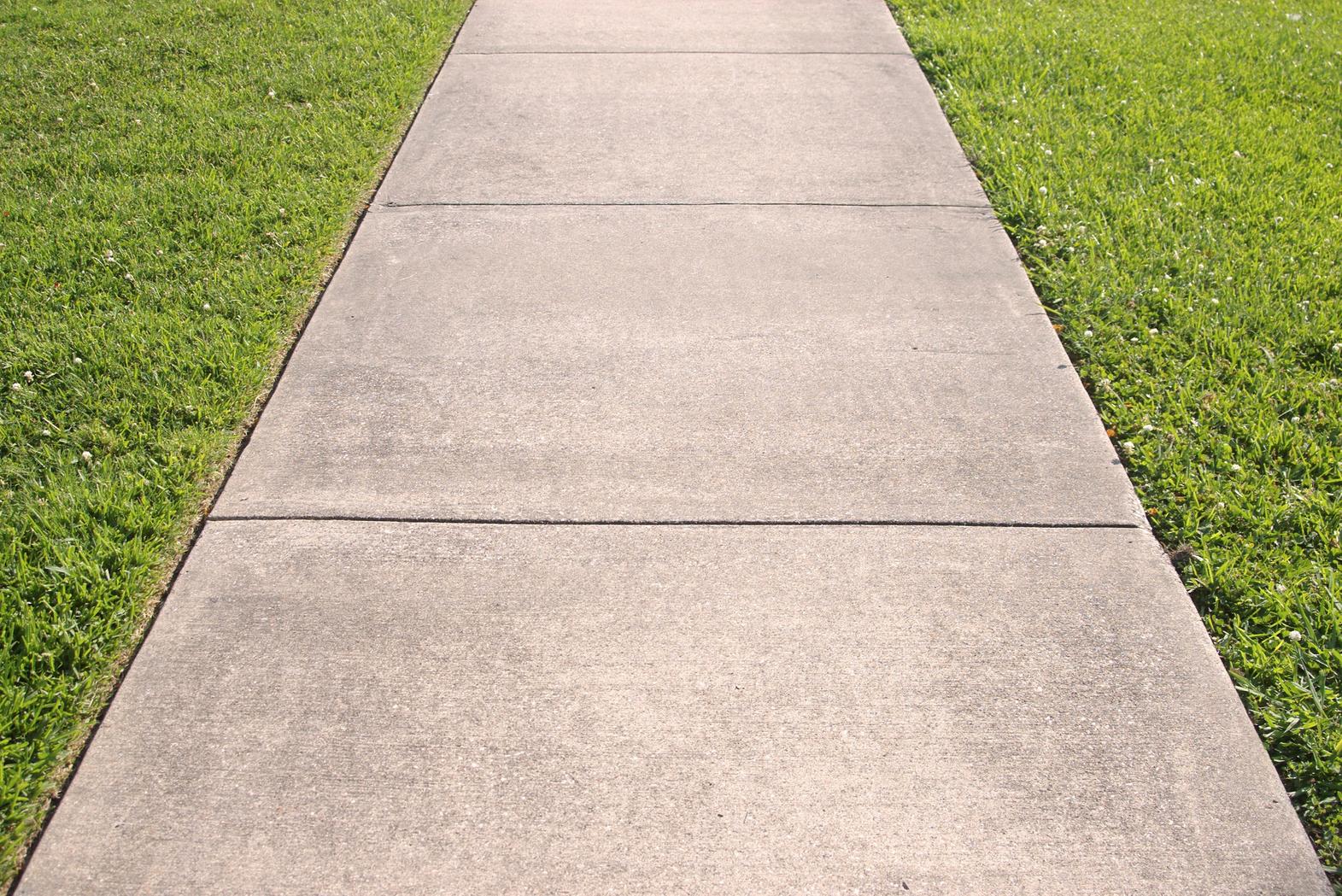
The Annual Sidewalk Program is set up to retrofit sidewalks on roadways where none have previously existed. In 2024, 6.7 miles of new sidewalks were built to keep pedestrians and bicyclists safe, a new record.

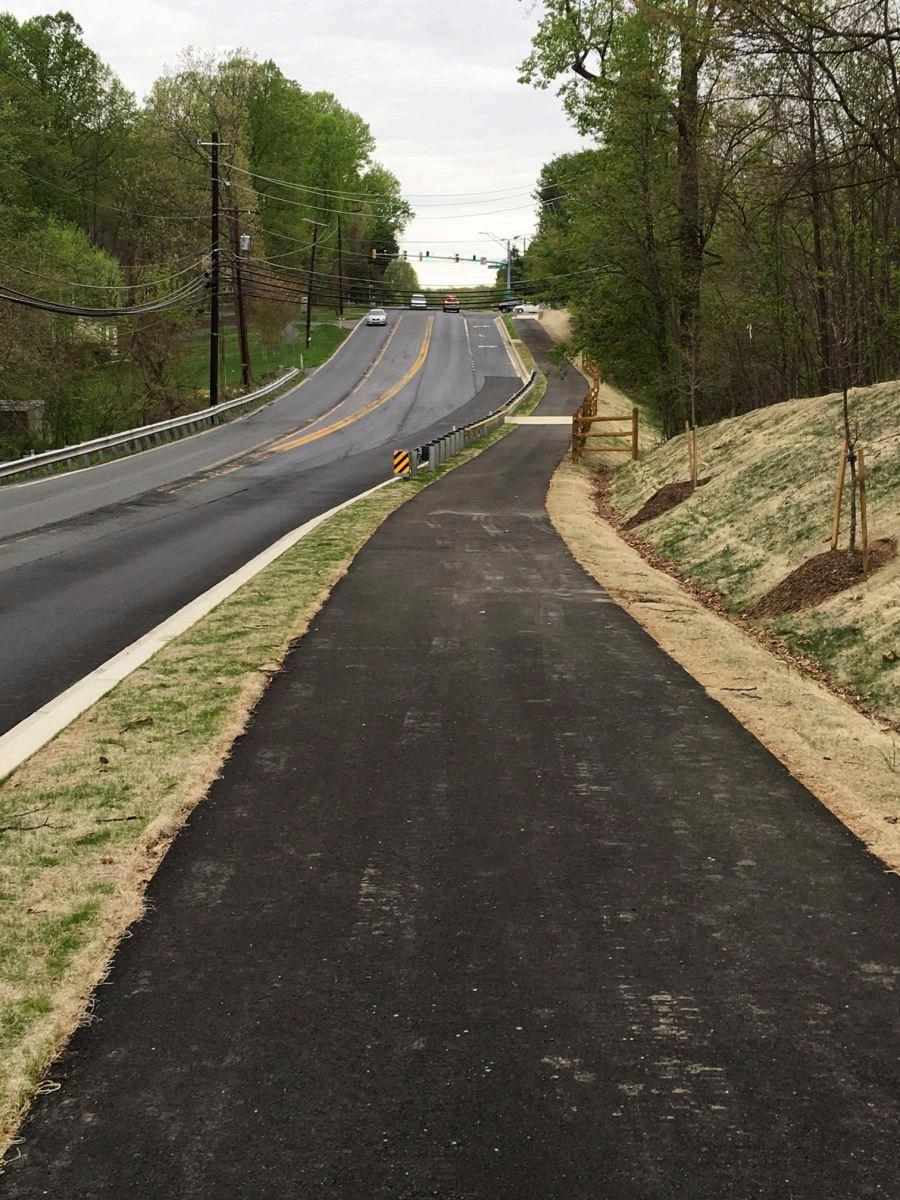
The Bikeway Program provides for the planning, design, and construction of bikeways, trails, and bike route wayfinding signage throughout the County to develop the bikeway network. FY 2024 saw 29 bike projects underway with five under construction.
Montgomery County has one of the nation's most aggressive climate action plans MCDOT is doing its part by committing to a zero-emissions fleet by 2035. To reduce our impact on the environment and carbon emissions, we need to be able to move people more efficiently than we do today. We are directing our future through actions and strategies that make transit easier, more competitive, and more efficient while reducing the environmental impact.
We are continuing to purchase zero-emission transit vehicles and have developed a bus transition plan. Fourteen electric buses are currently in service The County’s first solar charged bus depot in Silver Spring opened October 2022 and can charge up to 70 electric buses. To provide additional bus charging infrastructure, the County’s Department of General Services launched a second, even larger microgrid at MCDOT’s Gaithersburg bus depot.
We are also encouraging public and commercial adoption of zero-emission vehicles by contributing to the public EV charging network in our parking garages.
Upcoming challenges include updating our aging storm water infrastructure, much of which was built in the 1960s through 1980s. It is degrading and isn’t meeting current needs as storms increase in intensity
We are actively working towards a future where communities are connected to others without the use of energy-intensive transportation modes. This includes well planned infrastructure such as bike lanes, paths, and last-mile transportation options support cleaner transportation.
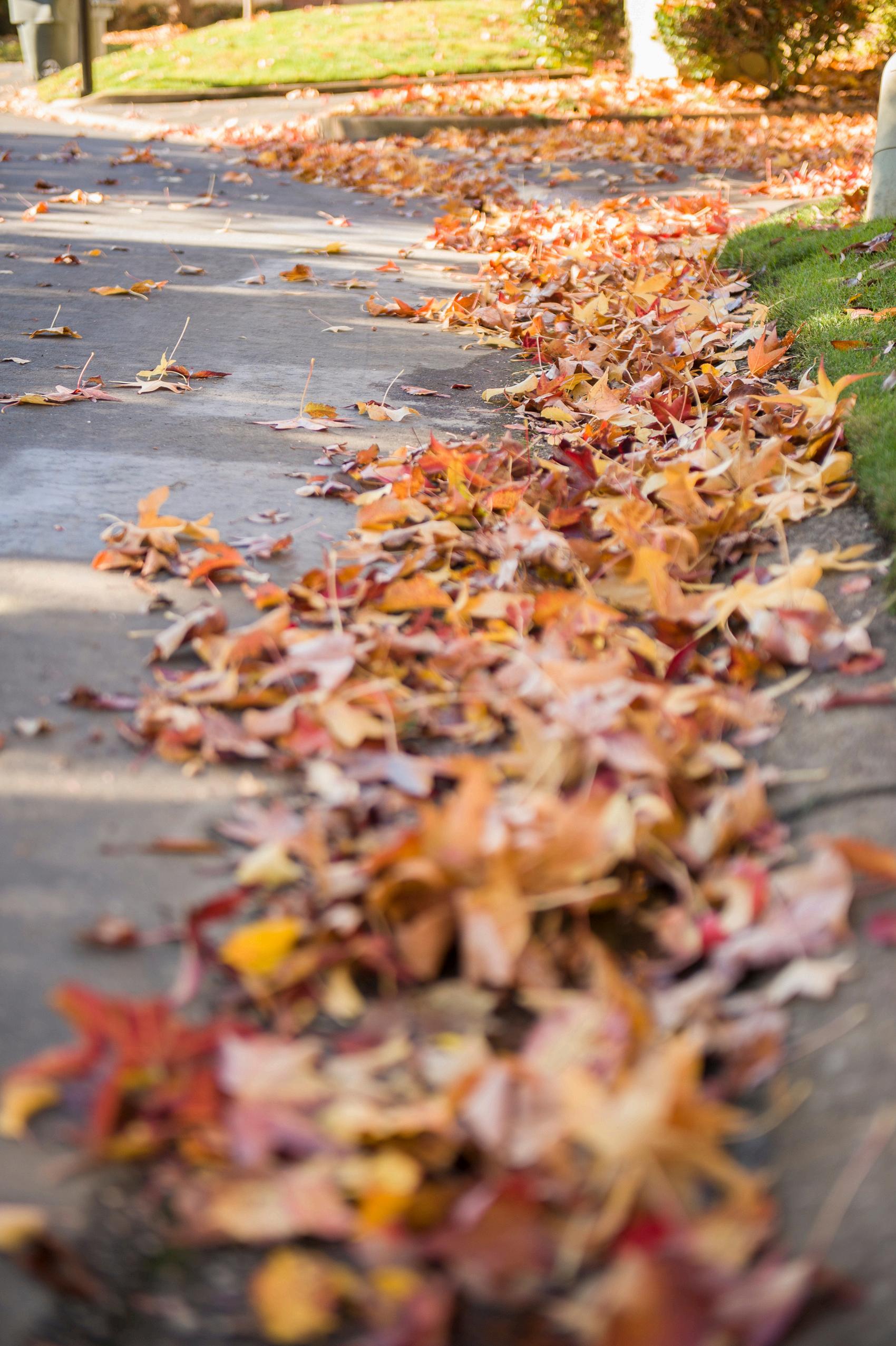
The Tree Management program includes street tree preservation, maintenance, and pruning of trees in neighborhoods MCDOT plants approximately 1,800 trees each year in the public right of way by public request.


The Leaf Collection program recycles 100,000 yards of leaves annually and composts them to make LeafGro, a popular fertilizer sold to local retailers. Profits help subsidize the leafing collection program.
MCDOT provides 64 Electric Vehicle (EV) charging stations for public use in County garages The department is working with industry leaders to steadily add EV charging stations to County parking facilities.
you know?
The first hydrogen electric buses and charging station on the east coast are coming to Montgomery County in 2026, from a federal grant MCDOT received. The buses will operate on the Veirs Mill Flash Bus Rapid Transit corridor offering fast, quiet service.
MCDOT is transitioning to zero-emissions vehicles With the second bus charging microgrid breaking ground in Derwood, and a Federal grant for the first hydrogenfueled buses and a charging station, we are actively advancing zero-emission efforts.
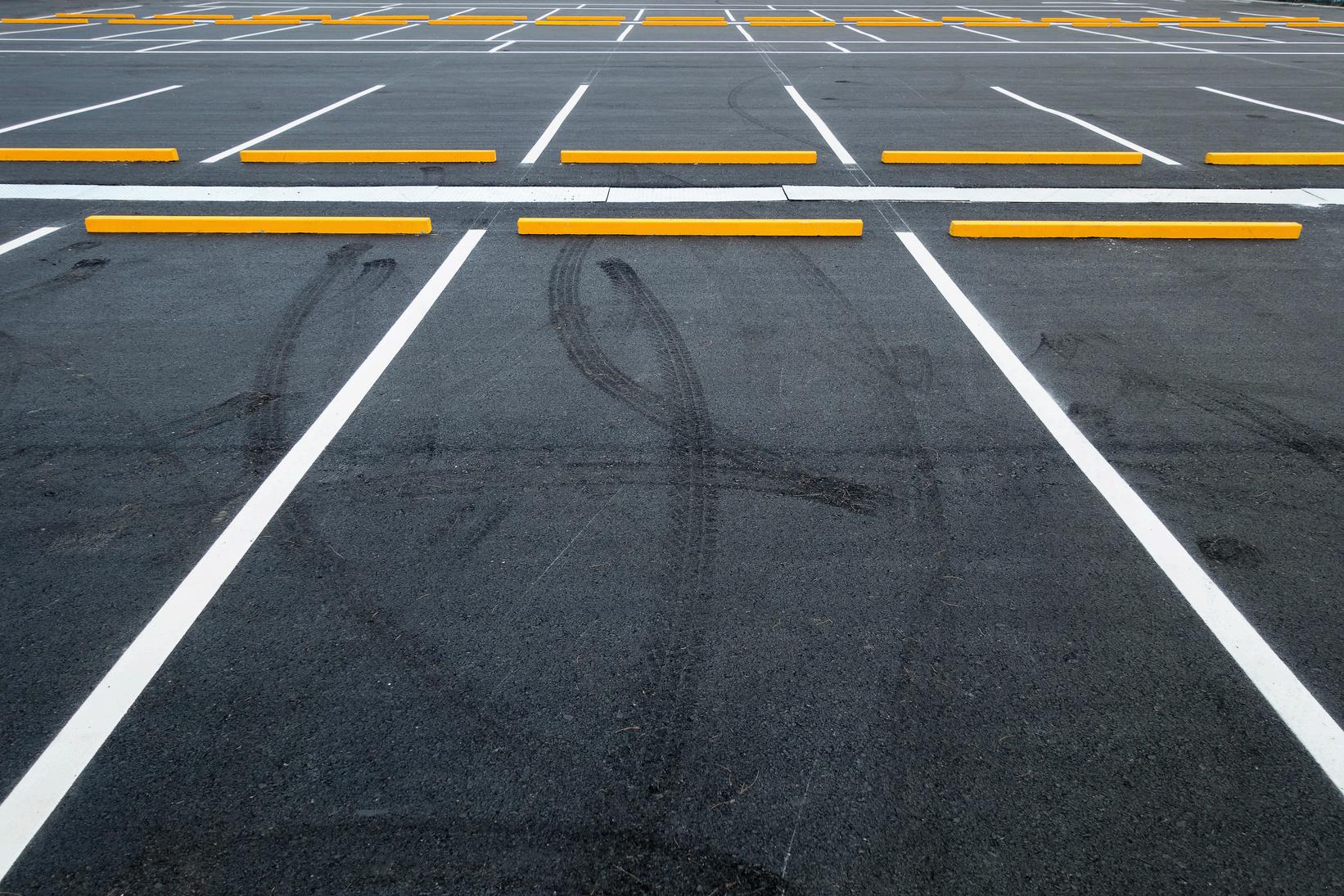
We wash and degrease each of our parking facilities twice a year County garages have a grate that drains the cleaning water into a tank that treats grease and oil before releasing the water into storm drains.

We are expanding the Flash Bus Rapid Transit (BRT) program. These highfrequency, safer corridors include Viers Mill Road, which moves to construction in the 2025 calendar year. Rockville Pike/355, North Bethesda, and New Hampshire Avenue will follow
Did you know?
MCDOT’s Commuter Services Office offers businesses public transit rebate programs to encourage alternate transportation use and manages an annual Commuter Services survey that shows rates of environmentally friendly travel modes
About 27,500 of the County’s 68,000 streetlights have been changed to bright, longer lasting LED lights and the impact is an estimated annual energy savings of about $900K.
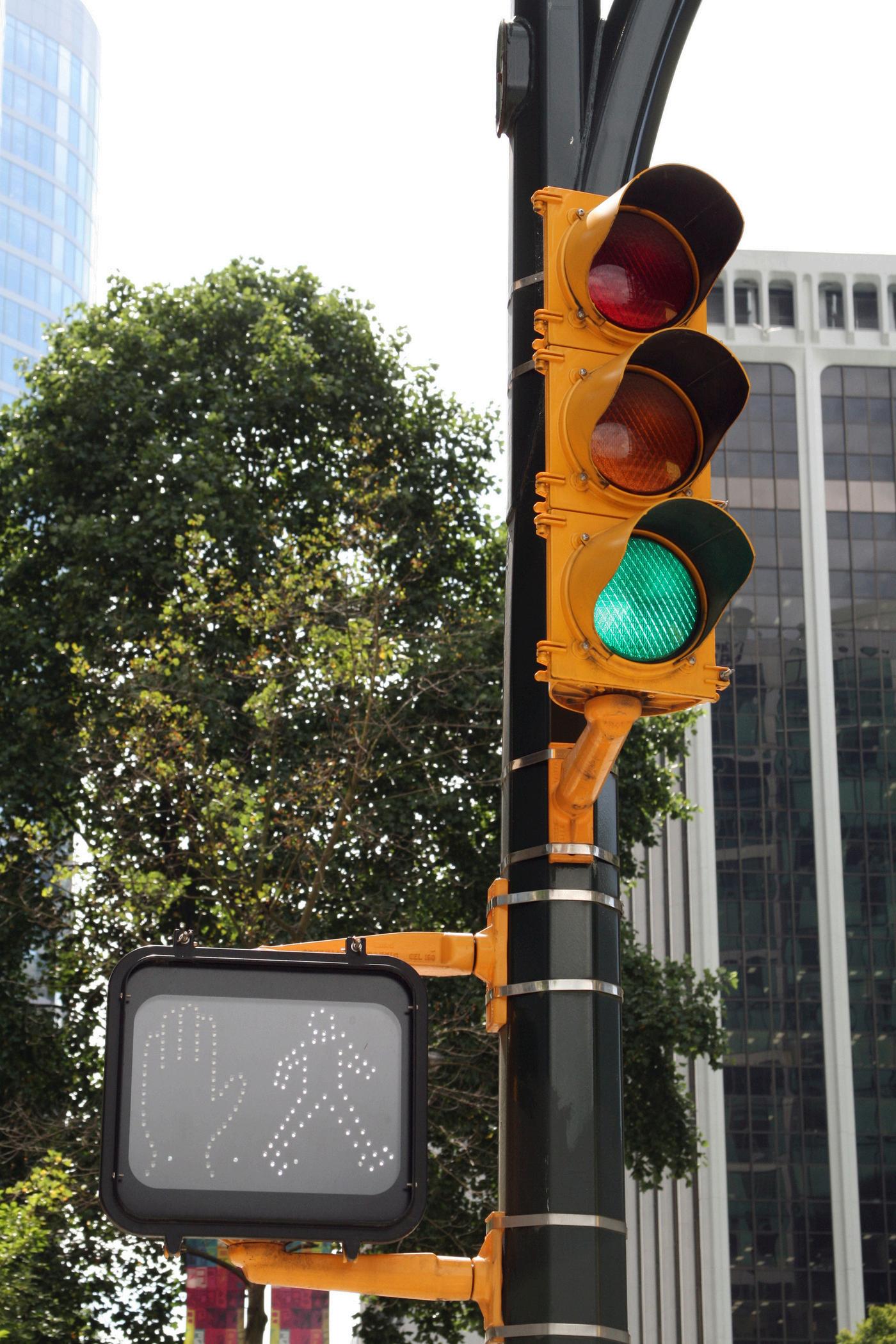
Our Advanced Transportation Management System (ATMS) manages the safe and efficient flow of multi-modal transportation including 900 traffic signals, 163 school flashers and 240 live feed traffic cameras, while decreasing congestion.
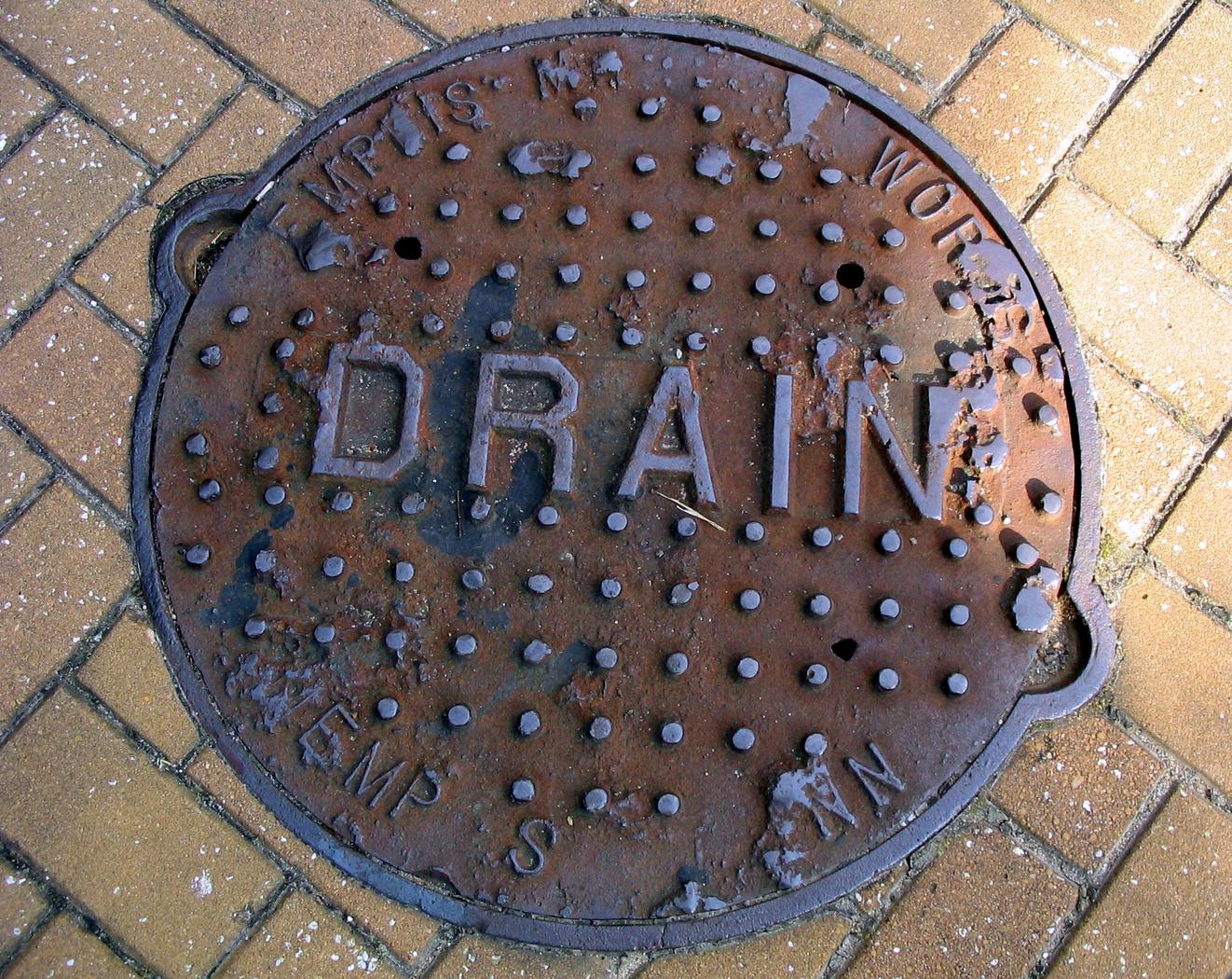
Two assistance programs pertaining to surface runoff drainage address the increase in rainwater One is for the maintenance of existing systems and the other is for addressing communities’ requests for additional drainage improvements

Did you know?
In May 2020, MCDOT and the County’s Department of Permitting Services created residential area guidelines for installing electric vehicle charging stations The guidelines regulate and provide for permitting the installation of privately owned car charging stations in garages, driveways and in the public right of way adjacent to County streets.
Reliable and predictable funding for transportation services and infrastructure allow us to make the investments we need for our economy to be successful.
Advancing Bus Rapid Transit corridors, known as Flash in Montgomery County, will have a large impact on the economy in the areas where they are built. Flash is a limited-stop, branded, high-frequency bus service currently planned for 8 corridors within Montgomery County The projects will transform mobility options by connecting riders to activity and employment centers. The service will also provide bicycle and pedestrian improvements to make it easier and safer to get to Flash stations Where possible, Flash will run in its own bus lanes, use queue jumps and traffic signal priority to avoid traffic, and provide faster and more reliable service. Connecting people to these corridors, mostly within Equity Emphasis Areas, will fuel economic growth and opportunity
With a focus on supporting our riders, a comprehensive bus network redesign plan that implements recommendations from the two-year Ride On Reimagined Study was released. The implementation plan aims to expand access to public transportation and provide faster, more reliable bus service by changing bus routes and frequency, expanding coverage to underserved areas and adding new bus routes. The study team worked closely with WMATA’s Better Bus Initiative, which aimed to assess widespread changes to Metrobus. The recommendations include a one- and five- year plan, as well as a longterm vision plan. The long-term vision calls for eight new Flash bus rapid transit (BRT) lines, four Ride On extRa lines and 19 new Ride On Flex zones.
We view our transit services through a lens of equity We have maintained a $1 bus fare, lowered from the $2 pre-pandemic rate, on all County buses. We also evaluate ridership and update bus routes regularly to ensure riders' needs are being met.
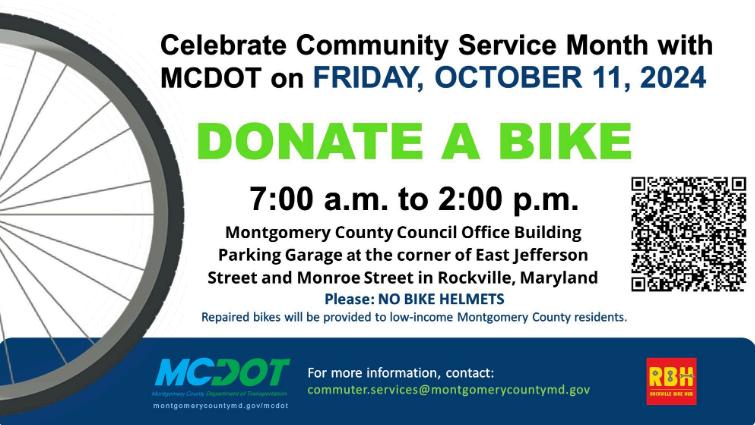
Annual bike collection events allow for a Bike Match Program where residents who cannot afford a bike can be paired with a donated bike in good condition. Both children and adult bikes are accepted.
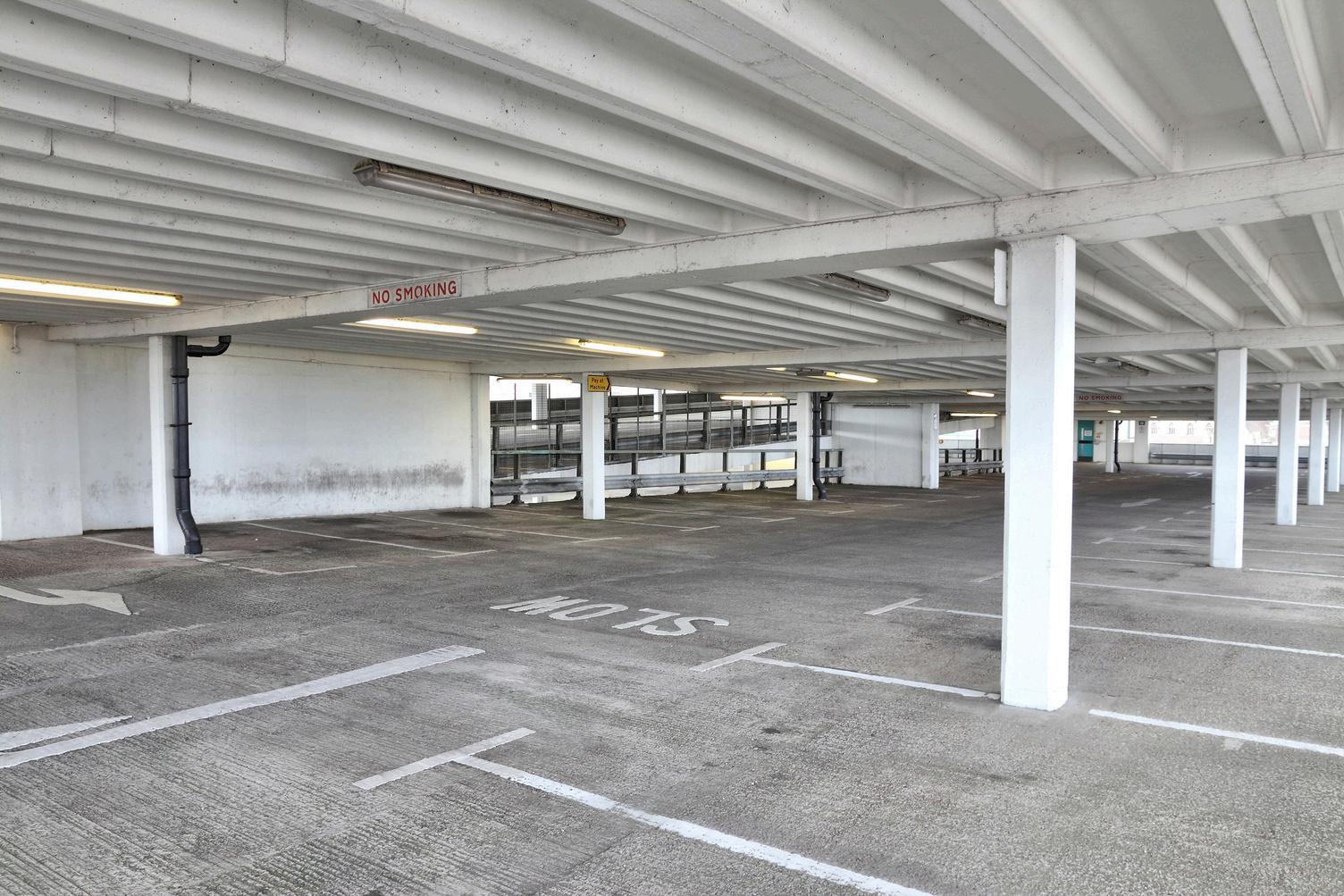
The more efficient parking garages are, the more people visit an area. MCDOT updated parking garages to a pay by plate systems and added public EV chargers to many of them. This directly impacts businesses and helps build vibrancy.
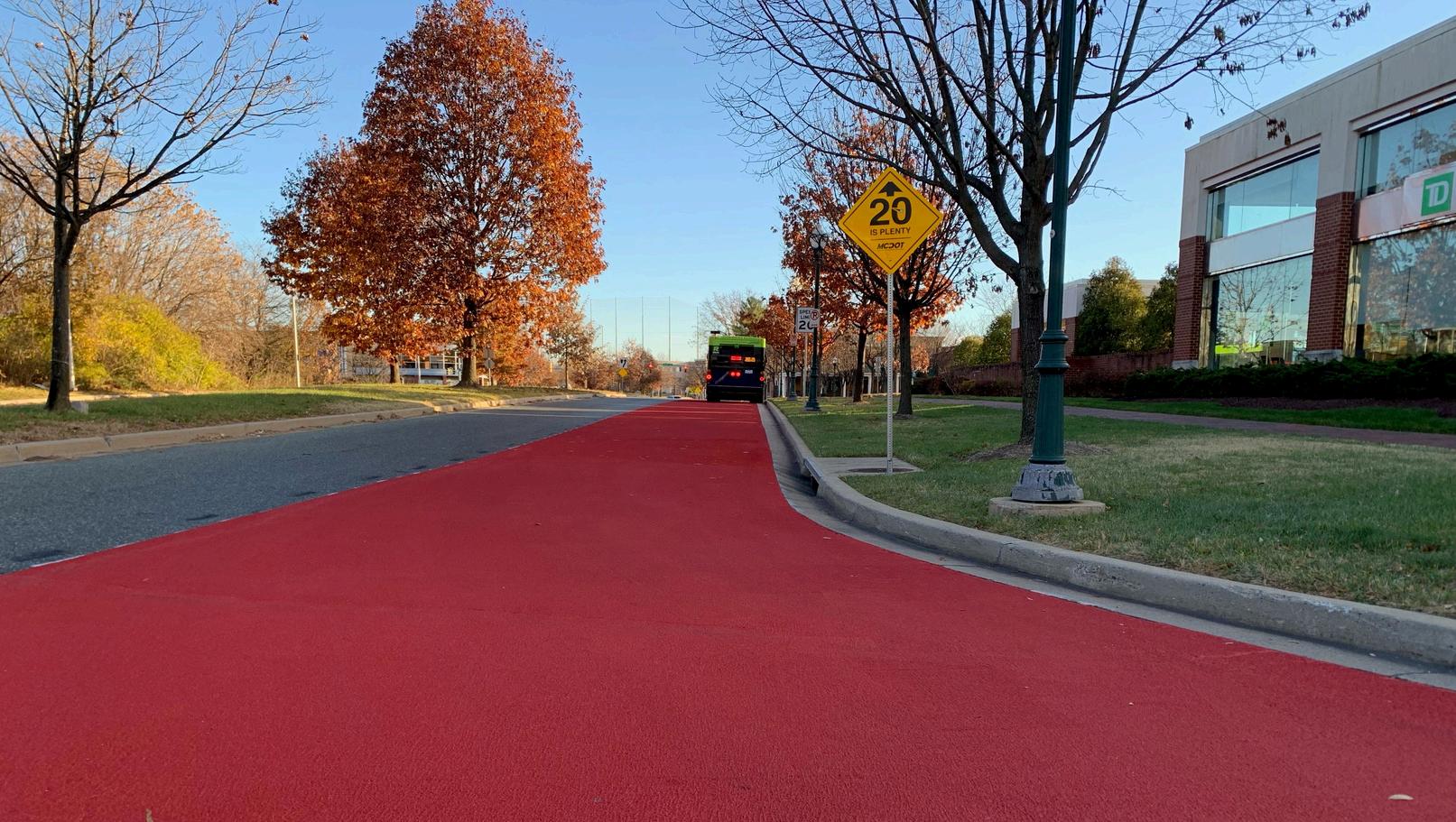
Bus only lanes allow buses to travel faster, increasing equitable access to opportunities and essential trips. Two dedicated bus lane pilots were installed on University Boulevard and Georgia Avenue
The Adopt A Road Program allows businesses, organizations to have their name displayed on a strip of roadway in exchange for preforming and reporting clean ups along the road several times a year. Some families also do this to memorialize loved ones.
MCDOT provides transportation infrastructure that allows for successful development. The completed White Flint Work Around Project is an 80-million-dollar development project of realigned and new roads with multimodal access to transit.
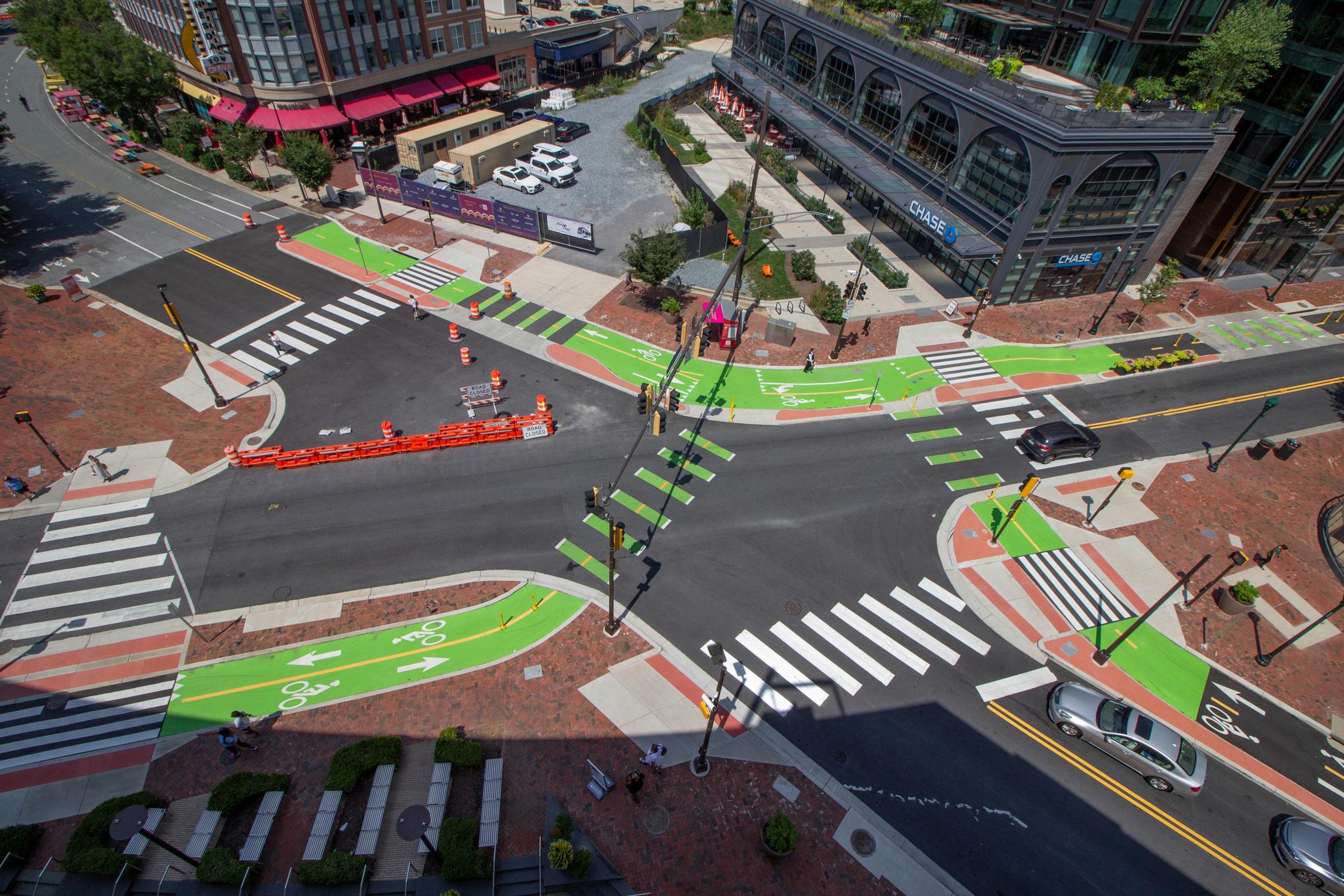
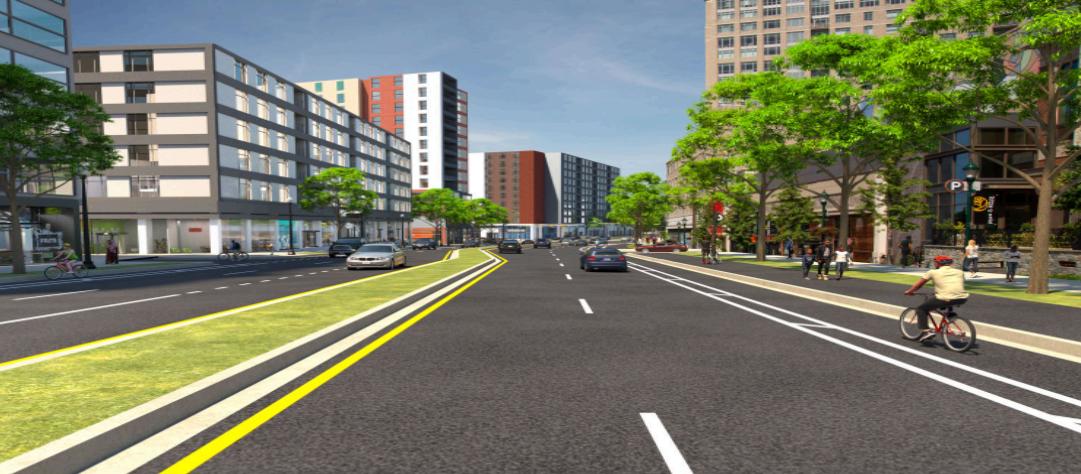
MCDOT is continuously building and maintaining infrastructure. Protected bike lanes provide safe connections and encourage biking, an environmentally friendly mode of transportation. The second stage of the Bethesda Cycle Track is being built in Spring 2025
The completed Ride On Reimagined Study is an assessment of the County’s bus system to ensure riders needs are being met. There are currently over 80 Ride On bus routes. This study, based heavily on community input, made recommendations after evaluating rider needs.

MCDOT is conducting a study to assess pedestrian access to all County public schools. 17 school walkability studies were completed in 2024. Equity emphasis areas are given priority for pedestrian infrastructure improvements.
Youth can ride free with a Youth Cruiser SmarTrip card or school ID. Seniors and people with disabilities ride free with specialized SmarTrip Cards. Regular fare is $1.

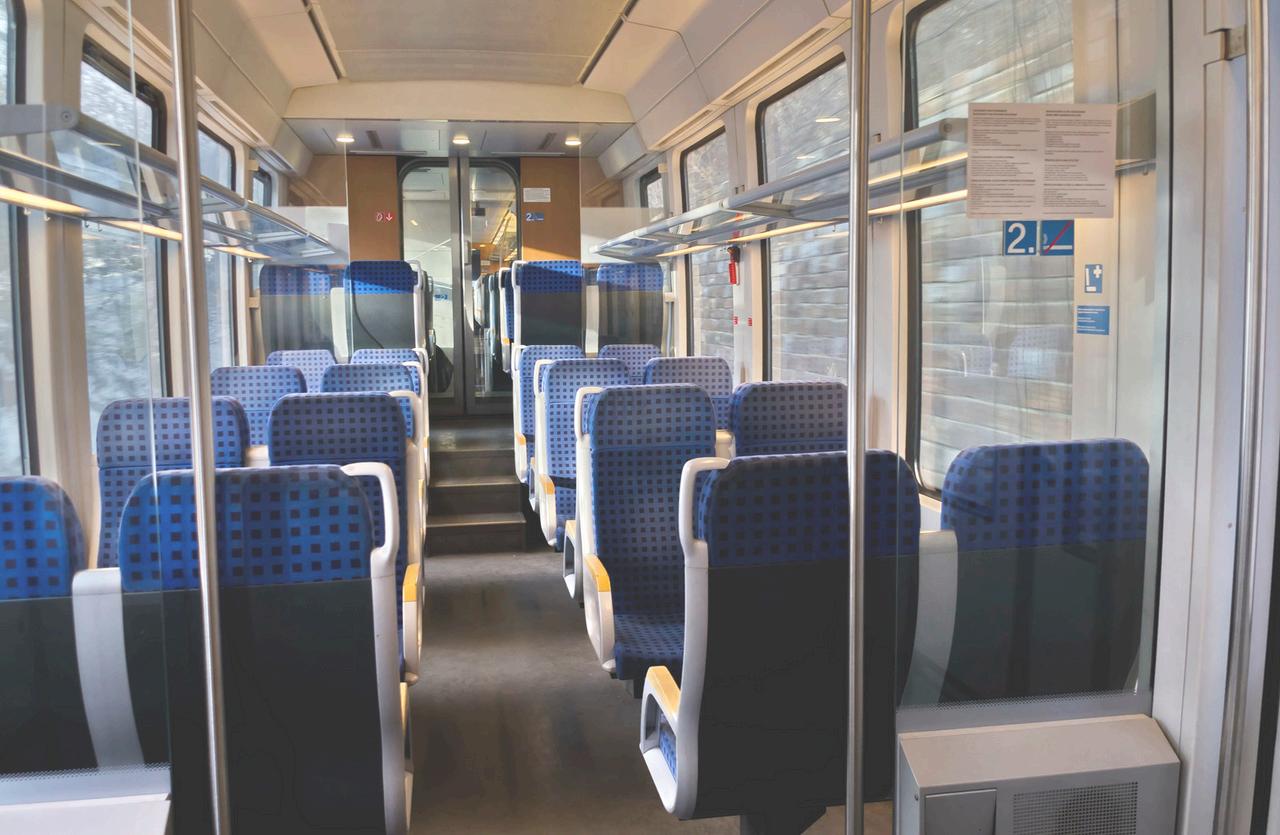
Ride On Flex is an on-demand bus service that provides local accessibility. The Flex bus has no fixed routes and offers transportation based on need, including curb-to-curb service for the disabled Book by mobile app or phone
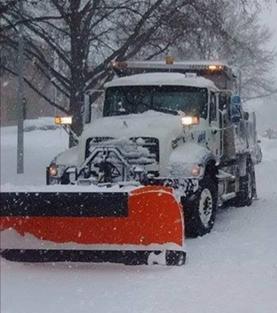
The department is responsible for the County's storm response including snow clearing from over 5,600 lane miles of County roads. Best practices are used to ensure that salt is used sparingly and only when necessary to reduce runoff into our waterways.
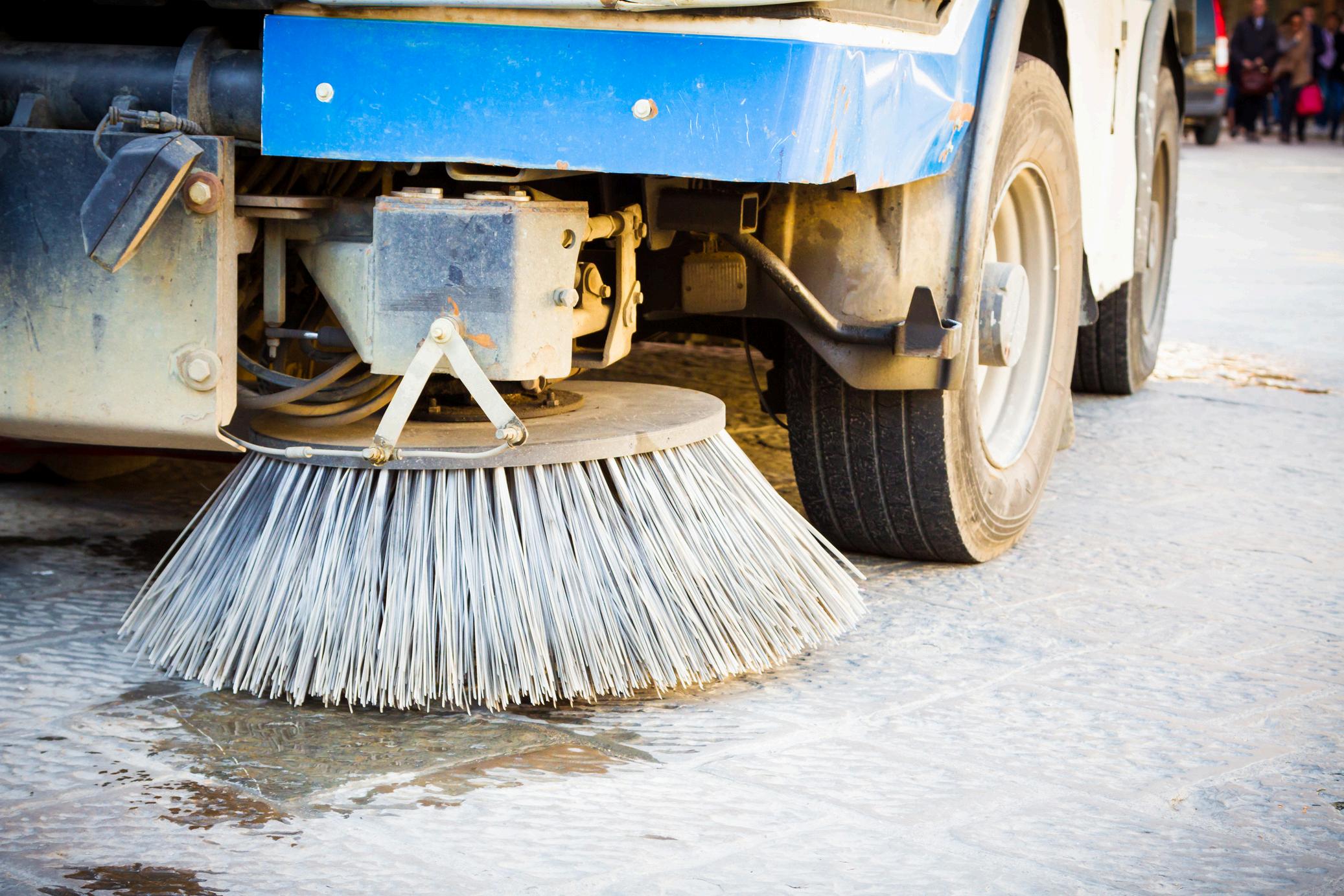
Salt clean ups are completed after inspections and reports from MC 311 calls Additionally, the department sweeps County roads every Spring.
The Director’s Office manages transportation policy that includes coordinating with regional and state transportation systems and agencies and developers on land use and development proposals, traffic mitigation agreements, master and sector plans, and regional transportation priorities; plans and constructs a Bus Rapid Transit system; and manages commuter services, taxicab regulation and community outreach programs
The Division of Highway Services maintains and repairs the County’s transportation infrastructure. It rebuilds and repairs roadways, sidewalks, curbs and gutters; cleans and rebuilds storm drains and culverts; maintains and plants trees; removes snow from roadways and sidewalks; provides vacuum collection of leaves; and cares for right-of-ways by removing litter and mowing.
The Division of Parking Management helps Montgomery County achieve its economic development and transportation management goals by creating and managing public parking in commercial areas.
The Division of Traffic Engineering enhances and promotes mobility on the County’s road network. This is accomplished through the installation and maintenance of traffic signals and streetlights along with the provision of signs and roadway markings. Pedestrian and traffic safety is improved through traffic calming and other measures
The Division of Transit Services operates the County’s Ride On bus system; improves bus stops to meet accessibility standards and maintains them; and manages transportation services for seniors, persons with disabilities and low income residents.
The Division of Transportation Engineering designs and constructs transportation systems and infrastructure, including bikeways, sidewalks, transit facilities, ADA ramps, roads and storm drains; inspects, maintains and builds bridges; oversees the County’s Bikeshare program; and acquires property for projects.
To request MCDOT services, please call 311, or 240-777-0311 from outside of Montgomery County, and place a service request.
Montgomery County Department of Transportation
March 2025