Silvio Iadarola OAM Racism in Universities MOSAIC Festival 2026
Madinati by ALCASA
MCCSA BOARD
Executive
Chairperson: Miriam Cocking
Deputy Chairperson: Dr Ian Harmstorf OAM BVK
Treasurer: Silvio Iadarola OAM
Board Members
Con Katsambis
Gosia Skalban OAM
Manju Khadka
Nasir Hussain
Patrizia Kadis
Ranielson Santana de Silva
Suren Edgar
Zainab Jimie
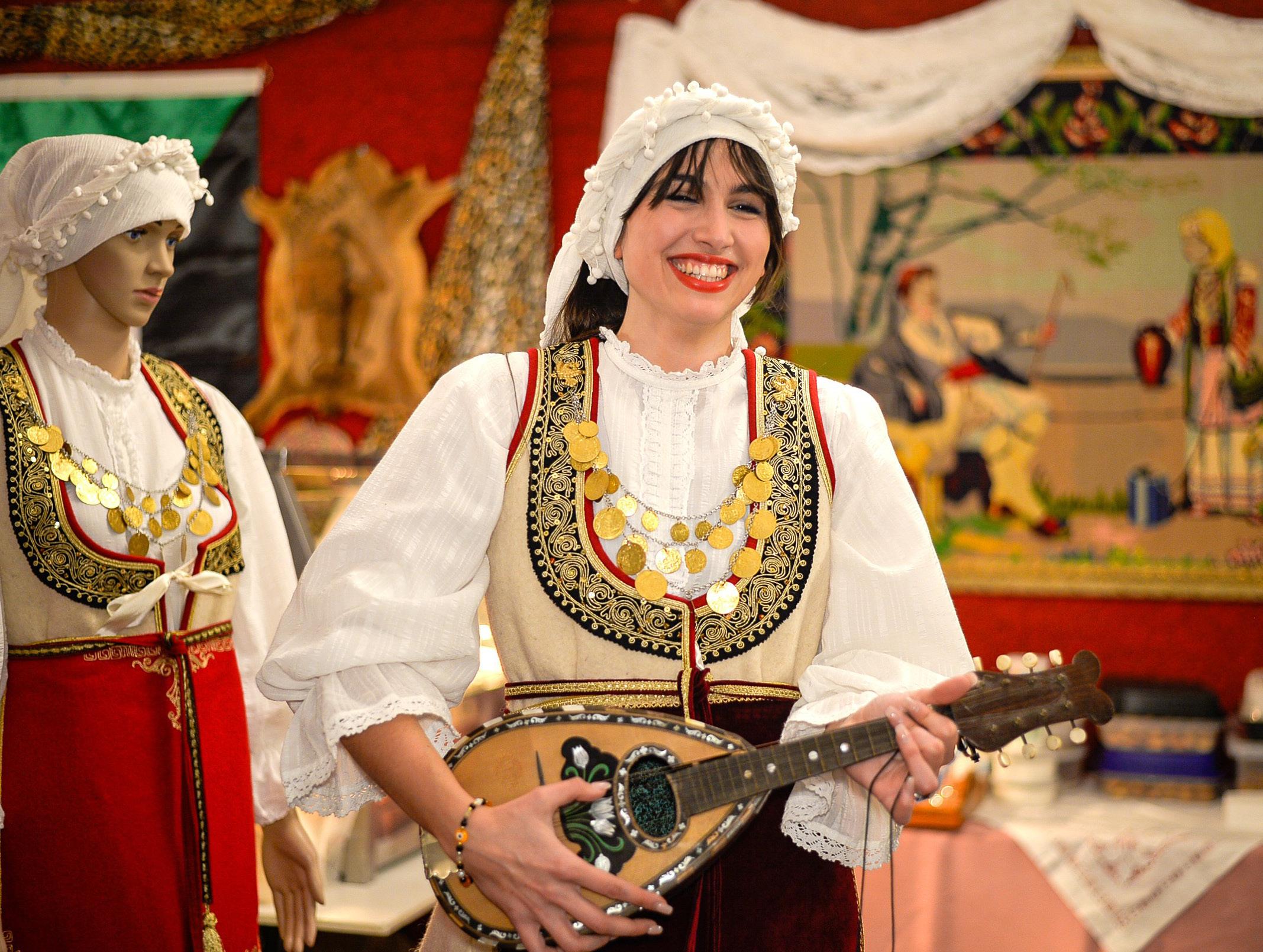
Photo Credit: Sophia Zavlagkas, Neoléa | MOSAIC Festival 2025
FROM THE CEO
HELENA KYRIAZOPOULOS OAM
SKILLED MIGRATION: RETENTION MATTERS
The 2026/27 State Budget recognises the important role skilled migration plays in South Australia’s future. Continued investment in attracting skilled workers is welcome and reflects a simple reality: our state’s economic growth and prosperity will depend, in part, on our ability to attract and retain talented people from around the world.
Much of the public discussion about migration tends to focus on numbers. Yet the conversation is often more complex than that. Concerns about housing affordability, infrastructure and cost-of-living pressures have led some to question the value of migration and the contribution migrants make to our communities.
While these concerns deserve consideration, it is important that the debate remains balanced and informed by evidence. Skilled migrants are not responsible for the challenges facing our state. In many cases, they are helping us address them. They are the doctors caring for patients, the engineers delivering major projects, the teachers
educating our children, the aged care workers supporting older Australians and the business owners creating jobs and investment.
Migration has played a central role in South Australia’s development for generations. The economic, social and cultural benefits are evident in every corner of our state.
However, attracting skilled migrants is only part of the challenge.
For many years, South Australia has successfully recruited skilled migrants, only to see too many leave for opportunities elsewhere. Every person who leaves takes with them skills, experience, networks and potential that could have continued to benefit our state.
If we are serious about skilled migration, we need to focus as much on retention as we do on attraction.
A job may bring someone to South Australia, but it is rarely the only reason they stay. People build their futures where they feel welcome, connected and valued. They stay where
they can establish friendships, participate in community life, raise their families and develop a genuine sense of belonging.
This is why community connection matters. It is why investment in community infrastructure, participation opportunities and initiatives that strengthen social cohesion should be viewed as part of our skilled migration strategy, not separate from it.
At MCCSA, we see every day the difference that connection and belonging make in helping people build successful lives in South Australia. Creating opportunities for participation and engagement is not simply a social outcome; it is also an economic one.
The State Budget acknowledges the importance of attracting skilled migrants. The next challenge is ensuring South Australia invests just as seriously in the conditions that encourage them to stay. Because attracting talent may help grow our economy, but retaining talent will help secure our future.
TAKING CARE OF ME
A COMMUNITY-LED MEN'S HEALTH INITIATIVE IN NORTHERN ADELAIDE
ABOUT THE PROJECT
Taking Care of Me is a community-based initiative supporting multicultural men in Northern Adelaide to improve health literacy, prevention awareness, and early intervention. It is centred on the Health Literacy for Men – Empower & Thrive (HELMET) program, a culturally tailored framework co-designed with culturally and linguistically diverse (CALD) communities.
The project builds on the Multicultural Men’s Mental Health Community Connections Discovery Project funded by the Fay Fuller Foundation. That project identified the value of community-led approaches in reducing stigma and strengthening health capacity among multicultural men. Taking Care of Me applies those findings to a structured health literacy and prevention program.
PARTNERSHIP STRUCTURE
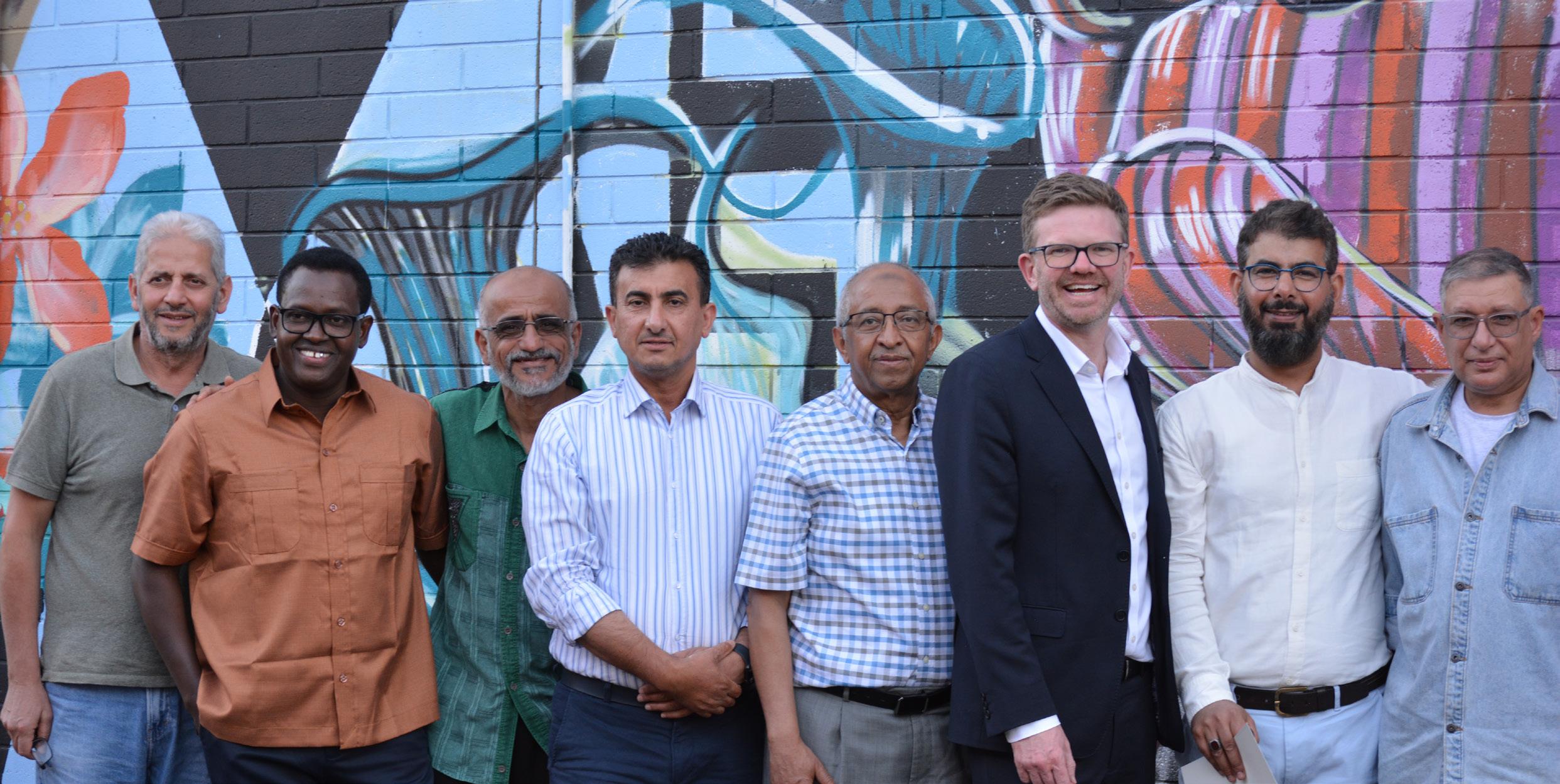
The Multicultural Communities Council of SA (MCCSA) leads coordination and implementation. Six CALD community organisations lead delivery within their communities and are involved in implementation decisions and community engagement.
The University of Adelaide is the training partner, delivering the HELMET Train-the-Trainer program through Professor Gary Wittert. Preventive Health SA and The Hospital Research Foundation Group provide funding support.
The six implementing organisations are:
» Men’s Arabic Speaking Association Inc (MASA)
» South Australian Chinese Community Language School
» FARDA TV CALD Network
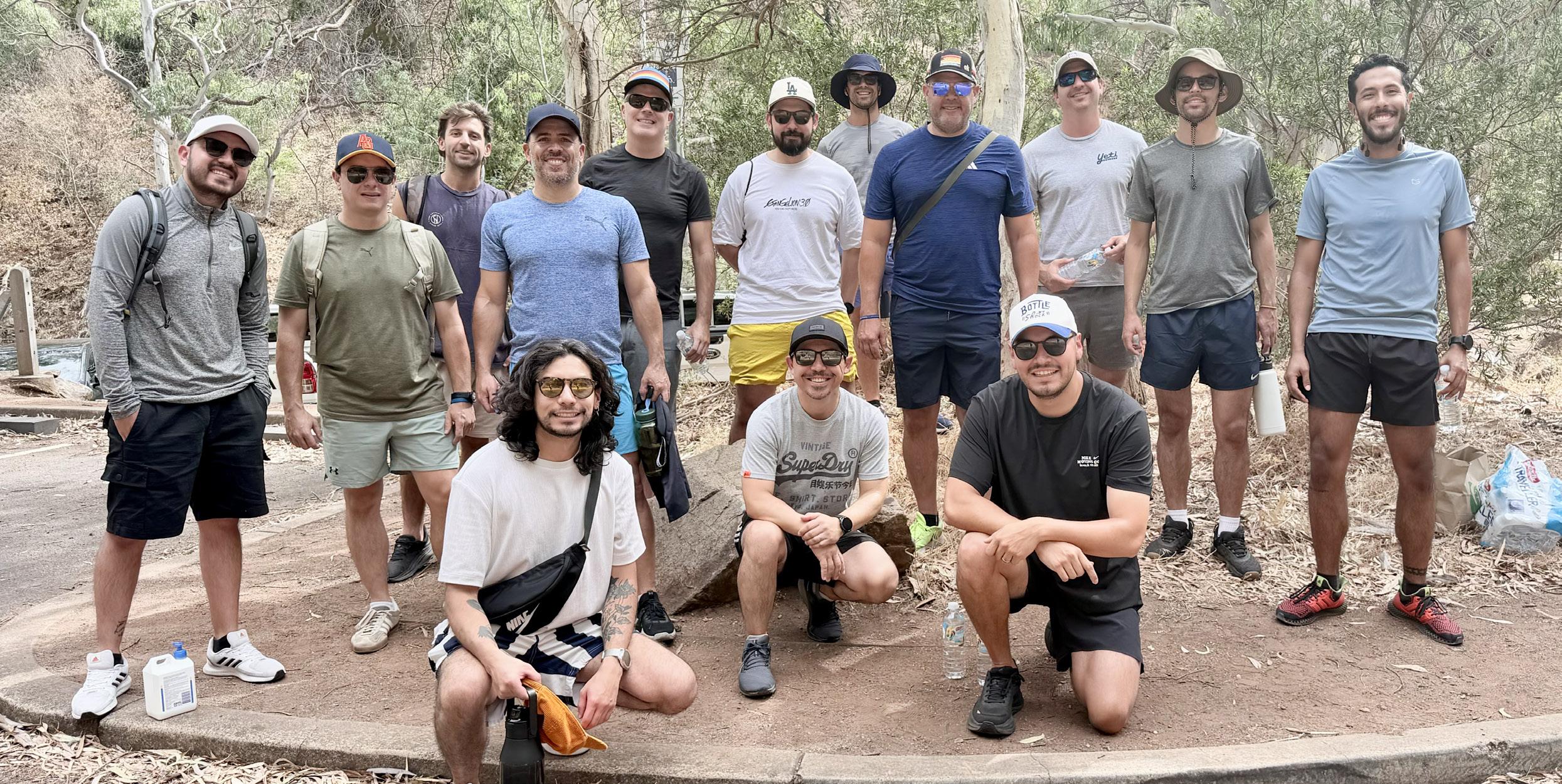
» Latin American Society of SA (LASSA)
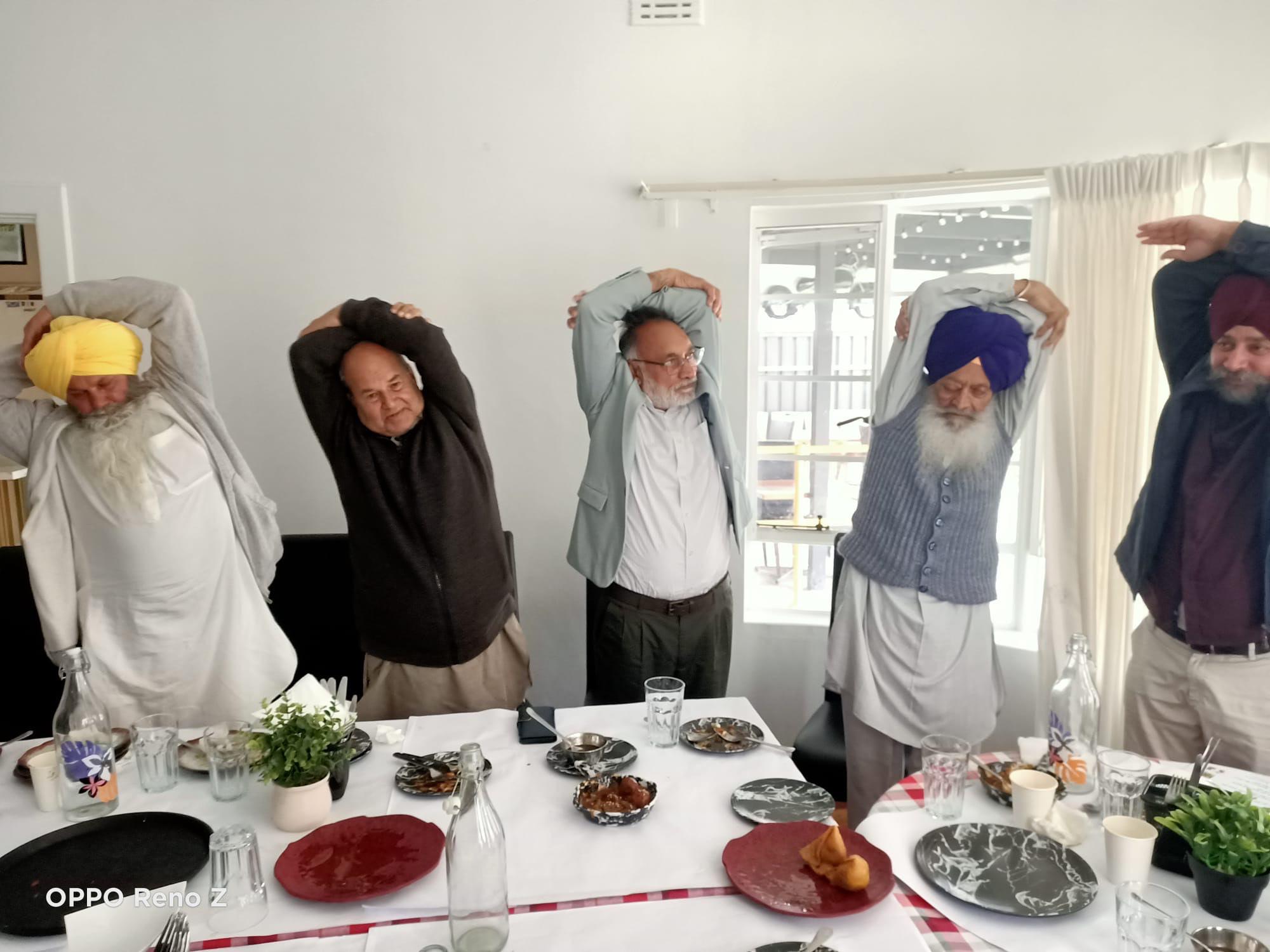
» Australian Sikh Support SA
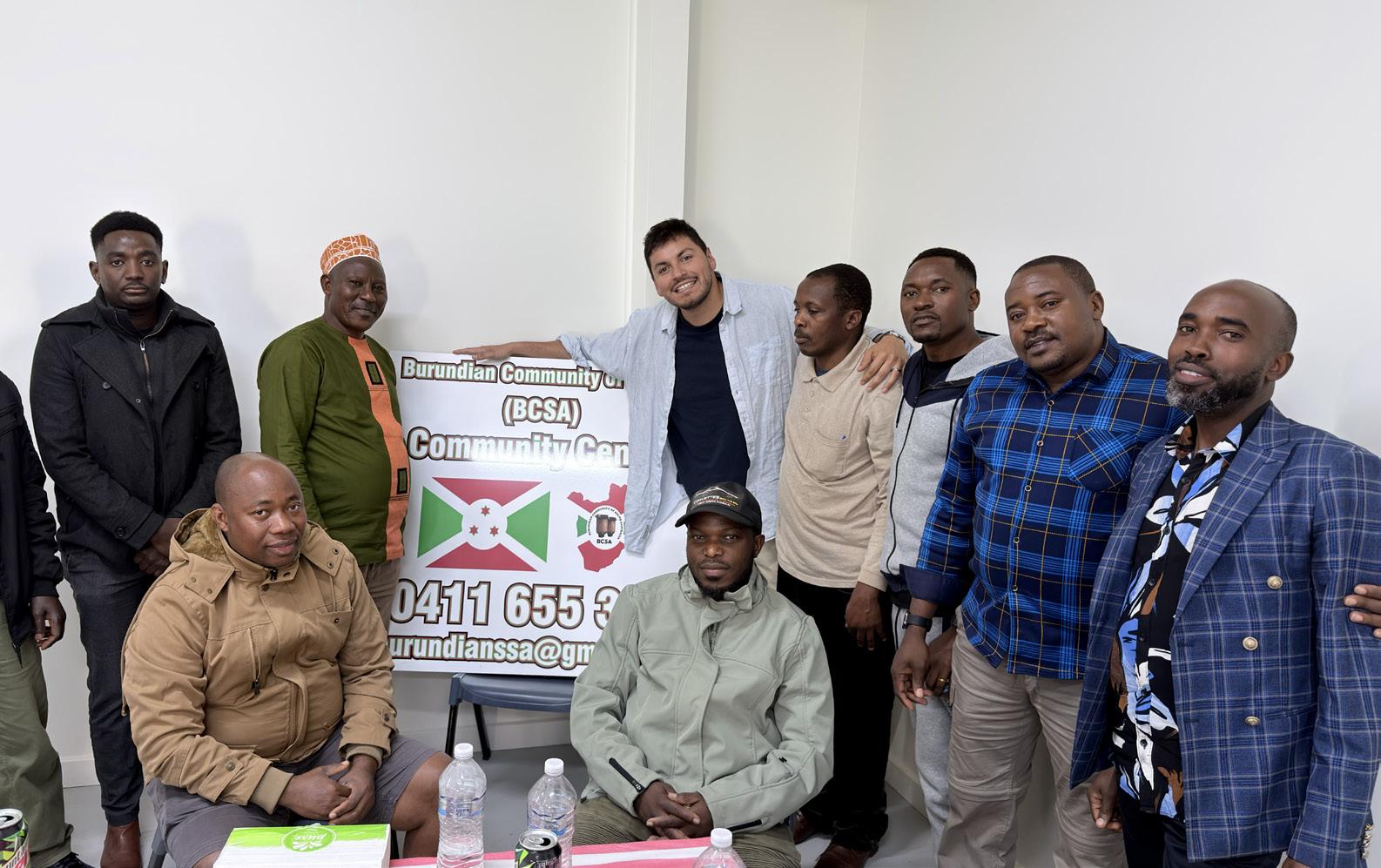
» Association of the Burundian Community of SA
TRAINING MEN’S HEALTH CHAMPIONS
Nineteen Men’s Health Champions from six CALD communities in Northern Adelaide completed the HELMET Train-the-Trainer program delivered by Professor Gary Wittert from the University of Adelaide. Participants came from Arabic, Swahili, Dari, Spanish, Chinese, Punjabi, and Hindi-speaking backgrounds.
The training provided knowledge and skills in preventable health conditions, healthy lifestyle choices, navigating the Australian healthcare system, and early access to health services. It also developed communication skills and confidence to support health conversations within communities.
COMMUNITY ACTIVITIES UNDERWAY
Community activities are underway across Northern Adelaide. Health Champions are leading local events and health promotion sessions aimed at improving access to health information and encouraging earlier engagement with health services.
Early feedback from participants indicates increased confidence, knowledge, and skills among Health Champions. Community participation in sessions has been consistent across partner organisations, with engagement reported across all six communities.
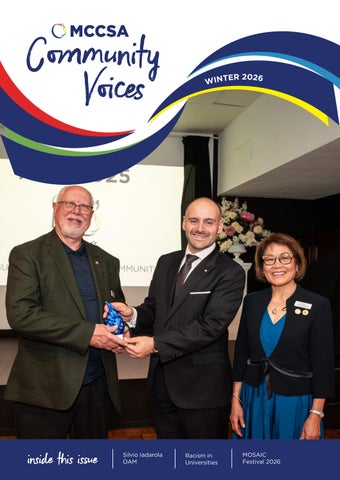
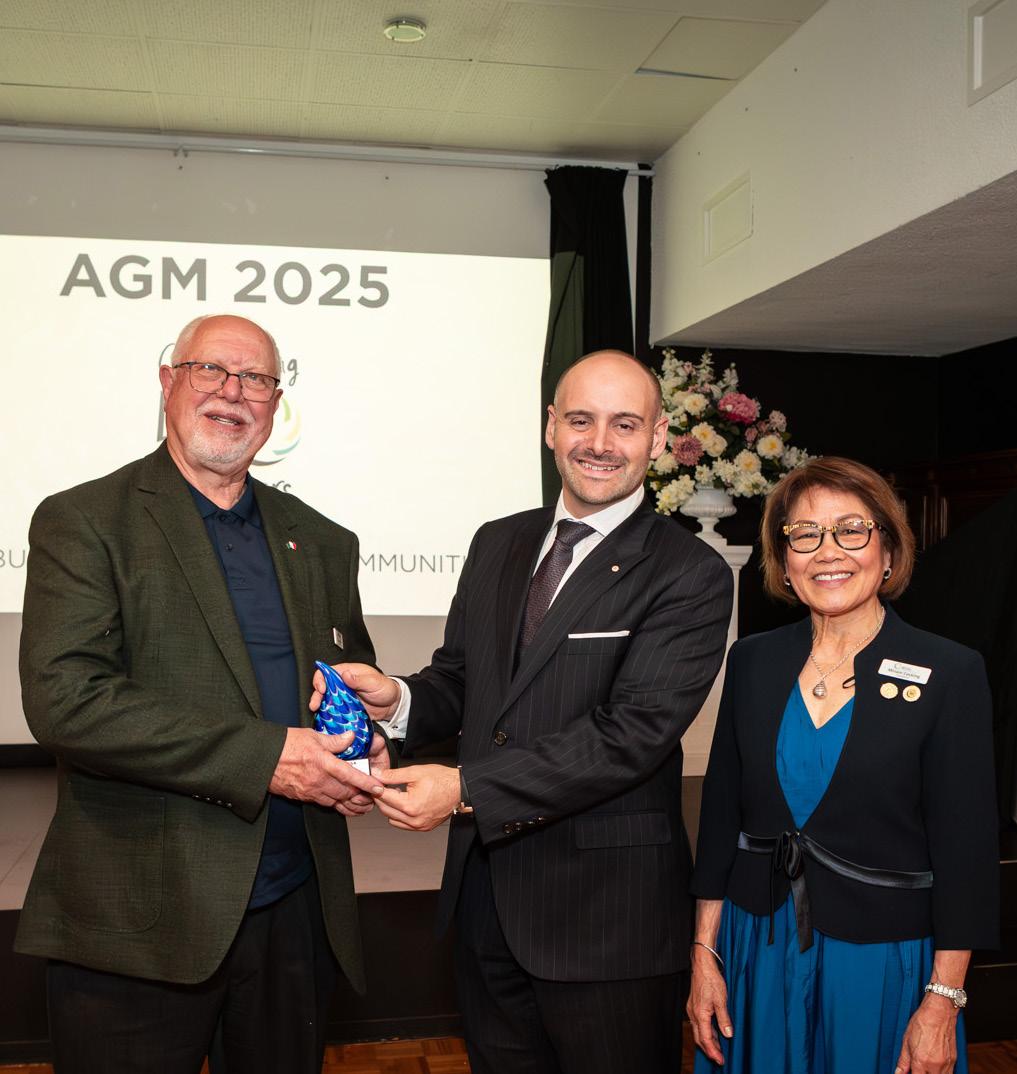
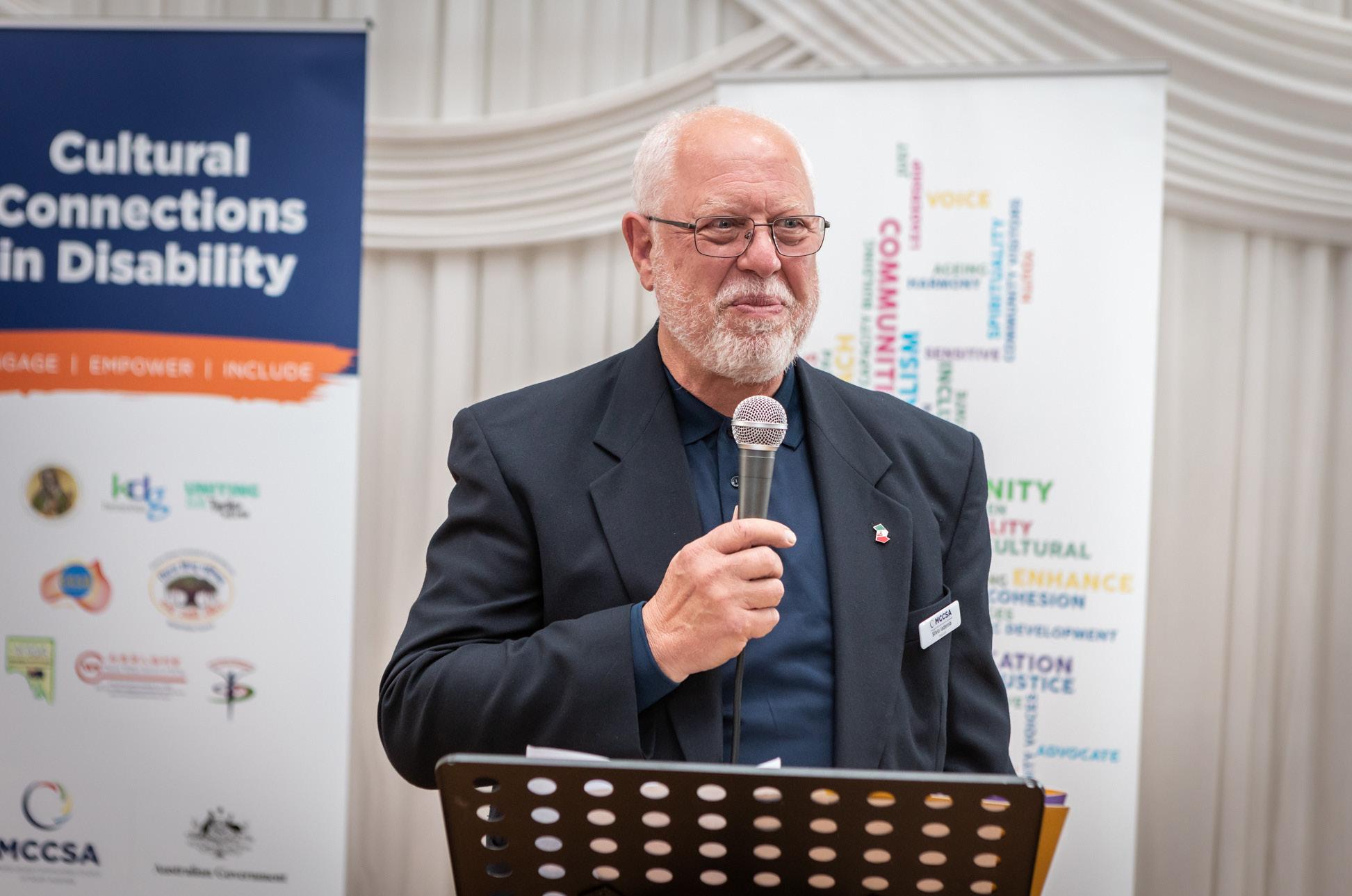
Congratulations MR. SILVIO IADAROLA OAM
The Board and Staff of MCCSA extend their sincere congratulations to Mr Silvio Iadarola OAM on being recognised in this year's King's Birthday Honours.
This honour reflects more than 40 years of dedicated service to the Italian community and South Australia's multicultural communities. Over many years, Silvio has generously shared his time, knowledge and passion,
always working to support others and strengthen the communities he cares so deeply about.
Those who have worked alongside Silvio know the commitment, integrity and genuine care he brings to everything he does. This recognition is richly deserved and acknowledges a lifetime of contribution and service to others.
On behalf of the MCCSA family, we thank Silvio for all he has given to our communities and congratulate him on this very special and well-deserved honour.
Mrs Miriam Cocking Chairperson
Multicultural Communities Council of South Australia
TALKING ABOUT DEATH SHOULDN'T BE A PRIVILEGE:
FOUR COMMUNITIES
At MCCSA, we believe that every South Australian — regardless of language, culture, or background — deserves the knowledge and confidence to make informed decisions at the end of life. That conviction brought us into collaboration with a research team led by the University of Adelaide, working alongside Palliative Care South Australia, on a project that challenged and moved us.
Together, we supported researchers to work alongside Filipino, German, Italian, and Vietnamese community leaders to design and deliver initiatives that opened up conversations about death, dying, palliative care, and advance care planning — topics that many communities find deeply sensitive, even taboo.
What made this project different was that communities led it. Trusted leaders within each group decided how to engage their own people — through radio, podcasts, workshops, social media, and newsletters — in their own languages and on their own terms. We didn't arrive with a one-size-fits-all program. We arrived with resources, support, and a genuine commitment to listening.
The results were telling. Filipino participants showed strong improvements in death literacy across all areas measured. German and Italian participants showed encouraging gains in awareness of community supports. Vietnamese participants reminded us that good intentions aren't enough — culturally safe, linguistically
refined approaches are essential, not optional.
Across all groups, people grew more aware of the supports and services available to them. That matters enormously when facing one of life's most universal experiences.
This work affirms something we've long believed: when communities are resourced, respected, and trusted to lead, meaningful change is possible. Death literacy isn't just a health issue — it's an equity issue.
We're proud to have collaborated on this important work, and we look forward to continuing it.
For further information, contact Associate Professor Jaklin Elliott at jaklin.eliott@adelaide. edu.au
Australia is often described as a multicultural nation, but its diversity did not begin with post-war migration. From the world's oldest continuous cultures to successive waves of migration over more than two centuries, Australia has never been monocultural.
For more than 65,000 years, Aboriginal and Torres Strait Islander peoples maintained hundreds of distinct nations across the continent. They spoke more than 250 languages and practised diverse languages, customs, governance systems and spiritual traditions. Long before European settlement, northern Australia also had established trade and cultural links with seafarers from what is now Indonesia, showing that cultural exchange has long been part of Australia's history.
British colonisation in 1788 added another layer of diversity. Although Britain became the colonial power, people from Ireland, Scotland, Wales, China, Germany, Italy, Greece, Afghanistan, Lebanon and many other places settled across the colonies.
They established businesses, places of worship and community organisations that became part of Australian society.
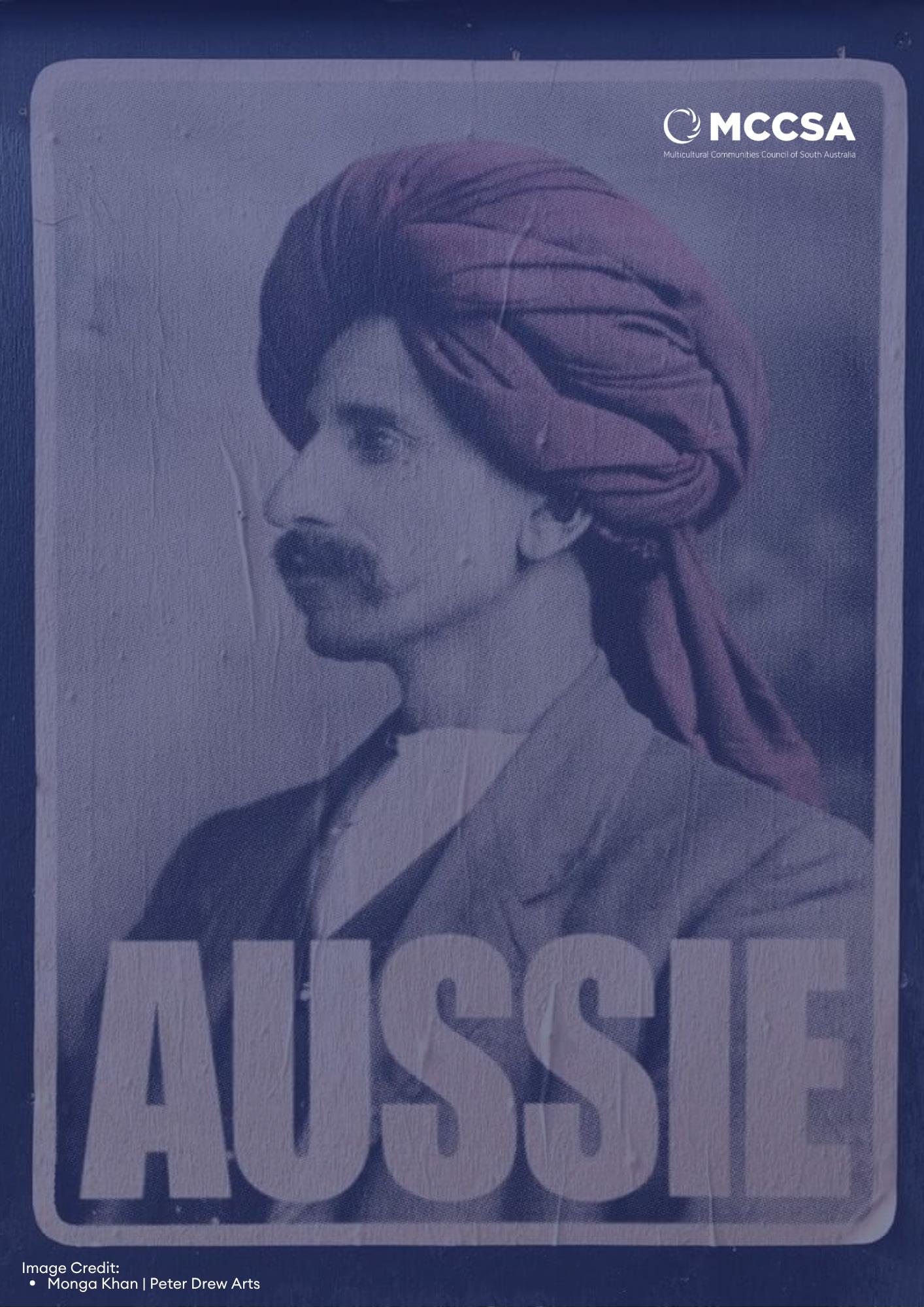
One story that challenges the idea of a historically monocultural Australia is that of Monga Khan. Born in India, Khan migrated to Australia as a young man and worked as a hawker in rural Victoria. When the First World War began, he enlisted in the Australian Imperial Force despite the barriers faced by many nonEuropean migrants at the time. He served overseas before dying from illness in 1918 while still in uniform. For decades, his grave bore the incorrect inscription "Mohammedan". It was only many years later that his identity was formally recognised and his headstone corrected. His story reflects both the contributions migrants have made to Australia and the importance of ensuring those contributions are remembered accurately.
After the Second World War, Australia's migration program expanded significantly, welcoming millions of migrants and refugees from Europe, Asia, the Middle East, Africa and Latin America.
These communities have strengthened Australia's economy, culture, education, science, sport and public life. Today, more than half of Australians are either born overseas or have at least one parent born overseas.
Australia's history has always been shaped by people from different cultures. Recognising stories such as Monga Khan's, alongside the enduring cultures of Aboriginal and Torres Strait Islander peoples and generations of migrants, provides a fuller understanding of the nation. Australia's diversity is not a recent development. It is part of the country's history and continues to shape its future.
AGED RIGHTS ADVOCACY SERVICE (ARAS)
Aged Rights Advocacy Service (ARAS) has been supporting older people in South Australia since 1990 to uphold their aged care and human rights. ARAS provides a free, confidential, state-wide service for older people living in aged care, retirement villages, or those receiving or seeking home care services. ARAS also supports people at risk of, or experiencing, abuse.
ARAS offers advocacy, information, and support to help older people understand their rights and access appropriate services. Specialist Aboriginal Advocates provide culturally safe services across regional South Australia.
Here are some examples of how ARAS has supported older people:
A Vietnamese-speaking older person approached one of our Care Finders at one of the local community hub libraries for help accessing aged care services. With the assistance of an interpreter, ARAS supported them to connect with My Aged Care, register, and begin the assessment process. The older person felt reassured and more confident navigating the system.
In another case, a Polishspeaking resident in aged care was unable to access important information in their own
language. With support from an ARAS advocate, the residential aged care home worked to provide information in a way the resident could understand, helping them feel informed and respected.
An Italian-speaking resident living in residential aged care was unhappy with the food provided, as it did not reflect their cultural preferences. The older person also found it difficult to communicate their needs. An ARAS advocate, with the help from an interpreter, worked with the resident and the aged care home to discuss their concerns. As a result, the home introduced more culturally appropriate meal options and improved communication support, helping them feel more comfortable and included.
A Greek-speaking older resident receiving support at home had difficulty understanding their service statements and communicating with her provider. With the help of an interpreter, an ARAS advocate supported them to obtain clear statements and communicate with the provider. This helped them better understand her services and feel more confident managing their care.
If you or someone you know would like support, ARAS is here to help.
Phone: (08) 8232 5377 or 1800 700 600 (toll free)
Email: aras@agedrights.asn.au
Interpreters: 13 14 50
There’s been an increase in HIV and syphilis cases in South Australia.
SHINE SA’s latest campaign, in collaboration with SAMESH aims to raise awareness of the recent increase in HIV and syphilis as well as encourage South Australians to practice safer sex and get tested for STIs regularly.
Testing for HIV and syphilis should be part of any routine sexual health screen and doesn’t have to be a big deal – it’s just a part of looking after your sexual health. It’s quick, simple and FREE at any SHINE SA clinic.
With the right medication, people living with HIV can live long and healthy lives.
Learn more about HIV: https://shinesa.org.au/make-hiv-testing-part-ofyour-routine/
SA Water strengthens support for customers experiencing domestic,
family and sexual violence
We understand that domestic, family and sexual violence (DFSV) can affect many areas of life, including access to essential services like water, financial stability and the ability to pay bills. If you're experiencing or recovering from DFSV, we’re here to help.
SA Water has strengthened its support for customers experiencing domestic, family and sexual violence. As an essential services provider, they work to protect customer safety, privacy and access to water services with care, dignity and choice.
Customers can find clear information about protections, account safety measures and options that can help them stay connected, along with guidance for discussing safe changes to their account.
Visit the SA Water website for information and support options: https://sawater.com. au/my-account/accessibility/ domestic,-family-and-sexualviolence-support
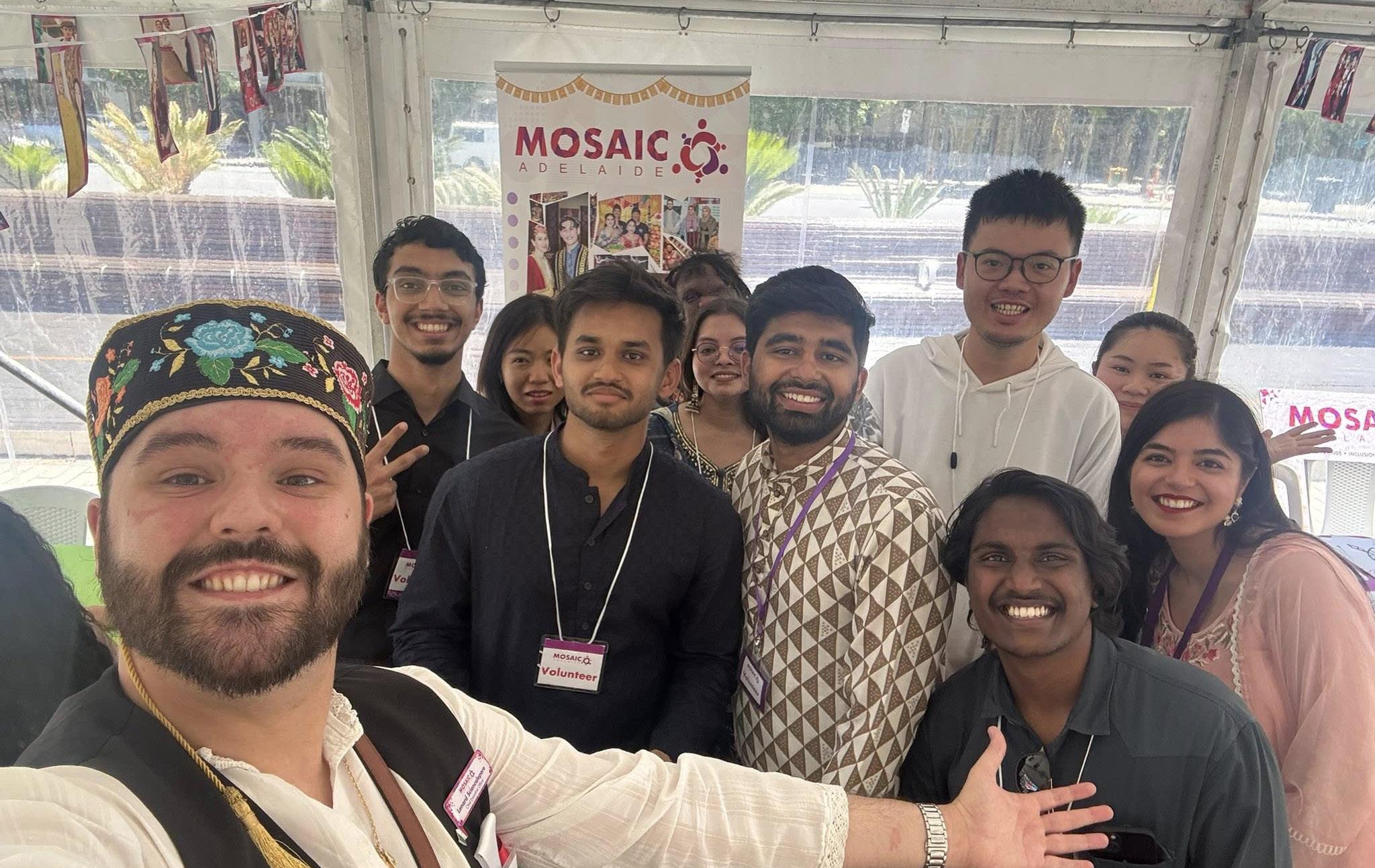
By Thaís Martins | Board Member, MOSAIC Adelaide Inc.
WARNING: This article contains distressing content.
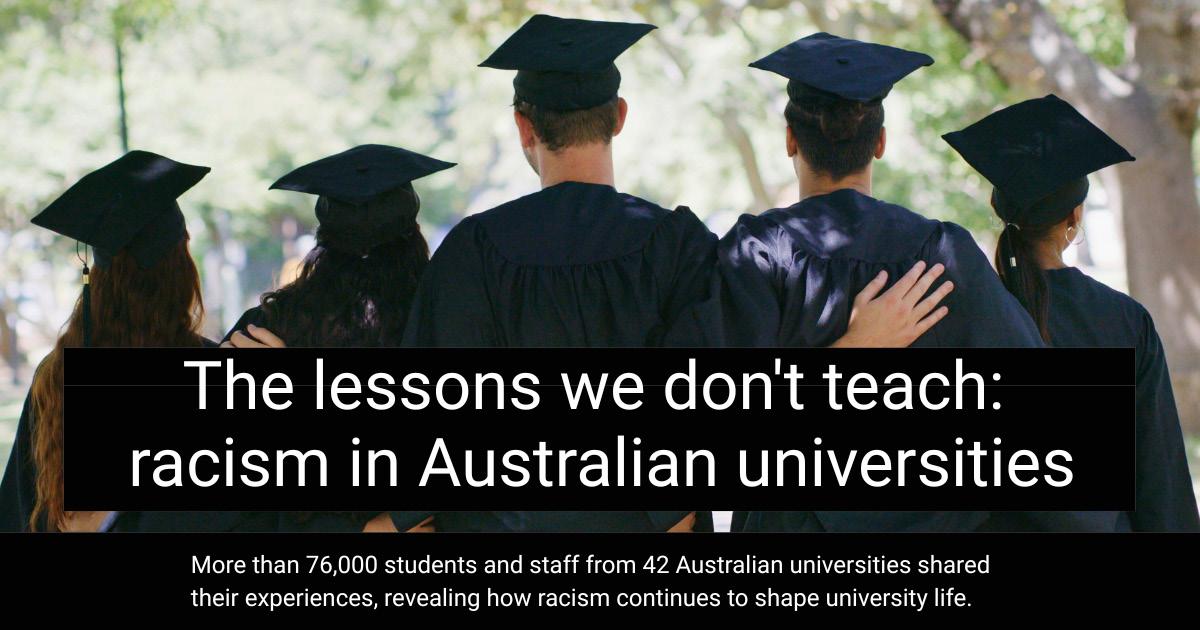
The findings of Australia’s largest study into racism in higher education paint a confronting picture of university life. Far from being limited to isolated incidents, racism remains a systemic issue affecting students and staff across the country, with significant consequences for wellbeing, academic success, career progression and a sense of belonging.
The Australian Human Rights Commission’s Respect at Uni: Study into antisemitism, Islamophobia, racism and the experience of First Nations people findings reveal particularly high rates of racism among First Nations, African, Asian, Jewish, Maori, Middle Eastern, Muslim, Palestinian and Pasifika communities, as well as international students.
More than 90% of Palestinian respondents and almost 90% of Jewish respondents reported experiencing racism, while around 80% of First Nations respondents experienced either direct or indirect racism during their time at university.
The impact extends far beyond hurt feelings. More than two in five students who experienced direct racism said it negatively affected their studies. One Palestinian Muslim student shared:
“It reached a point where the stress and emotional toll became too much, and I had to withdraw from units just to protect my mental health. I didn’t feel safe or heard, and there was no real support from the university.”
The Commission found common themes across communities experiencing racism, including feeling pressured to hide aspects of their identity, fear of speaking out, and frustration with institutional inaction. As the report notes, racism has profound impacts on wellbeing, connection and trust in institutions.
One of the most striking findings is how few people report racism through formal channels. Only 6% of respondents who experienced direct racism made a complaint to their university. The most common reasons were fear of negative consequences and a lack of confidence that reporting would lead to meaningful change.
The low level of trust in university systems was reflected in participants’ experiences. As one survey participant observed:
“The University frequently highlights its commitment to addressing psychosocial hazards, including racism in the workplace, yet in practice these principles are inconsistently applied and, at times, weaponised.”
For those who did come forward, the experience was often disappointing. Between 62% and 80% of complainants reported dissatisfaction with how their university handled the matter. Many felt the process caused additional distress or failed to produce meaningful outcomes.
The report also found that anti-racism efforts across the sector remain fragmented. Only 11 universities had advanced anti-racism policies or strategies, while 30 had limited approaches and two showed no evidence of anti-racism policies at all. The policy audit identified low levels of racial literacy and limited training to address systemic racism.
Universities play a critical role in fostering critical thinking and shaping future leaders, professionals, policymakers and educators. To address these issues, the report makes 47 recommendations, including a national anti-racism framework for universities, stronger accountability measures, more effective complaints systems, inclusive curriculum and teaching practices, and greater diversity in leadership.
The report also encourages universities to recognise racism as a psychosocial safety risk and take preventative approaches rather than relying on complaints after harm has occurred.
The findings are confronting, but they also present an opportunity. For migrant families, First Nations peoples, international students and many culturally and racially diverse communities, the study validates experiences that have too often been minimised, dismissed or ignored. The challenge now is whether universities and governments will respond with the urgency and commitment needed to address what the evidence has made impossible to deny.
CULTURAL FREEDOM THROUGH COMMUNITY ENGAGEMENT
On 6 May, the Australian Bureau of Statistics (ABS) released the latest General Social Survey. Three-quarters of Australians (75 percent) agreed that multiculturalism is good for society. Compared to the 85 percent acceptance recorded in 2020, the 10 percent decline is worth discussing. This article explores how active community engagement can strengthen cultural freedom and belonging at a time when public confidence in multiculturalism appears to be softening. Through the work of MOSAIC Adelaide, it highlights practical examples of how meaningful participation in multicultural activities can foster genuine connection.
On 30 April, A panel discussion hosted by MCCSA explored governance experiences in Culturally and Linguistically Diverse (CALD) community organisations. The session brought together respected leaders. It was an attentive conversation. They discussed key challenges including volunteer burnout due to short term funding cycles, difficulties engaging younger generations, and the need for strong organisational foundations. One of the leaders highlighted the framework of the four Ps of governance: Purpose, People, Performance and Process. They agreed the importance of accountability, sustainability, mentoring, and patience when building inclusive boards.
These insights reinforced a connection: effective governance creates the conditions for genuine community engagement, which in turn nurtures cultural freedom. By providing welcoming, low pressure environments for young people from diverse backgrounds to volunteer and contribute, MOSAIC Adelaide helps transform cultural identity from a potential source of pressure into a celebrated strength. Such engagement empowers young people to express their culture confidently.
Through active involvement with MOSAIC Adelaide, a deeper appreciation of cultural freedom can be developed through a range of volunteer events, such as the Vietnamese Adelaide Tet Festival and MOSAIC Community Night: Palestine. These experiences demonstrated how welcoming spaces enable young people
from diverse backgrounds to get to know each other. Combined with the culturalQ Intercultural Competence Workshop organised by the MCCSA earlier this year, they have reinforced the idea that true cultural freedom flourishes when individuals feel safe to build meaningful connections across communities.
MOSAIC Adelaide is hosting the MOSAIC Festival 2026 on 19 September and the campaign is already underway. This recognisable festival in South Australia not only celebrates interculturalism, but also helps raise cultural awareness. By bringing together people from diverse backgrounds through music, food, stories and shared experiences, the festival creates an inclusive space where cultural freedom can truly develop. All are warmly encouraged to join this celebration with a wonderful night.
Source reference: Australian Bureau of Statistics (ABS): General Social Survey: Summary Results, Australia
BUILDING BRIDGES: THE AFP COMMUNITY LIAISON TEAM IN SA/NT
By Federal Agent Keith Walther,
AFP Central Command Community Liaison Team — SA/NT Writing from the land of the Kaurna peoples
At the heart of effective law enforcement is trust — and trust is built through conversation, connection, and consistent presence in the communities we serve. As a member of the Australian Federal Police (AFP) Central Command Community Liaison Team for South Australia and the Northern Territory, that is exactly what I do every day. What Does a Community Liaison Officer Do?
My role is to actively engage with diverse communities to build the kind of trust that strengthens our collective ability to keep people safe. This means:
» Tackling social problems such as crime, unemployment, and antisocial or extremist behaviour
» Addressing misunderstandings between communities and law enforcement
» Helping people have conversations about issues of concern
» Providing advice and education so communities can respond to emerging issues
» Supporting vulnerable and at-risk groups
» Acting as a vital link between the community and the AFP
I work within the National Community Liaison Teams Engagement Framework, which guides us to support the AFP’s strategic and operational objectives, identify vulnerabilities in the community, connect people with support services, and strengthen cross-agency collaboration for public safety. On the Ground: What This Looks Like in Practice
No two days look the same in this role. My work spans a wide range of activities, including:
» Engaging with spiritual and community leaders at forums
» Liaising with community groups and attending local events
» Delivering presentations on online child safety programs such as ThinkUKnow
» Running youth leadership programs, including the Connection to Country Program
» Advising the public on the AFP’s law enforcement role and responsibilities
» Travelling to regional and remote communities across SA and NT
» Supporting AFP officers working in culturally and linguistically diverse communities
» Representing the AFP at events, celebrations, commemorations, and recruitment activities
Keeping Communities Informed on National Security
An increasingly important part of my work involves presenting information on espionage and foreign interference. Following the Australian Government’s introduction of the National Security Amendment (Espionage and Foreign Interference) Act 2018 in June of that year, community awareness of foreign interference has become more critical than ever. These presentations help communities understand the legislation, what to look out for, and how to protect Australia’s sovereignty, values, and national interests. Get in Touch
If you would like to know more about the AFP’s Community Liaison Teams and the work we do, visit: https://www.afp.gov. au/our-services/communityengagement/liaison-teams
Federal Agent Keith Walther is the AFP Central Command Community Liaison Team member for SA/NT. Tel: +61 (0)2 5126 0836 | Mob: +61 (0)437 814 327
ADELAIDE FRINGE 2027: GROWING OPPORTUNITIES FOR MULTICULTURAL COMMUNITIES
Following a successful 2026 season, Adelaide Fringe is preparing for another massive year and is looking for new participants to join the 2027 program. With registrations opening this August, now is the perfect time for multicultural communities to get together. Adelaide Fringe is not just for performers; it is also for venue owners all across the State. Those who run a community centre, a local restaurant, or a cultural club can register as a venue to host Fringe events.
The 2026 season showed that diversity is growing in the arts. Over 8% of participants identified as culturally diverse, and over 24% of shows had culturally diverse performers or creatives involved. While these numbers are strong, Adelaide Fringe wants to see even more representation from across different cultures in 2027.
To help potential participants get started, Adelaide Fringe Fund Grants; which exist to elevate diverse voices, will open for applications this July. This fund supports artists, venues, producers, and marginalised communities to participate in Adelaide Fringe. It is a great opportunity for emerging artists or community groups who may need financial support to bring their creative ideas to life.
The impact of this support is seen in the success of the production DE PAR EN PAR, created by Amarte Culture. As a recipient of the Fringe Fund, the production went on to win the Cultural Diversity Award, presented by the Australian Refugee Association. The show’s journey from a funded concept to an award-winning performance highlights how local stories about identity and
heritage can thrive on a major stage.
The team from DE PAR EN PAR encourages others from multicultural backgrounds to get involved:
“Being part of the Fringe is a dream come true. It gave us the opportunity to bring our community’s heart and stories to the forefront. To anyone hesitating, the Fringe is an incredible place to share your art and make your voice heard. The support we received through the Fringe Fund was the bridge that turned our vision into reality.”
Applications for the Fringe Fund start in July, venue registration opens in August, and show registration begins in September. For more details on how to apply, visit adelaidefringe.com.au or contact the team directly.
PHOTO: Jennifer Garo
AUSTRALIAN DENTAL FOUNDATION
There is great inequity in the provision of oral health services in SA.
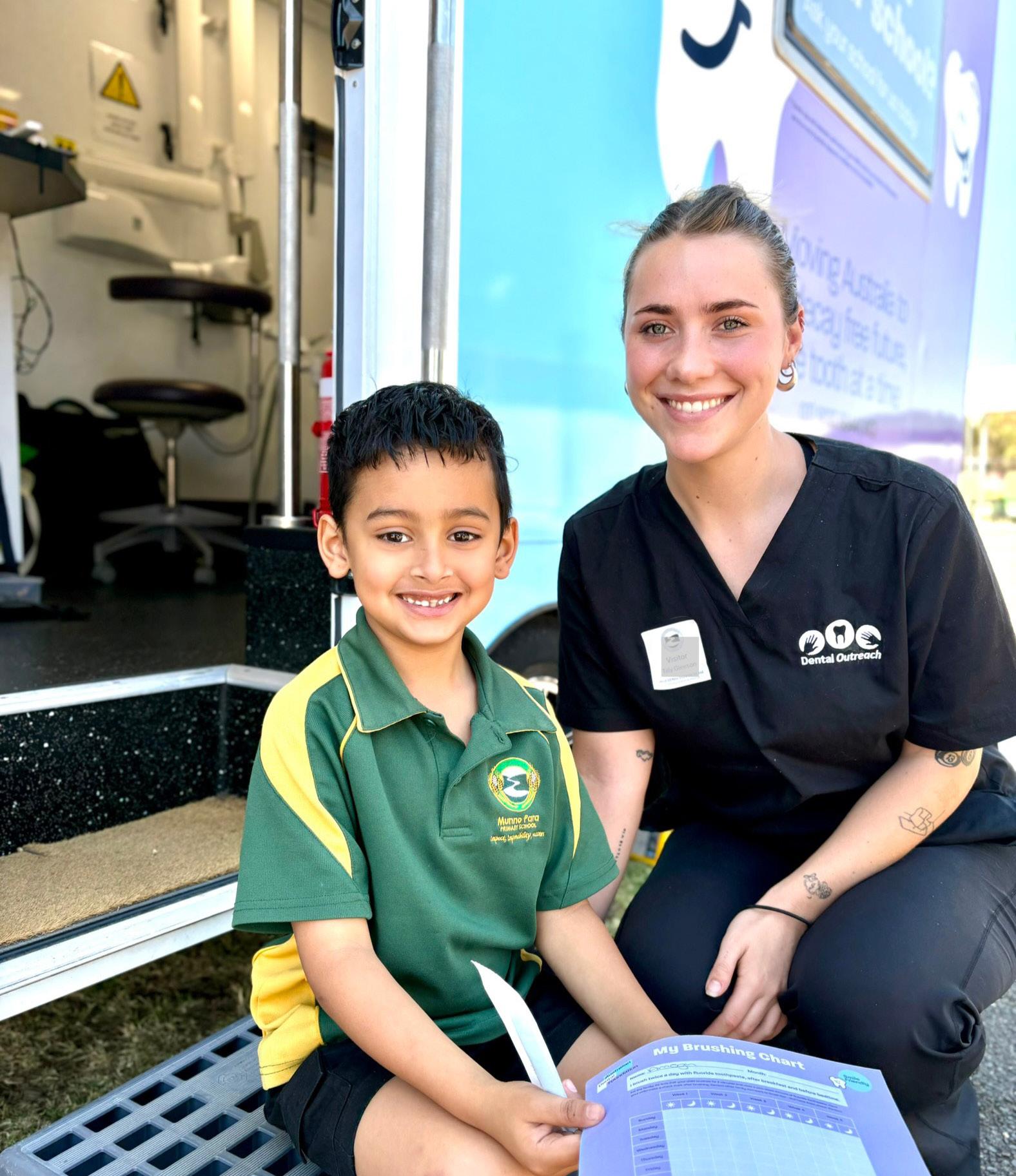
The Australian Dental Foundation aims to address this by working every day with people where they are - in schools, childcare, preschools, early learning centres, residential aged care and with vulnerable people living with homelessness.
The mobile plan of delivery provides access to oral health services for many people who wouldn’t otherwise be able to access dental health.
“Vulnerable groups - children, seniors, those living with disability, homelessness or financial disadvantage, culturally diverse and first nations communities - suffer the worst oral health,” Foundation chairman Dr Greg Miller said.
“Every day we have up to nine teams travelling to provide services. Last year we saw about 13,000 patients in SA.”
The Foundation is finding ways to provide even better and more accessible services.
Its dentists and assistants have completed training in diversity and cultural awareness; its online patient registration forms are translatable into about 25 languages; and it is participating in the current round of the Multicultural Ambassador Program.
“We are fortunate to have many different cultures represented in our workforce, which gives us unique insights into the cultural needs of our patients,” Dr Miller said.
“We don’t always have the right language, but the skills of listening, patient care and attention to detail are a universal language.”
Apart from its dental services, the Foundation also aims to educate people about oral hygiene and caring for their teeth and mouths.
Its Smile Friendly Program provides free resources for learning, and is available to all schools, childcares and aged care facilities.
The Foundation visits about 240 schools and childcare centres in SA each year, plus 140 aged care homes.
“Check if we are visiting your child’s school or your parents’ facility. We are always seeking Expressions of Interest for our services,” Dr Miller said.
FRIENDS OF HONG KONG FESTIVAL 2026
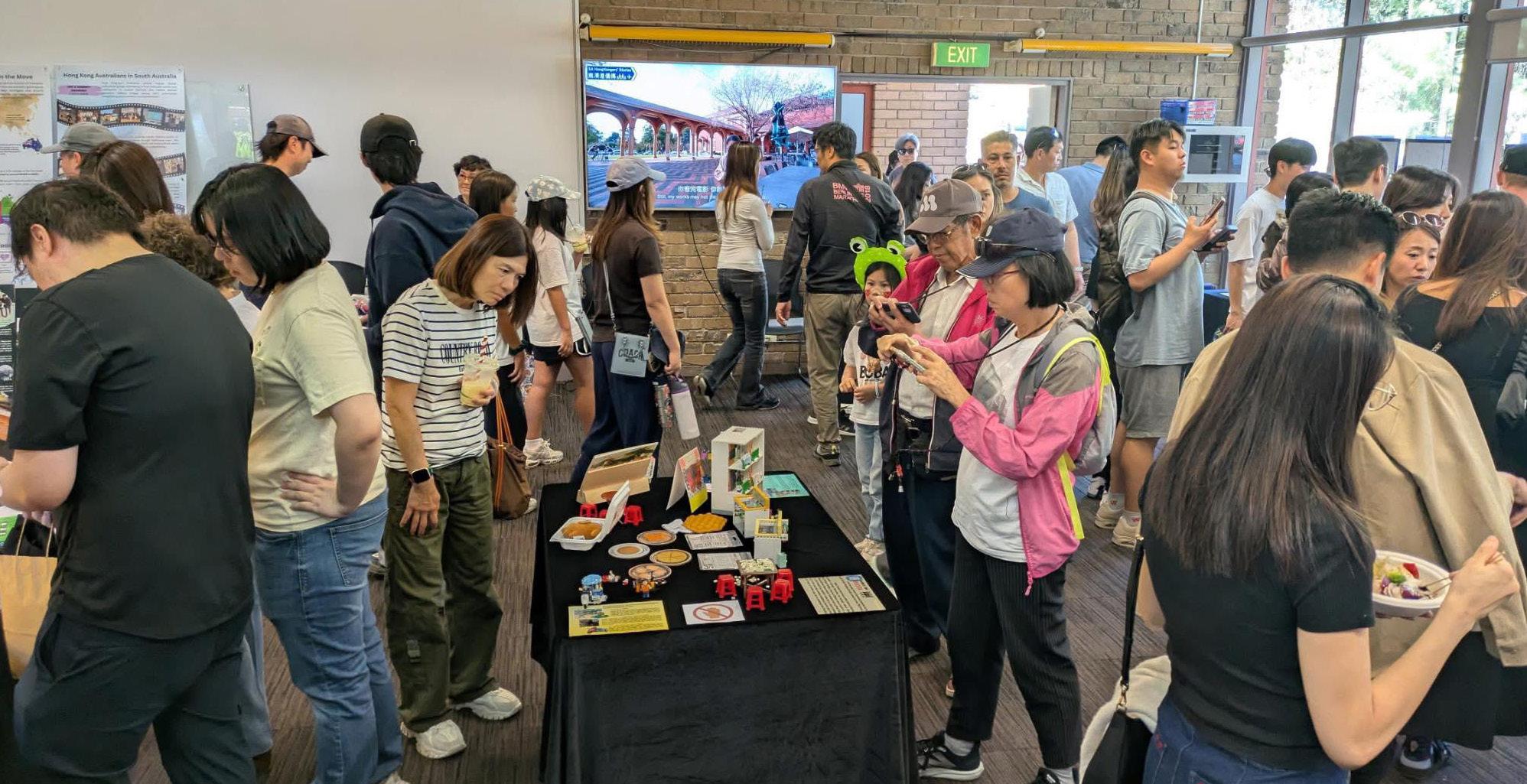
After months of intense preparation, the Hong Kong Cultural Association of South Australia (“HKCASA”) held its second Friends of Hong Kong Festival at the Fullarton Park Community Centre on 29 March 2026 (Sunday).
The full day event featured 21 stalls, 14 of them food stalls, with the others showcasing and selling souvenirs, handicraft and other Hong Kongthemed items. Performanceswise, there were Cantonese opera, Cantonese oldies and Cantopop, all closely associated with the Hong Kong cultural scene, as well as hip hop dance, classical instrumental music and outdoors busking, performed by various talents of Hong Kong heritage. In keeping with the Friends of Hong Kong theme of the Festival, performances by the Uyghur and Vietnamese communities and a Taiwanese community food stall added to the richness and variety of the day. Altogether, about 50
performers provided a full array of entertainment.
To encourage greater participation among the younger generation, a children’s drawing competition was organised titled “My Hong Kong, My Colours”. The enthusiastic response to this competition was most rewarding to all concerned and also helped to display various aspects of Hong Kong culture and lifestyle through art. A detailed and well thought out historical timeline exhibition of the history of Hong Kong, an array of recreational games and activities (mahjong, Go, calligraphy, board games, just to name a few) and a selection of children’s activities completed the Hong Kong experience.
Throughout the day, there has been a constant stream of Hongkongers and many local residents, with their families and pets, coming into the venue. The weather was mild
and sunny all day. Over 85 volunteers worked tirelessly to guiding and assisting visitors, installing, cleaning, packing and generally ensuring everything ran smoothly. The Festival closed with everyone having had a wonderful time, creating the most amazing festival vibes.
The objectives of the HKCASA in holding this Festival are, among others, to showcase and promote Hong Kong’s culture and unique identity, to provide an opportunity for migrants (established and recent) from Hong Kong to enjoy familiar tastes and sounds and a nice day out and to celebrate multiculturalism with all attendees at the Festival, especially with Friends of Hong Kong. The Organising Committee of the Festival is most gratified that the brief has been fulfilled.
Please visit the link below to watch the Festival Highlights. https://www.youtube.com/ watch?v=kB10Ry6zXC0
Find translated energy-saving advice on energy.gov.au
No matter what language you speak, the Australian Government’s energy.gov.au website is making energy savings easier for everyone.
With 3 guides available in 40 languages, you can find advice on:
» saving energy and money in your home
» saving energy and water as a renter
» what to do if you are having trouble paying your electricity and gas bills.
Whether you're a homeowner, renter, or just struggling with your energy bills, these translated guides provide practical tips to help lower household costs. Visit energy.gov.au/translations to see the full list of translated guides.
You can also follow their social channels to find out about the latest energy news, events or rebates and assistance:
» Facebook
» Instagram
“MADINATI:
EVERY STORY SHAPES OUR CITY”
AN INTERACTIVE VISUAL ART EXHIBITION
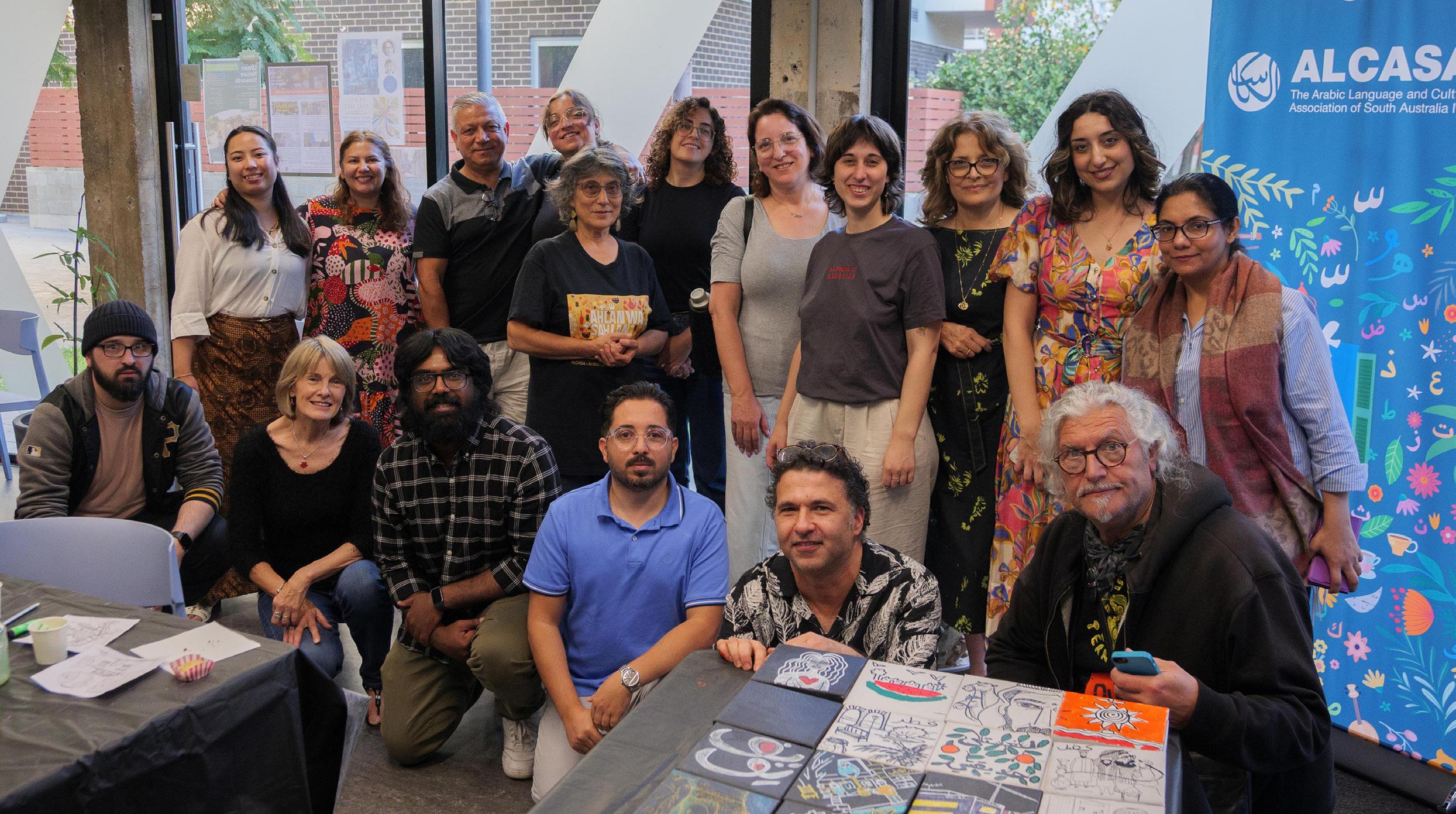
From 17 April to 14 June 2026, the Arabic Language and Culture Association of South Australia (ALCASA) hosted a visual arts project in collaboration with SA Arabicspeaking artists Ahmed Elkhalidi and Rua Hashlamoun. The project, Madinati (My city): Our Stories Shape Our City, aimed to bring the community together to reflect on personal belonging experiences about the cities we live in.
Madinati (My City) began with an exhibition of three artworks by the artists: two large canvases and one video. Inspired by the exhibition, a collective artwork was produced through two interactive workshops facilitated by the artists.
In their intricate paintings, Ahmed and Rua depicted many details from significant cities in their lives. Their short film traced Ahmed’s journey to Adelaide with how each place changed him. Ahmed said,
‘I live in Adelaide, but I live in other cities too – cities that still sit quietly in my memory.’
The interactive workshops combined storytelling and hands-on creativity. The workshop participants shared personal reflections on belonging to a city and why a specific city may feel like home, then produced paintings on small canvases inspired by their feelings. Assembled the canvases complement one another to form a collective
artwork that goes beyond individual representations of belonging, forging a shared sense of city identity.
Overall, Madinati offered an opportunity of rich intercultural connection in the City of Adelaide. Three public events were attended by about a hundred participants from diverse backgrounds. Not only did the exhibition launch immerse guests in the Arabic hospitality through Arabic art, food, drinks and music, but it also created a space to connect with First Nations cultural practices and traditions.
Project supported by City of Adelaide Community Impact Grants.
Madinati ALCASA Team
Madinati Interactive Workshop Participants and Their Collaborative Artwork, 26 April 2026, Photo Credit Tom Symes
CIVIC CONFIDENCE
STRENGTHENING DEMOCRATIC PARTICIPATION IN MULTICULTURAL COMMUNITIES
Democracy is strongest when everyone understands how they can participate. While voting is an important part of Australia’s democratic system, meaningful civic participation extends far beyond election day. It includes having the confidence to understand how government works, contribute to public consultations, engage with elected representatives and help shape decisions that affect our communities.
For many people from culturally and linguistically diverse backgrounds, participating in these processes is not straightforward. Language barriers, unfamiliarity with Australia’s systems of government and previous experiences with political institutions can make civic participation feel complex or out of reach. As a result, many community members are less likely to participate in consultations, make submissions or engage with decision makers, despite having valuable perspectives to contribute.
To help address this gap, the Multicultural Communities Council of South Australia (MCCSA) has secured funding from the Mannifera Foundation to deliver the Civic Confidence Program: Strengthening Multicultural Democratic Participation.
The program will support multicultural communities to better understand how Australia’s federal, state and local governments operate, how legislation and public policy are developed, and how individuals can participate in democratic processes between elections. Rather than focusing solely on civic knowledge, the program will provide practical opportunities for participants to build confidence through experiential learning and real world engagement.
The Civic Confidence Program will be co-designed with multicultural communities to ensure it reflects participants’ experiences, priorities and preferred ways of learning. Participants will explore practical topics such as responding to government consultations, understanding public decision making, engaging with elected representatives and identifying which level of government is responsible for different issues.
The program will also bring participants together with civic institutions, policy experts and community leaders, helping to build confidence, reduce barriers to participation and strengthen trust in democratic processes.
This initiative builds on MCCSA’s long standing commitment to creating equitable opportunities for multicultural communities to be heard, included and represented. By strengthening civic confidence, the program aims to increase informed participation, support social cohesion and ensure that diverse voices continue to contribute to South Australia’s future.
MCCSA thanks the Mannifera Foundation for its support of this important initiative and looks forward to working with multicultural communities and partners to deliver the Civic Confidence Program over the coming months.
MOSAIC FESTIVAL 2026
Set to Bring Adelaide Communities Together in New Ways
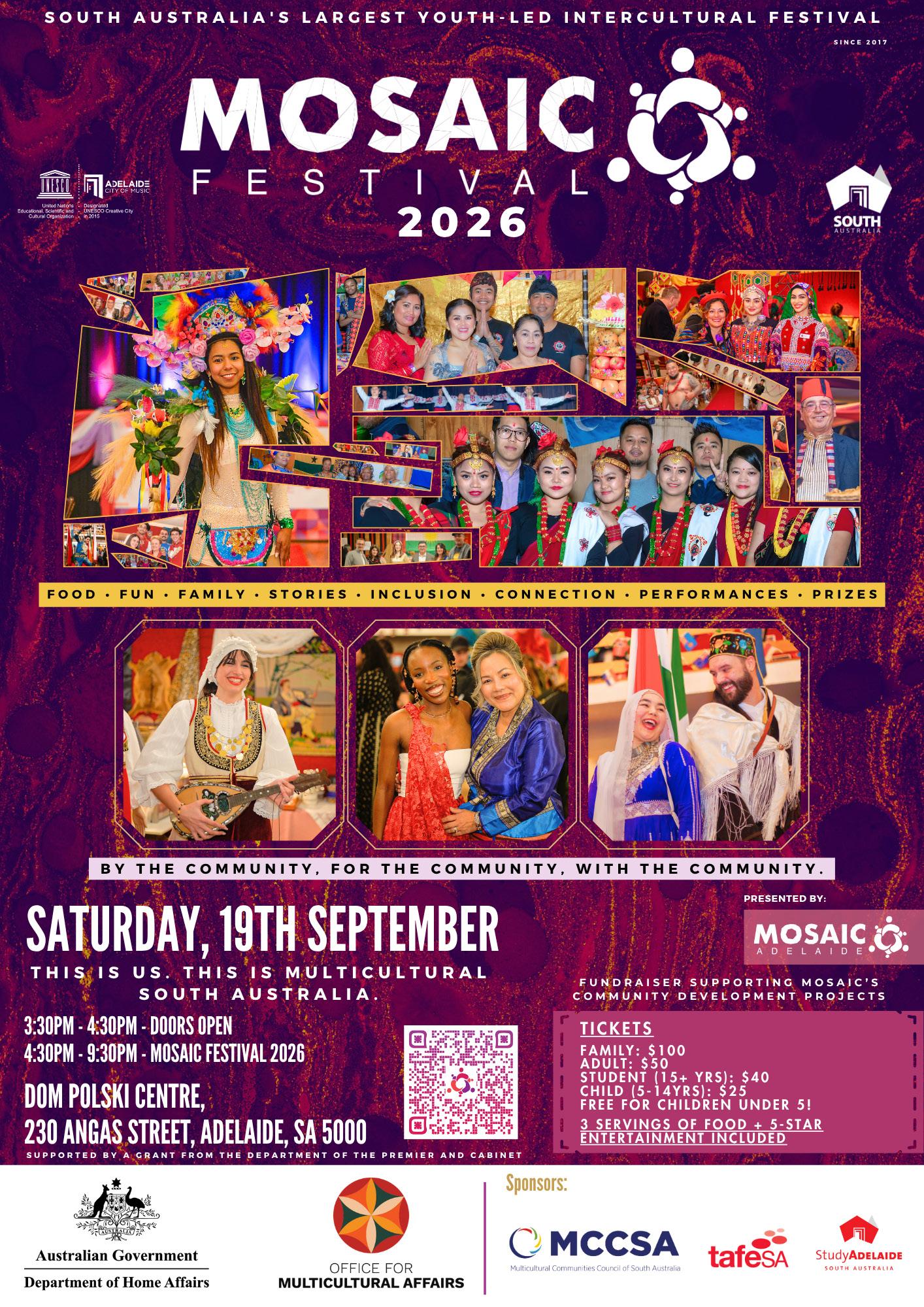
Following seven previous sell-out festivals, MOSAIC Adelaide Inc.’s annual flagship event is set to return this September with an expanded program centred on community, at a time when authentic connection is needed now more than ever.
Supported by the MCCSA, MOSAIC Festival 2026 will once again bring an evening of cultural cuisine, performances and storytelling to the heart of Adelaide’s CBD.
Alongside six hours of performances and activities, community stalls sharing traditions, food and culture, a bustling Bazaar featuring cooking demonstrations, henna and turban wrapping, and the Intercultural Fashion Show, this year’s program will showcase a new addition: the Living Library.
Nestled within the Bazaar, the quiet, welcoming space invites festivalgoers to pause and connect with community storytellers through ‘chapters’ about culture, identity, racism, migration and belonging. The Living Library offers the unique opportunity to hear firsthand the traditions that have been preserved and the lived experiences of Adelaide’s multicultural communities.
The addition comes at a time when opportunities for genuine intercultural connection are of increasing value. As migrant communities who have called Australia home for generations continue to be politicised and divisive rhetoric around Australian ‘monoculturalism’ once again rears its ugly head, the effects are undeniably felt close to home.
Yet, South Australia remains one of Australia’s most culturally diverse states. The region is home to over 430,000 South Australians born overseas, 248 languages and 128 religions
Against this backdrop, the importance of events like the MOSAIC Festival cannot be overstated. As a volunteerled festival created by community, for community and with community, it encourages South Australians to come together, rise above division and celebrate diversity.
MOSAIC Festival 2026 will be held on 19th September at the Dom Polski Centre.
Visit https://events.humanitix. com/mosaic-festival-2026 for tickets.
MCCSA MULTICULTURAL PLAYGROUP
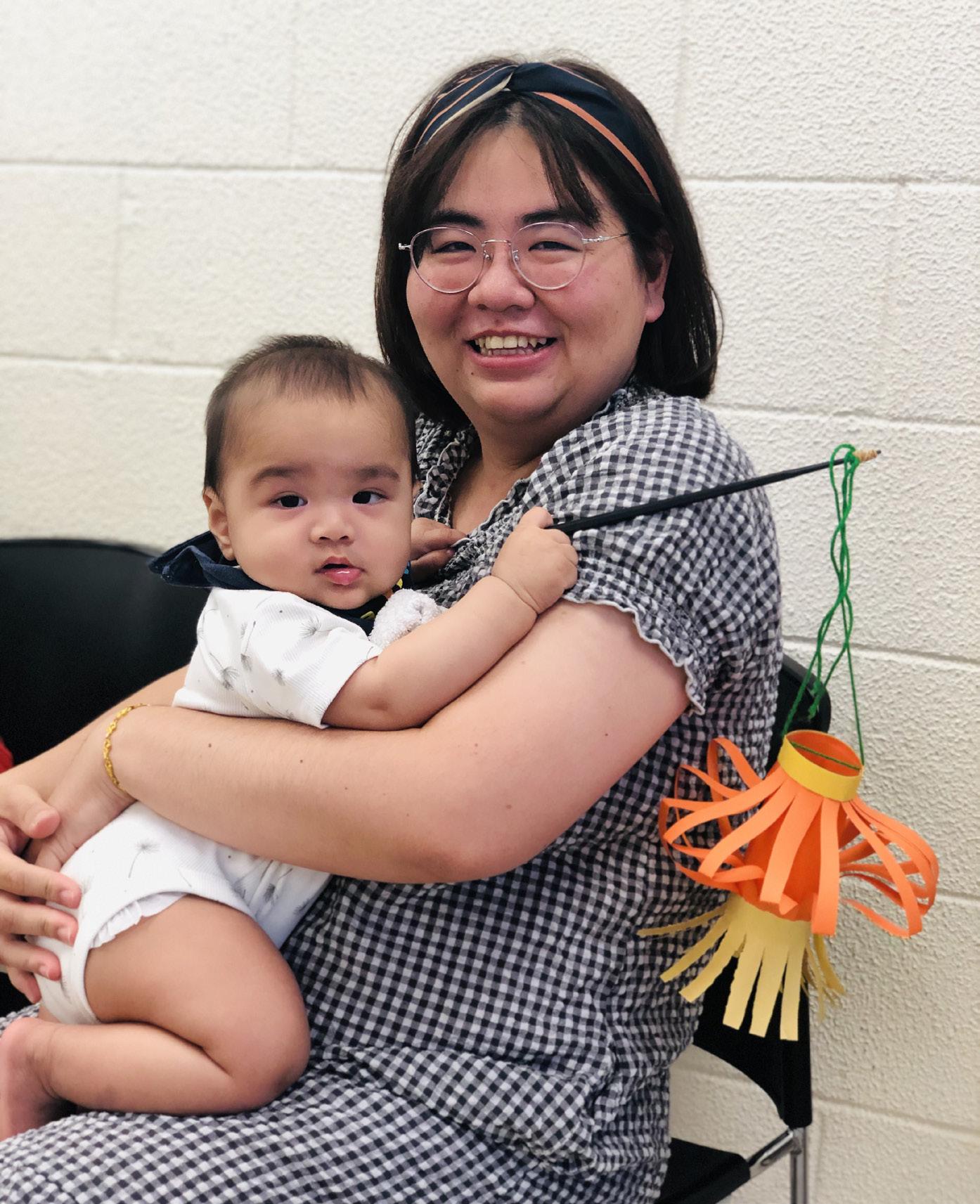
I first discovered this playgroup while searching online for baby activities near our home. As a first-time mum, I was quite nervous when I attended for the first time. I especially remember feeling a little worried when I arrived and learned that the group was generally recommended for babies aged one year and older, as Wade was only six months old at the time. The website mentioned that babies from birth were welcome, so I wasn't quite sure what to expect.
However, after attending several sessions, I quickly realised how welcoming and supportive the playgroup is. The organiser puts a tremendous amount of effort into creating meaningful experiences for both children and parents. I have been particularly impressed by initiatives such as collaborating with SA Water to create a children's storybook, inviting Children and Family Health Service nurses to answer parents' questions and provide professional advice, and organising occasional outings and picnics in local parks. The volunteers also deserve special recognition. They work incredibly hard to create a warm and inclusive environment where mums can feel comfortable, take a moment to breathe, and gradually settle into the group. Whenever parents have
questions or concerns, the organiser always does their best to help or find the right information and support.
As someone who migrated to Australia, I especially appreciate the multicultural atmosphere of the playgroup.
“It has given me the opportunity to meet families from many different backgrounds, learn about different cultures, and share experiences with people from
around the world. This sense of community has been very meaningful for me and my family.”
The playgroup has not only provided valuable learning and social opportunities for Wade, but it has also helped me build connections, confidence, and friendships as a parent. I am very grateful for everything the team does and for the positive impact it has had on our family.
- Jenny Lee
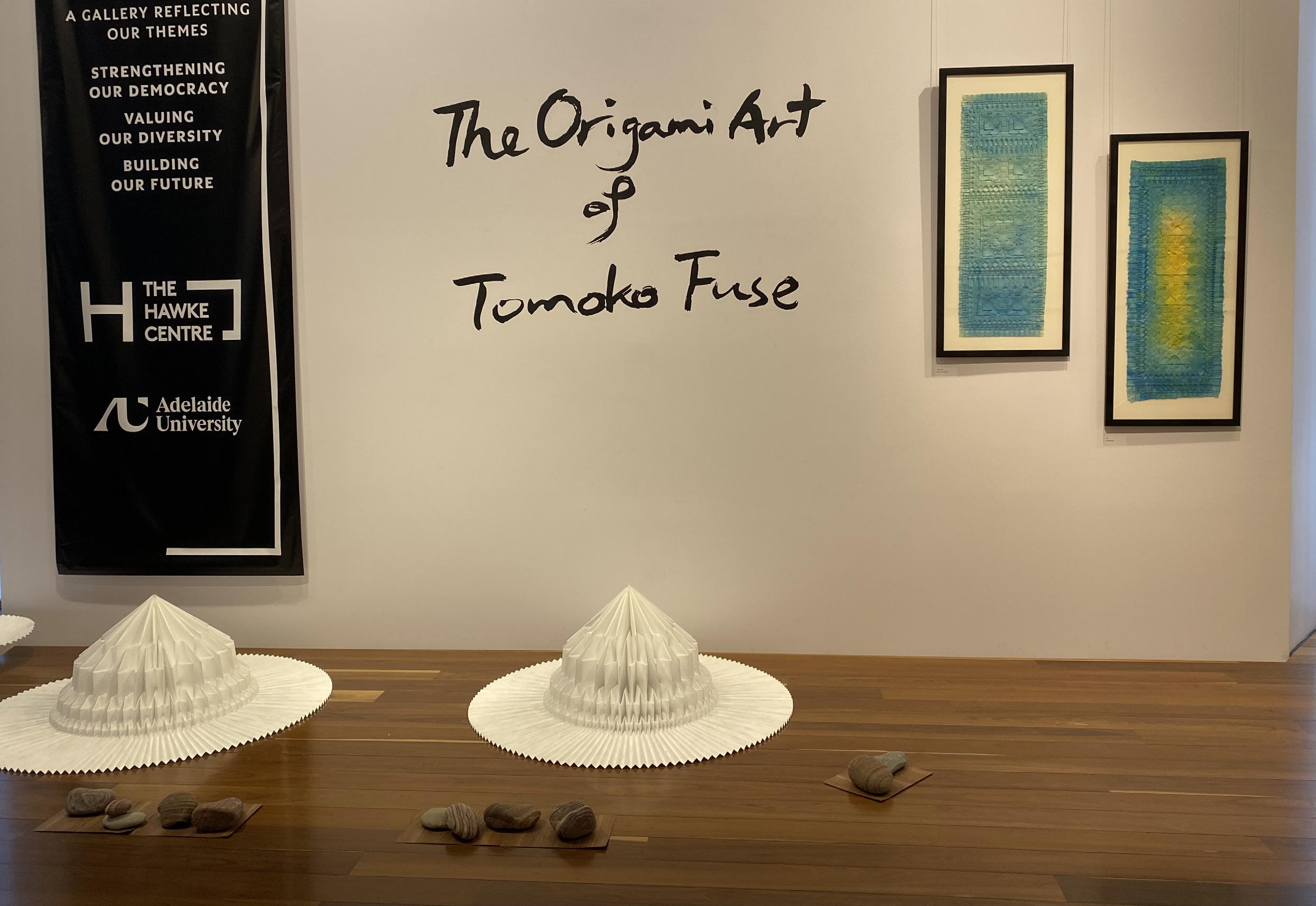
On the 7th April the Governor Her Excellency the Honourable Frances Adamson AC launched an exhibition “The Origami Art of Tomoko Fuse” at the Kerry Packer Civic Gallery. The exhibition was presented by the Japan Australia Friendship Association, in partnership with the Hawke Centre at Adelaide University, as its contribution to the 50th anniversary of the Basic Treaty of Friendship and Cooperation between Australia and Japan.
The exhibition represented a significant cultural moment for South Australia showcasing the beauty and complexity of origami as an art form and hosting Tomoko’s work here in Adelaide was an extraordinary honour as it was her largest
solo exhibition outside of Japan following exhibitions in the United States and Europe.
Tomoko Fuse is a renowned origami artist internationally recognized for her innovative paper folding techniques transforming simple sheets of paper into intricate modular structures that embody both precision and imagination, expanding the boundaries of origami as a contemporary art form.
While most people think of origami as small pieces, often featuring animal shapes, Tomoko has pioneered modular origami creating intricate geometric structures by connecting multiple folded units. Her work goes beyond
traditional associations in combining art, mathematics and architecture to construct installations of structural precision and sculptural beauty.
The exhibition was attended by 5,000 people and attracted very positive feedback with local Japanese residents expressing pride in their culture being presented by such beautiful works of art. It also reflected the enduring cultural ties between Australia and Japan that have only grown stronger over the past five decades. Grassroots people to people exchanges are an integral component of such relationships and this exhibition allowed the community to participate in the anniversary celebration.
MAKING A DIFFERENCE
MCCSA's diverse programs for a vibrant community
Minibus Hire
MCCSA provides an affordable and reliable transport solution for communities and organisations in the Adelaide region. Our fleet consists of 3 minibuses with capacity for 11 passengers, and one wheelchair-accessible minibus. MCCSA also provides experienced volunteer drivers and is currently seeking expressions of interest for our "Going Places" guided tours.
For more information, please contact transportadmin@mccsa.org.au or call 8213 4605.
Aged Care Volunteer Visitor Scheme
CVS has expanded and has been renamed to ACVVS. This program facilitates oneon-one friendships between older people and visitors speaking their language. They visit to build relationships and add warmth to the lives of senior citizens, reducing their loneliness and isolation.
If you would like to volunteer, please email Aveen Muhamad via aveen.muhamad@mccsa.org.au or call 8213 4604.
Community Facilities
MCCSA offers a variety of community spaces for meetings, forums, workshops, and functions. These facilities include a 50-seat hall that is free of charge for registered MCCSA community groups, with a donation appreciated for rubbish removal and electricity. The hall is also available for commercial hire.
To hire an MCCSA community space, call us on 8345 5266 or email mccsa@mccsa.org.au
Men's Health & Wellbeing
MCCSA's Men's Council serves as a specialist advocacy body that represents the voices of multicultural men, identifies priorities, and guides strategic direction. It gathers community input to shape advocacy, engages in lobbying and policy awareness, and builds partnerships with stakeholders. Through MCCSA, it supports communityled initiatives, promotes men's health and wellbeing, positive masculinity, and socio-economic participation, while strengthening grassroots leadership, health literacy, service access, and accountability.
For further information, contact Lenard Sciancalepore via lenard.sciancalepore@ mccsa.org.au
Community Boards and Governance
MCCSA's Community Boards and Governance Program supports community organisations to strengthen governance capacities.
Key focus areas include: Governance: Providing training and resources for board members to navigate local policy and advocacy effectively Financial Capabilities: Ensuring that organisations understand management of resources, budgets and grant acquittals Strategic Oversight: Aligning activities with goals, succession planning, sustainability, professional networking Organisational Cultural Competence: a core governance capability for fair, informed and effective leadership
Using AI to support administration, grant writing, effective leadership skills and more.
For further information, please email Teresa Camaioni at teresa.camaioni@mccsa.org.au
Multicultural Playgroup
MCCSA's Multicultural Playgroup provides a safe and inclusive space for parents and children from diverse cultural backgrounds to connect and socialise. It aims to support children's development and help families overcome isolation through a range of social activities.
To get involved, contact Abby Liu via abby.liu@mccsa.org.au
Market Research & Insights
Through The New Mainstream, MCCSA connects businesses, industries, and researchers with culturally and linguistically diverse communities across Australia. With decades of experience and a multilingual team speaking over 20 languages, we deliver qualitative and quantitative research including focus groups, surveys, interviews, and concept testing. Our trusted relationships with CALD communities in urban and rural settings provide unparalleled access to multicultural markets.
Contact George Gouzounis, Coordinator, at george. gouzounis@mccsa.org.au
culturalQIntercultural Communication & Management Training
Build culturally intelligent teams and leaders with culturalQ. Strengthen collaboration, inclusion, and client engagement across community, public, and private sectors. Move beyond awareness to practical action - driving innovation, stronger relationships, and lasting organisational capability in today's ever-more diverse environment.
Contact us to get started. culturalq@mccsa.org.au
Connect, Access Belong - CAB Project
Connect Access Belong is a community participation initiative that helps people with disability from culturally and linguistically diverse backgrounds, and their families and carers, to connect, access, and belong in mainstream community settings through personalised support.
Email project coordinator, Katherine Greer with your details or those of someone you think would benefit at katherine.greer@mccsa.org.au
Interested in Volunteering?
MCCSA offers many exciting volunteer opportunities for those seeking a meaningful way to give back to their community.
From Playgroup volunteers to tour guides and bus drivers, community visitors, and guest speakers, there's something for everyone. By volunteering with us, you'll be making a positive impact on the lives of CALD individuals and families, while also gaining valuable skills and experience.
Join our team today and make a difference! Email your CV and cover letter to mccsa@mccsa.org.au