THE CROSSINGS GOLF CLUB LOGO PROJECT
THE CROSSINGS GOLF CLUB LOGO PROJECT
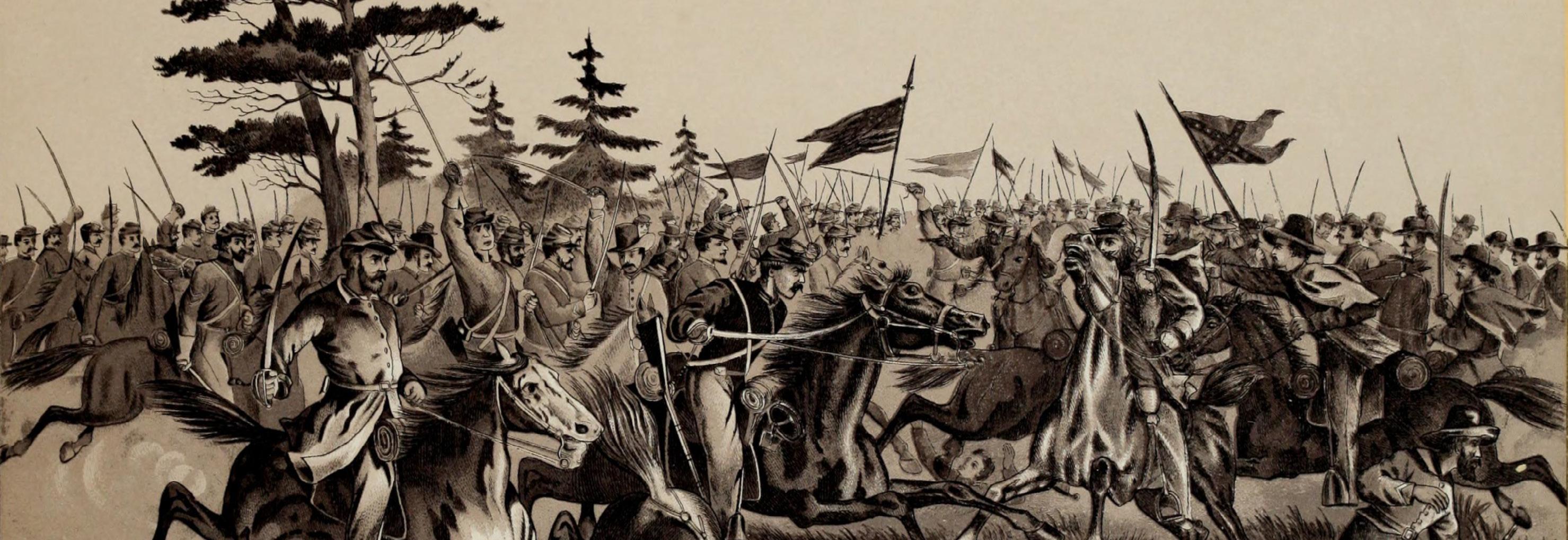
1864 - The Battle of Yellow Tavern is fought in the area of the present day golf course.
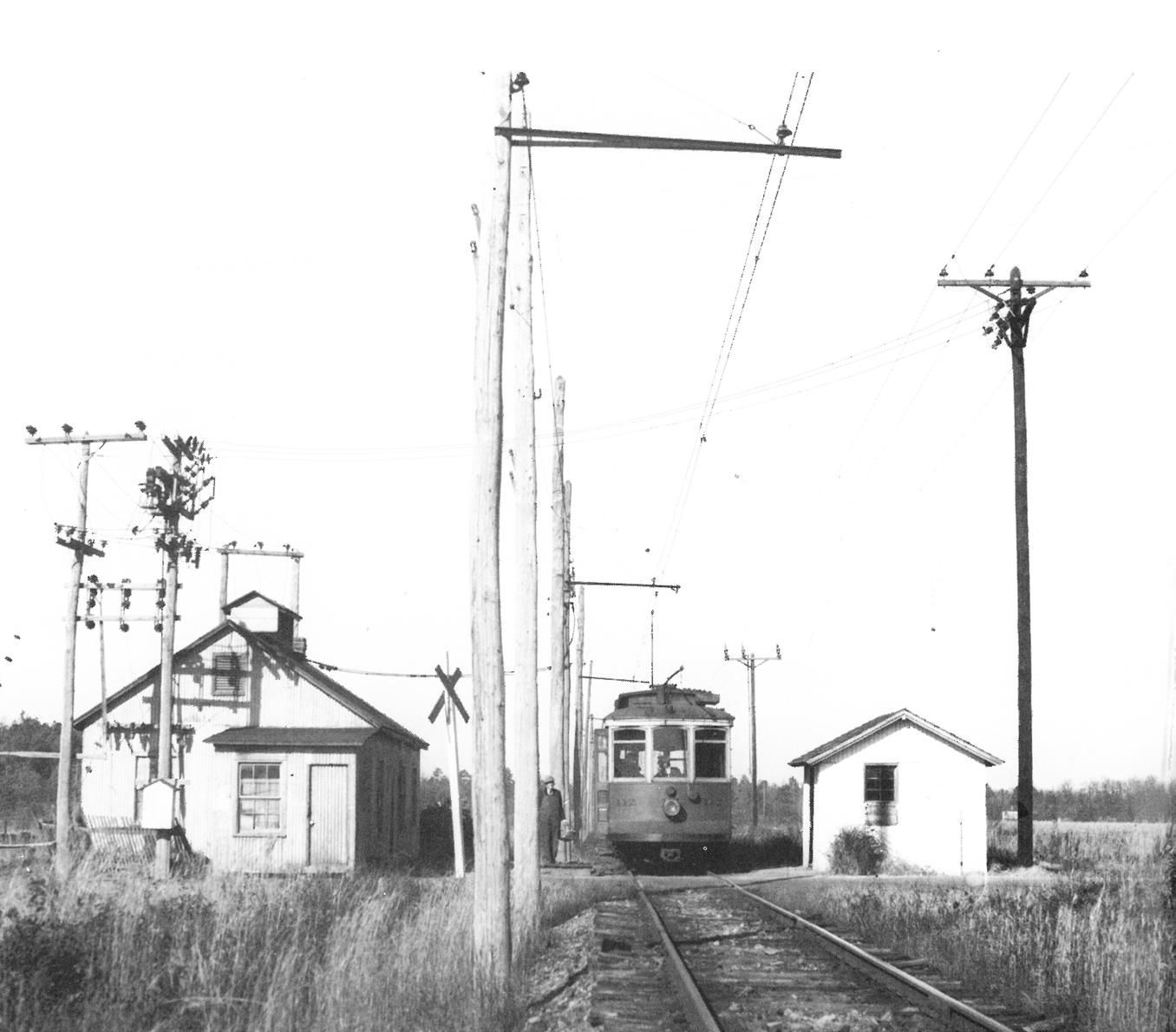
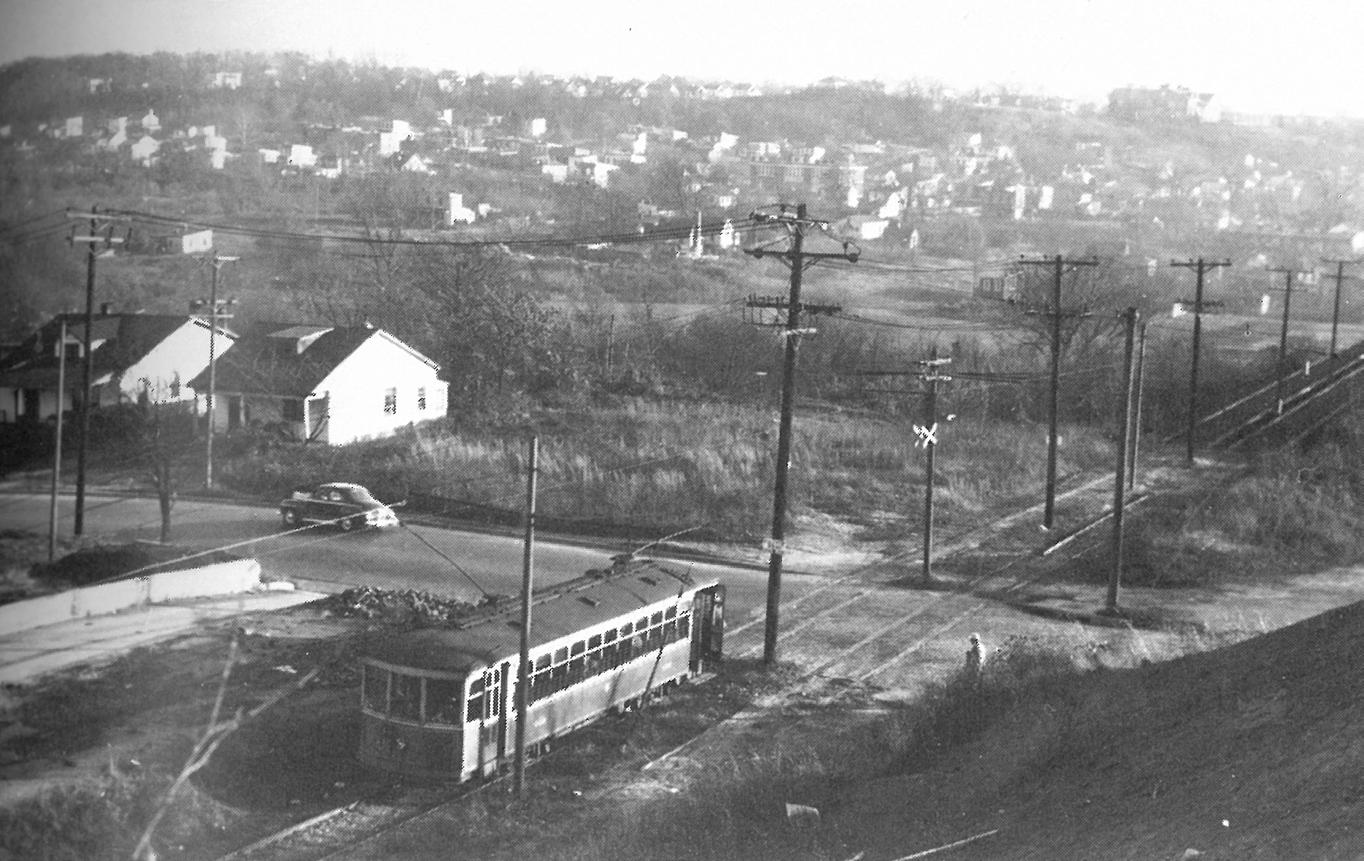
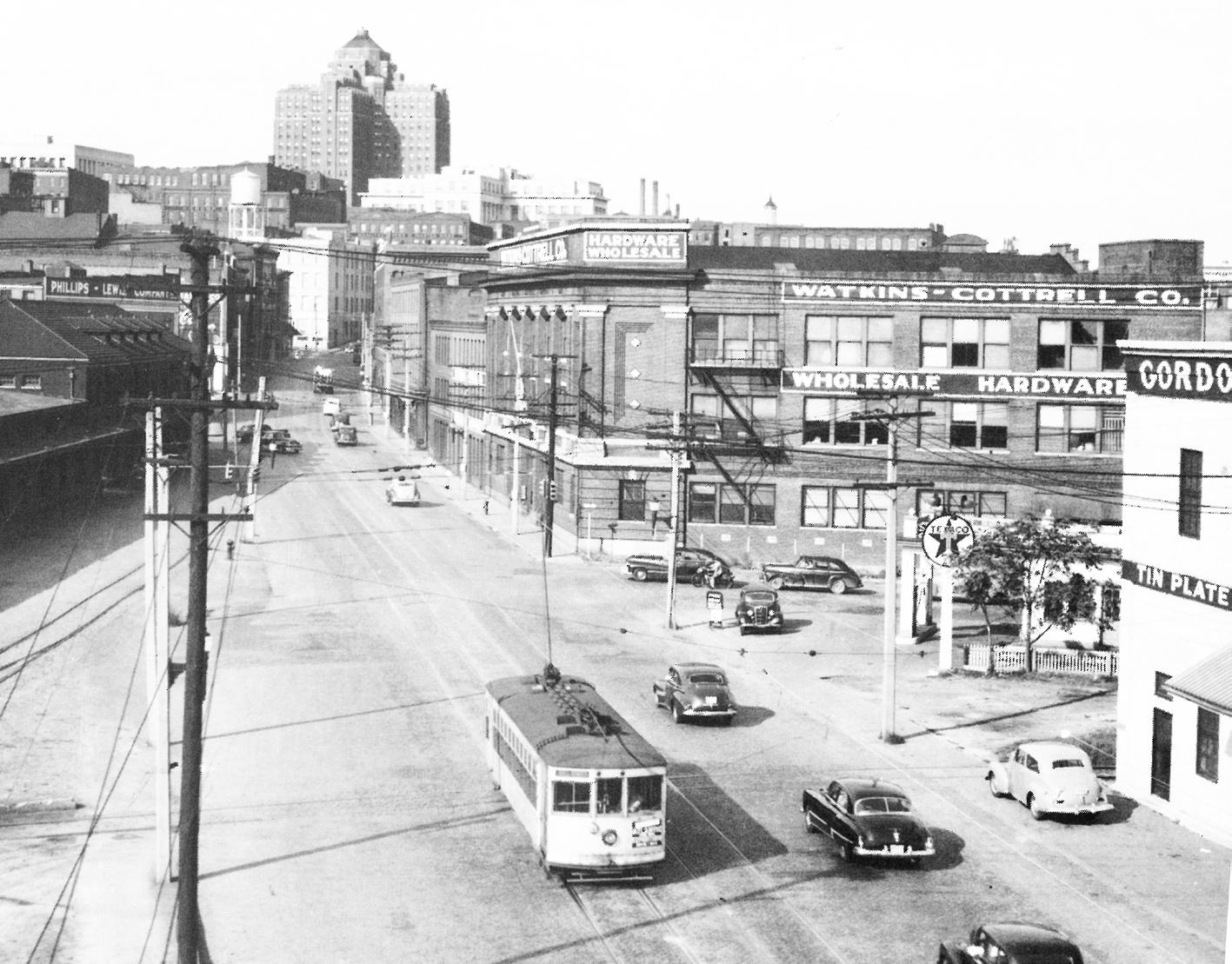
1888 - Frank Julian Sprague brings the first successful electric streetcar system in the world to Richmond.
1907 - Original streetcar service begins on the Ashland Trolley Line which ran from downtown Richmond to Ashland.
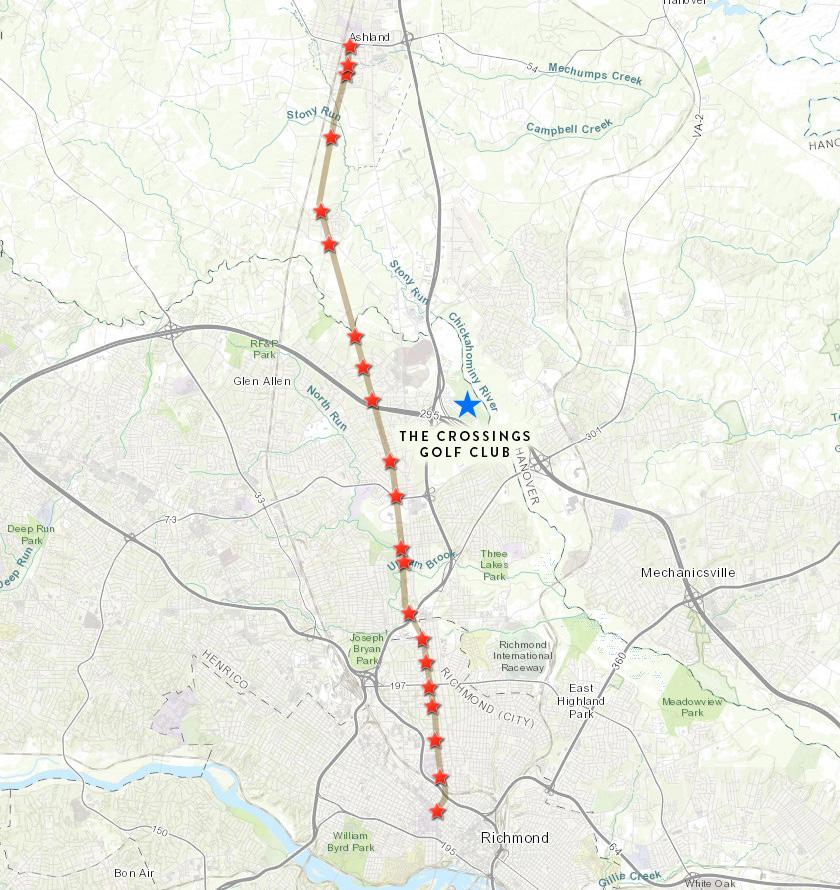
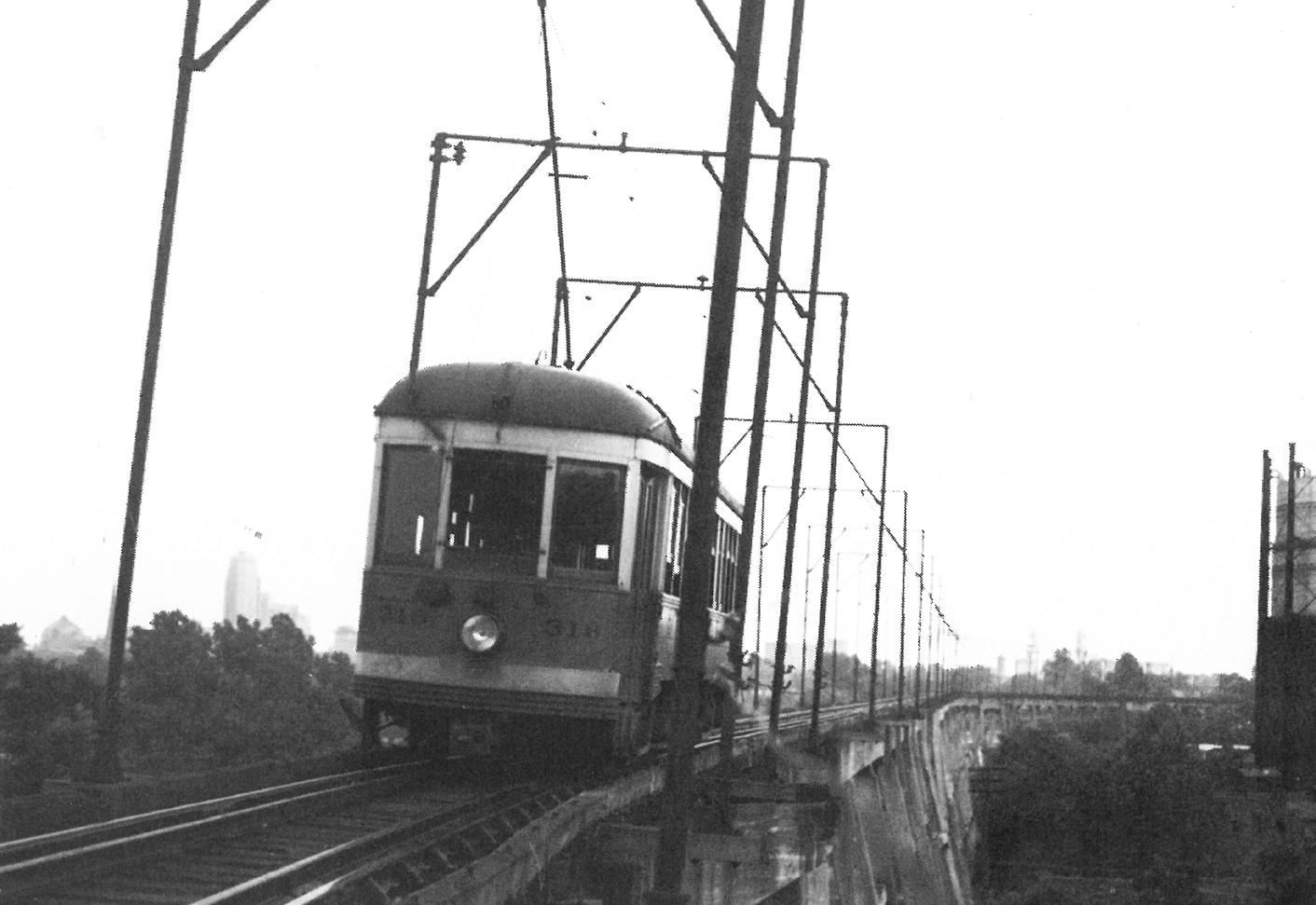
1919 - Streetcar service resumes under new ownership. The 14.8-mile line from Richmond to Ashland consists of 19 stops and takes 40 minutes one-way. The line crosses over the Chickahominy River just 2.5 miles from the current day location of The Crossings.
1938 - Streetcar service ends on the Ashland Trolley Line after financial struggles and the rising popularity of city buses and personal automobiles.
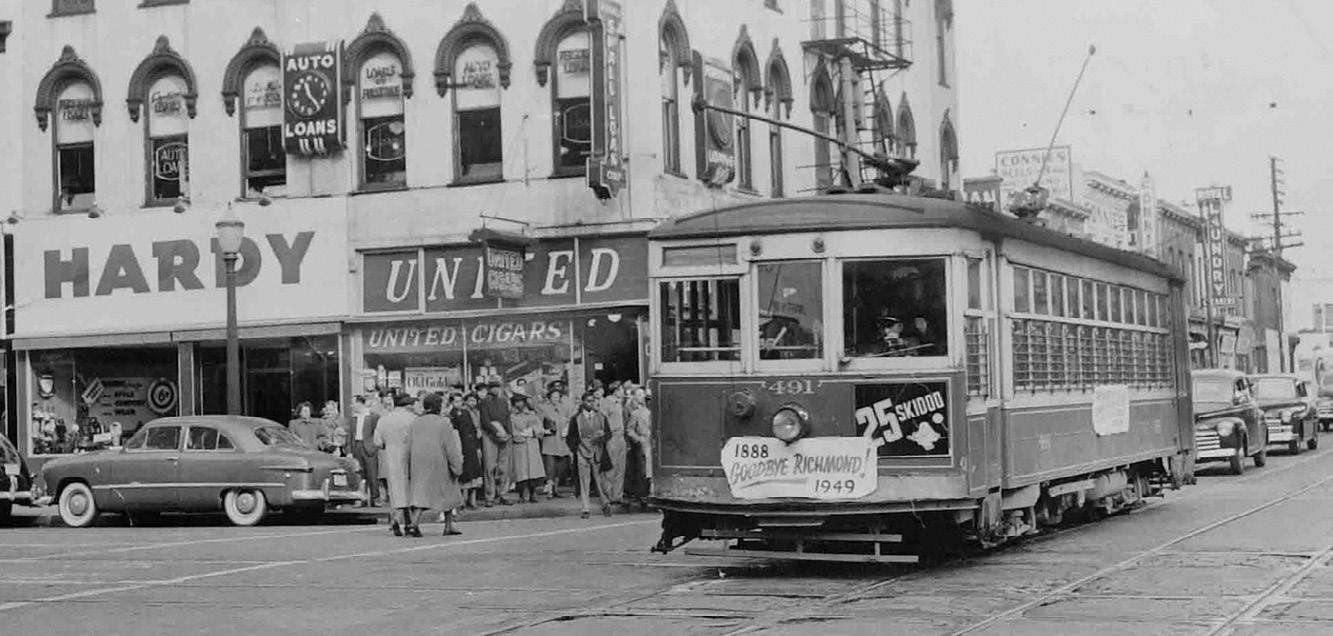
1949 - Richmond’s 61-year-old historic electric trolley system was shut down to make way for a new, motorized bus network operated by the Virginia Transit Company.
1949 - An estate known as “Ethelwood” in northern Henrico County goes up for sale featuring a 12-room brick home, 5 acre front lawn, and 200 acres of land for cattle.
1960 - Ethelwood Country Club opens on the former estate land. The course is built by Hermitage Country Club to accomodate their growing membership and designed by William Gordon out of Philadelphia.
1976 - Ethelwood Country Club closes due to the construction of I-95.
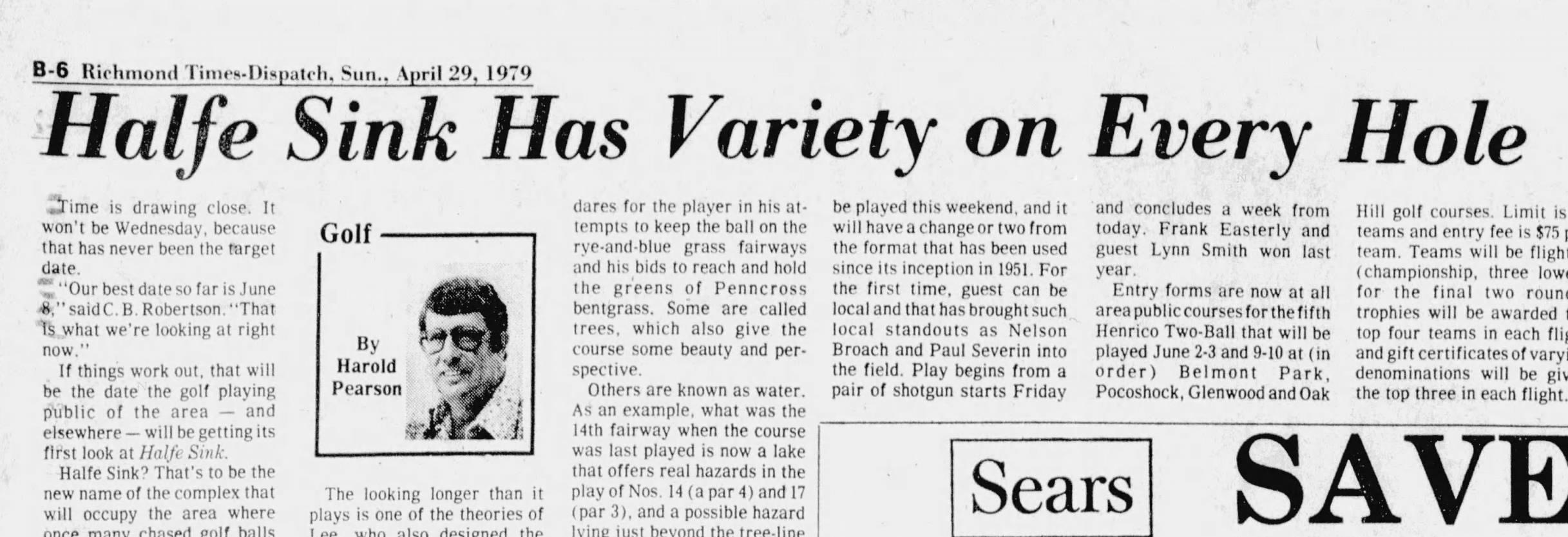
1979 - Halfe Sink Golf Club opens featuring a new course designed by Joe Lee. The course consists of a re-routed layout from the previous Ethelwood Country Club course.
1982 - Halfe Sink is renamed to The Crossings Golf Club in reference to the area being used as a crossing post for Robert E. Lee and Jeb Stuart’s confederate forces.
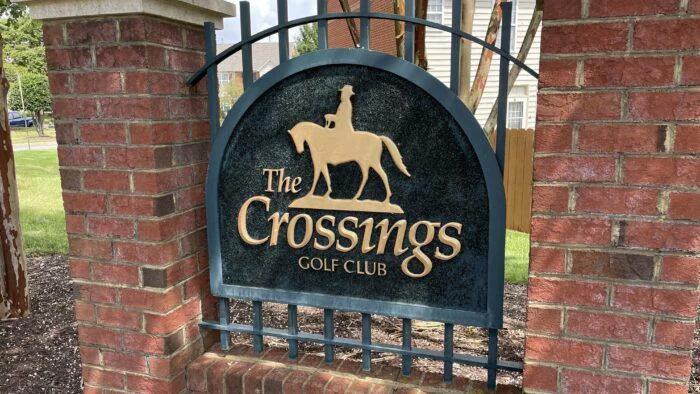
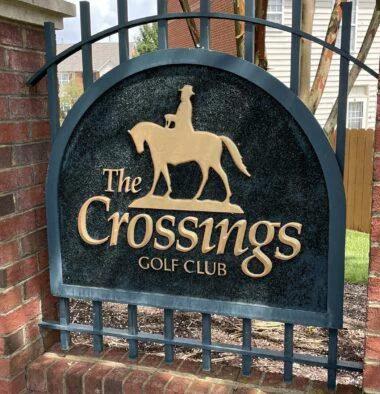
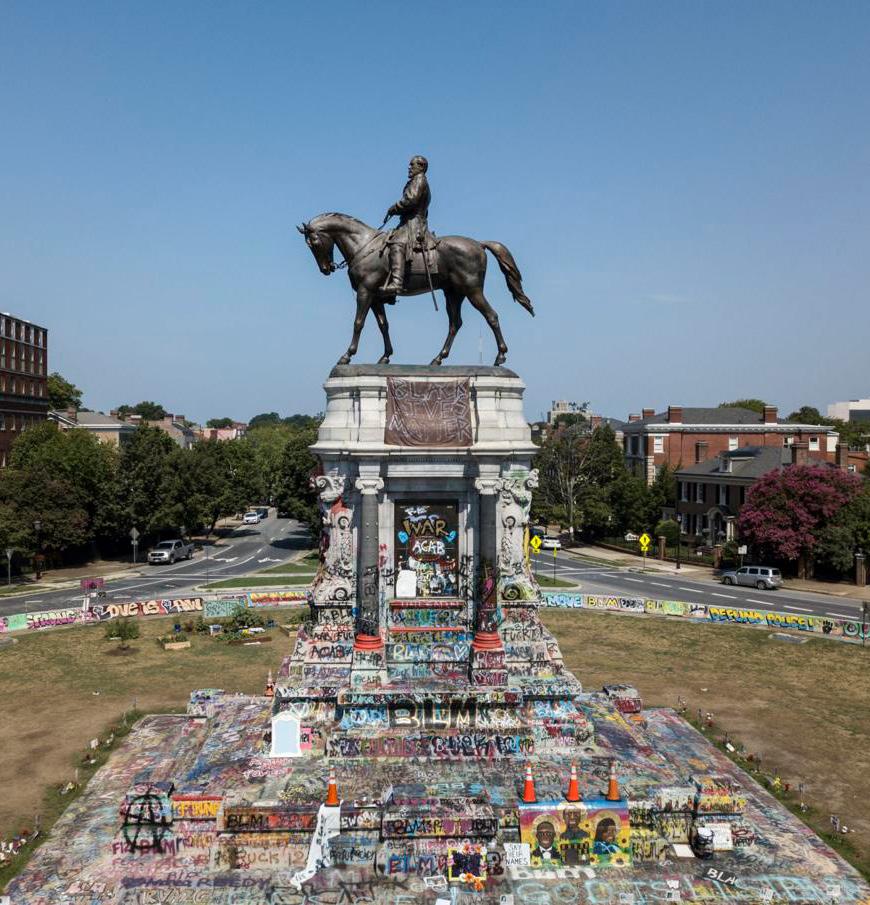
The previous logo for The Crossings Golf Club featuring the silhouette of a man on a horse. It is fair to assume that the logo was modeled directly after the Robert E. Lee statue that stood in downtown Richmond until 2021.
Richmond holds the distinction of being the first city with a successful electric streetcar system in 1888. The success in Richmond led to cities across the country adopting the new mode of public transportation. By 1895, almost 900 electric street railways and nearly 11,000 miles of track had been built in the United States. The electric streetcar service ended in 1949 after the rise of personal automobiles and the increasing popularity of city bus routes.
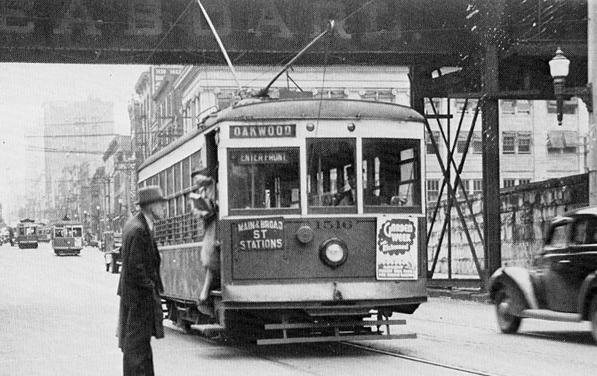
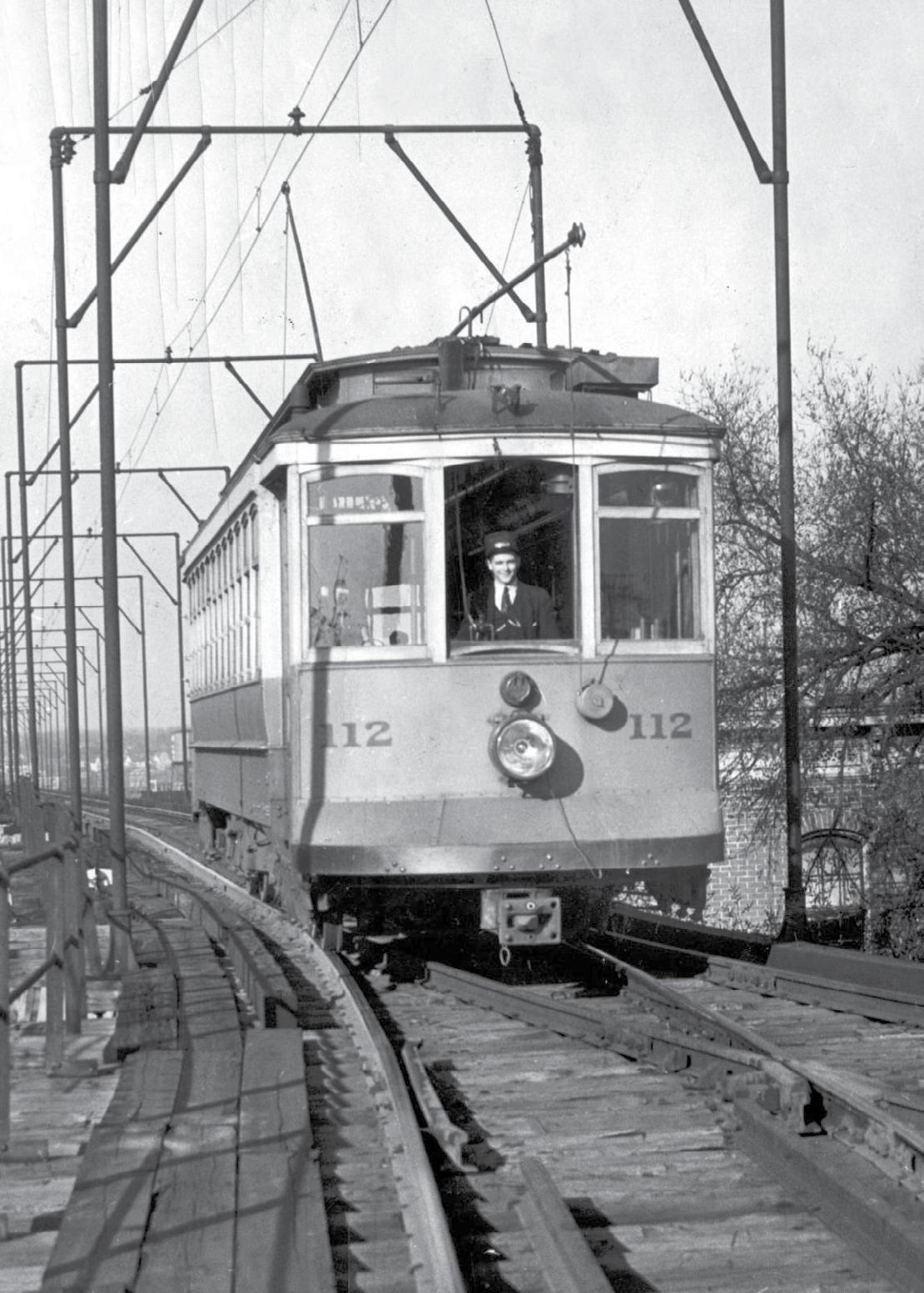
The streetcar route that ran closest to the current day location of The Crossings Golf Club was the Ashland Trolley Line. This 14.8-mile line from Richmond to Ashland consisted of 19 stops and took 40 minutes one-way. The line crossed over the Chickahominy River just 2.5 miles from the current day location of The Crossings.
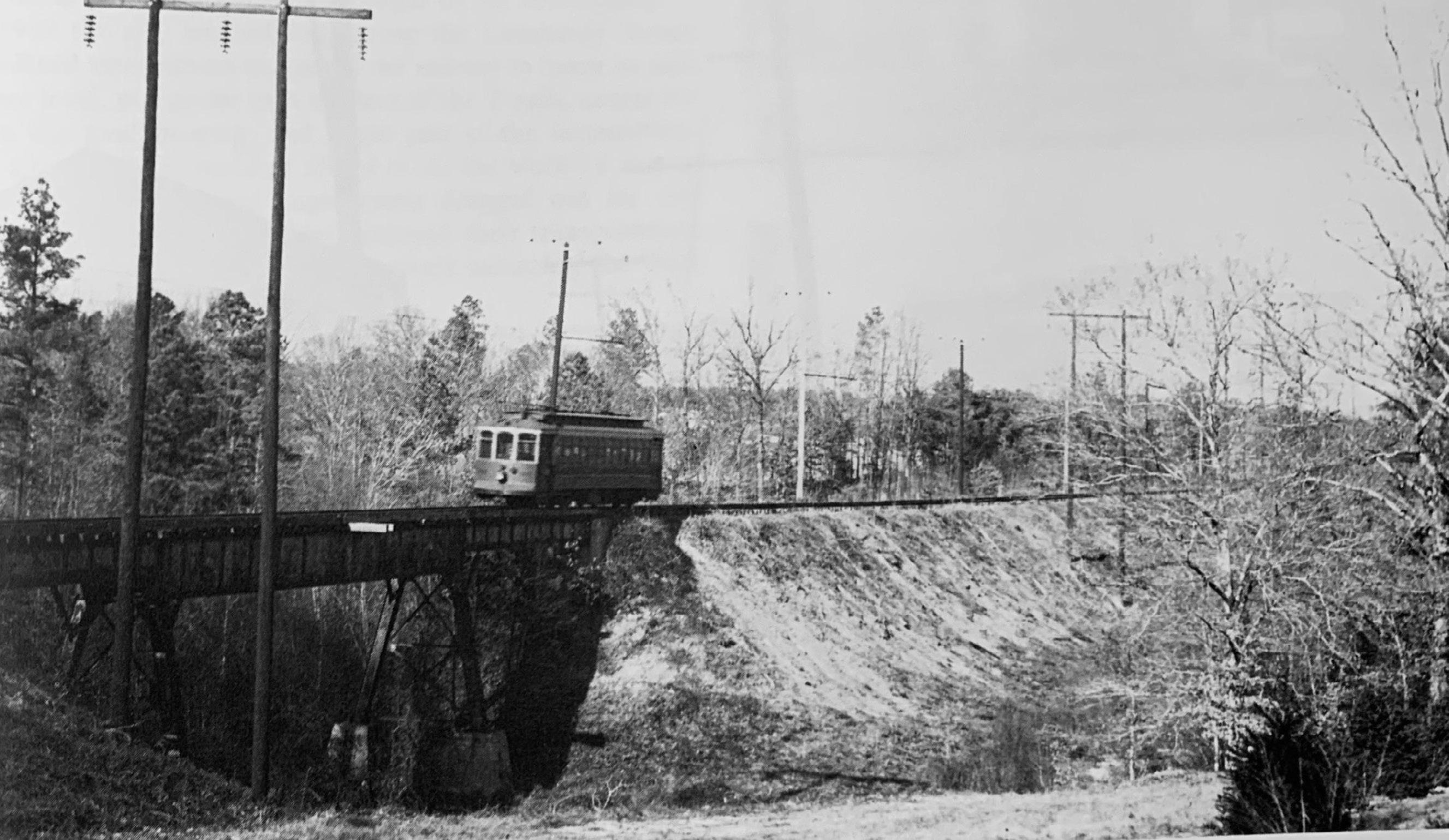
A streetcar crossing over the Chickahominy River just 2.5 miles from the current day location of The Crossings.
THE CROSSINGS GOLF CLUB LOGO PROJECT
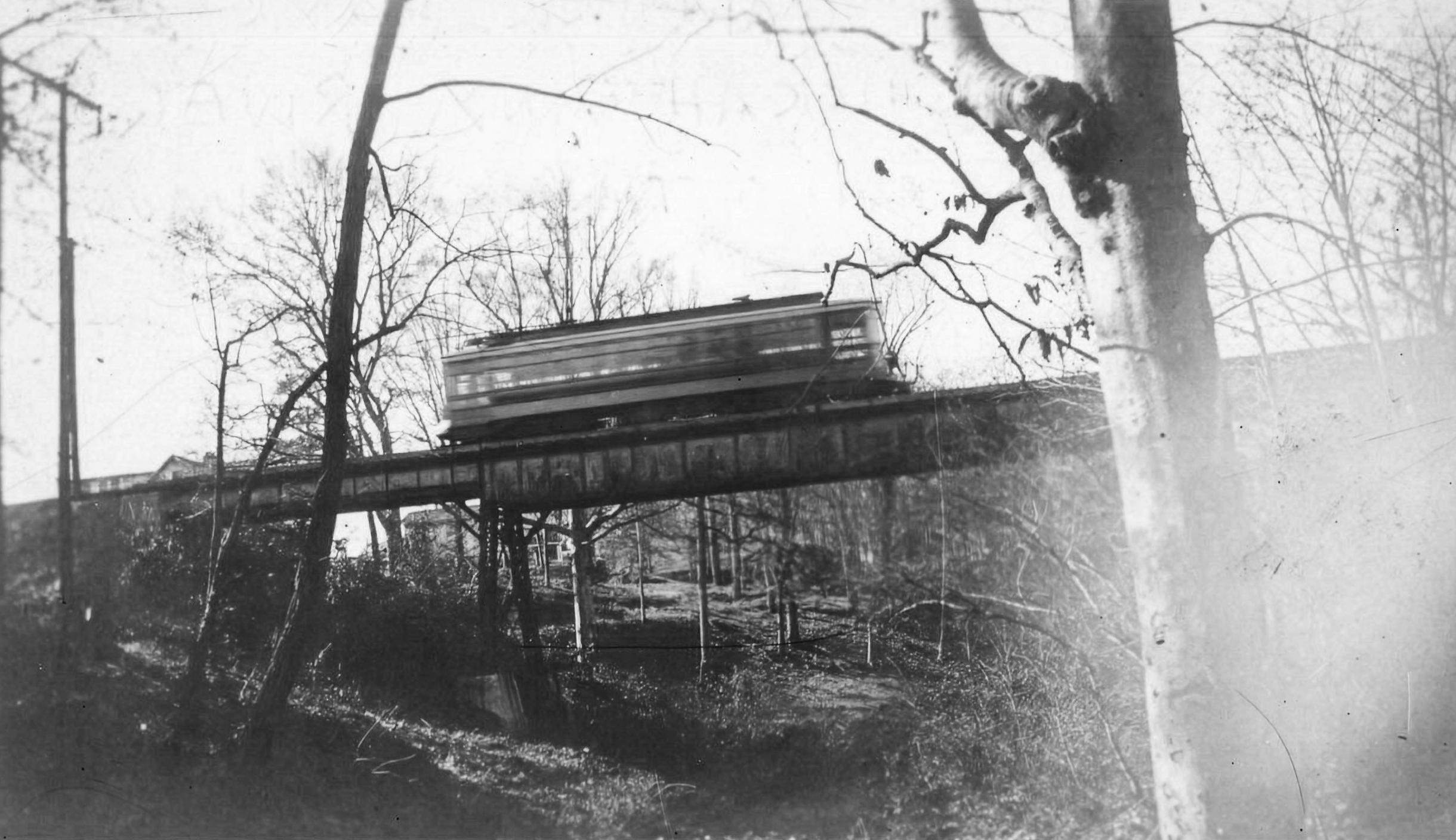
A streetcar crossing over the Chickahominy River just 2.5 miles from the current day location of The Crossings.
THE CROSSINGS GOLF CLUB LOGO PROJECT
THE CROSSINGS GOLF CLUB LOGO PROJECT
Click on the image below to watch The Crossings Logo reveal video.

THE CROSSINGS GOLF CLUB LOGO PROJECT
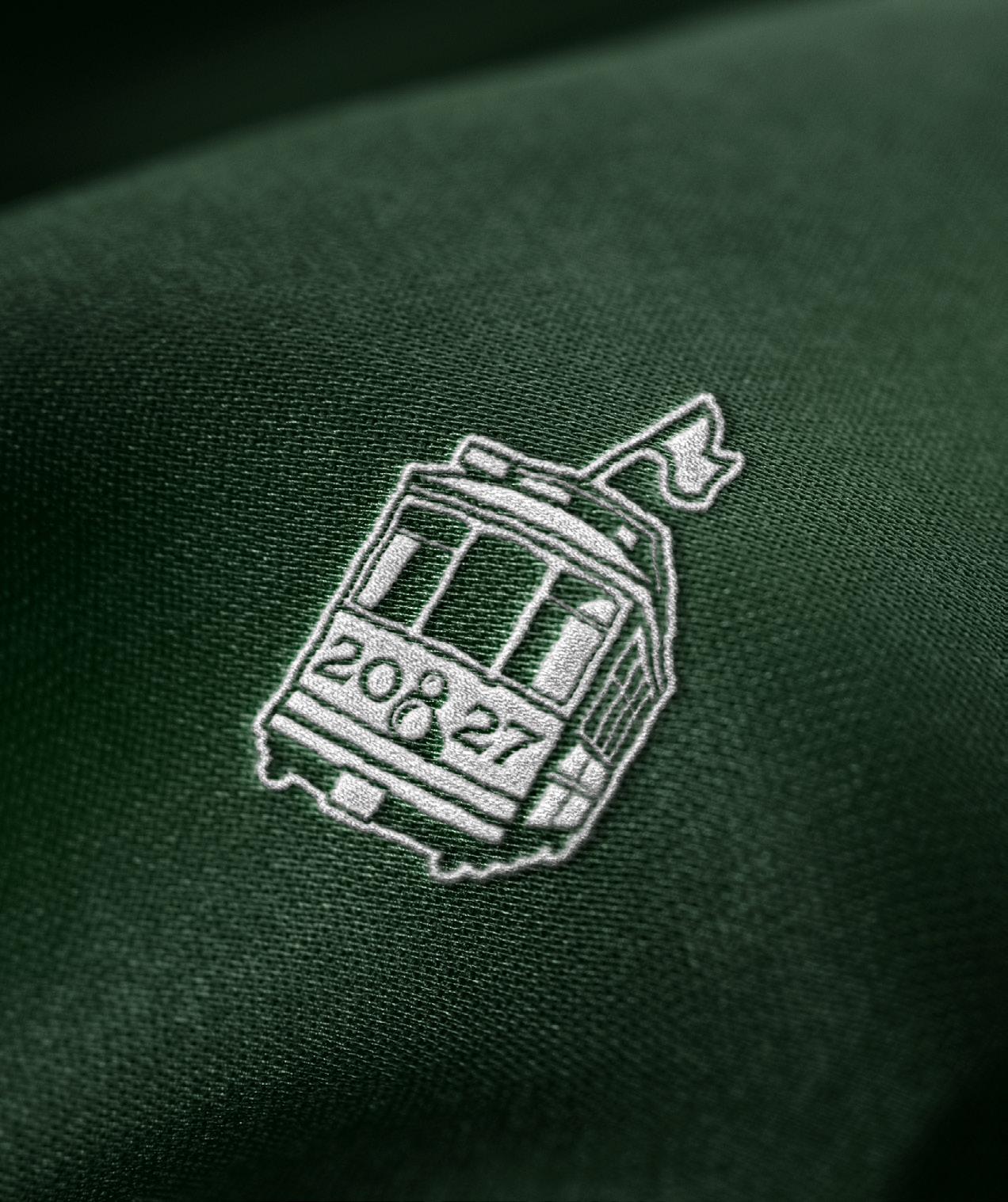
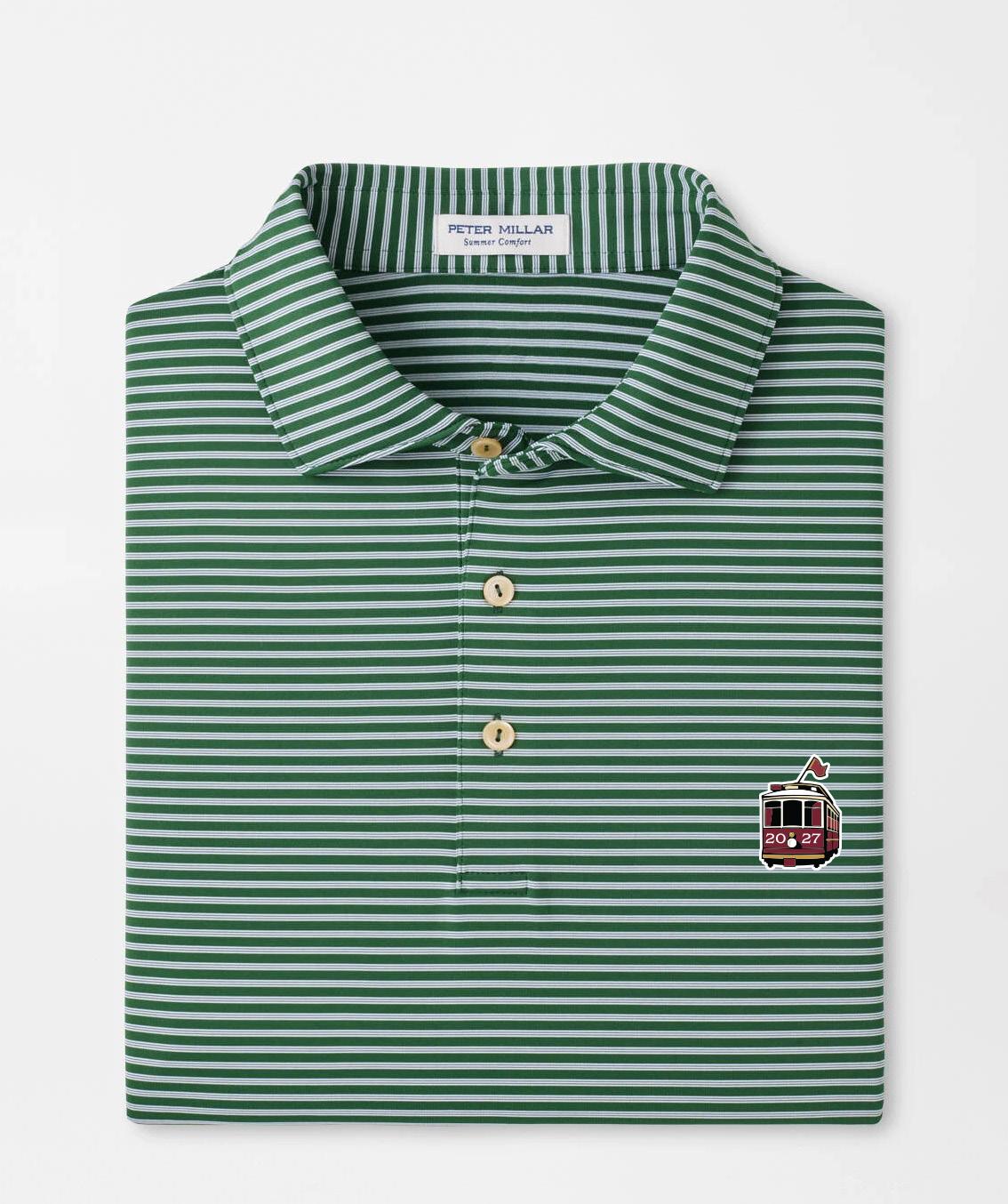
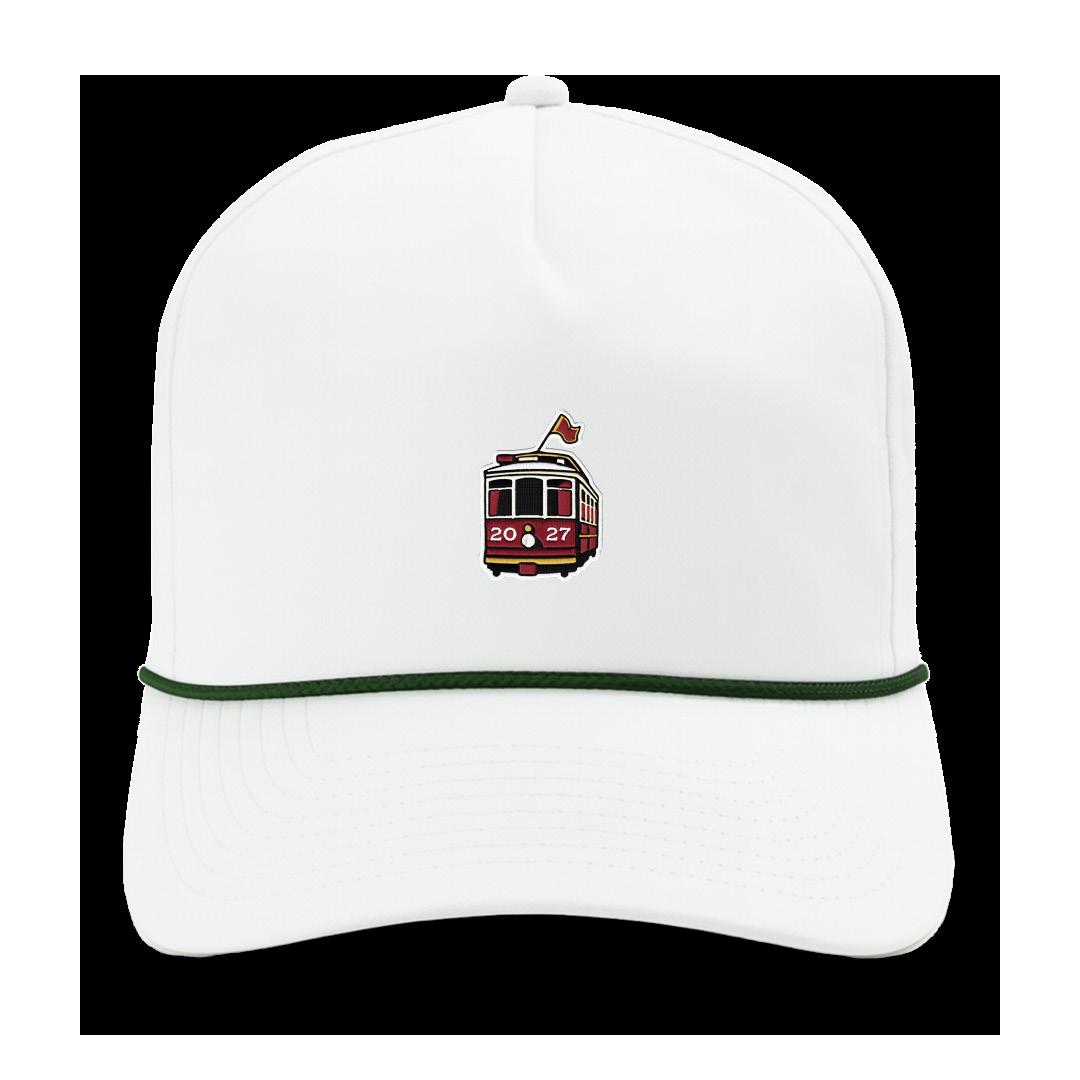
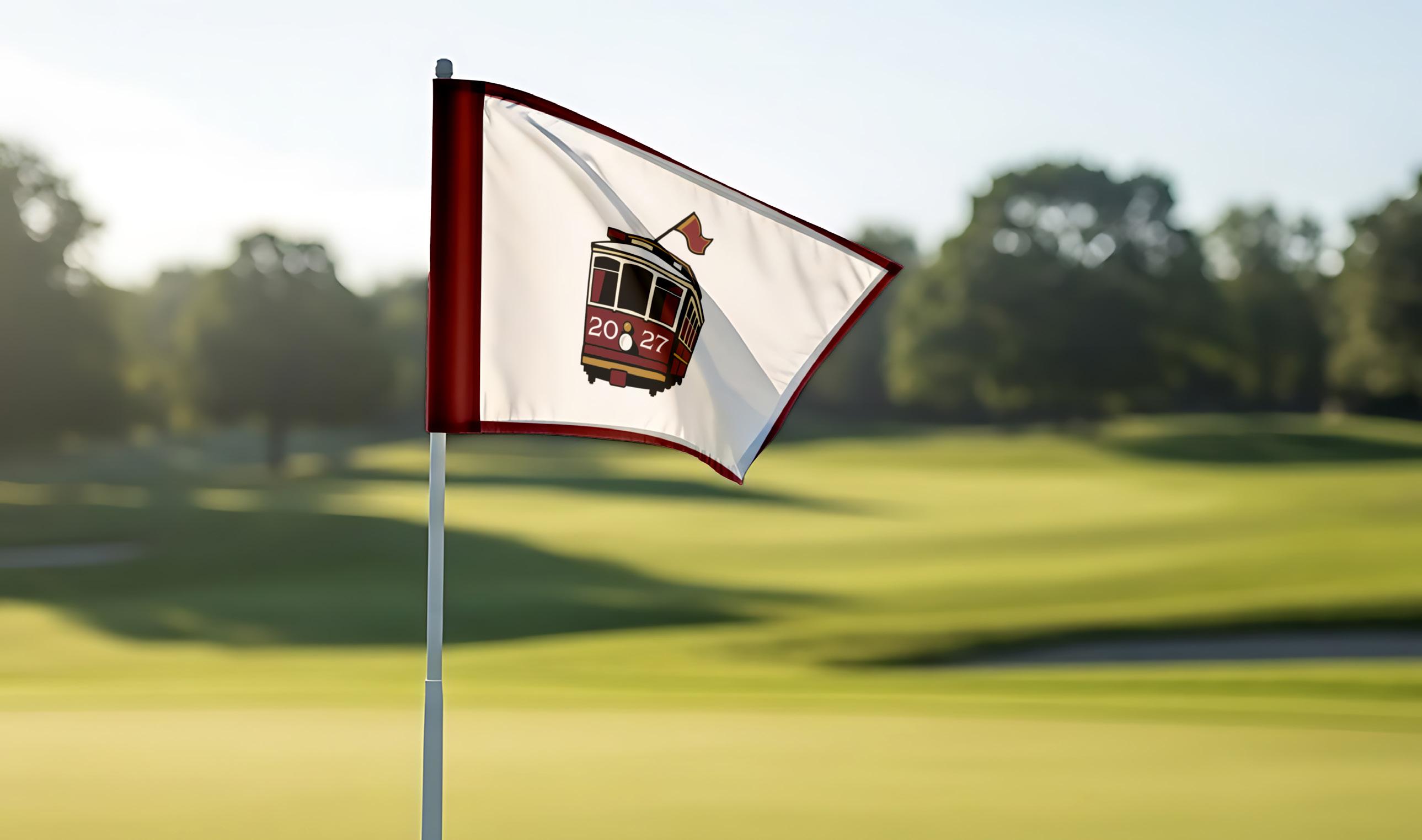
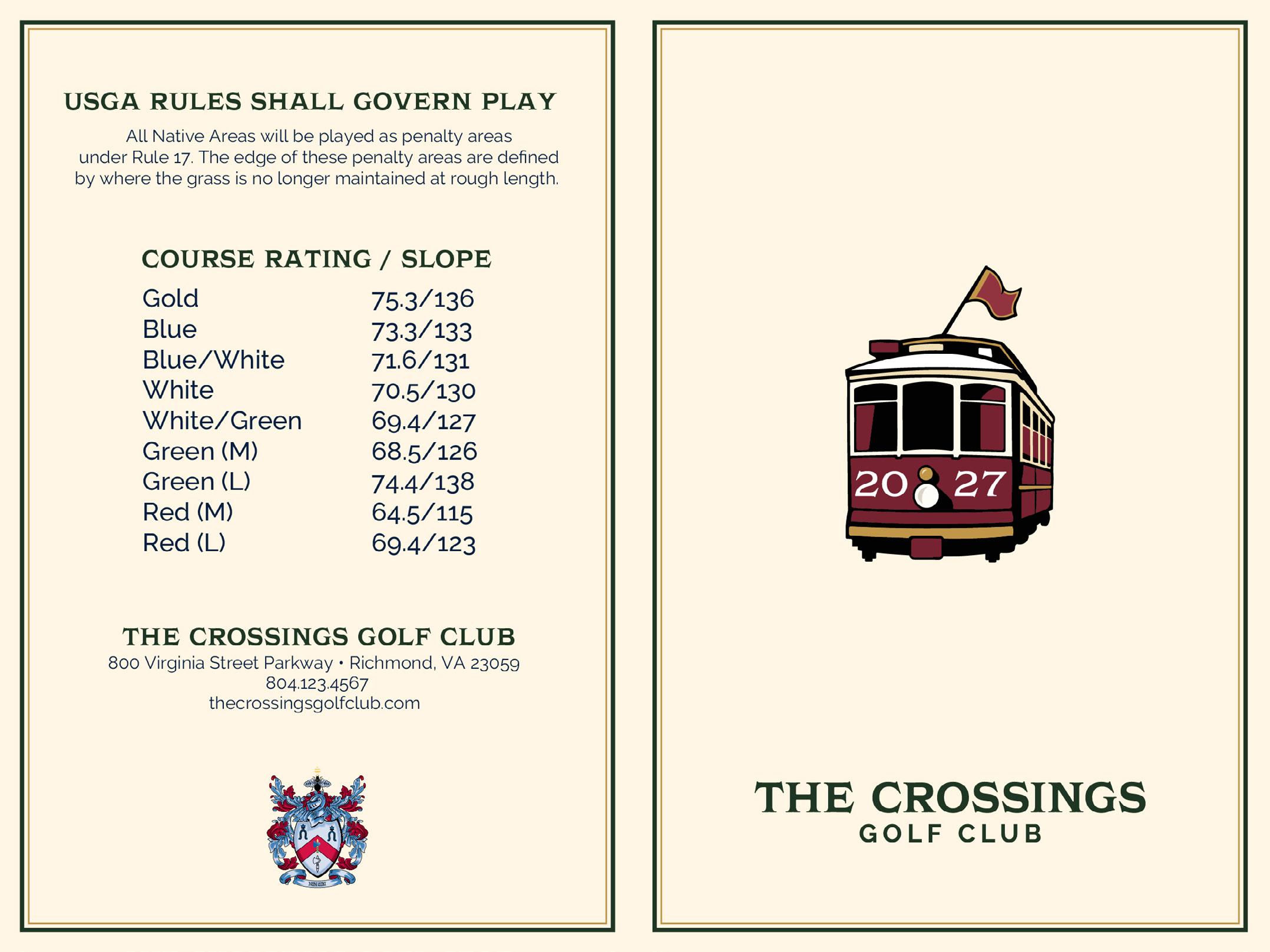
A 1920s-era electric streetcar featuring a pin flag in place of the trolley wheel. In some cities, streetcars were called “trolleys”, but the colloquialism was seldon heard in Richmond.
The 2027 on the car represents a new era for The Crossings Golf Club. With a newly restored Joe Lee design, new ownership, and new brand, this is not the same club that area golfers knew before.
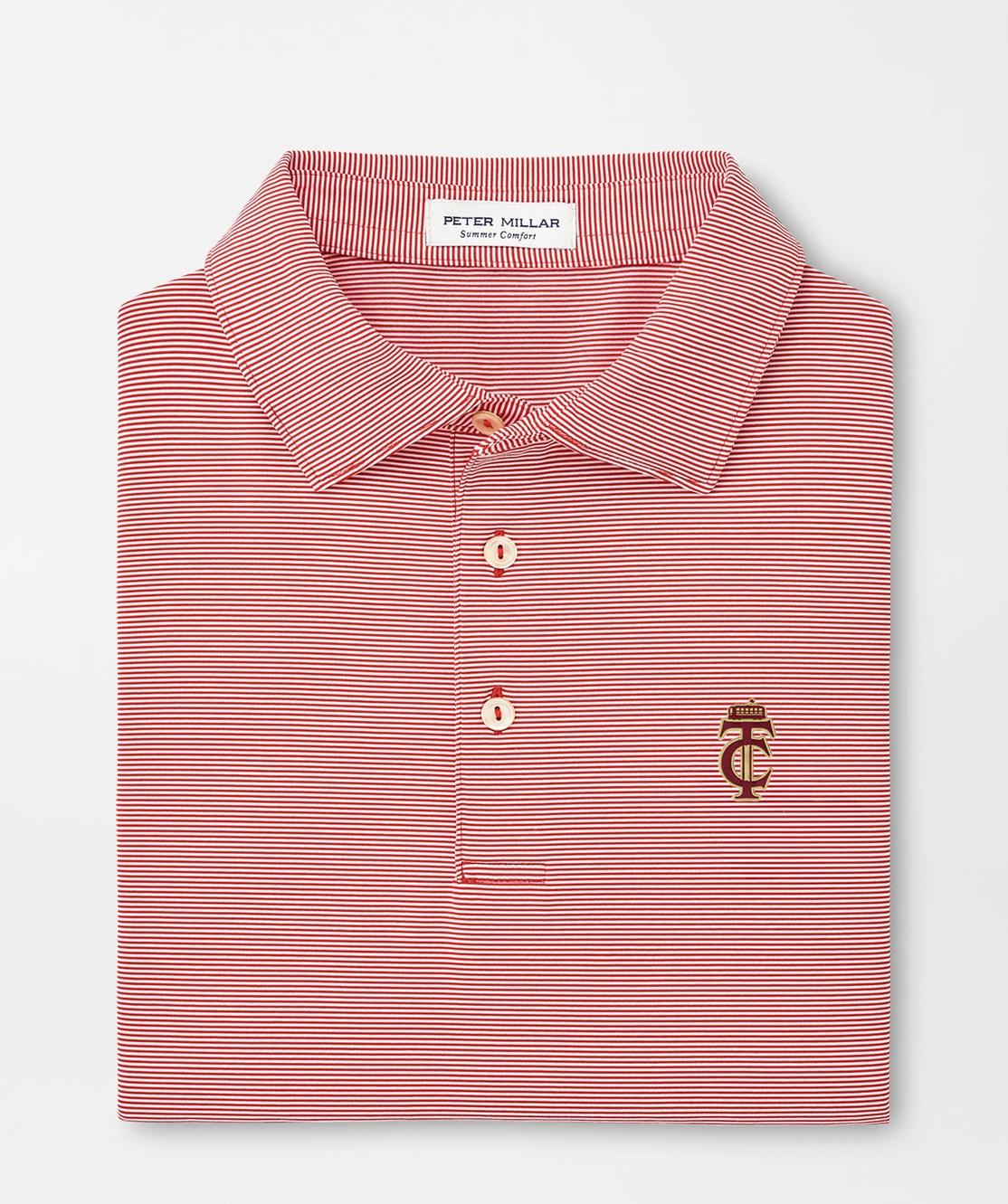
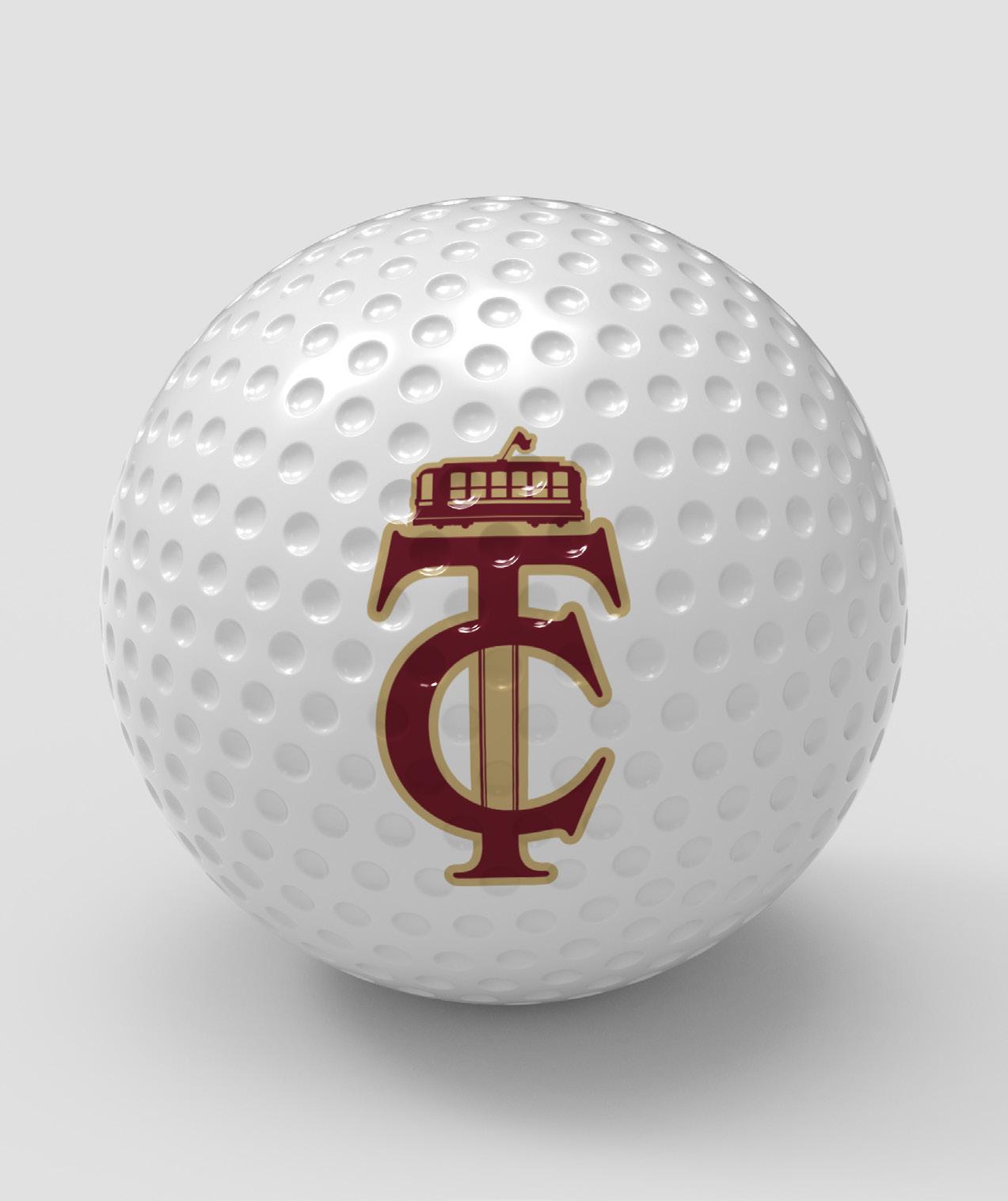
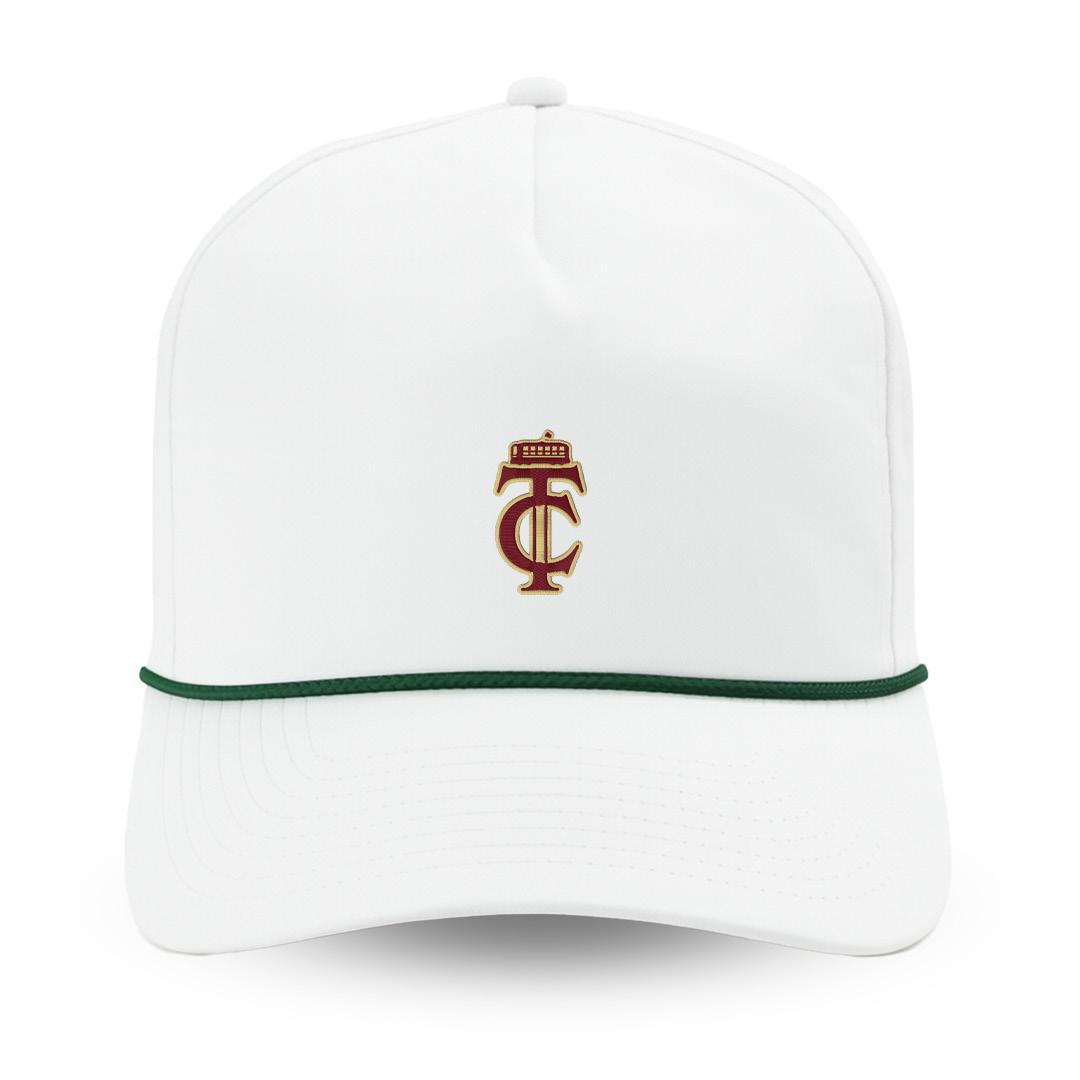
An interlocking T & C with the cross-section of the T resembling a set of streetcar tracks. The top of the T forms a bridge with a streetcar silhouette crossing over it just as they used to cross over the Chickahominy River back in the day.
The Crossings Golf Club spelled out between a set of streetcar tracks. The font resembles the numbers painted on the streetcars back in the day.
A unique set of colors to the McConnell Golf portfolio of properties, the combination of cream, gold, red, and green evokes a sense of richness and tradition. These colors were all found in the most common streetcar paint schemes you would see around Richmond and Henrico County.
THE CROSSINGS GOLF CLUB LOGO PROJECT
THE CROSSINGS GOLF CLUB LOGO PROJECT
THE CROSSINGS GOLF CLUB LOGO
THE CROSSINGS GOLF CLUB LOGO PROJECT
THE CROSSINGS GOLF CLUB LOGO PROJECT
THE CROSSINGS GOLF CLUB LOGO PROJECT